EP3301779A1 - Flexible grouping and current-equalizing method for charger system of shared bus - Google Patents
Flexible grouping and current-equalizing method for charger system of shared bus Download PDFInfo
- Publication number
- EP3301779A1 EP3301779A1 EP16853056.6A EP16853056A EP3301779A1 EP 3301779 A1 EP3301779 A1 EP 3301779A1 EP 16853056 A EP16853056 A EP 16853056A EP 3301779 A1 EP3301779 A1 EP 3301779A1
- Authority
- EP
- European Patent Office
- Prior art keywords
- charging
- group
- current sharing
- charging modules
- current
- Prior art date
- Legal status (The legal status is an assumption and is not a legal conclusion. Google has not performed a legal analysis and makes no representation as to the accuracy of the status listed.)
- Withdrawn
Links
Images

Classifications
-
- H—ELECTRICITY
- H02—GENERATION; CONVERSION OR DISTRIBUTION OF ELECTRIC POWER
- H02J—ELECTRIC POWER NETWORKS; CIRCUIT ARRANGEMENTS OR SYSTEMS FOR SUPPLYING OR DISTRIBUTING ELECTRIC POWER; SYSTEMS FOR STORING ELECTRIC ENERGY
- H02J1/00—Circuit arrangements for DC mains or DC distribution networks
- H02J1/10—Parallel operation of DC sources
- H02J1/106—Parallel operation of DC sources for load balancing, symmetrisation, or sharing
-
- H—ELECTRICITY
- H02—GENERATION; CONVERSION OR DISTRIBUTION OF ELECTRIC POWER
- H02J—ELECTRIC POWER NETWORKS; CIRCUIT ARRANGEMENTS OR SYSTEMS FOR SUPPLYING OR DISTRIBUTING ELECTRIC POWER; SYSTEMS FOR STORING ELECTRIC ENERGY
- H02J7/00—Circuit arrangements for charging or discharging batteries or for supplying loads from batteries
- H02J7/50—Circuit arrangements for charging or discharging batteries or for supplying loads from batteries acting upon multiple batteries simultaneously or sequentially
-
- H—ELECTRICITY
- H02—GENERATION; CONVERSION OR DISTRIBUTION OF ELECTRIC POWER
- H02J—ELECTRIC POWER NETWORKS; CIRCUIT ARRANGEMENTS OR SYSTEMS FOR SUPPLYING OR DISTRIBUTING ELECTRIC POWER; SYSTEMS FOR STORING ELECTRIC ENERGY
- H02J7/00—Circuit arrangements for charging or discharging batteries or for supplying loads from batteries
-
- H—ELECTRICITY
- H02—GENERATION; CONVERSION OR DISTRIBUTION OF ELECTRIC POWER
- H02J—ELECTRIC POWER NETWORKS; CIRCUIT ARRANGEMENTS OR SYSTEMS FOR SUPPLYING OR DISTRIBUTING ELECTRIC POWER; SYSTEMS FOR STORING ELECTRIC ENERGY
- H02J7/00—Circuit arrangements for charging or discharging batteries or for supplying loads from batteries
- H02J7/90—Regulation of charging or discharging current or voltage
- H02J7/94—Regulation of charging or discharging current or voltage in response to battery current
-
- H—ELECTRICITY
- H04—ELECTRIC COMMUNICATION TECHNIQUE
- H04L—TRANSMISSION OF DIGITAL INFORMATION, e.g. TELEGRAPHIC COMMUNICATION
- H04L12/00—Data switching networks
- H04L12/28—Data switching networks characterised by path configuration, e.g. LAN [Local Area Networks] or WAN [Wide Area Networks]
- H04L12/40—Bus networks
-
- Y—GENERAL TAGGING OF NEW TECHNOLOGICAL DEVELOPMENTS; GENERAL TAGGING OF CROSS-SECTIONAL TECHNOLOGIES SPANNING OVER SEVERAL SECTIONS OF THE IPC; TECHNICAL SUBJECTS COVERED BY FORMER USPC CROSS-REFERENCE ART COLLECTIONS [XRACs] AND DIGESTS
- Y02—TECHNOLOGIES OR APPLICATIONS FOR MITIGATION OR ADAPTATION AGAINST CLIMATE CHANGE
- Y02B—CLIMATE CHANGE MITIGATION TECHNOLOGIES RELATED TO BUILDINGS, e.g. HOUSING, HOUSE APPLIANCES OR RELATED END-USER APPLICATIONS
- Y02B70/00—Technologies for an efficient end-user side electric power management and consumption
- Y02B70/30—Systems integrating technologies related to power network operation and communication or information technologies for improving the carbon footprint of the management of residential or tertiary loads, i.e. smart grids as climate change mitigation technology in the buildings sector, including also the last stages of power distribution and the control, monitoring or operating management systems at local level
-
- Y—GENERAL TAGGING OF NEW TECHNOLOGICAL DEVELOPMENTS; GENERAL TAGGING OF CROSS-SECTIONAL TECHNOLOGIES SPANNING OVER SEVERAL SECTIONS OF THE IPC; TECHNICAL SUBJECTS COVERED BY FORMER USPC CROSS-REFERENCE ART COLLECTIONS [XRACs] AND DIGESTS
- Y04—INFORMATION OR COMMUNICATION TECHNOLOGIES HAVING AN IMPACT ON OTHER TECHNOLOGY AREAS
- Y04S—SYSTEMS INTEGRATING TECHNOLOGIES RELATED TO POWER NETWORK OPERATION, COMMUNICATION OR INFORMATION TECHNOLOGIES FOR IMPROVING THE ELECTRICAL POWER GENERATION, TRANSMISSION, DISTRIBUTION, MANAGEMENT OR USAGE, i.e. SMART GRIDS
- Y04S20/00—Management or operation of end-user stationary applications or the last stages of power distribution; Controlling, monitoring or operating thereof
- Y04S20/20—End-user application control systems
Definitions
- the present invention relates to the field of the power electronics control technique, and more particularly to a flexible-grouping current sharing method for bus sharing charger system.
- the conventional charger system usually adopts equalized charging or alternate charging to achieve charging the objects (battery).
- the technique is not capable of independently and flexibly configuring the charger module to finish the charging operation, which often causes a result that the charging manner of the charger system is inflexible and the overall utilization rate of the charger is low.
- An object of the present invention is to provide a flexible-grouping current sharing method for a bus sharing charger system.
- a charging control unit By analyzing information of the charger system (including a power distribution unit (PDU) and a charging module), a charging control unit (CCU) automatically distributes a certain amount of PDU and charging modules for serving as a specific charging group to achieve charging operation to a charging object (battery).
- PDU power distribution unit
- CCU charging control unit
- each of the charging modules in the groups automatically achieves within-group current sharing by data filtering, and out-group charging module is not involved in the current sharing.
- the system distributes one or more specific charging group again to achieve charging operation on different charging objects (battery) simultaneously or with time interval, which solves the problems in the conventional charger technique of being not capable of automatically and flexibly distributing charging modules according to the conditions and real-time requirements of the system.
- the object of the present invention is implemented by the following technical solutions.
- a flexible-grouping current sharing method for bus sharing charger system comprising steps for group distribution of a specific charging combination of:
- the step (1) judging whether the group distribution prophase address sequencing command is triggered by the charging module comprises two ways; wherein a first way is giving tacit consent to a triggering address sequencing condition; a second way is to initiatively send a command of the triggering address sequencing condition by a CCU.
- step (4) of sequencing address numbers of all the charging modules determined on a basis of a single production date, production quantity and production site on a bar code the address numbers is sequenced according to 1 2, 3 ⁇ N.
- the main charging modules are a maximum address or a minimum address, or a specific address in address sequences.
- step (12) of implementing within-group current sharing among each charging groups comprises steps of:
- the step of implementing within-group current sharing among each charging groups is a repeated recycling process.
- the charging control unit CCU
- the power distribution unit PDU
- a charging module wherein the CCU, the PDU and the charging module are all connected to a shared CAN bus wire to achieve information interaction; meanwhile, the CCU or the PDU is connected to a BMS rechargeable battery system by the other communication line, so as to achieve information interaction the rechargeable battery.
- the other communication line adopts CAN bus or RS485 communication.
- the charger system is capable of reasonably distributing one or more specific charging group, so as to automatically achieve current sharing function of within-group charging modules in each of the specific charging group, and to achieve charging operation on different charging objects (battery) simultaneously or with time interval.
- the present invention improves the intelligence and utilization rate and improves input-output ratio of the power module of the charger system on the premise of not increasing the complexity of the structure of the system hardware, and thus the present invention is capable of meeting the over-growing charging demands better in quantity and types in the future.
- a flexible-grouping current sharing method for bus sharing charger system comprising steps for group distribution of a specific charging combination of:
- Fig. 2 which shows an implementing process of within-group current sharing inside each of the charging groups, wherein the process is a repeated recycling process in the step (12) after group distribution of the specific charging combination is determined, wherein the step (12) comprises steps of:
- each functional unit of the charger system is capable of effectively regulating and distributing to flexibly establishing a plurality of specific charging combination, so as to meet the diversity requirements of the charging objects (battery) for time and types.
- the charger system comprises the charging control unit (CCU), the power distribution unit (PDU) and a charging module, wherein the CCU, the PDU and the charging module are all connected to a shared CAN bus to achieve information interaction; meanwhile, the CCU or the PDU and is connected to a BMS rechargeable battery system by the other communication line (CAN line or RS485), so as to achieve information interaction the rechargeable battery.
- the location of the present invention achieves information interaction among the CCU, the PDU and the charging module of the shared CAN bus.
Landscapes
- Engineering & Computer Science (AREA)
- Power Engineering (AREA)
- Computer Networks & Wireless Communication (AREA)
- Signal Processing (AREA)
- Charge And Discharge Circuits For Batteries Or The Like (AREA)
- Secondary Cells (AREA)
Abstract
Description
- The present invention relates to the field of the power electronics control technique, and more particularly to a flexible-grouping current sharing method for bus sharing charger system.
- Currently, the conventional charger system usually adopts equalized charging or alternate charging to achieve charging the objects (battery). Under the premise of without increasing the structure complexity of the hardware in the system, the technique is not capable of independently and flexibly configuring the charger module to finish the charging operation, which often causes a result that the charging manner of the charger system is inflexible and the overall utilization rate of the charger is low.
- An object of the present invention is to provide a flexible-grouping current sharing method for a bus sharing charger system. By analyzing information of the charger system (including a power distribution unit (PDU) and a charging module), a charging control unit (CCU) automatically distributes a certain amount of PDU and charging modules for serving as a specific charging group to achieve charging operation to a charging object (battery). During the process, each of the charging modules in the groups automatically achieves within-group current sharing by data filtering, and out-group charging module is not involved in the current sharing. When the capacity or quantity of the charging object (battery) changes, the system distributes one or more specific charging group again to achieve charging operation on different charging objects (battery) simultaneously or with time interval, which solves the problems in the conventional charger technique of being not capable of automatically and flexibly distributing charging modules according to the conditions and real-time requirements of the system.
- The object of the present invention is implemented by the following technical solutions.
- A flexible-grouping current sharing method for bus sharing charger system, comprising steps for group distribution of a specific charging combination of:
- Step (1) judging whether a group distribution prophase address sequencing command is triggered by a charging module;
- Step (2) starting performing group distribution after the group distribution prophase address sequencing command is triggered;
- Step (3) initializing group distribution information on a power distribution unit (PDU) inside a charging module; wherein a bus sharing charging module and the PDU on a system are both deemed as an identical group;
- Step (4) executing an address sequencing command by all charging modules on a CAN bus; sequencing address numbers of all the charging modules determined on a basis of a single production date, production quantity and production site on a bar code; uploading a complete symbol to a charging control unit CCU by all the charging modules after completing;
- step (5) judging whether the charging control unit (CCU) sends a group distribution command to the power distribution unit (PDU), if yes, continuing the step (5); if no, jumping to a step (12);
- step (6) receiving and analyzing a group distribution data frame of the PDU issued by the CCU by each of the charging modules, understanding which PDU combination to join; and modifying group distribution information in current sharing frames to be sent;
- step (7) sending and broadcasting the current sharing frames by each one of all the charging modules; filtering out-group current sharing data according to the group distribution information in the current sharing frames; refreshing a new charging module address table in groups according to the address numbers in the step (4) to obtain address numbers of each group of main charging modules;
- step (8) refreshing a group distribution status symbol of current share regulating frame each group of the main charging modules to be OK; refreshing a group distribution status of the data frame to be OK after received by the charging modules, meanwhile, updating a CCU group distribution complete symbol by the charging modules;
- step (9) inquiring group distribution status of the PDU uploaded via each group of the charging modules by a CCU; wherein if the group distribution status is in accordance with a group distribution object of the PDU, the CCU allows each specific charging group to start up to work;
- step (10) regularly sending the current share regulating frame by each group of the main charging modules to regulate share current of the modules in groups, and emptying current sharing data information in a present group;
- step (11) after receiving current sharing frames in each group by the charging modules, refreshing current sharing data of a corresponding charging module; wherein out charging module current sharing data which is filtered stays out of current sharing in a current group;
- step (12) implementing within-group current sharing among each charging groups; and completing charging operation of different charging battery.
- Furthermore, the step (1) judging whether the group distribution prophase address sequencing command is triggered by the charging module comprises two ways; wherein a first way is giving tacit consent to a triggering address sequencing condition; a second way is to initiatively send a command of the triggering address sequencing condition by a CCU.
- Furthermore, in the step (4) of sequencing address numbers of all the charging modules determined on a basis of a single production date, production quantity and production site on a bar code; the address numbers is sequenced according to 1 2, 3······N.
- Furthermore, in the step (7) the main charging modules are a maximum address or a minimum address, or a specific address in address sequences.
- Furthermore, in the step (12) of implementing within-group current sharing among each charging groups comprises steps of:
- step (I) starting implementing a function of within-group current sharing;
- step (II) judging whether the charging modules are in a normal output status and allow within-group current sharing and press regulating, if yes, continuing the step (III); if no, skipping to the step (X);
- step (III) judging whether the current sharing and press regulating of all the charging modules in groups is in a boost status; if yes, continuing a step (IV); if no, skipping to the step (V);
- step (IV) outputting a step of current sharing and pressure regulating with a size of d1 by the charging modules in group, continuing to a step (IX);
- step (V) judging whether the current sharing and press regulating of all the charging modules in groups is in a decompression status; if yes, continuing a step (VI); if no, skipping to the step (VII);
- step (VI) outputting a step of current sharing and pressure regulating with a size of d2 by the charging modules in group, continuing to the step (XI);
- step (VII) judging whether the current sharing and press regulating of all the charging modules in groups is in an auto status; if yes, continuing a step (VIII); if no, skipping to the step (XI);
- step (VII) judging whether the current sharing and pressure regulating of all the charging modules in groups is in an auto status; if yes, continuing a step (VIII); if no, skipping to the step (XI);
- step (XI) outputting a clipping step size of current sharing and press regulating of the charging modules in the groups;
- step (X) terminating the current sharing and pressure regulating in the groups.
- Furthermore, in the step (VIII), the charging modules in groups outputs a current sharing and pressure regulating step with a size of d3, wherein d3 is a fixed value; or


- Furthermore, the step of implementing within-group current sharing among each charging groups is a repeated recycling process.
- Furthermore, comprising the charging control unit (CCU), the power distribution unit (PDU) and a charging module, wherein the CCU, the PDU and the charging module are all connected to a shared CAN bus wire to achieve information interaction; meanwhile, the CCU or the PDU is connected to a BMS rechargeable battery system by the other communication line, so as to achieve information interaction the rechargeable battery.
- Furthermore, the other communication line adopts CAN bus or RS485 communication.
- Beneficial effects of the present invention are as follows. By a data sharing bus, the charger system is capable of reasonably distributing one or more specific charging group, so as to automatically achieve current sharing function of within-group charging modules in each of the specific charging group, and to achieve charging operation on different charging objects (battery) simultaneously or with time interval. The present invention improves the intelligence and utilization rate and improves input-output ratio of the power module of the charger system on the premise of not increasing the complexity of the structure of the system hardware, and thus the present invention is capable of meeting the over-growing charging demands better in quantity and types in the future.
-
-
Fig. 1 is a flow chart of a powered up charger system which is equipped with a specific charging combination. -
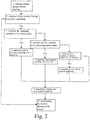
Fig. 2 is a flow chart of current sharing of a charging module in a specific charging combination. - Further description of the present invention is illustrated in detail combining with the accompanying drawings and the preferred embodiments.
- Referring to
Fig. 1 , a flexible-grouping current sharing method for bus sharing charger system, comprising steps for group distribution of a specific charging combination of: - Step (1) judging whether a group distribution prophase address sequencing command is triggered by a charging module, mainly comprising two ways; wherein a first way is giving tacit consent to a triggering address sequencing condition; a second way is to initiatively send a command of the triggering address sequencing condition by a CCU;
- Step (2) starting performing group distribution after the group distribution prophase address sequencing command is triggered;
- Step (3) initializing group distribution information on a power distribution unit (PDU) inside a charging module; wherein a bus sharing charging module and the PDU on a system are both deemed as an identical group;
- Step (4) executing an address sequencing command by all charging modules on a CAN bus; sequencing address numbers of all the charging modules determined on a basis of a single production date, production quantity and production site on a bar code; such as 1, 2, 3······, after finished, uploading a complete symbol to a charging control unit CCU by all the charging modules after completing;
- step (5) judging whether the charging control unit (CCU) sends a group distribution command to the power distribution unit (PDU), if yes, continuing the step (5); if no, jumping to a step (12);
- step (6) receiving and analyzing a group distribution data frame of the PDU issued by the CCU by each of the charging modules, understanding which PDU combination to join; and modifying group distribution information in current sharing frames to be sent;
- step (7) sending and broadcasting the current sharing frames by each one of all the charging modules; filtering out-group current sharing data according to the group distribution information in the current sharing frames; refreshing a new charging module address table in groups according to the address numbers in the step (4) to obtain address numbers of each group of main charging modules, wherein the main charging modules are a maximum address or a minimum address, or a specific address in address sequences;
- step (8) refreshing a group distribution status symbol of current share regulating frame each group of the main charging modules to be OK; refreshing a group distribution status of the data frame to be OK after received by the charging modules, meanwhile, updating a CCU group distribution complete symbol by the charging modules;
- step (9) inquiring group distribution status of the PDU uploaded via each group of the charging modules by a CCU; wherein if the group distribution status is in accordance with a group distribution object of the PDC, the CCU allows each specific charging group to start up to work;
- step (10) regularly sending the current share regulating frame by each group of the main charging modules to regulate share current of the charging modules in groups, and emptying current sharing data information in a present group;
- step (11) after receiving current sharing frames in each group by the charging modules, refreshing current sharing data of a corresponding charging module; wherein out charging module current sharing data which is filtered stays out of current sharing in a current group;
- step (12) implementing within-group current sharing among each charging groups; and completing charging operation of different charging battery.
- As shown in
Fig. 2 , which shows an implementing process of within-group current sharing inside each of the charging groups, wherein the process is a repeated recycling process in the step (12) after group distribution of the specific charging combination is determined, wherein the step (12) comprises steps of: - step (I) starting implementing a function of within-group current sharing;
- step (II) judging whether the charging modules are in a normal output status and allow within-group current sharing and press regulating, if yes, continuing the step (III); if no, skipping to the step (X);
- step (III) judging whether the current sharing and press regulating of all the charging modules in groups is in a boost status; if yes, continuing a step (IV); if no, skipping to the step (V);
- step (IV) outputting a step of current sharing and pressure regulating with a size of d1 by the charging modules in group, continuing to a step (IX);
- step (V) judging whether the current sharing and press regulating of all the charging modules in groups is in a decompression status; if yes, continuing a step (VI); if no, skipping to the step (VII);
- step (VI) outputting a step of current sharing and pressure regulating with a size of d2 by the charging modules in group, continuing to the step (IX);
- step (VII) judging whether the current sharing and pressure regulating of all the charging modules in groups is in an auto status; if yes, continuing a step (VIII); if no, skipping to the step (XI);
- step (VII) outputting a current sharing and pressure regulating step with a size of d3 by a within-group charging module, wherein d3 is a fixed value; or


- wherein k is a proportional coefficient; func is a discretization expression of a controller; lave is a within-group average current, Io is an actual current of the charging modules within the groups, d3' is a step size of pressure regulating calculated previously;
- continuing to perform a step (XI).
- step (XI) outputting a clipping step size of current sharing and press regulating of the charging modules in the groups;
- step (X) terminating the current sharing and pressure regulating in the groups.
- By the shared CAN bus and the grouping and filtering mechanism of application data, each functional unit of the charger system is capable of effectively regulating and distributing to flexibly establishing a plurality of specific charging combination, so as to meet the diversity requirements of the charging objects (battery) for time and types.
- The charger system comprises the charging control unit (CCU), the power distribution unit (PDU) and a charging module, wherein the CCU, the PDU and the charging module are all connected to a shared CAN bus to achieve information interaction; meanwhile, the CCU or the PDU and is connected to a BMS rechargeable battery system by the other communication line (CAN line or RS485), so as to achieve information interaction the rechargeable battery. The location of the present invention achieves information interaction among the CCU, the PDU and the charging module of the shared CAN bus.
- One skilled in the art will understand that the embodiment of the present invention as shown in the drawings and described above is exemplary only and not intended to be limiting.
- It will thus be seen that the objects of the present invention have been fully and effectively accomplished. Its embodiments have been shown and described for the purposes of illustrating the functional and structural principles of the present invention and is subject to change without departure from such principles. Therefore, this invention includes all modifications encompassed within the spirit and scope of the following claims.
Claims (9)
- A flexible-grouping current sharing method for a bus sharing charger system, comprising steps for group distribution of a specific charging combination of:Step (1) judging whether a group distribution prophase address sequencing command is triggered by a charging module;Step (2) starting performing group distribution after the group distribution prophase address sequencing command is triggered;Step (3) initializing group distribution information on a power distribution unit (PDU) inside the charging module;Step (4) executing an address sequencing command by all charging modules on a CAN bus; sequencing address numbers of all the charging modules determined on a basis of a single production date, production quantity and production site on a bar code; uploading a complete symbol to a charging control unit CCU by all the charging modules after completing;step (5) judging whether the charging control unit (CCU) sends a group distribution command to the power distribution unit (PDU), if yes, continuing the step (5); if no, jumping to a step (12);step (6) receiving and analyzing a group distribution data frame of the PDU issued by the CCU by each of the charging modules, understanding which PDU combination to join; and modifying group distribution information in current sharing frames to be sent;step (7) sending and broadcasting the current sharing frames by each one of all the charging modules; filtering out-group current sharing data according to the group distribution information in the current sharing frames; refreshing a new charging module address table in groups according to the address numbers in the step (4) to obtain address numbers of each group of main charging modules;step (8) refreshing a group distribution status symbol of current share regulating frame each group of the main charging modules to be OK; refreshing a group distribution status of the data frame to be OK after received by the charging modules, meanwhile, updating a CCU group distribution complete symbol by the charging modules;step (9) inquiring group distribution status of the PDU uploaded via each group of the charging modules by a CCU; wherein if the group distribution status is in accordance with a group distribution object of the PDC, the CCU allows each specific charging group to start up to work;step (10) regularly sending the current share regulating frame by each group of the main charging modules to regulate share current of the charging modules in groups, and emptying current sharing data information in a present group;step (11) after receiving current sharing frames in each group by the charging modules, refreshing current sharing data of a corresponding charging module; wherein out charging module current sharing data which is filtered stays out of current sharing in a current group;step (12) implementing within-group current sharing among each charging groups; and completing charging operation of different charging battery.
- The flexible-grouping current sharing method for bus sharing charger system, as recited in claim 1, wherein the step (1) judging whether the group distribution prophase address sequencing command is triggered by the charging module comprises two ways; wherein a first way is giving tacit consent to a triggering address sequencing condition; a second way is to initiatively send a command of the triggering address sequencing condition by a CCU.
- The flexible-grouping current sharing method for bus sharing charger system, as recited in claim 1, wherein in the step (4) of sequencing address numbers of all the charging modules determined on a basis of a single production date, production quantity and production site on a bar code; the address numbers is sequenced according to 1 2, 3······N.
- The flexible-grouping current sharing method for bus sharing charger system, as recited in claim 1, wherein in the step (7) the main charging modules are a maximum address or a minimum address, or a specific address in address sequences.
- The flexible-grouping current sharing method for bus sharing charger system, as recited in claim 1, wherein in the step (12) of implementing within-group current sharing among each charging groups comprises steps of:step (I) starting implementing a function of within-group current sharing;step (II) judging whether the charging modules are in a normal output status and allow within-group current sharing and press regulating, if yes, continuing a step (III); if no, skipping to the step (X);step (III) judging whether the current sharing and press regulating of all the charging modules in groups is in a boost status; if yes, continuing a step (IV); if no, skipping to the step (V);step (IV) outputting a step of current sharing and pressure regulating with a size of d1 by the charging modules in group, continuing to a step (IX);step (V) judging whether the current sharing and press regulating of all the charging modules in groups is in a decompression status; if yes, continuing a step (VI); if no, skipping to the step (VII);step (VI) outputting a step of current sharing and pressure regulating with a size of d2 by the charging modules in group, continuing to the step (XI);step (VII) judging whether the current sharing and pressure regulating of all the charging modules in groups is in an auto status; if yes, continuing a step (VIII); if no, skipping to the step (XI);step (VIII) outputting a step of current sharing and pressure regulating with a size of d3 by the charging modules in group, continuing to the step (XI);step (XI) outputting a clipping step size of current sharing and press regulating press regulating of the charging modules in the groups;step (X) terminating the current sharing and pressure regulating in the groups.
- The flexible-grouping current sharing method for bus sharing charger system, as recited in claim 5, wherein in the step (VIII), the charging modules in groups outputs a current sharing and pressure regulating step with a size of d3, wherein d3 is a fixed value; or


- The flexible-grouping current sharing method for bus sharing charger system, as recited in claim 5, wherein the step of implementing within-group current sharing among each charging groups is a repeated recycling process.
- A bus sharing charger system adopted by the flexible-grouping current sharing method, as recited in claim 1, comprising the charging control unit (CCU), the power distribution unit (PDU) and a charging module, wherein the CCU, the PDU and the charging module are all connected to a shared CAN bus wire to achieve information interaction; meanwhile, the CCU or the PDU is connected to a BMS rechargeable battery system by the other communication line, so as to achieve information interaction the rechargeable battery.
- The system, as recited in claim 8, wherein the other communication line adopts CAN bus or RS485 communication.
Applications Claiming Priority (2)
| Application Number | Priority Date | Filing Date | Title |
|---|---|---|---|
| CN201510654821.1A CN105207298B (en) | 2015-10-10 | 2015-10-10 | A kind of flexible packet current equalizing method of the charger system of shared bus |
| PCT/CN2016/096810 WO2017059751A1 (en) | 2015-10-10 | 2016-08-26 | Flexible grouping and current-equalizing method for charger system of shared bus |
Publications (2)
| Publication Number | Publication Date |
|---|---|
| EP3301779A1 true EP3301779A1 (en) | 2018-04-04 |
| EP3301779A4 EP3301779A4 (en) | 2019-03-20 |
Family
ID=54954804
Family Applications (1)
| Application Number | Title | Priority Date | Filing Date |
|---|---|---|---|
| EP16853056.6A Withdrawn EP3301779A4 (en) | 2015-10-10 | 2016-08-26 | FLEXIBLE CURRENT AND GROUPING EQUALIZATION METHOD FOR SHARED BUS LOADER SYSTEM |
Country Status (5)
| Country | Link |
|---|---|
| US (1) | US20180198288A1 (en) |
| EP (1) | EP3301779A4 (en) |
| CN (1) | CN105207298B (en) |
| DE (1) | DE202016008985U1 (en) |
| WO (1) | WO2017059751A1 (en) |
Cited By (1)
| Publication number | Priority date | Publication date | Assignee | Title |
|---|---|---|---|---|
| CN106787759A (en) * | 2016-12-30 | 2017-05-31 | 山东鲁能智能技术有限公司 | A kind of load current equalization methods of charging pile, device and charging pile |
Families Citing this family (8)
| Publication number | Priority date | Publication date | Assignee | Title |
|---|---|---|---|---|
| CN105207298B (en) * | 2015-10-10 | 2017-03-15 | 西安特锐德智能充电科技有限公司 | A kind of flexible packet current equalizing method of the charger system of shared bus |
| CN105656120B (en) * | 2016-01-29 | 2019-12-10 | 国网智能科技股份有限公司 | Monitoring method for intelligent load distribution of double-circuit charger |
| CN105634094B (en) * | 2016-01-29 | 2018-10-30 | 山东鲁能智能技术有限公司 | A kind of method of the equal flow point group of two-way charger |
| CN107512183A (en) * | 2017-07-27 | 2017-12-26 | 安徽雄峰新能源科技有限公司 | A kind of charging pile flexibility charging system |
| CN108037785B (en) * | 2017-12-27 | 2020-03-31 | 深圳市匠能智造信息技术有限公司 | CAN current equalizing method with grouping function |
| CN108312871B (en) * | 2018-02-02 | 2021-11-16 | 西安特锐德智能充电科技有限公司 | Method and system for controlling current output of power module group |
| CN109228907B (en) * | 2018-07-16 | 2021-06-08 | 西安特锐德智能充电科技有限公司 | Direct-current charging control method and high-power group charging system of electric automobile |
| CN113190881B (en) * | 2021-04-22 | 2023-02-10 | 石家庄通合电子科技股份有限公司 | Method and device for determining machine number of charging module and terminal equipment |
Family Cites Families (12)
| Publication number | Priority date | Publication date | Assignee | Title |
|---|---|---|---|---|
| US6094053A (en) * | 1995-11-06 | 2000-07-25 | Ford Global Technologies, Inc. | Method and apparatus for identifying electronic circuits in a distributed electronic system |
| FR2914528B1 (en) * | 2007-03-26 | 2009-07-24 | Commissariat Energie Atomique | IMAGE SENSOR FOR OPERATING IN SUB-RESOLUTION MODE. |
| CN201219203Y (en) * | 2008-06-18 | 2009-04-08 | 合肥同智科技发展有限公司 | Parallel quick-charging communication circuit of high-power charging system |
| US8239597B2 (en) * | 2008-07-18 | 2012-08-07 | Intersil Americas Inc. | Device-to-device communication bus for distributed power management |
| US20110234165A1 (en) * | 2010-03-29 | 2011-09-29 | Dennis Palatov | Modular Charging System for Multi-Cell Series-Connected Battery Packs |
| CA2810369A1 (en) * | 2010-09-02 | 2012-03-08 | Proterra Inc. | Systems and methods for battery management |
| US8898461B2 (en) * | 2011-03-03 | 2014-11-25 | Lenovo (Singapore) Pte. Ltd. | Battery authentication method and apparatus |
| CN102290844B (en) * | 2011-08-18 | 2013-09-18 | 北京航空航天大学 | Modularized photovoltaic charge control system of storage battery pack and control method thereof |
| US9843213B2 (en) * | 2013-08-06 | 2017-12-12 | Energous Corporation | Social power sharing for mobile devices based on pocket-forming |
| CN203387207U (en) * | 2013-06-04 | 2014-01-08 | 深圳市沃特玛电池有限公司 | An equalization circuit of a battery set |
| US9453497B2 (en) * | 2014-03-18 | 2016-09-27 | General Electric Company | Method for operating a wind farm |
| CN105207298B (en) * | 2015-10-10 | 2017-03-15 | 西安特锐德智能充电科技有限公司 | A kind of flexible packet current equalizing method of the charger system of shared bus |
-
2015
- 2015-10-10 CN CN201510654821.1A patent/CN105207298B/en active Active
-
2016
- 2016-08-26 US US15/741,292 patent/US20180198288A1/en not_active Abandoned
- 2016-08-26 WO PCT/CN2016/096810 patent/WO2017059751A1/en not_active Ceased
- 2016-08-26 DE DE202016008985.5U patent/DE202016008985U1/en active Active
- 2016-08-26 EP EP16853056.6A patent/EP3301779A4/en not_active Withdrawn
Cited By (1)
| Publication number | Priority date | Publication date | Assignee | Title |
|---|---|---|---|---|
| CN106787759A (en) * | 2016-12-30 | 2017-05-31 | 山东鲁能智能技术有限公司 | A kind of load current equalization methods of charging pile, device and charging pile |
Also Published As
| Publication number | Publication date |
|---|---|
| DE202016008985U1 (en) | 2021-03-16 |
| EP3301779A4 (en) | 2019-03-20 |
| CN105207298A (en) | 2015-12-30 |
| WO2017059751A1 (en) | 2017-04-13 |
| US20180198288A1 (en) | 2018-07-12 |
| CN105207298B (en) | 2017-03-15 |
Similar Documents
| Publication | Publication Date | Title |
|---|---|---|
| US20180198288A1 (en) | Flexible-grouping current sharing method for bus sharing charger system | |
| CN115056676A (en) | Charging system for battery changing station or energy storage station | |
| EP3212457B1 (en) | Mediator device for smart electric vehicle charging | |
| CN104578273B (en) | Electric energy dispatches charging system and electric energy scheduling charging method | |
| CN111016724A (en) | Charging pile self-adaptive power distribution method, system and equipment | |
| DE102012200489A1 (en) | Double-charging system | |
| CN110562091B (en) | Intelligent optimization and monitoring device for direct-current charger and direct-current charging system | |
| WO2018040994A1 (en) | Modularised charging vehicle | |
| WO2008135043A2 (en) | Method and devices for using energy stored in mechanical-electrical systems and other electrical systems as a regulating reserve in electrical supply networks | |
| CN105490345B (en) | A kind of charge control method and device of robot | |
| CN112271749A (en) | A dual-source trackless power communication control system and method | |
| CN113708458A (en) | Multi-charging-module parallel current sharing control method, device and system | |
| CN108602442B (en) | Method for controlling electrical charging of a vehicle group | |
| CN113644672B (en) | Electric vehicle charging and discharging coordination scheduling system and method | |
| CN113285509A (en) | Charging pile power distribution control system with self-learning function and charging pile power distribution control method | |
| CN108565928A (en) | A kind of charging system and charging system control method | |
| CN109159675B (en) | Matrix type flexible charging system, charging control method and device | |
| CN105656120B (en) | Monitoring method for intelligent load distribution of double-circuit charger | |
| CN204086878U (en) | Centralized automobile body control module of commercial car based on CAN bus | |
| CN206452167U (en) | A kind of DC charging motor system | |
| CN118457280A (en) | Discharge control system, discharge control method, and flying vehicle | |
| CN107323266B (en) | A kind of digitlization electric bicycle control dispatching method | |
| CN109494849B (en) | Battery status control device and method | |
| CN109435722A (en) | Multichannel charging adaptive device and system | |
| CN109617189B (en) | A method of current sharing in parallel mode of charging modules |
Legal Events
| Date | Code | Title | Description |
|---|---|---|---|
| STAA | Information on the status of an ep patent application or granted ep patent |
Free format text: STATUS: THE INTERNATIONAL PUBLICATION HAS BEEN MADE |
|
| PUAI | Public reference made under article 153(3) epc to a published international application that has entered the european phase |
Free format text: ORIGINAL CODE: 0009012 |
|
| STAA | Information on the status of an ep patent application or granted ep patent |
Free format text: STATUS: REQUEST FOR EXAMINATION WAS MADE |
|
| 17P | Request for examination filed |
Effective date: 20171227 |
|
| AK | Designated contracting states |
Kind code of ref document: A1 Designated state(s): AL AT BE BG CH CY CZ DE DK EE ES FI FR GB GR HR HU IE IS IT LI LT LU LV MC MK MT NL NO PL PT RO RS SE SI SK SM TR |
|
| AX | Request for extension of the european patent |
Extension state: BA ME |
|
| DAV | Request for validation of the european patent (deleted) | ||
| DAX | Request for extension of the european patent (deleted) | ||
| A4 | Supplementary search report drawn up and despatched |
Effective date: 20190215 |
|
| RIC1 | Information provided on ipc code assigned before grant |
Ipc: H02J 7/00 20060101AFI20190211BHEP |
|
| STAA | Information on the status of an ep patent application or granted ep patent |
Free format text: STATUS: EXAMINATION IS IN PROGRESS |
|
| 17Q | First examination report despatched |
Effective date: 20200311 |
|
| STAA | Information on the status of an ep patent application or granted ep patent |
Free format text: STATUS: THE APPLICATION HAS BEEN WITHDRAWN |
|
| 18W | Application withdrawn |
Effective date: 20210907 |