EP3288644B1 - Cosmetic use of extracts derived from somatic embryo enriched plant cell cultures and cosmetic compositions containing those extracts - Google Patents
Cosmetic use of extracts derived from somatic embryo enriched plant cell cultures and cosmetic compositions containing those extracts Download PDFInfo
- Publication number
- EP3288644B1 EP3288644B1 EP16721657.1A EP16721657A EP3288644B1 EP 3288644 B1 EP3288644 B1 EP 3288644B1 EP 16721657 A EP16721657 A EP 16721657A EP 3288644 B1 EP3288644 B1 EP 3288644B1
- Authority
- EP
- European Patent Office
- Prior art keywords
- extract
- extracts
- sugars
- peptides
- hydrosoluble
- Prior art date
- Legal status (The legal status is an assumption and is not a legal conclusion. Google has not performed a legal analysis and makes no representation as to the accuracy of the status listed.)
- Active
Links
Images



Classifications
-
- A—HUMAN NECESSITIES
- A61—MEDICAL OR VETERINARY SCIENCE; HYGIENE
- A61Q—SPECIFIC USE OF COSMETICS OR SIMILAR TOILETRY PREPARATIONS
- A61Q19/00—Preparations for care of the skin
- A61Q19/08—Anti-ageing preparations
-
- A—HUMAN NECESSITIES
- A01—AGRICULTURE; FORESTRY; ANIMAL HUSBANDRY; HUNTING; TRAPPING; FISHING
- A01H—NEW PLANTS OR NON-TRANSGENIC PROCESSES FOR OBTAINING THEM; PLANT REPRODUCTION BY TISSUE CULTURE TECHNIQUES
- A01H4/00—Plant reproduction by tissue culture techniques ; Tissue culture techniques therefor
-
- A—HUMAN NECESSITIES
- A61—MEDICAL OR VETERINARY SCIENCE; HYGIENE
- A61K—PREPARATIONS FOR MEDICAL, DENTAL OR TOILETRY PURPOSES
- A61K8/00—Cosmetics or similar toiletry preparations
- A61K8/18—Cosmetics or similar toiletry preparations characterised by the composition
- A61K8/30—Cosmetics or similar toiletry preparations characterised by the composition containing organic compounds
- A61K8/60—Sugars; Derivatives thereof
-
- A—HUMAN NECESSITIES
- A61—MEDICAL OR VETERINARY SCIENCE; HYGIENE
- A61K—PREPARATIONS FOR MEDICAL, DENTAL OR TOILETRY PURPOSES
- A61K8/00—Cosmetics or similar toiletry preparations
- A61K8/18—Cosmetics or similar toiletry preparations characterised by the composition
- A61K8/30—Cosmetics or similar toiletry preparations characterised by the composition containing organic compounds
- A61K8/64—Proteins; Peptides; Derivatives or degradation products thereof
-
- A—HUMAN NECESSITIES
- A61—MEDICAL OR VETERINARY SCIENCE; HYGIENE
- A61K—PREPARATIONS FOR MEDICAL, DENTAL OR TOILETRY PURPOSES
- A61K8/00—Cosmetics or similar toiletry preparations
- A61K8/18—Cosmetics or similar toiletry preparations characterised by the composition
- A61K8/96—Cosmetics or similar toiletry preparations characterised by the composition containing materials, or derivatives thereof of undetermined constitution
- A61K8/97—Cosmetics or similar toiletry preparations characterised by the composition containing materials, or derivatives thereof of undetermined constitution from algae, fungi, lichens or plants; from derivatives thereof
- A61K8/9783—Angiosperms [Magnoliophyta]
- A61K8/9789—Magnoliopsida [dicotyledons]
-
- C—CHEMISTRY; METALLURGY
- C12—BIOCHEMISTRY; BEER; SPIRITS; WINE; VINEGAR; MICROBIOLOGY; ENZYMOLOGY; MUTATION OR GENETIC ENGINEERING
- C12N—MICROORGANISMS OR ENZYMES; COMPOSITIONS THEREOF; PROPAGATING, PRESERVING, OR MAINTAINING MICROORGANISMS; MUTATION OR GENETIC ENGINEERING; CULTURE MEDIA
- C12N5/00—Undifferentiated human, animal or plant cells, e.g. cell lines; Tissues; Cultivation or maintenance thereof; Culture media therefor
- C12N5/04—Plant cells or tissues
-
- A—HUMAN NECESSITIES
- A01—AGRICULTURE; FORESTRY; ANIMAL HUSBANDRY; HUNTING; TRAPPING; FISHING
- A01H—NEW PLANTS OR NON-TRANSGENIC PROCESSES FOR OBTAINING THEM; PLANT REPRODUCTION BY TISSUE CULTURE TECHNIQUES
- A01H6/00—Angiosperms, i.e. flowering plants, characterised by their botanic taxonomy
- A01H6/54—Leguminosae or Fabaceae, e.g. soybean, alfalfa or peanut
-
- A—HUMAN NECESSITIES
- A01—AGRICULTURE; FORESTRY; ANIMAL HUSBANDRY; HUNTING; TRAPPING; FISHING
- A01H—NEW PLANTS OR NON-TRANSGENIC PROCESSES FOR OBTAINING THEM; PLANT REPRODUCTION BY TISSUE CULTURE TECHNIQUES
- A01H6/00—Angiosperms, i.e. flowering plants, characterised by their botanic taxonomy
- A01H6/74—Rosaceae, e.g. strawberry, apple, almonds, pear, rose, blackberries or raspberries
- A01H6/749—Rosa, i.e. roses
-
- A—HUMAN NECESSITIES
- A01—AGRICULTURE; FORESTRY; ANIMAL HUSBANDRY; HUNTING; TRAPPING; FISHING
- A01H—NEW PLANTS OR NON-TRANSGENIC PROCESSES FOR OBTAINING THEM; PLANT REPRODUCTION BY TISSUE CULTURE TECHNIQUES
- A01H6/00—Angiosperms, i.e. flowering plants, characterised by their botanic taxonomy
- A01H6/78—Rutaceae, e.g. lemons or limes
- A01H6/785—Citrus, e.g. lemons or limes
-
- A—HUMAN NECESSITIES
- A61—MEDICAL OR VETERINARY SCIENCE; HYGIENE
- A61K—PREPARATIONS FOR MEDICAL, DENTAL OR TOILETRY PURPOSES
- A61K2800/00—Properties of cosmetic compositions or active ingredients thereof or formulation aids used therein and process related aspects
- A61K2800/80—Process related aspects concerning the preparation of the cosmetic composition or the storage or application thereof
- A61K2800/805—Corresponding aspects not provided for by any of codes A61K2800/81 - A61K2800/95
-
- A—HUMAN NECESSITIES
- A61—MEDICAL OR VETERINARY SCIENCE; HYGIENE
- A61K—PREPARATIONS FOR MEDICAL, DENTAL OR TOILETRY PURPOSES
- A61K36/00—Medicinal preparations of undetermined constitution containing material from algae, lichens, fungi or plants, or derivatives thereof, e.g. traditional herbal medicines
- A61K36/18—Magnoliophyta (angiosperms)
- A61K36/185—Magnoliopsida (dicotyledons)
- A61K36/48—Fabaceae or Leguminosae (Pea or Legume family); Caesalpiniaceae; Mimosaceae; Papilionaceae
-
- A—HUMAN NECESSITIES
- A61—MEDICAL OR VETERINARY SCIENCE; HYGIENE
- A61K—PREPARATIONS FOR MEDICAL, DENTAL OR TOILETRY PURPOSES
- A61K36/00—Medicinal preparations of undetermined constitution containing material from algae, lichens, fungi or plants, or derivatives thereof, e.g. traditional herbal medicines
- A61K36/18—Magnoliophyta (angiosperms)
- A61K36/185—Magnoliopsida (dicotyledons)
- A61K36/73—Rosaceae (Rose family), e.g. strawberry, chokeberry, blackberry, pear or firethorn
- A61K36/738—Rosa (rose)
-
- A—HUMAN NECESSITIES
- A61—MEDICAL OR VETERINARY SCIENCE; HYGIENE
- A61K—PREPARATIONS FOR MEDICAL, DENTAL OR TOILETRY PURPOSES
- A61K36/00—Medicinal preparations of undetermined constitution containing material from algae, lichens, fungi or plants, or derivatives thereof, e.g. traditional herbal medicines
- A61K36/18—Magnoliophyta (angiosperms)
- A61K36/185—Magnoliopsida (dicotyledons)
- A61K36/75—Rutaceae (Rue family)
- A61K36/752—Citrus, e.g. lime, orange or lemon
Definitions
- the present invention refers to the cosmetic use of extracts derived from plant cell cultures induced to form somatic embryos, the method of preparation of those extracts and the relative cosmetic compositions containing those extracts for uses in dermo-cosmetics.
- Aging or skin senescence is an inevitable biological phenomenon, the timing and manner in which this occurs are predominantly affected by personal genetic background, but also by environmental factors and lifestyle.
- the skin the largest organ of the human body, is composed of three main layers that fulfill specific functions.
- the epidermis is the top layer of the skin and is mainly composed of keratinocytes, specialized cells that differentiate into corneocytes by accumulating keratin in their cytoplasm. Besides keratinocytes, melanocytes are also present in the epidermis, which cells are responsible for skin pigmentation , and cells of Langerhans, which are part of the immune system.
- the second layer, the dermis is a connective tissue rich in blood vessels, immune cells and sensory receptors; it contains a matrix mainly composed of collagen fibers, elastin and hyaluronic acid, all important components which provide strength, hydration, flexibility and elasticity to the skin.
- the third layer is the hypodermis, located under the dermis, it is an adipose tissue, important as energy reserve for the entire organism.
- type I collagen which is the main structural component of the extracellular matrix of the dermis
- type II collagen present in high amounts in the cartilage
- type III collagen present in the skin dermis and also localized in the blood vessel walls.
- the elastin fibers represent 5-10% of the total dermal fibers and are essential to ensure the skin elastic properties.
- Microfibrils of fibrillin are important for the functionality of the elastin fibers , as such components play a key role in the aggregation of the elastic fibers themselves; they are synthesized before the elastin and form a skeleton on which the elastin molecules are deposited. Subsequently, the microfibrils are moved to the periphery of the fiber in growth and form a sheath around the elastic fibers.
- the Sirtuins are proteins present in all multicellular organisms and regulate the activity of a wide variety of transcription factors and other proteins that bind DNA, thus acting as nucleus stability protection factors.
- Several pharmacological approaches have shown that the presence of high levels of these proteins in cells promotes longevity (Lavu et al., 2008).
- Sirtuin 1 protein (SIRT1), certainly the most studied and characterized among the Sirtuin family, is able to regulate the longevity of human cells and their internal metabolism (Zschoernig & Mahlknecht, 2008).
- SIRT6 the Sirtuin 6
- PARP1 another enzyme factor
- increased SIRT6 expression in the cell leads to an increased activation of PARP1 in order to repair as quickly as possible the DNA damage (Mao et al., 2011). From these studies it has emerged that Sirtuins are key factors in the regulation of cell viability and in the slowing down of the cellular aging process, therefore appears more and more important to identify potential activators of these factors.
- GDF11 Growth Differentiation Factor 11
- TGF ⁇ Transforming Growth Factor ⁇
- GDF11 was able to reduce heart enlargement due to age (Lommedo et al, 2013), to revert the muscle aging (Sinha et al, 2014) and even reduce some deleterious effects due to the functional aging of the brain (Katsimpardiay et al., 2014).
- This sensational discovery has been validated by experiments in which the blood of a young mouse, containing the factor GDF11, was mixed with one belonging to an old rat, using a "parabiotic" system.
- mice were surgically joined in order to make possible the circulation of the blood of a young mouse into the body of an old mouse, or transfusions of blood of a young mouse in an aged mouse were carried out: in the old mouse was observed that the DNA of muscle cells was repaired and the muscle fibers became healthier and younger. Moreover, the muscle grip strength increased and the mouse was able to run longer on the tapis braid compared to the untreated mice (Loffredo et al, 2013; Sinha et al, 2014).
- Plants are unique organisms able to create their own food through photosynthesis, providing oxygen to the atmosphere at the same time. They are also important sources of food and therapeutic compounds for all other living organisms.
- the plants are remarkable for their great synthetic versatility: the spectrum of chemical structures synthesized by the plant kingdom is broader than that of any other group of organisms, making the plants the main source of natural remedies in the pharmaceutical, food and cosmetics (Fowler, 1984).
- Humans developed an extensive knowledge about useful plants during history, through a constant contact with the natural environment, and the use of plants and plant extracts in traditional medicine has been known since ancient times.
- Plant cell cultures represent a viable alternative for the production of cosmetic and dermatological active ingredients, since they allow to obtain contaminant-free products, biosustainable and standardized, whose production can easily be extended on an industrial scale (Lee et al, 2010).
- plant cell cultures as a source of active ingredients respect to the use of plants grown in the field: 1) continuous supply of fresh material, regardless of the seasons or the reproductive cycle of the plant; 2) the growing conditions can be easily standardized in order to have higher level of consistency from batch to batch; 3) the extracted components are safe and clean, which means that there is no risk of pathogenic or environmental contamination; 4) the production system is highly sustainable: it is not necessary any agricultural land, there is less water consumption and less waste material; 5) it is a very versatile system since the cells can be induced to differentiate or produce more of a certain metabolite, simply by changing the growth conditions, or by adding different substances in the culture medium (Barbulova et al, 2014).
- the plant cell cultures represent a valuable source of extracts with proven cosmetic efficacy, they may have some limitations due to their totipotency and undifferentiated state, and not to be the most suitable system for the production of some classes of actives with more specific applications. Instead, the differentiated plant tissue cultures (eg, root cultures, somatic embryos, shoots, etc.) are highly specialized and differentiated, and therefore are able to synthesize compounds which are not produced in any other plant organ.
- the differentiated plant tissue cultures eg, root cultures, somatic embryos, shoots, etc.
- Somatic embryogenesis is a process by which the somatic cells, either differentiated or undifferentiated, are induced in the laboratory to generate embryogenic cells that, through a series of morphological and biochemical changes (Quiróz-Figueroa et al., 2006), form bipolar structures without vascular connection with the original tissue. These structures are called somatic embryos, because they are morphologically and physiologically identical to zygotic embryos, namely those present in the seeds of the plant.
- somatic embryos All developmental processes of the somatic embryos are regulated by different factors, including plant hormones, enzymes and other secondary metabolites related to the somatic embryogenesis. Being young structures in constant mitotic activity, the somatic embryos could be an excellent source of cosmetic active ingredients with the effect of rejuvenation and slowing down the aging process in human skin.
- the authors of the present invention have developed a method of production and extraction of somatic embryos in liquid culture, and in that way have identified three types of extracts, that both individually and synergistically by molecular mechanisms, are able to slow down and revert the phenomenon of aging of skin cells by acting specifically on GDF11 and Sirtuins. Therefore, the cosmetic compositions based on these extracts have a general effect of rejuvenation in the skin senescence.
- the present invention refers to the cosmetic use of at least one extract derived from plant cell cultures enriched in somatic embryos for the treatment of skin aging related imperfections and for producing a rejuvenation effect in the skin.
- the above plant cell cultures enriched in somatic embryos are plant cell cultures belonging to the species Lotus japonicus, Citrus limon and Rosa gardenia.
- the present invention relates to a process for the preparation of at least one extract from plant cell cultures enriched in somatic embryos, comprising the following steps:
- the above plant cell cultures are obtained by taking tissues from plants, induction of callus formation on a solid substrate, suspension of the obtained callus in liquid culture.
- the above mentioned aqueous saline solution is generally a buffered solution, such as phosphate saline buffer PBS at pH 7.4.
- the above mentioned step c) of separating the solid part of the homogenate from the liquid part is performed by centrifugation and leads to the separation of a supernatant (liquid part) and a pellet (solid part).
- the lipophilic solvent is an organic solvent preferably selected from alcohols, acetone, ether, sterols and oils and conveniently constituted by an alcohol of 2-4 carbon atoms, preferably ethanol.
- the solid part is previously treated with distilled water to remove the residues of cytoplasmic components and then treated with an acid solution for the hydrolysis of the glucosidic bonds, and with enzymes to hydrolyze the proteins from the cell walls.
- the solid part is treated with EDTA solution (for example 2 mM) and boiled.
- EDTA solution for example 2 mM
- the above-mentioned extracts can be evaporated to dryness with known methods (for example using a lyophilizer, a rotary evaporator or a spray-drier), obtaining, depending on the case, a powder or a semi-solid paste.
- composition comprising all three of the above extracts: hydrosoluble extract, liposoluble extract and the extract rich in peptides and sugars.
- the mentioned composition contains, for one part by weight of the hydrosoluble extract, from 0.01 to 100, preferably 1, parts by weight of the liposoluble extract and independently, from 0.01 to 100, preferably 0.1, parts by weight of the extract rich in peptides and sugars.
- the composition according to the invention further comprises at least one hydrophilic solvent selected from the group comprising water, aqueous salt solutions and organic solvents, preferably oils, alcohols, glycerol, organic acids, amides, amines, aldehydes and ketones.
- at least one hydrophilic solvent selected from the group comprising water, aqueous salt solutions and organic solvents, preferably oils, alcohols, glycerol, organic acids, amides, amines, aldehydes and ketones.
- the present invention refers to the use of the cosmetic composition described above for the treatment of imperfections linked to skin aging and for producing a skin rejuvenation effect.
- the present invention refers to a cosmetic formulation comprising one of the extracts described above (hydrosoluble extract, liposoluble extract, extract rich in peptides and sugars) or a composition as defined above and a cosmetically acceptable vehicle.
- a cosmetic formulation may be for example in the form of cream, gel, lotion for skin application, lipstick, foundation cream and make-up.
- the process is performed according to the following procedures and conditions:
- Callus preparation whole leaves are taken from plants, for example, Lotus japonicus, and sterilized with 70% ethanol (in water v/v) for 15 minutes, and sodium hypochlorite 1 % (in water v/v), for additional 15 minutes. After being washed 3 times in water to remove the alcohol and hypochlorite, leaves are cut into pieces of about 0.5 cm 2 each with a sterile blade.
- the extracts obtained in steps h), i) and j) are dried in a lyophilizer, roto-evaporator, drying chamber or spray-dryer to remove the solvent.
- the powder or the resulting semi-solid paste is suspended in water (hydrosoluble fraction and peptide/sugar fraction) or in organic solvents compatible with cosmetic formulations (liposoluble fraction) to the desired concentration.
- the solvent used in step i) is an oil, such as a triglyceride, it cannot be removed, therefore the obtained solution already constitutes the active ingredient for use in formulas for cosmetic and dermatological applications.
- the obtained solutions containing the different fractions may be further dissolved in an appropriate volume of glycerol or another solvent (oil, alcohol, sterol), depending on the chemical characteristics of the fraction, in order to have a concentration ranging from 0.1 % to 10 % (w/v).
- glycerol or another solvent (oil, alcohol, sterol), depending on the chemical characteristics of the fraction, in order to have a concentration ranging from 0.1 % to 10 % (w/v).
- the subject-matter of the present invention consists of: the hydrosoluble extract of somatic embryos obtainable by the method steps from a) to h); the liposoluble extract obtainable by the method steps from a) to i); and the extract of peptides and sugars from the cell walls obtainable by the method steps from a) to j). Furthermore, the invention also refers to the preparation method of the above somatic embryos by induction with specific growth conditions and treatments developed by the Applicant, which allow to obtain the described extracts rich of substances with beneficial action on skin cells.
- the object of the present invention are also cosmetic compositions comprising the hydrosoluble extract, the liposoluble extract and extract rich in peptides and sugars from the cell walls, alone or in combination.
- such cosmetic compositions contain, for each part by weight of hydrosoluble extract, 0.01 to 100 parts, preferably 1, parts by weight of liposoluble extract and 0.01 to 100 parts by weight, preferably 0.1, of extract rich in peptides and sugars, possibly along with vehicles, excipients and/or cosmetically acceptable adjuvants.
- a particularly preferred cosmetic composition comprises, for one part by weight of hydrosoluble extract, one part by weight of liposoluble extract and 0.1 parts by weight of extract rich in peptides and sugars, possibly together with cosmetically acceptable vehicles, excipients and/or adjuvants.
- compositions may be in the form of creams, gels, cosmetic lotions for the skin application, as well as lipsticks, foundation creams and make-up.
- Vehicles that can be used are liposomes, preferably multilamellar liposomes, cyclodextrins, silicates.
- the invention refers to a cosmetic treatment method for the rejuvenation and the slowing down of the cutaneous senescence process comprising the application on the skin of a cosmetically effective amount of a composition as described above, i.e. comprising at least one of these extracts derived from somatic embryo cultures.
- somatic embryos were harvested and processed in order to obtain the extracts.
- the method used was as follows: Obtaining cell cultures of somatic embryos and harvesting.
- AB1 liquid culture medium containing: myo-inositol 500 mg/L, sucrose 30 g/L, 2.4D 1 mg/L, kinetin 0.01 mg/L, adenine 1 mg/L, pH 5.7.
- the flasks were placed in the dark on a shaker with orbital shaking of 100 rpm to obtain a dense plant cell culture. After about 10 days, a dense culture of somatic embryos, obtained by the proliferation and differentiation of the callus cells were observed. 100 ml of dense culture was inoculated into 1 L of a half AB/TDZ medium to allow their growth.
- the plant cell cultures were suspended in a new AB2 liquid growth medium (Gamborg B5 medium containing: myo-inositol 500 mg/L, sucrose 30 g/L) with addition of the phyto-hormones Thidiazuron (TDZ), 1mg/L, and benzyl-aminopurine (BAP), 0.05 mg/L, glutathione 10 mg/L, 500mg/L casein, ammonium phosphate and ammonium sulfate, 7 and 10%, respectively, to induce the formation and development of the somatic embryos (cell cultures enriched with somatic embryos). After 4 weeks of growth, the somatic embryos were harvested by removing by filtration their culture medium and frozen at -80°C.
- Gamborg B5 medium containing: myo-inositol 500 mg/L, sucrose 30 g/L
- TDZ phyto-hormones Thidiazuron
- BAP benzyl-aminopurine
- EXAMPLE 2 Preparation of different extracts from somatic embryo cell cultures of the species Lotus japonicus, Citrus lemon and Rosa gardenia.
- the harvested somatic embryos were processed in order to obtain extracts with different chemical characteristics.
- 3 types of extracts from somatic embryo cell cultures belonging to the species Lotus japonicus, Citrus lemon and Rosa gardenia were obtained.
- the following extracts were prepared: a) an extract of water-soluble compounds (hydrosoluble extract), obtained by the use of a water-based saline buffer (PBS); b) an extract of lipophilic compounds which is able to dissolve in non-polar or poorly polar solvents, obtained by using ethanol; c) an extract composed of peptides and sugars derived from the cell walls, obtained by the already described procedure.
- the obtained extracts were treated in order to eliminate the solvent (water or ethanol in the specific case) by lyophilization or vacuum evaporation.
- the obtained powders or semi-solid gels were weighed and dissolved in distilled water to the desired concentration in order to be assayed on skin cell cultures.
- the method used for the extract preparation is described as follows: Preparation of the aqueous, ethanol and peptide / sugar extracts.
- the other half of the pellet was further washed with water and filtered again.
- the pellet was weighed, suspended and boiled in 2 volumes of a 2mM EDTA solution for 20 minutes. After cooling the extract was filtered through filter cloth, washed and filtered again to remove residual EDTA. Subsequently, the obtained pellet was boiled in 2 volumes of 0.1 N HCI solution for 1 hour in order to hydrolyze the sugars. After boiling, the sample was ice cooled and then digested with pepsin at 37°C for 16 hours, using 1 mg of enzyme per ml of suspension. The obtained extract of peptides and sugars was lyophilized for 3 days to obtain a powder that was dissolved in water at a concentration ranging from 1 and 19 % for further testing.
- EXAMPLE 3 Biological assays of somatic embryo cell cultures derived extracts on skin cells.
- Lotus japonicus somatic embryo extracts have been used to elucidate the beneficial and therapeutic properties on skin cells.
- HDF cells Human Dermal Fibroblasts
- This assay is based on the use of MTT [3-(4,5-dimethylthiazol-2-yl)-2,5-diphenyltetrazolium bromide] for the first time described by Mosmann in 1983. It is based on the capacity of the enzyme mitochondrial dehydrogenase of the viable cells to hydrolyze the MTT tetrazolium ring (light yellow) and to form crystals of formazan (dark blue color). These crystals are impermeable to cell membranes and accumulate in the cytoplasm of metabolically active cells. The number of live and healthy cells is thus directly proportional to the level of formazan product.
- HDF cells in the initial number of 1,5 x 10 4 per well, were grown in 96-well plates in DMEM culture medium (Lonza), supplemented with 10% Fetal Bovine Serum, for about 20 hours. After treatment with different concentrations of the mixture for 48 hours, the cells were washed in PBS and incubated with 100 ⁇ l/well of "reaction buffer" containing: 10mM Hepes, 1.3 mM CaCl 2 , 1mM MgSO 4 , 5 mM glucose and 0.5 mg/ml MTT colorimetric substrate in PBS buffer at pH 7.4.
- reaction buffer containing: 10mM Hepes, 1.3 mM CaCl 2 , 1mM MgSO 4 , 5 mM glucose and 0.5 mg/ml MTT colorimetric substrate in PBS buffer at pH 7.4.
- HDF cells in the initial number of 7 x 10 4 per well, were grown in 6-well plates in DMEM culture medium (Gibco), supplemented with 10 % Fetal Bovine Serum (FBS) for 20 hours. The cells were then incubated with the extracts for 6 hours in serum free medium.
- FBS Fetal Bovine Serum
- a kit purchased from Ambion/Life Technologies was used. After the treatments, cells were washed with PBS, dissolved in lysis buffer and subjected to the extraction procedure according to the kit protocol. The RNA samples were subjected to a treatment with DNase I (Ambion) to remove genomic DNA contaminants.
- RNA markers (Thermo Scientific) as a reference.
- Gene software tools Perkin Elmer was used. 300ng of total RNA was reverse transcribed using the enzyme reverse transcriptase (Thermo Scientific). The reactions of semi-quantitative RT-PCR were performed using internal standards as the universal primer pair 18S primer/competimer (Ambion) in ratio 4:6. The PCR products were separated on 1,5% agarose gel, visualized using the Geliance (Perkin Elmer) tool and analyzed by densitometry using the GeneTools software.
- the values shown in the graphs represent the ratio of the band intensity relative to the gene in analysis and that of the band relative to the 18S standards, thus getting a value related to the actual expression of the gene of interest, and not one dependent on the amount of RNA or PCR reagents present in that sample.
- the values were then converted into a percentage (%), by establishing the value obtained from the untreated control as 100%.
- the mixture of the three extracts of Lotus japonicus somatic embryos was more effective in activating GDF11 than the peptide/sugar extract alone, thus inducing a stronger response in the anti-aging and rejuvenation processes in skin cells. Therefore, this mixture could be used as single active ingredient in cosmetic formulations dedicated to skin care.
- Cited papers (in alphabetical order).
Landscapes
- Life Sciences & Earth Sciences (AREA)
- Health & Medical Sciences (AREA)
- General Health & Medical Sciences (AREA)
- Engineering & Computer Science (AREA)
- Animal Behavior & Ethology (AREA)
- Veterinary Medicine (AREA)
- Public Health (AREA)
- Biotechnology (AREA)
- Botany (AREA)
- Epidemiology (AREA)
- Birds (AREA)
- Microbiology (AREA)
- Developmental Biology & Embryology (AREA)
- Cell Biology (AREA)
- Mycology (AREA)
- Dermatology (AREA)
- Gerontology & Geriatric Medicine (AREA)
- Wood Science & Technology (AREA)
- Zoology (AREA)
- Chemical & Material Sciences (AREA)
- Organic Chemistry (AREA)
- Biomedical Technology (AREA)
- Genetics & Genomics (AREA)
- Bioinformatics & Cheminformatics (AREA)
- Environmental Sciences (AREA)
- Biochemistry (AREA)
- General Engineering & Computer Science (AREA)
- Cosmetics (AREA)
- Medicines Containing Plant Substances (AREA)
Description
- The present invention refers to the cosmetic use of extracts derived from plant cell cultures induced to form somatic embryos, the method of preparation of those extracts and the relative cosmetic compositions containing those extracts for uses in dermo-cosmetics.
- Aging or skin senescence is an inevitable biological phenomenon, the timing and manner in which this occurs are predominantly affected by personal genetic background, but also by environmental factors and lifestyle.
- The skin, the largest organ of the human body, is composed of three main layers that fulfill specific functions. The epidermis is the top layer of the skin and is mainly composed of keratinocytes, specialized cells that differentiate into corneocytes by accumulating keratin in their cytoplasm. Besides keratinocytes, melanocytes are also present in the epidermis, which cells are responsible for skin pigmentation , and cells of Langerhans, which are part of the immune system. The second layer, the dermis, is a connective tissue rich in blood vessels, immune cells and sensory receptors; it contains a matrix mainly composed of collagen fibers, elastin and hyaluronic acid, all important components which provide strength, hydration, flexibility and elasticity to the skin. Dispersed in the matrix, there are the fibroblasts, cells responsible for the synthesis of all the components that compose the dermis. The third layer is the hypodermis, located under the dermis, it is an adipose tissue, important as energy reserve for the entire organism.
- The most dramatic changes that occur during skin senescence regard the dermis. With age, gradual thinning of the dermis thickness is observed: as consequence the skin loses its tone and elasticity, becomes weaker and wrinkles appear. This is due to the reduction of the number and the activity of fibroblasts, which lose their capacity to produce the components of the extracellular dermal matrix, in particular the collagen, that constitutes 75% of the human skin and is the main responsible for the physical properties of the dermis, such as strength and tone. 28 types of collagen have been identified, among which the most important are: type I collagen, which is the main structural component of the extracellular matrix of the dermis; type II collagen, present in high amounts in the cartilage, and type III collagen, present in the skin dermis and also localized in the blood vessel walls. The elastin fibers represent 5-10% of the total dermal fibers and are essential to ensure the skin elastic properties. Microfibrils of fibrillin are important for the functionality of the elastin fibers , as such components play a key role in the aggregation of the elastic fibers themselves; they are synthesized before the elastin and form a skeleton on which the elastin molecules are deposited. Subsequently, the microfibrils are moved to the periphery of the fiber in growth and form a sheath around the elastic fibers.
- The reduction of the quantity and quality of the dermis matrix components, which is the main responsible for skin aging, is closely related to the ability of the fibroblasts to produce these components, and therefore to their state of health and senescence. During the last years, research has increasingly focused on the molecular components associated with the cellular longevity, including Sirtuins. The Sirtuins are proteins present in all multicellular organisms and regulate the activity of a wide variety of transcription factors and other proteins that bind DNA, thus acting as nucleus stability protection factors. Several pharmacological approaches have shown that the presence of high levels of these proteins in cells promotes longevity (Lavu et al., 2008). In fact, there are several studies showing that Sirtuin 1 protein (SIRT1), certainly the most studied and characterized among the Sirtuin family, is able to regulate the longevity of human cells and their internal metabolism (Zschoernig & Mahlknecht, 2008). In addition, the Sirtuin 6 (SIRT6) activates DNA repair, a role that is amplified in the presence of oxidative stress. Therefore, it acts as a central regulator of DNA repair, activating another enzyme factor, PARP1: increased SIRT6 expression in the cell leads to an increased activation of PARP1 in order to repair as quickly as possible the DNA damage (Mao et al., 2011). From these studies it has emerged that Sirtuins are key factors in the regulation of cell viability and in the slowing down of the cellular aging process, therefore appears more and more important to identify potential activators of these factors.
- Recently, it has been identified a GDF11 protein (Growth Differentiation Factor 11), that is present in the blood of young organisms in larger quantities than in that of older organisms, in fact, its amount decreases with advancing of the age. The GDF11, encoded by a specific gdf-11 gene, is a member of the superfamily of "Transforming Growth Factor β" (TGFβ), and was initially identified for its regulatory role in embryonic development, in particular of the nervous system and anteroposterior regionalization (Williams, 2013; Anderson 2006). Recently, it was shown that GDF11 was able to reduce heart enlargement due to age (Loffredo et al, 2013), to revert the muscle aging (Sinha et al, 2014) and even reduce some deleterious effects due to the functional aging of the brain (Katsimpardiay et al., 2014). This sensational discovery has been validated by experiments in which the blood of a young mouse, containing the factor GDF11, was mixed with one belonging to an old rat, using a "parabiotic" system. The two mice were surgically joined in order to make possible the circulation of the blood of a young mouse into the body of an old mouse, or transfusions of blood of a young mouse in an aged mouse were carried out: in the old mouse was observed that the DNA of muscle cells was repaired and the muscle fibers became healthier and younger. Moreover, the muscle grip strength increased and the mouse was able to run longer on the tapis roulant compared to the untreated mice (Loffredo et al, 2013; Sinha et al, 2014).
- Another group of researchers, using similar systems to transfer GDF11 from young mice to aged mice, observed that the animal cells in the subventricular zone, an area of the brain related to the sense of smell, received a higher flux of young blood, that not only improved the circulation in this region but also stimulated the production of new nerve cells. The sense of smell of the older mice was significantly improved, inverting the normal sensory loss associated with aging. The most interesting discovery about this work was that the increasing of the blood flow was observed not only in the brain regions related to smell, but also in the entire brain (Katsimpardiay et al., 2014).
- Recently, the tendency of the cosmetic market has been orientated to products of natural plant origin and in fact, numerous and diversified examples already exist. Plants are unique organisms able to create their own food through photosynthesis, providing oxygen to the atmosphere at the same time. They are also important sources of food and therapeutic compounds for all other living organisms. The plants are remarkable for their great synthetic versatility: the spectrum of chemical structures synthesized by the plant kingdom is broader than that of any other group of organisms, making the plants the main source of natural remedies in the pharmaceutical, food and cosmetics (Fowler, 1984). Humans developed an extensive knowledge about useful plants during history, through a constant contact with the natural environment, and the use of plants and plant extracts in traditional medicine has been known since ancient times.
- Plant cell cultures represent a viable alternative for the production of cosmetic and dermatological active ingredients, since they allow to obtain contaminant-free products, biosustainable and standardized, whose production can easily be extended on an industrial scale (Lee et al, 2010). There are numerous advantages of using plant cell cultures as a source of active ingredients respect to the use of plants grown in the field: 1) continuous supply of fresh material, regardless of the seasons or the reproductive cycle of the plant; 2) the growing conditions can be easily standardized in order to have higher level of consistency from batch to batch; 3) the extracted components are safe and clean, which means that there is no risk of pathogenic or environmental contamination; 4) the production system is highly sustainable: it is not necessary any agricultural land, there is less water consumption and less waste material; 5) it is a very versatile system since the cells can be induced to differentiate or produce more of a certain metabolite, simply by changing the growth conditions, or by adding different substances in the culture medium (Barbulova et al, 2014).
- Despite the plant cell cultures represent a valuable source of extracts with proven cosmetic efficacy, they may have some limitations due to their totipotency and undifferentiated state, and not to be the most suitable system for the production of some classes of actives with more specific applications. Instead, the differentiated plant tissue cultures (eg, root cultures, somatic embryos, shoots, etc.) are highly specialized and differentiated, and therefore are able to synthesize compounds which are not produced in any other plant organ.
- Somatic embryogenesis is a process by which the somatic cells, either differentiated or undifferentiated, are induced in the laboratory to generate embryogenic cells that, through a series of morphological and biochemical changes (Quiróz-Figueroa et al., 2006), form bipolar structures without vascular connection with the original tissue. These structures are called somatic embryos, because they are morphologically and physiologically identical to zygotic embryos, namely those present in the seeds of the plant.
- All developmental processes of the somatic embryos are regulated by different factors, including plant hormones, enzymes and other secondary metabolites related to the somatic embryogenesis. Being young structures in constant mitotic activity, the somatic embryos could be an excellent source of cosmetic active ingredients with the effect of rejuvenation and slowing down the aging process in human skin.
- The authors of the present invention have developed a method of production and extraction of somatic embryos in liquid culture, and in that way have identified three types of extracts, that both individually and synergistically by molecular mechanisms, are able to slow down and revert the phenomenon of aging of skin cells by acting specifically on GDF11 and Sirtuins. Therefore, the cosmetic compositions based on these extracts have a general effect of rejuvenation in the skin senescence.
- In an aspect thereof, the present invention refers to the cosmetic use of at least one extract derived from plant cell cultures enriched in somatic embryos for the treatment of skin aging related imperfections and for producing a rejuvenation effect in the skin.
- The above plant cell cultures enriched in somatic embryos are plant cell cultures belonging to the species Lotus japonicus, Citrus limon and Rosa gardenia.
- In another aspect, the present invention relates to a process for the preparation of at least one extract from plant cell cultures enriched in somatic embryos, comprising the following steps:
- a) inducing plant cell suspension cultures to form somatic embryos;
- b) homogenizing the obtained somatic embryos in aqueous saline solution, obtaining a homogenate;
- c) separating the solid part from the liquid part of the obtained homogenate, the liquid part constituting a hydrosoluble extract;
- d) extracting said solid part with a lipophilic solvent, obtaining a liposoluble extract; and
- e) treating said solid part with proteolytic enzymes in acid solution in order to hydrolyse the glycoproteins of the cell walls of the somatic embryos, obtaining said extract rich in peptides and sugars.
- The above plant cell cultures are obtained by taking tissues from plants, induction of callus formation on a solid substrate, suspension of the obtained callus in liquid culture. The above mentioned aqueous saline solution is generally a buffered solution, such as phosphate saline buffer PBS at pH 7.4.
- Preferably, the above mentioned step c) of separating the solid part of the homogenate from the liquid part is performed by centrifugation and leads to the separation of a supernatant (liquid part) and a pellet (solid part).
- The lipophilic solvent is an organic solvent preferably selected from alcohols, acetone, ether, sterols and oils and conveniently constituted by an alcohol of 2-4 carbon atoms, preferably ethanol.
- Preferably the solid part is previously treated with distilled water to remove the residues of cytoplasmic components and then treated with an acid solution for the hydrolysis of the glucosidic bonds, and with enzymes to hydrolyze the proteins from the cell walls. Preferably, after the treatment with distilled water and before the treatment with the acid solution, the solid part is treated with EDTA solution (for example 2 mM) and boiled. The above-mentioned extracts (hydrosoluble extract, liposoluble extract and the peptides/sugars rich extract) can be evaporated to dryness with known methods (for example using a lyophilizer, a rotary evaporator or a spray-drier), obtaining, depending on the case, a powder or a semi-solid paste.
- Further aspect of the present invention refers to a composition comprising all three of the above extracts: hydrosoluble extract, liposoluble extract and the extract rich in peptides and sugars.
- Preferably the mentioned composition contains, for one part by weight of the hydrosoluble extract, from 0.01 to 100, preferably 1, parts by weight of the liposoluble extract and independently, from 0.01 to 100, preferably 0.1, parts by weight of the extract rich in peptides and sugars.
- Preferably, the composition according to the invention further comprises at least one hydrophilic solvent selected from the group comprising water, aqueous salt solutions and organic solvents, preferably oils, alcohols, glycerol, organic acids, amides, amines, aldehydes and ketones.
- Furthermore, the present invention refers to the use of the cosmetic composition described above for the treatment of imperfections linked to skin aging and for producing a skin rejuvenation effect.
- Finally, the present invention refers to a cosmetic formulation comprising one of the extracts described above (hydrosoluble extract, liposoluble extract, extract rich in peptides and sugars) or a composition as defined above and a cosmetically acceptable vehicle. Such cosmetic formulation may be for example in the form of cream, gel, lotion for skin application, lipstick, foundation cream and make-up.
- According to one embodiment of the present invention, the process is performed according to the following procedures and conditions:
Callus preparation: whole leaves are taken from plants, for example, Lotus japonicus, and sterilized with 70% ethanol (in water v/v) for 15 minutes, and sodium hypochlorite 1 % (in water v/v), for additional 15 minutes. After being washed 3 times in water to remove the alcohol and hypochlorite, leaves are cut into pieces of about 0.5 cm2 each with a sterile blade. All of leaf fragments are placed on a solid medium Gamborg B5 medium containing: plant agar 7.5 mg/L, myo-inositol 500 mg/L, sucrose 30g/L, 2.4D 1 mg/L, kinetin 0.01 mg/L, adenine 1 mg/L, pH 5.7. After about 5 weeks of incubation at 20°C in the dark, calluses are obtained due to the proliferation of the cells of the leaf. The calluses are then transferred to fresh culture medium every 3-4 weeks. - a) Cell culture preparation: when the calluses reach a diameter of about 1 cm (about 50 mg of weight), they are picked up and dispersed in Erlenmeyer flasks containing 50 ml of liquid culture medium AB1 (Gamborg B5 medium containing: myo-inositol 500 mg/L, sucrose 30g/L, 2.4D 1 mg/L, kinetin 0.01 mg/L, adenine 1 mg/L, pH 5.7). The flasks are placed in the dark on an orbital shaker with 100 rpm shaking speed. After about 10 days, calluses break up and proliferate to form cell suspension cultures.
- b) Somatic embryo preparation: the plant cell cultures are resuspended in a fresh liquid growth medium AB2 (Gamborg B5 medium containing: myo-inositol 500 mg/L, sucrose 30g/L) with addition of phyto-hormones Thidiazuron (TDZ) 1mg/L, and benzylaminopurine (BAP), 0.05mg/L, glutathione 10 mg/L, casein 500 mg/L, ammonium phosphate and ammonium sulfate, 7% and 10 %, respectively, to induce the formation of somatic embryos in the cell cultures.
- c) Somatic embryo cell cultures growth: the induction of somatic embryos is conducted for 4 weeks, adding fresh culture medium every week, until reaching a level of differentiation into somatic embryos of about 70-90 %.
- d) Somatic embryo treatments: according to a preferred embodiment of the method disclosed in the present invention, the somatic embryos may be subjected to physical treatments (heat, cold, UV) during their growth or treated with chemical compounds (proteins, lipids, sugars, salts, small organic molecules, physical factors) to induce the expression of larger amounts of secondary metabolites with antioxidant properties.
- e) Somatic embryo collection: the separation of the embryos from the growth medium can be carried out by centrifugation at 2000 g, sedimentation or filtration through membranes with a pore diameter smaller than 100 microns. The embryos are then frozen at -80°C to preserve their chemical and physical properties.
- f) Somatic embryo homogenization: frozen somatic embryos are broken mechanically (homogenized) in the presence of saline phosphate PBS buffer (136mM NaCl, 2.7mM KCI, 12mM NaH2PO4, KH2PO4 1.76mM, pH 7.4) in the ratio of 1:2 w/v. This step can be carried out in a suitable container such as a ceramic mortar and ceramic pestle, previously cooled, or for larger volumes, larger containers may be used, even metal, where the plant material can be homogenized with metal blades, using both laboratory or industrial blenders, or presses.
- g) Obtainment of the hydrosoluble extract: once obtained a homogeneous lysate by homogenization of the embryos, the sample is centrifuged, for example at 4000 rpm for about 15 minutes at 4°C, to precipitate the insoluble components. The supernatant obtained by centrifugation is collected: it constitutes the hydrosoluble extract.
- h) Obtainment of the liposoluble extract: half of the pellet obtained by centrifugation is treated with an organic solvent (alcohol, acetone, ether, oil) and mixed in order to extract the oil soluble components (together with those poorly soluble in water), at temperatures comprised between20 to 80°C depending on the kind of solvent used. After further centrifugation at 4000 rpm for 15 min at 4°C, the liquid phase is removed: it constitutes the liposoluble extract.
- i) Obtainment of the extract rich in peptides and sugars from the cell walls: the other half of the pellet (containing cell walls) obtained in step h) is further washed with distilled water to remove the residue of the soluble fraction and filtered again. The pellet is weighed, suspended and boiled with 2 volumes (ratio w/v) of a 2 mM EDTA solution for 20 minutes. After cooling, the extract is filtered through filter cloth, washed and filtered again to remove residual EDTA. Subsequently, the obtained pellet is boiled under a chemical hood with 2 volumes of a 0,1N HCI solution for 1 hour in order to hydrolyze the sugar bonds. After boiling, the sample is suspended again, cooled in ice and then enzymatically digested at 37°C for 16 hours with pepsin, using 1 mg of enzyme per each ml of suspension. At the end of the enzymatic digestion, the suspension is centrifuged or filtered again to obtain a transparent solution: it constitutes the extract rich in peptides and sugars_derived from the cell walls.
- The extracts obtained in steps h), i) and j) are dried in a lyophilizer, roto-evaporator, drying chamber or spray-dryer to remove the solvent. The powder or the resulting semi-solid paste is suspended in water (hydrosoluble fraction and peptide/sugar fraction) or in organic solvents compatible with cosmetic formulations (liposoluble fraction) to the desired concentration. In the case in which the solvent used in step i) is an oil, such as a triglyceride, it cannot be removed, therefore the obtained solution already constitutes the active ingredient for use in formulas for cosmetic and dermatological applications.
- The obtained solutions containing the different fractions (hydrosoluble, liposoluble and that of peptides/sugars) may be further dissolved in an appropriate volume of glycerol or another solvent (oil, alcohol, sterol), depending on the chemical characteristics of the fraction, in order to have a concentration ranging from 0.1 % to 10 % (w/v). These solutions represent the raw material that is added to the manufacture formulations of cosmetic or dermatological products ready for applications.
- In conclusion, the subject-matter of the present invention consists of: the hydrosoluble extract of somatic embryos obtainable by the method steps from a) to h); the liposoluble extract obtainable by the method steps from a) to i); and the extract of peptides and sugars from the cell walls obtainable by the method steps from a) to j). Furthermore, the invention also refers to the preparation method of the above somatic embryos by induction with specific growth conditions and treatments developed by the Applicant, which allow to obtain the described extracts rich of substances with beneficial action on skin cells.
- The object of the present invention are also cosmetic compositions comprising the hydrosoluble extract, the liposoluble extract and extract rich in peptides and sugars from the cell walls, alone or in combination.
- Advantageously, such cosmetic compositions contain, for each part by weight of hydrosoluble extract, 0.01 to 100 parts, preferably 1, parts by weight of liposoluble extract and 0.01 to 100 parts by weight, preferably 0.1, of extract rich in peptides and sugars, possibly along with vehicles, excipients and/or cosmetically acceptable adjuvants.
- A particularly preferred cosmetic composition comprises, for one part by weight of hydrosoluble extract, one part by weight of liposoluble extract and 0.1 parts by weight of extract rich in peptides and sugars, possibly together with cosmetically acceptable vehicles, excipients and/or adjuvants.
- Such compositions may be in the form of creams, gels, cosmetic lotions for the skin application, as well as lipsticks, foundation creams and make-up. Vehicles that can be used are liposomes, preferably multilamellar liposomes, cyclodextrins, silicates. Finally, the invention refers to a cosmetic treatment method for the rejuvenation and the slowing down of the cutaneous senescence process comprising the application on the skin of a cosmetically effective amount of a composition as described above, i.e. comprising at least one of these extracts derived from somatic embryo cultures.
- The present invention will be now described for illustrative and non-limiting purposes, according to preferred embodiments thereof, with particular reference to the figures of the accompanying drawings, in which:
-
Figure 1 shows a non-differentiated plant cell culture and an somatic embryo-enriched cell culture of Lotus japonicus, both after 4 weeks of growth. -
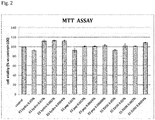
Figure 2 shows the MTT assay showing that the Lotus japonicus somatic embryo extracts are not cyto-toxic at all the tested concentrations. In the ordinate they are reported the number of viable cells, expressed as percentage respect to the control, established as 100 %. -
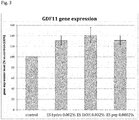
Figure 3 shows the expression analysis of GDF11 gene in cells treated with the Lotus japonicus somatic embryo extracts compared with that of untreated control cells. The values shown in the graph are expressed as percentages compared to the untreated control sample (established as 100 %). -
Figure 4 shows the expression analysis of the genes Sirtuin 1 (SIRT1) and Sirtuin 6 (SIRT6) in cells treated with the Lotus japonicus somatic embryo extracts compared with that of untreated control cell samples. The values shown in the graph are expressed as percentages compared to the untreated control sample (established as 100 %). -
Figure 5 shows the effect of Lotus japonicus somatic embryo extracts on the gene expression of collagen III (Col-III), Fibrillin 1 (Fb1) and Elastin (Eln), after 6 hours of treatment; the values shown in the graph are expressed as percentages relative to the untreated control sample, established as 100 %. -
Figure 6 shows the expression analysis of the gene GDF11 in young fibroblasts (HDF young) and old fibroblasts (HDF old), treated with different concentrations of Lotus japonicus somatic embryo peptides/sugars extract. The values shown in the graph are expressed as percentages compared to the control sample of non-treated young cells, established as 100 %. -
Figure 7 shows the effect of the single extracts of Lotus japonicus somatic embryos and the mixture consisting of the union of the 3 extracts in ratio 1 : 1 : 1, on the expression of GDF11 gene in young (HDF young) and old (HDF old) fibroblasts. The values shown in the graph are expressed as percentages compared to the control sample of non-treated young cells, established as 100 %. - In order to describe the present invention for illustrative and non-limiting purposes, some examples relative to the preparation of somatic embryo cell cultures of the species Lotus japonicus, Citrus lemon and Rosa gardenia (var. Maipaleo) are herein provided. Moreover, an example of preparation of an hydrosoluble extract, a liposoluble extract and an extract rich in peptides and sugars from Lotus japonicus somatic embryos and experiments that demonstrate the biological activity of the above mentioned extracts in the cosmetic field are provided too.
- Preparation and growth of Lotus japonicus, Citrus lemon and Rosa gardenia (var. Maipaleo) somatic embryo cell cultures. Pieces of young leaves of Lotus japonicus, Citrus lemon and Rosa gardenia were used for callus formation on solid medium, and subsequently liquid cell cultures were induced to form somatic embryos. The observation of samples of non-induced cell cultures and cell cultures induced to form somatic embryos, made it evident that, after 4 weeks of growth, cells in the induced culture were differentiated and aggregated to form embryo-like structures, which made the culture more grainy compared to that of non-induced cells (
Figure 1 ). Once dense cultures of somatic embryos from the 3 different species were obtained, the percentage of differentiation after 4 weeks was evaluated by observation on optical microscope, and staining with methylene blue in 0,01% aqueous solution. For Lotus japonicus cell culture a yield of differentiation of 90% was calculated, 80% for Citrus lemon cell culture and 72% for Rosa gardenia cell culture. Once the desired density was reached, the somatic embryos were harvested and processed in order to obtain the extracts. The method used was as follows:
Obtaining cell cultures of somatic embryos and harvesting. 50 mg of plant callus were suspended in Erlenmeyer flasks containing 50 ml of AB1 liquid culture medium (Gamborg B5 medium containing: myo-inositol 500 mg/L, sucrose 30 g/L, 2.4D 1 mg/L, kinetin 0.01 mg/L, adenine 1 mg/L, pH 5.7). The flasks were placed in the dark on a shaker with orbital shaking of 100 rpm to obtain a dense plant cell culture. After about 10 days, a dense culture of somatic embryos, obtained by the proliferation and differentiation of the callus cells were observed. 100 ml of dense culture was inoculated into 1 L of a half AB/TDZ medium to allow their growth. After 10 days, the plant cell cultures were suspended in a new AB2 liquid growth medium (Gamborg B5 medium containing: myo-inositol 500 mg/L, sucrose 30 g/L) with addition of the phyto-hormones Thidiazuron (TDZ), 1mg/L, and benzyl-aminopurine (BAP), 0.05 mg/L, glutathione 10 mg/L, 500mg/L casein, ammonium phosphate and ammonium sulfate, 7 and 10%, respectively, to induce the formation and development of the somatic embryos (cell cultures enriched with somatic embryos). After 4 weeks of growth, the somatic embryos were harvested by removing by filtration their culture medium and frozen at -80°C. - The harvested somatic embryos were processed in order to obtain extracts with different chemical characteristics. 3 types of extracts from somatic embryo cell cultures belonging to the species Lotus japonicus, Citrus lemon and Rosa gardenia were obtained. For each of the species the following extracts were prepared: a) an extract of water-soluble compounds (hydrosoluble extract), obtained by the use of a water-based saline buffer (PBS); b) an extract of lipophilic compounds which is able to dissolve in non-polar or poorly polar solvents, obtained by using ethanol; c) an extract composed of peptides and sugars derived from the cell walls, obtained by the already described procedure. The obtained extracts were treated in order to eliminate the solvent (water or ethanol in the specific case) by lyophilization or vacuum evaporation. The obtained powders or semi-solid gels were weighed and dissolved in distilled water to the desired concentration in order to be assayed on skin cell cultures.
- The method used for the extract preparation is described as follows:
Preparation of the aqueous, ethanol and peptide/sugar extracts. - 500g of frozen somatic embryos were lysed mechanically and then homogenised in the presence of PBS (136 mM NaCl, 2.7 mM KCl, 12 mM NaH2PO4, 1.76 mM KH2PO4, pH 7.4) at a ratio of 1:2 volume/weight. The obtained homogenate was centrifuged at 8,500 rpm for 15 minutes at 4°C to precipitate the insoluble components. The supernatant, obtained from the centrifugation, constitutes the hydrosoluble extract and was frozen at -20°C. Subsequently, the hydrosoluble extract was lyophilized for 3 days to obtain a powder that was suspended in water at a concentration ranging between 1 and 10 % for further use in biological assays.
- Half of the pellet was treated with an organic solvent (alcohol, acetone, ether or other non-polar solvents), compatible with the basic emulsions used for cosmetic formulas, under constant stirring in order to extract the liposoluble components. After centrifugation at 6000 rpm for 15 min at 4°C, the liquid phase, that constituted the liposoluble extract, was used in the biological assays.
- The other half of the pellet was further washed with water and filtered again. The pellet was weighed, suspended and boiled in 2 volumes of a 2mM EDTA solution for 20 minutes. After cooling the extract was filtered through filter cloth, washed and filtered again to remove residual EDTA. Subsequently, the obtained pellet was boiled in 2 volumes of 0.1 N HCI solution for 1 hour in order to hydrolyze the sugars. After boiling, the sample was ice cooled and then digested with pepsin at 37°C for 16 hours, using 1 mg of enzyme per ml of suspension. The obtained extract of peptides and sugars was lyophilized for 3 days to obtain a powder that was dissolved in water at a concentration ranging from 1 and 19 % for further testing.
- As an illustrative and non-limiting example of the present invention, Lotus japonicus somatic embryo extracts have been used to elucidate the beneficial and therapeutic properties on skin cells. The hydrosoluble extract, the liposoluble one (ethanolic) and the one composed of peptides and sugars, deriving from the cell walls, were tested on HDF cells (Human Dermal Fibroblasts) in order to evaluate the cosmetic activity. The methods used in the assays and the obtained results are described hereinafter.
- This assay is based on the use of MTT [3-(4,5-dimethylthiazol-2-yl)-2,5-diphenyltetrazolium bromide] for the first time described by Mosmann in 1983. It is based on the capacity of the enzyme mitochondrial dehydrogenase of the viable cells to hydrolyze the MTT tetrazolium ring (light yellow) and to form crystals of formazan (dark blue color). These crystals are impermeable to cell membranes and accumulate in the cytoplasm of metabolically active cells. The number of live and healthy cells is thus directly proportional to the level of formazan product. HDF cells, in the initial number of 1,5 x 10⁴ per well, were grown in 96-well plates in DMEM culture medium (Lonza), supplemented with 10% Fetal Bovine Serum, for about 20 hours. After treatment with different concentrations of the mixture for 48 hours, the cells were washed in PBS and incubated with 100 µl/well of "reaction buffer" containing: 10mM Hepes, 1.3 mM CaCl2, 1mM MgSO4, 5 mM glucose and 0.5 mg/ml MTT colorimetric substrate in PBS buffer at pH 7.4. After 3 hours of incubation at 37°C, 5% CO2, 100 µl of solubilizing solution containing 10% Triton-X100, 0.1N HCl in absolute isopropanol was added to each well. After 30 minutes, the colorimetric reaction was measured at 595 nm with an ELISA plate reader.
- HDF cells, in the initial number of 7 x 10⁴ per well, were grown in 6-well plates in DMEM culture medium (Gibco), supplemented with 10 % Fetal Bovine Serum (FBS) for 20 hours. The cells were then incubated with the extracts for 6 hours in serum free medium. For cell RNA extraction a kit purchased from Ambion/Life Technologies was used. After the treatments, cells were washed with PBS, dissolved in lysis buffer and subjected to the extraction procedure according to the kit protocol. The RNA samples were subjected to a treatment with DNase I (Ambion) to remove genomic DNA contaminants. 2 µL of each sample were loaded on 1% agarose gel in the presence of denaturating "loading dye" and quantized using specific RNA markers (Thermo Scientific) as a reference. For quantification, Gene software tools (Perkin Elmer) was used. 300ng of total RNA was reverse transcribed using the enzyme reverse transcriptase (Thermo Scientific). The reactions of semi-quantitative RT-PCR were performed using internal standards as the universal primer pair 18S primer/competimer (Ambion) in ratio 4:6. The PCR products were separated on 1,5% agarose gel, visualized using the Geliance (Perkin Elmer) tool and analyzed by densitometry using the GeneTools software. The values shown in the graphs represent the ratio of the band intensity relative to the gene in analysis and that of the band relative to the 18S standards, thus getting a value related to the actual expression of the gene of interest, and not one dependent on the amount of RNA or PCR reagents present in that sample. The values were then converted into a percentage (%), by establishing the value obtained from the untreated control as 100%.
- In order to determine the concentrations of the various Lotus somatic embryo extracts to be used in the bioassays, increasing concentrations of the extracts were tested and the maximum non-cytotoxic dose for growing skin cell cultures was determined. For the aqueous and ethanolic extract, concentrations ranging from 0.05% to 0.0004 % were tested, while for the mixture of peptides and sugars concentrations from 0.01% to 0.00008 % were used. As shown in
Figure 2 , none of the tested concentrations showed any significant cytotoxic effect on the cells. - Nevertheless there were not reported studies of GDF11 on skin cells, the authors of the present invention carried out some preliminary investigations and found that GDF11 was produced and regulated in skin cells, thus very likely it might have similar functions related to the anti-senescence activity. In order to determine whether the Lotus somatic embryo extracts had an effect on the expression of the GDF11 gene, HDF were treated with the water-soluble extract (0.002%), the ethanolic extract (0.002%) or the mixture of peptides and sugars (0.0002%) for 6 hours. After the treatments, the cells were harvested and processed for RNA extraction. The gene expression was assessed by RT-PCR. As shown in
Figure 3 , all three analyzed extracts significantly stimulated the expression of the GDF11 gene by around 30%. - After verifying the effect of the extracts on the expression of GDF11, it was evaluated their effect on the expression of SIRT1 and SIRT6 genes, encoding the two Sirtuins having roles in promoting longevity and the cell health, by RT-PCR experiments on HDF treated with the extracts. As shown in
Figure 4 , the peptide/sugar mixture produced a significant increase in the expression of both genes, + 117% for sirt1 and 73 % for sirt6. Instead, the effect of the ethanol extract on sirt1 was very modest. These results indicated that the extract of peptides and sugars derived from the cell walls of the Lotus somatic embryos was the most effective in promoting cellular rejuvenation by increasing GDF11 and Sirtuin expression. - In order to determine whether the Lotus somatic embryo extracts had an effect on the genes responsible for the production of the Extra Cellular Matrix (ECM) proteins, the expression of the genes of type III collagen, elastin and fibrillin was assessed by RT-PCR on HDF.
- As shown in
Figure 5 , all three extracts produced a significant effect on the synthesis of collagen III by around 70%. The expression of the elastin gene was increased by about 30 % in cells treated with the water-soluble extract or with the mixture of peptides/sugars, while on fibrillin 1 only the mixture of peptides and sugars determined an increase of 50 %. These data demonstrated that the extracts derived from Lotus somatic embryos had a stimulating effect on the proteins of the extracellular matrix, in particular, the extract of peptides and sugars derived from the cell walls was effective on all the 3 analyzed genes. - In order to assess whether the peptide/sugar extract derived from Lotus japonicus somatic embryos (the one with the best performance in the previous tests) was able to induce GDF11 gene even in aged fibroblasts, it was conducted a new experiment in which primary fibroblasts derived from 36 year-old patients (HDF old) were treated with various extract concentrations and the expression level of GDF11 was evaluated and then compared with the expression level of GDF11 in young fibroblasts (HDF young). As shown in
Figure 6 , the peptide/sugar extract induced the expression of the GDF11 gene even in aged fibroblasts, in a dose-dependent manner, and almost restored the level of expression typical of the young fibroblasts. This result indicated that the extract of somatic embryos of Lotus japonicus was able to revert the phenotype of senescence of the cells through the activation of GDF11. - In order to evaluate whether the effect of GDF11 was further increased by the treatment with all the extracts combined together, aged fibroblasts (HDF old) were treated with the mixture containing the 3 extracts in previously calculated effective concentrations (0,002% for water and ethanol extracts, and 0,0002 % for the peptide/sugar extract) and with the peptide/sugar extract alone, for 6 hours. As shown in
Figure 7 , the effect of the mixture containing the 3 extracts on the expression of GDF11 was significantly higher than that of the peptide/sugar extract alone, suggesting a synergic effect of the combination in this specific gene activation. - In conclusion, the mixture of the three extracts of Lotus japonicus somatic embryos was more effective in activating GDF11 than the peptide/sugar extract alone, thus inducing a stronger response in the anti-aging and rejuvenation processes in skin cells. Therefore, this mixture could be used as single active ingredient in cosmetic formulations dedicated to skin care.
-
- 1) Anderson O, Reissmann E, Ibanez CF (2006). Growth differentiation factor 11 signals through the transforming growth factorreceptor ALK5 to regionalize the anterior-posterior axis. EMBO reports 7, 831-837.

- 2) Barbulova A, Apone F and Colucci G (2014). Plant cell cultures as source of cosmetic active ingredients. Cosmetics, 1, 94-104.
- 3) Fowler M. (1984). Plant cell culture: natural products and industrial application. Biotechnol. Genetic Engineer. Rev., 10 (2): 41-67.
- 4) Katsimpardiay L, Litterman NK, Schein PA, Miller CM, Loffredo FS, Wojtkiewicz GR, Chen JW, Lee RT, Wagers AJ, Rubin LL. (2014) Vascular and neurogenic rejuvenating of the aging mouse brain by young systemic factors. Science, 344 (6184): 630-634.
- 5) Lavu S, Boss O, Elliott PJ and Lambert PD (2008). Sirtuins--novel therapeutic targets to treat age-associated diseases. Nature Rev Drug Discover, 7: 841-853.
- 6) Lee E, Jin Y, Park J, Yoo Y, Hong S, Amir Z, Yan Z, Kwon E, Elfisk A, Tomlinson S, Halbritter F, Waibel T, Yun B and Loake G (2010). Cultured cambial meristematic cells as a source of plant natural products. Nature biotech, 28 (11): 1213-1217.
- 7) Loffredo FS, Steinhauser ML, Jay SM, Gannon J, Pancoast JR, Yalamanchi P, Sinha M, Dall'Osso C, Khong D, Shadrach JL, Miller CM, Singer BS, Stewart A, Psychogios N, Gerszten RE, Hartigan AJ, Kim MJ, Serwold T, Wagers AJ and Lee RT1 (2013). Growth differentiation Factor 11 is a circulating factor that reverses age-related cardiac hypertrophy. Cell, 153 (4): 828-839.
- 8) Mao Z, Hine C, Tian X, Van Meter M, Au M, Vaidya A, Seluanov A, Gorbunova V (2011). SIRT6 promotes DNA repair under stress by activating PARP1. Science, 332 (6036): 1443-6.
- 9) Sinha M, Jang YC, Oh J., Khong D., Wu EY., Manohar R., Miller C., Regalado SG, Loffredo FS, Pancoast JR, Hirshman MF, Lebowitz J, Shadrach JL, Cerletti M, Kin MJ, Serwold T, Goodyear U, Rosner B, Lee RT, Wagers AJ (2014). Restoring systemic GDF11 levels reverses age-related dysfunction in mouse skeletal muscle. Science, 344 (6184): 649-652.
- 10) Williams G, Zentar MP, Gajendra S, Sonego M, Doherty P, Lalli G. Transcriptional basis for the inhibition of neural stem cell proliferation and migration by the TGFβ-family member GDF11 (2013). Plos One, 8 (11): e78478..
- 11) Zschoernig B & Mahlknecht U (2008). SIRTUIN 1: regulating the regulator. Biochem Biophys Res Comm, 376: 251-255.
Claims (12)
- Non-therapeutic use of at least one extract derived from plant cell cultures enriched in somatic embryos belonging to the species Lotus japonicus, Citrus limon and Rosa gardenia for the treatment of imperfections related to skin aging and for inducing a skin tissue rejuvenation effect, wherein said at least one extract comprises an extract rich in peptides and sugars obtained by a process comprising the following steps:a) inducing plant cell suspension cultures to form somatic embryos;b) homogenizing the obtained somatic embryos in a salt water solution, obtaining a homogenate;c) separating the solid part from the liquid part of said homogenate, the liquid part constituting a hydrosoluble extract;d) extracting said solid part with a lipophilic solvent, obtaining a liposoluble extract; ande) treating said solid part with proteolytic enzymes in acid solution in order to hydrolyze the glycoproteins of the cell walls of the somatic embryos, obtaining said extract rich in peptides and sugars.
- Non-therapeutic use according to claim 1, wherein said plant cell cultures are obtained by taking plant tissue from plants, inducing the formation of calluses from said tissue on a solid substrate, and preparing liquid cultures from them.
- Non-therapeutic use according to claim 1 or 2, wherein said step c) of separating the solid part from the liquid part of the homogenate is performed by centrifugation.
- Non-therapeutic use according to claim 1, wherein said at least one extract further comprises said hydrosoluble extract obtained by the process as defined in any one of claims 1-3.
- Non-therapeutic use according to claim 1, wherein said at least one extract further comprises said liposoluble extract obtained by the process as defined in claims 1-3.
- Non-therapeutic use according to claim 1, wherein said at least one extract further comprises said hydrosoluble extract and said extract rich in peptides and sugars.
- A composition comprising a hydrosoluble extract, a liposoluble extract and an extract rich in peptides and sugars obtained by the process as defined in claims 1-3.
- The composition according to claim, containing, for 1 part by weight of said hydrosoluble extract, from 0.01 to 100, preferably 1, parts by weight of said liposoluble extract and, independently, from 0.01 to 100, preferably 0.1, parts by weight of said extract rich in peptides and sugars.
- The composition according to claim 8, containing, for 1 one part by weight of said hydrosoluble extract, 1 part by weight of said liposoluble extract and 0.1 parts by weight of said extract rich in peptides and sugars.
- The composition according to any of the claims 7-9, further comprising at least one hydrophilic solvent selected from the group comprising water, aqueous saline solutions or organic solvents, preferably oils, alcohols, glycerol, organic acids, amides, amines, aldehydes and ketones.
- Non-therapeutic use of a composition according to any of the claims 7-10 for the treatment of imperfections related to skin aging and for inducing a skin tissue rejuvenation effect.
- A cosmetic formulation comprising an extract as defined in any of the claims 1 and 4-7 or a composition according to any of the claims 7-10 and a cosmetically acceptable vehicle.
Applications Claiming Priority (2)
| Application Number | Priority Date | Filing Date | Title |
|---|---|---|---|
| ITMI20150614 | 2015-04-29 | ||
| PCT/EP2016/058486 WO2016173867A1 (en) | 2015-04-29 | 2016-04-18 | Cosmetic use of extracts derived from somatic embryo enriched plant cell cultures and cosmetic compositions containing those extracts |
Publications (2)
| Publication Number | Publication Date |
|---|---|
| EP3288644A1 EP3288644A1 (en) | 2018-03-07 |
| EP3288644B1 true EP3288644B1 (en) | 2021-02-17 |
Family
ID=53765298
Family Applications (1)
| Application Number | Title | Priority Date | Filing Date |
|---|---|---|---|
| EP16721657.1A Active EP3288644B1 (en) | 2015-04-29 | 2016-04-18 | Cosmetic use of extracts derived from somatic embryo enriched plant cell cultures and cosmetic compositions containing those extracts |
Country Status (7)
| Country | Link |
|---|---|
| US (1) | US11045670B2 (en) |
| EP (1) | EP3288644B1 (en) |
| JP (1) | JP2018514588A (en) |
| KR (1) | KR20170141777A (en) |
| CN (1) | CN107613960B (en) |
| ES (1) | ES2870160T3 (en) |
| WO (1) | WO2016173867A1 (en) |
Families Citing this family (5)
| Publication number | Priority date | Publication date | Assignee | Title |
|---|---|---|---|---|
| CN113226278B (en) * | 2019-01-02 | 2023-07-21 | 宝洁公司 | Skin care composition containing peptide compound and exopolysaccharide extract of Nori suizenji |
| KR102318363B1 (en) * | 2020-05-15 | 2021-10-28 | 바이오스펙트럼 주식회사 | Cosmetic composition using Malpighia emarginata or Fortunella japonica-derived callus |
| CN116548309B (en) * | 2023-05-15 | 2024-04-16 | 中南林业科技大学 | Induction method of gardenia embryogenic callus |
| IT202300017877A1 (en) | 2023-08-30 | 2025-03-02 | Vitalab S R L | USE OF PLANT-ORIGIN EXTRACTS FOR THE STIMULATION OF HAIR GROWTH AND COSMETIC OR PHARMACEUTICAL COMPOSITIONS CONTAINING SUCH EXTRACTS |
| CN121100799A (en) * | 2025-07-03 | 2025-12-12 | 广东可普睿生物科技有限公司 | Compositions for Calendula callus culture and their applications |
Family Cites Families (5)
| Publication number | Priority date | Publication date | Assignee | Title |
|---|---|---|---|---|
| JPH0551314A (en) * | 1991-08-20 | 1993-03-02 | Kanebo Ltd | Skin cosmetics |
| JP3274518B2 (en) * | 1992-12-22 | 2002-04-15 | 旭テクノグラス株式会社 | Manufacturing method of medicinal carrot extract |
| US8396493B2 (en) * | 2007-02-28 | 2013-03-12 | Yahoo! Inc. | Network-based archiving for threaded mobile text messages |
| US20110159121A1 (en) * | 2009-12-24 | 2011-06-30 | LifeSpan Extension, LLC | Methods and compositions for identifying, producing and using plant-derived products for modulating cell function and aging |
| US10463603B2 (en) * | 2012-01-05 | 2019-11-05 | L'oreal | Cosmetic use of dedifferentiated plant cells |
-
2016
- 2016-04-18 JP JP2018507771A patent/JP2018514588A/en active Pending
- 2016-04-18 EP EP16721657.1A patent/EP3288644B1/en active Active
- 2016-04-18 KR KR1020177034486A patent/KR20170141777A/en not_active Ceased
- 2016-04-18 US US15/569,537 patent/US11045670B2/en active Active
- 2016-04-18 CN CN201680024996.7A patent/CN107613960B/en active Active
- 2016-04-18 ES ES16721657T patent/ES2870160T3/en active Active
- 2016-04-18 WO PCT/EP2016/058486 patent/WO2016173867A1/en not_active Ceased
Non-Patent Citations (1)
| Title |
|---|
| None * |
Also Published As
| Publication number | Publication date |
|---|---|
| CN107613960A (en) | 2018-01-19 |
| EP3288644A1 (en) | 2018-03-07 |
| CN107613960B (en) | 2021-10-19 |
| US20180303749A1 (en) | 2018-10-25 |
| JP2018514588A (en) | 2018-06-07 |
| KR20170141777A (en) | 2017-12-26 |
| ES2870160T3 (en) | 2021-10-26 |
| WO2016173867A1 (en) | 2016-11-03 |
| US11045670B2 (en) | 2021-06-29 |
Similar Documents
| Publication | Publication Date | Title |
|---|---|---|
| KR101470632B1 (en) | Cosmetic preparations and methods for their preparation | |
| US11045670B2 (en) | Cosmetic use of extracts derived from somatic embryo enriched plant cell cultures and cosmetic compositions containing those extracts | |
| KR102105532B1 (en) | Method for derivation of inducible Pluripotent stem cells and inducible Pluripotent stem cells produced using the same | |
| KR101729210B1 (en) | Development of antiatopic dermatitis targeted products using Abeliophyllum distichum Nakai | |
| KR20230164611A (en) | Cosmetic compositions for skin cell regeneration, anti inflammatory and whitening comprising exosome derived from Cannabis sativa L as an active ingredient | |
| Lugo-Radillo et al. | Betanidin significantly reduces blood glucose levels in BALB/c mice fed with an atherogenic diet | |
| CN107809998A (en) | Hydroalcoholic extract of Boswellia pilaris, cosmetic composition containing it and cosmetic use thereof | |
| CN109922657A (en) | Cell line culture from claw hook grass platymiscium | |
| EP4342448A1 (en) | Novel composition comprising iris-derived exosome as active ingredient | |
| JP7497974B2 (en) | Method for activating skin stem cells by suppressing MPC1 and skin stem cell activator | |
| KR20170091456A (en) | Preparation Process for Polynucleotide Fragments from Plant and Non-Aqueous Composition containing the same | |
| EP3897683B1 (en) | Cosmetic, pharmaceutical and nutraceutical use of an extract derived from cannabis sativa cell cultures | |
| CN118695846A (en) | Process for obtaining plant extracts comprising a self-fermentation step, compositions comprising such extracts and their cosmetic use | |
| US8241676B2 (en) | Use of a Limnophila extract as a cosmetic agent, and cosmetic composition containing same | |
| CN115697347B (en) | A method for regulating the expression level of MUSASHI1 in cells | |
| KR101738087B1 (en) | Composition for Facilitating the Osteogenic Differentiation of Stem Cells Comprising the Extract of Asiasarum heterotropoides as an Effective Ingredient | |
| Harjanti et al. | Effect of ethanol extract from kepel leaves (Stelechocarpus Burahol (Bl.) Hook F. & Th.) on confluence and viability of primary mouse (Mus musculus) neuronal cells | |
| KR20240120701A (en) | New composition comprising exosomes derived from Actinidia polygama as an active ingredient | |
| WO2025046002A1 (en) | Use of plant-derived extracts for hair growth stimulation and cosmetic or pharmaceutical compositions containing such extracts for said use | |
| KR20220149252A (en) | Composition for Inducing Differentiation of Stem Cells into Chondrocytes Comprising the Extract Of Cumin as an Effective Ingredient | |
| IT201900009558A1 (en) | Cosmetic use of extracts derived from plant cell cultures belonging to the Pelargonium capitatum species and cosmetic compositions containing such extracts | |
| LUGO et al. | Betanidin significantly reduces blood glucose levels in BALB/c mice fed with an atherogenic diet | |
| JP2015218156A (en) | Involucrin expression inhibitor |
Legal Events
| Date | Code | Title | Description |
|---|---|---|---|
| STAA | Information on the status of an ep patent application or granted ep patent |
Free format text: STATUS: THE INTERNATIONAL PUBLICATION HAS BEEN MADE |
|
| PUAI | Public reference made under article 153(3) epc to a published international application that has entered the european phase |
Free format text: ORIGINAL CODE: 0009012 |
|
| STAA | Information on the status of an ep patent application or granted ep patent |
Free format text: STATUS: REQUEST FOR EXAMINATION WAS MADE |
|
| 17P | Request for examination filed |
Effective date: 20171127 |
|
| AK | Designated contracting states |
Kind code of ref document: A1 Designated state(s): AL AT BE BG CH CY CZ DE DK EE ES FI FR GB GR HR HU IE IS IT LI LT LU LV MC MK MT NL NO PL PT RO RS SE SI SK SM TR |
|
| AX | Request for extension of the european patent |
Extension state: BA ME |
|
| DAV | Request for validation of the european patent (deleted) | ||
| DAX | Request for extension of the european patent (deleted) | ||
| STAA | Information on the status of an ep patent application or granted ep patent |
Free format text: STATUS: EXAMINATION IS IN PROGRESS |
|
| 17Q | First examination report despatched |
Effective date: 20190416 |
|
| RIC1 | Information provided on ipc code assigned before grant |
Ipc: A61Q 19/08 20060101AFI20200511BHEP Ipc: A01H 4/00 20060101ALI20200511BHEP Ipc: A61K 8/97 20170101ALI20200511BHEP |
|
| GRAP | Despatch of communication of intention to grant a patent |
Free format text: ORIGINAL CODE: EPIDOSNIGR1 |
|
| STAA | Information on the status of an ep patent application or granted ep patent |
Free format text: STATUS: GRANT OF PATENT IS INTENDED |
|
| INTG | Intention to grant announced |
Effective date: 20200709 |
|
| GRAJ | Information related to disapproval of communication of intention to grant by the applicant or resumption of examination proceedings by the epo deleted |
Free format text: ORIGINAL CODE: EPIDOSDIGR1 |
|
| STAA | Information on the status of an ep patent application or granted ep patent |
Free format text: STATUS: EXAMINATION IS IN PROGRESS |
|
| GRAS | Grant fee paid |
Free format text: ORIGINAL CODE: EPIDOSNIGR3 |
|
| STAA | Information on the status of an ep patent application or granted ep patent |
Free format text: STATUS: GRANT OF PATENT IS INTENDED |
|
| GRAP | Despatch of communication of intention to grant a patent |
Free format text: ORIGINAL CODE: EPIDOSNIGR1 |
|
| INTC | Intention to grant announced (deleted) | ||
| INTG | Intention to grant announced |
Effective date: 20201210 |
|
| GRAA | (expected) grant |
Free format text: ORIGINAL CODE: 0009210 |
|
| STAA | Information on the status of an ep patent application or granted ep patent |
Free format text: STATUS: THE PATENT HAS BEEN GRANTED |
|
| AK | Designated contracting states |
Kind code of ref document: B1 Designated state(s): AL AT BE BG CH CY CZ DE DK EE ES FI FR GB GR HR HU IE IS IT LI LT LU LV MC MK MT NL NO PL PT RO RS SE SI SK SM TR |
|
| REG | Reference to a national code |
Ref country code: GB Ref legal event code: FG4D |
|
| REG | Reference to a national code |
Ref country code: CH Ref legal event code: EP |
|
| REG | Reference to a national code |
Ref country code: DE Ref legal event code: R096 Ref document number: 602016052537 Country of ref document: DE |
|
| REG | Reference to a national code |
Ref country code: AT Ref legal event code: REF Ref document number: 1360704 Country of ref document: AT Kind code of ref document: T Effective date: 20210315 |
|
| REG | Reference to a national code |
Ref country code: IE Ref legal event code: FG4D |
|
| REG | Reference to a national code |
Ref country code: CH Ref legal event code: NV Representative=s name: ING. MARCO ZARDI C/O M. ZARDI AND CO. S.A., CH |
|
| REG | Reference to a national code |
Ref country code: LT Ref legal event code: MG9D |
|
| REG | Reference to a national code |
Ref country code: NL Ref legal event code: MP Effective date: 20210217 |
|
| PG25 | Lapsed in a contracting state [announced via postgrant information from national office to epo] |
Ref country code: HR Free format text: LAPSE BECAUSE OF FAILURE TO SUBMIT A TRANSLATION OF THE DESCRIPTION OR TO PAY THE FEE WITHIN THE PRESCRIBED TIME-LIMIT Effective date: 20210217 Ref country code: GR Free format text: LAPSE BECAUSE OF FAILURE TO SUBMIT A TRANSLATION OF THE DESCRIPTION OR TO PAY THE FEE WITHIN THE PRESCRIBED TIME-LIMIT Effective date: 20210518 Ref country code: FI Free format text: LAPSE BECAUSE OF FAILURE TO SUBMIT A TRANSLATION OF THE DESCRIPTION OR TO PAY THE FEE WITHIN THE PRESCRIBED TIME-LIMIT Effective date: 20210217 Ref country code: PT Free format text: LAPSE BECAUSE OF FAILURE TO SUBMIT A TRANSLATION OF THE DESCRIPTION OR TO PAY THE FEE WITHIN THE PRESCRIBED TIME-LIMIT Effective date: 20210617 Ref country code: NO Free format text: LAPSE BECAUSE OF FAILURE TO SUBMIT A TRANSLATION OF THE DESCRIPTION OR TO PAY THE FEE WITHIN THE PRESCRIBED TIME-LIMIT Effective date: 20210517 Ref country code: BG Free format text: LAPSE BECAUSE OF FAILURE TO SUBMIT A TRANSLATION OF THE DESCRIPTION OR TO PAY THE FEE WITHIN THE PRESCRIBED TIME-LIMIT Effective date: 20210517 Ref country code: LT Free format text: LAPSE BECAUSE OF FAILURE TO SUBMIT A TRANSLATION OF THE DESCRIPTION OR TO PAY THE FEE WITHIN THE PRESCRIBED TIME-LIMIT Effective date: 20210217 |
|
| REG | Reference to a national code |
Ref country code: AT Ref legal event code: MK05 Ref document number: 1360704 Country of ref document: AT Kind code of ref document: T Effective date: 20210217 |
|
| PG25 | Lapsed in a contracting state [announced via postgrant information from national office to epo] |
Ref country code: RS Free format text: LAPSE BECAUSE OF FAILURE TO SUBMIT A TRANSLATION OF THE DESCRIPTION OR TO PAY THE FEE WITHIN THE PRESCRIBED TIME-LIMIT Effective date: 20210217 Ref country code: LV Free format text: LAPSE BECAUSE OF FAILURE TO SUBMIT A TRANSLATION OF THE DESCRIPTION OR TO PAY THE FEE WITHIN THE PRESCRIBED TIME-LIMIT Effective date: 20210217 Ref country code: NL Free format text: LAPSE BECAUSE OF FAILURE TO SUBMIT A TRANSLATION OF THE DESCRIPTION OR TO PAY THE FEE WITHIN THE PRESCRIBED TIME-LIMIT Effective date: 20210217 Ref country code: PL Free format text: LAPSE BECAUSE OF FAILURE TO SUBMIT A TRANSLATION OF THE DESCRIPTION OR TO PAY THE FEE WITHIN THE PRESCRIBED TIME-LIMIT Effective date: 20210217 Ref country code: SE Free format text: LAPSE BECAUSE OF FAILURE TO SUBMIT A TRANSLATION OF THE DESCRIPTION OR TO PAY THE FEE WITHIN THE PRESCRIBED TIME-LIMIT Effective date: 20210217 |
|
| PG25 | Lapsed in a contracting state [announced via postgrant information from national office to epo] |
Ref country code: IS Free format text: LAPSE BECAUSE OF FAILURE TO SUBMIT A TRANSLATION OF THE DESCRIPTION OR TO PAY THE FEE WITHIN THE PRESCRIBED TIME-LIMIT Effective date: 20210617 |
|
| REG | Reference to a national code |
Ref country code: ES Ref legal event code: FG2A Ref document number: 2870160 Country of ref document: ES Kind code of ref document: T3 Effective date: 20211026 |
|
| PG25 | Lapsed in a contracting state [announced via postgrant information from national office to epo] |
Ref country code: SM Free format text: LAPSE BECAUSE OF FAILURE TO SUBMIT A TRANSLATION OF THE DESCRIPTION OR TO PAY THE FEE WITHIN THE PRESCRIBED TIME-LIMIT Effective date: 20210217 Ref country code: AT Free format text: LAPSE BECAUSE OF FAILURE TO SUBMIT A TRANSLATION OF THE DESCRIPTION OR TO PAY THE FEE WITHIN THE PRESCRIBED TIME-LIMIT Effective date: 20210217 Ref country code: CZ Free format text: LAPSE BECAUSE OF FAILURE TO SUBMIT A TRANSLATION OF THE DESCRIPTION OR TO PAY THE FEE WITHIN THE PRESCRIBED TIME-LIMIT Effective date: 20210217 Ref country code: EE Free format text: LAPSE BECAUSE OF FAILURE TO SUBMIT A TRANSLATION OF THE DESCRIPTION OR TO PAY THE FEE WITHIN THE PRESCRIBED TIME-LIMIT Effective date: 20210217 |
|
| REG | Reference to a national code |
Ref country code: DE Ref legal event code: R097 Ref document number: 602016052537 Country of ref document: DE |
|
| PG25 | Lapsed in a contracting state [announced via postgrant information from national office to epo] |
Ref country code: DK Free format text: LAPSE BECAUSE OF FAILURE TO SUBMIT A TRANSLATION OF THE DESCRIPTION OR TO PAY THE FEE WITHIN THE PRESCRIBED TIME-LIMIT Effective date: 20210217 Ref country code: MC Free format text: LAPSE BECAUSE OF FAILURE TO SUBMIT A TRANSLATION OF THE DESCRIPTION OR TO PAY THE FEE WITHIN THE PRESCRIBED TIME-LIMIT Effective date: 20210217 Ref country code: SK Free format text: LAPSE BECAUSE OF FAILURE TO SUBMIT A TRANSLATION OF THE DESCRIPTION OR TO PAY THE FEE WITHIN THE PRESCRIBED TIME-LIMIT Effective date: 20210217 Ref country code: RO Free format text: LAPSE BECAUSE OF FAILURE TO SUBMIT A TRANSLATION OF THE DESCRIPTION OR TO PAY THE FEE WITHIN THE PRESCRIBED TIME-LIMIT Effective date: 20210217 |
|
| PLBE | No opposition filed within time limit |
Free format text: ORIGINAL CODE: 0009261 |
|
| STAA | Information on the status of an ep patent application or granted ep patent |
Free format text: STATUS: NO OPPOSITION FILED WITHIN TIME LIMIT |
|
| PG25 | Lapsed in a contracting state [announced via postgrant information from national office to epo] |
Ref country code: LU Free format text: LAPSE BECAUSE OF NON-PAYMENT OF DUE FEES Effective date: 20210418 |
|
| REG | Reference to a national code |
Ref country code: BE Ref legal event code: MM Effective date: 20210430 |
|
| 26N | No opposition filed |
Effective date: 20211118 |
|
| PG25 | Lapsed in a contracting state [announced via postgrant information from national office to epo] |
Ref country code: AL Free format text: LAPSE BECAUSE OF FAILURE TO SUBMIT A TRANSLATION OF THE DESCRIPTION OR TO PAY THE FEE WITHIN THE PRESCRIBED TIME-LIMIT Effective date: 20210217 |
|
| PG25 | Lapsed in a contracting state [announced via postgrant information from national office to epo] |
Ref country code: SI Free format text: LAPSE BECAUSE OF FAILURE TO SUBMIT A TRANSLATION OF THE DESCRIPTION OR TO PAY THE FEE WITHIN THE PRESCRIBED TIME-LIMIT Effective date: 20210217 |
|
| PG25 | Lapsed in a contracting state [announced via postgrant information from national office to epo] |
Ref country code: IT Free format text: LAPSE BECAUSE OF FAILURE TO SUBMIT A TRANSLATION OF THE DESCRIPTION OR TO PAY THE FEE WITHIN THE PRESCRIBED TIME-LIMIT Effective date: 20210217 Ref country code: IE Free format text: LAPSE BECAUSE OF NON-PAYMENT OF DUE FEES Effective date: 20210418 |
|
| PG25 | Lapsed in a contracting state [announced via postgrant information from national office to epo] |
Ref country code: IS Free format text: LAPSE BECAUSE OF FAILURE TO SUBMIT A TRANSLATION OF THE DESCRIPTION OR TO PAY THE FEE WITHIN THE PRESCRIBED TIME-LIMIT Effective date: 20210617 |
|
| PG25 | Lapsed in a contracting state [announced via postgrant information from national office to epo] |
Ref country code: BE Free format text: LAPSE BECAUSE OF NON-PAYMENT OF DUE FEES Effective date: 20210430 |
|
| PG25 | Lapsed in a contracting state [announced via postgrant information from national office to epo] |
Ref country code: HU Free format text: LAPSE BECAUSE OF FAILURE TO SUBMIT A TRANSLATION OF THE DESCRIPTION OR TO PAY THE FEE WITHIN THE PRESCRIBED TIME-LIMIT; INVALID AB INITIO Effective date: 20160418 |
|
| P01 | Opt-out of the competence of the unified patent court (upc) registered |
Effective date: 20230509 |
|
| PG25 | Lapsed in a contracting state [announced via postgrant information from national office to epo] |
Ref country code: CY Free format text: LAPSE BECAUSE OF FAILURE TO SUBMIT A TRANSLATION OF THE DESCRIPTION OR TO PAY THE FEE WITHIN THE PRESCRIBED TIME-LIMIT Effective date: 20210217 |
|
| PG25 | Lapsed in a contracting state [announced via postgrant information from national office to epo] |
Ref country code: MK Free format text: LAPSE BECAUSE OF FAILURE TO SUBMIT A TRANSLATION OF THE DESCRIPTION OR TO PAY THE FEE WITHIN THE PRESCRIBED TIME-LIMIT Effective date: 20210217 |
|
| PG25 | Lapsed in a contracting state [announced via postgrant information from national office to epo] |
Ref country code: TR Free format text: LAPSE BECAUSE OF FAILURE TO SUBMIT A TRANSLATION OF THE DESCRIPTION OR TO PAY THE FEE WITHIN THE PRESCRIBED TIME-LIMIT Effective date: 20210217 |
|
| PG25 | Lapsed in a contracting state [announced via postgrant information from national office to epo] |
Ref country code: MT Free format text: LAPSE BECAUSE OF FAILURE TO SUBMIT A TRANSLATION OF THE DESCRIPTION OR TO PAY THE FEE WITHIN THE PRESCRIBED TIME-LIMIT Effective date: 20210217 |
|
| PGFP | Annual fee paid to national office [announced via postgrant information from national office to epo] |
Ref country code: DE Payment date: 20250319 Year of fee payment: 10 |
|
| PGFP | Annual fee paid to national office [announced via postgrant information from national office to epo] |
Ref country code: ES Payment date: 20250502 Year of fee payment: 10 |
|
| PGFP | Annual fee paid to national office [announced via postgrant information from national office to epo] |
Ref country code: CH Payment date: 20250501 Year of fee payment: 10 |
|
| PGFP | Annual fee paid to national office [announced via postgrant information from national office to epo] |
Ref country code: GB Payment date: 20260319 Year of fee payment: 11 |
|
| PGFP | Annual fee paid to national office [announced via postgrant information from national office to epo] |
Ref country code: FR Payment date: 20260320 Year of fee payment: 11 |
|
| REG | Reference to a national code |
Ref country code: CH Ref legal event code: U11 Free format text: ST27 STATUS EVENT CODE: U-0-0-U10-U11 (AS PROVIDED BY THE NATIONAL OFFICE) Effective date: 20260501 |