EP3286208B1 - Saga-exprimierende modifizierte mikroorganismen als infektionsschutzmittel, probiotika und lebensmittelbestandteile - Google Patents
Saga-exprimierende modifizierte mikroorganismen als infektionsschutzmittel, probiotika und lebensmittelbestandteile Download PDFInfo
- Publication number
- EP3286208B1 EP3286208B1 EP16783938.0A EP16783938A EP3286208B1 EP 3286208 B1 EP3286208 B1 EP 3286208B1 EP 16783938 A EP16783938 A EP 16783938A EP 3286208 B1 EP3286208 B1 EP 3286208B1
- Authority
- EP
- European Patent Office
- Prior art keywords
- saga
- faecium
- bacteria
- typhimurium
- mice
- Prior art date
- Legal status (The legal status is an assumption and is not a legal conclusion. Google has not performed a legal analysis and makes no representation as to the accuracy of the status listed.)
- Active
Links
Images









Classifications
-
- C—CHEMISTRY; METALLURGY
- C07—ORGANIC CHEMISTRY
- C07K—PEPTIDES
- C07K14/00—Peptides having more than 20 amino acids; Gastrins; Somatostatins; Melanotropins; Derivatives thereof
- C07K14/195—Peptides having more than 20 amino acids; Gastrins; Somatostatins; Melanotropins; Derivatives thereof from bacteria
- C07K14/315—Peptides having more than 20 amino acids; Gastrins; Somatostatins; Melanotropins; Derivatives thereof from bacteria from Streptococcus (G), e.g. Enterococci
-
- A—HUMAN NECESSITIES
- A23—FOODS OR FOODSTUFFS; TREATMENT THEREOF, NOT COVERED BY OTHER CLASSES
- A23C—DAIRY PRODUCTS, e.g. MILK, BUTTER OR CHEESE; MILK OR CHEESE SUBSTITUTES; MAKING OR TREATMENT THEREOF
- A23C9/00—Milk preparations; Milk powder or milk powder preparations
- A23C9/12—Fermented milk preparations; Treatment using microorganisms or enzymes
- A23C9/1203—Addition of, or treatment with, enzymes or microorganisms other than lactobacteriaceae
-
- A—HUMAN NECESSITIES
- A23—FOODS OR FOODSTUFFS; TREATMENT THEREOF, NOT COVERED BY OTHER CLASSES
- A23C—DAIRY PRODUCTS, e.g. MILK, BUTTER OR CHEESE; MILK OR CHEESE SUBSTITUTES; MAKING OR TREATMENT THEREOF
- A23C9/00—Milk preparations; Milk powder or milk powder preparations
- A23C9/12—Fermented milk preparations; Treatment using microorganisms or enzymes
- A23C9/123—Fermented milk preparations; Treatment using microorganisms or enzymes using only microorganisms of the genus lactobacteriaceae; Yoghurt
- A23C9/1234—Fermented milk preparations; Treatment using microorganisms or enzymes using only microorganisms of the genus lactobacteriaceae; Yoghurt characterised by using a Lactobacillus sp. other than Lactobacillus Bulgaricus, including Bificlobacterium sp.
-
- A—HUMAN NECESSITIES
- A23—FOODS OR FOODSTUFFS; TREATMENT THEREOF, NOT COVERED BY OTHER CLASSES
- A23K—FODDER
- A23K10/00—Animal feeding-stuffs
- A23K10/10—Animal feeding-stuffs obtained by microbiological or biochemical processes
- A23K10/16—Addition of microorganisms or extracts thereof, e.g. single-cell proteins, to feeding-stuff compositions
- A23K10/18—Addition of microorganisms or extracts thereof, e.g. single-cell proteins, to feeding-stuff compositions of live microorganisms
-
- A—HUMAN NECESSITIES
- A23—FOODS OR FOODSTUFFS; TREATMENT THEREOF, NOT COVERED BY OTHER CLASSES
- A23L—FOODS, FOODSTUFFS OR NON-ALCOHOLIC BEVERAGES, NOT OTHERWISE PROVIDED FOR; PREPARATION OR TREATMENT THEREOF
- A23L33/00—Modifying nutritive qualities of foods; Dietetic products; Preparation or treatment thereof
- A23L33/10—Modifying nutritive qualities of foods; Dietetic products; Preparation or treatment thereof using additives
- A23L33/135—Bacteria or derivatives thereof, e.g. probiotics
-
- A—HUMAN NECESSITIES
- A61—MEDICAL OR VETERINARY SCIENCE; HYGIENE
- A61K—PREPARATIONS FOR MEDICAL, DENTAL OR TOILETRY PURPOSES
- A61K35/00—Medicinal preparations containing materials or reaction products thereof with undetermined constitution
- A61K35/66—Microorganisms or materials therefrom
- A61K35/74—Bacteria
- A61K35/741—Probiotics
- A61K35/744—Lactic acid bacteria, e.g. enterococci, pediococci, lactococci, streptococci or leuconostocs
-
- A—HUMAN NECESSITIES
- A61—MEDICAL OR VETERINARY SCIENCE; HYGIENE
- A61P—SPECIFIC THERAPEUTIC ACTIVITY OF CHEMICAL COMPOUNDS OR MEDICINAL PREPARATIONS
- A61P31/00—Antiinfectives, i.e. antibiotics, antiseptics, chemotherapeutics
- A61P31/04—Antibacterial agents
-
- A—HUMAN NECESSITIES
- A23—FOODS OR FOODSTUFFS; TREATMENT THEREOF, NOT COVERED BY OTHER CLASSES
- A23V—INDEXING SCHEME RELATING TO FOODS, FOODSTUFFS OR NON-ALCOHOLIC BEVERAGES AND LACTIC OR PROPIONIC ACID BACTERIA USED IN FOODSTUFFS OR FOOD PREPARATION
- A23V2002/00—Food compositions, function of food ingredients or processes for food or foodstuffs
-
- A—HUMAN NECESSITIES
- A23—FOODS OR FOODSTUFFS; TREATMENT THEREOF, NOT COVERED BY OTHER CLASSES
- A23V—INDEXING SCHEME RELATING TO FOODS, FOODSTUFFS OR NON-ALCOHOLIC BEVERAGES AND LACTIC OR PROPIONIC ACID BACTERIA USED IN FOODSTUFFS OR FOOD PREPARATION
- A23V2400/00—Lactic or propionic acid bacteria
- A23V2400/11—Lactobacillus
- A23V2400/169—Plantarum
-
- A—HUMAN NECESSITIES
- A61—MEDICAL OR VETERINARY SCIENCE; HYGIENE
- A61K—PREPARATIONS FOR MEDICAL, DENTAL OR TOILETRY PURPOSES
- A61K35/00—Medicinal preparations containing materials or reaction products thereof with undetermined constitution
- A61K2035/11—Medicinal preparations comprising living procariotic cells
Definitions
- the present disclosure relates generally to anti-infective agents, and more specifically to use of secreted antigen A (SagA) as an anti-infective agent, as well as recombinant microorganisms and food products expressing heterologous SagA and/or SagA-generated metabolites.
- SagA secreted antigen A
- the intestinal microbiome mediates host resistance to enteric pathogens, but the underlying protection mechanisms of individual bacterial species have remained elusive ( Buffie, C. G. & Pamer, E. G. Nat Rev Immunol 13, 790-801 (2013 ).
- commensal strains of Enterococcus faecium can inhibit the virulence of several bacterial pathogens, but whether E. faecium directly targets pathogens or modulates host immunity is unknown ( Tannock, G. W. & Cook, G. The Enterococci: Pathogenesis, Molecular Biology, and Antibiotic Resistance. 101-132 (ASM Press, 2002 ). Because enteric pathogens are responsible for gastroenteritis, but can also cause life threatening infections, there is an ongoing and unmet need for improved compositions and methods that can be used to inhibit their growth. The present disclosure meets these needs.
- TENG F et al. concerns an Enterococcus faecium secreted antigen, Saga, that exhibits broad-spectrum binding to extracellular matrix proteins and that appears essential for E. Faecium Growth (Infection and Immunity, vol. 71, no. 9, pages 5033 - 5041 ).
- WO2010127784 concerns a medicament for the treatment or the prevention of a bacterial infection which contains a polypeptide having a contiguous sequence of at least six amino acids of SEQ ID NO: 1 that can be used for the preparation of a vaccine against an Enterococcus infection.
- the present disclosure is based in part on the discovery that Enterococcus faecium heterologous secreted antigen A (SagA)-produced peptidoglycan fragments are protective against enteric bacterial infections. Further, E. faecium-SagA protection is conserved and is transferable to other bacteria. As a consequence, bacteria that are engineered to heterologously express SagA can confer the same protective function against pathogenic bacteria as E. faecium. Furthermore, the protective effect can be elicited using E. faecium culture supernatant that contains peptidoglycan fragments produced by SagA activity. Aspects of the disclosure are demonstrated in both C.
- the disclosure includes modified bacteria that are engineered to express heterologous SagA, wherein the modified bacteria are for use in prophylaxis and/or therapy of enteric bacterial infections.
- the disclosure includes a proviso that the modified bacteria are not E. coli.
- the modified bacteria may be selected from different types of bacteria that are suitable for use in nutraceutical, pharmaceutical, probiotic, and food based products and delivery methods, and such products and methods are also aspects of the disclosure.
- the modified bacteria are gram positive bacteria, such as Lactobacillus bacteria, and in particular may be L.
- modified bacteria which express heterologous SagA are present in a gastrointestinal system of an animal, including but not limited to those in humans and non-human mammals.
- the disclosure includes a variety of products for human or non-human animal consumption that comprise live modified bacteria.
- Such products include but are not limited to dairy products, such as yogurt, and drinkable dairy products.
- the modified bacteria are included as a probiotic formulation.
- the disclosure includes a method comprising introducing into an individual modified bacteria of that express and secrete heterologous SagA.
- the modified bacteria can be introduced into the individual as a component of a food product, a probiotic formulation, or a pharmaceutical formulation.
- the modified bacteria are introduced into an individual who is at risk for contracting an enteric bacterial infection, or the modified bacteria are given to an individual who has an enteric bacterial infection, and subsequently the pathogenicity of the bacteria is reduced.
- the modified bacteria are introduced into the gastrointestinal system of the individual.
- the disclosure includes isolated peptidoglycan fragment preparations made by a process comprising the steps of exposing a composition comprising peptidoglycan to an isolated or recombinant SagA, or to modified bacteria expressing a heterologous SagA, allowing SagA to generate the peptidoglycan fragments, and separating the peptidoglycan fragments from the composition to obtain the isolated peptidoglycan fragments or a preparation comprising them.
- modified bacteria suitable for human or non-human animal consumption that express heterologous secreted antigen A (SagA), wherein the modified bacteria are not E. coli ; wherein the heterologous SagA is Enterococcus faecium SagA; and wherein the heterologous SagA comprises a sequence that has at least 90% identity to the sequence of SEQ ID NO: 1 and that retains amino acid 389 through amino acid 530 of SEQ ID NO:1.
- heterologous secreted antigen A SagA
- the heterologous SagA comprises a sequence that has at least 90% identity to the sequence of SEQ ID NO: 1 and that retains amino acid 389 through amino acid 530 of SEQ ID NO:1.
- a food product for human or non-human animal consumption comprising live modified bacteria of the first aspect of the invention.
- a probiotic formulation comprising the modified bacteria of the frost aspect of the invention.
- modified bacteria of the first aspect of the invention for use in therapy, wherein the modified bacteria express and secrete heterologous secreted antigen A (SagA), the use comprising introducing into an individual the modified bacteria, wherein the modified bacteria express and secrete heterologous secreted antigen A (SagA).
- SagA heterologous secreted antigen A
- the present disclosure is based in part on our discovery that Enterococcus faecium can inhibit pathogenesis by various strains of bacteria, including Salmonella enterica serovar Typhimurium and Clostridium difficile. Inhibition of pathogenesis is shown in Caenorhabditis elegans, which has historically been used as a model organism to study evolutionarily conserved aspects of innate immunity and microbial pathogenesis, but the inhibition of pathogenesis is also demonstrated in mice. In particular, it is demonstrated that C . elegans survival can be dramatically increased by feeding the worms E. faecium prior to infection with S . Typhimurium, as compared to worms fed control bacterial strains, and that this protective effect is unexpectedly mediated by E.
- SagA faecium secreted antigen A
- SagA itself, and modified microorganisms which have been engineered to express SagA heterologously, are included for use in prophylaxis and/or therapy of infections caused by a variety of enteric microbial pathogens.
- Microorganisms engineered to express SagA are also included as probiotic microbes. Such microbes include but are not necessarily limited to members of the Lactobacillus genus.
- the probiotic microbes can be included as pharmaceutical or nutraceutical formulations, as components of human or non-human animal food items.
- the disclosure also includes preparations of cell wall fragments produced by the enzymatic activity of SagA.
- the disclosure encompasses or SagA-generated metabolites as further described below.
- the present disclosure includes a modified microorganism, wherein the organism expresses a heterologous SagA.
- a “modified" microorgism means that the microorganism has been changed relative to its naturally occurring form, such as having been engineered to express a heterologous protein.
- a “heterologous” SagA protein is a SagA protein that is not normally encoded by the genome of the microorganism. Accordingly, heterologous SagA production involves introducing a SagA-encoding DNA sequence into the microorganism.
- the modified microorganism comprises a heterologous SagA coding sequence, the expression of which is driven by a promoter operative in the microorganism.
- the SagA protein can be expressed from any suitable expression vector or other construct introduced into the microorganism.
- the heterologous SagA is encoded by a plasmid introduced into the modified microorganism, or is encoded by a segment of DNA introduced into a bacterial chromosome.
- Many reagents and methods for introducing and expressing any heterologous gene in a wide variety of microorganisms are known in the art and are suitable for use with the present invention.
- the disclosure contemplates microorganisms that are modified to express and secrete heterologous SagA that retains the ability to generate peptidoglycan fragments from a suitable peptidoglycan-containing substrate.
- the recombinantly produced SagA protein comprises the E. faecium amino acid sequence: MKKSLISAVMVCSMTLTAVASPIAAAADDFDSQIQQQDQKIADLKNQQADAQS QIDALESQVSEINTQAQDLLAKQDTLRQESAQLVKDIADLQERIEKREDTIQKQAREAQ VSNTSSNYIDAVLNADSLADAIGRVQAMTTMVKANNDLMEQQKQDKKAVEDKKAEN DAKLKELAENQAALESQKGDLLSKQADLNVLKTSLAAEQATAEDKKADLNRQKAEAE AEQARIREQQRLAEQARQQAAQEKAEKEAREQAEAEAQATQASSTAQSSASEESSAAQ SSTTEESSSAAQSSTTEESTTAPESSTTEESTTAPESSTTEESTTVPESSTT EESTTVPESSTTEESTTVPETSTEESTTPAPTTPSTDQSVDPGNSTGSNATNNTTNTTPT
- the NlpC/p60 hydrolase domain is from amino acid 389 through amino acid 530.
- other E. faecium SagA sequences are known and would be expected to function in place of Com15 SagA, the sequence of which is given above.
- other homologues of SagA from non- E . faecium species would not be expected to function for use with the present disclosure.
- the SagA protein is modified so that it has, for example, additional or fewer amino acids than in the sequence presented above.
- the SagA protein is modified to include additional amino acids used for isolation, purification, or detection, including but not necessarily limited to a series of histidine residues at the C-terminus, or a polypeptide sequence that is capable of producing a detectable signal, such as a fluorescent signal.
- the disclosure includes modified gram negative bacteria that expresses heterologous SagA protein, with the proviso that the gram negative bacteria do not include Escherichia coli.
- the disclosure includes modified bacteria that are facultative anaerobes.
- the modified bacteria are gram positive bacteria that expresses heterologous SagA protein.
- the gram positive bacteria are members the Lactobacillus genus, and in particular Lactobacillus species that are active in the production of food products intended for human and/or non-human animal consumption.
- the modified bacteria are Lactobacillus species that are active in the production of dairy products, such as yogurt, milk, milk-based creams, ice cream products, and cheese, or fermented drinks, such as wine, cider and beer, or fermented foods, or combinations of the foregoing.
- the modified bacteria are L. plantarum, L. casei, L. acidophilus, L. salivarius, or L. reuteri as well as probiotic strains of Bifidobacterium (i.e. B. longum). Data demonstrating successful heterologous production of SagA in several distinct microorganisms are included.
- the disclosure includes combinations of modified bacteria described herein, and further comprises combinations of the modified bacteria with other microorganisms, such as yeasts. Those skilled in the art will recognize that such combinations are useful for production of certain foods.
- the disclosure comprises a food product comprising a modified bacteria that expresses a heterologous SagA protein.
- a food product comprising a modified bacteria that expresses a heterologous SagA protein.
- Such products include all of the aforementioned types of food and modified bacteria, and may further include modified E. coli that expresses a heterologous SagA.
- the food product is a dairy product, including but not necessarily limited to yogurt, milk, milk-based creams, and cheese.
- Use of microorganisms in making foods that intentionally contain live cultures, such as yogurts, are well known in the art and can be adapted for use with the presently included modified microorganisms.
- the food product is a non-human animal feed, such as food intended for consumption by a bovine, equine, canine, porcine, feline, avian or reptilian animal, or by aquatic animals such as fish.
- the food product comprises packaging, such as a paper or cardboard carton, plastic container, bottle, bag, etc., that are well known for containing foods.
- the packaging can include printed material which includes information that identifies the modified bacteria present in the food product.
- the disclosure includes a supplement product, such as a nutraceutical product, a dietary supplement, a food ingredient, etc., including but not limited to a probiotic formulation or functional food that contains one or more live modified bacteria as described herein.
- the supplement product can be included in the form of, for example, a liquid, capsules, tablets, softgels, powders, freeze-dried compositions, and the like.
- the disclosure includes a pharmaceutical composition comprising modified microorganisms and/or isolated or purified recombinant SagA as described herein.
- the pharmaceutical composition can include any suitable diluent, carrier, excipient, buffer, etc., intended for use with the microorganisms for prophylactic and/or therapeutic human or veterinary purposes.
- suitable diluent, carrier, excipient, buffer, etc. intended for use with the microorganisms for prophylactic and/or therapeutic human or veterinary purposes.
- Some examples of compositions suitable for preparing pharmaceutical compositions can be found in: Remington: The Science and Practice of Pharmacy (2005) 21st Edition, Philadelphia, PA. Lippincott Williams & Wilkins . Such compositions may also be included in supplement products.
- the disclosure includes making modified bacteria that express heterologous SagA for use in inhibiting bacterial infections, or for maintaining or modifying the intestinal flora of an individual.
- the method comprises introducing into bacteria a heterologous SagA encoding DNA sequence, and culturing the bacteria for use as a probiotic, nutraceutical or pharmaceutical agent.
- the disclosure comprises such bacterial cultures themselves, and further includes such cultures scaled for use in producing nutraceutical, probiotic and/or pharmaceutical preparations.
- the cultures are propagated as, for example, a yogurt culture.
- the present disclosure comprises a composition comprising isolated or purified cell wall fragments generated by SagA.
- the disclosure includes isolated and/or purified cell wall fragments (i.e, SagA-generated metabolites) made by a process that comprises exposing a peptidoglycan containing composition of matter, such as gram negative bacteria, or a composition comprising gram negative bacteria cell walls, or another peptidoglycan containing material, to SagA, allowing SagA to generate peptidoglycan fragments, and separating the peptidoglycan fragments from the composition and the SagA to obtain an isolated peptidoglycan fragment preparation.
- isolated and/or purified cell wall fragments i.e, SagA-generated metabolites
- the SagA-generated metabolites / peptidoglycan fragment preparation comprise muramyl peptides, i.e., muropeptides.
- Separating the peptidoglycan fragments can be achieved using any suitable approach, including but not necessarily limited to filtration, size exclusion and column-based separation, affinity separation, etc.
- peptidoglycan fragments can protect worms and mice from distinct types of bacterial pathogenesis.
- the disclosure includes a process for producing peptidoglycan fragments, and a peptidoglycan fragment preparation comprising or consisting of peptidoglycan fragments produced by that process, wherein such peptidoglycan fragment preparations are useful for the prophylaxis and/or therapy of bacterial infections.
- the disclosure includes a method comprising introducing into an individual modified bacteria wherein the modified bacteria expresses a heterologous SagA.
- the modified bacteria can be introduced as a component of a food product, a probiotic formulation, or a pharmaceutical formulation.
- the disclosure includes a method for prophylaxis and/or therapy of a bacterial infection in an individual. The method comprises administering to an individual in need a composition comprising isolated SagA, or a bacterial population wherein at least some members of the population have been modified to produce SagA.
- the composition can comprise peptidoglycan fragments generated by SagA.
- compositions and uses thereof comprising combinations of peptidoglycan fragments generated by SagA, modified bacteria that express SagA and isolated SagA are also encompassed by this disclosure.
- Compositions of the disclosure may be used prophylactically when they are given to an individual prior to exposure to pathologic bacteria, or within a short time, i.e., several hours, after exposure to pathologic bacteria.
- Therapeutic approaches comprise administering the engineered bacteria to an individual who has or is suspected of having a bacterial infection, wherein the severity of the infection is lessened subsequent to the administration.
- administering a composition to an individual for, for instance, prophylaxis and/or therapy of a bacterial infection according to this disclosure can be performed using any suitable approach.
- the composition is consumed by the individual as a probiotic formulation, or as a component of a food item and is thus introduced orally.
- the composition is administered as a pharmaceutical formulation.
- the pharmaceutical formulation can be administered using any suitable route, including but not necessarily limited to parenteral, intraperitoneal, intrapulmonary, oral, intra-abdominal, and others.
- Parenteral infusions include intramuscular, intravenous, intraarterial, intraperitoneal, and subcutaneous administration.
- an effective amount of a composition is administered.
- An effective amount can be an amount of the composition that inhibits growth of bacterial cells in the individual, or reduces a sign or symptom of bacterial infection.
- the individual to whom a composition of the invention is administered has, is suspected of having, or is at risk for development of a bacterial infection.
- the bacterial infection is an infection by enteric pathogens such as strains of Salmonella, Escherichia coli, Shigella, Campylobacter, Helicobacter, Francisella, Vibrio, Yersinia, Enterococcus, and pathogenic strains of microbiota.
- enteric pathogens such as strains of Salmonella, Escherichia coli, Shigella, Campylobacter, Helicobacter, Francisella, Vibrio, Yersinia, Enterococcus, and pathogenic strains of microbiota.
- a composition of this disclosure is administered to an individual such that the growth of enteric pathogens in the individual is inhibited, and/or the amount of enteric pathogens is reduced, or the enteric pathogens are eradicated.
- Suitable dosages for either therapeutic or prophylactic purposes can be determined by those skilled in the art and will be based, at least in part, on consideration of the individual's age, sex, size, and health, the type of bacterial infection, and other factors as will be apparent to the skilled artisan.
- a composition of the invention can be administered in combination with an antibiotic.
- This Example uses Caenorhabditis elegans to reconstitute Enterococcus faecium probiotic activity and identify a specific factor that enhances host resistance against enteric pathogens.
- secreted SagA from E. faecium is sufficient to protect animals against Salmonella pathogenesis.
- Secreted SagA is also protective against other pathogenic microorganisms. Without intending to be constrained by any particular theory, the data show that SagA does not affect pathogen growth or virulence, but instead engages tol-1- dependent signaling to enhance host resistance to enteric pathogens.
- This Example thus describes discovery of probiotic factors that can be used to enhance host resistance to pathogens.
- probiotic factors include but are not necessarily limited to SagA, catalytically active fragments of it, and muramyl-peptide fragments generated by SagA.
- C . elegans as a model organism, which has been widely used to study evolutionarily conserved aspects of innate immunity and microbial pathogenesis.
- Enterococci lactic acid bacteria that are commonly associated with the intestinal microbiome of diverse animal species ranging from humans to flies.
- Drug-resistant strains of E. faecium have emerged as nosocomial pathogens, but non-pathogenic strains of E. faecium can attenuate host susceptibility to enteric pathogens, including Salmonella, and have been employed as probiotics in humans and other animals ( C. M. Franz, M. Huch, H.
- S . Typhimurium is a Gram-negative bacterial pathogen with a broad host range that causes persistent intestinal infection and death in C . elegans.
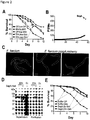
- E. faecium-treated animals appeared less fragile and more motile than control E. coli OP50-treated animals after S . Typhimurium infection ( Fig. 5A ).
- C . elegans survival was increased in animals fed E. faecium prior to infection with S . Typhimurium as compared to animals fed E. coli OP50 or Bacillus subtilis 168 ( Fig. 1B and Fig.
- E. faecium-treated animals were also more resistant to the intrinsic pathogenesis of E. coli OP50 ( Fig.
- S . Typhimurium titer was similar in OP50- and E. faecium-treated S. Typhimurium-infected animals ( Fig. 1D ).
- E. faecium CFUs throughout the infection assay ( Fig. 5H ). While E. faecium initially colonized worms to ⁇ 10 5 CFUs/worm, E. faecium numbers decreased to ⁇ 10-10 2 per worm 1 day post-infection, demonstrating that the transient decrease in S . Typhimurium colonization was not concomitant with an increase in E.
- OP50-treated S Typhimurium-infected animals
- bacteria had escaped the intestinal lumen and caused extensive tissue damage ( Fig. 1E , middle panel).
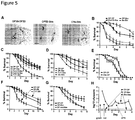
- Proteomic analysis of E. faecium culture supernatant revealed a number of secreted proteins and an enrichment of peptidoglycan remodeling factors ( Fig. 2B ).
- secreted antigen A (SagA)
- Fig. 2B the most abundant protein identified in the supernatant
- Fig. 2B which encodes a putative secreted NlpC/p60 peptidoglycan hydrolase that is believed to be essential for E. faecium viability.
- Fluorescence imaging of animals treated with E. faecium-expressing mCherry under the sagA promoter ( psagA:mcherry ) indicates that SagA is expressed by E. faecium during C .
- E. faecalis OG1RF encodes three putative NlpC/p60-type peptidoglycan hydrolases (Uniprot accession: F2MNS9, F2MN84, F2MNY6) with less than 40 percent protein sequence identity to SagA ( Fig. 8A ).
- F2MNS9 and F2MN84 are predicted NlpC/p60-type hydrolases, whereas F2MNY6 lacks the conserved amino acid residues predicted for catalytic activity ( Fig. 8A ).
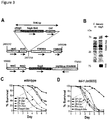
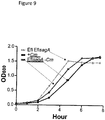
- sagA expression is sufficient to confer protective activity, we inserted sagA-his 6 into the chromosome of E. faecalis OG1RF to generate E. faecalis-sagA ( Fig. 3A ).
- SagA-His 6 was expressed and secreted by E . faecalis-sagA ( Fig. 3B ), marginally affecting bacterial growth ( Fig. 9 ).
- Proteomic analysis of E is the analysis of E .
- C. elegans mounts both general and pathogen-specific immune responses, which can lead to behavioral changes as well as the expression of antimicrobial and stress response effectors.
- the C . elegans innate immune system comprises both constitutive and induced signaling pathways, many with homology to mammalian pathways.
- Literature regarding C . elegans immunity-associated mutants indicates no major roles for the p38 MAPK/Pmk-1 pathway, the TGF- ⁇ -like/Dbl-1 pathway, the insulin-like receptor/Daf-2 pathway, or the Npr-1 mediated pathogen avoidance pathway in E.
- C. elegans encodes one predicted homologue of Toll-like receptor, tol-1 ( N. Pujol et al., A reverse genetic analysis of components of the Toll signaling pathway in Caenorhabditis elegans. Curr Biol 11, 809 (Jun 5, 2001 )). Although tol-1 is important for development, C. elegans lacking the tol-1 TIR signaling domain [ tol-1(nr2033) ] are viable but exhibit defective pathogen avoidance to S. marsescens and an increased susceptibility to S. Typhimurium infection. We assessed SagA-mediated protection against S.
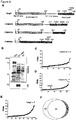
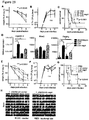
- SagA contains a type-1 signal sequence, an uncharacterized N-terminal coiled-coil domain, a linker region of Ser/Thr-rich repeats, and a C-terminal NlpC/p60-type hydrolase domain ( M. Firczuk, M. Bochtler, Folds and activities of peptidoglycan amidases. FEMS Microbiol Rev 31, 676 (Nov, 2007 )); ( Fig. 4A ).
- coli peptidoglycan fragments can also protect C. elegans from S. Typhimurium pathogenesis, we digested purified E. coli peptidoglycan with lysozyme and either SagA or the active site mutant, then filtered the digests to exclude protein.
- faecalis-sagA generates an ANTS-labeled product that co- migrates with MurNAc ( Fig. 4G ).
- 10 kDa-MWCO filtered E. faecium culture supernatant did not yield detectable levels of MurNAc-L-Ala or MurNAc ( Fig. 4G ) and was not protective when administered to C. elegans ( Fig. 6C ).
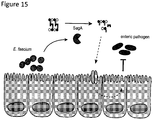
- SagA is secreted at high levels by E. faecium ( Fig. 2C and Fig. 8 ) and may hydrolyze intestinal peptidoglycan fragments in trans. Indeed, digestion of purified E.
- coli peptidoglycan with lysozyme and SagA, but not the active site mutant yielded a unique peptidoglycan cleavage product with similar mobility to MurNAc-L-Ala ( Fig. 14B ), confirming that secreted SagA can cleave peptidoglycan fragments in trans through its NlpC/p60-type hydrolase activity.
- C. elegans were maintained as described ( 1 ).
- C. elegans strains npr-1(ad609), daf-16(mu86), daf-2(e1370) ; daf-16(mgDf47), pmk-1(km25), dbl-1(nk3), and tol-1(nr2033) were all provided by the Caenorhabditis Genetics Center.
- E. coli OP50, E. coli DH5 ⁇ , E. coli BL21-RIL(DE3) (Agilent Technologies), and Salmonella enterica serovar Typhimurium strain IR715 were grown in LB (BD Difco).
- Enterococcus faecium strains NCTC 7171 (ATCC 19434), Com15, Com12, and TX0016 (DO, ATCC BAA- 472), Enterococcus faecalis strains OG1RF (ATCC 47077) and V583 (ATCC 700802), and Bacillus subtilis strain 168 were grown in BHI (BD BBL).
- ampicillin was used at 100 ⁇ g/mL
- gentamicin was used at 125 ⁇ g/mL
- chloramphenicol was used at 25 ⁇ g/mL for E. coli, 10 ⁇ g/mL for E. faecium, and 8 ⁇ g/mL for E. faecalis.
- SagA hydrolase domain prediction was determined using Phyre 2 software. Coiled coil domain prediction were determined using COILS software. Signal sequence prediction was determined using SignalP v4.1 software. Name Backbone Description pET21a-SagA pET21 a (Novagen) Amp R , SagA-His 6 pET21a-AS pET21a Amp R , AS-His 6 ; C443A, H494A, H506A pET21a- ⁇ Cterm pET21a Amp R , ⁇ Cterm-His 6 ; ⁇ 390-529 pET21a-SagA-SS pET21a Amp R , SagA-SS-His 6 ; ⁇ 2-27 pAM401-SagA pAM401 (ATCC 37429) Cam R , psagA:SagA-His 6 pAM401-psagA:mcherry pAM401 Cam R , psag
- Cloning strategies All cloning was done in E. coli DH5 ⁇ . pET21a constructs were transformed into E. coli BL21- RIL (DE3) for expression. pAM401 constructs were transformed into E. faecium for expression.
- sagA was PCR amplified from the E. faecium Com 15 genome using the following primers:
- Nde1 and Xho1 Restriction sites for Nde1 and Xho1 are italicized.
- the PCR product was gel purified and subcloned into pGEMTeasy (Promega) for sequencing. Then, an internal Nde1 site was mutated using the Quikchange multi-site directed mutagenesis kit (Stratagene) using the following primer: AAATATATCGGTACTCCtTATGTTTGGGGCGG (SEQ ID NO:4)
- sagA was then excised from pGEMTeasy with Nde1 and Xho1 and was ligated into cut pET21a (Novagen).
- pET21a-AS pET21a-SagA was mutagenized with the following primers to generate the indicated cysteine to alanine and histidine to alanine mutations in the SagA protein sequence:
- the mutated sites are indicated in lowercase.
- pet21a-SagA was mutagenized with the following primers to insert BamH1 sites flanking the hydrolase domain:
- the BamH1 sites are italicized.
- the mutated sites are indicated in lowercase.
- the plasmid was then cut with BamH1 and re-ligated to form pET21a- ⁇ Cterm, resulting in an in-frame excision of residues 390 through 529 in the SagA protein sequence.
- pET21a-SagA-SS SagA-SS was PCR amplified from pET21a-SagA_BamH1 (see pAM401-SagA section below) using the following primers:
- pAM401-psagA:mcherry The promoter region of sagA ( psagA ) was PCR amplified from the E. faecium Com15 genome using following primers:
- PCR product was gel purified and subcloned into pGEMTeasy for sequencing.
- psagA was excised with Sail and Nde1, and ligated into cut pAM401-padd9:mcherry (**see below) to replace paad9 with psagA.
- pET21a-SagA was mutagenized to insert a BamH1 site after the 6X-His using the following primer to generate pET21a-SagA_BamH1: TAACAAAGCCCGAAA GGAtcc TGAGTTGGCTGCTGC (SEQ ID NO:14)
- the BamH1 site is italicized.
- the mutated sites are indicated in lowercase.
- sagA-his6 was then excised with Nde1 and BamH1, and ligated into cut pAM401-psagA:mcherry to replace mcherry with SagA-His 6 .
- pAM401-SagA was transformed into E. faecium Com15 as described below in this Example.
- pTEX5501ts 986 bp of sequence "upstream" (on the minus strand) of the intended SagA insertion site was PCR amplified using the following primers:
- the Pst1 and Kpn1 sites are italicized.
- the upstream and downstream PCR products were subcloned into pGEMTeasy and sequenced, then were excised and ligated into cut pTEX5501ts sequentially.
- Sal1 was added first, then Eag1 because the restriction sites overlap in the vector, and Eag1 can cut more efficiently at the end of a linear DNA fragment.
- psagA:sagA-his 6 was excised from pAM401-SagA with Sal1 and BamH1 and inserted into the cut vector, generating pTEX5501ts-OG1RF-sagA.
- OG1RF -sagA- his 6 was generated using an established protocol. Briefly, OG1RF was transformed with pTEX5501ts-OG1RF-sagA and single recombinants were selected after plasmid curing at 37 °C. Then colonies were passaged at 37 °C and screened for gentamicin sensitivity and chloramphenicol resistance until such a clone was identified. Chromosomal insertion was verified by PCR and sequencing.
- **pAM401-paad9:mcherry: paad9:mcherry was designed by us into pUC57. It encodes the synthetic promoter to aad9 flanked by Sal1 and Nde1 restriction sites, driving mcherry flanked by Nde1 and BamH1 restriction sites. paad9:mcherry was excised from pUC57 with Sal1 and BamH1 and ligated into cut pAM401, inserting into the Tet R gene.
- Electroporation of Enterococcus Protocol for preparation of electrocompetent cells and electroporation was adapted from Briefly, Enterococcus were grown for 18 hours in M9YE (M9 media, 0.1% casamino acids, 0.3% yeast extract) + 2% glycine. Cultures were diluted in half with M9YE + 3% glycine, and grown for an additional 3 hours. Cultures were chilled, pelleted, and washed 3 times in sucrose wash buffer (0.625 M sucrose, 1 mM MgCl 2 , pH 4 with HCl), reducing the original culture volume by 1/2, 1/10, then 1/100 successively with each wash. Finally, cells were aliquoted, flash frozen in liquid nitrogen, and stored at -80 °C.
- M9YE M9 media, 0.1% casamino acids, 0.3% yeast extract
- sucrose wash buffer 0.625 M sucrose, 1 mM MgCl 2 , pH 4 with HCl
- Cells were electroporated in 2 mm cuvettes, 25 ⁇ F, 400 ohm, 2.5 kV. Cells were allowed to recover for 2 hours at room temperature without shaking in Todd-Hewitt Broth (BD Bacto) then with shaking at 37 °C for an additional 2 hours before plating on selective media.
- BD Bacto Todd-Hewitt Broth
- E. faecium Com15 protein expression plasmid-carrying strains were grown in BHI with appropriate antibiotics overnight.
- E . coli BL21-RIL (DE3) LB cultures were inoculated with overnight cultures with appropriate antibiotics, grown for 2 hours or until OD 600 ⁇ 0.4, induced with 1 mM IPTG, then grown for an additional 2 hours. His 6 -tagged proteins were purified from culture supernatants using Ni-NTA agarose (Qiagen). Native purifications were performed as recommended in the manufacturer's protocol.
- Purified protein was dialyzed into PBS at 4 °C overnight using 5 kDa or 7 kDa MWCO Slide- ⁇ -lyzers (Pierce Protein Biology). Protein concentration was estimated by BCA assay (Pierce Protein Biology) and protein was stored at - 20 °C.
- Protein gel methods and Western blotting Proteins were separated by SDS-PAGE on 4-20% Criterion Tris-HCl or Criterion TGX precast gels (Bio-Rad). Protein was visualized either by Coomassie blue (Bio-Rad) staining or stain-free imaging on a ChemiDoc MP system (Bio-Rad). Glycoproteins were visualized using the Pierce Glycoprotein staining kit (Thermo Scientific) as per the manufacturer's protocol. For Western blotting, proteins were transferred to nitrocellulose membrane.
- Bacterial growth curves Growth of E. coli expressing SagA, AS, or SagA-SS: Cultures were grown as described for protein purification, except that OD 600 was monitored at given time points using a Spectromax M2e spectrophotometer.
- Salmonella protein secretion assay For each condition, 2 mL of LB was inoculated with overnight cultures 1:30. Protein was added to media at 10 ⁇ g/mL and volumes were normalized across all conditions with PBS. Cultures were grown for 4 hours, shaking at 37 °C, the pelleted at 7000 g for 5 minutes. 1 mL of culture supernatant was precipitated with trichloro acetic acid (TCA) at a final concentration of 10% overnight at 4 °C. Precipitated proteins were pelleted at 20,800 g for 30 minutes, rinsed 2 times in acetone, then air-dried. Proteins were then separated by SDS-PAGE and visualized by Coomassie staining.
- TCA trichloro acetic acid
- C. elegans infection assays For each condition, 3 plates of 30 worms each (total 90 worms) were scored, unless otherwise noted. Mean percent survival and standard deviation of the triplicate plates for a representative experiment are shown for extended data figures. Mean percent survival and statistical comparisons by log rank test after Bonferroni correction for multiple comparisons using OASIS software are shown in the figures. E. faecium refers to strain Com15 unless otherwise noted in the figure legends. Worms were handled using a Leica M60 microscope and imaged using a Leica IC80 HD camera.
- Pulsed infection assay Worms were synchronized using established techniques. Synchronized young adult worms were washed in S buffer (129 mL 0.05 M K 2 HPO 4 , 871 mL 0.05 M KH 2 PO 4 , 5.85 g NaCl) and transferred to bacterial lawns grown on 2% agar BHI plates for colonization for 1 day. Then, worms were washed and transferred to lawns of OP50 or IR715 grown on BHI plates for infection for another day. Finally, worms were washed and transferred to lawns of OP50 grown on NGM plates (Day 0). Worms were maintained on OP50-NGM plates and survival was scored using established techniques.
- Liquid-treatmentpulsed infection assay Synchronized young adult worms were transferred to 96-well plate wells containing 32% BHI media, culture supernatant, or live cultures. For protein treatments, 10-20 ⁇ g/mL of protein in PBS was included in each well. For treatment with peptidoglycan digests, 100 ⁇ L of each digest was added to each well. For treatment with defined peptidoglycan fragments, 50 ⁇ M of each fragment in a mixture of PBS and water was included in each well. MDP, GlcNAc, and MurNAc were purchased from Sigma-Aldrich. MurNAc-L-Ala was synthesized as described below in Scheme S1.
- worms were washed and transferred to lawns of IR715 grown on BHI plates for 1 day. Then, worms were washed and transferred to lawns of OP50 grown on NGM plates (Day 0). Worms were maintained on OP50-NGM plates and survival was scored.
- OG1RF pathogenesis assay This assay was performed using known techniques. Briefly, synchronized young adult worms were washed and transferred to Com15, OG1RF, or OG1RF- sagA bacterial lawns grown on BHI plates (Day 0). Worms were maintained on Com15, OG1RF, or OG1RF- sagA BHI plates, and survival was scored.
- Worm CFU measurements Protocol for CFU measurements was adapted from previous protocol. Briefly, 5-20 worms were rinsed in drops of S buffer, and allowed to crawl free of bacteria on a sterile plate. These worms were then mechanically lysed in PBS using microtubes and pestles (Kimble-Chase). Serial dilutions of worm homogenate were plated on Salmonella-Shigella agar (BD BBL) or Enterococcosel (BD BBL) agar plates, and plates were incubated at 37 °C overnight.
- BD BBL Salmonella-Shigella agar
- BD BBL Enterococcosel
- Proteinase K treatment Culture supernatant or media was digested with 0.1 mg/mL of proteinase K in the presence of 1 mM CaCl 2 for 2 hours at 37 °C. Then, 1 mM EGTA was added, and digestions were used in the liquid-treatment pulsed infection assay.
- Trichloroacetic acid precipitation Culture supernatant or media was precipitated with TCA (final concentration of 10%) overnight at 4 °C. Precipitated proteins were pelleted and rinsed 2 times in acetone, then air-dried and resuspended in BHI media before use in the liquid-treatment pulsed infection assay.
- 10-kDa MWCO column filtration E. faecium culture supernatant or media was filtered through 10-kDa MWCO columns (Vivaspin GE Healthcare), and the flow-thru was used in the liquid- treatment pulsed infection assay.
- E. coli culture supernatants E. coli BL21-RIL(DE3) expressing SagA-His or AS-His were induced in BHI media instead of LB as described above. Portions of the culture supernatants were filtered through 5-kDa MWCO columns (Vivaspin GE Healthcare), and the unfiltered supernatants, column concentrate, and column flow-thru were used in the liquid-treatment pulsed infection assay.
- E. coli peptidoglycan (Invivogen) was digested with 20 ⁇ g lysozyme (Sigma) and 20 ⁇ g of SagA-His or AS-His overnight in a mixture of PBS and water at 37 °C. Digests were then filtered through 5-kDa MWCO columns (Vivaspin GE Healthcare), and the flow-thru was used in the liquid-treatment pulsed infection assay.
- S1-2 was synthesized from commercially available N-acetylglucosamine (S1-1) by following and adapting published protocols.
- Proteomics In-gel digestion: 1 mL of culture supernatant was precipitated with TCA as described above, resuspended in loading buffer and separated by SDS-PAGE. Proteins were processed for in-gel digestion with sequencing grade trypsin (Promega) using known techniques except that dried samples were resuspended in 5% acetonitrile, 2% formic acid in water.
- E. coli supernatants were prepared by inoculating cultures 1:50 with an overnight culture of E. coli BL21-RIL(DE3) expressing SagA-His6 or AS-His6. Cultures were grown for 2 hours, then induced with 1 mM IPTG, and grown for an additional 2 hours. Enterococcus supernatants were prepared by growing cultures overnight. Cultures were pelleted, and supernatant was filtered through 10 kDa MWCO columns (Millipore Microcon). For peptidoglycan digests, 100 ⁇ g of E.
- coli peptidoglycan wasdigested with 20 ⁇ g lysozyme and 20 ⁇ g of SagA-His or AS-His overnight in a mixture of PBS and water at 37 °C. Digests were filtered through 10 kDa MWCO columns. Culture supernatants, peptidoglycan digests, and defined peptidoglycan fragments were dried by speed-vac before ANTS labeling. ANTS labeling was using established techniques. 10 ⁇ l of ANTS reaction mix was added to each tube of dried material (1:1 mixture of 0.2 M ANTS (in 3:17 acetic acid:water): 1 M NaCNBH 3 (in DMSO)). Reactions were incubated overnight at 37 °C.
- 0.5-3.5 ⁇ L of the ANTS labeled mixtures were mixed 1:1 with 40% glycerol and samples were separated by native PAGE on a hand-cast 37-40% Tris-glycine acrylamide gel (19:1 polyacrylamide:bisacrylamide, with a 20% acrylamide stack) at 150 V for ⁇ 3 hours or 80 V for ⁇ 6 hours.
- Empty lanes adjacent to sample lanes were loaded with samples of ANTS labeled Ala- D- ⁇ -Glu-Lys-D-Ala-D-Ala (Sigma). Remaining lanes were loaded with 20% glycerol. Gels were imaged on the ChemiDoc MP system (Bio-Rad) using the Sybr-safe UV imaging setting.
- worms were treated as described for the pulsed infection assays except worms were infected with S. Typhimurium carrying the plasmid p67MC1.
- worms were fed E. faecium carrying the plasmid pAM401-mcherry for 1 day on BHI plates.
- Worms were mounted as described (18), except that worms were paralyzed in 1 mM tetramisole (Sigma) instead of sodium azide. Worms were imaged on a Nikon Eclipse TS100 and pictures were taken using a Nikon Digital Sight DS-Fi1.
- Proteins in E. faecalis OG1RF and E. faecalis-sagA culture supernatants identified by mass spectrometry, after in-solution digestion. Proteins listed have at least 2 unique peptides. Proteins involved in cell wall remodeling are shaded. F2MNY6 and SagA-His6 are bold. PSM peptide spectrum match. E. faecalis E.
- Example 1 expands on Example 1, and provides an analysis of how colonization of mice with a human commensal Enterococcus faecium strain affects susceptibility to Salmonella infection.
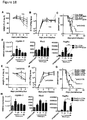
- the data demonstrate that E. faecium improves host intestinal epithelial barrier function and limits Salmonella pathogenesis. This protection requires host antimicrobial peptide (AMP) production and innate immune receptor expression in epithelial cells. Ectopic expression of SagA by non-protective bacteria is sufficient to induce AMP expression and confer enhanced activity against Salmonella pathogenesis.
- This Example demonstrates that a specific factor produced by E. faecium triggers a protective program in the mammalian intestinal epithelium, revealing both host and bacterial mechanisms for commensal bacteria-mediated pathogen resistance.
- E. faecium human isolate, strain Com15
- E. faecalis strain OG1RF
- mice treated with a single dose of streptomycin are rendered highly susceptible to S. Typhimurium infection.
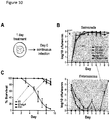
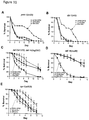
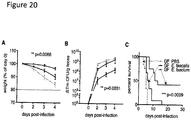
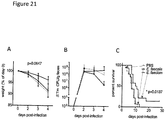
- streptomycin-treated control and E. faecalis -colonized mice showed severe S. Typhimurium-induced pathogenesis, as evidenced by rapid weight loss and mortality within 10 days of infection ( Fig. 16A and C ).
- streptomycin-treated mice pre-colonized with E.
- faecium displayed significantly reduced early weight loss and prolonged survival, without changes in pathogen burden over the course of infection ( FIG. 16A-C ).
- administration of E. faecium 24 hours after S. Typhimurium infection also conferred some protective effects, albeit greatly reduced compared to E. faecium administered as little as 4 hours before infection ( Fig. 16 , A and C), indicating that E. faecium colonization rapidly induces a protective response. Protection was not dependent on secondary effects on the remaining microbiota, as E. faecium was also protective in mono-colonized, S. Typhimurium-infected gnotobiotic mice ( Fig.
- E. faecium did not affect S. Typhimurium proliferation ( Fig. 16B ) or secretion of type III protein effectors involved in S. Typhimurium invasion of host cells as described in Example 1. These results indicate that E. faecium does not act by bactericidal mechanisms, inhibiting S. Typhimurium virulence, or indirectly modulating the microbiota.
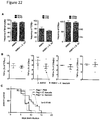
- E. faecium colonization did not induce significant changes in the relative frequency or cytokine profile of intestinal intraepithelial lymphocyte subsets ( Fig. 22 , A and B).
- prolonged host survival in response to E. faecium colonization was preserved in Rag1 - / - mice, which lack B and T cells ( Fig. 22C ). Together with the speed of E. faecium's effects ( Fig.
- IEC intestinal epithelial cell
- Reg3g has been shown to play an important role in excluding bacteria from the epithelial surface, although neither RegIII ⁇ nor RegIII ⁇ are bactericidal to S. Typhimurium.
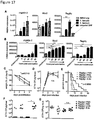
- E. faecium -mediated protection we colonized antibiotic-treated Reg3g -deficient ( Reg3g -/- ) mice and infected them with S. Typhimurium. Absence of Reg3g significantly abrogated E. faecium- mediated protection against S. Typhimurium pathogenesis compared to Reg3g +/- controls ( Fig.
- S. Typhimurium dissemination to peripheral organs like the liver can occur by invasion across IECs, disruption of tight junctions, or by unimpeded transport through microfold (M) cells.
- M microfold
- bacteria that are sampled through M cells are likely to be taken up by mononuclear phagocytes in the underlying Peyer's patches (PPs) and transported to the mesenteric lymph nodes (mLN).
- PPs Peyer's patches
- mLN mesenteric lymph nodes
- Fig. 17F mesenteric lymph nodes
- translocation of bacteria to the mLN was not affected by colonization or genotype ( Fig. 17G ). This implies that E. faecium does not affect phagocyte migration or active transport of Salmonella, but rather acts on the level of IEC integrity.
- TLRs toll-like receptors
- MyD88 toll-like receptors
- TLRs toll-like receptors
- MyD88 signaling adapter
- faecium-mediated protection requires MyD88 signaling in IECs for improved survival and proper upregulation of RegIII ⁇ , and they further suggest that E. faecium enhances host epithelial barrier function rather than affecting immune cell responses to S. Typhimurium.
- Example 1 in C. elegans, we identified that E. faecium -derived secreted antigen A (SagA) is a secreted NlpC/p60 peptidoglycan hydrolase that is sufficient for protection against S. Typhimurium in worms. Deletion of sagA has been shown to render E. faecium non-viable, and it is encoded in the genomes of all sequenced E. faecium strains; however, sagA is absent in E. faecalis and other known commensal species ( K. L. Palmer et al., High-quality draft genome sequences of 28 Enterococcus sp. isolates.
- SagA E. faecium -derived secreted antigen A
- faecalis significantly induced expression of Defa2 and Reg3g in streptomycin-treated mice ( Fig. 19D ), indicating that expression of sagA is sufficient to increase AMP expression and attenuate S. Typhimurium pathogenesis.
- the intestinal microbiota may have several beneficial modes of action that can potentially prevent or limit pathogenic infection, including niche competition with pathogenic bacteria, activation of immune cells and augmentation of epithelial barrier function.
- the present results indicate that commensal E. faecium does not hinder the growth of enteric pathogens in the gut, but instead utilizes a unique secreted peptidoglycan hydrolase, SagA, to increase epithelial expression of AMPs through MyD88 and NOD2 signaling pathways and enhance barrier integrity.
- SagA secreted peptidoglycan hydrolase
- mice C57BL/6J (000664), Lyz2 Cre (004781), MyD88 f/f (008888), Nod2 - / - (005763), Rag1 - / - (002216) and Reg3g - / - (017480) mice were purchased from Jackson Laboratories and maintained in our facilities. Villin CreERT2 mice were developed by Silvie Robine and provided by David Artis. Several of these lines were interbred in our facilities to obtain the final strains described in this disclosure. Genotyping was performed according to the protocols established for the respective strains by Jackson Laboratories. Mice were maintained at the Rockefeller University animal facilities under specific pathogen-free (SPF) or germ-free (GF) conditions.
- SPF pathogen-free
- GF germ-free
- Germ-free mice were obtained from Sarkis Mazmanian and bred and maintained in germ-free isolators in our facilities. Germ-free status was confirmed by plating feces as well as by qPCR analysis (16S rRNA). Mice were used at 8-10 weeks of age for most experiments. Animal care and experimentation were consistent with the NIH guidelines and were approved by the Institutional Animal Care and Use Committee at the Rockefeller University.
- E. faecium (strain Com 15) was provided by Michael Gilmore, and E. faecalis (strain OG1RF) and L. plantarum (strain WCFS1) were provided by Balfour Sartor.
- E. faecium and E. faecalis were cultured in BHI broth (BD 237500), S. Typhimurium (strain 14028) was cultured in Luria Broth (LB) and L. plantarum was cultured in de Man, Rogosa and Sharpe (MRS) broth.
- E. faecium, E.faecalis, and L. plantarum were grown overnight at 37°C at 230 rpm shaking to stationary phase growth prior to colonization.
- S. Typhimurium was grown overnight followed by a 3.5h subculture at 37°C at 230 rpm to log phase growth prior to infection.
- mice Specific pathogen-free mice were gavaged with either a single dose of 20mg streptomycin or a daily dose of AMNV antibiotic cocktail (4mg ampicillin, 2mg metronidazole, 4mg neomycin, and 2mg vancomycin) for 7-14 days as indicated in the figure legends.
- AMNV antibiotic cocktail 4mg ampicillin, 2mg metronidazole, 4mg neomycin, and 2mg vancomycin
- Bacterial cultures were washed and resuspended in sterile PBS at 10 9 /mL for E. faecium, E.faecalis, and L. plantarum or at 10 7 /mL (SPF) or 10 3 /mL (GF) for S. Typhimurium.
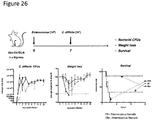
- mice were colonized by gavage with 100uL of the indicated bacterial suspension 4 hours before infection (for streptomycin-treated mice) or 2-7 days before infection (for AMNV and GF gnotobiotic mono-colonized mice). Colonization was followed by infection with S. Typhimurium by oral gavage at the doses indicated above and in the figure legends. Weight loss was monitored from just before infection, and mice were euthanized when they reached 80% baseline weight or when they appeared hunched or moribund, whichever occurred first. Death was not used as an end-point.
- Colony-forming units (CFU) in the feces were determined by plating 5 serial dilutions of feces suspended in sterile PBS on selective agars: Salmonella Shigella Agar (BD 211597) for S. Typhimurium, Enterococcosel Agar (BD 212205) for E. faecium and E. facealis, and MRS Agar with 8ug/mL chloramphenicol for L. plantarum -vector and -SagA. Resulting quantities were normalized to feces weight.
- mice were gavaged with FITC-dextran 4 kDa (600 ⁇ g/kg body weight) dissolved in sterile PBS. Serum was harvested by cardiac puncture after 4h, and FITC fluorescence (excitation 488 nm and emission 518 nm) was measured in triplicate on a FLUOstar Omega microplate reader (BMG Labtech) to assess intestinal permeability. Concentration of FITC in serum was determined using a standard curve and expressed as ng/mL serum. To measure invasion, whole livers or mesenteric lymph nodes (mLN) were homogenized in PBS with 0.1% Triton X-100 to release intracellular bacteria. 3 serial dilutions were plated on Salmonella Shigella Agar, and resulting quantities were normalized to organ weight prior to homogenization.
- FITC-dextran 4 kDa 600 ⁇ g/kg body weight
- Serum was harvested by cardiac puncture after 4h, and FITC fluorescence (excitation 488 n
- 16S FISH 16S rRNA FISH was performed with a universal probe (EUB388, Cy3-GCTGCCTCCCGTAGGAGT-Cy3) on sections fixed with Methacarn solution according to known techniques.
- intestinal tissues about 1 cm
- Methacarn solution 60% methanol, 30% chloroform, 10% glacial acetic acid
- After 3 washes with 70% ethanol tissues were embedded in paraffin. 5- ⁇ m sections were cut, mounted on glass slides, and de-paraffinized with xylene and subsequently dehydrated.
- Probe was diluted (5 ng/ ⁇ L) in hybridization buffer (0.9 M NaCl, 20 mM Tris-HCl (pH 7.2), 0.1% SDS) and hybridization was carried out at 50°C for 3 hours. After hybridization, tissues were washed with wash buffer (0.9 M NaCl, 20 mM Tris-HCl (pH 7.2)) and nuclei were stained with Hoechst stain. Tissues were imaged on an Inverted LSM 780 laser scanning confocal microscope (Zeiss).
- Tissue was washed with 10 mL of HBSS + 2% FBS for 15 minutes at 37°C at 230 rpm.
- the gut tissues were then finely chopped and digested in HBSS + 2% FBS + IX Sodium Pyruvate + 25mM HEPES + 50 ⁇ g/mL DNaseI + 0.05 mg/mL Collagenase VIII for 40 min. at 37° C at 90 rpm.
- Cells were separated by discontinuous Percoll gradient (70%/35%) centrifugation. Hematopoietic cells were isolated from the interphase and stained for analysis by flow cytometry.
- Antibodies and flow cytometry analysis Fluorescent-dye-conjugated antibodies were purchased from BD-Pharmingen (anti-CD4, 550954; anti-CD45R, 557683) or eBioscience (anti-CD8 ⁇ 56-0081; anti-TCR- ⁇ , 47-5961; anti-IFN-y, 25-7311; anti-TCR ⁇ , 46-5711; anti-CD8 ⁇ , 46-0083; anti-TNF- ⁇ , 17-7321).
- Flow cytometry data were acquired on an LSR-II flow cytometer (Becton Dickinson) and analyzed using FlowJo software (Tree Star).
- cytokine-secreting cells For analysis of cytokine-secreting cells, cells were incubated in the presence of 100ng/ml PMA (Sigma), 500ng/ml ionomycin (Sigma) and 10 ⁇ g/ml brefeldin A (BFA) (Sigma) for the 3h prior to staining. Cell populations were first stained with antibodies against cell surface markers, followed by permeabilization in Fix/Perm buffer and intracellular staining in Perm/Wash buffer (BD Pharmingen).
- pAM401-SagA was generated as in Example 1 and transformed into L. plantarum WCFS1 by electroporation. Protocol for preparation of electrocompetent cells and electroporation was adapted from known approaches. Briefly, Lactobacillus were grown for 18 hours in M9YE (M9 media, 0.1% casamino acids, 0.3% yeast extract) + 2% glycine. Cultures were diluted in half with M9YE + 3% glycine, and grown for an additional 3 hours. Cultures were chilled, pelleted, and washed 3 times in sucrose wash buffer (0.625 M sucrose, 1 mM MgCl2, pH 4 with HCl), reducing the original culture volume by 1/2, 1/10, then 1/100 successively with each wash.
- sucrose wash buffer 0.25 M sucrose, 1 mM MgCl2, pH 4 with HCl
- cells were aliquoted, flash frozen in liquid nitrogen, and stored at -80 °C.
- Cells were electroporated in 2 mm cuvettes, 25 ⁇ F, 400 ohm, 2.5 kV. Cells were allowed to recover for 2 hours at room temperature without shaking in MRS broth (BD Bacto), then with shaking at 37°C for another 2 hours before plating on selective media.
- MRS broth BD Bacto
- E. faecalis-sagA was generated as described in Example 1.
Landscapes
- Life Sciences & Earth Sciences (AREA)
- Health & Medical Sciences (AREA)
- Chemical & Material Sciences (AREA)
- Microbiology (AREA)
- Organic Chemistry (AREA)
- Engineering & Computer Science (AREA)
- Polymers & Plastics (AREA)
- Medicinal Chemistry (AREA)
- General Health & Medical Sciences (AREA)
- Food Science & Technology (AREA)
- Molecular Biology (AREA)
- Mycology (AREA)
- Pharmacology & Pharmacy (AREA)
- Veterinary Medicine (AREA)
- Public Health (AREA)
- Animal Behavior & Ethology (AREA)
- Biochemistry (AREA)
- Nuclear Medicine, Radiotherapy & Molecular Imaging (AREA)
- Biophysics (AREA)
- Chemical Kinetics & Catalysis (AREA)
- Oncology (AREA)
- Communicable Diseases (AREA)
- Proteomics, Peptides & Aminoacids (AREA)
- Gastroenterology & Hepatology (AREA)
- General Chemical & Material Sciences (AREA)
- Genetics & Genomics (AREA)
- Nutrition Science (AREA)
- Epidemiology (AREA)
- Biomedical Technology (AREA)
- Biotechnology (AREA)
- Physiology (AREA)
- Animal Husbandry (AREA)
- Zoology (AREA)
- Micro-Organisms Or Cultivation Processes Thereof (AREA)
- Medicines Containing Material From Animals Or Micro-Organisms (AREA)
Claims (11)
- Modifizierte Bakterien, geeignet für den menschlichen oder nichtmenschlichen tierischen Verbrauch, die heterologes sekretiertes Antigen A (SagA) exprimieren, wobei die modifizierten Bakterien nicht E. coli sind;
wobei das heterologe SagA Enterococcus-faecium-SagA ist; und
wobei das heterologe SagA eine Sequenz umfasst, die mindestens 90 % Identität mit der Sequenz von SEQ.-ID Nr. 1 aufweist und die Aminosäure 389 bis Aminosäure 530 von SEQ.-ID Nr. 1 beibehält. - Modifizierte Bakterien nach Anspruch 1, wobei die modifizierten Bakterien grampositive Bakterien sind.
- Modifizierte Bakterien nach Anspruch 2, wobei die grampositiven Bakterien Lactobacillus-Bakterien sind.
- Modifizierte Bakterien nach Anspruch 3, wobei die Lactobacillus-Bakterien L. plantarum, L. casei oder L. acidophilus sind.
- Lebensmittelprodukt für den menschlichen oder nichtmenschlichen tierischen Verbrauch, das lebende modifizierte Bakterien nach einem der Ansprüche 1-4 umfasst.
- Lebensmittelprodukt nach Anspruch 5, wobei das Lebensmittelprodukt ein Milchprodukt ist.
- Lebensmittelprodukt nach Anspruch 6, wobei das Milchprodukt ein Joghurt ist.
- Probiotische Formulierung, die die modifizierten Bakterien nach einem der Ansprüche 1-4 umfasst.
- Modifizierte Bakterien nach einem der Ansprüche 1-4 für die Verwendung in der Therapie, wobei die modifizierten Bakterien heterologes sekretiertes Antigen A (SagA) exprimieren und sekretieren, wobei die Verwendung die Einführung der modifizierten Bakterien in ein Individuum umfasst, wobei die modifizierten Bakterien heterologes sekretiertes Antigen A (SagA) exprimieren und sekretieren.
- Modifizierte Bakterien für die Verwendung nach Anspruch 9, wobei die modifizierten Bakterien als eine Komponente eines Lebensmittelprodukts, einer probiotischen Formulierung oder einer pharmazeutischen Formulierung eingeführt werden.
- Modifizierte Bakterien für die Verwendung nach Anspruch 9 oder Anspruch 10, wobei bei dem Individuum das Risiko einer Infektion mit enterischen Bakterien besteht oder bei dem Individuum eine Infektion mit enterischen Bakterien vermutet wird oder diese diagnostiziert wurde.
Applications Claiming Priority (2)
| Application Number | Priority Date | Filing Date | Title |
|---|---|---|---|
| US201562152478P | 2015-04-24 | 2015-04-24 | |
| PCT/US2016/028836 WO2016172476A1 (en) | 2015-04-24 | 2016-04-22 | Modified microorganisms expressing saga as anti-infective agents, probiotics and food components |
Publications (3)
| Publication Number | Publication Date |
|---|---|
| EP3286208A1 EP3286208A1 (de) | 2018-02-28 |
| EP3286208A4 EP3286208A4 (de) | 2018-12-05 |
| EP3286208B1 true EP3286208B1 (de) | 2020-10-21 |
Family
ID=57143516
Family Applications (1)
| Application Number | Title | Priority Date | Filing Date |
|---|---|---|---|
| EP16783938.0A Active EP3286208B1 (de) | 2015-04-24 | 2016-04-22 | Saga-exprimierende modifizierte mikroorganismen als infektionsschutzmittel, probiotika und lebensmittelbestandteile |
Country Status (3)
| Country | Link |
|---|---|
| US (1) | US10723771B2 (de) |
| EP (1) | EP3286208B1 (de) |
| WO (1) | WO2016172476A1 (de) |
Families Citing this family (4)
| Publication number | Priority date | Publication date | Assignee | Title |
|---|---|---|---|---|
| EP3787668B1 (de) * | 2018-05-03 | 2023-10-25 | Crigasseni AG | Probiotische bakterienstämme, die antimikrobielle proteine produzieren und zusammensetzungen damit zur behandlung einer clostridium difficile infektion |
| WO2020172406A1 (en) * | 2019-02-20 | 2020-08-27 | The Rockefeller University | Modified microorganisms expressing saga and related compositions for immunomodulation against infection and cancer immunotherapy |
| US20220175856A1 (en) * | 2019-04-19 | 2022-06-09 | The Rockefeller University | Unraveling receptor-metabolite interactions in the human microbiome |
| WO2024096886A1 (en) * | 2022-11-04 | 2024-05-10 | George Mbella Ekema | A method of preventing and treating disease with transformed microbes |
Family Cites Families (4)
| Publication number | Priority date | Publication date | Assignee | Title |
|---|---|---|---|---|
| AU2823299A (en) | 1998-03-20 | 1999-10-18 | Mount Sinai Hospital Corporation | Streptococcus sag-a, a structural protein associated with sls activity |
| US7060687B2 (en) * | 2001-02-07 | 2006-06-13 | Genmont Biotechnology Co. | Live vaccines for allergy treatment |
| WO2009042956A1 (en) * | 2007-09-26 | 2009-04-02 | The Trustees Of Columbia University In The City Of New York | Control of spore germination |
| PL2248533T3 (pl) * | 2009-05-05 | 2014-04-30 | Univ Freiburg | Polipeptyd pochodzący od enterokoka i jego zastosowanie do szczepienia |
-
2016
- 2016-04-22 EP EP16783938.0A patent/EP3286208B1/de active Active
- 2016-04-22 US US15/568,726 patent/US10723771B2/en active Active
- 2016-04-22 WO PCT/US2016/028836 patent/WO2016172476A1/en not_active Ceased
Non-Patent Citations (1)
| Title |
|---|
| None * |
Also Published As
| Publication number | Publication date |
|---|---|
| WO2016172476A1 (en) | 2016-10-27 |
| US10723771B2 (en) | 2020-07-28 |
| US20190211067A1 (en) | 2019-07-11 |
| EP3286208A1 (de) | 2018-02-28 |
| EP3286208A4 (de) | 2018-12-05 |
Similar Documents
| Publication | Publication Date | Title |
|---|---|---|
| Humann et al. | Bacterial peptidoglycan-degrading enzymes and their impact on host muropeptide detection | |
| Derré‐Bobillot et al. | N uclease A (Gbs 0661), an extracellular nuclease of S treptococcus agalactiae, attacks the neutrophil extracellular traps and is needed for full virulence | |
| Bierne et al. | Listeria monocytogenes surface proteins: from genome predictions to function | |
| Carvalho et al. | How Listeria monocytogenes organizes its surface for virulence | |
| Sherlock et al. | The TibA adhesin/invasin from enterotoxigenic Escherichia coli is self recognizing and induces bacterial aggregation and biofilm formation | |
| Cox et al. | Enterococcal cytolysin: a novel two component peptide system that serves as a bacterial defense against eukaryotic and prokaryotic cells | |
| Stevens et al. | Mutation of toxB and a truncated version of the efa-1 gene in Escherichia coli O157: H7 influences the expression and secretion of locus of enterocyte effacement-encoded proteins but not intestinal colonization in calves or sheep | |
| Ratet et al. | LipL21 lipoprotein binding to peptidoglycan enables Leptospira interrogans to escape NOD1 and NOD2 recognition | |
| EP3286208B1 (de) | Saga-exprimierende modifizierte mikroorganismen als infektionsschutzmittel, probiotika und lebensmittelbestandteile | |
| Xayarath et al. | Listeria monocytogenes CtaP is a multifunctional cysteine transport‐associated protein required for bacterial pathogenesis | |
| Alonzo III et al. | Functional analysis of the Listeria monocytogenes secretion chaperone PrsA2 and its multiple contributions to bacterial virulence | |
| Lee et al. | GtfA and GtfB are both required for protein O-glycosylation in Lactobacillus plantarum | |
| US20220054562A1 (en) | Combinations of engineered antimicrobial probiotics for treatment of gastrointestinal tract pathogens | |
| Wheeler et al. | The hidden base of the iceberg: gut peptidoglycome dynamics is foundational to its influence on the host | |
| Kim et al. | Lactobacillus acidophilus reduces expression of enterohemorrhagic Escherichia coli O157: H7 virulence factors by inhibiting autoinducer-2-like activity | |
| Chen et al. | B orrelia p eptidoglycan i nteracting P rotein (BpiP) contributes to the fitness of Borrelia burgdorferi against host-derived factors and influences virulence in mouse models of Lyme disease | |
| Ehrbar et al. | The chaperone binding domain of SopE inhibits transport via flagellar and SPI‐1 TTSS in the absence of InvB | |
| Adu et al. | Prolonged heat stress of Lactobacillus paracasei GCRL163 improves binding to human colorectal adenocarcinoma HT-29 cells and modulates the relative abundance of secreted and cell surface-located proteins | |
| García | Structure, Function, and Regulation of LytA: The N-Acetylmuramoyl-l-alanine Amidase Driving the “Suicidal Tendencies” of Streptococcus pneumoniae—A Review | |
| Mathur et al. | OprF functions as a latch to direct Outer Membrane Vesicle release in Pseudomonas aeruginosa | |
| Yang et al. | Composition, structure, and function of the Myxococcus xanthus cell envelope | |
| US9050320B2 (en) | Method for inducing lymphoid tissue and modulating intestinal homeostasis | |
| Ketterer et al. | A subset of type 4 secretion system effectors of Brucella spp. associates to outer membrane vesicles | |
| AlMessiry | New insights on SepL, the gatekeeper component in Type 3 secretion system of enteropathogenic E. coli, though functional interchangeability studies | |
| Abdullah | Mechanistic and Phenotypic Characterisation of Rgg/SHP Quorum Sensing System in Streptococcus pneumoniae |
Legal Events
| Date | Code | Title | Description |
|---|---|---|---|
| STAA | Information on the status of an ep patent application or granted ep patent |
Free format text: STATUS: THE INTERNATIONAL PUBLICATION HAS BEEN MADE |
|
| PUAI | Public reference made under article 153(3) epc to a published international application that has entered the european phase |
Free format text: ORIGINAL CODE: 0009012 |
|
| STAA | Information on the status of an ep patent application or granted ep patent |
Free format text: STATUS: REQUEST FOR EXAMINATION WAS MADE |
|
| 17P | Request for examination filed |
Effective date: 20171122 |
|
| AK | Designated contracting states |
Kind code of ref document: A1 Designated state(s): AL AT BE BG CH CY CZ DE DK EE ES FI FR GB GR HR HU IE IS IT LI LT LU LV MC MK MT NL NO PL PT RO RS SE SI SK SM TR |
|
| AX | Request for extension of the european patent |
Extension state: BA ME |
|
| DAV | Request for validation of the european patent (deleted) | ||
| DAX | Request for extension of the european patent (deleted) | ||
| A4 | Supplementary search report drawn up and despatched |
Effective date: 20181025 |
|
| RIC1 | Information provided on ipc code assigned before grant |
Ipc: C07K 14/315 20060101ALI20181020BHEP Ipc: C07K 14/195 20060101AFI20181020BHEP Ipc: C12N 15/31 20060101ALI20181020BHEP |
|
| STAA | Information on the status of an ep patent application or granted ep patent |
Free format text: STATUS: EXAMINATION IS IN PROGRESS |
|
| 17Q | First examination report despatched |
Effective date: 20190906 |
|
| GRAP | Despatch of communication of intention to grant a patent |
Free format text: ORIGINAL CODE: EPIDOSNIGR1 |
|
| STAA | Information on the status of an ep patent application or granted ep patent |
Free format text: STATUS: GRANT OF PATENT IS INTENDED |
|
| INTG | Intention to grant announced |
Effective date: 20200512 |
|
| GRAS | Grant fee paid |
Free format text: ORIGINAL CODE: EPIDOSNIGR3 |
|
| GRAA | (expected) grant |
Free format text: ORIGINAL CODE: 0009210 |
|
| STAA | Information on the status of an ep patent application or granted ep patent |
Free format text: STATUS: THE PATENT HAS BEEN GRANTED |
|
| AK | Designated contracting states |
Kind code of ref document: B1 Designated state(s): AL AT BE BG CH CY CZ DE DK EE ES FI FR GB GR HR HU IE IS IT LI LT LU LV MC MK MT NL NO PL PT RO RS SE SI SK SM TR |
|
| REG | Reference to a national code |
Ref country code: GB Ref legal event code: FG4D |
|
| REG | Reference to a national code |
Ref country code: CH Ref legal event code: EP |
|
| REG | Reference to a national code |
Ref country code: IE Ref legal event code: FG4D |
|
| REG | Reference to a national code |
Ref country code: DE Ref legal event code: R096 Ref document number: 602016046325 Country of ref document: DE |
|
| REG | Reference to a national code |
Ref country code: AT Ref legal event code: REF Ref document number: 1325768 Country of ref document: AT Kind code of ref document: T Effective date: 20201115 |
|
| REG | Reference to a national code |
Ref country code: CH Ref legal event code: NV Representative=s name: NOVAGRAAF INTERNATIONAL SA, CH |
|
| REG | Reference to a national code |
Ref country code: SE Ref legal event code: TRGR |
|
| REG | Reference to a national code |
Ref country code: NL Ref legal event code: FP |
|
| REG | Reference to a national code |
Ref country code: AT Ref legal event code: MK05 Ref document number: 1325768 Country of ref document: AT Kind code of ref document: T Effective date: 20201021 |
|
| PG25 | Lapsed in a contracting state [announced via postgrant information from national office to epo] |
Ref country code: FI Free format text: LAPSE BECAUSE OF FAILURE TO SUBMIT A TRANSLATION OF THE DESCRIPTION OR TO PAY THE FEE WITHIN THE PRESCRIBED TIME-LIMIT Effective date: 20201021 Ref country code: GR Free format text: LAPSE BECAUSE OF FAILURE TO SUBMIT A TRANSLATION OF THE DESCRIPTION OR TO PAY THE FEE WITHIN THE PRESCRIBED TIME-LIMIT Effective date: 20210122 Ref country code: NO Free format text: LAPSE BECAUSE OF FAILURE TO SUBMIT A TRANSLATION OF THE DESCRIPTION OR TO PAY THE FEE WITHIN THE PRESCRIBED TIME-LIMIT Effective date: 20210121 Ref country code: RS Free format text: LAPSE BECAUSE OF FAILURE TO SUBMIT A TRANSLATION OF THE DESCRIPTION OR TO PAY THE FEE WITHIN THE PRESCRIBED TIME-LIMIT Effective date: 20201021 Ref country code: PT Free format text: LAPSE BECAUSE OF FAILURE TO SUBMIT A TRANSLATION OF THE DESCRIPTION OR TO PAY THE FEE WITHIN THE PRESCRIBED TIME-LIMIT Effective date: 20210222 |
|
| REG | Reference to a national code |
Ref country code: LT Ref legal event code: MG4D |
|
| PG25 | Lapsed in a contracting state [announced via postgrant information from national office to epo] |
Ref country code: BG Free format text: LAPSE BECAUSE OF FAILURE TO SUBMIT A TRANSLATION OF THE DESCRIPTION OR TO PAY THE FEE WITHIN THE PRESCRIBED TIME-LIMIT Effective date: 20210121 Ref country code: LV Free format text: LAPSE BECAUSE OF FAILURE TO SUBMIT A TRANSLATION OF THE DESCRIPTION OR TO PAY THE FEE WITHIN THE PRESCRIBED TIME-LIMIT Effective date: 20201021 Ref country code: PL Free format text: LAPSE BECAUSE OF FAILURE TO SUBMIT A TRANSLATION OF THE DESCRIPTION OR TO PAY THE FEE WITHIN THE PRESCRIBED TIME-LIMIT Effective date: 20201021 Ref country code: IS Free format text: LAPSE BECAUSE OF FAILURE TO SUBMIT A TRANSLATION OF THE DESCRIPTION OR TO PAY THE FEE WITHIN THE PRESCRIBED TIME-LIMIT Effective date: 20210221 Ref country code: ES Free format text: LAPSE BECAUSE OF FAILURE TO SUBMIT A TRANSLATION OF THE DESCRIPTION OR TO PAY THE FEE WITHIN THE PRESCRIBED TIME-LIMIT Effective date: 20201021 Ref country code: AT Free format text: LAPSE BECAUSE OF FAILURE TO SUBMIT A TRANSLATION OF THE DESCRIPTION OR TO PAY THE FEE WITHIN THE PRESCRIBED TIME-LIMIT Effective date: 20201021 |
|
| PG25 | Lapsed in a contracting state [announced via postgrant information from national office to epo] |
Ref country code: HR Free format text: LAPSE BECAUSE OF FAILURE TO SUBMIT A TRANSLATION OF THE DESCRIPTION OR TO PAY THE FEE WITHIN THE PRESCRIBED TIME-LIMIT Effective date: 20201021 |
|
| REG | Reference to a national code |
Ref country code: DE Ref legal event code: R097 Ref document number: 602016046325 Country of ref document: DE |
|
| PG25 | Lapsed in a contracting state [announced via postgrant information from national office to epo] |
Ref country code: RO Free format text: LAPSE BECAUSE OF FAILURE TO SUBMIT A TRANSLATION OF THE DESCRIPTION OR TO PAY THE FEE WITHIN THE PRESCRIBED TIME-LIMIT Effective date: 20201021 Ref country code: SK Free format text: LAPSE BECAUSE OF FAILURE TO SUBMIT A TRANSLATION OF THE DESCRIPTION OR TO PAY THE FEE WITHIN THE PRESCRIBED TIME-LIMIT Effective date: 20201021 Ref country code: SM Free format text: LAPSE BECAUSE OF FAILURE TO SUBMIT A TRANSLATION OF THE DESCRIPTION OR TO PAY THE FEE WITHIN THE PRESCRIBED TIME-LIMIT Effective date: 20201021 Ref country code: LT Free format text: LAPSE BECAUSE OF FAILURE TO SUBMIT A TRANSLATION OF THE DESCRIPTION OR TO PAY THE FEE WITHIN THE PRESCRIBED TIME-LIMIT Effective date: 20201021 Ref country code: EE Free format text: LAPSE BECAUSE OF FAILURE TO SUBMIT A TRANSLATION OF THE DESCRIPTION OR TO PAY THE FEE WITHIN THE PRESCRIBED TIME-LIMIT Effective date: 20201021 Ref country code: CZ Free format text: LAPSE BECAUSE OF FAILURE TO SUBMIT A TRANSLATION OF THE DESCRIPTION OR TO PAY THE FEE WITHIN THE PRESCRIBED TIME-LIMIT Effective date: 20201021 |
|
| PLBE | No opposition filed within time limit |
Free format text: ORIGINAL CODE: 0009261 |
|
| STAA | Information on the status of an ep patent application or granted ep patent |
Free format text: STATUS: NO OPPOSITION FILED WITHIN TIME LIMIT |
|
| PG25 | Lapsed in a contracting state [announced via postgrant information from national office to epo] |
Ref country code: DK Free format text: LAPSE BECAUSE OF FAILURE TO SUBMIT A TRANSLATION OF THE DESCRIPTION OR TO PAY THE FEE WITHIN THE PRESCRIBED TIME-LIMIT Effective date: 20201021 |
|
| 26N | No opposition filed |
Effective date: 20210722 |
|
| PG25 | Lapsed in a contracting state [announced via postgrant information from national office to epo] |
Ref country code: AL Free format text: LAPSE BECAUSE OF FAILURE TO SUBMIT A TRANSLATION OF THE DESCRIPTION OR TO PAY THE FEE WITHIN THE PRESCRIBED TIME-LIMIT Effective date: 20201021 Ref country code: IT Free format text: LAPSE BECAUSE OF FAILURE TO SUBMIT A TRANSLATION OF THE DESCRIPTION OR TO PAY THE FEE WITHIN THE PRESCRIBED TIME-LIMIT Effective date: 20201021 |
|
| PG25 | Lapsed in a contracting state [announced via postgrant information from national office to epo] |
Ref country code: MC Free format text: LAPSE BECAUSE OF FAILURE TO SUBMIT A TRANSLATION OF THE DESCRIPTION OR TO PAY THE FEE WITHIN THE PRESCRIBED TIME-LIMIT Effective date: 20201021 Ref country code: SI Free format text: LAPSE BECAUSE OF FAILURE TO SUBMIT A TRANSLATION OF THE DESCRIPTION OR TO PAY THE FEE WITHIN THE PRESCRIBED TIME-LIMIT Effective date: 20201021 |
|
| PG25 | Lapsed in a contracting state [announced via postgrant information from national office to epo] |
Ref country code: LU Free format text: LAPSE BECAUSE OF NON-PAYMENT OF DUE FEES Effective date: 20210422 |
|
| PG25 | Lapsed in a contracting state [announced via postgrant information from national office to epo] |
Ref country code: IS Free format text: LAPSE BECAUSE OF FAILURE TO SUBMIT A TRANSLATION OF THE DESCRIPTION OR TO PAY THE FEE WITHIN THE PRESCRIBED TIME-LIMIT Effective date: 20210221 |
|
| PG25 | Lapsed in a contracting state [announced via postgrant information from national office to epo] |
Ref country code: HU Free format text: LAPSE BECAUSE OF FAILURE TO SUBMIT A TRANSLATION OF THE DESCRIPTION OR TO PAY THE FEE WITHIN THE PRESCRIBED TIME-LIMIT; INVALID AB INITIO Effective date: 20160422 |
|
| PG25 | Lapsed in a contracting state [announced via postgrant information from national office to epo] |
Ref country code: CY Free format text: LAPSE BECAUSE OF FAILURE TO SUBMIT A TRANSLATION OF THE DESCRIPTION OR TO PAY THE FEE WITHIN THE PRESCRIBED TIME-LIMIT Effective date: 20201021 |
|
| PG25 | Lapsed in a contracting state [announced via postgrant information from national office to epo] |
Ref country code: MK Free format text: LAPSE BECAUSE OF FAILURE TO SUBMIT A TRANSLATION OF THE DESCRIPTION OR TO PAY THE FEE WITHIN THE PRESCRIBED TIME-LIMIT Effective date: 20201021 |
|
| PG25 | Lapsed in a contracting state [announced via postgrant information from national office to epo] |
Ref country code: MT Free format text: LAPSE BECAUSE OF FAILURE TO SUBMIT A TRANSLATION OF THE DESCRIPTION OR TO PAY THE FEE WITHIN THE PRESCRIBED TIME-LIMIT Effective date: 20201021 |
|
| PGFP | Annual fee paid to national office [announced via postgrant information from national office to epo] |
Ref country code: NL Payment date: 20250418 Year of fee payment: 10 |
|
| PGFP | Annual fee paid to national office [announced via postgrant information from national office to epo] |
Ref country code: DE Payment date: 20250422 Year of fee payment: 10 |
|
| PGFP | Annual fee paid to national office [announced via postgrant information from national office to epo] |
Ref country code: GB Payment date: 20250423 Year of fee payment: 10 |
|
| PGFP | Annual fee paid to national office [announced via postgrant information from national office to epo] |
Ref country code: BE Payment date: 20250418 Year of fee payment: 10 |
|
| PGFP | Annual fee paid to national office [announced via postgrant information from national office to epo] |
Ref country code: FR Payment date: 20250425 Year of fee payment: 10 |
|
| PGFP | Annual fee paid to national office [announced via postgrant information from national office to epo] |
Ref country code: CH Payment date: 20250501 Year of fee payment: 10 |
|
| PGFP | Annual fee paid to national office [announced via postgrant information from national office to epo] |
Ref country code: IE Payment date: 20250422 Year of fee payment: 10 |
|
| PGFP | Annual fee paid to national office [announced via postgrant information from national office to epo] |
Ref country code: SE Payment date: 20250429 Year of fee payment: 10 |