EP3277009A1 - Teilnehmeridentitätselement zum authentifizieren eines kommunikationsgerätes gegenüber einem kommunikationsnetzwerk - Google Patents
Teilnehmeridentitätselement zum authentifizieren eines kommunikationsgerätes gegenüber einem kommunikationsnetzwerk Download PDFInfo
- Publication number
- EP3277009A1 EP3277009A1 EP16182098.0A EP16182098A EP3277009A1 EP 3277009 A1 EP3277009 A1 EP 3277009A1 EP 16182098 A EP16182098 A EP 16182098A EP 3277009 A1 EP3277009 A1 EP 3277009A1
- Authority
- EP
- European Patent Office
- Prior art keywords
- subscriber identity
- identifier
- server
- communication
- subnetwork
- Prior art date
- Legal status (The legal status is an assumption and is not a legal conclusion. Google has not performed a legal analysis and makes no representation as to the accuracy of the status listed.)
- Granted
Links
Images



Classifications
-
- H—ELECTRICITY
- H04—ELECTRIC COMMUNICATION TECHNIQUE
- H04W—WIRELESS COMMUNICATION NETWORKS
- H04W12/00—Security arrangements; Authentication; Protecting privacy or anonymity
- H04W12/06—Authentication
-
- H—ELECTRICITY
- H04—ELECTRIC COMMUNICATION TECHNIQUE
- H04L—TRANSMISSION OF DIGITAL INFORMATION, e.g. TELEGRAPHIC COMMUNICATION
- H04L47/00—Traffic control in data switching networks
- H04L47/70—Admission control; Resource allocation
- H04L47/78—Architectures of resource allocation
-
- H—ELECTRICITY
- H04—ELECTRIC COMMUNICATION TECHNIQUE
- H04L—TRANSMISSION OF DIGITAL INFORMATION, e.g. TELEGRAPHIC COMMUNICATION
- H04L63/00—Network architectures or network communication protocols for network security
- H04L63/08—Network architectures or network communication protocols for network security for authentication of entities
- H04L63/0853—Network architectures or network communication protocols for network security for authentication of entities using an additional device, e.g. smartcard, SIM or a different communication terminal
-
- H—ELECTRICITY
- H04—ELECTRIC COMMUNICATION TECHNIQUE
- H04W—WIRELESS COMMUNICATION NETWORKS
- H04W12/00—Security arrangements; Authentication; Protecting privacy or anonymity
- H04W12/04—Key management, e.g. using generic bootstrapping architecture [GBA]
-
- H—ELECTRICITY
- H04—ELECTRIC COMMUNICATION TECHNIQUE
- H04W—WIRELESS COMMUNICATION NETWORKS
- H04W12/00—Security arrangements; Authentication; Protecting privacy or anonymity
- H04W12/30—Security of mobile devices; Security of mobile applications
- H04W12/35—Protecting application or service provisioning, e.g. securing SIM application provisioning
-
- H—ELECTRICITY
- H04—ELECTRIC COMMUNICATION TECHNIQUE
- H04W—WIRELESS COMMUNICATION NETWORKS
- H04W28/00—Network traffic management; Network resource management
- H04W28/02—Traffic management, e.g. flow control or congestion control
- H04W28/0215—Traffic management, e.g. flow control or congestion control based on user or device properties, e.g. MTC-capable devices
-
- H—ELECTRICITY
- H04—ELECTRIC COMMUNICATION TECHNIQUE
- H04W—WIRELESS COMMUNICATION NETWORKS
- H04W40/00—Communication routing or communication path finding
- H04W40/24—Connectivity information management, e.g. connectivity discovery or connectivity update
-
- H—ELECTRICITY
- H04—ELECTRIC COMMUNICATION TECHNIQUE
- H04W—WIRELESS COMMUNICATION NETWORKS
- H04W8/00—Network data management
- H04W8/005—Discovery of network devices, e.g. terminals
-
- H—ELECTRICITY
- H04—ELECTRIC COMMUNICATION TECHNIQUE
- H04W—WIRELESS COMMUNICATION NETWORKS
- H04W8/00—Network data management
- H04W8/18—Processing of user or subscriber data, e.g. subscribed services, user preferences or user profiles; Transfer of user or subscriber data
- H04W8/20—Transfer of user or subscriber data
-
- H—ELECTRICITY
- H04—ELECTRIC COMMUNICATION TECHNIQUE
- H04W—WIRELESS COMMUNICATION NETWORKS
- H04W8/00—Network data management
- H04W8/22—Processing or transfer of terminal data, e.g. status or physical capabilities
- H04W8/24—Transfer of terminal data
- H04W8/245—Transfer of terminal data from a network towards a terminal
-
- H—ELECTRICITY
- H04—ELECTRIC COMMUNICATION TECHNIQUE
- H04W—WIRELESS COMMUNICATION NETWORKS
- H04W92/00—Interfaces specially adapted for wireless communication networks
- H04W92/04—Interfaces between hierarchically different network devices
- H04W92/10—Interfaces between hierarchically different network devices between terminal device and access point, i.e. wireless air interface
Definitions
- the present invention relates to the field of communication technology, in particular the authentication of a communication device to a communication network.
- Authentication of communication devices, such as mobile phones, to a communication network is typically done using subscriber identity elements.
- the subscriber identity elements are in this case configured to store data which uniquely identifies the respective communication device.
- SIM Subscriber Identity Module
- IMSI International Mobile Subscriber Identity
- fifth-generation (5G) communication networks and other generations, it is envisaged to integrate subscriber identity elements respectively firmly in the communication devices and to provide the respective data for identification and authentication in the form of subscriber profiles via the communication network.
- the present invention is based on the finding that the above object can be achieved by a subscriber identity element that can communicate with a discovery server of a communication network.
- the discovery server is assigned to a subnetwork of the communication network, wherein the discovery server can be reached using a subnetwork identifier of the subnetwork.
- the subscriber identity element is configured to receive a profile server identifier of a profile server from the discovery server and to retrieve a subscriber profile from the profile server using the profile server identifier.
- the subscriber profile comprises data that can be used to identify and authenticate the communication device with respect to the communication network.
- a dedicated subnetwork can be provided with a discovery server to assign a subscriber profile to a subscriber identity element.
- the subnetwork may be, for example, a slice of the communication network.
- the invention relates to a subscriber identity element for authenticating a communication device to a communication network, wherein the subscriber identity element is assigned a subscriber identity identifier, and wherein the communication network comprises a subnetwork with a discovery server.
- the subscriber identity element comprises a memory in which an initialization profile of the subscriber identity element is stored, the initialization profile indicating a subnetwork identifier of the subnetwork.
- the subscriber identity element further comprises a communication interface configured to establish a communication link to the discovery server using the subnetwork identifier, and to send the subscriber identity identifier to the discovery server via the communication link.
- the subscriber identity element may be an eSIM (embedded SIM), a UICC (Universal Integrated Circuit Card) or an eUICC (embedded Universal Integrated Circuit Card).
- the subscriber identity identifier is stored in the memory.
- the subscriber identity identifier may be an eID (eUICC-ID).
- a discovery server identifier is associated with the discovery server, the initialization profile further indicating the discovery server identifier, and wherein the communication interface is further configured to establish the communication connection to the discovery server using the discovery server identifier.
- the discovery server identifier may be a URI (Uniform Resource Identifier) of the discovery server.
- the communication network further comprises a profile server, wherein the profile server is associated with a profile server identifier, and wherein the communication interface is further configured to receive the profile server identifier from the discovery server via the communication connection.
- the profile server can be a Subscription Manager Data Preparation (SMDP) server or a Subscription Manager Data Preparation Plus (SMDP +) server.
- the profile server identifier may be a URI (Uniform Resource Identifier) of the profile server.
- the communication interface is further configured to set up a further communication connection to the profile server using the profile server identifier, and to retrieve a subscriber profile from the profile server via the further communication connection.
- the subscriber profile may include an IMSI (International Mobile Subscriber Identity).
- the communication interface is further configured to set up the communication connection to the discovery server during an initialization, in particular a first-time initialization, of the subscriber identity element.
- the initialization profile can thus be used to initialize the subscriber identity element.
- the initialization profile can be a bootstrap profile.
- the communication network is a fifth generation (5G) or another generation communication network, wherein the subnetwork is a slice of the communication network, and wherein the subnetwork identifier is a slice identifier.
- 5G fifth generation
- the subnetwork identifier is a slice identifier
- the invention relates to a communication device for communicating via a communication network.
- the communication device comprises a subscriber identity element according to the first aspect of the invention, wherein the subscriber identity element is adapted to authenticate the communication device with respect to the communication network.
- the invention relates to a discovery server for communicating with a subscriber identity element via a communication network, wherein the discovery server is associated with a subnetwork of the communication network, and wherein the subscriber identity element is configured, a communication link to the discovery server using a subnetwork identifier of the subnetwork.
- the discovery server comprises a communication interface configured to receive a subscriber identity identifier via the communication link from the subscriber identity element, the subscriber identity identifier being associated with the subscriber identity identifier.
- the discovery server further comprises a processor configured to determine a profile server identifier of a profile server based on the subscriber identity identifier, wherein the profile server is associated with the subscriber identity element.
- the communication interface is further configured to send the profile server identifier over the communication link to the subscriber identity element.
- the communication interface is further configured to communicate with a database, wherein the database is associated with the subnetwork, the database indicating an association of a plurality of subscriber identity identifiers with a plurality of profile server identifiers, and wherein each subscriber identity identifier is associated with a profile server identifier is.
- the processor is further configured to compare the received subscriber identity identifier with the plurality of subscriber identifier identifications, wherein the communications interface is configured to retrieve a profile server identifier from the database associated with the received subscriber identity identifier.
- the invention relates to a communication system for communicating via a communication network.
- the communication system comprises a communication device, wherein the communication device comprises a subscriber identity element according to the first aspect of the invention.
- the communication system further comprises a discovery server according to the third aspect of the invention, wherein the discovery server is associated with a subnetwork of the communication network.
- the communication system comprises a database, wherein the database is associated with the subnetwork, wherein the database is an association of a
- the discovery server can communicate with the database.
- the invention relates to a subnetwork of a communication network having a plurality of subnetworks, with a discovery server according to the third aspect of the invention, which is arranged in the subnetwork and is addressable via the subnetwork.
- the subnetwork can be a point-to-point subnetwork.
- the communication network is a fifth generation (5G) or another generation communication network, wherein the subnetwork is a slice of the communication network, and wherein the discovery server is addressable using a subnetwork identifier of the subnetwork.
- 5G fifth generation
- the discovery server is addressable using a subnetwork identifier of the subnetwork.
- the invention relates to a method for authenticating a communication device to a communication network using a subscriber identity element, the subscriber identity element comprising a memory and a communication interface, wherein the subscriber identity element is associated with a subscriber identity identifier, the communication network comprising a subnetwork with a discovery server wherein an initialization profile of the subscriber identity element is stored in the memory, and wherein the initialization profile indicates a subnetwork identifier of the subnetwork.
- the method comprises establishing a communication connection to the discovery server using the subnetwork identifier through the communication interface, and transmitting the subscriber identity identifier via the communication connection to the discovery server through the communication interface.
- the method may be performed by the subscriber identity element. Further features of the method result directly from the features and / or the functionality of the subscriber identity element.
- the invention relates to a method for communicating with a subscriber identity element via a communication network using a discovery server, the discovery server comprising a communication interface and a processor, wherein the discovery server is associated with a subnetwork of the communication network, and wherein the subscriber identity element is formed, a communication link to the discovery server below Using a subnetwork identifier of the subnetwork.
- the method comprises receiving, by the processor, a subscriber identity identifier via the communication link from the subscriber identity element, the subscriber identity identifier associated with the subscriber identity identifier, determining a profile server identifier of a profile server based on the subscriber identity identifier by the processor, the profile server Associated subscriber identity element, and sending out the profile server identifier via the communication link to the subscriber identity element through the communication interface.
- the procedure can be performed by the discovery server. Further features of the method result directly from the features and / or the functionality of the discovery server.
- the invention relates to a computer program having a program code for carrying out the method according to the sixth aspect of the invention or the method according to the seventh aspect of the invention when the computer program is executed on a computer.
- the subscriber identity element and / or the discovery server may be program-programmed to execute the computer program.
- the invention can be implemented in hardware and / or in software.
- Fig. 1 shows a schematic diagram of a subscriber identity element 100 for authenticating a communication device to a communication network.
- the subscriber identity element 100 is assigned a subscriber identity identifier.
- the communication network includes a subnetwork with a discovery server.
- the subscriber identity element 100 comprises a memory 101 in which an initialization profile of the subscriber identity element 100 is stored, the initialization profile indicating a subnetwork identifier of the subnetwork.
- the subscriber identity element 100 further comprises a communication interface 103, which is configured to set up a communication connection to the discovery server using the subnetwork identifier, and to send the subscriber identity identifier to the discovery server via the communication connection.
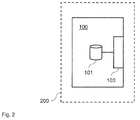
- FIG. 12 is a schematic diagram of a communication device 200 for communicating over a communication network.
- the communication device 200 includes a subscriber identity element 100, wherein the subscriber identity element 100 is configured to authenticate the communication device 200 to the communication network.
- the subscriber identity element 100 is assigned a subscriber identity identifier.
- the communication network includes a subnetwork with a discovery server.
- the subscriber identity element 100 comprises a memory 101 in which an initialization profile of the subscriber identity element 100 is stored, the initialization profile indicating a subnetwork identifier of the subnetwork.
- the Subscriber identity element 100 further includes a communication interface 103 configured to establish a communication connection to the discovery server using the subnetwork identifier, and to send the subscriber identity identifier to the discovery server via the communication link.
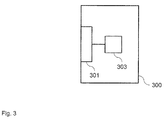
- Fig. 3 Figure 12 shows a schematic diagram of a discovery server 300 for communicating with a subscriber identity element over a communication network.
- the discovery server 300 is associated with a subnetwork of the communication network.
- the subscriber identity element is configured to establish a communication link to the discovery server 300 using a subnetwork identifier of the subnetwork.
- the discovery server 300 comprises a communication interface 301, which is configured to receive a subscriber identity identifier via the communication connection from the subscriber identity element, the subscriber identity identifier being associated with the subscriber identity identifier.
- the discovery server 300 further includes a processor 303 configured to determine a profile server identifier of a profile server based on the subscriber identity identifier, wherein the profile server is associated with the subscriber identity element.
- the communication interface 301 is further configured to send the profile server identifier via the communication link to the subscriber identity element.
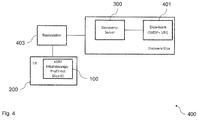
- FIG. 12 is a schematic diagram of a communication system 400 for communicating over a communication network.
- the communication system 400 comprises a communication device 200, wherein the communication device 200 comprises a subscriber identity element 100.
- the communication system 400 further includes a discovery server 300, wherein the discovery server 300 is associated with a subnetwork of the communication network.
- the communication system 400 further includes a database 401, wherein the database 401 is associated with the subnetwork.
- Database 401 displays an association of a plurality of subscriber identity identifiers with a plurality of profile server identifiers, each subscriber identity identifier associated with a profile server identifier.
- the communication between the subscriber identity element 100 and the discovery server 300 takes place via a base station 403 of the communication network.
- the subnetwork includes the discovery server 300, which is located in the subnetwork and is addressable via the subnetwork.
- the subnetwork can be a slice or a discovery slice of the communication network.
- the subscriber identity element 100 may be provided with an initialization profile, for example a bootstrap profile, which may comprise a discovery server identifier, for example a URI, of the discovery server 300.
- initial connectivity can be provided, for example, via WLAN (Wireless Local Area Network) or via a cable connection.
- the subscriber identity element 100 can transmit the subscriber identity identifier, for example an eID, to the discovery server 300.
- the latter can assign a profile server, for example an SMDP + server, to the subscriber identity element 100 on this basis and transmit a profile server identifier, for example a URI, of the profile server to the subscriber identity element 100.
- the profile server provides a subscriber profile for the subscriber identity element 100, which may be from an MNO (Mobile Network Operator).
- MNO Mobile Network Operator
- provision of a discovery service is desirable.
- a subnetwork of the communication network may be provided to the discovery server 300.
- a slice for example a discovery slice, is used, in which the discovery server 300 is arranged.
- the subnetwork can be operated by an MNO.
- the initialization profile may include a subnetwork identifier, for example a slice identifier, of the subnetwork.
- the identifiers may further be provided in the communication device 200, which may be a UE (User Equipment). This is advantageous in particular when the discovery service (DS) has more reference to the communication device 200 than to the subscriber profile.
- a manufacturer of communication device 200 may provide a proprietary DS.
- the routing into the subnetwork can take place by means of the subnetwork identifier, for example the slice identifier, in the initialization profile.
- the discovery server 300 and the database 401 may be arranged, wherein the database 401, the profile server identifiers, such as the URIs, the Profile server, such as the SMDP + Server.
- Discovery server 300 and / or database 401 may be centrally or remotely located.
- the distributed arrangement has the advantage that the database 401 can be updated independently of the discovery server 300.
- a route HTTP request can be distributed to several HTTP servers accessing the database 401.
- the discovery server 300 may determine from the subscriber identity identifier, such as the eID, the profile server, such as the SMDP + server, or its profile server identifier, and may retrieve from the database 401 the profile server identifier, such as the SMDP + URI, which is transmitted to the subscriber identity element 100.
- the subscriber identity element 100 can contact the profile server, for example the SMDP + server, and retrieve the subscriber profile from there.
- the database 401 can manage the subscriber profiles.
- the subnetwork for example the slice, can also transmit the subscriber profile directly to the subscriber identity element 100.
- the advantage is achieved that entries in the initialization of the subscriber identity element 100 load the general communication network less and can be handled by the subnetwork, for example, the slice.
- the subnetwork for example the slice, can also be managed more easily than a plurality of decentralized servers.
- Fig. 5 Figure 12 shows a schematic diagram of a method 500 for authenticating a communication device to a communication network using a subscriber identity element.
- the subscriber identity element comprises a memory and a communication interface.
- the subscriber identity element is assigned a subscriber identity identifier.
- the communication network includes a subnetwork with a discovery server.
- An initialization profile of the subscriber identity element is stored in the memory, the initialization profile indicating a subnetwork identifier of the subnetwork.
- the method 500 includes establishing 501 a communication connection to the discovery server using the subnetwork identifier through the communication interface, and transmitting the subscriber identity identifier 503 over the communication connection to the discovery server through the communication interface.
- FIG. 12 shows a schematic diagram of a method 600 for communicating with a subscriber identity element over a communication network using a discovery server.
- the discovery server includes a communication interface and a processor.
- the discovery server is assigned to a subnetwork of the communication network.
- the subscriber identity element is configured to establish a communication link to the discovery server using a subnetwork identifier of the subnetwork.
- the method 600 includes receiving 601 a subscriber identity identifier via the communication link from the subscriber identity element through the communication interface, the subscriber identity identifier associated with the subscriber identity identifier, determining 603 a profile server identifier of a profile server based on the subscriber identity identifier by the processor, the profile Server is assigned to the subscriber identity element, and a transmission 605 of the profile server identifier via the communication link to the subscriber identity element through the communication interface.
Landscapes
- Engineering & Computer Science (AREA)
- Computer Networks & Wireless Communication (AREA)
- Signal Processing (AREA)
- Computer Security & Cryptography (AREA)
- Databases & Information Systems (AREA)
- Computer Hardware Design (AREA)
- Computing Systems (AREA)
- General Engineering & Computer Science (AREA)
- Mobile Radio Communication Systems (AREA)
Abstract
Description
- Die vorliegende Erfindung betrifft das Gebiet der Kommunikationstechnik, insbesondere der Authentifizierung eines Kommunikationsgerätes gegenüber einem Kommunikationsnetzwerk.
- Die Authentifizierung von Kommunikationsgeräten, beispielsweise von Mobiltelefonen, gegenüber einem Kommunikationsnetzwerk erfolgt in der Regel unter Verwendung von Teilnehmeridentitätselementen. Die Teilnehmeridentitätselemente sind hierbei ausgebildet, Daten zu speichern, welche das jeweilige Kommunikationsgerät eindeutig identifizieren.
- Bei Kommunikationsgeräten nach dem GSM-Standard (Global System for Mobile Communications) kommen beispielsweise Teilnehmeridentitätselemente in Form von Chipkarten zum Einsatz, welche auch als SIM (Subscriber Identity Module) bezeichnet werden. Diese umfassen beispielsweise eine IMSI (International Mobile Subscriber Identity), welche einem Benutzer des Kommunikationsgerätes zugeordnet ist und zur Authentifizierung des Kommunikationsgerätes gegenüber dem Kommunikationsnetzwerk verwendet wird.
- In Kommunikationsnetzwerken der fünften Generation (5G) und weiteren Generationen ist vorgesehen, Teilnehmeridentitätselemente jeweils fest in den Kommunikationsgeräten zu integrieren und die jeweiligen Daten zum Identifizieren und Authentifizieren in Form von Teilnehmerprofilen über das Kommunikationsnetzwerk bereitzustellen.
- Es ist eine Aufgabe der vorliegenden Erfindung, ein effizientes Konzept zum Initialisieren eines Teilnehmeridentitätselementes eines Kommunikationsgerätes zu schaffen.
- Diese Aufgabe wird durch die Merkmale der unabhängigen Ansprüche gelöst. Vorteilhafte Ausführungsformen der Erfindung sind Gegenstand der Beschreibung, der Zeichnungen sowie der abhängigen Ansprüche.
- Die vorliegende Erfindung basiert auf der Erkenntnis, dass die obige Aufgabe durch ein Teilnehmeridentitätselement gelöst werden kann, welches mit einem Discovery-Server eines Kommunikationsnetzwerkes kommunizieren kann. Der Discovery-Server ist dabei einem Subnetzwerk des Kommunikationsnetzwerkes zugeordnet, wobei der Discovery-Server unter Verwendung einer Subnetzwerkkennung des Subnetzwerkes erreichbar ist.
- Das Teilnehmeridentitätselement ist ausgebildet, eine Profil-Serverkennung eines Profilservers von dem Discovery-Server zu empfangen und ein Teilnehmerprofil unter Verwendung der Profil-Serverkennung von dem Profil-Server abzurufen. Das Teilnehmerprofil umfasst dabei Daten, welche zum Identifizieren und Authentifizieren des Kommunikationsgerätes gegenüber dem Kommunikationsnetzwerk verwendet werden können.
- Dadurch wird erreicht, dass ein dediziertes Subnetzwerk mit einem Discovery-Server bereitgestellt werden kann, um einem Teilnehmeridentitätselement ein Teilnehmerprofil zuzuweisen. Das Subnetzwerk kann beispielsweise ein Slice des Kommunikationsnetzwerkes sein.
- Gemäß einem ersten Aspekt betrifft die Erfindung ein Teilnehmeridentitätselement zum Authentifizieren eines Kommunikationsgerätes gegenüber einem Kommunikationsnetzwerk, wobei dem Teilnehmeridentitätselement eine Teilnehmeridentitätskennung zugeordnet ist, und wobei das Kommunikationsnetzwerk ein Subnetzwerk mit einem Discovery-Server umfasst. Das Teilnehmeridentitätselement umfasst einen Speicher, in welchem ein Initialisierungsprofil des Teilnehmeridentitätselements gespeichert ist, wobei das Initialisierungsprofil eine Subnetzwerkkennung des Subnetzwerks anzeigt. Das Teilnehmeridentitätselement umfasst ferner eine Kommunikationsschnittstelle, welche ausgebildet ist, eine Kommunikationsverbindung zu dem Discovery-Server unter Verwendung der Subnetzwerkkennung aufzubauen, und die Teilnehmeridentitätskennung über die Kommunikationsverbindung an den Discovery-Server auszusenden. Das Teilnehmeridentitätselement kann eine eSIM (embedded SIM), eine UICC (Universal Integrated Circuit Card) oder eine eUICC (embedded Universal Integrated Circuit Card) sein.
- Gemäß einer Ausführungsform ist die Teilnehmeridentitätskennung in dem Speicher gespeichert. Die Teilnehmeridentitätskennung kann eine eID (eUICC-ID) sein.
- Gemäß einer Ausführungsform ist dem Discovery-Server eine Discovery-Serverkennung zugeordnet, wobei das Initialisierungsprofil ferner die Discovery-Serverkennung anzeigt, und wobei die Kommunikationsschnittstelle ferner ausgebildet ist, die Kommunikationsverbindung zu dem Discovery-Server unter Verwendung der Discovery-Serverkennung aufzubauen. Die Discovery-Serverkennung kann ein URI (Uniform Resource Identifier) des Discovery-Servers sein.
- Gemäß einer Ausführungsform umfasst das Kommunikationsnetzwerk ferner einen Profil-Server, wobei dem Profil-Server eine Profil-Serverkennung zugeordnet ist, und wobei die Kommunikationsschnittstelle ferner ausgebildet ist, die Profil-Serverkennung von dem Discovery-Server über die Kommunikationsverbindung zu empfangen. Der Profil-Server kann ein SMDP (Subscription Manager Data Preparation) Server oder ein SMDP+ (Subscription Manager Data Preparation Plus) Server sein. Die Profil-Serverkennung kann ein URI (Uniform Resource Identifier) des Profil-Servers sein.
- Gemäß einer Ausführungsform ist die Kommunikationsschnittstelle ferner ausgebildet, eine weitere Kommunikationsverbindung zu dem Profil-Server unter Verwendung der Profil-Serverkennung aufzubauen, und ein Teilnehmerprofil von dem Profil-Server über die weitere Kommunikationsverbindung abzurufen. Das Teilnehmerprofil kann eine IMSI (International Mobile Subscriber Identity) umfassen.
- Gemäß einer Ausführungsform ist die Kommunikationsschnittstelle ferner ausgebildet, die Kommunikationsverbindung zu dem Discovery-Server bei einer Initialisierung, insbesondere einer erstmaligen Initialisierung, des Teilnehmeridentitätselements aufzubauen. Das Initialisierungsprofil kann folglich zur Initialisierung des Teilnehmeridentitätselements eingesetzt werden. Das Initialisierungsprofil kann ein Bootstrap-Profil sein.
- Gemäß einer Ausführungsform ist das Kommunikationsnetzwerk ein Kommunikationsnetzwerk der fünften Generation (5G) oder einer weiteren Generation, wobei das Subnetzwerk ein Slice des Kommunikationsnetzwerkes ist, und wobei die Subnetzwerkkennung eine Slice-Kennung ist.
- Gemäß einem zweiten Aspekt betrifft die Erfindung ein Kommunikationsgerät zum Kommunizieren über ein Kommunikationsnetzwerk. Das Kommunikationsgerät umfasst ein Teilnehmeridentitätselement gemäß dem ersten Aspekt der Erfindung, wobei das Teilnehmeridentitätselement ausgebildet ist, das Kommunikationsgerät gegenüber dem Kommunikationsnetzwerk zu authentifizieren.
- Gemäß einem dritten Aspekt betrifft die Erfindung einen Discovery-Server zum Kommunizieren mit einem Teilnehmeridentitätselement über ein Kommunikationsnetzwerk, wobei der Discovery-Server einem Subnetzwerk des Kommunikationsnetzwerkes zugeordnet ist, und wobei das Teilnehmeridentitätselement ausgebildet ist, eine Kommunikationsverbindung zu dem Discovery-Server unter Verwendung einer Subnetzwerkkennung des Subnetzwerks aufzubauen. Der Discovery-Server umfasst eine Kommunikationsschnittstelle, welche ausgebildet ist, eine Teilnehmeridentitätskennung über die Kommunikationsverbindung von dem Teilnehmeridentitätselement zu empfangen, wobei dem Teilnehmeridentitätselement die Teilnehmeridentitätskennung zugeordnet ist. Der Discovery-Server umfasst ferner einen Prozessor, welcher ausgebildet ist, eine Profil-Serverkennung eines Profil-Servers auf der Basis der Teilnehmeridentitätskennung zu bestimmen, wobei der Profil-Server dem Teilnehmeridentitätselement zugeordnet ist. Die Kommunikationsschnittstelle ist ferner ausgebildet, die Profil-Serverkennung über die Kommunikationsverbindung an das Teilnehmeridentitätselement auszusenden.
- Gemäß einer Ausführungsform ist die Kommunikationsschnittstelle ferner ausgebildet, mit einer Datenbank zu kommunizieren, wobei die Datenbank dem Subnetzwerk zugeordnet ist, wobei die Datenbank eine Zuordnung einer Mehrzahl von Teilnehmeridentitätskennungen zu einer Mehrzahl von Profil-Serverkennungen anzeigt, und wobei jeder Teilnehmeridentitätskennung eine Profil-Serverkennung zugeordnet ist.
- Gemäß einer Ausführungsform ist der Prozessor ferner ausgebildet, die empfangene Teilnehmeridentitätskennung mit der Mehrzahl von Teilnehmeridentitätskennungen zu vergleichen, wobei die Kommunikationsschnittstelle ausgebildet ist, eine Profil-Serverkennung von der Datenbank abzurufen, welche der empfangenen Teilnehmeridentitätskennung zugeordnet ist.
- Gemäß einem vierten Aspekt betrifft die Erfindung ein Kommunikationssystem zum Kommunizieren über ein Kommunikationsnetzwerk. Das Kommunikationssystem umfasst ein Kommunikationsgerät, wobei das Kommunikationsgerät ein Teilnehmeridentitätselement gemäß dem ersten Aspekt der Erfindung umfasst. Das Kommunikationssystem umfasst ferner einen Discovery-Server gemäß dem dritten Aspekt der Erfindung, wobei der Discovery-Server einem Subnetzwerk des Kommunikationsnetzwerkes zugeordnet ist.
- Gemäß einer Ausführungsform umfasst das Kommunikationssystem eine Datenbank, wobei die Datenbank dem Subnetzwerk zugeordnet ist, wobei die Datenbank eine Zuordnung einer
- Mehrzahl von Teilnehmeridentitätskennungen zu einer Mehrzahl von Profil-Serverkennungen anzeigt, und wobei jeder Teilnehmeridentitätskennung eine Profil-Serverkennung zugeordnet ist. Der Discovery-Server kann mit der Datenbank kommunizieren.
- Gemäß einem fünften Aspekt betrifft die Erfindung ein Subnetzwerk eines Kommunikationsnetzwerkes mit einer Mehrzahl von Subnetzwerken, mit einem Discovery-Server gemäß dem dritten Aspekt der Erfindung, welcher in dem Subnetzwerk angeordnet ist und über das Subnetzwerk adressierbar ist. Das Subnetzwerk kann ein Punkt-zu-Punkt Subnetzwerk sein.
- Gemäß einer Ausführungsform ist das Kommunikationsnetzwerk ein Kommunikationsnetzwerk der fünften Generation (5G) oder einer weiteren Generation, wobei das Subnetzwerk ein Slice des Kommunikationsnetzwerkes ist, und wobei der Discovery-Server unter Verwendung einer Subnetzwerkkennung des Subnetzwerkes adressierbar ist.
- Gemäß einem sechsten Aspekt betrifft die Erfindung ein Verfahren zum Authentifizieren eines Kommunikationsgerätes gegenüber einem Kommunikationsnetzwerk unter Verwendung eines Teilnehmeridentitätselements, wobei das Teilnehmeridentitätselement einen Speicher und eine Kommunikationsschnittstelle umfasst, wobei dem Teilnehmeridentitätselement eine Teilnehmeridentitätskennung zugeordnet ist, wobei das Kommunikationsnetzwerk ein Subnetzwerk mit einem Discovery-Server umfasst, wobei in dem Speicher ein Initialisierungsprofil des Teilnehmeridentitätselements gespeichert ist, und wobei das Initialisierungsprofil eine Subnetzwerkkennung des Subnetzwerks anzeigt. Das Verfahren umfasst ein Aufbauen einer Kommunikationsverbindung zu dem Discovery-Server unter Verwendung der Subnetzwerkkennung durch die Kommunikationsschnittstelle, und ein Aussenden der Teilnehmeridentitätskennung über die Kommunikationsverbindung an den Discovery-Server durch die Kommunikationsschnittstelle. Das Verfahren kann durch das Teilnehmeridentitätselement ausgeführt werden. Weitere Merkmale des Verfahrens resultieren unmittelbar aus den Merkmalen und/oder der Funktionalität des Teilnehmeridentitätselementes.
- Gemäß einem siebten Aspekt betrifft die Erfindung ein Verfahren zum Kommunizieren mit einem Teilnehmeridentitätselement über ein Kommunikationsnetzwerk unter Verwendung eines Discovery-Servers, wobei der Discovery-Server eine Kommunikationsschnittstelle und einen Prozessor umfasst, wobei der Discovery-Server einem Subnetzwerk des Kommunikationsnetzwerkes zugeordnet ist, und wobei das Teilnehmeridentitätselement ausgebildet ist, eine Kommunikationsverbindung zu dem Discovery-Server unter Verwendung einer Subnetzwerkkennung des Subnetzwerks aufzubauen. Das Verfahren umfasst ein Empfangen einer Teilnehmeridentitätskennung über die Kommunikationsverbindung von dem Teilnehmeridentitätselement durch die Kommunikationsschnittstelle, wobei dem Teilnehmeridentitätselement die Teilnehmeridentitätskennung zugeordnet ist, ein Bestimmen einer Profil-Serverkennung eines Profil-Servers auf der Basis der Teilnehmeridentitätskennung durch den Prozessor, wobei der Profil-Server dem Teilnehmeridentitätselement zugeordnet ist, und ein Aussenden der Profil-Serverkennung über die Kommunikationsverbindung an das Teilnehmeridentitätselement durch die Kommunikationsschnittstelle. Das Verfahren kann durch den Discovery-Server ausgeführt werden. Weitere Merkmale des Verfahrens resultieren unmittelbar aus den Merkmalen und/oder der Funktionalität des Discovery-Servers.
- Gemäß einem achten Aspekt betrifft die Erfindung ein Computerprogramm mit einem Programmcode zum Ausführen des Verfahrens gemäß dem sechsten Aspekt der Erfindung oder des Verfahrens gemäß dem siebten Aspekt der Erfindung, wenn das Computerprogramm auf einem Computer ausgeführt wird. Das Teilnehmeridentitätselement und/oder der Discovery-Server können programmtechnisch eingerichtet sein, um das Computerprogramm auszuführen.
- Die Erfindung kann in Hardware und/oder in Software realisiert werden.
- Weitere Ausführungsbeispiele werden bezugnehmend auf die beiliegenden Zeichnungen näher erläutert. Es zeigen:
-
Fig. 1 ein schematisches Diagramm eines Teilnehmeridentitätselementes zum Authentifizieren eines Kommunikationsgerätes gegenüber einem Kommunikationsnetzwerk; -
Fig. 2 ein schematisches Diagramm eines Kommunikationsgerätes zum Kommunizieren über ein Kommunikationsnetzwerk; -
Fig. 3 ein schematisches Diagramm eines Discovery-Servers zum Kommunizieren mit einem Teilnehmeridentitätselement über ein Kommunikationsnetzwerk; -
Fig. 4 ein schematisches Diagramm eines Kommunikationssystems zum Kommunizieren über ein Kommunikationsnetzwerk; -
Fig. 5 ein schematisches Diagramm eines Verfahrens zum Authentifizieren eines Kommunikationsgerätes gegenüber einem Kommunikationsnetzwerk unter Verwendung eines Teilnehmeridentitätselements; und -
Fig. 6 ein schematisches Diagramm eines Verfahrens zum Kommunizieren mit einem Teilnehmeridentitätselement über ein Kommunikationsnetzwerk unter Verwendung eines Discovery-Servers. -
Fig. 1 zeigt ein schematisches Diagramm eines Teilnehmeridentitätselementes 100 zum Authentifizieren eines Kommunikationsgerätes gegenüber einem Kommunikationsnetzwerk. Dem Teilnehmeridentitätselement 100 ist eine Teilnehmeridentitätskennung zugeordnet. Das Kommunikationsnetzwerk umfasst ein Subnetzwerk mit einem Discovery-Server. - Das Teilnehmeridentitätselement 100 umfasst einen Speicher 101, in welchem ein Initialisierungsprofil des Teilnehmeridentitätselements 100 gespeichert ist, wobei das Initialisierungsprofil eine Subnetzwerkkennung des Subnetzwerks anzeigt. Das Teilnehmeridentitätselement 100 umfasst ferner eine Kommunikationsschnittstelle 103, welche ausgebildet ist, eine Kommunikationsverbindung zu dem Discovery-Server unter Verwendung der Subnetzwerkkennung aufzubauen, und die Teilnehmeridentitätskennung über die Kommunikationsverbindung an den Discovery-Server auszusenden.
-
Fig. 2 zeigt ein schematisches Diagramm eines Kommunikationsgerätes 200 zum Kommunizieren über ein Kommunikationsnetzwerk. Das Kommunikationsgerät 200 umfasst ein Teilnehmeridentitätselement 100, wobei das Teilnehmeridentitätselement 100 ausgebildet ist, das Kommunikationsgerät 200 gegenüber dem Kommunikationsnetzwerk zu authentifizieren. Dem Teilnehmeridentitätselement 100 ist eine Teilnehmeridentitätskennung zugeordnet. Das Kommunikationsnetzwerk umfasst ein Subnetzwerk mit einem Discovery-Server. - Das Teilnehmeridentitätselement 100 umfasst einen Speicher 101, in welchem ein Initialisierungsprofil des Teilnehmeridentitätselements 100 gespeichert ist, wobei das Initialisierungsprofil eine Subnetzwerkkennung des Subnetzwerks anzeigt. Das Teilnehmeridentitätselement 100 umfasst ferner eine Kommunikationsschnittstelle 103, welche ausgebildet ist, eine Kommunikationsverbindung zu dem Discovery-Server unter Verwendung der Subnetzwerkkennung aufzubauen, und die Teilnehmeridentitätskennung über die Kommunikationsverbindung an den Discovery-Server auszusenden.
-
Fig. 3 zeigt ein schematisches Diagramm eines Discovery-Servers 300 zum Kommunizieren mit einem Teilnehmeridentitätselement über ein Kommunikationsnetzwerk. Der Discovery-Server 300 ist einem Subnetzwerk des Kommunikationsnetzwerkes zugeordnet. Das Teilnehmeridentitätselement ist ausgebildet, eine Kommunikationsverbindung zu dem Discovery-Server 300 unter Verwendung einer Subnetzwerkkennung des Subnetzwerks aufzubauen. - Der Discovery-Server 300 umfasst eine Kommunikationsschnittstelle 301, welche ausgebildet ist, eine Teilnehmeridentitätskennung über die Kommunikationsverbindung von dem Teilnehmeridentitätselement zu empfangen, wobei dem Teilnehmeridentitätselement die Teilnehmeridentitätskennung zugeordnet ist. Der Discovery-Server 300 umfasst ferner einen Prozessor 303, welcher ausgebildet ist, eine Profil-Serverkennung eines Profil-Servers auf der Basis der Teilnehmeridentitätskennung zu bestimmen, wobei der Profil-Server dem Teilnehmeridentitätselement zugeordnet ist. Die Kommunikationsschnittstelle 301 ist ferner ausgebildet, die Profil-Serverkennung über die Kommunikationsverbindung an das Teilnehmeridentitätselement auszusenden.
-
Fig. 4 zeigt ein schematisches Diagramm eines Kommunikationssystems 400 zum Kommunizieren über ein Kommunikationsnetzwerk. - Das Kommunikationssystem 400 umfasst ein Kommunikationsgerät 200, wobei das Kommunikationsgerät 200 ein Teilnehmeridentitätselement 100 umfasst. Das Kommunikationssystem 400 umfasst ferner einen Discovery-Server 300, wobei der Discovery-Server 300 einem Subnetzwerk des Kommunikationsnetzwerkes zugeordnet ist. Das Kommunikationssystem 400 umfasst ferner eine Datenbank 401, wobei die Datenbank 401 dem Subnetzwerk zugeordnet ist. Die Datenbank 401 zeigt eine Zuordnung einer Mehrzahl von Teilnehmeridentitätskennungen zu einer Mehrzahl von Profil-Serverkennungen an, wobei jeder Teilnehmeridentitätskennung eine Profil-Serverkennung zugeordnet ist. Die Kommunikation zwischen dem Teilnehmeridentitätselement 100 und dem Discovery-Server 300 erfolgt über eine Basisstation 403 des Kommunikationsnetzwerkes.
- Das Subnetzwerk umfasst den Discovery-Server 300, welcher in dem Subnetzwerk angeordnet ist und über das Subnetzwerk adressierbar ist. Das Subnetzwerk kann ein Slice bzw. ein Discovery-Slice des Kommunikationsnetzwerkes sein.
- Das Teilnehmeridentitätselement 100, welches beispielsweise eine eSIM sein kann, kann mit einem Initialisierungsprofil, beispielsweise einem Bootstrapprofil, versehen sein, welches eine Discovery-Serverkennung, beispielsweise eine URI, des Discovery-Servers 300 umfassen kann. Darüber hinaus kann eine initiale Konnektivität beispielsweise über WLAN (Wireless Local Area Network) oder über eine Kabelverbindung bereitgestellt sein. Bei einem ersten Einbuchen in das Kommunikationsnetzwerk kann das Teilnehmeridentitätselement 100 die Teilnehmeridentitätskennung, beispielsweise eine eID, an den Discovery-Server 300 übermitteln. Dieser kann auf dieser Basis einen Profil-Server, beispielsweise einen SMDP+ Server, dem Teilnehmeridentitätselement 100 zuordnen und eine Profil-Serverkennung, beispielsweise eine URI, des Profil-Servers an das Teilnehmeridentitätselement 100 übertragen. Der Profil-Server stellt ein Teilnehmerprofil für das Teilnehmeridentitätselement 100 bereit, welches von einem MNO (Mobile Network Operator) stammen kann. Insbesondere für Kommunikationsnetzwerke der fünften Generation (5G) und weiterer Generationen ist eine Bereitstellung eines Discovery-Dienstes wünschenswert.
- Anstatt eines isolierten Discovery-Servers 300 kann ein Subnetzwerk des Kommunikationsnetzwerkes mit dem Discovery-Server 300 bereitgestellt werden. Gemäß einer Ausführungsform wird ein Slice, beispielsweise ein Discovery-Slice, eingesetzt, in welchem der Discovery-Server 300 angeordnet ist. Das Subnetzwerk kann durch einen MNO betrieben werden.
- Das Initialisierungsprofil kann neben der Discovery-Serverkennung, beispielsweise der URI, des Discovery-Servers 300 eine Subnetzwerkkennung, beispielsweise eine Slice-Kennung, des Subnetzwerkes umfassen. Die Kennungen können ferner in dem Kommunikationsgerät 200, welches ein UE (User Equipment) sein kann, bereitgestellt sein. Dies ist insbesondere dann vorteilhaft, wenn der Discovery-Service (DS) mehr Bezug zum Kommunikationsgerät 200 als zum Teilnehmerprofil hat. Beispielsweise kann ein Hersteller des Kommunikationsgerätes 200 einen herstellereigenen DS bereitstellen.
- Das Routing in das Subnetzwerk, beispielsweise das Slice, kann mittels der Subnetzwerkkennung, beispielsweise der Slice-Kennung, im Initialisierungsprofil erfolgen. In dem Subnetzwerk können der Discovery-Server 300 sowie die Datenbank 401 angeordnet sein, wobei die Datenbank 401 die Profil-Serverkennungen, beispielsweise die URIs, der Profil-Server, beispielsweise der SMDP+ Server, anzeigen kann. Der Discovery-Server 300 und/oder die Datenbank 401 können zentral oder dezentral angeordnet sein. Die dezentrale Anordnung hat den Vorteil, dass die Datenbank 401 unabhängig von dem Discovery-Server 300 aktualisiert werden kann.
- Der Discovery-Server 300 kann beispielsweise ein Computerprogramm ausführen, welches folgende Komponenten bereitstellen kann:
- einen Kommunikationsserver, beispielsweise einen HTTP-Server (Hypertext Transfer Protocol), mit welchem sich verschiedene Clients verbinden können. Beispielsweise kann das Kommunikationsgerät 200 ein Client sein, wenn es die Profil-Serverkennung, beispielsweise eine SMDP+ URI, für eine Teilnehmeridentitätskennung, beispielsweise eine eID, abfragt. Ferner kann der Profil-Server, beispielsweise der SMDP+ Server, ein Client sein, wenn er seine Profil-Serverkennung, beispielsweise URI, für eine Teilnehmeridentitätskennung, beispielsweise eine eID, ablegt.
- eine Persistenz-Schicht zur Kommunikation mit der Datenbank 401, in welcher beispielsweise Paare (SMDP+ URI, EID) temporär gespeichert werden können.
- Hierbei sind verschiedene Implementierungen möglich. Beispielsweise kann ein Route HTTP-Request auf mehrere HTTP-Server verteilt werden, die auf die Datenbank 401 zugreifen.
- Der Discovery-Server 300 kann anhand der Teilnehmeridentitätskennung, beispielsweise der eID, den Profil-Server, beispielsweise den SMDP+ Server, oder dessen Profil-Serverkennung bestimmen, und kann von der Datenbank 401 die Profil-Serverkennung, beispielsweise die SMDP+ URI, abrufen, welche an das Teilnehmeridentitätselement 100 übermittelt wird. Das Teilnehmeridentitätselement 100 kann in einem nächsten Schritt den Profil-Server, beispielsweise den SMDP+ Server, kontaktieren und von dort das Teilnehmerprofil abrufen.
- Falls der Profil-Server, beispielsweise der SMDP+ Server, einem MNO zugeordnet ist, so kann die Datenbank 401 die Teilnehmerprofile verwaltet. In diesem Fall kann das Subnetzwerk, beispielsweise das Slice, das Teilnehmerprofil auch direkt an das Teilnehmeridentitätselement 100 übermitteln.
- Dadurch wird der Vorteil erreicht, dass Einbuchungen bei der Initialisierung des Teilnehmeridentitätselementes 100 das allgemeine Kommunikationsnetzwerk weniger belasten und durch das Subnetzwerk, beispielsweise das Slice, abgewickelt werden können.
- Das Subnetzwerk, beispielsweise das Slice, kann ferner einfacher verwaltet werden als eine Mehrzahl dezentral angeordneter Server.
-
Fig. 5 zeigt ein schematisches Diagramm eines Verfahrens 500 zum Authentifizieren eines Kommunikationsgerätes gegenüber einem Kommunikationsnetzwerk unter Verwendung eines Teilnehmeridentitätselements. Das Teilnehmeridentitätselement umfasst einen Speicher und eine Kommunikationsschnittstelle. Dem Teilnehmeridentitätselement ist eine Teilnehmeridentitätskennung zugeordnet. Das Kommunikationsnetzwerk umfasst ein Subnetzwerk mit einem Discovery-Server. In dem Speicher ist ein Initialisierungsprofil des Teilnehmeridentitätselements gespeichert, wobei das Initialisierungsprofil eine Subnetzwerkkennung des Subnetzwerks anzeigt. - Das Verfahren 500 umfasst ein Aufbauen 501 einer Kommunikationsverbindung zu dem Discovery-Server unter Verwendung der Subnetzwerkkennung durch die Kommunikationsschnittstelle, und ein Aussenden 503 der Teilnehmeridentitätskennung über die Kommunikationsverbindung an den Discovery-Server durch die Kommunikationsschnittstelle.
-
Fig. 6 zeigt ein schematisches Diagramm eines Verfahrens 600 zum Kommunizieren mit einem Teilnehmeridentitätselement über ein Kommunikationsnetzwerk unter Verwendung eines Discovery-Servers. Der Discovery-Server umfasst eine Kommunikationsschnittstelle und einen Prozessor. Der Discovery-Server ist einem Subnetzwerk des Kommunikationsnetzwerkes zugeordnet. Das Teilnehmeridentitätselement ist ausgebildet, eine Kommunikationsverbindung zu dem Discovery-Server unter Verwendung einer Subnetzwerkkennung des Subnetzwerks aufzubauen. - Das Verfahren 600 umfasst ein Empfangen 601 einer Teilnehmeridentitätskennung über die Kommunikationsverbindung von dem Teilnehmeridentitätselement durch die Kommunikationsschnittstelle, wobei dem Teilnehmeridentitätselement die Teilnehmeridentitätskennung zugeordnet ist, ein Bestimmen 603 einer Profil-Serverkennung eines Profil-Servers auf der Basis der Teilnehmeridentitätskennung durch den Prozessor, wobei der Profil-Server dem Teilnehmeridentitätselement zugeordnet ist, und ein Aussenden 605 der Profil-Serverkennung über die Kommunikationsverbindung an das Teilnehmeridentitätselement durch die Kommunikationsschnittstelle.
-
- 100
- Teilnehmeridentitätselement
- 101
- Speicher
- 103
- Kommunikationsschnittstelle
- 200
- Kommunikationsgerät
- 300
- Discovery-Server
- 301
- Kommunikationsschnittstelle
- 303
- Prozessor
- 400
- Kommunikationssystem
- 401
- Datenbank
- 403
- Basisstation
- 500
- Verfahren zum Authentifizieren
- 501
- Aufbauen
- 503
- Aussenden
- 600
- Verfahren zum Kommunizieren
- 601
- Empfangen
- 603
- Bestimmen
- 605
- Aussenden
Claims (16)
- Teilnehmeridentitätselement (100) zum Authentifizieren eines Kommunikationsgerätes (200) gegenüber einem Kommunikationsnetzwerk, wobei dem Teilnehmeridentitätselement (100) eine Teilnehmeridentitätskennung zugeordnet ist, wobei das Kommunikationsnetzwerk ein Subnetzwerk mit einem Discovery-Server (300) umfasst, mit:einem Speicher (101), in welchem ein Initialisierungsprofil des Teilnehmeridentitätselements (100) gespeichert ist, wobei das Initialisierungsprofil eine Subnetzwerkkennung des Subnetzwerks anzeigt; undeiner Kommunikationsschnittstelle (103), welche ausgebildet ist, eine Kommunikationsverbindung zu dem Discovery-Server (300) unter Verwendung der Subnetzwerkkennung aufzubauen, und die Teilnehmeridentitätskennung über die Kommunikationsverbindung an den Discovery-Server (300) auszusenden.
- Teilnehmeridentitätselement (100) nach Anspruch 1, wobei dem Discovery-Server (300) eine Discovery-Serverkennung zugeordnet ist, wobei das Initialisierungsprofil ferner die Discovery-Serverkennung anzeigt, und wobei die Kommunikationsschnittstelle (103) ferner ausgebildet ist, die Kommunikationsverbindung zu dem Discovery-Server (300) unter Verwendung der Discovery-Serverkennung aufzubauen.
- Teilnehmeridentitätselement (100) nach einem der vorstehenden Ansprüche, wobei das Kommunikationsnetzwerk ferner einen Profil-Server umfasst, wobei dem Profil-Server eine Profil-Serverkennung zugeordnet ist, und wobei die Kommunikationsschnittstelle (103) ferner ausgebildet ist, die Profil-Serverkennung von dem Discovery-Server (300) über die Kommunikationsverbindung zu empfangen.
- Teilnehmeridentitätselement (100) nach Anspruch 3, wobei die Kommunikationsschnittstelle (103) ferner ausgebildet ist, eine weitere Kommunikationsverbindung zu dem Profil-Server unter Verwendung der Profil-Serverkennung aufzubauen, und ein Teilnehmerprofil von dem Profil-Server über die weitere Kommunikationsverbindung abzurufen.
- Teilnehmeridentitätselement (100) nach einem der vorstehenden Ansprüche, wobei die Kommunikationsschnittstelle (103) ferner ausgebildet ist, die Kommunikationsverbindung zu dem Discovery-Server (300) bei einer Initialisierung, insbesondere einer erstmaligen Initialisierung, des Teilnehmeridentitätselements (100) aufzubauen.
- Teilnehmeridentitätselement (100) nach einem der vorstehenden Ansprüche, wobei das Kommunikationsnetzwerk ein Kommunikationsnetzwerk der fünften Generation (5G) oder einer weiteren Generation ist, wobei das Subnetzwerk ein Slice des Kommunikationsnetzwerkes ist, und wobei die Subnetzwerkkennung eine Slice-Kennung ist.
- Kommunikationsgerät (200) zum Kommunizieren über ein Kommunikationsnetzwerk, mit:einem Teilnehmeridentitätselement (100) nach einem der Ansprüche 1 bis 6, wobei das Teilnehmeridentitätselement (100) ausgebildet ist, das Kommunikationsgerät (200) gegenüber dem Kommunikationsnetzwerk zu authentifizieren.
- Discovery-Server (300) zum Kommunizieren mit einem Teilnehmeridentitätselement (100) über ein Kommunikationsnetzwerk, wobei der Discovery-Server (300) einem Subnetzwerk des Kommunikationsnetzwerkes zugeordnet ist, wobei das Teilnehmeridentitätselement (100) ausgebildet ist, eine Kommunikationsverbindung zu dem Discovery-Server (300) unter Verwendung einer Subnetzwerkkennung des Subnetzwerks aufzubauen, mit:einer Kommunikationsschnittstelle (301), welche ausgebildet ist, eine Teilnehmeridentitätskennung über die Kommunikationsverbindung von dem Teilnehmeridentitätselement (100) zu empfangen, wobei dem Teilnehmeridentitätselement (100) die Teilnehmeridentitätskennung zugeordnet ist; undeinem Prozessor (303), welcher ausgebildet ist, eine Profil-Serverkennung eines Profil-Servers auf der Basis der Teilnehmeridentitätskennung zu bestimmen, wobei der Profil-Server dem Teilnehmeridentitätselement (100) zugeordnet ist;wobei die Kommunikationsschnittstelle (301) ferner ausgebildet ist, die Profil-Serverkennung über die Kommunikationsverbindung an das Teilnehmeridentitätselement (100) auszusenden.
- Discovery-Server (300) nach Anspruch 8, wobei die Kommunikationsschnittstelle (301) ferner ausgebildet ist, mit einer Datenbank (401) zu kommunizieren, wobei die Datenbank (401) dem Subnetzwerk zugeordnet ist, wobei die Datenbank (401) eine Zuordnung einer Mehrzahl von Teilnehmeridentitätskennungen zu einer Mehrzahl von Profil-Serverkennungen anzeigt, und wobei jeder Teilnehmeridentitätskennung eine Profil-Serverkennung zugeordnet ist.
- Discovery-Server (300) nach Anspruch 9, wobei der Prozessor (303) ferner ausgebildet ist, die empfangene Teilnehmeridentitätskennung mit der Mehrzahl von Teilnehmeridentitätskennungen zu vergleichen, und wobei die Kommunikationsschnittstelle (301) ausgebildet ist, eine Profil-Serverkennung von der Datenbank (401) abzurufen, welche der empfangenen Teilnehmeridentitätskennung zugeordnet ist.
- Kommunikationssystem (400) zum Kommunizieren über ein Kommunikationsnetzwerk, mit:einem Kommunikationsgerät (200), wobei das Kommunikationsgerät (200) ein Teilnehmeridentitätselement (100) nach einem der Ansprüche 1 bis 6 umfasst; undeinem Discovery-Server (300) nach einem der Ansprüche 8 bis 10, wobei der Discovery-Server (300) einem Subnetzwerk des Kommunikationsnetzwerkes zugeordnet ist.
- Kommunikationssystem (400) nach Anspruch 11, mit:einer Datenbank (401), wobei die Datenbank (401) dem Subnetzwerk zugeordnet ist, wobei die Datenbank (401) eine Zuordnung einer Mehrzahl von Teilnehmeridentitätskennungen zu einer Mehrzahl von Profil-Serverkennungen anzeigt, und wobei jeder Teilnehmeridentitätskennung eine Profil-Serverkennung zugeordnet ist.
- Subnetzwerk eines Kommunikationsnetzwerkes mit einer Mehrzahl von Subnetzwerken, mit:einem Discovery-Server nach einem der Ansprüche 8 bis 10, welcher in dem Subnetzwerk angeordnet ist und über das Subnetzwerk adressierbar ist.
- Verfahren (500) zum Authentifizieren eines Kommunikationsgerätes (200) gegenüber einem Kommunikationsnetzwerk unter Verwendung eines Teilnehmeridentitätselements (100), wobei das Teilnehmeridentitätselement (100) einen Speicher (101) und eine Kommunikationsschnittstelle (103) umfasst, wobei dem Teilnehmeridentitätselement (100) eine Teilnehmeridentitätskennung zugeordnet ist, wobei das Kommunikationsnetzwerk ein Subnetzwerk mit einem Discovery-Server (300) umfasst, wobei in dem Speicher (101) ein Initialisierungsprofil des Teilnehmeridentitätselements (100) gespeichert ist, wobei das Initialisierungsprofil eine Subnetzwerkkennung des Subnetzwerks anzeigt, mit:Aufbauen (501) einer Kommunikationsverbindung zu dem Discovery-Server (300) unter Verwendung der Subnetzwerkkennung durch die Kommunikationsschnittstelle (103); undAussenden (503) der Teilnehmeridentitätskennung über die Kommunikationsverbindung an den Discovery-Server (300) durch die Kommunikationsschnittstelle (103).
- Verfahren (600) zum Kommunizieren mit einem Teilnehmeridentitätselement (100) über ein Kommunikationsnetzwerk unter Verwendung eines Discovery-Servers (300), wobei der Discovery-Server (300) eine Kommunikationsschnittstelle (301) und einen Prozessor (303) umfasst, wobei der Discovery-Server (300) einem Subnetzwerk des Kommunikationsnetzwerkes zugeordnet ist, wobei das Teilnehmeridentitätselement (100) ausgebildet ist, eine Kommunikationsverbindung zu dem Discovery-Server (300) unter Verwendung einer Subnetzwerkkennung des Subnetzwerks aufzubauen, mit:Empfangen (601) einer Teilnehmeridentitätskennung über die Kommunikationsverbindung von dem Teilnehmeridentitätselement (100) durch die Kommunikationsschnittstelle (301), wobei dem Teilnehmeridentitätselement (100) die Teilnehmeridentitätskennung zugeordnet ist;Bestimmen (603) einer Profil-Serverkennung eines Profil-Servers auf der Basis der Teilnehmeridentitätskennung durch den Prozessor (303), wobei der Profil-Server dem Teilnehmeridentitätselement (100) zugeordnet ist; undAussenden (605) der Profil-Serverkennung über die Kommunikationsverbindung an das Teilnehmeridentitätselement (100) durch die Kommunikationsschnittstelle (301).
- Computerprogramm mit einem Programmcode zum Ausführen des Verfahrens (500) nach Anspruch 14 oder des Verfahrens (600) nach Anspruch 15, wenn das Computerprogramm auf einem Computer ausgeführt wird.
Priority Applications (3)
| Application Number | Priority Date | Filing Date | Title |
|---|---|---|---|
| EP16182098.0A EP3277009B1 (de) | 2016-07-29 | 2016-07-29 | Teilnehmeridentitätselement zum authentifizieren eines kommunikationsgerätes gegenüber einem kommunikationsnetzwerk |
| PCT/EP2017/069157 WO2018019992A1 (de) | 2016-07-29 | 2017-07-28 | Teilnehmeridentitätselement zum authentifizieren eines kommunikationsgerätes gegenüber einem kommunikationsnetzwerk |
| US16/097,628 US10750365B2 (en) | 2016-07-29 | 2017-07-28 | Subscriber identity element for authenticating a communication device to a communication network |
Applications Claiming Priority (1)
| Application Number | Priority Date | Filing Date | Title |
|---|---|---|---|
| EP16182098.0A EP3277009B1 (de) | 2016-07-29 | 2016-07-29 | Teilnehmeridentitätselement zum authentifizieren eines kommunikationsgerätes gegenüber einem kommunikationsnetzwerk |
Publications (2)
| Publication Number | Publication Date |
|---|---|
| EP3277009A1 true EP3277009A1 (de) | 2018-01-31 |
| EP3277009B1 EP3277009B1 (de) | 2021-04-14 |
Family
ID=56567445
Family Applications (1)
| Application Number | Title | Priority Date | Filing Date |
|---|---|---|---|
| EP16182098.0A Active EP3277009B1 (de) | 2016-07-29 | 2016-07-29 | Teilnehmeridentitätselement zum authentifizieren eines kommunikationsgerätes gegenüber einem kommunikationsnetzwerk |
Country Status (3)
| Country | Link |
|---|---|
| US (1) | US10750365B2 (de) |
| EP (1) | EP3277009B1 (de) |
| WO (1) | WO2018019992A1 (de) |
Citations (3)
| Publication number | Priority date | Publication date | Assignee | Title |
|---|---|---|---|---|
| US20140004827A1 (en) * | 2012-06-27 | 2014-01-02 | Rogers Communications Inc. | System and method for remote provisioning of embedded universal integrated circuit cards |
| US20160127132A1 (en) * | 2013-05-30 | 2016-05-05 | Samsung Electronics Co., Ltd. | Method and apparatus for installing profile |
| WO2016185129A1 (fr) * | 2015-05-21 | 2016-11-24 | Orange | Chargement de profil d'abonnement dans une carte sim embarquée |
Family Cites Families (5)
| Publication number | Priority date | Publication date | Assignee | Title |
|---|---|---|---|---|
| KR102231948B1 (ko) * | 2014-07-17 | 2021-03-25 | 삼성전자 주식회사 | 프로파일 관리서버의 업데이트 방법 및 장치 |
| WO2017041299A1 (zh) * | 2015-09-11 | 2017-03-16 | 华为技术有限公司 | 一种SIM卡向eUICC迁移的方法、设备及系统 |
| EP3357267A1 (de) * | 2015-09-29 | 2018-08-08 | Telefonaktiebolaget LM Ericsson (PUBL) | Sicherung der verwaltung von netzwerk-slices |
| US10498531B2 (en) * | 2016-05-23 | 2019-12-03 | Apple Inc. | Electronic subscriber identity module (eSIM) provisioning error recovery |
| WO2018008972A1 (en) * | 2016-07-05 | 2018-01-11 | Samsung Electronics Co., Ltd. | Method and apparatus for accessing cellular network for sim profile |
-
2016
- 2016-07-29 EP EP16182098.0A patent/EP3277009B1/de active Active
-
2017
- 2017-07-28 WO PCT/EP2017/069157 patent/WO2018019992A1/de not_active Ceased
- 2017-07-28 US US16/097,628 patent/US10750365B2/en active Active
Patent Citations (3)
| Publication number | Priority date | Publication date | Assignee | Title |
|---|---|---|---|---|
| US20140004827A1 (en) * | 2012-06-27 | 2014-01-02 | Rogers Communications Inc. | System and method for remote provisioning of embedded universal integrated circuit cards |
| US20160127132A1 (en) * | 2013-05-30 | 2016-05-05 | Samsung Electronics Co., Ltd. | Method and apparatus for installing profile |
| WO2016185129A1 (fr) * | 2015-05-21 | 2016-11-24 | Orange | Chargement de profil d'abonnement dans une carte sim embarquée |
Non-Patent Citations (1)
| Title |
|---|
| V1 GSM ASSICATION: "RSP Technical Specification Version 1.1", 9 June 2016 (2016-06-09), pages 1 - 125, XP055320845, Retrieved from the Internet <URL:http://www.gsma.com/rsp/wp-content/uploads/docs/SGP.22 v1.1.pdf> [retrieved on 20161118] * |
Also Published As
| Publication number | Publication date |
|---|---|
| US20190141529A1 (en) | 2019-05-09 |
| WO2018019992A1 (de) | 2018-02-01 |
| US10750365B2 (en) | 2020-08-18 |
| EP3277009B1 (de) | 2021-04-14 |
Similar Documents
| Publication | Publication Date | Title |
|---|---|---|
| EP3398362B1 (de) | Kommunikationssystem für die kommunikation in einem kommunikationsnetzwerk mit subnetzwerken | |
| EP2843487B1 (de) | Messgerätezugangsvorrichtung, feldgerät und verfahren zum steuern des zugangs zu einem messgerät | |
| DE102015015734B3 (de) | Teilnehmeridentitätsmodul mit mehreren Profilen und eingerichtet für ein Authenticate-Kommando | |
| EP3277000A1 (de) | Profilserver zur bereitstellung geräteangepasster e-sim-profile | |
| EP4297458A1 (de) | Profil und teilnehmeridentitätsmodul mit profil | |
| EP3564064B1 (de) | Ladestationssystem | |
| DE102009004490A1 (de) | Verfahren und System zur Authentifizierung von Netzknoten eines Peer-to-Peer Netzwerks | |
| EP3277008A1 (de) | Teilnehmeridentitätselement zum authentifizieren eines kommunikationsgerätes gegenüber einem kommunikationsnetzwerk | |
| EP3491861A1 (de) | Profileserver zum sicheren herunterladen von esim profile | |
| EP3277009B1 (de) | Teilnehmeridentitätselement zum authentifizieren eines kommunikationsgerätes gegenüber einem kommunikationsnetzwerk | |
| EP3395093A1 (de) | Vorrichtungen und verfahren zum betreiben eines kommunikationsnetzwerkes | |
| EP3491860B1 (de) | Weiterleitungsserver | |
| DE102006018092B4 (de) | Verfahren, persönliche Netzwerkeinheit, Vorrichtung und Computerprogrammprodukt | |
| DE102024206004B3 (de) | Verwaltungssystem für eSIM-Profile, Testsystem für ein mobiles Netzwerk mit einem solchen Verwaltungssystem, Verfahren zum Herunterladen eines eSIM-Profils unter Verwendung eines solchen Verwaltungssystems oder eines solchen Testsystems und Verfahren zum Testen eines mobilen Netzwerks einschließlich des Downloadverfahrens | |
| DE102004048345B4 (de) | Verfahren zum Bereitstellen von ein Mobilfunkgerät in einem Mobilfunknetzwerk identifzierenden Geräteidentifikationen in dem Mobilfunkgerät | |
| EP3491859B1 (de) | Profilserver zum bereitstellen von elektronischen kommunikationsprofilen für elektronische teilnehmeridentitätsmodule (esims) | |
| EP3277004B1 (de) | Teilnehmeridentitätsmodul für einen zugriff auf ein mobilfunknetzwerk | |
| DE102024121784A1 (de) | Verfahren zum Einrichten eines Benutzergerätes, Einrichtungsprogramm, computerlesbarer Datenträger, Benutzergerät und Einrichtungsanordnung dafür | |
| DE102017002795A1 (de) | Verfahren zur Multi-APN Kommunikation | |
| DE102020117570A1 (de) | Mobilfunk-Kommunikationsgerät mit zwei integrierten Teilnehmer-Identitätsmodulen und Schnittstelle mit netzwerkabhängiger OFDM-Modulation | |
| DE102025138515A1 (de) | Verfahren, konfigurationsprogramm, anwendungsprogrammdaten-satz, computerlesbarer datenträger sowie servergerät zur konfigu-ration einer netzwerkumschaltung eines benutzergerätes sowie selbiges | |
| EP3185607A1 (de) | Vorrichtungen und verfahren zum betreiben eines kommunikationsnetzwerkes | |
| DE102013000841A1 (de) | Verfahren zur vereinfachten Inbetriebnahme eines elektrischen Geräts, System zur vereinfachten Inbetriebnahme eines elektrischen Geräts, elektrisches Gerät, Computerprogramm und Computerprogrammprodukt | |
| EP3248405A1 (de) | Verfahren und vorrichtungen zum verwalten von subskriptionsprofilen auf einem mobilen endgerät | |
| CH716448B1 (de) | Mobilfunk-Kommunikationsgerät mit zwei integrierten Teilnehmer-Identitätsmodulen und Schnittstelle mit netzwerkabhängiger Modulation und Verfahren zur drahtlosen Kommunikation über zwei Mobilfunknetzwerke |
Legal Events
| Date | Code | Title | Description |
|---|---|---|---|
| PUAI | Public reference made under article 153(3) epc to a published international application that has entered the european phase |
Free format text: ORIGINAL CODE: 0009012 |
|
| STAA | Information on the status of an ep patent application or granted ep patent |
Free format text: STATUS: REQUEST FOR EXAMINATION WAS MADE |
|
| 17P | Request for examination filed |
Effective date: 20170913 |
|
| AK | Designated contracting states |
Kind code of ref document: A1 Designated state(s): AL AT BE BG CH CY CZ DE DK EE ES FI FR GB GR HR HU IE IS IT LI LT LU LV MC MK MT NL NO PL PT RO RS SE SI SK SM TR |
|
| AX | Request for extension of the european patent |
Extension state: BA ME |
|
| STAA | Information on the status of an ep patent application or granted ep patent |
Free format text: STATUS: EXAMINATION IS IN PROGRESS |
|
| 17Q | First examination report despatched |
Effective date: 20181107 |
|
| GRAP | Despatch of communication of intention to grant a patent |
Free format text: ORIGINAL CODE: EPIDOSNIGR1 |
|
| STAA | Information on the status of an ep patent application or granted ep patent |
Free format text: STATUS: GRANT OF PATENT IS INTENDED |
|
| RIC1 | Information provided on ipc code assigned before grant |
Ipc: H04W 12/00 20090101ALI20200507BHEP Ipc: H04W 12/04 20090101ALN20200507BHEP Ipc: H04W 12/06 20090101AFI20200507BHEP Ipc: H04W 8/24 20090101ALI20200507BHEP Ipc: H04W 8/20 20090101ALN20200507BHEP Ipc: H04L 12/911 20130101ALI20200507BHEP Ipc: H04W 28/02 20090101ALI20200507BHEP Ipc: H04W 40/24 20090101ALI20200507BHEP |
|
| INTG | Intention to grant announced |
Effective date: 20200526 |
|
| GRAJ | Information related to disapproval of communication of intention to grant by the applicant or resumption of examination proceedings by the epo deleted |
Free format text: ORIGINAL CODE: EPIDOSDIGR1 |
|
| STAA | Information on the status of an ep patent application or granted ep patent |
Free format text: STATUS: EXAMINATION IS IN PROGRESS |
|
| GRAP | Despatch of communication of intention to grant a patent |
Free format text: ORIGINAL CODE: EPIDOSNIGR1 |
|
| STAA | Information on the status of an ep patent application or granted ep patent |
Free format text: STATUS: GRANT OF PATENT IS INTENDED |
|
| INTC | Intention to grant announced (deleted) | ||
| RIC1 | Information provided on ipc code assigned before grant |
Ipc: H04W 12/06 20090101AFI20200812BHEP Ipc: H04W 8/20 20090101ALN20200812BHEP Ipc: H04W 8/24 20090101ALI20200812BHEP Ipc: H04W 28/02 20090101ALI20200812BHEP Ipc: H04W 12/04 20090101ALN20200812BHEP Ipc: H04W 12/00 20090101ALI20200812BHEP Ipc: H04L 12/911 20130101ALI20200812BHEP Ipc: H04W 40/24 20090101ALI20200812BHEP |
|
| INTG | Intention to grant announced |
Effective date: 20200916 |
|
| GRAS | Grant fee paid |
Free format text: ORIGINAL CODE: EPIDOSNIGR3 |
|
| GRAJ | Information related to disapproval of communication of intention to grant by the applicant or resumption of examination proceedings by the epo deleted |
Free format text: ORIGINAL CODE: EPIDOSDIGR1 |
|
| GRAL | Information related to payment of fee for publishing/printing deleted |
Free format text: ORIGINAL CODE: EPIDOSDIGR3 |
|
| STAA | Information on the status of an ep patent application or granted ep patent |
Free format text: STATUS: EXAMINATION IS IN PROGRESS |
|
| GRAP | Despatch of communication of intention to grant a patent |
Free format text: ORIGINAL CODE: EPIDOSNIGR1 |
|
| STAA | Information on the status of an ep patent application or granted ep patent |
Free format text: STATUS: GRANT OF PATENT IS INTENDED |
|
| INTC | Intention to grant announced (deleted) | ||
| RIC1 | Information provided on ipc code assigned before grant |
Ipc: H04W 12/06 20210101AFI20210113BHEP Ipc: H04W 12/30 20210101ALI20210113BHEP Ipc: H04W 12/04 20210101ALN20210113BHEP Ipc: H04L 12/911 20130101ALI20210113BHEP Ipc: H04W 40/24 20090101ALI20210113BHEP Ipc: H04W 12/00 20210101ALI20210113BHEP Ipc: H04W 8/24 20090101ALI20210113BHEP Ipc: H04W 8/20 20090101ALN20210113BHEP Ipc: H04W 28/02 20090101ALI20210113BHEP |
|
| RIC1 | Information provided on ipc code assigned before grant |
Ipc: H04L 12/911 20130101ALI20210121BHEP Ipc: H04W 8/24 20090101ALI20210121BHEP Ipc: H04W 12/30 20210101ALI20210121BHEP Ipc: H04W 12/06 20210101AFI20210121BHEP Ipc: H04W 12/04 20210101ALN20210121BHEP Ipc: H04W 8/20 20090101ALN20210121BHEP Ipc: H04W 40/24 20090101ALI20210121BHEP Ipc: H04W 28/02 20090101ALI20210121BHEP Ipc: H04W 12/00 20210101ALI20210121BHEP |
|
| INTG | Intention to grant announced |
Effective date: 20210202 |
|
| GRAA | (expected) grant |
Free format text: ORIGINAL CODE: 0009210 |
|
| STAA | Information on the status of an ep patent application or granted ep patent |
Free format text: STATUS: THE PATENT HAS BEEN GRANTED |
|
| AK | Designated contracting states |
Kind code of ref document: B1 Designated state(s): AL AT BE BG CH CY CZ DE DK EE ES FI FR GB GR HR HU IE IS IT LI LT LU LV MC MK MT NL NO PL PT RO RS SE SI SK SM TR |
|
| REG | Reference to a national code |
Ref country code: GB Ref legal event code: FG4D Free format text: NOT ENGLISH |
|
| REG | Reference to a national code |
Ref country code: CH Ref legal event code: EP |
|
| REG | Reference to a national code |
Ref country code: DE Ref legal event code: R096 Ref document number: 502016012797 Country of ref document: DE |
|
| REG | Reference to a national code |
Ref country code: IE Ref legal event code: FG4D Free format text: LANGUAGE OF EP DOCUMENT: GERMAN |
|
| REG | Reference to a national code |
Ref country code: AT Ref legal event code: REF Ref document number: 1383553 Country of ref document: AT Kind code of ref document: T Effective date: 20210515 |
|
| REG | Reference to a national code |
Ref country code: LT Ref legal event code: MG9D |
|
| REG | Reference to a national code |
Ref country code: NL Ref legal event code: MP Effective date: 20210414 |
|
| PG25 | Lapsed in a contracting state [announced via postgrant information from national office to epo] |
Ref country code: HR Free format text: LAPSE BECAUSE OF FAILURE TO SUBMIT A TRANSLATION OF THE DESCRIPTION OR TO PAY THE FEE WITHIN THE PRESCRIBED TIME-LIMIT Effective date: 20210414 Ref country code: BG Free format text: LAPSE BECAUSE OF FAILURE TO SUBMIT A TRANSLATION OF THE DESCRIPTION OR TO PAY THE FEE WITHIN THE PRESCRIBED TIME-LIMIT Effective date: 20210714 Ref country code: FI Free format text: LAPSE BECAUSE OF FAILURE TO SUBMIT A TRANSLATION OF THE DESCRIPTION OR TO PAY THE FEE WITHIN THE PRESCRIBED TIME-LIMIT Effective date: 20210414 Ref country code: LT Free format text: LAPSE BECAUSE OF FAILURE TO SUBMIT A TRANSLATION OF THE DESCRIPTION OR TO PAY THE FEE WITHIN THE PRESCRIBED TIME-LIMIT Effective date: 20210414 Ref country code: NL Free format text: LAPSE BECAUSE OF FAILURE TO SUBMIT A TRANSLATION OF THE DESCRIPTION OR TO PAY THE FEE WITHIN THE PRESCRIBED TIME-LIMIT Effective date: 20210414 |
|
| PG25 | Lapsed in a contracting state [announced via postgrant information from national office to epo] |
Ref country code: NO Free format text: LAPSE BECAUSE OF FAILURE TO SUBMIT A TRANSLATION OF THE DESCRIPTION OR TO PAY THE FEE WITHIN THE PRESCRIBED TIME-LIMIT Effective date: 20210714 Ref country code: PT Free format text: LAPSE BECAUSE OF FAILURE TO SUBMIT A TRANSLATION OF THE DESCRIPTION OR TO PAY THE FEE WITHIN THE PRESCRIBED TIME-LIMIT Effective date: 20210816 Ref country code: PL Free format text: LAPSE BECAUSE OF FAILURE TO SUBMIT A TRANSLATION OF THE DESCRIPTION OR TO PAY THE FEE WITHIN THE PRESCRIBED TIME-LIMIT Effective date: 20210414 Ref country code: SE Free format text: LAPSE BECAUSE OF FAILURE TO SUBMIT A TRANSLATION OF THE DESCRIPTION OR TO PAY THE FEE WITHIN THE PRESCRIBED TIME-LIMIT Effective date: 20210414 Ref country code: RS Free format text: LAPSE BECAUSE OF FAILURE TO SUBMIT A TRANSLATION OF THE DESCRIPTION OR TO PAY THE FEE WITHIN THE PRESCRIBED TIME-LIMIT Effective date: 20210414 Ref country code: GR Free format text: LAPSE BECAUSE OF FAILURE TO SUBMIT A TRANSLATION OF THE DESCRIPTION OR TO PAY THE FEE WITHIN THE PRESCRIBED TIME-LIMIT Effective date: 20210715 Ref country code: IS Free format text: LAPSE BECAUSE OF FAILURE TO SUBMIT A TRANSLATION OF THE DESCRIPTION OR TO PAY THE FEE WITHIN THE PRESCRIBED TIME-LIMIT Effective date: 20210814 Ref country code: LV Free format text: LAPSE BECAUSE OF FAILURE TO SUBMIT A TRANSLATION OF THE DESCRIPTION OR TO PAY THE FEE WITHIN THE PRESCRIBED TIME-LIMIT Effective date: 20210414 |
|
| REG | Reference to a national code |
Ref country code: DE Ref legal event code: R097 Ref document number: 502016012797 Country of ref document: DE |
|
| PG25 | Lapsed in a contracting state [announced via postgrant information from national office to epo] |
Ref country code: RO Free format text: LAPSE BECAUSE OF FAILURE TO SUBMIT A TRANSLATION OF THE DESCRIPTION OR TO PAY THE FEE WITHIN THE PRESCRIBED TIME-LIMIT Effective date: 20210414 Ref country code: ES Free format text: LAPSE BECAUSE OF FAILURE TO SUBMIT A TRANSLATION OF THE DESCRIPTION OR TO PAY THE FEE WITHIN THE PRESCRIBED TIME-LIMIT Effective date: 20210414 Ref country code: SK Free format text: LAPSE BECAUSE OF FAILURE TO SUBMIT A TRANSLATION OF THE DESCRIPTION OR TO PAY THE FEE WITHIN THE PRESCRIBED TIME-LIMIT Effective date: 20210414 Ref country code: SM Free format text: LAPSE BECAUSE OF FAILURE TO SUBMIT A TRANSLATION OF THE DESCRIPTION OR TO PAY THE FEE WITHIN THE PRESCRIBED TIME-LIMIT Effective date: 20210414 Ref country code: EE Free format text: LAPSE BECAUSE OF FAILURE TO SUBMIT A TRANSLATION OF THE DESCRIPTION OR TO PAY THE FEE WITHIN THE PRESCRIBED TIME-LIMIT Effective date: 20210414 Ref country code: DK Free format text: LAPSE BECAUSE OF FAILURE TO SUBMIT A TRANSLATION OF THE DESCRIPTION OR TO PAY THE FEE WITHIN THE PRESCRIBED TIME-LIMIT Effective date: 20210414 Ref country code: CZ Free format text: LAPSE BECAUSE OF FAILURE TO SUBMIT A TRANSLATION OF THE DESCRIPTION OR TO PAY THE FEE WITHIN THE PRESCRIBED TIME-LIMIT Effective date: 20210414 |
|
| PLBE | No opposition filed within time limit |
Free format text: ORIGINAL CODE: 0009261 |
|
| STAA | Information on the status of an ep patent application or granted ep patent |
Free format text: STATUS: NO OPPOSITION FILED WITHIN TIME LIMIT |
|
| REG | Reference to a national code |
Ref country code: CH Ref legal event code: PL |
|
| 26N | No opposition filed |
Effective date: 20220117 |
|
| PG25 | Lapsed in a contracting state [announced via postgrant information from national office to epo] |
Ref country code: MC Free format text: LAPSE BECAUSE OF FAILURE TO SUBMIT A TRANSLATION OF THE DESCRIPTION OR TO PAY THE FEE WITHIN THE PRESCRIBED TIME-LIMIT Effective date: 20210414 |
|
| REG | Reference to a national code |
Ref country code: BE Ref legal event code: MM Effective date: 20210731 |
|
| PG25 | Lapsed in a contracting state [announced via postgrant information from national office to epo] |
Ref country code: LI Free format text: LAPSE BECAUSE OF NON-PAYMENT OF DUE FEES Effective date: 20210731 Ref country code: CH Free format text: LAPSE BECAUSE OF NON-PAYMENT OF DUE FEES Effective date: 20210731 |
|
| PG25 | Lapsed in a contracting state [announced via postgrant information from national office to epo] |
Ref country code: IS Free format text: LAPSE BECAUSE OF FAILURE TO SUBMIT A TRANSLATION OF THE DESCRIPTION OR TO PAY THE FEE WITHIN THE PRESCRIBED TIME-LIMIT Effective date: 20210814 Ref country code: LU Free format text: LAPSE BECAUSE OF NON-PAYMENT OF DUE FEES Effective date: 20210729 Ref country code: AL Free format text: LAPSE BECAUSE OF FAILURE TO SUBMIT A TRANSLATION OF THE DESCRIPTION OR TO PAY THE FEE WITHIN THE PRESCRIBED TIME-LIMIT Effective date: 20210414 |
|
| PG25 | Lapsed in a contracting state [announced via postgrant information from national office to epo] |
Ref country code: IT Free format text: LAPSE BECAUSE OF FAILURE TO SUBMIT A TRANSLATION OF THE DESCRIPTION OR TO PAY THE FEE WITHIN THE PRESCRIBED TIME-LIMIT Effective date: 20210414 Ref country code: IE Free format text: LAPSE BECAUSE OF NON-PAYMENT OF DUE FEES Effective date: 20210729 Ref country code: BE Free format text: LAPSE BECAUSE OF NON-PAYMENT OF DUE FEES Effective date: 20210731 |
|
| REG | Reference to a national code |
Ref country code: AT Ref legal event code: MM01 Ref document number: 1383553 Country of ref document: AT Kind code of ref document: T Effective date: 20210729 |
|
| PG25 | Lapsed in a contracting state [announced via postgrant information from national office to epo] |
Ref country code: AT Free format text: LAPSE BECAUSE OF NON-PAYMENT OF DUE FEES Effective date: 20210729 |
|
| PG25 | Lapsed in a contracting state [announced via postgrant information from national office to epo] |
Ref country code: HU Free format text: LAPSE BECAUSE OF FAILURE TO SUBMIT A TRANSLATION OF THE DESCRIPTION OR TO PAY THE FEE WITHIN THE PRESCRIBED TIME-LIMIT; INVALID AB INITIO Effective date: 20160729 |
|
| PG25 | Lapsed in a contracting state [announced via postgrant information from national office to epo] |
Ref country code: CY Free format text: LAPSE BECAUSE OF FAILURE TO SUBMIT A TRANSLATION OF THE DESCRIPTION OR TO PAY THE FEE WITHIN THE PRESCRIBED TIME-LIMIT Effective date: 20210414 |
|
| PG25 | Lapsed in a contracting state [announced via postgrant information from national office to epo] |
Ref country code: MK Free format text: LAPSE BECAUSE OF FAILURE TO SUBMIT A TRANSLATION OF THE DESCRIPTION OR TO PAY THE FEE WITHIN THE PRESCRIBED TIME-LIMIT Effective date: 20210414 |
|
| PG25 | Lapsed in a contracting state [announced via postgrant information from national office to epo] |
Ref country code: TR Free format text: LAPSE BECAUSE OF FAILURE TO SUBMIT A TRANSLATION OF THE DESCRIPTION OR TO PAY THE FEE WITHIN THE PRESCRIBED TIME-LIMIT Effective date: 20210414 |
|
| PG25 | Lapsed in a contracting state [announced via postgrant information from national office to epo] |
Ref country code: MT Free format text: LAPSE BECAUSE OF FAILURE TO SUBMIT A TRANSLATION OF THE DESCRIPTION OR TO PAY THE FEE WITHIN THE PRESCRIBED TIME-LIMIT Effective date: 20210414 |
|
| PGFP | Annual fee paid to national office [announced via postgrant information from national office to epo] |
Ref country code: DE Payment date: 20250722 Year of fee payment: 10 |
|
| PGFP | Annual fee paid to national office [announced via postgrant information from national office to epo] |
Ref country code: GB Payment date: 20250724 Year of fee payment: 10 |
|
| PGFP | Annual fee paid to national office [announced via postgrant information from national office to epo] |
Ref country code: FR Payment date: 20250723 Year of fee payment: 10 |