EP3274365B1 - Corn protein isolate and methods of manufacturing same - Google Patents
Corn protein isolate and methods of manufacturing same Download PDFInfo
- Publication number
- EP3274365B1 EP3274365B1 EP16769697.0A EP16769697A EP3274365B1 EP 3274365 B1 EP3274365 B1 EP 3274365B1 EP 16769697 A EP16769697 A EP 16769697A EP 3274365 B1 EP3274365 B1 EP 3274365B1
- Authority
- EP
- European Patent Office
- Prior art keywords
- less
- solvent
- protein isolate
- corn
- corn protein
- Prior art date
- Legal status (The legal status is an assumption and is not a legal conclusion. Google has not performed a legal analysis and makes no representation as to the accuracy of the status listed.)
- Active
Links
Images

Classifications
-
- C—CHEMISTRY; METALLURGY
- C07—ORGANIC CHEMISTRY
- C07K—PEPTIDES
- C07K1/00—General methods for the preparation of peptides, i.e. processes for the organic chemical preparation of peptides or proteins of any length
- C07K1/14—Extraction; Separation; Purification
-
- A—HUMAN NECESSITIES
- A23—FOODS OR FOODSTUFFS; TREATMENT THEREOF, NOT COVERED BY OTHER CLASSES
- A23J—PROTEIN COMPOSITIONS FOR FOODSTUFFS; WORKING-UP PROTEINS FOR FOODSTUFFS; PHOSPHATIDE COMPOSITIONS FOR FOODSTUFFS
- A23J1/00—Obtaining protein compositions for foodstuffs; Bulk opening of eggs and separation of yolks from whites
- A23J1/16—Obtaining protein compositions for foodstuffs; Bulk opening of eggs and separation of yolks from whites from waste water of starch-manufacturing plant or like wastes
-
- A—HUMAN NECESSITIES
- A23—FOODS OR FOODSTUFFS; TREATMENT THEREOF, NOT COVERED BY OTHER CLASSES
- A23J—PROTEIN COMPOSITIONS FOR FOODSTUFFS; WORKING-UP PROTEINS FOR FOODSTUFFS; PHOSPHATIDE COMPOSITIONS FOR FOODSTUFFS
- A23J1/00—Obtaining protein compositions for foodstuffs; Bulk opening of eggs and separation of yolks from whites
- A23J1/006—Obtaining protein compositions for foodstuffs; Bulk opening of eggs and separation of yolks from whites from vegetable materials
-
- C—CHEMISTRY; METALLURGY
- C07—ORGANIC CHEMISTRY
- C07K—PEPTIDES
- C07K14/00—Peptides having more than 20 amino acids; Gastrins; Somatostatins; Melanotropins; Derivatives thereof
- C07K14/415—Peptides having more than 20 amino acids; Gastrins; Somatostatins; Melanotropins; Derivatives thereof from plants
-
- C—CHEMISTRY; METALLURGY
- C08—ORGANIC MACROMOLECULAR COMPOUNDS; THEIR PREPARATION OR CHEMICAL WORKING-UP; COMPOSITIONS BASED THEREON
- C08H—DERIVATIVES OF NATURAL MACROMOLECULAR COMPOUNDS
- C08H1/00—Macromolecular products derived from proteins
-
- C—CHEMISTRY; METALLURGY
- C08—ORGANIC MACROMOLECULAR COMPOUNDS; THEIR PREPARATION OR CHEMICAL WORKING-UP; COMPOSITIONS BASED THEREON
- C08B—POLYSACCHARIDES; DERIVATIVES THEREOF
- C08B30/00—Preparation of starch, degraded or non-chemically modified starch, amylose, or amylopectin
- C08B30/04—Extraction or purification
- C08B30/042—Extraction or purification from cereals or grains
- C08B30/044—Extraction or purification from cereals or grains from corn or maize
Definitions
- This disclosure relates to isolated corn protein and methods of isolating corn protein.
- corn wet milling has been used to separate corn kernels into products such as starch, protein, fiber and oil.
- Corn wet milling is a two stage process that includes a steeping process to soften the corn kernel to facilitate the next wet milling process step that results in purified starch and different co-products such as oil, fiber, and protein.
- Further corn processing methods are now being investigated to further purify the protein co-product for incorporation into food-grade products, specifically.
- a combination of increasing interest on the part of consumers for protein in their diet and increasing concerns about the cost and availability of animal derived proteins is causing food companies to look increasingly for new sources of protein.
- EP 0 648 078 B1 discloses methods of extracting and purifying zein, zein bodies, glutelins or destarched corn gluten from corn gluten meal by efficiently removing and recovering food grade pigments and starch hydrolysates, while discarding unwanted fractions.
- Corn gluten is subjected to the combination of enzymatic starch hydrolysis, alkaline treatment, alcohol washing, alcohol extraction, carbon or ion exchange resin purification, and precipitation to produce a substantially starch-free, detlavored and decolored zein which is suitable for use in foods and pharmaceuticals.
- EP 0 510 537 A1 discloses processes for treating a zein containing material to decrease inherent color and smell as well as for obtaining a zein component therefrom, which is decreased in color tone and smell.
- the removal of color and smell is carried out by contacting the material with an aqueous acetone solution having an acetone concentration which causes almost no dissolution of zein component.
- An extraction of the zein component from the raw material is carried out in a conventional manner, for instance, with use of an aqueous ethyl alcohol.
- the present invention provides a corn protein isolate, comprising at least 85 wt% corn protein on a dry basis; and less than 1.5% oil on a dry basis, characterised in that the corn protein isolate has an "a*" color value ranging from -0.5 to 1.5, a "b*" color value ranging from 10 to 25 and an L* color value of at least 88; as measured using the color measurement method defined herein.
- the present invention provides a method of producing a corn protein isolate, comprising: providing a destarched corn gluten material, and washing the destarched corn gluten material with a solvent comprising water and a water-miscible organic solvent to obtain a corn protein isolate having at least 85 wt% protein on a dry basis and less than 1.5% oil on a dry basis, wherein the water-miscible organic solvent comprises ethanol or isopropanol in a concentration ranging from 75 to 95 wt% and wherein the volume of the water-miscible organic solvent is from 3 to 40 liters per kilogram of destarched corn gluten material having a moisture content of up to 65 wt%, characterised in that the corn protein isolate has an "a*" color value ranging from -0.5 to 1.5, a "b*" color value ranging from 10 to 25 and an L* color value of at least 88, as measured using the color measurement method defined in the description.
- the process of producing a corn protein isolate starts with a corn gluten material comprising at least about 65 weight percent (wt%), at least about 70 wt%, or at least about 80 wt% protein on a dry basis (db).
- the concentration of protein may range from about 65 to 80 wt% (db), about 70 to 80 wt% (db), or about 75 to 80 wt% (db).
- the concentration of protein throughout this present disclosure is determined by nitrogen concentration as provided in [00027].
- the starting corn gluten material is also destarched.
- “Destarched” refers to the starting corn gluten material having a residual insoluble starch solids in the range from about 0.1 wt% to 3.0 wt% (ds), as measured by Ewers' Polarimetric method ISO 10520:1997.
- the residual starch solids in such starting corn gluten material may be in the range from about 0.1 to 2.0 wt% (ds), about 0.1 to 1.0 wt% (ds), or about 0.1 to 0.75 wt% (ds).
- the corn gluten material may undergo enzyme or chemical hydrolysis and a subsequent separation step to hydrolyze and remove, respectively, the majority of starch components contained in the corn gluten material.
- a starting corn gluten material may be the corn protein concentrate described in U.S. Patent No. 9,226,515 .
- a typical analysis of such corn protein concentrate e.g., Empyreal ® 75, Cargill, Incorporated, Wayzata, MN
- Such corn protein concentrate may be introduced in dried "cake” form or in wet “cake” form (comprising about 40-60% moisture).
- the starting destarched corn gluten material is then washed with a water-miscible solvent.
- concentration of the water-miscible solvent is from 75 to 95 wt%, or from about 85 to 95 wt%, or about 90 wt%.
- a series of solvent washing steps may be performed.
- a benefit to the processes described herein is the reduction in solvent use compared to other purification processes described in the prior art.
- L liters
- Other methods for producing a corn protein product, including a corn protein isolate require many more washing steps and utilize more solvent than the aspects described herein and fail to eliminate the amount of non-protein components compared to the processes described herein. For at least this reason, the processes described herein are more cost efficient and more effective at eliminating non-protein components than those described in the prior art.
- the solvent washes described herein were found to remove many non-protein components (pigments, mycotoxins, sugars, organic acids, oils, etc.) from the starting corn material, thus enhancing the recovery of the corn protein isolate as described in more detail below.
- FIG. 1 there is shown an example process for solvent washing wherein ethanol is used for the solvent (it shall be understood, however, that the process remains the same for an isopropanol solvent) and the starting corn protein concentrate material is introduced in destarched, wet cake form.
- ethanol used for the solvent
- the starting corn protein concentrate material is introduced in destarched, wet cake form.
- about 250 grams (g) of a destarched corn protein concentrate having about 50% moisture is mixed with 100% ethanol (totaling to about 120 g of solids). It shall be understood that because of the about 50% moisture content in the destarched corn protein concentrate, 100% ethanol is used to balance out the water in the first mixing tank to achieve a 90 wt% ethanol-containing solvent.
- the mixture remains in the mixing tank for about 15 minutes and is then sent to a Buchner funnel to filter out the non-protein component-containing solvent and maintain the protein-enriched stream.
- a batch stir tank extraction is illustrated, such extraction may also be carried out by a continuous stir tank reactor or by percolation or immersion extraction.
- filtration is used in an aspect of this process, other separation techniques, such as centrifugation or decanting, may be utilized to achieve the separation of the non-protein component-containing solvent from the protein-enriched stream.
- the destarched corn protein concentrate may contain 30-60% moisture and the amount of ethanol introduced would be adjusted accordingly to achieve the desired ethanol concentration in the extraction tank.
- That protein-enriched stream is then introduced to 1200 g of a 90 wt% ethanol-containing solvent and mixed in a mixing tank for another 15 minutes before the non-protein component-containing solvent is removed from the protein-enriched stream using filtration yet again.
- This solvent washing step is repeated once more before the protein-enriched stream is air dried for about 60 minutes and subsequently dried in a convection oven at about 65°C for about 60 to 120 minutes before recovering the corn protein isolate product.
- a minimum of three solvent washing steps at this solvent-to-solids ratio is performed in the process to obtain a corn protein isolate product.
- the process can be operated as a counter-current extraction.
- the solvent washing process described above concentrates the corn protein by removal of other non-protein components.
- the process described herein produces a corn protein isolate product comprising at least about 85 wt%, at least about 86 wt%, at least about 87 wt%, at least about 88 wt%, at least about 89 wt%, at least about 90 wt%, at least about 91 wt%, or at least about 92 wt%, corn protein on a dry basis (db).
- the corn protein isolate product may be in a range from about 85 to 98 wt%, about 86 to 98 wt%, about 87 to 98 wt%, about 88 to 98 wt%, about 89 to 98 wt%, about 90 to 98 wt%, about 91 to 98 wt%, or about 92 to 98 wt%, corn protein on dry basis.
- the corn protein isolate product may range from about 88 to 96 wt%, about 89 to 96 wt%, about 90 to 96 wt%, about 91 to 96 wt%, about 92 to 96 wt%, about 88 to 95 wt%, about 88 to 94 wt%, about 88 to 93 wt%, about 88 to 92 wt%, about 88 to 91 wt%, or about 88 to 90 wt%, corn protein on dry basis.
- the corn protein isolate product may range from about 87 to 92 wt%, such as about 88 to 92 wt%, about 89 to 92 wt%, or about 90 to 92 wt%, corn protein on a dry basis.
- the presently described process also removes mycotoxin contaminants, specifically aflatoxin.
- Aflatoxin and zearalenone are known to bind to the corn protein matrix.
- the water-miscible solvent has a significant impact on reducing the mycotoxin levels.
- the corn protein isolate has an aflatoxin level of less than 2.0 part per billion (ppb), less than about 1.5 ppb, less than about 1 ppb, less than about 0.5 ppb, or no detectable presence of aflatoxin; a zearalenone level of less than about 200 ppb, less than about 150 ppb, less than 100 ppb, less than 50 ppb, less than 10 ppb, less than 5 ppb, less than about 1 ppb, less than about 0.5 ppb, less than 0.1 ppb, or no detectable presence of zearalenone; a deoxynivalenol level of less than 1 part per million (ppm), less than about 0.5 ppm, less than about 0.1 ppm, or no detectable presence of deoxynivalenol; and a fumonisin level of less than about 4 ppm, less than about 3 ppm, less than about 2 ppm, less than about 1 ppm, less than about 0.5 ppm, or
- Oil is yet another non-protein component found in the destarched corn starting material.
- the process described herein decreases the oil content from greater than 4 wt% (db) in the starting destarched corn gluten material to less than about 1 wt% (db), less than 0.5 wt% (db), less than 0.1 wt% (db), or no detectable presence of oil, in the corn protein isolate product.
- the oil removed from the starting destarched corn gluten material may be up to about 100%., such as, by way of example, about 40 to 100%, about 50 to 100%, about 60 to 100%, about 70 to 100%, about 80 to 100%, about 90 to 100%, or about 95 to about 100%, of the initial concentration.
- Soluble carbohydrates can be solubilized with selected water-miscible solvents containing water.
- the total soluble carbohydrate concentration in the corn protein isolate may be reduced to about 40 gram/kilogram (g/kg) or less, about 30 g/kg or less, about 25 g/kg or less, about 20 g/kg or less, or about 10 g/kg or less.
- the soluble carbohydrates are composed of glucose, fructose, maltose, maltotriose, and/or a series of soluble glucose polymers comprising four or more glucose units linked with alpha 1,4-glycosidic linkages (also known as DP4+ carbohydrates).
- DP4+ carbohydrates comprise at least about 65%, at least 70%, at least 80%, or at least 85%, of the total soluble carbohydrate concentration.
- the soluble carbohydrates removed from the starting destarched corn gluten material may be at least 5%, or at least 10%, with certain solvents.
- the soluble carbohydrates (mainly small sugars, e.g., fructose, glucose, maltose and maltotriose) removed from the starting destarched corn gluten material may range from about 5 to 95%, such as about 5 to 90%, about 5 to 80%, about 5 to 70%, about 5 to 60%, about 5 to 50%, about 5 to 40%, about 5 to 30%, about 5-20, or about 5-10%.
- the soluble carbohydrates removed from the starting destarched corn gluten material may range from about 10 to 65%, about 10 to 60%, about 10 to 55%, about 10 to 50%, about 10 to 40%, about 10 to 30%, or about 10 to 20%.
- organic acids include citric acid, succinic acid, lactate, acetate, glycerol, and proprionate.
- succinic acid succinic acid
- lactate lactate
- acetate glycerol
- proprionate Steeping of corn gives rise to a variety of organic acids and some remain in the starting corn gluten material for this process.
- the residual total organic acid concentration (i.e., the total of citric acid, succinic acid, lactate, acetate, glycerol and/or proprionate) in the corn protein isolate product after solvent extraction can range from about 4.25 g/kg or less, 4.0 g/kg or less, about 3.5 g/kg or less, about 3.0 g/kg or less, about 2.5 g/kg or less, about 2.0 g/kg or less, about 1.5 g/kg or less, or about 1.0 g/kg or less, or about 0.5 g/kg or less.
- the residual total organic acid concentration in the corn protein isolate product after solvent extraction may range from about 0.5 to 4.25 g/kg, about 0.5 to 3.5 g/kg, about 0.5 to 3.0 g/kg, about 0.5 to 2.5 g/kg, or about 0.5 to about 2.0 g/kg. In at least certain preferred aspects, the residual total organic acid concentration in the corn protein isolate product after solvent extraction may range from about 0.7 to 4.25 g/kg, or about 0.7 to 3.5 g/kg, or about 0.7 to 2.6 g/kg.
- the total organic acids removed from the starting destarched corn gluten material may be at least 30%.
- the total organic acids removed from the starting destarched corn gluten material may range from about 40 to 100%, such as about 50 to 100%, about 60 to 100%, about 70 to 100%. In yet further exemplary aspects, the total organic acids removed from the starting destarched corn gluten material may range from about 40 to 90%, such as about 50 to 90%, 40 to 80%, 50 to 70%, 40 to 70%, or 60 to 70%.
- the starting corn material may be yellowish-orange in color because most of the corn pigments (luteins, zeaxanthins, cryptoxanthins, and carotenes) concentrate into the protein stream.
- Corn pigments are known to be fat soluble and have strong affinity to bind to zein protein.
- Xanthophylls luteins, zeaxanthins and cryptoxanthins make up to 94% of total pigment amounts of the starting corn gluten material. This color is undesirable for most food-grade applications.
- the solvent washing step described herein eliminates a substantial amount of the color and provides a corn protein isolate product having an "a*" color value in a range from about -0.5 to 0.5, about -0.4 to 0.5, about -0.3 to 0.5, about -0.2 to 0.5, or about -0.1 to 0.5.
- the "a*" color value may be in a range from about -0.5 to 0.3, about -0.4 to about 0.3, about -0.3 to 0.3, about -0.2 to 0.3, or about - 0.1 to 0.3.
- the "a*" value may range from about -0.5 to -0.1, or about -0.5 to -0.2.
- the corn protein isolate product may have a "b*" color value in a range from about 10 to about 25, about 10 to about 22, or about 10 to 20.
- the "b*" value may range from about 10 to 16, about 10 to 15, about 10 to 14, or about 10 to 13.
- the corn protein isolate product may have a "L*" color value ranging from about 88 and 95, about 89 to 95, or about 90 to 95.
- the "L*" color value may range from about 88 to 92, about 89 to 92, or about 90 to 92.
- the color values provided herein correspond to a corn protein isolate product that is off-white in appearance.
- Destarched corn gluten in wet cake form prepared according to U.S. Patent No. 9,226,515 was collected from a filter dewatering drum after liquefaction and rinsing, chilled and portioned into plastic bags and frozen until use.
- the wet cake moisture was 53.7%.
- Destarched corn gluten prepared according to U.S. Patent No. 9,226,515 and collected as described above, was freeze-dried over a five day period to yield a "dry" product containing 2.2% moisture. This was stored at room temperature.
- Table 1 shows four solvents in anhydrous and aqueous conditions in the final solvent wash (and assumes that anhydrous solvent removes "free" water in earlier washes). Samples #4 and #6 fall within the scope of the claims, whereas samples #1, #2, #3, #5, #7 and #8 do not fall within the scope of the claims.
- SPEX CertiPrep 6870 Freezer/Mill ® unit for cryogenically grinding SPEX SamplePrep, Metuchen, NJ.
- This unit is an impact grinder cooled by liquid nitrogen. The low temperature provided by the liquid nitrogen aids in minimizing potential lipid oxidation resulting from the grinding process.
- the grinder sample program used 5 run cycles, with a pre cool (T 3 ) for 1.0 minute, run time (T 1 ) of 3.0 minutes, and cool time (T 2 ) of 1.0 minute. The impact frequency was 10 per second.
- the pulverized sample was then collected and stored in appropriate individual containers until needed.
- Soluble carbohydrates and organic acids were measured using a High Performance Liquid Chromatography (HPLC) system wherein the temperature of column was 60°C; the flow rate was 0.6 mL/min; the sample volume size was 20 ⁇ L/Injection; the solvent was 0.01 N H 2 SO 4 ; and the elution time was 25 minutes total.
- 2 g of the final dry product were mixed with 20 g of Nanopure ® deionized water in a Waring blender at 11,000 rpm for 1 minute followed by a centrifugation step at 4,000 rpm for 5 minutes. The supernatant was then filtered through a 0.45 um syringe filter. This filtrate was injected onto the HPLC column (HPX-87 H prepacked column available from Bio-Rad Laboratory) and compared against a standard solution.
- HPLC High Performance Liquid Chromatography
- Mycotoxins tests including Aflatoxin (AFLA), Deoxynivalenol (DON), Fumonisin (FUM), and Zearalenone (ZEA) toxins, were performed using the HPLC method with fluorescence detection.
- AOAC 994.08 was used to test AFLA; JAOAC, Vol. 88, No. 4, 2005 , was used to test DON; AOAC 2001.04 was used to test FUM; and JAOAC, Vol. 88, No. 6, 2005 , was used to test ZEA.
- Free sulfite was measured by the Monier-Williams AOAC 990.28 method. Any reference to "sulfite” described herein means free sulfite.
- Table 2 shows different solvents at different concentrations had a significant effect on the protein concentration, with 90 wt% ethanol and 90 wt% isopropanol solvents resulting in the highest protein concentration on a dry basis (db).
- 100 wt% hexane, 100 wt% ethanol, 100 wt% isopropanol, and 100 wt% ethyl acetate also were effective in concentrating the protein (db), as well as 90 wt% ethyl acetate. It shall be understood that there may be other water-miscible solvents that may be just as effective in concentrating such protein (db).
- the solvent washing process removed non-protein component such as mycotoxins.
- the different solvents had a significant effect on the mycotoxin concentration (Table 3). Some solvents did not extract any mycotoxin, while some solvents were partially capable of removing these compounds. The best results were obtained when the solvent concentration was about 90 wt% water-miscible organic constituent and 10 wt% water (in particular, ethanol, isopropanol, and ethyl acetate).
- 90 wt% ethanol removed all aflatoxin and zearalenone contaminants, and about 75% fumonisin
- 90 wt% isopropanol removed all aflatoxin and zearalenone contaminants, and about 30% fumonisin
- 90 wt% ethyl acetate removed all aflatoxin and about 70% zearalenone contaminants.
- the solvent 100 wt% ethanol also was effective at removing some mycotoxins, about 50% aflatoxin and about 75% zearalenone contaminants.
- the solvent washing process also removed carbohydrates to enhance the protein content (Table 5).
- Carbohydrates are a class of compounds that can be expected to dissolve differently in solvents of differing polarity, and thus have different results on protein purity. Extraction with 90% ethanol resulted in the lowest soluble carbohydrate residue, with residual carbohydrate at about 21 g/kg of the corn protein isolate product (in other words, about 52% carbohydrates are removed from the starting material when 90% ethanol was used). 90% ethyl acetate and 90% isopropanol were less effective than 90% ethanol, though they did remove about 30% carbohydrates from the starting material. Other aqueous organic solvents were not very effective in removing the saccharides.
- aqueous organic solvents were not as effective in removing the organic acids, though using 90 wt% ethyl acetate resulted in a total organic acid residue of 9.48 (or about 20% removal); using 90 wt% hexane resulted in a total organic acid residue of 10.45 (or about 11% removal); and using 100 wt% hexane resulted in a total organic acid residue of 11.04 (or about 6% removal).
- 90 wt% ethanol and 90 wt% isopropanol had the highest L* values (the higher the value, the lighter/whiter the product), which corresponds to those samples having an off-white color.
- the other solvents, except 90 wt% hexane, were also effective at removing the pigments from the starting material, though not as effectively as 90 wt% ethanol and 90 wt% isopropanol.
- the model IV extractor had six extraction stages. Fresh solvent was introduced at the discharge end and flowed towards the inlet end and was ultimately discharged at a point preceding the solids introduction. After the final solvent contact, the solids were conveyed up a long section to allow more extensive draining before falling into a conveyor for transport to desolventizing.
- the solids were fed into the system at 0.45 kg/min and the solvent (100% w/w) was introduced at 1.8 kg/min (based on a volumetric feeder) and the solvent was maintained at 60°C by in situ heat exchangers. Total solvent to solids ratio was about 4 and total contact time was about 60 minutes.
- the water of the extraction system was introduced through a combination of carry over water from the input material and water in the fresh solvent. When ethanol was used as a solvent, the composition of the feed solvent to contact the extracted destarched corn gluten was approximately 90% ethanol and 10% water.
- Example 3 Using the process described in Example 3, a number of trials were completed to prepare prototype samples for further analysis.
- the protein and oil concentrations, and color, in the starting destarched corn gluten material (Emp-010815-2, Emp-032715-2) and in 23 samples of the corn protein isolate product are shown in Table 10A.
- Table 10B and Table 10C show the soluble carbohydrate and organic acid analyses, respectively, for the same samples.
- the protein in the corn protein isolate product was in the range of about 88 to 94% (db) with an average of 91.4% (db); the oil in the range of about 0 to 1% (db) with an average of 0.1% (db), which corresponds to about 98 to 99% removal of oil from the starting destarched corn gluten material; and a "L*" color in the range of about 88 to 92 with an average of 90.8; an "a*" color in the range of about -0.5 to 1.5 with an average of -0.3.; a "b*" color in the range of about 10 to 22 with an average of 12.9.
- the majority of the residual organic acids comprised citric acid and lactic acid.
- the total residual organic acid concentration in the corn protein isolate product ranged from about 0.7 to 2.6 g/kg, with an average of less than 2.0 g/kg (i.e., 0.2 wt% (db)). About 60 to 70% organic acids were removed from the starting destarched corn gluten material.
- a starting destarched corn gluten cake was collected on a rotary drum vacuum filter with rinsing.
- the destarched corn gluten slurry was fed to the drum at 1.2 gal/min at a density of about 1.016 g/mL.
- the rinse water, supplemented with 0.3% hydrogen peroxide, was applied at 0.12 gal/min. Upon completion of the vacuum dewatering, the treated cake was frozen until further use.
- the conveyor carried the solids forward such that the material was initially submerged in solvent and then the material emerged from the solvent and excess solvent drained back into the solvent stream.
- the solids dropped onto another conveyor with a similar arrangement.
- the model IV extractor had six extraction stages. Fresh solvent was introduced at the discharge end and flowed towards the inlet end and was ultimately discharged at a point preceding the solids introduction. After the final solvent contact, the solids were conveyed up a long section to allow more extensive draining before falling into a crossover screw for transport to desolventizing.
- the solvent was fed into the system at 0.109 kg/min and the solids were introduced at 0.027 kg/min (based on a volumetric feeder) and the solvent was maintained at 25°C by in situ heat exchangers.
- Total solvent to solids ratio was about 4 and total contact time was about 60 minutes.
- the water of the extraction system was introduced through a combination of carryover water from the input material and water in the fresh solvent.
- the composition of the feed solvent to contact the extracted destarched com gluten was approximately 90% ethanol and 10% water. Consequently, the composition of the solvent varied across the extractor, but the final solvent concentration was about 90% ethanol.
- Desolventizing occurred in a Bepex Solidaire dryer operated with a surface temperature of about 155-160°C and an absolute pressure from about 270-330 millibar (with a target of about 300 millibar).
- the resulting product was about 89.0% protein (dry basis). Further, the oil was less than 1% on a dry basis, the product color had "L*" color equal to 90.3, "a*" color equal to 0.2 and "b*" color equal to 16.1.
- the free sulfite concentration was 104 mg/kg (db) compared to a free sulfite concentration of greater than 500 mg/kg (db) of the destarched corn gluten cake (starting material).
- a starting destarched corn gluten cake was collected on a rotary drum vacuum filter with rinsing.
- the destarched slurry was fed to the drum at 1.2 gal/min at a density of about 1.016 g/mL.
- the rinse water, supplemented with 0.3% hydrogen peroxide, was applied at 0.12 gal/min. Upon completion of the vacuum dewatering, the treated cake was frozen until further use.
- the conveyor carried the solids forward such that the material was initially submerged in solvent and then the material emerged from the solvent and excess solvent drained back into the solvent stream.
- the solids dropped onto another conveyor with a similar arrangement.
- the model IV extractor had six extraction stages. Fresh solvent was introduced at the discharge end and flowed towards the inlet end and was ultimately discharged at a point preceding the solids introduction. After the final solvent contact, the solids were conveyed up a long section to allow more extensive draining before falling into a crossover screw for transport to desolventizing.
- the solvent was fed into the system at 0.218 kg/min and the solids were introduced at 0.027 kg/min (based on a volumetric feeder) and the solvent was maintained at 30°C by in situ heat exchangers.
- Total solvent to solids ratio was about 8 and total contact time was about 60 minutes.
- the water of the extraction system was introduced through a combination of carryover water from the input material and water in the fresh solvent.
- the composition of the feed solvent to contact the extracted destarched com gluten was approximately 93.6% ethanol and 6.4% water. Consequently, the composition of the solvent varied across the extractor, but the final solvent concentration was about 93.6% ethanol.
- Desolventizing occurred in a Bepex Solidaire dryer operated with a surface temperature of about 155-160°C and an absolute pressure from about 270-330 millibar (with a target of about 300 millibar).
- the resulting product was about 89.0% protein (db). Further, the oil was less than 1% (db), the product color had a "L*" color of 90.3, an "a*" color of 0.2 and a "b*" color of 16.1.
- the free sulfite was 104 mg/kg (db) compared to a free sulfite concentration averaging about 530 mg/kg (db) of the destarched corn gluten cake (starting material).
Landscapes
- Chemical & Material Sciences (AREA)
- Life Sciences & Earth Sciences (AREA)
- Biochemistry (AREA)
- Organic Chemistry (AREA)
- Health & Medical Sciences (AREA)
- Polymers & Plastics (AREA)
- Engineering & Computer Science (AREA)
- Medicinal Chemistry (AREA)
- Food Science & Technology (AREA)
- Biophysics (AREA)
- General Health & Medical Sciences (AREA)
- Genetics & Genomics (AREA)
- Molecular Biology (AREA)
- Proteomics, Peptides & Aminoacids (AREA)
- Materials Engineering (AREA)
- Chemical Kinetics & Catalysis (AREA)
- Gastroenterology & Hepatology (AREA)
- Botany (AREA)
- Analytical Chemistry (AREA)
- Peptides Or Proteins (AREA)
Description
- This disclosure relates to isolated corn protein and methods of isolating corn protein.
- For over 100 years, corn wet milling has been used to separate corn kernels into products such as starch, protein, fiber and oil. Corn wet milling is a two stage process that includes a steeping process to soften the corn kernel to facilitate the next wet milling process step that results in purified starch and different co-products such as oil, fiber, and protein. Further corn processing methods are now being investigated to further purify the protein co-product for incorporation into food-grade products, specifically. A combination of increasing interest on the part of consumers for protein in their diet and increasing concerns about the cost and availability of animal derived proteins is causing food companies to look increasingly for new sources of protein.
EP 0 648 078 B1 discloses methods of extracting and purifying zein, zein bodies, glutelins or destarched corn gluten from corn gluten meal by efficiently removing and recovering food grade pigments and starch hydrolysates, while discarding unwanted fractions. Corn gluten is subjected to the combination of enzymatic starch hydrolysis, alkaline treatment, alcohol washing, alcohol extraction, carbon or ion exchange resin purification, and precipitation to produce a substantially starch-free, detlavored and decolored zein which is suitable for use in foods and pharmaceuticals.EP 0 510 537 A1 discloses processes for treating a zein containing material to decrease inherent color and smell as well as for obtaining a zein component therefrom, which is decreased in color tone and smell. The removal of color and smell is carried out by contacting the material with an aqueous acetone solution having an acetone concentration which causes almost no dissolution of zein component. An extraction of the zein component from the raw material is carried out in a conventional manner, for instance, with use of an aqueous ethyl alcohol. - The invention is defined by the claims. In one aspect the present invention provides a corn protein isolate, comprising at least 85 wt% corn protein on a dry basis; and less than 1.5% oil on a dry basis, characterised in that the corn protein isolate has an "a*" color value ranging from -0.5 to 1.5, a "b*" color value ranging from 10 to 25 and an L* color value of at least 88; as measured using the color measurement method defined herein.
- In another aspect the present invention provides a method of producing a corn protein isolate, comprising: providing a destarched corn gluten material, and washing the destarched corn gluten material with a solvent comprising water and a water-miscible organic solvent to obtain a corn protein isolate having at least 85 wt% protein on a dry basis and less than 1.5% oil on a dry basis, wherein the water-miscible organic solvent comprises ethanol or isopropanol in a concentration ranging from 75 to 95 wt% and wherein the volume of the water-miscible organic solvent is from 3 to 40 liters per kilogram of destarched corn gluten material having a moisture content of up to 65 wt%, characterised in that the corn protein isolate has an "a*" color value ranging from -0.5 to 1.5, a "b*" color value ranging from 10 to 25 and an L* color value of at least 88, as measured using the color measurement method defined in the description.
-
-
Figure 1 illustrates an example ethanol solvent washing process using destarched wet corn gluten as the starting material. -
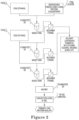
Figure 2 illustrates an example ethanol solvent washing process using destarched dried corn gluten as the starting material. - The process of producing a corn protein isolate starts with a corn gluten material comprising at least about 65 weight percent (wt%), at least about 70 wt%, or at least about 80 wt% protein on a dry basis (db). In at least certain preferred aspects, the concentration of protein may range from about 65 to 80 wt% (db), about 70 to 80 wt% (db), or about 75 to 80 wt% (db). The concentration of protein throughout this present disclosure is determined by nitrogen concentration as provided in [00027].
- The starting corn gluten material is also destarched. "Destarched" refers to the starting corn gluten material having a residual insoluble starch solids in the range from about 0.1 wt% to 3.0 wt% (ds), as measured by Ewers' Polarimetric method ISO 10520:1997. In at least certain preferred aspects, the residual starch solids in such starting corn gluten material may be in the range from about 0.1 to 2.0 wt% (ds), about 0.1 to 1.0 wt% (ds), or about 0.1 to 0.75 wt% (ds). However, if a corn gluten material is not destarched, the corn gluten material may undergo enzyme or chemical hydrolysis and a subsequent separation step to hydrolyze and remove, respectively, the majority of starch components contained in the corn gluten material.
- In some aspects, a starting corn gluten material may be the corn protein concentrate described in
U.S. Patent No. 9,226,515 - The starting destarched corn gluten material is then washed with a water-miscible solvent. The concentration of the water-miscible solvent is from 75 to 95 wt%, or from about 85 to 95 wt%, or about 90 wt%.
- A series of solvent washing steps may be performed. A benefit to the processes described herein is the reduction in solvent use compared to other purification processes described in the prior art. In the processes described herein, about 3 to 40 liters (L) of solvent are used per kilogram (kg) of destarched corn gluten to achieve the desired corn protein isolate purity. Other methods for producing a corn protein product, including a corn protein isolate, require many more washing steps and utilize more solvent than the aspects described herein and fail to eliminate the amount of non-protein components compared to the processes described herein. For at least this reason, the processes described herein are more cost efficient and more effective at eliminating non-protein components than those described in the prior art.
- Surprisingly, the solvent washes described herein were found to remove many non-protein components (pigments, mycotoxins, sugars, organic acids, oils, etc.) from the starting corn material, thus enhancing the recovery of the corn protein isolate as described in more detail below.
- Referring to
Figure 1 , there is shown an example process for solvent washing wherein ethanol is used for the solvent (it shall be understood, however, that the process remains the same for an isopropanol solvent) and the starting corn protein concentrate material is introduced in destarched, wet cake form. As illustrated, about 250 grams (g) of a destarched corn protein concentrate having about 50% moisture is mixed with 100% ethanol (totaling to about 120 g of solids). It shall be understood that because of the about 50% moisture content in the destarched corn protein concentrate, 100% ethanol is used to balance out the water in the first mixing tank to achieve a 90 wt% ethanol-containing solvent. The mixture remains in the mixing tank for about 15 minutes and is then sent to a Buchner funnel to filter out the non-protein component-containing solvent and maintain the protein-enriched stream. It shall be understood that while a batch stir tank extraction is illustrated, such extraction may also be carried out by a continuous stir tank reactor or by percolation or immersion extraction. It shall also be understood that while filtration is used in an aspect of this process, other separation techniques, such as centrifugation or decanting, may be utilized to achieve the separation of the non-protein component-containing solvent from the protein-enriched stream. It shall be understood that the destarched corn protein concentrate may contain 30-60% moisture and the amount of ethanol introduced would be adjusted accordingly to achieve the desired ethanol concentration in the extraction tank. That protein-enriched stream is then introduced to 1200 g of a 90 wt% ethanol-containing solvent and mixed in a mixing tank for another 15 minutes before the non-protein component-containing solvent is removed from the protein-enriched stream using filtration yet again. This solvent washing step is repeated once more before the protein-enriched stream is air dried for about 60 minutes and subsequently dried in a convection oven at about 65°C for about 60 to 120 minutes before recovering the corn protein isolate product. A minimum of three solvent washing steps at this solvent-to-solids ratio is performed in the process to obtain a corn protein isolate product. To reduce the amount of fresh solvent used in the process, the process can be operated as a counter-current extraction. - The solvent washing process described above concentrates the corn protein by removal of other non-protein components. Notably, the process described herein produces a corn protein isolate product comprising at least about 85 wt%, at least about 86 wt%, at least about 87 wt%, at least about 88 wt%, at least about 89 wt%, at least about 90 wt%, at least about 91 wt%, or at least about 92 wt%, corn protein on a dry basis (db). By way of nonlimiting example, the corn protein isolate product may be in a range from about 85 to 98 wt%, about 86 to 98 wt%, about 87 to 98 wt%, about 88 to 98 wt%, about 89 to 98 wt%, about 90 to 98 wt%, about 91 to 98 wt%, or about 92 to 98 wt%, corn protein on dry basis. In further exemplary aspects, the corn protein isolate product may range from about 88 to 96 wt%, about 89 to 96 wt%, about 90 to 96 wt%, about 91 to 96 wt%, about 92 to 96 wt%, about 88 to 95 wt%, about 88 to 94 wt%, about 88 to 93 wt%, about 88 to 92 wt%, about 88 to 91 wt%, or about 88 to 90 wt%, corn protein on dry basis. For example, in at least certain preferred aspects, the corn protein isolate product may range from about 87 to 92 wt%, such as about 88 to 92 wt%, about 89 to 92 wt%, or about 90 to 92 wt%, corn protein on a dry basis.
- The presently described process also removes mycotoxin contaminants, specifically aflatoxin. Aflatoxin and zearalenone are known to bind to the corn protein matrix. The water-miscible solvent has a significant impact on reducing the mycotoxin levels. The corn protein isolate has an aflatoxin level of less than 2.0 part per billion (ppb), less than about 1.5 ppb, less than about 1 ppb, less than about 0.5 ppb, or no detectable presence of aflatoxin; a zearalenone level of less than about 200 ppb, less than about 150 ppb, less than 100 ppb, less than 50 ppb, less than 10 ppb, less than 5 ppb, less than about 1 ppb, less than about 0.5 ppb, less than 0.1 ppb, or no detectable presence of zearalenone; a deoxynivalenol level of less than 1 part per million (ppm), less than about 0.5 ppm, less than about 0.1 ppm, or no detectable presence of deoxynivalenol; and a fumonisin level of less than about 4 ppm, less than about 3 ppm, less than about 2 ppm, less than about 1 ppm, less than about 0.5 ppm, or no detectable presence of fumonisin; and mixtures thereof.
- Oil is yet another non-protein component found in the destarched corn starting material. The process described herein decreases the oil content from greater than 4 wt% (db) in the starting destarched corn gluten material to less than about 1 wt% (db), less than 0.5 wt% (db), less than 0.1 wt% (db), or no detectable presence of oil, in the corn protein isolate product. The oil removed from the starting destarched corn gluten material may be up to about 100%., such as, by way of example, about 40 to 100%, about 50 to 100%, about 60 to 100%, about 70 to 100%, about 80 to 100%, about 90 to 100%, or about 95 to about 100%, of the initial concentration.
- Soluble carbohydrates can be solubilized with selected water-miscible solvents containing water. The total soluble carbohydrate concentration in the corn protein isolate may be reduced to about 40 gram/kilogram (g/kg) or less, about 30 g/kg or less, about 25 g/kg or less, about 20 g/kg or less, or about 10 g/kg or less. The soluble carbohydrates are composed of glucose, fructose, maltose, maltotriose, and/or a series of soluble glucose polymers comprising four or more glucose units linked with
alpha 1,4-glycosidic linkages (also known as DP4+ carbohydrates). In some aspects, DP4+ carbohydrates comprise at least about 65%, at least 70%, at least 80%, or at least 85%, of the total soluble carbohydrate concentration. The soluble carbohydrates removed from the starting destarched corn gluten material may be at least 5%, or at least 10%, with certain solvents. In further exemplary aspects, the soluble carbohydrates (mainly small sugars, e.g., fructose, glucose, maltose and maltotriose) removed from the starting destarched corn gluten material may range from about 5 to 95%, such as about 5 to 90%, about 5 to 80%, about 5 to 70%, about 5 to 60%, about 5 to 50%, about 5 to 40%, about 5 to 30%, about 5-20, or about 5-10%. In yet further exemplary aspects, the soluble carbohydrates removed from the starting destarched corn gluten material may range from about 10 to 65%, about 10 to 60%, about 10 to 55%, about 10 to 50%, about 10 to 40%, about 10 to 30%, or about 10 to 20%. - Selected water-miscible solvents at certain solvent to water ratios can extract certain organic acids. As described herein, organic acids include citric acid, succinic acid, lactate, acetate, glycerol, and proprionate. Steeping of corn gives rise to a variety of organic acids and some remain in the starting corn gluten material for this process. The residual total organic acid concentration (i.e., the total of citric acid, succinic acid, lactate, acetate, glycerol and/or proprionate) in the corn protein isolate product after solvent extraction can range from about 4.25 g/kg or less, 4.0 g/kg or less, about 3.5 g/kg or less, about 3.0 g/kg or less, about 2.5 g/kg or less, about 2.0 g/kg or less, about 1.5 g/kg or less, or about 1.0 g/kg or less, or about 0.5 g/kg or less. In further exemplary aspects, the residual total organic acid concentration in the corn protein isolate product after solvent extraction may range from about 0.5 to 4.25 g/kg, about 0.5 to 3.5 g/kg, about 0.5 to 3.0 g/kg, about 0.5 to 2.5 g/kg, or about 0.5 to about 2.0 g/kg. In at least certain preferred aspects, the residual total organic acid concentration in the corn protein isolate product after solvent extraction may range from about 0.7 to 4.25 g/kg, or about 0.7 to 3.5 g/kg, or about 0.7 to 2.6 g/kg. The total organic acids removed from the starting destarched corn gluten material may be at least 30%. In further exemplary aspects, the total organic acids removed from the starting destarched corn gluten material may range from about 40 to 100%, such as about 50 to 100%, about 60 to 100%, about 70 to 100%. In yet further exemplary aspects, the total organic acids removed from the starting destarched corn gluten material may range from about 40 to 90%, such as about 50 to 90%, 40 to 80%, 50 to 70%, 40 to 70%, or 60 to 70%.
- The starting corn material may be yellowish-orange in color because most of the corn pigments (luteins, zeaxanthins, cryptoxanthins, and carotenes) concentrate into the protein stream. Corn pigments are known to be fat soluble and have strong affinity to bind to zein protein. Xanthophylls (luteins, zeaxanthins and cryptoxanthins) make up to 94% of total pigment amounts of the starting corn gluten material. This color is undesirable for most food-grade applications. Accordingly, the solvent washing step described herein eliminates a substantial amount of the color and provides a corn protein isolate product having an "a*" color value in a range from about -0.5 to 0.5, about -0.4 to 0.5, about -0.3 to 0.5, about -0.2 to 0.5, or about -0.1 to 0.5. In further exemplary aspects, the "a*" color value may be in a range from about -0.5 to 0.3, about -0.4 to about 0.3, about -0.3 to 0.3, about -0.2 to 0.3, or about - 0.1 to 0.3. For example, in at least certain preferred aspects, the "a*" value may range from about -0.5 to -0.1, or about -0.5 to -0.2. Further, the corn protein isolate product may have a "b*" color value in a range from about 10 to about 25, about 10 to about 22, or about 10 to 20. For example, in at least certain preferred aspects, the "b*" value may range from about 10 to 16, about 10 to 15, about 10 to 14, or about 10 to 13. Further, the corn protein isolate product may have a "L*" color value ranging from about 88 and 95, about 89 to 95, or about 90 to 95. For example, in at least certain preferred aspects, the "L*" color value may range from about 88 to 92, about 89 to 92, or about 90 to 92. The color values provided herein correspond to a corn protein isolate product that is off-white in appearance.
- Destarched corn gluten in wet cake form prepared according to
U.S. Patent No. 9,226,515 - Destarched corn gluten, prepared according to
U.S. Patent No. 9,226,515 - The hexane (BDH, 98.5%), ethyl acetate (ACROS, 99.5%) and isopropanol (Omnisolve and JT Baker, 99.5%) solvents used were analytical grade, while the ethanol solvent (200-proof, Brenntag) was food-grade.
- The experiments used the following procedure when wet destarched corn gluten cake was the starting material (also illustrated in
Figure 1 ). 250 g of destarched corn gluten wet cake was suspended in 1200 g solvent. The cake's moisture was approximately 53.7% moisture, so initial solids were 115 to 116 g. After a brief dispersion with an immersion blender, the suspension was stirred for 15 minutes at ambient temperature (21-24°C). The solids were collected by filtering the suspension through VWR 417 paper (18.5 centimeter (cm)) on a Buchner funnel. The solids were resuspended in 1200 g of fresh solvent (10% w/w water with 90% w/w indicated solvent) and processed as above for an additional two times. Consequently, the final material was extracted 3 times for a total solvent-to-solids ratio of 30 (disregarding the retained solvent in the final cake). The sample was air-dried in the hood for about 90 minutes at ambient temperature, and then dried at 65°C for about 75 minutes. This preparation demonstrates the effect of aqueous solvent on final composition. - The experiments used the following procedure when freeze-dried (FD) destarched corn gluten cake was the starting material (also illustrated in
Figure 2 ). 125 g of freeze dried destarched corn gluten cake (approximate moisture = 2.2%) was measured and dispersed in 1200 g solvent with an immersion blender. The suspension was stirred for 15 minutes before collecting solids by filtering the suspension through VWR 417 paper (18.5 cm) on a Buchner funnel. The solids were re-suspended in 1200 g of fresh solvent and processed as above two more times. Consequently, the final material was extracted 3 times for a total solvent to solids ratio of about 30 (disregarding the retained solvent in the final cake). The sample was air-dried in the hood for about 90 minutes, and then dried at 65°C for about 75 minutes. This preparation demonstrates the effect of anhydrous solvent on final composition. - Table 1 shows four solvents in anhydrous and aqueous conditions in the final solvent wash (and assumes that anhydrous solvent removes "free" water in earlier washes). Samples #4 and #6 fall within the scope of the claims, whereas
samples # 1, #2, #3, #5, #7 and #8 do not fall within the scope of the claims.Table 1 Sample Starting material Final solvent Sample # 1 Wet destarched corn gluten cake 90 wt% hexane Sample #2 FD destarched corn gluten cake 100 wt% hexane Sample #3 FD destarched corn gluten cake 100 wt% ethanol Sample #4 Wet destarched corn gluten cake 90 wt% ethanol Sample #5 Wet destarched corn gluten cake 90 wt% ethyl acetate Sample #6 Wet destarched corn gluten cake 90 wt% isopropanol Sample #7 FD destarched corn gluten cake 100 wt% isopropanol Sample #8 FD destarched corn gluten cake 100 wt% ethyl acetate - Prior to any analytical analysis, the samples were ground using a SPEX CertiPrep 6870 Freezer/Mill® unit for cryogenically grinding (SPEX SamplePrep, Metuchen, NJ). This unit is an impact grinder cooled by liquid nitrogen. The low temperature provided by the liquid nitrogen aids in minimizing potential lipid oxidation resulting from the grinding process. About 50 g of each sample, embrittled by cold, was pulverized by the hammering of a steel impactor against the end plugs of the sample chamber. The grinder sample program used 5 run cycles, with a pre cool (T3) for 1.0 minute, run time (T1) of 3.0 minutes, and cool time (T2) of 1.0 minute. The impact frequency was 10 per second. The pulverized sample was then collected and stored in appropriate individual containers until needed.
- Total crude protein was measured by a TruMac® analyzer (Model 630-300-300, LECO Corporation, St. Joseph, MI) using 6.25 as a nitrogen-to-protein conversion factor. Total crude fat was extracted using a SPEX-Mill 8000M (SPEX SamplePrep, Metuchen, NJ) and weighed. Moisture content was measured using a Mettler-Toledo halogen moisture analyzer (Model HB43-S).
- Color was measured using a HunterLab Colorimeter (Model CFE2, Hunter Associates Laboratory, Inc., Reston, VA). The instrument reads out in the Hunter L*, "a*", "b*" scale where the L* value is an indication of color lightness (the higher the value, the lighter/whiter the product). Hunter "a*" represents the red-green color spectrum with a positive value indicating a red hue. Hunter "b*" represents the yellow-blue spectrum with a positive value indicating a yellow hue. All measurements were made on dry powders.
- Soluble carbohydrates and organic acids were measured using a High Performance Liquid Chromatography (HPLC) system wherein the temperature of column was 60°C; the flow rate was 0.6 mL/min; the sample volume size was 20 µL/Injection; the solvent was 0.01 N H2SO4; and the elution time was 25 minutes total. 2 g of the final dry product were mixed with 20 g of Nanopure® deionized water in a Waring blender at 11,000 rpm for 1 minute followed by a centrifugation step at 4,000 rpm for 5 minutes. The supernatant was then filtered through a 0.45 um syringe filter. This filtrate was injected onto the HPLC column (HPX-87 H prepacked column available from Bio-Rad Laboratory) and compared against a standard solution.
- Mycotoxins tests, including Aflatoxin (AFLA), Deoxynivalenol (DON), Fumonisin (FUM), and Zearalenone (ZEA) toxins, were performed using the HPLC method with fluorescence detection. AOAC 994.08 was used to test AFLA; JAOAC, Vol. 88, No. 4, 2005, was used to test DON; AOAC 2001.04 was used to test FUM; and JAOAC, Vol. 88, No. 6, 2005, was used to test ZEA.
- Free sulfite was measured by the Monier-Williams AOAC 990.28 method. Any reference to "sulfite" described herein means free sulfite.
- The experimental procedure or process described in paragraphs [00020], [00021], [00022] and [00024] resulted in concentrating the protein by removal of other components, such as oil, carbohydrates, organic acids, and mycotoxins. It shall be understood that while ethanol and isopropanol containing solvents were not necessarily the most effective in removing each of the oil, carbohydrate, organic acid, and mycotoxin (see Tables 3-6), in balancing the success of overall purification, both 90 wt% ethanol and 90 wt% isopropanol containing solvents were surprisingly the most effective.
- Table 2 shows different solvents at different concentrations had a significant effect on the protein concentration, with 90 wt% ethanol and 90 wt% isopropanol solvents resulting in the highest protein concentration on a dry basis (db). 100 wt% hexane, 100 wt% ethanol, 100 wt% isopropanol, and 100 wt% ethyl acetate also were effective in concentrating the protein (db), as well as 90 wt% ethyl acetate. It shall be understood that there may be other water-miscible solvents that may be just as effective in concentrating such protein (db).
Table 2 - Protein Enhancement Protein Sample code Final solvent % db Sample # 1 90 wt% hexane 85.2 Sample #2 100 wt% hexane 89.4 Sample #3 100 wt% ethanol 92.0 Sample #4 90 wt% ethanol 95.5 Sample #5 90 wt% ethyl acetate 88.5 Sample #6 90 wt% isopropanol 92.7 Sample #7 100 wt% isopropanol 89.6 Sample #8 100 wt% ethyl acetate 90.1 FD destarched corn gluten (starting material) Untreated 85.1 - The solvent washing process removed non-protein component such as mycotoxins. The different solvents had a significant effect on the mycotoxin concentration (Table 3). Some solvents did not extract any mycotoxin, while some solvents were partially capable of removing these compounds. The best results were obtained when the solvent concentration was about 90 wt% water-miscible organic constituent and 10 wt% water (in particular, ethanol, isopropanol, and ethyl acetate). For example, 90 wt% ethanol removed all aflatoxin and zearalenone contaminants, and about 75% fumonisin; 90 wt% isopropanol removed all aflatoxin and zearalenone contaminants, and about 30% fumonisin; and 90 wt% ethyl acetate removed all aflatoxin and about 70% zearalenone contaminants. The solvent 100 wt% ethanol also was effective at removing some mycotoxins, about 50% aflatoxin and about 75% zearalenone contaminants.
Table 3 - Mycotoxin Removal Aflatoxin Zearalenone Deoxynivalenol Fumonisin Sample code Final solvent (ppb) (ppb) (ppm) (ppm) Sample # 190 wt% hexane 2.2 253 0.0 3.9 Sample #2 100 wt% hexane 2.4 279 0.0 5.4 Sample #3 100 wt% ethanol 1.0 54 0.0 4.7 Sample #4 90 wt% ethanol 0.0 0.0 0.0 1.0 Sample #5 90 wt% ethyl acetate 0.0 69 0.0 4.4 Sample #6 90 wt% isopropanol 0.0 0.0 0.0 3.0 Sample #7 100 wt% isopropanol 2.4 259 0.0 4.5 Sample #8 100 wt% ethyl acetate 2.2 276 0.0 5.2 FD destarched corn gluten (starting material) Untreated 2.1 252 0.0 4.4 - Much of the protein concentration increase may be attributed to oil removal. The effect of various solvents on oil removal is in Table 4. All solvents tested removed oil, some more effectively than others. The solvent washing process using 90 wt% ethanol, 90 wt% isopropanol, 100 wt% ethanol, 100 wt% isopropanol, 100% ethyl acetate, or 100% hexane, or mixtures thereof, effectively removed at least 90% oil in the corn protein isolate product. 90 wt% ethyl acetate (Sample #5) removed at least or about 40% oil from the corn protein isolate product.
Table 4 - Oil Removal Oil Sample code Final solvent % db Sample # 1 90 wt% hexane 4.29 Sample #2 100 wt% hexane 0.43 Sample #3 100 wt% ethanol 0.16 Sample #4 90 wt% ethanol 0.49 Sample #5 90 wt% ethyl acetate 1.42 Sample #6 90 wt% isopropanol 0.18 Sample #7 100 wt% isopropanol 0.47 Sample #8 100 wt% ethyl acetate 0.53 FD destarched corn gluten Untreated 5.36 (Raw material) - The solvent washing process also removed carbohydrates to enhance the protein content (Table 5). Carbohydrates are a class of compounds that can be expected to dissolve differently in solvents of differing polarity, and thus have different results on protein purity. Extraction with 90% ethanol resulted in the lowest soluble carbohydrate residue, with residual carbohydrate at about 21 g/kg of the corn protein isolate product (in other words, about 52% carbohydrates are removed from the starting material when 90% ethanol was used). 90% ethyl acetate and 90% isopropanol were less effective than 90% ethanol, though they did remove about 30% carbohydrates from the starting material. Other aqueous organic solvents were not very effective in removing the saccharides.
Table 5 - Carbohydrate Removal Soluble Carbohydrates (g/kg) Sample code Final solvent DP4+ Maltotriose Maltose Glucose Fructose Total Sample # 1 90 wt% hexane 18.8 5.4 6.3 8.7 4.6 43.8 Sample #2 100 wt% hexane 21.1 6.0 6.9 10.0 5.1 49.0 Sample #3 100 wt% ethanol 22.4 5.4 5.2 4.7 2.5 40.3 Sample #4 90 wt% ethanol 17.4 0.0 1.3 1.1 0.8 20.6 Sample #5 90 wt% ethyl acetate 11.5 4.8 5.1 6.7 3.4 31.4 Sample #6 90 wt% isopropanol 22.3 3.6 2.7 2.4 1.4 32.3 Sample #7 100 wt% isopropanol 20.6 6.0 6.9 9.8 5.3 48.6 Sample #8 100 wt% ethyl acetate 20.6 6.0 7.0 9.7 5.5 48.8 FD destarched corn gluten (starting material) Untreated 19.0 5.5 6.4 9.1 5.2 45.2 - Yet another way to increase protein concentration is to remove organic acids which also dissolve in solvents as a function of the solvent polarity. The organic acids tested included citric acid, succinic acid, lactic acid, and acetic acid. Table 6 shows organic acid removal. Extraction with 90 wt% ethanol resulted in the lowest total organic acid residue of 3.5 g/kg (or about 70% removal). Extraction with 90 wt% isopropanol resulted in a total organic acid residue of 4.25 g/kg (or about 64% removal) and extraction with 100 wt% ethanol resulted in a total organic acid residue of 5.05 g/kg (or about 57% removal). Other aqueous organic solvents were not as effective in removing the organic acids, though using 90 wt% ethyl acetate resulted in a total organic acid residue of 9.48 (or about 20% removal); using 90 wt% hexane resulted in a total organic acid residue of 10.45 (or about 11% removal); and using 100 wt% hexane resulted in a total organic acid residue of 11.04 (or about 6% removal).
Table 6 - Organic Acid Removal Organic Acids (g/kg) Sample code Final solvent Citric Succinic Lactate Acetate Total Sample # 1 90 wt% hexane 1.62 0.98 7.34 0.51 10.45 Sample #2 100 wt% hexane 1.88 1.24 7.21 0.71 11.04 Sample #3 100 wt% ethanol 1.84 0 3.21 0 5.05 Sample #4 90 wt% ethanol 1.73 0.59 1.18 0 3.5 Sample #5 90 wt% ethyl acetate 1.4 0.8 4.27 3.01 9.48 Sample #6 90 wt% isopropanol 1.84 0.45 1.96 0 4.25 Sample #7 100 wt% isopropanol 2.22 2.51 7.54 1.56 13.83 Sample #8 100 wt% ethyl acetate 2.25 1.76 7.35 1.86 13.22 FD destarched corn gluten (starting material) Untreated 1.99 1.75 6.99 1.02 11.75 - An important feature of a food-grade corn protein isolate is color. The solvent washing process removes pigments (typically yellow-orange in color) from the starting material. Table 7 shows the effect of different solvents on the color, with 90 wt% ethanol and 90 wt% isopropanol demonstrating a substantial removal of pigments from the starting material. These solvents had the greatest effect on removing the yellow and red color from the protein (from an a* value of 4.9 down to 0.0 using 90 wt% ethanol and 0.3 using 90 wt% isopropanol; and from a b* value of 23.8 down to 12.7 using 90 wt% ethanol and 14.4 using 90 wt% isopropanol). 90 wt% ethanol and 90 wt% isopropanol had the highest L* values (the higher the value, the lighter/whiter the product), which corresponds to those samples having an off-white color. The other solvents, except 90 wt% hexane, were also effective at removing the pigments from the starting material, though not as effectively as 90 wt% ethanol and 90 wt% isopropanol.
Table 7 - Color Color Sample code Final solvent L* a* b* Sample # 190 wt% hexane 84.8 5.9 40.7 Sample #2 100 wt% hexane 89.1 2.7 30.9 Sample #3 100 wt% ethanol 91.4 1.0 20.1 Sample #4 90 wt% ethanol 92.2 0.0 12.7 Sample #5 90 wt% ethyl acetate 79.5 6.7 39.2 Sample #6 90 wt% isopropanol 91.8 0.3 14.4 Sample #7 100 wt% isopropanol 89.8 2.4 26.1 Sample #8 100 wt% ethyl acetate 90.3 1.9 23.8 FD destarched corn gluten (starting material) Untreated 87.3 4.9 39.5 - A number of factors go into considering the efficiency of a process. For example, the more steps that a process requires, the greater the capital cost of building the process and the greater the operating cost for the equipment. Similarly, more steps may translate into longer operating times which is reflected in the higher cost of production as expressed in throughput (kg/hr). In this example using Sample #4, the extraction is completed in three washing steps utilizing a total of about 38 L/kg of solvent as demonstrated in Table 8.
Table 8 - Batch Stir Tank Step Solvent L/kg Time (min) 0 carry over water from the wet cake 1 0 1 100% ethanol 12.7 25 2 90% w/w ethanol 12.2 25 3 90% w/w ethanol 12.2 25 Total water volume 1 Total Ethanol volume 37.1 Total time 75 - In an industrial process, the solvent would be recovered and reused, so lower volume of solvent and higher concentration of ethanol in the solvent leads to lower cost of recovery.
- 20 kg of a starting destarched corn gluten cake with 55-60% moisture was processed through a dual rotor crusher with a 0.125-inch screen to generate a uniformly sized particle for homogeneous extraction. The cake was fed to a Crown Iron Works Model IV immersion extractor using a drag conveyor dropping through a rotary valve (for a better understanding, an illustration of the Crown Iron Works Model IV immersion extractor may be found on the crowniron.com website). The extractor included a series of inclined drag conveyors arranged so that the lower end of the conveyor was submerged in the extraction solvent and the upper end was above the solvent. The conveyor carried the solids forward such that the material was initially submerged in solvent and then the material emerged from the solvent and excess solvent drained back into the solvent stream. At the end of the conveyor, the solids dropped onto another conveyor with a similar arrangement. The model IV extractor had six extraction stages. Fresh solvent was introduced at the discharge end and flowed towards the inlet end and was ultimately discharged at a point preceding the solids introduction. After the final solvent contact, the solids were conveyed up a long section to allow more extensive draining before falling into a conveyor for transport to desolventizing. The solids were fed into the system at 0.45 kg/min and the solvent (100% w/w) was introduced at 1.8 kg/min (based on a volumetric feeder) and the solvent was maintained at 60°C by in situ heat exchangers. Total solvent to solids ratio was about 4 and total contact time was about 60 minutes. The water of the extraction system was introduced through a combination of carry over water from the input material and water in the fresh solvent. When ethanol was used as a solvent, the composition of the feed solvent to contact the extracted destarched corn gluten was approximately 90% ethanol and 10% water.
- Desolventizing occurred in a Bepex Solidaire dryer operated with a surface temperature of about 155-160°C and an absolute pressure from about 60 to 120 millibar (with a target of about 100 millibar). The resulting product was about 90% solids. The material was ground in a hammer mill to yield a fine powder and had the chemical composition as detailed in Table 9.
Table 9 - Immersion Component Units Protein % dry basis 90.9 Fat % dry basis 0.0 Aflatoxin B1 Ppb <1 Deoxynivalenol Ppm <0.1 Zearalenone Ppb <50 Color L* 90.5 a* -0.39 b* 11.9 - Using the process described in Example 3, a number of trials were completed to prepare prototype samples for further analysis. The protein and oil concentrations, and color, in the starting destarched corn gluten material (Emp-010815-2, Emp-032715-2) and in 23 samples of the corn protein isolate product are shown in Table 10A. Table 10B and Table 10C show the soluble carbohydrate and organic acid analyses, respectively, for the same samples.

- The protein in the corn protein isolate product was in the range of about 88 to 94% (db) with an average of 91.4% (db); the oil in the range of about 0 to 1% (db) with an average of 0.1% (db), which corresponds to about 98 to 99% removal of oil from the starting destarched corn gluten material; and a "L*" color in the range of about 88 to 92 with an average of 90.8; an "a*" color in the range of about -0.5 to 1.5 with an average of -0.3.; a "b*" color in the range of about 10 to 22 with an average of 12.9.


- It is believed that smaller sugars are removed. The DP4+ carbohydrates are difficult to remove and tend to concentrate in the corn protein isolate product, after other non-protein components are removed using certain water-miscible solvents at certain concentrations. Among the 23 corn protein isolate product samples, three showed about 12% to about 56% removal of total soluble carbohydrates from the starting destarched corn gluten material under the described conditions.


- The majority of the residual organic acids comprised citric acid and lactic acid. The total residual organic acid concentration in the corn protein isolate product ranged from about 0.7 to 2.6 g/kg, with an average of less than 2.0 g/kg (i.e., 0.2 wt% (db)). About 60 to 70% organic acids were removed from the starting destarched corn gluten material.
- A starting destarched corn gluten cake was collected on a rotary drum vacuum filter with rinsing. The destarched corn gluten slurry was fed to the drum at 1.2 gal/min at a density of about 1.016 g/mL. The rinse water, supplemented with 0.3% hydrogen peroxide, was applied at 0.12 gal/min. Upon completion of the vacuum dewatering, the treated cake was frozen until further use.
- 10 kg of peroxide-treated, destarched corn gluten cake with 60-65% moisture was processed through a dual rotor crusher with a 0.125-inch screen to generate a uniformly sized particle for homogeneous extraction. The cake was fed to a Crown Iron Works Model IV immersion extractor using a drag conveyor dropping through a crossover screw and then a delumper (for a better understanding, an illustration of the Crown Iron Works Model IV immersion extractor may be found on the crowniron.com website) into the extractor. The extractor included a series of inclined drag conveyors arranged so that the lower end of the conveyor was submerged in the extraction solvent and the upper end was above the solvent. The conveyor carried the solids forward such that the material was initially submerged in solvent and then the material emerged from the solvent and excess solvent drained back into the solvent stream. At the end of the conveyor, the solids dropped onto another conveyor with a similar arrangement. The model IV extractor had six extraction stages. Fresh solvent was introduced at the discharge end and flowed towards the inlet end and was ultimately discharged at a point preceding the solids introduction. After the final solvent contact, the solids were conveyed up a long section to allow more extensive draining before falling into a crossover screw for transport to desolventizing. The solvent was fed into the system at 0.109 kg/min and the solids were introduced at 0.027 kg/min (based on a volumetric feeder) and the solvent was maintained at 25°C by in situ heat exchangers. Total solvent to solids ratio was about 4 and total contact time was about 60 minutes. The water of the extraction system was introduced through a combination of carryover water from the input material and water in the fresh solvent. The composition of the feed solvent to contact the extracted destarched com gluten was approximately 90% ethanol and 10% water. Consequently, the composition of the solvent varied across the extractor, but the final solvent concentration was about 90% ethanol.
- Desolventizing occurred in a Bepex Solidaire dryer operated with a surface temperature of about 155-160°C and an absolute pressure from about 270-330 millibar (with a target of about 300 millibar).
- The resulting product was about 89.0% protein (dry basis). Further, the oil was less than 1% on a dry basis, the product color had "L*" color equal to 90.3, "a*" color equal to 0.2 and "b*" color equal to 16.1. The free sulfite concentration was 104 mg/kg (db) compared to a free sulfite concentration of greater than 500 mg/kg (db) of the destarched corn gluten cake (starting material).
- A starting destarched corn gluten cake was collected on a rotary drum vacuum filter with rinsing. The destarched slurry was fed to the drum at 1.2 gal/min at a density of about 1.016 g/mL. The rinse water, supplemented with 0.3% hydrogen peroxide, was applied at 0.12 gal/min. Upon completion of the vacuum dewatering, the treated cake was frozen until further use.
- 10 kg of peroxide-treated, destarched corn gluten cake with 60-65% moisture was processed through a dual rotor crusher with a 0.125-inch screen to generate a uniformly sized particle for homogeneous extraction. The cake was fed to a Crown Iron Works Model IV immersion extractor using a drag conveyor dropping through a crossover screw and then a delumper (for a better understanding, an illustration of the Crown Iron Works Model IV immersion extractor may be found on the crowniron.com website) into the extractor. The extractor included a series of inclined drag conveyors arranged so that the lower end of the conveyor was submerged in the extraction solvent and the upper end was above the solvent. The conveyor carried the solids forward such that the material was initially submerged in solvent and then the material emerged from the solvent and excess solvent drained back into the solvent stream. At the end of the conveyor, the solids dropped onto another conveyor with a similar arrangement. The model IV extractor had six extraction stages. Fresh solvent was introduced at the discharge end and flowed towards the inlet end and was ultimately discharged at a point preceding the solids introduction. After the final solvent contact, the solids were conveyed up a long section to allow more extensive draining before falling into a crossover screw for transport to desolventizing. The solvent was fed into the system at 0.218 kg/min and the solids were introduced at 0.027 kg/min (based on a volumetric feeder) and the solvent was maintained at 30°C by in situ heat exchangers. Total solvent to solids ratio was about 8 and total contact time was about 60 minutes. The water of the extraction system was introduced through a combination of carryover water from the input material and water in the fresh solvent. The composition of the feed solvent to contact the extracted destarched com gluten was approximately 93.6% ethanol and 6.4% water. Consequently, the composition of the solvent varied across the extractor, but the final solvent concentration was about 93.6% ethanol.
- Desolventizing occurred in a Bepex Solidaire dryer operated with a surface temperature of about 155-160°C and an absolute pressure from about 270-330 millibar (with a target of about 300 millibar).
- The resulting product was about 89.0% protein (db). Further, the oil was less than 1% (db), the product color had a "L*" color of 90.3, an "a*" color of 0.2 and a "b*" color of 16.1. The free sulfite was 104 mg/kg (db) compared to a free sulfite concentration averaging about 530 mg/kg (db) of the destarched corn gluten cake (starting material).
Claims (13)
- A corn protein isolate, comprising:a) at least 85 wt% corn protein on a dry basis; andb) less than 1.5% oil on a dry basis,characterised in that the corn protein isolate has an "a*" color value ranging from -0.5 to 1.5, a "b*" color value ranging from 10 to 25 and an L* color value of at least 88, as measured using the color measurement method defined in the description.
- The corn protein isolate of claim 1, wherein the corn protein ranges from 87 to 98 wt% on a dry basis, or from 87 to 92 wt% on a dry basis.
- The corn protein isolate of claim 1, wherein the L* color value ranges from 88 to 95 or from 90 to 92.
- The corn protein isolate of claim 1, wherein the "a*" color value ranges from -0.3 and 0.3, or from -0.2 to 0.2.
- The corn protein isolate of claim 1, wherein the "b*" color value ranges from 10 to 20, or from 10 to 15.
- The corn protein isolate of claim 1, wherein the oil is less than 1.0 wt% on a dry basis, or less than 0.5 wt%, on a dry basis.
- The corn protein isolate of claim 1, having a soluble carbohydrate concentration of 40 g/kg or less, or 25 g/kg or less.
- The corn protein isolate of claim 1, having an organic acid concentration of 4.25 g/kg or less, 3.5 g/kg or less, or 2.0 g/kg or less.
- The corn protein isolate of claim 1, having an aflatoxin concentration of less than 1 ppb or less than 0.5 ppb.
- The corn protein isolate of claim 1, having a free sulfite concentration of less than 150 ppm, less than 120 ppm, or less than 100 ppm.
- A method of producing a corn protein isolate, comprising:a) providing a destarched corn gluten material; andb) washing the destarched corn gluten material with a solvent comprising water and a water-miscible organic solvent to obtain a corn protein isolate having at least 85 wt% protein on a dry basis and less than 1.5% oil on a dry basis, wherein the water-miscible organic solvent comprises ethanol or isopropanol in a concentration ranging from 75 to 95 wt% and wherein the volume of the water-miscible organic solvent is from 3 to 40 liters per kilogram of destarched corn gluten material having a moisture content of up to 65 wt%,characterised in that the corn protein isolate has an "a*" color value ranging from -0.5 to 1.5, a "b*" color value ranging from 10 to 25 and an L* color value of at least 88, as measured using the color measurement method defined in the description.
- The method of claim 11, wherein the destarched corn gluten material comprises residual insoluble starch solids ranging from 0.1 to 3.0 wt% on a dry basis, as measured by Ewers' Polarimetric method ISO 10520:1997.
- The method of claim 11, wherein the water-miscible solvent is in a concentration ranging from 85 to 95 wt%.
Priority Applications (1)
| Application Number | Priority Date | Filing Date | Title |
|---|---|---|---|
| EP24176891.0A EP4414411B1 (en) | 2015-03-24 | 2016-03-24 | Methods of manufacturing corn protein isolate |
Applications Claiming Priority (2)
| Application Number | Priority Date | Filing Date | Title |
|---|---|---|---|
| US201562137526P | 2015-03-24 | 2015-03-24 | |
| PCT/US2016/024020 WO2016154441A1 (en) | 2015-03-24 | 2016-03-24 | Corn protein isolate and methods of manufacturing same |
Related Child Applications (1)
| Application Number | Title | Priority Date | Filing Date |
|---|---|---|---|
| EP24176891.0A Division EP4414411B1 (en) | 2015-03-24 | 2016-03-24 | Methods of manufacturing corn protein isolate |
Publications (3)
| Publication Number | Publication Date |
|---|---|
| EP3274365A1 EP3274365A1 (en) | 2018-01-31 |
| EP3274365A4 EP3274365A4 (en) | 2018-12-05 |
| EP3274365B1 true EP3274365B1 (en) | 2024-05-22 |
Family
ID=56977608
Family Applications (2)
| Application Number | Title | Priority Date | Filing Date |
|---|---|---|---|
| EP16769697.0A Active EP3274365B1 (en) | 2015-03-24 | 2016-03-24 | Corn protein isolate and methods of manufacturing same |
| EP24176891.0A Active EP4414411B1 (en) | 2015-03-24 | 2016-03-24 | Methods of manufacturing corn protein isolate |
Family Applications After (1)
| Application Number | Title | Priority Date | Filing Date |
|---|---|---|---|
| EP24176891.0A Active EP4414411B1 (en) | 2015-03-24 | 2016-03-24 | Methods of manufacturing corn protein isolate |
Country Status (8)
| Country | Link |
|---|---|
| US (2) | US12054515B2 (en) |
| EP (2) | EP3274365B1 (en) |
| CN (1) | CN107849099B (en) |
| CA (1) | CA2980561A1 (en) |
| ES (1) | ES2984660T3 (en) |
| MX (2) | MX391223B (en) |
| PL (1) | PL3274365T3 (en) |
| WO (1) | WO2016154441A1 (en) |
Families Citing this family (22)
| Publication number | Priority date | Publication date | Assignee | Title |
|---|---|---|---|---|
| MX391223B (en) | 2015-03-24 | 2025-03-21 | Cargill Inc | CORN PROTEIN ISOLATE AND MANUFACTURING METHODS THEREOF. |
| CN108882731B (en) * | 2016-03-24 | 2023-06-30 | 嘉吉公司 | Corn protein concentrate and its preparation method |
| US11375736B2 (en) | 2016-03-24 | 2022-07-05 | Cargill, Incorporated | Corn protein product having decreased free sulfite levels and method for manufacturing same |
| MX2019003316A (en) * | 2016-09-23 | 2019-08-21 | Cargill Inc | Corn protein retention during extraction. |
| CA3068006A1 (en) | 2017-06-23 | 2018-12-27 | Cargill, Incorporated | Reduction of fumonisin in corn protein products |
| US11980217B2 (en) * | 2017-08-02 | 2024-05-14 | Cargill, Incorporated | Extruded corn protein material |
| EP3684191A4 (en) * | 2017-09-21 | 2021-07-07 | Cargill, Incorporated | RETENTION OF CORN PROTEIN DURING EXTRACTION |
| BR112020005651A2 (en) | 2017-09-22 | 2020-10-06 | Cargill, Incorporated | corn protein product, corn protein product derived from defatted corn gluten flour, and method for obtaining the corn protein product. |
| ES3073990T3 (en) * | 2018-11-02 | 2026-07-16 | Cargill Inc | Corn protein hydrolysates and methods of making |
| CN113444592A (en) * | 2020-03-25 | 2021-09-28 | 嘉吉有限公司 | Corn protein concentrate product, beer, preparation method and application |
| BR112022021894A2 (en) * | 2020-04-30 | 2023-01-24 | Cargill Inc | METHOD OF PREPARING A REFINED ZEIN-ENRIPPED PROTEIN HYDROLYZATE COMPOSITION AND/OR A REFINED ZEIN-FREE PROTEIN HYDROLYZATE COMPOSITION, REFINED ZEIN-ENRIPPED PROTEIN HYDROLYZATE COMPOSITION, REFINED ZEIN-FREE PROTEIN HYDROLYZATE COMPOSITION, REFINED ZEIN-FREE PROTEIN HYDROLYZATE COMPOSITION WATER SOLUBLE AND WATER INSOLUBLE REFINED ZEIN PROTEIN, PROTEIN HYDROLYZATE COMPOSITION WITHOUT REFINED WATER SOLUBLE AND WATER INSOLUBLE REFINED ZEIN, BEVERAGE, AND, NON-LIQUID FOOD PRODUCT AND NUTRITIONAL SUPPLEMENT |
| DE102020113747A1 (en) * | 2020-05-20 | 2021-11-25 | Gea Mechanical Equipment Gmbh | Process for obtaining proteins from a native substance mixture from soy or from soy milk |
| MX2022015561A (en) | 2020-06-09 | 2023-01-30 | Traceless Mat Gmbh | Process for producing water-resistant films from corn gluten meal. |
| EP4426124A1 (en) | 2021-11-02 | 2024-09-11 | Cargill, Incorporated | Cheese analogue product including corn protein isolate |
| LU500976B1 (en) | 2021-12-09 | 2023-06-09 | Traceless Mat Gmbh | Process for producing a thermoplastic material for use as a powder or granulate for further processing such as injection moulding or coating |
| LU500975B1 (en) | 2021-12-09 | 2023-06-09 | Traceless Mat Gmbh | Process for producing a thermoplastic material for use as a film or as a flexible coating |
| EP4498831A4 (en) * | 2022-03-31 | 2026-03-11 | Tate & Lyle Solutions Usa Llc | METHOD FOR THE EXTRACTION OF ARABINOXYLANOLIGOSACCHARIDS FROM CORN MATERIAL |
| EP4719080A1 (en) | 2023-05-31 | 2026-04-08 | Cargill, Incorporated | Meat analogue composition |
| WO2025006825A1 (en) | 2023-06-28 | 2025-01-02 | Cargill, Incorporated | Mineral proteinates for use in animal feeds, and methods of making thereof |
| WO2025212633A1 (en) * | 2024-04-02 | 2025-10-09 | Cargill, Incorporated | Corn protein having decreased ethanol and method for manufacturing the same |
| WO2026076166A1 (en) | 2024-10-04 | 2026-04-09 | Cargill, Incorporated | Process for reducing sulphur dioxide |
| WO2026101863A1 (en) * | 2024-11-06 | 2026-05-15 | Cargill, Incorporated | Pre-gelatinized corn gluten meal product and process for preparing the same |
Family Cites Families (109)
| Publication number | Priority date | Publication date | Assignee | Title |
|---|---|---|---|---|
| US2384388A (en) | 1945-09-04 | Method of preparing same | ||
| US2133591A (en) | 1938-10-18 | Isjjuwyjjji | ||
| US2360381A (en) | 1944-10-17 | Production and treatment of zein | ||
| US2124284A (en) * | 1935-05-06 | 1938-07-19 | Int Patents Dev Co | Separation of starch from gluten |
| US2120946A (en) | 1935-05-08 | 1938-06-14 | Corn Prod Refining Co | Process for the production of zein |
| US2156928A (en) | 1935-05-08 | 1939-05-02 | Corn Prod Refining Co | Process for the production of zein |
| US2105760A (en) * | 1935-05-08 | 1938-01-18 | Corn Prod Refining Co | Process for the production of zein |
| US2227605A (en) * | 1938-09-19 | 1941-01-07 | Corn Prod Refining Co | Apparatus for extraction |
| US2218221A (en) | 1939-09-13 | 1940-10-15 | American Maize Prod Co | Thermophilic starch |
| US2414195A (en) | 1944-04-20 | 1947-01-14 | Nasa | Process for obtaining increased yields in the extraction of corn proteins |
| US2557397A (en) * | 1950-04-14 | 1951-06-19 | Corn Prod Refining Co | Method of treating gluten |
| US2704257A (en) | 1952-10-01 | 1955-03-15 | Process Millers Inc | Method of producing corn tortilla flour |
| US4024120A (en) | 1975-08-04 | 1977-05-17 | Miles Laboratories, Inc. | Process for producing bland, protein enriched products from grain gluten |
| US4018936A (en) * | 1975-10-16 | 1977-04-19 | Grain Processing Corporation | Gluten treatment |
| US4265925A (en) | 1977-07-05 | 1981-05-05 | A. E. Staley Manufacturing Company | Bland vegetable protein product and method of manufacture |
| US4108847A (en) | 1977-09-09 | 1978-08-22 | Miles Laboratories, Inc. | Method for preparing bland protein enriched products from grain gluten |
| US4213941A (en) * | 1978-12-04 | 1980-07-22 | Boomer Merton E | Solvent immersion extractor |
| US4361651A (en) | 1980-07-18 | 1982-11-30 | Keim Carroll R | Process for making fermentable sugars and high-protein products |
| US4624805A (en) * | 1984-09-27 | 1986-11-25 | The Texas A&M University System | Process for recovery of protein from agricultural commodities prior to alcohol production |
| US4716218A (en) | 1986-01-15 | 1987-12-29 | Purdue Research Foundation | Grain extraction milling |
| JPH0784477B2 (en) | 1987-01-26 | 1995-09-13 | 昭和産業株式会社 | Twain manufacturing method |
| JPH0725797B2 (en) | 1987-01-26 | 1995-03-22 | 昭和産業株式会社 | Twain manufacturing method |
| AU1963788A (en) | 1987-06-04 | 1989-01-04 | American Crystal Sugar Company | Method of removing oxalic acid and/or sulfite from sugarbeets |
| AU654946B2 (en) | 1990-03-02 | 1994-12-01 | Energenetics, Inc. | Recovery of protein, protein isolate and/or starch from cereal grains |
| US5410021A (en) | 1990-03-02 | 1995-04-25 | Energenetics, Inc. | Recovery of protein, protein isolate and/or starch from cereal grains |
| DE4108746A1 (en) | 1991-03-18 | 1992-09-24 | Lindner Wolfgang | DECONTAMINATION AND DETOXIFICATION OF GRAIN, WHICH IS LOADED WITH TROCHOTHECEN MYCOTOXINS |
| JP3091515B2 (en) | 1991-04-23 | 2000-09-25 | 昭和産業株式会社 | Processing method for materials containing zein |
| US5798446A (en) | 1991-10-10 | 1998-08-25 | Nupron Gmbh Proteinwerk | Method of extracting proteins utilizable in foodstuff from a protein-containing substance |
| US5254763A (en) | 1991-12-02 | 1993-10-19 | Gill Udai S | Catalyst and process for the selective hydrogenation of benzene |
| US5254673A (en) | 1991-12-26 | 1993-10-19 | Opta Food Ingredients, Inc. | Purification of zein from corn gluten meal |
| JP2772213B2 (en) | 1992-12-25 | 1998-07-02 | 昭和産業株式会社 | How to make Zein |
| JPH07179334A (en) | 1993-12-22 | 1995-07-18 | Sanei Touka Kk | Capsule and method for manufacturing capsule |
| US6025188A (en) | 1994-08-12 | 2000-02-15 | Pioneer Hi-Bred International, Inc. | Fumonisin detoxification compositions and methods |
| US5847238A (en) | 1995-06-07 | 1998-12-08 | Cargill, Incorporated | Processes for recovering xanthophylls from corn gluten meal |
| US5602286A (en) | 1995-06-07 | 1997-02-11 | Cargill, Incorporated | Process for recovering xanthophylls from corn gluten |
| ATE304796T1 (en) * | 1997-04-04 | 2005-10-15 | Monsanto Technology Llc | PRODUCTS HIGH IN BETA-CONGLYCININ AND THEIR USE |
| US7045607B2 (en) | 1999-05-18 | 2006-05-16 | The Board Of Trustees Of The University Of Illinois | Method and system for extraction of zein from corn |
| US6433146B1 (en) | 1999-05-18 | 2002-08-13 | The Board Of Trustees Of The University Of Illinois | Corn oil and protein extraction method |
| US6169217B1 (en) | 1999-10-20 | 2001-01-02 | Board Of Trustees Of The University Of Illinois | Method for extracting xanthophylls from corn |
| US6610831B1 (en) | 1999-12-21 | 2003-08-26 | Lurgi Psi, Ltd. | Methods and apparatus for recovering zein from corn |
| WO2001050882A2 (en) | 2000-01-14 | 2001-07-19 | Societe Des Produits Nestle S.A. | Dental diet for reducing tartar |
| US6602985B1 (en) | 2000-02-10 | 2003-08-05 | Lurgi Psi, Inc. | Extraction of zein protein from gluten meal |
| US20040009263A1 (en) | 2001-02-02 | 2004-01-15 | Jingping Liu | Methods for extracting corn proteins from corn gluten meal |
| CA2442250A1 (en) | 2001-03-27 | 2002-10-03 | Syngenta Seeds, Inc. | Uses of white corn hybrids |
| US20030198725A1 (en) | 2001-11-28 | 2003-10-23 | Cardenas Juan De Dios Figueroa | Nixtamalized corn and products thereof |
| US20050074538A1 (en) | 2002-09-19 | 2005-04-07 | Elder Vincent Allen | Method for reducing acrylamide formation in thermally processed foods |
| BRPI0408258A (en) | 2003-03-12 | 2006-03-07 | Nestec Sa | swollen food to control pets' diet |
| US6846909B2 (en) | 2003-05-14 | 2005-01-25 | Membrane Technology And Research, Inc. | Zein recovery using non-porous membranes |
| US20050008759A1 (en) | 2003-07-11 | 2005-01-13 | Li Nie | Grain protein-based formulations and methods of using same |
| US7235276B2 (en) | 2003-09-24 | 2007-06-26 | General Mills Ip Holdings Ii, Llc | High protein puffed food product and method of preparation |
| US20070110862A9 (en) | 2003-09-24 | 2007-05-17 | Thorre Doug V | System and method for extracting materials from biomass |
| AR047658A1 (en) | 2004-02-03 | 2006-02-01 | Cargill Inc | CONCENTRATE OF PROTEINS AND WATER CURRENT WITH HYDROSOLUBBLE CARBOHYDRATES |
| EP1732400A4 (en) | 2004-03-19 | 2008-09-24 | Cargill Inc | High fiber, reduced effective carbohydrate corn-based food formulations |
| US20060057275A1 (en) | 2004-09-16 | 2006-03-16 | Shaowen Wu | Process for the preparation of glycinin-rich and beta-conglycinin-rich protein fractions |
| US8344108B2 (en) | 2005-01-06 | 2013-01-01 | The Board Of Trustees Of The University Of Illinois | Method and system for corn fractionation |
| US20090209423A1 (en) | 2005-08-03 | 2009-08-20 | Johannis Slabbekoorn | Corn protein concentrates |
| WO2007019227A1 (en) | 2005-08-03 | 2007-02-15 | Cargill, Incorporated | Corn protein concentrates |
| US20070087101A1 (en) | 2005-10-14 | 2007-04-19 | Gusek Todd W | Soy-fortified corn dough and tortillas |
| US8236929B2 (en) | 2006-05-08 | 2012-08-07 | The Board Of Trustees Of The University Of Illinois | Method and system for production of zein and/or xanthophylls using chromatography |
| FR2902607B1 (en) | 2006-06-27 | 2019-06-28 | Nexira | HYPERPROTEIN EXTRUDES |
| CN100571530C (en) | 2006-07-19 | 2009-12-23 | 江苏大学 | A kind of preparation method of high purity alpha corn protein |
| US7829680B1 (en) | 2006-08-18 | 2010-11-09 | ProGold Plus, Inc. | System and method for isolation of gluten as a co-product of ethanol production |
| US7670813B2 (en) | 2006-10-25 | 2010-03-02 | Iogen Energy Corporation | Inorganic salt recovery during processing of lignocellulosic feedstocks |
| WO2008061190A2 (en) | 2006-11-16 | 2008-05-22 | Renessen Llc | Solvent extracted corn |
| WO2009021110A1 (en) | 2007-08-08 | 2009-02-12 | Archer-Daniels-Midland Company | Egg replacement and emulsifier system and related methods |
| WO2009142441A2 (en) | 2008-05-20 | 2009-11-26 | Sempio Foods Company | Method for producing corn gluten hydrolysate and corn gluten hydrolysate using the same |
| US20090311397A1 (en) | 2008-06-17 | 2009-12-17 | Icm, Inc. | Process for edible protein extraction from corn germ |
| BRPI0919187A2 (en) | 2008-09-11 | 2020-11-17 | The Iams Company | protein-based animal feed and related methods. |
| US20100159521A1 (en) | 2008-12-19 | 2010-06-24 | E. I. Du Pont De Nemours And Company | Ozone treatment of biomass to enhance enzymatic saccharification |
| CA2748640C (en) | 2008-12-31 | 2018-10-30 | Poet Research Incorporated | Zein composition |
| US20100221387A1 (en) | 2009-01-20 | 2010-09-02 | Marcelo Cristianini | Hydrolyzed corn gluten meal and methods for making the same |
| CN101560252B (en) | 2009-05-08 | 2012-01-11 | 广东省食品工业研究所 | Method for extracting zein by microwave |
| JP4750901B2 (en) * | 2009-10-06 | 2011-08-17 | 三和澱粉工業株式会社 | Method for removing sulfites from corn gluten meal |
| CN101703146B (en) | 2009-10-30 | 2011-11-02 | 华南理工大学 | Method for purifying food-grade corn protein powder |
| US9504750B2 (en) | 2010-01-28 | 2016-11-29 | Advanced Bionutrition Corporation | Stabilizing composition for biological materials |
| IT1400917B1 (en) | 2010-07-02 | 2013-07-02 | Schar Gmbh Srl Dr | PROCEDURE FOR THE PRODUCTION OF CORN PROTEINS AND USE OF THESE PROTEINS FOR THE PRODUCTION OF GLUTEN-FREE PASTA AND BAKERY PRODUCTS |
| KR20210095240A (en) | 2011-07-12 | 2021-07-30 | 임파서블 푸즈 인크. | Methods and compositions for consumables |
| US20140220217A1 (en) | 2011-07-12 | 2014-08-07 | Maraxi, Inc. | Method and compositions for consumables |
| US9510617B2 (en) | 2012-04-13 | 2016-12-06 | Frito-Lay North America, Inc. | Micropellets of fine particle nutrients and methods of incorporating same into snack food products |
| CN102669406A (en) | 2012-05-23 | 2012-09-19 | 山东省鲁洲食品集团有限公司 | Process for preparing edible protein powder by modifying corn protein powder |
| US20140343259A1 (en) | 2012-06-20 | 2014-11-20 | Valicor, Inc. | Protein product |
| AR094458A1 (en) | 2012-12-06 | 2015-08-05 | Iams Co | FOOD WITH PERCEPTIBLE FORMS FOR PETS |
| KR101409213B1 (en) | 2012-12-20 | 2014-06-19 | 대상 주식회사 | Method for decreasing sulfurous acid included in by-products of corn wet-milling |
| CN103059116A (en) | 2012-12-24 | 2013-04-24 | 广东省食品工业研究所 | Production method of white zein |
| CA2904687C (en) | 2013-03-15 | 2023-02-14 | GreenStract, LLC | Plant-based compositions and uses thereof |
| US10078132B2 (en) | 2013-04-11 | 2018-09-18 | Konica Minolta, Inc. | Scanning optical system and radar |
| CA2912202A1 (en) | 2013-05-16 | 2014-11-20 | Novozymes A/S | Methods of preconditioning pretreated cellulosic material |
| US9635875B2 (en) * | 2013-05-30 | 2017-05-02 | Burcon Nutrascience (Mb) Corp. | Production of pulse protein products with reduced astringency |
| GB201315557D0 (en) | 2013-07-10 | 2013-10-16 | Tate & Lyle Ingredients | Treatment of liquid gluten slurry to reduce or remove aflatoxin |
| CN103554278B (en) | 2013-11-12 | 2015-11-18 | 山东西王糖业有限公司 | Reduce the method for content of sulfur dioxide in W-Gum |
| WO2015109276A1 (en) | 2014-01-20 | 2015-07-23 | Poet Research, Inc. | Food products containing zein, and related processes |
| CN104938763B (en) | 2014-03-28 | 2018-08-21 | 中粮营养健康研究院有限公司 | The method of protein isolate from corn primary-pulp |
| MX391223B (en) | 2015-03-24 | 2025-03-21 | Cargill Inc | CORN PROTEIN ISOLATE AND MANUFACTURING METHODS THEREOF. |
| US20160286840A1 (en) | 2015-04-02 | 2016-10-06 | Prairie Gold, Inc. | Method for reducing prolamine content of cereal products |
| US11089799B2 (en) | 2015-07-15 | 2021-08-17 | Poet Research, Inc. | Food products that contain zein, and related methods |
| RU2746928C2 (en) | 2015-08-28 | 2021-04-22 | Агбайоми, Инк. | Bacterial strains and their use in plant disease control |
| US10721950B2 (en) | 2015-09-29 | 2020-07-28 | Archer Daniels Midland Company | Process for removal of mycotoxins from insoluble plant-derived protein |
| CN105541982A (en) | 2015-11-10 | 2016-05-04 | 徐州莱雀生物科技有限公司 | Zein and pigment extraction method |
| ES2559902B1 (en) | 2015-11-11 | 2016-11-22 | Pevesa Biotech, S.A. | Procedure for reducing contaminants in protein plant matter |
| CN105815757A (en) | 2016-03-24 | 2016-08-03 | 李�杰 | Stabilizer for lowering leaching toxicity of heavy metal in food, food product and traditional Chinese medicine and improving food safety and environmental protection and preparation method of stabilizer |
| CN108882731B (en) | 2016-03-24 | 2023-06-30 | 嘉吉公司 | Corn protein concentrate and its preparation method |
| US11375736B2 (en) | 2016-03-24 | 2022-07-05 | Cargill, Incorporated | Corn protein product having decreased free sulfite levels and method for manufacturing same |
| EP3448169A4 (en) | 2016-04-25 | 2019-11-27 | Can Technologies, Inc. | SOLUBLE MICROCOMPONENT CONTAINERS AND METHODS OF PREPARING ANIMAL FEED BY MEANS OF SUCH CONTAINERS |
| CN106009766B (en) | 2016-05-26 | 2017-11-17 | 中国科学院兰州化学物理研究所 | A kind of method that corn yellow OB and zeins are continuously extracted from corn protein powder |
| MX2019003316A (en) | 2016-09-23 | 2019-08-21 | Cargill Inc | Corn protein retention during extraction. |
| CA3068006A1 (en) | 2017-06-23 | 2018-12-27 | Cargill, Incorporated | Reduction of fumonisin in corn protein products |
| US11980217B2 (en) | 2017-08-02 | 2024-05-14 | Cargill, Incorporated | Extruded corn protein material |
| EP3684191A4 (en) | 2017-09-21 | 2021-07-07 | Cargill, Incorporated | RETENTION OF CORN PROTEIN DURING EXTRACTION |
| BR112020005651A2 (en) | 2017-09-22 | 2020-10-06 | Cargill, Incorporated | corn protein product, corn protein product derived from defatted corn gluten flour, and method for obtaining the corn protein product. |
-
2016
- 2016-03-24 MX MX2017012191A patent/MX391223B/en unknown
- 2016-03-24 US US15/560,866 patent/US12054515B2/en active Active
- 2016-03-24 CA CA2980561A patent/CA2980561A1/en active Pending
- 2016-03-24 WO PCT/US2016/024020 patent/WO2016154441A1/en not_active Ceased
- 2016-03-24 EP EP16769697.0A patent/EP3274365B1/en active Active
- 2016-03-24 PL PL16769697.0T patent/PL3274365T3/en unknown
- 2016-03-24 ES ES16769697T patent/ES2984660T3/en active Active
- 2016-03-24 CN CN201680026996.0A patent/CN107849099B/en active Active
- 2016-03-24 EP EP24176891.0A patent/EP4414411B1/en active Active
-
2017
- 2017-09-25 MX MX2022003906A patent/MX2022003906A/en unknown
-
2024
- 2024-06-05 US US18/734,147 patent/US20240368218A1/en active Pending
Also Published As
| Publication number | Publication date |
|---|---|
| PL3274365T3 (en) | 2024-08-12 |
| US20180118780A1 (en) | 2018-05-03 |
| EP4414411A3 (en) | 2024-12-11 |
| EP3274365A1 (en) | 2018-01-31 |
| CN107849099B (en) | 2022-03-22 |
| EP3274365A4 (en) | 2018-12-05 |
| ES2984660T3 (en) | 2024-10-30 |
| MX391223B (en) | 2025-03-21 |
| MX2017012191A (en) | 2017-12-15 |
| MX2022003906A (en) | 2022-04-19 |
| US12054515B2 (en) | 2024-08-06 |
| CN107849099A (en) | 2018-03-27 |
| EP4414411A2 (en) | 2024-08-14 |
| CA2980561A1 (en) | 2016-09-29 |
| WO2016154441A1 (en) | 2016-09-29 |
| US20240368218A1 (en) | 2024-11-07 |
| EP4414411B1 (en) | 2026-07-29 |
| BR112017020285A2 (en) | 2018-06-05 |
Similar Documents
| Publication | Publication Date | Title |
|---|---|---|
| US20240368218A1 (en) | Corn protein isolate and methods of manufacturing same | |
| US20250113846A1 (en) | Corn protein concentrate and methods of manufacturing same | |
| EP3681306A1 (en) | Pea proteins with improved flavour, production method, and industrial uses | |
| EP1233988B1 (en) | Isolation of pectin from soybeans | |
| EP3970505A1 (en) | A sunflower seed protein concentrate and process for the production thereof | |
| JP2022507501A (en) | A method for producing a protein preparation from sunflower seeds and the protein preparation produced thereby. | |
| CN117412677A (en) | Protein preparation prepared from almond seeds and preparation method thereof | |
| KR20230112658A (en) | Protein preparations and methods of production produced from hemp seeds | |
| KR20190113473A (en) | Pectin extracted from fruit foil using natural acids and their preparation method | |
| US20120232163A1 (en) | Methods of making olive juice extracts containing reduced solids | |
| EP2005840A2 (en) | Processed barley product and processing method therefor | |
| US8007838B2 (en) | Process for producing a stable concentrated dietary supplement and supplement produced thereby | |
| CN101433282A (en) | Method for enriching and extracting beta-dextran from cereal | |
| US3814748A (en) | Process for producing cottonseed protein isolates | |
| CN1167116A (en) | Technology of extracting Amorphophallus rivieri mannan | |
| CN104188006A (en) | Buckwheat extract, method for suppressing browning of fruit juice, and method for preparing apple juice | |
| US20250049071A1 (en) | Protein preparation produced from linseed and preparation method | |
| CN112425780A (en) | Method for extracting kiwi fruit starch | |
| WO2000020119A1 (en) | Processing of flaxseed | |
| Nazri et al. | Correlation of antioxidant properties between immature and mature okra (Abelmoschus esculentus) fruits | |
| WO2015041514A1 (en) | Averrhoa carambola extract and a method for producing the extract | |
| BR112017020285B1 (en) | CORN PROTEIN ISOLATE AND METHOD OF MANUFACTURE THEREOF | |
| US20240215607A1 (en) | Protein preparation produced from pumpkin seeds and preparation method |
Legal Events
| Date | Code | Title | Description |
|---|---|---|---|
| STAA | Information on the status of an ep patent application or granted ep patent |
Free format text: STATUS: THE INTERNATIONAL PUBLICATION HAS BEEN MADE |
|
| PUAI | Public reference made under article 153(3) epc to a published international application that has entered the european phase |
Free format text: ORIGINAL CODE: 0009012 |
|
| STAA | Information on the status of an ep patent application or granted ep patent |
Free format text: STATUS: REQUEST FOR EXAMINATION WAS MADE |
|
| 17P | Request for examination filed |
Effective date: 20171024 |
|
| AK | Designated contracting states |
Kind code of ref document: A1 Designated state(s): AL AT BE BG CH CY CZ DE DK EE ES FI FR GB GR HR HU IE IS IT LI LT LU LV MC MK MT NL NO PL PT RO RS SE SI SK SM TR |
|
| AX | Request for extension of the european patent |
Extension state: BA ME |
|
| RIN1 | Information on inventor provided before grant (corrected) |
Inventor name: CHEN, YUMIN Inventor name: ZHENG, GUO-HUA Inventor name: PETERS, EUGENE MAX, JR. Inventor name: PORTER, MICHAEL A. Inventor name: WILSON, CRAIG A. Inventor name: YEHIA, HADI NAYEF |
|
| DAV | Request for validation of the european patent (deleted) | ||
| DAX | Request for extension of the european patent (deleted) | ||
| A4 | Supplementary search report drawn up and despatched |
Effective date: 20181029 |
|
| RIC1 | Information provided on ipc code assigned before grant |
Ipc: C08B 30/04 20060101ALI20181020BHEP Ipc: A23J 1/16 20060101ALI20181020BHEP Ipc: A23J 1/12 20060101ALI20181020BHEP Ipc: C07K 14/415 20060101AFI20181020BHEP |
|
| STAA | Information on the status of an ep patent application or granted ep patent |
Free format text: STATUS: EXAMINATION IS IN PROGRESS |
|
| 17Q | First examination report despatched |
Effective date: 20200504 |
|
| GRAP | Despatch of communication of intention to grant a patent |
Free format text: ORIGINAL CODE: EPIDOSNIGR1 |
|
| STAA | Information on the status of an ep patent application or granted ep patent |
Free format text: STATUS: GRANT OF PATENT IS INTENDED |
|
| RIC1 | Information provided on ipc code assigned before grant |
Ipc: C08H 1/00 20060101ALI20230901BHEP Ipc: A23J 1/12 20060101ALI20230901BHEP Ipc: A23J 1/16 20060101ALI20230901BHEP Ipc: C08B 30/04 20060101ALI20230901BHEP Ipc: C07K 14/415 20060101AFI20230901BHEP |
|
| INTG | Intention to grant announced |
Effective date: 20231009 |
|
| GRAJ | Information related to disapproval of communication of intention to grant by the applicant or resumption of examination proceedings by the epo deleted |
Free format text: ORIGINAL CODE: EPIDOSDIGR1 |
|
| STAA | Information on the status of an ep patent application or granted ep patent |
Free format text: STATUS: EXAMINATION IS IN PROGRESS |
|
| GRAP | Despatch of communication of intention to grant a patent |
Free format text: ORIGINAL CODE: EPIDOSNIGR1 |
|
| STAA | Information on the status of an ep patent application or granted ep patent |
Free format text: STATUS: GRANT OF PATENT IS INTENDED |
|
| RAP3 | Party data changed (applicant data changed or rights of an application transferred) |
Owner name: CARGILL, INCORPORATED |
|
| INTC | Intention to grant announced (deleted) | ||
| INTG | Intention to grant announced |
Effective date: 20231215 |
|
| GRAS | Grant fee paid |
Free format text: ORIGINAL CODE: EPIDOSNIGR3 |
|
| GRAA | (expected) grant |
Free format text: ORIGINAL CODE: 0009210 |
|
| STAA | Information on the status of an ep patent application or granted ep patent |
Free format text: STATUS: THE PATENT HAS BEEN GRANTED |
|
| AK | Designated contracting states |
Kind code of ref document: B1 Designated state(s): AL AT BE BG CH CY CZ DE DK EE ES FI FR GB GR HR HU IE IS IT LI LT LU LV MC MK MT NL NO PL PT RO RS SE SI SK SM TR |
|
| REG | Reference to a national code |
Ref country code: GB Ref legal event code: FG4D |
|
| REG | Reference to a national code |
Ref country code: CH Ref legal event code: EP |
|
| REG | Reference to a national code |
Ref country code: DE Ref legal event code: R096 Ref document number: 602016087632 Country of ref document: DE |
|
| REG | Reference to a national code |
Ref country code: IE Ref legal event code: FG4D |
|
| P01 | Opt-out of the competence of the unified patent court (upc) registered |
Free format text: CASE NUMBER: APP_38724/2024 Effective date: 20240627 |
|
| REG | Reference to a national code |
Ref country code: NL Ref legal event code: FP |
|
| REG | Reference to a national code |
Ref country code: LT Ref legal event code: MG9D |
|
| PG25 | Lapsed in a contracting state [announced via postgrant information from national office to epo] |
Ref country code: IS Free format text: LAPSE BECAUSE OF FAILURE TO SUBMIT A TRANSLATION OF THE DESCRIPTION OR TO PAY THE FEE WITHIN THE PRESCRIBED TIME-LIMIT Effective date: 20240922 |
|
| PG25 | Lapsed in a contracting state [announced via postgrant information from national office to epo] |
Ref country code: BG Free format text: LAPSE BECAUSE OF FAILURE TO SUBMIT A TRANSLATION OF THE DESCRIPTION OR TO PAY THE FEE WITHIN THE PRESCRIBED TIME-LIMIT Effective date: 20240522 |
|
| PG25 | Lapsed in a contracting state [announced via postgrant information from national office to epo] |
Ref country code: FI Free format text: LAPSE BECAUSE OF FAILURE TO SUBMIT A TRANSLATION OF THE DESCRIPTION OR TO PAY THE FEE WITHIN THE PRESCRIBED TIME-LIMIT Effective date: 20240522 Ref country code: HR Free format text: LAPSE BECAUSE OF FAILURE TO SUBMIT A TRANSLATION OF THE DESCRIPTION OR TO PAY THE FEE WITHIN THE PRESCRIBED TIME-LIMIT Effective date: 20240522 |
|
| PG25 | Lapsed in a contracting state [announced via postgrant information from national office to epo] |
Ref country code: GR Free format text: LAPSE BECAUSE OF FAILURE TO SUBMIT A TRANSLATION OF THE DESCRIPTION OR TO PAY THE FEE WITHIN THE PRESCRIBED TIME-LIMIT Effective date: 20240823 |
|
| PG25 | Lapsed in a contracting state [announced via postgrant information from national office to epo] |
Ref country code: PT Free format text: LAPSE BECAUSE OF FAILURE TO SUBMIT A TRANSLATION OF THE DESCRIPTION OR TO PAY THE FEE WITHIN THE PRESCRIBED TIME-LIMIT Effective date: 20240923 |
|
| REG | Reference to a national code |
Ref country code: AT Ref legal event code: MK05 Ref document number: 1688718 Country of ref document: AT Kind code of ref document: T Effective date: 20240522 |
|
| PG25 | Lapsed in a contracting state [announced via postgrant information from national office to epo] |
Ref country code: AT Free format text: LAPSE BECAUSE OF FAILURE TO SUBMIT A TRANSLATION OF THE DESCRIPTION OR TO PAY THE FEE WITHIN THE PRESCRIBED TIME-LIMIT Effective date: 20240522 |
|
| PG25 | Lapsed in a contracting state [announced via postgrant information from national office to epo] |
Ref country code: LV Free format text: LAPSE BECAUSE OF FAILURE TO SUBMIT A TRANSLATION OF THE DESCRIPTION OR TO PAY THE FEE WITHIN THE PRESCRIBED TIME-LIMIT Effective date: 20240522 |
|
| REG | Reference to a national code |
Ref country code: ES Ref legal event code: FG2A Ref document number: 2984660 Country of ref document: ES Kind code of ref document: T3 Effective date: 20241030 |
|
| PG25 | Lapsed in a contracting state [announced via postgrant information from national office to epo] |
Ref country code: PT Free format text: LAPSE BECAUSE OF FAILURE TO SUBMIT A TRANSLATION OF THE DESCRIPTION OR TO PAY THE FEE WITHIN THE PRESCRIBED TIME-LIMIT Effective date: 20240923 Ref country code: NO Free format text: LAPSE BECAUSE OF FAILURE TO SUBMIT A TRANSLATION OF THE DESCRIPTION OR TO PAY THE FEE WITHIN THE PRESCRIBED TIME-LIMIT Effective date: 20240822 Ref country code: LV Free format text: LAPSE BECAUSE OF FAILURE TO SUBMIT A TRANSLATION OF THE DESCRIPTION OR TO PAY THE FEE WITHIN THE PRESCRIBED TIME-LIMIT Effective date: 20240522 Ref country code: IS Free format text: LAPSE BECAUSE OF FAILURE TO SUBMIT A TRANSLATION OF THE DESCRIPTION OR TO PAY THE FEE WITHIN THE PRESCRIBED TIME-LIMIT Effective date: 20240922 Ref country code: HR Free format text: LAPSE BECAUSE OF FAILURE TO SUBMIT A TRANSLATION OF THE DESCRIPTION OR TO PAY THE FEE WITHIN THE PRESCRIBED TIME-LIMIT Effective date: 20240522 Ref country code: GR Free format text: LAPSE BECAUSE OF FAILURE TO SUBMIT A TRANSLATION OF THE DESCRIPTION OR TO PAY THE FEE WITHIN THE PRESCRIBED TIME-LIMIT Effective date: 20240823 Ref country code: FI Free format text: LAPSE BECAUSE OF FAILURE TO SUBMIT A TRANSLATION OF THE DESCRIPTION OR TO PAY THE FEE WITHIN THE PRESCRIBED TIME-LIMIT Effective date: 20240522 Ref country code: BG Free format text: LAPSE BECAUSE OF FAILURE TO SUBMIT A TRANSLATION OF THE DESCRIPTION OR TO PAY THE FEE WITHIN THE PRESCRIBED TIME-LIMIT Effective date: 20240522 Ref country code: AT Free format text: LAPSE BECAUSE OF FAILURE TO SUBMIT A TRANSLATION OF THE DESCRIPTION OR TO PAY THE FEE WITHIN THE PRESCRIBED TIME-LIMIT Effective date: 20240522 Ref country code: RS Free format text: LAPSE BECAUSE OF FAILURE TO SUBMIT A TRANSLATION OF THE DESCRIPTION OR TO PAY THE FEE WITHIN THE PRESCRIBED TIME-LIMIT Effective date: 20240822 |
|
| PG25 | Lapsed in a contracting state [announced via postgrant information from national office to epo] |
Ref country code: DK Free format text: LAPSE BECAUSE OF FAILURE TO SUBMIT A TRANSLATION OF THE DESCRIPTION OR TO PAY THE FEE WITHIN THE PRESCRIBED TIME-LIMIT Effective date: 20240522 |
|
| PG25 | Lapsed in a contracting state [announced via postgrant information from national office to epo] |
Ref country code: EE Free format text: LAPSE BECAUSE OF FAILURE TO SUBMIT A TRANSLATION OF THE DESCRIPTION OR TO PAY THE FEE WITHIN THE PRESCRIBED TIME-LIMIT Effective date: 20240522 |
|
| PG25 | Lapsed in a contracting state [announced via postgrant information from national office to epo] |
Ref country code: CZ Free format text: LAPSE BECAUSE OF FAILURE TO SUBMIT A TRANSLATION OF THE DESCRIPTION OR TO PAY THE FEE WITHIN THE PRESCRIBED TIME-LIMIT Effective date: 20240522 |
|
| PG25 | Lapsed in a contracting state [announced via postgrant information from national office to epo] |
Ref country code: RO Free format text: LAPSE BECAUSE OF FAILURE TO SUBMIT A TRANSLATION OF THE DESCRIPTION OR TO PAY THE FEE WITHIN THE PRESCRIBED TIME-LIMIT Effective date: 20240522 Ref country code: SK Free format text: LAPSE BECAUSE OF FAILURE TO SUBMIT A TRANSLATION OF THE DESCRIPTION OR TO PAY THE FEE WITHIN THE PRESCRIBED TIME-LIMIT Effective date: 20240522 |
|
| PG25 | Lapsed in a contracting state [announced via postgrant information from national office to epo] |
Ref country code: SM Free format text: LAPSE BECAUSE OF FAILURE TO SUBMIT A TRANSLATION OF THE DESCRIPTION OR TO PAY THE FEE WITHIN THE PRESCRIBED TIME-LIMIT Effective date: 20240522 |
|
| PG25 | Lapsed in a contracting state [announced via postgrant information from national office to epo] |
Ref country code: SM Free format text: LAPSE BECAUSE OF FAILURE TO SUBMIT A TRANSLATION OF THE DESCRIPTION OR TO PAY THE FEE WITHIN THE PRESCRIBED TIME-LIMIT Effective date: 20240522 Ref country code: SK Free format text: LAPSE BECAUSE OF FAILURE TO SUBMIT A TRANSLATION OF THE DESCRIPTION OR TO PAY THE FEE WITHIN THE PRESCRIBED TIME-LIMIT Effective date: 20240522 Ref country code: RO Free format text: LAPSE BECAUSE OF FAILURE TO SUBMIT A TRANSLATION OF THE DESCRIPTION OR TO PAY THE FEE WITHIN THE PRESCRIBED TIME-LIMIT Effective date: 20240522 Ref country code: EE Free format text: LAPSE BECAUSE OF FAILURE TO SUBMIT A TRANSLATION OF THE DESCRIPTION OR TO PAY THE FEE WITHIN THE PRESCRIBED TIME-LIMIT Effective date: 20240522 Ref country code: DK Free format text: LAPSE BECAUSE OF FAILURE TO SUBMIT A TRANSLATION OF THE DESCRIPTION OR TO PAY THE FEE WITHIN THE PRESCRIBED TIME-LIMIT Effective date: 20240522 Ref country code: CZ Free format text: LAPSE BECAUSE OF FAILURE TO SUBMIT A TRANSLATION OF THE DESCRIPTION OR TO PAY THE FEE WITHIN THE PRESCRIBED TIME-LIMIT Effective date: 20240522 |
|
| REG | Reference to a national code |
Ref country code: DE Ref legal event code: R097 Ref document number: 602016087632 Country of ref document: DE |
|
| PLBE | No opposition filed within time limit |
Free format text: ORIGINAL CODE: 0009261 |
|
| STAA | Information on the status of an ep patent application or granted ep patent |
Free format text: STATUS: NO OPPOSITION FILED WITHIN TIME LIMIT |
|
| PG25 | Lapsed in a contracting state [announced via postgrant information from national office to epo] |
Ref country code: SI Free format text: LAPSE BECAUSE OF FAILURE TO SUBMIT A TRANSLATION OF THE DESCRIPTION OR TO PAY THE FEE WITHIN THE PRESCRIBED TIME-LIMIT Effective date: 20240522 |
|
| 26N | No opposition filed |
Effective date: 20250225 |
|
| PG25 | Lapsed in a contracting state [announced via postgrant information from national office to epo] |
Ref country code: SE Free format text: LAPSE BECAUSE OF FAILURE TO SUBMIT A TRANSLATION OF THE DESCRIPTION OR TO PAY THE FEE WITHIN THE PRESCRIBED TIME-LIMIT Effective date: 20240522 |
|
| PG25 | Lapsed in a contracting state [announced via postgrant information from national office to epo] |
Ref country code: MC Free format text: LAPSE BECAUSE OF FAILURE TO SUBMIT A TRANSLATION OF THE DESCRIPTION OR TO PAY THE FEE WITHIN THE PRESCRIBED TIME-LIMIT Effective date: 20240522 |
|
| REG | Reference to a national code |
Ref country code: CH Ref legal event code: H13 Free format text: ST27 STATUS EVENT CODE: U-0-0-H10-H13 (AS PROVIDED BY THE NATIONAL OFFICE) Effective date: 20251023 |
|
| PG25 | Lapsed in a contracting state [announced via postgrant information from national office to epo] |
Ref country code: LU Free format text: LAPSE BECAUSE OF NON-PAYMENT OF DUE FEES Effective date: 20250324 |
|
| PG25 | Lapsed in a contracting state [announced via postgrant information from national office to epo] |
Ref country code: CH Free format text: LAPSE BECAUSE OF NON-PAYMENT OF DUE FEES Effective date: 20250331 |
|
| PG25 | Lapsed in a contracting state [announced via postgrant information from national office to epo] |
Ref country code: IE Free format text: LAPSE BECAUSE OF NON-PAYMENT OF DUE FEES Effective date: 20250324 |
|
| PGFP | Annual fee paid to national office [announced via postgrant information from national office to epo] |
Ref country code: NL Payment date: 20260219 Year of fee payment: 11 |
|
| PGFP | Annual fee paid to national office [announced via postgrant information from national office to epo] |
Ref country code: GB Payment date: 20260220 Year of fee payment: 11 |
|
| PGFP | Annual fee paid to national office [announced via postgrant information from national office to epo] |
Ref country code: DE Payment date: 20260219 Year of fee payment: 11 |
|
| PGFP | Annual fee paid to national office [announced via postgrant information from national office to epo] |
Ref country code: BE Payment date: 20260219 Year of fee payment: 11 Ref country code: IT Payment date: 20260219 Year of fee payment: 11 |
|
| PGFP | Annual fee paid to national office [announced via postgrant information from national office to epo] |
Ref country code: FR Payment date: 20260219 Year of fee payment: 11 |
|
| PGFP | Annual fee paid to national office [announced via postgrant information from national office to epo] |
Ref country code: TR Payment date: 20260225 Year of fee payment: 11 |
|
| PGFP | Annual fee paid to national office [announced via postgrant information from national office to epo] |
Ref country code: PL Payment date: 20260224 Year of fee payment: 11 |
|
| PG25 | Lapsed in a contracting state [announced via postgrant information from national office to epo] |
Ref country code: CY Free format text: LAPSE BECAUSE OF FAILURE TO SUBMIT A TRANSLATION OF THE DESCRIPTION OR TO PAY THE FEE WITHIN THE PRESCRIBED TIME-LIMIT Effective date: 20240522 |
|
| PG25 | Lapsed in a contracting state [announced via postgrant information from national office to epo] |
Ref country code: LT Free format text: LAPSE BECAUSE OF FAILURE TO SUBMIT A TRANSLATION OF THE DESCRIPTION OR TO PAY THE FEE WITHIN THE PRESCRIBED TIME-LIMIT Effective date: 20240522 |
|
| PGFP | Annual fee paid to national office [announced via postgrant information from national office to epo] |
Ref country code: ES Payment date: 20260401 Year of fee payment: 11 |