EP3261673B1 - Kombinierte impfungs-/strahlentherapie zur krebsbehandlung - Google Patents
Kombinierte impfungs-/strahlentherapie zur krebsbehandlung Download PDFInfo
- Publication number
- EP3261673B1 EP3261673B1 EP16706528.3A EP16706528A EP3261673B1 EP 3261673 B1 EP3261673 B1 EP 3261673B1 EP 16706528 A EP16706528 A EP 16706528A EP 3261673 B1 EP3261673 B1 EP 3261673B1
- Authority
- EP
- European Patent Office
- Prior art keywords
- composition
- hpv
- use according
- epitope
- stxb
- Prior art date
- Legal status (The legal status is an assumption and is not a legal conclusion. Google has not performed a legal analysis and makes no representation as to the accuracy of the status listed.)
- Not-in-force
Links
Images





Classifications
-
- A—HUMAN NECESSITIES
- A61—MEDICAL OR VETERINARY SCIENCE; HYGIENE
- A61K—PREPARATIONS FOR MEDICAL, DENTAL OR TOILETRY PURPOSES
- A61K38/00—Medicinal preparations containing peptides
- A61K38/16—Peptides having more than 20 amino acids; Gastrins; Somatostatins; Melanotropins; Derivatives thereof
- A61K38/164—Peptides having more than 20 amino acids; Gastrins; Somatostatins; Melanotropins; Derivatives thereof from bacteria
-
- A—HUMAN NECESSITIES
- A61—MEDICAL OR VETERINARY SCIENCE; HYGIENE
- A61K—PREPARATIONS FOR MEDICAL, DENTAL OR TOILETRY PURPOSES
- A61K41/00—Medicinal preparations obtained by treating materials with wave energy or particle radiation ; Therapies using these preparations
- A61K41/0038—Radiosensitizing, i.e. administration of pharmaceutical agents that enhance the effect of radiotherapy
-
- A—HUMAN NECESSITIES
- A61—MEDICAL OR VETERINARY SCIENCE; HYGIENE
- A61K—PREPARATIONS FOR MEDICAL, DENTAL OR TOILETRY PURPOSES
- A61K47/00—Medicinal preparations characterised by the non-active ingredients used, e.g. carriers or inert additives; Targeting or modifying agents chemically bound to the active ingredient
- A61K47/50—Medicinal preparations characterised by the non-active ingredients used, e.g. carriers or inert additives; Targeting or modifying agents chemically bound to the active ingredient the non-active ingredient being chemically bound to the active ingredient, e.g. polymer-drug conjugates
- A61K47/51—Medicinal preparations characterised by the non-active ingredients used, e.g. carriers or inert additives; Targeting or modifying agents chemically bound to the active ingredient the non-active ingredient being chemically bound to the active ingredient, e.g. polymer-drug conjugates the non-active ingredient being a modifying agent
- A61K47/62—Medicinal preparations characterised by the non-active ingredients used, e.g. carriers or inert additives; Targeting or modifying agents chemically bound to the active ingredient the non-active ingredient being chemically bound to the active ingredient, e.g. polymer-drug conjugates the non-active ingredient being a modifying agent the modifying agent being a protein, peptide or polyamino acid
- A61K47/64—Drug-peptide, drug-protein or drug-polyamino acid conjugates, i.e. the modifying agent being a peptide, protein or polyamino acid which is covalently bonded or complexed to a therapeutically active agent
- A61K47/6415—Toxins or lectins, e.g. clostridial toxins or Pseudomonas exotoxins
-
- A—HUMAN NECESSITIES
- A61—MEDICAL OR VETERINARY SCIENCE; HYGIENE
- A61K—PREPARATIONS FOR MEDICAL, DENTAL OR TOILETRY PURPOSES
- A61K47/00—Medicinal preparations characterised by the non-active ingredients used, e.g. carriers or inert additives; Targeting or modifying agents chemically bound to the active ingredient
- A61K47/50—Medicinal preparations characterised by the non-active ingredients used, e.g. carriers or inert additives; Targeting or modifying agents chemically bound to the active ingredient the non-active ingredient being chemically bound to the active ingredient, e.g. polymer-drug conjugates
- A61K47/51—Medicinal preparations characterised by the non-active ingredients used, e.g. carriers or inert additives; Targeting or modifying agents chemically bound to the active ingredient the non-active ingredient being chemically bound to the active ingredient, e.g. polymer-drug conjugates the non-active ingredient being a modifying agent
- A61K47/62—Medicinal preparations characterised by the non-active ingredients used, e.g. carriers or inert additives; Targeting or modifying agents chemically bound to the active ingredient the non-active ingredient being chemically bound to the active ingredient, e.g. polymer-drug conjugates the non-active ingredient being a modifying agent the modifying agent being a protein, peptide or polyamino acid
- A61K47/64—Drug-peptide, drug-protein or drug-polyamino acid conjugates, i.e. the modifying agent being a peptide, protein or polyamino acid which is covalently bonded or complexed to a therapeutically active agent
- A61K47/646—Drug-peptide, drug-protein or drug-polyamino acid conjugates, i.e. the modifying agent being a peptide, protein or polyamino acid which is covalently bonded or complexed to a therapeutically active agent the entire peptide or protein drug conjugate elicits an immune response, e.g. conjugate vaccines
-
- A—HUMAN NECESSITIES
- A61—MEDICAL OR VETERINARY SCIENCE; HYGIENE
- A61N—ELECTROTHERAPY; MAGNETOTHERAPY; RADIATION THERAPY; ULTRASOUND THERAPY
- A61N5/00—Radiation therapy
- A61N5/10—X-ray therapy; Gamma-ray therapy; Particle-irradiation therapy
-
- A—HUMAN NECESSITIES
- A61—MEDICAL OR VETERINARY SCIENCE; HYGIENE
- A61K—PREPARATIONS FOR MEDICAL, DENTAL OR TOILETRY PURPOSES
- A61K38/00—Medicinal preparations containing peptides
-
- A—HUMAN NECESSITIES
- A61—MEDICAL OR VETERINARY SCIENCE; HYGIENE
- A61K—PREPARATIONS FOR MEDICAL, DENTAL OR TOILETRY PURPOSES
- A61K39/00—Medicinal preparations containing antigens or antibodies
-
- A—HUMAN NECESSITIES
- A61—MEDICAL OR VETERINARY SCIENCE; HYGIENE
- A61N—ELECTROTHERAPY; MAGNETOTHERAPY; RADIATION THERAPY; ULTRASOUND THERAPY
- A61N5/00—Radiation therapy
- A61N5/10—X-ray therapy; Gamma-ray therapy; Particle-irradiation therapy
- A61N2005/1092—Details
- A61N2005/1098—Enhancing the effect of the particle by an injected agent or implanted device
Definitions
- the present invention relates to the treatment of cancer and more preferably to HPV-positive cancer.
- the work leading to this invention has received funding from the European Union Seventh Framework Programme (FP7/2007-2013) under grant agreement n° 304810 and from Cancéropole Ile de France (Project HPV-CAN 2011-2013).
- HPV Human Papillomavirus
- HPV types 16 and 18 have long been acknowledged to be a major risk factor for malignant neoplasms such as cervical, anal, penile, vaginal, and head and neck squamous cell carcinoma (HNSCC).
- HNSCC head and neck squamous cell carcinoma
- HPV human papillomavirus
- HNSCC head and neck squamous cell carcinomas
- HPV high-density virus
- HNSCC oropharyngeal squamous cell carcinomas
- HPV-positive HNSCC patients are more likely to have a durable benefit from radiotherapy, which is now recognized as a valuable option for HNSCC.
- stages I-II HNSCC are treated with a radiation dose depending on tumor size; however, for early stage disease, doses of 66-74 Gy (2.0 Gy/fraction; daily Monday-Friday in 7wk) may be used with adequate results. For later stages III-IV, similar radiotherapy doses are used but in combination with chemotherapy or following surgery.
- the inventors established that a combination of a tumor vaccine and of radiotherapy results in a strong synergy leading to the healing of most of the animals, said synergy enabling to halve the radiotherapy dose.
- the efficiency of said treatment prevents metastasis appearance and also their progression.
- the inventors show that the immunisation with said cancer vaccine may be initiated before irradiation without affecting the efficiency of the treatment.
- the present invention concerns a composition for use in the prevention or treatment of a subject suffering from a HPV-positive cancer in combination with radiotherapy, wherein said composition comprises a conjugate, eventually associated with pharmaceutically acceptable carrier, said conjugate comprising:
- the term "subject” denotes a mammal, such as a rodent, a feline, a canine or a primate, and most preferably a human.
- epitope associated with a cancer refers to an epitope derived from an antigen expressed in a cancer.
- HPV-positive cancer For a HPV-positive cancer, one may also cite HPV-16 or HPV-18 proteins, such as E6 or E7 proteins.
- the term "Shiga Toxin B subunit” or “STxB” corresponds to the polypeptide having the accession number 1410186B and the sequence SEQ id n°1: MKKTLLIAAS LSFFSASALA TPDCVTGKVE YTKYNDDDTF TVKVGDKELF TNRWNLQSLL' LSAQITGMTV TIKTNACHNG GGRSEVIFR
- fragment refers to a polypeptide having a length of preferably at least 60 amino acids, and most preferably of at least 65 amino acids, which fragment binds preferably to the glycolipid Gb3 receptor with a K D equal or inferior to 10 -8 M.
- said STxB fragment refers to the sequence SEQ id n°2: TPDCVTGKVE YTKYNDDDTF TVKVGDKELF TNRWNLQSLL LSAQITGMTV TIKTNACHNG GGRSEVIFR
- STxB derivatives refers to an amino acid sequence which binds preferably to the glycolipid Gb3 receptor with a K D equal or inferior to 10 -8 M, and which has preferably a percentage of identity of at least 97.5 % (i.e. corresponding to about 2 amino acids substitutions) as compared to the amino acid SEQ id n°: 1,), and more preferably of at least 98.5% (i.e. corresponding to about 1 amino acids substitutions).
- Such derivatives can be simply identified by the skilled person in view of its personal knowledge and of the teaching of the present patent application. It will also be understood that natural amino acids may be replaced by chemically modified amino acids. Typically, such chemically modified amino acids increase the polypeptide half life.
- percentage of identity between two amino acids sequences, means the percentage of identical amino-acids, between the two sequences to be compared, obtained with the best alignment of said sequences, this percentage being purely statistical and the differences between these two sequences being randomly spread over the amino acids sequences.
- best alignment or “optimal alignment” means the alignment for which the determined percentage of identity (see below) is the highest. Sequences comparison between two amino acids sequences are usually realized by comparing these sequences that have been previously aligned according to the best alignment; this comparison is realized on segments of comparison in order to identify and compare the local regions of similarity.
- the identity percentage between two sequences of amino acids is determined by comparing these two sequences optimally aligned, the amino acids sequences being able to encompass additions or deletions in respect to the reference sequence in order to get the optimal alignment between these two sequences.
- the percentage of identity is calculated by determining the number of identical position between these two sequences, and dividing this number by the total number of compared positions, and by multiplying the result obtained by 100 to get the percentage of identity between these two sequences.
- the HPV epitope is a HPV16 epitope.
- HPV-positive cancer refers to a malignant neoplasm associated with a HPV infection, and thus expressing HPV antigen.
- malignant neoplasms may include cervical, anal, penile, vaginal, and head and neck squamous cell carcinoma (HNSCC).
- HNSCC head and neck squamous cell carcinoma
- said HPV-positive cancer is a HPV-positive HNSCC.
- said cancer may also correspond to metastasis.
- said HPV-positive cancer may be a metastasis.
- HPV16 epitope refers to HPV16 peptidic sequence, which can be presented by MHC class II.
- said HPV16 epitope is a HPV16 epitope from the E6 or E7 protein of HPV16.
- the sequence of the E6 protein from HPV16 is well known from the skilled person. As an example, one can cite the sequence of E6 protein with the accession numbers AHK23256.1, AIQ82784.1, AGM34407.1, ACJ66714.1 or AAO85408.1.
- the sequence of the E7 protein from HPV16 is also well known from the skilled person. As an example, one can cite the sequence of E7 protein with the accession numbers AHK23257.1, AIQ82815.1, AGM34442.1, ACR25131.1 or ACJ66717.1.
- HPV16 epitope among E6 or E7 protein.
- said HPV16 epitope is from HPV16 E7 protein, and is selected in the group comprising the peptides consisting of amino acids 5-18. 17-34, 35-50, 43-57, 43-77, 49-57, 50-62, 69-82 of the HPV 16 E7 protein.
- said HPV16 epitope consists in the amino acids 43-57 of the HPV 16 E7 protein (SEQ id n°3; GQAEPDRAHYNIVTF).
- the conjugate comprises a pentamer of STxB, fragment or derivative thereof.
- the Shiga Toxin B subunit (STxB), a fragment or a derivative thereof; and ii) the at least one HPV16 epitope may be also covalently linked using bifunctional protein coupling agents or in a fusion protein.
- the natural amino acids in said conjugate may be replaced by chemically modified amino acids. Typically, such chemically modified amino acids enable to increase the polypeptide half-life.
- the Shiga Toxin B subunit (STxB), a fragment or a derivative thereof; and ii) the at least one cancer associated epitope are covalently linked using a bifunctional protein coupling agents.
- Bifunctional protein coupling agents are well known from the skilled person such as methods using them, and include, as examples, m-maleimidobenzoyl-N-hydroxysulfosuccinimide ester, N-succinimidyl (2-pyridyldithio) propionate (SPDP), succinimidyl (N-maleimidomethyl) cyclohexane-1-carboxylate, iminothiolane (IT), bifunctional derivatives of imidoesters (such as dimethyl adipimidateHCL), active esters (such as disuccinimidylsuberate), aldehydes (such as glutaraldehyde), bis-azido compounds (such as bis (p-azidobenzoyl) hexanediamine), bis-diazonium derivatives (such as bis-(p-diazoniumbenzoyl)-ethytenediamine), diisocyanates (such as toluene 2,6d
- the i) the Shiga Toxin B subunit (STxB), a fragment or a derivative thereof refers to the sequences disclosed in WO 02/060937 , wherein a Cysteine residue is added at the C-terminus.
- said STxB derivatives refer to the SEQ id n°4 and SEQ id n°5, preferably SEQ id n°5.
- SEQ id n°4 SEQ id n°5
- the Shiga Toxin B subunit (STxB), a fragment or a derivative thereof; and ii) the at least one cancer associated epitope are covalently linked in a fusion protein.
- fusion protein also known as a chimeric protein, refers to a protein created through the joining of i) the Shiga Toxin B subunit (STxB), a fragment or a derivative thereof; and ii) the at least one cancer associated epitope, which are originally coded for separate polypeptides.
- STxB Shiga Toxin B subunit
- STxB Shiga Toxin B subunit
- Both sequences may be separated or not by a "linker” amino acid sequence.
- sequences i) and ii) are not separated by any inker such as for the conjugate disclosed in WO 99/03881 . and Haicheur et al (J Immunology vol.165(6) p.3301-3308 2000 ).
- linker amino acid sequences are those which allow the conjugate to adopt a proper conformation.
- the most suitable linker amino acid sequences (1) will adopt a flexible extended conformation, (2) will not exhibit a propensity for developing ordered secondary structure which could interact with the functional domains of fusion proteins, and (3) will have minimal hydrophobic or charged character which could promote interaction with the functional protein domains.
- the linker amino acid sequence comprises near neutral amino acids selected in the group comprising Gly (G), Asn (N), Ser (S), Thr (T), Ala (A), Leu (L), and Gln (Q), most preferably in the group comprising Gly (G), Asn (N), and Ser (S). Examples of linker sequences are described in U.S. Pat. Nos. 5,073,627 and 5,108,910 .
- the composition comprises an "effective amount" of the conjugate, which effective amount is sufficient to induce an immune response against the at least one cancer associated epitope, preferably sufficient to induce the regression of tumor growth, notably in combination with radiotherapy.
- the doses used for the administration can be adapted as a function of various parameters, in particular as a function of the mode of administration used, of the relevant pathology, or alternatively of the desired duration of treatment.
- the form of the pharmaceutical composition, the route of administration, the dosage and the regimen naturally depend on the condition to be treated, the severity of the illness, the age, weight, and sex of the subject, etc.
- the ranges of effective doses provided below are not intended to limit the invention and represent preferred dose ranges. However, the preferred dose can be tailored to the individual subject, as is understood and determinable by one of skill in the art, without undue experimentation.
- the skilled person can plan to use small doses for treating a subject suffering from a cancer.
- the conjugate can be parenterally administered by injection at a dose in a range between 10 ⁇ g and 1000 ⁇ g, preferably in a range between 100 ⁇ g and 300 ⁇ g
- said conjugate administration may be done once, or repeated one or several time during the treatment of the subject.
- Radiotherapy is the medical use of irradiation -i.e. ionizing radiation- as part of cancer treatment to control malignant cells. It is used as palliative treatment or as therapeutic treatment. Radiotherapy is accepted as an important standard therapy for treating various types of cancers. It is known that vaccine or antibody therapy can be combined with radiotherapy as for example show in WO2012/177624 A2 .
- Radiotherapy is used for the treatment of diseases of oncological nature with irradiation corresponding to ionizing radiation.
- Ionizing radiation deposits energy that injures or destroys cells in the area being treated (the target tissue) by damaging their genetic material, making it impossible for these cells to continue to grow.
- Radiotherapy may be used to treat localized solid tumors cancers of the skin, tongue, larynx, brain, breast, lung or uterine cervix.
- One type of radiation therapy commonly used involves photons, e.g. X-rays. Depending on the amount of energy they possess, the rays can be used to destroy cancer cells on the surface of or deeper in the body.
- Linear accelerators and betatrons produce x-rays of increasingly greater energy.
- the use of machines to focus radiation (such as x-rays) on a cancer site is called external beam radiotherapy.
- Gamma rays are another form of photons used in radiotherapy. Gamma rays are produced spontaneously as certain elements (such as radium, uranium, and cobalt 60) release radiation as they decompose, or decay.
- Another technique for delivering radiation to cancer cells is to place radioactive implants directly in a tumor or body cavity. This is called internal radiotherapy.
- Brachytherapy, interstitial irradiation, and intracavitary irradiation are types of internal radiotherapy.
- the radiation dose is concentrated in a small area, and the patient stays in the hospital for a few days.
- Internal radiotherapy is frequently used for cancers of the tongue, uterus, and cervix.
- a further technique is intra-operative irradiation, in which a large dose of external radiation is directed at the tumor and surrounding tissue during surgery.
- particle beam radiation therapy differs from photon radiotherapy in that it involves the use of fast-moving subatomic particles to treat localized cancers. Some particles (neutrons, pions, and heavy ions) deposit more energy along the path they take through tissue than do x-rays or gamma rays, thus causing more damage to the cells they hit. This type of radiation is often referred to as high linear energy transfer (high LET) radiation. Radio-sensitizers make the tumor cells more likely to be damaged, and radio-protectors protect normal tissues from the effects of radiation.
- high LET high linear energy transfer
- a person of ordinary skill in the radiotherapy art knows how to determine an appropriate dosing and application schedule, depending on the nature of the disease and the constitution of the patient. In particular, the person knows how to assess dose-limiting toxicity (DLT) and how to determine the maximum tolerated dose (MTD) accordingly.
- DLT dose-limiting toxicity
- MTD maximum tolerated dose
- the amount of radiation used in photon radiation therapy is measured in gray (Gy), and varies depending on the type and stage of cancer being treated.
- the typical dose for a solid epithelial tumor ranges from 60 to 80 Gy.
- Many other factors are considered by radiation oncologists when selecting a dose, including whether the patient is receiving chemotherapy, patient co-morbidities, whether radiation therapy is being administered before or after surgery, and the degree of success of surgery.
- the total dose is often fractionated (spread out over time) for several important reasons. In fact, fractionation allows normal cells time to recover, while tumor cells are generally less efficient in repair between fractions.
- Fractionation also allows tumor cells that were in a relatively radioresistant phase of the cell cycle during one treatment to cycle into a sensitive phase of the cycle before the next fraction is given. Similarly, tumor cells that were chronically or acutely hypoxic (and therefore more radioresistant) may reoxygenate between fractions, improving the tumor cell kill. Fractionation regimes are individualized between different radiotherapy centers and even between individual doctors. In North America, Australia, and Europe, the typical fractionation schedule for adults is 1.8 to 2 Gy per day, five days a week. In some cancer types, prolongation of the fraction schedule over too long can allow for the tumor to begin repopulating, and for these tumor types, including head-and-neck and cervical squamous cell cancers, radiation treatment is preferably completed within a certain amount of time.
- two fractions per day are used near the end of a course of treatment.
- This schedule known as a concomitant boost regimen or hyperfractionation, is used on tumors that regenerate more quickly when they are smaller.
- tumors in the head-and-neck demonstrate this behavior.
- the inventors have established that the combined treatment with the conjugate and radiotherapy enables to halve the radiotherapy doses for obtaining a healing.
- the radiotherapy can be applied at a dose in a range from about 10 to 55Gy, preferably from about 15 to 50 Gy, such as 20 to 40Gy, , concretely from about 20 to 35 Gy, and more concretely from about 25 to 30 Gy.
- the term "in combination” refers to the use of more than one therapeutic agent, radiotherapy and the conjugate in the present case.
- the use of the term “in combination” does not restrict the order in which said therapeutic agents are administered to the subject.
- a first therapeutic agent, such as a conjugate can be administered prior to (e.g. , 5 minutes, 15 minutes, 30 minutes, 45 minutes, 1 hour, 2 hours, 4 hours, 6 hours, 12 hours, 24 hours, 48 hours, 72 hours, 96 hours, 1 week, 2 weeks, 3 weeks, 4 weeks, 5 weeks, 6 weeks, 8 weeks, or 12 weeks before), concomitantly with, or subsequent to (e.g.
- composition and the radiotherapy may be administrated currently, separately, or sequentially.
- the inventors have established that the combination is very efficient by administrating the first dose of the vaccine conjugate prior irradiation. This approach will facilitate the implementation of vaccinations in future clinical strategies since patients with a confirmed diagnosis of HPV-positive cancer would immediately benefit from the vaccination administration while waiting for radiotherapy treatment.
- the composition is administrated before the irradiation, preferably at a timing of 1 minute to 14 days before irradiation, most preferably 3 to 7 days before irradiation. Accordingly, said composition is administrated in a subject who has not received radiotherapy, preferably who has not received irradiation since at least 1 minute to 14 days, preferably at least 1 to 3 days.
- pharmaceutically acceptable refers to molecular entities and compositions that are physiologically tolerable and do not typically produce allergic or similar undesirable reactions, such as gastric upset, dizziness and the like when administered to a human.
- pharmaceutically acceptable means approvable by a regulatory agency of the Federal or state government or listed in the U.S. Pharmacopeia or other generally recognized pharmacopeia for use in animals, and more particularly in humans.
- carrier refers to a solvent, adjuvant, excipient, or vehicle with which the compound is administered.
- Such pharmaceutical carriers can be sterile liquids, such as water and oils, including those of petroleum, animal, vegetable or synthetic origin, such as peanut oil, soybean oil, mineral oil, sesame oil and the like.
- the conjugate may be solubilized in a buffer or water or incorporated in emulsions, microemulsions, hydrogels (e.g. PLGA-PEG-PLGA triblock copolymers-based hydrogels), in microspheres, in nanospheres, in microparticles, in nanoparticles (e.g. poly(lactic-co-glycolic acid) microparticles (e.g. poly lactic acid (PLA) ; poly (lactide-co-glycolic acid) (PLGA) ; polyglutamate microspheres, nanospheres, microparticles or nanoparticles), in liposomes, or other galenic formulations.
- the formulation must be sterile and fluid to the extent of acceptable syringability. It must be stable under the conditions of manufacture and storage and must be preserved against the contaminating action of microorganisms, such as bacteria and fungi.
- Dispersions can also be prepared in glycerol, liquid polyethylene glycols, and mixtures thereof and in oils. Under ordinary conditions of storage and use, these preparations contain a preservative to prevent the growth of microorganisms.
- the conjugate can be formulated into a composition in a neutral or salt form.
- Pharmaceutically acceptable salts include the acid addition salts (formed with the free amino groups of the protein) which are formed with inorganic acids such as, for example, hydrochloric or phosphoric acids, or such organic acids as acetic, oxalic, tartaric, mandelic, and the like. Salts formed with the free carboxyl groups can also be derived from inorganic bases such as, for example, sodium, potassium, ammonium, calcium, or ferric hydroxides, and such organic bases as isopropylamine, trimethylamine, histidine, procaine and the like.
- the carrier can also be a solvent or a dispersion medium containing, for example, water, ethanol, polyol (for example, glycerol, propylene glycol, and liquid polyethylene glycol, and the like), suitable mixtures thereof, and vegetables oils.
- the conjugates of the invention may also be modified, by pegylation as an example, so as to increase its biodisponibility.
- the proper fluidity can be maintained, for example, by the use of a coating, such as lecithin, by the maintenance of the required particle size in the case of dispersion and by the use of surfactants.
- a coating such as lecithin
- surfactants for example, sodium bicarbonate, sodium bicarbonate, sodium bicarbonate, sodium bicarbonate, sodium bicarbonate, sodium bicarbonate, sodium bicarbonate, sodium bicarbonate, sodium bicarbonate, sodium sulfate, sodium sulfate, sodium sulfate, sodium sulfate, sodium sorbic acid, thimerosal, and the like.
- isotonic agents for example, sugars or sodium chloride.
- Prolonged absorption of the injectable compositions can be brought about by the use in the compositions of agents delaying absorption, for example, aluminium monostearate, gelatin, polyols, and half-life enhancing covalent and non covalent formulations.
- agents delaying absorption for example, aluminium monostearate, gelatin, polyols, and half-life enhancing covalent and non covalent formulations.
- Stabilizers may be added to reduce or prevent such problems.
- Stabilizers include cyclodextrine and derivatives thereof (see U.S. Pat. No.5,730,969 ). Suitable preservatives such as sucrose, mannitol, sorbitol, trehalose, dextran and glycerin can also be added to stabilize the final formulation. A stabilizer selected from ionic and non-ionic surfactants, D-glucose, D-galactose, D-xylose, D-galacturonic acid, trehalose, dextrans, hydroxyethyl starches, and mixtures thereof may be added to the formulation. Addition of alkali metal salt or magnesium chloride may stabilize a peptide.
- the peptide may also be stabilized by contacting it with a saccharide selected from the group consisting of dextran, chondroitin sulphuric acid, starch, glycogen, dextrin, and alginic acid salt.
- a saccharide selected from the group consisting of dextran, chondroitin sulphuric acid, starch, glycogen, dextrin, and alginic acid salt.
- Other sugars that can be added include monosaccharides, disaccharides, sugar alcohols, and mixtures thereof (E.g., glucose, mannose, galactose, fructose, sucrose, maltose, lactose, mannitol, xylitol).
- Polyols may stabilize a peptide, and are water-miscible or water-soluble.
- Suitable polyols may be polyhydroxy alcohols, monosaccharides and disaccharides including mannitol, glycerol, ethylene glycol, propylene glycol, trimethyl glycol, vinyl pyrrolidone, glucose, fructose, arabinose, mannose, maltose, sucrose, and polymers thereof.
- Various excipients may also stabilize peptides, including serum albumin, amino acids, heparin, fatty acids and phospholipids, surfactants, metals, polyols, reducing agents, metal chelating agents, polyvinyl pyrrolidone, hydrolysed gelatin, and ammonium sulfate.
- composition may be formulated for injection, e.g. local injection, transmucosal administration (i.e. intranasal%), inhalation, oral administration and more generally any formulation that the skilled person finds appropriate to achieve the desired therapy.
- HPV vaccine induces sufficient immune response only by intranasal administration; they now show that a parenteral administration in combination with radiotherapy induces a sufficient immune response so as to destroy the target cancer.
- the composition is for use in the prevention or treatment of a subject suffering from a cancer attributable to HPV infection by a parenteral administration.
- parenteral includes intravenous, intramuscular, subcutaneous, rectal, vaginal or intraperitoneal administration.
- the used composition contains vehicles which are pharmaceutically acceptable for a formulation intended to be injected.
- vehicles which are pharmaceutically acceptable for a formulation intended to be injected.
- These may be in particular isotonic, sterile, saline solutions (monosodium or disodium phosphate, sodium, potassium, calcium or magnesium chloride and the like or mixtures of such salts), or dry, especially freeze-dried compositions which upon addition, depending on the case, of sterilized water or physiological saline, permit the constitution of injectable solutions.
- Suitable pharmaceutical carriers are described in "Remington's Pharmaceutical Sciences” by E.W. Martin.
- the StTxB-E7 vaccine was produced by the chemical coupling of the N-bromoacetylated E7 43-57 peptide (SEQ id n°...; GQAEPDRAHYNIVTF) and the sulfhydryl group of the recombinant nontoxic B subunit of Shiga toxin (SEQ id n°%) as disclosed in HIACHEUR et al. (Journal of immunology, vol. 165(6), p:3301-8, 2000 ).
- mice Female C57BL/6 mice (age, 7 to 8 weeks) were purchased from JANVIER CERT and housed in the GUSTAVE ROUSSY animal facility. All animal procedures were performed according to the protocols approved by the Ethical Committee CEEA 26 and in accordance with recommendations for the proper use and care of laboratory animals.
- TCl/Luc cells were used. These firefly luciferase-expressing TCl/Luc cells, generated by the HPV16 E6/E7 and c-H-ras retroviral transduction of lung epithelial cells of C57BL/6 origin, were kindly provided by T.C. WU (Johns Hopkins Medical Institutions, Baltimore, MD, USA). The cells were cultured in vitro in RPMI 1640 supplemented with 10% fetal bovine serum, 1% sodium pyruvate, 1% non-essential amino acids and 10 mM HEPES and were grown at 37°C with 5% CO2.
- mice were injected in the left inner lip. Lung metastases were established by injecting 10 6 TCl/Luc cells suspended in 0.2 ml of PBS in the tail vein.
- mice were then subjected to the therapeutic treatments depicted in the schematic of figure 1 , with 10 mice per group.
- the mucosal adjuvant ⁇ -galactosylceramide (KRN7000, FUNAKOSHI, 20 ⁇ g per mouse) was administered intraperitonealy at Day 3 alone or together with the first dose of vaccine STxB-E7 (1 ⁇ g per mouse).
- the mice received or not a single-beam local irradiation to the head and neck region using a 200 kV Varian X-ray irradiator. This selective irradiation of the tumor grafts was performed by the interposition of a 4-cm-thick lead shield and corresponded to a single fraction 7.5 Gy.
- the KRN7000-treated mice were used as control groups since KRN7000, either alone or in combination with radiotherapy, did not impact tumor growth (data not shown).
- bioluminescence imaging was performed using the XENOGEN IN VIVO IMAGING SYSTEM 50 (IVIS; CALIPER LIFE SCIENCES). Mice were placed in the supine position in the imaging chamber 5 minutes after intraperitoneal injection of firefly luciferin; images were acquired over a 15- to 30-second period while the mice were under sedation via the continuous administration of isoflurane. The photographic images and bioluminescence color images were superimposed, and signal quantification was performed using the LIVINGIMAGE V 4.3.1 software (CALIPER LIFE SCIENCES). The bioluminescent signal as a measure of tumor size was analyzed using an ANOVA analysis followed by Tukey's post-hoc test for multiple comparisons. Simultaneously, the survival data were analyzed using the Kaplan-Meier and Log-rank tests for survival distribution. Correlations were assessed using Pearson's correlation test, and statistical analyses were performed using PRISM Version 6 (GRAPHPAD).
- the figure 2A shows the tumor signal as determined by in vivo bioluminescent imaging following TCl/Luc cells mouse injection with time, and the figure 2B shows (***p ⁇ 0.001) the Kaplan-Meier survival curves for the different groups.
- CD8 + T cell population play a pivotal role in the tumor control of TCI, the presence of anti- E7 49-57 /D b -specific CD8 + T cells in tumors was analyzed.
- mice 4 groups of 5 mice were treated as described previously and their tumors and spleen were then dissociated at day 14, washed twice in PBS and then incubated with the Fc receptor block CD16/CD32 (EBIOSCIENCE). The tumors were then labeled with the E7 49-57 /D b tetramer according to the manufacturer's recommendations (BECKMAN COULTER IMMUNOMICS) and the anti-CD8 antibody. Cells were incubated for 35 minutes at 4°C with the PE-labeled tetramer.
- the cells were labeled using the Live/Dead cell viability assay (LIFE TECHNOLOGIES) and anti-CD8 (APC-Cy7, EBIOSCIENCE), PDI (FITC, EBIOSCIENCE), CTLA4 (Brilliant Violet 421, BIOLEGEND), and Tim3 (APC, EBIOSCIENCE) mAbs for 20 minutes to phenotype the tetramer-positive CD8 + T cells. Irrelevant tetramers recognizing a LCMV derived peptide in the context of D b molecules were used. CD8 + cells were detected by flow cytometry and expressed as percentage of total living cells using the FLOWJO (TREE STAR) software.
- FLOWJO TREE STAR
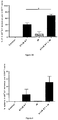
- the figures 3A and 3B show the E7-specific CD8 + T cells detected intratumorally as expressed as the percentage of total CD8+ cells and the percentage of H-2Db E7-tetramer per CD8 + T cells.
- the figure 4 shows percentage of H-2Db E7-tetramer per CD8 + T cells in the spleen of said mice.
- the figure 5 shows the tumor sizes obtained by IVIS in vivo imaging at the day of sacrifice plotted against the percentage of tumor infiltrating E7-specific CD8 + *p ⁇ 0.05; one-way ANOVA followed by Tukey's post-test.
- mice undergoing combined irradiation and vaccination were injected intraperitonealy with 100 ⁇ g per mouse of anti-CD8 mAb (clone 2.43; BIOXCELL) or isotype control mAb on day 7 (one day prior to irradiation) to deplete CD8 + T cells, as previously reported ( SANDOVAL et al., Science translational medicine, vol.5(172), p:172ra20, 2013 ).
- One of two representative experiments is shown.
- CD8 + T lymphocytes are required to elicit the antitumor response triggered by the combination of irradiation and vaccination.
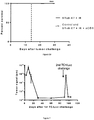
- the figure 7 shows the results of in vivo bioluminescent imaging establishing the tumor signal following the first and second TCl/Luc challenge.
- mice were euthanized to collect the spleens 14 days after the second TCl/Luc challenge, the same results were observed (data not shown).
- Cytofluorimetric analysis showed that rechallenged mice displayed high percentages of E7-specific CD8 + T cells at similar levels to those of mice at the end of the combined treatment (data not shown).
- TCl/Luc cells 18 months after the first treatment, again resulting in the complete spontaneous rejection of tumor cells (data not shown).
- mice that had already experienced a complete remission of the head and neck tumor upon administration of the combination of STxB-E7 and IR (rechallenge group)
- the tumor signal in the lungs was already smaller at day 4 when compared to treatment-na ⁇ ve mice.
- TCl/Luc cells were spontaneously cleared starting at day 8 and all four tested mice remained metastasis-free until the end of the 60-day observation period (data not shown).
- this combination strategy represents a promising clinical tool, since a patient treated with this combination therapy who undergoes tumor remission will likely be protected against any local or distant relapse.
- the tumor vascular structure and its activation were assessed in the different treatment groups by immunohistochemistry (IHC). For this, tumors were sampled 9 or 14 days after irradiation. These tumors were then included in OCT for further analysis.
- IHC immunohistochemistry
- alpha smooth muscle actin ⁇ SMA
- ⁇ SMA alpha smooth muscle actin
- a validated standard protocol on a VENTANA DISCOVERY ULTRA autostainer ROCHE TISSUE DIAGNOSTICS, primary Ab ref ab5694, ABCAM
- Manual staining protocols on OCT frozen sections were used to detect CD31 (BD PHARMINGEN), and ICAM-1 (ABCAM). All the slides were counterstained with hematoxylin.
- NG2 primary Ab: MILLIPORE
- CD31 and ⁇ SMA staining were then quantified using the algorithm for vessel detection in the Tissue Studio software package from DEFINIENS.
- the figure 8 shows the quantification of the antibody stained area for ⁇ SMA (A) or NG2 (B) in the tumor sampled at day 9 (D9) or 14 (D14). *p ⁇ 0.05; **p ⁇ 0.01 one-way ANOVA followed by Tukey's post-test.
- Evans Blue dye 0.5%) was administered to mice by tail vein injection. Mice were sacrificed 30 minutes after said injection. Dissected tumor samples were collected, and Evans Blue was eluted in formaldehyde (0.5 ml for 50 mg of tissue) at 58° C overnight. The concentration of the accumulated dye for each aliquot was quantified by the use of a spectrophotometer by reading the absorbance at 610 nm with subtraction of the reference absorbance at 450 nm.
- the figure 9 shows the mean ⁇ SEM absorbance related to mean tumor perfusions depending on their treatment at day 9 (D9) or 14 (D14). *p ⁇ 0.05 one-way ANOVA followed by Tukey's post-test.
- the figure 10 illustrates the data obtained by IVIS in vivo imaging at the day of sacrifice plotted against absorbance at day 14 for individual mice to show the correlation between tumor perfusion and size (p ⁇ 0.001, Pearson correlation test).
- ICAM-1 is a transmembrane protein implied in the arrest and transmigration of leukocytes from blood vessels, which is upregulated in tumors from mice undergoing the different treatments.
- the figure 11 shows the quantification of ICAM-1 expression based on a score from immunohistochemical staining. ***p ⁇ 0.001 one-way ANOVA followed by Tukey's post-test.
Landscapes
- Health & Medical Sciences (AREA)
- Life Sciences & Earth Sciences (AREA)
- Engineering & Computer Science (AREA)
- Bioinformatics & Cheminformatics (AREA)
- General Health & Medical Sciences (AREA)
- Proteomics, Peptides & Aminoacids (AREA)
- Animal Behavior & Ethology (AREA)
- Public Health (AREA)
- Veterinary Medicine (AREA)
- Chemical & Material Sciences (AREA)
- Medicinal Chemistry (AREA)
- Pharmacology & Pharmacy (AREA)
- Epidemiology (AREA)
- Molecular Biology (AREA)
- Immunology (AREA)
- Biomedical Technology (AREA)
- Gastroenterology & Hepatology (AREA)
- Toxicology (AREA)
- Pathology (AREA)
- Nuclear Medicine, Radiotherapy & Molecular Imaging (AREA)
- Radiology & Medical Imaging (AREA)
- Virology (AREA)
- Medicines That Contain Protein Lipid Enzymes And Other Medicines (AREA)
- Medicines Containing Antibodies Or Antigens For Use As Internal Diagnostic Agents (AREA)
- Peptides Or Proteins (AREA)
Claims (15)
- Zubereitung zum Gebrauch in der Vorbeugung oder Behandlung eines Patienten, der unter einem HPV-positiven Krebs leidet, in Verbindung mit Strahlentherapie, wobei die genannte Zubereitung ein konjugiertes Protein umfasst, gegebenenfalls in Kombination mit einem pharmazeutisch verträglichen Träger, wobei das genannte konjugierte Protein umfasst:i) die B-Untereinheit des Shiga-Toxin (STxB), ein Fragment davon, das eine Länge von mindestens 50 Aminosäuren aufweist, wobei dieses Fragment an den Glykolipidrezeptor Gb3 mit einer KD gleich oder kleiner als 10-7 M bindet, oder ein Derivat davon, das einer Aminosäurensequenz entspricht, die an den Glykolipidrezeptor Gb3 mit einer KD gleich oder kleiner als 10-7 M bindet und einen Identitätsanteil von mindestens 95% im Vergleich zur Aminosäurensequenz SEQ id Nr. 1 aufweist; undii) mindestens ein HPV-Epitop, das mit dem genannten Krebs verbunden ist.
- Zubereitung zum Gebrauch nach Patentanspruch 1, wobei der HPV-positive Krebs ein HPV-positives HNSCC (Kopf-Hals-Plattenepithelkarzinom) ist.
- Zubereitung zum Gebrauch nach Patentanspruch 1, wobei der HPV-positive Krebs eine Metastase ist.
- Zubereitung zum Gebrauch nach irgendeinem der Patentansprüche 1 bis 3, in der die B-Untereinheit des Shiga-Toxin (STxB) der SEQ id Nr. 1 entspricht und ein STxB-Fragment sich auf die SEQ id Nr. 2 bezieht.
- Zubereitung zum Gebrauch nach irgendeinem der Patentansprüche 1 bis 4, in der das genannte mindestens eine HPV-Epitop ein Epitop des HPV Typ 16 ist.
- Zubereitung zum Gebrauch nach Patentanspruch 5, wobei das genannte mindestens eine Epitop des HPV Typ 16 aus dem Protein E6 oder E7 des HPV Typ 16 stammt, vorzugsweise stammt das genannte Epitop des HPV Typ 16 aus dem Protein E7 des HPV Typ 16 und wird aus der Gruppe gewählt, die die aus den Aminosäuren 5-18, 17-34, 35-50, 43-57, 43-77, 49-57, 50-62, 69-82 des Proteins E7 des HPV16 bestehenden Peptide umfasst.
- Zubereitung zum Gebrauch nach Patentanspruch 6, in der das genannte Epitop des HPV Typ 16 vorzugsweise aus den Aminosäuren 43-57 des Proteins E7 des HPV16 (Seq id Nr. 3, GQAEPDRAHYNIVTF) besteht.
- Zubereitung zum Gebrauch nach irgendeinem der Patentansprüche 1 bis 7, in der i) die B-Untereinheit des Shiga-Toxin (STxB), das Fragment oder Derivat davon, und ii) das mindestens eine, mit dem genannten HPV-Krebs verbundene Epitop, unter Verwendung bifunktionaler Proteinbindungsmittel oder in einem Fusionsprotein kovalent gebunden sind.
- Zubereitung zum Gebrauch nach Patentanspruch 8, in der i) die B-Untereinheit des Shiga-Toxin (STxB), das Fragment oder Derivat davon, und ii) das mindestens eine, mit dem genannten HPV-Krebs verbundene Epitop, unter Verwendung eines bifunktionalen Proteinbindungsmittels kovalent gebunden sind.
- Zubereitung zum Gebrauch nach Patentanspruch 9, in der sich Derivate der B-Untereinheit des Shiga-Toxin (STxB) auf die SEQ id Nr. 4 und SEQ id Nr. 5 beziehen, vorzugsweise auf SEQ id Nr. 5.
- Zubereitung zum Gebrauch nach irgendeinem der Patentansprüche 1 bis 10, in der i) die B-Untereinheit des Shiga-Toxin (STxB), das Fragment oder Derivat davon, und ii) das mindestens eine, mit dem genannten HPV-Krebs verbundene Epitop, in einem Fusionsprotein kovalent gebunden sind.
- Zubereitung zum Gebrauch nach irgendeinem der Patentansprüche 1 bis 11, in der die Strahlentherapie wird in einer Dosis zwischen etwa 10 und 55 Gy, vorzugsweise zwischen etwa 15 und 50 Gy, wie zwischen 20 und 40 Gy, speziell zwischen 20 und 35 Gy und insbesondere zwischen 25 und 30 Gy, angewendet.
- Zubereitung zum Gebrauch nach irgendeinem der Patentansprüche 1 bis 12, in der die zubereitung und die Strahlentherapie werden gleichzeitig, getrennt oder nacheinander verabreicht.
- Zubereitung zum Gebrauch nach irgendeinem der Patentansprüche 1 bis 13, in der die zubereitung wird vor der Strahlentherapie verabreicht.
- Zubereitung zum Gebrauch nach irgendeinem der Patentansprüche 1 bis 14, in der die zubereitung wird zur Vorbeugung oder Behandlung eines an Krebs erkrankten Patienten durch parenterale Verabreichung verwendet.
Applications Claiming Priority (2)
| Application Number | Priority Date | Filing Date | Title |
|---|---|---|---|
| EP15000507.2A EP3058956A1 (de) | 2015-02-23 | 2015-02-23 | Kombinierte Impfungs-/Strahlentherapie zur Krebsbehandlung |
| PCT/EP2016/000303 WO2016134838A1 (en) | 2015-02-23 | 2016-02-22 | Combined vaccination/radioterapy for cancer treatment |
Publications (3)
| Publication Number | Publication Date |
|---|---|
| EP3261673A1 EP3261673A1 (de) | 2018-01-03 |
| EP3261673B1 true EP3261673B1 (de) | 2021-01-06 |
| EP3261673B8 EP3261673B8 (de) | 2021-03-17 |
Family
ID=52589215
Family Applications (2)
| Application Number | Title | Priority Date | Filing Date |
|---|---|---|---|
| EP15000507.2A Withdrawn EP3058956A1 (de) | 2015-02-23 | 2015-02-23 | Kombinierte Impfungs-/Strahlentherapie zur Krebsbehandlung |
| EP16706528.3A Not-in-force EP3261673B8 (de) | 2015-02-23 | 2016-02-22 | Kombinierte impfungs-/strahlentherapie zur krebsbehandlung |
Family Applications Before (1)
| Application Number | Title | Priority Date | Filing Date |
|---|---|---|---|
| EP15000507.2A Withdrawn EP3058956A1 (de) | 2015-02-23 | 2015-02-23 | Kombinierte Impfungs-/Strahlentherapie zur Krebsbehandlung |
Country Status (4)
| Country | Link |
|---|---|
| US (2) | US20180036368A1 (de) |
| EP (2) | EP3058956A1 (de) |
| ES (1) | ES2857704T3 (de) |
| WO (1) | WO2016134838A1 (de) |
Family Cites Families (12)
| Publication number | Priority date | Publication date | Assignee | Title |
|---|---|---|---|---|
| US5997856A (en) | 1988-10-05 | 1999-12-07 | Chiron Corporation | Method and compositions for solubilization and stabilization of polypeptides, especially proteins |
| US5108910A (en) | 1989-08-22 | 1992-04-28 | Immunex Corporation | DNA sequences encoding fusion proteins comprising GM-CSF and IL-3 |
| US5073627A (en) | 1989-08-22 | 1991-12-17 | Immunex Corporation | Fusion proteins comprising GM-CSF and IL-3 |
| FR2766193B1 (fr) | 1997-07-18 | 2001-09-14 | Inst Curie | Polypeptide chimerique comprenant le fragment b de la toxine shiga et des peptides d'interet therapeutique |
| ES2519043T3 (es) | 2000-12-08 | 2014-11-06 | Academisch Ziekenhuis Leiden | Péptidos largos de 22-45 residuos de aminoácidos que inducen y/o mejoran las respuestas inmunológicas específicas para antígenos |
| EP1229045A1 (de) | 2001-02-01 | 2002-08-07 | Institut Curie | Universeller Träger zum Zielrichten von Molekülen zu Rezeptor Gb3 - exprimierenden Zellen |
| FR2824326B1 (fr) | 2001-05-04 | 2004-03-19 | Commissariat Energie Atomique | Melange de peptides issus des proteines e6 et/ou e7 de papillomavirus et leurs applications |
| EP1938836A1 (de) * | 2006-12-28 | 2008-07-02 | Universite Rene Descartes (Paris V) | Verbindungen mit Shigatoxin-B-Untereinheit und Mittel zur Stimulation von NKT-Zellen |
| JP6035503B2 (ja) | 2007-05-31 | 2016-11-30 | アカデミシュ ジーケンハウス ライデン ハー.オー.デー.エン. ルムク | ワクチンで使用するための、子宮頸部悪性腫瘍に浸潤するt細胞によって標的とされるhpvエピトープ |
| US20090214438A1 (en) * | 2007-12-18 | 2009-08-27 | Institut Curie | Methods and compositions for the preparation and use of toxin conjugates |
| AU2012273182A1 (en) * | 2011-06-21 | 2014-01-16 | The Johns Hopkins University | Focused radiation for augmenting immune-based therapies against neoplasms |
| EP2740491A1 (de) * | 2012-12-05 | 2014-06-11 | Institut Curie | Konjugate der B-Untereinheit von Shiga-Toxin zur Verwendung als Kontrastmittel zur Bildgebung und Therapie |
-
2015
- 2015-02-23 EP EP15000507.2A patent/EP3058956A1/de not_active Withdrawn
-
2016
- 2016-02-20 US US15/552,405 patent/US20180036368A1/en not_active Abandoned
- 2016-02-22 EP EP16706528.3A patent/EP3261673B8/de not_active Not-in-force
- 2016-02-22 WO PCT/EP2016/000303 patent/WO2016134838A1/en not_active Ceased
- 2016-02-22 ES ES16706528T patent/ES2857704T3/es active Active
-
2019
- 2019-01-09 US US16/243,654 patent/US20190201480A1/en not_active Abandoned
Non-Patent Citations (1)
| Title |
|---|
| None * |
Also Published As
| Publication number | Publication date |
|---|---|
| US20180036368A1 (en) | 2018-02-08 |
| EP3058956A1 (de) | 2016-08-24 |
| US20190201480A1 (en) | 2019-07-04 |
| EP3261673A1 (de) | 2018-01-03 |
| WO2016134838A1 (en) | 2016-09-01 |
| ES2857704T3 (es) | 2021-09-29 |
| EP3261673B8 (de) | 2021-03-17 |
Similar Documents
| Publication | Publication Date | Title |
|---|---|---|
| Mondini et al. | Synergy of radiotherapy and a cancer vaccine for the treatment of HPV-associated head and neck cancer | |
| JP7536737B2 (ja) | Hpv及びhpv関連疾患に対する新規のワクチン | |
| JP7021154B2 (ja) | 免疫腫瘍溶解療法 | |
| JP4467973B2 (ja) | 非機能性p2x7リセプターに対応する抗体、癌及びその他の症状の診断及び治療 | |
| AU2024205755B2 (en) | Treatment of covid-19 and methods therefor | |
| US12084508B2 (en) | TRAILshort antibody and methods of use | |
| Peng et al. | PD-1 blockade synergizes with intratumoral vaccination of a therapeutic HPV protein vaccine and elicits regression of tumor in a preclinical model | |
| KR20200121297A (ko) | 변형된 오르토폭스바이러스 벡터 | |
| US20190201480A1 (en) | Combined vaccination/radioterapy for cancer treatment | |
| US20210169979A1 (en) | System and method for sonosensitized cancer immunotherapy with nanoparticles | |
| US20250188182A1 (en) | Triple combination drug dosing therapy for head and neck cancer treatment | |
| JP2021524485A (ja) | パラ結核症のための免疫原性組成物 | |
| CN114585647A (zh) | 抗grp78抗体及其使用方法 | |
| Xu et al. | Two tandem repeats of mHSP70407–426 enhance therapeutic antitumor effects of a recombined vascular endothelial growth factor (VEGF) protein vaccine | |
| RU2832963C2 (ru) | Способ лечения рака шейки матки | |
| Hancock et al. | Intranasal boosting enhances genital tract T cell immunity following ChAdOx1/MVA hrHPV therapeutic vaccination | |
| Aremu et al. | Immunotherapy for head and neck cancers | |
| WO2024254149A2 (en) | Virus-inspired compositions comprising virus-like proteins and checkpoint inhibitors, and methods of use thereof to treat cancer | |
| HK1230629A1 (en) | Novel vaccines against hpv and hpv-related diseases | |
| HK40019879A (en) | Trailshort antibody and methods of use | |
| HK40019879B (en) | Trailshort antibody and methods of use |
Legal Events
| Date | Code | Title | Description |
|---|---|---|---|
| STAA | Information on the status of an ep patent application or granted ep patent |
Free format text: STATUS: THE INTERNATIONAL PUBLICATION HAS BEEN MADE |
|
| PUAI | Public reference made under article 153(3) epc to a published international application that has entered the european phase |
Free format text: ORIGINAL CODE: 0009012 |
|
| STAA | Information on the status of an ep patent application or granted ep patent |
Free format text: STATUS: REQUEST FOR EXAMINATION WAS MADE |
|
| 17P | Request for examination filed |
Effective date: 20170821 |
|
| AK | Designated contracting states |
Kind code of ref document: A1 Designated state(s): AL AT BE BG CH CY CZ DE DK EE ES FI FR GB GR HR HU IE IS IT LI LT LU LV MC MK MT NL NO PL PT RO RS SE SI SK SM TR |
|
| AX | Request for extension of the european patent |
Extension state: BA ME |
|
| DAV | Request for validation of the european patent (deleted) | ||
| DAX | Request for extension of the european patent (deleted) | ||
| STAA | Information on the status of an ep patent application or granted ep patent |
Free format text: STATUS: EXAMINATION IS IN PROGRESS |
|
| 17Q | First examination report despatched |
Effective date: 20181026 |
|
| RIC1 | Information provided on ipc code assigned before grant |
Ipc: A61K 41/00 20200101AFI20200819BHEP Ipc: A61K 47/64 20170101ALI20200819BHEP Ipc: A61N 5/10 20060101ALI20200819BHEP Ipc: A61K 38/16 20060101ALI20200819BHEP |
|
| GRAP | Despatch of communication of intention to grant a patent |
Free format text: ORIGINAL CODE: EPIDOSNIGR1 |
|
| STAA | Information on the status of an ep patent application or granted ep patent |
Free format text: STATUS: GRANT OF PATENT IS INTENDED |
|
| INTG | Intention to grant announced |
Effective date: 20201005 |
|
| GRAS | Grant fee paid |
Free format text: ORIGINAL CODE: EPIDOSNIGR3 |
|
| GRAA | (expected) grant |
Free format text: ORIGINAL CODE: 0009210 |
|
| STAA | Information on the status of an ep patent application or granted ep patent |
Free format text: STATUS: THE PATENT HAS BEEN GRANTED |
|
| AK | Designated contracting states |
Kind code of ref document: B1 Designated state(s): AL AT BE BG CH CY CZ DE DK EE ES FI FR GB GR HR HU IE IS IT LI LT LU LV MC MK MT NL NO PL PT RO RS SE SI SK SM TR |
|
| REG | Reference to a national code |
Ref country code: GB Ref legal event code: FG4D |
|
| REG | Reference to a national code |
Ref country code: AT Ref legal event code: REF Ref document number: 1351634 Country of ref document: AT Kind code of ref document: T Effective date: 20210115 Ref country code: CH Ref legal event code: EP |
|
| RAP2 | Party data changed (patent owner data changed or rights of a patent transferred) |
Owner name: UNIVERSITE DE PARIS Owner name: CENTRE NATIONAL DE LA RECHERCHE SCIENTIFIQUE (C.N.R.S.) Owner name: INSTITUT NATIONAL DE LA SANTE ET DE LA RECHERCHE MEDICALE Owner name: INSTITUT CURIE Owner name: INSTITUT GUSTAVE ROUSSY Owner name: ASSISTANCE PUBLIQUE-HOPITAUX DE PARIS (APHP) |
|
| REG | Reference to a national code |
Ref country code: DE Ref legal event code: R096 Ref document number: 602016050948 Country of ref document: DE |
|
| REG | Reference to a national code |
Ref country code: IE Ref legal event code: FG4D |
|
| REG | Reference to a national code |
Ref country code: CH Ref legal event code: PK Free format text: BERICHTIGUNG B8 |
|
| PGFP | Annual fee paid to national office [announced via postgrant information from national office to epo] |
Ref country code: IT Payment date: 20210226 Year of fee payment: 6 Ref country code: FR Payment date: 20210216 Year of fee payment: 6 |
|
| PGFP | Annual fee paid to national office [announced via postgrant information from national office to epo] |
Ref country code: DE Payment date: 20210224 Year of fee payment: 6 Ref country code: ES Payment date: 20210310 Year of fee payment: 6 |
|
| REG | Reference to a national code |
Ref country code: NL Ref legal event code: MP Effective date: 20210106 |
|
| REG | Reference to a national code |
Ref country code: AT Ref legal event code: MK05 Ref document number: 1351634 Country of ref document: AT Kind code of ref document: T Effective date: 20210106 |
|
| REG | Reference to a national code |
Ref country code: LT Ref legal event code: MG9D |
|
| PG25 | Lapsed in a contracting state [announced via postgrant information from national office to epo] |
Ref country code: HR Free format text: LAPSE BECAUSE OF FAILURE TO SUBMIT A TRANSLATION OF THE DESCRIPTION OR TO PAY THE FEE WITHIN THE PRESCRIBED TIME-LIMIT Effective date: 20210106 Ref country code: GR Free format text: LAPSE BECAUSE OF FAILURE TO SUBMIT A TRANSLATION OF THE DESCRIPTION OR TO PAY THE FEE WITHIN THE PRESCRIBED TIME-LIMIT Effective date: 20210407 Ref country code: FI Free format text: LAPSE BECAUSE OF FAILURE TO SUBMIT A TRANSLATION OF THE DESCRIPTION OR TO PAY THE FEE WITHIN THE PRESCRIBED TIME-LIMIT Effective date: 20210106 Ref country code: PT Free format text: LAPSE BECAUSE OF FAILURE TO SUBMIT A TRANSLATION OF THE DESCRIPTION OR TO PAY THE FEE WITHIN THE PRESCRIBED TIME-LIMIT Effective date: 20210506 Ref country code: NO Free format text: LAPSE BECAUSE OF FAILURE TO SUBMIT A TRANSLATION OF THE DESCRIPTION OR TO PAY THE FEE WITHIN THE PRESCRIBED TIME-LIMIT Effective date: 20210406 Ref country code: BG Free format text: LAPSE BECAUSE OF FAILURE TO SUBMIT A TRANSLATION OF THE DESCRIPTION OR TO PAY THE FEE WITHIN THE PRESCRIBED TIME-LIMIT Effective date: 20210406 Ref country code: LT Free format text: LAPSE BECAUSE OF FAILURE TO SUBMIT A TRANSLATION OF THE DESCRIPTION OR TO PAY THE FEE WITHIN THE PRESCRIBED TIME-LIMIT Effective date: 20210106 |
|
| PG25 | Lapsed in a contracting state [announced via postgrant information from national office to epo] |
Ref country code: SE Free format text: LAPSE BECAUSE OF FAILURE TO SUBMIT A TRANSLATION OF THE DESCRIPTION OR TO PAY THE FEE WITHIN THE PRESCRIBED TIME-LIMIT Effective date: 20210106 Ref country code: AT Free format text: LAPSE BECAUSE OF FAILURE TO SUBMIT A TRANSLATION OF THE DESCRIPTION OR TO PAY THE FEE WITHIN THE PRESCRIBED TIME-LIMIT Effective date: 20210106 Ref country code: PL Free format text: LAPSE BECAUSE OF FAILURE TO SUBMIT A TRANSLATION OF THE DESCRIPTION OR TO PAY THE FEE WITHIN THE PRESCRIBED TIME-LIMIT Effective date: 20210106 Ref country code: LV Free format text: LAPSE BECAUSE OF FAILURE TO SUBMIT A TRANSLATION OF THE DESCRIPTION OR TO PAY THE FEE WITHIN THE PRESCRIBED TIME-LIMIT Effective date: 20210106 Ref country code: RS Free format text: LAPSE BECAUSE OF FAILURE TO SUBMIT A TRANSLATION OF THE DESCRIPTION OR TO PAY THE FEE WITHIN THE PRESCRIBED TIME-LIMIT Effective date: 20210106 |
|
| PGFP | Annual fee paid to national office [announced via postgrant information from national office to epo] |
Ref country code: GB Payment date: 20210224 Year of fee payment: 6 |
|
| REG | Reference to a national code |
Ref country code: ES Ref legal event code: FG2A Ref document number: 2857704 Country of ref document: ES Kind code of ref document: T3 Effective date: 20210929 |
|
| PG25 | Lapsed in a contracting state [announced via postgrant information from national office to epo] |
Ref country code: IS Free format text: LAPSE BECAUSE OF FAILURE TO SUBMIT A TRANSLATION OF THE DESCRIPTION OR TO PAY THE FEE WITHIN THE PRESCRIBED TIME-LIMIT Effective date: 20210506 |
|
| REG | Reference to a national code |
Ref country code: DE Ref legal event code: R081 Ref document number: 602016050948 Country of ref document: DE Owner name: UNIVERSITE DE PARIS, FR Free format text: FORMER OWNERS: ASSISTANCE PUBLIQUE-HOPITAUX DE PARIS (APHP), PARIS, FR; CENTRE NATIONAL DE LA RECHERCHE SCIENTIFIQUE (C.N.R.S.), PARIS, FR; INSTITUT CURIE, PARIS, FR; INSTITUT GUSTAVE ROUSSY, VILLEJUIF, FR; INSTITUT NATIONAL DE LA SANTE ET DE LA RECHERCHE MEDICALE, PARIS, FR; UNIVERSITE RENE DESCARTES (PARIS V), PARIS, FR Ref country code: DE Ref legal event code: R081 Ref document number: 602016050948 Country of ref document: DE Owner name: INSTITUT NATIONAL DE LA SANTE ET DE LA RECHERC, FR Free format text: FORMER OWNERS: ASSISTANCE PUBLIQUE-HOPITAUX DE PARIS (APHP), PARIS, FR; CENTRE NATIONAL DE LA RECHERCHE SCIENTIFIQUE (C.N.R.S.), PARIS, FR; INSTITUT CURIE, PARIS, FR; INSTITUT GUSTAVE ROUSSY, VILLEJUIF, FR; INSTITUT NATIONAL DE LA SANTE ET DE LA RECHERCHE MEDICALE, PARIS, FR; UNIVERSITE RENE DESCARTES (PARIS V), PARIS, FR Ref country code: DE Ref legal event code: R081 Ref document number: 602016050948 Country of ref document: DE Owner name: INSTITUT GUSTAVE ROUSSY, FR Free format text: FORMER OWNERS: ASSISTANCE PUBLIQUE-HOPITAUX DE PARIS (APHP), PARIS, FR; CENTRE NATIONAL DE LA RECHERCHE SCIENTIFIQUE (C.N.R.S.), PARIS, FR; INSTITUT CURIE, PARIS, FR; INSTITUT GUSTAVE ROUSSY, VILLEJUIF, FR; INSTITUT NATIONAL DE LA SANTE ET DE LA RECHERCHE MEDICALE, PARIS, FR; UNIVERSITE RENE DESCARTES (PARIS V), PARIS, FR Ref country code: DE Ref legal event code: R081 Ref document number: 602016050948 Country of ref document: DE Owner name: INSTITUT CURIE, FR Free format text: FORMER OWNERS: ASSISTANCE PUBLIQUE-HOPITAUX DE PARIS (APHP), PARIS, FR; CENTRE NATIONAL DE LA RECHERCHE SCIENTIFIQUE (C.N.R.S.), PARIS, FR; INSTITUT CURIE, PARIS, FR; INSTITUT GUSTAVE ROUSSY, VILLEJUIF, FR; INSTITUT NATIONAL DE LA SANTE ET DE LA RECHERCHE MEDICALE, PARIS, FR; UNIVERSITE RENE DESCARTES (PARIS V), PARIS, FR Ref country code: DE Ref legal event code: R081 Ref document number: 602016050948 Country of ref document: DE Owner name: CENTRE NATIONAL DE LA RECHERCHE SCIENTIFIQUE (, FR Free format text: FORMER OWNERS: ASSISTANCE PUBLIQUE-HOPITAUX DE PARIS (APHP), PARIS, FR; CENTRE NATIONAL DE LA RECHERCHE SCIENTIFIQUE (C.N.R.S.), PARIS, FR; INSTITUT CURIE, PARIS, FR; INSTITUT GUSTAVE ROUSSY, VILLEJUIF, FR; INSTITUT NATIONAL DE LA SANTE ET DE LA RECHERCHE MEDICALE, PARIS, FR; UNIVERSITE RENE DESCARTES (PARIS V), PARIS, FR Ref country code: DE Ref legal event code: R081 Ref document number: 602016050948 Country of ref document: DE Owner name: ASSISTANCE PUBLIQUE-HOPITAUX DE PARIS (APHP), FR Free format text: FORMER OWNERS: ASSISTANCE PUBLIQUE-HOPITAUX DE PARIS (APHP), PARIS, FR; CENTRE NATIONAL DE LA RECHERCHE SCIENTIFIQUE (C.N.R.S.), PARIS, FR; INSTITUT CURIE, PARIS, FR; INSTITUT GUSTAVE ROUSSY, VILLEJUIF, FR; INSTITUT NATIONAL DE LA SANTE ET DE LA RECHERCHE MEDICALE, PARIS, FR; UNIVERSITE RENE DESCARTES (PARIS V), PARIS, FR |
|
| REG | Reference to a national code |
Ref country code: DE Ref legal event code: R097 Ref document number: 602016050948 Country of ref document: DE |
|
| REG | Reference to a national code |
Ref country code: BE Ref legal event code: MM Effective date: 20210228 |
|
| PG25 | Lapsed in a contracting state [announced via postgrant information from national office to epo] |
Ref country code: SM Free format text: LAPSE BECAUSE OF FAILURE TO SUBMIT A TRANSLATION OF THE DESCRIPTION OR TO PAY THE FEE WITHIN THE PRESCRIBED TIME-LIMIT Effective date: 20210106 Ref country code: CH Free format text: LAPSE BECAUSE OF NON-PAYMENT OF DUE FEES Effective date: 20210228 Ref country code: EE Free format text: LAPSE BECAUSE OF FAILURE TO SUBMIT A TRANSLATION OF THE DESCRIPTION OR TO PAY THE FEE WITHIN THE PRESCRIBED TIME-LIMIT Effective date: 20210106 Ref country code: CZ Free format text: LAPSE BECAUSE OF FAILURE TO SUBMIT A TRANSLATION OF THE DESCRIPTION OR TO PAY THE FEE WITHIN THE PRESCRIBED TIME-LIMIT Effective date: 20210106 Ref country code: MC Free format text: LAPSE BECAUSE OF FAILURE TO SUBMIT A TRANSLATION OF THE DESCRIPTION OR TO PAY THE FEE WITHIN THE PRESCRIBED TIME-LIMIT Effective date: 20210106 Ref country code: LI Free format text: LAPSE BECAUSE OF NON-PAYMENT OF DUE FEES Effective date: 20210228 Ref country code: LU Free format text: LAPSE BECAUSE OF NON-PAYMENT OF DUE FEES Effective date: 20210222 |
|
| PLBE | No opposition filed within time limit |
Free format text: ORIGINAL CODE: 0009261 |
|
| STAA | Information on the status of an ep patent application or granted ep patent |
Free format text: STATUS: NO OPPOSITION FILED WITHIN TIME LIMIT |
|
| PG25 | Lapsed in a contracting state [announced via postgrant information from national office to epo] |
Ref country code: SK Free format text: LAPSE BECAUSE OF FAILURE TO SUBMIT A TRANSLATION OF THE DESCRIPTION OR TO PAY THE FEE WITHIN THE PRESCRIBED TIME-LIMIT Effective date: 20210106 Ref country code: RO Free format text: LAPSE BECAUSE OF FAILURE TO SUBMIT A TRANSLATION OF THE DESCRIPTION OR TO PAY THE FEE WITHIN THE PRESCRIBED TIME-LIMIT Effective date: 20210106 Ref country code: DK Free format text: LAPSE BECAUSE OF FAILURE TO SUBMIT A TRANSLATION OF THE DESCRIPTION OR TO PAY THE FEE WITHIN THE PRESCRIBED TIME-LIMIT Effective date: 20210106 |
|
| 26N | No opposition filed |
Effective date: 20211007 |
|
| PG25 | Lapsed in a contracting state [announced via postgrant information from national office to epo] |
Ref country code: AL Free format text: LAPSE BECAUSE OF FAILURE TO SUBMIT A TRANSLATION OF THE DESCRIPTION OR TO PAY THE FEE WITHIN THE PRESCRIBED TIME-LIMIT Effective date: 20210106 Ref country code: IE Free format text: LAPSE BECAUSE OF NON-PAYMENT OF DUE FEES Effective date: 20210222 |
|
| PG25 | Lapsed in a contracting state [announced via postgrant information from national office to epo] |
Ref country code: SI Free format text: LAPSE BECAUSE OF FAILURE TO SUBMIT A TRANSLATION OF THE DESCRIPTION OR TO PAY THE FEE WITHIN THE PRESCRIBED TIME-LIMIT Effective date: 20210106 |
|
| PG25 | Lapsed in a contracting state [announced via postgrant information from national office to epo] |
Ref country code: IS Free format text: LAPSE BECAUSE OF FAILURE TO SUBMIT A TRANSLATION OF THE DESCRIPTION OR TO PAY THE FEE WITHIN THE PRESCRIBED TIME-LIMIT Effective date: 20210506 |
|
| PG25 | Lapsed in a contracting state [announced via postgrant information from national office to epo] |
Ref country code: BE Free format text: LAPSE BECAUSE OF NON-PAYMENT OF DUE FEES Effective date: 20210228 |
|
| REG | Reference to a national code |
Ref country code: DE Ref legal event code: R119 Ref document number: 602016050948 Country of ref document: DE |
|
| GBPC | Gb: european patent ceased through non-payment of renewal fee |
Effective date: 20220222 |
|
| PG25 | Lapsed in a contracting state [announced via postgrant information from national office to epo] |
Ref country code: FR Free format text: LAPSE BECAUSE OF NON-PAYMENT OF DUE FEES Effective date: 20220228 |
|
| PG25 | Lapsed in a contracting state [announced via postgrant information from national office to epo] |
Ref country code: GB Free format text: LAPSE BECAUSE OF NON-PAYMENT OF DUE FEES Effective date: 20220222 Ref country code: DE Free format text: LAPSE BECAUSE OF NON-PAYMENT OF DUE FEES Effective date: 20220901 |
|
| REG | Reference to a national code |
Ref country code: ES Ref legal event code: FD2A Effective date: 20230331 |
|
| PG25 | Lapsed in a contracting state [announced via postgrant information from national office to epo] |
Ref country code: ES Free format text: LAPSE BECAUSE OF NON-PAYMENT OF DUE FEES Effective date: 20220223 |
|
| PG25 | Lapsed in a contracting state [announced via postgrant information from national office to epo] |
Ref country code: IT Free format text: LAPSE BECAUSE OF NON-PAYMENT OF DUE FEES Effective date: 20220222 |
|
| PG25 | Lapsed in a contracting state [announced via postgrant information from national office to epo] |
Ref country code: NL Free format text: LAPSE BECAUSE OF NON-PAYMENT OF DUE FEES Effective date: 20210206 Ref country code: CY Free format text: LAPSE BECAUSE OF FAILURE TO SUBMIT A TRANSLATION OF THE DESCRIPTION OR TO PAY THE FEE WITHIN THE PRESCRIBED TIME-LIMIT Effective date: 20210106 |
|
| PG25 | Lapsed in a contracting state [announced via postgrant information from national office to epo] |
Ref country code: HU Free format text: LAPSE BECAUSE OF FAILURE TO SUBMIT A TRANSLATION OF THE DESCRIPTION OR TO PAY THE FEE WITHIN THE PRESCRIBED TIME-LIMIT; INVALID AB INITIO Effective date: 20160222 |
|
| PG25 | Lapsed in a contracting state [announced via postgrant information from national office to epo] |
Ref country code: MK Free format text: LAPSE BECAUSE OF FAILURE TO SUBMIT A TRANSLATION OF THE DESCRIPTION OR TO PAY THE FEE WITHIN THE PRESCRIBED TIME-LIMIT Effective date: 20210106 |
|
| PG25 | Lapsed in a contracting state [announced via postgrant information from national office to epo] |
Ref country code: MT Free format text: LAPSE BECAUSE OF FAILURE TO SUBMIT A TRANSLATION OF THE DESCRIPTION OR TO PAY THE FEE WITHIN THE PRESCRIBED TIME-LIMIT Effective date: 20210106 |
|
| PG25 | Lapsed in a contracting state [announced via postgrant information from national office to epo] |
Ref country code: TR Free format text: LAPSE BECAUSE OF FAILURE TO SUBMIT A TRANSLATION OF THE DESCRIPTION OR TO PAY THE FEE WITHIN THE PRESCRIBED TIME-LIMIT Effective date: 20210106 |