EP3253781B1 - Modified dkk2 protein, nucleic acid encoding the same, preparation method thereof, and use thereof - Google Patents
Modified dkk2 protein, nucleic acid encoding the same, preparation method thereof, and use thereof Download PDFInfo
- Publication number
- EP3253781B1 EP3253781B1 EP16746839.6A EP16746839A EP3253781B1 EP 3253781 B1 EP3253781 B1 EP 3253781B1 EP 16746839 A EP16746839 A EP 16746839A EP 3253781 B1 EP3253781 B1 EP 3253781B1
- Authority
- EP
- European Patent Office
- Prior art keywords
- dkk2
- polypeptide
- modified
- nucleic acid
- dkk2 polypeptide
- Prior art date
- Legal status (The legal status is an assumption and is not a legal conclusion. Google has not performed a legal analysis and makes no representation as to the accuracy of the status listed.)
- Active
Links
Images



Classifications
-
- C—CHEMISTRY; METALLURGY
- C07—ORGANIC CHEMISTRY
- C07K—PEPTIDES
- C07K14/00—Peptides having more than 20 amino acids; Gastrins; Somatostatins; Melanotropins; Derivatives thereof
- C07K14/435—Peptides having more than 20 amino acids; Gastrins; Somatostatins; Melanotropins; Derivatives thereof from animals; from humans
- C07K14/46—Peptides having more than 20 amino acids; Gastrins; Somatostatins; Melanotropins; Derivatives thereof from animals; from humans from vertebrates
- C07K14/47—Peptides having more than 20 amino acids; Gastrins; Somatostatins; Melanotropins; Derivatives thereof from animals; from humans from vertebrates from mammals
-
- A—HUMAN NECESSITIES
- A61—MEDICAL OR VETERINARY SCIENCE; HYGIENE
- A61K—PREPARATIONS FOR MEDICAL, DENTAL OR TOILETRY PURPOSES
- A61K38/00—Medicinal preparations containing peptides
- A61K38/16—Peptides having more than 20 amino acids; Gastrins; Somatostatins; Melanotropins; Derivatives thereof
- A61K38/17—Peptides having more than 20 amino acids; Gastrins; Somatostatins; Melanotropins; Derivatives thereof from animals; from humans
-
- A—HUMAN NECESSITIES
- A61—MEDICAL OR VETERINARY SCIENCE; HYGIENE
- A61P—SPECIFIC THERAPEUTIC ACTIVITY OF CHEMICAL COMPOUNDS OR MEDICINAL PREPARATIONS
- A61P7/00—Drugs for disorders of the blood or the extracellular fluid
-
- A—HUMAN NECESSITIES
- A61—MEDICAL OR VETERINARY SCIENCE; HYGIENE
- A61P—SPECIFIC THERAPEUTIC ACTIVITY OF CHEMICAL COMPOUNDS OR MEDICINAL PREPARATIONS
- A61P9/00—Drugs for disorders of the cardiovascular system
-
- A—HUMAN NECESSITIES
- A61—MEDICAL OR VETERINARY SCIENCE; HYGIENE
- A61K—PREPARATIONS FOR MEDICAL, DENTAL OR TOILETRY PURPOSES
- A61K38/00—Medicinal preparations containing peptides
-
- C—CHEMISTRY; METALLURGY
- C07—ORGANIC CHEMISTRY
- C07K—PEPTIDES
- C07K2319/00—Fusion polypeptide
- C07K2319/20—Fusion polypeptide containing a tag with affinity for a non-protein ligand
- C07K2319/21—Fusion polypeptide containing a tag with affinity for a non-protein ligand containing a His-tag
-
- C—CHEMISTRY; METALLURGY
- C07—ORGANIC CHEMISTRY
- C07K—PEPTIDES
- C07K2319/00—Fusion polypeptide
- C07K2319/30—Non-immunoglobulin-derived peptide or protein having an immunoglobulin constant or Fc region, or a fragment thereof, attached thereto
Definitions
- the glycosylation site of the modified DKK2 polypeptide may be introduced by substituting asparagine (Asn, N) for one or more amino acids selected from the group consisting of 110D and optionally 51, 31G, 96P, , 44P, 2L, 45C, 57C, 62Q, 63G, 85P, 6K, 98T, 1011, 11G, 121H, 135P, 138K, 151L, 152R, 166F, 187K, 203G, 211D, 213T, and 214Y in the amino acid sequence of SEQ ID NO: 3.
- the modification may be substitution of one or more of amino acids.
- the modified DKK2 polypeptide is a polypeptide including an amino acid sequence of SEQ ID NOS: 8.
- Another aspect provides a nucleic acid encoding the modified DKK2 polypeptide.
- Another aspect provides a method of preparing the modified DKK2 polypeptide, the method including culturing cells which are introduced with a vector including the nucleic acid encoding the modified DKK2 polypeptide in the presence of a culture medium to obtain a culture product; and obtaining the modified DKK2 polypeptide from the culture product.
- the method may further include introducing a vector including the nucleic acid encoding the modified DKK2 polypeptide into cells.
- the introducing refers to introducing the nucleic acid into cells.
- the introducing may be, for example, introducing by transformation, transjection, transduction, conjugation, or electroporation.
- the culturing may be performed by incubation using a method known to those skilled in the art.
- the culturing may be performed, for example, under conditions of a temperature of about 37°C and 5% CO 2 .
- the pharmaceutical composition may include a pharmaceutically acceptable carrier.
- the carrier includes an excipient, a diluent, or an auxiliary substance.
- the carrier may be, for example, selected from the group consisting of lactose, dextrose, sucrose, sorbitol, mannitol, xylitol, erythritol, maltitol, starch, acacia rubber, alginate, gelatin, calcium phosphate, calcium silicate, cellulose, methyl cellulose, polyvinyl pyrrolidone, water, a physiological saline solution, a buffer such as PBS, methylhydroxy benzoate, propylhydroxy benzoate, talc, magnesium stearate and mineral oil.
- the composition may include a filler, an anti-agglutinant, a lubricant, a wetting agent, a flavor, an emulsifier, a preservative, etc.
- An administration dose of the pharmaceutical composition may be, for example, in the range of about 0.001 mg/kg to about 100 mg/kg, about 0.001 mg/kg to about 10 mg/kg, about 0.001 mg/kg to about 1 mg/kg, about 0.005 mg/kg to about 1 mg/kg, about 0.01 mg/kg to about 1 mg/kg, or about 0.1 mg/kg to about 1 mg/kg per adult once a day, several times a day, twice or three times a week, once to four times a month, one to twelve times a year.
- the administration may be performed directly to a subject by any means, for example, oral, intravenous, intramuscular, transdermal, mucosal, intranasal, intratracheal, or subcutaneous administration.
- the administration may be topical or systemic administration.
- An amino acid sequence (SEQ ID NO: 3) of a wild-type DKK2 protein has an N-glycosylation site at position 3 from the N-terminus.
- the N-glycosylation site of the wild-type DKK2 protein was predicted using NetNGlyc1.0 server (www.cbs.dtu.dk/services/NetNGlvc/).
- Fc tagcontaining DKK2 N-Gly4 and DKK2 N-Gly5 proteins were obtained.
- the obtained proteins were subjected to immunoblotting and the result is shown in FIG. 1C (exposure time: 1 second (left) or 30 seconds (right), M: marker (KDa), 1: N-Fc-DKK2-gly4, 2: N-Fc-DKK2-gly5).
- FIG. 1C it was confirmed that N-Fc-DKK2-N-Gly4 showed higher expression efficiency than N-Fc-DKK2-N-Gly5.
- DKK2 protein is known to bind to mouse LRP6 (mLRP6) and human LRP6 (hLRP6), the binding affinities of the wild-type DKK2 and the mutant DKK2 proteins for LRP6 were examined.
- a drug pellet was prepared.
- 10 g of sucrose octasulfate-aluminum complex (S0652, Sigma-aldrich) was dissolved in 100 ml of PBS (Phosphate Buffer Saline) to prepare a 10 % (w/v) sucralfate solution.
- 12 g of poly-2-hydroxyethyl methacrylate (P3932, Sigma-aldrich) was dissolved in 100 ml of absolute ethanol to prepare a 12 % (w/v) poly-HEMA solution.
- a parafilm was placed in a Petri dish and left under UV for about 15 minutes.
- the administered drugs are given in the following Table 6.
- Table 6 Group Number of animal Administration material
- One dose and administration frequency Note 1 7 PBS 0
- Non-treated 2 7 PBS 0
- Diabetes-induced 3 7 EYLEA 2000 ⁇ g
- once Diabetes-induced 4 7 N-Fc-DKK2-Gly4 7 ⁇ g
- twice Diabetes-induced 5 7 N-Fc-DKK2-Gly4 20 ⁇ g
- a mydriatic (Mydriacyl eye drop 1 %) was dropped into the eyes of the rabbits, and anesthetized with Zoletil 50 (VIRBAC, France) and xylazine ((RompunTM), Bayer AG, Germany). Thereafter, a 2%(w/v) fluorescein sodium salt solution (Sigma Aldrich) was injected via the ear vein, and the eyes of the rabbits were photographed using a fundus camera (TRC-50IX, TOPCON, Japan) for about 2 minutes or shorter. Examination of retina and efficacy were evaluated by fluorescent fundus images.
- Diabetic retinopathy is characterized by retinal angiogenesis (or neovascularization), vitreous hemorrhage, etc. Since N-Fc-DKK2-Gly4 inhibits angiogenesis, vitreous bleeding, and retinal vascular permeability, the modified DKK2 polypeptide, for example, N-Fc-DKK2-Gly4 was confirmed to have a prophylactic or therapeutic effect on diabetic retinopathy.
Landscapes
- Health & Medical Sciences (AREA)
- Chemical & Material Sciences (AREA)
- Life Sciences & Earth Sciences (AREA)
- Organic Chemistry (AREA)
- General Health & Medical Sciences (AREA)
- Medicinal Chemistry (AREA)
- Zoology (AREA)
- Gastroenterology & Hepatology (AREA)
- Proteomics, Peptides & Aminoacids (AREA)
- Genetics & Genomics (AREA)
- Engineering & Computer Science (AREA)
- Molecular Biology (AREA)
- Bioinformatics & Cheminformatics (AREA)
- Animal Behavior & Ethology (AREA)
- Public Health (AREA)
- Biochemistry (AREA)
- Biophysics (AREA)
- Veterinary Medicine (AREA)
- Pharmacology & Pharmacy (AREA)
- Toxicology (AREA)
- Chemical Kinetics & Catalysis (AREA)
- General Chemical & Material Sciences (AREA)
- Nuclear Medicine, Radiotherapy & Molecular Imaging (AREA)
- Epidemiology (AREA)
- Immunology (AREA)
- Diabetes (AREA)
- Hematology (AREA)
- Cardiology (AREA)
- Heart & Thoracic Surgery (AREA)
- Peptides Or Proteins (AREA)
- Micro-Organisms Or Cultivation Processes Thereof (AREA)
- Biotechnology (AREA)
- Biomedical Technology (AREA)
- Medicines That Contain Protein Lipid Enzymes And Other Medicines (AREA)
- Wood Science & Technology (AREA)
- General Engineering & Computer Science (AREA)
- Marine Sciences & Fisheries (AREA)
- Physics & Mathematics (AREA)
- Plant Pathology (AREA)
- Microbiology (AREA)
Description
- The present disclosure relates to a modified DKK2 protein which is added with a glycosyl group or has improved binding affinity, a nucleic acid encoding the same, a preparation method thereof, and use thereof.
- Glycosylation is a process by which sugars are attached to proteins, and largely divided into N-glycosylation and O-glycosylation. Glycosylation is catalyzed by glycosyltransferase, and about 200 kinds of glycosyltransferases have been reported. The kind and structure of sugars may influence protein folding, stability, solubility, and sensitivity to protease, serum half-life, antigenicity, increase of activity, etc.
- DKK2, a repressor protein of Wnt, belongs to the Dickkopf family, and has been reported to act as an inhibiting factor or stimulating factor of Wnt signaling pathways (Wu W et al., Curr. Biol., 10(24), pp.1611-1614, 2000). DKK2 may contain into two specific cysteine-rich domains (CRD) and includes various lengths of connection regions. Particularly, DKK2 highly conserves a cystein-2 region among the Dickkopf family members which has 10 cysteine amino acids (Krupnik VE et al., Gene, 238(2), pp.301-313, 1999). DKK2 is a protein that is hard to produce with low expression efficiency in animal cells, and thus development of therapeutic agents using DKK2 is being delayed.
- Accordingly, there is a demand for DKK2 which maintains a binding affinity or has an improved binding affinity for its substrate and also shows increased expression efficiency.
- An aspect provides a modified DKK2 polypeptide including one or more additional glycosylation sites, compared to an amino acid sequence of a wild-type DKK2 polypeptide, wherein the glycosylation site is introduced by substituting asparagine (Asn, N) for aspartate (Asp, D) which is the 110th amino acid from the N-terminus in the amino acid sequence of SEQ ID NO: 3.
- Another aspect provides a nucleic acid encoding the modified DKK2 polypeptide.
- Still another aspect provides a method of preparing the modified DKK2 polypeptide.
- Still another aspect provides a pharmaceutical composition for promoting angiogenesis, the composition including the modified DKK2 polypeptide or the nucleic acid encoding the modified DKK2 polypeptide, and a pharmaceutically acceptable carrier.
- Still another aspect provides a pharmaceutical composition for use in preventing or treating vascular permeability-related diseases, the composition including the modified DKK2 polypeptide or the nucleic acid encoding the modified DKK2 polypeptide, and a pharmaceutically acceptable carrier.
- Still another aspect refers to the modified DKK2 polypeptide or the nucleic acid encoding the modified DKK2 polypeptide for use in a method of promoting angiogenesis of a subject.
- Still another aspect refers to the modified DKK2 polypeptide or the nucleic acid encoding the modified DKK2 polypeptide for use in a method of preventing or treating a vascular permeability-related disease of a subject..
- According to a modified DKK2 polypeptide of an aspect, a nucleic acid encoding the same, a preparation method thereof, and use thereof, a modified DKK2 protein having additional glycosyl groups or improved binding affinity for its substrate LRP6 may be efficiently prepared, thereby being used for promoting angiogenesis or for preventing or treating vascular permeability-related diseases.
- These and/or other aspects will become apparent and more readily appreciated from the following description of the exemplary embodiments, taken in conjunction with the accompanying drawings in which:
-
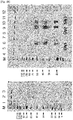
FIGS. 1A and1B are images showing the immunoblotting results of wild-type DKK2 proteins and mutant DKK2 proteins containing various tags, respectively,FIG. 1C is an image showing the immunoblotting results of DKK2 N-Gly4 and DKK2 N-Gly5 proteins containing Fc tag, andFIG. 1D is an image showing the electrophoresis result of purified proteins; -
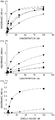
FIGS. 2A and 2B are graphs showing absorbance at 490 nm of the mutant DKK2 protein for each 200 ng of mLRP6 and hLRP6, andFIGS. 2C and2D are graphs showing absorbance at 490 nm of the DKK2 protein for each 100 ng of mLRP6 and hLRP6; -
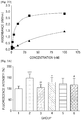
FIGS. 3A and3B are graphs showing fluorescence intensity (%) of retinas according to administration of the mutant DKK2 protein onDay 14 and Day 21 after administration of a test material; and -
FIG. 4 is a graph showing Evans blue vascular permeability (%) according to administration of the DKK2 protein. - An aspect provides a modified DKK2 polypeptide including one or more additional glycosylation sites, compared to an amino acid sequence of a wild-type Dickkopf (DKK)2 polypeptide, wherein the glycosylation site is introduced by substituting asparagine (Asn, N) for aspartate (Asp, D) which is the 110th amino acid from the N-terminus in the amino acid sequence of SEQ ID NO: 3.
- DKK2 refers to Dickkopf-2 protein, and is also known as Dickkopf-
related protein 2, cysteine-rich secretedprotein 2, CRSP2, CRISPY2, orCRSP 2 protein. DKK2 is a protein that in humans is encoded by the DKK2 gene. This gene encodes a protein that is a member of the Dickkopf family. It is known that DKK2, a secreted protein, contains two cysteine-rich regions and is involved in embryonic development through its interactions with a Wnt signaling pathway. In addition, it may act as either an agonist or antagonist of Wnt/beta-catenin signaling, depending on the cellular context and the presence of aco-factor kremen 2. DKK2 may bind with low-density lipoprotein receptor-related protein 6 (LRP6). - The wild-type DKK2 polypeptide may be a wild-type DKK2 precursor polypeptide. The wild-type DKK2 precursor polypeptide may be a polypeptide having an amino acid sequence (SEQ ID NO: 1) of Genbank accession no. NP_055236.1 in human or an amino acid sequence of Genbank accession no. NP_064661.2 in mouse. The wild-type DKK2 precursor polypeptide may include a signal peptide, and the signal peptide may be cleaved by co-translational modification or post-translational modification. The wild-type DKK2 polypeptide may be mature DKK2. A mature DKK2 may be a polypeptide including an amino acid sequence obtained by removing an amino acid sequence (signal peptide or leader peptide) at
positions 1 to 33 from the N-terminus of the amino acid sequence of SEQ ID NO: 1, or a polypeptide including an amino acid sequence of SEQ ID NO: 3. The wild-type DKK2 precursor polypeptide may be encoded by a nucleic acid having a nucleotide sequence (SEQ ID NO: 4) of Genbank accession no. NM_014421 in human and a nucleic acid having a nucleotide sequence of Genbank accession no. NM_020265 in mouse. - The glycosylation refers to a reaction of transferring glycosyl groups to proteins. The glycosylation is catalyzed by glycosyltransferase. The glycosylation may be N-glycosylation, O-glycosylation, phospho-serine glycosylation, C-mannosylation, glypiation, or a combination thereof. N-glycosylation refers to attachment of sugar molecules to the amide group of asparagine.
- The glycosylation site refers to a site to which a sugar molecule or a glycosyl group may be attached. For example, the glycosylation site may be an asparagine residue in a consensus sequence of Asn-Xaa-Ser/Thr, which is N-glycosylation site. Asn represents asparagine, Xaa represents an amino acid excluding proline, Ser represents serine, Thr represents threonine, and Ser/Thr represents serine or threonine. The Asn-Xaa-Ser/Thr represents a polypeptide composed of asparagine-amino acid (excluding proline)-serine or amino acid from the N-terminus. A sugar molecule is attached to asparagine of Asn-Xaa-Ser/Thr. The wild-type DKK2 precursor polypeptide may include one glycosylation site at position 36 from the N-terminus.
- The glycosylation site of the modified DKK2 polypeptide may be introduced by substituting asparagine (Asn, N) for one or more amino acids selected from the group consisting of 110D and optionally 51, 31G, 96P, , 44P, 2L, 45C, 57C, 62Q, 63G, 85P, 6K, 98T, 1011, 11G, 121H, 135P, 138K, 151L, 152R, 166F, 187K, 203G, 211D, 213T, and 214Y in the amino acid sequence of SEQ ID NO: 3. The numeral represents the position of the amino acid from the N-terminus of the amino acid sequence of SEQ ID NO: 3, and the alphabetic character represents 1 letter code of the amino acid. For example, '51' represents isoleucine at
position 5 from the N-terminus of the amino acid sequence of SEQ ID NO: 3. - The modification may be substitution of one or more of amino acids.
- The modified DKK2 polypeptide may be a DKK2 polypeptide, in which a glycosyl group is additionally introduced by introduction of the glycosylation site. Although the modified DKK2 polypeptide may vary in sugar linkage, sugar composition, glycosyl structure, or a combination thereof, glycosylation occurs at the same glycosylation site of the amino acid sequence of the DKK2 polypeptide. As a result, intracellular expression efficiency may be increased. For example, although the modified DKK2 polypeptide may vary in the sugar linkage (e.g., N-glycosylation and O-glycosylation), sugar composition (e.g., difference in the degree of sialylation), and glycolstructure according to the kind of a host cell in which the modified DKK2 polypeptide is expressed, glycosylation may occur at the same glycosylation site of the DKK2 polypeptide.
- The modified DKK2 polypeptide is a polypeptide including an amino acid sequence of SEQ ID NOS: 8.
- A tag may be further included at the N-terminus or C-terminus of the modified DKK2 polypeptide. The tag may be a polypeptide which is attached to the DKK2 polypeptide in order to facilitate expression, purification, detection, etc. The tag may be, for example, an Fc (fragment crystallizable) region, a poly-histidine peptide, or a combination thereof. The Fc region may be a human Fc region, a mouse Fc region, etc. The Fc region may be a polypeptide encoded by a nucleotide sequence of SEQ ID NO: 48. The Fc region may be a polypeptide consisting of an amino acid sequence of SEQ ID NO: 49. The tag may be known to those skilled in the art.
- The modified DKK2 polypeptide may further include a signal peptide at the N-terminus. The signal peptide refers to a peptide (about 5 to 30 amino acids long) present at the N-terminus of the majority of newly synthesized proteins that are destined towards the secretory pathway. The signal peptide may be an amino acid sequence at
positions 1 to 33 from the N-terminus of the amino acid sequence of SEQ ID NO: 1 or a polypeptide including the amino acid sequence of SEQ ID NO: 2. - The modified DKK2 polypeptide may be a polypeptide having an addition of glycosyl groups, an increase in LRP6 binding affinity, or a combination thereof, compared to the wild-type DKK2 polypeptide. The addition of glycosyl groups in the modified DKK2 polypeptide may be an increase in the amount of glycosyl groups, compared to that of the wild-type DKK2 polypeptide as a control group. Due to the addition of glycosyl groups, the amount of the modified DKK2 polypeptide may be increased in cells, compared to the amount of the wild-type DKK2 polypeptide. The amount of a transcript encoding the modified DKK2 polypeptide may be increased in cells, compared to that of a transcript encoding the wild-type DKK2 polypeptide. The increase in the amount of the polypeptide or transcript may mean an increase in the intracellular expression efficiency of the polypeptide. The binding affinity of the modified DKK2 polypeptide for LRP6 may be increased, compared to that of the wild-type DKK2 polypeptide. As the binding affinity is higher, a dissociation constant (KD) may be lower. The dissociation constant of the modified DKK2 polypeptide for LRP6 may be, for example, about 0.1 nM to about 100 nM, about 1 nM to about 50 nM, about 2 nM to about 40 nM, about 3 nM to about 30 nM, about 4 nM to about 20 nM, about 5 nM to about 10 nM, or about 5.5 nM.
- Another aspect provides a nucleic acid encoding the modified DKK2 polypeptide.
- The modified DKK2 polypeptide is the same as described above.
- The nucleic acid of the present invention includes the nucleotide sequence of SEQ ID NOS: 46. Further, nucleotide sequences selected from the group consisting of SEQ ID NOS: 43 to 45 and 47 are described as not part of the invention. The nucleic acid may further include a nucleotide sequence encoding the tag at the 5'-terminus or 3'-terminus of the nucleic acid encoding the modified DKK2 polypeptide. The nucleic acid may further include a nucleotide sequence encoding the signal peptide at the 5'-terminus of the nucleic acid encoding the modified DKK2 polypeptide. The nucleic acid may be operably linked to a gene expression regulatory element such as a promoter, an operator, an enhancer and/or a transcription terminator.
- Another aspect provides a method of preparing the modified DKK2 polypeptide, the method including culturing cells which are introduced with a vector including the nucleic acid encoding the modified DKK2 polypeptide in the presence of a culture medium to obtain a culture product; and obtaining the modified DKK2 polypeptide from the culture product.
- The modified DKK2 polypeptide, and the nucleic acid encoding the modified DKK2 polypeptide are the same as described above.
- The cell may be a eukaryotic cell. For example, the cell may be an animal cell. The cell may be, for example, an embryonic kidney cell, an ovarian cell, a myeloma cell, or a retina-derived cell. The embryonic kidney cell may be a human embryonic kidney (HEK) 293 cell or a baby hamster kidney (BHK) cell. The ovarian cell may be a Chinese hamster ovary cell (CHO) cell. The myeloma cell may be an NS0 cell or an SP2/0 cell. The retina-derived cell may be a PerC6 cell. According to the kind of the cell, DKK2 polypeptides varying in the sugar linkage (e.g., N-glycosylation and O-glycosylation), sugar composition (e.g., difference in the degree of sialylation), and glycosyl structure may be expressed.
- The method may further include introducing a vector including the nucleic acid encoding the modified DKK2 polypeptide into cells.
- The vector may be, for example, a plasmid, a viral vector, a cosmid, or an artificial chromosome. The vector may be an expression vector including a promoter sequence. The vector may be a vector capable of expressing a target gene in eukaryotic cells.
- The introducing refers to introducing the nucleic acid into cells. The introducing may be, for example, introducing by transformation, transjection, transduction, conjugation, or electroporation.
- The method includes culturing the introduced cells in the presence of a culture medium to obtain a culture product.
- The culture medium refers to a medium containing components which are required for or function to promote survival or proliferation of cells. The culture medium may be selected by those skilled in the art according to the kind of cells.
- The culturing may be performed by incubation using a method known to those skilled in the art. The culturing may be performed, for example, under conditions of a temperature of about 37°C and 5% CO2.
- The method includes obtaining the modified DKK2 polypeptide from the culture product. The culture product may be a culture broth excluding the cultured cells or the cultured cells.
- The obtaining the modified DKK2 polypeptide may include obtaining and lysing the cells, and purifying or filtering the polypeptide. The method of obtaining the polypeptide may be known to those skilled in the art.
- Still another aspect provides a pharmaceutical composition for promoting angiogenesis, the composition including the modified DKK2 polypeptide or the nucleic acid encoding the modified DKK2 polypeptide, and a pharmaceutically acceptable carrier.
- The modified DKK2 polypeptide, and the nucleic acid encoding the modified DKK2 polypeptide are the same as described above.
- The angiogenesis refers to a process by which new blood vessels are formed. Angiogenesis includes a process by which new blood vessels grow from pre-existing vessels. Angiogenesis is a normal and important process in wound healing and granulation tissue as well as growth and development. In addition, angiogenesis is a fundamental step in the transition of tumors from a dormant state to a malignant state.
- The promoting may be achieved in vitro or in vivo. The promoting may be inducing formation or regeneration of new blood vessels in a subject having an ischemic vascular disease.
- The pharmaceutical composition may be a pharmaceutical composition for use in preventing or treating ischemic vascular diseases. The ischemic vascular disease may be, for example, burn, psoriasis, ulcer, ischemia, ischemic heart disease, ischemic cerebrovascular disease, or erectile dysfunction.
- Still another aspect provides a pharmaceutical composition for use in preventing or treating vascular permeability-related diseases, the composition including the modified DKK2 polypeptide or the nucleic acid encoding the modified DKK2 polypeptide, and a pharmaceutically acceptable carrier.
- The modified DKK2 polypeptide, and the nucleic acid encoding the modified DKK2 polypeptide are the same as described above.
- The vascular permeability-related disease refers to a disease having a symptom caused by the increased leakage of body fluids into the surrounding tissues due to increased vascular permeability. The vascular permeability-related diseases may be, for example, diabetic retinopathy, diabetic macular edema, macular edema following retinal vein occlusion, macular degeneration (e.g., neovascular (Wet) age-related macular degeneration), choroidal neovascularization, glaucoma retinitis pigmentosa, retinopathy of prematurity (ROP), glaucoma, corneal dystrophy, retinoschises, Stargardt's disease, autosomal dominant druzen, Best's macular dystrophy, cystoid macular edema, ischemic retinopathy, inflammation-induced retinal degenerative disease, X-linked juvenile retinoschisis, Malattia Leventinese (ML) or Doyne honeycomb retinal dystrophy.
- As used herein, the term "prevention" means all of the actions by which the occurrence of disease is restrained or retarded by administration of the pharmaceutical composition. The term "treatment" means all of the actions by which the symptoms have taken a turn for the better or been modified favorably by administration of the pharmaceutical composition.
- The pharmaceutical composition may include a pharmaceutically acceptable carrier. The carrier includes an excipient, a diluent, or an auxiliary substance. The carrier may be, for example, selected from the group consisting of lactose, dextrose, sucrose, sorbitol, mannitol, xylitol, erythritol, maltitol, starch, acacia rubber, alginate, gelatin, calcium phosphate, calcium silicate, cellulose, methyl cellulose, polyvinyl pyrrolidone, water, a physiological saline solution, a buffer such as PBS, methylhydroxy benzoate, propylhydroxy benzoate, talc, magnesium stearate and mineral oil. The composition may include a filler, an anti-agglutinant, a lubricant, a wetting agent, a flavor, an emulsifier, a preservative, etc.
- The pharmaceutical composition may be prepared in any formulation. The composition may be formulated in an oral dosage form (e.g., powder, tablet, capsule, syrup, pill, granule) or a parenteral dosage form (e.g., injectable formulation). In addition, the composition may be prepared in systemic dosage forms or topical dosage forms.
- The pharmaceutical composition may include an effective amount of the modified DKK2 polypeptide or the nucleic acid encoding the modified DKK2 polypeptide. The effective amount may be properly selected according to a cell or a subject selected by those skilled in the art. The effective amount may be determined depending on the severity of disease, a patient's age, body weight, health conditions, gender, and drug sensitivity, administration time, administration route, excretion rate, treatment period, and drugs blended with or co-administered with the composition, and other factors well known in the medical field. The effective amount may be about 0.5 µg to about 2 g, about 1 µg to about 1 g, about 10 µg to about 500 mg, about 100 µg to about 100 mg, about 1 mg to about 50 mg, based on the pharmaceutical composition.
- An administration dose of the pharmaceutical composition may be, for example, in the range of about 0.001 mg/kg to about 100 mg/kg, about 0.001 mg/kg to about 10 mg/kg, about 0.001 mg/kg to about 1 mg/kg, about 0.005 mg/kg to about 1 mg/kg, about 0.01 mg/kg to about 1 mg/kg, or about 0.1 mg/kg to about 1 mg/kg per adult once a day, several times a day, twice or three times a week, once to four times a month, one to twelve times a year.
- Still another aspect provides a modified DKK2 polypeptide or the nucleic acid encoding the modified DKK2 polypeptide for use in a method of promoting angiogenesis of a subject.
- Still another aspect provides the modified DKK2 polypeptide or the nucleic acid encoding the modified DKK2 polypeptide for use in a method of preventing or treating a vascular permeability-related disease of a subject..
- The modified DKK2 polypeptide, the nucleic acid encoding the modified DKK2 polypeptide, angiogenesis, promoting, vascular permeability-related disease, prevention, and treatment are the same as described above.
- The subject may be a mammal, for example, human, cow, horse, pig, dog, sheep, goat, or cat. The subject may be a subject having an ischemic disease or high possibility of having an ischemic disease. The subject may be a subject having a vascular permeability-related disease or high possibility of having a vascular permeability-related disease.
- The administration may be performed directly to a subject by any means, for example, oral, intravenous, intramuscular, transdermal, mucosal, intranasal, intratracheal, or subcutaneous administration. The administration may be topical or systemic administration.
- Hereinafter, the present invention will be described in more detail with reference to Examples. However, these Examples are for illustrative purposes only, and the scope of the invention is not intended to be limited by these Examples. DKK2 N-Gly4 is an example of the present invention.
- An amino acid sequence (SEQ ID NO: 3) of a wild-type DKK2 protein has an N-glycosylation site at
position 3 from the N-terminus. To artificially induce the N-glycosylation in the wild-type DKK2 protein, the N-glycosylation site of the wild-type DKK2 protein was predicted using NetNGlyc1.0 server (www.cbs.dtu.dk/services/NetNGlvc/). - A total of 26 types of the N-glycosylation site of the DKK2 protein were predicted from the NetNGlyc1.0 server, and the result is given in Table 1. In Table 1, the amino acid represents an amino acid of the wild-type DKK2 protein (SEQ ID NO: 3) and asparagine (Asn, N) mutated therefrom, and the numeral represents the position of the mutated amino acid from the N-terminus of the wild-type DKK2 protein.
[Table 1] Mutant DKK2 protein Amino acid modification for N-glycosylation Amino acid sequence DKK2 N-Gly1 5I -> 5N SEQ ID NO: 5 DKK2 N-Gly2 31G -> 31N SEQ ID NO: 6 DKK2 N-Gly3 96P -> 96N SEQ ID NO: 7 DKK2 N-Gly4 110D -> 110N SEQ ID NO: 8 DKK2 N-Gly5 44P -> 44N SEQ ID NO: 9 DKK2 N-Gly6 2L -> 2N SEQ ID NO: 10 DKK2 N-Gly7 45C -> 45N SEQ ID NO: 11 DKK2 N-Gly8 57C -> 57N SEQ ID NO: 12 DKK2 N-Gly9 62Q -> 62N SEQ ID NO: 13 DKK2 N-Gly10 63G -> 63N SEQ ID NO: 14 DKK2 N-Gly11 85P -> 85N SEQ ID NO: 15 DKK2 N-Gly12 6K -> 6N SEQ ID NO: 16 DKK2 N-Gly 13 98T -> 98N SEQ ID NO: 17 DKK2 N-Gly14 101I -> 101N SEQ ID NO: 18 DKK2 N-Gly15 11G -> 11N SEQ ID NO: 19 DKK2 N-Gly16 121H -> 121N SEQ ID NO: 20 DKK2 N-Gly 17 135P -> 135N SEQ ID NO: 21 DKK2 N-Gly18 138K -> 138N SEQ ID NO: 22 DKK2 N-Gly19 151L -> 151N SEQ ID NO: 23 DKK2 N-Gly20 152R -> 152N SEQ ID NO: 24 DKK2 N-Gly21 166F -> 166N SEQ ID NO: 25 DKK2 N-Gly22 187K -> 187N SEQ ID NO: 26 DKK2 N-Gly23 203G -> 203N SEQ ID NO: 27 DKK2 N-Gly24 211D -> 211N SEQ ID NO: 28 DKK2 N-Gly25 213T -> 213N SEQ ID NO: 29 DKK2 N-Gly26 214Y -> 214N SEQ ID NO: 30 - Among 26 types of the N-glycosylation site candidates of DKK2 protein, 5 types of mutant DKK2 proteins showing a high N-glycosylation potential in the NetNGlyc1.0 server were selected, and protein production efficiency was examined.
- The N-glycosylation potentials of the selected 5 types of mutant DKK2 proteins are given in the following Table 2.
[Table 2] Mutant DKK2 protein Potential of N-glycosylation DKK2 N-Gly1 0.7342 DKK2 N-Gly2 0.7206 DKK2 N-Gly3 0.7010 DKK2 N-Gly4 0.7541 DKK2 N-Gly5 0.7372 - To express 5 types of DKK2 proteins selected in Example 1.1, each of them was inserted into a high-efficiency expression vector to examine protein production efficiency by a transient expression system.
- A wild-type DKK2 native form (Genbank accession no. NP_055236.1, SEQ ID NO: 3) (provided by medpacto, Inc., Korea) was used as a template.
Amplification target Primer Nucleotide sequence DKK2 N-Gly1 Forward primer 5'-ggcatgtgctgcaacagtacccgctgcaataatggcatct-3' (SEQ ID NO: 31) Reverse primer 5'-gcagcgggtactgttgcagcacatgccatctcggtggc-3' (SEQ ID NO: 32) DKK2 N-Gly2 Forward primer 5'-aatctaggaagaaatcacactaagatgtcacatataaaaggg-3' (SEQ ID NO: 33) Reverse primer 5'-catcttagtgtgatttcttcctagattctgccatcccaagtc-3' (SEQ ID NO: 34) DKK2 N-Gly3 Forward primer 5'-catcagggggaaaactgtaccaaacaacgcaagaagggttc-3' (SEQ ID NO: 35) Reverse primer 5'-ttgtttggtacagttttccccctgatggagcactggtttg-3' (SEQ ID NO: 36) DKK2 N-Gly4 Forward primer 5'-atcccggctctgaatggtactcggcacagagatcgaaac-3' (SEQ ID NO: 37) Reverse primer 5'-gtgccgagtaccattcagagccgggatgtgaggggttaa-3' (SEQ ID NO: 38) DKK2 N-Gly5 Forward primer 5'-gggcaggcctacaattgtagcagtgataaggagtgtgaagtt-3' (SEQ ID NO: 39) Reverse primer 5'-atcactgctacaattgtaggcctgccccaggtttttgcc-3' (SEQ ID NO: 40) Vector Forward primer 5'-accggtggtaccgccaccatgggatggag-3' (SEQ ID NO: 41) Reverse primer 5'-ggatttatacaaggaggagaaaatgaaag-3' (SEQ ID NO: 42) - Nucleotide sequences of primers designed for DKK2 N-glycosylation are given in Table 3.
[Table 3] For polymerase chain reaction, a mixture of the following composition was prepared 100 ng of template 2.5 unit of pfu DNA polymerase (SPX16-RS500, Solgent Co., Ltd.) 10 pmol of forward primer 10 pmol of reverse primer 1 µl of 10 mM dNTP 5 µl of 10x pfu polymerase buffer 50 µl of total volume - A prepared mix was incubated at 95°C for 2 minutes, and then 30 cycles, with 1 cycle consisting of at 95°C for 20 seconds, at 64°C for 40 seconds, and at 72°C for 1 minute, were repeated, followed by incubation at 72°C for 10 minutes. Consequently, mutant DKK2 nucleic acids thus amplified were obtained.
- The amplified mutant DKK2 nucleic acid or the wild-type DKK2 nucleic acid was incubated in the presence of 10 units of restriction enzyme SfiI (Cat. No. R033S, Enzynomics, Korea) and 1x reaction buffer at 50°C for 6 hours. A reaction product was electrophoresed on an agarose gel, and the nucleic acid to be inserted into a vector was purified using a gel Purification kit (Cat. No. 1014876, QIAGEN, USA). A mammalian expression vector N293F-FC (ATP-100, ANRT) and the purified nucleic acid were mixed at a weight ratio of 1:3, followed by incubation in the presence of 10 units of T4 DNA ligase (Cat. No. M001S, Enzynomics, Korea) and 1x reaction buffer at 22°C for 4 hours or longer.
- A reaction product was transformed into E.coli, and a nucleotide sequence encoding DKK2 N-Gly1, DKK2 N-Gly2, DKK2 N-Gly3, DKK2 N-Gly4, or DKK2 N-Gly5 (SEQ ID NO: 43 to 47, respectively) was examined by sequencing analysis. Clones including the N293F-FC vector which was introduced with the mutant DKK2 nucleic acid were selected.
- An N293F-FC-mDKK2 vector introduced with the mutant DKK2 nucleic acid (mDKK2) was obtained from the selected clones. Fc nucleic acid was a nucleic acid (SEQ ID NO: 48) encoding an Fc fragment of human immunoglobulin G1.
- A mammalian HEK293F suspension cell was seeded at a density of 5X10⁵ cells/ml in Free style media (Cat. No. 1508027, Invitrogen, USA) and cultured under conditions of 37°C and 5% CO2. The cells were cultured until the density of the cells reached about 1X10⁶ cell/ml (about 24 hours).
- 25 µg of N293F-FC vector introduced with the mutant DKK2 nucleic acid, 50 µg of polyethyleneimine (PEI) (Cat. No. 23966, Polysciences, USA) and 600 µl of PMI medium (Cat. No. sh30027.01, Hiclone, USA) were mixed, and incubated at room temperature for 20 minutes. A reaction product was added to the cultured HEK293F cells and cultured under conditions of 37°C and 5% CO2 for about 5 days. Thereafter, to obtain a water-soluble protein secreted by the cells, the cells were removed from the culture product and a culture broth excluding the cells was only collected.
- 200 µl of culture broth was subjected to 10% SDS-PAGE, followed by immunoblotting. Since the obtained mutant DKK2 protein and the wild-type DKK2 protein included FC-TAG, HIS-TAG, or mFc-tag at their N-terminus, anti-Fc-HRP (Cat. No. 31414, PIERCE, USA) diluted at 1:4000, anti-HIS-HRP (Cat. No. A7058, SIGMA, USA) diluted at 1:2000, or anti-mFc (Cat. No. 31430, PIERCE, USA) diluted at 1:2000 was used. As a color development reagent, an ECL KIT (Cat. No. 0034077 GE USA) was used to obtain images.
-
FIG. 1A shows the immunoblotting result of wild-type DKK2 proteins containing various tags (exposure time: 1 minute, M: marker (KDa), 1: N-Fc-DKK2, 2: N-Fc(IgG4)-DKK2, 3: N-His-DKK2, 4: N-mFc-DKK2). As shown inFIG. 1A , no wild-type DKK2 proteins were detected even though exposed for 1 minute. Therefore, it was confirmed that the wild-type DKK2 proteins were hardly expressed. -
FIG. 1B shows the immunoblotting result of mutant DKK2 proteins containing various tags (exposure time: 1 minute (left) or 1 second (right), M: marker (KDa), 1: N-mFc-DKK2-gly1, 2: N-mFc-DKK2-gly2, 3: N-mFc-DKK2-gly3, 4: N-Fc4-DKK2-gly1, 5: N-His-DKK2-gly1, 6: N-Fc-DKK2-gly1, 7: N-His-DKK2-gly2, 8: N-Fc4-DKK2-gly2, 9: N-Fc-DKK2-gly2, 10: N-Fc-DKK2-gly3, 11: N-His-DKK2-gly3, 12: N-Fc4-DKK2-gly3). As shown inFIG. 1B , the mutant DKK2 protein containing Fc-tag was detected, whereas the mutant DKK2 proteins containing tags other than Fc were hardly detected. Therefore, it was confirmed that the mutant DKK2 protein containing Fc tag showed improved expression efficiency. The expressed protein was purified using a disposable open column and its concentration was measured. - Since the protein containing Fc tag shows improved expression efficiency, Fc tagcontaining DKK2 N-Gly4 and DKK2 N-Gly5 proteins were obtained. The obtained proteins were subjected to immunoblotting and the result is shown in
FIG. 1C (exposure time: 1 second (left) or 30 seconds (right), M: marker (KDa), 1: N-Fc-DKK2-gly4, 2: N-Fc-DKK2-gly5). As shown inFIG. 1C , it was confirmed that N-Fc-DKK2-N-Gly4 showed higher expression efficiency than N-Fc-DKK2-N-Gly5. - As described in Example 1(2), cells transformed with the vector containing Fc tag and mutant DKK2 nucleic acid were selected. The selected cells were cultured under conditions of 37°C and 5% CO2 for about 5 days. The culture broth excluding cells was centrifuged at room temperature at a speed of 4800 rpm for 20 minutes to obtain a supernatant. Filtration was performed using a 0.22 µm filter (Cat. No. PR02890, Millipore, USA). 5 ml-column packed with protein A beads (Cat. No. 17-1279-03, GE healthcare, Sweden) was prepared and a filtrate was applied to the beads at 4°C overnight at a rate of 0.9 ml/min. The beads were washed with 100 ml or more of PBS (Phosphate Buffered Saline) (Cat. No. 70011, Gibco, USA). Thereafter, 0.1 M glycine-HCl (Cat. No. G7126, Sigma, USA) was applied to the beads to elute 6 fractions. 1 M Tris (Cat. No. T-1503-5KG, Sigma, USA) (pH 9.0) was added to neutralize the fractions. Proteins in the fractions were quantified, and fractions containing the proteins were collected. The fractions were applied to amicon ultra (Cat. No. UFC805024, Millipore, USA) and centrifuged according to the manufacturer's instruction. IX PBS was added to a concentrate and centrifugation was repeated three times to be replaced by PBS as a storage buffer.
- The purified protein was quantified. The amount of N-Fc-DKK2-gly1 was 130 µg in 40 ml of culture broth, the amount of N-Fc-DKK2-gly2 was 860 µg in 40 ml of culture broth, the amount of N-Fc-DKK2-gly3 was 150 µg in 40 ml of culture broth, the amount of N-Fc-DKK2-gly4 was 462 µg in 40 ml of culture broth, and the amount of N-Fc-DKK2-gly5 was 27 µg in 40 ml of culture broth. Among the mutant DKK2 proteins introduced with N-glycosylation sites, N-Fc-DKK2-Gly2 showed the highest expression efficiency and N-Fc-DKK2-Gly4 showed the next highest expression efficiency. Therefore, the mutant DKK2 protein introduced with the N-glycosylation site was highly expressed, compared to the wild-type DKK2 protein, and N-Fc-DKK2-Gly2 and N-Fc-DKK2-Gly4 showed expression efficiency about 80 times and about 50 times higher than that of the wild-type DKK2, respectively.
- To examine purity of the purified protein, 3 µg of the protein was electrophoresed by 10% SDS-PAGE, and the result is shown in
FIG. 1D (M: marker (KDa), 1: N-Fc-DKK2-gly1, 2: N-Fc-DKK2-gly2, 3: N-Fc-DKK2-gly3, 4: N-Fc-DKK2-gly4, 5: N-Fc-DKK2-gly5). As shown inFIG. 1D , N-Fc-DKK2-gly2 and N-Fc-DKK2-gly4 were found to be similar to each other in purity. - Since DKK2 protein is known to bind to mouse LRP6 (mLRP6) and human LRP6 (hLRP6), the binding affinities of the wild-type DKK2 and the mutant DKK2 proteins for LRP6 were examined.
- In detail, 200 ng of hLRP6 protein (Cat. No. 1505-LR-025, R&D, USA) or mLRP6 protein (Cat. No. 2960-LR-025, R&D, USA) was applied to each well of ELISA plate (Cat. No. 439454, Nunc, Denmark), and incubated at 4°C overnight to coat the plate with the protein. 200 µl of 4%(w/v) skim milk (Cat. No. 232100, Difco, France)/1xPBS was applied to the wells of ELISA plate and incubated at room temperature for about 1 hour for blocking. Thereafter, the blocking solution was removed from the ELISA plate.
- Each purified DKK2 protein and 100 µl of 1%(w/v) skim milk/1xPBS were mixed to prepare 100 nM of DKK2 protein, and 100 nM of DKK2 protein was subjected to 1/4 serial dilution. The diluted protein was applied to the prepared ELISA plate, and incubated at room temperature for about 2 hours. Thereafter, the plate was washed with 200 µl of PBST five times.
- 2 µl of anti-Human Fc-HRP (Cat. No. 31413, Thermo, USA) antibody was mixed with 4 ml of PBS containing 1%(w/v) skim milk, and 200 µl of this mixture was added to each well of ELISA plate and incubated at room temperature for 1 hour. Thereafter, the secondary antibody of the ELISA plate was removed, and the plate was washed with 200 µl of PBS five times. 10 µl of H2O2 solution (Cat. No. H1009-100ML, Sigma, USA), 10 ml of PC buffer (5.1 g of citric acid monohydrate, 7.3 g of sodium phosphate/L (pH 5.0)), and one tablet of OPD (Cat. No. P8787-100TAB, Sigma, USA) were mixed to prepare a mixture, and a total volume of 100 µl of the mixture was added to each well. Incubation was performed at room temperature in the dark for 10 minutes, followed by color development. Thereafter, 50 µl of a stop buffer was added to each well to terminate the color development. Absorbance at 490 nm was measured using an ELISA reader, and a dissociation constant KD value (M) was calculated from the measured absorbance.
-
FIG. 2A shows absorbance at 490 nm of the mutant DKK2 protein for 200 ng of mLRP6, andFIG. 2B shows absorbance at 490 nm of the mutant DKK2 protein for 200 ng of hLRP6 (■: N-Fc-DKK2-Gly1, ▲: N-Fc-DKK2-Gly2, ▼: N-Fc-DKK2-Gly3, ◆: N-Fc-DKK2-Gly4, ●: N-Fc-DKK2-Gly5). As shown inFIGS. 2A and 2B , N-Fc-DKK2-Gly4 showed the most improved binding affinity for mLRP6 and hLRP6. It was confirmed that N-Fc-DKK2-Gly2 showed the highest expression efficiency, but its binding affinity for mLRP6 and hLRP6 was not high. Accordingly, N-Fc-DKK2-Gly4 was confirmed to be a mutant DKK2 protein showing improved expression efficiency and high binding affinity for mLRP6 and hLRP6. - To compare the binding affinity for mLRP6 and hLRP6 between N-Fc-DKK2-Gly4 and wild-type DKK2 (Cat. No. 6628-DK-010, R&D, USA), ELISA was performed in the same manner as above, except that 100 ng of LRP6 was used.
-
FIG. 2C shows absorbance at 490 nm of the DKK2 protein for 100 ng of mLRP6 andFIG. 2D shows absorbance at 490 nm of the DKK2 protein for 100 ng of hLRP6 (■: N-Fc-DKK2-Gly4, ▲ : wild-type DKK2). Dissociation constant (KD) and R2 value calculated from the measured absorbance are given in Table 4.[Table 4] mLRP6 hLRP6 DKK2 N-Gly4 Wild-type DKK2 DKK2 N-Gly4 Wild-type DKK2 KD(M) 1 x 10⁻⁸ 2.7 x 10⁻⁷ 5.5 x 10⁻⁹ 9.0 x 10⁻⁸ R2 0.99 0.86 0.99 0.98 - It was confirmed that the binding affinity of N-Fc-DKK2-Gly4 for hLRP6 and mLRP6 were about 5 to about 10 times higher than that of the wild-type DKK2.
- In order to examine whether the mutant DKK2 protein is able to induce angiogenesis, corneal pocket assay (CPA) was performed.
- C57BL6 mice (male, 9-week old, weighing 21.81 g - 23.81 g) were purchased from Orientbio Inc. (Korea), and then acclimated for about 7 days at an animal facility where experiments were performed.
- To administer a drug to the cornea, a drug pellet was prepared. In detail, 10 g of sucrose octasulfate-aluminum complex (S0652, Sigma-aldrich) was dissolved in 100 ml of PBS (Phosphate Buffer Saline) to prepare a 10 % (w/v) sucralfate solution. 12 g of poly-2-hydroxyethyl methacrylate (P3932, Sigma-aldrich) was dissolved in 100 ml of absolute ethanol to prepare a 12 % (w/v) poly-HEMA solution. A parafilm was placed in a Petri dish and left under UV for about 15 minutes. 5 µl of 12 % (w/v) poly-HEMA solution, 1 µl of 10 % (w/v) sucralfate solution, and 4 µl of the drug were mixed. Each 0.2 µl of this mixture was dispensed on the parafilm and the dispensed pellets were dried at room temperature for about 1 to 2 hours. The dried pellets were stored in a refrigerator before use.
- The acclimated mice (male, 10-week old, weighing 2123.43 g - 26.11 g) were divided into 2 groups (n=5 per group), and anesthetized by intraperitoneal injection of a 4:1(v/v) mixture of ketamine and xylazine ((Rompun™), Bayer AG, Germany). About 10 minutes later, 0.5% proparacaine was dropped into their corneas. With a von Graefe cataract knife, a micropocket was made at the cornea under a microscope. The prepared pellets were implanted into the corneal micropocket (Day 1). To prevent infection, terramycin ophthalmic ointment was applied to the eye. As a test material, N-Fc-DKK2-Gly4 was used, and 475 ng of N-Fc-DKK2-Gly4 per mouse was administered. As a negative control group, PBS was used. Thereafter, the corneas were examined under a microscope, and angiogenesis and structural features were observed by an image analyzer. No angiogenesis was detected in the negative control group, whereas angiogenesis was detected in the N-Fc-DKK2-Gly4-treated group on
Day 5. The area (mm2) of the angiogenesis in the N-Fc-DKK2-Gly4-treated group was calculated and the result is given in Table 5.[Table 5] No. Day 1Day 3Day 5Day 71 0.00 0.00 0.00 0.00 2 0.00 0.00 0.00 0.00 3 0.00 0.00 0.00 0.00 4 0.00 0.00 0.02 0.03 5 0.00 0.00 0.06 0.13 - As shown in Table 5, angiogenesis was observed in the N-Fc-DKK2-Gly4-treated group, compared to the negative control group.
- It was examined whether the mutant DKK2 protein is able to improve symptoms of diabetic retinopathy.
- Chinchilla rabbits (male, 10-11-week old, weighing 2.0 kg-2.5 kg) were purchased from DREAMBIO Inc. (Korea), and then acclimated for about 7 days at an animal facility where experiments were performed. Alloxan monohydrate (Sigma-Aldrich Co.) as a diabetic inducer were administered to the ear vein of the acclimated rabbits Blood glucose levels were measured at 7 days after administration (Day 0), and animals having the blood glucose level of 300 mg/dL were selected. The selected rabbits were randomly divided so that the average glucose blood level of each group was equally distributed.
- The diabetes-induced rabbit were anesthetized by intravenous injection of Zoletil 50 (VIRBAC, France) and xylazine (Rompun™, Bayer AG, Germany). As a test material, N-Fc-DKK2-Gly4 (in PBS) was administered by intravitreal injection on Day 0 (7 days after Alloxan administration) and
Day 7 once a day in a total amount of 10 µl/eye for two administrations. As a normal control group, PBS was injected instead of Alloxan. As a diabetes control group, Alloxan was administered, and as a positive control group, EYLEA® (Bayer Korea Ltd.) was administered by intravitreal injection onDay 0 in an amount of 50 µl/eye once. The administered drugs are given in the following Table 6.[Table 6] Group Number of animal Administration material One dose and administration frequency Note 1 7 PBS 0 Non-treated 2 7 PBS 0 Diabetes-induced 3 7 EYLEA 2000 µg, once Diabetes-induced 4 7 N-Fc-DKK2- Gly4 7 µg, twice Diabetes-induced 5 7 N-Fc-DKK2- Gly4 20 µg, twice Diabetes-induced 6 7 N-Fc-DKK2- Gly4 70 µg, twice Diabetes-induced - On Day 0 (day of initiation of test material administration),
Day 14, and Day 21, a mydriatic (Mydriacyl eye drop 1 %) was dropped into the eyes of the rabbits, and anesthetized with Zoletil 50 (VIRBAC, France) and xylazine ((Rompun™), Bayer AG, Germany). Thereafter, a 2%(w/v) fluorescein sodium salt solution (Sigma Aldrich) was injected via the ear vein, and the eyes of the rabbits were photographed using a fundus camera (TRC-50IX, TOPCON, Japan) for about 2 minutes or shorter. Examination of retina and efficacy were evaluated by fluorescent fundus images. Image analysis was performed using ImageJ software (NIH, Bethesda, MD) to measure fluorescence intensity in non-vascular regions of retina, and based on a mean value (100 %) of Group 1 (normal control group), a relative level (%) of the measurement value of each subject was calculated. The calculated fluorescence intensity is shown inFIGS. 3A and3B (FIG. 3A :Day 14,FIG. 3b : Day 21; * and ***: p<0.05 and p<0.001, respectively, compared toGroup 1; #, ##, and ###: p<0.05, p<0.01, and p<0.001, respectively, compared toGroup 2; and $: p<0.05, compared to Group 3). As shown inFIGS. 3A and3B , the N-Fc-DKK2-Gly4-treated group showed significantly low fluorescence intensity in non-vascular regions of retina according to the administration dose, indicating that N-Fc-DKK2-Gly4 has an effect of inhibiting vascular leakage of non-vascular regions of retina. - Further, on Day 21, rabbits were anesthetized with
Zoletil 50 and xylazine. A 1%(v/v) Evans blue solution (abcam) was injected via the ear vein. About 10 minutes later, the eyes of the rabbits were excised and fixed in a 10%(v/v) neutral buffered formalin solution. About 24 hours later, the retinas were separated from the eyes, and 1 ml of distilled water was applied to the separated retinas, followed by vortexing for about 10 minutes. The mixture was centrifuged at 10,000 x g and room temperature for about 10 minutes. 0.3 ml of the supernatant was transferred to a 96-well microplate and absorbance at 620 nm was measured using a Versa Max Microplate reader (Molecular device, USA). Based on a mean value (100 %) of Group 1 (normal control group), Evans blue vascular permeability of each subject was calculated. The calculated permeability is shown inFIG. 4 (* and ***: p<0.05 and p<0.001, respectively, compared toGroup 1; ## and ###: p<0.01 and p<0.001, respectively, compared toGroup 2; and $$: p<0.01, compared to Group 3). As shown inFIG. 4 , the N-Fc-DKK2-Gly4-treated group showed significantly low vascular permeability according to the administration dose, indicating that N-Fc-DKK2-Gly4 has an effect of inhibiting retinal vascular permeability. - Diabetic retinopathy is characterized by retinal angiogenesis (or neovascularization), vitreous hemorrhage, etc. Since N-Fc-DKK2-Gly4 inhibits angiogenesis, vitreous bleeding, and retinal vascular permeability, the modified DKK2 polypeptide, for example, N-Fc-DKK2-Gly4 was confirmed to have a prophylactic or therapeutic effect on diabetic retinopathy.
- <110> Medpacto Inc.
- <120> Modified DKK2 protein, nucleic acid encoding the protein, preparation method and use thereof
- <130> PX051158-PCT
- <160> 49
- <170> KopatentIn 2.0
- <210> 1
<211> 259
<212> PRT
<213> Artificial Sequence - <220>
<223> Human wildtype DKK2 precursor - <400> 1


- <210> 2
<211> 33
<212> PRT
<213> Artificial Sequence - <220>
<223> Signal peptide of human wildtype DKK2 - <400> 2

- <210> 3
<211> 226
<212> PRT
<213> Artificial Sequence - <220>
<223> Human wildtype mature DKK2 - <400> 3


- <210> 4
<211> 3659
<212> DNA
<213> Artificial Sequence - <220>
<223> Human DKK2 mRNA - <400> 4


- <210> 5
<211> 226
<212> PRT
<213> Artificial Sequence - <220>
<223> DKK2 N-Gly1 - <400> 5


- <210> 6
<211> 226
<212> PRT
<213> Artificial Sequence - <220>
<223> DKK2 N-Gly2 - <400> 6


- <210> 7
<211> 226
<212> PRT
<213> Artificial Sequence - <220>
<223> DKK2 N-Gly3 - <400> 7


- <210> 8
<211> 226
<212> PRT
<213> Artificial Sequence - <220>
<223> DKK2 N-Gly4 - <400> 8

- <210> 9
<211> 226
<212> PRT
<213> Artificial Sequence - <220>
<223> DKK2 N-Gly5 - <400> 9

- <210> 10
<211> 226
<212> PRT
<213> Artificial Sequence - <220>
<223> DKK2 N-Gly6 - <400> 10

- <210> 11
<211> 226
<212> PRT
<213> Artificial Sequence - <220>
<223> DKK2 N-Gly7 - <400> 11


- <210> 12
<211> 226
<212> PRT
<213> Artificial Sequence - <220>
<223> DKK2 N-Gly8 - <400> 12


- <210> 13
<211> 226
<212> PRT
<213> Artificial Sequence - <220>
<223> DKK2 N-Gly9 - <400> 13


- <210> 14
<211> 226
<212> PRT
<213> Artificial Sequence - <220>
<223> DKK2 N-Gly10 - <400> 14


- <210> 15
<211> 226
<212> PRT
<213> Artificial Sequence - <220>
<223> DKK2 N-Gly11 - <400> 15


- <210> 16
<211> 226
<212> PRT
<213> Artificial Sequence - <220>
<223> DKK2 N-Gly12 - <400> 16


- <210> 17
<211> 226
<212> PRT
<213> Artificial Sequence - <220>
<223> DKK2 N-Gly13 - <400> 17

- <210> 18
<211> 226
<212> PRT
<213> Artificial Sequence - <220>
<223> DKK2 N-Gly14 - <400> 18

- <210> 19
<211> 226
<212> PRT
<213> Artificial Sequence - <220>
<223> DKK2 N-Gly15 - <400> 19
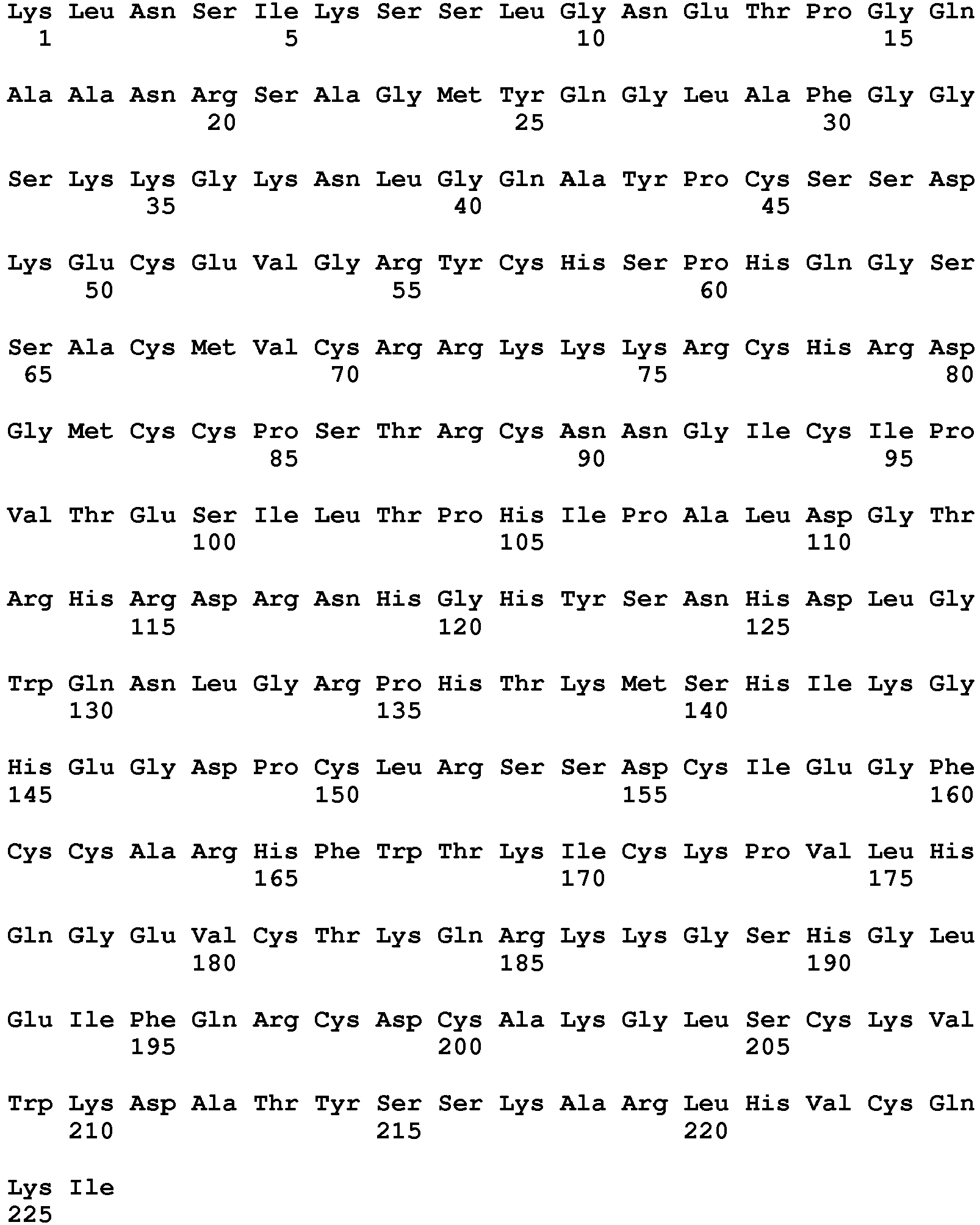
- <210> 20
<211> 226
<212> PRT
<213> Artificial Sequence - <220>
<223> DKK2 N-Gly16 - <400> 20


- <210> 21
<211> 226
<212> PRT
<213> Artificial Sequence - <220>
<223> DKK2 N-Gly17 - <400> 21


- <210> 22
<211> 226
<212> PRT
<213> Artificial Sequence - <220>
<223> DKK2 N-Gly18 - <400> 22


- <210> 23
<211> 226
<212> PRT
<213> Artificial Sequence - <220>
<223> DKK2 N-Gly19 - <400> 23


- <210> 24
<211> 226
<212> PRT
<213> Artificial Sequence - <220>
<223> DKK2 N-Gly20 - <400> 24


- <210> 25
<211> 226
<212> PRT
<213> Artificial Sequence - <220>
<223> DKK2 N-Gly21 - <400> 25


- <210> 26
<211> 226
<212> PRT
<213> Artificial Sequence - <220>
<223> DKK2 N-Gly22 - <400> 26

- <210> 27
<211> 226
<212> PRT
<213> Artificial Sequence - <220>
<223> DKK2 N-Gly23 - <400> 27

- <210> 28
<211> 226
<212> PRT
<213> Artificial Sequence - <220>
<223> DKK2 N-Gly24 - <400> 28
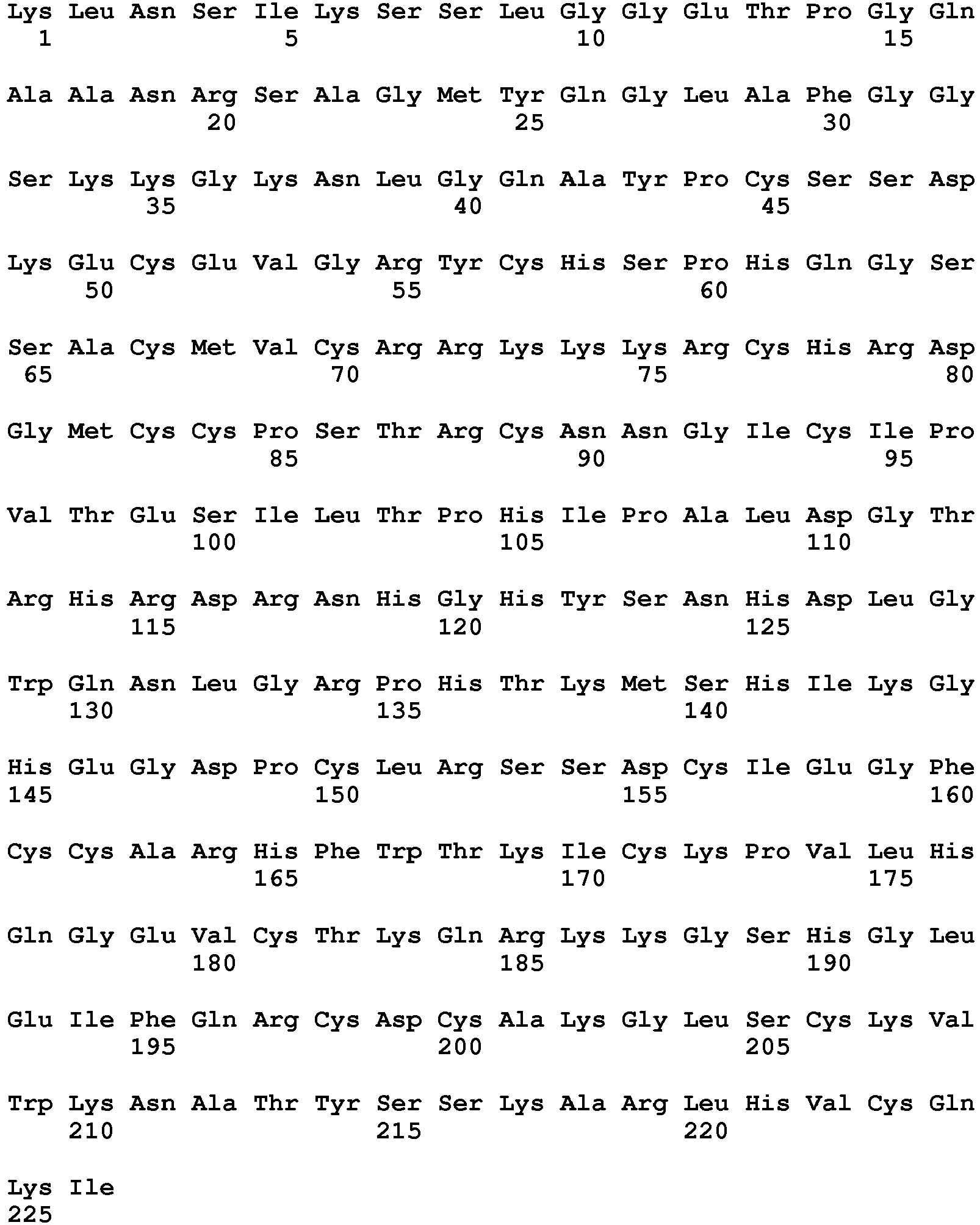
- <210> 29
<211> 226
<212> PRT
<213> Artificial Sequence - <220>
<223> DKK2 N-Gly25 - <400> 29


- <210> 30
<211> 226
<212> PRT
<213> Artificial Sequence - <220>
<223> DKK2 N-Gly26 - <400> 30


- <210> 31
<211> 40
<212> DNA
<213> Artificial Sequence - <220>
<223> Forward primer for DKK2 N-Gly1 - <400> 31
ggcatgtgct gcaacagtac ccgctgcaat aatggcatct 40 - <210> 32
<211> 38
<212> DNA
<213> Artificial Sequence - <220>
<223> Reverse primer for DKK2 N-Gly1 - <400> 32
gcagcgggta ctgttgcagc acatgccatc tcggtggc 38 - <210> 33
<211> 42
<212> DNA
<213> Artificial Sequence - <220>
<223> Forward primer for DKK2 N-Gly2 - <400> 33
aatctaggaa gaaatcacac taagatgtca catataaaag gg 42 - <210> 34
<211> 42
<212> DNA
<213> Artificial Sequence - <220>
<223> Reverse primer for DKK2 N-Gly2 - <400> 34
catcttagtg tgatttcttc ctagattctg ccatcccaag tc 42 - <210> 35
<211> 41
<212> DNA
<213> Artificial Sequence - <220>
<223> Forward primer for DKK2 N-Gly3 - <400> 35
catcaggggg aaaactgtac caaacaacgc aagaagggttc 41 - <210> 36
<211> 40
<212> DNA
<213> Artificial Sequence - <220>
<223> Reverse primer for DKK2 N-Gly3 - <400> 36
ttgtttggta cagttttccc cctgatggag cactggtttg 40 - <210> 37
<211> 39
<212> DNA
<213> Artificial Sequence - <220>
<223> Forward primer for DKK2 N-Gly3 - <400> 37
atcccggctc tgaatggtac tcggcacaga gatcgaaac 39 - <210> 38
<211> 39
<212> DNA
<213> Artificial Sequence - <220>
<223> Reverse primer for DKK2 N-Gly4 - <400> 38
gtgccgagta ccattcagag ccgggatgtg aggggttaa 39 - <210> 39
<211> 42
<212> DNA
<213> Artificial Sequence - <220>
<223> Forward primer for DKK2 N-Gly5 - <400> 39
gggcaggcct acaattgtag cagtgataag gagtgtgaag tt 42 - <210> 40
<211> 39
<212> DNA
<213> Artificial Sequence - <220>
<223> Reverse primer for DKK2 N-Gly5 - <400> 40
atcactgcta caattgtagg cctgccccag gtttttgcc 39 - <210> 41
<211> 29
<212> DNA
<213> Artificial Sequence - <220>
<223> Forward primer for vector - <400> 41
accggtggta ccgccaccat gggatggag 29 - <210> 42
<211> 29
<212> DNA
<213> Artificial Sequence - <220>
<223> Reverse primer for vector - <400> 42
ggatttatac aaggaggaga aaatgaaag 29 - <210> 43
<211> 678
<212> DNA
<213> Artificial Sequence - <220>
<223> Nucleic acid encoding DKK2 N-Gly1 polypeptide - <400> 43

- <210> 44
<211> 681
<212> DNA
<213> Artificial Sequence - <220>
<223> Nucleic acid encoding DKK2 N-Gly2 polypeptide - <400> 44

- <210> 45
<211> 678
<212> DNA
<213> Artificial Sequence - <220>
<223> Nucleic acid encoding DKK2 N-Gly3 polypeptide - <400> 45

- <210> 46
<211> 678
<212> DNA
<213> Artificial Sequence - <220>
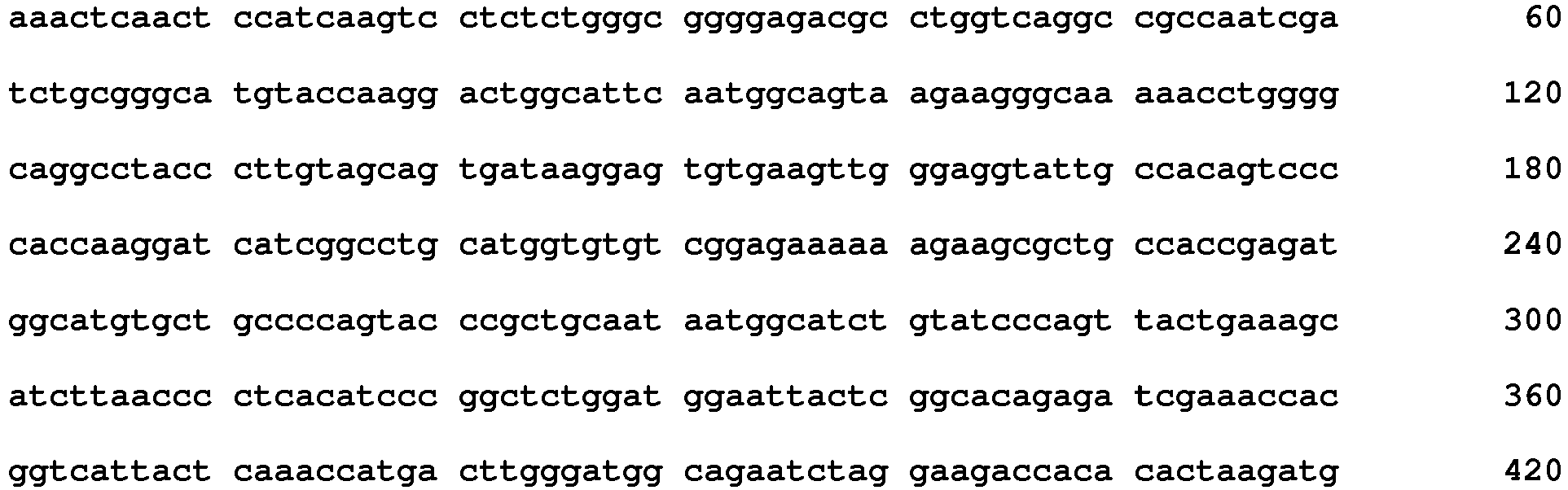
<223> Nucleic acid encoding DKK2 N-Gly4 polypeptide - <400> 46


- <210> 47
<211> 678
<212> DNA
<213> Artificial Sequence - <220>
<223> Nucleic acid encoding DKK2 N-Gly5 polypeptide - <400> 47

- <210> 48
<211> 696
<212> DNA
<213> Artificial Sequence - <220>
<223> Nucleic acid encoding Fc region of human Immunoglobulin G1 - <400> 48

- <210> 49
<211> 232
<212> PRT
<213> Artificial Sequence - <220>
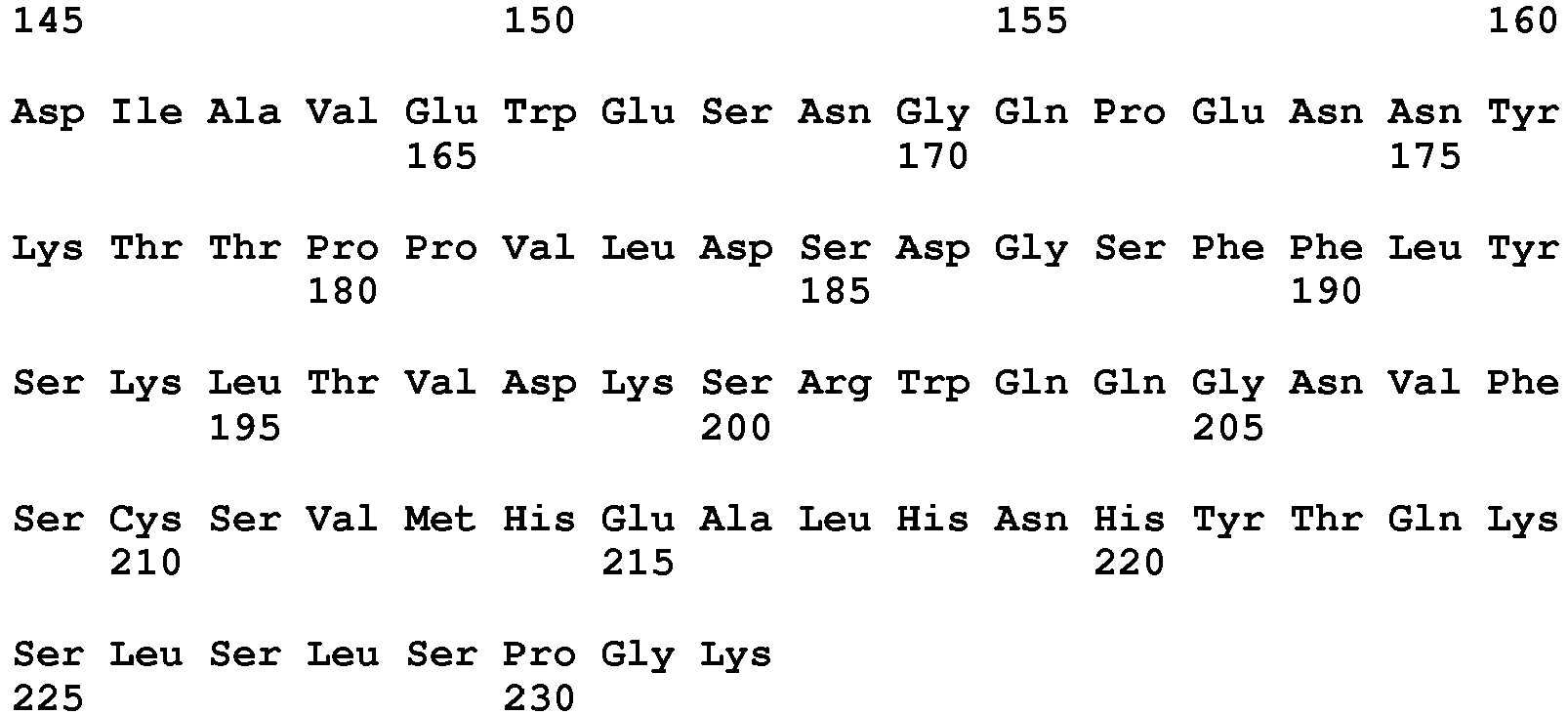
<223> Fc region of human Immunoglobulin G1 - <400> 49

Claims (14)
- A modified Dickkopf-related (DKK)2 polypeptide comprising one or more additional glycosylation sites, compared to an amino acid sequence of a wild-type DKK2 polypeptide, wherein the glycosylation site is introduced by substituting asparagine (Asn, N) for aspartate (Asp, D) which is the 110th amino acid from the N-terminus in the amino acid sequence of SEQ ID NO: 3.
- The modified DKK2 polypeptide of claim 1, wherein the wild-type DKK2 polypeptide comprises an amino acid sequence of SEQ ID NO: 3.
- The modified DKK2 polypeptide of claim 1, wherein the glycosylation is N-glycosylation.
- The modified DKK2 polypeptide of claim 1, wherein the glycosylation site is Asn-Xaa-Ser/Thr, and Xaa represents any amino acid excluding proline.
- The modified DKK2 polypeptide of claim 1, wherein the modified DKK2 polypeptide comprises one or more amino acid sequences selected from the group consisting of SEQ ID NOS: 8.
- The modified DKK2 polypeptide of claim 1, further comprising a tag at its N-terminus or C-terminus or further comprising a signal peptide at its N-terminus.
- The modified DKK2 polypeptide of claim 6, wherein the tag is an Fc (fragment crystallizable) region, a poly-histidine peptide, or a combination thereof.
- The modified DKK2 polypeptide of claim 1, wherein the modified DKK2 polypeptide has an addition of glycosyl groups, an increase in binding affinity for low-density lipoprotein receptor-related protein (LRP6), or a combination thereof, compared to the wild-type DKK2 polypeptide.
- A nucleic acid encoding the modified DKK2 polypeptide of claim 1.
- The nucleic acid of claim 9, wherein the nucleic acid comprises any one nucleotide sequence selected from the group consisting of SEQ ID NOS: 46.
- The nucleic acid of claim 9, further comprising a nucleotide sequence encoding a tag at the 5'-terminus or 3'-terminus of the nucleic acid encoding the modified DKK2 polypeptide or further comprising a nucleotide sequence encoding a signal peptide at the 5'-terminus of the nucleic acid encoding the modified DKK2 polypeptide.
- A method of preparing the modified DKK2 polypeptide of claim 1, the method comprising:culturing cells which are introduced with a vector including the nucleic acid of claim 9 in the presence of a culture medium to obtain a culture product; andobtaining the modified DKK2 polypeptide of claim 1 from the culture product.
- The method of claim 12, wherein the cell is selected from the group consisting of a human embryonic Kidney (HEK) 293 cell, a baby hamster kidney (BHK) cell, a Chinese hamster ovary (CHO) cell, a NS0 cell, a SP2/0 cell, and a PerC6 cell.
- A pharmaceutical composition for use in promoting angiogenesis or for use in preventing or treating vascular permeability-related diseases, the composition comprising the modified DKK2 polypeptide of claim 1 or the nucleic acid of claim 9, and a pharmaceutically acceptable carrier.
Applications Claiming Priority (2)
| Application Number | Priority Date | Filing Date | Title |
|---|---|---|---|
| KR20150017479 | 2015-02-04 | ||
| PCT/KR2016/001175 WO2016126098A1 (en) | 2015-02-04 | 2016-02-03 | Modified dkk2 protein, nucleic acid encoding the same, preparation method thereof, and use thereof |
Publications (3)
| Publication Number | Publication Date |
|---|---|
| EP3253781A1 EP3253781A1 (en) | 2017-12-13 |
| EP3253781A4 EP3253781A4 (en) | 2018-06-20 |
| EP3253781B1 true EP3253781B1 (en) | 2021-09-15 |
Family
ID=56564333
Family Applications (1)
| Application Number | Title | Priority Date | Filing Date |
|---|---|---|---|
| EP16746839.6A Active EP3253781B1 (en) | 2015-02-04 | 2016-02-03 | Modified dkk2 protein, nucleic acid encoding the same, preparation method thereof, and use thereof |
Country Status (8)
| Country | Link |
|---|---|
| US (1) | US10259850B2 (en) |
| EP (1) | EP3253781B1 (en) |
| JP (1) | JP6467070B2 (en) |
| KR (2) | KR101826841B1 (en) |
| CN (1) | CN107223131B (en) |
| ES (1) | ES2900641T3 (en) |
| PT (1) | PT3253781T (en) |
| WO (2) | WO2016126054A1 (en) |
Families Citing this family (5)
| Publication number | Priority date | Publication date | Assignee | Title |
|---|---|---|---|---|
| MA43571A (en) * | 2015-12-23 | 2018-11-14 | Biogen Ma Inc | PROTEINS CONTAINING A FIELD RICH IN CYSTEINE 2 DKK2 AND THEIR USES |
| US10935683B2 (en) | 2015-12-30 | 2021-03-02 | Aps Technology, Inc. | System and method for processing downhole data in a drilling operation |
| KR20200022686A (en) | 2018-08-23 | 2020-03-04 | 주식회사 에코에너젠 | Apparatus for treat composite waste gag using oxidation-reduction system having ozone injection nozzle |
| US20220275068A1 (en) * | 2019-07-10 | 2022-09-01 | Yale University | Compositions and methods of using a humanized anti-dkk2 antibody |
| CN112439053B (en) * | 2019-08-29 | 2024-08-02 | 江苏中新医药有限公司 | Use of long-acting protein preparation for improving sexual dysfunction |
Family Cites Families (16)
| Publication number | Priority date | Publication date | Assignee | Title |
|---|---|---|---|---|
| US7057017B2 (en) * | 1997-04-16 | 2006-06-06 | Millennium Pharmaceuticals, Inc. | Human dickkopf-related protein and nucleic acid molecules and uses therefor |
| US6924355B2 (en) * | 1998-09-01 | 2005-08-02 | Genentech, Inc. | PRO1343 polypeptides |
| US7026448B2 (en) * | 1998-09-01 | 2006-04-11 | Genentech, Inc. | Secreted and transmembrane polypeptides and nucleic acids encoding the same |
| US6344541B1 (en) * | 1998-09-25 | 2002-02-05 | Amgen Inc. | DKR polypeptides |
| US6812339B1 (en) * | 2000-09-08 | 2004-11-02 | Applera Corporation | Polymorphisms in known genes associated with human disease, methods of detection and uses thereof |
| US20040038860A1 (en) * | 2002-05-17 | 2004-02-26 | Allen Kristina M. | Reagents and methods for modulating dkk-mediated interactions |
| US20040142325A1 (en) * | 2001-09-14 | 2004-07-22 | Liat Mintz | Methods and systems for annotating biomolecular sequences |
| US7867699B2 (en) * | 2004-03-23 | 2011-01-11 | Wyeth | Method of synthesizing and purifying Dkk proteins and Dkk proteins obtained thereby |
| KR100781753B1 (en) * | 2006-05-24 | 2007-12-04 | 연세대학교 산학협력단 | Methods to Promote Angiogenesis Including DX2 |
| US8450274B2 (en) * | 2006-05-24 | 2013-05-28 | Theragenetex Co., Ltd. | DKK2 protein and use thereof |
| KR101218806B1 (en) * | 2010-04-21 | 2013-01-09 | 주식회사 테라젠이텍스 | DX2 protein and uses thereof |
| CL2007002609A1 (en) | 2006-09-08 | 2008-04-18 | Genentech Inc | WNT ANTAGONIST UNDERSTANDING A COMPONENT OF THE FRIZZLED DOMAIN AND A FC DOMAIN; SEQUENCE OF NUCLEIC ACIDS THAT CODIFIES IT; COMPOSITION THAT UNDERSTANDS IT; AND ITS USE TO TREAT CELL PROLIFERATION DISORDERS. |
| US8198244B2 (en) * | 2006-12-07 | 2012-06-12 | The United States Of America As Represented By The Secretary Of The Department Of Health And Human Services | Regulation of skin characteristics by DICKKOPF1 (DKK1) |
| US8716243B2 (en) | 2008-05-28 | 2014-05-06 | St. Jude Childen's Research Hospital | Methods of effecting Wnt signaling through Dkk structural analysis |
| WO2010075194A1 (en) * | 2008-12-22 | 2010-07-01 | St. Jude Children's Research Hospital | Prokaryotic expression of soluble, active dkk |
| KR20130021315A (en) * | 2011-08-22 | 2013-03-05 | 인하대학교 산학협력단 | Composition for preventing or treating erectile dysfunction comprising dkk2 protein or gene therefor and use thereof |
-
2016
- 2016-01-29 WO PCT/KR2016/000987 patent/WO2016126054A1/en not_active Ceased
- 2016-01-29 KR KR1020160011878A patent/KR101826841B1/en active Active
- 2016-02-03 WO PCT/KR2016/001175 patent/WO2016126098A1/en not_active Ceased
- 2016-02-03 US US15/548,580 patent/US10259850B2/en active Active
- 2016-02-03 KR KR1020160013547A patent/KR101919593B1/en not_active Expired - Fee Related
- 2016-02-03 ES ES16746839T patent/ES2900641T3/en active Active
- 2016-02-03 JP JP2017556506A patent/JP6467070B2/en active Active
- 2016-02-03 CN CN201680008852.2A patent/CN107223131B/en active Active
- 2016-02-03 EP EP16746839.6A patent/EP3253781B1/en active Active
- 2016-02-03 PT PT167468396T patent/PT3253781T/en unknown
Also Published As
| Publication number | Publication date |
|---|---|
| WO2016126054A1 (en) | 2016-08-11 |
| US10259850B2 (en) | 2019-04-16 |
| US20180016313A1 (en) | 2018-01-18 |
| EP3253781A4 (en) | 2018-06-20 |
| CN107223131A (en) | 2017-09-29 |
| PT3253781T (en) | 2021-12-16 |
| KR101919593B1 (en) | 2018-11-19 |
| JP6467070B2 (en) | 2019-02-06 |
| CN107223131B (en) | 2021-07-06 |
| JP2018503397A (en) | 2018-02-08 |
| KR20160096023A (en) | 2016-08-12 |
| KR20160096038A (en) | 2016-08-12 |
| EP3253781A1 (en) | 2017-12-13 |
| ES2900641T3 (en) | 2022-03-17 |
| KR101826841B1 (en) | 2018-02-08 |
| WO2016126098A1 (en) | 2016-08-11 |
Similar Documents
| Publication | Publication Date | Title |
|---|---|---|
| JP6696915B2 (en) | MIC-1 fusion protein and uses thereof | |
| US10259850B2 (en) | Modified DKK2 protein, nucleic acid encoding the same, preparation method thereof, and use thereof | |
| US11524985B2 (en) | IL-37 fusion protein and methods of making and using same | |
| KR20110082528A (en) | Binding Proteins Inhibit VEF-A Receptor Interaction | |
| US20210009657A1 (en) | Soluble fgfr3 decoys for treating skeletal growth disorders | |
| JP2022081677A (en) | Interferon-Medical Use of Lambda for the Treatment of Fibrosis | |
| JP2018535964A (en) | Treatment of steroid-induced hyperglycemia with fibroblast growth factor (FGF) 1 analog | |
| TWI694084B (en) | Uti fusion proteins | |
| CN105209055A (en) | Treatment of pediatric growth hormone deficiency with human growth hormone analogues | |
| KR20180042432A (en) | New human serum albumin variant | |
| EP3838925A1 (en) | Long-acting recombinant glp1-fc-cd47 protein, preparation method and use thereof | |
| DK2657252T3 (en) | MODIFIED HUMAN TUMOR CANCER FACTOR RECEPTOR-1 POLYPEPTIDE OR FRAGMENT THEREOF AND METHOD OF PRODUCING THEREOF | |
| US10968267B2 (en) | Serum albumin-20K growth hormone fusion protein | |
| HK1241383B (en) | Modified dkk2 protein, nucleic acid encoding the same, preparation method thereof, and use thereof | |
| CN102574907B (en) | The human tumor necrosis factor receptor I polypeptide of modifying or its fragment and prepare their method | |
| CN116507632A (en) | Compositions and methods for inhibiting FGF23 activity | |
| US7741468B2 (en) | Human liver regeneration associated protein and the use thereof | |
| US20230103583A1 (en) | Method of enhancing aqueous humor outflow and reducing intraocular pressure | |
| CA3225321A1 (en) | Ptprs in autoimmunity | |
| TW202146429A (en) | Chimeric fusions between c4-binding protein c-terminal segment and angiopoietin-1 fibrinogen-like domain as angiopoietin mimetics and tie2 agonists to treat vascular diseases | |
| HK40050674A (en) | Soluble fgfr3 decoys for treating skeletal growth disorders | |
| HK1246313B (en) | Soluble fgfr3 decoys for treating skeletal growth disorders |
Legal Events
| Date | Code | Title | Description |
|---|---|---|---|
| STAA | Information on the status of an ep patent application or granted ep patent |
Free format text: STATUS: THE INTERNATIONAL PUBLICATION HAS BEEN MADE |
|
| PUAI | Public reference made under article 153(3) epc to a published international application that has entered the european phase |
Free format text: ORIGINAL CODE: 0009012 |
|
| STAA | Information on the status of an ep patent application or granted ep patent |
Free format text: STATUS: REQUEST FOR EXAMINATION WAS MADE |
|
| 17P | Request for examination filed |
Effective date: 20170728 |
|
| AK | Designated contracting states |
Kind code of ref document: A1 Designated state(s): AL AT BE BG CH CY CZ DE DK EE ES FI FR GB GR HR HU IE IS IT LI LT LU LV MC MK MT NL NO PL PT RO RS SE SI SK SM TR |
|
| AX | Request for extension of the european patent |
Extension state: BA ME |
|
| DAV | Request for validation of the european patent (deleted) | ||
| DAX | Request for extension of the european patent (deleted) | ||
| REG | Reference to a national code |
Ref country code: HK Ref legal event code: DE Ref document number: 1241383 Country of ref document: HK |
|
| A4 | Supplementary search report drawn up and despatched |
Effective date: 20180524 |
|
| RIC1 | Information provided on ipc code assigned before grant |
Ipc: A61K 38/00 20060101ALI20180517BHEP Ipc: A61K 38/17 20060101ALI20180517BHEP Ipc: C07K 14/47 20060101AFI20180517BHEP Ipc: C12N 15/63 20060101ALI20180517BHEP |
|
| STAA | Information on the status of an ep patent application or granted ep patent |
Free format text: STATUS: EXAMINATION IS IN PROGRESS |
|
| 17Q | First examination report despatched |
Effective date: 20200205 |
|
| REG | Reference to a national code |
Ref country code: DE Ref legal event code: R079 Ref document number: 602016063728 Country of ref document: DE Free format text: PREVIOUS MAIN CLASS: C07K0014470000 Ipc: A61P0009000000 |
|
| RIC1 | Information provided on ipc code assigned before grant |
Ipc: A61P 7/00 20060101ALI20201217BHEP Ipc: A61K 38/00 20060101ALI20201217BHEP Ipc: A61P 9/00 20060101AFI20201217BHEP Ipc: C07K 14/47 20060101ALI20201217BHEP |
|
| GRAP | Despatch of communication of intention to grant a patent |
Free format text: ORIGINAL CODE: EPIDOSNIGR1 |
|
| STAA | Information on the status of an ep patent application or granted ep patent |
Free format text: STATUS: GRANT OF PATENT IS INTENDED |
|
| INTG | Intention to grant announced |
Effective date: 20210329 |
|
| GRAS | Grant fee paid |
Free format text: ORIGINAL CODE: EPIDOSNIGR3 |
|
| GRAA | (expected) grant |
Free format text: ORIGINAL CODE: 0009210 |
|
| STAA | Information on the status of an ep patent application or granted ep patent |
Free format text: STATUS: THE PATENT HAS BEEN GRANTED |
|
| RAP3 | Party data changed (applicant data changed or rights of an application transferred) |
Owner name: MEDPACTO INC. |
|
| RAP1 | Party data changed (applicant data changed or rights of an application transferred) |
Owner name: BIOCOMPLETE INC. |
|
| AK | Designated contracting states |
Kind code of ref document: B1 Designated state(s): AL AT BE BG CH CY CZ DE DK EE ES FI FR GB GR HR HU IE IS IT LI LT LU LV MC MK MT NL NO PL PT RO RS SE SI SK SM TR |
|
| REG | Reference to a national code |
Ref country code: CH Ref legal event code: EP |
|
| REG | Reference to a national code |
Ref country code: DE Ref legal event code: R096 Ref document number: 602016063728 Country of ref document: DE |
|
| REG | Reference to a national code |
Ref country code: IE Ref legal event code: FG4D |
|
| REG | Reference to a national code |
Ref country code: AT Ref legal event code: REF Ref document number: 1430074 Country of ref document: AT Kind code of ref document: T Effective date: 20211015 |
|
| REG | Reference to a national code |
Ref country code: FI Ref legal event code: FGE |
|
| REG | Reference to a national code |
Ref country code: PT Ref legal event code: SC4A Ref document number: 3253781 Country of ref document: PT Date of ref document: 20211216 Kind code of ref document: T Free format text: AVAILABILITY OF NATIONAL TRANSLATION Effective date: 20211209 |
|
| REG | Reference to a national code |
Ref country code: SE Ref legal event code: TRGR |
|
| REG | Reference to a national code |
Ref country code: LT Ref legal event code: MG9D |
|
| REG | Reference to a national code |
Ref country code: NL Ref legal event code: FP |
|
| PG25 | Lapsed in a contracting state [announced via postgrant information from national office to epo] |
Ref country code: RS Free format text: LAPSE BECAUSE OF FAILURE TO SUBMIT A TRANSLATION OF THE DESCRIPTION OR TO PAY THE FEE WITHIN THE PRESCRIBED TIME-LIMIT Effective date: 20210915 Ref country code: LT Free format text: LAPSE BECAUSE OF FAILURE TO SUBMIT A TRANSLATION OF THE DESCRIPTION OR TO PAY THE FEE WITHIN THE PRESCRIBED TIME-LIMIT Effective date: 20210915 Ref country code: NO Free format text: LAPSE BECAUSE OF FAILURE TO SUBMIT A TRANSLATION OF THE DESCRIPTION OR TO PAY THE FEE WITHIN THE PRESCRIBED TIME-LIMIT Effective date: 20211215 Ref country code: HR Free format text: LAPSE BECAUSE OF FAILURE TO SUBMIT A TRANSLATION OF THE DESCRIPTION OR TO PAY THE FEE WITHIN THE PRESCRIBED TIME-LIMIT Effective date: 20210915 |
|
| REG | Reference to a national code |
Ref country code: AT Ref legal event code: MK05 Ref document number: 1430074 Country of ref document: AT Kind code of ref document: T Effective date: 20210915 |
|
| PG25 | Lapsed in a contracting state [announced via postgrant information from national office to epo] |
Ref country code: LV Free format text: LAPSE BECAUSE OF FAILURE TO SUBMIT A TRANSLATION OF THE DESCRIPTION OR TO PAY THE FEE WITHIN THE PRESCRIBED TIME-LIMIT Effective date: 20210915 Ref country code: GR Free format text: LAPSE BECAUSE OF FAILURE TO SUBMIT A TRANSLATION OF THE DESCRIPTION OR TO PAY THE FEE WITHIN THE PRESCRIBED TIME-LIMIT Effective date: 20211216 |
|
| REG | Reference to a national code |
Ref country code: ES Ref legal event code: FG2A Ref document number: 2900641 Country of ref document: ES Kind code of ref document: T3 Effective date: 20220317 |
|
| PG25 | Lapsed in a contracting state [announced via postgrant information from national office to epo] |
Ref country code: AT Free format text: LAPSE BECAUSE OF FAILURE TO SUBMIT A TRANSLATION OF THE DESCRIPTION OR TO PAY THE FEE WITHIN THE PRESCRIBED TIME-LIMIT Effective date: 20210915 |
|
| PG25 | Lapsed in a contracting state [announced via postgrant information from national office to epo] |
Ref country code: IS Free format text: LAPSE BECAUSE OF FAILURE TO SUBMIT A TRANSLATION OF THE DESCRIPTION OR TO PAY THE FEE WITHIN THE PRESCRIBED TIME-LIMIT Effective date: 20220115 Ref country code: SM Free format text: LAPSE BECAUSE OF FAILURE TO SUBMIT A TRANSLATION OF THE DESCRIPTION OR TO PAY THE FEE WITHIN THE PRESCRIBED TIME-LIMIT Effective date: 20210915 Ref country code: SK Free format text: LAPSE BECAUSE OF FAILURE TO SUBMIT A TRANSLATION OF THE DESCRIPTION OR TO PAY THE FEE WITHIN THE PRESCRIBED TIME-LIMIT Effective date: 20210915 Ref country code: RO Free format text: LAPSE BECAUSE OF FAILURE TO SUBMIT A TRANSLATION OF THE DESCRIPTION OR TO PAY THE FEE WITHIN THE PRESCRIBED TIME-LIMIT Effective date: 20210915 Ref country code: PL Free format text: LAPSE BECAUSE OF FAILURE TO SUBMIT A TRANSLATION OF THE DESCRIPTION OR TO PAY THE FEE WITHIN THE PRESCRIBED TIME-LIMIT Effective date: 20210915 Ref country code: EE Free format text: LAPSE BECAUSE OF FAILURE TO SUBMIT A TRANSLATION OF THE DESCRIPTION OR TO PAY THE FEE WITHIN THE PRESCRIBED TIME-LIMIT Effective date: 20210915 Ref country code: CZ Free format text: LAPSE BECAUSE OF FAILURE TO SUBMIT A TRANSLATION OF THE DESCRIPTION OR TO PAY THE FEE WITHIN THE PRESCRIBED TIME-LIMIT Effective date: 20210915 Ref country code: AL Free format text: LAPSE BECAUSE OF FAILURE TO SUBMIT A TRANSLATION OF THE DESCRIPTION OR TO PAY THE FEE WITHIN THE PRESCRIBED TIME-LIMIT Effective date: 20210915 |
|
| REG | Reference to a national code |
Ref country code: DE Ref legal event code: R097 Ref document number: 602016063728 Country of ref document: DE |
|
| PLBE | No opposition filed within time limit |
Free format text: ORIGINAL CODE: 0009261 |
|
| STAA | Information on the status of an ep patent application or granted ep patent |
Free format text: STATUS: NO OPPOSITION FILED WITHIN TIME LIMIT |
|
| PG25 | Lapsed in a contracting state [announced via postgrant information from national office to epo] |
Ref country code: DK Free format text: LAPSE BECAUSE OF FAILURE TO SUBMIT A TRANSLATION OF THE DESCRIPTION OR TO PAY THE FEE WITHIN THE PRESCRIBED TIME-LIMIT Effective date: 20210915 |
|
| 26N | No opposition filed |
Effective date: 20220616 |
|
| PG25 | Lapsed in a contracting state [announced via postgrant information from national office to epo] |
Ref country code: SI Free format text: LAPSE BECAUSE OF FAILURE TO SUBMIT A TRANSLATION OF THE DESCRIPTION OR TO PAY THE FEE WITHIN THE PRESCRIBED TIME-LIMIT Effective date: 20210915 |
|
| PG25 | Lapsed in a contracting state [announced via postgrant information from national office to epo] |
Ref country code: MC Free format text: LAPSE BECAUSE OF FAILURE TO SUBMIT A TRANSLATION OF THE DESCRIPTION OR TO PAY THE FEE WITHIN THE PRESCRIBED TIME-LIMIT Effective date: 20210915 |
|
| PG25 | Lapsed in a contracting state [announced via postgrant information from national office to epo] |
Ref country code: LU Free format text: LAPSE BECAUSE OF NON-PAYMENT OF DUE FEES Effective date: 20220203 |
|
| PG25 | Lapsed in a contracting state [announced via postgrant information from national office to epo] |
Ref country code: IE Free format text: LAPSE BECAUSE OF NON-PAYMENT OF DUE FEES Effective date: 20220203 |
|
| PGFP | Annual fee paid to national office [announced via postgrant information from national office to epo] |
Ref country code: NL Payment date: 20230228 Year of fee payment: 8 |
|
| PGFP | Annual fee paid to national office [announced via postgrant information from national office to epo] |
Ref country code: FR Payment date: 20230228 Year of fee payment: 8 Ref country code: FI Payment date: 20230228 Year of fee payment: 8 Ref country code: CH Payment date: 20230330 Year of fee payment: 8 Ref country code: BG Payment date: 20230310 Year of fee payment: 8 |
|
| PGFP | Annual fee paid to national office [announced via postgrant information from national office to epo] |
Ref country code: TR Payment date: 20230303 Year of fee payment: 8 Ref country code: SE Payment date: 20230228 Year of fee payment: 8 Ref country code: PT Payment date: 20230302 Year of fee payment: 8 Ref country code: IT Payment date: 20230228 Year of fee payment: 8 Ref country code: GB Payment date: 20230322 Year of fee payment: 8 Ref country code: DE Payment date: 20230321 Year of fee payment: 8 Ref country code: BE Payment date: 20230228 Year of fee payment: 8 |
|
| PGFP | Annual fee paid to national office [announced via postgrant information from national office to epo] |
Ref country code: ES Payment date: 20230427 Year of fee payment: 8 |
|
| PG25 | Lapsed in a contracting state [announced via postgrant information from national office to epo] |
Ref country code: HU Free format text: LAPSE BECAUSE OF FAILURE TO SUBMIT A TRANSLATION OF THE DESCRIPTION OR TO PAY THE FEE WITHIN THE PRESCRIBED TIME-LIMIT; INVALID AB INITIO Effective date: 20160203 |
|
| PG25 | Lapsed in a contracting state [announced via postgrant information from national office to epo] |
Ref country code: MK Free format text: LAPSE BECAUSE OF FAILURE TO SUBMIT A TRANSLATION OF THE DESCRIPTION OR TO PAY THE FEE WITHIN THE PRESCRIBED TIME-LIMIT Effective date: 20210915 Ref country code: CY Free format text: LAPSE BECAUSE OF FAILURE TO SUBMIT A TRANSLATION OF THE DESCRIPTION OR TO PAY THE FEE WITHIN THE PRESCRIBED TIME-LIMIT Effective date: 20210915 |
|
| REG | Reference to a national code |
Ref country code: DE Ref legal event code: R119 Ref document number: 602016063728 Country of ref document: DE |
|
| PG25 | Lapsed in a contracting state [announced via postgrant information from national office to epo] |
Ref country code: MT Free format text: LAPSE BECAUSE OF FAILURE TO SUBMIT A TRANSLATION OF THE DESCRIPTION OR TO PAY THE FEE WITHIN THE PRESCRIBED TIME-LIMIT Effective date: 20210915 |
|
| REG | Reference to a national code |
Ref country code: CH Ref legal event code: PL |
|
| REG | Reference to a national code |
Ref country code: SE Ref legal event code: EUG |
|
| PG25 | Lapsed in a contracting state [announced via postgrant information from national office to epo] |
Ref country code: BG Free format text: LAPSE BECAUSE OF NON-PAYMENT OF DUE FEES Effective date: 20240203 |
|
| REG | Reference to a national code |
Ref country code: NL Ref legal event code: MM Effective date: 20240301 |
|
| PG25 | Lapsed in a contracting state [announced via postgrant information from national office to epo] |
Ref country code: FI Free format text: LAPSE BECAUSE OF NON-PAYMENT OF DUE FEES Effective date: 20240203 |
|
| PG25 | Lapsed in a contracting state [announced via postgrant information from national office to epo] |
Ref country code: PT Free format text: LAPSE BECAUSE OF NON-PAYMENT OF DUE FEES Effective date: 20240805 |
|
| PG25 | Lapsed in a contracting state [announced via postgrant information from national office to epo] |
Ref country code: CH Free format text: LAPSE BECAUSE OF NON-PAYMENT OF DUE FEES Effective date: 20240229 |
|
| GBPC | Gb: european patent ceased through non-payment of renewal fee |
Effective date: 20240203 |
|
| PG25 | Lapsed in a contracting state [announced via postgrant information from national office to epo] |
Ref country code: PT Free format text: LAPSE BECAUSE OF NON-PAYMENT OF DUE FEES Effective date: 20240805 Ref country code: FI Free format text: LAPSE BECAUSE OF NON-PAYMENT OF DUE FEES Effective date: 20240203 Ref country code: CH Free format text: LAPSE BECAUSE OF NON-PAYMENT OF DUE FEES Effective date: 20240229 Ref country code: BG Free format text: LAPSE BECAUSE OF NON-PAYMENT OF DUE FEES Effective date: 20240203 |
|
| PG25 | Lapsed in a contracting state [announced via postgrant information from national office to epo] |
Ref country code: NL Free format text: LAPSE BECAUSE OF NON-PAYMENT OF DUE FEES Effective date: 20240301 |
|
| PG25 | Lapsed in a contracting state [announced via postgrant information from national office to epo] |
Ref country code: NL Free format text: LAPSE BECAUSE OF NON-PAYMENT OF DUE FEES Effective date: 20240301 |
|
| REG | Reference to a national code |
Ref country code: BE Ref legal event code: MM Effective date: 20240229 |
|
| PG25 | Lapsed in a contracting state [announced via postgrant information from national office to epo] |
Ref country code: DE Free format text: LAPSE BECAUSE OF NON-PAYMENT OF DUE FEES Effective date: 20240903 |
|
| PG25 | Lapsed in a contracting state [announced via postgrant information from national office to epo] |
Ref country code: BE Free format text: LAPSE BECAUSE OF NON-PAYMENT OF DUE FEES Effective date: 20240229 |
|
| PG25 | Lapsed in a contracting state [announced via postgrant information from national office to epo] |
Ref country code: GB Free format text: LAPSE BECAUSE OF NON-PAYMENT OF DUE FEES Effective date: 20240203 |
|
| PG25 | Lapsed in a contracting state [announced via postgrant information from national office to epo] |
Ref country code: FR Free format text: LAPSE BECAUSE OF NON-PAYMENT OF DUE FEES Effective date: 20240229 |
|
| PG25 | Lapsed in a contracting state [announced via postgrant information from national office to epo] |
Ref country code: GB Free format text: LAPSE BECAUSE OF NON-PAYMENT OF DUE FEES Effective date: 20240203 Ref country code: FR Free format text: LAPSE BECAUSE OF NON-PAYMENT OF DUE FEES Effective date: 20240229 Ref country code: DE Free format text: LAPSE BECAUSE OF NON-PAYMENT OF DUE FEES Effective date: 20240903 Ref country code: BE Free format text: LAPSE BECAUSE OF NON-PAYMENT OF DUE FEES Effective date: 20240229 |
|
| PG25 | Lapsed in a contracting state [announced via postgrant information from national office to epo] |
Ref country code: IT Free format text: LAPSE BECAUSE OF NON-PAYMENT OF DUE FEES Effective date: 20240203 |
|
| REG | Reference to a national code |
Ref country code: ES Ref legal event code: FD2A Effective date: 20250327 |
|
| PG25 | Lapsed in a contracting state [announced via postgrant information from national office to epo] |
Ref country code: ES Free format text: LAPSE BECAUSE OF NON-PAYMENT OF DUE FEES Effective date: 20240204 |
|
| PG25 | Lapsed in a contracting state [announced via postgrant information from national office to epo] |
Ref country code: SE Free format text: LAPSE BECAUSE OF NON-PAYMENT OF DUE FEES Effective date: 20240204 |