EP3243510B1 - Sulfonamide pharmaceutical composition - Google Patents
Sulfonamide pharmaceutical composition Download PDFInfo
- Publication number
- EP3243510B1 EP3243510B1 EP16734885.3A EP16734885A EP3243510B1 EP 3243510 B1 EP3243510 B1 EP 3243510B1 EP 16734885 A EP16734885 A EP 16734885A EP 3243510 B1 EP3243510 B1 EP 3243510B1
- Authority
- EP
- European Patent Office
- Prior art keywords
- solution
- stirring
- later use
- sulfonamide
- pharmaceutical composition
- Prior art date
- Legal status (The legal status is an assumption and is not a legal conclusion. Google has not performed a legal analysis and makes no representation as to the accuracy of the status listed.)
- Active
Links
Classifications
-
- A—HUMAN NECESSITIES
- A61—MEDICAL OR VETERINARY SCIENCE; HYGIENE
- A61K—PREPARATIONS FOR MEDICAL, DENTAL OR TOILETRY PURPOSES
- A61K31/00—Medicinal preparations containing organic active ingredients
- A61K31/16—Amides, e.g. hydroxamic acids
- A61K31/18—Sulfonamides
-
- A—HUMAN NECESSITIES
- A61—MEDICAL OR VETERINARY SCIENCE; HYGIENE
- A61K—PREPARATIONS FOR MEDICAL, DENTAL OR TOILETRY PURPOSES
- A61K47/00—Medicinal preparations characterised by the non-active ingredients used, e.g. carriers or inert additives; Targeting or modifying agents chemically bound to the active ingredient
- A61K47/06—Organic compounds, e.g. natural or synthetic hydrocarbons, polyolefins, mineral oil, petrolatum or ozokerite
- A61K47/08—Organic compounds, e.g. natural or synthetic hydrocarbons, polyolefins, mineral oil, petrolatum or ozokerite containing oxygen, e.g. ethers, acetals, ketones, quinones, aldehydes, peroxides
- A61K47/10—Alcohols; Phenols; Salts thereof, e.g. glycerol; Polyethylene glycols [PEG]; Poloxamers; PEG/POE alkyl ethers
-
- A—HUMAN NECESSITIES
- A61—MEDICAL OR VETERINARY SCIENCE; HYGIENE
- A61K—PREPARATIONS FOR MEDICAL, DENTAL OR TOILETRY PURPOSES
- A61K47/00—Medicinal preparations characterised by the non-active ingredients used, e.g. carriers or inert additives; Targeting or modifying agents chemically bound to the active ingredient
- A61K47/06—Organic compounds, e.g. natural or synthetic hydrocarbons, polyolefins, mineral oil, petrolatum or ozokerite
- A61K47/08—Organic compounds, e.g. natural or synthetic hydrocarbons, polyolefins, mineral oil, petrolatum or ozokerite containing oxygen, e.g. ethers, acetals, ketones, quinones, aldehydes, peroxides
- A61K47/12—Carboxylic acids; Salts or anhydrides thereof
-
- A—HUMAN NECESSITIES
- A61—MEDICAL OR VETERINARY SCIENCE; HYGIENE
- A61K—PREPARATIONS FOR MEDICAL, DENTAL OR TOILETRY PURPOSES
- A61K47/00—Medicinal preparations characterised by the non-active ingredients used, e.g. carriers or inert additives; Targeting or modifying agents chemically bound to the active ingredient
- A61K47/06—Organic compounds, e.g. natural or synthetic hydrocarbons, polyolefins, mineral oil, petrolatum or ozokerite
- A61K47/20—Organic compounds, e.g. natural or synthetic hydrocarbons, polyolefins, mineral oil, petrolatum or ozokerite containing sulfur, e.g. dimethyl sulfoxide [DMSO], docusate, sodium lauryl sulfate or aminosulfonic acids
-
- A—HUMAN NECESSITIES
- A61—MEDICAL OR VETERINARY SCIENCE; HYGIENE
- A61K—PREPARATIONS FOR MEDICAL, DENTAL OR TOILETRY PURPOSES
- A61K47/00—Medicinal preparations characterised by the non-active ingredients used, e.g. carriers or inert additives; Targeting or modifying agents chemically bound to the active ingredient
- A61K47/30—Macromolecular organic or inorganic compounds, e.g. inorganic polyphosphates
- A61K47/34—Macromolecular compounds obtained otherwise than by reactions only involving carbon-to-carbon unsaturated bonds, e.g. polyesters, polyamino acids, polysiloxanes, polyphosphazines, copolymers of polyalkylene glycol or poloxamers
-
- A—HUMAN NECESSITIES
- A61—MEDICAL OR VETERINARY SCIENCE; HYGIENE
- A61K—PREPARATIONS FOR MEDICAL, DENTAL OR TOILETRY PURPOSES
- A61K9/00—Medicinal preparations characterised by special physical form
- A61K9/0012—Galenical forms characterised by the site of application
- A61K9/0019—Injectable compositions; Intramuscular, intravenous, arterial, subcutaneous administration; Compositions to be administered through the skin in an invasive manner
-
- A—HUMAN NECESSITIES
- A61—MEDICAL OR VETERINARY SCIENCE; HYGIENE
- A61K—PREPARATIONS FOR MEDICAL, DENTAL OR TOILETRY PURPOSES
- A61K9/00—Medicinal preparations characterised by special physical form
- A61K9/08—Solutions
-
- A—HUMAN NECESSITIES
- A61—MEDICAL OR VETERINARY SCIENCE; HYGIENE
- A61P—SPECIFIC THERAPEUTIC ACTIVITY OF CHEMICAL COMPOUNDS OR MEDICINAL PREPARATIONS
- A61P35/00—Antineoplastic agents
Definitions
- This invention relates to a sulfonamide pharmaceutical composition, and their preparation and use in the pharmaceutical industry.
- Cancer is a common disease in the world today. Most cancers are diagnosed at late stage and the cure rate is low. Most of the current anticancer drugs have toxic side effects including hair loss, vomiting, decrease of white blood cell count, bone marrow suppression, and decrease in immune system function. The major reason is that these drugs act on part of the cell metabolic cycle, and they do not selectively target cancer cells as opposed to healthycells. When they kill cancer cells, they also damage healthycells, especially those healthycells that are undergoing rapid metabolism.
- Sulfonamide compounds have been clinicallyused as an antimicrobial for decades. Today,they arestill one of the most commonly used antimicrobials, second only to antibiotics because of theirbroad antibacterial spectrum, stability, ease of use, and low price. As more in-depth studies are conducted, researchers have found that sulfonamide compounds have a wider range of biological activities, including its diuretic effect, anti-thyroid effect, anti-diabetic effect, anti-hypoglycemic effect, and its ability to treat cataract. In recent years, a large number of sulfonamide compounds with anti-tumor activity have been reported, and many among them have entered clinical trials. These compounds act on different molecular targets and exhibit significant biological activity. Some compounds exhibit high selectivity and specificity for different targets.
- the mechanisms for the actions of these sulfonamide compounds are diverse, including disrupting tubulin polymerization, blocking normal cell cycle, inhibiting carbonic anhydrase, inhibiting folic acid dependent enzymes, inhibiting methionine aminopeptidase and histone deacetylase, and inhibiting vascular endothelial cell growth factor and so on.
- Chinese Patent ZL97108988.4 disclosed the formulation and method to prepare injections of sulfonamide compounds.
- sulfonamide compounds are selected from:
- the formulation is as follows: Said sulfonamide compound 10% ⁇ 80% PEG-400 10% ⁇ 60% 1, 2-propanediol 5% ⁇ 30% Suberic acid 1% ⁇ 20% p-Toluenesulfonic acid 1% ⁇ 15% Dimethyl sulfoxide 0% ⁇ 20% Ethanol 0% ⁇ 20%
- the present invention solves the problems of low solubility and ease of crystallization associated with known injection formulations by improving the formulation and method to prepare injections of sulfonamide compounds. Comparative toxicity test also shows that the present formulation is less toxic and safer for clinical use.
- the goal of this invention is to provide an injection formulation comprising a sulfonamide compound, made with the following raw materials: Raw Materials Percentage by weight Sulfonamide compound 20%-40% PEG-400 20%-40% 1,2-propanediol 5%-10% Sebacic acid 2%-5% 2-ethyl-1,3-hexanediol 10%-20% Dimethyl sulfoxide 0-10% Anhydrous ethanol 0-10%
- PEG-400 polyethylene glycol-400
- 1,2-propanediol, sebacic acid, 2-ethyl-1, 3-hexanediol, dimethyl sulfoxide and ethanol only dimethyl sulfoxide and ethanol are dispensable, others are required.
- the sulfonamide pharmaceutical composition is prepared by a process comprising the steps of:
- the sulfonamide compound is selected from:
- the injection formulation of the present invention is prepared from the following raw materials: Raw materials Percentage by weight P-Toluenesulfonamide 20-40% PEG-400 20-40% 1,2-propanediol 5-10% Sebacic acid 2-5% 2-ethyl-1,3-hexanediol 10-20% Dimethyl sulfoxide 0-10% Anhydrous ethanol 0-10%
- the injection formulation of this invention is prepared from the following raw materials: Raw materials Percentage by weight p-Toluenesulfonamide 30% PEG-400 30% 1,2-propanediol 8% Sebacic acid 4% 2-ethyl-1,3-hexanediol 15% Dimethyl sulfoxide 5% Anhydrous ethanol 8%
- the present invention improves upon the known injection formulations by removing suberic acid and adding the solubilizer 2-ethyl-1, 3-hexanediol.
- the combination of PEG-400, 2-ethyl-1, 3-hexanediol, and 1, 2-propanediol can decrease the amount of 1,2-propanediol in the injection formulation, thereby decreasing irritation at the injection site.
- Another goal of this invention is to provide a method to prepare the injection.
- the preparation of the injection of this invention comprises the following steps:
- the present invention is an improvement on the basis of the prior art ( CN1073415C ). As shown in the above table, the formulation of the present invention made the following improvements as compared to the formulation disclosed in Example 2 of the Chinese patent CN1073415C :
- this invention solved a range of issues associated with the known formulation such as low stability.
- results show that crystals precipitated when the injection was refrigerated for a period of time, and this seriously affects the stability of the injection.
- the inventors of this invention conducted research on the formulation and have found that the decrease in stability is likely to be caused by the presence of suberic acid and p-Toluenesulfonic acid in the formulation, for the following reasons:
- the effect of PEG-400 in the formulation is as follows: acting as a water-soluble solvent to increase the compatibility of the injection with the tissues in the body.
- 1, 2-propanediol in the formulation is as follow: acting as a water-soluble solvent, to increase the compatibility of the injection with the tissues in the body and inhibiting crystallization.
- suberic acid in the formulation is as follows: it is a binary fatty acid and act as a fat-soluble solvent to increase the solubility of p-Toluenesulfonamide in the mixed solvent of the injection and to inhibit crystallization.
- p-Toluenesulfonic acid in the formulation is as follows: it is an aromatic sulfonic acid compound, to increase the solubility of p-Toluenesulfonamide in the mixed solvent of the injection, and to inhibit crystallization.
- dimethyl sulfoxide in the formulation is as follows: acting as an amphiphilic solvent to increase the solubility of p-Toluenesulfonamide in the mixed solvent of the injection, and to inhibit crystallization.
- the effect of ethanol in the formulation is as follows: acting as an amphiphilic solvent to increase the solubility of p-Toluenesulfonamide in the mixed solvent of the injection, and to adjust the overall volume of the solution due to its good fluidity.
- Results show that, although all raw materials dissolved in Formula I and II, the time taken is relatively long while for Formula III-VI, raw materials dissolved faster and the final solution is clear and transparent.
- the present invention is further compared with existing pharmaceutical injections.
- Example 1 Three samples were taken from each of Example 1, Example 5, Example6, and Example 7 (i.e., Formulation III-VI) of the present invention (Labelled as Samples A-D), and three samples were taken from self-prepared Example 2 from PatentCN1073415C (Labelled as Sample E). All samples were stored at 4°C ⁇ 2°C for 10 days and samples were observed at Day 0, Day 5, and Day 5 for crystal precipitation.
- Table 2 Comparison of crystal precipitation between Formulation III-VI of the present invention and CN1073415C Examples Sample 0 Day 5 Day 10 Day A1 Clear and transparent solution Clear and transparent solution Clear and transparent solution Clear and transparent solution A2 Clear and transparent solution Clear and transparent solution Clear and transparent solution A3 Clear and transparent solution Clear and transparent solution Clear and transparent solution Clear and transparent solution B1 Clear and transparent solution Clear and transparent solution Clear and transparent solution B2 Clear and transparent solution Clear and transparent solution Clear and transparent solution B3 Clear and transparent solution Clear and transparent solution Clear and transparent solution Clear and transparent solution C1 Clear and transparent solution Clear and transparent solution Clear and transparent solution C2 Clear and transparent solution Clear and transparent solution Clear and transparent solution C3 Clear and transparent solution Clear and transparent solution Clear and transparent solution Clear and transparent solution D1 Clear and transparent solution Clear and transparent solution Clear and transparent solution D2 Clear and transparent solution Clear and transparent solution Clear and transparent solution Clear and transparent solution D3 Clear and transparent solution Clear and transparent solution Clear and transparent solution Clear and transparent solution Clear and transparent solution E1 Clear and transparent solution Precipitation of fine crystals Precipitation of crystals E2 Clear and
- Formulations III-VI of the present invention showed a significant increase in stability at 4°C compared to self-prepared CN 1073415C Example 2.
- the solution is clear and transparent after 10-day storage, and no crystal precipitated.
- Samples were taken from Example 1, Example 5, Example 6 and Example 7 (i.e., Formulation III-VI) of the present invention (Labelled as Samples A-D), and self-prepared CH1073415C Example 2 (Labelled as Sample E), and stored at 40 °C ⁇ 2 °C, 75% ⁇ 5% RH.
- Formulations III-IV of the present invention were significantly more stable after storage at 40 ° C ⁇ 2 ° C, 75% ⁇ 5% RH for 6 months compared to CH1073415C Example 2.
- the growth rates of single largest impurity and total impurities were slower, and there were fewer impurities.
- the degradation rates of the raw materials were also slower and there was less degradation for Formulations III-IV.
- the purpose of adding anhydrous ethanol in this formulation is to control the total volume of the final solution, and further control the total drug content in the formulation. Therefore, the amount of anhydrous ethanol to be added in Step 4 should be slightly less than the prescription amount.
- Example 1 of the p-toluenesulfonamide injection was compared with CN1073415C Example 2 by administering a single intravenous injection at the tail vein for comparative toxicity test. Results are shown below:
- Example 1 Animal death rate is lower for Example 1.
- LD50 of the drug was increased by 60% (P ⁇ 0.01), significantly reducing the toxicity of the injection.
- Example 1 of the present invention was tested on animals.
- Table 2 shows the effect of intramuscular injection of Example 1 on the development of lung cancer in mice.
- Table 2 Effect of intramuscular injection of Example 1 on lung cancer development in mice Group Treatment Dosage (/kg/d ⁇ 10d) No.
- Example 1 injection Single-arm clinical trial of Example 1 injection (PTS injection) for local intra tumoral injection in patients with severe airway obstruction due to central type lung cancer.
- Subject statistics based on their lung cancer stage 46 cases in IV phase, 22 cases in stage IIIb, 4 cases in stage IIIa. Subject statistics based on the location of tumor, 6 cases of airway, 28 cases of left main bronchus, 30 cases of right main bronchus, and 8 cases of right intermediate bronchus.
Landscapes
- Health & Medical Sciences (AREA)
- Chemical & Material Sciences (AREA)
- Life Sciences & Earth Sciences (AREA)
- General Health & Medical Sciences (AREA)
- Veterinary Medicine (AREA)
- Medicinal Chemistry (AREA)
- Public Health (AREA)
- Pharmacology & Pharmacy (AREA)
- Animal Behavior & Ethology (AREA)
- Epidemiology (AREA)
- General Chemical & Material Sciences (AREA)
- Chemical Kinetics & Catalysis (AREA)
- Oil, Petroleum & Natural Gas (AREA)
- Engineering & Computer Science (AREA)
- Dermatology (AREA)
- Organic Chemistry (AREA)
- Nuclear Medicine, Radiotherapy & Molecular Imaging (AREA)
- Proteomics, Peptides & Aminoacids (AREA)
- Inorganic Chemistry (AREA)
- Medicinal Preparation (AREA)
- Acyclic And Carbocyclic Compounds In Medicinal Compositions (AREA)
- Pharmaceuticals Containing Other Organic And Inorganic Compounds (AREA)
- Medicines That Contain Protein Lipid Enzymes And Other Medicines (AREA)
- Organic Low-Molecular-Weight Compounds And Preparation Thereof (AREA)
Description
- This invention relates to a sulfonamide pharmaceutical composition, and their preparation and use in the pharmaceutical industry.
- Cancer is a common disease in the world today. Most cancers are diagnosed at late stage and the cure rate is low. Most of the current anticancer drugs have toxic side effects including hair loss, vomiting, decrease of white blood cell count, bone marrow suppression, and decrease in immune system function. The major reason is that these drugs act on part of the cell metabolic cycle, and they do not selectively target cancer cells as opposed to healthycells. When they kill cancer cells, they also damage healthycells, especially those healthycells that are undergoing rapid metabolism.
- Sulfonamide compounds have been clinicallyused as an antimicrobial for decades. Today,they arestill one of the most commonly used antimicrobials, second only to antibiotics because of theirbroad antibacterial spectrum, stability, ease of use, and low price. As more in-depth studies are conducted, researchers have found that sulfonamide compounds have a wider range of biological activities, including its diuretic effect, anti-thyroid effect, anti-diabetic effect, anti-hypoglycemic effect, and its ability to treat cataract. In recent years, a large number of sulfonamide compounds with anti-tumor activity have been reported, and many among them have entered clinical trials. These compounds act on different molecular targets and exhibit significant biological activity. Some compounds exhibit high selectivity and specificity for different targets.
- The mechanisms for the actions of these sulfonamide compounds are diverse, including disrupting tubulin polymerization, blocking normal cell cycle, inhibiting carbonic anhydrase, inhibiting folic acid dependent enzymes, inhibiting methionine aminopeptidase and histone deacetylase, and inhibiting vascular endothelial cell growth factor and so on.
-
Chinese Patent ZL97108988.4 - The compounds include:

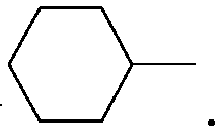
- Preferably, sulfonamide compounds are selected from:

- The formulation is as follows:
Said sulfonamide compound 10%~80% PEG-400 10%~60% 1, 2-propanediol 5%~30% Suberic acid 1%~20% p-Toluenesulfonic acid 1%~15% Dimethyl sulfoxide 0%~20% Ethanol 0%~20% - When using the above formulation to prepare p-toluenesulfonamide injections, it was accidently discovered that the above formulation has low stability, tends to crystallize after long storage time, and it also causes severe irritation to the injection site.
- Studies on the formulation and preparation method above showed that the problems are caused by suberic acid and p-toluenesulfonic acid. This invention effectively solved the problems by replacing suberic acid with sebacic acid, and replacing p-toluenesulfonic acid with 2-ethyl-1, 3-hexanediol.
- Document
US 5,891,454 A discloses an injectable anti-cancer formulation comprising p-toluene sulfonamide, PEG, propanediol, decanedioic acid, 2-ethyl-1,3-hexandiol, DMSO and ethanol. - Document
EP 1 498 418 A1 discloses sulfonamides for treatment of endothelin-mediated disorders. - The present invention solves the problems of low solubility and ease of crystallization associated with known injection formulations by improving the formulation and method to prepare injections of sulfonamide compounds. Comparative toxicity test also shows that the present formulation is less toxic and safer for clinical use.
- The goal of this invention is to provide an injection formulation comprising a sulfonamide compound, made with the following raw materials:
Raw Materials Percentage by weight Sulfonamide compound 20%-40% PEG-400 20%-40% 1,2-propanediol 5%-10% Sebacic acid 2%-5% 2-ethyl-1,3-hexanediol 10%-20% Dimethyl sulfoxide 0-10% Anhydrous ethanol 0-10% - Among polyethylene glycol-400 (PEG-400), 1,2-propanediol, sebacic acid, 2-ethyl-1, 3-hexanediol, dimethyl sulfoxide and ethanol, only dimethyl sulfoxide and ethanol are dispensable, others are required.
- The sulfonamide pharmaceutical composition is prepared by a process comprising the steps of:
- 1) adding the sulfonamide compound, PEG-400, and 2-ethyl-1, 3-hexanediol into a container, stirring slowly at 85°C-95°C to form a miscible solution, Solution A, for later use;
- 2) adding sebacic acid and 1,2-propanediol into a separate container, stirring slowly at 85°C-95°C to form a miscible solution, Solution B, for later use;
- 3) mixing Solution A and Solution B while maintaining the temperature at 85°C-95°C, and stirring to obtain a homogenous solution for later use;
- 4) adding dimethyl sulfoxide and a part of a predetermined amount of anhydrous ethanol into a container, stirring and mixing well to obtain a homogenous solution, Solution C, for later use;
- 5) cooling the mixture of Solution A and Solution B to 60°C, adding Solution C to the mixture, stirring and mixing well before cooling down to room temperature, adding the remaining amount of anhydrous ethanol and mixing well;
- 6) filtering with 0.45 µm microporous membrane, aliquoting into 5 ml ampoules and sealing the ampoules; and
- 7) sterilizing at 121°C for 30 minutes.
- The sulfonamide compound is selected from one, or a mixture of two or more, at any ratio, of the following:


- Preferably, the sulfonamide compound is selected from:

- Preferably, the injection formulation of the present invention is prepared from the following raw materials:
Raw materials Percentage by weight P-Toluenesulfonamide 20-40% PEG-400 20-40% 1,2-propanediol 5-10% Sebacic acid 2-5% 2-ethyl-1,3-hexanediol 10-20% Dimethyl sulfoxide 0-10% Anhydrous ethanol 0-10% - Further preferred, the injection formulation of this invention is prepared from the following raw materials:
Raw materials Percentage by weight p-Toluenesulfonamide 30% PEG-400 30% 1,2-propanediol 8% Sebacic acid 4% 2-ethyl-1,3-hexanediol 15% Dimethyl sulfoxide 5% Anhydrous ethanol 8% - The present invention improves upon the known injection formulations by removing suberic acid and adding the solubilizer 2-ethyl-1, 3-hexanediol. The combination of PEG-400, 2-ethyl-1, 3-hexanediol, and 1, 2-propanediol can decrease the amount of 1,2-propanediol in the injection formulation, thereby decreasing irritation at the injection site.
- Another goal of this invention is to provide a method to prepare the injection.
- The preparation of the injection of this invention comprises the following steps:
- 1) Putting a prescription amount of sulfonamide compound, PEG-400, and 2-ethyl-1, 3-hexanediolintoa container, stirring slowly at 85°C -95°C to form a miscible solution, Solution A, for later use;
- 2) Putting a prescription amount of sebacic acid and 1,2-propanediol, into a separate container, stirring slowly at 85°C -95°C to form a miscible solution, Solution B, for later use;
- 3) Mixing Solution A and Solution B while maintaining the temperature at 85 °C -95 °C, and stirring to obtain a homogenous solution for later use;
- 4) Putting a prescription amount of dimethyl sulfoxide and a small amount of anhydrous ethanolintoa container, stirring and mixingwell to obtain a homogenous solution,Solution C, for lateruse;
- 5) Cooling the mixture of Solution A and Solution B to 60°C, adding Solution C to the mixture, stirring and mixing well before cooling down to room temperature, adding the remaining amount of anhydrous ethanol and mixing well;
- 6) Filtering with 0.45um microporous membrane, aliquoting into 5ml ampoules and sealing the ampoules; and
- 7) Sterilizing at 121°Cfor 30 minutes.
- The beneficial effects of the present invention are further illustrated by the following experiments.
Table 1. Comparison of the formulation of the present invention with that disclosed in CN1073415C The Present Invention Example 2 in CN1073415C p-Toluenesulfonamide 30% p-Toluenesulfonamide 30% PEG-400 30% PEG-400 33.5% 1,2-propanediol 8% 1,2-propanediol 16.4% Sebacic acid 4% Suberic acid 8.2% 2-ethyl-1,3-hexanediol 15% p-Toluenesulfonic acid 3.7% Dimethyl sulfoxide 5% Dimethyl sulfoxide 6.7% Anhydrous ethanol 8% Ethanol 1.5% - The present invention is an improvement on the basis of the prior art (
CN1073415C ). As shown in the above table, the formulation of the present invention made the following improvements as compared to the formulation disclosed in Example 2 of the Chinese patentCN1073415C : - 1. Use of sebacic acid instead of suberic acid
- 2. Use of 2-ethyl-1, 3-hexanediol instead of p-toluenesulfonic acid
- By making the above improvements, this invention solved a range of issues associated with the known formulation such as low stability.
- The beneficial effects of the present invention are further illustrated by following studies.
- Comparative studies were conducted on injections prepared according to the examples disclosed in the
CN1073415C patent.Raw materials Example 1 Example 2 p-Toluenesulfonamide 30% 40% PEG-400 33.5% 40% 1,2-propanediol 16.4% 10% Suberic acid 8.2% 3% p-Toluenesulfonic acid 3.7% 2% Dimethyl sulfoxide 6.7% 3% Ethanol 1.5% 2% Stability Stored at 4°C±2°C for 10 days, crystals precipitated Stored at 4°C±2°C for 10 days, crystals precipitated LD50 12.54 mg/kg 11.30mg/kg - Results show that crystals precipitated when the injection was refrigerated for a period of time, and this seriously affects the stability of the injection. After discovering the above problems, the inventors of this invention conducted research on the formulation and have found that the decrease in stability is likely to be caused by the presence of suberic acid and p-Toluenesulfonic acid in the formulation, for the following reasons:
The effect of PEG-400 in the formulation is as follows: acting as a water-soluble solvent to increase the compatibility of the injection with the tissues in the body. - The effect of 1, 2-propanediol in the formulation is as follow: acting as a water-soluble solvent, to increase the compatibility of the injection with the tissues in the body and inhibiting crystallization.
- The effect of suberic acid in the formulation is as follows: it is a binary fatty acid and act as a fat-soluble solvent to increase the solubility of p-Toluenesulfonamide in the mixed solvent of the injection and to inhibit crystallization.
- The effect of p-Toluenesulfonic acid in the formulation is as follows: it is an aromatic sulfonic acid compound, to increase the solubility of p-Toluenesulfonamide in the mixed solvent of the injection, and to inhibit crystallization.
- The effect of dimethyl sulfoxide in the formulation is as follows: acting as an amphiphilic solvent to increase the solubility of p-Toluenesulfonamide in the mixed solvent of the injection, and to inhibit crystallization.
- The effect of ethanol in the formulation is as follows: acting as an amphiphilic solvent to increase the solubility of p-Toluenesulfonamide in the mixed solvent of the injection, and to adjust the overall volume of the solution due to its good fluidity.
- The inventors conducted the following experiments to further validate the above conclusions:
The above problems still exist when the inventor adjusted the amount of other raw materials while keeping the amount of suberic acid and p-Toluenesulfonic acid constant.Raw materials Formula 1 Formula 2 Formula 3 Formula 4 p-Toluenesulfonamide 30% 40% 30% 40% PEG-400 33.5% 40% / / PEG-200 / / 33.5% 40% 1,2-propanediol 16.4% 10% / / Glycerin / / 16.4% 10% Suberic acid 8.2% 3% 8.2% 3% p-Toluenesulfonic acid 3.7% 2% 3.7% 2% Dimethyl sulfoxide 6.7% 3% / / Dimethylformamide / / 6.7% 3% Anhydrous ethanol 1.5% 2% Water for injection / / 1.5% 2% Stability Stored at 4°C±2°C for 10 days, crystals precipitat ed Stored at 4°C±2°C for 10 days, crystals precipitat ed Stored at 4°C±2°C for 10 days, crystals precipitat ed Stored at 4°C±2°C for 10 days, crystals precipitat ed - The results show that the problem still exists when the formulation is adjusted while maintaining the same amount of suberic acid and p-Toluenesulfonic acid. We further confirmed that suberic acid and p-Toluenesulfonic acid is the cause of the stability problem.
- We then replaced suberic acid and p-toluenesulfonic acid.
- To replace suberic acid and p-Toluenesulfonic acid with a variety of substances while keeping other conditions unchanged, the screening process is as follows:
Screening Experiment Raw materials Formula A Formula B Formula C Formula D Formula E Formula F p-toluenesulfonamide 30% 40% 30% 40% 30% 40% PEG-400 33.5% 40% 33.5% 40% 33.5% 40% 1,2-propanediol 16.4% 10% 16.4% 10% 16.4% 10% Sebacic acid / / 8.2% 3% / / Azelaic acid / / / / 8.2% 3% Suberic acid 8.2% 3% / / / / 2-ethyl-1,3-hexanediol / / / / 3.7% 2% Hexanediol / / 3.7% 2% / / p-Toluenesulfonic acid 3.7% 2% / / / / Dimethyl sulfoxide 6.7% 3% 6.7% 3% 6.7% 3% Anhydrous ethanol 1.5% 2% 1.5% 2% 1.5% 2% Stability Stored at 4°C ±2°C for 10 days, small crystal Stored at 4°C ±2°C for 10 days, small crystal Stored at 4°C ±2°C for 10 days, no precipi Stored at 4°C ±2°C for 10 days, no precipit ates, Stored at 4°C ±2°C for 10 days, no precipi Stored at 4°C ±2°C for 10 days, no precipit ates, s precipi tated s precipi tated tates, clear solutio n clear solution tates, clear solutio n clear solution - The results show that the use of sebacic acid instead of suberic acid or the use of 2-ethyl-1,3-hexanediol instead of p-toluenesulfonic acid can solve the problems associated with the known method. However, as the dosage in the known formulation was unscientific, the preparation method involved an excessively long dissolving process, so the two formulations were combined and the amount of each raw material in the formula were determined.
- Experiment 3. Screening experiments for the amount of raw materials.
Raw Materials Formula I Formula II Formula III Formula IV Formula V Formula VI p-Toluenesulfonamide 30% 40% 30% 25% 30% 40% PEG-400 33.5% 40% 40% 35% 30% 30% 1,2-propanediol 16.4% 10% 5% 7% 8% 10% Sebacic acid 2% 2% 5% 4% 4% 2% 2-ethyl-1,3-hexanediol 8% 3% 10% 15% 15% 18% Dimethyl sulfoxide 6.7% 3% 5% 7% 5% 0 Anhydrous ethanol 1.5% 2% 5% 7% 8% 0 Dissolution time 8min 10min 4min 3min 5min 3.8min - Results show that, although all raw materials dissolved in Formula I and II, the time taken is relatively long while for Formula III-VI, raw materials dissolved faster and the final solution is clear and transparent.
- In addition, the present invention is further compared with existing pharmaceutical injections.
- Three samples were taken from each of Example 1, Example 5, Example6, and Example 7 (i.e., Formulation III-VI) of the present invention (Labelled as Samples A-D), and three samples were taken from self-prepared Example 2 from PatentCN1073415C (Labelled as Sample E). All samples were stored at 4°C±2°C for 10 days and samples were observed at Day 0, Day 5, and Day 5 for crystal precipitation. Results are shown in Table 2:
Table 2: Comparison of crystal precipitation between Formulation III-VI of the present invention and CN1073415C Examples Sample 0 Day 5 Day 10 Day A1 Clear and transparent solution Clear and transparent solution Clear and transparent solution A2 Clear and transparent solution Clear and transparent solution Clear and transparent solution A3 Clear and transparent solution Clear and transparent solution Clear and transparent solution B1 Clear and transparent solution Clear and transparent solution Clear and transparent solution B2 Clear and transparent solution Clear and transparent solution Clear and transparent solution B3 Clear and transparent solution Clear and transparent solution Clear and transparent solution C1 Clear and transparent solution Clear and transparent solution Clear and transparent solution C2 Clear and transparent solution Clear and transparent solution Clear and transparent solution C3 Clear and transparent solution Clear and transparent solution Clear and transparent solution D1 Clear and transparent solution Clear and transparent solution Clear and transparent solution D2 Clear and transparent solution Clear and transparent solution Clear and transparent solution D3 Clear and transparent solution Clear and transparent solution Clear and transparent solution E1 Clear and transparent solution Precipitation of fine crystals Precipitation of crystals E2 Clear and transparent solution Precipitation of fine crystals Precipitation of crystals E3 Clear and transparent solution Clear and transparent solution Precipitation of fine crystals - As shown in the above table, Formulations III-VI of the present invention showed a significant increase in stability at 4°C compared to self-prepared
CN 1073415C Example 2. The solution is clear and transparent after 10-day storage, and no crystal precipitated. - Samples were taken from Example 1, Example 5, Example 6 and Example 7 (i.e., Formulation III-VI) of the present invention (Labelled as Samples A-D), and self-prepared
CH1073415C Sample Test items Day 0 Month 1 Month 2 Month 3 Month 6 .A Visible foreign matter compliant compliant compliant compliant compliant Relevant Substance Largest Single Impurity (%) 0.058 0.031 0.074 0.078 0.096 Total impurities (%) 0.136 0.269 0.294 0.346 0.401 Content 99.77 99.57 99.17 98.08 98.05 B Visible foreign matter compliant compliant compliant compliant compliant Relevant Substance Largest single impurity (%) 0.058 0.078 0.079 0.086 0.097 Total impurities (%) 0.136 0.155 0.217 0.263 0.415 Content 99.77 99.61 99.56 98.70 98.57 C Visible foreign matter compliant compliant compliant compliant compliant Relevant Substance Largest single impurity (%) 0.058 0.042 0.050 0.070 0.088 Total impurities (%) 0.136 0.137 0.315 0.391 0.436 Content 99.77 99.67 99.49 99.18 98.87 D Visible foreign matter compliant compliant compliant compliant compliant Relevant Substance Largest single impurity (%) 0.058 0.046 0.074 0.082 0.085 Total impurities (%) 0.136 0.253 0.319 0.326 0.421 Content 99.77 99.27 99.10 98.88 98.81 E Visible foreign matter compliant compliant compliant compliant compliant Relevant Substance Largest single impurity (%) 0.058 0.067 0.119 0.131 0.168 Total impurities (%) 0.136 0.253 0.571 0.644 0.850 Content 99.77 99.46 99.06 98.59 97.36 - As shown in the table above, Formulations III-IV of the present invention were significantly more stable after storage at 40 ° C ± 2 ° C, 75% ± 5% RH for 6 months compared to
CH1073415C - The following examples are included to further illustrate the present invention. It should not be regarded as a limitation on the present invention.
-
Raw materials Percentage by weight p-Toluenesulfonamide 30% PEG-400 30% 1,2-propanediol 8% Sebacic acid 4% 2-ethyl-1,3-hexanediol 15% Dimethyl sulfoxide 5% Anhydrous Ethanol 8% - Preparation method:
- 1) Putting a prescription amount of sulfonamide compound, PEG-400, and 2-ethyl-1, 3-hexanediol into a container, stirring slowly at 85°C -95°C to form a miscible solution, Solution A, for later use;
- 2) Putting a prescription amount of sebacic acid and 1,2-propanediol, into a separate container, stirring slowly at 85 °C -95°C to form a miscible solution, Solution B, for later use;
- 3) Mixing Solution A and Solution B while maintaining the temperature at 85 °C -95 °C, and stirring to obtain a homogenous solution for later use;
- 4) Putting a prescription amount of dimethyl sulfoxide and a small amount of anhydrous ethanol into a container, stirring and mixing well to obtain a homogenous solution, Solution C, for later use;
- 5) Cooling the mixture of Solution A and Solution B to 60°C, adding Solution C to the mixture, stirring and mixing well before cooling down to room temperature, adding the remaining amount of anhydrous ethanol and mixing well;
- 6) Filtering with 0.45 um microporous membrane, aliquoting into 5 ml ampoules and sealing the ampoules; and
- 7) Sterilizing at 121°C for 30 minutes.
- The purpose of adding anhydrous ethanol in this formulation is to control the total volume of the final solution, and further control the total drug content in the formulation. Therefore, the amount of anhydrous ethanol to be added in Step 4 should be slightly less than the prescription amount.
- Using mice as animal model, Example 1 of the p-toluenesulfonamide injection was compared with
CN1073415C Example 2 by administering a single intravenous injection at the tail vein for comparative toxicity test. Results are shown below: - Animal death rate is lower for Example 1. LD50 of
CN 1073415C Example 2 is 11.30mg/kg, (95% CI = 9.47-13.13 mg/kg) LD50 of Example 1 of the present invention is 18.10 mg/kg (95% CI = 15.2-21.0 mg/kg). After the improvement of the current invention, i.e. replacing p-toluenesulfonic acid with 2-ethyl-1,3-hexanediol, LD50 of the drug was increased by 60% (P <0.01), significantly reducing the toxicity of the injection. - Example 1 of the present invention was tested on animals. Table 2 shows the effect of intramuscular injection of Example 1 on the development of lung cancer in mice.
Table 2 Effect of intramuscular injection of Example 1 on lung cancer development in mice Group Treatment Dosage (/kg/d×10d) No. of subjects Body weight Average weight of tumor (X±SD) (g) Tumor-inhibiting rate (%) P value∗ Start End Start End 1 NS(control) 2.0ml 11 11 20.7 27.9 3.52±0.62 0.0 >0.05 Solvent (control) 2.0ml 11 11 20.5 25.1 2.91±0.58 17.3 <0.01 CTX 18.0ml 11 11 20.8 25.0 1.82±0.41 48.3 <0.01 Example 1 0.5ml 11 11 21.9 25.4 1.81±0.25 48.6 <0.01 Example 1 1.0ml 11 11 21.3 25.2 1.46±0.74 58.5 <0.01 Example 1 2.0ml 11 11 20.2 24.0 1.25±0.72 64.5 <0.01 2 NS(control) 2.0ml 11 11 20.4 27.7 2.49±0.58 0.0 >0.05 Solvent (control) 2.0ml 11 11 21.5 28.9 2.69±0.56 -8.0 <0.01 CTX 18.0ml 11 11 21.6 28.8 1.54±0.27 38.2 <0.01 Example 1 0.5ml 11 11 21.9 25.6 2.15±0.87 13.7 <0.01 Example 1 1.0ml 11 11 21.0 25.8 2.00±0.82 19.7 <0.01 Example 1 2.0ml 11 11 21.6 25.6 1.59±0.64 36.1 <0.01 3 NS(control) 2.0ml 11 11 21.0 27.6 2.51±0.46 0.0 >0.01 Solvent (control) 2.0ml 11 11 21.4 28.5 1.82±0.74 27.5 <0.01 CTX 18.0ml 11 11 21.7 27.4 1.02±0.35 59.4 <0.01 Example 1 0.5ml 11 11 21.8 25.9 1.67±0.95 33.5 <0.01 Example 1 1.0ml 11 11 21.1 25.3 1.43±0.74 43.0 <0.01 Example 1 2.0ml 11 11 20.3 25.6 1.02±0.57 59.4 <0.01 - The results of the experiments showed that:
- 1) At 0.5ml, 1.0 ml, 2 ml, and 2.0 ml/kg/d×l0d, Example 1 has different levels of anti-tumor effect on mice transplanted lung tumor. Anti-tumor effect increases as dosage increases.
- 2) At 2.0 ml/kg/d×10d dosage, Example 1 has no anti-tumor effect on mice liver cancer and mice sarcoma S-180.
- 3) This demonstrates that the selected dosages of Example 1 have significant anti-tumor effect on mice lung cancer.
- 4) Injection of Example 1 has a high therapeutic index formice cancer.
- Single-arm clinical trial of Example 1 injection (PTS injection) for local intra tumoral injection in patients with severe airway obstruction due to central type lung cancer.
- Clinical studies of PTS injection conducted by the Guangzhou Institute of Respiratory Diseases and 21 clinical research institutes approved by the Ministry of Health reached the following conclusions:
- 89 patients were enrolled in the PTS clinical trial. Of these, 10 dropped out, 7 were excluded from analysis and used only for safety assessment (either because the subjects did not meet the inclusion criteria or the investigator had a violation of clinical protocols). A total of 72 patients were included in the efficacy analysis.
- Among the 72 subjects aged between 23-79, 59 were males and 13 were females. Subject statistics based on their lung cancer stage: 46 cases in IV phase, 22 cases in stage IIIb, 4 cases in stage IIIa. Subject statistics based on the location of tumor, 6 cases of airway, 28 cases of left main bronchus, 30 cases of right main bronchus, and 8 cases of right intermediate bronchus.
- 72 patients with central lung cancer after 2-4 weeks of treatment with PTS local target tumor injection:
- Major efficacy index: objective response rate of intraluminal target lesion-according to RECIST: based on CT assessment, the objective response rate was 68.08% within 7days from the last treatment, and 48.61% after 30 days from the exit period, respectively.
- Major efficacy index: objective response rate of intraluminal target lesion-according to WHO standard: based on CT assessment, the objective response rate of intraluminal target lesion was 77.78% within 7days from the last treatment, and 54.17% after30 days from the exit period.
- Major efficacy index: improvement rate on luminal tumor blockage, applying CT assessment , the improvement rate for obstruction due to luminal tumor is 70.45% within 7days from the last treatment, and 70.47% after30 days from the exit period.
- Clinical benefit index: Compared with the baseline, the pulmonary function index FEV1 showed statistically significant improvement within 7 days after the last administration, with a rate of improvement of 34.72% and 18.06% at 30 days after the exit period; the total re-expansion rate for patients with atelectasis across different lobes was 44.44% (20/45). Arranged by the location with a descending re-expansion rate is as follows: 50.00% for the right middle lobe, 43.75% for the left lung, 42.11% for the left lower lobe, 38.46% for the right lower lobe, 35.00% for the left tongue lobe, and 25.00% for the right upper lobe.
- Analysis of the overall efficacy showed that, the target lesions significantly shrink after intratumoral injection of PTS, with the objective response rate and luminal tumor obstructionism provement rate close to 70%; clinical benefit index FEV1 improved more than 30%, pulmonary re-expansion rate improved more than 40%. The indexes above directly showed that patients have reduced target lesions after PTS treatment, their airway obstruction improved, indicating that respiratory functions and life quality significantly improved after PTS treatment.
- During the entire course of the clinical trial on the 89 subjects, none of them exhibited bone marrow suppression, gastrointestinal reactions or other commonly observed adverse reactions associated with systemic chemotherapy.
- During the entire course of the clinical trial, vital signs, physical examination, blood examination, blood biochemical examination, immunology examination and electrocardiogram were monitored and showed no statistically significant changes.
- This demonstrates that intratumoral injection of PTS had littlesystemic impact on the patients.
-
Raw materials Percentage by weight p-Toluenesulfonamide 40% PEG-400 30% 1,2-propanediol 10% Sebacic acid 2% 2-ethyl-1,3-hexanediol 18% -
Raw materials Percentage by weight p-Toluenesulfonamide 30% PEG-400 40% 1,2-propanediol 5% Sebacic acid 5% 2-ethyl-1,3-hexanediol 10% Dimethyl sulfoxide 5% Anhydrous ethanol 5% -
Raw materials Percentage by weight P-Toluenesulfonamide 25% PEG-400 35% 1,2-propanediol 7% Sebacic acid 4% 2-ethyl-1,3-hexanediol 15% Dimethyl sulfoxide 7% Anhydrous ethanol 7%
Claims (6)
- A sulfonamide pharmaceutical composition, comprising the following raw materials:
Raw materials Percentage by weight sulfonamide compound 20%-40% PEG-400 20%-40% 1,2-propanediol 5%-10% Sebacic acid 2%-5% 2-ethyl-1,3-hexanediol 10%-20% Dimethyl sulfoxide 0-10% Anhydrous ethanol 0-10% 1) adding the sulfonamide compound, PEG-400, and 2-ethyl-1, 3-hexanediol into a container, stirring slowly at 85°C-95°C to form a miscible solution, Solution A, for later use;2) adding sebacic acid and 1,2-propanediol into a separate container, stirring slowly at 85°C-95°C to form a miscible solution, Solution B, for later use;3) mixing Solution A and Solution B while maintaining the temperature at 85°C-95°C, and stirring to obtain a homogenous solution for later use;4) adding dimethyl sulfoxide and a part of a predetermined amount of anhydrous ethanol into a container, stirring and mixing well to obtain a homogenous solution, Solution C, for later use;5) cooling the mixture of Solution A and Solution B to 60°C, adding Solution C to the mixture, stirring and mixing well before cooling down to room temperature, adding the remaining amount of anhydrous ethanol and mixing well;6) filtering with 0.45 µm microporous membrane, aliquoting into 5 ml ampoules and sealing the ampoules; and7) sterilizing at 121°C for 30 minutes.wherein the sulfonamide compound is selected from one, or a mixture of two or more, at any ratio, of the following:

- The sulfonamide pharmaceutical composition of claim 1, wherein the sulfonamide compound is p-toluenesulfonamide.
- The sulfonamide pharmaceutical composition of claim 3, wherein the sulfonamide pharmaceutical composition comprises the following raw materials:
Raw materials Percentage by weight p-Toluenesulfonamide 30% PEG-400 30% 1,2-propanediol 8% Sebacic acid 4% 2-ethyl-1,3-hexanediol 15% Dimethyl sulfoxide 5% Anhydrous ethanol 8% - The sulfonamide pharmaceutical composition of any one of claims 1-5, wherein said pharmaceutical composition is injectable.
- A method to prepare a sulfonamide pharmaceutical composition of claim 1, comprising the steps of:1) adding sulfonamide compound, PEG-400, and 2-ethyl-1, 3-hexanediol into a container, stirring slowly at 85°C -95°C to form a miscible solution, Solution A, for later use;2) adding sebacic acid and 1,2-propanediol into a separate container, stirring slowly at 85°C -95 °C to form a miscible solution, Solution B, for later use;3) Mixing Solution A and Solution B while maintaining the temperature at 85°C -95°C, and stirring to obtain a homogenous solution for later use;4) adding dimethyl sulfoxide and a part of a predetermined amount of anhydrous ethanol into a container, stirring and mixing well to obtain a homogenous solution, Solution C, for later use;5) Cooling the mixture of Solution A and Solution B to 60°C, adding Solution C to the mixture, stirring and mixing well before cooling down to room temperature, adding the remaining amount of anhydrous ethanol and mixing well;6) Filtering with 0.45 µm microporous membrane, aliquoting into 5 ml ampoules and sealing the ampoules; and7) Sterilizing at 121 °C for 30 minutes.
- A method to prepare a sulfonamide pharmaceutical composition of claim 5, comprising
Raw materials Percentage by weight p-Toluenesulfonamide 30% PEG-400 30% 1,2-propanediol 8% Sebacic acid 4% 2-ethyl-1,3-hexanediol 15% Dimethyl sulfoxide 5% Anhydrous ethanol 8% 1) adding p-toluenesulfonamide compound, PEG-400, and 2-ethyl-1, 3-hexanediol into a container, stirring slowly at 85°C -95°C to form a miscible solution, Solution A, for later use;2) adding sebacic acid and 1,2-propanediol, into a separate container, stirring slowly at 85°C -95°C to form a miscible solution, Solution B, for later use;3) Mixing Solution A and Solution B while maintaining the temperature at 85°C -95°C, and stirring well to obtain a homogenous solution for later use;4) adding dimethyl sulfoxide and a part of a predetermined amount of anhydrous ethanol into a container, stirring and mixing well to obtain a homogenous solution, Solution C, for later use;5) Cooling the mixture of Solution A and Solution B to 60°C, adding Solution C to the mixture, stirring and mixing well before cooling down to room temperature, adding the remaining amount of anhydrous ethanol and mixing well;6) Filtering with 0.45 µm microporous membrane, aliquoting into 5 ml ampoules and sealing the ampoules; and7) Sterilizing at 121 °C for 30 minutes.
Applications Claiming Priority (2)
| Application Number | Priority Date | Filing Date | Title |
|---|---|---|---|
| CN201510005995.5A CN104473914B (en) | 2015-01-06 | 2015-01-06 | Sulfonamide drug combination |
| PCT/CN2016/070015 WO2016110225A1 (en) | 2015-01-06 | 2016-01-04 | Sulfonamide pharmaceutical composition |
Publications (3)
| Publication Number | Publication Date |
|---|---|
| EP3243510A1 EP3243510A1 (en) | 2017-11-15 |
| EP3243510A4 EP3243510A4 (en) | 2018-08-08 |
| EP3243510B1 true EP3243510B1 (en) | 2022-08-31 |
Family
ID=52748619
Family Applications (1)
| Application Number | Title | Priority Date | Filing Date |
|---|---|---|---|
| EP16734885.3A Active EP3243510B1 (en) | 2015-01-06 | 2016-01-04 | Sulfonamide pharmaceutical composition |
Country Status (12)
| Country | Link |
|---|---|
| US (2) | US20170354621A1 (en) |
| EP (1) | EP3243510B1 (en) |
| JP (1) | JP6502507B2 (en) |
| KR (1) | KR101949810B1 (en) |
| CN (2) | CN104473914B (en) |
| AU (1) | AU2016206154B2 (en) |
| CA (1) | CA2972834C (en) |
| MX (1) | MX376741B (en) |
| MY (1) | MY200499A (en) |
| RU (1) | RU2715700C2 (en) |
| SG (1) | SG11201705543VA (en) |
| WO (1) | WO2016110225A1 (en) |
Families Citing this family (6)
| Publication number | Priority date | Publication date | Assignee | Title |
|---|---|---|---|---|
| CN104473914B (en) * | 2015-01-06 | 2017-01-11 | 天津红日药业股份有限公司 | Sulfonamide drug combination |
| US20180055796A1 (en) | 2016-08-23 | 2018-03-01 | Gongwin Biopharm Holdings Co., Ltd. | Pharmaceutical composition exhibiting anti-tumor activity, method for treating patient suffering from cancer and method for inhibiting tumor growth |
| CN113368251A (en) * | 2020-02-25 | 2021-09-10 | 上海和绎实业有限公司 | Combined solvent and preparation method and application thereof |
| US11752160B2 (en) | 2020-09-24 | 2023-09-12 | Gongwin Biopharm Co., Ltd | Method for reducing fat by administering benzenesulfonamide compositions |
| US12109210B2 (en) * | 2021-09-29 | 2024-10-08 | Gongwin Biopharm Co., Ltd | Methods for treating mast cell tumors |
| JP2025084138A (en) * | 2023-11-07 | 2025-06-03 | 共信醫藥科技股分有限公司 | Methods for treating malignant peripheral nerve sheaths - Patents.com |
Family Cites Families (7)
| Publication number | Priority date | Publication date | Assignee | Title |
|---|---|---|---|---|
| US5891454A (en) * | 1997-03-28 | 1999-04-06 | Alexander Wu | Anti-cancer drug and special tumor necrotizing agent |
| US5783705A (en) * | 1997-04-28 | 1998-07-21 | Texas Biotechnology Corporation | Process of preparing alkali metal salys of hydrophobic sulfonamides |
| CN1073415C (en) * | 1997-07-03 | 2001-10-24 | 吴宜庄 | Anticancer medicine and preparation technology thereof |
| WO1999044642A1 (en) * | 1998-03-05 | 1999-09-10 | Phares Pharmaceutical Research Nv | Pharmaceutical compositions and their use |
| US6727287B2 (en) * | 2001-04-16 | 2004-04-27 | Pts International, Inc. | Toluene sulfonamide-containing anti-tumor composition and method of use thereof |
| CN102389410A (en) * | 2011-11-03 | 2012-03-28 | 黄漫翔 | Application of para-toluenesulfonamide in preparation of medicaments for treating cancers |
| CN104473914B (en) * | 2015-01-06 | 2017-01-11 | 天津红日药业股份有限公司 | Sulfonamide drug combination |
-
2015
- 2015-01-06 CN CN201510005995.5A patent/CN104473914B/en active Active
-
2016
- 2016-01-04 KR KR1020177018819A patent/KR101949810B1/en active Active
- 2016-01-04 EP EP16734885.3A patent/EP3243510B1/en active Active
- 2016-01-04 JP JP2017536587A patent/JP6502507B2/en active Active
- 2016-01-04 US US15/541,776 patent/US20170354621A1/en not_active Abandoned
- 2016-01-04 WO PCT/CN2016/070015 patent/WO2016110225A1/en not_active Ceased
- 2016-01-04 CA CA2972834A patent/CA2972834C/en active Active
- 2016-01-04 SG SG11201705543VA patent/SG11201705543VA/en unknown
- 2016-01-04 RU RU2017126976A patent/RU2715700C2/en active
- 2016-01-04 MY MYPI2017702444A patent/MY200499A/en unknown
- 2016-01-04 CN CN201680005040.2A patent/CN107205974A/en active Pending
- 2016-01-04 MX MX2017008983A patent/MX376741B/en active IP Right Grant
- 2016-01-04 AU AU2016206154A patent/AU2016206154B2/en active Active
-
2019
- 2019-04-08 US US16/377,428 patent/US11040020B2/en active Active
Also Published As
| Publication number | Publication date |
|---|---|
| US20190231721A1 (en) | 2019-08-01 |
| CA2972834A1 (en) | 2016-07-14 |
| EP3243510A1 (en) | 2017-11-15 |
| MY200499A (en) | 2023-12-28 |
| MX376741B (en) | 2025-03-07 |
| CA2972834C (en) | 2020-07-14 |
| RU2017126976A (en) | 2019-02-08 |
| AU2016206154B2 (en) | 2018-11-01 |
| KR20170095926A (en) | 2017-08-23 |
| RU2715700C2 (en) | 2020-03-03 |
| EP3243510A4 (en) | 2018-08-08 |
| JP2018501291A (en) | 2018-01-18 |
| CN104473914B (en) | 2017-01-11 |
| RU2017126976A3 (en) | 2019-08-22 |
| US11040020B2 (en) | 2021-06-22 |
| SG11201705543VA (en) | 2017-08-30 |
| CN104473914A (en) | 2015-04-01 |
| JP6502507B2 (en) | 2019-04-17 |
| US20170354621A1 (en) | 2017-12-14 |
| MX2017008983A (en) | 2018-03-23 |
| AU2016206154A1 (en) | 2017-07-27 |
| CN107205974A (en) | 2017-09-26 |
| WO2016110225A1 (en) | 2016-07-14 |
| KR101949810B1 (en) | 2019-02-19 |
Similar Documents
| Publication | Publication Date | Title |
|---|---|---|
| US11040020B2 (en) | Sulfonamide pharmaceutical composition | |
| EP4262979B1 (en) | Cannabinoid derivative as a pharmaceutically active compound and method of preparation thereof | |
| DE69333378T2 (en) | PHARMACEUTICAL COMPOSITIONS WITH INTERLEUKIN-1 INHIBITORS | |
| US20220175798A1 (en) | Compositions comprising oxygenated cholesterol sulfate and at least one of polyalkylene glycol, carboxymethyl cellulose and polyoxylglyceride | |
| WO2017218918A1 (en) | Stabilization of epinephrine formulations | |
| US11925608B2 (en) | Stabilization of epinephrine formulations | |
| JP5680412B2 (en) | Use of Leonurine and compositions thereof | |
| JP7337060B2 (en) | Stable glucocorticoid formulation | |
| JP2009531379A (en) | Use of strobilurin to treat iron metabolism dysfunction | |
| EP2377529A1 (en) | Use of racemates of pinocembrin in preparing medicaments for treating stroke | |
| CA2521928A1 (en) | Freeze-dried preparation containing methylcobalamin and process for producing the same | |
| EP4216980B1 (en) | C-phycocyanin for use in the treatment and/or prevention of peripheral neuropathy | |
| US20060222655A1 (en) | Compositions and methods for preventing and treating endotoxin-related diseases and conditions | |
| EP3782620B1 (en) | Pharmaceutical composition comprising 1,2-naphthoquinone derivative for use in preventing or treating acute myeloid or lymphoblastic leukemia | |
| EP3340985B1 (en) | Pharmaceutical compositions and methods for the treatment of hypoxia-related diseases | |
| US7026338B2 (en) | Pharmaceutical nitrones | |
| CN121287730A (en) | New Uses of Olive Leaf Extract | |
| CN110664799A (en) | Pharmaceutical composition for treating cerebral ischemia and application thereof | |
| HK1161689A (en) | Use of racemates of pinocembrin in preparing medicaments for treating stroke | |
| WO2024113004A1 (en) | Pharmaceutical combinations and uses thereof |
Legal Events
| Date | Code | Title | Description |
|---|---|---|---|
| STAA | Information on the status of an ep patent application or granted ep patent |
Free format text: STATUS: THE INTERNATIONAL PUBLICATION HAS BEEN MADE |
|
| PUAI | Public reference made under article 153(3) epc to a published international application that has entered the european phase |
Free format text: ORIGINAL CODE: 0009012 |
|
| STAA | Information on the status of an ep patent application or granted ep patent |
Free format text: STATUS: REQUEST FOR EXAMINATION WAS MADE |
|
| 17P | Request for examination filed |
Effective date: 20170728 |
|
| AK | Designated contracting states |
Kind code of ref document: A1 Designated state(s): AL AT BE BG CH CY CZ DE DK EE ES FI FR GB GR HR HU IE IS IT LI LT LU LV MC MK MT NL NO PL PT RO RS SE SI SK SM TR |
|
| AX | Request for extension of the european patent |
Extension state: BA ME |
|
| DAV | Request for validation of the european patent (deleted) | ||
| DAX | Request for extension of the european patent (deleted) | ||
| RIC1 | Information provided on ipc code assigned before grant |
Ipc: A61K 9/08 20060101ALI20180627BHEP Ipc: A61P 35/00 20060101ALI20180627BHEP Ipc: A61K 31/18 20060101AFI20180627BHEP Ipc: A61K 47/34 20170101ALI20180627BHEP |
|
| A4 | Supplementary search report drawn up and despatched |
Effective date: 20180705 |
|
| STAA | Information on the status of an ep patent application or granted ep patent |
Free format text: STATUS: EXAMINATION IS IN PROGRESS |
|
| 17Q | First examination report despatched |
Effective date: 20200730 |
|
| GRAP | Despatch of communication of intention to grant a patent |
Free format text: ORIGINAL CODE: EPIDOSNIGR1 |
|
| STAA | Information on the status of an ep patent application or granted ep patent |
Free format text: STATUS: GRANT OF PATENT IS INTENDED |
|
| INTG | Intention to grant announced |
Effective date: 20220422 |
|
| GRAS | Grant fee paid |
Free format text: ORIGINAL CODE: EPIDOSNIGR3 |
|
| GRAA | (expected) grant |
Free format text: ORIGINAL CODE: 0009210 |
|
| STAA | Information on the status of an ep patent application or granted ep patent |
Free format text: STATUS: THE PATENT HAS BEEN GRANTED |
|
| AK | Designated contracting states |
Kind code of ref document: B1 Designated state(s): AL AT BE BG CH CY CZ DE DK EE ES FI FR GB GR HR HU IE IS IT LI LT LU LV MC MK MT NL NO PL PT RO RS SE SI SK SM TR |
|
| REG | Reference to a national code |
Ref country code: CH Ref legal event code: EP Ref country code: GB Ref legal event code: FG4D |
|
| REG | Reference to a national code |
Ref country code: AT Ref legal event code: REF Ref document number: 1514798 Country of ref document: AT Kind code of ref document: T Effective date: 20220915 Ref country code: DE Ref legal event code: R096 Ref document number: 602016074647 Country of ref document: DE |
|
| REG | Reference to a national code |
Ref country code: IE Ref legal event code: FG4D |
|
| REG | Reference to a national code |
Ref country code: LT Ref legal event code: MG9D |
|
| REG | Reference to a national code |
Ref country code: NL Ref legal event code: MP Effective date: 20220831 |
|
| PG25 | Lapsed in a contracting state [announced via postgrant information from national office to epo] |
Ref country code: SE Free format text: LAPSE BECAUSE OF FAILURE TO SUBMIT A TRANSLATION OF THE DESCRIPTION OR TO PAY THE FEE WITHIN THE PRESCRIBED TIME-LIMIT Effective date: 20220831 Ref country code: RS Free format text: LAPSE BECAUSE OF FAILURE TO SUBMIT A TRANSLATION OF THE DESCRIPTION OR TO PAY THE FEE WITHIN THE PRESCRIBED TIME-LIMIT Effective date: 20220831 Ref country code: NO Free format text: LAPSE BECAUSE OF FAILURE TO SUBMIT A TRANSLATION OF THE DESCRIPTION OR TO PAY THE FEE WITHIN THE PRESCRIBED TIME-LIMIT Effective date: 20221130 Ref country code: LV Free format text: LAPSE BECAUSE OF FAILURE TO SUBMIT A TRANSLATION OF THE DESCRIPTION OR TO PAY THE FEE WITHIN THE PRESCRIBED TIME-LIMIT Effective date: 20220831 Ref country code: LT Free format text: LAPSE BECAUSE OF FAILURE TO SUBMIT A TRANSLATION OF THE DESCRIPTION OR TO PAY THE FEE WITHIN THE PRESCRIBED TIME-LIMIT Effective date: 20220831 Ref country code: FI Free format text: LAPSE BECAUSE OF FAILURE TO SUBMIT A TRANSLATION OF THE DESCRIPTION OR TO PAY THE FEE WITHIN THE PRESCRIBED TIME-LIMIT Effective date: 20220831 Ref country code: ES Free format text: LAPSE BECAUSE OF FAILURE TO SUBMIT A TRANSLATION OF THE DESCRIPTION OR TO PAY THE FEE WITHIN THE PRESCRIBED TIME-LIMIT Effective date: 20220831 |
|
| REG | Reference to a national code |
Ref country code: AT Ref legal event code: MK05 Ref document number: 1514798 Country of ref document: AT Kind code of ref document: T Effective date: 20220831 |
|
| PG25 | Lapsed in a contracting state [announced via postgrant information from national office to epo] |
Ref country code: PL Free format text: LAPSE BECAUSE OF FAILURE TO SUBMIT A TRANSLATION OF THE DESCRIPTION OR TO PAY THE FEE WITHIN THE PRESCRIBED TIME-LIMIT Effective date: 20220831 Ref country code: IS Free format text: LAPSE BECAUSE OF FAILURE TO SUBMIT A TRANSLATION OF THE DESCRIPTION OR TO PAY THE FEE WITHIN THE PRESCRIBED TIME-LIMIT Effective date: 20221231 Ref country code: HR Free format text: LAPSE BECAUSE OF FAILURE TO SUBMIT A TRANSLATION OF THE DESCRIPTION OR TO PAY THE FEE WITHIN THE PRESCRIBED TIME-LIMIT Effective date: 20220831 Ref country code: GR Free format text: LAPSE BECAUSE OF FAILURE TO SUBMIT A TRANSLATION OF THE DESCRIPTION OR TO PAY THE FEE WITHIN THE PRESCRIBED TIME-LIMIT Effective date: 20221201 |
|
| PG25 | Lapsed in a contracting state [announced via postgrant information from national office to epo] |
Ref country code: SM Free format text: LAPSE BECAUSE OF FAILURE TO SUBMIT A TRANSLATION OF THE DESCRIPTION OR TO PAY THE FEE WITHIN THE PRESCRIBED TIME-LIMIT Effective date: 20220831 Ref country code: RO Free format text: LAPSE BECAUSE OF FAILURE TO SUBMIT A TRANSLATION OF THE DESCRIPTION OR TO PAY THE FEE WITHIN THE PRESCRIBED TIME-LIMIT Effective date: 20220831 Ref country code: PT Free format text: LAPSE BECAUSE OF FAILURE TO SUBMIT A TRANSLATION OF THE DESCRIPTION OR TO PAY THE FEE WITHIN THE PRESCRIBED TIME-LIMIT Effective date: 20230102 Ref country code: DK Free format text: LAPSE BECAUSE OF FAILURE TO SUBMIT A TRANSLATION OF THE DESCRIPTION OR TO PAY THE FEE WITHIN THE PRESCRIBED TIME-LIMIT Effective date: 20220831 Ref country code: CZ Free format text: LAPSE BECAUSE OF FAILURE TO SUBMIT A TRANSLATION OF THE DESCRIPTION OR TO PAY THE FEE WITHIN THE PRESCRIBED TIME-LIMIT Effective date: 20220831 Ref country code: AT Free format text: LAPSE BECAUSE OF FAILURE TO SUBMIT A TRANSLATION OF THE DESCRIPTION OR TO PAY THE FEE WITHIN THE PRESCRIBED TIME-LIMIT Effective date: 20220831 |
|
| PG25 | Lapsed in a contracting state [announced via postgrant information from national office to epo] |
Ref country code: SK Free format text: LAPSE BECAUSE OF FAILURE TO SUBMIT A TRANSLATION OF THE DESCRIPTION OR TO PAY THE FEE WITHIN THE PRESCRIBED TIME-LIMIT Effective date: 20220831 Ref country code: EE Free format text: LAPSE BECAUSE OF FAILURE TO SUBMIT A TRANSLATION OF THE DESCRIPTION OR TO PAY THE FEE WITHIN THE PRESCRIBED TIME-LIMIT Effective date: 20220831 |
|
| REG | Reference to a national code |
Ref country code: DE Ref legal event code: R097 Ref document number: 602016074647 Country of ref document: DE |
|
| PG25 | Lapsed in a contracting state [announced via postgrant information from national office to epo] |
Ref country code: NL Free format text: LAPSE BECAUSE OF FAILURE TO SUBMIT A TRANSLATION OF THE DESCRIPTION OR TO PAY THE FEE WITHIN THE PRESCRIBED TIME-LIMIT Effective date: 20220831 Ref country code: AL Free format text: LAPSE BECAUSE OF FAILURE TO SUBMIT A TRANSLATION OF THE DESCRIPTION OR TO PAY THE FEE WITHIN THE PRESCRIBED TIME-LIMIT Effective date: 20220831 |
|
| PLBE | No opposition filed within time limit |
Free format text: ORIGINAL CODE: 0009261 |
|
| STAA | Information on the status of an ep patent application or granted ep patent |
Free format text: STATUS: NO OPPOSITION FILED WITHIN TIME LIMIT |
|
| 26N | No opposition filed |
Effective date: 20230601 |
|
| PG25 | Lapsed in a contracting state [announced via postgrant information from national office to epo] |
Ref country code: SI Free format text: LAPSE BECAUSE OF FAILURE TO SUBMIT A TRANSLATION OF THE DESCRIPTION OR TO PAY THE FEE WITHIN THE PRESCRIBED TIME-LIMIT Effective date: 20220831 |
|
| PG25 | Lapsed in a contracting state [announced via postgrant information from national office to epo] |
Ref country code: LU Free format text: LAPSE BECAUSE OF NON-PAYMENT OF DUE FEES Effective date: 20230104 |
|
| REG | Reference to a national code |
Ref country code: BE Ref legal event code: MM Effective date: 20230131 |
|
| PG25 | Lapsed in a contracting state [announced via postgrant information from national office to epo] |
Ref country code: BE Free format text: LAPSE BECAUSE OF NON-PAYMENT OF DUE FEES Effective date: 20230131 |
|
| PG25 | Lapsed in a contracting state [announced via postgrant information from national office to epo] |
Ref country code: IE Free format text: LAPSE BECAUSE OF NON-PAYMENT OF DUE FEES Effective date: 20230104 |
|
| PG25 | Lapsed in a contracting state [announced via postgrant information from national office to epo] |
Ref country code: MC Free format text: LAPSE BECAUSE OF FAILURE TO SUBMIT A TRANSLATION OF THE DESCRIPTION OR TO PAY THE FEE WITHIN THE PRESCRIBED TIME-LIMIT Effective date: 20220831 |
|
| PG25 | Lapsed in a contracting state [announced via postgrant information from national office to epo] |
Ref country code: MC Free format text: LAPSE BECAUSE OF FAILURE TO SUBMIT A TRANSLATION OF THE DESCRIPTION OR TO PAY THE FEE WITHIN THE PRESCRIBED TIME-LIMIT Effective date: 20220831 |
|
| PG25 | Lapsed in a contracting state [announced via postgrant information from national office to epo] |
Ref country code: BG Free format text: LAPSE BECAUSE OF FAILURE TO SUBMIT A TRANSLATION OF THE DESCRIPTION OR TO PAY THE FEE WITHIN THE PRESCRIBED TIME-LIMIT Effective date: 20220831 |
|
| PG25 | Lapsed in a contracting state [announced via postgrant information from national office to epo] |
Ref country code: BG Free format text: LAPSE BECAUSE OF FAILURE TO SUBMIT A TRANSLATION OF THE DESCRIPTION OR TO PAY THE FEE WITHIN THE PRESCRIBED TIME-LIMIT Effective date: 20220831 |
|
| PG25 | Lapsed in a contracting state [announced via postgrant information from national office to epo] |
Ref country code: CY Free format text: LAPSE BECAUSE OF FAILURE TO SUBMIT A TRANSLATION OF THE DESCRIPTION OR TO PAY THE FEE WITHIN THE PRESCRIBED TIME-LIMIT; INVALID AB INITIO Effective date: 20160104 |
|
| PG25 | Lapsed in a contracting state [announced via postgrant information from national office to epo] |
Ref country code: HU Free format text: LAPSE BECAUSE OF FAILURE TO SUBMIT A TRANSLATION OF THE DESCRIPTION OR TO PAY THE FEE WITHIN THE PRESCRIBED TIME-LIMIT; INVALID AB INITIO Effective date: 20160104 |
|
| PG25 | Lapsed in a contracting state [announced via postgrant information from national office to epo] |
Ref country code: TR Free format text: LAPSE BECAUSE OF FAILURE TO SUBMIT A TRANSLATION OF THE DESCRIPTION OR TO PAY THE FEE WITHIN THE PRESCRIBED TIME-LIMIT Effective date: 20220831 |
|
| REG | Reference to a national code |
Ref country code: CH Ref legal event code: U11 Free format text: ST27 STATUS EVENT CODE: U-0-0-U10-U11 (AS PROVIDED BY THE NATIONAL OFFICE) Effective date: 20260201 |
|
| PGFP | Annual fee paid to national office [announced via postgrant information from national office to epo] |
Ref country code: GB Payment date: 20260122 Year of fee payment: 11 |
|
| PGFP | Annual fee paid to national office [announced via postgrant information from national office to epo] |
Ref country code: DE Payment date: 20251223 Year of fee payment: 11 |
|
| PGFP | Annual fee paid to national office [announced via postgrant information from national office to epo] |
Ref country code: IT Payment date: 20260130 Year of fee payment: 11 |
|
| PGFP | Annual fee paid to national office [announced via postgrant information from national office to epo] |
Ref country code: FR Payment date: 20260123 Year of fee payment: 11 |
|
| PGFP | Annual fee paid to national office [announced via postgrant information from national office to epo] |
Ref country code: CH Payment date: 20260201 Year of fee payment: 11 |