EP3238721A1 - Medical composition for promoting fibrinolysis - Google Patents
Medical composition for promoting fibrinolysis Download PDFInfo
- Publication number
- EP3238721A1 EP3238721A1 EP15873246.1A EP15873246A EP3238721A1 EP 3238721 A1 EP3238721 A1 EP 3238721A1 EP 15873246 A EP15873246 A EP 15873246A EP 3238721 A1 EP3238721 A1 EP 3238721A1
- Authority
- EP
- European Patent Office
- Prior art keywords
- edoxaban
- pci
- imidazol
- salt
- fibrinolysis
- Prior art date
- Legal status (The legal status is an assumption and is not a legal conclusion. Google has not performed a legal analysis and makes no representation as to the accuracy of the status listed.)
- Withdrawn
Links
Images



Classifications
-
- A—HUMAN NECESSITIES
- A61—MEDICAL OR VETERINARY SCIENCE; HYGIENE
- A61K—PREPARATIONS FOR MEDICAL, DENTAL OR TOILETRY PURPOSES
- A61K31/00—Medicinal preparations containing organic active ingredients
- A61K31/33—Heterocyclic compounds
- A61K31/395—Heterocyclic compounds having nitrogen as a ring hetero atom, e.g. guanethidine or rifamycins
- A61K31/41—Heterocyclic compounds having nitrogen as a ring hetero atom, e.g. guanethidine or rifamycins having five-membered rings with two or more ring hetero atoms, at least one of which being nitrogen, e.g. tetrazole
- A61K31/425—Thiazoles
- A61K31/429—Thiazoles condensed with heterocyclic ring systems
- A61K31/43—Compounds containing 4-thia-1-azabicyclo [3.2.0] heptane ring systems, i.e. compounds containing a ring system of the formula, e.g. penicillins, penems
- A61K31/431—Compounds containing 4-thia-1-azabicyclo [3.2.0] heptane ring systems, i.e. compounds containing a ring system of the formula, e.g. penicillins, penems containing further heterocyclic rings, e.g. ticarcillin, azlocillin, oxacillin
-
- A—HUMAN NECESSITIES
- A61—MEDICAL OR VETERINARY SCIENCE; HYGIENE
- A61K—PREPARATIONS FOR MEDICAL, DENTAL OR TOILETRY PURPOSES
- A61K31/00—Medicinal preparations containing organic active ingredients
- A61K31/16—Amides, e.g. hydroxamic acids
-
- A—HUMAN NECESSITIES
- A61—MEDICAL OR VETERINARY SCIENCE; HYGIENE
- A61K—PREPARATIONS FOR MEDICAL, DENTAL OR TOILETRY PURPOSES
- A61K31/00—Medicinal preparations containing organic active ingredients
- A61K31/33—Heterocyclic compounds
- A61K31/395—Heterocyclic compounds having nitrogen as a ring hetero atom, e.g. guanethidine or rifamycins
- A61K31/435—Heterocyclic compounds having nitrogen as a ring hetero atom, e.g. guanethidine or rifamycins having six-membered rings with one nitrogen as the only ring hetero atom
- A61K31/44—Non condensed pyridines; Hydrogenated derivatives thereof
- A61K31/4427—Non condensed pyridines; Hydrogenated derivatives thereof containing further heterocyclic ring systems
- A61K31/444—Non condensed pyridines; Hydrogenated derivatives thereof containing further heterocyclic ring systems containing a six-membered ring with nitrogen as a ring heteroatom, e.g. amrinone
-
- A—HUMAN NECESSITIES
- A61—MEDICAL OR VETERINARY SCIENCE; HYGIENE
- A61K—PREPARATIONS FOR MEDICAL, DENTAL OR TOILETRY PURPOSES
- A61K36/00—Medicinal preparations of undetermined constitution containing material from algae, lichens, fungi or plants, or derivatives thereof, e.g. traditional herbal medicines
- A61K36/18—Magnoliophyta (angiosperms)
- A61K36/185—Magnoliopsida (dicotyledons)
- A61K36/81—Solanaceae (Potato family), e.g. tobacco, nightshade, tomato, belladonna, capsicum or jimsonweed
-
- A—HUMAN NECESSITIES
- A61—MEDICAL OR VETERINARY SCIENCE; HYGIENE
- A61K—PREPARATIONS FOR MEDICAL, DENTAL OR TOILETRY PURPOSES
- A61K45/00—Medicinal preparations containing active ingredients not provided for in groups A61K31/00 - A61K41/00
-
- A—HUMAN NECESSITIES
- A61—MEDICAL OR VETERINARY SCIENCE; HYGIENE
- A61P—SPECIFIC THERAPEUTIC ACTIVITY OF CHEMICAL COMPOUNDS OR MEDICINAL PREPARATIONS
- A61P43/00—Drugs for specific purposes, not provided for in groups A61P1/00-A61P41/00
-
- A—HUMAN NECESSITIES
- A61—MEDICAL OR VETERINARY SCIENCE; HYGIENE
- A61P—SPECIFIC THERAPEUTIC ACTIVITY OF CHEMICAL COMPOUNDS OR MEDICINAL PREPARATIONS
- A61P7/00—Drugs for disorders of the blood or the extracellular fluid
- A61P7/02—Antithrombotic agents; Anticoagulants; Platelet aggregation inhibitors
Definitions
- the present invention relates to a pharmaceutical composition for the promotion of fibrinolysis, comprising edoxaban or a pharmaceutically acceptable salt thereof, or a hydrate of the compound or the salt, a method for promoting fibrinolysis using edoxaban or a pharmaceutically acceptable salt thereof, or a hydrate of the compound or the salt, and combined use or a combination drug of edoxaban or a pharmaceutically acceptable salt thereof, or a hydrate of the compound or the salt with an agent having a TAFIa inhibitor for the promotion of fibrinolysis.
- Edoxaban tosylate hydrate competitively and selectively inhibits activated blood coagulation factor X (hereinafter, referred to as "FXa”) in mammals such as humans.
- FXa activated blood coagulation factor X
- compositions containing edoxaban tosylate hydrate have indications and usage, such as reduction in the risks of stroke and systemic embolism in non-valvular atrial fibrillation patients, and treatment of deep vein thrombosis and pulmonary embolism (see e.g., Non-Patent Literatures 1 and 2).
- Urokinase, streptokinase, tPA, and the like are used for lysing thrombus (see e.g., Non-Patent Literature 3).
- An object of the present invention is to provide a method for promoting fibrinolysis using an FXa inhibitor such as edoxaban or using an FXa inhibitor such as edoxaban and a TAFIa inhibitor.
- the present invention provides:
- the present invention exerts an effect in that a novel pharmaceutical composition that can promote fibrinolysis can be provided.
- fibrinolysis refers to lysis of thrombus.
- edoxaban means N-(5-chloropyridin-2-yl)-N'-[(1S,2R,4S)-4-(dimethylcarbamoyl)-2-(5-methyl-4,5,6,7-tetrahydro[1,3]thiazolo[5,4-c]pyridine-2-carboxamido)cyclohexyl]oxamide represented by the following formula: unless otherwise specified.
- salts of edoxaban include hydrochloride, sulfate, hydrobromide, citrate, hydroiodide, phosphate, nitrate, benzoate, methanesulfonate, benzenesulfonate, 2-hydroxyethanesulfonate, tosylate, acetate, propanoate, oxalate, malonate, succinate, glutarate, adipate, tartrate, maleate, fumarate, malate and mandelate.
- the salt of edoxaban is preferably hydrochloride, tartrate or tosylate, more preferably tosylate.
- edoxaban or the pharmaceutically acceptable salt thereof, or the hydrate of the compound or the salt is preferably edoxaban tosylate hydrate represented by the following formula:
- a commercially available product can be used as the edoxaban or the pharmaceutically acceptable salt thereof, or the hydrate of the compound or the salt.
- TAFI refers to a thrombin-activatable fibrinolysis inhibitor.
- TAFIa refers to activated TAFI.
- TAFIa inhibitor refers to an agent inhibiting TAFIa.
- Examples of the TAFIa inhibitor used in the present invention include a carboxypeptidase inhibitor from potato tuber (hereinafter, also referred to as "PCI"), 5-amino-2-[(1-Cyclohexyl-1H-imidazol-4-yl)methyl]valeric acid, 5-amino-2- ⁇ [1-(4-methylcyclohexyl)-1H-imidazol-4-yl]methyl ⁇ valeric acid, 5-amino-2- ⁇ [1-(4-ethylcyclohexyl)-1H-imidazol-4-yl]methyl ⁇ valeric acid, 5-amino-2- ⁇ [1-(3-ethylcyclobutyl)-1H-imidazol-4-yl]methyl ⁇ valeric acid, 5-amino-2- ⁇ [1-(3-methylcyclobutyl)-1H-imidazol-4-yl]methyl ⁇ valeric acid, 5-amino-2-( ⁇ 1-[(
- the phrase "comprising edoxaban or a pharmaceutically acceptable salt thereof, or a hydrate of the compound or the salt in combination with an agent having a TAFIa inhibitor” refers to a form in which a preparation containing the edoxaban or the pharmaceutically acceptable salt thereof, or the hydrate of the compound or the salt is administered at the same time with or separately from a preparation containing the TAFIa inhibitor, or a form in which a preparation containing both of the edoxaban or the pharmaceutically acceptable salt thereof and the TAFIa inhibitor (hereinafter, referred to as a "combination drug”) is administered.
- administration at the same time refers to administration at substantially the same time.
- TAFIa inhibitor is first administered, and subsequently, the edoxaban or the pharmaceutically acceptable salt thereof, or the hydrate of the compound or the salt is administered after elapse of a predetermined time, or vice versa.
- the administration can be systemic or local and oral or parenteral.
- the pharmaceutical composition or the combination drug of the present invention can be prepared according to various formulation methods usually used by selecting an appropriate form according to the administration method.
- oral dosage forms of the pharmaceutical composition or the combination drug include tablets, powders, granules, capsules, suspensions, emulsions, syrups and elixirs.
- the pharmaceutical composition in such a form can be produced according to a routine method by selecting an additive usually used such as an excipient, a binder, a disintegrant, a lubricant, a swelling agent, a swelling aid, a coating agent, a plasticizer, a stabilizer, an antiseptic, an antioxidant, a colorant, a solubilizer, a suspending agent, an emulsifier, a sweetener, a preservative, a buffer, a diluent or a wetting agent according to need.
- an additive usually used such as an excipient, a binder, a disintegrant, a lubricant, a swelling agent, a swelling aid, a coating agent, a plasticizer, a stabilizer, an antiseptic, an antioxidant, a colorant
- parenteral dosage forms of the pharmaceutical composition or the combination drug include injections, ointments, gels, creams, poultices, patches, aerosolized agents, inhalants, sprays, eye drops, nasal drops and suppositories.
- the pharmaceutical composition in such a form can be produced according to a routine method by selecting an additive usually used such as a stabilizer, an antiseptic, a solubilizer, a humectant, a preservative, an antioxidant, a flavor, a gelling agent, a neutralizing agent, a buffer, a tonicity agent, a surfactant, a colorant, a buffering agent, a thickener, a wetting agent, a filler, an absorption promoter, a suspending agent or a binder according to need.
- an additive usually used such as a stabilizer, an antiseptic, a solubilizer, a humectant, a preservative, an antioxidant, a flavor, a gelling agent, a neutralizing agent, a buffer, a tonicity agent, a surfactant, a colorant, a buffering agent, a thickener, a wetting agent, a filler, an absorption promoter, a suspending agent
- the dose of the edoxaban or the pharmaceutically acceptable salt thereof, or the hydrate of the compound or the salt contained in the pharmaceutical composition of the present invention differs depending on symptoms, age, body mass, etc.
- the edoxaban or the pharmaceutically acceptable salt thereof, or the hydrate of the compound or the salt is administered once to several times a day at a dose of 1 to 200 mg, preferably 5 to 100 mg, more preferably 15 to 60 mg, in terms of the amount of edoxaban per dose in an adult.
- a TAFIa inhibitor an appropriate decrease in its dose is also taken into consideration in light of the risk of bleeding.
- the pharmaceutical composition or the combination drug thus obtained can be used for promoting fibrinolysis.
- the pharmaceutical composition or the combination drug can be used for, for example, the suppression of occurrence of venous thromboembolism (deep venous thrombosis and pulmonary thromboembolism), the treatment and the suppression of recurrence of venous thromboembolism, the suppression of occurrence of ischemic stroke and systemic embolism in non-valvular atrial fibrillation patients, the suppression of occurrence of postthrombotic syndrome, the suppression of occurrence of chronic thromboembolic pulmonary hypertension, the lysis of arterial thrombus in ischemic cerebral infarction and acute coronary syndrome, the suppression of recurrence of ischemic cerebral infarction and acute coronary syndrome, and the treatment and the suppression of recurrence of peripheral arterial disease.
- Edoxaban was dissolved in dimethyl sulfoxide (hereinafter, also referred to as "DMSO”) (Wako Pure Chemical Industries, Ltd.) to prepare a 10 mM solution, which was then stored at -30°C. Before use, the frozen product was thawed and diluted with DMSO and saline (Otsuka Pharmaceutical Factory, Inc.) (DMSO concentration in test substance solution: 0.96%, final DMSO concentration in reaction system: 0.08%).
- DMSO dimethyl sulfoxide
- Hepes buffer Hepes (Sigma-Aldrich, Co. LLC.) and NaCl (Nacalai Tesque Inc.) were dissolved at 20 mM and 140 mM, respectively, in distilled water, and the solution was adjusted to pH 7.4 using a 1 mol/L sodium hydroxide solution (Nacalai Tesque Inc.). The buffer was stored at 4°C, and BSA (final concentration: 0.01%) (Sigma-Aldrich, Co. LLC.) was added thereto in use.
- tPA ACTIVACIN for Injection 6 million, Kyowa Hakko Kirin Co., Ltd.
- the solution was prepared at 1.034 mg/mL (600,000 U/mL) with injectable water included in the product, and stored at -80°C. Before use, the frozen product was thawed and diluted with Hepes buffer for use.
- the time for the absorbance to return to 1/2 of the peak from the time to reach 1/2 of the peak was calculated using SoftMax Pro 5.4.1 (Molecular Devices, LLC.) and used as clot lysis time.
- SoftMax Pro 5.4.1 Molecular Devices, LLC.
- a group using a 0.96% DMSO solution instead of edoxaban was used as control group.
- Edoxaban was dissolved in DMSO to prepare a 10 mM solution, which was then stored at -30°C. Before use, the frozen product was thawed and diluted with DMSO and saline (DMSO concentration in test substance solution: 1.92%).
- PCI Sigma-Aldrich, Co. LLC.
- Hepes buffer, tPA solution, and PPP reagent were prepared in the same way as in Example 1(2).
- Thrombomodulin (hereinafter, also referred to as "TM") (Recomodulin for Intravenous Injection 12800, Asahi Kasei Pharma Corporation) was adjusted to 15.6 ⁇ M (1 mg/mL) with saline and stored at -30°C. Before use, the frozen product was thawed and diluted with saline for use.
- the time for the absorbance to decrease to 1/2 of the peak from the time to reach 1/2 of the peak was calculated using SoftMax Pro 5.4.1 and used as clot lysis time.
- a group using a 1.92% DMSO solution and saline instead of edoxaban and PCI was used as control group.
- the adjusted P value was calculated by multiplication by "3" (the number of repeats of the test). *: The control group and the edoxaban-alone group were compared by the paired t-test (Bonferroni correction). The adjusted P value was calculated by multiplication by "2" (the number of repeats of the test). [Table 3] No.
- the adjusted P value was calculated by multiplication by "2" (the number of repeats of the test).
- # The control group and the edoxaban-alone group or the PCI-alone group were compared by the paired t-test (Bonferroni correction).
- the adjusted P value was calculated by multiplication by "3" (the number of repeats of the test).
Landscapes
- Health & Medical Sciences (AREA)
- Life Sciences & Earth Sciences (AREA)
- General Health & Medical Sciences (AREA)
- Chemical & Material Sciences (AREA)
- Medicinal Chemistry (AREA)
- Veterinary Medicine (AREA)
- Public Health (AREA)
- Pharmacology & Pharmacy (AREA)
- Animal Behavior & Ethology (AREA)
- Epidemiology (AREA)
- Natural Medicines & Medicinal Plants (AREA)
- Engineering & Computer Science (AREA)
- Medical Informatics (AREA)
- Microbiology (AREA)
- Mycology (AREA)
- Botany (AREA)
- Biotechnology (AREA)
- Alternative & Traditional Medicine (AREA)
- General Chemical & Material Sciences (AREA)
- Chemical Kinetics & Catalysis (AREA)
- Organic Chemistry (AREA)
- Nuclear Medicine, Radiotherapy & Molecular Imaging (AREA)
- Bioinformatics & Cheminformatics (AREA)
- Hematology (AREA)
- Diabetes (AREA)
- Pharmaceuticals Containing Other Organic And Inorganic Compounds (AREA)
- Medicines That Contain Protein Lipid Enzymes And Other Medicines (AREA)
- Medicines Containing Plant Substances (AREA)
Abstract
Description
- The present invention relates to a pharmaceutical composition for the promotion of fibrinolysis, comprising edoxaban or a pharmaceutically acceptable salt thereof, or a hydrate of the compound or the salt, a method for promoting fibrinolysis using edoxaban or a pharmaceutically acceptable salt thereof, or a hydrate of the compound or the salt, and combined use or a combination drug of edoxaban or a pharmaceutically acceptable salt thereof, or a hydrate of the compound or the salt with an agent having a TAFIa inhibitor for the promotion of fibrinolysis.
- Edoxaban tosylate hydrate competitively and selectively inhibits activated blood coagulation factor X (hereinafter, referred to as "FXa") in mammals such as humans.
- Pharmaceutical compositions containing edoxaban tosylate hydrate have indications and usage, such as reduction in the risks of stroke and systemic embolism in non-valvular atrial fibrillation patients, and treatment of deep vein thrombosis and pulmonary embolism (see e.g., Non-Patent
Literatures 1 and 2). - Urokinase, streptokinase, tPA, and the like are used for lysing thrombus (see e.g., Non-Patent Literature 3).
-
- Non-Patent Literature 1: Blood (ASH Annual Meeting Abstracts) 2012 120: Abstract 4697
- Non-Patent Literature 2: SAVAYSA Label
- Non-Patent Literature 3: Journal of vascular surgery, Vol. 22, No. 5, 1995, p. 593-597
- An object of the present invention is to provide a method for promoting fibrinolysis using an FXa inhibitor such as edoxaban or using an FXa inhibitor such as edoxaban and a TAFIa inhibitor.
- The present invention provides:
- (1) a pharmaceutical composition for the promotion of fibrinolysis, comprising edoxaban or a pharmaceutically acceptable salt thereof, or a hydrate of the compound or the salt;
- (2) the pharmaceutical composition according to (1), further comprising a TAFIa inhibitor;
- (3) the pharmaceutical composition according to (2), wherein the TAFIa inhibitor is a carboxypeptidase inhibitor from potato tuber;
- (4) use of edoxaban or a pharmaceutically acceptable salt thereof, or a hydrate of the compound or the salt for producing a pharmaceutical composition for the promotion of fibrinolysis;
- (5) the use according to (4), wherein a TAFIa inhibitor is further used;
- (6) the use according to (5), wherein the TAFIa inhibitor is a carboxypeptidase inhibitor from potato tuber;
- (7) a method for promoting fibrinolysis, comprising administering edoxaban or a pharmaceutically acceptable salt thereof, or a hydrate of the compound or the salt to a mammal;
- (8) the method according to (7), comprising
administering a TAFIa inhibitor to the mammal at the same time as or separately from the edoxaban or the pharmaceutically acceptable salt thereof, or the hydrate of the compound or the salt; - (9) the method according to (7) or (8), wherein the mammal is a human; and
- (10) an agent promoting fibrinolysis, comprising edoxaban or a pharmaceutically acceptable salt thereof, or a hydrate of the compound or the salt in combination with a TAFIa inhibitor.
- The present invention exerts an effect in that a novel pharmaceutical composition that can promote fibrinolysis can be provided.
-
- [
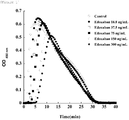
Figure 1] Figure 1 is a diagram showing the influence of edoxaban on fibrinolytic phenomenon induced by tPA in human plasma. - [
Figure 2] Figure 2 is a diagram showing the influence of edoxaban on clot lysis time induced by tPA in human plasma. In the drawing, significant difference from control by Dunnett's multiple comparison test is indicated by * (P < 0.05) and *** (P < 0.001). - [
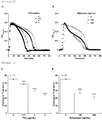
Figure 3] Figure 3 is a diagram showing the influence of edoxaban (Figure 3A ) or PCI (Figure 3B ) on fibrinolytic phenomenon induced by tPA in human plasma. - [
Figure 4] Figure 4 is a diagram showing the influence of edoxaban (Figure 4B ) or PCI (Figure 4A ) on clot lysis time induced by tPA in human plasma. In the drawing, significant difference from control by paired t-test with Bonferroni correction is indicated by *** (P < 0.001). In this context, the control refers to a group involving neither PCI nor edoxaban. - [
Figure 5] Figure 5 is a diagram showing the influence of edoxaban, PCI, and combinations thereof on fibrinolytic phenomenon induced by tPA in human plasma.Figure 5A shows the influence of PCI,Figure 5B shows the influence of edoxaban,Figure 5C shows the influence of the combined use of 150 ng/mL edoxaban and PCI, andFigure 5D shows the influence of the combined use of 300 ng/mL edoxaban and PCI. - [
Figure 6] Figure 6 is a diagram showing the influence of edoxaban, PCI, and combinations thereof on clot lysis time induced by tPA in human plasma. In the drawing, significant difference from control by paired t-test with Bonferroni correction is indicated by ### (P < 0.001). In this context, the control refers to a group involving neither PCI nor edoxaban. In the drawing, significant difference from 75, 150, or 300 ng/mL edoxaban by paired t-test with Bonferroni correction is indicated by * (P < 0.05), ** (P < 0.01), and *** (P < 0.001). - In the present specification, the term "fibrinolysis" refers to lysis of thrombus.
- In the present specification, the term "edoxaban" means N-(5-chloropyridin-2-yl)-N'-[(1S,2R,4S)-4-(dimethylcarbamoyl)-2-(5-methyl-4,5,6,7-tetrahydro[1,3]thiazolo[5,4-c]pyridine-2-carboxamido)cyclohexyl]oxamide represented by the following formula:

- Examples of salts of edoxaban include hydrochloride, sulfate, hydrobromide, citrate, hydroiodide, phosphate, nitrate, benzoate, methanesulfonate, benzenesulfonate, 2-hydroxyethanesulfonate, tosylate, acetate, propanoate, oxalate, malonate, succinate, glutarate, adipate, tartrate, maleate, fumarate, malate and mandelate. The salt of edoxaban is preferably hydrochloride, tartrate or tosylate, more preferably tosylate.
- The edoxaban or the pharmaceutically acceptable salt thereof, or the hydrate of the compound or the salt is preferably edoxaban tosylate hydrate represented by the following formula:

- A commercially available product can be used as the edoxaban or the pharmaceutically acceptable salt thereof, or the hydrate of the compound or the salt.
- In the present specification, the term "TAFI" refers to a thrombin-activatable fibrinolysis inhibitor. In the present specification, the term "TAFIa" refers to activated TAFI. In the present specification, the term "TAFIa inhibitor" refers to an agent inhibiting TAFIa.
- Examples of the TAFIa inhibitor used in the present invention include a carboxypeptidase inhibitor from potato tuber (hereinafter, also referred to as "PCI"), 5-amino-2-[(1-Cyclohexyl-1H-imidazol-4-yl)methyl]valeric acid, 5-amino-2-{[1-(4-methylcyclohexyl)-1H-imidazol-4-yl]methyl}valeric acid, 5-amino-2-{[1-(4-ethylcyclohexyl)-1H-imidazol-4-yl]methyl}valeric acid, 5-amino-2-{[1-(3-ethylcyclobutyl)-1H-imidazol-4-yl]methyl}valeric acid, 5-amino-2-{[1-(3-methylcyclobutyl)-1H-imidazol-4-yl]methyl}valeric acid, 5-amino-2-({1-[(1R,3s,5S)-bicyclo[3.1.0]hex-3-yl]-1H-imidazol-4-yl}methyl)valeric acid, 5-amino-2-{[1-(4-hydroxycyclohexyl)-1H-imidazol-4-yl]methyl}valeric acid, 5-amino-2-{[1-(4-hydroxy-4-methylcyclohexyl)-1H-imidazol-4-yl]methyl}valeric acid, 5-amino-2-{[1-(3-methylcyclohexyl)-1H-imidazol-4-yl]methyl}valeric acid, 5-amino-2-[(1-cycloheptyl-1H-imidazol-4-yl)methyl]valeric acid, 5-amino-2-({1-[exo-bicyclo[2.2.1]hept-2-yl]-1H-imidazol-4-yl}methyl)valeric acid, 5-amino-2-({1-[endobicyclo[2.2.1]hept-2-yl]-1H-imidazol-4-yl}methyl)valeric acid, 2-[(1-adamantan-2-yl-1H-imidazol-4-yl)methyl]-5-aminovaleric acid, 5-amino-2-{[1-(4-phenoxycyclohexyl)-1H-imidazol-4-yl]methyl}valeric acid, benzyl 5-amino-2-{[1-(4-methylcyclohexyl)-1H-imidazol-4-yl]methyl}valerate, 2-{[1-(4-methylcyclohexyl)-1H-imidazol-4-yl]methyl}-5-(L-phenylalanylamino)valeric acid, 2-{[1-(4-methylcyclohexyl)-1H-imidazol-4-yl]methyl}-5-(L-norleucylamino)valeric acid, 2-{[1-(4-methylcyclohexyl)-1H-imidazol-4-yl]methyl}-5-({[(5-methyl-2-oxo-1,3-dioxol-4-yl)methoxy]carbonyl}amino)valeric acid, 5-({[1-(isobutyryloxy)ethoxy]carbonyl}amino)-2-{[1-(4-methylcyclohexyl)-1H-imidazol-4-yl]methyl}valeric acid, 1-[(isopropoxycarbonyl)oxy]ethyl 5-({[1-(isobutyryloxy)ethoxy]carbonyl}amino)-2-{[1-(4-methylcyclohexyl)-1lH-imidazol-4-yl]methyl}valerate, 5-({[1-(2,2-dimethylpropanoyloxy)ethoxy]carbonyl}amino)-2-{[1-(4-methylcyclohexyl)-1H-imidazol-4-yl]methyl}valeric acid, 5-[({1-[(cyclohexylcarbonyl)oxy]ethoxy}carbonyl)amino]-2-{[1-(4-methylcyclohexyl)-1H-imidazol-4-yl]methyl}valeric acid, 2-(2-aminoethoxy)-3-[1-(4-methylcyclohexyl)-1H-imidazol-4-yl]propionic acid, 2-[(1R)-2-amino-1-methylethoxy]-3-[1-(4-methylcyclohexyl)-1H-imidazol-4-yl]propionic acid, 2-[(3S)-3-aminopyrrolidin-1-yl]-3-[1-(4-methylcyclohexyl)-1H-imidazol-4-yl]propionic acid, (2S)-2-{[1-(trans-4-methylcyclohexyl)-1H-imidazol-4-yl]methyl}-5-({[(5-methyl-2-oxo-1,3-dioxol-4-yl)methoxy]carbonyl}amino)valeric acid, (2S)-5-({[1-(isobutyryloxy)ethoxy]carbonyl}amino)-2-{[1-(trans-4-methylcyclohexyl)-1H-imidazol-4-yl]methyl}valeric acid, 1-[(isopropoxycarbonyl)oxy]ethyl (2S)-5-({[1-(isobutyryloxy)ethoxy]carbonyl}amino)-2-{[1-(trans-4-methylcyclohexyl)-1H-imidazol-4-yl]methyl}valerate, (2S)-5-({[1-(2,2-dimethylpropanoyloxy)ethoxy]carbonyl}amino)-2-{[1-(trans-4-methylcyclohexyl)-1H-imidazol-4-yl]methyl}valeric acid, (2S)-5-[({1-[(cyclohexylcarbonyl)oxy]ethoxy}carbonyl)amino]-2-{[1-(trans-4-methylcyclohexyl)-1H-imidazol-4-yl]methyl}valeric acid, (2S)-5-{[(1-acetoxyethoxy)carbonyl]amino}-2-{[1-(trans-4-methylcyclohexyl)-1H-imidazol-4-yl]methyl}valeric acid, (2S)-2-{[1-(trans-4-methylcyclohexyl)-1H-imidazol-4-yl]methyl}-5-[({[(2-methylpropanoyl)oxy]methoxy}carbonyl)amino]valeric acid, (2S)-5-[({[(2,2-dimethylpropanoyl)oxy]methyloxy}carbonyl)amino]-2-{[1-(trans-4-methylcyclohexyl)-1H-imidazol-4-yl]methyl}valeric acid, (2S)-5-[({[(cyclohexylcarbonyl)oxy]methoxy}carbonyl)amino]-2-{[1-(trans-4-methylcyclohexyl)-1H-imidazol-4-yl]methyl}valeric acid, (2S)-5-({[(acetyloxy)methoxy]carbonyl}amino)-2-{[1-(trans-4-methylcyclohexyl)-1H-imidazol-4-yl]methyl}valeric acid, (2S)-5-({[(1R)-1-(isobutyryloxy)ethoxy]carbonyl}amino)-2-{[1-(trans-4-methylcyclohexyl)-1H-imidazol-4-yl]methyl}valeric acid, 2-(3-aminopropyl)-1-(1-phenyl-1H-imidazol-4-yl)cyclopropanecarboxylic acid, 2-(3-aminopropyl)-1-[1-(3,3-dimethylbutyl)-1H-imidazol-4-yl]cyclopropanecarboxylic acid, 2-(3-aminopropyl)-1-[1-(trans-4-methylcyclohexyl)-1H-imidazol-4-yl]cyclopropanecarboxylic acid, 2-(3-aminopropyl)-1-(1-pyridin-2-yl-1H-imidazol-4-yl)cyclopropanecarboxylic acid, 2-(3-amino-2-methylpropyl)-1-(1-phenyl-1H-imidazol-4-yl)cyclopropanecarboxylic acid, 2-(3-aminopropyl)-1-[1-(5-methylpyridin-2-yl)-1H-imidazol-4-yl]cyclopropanecarboxylic acid, 2-[(2-aminomethyl)butyl]-1-(1-phenyl-1H-imidazol-4-yl)cyclopropanecarboxylic acid, 2-[(2R)-3-amino-2-methylpropyl]-1-(1-pyridin-2-yl-1H-imidazol-4-yl)cyclopropanecarboxylic acid, 2-[(2R)-3-amino-2-methylpropyl]-1-[1-(5-methylpyridin-2-yl)-1H-imidazol-4-yl]cyclopropanecarboxylic acid, 2-[(2R)-2-(aminomethyl)butyl]-1-(1-pyridin-2-yl-1H-imidazol-4-yl)cyclopropanecarboxylic acid, (1R,2S)-2-(3-aminopropyl)-1-(1-phenyl-1H-imidazol-4-yl)cyclopropanecarboxylic acid, (1R,2S)-2-(3-aminopropyl)-1-(1-pyridin-2-yl-1H-imidazol-4-yl)cyclopropanecarboxylic acid, (1R,2S)-2-[(2R)-3-amino-2-methylpropyl]-1-(1-pyridin-2-yl-1H-imidazol-4-yl)cyclopropanecarboxylic acid, (1R,2S)-2-[(2R)-3-amino-2-methylpropyl]-1-[1-(5-methylpyridin-2-yl)-1H-imidazol-4-yl]cyclopropanecarboxylic acid, (1R,2S)-2-[(2R)-2-(aminomethyl)butyl]-1-(1-pyridin-2-yl-1H-imidazol-4-yl)cyclopropanecarboxylic acid, SAR-126119, SAR-104772, UK-396082, BX-528, AZD-9684, and EF-6265/MN-462.
- In the present specification, the phrase "comprising edoxaban or a pharmaceutically acceptable salt thereof, or a hydrate of the compound or the salt in combination with an agent having a TAFIa inhibitor" refers to a form in which a preparation containing the edoxaban or the pharmaceutically acceptable salt thereof, or the hydrate of the compound or the salt is administered at the same time with or separately from a preparation containing the TAFIa inhibitor, or a form in which a preparation containing both of the edoxaban or the pharmaceutically acceptable salt thereof and the TAFIa inhibitor (hereinafter, referred to as a "combination drug") is administered.
- In the present specification, administration "at the same time" refers to administration at substantially the same time.
- In the present specification, "separate" administration refers to separate administration at different times. For example, the TAFIa inhibitor is first administered, and subsequently, the edoxaban or the pharmaceutically acceptable salt thereof, or the hydrate of the compound or the salt is administered after elapse of a predetermined time, or vice versa.
- In the case of administering the pharmaceutical composition or the combination drug of the present invention to a mammal (e.g., a human, a horse, cattle or a pig, preferably a human), the administration can be systemic or local and oral or parenteral.
- The pharmaceutical composition or the combination drug of the present invention can be prepared according to various formulation methods usually used by selecting an appropriate form according to the administration method.
- Examples of oral dosage forms of the pharmaceutical composition or the combination drug include tablets, powders, granules, capsules, suspensions, emulsions, syrups and elixirs. The pharmaceutical composition in such a form can be produced according to a routine method by selecting an additive usually used such as an excipient, a binder, a disintegrant, a lubricant, a swelling agent, a swelling aid, a coating agent, a plasticizer, a stabilizer, an antiseptic, an antioxidant, a colorant, a solubilizer, a suspending agent, an emulsifier, a sweetener, a preservative, a buffer, a diluent or a wetting agent according to need.
- Examples of parenteral dosage forms of the pharmaceutical composition or the combination drug include injections, ointments, gels, creams, poultices, patches, aerosolized agents, inhalants, sprays, eye drops, nasal drops and suppositories. The pharmaceutical composition in such a form can be produced according to a routine method by selecting an additive usually used such as a stabilizer, an antiseptic, a solubilizer, a humectant, a preservative, an antioxidant, a flavor, a gelling agent, a neutralizing agent, a buffer, a tonicity agent, a surfactant, a colorant, a buffering agent, a thickener, a wetting agent, a filler, an absorption promoter, a suspending agent or a binder according to need.
- The dose of the edoxaban or the pharmaceutically acceptable salt thereof, or the hydrate of the compound or the salt contained in the pharmaceutical composition of the present invention differs depending on symptoms, age, body mass, etc. For oral administration, the edoxaban or the pharmaceutically acceptable salt thereof, or the hydrate of the compound or the salt is administered once to several times a day at a dose of 1 to 200 mg, preferably 5 to 100 mg, more preferably 15 to 60 mg, in terms of the amount of edoxaban per dose in an adult. When the edoxaban or the pharmaceutically acceptable salt thereof, or the hydrate of the compound or the salt is used in combination with a TAFIa inhibitor, an appropriate decrease in its dose is also taken into consideration in light of the risk of bleeding.
- The pharmaceutical composition or the combination drug thus obtained can be used for promoting fibrinolysis. Thus, the pharmaceutical composition or the combination drug can be used for, for example, the suppression of occurrence of venous thromboembolism (deep venous thrombosis and pulmonary thromboembolism), the treatment and the suppression of recurrence of venous thromboembolism, the suppression of occurrence of ischemic stroke and systemic embolism in non-valvular atrial fibrillation patients, the suppression of occurrence of postthrombotic syndrome, the suppression of occurrence of chronic thromboembolic pulmonary hypertension, the lysis of arterial thrombus in ischemic cerebral infarction and acute coronary syndrome, the suppression of recurrence of ischemic cerebral infarction and acute coronary syndrome, and the treatment and the suppression of recurrence of peripheral arterial disease.
- Next, the present invention will be described in detail with reference to the Examples. However, the present invention is not intended to be limited by these in any way.
- Edoxaban was dissolved in dimethyl sulfoxide (hereinafter, also referred to as "DMSO") (Wako Pure Chemical Industries, Ltd.) to prepare a 10 mM solution, which was then stored at -30°C. Before use, the frozen product was thawed and diluted with DMSO and saline (Otsuka Pharmaceutical Factory, Inc.) (DMSO concentration in test substance solution: 0.96%, final DMSO concentration in reaction system: 0.08%).
- Hepes buffer: Hepes (Sigma-Aldrich, Co. LLC.) and NaCl (Nacalai Tesque Inc.) were dissolved at 20 mM and 140 mM, respectively, in distilled water, and the solution was adjusted to pH 7.4 using a 1 mol/L sodium hydroxide solution (Nacalai Tesque Inc.). The buffer was stored at 4°C, and BSA (final concentration: 0.01%) (Sigma-Aldrich, Co. LLC.) was added thereto in use.
- tPA (ACTIVACIN for
Injection 6 million, Kyowa Hakko Kirin Co., Ltd.) solution: The solution was prepared at 1.034 mg/mL (600,000 U/mL) with injectable water included in the product, and stored at -80°C. Before use, the frozen product was thawed and diluted with Hepes buffer for use. - PPP reagent (Thrombinoscope BV): 1 vial of freeze dried product was dissolved in 1 mL of distilled water (Otsuka Pharmaceutical Factory, Inc.), and this solution was diluted 2-fold with phospholipid (liposome freeze dried product, E-PC/E-PE/B-PS = 60/20/20) solution and used (final concentration: 2.5 pM tissue factor / 4 µM phospholipids).
- 26 µL of a 10.34 µg/mL tPA solution was added to 1473 µL of human plasma (FACT, George King Bio-Medical, Inc.) to prepare a human plasma sample having a concentration of 180 ng/mL in plasma.
- 70 µL of the human plasma sample (containing tPA), 10 µL each of varying concentrations of the edoxaban solution, and 20 µL of the PPP reagent were added to each well of a 96-well plate (Sumilon Proteosave SS 96F plate, MS-8296F). After preincubation at 37°C for approximately 10 minutes, the reaction was started by the addition of 20 µL/well of a Fluo buffer (Hepes buffer containing 100 mM CaCl2) (Thrombinoscope BV). Absorbance at 405 nm was measured every 30 seconds using SpectraMAX 384 Plus (Molecular Devices, LLC.) prewarmed to 37°C. The time for the absorbance to return to 1/2 of the peak from the time to reach 1/2 of the peak was calculated using SoftMax Pro 5.4.1 (Molecular Devices, LLC.) and used as clot lysis time. A group using a 0.96% DMSO solution instead of edoxaban was used as control group.
- Two experiments were conducted on each of 3 lots of human plasma (n = 6). The basic statistics (mean, standard deviation, and standard error) of the clot lysis time were calculated, and the results were indicated by mean ± standard error (SEM). The control group and the edoxaban group were compared by Dunnett's test, and concentration dependence was evaluated by Spearman's rank correlation coefficient test (significance level for both of the tests: two-sided 5%). The calculated P value was rounded off and indicated by three decimal places. Microsoft Excel 2010 (Microsoft Corporation) and SAS System Release 9.2 (SAS Institute Inc.) were used in the analysis. When the clot lysis time of the edoxaban group exhibited a significantly lower value than that of the control group, a fibrinolysis promoting effect was determined.
- Changes in absorbance are shown in
Figure 1 . The clot lysis time is shown inFigure 2 . The statistical analysis results are shown in Table 1. Edoxaban significantly shortened the clot lysis time in a concentration-dependent manner in the concentration range of 18.8 ng/mL to 300 ng/mL and exhibited a fibrinolysis promoting effect.[Table 1] No. Comparison group Method of analysis P value 1 Control vs Edoxaban 18.8 ng/mL Dunnett multiple comparison test 0.015 Control vs Edoxaban 37.5 ng/mL <0.001 Control vs Edoxaban 75 ng/mL<0.001 Control vs Edoxaban 150 ng/mL<0.001 Control vs Edoxaban 300 ng/mL<0.001 2 Control, Edoxaban 18.8 ng/mL, Edoxaban 37.5 ng/mL, Edoxaban 75 ng/mL,Edoxaban 150 ng/mL,Edoxaban 300 ng/mLSpearman's rank correlation <0.001 - Edoxaban was dissolved in DMSO to prepare a 10 mM solution, which was then stored at -30°C. Before use, the frozen product was thawed and diluted with DMSO and saline (DMSO concentration in test substance solution: 1.92%).
- PCI (Sigma-Aldrich, Co. LLC.) was dissolved in Hepes buffer to prepare a 4.8 mg/mL solution, which was then stored at -30°C. Before use, the frozen product was thawed and diluted with Hepes buffer.
- Hepes buffer, tPA solution, and PPP reagent were prepared in the same way as in Example 1(2).
- Thrombomodulin (hereinafter, also referred to as "TM") (Recomodulin for Intravenous Injection 12800, Asahi Kasei Pharma Corporation) was adjusted to 15.6 µM (1 mg/mL) with saline and stored at -30°C. Before use, the frozen product was thawed and diluted with saline for use.
- 47 µL each of a 10.8 µg/mL tPA solution and a 6 nM TM solution was added to 2707 µL of human plasma (FACT) to prepare a human plasma sample (concentration in plasma: tPA: 180 ng/mL, TM: 0.1 nM).
- 70 µL of the human plasma sample (containing tPA and TM), 5 µL each of varying concentrations of the edoxaban solution, 5 µL of PCI, and 20 µL of the PPP reagent were added to each well of a 96-well plate (Sumilon Proteosave SS 96F plate, MS-8296F). After preincubation at 37°C for approximately 10 minutes, the reaction was started by the addition of 20 µL/well of a Fluo buffer (Hepes buffer containing 100 mM CaCl2). Absorbance at 405 nm was measured every 30 seconds using SpectraMAX 384 Plus prewarmed to 37°C. The time for the absorbance to decrease to 1/2 of the peak from the time to reach 1/2 of the peak was calculated using SoftMax Pro 5.4.1 and used as clot lysis time. A group using a 1.92% DMSO solution and saline instead of edoxaban and PCI was used as control group.
- Two experiments were conducted on each of 3 lots of human plasma (n = 6). The basic statistics (mean, standard deviation, and standard error) of the clot lysis time were calculated, and the results were indicated by mean ± standard error (SEM). The comparison between the control group and the edoxaban-alone group or the PCI-alone group and the comparison between the edoxaban-alone group or the PCI-alone group and the edoxaban + PCI combined use group were carried out by paired t-test (Bonferroni correction). Concentration dependence was evaluated by Spearman's rank correlation coefficient hypothesis test. The significance level of the tests was set to two-sided 5%. The calculated P value was rounded off and indicated by three decimal places. Microsoft Excel 2010 and SAS System Release 9.2 were used in the statistical analysis.
- Changes in absorbance caused by edoxaban and PCI each used alone are shown in
Figure 3 . The clot lysis times are shown inFigure 4 . The statistical analysis results are shown in Table 2. Edoxaban significantly shortened the clot lysis time in a concentration-dependent manner at concentrations of 150 and 300 ng/mL. PCI significantly shortened the clot lysis time in a concentration-dependent manner at concentrations of 0.3 to 3 µg/mL. - Next, changes in absorbance caused by the combined use of edoxaban and PCI are shown in
Figure 5 . The clot lysis times are shown inFigure 6 . The statistical analysis results are shown in Tables 3 and 4. Edoxaban and PCI when used in combination significantly shortened the clot lysis time as compared with their respective alone groups (except for the comparison between 300 ng/mL edoxaban used alone and 300 ng/mL edoxaban + 0.3 µg/mL PCI used in combination), demonstrating that the combined use of these inhibitors is effective.[Table 2] No. Comparison group Method of analysis P value 1 Control vs PCI 0.3 µg/mL Paired t-test (Bonferroni correction)# <0.001 Control vs PCI 1 µg/mL<0.001 Control vs PCI 3 µg/mL<0.001 2 Control vs Edoxaban 150 ng/mLPaired t-test (Bonferroni correction)* <0.001 Control vs Edoxaban 300 ng/mL<0.001 3 Control, PCI 0.3 µg/mL, PCI 1 µg/mL,PCI 3 µg/mLSpearman's rank correlation coefficient hypothesis test <0.001 4 Control, Edoxaban 150 ng/mL,Edoxaban 300 ng/mLSpearman's rank correlation coefficient hypothesis test <0.001 #: The control group and the PCI-alone group were compared by the paired t-test (Bonferroni correction). The adjusted P value was calculated by multiplication by "3" (the number of repeats of the test).
*: The control group and the edoxaban-alone group were compared by the paired t-test (Bonferroni correction). The adjusted P value was calculated by multiplication by "2" (the number of repeats of the test).[Table 3] No. Comparison group Method of analysis P value 1 Edoxaban 75 ng/mL + PCI 0.3 µg/mL vs PCI 0.3 µg/mL Paired t-test (Bonferroni correction)* <0.001 Edoxaban 75 ng/mL + PCI 0.3 µg/mL vs Edoxaban 75 ng/mL <0.001 2 Edoxaban 75 ng/mL + PCI 1 µg/mL vs PCI 1 µg/mL Paired t-test (Bonferroni correction)* <0.001 Edoxaban 75 ng/mL + PCI 1 µg/mL vs Edoxaban 75 ng/mL <0.001 3 Edoxaban 75 ng/mL + PCI 3 µg/mL vs PCI 3 µg/mL Paired t-test (Bonferroni correction)* 0.004 Edoxaban 75 ng/mL + PCI 3 µg/mL vs Edoxaban 75 ng/mL <0.001 4 Edoxaban 150 ng/mL + PCI 0.3 µg/mL vs PCI 0.3 µg/mL Paired t-test (Bonferroni correction)* <0.001 Edoxaban 150 ng/mL + PCI 0.3 µg/mL vs Edoxaban 150 ng/mL 0.016 5 Edoxaban 150 ng/mL + PCI 1 µg/mL vs PCI 1 µg/mL Paired t-test (Bonferroni correction)* 0.001 Edoxaban 150 ng/mL + PCI 1 µg/mL vs Edoxaban 150 ng/mL <0.001 6 Edoxaban 150 ng/mL + PCI 3 µg/mL vs PCI 3 µg/mL Paired t-test (Bonferroni correction)* <0.001 Edoxaban 150 ng/mL + PCI 3 µg/mL vs Edoxaban 150 ng/mL 0.001 7 Edoxaban 300 ng/mL + PCI 0.3 µg/mL vs PCI 0.3 µg/mL Paired t-test (Bonferroni correction)* <0.001 Edoxaban 300 ng/mL + PCI 0.3 µg/mL vs Edoxaban 150 ng/mL 0.267 8 Edoxaban 300 ng/mL + PCI 1 µg/mL vs PCI 1 µg/mL Paired t-test (Bonferroni correction)* <0.001 Edoxaban 300 ng/mL + PCI 1 µg/mL vs Edoxaban 300 ng/mL 0.018 *: The edoxaban-alone group or the PCI-alone group and the edoxaban + PCI combined use group were compared by the paired t-test (Bonferroni correction). The adjusted P value was calculated by multiplication by "2" (the number of repeats of the test). [Table 4] No. Comparison group Method of analysis P value 9 Edoxaban 300 ng/mL + PCI 3 µg/mL vs PCI 3 µg/mL Paired t-test (Bonferroni correction)* 0.003 Edoxaban 300 ng/mL + PCI 3 µg/mL vs Edoxaban 300 ng/mL 0.027 10 Control vs PCI 0.3 µg/mL Paired t-test (Bonferroni correction)# <0.001 Control vs PCI 1 µg/mL <0.001 Control vs PCI 3 µg/mL <0.001 11 Control vs Edoxaban 75 ng/mL Paired t-test (Bonferroni correction)# <0.001 Control vs Edoxaban 150 ng/mL <0.001 Control vs Edoxaban 300 ng/mL <0.001 12 Control, PCI 0.3 µg/mL, PCI 1 µg/mL, PCI 3 µg/mL Spearman's rank correlation coefficient hypothesis test <0.001 13 Control, Edoxaban 75 ng/mL, Edoxaban 150 ng/mL, Edoxaban 300 ng/mL Spearman's rank correlation coefficient hypothesis test <0.001 14 PCI 0.3 µg/mL, PCI 0.3 µg/mL + Edoxaban 75 ng/mL, PCI 0.3 µg/mL + Edoxaban 150 ng/mL, PCI 0.3 µg/mL + Edoxaban 300 ng/mL Spearman's rank correlation coefficient hypothesis test <0.001 15 PCI 1 µg/mL, PCI 1 µg/mL + Edoxaban 75 ng/mL, PCI 1 µg/mL + Edoxaban 150 ng/mL, PCI 1 µg/mL + Edoxaban 300 ng/mL Spearman's rank correlation coefficient hypothesis test <0.001 16 PCI 3 µg/mL, PCI 3 µg/mL + Edoxaban 75 ng/mL, PCI 3 µg/mL + Edoxaban 150 ng/mL, PCI 3 µg/mL + Edoxaban 300 ng/mL Spearman's rank correlation coefficient hypothesis test <0.001 *: The edoxaban-alone group or the PCI-alone group and the edoxaban + PCI combined use group were compared by the paired t-test (Bonferroni correction). The adjusted P value was calculated by multiplication by "2" (the number of repeats of the test).
#: The control group and the edoxaban-alone group or the PCI-alone group were compared by the paired t-test (Bonferroni correction). The adjusted P value was calculated by multiplication by "3" (the number of repeats of the test).
Claims (10)
- A pharmaceutical composition for the promotion of fibrinolysis, comprising edoxaban or a pharmaceutically acceptable salt thereof, or a hydrate of the compound or the salt.
- The pharmaceutical composition according to claim 1, further comprising a TAFIa inhibitor.
- The pharmaceutical composition according to claim 2, wherein the TAFIa inhibitor is a carboxypeptidase inhibitor from potato tuber.
- Use of edoxaban or a pharmaceutically acceptable salt thereof, or a hydrate of the compound or the salt for producing a pharmaceutical composition for the promotion of fibrinolysis.
- The use according to claim 4, wherein a TAFIa inhibitor is further used.
- The use according to claim 5, wherein the TAFIa inhibitor is a carboxypeptidase inhibitor from potato tuber.
- A method for promoting fibrinolysis, comprising administering edoxaban or a pharmaceutically acceptable salt thereof, or a hydrate of the compound or the salt to a mammal.
- The method according to claim 7, comprising administering a TAFIa inhibitor to the mammal at the same time as or separately from the edoxaban or the pharmaceutically acceptable salt thereof, or the hydrate of the compound or the salt.
- The method according to claim 7 or 8, wherein the mammal is a human.
- An agent promoting fibrinolysis, comprising edoxaban or a pharmaceutically acceptable salt thereof, or a hydrate of the compound or the salt in combination with a TAFIa inhibitor.
Applications Claiming Priority (2)
| Application Number | Priority Date | Filing Date | Title |
|---|---|---|---|
| JP2014263765 | 2014-12-26 | ||
| PCT/JP2015/086178 WO2016104678A1 (en) | 2014-12-26 | 2015-12-25 | Medical composition for promoting fibrinolysis |
Publications (2)
| Publication Number | Publication Date |
|---|---|
| EP3238721A1 true EP3238721A1 (en) | 2017-11-01 |
| EP3238721A4 EP3238721A4 (en) | 2018-09-12 |
Family
ID=56150690
Family Applications (1)
| Application Number | Title | Priority Date | Filing Date |
|---|---|---|---|
| EP15873246.1A Withdrawn EP3238721A4 (en) | 2014-12-26 | 2015-12-25 | Medical composition for promoting fibrinolysis |
Country Status (5)
| Country | Link |
|---|---|
| US (1) | US20170368037A1 (en) |
| EP (1) | EP3238721A4 (en) |
| JP (1) | JPWO2016104678A1 (en) |
| TW (1) | TW201628617A (en) |
| WO (1) | WO2016104678A1 (en) |
Family Cites Families (7)
| Publication number | Priority date | Publication date | Assignee | Title |
|---|---|---|---|---|
| JP4085190B2 (en) * | 2001-04-24 | 2008-05-14 | 秀親 岡田 | Low molecular weight peptide that suppresses the activity of carboxypeptidase R |
| FI2140867T4 (en) * | 2007-03-29 | 2023-09-14 | Pharmaceutical composition | |
| KR20130006620A (en) * | 2010-03-18 | 2013-01-17 | 다이이찌 산쿄 가부시키가이샤 | Cyclopropanecarboxylic acid derivative |
| SG10201502026XA (en) * | 2010-03-18 | 2015-05-28 | Daiichi Sankyo Co Ltd | Cycloalkyl-substituted imidazole derivative |
| WO2011115066A1 (en) * | 2010-03-19 | 2011-09-22 | 第一三共株式会社 | Crystal of diamine derivative and method of producing same |
| WO2013039202A1 (en) * | 2011-09-15 | 2013-03-21 | 第一三共株式会社 | Novel acrylic acid derivative |
| US20130158069A1 (en) * | 2011-12-14 | 2013-06-20 | Daiichi Sankyo Company, Limited | Preventive and/or therapeutic agent for thromboembolism in thromboembolism patient with severe renal impairment |
-
2015
- 2015-12-25 JP JP2016566492A patent/JPWO2016104678A1/en active Pending
- 2015-12-25 TW TW104143698A patent/TW201628617A/en unknown
- 2015-12-25 EP EP15873246.1A patent/EP3238721A4/en not_active Withdrawn
- 2015-12-25 US US15/538,676 patent/US20170368037A1/en not_active Abandoned
- 2015-12-25 WO PCT/JP2015/086178 patent/WO2016104678A1/en not_active Ceased
Also Published As
| Publication number | Publication date |
|---|---|
| EP3238721A4 (en) | 2018-09-12 |
| US20170368037A1 (en) | 2017-12-28 |
| TW201628617A (en) | 2016-08-16 |
| WO2016104678A1 (en) | 2016-06-30 |
| JPWO2016104678A1 (en) | 2017-10-12 |
Similar Documents
| Publication | Publication Date | Title |
|---|---|---|
| JP6877471B2 (en) | C1-INH compositions and methods for the prevention and treatment of disorders associated with C1 esterase inhibitor deficiency | |
| JP6835831B2 (en) | Methods for Producing Stable Therapeutic Glucagon Formulations in Protic and Aprotic Solvents | |
| EP3634415B1 (en) | Ophthalmological compositions comprising brimonidine and ketotifen for use in the treatment of allergies | |
| BRPI0608656A2 (en) | pharmaceutical compositions for treating thrombosis | |
| JP2015157830A (en) | Manufacture, composition and use of coagulation factor viia modulator | |
| EP3607962A1 (en) | Angiotensin ii alone or in combination for the treatment of hypotension | |
| JP2020524689A (en) | Plasminogen treatment of conditions associated with PAI-1 overexpression | |
| EP2694074B1 (en) | Use of a2b adenosine receptor antagonists for treating heart failure and arrhythmia in post-myocardial infarction patients | |
| US9918964B2 (en) | Reducing platelet activation, aggregation and platelet-stimulated thrombosis or blood coagulation by reducing mitochondrial respiration | |
| US20140296147A1 (en) | Methods of treating or preventing blood loss during surgery using the serine protease inhibitor mdco-2010 | |
| US20170368037A1 (en) | Pharmaceutical composition for promotion of fibrinolysis | |
| CN119950703B (en) | Antibody formulations | |
| EP2934521B1 (en) | Use of pidotimod to treat psoriasis | |
| EP3189838A1 (en) | Pharmaceutical composition for inhibiting formation of thrombi and emboli after placement of stent | |
| KR100362799B1 (en) | Pharmaceutical compositions containing platelet aggregation inhibiting factors | |
| US9216163B2 (en) | Method of inhibiting angiogenesis | |
| CN117396505A (en) | Ways to Treat Inflammation | |
| US20220387408A1 (en) | Use of mast cell stabilizer for the treatment of heart failure with preserved ejection fraction | |
| WO2022131112A1 (en) | Pharmaceutical composition | |
| KR20180014730A (en) | COMBINATION OF TAFIa INHIBITOR WITH PLASMINOGEN ACTIVATOR | |
| JP2005532306A (en) | Methods for inhibiting platelet aggregation | |
| US20260137691A1 (en) | Wb3 for anesthesia and treating pain | |
| EP3437641A1 (en) | Inflammatory intestinal disease therapeutic agent | |
| US20230218594A1 (en) | Therapeutic compounds, compositions, and methods of use thereof | |
| CN116782911A (en) | Therapeutic compounds, compositions and methods of use |
Legal Events
| Date | Code | Title | Description |
|---|---|---|---|
| PUAI | Public reference made under article 153(3) epc to a published international application that has entered the european phase |
Free format text: ORIGINAL CODE: 0009012 |
|
| 17P | Request for examination filed |
Effective date: 20170522 |
|
| AK | Designated contracting states |
Kind code of ref document: A1 Designated state(s): AL AT BE BG CH CY CZ DE DK EE ES FI FR GB GR HR HU IE IS IT LI LT LU LV MC MK MT NL NO PL PT RO RS SE SI SK SM TR |
|
| AX | Request for extension of the european patent |
Extension state: BA ME |
|
| DAV | Request for validation of the european patent (deleted) | ||
| DAX | Request for extension of the european patent (deleted) | ||
| A4 | Supplementary search report drawn up and despatched |
Effective date: 20180809 |
|
| RIC1 | Information provided on ipc code assigned before grant |
Ipc: A61K 31/431 20060101ALI20180804BHEP Ipc: A61P 7/02 20060101ALI20180804BHEP Ipc: A61P 43/00 20060101ALI20180804BHEP Ipc: A61K 45/00 20060101ALI20180804BHEP Ipc: A61K 36/81 20060101ALI20180804BHEP Ipc: A61K 31/16 20060101ALI20180804BHEP Ipc: A61K 31/444 20060101AFI20180804BHEP |
|
| 17Q | First examination report despatched |
Effective date: 20200217 |
|
| STAA | Information on the status of an ep patent application or granted ep patent |
Free format text: STATUS: THE APPLICATION IS DEEMED TO BE WITHDRAWN |
|
| 18D | Application deemed to be withdrawn |
Effective date: 20200630 |