EP3232501A1 - Electrochemical energy storage device - Google Patents
Electrochemical energy storage device Download PDFInfo
- Publication number
- EP3232501A1 EP3232501A1 EP15867312.9A EP15867312A EP3232501A1 EP 3232501 A1 EP3232501 A1 EP 3232501A1 EP 15867312 A EP15867312 A EP 15867312A EP 3232501 A1 EP3232501 A1 EP 3232501A1
- Authority
- EP
- European Patent Office
- Prior art keywords
- storage device
- energy storage
- electrochemical energy
- adhesive
- cell
- Prior art date
- Legal status (The legal status is an assumption and is not a legal conclusion. Google has not performed a legal analysis and makes no representation as to the accuracy of the status listed.)
- Withdrawn
Links
Images
Classifications
-
- H—ELECTRICITY
- H01—ELECTRIC ELEMENTS
- H01M—PROCESSES OR MEANS, e.g. BATTERIES, FOR THE DIRECT CONVERSION OF CHEMICAL ENERGY INTO ELECTRICAL ENERGY
- H01M10/00—Secondary cells; Manufacture thereof
- H01M10/05—Accumulators with non-aqueous electrolyte
- H01M10/058—Construction or manufacture
-
- C—CHEMISTRY; METALLURGY
- C09—DYES; PAINTS; POLISHES; NATURAL RESINS; ADHESIVES; COMPOSITIONS NOT OTHERWISE PROVIDED FOR; APPLICATIONS OF MATERIALS NOT OTHERWISE PROVIDED FOR
- C09J—ADHESIVES; NON-MECHANICAL ASPECTS OF ADHESIVE PROCESSES IN GENERAL; ADHESIVE PROCESSES NOT PROVIDED FOR ELSEWHERE; USE OF MATERIALS AS ADHESIVES
- C09J107/00—Adhesives based on natural rubber
-
- C—CHEMISTRY; METALLURGY
- C09—DYES; PAINTS; POLISHES; NATURAL RESINS; ADHESIVES; COMPOSITIONS NOT OTHERWISE PROVIDED FOR; APPLICATIONS OF MATERIALS NOT OTHERWISE PROVIDED FOR
- C09J—ADHESIVES; NON-MECHANICAL ASPECTS OF ADHESIVE PROCESSES IN GENERAL; ADHESIVE PROCESSES NOT PROVIDED FOR ELSEWHERE; USE OF MATERIALS AS ADHESIVES
- C09J109/00—Adhesives based on homopolymers or copolymers of conjugated diene hydrocarbons
-
- C—CHEMISTRY; METALLURGY
- C09—DYES; PAINTS; POLISHES; NATURAL RESINS; ADHESIVES; COMPOSITIONS NOT OTHERWISE PROVIDED FOR; APPLICATIONS OF MATERIALS NOT OTHERWISE PROVIDED FOR
- C09J—ADHESIVES; NON-MECHANICAL ASPECTS OF ADHESIVE PROCESSES IN GENERAL; ADHESIVE PROCESSES NOT PROVIDED FOR ELSEWHERE; USE OF MATERIALS AS ADHESIVES
- C09J133/00—Adhesives based on homopolymers or copolymers of compounds having one or more unsaturated aliphatic radicals, each having only one carbon-to-carbon double bond, and at least one being terminated by only one carboxyl radical, or of salts, anhydrides, esters, amides, imides, or nitriles thereof; Adhesives based on derivatives of such polymers
- C09J133/04—Homopolymers or copolymers of esters
- C09J133/06—Homopolymers or copolymers of esters of esters containing only carbon, hydrogen and oxygen, the oxygen atom being present only as part of the carboxyl radical
-
- C—CHEMISTRY; METALLURGY
- C09—DYES; PAINTS; POLISHES; NATURAL RESINS; ADHESIVES; COMPOSITIONS NOT OTHERWISE PROVIDED FOR; APPLICATIONS OF MATERIALS NOT OTHERWISE PROVIDED FOR
- C09J—ADHESIVES; NON-MECHANICAL ASPECTS OF ADHESIVE PROCESSES IN GENERAL; ADHESIVE PROCESSES NOT PROVIDED FOR ELSEWHERE; USE OF MATERIALS AS ADHESIVES
- C09J153/00—Adhesives based on block copolymers containing at least one sequence of a polymer obtained by reactions only involving carbon-to-carbon unsaturated bonds; Adhesives based on derivatives of such polymers
- C09J153/02—Vinyl aromatic monomers and conjugated dienes
-
- C—CHEMISTRY; METALLURGY
- C09—DYES; PAINTS; POLISHES; NATURAL RESINS; ADHESIVES; COMPOSITIONS NOT OTHERWISE PROVIDED FOR; APPLICATIONS OF MATERIALS NOT OTHERWISE PROVIDED FOR
- C09J—ADHESIVES; NON-MECHANICAL ASPECTS OF ADHESIVE PROCESSES IN GENERAL; ADHESIVE PROCESSES NOT PROVIDED FOR ELSEWHERE; USE OF MATERIALS AS ADHESIVES
- C09J175/00—Adhesives based on polyureas or polyurethanes; Adhesives based on derivatives of such polymers
- C09J175/04—Polyurethanes
-
- C—CHEMISTRY; METALLURGY
- C09—DYES; PAINTS; POLISHES; NATURAL RESINS; ADHESIVES; COMPOSITIONS NOT OTHERWISE PROVIDED FOR; APPLICATIONS OF MATERIALS NOT OTHERWISE PROVIDED FOR
- C09J—ADHESIVES; NON-MECHANICAL ASPECTS OF ADHESIVE PROCESSES IN GENERAL; ADHESIVE PROCESSES NOT PROVIDED FOR ELSEWHERE; USE OF MATERIALS AS ADHESIVES
- C09J183/00—Adhesives based on macromolecular compounds obtained by reactions forming in the main chain of the macromolecule a linkage containing silicon, with or without sulfur, nitrogen, oxygen, or carbon only; Adhesives based on derivatives of such polymers
- C09J183/04—Polysiloxanes
-
- H—ELECTRICITY
- H01—ELECTRIC ELEMENTS
- H01M—PROCESSES OR MEANS, e.g. BATTERIES, FOR THE DIRECT CONVERSION OF CHEMICAL ENERGY INTO ELECTRICAL ENERGY
- H01M10/00—Secondary cells; Manufacture thereof
- H01M10/04—Construction or manufacture in general
- H01M10/0431—Cells with wound or folded electrodes
-
- H—ELECTRICITY
- H01—ELECTRIC ELEMENTS
- H01M—PROCESSES OR MEANS, e.g. BATTERIES, FOR THE DIRECT CONVERSION OF CHEMICAL ENERGY INTO ELECTRICAL ENERGY
- H01M10/00—Secondary cells; Manufacture thereof
- H01M10/05—Accumulators with non-aqueous electrolyte
- H01M10/056—Accumulators with non-aqueous electrolyte characterised by the materials used as electrolytes, e.g. mixed inorganic/organic electrolytes
-
- H—ELECTRICITY
- H01—ELECTRIC ELEMENTS
- H01M—PROCESSES OR MEANS, e.g. BATTERIES, FOR THE DIRECT CONVERSION OF CHEMICAL ENERGY INTO ELECTRICAL ENERGY
- H01M10/00—Secondary cells; Manufacture thereof
- H01M10/05—Accumulators with non-aqueous electrolyte
- H01M10/056—Accumulators with non-aqueous electrolyte characterised by the materials used as electrolytes, e.g. mixed inorganic/organic electrolytes
- H01M10/0561—Accumulators with non-aqueous electrolyte characterised by the materials used as electrolytes, e.g. mixed inorganic/organic electrolytes the electrolyte being constituted of inorganic materials only
- H01M10/0563—Liquid materials, e.g. for Li-SOCl2 cells
-
- H—ELECTRICITY
- H01—ELECTRIC ELEMENTS
- H01M—PROCESSES OR MEANS, e.g. BATTERIES, FOR THE DIRECT CONVERSION OF CHEMICAL ENERGY INTO ELECTRICAL ENERGY
- H01M10/00—Secondary cells; Manufacture thereof
- H01M10/05—Accumulators with non-aqueous electrolyte
- H01M10/058—Construction or manufacture
- H01M10/0587—Construction or manufacture of accumulators having only wound construction elements, i.e. wound positive electrodes, wound negative electrodes and wound separators
-
- H—ELECTRICITY
- H01—ELECTRIC ELEMENTS
- H01M—PROCESSES OR MEANS, e.g. BATTERIES, FOR THE DIRECT CONVERSION OF CHEMICAL ENERGY INTO ELECTRICAL ENERGY
- H01M10/00—Secondary cells; Manufacture thereof
- H01M10/42—Methods or arrangements for servicing or maintenance of secondary cells or secondary half-cells
- H01M10/44—Methods for charging or discharging
-
- H—ELECTRICITY
- H01—ELECTRIC ELEMENTS
- H01M—PROCESSES OR MEANS, e.g. BATTERIES, FOR THE DIRECT CONVERSION OF CHEMICAL ENERGY INTO ELECTRICAL ENERGY
- H01M50/00—Constructional details or processes of manufacture of the non-active parts of electrochemical cells other than fuel cells, e.g. hybrid cells
- H01M50/10—Primary casings; Jackets or wrappings
- H01M50/102—Primary casings; Jackets or wrappings characterised by their shape or physical structure
- H01M50/103—Primary casings; Jackets or wrappings characterised by their shape or physical structure prismatic or rectangular
-
- H—ELECTRICITY
- H01—ELECTRIC ELEMENTS
- H01M—PROCESSES OR MEANS, e.g. BATTERIES, FOR THE DIRECT CONVERSION OF CHEMICAL ENERGY INTO ELECTRICAL ENERGY
- H01M50/00—Constructional details or processes of manufacture of the non-active parts of electrochemical cells other than fuel cells, e.g. hybrid cells
- H01M50/10—Primary casings; Jackets or wrappings
- H01M50/102—Primary casings; Jackets or wrappings characterised by their shape or physical structure
- H01M50/107—Primary casings; Jackets or wrappings characterised by their shape or physical structure having curved cross-section, e.g. round or elliptic
-
- H—ELECTRICITY
- H01—ELECTRIC ELEMENTS
- H01M—PROCESSES OR MEANS, e.g. BATTERIES, FOR THE DIRECT CONVERSION OF CHEMICAL ENERGY INTO ELECTRICAL ENERGY
- H01M50/00—Constructional details or processes of manufacture of the non-active parts of electrochemical cells other than fuel cells, e.g. hybrid cells
- H01M50/10—Primary casings; Jackets or wrappings
- H01M50/116—Primary casings; Jackets or wrappings characterised by the material
- H01M50/121—Organic material
-
- H—ELECTRICITY
- H01—ELECTRIC ELEMENTS
- H01M—PROCESSES OR MEANS, e.g. BATTERIES, FOR THE DIRECT CONVERSION OF CHEMICAL ENERGY INTO ELECTRICAL ENERGY
- H01M50/00—Constructional details or processes of manufacture of the non-active parts of electrochemical cells other than fuel cells, e.g. hybrid cells
- H01M50/10—Primary casings; Jackets or wrappings
- H01M50/116—Primary casings; Jackets or wrappings characterised by the material
- H01M50/124—Primary casings; Jackets or wrappings characterised by the material having a layered structure
-
- H—ELECTRICITY
- H01—ELECTRIC ELEMENTS
- H01M—PROCESSES OR MEANS, e.g. BATTERIES, FOR THE DIRECT CONVERSION OF CHEMICAL ENERGY INTO ELECTRICAL ENERGY
- H01M50/00—Constructional details or processes of manufacture of the non-active parts of electrochemical cells other than fuel cells, e.g. hybrid cells
- H01M50/10—Primary casings; Jackets or wrappings
- H01M50/116—Primary casings; Jackets or wrappings characterised by the material
- H01M50/124—Primary casings; Jackets or wrappings characterised by the material having a layered structure
- H01M50/1245—Primary casings; Jackets or wrappings characterised by the material having a layered structure characterised by the external coating on the casing
-
- H—ELECTRICITY
- H01—ELECTRIC ELEMENTS
- H01M—PROCESSES OR MEANS, e.g. BATTERIES, FOR THE DIRECT CONVERSION OF CHEMICAL ENERGY INTO ELECTRICAL ENERGY
- H01M50/00—Constructional details or processes of manufacture of the non-active parts of electrochemical cells other than fuel cells, e.g. hybrid cells
- H01M50/10—Primary casings; Jackets or wrappings
- H01M50/183—Sealing members
-
- H—ELECTRICITY
- H01—ELECTRIC ELEMENTS
- H01M—PROCESSES OR MEANS, e.g. BATTERIES, FOR THE DIRECT CONVERSION OF CHEMICAL ENERGY INTO ELECTRICAL ENERGY
- H01M50/00—Constructional details or processes of manufacture of the non-active parts of electrochemical cells other than fuel cells, e.g. hybrid cells
- H01M50/40—Separators; Membranes; Diaphragms; Spacing elements inside cells
- H01M50/46—Separators, membranes or diaphragms characterised by their combination with electrodes
- H01M50/461—Separators, membranes or diaphragms characterised by their combination with electrodes with adhesive layers between electrodes and separators
-
- C—CHEMISTRY; METALLURGY
- C09—DYES; PAINTS; POLISHES; NATURAL RESINS; ADHESIVES; COMPOSITIONS NOT OTHERWISE PROVIDED FOR; APPLICATIONS OF MATERIALS NOT OTHERWISE PROVIDED FOR
- C09J—ADHESIVES; NON-MECHANICAL ASPECTS OF ADHESIVE PROCESSES IN GENERAL; ADHESIVE PROCESSES NOT PROVIDED FOR ELSEWHERE; USE OF MATERIALS AS ADHESIVES
- C09J2301/00—Additional features of adhesives in the form of films or foils
- C09J2301/30—Additional features of adhesives in the form of films or foils characterized by the chemical, physicochemical or physical properties of the adhesive or the carrier
- C09J2301/302—Additional features of adhesives in the form of films or foils characterized by the chemical, physicochemical or physical properties of the adhesive or the carrier the adhesive being pressure-sensitive, i.e. tacky at temperatures inferior to 30°C
-
- C—CHEMISTRY; METALLURGY
- C09—DYES; PAINTS; POLISHES; NATURAL RESINS; ADHESIVES; COMPOSITIONS NOT OTHERWISE PROVIDED FOR; APPLICATIONS OF MATERIALS NOT OTHERWISE PROVIDED FOR
- C09J—ADHESIVES; NON-MECHANICAL ASPECTS OF ADHESIVE PROCESSES IN GENERAL; ADHESIVE PROCESSES NOT PROVIDED FOR ELSEWHERE; USE OF MATERIALS AS ADHESIVES
- C09J2433/00—Presence of (meth)acrylic polymer
-
- Y—GENERAL TAGGING OF NEW TECHNOLOGICAL DEVELOPMENTS; GENERAL TAGGING OF CROSS-SECTIONAL TECHNOLOGIES SPANNING OVER SEVERAL SECTIONS OF THE IPC; TECHNICAL SUBJECTS COVERED BY FORMER USPC CROSS-REFERENCE ART COLLECTIONS [XRACs] AND DIGESTS
- Y02—TECHNOLOGIES OR APPLICATIONS FOR MITIGATION OR ADAPTATION AGAINST CLIMATE CHANGE
- Y02E—REDUCTION OF GREENHOUSE GAS [GHG] EMISSIONS, RELATED TO ENERGY GENERATION, TRANSMISSION OR DISTRIBUTION
- Y02E60/00—Enabling technologies; Technologies with a potential or indirect contribution to GHG emissions mitigation
- Y02E60/10—Energy storage using batteries
-
- Y—GENERAL TAGGING OF NEW TECHNOLOGICAL DEVELOPMENTS; GENERAL TAGGING OF CROSS-SECTIONAL TECHNOLOGIES SPANNING OVER SEVERAL SECTIONS OF THE IPC; TECHNICAL SUBJECTS COVERED BY FORMER USPC CROSS-REFERENCE ART COLLECTIONS [XRACs] AND DIGESTS
- Y02—TECHNOLOGIES OR APPLICATIONS FOR MITIGATION OR ADAPTATION AGAINST CLIMATE CHANGE
- Y02E—REDUCTION OF GREENHOUSE GAS [GHG] EMISSIONS, RELATED TO ENERGY GENERATION, TRANSMISSION OR DISTRIBUTION
- Y02E60/00—Enabling technologies; Technologies with a potential or indirect contribution to GHG emissions mitigation
- Y02E60/13—Energy storage using capacitors
-
- Y—GENERAL TAGGING OF NEW TECHNOLOGICAL DEVELOPMENTS; GENERAL TAGGING OF CROSS-SECTIONAL TECHNOLOGIES SPANNING OVER SEVERAL SECTIONS OF THE IPC; TECHNICAL SUBJECTS COVERED BY FORMER USPC CROSS-REFERENCE ART COLLECTIONS [XRACs] AND DIGESTS
- Y02—TECHNOLOGIES OR APPLICATIONS FOR MITIGATION OR ADAPTATION AGAINST CLIMATE CHANGE
- Y02P—CLIMATE CHANGE MITIGATION TECHNOLOGIES IN THE PRODUCTION OR PROCESSING OF GOODS
- Y02P70/00—Climate change mitigation technologies in the production process for final industrial or consumer products
- Y02P70/50—Manufacturing or production processes characterised by the final manufactured product
Landscapes
- Chemical & Material Sciences (AREA)
- Chemical Kinetics & Catalysis (AREA)
- Electrochemistry (AREA)
- General Chemical & Material Sciences (AREA)
- Engineering & Computer Science (AREA)
- Manufacturing & Machinery (AREA)
- Organic Chemistry (AREA)
- Inorganic Chemistry (AREA)
- Secondary Cells (AREA)
- Sealing Battery Cases Or Jackets (AREA)
- Electric Double-Layer Capacitors Or The Like (AREA)
- Battery Mounting, Suspending (AREA)
Abstract
Description
- The present invention relates to a technology field of electrochemistry, and particularly relates to an electrochemical energy storage device.
- Due to advantages, such as a high operating voltage, a small volume, a light weight, a high specific capacity, non-memory effect, non-pollution, a small self-discharge and a long cycle life, a lithium-ion secondary battery has been widely applied in various fields, such as communication, electrical appliance, electronic information, power device, storage device and the like, and as the society develops rapidly, people present higher requirements on the lithium-ion secondary battery in energy density, charge-discharge rate, cycle life and safety performance.
- Drop test is a relatively strict safety test of the lithium-ion secondary battery. Problems, that top sealing is burst out, electrolyte is leaked, separator wrinkles, internal short circuit is established, tab is broken, and so on, easily occur when the lithium-ion secondary battery is dropped. At present, using an adhesive tape to tie a cell up or enlarging a region for the top sealing may resolve the problems, that top sealing is burst out, electrolyte is leaked and tab is broken and the like, but the above two methods will decrease the energy density of the lithium-ion secondary battery, and cannot resolve the problems that separator shrinks and wrinkles and internal short circuit is established and the like when the lithium-ion secondary battery is dropped. By adhering the conventional double-sided adhesive tape to a position between the cell and a package may resolve the above problems when the lithium-ion secondary battery is dropped, but because the two surfaces of the adhesive tape are both adhesive, when the cell is put into the package, the adhesive tape will be adhered with the package, thereby increasing the difficulty to put the cell into the package (that is the cell enters into the package).
- In view of the problems existing in the background of the present invention, an object of the present invention is to provide an electrochemical energy storage device, the electrochemical energy storage device may not only fixedly connect the cell to the package so as to resolve the problems during the drop test, but also may resolve the problem that the cell is difficult to put into the package because the two surfaces of the binding material are both adhesive, the electrochemical energy storage device also has an excellent cycle performance and an excellent charge-discharge performance under a high rate.
- In order to achieve the above object, the present invention provides an electrochemical energy storage device, which comprises a cell, an electrolyte and a package. The cell comprises a positive electrode plate, a negative electrode plate and a separator positioned between the positive electrode plate and the negative electrode plate; the electrolyte immerses the cell; the package accommodates the cell and the electrolyte. The electrochemical energy storage device further comprises a binding material positioned between the cell and the package. The binding material comprises an adhesive layer and a covering layer. The adhesive layer is directly or indirectly adhered and positioned on an outer surface of the cell, and a surface of the adhesive layer which is far away from the cell is an adhesive surface; the covering layer is positioned on the adhesive surface of the adhesive layer, the covering layer is dissolved or swollen into the electrolyte in whole or in part so as to expose the adhesive surface of the adhesive layer, therefore the adhesive layer can make the cell adhered with the package. The covering layer is a polar molecule, the polar molecule comprises one or more selected from the group consisting of - F, -CO-NH-, -NH-CO-NH-, and -NH-CO-O-.
- The present invention has following beneficial effects in comparison with the prior art:
- 1. Before the covering layer is dissolved or swollen into the electrolyte in whole or in part so as to be removed, the adhesive layer of the binding material of the present invention will not be adhered with the package, thereby resolving the problem that the cell is difficult to put into the package because the two surfaces of the binding material are both adhesive.
- 2. The covering layer of the binding material of the present invention is a polar molecular, and is easily formed into a network structure, therefore the covering layer can absorb the redundant electrolyte in the electrochemical energy storage device so as to improve the electrolyte expansion, meanwhile, the electrolyte in the electrochemical energy storage device is gradually decreased as a result of electrolyte decomposition after repeated cycles, the electrolyte absorbed by the covering layer can be gradually released into the electrochemical energy storage device under a concentration difference, so as to improve the long-term cycle performance of the electrochemical energy storage device.
- 3. The covering layer of the binding material of the present invention is dissolved or swollen into the electrolyte in whole or in part so as to generate adhesiveness and diffused into the electrochemical energy storage device along with the electrolyte, thereby making the separator adhered with the electrode plate, preventing the separator from being shrank when the electrochemical energy storage device is dropped, meanwhile inhibiting the deformation of the electrode plate after repeated cycles which is cause by expansion of the electrode plate.
- 4. The covering layer of the present invention has a higher molecular polarity, which is beneficial to the ionization of the lithium salt, therefore it can improve the ion-conducting ability of the electrolyte, and improve the charge-discharge performance under a high rate of the electrochemical energy storage device.
-
-
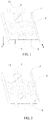
FIG. 1 is a partial sectional view illustrating an electrochemical energy storage device of an embodiment of the present invention; -
FIG. 2 is a partial sectional view illustrating an electrochemical energy storage device of another embodiment of the present invention; -
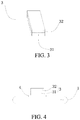
FIG. 3 is a schematic view illustrating a configuration of an embodiment of a binding material of the electrochemical energy storage device of the present invention; -
FIG. 4 is a schematic view exaggeratedly illustrating a configuration of yet another embodiment of the electrochemical energy storage device of the present invention taken along a line A-A ofFIG. 1 . - Reference numerals are represented as follows:
- 1
- cell
- 11
- ending
- 2
- package
- 3
- binding material
- 31
- adhesive layer
- 32
- covering layer
- 4
- adhesive tape
- Hereinafter an electrochemical energy storage device and examples, comparative examples and testing processes and testing results according to the present invention will be described in detail.
- Referring to
FIG. 1 to FIG. 3 , firstly, an electrochemical energy storage device according to the present invention will be described, the electrochemical energy storage device comprises acell 1, an electrolyte and apackage 2. Thecell 1 comprises a positive electrode plate, a negative electrode plate and a separator positioned between the positive electrode plate and the negative electrode plate; the electrolyte immerses thecell 1; thepackage 2 accommodates thecell 1 and the electrolyte. The electrochemical energy storage device further comprises abinding material 3 positioned between thecell 1 and thepackage 2. Thebinding material 3 comprises anadhesive layer 31 and acovering layer 32. Theadhesive layer 31 is directly or indirectly adhered and positioned on an outer surface of thecell 1, and a surface of theadhesive layer 31 which is far away from thecell 1 is an adhesive surface; thecovering layer 32 is positioned on the adhesive surface of theadhesive layer 31, thecovering layer 32 is dissolved or swollen into the electrolyte in whole or in part so as to expose the adhesive surface of theadhesive layer 31, therefore theadhesive layer 31 can make thecell 1 adhered with thepackage 2. The coveringlayer 32 is a polar molecule, the polar molecule comprises one or more selected from the group consisting of - F, -CO-NH-, -NH-CO-NH-, and -NH-CO-O-. - In an example, when the
covering layer 32 is dissolved or swollen into the electrolyte in whole or in part so as to expose the adhesive surface of theadhesive layer 31, thepackage 2 may be processed under pressing or heating from outside, therefore theadhesive layer 31 can make thecell 1 adhered with thepackage 2. - In the electrochemical energy storage device according to the present invention, the
covering layer 32 may be one or more selected from the group consisting of polar fluorinated polyolefin, polar fluorinated polyester, polar fluororubber, polyamide and polyurethane. - In the electrochemical energy storage device according to the present invention, the polar fluorinated polyolefin may be one or more selected from the group consisting of polyvinylidene fluoride (PVDF), polyacrylic acid modified polyvinylidene fluoride, fluorinated polypropylene (FPP), vinylidene fluoride-hexafluoropropylene copolymer (fluororubber 26), tetrafluoroethylene-propylene copolymer (fluororubber TP), fluoroalkene-vinyl ether copolymer (FEVE), vinylidene fluoride-tetrafluoroethylene-hexafluoropropylene copolymer (VDF-TFE-HEP), and tetrafluoroethylene-propylene rubber.
- In the electrochemical energy storage device according to the present invention, the polar fluorinated polyester may be one or more selected from the group consisting of fluorinated polyurethane, linear fluorinated poly(butylene isophthalate) (FPBI), linear fluorinated poly(butylene terephthalate) (FPBT), hydroxyl terminated polyester polysiloxane containing fluorine, and hyperbranched polyhydroxy fluorinated polyester (HBFP).
- In the electrochemical energy storage device according to the present invention, the polar fluororubber may be one or more selected from the group consisting of hydroxyl nitroso fluororubber, and fluoro ether rubber (VITON® GLT).
- In the electrochemical energy storage device according to the present invention, the polyamide may be one or more selected from the group consisting of polydecamrthylene sebacamide, polyundecaneamid, and polydodecanamide.
- In the electrochemical energy storage device according to the present invention, the polyurethane is generated by the reaction of polyhydric alcohol containing double bond, diisocyanate and chain extension agent. The polyhydric alcohol containing double bond may be one or more selected from the group consisting of poly hexalene glycol, poly propylene glycol, polytetramethylene ether glycol, and polycaprolactone oxydiethylene ester. The diisocyanate may be one or more selected from the group consisting of diphenyl-methane-diisocyanate, lysine diisocyanate, 4,4'-methylene dicyclohexyl diisocyanate, and 2,4,6-triisopropylphenyl diisocyanate. The chain extension agent may be one or more selected from the group consisting of 1,6-hexanediamine, 1,4-butylenediamine, 1,2-diaminopropane, and bis(aminomethyl)benzene.
- In the electrochemical energy storage device according to the present invention, the polyurethane may be fluorinated polyurethane.
- In the electrochemical energy storage device according to the present invention, the electrochemical energy storage device may be one selected from a group consisting of lithium secondary battery, lithium-ion secondary battery, super capacitor, fuel cell and solar battery.
- In the electrochemical energy storage device according to the present invention, the
cell 1 may be a wound cell, a laminated cell, or a laminated-wound cell. - In the electrochemical energy storage device according to the present invention, the binding
material 3 may be provided at any position between thecell 1 and thepackage 2. For example, the bindingmaterial 3 may be adhered and positioned at an ending 11 of thewound cell 1, or thebinding material 3 may be adhered and positioned at any position of the outer surface of thecell 1 facing thepackage 2, the bindingmaterials 3 may be adhered and positioned at a position perpendicular to the width direction of thecell 1 and across and surrounding the top and the bottom of thecell 1 respectively, and any edge or corner of thecell 1 may be adhered with thebinding material 3, or several positions each may be adhered with thebinding material 3 at the same time. An area of thebinding material 3 may be not more than a surface area of thecell 1, a shape of thebinding material 3 may be one or more selected from the group consisting of rectangular shape, circular shape, diamond shape, triangular shape, annular shape, gyrose shape, porous shape and the like. - In the electrochemical energy storage device according to the present invention, the
package 2 may be a soft package or a hard package. - In the electrochemical energy storage device according to the present invention, referring to
FIG. 4 , the electrochemical energy storage device may further comprise anadhesive tape 4 having single adhesive surface or double adhesive surfaces, positioned between thecell 1 and thebinding material 3, one adhesive surface of theadhesive tape 4 is adhered and positioned on the outer surface of thecell 1 and the other surface of theadhesive tape 4 is adhered and connected to thebinding material 3 so as to make thebinding material 3 indirectly adhered and positioned on the outer surface of thecell 1. - In the electrochemical energy storage device according to the present invention, a base material of the
adhesive tape 4 may be one or more selected from the group consisting of polyethylene terephthalate (PET), oriented polypropylene (PP) and polyimide (PI); an adhesive of theadhesive tape 4 may be one or more selected from the group consisting of acrylic resin adhesive, thermosetting polyurethane adhesive, silicone adhesive, natural rubber and synthetic rubber. - In the electrochemical energy storage device according to the present invention, a thickness of the
adhesive tape 4 may be 3 µm∼20 µm. - In the electrochemical energy storage device according to the present invention, a thickness of the
adhesive layer 31 may be 3 µm∼40 µm. - In the electrochemical energy storage device according to the present invention, the
adhesive layer 31 may be one or more selected from the group consisting of temperature sensitive adhesive and pressure sensitive adhesive. - In the electrochemical energy storage device according to the present invention, the temperature sensitive adhesive may be one or more selected from the group consisting of terpene resin, petroleum resin, naphthenic oil, polyolefine, polyvinyl butyral, polyamide, ethylene-vinyl acetate copolymer (EVA), styrene-isoprene-styrene block copolymer (SIS) and polyester, the naphthenic oil cannot be used independently.
- In the electrochemical energy storage device according to the present invention, the pressure sensitive adhesive may be one or more selected from the group consisting of ethylenebutylene-styrene linear triblock copolymer (SEBS), styrene-butadiene block copolymer (SEPS), epoxidized styrene-isoprene-styrene block copolymer (ESIS), acrylic resin adhesive, thermosetting polyurethane adhesive, silicone adhesive, natural rubber and synthetic rubber.
- In the electrochemical energy storage device according to the present invention, the
adhesive layer 31 may have flowability. - In the electrochemical energy storage device according to the present invention, the
adhesive layer 31 may further comprise an inorganic additive, the inorganic additive may be one or more selected from the group consisting of Al2O3 and SiO2. - In the electrochemical energy storage device according to the present invention, a thickness of the
covering layer 32 may be 2 µm∼20 µm. - In the electrochemical energy storage device according to the present invention, the use of the inorganic additive may effectively control the adhesiveness of the
adhesive layer 31, the bindingmaterial 3 will not flow to a sealing edge of thecell 1 under pressing or heating, thereby resolving the problem of poor sealing caused by the inhomogeneous flow of thebinding material 3. - Then examples and comparative examples of electrochemical energy storage devices according to the present invention would be described, the first binding material and the second binding material were two different types of the
binding material 3 of the present invention. -
- 1. Preparation of a positive electrode plate: LiCoO2, conductive carbon and polyvinylidene fluoride according to a weight ratio of 96:1:3 were uniformly mixed with N-methyl pyrrolidone to form a positive electrode slurry, then the positive electrode slurry was coated and pressed to form a positive electrode plate with a thickness of 100 µm.
- 2. Preparation of a negative electrode plate: graphite, conductive carbon, sodium carboxymethyl cellulose and styrene butadiene rubber according to a weight ratio of 97:1:1:1 were uniformly mixed with deionized water to form a negative electrode slurry, then the negative electrode slurry was coated and pressed to form a negative electrode plate with a thickness of 90 µm.
- 3. Preparation of an electrolyte: EC, PC, DEC and EMC according to a weight ratio of 20:20:50:10 were uniformly mixed to form a non-aqueous organic solvent, LiPF6 (lithium salt) was added with a concentration of 1.0 mol/L, finally an electrolyte was completed.
- 4. Preparation of a cell: the prepared positive electrode plate, a PP separator and the negative electrode plate were wound together to form a wound cell with a thickness of 3.5 mm, a width of 48 mm and a length of 80 mm.
- 5. Preparation of a binding material: a length of the binding material was 75 mm, and a width of the binding material was 8 mm; the adhesive layer was a mixture of polybutylene (PB) and terpene resin, a thickness of the adhesive layer was 20 µm, the covering layer was PVDF, a thickness of the covering layer was 3 µm.
- 6. Preparation of a lithium-ion secondary battery: the adhesive layer of the binding material was directly adhered at an ending of the wound cell, and then the wound cell was put into a package, the electrolyte was injected, then at 60 °C, a 1 MPa surface pressure was applied on an outer surface of the package of the cell corresponding to a position where the binding material was adhered, to make the adhesive surface of the adhesive layer adhered with the inner surface of the package, finally a lithium-ion secondary battery was completed.
- The lithium-ion secondary battery was prepared the same as that in example 1 except the following:
- 5. Preparation of a binding material: the covering layer was PVDF, a thickness of the covering layer was 20 µm.
- The lithium-ion secondary battery was prepared the same as that in example 1 except the following:
- 5. Preparation of a binding material: the covering layer was FPP, a thickness of the covering layer was 3 µm.
- The lithium-ion secondary battery was prepared the same as that in example 1 except the following:
- 5. Preparation of a binding material: the covering layer was FPBI, a thickness of the covering layer was 3 µm.
- The lithium-ion secondary battery was prepared the same as that in example 1 except the following:
-
- 1) Binding material: a length of the binding material was 75 mm, and a width of the binding material was 8 mm; the adhesive layer was a mixture of polybutylene (PB) and terpene resin, a thickness of the adhesive layer was 20 µm, the covering layer was FPBI, a thickness of the covering layer was 3 µm.
- 2) Green glue tape: a length of the green glue tape was 75 mm, a width of the green glue tape was 8 mm, the green glue tape comprised polyethylene terephthalate (PET) as the base material and acrylic resin as the adhesive, the acrylic resin was coated on one surface of the polyethylene terephthalate (PET), a thickness of the polyethylene terephthalate (PET) was 7 µm, a thickness of the acrylic resin was 8 µm.
- 6. Preparation of a lithium-ion secondary battery: the adhesive layer of the binding material was directly adhered at an opposite surface of the ending of the wound cell, one green glue tape was adhered at the ending of the cell, and then the wound cell was put into a package, the electrolyte was injected, then at 60 °C, a 1 MPa surface pressure was applied on an outer surface of the package of the cell corresponding to a position where the binding material was adhered, to make the adhesive surface of the adhesive layer adhered with the inner surface of the package, finally a lithium-ion secondary battery was completed.
- The lithium-ion secondary battery was prepared the same as that in example 1 except the following:
- 6. Preparation of a lithium-ion secondary battery: the adhesive layer of the binding material was directly adhered at an ending of the wound cell, and then the wound cell was put into a package, the electrolyte was injected, then at 25 °C, a 1 MPa surface pressure was applied on an outer surface of the package of the cell corresponding to a position where the binding material was adhered, to make the adhesive surface of the adhesive layer adhered with the inner surface of the package, finally a lithium-ion secondary battery was completed.
- The lithium-ion secondary battery was prepared the same as that in example 1 except the following:
- 5. Preparation of a binding material: the adhesive layer was a mixture of SIS and terpene resin, a thickness of the adhesive layer was 20 µm.
- 6. Preparation of a lithium-ion secondary battery: the adhesive layer of the binding material was directly adhered at an ending of the wound cell, and then the wound cell was put into a package, the electrolyte was injected, then at 85 °C, a 1 MPa surface pressure was applied on an outer surface of the package of the cell corresponding to a position where the binding material was adhered, to make the adhesive surface of the adhesive layer adhered with the inner surface of the package, finally a lithium-ion secondary battery was completed.
- The lithium-ion secondary battery was prepared the same as that in example 7 except the following:
- 5. Preparation of a binding material: the adhesive layer was a mixture of SIS and terpene resin, the adhesive layer further comprised an inorganic additive Al2O3, a thickness of the adhesive layer was 40 µm.
- The lithium-ion secondary battery was prepared the same as that in example 1 except the following:
- 6. Preparation of a lithium-ion secondary battery: the adhesive layer of the binding material was directly adhered at an ending of the wound cell, and then the wound cell was put into a package, the electrolyte was injected, then at 25 °C, a 0.2 MPa surface pressure was applied on an outer surface of the package of the cell corresponding to a position where the binding material was adhered, to make the adhesive surface of the adhesive layer adhered with the inner surface of the package, finally a lithium-ion secondary battery was completed.
- The lithium-ion secondary battery was prepared the same as that in example 1 except the following:
- 6. Preparation of a lithium-ion secondary battery: the adhesive layer of the binding material was directly adhered at an ending of the wound cell, and then the wound cell was put into a package, the electrolyte was injected, then at 25 °C, a 0.6 MPa surface pressure was applied on an outer surface of the package of the cell corresponding to a position where the binding material was adhered, to make the adhesive surface of the adhesive layer adhered with the inner surface of the package, finally a lithium-ion secondary battery was completed.
- The lithium-ion secondary battery was prepared the same as that in example 1 except the following:
- 6. Preparation of a lithium-ion secondary battery: the adhesive layer of the binding material was directly adhered at an ending of the wound cell, and then the wound cell was put into a package, the electrolyte was injected, then at 25 °C, a 0.8 MPa surface pressure was applied on an outer surface of the package of the cell corresponding to a position where the binding material was adhered, to make the adhesive surface of the adhesive layer adhered with the inner surface of the package, finally a lithium-ion secondary battery was completed.
- The lithium-ion secondary battery was prepared the same as that in example 1 except the following:
- 5. Preparation of a binding material: a length of the binding material was 75 mm, and a width of the binding material was 11 mm; the adhesive layer was a mixture of polybutylene (PB) and petroleum resin, a thickness of the adhesive layer was 10 µm.
- 6. Preparation of a lithium-ion secondary battery: the adhesive layer of the binding material was directly adhered at an ending of the wound cell, and then the wound cell was put into a package, the electrolyte was injected, then at 60 °C, a 1.5 MPa surface pressure was applied on an outer surface of the package of the cell corresponding to a position where the binding material was adhered, to make the adhesive surface of the adhesive layer adhered with the inner surface of the package, finally a lithium-ion secondary battery was completed.
- The lithium-ion secondary battery was prepared the same as that in example 1 except the following:
- 5. Preparation of a binding material: a length of the binding material was 75 mm, and a width of the binding material was 11 mm; the adhesive layer was a mixture of SEBS and polystyrene (PS), a thickness of the adhesive layer was 30 µm; the covering layer was PVDF, a thickness of the covering layer was 5 µm.
- 6. Preparation of a lithium-ion secondary battery: the adhesive layer of the binding material was directly adhered at an ending of the wound cell, and then the wound cell was put into a package, the electrolyte was injected, then at 85 °C, a 1 MPa surface pressure was applied on an outer surface of the package of the cell corresponding to a position where the binding material was adhered, to make the adhesive surface of the adhesive layer adhered with the inner surface of the package, finally a lithium-ion secondary battery was completed.
- The lithium-ion secondary battery was prepared the same as that in example 1 except the following:
- 4. Preparation of a cell: the prepared positive electrode plate, a PP separator and the negative electrode plate were laminated together to form a laminated cell with a thickness of 3.5 mm, a width of 48 mm and a length of 80 mm.
- 5. Preparation of a binding material: the adhesive layer was a mixture of polyisoprene (PI) and naphthenic oil, a thickness of the adhesive layer was 20 µm.
- 6. Preparation of a lithium-ion secondary battery: the binding material was adhered at the surface of the laminated cell, and then the cell having the binding material was put into a package, the electrolyte was injected, then at 70 °C, a 1 MPa surface pressure was applied on an outer surface of the package of the cell corresponding to a position where the binding material was adhered, to make the adhesive surface of the adhesive layer adhered with the inner surface of the package, finally a lithium-ion secondary battery was completed.
- The lithium-ion secondary battery was prepared the same as that in example 1 except the following:
-
- 1) First binding material: a length of the binding material was 75 mm, and a width of the binding material was 8 mm; the adhesive layer was a mixture of polyisoprene (PI) and naphthenic oil, a thickness of the adhesive layer was 20 µm; the covering layer was PVDF, a thickness of the covering layer was 3 µm.
- 2) Second binding material: a length of the binding material was 30 mm, and a width of the binding material was 8 mm; the adhesive layer was a mixture of polyisoprene (PI) and naphthenic oil, a thickness of the adhesive layer was 20 µm; the covering layer was PVDF, a thickness of the covering layer was 3 µm.
- 3) Adhesive tape: the adhesive tape was a green glue tape with a length of 75 mm and a width of 8 mm, the green glue tape comprised polyethylene terephthalate (PET) as the base material and acrylic resin as the adhesive, the acrylic resin was coated on one surface of the polyethylene terephthalate (PET), the thickness of the polyethylene terephthalate (PET) was 7 µm, the thickness of the acrylic resin was 8 µm.
- 6. Preparation of a lithium-ion secondary battery: the adhesive tape was adhered on the surface of the wound cell where the ending was present, then the adhesive layer of the first binding material was adhered on the corresponding green glue tape which was adhered on the ending of the cell, two second binding materials were adhered respectively on positions perpendicular to the width direction of the cell and across and surrounding the bottom of the cell, one second binding material was adhered on a position perpendicular to the width direction of the cell and across and surrounding the top of the cell, then the cell having the binding material was placed into a package, the electrolyte was injected, then at 70 °C, a 1 MPa surface pressure was applied on an outer surfaces of the package of the cell corresponding to positions where the binding material were adhered, to make the adhesive surface of the adhesive layer adhered with the inner surface of the package, finally a lithium-ion secondary battery was completed.
- The lithium-ion secondary battery was prepared the same as that in example 1 except the following:
- 5. Preparation of a binding material: the binding material was a double-sided acrylic resin adhesive tape with a length of 75 mm, a width of 11 mm and a thickness of 20 µm, the double-sided acrylic resin adhesive tape comprised polyethylene terephthalate (PET) as the base material and acrylic resin as the adhesive, the acrylic resin was coated on two surfaces of the polyethylene terephthalate (PET), the thickness of the polyethylene terephthalate (PET) was 6 µm, the thickness of the acrylic resin was 7 µm.
- 6. Preparation of a lithium-ion secondary battery: the cell having the binding material was put into the package, the electrolyte was injected, then at 25 °C, a 1 MPa surface pressure was applied on an outer surface of the package of the cell corresponding to a position where the binding material was adhered, to make the adhesive surface of the adhesive layer adhered with the inner surface of the package, finally a lithium-ion secondary battery was completed.
- Next testing processes and testing results of lithium-ion secondary batteries of the present invention would be described.
- The lithium-ion secondary battery was fixed into a drop test clamp with a double-sided adhesive tape, the initial voltage of the lithium-ion secondary battery was tested and recorded as V0, the six surfaces of the drop test clamp was sequentially numbered as No. 1, No. 2, No. 3, No. 4, No. 5 and No. 6, and the four corners of the drop test clamp was sequentially numbered as No. C1, No. C2, No. C3 and No. C4.
- At 25 °C, the drop test clamp was positioned on a test platform with a height of 1.5 m, the lithium-ion secondary battery was dropped sequentially according to Nos. 1-6, then the lithium-ion secondary battery was dropped sequentially according to Nos. C1-C4, six cycles were conducted, then the drop test was completed, after standing for 1h, the final voltage of the lithium-ion secondary battery was tested and recorded as V1.
- (1) The voltage drop of the drop test was recorded as ΔV=V0-V1;
- (2) observing whether the package of the lithium-ion secondary battery was damaged or top sealing was burst out;
- (3) disassembling the lithium-ion secondary battery apart and observing whether the tabs of the cell were broken;
- (4) disassembling the lithium-ion secondary battery apart and observing whether the separator on the two sides along the width direction of the cell was shifted or wrinkled;
- (5) disassembling the lithium-ion secondary battery apart and observing whether the positive electrode plate and the negative electrode plate were contacted with each other to establish an internal short circuit;
- (6) testing of the maximum adhesive overflow width: the dropped lithium-ion secondary battery sample was disassembled, the package was removed, the maximum adhesive overflow width was measured on the side of the cell having the binding material with a ruler, ten values were recorded along the length direction of the cell, an average value of the ten values was used.
- The lithium-ion secondary battery was put into a thermostat oven under 25 °C, the lithium-ion secondary battery was charged to 4.35 V at a constant current of 0.5 C, then the lithium-ion secondary battery was charged to 0.025 C at a constant voltage of 4.35 V, then the lithium-ion secondary battery was stood for 3 min, then the lithium-ion secondary battery was discharged to 3.0 V at a constant current of 0.5 C, which was a charge-discharge cycle, the charge-discharge cycle was repeated for 800 times, observing whether there was a short circuit, 50 lithium-ion secondary batteries were tested for each group, and the pass rate of the lithium-ion secondary batteries was calculated.
- The initial thickness of the lithium-ion secondary battery before the cycling test was tested and recorded as D1 via a thickness tester, the thickness after 800 cycles was recorded as D2, D2/D1-1 might represent the deformation rate of the lithium-ion secondary battery, here, if the deformation rate was small than 8%, the lithium-ion secondary battery was identified as without deformation, the pass rate of the lithium-ion secondary batteries without deformation was calculated.
- The lithium-ion secondary battery was put into a thermostat oven under 25 °C, the lithium-ion secondary battery was charged to 4.35 V at a constant current of 0.7 C, then the lithium-ion secondary battery was charged to 0.025 C at a constant voltage of 4.35 V, then the lithium-ion secondary battery was stood for 3 min, then the lithium-ion secondary battery was discharged to 3.0 V at a constant current of 1 C, which was a charge-discharge cycle, the charge-discharge cycle was repeated until the capacity of the lithium-ion secondary battery decayed to small than 80%, the cycle number was recorded.
- After formation and degassing was conducted on the lithium-ion secondary battery, observing whether there was an obvious electrolyte expansion on the exterior of the lithium-ion secondary battery via visual inspection, the number of the lithium-ion secondary batteries without electrolyte expansion was marked as P0, the total number of the lithium-ion secondary batteries to be tested was P, the pass rate of the lithium-ion secondary batteries without electrolyte expansion was P0/P.
- Table 1 illustrated parameters of examples 1-15 and comparative example 1
- Table 2 illustrated testing results of examples 1-15 and comparative example 1.
Table 1 Parameters of examples 1-15 and comparative example 1 cell type binding material adhesive tape temperat ure °C pressure MPa position length mm width mm adhesive layer covering layer material thickness µm material inorganic additive thickness µm material thickness µm example 1 wound cell ending 75 8 PB terpene resin / 20 PVDF 3 / / 60 1 example 2 wound cell ending 75 8 PB terpene resin / 20 PVDF 20 / / 60 1 example 3 wound cell ending 75 8 PB terpene resin / 20 FPP 3 / / 60 1 example 4 wound cell ending 75 8 PB terpene resin / 20 FPBI 3 / / 60 1 example 5 wound cell opposite surface of ending 75 8 PB terpene resin / 20 FPBI 3 / / 60 1 ending 75 8 green glue tape / 15 / / / / example 6 wound cell ending 75 8 PB terpene resin / 20 PVDF 3 / / 25 1 example 7 wound cell ending 75 8 SIS terpene resin / 20 PVDF 3 / / 85 1 example 8 wound cell ending 75 8 SIS terpene resin Al2O3 40 PVDF 3 / / 85 1 example 9 wound cell ending 75 8 PB terpene resin / 20 PVDF 3 / / 25 0.2 example 10 wound cell ending 75 8 PB terpene resin / 20 PVDF 3 / / 25 0.6 example 11 wound cell ending 75 8 PB terpene resin / 20 PVDF 3 / / 25 0.8 example 12 wound cell ending 75 11 PB petroleum resin / 10 PVDF 3 / / 60 1.5 example 13 wound cell ending 75 11 SEBS PS / 30 PVDF 5 / / 85 1 example 14 laminated cell cell surface 75 8 PI naphthenic oil / 20 PVDF 3 / / 70 1 example 15 wound cell ending 75 8 PI naphthenic oil / 20 PVDF 3 green glue tape 15 70 1 top bottom 30 8 PI naphthenic oil / 20 PVDF 3 comparative example 1 wound cell ending 75 11 double-sided acrylic resin adhesive tape / 20 / / / / 25 1 Table 2 Testing results of examples 1-15 and comparative example 1 maximum adhesive overflow width mm pass rate of the drop test testing of the cycle performance the cycle number when discharged under a high rate pass rate without liquid expansion no voltage drop no package damaged or top sealing burst no tab broken no separator shift or wrinkle no electrode plate internal short circuit pass rate without short circuit after the cycling test pass rate without deformation after the cycling test example 1 2 100% 100% 100% 100% 100% 100% 90% 1000 100% example 2 2 100% 100% 100% 100% 100% 100% 100% 1000 100% example 3 2 100% 100% 100% 100% 100% 100% 95% 1000 100% example 4 2 100% 100% 100% 100% 100% 100% 95% 1000 100% example 5 2 100% 100% 100% 100% 100% 100% 95% 1000 100% example 6 1 100% 100% 100% 100% 100% 100% 95% 1000 100% example 7 2 100% 100% 100% 100% 100% 100% 95% 1000 100% example 8 1 100% 100% 100% 100% 100% 100% 95% 1000 100% example 9 0 100% 100% 100% 100% 100% 100% 95% 1000 100% example 10 1 100% 100% 100% 100% 100% 100% 95% 1000 100% example 11 1.5 100% 100% 100% 100% 100% 100% 95% 1000 100% example 12 1 100% 100% 100% 100% 100% 100% 95% 1000 100% example 13 2 100% 100% 100% 100% 100% 100% 100% 1000 100% example 14 2 100% 100% 100% 100% 100% 100% 95% 1000 100% example 15 2 100% 100% 100% 100% 100% 100% 95% 1000 100% comparative example 1 0 5% 10% 10% 2% 10% 10% 60% 600 20% - It could be seen from a comparison between examples 1-15 and comparative example 1, the lithium-ion secondary battery of the present invention had a higher pass rate of the drop test, a higher pass rate without short circuit after the cycling test, a higher pass rate without deformation after the cycling test, and a higher pass rate without liquid expansion, and also the cycle number when discharged under a high rate was higher. This was because comparative example 1 used a normal double-sided acrylic resin adhesive tape, the two surfaces both were adhesive at room temperature, causing the position between the cell adhered with the normal double-sided acrylic resin adhesive tape and the package was difficult to adjust when they were adhered with each other, and also the adhesive strength of the normal double-sided acrylic resin adhesive tape was relatively small, therefore it must increase the width of the normal double-sided acrylic resin adhesive tape in order to achieve a better adhesive strength, so as to increase the adhesive area, and in turn increase the adhesive strength. The covering layer of the present invention was a polar molecular, and was easily formed into a network structure, the covering layer might absorb the electrolyte, and when the electrolyte in the lithium-ion secondary battery was gradually decreased as a result of electrolyte decomposition, the electrolyte absorbed by the covering layer could be gradually released under a concentration difference; the covering layer was dissolved or swollen into the electrolyte in whole or in part so as to generate adhesiveness and diffused into the lithium-ion secondary battery along with the electrolyte, thereby making the separator adhered with the electrode plate, preventing the separator from being shrank when the lithium-ion secondary battery was dropped, and without adding additional binding materials which was adhered and positioned at a position of the cell across and surrounding the top and the bottom of the cell; in addition, because the covering layer had a higher molecular polarity, which was beneficial to the ionization of the lithium salt, therefore it could improve the ion-conducting ability of the electrolyte, and improve the charge-discharge performance under a high rate of the lithium-ion secondary battery.
- It could be seen from examples 1-2, as the thickness of the covering layer increased, the amount of the covering layer which was dissolved or swollen into the electrolyte increased, the amount of the covering layer which has entered into a position between the positive electrode plate and the negative electrode plate increased, which might enhance the adhesive force between the positive electrode plate and the negative electrode plate, thereby increasing the pass rate without deformation after the cycling test of the lithium-ion secondary batteries.
- It could be seen from example 5, the change of the adhered position of the binding material would not affect the performance of the lithium-ion secondary battery.
- It could be seen from examples 6-7, when the temperature applied on the lithium-ion secondary battery changed, the performance of the lithium-ion battery would not be changed.
- It could be seen from example 8, when the adhesive layer comprised the inorganic additive, although the adhesive layer had a higher thickness, the lithium-ion secondary battery still had a better performance, this was because the inorganic additive might effectively control the adhesiveness of the adhesive layer, prevent the binding material from flowing to the sealing edge of the cell under pressing or heating, resolve the problem of poor sealing which was caused by the inhomogeneous flow of the binding material, modify the adhesive overflow width.
- It could be seen from examples 9-11, when the pressure applied on the lithium-ion secondary battery gradually increased, the adhesive overflow width increased.
- It could be seen from examples 12-15, adhering and positioning the binding material on the surface of the green glue tape which was adhered at the ending of the cell played an equivalent role as directly adhering and positioning the binding material at the ending of the cell, and when the thickness of the adhesive layer and the thickness of the covering layer increased, it helped to increase the adhesiveness between the cell and the package, thereby improving the pass rate without deformation after the cycling test of the lithium-ion secondary batteries.
Claims (26)
- An electrochemical energy storage device, comprising:a cell (1) comprising a positive electrode plate, a negative electrode plate and a separator positioned between the positive electrode plate and the negative electrode plate;an electrolyte immersing the cell (1); anda package (2) accommodating the cell (1) and the electrolyte;the electrochemical energy storage device further comprising:a binding material (3) positioned between the cell (1) and the package (2), comprising:an adhesive layer (31) directly or indirectly adhered and positioned on an outer surface of the cell (1), and a surface of the adhesive layer (31) which was far away from the cell (1) being an adhesive surface; anda covering layer (32) positioned on the adhesive surface of the adhesive layer (31), the covering layer (32) being dissolved or swollen into the electrolyte in whole or in part so as to expose the adhesive surface of the adhesive layer (31), the adhesive layer (31) in turn making the cell (1) adhered with the package (2);the covering layer (32) being a polar molecule, the polar molecule comprising one or more selected from the group consisting of -F, -CO-NH-, -NH-CO-NH-, and NH-CO-O-.
- The electrochemical energy storage device according to Claim 1, wherein the covering layer (32) is one or more selected from the group consisting of polar fluorinated polyolefin, polar fluorinated polyester, polar fluororubber, polyamide and polyurethane.
- The electrochemical energy storage device according to Claim 2, wherein the polar fluorinated polyolefin is one or more selected from the group consisting of polyvinylidene fluoride, polyacrylic acid modified polyvinylidene fluoride, fluorinated polypropylene, vinylidene fluoride-hexafluoropropylene copolymer, tetrafluoroethylene-propylene copolymer, fluoroalkene-vinyl ether copolymer, vinylidene fluoride-tetrafluoroethylene-hexafluoropropylene copolymer, and tetrafluoroethylene-propylene rubber.
- The electrochemical energy storage device according to Claim 2, wherein the polar fluorinated polyester is one or more selected from the group consisting of fluorinated polyurethane, linear fluorinated poly(butylene isophthalate), linear fluorinated poly(butylene terephthalate), hydroxyl terminated polyester polysiloxane containing fluorine, and hyperbranched polyhydroxy fluorinated polyester.
- The electrochemical energy storage device according to Claim 2, wherein the polar fluororubber is one or more selected from the group consisting of hydroxyl nitroso fluororubber, and fluoro ether rubber.
- The electrochemical energy storage device according to Claim 2, wherein the polyamide is one or more selected from the group consisting of polydecamrthylene sebacamide, polyundecaneamid, and polydodecanamide.
- The electrochemical energy storage device according to Claim 2, wherein the polyurethane is generated by the reaction of polyhydric alcohol containing double bond, diisocyanate and chain extension agent.
- The electrochemical energy storage device according to Claim 7, wherein the polyhydric alcohol containing double bond is one or more selected from the group consisting of poly hexalene glycol, poly propylene glycol, polytetramethylene ether glycol, and polycaprolactone oxydiethylene ester.
- The electrochemical energy storage device according to Claim 7, wherein the diisocyanate is one or more selected from the group consisting of diphenyl-methane-diisocyanate, lysine diisocyanate, 4,4'-methylene dicyclohexyl diisocyanate, and 2,4,6-triisopropylphenyl diisocyanate.
- The electrochemical energy storage device according to Claim 7, wherein the chain extension agent is one or more selected from the group consisting of 1,6-hexanediamine, 1,4-butylenediamine, 1,2-diaminopropane, and bis(aminomethyl)benzene.
- The electrochemical energy storage device according to Claim 2, wherein the polyurethane is fluorinated polyurethane.
- The electrochemical energy storage device according to Claim 1, wherein the adhesive layer (31) is one or more selected from the group consisting of temperature sensitive adhesive and pressure sensitive adhesive.
- The electrochemical energy storage device according to Claim 12, wherein the temperature sensitive adhesive is one or more selected from the group consisting of terpene resin, petroleum resin, naphthenic oil, polyolefine, polyvinyl butyral, polyamide, ethylene-vinyl acetate copolymer, styrene-isoprene-styrene block copolymer and polyester, the naphthenic oil cannot be used independently.
- The electrochemical energy storage device according to Claim 12, wherein the pressure sensitive adhesive is one or more selected from the group consisting of ethylenebutylene-styrene linear triblock copolymer, styrene-butadiene block copolymer, epoxidized styrene-isoprene-styrene block copolymer, acrylic resin adhesive, thermosetting polyurethane adhesive, silicone adhesive, natural rubber and synthetic rubber.
- The electrochemical energy storage device according to Claim 1, wherein the adhesive layer (31) has flowability.
- The electrochemical energy storage device according to Claim 1, wherein the adhesive layer (31) further comprises an inorganic additive.
- The electrochemical energy storage device according to Claim 16, wherein the inorganic additive is one or more selected from the group consisting of Al2O3 and SiO2.
- The electrochemical energy storage device according to Claim 1, wherein the electrochemical energy storage device further comprises an adhesive tape (4) having single adhesive surface or double adhesive surfaces, positioned between the cell (1) and the binding material (3), one adhesive surface of the adhesive tape (4) is adhered and positioned on the outer surface of the cell (1) and the other surface of the adhesive tape (4) is adhered and connected to the binding material (3) so as to make the binding material (3) indirectly adhered and positioned on the outer surface of the cell (1).
- The electrochemical energy storage device according to Claim 18, wherein a base material of the adhesive tape (4) is one or more selected from the group consisting of polyethylene terephthalate, oriented polypropylene and polyimide.
- The electrochemical energy storage device according to Claim 18, wherein an adhesive of the adhesive tape (4) is one or more selected from the group consisting of acrylic resin adhesive, thermosetting polyurethane adhesive, silicone adhesive, natural rubber and synthetic rubber.
- The electrochemical energy storage device according to Claim 18, wherein a thickness of the adhesive tape (4) is 3 µm∼20 µm.
- The electrochemical energy storage device according to Claim 1, wherein a thickness of the adhesive layer (31) is 3 µm∼40 µm.
- The electrochemical energy storage device according to Claim 1, wherein a thickness of the covering layer (32) is 2 µm∼20 µm.
- The electrochemical energy storage device according to Claim 1, wherein the electrochemical energy storage device is one selected from a group consisting of lithium secondary battery, lithium-ion secondary battery, super capacitor, fuel cell and solar battery.
- The electrochemical energy storage device according to Claim 1, wherein the cell (1) is a wound cell, a laminated cell, or a laminated-wound cell.
- The electrochemical energy storage device according to Claim 1, wherein the package (2) is a soft package or a hard package.
Applications Claiming Priority (2)
| Application Number | Priority Date | Filing Date | Title |
|---|---|---|---|
| CN201410747997.7A CN105742712A (en) | 2014-12-08 | 2014-12-08 | Electrochemical energy storage device |
| PCT/CN2015/080758 WO2016090868A1 (en) | 2014-12-08 | 2015-06-04 | Electrochemical energy storage device |
Publications (2)
| Publication Number | Publication Date |
|---|---|
| EP3232501A1 true EP3232501A1 (en) | 2017-10-18 |
| EP3232501A4 EP3232501A4 (en) | 2018-07-18 |
Family
ID=56106575
Family Applications (1)
| Application Number | Title | Priority Date | Filing Date |
|---|---|---|---|
| EP15867312.9A Withdrawn EP3232501A4 (en) | 2014-12-08 | 2015-06-04 | Electrochemical energy storage device |
Country Status (6)
| Country | Link |
|---|---|
| US (1) | US10396403B2 (en) |
| EP (1) | EP3232501A4 (en) |
| JP (1) | JP6663431B2 (en) |
| KR (1) | KR101913383B1 (en) |
| CN (1) | CN105742712A (en) |
| WO (1) | WO2016090868A1 (en) |
Families Citing this family (16)
| Publication number | Priority date | Publication date | Assignee | Title |
|---|---|---|---|---|
| WO2018068267A1 (en) * | 2016-10-13 | 2018-04-19 | 宁德新能源科技有限公司 | Anode additive, electrode plate comprising same, and electrochemical energy storage device |
| CN207690902U (en) * | 2017-12-14 | 2018-08-03 | 比亚迪股份有限公司 | Battery and the battery pack with it, electric vehicle |
| CN109950609B (en) * | 2017-12-20 | 2024-03-15 | 成都市银隆新能源有限公司 | Liquid storage tape for lithium-ion soft-packed batteries, preparation method and battery core |
| US12080898B2 (en) * | 2017-12-22 | 2024-09-03 | Cummins Inc. | Thermal runaway mitigation system for high capacity energy cell |
| CN108084897A (en) * | 2017-12-26 | 2018-05-29 | 成都新柯力化工科技有限公司 | A kind of power lithium-ion battery adhesive special |
| CN109554136A (en) * | 2018-09-28 | 2019-04-02 | 桑顿新能源科技有限公司 | A kind of lithium ion battery special adhesive tape and its application |
| CN111341993B (en) * | 2018-12-18 | 2024-04-26 | 宁德新能源科技有限公司 | Cells and batteries |
| EP3866248A4 (en) * | 2019-12-16 | 2021-09-29 | Ningde Amperex Technology Ltd. | Battery cell |
| CN113451631B (en) * | 2020-03-27 | 2022-12-13 | 宁德新能源科技有限公司 | Battery structure and electronic device using same |
| CN113728496B (en) * | 2020-03-30 | 2023-07-25 | 宁德新能源科技有限公司 | Electric core and battery with the electric core |
| CN111883848B (en) * | 2020-05-28 | 2022-02-18 | 合肥国轩高科动力能源有限公司 | Assembling method of soft package battery module |
| EP4207437A4 (en) * | 2021-01-29 | 2024-11-27 | Ningde Amperex Technology Limited | ELECTROCHEMICAL APPARATUS AND ELECTRONIC DEVICE |
| WO2022160273A1 (en) * | 2021-01-29 | 2022-08-04 | 宁德新能源科技有限公司 | Electrochemical device and electronic apparatus |
| CN114127998B (en) * | 2021-02-09 | 2022-11-18 | 宁德新能源科技有限公司 | Electrochemical device and electronic device |
| CN115398706A (en) * | 2021-11-01 | 2022-11-25 | 东莞新能源科技有限公司 | Electrochemical device and electronic device comprising the same |
| WO2026073076A1 (en) | 2024-09-29 | 2026-04-02 | South 8 Technologies, Inc. | Structure and materials of tapes for electrochemical cells utilizing liquefied gas electrolytes |
Family Cites Families (28)
| Publication number | Priority date | Publication date | Assignee | Title |
|---|---|---|---|---|
| JP3400056B2 (en) * | 1992-12-25 | 2003-04-28 | ティーディーケイ株式会社 | Lithium secondary battery |
| JPH08124560A (en) * | 1994-10-21 | 1996-05-17 | Dainippon Printing Co Ltd | Method for manufacturing electrode plate for non-aqueous electrolyte secondary battery |
| JP3902322B2 (en) * | 1998-03-10 | 2007-04-04 | 三洋電機株式会社 | Non-aqueous electrolyte battery |
| JP4281129B2 (en) * | 1998-10-28 | 2009-06-17 | 三菱電機株式会社 | Lithium ion secondary battery |
| JP2000223085A (en) * | 1999-01-28 | 2000-08-11 | Mitsubishi Chemicals Corp | Rechargeable battery |
| JP2001093576A (en) * | 1999-09-27 | 2001-04-06 | Japan Storage Battery Co Ltd | Non-aqueous electrolyte battery and method of manufacturing the same |
| JP2002175810A (en) * | 2000-09-26 | 2002-06-21 | Mitsubishi Chemicals Corp | Lithium secondary battery and negative electrode |
| US20060093922A1 (en) * | 2004-09-22 | 2006-05-04 | Kim Cheon S | Composite material tape for lithium secondary battery and lithium secondary battery using the same |
| JP2007265873A (en) * | 2006-03-29 | 2007-10-11 | Dainippon Printing Co Ltd | Battery |
| US8288036B2 (en) * | 2009-05-18 | 2012-10-16 | Samsung Sdi Co., Ltd. | Secondary battery and method of making the secondary battery |
| KR101136254B1 (en) * | 2010-05-20 | 2012-04-19 | 삼성에스디아이 주식회사 | Secondary battery |
| JP5110132B2 (en) * | 2009-08-07 | 2012-12-26 | 大日本印刷株式会社 | Packaging materials for electrochemical cells |
| KR20110075583A (en) * | 2009-12-28 | 2011-07-06 | 주식회사 효성 | The outermost layer of the secondary battery packaging material composed of a multilayer film having excellent slip properties, the secondary battery packaging material comprising the same and a manufacturing method thereof |
| JP2011181441A (en) * | 2010-03-03 | 2011-09-15 | Sony Corp | Cylinder type nonaqueous electrolyte battery |
| KR20120022722A (en) * | 2010-04-27 | 2012-03-12 | 파나소닉 주식회사 | Non-aqueous secondary battery and electrode assembly used therefor |
| EP2477252B1 (en) * | 2010-10-04 | 2020-08-19 | LG Chem, Ltd. | Seal tape and secondary battery using the same |
| KR101367754B1 (en) * | 2011-07-07 | 2014-02-27 | 주식회사 엘지화학 | Electrode assembly for electrochemical device and electrochemical device comprising the same |
| CN202205852U (en) * | 2011-09-22 | 2012-04-25 | 东莞新能源科技有限公司 | Soft package lithium ion battery |
| JP2013114797A (en) * | 2011-11-25 | 2013-06-10 | Sanyo Electric Co Ltd | Manufacturing method of nonaqueous electrolyte battery |
| JP5867044B2 (en) * | 2011-12-12 | 2016-02-24 | 株式会社村田製作所 | Insulating adhesive layer and power storage device using the same |
| JP2013134884A (en) * | 2011-12-26 | 2013-07-08 | Taiyo Holdings Co Ltd | Positive electrode mixture, positive electrode, and nonaqueous electrolyte secondary battery including the same |
| WO2013133167A1 (en) * | 2012-03-09 | 2013-09-12 | 日東電工株式会社 | Adhesive tape |
| CN202585658U (en) * | 2012-05-23 | 2012-12-05 | 深圳市迪凯特电池科技有限公司 | Electrolyte-permeable gummed paper for winding core of lithium ion battery |
| CN103000954B (en) * | 2012-11-09 | 2016-01-20 | 北京纳米能源与系统研究所 | A kind of energy bag |
| CN103151479B (en) * | 2013-01-31 | 2015-10-07 | 浙江努奥罗新能源科技有限公司 | A kind of colliery energy-storage battery and battery core thereof |
| EP2985831B1 (en) * | 2013-07-31 | 2019-08-07 | LG Chem, Ltd. | Curved electrode stacked body and battery cell comprising same |
| CN203733893U (en) * | 2014-01-06 | 2014-07-23 | 宁德新能源科技有限公司 | Lithium ion secondary battery |
| CN203690420U (en) * | 2014-01-23 | 2014-07-02 | 东莞新能源科技有限公司 | Lithium ion battery |
-
2014
- 2014-12-08 CN CN201410747997.7A patent/CN105742712A/en active Pending
-
2015
- 2015-06-04 JP JP2017530043A patent/JP6663431B2/en active Active
- 2015-06-04 EP EP15867312.9A patent/EP3232501A4/en not_active Withdrawn
- 2015-06-04 WO PCT/CN2015/080758 patent/WO2016090868A1/en not_active Ceased
- 2015-06-04 KR KR1020177018947A patent/KR101913383B1/en active Active
-
2017
- 2017-05-30 US US15/608,798 patent/US10396403B2/en active Active
Also Published As
| Publication number | Publication date |
|---|---|
| WO2016090868A1 (en) | 2016-06-16 |
| KR101913383B1 (en) | 2018-10-30 |
| KR20170097678A (en) | 2017-08-28 |
| CN105742712A (en) | 2016-07-06 |
| JP6663431B2 (en) | 2020-03-11 |
| US20170263983A1 (en) | 2017-09-14 |
| US10396403B2 (en) | 2019-08-27 |
| EP3232501A4 (en) | 2018-07-18 |
| JP2018505517A (en) | 2018-02-22 |
Similar Documents
| Publication | Publication Date | Title |
|---|---|---|
| US10396403B2 (en) | Electrochemical energy storage device | |
| EP2983228B1 (en) | Electrochemical energy storage device | |
| TW484243B (en) | Solid electrolyte battery | |
| TW496007B (en) | Method of making bonded-electrode rechargeable electrochemical cells | |
| CN103956448B (en) | Isolating membrane and lithium rechargeable battery | |
| CN102576895B (en) | Secondary battery manufacturing method | |
| JP5680371B2 (en) | Battery adhesive tape | |
| US20110269012A1 (en) | Galvanic element with composite of electrodes, and separator formed by an adhesive | |
| US10326170B2 (en) | Electrochemical energy storage device | |
| US10804559B2 (en) | Patterned separator and battery comprising same | |
| US20110091756A1 (en) | Lithium ion battery and electrode wound body for lithium ion battery | |
| CN102386357A (en) | Preparation method for polymeric composite diaphragm of high-performance lithium ion battery | |
| CN102610858A (en) | Lithium ion battery and preparation method thereof | |
| EP4625567A2 (en) | Secondary battery and electronic apparatus | |
| EP1724298A4 (en) | Porous film, process for producing the same, and lithium-ion secondary cell made with the same | |
| CN115058208A (en) | Expansion adhesive tape for cylindrical lithium ion battery and preparation method thereof | |
| CN101154747A (en) | A kind of formation method of lithium ion secondary battery | |
| CN115421058A (en) | Method for judging ionic conductivity of lithium ion battery cathode binder | |
| CN117795720A (en) | Preparation method of electrochemical device and electrochemical device | |
| EP1928043B1 (en) | Lithium rechargeable battery and separator for the same | |
| WO2024159143A3 (en) | Stable electrolyte compositions for electrochemical storage systems | |
| KR20170100971A (en) | Process for Preparing Battery Cell Comprising Clamping and Baking Step | |
| CN104900901B (en) | Rechargeable nonaqueous electrolytic battery | |
| CN116520177A (en) | A Test Method for Calendar Life | |
| CN111106303A (en) | Preparation method of nickel tab with heat-resistant insulating coating |
Legal Events
| Date | Code | Title | Description |
|---|---|---|---|
| STAA | Information on the status of an ep patent application or granted ep patent |
Free format text: STATUS: THE INTERNATIONAL PUBLICATION HAS BEEN MADE |
|
| PUAI | Public reference made under article 153(3) epc to a published international application that has entered the european phase |
Free format text: ORIGINAL CODE: 0009012 |
|
| STAA | Information on the status of an ep patent application or granted ep patent |
Free format text: STATUS: REQUEST FOR EXAMINATION WAS MADE |
|
| 17P | Request for examination filed |
Effective date: 20170628 |
|
| AK | Designated contracting states |
Kind code of ref document: A1 Designated state(s): AL AT BE BG CH CY CZ DE DK EE ES FI FR GB GR HR HU IE IS IT LI LT LU LV MC MK MT NL NO PL PT RO RS SE SI SK SM TR |
|
| AX | Request for extension of the european patent |
Extension state: BA ME |
|
| DAV | Request for validation of the european patent (deleted) | ||
| DAX | Request for extension of the european patent (deleted) | ||
| RIN1 | Information on inventor provided before grant (corrected) |
Inventor name: FANG, HONGXIN Inventor name: YANG, CHAO Inventor name: CAO, ZHENG Inventor name: YU, HONGGANG Inventor name: BAO, JINZHEN |
|
| A4 | Supplementary search report drawn up and despatched |
Effective date: 20180619 |
|
| RIC1 | Information provided on ipc code assigned before grant |
Ipc: H01M 10/0587 20100101ALI20180611BHEP Ipc: H01M 10/058 20100101AFI20180611BHEP Ipc: H01M 10/04 20060101ALI20180611BHEP Ipc: H01M 2/10 20060101ALI20180611BHEP Ipc: H01M 2/16 20060101ALI20180611BHEP Ipc: H01M 2/02 20060101ALI20180611BHEP Ipc: C09J 109/00 20060101ALI20180611BHEP Ipc: H01M 10/056 20100101ALI20180611BHEP Ipc: H01M 2/08 20060101ALI20180611BHEP Ipc: H01M 10/0563 20100101ALI20180611BHEP |
|
| STAA | Information on the status of an ep patent application or granted ep patent |
Free format text: STATUS: THE APPLICATION IS DEEMED TO BE WITHDRAWN |
|
| 18D | Application deemed to be withdrawn |
Effective date: 20190117 |