EP3227249B1 - Compositions and methods for micronutrient introduction - Google Patents
Compositions and methods for micronutrient introduction Download PDFInfo
- Publication number
- EP3227249B1 EP3227249B1 EP15864582.0A EP15864582A EP3227249B1 EP 3227249 B1 EP3227249 B1 EP 3227249B1 EP 15864582 A EP15864582 A EP 15864582A EP 3227249 B1 EP3227249 B1 EP 3227249B1
- Authority
- EP
- European Patent Office
- Prior art keywords
- fertilizer
- ortho
- composition
- ligand
- furrow
- Prior art date
- Legal status (The legal status is an assumption and is not a legal conclusion. Google has not performed a legal analysis and makes no representation as to the accuracy of the status listed.)
- Active
Links
Images




Classifications
-
- C—CHEMISTRY; METALLURGY
- C05—FERTILISERS; MANUFACTURE THEREOF
- C05B—PHOSPHATIC FERTILISERS
- C05B13/00—Fertilisers produced by pyrogenic processes from phosphatic materials
- C05B13/06—Alkali and alkaline earth meta- or polyphosphate fertilisers
-
- C—CHEMISTRY; METALLURGY
- C05—FERTILISERS; MANUFACTURE THEREOF
- C05D—INORGANIC FERTILISERS NOT COVERED BY SUBCLASSES C05B, C05C; FERTILISERS PRODUCING CARBON DIOXIDE
- C05D9/00—Other inorganic fertilisers
- C05D9/02—Other inorganic fertilisers containing trace elements
-
- C—CHEMISTRY; METALLURGY
- C05—FERTILISERS; MANUFACTURE THEREOF
- C05G—MIXTURES OF FERTILISERS COVERED INDIVIDUALLY BY DIFFERENT SUBCLASSES OF CLASS C05; MIXTURES OF ONE OR MORE FERTILISERS WITH MATERIALS NOT HAVING A SPECIFIC FERTILISING ACTIVITY, e.g. PESTICIDES, SOIL-CONDITIONERS, WETTING AGENTS; FERTILISERS CHARACTERISED BY THEIR FORM
- C05G5/00—Fertilisers characterised by their form
- C05G5/10—Solid or semi-solid fertilisers, e.g. powders
- C05G5/12—Granules or flakes
-
- C—CHEMISTRY; METALLURGY
- C05—FERTILISERS; MANUFACTURE THEREOF
- C05D—INORGANIC FERTILISERS NOT COVERED BY SUBCLASSES C05B, C05C; FERTILISERS PRODUCING CARBON DIOXIDE
- C05D9/00—Other inorganic fertilisers
-
- C—CHEMISTRY; METALLURGY
- C05—FERTILISERS; MANUFACTURE THEREOF
- C05F—ORGANIC FERTILISERS NOT COVERED BY SUBCLASSES C05B, C05C, e.g. FERTILISERS FROM WASTE OR REFUSE
- C05F11/00—Other organic fertilisers
Definitions
- the invention described herein pertains to composition and methods, and uses thereof, for introducing micronutrients into plants.
- the invention described herein pertains to compounds including a ligand and optionally a fertilizer, and methods and uses thereof, for improving agricultural productivity.
- Modern agriculture has developed a number of processes to assist with increasing productivity of plants and plant products.
- the use of improved mechanization, advanced fertilizers, and high-quality hybrid seeds can all contribute to increasing productivity by improving the yield of plants grown per unit of land.
- new solutions to solve the problems of producing and developing plant products are still needed to further improve agricultural productivity.
- compositions and methods comprising ligands that exhibit desirable properties and provide related advantages for improving agricultural productivity.
- compositions and methods utilizing compositions comprising a ligand according to the present disclosure provide several advantages compared to other methods known in the art.
- First, the compositions comprising a ligand are effective to increase yield of a plant (e.g., number of kilograms (bushels)) produced per Hectare (acre) of land.
- Second, the compositions comprising a ligand are able to employ existing micronutrients in the soil that are typically underutilized by plants. It is believed that the compositions comprising a ligand are able to chelate with the existing micronutrients, allowing the micronutrients to be available for uptake by the plants.
- compositions are able to chelate micronutrients in a fertilizer formulation that are typically not able to be fully chelated, thus improving the availability of the micronutrients for plant uptake.
- the fertilizer formulation can be a tank mixed formulation that can be easily employed for utilization by the end user.
- the compositions prevent the micronutrients from interacting with phosphorus, thereby indirectly increasing the availability of phosphorus to plants. Furthermore, the micronutrients are able to more efficiently enter the plant and are transported to the cellular level, thus assuring their availability to the plant cells.
- WO 2009/042811 describes an aqueous composition comprising a carbon skeleton energy component; a macronutrient; a vitamin cofactor component; a complexing agent; and at least one of an exotic micronutrient component and an ionophore component.
- a composition comprising a ligand and a fertilizer, wherein the ligand is ortho-ortho ethylenediamine-N,N'-bis(2-hydroxyphenylacetic acid) (EDDHA); and wherein the composition further comprises chelated zinc is provided.
- a method of growing a plant comprises the step of contacting the plant with a composition comprising a ligand and a fertilizer, wherein the ligand is ortho-ortho ethylenediamine-N,N'-bis(2-hydroxyphenylacetic acid) (EDDHA); and wherein the composition further comprises chelated zinc.
- a kit is provided.
- the kit comprises a ligand and instructions for combining the ligand with a fertilizer and chelated zinc, wherein the ligand is ortho-ortho ethylenediamine-N,N'-bis(2-hydroxyphenylacetic acid) (EDDHA).
- EDDHA ortho-ortho ethylenediamine-N,N'-bis(2-hydroxyphenylacetic acid)
- ligand refers to a chelating agent capable of forming chelation compounds with various substances.
- the ligand is ortho-ortho EDDHA.
- the chemical structure of ortho-ortho EDDHA is:
- fertilizer refers to any organic or inorganic material, of natural or of synthetic origin, which may be added to soil to supplement one or more plant nutrients that aid in the growth of plants.
- a fertilizer can be custom blended according to the need and desire of a plant producer. Fertilizer blends comprising various combinations of elements and materials can be easily envisioned by the skilled artisan.
- the fertilizer is an ammonium polyphosphate fertilizer.
- ammonium phosphate fertilizer can comprise any of a wide variety of phosphates, such as orthophosphate, pyrophosphate, tripolyphosphate, tetrapolyphosphate, trimetaphosphate, and mixtures thereof, and one or more ammonium counterions.
- the phosphate comprises a polyphosphate.
- the phosphate comprises an orthophosphate.
- the ammonium phosphate fertilizer comprises monoammonium phosphate.
- the ammonium phosphate fertilizer comprises diammonium phosphate.
- the ammonium phosphate fertilizer comprises ammonium polyphosphate. In other embodiments, the ammonium phosphate fertilizer comprises ammonium orthophosphate. In some embodiments, the fertilizer is a liquid fertilizer. In other embodiments, the fertilizer is a non-liquid fertilizer.
- the fertilizer is a fertilizer selected from the group consisting of 10-34-0, 7-21-7, and 4-10-10. In some embodiments, the fertilizer is derived from 10-34-0 fertilizer further comprising soluble potash (for supplying potassium (K)). In other embodiments, the fertilizer is a fertilizer selected from the group consisting of 9-18-9, 6-24-6, and 4-18-18. In some embodiments, the fertilizer is derived from phosphoric acid. In yet other embodiments, the fertilizer is a fertilizer selected from the group consisting of 7-23-3, 7-25-5, and 6-22-10. In some embodiments, the fertilizer is produced from a combination of high ortho acid and high poly acid. In one embodiment, the fertilizer is 10-34-0.
- the fertilizer is 7-21-7. In yet another embodiment, the fertilizer is 4-10-10. In one embodiment, the fertilizer is 9-18-9. In another embodiment, the fertilizer is 6-24-6. In yet another embodiment, the fertilizer is 4-18-18. In one embodiment, the fertilizer is 7-23-3. In another embodiment, the fertilizer is 7-25-5. In yet another embodiment, the fertilizer is 6-22-10.
- the composition is substantially free of iron.
- the ligand is a metal chelating agent. In some embodiments, the metal is iron.
- the ligand is non-chelated.
- chelated refers to the formation or presence of one or more bonds, or other attractive interactions, between two or more separate binding sites within a ligand and a single central atom.
- the ligand is substantially free of a metal.
- the ligand is a metal chelating agent.
- the metal is iron.
- the composition further comprises chelated zinc.
- Any zinc-containing product can be used according to these embodiments.
- zinc may be provided by one or more of the following zinc-containing products: Nortrace EDTA 9% Zinc, Foli-Gro Zinc 10%, Pro-Zinc 10, RNA EDTA 9% Zinc, Tracite LF Zinc 10%, Ultra Che Zinc 9% EDTA, Zinc Gro 10 Liquid, Citri Che Zinc 10% EDTA.
- zinc is provided by Nortrace EDTA 9% Zinc.
- zinc is provided by Foli-Gro Zinc 10%.
- zinc is provided by Pro-Zinc 10.
- zinc is provided by RNA EDTA 9% Zinc.
- zinc is provided by Tracite LF Zinc 10%. In yet another embodiment, zinc is provided by Ultra Che Zinc 9% EDTA. In one embodiment, zinc is provided by Zinc Gro 10 Liquid. In another embodiment, zinc is provided by Citri Che Zinc 10% EDTA.
- the composition further comprises a herbicide.
- a herbicide refers to a molecule or combination of molecules that retards or otherwise kills undesirable, unwanted plants; such as, but not limited to, deleterious or annoying weeds, broadleaf plants, grasses, and sedges; and may be used in this manner for crop protection.
- Numerous herbicides are known in the art including, for example, those available at http://www.alanwood.net/pesticides/class_pesticides.html .
- the herbicide is selected from the group consisting of 2,4-D, 2,4-DB, acetochlor, acifluorfen, alachlor, ametryn, atrazine, aminopyralid, benefin, bensulfuron, bensulide, bentazon, bromacil, bromoxynil, butylate, carfentrazone, chlorimuron, chlorsulfuron, clethodim, clomazone, clopyralid, cloransulam, cycloate, DCPA, desmedipham, dicamba, dichlobenil, diclofop, diclosulam, diflufenzopyr, dimethenamid, diquat, diuron, DSMA, endothall, EPTC, ethalfluralin, ethofumesate, fenoxaprop, fluazifop-P, flucarbazone, flufenacet, flumetsulam, flumiclor
- the composition further comprises a water conditioning agent.
- a water conditioning agent refers to any substance that improves or enhances herbicide and/or pesticide performance.
- a water conditioning agent can enhance pesticide performance by modifying factors such as pH and hard water, enhance herbicide uptake by plants, and improve pesticide spray application and efficacy.
- the composition further comprises a micronutrient product.
- micronutrient products can include trace elements such as copper, iron, manganese, zinc, cobalt, molybdenum, and/or boron. These trace elements can be referred to as "micronutrients" because of the relatively small amounts required by plants for growth.
- a micronutrient product is selected from Max In Ultra ZMB, First Choice Foliar Nutrient, Foli Gro, Versa Max Soybean, Versa Max Corn, Ultra Che Corn Mix EDTA, ManniPlex for Beans, ManniPlex for Corn, Tracite LF Row Crop Mix, and KickStand Micro Mix.
- the micronutrient product is Max In Ultra ZMB.
- the micronutrient product is First Choice Foliar Nutrient. In yet another embodiment, the micronutrient product is Foli Gro. In one embodiment, the micronutrient product is Versa Max Soybean. In another embodiment, the micronutrient product is Versa Max Corn. In yet another embodiment, the micronutrient product is Ultra Che Corn Mix EDTA. In one embodiment, the micronutrient product is ManniPlex for Beans. In another embodiment, the micronutrient product is ManniPlex for Corn. In yet another embodiment, the micronutrient product is Tracite LF Row Crop Mix. In one embodiment, the micronutrient product is KickStand Micro Mix.
- the composition comprises said ligand and a fertilizer at specified ratios, for example volume/volume (v/v) ratios.
- the ratio of ligand to fertilizer is about 236.588 to 1892.71 ml (8-64 fluid ounces (fl. oz.)) of ligand to about 3.78541 to 37.8541 liters (1-10 gallons) of fertilizer.
- the ratio of ligand to fertilizer is about 236.588 to 946.353 ml (8-32 fl. oz.) to about 3.78541 to 18.9271 liters (1-5 gallons) of fertilizer.
- the ratio of ligand to fertilizer is about 946.353 to 1892.71 ml (32-64 fl. oz.) to about 18.9271 to 37.8541 liters (5-10 gallons) of fertilizer.
- the ratio of ligand to fertilizer is about 236.588 ml (8 fl. oz.) of ligand to about 3.78541 litre (1 gallon) of fertilizer. In other embodiments, the ratio of ligand to fertilizer is about 946.353 ml (32 fl. oz.) to about 18.9271 liters (5 gallons) of fertilizer. In yet other embodiments, the ratio of ligand to fertilizer is about 1892.71 ml (64 fl. oz.) to about 37.8541 liters (10 gallons) of fertilizer.
- a method of growing a plant comprises the step of contacting the plant with a composition as defined herein.
- the various embodiments described with respect to the composition comprising a ligand and a fertilizer are also applicable to the methods of growing a plant.
- the term "plant” refers to whole plants, plant organs (e.g., leaves, stems, roots, etc.), seeds, plant cells, propagules, embryos, and progeny of the same.
- the plant is a whole plant.
- the plant is a plant organ.
- the plant is a seed.
- the plant is a plant cell.
- Plant cells can be differentiated or undifferentiated (e.g., callus, suspension culture cells, protoplasts, leaf cells, root cells, phloem cells, and pollen).
- the plant is a propagule.
- the plant is an embryo.
- the plant is a plant progeny.
- the yield of the plant is improved via contacting the plant with the composition.
- the improvement in yield can be an improvement of the quantity of the plant (e.g., number of bushels) produced per unit land measurement (e.g., acre or hectare) compared to a yield observed without contacting plants with the composition.
- the improvement in yield can be a percentage improvement in the quantity of the plant produced per unit of land measurement compared to a yield observed without contacting plants with the composition.
- the emergence of plants from seeds is improved via contacting the plant with the composition.
- the improvement in emergence can be evaluated based on the percentage of emergence of plant from seeds compared to emergence observed without contacting seeds with the composition.
- the plant is corn (maize). In other embodiments, the plant is soybean. In yet other embodiments, the plant is wheat. In some embodiments, the plant is sugarbeet. In various embodiments, the plant is a bean. In other embodiments, the bean is a dry edible bean. In yet other embodiments, the plant is sorghum. In some embodiments, the sorghum is grain sorghum. In various embodiments, the plant is cotton. In other embodiments, the plant is potato. In some embodiments, the plant is barley. In other embodiments, the plant is sunflower.
- kits comprising a ligand as described herein.
- the kit further comprises instructions for combining the ligand with a fertilizer, such as via tankmixing.
- a fertilizer such as via tankmixing.
- compositions comprised ortho-ortho EDDHA as the exemplary ligand.
- the ortho-ortho EDDHA was obtained from JAER (Laboratorio Jaer, S.A.) in Barcelona, Spain and was utilized in the compositions according to following exemplary embodiments.
- composition comprised ortho-ortho EDDHA as the exemplary ligand.
- Zea mays (variety DKC 43-48) seeds were planted on May 15, 2012. Soil moisture was normal and the seed bed was compacted. The tillage type was conventional till. The treated crop area for the instant example was 27.8709 m 2 (300 square feet (ft 2 )). The study design was randomized complete block (RCB) with four replications. A total of 13 treatments were performed, as shown in Table 1. Table 1. Treatment Descriptions. Treatment No.
- Corn plants were harvested on October 10, 2012. Thereafter, the yield of corn plants administered the composition comprising ortho-ortho EDDHA was compared to the yield of control corn plants that were untreated. Corn plants administered the composition comprising ortho-ortho EDDHA exhibited a yield increase of 571.63 kg/ha (8.5 bushels per acre compared) to untreated controls.
- the yield of corn plants administered the composition comprising ortho-ortho EDDHA and further comprising 10-34-0 fertilizer via tankmixing was compared to the yield of corn plants that were administered 10-34-0 fertilizer alone.
- Corn plants administered the composition comprising ortho-ortho EDDHA plus 10-34-0 fertilizer exhibited a yield increase of 269 kg/ha (4 bushels per acre) compared to corn plants administered 10-34-0 fertilizer alone.
- the yield of corn plants administered the composition comprising ortho-ortho EDDHA and further comprising 10-34-0 fertilizer and a chelated zinc (Blue Tsunami) via tankmixing was compared to the yield of corn plants that were administered 10-34-0 fertilizer and chelated zinc via tankmixing.
- Corn plants administered the composition comprising ortho-ortho EDDHA plus 10-34-0 fertilizer and chelated zinc exhibited a yield increase of 80.7 kg/ha (1.2 bushels per acre) compared to corn plants administered 10-34-0 fertilizer and chelated zinc alone.
- composition comprised ortho-ortho EDDHA as the exemplary ligand.
- glycine max variety Stine 19RA 02 soybean seeds were planted on May 9, 2012.
- the seed bed was smooth.
- the treated crop area for the instant example was 27.8709 m 2 (300 square feet (ft 2 )).
- the study design was randomized complete block (RCB) with four replications. A total of 10 treatments were performed.
- Soybean plants were harvested and, thereafter, the yield of soybean plants administered the composition comprising ortho-ortho EDDHA and further comprising glyphosate (Buccaneer Plus) and a water conditioning agent (N-Tense) via tankmixing was compared to the yield of soybean plants that were administered glyphosate and a water conditioning agent via tankmixing.
- Soybean plants administered the composition comprising ortho-ortho EDDHA plus glyphosate and a water conditioning agent exhibited a yield increase of 383.33 kg/ha (5.7 bushels per acre) compared to soybean plants administered glyphosate and a water conditioning agent alone.
- composition comprised ortho-ortho EDDHA as the exemplary ligand.
- Planting was arranged in a randomized complete block design with four replications. Individual treatment plots measured 3.3528 m (11 feet) wide and 9.144 m (30 feet) long. Due to dry conditions in spring 2013, there was some uneven germination but overall plant stands were good.
- corn variety Pioneer 8640 Roundup Ready was planted on May 13, 2013 using a John Deere MaxEmerge II planter. Corn was planted 2 inches deep to a population of 35,000 plants per 0.404686 ha (acre), and a 558.8 mm (22-inch) row spacing was used. Roundup herbicide was applied once for weed control. Plots were not cultivated and some late hand labor was used as needed for weed control.
- the yield of corn plants administered the composition comprising ortho-ortho EDDHA was compared to the yield of control corn plants that were untreated.
- Corn plants administered the composition comprising ortho-ortho EDDHA exhibited a yield increase of 309.35 kg/ha (4.6 bushels per acre) compared to untreated controls.
- the yield of corn plants administered the composition comprising ortho-ortho EDDHA and further comprising 10-34-0 fertilizer via tankmixing was compared to the yield of corn plants that were administered 10-34-0 fertilizer alone.
- Corn plants administered the composition comprising ortho-ortho EDDHA plus 10-34-0 fertilizer exhibited a yield increase of 1708.18 kg/ha (25.4 bushels per acre) compared to corn plants administered 10-34-0 fertilizer alone.
- the yield of corn plants administered the composition comprising ortho-ortho EDDHA and further comprising 10-34-0 fertilizer and a chelated zinc (Blue Tsunami) via tankmixing was compared to the yield of corn plants that were administered 10-34-0 fertilizer and chelated zinc via tankmixing.
- Corn plants administered the composition comprising ortho-ortho EDDHA plus 10-34-0 fertilizer and chelated zinc exhibited a yield increase of 2293.26 kg/ha (34.1 bushels per acre) compared to corn plants administered 10-34-0 fertilizer and chelated zinc alone.
- composition comprised ortho-ortho EDDHA as the exemplary ligand.
- corn variety Dekalb 45-51 was planted on May 14, 2013. Corn was planted to a population of 32,000 plants per 0.404686 ha (acre), and a 762 mm (30-inch) row spacing was used. The soil type was Brandt silty clay loam. A total of 8 treatments were performed, as shown in Table 3. Table 3. Treatment Descriptions. Treatment No.
- Corn plants were harvested on October 24, 2013. Thereafter, the yield of corn plants administered the composition comprising ortho-ortho EDDHA was compared to the yield of control corn plants that were untreated. Corn plants administered the composition comprising ortho-ortho EDDHA exhibited a yield increase of 551.46 kg/ha (8.2 bushels per acre) compared to untreated controls.
- the yield of corn plants administered the composition comprising ortho-ortho EDDHA and further comprising 10-34-0 fertilizer and a chelated zinc (Blue Tsunami) via tankmixing was compared to the yield of corn plants that were administered 10-34-0 fertilizer and chelated zinc via tankmixing.
- Corn plants administered the composition comprising ortho-ortho EDDHA plus 10-34-0 fertilizer and chelated zinc exhibited a yield increase of 1385.37 kg/ha (20.6 bushels per acre) compared to corn plants administered 10-34-0 fertilizer and chelated zinc alone.
- composition comprised ortho-ortho EDDHA as the exemplary ligand.
- glycine max variety PB0954RR soybean seeds were planted on June 17, 2013.
- the tillage type was conventional till.
- the treated crop area for the instant example was 27.8709 m 2 (300 square feet (ft 2 )).
- the study design was randomized complete block (RCB) with four replications. A total of 6 treatments were performed, as shown in Table 4. Table 4. Treatment Descriptions. Treatment No.
- Soybean plants were harvested on October 11, 2013. Thereafter, yield of soybean plants administered the composition comprising ortho-ortho EDDHA was compared to the yield of control soybean plants that were untreated. Soybean plants administered the composition comprising ortho-ortho EDDHA exhibited a yield increase of 342.98 kg/ha (5.1 bushels per acre) compared to untreated controls.
- composition comprised ortho-ortho EDDHA as the exemplary ligand.
- DuPont Pier 92Y22 soybean seeds were planted on May 16, 2013.
- the seed bed was medium.
- the treated crop area for the instant example was 23.2258 m 2 (250 square feet (ft 2 )).
- the study design was randomized complete block (RCB) with four replications.
- Soybean plants were harvested and, thereafter, the yield of soybean plants administered the composition comprising ortho-ortho EDDHA and further comprising glyphosate (Buccaneer Plus) and a water conditioning agent (N-Tense) via tankmixing was compared to the yield of soybean plants that were administered glyphosate and a water conditioning agent via tankmixing.
- Soybean plants administered the composition comprising ortho-ortho EDDHA plus glyphosate and a water conditioning agent exhibited a yield increase of 134.5 kg/ha (2 bushels per acre) compared to soybean plants administered glyphosate and a water conditioning agent alone.
- composition comprised ortho-ortho EDDHA as the exemplary ligand.
- glycine max variety Asgrow 2130 soybean seeds were planted on June 1, 2013.
- the tillage type was conventional till.
- the treated crop area for the instant example was 23.2258 m 2 (250 square feet (ft 2 )).
- the study design was randomized complete block (RCB) with four replications. A total of 12 treatments were performed.
- Soybean plants were harvested and, thereafter, the yield of soybean plants administered the composition comprising ortho-ortho EDDHA and further comprising glyphosate (Buccaneer Plus) and a water conditioning agent (N-Tense) via tankmixing was compared to the yield of soybean plants that were administered glyphosate and a water conditioning agent via tankmixing.
- Soybean plants administered the composition comprising ortho-ortho EDDHA plus glyphosate and a water conditioning agent exhibited a yield increase of 538.01 kg/ha (8 bushels per acre) compared to soybean plants administered glyphosate and a water conditioning agent alone.
- composition comprised ortho-ortho EDDHA as the exemplary ligand (i.e., "WC101").
- the study design was randomized complete block (RCB) with four replications. As shown in Table 5, a total of 3 treatments were performed in 4 plots for each treatment group. Table 5. Treatment Descriptions. Treatment No. Type Treatment Name Plot No. (Rep 1) Plot No. (Rep 2) Plot No. (Rep 3) Plot No. (Rep 4) 1 CHK Untreated Check 101 201 301 401 2 Seed Treatment WC101 102 202 302 402 3 Seed Treatment WC101 + WC143 103 203 303 403
- Plot unit sizes were approximately 3.048 m (10 feet) by 12.192 m (40 feet) according to the following layout:
- the yield of corn seeds administered the composition comprising ortho-ortho EDDHA was compared to the yield of control corn seeds that were untreated.
- Treatment of corn seeds administered the composition comprising ortho-ortho EDDHA exhibited a yield increase of 94.15 kg/ha (1.4 bushels per acre) compared to untreated controls.
- the yield of corn seeds administered the composition comprising ortho-ortho EDDHA and further comprising a micronutrient product was compared to the yield of control corn seeds that were untreated.
- Treatment of corn seeds administered the composition comprising ortho-ortho EDDHA and the micronutrient product exhibited a yield increase of 638.89 kg/ha (9.5 bushels per acre) compared to untreated controls.
- corn seeds administered the composition comprising ortho-ortho EDDHA and further comprising a micronutrient product was compared to the emergence of control corn seeds that were untreated.
- Treatment of corn seeds administered the composition comprising ortho-ortho EDDHA and the micronutrient product exhibited an emergence increase by 5.5% compared to untreated controls.
- composition comprised ortho-ortho EDDHA as the exemplary ligand (i.e., "WC101").
- Preliminary soil test values were collected for each replication and indicated a low soil test P that should be conducive to corn response to starter P application. Other parameters including K, Zn and soil pH were evaluated to be at optimum condition, and there was no need for additional fertilization.
- the soil tests by replication in the study area are shown in Table 7.
- Fertilizer treatment mixes were completed before application. Visual observations in some instances indicated possible compatibility issues with WC101 product and various fertilizers, for instance 9-18-9. Although treatment application was complicated in some instances, the rates and placement for the instant example were believed to be within acceptable parameters. Grain yield was measured harvesting the two center rows with a plot combine. Total phosphorus (P) content in plant tissue was measured for the ear leaf and grain P concentration was measured after harvest with grain analysis for total P content.
- P phosphorus
- composition comprised ortho-ortho EDDHA as the exemplary ligand (i.e., "WC101").
- the objective of the instant example was to demonstrate the percentage recovery (i.e., % availability) over time of micronutrients present in various soil types.
- Three soil types were tested: (1) Pullman series, (2) Amarillo series, and (3) Olton series.
- the soil types are alkaline (pH > 7.5) semi-arid soils and are often calcareous in nature. Furthermore, the chemistry of these soils indicate that micronutrients could be tied up easily by soil constituents, thereby reducing micronutrient availability to plants.
- Figures 4-8 show the effects of WC101 treatment on the various soil types.
- WC101 treatment was effective to increase the percentage of copper (Cu) recovery 35 days after the addition of WC101 to the soil types.
- WC101 treatment was effective to increase the percentage of iron (Fe) recovery 35 days after the addition of WC101 to the soil types.
- WC101 treatment was effective to increase the percentage of manganese (Mn) recovery 35 days after the addition of WC101 to the soil types.
- WC101 treatment was effective to increase the percentage of zinc (Zn) recovery 35 days after the addition of WC101 to the soil types.
- WC101 treatment was effective to increase the percentage of phosphorus (P) recovery 35 days after the addition of WC101 to the soil types.
Landscapes
- Chemical & Material Sciences (AREA)
- Organic Chemistry (AREA)
- Chemical Kinetics & Catalysis (AREA)
- Inorganic Chemistry (AREA)
- Life Sciences & Earth Sciences (AREA)
- Pest Control & Pesticides (AREA)
- Fertilizers (AREA)
Description
- This application claims the benefit under 35 USC § 119(e) of U.S. Provisional Application Serial No.
62/085,969, filed on December 1, 2014 - The invention described herein pertains to composition and methods, and uses thereof, for introducing micronutrients into plants. In particular, the invention described herein pertains to compounds including a ligand and optionally a fertilizer, and methods and uses thereof, for improving agricultural productivity.
- The production and development of plants and plant products for agricultural use are important concerns for the growing world. As plant products are utilized not only as human foods but also as animal feeds and as fuels, and given that the worldwide human population has been estimated to exceed 9 billion people by the year 2050, the necessity to increase the efficiency and productivity of agricultural processes is more important than ever.
- Modern agriculture has developed a number of processes to assist with increasing productivity of plants and plant products. For example, the use of improved mechanization, advanced fertilizers, and high-quality hybrid seeds can all contribute to increasing productivity by improving the yield of plants grown per unit of land. However, despite these advances, new solutions to solve the problems of producing and developing plant products are still needed to further improve agricultural productivity.
- Accordingly, the present disclosure provides compositions and methods comprising ligands that exhibit desirable properties and provide related advantages for improving agricultural productivity.
- The compositions and methods utilizing compositions comprising a ligand according to the present disclosure provide several advantages compared to other methods known in the art. First, the compositions comprising a ligand are effective to increase yield of a plant (e.g., number of kilograms (bushels)) produced per Hectare (acre) of land. Second, the compositions comprising a ligand are able to employ existing micronutrients in the soil that are typically underutilized by plants. It is believed that the compositions comprising a ligand are able to chelate with the existing micronutrients, allowing the micronutrients to be available for uptake by the plants.
- Third, the compositions are able to chelate micronutrients in a fertilizer formulation that are typically not able to be fully chelated, thus improving the availability of the micronutrients for plant uptake. For example, the fertilizer formulation can be a tank mixed formulation that can be easily employed for utilization by the end user.
- Fourth, by chelating with micronutrients in the soil or in fertilizer formulations, the compositions prevent the micronutrients from interacting with phosphorus, thereby indirectly increasing the availability of phosphorus to plants. Furthermore, the micronutrients are able to more efficiently enter the plant and are transported to the cellular level, thus assuring their availability to the plant cells.
-
WO 2009/042811 describes an aqueous composition comprising a carbon skeleton energy component; a macronutrient; a vitamin cofactor component; a complexing agent; and at least one of an exotic micronutrient component and an ionophore component. -
-
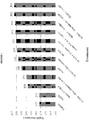
Figure 1 shows the yield response (bushels/acre) to starter fertilizer treatment groups, sorted by yield level. -
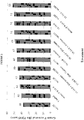
Figure 2 shows the plant tissue phosphorus (P) response (percentage present in ear leaf) to starter fertilizer treatment groups, sorted by yield level. -
Figure 3 shows the grain (P) removal response (pounds of P205/acre) to starter fertilizer treatment groups, sorted by yield level. -
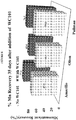
Figure 4 shows the effects of ligand (WC101) treatment on the percentage of copper (Cu)recovery 35 days after its addition to the three different soil types. -
Figure 5 shows the effects of ligand (WC101) treatment on the percentage of iron (Fe)recovery 35 days after its addition to the three different soil types. -
Figure 6 shows the effects of ligand (WC101) treatment on the percentage of manganese (Mn)recovery 35 days after its addition to the three different soil types. -
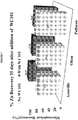
Figure 7 shows the effects of ligand (WC101) treatment on the percentage of zinc (Zn)recovery 35 days after its addition to the three different soil types. -
Figure 8 shows the effects of ligand (WC101) treatment on the percentage of phosphorus (P)recovery 35 days after its addition to the three different soil types. Mean values with the same letter are not statistically different (Fisher's LSD, α = 0.05). - Various aspects of the invention are described herein as follows. In one aspect described herein, a composition comprising a ligand and a fertilizer, wherein the ligand is ortho-ortho ethylenediamine-N,N'-bis(2-hydroxyphenylacetic acid) (EDDHA); and wherein the composition further comprises chelated zinc is provided. In yet another aspect, a method of growing a plant is provided. The method comprises the step of contacting the plant with a composition comprising a ligand and a fertilizer, wherein the ligand is ortho-ortho ethylenediamine-N,N'-bis(2-hydroxyphenylacetic acid) (EDDHA); and wherein the composition further comprises chelated zinc. In another aspect, a kit is provided. The kit comprises a ligand and instructions for combining the ligand with a fertilizer and chelated zinc, wherein the ligand is ortho-ortho ethylenediamine-N,N'-bis(2-hydroxyphenylacetic acid) (EDDHA).
- As used herein, the term "ligand" refers to a chelating agent capable of forming chelation compounds with various substances.
- The ligand is ortho-ortho EDDHA. The chemical structure of ortho-ortho EDDHA is:

- As used herein, the term "fertilizer" refers to any organic or inorganic material, of natural or of synthetic origin, which may be added to soil to supplement one or more plant nutrients that aid in the growth of plants. As known to the skilled artisan, a fertilizer can be custom blended according to the need and desire of a plant producer. Fertilizer blends comprising various combinations of elements and materials can be easily envisioned by the skilled artisan.
- In various embodiments, the fertilizer is an ammonium polyphosphate fertilizer. The term "ammonium phosphate fertilizer" can comprise any of a wide variety of phosphates, such as orthophosphate, pyrophosphate, tripolyphosphate, tetrapolyphosphate, trimetaphosphate, and mixtures thereof, and one or more ammonium counterions. In some embodiments, the phosphate comprises a polyphosphate. In other embodiments, the phosphate comprises an orthophosphate. In some embodiments, the ammonium phosphate fertilizer comprises monoammonium phosphate. In other embodiments, the ammonium phosphate fertilizer comprises diammonium phosphate. In yet other embodiments, the ammonium phosphate fertilizer comprises ammonium polyphosphate. In other embodiments, the ammonium phosphate fertilizer comprises ammonium orthophosphate. In some embodiments, the fertilizer is a liquid fertilizer. In other embodiments, the fertilizer is a non-liquid fertilizer.
- In some embodiments, the fertilizer is a fertilizer selected from the group consisting of 10-34-0, 7-21-7, and 4-10-10. In some embodiments, the fertilizer is derived from 10-34-0 fertilizer further comprising soluble potash (for supplying potassium (K)). In other embodiments, the fertilizer is a fertilizer selected from the group consisting of 9-18-9, 6-24-6, and 4-18-18. In some embodiments, the fertilizer is derived from phosphoric acid. In yet other embodiments, the fertilizer is a fertilizer selected from the group consisting of 7-23-3, 7-25-5, and 6-22-10. In some embodiments, the fertilizer is produced from a combination of high ortho acid and high poly acid. In one embodiment, the fertilizer is 10-34-0. In another embodiment, the fertilizer is 7-21-7. In yet another embodiment, the fertilizer is 4-10-10. In one embodiment, the fertilizer is 9-18-9. In another embodiment, the fertilizer is 6-24-6. In yet another embodiment, the fertilizer is 4-18-18. In one embodiment, the fertilizer is 7-23-3. In another embodiment, the fertilizer is 7-25-5. In yet another embodiment, the fertilizer is 6-22-10.
- In some embodiments, the composition is substantially free of iron.
- In certain embodiments, the ligand is a metal chelating agent. In some embodiments, the metal is iron.
- In other embodiments, the ligand is non-chelated. As used herein, the term "chelated" or "chelation" refers to the formation or presence of one or more bonds, or other attractive interactions, between two or more separate binding sites within a ligand and a single central atom.
- In yet other embodiments, the ligand is substantially free of a metal. In some embodiments, the ligand is a metal chelating agent. In certain embodiments, the metal is iron.
- The composition further comprises chelated zinc. Any zinc-containing product can be used according to these embodiments. In some embodiments, zinc may be provided by one or more of the following zinc-containing products: Nortrace EDTA 9% Zinc, Foli-
Gro Zinc 10%, Pro-Zinc 10, RNA EDTA 9% Zinc,Tracite LF Zinc 10%, Ultra Che Zinc 9% EDTA,Zinc Gro 10 Liquid,Citri Che Zinc 10% EDTA. In one embodiment, zinc is provided by Nortrace EDTA 9% Zinc. In another embodiment, zinc is provided by Foli-Gro Zinc 10%. In yet another embodiment, zinc is provided byPro-Zinc 10. In one embodiment, zinc is provided by RNA EDTA 9% Zinc. In another embodiment, zinc is provided byTracite LF Zinc 10%. In yet another embodiment, zinc is provided by Ultra Che Zinc 9% EDTA. In one embodiment, zinc is provided byZinc Gro 10 Liquid. In another embodiment, zinc is provided byCitri Che Zinc 10% EDTA. - In various embodiments, the composition further comprises a herbicide. As used herein, the term "herbicide" refers to a molecule or combination of molecules that retards or otherwise kills undesirable, unwanted plants; such as, but not limited to, deleterious or annoying weeds, broadleaf plants, grasses, and sedges; and may be used in this manner for crop protection. Numerous herbicides are known in the art including, for example, those available at http://www.alanwood.net/pesticides/class_pesticides.html. In various embodiments, the herbicide is selected from the group consisting of 2,4-D, 2,4-DB, acetochlor, acifluorfen, alachlor, ametryn, atrazine, aminopyralid, benefin, bensulfuron, bensulide, bentazon, bromacil, bromoxynil, butylate, carfentrazone, chlorimuron, chlorsulfuron, clethodim, clomazone, clopyralid, cloransulam, cycloate, DCPA, desmedipham, dicamba, dichlobenil, diclofop, diclosulam, diflufenzopyr, dimethenamid, diquat, diuron, DSMA, endothall, EPTC, ethalfluralin, ethofumesate, fenoxaprop, fluazifop-P, flucarbazone, flufenacet, flumetsulam, flumiclorac, flumioxazin, fluometuron, fluroxypyr, fomesafen, foramsulfuron, glufosinate, glyphosate, halosulfuron, hexazinone, imazamethabenz, imazamox, imazapic, imazaquin, imazethapyr, isoxaben, isoxaflutole, lactofen, linuron, MCPA, MCPB, mesotrione, metolachlors, metribuzin, metsulfuron, molinate, MSMA, napropamide, naptalam, nicosulfuron, norflurazon, oryzalin, oxadiazon, oxyfluorfen, paraquat, pelargonic acid, pendimethalin, phenmedipham, picloram, primisulfuron, prodiamine, prometryn, pronamide, propanil, prosulfuron, pyrazon, pyrithiobac, quinclorac, quizalofop, rimsulfuron, sethoxydim, siduron, simazine, sulfentrazone, sulfometuron, sulfosulfuron, tebuthiuron, terbacil, thiazopyr, thifensulfuron, thiobencarb, tralkoxydim, triallate, triasulfuron, tribenuron, triclopyr, trifluralin, triflusulfuron, and any combination thereof. In some embodiments, the herbicide is glyphosate.
- In some embodiments, the composition further comprises a water conditioning agent. As used herein, the term "water conditioning agent" refers to any substance that improves or enhances herbicide and/or pesticide performance. For example, a water conditioning agent can enhance pesticide performance by modifying factors such as pH and hard water, enhance herbicide uptake by plants, and improve pesticide spray application and efficacy.
- In other embodiments, the composition further comprises a micronutrient product. For example, micronutrient products can include trace elements such as copper, iron, manganese, zinc, cobalt, molybdenum, and/or boron. These trace elements can be referred to as "micronutrients" because of the relatively small amounts required by plants for growth. In some embodiments, a micronutrient product is selected from Max In Ultra ZMB, First Choice Foliar Nutrient, Foli Gro, Versa Max Soybean, Versa Max Corn, Ultra Che Corn Mix EDTA, ManniPlex for Beans, ManniPlex for Corn, Tracite LF Row Crop Mix, and KickStand Micro Mix. In one embodiment, the micronutrient product is Max In Ultra ZMB. In another embodiment, the micronutrient product is First Choice Foliar Nutrient. In yet another embodiment, the micronutrient product is Foli Gro. In one embodiment, the micronutrient product is Versa Max Soybean. In another embodiment, the micronutrient product is Versa Max Corn. In yet another embodiment, the micronutrient product is Ultra Che Corn Mix EDTA. In one embodiment, the micronutrient product is ManniPlex for Beans. In another embodiment, the micronutrient product is ManniPlex for Corn. In yet another embodiment, the micronutrient product is Tracite LF Row Crop Mix. In one embodiment, the micronutrient product is KickStand Micro Mix.
- In various embodiments, the composition comprises said ligand and a fertilizer at specified ratios, for example volume/volume (v/v) ratios. In some embodiments, the ratio of ligand to fertilizer is about 236.588 to 1892.71 ml (8-64 fluid ounces (fl. oz.)) of ligand to about 3.78541 to 37.8541 liters (1-10 gallons) of fertilizer. In other embodiments, the ratio of ligand to fertilizer is about 236.588 to 946.353 ml (8-32 fl. oz.) to about 3.78541 to 18.9271 liters (1-5 gallons) of fertilizer. In yet other embodiments, the ratio of ligand to fertilizer is about 946.353 to 1892.71 ml (32-64 fl. oz.) to about 18.9271 to 37.8541 liters (5-10 gallons) of fertilizer.
- In some embodiments, the ratio of ligand to fertilizer is about 236.588 ml (8 fl. oz.) of ligand to about 3.78541 litre (1 gallon) of fertilizer. In other embodiments, the ratio of ligand to fertilizer is about 946.353 ml (32 fl. oz.) to about 18.9271 liters (5 gallons) of fertilizer. In yet other embodiments, the ratio of ligand to fertilizer is about 1892.71 ml (64 fl. oz.) to about 37.8541 liters (10 gallons) of fertilizer.
- In other aspects, a method of growing a plant is provided. The method comprises the step of contacting the plant with a composition as defined herein. The various embodiments described with respect to the composition comprising a ligand and a fertilizer are also applicable to the methods of growing a plant.
- As used herein, the term "plant" refers to whole plants, plant organs (e.g., leaves, stems, roots, etc.), seeds, plant cells, propagules, embryos, and progeny of the same. In some embodiments, the plant is a whole plant. In other embodiments, the plant is a plant organ. In yet other embodiments, the plant is a seed. In some embodiments, the plant is a plant cell. Plant cells can be differentiated or undifferentiated (e.g., callus, suspension culture cells, protoplasts, leaf cells, root cells, phloem cells, and pollen). In other embodiments, the plant is a propagule. In yet other embodiments, the plant is an embryo. In some embodiments, the plant is a plant progeny.
- In some embodiments, the yield of the plant is improved via contacting the plant with the composition. For example, the improvement in yield can be an improvement of the quantity of the plant (e.g., number of bushels) produced per unit land measurement (e.g., acre or hectare) compared to a yield observed without contacting plants with the composition. In another exemplary embodiment, the improvement in yield can be a percentage improvement in the quantity of the plant produced per unit of land measurement compared to a yield observed without contacting plants with the composition.
- In some embodiments, the emergence of plants from seeds is improved via contacting the plant with the composition. For example, the improvement in emergence can be evaluated based on the percentage of emergence of plant from seeds compared to emergence observed without contacting seeds with the composition.
- In various embodiments, the plant is corn (maize). In other embodiments, the plant is soybean. In yet other embodiments, the plant is wheat. In some embodiments, the plant is sugarbeet. In various embodiments, the plant is a bean. In other embodiments, the bean is a dry edible bean. In yet other embodiments, the plant is sorghum. In some embodiments, the sorghum is grain sorghum. In various embodiments, the plant is cotton. In other embodiments, the plant is potato. In some embodiments, the plant is barley. In other embodiments, the plant is sunflower.
- In another aspect, a kit is provided. The kit comprises a ligand as described herein. In this embodiment, the kit further comprises instructions for combining the ligand with a fertilizer, such as via tankmixing. The various embodiments described with respect to the composition comprising a ligand and a fertilizer are also applicable to the kits described herein.
- While the invention is susceptible to various modifications and alternative forms, specific embodiments are herein described in detail. It should be understood, however, that there is no intent to limit the invention to the particular forms described, but on the contrary, the intention is to cover all modifications, equivalents, and alternatives falling within the scope of the invention.
- For the examples disclosed herein, the compositions comprised ortho-ortho EDDHA as the exemplary ligand. The ortho-ortho EDDHA was obtained from JAER (Laboratorio Jaer, S.A.) in Barcelona, Spain and was utilized in the compositions according to following exemplary embodiments.
- A corn trial utilizing a composition of the instant disclosure was performed in St. Cloud, Minnesota, in 2012. In this example, the composition comprised ortho-ortho EDDHA as the exemplary ligand.
- In this example, Zea mays (variety DKC 43-48) seeds were planted on May 15, 2012. Soil moisture was normal and the seed bed was compacted. The tillage type was conventional till. The treated crop area for the instant example was 27.8709 m2 (300 square feet (ft2)). The study design was randomized complete block (RCB) with four replications. A total of 13 treatments were performed, as shown in Table 1.
Table 1. Treatment Descriptions. Treatment No. Type Treatment Name Rate (Rate) Description 1 FERT 10-34-0 56.12 L/ha 6 gal/a In Furrow 2 FERT 10-34-0 53.79 L/ha 5.75 gal/a In Furrow FERT EBMix 2.34 L/ha 1 qt/a In Furrow 3 FERT 10-34-0 53.79 L/ha 5.75 gal/a In Furrow FERT Blue Tsunami 2.34 L/ha 1 qt/a In Furrow 4 FERT Redline 28.06 L/ha 3 gal/a In Furrow FERT Water 28.06 L/ha 3 gal/a In Furrow 5 FERT Redline 28.06 L/ha 3 gal/a In Furrow FERT Water 27.13 L/ha 2.9 gal/a In Furrow FERT Torque HC 0.07 L/ha 1 oz/a In Furrow 6 FERT Redline 28.06 L/ha 3 gal/a In Furrow FERT 10-34-0 28.06 L/ha 3 gal/a In Furrow 7 FERT Water 55.19 L/ha 5.9 gal/a In Furrow FERT Ligand 0.58 L/ha 8 oz/a In Furrow 8 FERT 10-34-0 55.66 L/ha 5.95 gal/a In Furrow FERT Ligand 0.58 L/ha 8 oz/a In Furrow 9 FERT 10-34-0 53.32 L/ha 5.7 gal/a In Furrow FERT Blue Tsunami 2.34 L/ha 1 qt/a In Furrow FERT Ligand 0.58 L/ha 8 oz/a In Furrow 10 FERT 10-34-0 53.32 L/ha 5.7 gal/a In Furrow FERT Blue Tsunami 2.34 L/ha 1 qt/a In Furrow FERT Ligand 0.58 L/ha 8 oz/a In Furrow FERT Torque HC 0.07 L/ha 1.0 oz/a In Furrow 11 INSE Capture LFR 0.62 L/ha 8.5 oz/a In Furrow FERT Water 55.19 L/ha 5.9 gal/a In Furrow 12 FERT Redline 28.06 L/ha 3 gal/a In Furrow INSE Capture LFR 0.62 L/ha 8.5 oz/a In Furrow FERT Water 27.13 L/ha 2.9 gal/a In Furrow 13 CHK Untreated Check - Corn plants were harvested on October 10, 2012. Thereafter, the yield of corn plants administered the composition comprising ortho-ortho EDDHA was compared to the yield of control corn plants that were untreated. Corn plants administered the composition comprising ortho-ortho EDDHA exhibited a yield increase of 571.63 kg/ha (8.5 bushels per acre compared) to untreated controls.
- The yield of corn plants administered the composition comprising ortho-ortho EDDHA and further comprising 10-34-0 fertilizer via tankmixing was compared to the yield of corn plants that were administered 10-34-0 fertilizer alone. Corn plants administered the composition comprising ortho-ortho EDDHA plus 10-34-0 fertilizer exhibited a yield increase of 269 kg/ha (4 bushels per acre) compared to corn plants administered 10-34-0 fertilizer alone.
- The yield of corn plants administered the composition comprising ortho-ortho EDDHA and further comprising 10-34-0 fertilizer and a chelated zinc (Blue Tsunami) via tankmixing was compared to the yield of corn plants that were administered 10-34-0 fertilizer and chelated zinc via tankmixing. Corn plants administered the composition comprising ortho-ortho EDDHA plus 10-34-0 fertilizer and chelated zinc exhibited a yield increase of 80.7 kg/ha (1.2 bushels per acre) compared to corn plants administered 10-34-0 fertilizer and chelated zinc alone.
- A soybean trial utilizing a composition of the instant disclosure was performed in Rochester, Minnesota, in 2012. In this example, the composition comprised ortho-ortho EDDHA as the exemplary ligand.
- In this example, glycine max (variety Stine 19RA 02) soybean seeds were planted on May 9, 2012. The seed bed was smooth. The treated crop area for the instant example was 27.8709 m2 (300 square feet (ft2)). The study design was randomized complete block (RCB) with four replications. A total of 10 treatments were performed.
- Soybean plants were harvested and, thereafter, the yield of soybean plants administered the composition comprising ortho-ortho EDDHA and further comprising glyphosate (Buccaneer Plus) and a water conditioning agent (N-Tense) via tankmixing was compared to the yield of soybean plants that were administered glyphosate and a water conditioning agent via tankmixing. Soybean plants administered the composition comprising ortho-ortho EDDHA plus glyphosate and a water conditioning agent exhibited a yield increase of 383.33 kg/ha (5.7 bushels per acre) compared to soybean plants administered glyphosate and a water conditioning agent alone.
- A corn trial utilizing a composition of the instant disclosure was performed near Chaffee, North Dakota, in 2013. In this example, the composition comprised ortho-ortho EDDHA as the exemplary ligand.
- Planting was arranged in a randomized complete block design with four replications. Individual treatment plots measured 3.3528 m (11 feet) wide and 9.144 m (30 feet) long. Due to dry conditions in spring 2013, there was some uneven germination but overall plant stands were good.
- In this example, corn variety Pioneer 8640 Roundup Ready was planted on May 13, 2013 using a John Deere MaxEmerge II planter. Corn was planted 2 inches deep to a population of 35,000 plants per 0.404686 ha (acre), and a 558.8 mm (22-inch) row spacing was used. Roundup herbicide was applied once for weed control. Plots were not cultivated and some late hand labor was used as needed for weed control.
- Soil nitrogen levels were adjusted with fertilizer to approximately 224.17 kg/ha (200 lbs/acre) of available residual soil test plus added fertilizer N. A total of 8 treatments were performed, as shown in Table 2.
Table 2. Treatment Descriptions. Treatment No. Type Treatment Name Rate (Rate) Description 1 CHK Untreated Check 2 FERT 10-34-0 46.77 L/ha 5 gal/a In Furrow 3 FERT Ligand 28.06 L/ha 3 gal/a In Furrow 4 FERT 10-34-0 46.77 L/ha 5 gal/a In Furrow FERT Blue Tsunami 2.34 L/ha 1 qt/a In Furrow 5 FERT Ligand 74.83 L/ha 8 gal/a In Furrow 6 FERT 10-34-0 46.77 L/ha 5 gal/a In Furrow FERT WC150 In Furrow 7 FERT 10-34-0 46.77 L/ha 5 gal/a In Furrow FERT Blue Tsunami 2.34 L/ha 1 qt/a In Furrow FERT WC150 In Furrow 8 FERT 10-34-0 46.77 L/ha 5 gal/a In Furrow FERT WC150 In Furrow - The yield of corn plants administered the composition comprising ortho-ortho EDDHA was compared to the yield of control corn plants that were untreated. Corn plants administered the composition comprising ortho-ortho EDDHA exhibited a yield increase of 309.35 kg/ha (4.6 bushels per acre) compared to untreated controls.
- The yield of corn plants administered the composition comprising ortho-ortho EDDHA and further comprising 10-34-0 fertilizer via tankmixing was compared to the yield of corn plants that were administered 10-34-0 fertilizer alone. Corn plants administered the composition comprising ortho-ortho EDDHA plus 10-34-0 fertilizer exhibited a yield increase of 1708.18 kg/ha (25.4 bushels per acre) compared to corn plants administered 10-34-0 fertilizer alone.
- The yield of corn plants administered the composition comprising ortho-ortho EDDHA and further comprising 10-34-0 fertilizer and a chelated zinc (Blue Tsunami) via tankmixing was compared to the yield of corn plants that were administered 10-34-0 fertilizer and chelated zinc via tankmixing. Corn plants administered the composition comprising ortho-ortho EDDHA plus 10-34-0 fertilizer and chelated zinc exhibited a yield increase of 2293.26 kg/ha (34.1 bushels per acre) compared to corn plants administered 10-34-0 fertilizer and chelated zinc alone.
- A corn trial utilizing a composition of the instant disclosure was performed near Brookings, South Dakota, in 2013. In this example, the composition comprised ortho-ortho EDDHA as the exemplary ligand.
- In this example, corn variety Dekalb 45-51 was planted on May 14, 2013. Corn was planted to a population of 32,000 plants per 0.404686 ha (acre), and a 762 mm (30-inch) row spacing was used. The soil type was Brandt silty clay loam. A total of 8 treatments were performed, as shown in Table 3.
Table 3. Treatment Descriptions. Treatment No. Type Treatment Name Rate (Rate) Description 1 CHK Untreated Check 2 FERT 10-34-0 46.77 L/ha 5 gal/a In Furrow 3 FERT WC139 28.06 L/ha 3 gal/a In Furrow 4 FERT 10-34-0 46.77 L/ha 5 gal/a In Furrow FERT Blue Tsunami 2.34 L/ha 1 qt/a In Furrow 5 FERT Ligand 0.58 L/ha 8 oz/a In Furrow 6 FERT 10-34-0 46.77 L/ha 5 gal/a In Furrow FERT Ligand 0.58 L/ha 8 oz/a In Furrow 7 FERT 10-34-0 46.77 L/ha 5 gal/a In Furrow FERT Blue Tsunami 2.34 L/ha 1 qt/a In Furrow FERT Ligand 0.58 L/ha 8 oz/a In Furrow 8 FERT WC139 28.06 L/ha 3 gal/a In Furrow FERT WC171 0.01 L/ha 0.1 oz/a In Furrow - Corn plants were harvested on October 24, 2013. Thereafter, the yield of corn plants administered the composition comprising ortho-ortho EDDHA was compared to the yield of control corn plants that were untreated. Corn plants administered the composition comprising ortho-ortho EDDHA exhibited a yield increase of 551.46 kg/ha (8.2 bushels per acre) compared to untreated controls.
- The yield of corn plants administered the composition comprising ortho-ortho EDDHA and further comprising 10-34-0 fertilizer and a chelated zinc (Blue Tsunami) via tankmixing was compared to the yield of corn plants that were administered 10-34-0 fertilizer and chelated zinc via tankmixing. Corn plants administered the composition comprising ortho-ortho EDDHA plus 10-34-0 fertilizer and chelated zinc exhibited a yield increase of 1385.37 kg/ha (20.6 bushels per acre) compared to corn plants administered 10-34-0 fertilizer and chelated zinc alone.
- A soybean trial utilizing a composition of the instant disclosure was performed in St. Cloud, Minnesota, in 2013. In this example, the composition comprised ortho-ortho EDDHA as the exemplary ligand.
- In this example, glycine max (variety PB0954RR) soybean seeds were planted on June 17, 2013. The tillage type was conventional till. The treated crop area for the instant example was 27.8709 m2 (300 square feet (ft2)). The study design was randomized complete block (RCB) with four replications. A total of 6 treatments were performed, as shown in Table 4.
Table 4. Treatment Descriptions. Treatment No. Type Treatment Name Rate (Rate) Description 1 CHK Untreated Check 2 FERT WC139 18.71 L/ha 2 gal/a In Furrow 3 FERT WC139 28.06 L/ha 3 gal/a In Furrow 4 FERT Ligand 0.88 L/ha 12 oz/a In Furrow 5 FERT WC150 2241.7 g/ha 2 lb/a In Furrow 6 FERT 10-34-0 18.71 L/ha 2 gal/a In Furrow - Soybean plants were harvested on October 11, 2013. Thereafter, yield of soybean plants administered the composition comprising ortho-ortho EDDHA was compared to the yield of control soybean plants that were untreated. Soybean plants administered the composition comprising ortho-ortho EDDHA exhibited a yield increase of 342.98 kg/ha (5.1 bushels per acre) compared to untreated controls.
- A soybean trial utilizing a composition of the instant disclosure was performed in Rochester, Minnesota, in 2013. In this example, the composition comprised ortho-ortho EDDHA as the exemplary ligand.
- In this example, DuPont (Pioneer 92Y22) soybean seeds were planted on May 16, 2013. The seed bed was medium. The treated crop area for the instant example was 23.2258 m2 (250 square feet (ft2)). The study design was randomized complete block (RCB) with four replications.
- Soybean plants were harvested and, thereafter, the yield of soybean plants administered the composition comprising ortho-ortho EDDHA and further comprising glyphosate (Buccaneer Plus) and a water conditioning agent (N-Tense) via tankmixing was compared to the yield of soybean plants that were administered glyphosate and a water conditioning agent via tankmixing. Soybean plants administered the composition comprising ortho-ortho EDDHA plus glyphosate and a water conditioning agent exhibited a yield increase of 134.5 kg/ha (2 bushels per acre) compared to soybean plants administered glyphosate and a water conditioning agent alone.
- A soybean trial utilizing a composition of the instant disclosure was performed in Arlington, Wisconsin, in 2013. In this example, the composition comprised ortho-ortho EDDHA as the exemplary ligand.
- In this example, glycine max (variety Asgrow 2130) soybean seeds were planted on June 1, 2013. The tillage type was conventional till. The treated crop area for the instant example was 23.2258 m2 (250 square feet (ft2)). The study design was randomized complete block (RCB) with four replications. A total of 12 treatments were performed.
- Soybean plants were harvested and, thereafter, the yield of soybean plants administered the composition comprising ortho-ortho EDDHA and further comprising glyphosate (Buccaneer Plus) and a water conditioning agent (N-Tense) via tankmixing was compared to the yield of soybean plants that were administered glyphosate and a water conditioning agent via tankmixing. Soybean plants administered the composition comprising ortho-ortho EDDHA plus glyphosate and a water conditioning agent exhibited a yield increase of 538.01 kg/ha (8 bushels per acre) compared to soybean plants administered glyphosate and a water conditioning agent alone.
- A corn seed trial utilizing a composition of the instant disclosure was performed in Brookings, South Dakota, in 2013. In this example, the composition comprised ortho-ortho EDDHA as the exemplary ligand (i.e., "WC101").
- The study design was randomized complete block (RCB) with four replications. As shown in Table 5, a total of 3 treatments were performed in 4 plots for each treatment group.
Table 5. Treatment Descriptions. Treatment No. Type Treatment Name Plot No. (Rep 1) Plot No. (Rep 2) Plot No. (Rep 3) Plot No. (Rep 4) 1 CHK Untreated Check 101 201 301 401 2 Seed Treatment WC101 102 202 302 402 3 Seed Treatment WC101 + WC143 103 203 303 403 - Plot unit sizes were approximately 3.048 m (10 feet) by 12.192 m (40 feet) according to the following layout:

- The yield of corn seeds administered the composition comprising ortho-ortho EDDHA was compared to the yield of control corn seeds that were untreated. Treatment of corn seeds administered the composition comprising ortho-ortho EDDHA exhibited a yield increase of 94.15 kg/ha (1.4 bushels per acre) compared to untreated controls.
- In addition, the emergence of corn seeds administered the composition comprising ortho-ortho EDDHA was compared to the emergence of control corn seeds that were untreated. Treatment of corn seeds administered the composition comprising ortho-ortho EDDHA exhibited an emergence increase by 3.5% compared to untreated controls.
- The yield of corn seeds administered the composition comprising ortho-ortho EDDHA and further comprising a micronutrient product was compared to the yield of control corn seeds that were untreated. Treatment of corn seeds administered the composition comprising ortho-ortho EDDHA and the micronutrient product exhibited a yield increase of 638.89 kg/ha (9.5 bushels per acre) compared to untreated controls.
- Furthermore, the emergence of corn seeds administered the composition comprising ortho-ortho EDDHA and further comprising a micronutrient product (WC143) was compared to the emergence of control corn seeds that were untreated. Treatment of corn seeds administered the composition comprising ortho-ortho EDDHA and the micronutrient product exhibited an emergence increase by 5.5% compared to untreated controls.
- A corn trial utilizing a composition of the instant disclosure was performed near Scandia, Kansas, in 2014. In this example, the composition comprised ortho-ortho EDDHA as the exemplary ligand (i.e., "WC101").
- In this example, corn was planted on May 2, 2014. Treatments were applied as starter applications at planting with an application volume of 6 gpa. Treatments were performed as shown in Table 6. Weed control was completed as needed to keep weed free with maintenance sprays.
Table 6. Treatment Descriptions. Treatment No. Type Treatment Name Rate (Rate) Description 1 CHK Untreated Check 0 0 2 FERT 10-34-0 46.77 L/ha 5 gal/a In Furrow 3 FERT WC139 28.06 L/ha 3 gal/a In Furrow 4 FERT 10-34-0 46.77 L/ha 5 gal/a In Furrow FERT Blue Tsunami 2.34 L/ha 1 qt/a In Furrow 5 FERT 10-34-0 46.77 L/ha 5 gal/a In Furrow FERT Ligand 1.75 L/ha 24 oz/a In Furrow 6 FERT Local P Starter (9-18-9) 28.06 L/ha 3 gal/a In Furrow 7 FERT Local P Starter (9-18-9) 28.06 L/ha 3 gal/a In Furrow FERT Ligand 1.75 L/ha 24 oz/a In Furrow 8 FERT 10-34-0 46.77 L/ha 5 gal/a In Furrow FERT Aventine 4.68 L/ha 2 qt/a In Furrow 9 FERT 10-34-0 46.77 L/ha 5 gal/a In Furrow FERT Blue Tsunami 2.34 L/ha 1 qt/a In Furrow FERT WC101 1.75 L/ha 24 oz/a In Furrow 10 FERT 10-34-0 46.77 L/ha 5 gal/a In Furrow FERT Aventine 4.68 L/ha 2 qt/a In Furrow FERT WC101 1.75 L/ha 24 oz/a In Furrow 11 FERT WC150 0.58 L/ha 8 oz/a In Furrow 12 FERT 10-34-0 46.77 L/ha 5 gal/a In Furrow FERT Blue Tsunami 2.34 L/ha 1 qt/a In Furrow FERT WC150 0.58 L/ha 8 oz/a In Furrow - Preliminary soil test values were collected for each replication and indicated a low soil test P that should be conducive to corn response to starter P application. Other parameters including K, Zn and soil pH were evaluated to be at optimum condition, and there was no need for additional fertilization. The soil tests by replication in the study area are shown in Table 7.
- Data collected included yield kg/ha (bu/acre), test weight, moisture, preliminary soil analysis, and plant tissue and grain analysis. Grain yield was measured harvesting the two center rows with a plot combine. Total phosphorus (P) content in plant tissue was measured for the ear leaf and grain P concentration was measured after harvest with grain analysis for total P content.
Table 7. Soil tests by replication in the study area. Replication pH Mehlich P (ppm) K (ppm) OM (%) Zn (ppm) 1 6.37 12.5 600 2.9 2.1 2 6.28 13.1 630 3.0 2.2 3 6.44 15.2 640 3.0 2.3 4 6.35 14.1 670 3.0 2.6 Average 6.36 14.1 670 3.0 2.3 - Fertilizer treatment mixes were completed before application. Visual observations in some instances indicated possible compatibility issues with WC101 product and various fertilizers, for instance 9-18-9. Although treatment application was complicated in some instances, the rates and placement for the instant example were believed to be within acceptable parameters. Grain yield was measured harvesting the two center rows with a plot combine. Total phosphorus (P) content in plant tissue was measured for the ear leaf and grain P concentration was measured after harvest with grain analysis for total P content.
- As shown in Table 8, each evaluated parameter demonstrated a statistically significant effect for ligand-treated plants compared to control treatment.
Table 8. Statistical significance of treatment effects. Type III Tests of Fixed Effects Effect Num DF Den DF F Value Pr > F Yield 11 33 2.80 0.011 Tissue P 11 33 1.94 0.070 Grain P Removal 11 33 2.75 0.012 - As shown in
Figure 1 , grain yield increased approximately 1681.28 kg/ha (25 bushels per acre) with the highest yielding treatment compared to control treatment. Furthermore,Figure 2 andFigure 3 demonstrate superior effects for tissue P uptake and grain P uptake, respectfully, compared to control treatment. As shown inFigures 1-3 , inclusion of WC101 in the treatment groups resulted in an improvement for each evaluated parameter, especially for treatment groups that do not include micronutrients (e.g., 10-34-0 and 9-18-9). - A soil micronutrient recovery trial utilizing a composition of the instant disclosure was performed in the laboratory. In this example, the composition comprised ortho-ortho EDDHA as the exemplary ligand (i.e., "WC101").
- The objective of the instant example was to demonstrate the percentage recovery (i.e., % availability) over time of micronutrients present in various soil types. Three soil types were tested: (1) Pullman series, (2) Amarillo series, and (3) Olton series. The soil types are alkaline (pH > 7.5) semi-arid soils and are often calcareous in nature. Furthermore, the chemistry of these soils indicate that micronutrients could be tied up easily by soil constituents, thereby reducing micronutrient availability to plants.
- Approximately 500 grams of each soil type was incubated in a plastic container. WC101 was applied to the soil types, and treated soils were incubated for approximately 60 days and sampled at 2-3 weeks intervals. DTPA extraction techniques was used to extract plant available micronutrients (Fe, Cu, Mn, and Zn). Plant available soil P was determined in Mehlich-3 extracts. Elemental analysis was conducted using the ICP.
-
Figures 4-8 show the effects of WC101 treatment on the various soil types. InFigure 4 , WC101 treatment was effective to increase the percentage of copper (Cu)recovery 35 days after the addition of WC101 to the soil types. InFigure 5 , WC101 treatment was effective to increase the percentage of iron (Fe)recovery 35 days after the addition of WC101 to the soil types. InFigure 6 , WC101 treatment was effective to increase the percentage of manganese (Mn)recovery 35 days after the addition of WC101 to the soil types. InFigure 7 , WC101 treatment was effective to increase the percentage of zinc (Zn)recovery 35 days after the addition of WC101 to the soil types. InFigure 8 , WC101 treatment was effective to increase the percentage of phosphorus (P)recovery 35 days after the addition of WC101 to the soil types.
Claims (15)
- A composition comprising a ligand and a fertilizer, wherein the ligand is ortho-ortho ethylenediamine-N,N'-bis(2-hydroxyphenylacetic acid) (EDDHA); and
wherein the composition further comprises chelated zinc. - The composition of claim 1 wherein the composition is substantially free of iron.
- The composition of any of claims 1 and 2 wherein the composition further comprises a herbicide.
- The composition of claim 3 wherein the herbicide is glyphosate.
- The composition of any of claims 1 to 3, wherein the composition further comprises a water conditioning agent.
- The composition of any of claims 1 to 5, wherein the composition further comprises a micronutrient product.
- The composition of any of claims 1 to 6 wherein the fertilizer is an ammonium polyphosphate fertilizer, suitably ammonium polyphosphate 10-34-0 fertilizer.
- A method of growing a plant, said method comprising the step of contacting the plant with a composition comprising a ligand and a fertilizer, wherein the ligand is ortho-ortho ethylenediamine-N,N'-bis(2-hydroxyphenylacetic acid) (EDDHA); and
wherein the composition further comprises chelated zinc. - The method of claim 8 wherein the composition is substantially free of iron.
- The method of any of claims 8 or 9 wherein the fertilizer is an ammonium polyphosphate fertilizer, suitably ammonium polyphosphate 10-34-0 fertilizer.
- The method of any of claims 8 to 10 wherein the plant is a seed.
- The method of any of claims 8 to 11 wherein the plant is corn or soybean.
- A kit comprising a ligand and instructions for combining the ligand with a fertilizer and chelated zinc, wherein the ligand is ortho-ortho ethylenediamine-N,N'-bis(2-hydroxyphenylacetic acid) (EDDHA).
- The kit of claim 13 wherein the ligand is substantially free of iron.
- The kit of any of claims 13 and 14 wherein the fertilizer is an ammonium polyphosphate fertilizer, suitably ammonium polyphosphate 10-34-0 fertilizer.
Applications Claiming Priority (2)
| Application Number | Priority Date | Filing Date | Title |
|---|---|---|---|
| US201462085969P | 2014-12-01 | 2014-12-01 | |
| PCT/US2015/062948 WO2016089750A1 (en) | 2014-12-01 | 2015-11-30 | Compositions and methods for micronutrient introduction |
Publications (3)
| Publication Number | Publication Date |
|---|---|
| EP3227249A1 EP3227249A1 (en) | 2017-10-11 |
| EP3227249A4 EP3227249A4 (en) | 2018-07-18 |
| EP3227249B1 true EP3227249B1 (en) | 2021-03-17 |
Family
ID=56092288
Family Applications (1)
| Application Number | Title | Priority Date | Filing Date |
|---|---|---|---|
| EP15864582.0A Active EP3227249B1 (en) | 2014-12-01 | 2015-11-30 | Compositions and methods for micronutrient introduction |
Country Status (8)
| Country | Link |
|---|---|
| US (2) | US10662122B2 (en) |
| EP (1) | EP3227249B1 (en) |
| AR (1) | AR102866A1 (en) |
| BR (1) | BR112017011246B1 (en) |
| CA (1) | CA2967427C (en) |
| ES (1) | ES2875340T3 (en) |
| MX (1) | MX387399B (en) |
| WO (1) | WO2016089750A1 (en) |
Families Citing this family (4)
| Publication number | Priority date | Publication date | Assignee | Title |
|---|---|---|---|---|
| WO2016089750A1 (en) | 2014-12-01 | 2016-06-09 | West Central Distribution, Llc | Compositions and methods for micronutrient introduction |
| US11274031B2 (en) | 2016-03-03 | 2022-03-15 | Verdesian Life Sciences U.S., Llc | Inoculant direct injection system |
| EP3634130B1 (en) * | 2017-06-05 | 2025-10-15 | Verdesian Life Sciences U.S., LLC | Combination of pyroglutamic acid and a strobilurin fungicide for improved plant health effects |
| US11560339B2 (en) | 2019-05-30 | 2023-01-24 | Koch Agronomie Services, LLC | Micronutrient foliar solutions |
Family Cites Families (17)
| Publication number | Priority date | Publication date | Assignee | Title |
|---|---|---|---|---|
| US3403992A (en) * | 1953-03-09 | 1968-10-01 | Grace W R & Co | Method of treating soil comprising adding a fertilizer and a chelating agent to the soil |
| US2828182A (en) | 1955-03-31 | 1958-03-25 | Nicholas D Cheronis | Use of chelating agents in fertilizers to enhance the growth of plant life |
| US3558786A (en) * | 1963-08-15 | 1971-01-26 | Geigy Chem Corp | Feed composition and its utilization |
| GB1071325A (en) | 1965-02-18 | 1967-06-07 | Rhodiatoce S P A | Method of and apparatus for the precipitation of cellulose esters from solutions thereof |
| GB1308614A (en) | 1969-07-15 | 1973-02-21 | Fisons Ltd | Gelled fertilizers |
| US3981712A (en) * | 1973-08-24 | 1976-09-21 | Ciba-Geigy Corporation | Treatment of iron deficiencies in plants with iron complexes of ethylene-bis-(α-imino-2-hydroxyaryl acetic acids) |
| ES2110894B1 (en) * | 1995-01-11 | 1998-08-16 | Agrides S A | FERTILIZER INTENDED TO PALIATE THE CHLOROSIS OF VEGETABLES. |
| US6331198B1 (en) | 1999-02-12 | 2001-12-18 | Council Of Scientific & Industrial Research | Composition useful as nitrification inhibiting additive for ammonia producing fertilizers |
| SE514862C2 (en) * | 1999-02-24 | 2001-05-07 | Akzo Nobel Nv | Use of a quaternary ammonium glycoside surfactant as an effect enhancing chemical for fertilizers or pesticides and compositions containing pesticides or fertilizers |
| US6346131B1 (en) | 1999-11-03 | 2002-02-12 | David W. Bergevin | Fertilizer compositions for administering phosphates to plants |
| BRPI0509526A (en) | 2004-04-02 | 2007-09-18 | Syngenta Participations Ag | o, p-ethylene (bis) hydroxyphenylglycines based plant nutrient |
| WO2006071645A2 (en) | 2004-12-23 | 2006-07-06 | Nonomura Arthur M | Compositions and methods for anti-transpiration in plants |
| TR200800106T2 (en) * | 2005-07-12 | 2008-02-21 | Adelaide Research And Innovation Pty Ltd | Chelating agents for micronutrient fertilizers. |
| GB0525564D0 (en) | 2005-12-15 | 2006-01-25 | Syngenta Participations Ag | Improvements in or relating to potato quality |
| CN101610980A (en) * | 2007-02-08 | 2009-12-23 | 丰塔纳技术公司 | Particle Removal Methods and Compounds |
| NZ584202A (en) | 2007-09-25 | 2012-04-27 | Sunburst Plant Disease Clinic | Agricultural compositions as foliar fertilizers and methods for making and using the same |
| WO2016089750A1 (en) | 2014-12-01 | 2016-06-09 | West Central Distribution, Llc | Compositions and methods for micronutrient introduction |
-
2015
- 2015-11-30 WO PCT/US2015/062948 patent/WO2016089750A1/en not_active Ceased
- 2015-11-30 EP EP15864582.0A patent/EP3227249B1/en active Active
- 2015-11-30 BR BR112017011246-9A patent/BR112017011246B1/en active IP Right Grant
- 2015-11-30 US US15/528,645 patent/US10662122B2/en active Active
- 2015-11-30 MX MX2017007297A patent/MX387399B/en unknown
- 2015-11-30 ES ES15864582T patent/ES2875340T3/en active Active
- 2015-11-30 CA CA2967427A patent/CA2967427C/en active Active
- 2015-12-01 AR ARP150103917A patent/AR102866A1/en active IP Right Grant
-
2020
- 2020-04-13 US US16/846,733 patent/US11180423B2/en active Active
Non-Patent Citations (1)
| Title |
|---|
| None * |
Also Published As
| Publication number | Publication date |
|---|---|
| EP3227249A1 (en) | 2017-10-11 |
| WO2016089750A1 (en) | 2016-06-09 |
| US20200239374A1 (en) | 2020-07-30 |
| US10662122B2 (en) | 2020-05-26 |
| ES2875340T3 (en) | 2021-11-10 |
| AR102866A1 (en) | 2017-03-29 |
| US11180423B2 (en) | 2021-11-23 |
| US20170267596A1 (en) | 2017-09-21 |
| BR112017011246A2 (en) | 2017-12-26 |
| MX387399B (en) | 2025-03-12 |
| CA2967427C (en) | 2021-08-17 |
| CA2967427A1 (en) | 2016-06-09 |
| BR112017011246B1 (en) | 2022-08-02 |
| EP3227249A4 (en) | 2018-07-18 |
| MX2017007297A (en) | 2018-03-12 |
Similar Documents
| Publication | Publication Date | Title |
|---|---|---|
| US11180423B2 (en) | Compositions and methods for micronutrient introduction | |
| Olaniyi et al. | Effects of inorganic and organic fertilizers application on the growth, fruit yield and quality of tomato (Lycopersicon lycopersicum) | |
| Rengel | Cycling of micronutrients in terrestrial ecosystems | |
| CN102010270B (en) | Rice field base application multi-effect nutrient | |
| El-Azizy et al. | Effect of nano phosphorus and potassium fertilizers on productivity and mineral content of broad bean in North Sinai | |
| Sarkar et al. | Growth and yield of hybrid mustard (Brassica juncea L.) as influenced by foliar nutrition in gangetic plains of West Bengal. | |
| CN102153404A (en) | Multi-effect basal nutrient for large rice fields | |
| CN108558581A (en) | Special fertilizer for seedling culture and preparation method thereof | |
| Kaduwal et al. | Residue management and nutrient dynamics in conservation agriculture: A review | |
| Monica et al. | Photosynthetic activity, yield, nutrient use efficiency and economics of rice (Oryza sativa L.) as influenced by foliar supplementation of urea phosphate | |
| CN107513077B (en) | Active enzyme mimics and foliar fertilizer, synergist and synergist application method based on the compound | |
| Jain et al. | Manual on fundamentals of agronomy | |
| Al-Taweel et al. | Producing the organic Roselle crop and improving its growth, fruiting, and chemical constituents using a biostimulant compound. | |
| CN112661563A (en) | Special fertilizer for Chinese herbal medicine and preparation method thereof | |
| El-Ghamry | Soil fertility and potato production as affected by conventional and organic farming systems | |
| SINGH | Biofortification of capsicum with zinc and iron | |
| Maity et al. | Effect of solarization on nutrient availability, enzyme activity and growth of pomegranate (Punica granatum) air-layered on various potting mixtures | |
| Rekani | Effect of high concentration of Fe and Mn as foliar application on growth and yield of sesame grown in calcareous soil | |
| El-Gammal | Studies on Suitable Concentration of Boron and Molybdenum and Their Application Methods for Some Vegetable Crops Growing in Saline Sodic Soil | |
| Prashar | Effect of integrated nutrient modules on growth and yield of broccoli | |
| Prasad | Venerable Family… | |
| Lorenzo et al. | Agri-Food Waste as a Method for Weed Control and Soil Amendment in Crops. Agronomy 2022, 12, 1184 | |
| ARIFUZZAMAN | EFFECT OF ZINC AND BORON ON THE GROWTH AND YIELD OF BRRI dhan29 IN RED-TERRACE SOIL | |
| HOSSAIN | EFFECT OF ZINC AND BORON ON GROWTH AND YIELD OF BARI MOTORSHUTI-1 | |
| MY | BGLOVGD PARGNTS AND HUSBAND" Santanu |
Legal Events
| Date | Code | Title | Description |
|---|---|---|---|
| STAA | Information on the status of an ep patent application or granted ep patent |
Free format text: STATUS: THE INTERNATIONAL PUBLICATION HAS BEEN MADE |
|
| PUAI | Public reference made under article 153(3) epc to a published international application that has entered the european phase |
Free format text: ORIGINAL CODE: 0009012 |
|
| STAA | Information on the status of an ep patent application or granted ep patent |
Free format text: STATUS: REQUEST FOR EXAMINATION WAS MADE |
|
| 17P | Request for examination filed |
Effective date: 20170629 |
|
| AK | Designated contracting states |
Kind code of ref document: A1 Designated state(s): AL AT BE BG CH CY CZ DE DK EE ES FI FR GB GR HR HU IE IS IT LI LT LU LV MC MK MT NL NO PL PT RO RS SE SI SK SM TR |
|
| AX | Request for extension of the european patent |
Extension state: BA ME |
|
| DAV | Request for validation of the european patent (deleted) | ||
| DAX | Request for extension of the european patent (deleted) | ||
| A4 | Supplementary search report drawn up and despatched |
Effective date: 20180614 |
|
| RIC1 | Information provided on ipc code assigned before grant |
Ipc: C05D 9/02 20060101AFI20180608BHEP |
|
| STAA | Information on the status of an ep patent application or granted ep patent |
Free format text: STATUS: EXAMINATION IS IN PROGRESS |
|
| 17Q | First examination report despatched |
Effective date: 20200108 |
|
| GRAP | Despatch of communication of intention to grant a patent |
Free format text: ORIGINAL CODE: EPIDOSNIGR1 |
|
| STAA | Information on the status of an ep patent application or granted ep patent |
Free format text: STATUS: GRANT OF PATENT IS INTENDED |
|
| INTG | Intention to grant announced |
Effective date: 20200713 |
|
| GRAJ | Information related to disapproval of communication of intention to grant by the applicant or resumption of examination proceedings by the epo deleted |
Free format text: ORIGINAL CODE: EPIDOSDIGR1 |
|
| STAA | Information on the status of an ep patent application or granted ep patent |
Free format text: STATUS: EXAMINATION IS IN PROGRESS |
|
| RAP1 | Party data changed (applicant data changed or rights of an application transferred) |
Owner name: CHS INC. |
|
| INTC | Intention to grant announced (deleted) | ||
| GRAP | Despatch of communication of intention to grant a patent |
Free format text: ORIGINAL CODE: EPIDOSNIGR1 |
|
| STAA | Information on the status of an ep patent application or granted ep patent |
Free format text: STATUS: GRANT OF PATENT IS INTENDED |
|
| INTG | Intention to grant announced |
Effective date: 20201218 |
|
| GRAS | Grant fee paid |
Free format text: ORIGINAL CODE: EPIDOSNIGR3 |
|
| GRAA | (expected) grant |
Free format text: ORIGINAL CODE: 0009210 |
|
| STAA | Information on the status of an ep patent application or granted ep patent |
Free format text: STATUS: THE PATENT HAS BEEN GRANTED |
|
| AK | Designated contracting states |
Kind code of ref document: B1 Designated state(s): AL AT BE BG CH CY CZ DE DK EE ES FI FR GB GR HR HU IE IS IT LI LT LU LV MC MK MT NL NO PL PT RO RS SE SI SK SM TR |
|
| REG | Reference to a national code |
Ref country code: GB Ref legal event code: FG4D |
|
| REG | Reference to a national code |
Ref country code: CH Ref legal event code: EP |
|
| REG | Reference to a national code |
Ref country code: DE Ref legal event code: R096 Ref document number: 602015067096 Country of ref document: DE |
|
| REG | Reference to a national code |
Ref country code: IE Ref legal event code: FG4D |
|
| REG | Reference to a national code |
Ref country code: AT Ref legal event code: REF Ref document number: 1372112 Country of ref document: AT Kind code of ref document: T Effective date: 20210415 |
|
| REG | Reference to a national code |
Ref country code: LT Ref legal event code: MG9D |
|
| PG25 | Lapsed in a contracting state [announced via postgrant information from national office to epo] |
Ref country code: NO Free format text: LAPSE BECAUSE OF FAILURE TO SUBMIT A TRANSLATION OF THE DESCRIPTION OR TO PAY THE FEE WITHIN THE PRESCRIBED TIME-LIMIT Effective date: 20210617 Ref country code: HR Free format text: LAPSE BECAUSE OF FAILURE TO SUBMIT A TRANSLATION OF THE DESCRIPTION OR TO PAY THE FEE WITHIN THE PRESCRIBED TIME-LIMIT Effective date: 20210317 Ref country code: GR Free format text: LAPSE BECAUSE OF FAILURE TO SUBMIT A TRANSLATION OF THE DESCRIPTION OR TO PAY THE FEE WITHIN THE PRESCRIBED TIME-LIMIT Effective date: 20210618 Ref country code: FI Free format text: LAPSE BECAUSE OF FAILURE TO SUBMIT A TRANSLATION OF THE DESCRIPTION OR TO PAY THE FEE WITHIN THE PRESCRIBED TIME-LIMIT Effective date: 20210317 Ref country code: BG Free format text: LAPSE BECAUSE OF FAILURE TO SUBMIT A TRANSLATION OF THE DESCRIPTION OR TO PAY THE FEE WITHIN THE PRESCRIBED TIME-LIMIT Effective date: 20210617 |
|
| REG | Reference to a national code |
Ref country code: AT Ref legal event code: MK05 Ref document number: 1372112 Country of ref document: AT Kind code of ref document: T Effective date: 20210317 |
|
| REG | Reference to a national code |
Ref country code: NL Ref legal event code: MP Effective date: 20210317 |
|
| PG25 | Lapsed in a contracting state [announced via postgrant information from national office to epo] |
Ref country code: SE Free format text: LAPSE BECAUSE OF FAILURE TO SUBMIT A TRANSLATION OF THE DESCRIPTION OR TO PAY THE FEE WITHIN THE PRESCRIBED TIME-LIMIT Effective date: 20210317 Ref country code: RS Free format text: LAPSE BECAUSE OF FAILURE TO SUBMIT A TRANSLATION OF THE DESCRIPTION OR TO PAY THE FEE WITHIN THE PRESCRIBED TIME-LIMIT Effective date: 20210317 Ref country code: LV Free format text: LAPSE BECAUSE OF FAILURE TO SUBMIT A TRANSLATION OF THE DESCRIPTION OR TO PAY THE FEE WITHIN THE PRESCRIBED TIME-LIMIT Effective date: 20210317 |
|
| PG25 | Lapsed in a contracting state [announced via postgrant information from national office to epo] |
Ref country code: NL Free format text: LAPSE BECAUSE OF FAILURE TO SUBMIT A TRANSLATION OF THE DESCRIPTION OR TO PAY THE FEE WITHIN THE PRESCRIBED TIME-LIMIT Effective date: 20210317 |
|
| PG25 | Lapsed in a contracting state [announced via postgrant information from national office to epo] |
Ref country code: EE Free format text: LAPSE BECAUSE OF FAILURE TO SUBMIT A TRANSLATION OF THE DESCRIPTION OR TO PAY THE FEE WITHIN THE PRESCRIBED TIME-LIMIT Effective date: 20210317 Ref country code: CZ Free format text: LAPSE BECAUSE OF FAILURE TO SUBMIT A TRANSLATION OF THE DESCRIPTION OR TO PAY THE FEE WITHIN THE PRESCRIBED TIME-LIMIT Effective date: 20210317 Ref country code: LT Free format text: LAPSE BECAUSE OF FAILURE TO SUBMIT A TRANSLATION OF THE DESCRIPTION OR TO PAY THE FEE WITHIN THE PRESCRIBED TIME-LIMIT Effective date: 20210317 Ref country code: SM Free format text: LAPSE BECAUSE OF FAILURE TO SUBMIT A TRANSLATION OF THE DESCRIPTION OR TO PAY THE FEE WITHIN THE PRESCRIBED TIME-LIMIT Effective date: 20210317 Ref country code: AT Free format text: LAPSE BECAUSE OF FAILURE TO SUBMIT A TRANSLATION OF THE DESCRIPTION OR TO PAY THE FEE WITHIN THE PRESCRIBED TIME-LIMIT Effective date: 20210317 |
|
| REG | Reference to a national code |
Ref country code: ES Ref legal event code: FG2A Ref document number: 2875340 Country of ref document: ES Kind code of ref document: T3 Effective date: 20211110 |
|
| PG25 | Lapsed in a contracting state [announced via postgrant information from national office to epo] |
Ref country code: IS Free format text: LAPSE BECAUSE OF FAILURE TO SUBMIT A TRANSLATION OF THE DESCRIPTION OR TO PAY THE FEE WITHIN THE PRESCRIBED TIME-LIMIT Effective date: 20210717 Ref country code: PL Free format text: LAPSE BECAUSE OF FAILURE TO SUBMIT A TRANSLATION OF THE DESCRIPTION OR TO PAY THE FEE WITHIN THE PRESCRIBED TIME-LIMIT Effective date: 20210317 Ref country code: PT Free format text: LAPSE BECAUSE OF FAILURE TO SUBMIT A TRANSLATION OF THE DESCRIPTION OR TO PAY THE FEE WITHIN THE PRESCRIBED TIME-LIMIT Effective date: 20210719 Ref country code: SK Free format text: LAPSE BECAUSE OF FAILURE TO SUBMIT A TRANSLATION OF THE DESCRIPTION OR TO PAY THE FEE WITHIN THE PRESCRIBED TIME-LIMIT Effective date: 20210317 Ref country code: RO Free format text: LAPSE BECAUSE OF FAILURE TO SUBMIT A TRANSLATION OF THE DESCRIPTION OR TO PAY THE FEE WITHIN THE PRESCRIBED TIME-LIMIT Effective date: 20210317 |
|
| REG | Reference to a national code |
Ref country code: DE Ref legal event code: R097 Ref document number: 602015067096 Country of ref document: DE |
|
| PLBE | No opposition filed within time limit |
Free format text: ORIGINAL CODE: 0009261 |
|
| STAA | Information on the status of an ep patent application or granted ep patent |
Free format text: STATUS: NO OPPOSITION FILED WITHIN TIME LIMIT |
|
| PG25 | Lapsed in a contracting state [announced via postgrant information from national office to epo] |
Ref country code: AL Free format text: LAPSE BECAUSE OF FAILURE TO SUBMIT A TRANSLATION OF THE DESCRIPTION OR TO PAY THE FEE WITHIN THE PRESCRIBED TIME-LIMIT Effective date: 20210317 Ref country code: DK Free format text: LAPSE BECAUSE OF FAILURE TO SUBMIT A TRANSLATION OF THE DESCRIPTION OR TO PAY THE FEE WITHIN THE PRESCRIBED TIME-LIMIT Effective date: 20210317 |
|
| 26N | No opposition filed |
Effective date: 20211220 |
|
| PG25 | Lapsed in a contracting state [announced via postgrant information from national office to epo] |
Ref country code: SI Free format text: LAPSE BECAUSE OF FAILURE TO SUBMIT A TRANSLATION OF THE DESCRIPTION OR TO PAY THE FEE WITHIN THE PRESCRIBED TIME-LIMIT Effective date: 20210317 |
|
| PG25 | Lapsed in a contracting state [announced via postgrant information from national office to epo] |
Ref country code: IT Free format text: LAPSE BECAUSE OF FAILURE TO SUBMIT A TRANSLATION OF THE DESCRIPTION OR TO PAY THE FEE WITHIN THE PRESCRIBED TIME-LIMIT Effective date: 20210317 |
|
| PG25 | Lapsed in a contracting state [announced via postgrant information from national office to epo] |
Ref country code: IS Free format text: LAPSE BECAUSE OF FAILURE TO SUBMIT A TRANSLATION OF THE DESCRIPTION OR TO PAY THE FEE WITHIN THE PRESCRIBED TIME-LIMIT Effective date: 20210717 |
|
| REG | Reference to a national code |
Ref country code: DE Ref legal event code: R119 Ref document number: 602015067096 Country of ref document: DE |
|
| PG25 | Lapsed in a contracting state [announced via postgrant information from national office to epo] |
Ref country code: MC Free format text: LAPSE BECAUSE OF FAILURE TO SUBMIT A TRANSLATION OF THE DESCRIPTION OR TO PAY THE FEE WITHIN THE PRESCRIBED TIME-LIMIT Effective date: 20210317 |
|
| REG | Reference to a national code |
Ref country code: CH Ref legal event code: PL |
|
| PG25 | Lapsed in a contracting state [announced via postgrant information from national office to epo] |
Ref country code: LU Free format text: LAPSE BECAUSE OF NON-PAYMENT OF DUE FEES Effective date: 20211130 Ref country code: BE Free format text: LAPSE BECAUSE OF NON-PAYMENT OF DUE FEES Effective date: 20211130 |
|
| REG | Reference to a national code |
Ref country code: BE Ref legal event code: MM Effective date: 20211130 |
|
| PG25 | Lapsed in a contracting state [announced via postgrant information from national office to epo] |
Ref country code: LI Free format text: LAPSE BECAUSE OF NON-PAYMENT OF DUE FEES Effective date: 20211130 Ref country code: CH Free format text: LAPSE BECAUSE OF NON-PAYMENT OF DUE FEES Effective date: 20211130 |
|
| PG25 | Lapsed in a contracting state [announced via postgrant information from national office to epo] |
Ref country code: IE Free format text: LAPSE BECAUSE OF NON-PAYMENT OF DUE FEES Effective date: 20211130 Ref country code: DE Free format text: LAPSE BECAUSE OF NON-PAYMENT OF DUE FEES Effective date: 20220601 |
|
| PG25 | Lapsed in a contracting state [announced via postgrant information from national office to epo] |
Ref country code: HU Free format text: LAPSE BECAUSE OF FAILURE TO SUBMIT A TRANSLATION OF THE DESCRIPTION OR TO PAY THE FEE WITHIN THE PRESCRIBED TIME-LIMIT; INVALID AB INITIO Effective date: 20151130 |
|
| P01 | Opt-out of the competence of the unified patent court (upc) registered |
Effective date: 20230516 |
|
| PG25 | Lapsed in a contracting state [announced via postgrant information from national office to epo] |
Ref country code: CY Free format text: LAPSE BECAUSE OF FAILURE TO SUBMIT A TRANSLATION OF THE DESCRIPTION OR TO PAY THE FEE WITHIN THE PRESCRIBED TIME-LIMIT Effective date: 20210317 |
|
| PG25 | Lapsed in a contracting state [announced via postgrant information from national office to epo] |
Ref country code: MK Free format text: LAPSE BECAUSE OF FAILURE TO SUBMIT A TRANSLATION OF THE DESCRIPTION OR TO PAY THE FEE WITHIN THE PRESCRIBED TIME-LIMIT Effective date: 20210317 |
|
| PG25 | Lapsed in a contracting state [announced via postgrant information from national office to epo] |
Ref country code: TR Free format text: LAPSE BECAUSE OF FAILURE TO SUBMIT A TRANSLATION OF THE DESCRIPTION OR TO PAY THE FEE WITHIN THE PRESCRIBED TIME-LIMIT Effective date: 20210317 |
|
| PG25 | Lapsed in a contracting state [announced via postgrant information from national office to epo] |
Ref country code: MT Free format text: LAPSE BECAUSE OF FAILURE TO SUBMIT A TRANSLATION OF THE DESCRIPTION OR TO PAY THE FEE WITHIN THE PRESCRIBED TIME-LIMIT Effective date: 20210317 |
|
| PGFP | Annual fee paid to national office [announced via postgrant information from national office to epo] |
Ref country code: GB Payment date: 20251127 Year of fee payment: 11 |
|
| PGFP | Annual fee paid to national office [announced via postgrant information from national office to epo] |
Ref country code: FR Payment date: 20251125 Year of fee payment: 11 |
|
| PGFP | Annual fee paid to national office [announced via postgrant information from national office to epo] |
Ref country code: ES Payment date: 20251201 Year of fee payment: 11 |