EP3222588A1 - Remediation and/or restoration of an anoxic body of water - Google Patents
Remediation and/or restoration of an anoxic body of water Download PDFInfo
- Publication number
- EP3222588A1 EP3222588A1 EP16162307.9A EP16162307A EP3222588A1 EP 3222588 A1 EP3222588 A1 EP 3222588A1 EP 16162307 A EP16162307 A EP 16162307A EP 3222588 A1 EP3222588 A1 EP 3222588A1
- Authority
- EP
- European Patent Office
- Prior art keywords
- water
- oxygen
- calcium nitrate
- anoxic
- nitrate solution
- Prior art date
- Legal status (The legal status is an assumption and is not a legal conclusion. Google has not performed a legal analysis and makes no representation as to the accuracy of the status listed.)
- Withdrawn
Links
- XLYOFNOQVPJJNP-UHFFFAOYSA-N water Substances O XLYOFNOQVPJJNP-UHFFFAOYSA-N 0.000 title claims abstract description 325
- 238000005067 remediation Methods 0.000 title claims abstract description 21
- ZCCIPPOKBCJFDN-UHFFFAOYSA-N calcium nitrate Chemical compound [Ca+2].[O-][N+]([O-])=O.[O-][N+]([O-])=O ZCCIPPOKBCJFDN-UHFFFAOYSA-N 0.000 claims abstract description 178
- QVGXLLKOCUKJST-UHFFFAOYSA-N atomic oxygen Chemical compound [O] QVGXLLKOCUKJST-UHFFFAOYSA-N 0.000 claims abstract description 112
- 239000001301 oxygen Substances 0.000 claims abstract description 107
- 229910052760 oxygen Inorganic materials 0.000 claims abstract description 107
- 238000000034 method Methods 0.000 claims abstract description 58
- 238000005086 pumping Methods 0.000 claims abstract description 44
- 239000000203 mixture Substances 0.000 claims abstract description 29
- 239000010410 layer Substances 0.000 claims description 59
- 239000003673 groundwater Substances 0.000 claims description 33
- 239000002352 surface water Substances 0.000 claims description 25
- OAICVXFJPJFONN-UHFFFAOYSA-N Phosphorus Chemical compound [P] OAICVXFJPJFONN-UHFFFAOYSA-N 0.000 claims description 20
- 229910052698 phosphorus Inorganic materials 0.000 claims description 19
- 239000011574 phosphorus Substances 0.000 claims description 19
- MYMOFIZGZYHOMD-UHFFFAOYSA-N Dioxygen Chemical compound O=O MYMOFIZGZYHOMD-UHFFFAOYSA-N 0.000 claims description 6
- OYPRJOBELJOOCE-UHFFFAOYSA-N Calcium Chemical compound [Ca] OYPRJOBELJOOCE-UHFFFAOYSA-N 0.000 claims description 4
- 239000011575 calcium Substances 0.000 claims description 4
- 229910052791 calcium Inorganic materials 0.000 claims description 4
- 238000001556 precipitation Methods 0.000 claims description 4
- 239000002344 surface layer Substances 0.000 claims description 3
- 230000002708 enhancing effect Effects 0.000 claims description 2
- 239000000243 solution Substances 0.000 description 61
- NHNBFGGVMKEFGY-UHFFFAOYSA-N Nitrate Chemical compound [O-][N+]([O-])=O NHNBFGGVMKEFGY-UHFFFAOYSA-N 0.000 description 26
- 229910002651 NO3 Inorganic materials 0.000 description 23
- 230000008569 process Effects 0.000 description 21
- 239000013049 sediment Substances 0.000 description 21
- QGZKDVFQNNGYKY-UHFFFAOYSA-N Ammonia Chemical compound N QGZKDVFQNNGYKY-UHFFFAOYSA-N 0.000 description 17
- IJGRMHOSHXDMSA-UHFFFAOYSA-N Atomic nitrogen Chemical compound N#N IJGRMHOSHXDMSA-UHFFFAOYSA-N 0.000 description 14
- 229910019142 PO4 Inorganic materials 0.000 description 14
- 235000021317 phosphate Nutrition 0.000 description 14
- 235000015097 nutrients Nutrition 0.000 description 13
- NBIIXXVUZAFLBC-UHFFFAOYSA-K phosphate Chemical compound [O-]P([O-])([O-])=O NBIIXXVUZAFLBC-UHFFFAOYSA-K 0.000 description 13
- 239000010452 phosphate Substances 0.000 description 13
- 238000012851 eutrophication Methods 0.000 description 10
- 238000005273 aeration Methods 0.000 description 9
- 230000001965 increasing effect Effects 0.000 description 9
- 238000013517 stratification Methods 0.000 description 9
- IOVCWXUNBOPUCH-UHFFFAOYSA-M Nitrite anion Chemical compound [O-]N=O IOVCWXUNBOPUCH-UHFFFAOYSA-M 0.000 description 8
- 206010021143 Hypoxia Diseases 0.000 description 7
- 229910021529 ammonia Inorganic materials 0.000 description 7
- 238000005259 measurement Methods 0.000 description 7
- MWUXSHHQAYIFBG-UHFFFAOYSA-N nitrogen oxide Inorganic materials O=[N] MWUXSHHQAYIFBG-UHFFFAOYSA-N 0.000 description 7
- 239000000126 substance Substances 0.000 description 7
- RWSOTUBLDIXVET-UHFFFAOYSA-N Dihydrogen sulfide Chemical compound S RWSOTUBLDIXVET-UHFFFAOYSA-N 0.000 description 6
- 230000008859 change Effects 0.000 description 6
- 238000011065 in-situ storage Methods 0.000 description 6
- 229910052757 nitrogen Inorganic materials 0.000 description 6
- 238000001514 detection method Methods 0.000 description 5
- 238000009826 distribution Methods 0.000 description 5
- 229910000037 hydrogen sulfide Inorganic materials 0.000 description 5
- 238000002347 injection Methods 0.000 description 5
- 239000007924 injection Substances 0.000 description 5
- 239000003643 water by type Substances 0.000 description 5
- QGZKDVFQNNGYKY-UHFFFAOYSA-O Ammonium Chemical compound [NH4+] QGZKDVFQNNGYKY-UHFFFAOYSA-O 0.000 description 4
- 206010002660 Anoxia Diseases 0.000 description 4
- 241000976983 Anoxia Species 0.000 description 4
- 230000007953 anoxia Effects 0.000 description 4
- 239000007789 gas Substances 0.000 description 4
- 230000012010 growth Effects 0.000 description 4
- BHEPBYXIRTUNPN-UHFFFAOYSA-N hydridophosphorus(.) (triplet) Chemical compound [PH] BHEPBYXIRTUNPN-UHFFFAOYSA-N 0.000 description 4
- 238000004519 manufacturing process Methods 0.000 description 4
- 238000007254 oxidation reaction Methods 0.000 description 4
- 230000009467 reduction Effects 0.000 description 4
- 230000002829 reductive effect Effects 0.000 description 4
- 230000007423 decrease Effects 0.000 description 3
- 238000007872 degassing Methods 0.000 description 3
- 230000000694 effects Effects 0.000 description 3
- 238000007667 floating Methods 0.000 description 3
- 230000036541 health Effects 0.000 description 3
- 230000004060 metabolic process Effects 0.000 description 3
- 230000003647 oxidation Effects 0.000 description 3
- 230000036961 partial effect Effects 0.000 description 3
- 229920006395 saturated elastomer Polymers 0.000 description 3
- 238000011144 upstream manufacturing Methods 0.000 description 3
- 241000251468 Actinopterygii Species 0.000 description 2
- VEXZGXHMUGYJMC-UHFFFAOYSA-M Chloride anion Chemical compound [Cl-] VEXZGXHMUGYJMC-UHFFFAOYSA-M 0.000 description 2
- 241000192700 Cyanobacteria Species 0.000 description 2
- XEEYBQQBJWHFJM-UHFFFAOYSA-N Iron Chemical compound [Fe] XEEYBQQBJWHFJM-UHFFFAOYSA-N 0.000 description 2
- 241001465754 Metazoa Species 0.000 description 2
- QAOWNCQODCNURD-UHFFFAOYSA-L Sulfate Chemical compound [O-]S([O-])(=O)=O QAOWNCQODCNURD-UHFFFAOYSA-L 0.000 description 2
- NINIDFKCEFEMDL-UHFFFAOYSA-N Sulfur Chemical compound [S] NINIDFKCEFEMDL-UHFFFAOYSA-N 0.000 description 2
- 230000005791 algae growth Effects 0.000 description 2
- 238000004364 calculation method Methods 0.000 description 2
- 150000001875 compounds Chemical class 0.000 description 2
- 238000011109 contamination Methods 0.000 description 2
- 230000003111 delayed effect Effects 0.000 description 2
- 238000010790 dilution Methods 0.000 description 2
- 239000012895 dilution Substances 0.000 description 2
- 229910001882 dioxygen Inorganic materials 0.000 description 2
- 238000007599 discharging Methods 0.000 description 2
- 239000003337 fertilizer Substances 0.000 description 2
- 238000011835 investigation Methods 0.000 description 2
- 230000002906 microbiologic effect Effects 0.000 description 2
- 238000005457 optimization Methods 0.000 description 2
- 239000011368 organic material Substances 0.000 description 2
- 239000002245 particle Substances 0.000 description 2
- 230000004044 response Effects 0.000 description 2
- 239000010865 sewage Substances 0.000 description 2
- 239000010802 sludge Substances 0.000 description 2
- 239000002689 soil Substances 0.000 description 2
- 231100000331 toxic Toxicity 0.000 description 2
- 230000002588 toxic effect Effects 0.000 description 2
- 230000001228 trophic effect Effects 0.000 description 2
- 102000002260 Alkaline Phosphatase Human genes 0.000 description 1
- 108020004774 Alkaline Phosphatase Proteins 0.000 description 1
- 241000894006 Bacteria Species 0.000 description 1
- 241000195493 Cryptophyta Species 0.000 description 1
- 102000004190 Enzymes Human genes 0.000 description 1
- 108090000790 Enzymes Proteins 0.000 description 1
- 229910021578 Iron(III) chloride Inorganic materials 0.000 description 1
- 241000605159 Nitrobacter Species 0.000 description 1
- 241000605122 Nitrosomonas Species 0.000 description 1
- UCKMPCXJQFINFW-UHFFFAOYSA-N Sulphide Chemical compound [S-2] UCKMPCXJQFINFW-UHFFFAOYSA-N 0.000 description 1
- 239000005864 Sulphur Substances 0.000 description 1
- 241001377938 Yara Species 0.000 description 1
- 239000006096 absorbing agent Substances 0.000 description 1
- 239000002253 acid Substances 0.000 description 1
- 238000003916 acid precipitation Methods 0.000 description 1
- 230000002411 adverse Effects 0.000 description 1
- 239000002154 agricultural waste Substances 0.000 description 1
- 230000001651 autotrophic effect Effects 0.000 description 1
- 230000001580 bacterial effect Effects 0.000 description 1
- 230000009286 beneficial effect Effects 0.000 description 1
- 230000008236 biological pathway Effects 0.000 description 1
- 230000033558 biomineral tissue development Effects 0.000 description 1
- 230000015572 biosynthetic process Effects 0.000 description 1
- 210000000476 body water Anatomy 0.000 description 1
- UZVHFVZFNXBMQJ-UHFFFAOYSA-N butalbital Chemical compound CC(C)CC1(CC=C)C(=O)NC(=O)NC1=O UZVHFVZFNXBMQJ-UHFFFAOYSA-N 0.000 description 1
- 230000015556 catabolic process Effects 0.000 description 1
- 150000001768 cations Chemical class 0.000 description 1
- 230000000052 comparative effect Effects 0.000 description 1
- 238000006731 degradation reaction Methods 0.000 description 1
- 239000003599 detergent Substances 0.000 description 1
- 238000011161 development Methods 0.000 description 1
- 230000018109 developmental process Effects 0.000 description 1
- 238000009792 diffusion process Methods 0.000 description 1
- 208000037265 diseases, disorders, signs and symptoms Diseases 0.000 description 1
- 238000004090 dissolution Methods 0.000 description 1
- 239000010791 domestic waste Substances 0.000 description 1
- 230000037149 energy metabolism Effects 0.000 description 1
- 238000005516 engineering process Methods 0.000 description 1
- 230000007613 environmental effect Effects 0.000 description 1
- 230000003628 erosive effect Effects 0.000 description 1
- 239000012530 fluid Substances 0.000 description 1
- 239000013505 freshwater Substances 0.000 description 1
- 239000000383 hazardous chemical Substances 0.000 description 1
- 230000007954 hypoxia Effects 0.000 description 1
- 239000002440 industrial waste Substances 0.000 description 1
- 239000010842 industrial wastewater Substances 0.000 description 1
- 230000002401 inhibitory effect Effects 0.000 description 1
- 230000000977 initiatory effect Effects 0.000 description 1
- 229910052500 inorganic mineral Inorganic materials 0.000 description 1
- 238000009434 installation Methods 0.000 description 1
- 229910052742 iron Inorganic materials 0.000 description 1
- RBTARNINKXHZNM-UHFFFAOYSA-K iron trichloride Chemical compound Cl[Fe](Cl)Cl RBTARNINKXHZNM-UHFFFAOYSA-K 0.000 description 1
- 238000009533 lab test Methods 0.000 description 1
- 229910052746 lanthanum Inorganic materials 0.000 description 1
- FZLIPJUXYLNCLC-UHFFFAOYSA-N lanthanum atom Chemical compound [La] FZLIPJUXYLNCLC-UHFFFAOYSA-N 0.000 description 1
- 230000005923 long-lasting effect Effects 0.000 description 1
- 230000007774 longterm Effects 0.000 description 1
- 238000002844 melting Methods 0.000 description 1
- 230000008018 melting Effects 0.000 description 1
- 230000002503 metabolic effect Effects 0.000 description 1
- 239000011707 mineral Substances 0.000 description 1
- 239000005416 organic matter Substances 0.000 description 1
- 230000001590 oxidative effect Effects 0.000 description 1
- 230000035515 penetration Effects 0.000 description 1
- 125000002467 phosphate group Chemical group [H]OP(=O)(O[H])O[*] 0.000 description 1
- 150000003013 phosphoric acid derivatives Chemical class 0.000 description 1
- 150000003018 phosphorus compounds Chemical class 0.000 description 1
- 230000029553 photosynthesis Effects 0.000 description 1
- 238000010672 photosynthesis Methods 0.000 description 1
- 231100000614 poison Toxicity 0.000 description 1
- 230000008092 positive effect Effects 0.000 description 1
- 239000002244 precipitate Substances 0.000 description 1
- 230000035755 proliferation Effects 0.000 description 1
- 230000000630 rising effect Effects 0.000 description 1
- 239000000523 sample Substances 0.000 description 1
- 239000013535 sea water Substances 0.000 description 1
- 239000007787 solid Substances 0.000 description 1
- 230000002269 spontaneous effect Effects 0.000 description 1
- 239000011550 stock solution Substances 0.000 description 1
- 230000019086 sulfide ion homeostasis Effects 0.000 description 1
- 229910052717 sulfur Inorganic materials 0.000 description 1
- 239000011593 sulfur Substances 0.000 description 1
- 229910021653 sulphate ion Inorganic materials 0.000 description 1
- 230000002459 sustained effect Effects 0.000 description 1
- 238000012360 testing method Methods 0.000 description 1
- 238000002560 therapeutic procedure Methods 0.000 description 1
- 239000003440 toxic substance Substances 0.000 description 1
- 231100000419 toxicity Toxicity 0.000 description 1
- 230000001988 toxicity Effects 0.000 description 1
- 230000001960 triggered effect Effects 0.000 description 1
- 238000003911 water pollution Methods 0.000 description 1
- 230000003442 weekly effect Effects 0.000 description 1
Images




Classifications
-
- C—CHEMISTRY; METALLURGY
- C02—TREATMENT OF WATER, WASTE WATER, SEWAGE, OR SLUDGE
- C02F—TREATMENT OF WATER, WASTE WATER, SEWAGE, OR SLUDGE
- C02F1/00—Treatment of water, waste water, or sewage
- C02F1/68—Treatment of water, waste water, or sewage by addition of specified substances, e.g. trace elements, for ameliorating potable water
- C02F1/685—Devices for dosing the additives
- C02F1/686—Devices for dosing liquid additives
-
- B—PERFORMING OPERATIONS; TRANSPORTING
- B09—DISPOSAL OF SOLID WASTE; RECLAMATION OF CONTAMINATED SOIL
- B09C—RECLAMATION OF CONTAMINATED SOIL
- B09C1/00—Reclamation of contaminated soil
- B09C1/002—Reclamation of contaminated soil involving in-situ ground water treatment
-
- B—PERFORMING OPERATIONS; TRANSPORTING
- B09—DISPOSAL OF SOLID WASTE; RECLAMATION OF CONTAMINATED SOIL
- B09C—RECLAMATION OF CONTAMINATED SOIL
- B09C1/00—Reclamation of contaminated soil
- B09C1/08—Reclamation of contaminated soil chemically
-
- C—CHEMISTRY; METALLURGY
- C02—TREATMENT OF WATER, WASTE WATER, SEWAGE, OR SLUDGE
- C02F—TREATMENT OF WATER, WASTE WATER, SEWAGE, OR SLUDGE
- C02F1/00—Treatment of water, waste water, or sewage
- C02F1/68—Treatment of water, waste water, or sewage by addition of specified substances, e.g. trace elements, for ameliorating potable water
-
- C—CHEMISTRY; METALLURGY
- C02—TREATMENT OF WATER, WASTE WATER, SEWAGE, OR SLUDGE
- C02F—TREATMENT OF WATER, WASTE WATER, SEWAGE, OR SLUDGE
- C02F3/00—Biological treatment of water, waste water, or sewage
- C02F3/02—Aerobic processes
- C02F3/025—Biological purification using sources of oxygen other than air, oxygen or ozone
-
- C—CHEMISTRY; METALLURGY
- C02—TREATMENT OF WATER, WASTE WATER, SEWAGE, OR SLUDGE
- C02F—TREATMENT OF WATER, WASTE WATER, SEWAGE, OR SLUDGE
- C02F3/00—Biological treatment of water, waste water, or sewage
- C02F3/02—Aerobic processes
- C02F3/12—Activated sludge processes
- C02F3/26—Activated sludge processes using pure oxygen or oxygen-rich gas
-
- C—CHEMISTRY; METALLURGY
- C02—TREATMENT OF WATER, WASTE WATER, SEWAGE, OR SLUDGE
- C02F—TREATMENT OF WATER, WASTE WATER, SEWAGE, OR SLUDGE
- C02F3/00—Biological treatment of water, waste water, or sewage
- C02F3/30—Aerobic and anaerobic processes
- C02F3/302—Nitrification and denitrification treatment
- C02F3/305—Nitrification and denitrification treatment characterised by the denitrification
-
- C—CHEMISTRY; METALLURGY
- C02—TREATMENT OF WATER, WASTE WATER, SEWAGE, OR SLUDGE
- C02F—TREATMENT OF WATER, WASTE WATER, SEWAGE, OR SLUDGE
- C02F7/00—Aeration of stretches of water
-
- C—CHEMISTRY; METALLURGY
- C02—TREATMENT OF WATER, WASTE WATER, SEWAGE, OR SLUDGE
- C02F—TREATMENT OF WATER, WASTE WATER, SEWAGE, OR SLUDGE
- C02F2103/00—Nature of the water, waste water, sewage or sludge to be treated
- C02F2103/007—Contaminated open waterways, rivers, lakes or ponds
-
- C—CHEMISTRY; METALLURGY
- C02—TREATMENT OF WATER, WASTE WATER, SEWAGE, OR SLUDGE
- C02F—TREATMENT OF WATER, WASTE WATER, SEWAGE, OR SLUDGE
- C02F2305/00—Use of specific compounds during water treatment
- C02F2305/06—Nutrients for stimulating the growth of microorganisms
-
- Y—GENERAL TAGGING OF NEW TECHNOLOGICAL DEVELOPMENTS; GENERAL TAGGING OF CROSS-SECTIONAL TECHNOLOGIES SPANNING OVER SEVERAL SECTIONS OF THE IPC; TECHNICAL SUBJECTS COVERED BY FORMER USPC CROSS-REFERENCE ART COLLECTIONS [XRACs] AND DIGESTS
- Y02—TECHNOLOGIES OR APPLICATIONS FOR MITIGATION OR ADAPTATION AGAINST CLIMATE CHANGE
- Y02W—CLIMATE CHANGE MITIGATION TECHNOLOGIES RELATED TO WASTEWATER TREATMENT OR WASTE MANAGEMENT
- Y02W10/00—Technologies for wastewater treatment
- Y02W10/10—Biological treatment of water, waste water, or sewage
-
- Y—GENERAL TAGGING OF NEW TECHNOLOGICAL DEVELOPMENTS; GENERAL TAGGING OF CROSS-SECTIONAL TECHNOLOGIES SPANNING OVER SEVERAL SECTIONS OF THE IPC; TECHNICAL SUBJECTS COVERED BY FORMER USPC CROSS-REFERENCE ART COLLECTIONS [XRACs] AND DIGESTS
- Y02—TECHNOLOGIES OR APPLICATIONS FOR MITIGATION OR ADAPTATION AGAINST CLIMATE CHANGE
- Y02W—CLIMATE CHANGE MITIGATION TECHNOLOGIES RELATED TO WASTEWATER TREATMENT OR WASTE MANAGEMENT
- Y02W10/00—Technologies for wastewater treatment
- Y02W10/30—Wastewater or sewage treatment systems using renewable energies
- Y02W10/37—Wastewater or sewage treatment systems using renewable energies using solar energy
Definitions
- Anoxic body of water is generally defined as "an area of sea water, fresh water or ground water that is depleted of dissolved oxygen and is a more severe condition of hypoxia (low oxygen conditions)".
- the US Geological Survey defines anoxic bodies of water as those with dissolved oxygen concentration of less than 0.5 milligrams per litre.
- the anoxic bodies of water according to this application can on the one hand consist out of a flat body of water, and on the other hand can be the bottom part of a thermally stratified body of water such as thermally stratified rivers, ponds, lakes and the like.
- a pond in general is "a body of standing water, either natural or artificial, that is usually smaller than a lake".
- the thermal stratification of a body of water refers to a change in the temperature at different depths in the body of water, and is due to the change in water's density with temperature. Diffusion of oxygen from the atmosphere into and within water is a relatively slow process. Turbulent mixing of water is required for dissolved oxygen to be distributed in equilibrium with that of the atmosphere.
- thermocline also called the metalimnion in thermally stratified lakes
- the thermocline is generally known as "a thin but distinct layer in a large body of fluid (e.g. water, such as an ocean or lake, or air, such as an atmosphere) in which temperature changes more rapidly with depth than it does in the layers above or below".
- the epilimnion is the top-most layer in a thermally stratified body of water, occurring above the deeper metalimnion and the deepest hypolimnion. It is warmer and typically has a higher pH and higher dissolved oxygen concentration than the metalimnion and the hypolimnion. As it is exposed at the surface, it typically becomes turbulently mixed as a result of surface wind-mixing. It is also free to exchange dissolved gases such as O 2 and CO 2 with the atmosphere.
- Restoration is generally known as “the process of returning natural resources back to a healthy condition”
- remediation is generally known as “the process of addressing contamination (cleanup) in order to protect human health and the environment.”
- a drainage basin or catchment basin is an extent or an area of land where all surface water from rain, melting snow, or ice converges to a single point at a lower elevation, usually the exit of the basin, where the waters join another body of water, such as a river, lake, reservoir, estuary, wetland, sea, or ocean - the organic matter production has now dramatically increased because of the intensive use of nutrients by the agriculture in the drainage basin areas, the industrialization and the growth of the population density.
- the ecosystem's response to the addition of artificial or natural nutrients, mainly phosphates, through amongst other detergents, fertilizers or sewage, to an aquatic system is known as "eutrophication", or more precisely "hypertrophication”.
- An eutrophic body of water is thus "a body of water that is rich in mineral and organic nutrients that promote a proliferation of algae and aquatic plants, resulting in a reduction of dissolved oxygen”.
- nitrate provides under anoxic conditions the possibility of oxidative energy metabolisms.
- nitrate is produced during the nitrification of ammonia (NH 3 ), or the conjugate acid ammonium (NH 4 + ) and oxygen under aerobic conditions.
- NH 3 ammonia
- NH 4 + conjugate acid ammonium
- Denitrification only occurs at low oxygen levels, and hence is typically applicable to sediments, although it also occurs in the deoxygenated hypolimnia of certain bodies of water.
- N 2 concentrations of N 2 may decline in the epilimnion because of reduced solubility as temperatures rise and increase in the hypolimnion from denitrification of nitrate (NO 3 ) to nitrite (NO 2 ) to inorganic nitrogen (N 2 ).
- NO 3 nitrate
- NO 2 nitrite
- N 2 inorganic nitrogen
- Nitrite (NO 2 ) rarely accumulates except in the metalimnion and hypolimnion of eutrophic bodies of water (lakes). Concentrations of nitrite in bodies of water (lakes) are usually very low unless organic pollution is high.
- anoxia results in increased levels of ammonia (due to lack of Nitrosomonas metabolism) and nitrite (due to lack of Nitrobacter metabolism) with increasing depth in the hypolimnion.
- high oxygen concentrations permit metabolism of ammonia to nitrate, resulting in low levels of nitrite and ammonia and high levels of nitrate in the hypolimnion.
- phosphorus is one of the more common growth-limiting elements for phytoplankton (various kinds of minute, floating aquatic plants). These shortages arise because of the geochemical shortage of phosphorus in many drainage basins together with the lack of any biological pathway enabling phosphate fixation similar to that enabling nitrogen fixation. Phytoplankton is only able to use phosphorus in the phosphate (PO 4 ) form for growth. In deep stratified bodies of water, there is a limited replenishment of phosphate and the quantity of "available" phosphorus in late winter may determine the level of phytoplankton growth that can develop in the summer. Intensive algal growth in spring usually depletes phosphate to levels in the surface waters.
- phytoplankton growth during the summer usually occurs using phosphate excreted by animals feeding on phytoplankton.
- Direct sediment resupply is important in the summer in shallow areas.
- Rooted aquatic plants often obtain large quantities of phosphorus from the sediments and can release large amounts into the water.
- alkaline phosphatases which have the ability to free phosphate bound to organic molecules. Since phosphate (in contrast to nitrate) is readily adsorbed to soil particles and does not move easily with groundwater, high inflows of total phosphorus are due to erosion of particles from steep slopes with easily erodible soils.
- Intensive algal growth in spring usually depletes lake phosphate to low levels.
- Agricultural, domestic, and industrial wastes are major sources of soluble phosphate and frequently contribute to lake eutrophication and algal blooms.
- Eutrophication is thus the process where first the sediment of a body of water such as a lake will become anaerobic, and thereafter the deep water, since all oxygen is used up when the organic material is degraded.
- Deep water (or profundal) is the offshore zone within a body of water where water depths are greater than the depth to which sunlight can penetrate to support aquatic plants, in contrast with the littoral zone closer to shore.
- Anoxic milieus may for instance be caused by storm water pollution or under other conditions of lake restoration measures such as removal of sludge, when the oxygen demand raises by organic material that is set free.
- An "in-situ” treatment involves applying treatment amendments onto or into surface sediments.
- An-in situ treatment of a lake is also called an "in-lake” restoration / remediation / treatment technique.
- Hypolimnetic aeration (also called deep water aeration) is an in-situ water treatment technique wherein the oxygen demand of deep water is covered by oxygen from the atmosphere without destroying the lake's natural stratification. The deep water thus gets aerobic, the phosphate dissolution is reduced significantly and the mineralization of the sediments improves.
- An example of a hypolimnetic aeration system is TIBEANTM by the company Polycon.
- the TIBEANTM-series are floating plants consisting of
- additional nutrient absorbers and/or nutrient precipitation devices are implementable.
- hypolimnetic aeration system Disadvantages of the hypolimnetic aeration system as described above are the limited solubility of oxygen in water and therefore the need of continuous application and operation of such a unit. This might compromise the use of a lake, pond or river for leisure and of course causes permanent costs.
- Yara International ASA already commercializes an "in situ" remediation technique called “Limnox” to prevent fouling of sludge in lakes.
- this Limnox remediation technique a calcium nitrate solution with a calcium nitrate content of 50 weight% is added to the lake.
- a survey of the lake must be conducted to identify the major factors causing the problems.
- the calcium nitrate solution is mixed into parts of or the entire body of water or applied directly to the sediment of the lake. Mixing into the water is the preferred method for inhibiting cyanobacteria and also gives beneficial effects when used in small, shallow lakes. The sediment applications are more economical in bigger, deeper lakes.
- a comblike device is provided to release Limnox can be used to apply it to the sediment.
- a high density Limnox i.e. 1,5 kg/l is applied in order to remain stable on the lake bed and to allow even penetration of the sediment. This is particularly important for sediments that are contaminated with toxic substances where any disturbance is undesirable.
- a layer of Limnox on the sediment keeps the redox potential high and the phosphorus bound. Phosphate is extremely reactive and interacts with many cations like iron to form relatively insoluble compounds that precipitate out of the water, especially under oxidising conditions. Thus, aerobic sediments normally act as a sink for phosphorus. Precipitated phosphorus compounds however become soluble again under anaerobic conditions. Since Limnox keeps the phosphorous bound, self-eutrophication of the lake is prevented. Furthermore, it is claimed that Limnox takes care that the natural stratification of a lake is maintained.
- a method for remediation and/or restoration of an anoxic body of water wherein a calcium nitrate solution is added to the anoxic body of water, and wherein the method comprises the steps of
- the final concentration of nitrate-N in the remedied and/or restored anoxic body is between 1 and 20 mg/l of water.
- the mixing step comprises mixing water having a percent of oxygen saturation of between 75 % and 125% with the calcium nitrate solution, resulting in a mixture, more particular having a percent of oxygen saturation of between 95 % and 105%.
- the final concentration of nitrate-N in the remedied and/or restored anoxic body is between 1 and 10 mg/l of water, more particular the final concentration of nitrate-N in the remedied and/or restored anoxic body is 1 mg/l of water, 1.5 mg/l of water, 2 mg/l of water, 2.5 mg/l of water, 3 mg/l of water, 3.5 mg/l of water, 4 mg/l of water, 4.5 mg/l of water or 5 mg/l of water.
- Oxygen saturation is the potential that a body of water has for holding oxygen, based primarily on water temperature and altitude. Percent of oxygen saturation is the ratio between actual dissolved oxygen measurements and the water's potential for holding oxygen.
- Nitrate-N is the part of the nitrogen that is bound to the nitrate ion.
- the calcium nitrate solution has a combined positive effect on the precipitation of phosphor as well as on the available amount of oxygen in the hypolimnion.
- the mixture has a concentration of calcium nitrate-N of between 10 and 1000 mg/l, depending on the volume of the anoxic body of water and the water flow in the anoxic body of water.
- the water that is mixed with the calcium nitrate solution has a percent of oxygen saturation of around 100%.
- the anoxic body of water is an underlying water layer lying below a surface water layer
- the water that is mixed with the calcium nitrate solution is taken from the surface water layer.
- the water has natural oxygen saturation. No additional aeration thereof is necessary.
- the water that is mixed with the calcium nitrate solution is water taken from ground water in the vicinity of the surface water layer or the underlying water layer, more specifically the surface water layer. This ground water is then mixed with oxygen to a percent of oxygen saturation of between 50% and 150%, more specifically around 100%.
- the water that is mixed with the calcium nitrate solution is water taken from the underlying water layer.
- This water is mixed with oxygen to a percent of oxygen saturation between 50% and 150%, more specifically around 100%.
- the oxygen that is mixed with the water is originating from atmospheric air, is oxygen enriched atmospheric air or is 100% pure oxygen. Atmospheric air has a proportion of oxygen of around 21 volume%.
- the anoxic body of water is the hypolimnion of a thermally stratified body of water.
- the anoxic body of water forms the bottom layer of a thermally stratified body of water such as a thermally stratified lake, pond, river and the like
- the water can be taken from
- the method comprises the step of controlling and optimizing the amount of calcium nitrate solution that has to be added to the anoxic body of water and the time when and for how long to add calcium nitrate solution to the anoxic body of water.
- the amount (dosage) of calcium nitrate to be added to the anoxic body of water depends on specific properties and characteristics of the anoxic body of water to be treated. Measurements have to be made to control the demand of calcium nitrate and the phosphorous concentration in order to enable optimization of the remediation and/or restoration process.
- Examples of parameters that has to be monitored in several distances versus the place where calcium nitrate is added are the amount of chloride, nitrate, nitrite, ammonia, phosphorus (the total amount and the amount of ortho-phosphorus), as well as the temperature of the water, the amount of dissolved oxygen and the redoxpotential.
- the calcium nitrate solution comprises one or more substances enhancing precipitation of phosphorus.
- Bentophos® can be added to the calcium nitrate solution.
- the oxygen concentration in the mixing container and/or the water body is remotely controlled by a continuously measuring system. In this way, the important processes in the water treatment system and in the water body can be monitored in real time.
- a system for remediation and/or restoration of an anoxic body of water wherein the system is provided with means to add a calcium nitrate solution to the anoxic body of water, in the form of a mixing device arranged to mix the calcium nitrate solution with water having a percent of oxygen saturation of between 50% and 150%, specifically around 100%, resulting in a mixture, and wherein the system comprises first pumping means for pumping the mixture into the anoxic body of water.
- it comprises second pumping means for pumping up the water that is to be mixed with the calcium nitrate solution towards the mixing device.
- the second pumping means of a first possible system are provided for pumping water from the surface layer lying towards the mixing device.
- the second pumping means of a second possible system are provided for pumping ground water out of a ground water source that is situated in the vicinity of the surface water layer or the underlying water layer, more specifically the surface water layer, towards the mixing device.
- the second pumping means of a third possible system are provided for pumping water from the underlying water layer itself towards the mixing device.
- the system comprises oxygen mixing means for mixing oxygen into the ground water or the underlying water layer.
- These oxygen mixing means for mixing oxygen into the ground water or the underlying water layer preferably form part of the mixing device.
- the second pumping means of a first possible embodiment of a system are provided for pumping water from the epilimnion towards the mixing device.
- the second pumping means of a second possible embodiment of a system are provided for pumping up ground water out of a ground water source that is situated in the vicinity of the thermally stratified body of water, more specifically the epilimnion of the thermally stratified body of water, towards the mixing device.
- the second pumping means of a third possible embodiment of a system are provided for water from the hypolimnion towards the mixing device.
- the system comprises oxygen mixing means for mixing oxygen into the ground water or the hypolimnion.
- the oxygen mixing means for mixing oxygen into the ground water or the hypolimnion form part of the mixing device.
- the mixing device forms part of an onshore station.
- the system more specifically arranged to perform a method as described above.
- the mixing device forms part of an onshore station.
- “Onshore” means “on the land”.
- the mixing device can also be placed offshore (meaning on a boat or a ship or a barge), placing it onshore is preferably since
- the present invention relates to a method for remediation and/or restoration of an anoxic body of water, wherein a calcium nitrate solution is added to the anoxic body of water, wherein the method comprises the steps of
- the mixing step comprises mixing water having a percent of oxygen saturation of between 75 % and 125% with the calcium nitrate solution, resulting in a mixture, more particular having a percent of oxygen saturation of between 95 % and 105%.
- the final concentration of nitrate-N in the remedied and/or restored anoxic body should not exceed 5 mg/l of water, in particular between 1 and 5 mg/l of water, such as for instance 1 mg/l of water, 2 mg/l of water, 3 mg/l of water, 4 mg/l of water or 5 mg/l of water.
- the calcium nitrate solution that is used to remedy and/or restore the anoxic body of water can have different concentrations, preferably ranging between 5 and 55 weight% calcium nitrate solutions, more preferably between 35 and 55 weight% calcium nitrate solutions, such as for instance 40 weight%, 42.5 weight%, 45 weight%, 47.5 weight%, 50 weight%, 51 weight%, 52 weight%, 53 weight%, 54 weight% or 55 weight% calcium nitrate solutions.
- the most commonly used calcium nitrate solution is a 45 weight% calcium nitrate solution. In countries with a warmer climate, also 51 to 52 weight% calcium nitrate solutions can be used. There however also exist other calcium nitrate solutions such as 8 weight% calcium nitrate solutions. It is a fact that a higher concentration is more useful to treat bigger volumes of water.
- the mixture of water and calcium nitrate has preferably a concentration of calcium nitrate-N of between 10 mg/l and 1000 mg/l, depending on the volume and the flow of the hypolimnion.
- An anoxic body of water most commonly occurs as an underlying water layer lying beneath a surface water layer or a surface water layer and one or more other water layers. This does however not take away the fact that under certain circumstances, also a flat body of water can be completely anoxic.
- water is pumped out of the anoxic body of water (10) itself by means of a second pumping means (6) that is provided for pumping water via a piping (7) to a mixer (2).
- a second pumping means (6) that is provided for pumping water via a piping (7) to a mixer (2).
- the water that is pumped out of the anoxic body of water (10) is mixed with calcium nitrate solution (3), which is pumped via a pump (9) into the mixer (2), and pure (100%) oxygen (4) until water is obtained having an oxygen saturation of between 50% and 150%, and more particularly 100%.
- the second pumping means (6) for instance are in the form of hydraulic pump means.
- the mixer (2) for instance is in the form of a mechanical mixing means.
- the mixture coming out of the mixer (2) is then pumped via piping (8) using a first pumping means (5) into the anoxic body of water (10). This process is done until the final concentration of nitrate-N in the treated anoxic body of water (10) is between 1 to 20 mg nitrate-N per liter water, and more specifically between 1 and 5 mg nitrate-N per liter water.
- water from different sources can be used to be mixed with the calcium nitrate solution. It is possible to mix already naturally oxygen saturated water from the surface (upper) layer of water with the calcium nitrate solution. No additional aeration of such water is necessary.
- the method according to the invention is typically applicable to remedy and/or restore the bottom layer of a thermally stratified body of water.
- Thermal stratification of water bodies refers to a change in the temperature at different depths in the water body, and is due to the change in water's density with temperature. Thermal stratification typically occurs in lakes, but can also occur in ponds, rivers and the like.
- the water that is mixed with the calcium nitrate solution (3) can be taken either form the epilimnion (12) (see figure 19 ), either from the hypolimnion (10) (see figure 21 ), either from groundwater (13) in the vicinity of the epilimnion (12) of the lake (20) (see figure 20 ).
- the water that is mixed with the calcium nitrate solution (3) can be taken either form the epilimnion (12) (see figure 19 ), either from the hypolimnion (10) (see figure 21 ), either from groundwater (13) in the vicinity of the epilimnion (12) of the lake (20) (see figure 20 ).
- Whatever water is used it has to have a percentage of oxygen saturation of between 50% and 150 %, more specifically around 100%. Since epilimnic water usually is saturated around 100 % with oxygen, it is not necessary to have an additional aeration. The aeration treatment step is in that case dispensable.
- oxygen preferably in the form of 100% pure oxygen, is preferably mixed with the water that is mixed with
- the system (1) for the remediation and/or restoration of an anoxic body of water, more specifically the hypolimnion (10) of a thermally stratified body of water (20), is provided with a mixing device (2), which is arranged to mix the calcium nitrate solution (3) with the water having a percent of oxygen saturation of between 50% and 150%, resulting in a mixture.
- the system (1) comprises first pumping means (5) for pumping the resulting mixture into the anoxic body of water, more specifically the hypolimnion (10).
- the system (1) further comprises second pumping means (6) for pumping (up) the water that is mixed with the calcium nitrate solution (3) via piping (7).
- second pumping means (6) can either be provided for pumping
- the system (1) also comprises oxygen mixing means for mixing oxygen (4) into that water.
- these oxygen mixing means form part of the mixing device (2).
- the water from the hypolimnion (10) or the ground water (13) is preferably first mixed with oxygen (4) in order to elevate the percent of oxygen saturation to between 50% and 100%, most specifically approximately 100%, and then mixed with the calcium nitrate solution (3), and finally pumped back into underlying water layer the hypolimnion (10) via a piping (8) using the first pumping means (5).
- the mixture is pumped back into the hypolimnion (10) in a way to minimally disorder the thermal stratification of the water body (20).
- the mixing device (2) preferably forms part of an onshore (land) station.
- hypolimnion With regards to this non-desludged area, it concerned a volume of hypolimnion of around 50,000 m 3 and made a bit less than 1/3 rd of the total volume of 170,000 m 3 .
- the water investigation carried out by strictly Wassmann from Borgsdorf in July 2013, prior to the restoration, showed a significant oxygen deficiency in the deepwater area (hypolimnion).
- Associated decay processes in the form of hydrogen sulfide production were confirmed by a negative redox potential.
- the reducing environment promoted redissolution of nutrient, in particular from phosphorus, from the sediment, which affected the worsening trophic state. A desludging of the areas below a depth of 3.5 meter would have been possible, but also a very costly measure.
- the deep water part of the lake was treated with a predefined concentration of nitrate-N.
- the monitored discharge of treated water having a depth of 5 meter was developed.
- laboratory experiments were carried out with four sediment cores having a depth of 7 meters and using different start concentrations of nitrate-N.
- a discharging period of nitrate of three weeks into the hypolimnion was applied.
- a final concentration of 5mg/l nitrate-N was aimed for.
- a pre-diluted concentration of 100 mg/l calcium nitrate was used.
- the concentration of the nitrate and other parameters were at least weekly checked at several measuring points to examine the depth and the spatial distribution. In figure 2 , the positions of the injection and the measuring points in theSchfersee are shown.
- Fig. 12 shows the process of sulphur oxidization resulting in an increase of sulfate.
- This example shows a way of the calculation of the necessary CN concentrations, with a focus on the variability of the different parameters such as stock solution, first dilution etc. depending on the water flow, injection periods, etc.
- the different parameters such as stock solution, first dilution etc. depending on the water flow, injection periods, etc.
- Lake Häfersee Optimization and therefore measurements are necessary because in every water body, the conditions of microbiological processes are different.
- the detection of the right time for injection measurements of temperature, oxygen and redoxpotential in a depth profile are necessary.
- the right time for injection for stratified lakes is a stable stratification, beginning anoxia and a negative redoxpotential / anoxia for shallow lakes.
- the control of nitrate and oxygen is necessary to adjust the right dosage of nitrate when it is differing from the first calculations.
- the measurement of nitrite and chloride is important for the detection of fish toxicity.
- the volume of the hypolimnion of Lake Shufersee to be remedied and/or restored is about 50,000 m 3 .
- the calcium nitrate solution was dosed into the hypolimnion by means of a pump having a flow of 50 m 3 /hour.
- the pump worked 8 hours per working day and 5 working days in a working week.
- a final volume of 6.000 m 3 of calcium nitrate was pumped into the hypolimnion, which is nearly 12% of the total volume of the hypolimnion.
- the oxidized stock volume was concentrated up to 0.037 g nitrate-N per liter water.
Landscapes
- Life Sciences & Earth Sciences (AREA)
- Chemical & Material Sciences (AREA)
- Engineering & Computer Science (AREA)
- Environmental & Geological Engineering (AREA)
- Water Supply & Treatment (AREA)
- Hydrology & Water Resources (AREA)
- Organic Chemistry (AREA)
- Biodiversity & Conservation Biology (AREA)
- Microbiology (AREA)
- Health & Medical Sciences (AREA)
- Medicinal Chemistry (AREA)
- Soil Sciences (AREA)
- Molecular Biology (AREA)
- Aeration Devices For Treatment Of Activated Polluted Sludge (AREA)
- Processing Of Solid Wastes (AREA)
- Treatment Of Sludge (AREA)
Abstract
The application relates to a method for remediation and/or restoration of an anoxic body of water (10), wherein a calcium nitrate solution (3) is added to the anoxic body of water (10), and wherein the method comprises the steps of mixing water having a percent of oxygen saturation of between 50% and 150% with the calcium nitrate solution (3), resulting in a mixture, and pumping the mixture into the anoxic body of water (10), wherein the final concentration of nitrate-N in the remedied and/or restored anoxic body of water (10) is between 1 and 20mg/l. The application furthermore relates to a system (1) for remediation and/or restoration of an anoxic body of water (10), wherein the system (1) is provided with means to add a calcium nitrate solution (3) to the anoxic body of water (10), wherein the means to add the calcium nitrate solution (3) to the anoxic body of water (10) consists of a mixing device (2) arranged to mix the calcium nitrate solution (3) with water having a percent of oxygen saturation of between 50% and 150%, resulting in a mixture, and wherein the system (1) comprises first pumping means (5) for pumping the mixture into the anoxic body of water (10).
Description
- This application relates to the technical field of using calcium nitrate [Ca(NO3)2] solution in remediation and/or restoration of anoxic bodies of water. An anoxic body of water is generally defined as "an area of sea water, fresh water or ground water that is depleted of dissolved oxygen and is a more severe condition of hypoxia (low oxygen conditions)". The US Geological Survey defines anoxic bodies of water as those with dissolved oxygen concentration of less than 0.5 milligrams per litre.
- The anoxic bodies of water according to this application can on the one hand consist out of a flat body of water, and on the other hand can be the bottom part of a thermally stratified body of water such as thermally stratified rivers, ponds, lakes and the like. A pond in general is "a body of standing water, either natural or artificial, that is usually smaller than a lake". The thermal stratification of a body of water refers to a change in the temperature at different depths in the body of water, and is due to the change in water's density with temperature. Diffusion of oxygen from the atmosphere into and within water is a relatively slow process. Turbulent mixing of water is required for dissolved oxygen to be distributed in equilibrium with that of the atmosphere. Subsequent distribution of oxygen in the water of thermally stratified water of body is controlled by a number of solubility conditions, hydrodynamics, inputs from photosynthesis, and losses to chemical and metabolic oxidations (processes with compounds that gain oxygen). It is the lower portion of the water column during the summer stratification where water temperatures are cooler than upper waters. In other words, this lower portion of the water column is usually the anoxic deepest body of water of thermal stratified surface waters. This bottom body of water is called the hypolimnion. It is the "deep water" of a thermally stratified body of water. In other words, the hypolimnion is the dense, bottom layer of water in a thermally-stratified body of water. The hypolimnion is the layer lying below the thermocline. The thermocline, also called the metalimnion in thermally stratified lakes, is generally known as "a thin but distinct layer in a large body of fluid (e.g. water, such as an ocean or lake, or air, such as an atmosphere) in which temperature changes more rapidly with depth than it does in the layers above or below". The epilimnion is the top-most layer in a thermally stratified body of water, occurring above the deeper metalimnion and the deepest hypolimnion. It is warmer and typically has a higher pH and higher dissolved oxygen concentration than the metalimnion and the hypolimnion. As it is exposed at the surface, it typically becomes turbulently mixed as a result of surface wind-mixing. It is also free to exchange dissolved gases such as O2 and CO2 with the atmosphere.
- Restoration is generally known as "the process of returning natural resources back to a healthy condition", while remediation is generally known as "the process of addressing contamination (cleanup) in order to protect human health and the environment."
- In present days, there is an increased inflow of nutrients into surface waters such as ponds, lakes, rivers, etc. which is becoming a worldwide problem. The nutrients are originating amongst others from the acid rain (with SO2 and NOx), sewage, agriculture, and contaminated ground water. In the drainage basins of bodies of water - a drainage basin or catchment basin is an extent or an area of land where all surface water from rain, melting snow, or ice converges to a single point at a lower elevation, usually the exit of the basin, where the waters join another body of water, such as a river, lake, reservoir, estuary, wetland, sea, or ocean - the organic matter production has now dramatically increased because of the intensive use of nutrients by the agriculture in the drainage basin areas, the industrialization and the growth of the population density. The ecosystem's response to the addition of artificial or natural nutrients, mainly phosphates, through amongst other detergents, fertilizers or sewage, to an aquatic system is known as "eutrophication", or more precisely "hypertrophication". An eutrophic body of water is thus "a body of water that is rich in mineral and organic nutrients that promote a proliferation of algae and aquatic plants, resulting in a reduction of dissolved oxygen".
- Denitrification is a process in which nitrate (NO3) is converted to molecular nitrogen N2 and nitrogen oxides (NOx) by heterotrophic and also certain autotrophic bacteria, and is therefore a loss of nitrogen from an aquatic system. As these processes either contribute or remove nitrogen from the system, they have the potential to affect water quality and the health of the aquatic system. There are potential indirect effects of eutrophication that limit denitrification. For example, bottom water (= the lowermost mass in a body of water) anoxia limits nitrification and hence denitrification in sediments and bottom waters. Knowledge of the magnitude of denitrification can help predict the eutrophication response of a body of water because nitrogen that is denitrified is largely unavailable to support primary production.
- In the absence of molecular oxygen (O2), organic substances and hydrogen sulfide (H2S) are oxidized by nitrate. Thus, nitrate provides under anoxic conditions the possibility of oxidative energy metabolisms. Normally, nitrate is produced during the nitrification of ammonia (NH3), or the conjugate acid ammonium (NH4 +) and oxygen under aerobic conditions. In a body of water, which has almost all year round oxygen depletion, the natural production of nitrate is not possible and anaerobic decay processes are predominant. Denitrification only occurs at low oxygen levels, and hence is typically applicable to sediments, although it also occurs in the deoxygenated hypolimnia of certain bodies of water. In eutrophic bodies of water, such as lakes, that are stratified, concentrations of N2 may decline in the epilimnion because of reduced solubility as temperatures rise and increase in the hypolimnion from denitrification of nitrate (NO3) to nitrite (NO2) to inorganic nitrogen (N2). Nitrite (NO2) rarely accumulates except in the metalimnion and hypolimnion of eutrophic bodies of water (lakes). Concentrations of nitrite in bodies of water (lakes) are usually very low unless organic pollution is high.
- In eutrophic bodies of water, anoxia results in increased levels of ammonia (due to lack of Nitrosomonas metabolism) and nitrite (due to lack of Nitrobacter metabolism) with increasing depth in the hypolimnion. In oligotrophic bodies of water, high oxygen concentrations permit metabolism of ammonia to nitrate, resulting in low levels of nitrite and ammonia and high levels of nitrate in the hypolimnion. When the hypolimnion of a eutrophic body of water becomes anaerobic, bacterial nitrification of ammonia ceases and the NH4 +-concentrations increase.
- Although it is only needed in small amounts, phosphorus is one of the more common growth-limiting elements for phytoplankton (various kinds of minute, floating aquatic plants). These shortages arise because of the geochemical shortage of phosphorus in many drainage basins together with the lack of any biological pathway enabling phosphate fixation similar to that enabling nitrogen fixation. Phytoplankton is only able to use phosphorus in the phosphate (PO4) form for growth. In deep stratified bodies of water, there is a limited replenishment of phosphate and the quantity of "available" phosphorus in late winter may determine the level of phytoplankton growth that can develop in the summer. Intensive algal growth in spring usually depletes phosphate to levels in the surface waters. Hence, phytoplankton growth during the summer usually occurs using phosphate excreted by animals feeding on phytoplankton. Direct sediment resupply is important in the summer in shallow areas. Rooted aquatic plants often obtain large quantities of phosphorus from the sediments and can release large amounts into the water. When phosphate levels are low in surface waters, phytoplankton excrete extracellular enzymes called alkaline phosphatases, which have the ability to free phosphate bound to organic molecules. Since phosphate (in contrast to nitrate) is readily adsorbed to soil particles and does not move easily with groundwater, high inflows of total phosphorus are due to erosion of particles from steep slopes with easily erodible soils. Intensive algal growth in spring usually depletes lake phosphate to low levels. Agricultural, domestic, and industrial wastes are major sources of soluble phosphate and frequently contribute to lake eutrophication and algal blooms. Eutrophication is thus the process where first the sediment of a body of water such as a lake will become anaerobic, and thereafter the deep water, since all oxygen is used up when the organic material is degraded. Deep water (or profundal) is the offshore zone within a body of water where water depths are greater than the depth to which sunlight can penetrate to support aquatic plants, in contrast with the littoral zone closer to shore.
- Adverse and unwanted environmental effects of the eutrophication of lakes, ponds and rivers are amongst others
- dead fish due to toxic H2S and sulfide;
- H2S bubbles arising from the sediment of the body of water, creating a bad and harmful odor;
- bloom of blue green algae;
- a black and stinking sediment;
- poor visibility in the water.
- In artificial ponds that are for instance used to discharge industrial wastewater coming from the fertilizer industry, also the problem of high production of hydrogen sulfide can occur since there is not enough or even no aeration of such ponds.
- Also shallow lakes or other flat waters may get temporarily anoxic under special conditions. Anoxic milieus may for instance be caused by storm water pollution or under other conditions of lake restoration measures such as removal of sludge, when the oxygen demand raises by organic material that is set free.
- There exists therefor the need to restore and remediate anoxic bodies of water, and more in particular to restore and remediate anoxic bodies of water forming the bottom part of thermally stratified bodies of water such as thermally stratified lakes, ponds and rivers.
- At present, there are already many solutions available to control eutrophication by minimizing the nutrient inflows. There also exist EU requirements for surface water quality demanding reduction in nutrients, and especially phosphate, in the water body (2000/60/EG). However, often organic loads, acidity, salinity or contamination with hazardous substances need to be controlled. The amendment of the conditions may be different, and in some cases, contrary to the technologies developed to control eutrophication.
- Another solution to control eutrophication is the application of different in-situ remediation techniques. An "in-situ" treatment involves applying treatment amendments onto or into surface sediments. An-in situ treatment of a lake is also called an "in-lake" restoration / remediation / treatment technique.
- Hypolimnetic aeration (also called deep water aeration) is an in-situ water treatment technique wherein the oxygen demand of deep water is covered by oxygen from the atmosphere without destroying the lake's natural stratification. The deep water thus gets aerobic, the phosphate dissolution is reduced significantly and the mineralization of the sediments improves. An example of a hypolimnetic aeration system is TIBEAN™ by the company Polycon. The TIBEAN™-series are floating plants consisting of
- one or more upstream pipes, where the water is aerated while rising up;
- a degassing chamber where the aerated water is freed of gases; and
- one or more downstream pipes where the vented, degassed water is pumped back into the hypolimnion.
- In the degassing chamber, additional nutrient absorbers and/or nutrient precipitation devices are implementable.
- At the lower end of the floating plant, atmospheric air is inserted into the water by an ejector. A mixture of water and oxygen is forced upwards in the upstream pipe. At the end of the upstream pipe, the mixture flows into the degassing chamber. Residual gases are separated from the oxygenated water. The gas escapes into the atmosphere, the oxygenated water flows back through the downstream pipe. The outlet provides a laminar flow and a horizontal flow into the hypolimnion.
- Disadvantages of the hypolimnetic aeration system as described above are the limited solubility of oxygen in water and therefore the need of continuous application and operation of such a unit. This might compromise the use of a lake, pond or river for leisure and of course causes permanent costs.
- Yara International ASA already commercializes an "in situ" remediation technique called "Limnox" to prevent fouling of sludge in lakes. In this Limnox remediation technique, a calcium nitrate solution with a calcium nitrate content of 50 weight% is added to the lake. Before the application of Limnox, a survey of the lake must be conducted to identify the major factors causing the problems. Depending on the desired effects, the calcium nitrate solution is mixed into parts of or the entire body of water or applied directly to the sediment of the lake. Mixing into the water is the preferred method for inhibiting cyanobacteria and also gives beneficial effects when used in small, shallow lakes. The sediment applications are more economical in bigger, deeper lakes. A comblike device is provided to release Limnox can be used to apply it to the sediment. A high density Limnox, i.e. 1,5 kg/l is applied in order to remain stable on the lake bed and to allow even penetration of the sediment. This is particularly important for sediments that are contaminated with toxic substances where any disturbance is undesirable. A layer of Limnox on the sediment keeps the redox potential high and the phosphorus bound. Phosphate is extremely reactive and interacts with many cations like iron to form relatively insoluble compounds that precipitate out of the water, especially under oxidising conditions. Thus, aerobic sediments normally act as a sink for phosphorus. Precipitated phosphorus compounds however become soluble again under anaerobic conditions. Since Limnox keeps the phosphorous bound, self-eutrophication of the lake is prevented. Furthermore, it is claimed that Limnox takes care that the natural stratification of a lake is maintained.
- Disadvantages of Limnox are the challenging application in the sediment that also touches all animals and plants in that layer, the effort to precisely apply the aqueous calcium nitrate solution evenly and the loss of aqueous calcium nitrate solution due to currents in the lake which dilute the nitrate solution layer and transport nitrate into higher water body layers.
- It is consequently a purpose to provide in a simple and reliable restoration and/or remediation technique of an anoxic body of water that can be permanently sustained and that leads to a water quality that is in accordance with the quality of natural healthy waters, without the stresses that cause degradation, i.e. having a good ecosystem health, long-term stability and sustainability.
- In case a natural thermally stratified body of water such as a natural lake or pond or a river is treated, it is a further purpose to maintain the natural stratification of natural ponds or lakes and rivers when these are restored and/or remedied.
- According to a first aspect, a method for remediation and/or restoration of an anoxic body of water is disclosed, wherein a calcium nitrate solution is added to the anoxic body of water, and wherein the method comprises the steps of
- mixing water having a percent of oxygen saturation of between 50 % and 150% with the calcium nitrate solution, resulting in a mixture; and
- pumping the mixture into the anoxic body of water,
- wherein the final concentration of nitrate-N in the remedied and/or restored anoxic body is between 1 and 20 mg/l of water.
- In particular embodiments, the mixing step comprises mixing water having a percent of oxygen saturation of between 75 % and 125% with the calcium nitrate solution, resulting in a mixture, more particular having a percent of oxygen saturation of between 95 % and 105%.
- In particular embodiments, the final concentration of nitrate-N in the remedied and/or restored anoxic body is between 1 and 10 mg/l of water, more particular the final concentration of nitrate-N in the remedied and/or restored anoxic body is 1 mg/l of water, 1.5 mg/l of water, 2 mg/l of water, 2.5 mg/l of water, 3 mg/l of water, 3.5 mg/l of water, 4 mg/l of water, 4.5 mg/l of water or 5 mg/l of water.
- Oxygen saturation is the potential that a body of water has for holding oxygen, based primarily on water temperature and altitude. Percent of oxygen saturation is the ratio between actual dissolved oxygen measurements and the water's potential for holding oxygen.
- Nitrate-N is the part of the nitrogen that is bound to the nitrate ion.
- Using a calcium nitrate solution to remedy and/or restore an anoxic body of water has the following advantages:
- the negative redox potential is altered to a positive value,
- the nutrients (mainly phosphor) are bound and are prevented from releasing and remobilization (redissolution) which leads to a better water quality by reduction of the body water's trophic state;
- the equilibrium is shifted towards aerobic processes in a natural way.
- By mixing the calcium nitrate solution with water having a percent of oxygen saturation of between 50% and 150%, and in particular 100%, the natural processes of nitrification and denitrification are activated and stay activated. If only calcium nitrate solution is used, decreases of denitrification and nitrate are induced. Furthermore, when using the method as described in this application, nitrate is produced by oxidation of ammonium (NH4), through which the pool of nitrate is longer available and the process is much better buffered.
- Furthermore, the application of a calcium nitrate solution is not toxic to the aquatic system since the components that are used to treat the water body are natural.
- Also, the calcium nitrate solution has a combined positive effect on the precipitation of phosphor as well as on the available amount of oxygen in the hypolimnion.
- Since the addition of a calcium nitrate solution is a cost effective measure, it can be applied as a continuous measure during several periods, for instance during several summer stagnation periods, for a longer time.
- In an embodiment of a method, the mixture has a concentration of calcium nitrate-N of between 10 and 1000 mg/l, depending on the volume of the anoxic body of water and the water flow in the anoxic body of water.
- In an embodiment of a method, the water that is mixed with the calcium nitrate solution has a percent of oxygen saturation of around 100%.
- In case the anoxic body of water is an underlying water layer lying below a surface water layer, in a first possible method, the water that is mixed with the calcium nitrate solution is taken from the surface water layer. In this case, the water has natural oxygen saturation. No additional aeration thereof is necessary.
- In a second possible method, the water that is mixed with the calcium nitrate solution is water taken from ground water in the vicinity of the surface water layer or the underlying water layer, more specifically the surface water layer. This ground water is then mixed with oxygen to a percent of oxygen saturation of between 50% and 150%, more specifically around 100%.
- In a third possible method, the water that is mixed with the calcium nitrate solution is water taken from the underlying water layer. This water is mixed with oxygen to a percent of oxygen saturation between 50% and 150%, more specifically around 100%. In a possible embodiment of a method, the oxygen that is mixed with the water is originating from atmospheric air, is oxygen enriched atmospheric air or is 100% pure oxygen. Atmospheric air has a proportion of oxygen of around 21 volume%.
- In an embodiment of a method, the anoxic body of water is the hypolimnion of a thermally stratified body of water.
- In case the anoxic body of water forms the bottom layer of a thermally stratified body of water such as a thermally stratified lake, pond, river and the like, there are different possible sources for the water that is mixed with the calcium nitrate solution, i.e. the water can be taken from
- the epilimnion of the thermally stratified body of water. In that case, no additional oxygen is added to the water since the water is naturally saturated with oxygen;
- the hypolimnion, wherein the water is then mixed with oxygen to a percent of oxygen saturation of between 50% and 150%, more specifically around 100%;
- a ground water source in the vicinity of the thermally stratified body of water, more specifically the epilimnion, wherein the ground water is then mixed with oxygen to a percent of oxygen saturation of between 50% and 150%, more specifically around 100%.
- In an embodiment, the method comprises the step of controlling and optimizing the amount of calcium nitrate solution that has to be added to the anoxic body of water and the time when and for how long to add calcium nitrate solution to the anoxic body of water.
- The amount (dosage) of calcium nitrate to be added to the anoxic body of water depends on specific properties and characteristics of the anoxic body of water to be treated. Measurements have to be made to control the demand of calcium nitrate and the phosphorous concentration in order to enable optimization of the remediation and/or restoration process.
- Examples of parameters that has to be monitored in several distances versus the place where calcium nitrate is added are the amount of chloride, nitrate, nitrite, ammonia, phosphorus (the total amount and the amount of ortho-phosphorus), as well as the temperature of the water, the amount of dissolved oxygen and the redoxpotential.
- In an embodiment of a method, the calcium nitrate solution comprises one or more substances enhancing precipitation of phosphorus.
- Examples of such substances are Lanthanum or Ferric chloride. For example, Bentophos® can be added to the calcium nitrate solution.
- In a preferred embodiment, the oxygen concentration in the mixing container and/or the water body is remotely controlled by a continuously measuring system. In this way, the important processes in the water treatment system and in the water body can be monitored in real time.
- According to a second aspect, a system for remediation and/or restoration of an anoxic body of water is provided, wherein the system is provided with means to add a calcium nitrate solution to the anoxic body of water, in the form of a mixing device arranged to mix the calcium nitrate solution with water having a percent of oxygen saturation of between 50% and 150%, specifically around 100%, resulting in a mixture, and wherein the system comprises first pumping means for pumping the mixture into the anoxic body of water.
- In an embodiment of the system, it comprises second pumping means for pumping up the water that is to be mixed with the calcium nitrate solution towards the mixing device.
- In case the anoxic body of water is an underlying water layer lying beneath a surface water layer, the second pumping means of a first possible system are provided for pumping water from the surface layer lying towards the mixing device.
- In case the anoxic body of water is an underlying water layer lying beneath a surface water layer, the second pumping means of a second possible system are provided for pumping ground water out of a ground water source that is situated in the vicinity of the surface water layer or the underlying water layer, more specifically the surface water layer, towards the mixing device.
- In case the anoxic body of water is an underlying water layer lying beneath a surface water layer, the second pumping means of a third possible system are provided for pumping water from the underlying water layer itself towards the mixing device.
- In the two latter cases, the system comprises oxygen mixing means for mixing oxygen into the ground water or the underlying water layer.
- These oxygen mixing means for mixing oxygen into the ground water or the underlying water layer preferably form part of the mixing device.
- In case the anoxic body of water is the hypolimnion of a thermally stratified body of water, the thermally stratified body of water comprising an epilimnion, the second pumping means of a first possible embodiment of a system are provided for pumping water from the epilimnion towards the mixing device.
- In case the anoxic body of water is the hypolimnion of a thermally stratified body of water, the second pumping means of a second possible embodiment of a system are provided for pumping up ground water out of a ground water source that is situated in the vicinity of the thermally stratified body of water, more specifically the epilimnion of the thermally stratified body of water, towards the mixing device.
- In case the anoxic body of water is the hypolimnion of a thermally stratified body of water, the second pumping means of a third possible embodiment of a system are provided for water from the hypolimnion towards the mixing device.
- In the two latter cases, the system comprises oxygen mixing means for mixing oxygen into the ground water or the hypolimnion.
- More specifically, the oxygen mixing means for mixing oxygen into the ground water or the hypolimnion form part of the mixing device.
- In an embodiment of a system, the mixing device forms part of an onshore station.
- The system more specifically arranged to perform a method as described above.
- In an embodiment of a system, the mixing device forms part of an onshore station. "Onshore" means "on the land". Although the mixing device can also be placed offshore (meaning on a boat or a ship or a barge), placing it onshore is preferably since
- not every water is ever navigable by ships;
- suitable for longer-term therapy of the anoxic body of water with an intermittent operation of calcium nitrate-solution supply during summer stagnation period. A permanent assembly and dismantling of the technical installation is not required.
- better suited for an operation with a remote-controlled dosage.
- As a result, with an onshore station, the number of possible applications increases.
-
-
Figure 1 shows a bathymetric chart of Lake Schäfersee in Berlin Reinickendorf, in which the depth contours are shown in 0.5 meter increments, and in which the partial desludged area above 3.5 meter is in light grey, while the deeper non-desludged area below 3.5 meter is in dark grey; -
Figure 2 shows a bathymetric chart of Lake Schäfersee which the positions of the injection of a 45 weight% solution of calcium nitrate (position 0) and the measuring points numbers 4-6; -
Figure 3 shows a graph with the comparison of annual variations of the nitrate-N concentration in theyears measuring point 6 of Lake Schäfersee as indicated infigure 2 ; -
Figure 4 shows a graph with a comparison of the annual variations of nitrite-N concentration in theyears measuring point 6 of Lake Schäfersee as indicated infigure 2 ; -
Figure 5 shows a graph with a comparison with annual variations of the redox potential in theyears measuring point 6 of Lake Schäfersee as indicated infigure 2 ; -
Figure 6 shows a graph with a comparison of annual cycles of oxygen saturation in theyears measuring point 6 of Lake Schäfersee as indicated infigure 2 ; -
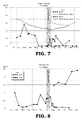
Figure 7 shows a graph with a comparison of annual variations of total phosphorus P-concentration in theyears measuring point 6 of Lake Schäfersee as indicated infigure 2 ; -
Figure 8 shows a graph with a comparison of annual variations in the oxygen content in theyears measuring point 6 of Lake Schäfersee as indicated infigure 2 ; -
Figure 9 shows a graph with a comparison of total nitrogen-N concentration in theyears measuring point 6 of Lake Schäfersee as indicated infigure 2 ; -
Figure 10 shows a graph with a comparison of ammonium-N concentration in theyears measuring point 6 of Lake Schäfersee as indicated infigure 2 ; -
Figure 11 shows a graph with a comparison of the Chemical Oxygen Demand (COD) in theyears measuring point 6 of Lake Schäfersee as indicated infigure 2 ; -
Figure 12 shows a graph with a comparison of annual variation of the sulphate concentration in 2014 in themeasuring point 6 of Lake Schäfersee as indicated infigure 2 ; -
Figure 13 shows a graph with a comparison of nitrate-N concentration at 6 meter depth in theyear 2014 in the measuring points 4 and 6 of Lake Schäfersee as indicated infigure 2 ; -
Figure 14 shows a graph with a comparison of the redox potential at 6 meter depth in theyear 2014 in the measuring points 4 and 6 of Lake Schäfersee as indicated infigure 2 ; -
Figure 15 shows a graph with a comparison of the oxygen content in the year2014 in the measuring points 4 and 6 of Lake Schäfersee as indicated infigure 2 ; -
Figure 16 shows a graph with a comparison of the phosphorous concentration in the year2014 in the measuring points 4 and 6 of Lake Schäfersee as indicated infigure 2 ; -
Figure 17 shows a graph with a comparison of the ammonium N-concentration at 6 meter depth in the year2014 in the measuring points 4 and 6 of Lake Schäfersee as indicated infigure 2 ; -
Figure 18 provides is a graphical representation of an embodiment of a system for remediation and/or restoration of an anoxic body of water, wherein water from the anoxic body of water is pumped out of the body of water and is mixed with calcium nitrate solution and oxygen, the mixture being pumped back into the anoxic body of water; -
Figure 19 provides a graphical representation of a first embodiment of a system for remediation and/or restoration of the hypolimnion of a thermally stratified body of water, wherein water is pumped out of the epilimnion of the thermally stratified body of water and is mixed with calcium nitrate solution, the mixture being pumped back into the hypolimnion; -
Figure 20 provides a graphical representation of a second embodiment of a system for remediation and/or restoration of the hypolimnion of a thermally stratified body of water, wherein groundwater is pumped out of a groundwater source located in the vicinity of the epilimnion of the thermally stratified body of water and is mixed with oxygen and calcium nitrate solution in a mixing device, the mixture being pumped back into the hypolimnion of the thermally stratified body of water; -
Figure 21 provides a graphical representation of a third embodiment of a system for remediation and/or restoration of the hypolimnion of a thermally stratified body of water, wherein water is pumped out of the hypolimnion and is mixed with oxygen and calcium nitrate solution in a mixing device, the mixture being pumped back into the hypolimnion. - The present invention relates to a method for remediation and/or restoration of an anoxic body of water, wherein a calcium nitrate solution is added to the anoxic body of water, wherein the method comprises the steps of
- mixing water having a percent of oxygen saturation of between 50% and 150% with the calcium nitrate solution, resulting in a mixture; and
- pumping the mixture into the anoxic body of water.
- In particular embodiments the mixing step comprises mixing water having a percent of oxygen saturation of between 75 % and 125% with the calcium nitrate solution, resulting in a mixture, more particular having a percent of oxygen saturation of between 95 % and 105%.
- The final concentration of nitrate-N in the remedied and/or restored anoxic body should not exceed 5 mg/l of water, in particular between 1 and 5 mg/l of water, such as for
instance 1 mg/l of water, 2 mg/l of water, 3 mg/l of water, 4 mg/l of water or 5 mg/l of water. - The calcium nitrate solution that is used to remedy and/or restore the anoxic body of water can have different concentrations, preferably ranging between 5 and 55 weight% calcium nitrate solutions, more preferably between 35 and 55 weight% calcium nitrate solutions, such as for
instance 40 weight%, 42.5 weight%, 45 weight%, 47.5 weight%, 50 weight%, 51 weight%, 52 weight%, 53 weight%, 54 weight% or 55 weight% calcium nitrate solutions. The most commonly used calcium nitrate solution is a 45 weight% calcium nitrate solution. In countries with a warmer climate, also 51 to 52 weight% calcium nitrate solutions can be used. There however also exist other calcium nitrate solutions such as 8 weight% calcium nitrate solutions. It is a fact that a higher concentration is more useful to treat bigger volumes of water. - The mixture of water and calcium nitrate has preferably a concentration of calcium nitrate-N of between 10 mg/l and 1000 mg/l, depending on the volume and the flow of the hypolimnion.
- An anoxic body of water most commonly occurs as an underlying water layer lying beneath a surface water layer or a surface water layer and one or more other water layers. This does however not take away the fact that under certain circumstances, also a flat body of water can be completely anoxic.
- As can be seen in
figure 18 , in case an anoxic body of water (10) existing out of one layer has to be remedied and/or restored, water is pumped out of the anoxic body of water (10) itself by means of a second pumping means (6) that is provided for pumping water via a piping (7) to a mixer (2). In this mixer (2), the water that is pumped out of the anoxic body of water (10) is mixed with calcium nitrate solution (3), which is pumped via a pump (9) into the mixer (2), and pure (100%) oxygen (4) until water is obtained having an oxygen saturation of between 50% and 150%, and more particularly 100%. The second pumping means (6) for instance are in the form of hydraulic pump means. The mixer (2) for instance is in the form of a mechanical mixing means. The mixture coming out of the mixer (2) is then pumped via piping (8) using a first pumping means (5) into the anoxic body of water (10). This process is done until the final concentration of nitrate-N in the treated anoxic body of water (10) is between 1 to 20 mg nitrate-N per liter water, and more specifically between 1 and 5 mg nitrate-N per liter water. - To remedy and/or restore anoxic bodies of water (10) forming an underlying water layer, water from different sources can be used to be mixed with the calcium nitrate solution. It is possible to mix already naturally oxygen saturated water from the surface (upper) layer of water with the calcium nitrate solution. No additional aeration of such water is necessary.
- It is furthermore also possible to mix water from the underlying water layer (or anoxic body of water) itself or ground water from a ground water source that is situated in the vicinity of the underlying water layer with the calcium nitrate solution. In these two cases, there will not be sufficient oxygen in the water to activate and keep activated the nitrification and denitrification process, and thus, additional oxygen, preferably 100% pure oxygen, has to be mixed with the calcium nitrate solution and the water of the underlying body of water or the ground water.
- The method according to the invention is typically applicable to remedy and/or restore the bottom layer of a thermally stratified body of water. Thermal stratification of water bodies refers to a change in the temperature at different depths in the water body, and is due to the change in water's density with temperature. Thermal stratification typically occurs in lakes, but can also occur in ponds, rivers and the like.
- As can be seen in the
figures 19 to 21 , a thermally stratified body of water (20) in general exists of - a hypolimnion (10), the bottom layer;
- a metalimnion or thermocline (11), the middle layer that may change depth throughout the day; and
- an epilimnion (12), the upper or surface layer.
- In case the method is to be applied on a thermally stratified body of water (20), the water that is mixed with the calcium nitrate solution (3) can be taken either form the epilimnion (12) (see
figure 19 ), either from the hypolimnion (10) (seefigure 21 ), either from groundwater (13) in the vicinity of the epilimnion (12) of the lake (20) (seefigure 20 ). Whatever water is used, it has to have a percentage of oxygen saturation of between 50% and 150 %, more specifically around 100%. Since epilimnic water usually is saturated around 100 % with oxygen, it is not necessary to have an additional aeration. The aeration treatment step is in that case dispensable. When however groundwater or water from the hypolimnion is used, oxygen, preferably in the form of 100% pure oxygen, is preferably mixed with the water that is mixed with the calcium nitrate. - The system (1) for the remediation and/or restoration of an anoxic body of water, more specifically the hypolimnion (10) of a thermally stratified body of water (20), is provided with a mixing device (2), which is arranged to mix the calcium nitrate solution (3) with the water having a percent of oxygen saturation of between 50% and 150%, resulting in a mixture. The system (1) comprises first pumping means (5) for pumping the resulting mixture into the anoxic body of water, more specifically the hypolimnion (10).
- The system (1) further comprises second pumping means (6) for pumping (up) the water that is mixed with the calcium nitrate solution (3) via piping (7). These second pumping means (6) can either be provided for pumping
- (oxygenated) water from underlying water layer the epilimnion (12), as shown in
figure 19 ; - (oxygen-poor) ground water (13) situated in the vicinity of the underlying or surface water layer more specifically the surface water layer, as shown in
figure 20 ; or - (oxygen-depleted) water from the underlying water layer hypolimnion (10) itself, as shown in
figure 21 . - In case the water that is to be mixed with the calcium nitrate solution (3) is pumped out of underlying water layer the hypolimnion (10), or ground water (13), the system (1) also comprises oxygen mixing means for mixing oxygen (4) into that water. In an embodiment, these oxygen mixing means form part of the mixing device (2). As can be seen on
figures 20 and21 , the water from the hypolimnion (10) or the ground water (13) is preferably first mixed with oxygen (4) in order to elevate the percent of oxygen saturation to between 50% and 100%, most specifically approximately 100%, and then mixed with the calcium nitrate solution (3), and finally pumped back into underlying water layer the hypolimnion (10) via a piping (8) using the first pumping means (5). The mixture is pumped back into the hypolimnion (10) in a way to minimally disorder the thermal stratification of the water body (20). - The mixing device (2) preferably forms part of an onshore (land) station.
- The present invention will be now described in more detail referring to an example that is not limitative to the scope of the invention.
- Partial desludging of Lake Schäfersee in Berlin, Reinickendorf, covered in the years 2013 - 2014, the riparian area to a depth of 3.5 meter. The lake had a maximum depth of 6 - 7 meter. The total area of the lake was 4.14 hectare. The area to be desludged made part of about 1.55 hectare. Thus, as can be seen in
figure 1 , in the restoration project, a big part of the lake with an area of 2.6 hectare, corresponding to about 63% of the total floor are, was not covered by the desludging process. With regards to this non-desludged area, it concerned a volume of hypolimnion of around 50,000 m3 and made a bit less than 1/3rd of the total volume of 170,000 m3. The water investigation, carried out by Büro Wassmann from Borgsdorf in July 2013, prior to the restoration, showed a significant oxygen deficiency in the deepwater area (hypolimnion). Associated decay processes in the form of hydrogen sulfide production were confirmed by a negative redox potential. Furthermore, the reducing environment promoted redissolution of nutrient, in particular from phosphorus, from the sediment, which affected the worsening trophic state. A desludging of the areas below a depth of 3.5 meter would have been possible, but also a very costly measure. - Therefore, in addition to partial desludging, of the less deep part of the lake, the deep water part of the lake was treated with a predefined concentration of nitrate-N. For these tests, the monitored discharge of treated water having a depth of 5 meter was developed. In order to determine an efficient concentration of calcium nitrate for the treatment of the deep water, laboratory experiments were carried out with four sediment cores having a depth of 7 meters and using different start concentrations of nitrate-N. A discharging period of nitrate of three weeks into the hypolimnion was applied. For the treatment, a final concentration of 5mg/l nitrate-N was aimed for. A pre-diluted concentration of 100 mg/l calcium nitrate was used. The concentration of the nitrate and other parameters were at least weekly checked at several measuring points to examine the depth and the spatial distribution. In
figure 2 , the positions of the injection and the measuring points in the Schäfersee are shown. - On
figure 3 , it can be seen that the concentration of nitrate was at themeasuring point 6 in deep water at 6 meters in June below the detection limit of 0.23 mg/l nitrate-N. A few days after discharging, the concentration of calcium nitrate was 3.4 mg/l nitrate-N on 18 July 2014. After completion of the preliminary phase, the concentration was reduced to mid-August to 0.93 mg/l nitrate-N. Surprisingly, the nitrate concentration increased until the end of August and remained at this level up to the end of the measuring phase in November at 1.5 mg nitrate-N /l water. To the contrary, under untreated conditions in the fall of 2013 from October to December, no nitrate was detected (the nitrate-N concentration was below the detection limit of 0.23 mg/l), what is representing a normal state of the deep water in the Schäfersee. - The application of nitrate led to the formation of nitrite. As can be seen in
figure 4 , this appeared frommid-August 2014 and reached a maximum concentration of about 0.75 mg/l nitrite-N, remaining well below the defined maximum value of 1 mg/l nitrate-N. The normal state in the deep water of the Schäfersee is the development of an anoxic milieu also indicated by a negative redox potential. As can be seen infigure 5 , investigations from July 2013 to July 2014 showed a negative redox potential in the summer months, which probably appear every year. So, a negative redox potential was observed with oxygen deficiency in the deep water at the beginning of the studies in August and September 2013. At the end ofspring 2014, the lake developed reducing conditions and declining oxygen concentrations in the deep water. In June and July 2014, the redox potential was strongly negative. - As can be seen in
figure 5 , after the beginning of the initiation phase of calcium nitrate in July 2014, the redox potential changed within a few days into positive values and remained stable at this level until the end of the measuring phase in November 2014. As can be seen infigures 6 and7 , along with the increasing nitrate concentration and the positive redox potential, also a change of the oxygen conditions was observed. As can be seen infigure 6 , the oxygen concentration was in the range of 2 - 5 mg/l in 5 meter depth from July to September. This is however not caused by the pure nitrate application, but rather as a side effect of the discharge of oxygen-enriched water into the deep water. The long-lasting effect is however remarkable because the application of calcium nitrate was terminated at the end of July and no more molecular oxygen was supplied. - In the deep water of the Schäfersee, in 2013, extreme high phosphorus concentrations of 1.5 - 2.5 mg/l (see
figure 8 ) and nitrogen concentrations of 14 - 20 mg/l (seefigures 9 and 10 ) were determined. This can be explained by a strong redissolution of nutrients from the sediment of the lake, which was triggered by the also confirmed reducing conditions (seefigure 5 ). - The COD (Chemical Oxygen Demand) is declining because ammonium, reduced sulfur (hydrogen sulfide) and diluted or solid organic substances are oxidized.
Fig. 12 shows the process of sulphur oxidization resulting in an increase of sulfate. - To investigate the spatial distribution of the addition of the calcium nitrate solution, comparative measurements were done of the probe parameters (in-situ), as well as laboratory parameters were done at a second location a little further away from the introduction point of the calcium nitrate solution, i.e. in measuring
point 4 as can be seen onfigure 2 . - The measurements of the total nitrate-N concentration, the ammonium-N concentration, the redox potential, the oxygen content and the total phosphorous concentration that were done at measuring
point 6 as indicated infigure 2 have also been done at measuringpoint 4. As can be seen infigure 13 , the spatial distribution of nitrate-N was detected with a time lag of about three weeks. - The same could be observed with the other parameters. As can be seen in
figure 14 , the redox potential increased in measuringpoint 4 towards the end of August 2014 with the same positive value of about +100 mV as in measuringpoint 6. As can be seen infigure 15 , oxygen was detected in measuringpoint 6 as well as in measuringpoint 4. In order to investigate the redissolution of the nutrients from the lake sediment, the total phosphorus content was also determined at measuringpoint 4. In accordance with the delayed distribution on total nitrate-N, also the reduction of the phosphorus was delayed. As can be seen infigure 16 , at the beginning of the redissolution of phosphorus, concentrations of P up to 1.3 mg/l were obtained in early August 2014 in measuringpoint 4. However, with an increasing total nitrate-N concentration and increasing redox potential, an equally sharp decline in the phosphorus concentration to values below 0.1 mg/l was determined. - As can be seen in
figure 17 , similar behavior of the oxidation of ammonia could be seen. At measuringpoint 4 in August 2014, a concentration of ammonium-N below the detection limit of 0.05 mg/l was reached. - This example shows a way of the calculation of the necessary CN concentrations, with a focus on the variability of the different parameters such as stock solution, first dilution etc. depending on the water flow, injection periods, etc. Depending on the sum of different parameters, there is a wide range of possible values for starting concentrations and dilutions, to obtain the final concentration in the water body, here Lake Schäfersee. Optimization and therefore measurements are necessary because in every water body, the conditions of microbiological processes are different. Also the detection of the right time for injection measurements of temperature, oxygen and redoxpotential in a depth profile are necessary. The right time for injection for stratified lakes is a stable stratification, beginning anoxia and a negative redoxpotential / anoxia for shallow lakes. Furthermore, the control of nitrate and oxygen is necessary to adjust the right dosage of nitrate when it is differing from the first calculations. The measurement of nitrite and chloride is important for the detection of fish toxicity.
- The volume of the hypolimnion of Lake Schäfersee to be remedied and/or restored is about 50,000 m3. To ensure to reach a final concentration of 2 mg nitrate-N / l water N, 2000 1 of CN45 (= a calcium nitrate solution with a 45 weight% of calcium nitrate), providing 220 kg nitrate-N, was applied in the initial stage of the treatment process. In that way, a medium concentration of 4.4 mg nitrate-N /l water is obtained. Taking into account a loss of half of this medium concentration by spontaneous denitrification and other microbiological processes, a final concentration of 2.2 mg nitrate-N /l water was obtained. The calcium nitrate solution was dosed into the hypolimnion by means of a pump having a flow of 50 m3/hour. The pump worked 8 hours per working day and 5 working days in a working week. A final volume of 6.000 m3 of calcium nitrate was pumped into the hypolimnion, which is nearly 12% of the total volume of the hypolimnion. In this case, the oxidized stock volume was concentrated up to 0.037 g nitrate-N per liter water.
Claims (15)
- Method for remediation and/or restoration of an anoxic body of water (10), wherein a calcium nitrate solution (3) is added to the anoxic body of water (10), CHARACTERIZED IN THAT the method comprises the steps of- mixing water having a percent of oxygen saturation of between 50% and 150%, preferably around 100%, with the calcium nitrate solution (3), resulting in a mixture, preferably having a concentration of calcium nitrate-N of between 10 and 1000 mg/l, depending on the volume of the anoxic body of water (10) and the water flow in the anoxic body of water (10),- pumping the mixture into the anoxic body of water (10),wherein the final concentration of nitrate-N in the remedied and/or restored anoxic body of water (10) is between 1 to 20 mg/l.
- Method according to claim 1, wherein the anoxic body of water is an underlying water layer (10) lying below a surface water layer (12), and wherein the water which is then mixed with the calcium nitrate solution (3) is water taken from the surface water layer (12), the underlying water layer (10) or a ground water source (13) in the vicinity of the surface water layer (12) with the proviso that water from the underlying water layer (10) or from a ground water source (13) in the vicinity of the surface water layer (12) is mixed with oxygen (4), preferably in the form of atmospheric air, oxygen enriched atmospheric air, or 100% pure oxygen.
- Method according to claim 1 or 2, wherein the anoxic body of water is a hypolimnion (10) of a thermally stratified body of water (20).
- Method according to claim 3, wherein the thermally stratified body of water (20) has an epilimnion (12), and the water that is mixed with the calcium nitrate solution (3) is water taken from the epilimnion (12).
- Method according to claim 3, wherein the water that is mixed with the calcium nitrate solution (3) is water taken from the hypolimnion (10) which is mixed with oxygen(4) to a percent of oxygen saturation of between 50% and 150%.
- Method according to claim 3, wherein the thermally stratified body of water (20) has an epilimnion (12), and wherein the water that is mixed with the calcium nitrate solution (3) is taken from ground water (13) in the vicinity of the thermally stratified body of water (20) and which is mixed with oxygen to a percent of oxygen saturation of between 50% and 150%.
- Method according to any one of the preceding claims, wherein the method comprises the step of controlling and optimizing the amount of calcium nitrate solution that has to be added to the anoxic body of water (10) and the time when and for how long the calcium nitrate solution has to be added to the anoxic body of water (10).
- Method according to any one of claims 1 to 7, wherein the calcium nitrate solution comprises one or more compositions enhancing precipitation of phosphorus.
- System (1) for remediation and/or restoration of an anoxic body of water (10), preferably arranged to perform a method according to any one of claims 1 to 8, wherein the system (1) is provided with means to add a calcium nitrate solution (3) to the anoxic body of water (10), CHARACTERIZED IN THAT the means to add the calcium nitrate solution to the anoxic body of water consists of a mixing device (2) arranged to mix the calcium nitrate solution (3) with water having a percent of oxygen saturation of between 50% and 150%, resulting in a mixture, and wherein the system (1) comprises first pumping means (5) for pumping the mixture into the anoxic body of water (10) and optionally second pumping means (6) for pumping up the water that is to be mixed with the calcium nitrate solution (3) towards the mixing device (2).
- System according to claim 9, wherein the anoxic body of water is an underlying water layer (10) lying beneath a surface water layer (12), and wherein the second pumping means (6) are provided for pumping either water from the surface layer water (12), ground water out of a ground water source (13) that is situated in the vicinity of the surface water layer (12) or water from the underlying water layer (10) towards the mixing device (2).
- System according to claim 9 or 10, wherein the system (1) comprises oxygen mixing means, optionally forming part of the mixing device (2), for mixing oxygen (4) into the ground water (13) or the underlying water layer (10).
- System according to claim 10, wherein the anoxic body of water is the hypolimnion (10) of a thermally stratified body of water (20), the thermally stratified body of water comprising an epilimnion (12), and wherein the second pumping means (6) are provided for pumping water from the epilimnion (12) towards the mixing device (2).
- System according to claim 10, wherein the anoxic body of water is the hypolimnion (10) of a thermally stratified body of water (20), the thermally stratified body of water (20) comprising an epilimnion (12), and wherein the second pumping means (6) are provided for pumping up ground water (13) that is situated in the vicinity of the thermally stratified body of water (20) towards the mixing device (2), optionally wherein the system (1) comprises oxygen mixing means for mixing oxygen (4) into the ground water (13), said oxygen mixing means preferably forming part of the mixing device (2).
- System according to claim 10, wherein the anoxic body of water is the hypolimnion (10) of a thermally stratified body of water (20), and wherein the second pumping means (6) are provided for pumping up water from the hypolimnion (10) towards the mixing device (2), optionally wherein the system (1) comprises oxygen mixing means for mixing oxygen (4) into the hypolimnion (10), said oxygen mixing means preferably forming part of the mixing device (2).
- System according to any one of claims 9 to 14, wherein the mixing device (2) forms part of an onshore station.
Priority Applications (13)
| Application Number | Priority Date | Filing Date | Title |
|---|---|---|---|
| EP16162307.9A EP3222588A1 (en) | 2016-03-24 | 2016-03-24 | Remediation and/or restoration of an anoxic body of water |
| BR112018069375A BR112018069375B8 (en) | 2016-03-24 | 2017-03-24 | REMEDIATION AND/OR RESTORATION OF AN ANOXIC WATER BODY |
| MX2018011489A MX394904B (en) | 2016-03-24 | 2017-03-24 | REMEDIATION AND/OR RESTORATION OF AN ANOXIC WATER BODY. |
| PL17717332T PL3433211T3 (en) | 2016-03-24 | 2017-03-24 | Remediation and/or restoration of an anoxic body of water |
| AU2017238597A AU2017238597B2 (en) | 2016-03-24 | 2017-03-24 | Remediation and/or restoration of an anoxic body of water |
| EP17717332.5A EP3433211B1 (en) | 2016-03-24 | 2017-03-24 | Remediation and/or restoration of an anoxic body of water |
| US16/076,014 US11584668B2 (en) | 2016-03-24 | 2017-03-24 | Remediation and/or restoration of an anoxic body of water |
| SG11201806346WA SG11201806346WA (en) | 2016-03-24 | 2017-03-24 | Remediation and/or restoration of an anoxic body of water |
| CN201780015152.0A CN108698865B (en) | 2016-03-24 | 2017-03-24 | Repair and/or restoration of anoxic water bodies |
| NZ744559A NZ744559B2 (en) | 2017-03-24 | Remediation and/or restoration of an anoxic body of water | |
| MYPI2018703375A MY185756A (en) | 2016-03-24 | 2017-03-24 | Remediation and/or restoration of an anoxic body of water |
| CA3012561A CA3012561C (en) | 2016-03-24 | 2017-03-24 | Remediation and/or restoration of an anoxic body of water |
| PCT/EP2017/057041 WO2017162847A1 (en) | 2016-03-24 | 2017-03-24 | Remediation and/or restoration of an anoxic body of water |
Applications Claiming Priority (1)
| Application Number | Priority Date | Filing Date | Title |
|---|---|---|---|
| EP16162307.9A EP3222588A1 (en) | 2016-03-24 | 2016-03-24 | Remediation and/or restoration of an anoxic body of water |
Publications (1)
| Publication Number | Publication Date |
|---|---|
| EP3222588A1 true EP3222588A1 (en) | 2017-09-27 |
Family
ID=55637245
Family Applications (2)
| Application Number | Title | Priority Date | Filing Date |
|---|---|---|---|
| EP16162307.9A Withdrawn EP3222588A1 (en) | 2016-03-24 | 2016-03-24 | Remediation and/or restoration of an anoxic body of water |
| EP17717332.5A Active EP3433211B1 (en) | 2016-03-24 | 2017-03-24 | Remediation and/or restoration of an anoxic body of water |
Family Applications After (1)
| Application Number | Title | Priority Date | Filing Date |
|---|---|---|---|
| EP17717332.5A Active EP3433211B1 (en) | 2016-03-24 | 2017-03-24 | Remediation and/or restoration of an anoxic body of water |
Country Status (11)
| Country | Link |
|---|---|
| US (1) | US11584668B2 (en) |
| EP (2) | EP3222588A1 (en) |
| CN (1) | CN108698865B (en) |
| AU (1) | AU2017238597B2 (en) |
| BR (1) | BR112018069375B8 (en) |
| CA (1) | CA3012561C (en) |
| MX (1) | MX394904B (en) |
| MY (1) | MY185756A (en) |
| PL (1) | PL3433211T3 (en) |
| SG (1) | SG11201806346WA (en) |
| WO (1) | WO2017162847A1 (en) |
Families Citing this family (3)
| Publication number | Priority date | Publication date | Assignee | Title |
|---|---|---|---|---|
| CN110540305B (en) * | 2019-08-30 | 2021-01-29 | 福建闽泰交通工程有限公司 | Small watershed river channel repairing method |
| CN112374597B (en) * | 2020-10-23 | 2021-08-10 | 中国水利水电科学研究院 | Method for improving dissolved oxygen concentration of thermal stratification reservoir |
| CN113264637B (en) * | 2021-05-19 | 2022-04-05 | 三峡大学 | Low-disturbance oxygen supply repair equipment and method for lake and reservoir bottom |
Citations (1)
| Publication number | Priority date | Publication date | Assignee | Title |
|---|---|---|---|---|
| US3956124A (en) * | 1974-11-25 | 1976-05-11 | Union Carbide Corporation | Hypolimnion oxygenation |
Family Cites Families (2)
| Publication number | Priority date | Publication date | Assignee | Title |
|---|---|---|---|---|
| US7087172B2 (en) | 2003-03-05 | 2006-08-08 | Usfilter Corporation | Methods for reducing nitrate demands in the reduction of dissolved and/or atmospheric sulfides in wastewater |
| US7497948B2 (en) * | 2004-10-25 | 2009-03-03 | Rmt, Inc. | Method for remediation of soil and groundwater |
-
2016
- 2016-03-24 EP EP16162307.9A patent/EP3222588A1/en not_active Withdrawn
-
2017
- 2017-03-24 EP EP17717332.5A patent/EP3433211B1/en active Active
- 2017-03-24 MX MX2018011489A patent/MX394904B/en unknown
- 2017-03-24 SG SG11201806346WA patent/SG11201806346WA/en unknown
- 2017-03-24 CN CN201780015152.0A patent/CN108698865B/en active Active
- 2017-03-24 CA CA3012561A patent/CA3012561C/en active Active
- 2017-03-24 BR BR112018069375A patent/BR112018069375B8/en active IP Right Grant
- 2017-03-24 PL PL17717332T patent/PL3433211T3/en unknown
- 2017-03-24 US US16/076,014 patent/US11584668B2/en active Active
- 2017-03-24 MY MYPI2018703375A patent/MY185756A/en unknown
- 2017-03-24 WO PCT/EP2017/057041 patent/WO2017162847A1/en not_active Ceased
- 2017-03-24 AU AU2017238597A patent/AU2017238597B2/en active Active
Patent Citations (1)
| Publication number | Priority date | Publication date | Assignee | Title |
|---|---|---|---|---|
| US3956124A (en) * | 1974-11-25 | 1976-05-11 | Union Carbide Corporation | Hypolimnion oxygenation |
Non-Patent Citations (4)
| Title |
|---|
| ANONYMOUS: "Report for the first year of the nitrate addition pilot test in the hypolimnion of onondaga lake (2011)", 23 August 2012 (2012-08-23), pages 49PP, XP002762964, Retrieved from the Internet <URL:http://www.dec.ny.gov/docs/regions_pdf/nitratrpt11.pdf> [retrieved on 20161013] * |
| BILL JONES: "Oxygen -The Most Important Water Quality Parameter?", WATER COLUMN SPRING, 1 January 2011 (2011-01-01), XP055310674, Retrieved from the Internet <URL:http://www.indiana.edu/~clp/documents/water_column/Water_Col_V23N1.pdf> [retrieved on 20161011] * |
| MARTIN SØNDERGAARD ET AL: "Hypolimnetic Nitrate Treatment to Reduce Internal Phosphorus Loading in a Stratified Lake", LAKE AND RESERVOIR MANAGEMENT, vol. 16, no. 3, 23 September 2000 (2000-09-23), pages 195 - 204, XP055310670, ISSN: 1040-2381, DOI: 10.1080/07438140009353963 * |
| MARTIN T DOKULIL ET AL: "Restoration of a shallow, ground-water fed urban lake using a combination of internal management strategies: a case study", 1 February 2000 (2000-02-01), XP055310984, Retrieved from the Internet <URL:http://www.lakeriver.at/P/2000_Treatment-OldDanube-93-97-DokulilTeubnerDonabaum-F.pdf> [retrieved on 20161014] * |
Also Published As
| Publication number | Publication date |
|---|---|
| US20210269336A1 (en) | 2021-09-02 |
| EP3433211A1 (en) | 2019-01-30 |
| BR112018069375B8 (en) | 2023-01-10 |
| CN108698865A (en) | 2018-10-23 |
| SG11201806346WA (en) | 2018-08-30 |
| MX394904B (en) | 2025-03-24 |
| AU2017238597A1 (en) | 2018-08-09 |
| EP3433211B1 (en) | 2020-11-25 |
| CA3012561C (en) | 2023-01-31 |
| BR112018069375A2 (en) | 2019-01-22 |
| MY185756A (en) | 2021-06-04 |
| NZ744559A (en) | 2024-08-30 |
| AU2017238597B2 (en) | 2022-03-17 |
| CA3012561A1 (en) | 2017-09-28 |
| PL3433211T3 (en) | 2021-05-31 |
| WO2017162847A1 (en) | 2017-09-28 |
| CN108698865B (en) | 2021-09-07 |
| BR112018069375B1 (en) | 2022-11-29 |
| US11584668B2 (en) | 2023-02-21 |
| MX2018011489A (en) | 2019-02-07 |
Similar Documents
| Publication | Publication Date | Title |
|---|---|---|
| Ripl | Biochemical oxidation of polluted lake sediment with nitrate: a new lake restoration method | |
| Hupfer et al. | Lake restoration | |
| Dunne et al. | Nitrogen dynamics of a large-scale constructed wetland used to remove excess nitrogen from eutrophic lake water | |
| SØNDERGAARD et al. | 10• Chemical treatment of water and sediments with special reference to lakes | |
| Lin et al. | Application of an innovative front aeration and internal recirculation strategy to improve the removal of pollutants in subsurface flow constructed wetlands | |
| Beutel | Oxygen consumption and ammonia accumulation in the hypolimnion of Walker Lake, Nevada | |
| Adhikari | Fertilization, soil and water quality management in small-scale ponds | |
| US11584668B2 (en) | Remediation and/or restoration of an anoxic body of water | |
| Chyan et al. | Improvement of nitrogen removal by external aeration and intermittent circulation in a subsurface flow constructed wetland of landscape garden ponds | |
| Environmental | Dissolved oxygen | |
| Akköz | The determination of some pollution parameters, water quality and heavy metal concentrations of Aci Lake (Karapinar/Konya, Turkey) | |
| Chen et al. | Artificial Floating Island System as a Sustainable Solution for Addressing Nutrient Pollution and Harmful Algal Blooms (HABs) in Ohio | |
| Wardhani et al. | Depth Profiles of Dissolved Oxygen (DO) and Hydrogen Sulfide (H2S) Concentration in a Tropical Freshwater Reservoir | |
| Wolter | Restoration of eutrophic lakes by phosphorus precipitation, with a case study on Lake Gross-Glienicker | |
| Prema | Importance of water quality in marine life cage culture | |
| El-Sonbati et al. | Assessment of some water pollutants at New Damietta city-Egypt | |
| Ashley | Effects of hypolimnetic aeration on functional components of the lake ecosystem | |
| Jenkins | Ammonia Oxygen Demand Determination for the Design of an Oxygenation System in a Water Supply Reservoir | |
| Maltby | Soils and wetland functions | |
| Zieliński et al. | Comparison of mineral and organic nitrogen forms in regulated and restored sections of a small lowland river | |
| Khajah et al. | Nitrogen removal in a redox-stratified constructed wetland system | |
| Magumdar | Assessment of water quality in the peripheral rivers of Dhaka city | |
| Klapper et al. | The management of drinking water reservoirs in the German Democratic Republic | |
| Yilmaz | Topic 14: Nutrients | |
| Vinconneau et al. | The problem of phosphorus in France–its presence in natural waters and biological phosphorus removal |
Legal Events
| Date | Code | Title | Description |
|---|---|---|---|
| PUAI | Public reference made under article 153(3) epc to a published international application that has entered the european phase |
Free format text: ORIGINAL CODE: 0009012 |
|
| AK | Designated contracting states |
Kind code of ref document: A1 Designated state(s): AL AT BE BG CH CY CZ DE DK EE ES FI FR GB GR HR HU IE IS IT LI LT LU LV MC MK MT NL NO PL PT RO RS SE SI SK SM TR |
|
| AX | Request for extension of the european patent |
Extension state: BA ME |
|
| STAA | Information on the status of an ep patent application or granted ep patent |
Free format text: STATUS: THE APPLICATION IS DEEMED TO BE WITHDRAWN |
|
| 18D | Application deemed to be withdrawn |
Effective date: 20180328 |