EP3221466B1 - Biomarkers for predicting weight loss and weight maintenance - Google Patents
Biomarkers for predicting weight loss and weight maintenance Download PDFInfo
- Publication number
- EP3221466B1 EP3221466B1 EP15791598.4A EP15791598A EP3221466B1 EP 3221466 B1 EP3221466 B1 EP 3221466B1 EP 15791598 A EP15791598 A EP 15791598A EP 3221466 B1 EP3221466 B1 EP 3221466B1
- Authority
- EP
- European Patent Office
- Prior art keywords
- seq
- subject
- weight loss
- weight
- maintenance
- Prior art date
- Legal status (The legal status is an assumption and is not a legal conclusion. Google has not performed a legal analysis and makes no representation as to the accuracy of the status listed.)
- Not-in-force
Links
- 230000004580 weight loss Effects 0.000 title claims description 161
- 238000012423 maintenance Methods 0.000 title claims description 116
- 239000000090 biomarker Substances 0.000 title claims description 19
- 238000000034 method Methods 0.000 claims description 126
- 235000021196 dietary intervention Nutrition 0.000 claims description 86
- 230000008859 change Effects 0.000 claims description 85
- 102100034547 Protocadherin Fat 4 Human genes 0.000 claims description 50
- 235000005911 diet Nutrition 0.000 claims description 45
- 230000037213 diet Effects 0.000 claims description 44
- 239000002773 nucleotide Substances 0.000 claims description 29
- 125000003729 nucleotide group Chemical group 0.000 claims description 29
- 101100119768 Homo sapiens FAT4 gene Proteins 0.000 claims description 24
- 235000013861 fat-free Nutrition 0.000 claims description 19
- 239000003550 marker Substances 0.000 claims description 13
- 230000004048 modification Effects 0.000 claims description 12
- 238000012986 modification Methods 0.000 claims description 12
- 230000001105 regulatory effect Effects 0.000 claims description 12
- 101000848199 Homo sapiens Protocadherin Fat 4 Proteins 0.000 claims description 5
- 238000002560 therapeutic procedure Methods 0.000 claims description 4
- 208000016261 weight loss Diseases 0.000 description 143
- 108020004414 DNA Proteins 0.000 description 113
- 241000282414 Homo sapiens Species 0.000 description 105
- 239000000969 carrier Substances 0.000 description 101
- 108700028369 Alleles Proteins 0.000 description 81
- 101710095094 Protocadherin Fat 4 Proteins 0.000 description 45
- 238000004458 analytical method Methods 0.000 description 45
- 239000000047 product Substances 0.000 description 36
- 230000002068 genetic effect Effects 0.000 description 35
- 108090000623 proteins and genes Proteins 0.000 description 32
- 239000000523 sample Substances 0.000 description 29
- 108091034117 Oligonucleotide Proteins 0.000 description 27
- 102000054766 genetic haplotypes Human genes 0.000 description 25
- 238000012360 testing method Methods 0.000 description 24
- 235000020845 low-calorie diet Nutrition 0.000 description 23
- 238000003752 polymerase chain reaction Methods 0.000 description 23
- 239000012634 fragment Substances 0.000 description 22
- 108020005187 Oligonucleotide Probes Proteins 0.000 description 19
- 239000002751 oligonucleotide probe Substances 0.000 description 19
- 239000003925 fat Substances 0.000 description 18
- 235000019197 fats Nutrition 0.000 description 18
- 238000006243 chemical reaction Methods 0.000 description 15
- 230000000295 complement effect Effects 0.000 description 14
- 238000001514 detection method Methods 0.000 description 14
- 230000003321 amplification Effects 0.000 description 13
- 238000003199 nucleic acid amplification method Methods 0.000 description 13
- 150000007523 nucleic acids Chemical class 0.000 description 13
- 238000003205 genotyping method Methods 0.000 description 12
- 238000012417 linear regression Methods 0.000 description 12
- 108020004707 nucleic acids Proteins 0.000 description 12
- 102000039446 nucleic acids Human genes 0.000 description 12
- 208000008589 Obesity Diseases 0.000 description 11
- 230000007935 neutral effect Effects 0.000 description 11
- 235000020824 obesity Nutrition 0.000 description 11
- 210000000349 chromosome Anatomy 0.000 description 10
- 239000000499 gel Substances 0.000 description 10
- 235000013311 vegetables Nutrition 0.000 description 10
- 235000019577 caloric intake Nutrition 0.000 description 9
- 230000006870 function Effects 0.000 description 9
- 238000012216 screening Methods 0.000 description 9
- 238000009007 Diagnostic Kit Methods 0.000 description 8
- 230000037396 body weight Effects 0.000 description 8
- 230000003993 interaction Effects 0.000 description 8
- 102000004169 proteins and genes Human genes 0.000 description 8
- 101150021084 CID2 gene Proteins 0.000 description 7
- 238000013459 approach Methods 0.000 description 7
- 238000003776 cleavage reaction Methods 0.000 description 7
- 238000013461 design Methods 0.000 description 7
- 238000002844 melting Methods 0.000 description 7
- 230000008018 melting Effects 0.000 description 7
- 230000001681 protective effect Effects 0.000 description 7
- 230000007017 scission Effects 0.000 description 7
- 101000872170 Homo sapiens Polycomb complex protein BMI-1 Proteins 0.000 description 6
- 241001465754 Metazoa Species 0.000 description 6
- 102100033566 Polycomb complex protein BMI-1 Human genes 0.000 description 6
- 238000003935 denaturing gradient gel electrophoresis Methods 0.000 description 6
- 102000054765 polymorphisms of proteins Human genes 0.000 description 6
- 230000009467 reduction Effects 0.000 description 6
- 238000000123 temperature gradient gel electrophoresis Methods 0.000 description 6
- 230000037221 weight management Effects 0.000 description 6
- 101100274417 Arabidopsis thaliana CID3 gene Proteins 0.000 description 5
- 241000361255 Diogenes Species 0.000 description 5
- 108091092878 Microsatellite Proteins 0.000 description 5
- 108091028043 Nucleic acid sequence Proteins 0.000 description 5
- 235000013361 beverage Nutrition 0.000 description 5
- 238000011161 development Methods 0.000 description 5
- 230000000694 effects Effects 0.000 description 5
- 238000001962 electrophoresis Methods 0.000 description 5
- XLYOFNOQVPJJNP-UHFFFAOYSA-N water Substances O XLYOFNOQVPJJNP-UHFFFAOYSA-N 0.000 description 5
- JLCPHMBAVCMARE-UHFFFAOYSA-N [3-[[3-[[3-[[3-[[3-[[3-[[3-[[3-[[3-[[3-[[3-[[5-(2-amino-6-oxo-1H-purin-9-yl)-3-[[3-[[3-[[3-[[3-[[3-[[5-(2-amino-6-oxo-1H-purin-9-yl)-3-[[5-(2-amino-6-oxo-1H-purin-9-yl)-3-hydroxyoxolan-2-yl]methoxy-hydroxyphosphoryl]oxyoxolan-2-yl]methoxy-hydroxyphosphoryl]oxy-5-(5-methyl-2,4-dioxopyrimidin-1-yl)oxolan-2-yl]methoxy-hydroxyphosphoryl]oxy-5-(6-aminopurin-9-yl)oxolan-2-yl]methoxy-hydroxyphosphoryl]oxy-5-(6-aminopurin-9-yl)oxolan-2-yl]methoxy-hydroxyphosphoryl]oxy-5-(6-aminopurin-9-yl)oxolan-2-yl]methoxy-hydroxyphosphoryl]oxy-5-(6-aminopurin-9-yl)oxolan-2-yl]methoxy-hydroxyphosphoryl]oxyoxolan-2-yl]methoxy-hydroxyphosphoryl]oxy-5-(5-methyl-2,4-dioxopyrimidin-1-yl)oxolan-2-yl]methoxy-hydroxyphosphoryl]oxy-5-(4-amino-2-oxopyrimidin-1-yl)oxolan-2-yl]methoxy-hydroxyphosphoryl]oxy-5-(5-methyl-2,4-dioxopyrimidin-1-yl)oxolan-2-yl]methoxy-hydroxyphosphoryl]oxy-5-(5-methyl-2,4-dioxopyrimidin-1-yl)oxolan-2-yl]methoxy-hydroxyphosphoryl]oxy-5-(6-aminopurin-9-yl)oxolan-2-yl]methoxy-hydroxyphosphoryl]oxy-5-(6-aminopurin-9-yl)oxolan-2-yl]methoxy-hydroxyphosphoryl]oxy-5-(4-amino-2-oxopyrimidin-1-yl)oxolan-2-yl]methoxy-hydroxyphosphoryl]oxy-5-(4-amino-2-oxopyrimidin-1-yl)oxolan-2-yl]methoxy-hydroxyphosphoryl]oxy-5-(4-amino-2-oxopyrimidin-1-yl)oxolan-2-yl]methoxy-hydroxyphosphoryl]oxy-5-(6-aminopurin-9-yl)oxolan-2-yl]methoxy-hydroxyphosphoryl]oxy-5-(4-amino-2-oxopyrimidin-1-yl)oxolan-2-yl]methyl [5-(6-aminopurin-9-yl)-2-(hydroxymethyl)oxolan-3-yl] hydrogen phosphate Polymers Cc1cn(C2CC(OP(O)(=O)OCC3OC(CC3OP(O)(=O)OCC3OC(CC3O)n3cnc4c3nc(N)[nH]c4=O)n3cnc4c3nc(N)[nH]c4=O)C(COP(O)(=O)OC3CC(OC3COP(O)(=O)OC3CC(OC3COP(O)(=O)OC3CC(OC3COP(O)(=O)OC3CC(OC3COP(O)(=O)OC3CC(OC3COP(O)(=O)OC3CC(OC3COP(O)(=O)OC3CC(OC3COP(O)(=O)OC3CC(OC3COP(O)(=O)OC3CC(OC3COP(O)(=O)OC3CC(OC3COP(O)(=O)OC3CC(OC3COP(O)(=O)OC3CC(OC3COP(O)(=O)OC3CC(OC3COP(O)(=O)OC3CC(OC3COP(O)(=O)OC3CC(OC3COP(O)(=O)OC3CC(OC3COP(O)(=O)OC3CC(OC3CO)n3cnc4c(N)ncnc34)n3ccc(N)nc3=O)n3cnc4c(N)ncnc34)n3ccc(N)nc3=O)n3ccc(N)nc3=O)n3ccc(N)nc3=O)n3cnc4c(N)ncnc34)n3cnc4c(N)ncnc34)n3cc(C)c(=O)[nH]c3=O)n3cc(C)c(=O)[nH]c3=O)n3ccc(N)nc3=O)n3cc(C)c(=O)[nH]c3=O)n3cnc4c3nc(N)[nH]c4=O)n3cnc4c(N)ncnc34)n3cnc4c(N)ncnc34)n3cnc4c(N)ncnc34)n3cnc4c(N)ncnc34)O2)c(=O)[nH]c1=O JLCPHMBAVCMARE-UHFFFAOYSA-N 0.000 description 4
- 239000000654 additive Substances 0.000 description 4
- 230000000996 additive effect Effects 0.000 description 4
- 238000003491 array Methods 0.000 description 4
- 238000004590 computer program Methods 0.000 description 4
- 238000002790 cross-validation Methods 0.000 description 4
- OPTASPLRGRRNAP-UHFFFAOYSA-N cytosine Chemical compound NC=1C=CNC(=O)N=1 OPTASPLRGRRNAP-UHFFFAOYSA-N 0.000 description 4
- 239000000975 dye Substances 0.000 description 4
- 238000005516 engineering process Methods 0.000 description 4
- 235000013305 food Nutrition 0.000 description 4
- 238000009396 hybridization Methods 0.000 description 4
- 230000035772 mutation Effects 0.000 description 4
- 230000008569 process Effects 0.000 description 4
- 230000004044 response Effects 0.000 description 4
- 238000012163 sequencing technique Methods 0.000 description 4
- 230000000391 smoking effect Effects 0.000 description 4
- 238000013517 stratification Methods 0.000 description 4
- 239000000126 substance Substances 0.000 description 4
- 208000001072 type 2 diabetes mellitus Diseases 0.000 description 4
- 208000035987 Body-Weight Trajectory Diseases 0.000 description 3
- 238000000729 Fisher's exact test Methods 0.000 description 3
- UYTPUPDQBNUYGX-UHFFFAOYSA-N Guanine Natural products O=C1NC(N)=NC2=C1N=CN2 UYTPUPDQBNUYGX-UHFFFAOYSA-N 0.000 description 3
- 238000012408 PCR amplification Methods 0.000 description 3
- 108091093037 Peptide nucleic acid Proteins 0.000 description 3
- 108010006785 Taq Polymerase Proteins 0.000 description 3
- 230000004075 alteration Effects 0.000 description 3
- 238000000540 analysis of variance Methods 0.000 description 3
- 238000003556 assay Methods 0.000 description 3
- 238000000876 binomial test Methods 0.000 description 3
- 230000015572 biosynthetic process Effects 0.000 description 3
- 150000001720 carbohydrates Chemical class 0.000 description 3
- 230000000875 corresponding effect Effects 0.000 description 3
- 230000001419 dependent effect Effects 0.000 description 3
- 208000037265 diseases, disorders, signs and symptoms Diseases 0.000 description 3
- 239000005556 hormone Substances 0.000 description 3
- 229940088597 hormone Drugs 0.000 description 3
- 229910052500 inorganic mineral Inorganic materials 0.000 description 3
- 238000010197 meta-analysis Methods 0.000 description 3
- 239000011707 mineral Substances 0.000 description 3
- 235000010755 mineral Nutrition 0.000 description 3
- 239000000203 mixture Substances 0.000 description 3
- 239000013589 supplement Substances 0.000 description 3
- 238000003786 synthesis reaction Methods 0.000 description 3
- 239000011573 trace mineral Substances 0.000 description 3
- 235000013619 trace mineral Nutrition 0.000 description 3
- 238000012549 training Methods 0.000 description 3
- 238000010200 validation analysis Methods 0.000 description 3
- 239000011782 vitamin Substances 0.000 description 3
- 235000013343 vitamin Nutrition 0.000 description 3
- 229940088594 vitamin Drugs 0.000 description 3
- 229930003231 vitamin Natural products 0.000 description 3
- 108050007957 Cadherin Proteins 0.000 description 2
- 102000000905 Cadherin Human genes 0.000 description 2
- 208000024172 Cardiovascular disease Diseases 0.000 description 2
- 241000555825 Clupeidae Species 0.000 description 2
- 108091026890 Coding region Proteins 0.000 description 2
- 241000255581 Drosophila <fruit fly, genus> Species 0.000 description 2
- 108700032759 Drosophila ft Proteins 0.000 description 2
- 230000004655 Hippo pathway Effects 0.000 description 2
- 241000282412 Homo Species 0.000 description 2
- 101000690100 Homo sapiens U1 small nuclear ribonucleoprotein 70 kDa Proteins 0.000 description 2
- 108091092195 Intron Proteins 0.000 description 2
- 108090000364 Ligases Proteins 0.000 description 2
- 102000003960 Ligases Human genes 0.000 description 2
- 108700026244 Open Reading Frames Proteins 0.000 description 2
- 102000004270 Peptidyl-Dipeptidase A Human genes 0.000 description 2
- 108090000882 Peptidyl-Dipeptidase A Proteins 0.000 description 2
- 101100029173 Phaeosphaeria nodorum (strain SN15 / ATCC MYA-4574 / FGSC 10173) SNP2 gene Proteins 0.000 description 2
- 238000012952 Resampling Methods 0.000 description 2
- 101100094821 Saccharomyces cerevisiae (strain ATCC 204508 / S288c) SMX2 gene Proteins 0.000 description 2
- 102100024121 U1 small nuclear ribonucleoprotein 70 kDa Human genes 0.000 description 2
- 108091023045 Untranslated Region Proteins 0.000 description 2
- 241000251539 Vertebrata <Metazoa> Species 0.000 description 2
- 238000007844 allele-specific PCR Methods 0.000 description 2
- 238000012093 association test Methods 0.000 description 2
- 230000008901 benefit Effects 0.000 description 2
- 210000004027 cell Anatomy 0.000 description 2
- 230000022131 cell cycle Effects 0.000 description 2
- 230000019522 cellular metabolic process Effects 0.000 description 2
- HVYWMOMLDIMFJA-DPAQBDIFSA-N cholesterol Chemical compound C1C=C2C[C@@H](O)CC[C@]2(C)[C@@H]2[C@@H]1[C@@H]1CC[C@H]([C@H](C)CCCC(C)C)[C@@]1(C)CC2 HVYWMOMLDIMFJA-DPAQBDIFSA-N 0.000 description 2
- 238000010224 classification analysis Methods 0.000 description 2
- 229940104302 cytosine Drugs 0.000 description 2
- 230000003247 decreasing effect Effects 0.000 description 2
- 239000003398 denaturant Substances 0.000 description 2
- 206010012601 diabetes mellitus Diseases 0.000 description 2
- 230000002255 enzymatic effect Effects 0.000 description 2
- 230000002349 favourable effect Effects 0.000 description 2
- 238000012120 genotypic test Methods 0.000 description 2
- 230000036541 health Effects 0.000 description 2
- 230000017945 hippo signaling cascade Effects 0.000 description 2
- 235000004213 low-fat Nutrition 0.000 description 2
- 235000020904 low-glycemic-index-diet Nutrition 0.000 description 2
- 238000005259 measurement Methods 0.000 description 2
- 230000007246 mechanism Effects 0.000 description 2
- 230000004060 metabolic process Effects 0.000 description 2
- 230000037323 metabolic rate Effects 0.000 description 2
- 238000013508 migration Methods 0.000 description 2
- 230000005012 migration Effects 0.000 description 2
- 210000003470 mitochondria Anatomy 0.000 description 2
- 230000002438 mitochondrial effect Effects 0.000 description 2
- 238000012544 monitoring process Methods 0.000 description 2
- 238000007481 next generation sequencing Methods 0.000 description 2
- 210000000056 organ Anatomy 0.000 description 2
- 230000000737 periodic effect Effects 0.000 description 2
- 230000006337 proteolytic cleavage Effects 0.000 description 2
- 230000000171 quenching effect Effects 0.000 description 2
- 230000009086 regulation of organ growth Effects 0.000 description 2
- 238000007894 restriction fragment length polymorphism technique Methods 0.000 description 2
- 238000012552 review Methods 0.000 description 2
- 230000035945 sensitivity Effects 0.000 description 2
- 230000019491 signal transduction Effects 0.000 description 2
- 241000894007 species Species 0.000 description 2
- RWQNBRDOKXIBIV-UHFFFAOYSA-N thymine Chemical compound CC1=CNC(=O)NC1=O RWQNBRDOKXIBIV-UHFFFAOYSA-N 0.000 description 2
- 230000037220 weight regain Effects 0.000 description 2
- 108091032973 (ribonucleotides)n+m Proteins 0.000 description 1
- 229930024421 Adenine Natural products 0.000 description 1
- GFFGJBXGBJISGV-UHFFFAOYSA-N Adenine Chemical compound NC1=NC=NC2=C1N=CN2 GFFGJBXGBJISGV-UHFFFAOYSA-N 0.000 description 1
- 241000972773 Aulopiformes Species 0.000 description 1
- 244000075850 Avena orientalis Species 0.000 description 1
- 235000007319 Avena orientalis Nutrition 0.000 description 1
- 241000283690 Bos taurus Species 0.000 description 1
- 241000252203 Clupea harengus Species 0.000 description 1
- 102000053602 DNA Human genes 0.000 description 1
- 230000004544 DNA amplification Effects 0.000 description 1
- 238000007399 DNA isolation Methods 0.000 description 1
- 238000000018 DNA microarray Methods 0.000 description 1
- 208000032928 Dyslipidaemia Diseases 0.000 description 1
- 244000148064 Enicostema verticillatum Species 0.000 description 1
- 241000283073 Equus caballus Species 0.000 description 1
- 108700024394 Exon Proteins 0.000 description 1
- 208000004930 Fatty Liver Diseases 0.000 description 1
- 206010019708 Hepatic steatosis Diseases 0.000 description 1
- 206010020772 Hypertension Diseases 0.000 description 1
- 206010022489 Insulin Resistance Diseases 0.000 description 1
- 241000758791 Juglandaceae Species 0.000 description 1
- 241000442132 Lactarius lactarius Species 0.000 description 1
- 235000014647 Lens culinaris subsp culinaris Nutrition 0.000 description 1
- 244000043158 Lens esculenta Species 0.000 description 1
- 241000124008 Mammalia Species 0.000 description 1
- 208000001145 Metabolic Syndrome Diseases 0.000 description 1
- 206010028980 Neoplasm Diseases 0.000 description 1
- 101710163270 Nuclease Proteins 0.000 description 1
- 240000007594 Oryza sativa Species 0.000 description 1
- 235000007164 Oryza sativa Nutrition 0.000 description 1
- 108700005081 Overlapping Genes Proteins 0.000 description 1
- 206010033307 Overweight Diseases 0.000 description 1
- 102000052651 Pancreatic hormone Human genes 0.000 description 1
- 101800001268 Pancreatic hormone Proteins 0.000 description 1
- 241001494479 Pecora Species 0.000 description 1
- 235000010627 Phaseolus vulgaris Nutrition 0.000 description 1
- 244000046052 Phaseolus vulgaris Species 0.000 description 1
- 238000003559 RNA-seq method Methods 0.000 description 1
- 108020004511 Recombinant DNA Proteins 0.000 description 1
- 108091081062 Repeated sequence (DNA) Proteins 0.000 description 1
- 241000269821 Scombridae Species 0.000 description 1
- 238000012300 Sequence Analysis Methods 0.000 description 1
- BQCADISMDOOEFD-UHFFFAOYSA-N Silver Chemical compound [Ag] BQCADISMDOOEFD-UHFFFAOYSA-N 0.000 description 1
- 241000282898 Sus scrofa Species 0.000 description 1
- 201000000690 abdominal obesity-metabolic syndrome Diseases 0.000 description 1
- 230000002159 abnormal effect Effects 0.000 description 1
- 229960000643 adenine Drugs 0.000 description 1
- 235000019789 appetite Nutrition 0.000 description 1
- 230000036528 appetite Effects 0.000 description 1
- 235000021229 appetite regulation Nutrition 0.000 description 1
- 235000012019 baked potatoes Nutrition 0.000 description 1
- 239000011324 bead Substances 0.000 description 1
- 239000012472 biological sample Substances 0.000 description 1
- 238000001574 biopsy Methods 0.000 description 1
- 239000008280 blood Substances 0.000 description 1
- 210000004369 blood Anatomy 0.000 description 1
- 210000001124 body fluid Anatomy 0.000 description 1
- 239000010839 body fluid Substances 0.000 description 1
- 235000008429 bread Nutrition 0.000 description 1
- 235000015496 breakfast cereal Nutrition 0.000 description 1
- 201000011510 cancer Diseases 0.000 description 1
- 230000001364 causal effect Effects 0.000 description 1
- 235000012000 cholesterol Nutrition 0.000 description 1
- 230000001684 chronic effect Effects 0.000 description 1
- 239000002299 complementary DNA Substances 0.000 description 1
- 235000020940 control diet Nutrition 0.000 description 1
- 238000007796 conventional method Methods 0.000 description 1
- 208000029078 coronary artery disease Diseases 0.000 description 1
- 230000002596 correlated effect Effects 0.000 description 1
- 230000002939 deleterious effect Effects 0.000 description 1
- 238000012217 deletion Methods 0.000 description 1
- 230000037430 deletion Effects 0.000 description 1
- 238000004925 denaturation Methods 0.000 description 1
- 230000036425 denaturation Effects 0.000 description 1
- 230000000378 dietary effect Effects 0.000 description 1
- 235000018823 dietary intake Nutrition 0.000 description 1
- 235000001434 dietary modification Nutrition 0.000 description 1
- 235000015872 dietary supplement Nutrition 0.000 description 1
- 230000004069 differentiation Effects 0.000 description 1
- 210000001840 diploid cell Anatomy 0.000 description 1
- 235000011869 dried fruits Nutrition 0.000 description 1
- 235000013399 edible fruits Nutrition 0.000 description 1
- 230000002922 epistatic effect Effects 0.000 description 1
- ZMMJGEGLRURXTF-UHFFFAOYSA-N ethidium bromide Chemical compound [Br-].C12=CC(N)=CC=C2C2=CC=C(N)C=C2[N+](CC)=C1C1=CC=CC=C1 ZMMJGEGLRURXTF-UHFFFAOYSA-N 0.000 description 1
- 229960005542 ethidium bromide Drugs 0.000 description 1
- 208000010706 fatty liver disease Diseases 0.000 description 1
- 239000000835 fiber Substances 0.000 description 1
- 235000013312 flour Nutrition 0.000 description 1
- 239000007850 fluorescent dye Substances 0.000 description 1
- 235000013373 food additive Nutrition 0.000 description 1
- 239000002778 food additive Substances 0.000 description 1
- 230000002496 gastric effect Effects 0.000 description 1
- 239000003629 gastrointestinal hormone Substances 0.000 description 1
- 230000007274 generation of a signal involved in cell-cell signaling Effects 0.000 description 1
- 238000011331 genomic analysis Methods 0.000 description 1
- 235000019514 herring Nutrition 0.000 description 1
- 235000008085 high protein diet Nutrition 0.000 description 1
- 230000009001 hormonal pathway Effects 0.000 description 1
- 230000006872 improvement Effects 0.000 description 1
- 238000007901 in situ hybridization Methods 0.000 description 1
- 238000010348 incorporation Methods 0.000 description 1
- 238000003780 insertion Methods 0.000 description 1
- 230000037431 insertion Effects 0.000 description 1
- 235000020905 low-protein-diet Nutrition 0.000 description 1
- 235000020640 mackerel Nutrition 0.000 description 1
- 238000004519 manufacturing process Methods 0.000 description 1
- 238000004949 mass spectrometry Methods 0.000 description 1
- 239000000463 material Substances 0.000 description 1
- 235000021486 meal replacement product Nutrition 0.000 description 1
- 230000001404 mediated effect Effects 0.000 description 1
- 239000000155 melt Substances 0.000 description 1
- 208000030159 metabolic disease Diseases 0.000 description 1
- 230000037353 metabolic pathway Effects 0.000 description 1
- MYWUZJCMWCOHBA-VIFPVBQESA-N methamphetamine Chemical compound CN[C@@H](C)CC1=CC=CC=C1 MYWUZJCMWCOHBA-VIFPVBQESA-N 0.000 description 1
- 230000037230 mobility Effects 0.000 description 1
- 238000010369 molecular cloning Methods 0.000 description 1
- 230000008450 motivation Effects 0.000 description 1
- 239000002417 nutraceutical Substances 0.000 description 1
- 235000021436 nutraceutical agent Nutrition 0.000 description 1
- 235000016709 nutrition Nutrition 0.000 description 1
- 238000002515 oligonucleotide synthesis Methods 0.000 description 1
- 238000004806 packaging method and process Methods 0.000 description 1
- 239000004025 pancreas hormone Substances 0.000 description 1
- 229940032957 pancreatic hormone Drugs 0.000 description 1
- 235000015927 pasta Nutrition 0.000 description 1
- 229920002401 polyacrylamide Polymers 0.000 description 1
- 238000002264 polyacrylamide gel electrophoresis Methods 0.000 description 1
- 108091033319 polynucleotide Chemical group 0.000 description 1
- 102000040430 polynucleotide Human genes 0.000 description 1
- 239000002157 polynucleotide Chemical group 0.000 description 1
- 235000021395 porridge Nutrition 0.000 description 1
- 238000002360 preparation method Methods 0.000 description 1
- 238000000513 principal component analysis Methods 0.000 description 1
- 238000012545 processing Methods 0.000 description 1
- 238000012175 pyrosequencing Methods 0.000 description 1
- 238000003908 quality control method Methods 0.000 description 1
- 238000010791 quenching Methods 0.000 description 1
- 239000011541 reaction mixture Substances 0.000 description 1
- 230000000306 recurrent effect Effects 0.000 description 1
- 238000007670 refining Methods 0.000 description 1
- 230000003252 repetitive effect Effects 0.000 description 1
- 230000010076 replication Effects 0.000 description 1
- 238000012107 replication analysis Methods 0.000 description 1
- 235000009566 rice Nutrition 0.000 description 1
- 235000002020 sage Nutrition 0.000 description 1
- 235000019515 salmon Nutrition 0.000 description 1
- 238000005070 sampling Methods 0.000 description 1
- 235000019512 sardine Nutrition 0.000 description 1
- 238000010187 selection method Methods 0.000 description 1
- 229910052709 silver Inorganic materials 0.000 description 1
- 239000004332 silver Substances 0.000 description 1
- 238000010186 staining Methods 0.000 description 1
- 238000012066 statistical methodology Methods 0.000 description 1
- 231100000240 steatosis hepatitis Toxicity 0.000 description 1
- 239000000758 substrate Substances 0.000 description 1
- 230000002123 temporal effect Effects 0.000 description 1
- 229940113082 thymine Drugs 0.000 description 1
- 210000001519 tissue Anatomy 0.000 description 1
- 238000012800 visualization Methods 0.000 description 1
- 235000020234 walnut Nutrition 0.000 description 1
- 235000020990 white meat Nutrition 0.000 description 1
- 238000007482 whole exome sequencing Methods 0.000 description 1
- 238000012070 whole genome sequencing analysis Methods 0.000 description 1
- 235000020985 whole grains Nutrition 0.000 description 1
Images
































Classifications
-
- C—CHEMISTRY; METALLURGY
- C12—BIOCHEMISTRY; BEER; SPIRITS; WINE; VINEGAR; MICROBIOLOGY; ENZYMOLOGY; MUTATION OR GENETIC ENGINEERING
- C12Q—MEASURING OR TESTING PROCESSES INVOLVING ENZYMES, NUCLEIC ACIDS OR MICROORGANISMS; COMPOSITIONS OR TEST PAPERS THEREFOR; PROCESSES OF PREPARING SUCH COMPOSITIONS; CONDITION-RESPONSIVE CONTROL IN MICROBIOLOGICAL OR ENZYMOLOGICAL PROCESSES
- C12Q1/00—Measuring or testing processes involving enzymes, nucleic acids or microorganisms; Compositions therefor; Processes of preparing such compositions
- C12Q1/68—Measuring or testing processes involving enzymes, nucleic acids or microorganisms; Compositions therefor; Processes of preparing such compositions involving nucleic acids
- C12Q1/6876—Nucleic acid products used in the analysis of nucleic acids, e.g. primers or probes
- C12Q1/6883—Nucleic acid products used in the analysis of nucleic acids, e.g. primers or probes for diseases caused by alterations of genetic material
-
- C—CHEMISTRY; METALLURGY
- C12—BIOCHEMISTRY; BEER; SPIRITS; WINE; VINEGAR; MICROBIOLOGY; ENZYMOLOGY; MUTATION OR GENETIC ENGINEERING
- C12Q—MEASURING OR TESTING PROCESSES INVOLVING ENZYMES, NUCLEIC ACIDS OR MICROORGANISMS; COMPOSITIONS OR TEST PAPERS THEREFOR; PROCESSES OF PREPARING SUCH COMPOSITIONS; CONDITION-RESPONSIVE CONTROL IN MICROBIOLOGICAL OR ENZYMOLOGICAL PROCESSES
- C12Q2600/00—Oligonucleotides characterized by their use
- C12Q2600/118—Prognosis of disease development
-
- C—CHEMISTRY; METALLURGY
- C12—BIOCHEMISTRY; BEER; SPIRITS; WINE; VINEGAR; MICROBIOLOGY; ENZYMOLOGY; MUTATION OR GENETIC ENGINEERING
- C12Q—MEASURING OR TESTING PROCESSES INVOLVING ENZYMES, NUCLEIC ACIDS OR MICROORGANISMS; COMPOSITIONS OR TEST PAPERS THEREFOR; PROCESSES OF PREPARING SUCH COMPOSITIONS; CONDITION-RESPONSIVE CONTROL IN MICROBIOLOGICAL OR ENZYMOLOGICAL PROCESSES
- C12Q2600/00—Oligonucleotides characterized by their use
- C12Q2600/156—Polymorphic or mutational markers
-
- C—CHEMISTRY; METALLURGY
- C12—BIOCHEMISTRY; BEER; SPIRITS; WINE; VINEGAR; MICROBIOLOGY; ENZYMOLOGY; MUTATION OR GENETIC ENGINEERING
- C12Q—MEASURING OR TESTING PROCESSES INVOLVING ENZYMES, NUCLEIC ACIDS OR MICROORGANISMS; COMPOSITIONS OR TEST PAPERS THEREFOR; PROCESSES OF PREPARING SUCH COMPOSITIONS; CONDITION-RESPONSIVE CONTROL IN MICROBIOLOGICAL OR ENZYMOLOGICAL PROCESSES
- C12Q2600/00—Oligonucleotides characterized by their use
- C12Q2600/172—Haplotypes
Definitions
- the present disclosure provides biomarkers and biomarker combinations that can be used to predict the degree of weight loss attainable by applying one or more dietary interventions to a subject and/or the predisposition of a subject to maintenance of weight loss following one or more dietary interventions.
- Obesity is a chronic metabolic disorder that has reached epidemic proportions in many areas of the world and is the major risk factor for serious co-morbidities such as type 2 diabetes mellitus, cardiovascular disease, dyslipidaemia and certain types of cancer ( World Health Organ Tech Rep Ser. 2000;894:i-xii, 1-253 ).
- the solution for successful planning and design of dietary interventions lies in the availability of a method which predicts a weight loss trajectory.
- successful planning and design of weight management interventions would be aided by the availability of a test to predict the success (or failure) of a patient at keeping his/her weight loss stable during a weight maintenance program.
- United States Patent Application US 2011/0124121 discloses a method for predicting weight loss success.
- the methods disclosed comprises selecting a patient who is undergoing or considering undergoing a weight loss therapy such as gastric banding, measuring one or more hormone responses of the patient to caloric intake and predicting success of a weight loss therapy based on the hormone response.
- the hormones measured are gastrointestinal hormones such as a pancreatic hormone.
- European Patent Application EP 2 420 843 discloses a method for determining the probability that a person will maintain weight loss after an intentional weight loss by determining the level of angiotensin I converting enzyme (ACE) before and after the dietary period.
- ACE angiotensin I converting enzyme
- Protocadherin Fat 4 also known as cadherin family member 14 (CDHF14) or FAT tumor suppressor homolog 4 (FAT4), is a protein that in humans is encoded by the FAT4 gene. FAT4 is associated with the Hippo signaling pathway. The Hippo pathway has emerged as a conserved signaling pathway that is essential for the proper regulation of organ growth in Drosophila and vertebrates ( Halder, 2011, Development, Jan;138(1):9-22 ).
- Ft Drosophila Fat
- Ft mito soluble fragment
- the present disclosure identifies biomarkers useful in predicting the predisposition of a subject to change in weight-related phenotypes by applying one or more dietary interventions to a subject.
- the present invention also identifies biomarkers useful in predicting the predisposition of a subject to maintenance of weight-related phenotypes following one or more dietary interventions.
- the disclosure discloses specific polymorphisms/alleles of the FAT4 gene that are related to change in weight-related phenotypes as well as diagnostic tools and kits based on these susceptibility alterations.
- the invention can be used in predicting the outcome to a weight management program (including weight loss program or weight maintenance program).
- the present disclosure provides in one aspect a method for assessing the predisposition of a subject to weight loss attainable by applying one or more dietary interventions to a subject and/or the predisposition of a subject to maintenance of weight loss following one or more dietary interventions which method comprises determining the presence of one or more polymorphic markers in the FAT4 gene or a regulatory element thereof.
- the present disclosure provides in one aspect a method for assessing the predisposition of a subject to weight loss attainable by applying one or more dietary interventions to a subject and/or the predisposition of a subject to maintenance of weight loss following one or more dietary interventions which method comprises determining the nucleotide of the subject at one or more polymorphic positions selected from:
- the one or more biomarkers are within the FAT4 gene or a regulatory element thereof.
- the biomarker is less than 20, 15, 10, 5, 4, 3, 2, 1 kilobases (kb) from said polymorphic positions defined above.
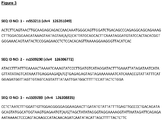
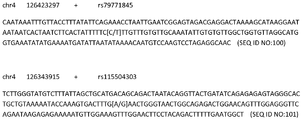
- the method comprises determining the nucleotide of the subject at both position 101 of SEQ ID NO:1 and position 101 of SEQ ID NO:2.
- the method comprises determining the nucleotide of the subject at position 101 of SEQ ID NO:1, position 101 of SEQ ID NO:2 and position 101 of SEQ ID NO:3.
- the method comprises determining the presence of A or G at position 101 of SEQ ID NO:1, and/or A or G at position 101 of SEQ ID NO:2, and/or A or G at position 101 of SEQ ID NO:3.
- the method for assessing the predisposition of a subject to maintenance of weight loss by applying one or more dietary interventions comprises determining the presence of A or G at position 101 of SEQ ID NO:1 wherein the weight loss is represented by a change in body mass index (BMI), fat mass, hip circumference or waist circumference.
- BMI body mass index
- the method for assessing the predisposition of a subject to maintenance of weight loss by applying one or more dietary interventions comprises determining the presence of A or G at position 101 of SEQ ID NO:2 wherein the weight loss is represented by a change in BMI, fat free mass, hip circumference or waist circumference.
- the method for assessing the predisposition of a subject to maintenance of weight loss by applying one or more dietary interventions comprises determining the presence of A or G at position 101 of SEQ ID NO:3 wherein the weight loss is represented by a change in BMI, fat mass, fat free mass, hip circumference or waist circumference.
- the method for assessing the predisposition of a subject to maintenance of weight loss by applying one or more dietary interventions comprises determining the presence of A or G at position 101 of SEQ ID NO:1 and the presence of A or G at position 101 of SEQ ID NO:2 wherein the weight loss is represented by BMI, fat mass, fat free mass, hip circumference or waist circumference.
- subjects having a genotype comprising a G at position 101 of SEQ ID NO:1 and an A at position 101 of SEQ ID NO:2 are identified as having a predisposition to maintain weight loss following a dietary intervention.
- G at position 101 referred to above it is meant that the subject has at least one copy of G at said site, i.e., the subject may have the genotype G/G (homozygous) or G/A (heterozygous).
- a at position 101 referred to above it is meant that the subject has at least one copy of A at said site, i.e., the subject may have the genotype A/A (homozygous) or G/A (heterozygous).
- the method for assessing the predisposition of a subject to maintenance of weight loss comprises determining the presence of a genotype selected from:
- the method for assessing the predisposition of a subject to maintenance of weight loss comprises determining the presence of a genotype selected from:
- the maintenance of weight loss is assessed by measuring a change in BMI.
- the method for assessing the predisposition of a subject to weight loss attainable by applying on or more dietary interventions comprises determining the presence of A or G at position 101 of SEQ ID NO:1 and wherein the weight loss is represented by a change in hip circumference.
- the method for assessing the predisposition of a subject to weight loss attainable by applying on or more dietary interventions comprises determining the presence of A or G at position 101 of SEQ ID NO:2 and wherein the weight loss is represented by a change in BMI or hip circumference.
- the method for assessing the predisposition of a subject to weight loss attainable by applying on or more dietary interventions comprises determining the presence of A or G at position 101 of SEQ ID NO:3 and wherein the weight loss is represented by a change in BMI or hip circumference.
- the method for assessing the predisposition of a subject to weight loss attainable by applying on or more dietary interventions comprises detecting the presence of A or G at position 101 of SEQ ID NO:1 and the presence of A or G at position 101 of SEQ ID NO:2 and wherein the weight loss is represented by a change in BMI or a change in hip circumference.
- subjects having a genotype comprising a G at position 101 of SEQ ID NO:1 and an A at position 101 of SEQ ID NO:2 are identified as having a predisposition to lose weight.
- G at position 101 referred to above it is meant that the subject has at least one copy of G at said site, i.e., the subject may have the genotype G/G (homozygous) or G/A (heterozygous).
- a at position 101 referred to above it is meant that the subject has at least one copy of A at said site, i.e., the subject may have the genotype A/A (homozygous) or G/A (heterozygous).
- the method for assessing the predisposition of a subject to weight loss attainable by applying on or more dietary interventions comprises determining the presence of a genotype selected from:
- the method for assessing the predisposition of a subject to weight loss attainable by applying on or more dietary interventions comprises determining the presence of a genotype selected from:
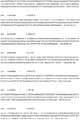
- a method for assessing the predisposition of a subject to weight loss attainable by applying one or more dietary interventions to a subject and/or the predisposition of a subject to maintenance of weight loss following one or more dietary interventions comprises determining the nucleotide of the subject at one or more polymorphic positions shown in Figure 7 (SEQ ID NOs 10 to 101).
- the present disclosure provides in another aspect a method for assessing the predisposition of a subject to weight loss attainable by applying one or more dietary interventions and/or the predisposition of a subject to maintenance of weight loss following one or more dietary interventions which method comprises determining the sequence of FAT4 gene or a regulatory element thereof.
- the dietary intervention referred to herein is preferably a low calorie diet.
- the dietary intervention may comprise administering at least one diet product to the subject.
- a low calorie diet may comprise a decreased consumption of fat and/or an increase in consumption of low fat foods.
- low fat foods may include wholemeal flour and bread, porridge oats, high-fibre breakfast cereals, wholegrain rice and pasta, vegetables and fruit, dried beans and lentils, baked potatoes, dried fruit, walnuts, white fish, herring, mackerel, sardines, kippers, pilchards, salmon and lean white meat.
- the low calorie diet may comprises a calorie intake of about 600 to about 1200 kcal/day and/or may comprise administration of at least one diet product.
- the low calorie diet may also comprise administration of up to, for example, about 400 g vegetables/day.
- the diet product is Optifast® or Modifast®.
- the diet may comprise a product such as Optifast® or Modifast®. This may be supplemented with three portions of non-starchy vegetables such that the total energy intake is about 2.5 MJ (600 kcal/day). This may be further supplemented with at least 2 L of water or other energy free beverages per day.
- the diet may comprise, for example, a composition which is 46.4% carbohydrate, 32.5% protein and 20.1% with fat, vitamins, minerals and trace elements; 2.1MJ per day (510 kcal/day); This may be supplemented with three portions of non-starchy vegetables such that the total energy intake is about 2.5 MJ (600 kcal/day). This may be further supplemented with at least 2 L of water or other energy free beverages per day.
- the low calorie diet has a duration of up to 12 weeks, e.g. 6 to 12 weeks.
- the methods referred to herein may further comprise determining one or more anthropometric measures and/or lifestyle characteristics of the subject.
- the anthropometric measure may be selected from, for example, the group consisting of gender, weight, height, age and body mass index, and the lifestyle characteristic may be, for example, whether the subject is a smoker or a non-smoker.
- a method for optimizing one or more dietary interventions for a subject comprising:
- a method for selecting a modification of lifestyle of a subject comprising:
- the modification of lifestyle comprises a dietary intervention, preferably a dietary intervention defined herein.
- a low calorie diet for weight loss wherein the diet product is administered to a subject that is predicted to attain weight loss by the method defined herein.
- a diet product for use as part of a low calorie diet for weight loss, wherein the diet product is administered to a subject that is predicted to attain weight loss or maintenance by the method defend herein.
- a diet product for use as part of a low calorie diet for weight loss, wherein the diet product is administered to a subject that is predicted to attain both weight maintenance and weight loss by the method defined herein.
- a diet product for use in treating obesity or an obesity-related disorder, wherein the diet product is administered to a subject that is predicted to attain weight maintenance and/or weight loss by the method defined herein.
- the diet product may comprise a product such as Optifast® or Modifast®.
- the diet product may comprise, for example, a composition which is 46.4% carbohydrate, 32.5% protein and 20.1% with fat, vitamins, minerals and trace elements; 2.1MJ per day (510 kcal/day); This may be supplemented with three portions of non-starchy vegetables such that the total energy intake is about 2.5 MJ (600 kcal/day). This may be further supplemented with at least 2 L of water or other energy free beverages per day.
- an allele-specific oligonucleotide probe capable of detecting a polymorphic position within the FAT4 gene or a regulatory element thereof.
- an allele-specific oligonucleotide primer capable of detecting a polymorphic position within the FAT4 gene or a regulatory element thereof.
- an allele-specific oligonucleotide probe capable of detecting a polymorphic position selected from:
- an allele-specific oligonucleotide primer capable of detecting a polymorphic position selected from:
- a diagnostic kit comprising an allele-specific oligonucleotide primer and/or an allele-specific oligonucleotide probe as defined in.
- a diagnostic kit comprising (i) an allele-specific oligonucleotide primer and/or an allele- specific oligonucleotide probe capable of detecting the presence of G at position 101 of SEQ ID NO:1 and (ii) an allele-specific oligonucleotide primer and/or an allele- specific oligonucleotide probe capable of detecting the presence of A at position 101 of SEQ ID NO:2.
- the diagnostic kit further comprises an allele-specific oligonucleotide primer and/or an allele-specific oligonucleotide probe capable of detecting the presence of A at position 101 of SEQ ID NO:3.
- a computer program product comprising computer implementable instructions for causing a programmable computer to predict the degree of weight loss attainable by a subject according to the methods described herein.
- the present disclosure provides a method for assessing the predisposition of a subject to weight loss attainable by applying one or more dietary interventions to a subject and/or the predisposition of a subject to maintenance of weight loss following one or more dietary interventions.
- the invention allows accurate prediction of weight trajectory of a patient, prior to a weight loss intervention and/or prior to a weight maintenance intervention.
- the method may be used to make an informed prediction of the subject's capacity to lose weight and/or maintain weight loss, and select or adjust one or more dietary intervention accordingly.
- the present invention can be used for predicting the outcome of a weight management program, for adapting the weight management program and for stratifying patients following such a program into groups of successful or less successful profiles.
- the method can be used to identify subjects with either a "high” or "low” likelihood of achieving weight loss by applying a dietary intervention.
- the method can be used to identify subjects with either a "high” or "low” likelihood of maintaining weight loss following a dietary intervention.
- the method could be used to aid in the appropriate diet for the subject or to adjust the daily calorie intake or duration of a particular diet and aid in setting realistic expectations for the subject.
- the method provides a skilled person with a useful tool for assessing which subjects will most likely benefit from a particular dietary intervention, e.g. a low calorie diet.
- a particular dietary intervention e.g. a low calorie diet.
- the present method therefore enables dietary interventions such as a low calorie diet and modifications in lifestyle to be optimised.
- Weight loss as defined herein may refer to a reduction in parameters such as weight (e.g. in kilograms), body mass index (kgm -2 ), waist-hip ratio (e.g. in centimetres), fat mass (e.g. in kilograms), hip circumference (e.g. in centimetres) or waist circumference (e.g. in centimetres).
- Weight loss may be calculated by subtracting the value of one or more of the aforementioned parameters at the end of the dietary intervention from the value of said parameter at the onset of the dietary intervention.
- the degree of weight loss may be expressed as a percentage change of one of the aforementioned weight phenotype parameters (e.g., a percentage change in a subject's body weight (e.g. in kilograms) or body mass index (kgm -2 )).
- a subject predisposed to lose weight following a dietary intervention may be likely to lose at least 10% of their initial body weight, at least 8% of their initial body weight, or at least 5% of their initial body weight.
- a subject may be likely to lose between 5 and 10 % of their initial body weight.
- a degree of weight loss of at least 10% of initial body weight results in a considerable decrease in risk for obesity related co-morbidities.
- Weight maintenance as defined herein may refer to the maintenance in parameters such as weight (e.g. in kilograms), body mass index (kgm -2 ), waist-hip ratio (e.g. in centimetres) fat mass (e.g. in kilograms), hip circumference (e.g. in centimetres) or waist circumference (e.g. in centimetres) following a dietary intervention
- the degree of weight maintenance may be calculated by determining the change in one or more of the aforementioned parameters during a period of time following the end of the dietary intervention.
- the period of time may be for example at least 4, 8, 12, 16, 20, 24, 28, 32, 36, 40, 44, 48 or 52 weeks following the end of the dietary intervention.
- the degree of weight maintenance may be expressed as the percentage of weight change during a period following the end of the dietary intervention. For example, a subject predisposed to weight maintenance may be likely to regain less than 50, 40, 30, 20, 10, 5% or 1% of the weight lost during the dietary intervention.
- polymorphism refers to two or more alternate forms (alleles) in a population of a genetic locus that differ in nucleotide sequence or have variable numbers of repeated nucleotide units. Polymorphisms occur in coding regions (exons), non-coding regions of genes or outside of genes (intergenic regions).
- an "allele” is a particular form of a gene, genetic marker or other genetic locus, that is distinguishable from other forms of the gene, genetic marker or other genetic locus.
- the term allele includes, for example and without limitation, one form of a single nucleotide polymorphism (SNP).
- SNP single nucleotide polymorphism
- An individual can be homozygous for a certain allele in diploid cells; i.e. the allele on both paired chromosomes is identical; or heterozygous for said allele; i.e. the alleles on both paired chromosomes are not identical.
- gene refers to a unit of DNA which performs one function. Usually, this is equated with the production of one RNA or one protein.
- a gene may contain coding regions, introns, untranslated regions and control regions.
- the phrase "genetic marker” refers to a feature of an individual's genome (e.g., a nucleotide or a polynucleotide sequence that is present in an individual's genome) that is associated with one or more loci of interest.
- a genetic marker is polymorphic and the variant forms of genetic markers include, for example, single nucleotide polymorphisms (SNPs), indels (i.e., insertions/deletions), simple sequence repeats (SSRs), restriction fragment length polymorphisms (RFLPs), random amplified polymorphic DNAs (RAPDs), cleaved amplified polymorphic sequence (CAPS) markers, Diversity Arrays Technology (DArT) markers, and amplified fragment length polymorphisms (AFLPs), Microsatellites or Simple sequence repeat (SSRs) among many other examples.
- SNPs single nucleotide polymorphisms
- indels i.e., insertions/deletions
- SSRs simple sequence repeats
- RFLPs restriction fragment length polymorphisms
- RAPDs random amplified polymorphic DNAs
- CAS cleaved amplified polymorphic sequence
- DrT Diversity Arrays Technology
- a “single nucleotide polymorphism (SNP)” is a DNA sequence variation occurring when a single nucleotide - A (for Adenine), T (for Thymine), C (for Cytosine), or G (for Guanine)- in the genome (or other sequence shared between individuals of a species) differs between individuals of a species (or between paired chromosomes in an individual).
- a “genotype” as used herein refers to the combination of both alleles of a genetic marker, e.g. without limitation of a SNP, on a single genetic locus on paired (homologous) chromosomes in an individual.
- haplotype refers to variants or alleles from distinct markers (e.g. SNPs) that are co-located on the same chromosome.
- linkage disequilibrium also called “allelic association” refers to a phenomenon wherein particular alleles at two or more loci tend to remain together in linkage groups when segregating from parents to offspring with a greater frequency than expected from their individual frequencies in a given population.
- the present disclosure provides a method for assessing the predisposition of a subject to weight loss attainable by applying one or more dietary interventions to a subject and/or the predisposition of a subject to maintenance of weight loss following one or more dietary interventions which method comprises determining the nucleotide of the subject at one or more polymorphic positions selected from:
- the method comprises determining the presence of A or G at position 101 of SEQ ID NO:1, and/or A or G at position 101 of SEQ ID NO:2, and/or A or G at position 101 of SEQ ID NO:3.
- SNPs are referred to by, for example, reference to a position in SEQ ID NO:1 (e.g. position 101), SEQ ID NO:2 (e.g. position 101) or SEQ ID NO:3 (e.g. position 101).
- SEQ ID NO:1 e.g. position 101
- SEQ ID NO:2 e.g. position 101
- SEQ ID NO:3 e.g. position 101
- SNP locations are contemplated (i.e. SNPs at positions which the skilled person would consider correspond to the positions identified in the SEQ ID numbers).
- the person skilled in the art can readily align similar sequences and locate the same SNP locations.
- detecting the presence of a biomarker in a FAT4 gene or regulatory element thereof comprises determining the identity of one or more nucleotides at a polymorphic site in a FAT4 encoding gene or regulatory element thereof of the individual.
- detecting the presence of a biomarker genetically linked to the polymorphic positions 101 of SEQ ID NO:1, position 101 of SEQ ID NO:2 and position 101 of SEQ ID NO:3 comprises determining the identity of one or more nucleotides at a polymorphic site genetically linked to said positions.
- the polymorphic site will be one which has an association with weight loss attainable by applying one or more dietary interventions and/or maintenance of weight loss following one or more dietary interventions in a subject population.
- a particular nucleotide or nucleotide sequence at the polymorphic site is correlated with said weight loss and/or maintenance.
- allelic variation requires a mutation discrimination technique, optionally an amplification reaction and optionally a signal generation system.
- the nucleic acids obtained from the sample can be genotyped to identify the particular allele present for a marker locus.
- a sample of sufficient quantity to permit direct detection of marker alleles from the sample may be obtained.
- nucleic acid sample is obtained from the subject and the nucleic acids are amplified prior to detection.
- nucleic acid sample is purified (or partially purified) prior to detection of the marker alleles.
- Allele-specific PCR differentiates between target regions differing in the presence of absence of a variation or polymorphism.
- PCR amplification primers are chosen based upon their complementarity to the target sequence, such as a sequence disclosed herein. The primers bind only to certain alleles of the target sequence.
- ASO allele-specific oligonucleotide
- Oligonucleotides with one or more base pair mismatches are generated for any particular allele.
- ASO screening methods detect mismatches between one allele in the target genomic or PCR amplified DNA and the other allele, showing decreased binding of the oligonucleotide relative to the second allele (i.e. the other allele) oligonucleotide.
- Oligonucleotide probes can be designed that under low stringency will bind to both polymorphic forms of the allele, but which at high stringency, bind to the allele to which they correspond.
- stringency conditions can be devised in which an essentially binary response is obtained, i.e., an ASO corresponding to a variant form of the target gene will hybridize to that allele, and not to the wildtype allele.
- Ligase can also be used to detect point mutations, such as the SNPs in a ligation amplification reaction (e.g. as described in Wu et al., Genomics 4:560-569, 1989 ).
- the ligation amplification reaction (LAR) utilizes amplification of specific DNA sequence using sequential rounds of template dependent ligation (e.g. as described in Wu, supra, and Barany, Proc. Nat. Acad. Sci. 88:189-193, 1990 ).
- Amplification products generated using the polymerase chain reaction can be analyzed by the use of denaturing gradient gel electrophoresis. Different alleles can be identified based on the different sequence-dependent melting properties and electrophoretic migration of DNA in solution. DNA molecules melt in segments, termed melting domains, under conditions of increased temperature or denaturation.
- Each melting domain melts cooperatively at a distinct, base-specific melting temperature (Tm).
- Melting domains are at least 20 base pairs in length, and can be up to several hundred base pairs in length.
- a target region to be analyzed by denaturing gradient gel electrophoresis is amplified using PCR primers flanking the target region.
- the amplified PCR product is applied to a polyacrylamide gel with a linear denaturing gradient as described in Myers et al., Meth. Enzymol. 155:501-527, 1986 , and Myers et al., in Genomic Analysis, A Practical Approach, K. Davies Ed. IRL Press Limited, Oxford, pp. 95 139, 1988 .
- the electrophoresis system is maintained at a temperature slightly below the Tm of the melting domains of the target sequences.
- the target sequences can be initially attached to a stretch of GC nucleotides, termed a GC clamp, as described in Chapter 7 of Erlich, supra.
- a GC clamp a stretch of GC nucleotides
- at least 80% of the nucleotides in the GC clamp are either guanine or cytosine.
- the GC clamp is at least 30 bases long. This method is particularly suited to target sequences with high Tm's.
- the target region is amplified by the polymerase chain reaction as described above.
- One of the oligonucleotide PCR primers carries at its 5' end, the GC clamp region, at least 30 bases of the GC rich sequence, which is incorporated into the 5' end of the target region during amplification.
- the resulting amplified target region is run on an electrophoresis gel under denaturing gradient conditions as described above. DNA fragments differing by a single base change will migrate through the gel to different positions, which can be visualized by ethidium bromide staining.
- Temperature gradient gel electrophoresis is based on the same underlying principles as denaturing gradient gel electrophoresis, except the denaturing gradient is produced by differences in temperature instead of differences in the concentration of a chemical denaturant.
- Standard TGGE utilizes an electrophoresis apparatus with a temperature gradient running along the electrophoresis path. As samples migrate through a gel with a uniform concentration of a chemical denaturant, they encounter increasing temperatures.
- An alternative method of TGGE, temporal temperature gradient gel electrophoresis uses a steadily increasing temperature of the entire electrophoresis gel to achieve the same result. As the samples migrate through the gel the temperature of the entire gel increases, leading the samples to encounter increasing temperature as they migrate through the gel. Preparation of samples, including PCR amplification with incorporation of a GC clamp, and visualization of products are the same as for denaturing gradient gel electrophoresis.
- Target sequences or alleles can be differentiated using single-strand conformation polymorphism analysis, which identifies base differences by alteration in electrophoretic migration of single stranded PCR products, for example as described in Orita et al., Proc. Nat. Acad. Sci. 85:2766-2770, 1989 .
- Amplified PCR products can be generated as described above, and heated or otherwise denatured, to form single stranded amplification products.
- Single-stranded nucleic acids can refold or form secondary structures which are partially dependent on the base sequence.
- electrophoretic mobility of single-stranded amplification products can detect base-sequence difference between alleles or target sequences.
- Differences between target sequences can also be detected by differential chemical cleavage of mismatched base pairs, for example as described in Grompe et al., Am. J. Hum. Genet. 48:212-222, 1991 .
- differences between target sequences can be detected by enzymatic cleavage of mismatched base pairs, as described in Nelson et al., Nature Genetics 4:11-18, 1993 .
- genetic material from an animal and an affected family member can be used to generate mismatch free heterohybrid DNA duplexes.
- 'heterohybrid' means a DNA duplex strand comprising one strand of DNA from one animal, and a second DNA strand from another animal, usually an animal differing in the phenotype for the trait of interest.
- oligonucleotide PCR primers are designed that flank the mutation in question and allow PCR amplification of the region.
- a third oligonucleotide probe is then designed to hybridize to the region containing the base subject to change between different alleles of the gene. This probe is labeled with fluorescent dyes at both the 5' and 3' ends. These dyes are chosen such that while in this proximity to each other the fluorescence of one of them is quenched by the other and cannot be detected.
- Extension by Taq DNA polymerase from the PCR primer positioned 5' on the template relative to the probe leads to the cleavage of the dye attached to the 5' end of the annealed probe through the 5' nuclease activity of the Taq DNA polymerase. This removes the quenching effect allowing detection of the fluorescence from the dye at the 3' end of the probe.
- the discrimination between different DNA sequences arises through the fact that if the hybridization of the probe to the template molecule is not complete, i.e. there is a mismatch of some form, the cleavage of the dye does not take place.
- a reaction mix can contain two different probe sequences each designed against different alleles that might be present thus allowing the detection of both alleles in one reaction.
- the test sample of nucleic acid is conveniently a sample of blood, mouth swab, biopsy, or other body fluid or tissue obtained from an individual. It will be appreciated that the test sample may equally be a nucleic acid sequence corresponding to the sequence in the test sample, that is to say that all or a part of the region in the sample nucleic acid may firstly be amplified using any convenient technique e.g. PCR, before analysis of allelic variation.
- the invention includes the detection of the polymorphism determined from a nucleic acid sample (which may be as defined above) that has already been removed from the individual.
- an allele-specific oligonucleotide primer or an allele-specific oligonucleotide probe capable of detecting a polymorphism (e.g., a SNP) in a FAT4 gene (or its complimentary strand) or a regulatory region thereof.
- a polymorphism e.g., a SNP
- an allele-specific oligonucleotide primer or an allele-specific oligonucleotide probe capable of detecting a polymorphic position selected from:
- reference to an allele-specific oligonucleotide primer or an allele- specific oligonucleotide probe which is capable of detecting a polymorphic position selected from position 101 of SEQ ID NO:1, position 101 of SEQ ID NO:2 or position 101 of SEQ ID NO:3 includes an allele-specific oligonucleotide primer or an allele-specific oligonucleotide probe which is capable of detecting the compliment of a polymorphism at position 101 of SEQ ID NO:1, position 101 of SEQ ID NO:2 or position 101 of SEQ ID NO:3, respectively.
- the allele-specific primers of the present disclosure are used, generally together with a constant primer, in an amplification reaction such as a PCR reaction, which provides the discrimination between alleles through selective amplification of one allele at a particular sequence position e.g. as used for ARMS(TM) assays.
- the allele-specific primers of the present invention are preferably 15-50 nucleotides, more preferably about 15-35 nucleotides, still more preferably about 17-30 nucleotides.
- An allele-specific primer capable of detecting a polymorphism at position 101 of SEQ ID NO:1 may discriminate, in an amplification reaction such as a PCR reaction, between a sequence comprising base A at position 101 of SEQ ID NO:1 (or a sequence complementary to such a gene or fragment), and a sequence comprising base G at position 101 of SEQ ID NO:1 (or a sequence or fragment complementary to such a gene or fragment).
- An allele-specific primer capable of detecting a polymorphism at position 101 of SEQ ID NO:2 may discriminate, in an amplification reaction such as a PCR reaction, between a sequence comprising base A at position 101 of SEQ ID NO:2 (or a sequence complementary to such a gene or fragment), and a sequence comprising base G at position 101 of SEQ ID NO:2 (or a sequence or fragment complementary to such a gene or fragment).
- an allele-specific primer capable of detecting a polymorphism at position 101 of SEQ ID NO:3 may discriminate, in an amplification reaction such as a PCR reaction, between a sequence comprising base A at position 101 of SEQ ID NO:3 (or a sequence complementary to such a gene or fragment), and a sequence comprising base G at position 101 of SEQ ID NO:3 (or a sequence or fragment complementary to such a gene or fragment).
- Primers may be manufactured using any convenient method of synthesis. Examples of such methods may be found in standard textbooks, for example “ Protocols for Oligonucleotides and Analogues; Synthesis and Properties," Methods in Molecular Biology Series; Volume 20; Ed. Sudhir Agrawal, Humana ISBN: 0-89603-247-7; 1993; 1st Editi on. If required the primer(s) may be labelled to facilitate detection.
- probes will be apparent to the molecular biologist of ordinary skill.
- Such probes are of any convenient length such as, for example, up to 100 bases, up to 50 bases, up to 40 bases and up to 30 bases in length.
- the probes may be 10 to 30 bases, preferably 18-30 bases in length.
- the probes may comprise base sequences entirely complementary to the target sequence. However, if required one or more mismatches may be introduced, provided that the discriminatory power of the oligonucleotide probe is not unduly affected.
- the probes of the invention may carry one or more labels to facilitate detection.
- An allele-specific probe capable of detecting a polymorphism at position 101 of SEQ ID NO:1 may discriminate, in a hybridisation reaction, between a sequence comprising base A at position 101 of SEQ ID NO:1 (or a sequence complementary to such a gene or fragment), and sequence comprising base G at position 101 of SEQ ID NO:1 (or a sequence or fragment complementary to such a gene or fragment).
- An allele-specific probe capable of detecting a polymorphism at position 101 of SEQ ID NO:2 may discriminate, in a hybridisation reaction, between a sequence comprising base A at position 101 of SEQ ID NO:2 (or a sequence complementary to such a gene or fragment), and sequence comprising base G at position 101 of SEQ ID NO:2 (or a sequence or fragment complementary to such a gene or fragment).
- An allele-specific probe capable of detecting a polymorphism at position 101 of SEQ ID NO:3 may discriminate, in a hybridisation reaction, between a sequence comprising base A at position 101 of SEQ ID NO:3 (or a sequence complementary to such a gene or fragment), and sequence comprising base G at position 101 of SEQ ID NO:3 (or a sequence or fragment complementary to such a gene or fragment).
- the primers and/or probes of the present disclosure will typically be in the form of nucleic acids (e.g. DNA or cDNA).
- the primers and/or probes may be in the form of nucleic acid analogues, for example PNA (Peptide Nucleic Acids), LNA (Locked Nucleic Acids) or BNA (Bridged Nucleic Acids).
- the primers or probes may be nucleic acids which have been substituted in part by LNA or PNA.
- PCR polymerase chain reaction
- Designing oligonucleotides for use primers requires selection of an appropriate sequence that specifically recognizes the target, and then testing the sequence to eliminate the possibility that the oligonucleotide will have a stable secondary structure. Inverted repeats in the sequence can be identified using a repeat-identification or RNA-folding programs.
- the sequence of the primer can be shifted a few nucleotides in either direction to minimize the predicted secondary structure.
- the primer sequence For PCR primers used to amplify genomic DNA, the primer sequence should be compared to the sequences in the GenBank database to determine if any significant matches occur. If the oligonucleotide sequence is present in any known DNA sequence or, more importantly, in any known repetitive elements, the primer sequence should be changed.
- a diagnostic kit comprising an allele-specific oligonucleotide probe of the invention and/or an allele-specific primer of the disclosure.
- the diagnostic kit comprises (i) an allele-specific oligonucleotide primer and/or an allele-specific oligonucleotide probe capable of detecting the presence of G at position 101 of SEQ ID NO:1 and (ii) an allele-specific oligonucleotide primer and/or an allele-specific oligonucleotide probe capable of detecting the presence of A at position 101 of SEQ ID NO:2.
- the diagnostic kit comprises (i) an allele-specific oligonucleotide primer capable of detecting the presence of G at position 101 of SEQ ID NO:1 and (ii) an allele-specific oligonucleotide primer capable of detecting the presence of A at position 101 of SEQ ID NO:2.
- the diagnostic kit comprises (i) an allele-specific oligonucleotide probe capable of detecting the presence of G at position 101 of SEQ ID NO:1 and (ii) an allele-specific oligonucleotide probe capable of detecting the presence of A at position 101 of SEQ ID NO:2.
- kits may comprise appropriate packaging and instructions for use in the methods of the invention.
- Such kits may further comprise appropriate buffer(s) and polymerase(s) such as thermostable polymerases, for example taq polymerase.
- Protocadherin Fat 4 also known as cadherin family member 14 (CDHF14) or FAT tumor suppressor homolog 4 (FAT4), is a protein that in humans is encoded by the FAT4 gene. FAT4 is associated with the Hippo signaling pathway. The Hippo pathway has emerged as a conserved signaling pathway that is essential for the proper regulation of organ growth in Drosophila and vertebrates ( Halder, 2011, Development, Jan;138(1):9-22 ).
- the FAT4 gene referred to herein may contain coding regions, introns, untranslated regions and control regions.
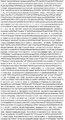
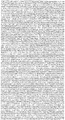
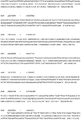
- Figure 4 shows the genomic sequence of FAT4 gene (SEQ ID NO: 4).
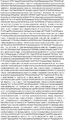
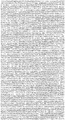
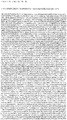
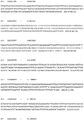
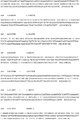
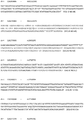
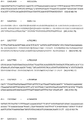
- Figures 5A , 5B and 5C show examples of three FAT4 transcripts (SEQ ID NOs 5, 6 and 7)
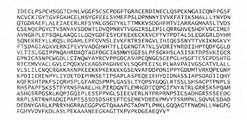
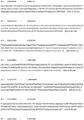
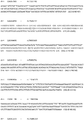
- Figure 6A and 6B show examples of two protein sequences (SEQ ID NOs: 8 and 9) translated from the FAT4 gene.
- Ft Drosophila Fat
- Ft mito soluble fragment
- FAT4 is not limited to the exact sequences disclosed above but includes variants and derivatives thereof. Identification of polymorphisms e.g., SNPs in similar sequences are contemplated (i.e. SNPs at positions which the skilled person would consider correspond to the positions identified herein.
- the subject is a mammal, preferably a human.
- the subject may alternatively be a non-human mammal, including for example, a horse, cow, sheep or pig.
- the subject is a companion animal such as a dog or a cat.
- dietary intervention is meant an external factor applied to a subject which causes a change in the subject's diet.
- the dietary intervention is a low calorie diet.
- the low calorie diet is one which is adjusted to the starting body weight of the animal.
- the low calorie diet comprises a calorie intake of about 600 to about 1500 kcal/day, more preferably about 600 to about 1200 kcal/day, most preferably about 800 kcal/day.
- the low calorie diet may comprise a predetermined amount (in grams) of vegetables per day. Preferably up to about 400g vegetables/day, e.g. about 200g vegetables/day.
- the low calorie diet may comprise administration of at least one diet product.
- the diet product may be a meal replacement product or a supplement product which may e.g. suppress the subject's appetite.
- the diet product can include food products, drinks, pet food products, food supplements, nutraceuticals, food additives or nutritional formulas.
- the diet may comprise a product such as Optifast® or Modifast®. This may be supplemented with three portions of non-starchy vegetables such that the total energy intake is about 2.5 MJ (600 kcal/day). This may be further supplemented with at least 2 L of water or other energy free beverages per day.
- the diet may comprise, for example, a composition which is 46.4% carbohydrate, 32.5% protein and 20.1% with fat, vitamins, minerals and trace elements; 2.1MJ per day (510 kcal/day); This may be supplemented with three portions of non-starchy vegetables such that the total energy intake is about 2.5 MJ (600 kcal/day). This may be further supplemented with at least 2 L of water or other energy free beverages per day.
- the low calorie diet has a duration of up to 12 weeks.
- the low calorie diet has a duration of between 6 and 12 weeks, preferably between 8 and 10 weeks, e.g. 8 weeks.
- the present method further comprises combining the determination of the genotype as referred to herein (e.g., determining the presence of a polymorphic marker e.g., SNP/ determining the sequence of the FAT4 gene or a regulatory element thereof) with one or more anthropometric measures and/or lifestyle characteristics of the subject.
- a polymorphic marker e.g., SNP/ determining the sequence of the FAT4 gene or a regulatory element thereof
- an anthropometric measure is a measurement of a subject.
- the anthropometric measure is selected from the group consisting of gender, age (in years), weight (in kilograms), height (in centimetres), and body mass index (in kg/m -2 ).
- Other anthropometric measures will also be known to the skilled person in the art.
- lifestyle characteristic is meant any lifestyle choice made by a subject, this includes all dietary intake data, activity measures or data from questionnaires of lifestyle, motivation or preferences.
- the lifestyle characteristic is whether the subject is a smoker or a non-smoker. This is also referred to herein as the smoking status of the subject.
- the predisposition to weight loss and/or weight maintenance predicted by the method of the present invention may be used to stratify subjects into categories.
- Subjects may be stratified into categories which are indicative of the degree of predicted weight loss/maintenance. Such stratification is useful to determine which subjects would benefit most from certain interventions. In this way, dietary intervention and modification of lifestyle can be optimised, and realistic expectations of the weight loss to be achieved by the subject can be set.
- the categories include weight loss resistant subjects and weight loss sensitive subjects.
- weight loss resistant is meant a predicted degree of weight loss which is less than a predetermined value.
- weight loss resistant is defined as a subject having a weight loss percentage inferior to a predetermined value e.g. a subject predicted to lose less weight than the 10 th , 15 th , 20 th or 30 th percentile of the expected weight loss.
- weight loss sensitive is meant a predicted degree of weight loss of more than a predetermined value.
- weight loss sensitive is defined as a subject having a weight loss percentage superior to a predetermined threshold value. For example a subject predicted to lose more weight than the 85 th , 80 th or 75 th percentile of the expected weight loss.
- the "expected weight loss" can be obtained from data of a population of subjects that have undergone the same dietary intervention as the one being tested.
- the categories include weight maintenance resistant subjects and weight maintenance sensitive subjects.
- weight maintenance resistant is meant a predicted degree of weight maintenance which is less than a predetermined value.
- weight maintenance resistant is defined as a subject having a degree of weight maintenance inferior to a predetermined threshold value e.g. a subject predicted to maintain a lesser degree of the weight loss following a dietary intervention than the 10 th , 15 th , 20 th or 30 th percentile of the subject population.
- weight maintenance sensitive is meant a predicted degree of weight maintenance which is more than a predetermined value.
- weight maintenance sensitive is defined as a subject having a degree of weight maintenance superior to a predetermined threshold value. e.g. a subject predicted to maintain a greater degree of the weight loss following a dietary intervention than the 10 th , 15 th , 20 th or 30 th percentile of the subject population.
- the subject population can be obtained from data of a population of subjects that have undergone the same dietary intervention as the one being tested.
- the present invention provides a method for modifying the lifestyle of a subject.
- the modification in lifestyle in the subject may be any change as described herein, e.g. a change in diet, more exercise, a different working and/or living environment etc.
- the modification is a dietary intervention as described herein. More preferably the dietary intervention includes the administration of at least one diet product.
- the diet product preferably has not previously been consumed or was consumed in different amounts by the subject.
- the diet product may be as described herein.
- Modifying a lifestyle of the subject also includes indicating a need for the subject to change his/her lifestyle, e.g. prescribing more exercise or stopping smoking.
- a modification may include more exercise in the subject's lifestyle.
- the present disclosure provides a diet product for use as part of a low calorie diet for weight loss.
- the diet product being administered to a subject that is predicted to achieve a weight loss by the methods described herein.
- the present disclosure provides a diet product for use in treating obesity or an obesity-related disorder, wherein the diet product is administered to a subject that is predicted to attain weight loss by the methods described herein.
- the obesity-related disorder may be selected from the group consisting of diabetes (e.g. type 2 diabetes), stroke, high cholesterol, cardiovascular disease, insulin resistance, coronary heart disease, metabolic syndrome, hypertension and fatty liver.
- diabetes e.g. type 2 diabetes
- stroke e.g., high cholesterol, cardiovascular disease, insulin resistance, coronary heart disease, metabolic syndrome, hypertension and fatty liver.
- the present invention provides the use of a diet product in a low calorie diet for weight loss where the diet product is administered to a subject that is predicted to attain weight loss by the methods described herein.
- the methods described herein may be implemented as a computer program running on general purpose hardware, such as one or more computer processors.
- the functionality described herein may be implemented by a device such as a smartphone, a tablet terminal or a personal computer.
- the present disclosure provides a computer program product comprising computer implementable instructions for causing a programmable computer to predict the degree of weight loss/maintenance based on the genotyping of the present invention and optionally anthropometric measures and/or lifestyle characteristics from the user.
- anthropometric measures include age, weight, height, gender and body mass index and lifestyle characteristics include smoking status.
- the user inputs into the device the results of the genotyping of the present invention, optionally along with age, body mass index, gender and smoking status.
- the device then processes this information and provides a prediction on the degree of weight loss/maintenance attainable by the user from a dietary intervention.
- the device may generally be a server on a network. However, any device may be used as long as it can process biomarker data and/or anthropometric and lifestyle data using a processor, a central processing unit (CPU) or the like.
- the device may, for example, be a smartphone, a tablet terminal or a personal computer and output information indicating the degree of weight loss attainable by the user.
- Diogenes Diet Genes and Obesity
- BMI bodyMI between 27 and 45 kg/m 2
- Diogenes is the largest and most comprehensive study on weight management.
- a low-caloric diet (about 800kcal/d) for 8 weeks. Then participants that had lost at least 8% of their initial body weight, were randomly assigned, in a two-by-two factorial design, to one of five ad libitum diets to prevent weight regain over a 26-week period: a low-protein and low-glycemic- index diet, a low-protein and high-glycemic-index diet, a high-protein and low- glycemic-index diet, a high-protein and high-glycemic-index diet, or a control diet.
- the aim of our analyses was to analyze whether genetic markers (SNPs) would be classifiers of weight loss and weight maintenance.
- Example 1 Material and methods
- Diogenes (ClinicalTrials.gov identifier: NCT00390637) is composed of two main periods:
- the Ilumina 660-quad Bead chips were used to perform the Whole Genome Scan (Hypothesis-free approach).
- the Illumina technology is based on a DNA chip allowing the genotyping of approximately 660'000 single nucleotide polymorphisms (SNPs) per subject. SNPs are distributed over all the chromosomes and are used as tagging markers of the corresponding genomic area. The details of the process and experimental protocol followed the manufacturer recommendations (www.illumina.com).
- SNPs were excluded from the analysis, if they fulfilled at least one of the following:
- Genome-wide scan was performed using the following linear model: BMI 3 ⁇ BMI 2 + SNP + center + gender + age + ⁇
- BMI2 and BMI3 refer to Body Mass Index (BMI) measured respectively before and after the weight maintenance period (i.e. CID2 and CID3).
- Center refers to one the Diogenes center.
- Age refers to the subject's age measured at the screening visit.
- ⁇ corresponds to the model's residuals term.
- Genotype data were phased using the MACH software ( Li, et al., Genet. Epidemiol. 34, 816-834 (2010 )) with the following parameters: --rounds 50 --states 200phase.
- Age refers to the subject's age measured at the screening visit.
- ⁇ corresponds to the model's residuals term.
- the trait can be any quantitative trait like BMI; waist or hip circumferences; fat-free mass or fat mass weight.
- the time points (i-1) and (i) refer to before and after a given period (e.g. weight maintenance or weight loss period). Such modeling allows predicting the trait at time (i) while adjusting for baseline values at time (i-1).
- Age refers to the subject's age measured at the screening visit.
- ⁇ corresponds to the model's residuals term.
- the genetic effect can be either a single SNP or the interaction between two SNPs (SNP1 and SNP2).
- SNP1 and SNP2 genotypic models were used.
- SNP1 and SNP2 were each coded for presence/absence of a given allele.
- the ⁇ term corresponds to residuals of the model.
- a recurrent challenge in weight maintenance studies is to define a threshold that allows classifying patients into groups of good and bad weight maintainers. Frequently such classification is made with the two most extreme groups of patients (for e.g. patients that have a response below the 10 th percentile or above the 90 th percentiles). Yet the decision on which percentile to use is an entirely arbitrary one. One cannot exclude the risk (prior doing the analyses) that different conclusions might be reached depending on the chosen cutoff. Instead of making such an arbitrary decision, we decided to use several cutoffs as explained below.
- dichotomized ⁇ into groups of "good” and "bad” weight maintainer profiles. Such dichotomization was made by selecting the patients with the most extreme ⁇ values. This is achieved by selecting ⁇ above or below a given percentile. For example, using the 10 th and 90 th percentiles, we defined the following groups:
- subjects with ⁇ between the 10 th and 90 th percentiles are not included in the analysis. These subjects can be referred to as those with "an intermediate profile" and for which one cannot decide whether they should be classified to one group or another.
- the first three schemes discard patients with intermediate profiles (e.g. ⁇ between the 10 th and 90 th percentiles) and thus only use a subset of the data, while the last scheme classifies all patients into two distinct groups. Therefore classification using the first three schemes can be challenged by the fact only a limited subset of the data is used.
- the fourth scheme uses all available data but the two groups would each have high heterogeneity and since patients with "intermediate profiles" are not discarded, the distinction between those two groups might not be clear. Therefore this last classification scheme is expected to be the most complex case.
- BMI 1 and BMI 2 correspond respectively to before and after the weight loss period (i.e. CID1 and CID2).
- non-protective genotypes we aim at identifying subjects with a low ⁇ (patients regaining weight). Conversely, with protective genotypes, we aim at identifying subjects with high ⁇ (patients regaining less weight, or even still losing weight).
- Protective and non-protective genotypes were defined as follows: SNP(s) Protective genotype Non-protective genotype rs1509289 A carriers G/G rs1509290 A carriers G/G rs953211 G carriers A/A rs953211 and rs1509290 rs953211 G carriers ; Any other genotypes rs1509290 A carriers The same methodology was applied on BMI changes during a weight loss period.
- Genotype from additional SNPs located nearby FAT4 were obtained using imputation. Imputation was performed using the MACH software ( Li et al., Genet. Epidemiol. 34, 816-834 (2010 )) and using subjects of European ancestry from the 1000 Genome Project (Consortium, T. 1000 G. P. Nature 491, 56-65 (2012 )) (phase II) as a reference data. Imputation was performed following recommended steps from the MACH software. Analysis of allele dosage value was performed using ProbABEL ( Aulchenko, et al., BMC Bioinformatics 11, 134 (2010 )) and using the following model: BMI 3 ⁇ BMI 2 + center + gender + age + SNP + ⁇
- BMI3 and BMI2 refer to BMI measured respectively at CID3 and CID2.
- Center refers to one the Diogenes center.
- Age refers to the subject's age measured at the screening visit.
- ⁇ corresponds to the model's residuals term.
- the SNP term corresponds to the imputed allele dosage values.
- SNPs located on chromosome 4 were found significantly associated with BMI trajectories during the weight maintenance period.
- the two following SNPs: rs953211 and rs1509289 (Table 1), both intronic variants in the FAT4 gene, emerged within the genome-wide list as top ranking SNPs. Since these two SNPs are only in moderate linkage disequilibrium (LD) (R-square 50.61%) and given that there were other nearby SNPs with association pvalues less than 5% ( Figure 1 ), we searched whether the observed association could be due to a haplotype.
- LD moderate linkage disequilibrium
- a tagSNP search was performed. This search identified the following three SNPs: rs953211, rs1509290 and rs13136889 as best tag SNPs for other SNPs found marginally associated with BMI during weight maintenance (pvalues ⁇ 5%, see Figure 1 ).
- Six distinct haplotypes can be defined using these three SNPs: AAT, GAC, GGC, AAC, GAT and AGC (The order of SNPs in each haplotype is rs953211, rs1509290 and rs13136889).
- the third SNP does not seem to contribute much and therefore the protective haplotype can be simplified as rs953211-G and rs1509290-A. Conversely, this result also implies the rs953211-A and rs1509290-G haplotype as a deleterious haplotype.
- the four genotype groups can be simplified as "rs953211-G carriers and rs1509290-A carriers" and subjects from the three remaining group pooled together. Such genetic dichotomization is also significantly associated with the BMI trajectories during the weight maintenance period. Results from the linear model are shown in Table 8. This table also includes the 95% confidence intervals (CI) on the regression coefficient for each term of the model. These 95% CI were obtained by performing bootstrap ( Davison. & Hinkley Bootstrap Methods and Their Applications. (Cambridge University Press, 1997).
- These tables also include performance metrics such as the classification accuracy (i.e. fraction of correctly classified subjects) and the 95% confidence interval for the accuracy.
- a random classifier e.g. tossing a coin to predict the outcome
- the accuracy's p-value This one-sided p-value, obtained with a binomial test, assesses whether the observed accuracy is better than the no information rate ( Kuhn, J. Stat. Softw. 28, 1-26 (2008 )).
- FAT4 genetic markers (rs1509289, rs150929 and rs953211), used independently or in combination have a significantly higher accuracy than a random classifier at predicting the BMI outcome, after a weight maintenance period (all accuracy pvalues are ⁇ 5%, see Table 16).
- the classification accuracy for rs953211 is not better than a random classifier (accuracy pvalues > 5%, see Table 17). This was expected because rs953211 was not found significantly associated with BMI change during weight loss.
- FAT4 markers used alone or in combination can be used as classifier of weight outcome following weight loss or weight maintenance period.
- next-generation sequencing NGS
- NGS next-generation sequencing
- markers have been genotyped, it is straight-forward to test each of those for association with a trait (e.g. change in BMI) and identify the causal marker(s). Notably by genotyping additional markers located nearby our identified SNPs (for e.g. +/- 100Kb) and repeating the same analyses described above, one may identify further markers or combination of markers useful at predicting change in weight-related phenotypes during a weight loss or weight maintenance period.
- a trait e.g. change in BMI
- Meta-analyses aim at combining results from multiple studies so that consistent patterns can be found across those studies.
- Specifically meta-analysis of GWA studies aim at identifying SNPs associated with a trait of interest that could be missed when analyzing a single study.
- Statistical methodologies to perform genetic meta-analysis are well established (ucunnidiset al., Nat. Rev. Genet. 10, 318-329 (2009 ); Evangelou & Sicilnidis Nat. Rev. Genet. 14, 379-389 (2013 )) and are frequently used in large consortia ( Yang et al. Nat. Genet. 44, 369-375, S1-3 (2012 ); DIAbetes Genetics Replication And Meta-analysis (DIAGRAM) Consortium et al. Nat. Genet. 46, 234-244 (2014 )) to identify additional markers.
- DIAGRAM Genetics Replication And Meta-analysis
- MDR Multi-dimensional reduction approach
- FAT4 SNPs were found associated with change during weight maintenance in additional weight-related phenotypes, such as hip and waist circumference, fat mass and fat-free mass. Median changes for those phenotypes stratified per genotype group are shown in Table 20. These results can be used as follows: Group Fat mass Fat free mass Waist circumference Hip circumference Overall population (not knowing the genotypes) Neutral change Increase fat free mass Increase waist circumference Neutral change "rs953211 A/A; rs1509290 A carriers” Neutral change Increase fat free mass Increase waist circumference Neutral change "rs953211 A/A; rs1509290 G/G” Neutral change Increase fat free mass Increase waist circumference Increase hip circumference "rs953211 G carriers ; rs1509290 A carriers” Lose fat mass Increase fat free mass Neutral change Neutral change "rs953211 G carriers ; rs1509290 G/G” Neutral change Increase fat free mass Increase waist circumference Neutral change
- FAT4 SNPs were found significantly associated with change in hip circumference during weight maintenance. Median changes for hip and other weight-related phenotypes stratified per genotype group are shown in Table 21. Results for hip circumference can be summarized as follows: Group hip circumference Overall population (not knowing the genotypes) Reduce hip circumference "rs953211 A/A; rs1509290 A carriers” Reduce hip circumference "rs953211 A/A; rs1509290 G/G” Reduce hip circumference "rs953211 G carriers ; rs1509290 A carriers” Reduce hip circumference (slightly bigger change than change occurring in the other groups) "rs953211 G carriers ; rs1509290 G/G” Reduce hip circumference
- the term "genotype_group” has the following levels: “other", “rs953211-G carriers and rs1509290-A carriers”.
Landscapes
- Chemical & Material Sciences (AREA)
- Life Sciences & Earth Sciences (AREA)
- Health & Medical Sciences (AREA)
- Proteomics, Peptides & Aminoacids (AREA)
- Organic Chemistry (AREA)
- Genetics & Genomics (AREA)
- Zoology (AREA)
- Analytical Chemistry (AREA)
- Wood Science & Technology (AREA)
- Engineering & Computer Science (AREA)
- Microbiology (AREA)
- Biochemistry (AREA)
- Biotechnology (AREA)
- Molecular Biology (AREA)
- Biophysics (AREA)
- Physics & Mathematics (AREA)
- Pathology (AREA)
- Immunology (AREA)
- Bioinformatics & Cheminformatics (AREA)
- General Engineering & Computer Science (AREA)
- General Health & Medical Sciences (AREA)
- Measuring Or Testing Involving Enzymes Or Micro-Organisms (AREA)
- Investigating Or Analysing Biological Materials (AREA)
- Coloring Foods And Improving Nutritive Qualities (AREA)
Applications Claiming Priority (2)
| Application Number | Priority Date | Filing Date | Title |
|---|---|---|---|
| EP14194223 | 2014-11-21 | ||
| PCT/EP2015/076010 WO2016078944A1 (en) | 2014-11-21 | 2015-11-09 | Biomarkers for predicting weight loss and weight maintenance |
Publications (2)
| Publication Number | Publication Date |
|---|---|
| EP3221466A1 EP3221466A1 (en) | 2017-09-27 |
| EP3221466B1 true EP3221466B1 (en) | 2019-05-22 |
Family
ID=51945760
Family Applications (1)
| Application Number | Title | Priority Date | Filing Date |
|---|---|---|---|
| EP15791598.4A Not-in-force EP3221466B1 (en) | 2014-11-21 | 2015-11-09 | Biomarkers for predicting weight loss and weight maintenance |
Country Status (7)
| Country | Link |
|---|---|
| US (1) | US10697018B2 (https=) |
| EP (1) | EP3221466B1 (https=) |
| JP (1) | JP2018502559A (https=) |
| CN (1) | CN107002134A (https=) |
| AU (1) | AU2015348725A1 (https=) |
| CA (1) | CA2963333A1 (https=) |
| WO (1) | WO2016078944A1 (https=) |
Families Citing this family (4)
| Publication number | Priority date | Publication date | Assignee | Title |
|---|---|---|---|---|
| CA3025581A1 (en) * | 2016-05-31 | 2017-12-07 | Nestec S.A. | Biomarkers for predicting degree of weight loss |
| EP3468670B1 (en) | 2016-06-10 | 2023-12-13 | University of Copenhagen | Predetermined diet for use in inducing weight loss and preventing weight gain |
| US12110562B2 (en) | 2017-06-01 | 2024-10-08 | University Of Copenhagen | Compositions and methods for predicting and promoting weight loss |
| CN118955644B (zh) * | 2024-10-16 | 2025-02-07 | 杭州珞米医疗科技有限公司 | 多肽、表面修饰磁珠及其制备方法和应用 |
Family Cites Families (9)
| Publication number | Priority date | Publication date | Assignee | Title |
|---|---|---|---|---|
| US6582908B2 (en) * | 1990-12-06 | 2003-06-24 | Affymetrix, Inc. | Oligonucleotides |
| WO2007071824A1 (en) * | 2005-12-20 | 2007-06-28 | Oy Jurilab Ltd | Novel genes and markers associated with high-density lipoprotein -cholesterol (hdl-c) |
| US20070196841A1 (en) * | 2006-01-20 | 2007-08-23 | Gualberto Ruano | Physiogenomic method for predicting response to diet |
| US20100136561A1 (en) * | 2008-05-16 | 2010-06-03 | Interleukin Genetics, Inc. | Genetic Markers for Weight Management and Methods of Use Thereof |
| US20110124121A1 (en) | 2009-10-15 | 2011-05-26 | Allergan, Inc. | Methods for predicting weight loss success |
| WO2011070115A1 (en) | 2009-12-09 | 2011-06-16 | Dsm Ip Assets B.V. | Single nucleotide polymorphisms associated with dietary weight loss |
| EP2420843A1 (en) | 2010-08-13 | 2012-02-22 | Universiteit Maastricht | Biomarkers for predicting maintenance of weight loss |
| CN103958699A (zh) | 2011-11-28 | 2014-07-30 | 帝斯曼知识产权资产管理有限公司 | 与规定饮食减肥相关的单核苷酸多态性 |
| US20140087999A1 (en) * | 2012-09-21 | 2014-03-27 | The General Hospital Corporation D/B/A Massachusetts General Hospital | Clinical predictors of weight loss |
-
2015
- 2015-11-09 JP JP2017526896A patent/JP2018502559A/ja active Pending
- 2015-11-09 US US15/520,990 patent/US10697018B2/en not_active Expired - Fee Related
- 2015-11-09 AU AU2015348725A patent/AU2015348725A1/en not_active Abandoned
- 2015-11-09 WO PCT/EP2015/076010 patent/WO2016078944A1/en not_active Ceased
- 2015-11-09 EP EP15791598.4A patent/EP3221466B1/en not_active Not-in-force
- 2015-11-09 CA CA2963333A patent/CA2963333A1/en not_active Abandoned
- 2015-11-09 CN CN201580062964.1A patent/CN107002134A/zh active Pending
Non-Patent Citations (1)
| Title |
|---|
| None * |
Also Published As
| Publication number | Publication date |
|---|---|
| CA2963333A1 (en) | 2016-05-26 |
| US20180016636A1 (en) | 2018-01-18 |
| EP3221466A1 (en) | 2017-09-27 |
| WO2016078944A1 (en) | 2016-05-26 |
| US10697018B2 (en) | 2020-06-30 |
| JP2018502559A (ja) | 2018-02-01 |
| CN107002134A (zh) | 2017-08-01 |
| AU2015348725A1 (en) | 2017-04-13 |
Similar Documents
| Publication | Publication Date | Title |
|---|---|---|
| Li et al. | Importance of hedgehog interacting protein and other lung function genes in asthma | |
| JP5651585B2 (ja) | 体重管理のための遺伝子マーカーとその使用方法 | |
| Koo et al. | Polymorphisms of KCNJ11 (Kir6. 2 gene) are associated with Type 2 diabetes and hypertension in the Korean population | |
| US8367333B2 (en) | Genetic variants as markers for use in diagnosis, prognosis and treatment of eosinophilia, asthma, and myocardial infarction | |
| Ruggiero et al. | Genetics of VEGF serum variation in human isolated populations of cilento: importance of VEGF polymorphisms | |
| US20130338012A1 (en) | Genetic risk factors of sick sinus syndrome | |
| Yu et al. | Implication of CLU gene polymorphisms in Chinese patients with Alzheimer's disease | |
| Mansego et al. | SH2B1 CpG-SNP is associated with body weight reduction in obese subjects following a dietary restriction program | |
| Oostenbrug et al. | CARD15 in inflammatory bowel disease and Crohn's disease phenotypes: an association study and pooled analysis | |
| Xin et al. | Immunogenetic variations predict immune-related adverse events for PD-1/PD-L1 inhibitors | |
| EP3221466B1 (en) | Biomarkers for predicting weight loss and weight maintenance | |
| Lucas et al. | Evaluation of the role of Valosin-containing protein in the pathogenesis of familial and sporadic Paget's disease of bone | |
| Wang et al. | The risk of nonsyndromic cleft lip with or without cleft palate and Vax1 rs7078160 polymorphisms in southern Han Chinese | |
| Nemr et al. | Replication study of common variants in CDKAL1 and CDKN2A/2B genes associated with type 2 diabetes in Lebanese Arab population | |
| US20140080727A1 (en) | Variants predictive of risk of gout | |
| US11299784B2 (en) | Biomarkers for predicting degree of weight loss | |
| Afshardoost et al. | The influence of a genetic variant in the KCNQ1 gene on type 2 diabetes mellitus development | |
| Aboubakr et al. | The Association Between the-11377C> G Polymorphism in the Adiponectin Gene and the Predisposition to Type 2 Diabetes in the Moroccan Population | |
| 손호영 | Genetic association study of pulmonary function, metabolic syndrome and obesity in populations in northeast Asia | |
| CA2685816A1 (en) | Allelic polymorphism associated with diabetes | |
| Manco et al. | Association study between near-MC4R variants and obesity-related variables in Portuguese young adults | |
| Thyagarajan et al. | Candidate gene resequencing to identify rare, pedigree-specific variants influencing healthy aging phenotypes in the long life family study | |
| HK1218937B (zh) | 用於体重管理的遗传标记物及其使用方法 |
Legal Events
| Date | Code | Title | Description |
|---|---|---|---|
| STAA | Information on the status of an ep patent application or granted ep patent |
Free format text: STATUS: THE INTERNATIONAL PUBLICATION HAS BEEN MADE |
|
| PUAI | Public reference made under article 153(3) epc to a published international application that has entered the european phase |
Free format text: ORIGINAL CODE: 0009012 |
|
| STAA | Information on the status of an ep patent application or granted ep patent |
Free format text: STATUS: REQUEST FOR EXAMINATION WAS MADE |
|
| 17P | Request for examination filed |
Effective date: 20170621 |
|
| AK | Designated contracting states |
Kind code of ref document: A1 Designated state(s): AL AT BE BG CH CY CZ DE DK EE ES FI FR GB GR HR HU IE IS IT LI LT LU LV MC MK MT NL NO PL PT RO RS SE SI SK SM TR |
|
| AX | Request for extension of the european patent |
Extension state: BA ME |
|
| DAV | Request for validation of the european patent (deleted) | ||
| DAX | Request for extension of the european patent (deleted) | ||
| STAA | Information on the status of an ep patent application or granted ep patent |
Free format text: STATUS: EXAMINATION IS IN PROGRESS |
|
| 17Q | First examination report despatched |
Effective date: 20180320 |
|
| GRAP | Despatch of communication of intention to grant a patent |
Free format text: ORIGINAL CODE: EPIDOSNIGR1 |
|
| STAA | Information on the status of an ep patent application or granted ep patent |
Free format text: STATUS: GRANT OF PATENT IS INTENDED |
|
| INTG | Intention to grant announced |
Effective date: 20190227 |
|
| GRAS | Grant fee paid |
Free format text: ORIGINAL CODE: EPIDOSNIGR3 |
|
| GRAA | (expected) grant |
Free format text: ORIGINAL CODE: 0009210 |
|
| STAA | Information on the status of an ep patent application or granted ep patent |
Free format text: STATUS: THE PATENT HAS BEEN GRANTED |
|
| AK | Designated contracting states |
Kind code of ref document: B1 Designated state(s): AL AT BE BG CH CY CZ DE DK EE ES FI FR GB GR HR HU IE IS IT LI LT LU LV MC MK MT NL NO PL PT RO RS SE SI SK SM TR |
|
| REG | Reference to a national code |
Ref country code: GB Ref legal event code: FG4D |
|
| REG | Reference to a national code |
Ref country code: CH Ref legal event code: EP |
|
| REG | Reference to a national code |
Ref country code: IE Ref legal event code: FG4D |
|
| REG | Reference to a national code |
Ref country code: DE Ref legal event code: R096 Ref document number: 602015030871 Country of ref document: DE |
|
| REG | Reference to a national code |
Ref country code: AT Ref legal event code: REF Ref document number: 1136144 Country of ref document: AT Kind code of ref document: T Effective date: 20190615 |
|
| RAP2 | Party data changed (patent owner data changed or rights of a patent transferred) |
Owner name: SOCIETE DES PRODUITS NESTLE S.A. |
|
| REG | Reference to a national code |
Ref country code: NL Ref legal event code: FP |
|
| REG | Reference to a national code |
Ref country code: DE Ref legal event code: R081 Ref document number: 602015030871 Country of ref document: DE Owner name: SOCIETE DES PRODUITS NESTLE S.A., CH Free format text: FORMER OWNER: NESTEC S.A., VEVEY, CH |
|
| REG | Reference to a national code |
Ref country code: LT Ref legal event code: MG4D |
|
| PG25 | Lapsed in a contracting state [announced via postgrant information from national office to epo] |
Ref country code: NO Free format text: LAPSE BECAUSE OF FAILURE TO SUBMIT A TRANSLATION OF THE DESCRIPTION OR TO PAY THE FEE WITHIN THE PRESCRIBED TIME-LIMIT Effective date: 20190822 Ref country code: LT Free format text: LAPSE BECAUSE OF FAILURE TO SUBMIT A TRANSLATION OF THE DESCRIPTION OR TO PAY THE FEE WITHIN THE PRESCRIBED TIME-LIMIT Effective date: 20190522 Ref country code: ES Free format text: LAPSE BECAUSE OF FAILURE TO SUBMIT A TRANSLATION OF THE DESCRIPTION OR TO PAY THE FEE WITHIN THE PRESCRIBED TIME-LIMIT Effective date: 20190522 Ref country code: SE Free format text: LAPSE BECAUSE OF FAILURE TO SUBMIT A TRANSLATION OF THE DESCRIPTION OR TO PAY THE FEE WITHIN THE PRESCRIBED TIME-LIMIT Effective date: 20190522 Ref country code: HR Free format text: LAPSE BECAUSE OF FAILURE TO SUBMIT A TRANSLATION OF THE DESCRIPTION OR TO PAY THE FEE WITHIN THE PRESCRIBED TIME-LIMIT Effective date: 20190522 Ref country code: PT Free format text: LAPSE BECAUSE OF FAILURE TO SUBMIT A TRANSLATION OF THE DESCRIPTION OR TO PAY THE FEE WITHIN THE PRESCRIBED TIME-LIMIT Effective date: 20190922 Ref country code: AL Free format text: LAPSE BECAUSE OF FAILURE TO SUBMIT A TRANSLATION OF THE DESCRIPTION OR TO PAY THE FEE WITHIN THE PRESCRIBED TIME-LIMIT Effective date: 20190522 Ref country code: FI Free format text: LAPSE BECAUSE OF FAILURE TO SUBMIT A TRANSLATION OF THE DESCRIPTION OR TO PAY THE FEE WITHIN THE PRESCRIBED TIME-LIMIT Effective date: 20190522 |
|
| PG25 | Lapsed in a contracting state [announced via postgrant information from national office to epo] |
Ref country code: LV Free format text: LAPSE BECAUSE OF FAILURE TO SUBMIT A TRANSLATION OF THE DESCRIPTION OR TO PAY THE FEE WITHIN THE PRESCRIBED TIME-LIMIT Effective date: 20190522 Ref country code: GR Free format text: LAPSE BECAUSE OF FAILURE TO SUBMIT A TRANSLATION OF THE DESCRIPTION OR TO PAY THE FEE WITHIN THE PRESCRIBED TIME-LIMIT Effective date: 20190823 Ref country code: RS Free format text: LAPSE BECAUSE OF FAILURE TO SUBMIT A TRANSLATION OF THE DESCRIPTION OR TO PAY THE FEE WITHIN THE PRESCRIBED TIME-LIMIT Effective date: 20190522 Ref country code: BG Free format text: LAPSE BECAUSE OF FAILURE TO SUBMIT A TRANSLATION OF THE DESCRIPTION OR TO PAY THE FEE WITHIN THE PRESCRIBED TIME-LIMIT Effective date: 20190822 |
|
| REG | Reference to a national code |
Ref country code: AT Ref legal event code: MK05 Ref document number: 1136144 Country of ref document: AT Kind code of ref document: T Effective date: 20190522 |
|
| PG25 | Lapsed in a contracting state [announced via postgrant information from national office to epo] |
Ref country code: CZ Free format text: LAPSE BECAUSE OF FAILURE TO SUBMIT A TRANSLATION OF THE DESCRIPTION OR TO PAY THE FEE WITHIN THE PRESCRIBED TIME-LIMIT Effective date: 20190522 Ref country code: RO Free format text: LAPSE BECAUSE OF FAILURE TO SUBMIT A TRANSLATION OF THE DESCRIPTION OR TO PAY THE FEE WITHIN THE PRESCRIBED TIME-LIMIT Effective date: 20190522 Ref country code: SK Free format text: LAPSE BECAUSE OF FAILURE TO SUBMIT A TRANSLATION OF THE DESCRIPTION OR TO PAY THE FEE WITHIN THE PRESCRIBED TIME-LIMIT Effective date: 20190522 Ref country code: DK Free format text: LAPSE BECAUSE OF FAILURE TO SUBMIT A TRANSLATION OF THE DESCRIPTION OR TO PAY THE FEE WITHIN THE PRESCRIBED TIME-LIMIT Effective date: 20190522 Ref country code: AT Free format text: LAPSE BECAUSE OF FAILURE TO SUBMIT A TRANSLATION OF THE DESCRIPTION OR TO PAY THE FEE WITHIN THE PRESCRIBED TIME-LIMIT Effective date: 20190522 Ref country code: EE Free format text: LAPSE BECAUSE OF FAILURE TO SUBMIT A TRANSLATION OF THE DESCRIPTION OR TO PAY THE FEE WITHIN THE PRESCRIBED TIME-LIMIT Effective date: 20190522 |
|
| PGFP | Annual fee paid to national office [announced via postgrant information from national office to epo] |
Ref country code: NL Payment date: 20191114 Year of fee payment: 5 Ref country code: DE Payment date: 20191029 Year of fee payment: 5 |
|
| REG | Reference to a national code |
Ref country code: DE Ref legal event code: R097 Ref document number: 602015030871 Country of ref document: DE |
|
| PG25 | Lapsed in a contracting state [announced via postgrant information from national office to epo] |
Ref country code: IT Free format text: LAPSE BECAUSE OF FAILURE TO SUBMIT A TRANSLATION OF THE DESCRIPTION OR TO PAY THE FEE WITHIN THE PRESCRIBED TIME-LIMIT Effective date: 20190522 Ref country code: SM Free format text: LAPSE BECAUSE OF FAILURE TO SUBMIT A TRANSLATION OF THE DESCRIPTION OR TO PAY THE FEE WITHIN THE PRESCRIBED TIME-LIMIT Effective date: 20190522 |
|
| PGFP | Annual fee paid to national office [announced via postgrant information from national office to epo] |
Ref country code: FR Payment date: 20191014 Year of fee payment: 5 |
|
| PLBE | No opposition filed within time limit |
Free format text: ORIGINAL CODE: 0009261 |
|
| STAA | Information on the status of an ep patent application or granted ep patent |
Free format text: STATUS: NO OPPOSITION FILED WITHIN TIME LIMIT |
|
| PG25 | Lapsed in a contracting state [announced via postgrant information from national office to epo] |
Ref country code: TR Free format text: LAPSE BECAUSE OF FAILURE TO SUBMIT A TRANSLATION OF THE DESCRIPTION OR TO PAY THE FEE WITHIN THE PRESCRIBED TIME-LIMIT Effective date: 20190522 |
|
| PGFP | Annual fee paid to national office [announced via postgrant information from national office to epo] |
Ref country code: CH Payment date: 20191116 Year of fee payment: 5 |
|
| 26N | No opposition filed |
Effective date: 20200225 |
|
| PG25 | Lapsed in a contracting state [announced via postgrant information from national office to epo] |
Ref country code: PL Free format text: LAPSE BECAUSE OF FAILURE TO SUBMIT A TRANSLATION OF THE DESCRIPTION OR TO PAY THE FEE WITHIN THE PRESCRIBED TIME-LIMIT Effective date: 20190522 |
|
| PGFP | Annual fee paid to national office [announced via postgrant information from national office to epo] |
Ref country code: GB Payment date: 20191108 Year of fee payment: 5 |
|
| PG25 | Lapsed in a contracting state [announced via postgrant information from national office to epo] |
Ref country code: SI Free format text: LAPSE BECAUSE OF FAILURE TO SUBMIT A TRANSLATION OF THE DESCRIPTION OR TO PAY THE FEE WITHIN THE PRESCRIBED TIME-LIMIT Effective date: 20190522 |
|
| PG25 | Lapsed in a contracting state [announced via postgrant information from national office to epo] |
Ref country code: LU Free format text: LAPSE BECAUSE OF NON-PAYMENT OF DUE FEES Effective date: 20191109 Ref country code: MC Free format text: LAPSE BECAUSE OF FAILURE TO SUBMIT A TRANSLATION OF THE DESCRIPTION OR TO PAY THE FEE WITHIN THE PRESCRIBED TIME-LIMIT Effective date: 20190522 |
|
| REG | Reference to a national code |
Ref country code: BE Ref legal event code: MM Effective date: 20191130 |
|
| PG25 | Lapsed in a contracting state [announced via postgrant information from national office to epo] |
Ref country code: IE Free format text: LAPSE BECAUSE OF NON-PAYMENT OF DUE FEES Effective date: 20191109 |
|
| PG25 | Lapsed in a contracting state [announced via postgrant information from national office to epo] |
Ref country code: BE Free format text: LAPSE BECAUSE OF NON-PAYMENT OF DUE FEES Effective date: 20191130 |
|
| PG25 | Lapsed in a contracting state [announced via postgrant information from national office to epo] |
Ref country code: CY Free format text: LAPSE BECAUSE OF FAILURE TO SUBMIT A TRANSLATION OF THE DESCRIPTION OR TO PAY THE FEE WITHIN THE PRESCRIBED TIME-LIMIT Effective date: 20190522 |
|
| REG | Reference to a national code |
Ref country code: DE Ref legal event code: R119 Ref document number: 602015030871 Country of ref document: DE |
|
| PG25 | Lapsed in a contracting state [announced via postgrant information from national office to epo] |
Ref country code: IS Free format text: LAPSE BECAUSE OF FAILURE TO SUBMIT A TRANSLATION OF THE DESCRIPTION OR TO PAY THE FEE WITHIN THE PRESCRIBED TIME-LIMIT Effective date: 20190922 |
|
| REG | Reference to a national code |
Ref country code: CH Ref legal event code: PL |
|
| REG | Reference to a national code |
Ref country code: NL Ref legal event code: MM Effective date: 20201201 |
|
| GBPC | Gb: european patent ceased through non-payment of renewal fee |
Effective date: 20201109 |
|
| PG25 | Lapsed in a contracting state [announced via postgrant information from national office to epo] |
Ref country code: MT Free format text: LAPSE BECAUSE OF FAILURE TO SUBMIT A TRANSLATION OF THE DESCRIPTION OR TO PAY THE FEE WITHIN THE PRESCRIBED TIME-LIMIT Effective date: 20190522 Ref country code: HU Free format text: LAPSE BECAUSE OF FAILURE TO SUBMIT A TRANSLATION OF THE DESCRIPTION OR TO PAY THE FEE WITHIN THE PRESCRIBED TIME-LIMIT; INVALID AB INITIO Effective date: 20151109 |
|
| PG25 | Lapsed in a contracting state [announced via postgrant information from national office to epo] |
Ref country code: NL Free format text: LAPSE BECAUSE OF NON-PAYMENT OF DUE FEES Effective date: 20201201 Ref country code: CH Free format text: LAPSE BECAUSE OF NON-PAYMENT OF DUE FEES Effective date: 20201130 Ref country code: LI Free format text: LAPSE BECAUSE OF NON-PAYMENT OF DUE FEES Effective date: 20201130 |
|
| PG25 | Lapsed in a contracting state [announced via postgrant information from national office to epo] |
Ref country code: FR Free format text: LAPSE BECAUSE OF NON-PAYMENT OF DUE FEES Effective date: 20201130 |
|
| PG25 | Lapsed in a contracting state [announced via postgrant information from national office to epo] |
Ref country code: GB Free format text: LAPSE BECAUSE OF NON-PAYMENT OF DUE FEES Effective date: 20201109 Ref country code: DE Free format text: LAPSE BECAUSE OF NON-PAYMENT OF DUE FEES Effective date: 20210601 |
|
| PG25 | Lapsed in a contracting state [announced via postgrant information from national office to epo] |
Ref country code: MK Free format text: LAPSE BECAUSE OF FAILURE TO SUBMIT A TRANSLATION OF THE DESCRIPTION OR TO PAY THE FEE WITHIN THE PRESCRIBED TIME-LIMIT Effective date: 20190522 |