EP3218524B1 - Faecalibacterium prausnitzii strains for treating and preventing gastrointestinal pain - Google Patents
Faecalibacterium prausnitzii strains for treating and preventing gastrointestinal pain Download PDFInfo
- Publication number
- EP3218524B1 EP3218524B1 EP15797929.5A EP15797929A EP3218524B1 EP 3218524 B1 EP3218524 B1 EP 3218524B1 EP 15797929 A EP15797929 A EP 15797929A EP 3218524 B1 EP3218524 B1 EP 3218524B1
- Authority
- EP
- European Patent Office
- Prior art keywords
- bacterial strain
- prausnitzii
- strains
- pain
- composition
- Prior art date
- Legal status (The legal status is an assumption and is not a legal conclusion. Google has not performed a legal analysis and makes no representation as to the accuracy of the status listed.)
- Active
Links
Images

Classifications
-
- A—HUMAN NECESSITIES
- A61—MEDICAL OR VETERINARY SCIENCE; HYGIENE
- A61K—PREPARATIONS FOR MEDICAL, DENTAL OR TOILETRY PURPOSES
- A61K35/00—Medicinal preparations containing materials or reaction products thereof with undetermined constitution
- A61K35/66—Microorganisms or materials therefrom
- A61K35/74—Bacteria
- A61K35/741—Probiotics
-
- A—HUMAN NECESSITIES
- A23—FOODS OR FOODSTUFFS; TREATMENT THEREOF, NOT COVERED BY OTHER CLASSES
- A23L—FOODS, FOODSTUFFS OR NON-ALCOHOLIC BEVERAGES, NOT OTHERWISE PROVIDED FOR; PREPARATION OR TREATMENT THEREOF
- A23L33/00—Modifying nutritive qualities of foods; Dietetic products; Preparation or treatment thereof
- A23L33/10—Modifying nutritive qualities of foods; Dietetic products; Preparation or treatment thereof using additives
- A23L33/135—Bacteria or derivatives thereof, e.g. probiotics
-
- A—HUMAN NECESSITIES
- A61—MEDICAL OR VETERINARY SCIENCE; HYGIENE
- A61P—SPECIFIC THERAPEUTIC ACTIVITY OF CHEMICAL COMPOUNDS OR MEDICINAL PREPARATIONS
- A61P29/00—Non-central analgesic, antipyretic or antiinflammatory agents, e.g. antirheumatic agents; Non-steroidal antiinflammatory drugs [NSAID]
-
- C—CHEMISTRY; METALLURGY
- C12—BIOCHEMISTRY; BEER; SPIRITS; WINE; VINEGAR; MICROBIOLOGY; ENZYMOLOGY; MUTATION OR GENETIC ENGINEERING
- C12N—MICROORGANISMS OR ENZYMES; COMPOSITIONS THEREOF; PROPAGATING, PRESERVING, OR MAINTAINING MICROORGANISMS; MUTATION OR GENETIC ENGINEERING; CULTURE MEDIA
- C12N1/00—Microorganisms; Compositions thereof; Processes of propagating, maintaining or preserving microorganisms or compositions thereof; Processes of preparing or isolating a composition containing a microorganism; Culture media therefor
- C12N1/20—Bacteria; Culture media therefor
- C12N1/205—Bacterial isolates
-
- C—CHEMISTRY; METALLURGY
- C12—BIOCHEMISTRY; BEER; SPIRITS; WINE; VINEGAR; MICROBIOLOGY; ENZYMOLOGY; MUTATION OR GENETIC ENGINEERING
- C12R—INDEXING SCHEME ASSOCIATED WITH SUBCLASSES C12C - C12Q, RELATING TO MICROORGANISMS
- C12R2001/00—Microorganisms ; Processes using microorganisms
- C12R2001/01—Bacteria or Actinomycetales ; using bacteria or Actinomycetales
Definitions
- the present invention concerns Faecalibacterium prausnitzii strains for use in the treatment and prevention of visceral abdominal pain in an individual, in particular of gastrointestinal pain of non-inflammatory origin.
- the present invention also concerns a composition, in particular an oral composition, comprising specific Faecalibacterium prausnitzii strains as well as new Faecalibacterium prausnitzii strains per se.
- Visceral abdominal pain and in particular gastrointestinal pain, is a very common disorder that affects millions of people every year all over the world and is a leading cause of patient visits to clinics. Abdominal pain is present on questioning of 75 percent of otherwise healthy adolescent students ( Hyams et al. J. Pediatr. 1996 ; 129:220 ) and in about half of all adults ( Heading ; Scand J Gastroenterol Suppl. 1999; 231:3 ).
- Such visceral pain can originate from various origins such as peptic disease, pancreatitis in alcoholics, inflammatory bowel disease, appendicitis, ruptured viscus, acute volvulus or even gastritis, biliary colic, gastroenteritis, splenic rupture, hepatic laceration or small bowel rupture.
- gastrointestinal disorders in particular non-inflammatory gastrointestinal disorders, and more particularly Irritable Bowel Syndrome (IBS), are the most frequent reasons for visceral abdominal pain in an individual.
- IBS Irritable Bowel Syndrome
- IBS is one of the 25 most wide-spread recognized pathologies of the gastrointestinal tract. In the USA and in the first five European countries (France, Germany, the United Kingdom, Spain and Italy), in 2009, IBS affected more than 24 million persons. IBS accounts for 40 to 60% of referrals to gastroenterology outpatient clinics ( Jones et al., Gut 2000; 47(Suppl 2): ii1-ii19 ).
- IBS insulin-predominant
- c-IBS constipation-predominant
- d-IBS diarrhea-predominant
- a-IBS alternating between 25 the two
- IBS The pathophysiology of IBS is believed to involve alterations in the brain-gut axis. However, the mechanisms by which these changes lead to IBS remain poorly understood.
- IBS is in particular characterized by a colonic hypersensitivity. This pain sensitivity is usually studied using variation of balloon distention in the rectum, a procedure in which a balloon is inserted into the rectum and slowly inflated. This common complaint is a crucial feature because of its significant impact on a patient's quality of life and lack of efficient therapies.
- IBS Irritable Bowel Syndrome
- the present invention aims to provide novel substances, in particular probiotics, and compositions for treating and/or preventing visceral abdominal pain in an individual, more particularly gastrointestinal pain of non-inflammatory origin.
- Faecalibacterium prausnitzii F. prausnitzii
- F. prausnitzii Faecalibacterium prausnitzii
- the inventors have demonstrated that F. prausnitzii strains outside of these phylogroups, such as the strain CNCM 1-4541, do not possess such advantageous properties.
- NMS Neonatal Maternal Separation
- CHS colonic hypersensitivity
- PRS Partial Restraint Stress
- Strains according to the invention are more particularly able to diminish the sensitivity of nociceptors in the gastrointestinal tract of an individual and consequently to prevent and/or reduce colonic hypersensitivity of said individual.
- the present text describes a bacterial strain of the Faecalibacterium prausnitzii species selected from a bacterial strain belonging to one of the phylogroups I, II and III according to the present text, for use in the treatment and/or prevention of visceral abdominal pain in an individual.
- strains identified by the inventors are thus probiotics that can be used for the above-indicated purposes.
- the present invention relates to a bacterial strain deposited to the CNCM under the accession number 1-4573, for use in the treatment and/or prevention of visceral abdominal pain in an individual.
- An individual according to the invention is a mammal, in particular a human.
- Visceral abdominal pain is pain associated with organs of the abdomen of the individual.
- the visceral abdominal pain is in particular a gastrointestinal pain, in particular a colonic pain.
- a bacterial strain of the Faecalibacterium prausnitzii species according to the invention is different from the strain A2-165.
- Bacterial strains described in the text are selected from the group consisting of bacterial strains deposited to the CNCM under the accession numbers 1-4542, 1-4544, 1-4540, 1-4574, 1-4543, 1-4575, 1-4573, 1-4644 and 1-4546, and in particular the bacterial strain deposited to the CNCM under the accession number 1-4573.
- the visceral pain according to the invention is caused by a gastrointestinal disorder, in particular a non-inflammatory gastrointestinal disorder.
- a gastrointestinal disorder of the invention in particular according to this embodiment, can be a gastrointestinal hypersensitivity, in particular a colonic hypersensitivity, and is preferably an Irritable Bowel Syndrome, in particular an alternating-type Irritable Bowel Syndrome.
- such gastrointestinal disorder according to the invention can be selected from the group consisting of IBS and constipation.
- a bacterial strain for use according to the invention is comprised in a composition comprising a physiologically acceptable medium, preferably in an oral composition, and most preferably in a food supplement.
- the present text describes a composition
- a composition comprising, in a physiologically acceptable medium, at least one bacterial strain of Faecalibacterium prausnitzii selected from the group consisting of bacterial strains deposited to the CNCM under the accession numbers 1-4542, 1-4544, 1-4540, 1-4574, 1-4543, 1-4575, 1-4573, 1-4644 and 1-4546.
- the present invention relates to a composition
- a composition comprising, in a physiologically acceptable medium, at least one bacterial strain deposited to the CNCM under the accession number 1-4573.
- said bacterial strain of the Faecalibacterium prausnitzii species is the bacterial strain deposited to the CNCM under the accession numbers 1-4573.
- physiologically acceptable medium is understood to mean a medium that is compatible with the organism of the individual to whom said composition is intended to be administered. It can for example be any non-toxic solvent such as water. In particular, said medium is compatible with an oral administration.
- a composition of the invention is preferably for the oral route and in particular in the form of a food supplement.
- a composition of the invention for the oral route can be selected from the group consisting of a food product, a drink, a pharmaceutical, a nutraceutical, a food additive, a food supplement and a dairy product. It can in particular be a food supplement.
- the inventors have also indentified new Faecalibacterium prausnitzii strains having the specific abilities discussed previously.
- the present text also describes an isolated bacterial strain selected from the group consisting of bacterial strains deposited to the CNCM under the accession numbers 1-4542, 1-4544, 1-4540, 1-4574, 1-4543, 1-4575, 1-4573, 1-4644 and 1-4546.
- a further object of the invention consists in an isolated bacterial strain deposited to the CNCM under the accession number 1-4573.
- said bacterial strain is the bacterial strain deposited to the CNCM under the accession number 1-4573.
- a Faecalibacterium prausnitzii strain of the invention has no negative impact in an individual not suffering from visceral abdominal pain according to the invention and is thus perfectly safe for use.
- the present inventors have performed a huge amount of work with the view of identifying the ability of specific Faecalibacterium prausnitzii strains to treat and/or prevent visceral abdominal pain, and in particular gastrointestinal pain, in an individual.
- Faecalibacterium prausnitzii strains belonging to three phylogroups defined further exhibit the ability to diminish the sensitivity of nociceptors in the gastrointestinal tract of an individual.
- the bacterial strains of the present text can prevent and/or reduce visceral abdominal pain, in particular gastrointestinal pain, in an individual, in particular in an individual suffering from a gastrointestinal non-inflammatory disorder, and in particular from a colonic hypersensitivity, such as in IBS.
- bacterial strains of the text are in particular able to reduce the Vicero Motrice Response (VMR) of a colon when a balloon inserted into the rectum is slowly inflated in an IBS mouse model pre-treated with a bacterial strain of the invention. Said VMR is brought back to a normal intensity, since the VMR level observed after administration of a strain according to the invention is similar to the VMR observed in mice not suffering from colonic hypersensitivity.
- VMR Vicero Motrice Response
- F. prausnitzii is a major member of the Firmicutes phylum and is part of the most abundant commensal bacteria in the healthy human large intestine microbiota.
- F. prausnitzii is an extremely oxygen sensitive (EOS) bacterium and is thus difficult to cultivate, even in anaerobic conditions ( Duncan et al. 2002, Int. J. Syst. Evol. Microbiol. 52(Pt 6): 2141-6 and Lopez-Siles et al. Appl. Environ Microbiol. 2012 Jan;78(2):420-8 ).
- EOS extremely oxygen sensitive
- F. prausnitzii is in particular known as being one of the most abundant butyrate-producing bacterium in the human gastrointestinal tract, the short chain fatty acid butyrate being very important in gut physiology, systemic functions and beneficial effects for human health ( Macfarlane and Macfarlane (2011), J. Clin. Gastroenterol. 45 Suppl: S120-7 ).
- F. prausnitzii is also known for having anti-inflammatory and protective effects in murine models of acute and chronic colitis, i.e. in inflammatory disorders ( Martin et al., Inflamm Bowel Dis. 2014 Mar;20(3):417-30 and Sokol et al., Proc Natl Acad Sci USA. 2008 Oct 28;105(43):16731-6 ).
- the ability of the F. prausnitzii strains of the text to prevent visceral abdominal pain, and in particular gastrointestinal pain, in an individual is specific to the strains identified by the inventors, and constituting the three phylogroups described.
- Such specific antinociceptive activity is illustrated in the examples, wherein a comparative test has been performed with a F. prausnitzii strain not part of the three phylogroups described, i.e. the strain CNCM 1-4541. As demonstrated in these examples, this strain does not possess the antinociceptive activity of the strains of the invention.
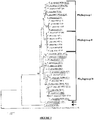
- Isolated Faecalibacterium prausnitzii strains have been classified by the inventors in three phylogroups illustrated in Figure 2 according to 16S rRNA sequences.
- 16S rRNA sequences were amplified and PCR products purified with the Wizard SV Gel. PCR Clean-Up system (Promega) was used to obtain bidirectional partial 16S rRNA gene sequences by using primers. All DNA sequences were confirmed by sequencing (Eurofins MWG Operon, Ebersberg, Germany).
- the tree is drawn to scale, with branch lengths in the same units as those of the evolutionary distances used to infer the phylogenetic tree.
- the evolutionary distances were computed using the Maximum Composite Likelihood method ( Tamura et al., Proc Natl Acad Sci USA. 2004;101:11030-11035 ) and are in the units of the number of base substitutions per site.
- Codon positions included were 1st+2nd+3rd+Non-coding. All positions containing gaps and missing data were eliminated.
- Eubacterium desmolans was used to root the tree (SEQ ID No: 18).
- SEQ ID No: 18 In sequence SEQ ID No: 18, 'n' is used to represent any ambiguous nucleotides.
- a bacterial strain described is selected from phylogroup I.
- Bacterial strains belonging to phylogroup I can be represented by the strains consisting of:
- a bacterial strain belonging to phylogroup I is selected from the group consisting of bacterial strains deposited to the CNCM under the accession numbers 1-4542, I-4544 and 1-4540.
- a bacterial strain described is selected from phylogroup II.
- Bacterial strains belonging to phylogroup II can for example be selected from the group consisting of bacterial strains of reference HTF-60C, HTF-I, HTF-E, HTF-C, HTF-A, HTF-B and HTF-F.
- a bacterial strain described is selected from phylogroup III.
- Bacterial strains belonging to phylogroup III can be represented by the strains consisting of:
- a bacterial strain belonging to phylogroup III is selected from the group consisting of bacterial strains deposited to the CNCM under the accession numbers I-4574, I-4543, I-4575, I-4573, I-4644 and 1-4546.
- Bacterial strains of reference ATCC 27768, A2-165, L2-15, L2-39, L2-6, L2-61, M21/2, S3L/3, S4L/4, HTF-A, HTF-B, HTF-C, HTF-E, HTF-F, HTF-I, HTF-60C and HTF-75H can be obtained as indicated in Lopez-Siles et al., Appl. Environ. Microbiol. 2012, 78(2):420 .
- a bacterial strain described is selected from phylogroups I and/or III. More particularly, a bacterial strain described is selected from phylogroups I and/or III with the proviso that the bacterial strain is different from the bacterial strain A2-165.
- a bacterial strain described is selected from the group consisting of bacterial strains deposited to the CNCM under the accession numbers I-4542, 1-4544, 1-4540, 1-4574, 1-4543, 1-4575, 1-4573, 1-4644 and 1-4546.
- the bacterial strain of the invention is the bacterial strain deposited to the CNCM under the accession number 1-4573.
- the inventors have also identified new Faecalibacterium prausnitzii strains having the specific abilities discussed previously.
- the present text further describes an isolated bacterial strain selected from the group consisting of bacterial strains deposited to the CNCM under the accession numbers 1-4542, 1-4544, 1-4540, 1-4574, 1-4543, 1-4575, 1-4573, 1-4644 and 1-4546.
- the bacterial strain of the invention is the bacterial strain deposited to the CNCM under the accession number 1-4573.
- a suitable daily dose of a bacterial strain according to the invention is from 10 3 to 10 12 colony forming units (cfu), more preferably from 10 7 to 10 11 cfu as a medicament, for example as a daily dose equivalent to 10 10 cfu.
- a Faecalibacterium prausnitzii strain of the invention is for use in the treatment and/or prevention of visceral abdominal pain in an individual.
- the strains of the text are probiotics whose activity lies in the gut.
- a probiotic bacterium according to the text denotes a bacterium which ingested live in adequate quantities can exert beneficial effects on the human health.
- the bacteria strains of the text can be administered to the gut of an individual to be treated by different ways, i.e. by the oral, rectal or parenteral route.
- a bacterium according to the text is preferably administered by the oral or rectal route, more preferably by the oral route.
- a bacterial strain of the invention is comprised in a composition comprising a physiologically acceptable medium.
- a composition comprising a physiologically acceptable medium.
- Such composition is preferably for the oral route, and in particular in the form of a food supplement.
- the present invention further concerns a composition
- a composition comprising, in a physiologically acceptable medium, at least one bacterial strain of Faecalibacterium prausnitzii of the invention.
- the present invention relates to a composition
- a composition comprising, in a physiologically acceptable medium, at least one bacterial strain deposited to the CNCM under the accession number 1-4573.
- a composition according to the invention comprises at least one bacterial strain deposited to the CNCM under the accession number 1-4573.
- a composition according to the invention is intended for the gastrointestinal tract, in particular the gut.
- composition according to the invention is selected from an oral, rectal or parenteral composition.
- a composition of the invention is preferably an oral or rectal composition, more preferably an oral composition.
- a composition of the invention is an oral composition, i.e. is intended for oral administration to a subject.
- composition can be in the form of a suspension, tablet, pill, capsule, granulate or powder.
- composition according to the invention for the oral route can be selected from the group consisting of a food product, a drink, a pharmaceutical, a nutraceutical, a food additive, a food supplement or a dairy product, and is in particular a food supplement.
- a composition according to the invention is a food supplement.
- Food supplement for oral administration may be present in capsules, gelatin capsules, soft capsules, tablets, sugar-coated tablets, pills, pastes, pastilles, gums, drinkable solutions or emulsions, a syrup or a gel.
- a composition according to the invention intended for oral administration, can be provided with a coating resistant to gastric juice, so as to ensure that the bacterial strain of the invention comprised in said composition can pass through the stomach undamaged. The release of the bacterial strain can thus takes place for the first time in the upper intestinal tract.
- a food supplement according to the invention can also include a sweetener, a stabilizer, an antioxidant, an additive, a flavouring agent and/or a colorant.
- the formulation thereof is carried out by means of the usual methods for producing sugar-coated tablets, gel capsules, gels, hydrogels for controlled release, emulsions, tablets or capsules.
- a composition according to the invention can also be in the form of a nutritional composition.
- a nutritional composition according to the invention is in the form of a yogurt, a cereal bar, a breakfast cereal, a dessert, a frozen food, a soup, a pet food, a liquid suspension, a powder, a tablet, a gum or a candy.
- composition containing a bacterial strain of the invention is administered intrarectally.
- a rectal administration preferably takes place in the form of a suppository, enema or foam.
- a composition according to the invention contains an amount of bacterial strains of the invention equivalent to between 10 3 and 10 12 cfu/g (dry weight basis), more preferably between 10 6 and 10 9 cfu/g.
- a composition according to the invention can further comprise at least one of: antioxidants, fish oils, DHA, EPA, vitamins, minerals, phytonutrients, protein, fat, probiotics, and combinations thereof.
- the present text further describes the use of at least one bacterial strain of the Faecalibacterium prausnitzii species selected from a bacterial strain belonging to at least one of the phylogroups I, II and III, for the treatment and/or prevention of visceral abdominal pain in an individual.
- compositions preferably an oral composition, comprising, in a physiologically acceptable medium, at least one bacterial strain of the Faecalibacterium prausnitzii species selected from a bacterial strain belonging to at least one of the phylogroups I, II and III, for the treatment and/or prevention of visceral abdominal pain in an individual.
- F. prausnitzii strains have been tested for their ability to have a direct impact on visceral pain, and more particularly on colonic hypersensitivity.
- the F. prausnitzii strains isolates used in the present example all are of human fecal origin from healthy patients. Said isolates were obtained from the highest countable dilution of human fecal samples in roll tubes of anaerobic M2GSC medium as discussed in Lopez-Siles et al. (Appl. Environ Microbiol. 2012; 78:420-428 ).
- NMS Neonatal Maternal Separation
- CHS colonic hypersensitivity
- mice After birth, wild-type C57Bl/6J were isolated from their mother from D2 to D14, three hours a day, from 9 a.m. to 12 a.m.. At nine-week old age, male mice were orally treated each day for nine days with 200 ⁇ L of 10x10 10 CFU/mL of:
- VMR Vicero Motrice Response
- colonic sensitivity was assessed by quantifying visceromotor response with abdominal electromyography (EMG) recordings in response to colorectal distension.
- the inventors also validated this model as being non-inflammatory by checking the cytokines pattern by measurement of 13 types of cytokines in serum samples of stressed (MS : Maternal separated) and non-stressed (NH : Non-handled) mice.
- NMS does not induce changes in colonic macroscopic damage, loss of architectural epithelium, goblet cell depletion, oedema/ulceration or inflammatory cell infiltrates.
- NMS does not induce changes in body weight, colon weight and length and in spleen weight when stressed (MS) mice are compared to the control group (PBS).
- control Maternal separated (MS) mice to whom only PBS was administered, present a high VMR, two times higher than the VMR of the non-handled (NH) mice, treated with CNCM 1-4573 bacteria or only with PBS.
- MS mice to whom CNCM 1-4573 bacteria of the invention were administered possess a VMR statistically similar to the one of NH mice, all along the growth of the Volume Distension.
- Electrodes were exteriorized at the neck level by a glass tube attached to the skin.
- Rats colonic sensitivity induced by PRS was assessed by quantifying electrical response through an electroencephalograph Reega Mini-hui (ALVAR, France) and expressed as number of abdominal cramps for a five min period (as previously described in Eutamene, H. et al.; J. Physiol. 506 (Pt 1), 245-252 (1998 )).
- CRD was performed with an arterial embolectomy catheter (Fogarty; Edwards Laboratoire, Inc., Santa Ana, CA, USA) introduced into the rectum (1 cm from the anus) and fixed at the base of the tail.
- an arterial embolectomy catheter Fegarty; Edwards Laboratoire, Inc., Santa Ana, CA, USA
- Distension of the colon was performed by connecting the catheter to a syringe and consecutive injections of different volumes (0.4, 0.8, 1.2 ml) with an interval of 5 minutes.
- a p value of less than 0.05 was considered significant.
- PRS increased the number of abdominal cramps in response to CRD in a volume-dependent manner ( Figures 3A and 3B ).
Landscapes
- Health & Medical Sciences (AREA)
- Life Sciences & Earth Sciences (AREA)
- Chemical & Material Sciences (AREA)
- Mycology (AREA)
- General Health & Medical Sciences (AREA)
- Microbiology (AREA)
- Medicinal Chemistry (AREA)
- Engineering & Computer Science (AREA)
- Veterinary Medicine (AREA)
- Public Health (AREA)
- Pharmacology & Pharmacy (AREA)
- Animal Behavior & Ethology (AREA)
- Organic Chemistry (AREA)
- Nuclear Medicine, Radiotherapy & Molecular Imaging (AREA)
- General Chemical & Material Sciences (AREA)
- Chemical Kinetics & Catalysis (AREA)
- Rheumatology (AREA)
- Molecular Biology (AREA)
- Epidemiology (AREA)
- Nutrition Science (AREA)
- Pain & Pain Management (AREA)
- Food Science & Technology (AREA)
- Polymers & Plastics (AREA)
- Biotechnology (AREA)
- Bioinformatics & Cheminformatics (AREA)
- Genetics & Genomics (AREA)
- Wood Science & Technology (AREA)
- Zoology (AREA)
- Tropical Medicine & Parasitology (AREA)
- Virology (AREA)
- Biomedical Technology (AREA)
- Biochemistry (AREA)
- General Engineering & Computer Science (AREA)
- Medicines Containing Material From Animals Or Micro-Organisms (AREA)
- Micro-Organisms Or Cultivation Processes Thereof (AREA)
Description
- The present invention concerns Faecalibacterium prausnitzii strains for use in the treatment and prevention of visceral abdominal pain in an individual, in particular of gastrointestinal pain of non-inflammatory origin.
- The present invention also concerns a composition, in particular an oral composition, comprising specific Faecalibacterium prausnitzii strains as well as new Faecalibacterium prausnitzii strains per se.
- Visceral abdominal pain, and in particular gastrointestinal pain, is a very common disorder that affects millions of people every year all over the world and is a leading cause of patient visits to clinics. Abdominal pain is present on questioning of 75 percent of otherwise healthy adolescent students (Hyams et al. J. Pediatr. 1996 ; 129:220) and in about half of all adults (Heading ; Scand J Gastroenterol Suppl. 1999; 231:3).
- Such visceral pain can originate from various origins such as peptic disease, pancreatitis in alcoholics, inflammatory bowel disease, appendicitis, ruptured viscus, acute volvulus or even gastritis, biliary colic, gastroenteritis, splenic rupture, hepatic laceration or small bowel rupture.
- However, gastrointestinal disorders, in particular non-inflammatory gastrointestinal disorders, and more particularly Irritable Bowel Syndrome (IBS), are the most frequent reasons for visceral abdominal pain in an individual.
- IBS is one of the 25 most wide-spread recognized pathologies of the gastrointestinal tract. In the USA and in the first five European countries (France, Germany, the United Kingdom, Spain and Italy), in 2009, IBS affected more than 24 million persons. IBS accounts for 40 to 60% of referrals to gastroenterology outpatient clinics (Jones et al., Gut 2000; 47(Suppl 2): ii1-ii19).
- Three subgroups of IBS patients have been defined based on the predominant bowel habit: constipation-predominant (c-IBS), diarrhea-predominant (d-IBS) or alternating between 25 the two (a-IBS). The definition and diagnostic criteria for IBS have been formalized in the "Rome Criteria" (Drossman et al. 1999, Gut 45:Suppl II: 1-81).
- The pathophysiology of IBS is believed to involve alterations in the brain-gut axis. However, the mechanisms by which these changes lead to IBS remain poorly understood.
- IBS is in particular characterized by a colonic hypersensitivity. This pain sensitivity is usually studied using variation of balloon distention in the rectum, a procedure in which a balloon is inserted into the rectum and slowly inflated. This common complaint is a crucial feature because of its significant impact on a patient's quality of life and lack of efficient therapies.
- However, the current treatments against IBS and visceral abdominal pain are disappointing.
- There is thus a need for new substances, in particular probiotics, or compositions for the treatment and/or prevention of visceral abdominal pain, in particular gastrointestinal pain, in an individual.
- There is also a need for new substances, in particular probiotics, or compositions for preventing and/or treating visceral abdominal pain in an individual suffering from a non-inflammatory gastrointestinal disorder, in particular from an Irritable Bowel Syndrome (IBS).
- More particularly, there is a need in the prior art for new substances, in particular probiotics, or compositions that are able to diminish the sensitivity of nociceptors in the gastrointestinal tract of an individual, in particular in individuals suffering from a colonic hypersensitivity.
- The present invention aims to provide novel substances, in particular probiotics, and compositions for treating and/or preventing visceral abdominal pain in an individual, more particularly gastrointestinal pain of non-inflammatory origin.
- According to the inventors' experimental results, specific Faecalibacterium prausnitzii (F. prausnitzii) strains, belonging to three particular phylogroups previously described (Lopez-Siles et al., 2012), possess the unexpected ability to diminish visceral abdominal pain in an individual. As illustrated in the Examples and discussed further, the inventors have demonstrated that F. prausnitzii strains outside of these phylogroups, such as the strain CNCM 1-4541, do not possess such advantageous properties.
- The properties of the F. prausnitzii strains of the invention have been demonstrated in the examples by the inventor's in two different models: a Neonatal Maternal Separation (NMS) colonic hypersensitivity (CHS) mouse model and a Partial Restraint Stress (PRS) rat model.
- Strains according to the invention are more particularly able to diminish the sensitivity of nociceptors in the gastrointestinal tract of an individual and consequently to prevent and/or reduce colonic hypersensitivity of said individual.
- Accordingly, the present text describes a bacterial strain of the Faecalibacterium prausnitzii species selected from a bacterial strain belonging to one of the phylogroups I, II and III according to the present text, for use in the treatment and/or prevention of visceral abdominal pain in an individual.
- These strains identified by the inventors are thus probiotics that can be used for the above-indicated purposes.
- According to a first object, the present invention relates to a bacterial strain deposited to the CNCM under the accession number 1-4573, for use in the treatment and/or prevention of visceral abdominal pain in an individual.
- An individual according to the invention is a mammal, in particular a human.
- Visceral abdominal pain is pain associated with organs of the abdomen of the individual.
- The visceral abdominal pain is in particular a gastrointestinal pain, in particular a colonic pain.
- A bacterial strain of the Faecalibacterium prausnitzii species according to the invention is different from the strain A2-165.
- Bacterial strains described in the text are selected from the group consisting of bacterial strains deposited to the CNCM under the accession numbers 1-4542, 1-4544, 1-4540, 1-4574, 1-4543, 1-4575, 1-4573, 1-4644 and 1-4546, and in particular the bacterial strain deposited to the CNCM under the accession number 1-4573.
- According to an embodiment, the visceral pain according to the invention is caused by a gastrointestinal disorder, in particular a non-inflammatory gastrointestinal disorder.
- A gastrointestinal disorder of the invention, in particular according to this embodiment, can be a gastrointestinal hypersensitivity, in particular a colonic hypersensitivity, and is preferably an Irritable Bowel Syndrome, in particular an alternating-type Irritable Bowel Syndrome.
- In particular, such gastrointestinal disorder according to the invention can be selected from the group consisting of IBS and constipation.
- According to another embodiment, a bacterial strain for use according to the invention is comprised in a composition comprising a physiologically acceptable medium, preferably in an oral composition, and most preferably in a food supplement.
- Thus, the present text describes a composition comprising, in a physiologically acceptable medium, at least one bacterial strain of Faecalibacterium prausnitzii selected from the group consisting of bacterial strains deposited to the CNCM under the accession numbers 1-4542, 1-4544, 1-4540, 1-4574, 1-4543, 1-4575, 1-4573, 1-4644 and 1-4546.
- According to another object, the present invention relates to a composition comprising, in a physiologically acceptable medium, at least one bacterial strain deposited to the CNCM under the accession number 1-4573.
- According to the invention, said bacterial strain of the Faecalibacterium prausnitzii species is the bacterial strain deposited to the CNCM under the accession numbers 1-4573.
- The term "physiologically acceptable medium" is understood to mean a medium that is compatible with the organism of the individual to whom said composition is intended to be administered. It can for example be any non-toxic solvent such as water. In particular, said medium is compatible with an oral administration.
- A composition of the invention is preferably for the oral route and in particular in the form of a food supplement.
- A composition of the invention for the oral route can be selected from the group consisting of a food product, a drink, a pharmaceutical, a nutraceutical, a food additive, a food supplement and a dairy product. It can in particular be a food supplement.
- The inventors have also indentified new Faecalibacterium prausnitzii strains having the specific abilities discussed previously.
- Consequently, the present text also describes an isolated bacterial strain selected from the group consisting of bacterial strains deposited to the CNCM under the accession numbers 1-4542, 1-4544, 1-4540, 1-4574, 1-4543, 1-4575, 1-4573, 1-4644 and 1-4546.
- A further object of the invention consists in an isolated bacterial strain deposited to the CNCM under the accession number 1-4573.
- According to the invention, said bacterial strain is the bacterial strain deposited to the CNCM under the accession number 1-4573.
- As demonstrated in the examples, a Faecalibacterium prausnitzii strain of the invention has no negative impact in an individual not suffering from visceral abdominal pain according to the invention and is thus perfectly safe for use.
-
-
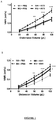
Figure 1A illustrates the variation of the Vicero Motrice Response (VMR - mV/s) of a colon depending on the Distension volume (µL) of a balloon inserted into the rectum and slowly inflated, in non-handled (NH) (normal lines) or Maternal separated (MS) (bold lines) mice pre-treated with PBS (dotted lines) or with CNCM 1-4573 (full lines) bacteria according to the invention. -
Figure 1B illustrates the variation of the Vicero Motrice Response (VMR - mV/s) of a colon depending on the Distension volume (µL) of a balloon inserted into the rectum and slowly inflated, in non-handled (NH) (normal lines) or Maternal separated (MS) (bold lines) mice pre-treated with PBS (dotted lines) or with CNCM 1-4541 (full lines) bacteria outside of the invention. -
Figure 2 illustrates 35 Faecalibacterium prausnitzii strains and their distribution in or outside of the three phylogroups described in the text.
For illustrative purposes, Faecalibacterium prausnitzii strains CNCM 1-4541 (SEQ ID No: 16) and S13E3 (SEQ ID No: 17) are outside the three phylogroups described. The method for obtaining said distribution is discussed further below. -
Figure 3A illustrates the effect of F. prausnitzii CNCM 1-4573 strain on the number of abdominal cramps/5 minutes in Partial Restraint Stress (PRS) (PRS-4573 - continuous slashed line; n = 12 rats) or basal rats models (Basal-4573 - continuous lines with circles; n = 12 rats) compared to PRS or basal rats treated with PBS (respectively PRS-PBS - dotted slashed lines and Basal-PBS - dotted lines with circles; n = 18 rats per group), depending on the Distension volume (mL) generated with an arterial embolectomy catheter introduced into the rectum of the rats. -
Figure 3B illustrates the effect of F. prausnitzii CNCM 1-4541 strain outside of the invention on the number of abdominal cramps/5 minutes in Partial Restraint Stress (PRS) (PRS-4573 - continuous slashed line; n = 12 rats) or basal rats models (Basal-4573 - continuous lines with circles; n = 12 rats) compared to PRS or basal rats treated with PBS (respectively PRS-PBS - dotted slashed lines and Basal-PBS - dotted lines with circles; n = 18 rats per group), depending on the Distension volume (mL) generated with an arterial embolectomy catheter introduced into the rectum of the rats. - The present inventors have performed a huge amount of work with the view of identifying the ability of specific Faecalibacterium prausnitzii strains to treat and/or prevent visceral abdominal pain, and in particular gastrointestinal pain, in an individual.
- The inventors have indeed unexpectedly determined that Faecalibacterium prausnitzii strains belonging to three phylogroups defined further exhibit the ability to diminish the sensitivity of nociceptors in the gastrointestinal tract of an individual.
- The bacterial strains of the present text can prevent and/or reduce visceral abdominal pain, in particular gastrointestinal pain, in an individual, in particular in an individual suffering from a gastrointestinal non-inflammatory disorder, and in particular from a colonic hypersensitivity, such as in IBS.
- It is demonstrated herein that bacterial strains of the text are in particular able to reduce the Vicero Motrice Response (VMR) of a colon when a balloon inserted into the rectum is slowly inflated in an IBS mouse model pre-treated with a bacterial strain of the invention. Said VMR is brought back to a normal intensity, since the VMR level observed after administration of a strain according to the invention is similar to the VMR observed in mice not suffering from colonic hypersensitivity.
- F. prausnitzii is a major member of the Firmicutes phylum and is part of the most abundant commensal bacteria in the healthy human large intestine microbiota.
- F. prausnitzii is an extremely oxygen sensitive (EOS) bacterium and is thus difficult to cultivate, even in anaerobic conditions (Duncan et al. 2002, Int. J. Syst. Evol. Microbiol. 52(Pt 6): 2141-6 and Lopez-Siles et al. Appl. Environ Microbiol. 2012 Jan;78(2):420-8). F. prausnitzii is in particular known as being one of the most abundant butyrate-producing bacterium in the human gastrointestinal tract, the short chain fatty acid butyrate being very important in gut physiology, systemic functions and beneficial effects for human health (Macfarlane and Macfarlane (2011), J. Clin. Gastroenterol. 45 Suppl: S120-7).
- F. prausnitzii is also known for having anti-inflammatory and protective effects in murine models of acute and chronic colitis, i.e. in inflammatory disorders (Martin et al., Inflamm Bowel Dis. 2014 Mar;20(3):417-30 and Sokol et al., Proc Natl Acad Sci USA. 2008 Oct 28;105(43):16731-6).
- Recently, diminished prevalence and abundance of F. prausnitzii have been reported in non-inflammatory intestinal disorders. A negative correlation has indeed been observed between the abundance of F. prausnitzii bacteria and IBS symptoms, in particular in alternating-type IBS.
- Emerging evidences suggest that perturbation of the gastrointestinal microbiota, and in particular dysbiosis, plays a role in the pathophysiology of IBS (Ringel and Maharshak, Am. J. Physiol. Gastrointest. Liver Physiol. 2013 Oct 15; 305(8): G529-41).
- The ability of the F. prausnitzii strains of the text to prevent visceral abdominal pain, and in particular gastrointestinal pain, in an individual is specific to the strains identified by the inventors, and constituting the three phylogroups described.
- Such specific antinociceptive activity is illustrated in the examples, wherein a comparative test has been performed with a F. prausnitzii strain not part of the three phylogroups described, i.e. the strain CNCM 1-4541. As demonstrated in these examples, this strain does not possess the antinociceptive activity of the strains of the invention.
- Isolated Faecalibacterium prausnitzii strains have been classified by the inventors in three phylogroups illustrated in
Figure 2 according to 16S rRNA sequences. - Full-length 16S rRNA gene sequences of each strain were obtained or determined and compared one to the other.
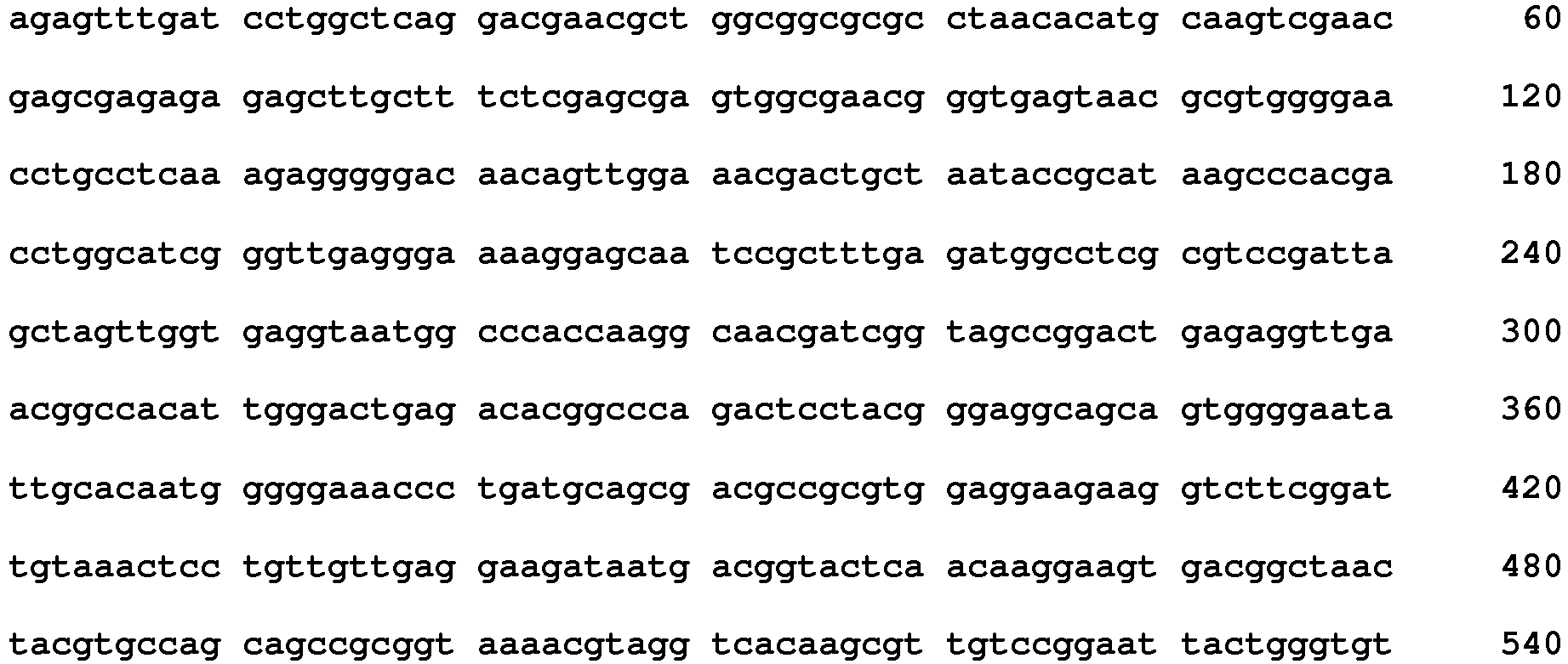
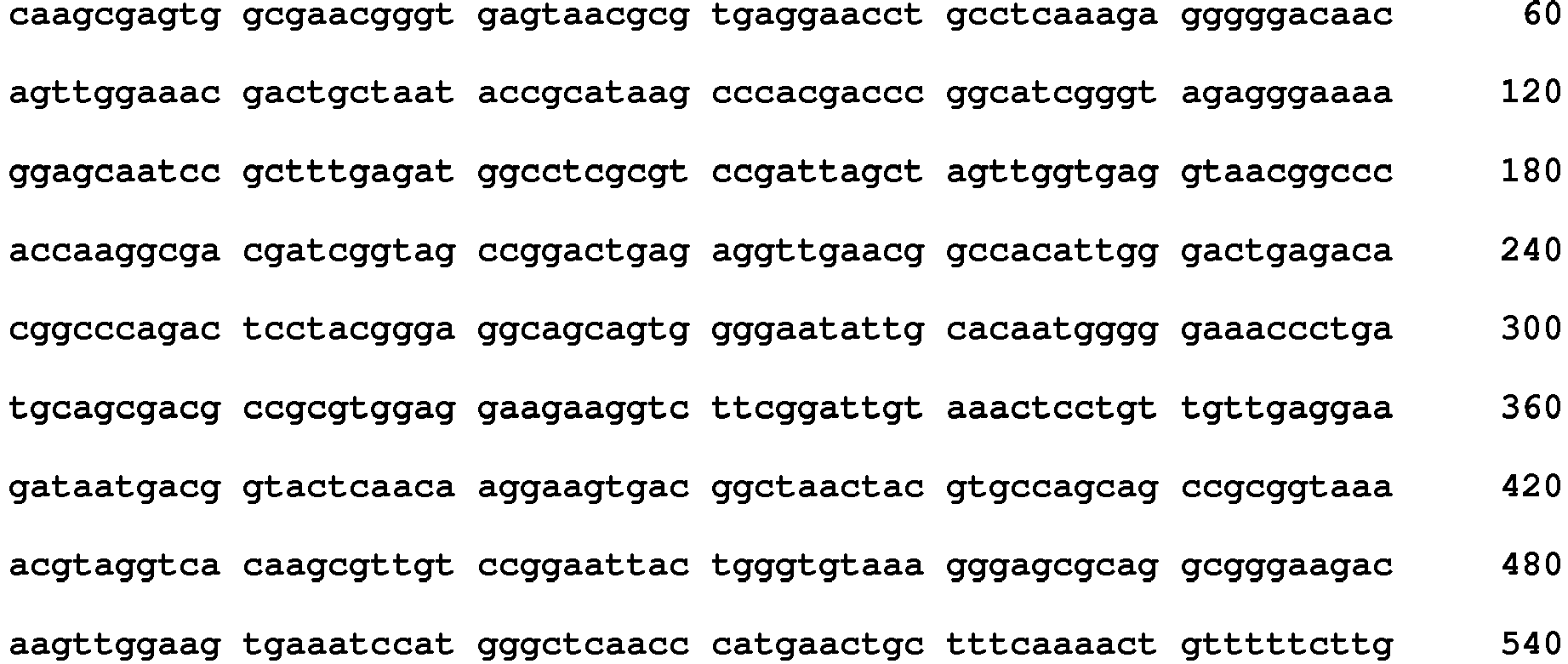
- Full-length 16S rRNA sequences of 17 F. prausnitzii strains are indicated as sequences SEQ ID No: 1 to 17.
- DNA was extracted from isolated colonies of the different F. prausnitzii strains by alkaline lysis in 50 µL of NaOH 0.5 M during 30 min and 50 µl of Tris 1M pH7 and 100 µL H2O were added.
- 16S rRNA sequences were amplified and PCR products purified with the Wizard SV Gel. PCR Clean-Up system (Promega) was used to obtain bidirectional partial 16S rRNA gene sequences by using primers. All DNA sequences were confirmed by sequencing (Eurofins MWG Operon, Ebersberg, Germany).
- Multiple sequence alignment was performed with hierarchical clustering for 16S rRNA gene sequence full-length construction (http://multalin.toulouse.inra.fr/multalin) (COrpet F., Nucleic Acids Res. 1988;16:10881-10890).
- Phylogenetic analysis of the 16S rRNA gene was then performed using MEGA6 software package (http://www.megasoftware.net/). The evolutionary history was inferred using the Neighbor-Joining method (Saitou N. and Nei M., Mol Biol Evol. 1987;4:406-425).
- The optimal tree with the sum of branch length = 0.24930207 is shown in
Figure 2 . The percentage of replicate trees in which the associated taxa clustered together in the bootstrap test (500 replicates) are shown next to the branches (Zharkikh A. and Li WH, Mol Phylogenet Evol. 1995; 4:44-63). - The tree is drawn to scale, with branch lengths in the same units as those of the evolutionary distances used to infer the phylogenetic tree. The evolutionary distances were computed using the Maximum Composite Likelihood method (Tamura et al., Proc Natl Acad Sci USA. 2004;101:11030-11035) and are in the units of the number of base substitutions per site.
- The analysis involved 35 nucleotide sequences. Codon positions included were 1st+2nd+3rd+Non-coding. All positions containing gaps and missing data were eliminated.
- There were a total of 1091 positions in the final dataset.
- Eubacterium desmolans was used to root the tree (SEQ ID No: 18). In sequence SEQ ID No: 18, 'n' is used to represent any ambiguous nucleotides.
- In order to verify if a given F. prausnitzii strain can be classified in one of the phylogroups I to III, its 16S rRNA sequence needs to be compared through the MEGA6 software package discussed here-above directly to the one of the present invention.
- According to an embodiment, a bacterial strain described is selected from phylogroup I.
- Bacterial strains belonging to phylogroup I can be represented by the strains consisting of:
- bacterial strains deposited to the CNCM under the accession numbers 1-4542, I-4544 and 1-4540; and
- bacterial strains of reference HTF-75H, S13A7, S3G1, L2-15, L2-39, L2-61 and L2-6.
- Preferably, a bacterial strain belonging to phylogroup I is selected from the group consisting of bacterial strains deposited to the CNCM under the accession numbers 1-4542, I-4544 and 1-4540.
- According to an embodiment, a bacterial strain described is selected from phylogroup II.
- Bacterial strains belonging to phylogroup II can for example be selected from the group consisting of bacterial strains of reference HTF-60C, HTF-I, HTF-E, HTF-C, HTF-A, HTF-B and HTF-F.
- According to an embodiment, a bacterial strain described is selected from phylogroup III.
- Bacterial strains belonging to phylogroup III can be represented by the strains consisting of:
- bacterial strains deposited to the CNCM under the accession numbers 1-4574, I-4543, I-4575, I-4573, I-4644 and 1-4546; and
- bacterial strains of reference S3C12, S9G3, S9D8, S3L/3, S4L/4, M21/2 and S10H3,
- Preferably, a bacterial strain belonging to phylogroup III is selected from the group consisting of bacterial strains deposited to the CNCM under the accession numbers I-4574, I-4543, I-4575, I-4573, I-4644 and 1-4546.
- Bacterial strains of reference ATCC 27768, A2-165, L2-15, L2-39, L2-6, L2-61, M21/2, S3L/3, S4L/4, HTF-A, HTF-B, HTF-C, HTF-E, HTF-F, HTF-I, HTF-60C and HTF-75H can be obtained as indicated in Lopez-Siles et al., Appl. Environ. Microbiol. 2012, 78(2):420.
- In an embodiment, a bacterial strain described is selected from phylogroups I and/or III. More particularly, a bacterial strain described is selected from phylogroups I and/or III with the proviso that the bacterial strain is different from the bacterial strain A2-165.
- According to an embodiment, a bacterial strain described is selected from the group consisting of bacterial strains deposited to the CNCM under the accession numbers I-4542, 1-4544, 1-4540, 1-4574, 1-4543, 1-4575, 1-4573, 1-4644 and 1-4546.
- The bacterial strain of the invention is the bacterial strain deposited to the CNCM under the accession number 1-4573.
- The inventors have also identified new Faecalibacterium prausnitzii strains having the specific abilities discussed previously.
- Consequently, the present text further describes an isolated bacterial strain selected from the group consisting of bacterial strains deposited to the CNCM under the accession numbers 1-4542, 1-4544, 1-4540, 1-4574, 1-4543, 1-4575, 1-4573, 1-4644 and 1-4546.
- The bacterial strain of the invention is the bacterial strain deposited to the CNCM under the accession number 1-4573.
- A suitable daily dose of a bacterial strain according to the invention is from 103 to 1012 colony forming units (cfu), more preferably from 107 to 1011 cfu as a medicament, for example as a daily dose equivalent to 1010 cfu.
- A Faecalibacterium prausnitzii strain of the invention is for use in the treatment and/or prevention of visceral abdominal pain in an individual.
- The strains of the text are probiotics whose activity lies in the gut. A probiotic bacterium according to the text denotes a bacterium which ingested live in adequate quantities can exert beneficial effects on the human health.
- These strains consequently need to be administered alive to the gut.
- The bacteria strains of the text can be administered to the gut of an individual to be treated by different ways, i.e. by the oral, rectal or parenteral route. A bacterium according to the text is preferably administered by the oral or rectal route, more preferably by the oral route.
- According to a preferred embodiment, a bacterial strain of the invention is comprised in a composition comprising a physiologically acceptable medium. Such composition is preferably for the oral route, and in particular in the form of a food supplement.
- The present invention further concerns a composition comprising, in a physiologically acceptable medium, at least one bacterial strain of Faecalibacterium prausnitzii of the invention.
- More particularly, according to an embodiment, the present invention relates to a composition comprising, in a physiologically acceptable medium, at least one bacterial strain deposited to the CNCM under the accession number 1-4573.
- A composition according to the invention comprises at least one bacterial strain deposited to the CNCM under the accession number 1-4573.
- A composition according to the invention is intended for the gastrointestinal tract, in particular the gut.
- Consequently, a composition according to the invention is selected from an oral, rectal or parenteral composition. A composition of the invention is preferably an oral or rectal composition, more preferably an oral composition.
- According to an embodiment, a composition of the invention is an oral composition, i.e. is intended for oral administration to a subject.
- Such composition can be in the form of a suspension, tablet, pill, capsule, granulate or powder.
- The composition according to the invention for the oral route can be selected from the group consisting of a food product, a drink, a pharmaceutical, a nutraceutical, a food additive, a food supplement or a dairy product, and is in particular a food supplement.
- According to a preferred embodiment, a composition according to the invention is a food supplement.
- Food supplement for oral administration may be present in capsules, gelatin capsules, soft capsules, tablets, sugar-coated tablets, pills, pastes, pastilles, gums, drinkable solutions or emulsions, a syrup or a gel.
- Advantageously, a composition according to the invention, intended for oral administration, can be provided with a coating resistant to gastric juice, so as to ensure that the bacterial strain of the invention comprised in said composition can pass through the stomach undamaged. The release of the bacterial strain can thus takes place for the first time in the upper intestinal tract.
- A food supplement according to the invention can also include a sweetener, a stabilizer, an antioxidant, an additive, a flavouring agent and/or a colorant.
- The formulation thereof is carried out by means of the usual methods for producing sugar-coated tablets, gel capsules, gels, hydrogels for controlled release, emulsions, tablets or capsules.
- A composition according to the invention can also be in the form of a nutritional composition.
- A nutritional composition according to the invention is in the form of a yogurt, a cereal bar, a breakfast cereal, a dessert, a frozen food, a soup, a pet food, a liquid suspension, a powder, a tablet, a gum or a candy.
- In a further embodiment of the invention, a composition containing a bacterial strain of the invention is administered intrarectally.
- A rectal administration preferably takes place in the form of a suppository, enema or foam.
- A composition according to the invention contains an amount of bacterial strains of the invention equivalent to between 103 and 1012 cfu/g (dry weight basis), more preferably between 106 and 109 cfu/g.
- A composition according to the invention can further comprise at least one of: antioxidants, fish oils, DHA, EPA, vitamins, minerals, phytonutrients, protein, fat, probiotics, and combinations thereof.
- The present text further describes the use of at least one bacterial strain of the Faecalibacterium prausnitzii species selected from a bacterial strain belonging to at least one of the phylogroups I, II and III, for the treatment and/or prevention of visceral abdominal pain in an individual.
- The present text also concerns the use of a composition, preferably an oral composition, comprising, in a physiologically acceptable medium, at least one bacterial strain of the Faecalibacterium prausnitzii species selected from a bacterial strain belonging to at least one of the phylogroups I, II and III, for the treatment and/or prevention of visceral abdominal pain in an individual.
- The invention will be described below in greater details using the following examples which are given for illustrative purposes only.
- All references to percentages are percentages by weight unless otherwise stated.
- F. prausnitzii strains have been tested for their ability to have a direct impact on visceral pain, and more particularly on colonic hypersensitivity.
- The F. prausnitzii strains isolates used in the present example all are of human fecal origin from healthy patients. Said isolates were obtained from the highest countable dilution of human fecal samples in roll tubes of anaerobic M2GSC medium as discussed in Lopez-Siles et al. (Appl. Environ Microbiol. 2012; 78:420-428).
- Tested F. prausnitzii strains isolates were grown in LYBHI medium (Brain-Heart infusion medium supplemented with 0.5% yeast extract) (Dyfco, Detroit, USA) supplemented with 1 mg/mL cellobiose (Sigma-Aldrich Chemie Gmbh, Buchs, Switzerland), 1 mg/mL maltose (Sigma-Aldrich) and 0.5 mg/mL cystéine (Sigma-Aldrich) at 37°C in anaerobic chamber.
- A. In a first series of tests, a Neonatal Maternal Separation (NMS) colonic hypersensitivity (CHS) mouse model is used.
- Pregnant C57Bl/6J mice have been purchased from Janvier laboratories (Le Genest Saint Isle, France).
- After birth, wild-type C57Bl/6J were isolated from their mother from D2 to D14, three hours a day, from 9 a.m. to 12 a.m.. At nine-week old age, male mice were orally treated each day for nine days with 200 µL of 10x1010 CFU/mL of:
- the strain CNCM 1-4573 according to the invention;
- the strain CNCM 1-4541 outside the invention; or
- PBS as control.
- All the experiments were performed on the last day of treatment at D10.
- The same bacteria treatment was administered to non-NMS CHS mice as a control.
- NMS treatment induced an increased Vicero Motrice Response (VMR) in the absence of any significant alteration in gut wall macroscopic integrity or colonic mucosa inflammation (Coutinho et al. (2002), Am. J. Physiol. Gastrointest. Liver Physiol. 282(2): G307-16).
- As described in Christianson et al. 2007 (Nat Protoc 2(10): 2624-31), colonic sensitivity was assessed by quantifying visceromotor response with abdominal electromyography (EMG) recordings in response to colorectal distension.
- The inventors also validated this model as being non-inflammatory by checking the cytokines pattern by measurement of 13 types of cytokines in serum samples of stressed (MS : Maternal separated) and non-stressed (NH : Non-handled) mice.
- It was observed that there are no differences in cytokine pattern induced by the chronic stress.
- Moreover, NMS does not induce changes in colonic macroscopic damage, loss of architectural epithelium, goblet cell depletion, oedema/ulceration or inflammatory cell infiltrates.
- Furthermore, NMS does not induce changes in body weight, colon weight and length and in spleen weight when stressed (MS) mice are compared to the control group (PBS).
- Statistical analysis was completed using GraphPad software (GraphPad Software, La Jolla, CA, USA). All data were expressed as mean +/- SEM.
- MS mice displaying VMR values lower than mean minus two SEM for all distension volumes were considered as non-sensitized and excluded from the analysis.
- For VMR analysis in model validation, a two-way (Volume & Treatment) ANOVA followed by Bonferroni post-hoc test for multiple comparisons was used.
- P<0.05 was considered statistically significant.
- The results obtained are presented in
Figures 1A and IB. - As it can be seen in
Figure 1A , control Maternal separated (MS) mice, to whom only PBS was administered, present a high VMR, two times higher than the VMR of the non-handled (NH) mice, treated with CNCM 1-4573 bacteria or only with PBS. - More importantly, it can be seen that MS mice to whom CNCM 1-4573 bacteria of the invention were administered possess a VMR statistically similar to the one of NH mice, all along the growth of the Volume Distension.
- On the contrary, in
Figure 1B , there is no statistical difference between the results obtained with MS mice only treated with PBS or treated with CNCM 1-4541 bacteria. - Treatment based on the administration of F. prausnitzii strain CNCM 1-4573 according to the invention led to a specific and significant decrease of the VMR in the tested mice as well as a prevention of the increase of the VMR.
- On the contrary, the treatments based on the control tests (NH mice) and on the administration of F. prausnitzii strain CNCM 1-4541 present no effect on the VMR of all the tested mice.
- The present results clearly demonstrate that F. prausnitzii strains according to the invention have a specific and unexpected beneficial effect on visceral abdominal pain.
- B. In a second series of tests, a Partial Restreint Stress (PRS) rat model is used.
- Animal preparation was performed as previously described in Ait-Belgnaoui et al.; Gut 55, 1090-1094 (2006).
- Briefly, under general anesthesia induced by i.p. administration of 0.6 mg/kg acepromazine (Calmivet, Vetoquinol, Lure, France) and 120 mg/kg ketamine (Imalgene 1000, Merial, Lyon, France), female Wistar rats (Rosztóczy, A. et al.; Neurogastroenterol. Motil. Off. J. Eur. Gastrointest. Motil. Soc. 15, 679-686 (2003)) were equipped with three groups of three NiCr wire electrodes (60 cm in length, 80 nm in diameter) implanted into the abdominal external oblique muscle, 2 cm above the inguinal ligament.
- Electrodes were exteriorized at the neck level by a glass tube attached to the skin.
- During the ten days previous to the stress, 1 ml of ± 1x10⁹ CFU or PBS were daily intragastrically administrated.
- The study groups are as follows:
- the strain CNCM 1-4573 according to the invention;
- the strain CNCM 1-4541 outside the invention; or
- PBS as control.
- All stress sessions were performed at the same time of the day (between 10 am and 12 pm) to minimize any influence of circadian rhythms. Stresses were performed using the wrap partial restrain stress model which is a mild non-ulcerogenic stressor (Williams, C. L et al.; Am. J. Physiol. 253, G582-586 (1987)).
- Animals were lightly anesthetized (as previously described in Lee B. et al.; J. Neurogastroenterol. Motil. 17, 252-266 (2011), with ethyl-ether and their fore shoulders, upper forelimbs and thoracic trunk were draped in a confining harness of paper tape to restrict, but not to prevent, body movements.
- Then rats were placed in their home cage for 2 h.
- Rats colonic sensitivity induced by PRS was assessed by quantifying electrical response through an electroencephalograph Reega Mini-hui (ALVAR, France) and expressed as number of abdominal cramps for a five min period (as previously described in Eutamene, H. et al.; J. Physiol. 506 (Pt 1), 245-252 (1998)).
- Briefly, rats were accustomed to be in polypropylene tunnels (diameter 7 cm,
length 20 cm) several days before colorectal distension (CRD) in order to minimize recording artifacts. - CRD was performed with an arterial embolectomy catheter (Fogarty; Edwards Laboratoire, Inc., Santa Ana, CA, USA) introduced into the rectum (1 cm from the anus) and fixed at the base of the tail.
- Distension of the colon was performed by connecting the catheter to a syringe and consecutive injections of different volumes (0.4, 0.8, 1.2 ml) with an interval of 5 minutes.
- Each animal was recorded two days before the stress (basal measure) and just after the PRS (stress measure).
- Statistical analysis was completed using GraphPad software (GraphPad Sofware, La Jolla, CA, USA).
- Results are presented with means ± SEM.
- Differences in the number of abdominal cramps during 5 minutes to gradual CRD volumes were analyzed using a 2-way ANOVA (Treatment, Volume) followed by Bonferroni post-hoc test for multiple comparisons.
- A p value of less than 0.05 was considered significant.
- To determine if F. prausnitzii CNCMI-4541 (outside of the invention) and CNCMI-4573 (according to the invention) strains are able to prevent acute stress generated symptoms on visceral sensitivity, both were tested on a model of Partial Restraint Stress (PRS).
- PRS increased the number of abdominal cramps in response to CRD in a volume-dependent manner (
Figures 3A and 3B ). - In stressed rats treated with PBS, distensions at any volumes significantly increased the number of abdominal contractions compared to non-stressed animals (p<0.01)
- F. prausnitzii CNCMI-4573 strain treatment prevented this stress-induced visceral hypersensitivity until 0.8ml distension volume (p<0.001) (
Figure 3A ). - In basal conditions, no difference was observed in the VMR to CRD between the different treatments (
Figure 3A ). - In contrast, F. prausnitzii CNCMI-4541 strain did not show a protective effect (
Figure 3B ). - In conclusion, it appears that a F. prausnitzii strain according to the invention prevents visceral hypersensitivity in a model of Partial Restraint Stress (PRS).
- SEQ ID No: 1: 16S rRNA sequence of F. prausnitzii CNCM 1-4540

- SEQ ID No: 2: 16S rRNA sequence of F. prausnitzii CNCM 1-4542


- SEQ ID No: 3: 16S rRNA sequence of F. prausnitzii S3C12


- SEQ ID No: 4: 16S rRNA sequence of F. prausnitzii S3G1

- SEQ ID No: 5: 16S rRNA sequence of F. prausnitzii CNCM 1-4574

- SEQ ID No: 6: 16S rRNA sequence of F. prausnitzii CNCM 1-4543

- SEQ ID No: 7: 16S rRNA sequence of F. prausnitzii S9D8

- SEQ ID No: 8: 16S rRNA sequence of F. prausnitzii S9G3


- SEQ ID No: 9: 16S rRNA sequence of F. prausnitzii CNCM 1-4644


- SEQ ID No: 10: 16S rRNA sequence of F. prausnitzii CNCM 1-4544

- SEQ ID No: 11: 16S rRNA sequence of F. prausnitzii S10H3

- SEQ ID No: 12: 16S rRNA sequence of F. prausnitzii S13A7

- SEQ ID No: 13: 16S rRNA sequence of F. prausnitzii CNCM 1-4575

- SEQ ID No: 14: 16S rRNA sequence of F. prausnitzii CNCM 1-4573

- SEQ ID No: 15: 16S rRNA sequence of F. prausnitzii CNCM I-4546

- SEQ ID No: 16: 16S rRNA sequence of F. prausnitzii CNCM 1-4541

- SEQ ID No: 17: 16S rRNA sequence of F. prausnitzii S13E3


- SEQ ID No: 18: 16S rRNA sequence of Eubacterium desmolans
ATCC 43058
-
- <110> Institut National de la Recherche Agronomique (INRA) Institut National de la Sante et de la Recherche Medicale (INSERM) Université Pierre et Marie Curie Assistance Publique - Hopitaux de Paris
- <120> Faecalibacterium prausnitzii strains for treating and preventing
gastrointestinal pain - <130> PR73790
- <150>
EP14306803.9
<151> 2014-11-13 - <160> 18
- <170> BiSSAP 1.3
- <210> 1
<211> 1474
<212> RNA
<213> Faecalibacterium prausnitzii - <400> 1


- <210> 2
<211> 1474
<212> RNA
<213> Faecalibacterium prausnitzii - <400> 2


- <210> 3
<211> 1408
<212> RNA
<213> Faecalibacterium prausnitzii - <400> 3

- <210> 4
<211> 1405
<212> RNA
<213> Faecalibacterium prausnitzii - <400> 4

- <210> 5
<211> 1385
<212> RNA
<213> Faecalibacterium prausnitzii - <400> 5


- <210> 6
<211> 1405
<212> RNA
<213> Faecalibacterium prausnitzii - <400> 6


- <210> 7
<211> 1474
<212> RNA
<213> Faecalibacterium prausnitzii - <400> 7

- <210> 8
<211> 1533
<212> RNA
<213> Faecalibacterium prausnitzii - <400> 8


- <210> 9
<211> 1286
<212> RNA
<213> Faecalibacterium prausnitzii - <400> 9


- <210> 10
<211> 1407
<212> RNA
<213> Faecalibacterium prausnitzii - <400> 10


- <210> 11
<211> 1382
<212> RNA
<213> Faecalibacterium prausnitzii - <400> 11

- <210> 12
<211> 1395
<212> RNA
<213> Faecalibacterium prausnitzii - <400> 12

- <210> 13
<211> 1390
<212> RNA
<213> Faecalibacterium prausnitzii - <400> 13


- <210> 14
<211> 1400
<212> RNA
<213> Faecalibacterium prausnitzii - <400> 14


- <210> 15
<211> 1388
<212> RNA
<213> Faecalibacterium prausnitzii - <400> 15

- <210> 16
<211> 1474
<212> RNA
<213> Faecalibacterium prausnitzii - <400> 16


- <210> 17
<211> 1323
<212> RNA
<213> Faecalibacterium prausnitzii - <400> 17


- <210> 18
<211> 1469
<212> RNA
<213> Eubacterium desmolans - <220>
<223> n represents an ambiguous nucleotide - <400> 18


Claims (8)
- A bacterial strain deposited to the CNCM under the accession number 1-4573, for use in the treatment and/or prevention of visceral abdominal pain in an individual.
- The bacterial strain for use according to claim 1, wherein the visceral abdominal pain is a gastrointestinal pain, in particular a colonic pain.
- The bacterial strain for use according to claim 1 or 2, wherein the visceral pain is caused by a gastrointestinal disorder, in particular a non-inflammatory gastrointestinal disorder.
- The bacterial strain for use according to claim 3, wherein the gastrointestinal disorder is a gastrointestinal hypersensitivity, in particular a colonic hypersensitivity, and is preferably an Irritable Bowel Syndrome, in particular an alternating-type Irritable Bowel Syndrome.
- The bacterial strain for use according to anyone of claims 1 to 4, wherein the bacterial strain is comprised in a composition comprising a physiologically acceptable medium, preferably in an oral composition, and most preferably in a food supplement.
- A composition comprising, in a physiologically acceptable medium, at least one bacterial strain deposited to the CNCM under the accession number 1-4573.
- The composition according to claim 6, being for the oral route and selected from the group consisting of a food product, a drink, a pharmaceutical, a nutraceutical, a food additive, a food supplement and a dairy product, and is in particular a food supplement.
- An isolated bacterial strain being the bacterial strain deposited to the CNCM under the accession number 1-4573.
Priority Applications (2)
| Application Number | Priority Date | Filing Date | Title |
|---|---|---|---|
| SI201531138T SI3218524T1 (en) | 2014-11-13 | 2015-11-13 | Faecalibacterium prausnitzii strains for treating and preventing gastrointestinal pain |
| PL15797929T PL3218524T3 (en) | 2014-11-13 | 2015-11-13 | Faecalibacterium prausnitzii strains for treating and preventing gastrointestinal pain |
Applications Claiming Priority (2)
| Application Number | Priority Date | Filing Date | Title |
|---|---|---|---|
| EP14306803 | 2014-11-13 | ||
| PCT/EP2015/076572 WO2016075294A1 (en) | 2014-11-13 | 2015-11-13 | Faecalibacterium prausnitzii strains for treating and preventing gastrointestinal pain |
Publications (2)
| Publication Number | Publication Date |
|---|---|
| EP3218524A1 EP3218524A1 (en) | 2017-09-20 |
| EP3218524B1 true EP3218524B1 (en) | 2020-01-08 |
Family
ID=52000767
Family Applications (1)
| Application Number | Title | Priority Date | Filing Date |
|---|---|---|---|
| EP15797929.5A Active EP3218524B1 (en) | 2014-11-13 | 2015-11-13 | Faecalibacterium prausnitzii strains for treating and preventing gastrointestinal pain |
Country Status (10)
| Country | Link |
|---|---|
| US (2) | US20190381115A1 (en) |
| EP (1) | EP3218524B1 (en) |
| DK (1) | DK3218524T3 (en) |
| ES (1) | ES2779409T3 (en) |
| HU (1) | HUE049340T2 (en) |
| LT (1) | LT3218524T (en) |
| PL (1) | PL3218524T3 (en) |
| PT (1) | PT3218524T (en) |
| SI (1) | SI3218524T1 (en) |
| WO (1) | WO2016075294A1 (en) |
Families Citing this family (12)
| Publication number | Priority date | Publication date | Assignee | Title |
|---|---|---|---|---|
| FR3046934B1 (en) * | 2016-01-25 | 2018-01-26 | Institut National De La Recherche Agronomique (Inra) | FAECALIBACTERIUM PRAUSNITZII STRAIN CNCM I-4573 FOR THE TREATMENT AND PREVENTION OF GASTROINTESTINAL INFLAMMATION |
| CN109874329B (en) * | 2016-08-12 | 2023-08-29 | 深圳华大生命科学研究院 | A kind of Faecalibacterium butyricum and its culture method and application |
| EP3511406A4 (en) * | 2016-09-06 | 2020-04-01 | BGI Shenzhen | FAECALIBACTERIUM LONGUM AND ASSOCIATED APPLICATION |
| EP3378949A1 (en) * | 2017-03-22 | 2018-09-26 | Assistance Publique - Hôpitaux de Paris | Method for determining the potential efficacy of anticancer treatment |
| EP3950929A4 (en) * | 2019-03-28 | 2023-01-04 | CJ Bioscience, Inc. | Faecalibacterium sp. microbe and anticancer composition comprising same |
| EP3838276A1 (en) * | 2019-12-17 | 2021-06-23 | Exeliom Biosciences | Association of faecalibacterium prausnitzii strain cncm i-4573 with pentasa® for the treatment and prevention of gastrointestinal inflammation |
| KR102169794B1 (en) * | 2020-06-24 | 2020-10-27 | 주식회사 엔테로바이옴 | Novel Faecalibacterium prausnitzii EB-FPDK11 and Use Thereof |
| KR102185828B1 (en) | 2020-08-26 | 2020-12-03 | 주식회사 엔테로바이옴 | Pharmaceutical composition for preventing or treating atopic disease comprising faecalibacterium prausnitzii strain |
| WO2022081428A1 (en) * | 2020-10-16 | 2022-04-21 | Nubiyota Llc | Bacterial compositions and methods of use thereof for treatment of metabolic syndrome |
| WO2023036957A1 (en) | 2021-09-10 | 2023-03-16 | Institut National de Recherche pour l’Agriculture, l’Alimentation et l’Environnement | Use of faecalibacterium to treat a respiratory viral infection |
| EP4252764B1 (en) * | 2022-04-01 | 2025-12-17 | Greentech | Parabacteroides distasonis strain isolated from human feces and applications thereof |
| EP4389134A1 (en) * | 2022-12-20 | 2024-06-26 | Exeliom Biosciences | Faecalibacterium prausnitzii strain cncm i-4573 for the treatment and prevention of clostridioides difficile infection |
Family Cites Families (2)
| Publication number | Priority date | Publication date | Assignee | Title |
|---|---|---|---|---|
| DE102006062250A1 (en) * | 2006-12-22 | 2008-06-26 | Roland Saur-Brosch | Use of a composition of minerals and / or vitamins and optionally acetogenic and / or butyrogenic bacteria for oral or rectal administration for the treatment and prevention of abdominal discomfort |
| MX2015011700A (en) * | 2013-03-05 | 2016-07-20 | Univ Groningen | Use of faecali bacterium prausnitzii htf-f (dsm 26943) to suppress inflammation. |
-
2015
- 2015-11-13 EP EP15797929.5A patent/EP3218524B1/en active Active
- 2015-11-13 HU HUE15797929A patent/HUE049340T2/en unknown
- 2015-11-13 DK DK15797929.5T patent/DK3218524T3/en active
- 2015-11-13 PT PT157979295T patent/PT3218524T/en unknown
- 2015-11-13 US US15/524,808 patent/US20190381115A1/en not_active Abandoned
- 2015-11-13 LT LTEP15797929.5T patent/LT3218524T/en unknown
- 2015-11-13 PL PL15797929T patent/PL3218524T3/en unknown
- 2015-11-13 SI SI201531138T patent/SI3218524T1/en unknown
- 2015-11-13 WO PCT/EP2015/076572 patent/WO2016075294A1/en not_active Ceased
- 2015-11-13 ES ES15797929T patent/ES2779409T3/en active Active
-
2020
- 2020-06-22 US US16/907,381 patent/US11717543B2/en active Active
Non-Patent Citations (1)
| Title |
|---|
| None * |
Also Published As
| Publication number | Publication date |
|---|---|
| US20190381115A1 (en) | 2019-12-19 |
| US11717543B2 (en) | 2023-08-08 |
| DK3218524T3 (en) | 2020-04-06 |
| WO2016075294A1 (en) | 2016-05-19 |
| PL3218524T3 (en) | 2020-11-30 |
| ES2779409T3 (en) | 2020-08-17 |
| EP3218524A1 (en) | 2017-09-20 |
| SI3218524T1 (en) | 2020-11-30 |
| LT3218524T (en) | 2020-07-10 |
| HUE049340T2 (en) | 2020-09-28 |
| PT3218524T (en) | 2020-03-26 |
| US20200316138A1 (en) | 2020-10-08 |
Similar Documents
| Publication | Publication Date | Title |
|---|---|---|
| US11717543B2 (en) | Faecalibacterium prausnitzii strains for treating and preventing gastrointestinal pain | |
| US10918678B2 (en) | Faecalibacterium prausnitzii strain CNCM 1-4573 for the treatment and prevention of gastrointestinal inflammation | |
| Dorsey et al. | Bacterial overgrowth, dysbiosis, inflammation, and dysmotility in the Cystic Fibrosis intestine | |
| Bausserman et al. | The use of Lactobacillus GG in irritable bowel syndrome in children: a double-blind randomized control trial | |
| Macfarlane | Prebiotics in the gastrointestinal tract | |
| KR20140131501A (en) | Lactobacillus reuteri DSM 17938 for the development of the enteric nervous system | |
| CN115364113A (en) | Synthetic compositions and methods for treating irritable bowel syndrome | |
| CN111683666A (en) | Compositions comprising HMOs for preventing or reducing nociception | |
| US20210268040A1 (en) | Streptococcus thermophilus cnrz160 strain for the treatment and prevention of intestinal inflammation and associated disorders in an individual | |
| BR112019026477A2 (en) | compositions comprising bacterial strains | |
| WO2023286027A1 (en) | Use of lactobacillus paracasei bacterial strains in the treatment of newborns | |
| US20230355688A1 (en) | Parabacteroides distasonis strains for use thereof in the treatment and prevention of gastrointestinal diseases and of disorders associated with gastrointestinal diseases | |
| US11419882B2 (en) | Vitamin D compounds and methods of using the same | |
| CN117241809A (en) | Compositions and methods for treating hepatic encephalopathy | |
| EP3383382A1 (en) | Method for improving cognition | |
| EP3725320B1 (en) | Composition comprising agathobaculum sp. strain as effective ingredient for prevention, alleviation, or treatment of autism spectrum disorder | |
| KR20220118423A (en) | Compositions comprising bacterial strains | |
| US20250064867A1 (en) | Method for preventing or treating muscle disease | |
| Meleshko et al. | Individual microbiota correction and human health: programming and reprogramming of systemic and local immune response | |
| Koumpouli et al. | Gut Brain Axis and Neurodegenerative Diseases. Nutritional Interventions Targeting Gut Microbiome: A Systematic Review | |
| Naik et al. | AD prevention strategies adapted till present | |
| O'Connor | Bugs, breathing and blood pressure: the microbiota-gut-brain axis in cardiorespiratory control | |
| TW201333193A (en) | Lactobacillus reuteri DSM 17938 for the development of the enteric nervous system | |
| HK40000146B (en) | Faecalibacterium prausnitzii strain cncm 1-4573 for the treatment and prevention of gastrointestinal inflammation | |
| HK40000146A (en) | Faecalibacterium prausnitzii strain cncm 1-4573 for the treatment and prevention of gastrointestinal inflammation |
Legal Events
| Date | Code | Title | Description |
|---|---|---|---|
| STAA | Information on the status of an ep patent application or granted ep patent |
Free format text: STATUS: THE INTERNATIONAL PUBLICATION HAS BEEN MADE |
|
| PUAI | Public reference made under article 153(3) epc to a published international application that has entered the european phase |
Free format text: ORIGINAL CODE: 0009012 |
|
| STAA | Information on the status of an ep patent application or granted ep patent |
Free format text: STATUS: REQUEST FOR EXAMINATION WAS MADE |
|
| 17P | Request for examination filed |
Effective date: 20170613 |
|
| AK | Designated contracting states |
Kind code of ref document: A1 Designated state(s): AL AT BE BG CH CY CZ DE DK EE ES FI FR GB GR HR HU IE IS IT LI LT LU LV MC MK MT NL NO PL PT RO RS SE SI SK SM TR |
|
| AX | Request for extension of the european patent |
Extension state: BA ME |
|
| RIN1 | Information on inventor provided before grant (corrected) |
Inventor name: MIQUEL, SYLVIE Inventor name: CARVALHO, FREDERIC Inventor name: THOMAS, MURIEL Inventor name: MARTIN ROSIQUE, REBECA Inventor name: SOKOL, HARRY Inventor name: THEODOROU, VASSILIA Inventor name: BERMUDEZ HUMARAN, LUIS Inventor name: LANGELLA, PHILIPPE |
|
| DAV | Request for validation of the european patent (deleted) | ||
| DAX | Request for extension of the european patent (deleted) | ||
| STAA | Information on the status of an ep patent application or granted ep patent |
Free format text: STATUS: EXAMINATION IS IN PROGRESS |
|
| 17Q | First examination report despatched |
Effective date: 20180612 |
|
| GRAP | Despatch of communication of intention to grant a patent |
Free format text: ORIGINAL CODE: EPIDOSNIGR1 |
|
| STAA | Information on the status of an ep patent application or granted ep patent |
Free format text: STATUS: GRANT OF PATENT IS INTENDED |
|
| INTG | Intention to grant announced |
Effective date: 20190304 |
|
| RIN1 | Information on inventor provided before grant (corrected) |
Inventor name: BERMUDEZ HUMARAN, LUIS Inventor name: LANGELLA, PHILIPPE Inventor name: SOKOL, HARRY Inventor name: CARVALHO, FREDERIC Inventor name: MIQUEL, SYLVIE Inventor name: THEODOROU, VASSILIA Inventor name: MARTIN ROSIQUE, REBECA Inventor name: THOMAS, MURIEL |
|
| TPAC | Observations filed by third parties |
Free format text: ORIGINAL CODE: EPIDOSNTIPA |
|
| GRAS | Grant fee paid |
Free format text: ORIGINAL CODE: EPIDOSNIGR3 |
|
| GRAJ | Information related to disapproval of communication of intention to grant by the applicant or resumption of examination proceedings by the epo deleted |
Free format text: ORIGINAL CODE: EPIDOSDIGR1 |
|
| GRAL | Information related to payment of fee for publishing/printing deleted |
Free format text: ORIGINAL CODE: EPIDOSDIGR3 |
|
| STAA | Information on the status of an ep patent application or granted ep patent |
Free format text: STATUS: EXAMINATION IS IN PROGRESS |
|
| INTC | Intention to grant announced (deleted) | ||
| GRAP | Despatch of communication of intention to grant a patent |
Free format text: ORIGINAL CODE: EPIDOSNIGR1 |
|
| STAA | Information on the status of an ep patent application or granted ep patent |
Free format text: STATUS: GRANT OF PATENT IS INTENDED |
|
| INTG | Intention to grant announced |
Effective date: 20191004 |
|
| GRAS | Grant fee paid |
Free format text: ORIGINAL CODE: EPIDOSNIGR3 |
|
| GRAA | (expected) grant |
Free format text: ORIGINAL CODE: 0009210 |
|
| STAA | Information on the status of an ep patent application or granted ep patent |
Free format text: STATUS: THE PATENT HAS BEEN GRANTED |
|
| AK | Designated contracting states |
Kind code of ref document: B1 Designated state(s): AL AT BE BG CH CY CZ DE DK EE ES FI FR GB GR HR HU IE IS IT LI LT LU LV MC MK MT NL NO PL PT RO RS SE SI SK SM TR |
|
| REG | Reference to a national code |
Ref country code: GB Ref legal event code: FG4D |
|
| REG | Reference to a national code |
Ref country code: CH Ref legal event code: EP |
|
| REG | Reference to a national code |
Ref country code: DE Ref legal event code: R096 Ref document number: 602015045254 Country of ref document: DE |
|
| REG | Reference to a national code |
Ref country code: IE Ref legal event code: FG4D |
|
| REG | Reference to a national code |
Ref country code: AT Ref legal event code: REF Ref document number: 1222784 Country of ref document: AT Kind code of ref document: T Effective date: 20200215 |
|
| RAP2 | Party data changed (patent owner data changed or rights of a patent transferred) |
Owner name: INSTITUT NATIONAL DE LA SANTE ET DE LA RECHERCHE MEDICALE (INSERM) Owner name: INSTITUT NATIONAL DE RECHERCHE POUR L'AGRICULTURE, L'ALIMENTATION ET L'ENVIRONNEMENT Owner name: SORBONNE UNIVERSITE Owner name: ASSISTANCE PUBLIQUE-HOPITAUX DE PARIS (APHP) Owner name: ECOLE D'INGENIEURS DE PURPAN |
|
| REG | Reference to a national code |
Ref country code: RO Ref legal event code: EPE |
|
| REG | Reference to a national code |
Ref country code: FI Ref legal event code: FGE |
|
| REG | Reference to a national code |
Ref country code: PT Ref legal event code: SC4A Ref document number: 3218524 Country of ref document: PT Date of ref document: 20200326 Kind code of ref document: T Free format text: AVAILABILITY OF NATIONAL TRANSLATION Effective date: 20200317 |
|
| REG | Reference to a national code |
Ref country code: DK Ref legal event code: T3 Effective date: 20200402 |
|
| REG | Reference to a national code |
Ref country code: NL Ref legal event code: FP |
|
| REG | Reference to a national code |
Ref country code: SE Ref legal event code: TRGR |
|
| REG | Reference to a national code |
Ref country code: NO Ref legal event code: T2 Effective date: 20200108 |
|
| REG | Reference to a national code |
Ref country code: DE Ref legal event code: R081 Ref document number: 602015045254 Country of ref document: DE Owner name: ECOLE D'INGENIEURS DE PURPAN, FR Free format text: FORMER OWNERS: ASSISTANCE PUBLIQUE-HOPITAUX DE PARIS (APHP), PARIS, FR; ECOLE D'INGENIEURS DE PURPAN, TOULOUSE, FR; INSTITUT NATIONAL DE LA RECHERCHE AGRONOMIQUE (INRA), PARIS, FR; INSTITUT NATIONAL DE LA SANTE ET DE LA RECHERCHE MEDICALE (INSERM), PARIS, FR; UNIVERSITE PIERRE ET MARIE CURIE (PARIS 6), PARIS, FR Ref country code: DE Ref legal event code: R081 Ref document number: 602015045254 Country of ref document: DE Owner name: SORBONNE UNIVERSITE, FR Free format text: FORMER OWNERS: ASSISTANCE PUBLIQUE-HOPITAUX DE PARIS (APHP), PARIS, FR; ECOLE D'INGENIEURS DE PURPAN, TOULOUSE, FR; INSTITUT NATIONAL DE LA RECHERCHE AGRONOMIQUE (INRA), PARIS, FR; INSTITUT NATIONAL DE LA SANTE ET DE LA RECHERCHE MEDICALE (INSERM), PARIS, FR; UNIVERSITE PIERRE ET MARIE CURIE (PARIS 6), PARIS, FR Ref country code: DE Ref legal event code: R081 Ref document number: 602015045254 Country of ref document: DE Owner name: INSTITUT NATIONAL DE LA SANTE ET DE LA RECHERC, FR Free format text: FORMER OWNERS: ASSISTANCE PUBLIQUE-HOPITAUX DE PARIS (APHP), PARIS, FR; ECOLE D'INGENIEURS DE PURPAN, TOULOUSE, FR; INSTITUT NATIONAL DE LA RECHERCHE AGRONOMIQUE (INRA), PARIS, FR; INSTITUT NATIONAL DE LA SANTE ET DE LA RECHERCHE MEDICALE (INSERM), PARIS, FR; UNIVERSITE PIERRE ET MARIE CURIE (PARIS 6), PARIS, FR Ref country code: DE Ref legal event code: R081 Ref document number: 602015045254 Country of ref document: DE Owner name: ASSISTANCE PUBLIQUE-HOPITAUX DE PARIS (APHP), FR Free format text: FORMER OWNERS: ASSISTANCE PUBLIQUE-HOPITAUX DE PARIS (APHP), PARIS, FR; ECOLE D'INGENIEURS DE PURPAN, TOULOUSE, FR; INSTITUT NATIONAL DE LA RECHERCHE AGRONOMIQUE (INRA), PARIS, FR; INSTITUT NATIONAL DE LA SANTE ET DE LA RECHERCHE MEDICALE (INSERM), PARIS, FR; UNIVERSITE PIERRE ET MARIE CURIE (PARIS 6), PARIS, FR Ref country code: DE Ref legal event code: R081 Ref document number: 602015045254 Country of ref document: DE Owner name: INSTITUT NATIONAL DE RECHERCHE POUR L'AGRICULT, FR Free format text: FORMER OWNERS: ASSISTANCE PUBLIQUE-HOPITAUX DE PARIS (APHP), PARIS, FR; ECOLE D'INGENIEURS DE PURPAN, TOULOUSE, FR; INSTITUT NATIONAL DE LA RECHERCHE AGRONOMIQUE (INRA), PARIS, FR; INSTITUT NATIONAL DE LA SANTE ET DE LA RECHERCHE MEDICALE (INSERM), PARIS, FR; UNIVERSITE PIERRE ET MARIE CURIE (PARIS 6), PARIS, FR |
|
| REG | Reference to a national code |
Ref country code: EE Ref legal event code: FG4A Ref document number: E018989 Country of ref document: EE Effective date: 20200318 |
|
| REG | Reference to a national code |
Ref country code: GB Ref legal event code: 732E Free format text: REGISTERED BETWEEN 20200521 AND 20200527 |
|
| REG | Reference to a national code |
Ref country code: GR Ref legal event code: EP Ref document number: 20200400859 Country of ref document: GR Effective date: 20200615 |
|
| PG25 | Lapsed in a contracting state [announced via postgrant information from national office to epo] |
Ref country code: RS Free format text: LAPSE BECAUSE OF FAILURE TO SUBMIT A TRANSLATION OF THE DESCRIPTION OR TO PAY THE FEE WITHIN THE PRESCRIBED TIME-LIMIT Effective date: 20200108 |
|
| REG | Reference to a national code |
Ref country code: NL Ref legal event code: HC Owner name: ECOLE D'INGENIEURS DE PURPAN; FR Free format text: DETAILS ASSIGNMENT: CHANGE OF OWNER(S), CHANGE OF OWNER(S) NAME; FORMER OWNER NAME: SORBONNE UNIVERSITE Effective date: 20200710 Ref country code: NL Ref legal event code: PD Owner name: ECOLE D'INGENIEURS DE PURPAN; FR Free format text: DETAILS ASSIGNMENT: CHANGE OF OWNER(S), MERGE; FORMER OWNER NAME: UNIVERSITE PIERRE ET MARIE CURIE (PARIS 6) Effective date: 20200710 |
|
| REG | Reference to a national code |
Ref country code: SK Ref legal event code: T3 Ref document number: E 34168 Country of ref document: SK |
|
| REG | Reference to a national code |
Ref country code: ES Ref legal event code: FG2A Ref document number: 2779409 Country of ref document: ES Kind code of ref document: T3 Effective date: 20200817 |
|
| REG | Reference to a national code |
Ref country code: BE Ref legal event code: HC Owner name: INSTITUT NATIONAL DE RECHERCHE POUR L'AGRICULTURE, L'ALIMENTATION ET L'ENVIRONNEMENT; FR Free format text: DETAILS ASSIGNMENT: CHANGE OF OWNER(S), CHANGEMENT DE NOM DU PROPRIETAIRE; FORMER OWNER NAME: SORBONNE UNIVERSITE Effective date: 20200514 Ref country code: BE Ref legal event code: HC Owner name: INSTITUT NATIONAL DE RECHERCHE POUR L'AGRICULTURE, L'ALIMENTATION ET L'ENVIRONNEMENT; FR Free format text: DETAILS ASSIGNMENT: CHANGE OF OWNER(S), CHANGEMENT DE NOM DU PROPRIETAIRE Effective date: 20200514 Ref country code: BE Ref legal event code: PD Owner name: ECOLE D'INGENIEURS DE PURPAN; FR Free format text: DETAILS ASSIGNMENT: CHANGE OF OWNER(S), CESSION Effective date: 20200514 |
|
| PG25 | Lapsed in a contracting state [announced via postgrant information from national office to epo] |
Ref country code: HR Free format text: LAPSE BECAUSE OF FAILURE TO SUBMIT A TRANSLATION OF THE DESCRIPTION OR TO PAY THE FEE WITHIN THE PRESCRIBED TIME-LIMIT Effective date: 20200108 Ref country code: IS Free format text: LAPSE BECAUSE OF FAILURE TO SUBMIT A TRANSLATION OF THE DESCRIPTION OR TO PAY THE FEE WITHIN THE PRESCRIBED TIME-LIMIT Effective date: 20200508 |
|
| REG | Reference to a national code |
Ref country code: HU Ref legal event code: AG4A Ref document number: E049340 Country of ref document: HU |
|
| REG | Reference to a national code |
Ref country code: DE Ref legal event code: R097 Ref document number: 602015045254 Country of ref document: DE |
|
| REG | Reference to a national code |
Ref country code: AT Ref legal event code: UEP Ref document number: 1222784 Country of ref document: AT Kind code of ref document: T Effective date: 20200108 |
|
| PG25 | Lapsed in a contracting state [announced via postgrant information from national office to epo] |
Ref country code: SM Free format text: LAPSE BECAUSE OF FAILURE TO SUBMIT A TRANSLATION OF THE DESCRIPTION OR TO PAY THE FEE WITHIN THE PRESCRIBED TIME-LIMIT Effective date: 20200108 |
|
| PLBE | No opposition filed within time limit |
Free format text: ORIGINAL CODE: 0009261 |
|
| STAA | Information on the status of an ep patent application or granted ep patent |
Free format text: STATUS: NO OPPOSITION FILED WITHIN TIME LIMIT |
|
| 26N | No opposition filed |
Effective date: 20201009 |
|
| REG | Reference to a national code |
Ref country code: AT Ref legal event code: HC Ref document number: 1222784 Country of ref document: AT Kind code of ref document: T Owner name: INSTITUT NATIONAL DE RECHERCHE POUR L'AGRICULT, FR Effective date: 20210323 Ref country code: AT Ref legal event code: HC Ref document number: 1222784 Country of ref document: AT Kind code of ref document: T Owner name: INSTITUT NATIONAL DE LA SANTE ET DE LA RECHERC, FR Effective date: 20210323 Ref country code: AT Ref legal event code: HC Ref document number: 1222784 Country of ref document: AT Kind code of ref document: T Owner name: SORBONNE UNIVERSITE, FR Effective date: 20210323 Ref country code: AT Ref legal event code: HC Ref document number: 1222784 Country of ref document: AT Kind code of ref document: T Owner name: ASSISTANCE PUBLIQUE-HOPITAUX DE PARIS (APHP), FR Effective date: 20210323 Ref country code: AT Ref legal event code: HC Ref document number: 1222784 Country of ref document: AT Kind code of ref document: T Owner name: ECOLE D'INGENIEURS DE PURPAN, FR Effective date: 20210323 |
|
| PG25 | Lapsed in a contracting state [announced via postgrant information from national office to epo] |
Ref country code: MC Free format text: LAPSE BECAUSE OF FAILURE TO SUBMIT A TRANSLATION OF THE DESCRIPTION OR TO PAY THE FEE WITHIN THE PRESCRIBED TIME-LIMIT Effective date: 20200108 |
|
| PG25 | Lapsed in a contracting state [announced via postgrant information from national office to epo] |
Ref country code: LU Free format text: LAPSE BECAUSE OF NON-PAYMENT OF DUE FEES Effective date: 20201113 |
|
| PG25 | Lapsed in a contracting state [announced via postgrant information from national office to epo] |
Ref country code: TR Free format text: LAPSE BECAUSE OF FAILURE TO SUBMIT A TRANSLATION OF THE DESCRIPTION OR TO PAY THE FEE WITHIN THE PRESCRIBED TIME-LIMIT Effective date: 20200108 Ref country code: MT Free format text: LAPSE BECAUSE OF FAILURE TO SUBMIT A TRANSLATION OF THE DESCRIPTION OR TO PAY THE FEE WITHIN THE PRESCRIBED TIME-LIMIT Effective date: 20200108 Ref country code: CY Free format text: LAPSE BECAUSE OF FAILURE TO SUBMIT A TRANSLATION OF THE DESCRIPTION OR TO PAY THE FEE WITHIN THE PRESCRIBED TIME-LIMIT Effective date: 20200108 |
|
| PG25 | Lapsed in a contracting state [announced via postgrant information from national office to epo] |
Ref country code: MK Free format text: LAPSE BECAUSE OF FAILURE TO SUBMIT A TRANSLATION OF THE DESCRIPTION OR TO PAY THE FEE WITHIN THE PRESCRIBED TIME-LIMIT Effective date: 20200108 Ref country code: AL Free format text: LAPSE BECAUSE OF FAILURE TO SUBMIT A TRANSLATION OF THE DESCRIPTION OR TO PAY THE FEE WITHIN THE PRESCRIBED TIME-LIMIT Effective date: 20200108 |
|
| REG | Reference to a national code |
Ref country code: CH Ref legal event code: U11 Free format text: ST27 STATUS EVENT CODE: U-0-0-U10-U11 (AS PROVIDED BY THE NATIONAL OFFICE) Effective date: 20251201 |
|
| PGFP | Annual fee paid to national office [announced via postgrant information from national office to epo] |
Ref country code: PT Payment date: 20251030 Year of fee payment: 11 |
|
| PGFP | Annual fee paid to national office [announced via postgrant information from national office to epo] |
Ref country code: HU Payment date: 20251121 Year of fee payment: 11 |
|
| PGFP | Annual fee paid to national office [announced via postgrant information from national office to epo] |
Ref country code: NL Payment date: 20251119 Year of fee payment: 11 |
|
| PGFP | Annual fee paid to national office [announced via postgrant information from national office to epo] |
Ref country code: DE Payment date: 20251119 Year of fee payment: 11 |
|
| PGFP | Annual fee paid to national office [announced via postgrant information from national office to epo] |
Ref country code: LT Payment date: 20251027 Year of fee payment: 11 Ref country code: GB Payment date: 20251121 Year of fee payment: 11 |
|
| PGFP | Annual fee paid to national office [announced via postgrant information from national office to epo] |
Ref country code: NO Payment date: 20251125 Year of fee payment: 11 |
|
| PGFP | Annual fee paid to national office [announced via postgrant information from national office to epo] |
Ref country code: AT Payment date: 20251120 Year of fee payment: 11 |
|
| PGFP | Annual fee paid to national office [announced via postgrant information from national office to epo] |
Ref country code: IT Payment date: 20251125 Year of fee payment: 11 Ref country code: FI Payment date: 20251125 Year of fee payment: 11 Ref country code: DK Payment date: 20251125 Year of fee payment: 11 |
|
| PGFP | Annual fee paid to national office [announced via postgrant information from national office to epo] |
Ref country code: FR Payment date: 20251126 Year of fee payment: 11 |
|
| PGFP | Annual fee paid to national office [announced via postgrant information from national office to epo] |
Ref country code: GR Payment date: 20251120 Year of fee payment: 11 Ref country code: BE Payment date: 20251119 Year of fee payment: 11 |
|
| PGFP | Annual fee paid to national office [announced via postgrant information from national office to epo] |
Ref country code: SE Payment date: 20251119 Year of fee payment: 11 Ref country code: CH Payment date: 20251201 Year of fee payment: 11 |
|
| PGFP | Annual fee paid to national office [announced via postgrant information from national office to epo] |
Ref country code: IE Payment date: 20251121 Year of fee payment: 11 Ref country code: CZ Payment date: 20251105 Year of fee payment: 11 |
|
| PGFP | Annual fee paid to national office [announced via postgrant information from national office to epo] |
Ref country code: LV Payment date: 20251116 Year of fee payment: 11 |
|
| PGFP | Annual fee paid to national office [announced via postgrant information from national office to epo] |
Ref country code: BG Payment date: 20251120 Year of fee payment: 11 Ref country code: PL Payment date: 20251103 Year of fee payment: 11 |
|
| PGFP | Annual fee paid to national office [announced via postgrant information from national office to epo] |
Ref country code: EE Payment date: 20251120 Year of fee payment: 11 |
|
| PGFP | Annual fee paid to national office [announced via postgrant information from national office to epo] |
Ref country code: RO Payment date: 20251103 Year of fee payment: 11 Ref country code: SK Payment date: 20251104 Year of fee payment: 11 |
|
| PGFP | Annual fee paid to national office [announced via postgrant information from national office to epo] |
Ref country code: SI Payment date: 20251030 Year of fee payment: 11 Ref country code: ES Payment date: 20251229 Year of fee payment: 11 |