EP3209694B1 - Therapeutische wirkstoffe und verwendung davon - Google Patents
Therapeutische wirkstoffe und verwendung davon Download PDFInfo
- Publication number
- EP3209694B1 EP3209694B1 EP15801482.9A EP15801482A EP3209694B1 EP 3209694 B1 EP3209694 B1 EP 3209694B1 EP 15801482 A EP15801482 A EP 15801482A EP 3209694 B1 EP3209694 B1 EP 3209694B1
- Authority
- EP
- European Patent Office
- Prior art keywords
- rage
- cell
- cancer
- endometrial
- drug
- Prior art date
- Legal status (The legal status is an assumption and is not a legal conclusion. Google has not performed a legal analysis and makes no representation as to the accuracy of the status listed.)
- Active
Links
Images




Classifications
-
- A—HUMAN NECESSITIES
- A61—MEDICAL OR VETERINARY SCIENCE; HYGIENE
- A61K—PREPARATIONS FOR MEDICAL, DENTAL OR TOILETRY PURPOSES
- A61K31/00—Medicinal preparations containing organic active ingredients
- A61K31/13—Amines
- A61K31/135—Amines having aromatic rings, e.g. ketamine, nortriptyline
- A61K31/138—Aryloxyalkylamines, e.g. propranolol, tamoxifen, phenoxybenzamine
-
- A—HUMAN NECESSITIES
- A61—MEDICAL OR VETERINARY SCIENCE; HYGIENE
- A61K—PREPARATIONS FOR MEDICAL, DENTAL OR TOILETRY PURPOSES
- A61K39/00—Medicinal preparations containing antigens or antibodies
- A61K39/395—Antibodies; Immunoglobulins; Immune serum, e.g. antilymphocytic serum
- A61K39/39533—Antibodies; Immunoglobulins; Immune serum, e.g. antilymphocytic serum against materials from animals
- A61K39/3955—Antibodies; Immunoglobulins; Immune serum, e.g. antilymphocytic serum against materials from animals against proteinaceous materials, e.g. enzymes, hormones, lymphokines
-
- A—HUMAN NECESSITIES
- A61—MEDICAL OR VETERINARY SCIENCE; HYGIENE
- A61K—PREPARATIONS FOR MEDICAL, DENTAL OR TOILETRY PURPOSES
- A61K45/00—Medicinal preparations containing active ingredients not provided for in groups A61K31/00 - A61K41/00
- A61K45/06—Mixtures of active ingredients without chemical characterisation, e.g. antiphlogistics and cardiaca
-
- A—HUMAN NECESSITIES
- A61—MEDICAL OR VETERINARY SCIENCE; HYGIENE
- A61K—PREPARATIONS FOR MEDICAL, DENTAL OR TOILETRY PURPOSES
- A61K47/00—Medicinal preparations characterised by the non-active ingredients used, e.g. carriers or inert additives; Targeting or modifying agents chemically bound to the active ingredient
- A61K47/50—Medicinal preparations characterised by the non-active ingredients used, e.g. carriers or inert additives; Targeting or modifying agents chemically bound to the active ingredient the non-active ingredient being chemically bound to the active ingredient, e.g. polymer-drug conjugates
- A61K47/51—Medicinal preparations characterised by the non-active ingredients used, e.g. carriers or inert additives; Targeting or modifying agents chemically bound to the active ingredient the non-active ingredient being chemically bound to the active ingredient, e.g. polymer-drug conjugates the non-active ingredient being a modifying agent
- A61K47/68—Medicinal preparations characterised by the non-active ingredients used, e.g. carriers or inert additives; Targeting or modifying agents chemically bound to the active ingredient the non-active ingredient being chemically bound to the active ingredient, e.g. polymer-drug conjugates the non-active ingredient being a modifying agent the modifying agent being an antibody, an immunoglobulin or a fragment thereof, e.g. an Fc-fragment
- A61K47/6801—Drug-antibody or immunoglobulin conjugates defined by the pharmacologically or therapeutically active agent
- A61K47/6803—Drugs conjugated to an antibody or immunoglobulin, e.g. cisplatin-antibody conjugates
- A61K47/68031—Drugs conjugated to an antibody or immunoglobulin, e.g. cisplatin-antibody conjugates the drug being an auristatin
-
- A—HUMAN NECESSITIES
- A61—MEDICAL OR VETERINARY SCIENCE; HYGIENE
- A61K—PREPARATIONS FOR MEDICAL, DENTAL OR TOILETRY PURPOSES
- A61K47/00—Medicinal preparations characterised by the non-active ingredients used, e.g. carriers or inert additives; Targeting or modifying agents chemically bound to the active ingredient
- A61K47/50—Medicinal preparations characterised by the non-active ingredients used, e.g. carriers or inert additives; Targeting or modifying agents chemically bound to the active ingredient the non-active ingredient being chemically bound to the active ingredient, e.g. polymer-drug conjugates
- A61K47/51—Medicinal preparations characterised by the non-active ingredients used, e.g. carriers or inert additives; Targeting or modifying agents chemically bound to the active ingredient the non-active ingredient being chemically bound to the active ingredient, e.g. polymer-drug conjugates the non-active ingredient being a modifying agent
- A61K47/68—Medicinal preparations characterised by the non-active ingredients used, e.g. carriers or inert additives; Targeting or modifying agents chemically bound to the active ingredient the non-active ingredient being chemically bound to the active ingredient, e.g. polymer-drug conjugates the non-active ingredient being a modifying agent the modifying agent being an antibody, an immunoglobulin or a fragment thereof, e.g. an Fc-fragment
- A61K47/6801—Drug-antibody or immunoglobulin conjugates defined by the pharmacologically or therapeutically active agent
- A61K47/6803—Drugs conjugated to an antibody or immunoglobulin, e.g. cisplatin-antibody conjugates
- A61K47/6811—Drugs conjugated to an antibody or immunoglobulin, e.g. cisplatin-antibody conjugates the drug being a protein or peptide, e.g. transferrin or bleomycin
- A61K47/6817—Toxins
-
- A—HUMAN NECESSITIES
- A61—MEDICAL OR VETERINARY SCIENCE; HYGIENE
- A61K—PREPARATIONS FOR MEDICAL, DENTAL OR TOILETRY PURPOSES
- A61K47/00—Medicinal preparations characterised by the non-active ingredients used, e.g. carriers or inert additives; Targeting or modifying agents chemically bound to the active ingredient
- A61K47/50—Medicinal preparations characterised by the non-active ingredients used, e.g. carriers or inert additives; Targeting or modifying agents chemically bound to the active ingredient the non-active ingredient being chemically bound to the active ingredient, e.g. polymer-drug conjugates
- A61K47/51—Medicinal preparations characterised by the non-active ingredients used, e.g. carriers or inert additives; Targeting or modifying agents chemically bound to the active ingredient the non-active ingredient being chemically bound to the active ingredient, e.g. polymer-drug conjugates the non-active ingredient being a modifying agent
- A61K47/68—Medicinal preparations characterised by the non-active ingredients used, e.g. carriers or inert additives; Targeting or modifying agents chemically bound to the active ingredient the non-active ingredient being chemically bound to the active ingredient, e.g. polymer-drug conjugates the non-active ingredient being a modifying agent the modifying agent being an antibody, an immunoglobulin or a fragment thereof, e.g. an Fc-fragment
- A61K47/6835—Medicinal preparations characterised by the non-active ingredients used, e.g. carriers or inert additives; Targeting or modifying agents chemically bound to the active ingredient the non-active ingredient being chemically bound to the active ingredient, e.g. polymer-drug conjugates the non-active ingredient being a modifying agent the modifying agent being an antibody, an immunoglobulin or a fragment thereof, e.g. an Fc-fragment the modifying agent being an antibody or an immunoglobulin bearing at least one antigen-binding site
- A61K47/6851—Medicinal preparations characterised by the non-active ingredients used, e.g. carriers or inert additives; Targeting or modifying agents chemically bound to the active ingredient the non-active ingredient being chemically bound to the active ingredient, e.g. polymer-drug conjugates the non-active ingredient being a modifying agent the modifying agent being an antibody, an immunoglobulin or a fragment thereof, e.g. an Fc-fragment the modifying agent being an antibody or an immunoglobulin bearing at least one antigen-binding site the antibody targeting a determinant of a tumour cell
- A61K47/6869—Medicinal preparations characterised by the non-active ingredients used, e.g. carriers or inert additives; Targeting or modifying agents chemically bound to the active ingredient the non-active ingredient being chemically bound to the active ingredient, e.g. polymer-drug conjugates the non-active ingredient being a modifying agent the modifying agent being an antibody, an immunoglobulin or a fragment thereof, e.g. an Fc-fragment the modifying agent being an antibody or an immunoglobulin bearing at least one antigen-binding site the antibody targeting a determinant of a tumour cell the tumour determinant being from a cell of the reproductive system: ovaria, uterus, testes, prostate
-
- A—HUMAN NECESSITIES
- A61—MEDICAL OR VETERINARY SCIENCE; HYGIENE
- A61K—PREPARATIONS FOR MEDICAL, DENTAL OR TOILETRY PURPOSES
- A61K47/00—Medicinal preparations characterised by the non-active ingredients used, e.g. carriers or inert additives; Targeting or modifying agents chemically bound to the active ingredient
- A61K47/50—Medicinal preparations characterised by the non-active ingredients used, e.g. carriers or inert additives; Targeting or modifying agents chemically bound to the active ingredient the non-active ingredient being chemically bound to the active ingredient, e.g. polymer-drug conjugates
- A61K47/51—Medicinal preparations characterised by the non-active ingredients used, e.g. carriers or inert additives; Targeting or modifying agents chemically bound to the active ingredient the non-active ingredient being chemically bound to the active ingredient, e.g. polymer-drug conjugates the non-active ingredient being a modifying agent
- A61K47/68—Medicinal preparations characterised by the non-active ingredients used, e.g. carriers or inert additives; Targeting or modifying agents chemically bound to the active ingredient the non-active ingredient being chemically bound to the active ingredient, e.g. polymer-drug conjugates the non-active ingredient being a modifying agent the modifying agent being an antibody, an immunoglobulin or a fragment thereof, e.g. an Fc-fragment
- A61K47/6835—Medicinal preparations characterised by the non-active ingredients used, e.g. carriers or inert additives; Targeting or modifying agents chemically bound to the active ingredient the non-active ingredient being chemically bound to the active ingredient, e.g. polymer-drug conjugates the non-active ingredient being a modifying agent the modifying agent being an antibody, an immunoglobulin or a fragment thereof, e.g. an Fc-fragment the modifying agent being an antibody or an immunoglobulin bearing at least one antigen-binding site
- A61K47/6873—Medicinal preparations characterised by the non-active ingredients used, e.g. carriers or inert additives; Targeting or modifying agents chemically bound to the active ingredient the non-active ingredient being chemically bound to the active ingredient, e.g. polymer-drug conjugates the non-active ingredient being a modifying agent the modifying agent being an antibody, an immunoglobulin or a fragment thereof, e.g. an Fc-fragment the modifying agent being an antibody or an immunoglobulin bearing at least one antigen-binding site the antibody targeting an immunoglobulin; the antibody being an anti-idiotypic antibody
-
- A—HUMAN NECESSITIES
- A61—MEDICAL OR VETERINARY SCIENCE; HYGIENE
- A61K—PREPARATIONS FOR MEDICAL, DENTAL OR TOILETRY PURPOSES
- A61K47/00—Medicinal preparations characterised by the non-active ingredients used, e.g. carriers or inert additives; Targeting or modifying agents chemically bound to the active ingredient
- A61K47/50—Medicinal preparations characterised by the non-active ingredients used, e.g. carriers or inert additives; Targeting or modifying agents chemically bound to the active ingredient the non-active ingredient being chemically bound to the active ingredient, e.g. polymer-drug conjugates
- A61K47/51—Medicinal preparations characterised by the non-active ingredients used, e.g. carriers or inert additives; Targeting or modifying agents chemically bound to the active ingredient the non-active ingredient being chemically bound to the active ingredient, e.g. polymer-drug conjugates the non-active ingredient being a modifying agent
- A61K47/68—Medicinal preparations characterised by the non-active ingredients used, e.g. carriers or inert additives; Targeting or modifying agents chemically bound to the active ingredient the non-active ingredient being chemically bound to the active ingredient, e.g. polymer-drug conjugates the non-active ingredient being a modifying agent the modifying agent being an antibody, an immunoglobulin or a fragment thereof, e.g. an Fc-fragment
- A61K47/6889—Conjugates wherein the antibody being the modifying agent and wherein the linker, binder or spacer confers particular properties to the conjugates, e.g. peptidic enzyme-labile linkers or acid-labile linkers, providing for an acid-labile immuno conjugate wherein the drug may be released from its antibody conjugated part in an acidic, e.g. tumoural or environment
-
- A—HUMAN NECESSITIES
- A61—MEDICAL OR VETERINARY SCIENCE; HYGIENE
- A61P—SPECIFIC THERAPEUTIC ACTIVITY OF CHEMICAL COMPOUNDS OR MEDICINAL PREPARATIONS
- A61P35/00—Antineoplastic agents
-
- C—CHEMISTRY; METALLURGY
- C07—ORGANIC CHEMISTRY
- C07K—PEPTIDES
- C07K16/00—Immunoglobulins [IG], e.g. monoclonal or polyclonal antibodies
- C07K16/18—Immunoglobulins [IG], e.g. monoclonal or polyclonal antibodies against material from animals or humans
- C07K16/28—Immunoglobulins [IG], e.g. monoclonal or polyclonal antibodies against material from animals or humans against receptors, cell surface antigens or cell surface determinants
- C07K16/2803—Immunoglobulins [IG], e.g. monoclonal or polyclonal antibodies against material from animals or humans against receptors, cell surface antigens or cell surface determinants against the immunoglobulin superfamily
-
- C—CHEMISTRY; METALLURGY
- C07—ORGANIC CHEMISTRY
- C07K—PEPTIDES
- C07K2317/00—Immunoglobulins specific features
- C07K2317/70—Immunoglobulins specific features characterized by effect upon binding to a cell or to an antigen
- C07K2317/77—Internalization into the cell
Definitions
- the present application relates to therapeutic agents, in particular antibody-drug conjugates, useful in the treatment of proliferative disease, in particular gynaecological cancers such as ovarian and endometrial cancers, in which the receptor for advanced glycation end products (RAGE) protein exhibits altered expression compared to physiologically normal tissues.
- proliferative disease in particular gynaecological cancers such as ovarian and endometrial cancers, in which the receptor for advanced glycation end products (RAGE) protein exhibits altered expression compared to physiologically normal tissues.
- gynaecological cancers such as ovarian and endometrial cancers
- RAGE receptor for advanced glycation end products
- the receptor for advanced glycation endproducts is a member of the immunoglobulin superfamily of cell surface molecules, 1 located on chromosome 6p21.3 at the major histocompatibility complex class III region.
- 2 Full length RAGE is 404 amino acids in length, comprising an extracellular domain, a single hydrophobic transmembrane domain and a short cytosolic tail.
- Ligand binding properties are provided by the extracellular domain, which can be divided into three functional regions; the V domain, C1 and C2 domains ( Figure 1 hereinafter).
- An increasing number of ligands are known to bind RAGE including, advanced glycation end products (the receptors namesake), high-mobility group protein 1, and members of the S100 protein family.
- RAGE expression is associated with a wide range of diseases, in particular in a range of inflammatory diseases such as diabetes and Alzheimer's disease. 4,14 There is also evidence linking RAGE to cancer progression in mice and humans 10-13
- Humanised anti-RAGE antibodies and therapeutic agents comprising them are described for example in WO2010/019656 . It is suggested that they may be useful in a wide range of diseases in which RAGE is implicated.
- RAGE is upregulated in a number of specific cancers, including in particular gynaecological cancers such as endometrial or ovarian cancer. Furthermore, they have found that this receptor can be effectively targeted by antibodies in complex with cytotoxic drugs, thereby producing useful anti-cancer effects.
- a therapeutic agent comprising a cell binding agent which binds the receptor for advanced glycation end products (RAGE) linked to an anti-cancer drug, for use in the treatment of a endometrial or ovarian cancer wherein the cell binding agent is an antibody or a binding fragment thereof that following binding becomes internalised within a cell.
- RAGE advanced glycation end products
- the cell binding agent is suitably one of, but without limitation to, an antibody or a binding fragment thereof, such as a Fab, Fab', F(ab)2, F(ab')2 and FV, VH and VK fragments.
- Antibodies may be monoclonal or polyclonal but in particular are monoclonal antibodies. Whilst the antibody may be from any source (murine, rabbit etc.), for human therapeutic use, they suitably comprise a human antibody or an antibody which has been partly or fully humanised.
- RAGE soluble RAGE
- the cell binding agent therefore is required to bind to an epitopic region of SEQ ID NO 1 or SEQ ID NO 2 or SEQ ID 3 or SEQ ID NO 4 or SEQ ID NO 5 or SEQ ID NO 6 or SEQ ID NO 7 or SEQ ID NO 8 or SEQ ID NO 9 or SEQ ID NO 10 or SEQ ID NO 11 or SEQ ID NO 12 or SEQ ID NO 13 or SEQ ID NO 14 or SEQ ID NO 15 or SEQ ID NO 16 or SEQ ID NO 17 or SEQ ID NO 18 or SEQ ID NO 19 or SEQ ID NO 20 or SEQ ID NO 21 or SEQ ID NO 22 or SEQ ID NO 23.
- the cell binding agent of the complex of the invention binds a region of the ectodomain of RAGE which remains after any such shedding occurs.
- SEQ ID NO 24 amino acids 317 to 344 of SEQ ID NO 1, herein denoted as SEQ ID NO 24.
- the therapeutic agent of the invention comprises a cell binding agent which binds a residual extracellular fragment of RAGE remaining after shedding of the ectodomain.
- the cell binding agent binds to an epitopic region of SEQ ID NO 24.
- the therapeutic agent of the invention comprises a cell binding agent which binds a V-type domain of the RAGE, where the V-type domain is found at amino acids 23 to 116 of SEQ ID NO 1.
- the therapeutic agent binds a domain of RAGE for which MAB11451 is specific.
- the anti-cancer molecule used in the therapeutic is a cytotoxin, such as a small molecule cytotoxin, a hormone, a cytokine/chemokine or other cell signalling molecule, or a nucleic acid and shall hereinafter be referred to as an 'anti-cancer drug.
- a cytotoxin such as a small molecule cytotoxin, a hormone, a cytokine/chemokine or other cell signalling molecule, or a nucleic acid and shall hereinafter be referred to as an 'anti-cancer drug.
- the anti-cancer drug is a cytotoxin that inhibits or prevents the function of cells and/or causes destruction of cells.
- cytotoxins include, but are not limited to, radioactive isotopes, chemotherapeutic agents, and toxins such as small molecule toxins or enzymatically active toxins of bacterial, fungal, plant or animal origin, including synthetic analogues and derivatives thereof.
- the cytotoxic agent may be selected from the group consisting of an auristatin, a DNA minor groove binding agent, a DNA minor groove alkylating agent, an enediyne, a lexitropsin, a duocarmycin, a taxane, a puromycin, a dolastatin, a maytansinoid and a vinca alkaloid or a combination of two or more thereof.
- Suitable anti-cancer drugs include topoisomerase inhibitors, alkylating agents (eg. nitrogen mustards; ethylenimes; alkylsulfonates; triazenes; piperazines; and nitrosureas), an antimetabolite (eg mercaptopurine, thioguanine, 5-fluorouracil), a mitotic disrupter (eg.
- plant alkaloids such as vincristine and/or microtubule antagonists-such as paclitaxel
- a DNA intercalating agent eg carboplatin and/or cisplatin
- a DNA synthesis inhibitor eg. DNA-RNA transcription regulator, an enzyme inhibitor, a gene regulator, a hormone response modifier, a hypoxia-selective cytotoxin (eg. tirapazamine), an epidermal growth factor inhibitor, an anti-vascular agent (eg. xanthenone 5,6-dimethylxanthenone-4-acetic acid), a radiation-activated prodrug (eg. nitroarylmethyl quaternary (NMQ) salts) or a bioreductive drug or a combination of two or more thereof.
- NMQ nitroarylmethyl quaternary
- Non-limiting examples of chemotherapeutic agents include Auristatin, Erlotinib (TARCEVA(R)), Bortezomib (VELCADE(R)), Fulvestrant (FASLODEX(R)), Sutent (SU11248), Letrozole (FEMARA(R)), Imatinib mesylate (GLEEVEC(R)), PTK787/ZK 222584, Oxaliplatin (Eloxatin(R)), 5-FU (5-fluorouracil), Leucovorin, Rapamycin (Sirolimus, RAPAMUNE(R)), Lapatinib (GSK572016), Lonafarnib (SCH 66336), Sorafenib (BAY43-9006), and Gefitinib (IRESSA(R)), AG1478, AG1571 (SU 5271; Sugen) or combination of these.
- the chemotherapeutic agent may be an alkylating agent-such as thiotepa, CYTOXAN(R) and/or cyclosphosphamide; an alkyl sulfonate-such as busulfan, improsulfan and/or piposulfan; an aziridine-such as benzodopa, carboquone, meturedopa and/or uredopa; ethylenimines and/or methylamelamines-such as altretamine, triethylenemelamine, triethylenepbosphoramide, triethylenethiophosphoramide and/or trimethylomelamine; acetogenin-such as bullatacin and/or bullatacinone; camptothecin; bryostatin; callystatin; cryptophycins; dolastatin; duocarmycin; eleutherobin; pancratistatin; sarcodictyin; spongistatin; nitrogen mustards-such as
- doxorubicin- such as morpholino-doxorubicin, cyanomorpholino-doxorubicin, 2-pyrrolino-doxorubicin and/or deoxydoxorubicin, epirubicin, esorubicin, idarubicin, marcellomycin, mitomycins-such as mitomycin C, mycophenolic acid, nogalamycin, olivomycins, peplomycin, potfiromycin, puromycin, quelamycin, rodorubicin, streptonigrin, streptozocin, tubercidin, ubenimex, zinostatin, zorubicin; anti-metabolites-such as methotrexate and 5-fluorouracil (5-FU); folic acid analogues-such as denopterin, methotrexate, pteropterin, trimetrexate; purine analogues-such as fludarabine, 6-mercaptopurine, thiamiprine, thioguan
- paclitaxel paclitaxel, abraxane, and/or TAXOTERE(R), doxetaxel; chloranbucil; GEMZAR(R). gemcitabine; 6-thioguanine; mercaptopurine; methotrexate; platinum analogues-such as cisplatin and carboplatin; vinblastine; platinum; etoposide; ifosfamide; mitoxantrone; vincristine; NAVELBINE(R), vinorelbine; novantrone; teniposide; edatrexate; daunomycin; aminopterin; xeloda; ibandronate; topoisomerase inhibitor RFS 2000; difluoromethylomithine (DMFO); retinoids-such as retinoic acid; capecitabine; and pharmaceutically acceptable salts, acids, derivatives or combinations of these.
- platinum analogues such as cisplatin and carboplatin
- tubulin disruptors include taxanes-such as paclitaxel and docetaxel, vinca alkaloids, discodermolide, epothilones A and B, desoxyepothilone, cryptophycins, curacin A, combretastatin A-4-phosphate, BMS 247550, BMS 184476, BMS 188791; LEP, RPR 109881A, EPO 906, TXD 258, ZD 6126, vinflunine, LU 103793, dolastatin 10, E7010, T138067 and T900607, colchicine, phenstatin, chalcones, indanocine, T138067, oncocidin, vincristine, vinblastine, vinorelbine, vinflunine, halichondrin B, isohomohalichondrin B, ER-86526, pironetin, spongistatin 1, spiket P, cryptophycin 1, LU103793 (cematoce
- DNA intercalators examples include acridines, actinomycins, anthracyclines, benzothiopyranoindazoles, pixantrone, crisnatol, brostallicin, CI-958, doxorubicin (adriamycin), actinomycin D, daunorubicin (daunomycin), bleomycin, idarubicin, mitoxantrone, cyclophosphamide, melphalan, mitomycin C, bizelesin, etoposide, mitoxantrone, SN-38, carboplatin, cis-platin, actinomycin D, amsacrine, DACA, pyrazoloacridine, irinotecan and topotecan and pharmaceutically acceptable salts, acids, derivatives or combinations of these.
- the drug may be an anti-hormonal agent that acts to regulate or inhibit hormone action on tumours-such as antiestrogens and selective estrogen receptor modulators, including, but not limited to, tamoxifen, raloxifene, droloxifene, 4-hydroxytamoxifen, trioxifene, keoxifene, LY117018, onapristone, and/or fareston toremifene and pharmaceutically acceptable salts, acids, derivatives or combinations of two or more of any of the above.
- an anti-hormonal agent that acts to regulate or inhibit hormone action on tumours-such as antiestrogens and selective estrogen receptor modulators, including, but not limited to, tamoxifen, raloxifene, droloxifene, 4-hydroxytamoxifen, trioxifene, keoxifene, LY117018, onapristone, and/or fareston toremifene and pharmaceutically acceptable salts, acids, derivatives or combinations of two
- the drug may be an aromatase inhibitor that inhibits the enzyme aromatase, which regulates estrogen production in the adrenal glands-such as, for example, 4(5)-imidazoles, aminoglutethimide, megestrol acetate, AROMASIN(R). exemestane, formestanie, fadrozole, RIVISOR(R). vorozole, FEMARA(R). letrozole, and ARIMIDEX(R) and/or anastrozole and pharmaceutically acceptable salts, acids, derivatives or combinations of two or more of any of the above.
- aromatase inhibitor that inhibits the enzyme aromatase, which regulates estrogen production in the adrenal glands-such as, for example, 4(5)-imidazoles, aminoglutethimide, megestrol acetate, AROMASIN(R). exemestane, formestanie, fadrozole, RIVISOR(R). vorozole, FEMARA(R). letrozole
- anti-cancer drugs include anti-androgens-such as flutamide, nilutamide, bicalutamide, leuprolide, goserelin and/or troxacitabine and pharmaceutically acceptable salts, acids, derivatives or combinations of any of these.
- the anti-cancer drug may be a protein kinase inhibitor, a lipid kinase inhibitor or an anti-angiogenic agent.
- the drug is a dolastatin.
- Dolastatins are antiproliferative agents, inhibiting the growth and reproduction of target cells and inducing apoptosis in a variety of malignant cell types. Two natural dolastatins, dolastatin 10 and dolastatin 15, have been selected for drug development based on their superior antiproliferative bioactivity. The pursuit of synthetic dolastatin analogues has led to the development of LU103793 (cematodin or cemadotin), a dolastatin 15 analogue. ILX-651 is an orally active third generation synthetic dolastatin 15 analogue. In one embodiment, the dolastatin is of the auristatin class.
- dolastatin encompasses naturally occurring auristatins and non-naturally occurring derivatives, for example monomethyl auristatin E (MMAE) (( S )- N -((3 R ,4 S ,5 S )-1-(( S )-2-((1 R ,2 R )-3-(((1 S ,2 R )-1-hydroxy-1-phenylpropan-2-yl)amino)-1-methoxy-2-methyl-3-oxopropyl)pyrrolidin-1-yl)-3-methoxy-5-methyl-1-oxoheptan-4-yl)- N ,3-dimethyl-2-(( S )-3-methyl-2-(methylamino)butanamido)butanamide) or monomethyl auristatin F (MMAF) (( S )-2-((2 R ,3 R )-3-(( S )-1-((3 R ,4 S ,5 S
- MMAF monomethyl
- the anti-cancer drug may comprise a nucleic acid such as an RNA molecule or nanomolecule which targets an oncogene gene, in particular an RNA molecule such as a small interfering RNA (siRNA), a short hairpin RNA (shRNA), a microRNA (miRNA), or a short activating RNA (saRNA) which are designed to silence or activate genes, and in particular oncogenes.
- RNA molecules such as a small interfering RNA (siRNA), a short hairpin RNA (shRNA), a microRNA (miRNA), or a short activating RNA (saRNA) which are designed to silence or activate genes, and in particular oncogenes.
- siRNA small interfering RNA
- shRNA short hairpin RNA
- miRNA microRNA
- saRNA short activating RNA
- the therapeutic agent of the invention comprises a cell binding agent linked to an anti-cancer drug as defined above.
- the means by which these two entities are linked together will depend upon factors such as the nature of the cell binding agent and the specific nature of the drug.
- the cell binding agent is linked to the anti-cancer drug by way of a chemical linking group.
- the chemical linking group is suitably covalently bonded to both the cell binding agent and the anti-cancer drug. It is suitably such that it breaks down in the cell in-vivo to release the anti-cancer drug in a potent form.
- linkers may be chemically-labile, such as acid-cleavable hydrazine linkers or disulphide bonds; enzymatically-labile, such as peptide linkers or carbohydrate moieties; or non-cleavable linkers, such as thioether linkers or amides, as are known in the art.
- a chemical entity comprising the linker group is reacted with the cell binding agent under conditions in which the linker group becomes attached to the cell binding agent, either by conjugation or by covalent bonding.
- the chemical entity comprising the linker group is a maleimidocaproyl-valine-citrullin-p-aminobenzyloxycarbonyl linker.
- This linker is 'self-immolative' in the sense that it breaks down in vivo in a cell to release the anti-cancer drug.
- the linker exhibits high plasma stability and a protease cleavage site. Enzymatic cleavage leads to 1, 6-elimination of the 4-aminobenzyl group, releasing the anti-cancer drug. 18,19
- the relative amount of drug: cell binding agent may be varied and will depend upon the relative amount of linker applied to the cell binding agent. It should be sufficient to provide a useful therapeutic ratio for the agent, but the loading should not be so high that the structure of the cell binding agent and in particular its ability to enter the cell via the RAGE receptor is compromised. The amounts will therefore vary depending upon the particular cell binding agent and the particular anti-cancer drug used. However, typically the ratio of drug:cell binding agent molecules in the therapeutic agent is in the range of from 1:1 to 1:8, for example from 1:1.5 to 1:3.5.
- the therapeutic agents described above are useful in the treatment of gynaecological proliferative disease.
- the cell binding agent will bind to the RAGE receptor of a cell, in particular a gynaecological tumour cell, and become internalised within the cell.
- any chemical linkers may be cleaved or the cell binding agent metabolised allowing the anti-cancer drug or an active metabolite to produce the desired effect.
- therapeutic agents of this type are effective against human gynaecological cancer cells as illustrated hereinafter.
- the therapeutic agent of the invention is used in the treatment of gynaecological proliferative conditions in which RAGE is overexpressed.
- proliferative conditions include gynaecological cancers such as endometrial or ovarian cancer.
- the agent is used to treat the gynaecological cancers as described above.
- the therapeutic agents of the invention are suitably administered in the form of a pharmaceutical composition.
- a pharmaceutical composition comprising a therapeutic agent as described above in combination with a pharmaceutically acceptable carrier.
- Suitable pharmaceutical compositions will be in either solid or liquid form. They may be adapted for administration by any convenient peripheral route, such as parenteral, oral, vaginal or topical administration or for administration by inhalation or insufflation.
- the pharmaceutical acceptable carrier may include diluents or excipients which are physiologically tolerable and compatible with the active ingredient. These include those described for example in Remington's Pharmaceutical Sciences. 20
- compositions are prepared for injection, for example subcutaneous, intramuscular, intradermal, and intravenous or via needle-free injection systems. Also, they may be administered by intraperitoneal injection. They may be liquid solutions or suspensions, or they may be in the form of a solid that is suitable for solution in, or suspension in, liquid prior to injection. Suitable diluents and excipients are, for example, water, saline, dextrose, glycerol, or the like, and combinations thereof. In addition, if desired the compositions may contain minor amounts of auxiliary substances such as wetting or emulsifying agents, stabilizing or pH-buffering agents, and the like.
- Oral formulations will be in the form of solids or liquids, and may be solutions, syrups, suspensions, tablets, pills, capsules, sustained-release formulations, or powders.
- Oral formulations include such normally employed excipients as, for example, pharmaceutical grades of mannitol, lactose, starch, magnesium stearate, sodium saccharin, cellulose, magnesium carbonate, and the like.
- Topical formulations will generally take the form of suppositories, pessaries, intranasal sprays or aerosols, buccal or sublingual tablets or lozenges.
- traditional binders and excipients may include, for example, polyalkylene glycols or triglycerides; such suppositories or pessaries may be formed from mixtures containing the active ingredient.
- Other topical formulations may take the form of a lotion, solution, cream, ointment or dusting powder that may optionally be in the form of a skin patch.
- a method of treating a proliferative disease selected from gynaecological cancer, such as endometrial or ovarian cancer in which RAGE is over expressed comprising administering to a patient in need thereof an effective amount of a therapeutic agent as described above, or a pharmaceutical composition comprising it, also as described above.
- the amount of therapeutic agent administered will vary depending upon factors such as the specific nature of the agent used, the size and health of the patient, the nature of the condition being treated etc. in accordance with normal clinical practice. Typically, a dosage in the range of from 0.01-1000 mg/Kg, for instance from 0.1-10mg/Kg, would produce a suitable therapeutic or protective effect.
- Dosages may be given in a single dose regimen, split dose regimens and/or in multiple dose regimens lasting over several days. Effective daily doses will, however vary depending upon the inherent activity of the therapeutic agent, such variations being within the skill and judgment of the physician.
- the therapeutic agent of the present invention may be used in combination with one or more other active agents, such as one or more pharmaceutically active agents.
- active agents such as one or more pharmaceutically active agents.
- anti-hormonal agents such as antiestrogens and/or selective estrogen receptor modulators such as tamoxifen
- these agents may act synergistically with the agents of the invention, when the anti-cancer drug carried by the ADC may be the same or different.
- Therapeutic agents of the invention may be prepared using conventional methods.
- they may be produced by linking together a cell binding agent which binds the RAGE and an anti-cancer drug.
- Suitable methods comprise reacting a moiety comprising the linking group with one of either an anti-cancer drug or a cell binding agent, and contacting the product with the other of the anti-cancer drug and the cell binding agent to form the therapeutic agent.
- the linking group may be incorporated during the manufacturing process.
- a particular cytotoxin with a linker attached is Maleimidocaproyl-Val-Cit-PABC-MMAE of structure (I)
- This structure includes the self-immolative linker group maleimidocaproyl-valine-citrulline-p-aminobenzyloxy carbonyl.
- a linking group is added to the anti-cancer drug and one or more of the resulting product is reacted with the cell binding agent.
- Suitable reaction conditions for the manufacture of linker attached cytotoxic agents could comprise those described by Doronina et al 2006. 19
- Suitable reaction conditions for the attachment of linker attached cytotoxic agents such as maleimidocaproyl-Val-Cit-PABC-MMAE, could also comprise those described by Doronina et al 2006. 19 Specific conditions for each of the stages would be understood or could be determined by the skilled person.
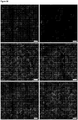
- Endometrial biopsies were collected from the endometrium of a healthy patient ( Fig. 2A ), and patients with endometrial cancer ( Fig. 2B ), endometrial hyperplasia ( Fig. 2C ), or endometriosis ( Fig. 2D ). Biopsies were fixed and paraffin embedded for analysis of RAGE expression by immunohistochemistry.
- FIG. 2E Further biopsy images show RAGE expression in a healthy ovary ( Fig. 2E ) and ovarian cancer (endometrioid adenocarcinoma; Fig. 2F ). Positive staining was observed in the epithelial cells of the ovarian cystic masses whereas healthy tissue did not express the target.
- RAGE protein expression was measured in the endometrial biopsies from patients diagnosed with hyperplasia, endometrial cancer Type I or Type II and postmenopausal (PM) controls by immunohistochemistry.
- IHC samples were scored blind by three independent observers. Values shown are median IHC scores and statistical analysis was performed using a Mann-Whitney test *p ⁇ 0.05, **p ⁇ 0.01, compared to PM control.
- RAGE protein expression in the four endometrial cancer epithelial cell lines (HEC1A, HEC1B, HEC50 and Ishikawa), six ovarian cancer epithelial cell lines (TOV21G, TOV112D, UWB1.289, UACC-1598, COV644, SKOV3) and a non-cancerous ovarian cell line (HOSEpiC) were determined by Western blot.
- Epithelial cells were cultured in 6-well plates in control medium. Protein was extracted once cells reached confluence for analysis of RAGE protein expression. Data are presented as representative Western blots for endometrial and ovarian cell lines, Fig. 4 and 5 , respectively.
- Total RNA was extracted from whole endometrial biopsies (A) and endometrial epithelial biopsies (B) for analysis of AGER mRNA expression by quantitative PCR. The results are shown in Fig. 8 and 9 , respectively.
- AGER mRNA and its protein product RAGE is increased in endometrial and ovarian cancers, as well as endometriosis, hyperplasia and polycystic ovary syndrome patients during the proliferative and secretive phase of the menstrual cycle.
- AGER mRNA expression is also increased in endometrial epithelial cells during the proliferative and secretive phases of the menstrual cycle, and RAGE protein expression is increased in endometrial epithelium during the proliferative phase, and in the endometrial epithelium and stroma during the secretive phase of the menstrual cycle.
- HEC 1A cells derived from an endometrial adenocarcinoma were cultured on 8-well chamber slides to 80% confluence. Cells were treated with murine, anti-human RAGE (MAB11451; Clone 176902) for the times shown. Cells were fixed and permeabalised, before staining with anti-murine FITC-labelled secondary antibody. Representative images were acquired on a Zeiss 710 confocal microscope and examples are shown in Fig. 10 .
- Anti-RAGE antibody is rapidly internalised in cells, making it a good carrier for drugs.
- a murine IgG2B antibody against recombinant human RAGE (R&D Systems Cat No.MAB11451) was reconstituted to 1.59 mg/mL in 10 mM Tris/Cl, 2 mM EDTA pH 8.0.
- the antibody was reduced with 3.5 molar equivalents of 10 mM TCEP:Ab in water for 2 h at 37°C. Without purification the reduced antibody was split in two one each half alkylated with 6.5 molar equivalents of 10 mM vcMMAE or mcMMAF:Ab in DMA (final DMA concentration in the alkylation mixture was 5% v/v) for 2 h at 22°C.
- N-acetyl cysteine was used to quench any unreacted toxin linker.
- the conjugates were purified using a HiTrap G25 column equilibrated in 5 mM histidine/Cl, 50 mM trehalose, 0.01% w/v olysorbate 20, pH 6.0.
- the conjugates were analysed by size exclusion chromatography for monomeric content and concentration (using a calibration curve of naked antibody) using size exclusion chromatography.
- HIC was carried out using a TOSOH Butyl-NPR 4.6 mm x 3.5 cm, 2.5 ⁇ m column run at 0.8 mL/min with a 12 min linear gradient between A - 1.5M (NH4)2SO4, 25 mM NaPi, pH 6.95 ⁇ 0.05 and B - 75% 25 mM NaPi, pH 6.95 ⁇ 0.05, 25% IPA.
- Reverse phase analysis was performed on a Polymer Labs PLRP 2.1 mm x 5 cm, 5 ⁇ m column run at 1 mL/min at 80°C with a 25 min linear gradient between 0.05% TFA/H2O and 0.04% TFA/CH3CN. Samples were first reduced by incubation with DTT at pH 8.0 at 37°C for 15 min. Due to the complex disulphide structure of an IgG2B and hence potential conjugation site variability both the HIC and PLRP chromatographic patterns were too complex to provide an accurate estimation of average drug loading but did confirm a significant level of drug conjugation.
- the resulting RAGE ADC was designated 'SNIPER'.
- the cytotoxicity of the SNIPER ADC prepared in Example 3 was tested in a direct comparison to treatment with drug alone or anti-RAGE antibody alone.
- IC50 concentrations in ovarian (TOV112D) cancer cells after 24 h treatment were 16.67 ug/ml ( ⁇ 0.65 ⁇ M MMAE) for RAGE MMAE ( Fig. 12C ) and 2.5 ⁇ g/ml ( ⁇ 0.05 ⁇ M MMAF) for RAGE MMAF ( Fig. 12D ). It was not possible to determine IC50 values for the MMAE or MMAF treatments ( Fig 12A & B , respectively) alone in these cells (i.e. the IC50 was greater than the top concentration tested).
- Ishikawa (A) or HEC1A (B) cells were seeded into 96-well plates and treated with control medium or medium containing MMAE, MMAF, anti-RAGE antibody, SNIPER MMAE or SNIPER MMAF (shown as RAGE MMAE and RAGE MMAF respectively in Figure 13 ) for 24 h.
- cell viability in both cell lines ( Fig. 13 ), and cell apoptosis in Ishikawa cells were determined by a fluorescence-based cell viability assay (Apotox Glo Triplex assay, Promega) according to the manufacturer's instructions.
- TOV112D, UWB1.289 or UACC-1595 cells were seeded into 96-well plates and treated with control medium or medium containing MMAE, MMAF, anti-RAGE antibody, SNIPER MMAE or SNIPER MMAF for 24 h.
- cell viability in TOV112D, UWB1.289 and UACC-1595 cells Fig. 15
- the degree of apoptosis in TOV112D cells were determined by a fluorescence-based cell viability assay (Apotox Glo Triplex assay, Promega) according to the manufacturer's instructions.
- AA4 was as shown in SEQ ID NO 25 and the VL protein sequence of AA4 was as shown in SEQ ID NO 26.
- the VH protein sequence of HG6 was as shown in SEQ ID NO 25 and the VL protein sequence of HG6 was as shown in SEQ ID NO 26.
- the VH protein sequence of DF6 was as shown in SEQ ID NO 25 and the VL protein sequence of DF6 was as shown in SEQ ID NO 26.
- TOV112D ovarian (B-F) or HEC 1A endometrial (G-K) cancer cells were cultured on 8-well chamber slides to 80% confluence.
- Cells were treated with different anti-human RAGE antibodies for 1 h.
- the antibodies used were MOL403, MOL405, AA4, HG6 and DF6, which bind to the following regions of RAGE, respectively: V-type domain, stub region (SEQ ID No. 24), C-type domain 1, C-type domain 1 and stub region (SEQ ID No. 24).
- Cells were fixed and permeabilised, before staining with FITC or Alexfluor 488 labelled secondary antibody. Representative images were acquired on a Zeiss 710 confocal microscope and the results are shown in Fig. 18 .
- Example 4 The methodology of Example 4 was repeated over a 96 h period, using a range of cell lines including endometrial cancer cell lines, Ishikawa, HEC1A, HEC1B, HEC50 and ovarian cancer cells TOV112D as well as healthy endometrial and ovarian cells.
- the antibody construct used was the SNIPER construct of Example 3.
- Results are shown in Table 1 hereinafter. The results show that ADCs are more efficacious after 96 h. In addition, it is clear from Table 1 that the SNIPER-ADC kills endometrial/ovarian cancer cells more effectively than the healthy control cells.
- ADCs comprising the antibody clones AA4, HG6 and DF6 with MMAE or MMAF.
- Antibodies were conjugated to MMAE or MMAF as previously described, and cell viability over a period of 24 to 96 h was determined, also as previously described. Within the concentration ranges tested, 0.01 to 100 ⁇ g/ml; it was not possible to determine IC50 values for any of the new antibody clones at the 24, 48 or 72 h time points. After 96 h exposure, IC50 values were determined, showing that the ADCs were less efficacious than the SNIPER ADC at 96 h.
- An example IC50 comparison graph is shown in Fig. 19A .
- comparison of cell killing during the course of the experiment demonstrated that the SNIPER ADC was significantly more effective than the other ADCs (a comparison between AA4 MMAE and SNIPER MMAE is shown in Fig. 19B ).
- Comparisons of the AA4, HG6 and DF6 ADCs to the SNIPER ADC were made within normal ovarian (HOSEpic) and ovarian cancer (TOV112D and SKOV3) cells, and normal endometrial (Healthy) and endometrial cancer (HEC1A, HEC1B and Ishikawa) cells. Cells were treated for 96 h with 5 ⁇ g/ml of each of the ADCs, and cell health monitored as previously described.
- the SNIPER MMAE ADC was more efficacious compared to the other MMAE ADCs in SKOV3 cells, whilst the SNIPER MMAF ADC was more efficacious in TOV112D and SKOV3 cells ( Fig. 20A, B ).
- Data are presented as mean (SEM), and were analysed by ANOVA and Dunnett's pairwise multiple comparison t-test. Values differ from the antibody only control: * P ⁇ 0.05, ** P ⁇ 0.01, *** P ⁇ 0.001.
- the SNIPER MMAE and the SNIPER MMAF ADCs were both significantly more efficacious compared to the other ADCs in HEC1A, HEC1B and Ishikawa cells. There was no significant effect on healthy endometrial cells by any of the ADCs tested ( Fig. 20C, D ).
- RAGE protein expression was measured by Immunohistochemistry in endometrial biopsies from patients diagnosed with endometrial hyperplasia, Type I or Type II endometrial cancer (EC), postmenopausal controls as well as breast cancer patients taking tamoxifen as part of their treatment that have developed, or not, endometrial cancer.
- IHC samples were scored blind by three independent observers. Values shown are median IHC scores and statistical analysis was performed using a Mann-Whitney test *p ⁇ 0.05, **p ⁇ 0.01, ***p ⁇ 0.001, compared to PM control. Table number 2 below shows between group comparisons.
- Fig. 21 The results are shown in Fig. 21 .
- RAGE expression was noted in the membrane and cytoplasm of tumour cells and endometrial cells obtained from hyperplasia patients. PM staining was almost negative. RAGE expression was also observed in the epithelium and stromal cells of the endometrium from breast cancer patients taken tamoxifen that have not developed Endometrial cancer (Tx no EC). Tamoxifen upregulation of RAGE was also observed in endometrium from EC patients compared to endometrium of EC not taking tamoxifen.
- Estrogen receptor ⁇ (ER) expression was also measured and was found to be expressed in all groups. Its expression was used as control for tamoxifen action in EC patients.
- Table 1 IC50 Tissue Cell line SNIPER-MMAE ( ⁇ q/ml) [Drug only equivalent, ⁇ M] SNIPER-MMAF( ⁇ g/ml) [Drug only equivalent, ⁇ M] 24 h 48 h 96 h 24 h 48 h 96 h Endometrium Healthy ND 10.72 [0.22] 15.19 [0.31] ND 7.25 [0.14] 4.17 [0.08] HEC1A 10.34 [0.22] 4.69 [0.1] 1.02 [0.02] 24.11 [0.46] 0.81 [0.02] 0.74 [0.02] HEC1B 29.04 [0.61] 8.65 [0.18] 5.67 [0.12] ND 1.
Landscapes
- Health & Medical Sciences (AREA)
- Life Sciences & Earth Sciences (AREA)
- Engineering & Computer Science (AREA)
- Bioinformatics & Cheminformatics (AREA)
- Chemical & Material Sciences (AREA)
- Medicinal Chemistry (AREA)
- General Health & Medical Sciences (AREA)
- Immunology (AREA)
- Public Health (AREA)
- Veterinary Medicine (AREA)
- Pharmacology & Pharmacy (AREA)
- Animal Behavior & Ethology (AREA)
- Epidemiology (AREA)
- Organic Chemistry (AREA)
- Molecular Biology (AREA)
- Cell Biology (AREA)
- Genetics & Genomics (AREA)
- Proteomics, Peptides & Aminoacids (AREA)
- Biochemistry (AREA)
- Biophysics (AREA)
- Reproductive Health (AREA)
- Toxicology (AREA)
- Nuclear Medicine, Radiotherapy & Molecular Imaging (AREA)
- Chemical Kinetics & Catalysis (AREA)
- General Chemical & Material Sciences (AREA)
- Mycology (AREA)
- Microbiology (AREA)
- Endocrinology (AREA)
- Pharmaceuticals Containing Other Organic And Inorganic Compounds (AREA)
- Medicines That Contain Protein Lipid Enzymes And Other Medicines (AREA)
- Medicinal Preparation (AREA)
Claims (8)
- Therapeutischer Wirkstoff, umfassend ein zellbindendes Mittel, das den Rezeptor für fortgeschrittene Glykierungsendprodukte (RAGE, en: Receptor for Advanced Glycation Endproducts) bindet und an ein Krebsmedikament gebunden ist, zur Verwendung bei der Behandlung von Eierstock- oder Endometriumkrebs, wobei das zellbindende Mittel ein Antikörper oder ein Bindungsfragment davon ist, der bzw. das nach der Bindung innerhalb einer Zelle internalisiert wird.
- Therapeutischer Wirkstoff zur Verwendung nach Anspruch 1, wobei das zellbindende Mittel ein monoklonaler Antikörper ist.
- Therapeutischer Wirkstoff zur Verwendung nach Anspruch 2, wobei der monoklonale Antikörper ein humaner oder humanisierter Antikörper ist.
- Therapeutischer Wirkstoff zur Verwendung nach einem der vorhergehenden Ansprüche, wobei das zellbindende Mittel eine Region von RAGE, umfassend SEQ ID NO 24, oder an eine V-Typ-Domäne von RAGE bindet.
- Therapeutischer Wirkstoff zur Verwendung nach einem der vorhergehenden Ansprüche, wobei das Krebsmedikament ein Zytotoxin, ein Hormon, ein Zytokin/Chemokin oder ein anderes Zell-Signalmolekül oder eine Nukleinsäure ist.
- Therapeutischer Wirkstoff zur Verwendung nach einem der vorhergehenden Ansprüche, wobei das zellbindende Mittel über eine chemisch bindende Gruppe an das Krebsmedikament gebunden ist.
- Therapeutischer Wirkstoff zur Verwendung nach einem der vorhergehenden Ansprüche, wobei das Molekülverhältnis Medikament:zellbindendes Mittel im Bereich von 1:1 bis 1:8 liegt.
- Therapeutischer Wirkstoff zur Verwendung nach Anspruch 7, wobei das Molekülverhältnis Medikament:zellbindendes Mittel im Bereich von 1:1,5 bis 1:3,5 liegt.
Applications Claiming Priority (2)
| Application Number | Priority Date | Filing Date | Title |
|---|---|---|---|
| GBGB1418809.8A GB201418809D0 (en) | 2014-10-22 | 2014-10-22 | Therapeutic agents and uses thereof |
| PCT/GB2015/053156 WO2016063060A1 (en) | 2014-10-22 | 2015-10-21 | Therapeutic agents and use thereof |
Publications (2)
| Publication Number | Publication Date |
|---|---|
| EP3209694A1 EP3209694A1 (de) | 2017-08-30 |
| EP3209694B1 true EP3209694B1 (de) | 2020-09-09 |
Family
ID=52013443
Family Applications (1)
| Application Number | Title | Priority Date | Filing Date |
|---|---|---|---|
| EP15801482.9A Active EP3209694B1 (de) | 2014-10-22 | 2015-10-21 | Therapeutische wirkstoffe und verwendung davon |
Country Status (5)
| Country | Link |
|---|---|
| US (1) | US10406124B2 (de) |
| EP (1) | EP3209694B1 (de) |
| CA (1) | CA2963744C (de) |
| GB (1) | GB201418809D0 (de) |
| WO (1) | WO2016063060A1 (de) |
Families Citing this family (4)
| Publication number | Priority date | Publication date | Assignee | Title |
|---|---|---|---|---|
| JP7082804B2 (ja) * | 2017-07-12 | 2022-06-09 | 学校法人 久留米大学 | Rageアプタマーを含む癌を治療するための医薬組成物 |
| EP3552631A1 (de) * | 2018-04-10 | 2019-10-16 | Inatherys | Antikörper-arzneimittel-konjugate und deren verwendungen zur behandlung von krebs |
| US20220396618A1 (en) * | 2019-10-31 | 2022-12-15 | The Research Foundation For The State University Of Newyork | Rage antibodies, fragments and uses thereof |
| GB202203066D0 (en) | 2022-03-04 | 2022-04-20 | Univ Swansea | Anti-rage antibody |
Family Cites Families (5)
| Publication number | Priority date | Publication date | Assignee | Title |
|---|---|---|---|---|
| US6573096B1 (en) * | 2000-04-01 | 2003-06-03 | The Research Foundation At State University Of New York | Compositions and methods for inhibition of cancer invasion and angiogenesis |
| CN107213469A (zh) | 2003-11-06 | 2017-09-29 | 西雅图基因公司 | 能够与配体偶联的单甲基缬氨酸化合物 |
| WO2010019656A1 (en) * | 2008-08-12 | 2010-02-18 | Wyeth | Humanized anti-rage antibody |
| US20110195924A1 (en) | 2008-10-08 | 2011-08-11 | Logsdon Craig D | Methods of Inhibiting the Interaction Between S100P and the Receptor for Advanced Glycation End-Products |
| WO2012109569A1 (en) | 2011-02-11 | 2012-08-16 | The Trustees Of Columbia University In The City Of New York | The receptor for advanced glycation endproducts (rage) is a receptor for lysophosphatidic acid (lpa) |
-
2014
- 2014-10-22 GB GBGB1418809.8A patent/GB201418809D0/en not_active Ceased
-
2015
- 2015-10-21 EP EP15801482.9A patent/EP3209694B1/de active Active
- 2015-10-21 WO PCT/GB2015/053156 patent/WO2016063060A1/en not_active Ceased
- 2015-10-21 US US15/519,826 patent/US10406124B2/en active Active
- 2015-10-21 CA CA2963744A patent/CA2963744C/en active Active
Non-Patent Citations (1)
| Title |
|---|
| None * |
Also Published As
| Publication number | Publication date |
|---|---|
| GB201418809D0 (en) | 2014-12-03 |
| CA2963744C (en) | 2024-03-19 |
| CA2963744A1 (en) | 2016-04-28 |
| US10406124B2 (en) | 2019-09-10 |
| WO2016063060A1 (en) | 2016-04-28 |
| EP3209694A1 (de) | 2017-08-30 |
| US20170246315A1 (en) | 2017-08-31 |
Similar Documents
| Publication | Publication Date | Title |
|---|---|---|
| US11819552B2 (en) | Antibody-drug conjugates targeting uPARAP | |
| US9682094B2 (en) | Targeting matriptase expressing tumor cells with chemotherapeutic agents conjugated to matriptase antibodies | |
| US20170028080A1 (en) | Targeted Drug Conjugates | |
| EP3209694B1 (de) | Therapeutische wirkstoffe und verwendung davon | |
| US20250011470A1 (en) | Targeting tumor cells with chemotherapeutic agents conjugated to matriptase antibodies | |
| US20200055934A1 (en) | Therapeutic agents and use thereof | |
| US20240245801A1 (en) | Targeting tumor cells with chemotherapeutic agents conjugated to anti-matriptase antibodies by in vivo cleavable linking moieties | |
| EP4378465A1 (de) | Pharmazeutische zusammensetzung zur behandlung von krebs | |
| HK40059962B (en) | Antibody-drug conjugates targeting uparap | |
| HK40059962A (en) | Antibody-drug conjugates targeting uparap | |
| Stuart | Use of DNA aptamers for targeted delivery of chemotherapeutic agents | |
| HK1258338B (en) | Antibody-drug conjugates targeting uparap |
Legal Events
| Date | Code | Title | Description |
|---|---|---|---|
| STAA | Information on the status of an ep patent application or granted ep patent |
Free format text: STATUS: THE INTERNATIONAL PUBLICATION HAS BEEN MADE |
|
| PUAI | Public reference made under article 153(3) epc to a published international application that has entered the european phase |
Free format text: ORIGINAL CODE: 0009012 |
|
| STAA | Information on the status of an ep patent application or granted ep patent |
Free format text: STATUS: REQUEST FOR EXAMINATION WAS MADE |
|
| 17P | Request for examination filed |
Effective date: 20170502 |
|
| AK | Designated contracting states |
Kind code of ref document: A1 Designated state(s): AL AT BE BG CH CY CZ DE DK EE ES FI FR GB GR HR HU IE IS IT LI LT LU LV MC MK MT NL NO PL PT RO RS SE SI SK SM TR |
|
| AX | Request for extension of the european patent |
Extension state: BA ME |
|
| DAV | Request for validation of the european patent (deleted) | ||
| DAX | Request for extension of the european patent (deleted) | ||
| STAA | Information on the status of an ep patent application or granted ep patent |
Free format text: STATUS: EXAMINATION IS IN PROGRESS |
|
| 17Q | First examination report despatched |
Effective date: 20190221 |
|
| REG | Reference to a national code |
Ref country code: DE Ref legal event code: R079 Ref document number: 602015058867 Country of ref document: DE Free format text: PREVIOUS MAIN CLASS: C07K0016280000 Ipc: A61P0035000000 |
|
| RIC1 | Information provided on ipc code assigned before grant |
Ipc: A61P 35/00 20060101AFI20200204BHEP |
|
| GRAP | Despatch of communication of intention to grant a patent |
Free format text: ORIGINAL CODE: EPIDOSNIGR1 |
|
| STAA | Information on the status of an ep patent application or granted ep patent |
Free format text: STATUS: GRANT OF PATENT IS INTENDED |
|
| INTG | Intention to grant announced |
Effective date: 20200407 |
|
| GRAS | Grant fee paid |
Free format text: ORIGINAL CODE: EPIDOSNIGR3 |
|
| GRAA | (expected) grant |
Free format text: ORIGINAL CODE: 0009210 |
|
| STAA | Information on the status of an ep patent application or granted ep patent |
Free format text: STATUS: THE PATENT HAS BEEN GRANTED |
|
| AK | Designated contracting states |
Kind code of ref document: B1 Designated state(s): AL AT BE BG CH CY CZ DE DK EE ES FI FR GB GR HR HU IE IS IT LI LT LU LV MC MK MT NL NO PL PT RO RS SE SI SK SM TR |
|
| REG | Reference to a national code |
Ref country code: GB Ref legal event code: FG4D |
|
| REG | Reference to a national code |
Ref country code: AT Ref legal event code: REF Ref document number: 1310808 Country of ref document: AT Kind code of ref document: T Effective date: 20200915 Ref country code: CH Ref legal event code: EP |
|
| REG | Reference to a national code |
Ref country code: DE Ref legal event code: R096 Ref document number: 602015058867 Country of ref document: DE |
|
| REG | Reference to a national code |
Ref country code: IE Ref legal event code: FG4D |
|
| REG | Reference to a national code |
Ref country code: LT Ref legal event code: MG4D |
|
| PG25 | Lapsed in a contracting state [announced via postgrant information from national office to epo] |
Ref country code: GR Free format text: LAPSE BECAUSE OF FAILURE TO SUBMIT A TRANSLATION OF THE DESCRIPTION OR TO PAY THE FEE WITHIN THE PRESCRIBED TIME-LIMIT Effective date: 20201210 Ref country code: LT Free format text: LAPSE BECAUSE OF FAILURE TO SUBMIT A TRANSLATION OF THE DESCRIPTION OR TO PAY THE FEE WITHIN THE PRESCRIBED TIME-LIMIT Effective date: 20200909 Ref country code: FI Free format text: LAPSE BECAUSE OF FAILURE TO SUBMIT A TRANSLATION OF THE DESCRIPTION OR TO PAY THE FEE WITHIN THE PRESCRIBED TIME-LIMIT Effective date: 20200909 Ref country code: HR Free format text: LAPSE BECAUSE OF FAILURE TO SUBMIT A TRANSLATION OF THE DESCRIPTION OR TO PAY THE FEE WITHIN THE PRESCRIBED TIME-LIMIT Effective date: 20200909 Ref country code: BG Free format text: LAPSE BECAUSE OF FAILURE TO SUBMIT A TRANSLATION OF THE DESCRIPTION OR TO PAY THE FEE WITHIN THE PRESCRIBED TIME-LIMIT Effective date: 20201209 Ref country code: NO Free format text: LAPSE BECAUSE OF FAILURE TO SUBMIT A TRANSLATION OF THE DESCRIPTION OR TO PAY THE FEE WITHIN THE PRESCRIBED TIME-LIMIT Effective date: 20201209 Ref country code: SE Free format text: LAPSE BECAUSE OF FAILURE TO SUBMIT A TRANSLATION OF THE DESCRIPTION OR TO PAY THE FEE WITHIN THE PRESCRIBED TIME-LIMIT Effective date: 20200909 |
|
| REG | Reference to a national code |
Ref country code: AT Ref legal event code: MK05 Ref document number: 1310808 Country of ref document: AT Kind code of ref document: T Effective date: 20200909 |
|
| PG25 | Lapsed in a contracting state [announced via postgrant information from national office to epo] |
Ref country code: PL Free format text: LAPSE BECAUSE OF FAILURE TO SUBMIT A TRANSLATION OF THE DESCRIPTION OR TO PAY THE FEE WITHIN THE PRESCRIBED TIME-LIMIT Effective date: 20200909 Ref country code: RS Free format text: LAPSE BECAUSE OF FAILURE TO SUBMIT A TRANSLATION OF THE DESCRIPTION OR TO PAY THE FEE WITHIN THE PRESCRIBED TIME-LIMIT Effective date: 20200909 Ref country code: LV Free format text: LAPSE BECAUSE OF FAILURE TO SUBMIT A TRANSLATION OF THE DESCRIPTION OR TO PAY THE FEE WITHIN THE PRESCRIBED TIME-LIMIT Effective date: 20200909 |
|
| PG25 | Lapsed in a contracting state [announced via postgrant information from national office to epo] |
Ref country code: CZ Free format text: LAPSE BECAUSE OF FAILURE TO SUBMIT A TRANSLATION OF THE DESCRIPTION OR TO PAY THE FEE WITHIN THE PRESCRIBED TIME-LIMIT Effective date: 20200909 Ref country code: EE Free format text: LAPSE BECAUSE OF FAILURE TO SUBMIT A TRANSLATION OF THE DESCRIPTION OR TO PAY THE FEE WITHIN THE PRESCRIBED TIME-LIMIT Effective date: 20200909 Ref country code: PT Free format text: LAPSE BECAUSE OF FAILURE TO SUBMIT A TRANSLATION OF THE DESCRIPTION OR TO PAY THE FEE WITHIN THE PRESCRIBED TIME-LIMIT Effective date: 20210111 Ref country code: RO Free format text: LAPSE BECAUSE OF FAILURE TO SUBMIT A TRANSLATION OF THE DESCRIPTION OR TO PAY THE FEE WITHIN THE PRESCRIBED TIME-LIMIT Effective date: 20200909 Ref country code: SM Free format text: LAPSE BECAUSE OF FAILURE TO SUBMIT A TRANSLATION OF THE DESCRIPTION OR TO PAY THE FEE WITHIN THE PRESCRIBED TIME-LIMIT Effective date: 20200909 |
|
| PG25 | Lapsed in a contracting state [announced via postgrant information from national office to epo] |
Ref country code: IS Free format text: LAPSE BECAUSE OF FAILURE TO SUBMIT A TRANSLATION OF THE DESCRIPTION OR TO PAY THE FEE WITHIN THE PRESCRIBED TIME-LIMIT Effective date: 20210109 Ref country code: ES Free format text: LAPSE BECAUSE OF FAILURE TO SUBMIT A TRANSLATION OF THE DESCRIPTION OR TO PAY THE FEE WITHIN THE PRESCRIBED TIME-LIMIT Effective date: 20200909 Ref country code: AT Free format text: LAPSE BECAUSE OF FAILURE TO SUBMIT A TRANSLATION OF THE DESCRIPTION OR TO PAY THE FEE WITHIN THE PRESCRIBED TIME-LIMIT Effective date: 20200909 Ref country code: AL Free format text: LAPSE BECAUSE OF FAILURE TO SUBMIT A TRANSLATION OF THE DESCRIPTION OR TO PAY THE FEE WITHIN THE PRESCRIBED TIME-LIMIT Effective date: 20200909 |
|
| REG | Reference to a national code |
Ref country code: CH Ref legal event code: PL |
|
| REG | Reference to a national code |
Ref country code: DE Ref legal event code: R097 Ref document number: 602015058867 Country of ref document: DE |
|
| PG25 | Lapsed in a contracting state [announced via postgrant information from national office to epo] |
Ref country code: LU Free format text: LAPSE BECAUSE OF NON-PAYMENT OF DUE FEES Effective date: 20201021 Ref country code: MC Free format text: LAPSE BECAUSE OF FAILURE TO SUBMIT A TRANSLATION OF THE DESCRIPTION OR TO PAY THE FEE WITHIN THE PRESCRIBED TIME-LIMIT Effective date: 20200909 Ref country code: SK Free format text: LAPSE BECAUSE OF FAILURE TO SUBMIT A TRANSLATION OF THE DESCRIPTION OR TO PAY THE FEE WITHIN THE PRESCRIBED TIME-LIMIT Effective date: 20200909 |
|
| PLBE | No opposition filed within time limit |
Free format text: ORIGINAL CODE: 0009261 |
|
| STAA | Information on the status of an ep patent application or granted ep patent |
Free format text: STATUS: NO OPPOSITION FILED WITHIN TIME LIMIT |
|
| 26N | No opposition filed |
Effective date: 20210610 |
|
| PG25 | Lapsed in a contracting state [announced via postgrant information from national office to epo] |
Ref country code: DK Free format text: LAPSE BECAUSE OF FAILURE TO SUBMIT A TRANSLATION OF THE DESCRIPTION OR TO PAY THE FEE WITHIN THE PRESCRIBED TIME-LIMIT Effective date: 20200909 Ref country code: CH Free format text: LAPSE BECAUSE OF NON-PAYMENT OF DUE FEES Effective date: 20201031 Ref country code: SI Free format text: LAPSE BECAUSE OF FAILURE TO SUBMIT A TRANSLATION OF THE DESCRIPTION OR TO PAY THE FEE WITHIN THE PRESCRIBED TIME-LIMIT Effective date: 20200909 Ref country code: LI Free format text: LAPSE BECAUSE OF NON-PAYMENT OF DUE FEES Effective date: 20201031 |
|
| REG | Reference to a national code |
Ref country code: NL Ref legal event code: FP |
|
| PG25 | Lapsed in a contracting state [announced via postgrant information from national office to epo] |
Ref country code: IE Free format text: LAPSE BECAUSE OF NON-PAYMENT OF DUE FEES Effective date: 20201021 Ref country code: IT Free format text: LAPSE BECAUSE OF FAILURE TO SUBMIT A TRANSLATION OF THE DESCRIPTION OR TO PAY THE FEE WITHIN THE PRESCRIBED TIME-LIMIT Effective date: 20200909 |
|
| PG25 | Lapsed in a contracting state [announced via postgrant information from national office to epo] |
Ref country code: TR Free format text: LAPSE BECAUSE OF FAILURE TO SUBMIT A TRANSLATION OF THE DESCRIPTION OR TO PAY THE FEE WITHIN THE PRESCRIBED TIME-LIMIT Effective date: 20200909 Ref country code: MT Free format text: LAPSE BECAUSE OF FAILURE TO SUBMIT A TRANSLATION OF THE DESCRIPTION OR TO PAY THE FEE WITHIN THE PRESCRIBED TIME-LIMIT Effective date: 20200909 Ref country code: CY Free format text: LAPSE BECAUSE OF FAILURE TO SUBMIT A TRANSLATION OF THE DESCRIPTION OR TO PAY THE FEE WITHIN THE PRESCRIBED TIME-LIMIT Effective date: 20200909 |
|
| PG25 | Lapsed in a contracting state [announced via postgrant information from national office to epo] |
Ref country code: MK Free format text: LAPSE BECAUSE OF FAILURE TO SUBMIT A TRANSLATION OF THE DESCRIPTION OR TO PAY THE FEE WITHIN THE PRESCRIBED TIME-LIMIT Effective date: 20200909 |
|
| P01 | Opt-out of the competence of the unified patent court (upc) registered |
Effective date: 20230516 |
|
| PGFP | Annual fee paid to national office [announced via postgrant information from national office to epo] |
Ref country code: GB Payment date: 20250923 Year of fee payment: 11 |
|
| PGFP | Annual fee paid to national office [announced via postgrant information from national office to epo] |
Ref country code: NL Payment date: 20251021 Year of fee payment: 11 |
|
| PGFP | Annual fee paid to national office [announced via postgrant information from national office to epo] |
Ref country code: DE Payment date: 20251023 Year of fee payment: 11 |
|
| PGFP | Annual fee paid to national office [announced via postgrant information from national office to epo] |
Ref country code: FR Payment date: 20251018 Year of fee payment: 11 |
|
| PGFP | Annual fee paid to national office [announced via postgrant information from national office to epo] |
Ref country code: BE Payment date: 20251021 Year of fee payment: 11 |