EP3208703A1 - Method and apparatus for processing screen sensitive information - Google Patents
Method and apparatus for processing screen sensitive information Download PDFInfo
- Publication number
- EP3208703A1 EP3208703A1 EP15850987.7A EP15850987A EP3208703A1 EP 3208703 A1 EP3208703 A1 EP 3208703A1 EP 15850987 A EP15850987 A EP 15850987A EP 3208703 A1 EP3208703 A1 EP 3208703A1
- Authority
- EP
- European Patent Office
- Prior art keywords
- sensitive information
- area
- screen
- threshold
- masking
- Prior art date
- Legal status (The legal status is an assumption and is not a legal conclusion. Google has not performed a legal analysis and makes no representation as to the accuracy of the status listed.)
- Granted
Links
Images




Classifications
-
- G—PHYSICS
- G06—COMPUTING OR CALCULATING; COUNTING
- G06T—IMAGE DATA PROCESSING OR GENERATION, IN GENERAL
- G06T11/00—Two-dimensional [2D] image generation
- G06T11/20—Drawing from basic elements
- G06T11/26—Drawing of charts or graphs
-
- G—PHYSICS
- G06—COMPUTING OR CALCULATING; COUNTING
- G06F—ELECTRIC DIGITAL DATA PROCESSING
- G06F21/00—Security arrangements for protecting computers, components thereof, programs or data against unauthorised activity
- G06F21/60—Protecting data
- G06F21/62—Protecting access to data via a platform, e.g. using keys or access control rules
- G06F21/6218—Protecting access to data via a platform, e.g. using keys or access control rules to a system of files or objects, e.g. local or distributed file system or database
- G06F21/6245—Protecting personal data, e.g. for financial or medical purposes
-
- G—PHYSICS
- G06—COMPUTING OR CALCULATING; COUNTING
- G06F—ELECTRIC DIGITAL DATA PROCESSING
- G06F21/00—Security arrangements for protecting computers, components thereof, programs or data against unauthorised activity
- G06F21/70—Protecting specific internal or peripheral components, in which the protection of a component leads to protection of the entire computer
- G06F21/82—Protecting input, output or interconnection devices
- G06F21/84—Protecting input, output or interconnection devices output devices, e.g. displays or monitors
-
- G—PHYSICS
- G06—COMPUTING OR CALCULATING; COUNTING
- G06F—ELECTRIC DIGITAL DATA PROCESSING
- G06F3/00—Input arrangements for transferring data to be processed into a form capable of being handled by the computer; Output arrangements for transferring data from processing unit to output unit, e.g. interface arrangements
- G06F3/01—Input arrangements or combined input and output arrangements for interaction between user and computer
- G06F3/017—Gesture based interaction, e.g. based on a set of recognized hand gestures
-
- G—PHYSICS
- G06—COMPUTING OR CALCULATING; COUNTING
- G06F—ELECTRIC DIGITAL DATA PROCESSING
- G06F3/00—Input arrangements for transferring data to be processed into a form capable of being handled by the computer; Output arrangements for transferring data from processing unit to output unit, e.g. interface arrangements
- G06F3/01—Input arrangements or combined input and output arrangements for interaction between user and computer
- G06F3/048—Interaction techniques based on graphical user interfaces [GUI]
- G06F3/0484—Interaction techniques based on graphical user interfaces [GUI] for the control of specific functions or operations, e.g. selecting or manipulating an object, an image or a displayed text element, setting a parameter value or selecting a range
Definitions
- the present invention relates to the field of information processing technologies, and in particular, to a screen information processing method and apparatus.
- An objective of embodiments of the present application is to provide a screen sensitive information processing method and apparatus, to protect information displayed on a screen of an electronic device from peeping, and to improve security of information viewing for users.
- an embodiment of the present application provides a screen sensitive information processing method, including:
- the method further includes: monitoring whether the light intensity detected by the light sensor decreases to a second threshold, and when it is monitored that the light intensity decreases to the second threshold, identifying the masked area where the sensitive information is located, and canceling masking of the area where the sensitive information is located.
- the masking content displayed in the area where the sensitive information is located includes: displaying a rectangular picture in the area where the sensitive information is located.
- the masking content displayed in the area where the sensitive information is located includes:
- the masking content displayed in the area where the sensitive information is located includes: setting a background color attribute of the area where the sensitive information is located to be a sensitive information color attribute.
- the canceling masking of the area where the sensitive information is located includes: displaying, in the area where the sensitive information is located, the sensitive information of the area.
- the canceling masking of the area where the sensitive information is located includes: rendering original display content in the display content of the screen.
- the canceling masking of the area where the sensitive information is located includes: setting a background color of the area where the sensitive information is located to be an original background color attribute of the area.
- Another aspect of the present application further provides a screen sensitive information processing apparatus, the apparatus including:
- the apparatus further includes:
- the embodiments of the present application achieve the function of protecting sensitive information by identifying an area where predefined sensitive information in display content of a screen is located and masking content displayed in the area where the sensitive information is located, which significantly improves the security of information viewing for users compared with the conventional techniques.
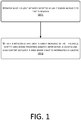
- an embodiment of the present application provides a screen sensitive information processing method. As shown in FIG. 1 , the method includes:
- Step S102 When it is monitored that the light intensity increases to the first threshold, an area where predefined sensitive information in display content of a screen is located is identified, and content displayed in the area where the sensitive information is located is masked.
- the area where the predefined sensitive information is located in the display content of the screen may be identified, and the content displayed in the area where the sensitive information is located may be masked, which can effectively prevent leakage of sensitive information of a user, and security of information viewing is significantly improved for the user compared with the conventional techniques.
- FIG. 2 is a schematic flowchart of a screen sensitive information processing method according to this embodiment.
- the screen sensitive information processing method may be applied to any electronic device that can display information, such as a mobile smart phone, a tablet electronic device, a portable computer (such as a notebook computer), a personal digital assistant (PDA), a laptop computer, or other devices that can display information through a screen.
- Applications corresponding to information displayed on the screen include, but are not limited to, a social platform application (such as Facebook, Twitter, or Weibo), an email application, a short messaging service (SMS) application, a multimedia messaging service (MMS) application, and the like.
- SMS short messaging service
- MMS multimedia messaging service
- the screen sensitive information processing method includes the following steps:
- FIG. 3 displays content displayed on the screen 10 after the electronic device 1 opens the application, and it is assumed that all information currently displayed on the screen 10 includes information A 101, information B 102, information C 103, information D 104, and information E 105, wherein the information A101 is predefined sensitive information.
- Step S202 It is monitored whether light intensity detected by a light sensor 11 increases to a first threshold.
- the current application may monitor ambient light intensity by invoking a light sensor API of the electronic device 1.
- the light sensor API of the electronic device 1 cannot be invoked to monitor the light intensity until the application is started; therefore, when the application is just started in step S201, an initial display state of the screen 10 is a state in which sensitive information is not masked; after the light sensor API of the electronic device is invoked, if the detected light intensity is lower than the first threshold, the current page is continued to be displayed, and if the monitored light intensity is higher than the first threshold, step S203 is performed.
- Step S203 When it is monitored that the light intensity increases to the first threshold, an area where sensitive information is located is identified in display content of the screen 10, and content displayed in the area where the sensitive information is located is masked by displaying a rectangular picture 101'.
- FIG. 4 is a schematic diagram of a screen display state of the electronic device after sensitive information is masked by displaying a rectangular picture.
- the area where the predefined sensitive information is located is identified.
- a label may be set for each display area in advance, and the labels are identified when the event that the light intensity increases to the first threshold occurs; the area where the sensitive information is located may be positioned according to a label, and masking of the sensitive information is implemented by covering, in the area where the sensitive information is located, the sensitive information with a set rectangular picture 101', or masking of the sensitive information may also be implemented by replacing original sensitive information with the set rectangular picture 101' for display.
- the area where the sensitive information is located is a rectangular space, and the rectangular space is determined by using a coordinate point and an area; when it is monitored that the light intensity is greater than the first threshold, a coordinate point at the lower left corner of the area where the sensitive information is located is positioned first, and then a rectangular is acquired starting from the coordinate point at the lower left corner, to mask the sensitive information.
- the coordinate point may also be another position of the area where the sensitive information is located, for example, the upper left corner, the lower right corner, or the like, and may also be in other forms in practice, which are not limited in this embodiment of the present application.
- Step S204 It is monitored whether the light intensity detected by the light sensor 11 decreases to a second threshold.
- Step S205 When it is monitored that the light intensity decreases to the second threshold, the masked area where the sensitive information is located is identified in the screen 10, the sensitive information is displayed in the area where the sensitive information is located, and the rectangular picture 101' displayed in the area where the sensitive information is located is canceled, thus canceling masking of the area where the sensitive information is located.
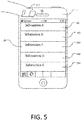
- an event that the light intensity decreases to the second threshold is triggered by covering the light sensor 11 with a finger 111, the area where the predefined sensitive information is located is identified, and masking display of the sensitive information is canceled, as shown in FIG. 5 .
- a trigger manner for implementing a decrease of the light intensity detected by the light sensor 11 to the second threshold is not limited to only the manner of covering the light sensor 11 with the finger 111 shown in FIG. 5 , but may be in other forms in practice, which are not limited in this embodiment of the present application.
- step S203 is performed to mask the sensitive information.
- the first threshold mentioned in this embodiment is greater than or equal to the second threshold.
- an area where sensitive information is located can be positioned, and the sensitive information is masked by displaying a rectangular picture in the area where the sensitive information is located, so that leakage of sensitive information of a user can be effectively prevented; moreover, after it is monitored that the light intensity decreases to a second threshold, masking of the area where the sensitive information is located may be canceled, thus meeting an information viewing requirement of the user, and security of information viewing is significantly improved for the user compared with the conventional techniques.
- FIG. 6 is a schematic flowchart of a screen sensitive information processing method according to this embodiment.
- the screen sensitive information processing method may be applied to any electronic device that can display information, such as a mobile smart phone, a tablet electronic device, a portable computer (such as a notebook computer), a personal digital assistant (PDA), a laptop computer, or other devices that can display information through a screen.
- Applications corresponding to information displayed on the screen include, but are not limited to, a social platform application (such as Facebook, Twitter, or Weibo), an email application, a short messaging service (SMS) application, a multimedia messaging service (MMS) application, and the like.
- SMS short messaging service
- MMS multimedia messaging service
- the screen sensitive information processing method includes the following steps:
- information displayed on the screen after the electronic device opens the application includes information A, information B, information C, information D, and information E, wherein the information A is sensitive information.
- Step S302 It is monitored whether light intensity detected by a light sensor increases to a first threshold.
- the current application may monitor ambient light intensity by invoking a light sensor API of the electronic device.
- the light sensor API of the electronic device cannot be invoked to monitor the light intensity until the application is started; therefore, when the application is just started in step S301, an initial display state of the screen is a state in which sensitive information is not masked; after the light sensor API of the electronic device is invoked, if the detected light intensity is lower than the first threshold, the current page is continued to be displayed, and if the monitored light intensity is higher than the first threshold, step S303 is performed.
- Step S303 When it is monitored that the light intensity increases to the first threshold, an area where predefined sensitive information in display content of a screen is located is identified, and original display content is rendered for the display content of the screen in the area.
- a rectangular picture is rendered, the area where the sensitive information is located displays the rendered rectangular picture, and the rectangular picture covers the original display content in the area where the sensitive information is located.
- a label may be set for each display area in advance, and the labels are identified when the event that the light intensity increases to the first threshold occurs; the area where the sensitive information is located may be positioned according to a label.
- Interface rendering is performed twice in the area where the sensitive information is located; the sensitive information is rendered at the first time, that is, all display content is drawn on the screen, and at the second time, a covering picture is rendered in the area where the sensitive information is located. In other words, the interface picture rendered at the second time will cover the sensitive information rendered at the first time, thus masking the sensitive information.
- Step S304 It is monitored whether the light intensity detected by the light sensor decreases to a second threshold.
- Step S305 When it is monitored that the light intensity decreases to the second threshold, the masked area where the sensitive information is located is identified in the screen, the original display content in the area where the sensitive information is located is rendered, and masking of the area where the sensitive information is located is canceled.
- a trigger manner for implementing a decrease of the light intensity detected by the light sensor to the second threshold is not limited to only the manner of covering the light sensor with the finger, but may be in other forms in practice, which are not limited in this embodiment of the present application.
- step S303 is performed to mask the sensitive information.
- the first threshold mentioned in this embodiment is greater than or equal to the second threshold.
- an area where sensitive information is located can be positioned in a predefined manner, and the sensitive information is masked by performing interface rendering twice, where the sensitive information is rendered at the first time and a covering picture is rendered at the second time, so that leakage of sensitive information of a user can be effectively prevented; moreover, after it is monitored that the light intensity decreases to a second threshold, original display content is rendered, so that masking of the area where the sensitive information is located can be canceled, thus meeting an information viewing requirement of the user, and security of information viewing is significantly improved for the user compared with the conventional techniques.
- FIG. 7 is a schematic flowchart of a screen sensitive information processing method according to this embodiment.
- the screen sensitive information processing method may be applied to any electronic device that can display information, such as a mobile smart phone, a tablet electronic device, a portable computer (such as a notebook computer), a personal digital assistant (PDA), a laptop computer, or other devices that can display information through a screen.
- Applications corresponding to information displayed on the screen include, but are not limited to, a social platform application (such as Facebook, Twitter, or Weibo), an email application, a short messaging service (SMS) application, a multimedia messaging service (MMS) application, and the like.
- SMS short messaging service
- MMS multimedia messaging service
- the screen sensitive information processing method includes the following steps:
- information displayed on the screen after the electronic device opens the application includes information A, information B, information C, information D, and information E, wherein the information A is sensitive information.
- Step S402 It is monitored whether light intensity detected by a light sensor increases to a first threshold.
- the current application may monitor ambient light intensity by invoking a light sensor API of the electronic device.
- the light sensor API of the electronic device cannot be invoked to monitor the light intensity until the application is started; therefore, when the application is just started in step S401, an initial display state of the screen is a state in which sensitive information is not masked; after the light sensor API of the electronic device is invoked, if the detected light intensity is lower than the first threshold, the current page is continued to be displayed, and if the monitored light intensity is higher than the first threshold, step S403 is performed.
- Step S403 When it is monitored that the light intensity increases to the first threshold, an area where predefined sensitive information in display content of a screen is located is identified, and a background color attribute of the area where the sensitive information is located is set to be a sensitive information color attribute.
- a label may be set for each display area in advance, and the labels are identified when the event that the light intensity increases to the first threshold occurs; the area where the sensitive information is located may be positioned according to a label, and the background color attribute of the area where the sensitive information is located is adjusted to a color attribute for sensitive information, thus masking the sensitive information.
- Step S404 It is monitored whether the light intensity detected by the light sensor decreases to a second threshold.
- Step S405 When it is monitored that the light intensity decreases to the second threshold, the masked area where the sensitive information is located is identified in the screen, and a background color of the area where the sensitive information is located is set to be an original background color attribute of the area.
- a trigger manner for implementing a decrease of the light intensity detected by the light sensor to the second threshold is not limited to only the manner of covering the light sensor with the finger, but may be in other forms in practice, which are not limited in this embodiment of the present application.
- step S403 is performed to mask the sensitive information.
- the first threshold mentioned in this embodiment is greater than or equal to the second threshold.
- an area where sensitive information is located can be positioned, and the sensitive information is masked by adjusting a background color attribute of the area where the sensitive information is located, so that leakage of sensitive information of a user can be effectively prevented; moreover, after it is monitored that the light intensity decreases to a second threshold, the background color attribute of the area where the sensitive information is located is recovered, so that masking of the area where the sensitive information is located can be canceled, thus meeting an information viewing requirement of the user, and security of information viewing is significantly improved for the user compared with the conventional techniques.
- An embodiment of the present application further provides a corresponding screen sensitive information processing apparatus 800, which, as shown in FIG. 8 , includes: a first monitoring unit 801, a first identification unit 802, and a first masking unit 803, wherein the first monitoring unit 801 is configured to monitor whether light intensity detected by a light sensor increases to a first threshold; the first identification unit 802 is configured to identify, when the first monitoring unit 801 monitors that the light intensity increases to the first threshold, an area where predefined sensitive information in display content of a screen is located; and the first masking unit 803 is configured to mask, after the first identification unit 802 identifies the area where the predefined sensitive information is located in the display content of the screen, content displayed in the area where the sensitive information is located.
- the apparatus provided by this embodiment of the present application further includes: a second monitoring unit, a second identification unit, and a second masking unit, wherein the second monitoring unit is configured to monitor whether the light intensity detected by the light sensor decreases to a second threshold; the second identification unit is configured to identify, when the second monitoring unit monitors that the light intensity decreases to the second threshold, the area where the predefined sensitive information is located in the display content of the screen; and the second masking unit is configured to cancel, after the second identification unit identifies the area where the predefined sensitive information is located in the display content of the screen, masking of the area where the sensitive information is located.
- a screen sensitive information processing apparatus after monitoring that light intensity increases to a first threshold, can position an area where sensitive information is located, can effectively prevent leakage of sensitive information of a user by masking content displayed in the area where the sensitive information is located, and recovers a background color attribute of the area where the sensitive information is located after monitoring that the light intensity decreases to a second threshold, thus canceling masking of the area where the sensitive information is located, to meet an information viewing requirement of the user; security of information viewing is significantly improved for the user compared with the conventional techniques.
- a technological improvement can be distinctively classified as a hardware improvement (for example, improvement on a circuit structure such as a diode, a transistor, or a switch) or a software improvement (improvement on a method procedure).
- a hardware improvement for example, improvement on a circuit structure such as a diode, a transistor, or a switch
- a software improvement improvement on a method procedure.
- PLD Programmable Logic Device
- FPGA Field Programmable Gate Array
- HDL Hardware Description Language
- ABEL Advanced Boolean Expression Language
- AHDL Altera Hardware Description Language
- CUPL Cornell University Programming Language
- HDCal Java Hardware Description Language
- JHDL Java Hardware Description Language
- Lva Lola
- MyHDL PALASM
- RHDL Ruby Hardware Description Language
- VHDL Very-High-Speed Integrated Circuit Hardware Description Language
- Verilog2 Verilog2
- a controller can be implemented in any suitable manner, for example, the controller may employ forms such as a microprocessor or processor as well as a computer readable medium storing computer readable program code (such as software or firmware) executable by the processor (microprocessor), a logic gate, a switch, an Application Specific Integrated Circuit (ASIC), a programmable logic controller, and an embedded microcontroller.
- the controller include, but are not limited to, the following microcontrollers: ARC 625D, Atmel AT91SAM, Microchip PIC18F26K20, and Silicone LabsC8051F320, and a memory controller may also be implemented as a part of control logic of a memory.
- controller may be regarded as a kind of hardware component, and the apparatus included therein for implementing various functions may also be regarded as a structure inside the hardware component.
- apparatus for implementing various functions may even be regarded as not only software modules for implementing the method but also the structure in the hardware component.
- system, apparatus, modules or units illustrated in the foregoing embodiment may be specifically implemented by a computer chip or an entity, or implemented by a product having a particular function.
- a computation device includes one or more central processing units (CPUs), I/O interfaces, network interfaces, and a memory.
- the computer software product may include several instructions for enabling a computer device (which may be a personal computer, a server, a network device, or the like) to execute the method in each embodiment of the present application or in some parts of the embodiment.
- the computer software product may be stored in a memory.
- the memory may include computer readable media such as a volatile memory, a Random Access Memory (RAM), and/or non-volatile memory, e.g., Read-Only Memory (ROM) or flash RAM.
- RAM Random Access Memory
- ROM Read-Only Memory
- the memory is an example of a computer readable medium.
- Computer readable media include permanent, nonpermanent, mobile and immobile media, which can implement information storage through any method or technology.
- the information may be computer readable instructions, data structures, program modules or other data.
- Examples of storage media of computers include, but are not limited to, Phase-change RAMs (PRAMs), Static RAMs (SRAMs), Dynamic RAMs (DRAMs), other types of Random Access Memories (RAMs), Read-Only Memories (ROMs), Electrically Erasable Programmable Read-Only Memories (EEPROMs), flash memories or other memory technologies, Compact Disk Read-Only Memories (CD-ROMs), Digital Versatile Discs (DVDs) or other optical memories, cassettes, cassette and disk memories or other magnetic memory devices or any other non-transmission media, which can be used for storing information accessible to the computation device.
- the computer readable media exclude non-transitory computer readable medium (transitory media), such as modulated data signals and carriers.
- the present application may be applied to a lot of general-purpose or special-purpose computer system environments or configurations, for example, a personal computer, a server computer, a handheld device or portable device, a tablet device, a multi-processer system, a microprocessor-based system, a set-top box, a programmable consumer electronic device, a network PC, a minicomputer, a mainframe computer, a distributed computing environment including any foregoing system or device, and the like.
- the present application may be described in a general context, such as a program module, of a computer executable instruction executed by a computer.
- the program module includes a routine, a program, an object, an element, a data structure, a class, and the like for executing a specific task or implementing a specific abstract data type.
- the present application may also be practiced in distributed computing environments, and in these distributed computing environments, tasks are executed by a remote processing device that is connected through a communications network.
- the program module may be located in local and remote computer storage media including a storage device.
Landscapes
- Engineering & Computer Science (AREA)
- Theoretical Computer Science (AREA)
- General Engineering & Computer Science (AREA)
- General Physics & Mathematics (AREA)
- Physics & Mathematics (AREA)
- Computer Hardware Design (AREA)
- Software Systems (AREA)
- Computer Security & Cryptography (AREA)
- Health & Medical Sciences (AREA)
- Bioethics (AREA)
- General Health & Medical Sciences (AREA)
- Human Computer Interaction (AREA)
- Medical Informatics (AREA)
- Databases & Information Systems (AREA)
- User Interface Of Digital Computer (AREA)
- Controls And Circuits For Display Device (AREA)
- Telephone Function (AREA)
Abstract
Description
- The present invention relates to the field of information processing technologies, and in particular, to a screen information processing method and apparatus.
- With the rapid development of electronic technologies, electronic devices such as mobile phones, tablets, and computers are more widely applied to people's daily study, work, and lives. In using an electronic device, the screen is a major means through which people acquire various information. However, in conventional techniques, various information includes some personal privacy-related sensitive information, which is generally presented on the screen directly and is easily spied by other people, causing leakage of personal information and bringing about unnecessary trouble to people's life.
- An objective of embodiments of the present application is to provide a screen sensitive information processing method and apparatus, to protect information displayed on a screen of an electronic device from peeping, and to improve security of information viewing for users.
- To achieve the foregoing objective, an embodiment of the present application provides a screen sensitive information processing method, including:
- monitoring whether light intensity detected by a light sensor increases to a first threshold, and when it is monitored that the light intensity increases to the first threshold, identifying an area where predefined sensitive information in display content of a screen is located, and masking content displayed in the area where the sensitive information is located.
- In a preferred embodiment, the method further includes: monitoring whether the light intensity detected by the light sensor decreases to a second threshold, and when it is monitored that the light intensity decreases to the second threshold, identifying the masked area where the sensitive information is located, and canceling masking of the area where the sensitive information is located.
- In a preferred embodiment, the masking content displayed in the area where the sensitive information is located includes: displaying a rectangular picture in the area where the sensitive information is located.
- In a preferred embodiment, the masking content displayed in the area where the sensitive information is located includes:
- rendering the rectangular picture, and displaying the rendered rectangular picture in the area where the sensitive information is located, the rectangular picture covering original display content in the area where the sensitive information is located.
- In a preferred embodiment, the masking content displayed in the area where the sensitive information is located includes: setting a background color attribute of the area where the sensitive information is located to be a sensitive information color attribute.
- In a preferred embodiment, the canceling masking of the area where the sensitive information is located includes: displaying, in the area where the sensitive information is located, the sensitive information of the area.
- In a preferred embodiment, the canceling masking of the area where the sensitive information is located includes: rendering original display content in the display content of the screen.
- In a preferred embodiment, the canceling masking of the area where the sensitive information is located includes: setting a background color of the area where the sensitive information is located to be an original background color attribute of the area.
- Another aspect of the present application further provides a screen sensitive information processing apparatus, the apparatus including:
- a first monitoring unit configured to monitor whether light intensity detected by a light sensor increases to a first threshold;
- a first identification unit configured to identify, when the first monitoring unit monitors that the light intensity increases to the first threshold, an area where predefined sensitive information in display content of a screen is located; and
- a first masking unit configured to mask, after the first identification unit identifies the area where the predefined sensitive information is located in the display content of the screen, content displayed in the area where the sensitive information is located.
- In a preferred embodiment, the apparatus further includes:
- a second monitoring unit configured to monitor whether the light intensity detected by the light sensor decreases to a second threshold;
- a second identification unit configured to identify, when the second monitoring unit monitors that the light intensity decreases to the second threshold, the area where the predefined sensitive information is located in the display content of the screen; and
- a second masking unit configured to cancel, after the second identification unit identifies the area where the predefined sensitive information is located in the display content of the screen, masking of the area where the sensitive information is located.
- As can be seen from the technical solutions provided by the embodiments of the present application, the embodiments of the present application achieve the function of protecting sensitive information by identifying an area where predefined sensitive information in display content of a screen is located and masking content displayed in the area where the sensitive information is located, which significantly improves the security of information viewing for users compared with the conventional techniques.
- To describe the technical solutions in the embodiments of the present application or the conventional techniques more clearly, the accompanying drawings required for illustrating the embodiments or the conventional techniques will be introduced briefly below. Apparently, the drawings in the following description are only some embodiments in the present application, and those of ordinary skill in the art may further obtain other drawings according to these accompanying drawings without paying creative efforts.
-
FIG. 1 is a schematic flowchart of a screen sensitive information processing method according to an embodiment of the present application; -
FIG. 2 is a schematic flowchart of a screen sensitive information processing method according to Embodiment 1 of the present application; -
FIG. 3 is a schematic diagram of an initial display state of an electronic device, in which a mobile phone is used as an example; -
FIG. 4 is a schematic diagram of a screen display state of the electronic device after sensitive information is masked by displaying a rectangular picture; -
FIG. 5 is a schematic diagram of a screen display state of the electronic device after a user presses a light sensor with a finger to cancel masking; -
FIG. 6 is a schematic flowchart of a screen sensitive information processing method according to Embodiment 2 of the present application; -
FIG. 7 is a schematic flowchart of a screen sensitive information processing method according to Embodiment 3 of the present application; and -
FIG. 8 is a schematic diagram of a screen sensitive information processing apparatus according to an embodiment of the present application. - To help those in the art better understand the technical solutions in the present application, the technical solutions in the embodiments of the present application will be described clearly and completely in conjunction with the accompanying drawings in the embodiments of the present application. Apparently, the described embodiments are only some of the embodiments rather than all of the embodiments of the present application. All other embodiments obtained by those of ordinary skill in the art based on the embodiments in the present application without paying creative efforts shall fall in the protection scope of the present application.
- When a current electronic device is in use, user information will be directly presented on the screen, which makes it extremely easy to spy the user information, causing leakage of some sensitive privacy information and bringing about unnecessary trouble to users.
- To solve the foregoing problem, an embodiment of the present application provides a screen sensitive information processing method. As shown in
FIG. 1 , the method includes: - Step S101: It is monitored whether light intensity detected by a light sensor increases to a first threshold.
- Step S102: When it is monitored that the light intensity increases to the first threshold, an area where predefined sensitive information in display content of a screen is located is identified, and content displayed in the area where the sensitive information is located is masked.
- As can be seen, in this embodiment of the present application, when it is monitored that the light intensity increases to the first threshold, the area where the predefined sensitive information is located in the display content of the screen may be identified, and the content displayed in the area where the sensitive information is located may be masked, which can effectively prevent leakage of sensitive information of a user, and security of information viewing is significantly improved for the user compared with the conventional techniques.
- In practice, there may be multiple implementations of masking the sensitive information displayed on the screen, and specific implementations of the embodiments of the present application are described below in detail by using several specific examples.
-
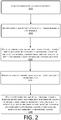
FIG. 2 is a schematic flowchart of a screen sensitive information processing method according to this embodiment. The screen sensitive information processing method may be applied to any electronic device that can display information, such as a mobile smart phone, a tablet electronic device, a portable computer (such as a notebook computer), a personal digital assistant (PDA), a laptop computer, or other devices that can display information through a screen. Applications corresponding to information displayed on the screen include, but are not limited to, a social platform application (such as Facebook, Twitter, or Weibo), an email application, a short messaging service (SMS) application, a multimedia messaging service (MMS) application, and the like. - As shown in
FIG. 2 , the screen sensitive information processing method includes the following steps: - Step S201: An electronic device 1 opens an application, and a
screen 10 displays information of a current application page. -
FIG. 3 displays content displayed on thescreen 10 after the electronic device 1 opens the application, and it is assumed that all information currently displayed on thescreen 10 includesinformation A 101,information B 102,information C 103,information D 104, andinformation E 105, wherein the information A101 is predefined sensitive information. - Step S202: It is monitored whether light intensity detected by a light sensor 11 increases to a first threshold.
- In practice, the current application may monitor ambient light intensity by invoking a light sensor API of the electronic device 1. The light sensor API of the electronic device 1 cannot be invoked to monitor the light intensity until the application is started; therefore, when the application is just started in step S201, an initial display state of the
screen 10 is a state in which sensitive information is not masked; after the light sensor API of the electronic device is invoked, if the detected light intensity is lower than the first threshold, the current page is continued to be displayed, and if the monitored light intensity is higher than the first threshold, step S203 is performed. - Step S203: When it is monitored that the light intensity increases to the first threshold, an area where sensitive information is located is identified in display content of the
screen 10, and content displayed in the area where the sensitive information is located is masked by displaying a rectangular picture 101'. -
FIG. 4 is a schematic diagram of a screen display state of the electronic device after sensitive information is masked by displaying a rectangular picture. When an event that the light intensity increases to the first threshold occurs, the area where the predefined sensitive information is located is identified. To identify the area where the sensitive information is located, a label may be set for each display area in advance, and the labels are identified when the event that the light intensity increases to the first threshold occurs; the area where the sensitive information is located may be positioned according to a label, and masking of the sensitive information is implemented by covering, in the area where the sensitive information is located, the sensitive information with a set rectangular picture 101', or masking of the sensitive information may also be implemented by replacing original sensitive information with the set rectangular picture 101' for display. Specifically, the area where the sensitive information is located is a rectangular space, and the rectangular space is determined by using a coordinate point and an area; when it is monitored that the light intensity is greater than the first threshold, a coordinate point at the lower left corner of the area where the sensitive information is located is positioned first, and then a rectangular is acquired starting from the coordinate point at the lower left corner, to mask the sensitive information. - In addition, the coordinate point may also be another position of the area where the sensitive information is located, for example, the upper left corner, the lower right corner, or the like, and may also be in other forms in practice, which are not limited in this embodiment of the present application.
- Step S204: It is monitored whether the light intensity detected by the light sensor 11 decreases to a second threshold.
- Step S205: When it is monitored that the light intensity decreases to the second threshold, the masked area where the sensitive information is located is identified in the
screen 10, the sensitive information is displayed in the area where the sensitive information is located, and the rectangular picture 101' displayed in the area where the sensitive information is located is canceled, thus canceling masking of the area where the sensitive information is located. - In the screen display state shown in
FIG. 4 , specifically, an event that the light intensity decreases to the second threshold is triggered by covering the light sensor 11 with a finger 111, the area where the predefined sensitive information is located is identified, and masking display of the sensitive information is canceled, as shown inFIG. 5 . Those skilled in the art should clearly know that a trigger manner for implementing a decrease of the light intensity detected by the light sensor 11 to the second threshold is not limited to only the manner of covering the light sensor 11 with the finger 111 shown inFIG. 5 , but may be in other forms in practice, which are not limited in this embodiment of the present application. - In addition, when the finger 111 of the user is moved away from the light sensor 11, the light intensity increases gradually, and when the light sensor 11 monitors that the light intensity is lower than the first threshold, the sensitive information is continued to be displayed; and when the light sensor 11 monitors that the light intensity increases to the first threshold, step S203 is performed to mask the sensitive information.
- It should be further noted that the first threshold mentioned in this embodiment is greater than or equal to the second threshold.
- Through the screen sensitive information processing method of this embodiment, after it is monitored that light intensity increases to a first threshold, an area where sensitive information is located can be positioned, and the sensitive information is masked by displaying a rectangular picture in the area where the sensitive information is located, so that leakage of sensitive information of a user can be effectively prevented; moreover, after it is monitored that the light intensity decreases to a second threshold, masking of the area where the sensitive information is located may be canceled, thus meeting an information viewing requirement of the user, and security of information viewing is significantly improved for the user compared with the conventional techniques.
-
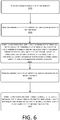
FIG. 6 is a schematic flowchart of a screen sensitive information processing method according to this embodiment. The screen sensitive information processing method may be applied to any electronic device that can display information, such as a mobile smart phone, a tablet electronic device, a portable computer (such as a notebook computer), a personal digital assistant (PDA), a laptop computer, or other devices that can display information through a screen. Applications corresponding to information displayed on the screen include, but are not limited to, a social platform application (such as Facebook, Twitter, or Weibo), an email application, a short messaging service (SMS) application, a multimedia messaging service (MMS) application, and the like. - As shown in
FIG. 6 , the screen sensitive information processing method includes the following steps: - Step S301: An electronic device opens an application, and a screen displays information of a current application page.
- It is assumed that information displayed on the screen after the electronic device opens the application includes information A, information B, information C, information D, and information E, wherein the information A is sensitive information.
- Step S302: It is monitored whether light intensity detected by a light sensor increases to a first threshold.
- In practice, the current application may monitor ambient light intensity by invoking a light sensor API of the electronic device. The light sensor API of the electronic device cannot be invoked to monitor the light intensity until the application is started; therefore, when the application is just started in step S301, an initial display state of the screen is a state in which sensitive information is not masked; after the light sensor API of the electronic device is invoked, if the detected light intensity is lower than the first threshold, the current page is continued to be displayed, and if the monitored light intensity is higher than the first threshold, step S303 is performed.
- Step S303: When it is monitored that the light intensity increases to the first threshold, an area where predefined sensitive information in display content of a screen is located is identified, and original display content is rendered for the display content of the screen in the area.
- Based on the rendering of the original display content, a rectangular picture is rendered, the area where the sensitive information is located displays the rendered rectangular picture, and the rectangular picture covers the original display content in the area where the sensitive information is located.
- In practice, to identify the area where the predefined sensitive information is located, a label may be set for each display area in advance, and the labels are identified when the event that the light intensity increases to the first threshold occurs; the area where the sensitive information is located may be positioned according to a label. Interface rendering is performed twice in the area where the sensitive information is located; the sensitive information is rendered at the first time, that is, all display content is drawn on the screen, and at the second time, a covering picture is rendered in the area where the sensitive information is located. In other words, the interface picture rendered at the second time will cover the sensitive information rendered at the first time, thus masking the sensitive information.
- Step S304: It is monitored whether the light intensity detected by the light sensor decreases to a second threshold.
- Step S305: When it is monitored that the light intensity decreases to the second threshold, the masked area where the sensitive information is located is identified in the screen, the original display content in the area where the sensitive information is located is rendered, and masking of the area where the sensitive information is located is canceled.
- In the case where the sensitive information is masked, specifically, an event that the light intensity decreases to the second threshold is triggered by covering the light sensor with a finger, the area where the predefined sensitive information is located is identified, and masking display of the sensitive information is canceled by rendering the original sensitive content in the area. Those skilled in the art should clearly know that a trigger manner for implementing a decrease of the light intensity detected by the light sensor to the second threshold is not limited to only the manner of covering the light sensor with the finger, but may be in other forms in practice, which are not limited in this embodiment of the present application.
- In addition, when the finger of the user is moved away from the light sensor, the light intensity increases gradually, and when the light sensor monitors that the light intensity is lower than the first threshold, the sensitive information is continued to be displayed; and when the light sensor monitors that the light intensity increases to the first threshold, step S303 is performed to mask the sensitive information.
- It should be further noted that the first threshold mentioned in this embodiment is greater than or equal to the second threshold.
- Through the screen sensitive information processing method of this embodiment, after it is monitored that light intensity increases to a first threshold, an area where sensitive information is located can be positioned in a predefined manner, and the sensitive information is masked by performing interface rendering twice, where the sensitive information is rendered at the first time and a covering picture is rendered at the second time, so that leakage of sensitive information of a user can be effectively prevented; moreover, after it is monitored that the light intensity decreases to a second threshold, original display content is rendered, so that masking of the area where the sensitive information is located can be canceled, thus meeting an information viewing requirement of the user, and security of information viewing is significantly improved for the user compared with the conventional techniques.
-
FIG. 7 is a schematic flowchart of a screen sensitive information processing method according to this embodiment. The screen sensitive information processing method may be applied to any electronic device that can display information, such as a mobile smart phone, a tablet electronic device, a portable computer (such as a notebook computer), a personal digital assistant (PDA), a laptop computer, or other devices that can display information through a screen. Applications corresponding to information displayed on the screen include, but are not limited to, a social platform application (such as Facebook, Twitter, or Weibo), an email application, a short messaging service (SMS) application, a multimedia messaging service (MMS) application, and the like. - As shown in
FIG. 7 , the screen sensitive information processing method includes the following steps: - Step S401: An electronic device opens an application, and a screen displays information of a current application page.
- It is assumed that information displayed on the screen after the electronic device opens the application includes information A, information B, information C, information D, and information E, wherein the information A is sensitive information.
- Step S402: It is monitored whether light intensity detected by a light sensor increases to a first threshold.
- In practice, the current application may monitor ambient light intensity by invoking a light sensor API of the electronic device. The light sensor API of the electronic device cannot be invoked to monitor the light intensity until the application is started; therefore, when the application is just started in step S401, an initial display state of the screen is a state in which sensitive information is not masked; after the light sensor API of the electronic device is invoked, if the detected light intensity is lower than the first threshold, the current page is continued to be displayed, and if the monitored light intensity is higher than the first threshold, step S403 is performed.
- Step S403: When it is monitored that the light intensity increases to the first threshold, an area where predefined sensitive information in display content of a screen is located is identified, and a background color attribute of the area where the sensitive information is located is set to be a sensitive information color attribute.
- In practice, to identify the area where the predefined sensitive information is located, a label may be set for each display area in advance, and the labels are identified when the event that the light intensity increases to the first threshold occurs; the area where the sensitive information is located may be positioned according to a label, and the background color attribute of the area where the sensitive information is located is adjusted to a color attribute for sensitive information, thus masking the sensitive information.
- Step S404: It is monitored whether the light intensity detected by the light sensor decreases to a second threshold.
- Step S405: When it is monitored that the light intensity decreases to the second threshold, the masked area where the sensitive information is located is identified in the screen, and a background color of the area where the sensitive information is located is set to be an original background color attribute of the area.
- In the case where the sensitive information is masked, specifically, an event that the light intensity decreases to the second threshold is triggered by covering the light sensor with a finger, the area where the predefined sensitive information is located is identified, and masking display of the sensitive information is canceled by recovering an original state of the background color attribute of the area where the sensitive information is located. Those skilled in the art should clearly know that a trigger manner for implementing a decrease of the light intensity detected by the light sensor to the second threshold is not limited to only the manner of covering the light sensor with the finger, but may be in other forms in practice, which are not limited in this embodiment of the present application.
- In addition, when the finger of the user is moved away from the light sensor, the light intensity increases gradually, and when the light sensor monitors that the light intensity is lower than the first threshold, the sensitive information is continued to be displayed; and when the light sensor monitors that the light intensity increases to the first threshold, step S403 is performed to mask the sensitive information.
- It should be further noted that the first threshold mentioned in this embodiment is greater than or equal to the second threshold.
- Through the screen sensitive information processing method of this embodiment, after it is monitored that light intensity increases to a first threshold, an area where sensitive information is located can be positioned, and the sensitive information is masked by adjusting a background color attribute of the area where the sensitive information is located, so that leakage of sensitive information of a user can be effectively prevented; moreover, after it is monitored that the light intensity decreases to a second threshold, the background color attribute of the area where the sensitive information is located is recovered, so that masking of the area where the sensitive information is located can be canceled, thus meeting an information viewing requirement of the user, and security of information viewing is significantly improved for the user compared with the conventional techniques.
- An embodiment of the present application further provides a corresponding screen sensitive
information processing apparatus 800, which, as shown inFIG. 8 , includes: afirst monitoring unit 801, afirst identification unit 802, and afirst masking unit 803, wherein thefirst monitoring unit 801 is configured to monitor whether light intensity detected by a light sensor increases to a first threshold; thefirst identification unit 802 is configured to identify, when thefirst monitoring unit 801 monitors that the light intensity increases to the first threshold, an area where predefined sensitive information in display content of a screen is located; and thefirst masking unit 803 is configured to mask, after thefirst identification unit 802 identifies the area where the predefined sensitive information is located in the display content of the screen, content displayed in the area where the sensitive information is located. - In addition, the apparatus provided by this embodiment of the present application further includes: a second monitoring unit, a second identification unit, and a second masking unit, wherein the second monitoring unit is configured to monitor whether the light intensity detected by the light sensor decreases to a second threshold; the second identification unit is configured to identify, when the second monitoring unit monitors that the light intensity decreases to the second threshold, the area where the predefined sensitive information is located in the display content of the screen; and the second masking unit is configured to cancel, after the second identification unit identifies the area where the predefined sensitive information is located in the display content of the screen, masking of the area where the sensitive information is located.
- As can be seen, a screen sensitive information processing apparatus provided in this embodiment, after monitoring that light intensity increases to a first threshold, can position an area where sensitive information is located, can effectively prevent leakage of sensitive information of a user by masking content displayed in the area where the sensitive information is located, and recovers a background color attribute of the area where the sensitive information is located after monitoring that the light intensity decreases to a second threshold, thus canceling masking of the area where the sensitive information is located, to meet an information viewing requirement of the user; security of information viewing is significantly improved for the user compared with the conventional techniques.
- In the 1990s, a technological improvement can be distinctively classified as a hardware improvement (for example, improvement on a circuit structure such as a diode, a transistor, or a switch) or a software improvement (improvement on a method procedure). However, with the development of technology, many improvements on method procedures nowadays can be considered as direct improvements on hardware circuit structures. Almost all designers obtain corresponding hardware circuit structures by programming improved method procedures into hardware circuits. Therefore, an improvement on a method procedure can also be implemented by a physical hardware module. For example, a Programmable Logic Device (PLD) (such as a Field Programmable Gate Array (FPGA)) is such an integrated circuit, and a logic function thereof is determined by a user's programming on the device. The designer "integrates" a digital system on a PLD through programming, without asking a chip manufacturer to design and manufacture a dedicated integrated circuit chip 2. Moreover, nowadays, instead of manually manufacturing integrated circuit chips, such programming is mostly implemented by a "logic compiler", which is similar to a software compiler used in program development and writing; original code before compiling also needs to be written in a particular programming language, which is referred to as Hardware Description Language (HDL), and there are many kinds rather than only one kind of HDL, for example, Advanced Boolean Expression Language (ABEL), Altera Hardware Description Language (AHDL), Confluence, Cornell University Programming Language (CUPL), HDCal, Java Hardware Description Language (JHDL), Lava, Lola, MyHDL, PALASM, Ruby Hardware Description Language (RHDL), and the like; Very-High-Speed Integrated Circuit Hardware Description Language (VHDL) and Verilog2 are most commonly used at present. Those skilled in the art should also clearly know that, by logically programming a method procedure by using the several hardware description languages described above and programming the method procedure into an integrated circuit, a hardware circuit for implementing the logic method procedure can be easily obtained.
- A controller can be implemented in any suitable manner, for example, the controller may employ forms such as a microprocessor or processor as well as a computer readable medium storing computer readable program code (such as software or firmware) executable by the processor (microprocessor), a logic gate, a switch, an Application Specific Integrated Circuit (ASIC), a programmable logic controller, and an embedded microcontroller. Examples of the controller include, but are not limited to, the following microcontrollers: ARC 625D, Atmel AT91SAM, Microchip PIC18F26K20, and Silicone LabsC8051F320, and a memory controller may also be implemented as a part of control logic of a memory.
- Those skilled in the art are also aware that, in addition to implementing the controller by means of pure computer readable program code, it is totally possible to logically programming method steps such that the controller implements the same function in the forms of a logic gate, a switch, an ASIC, a programmable logic controller, an embedded microcontroller, and the like. Therefore, such a controller may be regarded as a kind of hardware component, and the apparatus included therein for implementing various functions may also be regarded as a structure inside the hardware component. Alternatively, the apparatus for implementing various functions may even be regarded as not only software modules for implementing the method but also the structure in the hardware component.
- The system, apparatus, modules or units illustrated in the foregoing embodiment may be specifically implemented by a computer chip or an entity, or implemented by a product having a particular function.
- For ease of description, when the apparatus is described, it is divided into various units based on functions and the units are described respectively. Of course, functions of various units may be implemented in one or more software and/or hardware during implementation of the present application.
- Through the foregoing description about the implementations, those skilled in the art can clearly understand that the present application may be implemented by software plus a necessary universal hardware platform. Based on such an understanding, the technical solutions of the present application essentially, or the part contributing to the conventional techniques may be implemented in the form of a software product. In a typical configuration, a computation device includes one or more central processing units (CPUs), I/O interfaces, network interfaces, and a memory. The computer software product may include several instructions for enabling a computer device (which may be a personal computer, a server, a network device, or the like) to execute the method in each embodiment of the present application or in some parts of the embodiment. The computer software product may be stored in a memory. The memory may include computer readable media such as a volatile memory, a Random Access Memory (RAM), and/or non-volatile memory, e.g., Read-Only Memory (ROM) or flash RAM. The memory is an example of a computer readable medium. Computer readable media include permanent, nonpermanent, mobile and immobile media, which can implement information storage through any method or technology. The information may be computer readable instructions, data structures, program modules or other data. Examples of storage media of computers include, but are not limited to, Phase-change RAMs (PRAMs), Static RAMs (SRAMs), Dynamic RAMs (DRAMs), other types of Random Access Memories (RAMs), Read-Only Memories (ROMs), Electrically Erasable Programmable Read-Only Memories (EEPROMs), flash memories or other memory technologies, Compact Disk Read-Only Memories (CD-ROMs), Digital Versatile Discs (DVDs) or other optical memories, cassettes, cassette and disk memories or other magnetic memory devices or any other non-transmission media, which can be used for storing information accessible to the computation device. According to the definitions herein, the computer readable media exclude non-transitory computer readable medium (transitory media), such as modulated data signals and carriers.
- The embodiments in this specification are described in a progressive manner, for same or similar parts in the embodiments, reference may be made to each other, and each embodiment focuses on a difference from other embodiments. Especially, description of the system embodiment is relatively simple because it is substantially similar to the method embodiment, and for related parts, reference may be made to the partial description of the method embodiment.
- The present application may be applied to a lot of general-purpose or special-purpose computer system environments or configurations, for example, a personal computer, a server computer, a handheld device or portable device, a tablet device, a multi-processer system, a microprocessor-based system, a set-top box, a programmable consumer electronic device, a network PC, a minicomputer, a mainframe computer, a distributed computing environment including any foregoing system or device, and the like.
- The present application may be described in a general context, such as a program module, of a computer executable instruction executed by a computer. Generally, the program module includes a routine, a program, an object, an element, a data structure, a class, and the like for executing a specific task or implementing a specific abstract data type. The present application may also be practiced in distributed computing environments, and in these distributed computing environments, tasks are executed by a remote processing device that is connected through a communications network. In the distributed computing environments, the program module may be located in local and remote computer storage media including a storage device.
- Although the present application has been depicted through embodiments, those of ordinary skill in the art should know that the present application has many variations and modifications without departing from the spirit of the present application, and it is desired that the appended claims include these variations and modifications without departing from the spirit of the present application.
Claims (13)
- A screen sensitive information processing method, the method comprising:monitoring whether light intensity detected by a light sensor increases to a first threshold; andwhen it is monitored that the light intensity increases to the first threshold, identifying an area where predefined sensitive information in display content of a screen is located and masking content displayed in the area where the sensitive information is located.
- The method of claim 1, further comprising:monitoring whether the light intensity detected by the light sensor decreases to a second threshold; andwhen it is monitored that the light intensity decreases to the second threshold, identifying the masked area where the sensitive information is located and canceling masking of the area where the sensitive information is located.
- The method of claim 2, wherein the masking content displayed in the area where the sensitive information is located includes:displaying a rectangular picture in the area where the sensitive information is located.
- The method of claim 3, wherein the canceling masking of the area where the sensitive information is located includes:displaying, in the area where the sensitive information is located, the sensitive information of the area.
- The method of claim 2, wherein the masking content displayed in the area where the sensitive information is located includes:rendering a rectangular picture; anddisplaying the rendered rectangular picture in the area where the sensitive information is located, the rectangular picture covering original display content in the area where the sensitive information is located.
- The method of claim 5, wherein the canceling masking of the area where the sensitive information is located includes:rendering original display content in the display content of the screen.
- The method of claim 2, wherein the masking content displayed in the area where the sensitive information is located includes:setting a background color attribute of the area where the sensitive information is located to be a sensitive information color attribute.
- The method of claim 7, wherein the canceling masking of the area where the sensitive information is located includes:setting a background color of the area where the sensitive information is located to be an original background color attribute of the area.
- The method of claim 1, wherein the masking content displayed in the area where the sensitive information is located includes:displaying a rectangular picture in the area where the sensitive information is located.
- The method of claim 1, wherein the masking content displayed in the area where the sensitive information is located includes:rendering the rectangular picture; anddisplaying the rendered rectangular picture in the area where the sensitive information is located, the rectangular picture covering original display content in the area where the sensitive information is located.
- The method of claim 1, wherein the masking content displayed in the area where the sensitive information is located includes:setting a background color attribute of the area where the sensitive information is located to be a sensitive information color attribute.
- A screen sensitive information processing apparatus, the apparatus comprising:a first monitoring unit configured to monitor whether light intensity detected by a light sensor increases to a first threshold;a first identification unit configured to identify, when the first monitoring unit monitors that the light intensity increases to the first threshold, an area where predefined sensitive information in display content of a screen is located; anda first masking unit configured to mask, after the first identification unit identifies the area where the predefined sensitive information is located in the display content of the screen, content displayed in the area where the sensitive information is located.
- The apparatus of claim 12, further comprising:a second monitoring unit configured to monitor whether the light intensity detected by the light sensor decreases to a second threshold;a second identification unit configured to identify, when the second monitoring unit monitors that the light intensity decreases to the second threshold, the area where the predefined sensitive information is located in the display content of the screen; anda second masking unit configured to cancel, after the second identification unit identifies the area where the predefined sensitive information is located in the display content of the screen, masking of the area where the sensitive information is located.
Priority Applications (1)
| Application Number | Priority Date | Filing Date | Title |
|---|---|---|---|
| PL15850987T PL3208703T3 (en) | 2014-10-14 | 2015-09-30 | Method and apparatus for processing screen sensitive information |
Applications Claiming Priority (2)
| Application Number | Priority Date | Filing Date | Title |
|---|---|---|---|
| CN201410542077.1A CN105511751A (en) | 2014-10-14 | 2014-10-14 | Method and device for processing screen sensitive information |
| PCT/CN2015/091215 WO2016058484A1 (en) | 2014-10-14 | 2015-09-30 | Method and apparatus for processing screen sensitive information |
Publications (3)
| Publication Number | Publication Date |
|---|---|
| EP3208703A1 true EP3208703A1 (en) | 2017-08-23 |
| EP3208703A4 EP3208703A4 (en) | 2018-06-27 |
| EP3208703B1 EP3208703B1 (en) | 2020-04-01 |
Family
ID=55719775
Family Applications (1)
| Application Number | Title | Priority Date | Filing Date |
|---|---|---|---|
| EP15850987.7A Active EP3208703B1 (en) | 2014-10-14 | 2015-09-30 | Method and apparatus for processing screen sensitive information |
Country Status (10)
| Country | Link |
|---|---|
| US (1) | US10424094B2 (en) |
| EP (1) | EP3208703B1 (en) |
| JP (1) | JP6550461B2 (en) |
| KR (1) | KR102084833B1 (en) |
| CN (1) | CN105511751A (en) |
| ES (1) | ES2799928T3 (en) |
| HK (1) | HK1222019A1 (en) |
| PL (1) | PL3208703T3 (en) |
| SG (2) | SG10201903135UA (en) |
| WO (1) | WO2016058484A1 (en) |
Families Citing this family (5)
| Publication number | Priority date | Publication date | Assignee | Title |
|---|---|---|---|---|
| CN108881116A (en) * | 2017-05-11 | 2018-11-23 | 阿里巴巴集团控股有限公司 | Show the implementation method and device of sensitive information |
| CN109918953B (en) * | 2018-09-27 | 2021-02-19 | 用友网络科技股份有限公司 | Key information peep-proof display method and device |
| CN115205999A (en) * | 2021-04-14 | 2022-10-18 | 中移(上海)信息通信科技有限公司 | Equipment inspection method and related equipment |
| AU2022268966B2 (en) * | 2021-05-06 | 2026-03-12 | Glance Networks, Inc. | Masking sensitive information while screensharing html elements |
| JP7621423B2 (en) * | 2023-06-22 | 2025-01-24 | 株式会社日本総合研究所 | Information processing device, program and method |
Family Cites Families (20)
| Publication number | Priority date | Publication date | Assignee | Title |
|---|---|---|---|---|
| JP2001005787A (en) * | 1999-06-17 | 2001-01-12 | Sharp Corp | Portable information devices |
| JP2005107306A (en) * | 2003-09-30 | 2005-04-21 | Sharp Corp | Liquid crystal display structure |
| US7627907B2 (en) * | 2003-12-12 | 2009-12-01 | Seiko Epson Corporation | Display device preventing unauthorized copying |
| JP2010010750A (en) * | 2008-06-24 | 2010-01-14 | Nec Saitama Ltd | Portable terminal and security lock control method |
| JP2011134137A (en) * | 2009-12-24 | 2011-07-07 | Konica Minolta Business Technologies Inc | Information display device and display control program |
| KR20110084653A (en) * | 2010-01-18 | 2011-07-26 | 삼성전자주식회사 | Privacy protection method and device in mobile terminal |
| JP2011228872A (en) * | 2010-04-19 | 2011-11-10 | Panasonic Corp | Mobile terminal device, control method for mobile terminal device, and control program for mobile terminal device |
| US9141332B2 (en) * | 2010-08-09 | 2015-09-22 | Oracle Otc Subsidiary Llc | Masking sensitive information in a screen sharing session |
| JP5643716B2 (en) * | 2011-05-31 | 2014-12-17 | 楽天株式会社 | Information processing system, information processing method, information processing apparatus, information processing terminal, program, and recording medium |
| CN102855453A (en) * | 2011-06-30 | 2013-01-02 | 网秦无限(北京)科技有限公司 | Method and system for preventing mobile device screen display from being peeped |
| JP2013020522A (en) * | 2011-07-13 | 2013-01-31 | Kyocera Corp | Display divice, display method, and program |
| US8872618B2 (en) * | 2012-04-09 | 2014-10-28 | Nai-Chien Chang | Unlocking method for electronic device |
| CN102902703A (en) * | 2012-07-19 | 2013-01-30 | 中国人民解放军国防科学技术大学 | Network sensitive information-oriented screenshot discovery and locking callback method |
| CN103077361B (en) * | 2012-12-28 | 2016-05-04 | 东莞宇龙通信科技有限公司 | Mobile terminal and peep-proof method thereof |
| WO2014142951A1 (en) * | 2013-03-15 | 2014-09-18 | Intel Corporation | Display privacy with dynamic configuration |
| US20140359785A1 (en) * | 2013-05-30 | 2014-12-04 | Microsoft Corporation | Security for Displayed Electronic Content from Unauthorized Access During Application Idle Periods |
| CN103402001A (en) * | 2013-07-18 | 2013-11-20 | 沈阳华立德电子科技有限公司 | Antitheft mobile phone based on optical sensor and antitheft method thereof |
| CN103955650A (en) * | 2014-05-04 | 2014-07-30 | 合肥联宝信息技术有限公司 | Method and device for preventing peeping through regulating screen luminance |
| CN103973891B (en) * | 2014-05-09 | 2016-06-01 | 平安付智能技术有限公司 | For the data safety processing method of software interface |
| CN104050422B (en) * | 2014-06-10 | 2018-01-05 | 腾讯科技(深圳)有限公司 | Show the method and device of the information content |
-
2014
- 2014-10-14 CN CN201410542077.1A patent/CN105511751A/en active Pending
-
2015
- 2015-09-30 WO PCT/CN2015/091215 patent/WO2016058484A1/en not_active Ceased
- 2015-09-30 SG SG10201903135UA patent/SG10201903135UA/en unknown
- 2015-09-30 SG SG11201702829RA patent/SG11201702829RA/en unknown
- 2015-09-30 KR KR1020177009816A patent/KR102084833B1/en active Active
- 2015-09-30 JP JP2017519890A patent/JP6550461B2/en active Active
- 2015-09-30 PL PL15850987T patent/PL3208703T3/en unknown
- 2015-09-30 EP EP15850987.7A patent/EP3208703B1/en active Active
- 2015-09-30 ES ES15850987T patent/ES2799928T3/en active Active
-
2016
- 2016-08-29 HK HK16110235.6A patent/HK1222019A1/en unknown
-
2017
- 2017-04-06 US US15/481,215 patent/US10424094B2/en active Active
Also Published As
| Publication number | Publication date |
|---|---|
| KR20170070044A (en) | 2017-06-21 |
| SG11201702829RA (en) | 2017-05-30 |
| US20170213369A1 (en) | 2017-07-27 |
| US10424094B2 (en) | 2019-09-24 |
| JP6550461B2 (en) | 2019-07-24 |
| SG10201903135UA (en) | 2019-05-30 |
| PL3208703T3 (en) | 2020-11-02 |
| HK1222019A1 (en) | 2017-06-16 |
| ES2799928T3 (en) | 2020-12-22 |
| WO2016058484A1 (en) | 2016-04-21 |
| JP2017538190A (en) | 2017-12-21 |
| CN105511751A (en) | 2016-04-20 |
| EP3208703B1 (en) | 2020-04-01 |
| KR102084833B1 (en) | 2020-03-04 |
| EP3208703A4 (en) | 2018-06-27 |
Similar Documents
| Publication | Publication Date | Title |
|---|---|---|
| US20250231683A1 (en) | Split-screen display method and electronic device | |
| EP3373383B1 (en) | Method of detecting swelling of battery using pressure sensor and electronic device using the method | |
| US10424094B2 (en) | Processing screen sensitive information | |
| US10429905B2 (en) | Electronic apparatus having a hole area within screen and control method thereof | |
| EP3171242B1 (en) | Electronic device and method for configuring display thereof | |
| KR102187255B1 (en) | Display method of electronic apparatus and electronic appparatus thereof | |
| CN112947840B (en) | Electronic device including touch-sensitive display and method of operating the same | |
| KR102269779B1 (en) | Method for displaying screen in electronic device and the electronic device | |
| KR102414643B1 (en) | Electronic apparatus and operating method thereof | |
| KR102319286B1 (en) | Apparatus and method for processing drag and drop | |
| EP3223131A1 (en) | Electronic device with fingerprint sensor and control method thereof | |
| EP4697133A2 (en) | Electronic device having hole area and method of controlling hole area thereof | |
| KR102536148B1 (en) | Method and apparatus for operation of an electronic device | |
| CN106462329A (en) | Light dismiss manager | |
| US20140380213A1 (en) | Location adjustment system and related method | |
| KR20160046099A (en) | Displaying of method and apparatus in a electronic device | |
| US20240012938A1 (en) | Information Display Method and Related Apparatus | |
| US10055119B2 (en) | User input method and apparatus in electronic device | |
| US20210279714A1 (en) | Method and apparatus for displaying identification code of application | |
| KR102071530B1 (en) | Apparatas and method for proposing a response manual of occurring denial in an electronic device | |
| KR20180037774A (en) | Electrnic device for overvoltage prevention | |
| US20160357409A1 (en) | Apparatus and method for displaying a portion of a plurality of background applications | |
| CN112596598A (en) | Display control method, display control device and electronic equipment | |
| KR20160012583A (en) | Method for controlling function and electronic device thereof | |
| EP3188566B1 (en) | Application management method and device |
Legal Events
| Date | Code | Title | Description |
|---|---|---|---|
| STAA | Information on the status of an ep patent application or granted ep patent |
Free format text: STATUS: THE INTERNATIONAL PUBLICATION HAS BEEN MADE |
|
| PUAI | Public reference made under article 153(3) epc to a published international application that has entered the european phase |
Free format text: ORIGINAL CODE: 0009012 |
|
| STAA | Information on the status of an ep patent application or granted ep patent |
Free format text: STATUS: REQUEST FOR EXAMINATION WAS MADE |
|
| 17P | Request for examination filed |
Effective date: 20170407 |
|
| AK | Designated contracting states |
Kind code of ref document: A1 Designated state(s): AL AT BE BG CH CY CZ DE DK EE ES FI FR GB GR HR HU IE IS IT LI LT LU LV MC MK MT NL NO PL PT RO RS SE SI SK SM TR |
|
| AX | Request for extension of the european patent |
Extension state: BA ME |
|
| DAV | Request for validation of the european patent (deleted) | ||
| DAX | Request for extension of the european patent (deleted) | ||
| REG | Reference to a national code |
Ref country code: DE Ref legal event code: R079 Ref document number: 602015050024 Country of ref document: DE Free format text: PREVIOUS MAIN CLASS: G06F0003048400 Ipc: G06F0003010000 |
|
| A4 | Supplementary search report drawn up and despatched |
Effective date: 20180528 |
|
| RIC1 | Information provided on ipc code assigned before grant |
Ipc: G06F 21/84 20130101ALI20180522BHEP Ipc: G06F 3/01 20060101AFI20180522BHEP |
|
| STAA | Information on the status of an ep patent application or granted ep patent |
Free format text: STATUS: EXAMINATION IS IN PROGRESS |
|
| 17Q | First examination report despatched |
Effective date: 20190814 |
|
| GRAP | Despatch of communication of intention to grant a patent |
Free format text: ORIGINAL CODE: EPIDOSNIGR1 |
|
| STAA | Information on the status of an ep patent application or granted ep patent |
Free format text: STATUS: GRANT OF PATENT IS INTENDED |
|
| INTG | Intention to grant announced |
Effective date: 20200102 |
|
| GRAS | Grant fee paid |
Free format text: ORIGINAL CODE: EPIDOSNIGR3 |
|
| GRAA | (expected) grant |
Free format text: ORIGINAL CODE: 0009210 |
|
| STAA | Information on the status of an ep patent application or granted ep patent |
Free format text: STATUS: THE PATENT HAS BEEN GRANTED |
|
| AK | Designated contracting states |
Kind code of ref document: B1 Designated state(s): AL AT BE BG CH CY CZ DE DK EE ES FI FR GB GR HR HU IE IS IT LI LT LU LV MC MK MT NL NO PL PT RO RS SE SI SK SM TR |
|
| REG | Reference to a national code |
Ref country code: GB Ref legal event code: FG4D |
|
| REG | Reference to a national code |
Ref country code: CH Ref legal event code: EP Ref country code: AT Ref legal event code: REF Ref document number: 1252207 Country of ref document: AT Kind code of ref document: T Effective date: 20200415 |
|
| REG | Reference to a national code |
Ref country code: DE Ref legal event code: R096 Ref document number: 602015050024 Country of ref document: DE |
|
| REG | Reference to a national code |
Ref country code: IE Ref legal event code: FG4D |
|
| REG | Reference to a national code |
Ref country code: NL Ref legal event code: FP |
|
| REG | Reference to a national code |
Ref country code: FI Ref legal event code: FGE |
|
| REG | Reference to a national code |
Ref country code: CH Ref legal event code: NV Representative=s name: VALIPAT S.A. C/O BOVARD SA NEUCHATEL, CH |
|
| REG | Reference to a national code |
Ref country code: NO Ref legal event code: T2 Effective date: 20200401 |
|
| PG25 | Lapsed in a contracting state [announced via postgrant information from national office to epo] |
Ref country code: BG Free format text: LAPSE BECAUSE OF FAILURE TO SUBMIT A TRANSLATION OF THE DESCRIPTION OR TO PAY THE FEE WITHIN THE PRESCRIBED TIME-LIMIT Effective date: 20200701 |
|
| REG | Reference to a national code |
Ref country code: LT Ref legal event code: MG4D |
|
| REG | Reference to a national code |
Ref country code: DE Ref legal event code: R082 Ref document number: 602015050024 Country of ref document: DE Representative=s name: DEHMEL & BETTENHAUSEN PATENTANWAELTE PARTMBB, DE Ref country code: DE Ref legal event code: R081 Ref document number: 602015050024 Country of ref document: DE Owner name: ADVANCED NEW TECHNOLOGIES CO., LTD., GEORGE TO, KY Free format text: FORMER OWNER: ALIBABA GROUP HOLDING LIMITED, GEORGE TOWN, GRAND CAYMAN, KY Ref country code: DE Ref legal event code: R081 Ref document number: 602015050024 Country of ref document: DE Owner name: ADVANCED NEW TECHNOLOGIES CO., LTD., GEORGE TO, KY Free format text: FORMER OWNER: ADVANTAGEOUS NEW TECHNOLOGIES CO., LTD., GEORGE TOWN, GRAND CAYMAN, KY |
|
| PG25 | Lapsed in a contracting state [announced via postgrant information from national office to epo] |
Ref country code: IS Free format text: LAPSE BECAUSE OF FAILURE TO SUBMIT A TRANSLATION OF THE DESCRIPTION OR TO PAY THE FEE WITHIN THE PRESCRIBED TIME-LIMIT Effective date: 20200801 Ref country code: CZ Free format text: LAPSE BECAUSE OF FAILURE TO SUBMIT A TRANSLATION OF THE DESCRIPTION OR TO PAY THE FEE WITHIN THE PRESCRIBED TIME-LIMIT Effective date: 20200401 Ref country code: LT Free format text: LAPSE BECAUSE OF FAILURE TO SUBMIT A TRANSLATION OF THE DESCRIPTION OR TO PAY THE FEE WITHIN THE PRESCRIBED TIME-LIMIT Effective date: 20200401 Ref country code: PT Free format text: LAPSE BECAUSE OF FAILURE TO SUBMIT A TRANSLATION OF THE DESCRIPTION OR TO PAY THE FEE WITHIN THE PRESCRIBED TIME-LIMIT Effective date: 20200817 Ref country code: SE Free format text: LAPSE BECAUSE OF FAILURE TO SUBMIT A TRANSLATION OF THE DESCRIPTION OR TO PAY THE FEE WITHIN THE PRESCRIBED TIME-LIMIT Effective date: 20200401 Ref country code: GR Free format text: LAPSE BECAUSE OF FAILURE TO SUBMIT A TRANSLATION OF THE DESCRIPTION OR TO PAY THE FEE WITHIN THE PRESCRIBED TIME-LIMIT Effective date: 20200702 |
|
| RAP2 | Party data changed (patent owner data changed or rights of a patent transferred) |
Owner name: ADVANCED NEW TECHNOLOGIES CO., LTD. |
|
| REG | Reference to a national code |
Ref country code: AT Ref legal event code: MK05 Ref document number: 1252207 Country of ref document: AT Kind code of ref document: T Effective date: 20200401 |
|
| REG | Reference to a national code |
Ref country code: GB Ref legal event code: 732E Free format text: REGISTERED BETWEEN 20201022 AND 20201028 Ref country code: NL Ref legal event code: PD Owner name: ADVANCED NEW TECHNOLOGIES CO., LTD.; KY Free format text: DETAILS ASSIGNMENT: CHANGE OF OWNER(S), ASSIGNMENT; FORMER OWNER NAME: ALIBABA GROUP HOLDING LIMITED Effective date: 20201027 |
|
| PG25 | Lapsed in a contracting state [announced via postgrant information from national office to epo] |
Ref country code: LV Free format text: LAPSE BECAUSE OF FAILURE TO SUBMIT A TRANSLATION OF THE DESCRIPTION OR TO PAY THE FEE WITHIN THE PRESCRIBED TIME-LIMIT Effective date: 20200401 Ref country code: RS Free format text: LAPSE BECAUSE OF FAILURE TO SUBMIT A TRANSLATION OF THE DESCRIPTION OR TO PAY THE FEE WITHIN THE PRESCRIBED TIME-LIMIT Effective date: 20200401 Ref country code: HR Free format text: LAPSE BECAUSE OF FAILURE TO SUBMIT A TRANSLATION OF THE DESCRIPTION OR TO PAY THE FEE WITHIN THE PRESCRIBED TIME-LIMIT Effective date: 20200401 |
|
| REG | Reference to a national code |
Ref country code: ES Ref legal event code: FG2A Ref document number: 2799928 Country of ref document: ES Kind code of ref document: T3 Effective date: 20201222 |
|
| PG25 | Lapsed in a contracting state [announced via postgrant information from national office to epo] |
Ref country code: AL Free format text: LAPSE BECAUSE OF FAILURE TO SUBMIT A TRANSLATION OF THE DESCRIPTION OR TO PAY THE FEE WITHIN THE PRESCRIBED TIME-LIMIT Effective date: 20200401 |
|
| REG | Reference to a national code |
Ref country code: DE Ref legal event code: R097 Ref document number: 602015050024 Country of ref document: DE |
|
| PG25 | Lapsed in a contracting state [announced via postgrant information from national office to epo] |
Ref country code: EE Free format text: LAPSE BECAUSE OF FAILURE TO SUBMIT A TRANSLATION OF THE DESCRIPTION OR TO PAY THE FEE WITHIN THE PRESCRIBED TIME-LIMIT Effective date: 20200401 Ref country code: SM Free format text: LAPSE BECAUSE OF FAILURE TO SUBMIT A TRANSLATION OF THE DESCRIPTION OR TO PAY THE FEE WITHIN THE PRESCRIBED TIME-LIMIT Effective date: 20200401 Ref country code: DK Free format text: LAPSE BECAUSE OF FAILURE TO SUBMIT A TRANSLATION OF THE DESCRIPTION OR TO PAY THE FEE WITHIN THE PRESCRIBED TIME-LIMIT Effective date: 20200401 Ref country code: RO Free format text: LAPSE BECAUSE OF FAILURE TO SUBMIT A TRANSLATION OF THE DESCRIPTION OR TO PAY THE FEE WITHIN THE PRESCRIBED TIME-LIMIT Effective date: 20200401 Ref country code: AT Free format text: LAPSE BECAUSE OF FAILURE TO SUBMIT A TRANSLATION OF THE DESCRIPTION OR TO PAY THE FEE WITHIN THE PRESCRIBED TIME-LIMIT Effective date: 20200401 |
|
| PLBE | No opposition filed within time limit |
Free format text: ORIGINAL CODE: 0009261 |
|
| STAA | Information on the status of an ep patent application or granted ep patent |
Free format text: STATUS: NO OPPOSITION FILED WITHIN TIME LIMIT |
|
| REG | Reference to a national code |
Ref country code: NO Ref legal event code: CHAD Owner name: ADVANCED NEW TECHNOLOGIES CO., KY Ref country code: NO Ref legal event code: CREP Representative=s name: BRYN AARFLOT AS, STORTINGSGATA 8, 0161 OSLO, NORGE |
|
| PG25 | Lapsed in a contracting state [announced via postgrant information from national office to epo] |
Ref country code: SK Free format text: LAPSE BECAUSE OF FAILURE TO SUBMIT A TRANSLATION OF THE DESCRIPTION OR TO PAY THE FEE WITHIN THE PRESCRIBED TIME-LIMIT Effective date: 20200401 |
|
| 26N | No opposition filed |
Effective date: 20210112 |
|
| PG25 | Lapsed in a contracting state [announced via postgrant information from national office to epo] |
Ref country code: SI Free format text: LAPSE BECAUSE OF FAILURE TO SUBMIT A TRANSLATION OF THE DESCRIPTION OR TO PAY THE FEE WITHIN THE PRESCRIBED TIME-LIMIT Effective date: 20200401 |
|
| REG | Reference to a national code |
Ref country code: BE Ref legal event code: MM Effective date: 20200930 |
|
| PG25 | Lapsed in a contracting state [announced via postgrant information from national office to epo] |
Ref country code: LU Free format text: LAPSE BECAUSE OF NON-PAYMENT OF DUE FEES Effective date: 20200930 |
|
| PG25 | Lapsed in a contracting state [announced via postgrant information from national office to epo] |
Ref country code: IE Free format text: LAPSE BECAUSE OF NON-PAYMENT OF DUE FEES Effective date: 20200930 Ref country code: BE Free format text: LAPSE BECAUSE OF NON-PAYMENT OF DUE FEES Effective date: 20200930 |
|
| PGFP | Annual fee paid to national office [announced via postgrant information from national office to epo] |
Ref country code: IT Payment date: 20210922 Year of fee payment: 7 |
|
| PGFP | Annual fee paid to national office [announced via postgrant information from national office to epo] |
Ref country code: PL Payment date: 20210901 Year of fee payment: 7 |
|
| PG25 | Lapsed in a contracting state [announced via postgrant information from national office to epo] |
Ref country code: MT Free format text: LAPSE BECAUSE OF FAILURE TO SUBMIT A TRANSLATION OF THE DESCRIPTION OR TO PAY THE FEE WITHIN THE PRESCRIBED TIME-LIMIT Effective date: 20200401 Ref country code: CY Free format text: LAPSE BECAUSE OF FAILURE TO SUBMIT A TRANSLATION OF THE DESCRIPTION OR TO PAY THE FEE WITHIN THE PRESCRIBED TIME-LIMIT Effective date: 20200401 |
|
| PG25 | Lapsed in a contracting state [announced via postgrant information from national office to epo] |
Ref country code: MK Free format text: LAPSE BECAUSE OF FAILURE TO SUBMIT A TRANSLATION OF THE DESCRIPTION OR TO PAY THE FEE WITHIN THE PRESCRIBED TIME-LIMIT Effective date: 20200401 Ref country code: MC Free format text: LAPSE BECAUSE OF FAILURE TO SUBMIT A TRANSLATION OF THE DESCRIPTION OR TO PAY THE FEE WITHIN THE PRESCRIBED TIME-LIMIT Effective date: 20200401 |
|
| PGFP | Annual fee paid to national office [announced via postgrant information from national office to epo] |
Ref country code: TR Payment date: 20220912 Year of fee payment: 8 |
|
| P01 | Opt-out of the competence of the unified patent court (upc) registered |
Effective date: 20230527 |
|
| PG25 | Lapsed in a contracting state [announced via postgrant information from national office to epo] |
Ref country code: IT Free format text: LAPSE BECAUSE OF NON-PAYMENT OF DUE FEES Effective date: 20220930 |
|
| PGFP | Annual fee paid to national office [announced via postgrant information from national office to epo] |
Ref country code: ES Payment date: 20231002 Year of fee payment: 9 |
|
| PGFP | Annual fee paid to national office [announced via postgrant information from national office to epo] |
Ref country code: CH Payment date: 20231004 Year of fee payment: 9 |
|
| PG25 | Lapsed in a contracting state [announced via postgrant information from national office to epo] |
Ref country code: PL Free format text: LAPSE BECAUSE OF NON-PAYMENT OF DUE FEES Effective date: 20220930 |
|
| PGFP | Annual fee paid to national office [announced via postgrant information from national office to epo] |
Ref country code: FI Payment date: 20240912 Year of fee payment: 10 |
|
| PGFP | Annual fee paid to national office [announced via postgrant information from national office to epo] |
Ref country code: NO Payment date: 20240910 Year of fee payment: 10 |
|
| REG | Reference to a national code |
Ref country code: CH Ref legal event code: PL |
|
| PG25 | Lapsed in a contracting state [announced via postgrant information from national office to epo] |
Ref country code: CH Free format text: LAPSE BECAUSE OF NON-PAYMENT OF DUE FEES Effective date: 20240930 |
|
| PGFP | Annual fee paid to national office [announced via postgrant information from national office to epo] |
Ref country code: NL Payment date: 20250704 Year of fee payment: 11 |
|
| PGFP | Annual fee paid to national office [announced via postgrant information from national office to epo] |
Ref country code: DE Payment date: 20250805 Year of fee payment: 11 |
|
| PGFP | Annual fee paid to national office [announced via postgrant information from national office to epo] |
Ref country code: GB Payment date: 20250807 Year of fee payment: 11 |
|
| PGFP | Annual fee paid to national office [announced via postgrant information from national office to epo] |
Ref country code: FR Payment date: 20250808 Year of fee payment: 11 |
|
| REG | Reference to a national code |
Ref country code: ES Ref legal event code: FD2A Effective date: 20251106 |
|
| PG25 | Lapsed in a contracting state [announced via postgrant information from national office to epo] |
Ref country code: ES Free format text: LAPSE BECAUSE OF NON-PAYMENT OF DUE FEES Effective date: 20241001 |
|
| PG25 | Lapsed in a contracting state [announced via postgrant information from national office to epo] |
Ref country code: FI Free format text: LAPSE BECAUSE OF NON-PAYMENT OF DUE FEES Effective date: 20250930 |