EP3206320A1 - Method and apparatus for realizing flexible harq timing between base station and terminal - Google Patents
Method and apparatus for realizing flexible harq timing between base station and terminal Download PDFInfo
- Publication number
- EP3206320A1 EP3206320A1 EP15854838.8A EP15854838A EP3206320A1 EP 3206320 A1 EP3206320 A1 EP 3206320A1 EP 15854838 A EP15854838 A EP 15854838A EP 3206320 A1 EP3206320 A1 EP 3206320A1
- Authority
- EP
- European Patent Office
- Prior art keywords
- processing delay
- delay parameter
- base station
- terminal
- reception processing
- Prior art date
- Legal status (The legal status is an assumption and is not a legal conclusion. Google has not performed a legal analysis and makes no representation as to the accuracy of the status listed.)
- Granted
Links
Images

Classifications
-
- H—ELECTRICITY
- H04—ELECTRIC COMMUNICATION TECHNIQUE
- H04L—TRANSMISSION OF DIGITAL INFORMATION, e.g. TELEGRAPHIC COMMUNICATION
- H04L1/00—Arrangements for detecting or preventing errors in the information received
- H04L1/12—Arrangements for detecting or preventing errors in the information received by using return channel
- H04L1/16—Arrangements for detecting or preventing errors in the information received by using return channel in which the return channel carries supervisory signals, e.g. repetition request signals
- H04L1/18—Automatic repetition systems, e.g. Van Duuren systems
- H04L1/1812—Hybrid protocols; Hybrid automatic repeat request [HARQ]
-
- H—ELECTRICITY
- H04—ELECTRIC COMMUNICATION TECHNIQUE
- H04L—TRANSMISSION OF DIGITAL INFORMATION, e.g. TELEGRAPHIC COMMUNICATION
- H04L1/00—Arrangements for detecting or preventing errors in the information received
- H04L1/12—Arrangements for detecting or preventing errors in the information received by using return channel
- H04L1/16—Arrangements for detecting or preventing errors in the information received by using return channel in which the return channel carries supervisory signals, e.g. repetition request signals
- H04L1/18—Automatic repetition systems, e.g. Van Duuren systems
- H04L1/1867—Arrangements specially adapted for the transmitter end
- H04L1/1887—Scheduling and prioritising arrangements
-
- H—ELECTRICITY
- H04—ELECTRIC COMMUNICATION TECHNIQUE
- H04L—TRANSMISSION OF DIGITAL INFORMATION, e.g. TELEGRAPHIC COMMUNICATION
- H04L1/00—Arrangements for detecting or preventing errors in the information received
- H04L1/12—Arrangements for detecting or preventing errors in the information received by using return channel
- H04L1/16—Arrangements for detecting or preventing errors in the information received by using return channel in which the return channel carries supervisory signals, e.g. repetition request signals
- H04L1/18—Automatic repetition systems, e.g. Van Duuren systems
-
- H—ELECTRICITY
- H04—ELECTRIC COMMUNICATION TECHNIQUE
- H04L—TRANSMISSION OF DIGITAL INFORMATION, e.g. TELEGRAPHIC COMMUNICATION
- H04L1/00—Arrangements for detecting or preventing errors in the information received
- H04L1/12—Arrangements for detecting or preventing errors in the information received by using return channel
- H04L1/16—Arrangements for detecting or preventing errors in the information received by using return channel in which the return channel carries supervisory signals, e.g. repetition request signals
- H04L1/18—Automatic repetition systems, e.g. Van Duuren systems
- H04L1/1867—Arrangements specially adapted for the transmitter end
- H04L1/1896—ARQ related signaling
-
- H—ELECTRICITY
- H04—ELECTRIC COMMUNICATION TECHNIQUE
- H04L—TRANSMISSION OF DIGITAL INFORMATION, e.g. TELEGRAPHIC COMMUNICATION
- H04L5/00—Arrangements affording multiple use of the transmission path
- H04L5/14—Two-way operation using the same type of signal, i.e. duplex
-
- H—ELECTRICITY
- H04—ELECTRIC COMMUNICATION TECHNIQUE
- H04W—WIRELESS COMMUNICATION NETWORKS
- H04W88/00—Devices specially adapted for wireless communication networks, e.g. terminals, base stations or access point devices
- H04W88/02—Terminal devices
-
- H—ELECTRICITY
- H04—ELECTRIC COMMUNICATION TECHNIQUE
- H04W—WIRELESS COMMUNICATION NETWORKS
- H04W88/00—Devices specially adapted for wireless communication networks, e.g. terminals, base stations or access point devices
- H04W88/08—Access point devices
Definitions
- the present disclosure generally relates to communication techniques, and more particularly to a method and device for implementing a flexible Hybrid Automatic Repeat Request (HARQ) timing between a base station and a terminal.
- HARQ Hybrid Automatic Repeat Request
- a timing between a base station and a terminal may be set as follows: a time value is determined based on processing delays of a base station and individual terminals, and then the time value is set as a timing of all the terminals and the timing will not be changed over time.
- actual performances of the terminals may be different from one another, and thus setting a same timing for all the terminals may cause that the terminals with higher performances cannot be used effectively, resulting in a waste of resources.
- actual performance of each terminal may vary over time, and thus setting a fixed timing for the terminal may cause that the terminal cannot be used effectively during a higher-performance period of the terminal, resulting in a waste of resources.
- the present disclosure is desired to provide a method and device for implementing a flexible Hybrid Automatic Repeat Request (HARQ) between a base station and a terminal, which may dynamically determine timings of individual terminals based on delay processing capabilities of individual terminals, a processing capability of the base station, an actual requirement of a network and the like, so as to enable that timings of the terminals may vary from terminal to terminal and a timing of each terminal may vary over time, thus achieving effective utilization of resources of the terminals.
- HARQ Hybrid Automatic Repeat Request
- an embodiment of the disclosure provides a method for implementing a flexible HARQ timing between a base station and a terminal, including:
- the step of indicating the uplink/downlink HARQ timing between the base station and the terminal, based on the first reception processing delay parameter, the first transmission processing delay parameter and the processing delay parameter of the base station may include:
- the method may further include: adjusting the processing delay parameter of the base station based on a traffic state of the base station, where the step of indicating the uplink/downlink HARQ timing between the base station and the terminal may further include:
- the method before the step of acquiring the first reception processing delay parameter and the first transmission processing delay parameter, the method may further include:
- the method may further include:
- An embodiment of the disclosure also provides a device for implementing a flexible Hybrid Automatic Repeat Request (HARQ) timing between a base station and a terminal, including:
- the indication module may include:
- the indication module is further configured to:
- the device may further include:
- the device may further include:
- the base station may dynamically determine timings of individual terminals based on delay processing capabilities of individual terminals, a processing capability of the base station, an actual requirement of a network and the like, thus achieving effective utilization of resources of the terminals.
- a HARQ timing between a baste station and a terminal is a fixed value (for example, for Frequency Division Duplexing (FDD) Long Term Evolution (LTE) in a LTE design, a HARQ timing between a base station and a terminal is fixed at 8ms), the time value is set as a timing of all the terminals and the timing will not be changed over time.
- FDD Frequency Division Duplexing
- LTE Long Term Evolution
- the present disclosure provides a method and device for implementing a flexible Hybrid Automatic Repeat Request (HARQ) between a base station and a terminal, which may dynamically determine timings of individual terminals based on delay processing capabilities of individual terminals, a processing capability of the base station, an actual requirement of a network and the like, so as to enable that timings of the terminals may vary from terminal to terminal and the timing of each terminal may vary over time, thus achieving effective utilization of resources of the terminals.
- HARQ Hybrid Automatic Repeat Request
- an embodiment of the disclosure provides a method for implementing a flexible HARQ between a base station and a terminal, which includes the following steps.
- Step 11 a first reception processing delay parameter and a first transmission processing delay parameter of the terminal are acquired.
- Step 12 an uplink/downlink HARQ timing between the base station and the terminal are indicated based on the first reception processing delay parameter, the first transmission processing delay parameter and a processing delay parameter of the base station.
- the terminal reports the first reception processing delay parameter and the first transmission processing delay parameter to the base station.
- the first reception processing delay parameter may be different from or same as the first transmission processing delay parameter, that is, it is possible that the first reception processing delay parameter and the first transmission processing delay parameter are integrally reported as a single delay parameter.
- the base station may update the uplink/downlink HARQ timing after receiving the first reception processing delay parameter and the first transmission processing delay parameter reported by the terminal.
- TDD Time Division Duplexing
- the uplink/downlink resources of the TDD are discontinuous due to the difference of the time domain resources between the TDD and the Frequency Division Duplexing (FDD). Therefore, for determining the HARQ timing of the TDD based on these delay parameters, an uplink/downlink sub-frame configuration ratio and available resources will be considered.
- the method may further include the following step:
- the method proceeds with the step of acquiring the first reception processing delay parameter and the first transmission processing delay parameter; and when the terminal is not to report the first reception processing delay parameter and the first transmission processing delay parameter, a preset default uplink/downlink HARQ timing between the terminal and the base station is adopted.
- the base station indicates the uplink/downlink HARQ timing between the terminal and the base station based on a traffic state of the base station, where the traffic state may include at least one of a traffic delay demand, an idle/busy state of the base station and an operation mode of the base station.
- a processing delay parameter of the base station is positively correlated to how busy the base station is, that is, the processing delay parameter of the base station when the base station is relatively busy, is greater than the processing delay parameter of the base station when the base station is relatively idle.
- the processing delay parameter of the base station is positively correlated to the traffic delay demand, that is, the smaller the traffic delay demand is, the smaller the processing delay parameter of the base station is.
- the processing delay parameter of the base station varies depending on the operation mode of the base station.
- the Step 12 may include the following steps.
- Step 21 a second reception processing delay parameter and a second transmission processing delay parameter is reconfigured for the terminal, based on the first reception processing delay parameter and the first transmission processing delay parameter, where the second reception processing delay parameter is greater than or equal to the first reception processing delay parameter, and the second transmission processing delay parameter is greater than or equal to the first transmission processing delay parameter.
- Step 22 the second reception processing delay parameter, the processing delay parameter of the base station, a previous statistical uplink/downlink propagation delay parameter and the second transmission processing delay parameter are summed.
- Step 23 the uplink/downlink HARQ timing between the base station and the terminal is obtained based on the sum, where the uplink/downlink HARQ timing between the base station and the terminal is greater than or equal to the sum.
- the base station will reconfigure the second reception processing delay parameter and the second transmission processing delay parameter for the terminal, after receiving the first reception processing delay parameter and the first transmission processing delay parameter reported by the terminal, where the second reception processing delay parameter is greater than or equal to the first reception processing delay parameter, and the second transmission processing delay parameter is greater than or equal to the first transmission processing delay parameter.
- the second reception processing delay parameter may be same as or different from the second transmission processing delay parameter.
- the base station will sum the second reception processing delay parameter, the processing delay parameter of the base station, a previous statistical uplink/downlink propagation delay parameter and the second transmission processing delay parameter.
- the uplink/downlink HARQ timing between the base station and the terminal is greater than or equal to the sum of the second reception processing delay parameter, the processing delay parameter of the base station, a previous statistical uplink/downlink propagation delay parameter and the second transmission processing delay parameter, and the uplink/downlink HARQ timing between the base station and the terminal is an integer number.
- the method for acquiring the uplink/downlink propagation delay parameter can be found in the related art, and thus will not be elaborated.
- the step of indicating the uplink/downlink HARQ timing between the base station and the terminal may further include the following steps.
- Step 31 the processing delay parameter of the base station is adjusted based on a traffic state of the base station; and
- Step 32 the uplink/downlink HARQ timing between the base station and the terminal is indicated based on the first reception processing delay parameter, the first transmission processing delay parameter and the adjusted processing delay parameter of the base station.
- the base station for a certain traffic delay demand and a certain operation mode of the base station, after the base station receives the first reception processing delay parameter and the first transmission processing delay parameter reported by the terminal, the base station will increase the processing delay parameter of the base station corresponding to the terminal when the base station is relatively busy, and the base station will decrease the processing delay parameter of the base station corresponding to the terminal when the base station is relatively idle.
- the base station will adjust the processing delay of the base station based on the traffic delay demand, that is, the base station will decrease the processing delay of the base station when the traffic delay demand decrease.
- the base station will adjust the processing delay of the station based on the operation mode of the base station.
- Both the uplink propagation delay parameter and the downlink propagation delay parameter are maximum system-allowable propagation delay parameter positively correlated to a coverage radius set by the base station.
- the base station will set the HARQ timing to be greater than or equal to the sum of the second reception processing delay parameter, the previous statistical uplink/downlink propagation delay parameter, the second transmission processing delay parameter and the adjusted processing delay parameter of the base station.
- the method may further include a step of transmitting one of the second reception processing delay parameter, the second transmission processing delay parameter or the adjusted processing delay parameter of the base station, to the terminal, so as to enable the terminal to perform data transceiving based on one of the second reception processing delay parameter, the second transmission processing delay parameter or the adjusted processing delay parameter of the base station.
- the terminal after the base station adjusts the processing delay parameter of the base station and the reception processing delay parameter of the terminal, the terminal will perform data reception based on the adjusted processing delay parameter of the base station and the second reception processing delay parameter. After the base station adjusts the processing delay parameter of the base station and the transmission processing delay parameter of the terminal, the terminal will perform data transmission based on the adjusted processing delay parameter of the base station and the second transmission processing parameter.
- the base station does not adjust any one of the reception processing delay parameter of the terminal, the transmission processing delay parameter of the terminal and the processing delay parameter of the base station, a default HARQ timing is taken as the HARQ timing between the base station and the terminal.
- an embodiment of the disclosure provides a device 40 for implementing a flexible HARQ timing between a base station and a terminal, which includes an acquisition module 41 and an indication module 42.
- the acquisition module 41 is configured to acquire a first reception processing delay parameter and a first transmission processing delay parameter of the terminal.
- the indication module 42 is configured to indicate an uplink/downlink HARQ timing between the base station and the terminal, based on the first reception processing delay parameter, the first transmission processing delay parameter and a processing delay parameter of the base station.
- the device 4 may further include a judgement module, configured to judge whether the terminal is to report the first reception processing delay parameter and the first transmission processing delay, where the acquisition module acquires the first reception processing delay parameter and the first transmission processing delay parameter when the terminal is to report the first reception processing delay parameter and the first transmission processing delay parameter.
- a judgement module configured to judge whether the terminal is to report the first reception processing delay parameter and the first transmission processing delay, where the acquisition module acquires the first reception processing delay parameter and the first transmission processing delay parameter when the terminal is to report the first reception processing delay parameter and the first transmission processing delay parameter.
- the indication module 42 may further include a configuration unit, a calculation unit and a processing unit.
- the configuration unit is configured to reconfigure a second reception processing delay parameter and a second transmission processing delay parameter for the terminal, based on the first reception processing delay parameter and the first transmission processing delay parameter; where the second reception processing delay parameter is greater than or equal to the first reception processing delay parameter, and the second transmission processing delay parameter is greater than or equal to the first transmission processing delay parameter;
- the calculation unit is configured to sum the second reception processing delay parameter, the processing delay parameter of the base station, a previous statistical uplink/downlink propagation delay parameter and the second transmission processing delay parameter; and
- the processing unit is configured to obtain the uplink/downlink HARQ timing between the base station and the terminal based on the sum, where the uplink/downlink HARQ timing between the base station and the terminal is greater than or equal to the sum.
- the indication module 42 may further be configured to: adjust the processing delay parameter of the base station based on a traffic state of the base station; and indicate the uplink/downlink HARQ timing between the base station and the terminal based on the first reception processing delay parameter, the first transmission processing delay parameter and the adjusted processing delay parameter of the base station.
- the device 40 may further include a transmission module, configured to transmit one of the second reception processing delay parameter, the second transmission processing delay parameter or the adjusted processing delay parameter of the base station to the terminal, so as to enable the terminal to perform data transceiving based on one of the second reception processing delay parameter, the second transmission processing delay parameter or the adjusted processing delay parameter of the base station.
- a transmission module configured to transmit one of the second reception processing delay parameter, the second transmission processing delay parameter or the adjusted processing delay parameter of the base station to the terminal, so as to enable the terminal to perform data transceiving based on one of the second reception processing delay parameter, the second transmission processing delay parameter or the adjusted processing delay parameter of the base station.
- the embodiments of the disclosure may be provided as a method, a device (apparatus) or a computer program product.
- forms of hardware embodiments, software embodiments or embodiments integrating software and hardware may be adopted in the disclosure.
- a form of the computer program product implemented on one or more computer available storage media including but not limited to, a disk memory, a Compact Disc Read-Only Memory (CD-ROM), an optical memory and the like
- computer available program codes may be adopted in the disclosure.
- each flow and/or block in the flow charts and/or the block diagrams and a combination of the flows and/or the blocks in the flow charts and/or the block diagrams may be implemented by computer program instructions.
- These computer program instructions may be provided for a general computer, a dedicated computer, an embedded processor or processors of other programmable data processing devices to generate a machine, such that an apparatus for implementing functions designated in one or more flows of the flow charts and/or one or more blocks of the block diagrams is generated via instructions executed by the computers or the processors of the other programmable data processing devices.
- These computer program instructions may also be stored in a computer readable memory capable of guiding the computers or the other programmable data processing devices to work in a specific mode, such that a manufactured product including an instruction apparatus is generated via the instructions stored in the computer readable memory, and the instruction apparatus implements the functions designated in one or more flows of the flow charts and/or one or more blocks of the block diagrams.
- These computer program instructions may also be loaded to the computers or the other programmable data processing devices, such that processing implemented by the computers is generated by executing a series of operation steps on the computers or the other programmable devices, and therefore the instructions executed on the computers or the other programmable devices provide a step of implementing the functions designated in one or more flows of the flow charts and/or one or more blocks of the block diagrams.
Landscapes
- Engineering & Computer Science (AREA)
- Signal Processing (AREA)
- Computer Networks & Wireless Communication (AREA)
- Mobile Radio Communication Systems (AREA)
Abstract
Description
- This application claims priority to Chinese Patent Application No.
201410602535.6 - The present disclosure generally relates to communication techniques, and more particularly to a method and device for implementing a flexible Hybrid Automatic Repeat Request (HARQ) timing between a base station and a terminal.
- Currently, a timing between a base station and a terminal may be set as follows: a time value is determined based on processing delays of a base station and individual terminals, and then the time value is set as a timing of all the terminals and the timing will not be changed over time. However, in practice, actual performances of the terminals may be different from one another, and thus setting a same timing for all the terminals may cause that the terminals with higher performances cannot be used effectively, resulting in a waste of resources. Furthermore, actual performance of each terminal may vary over time, and thus setting a fixed timing for the terminal may cause that the terminal cannot be used effectively during a higher-performance period of the terminal, resulting in a waste of resources.
- The present disclosure is desired to provide a method and device for implementing a flexible Hybrid Automatic Repeat Request (HARQ) between a base station and a terminal, which may dynamically determine timings of individual terminals based on delay processing capabilities of individual terminals, a processing capability of the base station, an actual requirement of a network and the like, so as to enable that timings of the terminals may vary from terminal to terminal and a timing of each terminal may vary over time, thus achieving effective utilization of resources of the terminals.
- In view of the above, an embodiment of the disclosure provides a method for implementing a flexible HARQ timing between a base station and a terminal, including:
- acquiring a first reception processing delay parameter and a first transmission processing delay parameter of the terminal; and
- indicating an uplink/downlink HARQ timing between the base station and the terminal, based on the first reception processing delay parameter, the first transmission processing delay parameter and a processing delay parameter of the base station.
- In an embodiment, the step of indicating the uplink/downlink HARQ timing between the base station and the terminal, based on the first reception processing delay parameter, the first transmission processing delay parameter and the processing delay parameter of the base station, may include:
- reconfiguring a second reception processing delay parameter and a second transmission processing delay parameter for the terminal, based on the first reception processing delay parameter and the first transmission processing delay parameter, where the second reception processing delay parameter is greater than or equal to the first reception processing delay parameter, and the second transmission processing delay parameter is greater than or equal to the first transmission processing delay parameter;
- summing the second reception processing delay parameter, the processing delay parameter of the base station, a previous statistical uplink/downlink propagation delay parameter and the second transmission processing delay parameter; and
- obtaining the uplink/downlink HARQ timing between the base station and the terminal based on the sum, wherein the uplink/downlink HARQ timing between the base station and the terminal is greater than or equal to the sum.
- In an embodiment, the method may further include: adjusting the processing delay parameter of the base station based on a traffic state of the base station,
where the step of indicating the uplink/downlink HARQ timing between the base station and the terminal may further include: - indicating the uplink/downlink HARQ timing between the base station and the terminal based on the first reception processing delay parameter, the first transmission processing delay parameter and the adjusted processing delay parameter of the base station.
- In an embodiment, before the step of acquiring the first reception processing delay parameter and the first transmission processing delay parameter, the method may further include:
- judging whether the terminal is to report the first reception processing delay parameter and the first transmission processing delay, and proceeding to the step of acquiring the first reception processing delay parameter and the first transmission processing delay parameter of the terminal when the terminal is to report the first reception processing delay parameter and the first transmission processing delay parameter.
- In an embodiment, after the step of adjusting the processing delay parameter of the base station based on the traffic state of the base station, the method may further include:
- transmitting one of the second reception processing delay parameter, the second transmission processing delay parameter or the adjusted processing delay parameter of the base station, to the terminal, so as to enable the terminal to perform data transceiving based on one of the second reception processing delay parameter, the second transmission processing delay parameter or the adjusted processing delay parameter of the base station.
- An embodiment of the disclosure also provides a device for implementing a flexible Hybrid Automatic Repeat Request (HARQ) timing between a base station and a terminal, including:
- an acquisition module, configured to acquire a first reception processing delay parameter and a first transmission processing delay parameter of the terminal;
- an indication module, configured to indicate an uplink/downlink HARQ timing between the base station and the terminal, based on the first reception processing delay parameter, the first transmission processing delay parameter and a processing delay parameter of the base station.
- In an embodiment, the indication module may include:
- a configuration unit, configured to reconfigure a second reception processing delay parameter and a second transmission processing delay parameter for the terminal, based on the first reception processing delay parameter and the first transmission processing delay parameter; where the second reception processing delay parameter is greater than or equal to the first reception processing delay parameter, and the second transmission processing delay parameter is greater than or equal to the first transmission processing delay parameter;
- a calculation unit, configured to sum the second reception processing delay parameter, the processing delay parameter of the base station, a previous statistical uplink/downlink propagation delay parameter and the second transmission processing delay parameter; and
- a processing unit, configured to obtain the uplink/downlink HARQ timing between the base station and the terminal based on the sum, where the uplink/downlink HARQ timing between the base station and the terminal is greater than or equal to the sum.
- In an embodiment, the indication module is further configured to:
- adjust the processing delay parameter of the base station based on a traffic state of the base station; and
- indicate the uplink/downlink HARQ timing between the base station and the terminal based on the first reception processing delay parameter, the first transmission processing delay parameter and the adjusted processing delay parameter of the base station.
- In an embodiment, the device may further include:
- a judgement module, configured to judge whether the terminal is to report the first reception processing delay parameter and the first transmission processing delay, where the acquisition module acquires the first reception processing delay parameter and the first transmission processing delay parameter when the terminal is to report the first reception processing delay parameter and the first transmission processing delay parameter.
- In an embodiment, the device may further include:
- a transmission module, configured to transmit one of the second reception processing delay parameter, the second transmission processing delay parameter or the adjusted processing delay parameter of the base station to the terminal, so as to enable the terminal to perform data transceiving based on one of the second reception processing delay parameter, the second transmission processing delay parameter or the adjusted processing delay parameter of the base station.
- The above technical solutions of the embodiments of the disclosure have at least the following beneficial effects.
- According to the method for implementing a flexible HARQ between a base station and a terminal, the base station may dynamically determine timings of individual terminals based on delay processing capabilities of individual terminals, a processing capability of the base station, an actual requirement of a network and the like, thus achieving effective utilization of resources of the terminals.
-
-
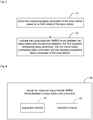
Fig. 1 is a flowchart of a method for implementing a flexible HARQ between a base station and a terminal according to an embodiment of the disclosure; -
Fig. 2 is a flowchart of thestep 12 inFig. 1 according to an embodiment of the disclosure; -
Fig. 3 is a flowchart of the step of indicating the uplink/downlink HARQ timing between the base station and the terminal based on a traffic state according to an embodiment of the disclosure; and -
Fig. 4 is a structural schematic diagram of a device for implementing a flexible HARQ between a base station and a terminal according to an embodiment of the disclosure. - In order to make the technical problems to be solved, technical solutions and advantages of the disclosure to be clearer, the disclosure will be described in detail in conjunction with the appended drawings and embodiments of the disclosure.
- In the related art, a HARQ timing between a baste station and a terminal is a fixed value (for example, for Frequency Division Duplexing (FDD) Long Term Evolution (LTE) in a LTE design, a HARQ timing between a base station and a terminal is fixed at 8ms), the time value is set as a timing of all the terminals and the timing will not be changed over time. In view of this, the present disclosure provides a method and device for implementing a flexible Hybrid Automatic Repeat Request (HARQ) between a base station and a terminal, which may dynamically determine timings of individual terminals based on delay processing capabilities of individual terminals, a processing capability of the base station, an actual requirement of a network and the like, so as to enable that timings of the terminals may vary from terminal to terminal and the timing of each terminal may vary over time, thus achieving effective utilization of resources of the terminals.
- As shown in
Fig. 1 , an embodiment of the disclosure provides a method for implementing a flexible HARQ between a base station and a terminal, which includes the following steps. - In
Step 11, a first reception processing delay parameter and a first transmission processing delay parameter of the terminal are acquired. - In
Step 12, an uplink/downlink HARQ timing between the base station and the terminal are indicated based on the first reception processing delay parameter, the first transmission processing delay parameter and a processing delay parameter of the base station. - According to the embodiment of the disclosure, the terminal reports the first reception processing delay parameter and the first transmission processing delay parameter to the base station. The first reception processing delay parameter may be different from or same as the first transmission processing delay parameter, that is, it is possible that the first reception processing delay parameter and the first transmission processing delay parameter are integrally reported as a single delay parameter. The base station may update the uplink/downlink HARQ timing after receiving the first reception processing delay parameter and the first transmission processing delay parameter reported by the terminal. However, for the Time Division Duplexing (TDD), the uplink/downlink resources of the TDD are discontinuous due to the difference of the time domain resources between the TDD and the Frequency Division Duplexing (FDD). Therefore, for determining the HARQ timing of the TDD based on these delay parameters, an uplink/downlink sub-frame configuration ratio and available resources will be considered. Optionally, according to the embodiment of the disclosure, before the
Step 11, the method may further include the following step: - It is judged whether the terminal is to report the first reception processing delay parameter and the first transmission processing delay; when the terminal is to report the first reception processing delay parameter and the first transmission processing delay parameter, the method proceeds with the step of acquiring the first reception processing delay parameter and the first transmission processing delay parameter; and when the terminal is not to report the first reception processing delay parameter and the first transmission processing delay parameter, a preset default uplink/downlink HARQ timing between the terminal and the base station is adopted.
- According to an embodiment of the disclosure, preferably, the base station indicates the uplink/downlink HARQ timing between the terminal and the base station based on a traffic state of the base station, where the traffic state may include at least one of a traffic delay demand, an idle/busy state of the base station and an operation mode of the base station.
- According to an embodiment of the disclosure, for a certain traffic delay demand and a certain operation mode of the base station, a processing delay parameter of the base station is positively correlated to how busy the base station is, that is, the processing delay parameter of the base station when the base station is relatively busy, is greater than the processing delay parameter of the base station when the base station is relatively idle. Similarly, for a certain idle/busy state of the base station and a certain operation mode of the base station, the processing delay parameter of the base station is positively correlated to the traffic delay demand, that is, the smaller the traffic delay demand is, the smaller the processing delay parameter of the base station is. For a certain idle/busy state of the base station and a certain traffic delay demand, the processing delay parameter of the base station varies depending on the operation mode of the base station.
- According to an embodiment of the disclosure, as shown in
Fig. 2 , theStep 12 may include the following steps. - In
Step 21, a second reception processing delay parameter and a second transmission processing delay parameter is reconfigured for the terminal, based on the first reception processing delay parameter and the first transmission processing delay parameter, where the second reception processing delay parameter is greater than or equal to the first reception processing delay parameter, and the second transmission processing delay parameter is greater than or equal to the first transmission processing delay parameter. - In
Step 22, the second reception processing delay parameter, the processing delay parameter of the base station, a previous statistical uplink/downlink propagation delay parameter and the second transmission processing delay parameter are summed. - In
Step 23, the uplink/downlink HARQ timing between the base station and the terminal is obtained based on the sum, where the uplink/downlink HARQ timing between the base station and the terminal is greater than or equal to the sum. - According to the embodiment of the disclosure, the base station will reconfigure the second reception processing delay parameter and the second transmission processing delay parameter for the terminal, after receiving the first reception processing delay parameter and the first transmission processing delay parameter reported by the terminal, where the second reception processing delay parameter is greater than or equal to the first reception processing delay parameter, and the second transmission processing delay parameter is greater than or equal to the first transmission processing delay parameter. It should be understood that the second reception processing delay parameter may be same as or different from the second transmission processing delay parameter. After the second reception processing delay parameter and the second transmission processing delay parameter are configured, the base station will sum the second reception processing delay parameter, the processing delay parameter of the base station, a previous statistical uplink/downlink propagation delay parameter and the second transmission processing delay parameter. The uplink/downlink HARQ timing between the base station and the terminal is greater than or equal to the sum of the second reception processing delay parameter, the processing delay parameter of the base station, a previous statistical uplink/downlink propagation delay parameter and the second transmission processing delay parameter, and the uplink/downlink HARQ timing between the base station and the terminal is an integer number. The method for acquiring the uplink/downlink propagation delay parameter can be found in the related art, and thus will not be elaborated.
- According to the embodiment of the disclosure, as shown in
Fig. 3 , the step of indicating the uplink/downlink HARQ timing between the base station and the terminal may further include the following steps. - In
Step 31, the processing delay parameter of the base station is adjusted based on a traffic state of the base station; and
InStep 32, the uplink/downlink HARQ timing between the base station and the terminal is indicated based on the first reception processing delay parameter, the first transmission processing delay parameter and the adjusted processing delay parameter of the base station. - According to the embodiment of the disclosure, for a certain traffic delay demand and a certain operation mode of the base station, after the base station receives the first reception processing delay parameter and the first transmission processing delay parameter reported by the terminal, the base station will increase the processing delay parameter of the base station corresponding to the terminal when the base station is relatively busy, and the base station will decrease the processing delay parameter of the base station corresponding to the terminal when the base station is relatively idle. Similarly, for a certain idle/busy state of the base station and a certain operation mode of the base station, after the base station receives the first reception processing delay parameter and the first transmission processing delay parameter reported by the terminal, the base station will adjust the processing delay of the base station based on the traffic delay demand, that is, the base station will decrease the processing delay of the base station when the traffic delay demand decrease. For a certain traffic delay demand and a certain idle/busy state of the base station, the base station will adjust the processing delay of the station based on the operation mode of the base station. Both the uplink propagation delay parameter and the downlink propagation delay parameter are maximum system-allowable propagation delay parameter positively correlated to a coverage radius set by the base station. At this time, the base station will set the HARQ timing to be greater than or equal to the sum of the second reception processing delay parameter, the previous statistical uplink/downlink propagation delay parameter, the second transmission processing delay parameter and the adjusted processing delay parameter of the base station.
- Optionally, according to the embodiment of the disclosure, after the step of adjusting the processing delay parameter of the base station based on the traffic state of the base station, the method may further include a step of transmitting one of the second reception processing delay parameter, the second transmission processing delay parameter or the adjusted processing delay parameter of the base station, to the terminal, so as to enable the terminal to perform data transceiving based on one of the second reception processing delay parameter, the second transmission processing delay parameter or the adjusted processing delay parameter of the base station.
- According to the embodiment of the disclosure, after the base station adjusts the processing delay parameter of the base station and the reception processing delay parameter of the terminal, the terminal will perform data reception based on the adjusted processing delay parameter of the base station and the second reception processing delay parameter. After the base station adjusts the processing delay parameter of the base station and the transmission processing delay parameter of the terminal, the terminal will perform data transmission based on the adjusted processing delay parameter of the base station and the second transmission processing parameter. Of course, when the base station does not adjust any one of the reception processing delay parameter of the terminal, the transmission processing delay parameter of the terminal and the processing delay parameter of the base station, a default HARQ timing is taken as the HARQ timing between the base station and the terminal.
- For better achieving the above object, as shown in
Fig. 4 , an embodiment of the disclosure provides adevice 40 for implementing a flexible HARQ timing between a base station and a terminal, which includes anacquisition module 41 and anindication module 42. - The
acquisition module 41 is configured to acquire a first reception processing delay parameter and a first transmission processing delay parameter of the terminal. - The
indication module 42 is configured to indicate an uplink/downlink HARQ timing between the base station and the terminal, based on the first reception processing delay parameter, the first transmission processing delay parameter and a processing delay parameter of the base station. - Preferably, the device 4 may further include a judgement module, configured to judge whether the terminal is to report the first reception processing delay parameter and the first transmission processing delay, where the acquisition module acquires the first reception processing delay parameter and the first transmission processing delay parameter when the terminal is to report the first reception processing delay parameter and the first transmission processing delay parameter.
- Preferably, the
indication module 42 may further include a configuration unit, a calculation unit and a processing unit. - The configuration unit is configured to reconfigure a second reception processing delay parameter and a second transmission processing delay parameter for the terminal, based on the first reception processing delay parameter and the first transmission processing delay parameter; where the second reception processing delay parameter is greater than or equal to the first reception processing delay parameter, and the second transmission processing delay parameter is greater than or equal to the first transmission processing delay parameter;
- The calculation unit is configured to sum the second reception processing delay parameter, the processing delay parameter of the base station, a previous statistical uplink/downlink propagation delay parameter and the second transmission processing delay parameter; and
The processing unit is configured to obtain the uplink/downlink HARQ timing between the base station and the terminal based on the sum, where the uplink/downlink HARQ timing between the base station and the terminal is greater than or equal to the sum. - Preferably, the
indication module 42 may further be configured to: adjust the processing delay parameter of the base station based on a traffic state of the base station; and indicate the uplink/downlink HARQ timing between the base station and the terminal based on the first reception processing delay parameter, the first transmission processing delay parameter and the adjusted processing delay parameter of the base station. - Preferably, the
device 40 may further include a transmission module, configured to transmit one of the second reception processing delay parameter, the second transmission processing delay parameter or the adjusted processing delay parameter of the base station to the terminal, so as to enable the terminal to perform data transceiving based on one of the second reception processing delay parameter, the second transmission processing delay parameter or the adjusted processing delay parameter of the base station. - Those skilled in the art shall understand that the embodiments of the disclosure may be provided as a method, a device (apparatus) or a computer program product. Thus, forms of hardware embodiments, software embodiments or embodiments integrating software and hardware may be adopted in the disclosure. Moreover, a form of the computer program product implemented on one or more computer available storage media (including but not limited to, a disk memory, a Compact Disc Read-Only Memory (CD-ROM), an optical memory and the like) containing computer available program codes may be adopted in the disclosure.
- The disclosure is described with reference to flow charts and/or block diagrams of the method, the device (apparatus) and the computer program product according to the embodiments of the disclosure. It will be appreciated that each flow and/or block in the flow charts and/or the block diagrams and a combination of the flows and/or the blocks in the flow charts and/or the block diagrams may be implemented by computer program instructions. These computer program instructions may be provided for a general computer, a dedicated computer, an embedded processor or processors of other programmable data processing devices to generate a machine, such that an apparatus for implementing functions designated in one or more flows of the flow charts and/or one or more blocks of the block diagrams is generated via instructions executed by the computers or the processors of the other programmable data processing devices.
- These computer program instructions may also be stored in a computer readable memory capable of guiding the computers or the other programmable data processing devices to work in a specific mode, such that a manufactured product including an instruction apparatus is generated via the instructions stored in the computer readable memory, and the instruction apparatus implements the functions designated in one or more flows of the flow charts and/or one or more blocks of the block diagrams.
- These computer program instructions may also be loaded to the computers or the other programmable data processing devices, such that processing implemented by the computers is generated by executing a series of operation steps on the computers or the other programmable devices, and therefore the instructions executed on the computers or the other programmable devices provide a step of implementing the functions designated in one or more flows of the flow charts and/or one or more blocks of the block diagrams.
- The above-described embodiments are preferred embodiments of the disclosure. It should be noted that, the skilled in the art may make various improvements and modifications on the disclosure without departing from the spirit and scope of the disclosure, which may fall within the protection scope of the disclosure.
Claims (10)
- A method for implementing a flexible Hybrid Automatic Repeat Request, HARQ, timing between a base station and a terminal, characterized in that, the method comprises:acquiring a first reception processing delay parameter and a first transmission processing delay parameter of the terminal; andindicating an uplink/downlink HARQ timing between the base station and the terminal, based on the first reception processing delay parameter, the first transmission processing delay parameter and a processing delay parameter of the base station.
- The method according to claim 1, wherein the step of indicating the uplink/downlink HARQ timing between the base station and the terminal, based on the first reception processing delay parameter, the first transmission processing delay parameter and the processing delay parameter of the base station, comprises:reconfiguring a second reception processing delay parameter and a second transmission processing delay parameter for the terminal, based on the first reception processing delay parameter and the first transmission processing delay parameter, wherein the second reception processing delay parameter is greater than or equal to the first reception processing delay parameter, and the second transmission processing delay parameter is greater than or equal to the first transmission processing delay parameter;summing the second reception processing delay parameter, the processing delay parameter of the base station, a previous statistical uplink/downlink propagation delay parameter and the second transmission processing delay parameter; andobtaining the uplink/downlink HARQ timing between the base station and the terminal based on the sum, wherein the uplink/downlink HARQ timing between the base station and the terminal is greater than or equal to the sum.
- The method according to claim 2, further comprising:adjusting the processing delay parameter of the base station based on a traffic state of the base station,wherein the step of indicating the uplink/downlink HARQ timing between the base station and the terminal further comprises:indicating the uplink/downlink HARQ timing between the base station and the terminal based on the first reception processing delay parameter, the first transmission processing delay parameter and the adjusted processing delay parameter of the base station.
- The method according to claim 1, wherein before the step of acquiring the first reception processing delay parameter and the first transmission processing delay parameter of the terminal, the method further comprises:judging whether the terminal is to report the first reception processing delay parameter and the first transmission processing delay, and proceeding to the step of acquiring the first reception processing delay parameter and the first transmission processing delay parameter of the terminal when the terminal is to report the first reception processing delay parameter and the first transmission processing delay parameter.
- The method according to claim 3, wherein after the step of adjusting the processing delay parameter of the base station based on the traffic state of the base station, the method further comprises:transmitting one of the second reception processing delay parameter, the second transmission processing delay parameter or the adjusted processing delay parameter of the base station, to the terminal, so as to enable the terminal to perform data transceiving based on one of the second reception processing delay parameter, the second transmission processing delay parameter or the adjusted processing delay parameter of the base station.
- A device for implementing a flexible Hybrid Automatic Repeat Request, HARQ, timing between a base station and a terminal, characterized in that, the device comprises:an acquisition module, configured to acquire a first reception processing delay parameter and a first transmission processing delay parameter of the terminal;an indication module, configured to indicate an uplink/downlink HARQ timing between the base station and the terminal, based on the first reception processing delay parameter, the first transmission processing delay parameter and a processing delay parameter of the base station.
- The device according to claim 6, wherein, the indication module comprises:a configuration unit, configured to reconfigure a second reception processing delay parameter and a second transmission processing delay parameter for the terminal, based on the first reception processing delay parameter and the first transmission processing delay parameter; wherein the second reception processing delay parameter is greater than or equal to the first reception processing delay parameter, and the second transmission processing delay parameter is greater than or equal to the first transmission processing delay parameter;a calculation unit, configured to sum the second reception processing delay parameter, the processing delay parameter of the base station, a previous statistical uplink/downlink propagation delay parameter and the second transmission processing delay parameter; anda processing unit, configured to obtain the uplink/downlink HARQ timing between the base station and the terminal based on the sum, wherein the uplink/downlink HARQ timing between the base station and the terminal is greater than or equal to the sum.
- The device according to claim 7, wherein the indication module is further configured to:adjust the processing delay parameter of the base station based on a traffic state of the base station; andindicate the uplink/downlink HARQ timing between the base station and the terminal based on the first reception processing delay parameter, the first transmission processing delay parameter and the adjusted processing delay parameter of the base station.
- The device according to claim 6, wherein the device further comprises:a judgement module, configured to judge whether the terminal is to report the first reception processing delay parameter and the first transmission processing delay, wherein the acquisition module acquires the first reception processing delay parameter and the first transmission processing delay parameter when the terminal is to report the first reception processing delay parameter and the first transmission processing delay parameter.
- The device according to claim 8, wherein the device further comprises:a transmission module, configured to transmit one of the second reception processing delay parameter, the second transmission processing delay parameter or the adjusted processing delay parameter of the base station to the terminal, so as to enable the terminal to perform data transceiving based on one of the second reception processing delay parameter, the second transmission processing delay parameter or the adjusted processing delay parameter of the base station.
Applications Claiming Priority (2)
| Application Number | Priority Date | Filing Date | Title |
|---|---|---|---|
| CN201410602535.6A CN105634686B (en) | 2014-10-31 | 2014-10-31 | A kind of method and device for realizing base station and the flexible HARQ timings of terminal room |
| PCT/CN2015/093176 WO2016066121A1 (en) | 2014-10-31 | 2015-10-29 | Method and apparatus for realizing flexible harq timing between base station and terminal |
Publications (3)
| Publication Number | Publication Date |
|---|---|
| EP3206320A1 true EP3206320A1 (en) | 2017-08-16 |
| EP3206320A4 EP3206320A4 (en) | 2018-05-30 |
| EP3206320B1 EP3206320B1 (en) | 2022-10-12 |
Family
ID=55856627
Family Applications (1)
| Application Number | Title | Priority Date | Filing Date |
|---|---|---|---|
| EP15854838.8A Active EP3206320B1 (en) | 2014-10-31 | 2015-10-29 | Method and apparatus for realizing flexible harq timing between base station and terminal |
Country Status (4)
| Country | Link |
|---|---|
| US (1) | US10333655B2 (en) |
| EP (1) | EP3206320B1 (en) |
| CN (1) | CN105634686B (en) |
| WO (1) | WO2016066121A1 (en) |
Cited By (3)
| Publication number | Priority date | Publication date | Assignee | Title |
|---|---|---|---|---|
| EP3300550A4 (en) * | 2016-07-25 | 2018-06-20 | Telefonaktiebolaget LM Ericsson (PUBL) | Determination of feedback timing |
| US10348472B2 (en) | 2016-07-25 | 2019-07-09 | Telefonaktiebolaget Lm Ericsson (Publ) | Determination of feedback timing |
| EP3606202A4 (en) * | 2017-03-24 | 2020-03-25 | Beijing Xiaomi Mobile Software Co., Ltd. | COMMUNICATION RESOURCE MANAGEMENT METHOD, APPARATUS AND SYSTEM |
Families Citing this family (7)
| Publication number | Priority date | Publication date | Assignee | Title |
|---|---|---|---|---|
| CN107710663B (en) * | 2015-07-14 | 2020-03-20 | 华为技术有限公司 | Data transmission method, user equipment and base station |
| WO2018010143A1 (en) | 2016-07-14 | 2018-01-18 | 广东欧珀移动通信有限公司 | Communication method, base station and user equipment |
| RU2720977C1 (en) | 2016-09-28 | 2020-05-15 | Хуавэй Текнолоджиз Ко., Лтд. | Method for returning ack/nack information for downlink data and connected device |
| CN110050494B (en) * | 2017-11-14 | 2020-06-23 | Oppo广东移动通信有限公司 | Data retransmission method, terminal device and network device |
| US11533719B2 (en) * | 2019-11-01 | 2022-12-20 | Verizon Patent And Licensing Inc. | Systems and methods for managing uplink and downlink throughput |
| WO2022033515A1 (en) * | 2020-08-12 | 2022-02-17 | Qualcomm Incorporated | Harq-process specific user equipment configuration for reduced capability complexity reduction |
| US20240372611A1 (en) * | 2021-08-05 | 2024-11-07 | Nippon Telegraph And Telephone Corporation | Wireless communication apparatus, wireless communication system and wireless communication method |
Family Cites Families (9)
| Publication number | Priority date | Publication date | Assignee | Title |
|---|---|---|---|---|
| JP2002084338A (en) | 2000-07-07 | 2002-03-22 | Matsushita Electric Ind Co Ltd | Data transmitting device, data receiving device, and data communication system |
| CN101237309B (en) * | 2007-01-31 | 2011-09-14 | 华为技术有限公司 | Data retransfer method, device and automatic retransfer request entity of transmission end |
| CN101772073A (en) * | 2009-01-05 | 2010-07-07 | 中兴通讯股份有限公司 | Method and device for realizing hybrid automatic repeat request based on time division duplex system |
| US8413001B2 (en) | 2009-12-03 | 2013-04-02 | Intel Corporation | Determining hybrid automatic repeat request (HARQ) timing |
| WO2013123979A1 (en) * | 2012-02-21 | 2013-08-29 | Telefonaktiebolaget L M Ericsson (Publ) | Data block transmission with variable retransmission feedback time |
| KR101935963B1 (en) * | 2012-05-18 | 2019-01-07 | 한국전자통신연구원 | Method and apparatus for adjusting harq timing |
| WO2014058236A1 (en) * | 2012-10-10 | 2014-04-17 | 엘지전자 주식회사 | Method and user device for receiving uplink control information, and method and base station for transmitting uplink control information |
| CN105191187A (en) * | 2013-03-14 | 2015-12-23 | Zte维创通讯公司 | Method and apparatus to adapt the number of HARQ processes in a distributed network topology |
| PL3127263T3 (en) * | 2014-04-04 | 2019-10-31 | Nokia Solutions & Networks Oy | Method, apparatus and computer program product for hybrid automatic repeat request timing in communications system |
-
2014
- 2014-10-31 CN CN201410602535.6A patent/CN105634686B/en active Active
-
2015
- 2015-10-29 WO PCT/CN2015/093176 patent/WO2016066121A1/en not_active Ceased
- 2015-10-29 EP EP15854838.8A patent/EP3206320B1/en active Active
-
2017
- 2017-04-28 US US15/581,621 patent/US10333655B2/en active Active
Cited By (6)
| Publication number | Priority date | Publication date | Assignee | Title |
|---|---|---|---|---|
| EP3300550A4 (en) * | 2016-07-25 | 2018-06-20 | Telefonaktiebolaget LM Ericsson (PUBL) | Determination of feedback timing |
| US10348472B2 (en) | 2016-07-25 | 2019-07-09 | Telefonaktiebolaget Lm Ericsson (Publ) | Determination of feedback timing |
| EP3582428A1 (en) | 2016-07-25 | 2019-12-18 | Telefonaktiebolaget LM Ericsson (publ) | Determination of feedback timing |
| US11843560B2 (en) | 2016-07-25 | 2023-12-12 | Telefonaktiebolaget Lm Ericsson (Publ) | Determination of feedback timing |
| EP3606202A4 (en) * | 2017-03-24 | 2020-03-25 | Beijing Xiaomi Mobile Software Co., Ltd. | COMMUNICATION RESOURCE MANAGEMENT METHOD, APPARATUS AND SYSTEM |
| US11089604B2 (en) | 2017-03-24 | 2021-08-10 | Beijing Xiaomi Mobile Software Co., Ltd. | Communication resource management method and device |
Also Published As
| Publication number | Publication date |
|---|---|
| CN105634686A (en) | 2016-06-01 |
| EP3206320A4 (en) | 2018-05-30 |
| WO2016066121A1 (en) | 2016-05-06 |
| CN105634686B (en) | 2018-10-12 |
| EP3206320B1 (en) | 2022-10-12 |
| US20170230148A1 (en) | 2017-08-10 |
| US10333655B2 (en) | 2019-06-25 |
Similar Documents
| Publication | Publication Date | Title |
|---|---|---|
| US10333655B2 (en) | Method and device for implementing flexbile HARQ timing between base station and terminal | |
| EP3123790B1 (en) | System and method for activating and deactivating multiple secondary cells | |
| US10736139B2 (en) | Uplink control information transmission method and apparatus | |
| US10187805B2 (en) | Radio resource sharing method, and device | |
| KR102024452B1 (en) | Method and apparatus for determining that nearly continuous resource allocation A-MPR is applied to uplink transmission | |
| US11006410B2 (en) | Method and apparatus for transmitting uplink information | |
| US11424893B2 (en) | ACK/NACK reporting method, apparatus and device and storage medium | |
| RU2748856C1 (en) | Uplink transmission method and terminal device | |
| WO2014186932A1 (en) | Method and apparatus for enhanced secondary cell activation and deactivation | |
| CN107070608A (en) | Support HARQ wireless communications method, user equipment and base station | |
| WO2019137502A1 (en) | Uci transmission method and device | |
| KR102427490B1 (en) | Data transmission method, terminal device, and network device | |
| KR102187669B1 (en) | Method and apparatus for transmitting uplink control information (UCI) | |
| US11997569B2 (en) | Base station and system for communication of RRC signaling and an SRS in a target subframe | |
| RU2009120459A (en) | METHOD AND DEVICE FOR REDUCING SERVICE SIGNALS BASED ON ASK CHANNEL | |
| CN109152032A (en) | Data transmission method and device | |
| KR102207118B1 (en) | Cross-carrier scheduling method and apparatus | |
| EP3468264B1 (en) | Method and device for power allocation | |
| WO2018000594A1 (en) | Method of configuring sounding reference signal resource, and device and base station | |
| CN109155990A (en) | A counting method and device | |
| CN108259150B (en) | Information transmission method and device | |
| JP6901447B2 (en) | Base station equipment that allocates radio resources for terminal equipment that communicates using the half-duplex method, its control method, and programs. | |
| JP2025506508A (en) | Apparatus, method, and computer program relating to positioning reference signal | |
| CN107889097B (en) | Processing method, device and system for uplink scheduling | |
| AU2016417122B2 (en) | Determination of feedback timing |
Legal Events
| Date | Code | Title | Description |
|---|---|---|---|
| STAA | Information on the status of an ep patent application or granted ep patent |
Free format text: STATUS: THE INTERNATIONAL PUBLICATION HAS BEEN MADE |
|
| PUAI | Public reference made under article 153(3) epc to a published international application that has entered the european phase |
Free format text: ORIGINAL CODE: 0009012 |
|
| STAA | Information on the status of an ep patent application or granted ep patent |
Free format text: STATUS: REQUEST FOR EXAMINATION WAS MADE |
|
| 17P | Request for examination filed |
Effective date: 20170510 |
|
| AK | Designated contracting states |
Kind code of ref document: A1 Designated state(s): AL AT BE BG CH CY CZ DE DK EE ES FI FR GB GR HR HU IE IS IT LI LT LU LV MC MK MT NL NO PL PT RO RS SE SI SK SM TR |
|
| AX | Request for extension of the european patent |
Extension state: BA ME |
|
| DAV | Request for validation of the european patent (deleted) | ||
| DAX | Request for extension of the european patent (deleted) | ||
| A4 | Supplementary search report drawn up and despatched |
Effective date: 20180504 |
|
| RIC1 | Information provided on ipc code assigned before grant |
Ipc: H04W 72/12 20090101ALI20180426BHEP Ipc: H04L 1/18 20060101AFI20180426BHEP Ipc: H04W 72/04 20090101ALI20180426BHEP |
|
| STAA | Information on the status of an ep patent application or granted ep patent |
Free format text: STATUS: EXAMINATION IS IN PROGRESS |
|
| 17Q | First examination report despatched |
Effective date: 20200625 |
|
| GRAP | Despatch of communication of intention to grant a patent |
Free format text: ORIGINAL CODE: EPIDOSNIGR1 |
|
| STAA | Information on the status of an ep patent application or granted ep patent |
Free format text: STATUS: GRANT OF PATENT IS INTENDED |
|
| INTG | Intention to grant announced |
Effective date: 20220620 |
|
| GRAS | Grant fee paid |
Free format text: ORIGINAL CODE: EPIDOSNIGR3 |
|
| GRAA | (expected) grant |
Free format text: ORIGINAL CODE: 0009210 |
|
| STAA | Information on the status of an ep patent application or granted ep patent |
Free format text: STATUS: THE PATENT HAS BEEN GRANTED |
|
| AK | Designated contracting states |
Kind code of ref document: B1 Designated state(s): AL AT BE BG CH CY CZ DE DK EE ES FI FR GB GR HR HU IE IS IT LI LT LU LV MC MK MT NL NO PL PT RO RS SE SI SK SM TR |
|
| REG | Reference to a national code |
Ref country code: GB Ref legal event code: FG4D |
|
| REG | Reference to a national code |
Ref country code: CH Ref legal event code: EP |
|
| REG | Reference to a national code |
Ref country code: DE Ref legal event code: R096 Ref document number: 602015081177 Country of ref document: DE |
|
| REG | Reference to a national code |
Ref country code: IE Ref legal event code: FG4D |
|
| REG | Reference to a national code |
Ref country code: AT Ref legal event code: REF Ref document number: 1524799 Country of ref document: AT Kind code of ref document: T Effective date: 20221115 |
|
| REG | Reference to a national code |
Ref country code: LT Ref legal event code: MG9D |
|
| REG | Reference to a national code |
Ref country code: NL Ref legal event code: MP Effective date: 20221012 |
|
| REG | Reference to a national code |
Ref country code: AT Ref legal event code: MK05 Ref document number: 1524799 Country of ref document: AT Kind code of ref document: T Effective date: 20221012 |
|
| PG25 | Lapsed in a contracting state [announced via postgrant information from national office to epo] |
Ref country code: NL Free format text: LAPSE BECAUSE OF FAILURE TO SUBMIT A TRANSLATION OF THE DESCRIPTION OR TO PAY THE FEE WITHIN THE PRESCRIBED TIME-LIMIT Effective date: 20221012 |
|
| PG25 | Lapsed in a contracting state [announced via postgrant information from national office to epo] |
Ref country code: SE Free format text: LAPSE BECAUSE OF FAILURE TO SUBMIT A TRANSLATION OF THE DESCRIPTION OR TO PAY THE FEE WITHIN THE PRESCRIBED TIME-LIMIT Effective date: 20221012 Ref country code: PT Free format text: LAPSE BECAUSE OF FAILURE TO SUBMIT A TRANSLATION OF THE DESCRIPTION OR TO PAY THE FEE WITHIN THE PRESCRIBED TIME-LIMIT Effective date: 20230213 Ref country code: NO Free format text: LAPSE BECAUSE OF FAILURE TO SUBMIT A TRANSLATION OF THE DESCRIPTION OR TO PAY THE FEE WITHIN THE PRESCRIBED TIME-LIMIT Effective date: 20230112 Ref country code: LT Free format text: LAPSE BECAUSE OF FAILURE TO SUBMIT A TRANSLATION OF THE DESCRIPTION OR TO PAY THE FEE WITHIN THE PRESCRIBED TIME-LIMIT Effective date: 20221012 Ref country code: FI Free format text: LAPSE BECAUSE OF FAILURE TO SUBMIT A TRANSLATION OF THE DESCRIPTION OR TO PAY THE FEE WITHIN THE PRESCRIBED TIME-LIMIT Effective date: 20221012 Ref country code: ES Free format text: LAPSE BECAUSE OF FAILURE TO SUBMIT A TRANSLATION OF THE DESCRIPTION OR TO PAY THE FEE WITHIN THE PRESCRIBED TIME-LIMIT Effective date: 20221012 Ref country code: AT Free format text: LAPSE BECAUSE OF FAILURE TO SUBMIT A TRANSLATION OF THE DESCRIPTION OR TO PAY THE FEE WITHIN THE PRESCRIBED TIME-LIMIT Effective date: 20221012 |
|
| PG25 | Lapsed in a contracting state [announced via postgrant information from national office to epo] |
Ref country code: RS Free format text: LAPSE BECAUSE OF FAILURE TO SUBMIT A TRANSLATION OF THE DESCRIPTION OR TO PAY THE FEE WITHIN THE PRESCRIBED TIME-LIMIT Effective date: 20221012 Ref country code: PL Free format text: LAPSE BECAUSE OF FAILURE TO SUBMIT A TRANSLATION OF THE DESCRIPTION OR TO PAY THE FEE WITHIN THE PRESCRIBED TIME-LIMIT Effective date: 20221012 Ref country code: LV Free format text: LAPSE BECAUSE OF FAILURE TO SUBMIT A TRANSLATION OF THE DESCRIPTION OR TO PAY THE FEE WITHIN THE PRESCRIBED TIME-LIMIT Effective date: 20221012 Ref country code: IS Free format text: LAPSE BECAUSE OF FAILURE TO SUBMIT A TRANSLATION OF THE DESCRIPTION OR TO PAY THE FEE WITHIN THE PRESCRIBED TIME-LIMIT Effective date: 20230212 Ref country code: HR Free format text: LAPSE BECAUSE OF FAILURE TO SUBMIT A TRANSLATION OF THE DESCRIPTION OR TO PAY THE FEE WITHIN THE PRESCRIBED TIME-LIMIT Effective date: 20221012 Ref country code: GR Free format text: LAPSE BECAUSE OF FAILURE TO SUBMIT A TRANSLATION OF THE DESCRIPTION OR TO PAY THE FEE WITHIN THE PRESCRIBED TIME-LIMIT Effective date: 20230113 |
|
| REG | Reference to a national code |
Ref country code: CH Ref legal event code: PL |
|
| REG | Reference to a national code |
Ref country code: BE Ref legal event code: MM Effective date: 20221031 |
|
| PG25 | Lapsed in a contracting state [announced via postgrant information from national office to epo] |
Ref country code: LU Free format text: LAPSE BECAUSE OF NON-PAYMENT OF DUE FEES Effective date: 20221029 |
|
| REG | Reference to a national code |
Ref country code: DE Ref legal event code: R097 Ref document number: 602015081177 Country of ref document: DE |
|
| PG25 | Lapsed in a contracting state [announced via postgrant information from national office to epo] |
Ref country code: SM Free format text: LAPSE BECAUSE OF FAILURE TO SUBMIT A TRANSLATION OF THE DESCRIPTION OR TO PAY THE FEE WITHIN THE PRESCRIBED TIME-LIMIT Effective date: 20221012 Ref country code: RO Free format text: LAPSE BECAUSE OF FAILURE TO SUBMIT A TRANSLATION OF THE DESCRIPTION OR TO PAY THE FEE WITHIN THE PRESCRIBED TIME-LIMIT Effective date: 20221012 Ref country code: MC Free format text: LAPSE BECAUSE OF FAILURE TO SUBMIT A TRANSLATION OF THE DESCRIPTION OR TO PAY THE FEE WITHIN THE PRESCRIBED TIME-LIMIT Effective date: 20221012 Ref country code: LI Free format text: LAPSE BECAUSE OF NON-PAYMENT OF DUE FEES Effective date: 20221031 Ref country code: EE Free format text: LAPSE BECAUSE OF FAILURE TO SUBMIT A TRANSLATION OF THE DESCRIPTION OR TO PAY THE FEE WITHIN THE PRESCRIBED TIME-LIMIT Effective date: 20221012 Ref country code: DK Free format text: LAPSE BECAUSE OF FAILURE TO SUBMIT A TRANSLATION OF THE DESCRIPTION OR TO PAY THE FEE WITHIN THE PRESCRIBED TIME-LIMIT Effective date: 20221012 Ref country code: CZ Free format text: LAPSE BECAUSE OF FAILURE TO SUBMIT A TRANSLATION OF THE DESCRIPTION OR TO PAY THE FEE WITHIN THE PRESCRIBED TIME-LIMIT Effective date: 20221012 Ref country code: CH Free format text: LAPSE BECAUSE OF NON-PAYMENT OF DUE FEES Effective date: 20221031 |
|
| PLBE | No opposition filed within time limit |
Free format text: ORIGINAL CODE: 0009261 |
|
| STAA | Information on the status of an ep patent application or granted ep patent |
Free format text: STATUS: NO OPPOSITION FILED WITHIN TIME LIMIT |
|
| PG25 | Lapsed in a contracting state [announced via postgrant information from national office to epo] |
Ref country code: SK Free format text: LAPSE BECAUSE OF FAILURE TO SUBMIT A TRANSLATION OF THE DESCRIPTION OR TO PAY THE FEE WITHIN THE PRESCRIBED TIME-LIMIT Effective date: 20221012 Ref country code: AL Free format text: LAPSE BECAUSE OF FAILURE TO SUBMIT A TRANSLATION OF THE DESCRIPTION OR TO PAY THE FEE WITHIN THE PRESCRIBED TIME-LIMIT Effective date: 20221012 |
|
| 26N | No opposition filed |
Effective date: 20230713 |
|
| PG25 | Lapsed in a contracting state [announced via postgrant information from national office to epo] |
Ref country code: BE Free format text: LAPSE BECAUSE OF NON-PAYMENT OF DUE FEES Effective date: 20221031 |
|
| PG25 | Lapsed in a contracting state [announced via postgrant information from national office to epo] |
Ref country code: IE Free format text: LAPSE BECAUSE OF NON-PAYMENT OF DUE FEES Effective date: 20221029 |
|
| PG25 | Lapsed in a contracting state [announced via postgrant information from national office to epo] |
Ref country code: SI Free format text: LAPSE BECAUSE OF FAILURE TO SUBMIT A TRANSLATION OF THE DESCRIPTION OR TO PAY THE FEE WITHIN THE PRESCRIBED TIME-LIMIT Effective date: 20221012 |
|
| PG25 | Lapsed in a contracting state [announced via postgrant information from national office to epo] |
Ref country code: HU Free format text: LAPSE BECAUSE OF FAILURE TO SUBMIT A TRANSLATION OF THE DESCRIPTION OR TO PAY THE FEE WITHIN THE PRESCRIBED TIME-LIMIT; INVALID AB INITIO Effective date: 20151029 |
|
| PG25 | Lapsed in a contracting state [announced via postgrant information from national office to epo] |
Ref country code: CY Free format text: LAPSE BECAUSE OF FAILURE TO SUBMIT A TRANSLATION OF THE DESCRIPTION OR TO PAY THE FEE WITHIN THE PRESCRIBED TIME-LIMIT Effective date: 20221012 |
|
| PG25 | Lapsed in a contracting state [announced via postgrant information from national office to epo] |
Ref country code: MK Free format text: LAPSE BECAUSE OF FAILURE TO SUBMIT A TRANSLATION OF THE DESCRIPTION OR TO PAY THE FEE WITHIN THE PRESCRIBED TIME-LIMIT Effective date: 20221012 Ref country code: IT Free format text: LAPSE BECAUSE OF FAILURE TO SUBMIT A TRANSLATION OF THE DESCRIPTION OR TO PAY THE FEE WITHIN THE PRESCRIBED TIME-LIMIT Effective date: 20221012 |
|
| PG25 | Lapsed in a contracting state [announced via postgrant information from national office to epo] |
Ref country code: BG Free format text: LAPSE BECAUSE OF FAILURE TO SUBMIT A TRANSLATION OF THE DESCRIPTION OR TO PAY THE FEE WITHIN THE PRESCRIBED TIME-LIMIT Effective date: 20221012 |
|
| PG25 | Lapsed in a contracting state [announced via postgrant information from national office to epo] |
Ref country code: MT Free format text: LAPSE BECAUSE OF FAILURE TO SUBMIT A TRANSLATION OF THE DESCRIPTION OR TO PAY THE FEE WITHIN THE PRESCRIBED TIME-LIMIT Effective date: 20221012 |
|
| PGFP | Annual fee paid to national office [announced via postgrant information from national office to epo] |
Ref country code: GB Payment date: 20250904 Year of fee payment: 11 |
|
| PG25 | Lapsed in a contracting state [announced via postgrant information from national office to epo] |
Ref country code: TR Free format text: LAPSE BECAUSE OF FAILURE TO SUBMIT A TRANSLATION OF THE DESCRIPTION OR TO PAY THE FEE WITHIN THE PRESCRIBED TIME-LIMIT Effective date: 20221012 |
|
| PGFP | Annual fee paid to national office [announced via postgrant information from national office to epo] |
Ref country code: DE Payment date: 20251027 Year of fee payment: 11 |
|
| PGFP | Annual fee paid to national office [announced via postgrant information from national office to epo] |
Ref country code: FR Payment date: 20251028 Year of fee payment: 11 |