EP3202792B1 - Chimeric antigen receptor containing intracellular domain of toll-like receptor - Google Patents
Chimeric antigen receptor containing intracellular domain of toll-like receptor Download PDFInfo
- Publication number
- EP3202792B1 EP3202792B1 EP15900639.4A EP15900639A EP3202792B1 EP 3202792 B1 EP3202792 B1 EP 3202792B1 EP 15900639 A EP15900639 A EP 15900639A EP 3202792 B1 EP3202792 B1 EP 3202792B1
- Authority
- EP
- European Patent Office
- Prior art keywords
- cells
- receptor
- chimeric antigen
- cell
- tumor
- Prior art date
- Legal status (The legal status is an assumption and is not a legal conclusion. Google has not performed a legal analysis and makes no representation as to the accuracy of the status listed.)
- Active
Links
Images




Classifications
-
- C—CHEMISTRY; METALLURGY
- C07—ORGANIC CHEMISTRY
- C07K—PEPTIDES
- C07K14/00—Peptides having more than 20 amino acids; Gastrins; Somatostatins; Melanotropins; Derivatives thereof
- C07K14/435—Peptides having more than 20 amino acids; Gastrins; Somatostatins; Melanotropins; Derivatives thereof from animals; from humans
- C07K14/705—Receptors; Cell surface antigens; Cell surface determinants
- C07K14/715—Receptors; Cell surface antigens; Cell surface determinants for cytokines; for lymphokines; for interferons
- C07K14/7155—Receptors; Cell surface antigens; Cell surface determinants for cytokines; for lymphokines; for interferons for interleukins [IL]
-
- A—HUMAN NECESSITIES
- A61—MEDICAL OR VETERINARY SCIENCE; HYGIENE
- A61K—PREPARATIONS FOR MEDICAL, DENTAL OR TOILETRY PURPOSES
- A61K40/00—Cellular immunotherapy
- A61K40/10—Cellular immunotherapy characterised by the cell type used
- A61K40/11—T-cells, e.g. tumour infiltrating lymphocytes [TIL] or regulatory T [Treg] cells; Lymphokine-activated killer [LAK] cells
-
- A—HUMAN NECESSITIES
- A61—MEDICAL OR VETERINARY SCIENCE; HYGIENE
- A61K—PREPARATIONS FOR MEDICAL, DENTAL OR TOILETRY PURPOSES
- A61K40/00—Cellular immunotherapy
- A61K40/30—Cellular immunotherapy characterised by the recombinant expression of specific molecules in the cells of the immune system
- A61K40/31—Chimeric antigen receptors [CAR]
-
- A—HUMAN NECESSITIES
- A61—MEDICAL OR VETERINARY SCIENCE; HYGIENE
- A61K—PREPARATIONS FOR MEDICAL, DENTAL OR TOILETRY PURPOSES
- A61K40/00—Cellular immunotherapy
- A61K40/40—Cellular immunotherapy characterised by antigens that are targeted or presented by cells of the immune system
- A61K40/41—Vertebrate antigens
- A61K40/42—Cancer antigens
- A61K40/4202—Receptors, cell surface antigens or cell surface determinants
- A61K40/421—Immunoglobulin superfamily
- A61K40/4211—CD19 or B4
-
- A—HUMAN NECESSITIES
- A61—MEDICAL OR VETERINARY SCIENCE; HYGIENE
- A61K—PREPARATIONS FOR MEDICAL, DENTAL OR TOILETRY PURPOSES
- A61K40/00—Cellular immunotherapy
- A61K40/40—Cellular immunotherapy characterised by antigens that are targeted or presented by cells of the immune system
- A61K40/41—Vertebrate antigens
- A61K40/42—Cancer antigens
- A61K40/4254—Adhesion molecules, e.g. NRCAM, EpCAM or cadherins
- A61K40/4255—Mesothelin [MSLN]
-
- A—HUMAN NECESSITIES
- A61—MEDICAL OR VETERINARY SCIENCE; HYGIENE
- A61P—SPECIFIC THERAPEUTIC ACTIVITY OF CHEMICAL COMPOUNDS OR MEDICINAL PREPARATIONS
- A61P35/00—Antineoplastic agents
-
- C—CHEMISTRY; METALLURGY
- C07—ORGANIC CHEMISTRY
- C07K—PEPTIDES
- C07K14/00—Peptides having more than 20 amino acids; Gastrins; Somatostatins; Melanotropins; Derivatives thereof
- C07K14/435—Peptides having more than 20 amino acids; Gastrins; Somatostatins; Melanotropins; Derivatives thereof from animals; from humans
- C07K14/705—Receptors; Cell surface antigens; Cell surface determinants
-
- C—CHEMISTRY; METALLURGY
- C07—ORGANIC CHEMISTRY
- C07K—PEPTIDES
- C07K14/00—Peptides having more than 20 amino acids; Gastrins; Somatostatins; Melanotropins; Derivatives thereof
- C07K14/435—Peptides having more than 20 amino acids; Gastrins; Somatostatins; Melanotropins; Derivatives thereof from animals; from humans
- C07K14/705—Receptors; Cell surface antigens; Cell surface determinants
- C07K14/70503—Immunoglobulin superfamily
- C07K14/7051—T-cell receptor (TcR)-CD3 complex
-
- C—CHEMISTRY; METALLURGY
- C07—ORGANIC CHEMISTRY
- C07K—PEPTIDES
- C07K14/00—Peptides having more than 20 amino acids; Gastrins; Somatostatins; Melanotropins; Derivatives thereof
- C07K14/435—Peptides having more than 20 amino acids; Gastrins; Somatostatins; Melanotropins; Derivatives thereof from animals; from humans
- C07K14/705—Receptors; Cell surface antigens; Cell surface determinants
- C07K14/70503—Immunoglobulin superfamily
- C07K14/70521—CD28, CD152
-
- C—CHEMISTRY; METALLURGY
- C07—ORGANIC CHEMISTRY
- C07K—PEPTIDES
- C07K16/00—Immunoglobulins [IG], e.g. monoclonal or polyclonal antibodies
- C07K16/18—Immunoglobulins [IG], e.g. monoclonal or polyclonal antibodies against material from animals or humans
- C07K16/28—Immunoglobulins [IG], e.g. monoclonal or polyclonal antibodies against material from animals or humans against receptors, cell surface antigens or cell surface determinants
- C07K16/2803—Immunoglobulins [IG], e.g. monoclonal or polyclonal antibodies against material from animals or humans against receptors, cell surface antigens or cell surface determinants against the immunoglobulin superfamily
-
- C—CHEMISTRY; METALLURGY
- C07—ORGANIC CHEMISTRY
- C07K—PEPTIDES
- C07K16/00—Immunoglobulins [IG], e.g. monoclonal or polyclonal antibodies
- C07K16/18—Immunoglobulins [IG], e.g. monoclonal or polyclonal antibodies against material from animals or humans
- C07K16/28—Immunoglobulins [IG], e.g. monoclonal or polyclonal antibodies against material from animals or humans against receptors, cell surface antigens or cell surface determinants
- C07K16/30—Immunoglobulins [IG], e.g. monoclonal or polyclonal antibodies against material from animals or humans against receptors, cell surface antigens or cell surface determinants from tumour cells
-
- C—CHEMISTRY; METALLURGY
- C07—ORGANIC CHEMISTRY
- C07K—PEPTIDES
- C07K19/00—Hybrid peptides, i.e. peptides covalently bound to nucleic acids, or non-covalently bound protein-protein complexes
-
- C—CHEMISTRY; METALLURGY
- C12—BIOCHEMISTRY; BEER; SPIRITS; WINE; VINEGAR; MICROBIOLOGY; ENZYMOLOGY; MUTATION OR GENETIC ENGINEERING
- C12N—MICROORGANISMS OR ENZYMES; COMPOSITIONS THEREOF; PROPAGATING, PRESERVING, OR MAINTAINING MICROORGANISMS; MUTATION OR GENETIC ENGINEERING; CULTURE MEDIA
- C12N15/00—Mutation or genetic engineering; DNA or RNA concerning genetic engineering, vectors, e.g. plasmids, or their isolation, preparation or purification; Use of hosts therefor
- C12N15/09—Recombinant DNA-technology
- C12N15/11—DNA or RNA fragments; Modified forms thereof; Non-coding nucleic acids having a biological activity
- C12N15/62—DNA sequences coding for fusion proteins
-
- C—CHEMISTRY; METALLURGY
- C12—BIOCHEMISTRY; BEER; SPIRITS; WINE; VINEGAR; MICROBIOLOGY; ENZYMOLOGY; MUTATION OR GENETIC ENGINEERING
- C12N—MICROORGANISMS OR ENZYMES; COMPOSITIONS THEREOF; PROPAGATING, PRESERVING, OR MAINTAINING MICROORGANISMS; MUTATION OR GENETIC ENGINEERING; CULTURE MEDIA
- C12N15/00—Mutation or genetic engineering; DNA or RNA concerning genetic engineering, vectors, e.g. plasmids, or their isolation, preparation or purification; Use of hosts therefor
- C12N15/09—Recombinant DNA-technology
- C12N15/63—Introduction of foreign genetic material using vectors; Vectors; Use of hosts therefor; Regulation of expression
-
- A—HUMAN NECESSITIES
- A61—MEDICAL OR VETERINARY SCIENCE; HYGIENE
- A61K—PREPARATIONS FOR MEDICAL, DENTAL OR TOILETRY PURPOSES
- A61K39/00—Medicinal preparations containing antigens or antibodies
- A61K2039/505—Medicinal preparations containing antigens or antibodies comprising antibodies
-
- A—HUMAN NECESSITIES
- A61—MEDICAL OR VETERINARY SCIENCE; HYGIENE
- A61K—PREPARATIONS FOR MEDICAL, DENTAL OR TOILETRY PURPOSES
- A61K39/00—Medicinal preparations containing antigens or antibodies
- A61K2039/80—Vaccine for a specifically defined cancer
- A61K2039/804—Blood cells [leukemia, lymphoma]
-
- A—HUMAN NECESSITIES
- A61—MEDICAL OR VETERINARY SCIENCE; HYGIENE
- A61K—PREPARATIONS FOR MEDICAL, DENTAL OR TOILETRY PURPOSES
- A61K39/00—Medicinal preparations containing antigens or antibodies
- A61K2039/80—Vaccine for a specifically defined cancer
- A61K2039/86—Lung
-
- A—HUMAN NECESSITIES
- A61—MEDICAL OR VETERINARY SCIENCE; HYGIENE
- A61K—PREPARATIONS FOR MEDICAL, DENTAL OR TOILETRY PURPOSES
- A61K2239/00—Indexing codes associated with cellular immunotherapy of group A61K40/00
- A61K2239/31—Indexing codes associated with cellular immunotherapy of group A61K40/00 characterized by the route of administration
-
- C—CHEMISTRY; METALLURGY
- C07—ORGANIC CHEMISTRY
- C07K—PEPTIDES
- C07K2317/00—Immunoglobulins specific features
- C07K2317/30—Immunoglobulins specific features characterized by aspects of specificity or valency
- C07K2317/33—Crossreactivity, e.g. for species or epitope, or lack of said crossreactivity
-
- C—CHEMISTRY; METALLURGY
- C07—ORGANIC CHEMISTRY
- C07K—PEPTIDES
- C07K2317/00—Immunoglobulins specific features
- C07K2317/60—Immunoglobulins specific features characterized by non-natural combinations of immunoglobulin fragments
- C07K2317/62—Immunoglobulins specific features characterized by non-natural combinations of immunoglobulin fragments comprising only variable region components
- C07K2317/622—Single chain antibody (scFv)
-
- C—CHEMISTRY; METALLURGY
- C07—ORGANIC CHEMISTRY
- C07K—PEPTIDES
- C07K2317/00—Immunoglobulins specific features
- C07K2317/70—Immunoglobulins specific features characterized by effect upon binding to a cell or to an antigen
- C07K2317/73—Inducing cell death, e.g. apoptosis, necrosis or inhibition of cell proliferation
-
- C—CHEMISTRY; METALLURGY
- C07—ORGANIC CHEMISTRY
- C07K—PEPTIDES
- C07K2319/00—Fusion polypeptide
- C07K2319/01—Fusion polypeptide containing a localisation/targetting motif
- C07K2319/03—Fusion polypeptide containing a localisation/targetting motif containing a transmembrane segment
-
- C—CHEMISTRY; METALLURGY
- C07—ORGANIC CHEMISTRY
- C07K—PEPTIDES
- C07K2319/00—Fusion polypeptide
- C07K2319/30—Non-immunoglobulin-derived peptide or protein having an immunoglobulin constant or Fc region, or a fragment thereof, attached thereto
Definitions
- the present invention relates to the technical field of cellular immunotherapy of tumors, and in particular, relates to chimeric antigen receptors, nucleic acids encoding the same and a cell expressing the same, and their uses in treating cancers associated with expression of specific antigens targeted by chimeric receptors.
- Chimeric antigen receptor (CAR)-engineered T cells are those T cells expressing chimeric receptors, which can recognize specific antigens and can transmit signals, expressed on the surface thereof [1].
- CAR T cells play an important role in treating cancer by expressing CAR molecules, which typically include an extracellular domain, a transmembrane region and an intracellular domain: the extracellular domain is a single-chain variable fragment (ScFv) formed by a heavy chain and a light chain variable regions of an antibody that connected each other via a peptide fragment; the intracellular domain is comprised of a variety of signaling molecules, including CD3zeta, CD28, OX-40, 4-1BB etc.; and the transmembrane region is originated from the transmembrane region of other molecules (such as CD8, CD4, CD28 and CD3zeta).
- ScFv single-chain variable fragment
- the intracellular domain is comprised of a variety of signaling molecules, including CD3zeta, CD28, OX-40, 4-1BB etc
- the single chain variable fragment gene is isolated from hybridomas capable of generating monoclonal antibody which targeting specific antigen.
- T cells expressing CAR molecules directly recognize tumor cell-surface antigens independent of the expression of the major histocompatibility antigen type I on tumor cells.
- T cells expressing CARs can be activated by tumor specific antigen and kill tumor cells effectively.
- CAR T cells recognize specific molecules on the surface of tumor cells through antigen-antibody recognition manner, and then experience activation, proliferation and exert cytotoxic function through their intracellular signaling.
- CAR T cells mainly focused on hematologic tumor, such as lymphoma, chronic lymphoid leukemia, acute lymphoid leukemia.
- CAR T cells for treating other types of tumors for example, anti-5T4 CAR T cells for treating solid tumors, anti-ROR-1 CAR T cells for treating solid tumors, anti-PCSA CAR T cells for treating solid tumors, anti-Mesothelin CAR T cells for treating pancreas mesothelioma, anti-EGFRvIII CAR T cells for treating glioma and glioblastoma, anti-CD22 CAR T cells for treating B-cell tumor, anti L1CAM CAR T cells for treating neuroblastoma, anti-MUC16 & IL6 CAR T cells for treating ovarian cancer, etc.
- chimeric antigen receptor T cells have been proved to effectively treat a variety of tumors, including leukemia resistant to chemotherapy and relapsed leukemia.
- problems in chimeric antigen receptor T cell therapy such as cytolytic activity, persistance of CAR T cell and the formation of memory CAR T cells in vivo/patients.
- the structure of CAR moleculs has developed for multi generations.
- the structure of the first-generation CAR molecules comprises a single chain variable fragment (scFv) recognizing the specific surface antigen of tumor cells, a transmembrane domain and a intracellular domain of CD3 ⁇ (TCR complex) for activating T cells.
- scFv single chain variable fragment
- TCR complex intracellular domain of CD3 ⁇
- the intracellular domain of the first generation of CAR only has CD3 ⁇ signal transfer region without co-stimulatory signals, there is a big flaw in the function of the first generation of CAR T cells, which exhibit low levels in proliferation, persistence, effector functions and so on in a patient.
- the second generation of CAR has been developed, and an intracellular molecular signaling domain originated from costimulatory molecules (e.g., CD28, CD134 (OX-40), CD137 (4-1BB ), etc.) has been introduced to the intracellular domain of the second generation of CAR.
- costimulatory molecules e.g., CD28, CD134 (OX-40), CD137 (4-1BB ), etc.
- Clinical trials show that the second generation of CAR T cells show good proliferation, persistence and effector functions in a patient.
- Most of the clinical trials of the second generation of CAR T cells are the treatment for B-cell leukemia with anti-CD19 CAR T cells.
- CAR T cells have achieved success for leukemia in clinical trials, but lack efficacy in solid tumors.
- the third generation CARs have been developed. Two costimulatory molecule signal transfer regions were introduced into the intracellular domain of the third generation CARs. Typically, one costimulatory signal is the CD28 intracellular domain and the other is the intracellular signal transfer region of CD134, CD137 or ICOS, etc. Different combinations of the costimulatory signals may affect the function and efficacy of the CAR T cells, and studies have shown that not all of the third-generation CARs are better than the second generation CARs.
- TLR Toll-like receptors
- PRR pattern recognition receptor
- TLR Toll-like receptors
- TLR1-10 Ten types of TLR have been found in human, and are called TLR1-10 respectively. Most of TLRs work alone, except that TLR2 can form dimers with TLR1 or TLR6 respectively to identify microbial exogenous molecules and host endogenous molecules.
- TLR signaling plays an important role in tumor development and treatment. Because some TLRs are widely expressed on the cell surface of immune cells, and different TLR plays different roles in these cells. The researchers find that TCR-activated human T cells express TLR2 but not TLR4, and TLR2 provides co-stimulatory signal for activating T-cell function and maintaining memory T cells [2].
- the effects of TLR2 on CD8-positive T cells include: down-regulating TCR signal strength threshold required for activating T cells, prompting the formation of memory T cells under low TCR signal [7].
- TLR1/TLR2 agonists can effectively eliminate the function of regulatory T cells by down-regulating the expression of Foxp3 [3,4,5]. Further studies show that, TLR1/TLR2 agonists can induce tumor regression by reducing the regulatory T cells and up-regulating the function of cytotoxic T cells [6].
- Document CN 104 087 607 A discloses a nucleic acid for coding a chimeric antigen receptor protein and T lymphocyte for expression of chimeric antigen receptor proteins.
- Document WO 2014/172584 discloses immunesuppressive TGF-beta signal converter.
- the document in particular, relates to cell therapy methods and compositions utilizing cells expressing at least a chimeric TGF-beta receptor including the exodmain of a TGF-beta II receptor and an endodomain that is not from TGF beta receptor, thereby converting the negative signal of TGF-beta for T cell proliferation into a T cell activation signal.
- Object of the present invention is to provide a new third generation of chimeric antigen receptor (CAR), a nucleic acid encoding the same and a cell expressing the same, and their use in treating cancers.
- CAR chimeric antigen receptor
- the chimeric antigen receptor of the present invention has significant advantages in activating T cell activity, eliminating immunosuppressive action of regulatory T cells and forming memory T cells.
- the present invention achieves the above object by the following technical solutions:
- the present invention provides a chimeric antigen receptor, comprising an extracellular domain capable of binding to an antigen, a CD28 transmembrane domain a CD28 intracellular signaling domain, a CD3 ⁇ intracellular signaling domain and a Toll-like receptor 1 or Toll-like receptor 2 intracellular signaling domain connected with each other in sequence from the N-terminal side, wherein the extracellular domain is a single chain variable fragment of an antibody binding to the tumor associated antigen.
- intracellular domain refers to any oligopeptide or polypeptide known to act as transmission signal in a cell to make the domain for activation or inhibition of the biological processes function.
- said at least one intracellular domain refers to Toll-like receptor 1 and/or Toll-like receptor 2 intracellular domains, or intracellular domains formed by Toll-like receptor 1 and/or Toll-like receptor 2 intracellular domains connecting in series with other signal transfer regions such as CD3 ⁇ , CD28, 41BB and the like.
- TLR Toll-like receptor 1 or Toll-like receptor 2 intracellular domain is intracellular signaling region, also known as TIR domain.
- Toll-like receptors is a type I transmembrane receptors for recognizing microorganisms invading the body and thus activating responses of the immune cells.Toll-like receptors play a key role in the innate immune system. Toll-like receptors are one class of pattern recognition receptors (PRR) and recognizes pathogen molecules different from host. Toll-like Receptor 1 and Toll-like receptor 2 are important members of the Toll-like receptor family.
- the antigen can be a tumor associated antigen
- the tumor associated antigen includes 5T4, ⁇ 5 ⁇ 1- integrin, 707-AP, AFP, ART-4, B7H4, BAGE, ⁇ - catenin / m, Bcr-abl, MN / C IX antibody, CA125, CAMEL, CAP-1, CASP-8, CD4, CD19, CD20, CD22, CD25, CDC27 / m, CD30, CD33, CD52, CD56, CD80, CDK4 / m, CEA, CT, Cyp-B, DAM, EGFR, ErbB3, ELF2M, EMMPRIN, EpCam, ETV6-AML1, G250, GAGE, GnT-V, Gp100, HAGE, HER-2 / new, HLA-A * 0201- R170I, HPV-E7, HSP70-2M, HST-2, hTERT (or hT
- said extracellular domain capable of binding to an antigen refers to a single chain variable fragment of an antibody binding to a target antigen.
- the above CAR molecules can only contain Toll-like receptor 1 and / or Toll-like receptor 2 intracellular domain as its intracellular domain, and can also contain another one or more (for example two or three) intracellular domains in addition to Toll-like receptor 1 and / or Toll-like receptor 2 intracellular domain.
- the intracellular domain in addition to Toll-like receptor 1 or Toll-like receptor 2 intracellular domains, the intracellular domain further includes CD3 ⁇ intracellular domain.
- the intracellular domain in addition to Toll-like receptor 1 or Toll-like receptor 2 intracellular domain, and CD3 ⁇ intracellular domain, the intracellular domain further includes CD28 intracellular domain.
- the intracellular domain comprises CD28 intracellular domain, CD3 ⁇ intracellular domain and Toll-like receptor 1 or Toll-like receptor 2 intracellular domain connected with each other in sequence from the N- terminal side, wherein the extracellular domain is a single chain variable fragment of an antibody binding to the tumor associated antigen.
- the present invention provides a nucleic acid encoding the chimeric antigen receptor according to the first aspect.
- the present invention provides a chimeric antigen receptor expressing cell, into which the nucleic acid according to the second aspect is introduced; preferably, the cell is a T cell or a cell population containing T cells.
- the present invention provides an in vitro method for preparing the chimeric antigen receptor expressing cell according to the third aspect, comprising the step of introducing the nucleic acid according to the second aspect into the cell; preferably, the cell is T cell or a cell population containing T cells.
- the present invention provides the chimeric antigen receptor according to the first aspect, the nucleic acid according to the second aspect, or the chimeric antigen receptor expressing cell according to the third aspect for use in the treatment of a tumor.
- the tumor is a solid tumor or a hematological tumor.
- the chimeric antigen receptor according to the first aspect comprises a single chain variable region of an antibody against CD19 or Mesothelin antigen as the extracellular domain, and the tumor to be treated is hematological tumor or solid tumor, perferably is those associated with the expression of CD19 or Mesothelin, and more perferably, is B-ALL or lung cancer.
- the CARs of the present invention are characterized by that they contain Toll-like receptor 1 or Toll-like receptor 2 intracellular domains as their intracellular domain.
- the Toll-like receptor 1 or Toll-like receptor 2 intracellular domains include the variants thereof with the same function.
- variant refers to any variant with substitution, deletion or addition of one or a few to several amino acids, with the proviso that the variant has retained substantially the same function as the original sequence.
- the present invention promotes the proliferation and killing effect of the CAR T cells and the formation of memory CAR T cells, thereby increasing tumor immunological effect and therapeutic effect by introducing a Toll-like receptor 1 or Toll-like receptor 2 intracellular signaling domain into CAR molecules.
- the CAR molecules of the invention have the following advantages: 1) promoting anti-apoptosis and proliferation of the CAR T cells in vitro and in vivo; 2) significantly increasing the antitumor function of the CAR T cells; 3) reducing the immunosuppressive action of the regulatory T cells; 4) conducive to the formation of memory CAR T cells and the inhibition of tumor recurrence; 5) promoting T cells migrating and invading into tumor tissue; in view of these advantages, CAR molecules of the present invention have good prospects for clinical application in tumor therapy.
- TLR1 or TLR2 signaling domain sequences are inserted into the intracellular domains of the anti-human CD19 chimeric antigen receptor for treating hematological tumor (B acute lymphoid leukemia, B-ALL) and anti-human Mesothelin chimeric antigen receptor for treating solid tumors (lung cancer) respectively to build the following four new chimeric antigen receptors: anti-CD19 ScFv- CD28 - CD3 ⁇ - TLR1 / TLR2 and anti-Mesothelin ScFv - CD28 - CD3 ⁇ - TLR1 / TLR2, hereinafter abbreviating the four chimeric antigen receptors as: CAR19T1, CAR19T2, CARMesoT1 and CARMesoT2 respectively.
- the proliferation, anti-tumor function and the formation of memory of the CAR T cells expressing the above CAR molecules are assessed by in vivo and in vitro experiments.
- a CAR molecule comprises an extracellular region, a transmembrane domain, and an intracellular domain, and therefore, constructing steps of the CAR plasmid used by the following Examples comprises:
- the plasmids carrying chimeric antigen receptor genes containing TLR1 and / or TLR2 intracellular domain of the present invention were prepared as follows:
- TIR1 and TLR2 Intracellular signaling domains of TLR1 and TLR2 are called Toll/interleukin-1 receptor 1(TIR1) (sequence shown in SEQ ID NO.11) and Toll/interleukin-1 receptor 2 (TIR2) (sequence shown in SEQ ID NO.12), respectively; TIR1 is the formed by 162 amino acids from the C-terminal of TLR1(a.a. 625-786, sequence shown in SEQ ID NO.13), and TIR2 is formed by 159 amino acids from the C-terminal of TLR2 (a.a. 626-784, sequence shown in SEQ ID NO.14).
- TIR1 is the formed by 162 amino acids from the C-terminal of TLR1(a.a. 625-786, sequence shown in SEQ ID NO.13)
- TIR2 is formed by 159 amino acids from the C-terminal of TLR2 (a.a. 626-784, sequence shown in SEQ ID NO.14).
- Mesothelin monoclonal antibody scFv domain sequence (SEQ ID NO.17) was obtained by gene synthesis, and pWPXLd- CARMesoT1-GFP or pWPXLd-CARMesoT2-GFP was obtained by digesting with endonuclease PmeI and NotI, and replacing CD19 monoclonal antibody scFv domains in pWPXLd-CAR19T1-GFP and pWPXLd-CAR19T2-GFP respectively with Mesothelin monoclonal antibody scFv domain.
- CAR22 an anti-CD22 chimeric antigen receptor was used as negative control of CARMesoT1 / T2.
- Plasmid containing CAR22 was pWPXLd-CAR22, of which the construction mainly through synthesizing anti-CD22 ScFv fragment (ie, SEQ ID NO. 16), replacing anti-CD19 ScFv in CAR19 plasmid with the same by enzymatic digestion and ligation.
- CAR plasmids of the present invention prepared in Example 1 and 2 and the related control plasmids were used, via lentiviral packaging, to obtain 8 kinds of recombinant lentiviruses expressing GFP (blank), CAR19T1-GFP, CAR19T2-GFP, CAR19-GFP, CARMesoT1-GFP, CARMesoT2-GFP, CARMeso-GFP, CAR22-GFP (negative control) respectively.
- GFP T (blank), CAR19T1 T, CAR19T2T and CAR19 T (control), or GFP T, CARMesoT1 T, CARMesoT2 T and CARMeso T (control) cells prepared in Example 4 are mixed with 1 ⁇ 10 4 tumor cells respectively in different proportions and the resultant mixtures were added to 96-well U-shaped plate, with triple wells for each group, and a group containing tumor cells alone as a positive control. After centrifugation at 250g for 5min, cells were cultured in 37 degrees 5% CO 2 incubator for 18h.
- T0 compare the effector function of GFP T, CAR19 T, CAR19T1 T and CAR19T2 T cells against hematological tumor in vitro, NALM6-GL (GFP + Luciferase), REH-GL, K562-GL and K562-CD19-GL, four kinds of leukemia or lymphoma cell line expressing luciferase, were selected as tumor cells to be tested; when validating the recognition and killing function of GFP T, CARMeso T, CARMesoT1 T and CARMesoT2 T cells on solid tumor cells in vitro, mesothelin positve A549-GL human lung adenocarcinoma cell line expressing luciferase was selected as tumor cells to be tested.
- Luciferase killing assay 18 hours after co-culture of CAR T cells with tumor cells (tumor cells cultured alone were used as control group in the experiment), 100 ⁇ l / well of luciferase substrate (1 ⁇ ) was added to each well of the plate, and the cells were resuspended and mixed, immediately followed by measuring RLU (relative light unit) through a multifunctional microplate reader, measuring time being set to one second.
- RLU relative light unit
- Example 6 CAR19T1 / T2 T cells with enhanced anti-tumor efficacy in vivo, compared with CAR19 T cells
- CAR19 T cells showed good efficacy in hematological cancers, they showed poor killing efficacy agianst subcutaneous solid tumors; however, after adding intracellular domain of TLR1 or TLR2, the killing capacity of CAR T cells against solid tumors was significantly improved.
- Example 7 CARMesoT1 T cells showed enhanced efficacy against A549 tumor in vivo
Landscapes
- Health & Medical Sciences (AREA)
- Life Sciences & Earth Sciences (AREA)
- Chemical & Material Sciences (AREA)
- Organic Chemistry (AREA)
- Genetics & Genomics (AREA)
- General Health & Medical Sciences (AREA)
- Immunology (AREA)
- Biochemistry (AREA)
- Molecular Biology (AREA)
- Biophysics (AREA)
- Engineering & Computer Science (AREA)
- Zoology (AREA)
- Medicinal Chemistry (AREA)
- Proteomics, Peptides & Aminoacids (AREA)
- Biomedical Technology (AREA)
- Veterinary Medicine (AREA)
- Public Health (AREA)
- Animal Behavior & Ethology (AREA)
- General Engineering & Computer Science (AREA)
- Bioinformatics & Cheminformatics (AREA)
- Wood Science & Technology (AREA)
- Biotechnology (AREA)
- Epidemiology (AREA)
- Cell Biology (AREA)
- Toxicology (AREA)
- Gastroenterology & Hepatology (AREA)
- Physics & Mathematics (AREA)
- Microbiology (AREA)
- Plant Pathology (AREA)
- Nuclear Medicine, Radiotherapy & Molecular Imaging (AREA)
- Chemical Kinetics & Catalysis (AREA)
- General Chemical & Material Sciences (AREA)
- Pharmacology & Pharmacy (AREA)
- Micro-Organisms Or Cultivation Processes Thereof (AREA)
- Medicines Containing Material From Animals Or Micro-Organisms (AREA)
- Peptides Or Proteins (AREA)
Description
- The present invention relates to the technical field of cellular immunotherapy of tumors, and in particular, relates to chimeric antigen receptors, nucleic acids encoding the same and a cell expressing the same, and their uses in treating cancers associated with expression of specific antigens targeted by chimeric receptors.
- Chimeric antigen receptor (CAR)-engineered T cells are those T cells expressing chimeric receptors, which can recognize specific antigens and can transmit signals, expressed on the surface thereof [1]. CAR T cells play an important role in treating cancer by expressing CAR molecules, which typically include an extracellular domain, a transmembrane region and an intracellular domain: the extracellular domain is a single-chain variable fragment (ScFv) formed by a heavy chain and a light chain variable regions of an antibody that connected each other via a peptide fragment; the intracellular domain is comprised of a variety of signaling molecules, including CD3zeta, CD28, OX-40, 4-1BB etc.; and the transmembrane region is originated from the transmembrane region of other molecules (such as CD8, CD4, CD28 and CD3zeta). The single chain variable fragment gene is isolated from hybridomas capable of generating monoclonal antibody which targeting specific antigen. T cells expressing CAR molecules directly recognize tumor cell-surface antigens independent of the expression of the major histocompatibility antigen type I on tumor cells. Thus T cells expressing CARs can be activated by tumor specific antigen and kill tumor cells effectively. In short, CAR T cells recognize specific molecules on the surface of tumor cells through antigen-antibody recognition manner, and then experience activation, proliferation and exert cytotoxic function through their intracellular signaling.
- Currently, clinical researches on CAR T cells mainly focused on hematologic tumor, such as lymphoma, chronic lymphoid leukemia, acute lymphoid leukemia.
- However, some progress has been made in developing CAR T cells for treating other types of tumors, for example, anti-5T4 CAR T cells for treating solid tumors, anti-ROR-1 CAR T cells for treating solid tumors, anti-PCSA CAR T cells for treating solid tumors, anti-Mesothelin CAR T cells for treating pancreas mesothelioma, anti-EGFRvIII CAR T cells for treating glioma and glioblastoma, anti-CD22 CAR T cells for treating B-cell tumor, anti L1CAM CAR T cells for treating neuroblastoma, anti-MUC16 & IL6 CAR T cells for treating ovarian cancer, etc. In summary, the immunotherapy of chimeric antigen receptor T cells has been proved to effectively treat a variety of tumors, including leukemia resistant to chemotherapy and relapsed leukemia. But there are many problems in chimeric antigen receptor T cell therapy, such as cytolytic activity, persistance of CAR T cell and the formation of memory CAR T cells in vivo/patients.
- The structure of CAR moleculs has developed for multi generations. The structure of the first-generation CAR molecules comprises a single chain variable fragment (scFv) recognizing the specific surface antigen of tumor cells, a transmembrane domain and a intracellular domain of CD3ζ (TCR complex) for activating T cells. As the intracellular domain of the first generation of CAR only has CD3ζ signal transfer region without co-stimulatory signals, there is a big flaw in the function of the first generation of CAR T cells, which exhibit low levels in proliferation, persistence, effector functions and so on in a patient. In order to enhance the function of the first generation of CAR in activating T cell, the second generation of CAR has been developed, and an intracellular molecular signaling domain originated from costimulatory molecules (e.g., CD28, CD134 (OX-40), CD137 (4-1BB ), etc.) has been introduced to the intracellular domain of the second generation of CAR. Clinical trials show that the second generation of CAR T cells show good proliferation, persistence and effector functions in a patient. Most of the clinical trials of the second generation of CAR T cells are the treatment for B-cell leukemia with anti-CD19 CAR T cells. CAR T cells have achieved success for leukemia in clinical trials, but lack efficacy in solid tumors. In order to further improve the efficacy of the CAR T cell therapy, the third generation CARs have been developed. Two costimulatory molecule signal transfer regions were introduced into the intracellular domain of the third generation CARs. Typically, one costimulatory signal is the CD28 intracellular domain and the other is the intracellular signal transfer region of CD134, CD137 or ICOS, etc. Different combinations of the costimulatory signals may affect the function and efficacy of the CAR T cells, and studies have shown that not all of the third-generation CARs are better than the second generation CARs. It can be seen that the structural design of CARs in the prior art is not very mature, and there still exists a need for further improving CAR molecules in T cell expansion, T cell function of killing tumor cells, T cell invasion and migration, eliminating immunosuppressive effect of regulatory T cells and promoting the formation of memory T cells, etc..
- Janeway, an American immunologist, proposed pattern recognition theory, in which the natural immune response against the main target molecules signal is called pathogen-associated molecular pattern (PAMP); the corresponding recognition receptor is called pattern recognition receptor (PRR). Toll-like receptors (TLR) are PRR which can specifically recognize molecules derived from different microorganisms with conserved structures, and activate intrinsic immune responses. Toll-like receptors are a class of important receptors involved in innate immunity, and also a bridge connecting adaptive immunity and innate immunity. Ten types of TLR have been found in human, and are called TLR1-10 respectively. Most of TLRs work alone, except that TLR2 can form dimers with TLR1 or TLR6 respectively to identify microbial exogenous molecules and host endogenous molecules. Increasing studies show that TLR signaling plays an important role in tumor development and treatment. Because some TLRs are widely expressed on the cell surface of immune cells, and different TLR plays different roles in these cells. The researchers find that TCR-activated human T cells express TLR2 but not TLR4, and TLR2 provides co-stimulatory signal for activating T-cell function and maintaining memory T cells [2]. The effects of TLR2 on CD8-positive T cells include: down-regulating TCR signal strength threshold required for activating T cells, prompting the formation of memory T cells under low TCR signal [7]. TLR1/TLR2 agonists can effectively eliminate the function of regulatory T cells by down-regulating the expression of Foxp3 [3,4,5]. Further studies show that, TLR1/TLR2 agonists can induce tumor regression by reducing the regulatory T cells and up-regulating the function of cytotoxic T cells [6].
-
- 1. Restifo, N.P., Dudley, M.E., and Rosenberg, S.A. (2012). Adoptive immunotherapy for cancer: harnessing the T cell response. Nature reviews Immunology 12, 269-281.
- 2. Komai-Koma, M., L. Jones, G. S. Ogg, D. Xu, and F. Y. Liew. 2004. TLR2 is expressed on activated T cells as a costimulatory receptor. Proc. Natl. Acad. Sci. USA 101: 3029-3034.
- 3. Takeuchi, O., S. Sato, T. Horiuchi, K. Hoshino, K. Takeda, Z. Dong, R. L. Modlin, and S. Akira. 2002. Cutting edge: role of Toll-.
- 4. Liu, H., M. Komai-Koma, D. Xu, and F. Y. Liew. 2006. Toll-.
- 5. Sutmuller, R. P., M. H. den Brok, M. Kramer, E. J. Bennink, L. W. Toonen, B. J. Kullberg, L. A. Joosten, S. Akira, M. G. Netea, and G. J. Adema. 2006. Toll-.
- 6. Zhang, Y, Luo, F., Cai, Y, Liu, N., Wang, L., Xu, D., and Chu, Y 2011. TLR1/TLR2 agonist induces tumor regression by reciprocal modulation of effector and regulatory T cells. Journal of immunology 186, 1963-1969.
- 7. Mercier, B.C., Cottalorda, A., Coupet, C.A., Marvel, J., and Bonnefoy-Berard, N. (2009). TLR2 engagement on CD8 T cells enables generation of functional memory cells in response to a suboptimal TCR signal. Journal of immunology 182, 1860-1867.
- Document
CN 104 087 607 A discloses a nucleic acid for coding a chimeric antigen receptor protein and T lymphocyte for expression of chimeric antigen receptor proteins. - Document
WO 2014/172584 discloses immunesuppressive TGF-beta signal converter. The document, in particular, relates to cell therapy methods and compositions utilizing cells expressing at least a chimeric TGF-beta receptor including the exodmain of a TGF-beta II receptor and an endodomain that is not from TGF beta receptor, thereby converting the negative signal of TGF-beta for T cell proliferation into a T cell activation signal. - Document Dotti et al., 2014, Immunological Reviews, 1, 107-126 describes the design and development of therapies using chimeric antigen receptor-expressing T cells.
- Document Komai-Koma et al., 2004, PNAS, 101, 9, 3029-3034 discloses TLR2 being expressed on activated T cells as a costimulatory receptor.
- Object of the present invention is to provide a new third generation of chimeric antigen receptor (CAR), a nucleic acid encoding the same and a cell expressing the same, and their use in treating cancers. Compared to the prior art, the chimeric antigen receptor of the present invention has significant advantages in activating T cell activity, eliminating immunosuppressive action of regulatory T cells and forming memory T cells.
- The present invention achieves the above object by the following technical solutions:
In the first aspect, the present invention provides a chimeric antigen receptor, comprising an extracellular domain capable of binding to an antigen, a CD28 transmembrane domain a CD28 intracellular signaling domain, a CD3ζ intracellular signaling domain and a Toll-like receptor 1 or Toll-like receptor 2 intracellular signaling domain connected with each other in sequence from the N-terminal side, wherein the extracellular domain is a single chain variable fragment of an antibody binding to the tumor associated antigen. The term "intracellular domain" refers to any oligopeptide or polypeptide known to act as transmission signal in a cell to make the domain for activation or inhibition of the biological processes function. And said at least one intracellular domain refers to Toll-like receptor 1 and/or Toll-like receptor 2 intracellular domains, or intracellular domains formed by Toll-like receptor 1 and/or Toll-like receptor 2 intracellular domains connecting in series with other signal transfer regions such as CD3ζ, CD28, 41BB and the like. - The Toll-like receptor (called TLR) 1 or Toll-
like receptor 2 intracellular domain is intracellular signaling region, also known as TIR domain. Toll-like receptors is a type I transmembrane receptors for recognizing microorganisms invading the body and thus activating responses of the immune cells.Toll-like receptors play a key role in the innate immune system. Toll-like receptors are one class of pattern recognition receptors (PRR) and recognizes pathogen molecules different from host. Toll-like Receptor 1 and Toll-like receptor 2 are important members of the Toll-like receptor family. - With respect to the above CAR molecules, preferably, the antigen can be a tumor associated antigen, and the tumor associated antigen includes 5T4, α5β1- integrin, 707-AP, AFP, ART-4, B7H4, BAGE, β- catenin / m, Bcr-abl, MN / C IX antibody, CA125, CAMEL, CAP-1, CASP-8, CD4, CD19, CD20, CD22, CD25, CDC27 / m, CD30, CD33, CD52, CD56, CD80, CDK4 / m, CEA, CT, Cyp-B, DAM, EGFR, ErbB3, ELF2M, EMMPRIN, EpCam, ETV6-AML1, G250, GAGE, GnT-V, Gp100, HAGE, HER-2 / new, HLA-A * 0201- R170I, HPV-E7, HSP70-2M, HST-2, hTERT (or hTRT), iCE, IGF-1R, IL-2R, IL-5, KIAA0205, LAGE, LDLR / FUT, MAGE, MART-1 / melan- A, MART-2 / Ski, MC1R, Mesothelin, myosin / m, MUC1, MUM-1, MUM-2, MUM-3, NA88-A, PAP, protease -3, p190minor bcr-abl, Pml / RARα , PRAME, PSA, PSM, PSMA, RAGE, RU1 or RU2, SAGE, SART-1 or SART-3, survivin, TEL / AML1, TGFβ, TPI / m, TRP-1, TRP-2, TRP-2 / INT2, VEGF, WT1, NY-Eso-1 or NY-Eso-B, and so on; more preferably, the tumor associated antigen is CD19 or Mesothelin. The antigens mentioned by the present invention may also be inflammatory cell surface molecules present in autoimmune diseases or TCR causing autoimmune responses.
- Preferably, said extracellular domain capable of binding to an antigen refers to a single chain variable fragment of an antibody binding to a target antigen.
- In a particular embodiment, the above CAR molecules can only contain Toll-
like receptor 1 and / or Toll-like receptor 2 intracellular domain as its intracellular domain, and can also contain another one or more (for example two or three) intracellular domains in addition to Toll-like receptor 1 and / or Toll-like receptor 2 intracellular domain. - According to the invention, in addition to Toll-
like receptor 1 or Toll-like receptor 2 intracellular domains, the intracellular domain further includes CD3ζ intracellular domain. - According to the invention, in addition to Toll-
like receptor 1 or Toll-like receptor 2 intracellular domain, and CD3ζ intracellular domain, the intracellular domain further includes CD28 intracellular domain. - In particular, according to the invention, the intracellular domain comprises CD28 intracellular domain, CD3ζ intracellular domain and Toll-
like receptor 1 or Toll-like receptor 2 intracellular domain connected with each other in sequence from the N- terminal side, wherein the extracellular domain is a single chain variable fragment of an antibody binding to the tumor associated antigen. - In the second aspect, the present invention provides a nucleic acid encoding the chimeric antigen receptor according to the first aspect.
- In the third aspect, the present invention provides a chimeric antigen receptor expressing cell, into which the nucleic acid according to the second aspect is introduced; preferably, the cell is a T cell or a cell population containing T cells.
- In the fourth aspect, the present invention provides an in vitro method for preparing the chimeric antigen receptor expressing cell according to the third aspect, comprising the step of introducing the nucleic acid according to the second aspect into the cell; preferably, the cell is T cell or a cell population containing T cells.
- In the fifth aspect, the present invention provides the chimeric antigen receptor according to the first aspect, the nucleic acid according to the second aspect, or the chimeric antigen receptor expressing cell according to the third aspect for use in the treatment of a tumor.
- Preferably, the tumor is a solid tumor or a hematological tumor.
- In a particular example of the receptor, nucleic acid or cell for use provided by the present invention, the chimeric antigen receptor according to the first aspect comprises a single chain variable region of an antibody against CD19 or Mesothelin antigen as the extracellular domain, and the tumor to be treated is hematological tumor or solid tumor, perferably is those associated with the expression of CD19 or Mesothelin, and more perferably, is B-ALL or lung cancer.
- It is worth noting that the the CARs of the present invention are characterized by that they contain Toll-
like receptor 1 or Toll-like receptor 2 intracellular domains as their intracellular domain. The Toll-like receptor 1 or Toll-like receptor 2 intracellular domains include the variants thereof with the same function. The term "variant" refers to any variant with substitution, deletion or addition of one or a few to several amino acids, with the proviso that the variant has retained substantially the same function as the original sequence. - The present invention promotes the proliferation and killing effect of the CAR T cells and the formation of memory CAR T cells, thereby increasing tumor immunological effect and therapeutic effect by introducing a Toll-
like receptor 1 or Toll-like receptor 2 intracellular signaling domain into CAR molecules. Compared with the CAR molecules of the prior art, the CAR molecules of the invention have the following advantages: 1) promoting anti-apoptosis and proliferation of the CAR T cells in vitro and in vivo; 2) significantly increasing the antitumor function of the CAR T cells; 3) reducing the immunosuppressive action of the regulatory T cells; 4) conducive to the formation of memory CAR T cells and the inhibition of tumor recurrence; 5) promoting T cells migrating and invading into tumor tissue; in view of these advantages, CAR molecules of the present invention have good prospects for clinical application in tumor therapy. -
-
Figure 1 shows the in vitro killing efficacy of GFP T, CAR19 T, CAR19T1 T and CAR19T2 T cells against K562-GL cells which do not express CD19. -
Figure 2 shows the in vitro killing efficacy of GFP T, CAR19 T, CAR19T1 T and CAR19T2 T cells against K562-CD19-GL cells which express CD19. -
Figure 3 shows the in vitro killing efficacy of GFP T, CAR19 T, CAR19T1 T and CAR19T2 T cells against NALM6-GL cells which express CD19. -
Figure 4 shows the in vitro killing efficacy of GFP T, CAR19 T, CAR19T1 T and CAR19T2 T cells against REH-GL cells which express CD19. -
Figure 5 shows the level of IL-2 in supernatant after coculture of GFP T, CAR19 T, CAR19T1 T and CAR19T2 T cells respectively with K562GL or K562-CD19-GL cells for 18h. -
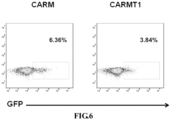
Figure 6 shows the transduction efficiency of CARMeso and CARMesoT1 T cells -
Figure 7 shows the in vitro killing efficacy of the CAR T cells infigure 6 against A549GL cells; wild-type T cells, as well as CAR T cells against CD22 molecule are used as controls. -
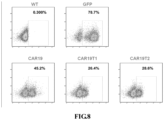
Figure 8 shows the transduction efficiency of GFP, CAR19, CAR19T1 and CAR19T2 T cells. -
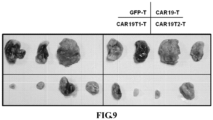
Figure 9 shows the size of NALM6 tumors in immunodeficient mice treated with CAR T cells infigure 8 . -
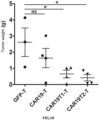
Figure 10 shows the weight of NALM6 tumors infigure 9 . -
Figure 11 shows the weight of A549 tumors in immunodeficient mice treated with CAR T cells infigure 6 . - Embodiments falling outside of the claims are provided as disclosure not forming part of the invention.
- The following examples are offered to merely aid in understanding the invention and should not be regarded as particular limit to the present invention.
- In general, TLR1 or TLR2 signaling domain sequences are inserted into the intracellular domains of the anti-human CD19 chimeric antigen receptor for treating hematological tumor (B acute lymphoid leukemia, B-ALL) and anti-human Mesothelin chimeric antigen receptor for treating solid tumors (lung cancer) respectively to build the following four new chimeric antigen receptors: anti-CD19 ScFv- CD28 - CD3ζ- TLR1 / TLR2 and anti-Mesothelin ScFv - CD28 - CD3ζ- TLR1 / TLR2, hereinafter abbreviating the four chimeric antigen receptors as: CAR19T1, CAR19T2, CARMesoT1 and CARMesoT2 respectively. And the proliferation, anti-tumor function and the formation of memory of the CAR T cells expressing the above CAR molecules are assessed by in vivo and in vitro experiments.
- As described above, a CAR molecule comprises an extracellular region, a transmembrane domain, and an intracellular domain, and therefore, constructing steps of the CAR plasmid used by the following Examples comprises:
- First, DNA encoding the respective gene required for CAR plasmid is obtained by gene synthesis, such DNA comprising: ScFv sequences of the anti-CD19 antibody , ScFv sequences of the anti-Mesothelin antibody , CD28 transmembrane and signaling sequence, TLR1 signaling sequence, TLR2 signaling sequence and CD3ζ signaling sequence;
- Then, as required, the above synthesized gene sequences are connected in series with each other by steps of enzymatic digestion and connection, i.e., to obtain the novel CAR molecule of the invention. The sequence structures are as follows:
- CAR19T1: anti-CD19 antibody ScFv (extracellular region), CD28 transmembrane and intracellular signaling region, CD3ζ signaling domain + TLR1 signaling domain;
- CAR19T2: anti-CD19 antibody ScFv (extracellular region), CD28 transmembrane and intracellular signaling region, CD3ζ signaling domain, TLR2 signaling domain;
- CAR19: anti-CD19 antibody ScFv (extracellular region), CD28 transmembrane and intracellular signaling region, CD3ζ signaling domain.
- CARMesoT1: Anti-Mesothelin ScFv (extracellular region), CD28 transmembrane and intracellular signaling region, CD3ζ signaling domain, TLR1 signaling domain;
- CARMesoT2: Anti-Mesothelin ScFv (extracellular region), CD28 transmembrane and intracellular signaling region, CD3ζ signaling domain, TLR2 signaling domain;
- CARMeso: Anti-Mesothelin ScFv (extracellular region), CD28 transmembrane and intracellular signaling region, CD3ζ signaling domain;
- Sequences of the above six kinds of CARs are inserted into the second generation of lentiviral vector pWPXLd-GFP to construct pWPXLd-CAR19T1-GFP, pWPXLd-CAR19T2-GFP, pWPXLd-CAR19-GFP, pWPXLd-CARMesoT1-GFP, pWPXLd-CARMesoT2-GFP and pWPXLd-CARMeso- GFP plasmid respectively.
- The plasmids carrying chimeric antigen receptor genes containing TLR1 and / or TLR2 intracellular domain of the present invention were prepared as follows:
- (1) Plasmid pUC57-CAR19 containing CAR19 gene (SEQ ID NO.1) is obtained by gene synthesis; the CAR19 gene comprises an anti-CD19 mAb ScFv (SEQ ID NO.15), CD28 transmembrane region and intracellular region, CD3ζ intracellular region.
- (2) The resultant plasmid pUC57-CAR19 was digested with endonuclease PmeI and SpeI, to obtain CAR19 gene, and then the CAR19 gene was connected into lentivirus vector pWPXLd-GFP to construct pWPXLd-CAR19-GFP.
- (3) The resultant pWPXLd-CAR19-GFP plasmid was digested with endonuclease NotI and SpeI to obtain intracellular fragment 28Z of CAR19 gene.
- (4) The cDNA of TLR1 and the fragment 28Z were used as templates to obtain 28ZT1 (SEQ ID NO. 9) by overlapping PCR with four primers (SEQ ID NO. 2-5); Similarly, the cDNA of TLR2 and the fragment 28Z were used as templates to obtain 28ZT2 (SEQ ID NO. 10) with four primers (SEQ ID NO. 2, 6, 7, 8) .
- (5) The 28zT1 and 28zT2 fragments digested with NotI and SpeI were then ligated with the ScFv of CAR19 in pUC57, generating pUC57-CAR19T1 and pUC57-CAR19T2 respectively.
- (6) Finally, pWPXLd-CAR19T1-GFP or pWPXLd-CAR19T2-GFP plasmid was obtained respectively by digesting with endonuclease PmeI and SpeI, and replacing CAR19 in pWPXLD-CAR19-GFP with CAR19T1 or CAR19T2.
- Intracellular signaling domains of TLR1 and TLR2 are called Toll/interleukin-1 receptor 1(TIR1) (sequence shown in SEQ ID NO.11) and Toll/interleukin-1 receptor 2 (TIR2) (sequence shown in SEQ ID NO.12), respectively; TIR1 is the formed by 162 amino acids from the C-terminal of TLR1(a.a. 625-786, sequence shown in SEQ ID NO.13), and TIR2 is formed by 159 amino acids from the C-terminal of TLR2 (a.a. 626-784, sequence shown in SEQ ID NO.14).
- Mesothelin monoclonal antibody scFv domain sequence (SEQ ID NO.17) was obtained by gene synthesis, and pWPXLd- CARMesoT1-GFP or pWPXLd-CARMesoT2-GFP was obtained by digesting with endonuclease PmeI and NotI, and replacing CD19 monoclonal antibody scFv domains in pWPXLd-CAR19T1-GFP and pWPXLd-CAR19T2-GFP respectively with Mesothelin monoclonal antibody scFv domain.
- In addition, CAR22, an anti-CD22 chimeric antigen receptor was used as negative control of CARMesoT1 / T2. Plasmid containing CAR22 was pWPXLd-CAR22, of which the construction mainly through synthesizing anti-CD22 ScFv fragment (ie, SEQ ID NO. 16), replacing anti-CD19 ScFv in CAR19 plasmid with the same by enzymatic digestion and ligation.
- CAR plasmids of the present invention prepared in Example 1 and 2 and the related control plasmids were used, via lentiviral packaging, to obtain 8 kinds of recombinant lentiviruses expressing GFP (blank), CAR19T1-GFP, CAR19T2-GFP, CAR19-GFP, CARMesoT1-GFP, CARMesoT2-GFP, CARMeso-GFP, CAR22-GFP (negative control) respectively.
- Specific steps were as follows:
① 293T cells were cultured in 150mm dishes with the culture medium consisting of DMEM high glucose culture medium + 10% FBS (fetal bovine serum) + 1%penicillin/streptomycin penicillin/streptomycin;
② When the density of 293T cells in 150mm dishes reached 80-90%, the culture medium was changed with DMEM high glucose medium + 1% FBS + 1% penicillin/streptomycinpenicillin/streptomycin;
③ After replacing the culture medium and culturing for 2-6 hours, six kinds of pWPXLd-CARX-GFP plasmids (ie, including CAR19T1, CAR19T2, CAR19, CARMesoT1, CARMesoT2, CARMeso respectively) or blank control plasmid pWPXLd-GFP were co-transfected into 293T cells with plasmid pMD2.G and psPAX2 and the transfection reagent PEI, wherein the reagents and the doses thereof were as follows:reagent dose six kinds of pWPXLd-CARX-GFP plasmids or control plasmid pWPXLd-GFP 9µg pMD2.G 3µg psPAX2 12µg PEI 72µg
④ The lentiviral supernatant was collected and fresh culture medium (DMEM high glucose medium + 1% FBS + 1% penicillin/streptomycin) was added at 24, 48 and 72 hours after transfection respectively;
⑤ After completing the collection of the supernatant of culture medium, the collected supernatant was centrifuged at 2500g for 0.5 hours;
⑥ The centrifuged supernatant was filtrated with 0.45um filter, and then centrifuged at 28000rpm for 1.5 hours with ultra high-speed centrifuge;
⑦ After ultracentrifugation, the supernatant was removed gently, and 200ul PBS was added to dissolve the precipitation under 4 degrees for 12-16 hours, and thereby to obtain six kinds of CAR lentiviruses or blank control GFP lentivirus;
⑧ After the viruses were dissolved, the virus solution was subpackaged in PCR tubes, and frozen at -80 °C for use. -
- ① Isolation and purification of T cells: PBMCs from healthy donors were isolated by Ficoll density gradient method, and red blood cells were depleted with red blood cell lysis buffer, followed byMACS sorting of T cells through PanT isolation Kit.
- ② The sorted T cells were resuspended with culture medium ( AIM-V culture medium + 5% FBS + penicillin 100U / ml + streptomycin 0.1mg / ml ) to 2.5 × 10⁶ cells / ml for use;
- ③ T cell stimulation by beads coated with anti-CD2, CD3, CD28 antibody (Origin of product: Miltenyi Biotech), ie. the beads were mixed with T cells at the ratio of 1: 2, the final density of T cells was 5 × 10⁶ cells / ml / cm2; after a thorugh mixing, T cells were cultured in a 37 °C, 5% CO2 incubator for 48 hours.
- ④ Lentiviral transfection of T cells: the beads are removed from theactivated T cellsand T cells were centrifuged at 300g for 5min, and resuspended with fresh medium, followed by addition of the lentiviruses (at MOI = 10) expressing CARs or GFP, and then 8µg / ml of polybrene and 300IU / ml IL-2 were added. T cells were cultured in a 37 °C, 5% CO2 incubator for 24 hours, and centrifuged at 300g for 5min and resuspended with fresh medium containing 300IU/ml IL-2.
- ⑤ Expansion of CAR T cells: the density of CAR T cells was maintained at 1-2 × 10⁶ cells / ml, and half of the medium was replaced once every 2-3 days. Two weeks later, CAR T cells could be amplified up to 100 times. GFP-positive cells were successfully transfected cells, and the percentages of GFP-positive cells were detected by flow cytometry. (abbreviated as CAR19T1-GFP T, CAR19T2-GFP T, CAR19-GFP T, CARMesoTLR1-GFP T, CARMesoTLR2-GFP T, CARMeso-GFP T respectively) or blank control T cells (GFP T).
- GFP T (blank), CAR19T1 T, CAR19T2T and CAR19 T (control), or GFP T, CARMesoT1 T, CARMesoT2 T and CARMeso T (control) cells prepared in Example 4 are mixed with 1×10⁴ tumor cells respectively in different proportions and the resultant mixtures were added to 96-well U-shaped plate, with triple wells for each group, and a group containing tumor cells alone as a positive control. After centrifugation at 250g for 5min, cells were cultured in 37
degrees 5% CO2 incubator for 18h. - T0 compare the effector function of GFP T, CAR19 T, CAR19T1 T and CAR19T2 T cells against hematological tumor in vitro, NALM6-GL (GFP+ Luciferase), REH-GL, K562-GL and K562-CD19-GL, four kinds of leukemia or lymphoma cell line expressing luciferase, were selected as tumor cells to be tested; when validating the recognition and killing function of GFP T, CARMeso T, CARMesoT1 T and CARMesoT2 T cells on solid tumor cells in vitro, mesothelin positve A549-GL human lung adenocarcinoma cell line expressing luciferase was selected as tumor cells to be tested.
- Luciferase killing assay: 18 hours after co-culture of CAR T cells with tumor cells (tumor cells cultured alone were used as control group in the experiment), 100µl / well of luciferase substrate (1 ×) was added to each well of the plate, and the cells were resuspended and mixed, immediately followed by measuring RLU (relative light unit) through a multifunctional microplate reader, measuring time being set to one second. Calculation formula of killing rate was as follows: 100% × (numerical readings for control wells - numerical readings for experimental wells) / numerical readings for control wells (readings of blank control without cells could be ignored); the results wereshown in
Figures 1-4 . - The results showed that, compared with CAR19 T cells, the in vitro killing capacitiesof CAR19T1 and CAR19T2 T cells against target tumor cells expressing CD19 were significantly higher, especially when E: T (ie, the ratio of effector T cells to target cells) was very low(see
Figures 1-4 ). - After GFP T, CAR19 T, CAR19T1 T, CAR19T2 T cells were co-cultured with K562GL or K562-CD19-GL cells respectively for 18h, the IL-2 levels in the supernatant were detected, and the results were shown in
Figure 5; Figure 5 showed that the level of IL-2 secreted by CAR19T2 T cells was higher than that secreted by CAR19 T cells, indicating that the addition of intracellular domain of TLR2 improved the IL-2 secretion of CAR T cells. - In addition, even when the percentages of CAR T cells were very low (as shown in
Figure 6 ), the in vitro killing capacity of CARMesoT1 T cells against target cells expressing Mesothelin was significantly higher than CARMeso T cells (seeFigure 7 ). - For the purpose of comparing the efficacy of GFP T, CAR19 T, CAR19T1 T and CAR19T2 T cells against solid tumors, identical number (2 × 10⁵) of NALM6 cells were subcutaneously transplanted into 16 of NSI (NOD/SCIDIL2rg-/-) immunodeficient mice; 2 days and 9 days after NALM6 cell transplantation, 2 × 10⁶ T cells (four groups: GFP T, CAR19 T, CAR19T1 T, CAR19T2, four mice for each group , the proportion of positive cells as shown in
Figure 8 ) were intravenously injected into the NSI immunodeficient mice transplanted with NALM6 cells; on day 33, all the mice were euthanized for taking the tumors and weighed the same. - The results showed that, both CAR19T1 T and CAR19T2 T cells can significantly inhibit the growth of the subcutaneous NALM6 cells, and the tumor weight from the group of CAR19 T cells showed no difference compared with the group of GFP T cells (
Fig. 9 ,10 ). - On the other hand, although CAR19 T cells showed good efficacy in hematological cancers, they showed poor killing efficacy agianst subcutaneous solid tumors; however, after adding intracellular domain of TLR1 or TLR2, the killing capacity of CAR T cells against solid tumors was significantly improved.
- To compare CAR22, CARMesoTland CARMesoT2 T cells in recognizing and killing solid tumor in vivo, the identical number (1 × 10⁵) of A549 cells were subcutaneously transplanted into 12 NSI (NOD / SCID IL2rg-/-) immunodeficient mice at the flanks, 7 days and 14 days after A549 cell transplantation (the day of transplantation of tumor cells is day 0), 2 × 10⁶ T cells (three groups: CAR22 T, CARMeso T and CARMesoT1 T, four mice for each group, the proportion of positive cells as shown in
Figure 6 ) were intravenously injected into the NSI immunodeficient mice transplanted with A549 cells; on day 68, all the mice were euthanized for taking the tumors and weighed the same. - The results showed that, both CARMeso T and CARMesoT1 T cells can significantly inhibit the growth of the subcutaneous tumors, and compared to CARMeso T, the CARMesoT1 T cells have better effect of tumor killing in vivo (
Fig. 11 ). - The above results comparing the effectiveness of recognizing and killing tumor of the experimental and control groups of CAR T cells indicated that both TLR1 and TLR2 signaling domains could improve the capacity of CAR T cells at killing tumors in vivo and vitro.
Claims (10)
- A chimeric antigen receptor, comprising an extracellular domain capable of binding to a tumor associated antigen, a CD28 transmembrane domain, a CD28 intracellular signaling domain, a CD3ζ intracellular signaling domain and a Toll-like receptor 1 or Toll-like receptor 2 intracellular signaling domain connected with each other in sequence from the N-terminal side, wherein the extracellular domain is a single chain variable fragment of an antibody binding to the tumor associated antigen.
- The chimeric antigen receptor according to claim 1, wherein the tumor associated antigen is CD19 or Mesothelin antigen.
- A nucleic acid encoding the chimeric antigen receptor according to claim 1 or 2.
- A chimeric antigen receptor-expressing cell, into which the nucleic acid according to claim 3 is introduced.
- The chimeric antigen receptor-expressing cell according to claim 4, wherein the cell is a T cell or a cell population containing T cells.
- An in vitro method for preparing the chimeric antigen receptor-expressing cell according to claim 4, comprising the step of introducing the nucleic acid according to claim 3 into the cell.
- The method according to claim 6, wherein the cell is a T cell or a cell population containing T cells.
- The chimeric antigen receptor according to claim 1 or 2, the nucleic acid according to claim 3, or the chimeric antigen receptor-expressing cell according to claim 4 for use in the treatment of a tumor.
- The chimeric antigen receptor, the nucleic acid, or the chimeric antigen receptor-expressing cell for use according to claim 8, wherein the tumor is hematological tumor or solid tumor.
- The chimeric antigen receptor, the nucleic acid, or the chimeric antigen receptor-expressing cell for use according to claim 8, wherein the tumor is B-ALL or lung cancer.
Applications Claiming Priority (1)
| Application Number | Priority Date | Filing Date | Title |
|---|---|---|---|
| PCT/CN2015/086352 WO2017024440A1 (en) | 2015-08-07 | 2015-08-07 | Chimeric antigen receptor containing intracellular domain of toll-like receptor |
Publications (3)
| Publication Number | Publication Date |
|---|---|
| EP3202792A1 EP3202792A1 (en) | 2017-08-09 |
| EP3202792A4 EP3202792A4 (en) | 2018-02-21 |
| EP3202792B1 true EP3202792B1 (en) | 2024-08-14 |
Family
ID=57983214
Family Applications (1)
| Application Number | Title | Priority Date | Filing Date |
|---|---|---|---|
| EP15900639.4A Active EP3202792B1 (en) | 2015-08-07 | 2015-08-07 | Chimeric antigen receptor containing intracellular domain of toll-like receptor |
Country Status (6)
| Country | Link |
|---|---|
| US (1) | US10093717B2 (en) |
| EP (1) | EP3202792B1 (en) |
| CN (1) | CN107207613B (en) |
| AU (1) | AU2015376656B2 (en) |
| NZ (1) | NZ722076A (en) |
| WO (1) | WO2017024440A1 (en) |
Families Citing this family (17)
| Publication number | Priority date | Publication date | Assignee | Title |
|---|---|---|---|---|
| CN106834228B (en) * | 2017-01-17 | 2021-03-23 | 上海新长安生物科技有限公司 | Method for in vitro amplification of CD8+ T cells and cell subsets thereof |
| AU2018341244A1 (en) | 2017-09-26 | 2020-03-05 | Cero Therapeutics, Inc. | Chimeric engulfment receptor molecules and methods of use |
| CN108486062A (en) * | 2018-03-23 | 2018-09-04 | 深圳市体内生物医药科技有限公司 | A kind of Chimeric antigen receptor immunocyte and its preparation method and application |
| WO2019191334A1 (en) | 2018-03-28 | 2019-10-03 | Cero Therapeutics, Inc. | Chimeric tim4 receptors and uses thereof |
| EP3774865A1 (en) | 2018-03-28 | 2021-02-17 | Cero Therapeutics, Inc. | Cellular immunotherapy compositions and uses thereof |
| CN108588023B (en) * | 2018-05-09 | 2020-02-14 | 河北森朗生物科技有限公司 | Method for producing chimeric antigen receptor modified gamma delta T cells |
| CN109517799B (en) * | 2018-11-30 | 2022-07-26 | 北京美康基免生物科技有限公司 | CD19 and CD22 based double chimeric antigen receptor gene modified immune cell and application thereof |
| CN109734813B (en) * | 2019-01-28 | 2022-06-17 | 广东昭泰体内生物医药科技有限公司 | Chimeric antigen receptor and application thereof |
| CN114127297A (en) * | 2019-03-26 | 2022-03-01 | 加维什-加利里生物应用有限公司 | Genetically reprogrammed CAR-expressing TREG |
| CN110055224B (en) * | 2019-04-03 | 2023-06-30 | 深圳市体内生物医药科技有限公司 | Genetically modified immune cell and preparation method and application thereof |
| CN112226412B (en) * | 2020-10-12 | 2023-05-02 | 汤朝阳 | T cell expressing immunosuppressive checkpoint receptor molecule and application thereof |
| CN113480668A (en) * | 2020-12-14 | 2021-10-08 | 广州百暨基因科技有限公司 | anti-B7H3 chimeric antigen receptor and application thereof |
| EP4279596A4 (en) * | 2021-01-15 | 2025-01-22 | National University Corporation Tokai National Higher Education and Research System | Chimeric target factor receptor |
| CN113501885B (en) * | 2021-07-20 | 2023-02-24 | 中国农业大学 | Chimeric disease-resistant gene and related biological material and application thereof |
| AU2022330883A1 (en) * | 2021-08-18 | 2024-03-07 | Legend Biotech Ireland Limited | Modified immune cells expressing tlr receptors |
| WO2023056296A1 (en) * | 2021-09-29 | 2023-04-06 | Vita Therapeutics, Inc. | Methods and compositions for treating cancer with engineered cells |
| IL311570A (en) | 2021-10-14 | 2024-05-01 | Arsenal Biosciences Inc | Immune cells having co-expressed shrnas and logic gate systems |
Family Cites Families (2)
| Publication number | Priority date | Publication date | Assignee | Title |
|---|---|---|---|---|
| CN107058354A (en) * | 2013-04-01 | 2017-08-18 | 科济生物医药(上海)有限公司 | The nucleic acid of encoding chimeric antigen receptor protein and the T lymphocytes for expressing Chimeric antigen receptor albumen |
| EP2986636B1 (en) * | 2013-04-17 | 2018-11-14 | Baylor College Of Medicine | Immunosuppressive tgf-beta signal converter |
-
2015
- 2015-08-07 AU AU2015376656A patent/AU2015376656B2/en active Active
- 2015-08-07 NZ NZ72207615A patent/NZ722076A/en unknown
- 2015-08-07 CN CN201580000296.XA patent/CN107207613B/en active Active
- 2015-08-07 EP EP15900639.4A patent/EP3202792B1/en active Active
- 2015-08-07 WO PCT/CN2015/086352 patent/WO2017024440A1/en not_active Ceased
- 2015-08-07 US US15/112,619 patent/US10093717B2/en active Active
Also Published As
| Publication number | Publication date |
|---|---|
| EP3202792A4 (en) | 2018-02-21 |
| EP3202792A1 (en) | 2017-08-09 |
| WO2017024440A1 (en) | 2017-02-16 |
| AU2015376656B2 (en) | 2018-01-04 |
| AU2015376656A1 (en) | 2017-02-23 |
| CN107207613B (en) | 2020-06-09 |
| CN107207613A (en) | 2017-09-26 |
| US10093717B2 (en) | 2018-10-09 |
| US20170233454A1 (en) | 2017-08-17 |
| NZ722076A (en) | 2019-11-29 |
Similar Documents
| Publication | Publication Date | Title |
|---|---|---|
| US10093717B2 (en) | Chimeric antigen receptor containing a toll-like receptor intracellular domain | |
| US11649270B2 (en) | T-cell receptor recognizing SSX2 antigen | |
| EP3636761B1 (en) | Antigen-binding protein recognizing mage-a4-derived peptide | |
| Tang et al. | T cells expressing a LMP1-specific chimeric antigen receptor mediate antitumor effects against LMP1-positive nasopharyngeal carcinoma cells in vitro and in vivo | |
| CN113717288B (en) | Fusion proteins that reverse the tumor microenvironment and their applications | |
| WO2019061562A1 (en) | Nucleic acid molecule which enhances antitumor activity of t cells | |
| JP7645500B2 (en) | Improved T cell receptor costimulatory molecule chimeras | |
| MD3914611T2 (en) | Receptors providing targeted costimulation for adoptive cell therapy | |
| WO2017219936A1 (en) | Car-t cell capable of efficiently and stably expressing activated antibody, and uses thereof | |
| US12152065B2 (en) | T cell receptor for identifying AFP antigen | |
| CN108218999A (en) | Secrete Chimeric antigen receptor, viral vectors, expression cell and the preparation method and drug of IL-7 | |
| WO2018169922A2 (en) | Chimeric antigen receptors for melanoma and uses thereof | |
| CN117925528A (en) | Modified T cells with enhanced memory T cell phenotype | |
| US20220280564A1 (en) | Methods for expanding t cells for the treatment of cancer and related malignancies | |
| CN111748043B (en) | Chimeric antigen receptor and application thereof | |
| EP4006050A1 (en) | T cell receptor for recognizing ssx2 antigen short peptide | |
| CN114286863A (en) | Bispecific chimeric antigen receptor | |
| CN113493525B (en) | Synergistic and depletion resistant chimeric antigen receptor T cell and application thereof in preparation of tumor treatment drugs | |
| US12281150B2 (en) | T cell disease treatment targeting TAG-72 | |
| CN111875710A (en) | Immune cell for heterogeneous tumor treatment and application thereof | |
| CN107903326B (en) | Chimeric antigen receptor comprising C3aR intracellular domain, lentiviral vector, expression cell and drug | |
| CN112226412B (en) | T cell expressing immunosuppressive checkpoint receptor molecule and application thereof | |
| US20240000937A1 (en) | Methods and compositions of car-expressing natural killer cells with bispecific antigen-binding molecules as cancer therapeutic agents | |
| CN108107204B (en) | Method for detecting number of CAR-T cells | |
| CN113549599B (en) | Application of CAR-T cells, nucleic acids, vectors, lentivirus and CAR-T cells targeting CXCR5-positive cells |
Legal Events
| Date | Code | Title | Description |
|---|---|---|---|
| STAA | Information on the status of an ep patent application or granted ep patent |
Free format text: STATUS: THE INTERNATIONAL PUBLICATION HAS BEEN MADE |
|
| PUAI | Public reference made under article 153(3) epc to a published international application that has entered the european phase |
Free format text: ORIGINAL CODE: 0009012 |
|
| STAA | Information on the status of an ep patent application or granted ep patent |
Free format text: STATUS: REQUEST FOR EXAMINATION WAS MADE |
|
| 17P | Request for examination filed |
Effective date: 20170505 |
|
| AK | Designated contracting states |
Kind code of ref document: A1 Designated state(s): AL AT BE BG CH CY CZ DE DK EE ES FI FR GB GR HR HU IE IS IT LI LT LU LV MC MK MT NL NO PL PT RO RS SE SI SK SM TR |
|
| AX | Request for extension of the european patent |
Extension state: BA ME |
|
| A4 | Supplementary search report drawn up and despatched |
Effective date: 20180123 |
|
| RIC1 | Information provided on ipc code assigned before grant |
Ipc: C07K 16/30 20060101ALI20180117BHEP Ipc: C07K 19/00 20060101AFI20180117BHEP Ipc: C12N 15/62 20060101ALI20180117BHEP Ipc: A61P 35/00 20060101ALI20180117BHEP Ipc: C12N 15/63 20060101ALI20180117BHEP Ipc: C07K 14/705 20060101ALI20180117BHEP |
|
| DAV | Request for validation of the european patent (deleted) | ||
| DAX | Request for extension of the european patent (deleted) | ||
| STAA | Information on the status of an ep patent application or granted ep patent |
Free format text: STATUS: EXAMINATION IS IN PROGRESS |
|
| 17Q | First examination report despatched |
Effective date: 20190416 |
|
| REG | Reference to a national code |
Ref country code: DE Ref legal event code: R079 Free format text: PREVIOUS MAIN CLASS: C07K0019000000 Ipc: C07K0016280000 Ref document number: 602015089575 Country of ref document: DE |
|
| GRAP | Despatch of communication of intention to grant a patent |
Free format text: ORIGINAL CODE: EPIDOSNIGR1 |
|
| STAA | Information on the status of an ep patent application or granted ep patent |
Free format text: STATUS: GRANT OF PATENT IS INTENDED |
|
| RIC1 | Information provided on ipc code assigned before grant |
Ipc: A61P 35/00 20060101ALI20240409BHEP Ipc: C12N 15/63 20060101ALI20240409BHEP Ipc: C12N 15/62 20060101ALI20240409BHEP Ipc: C07K 19/00 20060101ALI20240409BHEP Ipc: C07K 16/30 20060101ALI20240409BHEP Ipc: C07K 14/705 20060101ALI20240409BHEP Ipc: A61K 39/00 20060101ALI20240409BHEP Ipc: C07K 16/28 20060101AFI20240409BHEP |
|
| INTG | Intention to grant announced |
Effective date: 20240508 |
|
| GRAS | Grant fee paid |
Free format text: ORIGINAL CODE: EPIDOSNIGR3 |
|
| GRAA | (expected) grant |
Free format text: ORIGINAL CODE: 0009210 |
|
| STAA | Information on the status of an ep patent application or granted ep patent |
Free format text: STATUS: THE PATENT HAS BEEN GRANTED |
|
| AK | Designated contracting states |
Kind code of ref document: B1 Designated state(s): AL AT BE BG CH CY CZ DE DK EE ES FI FR GB GR HR HU IE IS IT LI LT LU LV MC MK MT NL NO PL PT RO RS SE SI SK SM TR |
|
| REG | Reference to a national code |
Ref country code: GB Ref legal event code: FG4D |
|
| REG | Reference to a national code |
Ref country code: CH Ref legal event code: EP |
|
| REG | Reference to a national code |
Ref country code: DE Ref legal event code: R096 Ref document number: 602015089575 Country of ref document: DE |
|
| REG | Reference to a national code |
Ref country code: IE Ref legal event code: FG4D |
|
| REG | Reference to a national code |
Ref country code: LT Ref legal event code: MG9D |
|
| REG | Reference to a national code |
Ref country code: NL Ref legal event code: MP Effective date: 20240814 |
|
| PG25 | Lapsed in a contracting state [announced via postgrant information from national office to epo] |
Ref country code: NO Free format text: LAPSE BECAUSE OF FAILURE TO SUBMIT A TRANSLATION OF THE DESCRIPTION OR TO PAY THE FEE WITHIN THE PRESCRIBED TIME-LIMIT Effective date: 20241114 |
|
| REG | Reference to a national code |
Ref country code: AT Ref legal event code: MK05 Ref document number: 1713244 Country of ref document: AT Kind code of ref document: T Effective date: 20240814 |
|
| PG25 | Lapsed in a contracting state [announced via postgrant information from national office to epo] |
Ref country code: NL Free format text: LAPSE BECAUSE OF FAILURE TO SUBMIT A TRANSLATION OF THE DESCRIPTION OR TO PAY THE FEE WITHIN THE PRESCRIBED TIME-LIMIT Effective date: 20240814 Ref country code: FI Free format text: LAPSE BECAUSE OF FAILURE TO SUBMIT A TRANSLATION OF THE DESCRIPTION OR TO PAY THE FEE WITHIN THE PRESCRIBED TIME-LIMIT Effective date: 20240814 Ref country code: PT Free format text: LAPSE BECAUSE OF FAILURE TO SUBMIT A TRANSLATION OF THE DESCRIPTION OR TO PAY THE FEE WITHIN THE PRESCRIBED TIME-LIMIT Effective date: 20241216 Ref country code: GR Free format text: LAPSE BECAUSE OF FAILURE TO SUBMIT A TRANSLATION OF THE DESCRIPTION OR TO PAY THE FEE WITHIN THE PRESCRIBED TIME-LIMIT Effective date: 20241115 Ref country code: PL Free format text: LAPSE BECAUSE OF FAILURE TO SUBMIT A TRANSLATION OF THE DESCRIPTION OR TO PAY THE FEE WITHIN THE PRESCRIBED TIME-LIMIT Effective date: 20240814 |
|
| PG25 | Lapsed in a contracting state [announced via postgrant information from national office to epo] |
Ref country code: BG Free format text: LAPSE BECAUSE OF FAILURE TO SUBMIT A TRANSLATION OF THE DESCRIPTION OR TO PAY THE FEE WITHIN THE PRESCRIBED TIME-LIMIT Effective date: 20240814 |
|
| PG25 | Lapsed in a contracting state [announced via postgrant information from national office to epo] |
Ref country code: LV Free format text: LAPSE BECAUSE OF FAILURE TO SUBMIT A TRANSLATION OF THE DESCRIPTION OR TO PAY THE FEE WITHIN THE PRESCRIBED TIME-LIMIT Effective date: 20240814 |
|
| PG25 | Lapsed in a contracting state [announced via postgrant information from national office to epo] |
Ref country code: AT Free format text: LAPSE BECAUSE OF FAILURE TO SUBMIT A TRANSLATION OF THE DESCRIPTION OR TO PAY THE FEE WITHIN THE PRESCRIBED TIME-LIMIT Effective date: 20240814 Ref country code: IS Free format text: LAPSE BECAUSE OF FAILURE TO SUBMIT A TRANSLATION OF THE DESCRIPTION OR TO PAY THE FEE WITHIN THE PRESCRIBED TIME-LIMIT Effective date: 20241214 |
|
| PG25 | Lapsed in a contracting state [announced via postgrant information from national office to epo] |
Ref country code: HR Free format text: LAPSE BECAUSE OF FAILURE TO SUBMIT A TRANSLATION OF THE DESCRIPTION OR TO PAY THE FEE WITHIN THE PRESCRIBED TIME-LIMIT Effective date: 20240814 |
|
| PG25 | Lapsed in a contracting state [announced via postgrant information from national office to epo] |
Ref country code: ES Free format text: LAPSE BECAUSE OF FAILURE TO SUBMIT A TRANSLATION OF THE DESCRIPTION OR TO PAY THE FEE WITHIN THE PRESCRIBED TIME-LIMIT Effective date: 20240814 Ref country code: RS Free format text: LAPSE BECAUSE OF FAILURE TO SUBMIT A TRANSLATION OF THE DESCRIPTION OR TO PAY THE FEE WITHIN THE PRESCRIBED TIME-LIMIT Effective date: 20241114 |
|
| PG25 | Lapsed in a contracting state [announced via postgrant information from national office to epo] |
Ref country code: RS Free format text: LAPSE BECAUSE OF FAILURE TO SUBMIT A TRANSLATION OF THE DESCRIPTION OR TO PAY THE FEE WITHIN THE PRESCRIBED TIME-LIMIT Effective date: 20241114 Ref country code: PT Free format text: LAPSE BECAUSE OF FAILURE TO SUBMIT A TRANSLATION OF THE DESCRIPTION OR TO PAY THE FEE WITHIN THE PRESCRIBED TIME-LIMIT Effective date: 20241216 Ref country code: PL Free format text: LAPSE BECAUSE OF FAILURE TO SUBMIT A TRANSLATION OF THE DESCRIPTION OR TO PAY THE FEE WITHIN THE PRESCRIBED TIME-LIMIT Effective date: 20240814 Ref country code: NO Free format text: LAPSE BECAUSE OF FAILURE TO SUBMIT A TRANSLATION OF THE DESCRIPTION OR TO PAY THE FEE WITHIN THE PRESCRIBED TIME-LIMIT Effective date: 20241114 Ref country code: NL Free format text: LAPSE BECAUSE OF FAILURE TO SUBMIT A TRANSLATION OF THE DESCRIPTION OR TO PAY THE FEE WITHIN THE PRESCRIBED TIME-LIMIT Effective date: 20240814 Ref country code: LV Free format text: LAPSE BECAUSE OF FAILURE TO SUBMIT A TRANSLATION OF THE DESCRIPTION OR TO PAY THE FEE WITHIN THE PRESCRIBED TIME-LIMIT Effective date: 20240814 Ref country code: IS Free format text: LAPSE BECAUSE OF FAILURE TO SUBMIT A TRANSLATION OF THE DESCRIPTION OR TO PAY THE FEE WITHIN THE PRESCRIBED TIME-LIMIT Effective date: 20241214 Ref country code: HR Free format text: LAPSE BECAUSE OF FAILURE TO SUBMIT A TRANSLATION OF THE DESCRIPTION OR TO PAY THE FEE WITHIN THE PRESCRIBED TIME-LIMIT Effective date: 20240814 Ref country code: GR Free format text: LAPSE BECAUSE OF FAILURE TO SUBMIT A TRANSLATION OF THE DESCRIPTION OR TO PAY THE FEE WITHIN THE PRESCRIBED TIME-LIMIT Effective date: 20241115 Ref country code: FI Free format text: LAPSE BECAUSE OF FAILURE TO SUBMIT A TRANSLATION OF THE DESCRIPTION OR TO PAY THE FEE WITHIN THE PRESCRIBED TIME-LIMIT Effective date: 20240814 Ref country code: ES Free format text: LAPSE BECAUSE OF FAILURE TO SUBMIT A TRANSLATION OF THE DESCRIPTION OR TO PAY THE FEE WITHIN THE PRESCRIBED TIME-LIMIT Effective date: 20240814 Ref country code: BG Free format text: LAPSE BECAUSE OF FAILURE TO SUBMIT A TRANSLATION OF THE DESCRIPTION OR TO PAY THE FEE WITHIN THE PRESCRIBED TIME-LIMIT Effective date: 20240814 Ref country code: AT Free format text: LAPSE BECAUSE OF FAILURE TO SUBMIT A TRANSLATION OF THE DESCRIPTION OR TO PAY THE FEE WITHIN THE PRESCRIBED TIME-LIMIT Effective date: 20240814 |
|
| PG25 | Lapsed in a contracting state [announced via postgrant information from national office to epo] |
Ref country code: SM Free format text: LAPSE BECAUSE OF FAILURE TO SUBMIT A TRANSLATION OF THE DESCRIPTION OR TO PAY THE FEE WITHIN THE PRESCRIBED TIME-LIMIT Effective date: 20240814 Ref country code: DK Free format text: LAPSE BECAUSE OF FAILURE TO SUBMIT A TRANSLATION OF THE DESCRIPTION OR TO PAY THE FEE WITHIN THE PRESCRIBED TIME-LIMIT Effective date: 20240814 Ref country code: RO Free format text: LAPSE BECAUSE OF FAILURE TO SUBMIT A TRANSLATION OF THE DESCRIPTION OR TO PAY THE FEE WITHIN THE PRESCRIBED TIME-LIMIT Effective date: 20240814 |
|
| PG25 | Lapsed in a contracting state [announced via postgrant information from national office to epo] |
Ref country code: EE Free format text: LAPSE BECAUSE OF FAILURE TO SUBMIT A TRANSLATION OF THE DESCRIPTION OR TO PAY THE FEE WITHIN THE PRESCRIBED TIME-LIMIT Effective date: 20240814 |
|
| PG25 | Lapsed in a contracting state [announced via postgrant information from national office to epo] |
Ref country code: CZ Free format text: LAPSE BECAUSE OF FAILURE TO SUBMIT A TRANSLATION OF THE DESCRIPTION OR TO PAY THE FEE WITHIN THE PRESCRIBED TIME-LIMIT Effective date: 20240814 |
|
| PG25 | Lapsed in a contracting state [announced via postgrant information from national office to epo] |
Ref country code: SK Free format text: LAPSE BECAUSE OF FAILURE TO SUBMIT A TRANSLATION OF THE DESCRIPTION OR TO PAY THE FEE WITHIN THE PRESCRIBED TIME-LIMIT Effective date: 20240814 Ref country code: IT Free format text: LAPSE BECAUSE OF FAILURE TO SUBMIT A TRANSLATION OF THE DESCRIPTION OR TO PAY THE FEE WITHIN THE PRESCRIBED TIME-LIMIT Effective date: 20240814 |
|
| REG | Reference to a national code |
Ref country code: DE Ref legal event code: R097 Ref document number: 602015089575 Country of ref document: DE |
|
| PLBE | No opposition filed within time limit |
Free format text: ORIGINAL CODE: 0009261 |
|
| STAA | Information on the status of an ep patent application or granted ep patent |
Free format text: STATUS: NO OPPOSITION FILED WITHIN TIME LIMIT |
|
| 26N | No opposition filed |
Effective date: 20250515 |
|
| PG25 | Lapsed in a contracting state [announced via postgrant information from national office to epo] |
Ref country code: SE Free format text: LAPSE BECAUSE OF FAILURE TO SUBMIT A TRANSLATION OF THE DESCRIPTION OR TO PAY THE FEE WITHIN THE PRESCRIBED TIME-LIMIT Effective date: 20240814 |
|
| PGFP | Annual fee paid to national office [announced via postgrant information from national office to epo] |
Ref country code: DE Payment date: 20250820 Year of fee payment: 11 |
|
| PGFP | Annual fee paid to national office [announced via postgrant information from national office to epo] |
Ref country code: GB Payment date: 20250821 Year of fee payment: 11 |
|
| PGFP | Annual fee paid to national office [announced via postgrant information from national office to epo] |
Ref country code: FR Payment date: 20250829 Year of fee payment: 11 |
|
| PGFP | Annual fee paid to national office [announced via postgrant information from national office to epo] |
Ref country code: CH Payment date: 20250901 Year of fee payment: 11 |
|
| PG25 | Lapsed in a contracting state [announced via postgrant information from national office to epo] |
Ref country code: MC Free format text: LAPSE BECAUSE OF FAILURE TO SUBMIT A TRANSLATION OF THE DESCRIPTION OR TO PAY THE FEE WITHIN THE PRESCRIBED TIME-LIMIT Effective date: 20240814 |
|
| PG25 | Lapsed in a contracting state [announced via postgrant information from national office to epo] |
Ref country code: LU Free format text: LAPSE BECAUSE OF NON-PAYMENT OF DUE FEES Effective date: 20250807 |