EP3200501A1 - Verfahren, vorrichtung und system zur verwaltung von computerressourcen - Google Patents
Verfahren, vorrichtung und system zur verwaltung von computerressourcen Download PDFInfo
- Publication number
- EP3200501A1 EP3200501A1 EP14904824.1A EP14904824A EP3200501A1 EP 3200501 A1 EP3200501 A1 EP 3200501A1 EP 14904824 A EP14904824 A EP 14904824A EP 3200501 A1 EP3200501 A1 EP 3200501A1
- Authority
- EP
- European Patent Office
- Prior art keywords
- secondary cell
- uplink
- downlink
- state
- base station
- Prior art date
- Legal status (The legal status is an assumption and is not a legal conclusion. Google has not performed a legal analysis and makes no representation as to the accuracy of the status listed.)
- Withdrawn
Links
Images





Classifications
-
- H—ELECTRICITY
- H04—ELECTRIC COMMUNICATION TECHNIQUE
- H04L—TRANSMISSION OF DIGITAL INFORMATION, e.g. TELEGRAPHIC COMMUNICATION
- H04L5/00—Arrangements affording multiple use of the transmission path
- H04L5/003—Arrangements for allocating sub-channels of the transmission path
- H04L5/0048—Allocation of pilot signals, i.e. of signals known to the receiver
-
- H—ELECTRICITY
- H04—ELECTRIC COMMUNICATION TECHNIQUE
- H04W—WIRELESS COMMUNICATION NETWORKS
- H04W52/00—Power management, e.g. Transmission Power Control [TPC] or power classes
- H04W52/02—Power saving arrangements
- H04W52/0203—Power saving arrangements in the radio access network or backbone network of wireless communication networks
- H04W52/0206—Power saving arrangements in the radio access network or backbone network of wireless communication networks in access points, e.g. base stations
-
- H—ELECTRICITY
- H04—ELECTRIC COMMUNICATION TECHNIQUE
- H04W—WIRELESS COMMUNICATION NETWORKS
- H04W24/00—Supervisory, monitoring or testing arrangements
- H04W24/02—Arrangements for optimising operational condition
-
- H—ELECTRICITY
- H04—ELECTRIC COMMUNICATION TECHNIQUE
- H04W—WIRELESS COMMUNICATION NETWORKS
- H04W28/00—Network traffic management; Network resource management
- H04W28/02—Traffic management, e.g. flow control or congestion control
- H04W28/04—Error control
-
- H—ELECTRICITY
- H04—ELECTRIC COMMUNICATION TECHNIQUE
- H04W—WIRELESS COMMUNICATION NETWORKS
- H04W48/00—Access restriction; Network selection; Access point selection
- H04W48/08—Access restriction or access information delivery, e.g. discovery data delivery
- H04W48/12—Access restriction or access information delivery, e.g. discovery data delivery using downlink control channel
-
- H—ELECTRICITY
- H04—ELECTRIC COMMUNICATION TECHNIQUE
- H04W—WIRELESS COMMUNICATION NETWORKS
- H04W52/00—Power management, e.g. Transmission Power Control [TPC] or power classes
- H04W52/02—Power saving arrangements
- H04W52/0209—Power saving arrangements in terminal devices
- H04W52/0225—Power saving arrangements in terminal devices using monitoring of external events, e.g. the presence of a signal
- H04W52/0229—Power saving arrangements in terminal devices using monitoring of external events, e.g. the presence of a signal where the received signal is a wanted signal
-
- H—ELECTRICITY
- H04—ELECTRIC COMMUNICATION TECHNIQUE
- H04W—WIRELESS COMMUNICATION NETWORKS
- H04W52/00—Power management, e.g. Transmission Power Control [TPC] or power classes
- H04W52/02—Power saving arrangements
- H04W52/0209—Power saving arrangements in terminal devices
- H04W52/0212—Power saving arrangements in terminal devices managed by the network, e.g. network or access point is leader and terminal is follower
- H04W52/0216—Power saving arrangements in terminal devices managed by the network, e.g. network or access point is leader and terminal is follower using a pre-established activity schedule, e.g. traffic indication frame
-
- H—ELECTRICITY
- H04—ELECTRIC COMMUNICATION TECHNIQUE
- H04W—WIRELESS COMMUNICATION NETWORKS
- H04W52/00—Power management, e.g. Transmission Power Control [TPC] or power classes
- H04W52/02—Power saving arrangements
- H04W52/0209—Power saving arrangements in terminal devices
- H04W52/0225—Power saving arrangements in terminal devices using monitoring of external events, e.g. the presence of a signal
- H04W52/0238—Power saving arrangements in terminal devices using monitoring of external events, e.g. the presence of a signal where the received signal is an unwanted signal, e.g. interference or idle signal
-
- Y—GENERAL TAGGING OF NEW TECHNOLOGICAL DEVELOPMENTS; GENERAL TAGGING OF CROSS-SECTIONAL TECHNOLOGIES SPANNING OVER SEVERAL SECTIONS OF THE IPC; TECHNICAL SUBJECTS COVERED BY FORMER USPC CROSS-REFERENCE ART COLLECTIONS [XRACs] AND DIGESTS
- Y02—TECHNOLOGIES OR APPLICATIONS FOR MITIGATION OR ADAPTATION AGAINST CLIMATE CHANGE
- Y02D—CLIMATE CHANGE MITIGATION TECHNOLOGIES IN INFORMATION AND COMMUNICATION TECHNOLOGIES [ICT], I.E. INFORMATION AND COMMUNICATION TECHNOLOGIES AIMING AT THE REDUCTION OF THEIR OWN ENERGY USE
- Y02D30/00—Reducing energy consumption in communication networks
- Y02D30/70—Reducing energy consumption in communication networks in wireless communication networks
Definitions
- the present invention relates to the field of wireless communications technologies, and in particular, to a radio resource management method, apparatus, and system.
- Cell Based on a carrier aggregation (Carrier Aggregation, CA for short) technology, cells (Cell) in which a base station serves a UE are classified into a primary cell (Primary Cell, PCell for short) and a secondary cell (Secondary Cell, SCell for short).
- the primary cell is a cell, in which radio resource control (Radio Resource Control, RRC for short) is established, of serving cells for a UE.
- RRC Radio Resource Control
- the secondary cell is a cell, other than the primary cell, of the serving cells for the UE.
- Long Term Evolution Long Term Evolution (Long Term Evolution, LTE for short) provides a secondary cell activation/deactivation (Activation/Deactivation) mechanism.
- Activation/Deactivation secondary cell activation/deactivation
- a secondary cell When a secondary cell is activated, a UE can transmit and receive data in the secondary cell.
- a secondary cell is deactivated, a UE does not transmit or receive data in the secondary cell.
- a secondary cell When a secondary cell is activated, the secondary cell is in an enabled state, a base station to which the secondary cell belongs still needs to transmit some other signals in addition to receiving data transmitted by a UE and transmitting data required by the UE, which sometimes causes unnecessary power overheads and interference.
- embodiments of the present invention provide a radio resource management method, apparatus, and system.
- the technical solutions are as follows:
- an embodiment of the present invention provides a radio resource management apparatus, where the apparatus includes:
- the determining module includes:
- the network state of the serving cell includes one or more types of the following information:
- the determining unit is configured to:
- the change module is configured to:
- the apparatus further includes:
- the apparatus further includes:
- an embodiment of the present invention provides a radio resource management apparatus, where the apparatus includes:
- the processor is configured to:
- the processor is configured to:
- the downlink deactivation module is configured to:
- the apparatus further includes:
- the apparatus further includes:
- the processor is configured to:
- an embodiment of the present invention provides a radio resource management system, where the system includes the radio resource management apparatus according to the first aspect and the radio resource management apparatus according to the third aspect.
- an embodiment of the present invention provides a radio resource management method, where the method includes:
- the determining, by a serving base station for user equipment UE, that a state of a secondary cell for the UE needs to be changed to an uplink-enabled and downlink-disabled state includes:
- the network state of the serving cell includes one or more types of the following information:
- the determining, by the serving base station according to the current state of the secondary cell and the network state of the serving cell, that the state of the secondary cell needs to be changed to the uplink-enabled and downlink-disabled state includes:
- the changing, by the serving base station, the state of the secondary cell, so that the state of the secondary cell is the uplink-enabled and downlink-disabled state includes:
- the method when the state of the secondary cell is the uplink-enabled and downlink-disabled state, the method further includes:
- the method when the state of the secondary cell is the uplink-enabled and downlink-disabled state, the method further includes:
- an embodiment of the present invention provides a radio resource management method, where the method includes:
- the performing, by the UE when the UE works in an uplink-activated and downlink-activated state of a secondary cell, downlink deactivation on the secondary cell if the UE receives uplink grant signaling of the secondary cell and no downlink assignment signaling of the secondary cell within a specified time includes:
- the method when the UE enters the uplink-activated and downlink-deactivated state of the secondary cell, the method further includes:
- the method when the UE works in the uplink-activated and downlink-deactivated state of the secondary cell, the method further includes:
- the method when the UE works in the uplink-activated and downlink-deactivated state of the secondary cell, the method further includes:
- This embodiment of the present invention provides a radio resource management apparatus.
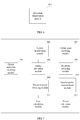
- the apparatus may be disposed on a serving base station for a UE. Referring to FIG. 1 , the apparatus includes:
- an uplink signal that is transmitted by the UE by using the secondary cell to a base station to which the secondary cell belongs can be received by the base station to which the secondary cell belongs, and a downlink signal that is to be transmitted, to the UE by using the secondary cell, by the base station to which the secondary cell belongs can be transmitted only in a subframe for transmitting a DRS.
- the uplink signal includes at least one of an uplink reference signal, uplink control signaling, or uplink data
- the downlink signal includes at least one of a downlink reference signal, downlink control signaling, or downlink data.
- a state of a secondary cell is changed, so that the state of the secondary cell is an uplink-enabled and downlink-disabled state.
- an uplink signal can be received in the secondary cell by a base station to which the secondary cell belongs, and a downlink signal can be transmitted in the secondary cell by the base station to which the secondary cell belongs only in a subframe for transmitting a DRS.
- This embodiment of the present invention provides a radio resource management apparatus.
- the apparatus may be disposed on a serving base station for a UE. Referring to FIG. 2 , the apparatus includes:
- an uplink signal that is transmitted by the UE by using the secondary cell to a base station to which the secondary cell belongs can be received by the base station to which the secondary cell belongs, and a downlink signal that is to be transmitted, to the UE by using the secondary cell, by the base station to which the secondary cell belongs can be transmitted only in a subframe for transmitting a DRS.
- the uplink signal includes at least one of an uplink reference signal, uplink control signaling, or uplink data
- the downlink signal includes at least one of a downlink reference signal, downlink control signaling, or downlink data.
- the determining module 201 may include:
- the network state of the serving cell may include one or more types of the following information:
- the determining unit may be configured to:
- the change module 202 may be configured to:
- the apparatus may further include:
- the apparatus may further include:
- the apparatus may further include:
- the memory 33 may be configured to store software programs and application modules. By running or executing the software programs and/or application modules stored in the memory 33 and calling data stored in the memory 33, the processor 34 can determine that a state of a secondary cell for the UE needs to be changed to an uplink-enabled and downlink-disabled state, and change the state of the secondary cell, so that the state of the secondary cell is the uplink-enabled and downlink-disabled state.
- the determining, by the processor 34 according to the current state of the secondary cell and the network state of the serving cell, that the state of the secondary cell needs to be changed to the uplink-enabled and downlink-disabled state may include:
- the transmitter 31 may be configured to:
- the uplink grant signaling is used to schedule transmission of the uplink data in the secondary cell.
- the feedback signaling is used to feed back whether the base station to which the secondary cell belongs correctly receives the uplink data transmitted by the UE.
- a state of a secondary cell is changed, so that the state of the secondary cell is an uplink-enabled and downlink-disabled state.
- an uplink signal can be received in the secondary cell by a base station to which the secondary cell belongs, and a downlink signal can be transmitted in the secondary cell by the base station to which the secondary cell belongs only in a subframe for transmitting a DRS.
- a second structure includes a downlink deactivation receiving module 403 and a downlink deactivation module 404.
- a specific structure is as follows:
- the downlink deactivation receiving module 403 is configured to: when the UE works in an uplink-activated and downlink-activated state of a secondary cell, receive downlink deactivation signaling transmitted by a serving base station for the UE.
- the downlink deactivation module 404 is configured to perform downlink deactivation on the secondary cell according to the downlink deactivation signaling, so that the UE works in an uplink-activated and downlink-deactivated state of the secondary cell.
- a third structure includes a downlink deactivation module 405. Referring to FIG. 6 , a specific structure is as follows.
- the downlink deactivation module 405 is configured to: when the UE works in an uplink-activated and downlink-activated state of a secondary cell, perform downlink deactivation on the secondary cell if the UE receives uplink grant signaling of the secondary cell and no downlink assignment signaling of the secondary cell within a specified time, so that the UE works in an uplink-activated and downlink-deactivated state of the secondary cell, where the uplink grant signaling is used to schedule transmission of uplink data in the secondary cell, and the downlink assignment signaling is used to schedule receiving of downlink data in the secondary cell.
- an uplink signal that is to be transmitted by the UE by using the secondary cell to a base station to which the secondary cell belongs can be transmitted, and a downlink signal that is transmitted, to the UE by using the secondary cell, by the base station to which the secondary cell belongs can be received by the UE only in a subframe for transmitting a DRS.
- the uplink signal includes at least one of an uplink reference signal, uplink control signaling, or the uplink data
- the downlink signal includes at least one of a downlink reference signal, downlink control signaling, or the downlink data.
- uplink activation or downlink deactivation is performed on a secondary cell for a UE, so that the UE works in an uplink-activated and downlink-deactivated state of the secondary cell.
- an uplink signal can be transmitted in the secondary cell by the UE, and a downlink signal can be received in the secondary cell by the UE only in a subframe for transmitting a DRS.
- This embodiment of the present invention provides a radio resource management apparatus.
- the apparatus may be disposed on a UE.
- the apparatus may be implemented by using the following three structures.
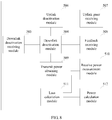
- a first structure includes an uplink activation receiving module 501 and an uplink activation module 502. Referring to FIG. 7 , a specific structure is as follows.
- the uplink activation receiving module 501 is configured to: when the UE works in an uplink-deactivated and downlink-deactivated state of a secondary cell, receive uplink activation signaling transmitted by a serving base station for the UE.
- the uplink activation module 502 is configured to perform uplink activation on the secondary cell for the UE according to the uplink activation signaling, so that the UE works in an uplink-activated and downlink-deactivated state of the secondary cell.
- an uplink signal that is to be transmitted by the UE by using the secondary cell to a base station to which the secondary cell belongs can be transmitted, and a downlink signal that is transmitted, to the UE by using the secondary cell, by the base station to which the secondary cell belongs can be received by the UE only in a subframe for transmitting a DRS.
- the uplink signal includes at least one of an uplink reference signal, uplink control signaling, or uplink data
- the downlink signal includes at least one of a downlink reference signal, downlink control signaling, or downlink data.
- a second structure includes a downlink deactivation receiving module 503 and a downlink deactivation module 504.
- a specific structure is as follows.
- the downlink deactivation receiving module 503 is configured to: when the UE works in an uplink-activated and downlink-activated state of a secondary cell, receive downlink deactivation signaling transmitted by a serving base station for the UE.
- the downlink deactivation module 504 is configured to perform downlink deactivation on the secondary cell according to the downlink deactivation signaling, so that the UE works in an uplink-activated and downlink-deactivated state of the secondary cell.
- a third structure includes a downlink deactivation module 505.
- a specific structure is as follows.
- the downlink deactivation module 505 is configured to: when the UE works in an uplink-activated and downlink-activated state of a secondary cell, perform downlink deactivation on the secondary cell if the UE receives uplink grant signaling of the secondary cell and no downlink assignment signaling of the secondary cell within a specified time, so that the UE works in an uplink-activated and downlink-deactivated state of the secondary cell, where the uplink grant signaling is used to schedule transmission of uplink data in the secondary cell, and the downlink assignment signaling is used to schedule receiving of downlink data in the secondary cell.
- the downlink deactivation module 505 may be configured to:
- the apparatus may further include:
- the apparatus may further include:
- the apparatus may further include:
- the feedback signaling is used to feed back whether the base station to which the secondary cell belongs correctly receives the uplink data transmitted by the UE.
- the apparatus may further include:
- uplink activation or downlink deactivation is performed on a secondary cell for a UE, so that the UE works in an uplink-activated and downlink-deactivated state of the secondary cell.
- an uplink signal can be transmitted in the secondary cell by the UE, and a downlink signal can be received in the secondary cell by the UE only in a subframe for transmitting a DRS.
- This embodiment of the present invention provides a radio resource management apparatus.
- the apparatus may be disposed on a UE, and the apparatus includes a transmitter 61, a receiver 62, and at least one processor 64 (for example, a CPU).
- the apparatus 60 may further include components such as a memory 63 and a communications bus 65.
- the communications bus 65 is configured to implement a connection and communication between the processor 64, the memory 63, the transmitter 61, and the receiver 62.
- the memory 63 may be configured to store software programs and application modules.
- the receiver 62 is configured to: when the UE works in an uplink-deactivated and downlink-deactivated state of a secondary cell, receive uplink activation signaling transmitted by a serving base station for the UE.
- the processor 64 may perform uplink activation on the secondary cell for the UE according to the uplink activation signaling, so that the UE works in an uplink-activated and downlink-deactivated state of the secondary cell.
- an uplink signal that is to be transmitted by the UE by using the secondary cell to a base station to which the secondary cell belongs can be transmitted, and a downlink signal that is transmitted, to the UE by using the secondary cell, by the base station to which the secondary cell belongs can be received by the UE only in a subframe for transmitting a DRS.
- the uplink signal includes at least one of an uplink reference signal, uplink control signaling, or uplink data
- the downlink signal includes at least one of a downlink reference signal, downlink control signaling, or downlink data.
- the receiver 62 is configured to: when the UE works in an uplink-activated and downlink-activated state of a secondary cell, receive downlink deactivation signaling transmitted by a serving base station for the UE.
- the processor 64 may perform downlink deactivation on the secondary cell according to the downlink deactivation signaling, so that the UE works in an uplink-activated and downlink-deactivated state of the secondary cell.
- the processor 64 may perform, when the UE works in an uplink-activated and downlink-activated state of a secondary cell, downlink deactivation on the secondary cell if the UE receives uplink grant signaling of the secondary cell and no downlink assignment signaling of the secondary cell within a specified time, so that the UE works in an uplink-activated and downlink-deactivated state of the secondary cell, where the uplink grant signaling is used to schedule transmission of uplink data in the secondary cell, and the downlink assignment signaling is used to schedule receiving of downlink data in the secondary cell.
- the performing, by the processor 64, when the UE works in an uplink-activated and downlink-activated state of a secondary cell, downlink deactivation on the secondary cell if the UE receives uplink grant signaling of the secondary cell and no downlink assignment signaling of the secondary cell within a specified time, so that the UE works in an uplink-activated and downlink-deactivated state of the secondary cell may include:
- the processor 64 may be further configured to:
- the receiver 62 may be further configured to:
- the receiver 62 may be further configured to:
- the feedback signaling is used to feed back whether the base station to which the secondary cell belongs correctly receives the uplink data transmitted by the UE.
- the processor 64 may be further configured to: when the UE works in the uplink-activated and downlink-deactivated state of the secondary cell, obtain a transmit power of the DRS.
- the receiver 62 may be further configured to: receive the DRS transmitted by the serving base station for the UE, and measure a receive power of the DRS.
- the processor 64 may be further configured to: calculate, according to the transmit power of the DRS and the receive power of the DRS, a path loss for communication in the secondary cell; and calculate, according to the path loss for communication in the secondary cell, a power for transmitting the uplink signal by the UE.
- uplink activation or downlink deactivation is performed on a secondary cell for a UE, so that the UE works in an uplink-activated and downlink-deactivated state of the secondary cell.
- an uplink signal can be transmitted in the secondary cell by the UE, and a downlink signal can be received in the secondary cell by the UE only in a subframe for transmitting a DRS.
- This embodiment of the present invention provides a radio resource management system.
- the system includes the radio resource management apparatus 701 provided by Embodiment 1 or Embodiment 2 and the radio resource management apparatus 702 provided by Embodiment 3 or Embodiment 4.
- a state of a secondary cell is changed, so that the state of the secondary cell is an uplink-enabled and downlink-disabled state.
- an uplink signal can be received in the secondary cell by a base station to which the secondary cell belongs, and a downlink signal can be transmitted in the secondary cell by the base station to which the secondary cell belongs only in a subframe for transmitting a DRS.
- a UE can perform communication on multiple carriers simultaneously.
- the multiple carriers include a primary component carrier and a secondary component carrier.
- a cell that works in the primary component carrier is a primary cell.
- a cell that works in the secondary component carrier is a secondary cell.
- a base station to which the primary cell belongs and a base station to which the secondary cell belongs may be a same base station, or may be different base stations.
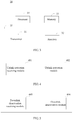
- a UE 1 communicates with a first base station 2 on a primary component carrier (for example, 800 MHz), a serving cell of the first base station 2 is a primary cell, and the primary cell retains an enabled state all the time.
- the UE 1 communicates with a second base station 3 on a secondary component carrier (for example, 900 MHz), and a serving cell of the second base station 3 is a secondary cell.
- the base station to which the secondary cell belongs may enable or disable a carrier for the secondary cell according to a network data volume and an interference status.
- the base station to which the secondary cell belongs may enable the carrier for the secondary cell.
- the base station to which the secondary cell belongs may disable the carrier for the secondary cell.
- data is transmitted between the UE 1 and the second base station 3 on both a primary component carrier and a secondary component carrier.
- a cell that works on the primary component carrier is a primary cell
- a cell that works on the secondary component carrier is a secondary cell.
- a base station to which the secondary cell belongs may enable or disable a carrier for the secondary cell according to a network data volume and an interference status.
- Both the base station 2 and the base station 3 may be macro base stations, or may be micro base stations; or one of the base station 2 and the base station 3 may be a macro base station, and the other may be a micro base station, which is not limited in the present invention.
- the macro base station is a base station with a large transmit power and a high erecting height.
- the macro base station has a wide coverage area.
- Each macro base station generally serves a relatively large quantity of UEs, and a rate of data transmission between each UE and a corresponding macro base station is relatively low.
- the micro base station is a base station with a small transmit power and a low erecting height (generally mounted on a public facility such as a telegraph pole).
- Micro base stations may be deployed densely. Each micro base station serves a relatively small quantity of UEs. A rate of data transmission between each UE and a corresponding micro base station is relatively high.
- a backhaul link is used to connect the base station to which the primary cell belongs and the base station to which the secondary cell belongs, where the backhaul link may be fiber, cable, or microwave transmission.
- the backhaul link is used to perform quick communication between the base station to which the primary cell belongs and the base station to which the secondary cell belongs, so that the base station to which the primary cell belongs can assist the base station to which the secondary cell belongs in communicating with the UE.
- the application scenario of the radio resource management method described above is only an example, on which no limitation is imposed in the present invention.
- This embodiment of the present invention provides a radio resource management method.
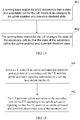
- the method may be executed by a base station. Referring to FIG. 14 , the method includes the following steps.
- an uplink is a direction from the UE to the serving base station for the UE
- a downlink is a direction from the serving base station for the UE to the UE.
- an uplink signal that is transmitted by the UE by using the secondary cell to a base station to which the secondary cell belongs can be received by the base station to which the secondary cell belongs, and a downlink signal that is to be transmitted, to the UE by using the secondary cell, by the base station to which the secondary cell belongs can be transmitted only in a subframe for transmitting a DRS.
- the uplink signal includes at least one of an uplink reference signal, uplink control signaling, or uplink data.
- the downlink signal includes at least one of a downlink reference signal, downlink control signaling, or downlink data.
- the UE when a CA technology is used, the UE first accesses a primary cell.
- a base station to which the primary cell belongs configures the secondary cell for the UE by transmitting configuration information to the UE, so that the UE learns that the secondary cell can be used for communication.
- the UE uses the secondary cell to perform communication.
- the base station to which the primary cell belongs may be the same as a base station to which the secondary cell belongs (for example, in a scenario shown in FIG. 13 ), or may be different from a base station to which the secondary cell belongs (for example, in a scenario shown in FIG. 12 ).
- the serving base station for the UE may also change the state of the secondary cell, so that the state of the secondary cell is an uplink-enabled and downlink-enabled state.
- the state of the secondary cell is the uplink-enabled and downlink-enabled state
- the uplink signal that is transmitted by the UE by using the secondary cell to the base station to which the secondary cell belongs can be received by the base station to which the secondary cell belongs, and the downlink signal that is to be transmitted, to the UE by using the secondary cell, by the base station to which the secondary cell belongs can be transmitted.
- the serving base station for the UE may further change the state of the secondary cell, so that the state of the secondary cell is an uplink-disabled and downlink-enabled state.
- the state of the secondary cell is the uplink-disabled and downlink-enabled state
- the uplink signal that is transmitted by the UE by using the secondary cell to the base station to which the secondary cell belongs cannot be received by the base station to which the secondary cell belongs, and the downlink signal that is to be transmitted, to the UE by using the secondary cell, by the base station to which the secondary cell belongs can be transmitted.
- the serving base station for the UE may further change the state of the secondary cell, so that the state of the secondary cell is an uplink-disabled and downlink-disabled state.
- the state of the secondary cell is the uplink-disabled and downlink-disabled state
- the uplink signal that is transmitted by the UE by using the secondary cell to the base station to which the secondary cell belongs cannot be received by the base station to which the secondary cell belongs, and the downlink signal that is to be transmitted, to the UE by using the secondary cell, by the base station to which the secondary cell belongs can be transmitted only in the subframe for transmitting the DRS.
- a state of a secondary cell is changed, so that the state of the secondary cell is an uplink-enabled and downlink-disabled state.
- an uplink signal can be received in the secondary cell by a base station to which the secondary cell belongs, and a downlink signal can be transmitted in the secondary cell by the base station to which the secondary cell belongs only in a subframe for transmitting a DRS.
- This embodiment of the present invention provides a radio resource management method.
- the method may be executed by a UE.
- the method may be implemented in the following three manners.
- a first manner includes step 901 and step 902. Referring to FIG. 15 , specific steps are as follows:
- a second manner includes step 903 and step 904. Referring to FIG. 16 , specific steps are as follows:
- a third manner includes step 905.
- a specific step is as follows:
- the uplink grant signaling of the secondary cell is used to schedule transmission of uplink data in the secondary cell
- the downlink assignment signaling of the secondary cell is used to schedule receiving of downlink data in the secondary cell.
- the UE may alternatively work in the uplink-activated and downlink-activated state of the secondary cell.
- the uplink signal that is to be transmitted by the UE by using the secondary cell to the base station to which the secondary cell belongs can be transmitted, and the downlink signal that is transmitted, to the UE by using the secondary cell, by the base station to which the secondary cell belongs can be received by the UE.
- the UE may alternatively work in an uplink-deactivated and downlink-activated state of the secondary cell.
- the uplink signal that is to be transmitted by the UE by using the secondary cell to the base station to which the secondary cell belongs cannot be transmitted, and the downlink signal that is transmitted, to the UE by using the secondary cell, by the base station to which the secondary cell belongs can be received by the UE.
- the UE may alternatively work in an uplink-deactivated and downlink-deactivated state of the secondary cell.
- the uplink signal that is to be transmitted by the UE by using the secondary cell to the base station to which the secondary cell belongs cannot be transmitted, and the downlink signal that is transmitted, to the UE by using the secondary cell, by the base station to which the secondary cell belongs can be received by the UE only in the subframe for transmitting the DRS.
- uplink activation or downlink deactivation is performed on a secondary cell for a UE, so that the UE works in an uplink-activated and downlink-deactivated state of the secondary cell.
- an uplink signal can be transmitted in the secondary cell by the UE, and a downlink signal can be received in the secondary cell by the UE only in a subframe for transmitting a DRS.
- an initial state of a secondary cell is an uplink-disabled and downlink-disabled state, that is, an uplink signal cannot be received in the secondary cell by a base station to which the secondary cell belongs, and a downlink signal can be transmitted in the secondary cell by the base station to which the secondary cell belongs only in a subframe for transmitting a DRS.
- the method includes the following steps.
- step 1002 may include:
- the network state of the serving cell may include one or more types of the following information:
- An uplink is a direction from the UE to the serving base station for the UE.
- a downlink is a direction from the serving base station for the UE to the UE.
- the serving base station for the UE may determine, according to whether an uplink grant request transmitted by the UE is received, whether there is uplink data to be transmitted in the secondary cell currently; determine, according to a data buffering status of the base station to which the secondary cell belongs, whether there is downlink data to be transmitted in the secondary cell currently; determine, according to a data buffering status reported by the UE, a volume of uplink data to be transmitted in the primary cell currently; determine, according to a data buffering status of the base station to which the primary cell belongs, a volume of downlink data to be transmitted in the primary cell currently; determine, according to an interference status measured and reported by the UE, uplink interference values transmitted in the primary cell and the secondary cell currently; and determine, by means of direct measurement and by receiving measurement results from another base station, downlink interference values transmitted in the primary cell and the secondary cell currently.
- an uplink grant request is first transmitted to the serving base station (which may be the base station to which the primary cell belongs, or may be the base station to which the secondary cell belongs) of the UE when the UE needs to transmit uplink data.
- the serving base station for the UE can determine, according to whether the uplink grant request transmitted by the UE is received, whether there is the uplink data to be transmitted in the secondary cell currently.
- the serving base station for the UE may obtain, by using a backhaul link, a data buffering status of the base station to which the secondary cell belongs and further determine whether there is downlink data to be transmitted in the secondary cell currently; if the serving base station for the UE is the base station to which the secondary cell belongs, the serving base station for the UE may obtain, by using a backhaul link, a data buffering status of the base station to which the primary cell belongs and further determine a volume of downlink data to be transmitted in the primary cell currently.
- the UE when uplink interference values transmitted in the secondary cell currently are being determined, the UE separately measures receive powers for receiving downlink reference signals in the primary cell and the secondary cell, obtains, from the downlink reference signals, transmit powers of the downlink reference signals, determines, by calculating differences between the receive powers of the downlink reference signals and the transmit powers of the downlink reference signals, the uplink interference values transmitted in the primary cell and the secondary cell currently and report the uplink interference values to the serving base station for the UE, so that the serving base station for the UE further determines the uplink interference values transmitted in the primary cell and the secondary cell currently.
- the serving base station for the UE measures receive powers of uplink reference signals transmitted by the UE, obtains, from the uplink reference signals, transmit powers of the uplink reference signals, calculates differences between the receive powers of the uplink reference signals and the transmit powers of the uplink reference signals, obtains, by using a backhaul link when the serving base station for the UE is not the base station to which the primary cell belongs and/or the base station to which the secondary cell belongs, measurement results from the base station to which the primary cell belongs and/or the base station to which the secondary cell belongs, and determines the downlink interference values transmitted in the primary cell and the secondary cell currently.
- the serving base station for the UE may be the base station to which the primary cell belongs, or may be the base station to which the secondary cell belongs.
- the determining, by the serving base station for the UE according to the current state of the secondary cell and the network state of the serving cell, that the state of the secondary cell needs to be changed to the uplink-enabled and downlink-disabled state may include:
- an uplink signal that is transmitted by the UE by using the secondary cell to the base station to which the secondary cell belongs can be received by the base station to which the secondary cell belongs, and a downlink signal that is to be transmitted, to the UE by using the secondary cell, by the base station to which the secondary cell belongs can be transmitted only in a subframe for transmitting a DRS.
- the uplink signal includes at least one of an uplink reference signal, uplink control signaling, or uplink data.
- the downlink signal includes at least one of a downlink reference signal, downlink control signaling, or downlink data.
- the uplink reference signal is used to detect quality of an uplink channel.
- the uplink control signaling is signaling that is used to control data transmission and that is transmitted by the UE to the base station to which the secondary cell belongs.
- the uplink data is data transmitted by the UE to the base station to which the secondary cell belongs, for example, a picture uploaded to a network by a user.
- the downlink reference signal is used to detect quality of a downlink channel.
- the downlink control signaling is signaling that is used to control data transmission and that is transmitted to the UE by the base station to which the secondary cell belongs.
- the downlink data is data that is transmitted to the UE by the base station to which the secondary cell belongs, for example, a webpage browsed by a user.
- step 1003a is performed if the serving base station for the UE and the base station to which the secondary cell belongs are a same base station; or step 1003b is performed if the serving base station for the UE and the base station to which the secondary cell belongs are different base stations.
- a register (buffer) in which the state of the secondary cell is set is disposed in the base station to which the secondary cell belongs.
- a value in the register represents the state of the secondary cell. For example, when the value in the register is 01, the state of the secondary cell is the uplink-enabled and downlink-disabled state. Because the serving base station for the UE and the base station to which the secondary cell belongs are the same base station, the serving base station for the UE can directly change the value in the register, so as to change the state of the secondary cell to the uplink-enabled and downlink-disabled state.
- the serving base station for the UE when the serving base station for the UE and the base station to which the secondary cell belongs are the same base station, the serving base station for the UE may be the base station to which the primary cell belongs, or may be not the base station to which the primary cell belongs.
- the serving base station for the UE is the base station to which the primary cell belongs, the base station to which the primary cell belongs and the base station to which the secondary cell belongs are the same base station.
- the serving base station for the UE is not the base station to which the primary cell belongs, the base station to which the primary cell belongs and the base station to which the secondary cell belongs are different base stations.
- the serving base station for the UE may be the base station to which the primary cell belongs, or may be a base station to which a secondary cell, other than the secondary cell whose state is switched, of the serving cell for the UE belongs.
- the serving base station may change the state of the secondary cell by performing step 1003a or step 1003b, so that the state of the secondary cell is the uplink-enabled and downlink-disabled state.
- the base station to which the primary cell belongs can directly transmit the uplink activation signaling for the secondary cell to the UE.
- the base station to which the secondary cell belongs After the state of the secondary cell is the uplink-enabled and downlink-disabled state (step 1003b) when the base station to which the primary cell belongs is different from the base station to which the secondary cell belongs, the base station to which the secondary cell belongs first transmits, by using the backhaul link, the uplink activation signaling for the secondary cell to the base station to which the primary cell belongs, and then the base station to which the primary cell belongs transmits the uplink activation signaling for the secondary cell to the UE.
- the UE receives the uplink activation signaling and downlink activation signaling, the UE performs both uplink activation and downlink activation on the secondary cell; in this case, the UE specifically performs the following operations:
- the serving base station for the UE configures, for the UE, parameter information for SRS transmission.
- the UE stops SRS transmission.
- SRS transmission is performed again according to the previous parameter information configured for SRS.
- the UE does not measure downlink channel quality of the secondary cell, and does not report a measurement result to the base station to which the secondary cell belongs.
- the measurement result includes a channel quality indicator (Channel Quality Indicator, CQI for short), a pre-coding matrix indicator (Pre-coding Matrix Indicator, PMI for short), a rank indicator (Rank Indicator, RI for short), and a pre-coding type indicator (Pre-coding Type Indicator, PTI for short).
- the method may further include:
- two secondary cell deactivation timers are disposed in the UE: a secondary cell deactivation timer_uplink (Secondary Cell Deactivation Timer_uplink) and a secondary cell deactivation timer_downlink (Secondary Cell Deactivation Timer_downlink) respectively.
- the secondary cell deactivation timer_uplink and the secondary cell deactivation timer_downlink may be existing counters (that is, secondary cell deactivation timers), or may be counters newly introduced.
- the first initial value is preset for the UE by a network, for example, 640 subframes (subframe).
- both uplink activation and downlink activation may be first performed on the secondary cell.
- the UE performs both uplink activation and downlink activation on the secondary cell, the UE starts both a secondary cell deactivation timer_uplink and a secondary cell deactivation timer_downlink, where a numerical value on the secondary cell deactivation timer_uplink is a specified first initial value during start-up, and a numerical value on the secondary cell deactivation timer_downlink is a specified second initial value during start-up; when the UE receives the uplink grant signaling of the secondary cell in a subframe for receiving the downlink signal, the UE resets the numerical value on the secondary cell deactivation timer_uplink to the first initial value; or when the UE receives no downlink assignment signaling of the secondary cell in a subframe for receiving the downlink signal, the UE subtracts 1 from the numerical value on the secondary cell deactivation timer_downlink; and when the numerical value on the secondary cell deactivation time
- the UE when the UE receives the downlink assignment signaling of the secondary cell in a subframe for receiving the downlink signal, the UE alternatively resets the numerical value on the secondary cell deactivation timer_downlink to a second initial value; or when the UE receives no uplink grant signaling of the secondary cell in a subframe for receiving the downlink signal, the UE also subtracts 1 from the numerical value on the secondary cell deactivation timer_uplink; and when the numerical value on the secondary cell deactivation timer_uplink is decreased to 0, the UE performs uplink deactivation on the secondary cell.
- the method may further include:
- the another cell except the secondary cell of the serving cell for the UE may be the primary cell, or may be another secondary cell than the secondary cell.
- the uplink grant signaling is transmitted by using the PDCCH corresponding to the secondary cell.
- the uplink grant signaling may also be transmitted by using an enhanced physical downlink control channel (Enhanced Physical Downlink Control Channel, EPDCCH) channel in addition to being transmitted by using the PDCCH channel.
- EPDCCH Enhanced Physical Downlink Control Channel
- the transmitting, by the serving base station for the UE and in another cell except the secondary cell of the serving cell for the UE, uplink grant signaling of the secondary cell to the UE may include: transmitting, by the base station to which the secondary cell belongs and by using a backhaul link, the uplink grant signaling of the secondary cell to the base station to which the primary cell belongs; and transmitting, by the base station to which the primary cell belongs, the uplink grant signaling of the secondary cell to the UE.
- the uplink grant signaling of the secondary cell can be transmitted to the UE in the subframe for transmitting the DRS in the secondary cell.
- the DRS is a signal that is periodically transmitted by the base station, to which the secondary cell belongs, when the state of the secondary cell is a downlink-disabled state (including the uplink-disabled and downlink-disabled state and the uplink-enabled and downlink-disabled state).
- a major objective of transmitting the DRS is to ensure that the UE can discover existence of the secondary cell.
- the base station to which the secondary cell belongs directly transmits the uplink grant signaling of the secondary cell to the UE.
- the method may further include:
- the base station to which the secondary cell belongs demodulates the data.
- Acknowledgement Acknowledgment, ACK for short
- negative acknowledgement Negative Acknowledgment, NACK for short
- the ACK signaling or the NACK signaling may be transmitted to the UE after the UE transmits the uplink data, for example, after 4 ms (the eighth subframe after the uplink grant signaling is received).
- the ACK signaling or the NACK signaling may be transmitted by using a physical hybrid automatic repeat-request indicator channel (Physical Hybrid automic repeat-request Indicator Channel, PHICH for short) channel, an enhanced physical hybrid automatic repeat-request indicator channel (Enhanced Physical Hybrid automic repeat-request Indicator Channel, EPHICH for short) channel, a PDCCH channel, or an EPDCCH channel.
- PHICH Physical Hybrid automic repeat-request Indicator Channel
- EPHICH Enhanced Physical Hybrid automic repeat-request Indicator Channel
- the method may further include:
- the obtaining, by the UE, a transmit power of the DRS may be receiving a transmit power instruction, of the DRS, transmitted by the serving base station for the UE; or may be directly obtaining a transmit power of a CRS from higher layer signaling when the transmit power of the DRS is the same as the transmission power (a basis in an existing calculation method) of the CRS, and then replacing the transmit power of the DRS with the transmit power of the CRS for calculation.
- the transmit power of the DRS is transmission energy per resource element (Energy Per Resource Element, EPRE for short) of the DRS.
- the calculating, by the UE according to the transmit power of the DRS and the receive power of the DRS, a path loss for communication in the secondary cell may include:
- the calculating, by the UE according to the path loss for communication in the secondary cell, a power for transmitting the uplink signal in the secondary cell by the UE may include:
- the UE directly replaces the path loss of the uplink signal with the path loss of the downlink signal obtained by measurement, to calculate the transmit power of the uplink signal.
- the method is more convenient and rapid compared with receiving the path loss of the uplink signal detected by the serving base station for the UE, and can adjust a transmit power of the UE in a more timely way regarding a change in the path loss of the uplink signal.
- uplink signals are classified into three types, which are respectively a PUCCH signal, a PUSCH signal, and an SRS.
- a PUCCH is used to transmit uplink control signaling such as ACK signaling or NACK signaling, a CQI, a PMI, or an RI.
- a PUSCH is used to transmit uplink data actually transmitted by a UE to a base station.
- An SRS is used to measure uplink channel quality. A power of any uplink signal needs to be calculated according to PL DL .
- the serving base station for the UE notifies the UE of all of Po, ⁇ Format , ⁇ , ⁇ , M, ⁇ MCS , M SRS , and P SRS0 .
- the serving base station for the UE can frequently change ⁇ , so that the UE increases or decreases a transmit power at any time to quickly control the transmit power of the UE.
- step 1006 may include:
- Step 1007 The serving base station for the UE transmits uplink deactivation signaling to the UE, where the uplink deactivation signaling is used to instruct the UE to perform uplink deactivation on the secondary cell.
- the UE After performing uplink deactivation on the secondary cell, the UE specifically performs the following operations:
- a state of a secondary cell is changed, so that the state of the secondary cell is an uplink-enabled and downlink-disabled state.
- an uplink signal can be received in the secondary cell by a base station to which the secondary cell belongs, and a downlink signal can be transmitted in the secondary cell by the base station to which the secondary cell belongs only in a subframe for transmitting a DRS.
- an initial state of a secondary cell is an uplink-enabled and downlink-enabled state, that is, an uplink signal can be received in the secondary cell by a base station to which the secondary cell belongs, and a downlink signal can be transmitted in the secondary cell by the base station to which the secondary cell belongs.
- the method includes the following steps.
- step 1101 may be the same as step 1002, and no details are repeated herein.
- the uplink signal that is transmitted by the UE by using the secondary cell to the base station to which the secondary cell belongs can be received by the base station to which the secondary cell belongs, and the downlink signal that is to be transmitted, to the UE by using the secondary cell, by the base station to which the secondary cell belongs can be transmitted only in a subframe for transmitting a DRS.
- the uplink signal includes at least one of an uplink reference signal, uplink control signaling, or uplink data.
- the downlink signal includes at least one of a downlink reference signal, downlink control signaling, or downlink data.
- step 1102a is performed if the serving base station for the UE and the base station to which the secondary cell belongs are a same base station; or step 1102b is performed if the serving base station for the UE and the base station to which the secondary cell belongs are different base stations.
- a register (buffer) in which the state of the secondary cell is set is disposed in the base station to which the secondary cell belongs.
- a value in the register represents the state of the secondary cell. For example, when the value in the register is 01, the state of the secondary cell is the uplink-enabled and downlink-disabled state. Because the serving base station for the UE and the base station to which the secondary cell belongs are the same base station, the serving base station for the UE can directly change the value in the register, so as to change the state of the secondary cell to the uplink-enabled and downlink-disabled state.
- the serving base station for the UE when the serving base station for the UE and the base station to which the secondary cell belongs are the same base station, the serving base station for the UE may be the base station to which the primary cell belongs, or may be not the base station to which the primary cell belongs.
- the serving base station for the UE is the base station to which the primary cell belongs, the base station to which the primary cell belongs and the base station to which the secondary cell belongs are the same base station.
- the serving base station for the UE is not the base station to which the primary cell belongs, the base station to which the primary cell belongs and the base station to which the secondary cell belongs are different base stations.
- Step 1102b The serving base station for the UE transmits a control instruction, where the control instruction is used to instruct the base station to which the secondary cell belongs to switch the state of the secondary cell to the uplink-enabled and downlink-disabled state.
- the serving base station for the UE may be the base station to which the primary cell belongs, or may be a base station to which a secondary cell, other than the secondary cell whose state is switched, of the serving cell for the UE belongs.
- the serving base station may change the state of the secondary cell by performing step 1102a or step 1102b, so that the state of the secondary cell is the uplink-enabled and downlink-disabled state.
- the base station to which the primary cell belongs can directly transmit the downlink deactivation signaling for the secondary cell to the UE.
- the base station to which the secondary cell belongs After the state of the secondary cell is the uplink-enabled and downlink-disabled state (step 1102b) when the base station to which the primary cell belongs is different from the base station to which the secondary cell belongs, the base station to which the secondary cell belongs first transmits, by using a backhaul link, the downlink deactivation signaling for the secondary cell to the base station to which the primary cell belongs, and then the base station to which the primary cell belongs transmits the downlink deactivation signaling for the secondary cell to the UE.
- a secondary cell deactivation timer_uplink and a secondary cell deactivation timer_downlink may be disposed in the UE.
- the UE starts both the secondary cell deactivation timer_uplink and the secondary cell deactivation timer_downlink, where a numerical value on the secondary cell deactivation timer_uplink is a specified first initial value during start-up, and a numerical value on the secondary cell deactivation timer_downlink is a specified second initial value during start-up; when the UE receives the uplink grant signaling of the secondary cell in a subframe for receiving the downlink signal, the UE resets the numerical value on the secondary cell deactivation timer_uplink to the first initial value; or when the UE receives no downlink assignment signaling of the secondary cell in a subframe for receiving the downlink signal, the UE subtracts 1 from the numerical value on the secondary cell deactivation timer_downlink;
- the UE After performing downlink deactivation on the secondary cell, the UE specifically performs the following operations:
- a state of a secondary cell is changed, so that the state of the secondary cell is an uplink-enabled and downlink-disabled state.
- an uplink signal can be received in the secondary cell by a base station to which the secondary cell belongs, and a downlink signal can be transmitted in the secondary cell by the base station to which the secondary cell belongs only in a subframe for transmitting a DRS.
- the radio resource management apparatus when the radio resource management apparatus provided by the foregoing embodiments manages a radio resource, the division of the foregoing functional modules is only used as an example for description. In an actual application, the foregoing function allocation can be implemented by different functional modules according to a requirement, that is, an internal structure of the apparatus is divided into different functional modules to implement all or some of the foregoing functions described above.
- the radio resource management apparatus provided in the foregoing embodiments is based on a same concept as the embodiments illustrating the radio resource management method. For a specific implementation process, refer to the method embodiments, and no details are repeated herein.
- the program may be stored in a computer-readable storage medium.
- the storage medium may include: a read-only memory, a magnetic disk, or an optical disc.
Landscapes
- Engineering & Computer Science (AREA)
- Signal Processing (AREA)
- Computer Networks & Wireless Communication (AREA)
- Computer Security & Cryptography (AREA)
- Mobile Radio Communication Systems (AREA)
Applications Claiming Priority (1)
| Application Number | Priority Date | Filing Date | Title |
|---|---|---|---|
| PCT/CN2014/089852 WO2016065562A1 (zh) | 2014-10-30 | 2014-10-30 | 一种管理无线资源的方法、装置及系统 |
Publications (2)
| Publication Number | Publication Date |
|---|---|
| EP3200501A1 true EP3200501A1 (de) | 2017-08-02 |
| EP3200501A4 EP3200501A4 (de) | 2017-10-11 |
Family
ID=55856382
Family Applications (1)
| Application Number | Title | Priority Date | Filing Date |
|---|---|---|---|
| EP14904824.1A Withdrawn EP3200501A4 (de) | 2014-10-30 | 2014-10-30 | Verfahren, vorrichtung und system zur verwaltung von computerressourcen |
Country Status (4)
| Country | Link |
|---|---|
| US (1) | US20170230160A1 (de) |
| EP (1) | EP3200501A4 (de) |
| CN (1) | CN105745958A (de) |
| WO (1) | WO2016065562A1 (de) |
Families Citing this family (6)
| Publication number | Priority date | Publication date | Assignee | Title |
|---|---|---|---|---|
| WO2016133437A1 (en) * | 2015-02-19 | 2016-08-25 | Telefonaktiebolaget Lm Ericsson (Publ) | Wireless node, radio node and methods for transmitting and receiving a reference signal |
| CN106412947B (zh) * | 2015-07-31 | 2019-11-01 | 华为技术有限公司 | 一种干扰的消除方法和用户设备以及基站 |
| CN106961721B (zh) * | 2016-01-11 | 2020-05-15 | 中兴通讯股份有限公司 | 一种实现上行功率控制的方法及终端 |
| US10869357B2 (en) * | 2016-03-24 | 2020-12-15 | Lg Electronics Inc. | Method for configuring discontinuous reception in a communication system and device therefor |
| US11843981B2 (en) * | 2020-06-08 | 2023-12-12 | Qualcomm Incorporated | Primary cell (PCell) selection in mobility active set management |
| CN118216187A (zh) * | 2021-11-01 | 2024-06-18 | 上海诺基亚贝尔股份有限公司 | 双连接中的功率管理 |
Family Cites Families (9)
| Publication number | Priority date | Publication date | Assignee | Title |
|---|---|---|---|---|
| CN103583071B (zh) * | 2011-04-01 | 2018-02-16 | 英特尔公司 | 在载波聚合通信系统中执行多定时超前调整 |
| WO2012150886A1 (en) * | 2011-05-02 | 2012-11-08 | Telefonaktiebolaget L M Ericsson (Publ) | Method and apparatus for prohibiting sounding reference signal transmission newly activated secondary cells in a wireless communication system |
| WO2012177060A2 (en) * | 2011-06-23 | 2012-12-27 | Pantech Co., Ltd. | Apparatus and method for performing random access in wireless communication system |
| CN102244927B (zh) * | 2011-07-22 | 2015-01-28 | 新邮通信设备有限公司 | 多小区长期演进系统中建立上行同步的方法、设备和终端 |
| WO2013073916A1 (ko) * | 2011-11-17 | 2013-05-23 | 엘지전자 주식회사 | 무선통신 시스템에서 상기 단말이 상향링크 제어 채널 전송 방법 |
| KR20130121605A (ko) * | 2012-04-27 | 2013-11-06 | 주식회사 팬택 | 단말 및 단말의 상향링크 제어 채널 전송 자원 설정 방법 |
| CN104066160B (zh) * | 2013-03-21 | 2018-03-23 | 普天信息技术研究院有限公司 | 辅小区的激活方法 |
| EP3487219B1 (de) * | 2013-04-12 | 2020-04-29 | Huawei Technologies Co., Ltd. | Verfahren und vorrichtung zur unterstützung eines endgeräts bei der messung |
| CN104080117B (zh) * | 2014-07-23 | 2017-12-15 | 武汉虹信通信技术有限责任公司 | 用于LTE系统的small cell状态检测方法 |
-
2014
- 2014-10-30 EP EP14904824.1A patent/EP3200501A4/de not_active Withdrawn
- 2014-10-30 WO PCT/CN2014/089852 patent/WO2016065562A1/zh not_active Ceased
- 2014-10-30 CN CN201480038606.2A patent/CN105745958A/zh active Pending
-
2017
- 2017-04-28 US US15/581,340 patent/US20170230160A1/en not_active Abandoned
Also Published As
| Publication number | Publication date |
|---|---|
| CN105745958A (zh) | 2016-07-06 |
| EP3200501A4 (de) | 2017-10-11 |
| WO2016065562A1 (zh) | 2016-05-06 |
| US20170230160A1 (en) | 2017-08-10 |
Similar Documents
| Publication | Publication Date | Title |
|---|---|---|
| US12273821B2 (en) | Beam indication for uplink power control | |
| EP3905759B1 (de) | Angabe der priorität eines kanals gegenüber messlücken | |
| US20220167397A1 (en) | Adapting ue serving cell procedures based on dl cca operational information | |
| KR102143848B1 (ko) | 업링크 전송 파워 제어의 방법, 장치, 기기 및 저장 매체 | |
| US20220124773A1 (en) | Information transmission method, terminal, and network device | |
| US9572113B2 (en) | System and method for direct mobile communications power control | |
| US9974076B2 (en) | Method, device and system for transmitting uplink information | |
| EP3179787B1 (de) | Endgerätevorrichtung und verfahren zur sendeleistungsregelung | |
| US20170230160A1 (en) | Radio Resource Management Method, Apparatus, and System | |
| US20160345338A1 (en) | Method and apparatus for applying resources in heterogeneous network system | |
| EP3883304A1 (de) | Verfahren und vorrichtung zur leistungsregelung und zum multiplexen für vorrichtung-zu-vorrichtung-kommunikation in drahtlosem zellularem kommunikationssystem | |
| EP3050219B1 (de) | Verfahren und drahtlose vorrichtung zur überwachung von downlink-steuerkanälen | |
| US9769771B2 (en) | Terminal device, base station device, and communication method | |
| US9615372B2 (en) | Method and apparatus for processing receive/transmit transition time of user equipment | |
| JP2016529799A (ja) | アップリンク制御情報の送信方法及び装置 | |
| US12075466B2 (en) | Indication of downlink clear channel assessment failures | |
| US20210289445A1 (en) | Systems and methods for fast uplink power control | |
| EP2498534B1 (de) | Konfigurationsverfahren, system und vorrichtung für einen uplink-kanal | |
| US9036494B2 (en) | Method and device for transmitting and receiving power headroom report | |
| US10588095B2 (en) | Power usage state information transmission method and apparatus | |
| JPWO2015019930A1 (ja) | 無線通信システム、端末装置、基地局装置、無線通信方法および集積回路 | |
| EP2961228A1 (de) | Leistungssteuerungsverfahren und -vorrichtung | |
| CN113923687B (zh) | 一种调制与编码策略mcs值调整方法及装置 | |
| EP3001770A1 (de) | Verfahren, endgerät und drahtloskommunikationsknoten für uplink-datenübertragungen |
Legal Events
| Date | Code | Title | Description |
|---|---|---|---|
| STAA | Information on the status of an ep patent application or granted ep patent |
Free format text: STATUS: THE INTERNATIONAL PUBLICATION HAS BEEN MADE |
|
| PUAI | Public reference made under article 153(3) epc to a published international application that has entered the european phase |
Free format text: ORIGINAL CODE: 0009012 |
|
| STAA | Information on the status of an ep patent application or granted ep patent |
Free format text: STATUS: REQUEST FOR EXAMINATION WAS MADE |
|
| 17P | Request for examination filed |
Effective date: 20170425 |
|
| AK | Designated contracting states |
Kind code of ref document: A1 Designated state(s): AL AT BE BG CH CY CZ DE DK EE ES FI FR GB GR HR HU IE IS IT LI LT LU LV MC MK MT NL NO PL PT RO RS SE SI SK SM TR |
|
| AX | Request for extension of the european patent |
Extension state: BA ME |
|
| A4 | Supplementary search report drawn up and despatched |
Effective date: 20170912 |
|
| RIC1 | Information provided on ipc code assigned before grant |
Ipc: H04W 24/08 20090101AFI20170906BHEP |
|
| DAX | Request for extension of the european patent (deleted) | ||
| STAA | Information on the status of an ep patent application or granted ep patent |
Free format text: STATUS: THE APPLICATION HAS BEEN WITHDRAWN |
|
| 18W | Application withdrawn |
Effective date: 20180711 |