EP3182316A1 - Fingerprint authentication method and system, and terminal supporting fingerprint authentication - Google Patents
Fingerprint authentication method and system, and terminal supporting fingerprint authentication Download PDFInfo
- Publication number
- EP3182316A1 EP3182316A1 EP15881829.4A EP15881829A EP3182316A1 EP 3182316 A1 EP3182316 A1 EP 3182316A1 EP 15881829 A EP15881829 A EP 15881829A EP 3182316 A1 EP3182316 A1 EP 3182316A1
- Authority
- EP
- European Patent Office
- Prior art keywords
- fingerprint
- template
- finger
- templates
- matching
- Prior art date
- Legal status (The legal status is an assumption and is not a legal conclusion. Google has not performed a legal analysis and makes no representation as to the accuracy of the status listed.)
- Granted
Links
Images




Classifications
-
- G—PHYSICS
- G06—COMPUTING OR CALCULATING; COUNTING
- G06F—ELECTRIC DIGITAL DATA PROCESSING
- G06F21/00—Security arrangements for protecting computers, components thereof, programs or data against unauthorised activity
- G06F21/30—Authentication, i.e. establishing the identity or authorisation of security principals
- G06F21/31—User authentication
- G06F21/32—User authentication using biometric data, e.g. fingerprints, iris scans or voiceprints
-
- G—PHYSICS
- G06—COMPUTING OR CALCULATING; COUNTING
- G06F—ELECTRIC DIGITAL DATA PROCESSING
- G06F21/00—Security arrangements for protecting computers, components thereof, programs or data against unauthorised activity
- G06F21/30—Authentication, i.e. establishing the identity or authorisation of security principals
- G06F21/31—User authentication
- G06F21/316—User authentication by observing the pattern of computer usage, e.g. typical user behaviour
-
- G—PHYSICS
- G06—COMPUTING OR CALCULATING; COUNTING
- G06F—ELECTRIC DIGITAL DATA PROCESSING
- G06F21/00—Security arrangements for protecting computers, components thereof, programs or data against unauthorised activity
- G06F21/30—Authentication, i.e. establishing the identity or authorisation of security principals
- G06F21/45—Structures or tools for the administration of authentication
-
- G—PHYSICS
- G06—COMPUTING OR CALCULATING; COUNTING
- G06V—IMAGE OR VIDEO RECOGNITION OR UNDERSTANDING
- G06V40/00—Recognition of biometric, human-related or animal-related patterns in image or video data
- G06V40/10—Human or animal bodies, e.g. vehicle occupants or pedestrians; Body parts, e.g. hands
- G06V40/12—Fingerprints or palmprints
- G06V40/1365—Matching; Classification
-
- H—ELECTRICITY
- H04—ELECTRIC COMMUNICATION TECHNIQUE
- H04L—TRANSMISSION OF DIGITAL INFORMATION, e.g. TELEGRAPHIC COMMUNICATION
- H04L63/00—Network architectures or network communication protocols for network security
- H04L63/08—Network architectures or network communication protocols for network security for authentication of entities
- H04L63/0861—Network architectures or network communication protocols for network security for authentication of entities using biometrical features, e.g. fingerprint, retina-scan
-
- H—ELECTRICITY
- H04—ELECTRIC COMMUNICATION TECHNIQUE
- H04W—WIRELESS COMMUNICATION NETWORKS
- H04W12/00—Security arrangements; Authentication; Protecting privacy or anonymity
- H04W12/06—Authentication
- H04W12/065—Continuous authentication
Definitions
- the present disclosure relates to the technical field of fingerprint recognition, and in particular, to a fingerprint authentication method and system, and a terminal supporting fingerprint authentication.
- fingerprint recognition module In a mobile phone, the main use of a fingerprint recognition module in a mobile phone is unlocking screen by a fingerprint instead of a password, and therefore the speed of fingerprint recognition is a main factor that affects user experience.
- a fingerprint recognition function generally includes two major steps: 1. fingerprint registration; and 2. fingerprint matching.
- the fingerprint registration refers to a process of recording an authorized fingerprint feature to a device.
- the procedure of the fingerprint registration is shown in Fig. 1A .
- a device supports recording of several fingers.
- a fingerprint recognition module in a mobile phone generally is much smaller than a finger, and therefore a user needs to press the fingerprint recognition module for several times to record fingerprint features at different regions of a finger, so as to register the entire finger.
- every recorded fingerprint feature is referred to as a template.
- the fingerprint matching refers to a process of inputting a fingerprint feature when a user performs identity authentication and performing matching and recognition with an authorized fingerprint feature (that is, a template) which has been registered in a device. The procedure is shown in Fig. 1B . If a match rate exceeds a set threshold, it is considered that the authentication succeeds, and otherwise the authentication fails.
- an input fingerprint feature to be authenticated is referred to as a fingerprint sample.
- a first technical problem to be resolved by the present disclosure lies in providing a fingerprint authentication method, which intends to increase the speed of fingerprint recognition and provide a better user experience.
- a fingerprint authentication method including the following steps:
- a second technical problem to be resolved by the present disclosure lies in providing a fingerprint authentication system, including:
- a third technical problem to be resolved by the present disclosure lies in providing a terminal supporting a fingerprint authentication, including the fingerprint authentication system as described above.
- the speed of fingerprint recognition can be effectively increased, and better user experience can be brought to users.
- the present disclosure improves the speed of fingerprint matching by means of learning and making statistics of the operating habits of the user.
- Fig. 2 shows an implementation flow chart of a fingerprint authentication method provided in the present disclosure, and details are as follows.
- the fingerprint authentication method as shown in Fig. 2 firstly requires operating habits of a user to be learned and counted. That is, a using frequency of each fingerprint template is recorded, to find a fingerprint template with a possibility of having a highest matching degree with a fingerprint sample.
- the method mainly includes a fingerprint receiving step and a fingerprint template matching step.
- fingerprint receiving step fingerprint information (that is, a fingerprint sample) input by a user is received.
- the fingerprint template matching step is performed, which specifically includes, selecting a fingerprint template that has a highest using frequency from fingerprint templates on which matching has not been performed, and matching the selected fingerprint template with the received fingerprint information; if the matching succeeds, it is determined that fingerprint authentication succeeds, and if the matching fails, this step is performed again.
- a matching sequence of fingerprint templates is adjusted, a fingerprint template having a highest possibility of successful matching (that is, the fingerprint template that has the highest using frequency is considered to have the highest possibility of successful matching) is directly used for matching.
- a speed of fingerprint recognition can be effectively increased, and better user experience can be brought about for users.
- a finger template is determined prior to fingerprint matching. Referring to Fig. 3 , the method includes the following steps:
- each finger template corresponds to several fingerprint templates. Differences between the several fingerprint templates that pertain to the same finger template mainly lie in aspects of touch areas, press strength, sharpness, or the like.
- the finger template may be selected on the basis of a using frequency, a priority level, or a current application scenario. Descriptions are as follows.
- the finger template selection basis is to select a finger template that has a highest using frequency from finger templates that have not been selected. After the matching succeeds, using frequency record information of the finger templates and the fingerprint templates needs to be updated.
- a fingerprint template having a highest matching degree with a fingerprint sample and a finger template to which the fingerprint template pertains are automatically recorded, and then a using frequency of each finger template and a using frequency of each fingerprint template corresponding to the finger template are obtained by means of statistics according to the recorded data.
- a fingerprint template having a high using frequency corresponding to a finger template having a high using frequency are preferably selected by algorithm according to the statistic using frequency data, for matching recognition with the fingerprint sample. Therefore, when the user performs fingerprint authentication using an accustomed method, a template having a highest matching probability according to the user's habits can be selected for matching by the algorithm, thereby reducing the matching times of matching and improving the overall matching speed.
- a user is supported to define priority levels of fingers. That is, the user can independently define a priority level sequence of all finger templates.
- the finger template selection basis is to select a finger template that has a highest priority level defined by the user from finger templates on which selection has not been performed. After the matching succeeds, using frequency record information of the fingerprint templates is updated.
- a using frequency of each fingerprint template corresponding to each registered finger template is counted, while a using frequency of the registered finger template is not counted.
- a user is allowed to independently define priority levels of the fingers. That is, the user can independently define the using frequency of the registered finger template according to operating habits of the user.
- a fingerprint template having a high using frequency corresponding to a finger template having a high priority level is preferably selected by the algorithm, according to priority levels of the finger templates independently defined by the user and the statistic using frequencies of the fingerprint templates, for matching recognition with a fingerprint sample.
- the accuracy and flexibility of embodiment 2 are improved.
- classified statistics is performed on a using frequency of a finger template according to a specific application scenario. For example, a finger 1 is used most frequently for screen unlocking, and a finger 2 is used most frequently for mobile payment.
- the finger template selection basis is to select a finger template that has a highest using frequency in a current application scenario from finger templates on which selection has not been performed. After the matching succeeds, using frequency record information of the finger templates and the fingerprint templates in the current application scenario is updated.
- a fingerprint matching algorithm needs to learn about an application scenario for performing matching authentication (for example, the algorithm needs to learn about whether a current matched scenario is identity authentication for screen unlocking or for mobile payment).
- a fingerprint template having a highest matching degree with a fingerprint sample, a finger template to which the fingerprint template pertains, and an application scenario are automatically recorded, and then a using frequency of each finger template and a using frequency of each fingerprint template corresponding to the finger template in different scenarios are obtained by means of statistics according to the recorded data.
- a fingerprint template having a high using frequency corresponding to a finger template having a high using frequency is preferably selected by the algorithm, according to the statistics using frequency data in the current application scenario, for matching recognition with the fingerprint sample.
- the complexity of the method is increased, the accuracy is also increased correspondingly.
- a user can also independently define a priority level of a finger template in a specific application scenario.
- a finger template that has a highest priority level defined by a user in the application scenario is selected from finger templates on which selection has not been performed, and a fingerprint template having a high using frequency corresponding to the finger template is then selected for matching recognition with a fingerprint sample. After the matching succeeds, using frequency record information of fingerprint templates is updated.
- Step S303 is a fingerprint template matching step: a fingerprint template that has a highest using frequency is selected from fingerprint templates on which matching has not been performed, and then the selected fingerprint template is matched with the received fingerprint information if the matching succeeds, it is determined that fingerprint authentication succeeds, and if the matching fails, this step is performed again.
- step S303 if all fingerprint templates corresponding to the selected finger template fail to match with the fingerprint sample, step S302 is performed again, to select a new finger template; and if no finger template on which selection has not been performed in the finger template database, the authentication fails.
- the program may be stored in a computer readable storage medium.
- the storage medium may be a ROM/RAM, a magnetic disk, an optical disc, or the like.
- Fig. 7 is a schematic structural diagram of a fingerprint authentication system provided in the present disclosure. To facilitate description, only relevant part of the present disclosure is shown.
- the processing system may be a software unit, a hardware unit, or a unit integrating software and hardware that is built in a terminal supporting a fingerprint recognition.
- the fingerprint authentication system includes a fingerprint receiving module 71 and a fingerprint template matching module 72.
- the fingerprint receiving module 71 is configured to receive fingerprint information input by a user.
- the fingerprint template matching module 72 is configured to select a fingerprint template that has a highest using frequency from fingerprint templates on which matching has not been performed, and then match the selected fingerprint template with the received fingerprint information. If the matching succeeds, it is determined that authentication succeeds; and if the matching fails, the fingerprint template matching module performs the selecting and matching again.
- the authentication system may further include a finger template selection module 711, configured to select, from a finger template database, a finger template that has not been selected firstly, such that the fingerprint template matching module 72 selects, from several fingerprint templates corresponding to the selected finger template, a fingerprint template on which matching has not been performed and having a highest using frequency, to perform fingerprint template matching, in order to further increase the matching speed.
- a finger template selection module 711 configured to select, from a finger template database, a finger template that has not been selected firstly, such that the fingerprint template matching module 72 selects, from several fingerprint templates corresponding to the selected finger template, a fingerprint template on which matching has not been performed and having a highest using frequency, to perform fingerprint template matching, in order to further increase the matching speed.
- the finger template selection module 711 After the finger template is selected by the finger template selection module 711, if the fingerprint template matching module 72 fails in matching with respect to all fingerprint templates that correspond to the selected fingerprint template, the finger template selection module 711 performs finger template selection again to select a new finger template. If no finger template on which selection has not been performed in the finger template database, the authentication fails.
- selection of a finger template by the finger template selection module 711 may be on the basis of a using frequency, a priority level, or a current application scenario.
- the system further includes a first recording module, configured to update using frequency record information of the finger templates and the fingerprint templates after the matching succeeds.
- a user is supported to independently define priority levels of finger templates. That is, the user can independently define a priority level sequence of all the finger templates. Generally, a finger template that has a highest priority level defined by a user is selected from finger templates on which selection has not been performed.
- the system further includes a second recording module, configured to update using frequency record information of the fingerprint templates after the matching succeeds.
- classified statistics is performed on a using frequency of a finger template according to a specific application scenario.
- a finger template that has a highest using frequency in a current application scenario is selected from finger templates on which selection has not been performed.
- the system further includes a third recording module, configured to update using frequency record information of the finger templates and the fingerprint templates in the current application scenario after the matching succeeds.
Landscapes
- Engineering & Computer Science (AREA)
- Computer Security & Cryptography (AREA)
- Theoretical Computer Science (AREA)
- General Engineering & Computer Science (AREA)
- Computer Hardware Design (AREA)
- Physics & Mathematics (AREA)
- General Physics & Mathematics (AREA)
- Software Systems (AREA)
- Health & Medical Sciences (AREA)
- Signal Processing (AREA)
- Computer Networks & Wireless Communication (AREA)
- General Health & Medical Sciences (AREA)
- Social Psychology (AREA)
- Computing Systems (AREA)
- Biomedical Technology (AREA)
- Human Computer Interaction (AREA)
- Multimedia (AREA)
- Collating Specific Patterns (AREA)
- Measurement Of The Respiration, Hearing Ability, Form, And Blood Characteristics Of Living Organisms (AREA)
Abstract
Description
- The present disclosure relates to the technical field of fingerprint recognition, and in particular, to a fingerprint authentication method and system, and a terminal supporting fingerprint authentication.
- With the spread of mobile payment and the increase in users' awareness of security, now more and more smart phones and tablet has been integrated with fingerprint recognition modules. At present, the main use of a fingerprint recognition module in a mobile phone is unlocking screen by a fingerprint instead of a password, and therefore the speed of fingerprint recognition is a main factor that affects user experience.
- At present, the use of a fingerprint recognition function generally includes two major steps: 1. fingerprint registration; and 2. fingerprint matching. The fingerprint registration refers to a process of recording an authorized fingerprint feature to a device. The procedure of the fingerprint registration is shown in
Fig. 1A . Generally, a device supports recording of several fingers. A fingerprint recognition module in a mobile phone generally is much smaller than a finger, and therefore a user needs to press the fingerprint recognition module for several times to record fingerprint features at different regions of a finger, so as to register the entire finger. Generally, every recorded fingerprint feature is referred to as a template. The fingerprint matching refers to a process of inputting a fingerprint feature when a user performs identity authentication and performing matching and recognition with an authorized fingerprint feature (that is, a template) which has been registered in a device. The procedure is shown inFig. 1B . If a match rate exceeds a set threshold, it is considered that the authentication succeeds, and otherwise the authentication fails. Generally, an input fingerprint feature to be authenticated is referred to as a fingerprint sample. - As can be seen from the procedure shown in
Fig. 1B , in the existing fingerprint matching and recognition method, all templates are matched with the sample in sequence, which causes with increase of the number of registered fingers and templates, the fingerprint time for matching becomes longer. - A first technical problem to be resolved by the present disclosure lies in providing a fingerprint authentication method, which intends to increase the speed of fingerprint recognition and provide a better user experience.
- The present disclosure is implemented as follows: a fingerprint authentication method including the following steps:
- a fingerprint receiving step: receiving fingerprint information input by a user; and
- a fingerprint template matching step: selecting a fingerprint template that has a highest using frequency from fingerprint templates on which matching has not been performed, and matching the fingerprint template with the fingerprint information, wherein a fingerprint authentication succeeds when the fingerprint template matches with the fingerprint information, and the fingerprint template matching step is re-performed when the fingerprint template fails to match with the fingerprint information.
- A second technical problem to be resolved by the present disclosure lies in providing a fingerprint authentication system, including:
- a fingerprint receiving module configured to receive fingerprint information input by a user; and
- a fingerprint template matching module configured to select a fingerprint template that has a highest using frequency from fingerprint templates on which matching has not been performed, and match the fingerprint template with the fingerprint information, wherein a fingerprint authentication succeeds when the fingerprint template matches with the fingerprint information, and the fingerprint template matching module re-performs selecting and matching when the fingerprint template fails to match with the fingerprint information.
- A third technical problem to be resolved by the present disclosure lies in providing a terminal supporting a fingerprint authentication, including the fingerprint authentication system as described above.
- In the present disclosure, by learning and making statistics of operating habits of a user, adjusting a matching sequence of fingerprint templates, and matching by directly using a fingerprint template having a highest possibility of successful matching, the speed of fingerprint recognition can be effectively increased, and better user experience can be brought to users.
-
-
Fig. 1A andFig. 1B are flow charts of fingerprint registration and fingerprint matching provided by the prior art, respectively; -
Fig. 2 is an implementation flow chart of a fingerprint authentication method provided in the present disclosure; -
Fig. 3 is a flow chart of a fingerprint authentication method improved on the basis of the fingerprint authentication method shown inFig. 2 ; -
Fig. 4 is a flow chart of a fingerprint authentication method in which a finger template is selected on the basis of a using frequency according to a first embodiment of the present disclosure; -
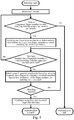
Fig. 5 is a flow chart of a fingerprint authentication method in which a finger template is selected on the basis of a priority level according to a second embodiment of the present disclosure; -
Fig. 6 is a flow chart of a fingerprint authentication method in which a finger template is selected on the basis of a current application scenario according to a third embodiment of the present disclosure; -
Fig. 7 is a schematic structural diagram of a fingerprint authentication system in the present disclosure; and -
Fig. 8 is a schematic structural diagram of a fingerprint authentication system improved on the basis of the fingerprint authentication method shown inFig. 7 . - In order to make the objective, the technical solutions, and the advantages of the present disclosure more clear and easy to understand, the present disclosure is further described in detail in the embodiments in combination with the accompanying drawings. It should be understood that the specific embodiments described herein are used only to interpret the present disclosure, but are not intended to limit the present disclosure.
- In the present disclosure, in consideration of the facts that a user normally uses an accustomed finger to perform a fingerprint recognition due to operating habits and an area of the finger used in fingerprint recognition is also relatively centralized, the present disclosure improves the speed of fingerprint matching by means of learning and making statistics of the operating habits of the user.
- On the basis of the foregoing principles,
Fig. 2 shows an implementation flow chart of a fingerprint authentication method provided in the present disclosure, and details are as follows. - The fingerprint authentication method as shown in
Fig. 2 firstly requires operating habits of a user to be learned and counted. That is, a using frequency of each fingerprint template is recorded, to find a fingerprint template with a possibility of having a highest matching degree with a fingerprint sample. In specific application, the method mainly includes a fingerprint receiving step and a fingerprint template matching step. In the fingerprint receiving step, fingerprint information (that is, a fingerprint sample) input by a user is received. Then, the fingerprint template matching step is performed, which specifically includes, selecting a fingerprint template that has a highest using frequency from fingerprint templates on which matching has not been performed, and matching the selected fingerprint template with the received fingerprint information; if the matching succeeds, it is determined that fingerprint authentication succeeds, and if the matching fails, this step is performed again. - As can be seen from the above method, in the present disclosure, a matching sequence of fingerprint templates is adjusted, a fingerprint template having a highest possibility of successful matching (that is, the fingerprint template that has the highest using frequency is considered to have the highest possibility of successful matching) is directly used for matching. As such, a speed of fingerprint recognition can be effectively increased, and better user experience can be brought about for users.
- Further in consideration of the fact that a terminal may be used by several persons, or one same person may use different fingers in different operations, there may be several fingerprint templates having relative high using frequencies. To further improve the matching speed, as an improvement of the present disclosure, a finger template is determined prior to fingerprint matching. Referring to
Fig. 3 , the method includes the following steps: - Step S301 is a fingerprint receiving step: fingerprint information input by a user is received.
- Step S302 is a finger template selection step: a finger template that has not been selected is firstly selected from a finger template database, and then a fingerprint template matching step is performed on several fingerprint templates corresponding to the selected finger template.
- In the present disclosure, each finger template corresponds to several fingerprint templates. Differences between the several fingerprint templates that pertain to the same finger template mainly lie in aspects of touch areas, press strength, sharpness, or the like. In this step, the finger template may be selected on the basis of a using frequency, a priority level, or a current application scenario. Descriptions are as follows.
- Referring to
Fig. 4 , in this embodiment, the finger template selection basis is to select a finger template that has a highest using frequency from finger templates that have not been selected. After the matching succeeds, using frequency record information of the finger templates and the fingerprint templates needs to be updated. - In this embodiment, each time the authentication succeeds, a fingerprint template having a highest matching degree with a fingerprint sample and a finger template to which the fingerprint template pertains are automatically recorded, and then a using frequency of each finger template and a using frequency of each fingerprint template corresponding to the finger template are obtained by means of statistics according to the recorded data. Each time when fingerprint matching authentication is performed, a fingerprint template having a high using frequency corresponding to a finger template having a high using frequency are preferably selected by algorithm according to the statistic using frequency data, for matching recognition with the fingerprint sample. Therefore, when the user performs fingerprint authentication using an accustomed method, a template having a highest matching probability according to the user's habits can be selected for matching by the algorithm, thereby reducing the matching times of matching and improving the overall matching speed.
- Referring to
Fig. 5 , in this embodiment, a user is supported to define priority levels of fingers. That is, the user can independently define a priority level sequence of all finger templates. In this embodiment, the finger template selection basis is to select a finger template that has a highest priority level defined by the user from finger templates on which selection has not been performed. After the matching succeeds, using frequency record information of the fingerprint templates is updated. - As compared with embodiment 1, in embodiment 2, only a using frequency of each fingerprint template corresponding to each registered finger template is counted, while a using frequency of the registered finger template is not counted. In the method, a user is allowed to independently define priority levels of the fingers. That is, the user can independently define the using frequency of the registered finger template according to operating habits of the user. Each time when fingerprint matching authentication is performed, a fingerprint template having a high using frequency corresponding to a finger template having a high priority level is preferably selected by the algorithm, according to priority levels of the finger templates independently defined by the user and the statistic using frequencies of the fingerprint templates, for matching recognition with a fingerprint sample. As compared with the method of embodiment 1 in which using frequencies of the fingers are automatically counted by using an algorithm, the accuracy and flexibility of embodiment 2 are improved.
- Referring to
Fig. 6 , in this embodiment, classified statistics is performed on a using frequency of a finger template according to a specific application scenario. For example, a finger 1 is used most frequently for screen unlocking, and a finger 2 is used most frequently for mobile payment. In this embodiment, the finger template selection basis is to select a finger template that has a highest using frequency in a current application scenario from finger templates on which selection has not been performed. After the matching succeeds, using frequency record information of the finger templates and the fingerprint templates in the current application scenario is updated. - As compared with embodiment 1, in the method provided in embodiment 3, a fingerprint matching algorithm needs to learn about an application scenario for performing matching authentication (for example, the algorithm needs to learn about whether a current matched scenario is identity authentication for screen unlocking or for mobile payment). In the algorithm, each time the authentication succeeds, a fingerprint template having a highest matching degree with a fingerprint sample, a finger template to which the fingerprint template pertains, and an application scenario are automatically recorded, and then a using frequency of each finger template and a using frequency of each fingerprint template corresponding to the finger template in different scenarios are obtained by means of statistics according to the recorded data. Each time when fingerprint matching authentication is performed, a fingerprint template having a high using frequency corresponding to a finger template having a high using frequency is preferably selected by the algorithm, according to the statistics using frequency data in the current application scenario, for matching recognition with the fingerprint sample. As compared with embodiment 1, although the complexity of the method is increased, the accuracy is also increased correspondingly.
- It should be noted that a user can also independently define a priority level of a finger template in a specific application scenario. A finger template that has a highest priority level defined by a user in the application scenario is selected from finger templates on which selection has not been performed, and a fingerprint template having a high using frequency corresponding to the finger template is then selected for matching recognition with a fingerprint sample. After the matching succeeds, using frequency record information of fingerprint templates is updated.
- Step S303 is a fingerprint template matching step: a fingerprint template that has a highest using frequency is selected from fingerprint templates on which matching has not been performed, and then the selected fingerprint template is matched with the received fingerprint information if the matching succeeds, it is determined that fingerprint authentication succeeds, and if the matching fails, this step is performed again.
- During step S303, if all fingerprint templates corresponding to the selected finger template fail to match with the fingerprint sample, step S302 is performed again, to select a new finger template; and if no finger template on which selection has not been performed in the finger template database, the authentication fails.
- A person of ordinary skill in the art may understand that all or some of the steps in the foregoing method provided by the embodiments may be implemented by a program instructing relevant hardware. The program may be stored in a computer readable storage medium. The storage medium may be a ROM/RAM, a magnetic disk, an optical disc, or the like.
-
Fig. 7 is a schematic structural diagram of a fingerprint authentication system provided in the present disclosure. To facilitate description, only relevant part of the present disclosure is shown. The processing system may be a software unit, a hardware unit, or a unit integrating software and hardware that is built in a terminal supporting a fingerprint recognition. - Referring to
Fig. 7 , the fingerprint authentication system includes afingerprint receiving module 71 and a fingerprinttemplate matching module 72. Thefingerprint receiving module 71 is configured to receive fingerprint information input by a user. The fingerprinttemplate matching module 72 is configured to select a fingerprint template that has a highest using frequency from fingerprint templates on which matching has not been performed, and then match the selected fingerprint template with the received fingerprint information. If the matching succeeds, it is determined that authentication succeeds; and if the matching fails, the fingerprint template matching module performs the selecting and matching again. - As stated above, in consideration of the fact that the terminal may be used by several persons, or one same person may use different fingers in different operations, as shown in
Fig. 8 , the authentication system may further include a fingertemplate selection module 711, configured to select, from a finger template database, a finger template that has not been selected firstly, such that the fingerprinttemplate matching module 72 selects, from several fingerprint templates corresponding to the selected finger template, a fingerprint template on which matching has not been performed and having a highest using frequency, to perform fingerprint template matching, in order to further increase the matching speed. - After the finger template is selected by the finger
template selection module 711, if the fingerprinttemplate matching module 72 fails in matching with respect to all fingerprint templates that correspond to the selected fingerprint template, the fingertemplate selection module 711 performs finger template selection again to select a new finger template. If no finger template on which selection has not been performed in the finger template database, the authentication fails. - In the present disclosure selection of a finger template by the finger
template selection module 711 may be on the basis of a using frequency, a priority level, or a current application scenario. - With respect to selection of a finger template on the basis of a using frequency, generally a finger template that has a highest using frequency is selected. The system further includes a first recording module, configured to update using frequency record information of the finger templates and the fingerprint templates after the matching succeeds.
- With respect to selection of a finger template on the basis of a priority level, a user is supported to independently define priority levels of finger templates. That is, the user can independently define a priority level sequence of all the finger templates. Generally, a finger template that has a highest priority level defined by a user is selected from finger templates on which selection has not been performed. The system further includes a second recording module, configured to update using frequency record information of the fingerprint templates after the matching succeeds.
- With respect to selection of a finger template on the basis of a current application scenario, classified statistics is performed on a using frequency of a finger template according to a specific application scenario. Generally, a finger template that has a highest using frequency in a current application scenario is selected from finger templates on which selection has not been performed. The system further includes a third recording module, configured to update using frequency record information of the finger templates and the fingerprint templates in the current application scenario after the matching succeeds.
- The foregoing descriptions are merely preferred embodiments of the present disclosure, but are not intended to limit the present disclosure. Any modification, equivalent replacement, or improvement made within the spirit and principle of the present disclosure shall fall within the protection scope of the present disclosure.
Claims (19)
- A fingerprint authentication method, comprising the following steps:a fingerprint receiving step: receiving fingerprint information input by a user; anda fingerprint template matching step: selecting a fingerprint template that has a highest using frequency from fingerprint templates on which matching has not been performed, and matching the fingerprint template with the fingerprint information, wherein a fingerprint authentication succeeds when the fingerprint template matches with the fingerprint information, and the fingerprint template matching step is re-performed when the fingerprint template fails to match with the fingerprint information.
- The fingerprint authentication method according to claim 1, wherein before the fingerprint template matching step, the method further comprises a following step:a finger template selection step: selecting, from a finger template database, a finger template that has not been selected, and then performing the fingerprint template matching step for multiple fingerprint templates corresponding to the selected finger template.
- The fingerprint authentication method according to claim 2, wherein in the fingerprint template matching step, if all the fingerprint templates corresponding to the finger template as selected fail to match with the fingerprint information, the finger template selection step is performed again to select a new finger template; and if no finger template on which selection has not been performed in the finger template database, the fingerprint authentication fails.
- The fingerprint authentication method according to claim 2 or 3, wherein in the finger template selection step, a basis for selecting a finger template is to select a finger template that has a highest using frequency from the finger templates on which selection has not been performed.
- The fingerprint authentication method according to claim 4, wherein after the fingerprint template matching step, the method further comprises a following step:a using frequency recording step: updating using frequency record information of the finger templates and the fingerprint templates when the fingerprint template matches with the fingerprint information.
- The fingerprint authentication method according to claim 2 or 3, wherein in the finger template selection step, a basis for selecting a finger template is to select a finger template that has a highest priority level defined by a user from the finger templates on which selection has not been performed.
- The fingerprint authentication method according to claim 6, wherein after the fingerprint template matching step, the method further comprises a following step:a using frequency recording step: updating using frequency record information of the fingerprint templates when the fingerprint template matches with the fingerprint information.
- The fingerprint authentication method according to claim 2 or 3, wherein in the finger template selection step, a basis for selecting a finger template is to select a finger template that has a highest using frequency in a current application scenario from the finger templates on which selection has not been performed.
- The fingerprint authentication method according to claim 8, wherein after the fingerprint template matching step, the method further comprises a following step:a using frequency recording step: updating using frequency record information of the finger templates and the fingerprint templates in the current application scenario when the fingerprint template matches with the fingerprint information.
- A fingerprint authentication system, comprising:a fingerprint receiving module configured to receive fingerprint information input by a user; anda fingerprint template matching module configured to select a fingerprint template that has a highest using frequency from fingerprint templates on which matching has not been performed, and match the fingerprint template with the fingerprint information, wherein a fingerprint authentication succeeds when the fingerprint template matches with the fingerprint information, and the fingerprint template matching module re-performs selecting and matching when the fingerprint template fails to match with the fingerprint information.
- The fingerprint authentication system according to claim 10, wherein the fingerprint authentication system further comprises:a finger template selection module configured to select, from a finger template database, a finger template that has not been selected, such that the fingerprint template matching module selects, from multiple fingerprint templates corresponding to the selected finger template, a fingerprint template on which matching has not been performed and having a highest using frequency, to perform fingerprint template matching.
- The fingerprint authentication system according to claim 11, wherein the finger template selection module is further configured to re-perform finger template selection to select a new finger template if all fingerprint templates corresponding to the finger template as selected by the finger template selection module fail to match with the fingerprint information; and wherein the fingerprint authentication fails if no finger template on which selection has not been performed in the finger template database.
- The fingerprint authentication system according to claim 11 or 12, wherein a basis for selecting a finger template by the finger template selection module is to select a finger template that has a highest using frequency from the finger templates on which selection has not been performed.
- The fingerprint authentication system according to claim 13, wherein the fingerprint authentication system further comprises:a first recording module configured to update using frequency record information of the finger templates and the fingerprint templates when the fingerprint template matches with the fingerprint information.
- The fingerprint authentication system according to claim 11 or 12, wherein a basis for selecting a finger template by the finger template selection module is to select a finger template that has a highest priority level defined by a user from the finger templates on which selection has not been performed.
- The fingerprint authentication system according to claim 15, wherein the fingerprint authentication system further comprises:a second recording module configured to update using frequency record information of the fingerprint templates when the fingerprint template matches with the fingerprint information.
- The fingerprint authentication system according to claim 11 or 12, wherein a basis for selecting a finger template by the finger template selection module is to select a finger template that has a highest using frequency in a current application scenario from the finger templates on which selection has not been performed.
- The fingerprint authentication system according to claim 17, wherein the fingerprint authentication system further comprises:a third recording module configured to update using frequency record information of the finger templates and the fingerprint templates in the current application scenario when the fingerprint template matches with the fingerprint information.
- A terminal supporting fingerprint authentication, comprising a fingerprint authentication system according to any one of claims 10 to 18.
Applications Claiming Priority (2)
| Application Number | Priority Date | Filing Date | Title |
|---|---|---|---|
| CN201510074067.4A CN105989333B (en) | 2015-02-12 | 2015-02-12 | Fingerprint authentication method, system and terminal supporting fingerprint authentication function |
| PCT/CN2015/094710 WO2016127680A1 (en) | 2015-02-12 | 2015-11-16 | Fingerprint authentication method and system, and terminal supporting fingerprint authentication |
Publications (3)
| Publication Number | Publication Date |
|---|---|
| EP3182316A1 true EP3182316A1 (en) | 2017-06-21 |
| EP3182316A4 EP3182316A4 (en) | 2017-09-13 |
| EP3182316B1 EP3182316B1 (en) | 2019-11-06 |
Family
ID=56614122
Family Applications (1)
| Application Number | Title | Priority Date | Filing Date |
|---|---|---|---|
| EP15881829.4A Active EP3182316B1 (en) | 2015-02-12 | 2015-11-16 | Fingerprint authentication method and system, and terminal supporting fingerprint authentication |
Country Status (5)
| Country | Link |
|---|---|
| US (1) | US10496804B2 (en) |
| EP (1) | EP3182316B1 (en) |
| KR (1) | KR101957615B1 (en) |
| CN (2) | CN109002773B (en) |
| WO (1) | WO2016127680A1 (en) |
Cited By (2)
| Publication number | Priority date | Publication date | Assignee | Title |
|---|---|---|---|---|
| EP3299999A3 (en) * | 2016-09-27 | 2018-07-04 | Guangdong Oppo Mobile Telecommunications Corp., Ltd. | Method and device for updating sequence of fingerprint templates for matching |
| WO2023195895A1 (en) * | 2022-04-08 | 2023-10-12 | Fingerprint Cards Anacatum Ip Ab | Head-tilt invariant real-eye detection |
Families Citing this family (18)
| Publication number | Priority date | Publication date | Assignee | Title |
|---|---|---|---|---|
| CN105389566B (en) * | 2015-11-13 | 2018-09-11 | 广东欧珀移动通信有限公司 | Fingerprint identification method, the update method of fingerprint template, device and mobile terminal |
| CN105809003B (en) * | 2016-03-10 | 2018-03-27 | 广东欧珀移动通信有限公司 | Fingerprint identification terminal screen unlocking method and terminal |
| CN105740689B (en) * | 2016-03-14 | 2017-11-07 | 广东欧珀移动通信有限公司 | Unlocking control method and terminal equipment |
| CN106557761A (en) * | 2016-11-29 | 2017-04-05 | 深圳天珑无线科技有限公司 | A kind of method and device of fingerprint recognition |
| CN107066856B (en) * | 2017-03-08 | 2020-01-14 | Oppo广东移动通信有限公司 | Unlocking method and equipment |
| CN107134022B (en) * | 2017-05-03 | 2019-10-18 | 陈卫东 | Personal identification method for attendance recorder |
| CN107491965B (en) | 2017-07-31 | 2020-07-10 | 阿里巴巴集团控股有限公司 | Method and device for establishing biological feature library |
| CN107657161A (en) * | 2017-09-12 | 2018-02-02 | 广东欧珀移动通信有限公司 | Mobile payment method and related products based on face recognition |
| CN107767509B (en) * | 2017-10-16 | 2020-11-03 | 深圳市优点智联科技有限公司 | Authorization method, server, authorization system and storage medium |
| US10970516B2 (en) * | 2017-10-25 | 2021-04-06 | Synaptics Incorporated | Systems and methods for biometric recognition |
| US11244035B2 (en) * | 2018-10-30 | 2022-02-08 | Qualcomm Incorporated | Apparatus and methods for biometric verification |
| US20200153822A1 (en) * | 2018-11-13 | 2020-05-14 | Alitheon, Inc. | Contact and non-contact image-based biometrics using physiological elements |
| WO2020146984A1 (en) * | 2019-01-14 | 2020-07-23 | 深圳市汇顶科技股份有限公司 | Multiple security environments-based fingerprint recognition method and system, and electronic device |
| CN110298277B (en) * | 2019-06-19 | 2021-08-31 | Oppo广东移动通信有限公司 | Fingerprint identification method and related products |
| US11336682B2 (en) * | 2019-07-09 | 2022-05-17 | Nice Ltd. | System and method for generating and implementing a real-time multi-factor authentication policy across multiple channels |
| CN110599639B (en) * | 2019-08-13 | 2021-05-07 | 深圳市天彦通信股份有限公司 | Identity verification method and related product |
| CN114943601A (en) * | 2022-05-31 | 2022-08-26 | 中国银行股份有限公司 | Business agency management auditing method and system, electronic equipment and storage medium |
| US12282533B2 (en) | 2023-01-04 | 2025-04-22 | Nice Ltd. | System and method for detecting agent sharing credentials |
Family Cites Families (21)
| Publication number | Priority date | Publication date | Assignee | Title |
|---|---|---|---|---|
| US20060129840A1 (en) * | 2002-04-23 | 2006-06-15 | Michael Milgramm | Multiplatform independent biometric identification system |
| US7512807B2 (en) * | 2003-02-25 | 2009-03-31 | Activcard Ireland, Limited | Method and apparatus for biometric verification with data packet transmission prioritization |
| US20040172562A1 (en) * | 2003-03-01 | 2004-09-02 | Vladimir Berger | System and method for identity recognition of an individual for enabling an access to a secured system |
| JP4576132B2 (en) * | 2004-02-25 | 2010-11-04 | 株式会社リコー | Authentication method and authentication apparatus |
| JP4612398B2 (en) * | 2004-11-11 | 2011-01-12 | Necインフロンティア株式会社 | Verification device and verification method |
| CN102176712A (en) * | 2011-02-14 | 2011-09-07 | 华为终端有限公司 | Identity authentication method and data card |
| CN102222389A (en) * | 2011-06-30 | 2011-10-19 | 北京天诚盛业科技有限公司 | Realization method and device of fingerprint comparison in financial IC (integrated circuit) card |
| CN102708360A (en) * | 2012-05-09 | 2012-10-03 | 深圳市亚略特生物识别科技有限公司 | Method for generating and automatically updating fingerprint template |
| US9965607B2 (en) * | 2012-06-29 | 2018-05-08 | Apple Inc. | Expedited biometric validation |
| KR20140006565A (en) * | 2012-07-06 | 2014-01-16 | 주식회사 원익아이피에스 | Mask substrate aligner, deposition apparatus comprising the same, and method for aligning mask and substrate |
| CN102855279B (en) * | 2012-07-26 | 2018-05-22 | 哈尔滨理工大学 | A fast search method for target fingerprint based on minutiae ridge shape |
| KR102001913B1 (en) * | 2012-09-27 | 2019-07-19 | 엘지전자 주식회사 | Mobile Terminal and Operating Method for the Same |
| US9165130B2 (en) * | 2012-11-21 | 2015-10-20 | Ca, Inc. | Mapping biometrics to a unique key |
| CN103093209B (en) * | 2013-01-23 | 2015-07-29 | 深圳市亚略特生物识别科技有限公司 | Fingerprint verification system |
| US9965608B2 (en) * | 2013-07-18 | 2018-05-08 | Samsung Electronics Co., Ltd. | Biometrics-based authentication method and apparatus |
| CN103886237A (en) * | 2014-03-26 | 2014-06-25 | 深圳市亚略特生物识别科技有限公司 | Control method and system for electronic device with fingerprint sensor and touch screen |
| CN103971043A (en) * | 2014-05-28 | 2014-08-06 | 李雪 | Identity authentication method and authentication information acquisition method |
| US9292728B2 (en) * | 2014-05-30 | 2016-03-22 | Apple Inc. | Electronic device for reallocating finger biometric template nodes in a set memory space and related methods |
| CN104063683B (en) * | 2014-06-06 | 2017-05-17 | 北京搜狗科技发展有限公司 | Expression input method and device based on face identification |
| CN104077576A (en) * | 2014-07-03 | 2014-10-01 | 南昌欧菲生物识别技术有限公司 | Fingerprint recognition method and terminal device having fingerprint recognition function |
| US9646192B2 (en) * | 2015-03-31 | 2017-05-09 | Synaptics Incorporated | Fingerprint localization |
-
2015
- 2015-02-12 CN CN201810681013.8A patent/CN109002773B/en active Active
- 2015-02-12 CN CN201510074067.4A patent/CN105989333B/en active Active
- 2015-11-16 EP EP15881829.4A patent/EP3182316B1/en active Active
- 2015-11-16 KR KR1020177007214A patent/KR101957615B1/en active Active
- 2015-11-16 WO PCT/CN2015/094710 patent/WO2016127680A1/en not_active Ceased
-
2017
- 2017-03-16 US US15/460,845 patent/US10496804B2/en active Active
Cited By (2)
| Publication number | Priority date | Publication date | Assignee | Title |
|---|---|---|---|---|
| EP3299999A3 (en) * | 2016-09-27 | 2018-07-04 | Guangdong Oppo Mobile Telecommunications Corp., Ltd. | Method and device for updating sequence of fingerprint templates for matching |
| WO2023195895A1 (en) * | 2022-04-08 | 2023-10-12 | Fingerprint Cards Anacatum Ip Ab | Head-tilt invariant real-eye detection |
Also Published As
| Publication number | Publication date |
|---|---|
| EP3182316B1 (en) | 2019-11-06 |
| CN109002773A (en) | 2018-12-14 |
| KR101957615B1 (en) | 2019-03-12 |
| CN105989333B (en) | 2018-08-17 |
| US10496804B2 (en) | 2019-12-03 |
| WO2016127680A1 (en) | 2016-08-18 |
| CN105989333A (en) | 2016-10-05 |
| KR20170042730A (en) | 2017-04-19 |
| CN109002773B (en) | 2022-05-03 |
| EP3182316A4 (en) | 2017-09-13 |
| US20170185765A1 (en) | 2017-06-29 |
Similar Documents
| Publication | Publication Date | Title |
|---|---|---|
| US10496804B2 (en) | Fingerprint authentication method and system, and terminal supporting fingerprint authentication | |
| AU2017316312B2 (en) | Remote usage of locally stored biometric authentication data | |
| JP5727008B2 (en) | Operating system unlocking method and mobile phone | |
| CN104715178B (en) | Unlocking system and method of electronic device | |
| US10795978B2 (en) | Method and device for identity authentication | |
| EP3437020B1 (en) | Secure storage of fingerprint related elements | |
| US20150040193A1 (en) | Physical Interaction Style Based User Authentication for Mobile Computing Devices | |
| US20180137265A1 (en) | Terminal device and computer program | |
| WO2016206132A1 (en) | Identity authentication method and device | |
| CN104994105B (en) | A kind of Android intelligent terminal safety certifying method | |
| US20190073459A1 (en) | Application Login Password Input Method and Apparatus, and Terminal | |
| US10936706B2 (en) | Biometric authentication | |
| AU2013205126A1 (en) | Facial recognition streamlined login | |
| CN108009412A (en) | Using the authorization method and electronic equipment of item | |
| CN104486310A (en) | Method and system for authenticating finger veins and finger vein information acquisition instrument | |
| CN109284588A (en) | Information verification method, device and storage medium | |
| CN111984945A (en) | Identity verification method and device | |
| US20200125705A1 (en) | User authentication based on an association of biometric information with a character-based password | |
| CN106161365A (en) | A kind of data processing method, device and terminal | |
| US11599620B2 (en) | Securing access to group accounts on a computer system | |
| CN111224972A (en) | Method and system for retrieving account/password based on facial features | |
| CN106446838A (en) | Fingerprint identification method and device | |
| CN120431642A (en) | A method for object authentication | |
| CN117633772A (en) | Prompting method and prompting device for password recovery and password recovery system |
Legal Events
| Date | Code | Title | Description |
|---|---|---|---|
| STAA | Information on the status of an ep patent application or granted ep patent |
Free format text: STATUS: THE INTERNATIONAL PUBLICATION HAS BEEN MADE |
|
| PUAI | Public reference made under article 153(3) epc to a published international application that has entered the european phase |
Free format text: ORIGINAL CODE: 0009012 |
|
| STAA | Information on the status of an ep patent application or granted ep patent |
Free format text: STATUS: REQUEST FOR EXAMINATION WAS MADE |
|
| 17P | Request for examination filed |
Effective date: 20170315 |
|
| AK | Designated contracting states |
Kind code of ref document: A1 Designated state(s): AL AT BE BG CH CY CZ DE DK EE ES FI FR GB GR HR HU IE IS IT LI LT LU LV MC MK MT NL NO PL PT RO RS SE SI SK SM TR |
|
| AX | Request for extension of the european patent |
Extension state: BA ME |
|
| A4 | Supplementary search report drawn up and despatched |
Effective date: 20170816 |
|
| RAP1 | Party data changed (applicant data changed or rights of an application transferred) |
Owner name: SHENZHEN GOODIX TECHNOLOGY CO., LTD. |
|
| RIC1 | Information provided on ipc code assigned before grant |
Ipc: G06F 21/32 20130101AFI20170809BHEP Ipc: G06F 21/31 20130101ALI20170809BHEP Ipc: H04L 29/06 20060101ALI20170809BHEP Ipc: H04W 12/06 20090101ALI20170809BHEP |
|
| DAV | Request for validation of the european patent (deleted) | ||
| DAX | Request for extension of the european patent (deleted) | ||
| STAA | Information on the status of an ep patent application or granted ep patent |
Free format text: STATUS: EXAMINATION IS IN PROGRESS |
|
| 17Q | First examination report despatched |
Effective date: 20180601 |
|
| GRAP | Despatch of communication of intention to grant a patent |
Free format text: ORIGINAL CODE: EPIDOSNIGR1 |
|
| STAA | Information on the status of an ep patent application or granted ep patent |
Free format text: STATUS: GRANT OF PATENT IS INTENDED |
|
| INTG | Intention to grant announced |
Effective date: 20190605 |
|
| GRAS | Grant fee paid |
Free format text: ORIGINAL CODE: EPIDOSNIGR3 |
|
| GRAA | (expected) grant |
Free format text: ORIGINAL CODE: 0009210 |
|
| STAA | Information on the status of an ep patent application or granted ep patent |
Free format text: STATUS: THE PATENT HAS BEEN GRANTED |
|
| AK | Designated contracting states |
Kind code of ref document: B1 Designated state(s): AL AT BE BG CH CY CZ DE DK EE ES FI FR GB GR HR HU IE IS IT LI LT LU LV MC MK MT NL NO PL PT RO RS SE SI SK SM TR |
|
| REG | Reference to a national code |
Ref country code: GB Ref legal event code: FG4D |
|
| REG | Reference to a national code |
Ref country code: CH Ref legal event code: EP Ref country code: AT Ref legal event code: REF Ref document number: 1199761 Country of ref document: AT Kind code of ref document: T Effective date: 20191115 |
|
| REG | Reference to a national code |
Ref country code: IE Ref legal event code: FG4D |
|
| REG | Reference to a national code |
Ref country code: DE Ref legal event code: R096 Ref document number: 602015041423 Country of ref document: DE |
|
| REG | Reference to a national code |
Ref country code: NL Ref legal event code: MP Effective date: 20191106 |
|
| REG | Reference to a national code |
Ref country code: LT Ref legal event code: MG4D |
|
| PG25 | Lapsed in a contracting state [announced via postgrant information from national office to epo] |
Ref country code: NL Free format text: LAPSE BECAUSE OF FAILURE TO SUBMIT A TRANSLATION OF THE DESCRIPTION OR TO PAY THE FEE WITHIN THE PRESCRIBED TIME-LIMIT Effective date: 20191106 Ref country code: SE Free format text: LAPSE BECAUSE OF FAILURE TO SUBMIT A TRANSLATION OF THE DESCRIPTION OR TO PAY THE FEE WITHIN THE PRESCRIBED TIME-LIMIT Effective date: 20191106 Ref country code: PL Free format text: LAPSE BECAUSE OF FAILURE TO SUBMIT A TRANSLATION OF THE DESCRIPTION OR TO PAY THE FEE WITHIN THE PRESCRIBED TIME-LIMIT Effective date: 20191106 Ref country code: LV Free format text: LAPSE BECAUSE OF FAILURE TO SUBMIT A TRANSLATION OF THE DESCRIPTION OR TO PAY THE FEE WITHIN THE PRESCRIBED TIME-LIMIT Effective date: 20191106 Ref country code: BG Free format text: LAPSE BECAUSE OF FAILURE TO SUBMIT A TRANSLATION OF THE DESCRIPTION OR TO PAY THE FEE WITHIN THE PRESCRIBED TIME-LIMIT Effective date: 20200206 Ref country code: FI Free format text: LAPSE BECAUSE OF FAILURE TO SUBMIT A TRANSLATION OF THE DESCRIPTION OR TO PAY THE FEE WITHIN THE PRESCRIBED TIME-LIMIT Effective date: 20191106 Ref country code: PT Free format text: LAPSE BECAUSE OF FAILURE TO SUBMIT A TRANSLATION OF THE DESCRIPTION OR TO PAY THE FEE WITHIN THE PRESCRIBED TIME-LIMIT Effective date: 20200306 Ref country code: NO Free format text: LAPSE BECAUSE OF FAILURE TO SUBMIT A TRANSLATION OF THE DESCRIPTION OR TO PAY THE FEE WITHIN THE PRESCRIBED TIME-LIMIT Effective date: 20200206 Ref country code: GR Free format text: LAPSE BECAUSE OF FAILURE TO SUBMIT A TRANSLATION OF THE DESCRIPTION OR TO PAY THE FEE WITHIN THE PRESCRIBED TIME-LIMIT Effective date: 20200207 Ref country code: LT Free format text: LAPSE BECAUSE OF FAILURE TO SUBMIT A TRANSLATION OF THE DESCRIPTION OR TO PAY THE FEE WITHIN THE PRESCRIBED TIME-LIMIT Effective date: 20191106 |
|
| PG25 | Lapsed in a contracting state [announced via postgrant information from national office to epo] |
Ref country code: RS Free format text: LAPSE BECAUSE OF FAILURE TO SUBMIT A TRANSLATION OF THE DESCRIPTION OR TO PAY THE FEE WITHIN THE PRESCRIBED TIME-LIMIT Effective date: 20191106 Ref country code: IS Free format text: LAPSE BECAUSE OF FAILURE TO SUBMIT A TRANSLATION OF THE DESCRIPTION OR TO PAY THE FEE WITHIN THE PRESCRIBED TIME-LIMIT Effective date: 20200306 Ref country code: HR Free format text: LAPSE BECAUSE OF FAILURE TO SUBMIT A TRANSLATION OF THE DESCRIPTION OR TO PAY THE FEE WITHIN THE PRESCRIBED TIME-LIMIT Effective date: 20191106 |
|
| PG25 | Lapsed in a contracting state [announced via postgrant information from national office to epo] |
Ref country code: AL Free format text: LAPSE BECAUSE OF FAILURE TO SUBMIT A TRANSLATION OF THE DESCRIPTION OR TO PAY THE FEE WITHIN THE PRESCRIBED TIME-LIMIT Effective date: 20191106 |
|
| REG | Reference to a national code |
Ref country code: CH Ref legal event code: PL |
|
| PG25 | Lapsed in a contracting state [announced via postgrant information from national office to epo] |
Ref country code: ES Free format text: LAPSE BECAUSE OF FAILURE TO SUBMIT A TRANSLATION OF THE DESCRIPTION OR TO PAY THE FEE WITHIN THE PRESCRIBED TIME-LIMIT Effective date: 20191106 Ref country code: RO Free format text: LAPSE BECAUSE OF FAILURE TO SUBMIT A TRANSLATION OF THE DESCRIPTION OR TO PAY THE FEE WITHIN THE PRESCRIBED TIME-LIMIT Effective date: 20191106 Ref country code: CZ Free format text: LAPSE BECAUSE OF FAILURE TO SUBMIT A TRANSLATION OF THE DESCRIPTION OR TO PAY THE FEE WITHIN THE PRESCRIBED TIME-LIMIT Effective date: 20191106 Ref country code: DK Free format text: LAPSE BECAUSE OF FAILURE TO SUBMIT A TRANSLATION OF THE DESCRIPTION OR TO PAY THE FEE WITHIN THE PRESCRIBED TIME-LIMIT Effective date: 20191106 Ref country code: LU Free format text: LAPSE BECAUSE OF NON-PAYMENT OF DUE FEES Effective date: 20191116 Ref country code: EE Free format text: LAPSE BECAUSE OF FAILURE TO SUBMIT A TRANSLATION OF THE DESCRIPTION OR TO PAY THE FEE WITHIN THE PRESCRIBED TIME-LIMIT Effective date: 20191106 Ref country code: LI Free format text: LAPSE BECAUSE OF NON-PAYMENT OF DUE FEES Effective date: 20191130 Ref country code: CH Free format text: LAPSE BECAUSE OF NON-PAYMENT OF DUE FEES Effective date: 20191130 |
|
| REG | Reference to a national code |
Ref country code: DE Ref legal event code: R097 Ref document number: 602015041423 Country of ref document: DE |
|
| REG | Reference to a national code |
Ref country code: AT Ref legal event code: MK05 Ref document number: 1199761 Country of ref document: AT Kind code of ref document: T Effective date: 20191106 |
|
| REG | Reference to a national code |
Ref country code: BE Ref legal event code: MM Effective date: 20191130 |
|
| PG25 | Lapsed in a contracting state [announced via postgrant information from national office to epo] |
Ref country code: SM Free format text: LAPSE BECAUSE OF FAILURE TO SUBMIT A TRANSLATION OF THE DESCRIPTION OR TO PAY THE FEE WITHIN THE PRESCRIBED TIME-LIMIT Effective date: 20191106 Ref country code: MC Free format text: LAPSE BECAUSE OF FAILURE TO SUBMIT A TRANSLATION OF THE DESCRIPTION OR TO PAY THE FEE WITHIN THE PRESCRIBED TIME-LIMIT Effective date: 20191106 Ref country code: SK Free format text: LAPSE BECAUSE OF FAILURE TO SUBMIT A TRANSLATION OF THE DESCRIPTION OR TO PAY THE FEE WITHIN THE PRESCRIBED TIME-LIMIT Effective date: 20191106 |
|
| PLBE | No opposition filed within time limit |
Free format text: ORIGINAL CODE: 0009261 |
|
| STAA | Information on the status of an ep patent application or granted ep patent |
Free format text: STATUS: NO OPPOSITION FILED WITHIN TIME LIMIT |
|
| 26N | No opposition filed |
Effective date: 20200807 |
|
| PG25 | Lapsed in a contracting state [announced via postgrant information from national office to epo] |
Ref country code: FR Free format text: LAPSE BECAUSE OF NON-PAYMENT OF DUE FEES Effective date: 20200106 Ref country code: IE Free format text: LAPSE BECAUSE OF NON-PAYMENT OF DUE FEES Effective date: 20191116 |
|
| PG25 | Lapsed in a contracting state [announced via postgrant information from national office to epo] |
Ref country code: AT Free format text: LAPSE BECAUSE OF FAILURE TO SUBMIT A TRANSLATION OF THE DESCRIPTION OR TO PAY THE FEE WITHIN THE PRESCRIBED TIME-LIMIT Effective date: 20191106 Ref country code: BE Free format text: LAPSE BECAUSE OF NON-PAYMENT OF DUE FEES Effective date: 20191130 Ref country code: SI Free format text: LAPSE BECAUSE OF FAILURE TO SUBMIT A TRANSLATION OF THE DESCRIPTION OR TO PAY THE FEE WITHIN THE PRESCRIBED TIME-LIMIT Effective date: 20191106 |
|
| PG25 | Lapsed in a contracting state [announced via postgrant information from national office to epo] |
Ref country code: IT Free format text: LAPSE BECAUSE OF FAILURE TO SUBMIT A TRANSLATION OF THE DESCRIPTION OR TO PAY THE FEE WITHIN THE PRESCRIBED TIME-LIMIT Effective date: 20191106 |
|
| PG25 | Lapsed in a contracting state [announced via postgrant information from national office to epo] |
Ref country code: CY Free format text: LAPSE BECAUSE OF FAILURE TO SUBMIT A TRANSLATION OF THE DESCRIPTION OR TO PAY THE FEE WITHIN THE PRESCRIBED TIME-LIMIT Effective date: 20191106 |
|
| PG25 | Lapsed in a contracting state [announced via postgrant information from national office to epo] |
Ref country code: MT Free format text: LAPSE BECAUSE OF FAILURE TO SUBMIT A TRANSLATION OF THE DESCRIPTION OR TO PAY THE FEE WITHIN THE PRESCRIBED TIME-LIMIT Effective date: 20191106 Ref country code: HU Free format text: LAPSE BECAUSE OF FAILURE TO SUBMIT A TRANSLATION OF THE DESCRIPTION OR TO PAY THE FEE WITHIN THE PRESCRIBED TIME-LIMIT; INVALID AB INITIO Effective date: 20151116 |
|
| PG25 | Lapsed in a contracting state [announced via postgrant information from national office to epo] |
Ref country code: TR Free format text: LAPSE BECAUSE OF FAILURE TO SUBMIT A TRANSLATION OF THE DESCRIPTION OR TO PAY THE FEE WITHIN THE PRESCRIBED TIME-LIMIT Effective date: 20191106 |
|
| PG25 | Lapsed in a contracting state [announced via postgrant information from national office to epo] |
Ref country code: MK Free format text: LAPSE BECAUSE OF FAILURE TO SUBMIT A TRANSLATION OF THE DESCRIPTION OR TO PAY THE FEE WITHIN THE PRESCRIBED TIME-LIMIT Effective date: 20191106 |
|
| PGFP | Annual fee paid to national office [announced via postgrant information from national office to epo] |
Ref country code: DE Payment date: 20251111 Year of fee payment: 11 |
|
| PGFP | Annual fee paid to national office [announced via postgrant information from national office to epo] |
Ref country code: GB Payment date: 20251114 Year of fee payment: 11 |