EP3181144A1 - Medicinal composition for treating and/or preventing esophageal stenosis - Google Patents
Medicinal composition for treating and/or preventing esophageal stenosis Download PDFInfo
- Publication number
- EP3181144A1 EP3181144A1 EP15831534.1A EP15831534A EP3181144A1 EP 3181144 A1 EP3181144 A1 EP 3181144A1 EP 15831534 A EP15831534 A EP 15831534A EP 3181144 A1 EP3181144 A1 EP 3181144A1
- Authority
- EP
- European Patent Office
- Prior art keywords
- hgf
- pharmaceutical composition
- seq
- esophageal
- amino acid
- Prior art date
- Legal status (The legal status is an assumption and is not a legal conclusion. Google has not performed a legal analysis and makes no representation as to the accuracy of the status listed.)
- Withdrawn
Links
Images


Classifications
-
- A—HUMAN NECESSITIES
- A61—MEDICAL OR VETERINARY SCIENCE; HYGIENE
- A61K—PREPARATIONS FOR MEDICAL, DENTAL OR TOILETRY PURPOSES
- A61K38/00—Medicinal preparations containing peptides
- A61K38/16—Peptides having more than 20 amino acids; Gastrins; Somatostatins; Melanotropins; Derivatives thereof
- A61K38/17—Peptides having more than 20 amino acids; Gastrins; Somatostatins; Melanotropins; Derivatives thereof from animals; from humans
- A61K38/18—Growth factors; Growth regulators
-
- A—HUMAN NECESSITIES
- A61—MEDICAL OR VETERINARY SCIENCE; HYGIENE
- A61L—METHODS OR APPARATUS FOR STERILISING MATERIALS OR OBJECTS IN GENERAL; DISINFECTION, STERILISATION OR DEODORISATION OF AIR; CHEMICAL ASPECTS OF BANDAGES, DRESSINGS, ABSORBENT PADS OR SURGICAL ARTICLES; MATERIALS FOR BANDAGES, DRESSINGS, ABSORBENT PADS OR SURGICAL ARTICLES
- A61L31/00—Materials for other surgical articles, e.g. stents, stent-grafts, shunts, surgical drapes, guide wires, materials for adhesion prevention, occluding devices, surgical gloves, tissue fixation devices
- A61L31/14—Materials characterised by their function or physical properties, e.g. injectable or lubricating compositions, shape-memory materials, surface modified materials
- A61L31/16—Biologically active materials, e.g. therapeutic substances
-
- A—HUMAN NECESSITIES
- A61—MEDICAL OR VETERINARY SCIENCE; HYGIENE
- A61P—SPECIFIC THERAPEUTIC ACTIVITY OF CHEMICAL COMPOUNDS OR MEDICINAL PREPARATIONS
- A61P1/00—Drugs for disorders of the alimentary tract or the digestive system
- A61P1/04—Drugs for disorders of the alimentary tract or the digestive system for ulcers, gastritis or reflux esophagitis, e.g. antacids, inhibitors of acid secretion, mucosal protectants
-
- A—HUMAN NECESSITIES
- A61—MEDICAL OR VETERINARY SCIENCE; HYGIENE
- A61K—PREPARATIONS FOR MEDICAL, DENTAL OR TOILETRY PURPOSES
- A61K38/00—Medicinal preparations containing peptides
- A61K38/16—Peptides having more than 20 amino acids; Gastrins; Somatostatins; Melanotropins; Derivatives thereof
- A61K38/17—Peptides having more than 20 amino acids; Gastrins; Somatostatins; Melanotropins; Derivatives thereof from animals; from humans
- A61K38/18—Growth factors; Growth regulators
- A61K38/1833—Hepatocyte growth factor; Scatter factor; Tumor cytotoxic factor II
-
- A—HUMAN NECESSITIES
- A61—MEDICAL OR VETERINARY SCIENCE; HYGIENE
- A61L—METHODS OR APPARATUS FOR STERILISING MATERIALS OR OBJECTS IN GENERAL; DISINFECTION, STERILISATION OR DEODORISATION OF AIR; CHEMICAL ASPECTS OF BANDAGES, DRESSINGS, ABSORBENT PADS OR SURGICAL ARTICLES; MATERIALS FOR BANDAGES, DRESSINGS, ABSORBENT PADS OR SURGICAL ARTICLES
- A61L2300/00—Biologically active materials used in bandages, wound dressings, absorbent pads or medical devices
- A61L2300/20—Biologically active materials used in bandages, wound dressings, absorbent pads or medical devices containing or releasing organic materials
- A61L2300/252—Polypeptides, proteins, e.g. glycoproteins, lipoproteins, cytokines
-
- A—HUMAN NECESSITIES
- A61—MEDICAL OR VETERINARY SCIENCE; HYGIENE
- A61L—METHODS OR APPARATUS FOR STERILISING MATERIALS OR OBJECTS IN GENERAL; DISINFECTION, STERILISATION OR DEODORISATION OF AIR; CHEMICAL ASPECTS OF BANDAGES, DRESSINGS, ABSORBENT PADS OR SURGICAL ARTICLES; MATERIALS FOR BANDAGES, DRESSINGS, ABSORBENT PADS OR SURGICAL ARTICLES
- A61L2300/00—Biologically active materials used in bandages, wound dressings, absorbent pads or medical devices
- A61L2300/40—Biologically active materials used in bandages, wound dressings, absorbent pads or medical devices characterised by a specific therapeutic activity or mode of action
- A61L2300/412—Tissue-regenerating or healing or proliferative agents
- A61L2300/414—Growth factors
-
- A—HUMAN NECESSITIES
- A61—MEDICAL OR VETERINARY SCIENCE; HYGIENE
- A61L—METHODS OR APPARATUS FOR STERILISING MATERIALS OR OBJECTS IN GENERAL; DISINFECTION, STERILISATION OR DEODORISATION OF AIR; CHEMICAL ASPECTS OF BANDAGES, DRESSINGS, ABSORBENT PADS OR SURGICAL ARTICLES; MATERIALS FOR BANDAGES, DRESSINGS, ABSORBENT PADS OR SURGICAL ARTICLES
- A61L31/00—Materials for other surgical articles, e.g. stents, stent-grafts, shunts, surgical drapes, guide wires, materials for adhesion prevention, occluding devices, surgical gloves, tissue fixation devices
- A61L31/04—Macromolecular materials
- A61L31/043—Proteins; Polypeptides; Degradation products thereof
- A61L31/047—Other specific proteins or polypeptides not covered by A61L31/044 - A61L31/046
Definitions
- the present invention relates to a pharmaceutical composition for treating and/or preventing esophageal stenosis, comprising a hepatocyte growth factor (HGF) protein as an active ingredient.
- HGF hepatocyte growth factor
- esophageal stenosis In esophagus, esophageal stenosis often occurs after endoscopic submucosal dissection for cases of early esophageal cancer (i.e., superficial esophageal cancer). Endoscopic balloon dilatation is adopted for such esophageal stenosis occurring after submucosal dissection.
- dilation needs to be performed several times in order to improve symptoms of stenosis such as dysphagia.
- stenosis tends to recur easily.
- HGF is a growth factor capable of strongly promoting lung regeneration.
- HGF was isolated by Tsubouchi and Gohda et al. from the plasma of fulminant hepatitis patients in 1986 (Non-Patent Literature 1), and human cDNA thereof was cloned in 1989 (Non-Patent Literature 2).
- HGF exerts a variety of actions, such as causing cell proliferation of not only stem cells but also various epithelial cells, endothelial cells, and some mesenchymal cells.
- HGF is an important repair factor for gastrointestinal tract mucosal injury, and the ability thereof to promote restoration of mucosal injuries was confirmed in experimental colitis models using recombinant human HGF (Non-Patent Literature 3-5).
- HGF is effective for gastrointestinal stenosis.
- An object of the present invention is to provide a pharmaceutical composition for treating and/or preventing esophageal stenosis.
- the present inventors found that the HGF protein can inhibit or improve esophageal stenosis. This has led to the completion of the present invention. Accordingly, the present invention encompasses the following features.
- composition of the present invention has effects of improving and/or preventing esophagus stenosis. Therefore, the composition of the present invention is particularly effective for treatment of esophageal stenosis caused by endoscopic submucosal dissection.
- the present invention relates to a pharmaceutical composition for treating and/or preventing esophageal stenosis, comprising a hepatocyte growth factor (HGF) protein as an active ingredient.
- HGF hepatocyte growth factor
- HGF is known as a growth factor that strongly promotes liver regeneration and also known as an important repair factor for damaged gastrointestinal mucosa.
- HGF refers to mammal HGF, including human HGF.
- the HGF protein can be prepared using a method known to those skilled in the art.
- the HGF protein can be obtained by culturing primary culture cells or cells of an established cell line capable of promoting the HGF protein, separating the protein from a culture supernatant, and, if needed, purifying the protein.
- the HGF protein can be produced/purified by a genetic engineering technique known to those skilled in the art.
- a genetic engineering technique known to those skilled in the art.
- DNA that encodes the HGF protein or a fragment thereof into a suitable vector, introduce the vector into suitable host cells, and allow the protein to be expressed as a recombinant.
- Gene recombinant technology can be conducted in accordance with methods known in the art (e.g., Sambrook et al., "Molecular Cloning, A Laboratory Manual,” Cold Spring Harbor Laboratory Press, 1989 ) unless otherwise specified.
- the gene sequence and the amino acid sequence of HGF can be obtained by any method known in the art, for example, from public databases (e.g., NCBI (the U.S.), DDBJ (Japan), and EMBL (Europe)). It is possible to produce the HGF protein based on the sequence information registered in databases (GenBank accession no. M29145; cDNA sequence: SEQ ID NO: 1; amino acid sequence: SEQ ID NO: 2) by a method known in the art (e.g., gene recombination). Therefore, the HGF protein used in the present invention may be a recombinant HGF protein. In addition, the HGF protein used in the present invention may be a commercially available HGF protein. Examples of a commercially available HGF protein include recombinant human HGF expressed in CHO cells sold by SIGMA-Aldrich.
- Examples of a vector used for production of a recombinant protein include plasmid vectors and viral vectors.
- viral vectors include Sendai virus, adenovirus, adeno-associated virus, retrovirus, and lentivirus.
- the vector may contain, for example, a promoter, an enhancer, a ribosome-binding site, a terminator, and, if needed, a selection marker, in addition to DNA to be expressed.
- host cells include cells of known microorganisms (e.g., E. coli or yeast) and known culture cells such as animal cells (e.g., CHO cells, HEK-293 cells, and COS cells) and insect cells (e.g., BmN4 cells and SF9 cells) used in general.
- animal cells e.g., CHO cells, HEK-293 cells, and COS cells
- insect cells e.g., BmN4 cells and SF9 cells
- an expressed polypeptide from a culture supernatant of host cells by one or more of known methods of protein or polypeptide purification such as ammonium sulfate fractionation, separation by precipitation using an organic solvent (e.g., ethanol, methanol, or acetone), methods involving chromatography such as ion-exchange chromatography, isoelectric chromatography, gel filtration chromatography, hydrophobic chromatography, adsorption column chromatography, affinity chromatography using a substrate, antibody, or the like, reversed-phase chromatography, or HPLC, and filtration processes such as microfiltration, ultrafiltration, and reverse osmosis filtration.
- an organic solvent e.g., ethanol, methanol, or acetone
- chromatography such as ion-exchange chromatography, isoelectric chromatography, gel filtration chromatography, hydrophobic chromatography, adsorption column chromatography, affinity chromatography using a substrate, antibody, or the like, reversed-
- HGF used in the present invention is not limited to a polypeptide comprising the amino acid sequence of SEQ ID NO: 2. It may be a polypeptide comprising an amino acid sequence shown in SEQ ID NO: 2 in which one to several amino acid residues are deleted, substituted, or added, as long as it has the ability to inhibit esophageal stenosis.
- the range of "one to several" amino acids is not particularly limited; however, it is, for example, 1 to 10 amino acids, preferably 1 to 7 amino acids, more preferably 1 to 5 amino acids, and particularly preferably 1 to 3 or 1 to 2 amino acids.
- HGF used in the present invention may be a polypeptide comprising an amino acid sequence having at least 70%, preferably at least 80%, more preferably at least 90%, and most preferably at least 95% (e.g., 97%, 98%, or 99%) identity with the amino acid sequence shown in SEQ ID NO: 2, as long as it has the ability to inhibit esophageal stenosis.
- the values for such identity are calculated by default using software (e.g., FASTA, DANASYS, or BLAST) for computing amino acid sequence identity.
- a protein fragment of HGF may be used as long as it has the ability to inhibit esophageal stenosis.
- Such protein fragment can be easily produced by preparing an arbitrary polypeptide based on the above nucleotide sequence and confirming whether the polypeptide has the ability to inhibit esophageal stenosis.
- the HGF protein is a polypeptide that is any one of the following: (a) a polypeptide comprising the amino acid sequence shown in SEQ ID NO: 2; (b) a polypeptide comprising the amino acid sequence shown in SEQ ID NO: 2 in which one to several amino acids are deleted, substituted, or added; or (c) a polypeptide comprising an amino acid sequence having at least 90% identity with the amino acid sequence shown in SEQ ID NO: 2.
- the HGF protein may undergo post-translational modification such as glycosylation or pyroglutamylation or modification with a water-soluble polymer (e.g., polyethylene glycol).
- the origin of the HGF protein is not limited.
- the HGF protein include mammal HGFs such as human HGF, mouse HGF (GenBank accession no. NM_010427.4; cDNA sequence: SEQ ID NO: 3; amino acid sequence: SEQ ID NO: 4), rat HGF (GenBank accession no. NM_017017.2; cDNA sequence: SEQ ID NO: 5; amino acid sequence: SEQ ID NO: 6), feline HGF (GenBank accession no. AB080187.1; cDNA sequence: SEQ ID NO: 7; amino acid sequence: SEQ ID NO: 8), canine HGF (GenBank accession no.
- HGF human fibroblast growth factor
- HGF protein is synthesized as a single-stranded precursor comprising a heavy chain and a light chain and then processed and glycosylated to result in mature HGF.
- Human HGF has a heavy chain comprising 463 amino acids and a light chain comprising 234 amino acids ( Hirohito Tsubouchi and Yasushi Daikuhara, Protein, Nucleic Acid and Enzyme, Vol. 37, No.12, 1992, pp. 2135-2143 ).
- esophageal stenosis means a state in which the esophageal lumen becomes narrowed, making it difficult to allow passage of foods, beverages, and the like.
- Esophageal stenosis occurring after endoscopic submucosal dissection means a state in which esophageal mucosa removed by endoscopic means is replaced by fibrous tissue, resulting in stenosis.
- Esophageal stenosis in the present invention may result from endoscopic submucosal dissection (ESD) for cases of early esophageal cancer (i.e., superficial esophageal cancer).
- the pharmaceutical composition of the present invention can be administered via oral or parenteral administration (e.g., intravenous, intramuscular, subcutaneous, intraperitoneal, rectal, or transmucosal administration).
- parenteral administration e.g., intravenous, intramuscular, subcutaneous, intraperitoneal, rectal, or transmucosal administration.
- the pharmaceutical composition of the present invention may be prepared in a suitable dosage form suitable depending on the route of administration. Specifically, it may be prepared in various pharmaceutical forms such as granules, tablets, pills, capsules, syrups, emulsions, suspensions, injectable agents for intravenous injection, arterial injection, or muscular injection, drops, topical agents, and suppositories.
- the pharmaceutical composition of the present invention may be administered using a stent containing the pharmaceutical composition.
- a stent may be, for example, a stent that can be endoscopically placed (i.e., an absorbable or detachable stent), and HGF contained as an active ingredient may be eluted or sustainably released from the stent. Therefore, one embodiment of the present invention relates to such stent.
- the administration method and the dosage form can be appropriately selected depending on patient's sex, age, weight, symptoms, and the like.
- compositions comprising the HGF protein as an active ingredient according to the present invention can be formulated in accordance with an ordinary method (see, for example, Remington's Pharmaceutical Science, latest edition, Mark Publishing Company, and Easton, the U.S .), and the composition may contain a pharmaceutically acceptable carrier or an additive.
- carrier or pharmaceutical additive examples include water, pharmaceutically acceptable organic solvents, collagen, polyvinyl alcohol, polyvinyl pyrrolidone, carboxyvinyl polymer, sodium carboxymethyl cellulose, sodium polyacrylate, sodium alginate, water-soluble dextran, sodium carboxymethyl starch, pectin, methyl cellulose, ethyl cellulose, xanthan gum, gum arabic, casein, agar, polyethylene glycol, diglycerin, glycerin, propylene glycol, petrolatum, paraffin, stearyl alcohol, stearic acid, human serum albumin (HSA), mannitol, sorbitol, lactose, and surfactants serving as pharmaceutically acceptable additives.
- water pharmaceutically acceptable organic solvents
- collagen collagen
- polyvinyl alcohol polyvinyl pyrrolidone
- carboxyvinyl polymer sodium carboxymethyl cellulose, sodium polyacrylate, sodium alginate, water-soluble dextran, sodium carboxymethyl star
- additives are selected from, but are not limited to, the above examples alone or in combination in accordance with the dosage form of the pharmaceutical composition of the present invention.
- a purified HGF protein is dissolved in a solvent such as physiological saline, a buffer, or a glucose solution and mixed with a vessel adsorption inhibitor such as Tween 80, Tween 20, gelatin, or human serum albumin.
- a vessel adsorption inhibitor such as Tween 80, Tween 20, gelatin, or human serum albumin.
- the pharmaceutical composition may be lyophilized to result in a dosage form that can be dissolved or reconstructed before use.
- a stabilizer that can be used for lyophilization include sugars and sugar alcohols such as mannitol and glucose.
- the effective dosage of the therapeutic agent of the present invention is determined within a range of, for example, 0.001 mg to 1000 mg per 1 kg of body weight for single administration.
- the dosage of the pharmaceutical composition comprising the HGF protein according to the present invention is not limited thereto and thus can be appropriately selected depending on the patient's sex, age, weight, symptoms, and the like.
- the target disease for which the therapeutic agent of the present invention is administered is esophageal stenosis, and in particular, esophageal stenosis occurring after endoscopic submucosal dissection.
- the disease may include esophageal stenosis secondary to or associated with different disease(s).
- the timing of administering the therapeutic agent of the present invention may be either before or after the onset of clinical symptoms of the above disease, and the administration may be for the purpose of prevention or maintenance.
- Laparotomy was performed on 6-week-old SD rats.
- a single dose of 100% acetic acid (30 ⁇ g/rat) was injected into the subserosal layer of the lower esophagus so as to cause a mucosal defect of the esophagus.
- An osmotic pump containing a phosphate buffer solution (PBS) or recombinant human HGF (5 mg/ml) was placed in the abdominal cavity, followed by closing the abdomen. This osmotic pump continuously released the recombinant human HGF at a rate of 200 mg/day.
- PBS phosphate buffer solution
- recombinant human HGF 5 mg/ml
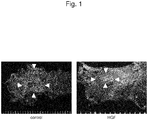
- the recombinant human HGF significantly reduced the esophageal ulcer ( Fig. 1 and the left image of Fig. 2 ) and remarkably inhibited the shortening of the esophagus (the right image of Fig. 2 ).
- the recombinant human HGF thickened the mucosa at the periphery of esophageal ulcer ( Fig. 3 ) and significantly promoted the proliferation of the epithelial cells of the esophagus ( Fig. 4 ).
- Laparotomy was performed on 6-week-old SD rats.
- a single dose of 100% acetic acid (30 ⁇ g/rat) was injected into the subserosal layer of the lower esophagus so as to cause a mucosal defect of the esophagus.
- An osmotic pump containing a phosphate buffer solution (PBS), recombinant human HGF (5 mg/ml), or methylprednisolone (250 mg/mL) was placed in the abdominal cavity, followed by closing the abdomen. The recombinant human HGF and methylprednisolone is continuously released at a rate of 200 mg/day and 10 mg/day, respectively, from this osmotic pump.
- PBS phosphate buffer solution
- HGF recombinant human HGF
- methylprednisolone 250 mg/mL
- the severity of esophageal stenosis was examined 7 days after the administration of recombinant HGF or methylprednisolone.
- the expression of Col1 ⁇ 1, TGF- ⁇ , TIMP1, and TIMP2 was analyzed using the method described below by real-time PCR.
- RNA concentration was determined using NanoDrop (Thermoscientific).
- RNase Free dH 2 O was added as necessary so as to adjust the total RNA concentration of each sample to 200 ng/ ⁇ l.
- reverse transcription was performed using 0.5 ⁇ g (500 ng) of total RNA as a template and random primers at 37°C for 15 minutes for cDNA synthesis, followed by deactivation at 85°C for 5 seconds.
- esophageal fibrosis was significantly inhibited by administrating HGF ( Fig. 6 ), and the expression of the fibrosis-related molecules (i.e., Col1 ⁇ 1, TGF- ⁇ , TIMP1, and TIMP2) was also inhibited ( Figs. 7 and 8 ).
- the composition comprising HGF as an active ingredient according to the present invention is particularly effective for treatment and/or prevention of stenosis of the esophagus with a mucosal deficit caused by endoscopic submucosal dissection.
- composition of the present invention has effects of improving and/or preventing esophageal stenosis. Therefore, the composition of the present invention is particularly effective for treatment and/or prevention of esophageal stenosis occurring after endoscopic submucosal dissection.
Landscapes
- Health & Medical Sciences (AREA)
- Life Sciences & Earth Sciences (AREA)
- Public Health (AREA)
- Animal Behavior & Ethology (AREA)
- Veterinary Medicine (AREA)
- Chemical & Material Sciences (AREA)
- Engineering & Computer Science (AREA)
- General Health & Medical Sciences (AREA)
- Medicinal Chemistry (AREA)
- Epidemiology (AREA)
- Bioinformatics & Cheminformatics (AREA)
- Pharmacology & Pharmacy (AREA)
- Gastroenterology & Hepatology (AREA)
- Immunology (AREA)
- Proteomics, Peptides & Aminoacids (AREA)
- Zoology (AREA)
- Vascular Medicine (AREA)
- Molecular Biology (AREA)
- Heart & Thoracic Surgery (AREA)
- Surgery (AREA)
- Biomedical Technology (AREA)
- Chemical Kinetics & Catalysis (AREA)
- General Chemical & Material Sciences (AREA)
- Nuclear Medicine, Radiotherapy & Molecular Imaging (AREA)
- Organic Chemistry (AREA)
- Medicines That Contain Protein Lipid Enzymes And Other Medicines (AREA)
- Peptides Or Proteins (AREA)
- Materials For Medical Uses (AREA)
Abstract
Description
- The present invention relates to a pharmaceutical composition for treating and/or preventing esophageal stenosis, comprising a hepatocyte growth factor (HGF) protein as an active ingredient.
- In esophagus, esophageal stenosis often occurs after endoscopic submucosal dissection for cases of early esophageal cancer (i.e., superficial esophageal cancer). Endoscopic balloon dilatation is adopted for such esophageal stenosis occurring after submucosal dissection. However, dilation needs to be performed several times in order to improve symptoms of stenosis such as dysphagia. In addition, even when it is possible to dilate the esophagus, stenosis tends to recur easily.
- Thus far, there have been no known effective means other than endoscopic balloon dilatation for esophageal stenosis occurring after submucosal dissection.
- Meanwhile, HGF is a growth factor capable of strongly promoting lung regeneration. HGF was isolated by Tsubouchi and Gohda et al. from the plasma of fulminant hepatitis patients in 1986 (Non-Patent Literature 1), and human cDNA thereof was cloned in 1989 (Non-Patent Literature 2). HGF exerts a variety of actions, such as causing cell proliferation of not only stem cells but also various epithelial cells, endothelial cells, and some mesenchymal cells. Moreover, HGF is an important repair factor for gastrointestinal tract mucosal injury, and the ability thereof to promote restoration of mucosal injuries was confirmed in experimental colitis models using recombinant human HGF (Non-Patent Literature 3-5).
- However, it has thus far remained unknown that HGF is effective for gastrointestinal stenosis.
-
- Non-Patent Literature 1: Gohda E, Tsubouchi H, et al., J Clin Invest. 1988; 81: 414-419
- Non-Patent Literature 2: Miyazawa K, Tsubouchi H, et al., Biochem Biophys Res Commun. 1989; 163: 967-973
- Non-Patent Literature 3: Tahara Y, Ido A, et al., J Pharmacol Exp Ther. 2003; 307: 146-151
- Non-Patent Literature 4: Numata M, Ido A, et al., Inflamm Bowel Dis. 2005; 11: 551-558
- Non-Patent Literature 5: Setoyama H, et al., Life Sci. 2011; 89: 269-275
- An object of the present invention is to provide a pharmaceutical composition for treating and/or preventing esophageal stenosis.
- As a result of intensive studies in order to find a medicine for treating and/or preventing esophageal stenosis, the present inventors found that the HGF protein can inhibit or improve esophageal stenosis. This has led to the completion of the present invention. Accordingly, the present invention encompasses the following features.
- 1. A pharmaceutical composition for treating and/or preventing esophageal stenosis, comprising a hepatocyte growth factor (HGF) protein as an active ingredient.
- 2. The pharmaceutical composition according to 1 above, wherein the esophageal stenosis is esophageal stenosis occurring after endoscopic submucosal dissection.
- 3. The pharmaceutical composition according to 1 or 2 above, wherein the HGF protein is a human HGF protein.
- 4. The pharmaceutical composition according to any one of 1 to 3 above, wherein the HGF protein is a recombinant HGF protein.
- 5. The pharmaceutical composition according to any one of 1 to 4 above, wherein the HGF protein is a polypeptide that is any one of the following:
- (a) a polypeptide comprising the amino acid sequence shown in SEQ ID NO: 2;
- (b) a polypeptide comprising an amino acid sequence shown in SEQ ID NO: 2 in which one to several amino acids are deleted, substituted, or added; or
- (c) a polypeptide comprising an amino acid sequence having at least 90% identity with the amino acid sequence shown in SEQ ID NO: 2.
- 6. The pharmaceutical composition according to any one of 1 to 5 above, wherein the esophageal stenosis is caused by esophageal ulcer.
- 7. The pharmaceutical composition according to any one of 1 to 6 above, wherein esophageal ulcer is treated.
- 8. A stent comprising the pharmaceutical composition according to any one of 1 to 7 above.
- This description includes part or all of the contents as disclosed in the specification and/or drawings of Japanese Patent Application No.
2014-164429 - The composition of the present invention has effects of improving and/or preventing esophagus stenosis. Therefore, the composition of the present invention is particularly effective for treatment of esophageal stenosis caused by endoscopic submucosal dissection.
-
-
Fig. 1 shows the influence of intraperitoneal administration of recombinant human HGF on esophageal ulcer (indicated by arrow heads). "Control" shows case(s) in which human HGF was not administered. -
Fig. 2 shows the influence of intraperitoneal administration of recombinant human HGF on the esophageal ulcer area and the length of esophagus. "Control" shows case(s) in which human HGF was not administered. -
Fig. 3 shows the influence of intraperitoneal administration of recombinant human HGF on the mucosal layer of esophagus epithelium and the thickness of esophageal mucosa. "Control" shows case(s) in which human HGF was not administered. -
Fig. 4 shows the influence of intraperitoneal administration of recombinant human HGF on the mucosal layer of esophagus epithelium and proliferation of esophageal epithelial cells. "Control" shows case(s) in which human HGF was not administered. -
Fig. 5 shows the influence of intraperitoneal administration of recombinant human HGF or a steroid on the diameter of an esophageal stenosis lesion (indicated by each arrow). "Control" shows case(s) in which human HGF was not administered. -
Fig. 6 shows the influence of intraperitoneal administration of recombinant human HGF on esophageal fibrosis. "Control" shows case(s) in which human HGF was not administered. -
Fig. 7 shows the influence of intraperitoneal administration of recombinant human HGF on mRNA expression of col1α1 and TGF-β (ondays 3 and 7). "Control" shows case(s) in which human HGF was not administered. -
Fig. 8 shows the influence of intraperitoneal administration of recombinant human HGF on mRNA expression of TIMP1 and TIMP2 (ondays 3 and 7). "Control" shows case(s) in which human HGF was not administered. - The present invention relates to a pharmaceutical composition for treating and/or preventing esophageal stenosis, comprising a hepatocyte growth factor (HGF) protein as an active ingredient.
- As described above, HGF is known as a growth factor that strongly promotes liver regeneration and also known as an important repair factor for damaged gastrointestinal mucosa. According to the present invention, the term "HGF" refers to mammal HGF, including human HGF.
- The HGF protein can be prepared using a method known to those skilled in the art. For example, the HGF protein can be obtained by culturing primary culture cells or cells of an established cell line capable of promoting the HGF protein, separating the protein from a culture supernatant, and, if needed, purifying the protein.
- Alternatively, the HGF protein can be produced/purified by a genetic engineering technique known to those skilled in the art. For example, it is possible to incorporate DNA that encodes the HGF protein or a fragment thereof into a suitable vector, introduce the vector into suitable host cells, and allow the protein to be expressed as a recombinant. Gene recombinant technology can be conducted in accordance with methods known in the art (e.g., Sambrook et al., "Molecular Cloning, A Laboratory Manual," Cold Spring Harbor Laboratory Press, 1989) unless otherwise specified.
- The gene sequence and the amino acid sequence of HGF can be obtained by any method known in the art, for example, from public databases (e.g., NCBI (the U.S.), DDBJ (Japan), and EMBL (Europe)). It is possible to produce the HGF protein based on the sequence information registered in databases (GenBank accession no. M29145; cDNA sequence: SEQ ID NO: 1; amino acid sequence: SEQ ID NO: 2) by a method known in the art (e.g., gene recombination). Therefore, the HGF protein used in the present invention may be a recombinant HGF protein. In addition, the HGF protein used in the present invention may be a commercially available HGF protein. Examples of a commercially available HGF protein include recombinant human HGF expressed in CHO cells sold by SIGMA-Aldrich.
- Examples of a vector used for production of a recombinant protein include plasmid vectors and viral vectors. Examples of viral vectors include Sendai virus, adenovirus, adeno-associated virus, retrovirus, and lentivirus. The vector may contain, for example, a promoter, an enhancer, a ribosome-binding site, a terminator, and, if needed, a selection marker, in addition to DNA to be expressed.
- Examples of host cells include cells of known microorganisms (e.g., E. coli or yeast) and known culture cells such as animal cells (e.g., CHO cells, HEK-293 cells, and COS cells) and insect cells (e.g., BmN4 cells and SF9 cells) used in general.
- It is possible to purify an expressed polypeptide from a culture supernatant of host cells by one or more of known methods of protein or polypeptide purification such as ammonium sulfate fractionation, separation by precipitation using an organic solvent (e.g., ethanol, methanol, or acetone), methods involving chromatography such as ion-exchange chromatography, isoelectric chromatography, gel filtration chromatography, hydrophobic chromatography, adsorption column chromatography, affinity chromatography using a substrate, antibody, or the like, reversed-phase chromatography, or HPLC, and filtration processes such as microfiltration, ultrafiltration, and reverse osmosis filtration.
- HGF used in the present invention is not limited to a polypeptide comprising the amino acid sequence of SEQ ID NO: 2. It may be a polypeptide comprising an amino acid sequence shown in SEQ ID NO: 2 in which one to several amino acid residues are deleted, substituted, or added, as long as it has the ability to inhibit esophageal stenosis. Here, the range of "one to several" amino acids is not particularly limited; however, it is, for example, 1 to 10 amino acids, preferably 1 to 7 amino acids, more preferably 1 to 5 amino acids, and particularly preferably 1 to 3 or 1 to 2 amino acids.
- In addition, HGF used in the present invention may be a polypeptide comprising an amino acid sequence having at least 70%, preferably at least 80%, more preferably at least 90%, and most preferably at least 95% (e.g., 97%, 98%, or 99%) identity with the amino acid sequence shown in SEQ ID NO: 2, as long as it has the ability to inhibit esophageal stenosis. The values for such identity are calculated by default using software (e.g., FASTA, DANASYS, or BLAST) for computing amino acid sequence identity.
- Further, a protein fragment of HGF may be used as long as it has the ability to inhibit esophageal stenosis. Such protein fragment can be easily produced by preparing an arbitrary polypeptide based on the above nucleotide sequence and confirming whether the polypeptide has the ability to inhibit esophageal stenosis.
- In a preferred embodiment of the present invention, the HGF protein is a polypeptide that is any one of the following: (a) a polypeptide comprising the amino acid sequence shown in SEQ ID NO: 2; (b) a polypeptide comprising the amino acid sequence shown in SEQ ID NO: 2 in which one to several amino acids are deleted, substituted, or added; or (c) a polypeptide comprising an amino acid sequence having at least 90% identity with the amino acid sequence shown in SEQ ID NO: 2. In addition, the HGF protein may undergo post-translational modification such as glycosylation or pyroglutamylation or modification with a water-soluble polymer (e.g., polyethylene glycol).
- According to the present invention, the origin of the HGF protein is not limited. Specifically, examples of the HGF protein include mammal HGFs such as human HGF, mouse HGF (GenBank accession no. NM_010427.4; cDNA sequence: SEQ ID NO: 3; amino acid sequence: SEQ ID NO: 4), rat HGF (GenBank accession no. NM_017017.2; cDNA sequence: SEQ ID NO: 5; amino acid sequence: SEQ ID NO: 6), feline HGF (GenBank accession no. AB080187.1; cDNA sequence: SEQ ID NO: 7; amino acid sequence: SEQ ID NO: 8), canine HGF (GenBank accession no. AB090353.1; cDNA sequence: SEQ ID NO: 9; amino acid sequence: SEQ ID NO: 10), and bovine HGF (GenBank accession no. AB110822.1; cDNA sequence: SEQ ID NO: 11; amino acid sequence: SEQ ID NO: 12). The origin of HGF can be arbitrarily selected depending on a species of interest. For example, when the present invention is applied to humans, it is preferable to use human HGF. In general, the HGF protein is synthesized as a single-stranded precursor comprising a heavy chain and a light chain and then processed and glycosylated to result in mature HGF. Human HGF has a heavy chain comprising 463 amino acids and a light chain comprising 234 amino acids (Hirohito Tsubouchi and Yasushi Daikuhara, Protein, Nucleic Acid and Enzyme, Vol. 37, No.12, 1992, pp. 2135-2143).
- The term "esophageal stenosis" used herein means a state in which the esophageal lumen becomes narrowed, making it difficult to allow passage of foods, beverages, and the like.
- The expression "esophageal stenosis occurring after endoscopic submucosal dissection" used herein means a state in which esophageal mucosa removed by endoscopic means is replaced by fibrous tissue, resulting in stenosis. Esophageal stenosis in the present invention may result from endoscopic submucosal dissection (ESD) for cases of early esophageal cancer (i.e., superficial esophageal cancer).
- The pharmaceutical composition of the present invention can be administered via oral or parenteral administration (e.g., intravenous, intramuscular, subcutaneous, intraperitoneal, rectal, or transmucosal administration). In addition, the pharmaceutical composition of the present invention may be prepared in a suitable dosage form suitable depending on the route of administration. Specifically, it may be prepared in various pharmaceutical forms such as granules, tablets, pills, capsules, syrups, emulsions, suspensions, injectable agents for intravenous injection, arterial injection, or muscular injection, drops, topical agents, and suppositories.
- The pharmaceutical composition of the present invention may be administered using a stent containing the pharmaceutical composition. Such stent may be, for example, a stent that can be endoscopically placed (i.e., an absorbable or detachable stent), and HGF contained as an active ingredient may be eluted or sustainably released from the stent. Therefore, one embodiment of the present invention relates to such stent.
- The administration method and the dosage form can be appropriately selected depending on patient's sex, age, weight, symptoms, and the like.
- The pharmaceutical composition comprising the HGF protein as an active ingredient according to the present invention can be formulated in accordance with an ordinary method (see, for example, Remington's Pharmaceutical Science, latest edition, Mark Publishing Company, and Easton, the U.S.), and the composition may contain a pharmaceutically acceptable carrier or an additive.
- Examples of such carrier or pharmaceutical additive include water, pharmaceutically acceptable organic solvents, collagen, polyvinyl alcohol, polyvinyl pyrrolidone, carboxyvinyl polymer, sodium carboxymethyl cellulose, sodium polyacrylate, sodium alginate, water-soluble dextran, sodium carboxymethyl starch, pectin, methyl cellulose, ethyl cellulose, xanthan gum, gum arabic, casein, agar, polyethylene glycol, diglycerin, glycerin, propylene glycol, petrolatum, paraffin, stearyl alcohol, stearic acid, human serum albumin (HSA), mannitol, sorbitol, lactose, and surfactants serving as pharmaceutically acceptable additives.
- In practical use, additives are selected from, but are not limited to, the above examples alone or in combination in accordance with the dosage form of the pharmaceutical composition of the present invention. For example, when the pharmaceutical composition is used as an injectable formulation, a purified HGF protein is dissolved in a solvent such as physiological saline, a buffer, or a glucose solution and mixed with a vessel adsorption inhibitor such as
Tween 80,Tween 20, gelatin, or human serum albumin. The thus obtained mixture can be used. Alternatively, the pharmaceutical composition may be lyophilized to result in a dosage form that can be dissolved or reconstructed before use. Examples of a stabilizer that can be used for lyophilization include sugars and sugar alcohols such as mannitol and glucose. - The effective dosage of the therapeutic agent of the present invention is determined within a range of, for example, 0.001 mg to 1000 mg per 1 kg of body weight for single administration. However, the dosage of the pharmaceutical composition comprising the HGF protein according to the present invention is not limited thereto and thus can be appropriately selected depending on the patient's sex, age, weight, symptoms, and the like.
- The target disease for which the therapeutic agent of the present invention is administered is esophageal stenosis, and in particular, esophageal stenosis occurring after endoscopic submucosal dissection. The disease may include esophageal stenosis secondary to or associated with different disease(s).
- The timing of administering the therapeutic agent of the present invention may be either before or after the onset of clinical symptoms of the above disease, and the administration may be for the purpose of prevention or maintenance.
- The present invention is described in more detail with reference to the Examples below. However, the scope of the present invention is not limited to the Examples.
- Laparotomy was performed on 6-week-old SD rats. A single dose of 100% acetic acid (30 µg/rat) was injected into the subserosal layer of the lower esophagus so as to cause a mucosal defect of the esophagus. An osmotic pump containing a phosphate buffer solution (PBS) or recombinant human HGF (5 mg/ml) was placed in the abdominal cavity, followed by closing the abdomen. This osmotic pump continuously released the recombinant human HGF at a rate of 200 mg/day. The esophageal ulcer area and the length of the esophagus were examined 7 days after the administration of HGF. As a result, the recombinant human HGF significantly reduced the esophageal ulcer (
Fig. 1 and the left image ofFig. 2 ) and remarkably inhibited the shortening of the esophagus (the right image ofFig. 2 ). In addition, the recombinant human HGF thickened the mucosa at the periphery of esophageal ulcer (Fig. 3 ) and significantly promoted the proliferation of the epithelial cells of the esophagus (Fig. 4 ). - Laparotomy was performed on 6-week-old SD rats. A single dose of 100% acetic acid (30 µg/rat) was injected into the subserosal layer of the lower esophagus so as to cause a mucosal defect of the esophagus. An osmotic pump containing a phosphate buffer solution (PBS), recombinant human HGF (5 mg/ml), or methylprednisolone (250 mg/mL) was placed in the abdominal cavity, followed by closing the abdomen. The recombinant human HGF and methylprednisolone is continuously released at a rate of 200 mg/day and 10 mg/day, respectively, from this osmotic pump. The severity of esophageal stenosis was examined 7 days after the administration of recombinant HGF or methylprednisolone. In addition, the expression of Col1α1, TGF-β, TIMP1, and TIMP2 was analyzed using the method described below by real-time PCR.
- Specifically, at first, total RNA was extracted using PureLink (registered trademark) RNA Mini Kits (Life technologies), and the concentration was determined using NanoDrop (Thermoscientific). RNase Free dH2O was added as necessary so as to adjust the total RNA concentration of each sample to 200 ng/µl. Subsequently, reverse transcription was performed using 0.5 µg (500 ng) of total RNA as a template and random primers at 37°C for 15 minutes for cDNA synthesis, followed by deactivation at 85°C for 5 seconds. Next, real-time PCR was conducted using 0.0005 µg (0.5 ng) of cDNA as a template and primers listed in table 1 below at 40 cycles of 95°C for 5 seconds and 60°C for 34 seconds. Takara Ex Taq (registered trademark) (Takara Bio Inc.) was used as Taq polymerase.
[Table 1] Gene Gene bank number Primer sequences Col1α1 NM_007742.3 Forward GACATGTTCAGCTTTGTGGACCTC (SEQ ID NO: 13) Reverse GGGACCCTTAGGCCATTGTGTA (SEQ ID NO: 14) TGF-β1 NM_012578 Forward TGCGCCTGCAGAGATTCAAG (SEQ ID Reverse ACGTAACGCCAGGAATTGTTGCTA (SEQ ID NO: 16) TIMP1 NM_053819.1 Forward CGAGACCACCTTATACCAGCGTTA (SEQ ID NO: Reverse TGATGTGCAAATTTCGTTCC (SEQ ID NO: 18) TIMP2 NM_021989.2 Forward GACACGCTTAGCATCACCCAGA (SEQ ID NO: 19) Reverse CTGTGACCCAGTCCATCCAGAG (SEQ ID NO: 20) GAPDH* NM_017008.3 Forward GGCACAGTCAAGGCTGAGAATG (SEQ ID NO: 21) Reverse ATGGTGAAGACGCCAGTA (SEQ ID NO: 22) *: Internal control - As a result, PBS and methylprednisolone (i.e., a steroid) did not influence esophageal stenosis, while recombinant human HGF significantly inhibited esophageal stenosis (
Fig. 5 ). In addition, esophageal fibrosis was significantly inhibited by administrating HGF (Fig. 6 ), and the expression of the fibrosis-related molecules (i.e., Col1α1, TGF-β, TIMP1, and TIMP2) was also inhibited (Figs. 7 and8 ). - The above results suggested that HGF has effects of inhibiting stenosis (shrinkage) so as to improve or prevent esophageal stenosis. Accordingly, it is considered that the composition comprising HGF as an active ingredient according to the present invention is particularly effective for treatment and/or prevention of stenosis of the esophagus with a mucosal deficit caused by endoscopic submucosal dissection.
- The composition of the present invention has effects of improving and/or preventing esophageal stenosis. Therefore, the composition of the present invention is particularly effective for treatment and/or prevention of esophageal stenosis occurring after endoscopic submucosal dissection.
- All publications, patents, and patent applications cited herein are incorporated herein by reference in their entirety.




Claims (8)
- A pharmaceutical composition for treating and/or preventing esophageal stenosis, comprising a hepatocyte growth factor (HGF) protein as an active ingredient.
- The pharmaceutical composition according to claim 1, wherein the esophageal stenosis is esophageal stenosis occurring after endoscopic submucosal dissection.
- The pharmaceutical composition according to claim 1 or 2, wherein the HGF protein is a human HGF protein.
- The pharmaceutical composition according to any one of claims 1 to 3, wherein the HGF protein is a recombinant HGF protein.
- The pharmaceutical composition according to any one of claims 1 to 4, wherein the HGF protein is a polypeptide that is any one of the following:(a) a polypeptide comprising the amino acid sequence shown in SEQ ID NO: 2;(b) a polypeptide comprising an amino acid sequence shown in SEQ ID NO: 2 in which one to several amino acids are deleted, substituted, or added; or(c) a polypeptide comprising an amino acid sequence having at least 90% identity with the amino acid sequence shown in SEQ ID NO: 2.
- The pharmaceutical composition according to any one of claims 1 to 5, wherein the esophageal stenosis is caused by esophageal ulcer.
- The pharmaceutical composition according to any one of claims 1 to 6, wherein esophageal ulcer is treated.
- A stent comprising the pharmaceutical composition according to any one of claims 1 to 7.
Applications Claiming Priority (2)
| Application Number | Priority Date | Filing Date | Title |
|---|---|---|---|
| JP2014164429A JP6486627B2 (en) | 2014-08-12 | 2014-08-12 | Pharmaceutical composition for treating and / or preventing esophageal stricture |
| PCT/JP2015/072385 WO2016024524A1 (en) | 2014-08-12 | 2015-08-06 | Medicinal composition for treating and/or preventing esophageal stenosis |
Publications (2)
| Publication Number | Publication Date |
|---|---|
| EP3181144A1 true EP3181144A1 (en) | 2017-06-21 |
| EP3181144A4 EP3181144A4 (en) | 2018-04-25 |
Family
ID=55304153
Family Applications (1)
| Application Number | Title | Priority Date | Filing Date |
|---|---|---|---|
| EP15831534.1A Withdrawn EP3181144A4 (en) | 2014-08-12 | 2015-08-06 | Medicinal composition for treating and/or preventing esophageal stenosis |
Country Status (4)
| Country | Link |
|---|---|
| US (1) | US10517928B2 (en) |
| EP (1) | EP3181144A4 (en) |
| JP (1) | JP6486627B2 (en) |
| WO (1) | WO2016024524A1 (en) |
Family Cites Families (9)
| Publication number | Priority date | Publication date | Assignee | Title |
|---|---|---|---|---|
| US100236A (en) * | 1870-02-22 | Improvement in pressure blower-wheels | ||
| JP3200609B2 (en) * | 1990-12-28 | 2001-08-20 | 敏一 中村 | Epithelial cell growth promoter |
| US6051557A (en) * | 1997-05-16 | 2000-04-18 | 1149336 Ontario Inc. | Methods of enhancing functioning of the upper gastrointestinal tract |
| US6475145B1 (en) * | 2000-05-17 | 2002-11-05 | Baymar, Inc. | Method and apparatus for detection of acid reflux |
| JP2002345972A (en) * | 2001-05-30 | 2002-12-03 | Kaneka Medix Corp | Stent and method for manufacturing the same |
| JP4618997B2 (en) * | 2003-12-09 | 2011-01-26 | テルモ株式会社 | Stent and manufacturing method thereof |
| US20050255230A1 (en) * | 2004-05-17 | 2005-11-17 | Clerc Claude O | Method of manufacturing a covered stent |
| CN102149859B (en) * | 2009-06-25 | 2015-08-26 | 北京阿迈特医疗器械有限公司 | For the preparation of the method and apparatus of three-dimensional porous tubular bracket |
| WO2011024614A1 (en) | 2009-08-27 | 2011-03-03 | テルモ株式会社 | Medical device for delivery of drug |
-
2014
- 2014-08-12 JP JP2014164429A patent/JP6486627B2/en active Active
-
2015
- 2015-08-06 EP EP15831534.1A patent/EP3181144A4/en not_active Withdrawn
- 2015-08-06 WO PCT/JP2015/072385 patent/WO2016024524A1/en not_active Ceased
- 2015-08-06 US US15/503,078 patent/US10517928B2/en active Active
Also Published As
| Publication number | Publication date |
|---|---|
| US10517928B2 (en) | 2019-12-31 |
| EP3181144A4 (en) | 2018-04-25 |
| US20170224773A1 (en) | 2017-08-10 |
| WO2016024524A1 (en) | 2016-02-18 |
| JP2016040238A (en) | 2016-03-24 |
| JP6486627B2 (en) | 2019-03-20 |
Similar Documents
| Publication | Publication Date | Title |
|---|---|---|
| JP7048574B2 (en) | Antisense oligonucleotides and glycogen storage disease type Ia preventive or therapeutic compositions | |
| JPH11511174A (en) | How to promote angiogenesis | |
| JP2020507350A (en) | Compositions and methods for recombinant nerve growth factor | |
| JP5981141B2 (en) | Use of interleukin-22 for prevention and / or treatment of multiple organ dysfunction syndrome (MODS) | |
| US10517928B2 (en) | Pharmaceutical composition for treating and/or preventing esophageal stenosis | |
| JP7838772B2 (en) | Applications of FGF5 transcription variant-2 and its protein for the prevention, suppression, and treatment of hepatic fibrosis. | |
| US20130101565A1 (en) | Use of carbonic anhydrase ii for producing a drug | |
| JP4748639B2 (en) | Liver disease treatment | |
| CN115974974B (en) | A polypeptide compound with anti-inflammatory activity and its preparation method and application | |
| KR102890327B1 (en) | A composition for preventing, treating or improving poor ovarian response comprising RGMc | |
| WO2025137160A1 (en) | Cc16-derived analogs for the treatment of inflammatory and obstructive lung diseases | |
| CN1310674C (en) | Medicinal composition for treating serious acute respiratory syndrome | |
| CN101530611A (en) | New application of type I kallikrein in the preparation of drugs for preventing and treating secondary damage to distant parts after brain injury | |
| EP2653167A1 (en) | Cell migration modulator | |
| CN118236470A (en) | Application of MOTS-c peptide and its derivatives in the preparation of bronchial asthma therapeutic drugs | |
| CN115006422A (en) | Application of si-Ywhaq in promoting liver cell regeneration and proliferation | |
| KR20250027325A (en) | Pathogenic Vimentin and Aggravated Ankylosing Spondylitis Disease with Infectious Disease Drug Development Monitoring Platform | |
| CN119303080A (en) | Application of CD177 protein glycosylation modification in the treatment of neuroinflammation in acute brain injury | |
| CN119421721A (en) | Use of viral 3C protease for preventing or treating tumors | |
| KR20260038825A (en) | A composition for preventing or treating side effect caused by an anticancer chemotherpay comprising gv1001 peptide as an active ingredient | |
| CN118873639A (en) | Application of pharmaceutical composition in treating migraine | |
| JP5439007B2 (en) | Vascular endothelial cell growth factor inhibitor and anticancer agent | |
| KR20230034167A (en) | Pharmaceutical composition for inhibiting liver fibrosis containing kai1 polypeptide and use thereof | |
| WO2014105822A1 (en) | Administration of recombinant collagen 7 for the treatment of age related disorders | |
| JPWO2002072131A1 (en) | Liver disease drug |
Legal Events
| Date | Code | Title | Description |
|---|---|---|---|
| STAA | Information on the status of an ep patent application or granted ep patent |
Free format text: STATUS: THE INTERNATIONAL PUBLICATION HAS BEEN MADE |
|
| PUAI | Public reference made under article 153(3) epc to a published international application that has entered the european phase |
Free format text: ORIGINAL CODE: 0009012 |
|
| STAA | Information on the status of an ep patent application or granted ep patent |
Free format text: STATUS: REQUEST FOR EXAMINATION WAS MADE |
|
| 17P | Request for examination filed |
Effective date: 20170313 |
|
| AK | Designated contracting states |
Kind code of ref document: A1 Designated state(s): AL AT BE BG CH CY CZ DE DK EE ES FI FR GB GR HR HU IE IS IT LI LT LU LV MC MK MT NL NO PL PT RO RS SE SI SK SM TR |
|
| AX | Request for extension of the european patent |
Extension state: BA ME |
|
| DAV | Request for validation of the european patent (deleted) | ||
| DAX | Request for extension of the european patent (deleted) | ||
| A4 | Supplementary search report drawn up and despatched |
Effective date: 20180328 |
|
| RIC1 | Information provided on ipc code assigned before grant |
Ipc: A61L 31/12 20060101ALI20180322BHEP Ipc: A61P 1/04 20060101AFI20180322BHEP Ipc: A61K 38/18 20060101ALI20180322BHEP |
|
| STAA | Information on the status of an ep patent application or granted ep patent |
Free format text: STATUS: EXAMINATION IS IN PROGRESS |
|
| 17Q | First examination report despatched |
Effective date: 20210125 |
|
| STAA | Information on the status of an ep patent application or granted ep patent |
Free format text: STATUS: THE APPLICATION IS DEEMED TO BE WITHDRAWN |
|
| 18D | Application deemed to be withdrawn |
Effective date: 20240907 |