EP3180442B1 - Consensus-based allele detection - Google Patents
Consensus-based allele detection Download PDFInfo
- Publication number
- EP3180442B1 EP3180442B1 EP15750052.1A EP15750052A EP3180442B1 EP 3180442 B1 EP3180442 B1 EP 3180442B1 EP 15750052 A EP15750052 A EP 15750052A EP 3180442 B1 EP3180442 B1 EP 3180442B1
- Authority
- EP
- European Patent Office
- Prior art keywords
- seq
- rhce
- sequence
- exon
- rhd
- Prior art date
- Legal status (The legal status is an assumption and is not a legal conclusion. Google has not performed a legal analysis and makes no representation as to the accuracy of the status listed.)
- Active
Links
Images











Classifications
-
- C—CHEMISTRY; METALLURGY
- C12—BIOCHEMISTRY; BEER; SPIRITS; WINE; VINEGAR; MICROBIOLOGY; ENZYMOLOGY; MUTATION OR GENETIC ENGINEERING
- C12Q—MEASURING OR TESTING PROCESSES INVOLVING ENZYMES, NUCLEIC ACIDS OR MICROORGANISMS; COMPOSITIONS OR TEST PAPERS THEREFOR; PROCESSES OF PREPARING SUCH COMPOSITIONS; CONDITION-RESPONSIVE CONTROL IN MICROBIOLOGICAL OR ENZYMOLOGICAL PROCESSES
- C12Q1/00—Measuring or testing processes involving enzymes, nucleic acids or microorganisms; Compositions therefor; Processes of preparing such compositions
- C12Q1/68—Measuring or testing processes involving enzymes, nucleic acids or microorganisms; Compositions therefor; Processes of preparing such compositions involving nucleic acids
- C12Q1/6876—Nucleic acid products used in the analysis of nucleic acids, e.g. primers or probes
- C12Q1/6881—Nucleic acid products used in the analysis of nucleic acids, e.g. primers or probes for tissue or cell typing, e.g. human leukocyte antigen [HLA] probes
-
- C—CHEMISTRY; METALLURGY
- C12—BIOCHEMISTRY; BEER; SPIRITS; WINE; VINEGAR; MICROBIOLOGY; ENZYMOLOGY; MUTATION OR GENETIC ENGINEERING
- C12Q—MEASURING OR TESTING PROCESSES INVOLVING ENZYMES, NUCLEIC ACIDS OR MICROORGANISMS; COMPOSITIONS OR TEST PAPERS THEREFOR; PROCESSES OF PREPARING SUCH COMPOSITIONS; CONDITION-RESPONSIVE CONTROL IN MICROBIOLOGICAL OR ENZYMOLOGICAL PROCESSES
- C12Q1/00—Measuring or testing processes involving enzymes, nucleic acids or microorganisms; Compositions therefor; Processes of preparing such compositions
- C12Q1/68—Measuring or testing processes involving enzymes, nucleic acids or microorganisms; Compositions therefor; Processes of preparing such compositions involving nucleic acids
- C12Q1/6813—Hybridisation assays
- C12Q1/6827—Hybridisation assays for detection of mutation or polymorphism
-
- G—PHYSICS
- G16—INFORMATION AND COMMUNICATION TECHNOLOGY [ICT] SPECIALLY ADAPTED FOR SPECIFIC APPLICATION FIELDS
- G16B—BIOINFORMATICS, i.e. INFORMATION AND COMMUNICATION TECHNOLOGY [ICT] SPECIALLY ADAPTED FOR GENETIC OR PROTEIN-RELATED DATA PROCESSING IN COMPUTATIONAL MOLECULAR BIOLOGY
- G16B30/00—ICT specially adapted for sequence analysis involving nucleotides or amino acids
- G16B30/10—Sequence alignment; Homology search
-
- C—CHEMISTRY; METALLURGY
- C12—BIOCHEMISTRY; BEER; SPIRITS; WINE; VINEGAR; MICROBIOLOGY; ENZYMOLOGY; MUTATION OR GENETIC ENGINEERING
- C12Q—MEASURING OR TESTING PROCESSES INVOLVING ENZYMES, NUCLEIC ACIDS OR MICROORGANISMS; COMPOSITIONS OR TEST PAPERS THEREFOR; PROCESSES OF PREPARING SUCH COMPOSITIONS; CONDITION-RESPONSIVE CONTROL IN MICROBIOLOGICAL OR ENZYMOLOGICAL PROCESSES
- C12Q2600/00—Oligonucleotides characterized by their use
- C12Q2600/156—Polymorphic or mutational markers
-
- C—CHEMISTRY; METALLURGY
- C12—BIOCHEMISTRY; BEER; SPIRITS; WINE; VINEGAR; MICROBIOLOGY; ENZYMOLOGY; MUTATION OR GENETIC ENGINEERING
- C12Q—MEASURING OR TESTING PROCESSES INVOLVING ENZYMES, NUCLEIC ACIDS OR MICROORGANISMS; COMPOSITIONS OR TEST PAPERS THEREFOR; PROCESSES OF PREPARING SUCH COMPOSITIONS; CONDITION-RESPONSIVE CONTROL IN MICROBIOLOGICAL OR ENZYMOLOGICAL PROCESSES
- C12Q2600/00—Oligonucleotides characterized by their use
- C12Q2600/16—Primer sets for multiplex assays
-
- C—CHEMISTRY; METALLURGY
- C12—BIOCHEMISTRY; BEER; SPIRITS; WINE; VINEGAR; MICROBIOLOGY; ENZYMOLOGY; MUTATION OR GENETIC ENGINEERING
- C12Q—MEASURING OR TESTING PROCESSES INVOLVING ENZYMES, NUCLEIC ACIDS OR MICROORGANISMS; COMPOSITIONS OR TEST PAPERS THEREFOR; PROCESSES OF PREPARING SUCH COMPOSITIONS; CONDITION-RESPONSIVE CONTROL IN MICROBIOLOGICAL OR ENZYMOLOGICAL PROCESSES
- C12Q2600/00—Oligonucleotides characterized by their use
- C12Q2600/172—Haplotypes
Definitions
- the invention relates to methods for next-generation-sequencing-based detection of alleles in highly homologous genetic loci, for example RHD/RHCE. Also described are products, in particular, consensus sequence-specific primers and kits for use in such methods.
- DNA sequencing by the Sanger dideoxy method is based on a single detection event at each position of a usually homogeneous pool of DNA molecules. From this event, a qualitative presence/absence call is made for each one of four nucleotides (A, C, G, T) at each position in the DNA segment. Thus, Sanger sequencing is not a quantitative technique.
- DNA sequencing by next-generation methods is based on multiple detection events at each position, each event corresponding to a single DNA molecule in the pool. From the multiplicity of events, the relative abundance of each of the four nucleotides at each position in the DNA segment can be calculated. Thus, next-generation sequencing allows for a quantitative measurement of particular sequences in a heterogeneous pool of DNA molecules.
- DNA sequencing is the gold standard in the molecular diagnosis of genetic diseases and in the detection of allelic variants of clinical relevance, such as those encoding human leukocyte, red cell and platelet antigens.
- a challenge to accurate DNA sequencing is presented by highly homologous genes, such as the human leukocyte antigen (HLA) system, the red cell antigen-encoding RHD-RHCE, or GYPA-GYPB-GYPE sets.
- HLA human leukocyte antigen
- RHD-RHCE red cell antigen-encoding RHD-RHCE
- GYPA-GYPB-GYPE sets GYPA-GYPB-GYPE sets.
- the present inventors have demonstrated amplification of highly homologous genetic loci using consensus-sequence-specific primers, as described herein, followed by sequence alignment with reference sequences to resolve the highly homologous genetic loci and allele detection using next-generation sequencing (NGS).
- NGS next-generation sequencing
- the present invention as defined in the claims, therefore provides a way to enable sequencing of regions with widely-separated or without gene-specific sequences through the use of primers that bind to consensus sequences within the set of homologous genes, as defined in the claims. Since the number of consensus positions is usually larger than the number of gene-specific positions, this also facilitates primer design and meeting the segment length requirements.
- a challenge present by the use of primers that bind to consensus sequences is a loss of specificity, as a result of the simultaneous amplification of all genes within the set.
- the present inventors have found that the challenge presented by the aforementioned loss of specificity can largely be overcome by exploiting the quantitative nature of next-generation sequencing and the existing knowledge about gene- and allele-specific sequences.
- the alleles present in a sample for each of the genes in a high-homology set can be determined from (1) the particular sequences detected at each polymorphic position, (2) their relative proportion, and (3) their combination throughout the genetic segment. While (1) and (3) are shared with Sanger sequencing, (2) is unique to next-generation sequencing.
- the examples described herein demonstrate reliable genotype and bloodtype calling for a range of samples based on multiplex next-generation sequencing followed by data analysis.
- the present invention provides a method for genotyping alleles in at least one homologous genetic loci set, comprising:
- the homologous genetic loci set comprises (a) the red cell antigen-encoding the RHD gene and the RHCE gene; or (b) two or more of the human leukocyte antigen (HLA) system genes; or (c) two of more of the glycophorin-encoding genes selected from the GYPA gene, the GYPB gene, and the GYPE gene.
- First and second genes in these genetic loci sets exhibit a high degree of sequence identity, e.g. as a result of an ancestral gene duplication event. In certain cases the first gene has at least 90%, at least 95% or at least 97% nucleotide sequence identity with the second gene.
- the homologous genetic loci sets are the RHD-RHCE genes, the human leukocyte antigen (HLA) system genes; and the glycophorin-encoding genes GypA-GypB-GypE.
- the homologous genetic loci set comprises the human RHD gene of SEQ ID NO: 25 and the human RHCE gene of SEQ ID NO: 26 (or one of the RHCE haplotypes ce, Ce, cE or CE, respectively).
- the at least one reference sequence may comprise:
- the reference sequence may include at least 5, 10, 20, 30, 40, 50, 60, 70, 80, 90 or 100 nucleotides upstream and/or downstream of said exon or intron. In some cases the reference sequence comprises only the exon sequence portion indicated in bold Figures 16-20 and 21-26 , respectively. In other cases the reference sequence includes some (e.g. 25%, 50% or 75%) of or all of the upstream and/or downstream flanking intronic sequence indicated in non-bold of Figures 16-20 and 21-26 , respectively.
- the said at least one reference sequence comprises at least two reference sequences, including: (i) at least one exon or intron of the RHD gene of SEQ ID NO: 25 or the reverse complement thereof (e.g. one of SEQ ID NOS: 27, 33, 39, 45, 51, 87, 93, 99, 105, 111 or 117); and (ii) a least one exon or intron of an RHCE gene sequence, such as of SEQ ID NO: 26, (e.g. one of SEQ ID NOS: 28-32, 34-38, 40-44, 46-50, 52-56, 88-92, 94-98, 100-104, 106-110, 112-116, or 118-121) or the reverse complement thereof.
- the plurality of discriminant positions in said alignment are selected from the positions set forth in Table 2, Table 11 and Table 13.
- the identity of the bases that may be detected at each of said discriminant positions is also indicated in Table 2, Table 11 and Table 13, as are the corresponding genotypes.
- position 48 of exon 1 is polymorphic G/C.
- consensus-sequence primers as defined herein are able to amplify both RHD and RHCE gene segments (e.g. exon 1 of RHD and of RHCE) and find use in the methods of the present invention.
- each of said consensus sequence-specific primers comprises or consists of a nucleotide sequence selected from the group consisting of: RHex01 F1 TCCCTCAAGCCCTCAAGTAG (SEQ ID NO: 3) RHex01 F2 TGTTGGAGAGAGGGGTGATG (SEQ ID NO: 4) RHex01 F3 CTGCACAGAGACGGACACAG (SEQ ID NO: 5) RHex01 R1 CCCTGCTATTTGCTCCTGTG (SEQ ID NO: 6) RHex01 R2 AAAGGAACATCTGTGCCCCT (SEQ ID NO: 7) RHex02 F1 CCCTTCCAGCTGCCATTTAG (SEQ ID NO: 8) RHex02 F2 AAATCTCGTCTGCTTCCCCC (SEQ ID NO: 9) RHex02 R1 AAGTGATCCAGCCACCATCC (SEQ ID NO: 10) RHex02 R2 GTCCATTCCCTCTATGACCC
- Variants of the primers of SEQ ID NOs: 3-24 and 59-86 may, in particular, comprise additional nucleotides at the 5' and/or 3' end, which extend the primer sequence to include contiguous sequence neighbouring the portion of the RHD and RHCE genomic sequence that the said primer of one of SEQ ID NOs: 3-24 and 59-86 hybridises to. Additionally or alternatively, a variant primer may be truncated at the 5' and/or 3' end, e.g. to be 1, 2, or 3 nucleotides shorter in length.
- one or more of the consensus sequence-specific primers may further comprise a tag or adaptor.
- the primer may comprise a next generation sequencing tag or adaptor, e.g., at its 5' end.
- one or more of the consensus sequence-specific primers comprises a next generation sequencing tag with the sequence ACACTCTTTCCCTACACGACGCTCTTCCGATCT (SEQ ID NO: 1).
- the tag of SEQ ID NO: 1 may be at the 5' end of a forward primer such as a forward primer of one or more of SEQ ID NOs: 3-5, 8-9, 12-13, 17-18, 21-22, 59-60, 63-64, 67-68, 71-73, 76-77, and 80-82.
- a forward primer such as a forward primer of one or more of SEQ ID NOs: 3-5, 8-9, 12-13, 17-18, 21-22, 59-60, 63-64, 67-68, 71-73, 76-77, and 80-82.
- one or more of the consensus sequence-specific primers may comprise a next generation sequencing tag with the sequence GTGACTGGAGTTCAGACGTGTGCTCTTCCGATCT (SEQ ID NO: 2).
- the tag of SEQ ID NO: 2 may be at the 5' end of a reverse primer such as a reverse primer of one or more of SEQ ID NOs: 6-7, 10-11, 14-16, 19-20, 23-24, 61-62, 65-66, 69-70, 74-75, 78-79, and 83-86.
- a reverse primer such as a reverse primer of one or more of SEQ ID NOs: 6-7, 10-11, 14-16, 19-20, 23-24, 61-62, 65-66, 69-70, 74-75, 78-79, and 83-86.
- one or more of the consensus sequence-specific primers may further comprise a tag and/or adaptor.
- the primer may comprise a next generation sequencing tag or adaptor, e.g., at its 5' end.
- one or more of the consensus sequence-specific primers comprises a next generation sequencing tag with the sequence ACACTCTTTCCCTACCTGTAAAACGACGGCCAGT (SEQ ID NO: 57).
- the tag of SEQ ID NO: 1 or 57 may be at the 5' end of a forward primer such as a forward primer of one or more of SEQ ID NOs: 3-5, 8-9, 12-13, 17-18, 21-22, 59-60, 63-64, 67-68, 71-73, 76-77, and 80-82.
- a forward primer such as a forward primer of one or more of SEQ ID NOs: 3-5, 8-9, 12-13, 17-18, 21-22, 59-60, 63-64, 67-68, 71-73, 76-77, and 80-82.
- one or more of the consensus sequence-specific primers may comprise a next generation sequencing tag with the sequence GGTTGCTCGCCAGGAAACAGCTATGACC (SEQ ID NO: 58).
- the tag of SEQ ID NO: 2 or 58 may be at the 5' end of a reverse primer such as a reverse primer of one or more of SEQ ID NOs: 6-7, 10-11, 14-16, 19-20, 23-24, 61-62, 65-66, 69-70, 74-75, 78-79, and 83-86.
- a reverse primer such as a reverse primer of one or more of SEQ ID NOs: 6-7, 10-11, 14-16, 19-20, 23-24, 61-62, 65-66, 69-70, 74-75, 78-79, and 83-86.
- the method comprises sequencing each of exons 1, 2, 3, 4 and 5 of the RHD gene and each of exons 1, 2, 3, 4 and 5 of the RHCE gene.
- the method may comprise sequencing each of exons 6, 7, 8, 9 and 10 and intron 2 of the RHD gene and each of exons 6, 7, 8, 9 and 10 and intron 2 of the RHCE gene.
- the method comprises classifying the sample in terms of its RHD/RHCE genotype.
- the genotype is selected from the group consisting of:
- the genotype is other than any one of genotypes (a) to (n).
- the classification of the sample as being of one or said genotypes is typically made based on the relative proportion of each nucleotide at each of said plurality of discriminant positions in said alignment.
- the classification of the genotype of the sample is made based on criteria set forth in Tables 2, 6, 8, 13, 15, 17, 19, 21, 23, 25, 27, 29, 30 and/or 31.
- the method further comprises determining the blood type of the sample based on the genotype.
- the blood type of the sample is selected from the group consisting of:
- the sample is classified as having a blood type allele selected from the group consisting of: RHD*r' s ; RHD*r' s -like; RHD*r' s Type 1; RHD*r' s Type 2; RHD*DIIIa; RHD*DIIIa IVS3+3100G; RHD*DIII_FN; RHD*DIVa-2; RHD*DIVa; RHD*DIII-type4; RHD*DIII-type6; RHD*DIII-type7; RHD*DIII-type8; RHCE*ce s ; RHCE*ce s 1006T ; RHCE*ce s 1006C; RHCE*ce733G; RHCE*ce48C,733G,1025T; RHCE*ce48C,697G,733G; RHCE*ce340T,733G; and RHCE*ce48C,733
- the method comprises obtaining the number of reads covering the reference bases and the number of reads covering alternate bases after alignment for use in said genotype calling.
- the method comprises defining a cut-off for the proportion of reads covering the reference bases versus the reads covering the alternate bases for variant calling.
- the method comprises obtaining the number of reads covering reference forward bases, number of reads covering reference reverse bases, number of reads covering alternate forward bases and number of reads covering alternate reverse bases for use in genotype calling.
- the method further comprises computing a mapping quality score for each sequence alignment and/or an overall mapping quality score for a plurality of said sequence alignments.
- the mapping quality score for each sequence alignment and/or said overall mapping quality score for said plurality of sequence alignments is required to be at least 15, 16, 17, 18, 19, 20, 21, 22, 23, 24, 25, 26, 27, 28, 29 or at least 30 Phred Score units in order for said genotype calling to be considered reliable.
- a pre-process step is performed prior to said sequence alignment in order to improve alignment quality.
- the pre-process step comprises excluding sequence reads shorter than 10, 20, 30, 40, 50, 60, 70 or shorter than 76 nucleotides.
- the pre-process step includes trimming sequence reads, for example removing 1, 2, 3, 4 or 5 nucleotides from the 5' and/or 3' end of each sequencing read.
- the method further comprises performing a quality control step to evaluate quality of the sequencing reads prior to performing said sequence alignment, and wherein evaluating the quality of each forward and/or each reverse sequencing read comprises determining one or more parameters selected from the group consisting of: Per base sequence quality, Per sequence quality score, Per base sequence content, Per base GC content, Per sequence GC content, Per base N content, Sequence Length Distribution, Sequence Duplication Level, Overrepresented sequences, and Kmer Content.
- the or each sequence alignment is performed using an algorithm such as the Burrows-Wheeler Aligner exact match (BWA MEM).
- BWA MEM Burrows-Wheeler Aligner exact match
- the method further comprises evaluating one or more of said sequence alignments to determine at least one parameter selected from the group consisting of: coverage, variant frequency, genotype average quality call, mapping quality, and calling quality.
- the minimum coverage threshold is set at 10X, 15X, 20X, 25X or 30X.
- the minimum variant frequency to call an alternative genotype is 2%, 5%, 10%, 15%, 20% or 30%.
- the genotype average quality call is at least 18, 19, 20, 21, 22, 23, 24, 25, 26, 27, 28, 29, 30, 31, 32, 33, 34 or 35 Phred Score units.
- the mapping quality is at least 15, 16, 17, 18, 19, 20, 21, 22, 23, 24, 25, 26, 27, 28, 29 or 30 Phred Score units.
- the calling quality is at least 15, 16, 17, 18, 19, 20, 21, 22, 23, 24, 25, 26, 27, 28, 29 or 30 Phred Score units.
- cut-off criteria may be set such that in order to define a homozygous call, a minimum of 50%, 60%, 70%, 80%, 90%, 95% or 99% of reads must support the called allele.
- cut-off criteria may be set such that in order to define a heterozygous call, between 30% and 70%, between 35% and 65%, between 40% and 60%, or between 45% and 55% of reads must support the alternative allele.
- cut-off criteria may be set such that in order to define a hemizygous call, between 15% and 45%, between 20% and 40%, between 20% and 35%, or between 25% and 35% of reads must support the called allele.
- coverage is evaluated independently for forward and for reverse strand alignment, and wherein the forward-to-reverse coverage ratio is between 0.6 and 1.4, between 0.7 and 1.3, between 0.8 and 1.2, or between 0.85 and 1.15.
- the sample is preferably obtained or has been previously obtained from a human subject.
- the subject is undergoing, or is a candidate for, blood transfusion or bone marrow transplantation.
- the subject has sickle cell disease (SCD) or Thalassemia major.
- the subject has non-Caucasian ancestry.
- the subject has African ancestry.
- the sample may be any suitable biological sample from which it is possible to obtain nucleic acid, particularly genomic DNA, for use in a PCR reaction.
- suitable samples include any material of bodily origin (liquid, solid or aspirate) such as blood, hair, cheek cells and skin cells.
- the sample may be subjected to one or more treatments to extract a nucleic acid prior to or as part of said amplification by PCR.
- the method may further comprise carrying out serological analysis on a blood sample that has been obtained from the subject. This may be particularly useful to corroborate or clarify a phenotype prediction made. Combining the genotype-based prediction of blood type with a serological-based prediction may be useful, e.g., to improve accuracy or to resolve ambiguous results.
- the method of this and other aspects of the present invention may not comprise carrying out serological analysis. Removing the need to carry out serological analysis provides considerable savings in terms of time, cost and/or resources.
- each primer of said plurality comprises or consists of a nucleotide sequence selected from the group consisting of: RHex01 F1 TCCCTCAAGCCCTCAAGTAG (SEQ ID NO: 3) RHex01 F2 TGTTGGAGAGAGGGGTGATG (SEQ ID NO: 4) RHex01 F3 CTGCACAGAGACGGACACAG (SEQ ID NO: 5) RHex01 R1 CCCTGCTATTTGCTCCTGTG (SEQ ID NO: 6) RHex01 R2 AAAGGAACATCTGTGCCCCT (SEQ ID NO: 7) RHex02 F1 CCCTTCCAGCTGCCATTTAG (SEQ ID NO: 8) RHex02 F2 AAATCTCGTCTGCTTCCCCC (SEQ ID NO: 9) RHex02 R1 AAGTGATCCAGCC
- Variants of the primers of SEQ ID NOs: 3-24 and 59-86 may, in particular, comprise additional nucleotides at the 5' and/or 3' end, which extend the primer sequence to include contiguous sequence neighbouring the portion of the RHD and RHCE genomic sequence that the said primer of one of SEQ ID NOs: 3-24 and 59-86 hybridises to. Additionally or alternatively, a variant primer may be truncated at the 5' and/or 3' end, e.g. to be 1, 2, or 3 nucleotides shorter in length.
- one or more of the consensus sequence-specific primers may further comprise a tag or adaptor.
- the primer may comprise a next generation sequencing tag or adaptor, e.g., at its 5' end.
- one or more of the consensus sequence-specific primers comprises a next generation sequencing tag with the sequence ACACTCTTTCCCTACACGACGCTCTTCCGATCT(SEQ ID NO: 1).
- the tag of SEQ ID NO: 1 may be at the 5' end of a forward primer such as a forward primer of one or more of SEQ ID NOs: 3-5, 8-9, 12-13, 17-18, 21-22, 59-60, 63-64, 67-68, 71-73, 76-77, and 80-82.
- one or more of the consensus sequence-specific primers may comprise a next generation sequencing tag with the sequence GTGACTGGAGTTCAGACGTGTGCTCTTCCGATCT (SEQ ID NO: 2).
- the tag of SEQ ID NO: 2 may be at the 5' end of a reverse primer such as a reverse primer of one or more of SEQ ID NOs: 6-7, 10-11, 14-16, 19-20, 23-24, 61-62, 65-66, 69-70, 74-75, 78-79, and 83-86.
- adapters can be added following the addition of the next-generation sequencing tag. These adapters are added by using a forward primer sequence that comprises the next generation sequence tag as well as an adapter sequence, such as
- Sequencing primers include those for forward sequencing ACACTCTTTCCCTACACGACGCTCTTCCGATCT (SEQ ID NO: 124), reverse sequencing GTGACTGGAGTTCAGACGTGTGCTCTTCCGATCT (SEQ ID NO: 125), and index sequencing AGATCGGAAGAGCACACGTCTGAACTCCAGTCAC (SEQ ID NO: 126).
- one or more of the consensus sequence-specific primers may further comprise a tag or adaptor.
- the primer may comprise a next generation sequencing tag or adaptor, e.g., at its 5' end.
- one or more of the consensus sequence-specific primers comprises a next generation sequencing tag with the sequence TGTAAAACGACGGCCAGT (SEQ ID NO: 57).
- the tag of SEQ ID NO: 57 may be at the 5' end of a forward primer such as a forward primer of one or more of SEQ ID NOs: 3-5, 8-9, 12-13, 17-18, 21-22, 59-60, 63-64, 67-68, 71-73, 76-77 and 80-82.
- one or more of the consensus sequence-specific primers may comprise a next generation sequencing tag with the sequence CAGGAAACAGCTATGACC (SEQ ID NO: 58).
- the tag of SEQ ID NO: 58 may be at the 5' end of a reverse primer such as a reverse primer of one or more of SEQ ID NOs: 6-7, 10-11, 14-16, 19-20, 23-24, 61-62, 65-66, 69-70, 74-75, 78-79 and 83-86.
- adapters are added using a forward primer sequence
- Sequencing primers include those for forward sequencing ACACTCTTTCCCTACCTGTAAAACGACGGCCAGT (SEQ ID NO: 129), reverse sequencing GGTTGCTCGCCAGGAAACAGCTATGACC (SEQ ID NO: 130), and index sequencing GGTCATAGCTGTTTCCTGGCGAGCAACC (SEQ ID NO: 131) .
- the plurality of primers comprises at least one forward primer and at least one reverse primer.
- the plurality of primers comprises at least one primer pair selected from the group consisting of:
- At least one of the primers further comprises a next generation sequencing tag and/or further comprises a detectable label (e.g. a fluorescent label), a biotinylated nucleotide, or a locked nucleic acid (LNA) portion.
- the primers may, in some cases, be other than a fragment of a naturally occurring nucleotide sequence.
- primers having one or more non-natural bases e.g. a base analogue d5SICS and dNaM
- a modified backbone e.g. 2'-O-methyl-substituted RNA, locked nucleic acid (LNA), BNA (Bridged Nucleic Acid) or morpholino nucleic acid
- the primers may be DNA or RNA.
- the primers are DNA primers.
- the primers find particular use in accordance with the methods of the invention.
- kit for assessing a subject's blood type comprising:
- the controller is programmed with computer-readable instructions to prepare an alignment between said predicted nucleotide sequence and a reference sequence for an RHD gene and/or a reference sequence for an RHCE gene.
- the controller is programmed with computer-readable instructions to determine the genotype of said sample based on the relative proportion of each nucleotide at each of a plurality of discriminant positions in said alignment.
- the controller is programmed with computer-readable instructions to transform the genotype of said sample into predicted blood type haplotypes, and optionally, to transform said predicted blood type haplotypes into a predicted blood type phenotype.
- the present invention provides method of blood matching, the method comprising:
- the method in accordance with the second aspect of the invention may be carried out for a plurality of recipient subjects and a plurality of potential donor subjects, e.g., to assist screening compatibility of a blood donor/blood transfusion service.
- the present invention finds use in the determination alleles in highly homologous gene sets as defined in the claims, such as the clinically relevant RHD and RHCE genes that encode blood antigens.
- the invention provides a method for genotyping alleles as set forth in claim 1.
- the method of the present invention may further comprise genotyping a sample obtained from a human subject at one or more positions in intron 7 of the RHD gene and/or in intron 7 of the RHCE gene.
- Blood typing by making use of intron 7 polymorphisms is described in WO2012/171990 .
- Blood typing by making use of a combination of polymorphisms in the RHD gene and/or the RHCE gene are described in US2012/0172239 and EP2471949 .
- Rh blood group D antigen is encoded by the RHD gene, which comprises 10 exons.
- the complete RHD gene sequence is available at NCBI Reference Sequence: No. NG_007494.1, GI:171184448, (SEQ ID NO: 25).
- the RHD gene exons 1-5 and 6-10, and intron 2 have the sequences set forth in bold in Figures 16-20 and 21-26 .
- Rh blood group C antigen is encoded by the RHCE gene, which comprises 10 exons.
- the complete RHCE gene sequence is available at NCBI Reference Sequence: NG_009208.2, GI:301336136, (SEQ ID NO: 26).
- An updated RHCE gene sequence is available at: NG_009208.3.
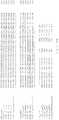
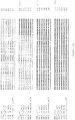
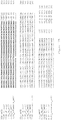
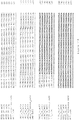
- the RHCE gene alleles RHCE*ce, RHCE*Ce, RHCE*cE, and RHCE*CE have the exon nucleotide sequences set forth in Figures 16-20 and 21-26 (exons 1-5 and 6-10, and intron 2, respectively).
- the RHCE consensus sequences of exons 1-5 and 6-10 are also shown in Figures 16-20 and 21-26 , respectively.
- sample as used herein is intended to encompass any material (solid, liquid or aspirate) obtained directly or indirectly from a subject, such as a human subject, in which the genetic loci set of interest is found.
- sample includes any biological fluid such as blood, plasma, urine, saliva, cerebrospinal fluid and interstitial fluid, any solid matter, such as tissue, bone and hair, any cell or cell extract, any derived cell line, such as an immortalised tumour cell line and stem cell line, an extract of any of the preceding sample types, such as fixed or paraffin-embedded tissue.
- the sample is an extract of human genomic DNA, optionally amplified and/or purified.
- genotyping is intended to encompass any method for determining the identity of the nucleotide at a particular position such as a polymorphic position at a specified locus.
- genotyping includes identifying one or both alleles of a particular gene.
- Genotyping may employ any of a variety of techniques, including but not limited to, allele-specific hybridisation, allele-specific PCR, sequencing of all or part of a gene.
- genotyping is carried out in accordance with the method of the first aspect of the invention.
- nucleic acid sequences such as primer sequences, are set forth herein in the direct 5' to 3'.
- primer sequence TCCCTCAAGCCCTCAAGTAG SEQ ID NO: 3
- 5'-TCCCTCAAGCCCTCAAGTAG-3' SEQ ID NO: 3
- certain blood type alleles are less common and a typically referred to as “variants” (e.g. RHD*r' s ) .
- Variant blood type alleles are in some cases referred to herein simply as "blood type variants”.
- RhD and RhCE genes Two genes related to the human Rh blood group system were chosen: the RHD and RHCE genes. These genes, which are arranged in tandem, are structural paralogs resulting from a duplication of a common gene ancestor. Both genes are very similar (identical in 97% of their sequence), each containing 10 exons and spanning approximately 75 kb. These genes encode the highly polymorphic and antigenic RhD and RhCE proteins, which differ by more than 30 amino acids.
- RHD encodes the D antigen
- RHCE encodes the antithetical C and c, and E and e antigens, in several combinations (ce, cE, Ce, or CE). There exist tens of additional Rh system antigens besides theses five principal ones.
- the C and c antigens are codominant and encoded by alleles (alternative forms) of the RHCE gene. Thus, if both alleles are present (one on each chromosome) both antigens are expressed on the red blood cell.
- the E and e antigens also are codominant and encoded by alleles of the RHCE gene. However, most D negative individuals are due to deletion of the RHD gene (although there are exceptions, including non-expression due to point mutations, indels, or rearrangements with RHCE).
- the C and c antigens differ by four amino acids: one encoded by exon 1 and three encoded by exon 2.
- the C antigen differs from c and D due to a 109 base pair insertion in intron 2.
- the E and e antigens differ by one amino acid encoded by exon 5.
- exon 2 is shared between RHD and RHCE in the case of RHCE*Ce and RHCE*CE alleles.
- Exon 8 and 10 are shared between RHD and all the RHCE alleles. In fact, transfer of exons between RHD and RHCE, creating hybrid genes, is known to occur in both directions.
- antigens are referred to as D, C, c, E, and e.
- the two mentioned genes are referred to as RHD and RHCE.
- Alleles of the RHCE gene are designated as RHCE*ce, RHCE*Ce, RHCE*cE, and RHCE*CE.
- the proteins are referred to as RhD and RhCE or, if designated according to the specific antigens they bear, as Rhce, RhCe, RhcE, or RhCE.
- PCR were performed in 10 ⁇ L reactions using the following conditions: Kapa HotStart ReadyMix (2X) 5.0 ⁇ L template DNA (20 ng/uL) 1.4 ⁇ L Fwd primer (10 ng/uL) 1.2 ⁇ L Rev primer (10 ng/uL) 1.2 ⁇ L dH2O 1.2 ⁇ L 95°C 3 min 95°C 15 sec 38 cycles 60°C 15 sec 72°C 30 sec 4°C infinity
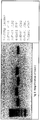
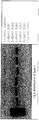
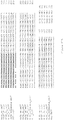
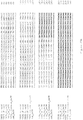
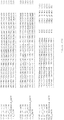
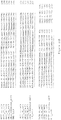
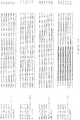
- PCR products were run on agarose gels in order to confirm amplifications ( Figs. 1-5 ). Except for one primer combination for Exon 1 (RHex01 F3 and RHex01 R1), all other primer combinations showed successful amplifications.
- Example 2 Identification of amplified products from Example 1
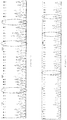
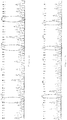
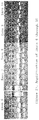
- Amplification products were purified and Sanger sequenced in an ABI PRISM® 3730XL Genetic Analyzer according to standard procedures. Samples had been fully characterized previously for their Rh blood group phenotype and genotype. Thus, for each exon, discriminating positions between both genes were successfully identified. Table 2 shows said positions for two samples (genotypes DDCCee and ddccee). If both genes had been amplified by the same primer set, electropherograms for said samples should show double peaks (heterozygotes) at said positions ( Figs. 6-15 ).
- Results are summarized in Table 3 below: Table 3 - Summary of results, by exon Exon Alignment summary 1 Reads generated from RHD aligned with its reference exclusively. Approximately 5% of reads generated from RHCE variants aligned with RHD with mapping quality close to 0. 2 Reads generated from RHD aligned with its reference exclusively. At this exon, allele C of RHCE has an identical sequence to RHD and these reads were aligned to RHD than RHCE. Final coverage detected for RHCE in this exon was unbalanced with RHD. Reads corresponding to allele c aligned with RHCE reference exclusively. 3 Reads generated from RHD aligned with its reference exclusively. Reads generated from RHCE variants aligned with RHCE reference exclusively.
- PCR1 and PCR2 Multiplex sequencing reactions were performed in two step PCRs (PCR1 and PCR2), following standard procedures. Conditions for PCR1 were: Primer Mix (1 uM) RHex01-F1-OHBCM0620-RHex01-R2-OHBCM0634 RHex02-F2-OHBCM0624-RHex02-R1-OHBCM0635 RHex03-F2-OHBCM0628-RHex03-R1-OHBCM0640 RHex04-F1-OHBCM0629-RHex04-R1-OHBCM0643 RHex05-F1-OHBCM0631-RHex05-R1-OHBCM0645 Reagent Vol per sample (ul) Multiplex Mix 7.5 Primer Mix 4 H20 0.5 DNA template (20 ng/ul) 3 Cycling 95°C 15 min 95°C 45 sec 23 cycles 61°C 60 sec 72°C 90 sec 72°C 10 min
- PCR2 Conditions for PCR2 were the same as for PCR1, substituting the primers for an equimolar mixture of each reverse primer (containing Agilent indexes for NGS sequencing) and OHBCM0657, and cycling 15 instead of 23 times.
- FastQC software was used to determine basic statistics on the quality of each sample read (forward and reverse), including Per base sequence quality, Per sequence quality scores, Per base sequence content, Per base GC content, Per sequence GC content, Per base N content, Sequence Length Distribution, Sequence Duplication Levels, Overrepresented sequences and Kmer Content.
- Trimmomatic software was used to remove reads with less than 76 nucleotides. Reads were trimmed by 2 bp at their 3' end with Fastx-trimmer tool from FASTX-toolkit software.
- Sequences were aligned using Burrows-Wheeler Aligner Maximal exact match (BWA MEM) algorithm from BWA software against a reference file (multiple sequences in a fasta format) that included only the reference sequences of the five exons plus 50bps upstream and downstream of said exons.
- BWA MEM Burrows-Wheeler Aligner Maximal exact match
- Results are presented for an alignment against a reference of gene RHD (NG007494.1; SEQ ID NO: 25) (exons 1-5; SEQ ID NOS: 27, 33, 39, 45 and 51, respectively) and a consensus sequence for 4 alleles (RHCE*ce, RHCE*Ce, RHCE*cE, and RHCE*CE) of gene RHCE (NG009208.2) (exons 1-5; SEQ ID NOS: 32, 38, 44, 50 and 56, respectively).
- Alignment files were generated in BAM format including information such as bitwise flag, alignment position, mapping quality, extended CIGAR string and query quality.
- the alignment results were sorted using Picard Tools software and indexed using SAMTools software.
- the sorted-indexed bam file was parsed to generate an alignment summary for each position including alignment and base-pair information at each chromosomal position such as bitwise flag, mapping quality, query quality, chromosome name, coordinate, reference base, alternate base, number of reads covering the site, read bases, base qualities and mapping qualities, forming a pileup formatted file using SAMTools software.
- VarScan software was used to parse the pileup formatted file, obtain genotypes at each sequence position and extract RHD and RHCE variants.
- SNPs and INDELs are detected using available parameters in the software.
- minimum coverage was set at 15X, minimum variant frequency to call an alternative genotype above 5%, and genotype average quality call of 30 Phred Score units.
- the pileup file resulting from alignment was also parsed to evaluate base calling, coverage and mapping quality at each nucleotide position in the reference sequence. Standard alignment values such as coverage in forward strand, coverage in reverse strand, total coverage and mapping quality were recorded and interpreted.
- a selection method was designed where cutoff criteria were set, as follows. To define homozygous calls, a minimum of 70% of reads must have supported the called allele. To define heterozygous calls, between 30 and 70% of total reads must have supported the alternative allele. In addition to this, the mapping quality and calling quality should have been above 20 Phred Score units. When coverage is evaluated independently for forward or reverse strand alignment, reads supporting the call also had to convey to defined criteria, such as having a forward-to-reverse coverage ratio of between 0.7 and 1.35.
- PCR were performed in 15 ⁇ L reactions using the following conditions: Qiagen Multiplex kit (2X) 7.5 ⁇ L Template DNA (20 ng/uL) 3.5 ⁇ L Primer mix 1.0 ⁇ L dH2O 3.0 ⁇ L 95°C 15 min 95°C 45 sec 23 cycles 60°C 64 sec 72°C 90 sec 72°C 10 min 4°C infinity
- PCR products for Sample 1 were run on agarose gels in order to confirm amplifications ( Fig. 27-28 ).
- Example 6 NGS of Exons 1 through 10 of the RHD and RHCE genes of known-genotype samples consensus sequence-specific primers
- PCR1 and PCR2 Multiplex sequencing reactions were performed in two step PCRs (PCR1 and PCR2), following standard procedures. Conditions for PCR1 were: Reagent Vol per sample (ul) Qiagen Multiplex Mix 7.5 Primer Mix 1 H20 3 DNA template (20 ng/ul) 3.5 Cycling 95°C 15 min 95°C 45 sec 23 cycles 61°C 60 sec 72°C 90 sec 72°C 10 min
- PCR2 Conditions for PCR2 were the same as for PCR1, substituting the primers for an equimolar mixture of each reverse primer (containing Agilent indexes for NGS sequencing) and a forward primer, and cycling 10 instead of 23 times.
- FastQC software was used to determine basic statistics on the quality of each sample read (forward and reverse), including Per base sequence quality, Per sequence quality scores, Per base sequence content, Per base GC content, Per sequence GC content, Per base N content, Sequence Length Distribution, Sequence Duplication Levels, Overrepresented sequences and Kmer Content.
- Trimmomatic software was used to remove reads with less than 76 nucleotides. Reads were trimmed by 2 bp at their 3' end with Fastx-trimmer tool from FASTX-toolkit software.
- Sequences were aligned using Burrows-Wheeler Aligner Maximal exact match (BWA MEM) algorithm from BWA software against a reference file (multiple sequences in a fasta format) that included only the reference sequences of the five exons plus 50bps upstream and downstream of said exons.
- BWA MEM Burrows-Wheeler Aligner Maximal exact match
- Results are presented for an alignment against a reference of gene RHD (NG007494.1; SEQ ID NO: 25) (exons 1-10 and intron 2; SEQ ID NOS: 27, 33, 39, 45, 51, 87, 93, 99, 105, 111, and 117, respectively) and sequence of gene RHCE (NG009208.2) (exons 1-10 and intron 2; SEQ ID NOS: 28, 34, 40, 46,52, 88, 94, 100, 106, 112, and 120, respectively).
- Alignment files were generated in BAM format including information such as bitwise flag, alignment position, mapping quality, extended CIGAR string and query quality. In this example of analysis, the alignment results were sorted using Picard Tools software and indexed using SAMTools software.
- the sorted-indexed bam file was parsed to generate an alignment summary for each position including alignment and base-pair information at each chromosomal position such as bitwise flag, mapping quality, query quality, chromosome name, coordinate, reference base, alternate base, number of reads covering the site, read bases, base qualities and mapping qualities, forming a pileup formatted file using SAMTools software.
- VarScan software was used to parse the pileup formatted file, obtain genotypes at each sequence position and extract RHD and RHCE variants.
- SNPs and INDELs are detected using available parameters in the software.
- minimum coverage was set at 15X, minimum variant frequency to call an alternative genotype above 5%, and genotype average quality call of 30 Phred Score units.
- the pileup file resulting from alignment was also parsed to evaluate base calling, coverage and mapping quality at each nucleotide position in the reference sequence. Standard alignment values such as coverage in forward strand, coverage in reverse strand, total coverage and mapping quality were recorded and interpreted.
- a selection method was designed where cutoff criteria were set, as follows. To define homozygous calls, a minimum of 70% of reads must have supported the called allele. To define heterozygous calls, between 30 and 70% of total reads must have supported the alternative allele. In addition to this, the mapping quality and calling quality should have been above 20 Phred Score units. When coverage is evaluated independently for forward or reverse strand alignment, reads supporting the call also had to convey to defined criteria, such as having a forward-to-reverse coverage ratio of between 0.7 and 1.35. Expected and observed results can be seen in Tables 14-21 and 31.
- PCR1 and PCR2 Multiplex sequencing reactions were performed in two step PCRs (PCR1 and PCR2), following standard procedures. Conditions for PCR1 were: Reagent Vol per sample (ul) Qiagen Multiplex Mix 7.5 Primer Mix 1 H20 3 DNA template (20 ng/ul) 3.5 Cycling 95°C 15 min 95°C 45 sec 23 cycles 61°C 60 sec 72°C 90 sec 72°C 10 min
- PCR2 Conditions for PCR2 were the same as for PCR1, substituting the primers for an equimolar mixture of each reverse primer (containing Agilent indexes for NGS sequencing) and a forward primer, and cycling 10 instead of 23 times.
- FastQC software was used to determine basic statistics on the quality of each sample read (forward and reverse), including Per base sequence quality, Per sequence quality scores, Per base sequence content, Per base GC content, Per sequence GC content, Per base N content, Sequence Length Distribution, Sequence Duplication Levels, Overrepresented sequences and Kmer Content.
- Trimmomatic software was used to remove reads with less than 76 nucleotides. Reads were trimmed by 2 bp at their 3' end with Fastx-trimmer tool from FASTX-toolkit software.
- Sequences were aligned using Burrows-Wheeler Aligner Maximal exact match (BWA MEM) algorithm from BWA software against a reference file (multiple sequences in a fasta format) that included only the reference sequences of the five exons plus 50bps upstream and downstream of said exons.
- BWA MEM Burrows-Wheeler Aligner Maximal exact match
- Results are presented for an alignment against a reference of gene RHD (NG007494.1; SEQ ID NO: 25) (exons 1-10 and intron 2; SEQ ID NOS: 27, 33, 39, 45, 51, 87, 93, 99, 105, 111, and 117, respectively) and sequence of gene RHCE (NG009208.2) (exons 1-10 and intron 2; SEQ ID NOS: 28, 34, 40, 46,52, 88, 94, 100, 106, 112, and 120, respectively).
- Alignment files were generated in BAM format including information such as bitwise flag, alignment position, mapping quality, extended CIGAR string and query quality. In this example of analysis, the alignment results were sorted using Picard Tools software and indexed using SAMTools software.
- the sorted-indexed bam file was parsed to generate an alignment summary for each position including alignment and base-pair information at each chromosomal position such as bitwise flag, mapping quality, query quality, chromosome name, coordinate, reference base, alternate base, number of reads covering the site, read bases, base qualities and mapping qualities, forming a pileup formatted file using SAMTools software.
- VarScan software was used to parse the pileup formatted file, obtain genotypes at each sequence position and extract RHD and RHCE variants.
- SNPs and INDELs are detected using available parameters in the software.
- minimum coverage was set at 15X, minimum variant frequency to call an alternative genotype above 5%, and genotype average quality call of 30 Phred Score units.
- the pileup file resulting from alignment was also parsed to evaluate base calling, coverage and mapping quality at each nucleotide position in the reference sequence. Standard alignment values such as coverage in forward strand, coverage in reverse strand, total coverage and mapping quality were recorded and interpreted.
- a selection method was designed where cutoff criteria were set, as follows. To define homozygous calls, a minimum of 70% of reads must have supported the called allele. To define heterozygous calls, between 30 and 70% of total reads must have supported the alternative allele. In addition to this, the mapping quality and calling quality should have been above 20 Phred Score units. When coverage is evaluated independently for forward or reverse strand alignment, reads supporting the call also had to convey to defined criteria, such as having a forward-to-reverse coverage ratio of between 0.7 and 1.35.
- a region in intron 2 that presents a 109 base pair insert was also evaluated in the determination of the RHCE Big C genotyping.
- the method was also tested to see if it is capable of rendering all the bases contained in the coding regions, as well as the insert in intron 2 which is useful for blood typing.
- the reference base and detected base appear in the column "Mutation in reference to coding region".
- the reference sequence for which the reference sequence is the RHD gene, the reference sequence has a T at position c.150 in exon 2, while the detected variant (the mutation in reference to coding region) is a C (noted by the ">" symbol).
- the values reported for every position are calculated by dividing the number of reads supporting the variant within the total number of reads.
- Tables 5 to 8 the format changes slightly to report the aforementioned calculation as a percentage. Mutations for each RHCE allele and RHD are summarized under the column "Polymorphic sites" only for coding region positions. These positions are considered stable to discriminate between the RHD, RHCE*Ce, RHCE*CE, RHCE*ce and RHCE*cE.
- the expected allele ratio is calculated on the basis of the existence of none, one or two RHD alleles and none, one or two RHCE alleles. For example, on Table 14, the sample with the genotype "ddccee" has no RHD gene and two alleles of genotype little c and little e for RHCE. When the NGS sequences of this sample are mapped to the reference RHD, the positions with a different variant than the reference will be detected. For this sample, all expected variants (Table 15) when aligning to RHD are 100% from the RHCE gene because RHD is deleted. On the other hand, when aligning to the RHCE reference (Tables 18 and 19), there are no expected variants because the sample's sequence is identical to the reference sequence. In the case of intron 2, the ratios are calculated based on the number of reads that aligned to the reference sequence within the sum of reads that aligned to RHCE and RHD.
- Example 4 a total of 24 discriminating nucleotide positions between RHD and RHCE were evaluated for exons 1 through 5 of the RH genes for each sample and reference sequence.
- the sum of the nucleotide positions (24 per sample) for all samples evaluated (7) using two reference sequences amounts to 336.
- the concordance between observed and expected allele ratios for the total of nucleotide positions evaluated for the combination of primers used in Example 4 is 100%.
- Examples 6 and 7 a total of 50 discriminating nucleotide positions between RHD and RHCE were evaluated for exons 1 through 10 of the RH genes for primer mix A and 52 for primer mix B.
- the sum of the nucleotide positions (50 for primer mix A and 52 for primer mix B per sample) for all samples evaluated (13) using two reference sequences amounts to 1300 for primer mix A and 1352 for primer mix B.
- the concordance between observed and expected allele ratios for the combination of primers used in Examples 6 and 7 is 96% for primer mix A and 90% for primer mix B.
- the examples demonstrate that the method allows the simultaneous sequencing of genes RHD and RHCE and the correct genotyping of variant positions to assign the proportion or allele ratio of each gene.
- the method overcomes limitations of serological testing and Sanger sequencing in blood typing. Additionally, the method is high-throughput which is advantageous in the clinical setting for blood typing massive amounts of samples. Table 14. Observed genotypes against reference sequence RHD (SEQ NO: 25) using the combination of primers of mix A.
Landscapes
- Chemical & Material Sciences (AREA)
- Life Sciences & Earth Sciences (AREA)
- Organic Chemistry (AREA)
- Health & Medical Sciences (AREA)
- Proteomics, Peptides & Aminoacids (AREA)
- Engineering & Computer Science (AREA)
- Zoology (AREA)
- Wood Science & Technology (AREA)
- Analytical Chemistry (AREA)
- Immunology (AREA)
- Physics & Mathematics (AREA)
- Biotechnology (AREA)
- Bioinformatics & Cheminformatics (AREA)
- General Health & Medical Sciences (AREA)
- Biophysics (AREA)
- Molecular Biology (AREA)
- Genetics & Genomics (AREA)
- Microbiology (AREA)
- Biochemistry (AREA)
- General Engineering & Computer Science (AREA)
- Cell Biology (AREA)
- Bioinformatics & Computational Biology (AREA)
- Evolutionary Biology (AREA)
- Medical Informatics (AREA)
- Spectroscopy & Molecular Physics (AREA)
- Theoretical Computer Science (AREA)
- Measuring Or Testing Involving Enzymes Or Micro-Organisms (AREA)
- Chemical Kinetics & Catalysis (AREA)
Description
- The invention relates to methods for next-generation-sequencing-based detection of alleles in highly homologous genetic loci, for example RHD/RHCE. Also described are products, in particular, consensus sequence-specific primers and kits for use in such methods.
- DNA sequencing by the Sanger dideoxy method is based on a single detection event at each position of a usually homogeneous pool of DNA molecules. From this event, a qualitative presence/absence call is made for each one of four nucleotides (A, C, G, T) at each position in the DNA segment. Thus, Sanger sequencing is not a quantitative technique.
- DNA sequencing by next-generation methods, on the other hand, is based on multiple detection events at each position, each event corresponding to a single DNA molecule in the pool. From the multiplicity of events, the relative abundance of each of the four nucleotides at each position in the DNA segment can be calculated. Thus, next-generation sequencing allows for a quantitative measurement of particular sequences in a heterogeneous pool of DNA molecules.
- DNA sequencing is the gold standard in the molecular diagnosis of genetic diseases and in the detection of allelic variants of clinical relevance, such as those encoding human leukocyte, red cell and platelet antigens. A challenge to accurate DNA sequencing is presented by highly homologous genes, such as the human leukocyte antigen (HLA) system, the red cell antigen-encoding RHD-RHCE, or GYPA-GYPB-GYPE sets.
- Discrimination among homologous genes is commonly achieved through the use of primers designed to bind to gene-specific sequences. In some genetic regions, however, there are no gene-specific sequences to avail, or they are located too far apart to allow for the development of standard amplification assays. These facts pose a significant challenge to sequencing in general, and to next-generation sequencing in particular, given the length limitations to which readable DNA segments are subject.
- Hemker et al., 1999, Blood, Vol. 94, No. 12, pp. 4337-4342, describes analysis of DAR, a new RHD
variant involving exons - Ringquist et al., 2013, PLoS ONE, Vol. 8, No. 3, e59835, describes clustering and alignment of polymorphic sequences for HLA-DRB1 genotyping.
- Stabentheiner et al., 2011, Vol. 100, pp. 381-388, describes RHD genotyping by next-generation sequencing employing exon specific primers for RHD only.
- Bentley, et al., 2009, Tissue Antigens, Vol. 74, pp. 393-403, describes high-resolution, high-throughput HLA genotyping by next-generation sequencing.
- Accordingly, there remains a need for further methods for amplification of highly homologous genetic loci and reliable sequencing and/or allele detection thereof. It is an object of the present invention to address these and other needs.
- The present inventors have demonstrated amplification of highly homologous genetic loci using consensus-sequence-specific primers, as described herein, followed by sequence alignment with reference sequences to resolve the highly homologous genetic loci and allele detection using next-generation sequencing (NGS). The present invention, as defined in the claims, therefore provides a way to enable sequencing of regions with widely-separated or without gene-specific sequences through the use of primers that bind to consensus sequences within the set of homologous genes, as defined in the claims. Since the number of consensus positions is usually larger than the number of gene-specific positions, this also facilitates primer design and meeting the segment length requirements. A challenge present by the use of primers that bind to consensus sequences is a loss of specificity, as a result of the simultaneous amplification of all genes within the set. However, the present inventors have found that the challenge presented by the aforementioned loss of specificity can largely be overcome by exploiting the quantitative nature of next-generation sequencing and the existing knowledge about gene- and allele-specific sequences. Specifically, the alleles present in a sample for each of the genes in a high-homology set can be determined from (1) the particular sequences detected at each polymorphic position, (2) their relative proportion, and (3) their combination throughout the genetic segment. While (1) and (3) are shared with Sanger sequencing, (2) is unique to next-generation sequencing. The examples described herein demonstrate reliable genotype and bloodtype calling for a range of samples based on multiplex next-generation sequencing followed by data analysis.
- Accordingly, in a first aspect the present invention provides a method for genotyping alleles in at least one homologous genetic loci set, comprising:
- (i) providing a DNA-containing sample that includes said at least one homologous genetic loci set, wherein said homologous genetic loci set comprises:
- (a) the red cell antigen-encoding the RHD gene and the RHCE gene; or
- (b) two or more of the human leukocyte antigen (HLA) system genes; or
- (c) two of more of the glycophorin-encoding genes selected from the GYPA gene, the GYPB gene, and the GYPE gene;
- (ii) performing PCR amplification of regions of said homologous genetic loci set using consensus sequence-specific primers, wherein said consensus sequence-specific primers bind to consensus sequences that are common to said homologous genetic loci set genes (a), (b) or (c); thereby generating a pool of amplification products;
- (iii) sequencing a plurality of said amplification products in order to determine the relative proportion of each nucleotide at each position in a sequencing read;
- (iv) performing a sequence alignment between the sequencing read results of (iii) and at least one reference sequence, which reference sequence corresponds to one of the genes in said homologous genetic loci set; and
- (v) performing genotype calling of the allele or alleles in said sample based on the relative proportion of each nucleotide at each of a plurality of discriminant positions in said alignment.
- In some cases in accordance with this and other aspects of the present invention the homologous genetic loci set comprises (a) the red cell antigen-encoding the RHD gene and the RHCE gene; or (b) two or more of the human leukocyte antigen (HLA) system genes; or (c) two of more of the glycophorin-encoding genes selected from the GYPA gene, the GYPB gene, and the GYPE gene. First and second genes in these genetic loci sets exhibit a high degree of sequence identity, e.g. as a result of an ancestral gene duplication event. In certain cases the first gene has at least 90%, at least 95% or at least 97% nucleotide sequence identity with the second gene. The homologous genetic loci sets are the RHD-RHCE genes, the human leukocyte antigen (HLA) system genes; and the glycophorin-encoding genes GypA-GypB-GypE. In some cases, the homologous genetic loci set comprises the human RHD gene of SEQ ID NO: 25 and the human RHCE gene of SEQ ID NO: 26 (or one of the RHCE haplotypes ce, Ce, cE or CE, respectively). In cases where the homologous genetic loci set comprises the RHD gene and the RHCE gene, the at least one reference sequence may comprise:
- (i) at least one exon or intron of the RHD gene of SEQ ID NO: 25 or the reverse complement thereof;
- (ii) at least one exon or intron of the RHCE gene of SEQ ID NO: 26 or of one of the RHCE haplotypes ce, Ce, cE or CE, respectively or the reverse complement thereof;
- (iii) at least one of the
RHD exon 1 sequence as shown in SEQ ID NO: 27, theRHCE exon 1 sequences as shown in SEQ ID NOs: 28-31, being RHCE haplotypes ce, Ce, cE or CE, respectively, and/or theRHCE exon 1 consensus sequence as shown in SEQ ID NO: 32 or the reverse complement thereof; - (iv) at least one of the
RHD exon 2 sequence as shown in SEQ ID NO: 33, theRHCE exon 2 sequences as shown in SEQ ID NOs: 34-37, being RHCE haplotypes ce, Ce, cE or CE, respectively, and/or theRHCE exon 2 consensus sequence as shown in SEQ ID NO: 38 or the reverse complement thereof; - (v) at least one of the
RHD exon 3 sequence as shown in SEQ ID NO: 39, theRHCE exon 3 sequences as shown in SEQ ID NOs: 40-43, being RHCE haplotypes ce, Ce, cE or CE, respectively, and/or theRHCE exon 3 consensus sequence as shown in SEQ ID NO: 44 or the reverse complement thereof; - (vi) at least one of the
RHD exon 4 sequence as shown in SEQ ID NO: 45, theRHCE exon 4 sequences as shown in SEQ ID NOs: 46-49, being RHCE haplotypes ce, Ce, cE or CE, respectively, and/or theRHCE exon 4 consensus sequence as shown in SEQ ID NO: 50 or the reverse complement thereof; - (vii) at least one of the
RHD exon 5 sequence as shown in SEQ ID NO: 51, theRHCE exon 5 sequences as shown in SEQ ID NOs: 52-55, being RHCE haplotypes ce, Ce, cE or CE, respectively, and/or theRHCE exon 5 consensus sequence as shown in SEQ ID NO: 56 or the reverse complement thereof; - (viii) at least one of the
RHD exon 6 sequence as shown in SEQ ID NO: 87, theRHCE exon 6 sequences as shown in SEQ ID NOs: 88-91, being RHCE haplotypes ce, Ce, cE or CE, respectively, and/or theRHCE exon 6 consensus sequence as shown in SEQ ID NO: 92 or the reverse complement thereof; - (ix) at least one of the
RHD exon 7 sequence as shown in SEQ ID NO: 93, theRHCE exon 7 sequences as shown in SEQ ID NOs: 94-97, being RHCE haplotypes ce, Ce, cE or CE, respectively, and/or theRHCE exon 7 consensus sequence as shown in SEQ ID NO: 98 or the reverse complement thereof; - (x) at least one of the
RHD exon 8 sequence as shown in SEQ ID NO: 99, theRHCE exon 8 sequences as shown in SEQ ID NOs: 100-103, being RHCE haplotypes ce, Ce, cE or CE, respectively, and/or theRHCE exon 8 consensus sequence as shown in SEQ ID NO: 104 or the reverse complement thereof; - (xi) at least one of the
RHD exon 9 sequence as shown in SEQ ID NO: 105, theRHCE exon 9 sequences as shown in SEQ ID NOs: 106-109, being RHCE haplotypes ce, Ce, cE or CE, respectively, and/or theRHCE exon 9 consensus sequence as shown in SEQ ID NO: 110 or the reverse complement thereof; - (xii) at least one of the
RHD exon 10 sequence as shown in SEQ ID NO: 111, theRHCE exon 10 sequences as shown in SEQ ID NOs: 112-115, being RHCE haplotypes ce, Ce, cE or CE, respectively, and/or theRHCE exon 10 consensus sequence as shown in SEQ ID NO: 116 or the reverse complement thereof; and/or - (xiii) at least one of the
RHD intron 2 sequence as shown in SEQ ID NO: 117, theRHCE intron 2 sequences as shown in SEQ ID NOs: 118-121, being RHCE haplotypes ce, Ce, cE or CE, respectively, or the reverse complement thereof. - The reference sequence may include at least 5, 10, 20, 30, 40, 50, 60, 70, 80, 90 or 100 nucleotides upstream and/or downstream of said exon or intron. In some cases the reference sequence comprises only the exon sequence portion indicated in bold
Figures 16-20 and21-26 , respectively. In other cases the reference sequence includes some (e.g. 25%, 50% or 75%) of or all of the upstream and/or downstream flanking intronic sequence indicated in non-bold ofFigures 16-20 and21-26 , respectively. - In certain cases in accordance with this and other aspects of the present invention the said at least one reference sequence comprises at least two reference sequences, including: (i) at least one exon or intron of the RHD gene of SEQ ID NO: 25 or the reverse complement thereof (e.g. one of SEQ ID NOS: 27, 33, 39, 45, 51, 87, 93, 99, 105, 111 or 117); and (ii) a least one exon or intron of an RHCE gene sequence, such as of SEQ ID NO: 26, (e.g. one of SEQ ID NOS: 28-32, 34-38, 40-44, 46-50, 52-56, 88-92, 94-98, 100-104, 106-110, 112-116, or 118-121) or the reverse complement thereof.
- In certain cases in accordance with this and other aspects of the present invention the plurality of discriminant positions in said alignment are selected from the positions set forth in Table 2, Table 11 and Table 13. The identity of the bases that may be detected at each of said discriminant positions is also indicated in Table 2, Table 11 and Table 13, as are the corresponding genotypes. For example,
position 48 ofexon 1 is polymorphic G/C. - The present inventors have found that particular consensus-sequence primers as defined herein are able to amplify both RHD and RHCE gene segments (
e.g. exon 1 of RHD and of RHCE) and find use in the methods of the present invention. Accordingly, in certain cases of the method of the first aspect of the invention each of said consensus sequence-specific primers comprises or consists of a nucleotide sequence selected from the group consisting of:RHex01 F1 TCCCTCAAGCCCTCAAGTAG (SEQ ID NO: 3) RHex01 F2 TGTTGGAGAGAGGGGTGATG (SEQ ID NO: 4) RHex01 F3 CTGCACAGAGACGGACACAG (SEQ ID NO: 5) RHex01 R1 CCCTGCTATTTGCTCCTGTG (SEQ ID NO: 6) RHex01 R2 AAAGGAACATCTGTGCCCCT (SEQ ID NO: 7) RHex02 F1 CCCTTCCAGCTGCCATTTAG (SEQ ID NO: 8) RHex02 F2 AAATCTCGTCTGCTTCCCCC (SEQ ID NO: 9) RHex02 R1 AAGTGATCCAGCCACCATCC (SEQ ID NO: 10) RHex02 R2 GTCCATTCCCTCTATGACCC (SEQ ID NO: 11) RHex03 F1 AGGTGCCCAACAGTGTTTGT (SEQ ID NO: 12) RHex03 F2 TGAGTGAGAGGCATCCTTCC (SEQ ID NO: 13) RHex03 R1 TTTGGCCCTTTTCTCCCAGG (SEQ ID NO: 14) RHDex03 R2 GAAACCCCACCAAATGGAGC (SEQ ID NO: 15) RHCEex03 R3 GAAGCCCCACCAAATGGAGC (SEQ ID NO: 16) RHex04 F1 GGCTTCAAGTCACACCTCCT (SEQ ID NO: 17) RHex04 F2 CAGAGGATGCCGACACTCAC (SEQ ID NO: 18) RHex04 R1 CCATTCTGCTCAGCCCAAGT (SEQ ID NO: 19) RHex04 R2 CAGCCAGAGCCTTTTCTGAG (SEQ ID NO: 20) RHex05 F1 CAGCCCTAGGATTCTCATCC (SEQ ID NO: 21) RHex05 F2 AGCAGGAGTGTGATTCTGGC (SEQ ID NO: 22) RHex05 R1 CTGTTAGACCCAAGTGCTGC (SEQ ID NO: 23) RHex05 R2 TGGGGAGGGGCATAAATATG (SEQ ID NO: 24) RHex06 F1 GGTCACTTGCAGCAAGATGG (SEQ ID NO: 59) RHex06 F2 ACCTTGCTTCCTTTACCCAC (SEQ ID NO: 60) RHex06 R1 TGGCCTTCAGCCAAAGCAGA (SEQ ID NO: 61) RHex06 R2 CTAATGCAGCTGTGCACTGC (SEQ ID NO: 62) RHex07 F1 TGTGTGAAAGGGGTGGGTAG (SEQ ID NO: 63) RHex07 F2 GTCTCACCTGCCAATCTGCT (SEQ ID NO: 64) RHex07 R1 GTTGGAGGGGAGTGTTAAGG (SEQ ID NO: 65) RHex07 R2 CCAGCTAAGGACTCTGCACA (SEQ ID NO: 66) RHex08 F1 ATGGCACTACTGACACCGAC (SEQ ID NO: 67) RHex08 F2 TTGTCCCTGATGACCTCTGC (SEQ ID NO: 68) RHex08 R1 TGTCCTGGCAATGGTGGAAG (SEQ ID NO: 69) RHex08 R2 GCACATAGACATCCAGCCAC (SEQ ID NO: 70) RHex09 F1 AGCTGGTCCAGGAATGACAG (SEQ ID NO: 71) RHex09 F2 GTGGGAGAAAAAGGATTTCTGTTGAGA (SEQ ID NO: 72) RHex09 F3 TCTTGAGATTAAAAATCCTGTGCTCCA (SEQ ID NO: 73) RHex09 R1 AGTTCATGCACTCAAAATCTATCACGT (SEQ ID NO: 74) RHex09 R2 CCTGCAATGCTCCTTACTCC (SEQ ID NO: 75) RHex10 F1 GGCTGTTTCAAGAGATCAAGCC (SEQ ID NO: 76) RHex10 F2 TCAGTATGTGGGTTCATCTGCA (SEQ ID NO: 77) RHex10 R1 AGGCAACAGTGAGAGGAAGTTG (SEQ ID NO: 78) RHex10 R2 TGCTGTCATGAGCGTTTCTCAC (SEQ ID NO: 79) RHin2 F1 CTTGTGCCACTTGACTTGGGACTG (SEQ ID NO: 80) RHin2 F2 CTGTTTTGAGTCCCTTCAGGGGAG (SEQ ID NO: 81) RHin2 F3 CTCACATACTGATAACTTAGCAAATGGC (SEQ ID NO: 82) RHin2 R1 GATCACTTGAGCCCAGGAGGC (SEQ ID NO: 83) RHin2 R2 TTAACTCAGGAGGCTGAGGTGG (SEQ ID NO: 84) RHin2 R3 CTGAGGTGGGAGGATCACTTGAG (SEQ ID NO: 85) RHCEin2 R4 AAATTAGCCGGGCATGGTAGCAG (SEQ ID NO: 86) - In some cases in accordance with the method of this and other aspects of the present invention, one or more of the consensus sequence-specific primers may further comprise a tag or adaptor. For example, the primer may comprise a next generation sequencing tag or adaptor, e.g., at its 5' end. In certain cases one or more of the consensus sequence-specific primers comprises a next generation sequencing tag with the sequence ACACTCTTTCCCTACACGACGCTCTTCCGATCT (SEQ ID NO: 1).
- The tag of SEQ ID NO: 1 may be at the 5' end of a forward primer such as a forward primer of one or more of SEQ ID NOs: 3-5, 8-9, 12-13, 17-18, 21-22, 59-60, 63-64, 67-68, 71-73, 76-77, and 80-82. Alternatively or additionally, one or more of the consensus sequence-specific primers may comprise a next generation sequencing tag with the sequence GTGACTGGAGTTCAGACGTGTGCTCTTCCGATCT (SEQ ID NO: 2). The tag of SEQ ID NO: 2 may be at the 5' end of a reverse primer such as a reverse primer of one or more of SEQ ID NOs: 6-7, 10-11, 14-16, 19-20, 23-24, 61-62, 65-66, 69-70, 74-75, 78-79, and 83-86.
- In other cases in accordance with the method of this and other aspects of the present invention, one or more of the consensus sequence-specific primers may further comprise a tag and/or adaptor. For example, the primer may comprise a next generation sequencing tag or adaptor, e.g., at its 5' end. In certain cases one or more of the consensus sequence-specific primers comprises a next generation sequencing tag with the sequence ACACTCTTTCCCTACCTGTAAAACGACGGCCAGT (SEQ ID NO: 57). The tag of SEQ ID NO: 1 or 57 may be at the 5' end of a forward primer such as a forward primer of one or more of SEQ ID NOs: 3-5, 8-9, 12-13, 17-18, 21-22, 59-60, 63-64, 67-68, 71-73, 76-77, and 80-82. Alternatively or additionally, one or more of the consensus sequence-specific primers may comprise a next generation sequencing tag with the sequence GGTTGCTCGCCAGGAAACAGCTATGACC (SEQ ID NO: 58). The tag of SEQ ID NO: 2 or 58 may be at the 5' end of a reverse primer such as a reverse primer of one or more of SEQ ID NOs: 6-7, 10-11, 14-16, 19-20, 23-24, 61-62, 65-66, 69-70, 74-75, 78-79, and 83-86.
- In some cases in accordance with the method of this and other aspects of the present invention, the method comprises sequencing each of
exons exons exons intron 2 of the RHD gene and each ofexons intron 2 of the RHCE gene. - In some cases in accordance with the method of this and other aspects of the present invention, the method comprises classifying the sample in terms of its RHD/RHCE genotype. In certain cases the genotype is selected from the group consisting of:
- (a) CE(exons 1-2)-DD(exons 3-9)-CE(exon 10);
- (b) DDCcEe;
- (c) DdCCee;
- (d) ddCcEe;
- (e) DdCcee(exons 1-2)-ddCcee(exons 3-9)-DD(exon 10);
- (f) ddCcee;
- (g) DDCcEe;
- (h) DdccEe;
- (i) ddccee;
- (j) DDCCee;
- (k) DdCcee;
- (l) ddCCee;
- (m) DDccEE; and
- (n) D?ccEe.
- In some cases the genotype is other than any one of genotypes (a) to (n). The classification of the sample as being of one or said genotypes is typically made based on the relative proportion of each nucleotide at each of said plurality of discriminant positions in said alignment. Preferably, the classification of the genotype of the sample is made based on criteria set forth in Tables 2, 6, 8, 13, 15, 17, 19, 21, 23, 25, 27, 29, 30 and/or 31.
- In some cases in accordance with the method of this and other aspects of the present invention, the method further comprises determining the blood type of the sample based on the genotype. In certain cases the blood type of the sample is selected from the group consisting of:
- (i) RHD+, Cw type;
- (ii) RHD+, CcEe;
- (iii) wDt3, Cce;
- (iv) RHD*DIIIa-het;
- (v) Ce, RHD+;
- (vi) DAR-hem;
- (vii) r's;
- (viii) Ce, RHD+;
- (ix) rr;
- (x) R1R1;
- (xi) R1r;
- (xii) r'r';
- (xiii) R2R2;
- (xiv) Pseudogen/-; and
- (xv)
DVI type 1/- - In some cases in accordance with the method of this and other aspects of the present invention, the sample is classified as having a blood type allele selected from the group consisting of: RHD*r's; RHD*r's-like; RHD*r's
Type 1; RHD*r'sType 2; RHD*DIIIa; RHD*DIIIa IVS3+3100G; RHD*DIII_FN; RHD*DIVa-2; RHD*DIVa; RHD*DIII-type4; RHD*DIII-type6; RHD*DIII-type7; RHD*DIII-type8; RHCE*ces; RHCE*ces1006T ; RHCE*ces1006C; RHCE*ce733G; RHCE*ce48C,733G,1025T; RHCE*ce48C,697G,733G; RHCE*ce340T,733G; and RHCE*ce48C,733G,748A, based on the genotype of the sample at one or more polymorphic positions in the RHD gene and/or RHCE gene. - In some cases in accordance with the method of this and other aspects of the present invention, the method comprises obtaining the number of reads covering the reference bases and the number of reads covering alternate bases after alignment for use in said genotype calling.
- In some cases in accordance with the method of this and other aspects of the present invention, the method comprises defining a cut-off for the proportion of reads covering the reference bases versus the reads covering the alternate bases for variant calling.
- In some cases in accordance with the method of this and other aspects of the present invention, the method comprises obtaining the number of reads covering reference forward bases, number of reads covering reference reverse bases, number of reads covering alternate forward bases and number of reads covering alternate reverse bases for use in genotype calling.
- In some cases in accordance with the method of this and other aspects of the present invention, the method further comprises computing a mapping quality score for each sequence alignment and/or an overall mapping quality score for a plurality of said sequence alignments. In certain cases the mapping quality score for each sequence alignment and/or said overall mapping quality score for said plurality of sequence alignments is required to be at least 15, 16, 17, 18, 19, 20, 21, 22, 23, 24, 25, 26, 27, 28, 29 or at least 30 Phred Score units in order for said genotype calling to be considered reliable.
- In some cases in accordance with the method of this and other aspects of the present invention, a pre-process step is performed prior to said sequence alignment in order to improve alignment quality. In certain cases the pre-process step comprises excluding sequence reads shorter than 10, 20, 30, 40, 50, 60, 70 or shorter than 76 nucleotides. In certain cases the pre-process step includes trimming sequence reads, for example removing 1, 2, 3, 4 or 5 nucleotides from the 5' and/or 3' end of each sequencing read.
- In some cases in accordance with the method of this and other aspects of the present invention, the method further comprises performing a quality control step to evaluate quality of the sequencing reads prior to performing said sequence alignment, and wherein evaluating the quality of each forward and/or each reverse sequencing read comprises determining one or more parameters selected from the group consisting of: Per base sequence quality, Per sequence quality score, Per base sequence content, Per base GC content, Per sequence GC content, Per base N content, Sequence Length Distribution, Sequence Duplication Level, Overrepresented sequences, and Kmer Content.
- In some cases in accordance with the method of this and other aspects of the present invention, the or each sequence alignment is performed using an algorithm such as the Burrows-Wheeler Aligner exact match (BWA MEM).
- In some cases in accordance with the method of this and other aspects of the present invention, the method further comprises evaluating one or more of said sequence alignments to determine at least one parameter selected from the group consisting of: coverage, variant frequency, genotype average quality call, mapping quality, and calling quality. In certain cases the minimum coverage threshold is set at 10X, 15X, 20X, 25X or 30X. In certain cases the minimum variant frequency to call an alternative genotype is 2%, 5%, 10%, 15%, 20% or 30%. In certain cases the genotype average quality call is at least 18, 19, 20, 21, 22, 23, 24, 25, 26, 27, 28, 29, 30, 31, 32, 33, 34 or 35 Phred Score units. In certain cases the mapping quality is at least 15, 16, 17, 18, 19, 20, 21, 22, 23, 24, 25, 26, 27, 28, 29 or 30 Phred Score units. In certain cases the calling quality is at least 15, 16, 17, 18, 19, 20, 21, 22, 23, 24, 25, 26, 27, 28, 29 or 30 Phred Score units.
- In some cases in accordance with the method of this and other aspects of the present invention, cut-off criteria may be set such that in order to define a homozygous call, a minimum of 50%, 60%, 70%, 80%, 90%, 95% or 99% of reads must support the called allele. Alternatively or additionally, cut-off criteria may be set such that in order to define a heterozygous call, between 30% and 70%, between 35% and 65%, between 40% and 60%, or between 45% and 55% of reads must support the alternative allele. Alternatively or additionally, cut-off criteria may be set such that in order to define a hemizygous call, between 15% and 45%, between 20% and 40%, between 20% and 35%, or between 25% and 35% of reads must support the called allele.
- In some cases in accordance with the method of this and other aspects of the present invention, coverage is evaluated independently for forward and for reverse strand alignment, and wherein the forward-to-reverse coverage ratio is between 0.6 and 1.4, between 0.7 and 1.3, between 0.8 and 1.2, or between 0.85 and 1.15.
- In accordance with this and other aspects of the present invention, the sample is preferably obtained or has been previously obtained from a human subject. In some cases the subject is undergoing, or is a candidate for, blood transfusion or bone marrow transplantation. In some cases the subject has sickle cell disease (SCD) or Thalassemia major. In some cases the subject has non-Caucasian ancestry. In some cases, the subject has African ancestry.
- In accordance with this and other aspects of the present invention, the sample may be any suitable biological sample from which it is possible to obtain nucleic acid, particularly genomic DNA, for use in a PCR reaction. Suitable samples include any material of bodily origin (liquid, solid or aspirate) such as blood, hair, cheek cells and skin cells.
- In accordance with this and other aspects of the present invention, the sample may be subjected to one or more treatments to extract a nucleic acid prior to or as part of said amplification by PCR.
- In accordance with this and other aspects of the present invention, the method may further comprise carrying out serological analysis on a blood sample that has been obtained from the subject. This may be particularly useful to corroborate or clarify a phenotype prediction made. Combining the genotype-based prediction of blood type with a serological-based prediction may be useful, e.g., to improve accuracy or to resolve ambiguous results. However, it is also specifically contemplated herein that the method of this and other aspects of the present invention may not comprise carrying out serological analysis. Removing the need to carry out serological analysis provides considerable savings in terms of time, cost and/or resources.
- Also disclosed herein is a plurality of primers for PCR amplification of one or more segments of the RHD gene and of the RHCE gene, wherein the nucleotide sequence of each primer of said plurality comprises or consists of a nucleotide sequence selected from the group consisting of:
RHex01 F1 TCCCTCAAGCCCTCAAGTAG (SEQ ID NO: 3) RHex01 F2 TGTTGGAGAGAGGGGTGATG (SEQ ID NO: 4) RHex01 F3 CTGCACAGAGACGGACACAG (SEQ ID NO: 5) RHex01 R1 CCCTGCTATTTGCTCCTGTG (SEQ ID NO: 6) RHex01 R2 AAAGGAACATCTGTGCCCCT (SEQ ID NO: 7) RHex02 F1 CCCTTCCAGCTGCCATTTAG (SEQ ID NO: 8) RHex02 F2 AAATCTCGTCTGCTTCCCCC (SEQ ID NO: 9) RHex02 R1 AAGTGATCCAGCCACCATCC (SEQ ID NO: 10) RHex02 R2 GTCCATTCCCTCTATGACCC (SEQ ID NO: 11) RHex03 F1 AGGTGCCCAACAGTGTTTGT (SEQ ID NO: 12) RHex03 F2 TGAGTGAGAGGCATCCTTCC (SEQ ID NO: 13) RHex03 R1 TTTGGCCCTTTTCTCCCAGG (SEQ ID NO: 14) RHDex03 R2 GAAACCCCACCAAATGGAGC (SEQ ID NO: 15) RHCEex03 R3 GAAGCCCCACCAAATGGAGC (SEQ ID NO: 16) RHex04 F1 GGCTTCAAGTCACACCTCCT (SEQ ID NO: 17) RHex04 F2 CAGAGGATGCCGACACTCAC (SEQ ID NO: 18) RHex04 R1 CCATTCTGCTCAGCCCAAGT (SEQ ID NO: 19) RHex04 R2 CAGCCAGAGCCTTTTCTGAG (SEQ ID NO: 20) RHex05 F1 CAGCCCTAGGATTCTCATCC (SEQ ID NO: 21) RHex05 F2 AGCAGGAGTGTGATTCTGGC (SEQ ID NO: 22) RHex05 R1 CTGTTAGACCCAAGTGCTGC (SEQ ID NO: 23) RHex05 R2 TGGGGAGGGGCATAAATATG (SEQ ID NO: 24), RHex06 F1 GGTCACTTGCAGCAAGATGG (SEQ ID NO: 59) RHex06 F2 ACCTTGCTTCCTTTACCCAC (SEQ ID NO: 60) RHex06 R1 TGGCCTTCAGCCAAAGCAGA (SEQ ID NO: 61) RHex06 R2 CTAATGCAGCTGTGCACTGC (SEQ ID NO: 62) RHex07 F1 TGTGTGAAAGGGGTGGGTAG (SEQ ID NO: 63) RHex07 F2 GTCTCACCTGCCAATCTGCT (SEQ ID NO: 64) RHex07 R1 GTTGGAGGGGAGTGTTAAGG (SEQ ID NO: 65) RHex07 R2 CCAGCTAAGGACTCTGCACA (SEQ ID NO: 66) RHex08 F1 ATGGCACTACTGACACCGAC (SEQ ID NO: 67) RHex08 F2 TTGTCCCTGATGACCTCTGC (SEQ ID NO: 68) RHex08 R1 TGTCCTGGCAATGGTGGAAG (SEQ ID NO: 69) RHex08 R2 GCACATAGACATCCAGCCAC (SEQ ID NO: 70) RHex09 F1 AGCTGGTCCAGGAATGACAG (SEQ ID NO: 71) RHex09 F2 GTGGGAGAAAAAGGATTTCTGTTGAGA (SEQ ID NO: 72) RHex09 F3 TCTTGAGATTAAAAATCCTGTGCTCCA (SEQ ID NO: 73) RHex09 R1 AGTTCATGCACTCAAAATCTATCACGT (SEQ ID NO: 74) RHex09 R2 CCTGCAATGCTCCTTACTCC (SEQ ID NO: 75) RHex10 F1 GGCTGTTTCAAGAGATCAAGCC (SEQ ID NO: 76) RHex10 F2 TCAGTATGTGGGTTCATCTGCA (SEQ ID NO: 77) RHex10 R1 AGGCAACAGTGAGAGGAAGTTG (SEQ ID NO: 78) RHex10 R2 TGCTGTCATGAGCGTTTCTCAC (SEQ ID NO: 79) RHin2 F1 CTTGTGCCACTTGACTTGGGACTG (SEQ ID NO: 80) RHin2 F2 CTGTTTTGAGTCCCTTCAGGGGAG (SEQ ID NO: 81) RHin2 F3 CTCACATACTGATAACTTAGCAAATGGC (SEQ ID NO: 82) RHin2 R1 GATCACTTGAGCCCAGGAGGC (SEQ ID NO: 83) RHin2 R2 TTAACTCAGGAGGCTGAGGTGG (SEQ ID NO: 84) RHin2 R3 CTGAGGTGGGAGGATCACTTGAG (SEQ ID NO: 85) RHCEin2 R4 AAATTAGCCGGGCATGGTAGCAG (SEQ ID NO: 86) - Variants of the primers of SEQ ID NOs: 3-24 and 59-86 may, in particular, comprise additional nucleotides at the 5' and/or 3' end, which extend the primer sequence to include contiguous sequence neighbouring the portion of the RHD and RHCE genomic sequence that the said primer of one of SEQ ID NOs: 3-24 and 59-86 hybridises to. Additionally or alternatively, a variant primer may be truncated at the 5' and/or 3' end, e.g. to be 1, 2, or 3 nucleotides shorter in length.
- In some cases, one or more of the consensus sequence-specific primers may further comprise a tag or adaptor. For example, the primer may comprise a next generation sequencing tag or adaptor, e.g., at its 5' end. In certain cases one or more of the consensus sequence-specific primers comprises a next generation sequencing tag with the sequence ACACTCTTTCCCTACACGACGCTCTTCCGATCT(SEQ ID NO: 1). The tag of SEQ ID NO: 1 may be at the 5' end of a forward primer such as a forward primer of one or more of SEQ ID NOs: 3-5, 8-9, 12-13, 17-18, 21-22, 59-60, 63-64, 67-68, 71-73, 76-77, and 80-82. Alternatively or additionally, one or more of the consensus sequence-specific primers may comprise a next generation sequencing tag with the sequence GTGACTGGAGTTCAGACGTGTGCTCTTCCGATCT (SEQ ID NO: 2). The tag of SEQ ID NO: 2 may be at the 5' end of a reverse primer such as a reverse primer of one or more of SEQ ID NOs: 6-7, 10-11, 14-16, 19-20, 23-24, 61-62, 65-66, 69-70, 74-75, 78-79, and 83-86.
- In some cases, following the addition of the next-generation sequencing tag, adapters can be added. These adapters are added by using a forward primer sequence that comprises the next generation sequence tag as well as an adapter sequence, such as
- AATGATACGGCGACCACCGAGATCTACACTCTTTCCCTACACGACGCTCTTCCGATCT (SEQ ID NO: 122) and/or a reverse primer sequence
- CAAGCAGAAGACGGCATACGAGATXXXXXXXXGTGACTGGAGTTCAGACGTGTGCTCTTC (SEQ ID NO: 123) which contains an 8-nucleotide barcode added for patient identification (noted as XXXXXXXX in SEQ ID NO: 123) .
- Sequencing primers include those for forward sequencing ACACTCTTTCCCTACACGACGCTCTTCCGATCT (SEQ ID NO: 124), reverse sequencing GTGACTGGAGTTCAGACGTGTGCTCTTCCGATCT (SEQ ID NO: 125), and index sequencing AGATCGGAAGAGCACACGTCTGAACTCCAGTCAC (SEQ ID NO: 126).
- In other cases, one or more of the consensus sequence-specific primers may further comprise a tag or adaptor. For example, the primer may comprise a next generation sequencing tag or adaptor, e.g., at its 5' end. In certain cases one or more of the consensus sequence-specific primers comprises a next generation sequencing tag with the sequence TGTAAAACGACGGCCAGT (SEQ ID NO: 57). The tag of SEQ ID NO: 57 may be at the 5' end of a forward primer such as a forward primer of one or more of SEQ ID NOs: 3-5, 8-9, 12-13, 17-18, 21-22, 59-60, 63-64, 67-68, 71-73, 76-77 and 80-82.
- Alternatively or additionally, one or more of the consensus sequence-specific primers may comprise a next generation sequencing tag with the sequence CAGGAAACAGCTATGACC (SEQ ID NO: 58). The tag of SEQ ID NO: 58 may be at the 5' end of a reverse primer such as a reverse primer of one or more of SEQ ID NOs: 6-7, 10-11, 14-16, 19-20, 23-24, 61-62, 65-66, 69-70, 74-75, 78-79 and 83-86. Following the addition of the next-generation sequencing tag, adapters are added using a forward primer sequence
- AATGATACGGCGACCACCGAGATCTACACTCTTTCCCTACCTGTAAAACGACGGCCAGT (SEQ ID NO: 127) and a reverse primer
- CAAGCAGAAGACGGCATACGAGATXXXXXXXXGGTTGCTCGCCAGGAAACAGCTATGACC (SEQ ID NO: 128) which contains an 8-nucleotide barcode added for patient identification (noted as XXXXXXXX in SEQ ID NO: 128) .
- Sequencing primers include those for forward sequencing ACACTCTTTCCCTACCTGTAAAACGACGGCCAGT (SEQ ID NO: 129), reverse sequencing GGTTGCTCGCCAGGAAACAGCTATGACC (SEQ ID NO: 130), and index sequencing GGTCATAGCTGTTTCCTGGCGAGCAACC (SEQ ID NO: 131) .
- In some cases the plurality of primers comprises at least one forward primer and at least one reverse primer. In particular cases the plurality of primers comprises at least one primer pair selected from the group consisting of:
- (i) an
exon 1 forward primer selected from SEQ ID NOs: 3-5, and anexon 1 reverse primer selected from SEQ ID NOs: 6 and 7; - (ii) an
exon 2 forward primer selected from SEQ ID NOs: 8 and 9, and anexon 2 reverse primer selected from SEQ ID NOs: 10 and 11; - (iii) an
exon 3 forward primer selected from SEQ ID NOs: 12 and 13, and anexon 3 reverse primer selected from SEQ ID NOs: 14-16; - (iv) an
exon 4 forward primer selected from SEQ ID NOs: 17 and 18, and anexon 4 reverse primer selected from SEQ ID NOs: 19 and 20; - (v) an
exon 5 forward primer selected from SEQ ID NOs: 21 and 22, and anexon 5 reverse primer selected from SEQ ID NOs: 23 and 24. In particular cases the primer pair is other than the forward primer of SEQ ID NO: 5 in combination with the reverse primer of SEQ ID NO: 6; - (vi) an
exon 6 forward primer selected from SEQ ID NOs: 59 and 60, and anexon 6 reverse primer selected from SEQ ID NOs: 61 and 62; - (vii) an
exon 7 forward primer selected from SEQ ID NOs: 63 and 64, and anexon 7 reverse primer selected from SEQ ID NOs: 65 and 66; - (viii) an
exon 8 forward primer selected from SEQ ID NOs: 67 and 68, and anexon 8 reverse primer selected from SEQ ID NOs: 69 and 70; - (ix) an
exon 9 forward primer selected from SEQ ID NOs: 71-73, and anexon 9 reverse primer selected from SEQ ID NOs: 74 and 75; - (x) an
exon 10 forward primer selected from SEQ ID NOs: 76 and 77, and anexon 10 reverse primer selected from SEQ ID NOs: 78 and 79; - (xi) an
intron 2 forward primer selected from SEQ ID NOs: 80-82, and anintron 2 reverse primer selected from SEQ ID NOs: 83-86; - In some cases, at least one of the primers further comprises a next generation sequencing tag and/or further comprises a detectable label (e.g. a fluorescent label), a biotinylated nucleotide, or a locked nucleic acid (LNA) portion. In particular, the primers may, in some cases, be other than a fragment of a naturally occurring nucleotide sequence. As will be apparent to the skilled person, primers having one or more non-natural bases (e.g. a base analogue d5SICS and dNaM) and/or a modified backbone (e.g. 2'-O-methyl-substituted RNA, locked nucleic acid (LNA), BNA (Bridged Nucleic Acid) or morpholino nucleic acid) are structurally distinct from fragments of naturally occurring nucleotide sequence.
- The primers may be DNA or RNA. Preferably, the primers are DNA primers.
- The primers find particular use in accordance with the methods of the invention.
- Also described is a kit for assessing a subject's blood type, said kit comprising:
- a plurality of primers as described above;
- optionally, one or more PCR amplification reagents and/or one or more next generation sequencing reagents.
- Also described is a system for use in determining a subject's blood type, the system comprising:
- a kit as described above; and
- at least one detector arranged to detect a signal from a detectably labelled amplicon produced by PCR amplification carried out on DNA obtained from said subject;
- at least one controller in communication with the at least one detector, the controller being programmed with computer-readable instructions to transform said signal into a predicted nucleotide sequence. Typically the system is in the form of a next generation sequencing platform, wherein the detector is arranged to detect signal from a fluorescently labelled reversible terminator attached to dNTPs as they are added to a growing polynucleotide ("sequencing by synthesis").
- In some cases, the controller is programmed with computer-readable instructions to prepare an alignment between said predicted nucleotide sequence and a reference sequence for an RHD gene and/or a reference sequence for an RHCE gene.
- In some cases, the controller is programmed with computer-readable instructions to determine the genotype of said sample based on the relative proportion of each nucleotide at each of a plurality of discriminant positions in said alignment.
- In some cases, the controller is programmed with computer-readable instructions to transform the genotype of said sample into predicted blood type haplotypes, and optionally, to transform said predicted blood type haplotypes into a predicted blood type phenotype.
- Also described is use of a plurality of primers of the second aspect of the invention in the preparation of a sequencing library.
- Also described is use of a plurality of primers as described above, a kit as described above or a system as described above in a method of sequencing. In some cases the use is in a method of next generation sequencing, such as sequencing by synthesis or Illumina® sequencing.
- Also described is use of a plurality of primers as described above, a kit as described above or a system as described above in a method of the first aspect of the invention.
- In a second aspect, the present invention provides method of blood matching, the method comprising:
- carrying out the method of the first aspect of the invention on a recipient sample from a recipient subject in need of donor blood and on a donor sample from a potential donor subject;
- comparing the blood type alleles present in the recipient sample with those present in the donor subject and thereby determining the compatibility of the recipient subject to receive blood from the potential donor subject.
- In some cases, the method in accordance with the second aspect of the invention may be carried out for a plurality of recipient subjects and a plurality of potential donor subjects, e.g., to assist screening compatibility of a blood donor/blood transfusion service.
- The invention will now be described in more detail, by way of example and not limitation, by reference to the accompanying drawings. Many equivalent modifications and variations will be apparent to those skilled in the art when given this disclosure. Accordingly, the exemplary embodiments of the invention set forth are considered to be illustrative and not limiting.
-
-
Figure 1 shows an agarose gel image demonstrating PCR amplification products ofexon 1 primers. Lane 1 - 100 bp ladder; lane 2 - Ex01 F1R1; lane 3 - Ex01 F1R2; lane 4 - Ex01 F2R1; lane 5 - Ex01 F2R2; lane 6 - Ex01 F3R1; lane 7 - Ex01 F3R2. All primer combinations other than Ex01 F3R1 oflane 6 showedsuccessful exon 1 amplification. -
Figure 2 shows an agarose gel image demonstrating PCR amplification products ofexon 1 primers (repeat) andexon 2 primers. Lane 1 - 100 bp ladder; lane 2 - Ex01 F3R1 (sample 1); lane 3 - Ex01 F3R1 (sample 2); lane 4 - Ex02 F1R1; lane 5 - Ex02 F1R2; lane 6 - Ex02 F2R1; lane 7 - Ex02 F2R2. All primer combinations other than the repeat runs of Ex01 F3R1 oflanes -
Figure 3 shows an agarose gel image demonstrating PCR amplification products ofexon 3 primers. Lane 1 - 100 bp ladder; lane 2 - Ex03 F1R1; lane 3 - Ex03 F1R2; lane 4 - Ex03 F1R3; lane 5 - Ex03 F2R1; lane 6 - Ex03 F2R2; lane 7 - Ex03 F3R3. All primer combinations showedsuccessful exon 3 amplification. -
Figure 4 shows an agarose gel image demonstrating PCR amplification products ofexon 4 primers. Lane 1 - 100 bp ladder; lane 2 - Ex04 F1R1; lane 3 - Ex04 F1R2; lane 4 - Ex04 F2R1; lane 5 - Ex04 F2R2. All primer combinations showedsuccessful exon 4 amplification. -
Figure 5 shows an agarose gel image demonstrating PCR amplification products ofexon 5 primers. Lane 1 - 100 bp ladder; lane 2 - Ex05 F1R1; lane 3 - Ex05 F1R2; lane 4 - Ex05 F2R1; lane 5 - Ex05 F2R2. All primer combinations showedsuccessful exon 5 amplification. -
Figure 6 shows an electropherogram illustrating detection of heterozygote allele atposition 48 of exon 1 (see double peak, circled) discriminating between RHD and the C allele of RHCE in a sample with the genotype DDCCee. The sample sequence reads: TGTCCGGCGCTGCCTGCCCCTCTGSGCCCTAACACTGGAAGCA (SEQ ID NO: 132) . -
Figure 7 shows an electropherogram illustrating detection ofhomozygote position 48 ofexon 1 of RHCE (see circled G peak) in a sample with the genotype ddccee. The sample sequence reads: CCGGCGCTGCCTGCCCCTCTGGGCCCTAACACTGGAAG (SEQ ID NO: 133) . -
Figure 8 shows an electropherogram illustrating detection of heterozygote positions 201 and 203 of exon 2 (see circled peaks) discriminating between RHD and the c allele of RHCE in a sample with the genotype DDCCee. The sample sequence reads: GGGCTTCCTCACCTCRARTTTCCGGAGACACAGCTGGAGCA (SEQ ID NO: 134). -
Figure 9 shows an electropherogram illustrating detection of homozygote positions 201 and 203 ofexon 2 of RHCE (see circled peaks) in a sample with the genotype ddccee. The sample sequence reads: GGCTTCCTCACCTCAAATTTCCGGAGACACAGCTGGAGC AG (SEQ ID NO: 135). -
Figure 10 shows an electropherogram illustrating detection of heterozygote positions 380 and 383 in exon 3 (see circled peaks) discriminating between RHD and RHCE in a sample with the genotype DDCCee. The sample sequence reads: CGGTGCTGATCTC AGYGGRTGCTGTCTTGGGGAAGGTC (SEQ ID NO: 136). -
Figure 11 shows an electropherogram illustrating detection of homozygote positions 380 and 383 ofexon 3 of RHCE (see circled peaks) in a sample with the genotype ddccee. The sample sequence reads: GGTGCTGATCTCAGCGGGTGCTGTCTTGGGGAA (SEQ ID NO: 137). -
Figure 12 shows an electropherogram illustrating detection of heterozygote positions 577, 594, and 602 of exon 4 (see circled peaks) discriminating between RHD and RHCE in a sample with the genotype DDCCee. The sample sequence reads: GCCTCTACCCRAGGGAACGGAGGATAAWGATCAGASAGCAACG (SEQ ID NO: 138). -
Figure 13 shows an electropherogram illustrating detection of homozygote positions 577, 594, and 602 ofexon 4 of RHCE (see circled peaks) in a sample with the genotype ddccee. The sample sequence reads: GCCTGCCAAAGCCTCTACCCAAGGGAACGGAGGATAAT GATCAGAGAGCAAC (SEQ ID NO: 139). -
Figure 14 shows an electropherogram illustrating detection of heterozygote position 712, 733, 744 of exon 5 (see circled peaks) discriminating between RHD and RHCE in a sample with the genotype DDCCee. The sample sequence reads: GAATGCCRTGTT CAACACCTACTATGCTSTAGCAGTCAGYGTGGTGA (SEQ ID NO: 140). -
Figure 15 shows an electropherogram illustrating detection of homozygote positions 712, 733, 744 ofexon 5 of RHCE (see circled peaks) in a sample with the genotype ddccee. The sample sequence reads: GAAGAATGCCATGTTCAACACCTACTATGCTCTAGCAGT CAGTGTGGTGACA (SEQ ID NO: 141). -
Figure 16A-B shows a sequence alignment of exon 1 (in bold), as well as upstream and downstream intronic positions (non-bold), for RHD (SEQ ID NO: 27), RHCE gene alleles RHCE*ce (SEQ ID NO: 28), RHCE*cE (SEQ ID NO: 29), RHCE*Ce (SEQ ID NO: 30), and RHCE*CE (SEQ ID NO: 31), and the consensus sequence for RHCE (SEQ ID NO: 32). Identical nucleotides are indicated with an asterisk. Gaps are indicated with a dash. Numbers at the end of rows indicate, for the last nucleotide in said row, its position in the alignment as well as its exonic position (in parenthesis). -
Figure 17A-B shows a sequence alignment of exon 2 (in bold), as well as upstream and downstream intronic positions (non-bold), for RHD (SEQ ID NO: 33), RHCE gene alleles RHCE*ce (SEQ ID NO: 34), RHCE*cE (SEQ ID NO: 35), RHCE*Ce (SEQ ID NO: 36), and RHCE*CE (SEQ ID NO: 37), and the consensus sequence for RHCE (SEQ ID NO: 38). Identical nucleotides are indicated with an asterisk. Gaps are indicated with a dash. Numbers at the end of rows indicate, for the last nucleotide in said row, its position in the alignment as well as its exonic position (in parenthesis). -
Figure 18A-B shows a sequence alignment of exon 3 (in bold), as well as upstream and downstream intronic positions (non-bold), for RHD (SEQ ID NO: 39), RHCE gene alleles RHCE*ce (SEQ ID NO: 40), RHCE*cE (SEQ ID NO: 41), RHCE*Ce (SEQ ID NO: 42), and RHCE*CE (SEQ ID NO: 43), and the consensus sequence for RHCE (SEQ ID NO: 44). Identical nucleotides are indicated with an asterisk. Gaps are indicated with a dash. Numbers at the end of rows indicate, for the last nucleotide in said row, its position in the alignment as well as its exonic position (in parenthesis). -
Figure 19A-B shows a sequence alignment of exon 4 (in bold), as well as upstream and downstream intronic positions (non-bold), for RHD (SEQ ID NO: 45), RHCE gene alleles RHCE*ce (SEQ ID NO: 46), RHCE*cE (SEQ ID NO: 47), RHCE*Ce (SEQ ID NO: 48), and RHCE*CE (SEQ ID NO: 49), and the consensus sequence for RHCE (SEQ ID NO: 50). Identical nucleotides are indicated with an asterisk. Gaps are indicated with a dash. Numbers at the end of rows indicate, for the last nucleotide in said row, its position in the alignment as well as its exonic position (in parenthesis). -
Figure 20A-B shows a sequence alignment of exon 5 (in bold), as well as upstream and downstream intronic positions (non-bold), for RHD (SEQ ID NO: 51), RHCE gene alleles RHCE*ce (SEQ ID NO: 52), RHCE*cE (SEQ ID NO: 53), RHCE*Ce (SEQ ID NO: 54), and RHCE*CE (SEQ ID NO: 55), and the consensus sequence for RHCE (SEQ ID NO: 56). Identical nucleotides are indicated with an asterisk. Gaps are indicated with a dash. Numbers at the end of rows indicate, for the last nucleotide in said row, its position in the alignment as well as its exonic position (in parenthesis). -
Figure 21A-B shows a sequence alignment of exon 6 (in bold), as well as upstream and downstream intronic positions (non-bold), for RHD (SEQ ID NO: 87), RHCE gene alleles RHCE*ce (SEQ ID NO: 88), RHCE*cE (SEQ ID NO: 89), RHCE*Ce (SEQ ID NO: 90), and RHCE*CE (SEQ ID NO: 91), and the consensus sequence for RHCE (SEQ ID NO: 92). Identical nucleotides are indicated with an asterisk. Gaps are indicated with a dash. Numbers at the end of rows indicate, for the last nucleotide in said row, its position in the alignment as well as its exonic position (in parenthesis). -
Figure 22A-B shows a sequence alignment of exon 7 (in bold), as well as upstream and downstream intronic positions (non-bold), for RHD (SEQ ID NO: 93), RHCE gene alleles RHCE*ce (SEQ ID NO: 94), RHCE*cE (SEQ ID NO: 95), RHCE*Ce (SEQ ID NO: 96), and RHCE*CE (SEQ ID NO: 97), and the consensus sequence for RHCE (SEQ ID NO: 98). Identical nucleotides are indicated with an asterisk. Gaps are indicated with a dash. Numbers at the end of rows indicate, for the last nucleotide in said row, its position in the alignment as well as its exonic position (in parenthesis). -
Figure 23A-B shows a sequence alignment of exon 8 (in bold), as well as upstream and downstream intronic positions (non-bold), for RHD (SEQ ID NO: 99), RHCE gene alleles RHCE*ce (SEQ ID NO: 100), RHCE*cE (SEQ ID NO: 101), RHCE*Ce (SEQ ID NO: 102), and RHCE*CE (SEQ ID NO: 103), and the consensus sequence for RHCE (SEQ ID NO: 104). Identical nucleotides are indicated with an asterisk. Gaps are indicated with a dash. Numbers at the end of rows indicate, for the last nucleotide in said row, its position in the alignment as well as its exonic position (in parenthesis). -
Figure 24A-B shows a sequence alignment of exon 9 (in bold), as well as upstream and downstream intronic positions (non-bold), for RHD (SEQ ID NO: 105), RHCE gene alleles RHCE*ce (SEQ ID NO: 106), RHCE*cE (SEQ ID NO: 107), RHCE*Ce (SEQ ID NO: 108), and RHCE*CE (SEQ ID NO: 109), and the consensus sequence for RHCE (SEQ ID NO: 110). Identical nucleotides are indicated with an asterisk. Gaps are indicated with a dash. Numbers at the end of rows indicate, for the last nucleotide in said row, its position in the alignment as well as its exonic position (in parenthesis). -
Figure 25A-B shows a sequence alignment of exon 10 (in bold), as well as upstream and downstream intronic positions (non-bold), for RHD (SEQ ID NO: 111), RHCE gene alleles RHCE*ce (SEQ ID NO: 112), RHCE*cE (SEQ ID NO: 113), RHCE*Ce (SEQ ID NO: 114), and RHCE*CE (SEQ ID NO: 115), and the consensus sequence for RHCE (SEQ ID NO: 116). Identical nucleotides are indicated with an asterisk. Gaps are indicated with a dash. Numbers at the end of rows indicate, for the last nucleotide in said row, its position in the alignment as well as its exonic position (in parenthesis). -
Figure 26A-B shows a sequence alignment of the 109 base pair insert (in bold) as well as upstream and downstream intronic positions (non-bold) inintron 2, for RHD (SEQ ID NO: 117), RHCE gene alleles RHCE*ce (SEQ ID NO: 118), RHCE*cE (SEQ ID NO: 119), RHCE*Ce (SEQ ID NO: 120), and RHCE*CE (SEQ ID NO: 121). Identical nucleotides are indicated with an asterisk. Gaps are indicated with a dash. Numbers at the end of rows indicate, for the last nucleotide in said row, its position in the alignment. -
Figure 27 shows an agarose gel image demonstrating PCR amplification products ofexons 6 to 10 with different primer combinations. All primer combinations showed successful amplification. -
Figure 28 shows an agarose gel image demonstrating PCR amplification products ofintron 2 with different primer combinations. All primer combinations showed successful amplification. - The present invention finds use in the determination alleles in highly homologous gene sets as defined in the claims, such as the clinically relevant RHD and RHCE genes that encode blood antigens. The invention provides a method for genotyping alleles as set forth in
claim 1. - Advantageously, the method of the present invention may further comprise genotyping a sample obtained from a human subject at one or more positions in
intron 7 of the RHD gene and/or inintron 7 of the RHCE gene. Blood typing by making use ofintron 7 polymorphisms is described inWO2012/171990 . Blood typing by making use of a combination of polymorphisms in the RHD gene and/or the RHCE gene are described inUS2012/0172239 andEP2471949 . - The Rh blood group D antigen is encoded by the RHD gene, which comprises 10 exons. The complete RHD gene sequence is available at NCBI Reference Sequence: No. NG_007494.1, GI:171184448, (SEQ ID NO: 25). The RHD gene exons 1-5 and 6-10, and
intron 2 have the sequences set forth in bold inFigures 16-20 and21-26 . - The Rh blood group C antigen is encoded by the RHCE gene, which comprises 10 exons. The complete RHCE gene sequence is available at NCBI Reference Sequence: NG_009208.2, GI:301336136, (SEQ ID NO: 26). An updated RHCE gene sequence is available at: NG_009208.3. The RHCE gene alleles RHCE*ce, RHCE*Ce, RHCE*cE, and RHCE*CE have the exon nucleotide sequences set forth in
Figures 16-20 and21-26 (exons 1-5 and 6-10, andintron 2, respectively). The RHCE consensus sequences of exons 1-5 and 6-10 are also shown inFigures 16-20 and21-26 , respectively. - The term "sample" as used herein is intended to encompass any material (solid, liquid or aspirate) obtained directly or indirectly from a subject, such as a human subject, in which the genetic loci set of interest is found. In particular, the term "sample" includes any biological fluid such as blood, plasma, urine, saliva, cerebrospinal fluid and interstitial fluid, any solid matter, such as tissue, bone and hair, any cell or cell extract, any derived cell line, such as an immortalised tumour cell line and stem cell line, an extract of any of the preceding sample types, such as fixed or paraffin-embedded tissue. In certain preferred embodiments, the sample is an extract of human genomic DNA, optionally amplified and/or purified.
- As used herein, the term "genotyping" is intended to encompass any method for determining the identity of the nucleotide at a particular position such as a polymorphic position at a specified locus. Thus, genotyping includes identifying one or both alleles of a particular gene. Genotyping may employ any of a variety of techniques, including but not limited to, allele-specific hybridisation, allele-specific PCR, sequencing of all or part of a gene. Preferably, genotyping is carried out in accordance with the method of the first aspect of the invention.
- Unless specified otherwise, all nucleic acid sequences, such as primer sequences, are set forth herein in the direct 5' to 3'. Thus, for example, the primer sequence TCCCTCAAGCCCTCAAGTAG (SEQ ID NO: 3) may equally be written as 5'-TCCCTCAAGCCCTCAAGTAG-3' (SEQ ID NO: 3).
- As described herein, certain blood type alleles are less common and a typically referred to as "variants" (e.g. RHD*r's ). Variant blood type alleles are in some cases referred to herein simply as "blood type variants".
- For the following examples, two genes related to the human Rh blood group system were chosen: the RHD and RHCE genes. These genes, which are arranged in tandem, are structural paralogs resulting from a duplication of a common gene ancestor. Both genes are very similar (identical in 97% of their sequence), each containing 10 exons and spanning approximately 75 kb. These genes encode the highly polymorphic and antigenic RhD and RhCE proteins, which differ by more than 30 amino acids. RHD encodes the D antigen and RHCE encodes the antithetical C and c, and E and e antigens, in several combinations (ce, cE, Ce, or CE). There exist tens of additional Rh system antigens besides theses five principal ones.
- The C and c antigens are codominant and encoded by alleles (alternative forms) of the RHCE gene. Thus, if both alleles are present (one on each chromosome) both antigens are expressed on the red blood cell. The E and e antigens also are codominant and encoded by alleles of the RHCE gene. However, most D negative individuals are due to deletion of the RHD gene (although there are exceptions, including non-expression due to point mutations, indels, or rearrangements with RHCE). The C and c antigens differ by four amino acids: one encoded by
exon 1 and three encoded byexon 2. Additionally, the C antigen differs from c and D due to a 109 base pair insertion inintron 2. The E and e antigens differ by one amino acid encoded byexon 5. Additionally,exon 2 is shared between RHD and RHCE in the case of RHCE*Ce and RHCE*CE alleles.Exon - Throughout the text, antigens are referred to as D, C, c, E, and e. The two mentioned genes are referred to as RHD and RHCE. Alleles of the RHCE gene are designated as RHCE*ce, RHCE*Ce, RHCE*cE, and RHCE*CE. The proteins are referred to as RhD and RhCE or, if designated according to the specific antigens they bear, as Rhce, RhCe, RhcE, or RhCE.
- Primers suitable for next generation sequencing (NGS) and specific for consensus sequence between RHD and RHCE genes were designed for
exons 1 through 5, and tested for correct product amplifications of both genes using different primer combinations, both in uniplex and in multiplex reactions. Amplifications were tested in eight different samples, including rare Rh blood group types:Table 1 - Blood type of samples Sample Blood type Sample 1 RHD+, Cw type Sample 2 RHD+, CcEe Sample 3 wDt3, Cce Sample 4 RHD*DIIIa- het Sample 5 Ce, RHD+ Sample 6 DAR-hem Sample 7 r's Sample 8Ce, RHD+ - All primers consisted of a NGS tag portion in their 5' end and a sequence-specific portion. In this example, used tags were:
- for forward primers: ACACTCTTTCCCTACACGACGCTCTTCCGATCT (SEQ ID NO: 1)
- for reverse primers: GTGACTGGAGTTCAGACGTGTGCTCTTCCGATCT (SEQ ID NO: 2)
- Consensus sequence-specific portions were:
RH Exon 1 Forward primersSEQ ID NO: RHex01 F1 TCCCTCAAGCCCTCAAGTAG 3 RHex01 F2 TGTTGGAGAGAGGGGTGATG 4 RHex01 F3 CTGCACAGAGACGGACACAG 5 Reverse primers RHex01 R1 CCCTGCTATTTGCTCCTGTG 6 RHex01 R2 AAAGGAACATCTGTGCCCCT 7 RH Exon 2 Forward primersRHex02 F1 CCCTTCCAGCTGCCATTTAG 8 RHex02 F2 AAATCTCGTCTGCTTCCCCC 9 Reverse primers RHex02 R1 AAGTGATCCAGCCACCATCC 10 RHex02 R2 GTCCATTCCCTCTATGACCC 11 RH Exon 3 Forward primersRHex03 F1 AGGTGCCCAACAGTGTTTGT 12 RHex03 F2 TGAGTGAGAGGCATCCTTCC 13 Reverse primers RHex03 R1 TTTGGCCCTTTTCTCCCAGG 14 RHDex03 R2 GAAACCCCACCAAATGGAGC 15 RHCEex03 R3 GAAGCCCCACCAAATGGAGC 16 RH Exon 4 Forward primersRHex04 F1 GGCTTCAAGTCACACCTCCT 17 RHex04 F2 CAGAGGATGCCGACACTCAC 18 Reverse primers RHex04 R1 CCATTCTGCTCAGCCCAAGT 19 RHex04 R2 CAGCCAGAGCCTTTTCTGAG 20 RH Exon 5 Forward primersRHex05 F1 CAGCCCTAGGATTCTCATCC 21 RHex05 F2 AGCAGGAGTGTGATTCTGGC 22 Reverse primers RHex05 R1 CTGTTAGACCCAAGTGCTGC 23 RHex05 R2 TGGGGAGGGGCATAAATATG 24 - PCR were performed in 10µL reactions using the following conditions:
Kapa HotStart ReadyMix (2X) 5.0 µL template DNA (20 ng/uL) 1.4 µL Fwd primer (10 ng/uL) 1.2 µL Rev primer (10 ng/uL) 1.2 µL dH2O 1.2 µL 95° C 3 min 95° C 15 sec 38 cycles 60° C 15 sec 72° C 30 sec 4°C infinity - PCR products were run on agarose gels in order to confirm amplifications (
Figs. 1-5 ). Except for one primer combination for Exon 1 (RHex01 F3 and RHex01 R1), all other primer combinations showed successful amplifications. - This example shows that amplification products using different primer combinations shown in example 1 correspond indeed to both genes (RHD and RHCE). In other words, homologous regions of both genes were amplified at the same time by the consensus sequence-specific primers.
- Amplification products were purified and Sanger sequenced in an ABI PRISM® 3730XL Genetic Analyzer according to standard procedures. Samples had been fully characterized previously for their Rh blood group phenotype and genotype. Thus, for each exon, discriminating positions between both genes were successfully identified. Table 2 shows said positions for two samples (genotypes DDCCee and ddccee). If both genes had been amplified by the same primer set, electropherograms for said samples should show double peaks (heterozygotes) at said positions (
Figs. 6-15 ).Table 2 - Polymorphic positions Exon Genotype Discriminating position Bases to be detected 1 DD CCee 48 G, C dd ccee G 2 DD CCee 150 T, C 178 A, C 201 G, A 203 G, A 307 T, C dd ccee 150 C 178 C 201 A 203 A 307 C 3 DD CCee 361 T, A 380 T, C 383 A, G 455 A, C dd ccee 361 A 380 C 383 G 455 C 4 DD CCee 505 G, T 509 T, A 514 A, T 544 A, G 577 T, A 594 G, C 602 G, T dd ccee 505 C 509 G 514 T 544 A 577 A 594 T 602 G 5 DD CCee 667 T, G 676 G 697 G, C 712 G, A 733 G, C 744 C, T 787 G, A 800 A, T dd ccee 667 G 676 G 697 C 712 A 733 C 744 T 787 A 800 T - In all cases, electropherograms showed double peaks at the corresponding discriminating positions, indicating homologous regions of both genes had been simultaneously amplified and sequenced (
Figs 6-15 ). - Simulated sequence reads from theoretical exon sequences of the RHD and RHCE genes that would be generated by the above presented primers were created using ART (art_Illumina Q version). Illumina pair-end reads were created with the following parameters: length = 200 nucleotides, coverage = 40 reads, mean fragment size = 230 nucleotides, mean size deviation = 10. Default settings were used for insertion and deletion rates: first-read insertion rate = 0.00009, deletion rate = 0.00011, second-read insertion rate = 0.00015, second-read deletion rate = 0.00023. Files were generated in the standard raw data format of NGS technologies (.fastq format) that included quality values for each pair-end read created.
- Sequences were aligned to the RHD gene (RefSeq Gene NG_007494.1; SEQ ID NO: 25) and RHCE (RefSeq Gene NGG_009208.2; SEQ ID NO: 26), the latter bearing mutations corresponding to a ce haplotype. Alignment was performed using Burrows-Wheeler Aligner software with seed length = 45 nucleotides and two mismatches in the seed. Alignment files were generated in BAM format, which were then indexed using SAMTools software. Three different software programs were then used to extract RHD and RHCE variants: SAMTools, Shore and VarScan. Coverage and mapping quality for all exons were evaluated. IGV software was used for visualization of alignments of both genes against a reference that included both genes.
- Results are summarized in Table 3 below:
Table 3 - Summary of results, by exon Exon Alignment summary 1 Reads generated from RHD aligned with its reference exclusively. Approximately 5% of reads generated from RHCE variants aligned with RHD with mapping quality close to 0. 2 Reads generated from RHD aligned with its reference exclusively. At this exon, allele C of RHCE has an identical sequence to RHD and these reads were aligned to RHD than RHCE. Final coverage detected for RHCE in this exon was unbalanced with RHD. Reads corresponding to allele c aligned with RHCE reference exclusively. 3 Reads generated from RHD aligned with its reference exclusively. Reads generated from RHCE variants aligned with RHCE reference exclusively. 4 Reads generated from RHD aligned with its reference exclusively. Reads generated from RHCE variants aligned with RHCE reference exclusively. 5 Reads generated from RHD aligned with its reference exclusively. Reads generated from RHCE variants aligned with RHCE reference exclusively. 6 Reads generated from RHD aligned with its reference almost exclusively, except for 5% that aligned with RHCE with a mapping quality close to 0. Reads generated from RHCE aligned with RHCE reference almost exclusively, except for 6.5% of RHCE reads that aligned with RHD reference with a mapping quality close to 0. 7 Reads generated from RHD aligned with its reference exclusively. Reads generated from RHCE variants aligned with RHCE reference exclusively. 8 Reads generated from RHD and RHCE (C, c, E, and e combinations) aligned indiscriminately with both genes with a low mapping quality value. 9 Reads generated from RHD aligned with its reference exclusively. Reads generated from RHCE variants aligned with RHCE reference exclusively. 10 Reads generated from RHD and RHCE (C, c, E, and e combinations) aligned indiscriminately with both genes but with a low mapping quality value. - Variants were correctly aligned and successfully assigned to the corresponding RHD or RHCE genes using standard parameters known in the art. Only a very low proportion of the reads was assigned to the incorrect gene, as in the case of
exons exons exon 2. These exons do not show enough discriminating positions between both genes, and this was again correctly detected by the analysis, showing low mapping quality values or unbalanced coverage, alerting of the situation. Again, filtering out reads with low quality values would prevent any undetected wrong assignment of sequence. - Libraries were generated and NGS performed, using consensus sequence-specific primers for
exons 1 through 5 in a multiplex reaction, for ten reference samples of known genotype in order to evaluate the correctness of the genotyping method. These samples had been characterized previously and presented the following genotypes:Table 4 - Genotypes of Samples A-J: Sample Genotype Sample A CE (exons 1-2)-DD (exons 3-9)-CE (exon 10) Sample B DDCcEe Sample C DdCCee Sample D ddCcEe Sample E DdCcee (exons 1-2)-ddCcee (exons 3-9)-DD (exon 10) Sample F ddCcee Sample G DDCcEe Sample H DdccEe Sample I Ddccee Sample J DDCCee - Multiplex sequencing reactions were performed in two step PCRs (PCR1 and PCR2), following standard procedures. Conditions for PCR1 were:
Primer Mix (1 uM) RHex01-F1-OHBCM0620-RHex01-R2-OHBCM0634 RHex02-F2-OHBCM0624-RHex02-R1-OHBCM0635 RHex03-F2-OHBCM0628-RHex03-R1-OHBCM0640 RHex04-F1-OHBCM0629-RHex04-R1-OHBCM0643 RHex05-F1-OHBCM0631-RHex05-R1-OHBCM0645 Reagent Vol per sample (ul) Multiplex Mix 7.5 Primer Mix 4 H20 0.5 DNA template (20 ng/ul) 3 Cycling 95° C 15 min 95° C 45 sec 23 cycles 61° C 60 sec 72° C 90 sec 72° C 10 min - Conditions for PCR2 were the same as for PCR1, substituting the primers for an equimolar mixture of each reverse primer (containing Agilent indexes for NGS sequencing) and OHBCM0657, and
cycling 15 instead of 23 times. - Libraries so created were then purified using AMPure®XP beads, quantified using Qubit® 2.0, and run using MiSeq v.2 reagents, all as per manufacturer instructions.
- FastQC software was used to determine basic statistics on the quality of each sample read (forward and reverse), including Per base sequence quality, Per sequence quality scores, Per base sequence content, Per base GC content, Per sequence GC content, Per base N content, Sequence Length Distribution, Sequence Duplication Levels, Overrepresented sequences and Kmer Content.
- Trimmomatic software was used to remove reads with less than 76 nucleotides. Reads were trimmed by 2 bp at their 3' end with Fastx-trimmer tool from FASTX-toolkit software.
- Sequences were aligned using Burrows-Wheeler Aligner Maximal exact match (BWA MEM) algorithm from BWA software against a reference file (multiple sequences in a fasta format) that included only the reference sequences of the five exons plus 50bps upstream and downstream of said exons. Results are presented for an alignment against a reference of gene RHD (NG007494.1; SEQ ID NO: 25) (exons 1-5; SEQ ID NOS: 27, 33, 39, 45 and 51, respectively) and a consensus sequence for 4 alleles (RHCE*ce, RHCE*Ce, RHCE*cE, and RHCE*CE) of gene RHCE (NG009208.2) (exons 1-5; SEQ ID NOS: 32, 38, 44, 50 and 56, respectively). Alignment files were generated in BAM format including information such as bitwise flag, alignment position, mapping quality, extended CIGAR string and query quality. In this example of analysis, the alignment results were sorted using Picard Tools software and indexed using SAMTools software. The sorted-indexed bam file was parsed to generate an alignment summary for each position including alignment and base-pair information at each chromosomal position such as bitwise flag, mapping quality, query quality, chromosome name, coordinate, reference base, alternate base, number of reads covering the site, read bases, base qualities and mapping qualities, forming a pileup formatted file using SAMTools software.
- VarScan software was used to parse the pileup formatted file, obtain genotypes at each sequence position and extract RHD and RHCE variants. In this step, SNPs and INDELs are detected using available parameters in the software. In this case, minimum coverage was set at 15X, minimum variant frequency to call an alternative genotype above 5%, and genotype average quality call of 30 Phred Score units.
- The pileup file resulting from alignment was also parsed to evaluate base calling, coverage and mapping quality at each nucleotide position in the reference sequence. Standard alignment values such as coverage in forward strand, coverage in reverse strand, total coverage and mapping quality were recorded and interpreted.
- A selection method was designed where cutoff criteria were set, as follows. To define homozygous calls, a minimum of 70% of reads must have supported the called allele. To define heterozygous calls, between 30 and 70% of total reads must have supported the alternative allele. In addition to this, the mapping quality and calling quality should have been above 20 Phred Score units. When coverage is evaluated independently for forward or reverse strand alignment, reads supporting the call also had to convey to defined criteria, such as having a forward-to-reverse coverage ratio of between 0.7 and 1.35.
- Expected and observed results can be seen in Tables 5-8 (see below).
- Primers suitable for next generation sequencing (NGS) and specific for consensus sequence between RHD and RHCE genes were designed for
exons 6 through 10 andintron 2, and tested for correct product amplifications of both genes using different primer combinations in uniplex reactions. Amplifications were tested with one sample:Table 9 - Blood type of samples Sample Genotype Sample 1 D/cc - Consensus sequence-specific portions were:
RHex06 F1 GGTCACTTGCAGCAAGATGG (SEQ ID NO: 59) RHex06 F2 ACCTTGCTTCCTTTACCCAC (SEQ ID NO: 60) RHex06 R1 TGGCCTTCAGCCAAAGCAGA (SEQ ID NO: 61) RHex06 R2 CTAATGCAGCTGTGCACTGC (SEQ ID NO: 62) RHex07 F1 TGTGTGAAAGGGGTGGGTAG (SEQ ID NO: 63) RHex07 F2 GTCTCACCTGCCAATCTGCT (SEQ ID NO: 64) RHex07 R1 GTTGGAGGGGAGTGTTAAGG (SEQ ID NO: 65) RHex07 R2 CCAGCTAAGGACTCTGCACA (SEQ ID NO: 66) RHex08 F1 ATGGCACTACTGACACCGAC (SEQ ID NO: 67) RHex08 F2 TTGTCCCTGATGACCTCTGC (SEQ ID NO: 68) RHex08 R1 TGTCCTGGCAATGGTGGAAG (SEQ ID NO: 69) RHex08 R2 GCACATAGACATCCAGCCAC (SEQ ID NO: 70) RHex09 F1 AGCTGGTCCAGGAATGACAG (SEQ ID NO: 71) RHex09 F2 GTGGGAGAAAAAGGATTTCTGTTGAGA (SEQ ID NO: 72) RHex09 F3 TCTTGAGATTAAAAATCCTGTGCTCCA (SEQ ID NO: 73) RHex09 R1 AGTTCATGCACTCAAAATCTATCACGT (SEQ ID NO: 74) RHex09 R2 CCTGCAATGCTCCTTACTCC (SEQ ID NO: 75) RHex10 F1 GGCTGTTTCAAGAGATCAAGCC (SEQ ID NO: 76) RHex10 F2 TCAGTATGTGGGTTCATCTGCA (SEQ ID NO: 77) RHex10 R1 AGGCAACAGTGAGAGGAAGTTG (SEQ ID NO: 78) RHex10 R2 TGCTGTCATGAGCGTTTCTCAC (SEQ ID NO: 79) RHin2 F1 CTTGTGCCACTTGACTTGGGACTG (SEQ ID NO: 80) RHin2 F2 CTGTTTTGAGTCCCTTCAGGGGAG (SEQ ID NO: 81) RHin2 F3 CTCACATACTGATAACTTAGCAAATGGC (SEQ ID NO: 82) RHin2 R1 GATCACTTGAGCCCAGGAGGC (SEQ ID NO: 83) RHin2 R2 TTAACTCAGGAGGCTGAGGTGG (SEQ ID NO: 84) RHin2 R3 CTGAGGTGGGAGGATCACTTGAG (SEQ ID NO: 85) RHCEin2 R4 AAATTAGCCGGGCATGGTAGCAG (SEQ ID NO: 86) - PCR were performed in 15µL reactions using the following conditions:
Qiagen Multiplex kit (2X) 7.5 µL Template DNA (20 ng/uL) 3.5 µL Primer mix 1.0 µL dH2O 3.0 µL 95° C 15 min 95° C 45 sec 23 cycles 60°C 64 sec 72° C 90 sec 72° C 10 min 4°C infinity - PCR products for
Sample 1 were run on agarose gels in order to confirm amplifications (Fig. 27-28 ). - Libraries were generated and NGS performed, using consensus sequence-specific primers for
exons 1 through 10 andintron 2 in two multiplex reactions, for seven reference samples of known genotype in order to evaluate the correctness of the genotyping method. These samples had been characterized previously and presented the following genotypes:Table 10 - Blood type of samples Sample Genotype Sample 1 ddccee Sample 2 DDCCee Sample 3 DdCcee Sample 4 ddCCee Sample 5 DDccEE Sample 6 ddccee Sample 7 DccEe Table 11 - Polymorphic positions Exon Position Expected bases by genotype D Ce cE ce 1 i01+18 A C C C 2 c.150 T T C C c.178 A A C C c.201 G G A A c.203 G G A A c.307 T T C C 3 i02-13 C T T T i02-8 T A A A c.361 T A A A c.380 T C C C c.383 A G G G c.455 A C C C 4 i03-48 deletion T T T c.505 A C C C c.509 T G G G c.513 A T T T c.544 T A A A c.577 G A A A c.594 A T T T c.602 C G G G 5 c.667 T G G G c.676 G G C G c.697 G C C C c.712 G A A A c.733 G C C C c.744 C T T T c.787 G A A A c.800 A T T T 6 c.916 G A A A c.932 A G G G i06+21 C T T T i06+22 C G G G i06+23 T C C C i06+24 C T T T 7 c.941 G T T T c.968 C A A A c.974 G T T T c.979 A G G G c.985 G C C C c.986 G A A A c.989 A C C C c.992 A T T T c.1025 T C C C c.1048 G C C C c.1053 C T T T c.1057 G T T T c.1059 A G G G c.1060 G A A A c.1061 C A A A 9 i08-75 deletion C C C i08-74 deletion A A A i08-67 C T T T c.1170 T C C C c.1193 A T T T i09+62 A G G G Intron 2 Absent Present Absent Absent - Multiplexes were prepared with the following combinations of primers:
Region Multiplex mix A Multiplex mix B FW RV FW RV Exon 1 F3 R1 F2 R2 Exon 2 F2 R2 F1 R1 Exon 3 F3 R1 F2 R3 Exon 4 F1 R1 F2 R2 Exon 5 F2 R1 F1 R2 Exon 6 F2 R2 F1 R1 Exon 7 F1 R1 F2 R2 Exon 8 F1 R1 F2 R2 Exon 9 F3 R2 F1 R1 Exon 10 F1 R1 F2 R2 Intron 2 F3 R8 F2 R3 - Multiplex sequencing reactions were performed in two step PCRs (PCR1 and PCR2), following standard procedures. Conditions for PCR1 were:
Reagent Vol per sample (ul) Qiagen Multiplex Mix 7.5 Primer Mix 1 H20 3 DNA template (20 ng/ul) 3.5 Cycling 95° C 15 min 95° C 45 sec 23 cycles 61° C 60 sec 72° C 90 sec 72° C 10 min - Conditions for PCR2 were the same as for PCR1, substituting the primers for an equimolar mixture of each reverse primer (containing Agilent indexes for NGS sequencing) and a forward primer, and
cycling 10 instead of 23 times. - Libraries so created were then purified using SequalPrep normalization plate, quantified using Qubit® 2.0, and run using MiSeq v.3 reagents, all as per manufacturer instructions.
- FastQC software was used to determine basic statistics on the quality of each sample read (forward and reverse), including Per base sequence quality, Per sequence quality scores, Per base sequence content, Per base GC content, Per sequence GC content, Per base N content, Sequence Length Distribution, Sequence Duplication Levels, Overrepresented sequences and Kmer Content.
- Trimmomatic software was used to remove reads with less than 76 nucleotides. Reads were trimmed by 2 bp at their 3' end with Fastx-trimmer tool from FASTX-toolkit software.
- Sequences were aligned using Burrows-Wheeler Aligner Maximal exact match (BWA MEM) algorithm from BWA software against a reference file (multiple sequences in a fasta format) that included only the reference sequences of the five exons plus 50bps upstream and downstream of said exons. Results are presented for an alignment against a reference of gene RHD (NG007494.1; SEQ ID NO: 25) (exons 1-10 and
intron 2; SEQ ID NOS: 27, 33, 39, 45, 51, 87, 93, 99, 105, 111, and 117, respectively) and sequence of gene RHCE (NG009208.2) (exons 1-10 andintron 2; SEQ ID NOS: 28, 34, 40, 46,52, 88, 94, 100, 106, 112, and 120, respectively). Alignment files were generated in BAM format including information such as bitwise flag, alignment position, mapping quality, extended CIGAR string and query quality. In this example of analysis, the alignment results were sorted using Picard Tools software and indexed using SAMTools software. The sorted-indexed bam file was parsed to generate an alignment summary for each position including alignment and base-pair information at each chromosomal position such as bitwise flag, mapping quality, query quality, chromosome name, coordinate, reference base, alternate base, number of reads covering the site, read bases, base qualities and mapping qualities, forming a pileup formatted file using SAMTools software. - VarScan software was used to parse the pileup formatted file, obtain genotypes at each sequence position and extract RHD and RHCE variants. In this step, SNPs and INDELs are detected using available parameters in the software. In this case, minimum coverage was set at 15X, minimum variant frequency to call an alternative genotype above 5%, and genotype average quality call of 30 Phred Score units.
- The pileup file resulting from alignment was also parsed to evaluate base calling, coverage and mapping quality at each nucleotide position in the reference sequence. Standard alignment values such as coverage in forward strand, coverage in reverse strand, total coverage and mapping quality were recorded and interpreted.
- A selection method was designed where cutoff criteria were set, as follows. To define homozygous calls, a minimum of 70% of reads must have supported the called allele. To define heterozygous calls, between 30 and 70% of total reads must have supported the alternative allele. In addition to this, the mapping quality and calling quality should have been above 20 Phred Score units. When coverage is evaluated independently for forward or reverse strand alignment, reads supporting the call also had to convey to defined criteria, such as having a forward-to-reverse coverage ratio of between 0.7 and 1.35. Expected and observed results can be seen in Tables 14-21 and 31.
- Libraries were generated and NGS performed, using consensus sequence-specific primers for
exons 1 through 10 andintron 2 in two multiplex reactions, for six reference samples of known genotype in order to evaluate the correctness of the genotyping method. These samples had been characterized previously and presented the following genotypes:Table 12 - Blood type of samples Sample Genotype Sample 1 DDCCee Sample 2 ddccee Sample 3 ddCcee Sample 4 ddCcEe Sample 5 DCcee Sample 6 ddccee Table 13 - Polymorphic positions Exon Position Expected bases by genotype D Ce cE ce 1 i01+18 A C C C 2 c.150 T T C C c.178 A A C C c.201 G G A A c.203 G G A A c.307 T T C C 3 i02-13 C T T T i02-8 T A A A c.361 T A A A c.380 T C C C c.383 A G G G c.455 A C C C 4 i03-48 deletion T T T c.505 A C C C c.509 T G G G c.513 A T T T c.544 T A A A c.577 G A A A c.594 A T T T c.602 C G G G 5 c.667 T G G G c.676 G G C G c.697 G C C C c.712 G A A A c.733 G C C C c.744 C T T T c.787 G A A A c.800 A T T T 6 c.916 G A A A c.932 A G G G i06+21 C T T T i06+22 C G G G i06+23 T C C C i06+24 C T T T 7 c.941 G T T T c.968 C A A A c.974 G T T T c.979 A G G G c.985 G C C C c.986 G A A A c.989 A C C C c.992 A T T T c.1025 T C C C c.1048 G C C C c.1053 C T T T c.1057 G T T T c.1059 A G G G c.1060 G A A A c.1061 C A A A 9 i08-75 deletion C C C i08-74 deletion A A A i08-67 C T T T c.1170 T C C C c.1193 A T T T i09+62 A G G G Intron 2 Absent Present Absent Absent - Multiplexes were prepared with the following combinations of primers:
Region Multiplex mix A Multiplex mix B FW RV FW RV Exon 1 F3 R1 F2 R2 Exon 2 F2 R2 F1 R1 Exon 3 F3 R1 F2 R3 Exon 4 F1 R1 F2 R2 Exon 5 F2 R1 F1 R2 Exon 6 F2 R2 F1 R1 Exon 7 F1 R1 F2 R2 Exon 8 F1 R1 F2 R2 Exon 9 F3 R2 F1 R1 Exon 10 F1 R1 F2 R2 Intron 2 F3 R8 F2 R3 - Multiplex sequencing reactions were performed in two step PCRs (PCR1 and PCR2), following standard procedures. Conditions for PCR1 were:
Reagent Vol per sample (ul) Qiagen Multiplex Mix 7.5 Primer Mix 1 H20 3 DNA template (20 ng/ul) 3.5 Cycling 95° C 15 min 95° C 45 sec 23 cycles 61° C 60 sec 72° C 90 sec 72° C 10 min - Conditions for PCR2 were the same as for PCR1, substituting the primers for an equimolar mixture of each reverse primer (containing Agilent indexes for NGS sequencing) and a forward primer, and
cycling 10 instead of 23 times. - Libraries so created were then purified using SequalPrep normalization plate, quantified using Qubit® 2.0, and run using MiSeq v.3 reagents, all as per manufacturer instructions.
- FastQC software was used to determine basic statistics on the quality of each sample read (forward and reverse), including Per base sequence quality, Per sequence quality scores, Per base sequence content, Per base GC content, Per sequence GC content, Per base N content, Sequence Length Distribution, Sequence Duplication Levels, Overrepresented sequences and Kmer Content.
- Trimmomatic software was used to remove reads with less than 76 nucleotides. Reads were trimmed by 2 bp at their 3' end with Fastx-trimmer tool from FASTX-toolkit software.
- Sequences were aligned using Burrows-Wheeler Aligner Maximal exact match (BWA MEM) algorithm from BWA software against a reference file (multiple sequences in a fasta format) that included only the reference sequences of the five exons plus 50bps upstream and downstream of said exons. Results are presented for an alignment against a reference of gene RHD (NG007494.1; SEQ ID NO: 25) (exons 1-10 and
intron 2; SEQ ID NOS: 27, 33, 39, 45, 51, 87, 93, 99, 105, 111, and 117, respectively) and sequence of gene RHCE (NG009208.2) (exons 1-10 andintron 2; SEQ ID NOS: 28, 34, 40, 46,52, 88, 94, 100, 106, 112, and 120, respectively). Alignment files were generated in BAM format including information such as bitwise flag, alignment position, mapping quality, extended CIGAR string and query quality. In this example of analysis, the alignment results were sorted using Picard Tools software and indexed using SAMTools software. The sorted-indexed bam file was parsed to generate an alignment summary for each position including alignment and base-pair information at each chromosomal position such as bitwise flag, mapping quality, query quality, chromosome name, coordinate, reference base, alternate base, number of reads covering the site, read bases, base qualities and mapping qualities, forming a pileup formatted file using SAMTools software. - VarScan software was used to parse the pileup formatted file, obtain genotypes at each sequence position and extract RHD and RHCE variants. In this step, SNPs and INDELs are detected using available parameters in the software. In this case, minimum coverage was set at 15X, minimum variant frequency to call an alternative genotype above 5%, and genotype average quality call of 30 Phred Score units.
- The pileup file resulting from alignment was also parsed to evaluate base calling, coverage and mapping quality at each nucleotide position in the reference sequence. Standard alignment values such as coverage in forward strand, coverage in reverse strand, total coverage and mapping quality were recorded and interpreted.
- A selection method was designed where cutoff criteria were set, as follows. To define homozygous calls, a minimum of 70% of reads must have supported the called allele. To define heterozygous calls, between 30 and 70% of total reads must have supported the alternative allele. In addition to this, the mapping quality and calling quality should have been above 20 Phred Score units. When coverage is evaluated independently for forward or reverse strand alignment, reads supporting the call also had to convey to defined criteria, such as having a forward-to-reverse coverage ratio of between 0.7 and 1.35.
- Expected and observed results can be seen in Tables 22-29 and 31.
- In three examples (4, 6 and 7), several combinations of SEQ ID NOs: 3-24 and 59-86 were evaluated to test the accuracy of the detection of alleles in the highly homologous genes RHD and RHCE through next-generation sequencing. The regions amplified by the method bear discriminating nucleotide positions between RHD, RHCE*Ce, RHCE*CE, RHCE*ce and RHCE*cE. These positions were then analyzed to determine whether they permit a calculation of the proportion of alleles present in each gene, and, thus, the determination of the correct genotype of a sample. Discriminating positions occur in
exons intron 2 that presents a 109 base pair insert was also evaluated in the determination of the RHCE Big C genotyping. In the examples, the method was also tested to see if it is capable of rendering all the bases contained in the coding regions, as well as the insert inintron 2 which is useful for blood typing. - In Tables 14 to 31, the reference base and detected base appear in the column "Mutation in reference to coding region". For example, in Table 14, for which the reference sequence is the RHD gene, the reference sequence has a T at position c.150 in
exon 2, while the detected variant (the mutation in reference to coding region) is a C (noted by the ">" symbol). The values reported for every position are calculated by dividing the number of reads supporting the variant within the total number of reads. In Tables 5 to 8, the format changes slightly to report the aforementioned calculation as a percentage. Mutations for each RHCE allele and RHD are summarized under the column "Polymorphic sites" only for coding region positions. These positions are considered stable to discriminate between the RHD, RHCE*Ce, RHCE*CE, RHCE*ce and RHCE*cE. - The expected allele ratio is calculated on the basis of the existence of none, one or two RHD alleles and none, one or two RHCE alleles. For example, on Table 14, the sample with the genotype "ddccee" has no RHD gene and two alleles of genotype little c and little e for RHCE. When the NGS sequences of this sample are mapped to the reference RHD, the positions with a different variant than the reference will be detected. For this sample, all expected variants (Table 15) when aligning to RHD are 100% from the RHCE gene because RHD is deleted. On the other hand, when aligning to the RHCE reference (Tables 18 and 19), there are no expected variants because the sample's sequence is identical to the reference sequence. In the case of
intron 2, the ratios are calculated based on the number of reads that aligned to the reference sequence within the sum of reads that aligned to RHCE and RHD. - In Example 4, a total of 24 discriminating nucleotide positions between RHD and RHCE were evaluated for
exons 1 through 5 of the RH genes for each sample and reference sequence. In said example, the sum of the nucleotide positions (24 per sample) for all samples evaluated (7) using two reference sequences amounts to 336. The concordance between observed and expected allele ratios for the total of nucleotide positions evaluated for the combination of primers used in Example 4 is 100%. - In Examples 6 and 7, a total of 50 discriminating nucleotide positions between RHD and RHCE were evaluated for
exons 1 through 10 of the RH genes for primer mix A and 52 for primer mix B. In said examples, the sum of the nucleotide positions (50 for primer mix A and 52 for primer mix B per sample) for all samples evaluated (13) using two reference sequences amounts to 1300 for primer mix A and 1352 for primer mix B. The concordance between observed and expected allele ratios for the combination of primers used in Examples 6 and 7 is 96% for primer mix A and 90% for primer mix B. - The conclusion, thus, is that, through the data analysis of three examples, it was confirmed that the regions sequenced by the method cover the entire coding regions of the ten exons and the 109 base pair insert in
intron 2 of the RH genes (RHD and RHCE), allowing blood typing of the group. The application of consensus sequence-specific primers permits the homogeneous amplification of the two genes and, in this regard, makes it a quantitative method which allows the genotype prediction. - Accuracy of this genotype prediction may be reduced in samples with large sequence rearrangements, but even then, the lowest expected accuracy of the invention is 90%. These examples show that through the use of combinations of SEQ ID NO: 3-24 and 59-86, homologous genes can be simultaneously genotyped.
- The examples demonstrate that the method allows the simultaneous sequencing of genes RHD and RHCE and the correct genotyping of variant positions to assign the proportion or allele ratio of each gene. In this regard, the method overcomes limitations of serological testing and Sanger sequencing in blood typing. Additionally, the method is high-throughput which is advantageous in the clinical setting for blood typing massive amounts of samples.


Table 14. Observed genotypes against reference sequence RHD (SEQ NO: 25) using the combination of primers of mix A. Exon Mutation in reference to coding region Genotypes ddccee DDCCee DdCcee ddCCee DDccEE ddccee D?ccEe 1 c.148+18A>C 1,00 0,48 0,64 1,00 0,48 0,65 0,66 2 c.150T>C 1,00 0,00 0,35 0,00 0,57 0,75 0,70 c.178A>C 1,00 0,00 0,35 0,00 0,56 0,73 0,69 c.201G>A 1,00 0,00 0,32 0,00 0,54 0,72 0,68 c.203G>A 1,00 0,00 0,32 0,00 0,53 0,72 0,67 c.307T>C 1,00 0,00 0,32 0,00 0,54 0,73 0,68 3 c.336-13C>T 1,00 0,45 0,55 1,00 0,43 0,61 0,60 c.336-8T>A 1,00 0,44 0,54 1,00 0,43 0,61 0,59 c.361T>A 1,00 0,46 0,57 1,00 0,46 0,63 0,61 c.380T>C 1,00 0,47 0,56 1,00 0,46 0,63 0,61 c.383A>G 1,00 0,47 0,57 1,00 0,46 0,64 0,62 c.455A>C 1,00 0,47 0,57 1,00 0,46 0,63 0,62 4 c.487-48insT 1,00 0,50 0,65 1,00 0,51 0,73 1,00 c.505A>C 1,00 0,51 0,66 1,00 0,52 0,74 1,00 c.509T>G 1,00 0,50 0,65 1,00 0,51 0,73 1,00 c.514A>T 1,00 0,51 0,66 1,00 0,51 0,74 1,00 c.544T>A 1,00 0,51 0,66 1,00 0,52 0,74 1,00 c.577G>A 1,00 0,50 0,65 1,00 0,52 0,73 1,00 c.594A>T 1,00 0,51 0,65 1,00 0,52 0,74 1,00 c.602C>G 1,00 0,51 0,65 1,00 0,52 0,74 1,00 5 c.667T>G 1,00 0,50 0,67 1,00 0,49 1,00 1,00 c.676G>C 0,00 0,00 0,00 0,00 0,49 0,00 0,65 c.697G>C 1,00 0,50 0,67 1,00 0,49 0,65 1,00 c.712G>A 1,00 0,50 0,67 1,00 0,49 0,65 1,00 c.733G>C 1,00 0,50 0,67 1,00 0,49 0,65 1,00 c.744C>T 1,00 0,50 0,67 1,00 0,49 0,65 1,00 c.787G>A 1,00 0,49 0,67 1,00 0,49 0,65 1,00 c.800A>T 1,00 0,50 0,67 1,00 0,49 0,65 1,00 6 c.916G>A 1,00 0,50 0,67 1,00 0,50 0,67 0,66 c.932A>G 1,00 0,50 0,67 1,00 0,50 0,67 0,67 c.939+21C>T 1,00 0,50 0,67 1,00 0,49 0,67 0,66 c.939+22C>G 1,00 0,50 0,67 1,00 0,49 0,67 0,66 c.939+23T>C 0,99 0,51 0,67 0,99 0,50 0,67 0,66 c.939+24C>T 1,00 0,50 0,67 0,99 0,49 0,67 0,66 7 c.941G>T 1,00 0,50 0,62 1,00 0,50 0,64 0,65 c.968C>A 1,00 0,50 0,61 1,00 0,49 0,63 0,64 c.974G>T 1,00 0,50 0,62 1,00 0,49 0,63 0,64 c.979A>G 1,00 0,50 0,62 1,00 0,50 0,64 0,64 c.985G>C 1,00 0,50 0,62 1,00 0,50 0,64 0,65 c.986G>A 1,00 0,50 0,62 1,00 0,50 0,63 0,64 c.989A>C 1,00 0,50 0,62 1,00 0,49 0,63 0,64 c.992A>T 1,00 0,50 0,62 1,00 0,49 0,63 0,64 c.1025T>C 1,00 0,50 0,62 1,00 0,50 0,64 0,65 c.1048G>C 1,00 0,50 0,62 1,00 0,50 0,64 0,64 c.1053C>T 1,00 0,50 0,62 1,00 0,50 0,63 0,64 c.1057G>T 0,99 0,49 0,61 0,99 0,49 0,63 0,64 c.1059A>G 0,99 0,50 0,62 1,00 0,50 0,63 0,64 c.1060G>A 1,00 0,50 0,62 1,00 0,49 0,63 0,64 9 c.1061C>A 1,00 0,50 0,62 1,00 0,50 0,64 0,65 c.1170T>C 1,00 0,51 0,65 1,00 0,46 0,36 0,67 c.1193A>T 1,00 0,52 0,66 1,00 0,47 0,37 0,68 c.1227+62A>G 1,00 0,50 0,65 1,00 0,46 0,36 0,67 Table 15. Expected genotypes based on genotype, reference sequence RHD (SEQ NO: 25) using the combination of primers of mix A. Exon Mutation in reference to coding region Genotypes ddccee DDCCee DdCcee ddCCee DDccEE ddccee D?ccEe 1 c.148+18A>C 1,00 0,50 0,67 1,00 0,50 0,67 0,67 2 c.150T>C 1,00 0,00 0,33 0,00 0,50 0,67 0,67 c.178A>C 1,00 0,00 0,33 0,00 0,50 0,67 0,67 c.201G>A 1,00 0,00 0,33 0,00 0,50 0,67 0,67 c.203G>A 1,00 0,00 0,33 0,00 0,50 0,67 0,67 c.307T>C 1,00 0,00 0,33 0,00 0,50 0,67 0,67 3 c.336-13C>T 1,00 0,50 0,67 1,00 0,50 0,67 0,67 c.336-8T>A 1,00 0,50 0,67 1,00 0,50 0,67 0,67 c.361T>A 1,00 0,50 0,67 1,00 0,50 0,67 0,67 c.380T>C 1,00 0,50 0,67 1,00 0,50 0,67 0,67 c.383A>G 1,00 0,50 0,67 1,00 0,50 0,67 0,67 c.455A>C 1,00 0,50 0,67 1,00 0,50 0,67 0,67 4 c.487-48insT 1,00 0,50 0,67 1,00 0,50 0,67 0,67 c.505A>C 1,00 0,50 0,67 1,00 0,50 0,67 1,00 c.509T>G 1,00 0,50 0,67 1,00 0,50 0,67 1,00 c.514A>T 1,00 0,50 0,67 1,00 0,50 0,67 1,00 c.544T>A 1,00 0,50 0,67 1,00 0,50 0,67 1,00 c.577G>A 1,00 0,50 0,67 1,00 0,50 0,67 1,00 c.594A>T 1,00 0,50 0,67 1,00 0,50 0,67 1,00 c.602C>G 1,00 0,50 0,67 1,00 0,50 0,67 1,00 5 c.667T>G 1,00 0,50 0,67 1,00 0,50 1,00 1,00 c.676G>C 0,00 0,00 0,00 0,00 0,50 0,00 0,67 c.697G>C 1,00 0,50 0,67 1,00 0,50 0,67 1,00 c.712G>A 1,00 0,50 0,67 1,00 0,50 0,67 1,00 c.733G>C 1,00 0,50 0,67 1,00 0,50 0,67 1,00 c.744C>T 1,00 0,50 0,67 1,00 0,50 0,67 1,00 c.787G>A 1,00 0,50 0,67 1,00 0,50 0,67 1,00 c.800A>T 1,00 0,50 0,67 1,00 0,50 0,67 1,00 6 c.916G>A 1,00 0,50 0,67 1,00 0,50 0,67 0,67 c.932A>G 1,00 0,50 0,67 1,00 0,50 0,67 0,67 c.939+21C>T 1,00 0,50 0,67 1,00 0,50 0,67 0,67 c.939+22C>G 1,00 0,50 0,67 1,00 0,50 0,67 0,67 c.939+23T>C 1,00 0,50 0,67 1,00 0,50 0,67 0,67 c.939+24C>T 1,00 0,50 0,67 1,00 0,50 0,67 0,67 7 c.941G>T 1,00 0,50 0,67 1,00 0,50 0,67 0,67 c.968C>A 1,00 0,50 0,67 1,00 0,50 0,67 0,67 c.974G>T 1,00 0,50 0,67 1,00 0,50 0,67 0,67 c.979A>G 1,00 0,50 0,67 1,00 0,50 0,67 0,67 c.985G>C 1,00 0,50 0,67 1,00 0,50 0,67 0,67 c.986G>A 1,00 0,50 0,67 1,00 0,50 0,67 0,67 c.989A>C 1,00 0,50 0,67 1,00 0,50 0,67 0,67 c.992A>T 1,00 0,50 0,67 1,00 0,50 0,67 0,67 c.1025T>C 1,00 0,50 0,67 1,00 0,50 0,67 0,67 c.1048G>C 1,00 0,50 0,67 1,00 0,50 0,67 0,67 c.10530T 1,00 0,50 0,67 1,00 0,50 0,67 0,67 c.1057G>T 1,00 0,50 0,67 1,00 0,50 0,67 0,67 c.1059A>G 1,00 0,50 0,67 1,00 0,50 0,67 0,67 c.1060G>A 1,00 0,50 0,67 1,00 0,50 0,67 0,67 9 c.10610A 1,00 0,50 0,67 1,00 0,50 0,67 0,67 c.1170T>C 1,00 0,50 0,67 1,00 0,50 0,67 0,67 c.1193A>T 1,00 0,50 0,67 1,00 0,50 0,67 0,67 c.1227+62A>G 1,00 0,50 0,67 1,00 0,50 0,67 0,67 Table 16. Observed genotypes against reference sequence RHD (SEQ NO: 25) using the combination of primers of mix B. Exon Mutation in reference to coding region Genotypes ddccee DDCCee DdCcee ddCCee DDccEE ddccee D?ccEe 1 c.148+18A>C 1 0,48 0,65 1 0,52 0,64 0,65 2 c.150T>C 1 0 0,33 0 0,53 0,68 0,71 c.178A>C 1 0 0,33 0 0,53 0,69 0,71 c.201G>A 1 0 0,33 0 0,53 0,68 0,7 c.203G>A 1 0 0,32 0 0,53 0,68 0,7 c.307T>C 1 0 0,33 0 0,53 0,68 0,7 3 c.336-13C>T 1 0,51 0,64 1 0,56 0,67 0,66 c.336-8T>A 1 0,51 0,64 1 0,56 0,67 0,66 c.361T>A 1 0,51 0,64 1 0,56 0,67 0,66 c.380T>C 1 0,51 0,64 1 0,56 0,68 0,66 c.383A>G 1 0,51 0,64 1 0,56 0,68 0,66 c.455A>C 1 0,51 0,65 1 0,56 0,67 0,66 4 c.505A>C 1 0,5 0,65 1 0,49 0,71 1 c.509T>G 1 0,5 0,65 1 0,49 0,71 1 c.514A>T 1 0,5 0,65 1 0,49 0,71 1 c.544T>A 1 0,5 0,65 1 0,49 0,71 1 c.577G>A 1 0,5 0,65 1 0,49 0,71 1 c.594A>T 1 0,51 0,65 1 0,49 0,72 1 c.602C>G 1 0,5 0,66 1 0,49 0,71 1 5 c.667T>G 1 0,55 0,76 1 0,68 1 1 c.676G>C 0 0 0 0 0,67 0 0,66 c.697G>C 1 0,55 0,76 1 0,67 0,75 1 c.712G>A 1 0,55 0,76 1 0,67 0,75 1 c.733G>C 1 0,55 0,76 1 0,68 0,76 1 c.744C>T 1 0,55 0,76 1 0,68 0,75 1 c.787G>A 1 0,51 0,73 1 0,65 0,72 1 c.800A>T 1 0,54 0,76 1 0,68 0,75 1 6 c.916G>A 1 0,52 0,64 1 0,5 0,64 0,67 c.932A>G 1 0,51 0,64 1 0,5 0,64 0,67 c.939+21C>T 0,99 0,5 0,63 1 0,49 0,63 0,66 c.939+22C>G 0,99 0,49 0,62 1 0,48 0,63 0,65 c.939+23T>C 0,97 0,5 0,62 0,98 0,49 0,63 0,66 c.939+24C>T 0,99 0,49 0,62 0,99 0,48 0,62 0,65 7 c.941G>T 1 0,48 0,63 1 0,49 0,62 0,66 c.968C>A 1 0,48 0,63 1 0,49 0,62 0,66 c.974G>T 1 0,48 0,63 1 0,48 0,62 0,66 c.979A>G 1 0,48 0,63 1 0,49 0,62 0,66 c.985G>C 1 0,48 0,63 1 0,49 0,62 0,66 c.986G>A 1 0,48 0,63 1 0,48 0,62 0,66 c.989A>C 1 0,48 0,63 1 0,49 0,62 0,66 c.992A>T 1 0,48 0,63 1 0,48 0,62 0,66 c.1025T>C 1 0,48 0,63 1 0,49 0,62 0,66 c.1048G>C 1 0,48 0,63 1 0,48 0,62 0,66 c.10530T 1 0,48 0,63 1 0,49 0,62 0,66 c.1057G>T 0,99 0,48 0,62 1 0,48 0,62 0,65 c.1059A>G 1 0,48 0,63 1 0,49 0,62 0,66 c.1060G>A 1 0,48 0,62 1 0,48 0,61 0,65 9 c.10610A 1 0,48 0,63 1 0,48 0,62 0,65 c.1154-81_1154-80insAC 0,98 0,50 0,64 0,98 0,49 0,34 0,67 c.1154-67C>T 1 0,51 0,66 1 0,5 0,35 0,68 c.1170T>C 1 0,51 0,65 1 0,5 0,35 0,67 c.1193A>T 1 0,51 0,66 1 0,51 0,35 0,68 Table 17. Expected genotypes based on genotypes, reference sequence RHD (SEQ NO: 25) using the combination of primers of mix B. Exon Mutation in reference to coding region Genotypes ddccee DDCCee DdCcee ddCCee DDccEE ddccee D?ccEe 1 c.148+18A>C 1 0,5 0,67 1 0,5 0,67 0,67 2 c.150T>C 1 0 0,33 0 0,5 0,67 0,67 c.178A>C 1 0 0,33 0 0,5 0,67 0,67 c.201G>A 1 0 0,33 0 0,5 0,67 0,67 c.203G>A 1 0 0,33 0 0,5 0,67 0,67 c.307T>C 1 0 0,33 0 0,5 0,67 0,67 3 c.336-13C>T 1 0,5 0,67 1 0,5 0,67 0,67 c.336-8T>A 1 0,5 0,67 1 0,5 0,67 0,67 c.361T>A 1 0,5 0,67 1 0,5 0,67 0,67 c.380T>C 1 0,5 0,67 1 0,5 0,67 0,67 c.383A>G 1 0,5 0,67 1 0,5 0,67 0,67 c.455A>C 1 0,5 0,67 1 0,5 0,67 0,67 4 c.505A>C 1 0,5 0,67 1 0,5 0,67 1,00 c.509T>G 1 0,5 0,67 1 0,5 0,67 1,00 c.514A>T 1 0,5 0,67 1 0,5 0,67 1,00 c.544T>A 1 0,5 0,67 1 0,5 0,67 1,00 c.577G>A 1 0,5 0,67 1 0,5 0,67 1,00 c.594A>T 1 0,5 0,67 1 0,5 0,67 1,00 c.602C>G 1 0,5 0,67 1 0,5 0,67 1,00 5 c.667T>G 1 0,5 0,67 1 0,5 1 1,00 c.676G>C 0 0 0 0 0,5 0 0,67 c.697G>C 1 0,5 0,67 1 0,5 0,67 1,00 c.712G>A 1 0,5 0,67 1 0,5 0,67 1,00 c.733G>C 1 0,5 0,67 1 0,5 0,67 1,00 c.744C>T 1 0,5 0,67 1 0,5 0,67 1,00 c.787G>A 1 0,5 0,67 1 0,5 0,67 1,00 c.800A>T 1 0,5 0,67 1 0,5 0,67 1,00 6 c.916G>A 1 0,5 0,67 1 0,5 0,67 0,67 c.932A>G 1 0,5 0,67 1 0,5 0,67 0,67 c.939+21C>T 1 0,5 0,67 1 0,5 0,67 0,67 c.939+22C>G 1 0,5 0,67 1 0,5 0,67 0,67 c.939+23T>C 1 0,5 0,67 1 0,5 0,67 0,67 c.939+24C>T 1 0,5 0,67 1 0,5 0,67 0,67 7 c.941G>T 1 0,5 0,67 1 0,5 0,67 0,67 c.968C>A 1 0,5 0,67 1 0,5 0,67 0,67 c.974G>T 1 0,5 0,67 1 0,5 0,67 0,67 c.979A>G 1 0,5 0,67 1 0,5 0,67 0,67 c.985G>C 1 0,5 0,67 1 0,5 0,67 0,67 c.986G>A 1 0,5 0,67 1 0,5 0,67 0,67 c.989A>C 1 0,5 0,67 1 0,5 0,67 0,67 c.992A>T 1 0,5 0,67 1 0,5 0,67 0,67 c.1025T>C 1 0,5 0,67 1 0,5 0,67 0,67 c.1048G>C 1 0,5 0,67 1 0,5 0,67 0,67 c.1053C>T 1 0,5 0,67 1 0,5 0,67 0,67 c.1057G>T 1 0,5 0,67 1 0,5 0,67 0,67 c.1059A>G 1 0,5 0,67 1 0,5 0,67 0,67 c.1060G>A 1 0,5 0,67 1 0,5 0,67 0,67 9 c.10610A 1 0,5 0,67 1 0,5 0,67 0,67 c.1154-81_1154-80insAC 1 0,5 0,67 1 0,5 0,67 0,67 c.1154-67C>T 1 0,5 0,67 1 0,5 0,67 0,67 c.1170T>C 1 0,5 0,67 1 0,5 0,67 0,67 c.1193A>T 1 0,5 0,67 1 0,5 0,67 0,67 Table 18. Observed genotypes against reference sequence RHCE (SEQ NO: 26) using the combination of primers of mix A. Exon Mutation in reference to coding region Genotypes ddccee DDCCee DdCcee ddCCee DDccEE ddccee D?ccEe 1 c.148+18C>A 0,00 0,53 0,36 0,00 0,52 0,35 0,34 2 c.150C>T 0,00 1,00 0,67 1,00 0,45 0,27 0,32 c.178C>A 0,00 1,00 0,67 1,00 0,45 0,28 0,32 c.201A>G 0,00 1,00 0,68 1,00 0,46 0,28 0,32 c.203A>G 0,00 1,00 0,68 1,00 0,46 0,28 0,32 c.307C>T 0,00 1,00 0,68 1,00 0,46 0,27 0,32 3 c.336-13T>C 0,00 0,54 0,44 0,00 0,55 0,37 0,39 c.336-8A>T 0,00 0,53 0,44 0,00 0,55 0,37 0,39 c.361A>T 0,00 0,53 0,44 0,00 0,54 0,37 0,39 c.380C>T 0,00 0,53 0,43 0,00 0,54 0,36 0,39 c.383G>A 0,00 0,53 0,43 0,00 0,54 0,36 0,38 c.455C>A 0,00 0,53 0,43 0,00 0,54 0,36 0,38 4 c.487-48delT 0,00 0,49 0,34 0,00 0,49 0,27 0,00 c.505C>A 0,00 0,49 0,34 0,00 0,48 0,25 0,00 c.509G>T 0,00 0,50 0,35 0,00 0,49 0,27 0,00 c.514T>A 0,00 0,49 0,34 0,00 0,48 0,26 0,00 c.544A>T 0,00 0,49 0,35 0,00 0,48 0,26 0,00 c.577A>G 0,00 0,50 0,35 0,00 0,48 0,26 0,00 c.594T>A 0,00 0,48 0,34 0,00 0,47 0,23 0,00 c.602G>C 0,00 0,49 0,34 0,00 0,48 0,24 0,00 5 c.667G>T 0,00 0,50 0,33 0,00 0,51 0,00 0,00 c.676G>C 0,00 0,00 0,00 0,00 0,49 0,00 0,65 c.697C>G 0,00 0,50 0,33 0,00 0,51 0,35 0,00 c.712A>G 0,00 0,50 0,33 0,00 0,51 0,35 0,00 c.733C>G 0,00 0,50 0,33 0,00 0,51 0,35 0,00 c.744T>C 0,00 0,50 0,33 0,00 0,51 0,35 0,00 c.787A>G 0,00 0,52 0,34 0,00 0,52 0,36 0,00 c.800T>A 0,00 0,51 0,33 0,00 0,51 0,35 0,00 6 c.916A>G 0,00 0,50 0,33 0,00 0,51 0,33 0,34 c.932G>A 0,00 0,50 0,33 0,00 0,51 0,33 0,34 c.939+21T>C 0,00 0,49 0,33 0,00 0,50 0,33 0,33 c.939+22G>C 0,00 0,49 0,33 0,00 0,50 0,33 0,33 c.939+23C>T 0,00 0,48 0,32 0,00 0,50 0,32 0,33 c.939+24T>C 0,00 0,50 0,33 0,00 0,51 0,33 0,34 7 c.941T>G 0,00 0,50 0,38 0,00 0,50 0,36 0,35 c.968A>C 0,00 0,50 0,38 0,00 0,50 0,36 0,36 c.974T>G 0,00 0,50 0,38 0,00 0,50 0,37 0,36 c.979G>A 0,00 0,50 0,38 0,00 0,50 0,36 0,36 c.985C>G 0,00 0,50 0,38 0,00 0,50 0,36 0,36 c.986A>G 0,00 0,50 0,38 0,00 0,50 0,36 0,36 c.989C>A 0,00 0,50 0,38 0,00 0,50 0,36 0,36 c.992T>A 0,00 0,50 0,38 0,00 0,50 0,36 0,36 c.1025C>T 0,00 0,50 0,38 0,00 0,50 0,36 0,35 c.1048C>G 0,00 0,50 0,38 0,00 0,50 0,36 0,36 c.1653T>C 0,00 0,50 0,38 0,00 0,50 0,36 0,36 c.1057T>G 0,00 0,50 0,38 0,00 0,50 0,36 0,35 c.1D59G>A 0,00 0,49 0,37 0,00 0,49 0,36 0,35 c.1060A>G 0,00 0,51 0,38 0,00 0,51 0,37 0,36 9 c.1061A>C 0,00 0,50 0,38 0,00 0,51 0,37 0,36 c.1170C>T 0,00 0,49 0,35 0,00 0,54 0,64 0,33 c.1193T>A 0,00 0,49 0,35 0,00 0,54 0,64 0,33 c.1227+62G>A 0,00 0,49 0,35 0,00 0,54 0,64 0,33 Table 19. Expected genotypes based on genotype, reference sequence RHCE (SEQ NO: 26) using the combination of primers of mix A. Exon Mutation in reference to coding region Genotypes ddccee DDCCee DdCcee ddCCee DDccEE ddccee D?ccEe 1 c.148+18C>A 0,00 0,50 0,33 0,00 0,50 0,33 0,33 2 c.150C>T 0,00 1,00 0,67 1,00 0,50 0,33 0,33 c.178C>A 0,00 1,00 0,67 1,00 0,50 0,33 0,33 c.201A>G 0,00 1,00 0,67 1,00 0,50 0,33 0,33 c.203A>G 0,00 1,00 0,67 1,00 0,50 0,33 0,33 c.307C>T 0,00 1,00 0,67 1,00 0,50 0,33 0,33 3 c.336-13T>C 0,00 0,50 0,33 0,00 0,50 0,33 0,33 c.336-8A>T 0,00 0,50 0,33 0,00 0,50 0,33 0,33 c.361A>T 0,00 0,50 0,33 0,00 0,50 0,33 0,33 c.380C>T 0,00 0,50 0,33 0,00 0,50 0,33 0,33 c.383G>A 0,00 0,50 0,33 0,00 0,50 0,33 0,33 c.455C>A 0,00 0,50 0,33 0,00 0,50 0,33 0,33 4 c.487-48delT 0,00 0,50 0,33 0,00 0,50 0,33 0,33 c.505C>A 0,00 0,50 0,33 0,00 0,50 0,33 0,00 c.509G>T 0,00 0,50 0,33 0,00 0,50 0,33 0,00 c.514T>A 0,00 0,50 0,33 0,00 0,50 0,33 0,00 c.544A>T 0,00 0,50 0,33 0,00 0,50 0,33 0,00 c.577A>G 0,00 0,50 0,33 0,00 0,50 0,33 0,00 c.594T>A 0,00 0,50 0,33 0,00 0,50 0,33 0,00 c.602G>C 0,00 0,50 0,33 0,00 0,50 0,33 0,00 5 c.667G>T 0,00 0,50 0,33 0,00 0,50 0,00 0,00 c.676G>C 0,00 0,00 0,00 0,00 0,50 0,00 0,67 c.697C>G 0,00 0,50 0,33 0,00 0,50 0,33 0,00 c.712A>G 0,00 0,50 0,33 0,00 0,50 0,33 0,00 c.733C>G 0,00 0,50 0,33 0,00 0,50 0,33 0,00 c.744T>C 0,00 0,50 0,33 0,00 0,50 0,33 0,00 c.787A>G 0,00 0,50 0,33 0,00 0,50 0,33 0,00 c.800T>A 0,00 0,50 0,33 0,00 0,50 0,33 0,00 6 c.916A>G 0,00 0,50 0,33 0,00 0,50 0,33 0,33 c.932G>A 0,00 0,50 0,33 0,00 0,50 0,33 0,33 c.939+21T>C 0,00 0,50 0,33 0,00 0,50 0,33 0,33 c.939+22G>C 0,00 0,50 0,33 0,00 0,50 0,33 0,33 c.939+23C>T 0,00 0,50 0,33 0,00 0,50 0,33 0,33 c.939+24T>C 0,00 0,50 0,33 0,00 0,50 0,33 0,33 7 c.941T>G 0,00 0,50 0,33 0,00 0,50 0,33 0,33 c.968A>C 0,00 0,50 0,33 0,00 0,50 0,33 0,33 c.974T>G 0,00 0,50 0,33 0,00 0,50 0,33 0,33 c.979G>A 0,00 0,50 0,33 0,00 0,50 0,33 0,33 c.985C>G 0,00 0,50 0,33 0,00 0,50 0,33 0,33 c.986A>G 0,00 0,50 0,33 0,00 0,50 0,33 0,33 c.989C>A 0,00 0,50 0,33 0,00 0,50 0,33 0,33 c.992T>A 0,00 0,50 0,33 0,00 0,50 0,33 0,33 c.1025C>T 0,00 0,50 0,33 0,00 0,50 0,33 0,33 c.1048C>G 0,00 0,50 0,33 0,00 0,50 0,33 0,33 c.1053T>C 0,00 0,50 0,33 0,00 0,50 0,33 0,33 c.1057T>G 0,00 0,50 0,33 0,00 0,50 0,33 0,33 c.1059G>A 0,00 0,50 0,33 0,00 0,50 0,33 0,33 c.1060A>G 0,00 0,50 0,33 0,00 0,50 0,33 0,33 9 c.1061A>C 0,00 0,50 0,33 0,00 0,50 0,33 0,33 c.1170C>T 0,00 0,50 0,33 0,00 0,50 0,67 0,33 c.1193T>A 0,00 0,50 0,33 0,00 0,50 0,67 0,33 c.1227+62G>A 0,00 0,50 0,33 0,00 0,50 0,67 0,33 Table 20. Observed genotypes against reference sequence RHCE (SEQ NO: 26) using the combination of primers of mix B. Exon Mutation in reference to coding region Genotypes ddccee DDCCee DdCcee ddCCee DDccEE ddccee D?ccEe 1 c.148+18C>A 0,00 0,52 0,34 0,00 0,48 0,36 0,35 2 c.150C>T 0,00 1,00 0,67 1,00 0,47 0,32 0,29 c.178C>A 0,00 1,00 0,67 1,00 0,47 0,31 0,29 c.201A>G 0,00 1,00 0,67 1,00 0,47 0,32 0,30 c.203A>G 0,00 1,00 0,68 1,00 0,47 0,32 0,30 c.307C>T 0,00 1,00 0,67 1,00 0,47 0,32 0,30 3 c.336-13T>C 0,00 0,50 0,36 0,00 0,45 0,33 0,35 c.336-8A>T 0,00 0,50 0,36 0,00 0,45 0,33 0,34 c.361A>T 0,00 0,50 0,36 0,00 0,44 0,33 0,35 c.380C>T 0,00 0,50 0,36 0,00 0,44 0,33 0,34 c.383G>A 0,00 0,50 0,36 0,00 0,44 0,32 0,34 c.455C>A 0,00 0,50 0,36 0,00 0,44 0,33 0,34 4 c.505C>A 0,00 0,50 0,35 0,00 0,51 0,28 0,00 c.509G>T 0,00 0,50 0,35 0,00 0,51 0,29 0,00 c.514T>A 0,00 0,50 0,35 0,00 0,51 0,29 0,00 c.544A>T 0,00 0,50 0,35 0,00 0,51 0,29 0,00 c.577A>G 0,00 0,50 0,35 0,00 0,51 0,29 0,00 c.594T>A 0,00 0,49 0,35 0,00 0,51 0,28 0,00 c.602G>C 0,00 0,49 0,34 0,00 0,51 0,29 0,00 5 c.667G>T 0,00 0,45 0,24 0,00 0,32 0,00 0,00 c.676G>C 0,00 0,00 0,00 0,00 0,67 0,00 0,66 c.697C>G 0,00 0,45 0,24 0,00 0,33 0,25 0,00 c.712A>G 0,00 0,45 0,24 0,00 0,33 0,25 0,00 c.733C>G 0,00 0,45 0,24 0,00 0,32 0,24 0,00 c.744T>C 0,00 0,45 0,24 0,00 0,32 0,25 0,00 c.787A>G 0,00 0,49 0,27 0,00 0,35 0,28 0,00 c.800T>A 0,00 0,46 0,24 0,00 0,32 0,24 0,00 6 c.916A>G 0,00 0,48 0,36 0,00 0,50 0,36 0,33 c.932G>A 0,00 0,49 0,36 0,00 0,50 0,36 0,33 c.939+21T>C 0,00 0,46 0,34 0,00 0,48 0,34 0,31 c.939+22G>C 0,00 0,47 0,35 0,00 0,49 0,35 0,32 c.939+23C>T 0,00 0,46 0,34 0,00 0,47 0,34 0,31 c.939+24T>C 0,00 0,47 0,35 0,00 0,49 0,35 0,32 7 c.941T>G 0,00 0,52 0,37 0,00 0,51 0,38 0,34 c.968A>C 0,00 0,52 0,37 0,00 0,51 0,38 0,34 c.974T>G 0,00 0,52 0,37 0,00 0,52 0,38 0,34 c.979G>A 0,00 0,52 0,37 0,00 0,51 0,38 0,34 c.985C>G 0,00 0,52 0,37 0,00 0,51 0,38 0,34 c.986A>G 0,00 0,52 0,37 0,00 0,52 0,38 0,34 c.989C>A 0,00 0,52 0,37 0,00 0,51 0,38 0,34 c.992T>A 0,00 0,52 0,37 0,00 0,52 0,38 0,34 c.1025C>T 0,00 0,52 0,37 0,00 0,51 0,38 0,34 c.1048C>G 0,00 0,52 0,37 0,00 0,52 0,38 0,34 c.1053T>C 0,00 0,52 0,37 0,00 0,51 0,38 0,34 c.1057T>G 0,00 0,52 0,37 0,00 0,51 0,38 0,34 c.1059G>A 0,00 0,51 0,37 0,00 0,51 0,37 0,34 c.1060A>G 0,00 0,52 0,37 0,00 0,51 0,38 0,35 9 c.1061A>C 0,00 0,52 0,37 0,00 0,51 0,38 0,34 c.1154-82_1154-81delAC 0,00 0,49 0,34 0,00 0,50 0,65 0,32 c.1154-67T>C 0,00 0,49 0,34 0,00 0,50 0,65 0,32 c.1170C>T 0,00 0,49 0,35 0,00 0,50 0,65 0,33 c.1193T>A 0,00 0,49 0,34 0,00 0,49 0,65 0,32 Table 21. Expected genotypes based on genotypes, reference sequence RHCE (SEQ NO: 26) using the combination of primers of mix B. Exon Mutation in reference to coding region Genotypes ddccee DDCCee DdCcee ddCCee DDccEE ddccee D?ccEe 1 c.148+18C>A 0,00 0,50 0,33 0,00 0,50 0,33 0,33 2 c.150C>T 0,00 1,00 0,67 1,00 0,50 0,33 0,33 c.178C>A 0,00 1,00 0,67 1,00 0,50 0,33 0,33 c.201A>G 0,00 1,00 0,67 1,00 0,50 0,33 0,33 c.203A>G 0,00 1,00 0,67 1,00 0,50 0,33 0,33 c.307C>T 0,00 1,00 0,67 1,00 0,50 0,33 0,33 3 c.336-13T>C 0,00 0,50 0,33 0,00 0,50 0,33 0,33 c.336-8A>T 0,00 0,50 0,33 0,00 0,50 0,33 0,33 c.361A>T 0,00 0,50 0,33 0,00 0,50 0,33 0,33 c.380C>T 0,00 0,50 0,33 0,00 0,50 0,33 0,33 c.383G>A 0,00 0,50 0,33 0,00 0,50 0,33 0,33 c.455C>A 0,00 0,50 0,33 0,00 0,50 0,33 0,33 4 c.505C>A 0,00 0,50 0,33 0,00 0,50 0,33 0,00 c.509G>T 0,00 0,50 0,33 0,00 0,50 0,33 0,00 c.514T>A 0,00 0,50 0,33 0,00 0,50 0,33 0,00 c.544A>T 0,00 0,50 0,33 0,00 0,50 0,33 0,00 c.577A>G 0,00 0,50 0,33 0,00 0,50 0,33 0,00 c.594T>A 0,00 0,50 0,33 0,00 0,50 0,33 0,00 c.602G>C 0,00 0,50 0,33 0,00 0,50 0,33 0,00 5 c.667G>T 0,00 0,50 0,33 0,00 0,50 0,00 0,00 c.676G>C 0,00 0,00 0,00 0,00 0,50 0,00 0,67 c.697C>G 0,00 0,50 0,33 0,00 0,50 0,33 0,00 c.712A>G 0,00 0,50 0,33 0,00 0,50 0,33 0,00 c.733C>G 0,00 0,50 0,33 0,00 0,50 0,33 0,00 c.744T>C 0,00 0,50 0,33 0,00 0,50 0,33 0,00 c.787A>G 0,00 0,50 0,33 0,00 0,50 0,33 0,00 c.800T>A 0,00 0,50 0,33 0,00 0,50 0,33 0,00 6 c.916A>G 0,00 0,50 0,33 0,00 0,50 0,33 0,33 c.932G>A 0,00 0,50 0,33 0,00 0,50 0,33 0,33 c.939+21T>C 0,00 0,50 0,33 0,00 0,50 0,33 0,33 c.939+22G>C 0,00 0,50 0,33 0,00 0,50 0,33 0,33 c.939+23C>T 0,00 0,50 0,33 0,00 0,50 0,33 0,33 c.939+24T>C 0,00 0,50 0,33 0,00 0,50 0,33 0,33 7 c.941T>G 0,00 0,50 0,33 0,00 0,50 0,33 0,33 c.968A>C 0,00 0,50 0,33 0,00 0,50 0,33 0,33 c.974T>G 0,00 0,50 0,33 0,00 0,50 0,33 0,33 c.979G>A 0,00 0,50 0,33 0,00 0,50 0,33 0,33 c.985C>G 0,00 0,50 0,33 0,00 0,50 0,33 0,33 c.986A>G 0,00 0,50 0,33 0,00 0,50 0,33 0,33 c.989C>A 0,00 0,50 0,33 0,00 0,50 0,33 0,33 c.992T>A 0,00 0,50 0,33 0,00 0,50 0,33 0,33 c.1025C>T 0,00 0,50 0,33 0,00 0,50 0,33 0,33 c.1048C>G 0,00 0,50 0,33 0,00 0,50 0,33 0,33 c.1053T>C 0,00 0,50 0,33 0,00 0,50 0,33 0,33 c.1057T>G 0,00 0,50 0,33 0,00 0,50 0,33 0,33 c.1059G>A 0,00 0,50 0,33 0,00 0,50 0,33 0,33 c.1060A>G 0,00 0,50 0,33 0,00 0,50 0,33 0,33 9 c.1061A>C 0,00 0,50 0,33 0,00 0,50 0,33 0,33 c.1154-82_1154-81delAC 0,00 0,50 0,33 0,00 0,50 0,67 0,33 c.1154-67T>C 0,00 0,50 0,33 0,00 0,50 0,67 0,33 c.1170C>T 0,00 0,50 0,33 0,00 0,50 0,67 0,33 c.1193T>A 0,00 0,50 0,33 0,00 0,50 0,67 0,33 Table 22. Observed genotypes against reference sequence RHD (SEQ NO: 25) using the combination of primers of mix A. Exon Mutation in reference to coding region Genotypes DDCCee ddCcEe ddCcee ddccee ddccee Dccee 1 c.148+18A>C 0,49 1,00 1,00 1,00 1,00 0,46 2 c.150T>C 0,00 0,51 0,51 1,00 1,00 0,28 c.178A>C 0,00 0,51 0,52 1,00 1,00 0,28 c.201G>A 0,00 0,51 0,51 1,00 1,00 0,28 c.203G>A 0,00 0,50 0,50 1,00 1,00 0,27 c.307T>C 0,00 0,51 0,51 1,00 1,00 0,28 3 c.336-13C>T 0,55 1,00 1,00 1,00 1,00 0,52 c.336-8T>A 0,55 1,00 1,00 1,00 1,00 0,52 c.361T>A 0,54 1,00 1,00 1,00 1,00 0,52 c.380T>C 0,55 1,00 1,00 1,00 1,00 0,52 c.383A>G 0,56 1,00 1,00 1,00 1,00 0,53 c.455A>C 0,55 1,00 1,00 1,00 1,00 0,52 4 c.487-48_487-47insT 0,51 1,00 1,00 1,00 1,00 0,49 c.505A>C 0,51 1,00 1,00 1,00 1,00 0,50 c.509T>G 0,50 1,00 1,00 1,00 1,00 0,48 c.514A>T 0,51 1,00 1,00 1,00 1,00 0,49 c.544T>A 0,51 1,00 1,00 1,00 1,00 0,49 c.577G>A 0,49 1,00 1,00 1,00 1,00 0,48 c.594A>T 0,53 1,00 1,00 1,00 1,00 0,51 c.602C>G 0,50 1,00 1,00 1,00 1,00 0,49 5 c.667T>G 0,45 1,00 1,00 1,00 1,00 0,47 c.676G>C 0,00 0,50 0,00 0,00 0,00 0,00 c.697G>C 0,45 1,00 1,00 1,00 1,00 0,47 c.712G>A 0,45 1,00 1,00 1,00 1,00 0,46 c.733G>C 0,45 1,00 1,00 1,00 1,00 0,47 c.744C>T 0,45 1,00 1,00 1,00 1,00 0,47 c.787G>A 0,42 1,00 1,00 1,00 1,00 0,43 c.800A>T 0,44 1,00 1,00 1,00 1,00 0,46 6 c.916G>A 0,48 1,00 1,00 1,00 1,00 0,49 c.932A>G 0,48 1,00 1,00 1,00 1,00 0,49 c.939+21C>T 0,47 0,99 0,99 0,99 0,99 0,48 c.939+22C>G 0,45 0,98 0,97 0,98 0,98 0,47 c.939+23T>C 0,47 0,94 0,94 0,95 0,94 0,49 c.939+24C>T 0,45 0,97 0,97 0,97 0,98 0,45 7 c.941G>T 0,44 1,00 1,00 1,00 1,00 0,43 c.968C>A 0,45 1,00 1,00 1,00 1,00 0,43 c.974G>T 0,44 1,00 1,00 1,00 1,00 0,43 c.979A>G 0,45 1,00 1,00 1,00 1,00 0,43 c.985G>C 0,44 1,00 1,00 1,00 1,00 0,43 c.986G>A 0,44 1,00 1,00 1,00 1,00 0,43 c.989A>C 0,44 1,00 1,00 1,00 1,00 0,43 c.992A>T 0,45 1,00 1,00 1,00 1,00 0,43 c.1025T>C 0,45 1,00 1,00 1,00 1,00 0,43 c.1048G>C 0,44 1,00 1,00 1,00 1,00 0,43 c.1053C>T 0,44 1,00 1,00 1,00 1,00 0,43 c.1057G>T 0,44 0,99 0,99 0,99 0,99 0,42 c.1059A>G 0,46 0,99 0,99 0,99 0,99 0,45 c.1060G>A 0,42 1,00 1,00 1,00 1,00 0,41 9 c.1061C>A 0,43 0,99 1,00 1,00 1,00 0,42 c.1170T>C 0,50 1,00 1,00 1,00 1,00 0,50 c.1193A>T 0,51 1,00 1,00 1,00 1,00 0,51 c.1227+62A>G 0,51 1,00 1,00 1,00 1,00 0,50 Table 23. Expected genotypes based on genotype, reference sequence RHD (SEQ NO: 25) using the combination of primers of mix A. Exon Mutation in reference to coding region Genotypes DDCCee ddCcEe ddCcee ddccee ddccee Dccee 1 c.148+18A>C 0,50 1,00 1,00 1,00 1,00 0,67 2 c.150T>C 0,00 0,50 0,50 1,00 1,00 0,33 c.178A>C 0,00 0,50 0,50 1,00 1,00 0,33 c.201G>A 0,00 0,50 0,50 1,00 1,00 0,33 c.203G>A 0,00 0,50 0,50 1,00 1,00 0,33 c.307T>C 0,00 0,50 0,50 1,00 1,00 0,33 3 c.336-13C>T 0,50 1,00 1,00 1,00 1,00 0,67 c.336-8T>A 0,50 1,00 1,00 1,00 1,00 0,67 c.361T>A 0,50 1,00 1,00 1,00 1,00 0,67 c.380T>C 0,50 1,00 1,00 1,00 1,00 0,67 c.383A>G 0,50 1,00 1,00 1,00 1,00 0,67 c.455A>C 0,50 1,00 1,00 1,00 1,00 0,67 4 c.487-48_487-47insT 0,50 1,00 1,00 1,00 1,00 0,67 c.505A>C 0,50 1,00 1,00 1,00 1,00 0,67 c. 509T>G 0,50 1,00 1,00 1,00 1,00 0,67 c.514A>T 0,50 1,00 1,00 1,00 1,00 0,67 c.544T>A 0,50 1,00 1,00 1,00 1,00 0,67 c.577G>A 0,50 1,00 1,00 1,00 1,00 0,67 c.594A>T 0,50 1,00 1,00 1,00 1,00 0,67 c.602C>G 0,50 1,00 1,00 1,00 1,00 0,67 5 c.667T>G 0,50 1,00 1,00 1,00 1,00 0,67 c.676G>C 0,00 0,50 0,00 0,00 0,00 0,00 c.697G>C 0,50 1,00 1,00 1,00 1,00 0,67 c.712G>A 0,50 1,00 1,00 1,00 1,00 0,67 c.733G>C 0,50 1,00 1,00 1,00 1,00 0,67 c.744C>T 0,50 1,00 1,00 1,00 1,00 0,67 c.787G>A 0,50 1,00 1,00 1,00 1,00 0,67 c.800A>T 0,50 1,00 1,00 1,00 1,00 0,67 6 c.916G>A 0,50 1,00 1,00 1,00 1,00 0,67 c.932A>G 0,50 1,00 1,00 1,00 1,00 0,67 c.939+21C>T 0,50 1,00 1,00 1,00 1,00 0,67 c.939+22C>G 0,50 1,00 1,00 1,00 1,00 0,67 c.939+23T>C 0,50 1,00 1,00 1,00 1,00 0,67 c.939+24C>T 0,50 1,00 1,00 1,00 1,00 0,67 7 c.941G>T 0,50 1,00 1,00 1,00 1,00 0,67 c.968C>A 0,50 1,00 1,00 1,00 1,00 0,67 c.974G>T 0,50 1,00 1,00 1,00 1,00 0,67 c.979A>G 0,50 1,00 1,00 1,00 1,00 0,67 c.985G>C 0,50 1,00 1,00 1,00 1,00 0,67 c.986G>A 0,50 1,00 1,00 1,00 1,00 0,67 c.989A>C 0,50 1,00 1,00 1,00 1,00 0,67 c.992A>T 0,50 1,00 1,00 1,00 1,00 0,67 c.1025T>C 0,50 1,00 1,00 1,00 1,00 0,67 c.1048G>C 0,50 1,00 1,00 1,00 1,00 0,67 c.1053C>T 0,50 1,00 1,00 1,00 1,00 0,67 c.1057G>T 0,50 1,00 1,00 1,00 1,00 0,67 c.1059A>G 0,50 1,00 1,00 1,00 1,00 0,67 c.1060G>A 0,50 1,00 1,00 1,00 1,00 0,67 9 c.1061C>A 0,50 1,00 1,00 1,00 1,00 0,67 c.1170T>C 0,50 1,00 1,00 1,00 1,00 0,67 c.1193A>T 0,50 1,00 1,00 1,00 1,00 0,67 c.1227+62A>G 0,50 1,00 1,00 1,00 1,00 0,67 Table 24. Observed genotypes against reference sequence RHD (SEQ NO: 25) using the combination of primers of mix B. Exon Mutation in reference to coding region Genotypes DDCCee ddCcEe ddCcee ddccee ddccee Dccee 1 c.148+18A>C 0,51 1,00 1,00 0,99 0,99 0,49 2 c.150T>C 0,00 0,51 0,52 1,00 1,00 0,28 c.178A>C 0,00 0,52 0,53 1,00 1,00 0,29 c.201G>A 0,00 0,50 0,51 1,00 1,00 0,27 c.203G>A 0,00 0,49 0,50 1,00 1,00 0,26 c.307T>C 0,00 0,48 0,47 0,99 1,00 0,25 3 c.336-13C>T 0,63 1,00 1,00 1,00 1,00 0,66 c.336-8T>A 0,64 1,00 1,00 1,00 1,00 0,67 c.361T>A 0,62 1,00 1,00 1,00 1,00 0,66 c.380T>C 0,64 1,00 1,00 1,00 1,00 0,67 c.383A>G 0,64 1,00 1,00 1,00 1,00 0,67 c.455A>C 0,62 1,00 1,00 1,00 1,00 0,66 4 c.505A>C 0,50 1,00 1,00 1,00 1,00 0,50 c.509T>G 0,50 1,00 1,00 1,00 1,00 0,49 c.514A>T 0,50 1,00 1,00 1,00 1,00 0,50 c.544T>A 0,50 1,00 1,00 1,00 1,00 0,50 c.577G>A 0,49 1,00 1,00 1,00 1,00 0,49 c.594A>T 0,51 1,00 1,00 1,00 1,00 0,50 c.602C>G 0,50 1,00 1,00 1,00 1,00 0,50 5 c.667T>G 0,48 1,00 1,00 1,00 1,00 0,59 c.676G>C 0,00 0,49 0,00 0,00 0,00 0,00 c.697G>C 0,49 1,00 1,00 1,00 1,00 0,60 c.712G>A 0,49 1,00 1,00 1,00 1,00 0,59 c.733G>C 0,50 1,00 1,00 1,00 1,00 0,61 c.744C>T 0,50 1,00 1,00 1,00 1,00 0,61 c.787G>A 0,41 1,00 1,00 1,00 1,00 0,52 c.800A>T 0,48 1,00 1,00 1,00 1,00 0,59 6 c.916G>A 0,49 1,00 1,00 1,00 1,00 0,50 c.932A>G 0,51 1,00 1,00 1,00 1,00 0,51 c.939+21C>T 0,41 0,99 0,98 0,99 0,99 0,42 c.939+22C>G 0,38 0,98 0,97 0,97 0,97 0,39 c.939+23T>C 0,43 0,94 0,93 0,91 0,92 0,44 c.939+24C>T 0,38 0,98 0,98 0,97 0,97 0,41 7 c.941G>T 0,45 1,00 1,00 1,00 1,00 0,45 c.968C>A 0,45 1,00 1,00 1,00 1,00 0,45 c.974G>T 0,45 1,00 1,00 1,00 1,00 0,44 c.979A>G 0,45 1,00 1,00 1,00 1,00 0,45 c.985G>C 0,45 1,00 1,00 1,00 1,00 0,45 c.986G>A 0,46 1,00 1,00 1,00 1,00 0,45 c.989A>C 0,45 1,00 1,00 1,00 1,00 0,44 c.992A>T 0,45 1,00 1,00 1,00 1,00 0,44 c.1025T>C 0,45 1,00 1,00 1,00 1,00 0,45 c.1048G>C 0,45 1,00 1,00 1,00 1,00 0,45 c.1053C>T 0,45 1,00 1,00 1,00 1,00 0,46 c.1057G>T 0,44 0,99 0,99 0,99 0,99 0,44 c.1059A>G 0,46 0,99 0,99 0,99 1,00 0,45 c.1060G>A 0,44 1,00 1,00 1,00 1,00 0,44 9 c.1061C>A 0,45 1,00 1,00 1,00 1,00 0,45 c.1154-81_1154-80insAC 0,47 0,98 0,98 0,98 0,98 0,48 c.1154-67C>T 0,48 1,00 1,00 1,00 1,00 0,49 c.1170T>C 0,47 1,00 1,00 1,00 1,00 0,47 c.1193A>T 0,50 1,00 1,00 1,00 1,00 0,51 Table 25. Expected genotypes based on genotypes, reference sequence RHD (SEQ NO: 25) using the combination of primers of mix B. Exon Mutation in reference to coding region Genotypes DDCCee ddCcEe ddCcee ddccee ddccee Dccee 1 c.148+18A>C 0,50 1,00 1,00 1,00 1,00 0,67 2 c.150T>C 0,00 0,50 0,50 1,00 1,00 0,33 c.178A>C 0,00 0,50 0,50 1,00 1,00 0,33 c.201G>A 0,00 0,50 0,50 1,00 1,00 0,33 c.203G>A 0,00 0,50 0,50 1,00 1,00 0,33 c.307T>C 0,00 0,50 0,50 1,00 1,00 0,33 3 c.336-13C>T 0,50 1,00 1,00 1,00 1,00 0,67 c.336-8T>A 0,50 1,00 1,00 1,00 1,00 0,67 c.361T>A 0,50 1,00 1,00 1,00 1,00 0,67 c.380T>C 0,50 1,00 1,00 1,00 1,00 0,67 c.383A>G 0,50 1,00 1,00 1,00 1,00 0,67 c.455A>C 0,50 1,00 1,00 1,00 1,00 0,67 4 c.505A>C 0,50 1,00 1,00 1,00 1,00 0,67 c.509T>G 0,50 1,00 1,00 1,00 1,00 0,67 c.514A>T 0,50 1,00 1,00 1,00 1,00 0,67 c.544T>A 0,50 1,00 1,00 1,00 1,00 0,67 c.577G>A 0,50 1,00 1,00 1,00 1,00 0,67 c.594A>T 0,50 1,00 1,00 1,00 1,00 0,67 c.602C>G 0,50 1,00 1,00 1,00 1,00 0,67 5 c.667T>G 0,50 1,00 1,00 1,00 1,00 0,67 c.676G>C 0,00 0,50 0,00 0,00 0,00 0,00 c.697G>C 0,50 1,00 1,00 1,00 1,00 0,67 c.712G>A 0,50 1,00 1,00 1,00 1,00 0,67 c.733G>C 0,50 1,00 1,00 1,00 1,00 0,67 c.744C>T 0,50 1,00 1,00 1,00 1,00 0,67 c.787G>A 0,50 1,00 1,00 1,00 1,00 0,67 c.800A>T 0,50 1,00 1,00 1,00 1,00 0,67 6 c.916G>A 0,50 1,00 1,00 1,00 1,00 0,67 c.932A>G 0,50 1,00 1,00 1,00 1,00 0,67 c.939+21C>T 0,50 1,00 1,00 1,00 1,00 0,67 c.939+22C>G 0,50 1,00 1,00 1,00 1,00 0,67 c.939+23T>C 0,50 1,00 1,00 1,00 1,00 0,67 c.939+24C>T 0,50 1,00 1,00 1,00 1,00 0,67 7 c.941G>T 0,50 1,00 1,00 1,00 1,00 0,67 c.968C>A 0,50 1,00 1,00 1,00 1,00 0,67 c.974G>T 0,50 1,00 1,00 1,00 1,00 0,67 c.979A>G 0,50 1,00 1,00 1,00 1,00 0,67 c.985G>C 0,50 1,00 1,00 1,00 1,00 0,67 c.986G>A 0,50 1,00 1,00 1,00 1,00 0,67 c.989A>C 0,50 1,00 1,00 1,00 1,00 0,67 c.992A>T 0,50 1,00 1,00 1,00 1,00 0,67 c.1025T>C 0,50 1,00 1,00 1,00 1,00 0,67 c.1048G>C 0,50 1,00 1,00 1,00 1,00 0,67 c.1053C>T 0,50 1,00 1,00 1,00 1,00 0,67 c.1057G>T 0,50 1,00 1,00 1,00 1,00 0,67 c.1059A>G 0,50 1,00 1,00 1,00 1,00 0,67 c.1060G>A 0,50 1,00 1,00 1,00 1,00 0,67 9 c.1061C>A 0,50 1,00 1,00 1,00 1,00 0,67 c.1154-81_1154-80insAC 0,50 1,00 1,00 1,00 1,00 0,67 c.1154-67C>T 0,50 1,00 1,00 1,00 1,00 0,67 c.1170T>C 0,50 1,00 1,00 1,00 1,00 0,67 c.1193A>T 0,50 1,00 1,00 1,00 1,00 0,67 Table 26. Observed genotypes against reference sequence RHCE (SEQ NO: 26) using the combination of primers of mix A. Exon Mutation in reference to coding region Genotypes DDCCee ddCcEe ddCcee ddccee ddccee Dccee 1 c.148+18C>A 0,51 0,00 0,00 0,00 0,00 0,54 2 c.150C>T 1,00 0,49 0,49 0,00 0,00 0,72 c.178C>A 1,00 0,49 0,48 0,00 0,00 0,72 c.201A>G 1,00 0,49 0,49 0,00 0,00 0,72 c.203A>G 1,00 0,50 0,50 0,00 0,00 0,73 c.307C>T 1,00 0,48 0,48 0,00 0,00 0,71 3 c.336-13T>C 0,45 0,00 0,00 0,00 0,00 0,48 c.336-8A>T 0,45 0,00 0,00 0,00 0,00 0,48 c.361A>T 0,46 0,00 0,00 0,00 0,00 0,48 c.380C>T 0,45 0,00 0,00 0,00 0,00 0,48 c.383G>A 0,43 0,00 0,00 0,00 0,00 0,47 c.455C>A 0,44 0,00 0,00 0,00 0,00 0,48 4 c.487-48delT 0,49 0,00 0,00 0,00 0,00 0,51 c.505C>A 0,49 0,00 0,00 0,00 0,00 0,50 c.509G>T 0,50 0,00 0,00 0,00 0,00 0,52 c.514T>A 0,49 0,00 0,00 0,00 0,00 0,51 c.544A>T 0,49 0,00 0,00 0,00 0,00 0,51 c.577A>G 0,51 0,00 0,00 0,00 0,00 0,51 c.594T>A 0,47 0,00 0,00 0,00 0,00 0,48 c.602G>C 0,50 0,00 0,00 0,00 0,00 0,51 5 c.667G>T 0,55 0,00 0,00 0,00 0,00 0,53 c.676G>C 0,00 0,50 0,00 0,00 0,00 0,00 c.697C>G 0,55 0,00 0,00 0,00 0,00 0,53 c.712A>G 0,55 0,00 0,00 0,00 0,00 0,54 c.733C>G 0,55 0,00 0,00 0,00 0,00 0,53 c.744T>C 0,55 0,00 0,00 0,00 0,00 0,53 c.787A>G 0,58 0,00 0,00 0,00 0,00 0,57 c.800T>A 0,56 0,00 0,00 0,00 0,00 0,54 6 c.916A>G 0,52 0,00 0,00 0,00 0,00 0,51 c.932G>A 0,51 0,00 0,00 0,00 0,00 0,51 c.939+21T>C 0,49 0,00 0,00 0,00 0,00 0,48 c.939+22G>C 0,51 0,00 0,00 0,00 0,00 0,49 c.939+23C>T 0,47 0,00 0,00 0,00 0,00 0,46 c.939+24T>C 0,52 0,00 0,00 0,00 0,00 0,51 7 c.941T>G 0,55 0,00 0,00 0,00 0,00 0,57 c.968A>C 0,55 0,00 0,00 0,00 0,00 0,57 c.974T>G 0,56 0,00 0,00 0,00 0,00 0,57 c.979G>A 0,55 0,00 0,00 0,00 0,00 0,57 c.985C>G 0,56 0,00 0,00 0,00 0,00 0,57 c.986A>G 0,56 0,00 0,00 0,00 0,00 0,57 c.989C>A 0,56 0,00 0,00 0,00 0,00 0,57 c.992T>A 0,55 0,00 0,00 0,00 0,00 0,57 c.1025C>T 0,55 0,00 0,00 0,00 0,00 0,57 c.1048C>G 0,55 0,00 0,00 0,00 0,00 0,57 c.1053T>C 0,55 0,00 0,00 0,00 0,00 0,57 c.1057T>G 0,55 0,00 0,00 0,00 0,00 0,56 c.1059G>A 0,52 0,00 0,00 0,00 0,00 0,54 c.1060A>G 0,56 0,00 0,00 0,00 0,00 0,58 9 c.1061A>C 0,56 0,00 0,00 0,00 0,00 0,57 c.1170C>T 0,50 0,00 0,00 0,00 0,00 0,50 c.1193T>A 0,49 0,00 0,00 0,00 0,00 0,49 c.1227+62G>A 0,49 0,00 0,00 0,00 0,00 0,50 Table 27. Expected genotypes based on genotype, reference sequence RHCE (SEQ NO: 26) using the combination of primers of mix A. Exon Mutation in reference to coding region Genotypes DDCCee ddCcEe ddCcee ddccee ddccee Dccee 1 c.148+18C>A 0,50 0,00 0,00 0,00 0,00 0,50 2 c.150C>T 1,00 0,50 0,50 0,00 0,00 0,50 c.178C>A 1,00 0,50 0,50 0,00 0,00 0,50 c.201A>G 1,00 0,50 0,50 0,00 0,00 0,50 c.203A>G 1,00 0,50 0,50 0,00 0,00 0,50 c.307C>T 1,00 0,50 0,50 0,00 0,00 0,50 3 c.336-13T>C 0,50 0,00 0,00 0,00 0,00 0,50 c.336-8A>T 0,50 0,00 0,00 0,00 0,00 0,50 c.361A>T 0,50 0,00 0,00 0,00 0,00 0,50 c.380C>T 0,50 0,00 0,00 0,00 0,00 0,50 c.383G>A 0,50 0,00 0,00 0,00 0,00 0,50 c.455C>A 0,50 0,00 0,00 0,00 0,00 0,50 4 c.487-48delT 0,50 0,00 0,00 0,00 0,00 0,50 c.505C>A 0,50 0,00 0,00 0,00 0,00 0,50 c.509G>T 0,50 0,00 0,00 0,00 0,00 0,50 c.514T>A 0,50 0,00 0,00 0,00 0,00 0,50 c.544A>T 0,50 0,00 0,00 0,00 0,00 0,50 c.577A>G 0,50 0,00 0,00 0,00 0,00 0,50 c.594T>A 0,50 0,00 0,00 0,00 0,00 0,50 c.602G>C 0,50 0,00 0,00 0,00 0,00 0,50 5 c.667G>T 0,50 0,00 0,00 0,00 0,00 0,50 c.676G>C 0,00 0,50 0,00 0,00 0,00 0,00 c.697C>G 0,50 0,00 0,00 0,00 0,00 0,50 c.712A>G 0,50 0,00 0,00 0,00 0,00 0,50 c.733C>G 0,50 0,00 0,00 0,00 0,00 0,50 c.744T>C 0,50 0,00 0,00 0,00 0,00 0,50 c.787A>G 0,50 0,00 0,00 0,00 0,00 0,50 c.800T>A 0,50 0,00 0,00 0,00 0,00 0,50 6 c.916A>G 0,50 0,00 0,00 0,00 0,00 0,50 c.932G>A 0,50 0,00 0,00 0,00 0,00 0,50 c.939+21T>C 0,50 0,00 0,00 0,00 0,00 0,50 c.939+22G>C 0,50 0,00 0,00 0,00 0,00 0,50 c.939+23C>T 0,50 0,00 0,00 0,00 0,00 0,50 c.939+24T>C 0,50 0,00 0,00 0,00 0,00 0,50 7 c.941T>G 0,50 0,00 0,00 0,00 0,00 0,50 c.968A>C 0,50 0,00 0,00 0,00 0,00 0,50 c.974T>G 0,50 0,00 0,00 0,00 0,00 0,50 c.979G>A 0,50 0,00 0,00 0,00 0,00 0,50 c.985C>G 0,50 0,00 0,00 0,00 0,00 0,50 c.986A>G 0,50 0,00 0,00 0,00 0,00 0,50 c.989C>A 0,50 0,00 0,00 0,00 0,00 0,50 c.992T>A 0,50 0,00 0,00 0,00 0,00 0,50 c.1025C>T 0,50 0,00 0,00 0,00 0,00 0,50 c.1048C>G 0,50 0,00 0,00 0,00 0,00 0,50 c.1053T>C 0,50 0,00 0,00 0,00 0,00 0,50 c.105TF>G 0,50 0,00 0,00 0,00 0,00 0,50 c.1059G>A 0,50 0,00 0,00 0,00 0,00 0,50 c.1060A>G 0,50 0,00 0,00 0,00 0,00 0,50 9 c.1061A>C 0,50 0,00 0,00 0,00 0,00 0,50 c.1170C>T 0,50 0,00 0,00 0,00 0,00 0,50 c.1193T>A 0,50 0,00 0,00 0,00 0,00 0,50 c.1227+62G>A 0,50 0,00 0,00 0,00 0,00 0,50 Table 28. Observed genotypes against reference sequence RHCE (SEQ NO: 26) using the combination of primers of mix B. Exon Mutation in reference to coding region Genotypes DDCCee ddCcEe ddCcee ddccee ddccee Dccee 1 c.148+18C>A 0,49 0,00 0,00 0,00 0,00 0,50 2 c.150C>T 1,00 0,49 0,48 0,00 0,00 0,72 c.178C>A 1,00 0,48 0,47 0,00 0,00 0,71 c.201A>G 1,00 0,50 0,48 0,00 0,00 0,73 c.203A>G 1,00 0,51 0,50 0,00 0,00 0,74 c.307C>T 0,99 0,50 0,50 0,00 0,00 0,72 3 c.336-13T>C 0,37 0 0 0,00 0,00 0,34 c.336-8A>T 0,36 0 0 0,00 0,00 0,33 c.361A>T 0,37 0 0 0,00 0,00 0,34 c.380C>T 0,36 0 0 0,00 0,00 0,33 c.383G>A 0,36 0 0 0,00 0,00 0,33 c.455C>A 0,38 0 0 0,00 0,00 0,34 4 c.505C> A 0,50 0 0 0,00 0,00 0,50 c.509G> T 0,50 0 0 0,00 0,00 0,51 c.514T> A 0,50 0 0 0,00 0,00 0,50 c.544A> T 0,50 0 0 0,00 0,00 0,50 c.577A> G 0,51 0 0 0,00 0,00 0,51 c.594T> A 0,49 0 0 0,00 0,00 0,50 c.602G> C 0,50 0 0 0,00 0,00 0,50 5 c.667G> T 0,52 0 0 0,00 0,00 0,41 c.676G>C 0,00 0,49 0 0,00 0,00 0,00 c.697C> G 0,51 0 0 0 0 0,40 c.712A> G 0,51 0 0 0 0 0,41 c.733C> G 0,50 0 0 0 0 0,39 c.744T> C 0,50 0 0 0 0 0,39 c.787A>G 0,57 0 0 0 0 0,47 c.800T>A 0,51 0 0 0 0 0,39 6 c.916A> G 0,51 0 0 0 0 0,50 c.932G>A 0,49 0 0 0 0 0,49 c.939+21T> C 0,39 0 0 0 0 0,40 c.939+22G> C 0,43 0 0 0 0 0,44 c.939+23C> T 0,36 0 0 0 0 0,37 c.939+24T> C 0,42 0 0 0 0 0,42 7 c.941T> G 0,54 0 0 0 0 0,55 c.968A> C 0,55 0 0 0 0 0,55 c.974T> G 0,55 0 0 0 0 0,56 c.979G> A 0,54 0 0 0 0 0,55 c.985C> G 0,55 0 0 0 0 0,55 c.986A> G 0,54 0 0 0 0 0,55 c.989C>A 0,55 0 0 0 0 0,56 c.992T>A 0,55 0 0 0 0 0,56 c.1025C> T 0,55 0 0 0 0 0,55 c.1048C> G 0,55 0 0 0 0 0,55 c.1053T> C 0,55 0 0 0 0 0,54 c.1057T> G 0,55 0 0 0 0 0,55 c.1059G>A 0,53 0 0 0 0 0,53 c.1060A> G 0,55 0 0 0 0 0,55 9 c.1061A> C 0,55 0 0 0 0 0,55 c.1154-82_1154- 81delAC 0,52 0 0 0 0 0,51 c.1154-67T> C 0,52 0 0 0 0 0,51 c.1170C> T 0,53 0 0 0 0 0,53 c.1193T> A 0,50 0 0 0 0 0,50 Table 29. Expected genotypes based on genotypes, reference sequence RHCE (SEQ NO: 26) using the combination of primers of mix B. Exon Mutation in reference to coding region Genotypes DDCCee ddCcEe ddCcee ddccee ddccee Dccee 1 c.148+18C> A 0,50 0,00 0,00 0,00 0,00 0,50 2 c.150C> T 1,00 0,50 0,50 0,00 0,00 0,50 c.178C> A 1,00 0,50 0,50 0,00 0,00 0,50 c.201A> G 1,00 0,50 0,50 0,00 0,00 0,50 c.203A> G 1,00 0,50 0,50 0,00 0,00 0,50 c.307C> T 1,00 0,50 0,50 0,00 0,00 0,50 3 c.336-13T> C 0,50 0,00 0,00 0,00 0,00 0,50 c.336-8A> T 0,50 0,00 0,00 0,00 0,00 0,50 c.361A> T 0,50 0,00 0,00 0,00 0,00 0,50 c.380C> T 0,50 0,00 0,00 0,00 0,00 0,50 c.383G>A 0,50 0,00 0,00 0,00 0,00 0,50 c.455C>A 0,50 0,00 0,00 0,00 0,00 0,50 4 c.505C> A 0,50 0,00 0,00 0,00 0,00 0,50 c.509G> T 0,50 0,00 0,00 0,00 0,00 0,50 c.514T>A 0,50 0,00 0,00 0,00 0,00 0,50 c.544A> T 0,50 0,00 0,00 0,00 0,00 0,50 c.577A> G 0,50 0,00 0,00 0,00 0,00 0,50 c.594T>A 0,50 0,00 0,00 0,00 0,00 0,50 c.602G> C 0,50 0,00 0,00 0,00 0,00 0,50 5 c.667G> T 0,50 0,00 0,00 0,00 0,00 0,50 c.676G>C 0,00 0,50 0,00 0,00 0,00 0,00 c.697C> G 0,50 0,00 0,00 0,00 0,00 0,50 c.712A> G 0,50 0,00 0,00 0,00 0,00 0,50 c.733C> G 0,50 0,00 0,00 0,00 0,00 0,50 c.744T> C 0,50 0,00 0,00 0,00 0,00 0,50 c.787A> G 0,50 0,00 0,00 0,00 0,00 0,50 c.800T>A 0,50 0,00 0,00 0,00 0,00 0,50 6 c.916A> G 0,50 0,00 0,00 0,00 0,00 0,50 c.932G> A 0,50 0,00 0,00 0,00 0,00 0,50 c.939+21T> C 0,50 0,00 0,00 0,00 0,00 0,50 c.939+22G> C 0,50 0,00 0,00 0,00 0,00 0,50 c.939+23C> T 0,50 0,00 0,00 0,00 0,00 0,50 c.939+24T> C 0,50 0,00 0,00 0,00 0,00 0,50 7 c.941T> G 0,50 0,00 0,00 0,00 0,00 0,50 c.968A> C 0,50 0,00 0,00 0,00 0,00 0,50 c.974T> G 0,50 0,00 0,00 0,00 0,00 0,50 c.979G>A 0,50 0,00 0,00 0,00 0,00 0,50 c.985C> G 0,50 0,00 0,00 0,00 0,00 0,50 c.986A> G 0,50 0,00 0,00 0,00 0,00 0,50 c.989C>A 0,50 0,00 0,00 0,00 0,00 0,50 c.992T>A 0,50 0,00 0,00 0,00 0,00 0,50 c.1025C> T 0,50 0,00 0,00 0,00 0,00 0,50 c.1048C> G 0,50 0,00 0,00 0,00 0,00 0,50 c.1053T> C 0,50 0,00 0,00 0,00 0,00 0,50 c.1057T> G 0,50 0,00 0,00 0,00 0,00 0,50 c.1059G> A 0,50 0,00 0,00 0,00 0,00 0,50 c.1060A> G 0,50 0,00 0,00 0,00 0,00 0,50 9 c.1061A> C 0,50 0,00 0,00 0,00 0,00 0,50 c.1154-82_1154- 81delAC 0,50 0,00 0,00 0,00 0,00 0,50 c.1154-6TF> C 0,50 0,00 0,00 0,00 0,00 0,50 c.1170C> T 0,50 0,00 0,00 0,00 0,00 0,50 c.1193T> A 0,50 0,00 0,00 0,00 0,00 0,50 Table 30. Observed and expected genotypes for intron 2 against reference sequences RHD (SEQ ID NO: 117) and RHCE (SEQ ID NO: 120)Primer mix Genotype Observed Expected RHCEin2 RHDin2 RHCEin2 RHDin2 A ddccee 0,00 1,00 0,00 1,00 DDCCee 0,44 0,56 0,50 0,50 DdCcee 0,29 0,71 0,33 0,67 ddCCee 1,00 0,00 1,00 0,00 DDccEE 0,00 1,00 0,00 1,00 ddccee 0,00 1,00 0,00 1,00 D?ccEe 0,00 1,00 0,00 1,00 B ddccee 0,00 1,00 0,00 1,00 DDCCee 0,29 0,71 0,50 0,50 DdCcee 0,23 0,77 0,33 0,67 ddCCee 1,00 0,00 1,00 0,00 DDccEE 0,00 1,00 0,00 1,00 ddccee 0,00 1,00 0,00 1,00 D?ccEe 0,00 1,00 0,00 1,00 Table 31. Observed and expected genotypes for intron 2 against reference sequences RHD (SEQ ID NO: 117) and RHCE (SEQ ID NO: 120)Primer mix Genotype Observed Expected RHCEin2 RHDin2 RHCEin2 RHDin2 A DDCCee 0,42 0,58 0,5 0,5 ddccee 0,00 1,00 0 1 DdCcee 0,19 0,81 0,33 0,67 ddCcee 0,31 0,69 0,25 0,75 ddCcEe 0,29 0,71 0,25 0,75 ddccee 0,00 1,00 0 1 B DDCCee 0,25 0,75 0,5 0,5 ddccee 0,00 1,00 0 1 DdCcee 0,12 0,88 0,33 0,67 ddCcee 0,31 0,69 0,25 0,75 ddCcEe 0,32 0,68 0,25 0,75 ddccee 0,00 1,00 0 1 -
- <110> Progenika Biopharma S.A.
- <120> Consensus-Based Allele Detection
- <130> CSC/FP7138084
- <150>
GB 1414350.7
<151> 2014-08-13 - <160> 141
- <170> PatentIn version 3.3
- <210> 1
<211> 33
<212> DNA
<213> Artificial sequence - <220>
<223> Synthetic sequence: Next generation sequencing tag - <400> 1
acactctttccctacacgac gctcttccga tct 33 - <210> 2
<211> 34
<212> DNA
<213> Artificial sequence - <220>
<223> Synthetic sequence: Next generation sequencing tag - <400> 2
gtgactggag ttcagacgtgtgctcttccg atct 34 - <210> 3
<211> 20
<212> DNA
<213> Artificial sequence - <220>
<223> Synthetic sequence: Consensus sequence - specific primer - <400> 3
tccctcaagc cctcaagtag 20 - <210> 4
<211> 20
<212> DNA
<213> Artificial sequence - <220>
<223> Synthetic sequence: Consensus sequence - specific primer - <400> 4
tgttggagag aggggtgatg 20 - <210> 5
<211> 20
<212> DNA
<213> Artificial sequence - <220>
<223> Synthetic sequence: Consensus sequence - specific primer - <400> 5
ctgcacagag acggacacag 20 - <210> 6
<211> 20
<212> DNA
<213> Artificial sequence - <220>
<223> Synthetic sequence: Consensus sequence - specific primer - <400> 6
ccctgctatt tgctcctgtg 20 - <210> 7
<211> 20
<212> DNA
<213> Artificial sequence - <220>
<223> Synthetic sequence: Consensus sequence - specific primer - <400> 7
aaaggaacat ctgtgcccct 20 - <210> 8
<211> 20
<212> DNA
<213> Artificial sequence - <220>
<223> Synthetic sequence: Consensus sequence - specific primer - <400> 8
cccttccagc tgccatttag 20 - <210> 9
<211> 20
<212> DNA
<213> Artificial sequence - <220>
<223> Synthetic sequence: Consensus sequence - specific primer - <400> 9
aaatctcgtc tgcttccccc 20 - <210> 10
<211> 20
<212> DNA
<213> Artificial sequence - <220>
<223> Synthetic sequence: Consensus sequence - specific primer - <400> 10
aagtgatcca gccaccatcc 20 - <210> 11
<211> 20
<212> DNA
<213> Artificial sequence - <220>
<223> Synthetic sequence: Consensus sequence - specific primer - <400> 11
gtccattccc tctatgaccc 20 - <210> 12
<211> 20
<212> DNA
<213> Artificial sequence - <220>
<223> Synthetic sequence: Consensus sequence - specific primer - <400> 12
aggtgcccaa cagtgtttgt 20 - <210> 13
<211> 20
<212> DNA
<213> Artificial sequence - <220>
<223> Synthetic sequence: Consensus sequence - specific primer - <400> 13
tgagtgagag gcatccttcc 20 - <210> 14
<211> 20
<212> DNA
<213> Artificial sequence - <220>
<223> Synthetic sequence: Consensus sequence - specific primer - <400> 14
tttggccctt ttctcccagg 20 - <210> 15
<211> 20
<212> DNA
<213> Artificial sequence - <220>
<223> Synthetic sequence: Consensus sequence - specific primer - <400> 15
gaaaccccac caaatggagc 20 - <210> 16
<211> 20
<212> DNA
<213> Artificial sequence - <220>
<223> Synthetic sequence: Consensus sequence - specific primer - <400> 16
gaagccccac caaatggagc 20 - <210> 17
<211> 20
<212> DNA
<213> Artificial sequence - <220>
<223> Synthetic sequence: Consensus sequence - specific primer - <400> 17
ggcttcaagt cacacctcct 20 - <210> 18
<211> 20
<212> DNA
<213> Artificial sequence - <220>
<223> Synthetic sequence: Consensus sequence - specific primer - <400> 18
cagaggatgc cgacactcac 20 - <210> 19
<211> 20
<212> DNA
<213> Artificial sequence - <220>
<223> Synthetic sequence: Consensus sequence - specific primer - <400> 19
ccattctgct cagcccaagt 20 - <210> 20
<211> 20
<212> DNA
<213> Artificial sequence - <220>
<223> Synthetic sequence: Consensus sequence - specific primer - <400> 20
cagccagagc cttttctgag 20 - <210> 21
<211> 20
<212> DNA
<213> Artificial sequence - <220>
<223> Synthetic sequence: Consensus sequence - specific primer - <400> 21
cagccctagg attctcatcc 20 - <210> 22
<211> 20
<212> DNA
<213> Artificial sequence - <220>
<223> Synthetic sequence: Consensus sequence - specific primer - <400> 22
agcaggagtg tgattctggc 20 - <210> 23
<211> 20
<212> DNA
<213> Artificial sequence - <220>
<223> Synthetic sequence: Consensus sequence - specific primer - <400> 23
ctgttagacc caagtgctgc 20 - <210> 24
<211> 20
<212> DNA
<213> Artificial sequence - <220>
<223> Synthetic sequence: Consensus sequence - specific primer - <400> 24
tggggagggg cataaatatg 20 - <210> 25
<211> 64956
<212> DNA
<213> Homo sapiens - <400> 25




- <210> 26
<211> 65624
<212> DNA
<213> Homo sapiens - <400> 26


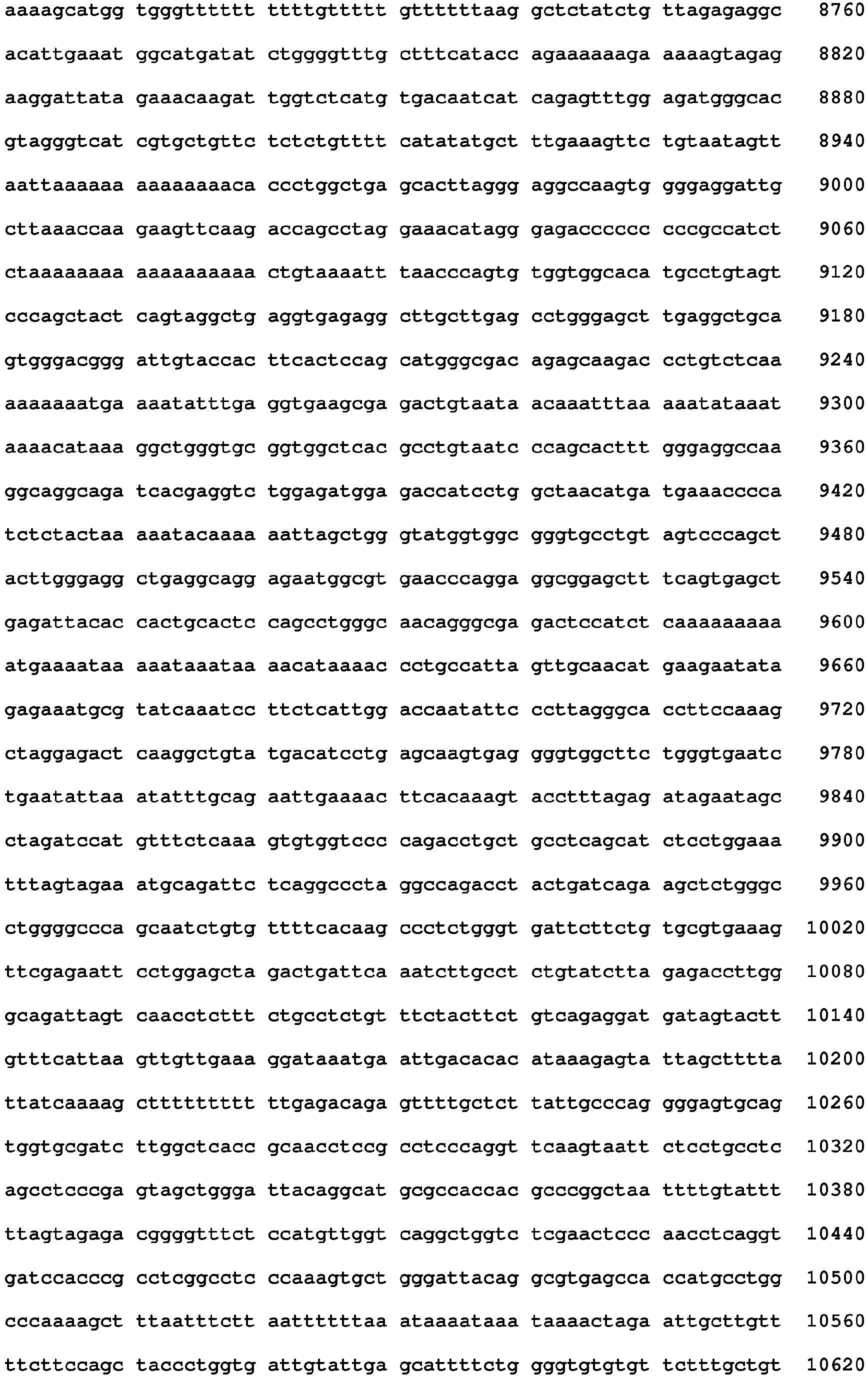


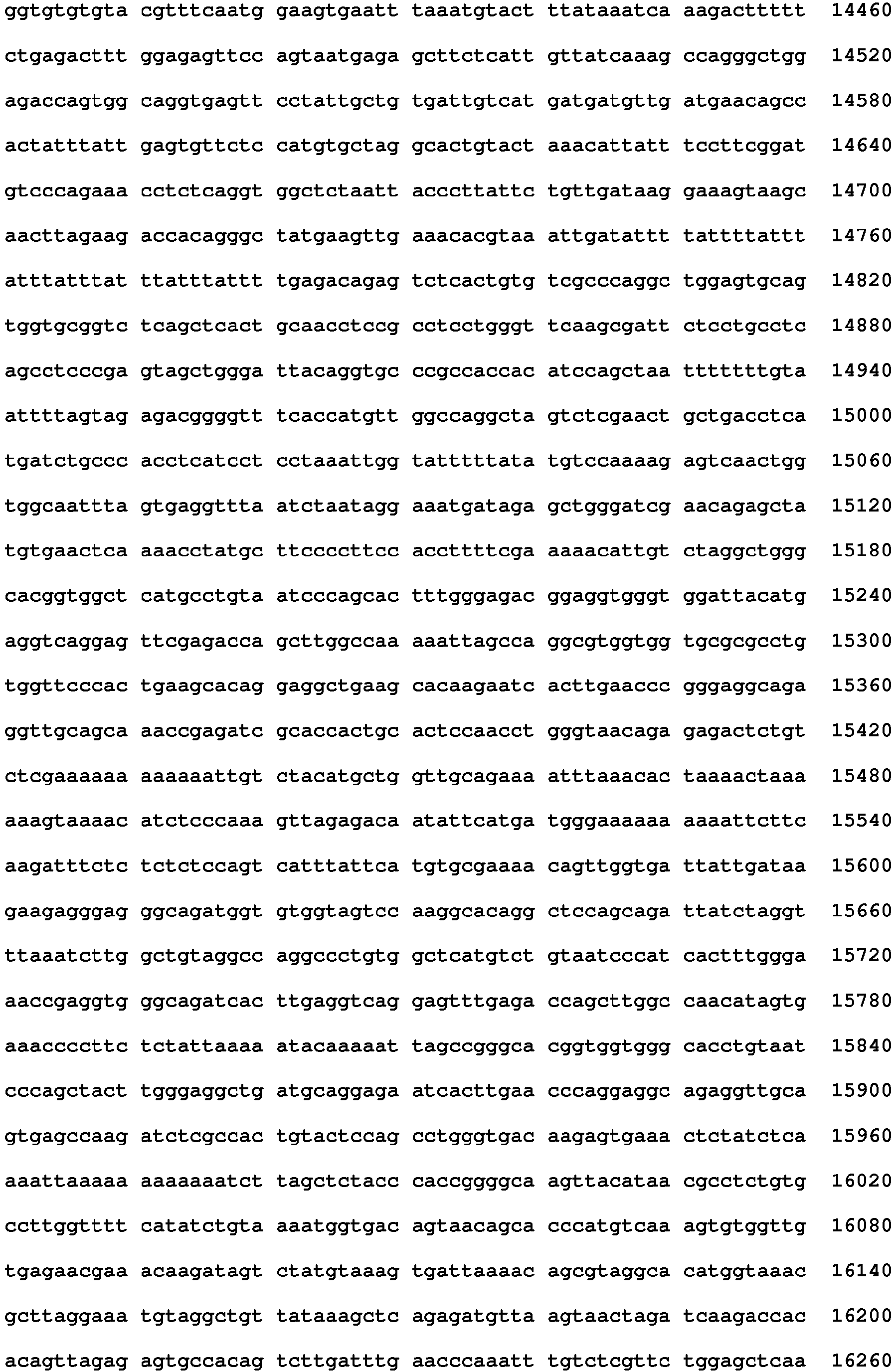


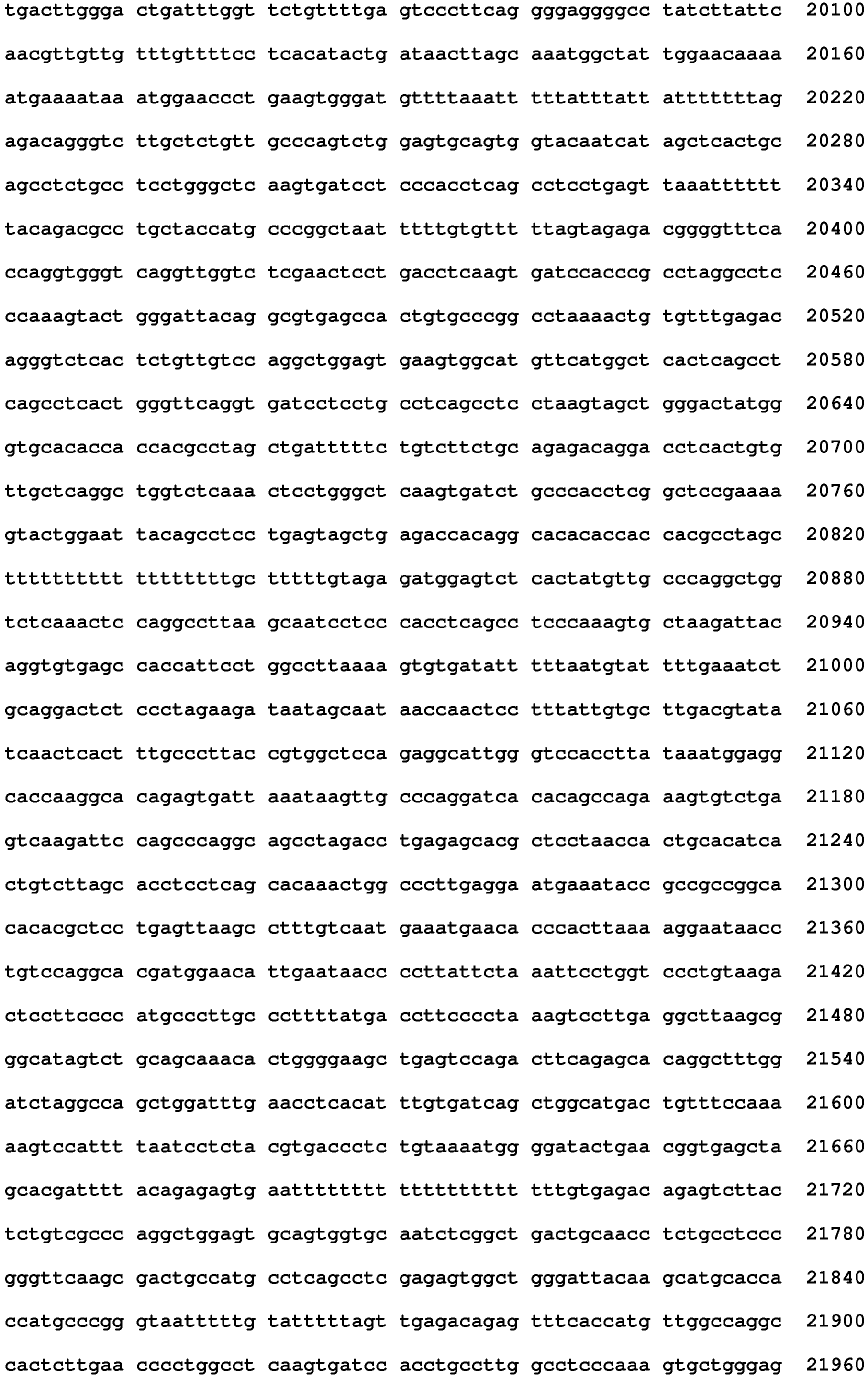


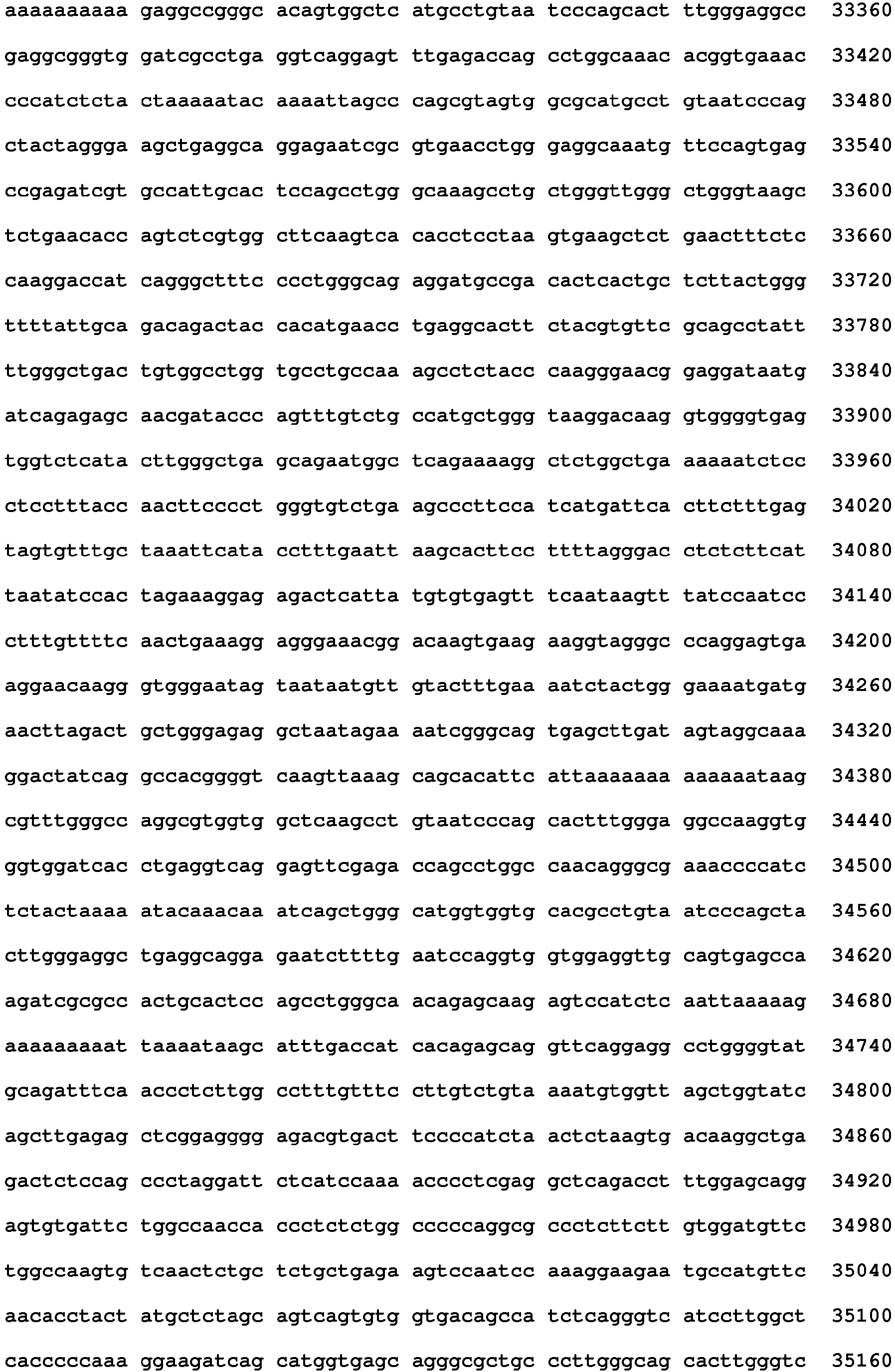


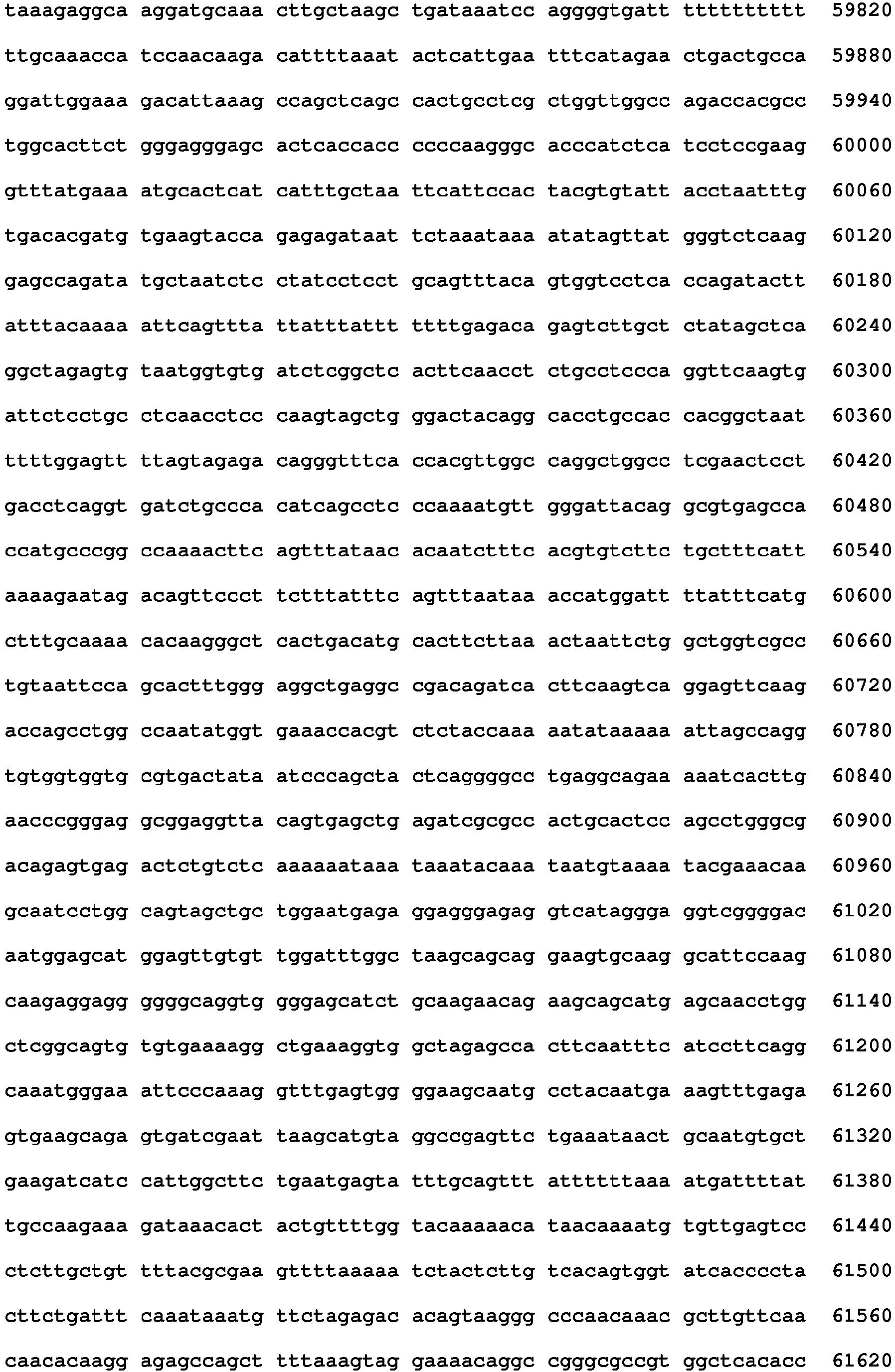


- <210> 27
<211> 332
<212> DNA
<213> Homo sapiens - <400> 27
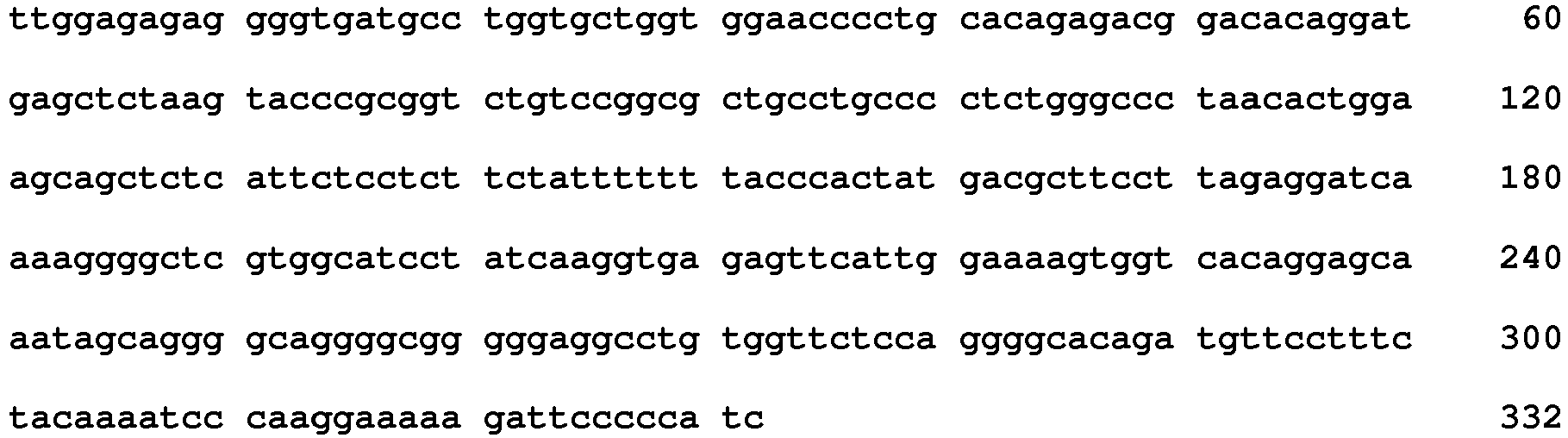
- <210> 28
<211> 384
<212> DNA
<213> Homo sapiens - <400> 28

- <210> 29
<211> 384
<212> DNA
<213> Homo sapiens - <400> 29


- <210> 30
<211> 384
<212> DNA
<213> Homo sapiens - <400> 30

- <210> 31
<211> 384
<212> DNA
<213> Homo sapiens - <400> 31

- <210> 32
<211> 384
<212> DNA
<213> Artificial sequence - <220>
<223> RHCE_consensus_ex01 - <400> 32


- <210> 33
<211> 400
<212> DNA
<213> Homo sapiens - <400> 33

- <210> 34
<211> 400
<212> DNA
<213> Homo sapiens - <400> 34

- <210> 35
<211> 400
<212> DNA
<213> Homo sapiens - <400> 35


- <210> 36
<211> 400
<212> DNA
<213> Homo sapiens - <400> 36

- <210> 37
<211> 400
<212> DNA
<213> Homo sapiens - <400> 37

- <210> 38
<211> 400
<212> DNA
<213> Artificial sequence - <220>
<223> RHCE_consensus_ex02 - <400> 38


- <210> 39
<211> 400
<212> DNA
<213> Homo sapiens - <400> 39

- <210> 40
<211> 400
<212> DNA
<213> Homo sapiens - <400> 40

- <210> 41
<211> 400
<212> DNA
<213> Homo sapiens - <400> 41


- <210> 42
<211> 400
<212> DNA
<213> Homo sapiens - <400> 42

- <210> 43
<211> 400
<212> DNA
<213> Homo sapiens - <400> 43

- <210> 44
<211> 400
<212> DNA
<213> Artificial sequence - <220>
<223> RHCE_consensus_ex03 - <400> 44
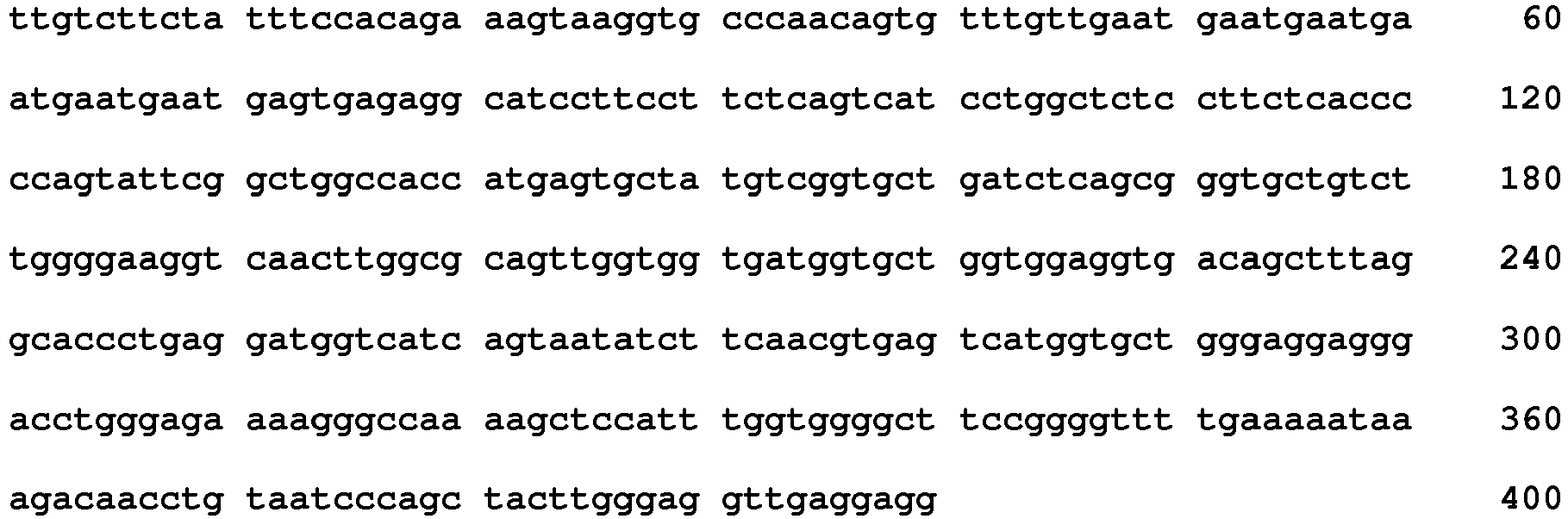
- <210> 45
<211> 400
<212> DNA
<213> Homo sapiens - <400> 45

- <210> 46
<211> 400
<212> DNA
<213> Homo sapiens - <400> 46

- <210> 47
<211> 400
<212> DNA
<213> Homo sapiens - <400> 47

- <210> 48
<211> 400
<212> DNA
<213> Homo sapiens - <400> 48

- <210> 49
<211> 400
<212> DNA
<213> Homo sapiens - <400> 49
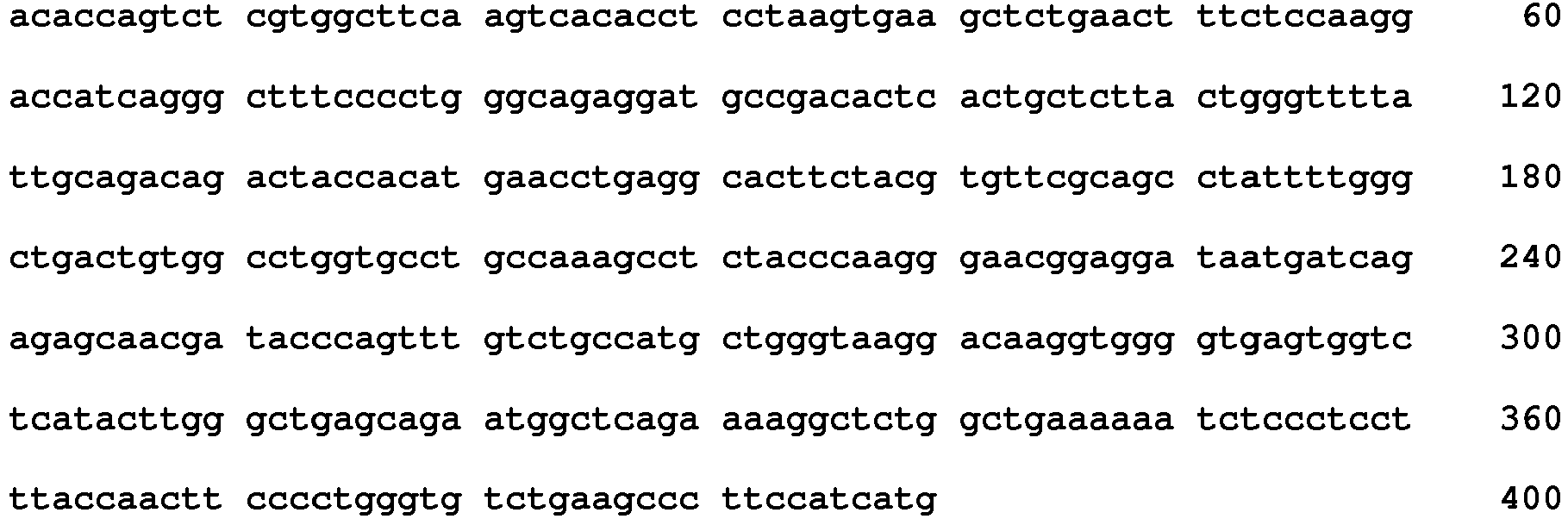
- <210> 50
<211> 400
<212> DNA
<213> Artificial sequence - <220>
<223> RHCE_consensus_ex04 - <400> 50

- <210> 51
<211> 410
<212> DNA
<213> Homo sapiens - <400> 51

- <210> 52
<211> 400
<212> DNA
<213> Homo sapiens - <400> 52

- <210> 53
<211> 400
<212> DNA
<213> Homo sapiens - <400> 53

- <210> 54
<211> 400
<212> DNA
<213> Homo sapiens - <400> 54

- <210> 55
<211> 400
<212> DNA
<213> Homo sapiens - <400> 55

- <210> 56
<211> 400
<212> DNA
<213> Artificial sequence - <220>
<223> RHCE_consensus_ex5 - <400> 56

- <210> 57
<211> 34
<212> DNA
<213> Artificial sequence - <220>
<223> Synthetic sequence: Next generation sequencing tag - <400> 57
acactctttc cctacctgta aaacgacggc cagt 34 - <210> 58
<211> 28
<212> DNA
<213> Artificial sequence - <220>
<223> Synthetic sequence: Next generation sequencing tag - <400> 58
ggttgctcgc caggaaacag ctatgacc 28 - <210> 59
<211> 20
<212> DNA
<213> Artificial sequence - <220>
<223> Synthetic sequence: Consensus sequence - specific primer - <400> 59
ggtcacttgc agcaagatgg 20 - <210> 60
<211> 20
<212> DNA
<213> Artificial sequence - <220>
<223> Synthetic sequence: Consensus sequence - specific primer - <400> 60
accttgcttc ctttacccac 20 - <210> 61
<211> 20
<212> DNA
<213> Artificial sequence - <220>
<223> Synthetic sequence: Consensus sequence - specific primer - <400> 61
tggccttcag ccaaagcaga 20 - <210> 62
<211> 20
<212> DNA
<213> Artificial sequence - <220>
<223> Synthetic sequence: Consensus sequence - specific primer - <400> 62
ctaatgcagc tgtgcactgc 20 - <210> 63
<211> 20
<212> DNA
<213> Artificial sequence - <220>
<223> Synthetic sequence: Consensus sequence - specific primer - <400> 63
tgtgtgaaag gggtgggtag 20 - <210> 64
<211> 20
<212> DNA
<213> Artificial sequence - <220>
<223> Synthetic sequence: Consensus sequence - specific primer - <400> 64
gtctcacctg ccaatctgct 20 - <210> 65
<211> 20
<212> DNA
<213> Artificial sequence - <220>
<223> Synthetic sequence: Consensus sequence - specific primer - <400> 65
gttggagggg agtgttaagg 20 - <210> 66
<211> 20
<212> DNA
<213> Artificial sequence - <220>
<223> Synthetic sequence: Consensus sequence - specific primer - <400> 66
ccagctaagg actctgcaca 20 - <210> 67
<211> 20
<212> DNA
<213> Artificial sequence - <220>
<223> Synthetic sequence: Consensus sequence - specific primer - <400> 67
atggcactac tgacaccgac 20 - <210> 68
<211> 20
<212> DNA
<213> Artificial sequence - <220>
<223> Synthetic sequence: Consensus sequence - specific primer - <400> 68
ttgtccctga tgacctctgc 20 - <210> 69
<211> 20
<212> DNA
<213> Artificial sequence - <220>
<223> Synthetic sequence: Consensus sequence - specific primer - <400> 69
tgtcctggca atggtggaag 20 - <210> 70
<211> 20
<212> DNA
<213> Artificial sequence - <220>
<223> Synthetic sequence: Consensus sequence - specific primer - <400> 70
gcacatagac atccagccac 20 - <210> 71
<211> 20
<212> DNA
<213> Artificial sequence - <220>
<223> Synthetic sequence: Consensus sequence - specific primer - <400> 71
agctggtcca ggaatgacag 20 - <210> 72
<211> 27
<212> DNA
<213> Artificial sequence - <220>
<223> Synthetic sequence: Consensus sequence - specific primer - <400> 72
gtgggagaaa aaggatttct gttgaga 27 - <210> 73
<211> 27
<212> DNA
<213> Artificial sequence - <220>
<223> Synthetic sequence: Consensus sequence - specific primer - <400> 73
tcttgagatt aaaaatcctg tgctcca 27 - <210> 74
<211> 27
<212> DNA
<213> Artificial sequence - <220>
<223> Synthetic sequence: Consensus sequence - specific primer - <400> 74
agttcatgca ctcaaaatct atcacgt 27 - <210> 75
<211> 20
<212> DNA
<213> Artificial sequence - <220>
<223> Synthetic sequence: Consensus sequence - specific primer - <400> 75
cctgcaatgc tccttactcc 20 - <210> 76
<211> 22
<212> DNA
<213> Artificial sequence - <220>
<223> Synthetic sequence: Consensus sequence - specific primer - <400> 76
ggctgtttca agagatcaagcc 22 - <210> 77
<211> 22
<212> DNA
<213> Artificial sequence - <220>
<223> Synthetic sequence: Consensus sequence - specific primer - <400> 77
tcagtatgtg ggttcatctgca 22 - <210> 78
<211> 22
<212> DNA
<213> Artificial sequence - <220>
<223> Synthetic sequence: Consensus sequence - specific primer - <400> 78
aggcaacagt gagaggaagt tg 22 - <210> 79
<211> 22
<212> DNA
<213> Artificial sequence - <220>
<223> Synthetic sequence: Consensus sequence - specific primer - <400> 79
tgctgtcatg agcgtttctcac 22 - <210> 80
<211> 24
<212> DNA
<213> Artificial sequence - <220>
<223> Synthetic sequence: Consensus sequence - specific primer - <400> 80
cttgtgccac ttgacttggg actg 24 - <210> 81
<211> 24
<212> DNA
<213> Artificial sequence - <220>
<223> Synthetic sequence: Consensus sequence - specific primer - <400> 81
ctgttttgag tcccttcagg ggag 24 - <210> 82
<211> 28
<212> DNA
<213> Artificial sequence - <220>
<223> Synthetic sequence: Consensus sequence - specific primer - <400> 82
ctcacatact gataacttag caaatggc 28 - <210> 83
<211> 21
<212> DNA
<213> Artificial sequence - <220>
<223> Synthetic sequence: Consensus sequence - specific primer - <400> 83
gatcacttga gcccaggagg c 21 - <210> 84
<211> 22
<212> DNA
<213> Artificial sequence - <220>
<223> Synthetic sequence: Consensus sequence - specific primer - <400> 84
ttaactcagg aggctgaggt gg 22 - <210> 85
<211> 23
<212> DNA
<213> Artificial sequence - <220>
<223> Synthetic sequence: Consensus sequence - specific primer - <400> 85
ctgaggtggg aggatcactt gag 23 - <210> 86
<211> 23
<212> DNA
<213> Artificial sequence - <220>
<223> Synthetic sequence: Consensus sequence - specific primer - <400> 86
aaattagccg ggcatggtag cag 23 - <210> 87
<211> 400
<212> DNA
<213> Homo sapiens - <400> 87

- <210> 88
<211> 400
<212> DNA
<213> Homo sapiens - <400> 88

- <210> 89
<211> 400
<212> DNA
<213> Homo sapiens - <400> 89


- <210> 90
<211> 400
<212> DNA
<213> Homo sapiens - <400> 90

- <210> 91
<211> 400
<212> DNA
<213> Homo sapiens - <400> 91

- <210> 92
<211> 400
<212> DNA
<213> Artificial sequence - <220>
<223> RHCE_consensus_ex06 - <400> 92


- <210> 93
<211> 400
<212> DNA
<213> Homo sapiens - <400> 93

- <210> 94
<211> 400
<212> DNA
<213> Homo sapiens - <400> 94

- <210> 95
<211> 400
<212> DNA
<213> Homo sapiens - <400> 95


- <210> 96
<211> 400
<212> DNA
<213> Homo sapiens - <400> 96

- <210> 97
<211> 400
<212> DNA
<213> Homo sapiens - <400> 97

- <210> 98
<211> 400
<212> DNA
<213> Artificial sequence - <220>
<223> RHCE_consensus_ex07 - <400> 98


- <210> 99
<211> 400
<212> DNA
<213> Homo sapiens - <400> 99

- <210> 100
<211> 400
<212> DNA
<213> Homo sapiens - <400> 100

- <210> 101
<211> 400
<212> DNA
<213> Homo sapiens - <400> 101


- <210> 102
<211> 400
<212> DNA
<213> Homo sapiens - <400> 102

- <210> 103
<211> 400
<212> DNA
<213> Homo sapiens - <400> 103

- <210> 104
<211> 400
<212> DNA
<213> Artificial sequence - <220>
<223> RHCE_consensus_ex08 - <400> 104


- <210> 105
<211> 400
<212> DNA
<213> Homo sapiens - <400> 105

- <210> 106
<211> 400
<212> DNA
<213> Homo sapiens - <400> 106
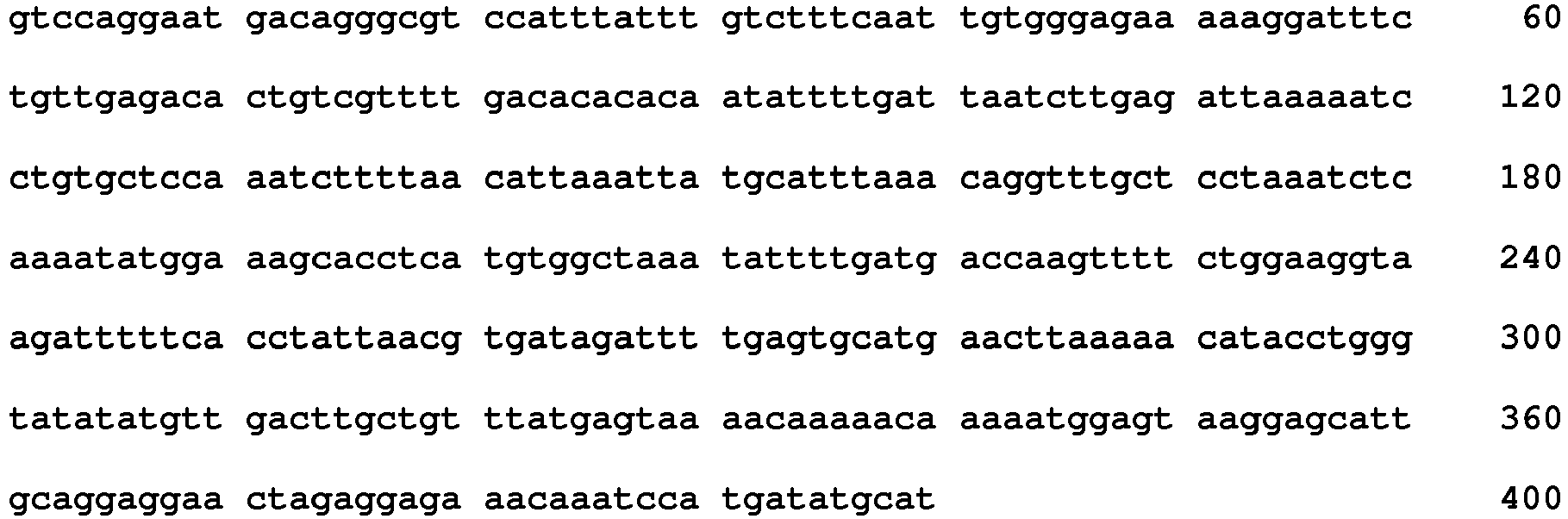
- <210> 107
<211> 400
<212> DNA
<213> Homo sapiens - <400> 107


- <210> 108
<211> 400
<212> DNA
<213> Homo sapiens - <400> 108

- <210> 109
<211> 400
<212> DNA
<213> Homo sapiens - <400> 109
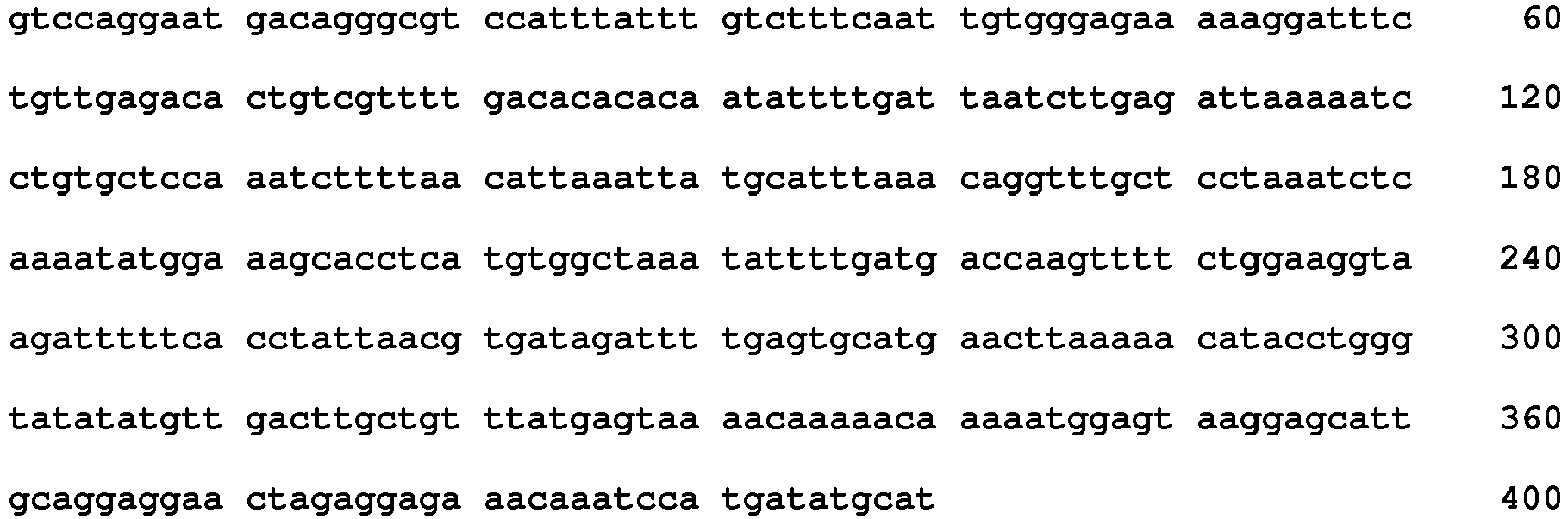
- <210> 110
<211> 400
<212> DNA
<213> Artificial sequence - <220>
<223> RHCE_consensus_ex09 - <400> 110

- <210> 111
<211> 400
<212> DNA
<213> Homo sapiens - <400> 111

- <210> 112
<211> 400
<212> DNA
<213> Homo sapiens - <400> 112

- <210> 113
<211> 400
<212> DNA
<213> Homo sapiens - <400> 113

- <210> 114
<211> 400
<212> DNA
<213> Homo sapiens - <400> 114

- <210> 115
<211> 400
<212> DNA
<213> Homo sapiens - <400> 115

- <210> 116
<211> 400
<212> DNA
<213> Artificial sequence - <220>
<223> RHCE_consensus_ex10 - <400> 116

- <210> 117
<211> 305
<212> DNA
<213> Homo sapiens - <400> 117

- <210> 118
<211> 308
<212> DNA
<213> Homo sapiens - <400> 118

- <210> 119
<211> 308
<212> DNA
<213> Homo sapiens - <400> 119

- <210> 120
<211> 417
<212> DNA
<213> Homo sapiens - <400> 120

- <210> 121
<211> 417
<212> DNA
<213> Homo sapiens - <400> 121

- <210> 122
<211> 58
<212> DNA
<213> Artificial sequence - <220>
<223> Synthetic sequence: Forward primer sequence - <400> 122
aatgatacgg cgaccaccga gatctacact ctttccctac acgacgctct tccgatct 58 - <210> 123
<211> 60
<212> DNA
<213> Artificial sequence - <220>
<223> Synthetic sequence: Reverse primer sequence, which contains an 8-nucleotide barcode added for patient identification. - <220>
<221> misc_feature
<222> (25)..(32)
<223> 8-nucleotide barcode added for patient identification. - <400> 123
caagcagaag acggcatacg agatnnnnnn nngtgactgg agttcagacg tgtgctcttc 60 - <210> 124
<211> 33
<212> DNA
<213> Artificial sequence - <220>
<223> Synthetic sequence: Forward sequencing primer - <400> 124
acactctttc cctacacgac gctcttccga tct 33 - <210> 125
<211> 34
<212> DNA
<213> Artificial sequence - <220>
<223> Synthetic sequence: Reverse sequencing primer - <400> 125
gtgactggag ttcagacgtg tgctcttccg atct 34 - <210> 126
<211> 34
<212> DNA
<213> Artificial sequence - <220>
<223> Synthetic sequence: Index sequencing primer - <400> 126
agatcggaag agcacacgtc tgaactccagtcac 34 - <210> 127
<211> 59
<212> DNA
<213> Artificial sequence - <220>
<223> Synthetic sequence: Forward primer sequence - <400> 127
aatgatacgg cgaccaccga gatctacact ctttccctac ctgtaaaacg acggccagt 59 - <210> 128
<211> 60
<212> DNA
<213> Artificial sequence - <220>
<223> Synthetic sequence: Reverse primer sequence, which contains an 8-nucleotide barcode added for patient identification. - <220>
<221> misc_feature
<222> (25)..(32)
<223> 8-nucleotide barcode added for patient identification. - <400> 128
caagcagaag acggcatacg agatnnnnnn nnggttgctc gccaggaaac agctatgacc 60 - <210> 129
<211> 34
<212> DNA
<213> Artificial sequence - <220>
<223> Synthetic sequence: Forward sequencing primer - <400> 129
acactctttc cctacctgta aaacgacggc cagt 34 - <210> 130
<211> 28
<212> DNA
<213> Artificial sequence - <220>
<223> Synthetic sequence: Reverse sequencing primer - <400> 130
ggttgctcgc caggaaacag ctatgacc 28 - <210> 131
<211> 28
<212> DNA
<213> Artificial sequence - <220>
<223> Synthetic sequence: Index sequencing primer - <400> 131
ggtcatagct gtttcctggc gagcaacc 28 - <210> 132
<211> 43
<212> DNA
<213> Homo sapiens - <400> 132
tgtccggcgc tgcctgcccc tctgsgccct aacactggaa gca 43 - <210> 133
<211> 38
<212> DNA
<213> Homo sapiens - <400> 133
ccggcgctgc ctgcccctct gggccctaac actggaag 38 - <210> 134
<211> 41
<212> DNA
<213> Homo sapiens - <400> 134
gggcttcctc acctcrartt tccggagaca cagctggagc a 41 - <210> 135
<211> 41
<212> DNA
<213> Homo sapiens - <400> 135
ggcttcctca cctcaaattt ccggagacac agctggagcag 41 - <210> 136
<211> 38
<212> DNA
<213> Homo sapiens - <400> 136
cggtgctgat ctcagyggrt gctgtcttgg ggaaggtc 38 - <210> 137
<211> 33
<212> DNA
<213> Homo sapiens - <400> 137
ggtgctgatc tcagcgggtg ctgtcttggggaa 33 - <210> 138
<211> 43
<212> DNA
<213> Homo sapiens - <400> 138
gcctctaccc ragggaacgg aggataawga tcagasagca acg 43 - <210> 139
<211> 52
<212> DNA
<213> Homo sapiens - <400> 139
gcctgccaaa gcctctaccc aagggaacgg aggataatga tcagagagcaac 52 - <210> 140
<211> 47
<212> DNA
<213> Homo sapiens - <400> 140
gaatgccrtg ttcaacacct actatgctst agcagtcagy gtggtga 47 - <210> 141
<211> 52
<212> DNA
<213> Homo sapiens - <400> 141
gaagaatgcc atgttcaaca cctactatgc tctagcagtc agtgtggtgaca 52
Claims (13)
- A method for genotyping alleles in at least one homologous genetic loci set, comprising:(i) providing a DNA-containing sample that includes said at least one homologous genetic loci set, wherein said homologous genetic loci set comprises:(a) the red cell antigen-encoding the RHD gene and the RHCE gene; or(b) two or more of the human leukocyte antigen (HLA) system genes; or(c) two of more of the glycophorin-encoding genes selected from the GYPA gene, the GYPB gene, and the GYPE gene;(ii) performing PCR amplification of regions of said homologous genetic loci set using consensus sequence-specific primers, wherein said consensus sequence-specific primers bind to consensus sequences that are common to said homologous genetic loci set genes (a), (b) or (c);
thereby generating a pool of amplification products;(iii) sequencing a plurality of said amplification products in order to determine the relative proportion of each nucleotide at each position in a sequencing read;(iv) performing a sequence alignment between the sequencing read results of (iii) and at least one reference sequence, with said reference sequence corresponding to one of the genes in said homologous genetic loci set; and(v) performing genotype calling of the allele or alleles in said sample based on the relative proportion of each nucleotide at each of a plurality of discriminant positions in said alignment. - The method according to claim 1, wherein the homologous genetic loci set comprises the RHD gene and the RHCE gene, and wherein said at least one reference sequence comprises:(i) at least one exon or intron of the RHD gene of SEQ ID NO: 25 or the reverse complement thereof;(ii) at least one exon or intron of the RHCE gene of SEQ ID NO: 26 or of one of the RHCE haplotypes ce, Ce, cE or CE, respectively or the reverse complement thereof;(iii) at least one of the RHO exon 1 sequence as shown in SEQ ID NO: 27, the RHCE exon 1 sequences as shown in SEQ ID NOs: 28-31, being RHCE haplotypes ce, Ce, cE or CE, respectively, and/or the RHCE exon 1 consensus sequence as shown in SEQ ID NO: 32 or the reverse complement thereof;(iv) at least one of the RHO exon 2 sequence as shown in SEQ ID NO: 33, the RHCE exon 2 sequences as shown in SEQ ID NOs: 34-37, being RHCE haplotypes ce, Ce, cE or CE, respectively, and/or the RHCE exon 2 consensus sequence as shown in SEQ ID NO: 38 or the reverse complement thereof;(v) at least one of the RHO exon 3 sequence as shown in SEQ ID NO: 39, the RHCE exon 3 sequences as shown in SEQ ID NOs: 40 - 43, being RHCE haplotypes ce, Ce, cE or CE, respectively, and/or the RHCE exon 3 consensus sequence as shown in SEQ ID NO: 44 or the reverse complement thereof;(vi) at least one of the RHO exon 4 sequence as shown in SEQ ID NO: 45, the RHCE exon 4 sequences as shown in SEQ ID NOs: 46-49, being RHCE haplotypes ce, Ce, cE or CE, respectively, and/or the RHCE exon 4 consensus sequence as shown in SEQ ID NO: 50 or the reverse complement thereof;(vii) at least one of the RHO exon 5 sequence as shown in SEQ ID NO: 51, the RHCE exon 5 sequences as shown in SEQ ID NOs: 52-55, being RHCE haplotypes ce, Ce, cE or CE, respectively, and/or the RHCE exon 5 consensus sequence as shown in SEQ ID NO: 56 or the reverse complement thereof;(viii) at least one of the RHO exon 6 sequence as shown in SEQ ID NO: 87, the RHCE exon 6 sequences as shown in SEQ ID NOs:88-91, being RHCE haplotypes ce, Ce, cE or CE, respectively, and/or the RHCE exon 6 consensus sequence as shown in SEQ ID NO: 90 or the reverse complement thereof;(ix) at least one of the RHO exon 7 sequence as shown in SEQ ID NO: 93, the RHCE exon 7 sequences as shown in SEQ ID NOs: 94-97, being RHCE haplotypes ce, Ce, cE or CE, respectively, and/or the RHCE exon 7 consensus sequence as shown in SEQ ID NO: 98 or the reverse complement thereof;(x) at least one of the RHO exon 8 sequence as shown in SEQ ID NO: 99, the RHCE exon 8 sequences as shown in SEQ ID NOs: 100- 103, being RHCE haplotypes ce, Ce, cE or CE, respectively, and/or the RHCE exon 8 consensus sequence as shown in SEQ ID NO: 104 or the reverse complement thereof;(xi) at least one of the RHO exon 9 sequence as shown in SEQ ID NO: 105, the RHCE exon 9 sequences as shown in SEQ ID NOs: 106-109, being RHCE haplotypes ce, Ce, cE or CE, respectively, and/or the RHCE exon 9 consensus sequence as shown in SEQ ID NO: 110 or the reverse complement thereof;(xii) at least one of the RHD exon 10 sequence as shown in SEQ ID NO: 111, the RHCE exon 10 sequences as shown in SEQ ID NOs: 112-115, being RHCE haplotypes ce, Ce, cE or CE, respectively, and/or the RHCE exon 10 consensus sequence as shown in SEQ ID NO: 116 or the reverse complement thereof; and/or(xiii) at least one of the RHO intron 2 sequence as shown in SEQ ID NO: 117, the RHCE intron 2 sequences as shown in SEQ ID NOs: 118-121, being RHCE haplotypes ce, Ce, cE or CE, respectively, or the reverse complement thereof.
- The method according to claim 2, wherein the said at least one reference sequence comprises at least two reference sequences, including:(i) at least one exon or intron of the RHD gene of SEQ ID NO: 25 or the reverse complement thereof, for example, an RHO exon sequence selected from any one of SEQ ID NOS: 27, 33, 39, 45, 51, 87, 93, 99, 105, 111 and 117; and(ii) a least one exon or intron of an RHCE gene sequence, such as of SEQ ID NO: 26, for example an RHCE exon sequence selected from any one of SEQ ID NOS: 28-32, 34-38, 40-44, 46-50, 52-56, 88-92, 94-98, 100-104, 106-110, 112-116, and 118-121 or the reverse complement thereof.
- The method according to claim 2 or claim 3, wherein said plurality of discriminant positions in said alignment are selected from the positions set forth in any one of Tables 2,11 and 13.
- The method according to any one of claims 2 to 4, wherein the method comprises sequencing each of exons 1, 2, 3, 4, 5, 6, 7, 8, 9 and 10 of the RHD gene and each of exons 1, 2, 3, 4, 5, 6, 7, 8, 9 and 10 of the RHCE gene.
- The method according to any one of claims 2 to 5, wherein the method further comprises:(i) classifying the sample as being of a genotype selected from the group consisting of CE(exons 1-2)-DD(exons 3-9)-CE(exon 10), DDCcEe, DdCCee, ddCcEe, DdCcee(exons 1-2)-ddCcee(exons 3-9)-DD(exon 10), ddCcee, DDCcEe, DdccEe, ddccee, DDCCee, DdCcee, ddCCee, DDccEE and D?ccEe, based on the relative proportion of each nucleotide at each of said plurality of discriminant position of said alignment; and/or(ii) determining the blood type sample based on the genotype, optionally wherein the blood type selected from the group consisting of: RHD+, Cw type; RHD+, CcEe; wDt3, Cce; RHD*DIIIa-het; Ce, RHD+; DAR-hem; r's; Ce, RHD+; rr; R1R1; R1r; r'r'; R2R2; Pseudogen/-; and DVI type 1/-;
optionally wherein the blood type allele is selected from the group consisting of: RHD*r'S; RHD*r'S-like; RHD*r'S Type 1; RHD*r'S Type 2; RHD*DIIIa; RHD*DIIIa IVS3+3100G; RHD*DIII_FN; RHD*DIVa-2; RHD*DIVa; RHD*DIII-type4; RHD*DIII-type6; RHD*DIII-type7; RHD*DIII-type8; RHCE*ceS; RHCE*ceS1006T ; RHCE*ceS1006C; RHCE*ce733G; RHCE*ce48C,733G,1025T; RHCE*ce48C,697G,733G; RHCE*ce340T,733G; and RHCE*ce48C,733G,748A. - The method according to any one of the preceding claims, wherein the method comprises(i) obtaining the number of reads covering the reference bases and the number of reads covering alternate bases after alignment for use in said genotype calling;(ii) defining a cut-off for the proportion of reads covering the reference bases versus the reads covering the alternate bases for variant calling;(iii) obtaining the number of reads covering reference forward bases, number of reads covering reference reverse bases, number of reads covering alternate forward bases and number of reads covering alternate reverse bases for use in genotype calling;(iv) computing a mapping quality score for each sequence alignment and/or an overall mapping quality score for a plurality of said sequence alignments, where said mapping quality score for each sequence alignment and/or said overall mapping quality score for said plurality of sequence alignments is required to be at least 15, 16, 17, 18, 19, 20, 21, 22, 23, 24, 25, 26, 27, 28, 29 or at least 30 Phred Score units in order for said genotype calling to be considered reliable.
- The method according to any one of the preceding claims, wherein a pre-process step is performed prior to said sequence alignment in order to improve alignment quality, comprising:(i) excluding sequence reads shorter than 10, 20, 30, 40, 50, 60, 70 or shorter than 76 nucleotides;(ii) trimming sequence reads, wherein said trimming comprises removing 1, 2, 3, 4 or 5 nucleotides from the 5' and/or 3' end of each sequencing read.
- The method according to any one of the preceding claims, wherein the method further comprises performing a quality control step to evaluate quality of the sequencing reads prior to performing said sequence alignment, and wherein evaluating the quality of each forward and/or each reverse sequencing read comprises determining one or more parameters selected from the group consisting of:(i) per base sequence quality;(ii) per sequence quality score;(iii) per base sequence content;(iv) per base GC content;(v) per sequence GC content;(vi) per base N content;(vii) sequence Length Distribution;(viii) sequence Duplication Level;(ix) over represented sequences;(x) Kmer Content.
- The method according to any one of the preceding claims, wherein the method further comprises evaluating one or more of said sequence alignments to determine at least one parameter selected from the group consisting of:(i) coverage, wherein the minimum coverage threshold is set at 10X, 15X, 20X, 25X or 30X ;(ii) variant frequency, wherein the minimum variant frequency to call an alternative genotype is 2%, 5%, 10%, 15%, 20% or 30%;(iii) genotype average quality call, wherein the genotype average quality call is at least 18, 19, 20, 21, 22, 23, 24, 25, 26, 27, 28, 29, 30, 31, 32, 33, 34 or 35 Phred Score units;(iv) mapping quality, wherein the mapping quality is at least 15, 16, 17, 18, 19, 20, 21, 22, 23, 24, 25, 26, 27, 28, 29 or 30 Phred Score units;(v) calling quality, wherein the calling quality is at least 15, 16, 17, 18, 19, 20, 21, 22, 23, 24, 25, 26, 27, 28, 29 or 30 Phred Score units
- The method according to any one of the preceding claims, wherein cutoff criteria are set such that in order to define:(i) a homozygous call, a minimum of 50%, 60%, 70%, 80%, 90%, 95% or 99% of reads must support the called allele;(ii) a heterozygous call, between 30% and 70%, between 35% and 65%, between 40% and 60%, or between 45% and 55% of reads must support the alternative allele;(iii) a hemizygous call, between 15% and 45%, between 20% and 40%, between 20% and 35%, or between 25% and 35% of reads must support the called allele.
- The method according to any one of the preceding claims, wherein coverage is evaluated independently for forward and for reverse strand alignment, and wherein the forward-to-reverse coverage ratio is between 0.6 and 1.4, between 0.7 and 1.3, between 0.8 and 1.2, or between 0.85 and 1.15.
- A method of blood matching, the method comprising:(i) carrying out the method according to any one of claims 1 to 12 on a recipient sample from a recipient subject in need of donor blood and on a donor sample from a potential donor subject;(ii) comparing the blood type alleles present in the recipient sample with those present in the donor subject and thereby determining the compatibility of the recipient subject to receive blood from the potential donor subject.
Applications Claiming Priority (2)
| Application Number | Priority Date | Filing Date | Title |
|---|---|---|---|
| GBGB1414350.7A GB201414350D0 (en) | 2014-08-13 | 2014-08-13 | Consensus-based allele detection |
| PCT/EP2015/068601 WO2016023962A1 (en) | 2014-08-13 | 2015-08-12 | Consensus-based allele detection |
Publications (2)
| Publication Number | Publication Date |
|---|---|
| EP3180442A1 EP3180442A1 (en) | 2017-06-21 |
| EP3180442B1 true EP3180442B1 (en) | 2019-10-02 |
Family
ID=51629715
Family Applications (1)
| Application Number | Title | Priority Date | Filing Date |
|---|---|---|---|
| EP15750052.1A Active EP3180442B1 (en) | 2014-08-13 | 2015-08-12 | Consensus-based allele detection |
Country Status (5)
| Country | Link |
|---|---|
| US (1) | US10851413B2 (en) |
| EP (1) | EP3180442B1 (en) |
| ES (1) | ES2761567T3 (en) |
| GB (1) | GB201414350D0 (en) |
| WO (1) | WO2016023962A1 (en) |
Families Citing this family (9)
| Publication number | Priority date | Publication date | Assignee | Title |
|---|---|---|---|---|
| CN106434863B (en) * | 2016-06-15 | 2021-04-23 | 广州医科大学附属第二医院 | A method for identifying HLA-DQB1 exon 2 haplotypes |
| CN110382696B (en) | 2017-03-07 | 2024-04-19 | 豪夫迈·罗氏有限公司 | Method for discovery of alternative antigen-specific antibody variants |
| WO2020041946A1 (en) * | 2018-08-27 | 2020-03-05 | 深圳华大生命科学研究院 | Method and device for detecting homologous sequences on basis of high-throughput sequencing |
| JP2022100420A (en) * | 2019-04-24 | 2022-07-06 | 国立研究開発法人国立成育医療研究センター | FETAL RhD BLOOD TYPE DETECTION KIT AND USE THEREOF |
| CN112662746B (en) * | 2019-10-15 | 2023-04-11 | 杭州百迈生物股份有限公司 | Quality control product for genotyping detection and preparation method thereof |
| CA3173278A1 (en) * | 2020-02-27 | 2021-09-02 | Monsanto Technology Llc | Methods for selecting inheritable edits |
| CN111304211B (en) * | 2020-03-10 | 2020-12-01 | 无锡市第五人民医院 | RHD-T268A mutant and its detection |
| CN118291605A (en) * | 2024-04-10 | 2024-07-05 | 深圳市血液中心(深圳市输血医学研究所) | NGS-based multisystem erythrocyte blood group genotyping method and kit |
| CN119824078B (en) * | 2025-02-25 | 2025-12-23 | 江苏伟禾生物科技有限公司 | Sanger sequencing method primer group and kit for human RHD blood group genotyping detection |
Family Cites Families (1)
| Publication number | Priority date | Publication date | Assignee | Title |
|---|---|---|---|---|
| WO2012171990A1 (en) * | 2011-06-17 | 2012-12-20 | Progenika Biopharma, S.A. | Discrimination of blood type variants |
-
2014
- 2014-08-13 GB GBGB1414350.7A patent/GB201414350D0/en not_active Ceased
-
2015
- 2015-08-12 WO PCT/EP2015/068601 patent/WO2016023962A1/en not_active Ceased
- 2015-08-12 US US15/503,338 patent/US10851413B2/en active Active
- 2015-08-12 ES ES15750052T patent/ES2761567T3/en active Active
- 2015-08-12 EP EP15750052.1A patent/EP3180442B1/en active Active
Non-Patent Citations (3)
| Title |
|---|
| DOUGLAS FREEMAN J ET AL: "Profiling the T-cell receptor beta-chain repertoire by massively parallel sequencing", GENOME RESEARCH, COLD SPRING HARBOR LABORATORY PRESS, US, vol. 19, no. 10, 1 October 2009 (2009-10-01), pages 1817 - 1824, XP002636496, ISSN: 1088-9051, [retrieved on 20090618], DOI: 10.1101/GR.092924.109 * |
| G. BENTLEY ET AL: "High-resolution, high-throughput HLA genotyping by next-generation sequencing", TISSUE ANTIGENS, vol. 74, no. 5, 1 November 2009 (2009-11-01), pages 393 - 403, XP055087325, ISSN: 0001-2815, DOI: 10.1111/j.1399-0039.2009.01345.x * |
| S. STABENTHEINER ET AL: "Overcoming methodical limits of standard RHD genotyping by next-generation sequencing : RHD genotyping by NGS", VOX SANGUINIS., vol. 100, no. 4, 1 May 2011 (2011-05-01), CH, pages 381 - 388, XP055457542, ISSN: 0042-9007, DOI: 10.1111/j.1423-0410.2010.01444.x * |
Also Published As
| Publication number | Publication date |
|---|---|
| US20180305756A1 (en) | 2018-10-25 |
| GB201414350D0 (en) | 2014-09-24 |
| US10851413B2 (en) | 2020-12-01 |
| EP3180442A1 (en) | 2017-06-21 |
| ES2761567T3 (en) | 2020-05-20 |
| WO2016023962A1 (en) | 2016-02-18 |
Similar Documents
| Publication | Publication Date | Title |
|---|---|---|
| US10851413B2 (en) | Consensus-based allele detection | |
| Devesse et al. | Concordance of the ForenSeq™ system and characterisation of sequence-specific autosomal STR alleles across two major population groups | |
| EP3006571B1 (en) | Hla gene multiplex dna typing method and kit | |
| US20190024149A1 (en) | Systems and methods of genetic analysis | |
| Enyedi et al. | Simultaneous detection of BRCA mutations and large genomic rearrangements in germline DNA and FFPE tumor samples | |
| KR101667526B1 (en) | Method for Extended Autosomal STR Analysing Human Subject of Analytes using a Next Generation Sequencing Technology | |
| Nakayama et al. | Accurate clinical genetic testing for autoinflammatory diseases using the next-generation sequencing platform MiSeq | |
| CN104755629A (en) | Prognosis biomarkers in cartilage disorders | |
| Rizig et al. | Genome-wide association identifies novel etiological insights associated with Parkinson’s disease in African and African admixed populations | |
| Claes et al. | Dealing with pseudogenes in molecular diagnostics in the next generation sequencing era | |
| Cherbal et al. | BRCA1 and BRCA2 unclassified variants and missense polymorphisms in Algerian breast/ovarian cancer families | |
| Faiz et al. | Detection of variations and identifying genomic breakpoints for large deletions in the LDLR by Ion Torrent semiconductor sequencing | |
| Bhanushali et al. | Genetics of fetal hemoglobin in tribal Indian patients with sickle cell anemia | |
| US20140148344A1 (en) | Association markers for beta thalassemia trait | |
| CN113215267B (en) | SNP primer set for panda individual identification and paternity test and application | |
| Kulski et al. | In phase HLA genotyping by next generation sequencing—a comparison between two massively parallel sequencing bench-top Systems, the Roche GS Junior and Ion Torrent PGM | |
| Smit et al. | BEGAIN: a novel imprinted gene that generates paternally expressed transcripts in a tissue-and promoter-specific manner in sheep | |
| CN113046448B (en) | A SNP Genetic Marker Related to Sheep Litter Size and Its Application | |
| Gerber et al. | Allele‐specific imbalance mapping at human orthologs of mouse susceptibility to colon cancer (Scc) loci | |
| Shen et al. | Experimental tools for the identification of specific genes in autism spectrum disorders and intellectual disability | |
| EP4660321A1 (en) | Genetic test for resistance to post vaccination hepatopathy | |
| Giner-Delgado et al. | Functional and evolutionary impact of polymorphic inversions in the human genome | |
| JP4805845B2 (en) | Chromosome 9 polymorphism involved in young gray hair | |
| AU2020373281B2 (en) | Method for identifying transplant donors for a transplant recipient | |
| JP2020174641A (en) | Method for determining risk of age-related macular degeneration |
Legal Events
| Date | Code | Title | Description |
|---|---|---|---|
| STAA | Information on the status of an ep patent application or granted ep patent |
Free format text: STATUS: THE INTERNATIONAL PUBLICATION HAS BEEN MADE |
|
| PUAI | Public reference made under article 153(3) epc to a published international application that has entered the european phase |
Free format text: ORIGINAL CODE: 0009012 |
|
| STAA | Information on the status of an ep patent application or granted ep patent |
Free format text: STATUS: REQUEST FOR EXAMINATION WAS MADE |
|
| 17P | Request for examination filed |
Effective date: 20170224 |
|
| AK | Designated contracting states |
Kind code of ref document: A1 Designated state(s): AL AT BE BG CH CY CZ DE DK EE ES FI FR GB GR HR HU IE IS IT LI LT LU LV MC MK MT NL NO PL PT RO RS SE SI SK SM TR |
|
| AX | Request for extension of the european patent |
Extension state: BA ME |
|
| DAV | Request for validation of the european patent (deleted) | ||
| DAX | Request for extension of the european patent (deleted) | ||
| STAA | Information on the status of an ep patent application or granted ep patent |
Free format text: STATUS: EXAMINATION IS IN PROGRESS |
|
| 17Q | First examination report despatched |
Effective date: 20180315 |
|
| REG | Reference to a national code |
Ref country code: DE Ref legal event code: R079 Ref document number: 602015039073 Country of ref document: DE Free format text: PREVIOUS MAIN CLASS: C12Q0001680000 Ipc: C12Q0001688100 |
|
| GRAP | Despatch of communication of intention to grant a patent |
Free format text: ORIGINAL CODE: EPIDOSNIGR1 |
|
| STAA | Information on the status of an ep patent application or granted ep patent |
Free format text: STATUS: GRANT OF PATENT IS INTENDED |
|
| RIC1 | Information provided on ipc code assigned before grant |
Ipc: C12Q 1/6881 20180101AFI20190507BHEP Ipc: C12Q 1/6827 20180101ALI20190507BHEP |
|
| INTG | Intention to grant announced |
Effective date: 20190611 |
|
| GRAS | Grant fee paid |
Free format text: ORIGINAL CODE: EPIDOSNIGR3 |
|
| GRAA | (expected) grant |
Free format text: ORIGINAL CODE: 0009210 |
|
| STAA | Information on the status of an ep patent application or granted ep patent |
Free format text: STATUS: THE PATENT HAS BEEN GRANTED |
|
| AK | Designated contracting states |
Kind code of ref document: B1 Designated state(s): AL AT BE BG CH CY CZ DE DK EE ES FI FR GB GR HR HU IE IS IT LI LT LU LV MC MK MT NL NO PL PT RO RS SE SI SK SM TR |
|
| REG | Reference to a national code |
Ref country code: GB Ref legal event code: FG4D |
|
| REG | Reference to a national code |
Ref country code: CH Ref legal event code: EP Ref country code: AT Ref legal event code: REF Ref document number: 1186218 Country of ref document: AT Kind code of ref document: T Effective date: 20191015 |
|
| REG | Reference to a national code |
Ref country code: DE Ref legal event code: R096 Ref document number: 602015039073 Country of ref document: DE |
|
| REG | Reference to a national code |
Ref country code: IE Ref legal event code: FG4D |
|
| REG | Reference to a national code |
Ref country code: NL Ref legal event code: MP Effective date: 20191002 |
|
| REG | Reference to a national code |
Ref country code: LT Ref legal event code: MG4D |
|
| REG | Reference to a national code |
Ref country code: AT Ref legal event code: MK05 Ref document number: 1186218 Country of ref document: AT Kind code of ref document: T Effective date: 20191002 |
|
| PG25 | Lapsed in a contracting state [announced via postgrant information from national office to epo] |
Ref country code: LT Free format text: LAPSE BECAUSE OF FAILURE TO SUBMIT A TRANSLATION OF THE DESCRIPTION OR TO PAY THE FEE WITHIN THE PRESCRIBED TIME-LIMIT Effective date: 20191002 Ref country code: GR Free format text: LAPSE BECAUSE OF FAILURE TO SUBMIT A TRANSLATION OF THE DESCRIPTION OR TO PAY THE FEE WITHIN THE PRESCRIBED TIME-LIMIT Effective date: 20200103 Ref country code: NO Free format text: LAPSE BECAUSE OF FAILURE TO SUBMIT A TRANSLATION OF THE DESCRIPTION OR TO PAY THE FEE WITHIN THE PRESCRIBED TIME-LIMIT Effective date: 20200102 Ref country code: AT Free format text: LAPSE BECAUSE OF FAILURE TO SUBMIT A TRANSLATION OF THE DESCRIPTION OR TO PAY THE FEE WITHIN THE PRESCRIBED TIME-LIMIT Effective date: 20191002 Ref country code: PL Free format text: LAPSE BECAUSE OF FAILURE TO SUBMIT A TRANSLATION OF THE DESCRIPTION OR TO PAY THE FEE WITHIN THE PRESCRIBED TIME-LIMIT Effective date: 20191002 Ref country code: FI Free format text: LAPSE BECAUSE OF FAILURE TO SUBMIT A TRANSLATION OF THE DESCRIPTION OR TO PAY THE FEE WITHIN THE PRESCRIBED TIME-LIMIT Effective date: 20191002 Ref country code: PT Free format text: LAPSE BECAUSE OF FAILURE TO SUBMIT A TRANSLATION OF THE DESCRIPTION OR TO PAY THE FEE WITHIN THE PRESCRIBED TIME-LIMIT Effective date: 20200203 Ref country code: BG Free format text: LAPSE BECAUSE OF FAILURE TO SUBMIT A TRANSLATION OF THE DESCRIPTION OR TO PAY THE FEE WITHIN THE PRESCRIBED TIME-LIMIT Effective date: 20200102 Ref country code: SE Free format text: LAPSE BECAUSE OF FAILURE TO SUBMIT A TRANSLATION OF THE DESCRIPTION OR TO PAY THE FEE WITHIN THE PRESCRIBED TIME-LIMIT Effective date: 20191002 Ref country code: LV Free format text: LAPSE BECAUSE OF FAILURE TO SUBMIT A TRANSLATION OF THE DESCRIPTION OR TO PAY THE FEE WITHIN THE PRESCRIBED TIME-LIMIT Effective date: 20191002 Ref country code: NL Free format text: LAPSE BECAUSE OF FAILURE TO SUBMIT A TRANSLATION OF THE DESCRIPTION OR TO PAY THE FEE WITHIN THE PRESCRIBED TIME-LIMIT Effective date: 20191002 |
|
| REG | Reference to a national code |
Ref country code: ES Ref legal event code: FG2A Ref document number: 2761567 Country of ref document: ES Kind code of ref document: T3 Effective date: 20200520 |
|
| PG25 | Lapsed in a contracting state [announced via postgrant information from national office to epo] |
Ref country code: HR Free format text: LAPSE BECAUSE OF FAILURE TO SUBMIT A TRANSLATION OF THE DESCRIPTION OR TO PAY THE FEE WITHIN THE PRESCRIBED TIME-LIMIT Effective date: 20191002 Ref country code: IS Free format text: LAPSE BECAUSE OF FAILURE TO SUBMIT A TRANSLATION OF THE DESCRIPTION OR TO PAY THE FEE WITHIN THE PRESCRIBED TIME-LIMIT Effective date: 20200224 Ref country code: CZ Free format text: LAPSE BECAUSE OF FAILURE TO SUBMIT A TRANSLATION OF THE DESCRIPTION OR TO PAY THE FEE WITHIN THE PRESCRIBED TIME-LIMIT Effective date: 20191002 Ref country code: RS Free format text: LAPSE BECAUSE OF FAILURE TO SUBMIT A TRANSLATION OF THE DESCRIPTION OR TO PAY THE FEE WITHIN THE PRESCRIBED TIME-LIMIT Effective date: 20191002 |
|
| PG25 | Lapsed in a contracting state [announced via postgrant information from national office to epo] |
Ref country code: AL Free format text: LAPSE BECAUSE OF FAILURE TO SUBMIT A TRANSLATION OF THE DESCRIPTION OR TO PAY THE FEE WITHIN THE PRESCRIBED TIME-LIMIT Effective date: 20191002 |
|
| REG | Reference to a national code |
Ref country code: DE Ref legal event code: R097 Ref document number: 602015039073 Country of ref document: DE |
|
| PG2D | Information on lapse in contracting state deleted |
Ref country code: IS |
|
| PG25 | Lapsed in a contracting state [announced via postgrant information from national office to epo] |
Ref country code: RO Free format text: LAPSE BECAUSE OF FAILURE TO SUBMIT A TRANSLATION OF THE DESCRIPTION OR TO PAY THE FEE WITHIN THE PRESCRIBED TIME-LIMIT Effective date: 20191002 Ref country code: EE Free format text: LAPSE BECAUSE OF FAILURE TO SUBMIT A TRANSLATION OF THE DESCRIPTION OR TO PAY THE FEE WITHIN THE PRESCRIBED TIME-LIMIT Effective date: 20191002 Ref country code: DK Free format text: LAPSE BECAUSE OF FAILURE TO SUBMIT A TRANSLATION OF THE DESCRIPTION OR TO PAY THE FEE WITHIN THE PRESCRIBED TIME-LIMIT Effective date: 20191002 Ref country code: IS Free format text: LAPSE BECAUSE OF FAILURE TO SUBMIT A TRANSLATION OF THE DESCRIPTION OR TO PAY THE FEE WITHIN THE PRESCRIBED TIME-LIMIT Effective date: 20200202 |
|
| PLBE | No opposition filed within time limit |
Free format text: ORIGINAL CODE: 0009261 |
|
| STAA | Information on the status of an ep patent application or granted ep patent |
Free format text: STATUS: NO OPPOSITION FILED WITHIN TIME LIMIT |
|
| PG25 | Lapsed in a contracting state [announced via postgrant information from national office to epo] |
Ref country code: IT Free format text: LAPSE BECAUSE OF FAILURE TO SUBMIT A TRANSLATION OF THE DESCRIPTION OR TO PAY THE FEE WITHIN THE PRESCRIBED TIME-LIMIT Effective date: 20191002 Ref country code: SM Free format text: LAPSE BECAUSE OF FAILURE TO SUBMIT A TRANSLATION OF THE DESCRIPTION OR TO PAY THE FEE WITHIN THE PRESCRIBED TIME-LIMIT Effective date: 20191002 Ref country code: SK Free format text: LAPSE BECAUSE OF FAILURE TO SUBMIT A TRANSLATION OF THE DESCRIPTION OR TO PAY THE FEE WITHIN THE PRESCRIBED TIME-LIMIT Effective date: 20191002 |
|
| 26N | No opposition filed |
Effective date: 20200703 |
|
| PG25 | Lapsed in a contracting state [announced via postgrant information from national office to epo] |
Ref country code: SI Free format text: LAPSE BECAUSE OF FAILURE TO SUBMIT A TRANSLATION OF THE DESCRIPTION OR TO PAY THE FEE WITHIN THE PRESCRIBED TIME-LIMIT Effective date: 20191002 |
|
| PG25 | Lapsed in a contracting state [announced via postgrant information from national office to epo] |
Ref country code: MC Free format text: LAPSE BECAUSE OF FAILURE TO SUBMIT A TRANSLATION OF THE DESCRIPTION OR TO PAY THE FEE WITHIN THE PRESCRIBED TIME-LIMIT Effective date: 20191002 |
|
| REG | Reference to a national code |
Ref country code: CH Ref legal event code: PL |
|
| PG25 | Lapsed in a contracting state [announced via postgrant information from national office to epo] |
Ref country code: CH Free format text: LAPSE BECAUSE OF NON-PAYMENT OF DUE FEES Effective date: 20200831 Ref country code: LU Free format text: LAPSE BECAUSE OF NON-PAYMENT OF DUE FEES Effective date: 20200812 Ref country code: LI Free format text: LAPSE BECAUSE OF NON-PAYMENT OF DUE FEES Effective date: 20200831 |
|
| REG | Reference to a national code |
Ref country code: BE Ref legal event code: MM Effective date: 20200831 |
|
| PG25 | Lapsed in a contracting state [announced via postgrant information from national office to epo] |
Ref country code: IE Free format text: LAPSE BECAUSE OF NON-PAYMENT OF DUE FEES Effective date: 20200812 Ref country code: BE Free format text: LAPSE BECAUSE OF NON-PAYMENT OF DUE FEES Effective date: 20200831 |
|
| PG25 | Lapsed in a contracting state [announced via postgrant information from national office to epo] |
Ref country code: TR Free format text: LAPSE BECAUSE OF FAILURE TO SUBMIT A TRANSLATION OF THE DESCRIPTION OR TO PAY THE FEE WITHIN THE PRESCRIBED TIME-LIMIT Effective date: 20191002 Ref country code: MT Free format text: LAPSE BECAUSE OF FAILURE TO SUBMIT A TRANSLATION OF THE DESCRIPTION OR TO PAY THE FEE WITHIN THE PRESCRIBED TIME-LIMIT Effective date: 20191002 Ref country code: CY Free format text: LAPSE BECAUSE OF FAILURE TO SUBMIT A TRANSLATION OF THE DESCRIPTION OR TO PAY THE FEE WITHIN THE PRESCRIBED TIME-LIMIT Effective date: 20191002 |
|
| PG25 | Lapsed in a contracting state [announced via postgrant information from national office to epo] |
Ref country code: MK Free format text: LAPSE BECAUSE OF FAILURE TO SUBMIT A TRANSLATION OF THE DESCRIPTION OR TO PAY THE FEE WITHIN THE PRESCRIBED TIME-LIMIT Effective date: 20191002 |
|
| P01 | Opt-out of the competence of the unified patent court (upc) registered |
Effective date: 20230509 |
|
| PGFP | Annual fee paid to national office [announced via postgrant information from national office to epo] |
Ref country code: ES Payment date: 20250901 Year of fee payment: 11 |
|
| PGFP | Annual fee paid to national office [announced via postgrant information from national office to epo] |
Ref country code: DE Payment date: 20250827 Year of fee payment: 11 |
|
| PGFP | Annual fee paid to national office [announced via postgrant information from national office to epo] |
Ref country code: GB Payment date: 20250827 Year of fee payment: 11 |
|
| PGFP | Annual fee paid to national office [announced via postgrant information from national office to epo] |
Ref country code: FR Payment date: 20250825 Year of fee payment: 11 |