EP3171940B1 - Dispositif textile monopatient pour le traitement par photothérapie et installation comprenant un tel dispositif textile monopatient - Google Patents
Dispositif textile monopatient pour le traitement par photothérapie et installation comprenant un tel dispositif textile monopatient Download PDFInfo
- Publication number
- EP3171940B1 EP3171940B1 EP15753730.9A EP15753730A EP3171940B1 EP 3171940 B1 EP3171940 B1 EP 3171940B1 EP 15753730 A EP15753730 A EP 15753730A EP 3171940 B1 EP3171940 B1 EP 3171940B1
- Authority
- EP
- European Patent Office
- Prior art keywords
- patient
- back wall
- light
- wall
- textile
- Prior art date
- Legal status (The legal status is an assumption and is not a legal conclusion. Google has not performed a legal analysis and makes no representation as to the accuracy of the status listed.)
- Active
Links
Images


Classifications
-
- A—HUMAN NECESSITIES
- A61—MEDICAL OR VETERINARY SCIENCE; HYGIENE
- A61N—ELECTROTHERAPY; MAGNETOTHERAPY; RADIATION THERAPY; ULTRASOUND THERAPY
- A61N5/00—Radiation therapy
- A61N5/06—Radiation therapy using light
- A61N5/0613—Apparatus adapted for a specific treatment
- A61N5/0621—Hyperbilirubinemia, jaundice treatment
-
- A—HUMAN NECESSITIES
- A61—MEDICAL OR VETERINARY SCIENCE; HYGIENE
- A61N—ELECTROTHERAPY; MAGNETOTHERAPY; RADIATION THERAPY; ULTRASOUND THERAPY
- A61N5/00—Radiation therapy
- A61N5/06—Radiation therapy using light
- A61N2005/063—Radiation therapy using light comprising light transmitting means, e.g. optical fibres
-
- A—HUMAN NECESSITIES
- A61—MEDICAL OR VETERINARY SCIENCE; HYGIENE
- A61N—ELECTROTHERAPY; MAGNETOTHERAPY; RADIATION THERAPY; ULTRASOUND THERAPY
- A61N5/00—Radiation therapy
- A61N5/06—Radiation therapy using light
- A61N2005/0635—Radiation therapy using light characterised by the body area to be irradiated
- A61N2005/0636—Irradiating the whole body
-
- A—HUMAN NECESSITIES
- A61—MEDICAL OR VETERINARY SCIENCE; HYGIENE
- A61N—ELECTROTHERAPY; MAGNETOTHERAPY; RADIATION THERAPY; ULTRASOUND THERAPY
- A61N5/00—Radiation therapy
- A61N5/06—Radiation therapy using light
- A61N2005/0635—Radiation therapy using light characterised by the body area to be irradiated
- A61N2005/0636—Irradiating the whole body
- A61N2005/0637—Irradiating the whole body in a horizontal position
- A61N2005/0638—Irradiating the whole body in a horizontal position with a specially adapted support surface
-
- A—HUMAN NECESSITIES
- A61—MEDICAL OR VETERINARY SCIENCE; HYGIENE
- A61N—ELECTROTHERAPY; MAGNETOTHERAPY; RADIATION THERAPY; ULTRASOUND THERAPY
- A61N5/00—Radiation therapy
- A61N5/06—Radiation therapy using light
- A61N2005/0635—Radiation therapy using light characterised by the body area to be irradiated
- A61N2005/0643—Applicators, probes irradiating specific body areas in close proximity
- A61N2005/0645—Applicators worn by the patient
-
- A—HUMAN NECESSITIES
- A61—MEDICAL OR VETERINARY SCIENCE; HYGIENE
- A61N—ELECTROTHERAPY; MAGNETOTHERAPY; RADIATION THERAPY; ULTRASOUND THERAPY
- A61N5/00—Radiation therapy
- A61N5/06—Radiation therapy using light
- A61N2005/0658—Radiation therapy using light characterised by the wavelength of light used
- A61N2005/0662—Visible light
- A61N2005/0663—Coloured light
-
- A—HUMAN NECESSITIES
- A61—MEDICAL OR VETERINARY SCIENCE; HYGIENE
- A61N—ELECTROTHERAPY; MAGNETOTHERAPY; RADIATION THERAPY; ULTRASOUND THERAPY
- A61N5/00—Radiation therapy
- A61N5/06—Radiation therapy using light
- A61N2005/0664—Details
Definitions
- the invention relates to the phototherapy treatment industry.
- the invention more specifically relates to a flexible phototherapy treatment device for treating patients with, in particular, jaundice of the infant and the rare Crigler-Najjar disease.
- Crigler-Najjar disease infantile jaundice, or the rare Crigler-Najjar disease are diseases linked to an excessively high free bilirubin level. Free bilirubin accumulates in the body and causes jaundice (a yellow color in the skin and eyes) that can cause neurological damage when the bilirubin level is very high. Jaundice is very often seen in the newborn, although it may also be present in adults. Crigler-Najjar disease is a rare genetic disease of the liver. The symptomatic treatment of Crigler-Najjar disease consists of a daily phototherapy of 10 to 12 hours, while for jaundice of the infant the treatment can extend until 24h.
- Phototherapy treatment is the most used treatment in hospitals because it is much less burdensome to put in place than the other treatments that can be applied, namely the exchange transfusion (technique allowing the replacement of a large part of the blood of a patient. individual) for infant jaundice or liver transplant for Crigler-najjar patients.
- a so-called flexible phototherapy treatment device is composed of a light source in the visible range emitting at wavelengths that correspond to blue light.
- the blue light absorbed by bilirubin makes it possible to convert free bilirubin into water-soluble degradation products easily eliminated in the urine and not harmful to humans.
- This light source is connected by an optical connector to a cable.
- This cable contains a plurality of optical fibers that conduct light to the patient. Often, the optical fibers emerge from the cable in the form of a "pad" which is intended to be inserted into a housing.
- devices are known as described in the document WO 2004/064924 . These devices comprise a so-called quilted zone at the bottom of the device allowing the patient to come to rely on it. Indeed, during treatment, the patient is moved. In practice, it is observed that infants tend to slide towards the lower part of the device. These devices precisely prevent slipping of the patient within the structure. The risks of exposure of sensitive parts of the patient's body, such as his head and more particularly his eyes, are therefore significantly reduced.
- these devices including a so-called quilted zone, are designed to accommodate the patient preferentially in the fetal position.
- a fetal position implies that certain areas of the patient's body are not exposed to the light emitted by the light source.
- These devices do not allow to have an exposure homogeneous over the entire body of the patient. The effectiveness of the treatment is therefore not maximum with these devices.
- flexible devices, foldable cover type around the patient, and which are able to receive a pad based on optical fibers for treatment by phototherapy does not make it possible to perform a high intensity treatment over a long period of time, for example, from 10 to 12 hours. Indeed, the proposed structure has no means of evacuation of the heat generated by light exposure.
- this type of device is limited because it does not prevent risky situations of exposure of sensitive parts of the patient due to the absence of limitation of the patient's movements during treatment.
- this flexible device for treating jaundice by phototherapy does not limit the movement of the patient only in the illumination volume in at least two directions while avoiding the confinement of the patient in the lower part of the device , in order to optimize the patient's exposure surface.
- WO 2009/139877 A1 describes a lange type textile device for swaddling the infant.
- the object of the invention is therefore to provide a flexible device for obtaining such a result.
- this monopatient textile device allows an effective positioning of the patient, lying on his back, at the level of the dorsal wall.
- This monopatient textile device has a length large enough to accommodate infants of different sizes.
- Integral body means the entire body except the head that emerges at the opening in the upper part of the single-spaced textile device.
- the patient is then lying in a "sandwich" position between the dorsal and ventral parts.
- the monopatient textile device is therefore designed to position the patient in the extended position in order to direct the light emitted on the entire body. Thanks to the presence of an inner layer, allowing the transmission of light on each of the dorsal and ventral walls, the patient is fully exposed.
- the internal surface diffuses at least 75% of the light received.
- the folded side walls define the volume in which the patient is housed.
- the length of the side walls is less than the length of the back wall, so that the volume has openings on the lower part of the back wall.
- these openings allow to evacuate the heat generated by the light during the treatment and more particularly during a long exposure.
- the monopatient textile device allows a certain flow of air which allows a better patient comfort during treatment and without increasing too much the risk of light leakage.
- the single-spaced textile device comprises means for holding the patient in position which are integral with the dorsal part.
- these holding means are formed of at least three strips sewn on the dorsal part. Two lateral strips to maintain the patient's pelvis on the dorsal part, preferably in the center thereof. A third strap maintains the crotch of the patient and is intended to be attached to the two transverse strips by a system of adhesive or the like.
- the patient is limited in terms of movements in at least two directions, namely the transverse direction and the longitudinal direction. This avoids any sliding of the patient to the lower part, and in doing so, the exposure of sensitive parts of the patient such as the face, and more precisely the eyes.
- the strips protect the genitals of the patient and for this purpose are advantageously made based on a nonwoven such as "spunbond" for example or other similar materials fulfilling the same function.
- the holding means in position can form a layer.
- the treatments are generally carried out on long durations, the presence of an integrated layer within the device thus finds all its meaning.
- the dorsal and ventral walls are attached by a fold zone having at least one transverse fold thus making it possible to fold the ventral part over the area of the body of the patient intended for treatment.
- the fold zone facilitates the folding movement of the two walls and is preferably located at the foot of the patient's feet.
- the dorsal and ventral walls comprise at least two superposed layers; namely a layer forming the inner surface and another layer forming the outer surface of the single-spaced textile device.
- the inner surface of the single-spaced textile device is made mainly of a non-woven fabric advantageously having a soft touch, which gives the textile device comfort properties.
- the outer surface can be made of a textile or a nonwoven fabric that attenuates the light outputs in order to maximize the effectiveness of phototherapy treatment and to limit the risks associated with the exposure of the eyes to the skin. intense light.
- the dorsal and ventral walls each have a housing adapted to respectively receive a light emitting source.
- the emitted light is then mainly oriented towards his body. This positioning of the light-emitting sources enables the system to limit the light emission towards the outside of the volume defined by the single-spaced textile device.
- the device eliminates the risks associated with the exposure of sensitive parts of the body of the patient, in addition to the genitals, the eyes are also not exposed to light during treatment.
- the upper part of the dorsal wall comprises two straps for securing with the ventral wall once folded. So, once these braces folded, the single-spaced textile device has a limited and upwardly controlled opening which makes it possible to prevent the light emitted within the volume from propagating towards the sensitive areas of the patient's body and more particularly towards the eyes.
- ventral wall, the side walls and the straps respectively have fastening means for securing them together.
- the fixing means are preferably soft Velcro type (such as those used for nappies of newborns).
- they make it possible to effectively maintain the single-station textile device in the "folded" position during treatment, by preventing any opening despite the patient's possible movements.
- they allow, in an open position, that the side walls are unfolded thus ensuring better air circulation.
- the single-spaced textile device comprises a device for holding sources diffusing light within the housings.
- the holding device consists of two integral strips which, when laced between them allow to maintain the light organs within the housing of the single-spaced textile device.
- the positioning of these light sources is ensured independently of the movements of the patient.
- the optical fibers emit at a wavelength between 400 nm and 520 nm, preferably between 430 and 490 nm (wavelength corresponding to the maximum absorption of bilirubin).
- a monopatient textile device 1 for phototherapy treatment comprises a back wall 3 having an upper portion 31 and a lower portion 32.
- the monopatient textile device 1 also has a so-called ventral portion 4 which is attached to the dorsal portion 3 at its lower portion 32.
- ventral wall 4 is attached to the dorsal wall 3 at a so-called fold zone 9 having a transverse fold 10.
- the ventral wall 4 is able to fold over the dorsal wall 3.
- the dorsal 3 and ventral 4 are composed of two layers 22,23.
- the layer 22 forms the inner surface of the single-spaced textile device 1, while the layer 23 forms, in turn, the outer surface of the single-spaced textile device 1.
- the layer 22 is advantageously made of a non-woven fabric based on viscose and / or cotton.
- the layer 22 is made of a material of the type "spunlace" or the like.
- the layer 22 is able to let the light pass during the phototherapy treatment.
- the objective sought is to minimize the absorption or reflection of the light at the level of the layer 22 to a minimum .
- the layer 22 advantageously has a maximum surface density of 60 g / m 2 .
- the layer 22 is thin enough to let at least 75% of light, and thereby increase the efficiency of the treatment of the patient 2.
- the monopatient textile device 1 therefore has sufficient water absorption properties to ensure the comfort of the patient.
- the layer 22 has a water absorption greater than 400%, advantageously greater than 800%.
- the layer 23 forming the outer surface of the back walls 3 and ventral 4 is, for its part, made of a nonwoven fabric made mainly of polypropylene.
- the material forming the layer 23 is advantageously of the "spunbond" type or other similar materials.
- the layer 23 thus has opacity properties to achieve such a result.
- the layer 23, being exposed to the external environment, is not directly in contact with the patient. It has a water absorption capacity lower than the layer 22, advantageously between 100 and 150%. mainly polypropylene.
- the material forming the layer 23 is advantageously of the "spunbond" type or other similar materials.
- the layer 23 thus has opacity properties to achieve such a result.
- the layer 23, being exposed to the external environment, is not directly in contact with the patient. It has a water absorption capacity lower than the layer 22, advantageously between 100 and 150%.
- the back wall 3 is intended to accommodate the patient during treatment.
- the single-spaced textile device 1 advantageously comprises a holding means 14 in the patient's position which is integral with the back part 3.
- this holding means 14 comprises three strips 141, 142, 143.
- two lateral straps 142, 143 enable the patient's pelvis to be maintained, thus limiting the lateral movements within the single-spaced textile device 1.
- a third strap 141 able to fold in, allows the patient's crotch to be maintained, thus avoiding any slippage towards the lower part of the single-spaced textile device 1.
- the three strips 141,142,143 are sewn on the dorsal portion 3 and made of a material identical to that of the outer surface 23.
- the holding means form a newborn layer composed of the three strips.
- the dorsal and ventral 3 4 walls 11,12 each have a housing adapted to respectively receive light fiber bodies 20
- the side walls 5, 6 are capable of folding on the back wall 3. They therefore each have a fold zone 51 and 61, preferably longitudinal with respect to the back wall 3.
- the monopatient textile device 1 has, in addition, two braces 311 , 312 for securing the upper part 31 of the dorsal wall 3 with the ventral wall 4.
- These braces 311, 322 are preferably made of a material similar to that of the outer layer 23.
- the side walls 5,6, the straps 311,312 and the ventral wall 4 are provided with fastening means 16,17 preferably mild velcro type or other similar.
- a volume 7 is then formed within the single-spaced textile device 1 defining the volume 7 for housing the patient.
- the patient's head 2 emerges from the single-spaced textile device 1 at an opening 8.
- the length of the side walls 5, 6 is smaller than the length of the back wall 3 so that the volume 7 has openings 24 on the lower part 32 of the back wall 3.
- the length of the side walls 5,6 is between 350 and 400 mm, preferably 360 mm.
- the length of the back wall 3 is between 400 and 500 mm, preferably equal to 460 mm.
- Each of the openings 24 evacuates heat so that the temperature within the single-spaced textile device 1 can be adjusted by the nursing staff: in the folded position the calories are kept within the device 1, the lateral openings 24 serve to lower the temperature if necessary.
- the single-spaced textile device 1 has, in addition, a device 25 for fixing the light organs 20 in the housings 11, 12 consisting of two strips 251, 252 intended to tighten the lower part 32 of the device 1.
- the strips 251, 252 are preferably made from of spunbond.
- the side walls may be provided on either side of the ventral portion intended to be folded over the dorsal portion.
- a strap system has been described as a means of holding the patient in position.
- any other type of holding system can be integrated within the single-spaced textile device according to the invention.
- the fold zone has at least two transverse folds.
- the light source 13 has a spectral illumination that can vary from 30 ⁇ W / cm. 2 nm to 100 ⁇ W / cm. 2 nm for a wavelength between 400 and 520 nm.
- the wavelength peak of the light emitted by the source 13 is between 400 nm and 520 nm, which corresponds to the blue color of the spectrum of visible light and the absorption peak of bilirubin.
- the optical fibers 131 are preferably made of a polymer material in order to conduct the light emitted by the illumination source 13 efficiently to the light organs 20.
- the optical fibers have a core at least partially coated with a sheath and can be made based on polymethyl methacrylate (core) and fluoropolymer (sheath).
- core polymethyl methacrylate
- sheath fluoropolymer
- the optical fibers 131 are optionally subjected to a lateral treatment along their length which is adapted to the application.
- the fibers 131 emit unidirectionally towards the patient 2.
- the fibers 131 are advantageously arranged parallel within the light organs 20.
- the cable 21 is preferably made of an opaque material based on polyolefin coated with a white polyurethane film.
- the light organs 20 have a rectangular geometry and have a length of between 300 and 600 mm and a width of between 200 and 500 mm.
- the dimensions of the light organs 20 are slightly smaller than the dimensions of the housing 11,12 which receive them.
- the single-spaced textile device 1 is advantageously intended for a single use.
- the textile device can also undergo several washes in order to be reused.
Landscapes
- Health & Medical Sciences (AREA)
- Engineering & Computer Science (AREA)
- Biomedical Technology (AREA)
- Pathology (AREA)
- Nuclear Medicine, Radiotherapy & Molecular Imaging (AREA)
- Radiology & Medical Imaging (AREA)
- Life Sciences & Earth Sciences (AREA)
- Animal Behavior & Ethology (AREA)
- General Health & Medical Sciences (AREA)
- Public Health (AREA)
- Veterinary Medicine (AREA)
- Radiation-Therapy Devices (AREA)
- Dental Tools And Instruments Or Auxiliary Dental Instruments (AREA)
Description
- L'invention se rapporte à l'industrie des traitements par photothérapie.
- L'invention concerne plus précisément un dispositif souple de traitement par photothérapie permettant de soigner les patients atteints notamment de l'ictère du nourrisson et de la maladie rare de Crigler-Najjar.
- L'ictère du nourrisson, ou encore la maladie rare de Crigler-Najjar sont des maladies liées à un taux de bilirubine libre trop élevé. La bilirubine libre s'accumule dans l'organisme et entraîne une jaunisse (coloration jaune de la peau et des yeux) pouvant causer des dommages neurologiques lorsque le taux de bilirubine est très élevé. La jaunisse est très souvent observée chez le nouveau-né bien que pouvant être également présente chez l'adulte. La maladie de Crigler-Najjar est quant à elle une maladie génétique rare du foie. Le traitement symptomatique de la maladie Crigler-Najjar consiste en une photothérapie quotidienne de 10 à 12 heures, tandis que pour l'ictère du nourrisson le traitement peut s'étendre jusqu'à 24h.
- On observe ces dernières années un intérêt particulier du monde médical pour le développement et l'optimisation des traitements par photothérapie efficaces contre les maladies dues à un taux de bilirubine anormalement élevé. Le traitement par photothérapie est le traitement le plus utilisé dans les hôpitaux car beaucoup moins lourd à mettre en place que les autres traitements pouvant être appliqués, soit l'exsanguino-transfusion (technique permettant le remplacement d'une grande partie du sang d'un individu) pour l'ictère du nourrisson ou la greffe de foie pour les malades Crigler-najjar.
- De façon générale, les dispositifs de traitement par photothérapie de la jaunisse sont bien connus de l'homme du métier. Des dispositifs divers et variés sont actuellement présents sur le marché. On note l'émergence de deux catégories de dispositifs à savoir les dispositifs rigides, formés d'une coque, et d'autres plus souples qui sont des dispositifs textiles lumineux.
- Ce sont les dispositifs textiles souples, de par leur attractivité à la fois en termes de coût et de confort, qui ont fait l'objet ces dernières années des avancées les plus intéressantes et qui ont de ce fait su conquérir les parts de marché les plus importantes.
- De manière générale, un dispositif de traitement par photothérapie dit souple, est composé d'une source lumineuse dans le domaine du visible émettant à des longueurs d'ondes qui correspondent à la lumière bleue. La lumière bleue absorbée par la bilirubine, permet de convertir la bilirubine libre en produits de dégradation hydrosolubles facilement éliminés dans les urines et non néfastes pour l'homme. Cette source lumineuse est raccordée par un connecteur optique à un câble. Ce câble contient une pluralité de fibres optiques qui conduisent la lumière jusqu'au patient. Bien souvent, les fibres optiques émergent du câble sous la forme d'un « pad » qui est destiné à être inséré dans un logement. Ces dispositifs, souples, font l'objet de développements récents dans le but d'améliorer et d'optimiser l'efficacité du traitement par photothérapie.
- On connait notamment des dispositifs tels que décrit dans le document
WO 2004/064924 . Ces dispositifs comprennent une zone dite matelassée en partie basse du dispositif permettant au patient de venir s'y appuyer. En effet, au cours du traitement, le patient est amené à bouger. En pratique, on observe que les nourrissons ont tendance à glisser vers la partie basse du dispositif. Ces dispositifs permettent justement d'éviter le glissement du patient au sein de la structure. Les risques d'exposition de parties sensibles du corps du patient, telles que sa tête et plus particulièrement ses yeux, sont donc amoindris de manière significative. - Toutefois, ces dispositifs, comprenant une zone dite matelassée, sont conçus pour accueillir le patient préférentiellement en position foetale. Or, une position foetale implique que certaines zones du corps du patient ne sont pas exposées à la lumière émise par la source lumineuse. Ces dispositifs ne permettent donc pas d'avoir une exposition homogène sur l'intégralité du corps du patient. L'efficacité du traitement n'est donc pas maximale avec ces dispositifs.
On connait également de ce document des dispositifs souples, type couverture repliable autour du patient, et qui sont aptes à recevoir un pad à base de fibres optiques en vue d'un traitement par photothérapie. Toutefois, ce type de dispositif ne permet pas de réaliser un traitement à intensité importante sur de longue période par exemple, de 10 à 12 heures. En effet, la structure proposée ne présente aucun moyen d'évacuation de la chaleur générée par exposition lumineuse. - On connait également d'autres dispositifs souples tel que décrit dans le document
WO 2013/068518 comprenant une couche à base de matériaux à changement de phase, qui permet d'effectuer des traitements sur des durées plus longues et à intensité lumineuse plus importante également. Bien qu'ayant amélioré le confort du patient d'un point de vue purement thermique grâce à une régulation automatique de la température, ce type de dispositif ne permet pas de maintenir le patient en position optimale. Compte tenu du volume d'illumination proposé par ce type de dispositif, des mouvements latéraux ne réduisent pas l'efficacité du traitement. En revanche, des mouvements de glissement du patient vers la partie basse du dispositif ne sont pas à exclure et constituent un inconvénient important. En effet, il est primordial d'éviter que la tête du patient, et plus précisément ces yeux, soient exposés aux rayons lumineux. Cependant, ces dispositifs ne permettent pas d'éviter ce scénario. En ce sens, ce type de dispositif est donc limité puisqu'il ne permet pas d'éviter des situations risquées d'exposition de parties sensibles du patient du fait de l'absence de limitation des mouvements du patient au cours du traitement.
A l'heure actuelle, ce dispositif souple de traitement de la jaunisse par photothérapie, ne permet pas de limiter les déplacements du patient uniquement dans le volume d'illumination selon au moins deux directions tout en évitant le confinement du patient en partie basse du dispositif, dans le but d'optimiser la surface d'exposition du patient. -
WO 2009/139877 A1 décrit un dispositif textile de type lange pour l'emmaillotage du nourrisson. - On conçoit ainsi aisément le besoin d'un dispositif de traitement par photothérapie, souple et confortable, permettant l'exposition efficace du patient sur une plus longue durée.
- Le but de l'invention est donc de proposer un dispositif souple permettant d'obtenir un tel résultat.
- A cet effet, l'invention a pour objet un dispositif textile monopatient pour le traitement par photothérapie d'un patient, comportant :
- une paroi dorsale destinée à recevoir le patient dans une position allongée ; la paroi dorsale comprenant une partie supérieure et une partie inférieure;
- une paroi ventrale rattachée à la partie inférieure de la paroi dorsale;
- deux parois latérales disposées de part et d'autre de la paroi dorsale et aptes à se replier sur celle-ci ;
- En d'autres termes, grâce à cette structure particulière, ce dispositif textile monopatient permet un positionnement efficace du patient, couché sur le dos, au niveau de la paroi dorsale. Ce dispositif textile monopatient possède une longueur suffisamment grande pour recevoir des nourrissons de tailles différentes. Une fois le patient correctement positionné, le praticien peut ainsi replier la partie ventrale dans le but de recouvrir l'intégralité du corps du patient.
On entend par intégralité du corps, l'ensemble du corps exception faite de la tête qui émerge au niveau de l'ouverture en partie supérieure du dispositif textile monopatient. Le patient se retrouve alors allongé en position « sandwich » entre la partie dorsale et la partie ventrale. Le dispositif textile monopatient est donc conçu pour positionner le patient en position allongée dans le but de diriger la lumière émise sur l'intégralité de son corps. Grâce à la présence d'une couche interne, permettant la transmission de lumière sur chacune des parois dorsale et ventrale, le patient est exposé intégralement. Avantageusement la surface interne diffuse au moins 75% de la lumière reçue. - Les parois latérales repliées permettent de définir le volume dans lequel le patient est logé. Avantageusement en pratique, la longueur des parois latérales est inférieure à la longueur de la paroi dorsale, de sorte que le volume comporte des ouvertures sur la partie inférieure de la paroi dorsale. Notamment, ces ouvertures permettent d'évacuer la chaleur générée par la lumière au cours du traitement et plus particulièrement lors d'une exposition de longue durée. Le dispositif textile monopatient autorise une certaine circulation d'air ce qui permet un meilleur confort du patient au cours du traitement et ce sans augmenter trop fortement les risques de fuite de lumière.
- Selon un mode de réalisation, le dispositif textile monopatient comprend des moyens de maintien en position du patient qui sont solidaires de la partie dorsale.
- Avantageusement en pratique, ces moyens de maintien sont formés d'au moins trois lanières cousues sur la partie dorsale. Deux lanières latérales permettant le maintien du bassin du patient sur la partie dorsale, préférentiellement au centre de celle-ci. Une troisième lanière permet de maintenir l'entre-jambe du patient et est destinée à être rattachée aux deux lanières transversales par un système d'adhésif ou analogue.
- Ainsi, au cours du traitement, le patient est limité en termes de mouvements selon au moins deux directions, à savoir la direction transversale et la direction longitudinale. On évite donc tout glissement du patient vers la partie basse, et ce faisant, l'exposition de parties sensibles du patient telles que le visage, et plus précisément les yeux.
- Selon un mode de réalisation préférentiel, les lanières protègent les parties génitales du patient et pour ce faire sont avantageusement réalisées à base d'un non tissé tel que le « spunbond » par exemple ou tous autres matériaux analogues remplissant cette même fonction.
- Selon un mode de réalisation particulier, les moyens de maintien en position peuvent former une couche. En effet, les traitements sont généralement effectués sur de longues durées, la présence d'une couche intégrée au sein du dispositif trouve ainsi donc tout son sens.
- En pratique, les parois dorsale et ventrale sont rattachées par une zone de pliure comportant au moins une pliure transverse permettant ainsi de rabattre la partie ventrale sur la zone du corps du patient destinée au traitement. La zone de pliure facilite le mouvement de repliement des deux parois et est préférentiellement situé à l'aplomb des pieds du patient.
- Les parois dorsale et ventrale comprennent au moins deux couches superposées ; à savoir une couche formant la surface interne et une autre couche formant la surface externe du dispositif textile monopatient.
- Avantageusement, la surface interne du dispositif textile monopatient est réalisée principalement d'un textile non tissé présentant avantageusement un contact doux au toucher, ce qui confère au dispositif textile des propriétés de confort.
- Parallèlement, la surface externe peut être réalisée d'un textile ou d'un non-tissé atténuant les sorties de lumière dans le but de maximiser l'efficacité du traitement par photothérapie et de limiter les risques liés à l'exposition des yeux à la lumière intense.
- En pratique, les parois dorsale et ventrale possèdent chacune un logement apte à recevoir respectivement une source émettrice de lumière. Ainsi, le patient étant directement au contact de ces deux parois, la lumière émise est alors principalement orientée en direction de son corps. Ce positionnement des sources émettrices de lumière permet au système de limiter l'émission de lumière vers l'extérieur du volume défini par le dispositif textile monopatient.
- En outre, le dispositif permet de s'affranchir des risques liés à l'exposition de parties sensibles du corps du patient, outre les parties génitales, les yeux ne sont également pas exposés à la lumière au cours du traitement.
- En pratique, la partie supérieure de la paroi dorsale comprend deux bretelles permettant de la solidariser avec la paroi ventrale une fois repliée. Ainsi, une fois ces bretelles repliées, le dispositif textile monopatient présente une ouverture limitée et contrôlée vers le haut ce qui permet d'éviter que la lumière émise au sein du volume ne se propage en direction des zones sensibles du corps du patient et plus particulièrement en direction des yeux.
- En pratique, la paroi ventrale, les parois latérales et les bretelles possèdent respectivement des moyens de fixation permettant de les solidariser entre elles.
- Les moyens de fixation sont préférentiellement de type velcros doux (tel que ceux utilisé pour les couches des nouveau-nés). Ils permettent notamment de maintenir efficacement le dispositif textile monopatient en position « repliée » lors du traitement, en prévenant de toute ouverture malgré les éventuels mouvements du patient. De plus, ils permettent, dans une position ouverte, que les parois latérales soient dépliées assurant ainsi une meilleure circulation de l'air.
- Selon une variante, le dispositif textile monopatient comprend un dispositif de maintien des sources diffusant la lumière au sein des logements. Avantageusement, le dispositif de maintien est constitué de deux lanières solidaires qui, lorsqu'elles sont lacées entre elles permettent de maintenir les organes lumineux au sein des logements du dispositif textile monopatient. Ainsi, le positionnement de ces sources de lumière est assuré indépendamment des mouvements du patient.
- En pratique, une installation pour le traitement par photothérapie d'un patient comprend au moins :
- un dispositif textile monopatient tel que défini précédemment ;
- une source de lumière ;
- au moins un organe lumineux réalisé en fibres optiques ; les fibres optiques étant raccordées à la source de lumière par un câble de fibres optiques muni d'un connecteur optique et le au moins un organe lumineux étant apte à être intégré dans au moins un des logements du dispositif textile monopatient.
- Avantageusement, les fibres optiques émettent à une lumière longueur d'onde comprise entre 400 nm et 520 nm, préférentiellement comprise entre 430 et 490 nm (longueur d'onde correspondant au maximum d'absorption de la bilirubine).
- L'invention sera mieux comprise à la lecture de la description qui va suivre, donnée uniquement à titre d'exemple, nullement limitative, et réalisée en relation avec les dessins annexés dans lesquels :
- la
figure 1 est une vue schématique de dessus d'un dispositif textile monopatient de traitement par photothérapie, déplié, selon un mode de réalisation préférentiel de l'invention ; - la
figure 2 vue schématique de dessous du dispositif textile monopatient de lafigure 1 ; - la
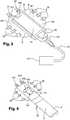
figure 3 est une vue schématique du dispositif textile monopatient de lafigure 1 représentant le cas où lesdits organes lumineux sont insérés dans lesdits logements et ladite paroi ventrale est repliée ; - la
figure 4 est une vue schématique de dessus du dispositif de lafigure 1 , représentant le cas où ledit moyen de maintien est replié ; - la
figure 5 est une vue schématique de dessus du dispositif textile monopatient, de lafigure 1 , en position repliée, au sein duquel un patient est couché sur le dos ; - la
figure 6 est une vue schématique d'une installation de traitement par photothérapie intégrant ledit dispositif textile monopatient de lafigure 1 . - Sur la
figure 1 , est représenté un dispositif textile monopatient 1 pour traitement par photothérapie comprend une paroi dorsale 3 présentant une partie supérieure 31 et une partie inférieure 32. - Le dispositif textile monopatient 1 présente également un partie dite ventrale 4 qui est rattachée à la partie dorsale 3 au niveau de sa partie inférieure 32.
- La paroi ventrale 4 est rattachée à la paroi dorsale 3 au niveau d'une zone dite de pliure 9 présentant une pliure transverse 10. Avantageusement en pratique, la paroi ventrale 4 est apte à se replier sur la paroi dorsale 3.
- Les parties dorsale 3 et ventrale 4 sont composées de deux couches 22,23. La couche 22 forme la surface interne du dispositif textile monopatient 1, alors que la couche 23 forme, quant à elle, la surface externe du dispositif textile monopatient 1.
- La couche 22 est avantageusement réalisée d'un textile non tissé à base de viscose et/ou coton. Par exemple, la couche 22 est réalisée à base d'un matériau de type « spunlace » ou analogues.
- La couche 22 est apte à laisser passer la lumière au cours du traitement par photothérapie. L'objectif recherché est de minimiser au maximum l'absorption ou réflexion de la lumière au niveau de la couche 22. Pour ce faire, la couche 22 présente avantageusement une masse surfacique maximale de 60 g/m2. Dans ce cas, la couche 22 est suffisamment fine pour laisser passer au minimum 75% de lumière, et de ce fait, augmenter l'efficacité du traitement du patient 2.
- Au cours de traitement de longue durée (jusqu'à 24 heures en continu) à forte intensité lumineuse, le patient se trouve dans un environnement dont les conditions de température peuvent être relativement élevées provoquant une sudation du patient. Le dispositif textile monopatient 1 présente donc des propriétés d'absorption de l'eau suffisantes pour assurer le confort du patient. La couche 22 présente une absorption à l'eau supérieure à 400%, avantageusement supérieure à 800 %.
- Tel que représenté sur la
figure 2 , la couche 23 formant la surface externe des parois dorsale 3 et ventrale 4 est, quant à elle, réalisée d'un textile non tissé à base principalement de polypropylène. Le matériau formant la couche 23 est avantageusement de type « spunbond » ou autres matériaux analogues. - L'objectif étant de concentrer un maximum de lumière en direction du patient au cours du traitement, la couche 23 présente ainsi des propriétés d'opacité permettant d'atteindre un tel résultat.
- Par ailleurs, la couche 23, étant exposée au milieu extérieur, n'est donc pas directement au contact du patient. Elle présente une capacité d'absorption à l'eau inférieure à la couche 22, avantageusement comprise entre 100 et 150 %.
principalement de polypropylène. Le matériau formant la couche 23 est avantageusement de type « spunbond » ou autres matériaux analogues. - L'objectif étant de concentrer un maximum de lumière en direction du patient au cours du traitement, la couche 23 présente ainsi des propriétés d'opacité permettant d'atteindre un tel résultat.
- Par ailleurs, la couche 23, étant exposée au milieu extérieur, n'est donc pas directement au contact du patient. Elle présente une capacité d'absorption à l'eau inférieure à la couche 22, avantageusement comprise entre 100 et 150 %.
- La paroi dorsale 3 est destinée à accueillir le patient au cours du traitement. Dans le but de remédier à un risque majeur du traitement qui est celui de l'exposition des parties sensibles du corps du patient telles que les yeux, le dispositif textile monopatient 1 comprend avantageusement un moyen de maintien 14 en position du patient qui est solidaire de la partie dorsale 3.
- Tel que représenté sur la
figure 1 , ce moyen de maintien 14 comprend trois lanières 141,142,143. - Tel que représenté sur la
figure 4 , deux lanières latérales 142,143 permettent un maintien du bassin du patient, limitant ainsi les mouvements latéraux au sein du dispositif textile monopatient 1. Une troisième lanière 141, apte à se replier, permet le maintien de l'entrejambes du patient, évitant ainsi tout glissement vers la partie basse du dispositif textile monopatient 1. - Avantageusement en pratique, les trois lanières 141,142,143 sont cousues sur la partie dorsale 3 et réalisées en un matériau identique à celui de la surface externe 23.
- Selon un mode de réalisation particulier, le moyen de maintien forme une couche pour nouveau-né composée par les trois lanières.
- Tel que représenté sur la
figure 3 , les parois dorsale 3 et ventrale 4 présentent chacune un logement 11,12 aptes à recevoir respectivement des organes lumineux 20 de fibres - En outre, les parois latérales 5,6 sont aptes à se replier sur la paroi dorsale 3. Elles présentent donc chacune une zone de pliure 51 et 61, préférentiellement longitudinale par rapport à la paroi dorsale 3.
- Le dispositif textile monopatient 1 présente, en outre, deux bretelles 311,312 de solidarisation de la partie supérieure 31 de la paroi dorsale 3 avec la paroi ventrale 4. Ces bretelles 311,312 sont préférentiellement réalisées d'un matériau similaire à celui de la couche externe 23.
- Tel que représenté sur la
figure 1 , les parois latérales 5,6, les bretelles 311,312 ainsi que la paroi ventrale 4 sont munies de moyens de fixation 16,17 avantageusement de type velcro doux ou autres analogues. - Ainsi une fois repliées, un volume 7 est alors formé au sein du dispositif textile monopatient 1 définissant le volume 7 pour le logement du patient.
- Tel que représenté sur la
figure 5 , la tête du patient 2 émerge du dispositif textile monopatient 1 au niveau d'une ouverture 8. - La longueur des parois latérales 5,6 est inférieure à la longueur de la paroi dorsale 3 de sorte que le volume 7 comporte des ouvertures 24 sur la partie inférieure 32 de la paroi dorsale 3.
- Avantageusement en pratique, la longueur des parois latérales 5,6 est comprise entre 350 et 400 mm, préférentiellement de 360 mm.
- En outre, la longueur de la paroi dorsale 3 est comprise entre 400 et 500 mm, préférentiellement égale à 460 mm.
- Chacune des ouvertures 24 évacue de la chaleur de sorte que la température au sein du dispositif textile monopatient 1 puisse être ajustée par le personnel soignant : en position repliée les calories sont conservées au sein du dispositif 1, les ouvertures latérales 24 servent à abaisser la température si nécessaire.
- Le dispositif textile monopatient 1 présente, en plus, un dispositif de fixation 25 des organes lumineux 20 au sein des logements 11,12 composé de deux lanières 251,252 destinées à resserrer la partie inférieure 32 du dispositif 1. Les lanières 251,252 sont préférentiellement réalisées à base de spunbond.
- Il a été décrit un mode particulier de l'invention. Cependant, de nombreuses variantes peuvent y être apportées, comme celles-ci-dessous, prises seules ou en combinaison.
- Il a été décrit un dispositif textile monopatient présentant des parois latérales de part et d'autre de la partie dorsale. En variante, les parois latérales peuvent être prévues de part et d'autre de la partie ventrale destinée à être repliée sur la partie dorsale.
- Il a été décrit un système de lanières comme moyen de maintien du patient en position. Toutefois, tout autre type de système de maintien peut être intégré au sein du dispositif textile monopatient selon l'invention.
- Il a été décrit une zone de pliure comprenant une seule pliure transverse. Selon un autre mode de réalisation, la zone de pliure présente au moins deux pliures transverses.
- Il a été décrit des moyens de fixations de type velcro doux (hoop&loop system). Cependant, tous autres types de moyens de fixation connus peuvent être intégrer au dispositif textile monopatient de l'invention.
- Tel que représenté sur la
figure 6 , un dispositif 100 pour le traitement par photothérapie d'un patient 2, comprend au moins : - un dispositif textile monopatient 1 tel que décrit précédemment ;
- une source de lumière 13 ;
- au moins un organe lumineux 20 réalisé en fibres optiques 131 ; lesdites fibres optiques 131 étant raccordées à la source de lumière 13 par un câble 21 muni d'un connecteur optique et ledit au moins organe lumineux 20 étant apte à être intégré dans au moins un des logements 11,12 dudit dispositif textile monopatient 1.
- La source de lumière 13 présente un éclairement spectral pouvant varier de 30 µW/cm.2nm à 100 µW/cm.2nm pour une longueur d'onde comprise entre 400 et 520 nm.
- Le pic de longueur d'onde de la lumière émise par la source 13 est compris entre 400nm et 520 nm ce qui correspond à la couleur bleue du spectre de la lumière visible et au pic d'absorption de la bilirubine.
- Les fibres optiques 131 sont préférentiellement réalisées à base d'un matériau polymère afin de conduire la lumière émise par la source d'éclairage 13 efficacement jusqu'aux organes lumineux 20.
- Par exemple, les fibres optiques présentent un coeur enrobé au moins partiellement par une gaine et peuvent être réalisées à base de polyméthylméthacrylate (coeur) et de polymère fluoré (gaine).
- Les fibres optiques 131 font éventuellement l'objet d'un traitement latéral sur leur longueur qui est adapté à l'application. Avantageusement en pratique, les fibres 131 émettent de manière unidirectionnelle vers le patient 2.
- En outre, les fibres 131 sont avantageusement disposées parallèlement au sein des organes lumineux 20.
- Le câble 21 est préférentiellement réalisé d'un matériau opaque, à base de polyoléfine recouvert d'un film polyuréthane de couleur blanche.
- Avantageusement en pratique, les organes lumineux 20 ont une géométrie rectangulaire et ont une longueur comprise entre 300 et 600 mm et une largeur comprise entre 200 et 500 mm. Les dimensions des organes lumineux 20 sont légèrement inférieures aux dimensions des logements 11,12 qui les accueillent.
- De par sa composition et sa simplicité de conception, le dispositif textile monopatient 1 est avantageusement destiné à un usage unique.
- Toutefois, le dispositif textile peut également subir plusieurs lavages afin d'être réutilisé.
Conformément à l'invention, le dispositif textile monopatient se caractérise en ce que ladite paroi ventrale est apte à se replier sur ladite paroi dorsale, de sorte que les parois ventrale et dorsale présentent chacune une surface interne apte à diffuser la lumière dans ledit volume.
Claims (10)
- Dispositif textile monopatient (1) pour le traitement par photothérapie d'un patient (2), comportant ;• une paroi dorsale (3) destinée à recevoir ledit patient (2) dans une position allongée, ladite paroi dorsale (3) comprenant une partie supérieure (31) et une partie inférieure (32) ;• une paroi ventrale (4) rattachée à la partie inférieure (32) de ladite paroi dorsale (3);• deux parois latérales (5,6) disposées de part et d'autre de ladite paroi dorsale (3) et aptes à se replier sur celle-ci ;lesdites parois ventrale (4) et latérales (5,6) formant une fois repliées un volume (7) pour le logement du patient (2) comportant une ouverture (8) pour le passage de la tête du patient (2) au niveau de la partie supérieure (31) de la paroi dorsale (3) ; et
ladite paroi ventrale (4) est apte à se replier sur ladite paroi dorsale (3) de sorte que lesdites parois ventrale (4) et dorsale (3) présentent chacune une surface interne (22) apte à diffuser de la lumière dans ledit volume (7)
caractérisé en ce qu'il comprend en outre :
un moyen (14) de maintien en position du patient, ledit moyen de maintien étant solidaire de ladite paroi dorsale (3) et étant formé d'au moins trois lanières (141, 142, 143) parmi lesquelles deux lanières latérales (142, 143) destinées au maintien du bassin du patient sur la paroi dorsale et une troisième lanière (141) destinée au maintien de l'entrejambes du patient, ladite troisième lanière (141) étant en outre destinée à être rattachée aux deux lanières transversales (142, 143). - Dispositif selon la revendication 1, caractérisé en ce que la longueur des parois latérales (5,6) est inférieure à la longueur de la paroi dorsale (3) de sorte que le volume (7) comporte des ouvertures (24) sur la partie inférieure (32) de la paroi dorsale (3).
- Dispositif selon l'une des revendications précédentes, caractérisé en ce que lesdites parois dorsale (3) et ventrale (4) comprennent au moins deux couches (22,23) superposées ; une première couche (22) formant la surface interne et une deuxième couche (23) formant la surface externe dudit dispositif textile monopatient (1).
- Dispositif selon l'une des revendications précédentes, caractérisé en ce que ladite surface interne (22) diffuse au moins 75% de la lumière reçue.
- Dispositif selon l'une des revendications précédentes, caractérisé en ce que lesdites parois dorsale (3) et ventrale (4) possèdent chacune un logement (11,12) aptes à recevoir respectivement une source diffusant la lumière (13,14).
- Dispositif selon l'une des revendications précédentes, caractérisé en ce que ladite partie supérieure (31) de la paroi dorsale (3) comprend deux bretelles (311,312) de solidarisation de la partie supérieure (31) de la paroi dorsale (3) avec la paroi ventrale (4) une fois repliée.
- Dispositif selon la revendication 6, caractérisé en ce que chacune des parois ventrale (4), latérales (5) et lesdites brettelles (311,312) possèdent respectivement des moyens de fixations (15,16,17) entre elles.
- Dispositif selon la revendication 5, caractérisé en ce qu'il comprend un dispositif de maintien (18) desdites sources diffusant la lumière (13,14) au sein desdits logements (11,12).
- Installation (100) pour le traitement de photothérapie d'un patient (2) comprenant au moins :- un dispositif textile monopatient (1) selon l'une des revendications précédentes ;- une source de lumière (13) ;- au moins un organe lumineux (20) réalisé en fibres optiques (131) ; lesdites fibres optiques (131) étant raccordées à la source de lumière (13) par un câble (21) de fibres optiques (131) muni d'un connecteur optique (21) et ledit au moins organe lumineux (20) étant apte à être intégré dans au moins un des logements (11,12) dudit dispositif textile monopatient (1).
- Installation (100) selon la revendication 11, caractérisé en ce que la source de lumière émet une longueur d'onde comprise entre 400 nm et 520 nm.
Applications Claiming Priority (2)
| Application Number | Priority Date | Filing Date | Title |
|---|---|---|---|
| US201462028817P | 2014-07-25 | 2014-07-25 | |
| PCT/FR2015/052058 WO2016012732A1 (fr) | 2014-07-25 | 2015-07-24 | Dispositif textile monopatient pour le traitement par phytothérapie et installation comprenant un tel dispositif textile monopatient |
Publications (2)
| Publication Number | Publication Date |
|---|---|
| EP3171940A1 EP3171940A1 (fr) | 2017-05-31 |
| EP3171940B1 true EP3171940B1 (fr) | 2018-10-24 |
Family
ID=53938357
Family Applications (1)
| Application Number | Title | Priority Date | Filing Date |
|---|---|---|---|
| EP15753730.9A Active EP3171940B1 (fr) | 2014-07-25 | 2015-07-24 | Dispositif textile monopatient pour le traitement par photothérapie et installation comprenant un tel dispositif textile monopatient |
Country Status (4)
| Country | Link |
|---|---|
| US (1) | US20170203121A1 (fr) |
| EP (1) | EP3171940B1 (fr) |
| CN (1) | CN106535992B (fr) |
| WO (1) | WO2016012732A1 (fr) |
Families Citing this family (5)
| Publication number | Priority date | Publication date | Assignee | Title |
|---|---|---|---|---|
| CN106730390A (zh) * | 2016-12-16 | 2017-05-31 | 南昌大学 | 一种恒温蓝光治疗毯 |
| FR3067806B1 (fr) * | 2017-06-14 | 2020-05-22 | Brochier Technologies | Systeme de detection apte a generer un signal electrique representatif d'une variation d'intensite lumineuse et capteur de pression integrant un tel systeme de detection |
| FR3087662B1 (fr) * | 2018-10-31 | 2020-10-23 | Mdb Texinov | Dispositif pour le traitement de patients par phototherapie |
| CN109529201B (zh) * | 2019-01-12 | 2020-06-30 | 汕头大学医学院第一附属医院 | 一种小儿照蓝光专用躺卧装置 |
| CN121620409A (zh) * | 2023-07-26 | 2026-03-06 | 基德科技有限公司 | 便携式光疗系统及其使用方法 |
Family Cites Families (14)
| Publication number | Priority date | Publication date | Assignee | Title |
|---|---|---|---|---|
| US4802244A (en) * | 1987-08-28 | 1989-02-07 | Mcgrath Saleh Melissa | Premature infant bedding construction |
| KR20010086943A (ko) * | 2000-03-04 | 2001-09-15 | 원인호 | 요출이 형성된 원적외선 방사 매트리스 및 전기요와이의제조 |
| US6872220B2 (en) | 2003-01-16 | 2005-03-29 | Lumitex, Inc. | Infant phototherapy positioning system |
| JP2005211113A (ja) * | 2004-01-27 | 2005-08-11 | Tokyo Kikaku Hanbai:Kk | 排便促進用ベルト |
| EP1833567A1 (fr) * | 2004-11-09 | 2007-09-19 | Steven Gardner | Dispositif et methode de phototherapie pour des nouveaux-nes presentant un ictere physiologique |
| CN101378806B (zh) * | 2006-02-06 | 2014-05-07 | 皇家飞利浦电子股份有限公司 | 身体护罩、眼镜和/或至少局部的头部护罩,用于辐射人体的至少一部分的方法和身体护罩的使用 |
| CN102105119A (zh) * | 2008-05-12 | 2011-06-22 | 婴贝舒 | 用于温度调节的系统和方法 |
| US8246666B2 (en) * | 2008-11-04 | 2012-08-21 | Board Of Trustees Of The University Of Arkansas | Phototherapy garment |
| WO2011071441A1 (fr) * | 2009-12-07 | 2011-06-16 | Baby Viking Ab | Porte-bébé |
| CN201862152U (zh) * | 2010-11-17 | 2011-06-15 | 宁波戴维医疗器械股份有限公司 | 柔性黄疸光疗毯 |
| CN102327672A (zh) * | 2011-10-16 | 2012-01-25 | 张剑 | 婴儿黄疸蓝光治疗毯 |
| BE1020322A3 (fr) * | 2011-11-10 | 2013-08-06 | Medestime S A | Enveloppe souple multi-couches diffuseuse de lumiere. |
| CN203677741U (zh) * | 2013-11-25 | 2014-07-02 | 宁波戴维医疗器械股份有限公司 | 一种金属螺旋管式红外辐射装置及其婴儿辐射保暖台 |
| CN103638605B (zh) * | 2013-12-28 | 2016-07-27 | 黑龙江省健恒天年科技开发有限公司 | 便携耐磨式新生儿黄疸或胆红素血症光疗仪 |
-
2015
- 2015-07-24 US US15/326,101 patent/US20170203121A1/en not_active Abandoned
- 2015-07-24 WO PCT/FR2015/052058 patent/WO2016012732A1/fr not_active Ceased
- 2015-07-24 CN CN201580038038.0A patent/CN106535992B/zh not_active Expired - Fee Related
- 2015-07-24 EP EP15753730.9A patent/EP3171940B1/fr active Active
Non-Patent Citations (1)
| Title |
|---|
| None * |
Also Published As
| Publication number | Publication date |
|---|---|
| WO2016012732A1 (fr) | 2016-01-28 |
| CN106535992B (zh) | 2019-08-09 |
| US20170203121A1 (en) | 2017-07-20 |
| CN106535992A (zh) | 2017-03-22 |
| EP3171940A1 (fr) | 2017-05-31 |
| WO2016012732A8 (fr) | 2016-12-15 |
Similar Documents
| Publication | Publication Date | Title |
|---|---|---|
| EP3171940A1 (fr) | Dispositif textile monopatient pour le traitement par photothérapie et installation comprenant un tel dispositif textile monopatient | |
| ES2247946B2 (es) | Lente de contacto terapeutica para ojos pseudo-afaquicos y/o en proceso de neurodegeneracion. | |
| AU2012228054B2 (en) | Cartridge, medical apparatus and method | |
| FR2639239A1 (fr) | Bain de lumiere | |
| JP2010535538A5 (fr) | ||
| BE1020322A3 (fr) | Enveloppe souple multi-couches diffuseuse de lumiere. | |
| EP2871989B1 (fr) | Système de perruque comportant un accessoire de régulation de la température | |
| FR2958171A1 (fr) | Vetement pour phototherapie medicale utilisant des fibres optiques | |
| EP3873595B1 (fr) | Dispositif pour le traitement de patients par phototherapie | |
| JP2024045528A (ja) | 光線療法デバイス | |
| IL313481A (en) | Disposable phototherapy wrap | |
| EP3512473B1 (fr) | Dispositif de refroidissement localisé d'un organe | |
| JP2022513576A (ja) | Rpeメラニンレベルの判定に基づいて網膜光線療法を安全に提供するためのプロセス | |
| US20230136463A1 (en) | Phototherapy Shield | |
| CA2476392A1 (fr) | Article d'hygiene corporelle anti-choc et sterile tel que couche culotte | |
| Mencucci et al. | AcrySof Natural intraocular lens optical characteristics during and after different doses of ultraviolet-visible light illumination | |
| EP4413963A1 (fr) | Culotte menstruelle chauffante | |
| WO2015059312A1 (fr) | Dispositif d'irradiation à infrarouge | |
| EP0827727B1 (fr) | Change pour incontinent | |
| FR2955463A1 (fr) | Article vestimentaire de type brassiere muni d'une poche ventrale | |
| WO2016174325A1 (fr) | Dispositif de couverture pour couveuse de nouveau-nés | |
| RU2005106070A (ru) | Способ регуляции физического и психоэмоционального статуса лиц, находящихся в состоянии десинхроноза | |
| NZ616569B2 (en) | Cartridge, medical apparatus and method | |
| FR2657249A1 (fr) | Verre de contact pour l'ophtalmotherapie transsclerotique/transchorouidale par faisceau lumineux, et notamment par rayon laser. | |
| FR2821742A1 (fr) | Dispositif d'appui orthopedique adaptable sur un pied platre ou non platre |
Legal Events
| Date | Code | Title | Description |
|---|---|---|---|
| STAA | Information on the status of an ep patent application or granted ep patent |
Free format text: STATUS: THE INTERNATIONAL PUBLICATION HAS BEEN MADE |
|
| PUAI | Public reference made under article 153(3) epc to a published international application that has entered the european phase |
Free format text: ORIGINAL CODE: 0009012 |
|
| STAA | Information on the status of an ep patent application or granted ep patent |
Free format text: STATUS: REQUEST FOR EXAMINATION WAS MADE |
|
| 17P | Request for examination filed |
Effective date: 20170124 |
|
| AK | Designated contracting states |
Kind code of ref document: A1 Designated state(s): AL AT BE BG CH CY CZ DE DK EE ES FI FR GB GR HR HU IE IS IT LI LT LU LV MC MK MT NL NO PL PT RO RS SE SI SK SM TR |
|
| AX | Request for extension of the european patent |
Extension state: BA ME |
|
| DAV | Request for validation of the european patent (deleted) | ||
| DAX | Request for extension of the european patent (deleted) | ||
| GRAP | Despatch of communication of intention to grant a patent |
Free format text: ORIGINAL CODE: EPIDOSNIGR1 |
|
| STAA | Information on the status of an ep patent application or granted ep patent |
Free format text: STATUS: GRANT OF PATENT IS INTENDED |
|
| INTG | Intention to grant announced |
Effective date: 20180515 |
|
| RIN1 | Information on inventor provided before grant (corrected) |
Inventor name: BROCHIER,CEDRIC Inventor name: HUYGHE, CLARISSE Inventor name: PERUCHON, LAURE Inventor name: SAINT GIRONS, PIERRE |
|
| GRAS | Grant fee paid |
Free format text: ORIGINAL CODE: EPIDOSNIGR3 |
|
| GRAA | (expected) grant |
Free format text: ORIGINAL CODE: 0009210 |
|
| STAA | Information on the status of an ep patent application or granted ep patent |
Free format text: STATUS: THE PATENT HAS BEEN GRANTED |
|
| AK | Designated contracting states |
Kind code of ref document: B1 Designated state(s): AL AT BE BG CH CY CZ DE DK EE ES FI FR GB GR HR HU IE IS IT LI LT LU LV MC MK MT NL NO PL PT RO RS SE SI SK SM TR |
|
| REG | Reference to a national code |
Ref country code: CH Ref legal event code: EP |
|
| REG | Reference to a national code |
Ref country code: IE Ref legal event code: FG4D Free format text: LANGUAGE OF EP DOCUMENT: FRENCH |
|
| REG | Reference to a national code |
Ref country code: AT Ref legal event code: REF Ref document number: 1055988 Country of ref document: AT Kind code of ref document: T Effective date: 20181115 |
|
| REG | Reference to a national code |
Ref country code: DE Ref legal event code: R096 Ref document number: 602015018736 Country of ref document: DE |
|
| REG | Reference to a national code |
Ref country code: NL Ref legal event code: MP Effective date: 20181024 |
|
| REG | Reference to a national code |
Ref country code: LT Ref legal event code: MG4D |
|
| REG | Reference to a national code |
Ref country code: AT Ref legal event code: MK05 Ref document number: 1055988 Country of ref document: AT Kind code of ref document: T Effective date: 20181024 |
|
| PG25 | Lapsed in a contracting state [announced via postgrant information from national office to epo] |
Ref country code: NL Free format text: LAPSE BECAUSE OF FAILURE TO SUBMIT A TRANSLATION OF THE DESCRIPTION OR TO PAY THE FEE WITHIN THE PRESCRIBED TIME-LIMIT Effective date: 20181024 |
|
| PG25 | Lapsed in a contracting state [announced via postgrant information from national office to epo] |
Ref country code: FI Free format text: LAPSE BECAUSE OF FAILURE TO SUBMIT A TRANSLATION OF THE DESCRIPTION OR TO PAY THE FEE WITHIN THE PRESCRIBED TIME-LIMIT Effective date: 20181024 Ref country code: IS Free format text: LAPSE BECAUSE OF FAILURE TO SUBMIT A TRANSLATION OF THE DESCRIPTION OR TO PAY THE FEE WITHIN THE PRESCRIBED TIME-LIMIT Effective date: 20190224 Ref country code: NO Free format text: LAPSE BECAUSE OF FAILURE TO SUBMIT A TRANSLATION OF THE DESCRIPTION OR TO PAY THE FEE WITHIN THE PRESCRIBED TIME-LIMIT Effective date: 20190124 Ref country code: AT Free format text: LAPSE BECAUSE OF FAILURE TO SUBMIT A TRANSLATION OF THE DESCRIPTION OR TO PAY THE FEE WITHIN THE PRESCRIBED TIME-LIMIT Effective date: 20181024 Ref country code: LV Free format text: LAPSE BECAUSE OF FAILURE TO SUBMIT A TRANSLATION OF THE DESCRIPTION OR TO PAY THE FEE WITHIN THE PRESCRIBED TIME-LIMIT Effective date: 20181024 Ref country code: ES Free format text: LAPSE BECAUSE OF FAILURE TO SUBMIT A TRANSLATION OF THE DESCRIPTION OR TO PAY THE FEE WITHIN THE PRESCRIBED TIME-LIMIT Effective date: 20181024 Ref country code: LT Free format text: LAPSE BECAUSE OF FAILURE TO SUBMIT A TRANSLATION OF THE DESCRIPTION OR TO PAY THE FEE WITHIN THE PRESCRIBED TIME-LIMIT Effective date: 20181024 Ref country code: BG Free format text: LAPSE BECAUSE OF FAILURE TO SUBMIT A TRANSLATION OF THE DESCRIPTION OR TO PAY THE FEE WITHIN THE PRESCRIBED TIME-LIMIT Effective date: 20190124 Ref country code: PL Free format text: LAPSE BECAUSE OF FAILURE TO SUBMIT A TRANSLATION OF THE DESCRIPTION OR TO PAY THE FEE WITHIN THE PRESCRIBED TIME-LIMIT Effective date: 20181024 Ref country code: HR Free format text: LAPSE BECAUSE OF FAILURE TO SUBMIT A TRANSLATION OF THE DESCRIPTION OR TO PAY THE FEE WITHIN THE PRESCRIBED TIME-LIMIT Effective date: 20181024 |
|
| PG25 | Lapsed in a contracting state [announced via postgrant information from national office to epo] |
Ref country code: PT Free format text: LAPSE BECAUSE OF FAILURE TO SUBMIT A TRANSLATION OF THE DESCRIPTION OR TO PAY THE FEE WITHIN THE PRESCRIBED TIME-LIMIT Effective date: 20190224 Ref country code: AL Free format text: LAPSE BECAUSE OF FAILURE TO SUBMIT A TRANSLATION OF THE DESCRIPTION OR TO PAY THE FEE WITHIN THE PRESCRIBED TIME-LIMIT Effective date: 20181024 Ref country code: SE Free format text: LAPSE BECAUSE OF FAILURE TO SUBMIT A TRANSLATION OF THE DESCRIPTION OR TO PAY THE FEE WITHIN THE PRESCRIBED TIME-LIMIT Effective date: 20181024 Ref country code: GR Free format text: LAPSE BECAUSE OF FAILURE TO SUBMIT A TRANSLATION OF THE DESCRIPTION OR TO PAY THE FEE WITHIN THE PRESCRIBED TIME-LIMIT Effective date: 20190125 Ref country code: RS Free format text: LAPSE BECAUSE OF FAILURE TO SUBMIT A TRANSLATION OF THE DESCRIPTION OR TO PAY THE FEE WITHIN THE PRESCRIBED TIME-LIMIT Effective date: 20181024 |
|
| REG | Reference to a national code |
Ref country code: DE Ref legal event code: R097 Ref document number: 602015018736 Country of ref document: DE |
|
| PG25 | Lapsed in a contracting state [announced via postgrant information from national office to epo] |
Ref country code: IT Free format text: LAPSE BECAUSE OF FAILURE TO SUBMIT A TRANSLATION OF THE DESCRIPTION OR TO PAY THE FEE WITHIN THE PRESCRIBED TIME-LIMIT Effective date: 20181024 Ref country code: CZ Free format text: LAPSE BECAUSE OF FAILURE TO SUBMIT A TRANSLATION OF THE DESCRIPTION OR TO PAY THE FEE WITHIN THE PRESCRIBED TIME-LIMIT Effective date: 20181024 Ref country code: DK Free format text: LAPSE BECAUSE OF FAILURE TO SUBMIT A TRANSLATION OF THE DESCRIPTION OR TO PAY THE FEE WITHIN THE PRESCRIBED TIME-LIMIT Effective date: 20181024 |
|
| PG25 | Lapsed in a contracting state [announced via postgrant information from national office to epo] |
Ref country code: SM Free format text: LAPSE BECAUSE OF FAILURE TO SUBMIT A TRANSLATION OF THE DESCRIPTION OR TO PAY THE FEE WITHIN THE PRESCRIBED TIME-LIMIT Effective date: 20181024 Ref country code: EE Free format text: LAPSE BECAUSE OF FAILURE TO SUBMIT A TRANSLATION OF THE DESCRIPTION OR TO PAY THE FEE WITHIN THE PRESCRIBED TIME-LIMIT Effective date: 20181024 Ref country code: RO Free format text: LAPSE BECAUSE OF FAILURE TO SUBMIT A TRANSLATION OF THE DESCRIPTION OR TO PAY THE FEE WITHIN THE PRESCRIBED TIME-LIMIT Effective date: 20181024 Ref country code: SK Free format text: LAPSE BECAUSE OF FAILURE TO SUBMIT A TRANSLATION OF THE DESCRIPTION OR TO PAY THE FEE WITHIN THE PRESCRIBED TIME-LIMIT Effective date: 20181024 |
|
| PLBE | No opposition filed within time limit |
Free format text: ORIGINAL CODE: 0009261 |
|
| STAA | Information on the status of an ep patent application or granted ep patent |
Free format text: STATUS: NO OPPOSITION FILED WITHIN TIME LIMIT |
|
| 26N | No opposition filed |
Effective date: 20190725 |
|
| PG25 | Lapsed in a contracting state [announced via postgrant information from national office to epo] |
Ref country code: SI Free format text: LAPSE BECAUSE OF FAILURE TO SUBMIT A TRANSLATION OF THE DESCRIPTION OR TO PAY THE FEE WITHIN THE PRESCRIBED TIME-LIMIT Effective date: 20181024 |
|
| PG25 | Lapsed in a contracting state [announced via postgrant information from national office to epo] |
Ref country code: MC Free format text: LAPSE BECAUSE OF FAILURE TO SUBMIT A TRANSLATION OF THE DESCRIPTION OR TO PAY THE FEE WITHIN THE PRESCRIBED TIME-LIMIT Effective date: 20181024 |
|
| REG | Reference to a national code |
Ref country code: CH Ref legal event code: PL |
|
| GBPC | Gb: european patent ceased through non-payment of renewal fee |
Effective date: 20190724 |
|
| PG25 | Lapsed in a contracting state [announced via postgrant information from national office to epo] |
Ref country code: TR Free format text: LAPSE BECAUSE OF FAILURE TO SUBMIT A TRANSLATION OF THE DESCRIPTION OR TO PAY THE FEE WITHIN THE PRESCRIBED TIME-LIMIT Effective date: 20181024 |
|
| REG | Reference to a national code |
Ref country code: BE Ref legal event code: MM Effective date: 20190731 |
|
| PG25 | Lapsed in a contracting state [announced via postgrant information from national office to epo] |
Ref country code: GB Free format text: LAPSE BECAUSE OF NON-PAYMENT OF DUE FEES Effective date: 20190724 |
|
| PG25 | Lapsed in a contracting state [announced via postgrant information from national office to epo] |
Ref country code: BE Free format text: LAPSE BECAUSE OF NON-PAYMENT OF DUE FEES Effective date: 20190731 Ref country code: LU Free format text: LAPSE BECAUSE OF NON-PAYMENT OF DUE FEES Effective date: 20190724 Ref country code: CH Free format text: LAPSE BECAUSE OF NON-PAYMENT OF DUE FEES Effective date: 20190731 Ref country code: LI Free format text: LAPSE BECAUSE OF NON-PAYMENT OF DUE FEES Effective date: 20190731 |
|
| PG25 | Lapsed in a contracting state [announced via postgrant information from national office to epo] |
Ref country code: IE Free format text: LAPSE BECAUSE OF NON-PAYMENT OF DUE FEES Effective date: 20190724 |
|
| PG25 | Lapsed in a contracting state [announced via postgrant information from national office to epo] |
Ref country code: CY Free format text: LAPSE BECAUSE OF FAILURE TO SUBMIT A TRANSLATION OF THE DESCRIPTION OR TO PAY THE FEE WITHIN THE PRESCRIBED TIME-LIMIT Effective date: 20181024 |
|
| PG25 | Lapsed in a contracting state [announced via postgrant information from national office to epo] |
Ref country code: HU Free format text: LAPSE BECAUSE OF FAILURE TO SUBMIT A TRANSLATION OF THE DESCRIPTION OR TO PAY THE FEE WITHIN THE PRESCRIBED TIME-LIMIT; INVALID AB INITIO Effective date: 20150724 Ref country code: MT Free format text: LAPSE BECAUSE OF FAILURE TO SUBMIT A TRANSLATION OF THE DESCRIPTION OR TO PAY THE FEE WITHIN THE PRESCRIBED TIME-LIMIT Effective date: 20181024 |
|
| PG25 | Lapsed in a contracting state [announced via postgrant information from national office to epo] |
Ref country code: MK Free format text: LAPSE BECAUSE OF FAILURE TO SUBMIT A TRANSLATION OF THE DESCRIPTION OR TO PAY THE FEE WITHIN THE PRESCRIBED TIME-LIMIT Effective date: 20181024 |
|
| PGFP | Annual fee paid to national office [announced via postgrant information from national office to epo] |
Ref country code: DE Payment date: 20230712 Year of fee payment: 9 |
|
| REG | Reference to a national code |
Ref country code: DE Ref legal event code: R119 Ref document number: 602015018736 Country of ref document: DE |
|
| PG25 | Lapsed in a contracting state [announced via postgrant information from national office to epo] |
Ref country code: DE Free format text: LAPSE BECAUSE OF NON-PAYMENT OF DUE FEES Effective date: 20250201 |
|
| PGFP | Annual fee paid to national office [announced via postgrant information from national office to epo] |
Ref country code: FR Payment date: 20250731 Year of fee payment: 11 |