EP3171596A2 - Image compression with adaptive quantization of regions of interest (roi) - Google Patents
Image compression with adaptive quantization of regions of interest (roi) Download PDFInfo
- Publication number
- EP3171596A2 EP3171596A2 EP16186290.9A EP16186290A EP3171596A2 EP 3171596 A2 EP3171596 A2 EP 3171596A2 EP 16186290 A EP16186290 A EP 16186290A EP 3171596 A2 EP3171596 A2 EP 3171596A2
- Authority
- EP
- European Patent Office
- Prior art keywords
- quantization
- roi
- image
- compressed
- target image
- Prior art date
- Legal status (The legal status is an assumption and is not a legal conclusion. Google has not performed a legal analysis and makes no representation as to the accuracy of the status listed.)
- Granted
Links
Images



Classifications
-
- H—ELECTRICITY
- H04—ELECTRIC COMMUNICATION TECHNIQUE
- H04N—PICTORIAL COMMUNICATION, e.g. TELEVISION
- H04N19/00—Methods or arrangements for coding, decoding, compressing or decompressing digital video signals
- H04N19/10—Methods or arrangements for coding, decoding, compressing or decompressing digital video signals using adaptive coding
- H04N19/102—Methods or arrangements for coding, decoding, compressing or decompressing digital video signals using adaptive coding characterised by the element, parameter or selection affected or controlled by the adaptive coding
- H04N19/124—Quantisation
-
- G—PHYSICS
- G06—COMPUTING OR CALCULATING; COUNTING
- G06T—IMAGE DATA PROCESSING OR GENERATION, IN GENERAL
- G06T7/00—Image analysis
- G06T7/10—Segmentation; Edge detection
-
- G—PHYSICS
- G06—COMPUTING OR CALCULATING; COUNTING
- G06T—IMAGE DATA PROCESSING OR GENERATION, IN GENERAL
- G06T7/00—Image analysis
- G06T7/10—Segmentation; Edge detection
- G06T7/11—Region-based segmentation
-
- H—ELECTRICITY
- H04—ELECTRIC COMMUNICATION TECHNIQUE
- H04N—PICTORIAL COMMUNICATION, e.g. TELEVISION
- H04N19/00—Methods or arrangements for coding, decoding, compressing or decompressing digital video signals
- H04N19/10—Methods or arrangements for coding, decoding, compressing or decompressing digital video signals using adaptive coding
- H04N19/102—Methods or arrangements for coding, decoding, compressing or decompressing digital video signals using adaptive coding characterised by the element, parameter or selection affected or controlled by the adaptive coding
- H04N19/117—Filters, e.g. for pre-processing or post-processing
-
- H—ELECTRICITY
- H04—ELECTRIC COMMUNICATION TECHNIQUE
- H04N—PICTORIAL COMMUNICATION, e.g. TELEVISION
- H04N19/00—Methods or arrangements for coding, decoding, compressing or decompressing digital video signals
- H04N19/10—Methods or arrangements for coding, decoding, compressing or decompressing digital video signals using adaptive coding
- H04N19/102—Methods or arrangements for coding, decoding, compressing or decompressing digital video signals using adaptive coding characterised by the element, parameter or selection affected or controlled by the adaptive coding
- H04N19/119—Adaptive subdivision aspects, e.g. subdivision of a picture into rectangular or non-rectangular coding blocks
-
- H—ELECTRICITY
- H04—ELECTRIC COMMUNICATION TECHNIQUE
- H04N—PICTORIAL COMMUNICATION, e.g. TELEVISION
- H04N19/00—Methods or arrangements for coding, decoding, compressing or decompressing digital video signals
- H04N19/10—Methods or arrangements for coding, decoding, compressing or decompressing digital video signals using adaptive coding
- H04N19/134—Methods or arrangements for coding, decoding, compressing or decompressing digital video signals using adaptive coding characterised by the element, parameter or criterion affecting or controlling the adaptive coding
- H04N19/136—Incoming video signal characteristics or properties
- H04N19/14—Coding unit complexity, e.g. amount of activity or edge presence estimation
-
- H—ELECTRICITY
- H04—ELECTRIC COMMUNICATION TECHNIQUE
- H04N—PICTORIAL COMMUNICATION, e.g. TELEVISION
- H04N19/00—Methods or arrangements for coding, decoding, compressing or decompressing digital video signals
- H04N19/10—Methods or arrangements for coding, decoding, compressing or decompressing digital video signals using adaptive coding
- H04N19/134—Methods or arrangements for coding, decoding, compressing or decompressing digital video signals using adaptive coding characterised by the element, parameter or criterion affecting or controlling the adaptive coding
- H04N19/167—Position within a video image, e.g. region of interest [ROI]
-
- H—ELECTRICITY
- H04—ELECTRIC COMMUNICATION TECHNIQUE
- H04N—PICTORIAL COMMUNICATION, e.g. TELEVISION
- H04N19/00—Methods or arrangements for coding, decoding, compressing or decompressing digital video signals
- H04N19/10—Methods or arrangements for coding, decoding, compressing or decompressing digital video signals using adaptive coding
- H04N19/169—Methods or arrangements for coding, decoding, compressing or decompressing digital video signals using adaptive coding characterised by the coding unit, i.e. the structural portion or semantic portion of the video signal being the object or the subject of the adaptive coding
- H04N19/17—Methods or arrangements for coding, decoding, compressing or decompressing digital video signals using adaptive coding characterised by the coding unit, i.e. the structural portion or semantic portion of the video signal being the object or the subject of the adaptive coding the unit being an image region, e.g. an object
-
- H—ELECTRICITY
- H04—ELECTRIC COMMUNICATION TECHNIQUE
- H04N—PICTORIAL COMMUNICATION, e.g. TELEVISION
- H04N19/00—Methods or arrangements for coding, decoding, compressing or decompressing digital video signals
- H04N19/10—Methods or arrangements for coding, decoding, compressing or decompressing digital video signals using adaptive coding
- H04N19/169—Methods or arrangements for coding, decoding, compressing or decompressing digital video signals using adaptive coding characterised by the coding unit, i.e. the structural portion or semantic portion of the video signal being the object or the subject of the adaptive coding
- H04N19/17—Methods or arrangements for coding, decoding, compressing or decompressing digital video signals using adaptive coding characterised by the coding unit, i.e. the structural portion or semantic portion of the video signal being the object or the subject of the adaptive coding the unit being an image region, e.g. an object
- H04N19/176—Methods or arrangements for coding, decoding, compressing or decompressing digital video signals using adaptive coding characterised by the coding unit, i.e. the structural portion or semantic portion of the video signal being the object or the subject of the adaptive coding the unit being an image region, e.g. an object the region being a block, e.g. a macroblock
-
- H—ELECTRICITY
- H04—ELECTRIC COMMUNICATION TECHNIQUE
- H04N—PICTORIAL COMMUNICATION, e.g. TELEVISION
- H04N19/00—Methods or arrangements for coding, decoding, compressing or decompressing digital video signals
- H04N19/10—Methods or arrangements for coding, decoding, compressing or decompressing digital video signals using adaptive coding
- H04N19/169—Methods or arrangements for coding, decoding, compressing or decompressing digital video signals using adaptive coding characterised by the coding unit, i.e. the structural portion or semantic portion of the video signal being the object or the subject of the adaptive coding
- H04N19/177—Methods or arrangements for coding, decoding, compressing or decompressing digital video signals using adaptive coding characterised by the coding unit, i.e. the structural portion or semantic portion of the video signal being the object or the subject of the adaptive coding the unit being a group of pictures [GOP]
-
- H—ELECTRICITY
- H04—ELECTRIC COMMUNICATION TECHNIQUE
- H04N—PICTORIAL COMMUNICATION, e.g. TELEVISION
- H04N19/00—Methods or arrangements for coding, decoding, compressing or decompressing digital video signals
- H04N19/10—Methods or arrangements for coding, decoding, compressing or decompressing digital video signals using adaptive coding
- H04N19/169—Methods or arrangements for coding, decoding, compressing or decompressing digital video signals using adaptive coding characterised by the coding unit, i.e. the structural portion or semantic portion of the video signal being the object or the subject of the adaptive coding
- H04N19/18—Methods or arrangements for coding, decoding, compressing or decompressing digital video signals using adaptive coding characterised by the coding unit, i.e. the structural portion or semantic portion of the video signal being the object or the subject of the adaptive coding the unit being a set of transform coefficients
-
- H—ELECTRICITY
- H04—ELECTRIC COMMUNICATION TECHNIQUE
- H04N—PICTORIAL COMMUNICATION, e.g. TELEVISION
- H04N19/00—Methods or arrangements for coding, decoding, compressing or decompressing digital video signals
- H04N19/60—Methods or arrangements for coding, decoding, compressing or decompressing digital video signals using transform coding
-
- H—ELECTRICITY
- H04—ELECTRIC COMMUNICATION TECHNIQUE
- H04N—PICTORIAL COMMUNICATION, e.g. TELEVISION
- H04N19/00—Methods or arrangements for coding, decoding, compressing or decompressing digital video signals
- H04N19/60—Methods or arrangements for coding, decoding, compressing or decompressing digital video signals using transform coding
- H04N19/625—Methods or arrangements for coding, decoding, compressing or decompressing digital video signals using transform coding using discrete cosine transform [DCT]
-
- H—ELECTRICITY
- H04—ELECTRIC COMMUNICATION TECHNIQUE
- H04N—PICTORIAL COMMUNICATION, e.g. TELEVISION
- H04N19/00—Methods or arrangements for coding, decoding, compressing or decompressing digital video signals
- H04N19/85—Methods or arrangements for coding, decoding, compressing or decompressing digital video signals using pre-processing or post-processing specially adapted for video compression
-
- G—PHYSICS
- G06—COMPUTING OR CALCULATING; COUNTING
- G06T—IMAGE DATA PROCESSING OR GENERATION, IN GENERAL
- G06T2207/00—Indexing scheme for image analysis or image enhancement
- G06T2207/20—Special algorithmic details
- G06T2207/20021—Dividing image into blocks, subimages or windows
Definitions
- Image segmentation is a technology and a process that divide the image into a plurality of specific regions with peculiar properties and provide interesting targets, such as a K-means algorithm.
- the values of the first kind of quantization tables are determined according to the values of high-frequency components in the pixel blocks of the ROIsand the preset percent, wherein the preset percent is the percent of non-zero values in the quantization result.
- the preset percent is 60, that is, at least 60 percent of values in the quantization result after quantization of data matrices corresponding to the pixel blocks are not zero. Together with the values in the data matrices corresponding to the pixel blocks, the values in the quantization tables are determined.
- S310 acquires a target picture to be synchronized by a mobile phone.
- the quantization values corresponding to high-frequency parts in the first kind of quantization tables are determined according to the values of high-frequency components in the pixel blocks of the ROI and a preset percent, wherein the preset percent is the percent of non-zero values in the quantization result and can be set as required by a user.
- the to-be-compressed target image is acquired and divided into at least two to-be-compressed regions.
- the target image is divided into the pixel blocks of preset sizes, and data in each pixel block are converted into frequency-domain data.
- the quantization table corresponding to each to-be-compressed region is acquired, the different quantization tables correspond to different quantization scales, and the different to-be-compressed regions can be quantized by use of the quantization tables with different quantization scales.
- Quantization tables with relatively small quantization scales are used by some to-be-compressed regions, so as to retain more detailed information; and quantization tables with relatively large quantization scales are used by other to-be-compressed regions, so as to greatly reduce the image storage space.
- the apparatus 1000 may also comprise a power component 1026 configured to perform power management of the apparatus 1000, a wired or wireless network interface 1050 configured to connect the apparatus 1000 to a network, and an input/output interface 1058.
- the apparatus 1000 may operate an operating system stored in the memory 1032, such as Windows ServerTM, Mac OS XTM, UnixTM, LinuxTM, FreeBSDTM or the like.
Landscapes
- Engineering & Computer Science (AREA)
- Multimedia (AREA)
- Signal Processing (AREA)
- Physics & Mathematics (AREA)
- General Physics & Mathematics (AREA)
- Computer Vision & Pattern Recognition (AREA)
- Theoretical Computer Science (AREA)
- Discrete Mathematics (AREA)
- Compression Or Coding Systems Of Tv Signals (AREA)
- Compression Of Band Width Or Redundancy In Fax (AREA)
Abstract
Description
- The present invention is related to the field of computer technologies, and more particularly, to an image compression method and apparatus, a server, a computer program and a recording medium.
- With fast development of the network technology, cloud storage gradually becomes one of the important storage modes for people. Users can store their own data in the cloud and check information stored in the cloud via a terminal device. For example, the users can upload photos in mobile phones to the cloud for back-up.
- However, as more and more photos are stored in the cloud, the cloud is under increasing storage pressure, so image compression for reducing the image storage space is in need. The JPEG (Joint Photographic Experts Group) compression mode in the related art may reduce the image storage space but also reduces the image quality.
- To overcome the above problems in the related arts, the present invention provides an image compression method and apparatus, and a server, a computer program and a recording medium.
- To solve the above technical problems, the embodiments of the present invention disclose the following technical schemes.
- According to a first aspect of embodiments of the present invention, there is provided an image compression method, comprising:
- acquiring a target image to be compressed;
- dividing the target image into at least two to-be-compressed regions;
- dividing the target image into pixel blocks of preset sizes, and converting data in each pixel block into frequency-domain data;
- acquiring a quantization table corresponding to each to-be-compressed region, wherein different quantization tables correspond to different quantization scales;
- quantizing the frequency-domain data corresponding to the pixel blocks in each to-be-compressed region by use of the quantization table corresponding to the to-be-compressed region; and
- encoding the quantized image data to obtain a compressed image.
- According to the image compression method provided by the first aspect, quantization tables with relatively small quantization scales are used by some to-be-compressed regions, so as to retain more detailed information; and while quantization tables with relatively large quantization scales are used by other to-be-compressed regions, so as to greatly reduce the image storage space. By utilizing the image compression method for image compression, not only is the image quality of some regions guaranteed, but also the image storage space is greatly reduced.
- In a particular embodiment, said dividing the target image into at least two to-be-compressed regions comprises:
- determining a ROI (Region Of Interest) and a non-ROI in the target image;
- and wherein said acquiring the quantization table corresponding to each to-be-compressed region comprises:
- acquiring a first kind of quantization tables corresponding to the ROI and acquiring a second kind of quantization tables corresponding to the non-ROI, wherein the quantization scales of the second kind of quantization tables are larger than those of the first kind of quantization tables.
- According to the image compression method provided by the embodiment of the present invention, the ROI adopts the quantization tables with relatively small quantization scales, and the non-ROI adopts the quantization tables with relatively large quantization scales. After such treatment, more detailed information can be retained in an effective region of the image, and meanwhile, the non-ROI is greatly compressed. The image compression method guarantees the image quality of the ROI on the premise of greatly reducing the image storage space.
- In a particular embodiment, said determining the ROI and the non-ROI in the target image comprises: detecting an image salient region in the target image;
performing image segmentation on the detected image salient region;
filtering and converging an image segmentation result to obtain at least one candidate ROI; and
determining the ROI from the at least one candidate ROI, and determining the region beyond the ROI in the target image as the non-ROI. - In a particular embodiment, said acquiring the quantization table corresponding to each to-be-compressed region comprises:
- determining quantization values corresponding to high-frequency parts in the first kind of quantization tables according to values of high-frequency components in the pixel blocks of the ROI and a preset percent, the preset percent being the percent of non-zero values in the quantization result.
- In a particular embodiment, said dividing the target image into the pixel blocks of preset sizes comprises: dividing the target image into 8*8 pixel blocks.
- According to a second aspect of embodiments of the present invention, there is provided an image compression apparatus, comprising:
- a first acquisition module configured to acquire a target image to be compressed;
- a first division module configured to divide the target image acquired by the first acquisition module into at least two to-be-compressed regions;
- a second division module configured to divide the target image acquired by the first acquisition module into pixel blocks of preset sizes, and convert data in each pixel block into frequency-domain data;
- a second acquisition module configured to acquire a quantization table corresponding to each to-be-compressed region obtained by the first division module, wherein different quantization tables correspond to different quantization scales;
- a quantization module configured to quantize the frequency-domain data corresponding to the pixel blocks in each to-be-compressed region by use of the quantization table corresponding to the to-be-compressed region; and
- an encoding module configured to encode image data quantized by the quantization module to obtain a compressed image.
- In a particular embodiment, the first division module is configured to determine a ROI and a non-ROI from the target image; and
the second acquisition module is configured to acquire a first kind of quantization tables corresponding to the ROI and acquire a second kind of quantization tables corresponding to the non-ROI, wherein the quantization scales of the second kind of quantization tables are larger than those of the first kind of quantization tables. - In a particular embodiment, the first division module configured to determine the ROI and the non-ROI from the target image comprises:
- a first detection sub-module configured to detect an image salient region in the target image;
- an image segmentation sub-module configured to perform image segmentation on the detected image salient region;
- a converging sub-module configured to filter and converge an image segmentation result to obtain at least one candidate ROI; and
- a first determination sub-module configured to determine the ROI from the at least one candidate ROI, and determine the region beyond the ROI in the target image as the non-ROI.
- In a particular embodiment, the second acquisition module is configured to determine quantization values corresponding to high-frequency parts in the first kind of quantization tables according to values of high-frequency components in the pixel blocks of the ROI and a preset percent, and the preset percent being the percent of non-zero values in the quantization result.
- According to a third aspect of embodiments of the present invention, there is provided a terminal device, comprising:
- a processor; and
- a memory configured to store instructions executable by the processor,
- acquire a to-be-compressed target image;
- divide the target image into at least two to-be-compressed regions;
- divide the target image into pixel blocks of preset sizes, and convert data in each pixel block into frequency-domain data;
- acquire a quantization table corresponding to each to-be-compressed region, wherein different quantization tables correspond to different quantization scales;
- quantize the frequency-domain data corresponding to the pixel blocks in each to-be-compressed region by use of the quantization table corresponding to the to-be-compressed region; and
- encode the quantized image data to obtain a compressed image.
- In one particular embodiment, the steps of the image compression method are determined by computer program instructions.
- Consequently, according to a seventh aspect, the invention is also directed to a computer program for executing the steps of an image compression method as defined above when this program is executed by a computer.
- This program can use any programming language and take the form of source code, object code or a code intermediate between source code and object code, such as a partially compiled form, or any other desirable form.
- The invention is also directed to a computer-readable information medium containing instructions of a computer program as defined above.
- The information medium can be any entity or device capable of storing the program. For example, the support can include storage means such as a ROM, for example a CD ROM or a microelectronic circuit ROM, or magnetic storage means, for example a diskette (floppy disk) or a hard disk.
- Alternatively, the information medium can be an integrated circuit in which the program is incorporated, the circuit being adapted to execute the method in question or to be used in its execution.
- The technical solutions of the embodiments of this invention have the following advantageous effects: the to-be-compressed target image is acquired and divided into at least two to-be-compressed regions. The target image is also divided into the pixel blocks of preset sizes, and data in each pixel block are converted into frequency-domain data. The quantization table corresponding to each to-be-compressed region is acquired, the different quantization tables correspond to different quantization scales, and the different to-be-compressed regions can be quantized by use of the quantization tables with different quantization scales. Quantization tables with relatively small quantization scales are used by some to-be-compressed regions, so as to retain more detailed information; and quantization tables with relatively large quantization scales are used by other to-be-compressed regions, so as to greatly reduce the image storage space. By utilizing the image compression method for image compression, not only the image quality of some regions is guaranteed, but also the image storage space is greatly reduced.
- It should be understood that both the foregoing general description and the following detailed description are only exemplary and are not restrictive of the invention.
- The accompanying drawings, which are incorporated in and constitute a part of this specification, illustrate embodiments consistent with the invention and, together with the description, serve to explain the principles of the invention.
-
Fig. 1 is a flow chart showing an image compression method according to an exemplary embodiment. -
Fig. 2 is a flow chart showing another image compression method according to an exemplary embodiment. -
Fig. 3 is a flow chart showing the determination of a ROI and a non-ROI according to an exemplary embodiment. -
Fig. 4 is a schematic drawing showing the division of an image into pixel blocks according to an exemplary embodiment. -
Fig. 5 is a schematic drawing showing the Zig-Zag arrangement according to an exemplary embodiment. -
Fig. 6 is a flow chart showing another image compression method according to an exemplary embodiment. -
Fig. 7 is a block diagram of an image compression apparatus according to an exemplary embodiment. -
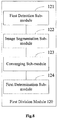
Fig. 8 is a block diagram of a first division module according to an exemplary embodiment. -
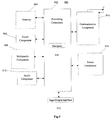
Fig. 9 is a block diagram of an apparatus for image compression according to an exemplary embodiment. -
Fig. 10 is a block diagram of another apparatus for image compression according to an exemplary embodiment. - Through the above accompany drawings, the specific embodiments of the invention have been shown, for which more detailed description will be given as below. These drawings and textual description are not intended to limit the scope of the concept of the invention in any manner, but to explain the concept of the invention to those skilled in the art through particular embodiments.
- Reference will now be made in detail to exemplary embodiments, examples of which are illustrated in the accompanying drawings. The following description refers to the accompanying drawings in which the same numbers in different drawings represent the same or similar elements unless otherwise represented. The implementations set forth in the following description of exemplary embodiments do not represent all implementations consistent with the invention. Instead, they are merely examples of apparatuses and methods consistent with aspects related to the invention as recited in the appended claims.
-
Fig. 1 is a flow chart showing an image compression method according to an exemplary embodiment, and the method can be applied to a terminal device or a cloud server. As shown inFig. 1 , the image compression method provided by this embodiment of the present invention comprises the steps as follows. - S110, acquiring a target image to be compressed (so-called "to-be-compressed target image").
- In one embodiment of the invention, the target image may be a picture to be uploaded to a server. Before the picture is uploaded to the server, the image compression method provided by the embodiment is utilized for compression, so that network traffic resources required for picture uploading are reduced, and meanwhile, the storage pressure of the server is relieved.
- In another embodiment of the invention, the target image may be a picture stored locally in the terminal device, and after the image compression method provided by the embodiment is utilized for compression, the storage pressure of the terminal device is relieved.
- S120, dividing the target image into at least two to-be-compressed regions.
- Target objects may be identified from the target image at first, then the target image is segmented, and all regions obtained from segmentation are to-be-compressed regions.
- The number of the divided to-be-compressed regions is related to the numbers and the positions of the target objects and non-target objects in the target image. The more dispersed the target objects are, the more the divided to-be-compressed regions are.
- S130, dividing the target image into pixel blocks of preset sizes and converting data in each pixel block into frequency-domain data.
- For example, data in each pixel block is subjected to DCT (Discrete Cosine Transform) which converts a signal from a time domain to a frequency domain. Generally, DCT divides an integral image into N*N pixel blocks at first and then conducts DCT operation on the N*N pixel blocks one by one, wherein N is the number of pixels in horizontal and vertical directions, and usually could be 8, that is, 8*8 pixel blocks are obtained.
- S140, acquiring a quantization table corresponding to each to-be-compressed region, wherein different quantization tables correspond to different quantization scales.
- The different to-be-compressed regions are quantized by use of the quantization tables with different quantization scales. The larger the quantization scales are, the fuzzier an obtained picture is, and on the contrary, the smaller the quantization scales are, the more details the compressed picture retains and the more definite the picture is.
- S150, quantizing the frequency-domain data corresponding to the pixel blocks in each to-be-compressed region by use of the quantization table corresponding to the to-be-compressed region.
- S160, encoding the quantized image data to obtain a compressed image.
- According to the image compression method provided by the embodiment, the to-be-compressed target image is acquired and divided into at least two to-be-compressed regions. The target image is divided into the pixel blocks of preset sizes, and data in each pixel block are converted into frequency-domain data. The quantization table corresponding to each to-be-compressed region is acquired, the different quantization tables correspond to different quantization scales, and the different to-be-compressed regions can be quantized by use of the quantization tables with different quantization scales. Quantization tables with relatively small quantization scales are used by some to-be-compressed regions, so as to retain more detailed information; and quantization tables with relatively large quantization scales are used by other to-be-compressed regions, so as to greatly reduce the image storage space. By utilizing the image compression method for image compression, not only is the image quality of some regions guaranteed, but also the image storage space is greatly reduced.
-
Fig. 2 is a flow chart showing another image acquiring method according to an exemplary embodiment. As shown inFig. 2 , the method may comprise the steps as follows. - S210, acquiring a to-be-compressed target image.
- S220, determining a ROI (Region Of Interest) and a non-ROI in the target image.
- The ROI and the non-ROI in the target image may be determined by the ROI detection algorithm, which is to draw the outline of a region needing to be processed with a square, circle, ellipse, irregular polygon, etc. in a processed image during machine vision and image processing, the region is named as ROI, which is a key point concerned by image analysis and is determined to facilitate further processing, and using the ROI to determine a concerned target in the image shortens the image processing time and improves the image processing precision.
-
Fig. 3 is a flow chart showing the determination of a ROI and a non-ROI according to an exemplary embodiment, and as shown inFig. 3 , the determination of the ROI and the non-ROI comprises steps S221-S224 as follows. - S221, detecting an image salient region in the target image.
- Wherein, the image salient region is a small region in which the image color obviously changes.
- S222, performing image segmentation on the salient region.
- Image segmentation is a technology and a process that divide the image into a plurality of specific regions with peculiar properties and provide interesting targets, such as a K-means algorithm.
- S223, filtering and converging an image segmentation result to obtain at least one candidate ROI.
- S224, determining the ROI from the at least one candidate ROI, and determining the region beyond the ROI in the target image as the non-ROI.
- S230, dividing the target image into pixel blocks of preset sizes and converting data in each pixel block into frequency-domain data.
-
Fig. 4 is a schematic drawing showing the division of an image into pixel blocks according to an exemplary embodiment, as shown inFig. 4 , the original image is divided into a plurality of 8*8 pixel blocks,Fig. 4 shows data corresponding to three of the pixel blocks, and the data are all time-domain data. - Generally, a 8*8 conversion coefficient matrix is obtained after 8*8 two-dimensional pixel blocks are subjected to DCT, and all coefficients have specific physical meanings. For example, when U=0 and V=0, F (0, 0) is the mean value of the original 64 data, equal to a DC component also known as a DC coefficient. Along with increase of U and V, other 63 coefficients represent the values of horizontal spatial frequency and vertical spatial frequency components (high-frequency components), and most of the 63 coefficients are positive and negative floating point numbers also known as AC coefficients. In the 8*8 coefficient matrix subjected to DCT, low-frequency components are centralized at the upper left corner of the matrix while the high-frequency components are centralized at the lower right corner of the matrix. The target image is divided into the 8*8 pixel blocks and each pixel block comprises 64 pixel points.
- S240, acquiring a first kind of quantization tables corresponding to the ROI and a second kind of quantization tables corresponding to the non-ROI.
- The quantization scales of the second kind of quantization tables are larger than those of the first kind of quantization tables.
- The quantization values corresponding to high-frequency parts in the first kind of quantization tables are determined according to values of high-frequency components in the pixel blocks of the ROI and a preset percent, wherein the preset percent is the percent of non-zero values in the quantization result and could be set as required by a user.
- The quantization values in the second kind of quantization tables are determined according to the values in the pixel blocks in the non-ROI and the preset percent.
- It should be noted that the same or different quantization tables can be used for different ROIs, in the same way, the same or different quantization tables can also be used for different non-ROIs, however, the values at the lower right corners in the quantization tables corresponding to the non-ROIs are much larger than data at corresponding positions in the quantization tables of the ROIs.
- The values of the first kind of quantization tables are determined according to the values of high-frequency components in the pixel blocks of the ROIsand the preset percent, wherein the preset percent is the percent of non-zero values in the quantization result. For example, the preset percent is 60, that is, at least 60 percent of values in the quantization result after quantization of data matrices corresponding to the pixel blocks are not zero. Together with the values in the data matrices corresponding to the pixel blocks, the values in the quantization tables are determined.
- S250, quantizing the frequency-domain data corresponding to the pixel blocks in each to-be-compressed region by use of the quantization table corresponding to the to-be-compressed region.
- Quantization is the result of dividing pixel values by values corresponding to the quantization tables. As for the 8*8 pixel blocks, correspondingly, the quantization tables also adopt 8*8 matrices, and the pixel values in the pixel blocks are divided by the values at the corresponding positions in the quantization tables to obtain the quantization result, which is also a 8*8 matrix.
- The drastic brightness or grey changing parts, such as edges, in the image correspond to the high-frequency components which mainly measure the image edges and contours, while the little changed parts, for example, large color block regions, correspond to low-frequency components which mainly measure the intensity of the whole picture comprehensively. Therefore, the low-frequency components are more important than the high-frequency components. As the low-frequency components are at the upper left corner of data in the pixel matrix corresponding to the pixel blocks while the high-frequency components are at the lower right corner, the values at the upper left corners of the quantization tables are relatively small, the values at the lower right corners are relatively large, and accordingly, the purposes of maintaining the low-frequency components and inhibiting the high-frequency components are achieved.
- ROIs are deeply concerned parts in the target image, such as the target objects in the image, while the non-ROIs are not-concerned images in the target image, such as background images. Therefore, the images in the ROIs should be as definite as possible, and low definition of the non-ROIs not concerned by the users causes little influence. Based on the above, the pixel blocks of the ROI may adopt the quantization tables with relatively small quantization scales, and the pixel blocks of the non-ROI may adopt the quantization tables with relatively large quantization scales.
- Table 1 shows an original pixel data matrix (channel Y of YbCbCr) for an exemplary block in an ROI according to an exemplary embodiment. Table 2 shows the corresponding matrix obtained after DCT of the pixel values in Table 1. Table 3 shows the quantization result of the Y channel DCT of the exemplary block.
Table 1 231 224 224 217 217 203 189 196 210 217 203 189 203 224 217 224 196 217 210 224 203 203 196 189 210 203 196 203 182 203 182 189 203 224 203 217 196 175 154 140 182 189 168 161 154 126 119 112 175 154 126 105 140 105 119 84 154 98 105 98 105 63 112 84 Table 2 174 19 0 3 1 0 -3 1 52 -13 -3 -4 -4 -4 5 -8 -18 -4 8 3 3 2 0 9 5 12 -4 0 0 -5 -1 0 1 2 -2 -1 4 4 2 0 -1 2 1 3 0 0 1 1 -2 5 -5 -5 3 2 -1 -1 3 5 -7 0 0 0 -4 0 Table 3 10 1 0 0 0 0 0 0 4 0 0 0 0 0 0 0 0 0 0 0 0 0 0 0 0 0 0 0 0 0 0 0 0 0 0 0 0 0 0 0 0 0 0 0 0 0 0 0 0 0 0 0 0 0 0 0 0 0 0 0 0 0 0 0 - S260, encoding the quantized image data to obtain a compressed image.
- Encoding information is divided into two types, in one type, an element at [0, 0] in each 8*8 quantization result matrix F is a DC coefficient representing the mean value of 8*8 sub-blocks, F[0, 0] is independently encoded in JPEG, and as the difference between the DC coefficients of every two adjacent 8*8 sub-blocks is very small, differential encoding DPCM is adopted to improve the compression ratio, that is, the difference value of the DC coefficients of the adjacent sub-blocks is encoded.
- In the other type, other 63 sub-blocks in the 8*8 quantization result matrix F, namely AC coefficients, adopt RLE (Run-length encode). In order to ensure that low-frequency components appear before high-frequency components to increase the number of continuous '0' in a travel, the 63 elements adopt the Zig-Zag arrangement mode as shown in
Fig. 5 . - In order to further improve the compression ratio, entropy encoding of the RLE result is needed, for example, Huffman encoding may be selected.
- After encoding by the above modes, more detailed information can be retained in the ROI of the obtained image, and meanwhile, the non-ROI is greatly compressed.
- According to the image compression method provided by the embodiment, during image compression, the ROI and non-ROI are quantized by the quantization tables with different quantization scales, wherein the ROI adopts the quantization tables with relatively small quantization scales, that is, the values in the quantization tables are relatively small; and the non-ROI adopts the quantization tables with relatively large quantization scales, that is, the values in the quantization tables are relatively large. After such treatment, more detailed information can be retained in an effective region of the image, and meanwhile, the non-ROI is greatly compressed. The image compression method guarantees the image quality of the ROI on the premise of greatly reducing the image storage space.
-
Fig. 6 is a flow chart showing another image compressionmethod according to an exemplary embodiment. In the embodiment, a server conducts image compression, and as shown inFig. 6 , the image compression method provided for an example may comprise the steps as follows. - S310, acquires a target picture to be synchronized by a mobile phone.
- S320, uploading the target picture to a cloud server by the mobile phone.
- S330, determining a ROI of a target picture by use of the ROI detection algorithm after the cloud server receives the target picture.
- S340, dividing the target picture into 8*8 pixel blocks and converting data in each pixel block into frequency-domain data by the cloud server.
- S350, quantizing the pixel blocks in the ROI by use of the first kind of quantization tables and quantizing the pixel blocks in the non-ROI by the use of the second kind of quantization tables by the cloud server, wherein quantization scales of the first kind of quantization tables are smaller than those of the second kind of quantization tables.
- S360, encoding the quantized image data to obtain a compressed image by the cloud server.
- The image compression method provided by this embodiment is completed by the server with rich resources, so that the time required for picture compression is shortened, the picture compression speed is increased, and the picture compression rate is improved.
-
Fig. 7 is a block diagram showing an image compression device according to an exemplary embodiment, and the image compression device provided by this embodiment may be applied to a terminal device or a cloud server. As shown inFig. 7 , the image compression device may comprise afirst acquisition module 110, afirst division module 120, asecond division module 130, asecond acquisition module 140, aquantization module 150 and anencoding module 160. - The
first acquisition module 110 is configured to acquire a to-be-compressed target image. - The target image may be a picture to be uploaded to the server or a picture stored locally in the terminal device.
- The
first division module 120 is configured to divide the target image acquired by thefirst acquisition module 110 into at least two to-be-compressed regions. - The first division module may divide the target image into a ROI and a non-ROI by use of the ROI detection algorithm.
-
Fig. 8 is a block diagram of a first division module according to an exemplary embodiment. As shown inFig. 8 , thefirst division module 120 comprises afirst detection sub-module 121, animage segmentation sub-module 122, a converging sub-module 123 and afirst determination sub-module 124. - The
first detection sub-module 121 is configured to detect an image salient region in the target image. Theimage segmentation sub-module 122 is configured to perform image segmentation on the detected image salient region. The converging sub-module 123 is configured to filter and converge an image segmentation result to obtain at least one candidate ROI. Thefirst determination sub-module 124 is configured to determine the ROI from the at least one candidate ROI, and determine the region beyond the ROI in the target image as the non-ROI. - The
second division module 130 is configured to divide the target image acquired by thefirst acquisition module 110 into pixel blocks of preset sizes and convert data in each pixel block into frequency-domain data. - The second division module is configured to divide the integral image into N*N pixel blocks, wherein N is the number of pixels in the horizontal and vertical directions and is generally 8, that is, 8*8 pixel blocks are obtained. Then, data conversion operation, such as DCT, of the N*N pixel blocks is performed one by one.
- The
second acquisition module 140 is configured to acquire a quantization table corresponding to each to-be-compressed region obtained by thefirst division module 120, wherein different quantization tables correspond to different quantization scales. - The second acquisition module is configured to acquire a first kind of quantization tables corresponding to the ROI and acquire a second kind of quantization tables corresponding to the non-ROI, wherein the quantization scales of the second kind of quantization tables are larger than those of the first kind of quantization tables.
- The quantization values corresponding to high-frequency parts in the first kind of quantization tables are determined according to the values of high-frequency components in the pixel blocks of the ROI and a preset percent, wherein the preset percent is the percent of non-zero values in the quantization result and can be set as required by a user.
- The quantization values in the second kind of quantization tables are determined according to the values in the pixel blocks in the non-ROI and a preset percent.
- The
quantization module 150 is configured to quantize the frequency-domain data corresponding to the pixel blocks in each to-be-compressed region by use of the quantization table corresponding to the to-be-compressed region. - Quantization is the result of dividing pixel values by values corresponding to the quantization tables. As for the 8*8 pixel blocks, correspondingly, the quantization tables also adopt 8*8 matrices, and the pixel values in the pixel blocks are divided by the values at the corresponding positions in the quantization tables to obtain the quantization result, which is also a 8*8 matrix.
- The
encoding module 160 is configured to encode image data quantized by thequantization module 150 to obtain a compressed image. - According to the image compression apparatus provided by the embodiment, the to-be-compressed target image is acquired and divided into at least two to-be-compressed regions. The target image is divided into the pixel blocks of preset sizes, and data in each pixel block are converted into frequency-domain data. The quantization table corresponding to each to-be-compressed region is acquired, the different quantization tables correspond to different quantization scales, and the different to-be-compressed regions can be quantized by use of the quantization tables with different quantization scales. Quantization tables with relatively small quantization scales are used by some to-be-compressed regions, so as to retain more detailed information; and quantization tables with relatively large quantization scales are used by other to-be-compressed regions, so as to greatly reduce the image storage space. By utilizing the image compression apparatus for image compression, not only the image quality of some regions is guaranteed, but also the image storage space is greatly reduced.
-
Fig. 9 is a block diagram of anapparatus 900 for image compression according to an exemplary embodiment. Fox example, theapparatus 900 may be a mobile phone, a computer, a digital broadcast terminal, a message transceiver, a game console, a tablet device, a medical device, fitness equipment, a personal digital assistant, or the like. - Referring to
Fig. 9 , theapparatus 900 may include one or more following components: aprocessing component 902, amemory 904, apower component 906, amultimedia component 908, anaudio component 910, an input/output (I/O)interface 912, asensor component 914 and acommunication component 916. - The
processing component 902 typically controls overall operations of theapparatus 900, such as the operations associated with display, telephone calls, data communications, camera operations and recording operations. Theprocessing component 902 may include one ormore processors 920 to execute instructions to perform all or part of the steps in the above described methods. Moreover, theprocessing component 902 may include one or more modules which facilitate the interaction between theprocessing component 902 and other components. For example, theprocessing component 902 may include a multimedia module to facilitate the interaction between themultimedia component 908 and theprocessing component 902. - The
memory 904 is configured to store various types of data to support the operation of theapparatus 900. Examples of such data include instructions for any applications or methods operated on theapparatus 900, contact data, phonebook data, messages, pictures, video, etc. Thememory 904 may be implemented using any type of volatile or non-volatile memory devices, or a combination thereof, such as a static random access memory (SRAM), an electrically erasable programmable read-only memory (EEPROM), an erasable programmable read-only memory (EPROM), a programmable read-only memory (PROM), a read-only memory (ROM), a magnetic memory, a flash memory, a magnetic or optical disk. - The
power component 906 provides power to various components of theapparatus 900. Thepower component 906 may include a power supply management system, one or more power sources, and any other components associated with the generation, management, and distribution of power in theapparatus 900. - The
multimedia component 908 includes a screen providing an output interface between theapparatus 900 and the user. In some embodiments, the screen may include a liquid crystal display (LCD) and a touch panel (TP). If the screen includes the touch panel, the screen may be implemented as a touch screen to receive input signals from the user. The touch panel includes one or more touch sensors to sense touches, swipes and gestures on the touch panel. The touch sensors may not only sense a boundary of a touch or swipe action, but also sense a period of time and a pressure associated with the touch or swipe action. In some embodiments, themultimedia component 908 includes a front camera and/or a rear camera. The front camera and/or the rear camera may receive an external multimedia datum while theapparatus 900 is in an operation mode, such as a photographing mode or a video mode. Each of the front and rear cameras may be a fixed optical lens system or have a focus and optical zoom capability. - The
audio component 910 is configured to output and/or input audio signals. For example, theaudio component 910 includes a microphone (MIC) configured to receive an external audio signal when theapparatus 900 is in an operation mode, such as a call mode, a recording mode, and a voice recognition mode. The received audio signal may be further stored in thememory 904 or transmitted via thecommunication component 916. In some embodiments, theaudio component 910 further includes a speaker to output audio signals. - The I/
O interface 912 provides an interface between theprocessing component 902 and peripheral interface modules, such as a keyboard, a click wheel, buttons, and the like. The buttons may include, but are not limited to, a home button, a volume button, a starting button, and a locking button. - The
sensor component 914 includes one or more sensors to provide status assessments of various aspects of theapparatus 900. For instance, thesensor component 914 may detect an open/closed status of theapparatus 900, relative positioning of components, e.g., the display and the keypad, of theapparatus 900, a change in position of theapparatus 900 or a component of theapparatus 900, a presence or absence of user's contact with theapparatus 900, an orientation or an acceleration/deceleration of theapparatus 900, and a change in temperature of theapparatus 900. Thesensor component 914 may include a proximity sensor configured to detect the presence of nearby objects without any physical contact. Thesensor component 914 may also include a light sensor, such as a CMOS or CCD image sensor, for use in imaging applications. In some embodiments, thesensor component 914 may also include an accelerometer sensor, a gyroscope sensor, a magnetic sensor, a pressure sensor or a temperature sensor. - The
communication component 916 is configured to facilitate communication, wired or wirelessly, between theapparatus 900 and other apparatuses. Theapparatus 900 can access a wireless network based on a communication standard, such as WiFi, 2G, or 3G, or a combination thereof. In one exemplary embodiment, thecommunication component 916 receives a broadcast signal or broadcast associated information from an external broadcast management system via a broadcast channel. In one exemplary embodiment, thecommunication component 916 further includes a near field communication (NFC) module to facilitate short-range communications. For example, the NFC module may be implemented based on a radio frequency identification (RFID) technology, an infrared data association (IrDA) technology, an ultra-wideband (UWB) technology, a Bluetooth (BT) technology, and other technologies. - In exemplary embodiments, the
apparatus 900 may be implemented with one or more application specific integrated circuits (ASICs), digital signal processors (DSPs), digital signal processing devices (DSPDs), programmable logic devices (PLDs), field programmable gate arrays (FPGAs), controllers, micro-controllers, microprocessors, or other electronic components, for performing the above described methods. - In exemplary embodiments, there is also provided a non-transitory computer-readable storage medium comprising instructions, such as comprised in the
memory 904, executable by theprocessor 920 in theapparatus 900, for performing the above-described methods. For example, the non-transitory computer-readable storage medium may be a ROM, a RAM, a CD-ROM, a magnetic tape, a floppy disc, an optical data storage device, and the like. - There is provided a non-transitory computer-readable storage medium, when instructions in the storage medium are executed by the processor of the mobile terminal, the target device can perform an image compression method which comprises:
- acquiring a to-be-compressed target image;
- dividing the target image into at least two to-be-compressed regions;
- dividing the target image into pixel blocks of preset sizes, and converting data in each pixel block into frequency-domain data;
- acquiring a quantization table corresponding to each to-be-compressed region, wherein different quantization tables correspond to different quantization scales;
- quantizing the frequency-domain data corresponding to the pixel blocks in each to-be-compressed region by use of the quantization table corresponding to the to-be-compressed region; and
- encoding the quantized image data to obtain a compressed image.
-
Fig. 10 is a block diagram of anapparatus 1000 for image compression according to an exemplary embodiment. For example, thedevice 1000 may be a server. Referring toFig. 10 , theapparatus 1000 comprises aprocessing component 1022, and further comprises one or more processors as well as a memory source represented by amemory 1032 configured to store instructions executable by theprocessing component 1022, such as an application program. The application program stored in thememory 1032 may comprise one or more modules, each of which corresponds to a group of instructions. Besides, theprocessing component 1022 is configured to execute instructions so as to execute the above embodiments of the image compression method. - The
apparatus 1000 may also comprise apower component 1026 configured to perform power management of theapparatus 1000, a wired orwireless network interface 1050 configured to connect theapparatus 1000 to a network, and an input/output interface 1058. Theapparatus 1000 may operate an operating system stored in thememory 1032, such as Windows ServerTM, Mac OS XTM, UnixTM, LinuxTM, FreeBSDTM or the like. - Other embodiments of the invention will be apparent to those skilled in the art from consideration of the specification and practice of the invention disclosed here. This application is intended to cover any variations, uses, or adaptations of the invention following the general principles thereof and including such departures from the present invention as come within known or customary practice in the art. It is intended that the specification and examples be considered as exemplary only, with a true scope of the invention being indicated by the following claims.
- It will be appreciated that the present invention is not limited to the exact construction that has been described above and illustrated in the accompanying drawings, and that various modifications and changes can be made without departing from the scope thereof. It is intended that the scope of the invention only be limited by the appended claims.
Claims (11)
- An image compression method, characterized by comprising:acquiring (S101) a target image to be compressed;dividing (S120) the target image into at least two to-be-compressed regions;dividing (S130) the target image into pixel blocks of preset sizes, and converting data in each pixel block into frequency-domain data;acquiring (S140) a quantization table corresponding to each to-be-compressed region, wherein different quantization tables correspond to different quantization scales;quantizing (S150) the frequency-domain data corresponding to the pixel blocks in each to-be-compressed region by use of the quantization table corresponding to the to-be-compressed region; andencoding (S160) the quantized image data to obtain a compressed image.
- The method of claim 1, characterized in that said dividing the target image into at least two to-be-compressed regions comprises:determining (S220) a ROI (Region Of Interest) and a non-ROI in the target image;and wherein said acquiring the quantization table corresponding to each to-be-compressed region comprises:acquiring (S240) a first kind of quantization tables corresponding to the ROI and acquiring (S240) a second kind of quantization tables corresponding to the non-ROI, wherein the quantization scales of the second kind of quantization tables are larger than those of the first kind of quantization tables.
- The method of claim 2, characterized in that said determining the ROI (Region Of Interest) and the non-ROI in the target image comprises:detecting (S221) an image salient region in the target image;performing (S222) image segmentation on the detected image salient region;filtering (S223) and converging an image segmentation result to obtain at least one candidate ROI; anddetermining (S224) the ROI from the at least one candidate ROI, and determining the region beyond the ROI in the target image as the non-ROI.
- The method of claim 2 or 3, characterized in that said acquiring the quantization table corresponding to each to-be-compressed region comprises:determining quantization values corresponding to high-frequency parts in the first kind of quantization tables according to values of high-frequency components in the pixel blocks of the ROI and a preset percent, the preset percent being the percent of non-zero values in the quantization result.
- The method of any one of claims 1 to 4, characterized in that dividing the target image into the pixel blocks of preset sizes comprises: dividing the target image into 8*8 pixel blocks.
- An image compression apparatus, characterized by comprising:a first acquisition module (110) configured to acquire a target image to be compressed;a first division module (120) configured to divide the target image acquired by the first acquisition module into at least two to-be-compressed regions;a second division module (130) configured to divide the target image acquired by the first acquisition module into pixel blocks of preset sizes, and convert data in each pixel block into frequency-domain data;a second acquisition module (140) configured to acquire a quantization table corresponding to each to-be-compressed region obtained by the first division module, wherein different quantization tables correspond to different quantization scales;a quantization module (150) configured to quantize the frequency-domain data corresponding to the pixel blocks in each to-be-compressed region by use of the quantization table corresponding to the to-be-compressed region; andan encoding module (160) configured to encode image data quantized by the quantization module to obtain a compressed image.
- The apparatus of claim 6, characterized in that:the first division module (120) is configured to determine a ROI (Region Of Interest) and a non-ROI from the target image; andthe second acquisition module (140) is configured to acquire a first kind of quantization tables corresponding to the ROI, and acquire a second kind of quantization tables corresponding to the non-ROI, wherein the quantization scales of the second kind of quantization tables are larger than those of the first kind of quantization tables.
- The apparatus of claim 7, characterized in that the first division module (120) configured to determine the ROI and the non-ROI from the target image comprises:a first detection sub-module (121) configured to detect an image salient region in the target image;an image segmentation sub-module (122) configured to perform image segmentation on the detected image salient region;a converging sub-module (123) configured to filter and converge an image segmentation result to obtain at least one candidate ROI; anda first determination sub-module (124) configured to determine the ROI from the at least one candidate ROI, and determine the region beyond the ROI in the target image as the non-ROI.
- The apparatus of claim 7 or 8, characterized in that the second acquisition module (140) is configured to determine quantization values corresponding to high-frequency parts in the first kind of quantization tables according to values of high-frequency components in the pixel blocks of the ROI and a preset percent, the preset percent being the percent of non-zero values in the quantization result.
- A computer program including instructions for executing the steps of an image compression method according to any one of claims 1 to 5, when said program is executed by a computer.
- A recording medium readable by a computer and having recorded thereon a computer program including instructions for executing the steps of an image compression method according to any one of claims 1 to 5.
Applications Claiming Priority (1)
| Application Number | Priority Date | Filing Date | Title |
|---|---|---|---|
| CN201510815633.2A CN105407352A (en) | 2015-11-23 | 2015-11-23 | Image compression method and device, and server |
Publications (3)
| Publication Number | Publication Date |
|---|---|
| EP3171596A2 true EP3171596A2 (en) | 2017-05-24 |
| EP3171596A3 EP3171596A3 (en) | 2017-08-02 |
| EP3171596B1 EP3171596B1 (en) | 2022-07-06 |
Family
ID=55472557
Family Applications (1)
| Application Number | Title | Priority Date | Filing Date |
|---|---|---|---|
| EP16186290.9A Active EP3171596B1 (en) | 2015-11-23 | 2016-08-30 | Image compression with adaptive quantization of regions of interest (roi) |
Country Status (8)
| Country | Link |
|---|---|
| US (1) | US20170150148A1 (en) |
| EP (1) | EP3171596B1 (en) |
| JP (1) | JP2018505571A (en) |
| KR (1) | KR101848191B1 (en) |
| CN (1) | CN105407352A (en) |
| MX (1) | MX361216B (en) |
| RU (1) | RU2653314C2 (en) |
| WO (1) | WO2017088258A1 (en) |
Cited By (1)
| Publication number | Priority date | Publication date | Assignee | Title |
|---|---|---|---|---|
| CN110751695A (en) * | 2019-01-23 | 2020-02-04 | 余刚 | Adaptive data processing method |
Families Citing this family (30)
| Publication number | Priority date | Publication date | Assignee | Title |
|---|---|---|---|---|
| CN105407352A (en) * | 2015-11-23 | 2016-03-16 | 小米科技有限责任公司 | Image compression method and device, and server |
| CN105744167B (en) * | 2016-03-28 | 2019-04-02 | 努比亚技术有限公司 | Image capturing method, device and mobile terminal |
| CN106130562B (en) * | 2016-06-15 | 2019-09-06 | 中国石油集团渤海钻探工程有限公司 | Logging-while-drilling data real-time compression method and decompression method |
| CN109246431B (en) * | 2017-07-10 | 2021-06-04 | 北京君正集成电路股份有限公司 | Video coding method and device based on quantization parameter configuration and electronic equipment |
| KR102343648B1 (en) * | 2017-08-29 | 2021-12-24 | 삼성전자주식회사 | Video encoding apparatus and video encoding system |
| CN110198445A (en) * | 2018-02-26 | 2019-09-03 | 浙江宇视科技有限公司 | Image encoding method, device, NVR and readable storage medium storing program for executing |
| CN110519594B (en) * | 2018-05-21 | 2021-04-20 | 华为技术有限公司 | Video coding method and device |
| CN110536138B (en) * | 2018-05-25 | 2021-11-09 | 杭州海康威视数字技术股份有限公司 | Lossy compression coding method and device and system-on-chip |
| CN109474824B (en) * | 2018-12-04 | 2020-04-10 | 深圳市华星光电半导体显示技术有限公司 | Image compression method |
| CN113228101B (en) * | 2018-12-25 | 2024-05-10 | 浙江大华技术股份有限公司 | System and method for image segmentation |
| CN109921801A (en) * | 2019-03-01 | 2019-06-21 | 迅雷计算机(深圳)有限公司 | A kind of data compression and decompression method, device, system and data processing system |
| CN110505484A (en) * | 2019-08-12 | 2019-11-26 | 深圳市华星光电技术有限公司 | Data compression device and compression method |
| CN111131825A (en) * | 2019-10-28 | 2020-05-08 | 华为技术有限公司 | Video processing method and related device |
| CN112911186B (en) * | 2019-12-03 | 2023-03-24 | RealMe重庆移动通信有限公司 | Image storage method and device, electronic equipment and storage medium |
| CN111010574B (en) * | 2019-12-13 | 2022-02-01 | 芯颖科技有限公司 | Image compression method and device and electronic equipment |
| JP7528438B2 (en) | 2019-12-26 | 2024-08-06 | 日本電気株式会社 | Data compression device, model generation device, data compression method, model generation method, and computer program |
| CN111491169B (en) * | 2020-04-22 | 2022-12-09 | 湖南国科微电子股份有限公司 | Digital image compression method, device, equipment and medium |
| US11664816B2 (en) | 2020-04-22 | 2023-05-30 | Apple Inc. | Lossy compression techniques |
| CN115516769A (en) * | 2020-04-22 | 2022-12-23 | 苹果公司 | lossy compression technique |
| CN116325752B (en) * | 2020-09-29 | 2025-07-04 | 华为技术有限公司 | Image compression method and device |
| CN112839228B (en) * | 2020-12-21 | 2023-10-20 | 福建智达力胜电力科技有限公司 | UAV image processing and transmission method |
| US12101492B2 (en) * | 2021-06-23 | 2024-09-24 | Black Sesame Technologies Inc. | Unprocessed image coding and decoding |
| CN113436347A (en) * | 2021-06-24 | 2021-09-24 | 辽宁向日葵教育科技有限公司 | Three-dimensional image compression method |
| CN115086683B (en) * | 2021-09-23 | 2025-09-19 | 芯原微电子(成都)有限公司 | Image compression method, device, electronic equipment and computer readable storage medium |
| CN114063944B (en) * | 2021-11-22 | 2025-01-10 | 腾讯云计算(北京)有限责任公司 | Color display method, device, electronic device and readable medium |
| CN114222132B (en) * | 2022-01-13 | 2024-05-14 | 北京达佳互联信息技术有限公司 | Video decoding inverse transformation method and device |
| CN115546504B (en) * | 2022-08-16 | 2025-09-09 | 广东交通职业技术学院 | Image data compression method, system, device and storage medium |
| TWI817797B (en) * | 2022-10-31 | 2023-10-01 | 晶睿通訊股份有限公司 | Image analysis model adjustment method and image analysis apparatus |
| KR20240062454A (en) | 2022-11-01 | 2024-05-09 | 삼성전자주식회사 | Method and apparatus for extracting the region of interest |
| CN116503427B (en) * | 2023-06-27 | 2023-09-22 | 深圳市合成快捷电子科技有限公司 | A fast segmentation method for flexible circuit board defect areas based on computer vision |
Family Cites Families (23)
| Publication number | Priority date | Publication date | Assignee | Title |
|---|---|---|---|---|
| JPH0583566A (en) * | 1991-09-24 | 1993-04-02 | N T T Data Tsushin Kk | Image encoder |
| JPH0795418A (en) * | 1993-09-20 | 1995-04-07 | Canon Inc | Image communication device |
| US6026190A (en) * | 1994-10-31 | 2000-02-15 | Intel Corporation | Image signal encoding with variable low-pass filter |
| US6650361B1 (en) * | 1997-12-17 | 2003-11-18 | Canon Kabushiki Kaisha | Imaging apparatus control method, and a computer program product having computer program code therefor |
| US6539124B2 (en) * | 1999-02-03 | 2003-03-25 | Sarnoff Corporation | Quantizer selection based on region complexities derived using a rate distortion model |
| GB2371434A (en) * | 2001-01-19 | 2002-07-24 | Motorola Inc | Encoding and transmitting video data |
| JP4183432B2 (en) * | 2002-04-10 | 2008-11-19 | 富士通株式会社 | Image data encoding method |
| US8693537B2 (en) * | 2005-03-01 | 2014-04-08 | Qualcomm Incorporated | Region-of-interest coding with background skipping for video telephony |
| JP4542107B2 (en) * | 2005-07-22 | 2010-09-08 | 三菱電機株式会社 | Image decoding apparatus and image decoding method |
| US8208758B2 (en) * | 2005-10-05 | 2012-06-26 | Qualcomm Incorporated | Video sensor-based automatic region-of-interest detection |
| US7956930B2 (en) * | 2006-01-06 | 2011-06-07 | Microsoft Corporation | Resampling and picture resizing operations for multi-resolution video coding and decoding |
| US8265349B2 (en) * | 2006-02-07 | 2012-09-11 | Qualcomm Incorporated | Intra-mode region-of-interest video object segmentation |
| CN101309410A (en) * | 2008-07-08 | 2008-11-19 | 武汉大学 | A Video Codec Architecture |
| US20100296583A1 (en) * | 2009-05-22 | 2010-11-25 | Aten International Co., Ltd. | Image processing and transmission in a kvm switch system with special handling for regions of interest |
| CN101945275B (en) * | 2010-08-18 | 2012-10-24 | 镇江唐桥微电子有限公司 | Video coding method based on region of interest (ROI) |
| KR101395094B1 (en) * | 2010-09-29 | 2014-05-16 | 안동대학교 산학협력단 | Method and system for detecting object in input image |
| US8743051B1 (en) * | 2011-09-20 | 2014-06-03 | Amazon Technologies, Inc. | Mirror detection-based device functionality |
| CN102572428B (en) * | 2011-12-28 | 2014-05-07 | 南京邮电大学 | Side information estimating method oriented to distributed coding and decoding of multimedia sensor network |
| CN102724499B (en) * | 2012-05-31 | 2014-10-15 | 西北工业大学 | Variable-compression ratio image compression system and method based on FPGA |
| CN104581158B (en) * | 2013-10-16 | 2019-02-26 | 中兴通讯股份有限公司 | Quantization table, image compression processing method, device, terminal and image search system |
| US9177225B1 (en) * | 2014-07-03 | 2015-11-03 | Oim Squared Inc. | Interactive content generation |
| US9916508B2 (en) * | 2015-03-12 | 2018-03-13 | Toyota Jidosha Kabushiki Kaisha | Detecting roadway objects in real-time images |
| CN105407352A (en) * | 2015-11-23 | 2016-03-16 | 小米科技有限责任公司 | Image compression method and device, and server |
-
2015
- 2015-11-23 CN CN201510815633.2A patent/CN105407352A/en active Pending
- 2015-12-29 JP JP2016523919A patent/JP2018505571A/en active Pending
- 2015-12-29 MX MX2016005790A patent/MX361216B/en active IP Right Grant
- 2015-12-29 RU RU2016139969A patent/RU2653314C2/en active
- 2015-12-29 KR KR1020167010365A patent/KR101848191B1/en not_active Expired - Fee Related
- 2015-12-29 WO PCT/CN2015/099609 patent/WO2017088258A1/en not_active Ceased
-
2016
- 2016-08-18 US US15/240,498 patent/US20170150148A1/en not_active Abandoned
- 2016-08-30 EP EP16186290.9A patent/EP3171596B1/en active Active
Non-Patent Citations (1)
| Title |
|---|
| None |
Cited By (1)
| Publication number | Priority date | Publication date | Assignee | Title |
|---|---|---|---|---|
| CN110751695A (en) * | 2019-01-23 | 2020-02-04 | 余刚 | Adaptive data processing method |
Also Published As
| Publication number | Publication date |
|---|---|
| EP3171596B1 (en) | 2022-07-06 |
| EP3171596A3 (en) | 2017-08-02 |
| MX361216B (en) | 2018-11-29 |
| MX2016005790A (en) | 2017-10-27 |
| US20170150148A1 (en) | 2017-05-25 |
| KR101848191B1 (en) | 2018-04-11 |
| JP2018505571A (en) | 2018-02-22 |
| WO2017088258A1 (en) | 2017-06-01 |
| RU2653314C2 (en) | 2018-05-07 |
| RU2016139969A (en) | 2018-04-11 |
| CN105407352A (en) | 2016-03-16 |
Similar Documents
| Publication | Publication Date | Title |
|---|---|---|
| EP3171596B1 (en) | Image compression with adaptive quantization of regions of interest (roi) | |
| US20210058595A1 (en) | Method, Device, and Storage Medium for Converting Image | |
| CN110619610B (en) | Image processing method and device | |
| CN109345485B (en) | Image enhancement method and device, electronic equipment and storage medium | |
| CN105095881B (en) | Face recognition method, face recognition device and terminal | |
| CN106530252B (en) | Image processing method and device | |
| EP3985972A1 (en) | Machine learning-based artifact removal method and apparatus, and machine learning-based artifact removal model training method and apparatus | |
| CN106303156B (en) | To the method, device and mobile terminal of video denoising | |
| CN105491358A (en) | Image processing method, device and terminal | |
| WO2016110188A1 (en) | Method and electronic device for aesthetic enhancements of face in real-time video | |
| CN105574834B (en) | Image processing method and device | |
| CN105528765A (en) | Method and device for processing image | |
| US8995784B2 (en) | Structure descriptors for image processing | |
| CN105392056B (en) | The determination method and device of television situation pattern | |
| CN107507128B (en) | Image processing method and apparatus | |
| CN110796012B (en) | Image processing method and device, electronic equipment and readable storage medium | |
| CN105472228B (en) | Image processing method and device and terminal | |
| CN107730443B (en) | Image processing method and device and user equipment | |
| CN115052150A (en) | Video encoding method, video encoding device, electronic equipment and storage medium | |
| CN109660794B (en) | Decision method, decision device and computer readable storage medium for intra prediction mode | |
| CN120374404A (en) | Image processing method and device, electronic equipment, storage medium and chip | |
| US10405003B2 (en) | Image compression based on semantic relevance | |
| CN119359583A (en) | Image processing method, image processing apparatus, and storage medium | |
| CN112435231B (en) | Image quality scale generation method, image quality evaluation method and device | |
| CN106887024B (en) | The processing method and processing system of photo |
Legal Events
| Date | Code | Title | Description |
|---|---|---|---|
| PUAI | Public reference made under article 153(3) epc to a published international application that has entered the european phase |
Free format text: ORIGINAL CODE: 0009012 |
|
| STAA | Information on the status of an ep patent application or granted ep patent |
Free format text: STATUS: THE APPLICATION HAS BEEN PUBLISHED |
|
| AK | Designated contracting states |
Kind code of ref document: A2 Designated state(s): AL AT BE BG CH CY CZ DE DK EE ES FI FR GB GR HR HU IE IS IT LI LT LU LV MC MK MT NL NO PL PT RO RS SE SI SK SM TR |
|
| AX | Request for extension of the european patent |
Extension state: BA ME |
|
| PUAL | Search report despatched |
Free format text: ORIGINAL CODE: 0009013 |
|
| AK | Designated contracting states |
Kind code of ref document: A3 Designated state(s): AL AT BE BG CH CY CZ DE DK EE ES FI FR GB GR HR HU IE IS IT LI LT LU LV MC MK MT NL NO PL PT RO RS SE SI SK SM TR |
|
| AX | Request for extension of the european patent |
Extension state: BA ME |
|
| RIC1 | Information provided on ipc code assigned before grant |
Ipc: H04N 19/124 20140101ALI20170627BHEP Ipc: H04N 19/176 20140101AFI20170627BHEP Ipc: H04N 19/17 20140101ALI20170627BHEP Ipc: H04N 19/167 20140101ALI20170627BHEP Ipc: H04N 19/14 20140101ALI20170627BHEP |
|
| STAA | Information on the status of an ep patent application or granted ep patent |
Free format text: STATUS: REQUEST FOR EXAMINATION WAS MADE |
|
| 17P | Request for examination filed |
Effective date: 20180126 |
|
| RBV | Designated contracting states (corrected) |
Designated state(s): AL AT BE BG CH CY CZ DE DK EE ES FI FR GB GR HR HU IE IS IT LI LT LU LV MC MK MT NL NO PL PT RO RS SE SI SK SM TR |
|
| STAA | Information on the status of an ep patent application or granted ep patent |
Free format text: STATUS: EXAMINATION IS IN PROGRESS |
|
| 17Q | First examination report despatched |
Effective date: 20200602 |
|
| REG | Reference to a national code |
Ref country code: DE Ref legal event code: R079 Ref document number: 602016073285 Country of ref document: DE Free format text: PREVIOUS MAIN CLASS: H04N0019176000 Ipc: H04N0019167000 |
|
| GRAP | Despatch of communication of intention to grant a patent |
Free format text: ORIGINAL CODE: EPIDOSNIGR1 |
|
| STAA | Information on the status of an ep patent application or granted ep patent |
Free format text: STATUS: GRANT OF PATENT IS INTENDED |
|
| RIC1 | Information provided on ipc code assigned before grant |
Ipc: H04N 19/176 20140101ALI20220114BHEP Ipc: G06T 7/11 20170101ALI20220114BHEP Ipc: H04N 19/14 20140101ALI20220114BHEP Ipc: H04N 19/17 20140101ALI20220114BHEP Ipc: H04N 19/124 20140101ALI20220114BHEP Ipc: H04N 19/167 20140101AFI20220114BHEP |
|
| INTG | Intention to grant announced |
Effective date: 20220202 |
|
| GRAS | Grant fee paid |
Free format text: ORIGINAL CODE: EPIDOSNIGR3 |
|
| GRAA | (expected) grant |
Free format text: ORIGINAL CODE: 0009210 |
|
| STAA | Information on the status of an ep patent application or granted ep patent |
Free format text: STATUS: THE PATENT HAS BEEN GRANTED |
|
| AK | Designated contracting states |
Kind code of ref document: B1 Designated state(s): AL AT BE BG CH CY CZ DE DK EE ES FI FR GB GR HR HU IE IS IT LI LT LU LV MC MK MT NL NO PL PT RO RS SE SI SK SM TR |
|
| REG | Reference to a national code |
Ref country code: AT Ref legal event code: REF Ref document number: 1503715 Country of ref document: AT Kind code of ref document: T Effective date: 20220715 Ref country code: CH Ref legal event code: EP |
|
| REG | Reference to a national code |
Ref country code: DE Ref legal event code: R096 Ref document number: 602016073285 Country of ref document: DE |
|
| REG | Reference to a national code |
Ref country code: IE Ref legal event code: FG4D |
|
| REG | Reference to a national code |
Ref country code: LT Ref legal event code: MG9D |
|
| REG | Reference to a national code |
Ref country code: NL Ref legal event code: MP Effective date: 20220706 |
|
| PG25 | Lapsed in a contracting state [announced via postgrant information from national office to epo] |
Ref country code: SE Free format text: LAPSE BECAUSE OF FAILURE TO SUBMIT A TRANSLATION OF THE DESCRIPTION OR TO PAY THE FEE WITHIN THE PRESCRIBED TIME-LIMIT Effective date: 20220706 Ref country code: RS Free format text: LAPSE BECAUSE OF FAILURE TO SUBMIT A TRANSLATION OF THE DESCRIPTION OR TO PAY THE FEE WITHIN THE PRESCRIBED TIME-LIMIT Effective date: 20220706 Ref country code: PT Free format text: LAPSE BECAUSE OF FAILURE TO SUBMIT A TRANSLATION OF THE DESCRIPTION OR TO PAY THE FEE WITHIN THE PRESCRIBED TIME-LIMIT Effective date: 20221107 Ref country code: NO Free format text: LAPSE BECAUSE OF FAILURE TO SUBMIT A TRANSLATION OF THE DESCRIPTION OR TO PAY THE FEE WITHIN THE PRESCRIBED TIME-LIMIT Effective date: 20221006 Ref country code: NL Free format text: LAPSE BECAUSE OF FAILURE TO SUBMIT A TRANSLATION OF THE DESCRIPTION OR TO PAY THE FEE WITHIN THE PRESCRIBED TIME-LIMIT Effective date: 20220706 Ref country code: LV Free format text: LAPSE BECAUSE OF FAILURE TO SUBMIT A TRANSLATION OF THE DESCRIPTION OR TO PAY THE FEE WITHIN THE PRESCRIBED TIME-LIMIT Effective date: 20220706 Ref country code: LT Free format text: LAPSE BECAUSE OF FAILURE TO SUBMIT A TRANSLATION OF THE DESCRIPTION OR TO PAY THE FEE WITHIN THE PRESCRIBED TIME-LIMIT Effective date: 20220706 Ref country code: FI Free format text: LAPSE BECAUSE OF FAILURE TO SUBMIT A TRANSLATION OF THE DESCRIPTION OR TO PAY THE FEE WITHIN THE PRESCRIBED TIME-LIMIT Effective date: 20220706 Ref country code: ES Free format text: LAPSE BECAUSE OF FAILURE TO SUBMIT A TRANSLATION OF THE DESCRIPTION OR TO PAY THE FEE WITHIN THE PRESCRIBED TIME-LIMIT Effective date: 20220706 |
|
| REG | Reference to a national code |
Ref country code: AT Ref legal event code: MK05 Ref document number: 1503715 Country of ref document: AT Kind code of ref document: T Effective date: 20220706 |
|
| PG25 | Lapsed in a contracting state [announced via postgrant information from national office to epo] |
Ref country code: PL Free format text: LAPSE BECAUSE OF FAILURE TO SUBMIT A TRANSLATION OF THE DESCRIPTION OR TO PAY THE FEE WITHIN THE PRESCRIBED TIME-LIMIT Effective date: 20220706 Ref country code: IS Free format text: LAPSE BECAUSE OF FAILURE TO SUBMIT A TRANSLATION OF THE DESCRIPTION OR TO PAY THE FEE WITHIN THE PRESCRIBED TIME-LIMIT Effective date: 20221106 Ref country code: HR Free format text: LAPSE BECAUSE OF FAILURE TO SUBMIT A TRANSLATION OF THE DESCRIPTION OR TO PAY THE FEE WITHIN THE PRESCRIBED TIME-LIMIT Effective date: 20220706 Ref country code: GR Free format text: LAPSE BECAUSE OF FAILURE TO SUBMIT A TRANSLATION OF THE DESCRIPTION OR TO PAY THE FEE WITHIN THE PRESCRIBED TIME-LIMIT Effective date: 20221007 |
|
| REG | Reference to a national code |
Ref country code: DE Ref legal event code: R082 Ref document number: 602016073285 Country of ref document: DE Representative=s name: CBDL PATENTANWAELTE GBR, DE Ref country code: DE Ref legal event code: R082 Ref document number: 602016073285 Country of ref document: DE Representative=s name: CBDL PATENTANWAELTE EGBR, DE |
|
| REG | Reference to a national code |
Ref country code: CH Ref legal event code: PL |
|
| REG | Reference to a national code |
Ref country code: DE Ref legal event code: R097 Ref document number: 602016073285 Country of ref document: DE |
|
| PG25 | Lapsed in a contracting state [announced via postgrant information from national office to epo] |
Ref country code: SM Free format text: LAPSE BECAUSE OF FAILURE TO SUBMIT A TRANSLATION OF THE DESCRIPTION OR TO PAY THE FEE WITHIN THE PRESCRIBED TIME-LIMIT Effective date: 20220706 Ref country code: RO Free format text: LAPSE BECAUSE OF FAILURE TO SUBMIT A TRANSLATION OF THE DESCRIPTION OR TO PAY THE FEE WITHIN THE PRESCRIBED TIME-LIMIT Effective date: 20220706 Ref country code: MC Free format text: LAPSE BECAUSE OF FAILURE TO SUBMIT A TRANSLATION OF THE DESCRIPTION OR TO PAY THE FEE WITHIN THE PRESCRIBED TIME-LIMIT Effective date: 20220706 Ref country code: LU Free format text: LAPSE BECAUSE OF NON-PAYMENT OF DUE FEES Effective date: 20220830 Ref country code: LI Free format text: LAPSE BECAUSE OF NON-PAYMENT OF DUE FEES Effective date: 20220831 Ref country code: DK Free format text: LAPSE BECAUSE OF FAILURE TO SUBMIT A TRANSLATION OF THE DESCRIPTION OR TO PAY THE FEE WITHIN THE PRESCRIBED TIME-LIMIT Effective date: 20220706 Ref country code: CZ Free format text: LAPSE BECAUSE OF FAILURE TO SUBMIT A TRANSLATION OF THE DESCRIPTION OR TO PAY THE FEE WITHIN THE PRESCRIBED TIME-LIMIT Effective date: 20220706 Ref country code: CH Free format text: LAPSE BECAUSE OF NON-PAYMENT OF DUE FEES Effective date: 20220831 Ref country code: AT Free format text: LAPSE BECAUSE OF FAILURE TO SUBMIT A TRANSLATION OF THE DESCRIPTION OR TO PAY THE FEE WITHIN THE PRESCRIBED TIME-LIMIT Effective date: 20220706 |
|
| REG | Reference to a national code |
Ref country code: BE Ref legal event code: MM Effective date: 20220831 |
|
| PLBE | No opposition filed within time limit |
Free format text: ORIGINAL CODE: 0009261 |
|
| STAA | Information on the status of an ep patent application or granted ep patent |
Free format text: STATUS: NO OPPOSITION FILED WITHIN TIME LIMIT |
|
| PG25 | Lapsed in a contracting state [announced via postgrant information from national office to epo] |
Ref country code: SK Free format text: LAPSE BECAUSE OF FAILURE TO SUBMIT A TRANSLATION OF THE DESCRIPTION OR TO PAY THE FEE WITHIN THE PRESCRIBED TIME-LIMIT Effective date: 20220706 Ref country code: EE Free format text: LAPSE BECAUSE OF FAILURE TO SUBMIT A TRANSLATION OF THE DESCRIPTION OR TO PAY THE FEE WITHIN THE PRESCRIBED TIME-LIMIT Effective date: 20220706 |
|
| 26N | No opposition filed |
Effective date: 20230411 |
|
| P01 | Opt-out of the competence of the unified patent court (upc) registered |
Effective date: 20230523 |
|
| PG25 | Lapsed in a contracting state [announced via postgrant information from national office to epo] |
Ref country code: AL Free format text: LAPSE BECAUSE OF FAILURE TO SUBMIT A TRANSLATION OF THE DESCRIPTION OR TO PAY THE FEE WITHIN THE PRESCRIBED TIME-LIMIT Effective date: 20220706 |
|
| PG25 | Lapsed in a contracting state [announced via postgrant information from national office to epo] |
Ref country code: IE Free format text: LAPSE BECAUSE OF NON-PAYMENT OF DUE FEES Effective date: 20220830 |
|
| PG25 | Lapsed in a contracting state [announced via postgrant information from national office to epo] |
Ref country code: SI Free format text: LAPSE BECAUSE OF FAILURE TO SUBMIT A TRANSLATION OF THE DESCRIPTION OR TO PAY THE FEE WITHIN THE PRESCRIBED TIME-LIMIT Effective date: 20220706 |
|
| PG25 | Lapsed in a contracting state [announced via postgrant information from national office to epo] |
Ref country code: BE Free format text: LAPSE BECAUSE OF NON-PAYMENT OF DUE FEES Effective date: 20220831 |
|
| PG25 | Lapsed in a contracting state [announced via postgrant information from national office to epo] |
Ref country code: IT Free format text: LAPSE BECAUSE OF FAILURE TO SUBMIT A TRANSLATION OF THE DESCRIPTION OR TO PAY THE FEE WITHIN THE PRESCRIBED TIME-LIMIT Effective date: 20220706 |
|
| PG25 | Lapsed in a contracting state [announced via postgrant information from national office to epo] |
Ref country code: HU Free format text: LAPSE BECAUSE OF FAILURE TO SUBMIT A TRANSLATION OF THE DESCRIPTION OR TO PAY THE FEE WITHIN THE PRESCRIBED TIME-LIMIT; INVALID AB INITIO Effective date: 20160830 |
|
| PG25 | Lapsed in a contracting state [announced via postgrant information from national office to epo] |
Ref country code: CY Free format text: LAPSE BECAUSE OF FAILURE TO SUBMIT A TRANSLATION OF THE DESCRIPTION OR TO PAY THE FEE WITHIN THE PRESCRIBED TIME-LIMIT Effective date: 20220706 |
|
| PG25 | Lapsed in a contracting state [announced via postgrant information from national office to epo] |
Ref country code: MK Free format text: LAPSE BECAUSE OF FAILURE TO SUBMIT A TRANSLATION OF THE DESCRIPTION OR TO PAY THE FEE WITHIN THE PRESCRIBED TIME-LIMIT Effective date: 20220706 |
|
| PG25 | Lapsed in a contracting state [announced via postgrant information from national office to epo] |
Ref country code: BG Free format text: LAPSE BECAUSE OF FAILURE TO SUBMIT A TRANSLATION OF THE DESCRIPTION OR TO PAY THE FEE WITHIN THE PRESCRIBED TIME-LIMIT Effective date: 20220706 |
|
| PG25 | Lapsed in a contracting state [announced via postgrant information from national office to epo] |
Ref country code: MT Free format text: LAPSE BECAUSE OF FAILURE TO SUBMIT A TRANSLATION OF THE DESCRIPTION OR TO PAY THE FEE WITHIN THE PRESCRIBED TIME-LIMIT Effective date: 20220706 |
|
| PGFP | Annual fee paid to national office [announced via postgrant information from national office to epo] |
Ref country code: DE Payment date: 20240821 Year of fee payment: 9 |
|
| PGFP | Annual fee paid to national office [announced via postgrant information from national office to epo] |
Ref country code: GB Payment date: 20240826 Year of fee payment: 9 |
|
| PGFP | Annual fee paid to national office [announced via postgrant information from national office to epo] |
Ref country code: FR Payment date: 20240829 Year of fee payment: 9 |
|
| PG25 | Lapsed in a contracting state [announced via postgrant information from national office to epo] |
Ref country code: TR Free format text: LAPSE BECAUSE OF FAILURE TO SUBMIT A TRANSLATION OF THE DESCRIPTION OR TO PAY THE FEE WITHIN THE PRESCRIBED TIME-LIMIT Effective date: 20220706 |
|
| REG | Reference to a national code |
Ref country code: DE Ref legal event code: R119 Ref document number: 602016073285 Country of ref document: DE |
|
| GBPC | Gb: european patent ceased through non-payment of renewal fee |
Effective date: 20250830 |