EP3166145A1 - Air mixing methodology and system to reduce the temperature of light emitting diodes of a photocatalytic reactor - Google Patents
Air mixing methodology and system to reduce the temperature of light emitting diodes of a photocatalytic reactor Download PDFInfo
- Publication number
- EP3166145A1 EP3166145A1 EP16195877.2A EP16195877A EP3166145A1 EP 3166145 A1 EP3166145 A1 EP 3166145A1 EP 16195877 A EP16195877 A EP 16195877A EP 3166145 A1 EP3166145 A1 EP 3166145A1
- Authority
- EP
- European Patent Office
- Prior art keywords
- led
- window
- led panel
- panel
- diverter
- Prior art date
- Legal status (The legal status is an assumption and is not a legal conclusion. Google has not performed a legal analysis and makes no representation as to the accuracy of the status listed.)
- Granted
Links
Images




Classifications
-
- F—MECHANICAL ENGINEERING; LIGHTING; HEATING; WEAPONS; BLASTING
- F21—LIGHTING
- F21V—FUNCTIONAL FEATURES OR DETAILS OF LIGHTING DEVICES OR SYSTEMS THEREOF; STRUCTURAL COMBINATIONS OF LIGHTING DEVICES WITH OTHER ARTICLES, NOT OTHERWISE PROVIDED FOR
- F21V29/00—Protecting lighting devices from thermal damage; Cooling or heating arrangements specially adapted for lighting devices or systems
- F21V29/50—Cooling arrangements
- F21V29/502—Cooling arrangements characterised by the adaptation for cooling of specific components
- F21V29/503—Cooling arrangements characterised by the adaptation for cooling of specific components of light sources
-
- F—MECHANICAL ENGINEERING; LIGHTING; HEATING; WEAPONS; BLASTING
- F21—LIGHTING
- F21K—NON-ELECTRIC LIGHT SOURCES USING LUMINESCENCE; LIGHT SOURCES USING ELECTROCHEMILUMINESCENCE; LIGHT SOURCES USING CHARGES OF COMBUSTIBLE MATERIAL; LIGHT SOURCES USING SEMICONDUCTOR DEVICES AS LIGHT-GENERATING ELEMENTS; LIGHT SOURCES NOT OTHERWISE PROVIDED FOR
- F21K9/00—Light sources using semiconductor devices as light-generating elements, e.g. using light-emitting diodes [LED] or lasers
- F21K9/20—Light sources comprising attachment means
-
- H—ELECTRICITY
- H05—ELECTRIC TECHNIQUES NOT OTHERWISE PROVIDED FOR
- H05K—PRINTED CIRCUITS; CASINGS OR CONSTRUCTIONAL DETAILS OF ELECTRIC APPARATUS; MANUFACTURE OF ASSEMBLAGES OF ELECTRICAL COMPONENTS
- H05K1/00—Printed circuits
- H05K1/02—Details
- H05K1/0201—Thermal arrangements, e.g. for cooling, heating or preventing overheating
- H05K1/0203—Cooling of mounted components
- H05K1/0209—External configuration of printed circuit board adapted for heat dissipation, e.g. lay-out of conductors, coatings
-
- H—ELECTRICITY
- H10—SEMICONDUCTOR DEVICES; ELECTRIC SOLID-STATE DEVICES NOT OTHERWISE PROVIDED FOR
- H10H—INORGANIC LIGHT-EMITTING SEMICONDUCTOR DEVICES HAVING POTENTIAL BARRIERS
- H10H20/00—Individual inorganic light-emitting semiconductor devices having potential barriers, e.g. light-emitting diodes [LED]
- H10H20/80—Constructional details
- H10H20/85—Packages
- H10H20/858—Means for heat extraction or cooling
- H10H20/8582—Means for heat extraction or cooling characterised by their shape
-
- H—ELECTRICITY
- H10—SEMICONDUCTOR DEVICES; ELECTRIC SOLID-STATE DEVICES NOT OTHERWISE PROVIDED FOR
- H10W—GENERIC PACKAGES, INTERCONNECTIONS, CONNECTORS OR OTHER CONSTRUCTIONAL DETAILS OF DEVICES COVERED BY CLASS H10
- H10W90/00—Package configurations
-
- F—MECHANICAL ENGINEERING; LIGHTING; HEATING; WEAPONS; BLASTING
- F21—LIGHTING
- F21V—FUNCTIONAL FEATURES OR DETAILS OF LIGHTING DEVICES OR SYSTEMS THEREOF; STRUCTURAL COMBINATIONS OF LIGHTING DEVICES WITH OTHER ARTICLES, NOT OTHERWISE PROVIDED FOR
- F21V29/00—Protecting lighting devices from thermal damage; Cooling or heating arrangements specially adapted for lighting devices or systems
- F21V29/50—Cooling arrangements
- F21V29/70—Cooling arrangements characterised by passive heat-dissipating elements, e.g. heat-sinks
- F21V29/74—Cooling arrangements characterised by passive heat-dissipating elements, e.g. heat-sinks with fins or blades
-
- F—MECHANICAL ENGINEERING; LIGHTING; HEATING; WEAPONS; BLASTING
- F21—LIGHTING
- F21V—FUNCTIONAL FEATURES OR DETAILS OF LIGHTING DEVICES OR SYSTEMS THEREOF; STRUCTURAL COMBINATIONS OF LIGHTING DEVICES WITH OTHER ARTICLES, NOT OTHERWISE PROVIDED FOR
- F21V29/00—Protecting lighting devices from thermal damage; Cooling or heating arrangements specially adapted for lighting devices or systems
- F21V29/50—Cooling arrangements
- F21V29/70—Cooling arrangements characterised by passive heat-dissipating elements, e.g. heat-sinks
- F21V29/83—Cooling arrangements characterised by passive heat-dissipating elements, e.g. heat-sinks the elements having apertures, ducts or channels, e.g. heat radiation holes
-
- F—MECHANICAL ENGINEERING; LIGHTING; HEATING; WEAPONS; BLASTING
- F21—LIGHTING
- F21Y—INDEXING SCHEME ASSOCIATED WITH SUBCLASSES F21K, F21L, F21S and F21V, RELATING TO THE FORM OR THE KIND OF THE LIGHT SOURCES OR OF THE COLOUR OF THE LIGHT EMITTED
- F21Y2105/00—Planar light sources
- F21Y2105/10—Planar light sources comprising a two-dimensional [2D] array of point-like light-generating elements
- F21Y2105/14—Planar light sources comprising a two-dimensional [2D] array of point-like light-generating elements characterised by the overall shape of the two-dimensional [2D] array
- F21Y2105/16—Planar light sources comprising a two-dimensional [2D] array of point-like light-generating elements characterised by the overall shape of the two-dimensional [2D] array square or rectangular, e.g. for light panels
-
- F—MECHANICAL ENGINEERING; LIGHTING; HEATING; WEAPONS; BLASTING
- F21—LIGHTING
- F21Y—INDEXING SCHEME ASSOCIATED WITH SUBCLASSES F21K, F21L, F21S and F21V, RELATING TO THE FORM OR THE KIND OF THE LIGHT SOURCES OR OF THE COLOUR OF THE LIGHT EMITTED
- F21Y2115/00—Light-generating elements of semiconductor light sources
- F21Y2115/10—Light-emitting diodes [LED]
-
- H—ELECTRICITY
- H05—ELECTRIC TECHNIQUES NOT OTHERWISE PROVIDED FOR
- H05K—PRINTED CIRCUITS; CASINGS OR CONSTRUCTIONAL DETAILS OF ELECTRIC APPARATUS; MANUFACTURE OF ASSEMBLAGES OF ELECTRICAL COMPONENTS
- H05K1/00—Printed circuits
- H05K1/02—Details
- H05K1/03—Use of materials for the substrate
- H05K1/05—Insulated conductive substrates, e.g. insulated metal substrate
-
- H—ELECTRICITY
- H05—ELECTRIC TECHNIQUES NOT OTHERWISE PROVIDED FOR
- H05K—PRINTED CIRCUITS; CASINGS OR CONSTRUCTIONAL DETAILS OF ELECTRIC APPARATUS; MANUFACTURE OF ASSEMBLAGES OF ELECTRICAL COMPONENTS
- H05K2201/00—Indexing scheme relating to printed circuits covered by H05K1/00
- H05K2201/09—Shape and layout
- H05K2201/09009—Substrate related
- H05K2201/09045—Locally raised area or protrusion of insulating substrate
-
- H—ELECTRICITY
- H05—ELECTRIC TECHNIQUES NOT OTHERWISE PROVIDED FOR
- H05K—PRINTED CIRCUITS; CASINGS OR CONSTRUCTIONAL DETAILS OF ELECTRIC APPARATUS; MANUFACTURE OF ASSEMBLAGES OF ELECTRICAL COMPONENTS
- H05K2201/00—Indexing scheme relating to printed circuits covered by H05K1/00
- H05K2201/09—Shape and layout
- H05K2201/09009—Substrate related
- H05K2201/09054—Raised area or protrusion of metal substrate
-
- H—ELECTRICITY
- H05—ELECTRIC TECHNIQUES NOT OTHERWISE PROVIDED FOR
- H05K—PRINTED CIRCUITS; CASINGS OR CONSTRUCTIONAL DETAILS OF ELECTRIC APPARATUS; MANUFACTURE OF ASSEMBLAGES OF ELECTRICAL COMPONENTS
- H05K2201/00—Indexing scheme relating to printed circuits covered by H05K1/00
- H05K2201/09—Shape and layout
- H05K2201/09009—Substrate related
- H05K2201/09063—Holes or slots in insulating substrate not used for electrical connections
-
- H—ELECTRICITY
- H05—ELECTRIC TECHNIQUES NOT OTHERWISE PROVIDED FOR
- H05K—PRINTED CIRCUITS; CASINGS OR CONSTRUCTIONAL DETAILS OF ELECTRIC APPARATUS; MANUFACTURE OF ASSEMBLAGES OF ELECTRICAL COMPONENTS
- H05K2201/00—Indexing scheme relating to printed circuits covered by H05K1/00
- H05K2201/10—Details of components or other objects attached to or integrated in a printed circuit board
- H05K2201/10007—Types of components
- H05K2201/10106—Light emitting diode [LED]
Definitions
- the present invention generally relates to LEDs and, more particularly, to heat dissipation of LEDs.
- LEDs dissipate around 70% of their input electrical energy in the form of heat. If this heat is not effectively taken away from the system, the LEDs soldering point would reach higher temperature during steady operation. Life and efficiency of LEDs decrease with temperature rise.
- An approach used to dissipate heat from high-performance LED-chip packages uses metal-based PCBs that contain a central layer of aluminum or copper to spread heat.
- an LED panel comprises a support having a first side, a second side opposite the first side, and a window that extends from the first side to the second side; an LED affixed to the first side; a diverter affixed to the second side; wherein the diverter includes an angled portion; wherein the angled portion extends over a window portion that is less than all of the window.
- an LED panel comprises a support having a first side, a second side opposite the first side, and a window that extends from the first side to the second side; an LED affixed to the first side; a diverter affixed to the second side; wherein the diverter includes an angled portion; wherein an angle between the angled portion and a plane of the window is an acute angle.
- an LED panel comprises a first panel having a first support having a first LED side and a first non-LED side; wherein the first substrate includes a first window; a first LED affixed to the first LED side; a second panel having: a second support having a second LED side and a second non-LED side; wherein the second non-LED side interfaces the first non-LED side; wherein the second substrate includes a second window; a second LED affixed to the second LED side; a diverter affixed to the second non-LED side; wherein the diverter includes an angled portion; wherein the angled portion extends over a second window portion that is less than all of the second window.
- the present invention provides, in a housing, an LED panel array and LED panels therein that enable heat dissipation.
- the panel array can include one or more pairs of first and second LED panels.
- the first LED panel can transfer an air flow towards a second LED panel.
- the second LED panel can include diverter(s) that can divert the air flow along the surface of the second LED panel and/or allow the air flow to pass through a window(s) in the second LED panel.
- the present invention can provide a reduction in the second LED panel temperature, over prior art designs, by from about 7% to about 9%.
- an exemplary embodiment of an LED panel array 10 is schematically depicted.
- the LED panel array 10 may include a first LED panel 11 and an interfacing second LED panel 14.
- the array 10 may include more than two LED panels.
- the LED panels may be disposed parallel to one another.
- the first LED panel 11 may be perpendicularly oriented to an air flow.
- the first LED panel 11 may include a first support or substrate 12, such as a PCB made of any conventional material, such as a metal.
- the first substrate 12 may have a first LED side 12a and an opposed first non-LED side 12b.
- the second LED panel 14 may include a second substrate 15, such as a PCB, a second LED side 15a, and a second non-LED side 15b. Thereby, the second non-LED side 15b faces towards each other the first non-LED side 12b.
- first LEDs 13 can be affixed, in a first LED array configuration, to the first LED side 12a.
- the first LEDs 13 can be of any conventional design.
- the first LED array configuration can include a random or non-random arrangement of LEDs.
- the first LEDs 13 can be equally spaced from one another in rows and columns.
- LEDs are absent on the first non-LED side 12b.
- the first LED panel 11 can include one or more first windows 21 (i.e., holes or openings) within the first LED array.
- the first LED panel 11 can have first windows 21 that are interspersed, either randomly or non-randomly, among the first LEDs 13.
- the first windows extend from the first LED side 12a, through the first substrate 12, and to the first non-LED side 12b.
- the first windows 21 can be in a first window array configuration whereby each window 21 can be equally spaced from one another in rows and columns.
- LEDs are absent on the first non-LED side 12b
- the second LED panel 14 can include a support or substrate 15, such as a PCB made of any conventional material, such as a metal.
- a support or substrate 15 such as a PCB made of any conventional material, such as a metal.
- one or more second LEDs 17 can be affixed, in a second LED array configuration, to the second LED side 15a.
- the second LEDs 17 can be of any conventional design.
- the second LED array configuration can include a random or non-random arrangement of LEDs.
- the second LEDs 17 can be equally spaced from one another in rows and columns.
- LEDs are absent on the second non-LED side 15b.
- one or more second windows (i.e., openings or holes) 16 can extend from the second LED side15a, through the second substrate 15, and to the second non-LED side 15b.
- the second windows 16 can be arranged in a window array configuration wherein the configuration can include a random or non-random arrangement of windows.
- the second windows 16 can be equally spaced from one another in rows and columns.
- the second windows 16 can be characterized by a window plane 16a that lies in a plane of the second non-LED side 15b.
- the window 16 extends from the non-LED side 15b to the LED side 15a, and each side lies in a respective plane.
- the window 16 also lies in the planes of both sides 15a, 15b. Since a "side" of the window 16 lies in a plane of the non-LED side 15b, the window 16 also has a window plane 16a.
- the first LEDs 13 can be aligned with the second LEDs 17 in both x and y directions.
- the first windows 21 can be aligned with the second windows 16 in both x and y directions.
- one or more diverters 18 can be affixed to and/or integral with the second non-LED side 15b.
- One or more of the diverters 18 can include one or more angled portions 18a that extend from one or more base portions 18b.
- the base portion 18b can be affixed to the second non-LED side 15b.
- a single diverter 18 can include a single base portion 18b with multiple angled portions 18a that extend from opposing edges of the base portion 18b.
- the angled portions 18a are equally spaced from one another along each edge of the base portion 18b.
- One or more of the angled portions 18a can extend from the base portion 18b in such a way that the angled portion 18a extend across or over only a portion of a second window 16, and not all of the second window 16 ( FIG. 2A ). In various embodiments, the angled portion 18a may only extend over about 13% to about 74% of a window 16, thus leaving about 87% to about 26% of the window open (i.e., uncovered or unobstructed).
- one or more of the angled portions 18a can be positioned relative to the window plane 16a at an acute angle 18c.
- the acute angle can be from about 30° to about 75°.
- the angled portion 18a can be positioned relative to the base portion 18b at an obtuse angle from about 105° to about 150°.
- the angled portion 18a may be angled to an impinging air flow 19 described below between about 30° to about 60°.
- one or more the diverters 18 can be made by bending the LED substrate 15.
- FIG. 3 schematically depicts a possible mechanism of heat dissipation according to an embodiment of the present invention.
- the diverter 18 includes angled portions 18a along each opposing edge of the base portion 18b.
- Air 19 can emanate from the first LED panel 11.
- an air portion 19a of the heated air may contact an angled portion 18a, thereby directing the air portion 19a along the second non-LED side 15b, and more specifically, along the base portion 18b.
- Such area of flow along the base portion 18b is depicted by the encircled area 20 and can be referred to as the heat convection area because it is believed that in such area 20 heat transfer by convection occurs.
- an air portion 19b does not contact the angled portion 18a, thereby flowing from the first LED panel 11 and straight or directly into the uncovered portion of the window 16.
- an air portion 19c does not contact the angled portion 18a, thereby flowing from the first LED panel 11 to contact the second non-LED side 15b, and thus indirectly flowing into the uncovered portion of the window 16.
- the change or variation in pressure drop in the system can be minimal.
- FIG. 4 schematically depicts an alternative embodiment of an LED panel array 10'.
- the array 10' can be the same as the panel array 10, except that the diverter 18' in the former array differs.
- the diverter 18' includes multiple angled portions 18a', but only along one edge of the base portion 18b.
- FIG. 5 schematically depicts a possible mechanism of heat dissipation according to the embodiment of the present invention shown in FIG. 4 .
- Air 19' can emanate from the first LED panel 11. As the air meets or contacts a diverter 18', an air portion 19a' of the air 19' may contact an angled portion 18a', thereby directing the air portion 19a' along the second non-LED side 15b', and more specifically, along the base portion 18b'.
- the area in which the air portion 19a' moves along the base portion 18b' can be referred to as the heat convection area 20'.
- the air portion 19a' may then continue to flow out of the heat convection area 20' and into the uncovered portion of a window 16', which is unlike the embodiment of FIG. 3 .
- an air portion 19b' does not contact the angled portion 18a', thereby flowing from the first LED panel 11 and straight or directly into the uncovered portion of the window 16'.
- an air portion 19c' does not contact the angled portion 18a', but flows along the angled portion 18a' that interfaces the window plane 16a', and into the covered portion of the window 16'.
- FIGS. 6A-6C are graphs of temperature versus time of comparative results, under three different operating conditions, for an LED panel without a diverter and the LED panel with the diverter shown in FIG. 1A . It can be seen that over time, the present invention provides a lower operating temperature.
- FIG. 7 is a graph of temperature versus location along an axis of LED panels with diverters according to the embodiments shown in FIGS. 1A and 4 , and an LED panel without diverters.
- the present invention provided a lower operating temperature of about 6°C in the central part of the panel.
- the present invention provided a lower operating temperature of about 8°C in the central part of the panel.
- the present invention can provide a reduction in the second LED panel temperature, over prior art designs, by from about 7% to about 9%.
Landscapes
- Engineering & Computer Science (AREA)
- Microelectronics & Electronic Packaging (AREA)
- General Engineering & Computer Science (AREA)
- Physics & Mathematics (AREA)
- Optics & Photonics (AREA)
- Arrangement Of Elements, Cooling, Sealing, Or The Like Of Lighting Devices (AREA)
Abstract
Description
- The present invention generally relates to LEDs and, more particularly, to heat dissipation of LEDs.
- LEDs dissipate around 70% of their input electrical energy in the form of heat. If this heat is not effectively taken away from the system, the LEDs soldering point would reach higher temperature during steady operation. Life and efficiency of LEDs decrease with temperature rise.
- An approach used to dissipate heat from high-performance LED-chip packages uses metal-based PCBs that contain a central layer of aluminum or copper to spread heat.
- Another approach to dissipate heat is an active cooling solution, such as fans. But they may not have the same life expectancy as the LED itself.
- As can be seen, there is a need for improved apparatus and methods to dissipate heat from LEDs.
- In one aspect of the present invention, an LED panel comprises a support having a first side, a second side opposite the first side, and a window that extends from the first side to the second side; an LED affixed to the first side; a diverter affixed to the second side; wherein the diverter includes an angled portion; wherein the angled portion extends over a window portion that is less than all of the window. With the diverter, the change or variation in pressure drop in the system can be minimal.
- In another aspect of the present invention, an LED panel comprises a support having a first side, a second side opposite the first side, and a window that extends from the first side to the second side; an LED affixed to the first side; a diverter affixed to the second side; wherein the diverter includes an angled portion; wherein an angle between the angled portion and a plane of the window is an acute angle.
- In yet another aspect of the present invention, an LED panel comprises a first panel having a first support having a first LED side and a first non-LED side; wherein the first substrate includes a first window; a first LED affixed to the first LED side; a second panel having: a second support having a second LED side and a second non-LED side; wherein the second non-LED side interfaces the first non-LED side; wherein the second substrate includes a second window; a second LED affixed to the second LED side; a diverter affixed to the second non-LED side; wherein the diverter includes an angled portion; wherein the angled portion extends over a second window portion that is less than all of the second window.
- These and other features, aspects and advantages of the present invention will become better understood with reference to the following drawings, description and claims.
-
-
FIG. 1A is a top schematic view of an LED panel array according to an embodiment of the present invention; -
FIG. 1 B is a side schematic view of the LED panel array inFIG. 1A ; -
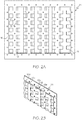
FIG. 2A is a front view of an LED panel according to an embodiment of the present invention; -
FIG. 2B is a partial perspective view of the LED panel inFIG. 2A ; -
FIG. 3 is a partial side schematic view of an LED panel according to an embodiment of the present invention; -
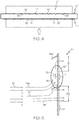
FIG. 4 is a is a top schematic view of an LED panel array according to another embodiment of the present invention; -
FIG. 5 is a partial side schematic view of an LED panel according to another embodiment of the present invention; -
FIG. 6A is a graph of temperature versus time, at a given set of operating parameters, that compares the present invention to the prior art; -
FIG. 6B is a graph of temperature versus time, at a another set of operating parameters, that compares the present invention to the prior art; -
FIG. 6C is a graph of temperature versus time, at yet another set of operating parameters, that compares the present invention to the prior art; -
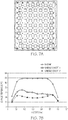
FIG. 7 is a graph of temperature versus position on an LED panel that compares the present invention to the prior art. - The following detailed description is of the best currently contemplated modes of carrying out the invention. The description is not to be taken in a limiting sense, but is made merely for the purpose of illustrating the general principles of the invention, since the scope of the invention is best defined by the appended claims.
- Various inventive features are described below that can each be used independently of one another or in combination with other features. However, any single inventive feature may not address any of the problems discussed above or may only address one of the problems discussed above. Further, one or more of the problems discussed above may not be fully addressed by any of the features described below.
- Generally, the present invention provides, in a housing, an LED panel array and LED panels therein that enable heat dissipation. The panel array can include one or more pairs of first and second LED panels. In the panel array, the first LED panel can transfer an air flow towards a second LED panel. The second LED panel can include diverter(s) that can divert the air flow along the surface of the second LED panel and/or allow the air flow to pass through a window(s) in the second LED panel. In embodiments, the present invention can provide a reduction in the second LED panel temperature, over prior art designs, by from about 7% to about 9%.
- In
FIGS. 1A-1B , an exemplary embodiment of anLED panel array 10 is schematically depicted. For illustration purposes, theLED panel array 10 may include afirst LED panel 11 and an interfacingsecond LED panel 14. However, thearray 10 may include more than two LED panels. In embodiments, the LED panels may be disposed parallel to one another. In embodiments, thefirst LED panel 11 may be perpendicularly oriented to an air flow. - The
first LED panel 11 may include a first support orsubstrate 12, such as a PCB made of any conventional material, such as a metal. Thefirst substrate 12 may have afirst LED side 12a and an opposed firstnon-LED side 12b. Similarly, thesecond LED panel 14 may include asecond substrate 15, such as a PCB, asecond LED side 15a, and a secondnon-LED side 15b. Thereby, the secondnon-LED side 15b faces towards each other the firstnon-LED side 12b. - On the
first LED panel 11, one or morefirst LEDs 13 can be affixed, in a first LED array configuration, to thefirst LED side 12a. Thefirst LEDs 13 can be of any conventional design. The first LED array configuration can include a random or non-random arrangement of LEDs. For example, thefirst LEDs 13 can be equally spaced from one another in rows and columns. In an embodiment, LEDs are absent on the firstnon-LED side 12b. - In an embodiment, the
first LED panel 11 can include one or more first windows 21 (i.e., holes or openings) within the first LED array. In other words, thefirst LED panel 11 can havefirst windows 21 that are interspersed, either randomly or non-randomly, among thefirst LEDs 13. The first windows extend from thefirst LED side 12a, through thefirst substrate 12, and to the firstnon-LED side 12b. In an embodiment, thefirst windows 21 can be in a first window array configuration whereby eachwindow 21 can be equally spaced from one another in rows and columns. In an embodiment, LEDs are absent on the firstnon-LED side 12b - The
second LED panel 14 can include a support orsubstrate 15, such as a PCB made of any conventional material, such as a metal. On thesecond LED panel 14, one or moresecond LEDs 17 can be affixed, in a second LED array configuration, to thesecond LED side 15a. Thesecond LEDs 17 can be of any conventional design. The second LED array configuration can include a random or non-random arrangement of LEDs. For example, thesecond LEDs 17 can be equally spaced from one another in rows and columns. In an embodiment, LEDs are absent on the secondnon-LED side 15b. - In the
second LED panel 14, one or more second windows (i.e., openings or holes) 16 can extend from the second LED side15a, through thesecond substrate 15, and to the secondnon-LED side 15b. Thesecond windows 16 can be arranged in a window array configuration wherein the configuration can include a random or non-random arrangement of windows. For example, thesecond windows 16 can be equally spaced from one another in rows and columns. Thesecond windows 16 can be characterized by awindow plane 16a that lies in a plane of the secondnon-LED side 15b. In other words, thewindow 16 extends from thenon-LED side 15b to theLED side 15a, and each side lies in a respective plane. Thus, thewindow 16 also lies in the planes of bothsides window 16 lies in a plane of thenon-LED side 15b, thewindow 16 also has awindow plane 16a. - In an embodiment, the
first LEDs 13 can be aligned with thesecond LEDs 17 in both x and y directions. In other embodiments, thefirst windows 21 can be aligned with thesecond windows 16 in both x and y directions. - In
FIGS. 2A-2B , on thesecond LED panel 14, one ormore diverters 18 can be affixed to and/or integral with the secondnon-LED side 15b. One or more of thediverters 18 can include one or moreangled portions 18a that extend from one ormore base portions 18b. Thebase portion 18b can be affixed to the secondnon-LED side 15b. In an embodiment, as shown inFIG. 2A , asingle diverter 18 can include asingle base portion 18b with multipleangled portions 18a that extend from opposing edges of thebase portion 18b. In an embodiment, theangled portions 18a are equally spaced from one another along each edge of thebase portion 18b. - One or more of the
angled portions 18a can extend from thebase portion 18b in such a way that theangled portion 18a extend across or over only a portion of asecond window 16, and not all of the second window 16 (FIG. 2A ). In various embodiments, theangled portion 18a may only extend over about 13% to about 74% of awindow 16, thus leaving about 87% to about 26% of the window open (i.e., uncovered or unobstructed). - In an embodiment, one or more of the
angled portions 18a can be positioned relative to thewindow plane 16a at anacute angle 18c. In embodiments, the acute angle can be from about 30° to about 75°. Alternatively, in embodiments, theangled portion 18a can be positioned relative to thebase portion 18b at an obtuse angle from about 105° to about 150°. In further alternatives, theangled portion 18a may be angled to an impingingair flow 19 described below between about 30° to about 60°. In embodiments, one or more thediverters 18 can be made by bending theLED substrate 15. -
FIG. 3 schematically depicts a possible mechanism of heat dissipation according to an embodiment of the present invention. However, the scope of the present invention is not intended to be limited by such mechanism. In this embodiment, thediverter 18 includesangled portions 18a along each opposing edge of thebase portion 18b.Air 19 can emanate from thefirst LED panel 11. As theair 19 meets or contacts adiverter 18, anair portion 19a of the heated air may contact anangled portion 18a, thereby directing theair portion 19a along the secondnon-LED side 15b, and more specifically, along thebase portion 18b. Such area of flow along thebase portion 18b is depicted by the encircledarea 20 and can be referred to as the heat convection area because it is believed that insuch area 20 heat transfer by convection occurs. - At the same time, or even at a different time, an
air portion 19b does not contact theangled portion 18a, thereby flowing from thefirst LED panel 11 and straight or directly into the uncovered portion of thewindow 16. At the same time, or even at a different time, anair portion 19c does not contact theangled portion 18a, thereby flowing from thefirst LED panel 11 to contact the secondnon-LED side 15b, and thus indirectly flowing into the uncovered portion of thewindow 16. In embodiments, with the diverter(s) 18, the change or variation in pressure drop in the system can be minimal. -
FIG. 4 schematically depicts an alternative embodiment of an LED panel array 10'. The array 10' can be the same as thepanel array 10, except that the diverter 18' in the former array differs. The diverter 18' includes multipleangled portions 18a', but only along one edge of thebase portion 18b. -
FIG. 5 schematically depicts a possible mechanism of heat dissipation according to the embodiment of the present invention shown inFIG. 4 . Air 19' can emanate from thefirst LED panel 11. As the air meets or contacts a diverter 18', anair portion 19a' of the air 19' may contact anangled portion 18a', thereby directing theair portion 19a' along the secondnon-LED side 15b', and more specifically, along thebase portion 18b'. The area in which theair portion 19a' moves along thebase portion 18b' can be referred to as the heat convection area 20'. Theair portion 19a' may then continue to flow out of the heat convection area 20' and into the uncovered portion of a window 16', which is unlike the embodiment ofFIG. 3 . - At the same time, or even at a different time, an
air portion 19b' does not contact theangled portion 18a', thereby flowing from thefirst LED panel 11 and straight or directly into the uncovered portion of the window 16'. At the same time, or even at a different time, anair portion 19c' does not contact theangled portion 18a', but flows along theangled portion 18a' that interfaces thewindow plane 16a', and into the covered portion of the window 16'. -
FIGS. 6A-6C are graphs of temperature versus time of comparative results, under three different operating conditions, for an LED panel without a diverter and the LED panel with the diverter shown inFIG. 1A . It can be seen that over time, the present invention provides a lower operating temperature. -
FIG. 7 is a graph of temperature versus location along an axis of LED panels with diverters according to the embodiments shown inFIGS. 1A and4 , and an LED panel without diverters. For the embodiment ofFIG. 1A , the present invention provided a lower operating temperature of about 6°C in the central part of the panel. For the embodiment ofFIG. 4 , the present invention provided a lower operating temperature of about 8°C in the central part of the panel. Thus, the present invention can provide a reduction in the second LED panel temperature, over prior art designs, by from about 7% to about 9%. - It should be understood, of course, that the foregoing relates to exemplary embodiments of the invention and that modifications may be made without departing from the spirit and scope of the invention as set forth in the following claims.
Claims (8)
- An LED panel (11), comprising:a support (12) having a first side, a second side opposite the first side, and a window (21) that extends from the first side to the second side;an LED affixed to the first side;a diverter (18) affixed to the second side;wherein the diverter (18) includes an angled portion (18a);
wherein the angled portion (18a) extends over a window portion that is less than all of the window (21). - The LED panel of claim 1, wherein the support (12) is a metal based PCB.
- The LED panel of any one of claims 1-2, further comprising a plurality of LEDs affixed to the first side.
- The LED panel of any one of claims 1-3, further comprising a plurality of windows that extend from the first side to the second side.
- The LED panel of anyone of claims 1-4, further comprising a plurality of diverters affixed to the second side.
- The LED panel of any one of claims 1-5, wherein the window (21) includes a window plane (16a) and wherein an angle between the window plane (16a) and the angled portion (18a) is an acute angle.
- The LED panel of any one of claims 1-6, wherein the angled portion (18a) only extends over from about 13% to about 75% of the window (21).
- The LED panel of any one of claims 1-7, wherein the diverter (18) includes two angled portions (18a).
Applications Claiming Priority (1)
| Application Number | Priority Date | Filing Date | Title |
|---|---|---|---|
| US14/935,075 US10228117B2 (en) | 2015-11-06 | 2015-11-06 | Air mixing methodology and system to reduce the temperature of LEDs of a photocatalytic reactor |
Publications (2)
| Publication Number | Publication Date |
|---|---|
| EP3166145A1 true EP3166145A1 (en) | 2017-05-10 |
| EP3166145B1 EP3166145B1 (en) | 2020-08-26 |
Family
ID=57609659
Family Applications (1)
| Application Number | Title | Priority Date | Filing Date |
|---|---|---|---|
| EP16195877.2A Active EP3166145B1 (en) | 2015-11-06 | 2016-10-26 | Air mixing system to reduce the temperature of light emitting diodes of a photocatalytic reactor |
Country Status (2)
| Country | Link |
|---|---|
| US (1) | US10228117B2 (en) |
| EP (1) | EP3166145B1 (en) |
Citations (7)
| Publication number | Priority date | Publication date | Assignee | Title |
|---|---|---|---|---|
| US20030230752A1 (en) * | 2002-06-17 | 2003-12-18 | Jiahn_Chang Wu | LED matrix substrate with convection holes |
| US20090086436A1 (en) * | 2006-03-23 | 2009-04-02 | Claus Peter Kluge | Carrier body for components or circuits |
| US20090303735A1 (en) * | 2008-06-05 | 2009-12-10 | Chen H W | Light emitting diode lamp with high heat-dissipation capacity |
| EP2434246A1 (en) * | 2010-09-22 | 2012-03-28 | Valeo Vision | Heat-exchange device, in particular for a car |
| WO2012164409A1 (en) * | 2011-05-31 | 2012-12-06 | Qck Lezmin 4414 T/A Marulatech | Cooling of semiconductor devices |
| FR2983030A1 (en) * | 2011-11-17 | 2013-05-24 | Valeo Vision | Heat evacuation device for electronic system in optical unit for car, has metal-based printed circuit board including base for supporting LEDs, and fingers secured to base and extending in plane different from main plane defined by base |
| GB2515409A (en) * | 2014-07-22 | 2014-12-24 | Wen-Sung Hu | Heat dissipation structure of SMD LED |
Family Cites Families (13)
| Publication number | Priority date | Publication date | Assignee | Title |
|---|---|---|---|---|
| US6045240A (en) * | 1996-06-27 | 2000-04-04 | Relume Corporation | LED lamp assembly with means to conduct heat away from the LEDS |
| US6301779B1 (en) | 1998-10-29 | 2001-10-16 | Advanced Thermal Solutions, Inc. | Method for fabricating a heat sink having nested extended surfaces |
| US7138659B2 (en) | 2004-05-18 | 2006-11-21 | Onscreen Technologies, Inc. | LED assembly with vented circuit board |
| US7096678B2 (en) * | 2004-09-01 | 2006-08-29 | Gelcore Llc | Method and apparatus for increasing natural convection efficiency in long heat sinks |
| US7625103B2 (en) * | 2006-04-21 | 2009-12-01 | Cree, Inc. | Multiple thermal path packaging for solid state light emitting apparatus and associated assembling methods |
| US7583502B2 (en) * | 2006-06-13 | 2009-09-01 | Taiwan Semiconductor Manufacturing Co., Ltd. | Method and apparatus for increasing heat dissipation of high performance integrated circuits (IC) |
| US9441824B2 (en) | 2008-04-04 | 2016-09-13 | Cree, Inc. | LED light fixture with heat-dissipation-related high light output |
| US8317352B2 (en) * | 2008-12-11 | 2012-11-27 | Robert Saccomanno | Non-invasive injection of light into a transparent substrate, such as a window pane through its face |
| KR101043566B1 (en) | 2009-03-12 | 2011-06-22 | (주)플레넷아이엔티 | LED emergency light |
| US9057511B2 (en) * | 2010-03-03 | 2015-06-16 | Cree, Inc. | High efficiency solid state lamp and bulb |
| WO2014037844A1 (en) | 2012-09-05 | 2014-03-13 | Koninklijke Philips N.V | A heat dissipation structure, a lighting device provided with the same and a method of manufacturing the same |
| US10330303B2 (en) * | 2013-11-20 | 2019-06-25 | Lg Electronics Inc. | Light emitting device module with heat-sink and air guide |
| US20160341400A1 (en) * | 2015-05-22 | 2016-11-24 | Posco Led Company Ltd. | Optical semiconductor lighting apparatus |
-
2015
- 2015-11-06 US US14/935,075 patent/US10228117B2/en not_active Expired - Fee Related
-
2016
- 2016-10-26 EP EP16195877.2A patent/EP3166145B1/en active Active
Patent Citations (7)
| Publication number | Priority date | Publication date | Assignee | Title |
|---|---|---|---|---|
| US20030230752A1 (en) * | 2002-06-17 | 2003-12-18 | Jiahn_Chang Wu | LED matrix substrate with convection holes |
| US20090086436A1 (en) * | 2006-03-23 | 2009-04-02 | Claus Peter Kluge | Carrier body for components or circuits |
| US20090303735A1 (en) * | 2008-06-05 | 2009-12-10 | Chen H W | Light emitting diode lamp with high heat-dissipation capacity |
| EP2434246A1 (en) * | 2010-09-22 | 2012-03-28 | Valeo Vision | Heat-exchange device, in particular for a car |
| WO2012164409A1 (en) * | 2011-05-31 | 2012-12-06 | Qck Lezmin 4414 T/A Marulatech | Cooling of semiconductor devices |
| FR2983030A1 (en) * | 2011-11-17 | 2013-05-24 | Valeo Vision | Heat evacuation device for electronic system in optical unit for car, has metal-based printed circuit board including base for supporting LEDs, and fingers secured to base and extending in plane different from main plane defined by base |
| GB2515409A (en) * | 2014-07-22 | 2014-12-24 | Wen-Sung Hu | Heat dissipation structure of SMD LED |
Also Published As
| Publication number | Publication date |
|---|---|
| EP3166145B1 (en) | 2020-08-26 |
| US20170130947A1 (en) | 2017-05-11 |
| US10228117B2 (en) | 2019-03-12 |
Similar Documents
| Publication | Publication Date | Title |
|---|---|---|
| US7744250B2 (en) | LED lamp with a heat dissipation device | |
| KR101896569B1 (en) | Heat dissipation apparatus of semiconductor module | |
| US7534015B2 (en) | LED lamp with a heat dissipation device | |
| US7742306B2 (en) | LED lamp with a heat sink assembly | |
| US8385071B2 (en) | Heat radiator | |
| US7695161B2 (en) | Heat dissipation device for light emitting diode module | |
| EP2444724B1 (en) | LED bulb | |
| EP2243996A2 (en) | Heat dissipation device and illumination device using same | |
| JP6125675B2 (en) | Lighting device and lighting fixture | |
| US20100220487A1 (en) | Lighting assembly and heat exchange apparatus for uniform heat dissipation | |
| US20090288806A1 (en) | Heat Radiating Unit | |
| JP2015153706A (en) | Lighting device | |
| US8388195B2 (en) | Illumination device with heat dissipation structures | |
| EP3166145A1 (en) | Air mixing methodology and system to reduce the temperature of light emitting diodes of a photocatalytic reactor | |
| JP5870293B2 (en) | lighting equipment | |
| US20150068719A1 (en) | Heat sink | |
| JP2016225064A (en) | Radiator and lighting device | |
| KR102223236B1 (en) | Heat sink for led lighting fixtures | |
| KR101623714B1 (en) | cooling plates for LED lamps | |
| KR101446122B1 (en) | Improved hit sink and led lighting device using the same | |
| US8893769B2 (en) | Heat sink wind guide structure and thermal module thereof | |
| KR20170057021A (en) | Dehumidifying module using thermoeletric element and dehumidifyer having the same | |
| KR101543229B1 (en) | Heat sink for pipe | |
| WO2010094178A1 (en) | Lighting assembly and heat exchange apparatus for uniform heat dissipation | |
| ES2863403T3 (en) | Cooktop and cooktop cooling system |
Legal Events
| Date | Code | Title | Description |
|---|---|---|---|
| PUAI | Public reference made under article 153(3) epc to a published international application that has entered the european phase |
Free format text: ORIGINAL CODE: 0009012 |
|
| STAA | Information on the status of an ep patent application or granted ep patent |
Free format text: STATUS: REQUEST FOR EXAMINATION WAS MADE |
|
| 17P | Request for examination filed |
Effective date: 20161026 |
|
| AK | Designated contracting states |
Kind code of ref document: A1 Designated state(s): AL AT BE BG CH CY CZ DE DK EE ES FI FR GB GR HR HU IE IS IT LI LT LU LV MC MK MT NL NO PL PT RO RS SE SI SK SM TR |
|
| AX | Request for extension of the european patent |
Extension state: BA ME |
|
| GRAP | Despatch of communication of intention to grant a patent |
Free format text: ORIGINAL CODE: EPIDOSNIGR1 |
|
| STAA | Information on the status of an ep patent application or granted ep patent |
Free format text: STATUS: GRANT OF PATENT IS INTENDED |
|
| RIC1 | Information provided on ipc code assigned before grant |
Ipc: F21V 29/74 20150101ALI20200402BHEP Ipc: F21V 29/83 20150101ALI20200402BHEP Ipc: H05K 1/14 20060101ALI20200402BHEP Ipc: H01L 33/64 20100101ALI20200402BHEP Ipc: F21V 29/60 20150101ALN20200402BHEP Ipc: F21Y 105/16 20160101ALN20200402BHEP Ipc: F21Y 115/10 20160101ALN20200402BHEP Ipc: H05K 1/05 20060101ALI20200402BHEP Ipc: H01L 25/075 20060101AFI20200402BHEP |
|
| INTG | Intention to grant announced |
Effective date: 20200420 |
|
| GRAS | Grant fee paid |
Free format text: ORIGINAL CODE: EPIDOSNIGR3 |
|
| GRAA | (expected) grant |
Free format text: ORIGINAL CODE: 0009210 |
|
| STAA | Information on the status of an ep patent application or granted ep patent |
Free format text: STATUS: THE PATENT HAS BEEN GRANTED |
|
| AK | Designated contracting states |
Kind code of ref document: B1 Designated state(s): AL AT BE BG CH CY CZ DE DK EE ES FI FR GB GR HR HU IE IS IT LI LT LU LV MC MK MT NL NO PL PT RO RS SE SI SK SM TR |
|
| REG | Reference to a national code |
Ref country code: GB Ref legal event code: FG4D |
|
| REG | Reference to a national code |
Ref country code: CH Ref legal event code: EP |
|
| REG | Reference to a national code |
Ref country code: AT Ref legal event code: REF Ref document number: 1307209 Country of ref document: AT Kind code of ref document: T Effective date: 20200915 |
|
| REG | Reference to a national code |
Ref country code: IE Ref legal event code: FG4D |
|
| REG | Reference to a national code |
Ref country code: DE Ref legal event code: R096 Ref document number: 602016042658 Country of ref document: DE |
|
| REG | Reference to a national code |
Ref country code: LT Ref legal event code: MG4D |
|
| PG25 | Lapsed in a contracting state [announced via postgrant information from national office to epo] |
Ref country code: PT Free format text: LAPSE BECAUSE OF FAILURE TO SUBMIT A TRANSLATION OF THE DESCRIPTION OR TO PAY THE FEE WITHIN THE PRESCRIBED TIME-LIMIT Effective date: 20201228 Ref country code: FI Free format text: LAPSE BECAUSE OF FAILURE TO SUBMIT A TRANSLATION OF THE DESCRIPTION OR TO PAY THE FEE WITHIN THE PRESCRIBED TIME-LIMIT Effective date: 20200826 Ref country code: SE Free format text: LAPSE BECAUSE OF FAILURE TO SUBMIT A TRANSLATION OF THE DESCRIPTION OR TO PAY THE FEE WITHIN THE PRESCRIBED TIME-LIMIT Effective date: 20200826 Ref country code: HR Free format text: LAPSE BECAUSE OF FAILURE TO SUBMIT A TRANSLATION OF THE DESCRIPTION OR TO PAY THE FEE WITHIN THE PRESCRIBED TIME-LIMIT Effective date: 20200826 Ref country code: GR Free format text: LAPSE BECAUSE OF FAILURE TO SUBMIT A TRANSLATION OF THE DESCRIPTION OR TO PAY THE FEE WITHIN THE PRESCRIBED TIME-LIMIT Effective date: 20201127 Ref country code: NO Free format text: LAPSE BECAUSE OF FAILURE TO SUBMIT A TRANSLATION OF THE DESCRIPTION OR TO PAY THE FEE WITHIN THE PRESCRIBED TIME-LIMIT Effective date: 20201126 Ref country code: LT Free format text: LAPSE BECAUSE OF FAILURE TO SUBMIT A TRANSLATION OF THE DESCRIPTION OR TO PAY THE FEE WITHIN THE PRESCRIBED TIME-LIMIT Effective date: 20200826 Ref country code: BG Free format text: LAPSE BECAUSE OF FAILURE TO SUBMIT A TRANSLATION OF THE DESCRIPTION OR TO PAY THE FEE WITHIN THE PRESCRIBED TIME-LIMIT Effective date: 20201126 |
|
| REG | Reference to a national code |
Ref country code: NL Ref legal event code: MP Effective date: 20200826 |
|
| REG | Reference to a national code |
Ref country code: AT Ref legal event code: MK05 Ref document number: 1307209 Country of ref document: AT Kind code of ref document: T Effective date: 20200826 |
|
| PG25 | Lapsed in a contracting state [announced via postgrant information from national office to epo] |
Ref country code: PL Free format text: LAPSE BECAUSE OF FAILURE TO SUBMIT A TRANSLATION OF THE DESCRIPTION OR TO PAY THE FEE WITHIN THE PRESCRIBED TIME-LIMIT Effective date: 20200826 Ref country code: NL Free format text: LAPSE BECAUSE OF FAILURE TO SUBMIT A TRANSLATION OF THE DESCRIPTION OR TO PAY THE FEE WITHIN THE PRESCRIBED TIME-LIMIT Effective date: 20200826 Ref country code: LV Free format text: LAPSE BECAUSE OF FAILURE TO SUBMIT A TRANSLATION OF THE DESCRIPTION OR TO PAY THE FEE WITHIN THE PRESCRIBED TIME-LIMIT Effective date: 20200826 Ref country code: RS Free format text: LAPSE BECAUSE OF FAILURE TO SUBMIT A TRANSLATION OF THE DESCRIPTION OR TO PAY THE FEE WITHIN THE PRESCRIBED TIME-LIMIT Effective date: 20200826 Ref country code: IS Free format text: LAPSE BECAUSE OF FAILURE TO SUBMIT A TRANSLATION OF THE DESCRIPTION OR TO PAY THE FEE WITHIN THE PRESCRIBED TIME-LIMIT Effective date: 20201226 |
|
| PG25 | Lapsed in a contracting state [announced via postgrant information from national office to epo] |
Ref country code: EE Free format text: LAPSE BECAUSE OF FAILURE TO SUBMIT A TRANSLATION OF THE DESCRIPTION OR TO PAY THE FEE WITHIN THE PRESCRIBED TIME-LIMIT Effective date: 20200826 Ref country code: RO Free format text: LAPSE BECAUSE OF FAILURE TO SUBMIT A TRANSLATION OF THE DESCRIPTION OR TO PAY THE FEE WITHIN THE PRESCRIBED TIME-LIMIT Effective date: 20200826 Ref country code: SM Free format text: LAPSE BECAUSE OF FAILURE TO SUBMIT A TRANSLATION OF THE DESCRIPTION OR TO PAY THE FEE WITHIN THE PRESCRIBED TIME-LIMIT Effective date: 20200826 Ref country code: CZ Free format text: LAPSE BECAUSE OF FAILURE TO SUBMIT A TRANSLATION OF THE DESCRIPTION OR TO PAY THE FEE WITHIN THE PRESCRIBED TIME-LIMIT Effective date: 20200826 Ref country code: DK Free format text: LAPSE BECAUSE OF FAILURE TO SUBMIT A TRANSLATION OF THE DESCRIPTION OR TO PAY THE FEE WITHIN THE PRESCRIBED TIME-LIMIT Effective date: 20200826 |
|
| REG | Reference to a national code |
Ref country code: DE Ref legal event code: R097 Ref document number: 602016042658 Country of ref document: DE |
|
| PG25 | Lapsed in a contracting state [announced via postgrant information from national office to epo] |
Ref country code: ES Free format text: LAPSE BECAUSE OF FAILURE TO SUBMIT A TRANSLATION OF THE DESCRIPTION OR TO PAY THE FEE WITHIN THE PRESCRIBED TIME-LIMIT Effective date: 20200826 Ref country code: AL Free format text: LAPSE BECAUSE OF FAILURE TO SUBMIT A TRANSLATION OF THE DESCRIPTION OR TO PAY THE FEE WITHIN THE PRESCRIBED TIME-LIMIT Effective date: 20200826 Ref country code: AT Free format text: LAPSE BECAUSE OF FAILURE TO SUBMIT A TRANSLATION OF THE DESCRIPTION OR TO PAY THE FEE WITHIN THE PRESCRIBED TIME-LIMIT Effective date: 20200826 |
|
| REG | Reference to a national code |
Ref country code: CH Ref legal event code: PL |
|
| PG25 | Lapsed in a contracting state [announced via postgrant information from national office to epo] |
Ref country code: MC Free format text: LAPSE BECAUSE OF FAILURE TO SUBMIT A TRANSLATION OF THE DESCRIPTION OR TO PAY THE FEE WITHIN THE PRESCRIBED TIME-LIMIT Effective date: 20200826 Ref country code: LU Free format text: LAPSE BECAUSE OF NON-PAYMENT OF DUE FEES Effective date: 20201026 Ref country code: SK Free format text: LAPSE BECAUSE OF FAILURE TO SUBMIT A TRANSLATION OF THE DESCRIPTION OR TO PAY THE FEE WITHIN THE PRESCRIBED TIME-LIMIT Effective date: 20200826 |
|
| PLBE | No opposition filed within time limit |
Free format text: ORIGINAL CODE: 0009261 |
|
| STAA | Information on the status of an ep patent application or granted ep patent |
Free format text: STATUS: NO OPPOSITION FILED WITHIN TIME LIMIT |
|
| REG | Reference to a national code |
Ref country code: BE Ref legal event code: MM Effective date: 20201031 |
|
| PG25 | Lapsed in a contracting state [announced via postgrant information from national office to epo] |
Ref country code: IT Free format text: LAPSE BECAUSE OF FAILURE TO SUBMIT A TRANSLATION OF THE DESCRIPTION OR TO PAY THE FEE WITHIN THE PRESCRIBED TIME-LIMIT Effective date: 20200826 Ref country code: FR Free format text: LAPSE BECAUSE OF NON-PAYMENT OF DUE FEES Effective date: 20201026 |
|
| 26N | No opposition filed |
Effective date: 20210527 |
|
| PG25 | Lapsed in a contracting state [announced via postgrant information from national office to epo] |
Ref country code: CH Free format text: LAPSE BECAUSE OF NON-PAYMENT OF DUE FEES Effective date: 20201031 Ref country code: BE Free format text: LAPSE BECAUSE OF NON-PAYMENT OF DUE FEES Effective date: 20201031 Ref country code: SI Free format text: LAPSE BECAUSE OF FAILURE TO SUBMIT A TRANSLATION OF THE DESCRIPTION OR TO PAY THE FEE WITHIN THE PRESCRIBED TIME-LIMIT Effective date: 20200826 Ref country code: LI Free format text: LAPSE BECAUSE OF NON-PAYMENT OF DUE FEES Effective date: 20201031 |
|
| PG25 | Lapsed in a contracting state [announced via postgrant information from national office to epo] |
Ref country code: IE Free format text: LAPSE BECAUSE OF NON-PAYMENT OF DUE FEES Effective date: 20201026 |
|
| PGFP | Annual fee paid to national office [announced via postgrant information from national office to epo] |
Ref country code: GB Payment date: 20211026 Year of fee payment: 6 Ref country code: DE Payment date: 20211027 Year of fee payment: 6 |
|
| PG25 | Lapsed in a contracting state [announced via postgrant information from national office to epo] |
Ref country code: TR Free format text: LAPSE BECAUSE OF FAILURE TO SUBMIT A TRANSLATION OF THE DESCRIPTION OR TO PAY THE FEE WITHIN THE PRESCRIBED TIME-LIMIT Effective date: 20200826 Ref country code: MT Free format text: LAPSE BECAUSE OF FAILURE TO SUBMIT A TRANSLATION OF THE DESCRIPTION OR TO PAY THE FEE WITHIN THE PRESCRIBED TIME-LIMIT Effective date: 20200826 Ref country code: CY Free format text: LAPSE BECAUSE OF FAILURE TO SUBMIT A TRANSLATION OF THE DESCRIPTION OR TO PAY THE FEE WITHIN THE PRESCRIBED TIME-LIMIT Effective date: 20200826 |
|
| PG25 | Lapsed in a contracting state [announced via postgrant information from national office to epo] |
Ref country code: MK Free format text: LAPSE BECAUSE OF FAILURE TO SUBMIT A TRANSLATION OF THE DESCRIPTION OR TO PAY THE FEE WITHIN THE PRESCRIBED TIME-LIMIT Effective date: 20200826 |
|
| REG | Reference to a national code |
Ref country code: DE Ref legal event code: R119 Ref document number: 602016042658 Country of ref document: DE |
|
| GBPC | Gb: european patent ceased through non-payment of renewal fee |
Effective date: 20221026 |
|
| P01 | Opt-out of the competence of the unified patent court (upc) registered |
Effective date: 20230525 |
|
| PG25 | Lapsed in a contracting state [announced via postgrant information from national office to epo] |
Ref country code: DE Free format text: LAPSE BECAUSE OF NON-PAYMENT OF DUE FEES Effective date: 20230503 |
|
| PG25 | Lapsed in a contracting state [announced via postgrant information from national office to epo] |
Ref country code: GB Free format text: LAPSE BECAUSE OF NON-PAYMENT OF DUE FEES Effective date: 20221026 |