EP3165611A1 - Use of polymorphisms of the gene nfkb1 for auditory prognosis for menière's disease - Google Patents
Use of polymorphisms of the gene nfkb1 for auditory prognosis for menière's disease Download PDFInfo
- Publication number
- EP3165611A1 EP3165611A1 EP15791978.8A EP15791978A EP3165611A1 EP 3165611 A1 EP3165611 A1 EP 3165611A1 EP 15791978 A EP15791978 A EP 15791978A EP 3165611 A1 EP3165611 A1 EP 3165611A1
- Authority
- EP
- European Patent Office
- Prior art keywords
- disease
- hearing loss
- sensorineural hearing
- ménière
- variants
- Prior art date
- Legal status (The legal status is an assumption and is not a legal conclusion. Google has not performed a legal analysis and makes no representation as to the accuracy of the status listed.)
- Withdrawn
Links
- 201000010099 disease Diseases 0.000 title claims abstract description 91
- 208000037265 diseases, disorders, signs and symptoms Diseases 0.000 title claims abstract description 91
- 238000004393 prognosis Methods 0.000 title claims abstract description 25
- 102000054765 polymorphisms of proteins Human genes 0.000 title claims abstract description 19
- 108090000623 proteins and genes Proteins 0.000 title description 25
- 206010011891 Deafness neurosensory Diseases 0.000 claims abstract description 74
- 208000009966 Sensorineural Hearing Loss Diseases 0.000 claims abstract description 74
- 208000023573 sensorineural hearing loss disease Diseases 0.000 claims abstract description 73
- 231100000879 sensorineural hearing loss Toxicity 0.000 claims abstract description 72
- 239000002773 nucleotide Substances 0.000 claims abstract description 42
- 101000979342 Homo sapiens Nuclear factor NF-kappa-B p105 subunit Proteins 0.000 claims abstract description 31
- 238000000034 method Methods 0.000 claims description 64
- 108091034117 Oligonucleotide Proteins 0.000 claims description 25
- 125000003729 nucleotide group Chemical group 0.000 claims description 25
- 239000000523 sample Substances 0.000 claims description 23
- 238000002493 microarray Methods 0.000 claims description 21
- 108700028369 Alleles Proteins 0.000 claims description 19
- JLCPHMBAVCMARE-UHFFFAOYSA-N [3-[[3-[[3-[[3-[[3-[[3-[[3-[[3-[[3-[[3-[[3-[[5-(2-amino-6-oxo-1H-purin-9-yl)-3-[[3-[[3-[[3-[[3-[[3-[[5-(2-amino-6-oxo-1H-purin-9-yl)-3-[[5-(2-amino-6-oxo-1H-purin-9-yl)-3-hydroxyoxolan-2-yl]methoxy-hydroxyphosphoryl]oxyoxolan-2-yl]methoxy-hydroxyphosphoryl]oxy-5-(5-methyl-2,4-dioxopyrimidin-1-yl)oxolan-2-yl]methoxy-hydroxyphosphoryl]oxy-5-(6-aminopurin-9-yl)oxolan-2-yl]methoxy-hydroxyphosphoryl]oxy-5-(6-aminopurin-9-yl)oxolan-2-yl]methoxy-hydroxyphosphoryl]oxy-5-(6-aminopurin-9-yl)oxolan-2-yl]methoxy-hydroxyphosphoryl]oxy-5-(6-aminopurin-9-yl)oxolan-2-yl]methoxy-hydroxyphosphoryl]oxyoxolan-2-yl]methoxy-hydroxyphosphoryl]oxy-5-(5-methyl-2,4-dioxopyrimidin-1-yl)oxolan-2-yl]methoxy-hydroxyphosphoryl]oxy-5-(4-amino-2-oxopyrimidin-1-yl)oxolan-2-yl]methoxy-hydroxyphosphoryl]oxy-5-(5-methyl-2,4-dioxopyrimidin-1-yl)oxolan-2-yl]methoxy-hydroxyphosphoryl]oxy-5-(5-methyl-2,4-dioxopyrimidin-1-yl)oxolan-2-yl]methoxy-hydroxyphosphoryl]oxy-5-(6-aminopurin-9-yl)oxolan-2-yl]methoxy-hydroxyphosphoryl]oxy-5-(6-aminopurin-9-yl)oxolan-2-yl]methoxy-hydroxyphosphoryl]oxy-5-(4-amino-2-oxopyrimidin-1-yl)oxolan-2-yl]methoxy-hydroxyphosphoryl]oxy-5-(4-amino-2-oxopyrimidin-1-yl)oxolan-2-yl]methoxy-hydroxyphosphoryl]oxy-5-(4-amino-2-oxopyrimidin-1-yl)oxolan-2-yl]methoxy-hydroxyphosphoryl]oxy-5-(6-aminopurin-9-yl)oxolan-2-yl]methoxy-hydroxyphosphoryl]oxy-5-(4-amino-2-oxopyrimidin-1-yl)oxolan-2-yl]methyl [5-(6-aminopurin-9-yl)-2-(hydroxymethyl)oxolan-3-yl] hydrogen phosphate Polymers Cc1cn(C2CC(OP(O)(=O)OCC3OC(CC3OP(O)(=O)OCC3OC(CC3O)n3cnc4c3nc(N)[nH]c4=O)n3cnc4c3nc(N)[nH]c4=O)C(COP(O)(=O)OC3CC(OC3COP(O)(=O)OC3CC(OC3COP(O)(=O)OC3CC(OC3COP(O)(=O)OC3CC(OC3COP(O)(=O)OC3CC(OC3COP(O)(=O)OC3CC(OC3COP(O)(=O)OC3CC(OC3COP(O)(=O)OC3CC(OC3COP(O)(=O)OC3CC(OC3COP(O)(=O)OC3CC(OC3COP(O)(=O)OC3CC(OC3COP(O)(=O)OC3CC(OC3COP(O)(=O)OC3CC(OC3COP(O)(=O)OC3CC(OC3COP(O)(=O)OC3CC(OC3COP(O)(=O)OC3CC(OC3COP(O)(=O)OC3CC(OC3CO)n3cnc4c(N)ncnc34)n3ccc(N)nc3=O)n3cnc4c(N)ncnc34)n3ccc(N)nc3=O)n3ccc(N)nc3=O)n3ccc(N)nc3=O)n3cnc4c(N)ncnc34)n3cnc4c(N)ncnc34)n3cc(C)c(=O)[nH]c3=O)n3cc(C)c(=O)[nH]c3=O)n3ccc(N)nc3=O)n3cc(C)c(=O)[nH]c3=O)n3cnc4c3nc(N)[nH]c4=O)n3cnc4c(N)ncnc34)n3cnc4c(N)ncnc34)n3cnc4c(N)ncnc34)n3cnc4c(N)ncnc34)O2)c(=O)[nH]c1=O JLCPHMBAVCMARE-UHFFFAOYSA-N 0.000 claims description 15
- FWMNVWWHGCHHJJ-SKKKGAJSSA-N 4-amino-1-[(2r)-6-amino-2-[[(2r)-2-[[(2r)-2-[[(2r)-2-amino-3-phenylpropanoyl]amino]-3-phenylpropanoyl]amino]-4-methylpentanoyl]amino]hexanoyl]piperidine-4-carboxylic acid Chemical compound C([C@H](C(=O)N[C@H](CC(C)C)C(=O)N[C@H](CCCCN)C(=O)N1CCC(N)(CC1)C(O)=O)NC(=O)[C@H](N)CC=1C=CC=CC=1)C1=CC=CC=C1 FWMNVWWHGCHHJJ-SKKKGAJSSA-N 0.000 claims description 14
- 208000027625 autoimmune inner ear disease Diseases 0.000 claims description 13
- 108020004414 DNA Proteins 0.000 claims description 9
- 239000012472 biological sample Substances 0.000 claims description 8
- 230000000295 complement effect Effects 0.000 claims description 8
- 238000011282 treatment Methods 0.000 claims description 8
- 229930182566 Gentamicin Natural products 0.000 claims description 6
- CEAZRRDELHUEMR-URQXQFDESA-N Gentamicin Chemical compound O1[C@H](C(C)NC)CC[C@@H](N)[C@H]1O[C@H]1[C@H](O)[C@@H](O[C@@H]2[C@@H]([C@@H](NC)[C@@](C)(O)CO2)O)[C@H](N)C[C@@H]1N CEAZRRDELHUEMR-URQXQFDESA-N 0.000 claims description 6
- 229960002518 gentamicin Drugs 0.000 claims description 6
- 210000005259 peripheral blood Anatomy 0.000 claims description 5
- 239000011886 peripheral blood Substances 0.000 claims description 5
- 229940126601 medicinal product Drugs 0.000 claims description 4
- 239000008194 pharmaceutical composition Substances 0.000 claims description 3
- 238000002360 preparation method Methods 0.000 claims description 3
- 206010011878 Deafness Diseases 0.000 description 38
- 208000016354 hearing loss disease Diseases 0.000 description 38
- 231100000888 hearing loss Toxicity 0.000 description 36
- 230000010370 hearing loss Effects 0.000 description 36
- 150000007523 nucleic acids Chemical class 0.000 description 12
- 108010057466 NF-kappa B Proteins 0.000 description 11
- 102000003945 NF-kappa B Human genes 0.000 description 11
- 230000002146 bilateral effect Effects 0.000 description 11
- 230000002068 genetic effect Effects 0.000 description 10
- 108091033319 polynucleotide Chemical group 0.000 description 10
- 102000040430 polynucleotide Human genes 0.000 description 10
- 239000002157 polynucleotide Chemical group 0.000 description 10
- 238000003205 genotyping method Methods 0.000 description 9
- 230000000750 progressive effect Effects 0.000 description 9
- 208000023275 Autoimmune disease Diseases 0.000 description 8
- 102000053602 DNA Human genes 0.000 description 8
- 102000039446 nucleic acids Human genes 0.000 description 8
- 108020004707 nucleic acids Proteins 0.000 description 8
- 238000000513 principal component analysis Methods 0.000 description 8
- 102100023050 Nuclear factor NF-kappa-B p105 subunit Human genes 0.000 description 7
- 239000000969 carrier Substances 0.000 description 7
- 102000004169 proteins and genes Human genes 0.000 description 7
- 229920002477 rna polymer Polymers 0.000 description 7
- 241000282414 Homo sapiens Species 0.000 description 6
- 101000763537 Homo sapiens Toll-like receptor 10 Proteins 0.000 description 6
- 238000004458 analytical method Methods 0.000 description 6
- 150000001875 compounds Chemical class 0.000 description 6
- 102000054766 genetic haplotypes Human genes 0.000 description 6
- -1 nucleotide compounds Chemical class 0.000 description 6
- 239000007787 solid Substances 0.000 description 6
- RWQNBRDOKXIBIV-UHFFFAOYSA-N thymine Chemical compound CC1=CNC(=O)NC1=O RWQNBRDOKXIBIV-UHFFFAOYSA-N 0.000 description 6
- 239000011521 glass Substances 0.000 description 5
- 238000001325 log-rank test Methods 0.000 description 5
- 230000037361 pathway Effects 0.000 description 5
- 238000001356 surgical procedure Methods 0.000 description 5
- 101000663000 Homo sapiens TNFAIP3-interacting protein 1 Proteins 0.000 description 4
- 108091028043 Nucleic acid sequence Proteins 0.000 description 4
- 102100037667 TNFAIP3-interacting protein 1 Human genes 0.000 description 4
- ISAKRJDGNUQOIC-UHFFFAOYSA-N Uracil Chemical compound O=C1C=CNC(=O)N1 ISAKRJDGNUQOIC-UHFFFAOYSA-N 0.000 description 4
- 208000012886 Vertigo Diseases 0.000 description 4
- 230000004913 activation Effects 0.000 description 4
- 230000000996 additive effect Effects 0.000 description 4
- 210000004027 cell Anatomy 0.000 description 4
- 210000000860 cochlear nerve Anatomy 0.000 description 4
- 210000003027 ear inner Anatomy 0.000 description 4
- 230000000694 effects Effects 0.000 description 4
- 239000012634 fragment Substances 0.000 description 4
- 230000014509 gene expression Effects 0.000 description 4
- 230000002757 inflammatory effect Effects 0.000 description 4
- 238000003908 quality control method Methods 0.000 description 4
- 230000000306 recurrent effect Effects 0.000 description 4
- 238000011160 research Methods 0.000 description 4
- 238000003860 storage Methods 0.000 description 4
- 238000003786 synthesis reaction Methods 0.000 description 4
- 231100000889 vertigo Toxicity 0.000 description 4
- OVONXEQGWXGFJD-UHFFFAOYSA-N 4-sulfanylidene-1h-pyrimidin-2-one Chemical compound SC=1C=CNC(=O)N=1 OVONXEQGWXGFJD-UHFFFAOYSA-N 0.000 description 3
- 102100028976 HLA class I histocompatibility antigen, B alpha chain Human genes 0.000 description 3
- 108010058607 HLA-B Antigens Proteins 0.000 description 3
- 101000761737 Homo sapiens Ubiquitin-conjugating enzyme E2 L3 Proteins 0.000 description 3
- 208000027601 Inner ear disease Diseases 0.000 description 3
- 208000017119 Labyrinth disease Diseases 0.000 description 3
- XUIMIQQOPSSXEZ-UHFFFAOYSA-N Silicon Chemical compound [Si] XUIMIQQOPSSXEZ-UHFFFAOYSA-N 0.000 description 3
- 206010061373 Sudden Hearing Loss Diseases 0.000 description 3
- 102000002689 Toll-like receptor Human genes 0.000 description 3
- 108020000411 Toll-like receptor Proteins 0.000 description 3
- 102100027009 Toll-like receptor 10 Human genes 0.000 description 3
- 102000040945 Transcription factor Human genes 0.000 description 3
- 108091023040 Transcription factor Proteins 0.000 description 3
- 108010047933 Tumor Necrosis Factor alpha-Induced Protein 3 Proteins 0.000 description 3
- 102100024596 Tumor necrosis factor alpha-induced protein 3 Human genes 0.000 description 3
- 102100024861 Ubiquitin-conjugating enzyme E2 L3 Human genes 0.000 description 3
- 239000000654 additive Substances 0.000 description 3
- 150000001413 amino acids Chemical group 0.000 description 3
- 238000012076 audiometry Methods 0.000 description 3
- 230000001363 autoimmune Effects 0.000 description 3
- 239000003153 chemical reaction reagent Substances 0.000 description 3
- 210000005069 ears Anatomy 0.000 description 3
- 238000009396 hybridization Methods 0.000 description 3
- RAXXELZNTBOGNW-UHFFFAOYSA-N imidazole Natural products C1=CNC=N1 RAXXELZNTBOGNW-UHFFFAOYSA-N 0.000 description 3
- 230000015788 innate immune response Effects 0.000 description 3
- 230000003993 interaction Effects 0.000 description 3
- 239000003550 marker Substances 0.000 description 3
- 230000001404 mediated effect Effects 0.000 description 3
- 108020004999 messenger RNA Proteins 0.000 description 3
- 206010029864 nystagmus Diseases 0.000 description 3
- 210000004976 peripheral blood cell Anatomy 0.000 description 3
- 230000008569 process Effects 0.000 description 3
- 229910052710 silicon Inorganic materials 0.000 description 3
- 239000010703 silicon Substances 0.000 description 3
- 230000004083 survival effect Effects 0.000 description 3
- 208000024891 symptom Diseases 0.000 description 3
- 238000012360 testing method Methods 0.000 description 3
- 238000002560 therapeutic procedure Methods 0.000 description 3
- RFLVMTUMFYRZCB-UHFFFAOYSA-N 1-methylguanine Chemical class O=C1N(C)C(N)=NC2=C1N=CN2 RFLVMTUMFYRZCB-UHFFFAOYSA-N 0.000 description 2
- FZWGECJQACGGTI-UHFFFAOYSA-N 2-amino-7-methyl-1,7-dihydro-6H-purin-6-one Chemical class NC1=NC(O)=C2N(C)C=NC2=N1 FZWGECJQACGGTI-UHFFFAOYSA-N 0.000 description 2
- OIVLITBTBDPEFK-UHFFFAOYSA-N 5,6-dihydrouracil Chemical class O=C1CCNC(=O)N1 OIVLITBTBDPEFK-UHFFFAOYSA-N 0.000 description 2
- CKOMXBHMKXXTNW-UHFFFAOYSA-N 6-methyladenine Chemical compound CNC1=NC=NC2=C1N=CN2 CKOMXBHMKXXTNW-UHFFFAOYSA-N 0.000 description 2
- LRFVTYWOQMYALW-UHFFFAOYSA-N 9H-xanthine Chemical class O=C1NC(=O)NC2=C1NC=N2 LRFVTYWOQMYALW-UHFFFAOYSA-N 0.000 description 2
- 208000000477 Bilateral Hearing Loss Diseases 0.000 description 2
- 102000016928 DNA-directed DNA polymerase Human genes 0.000 description 2
- 108010014303 DNA-directed DNA polymerase Proteins 0.000 description 2
- 102100030068 Doublesex- and mab-3-related transcription factor 1 Human genes 0.000 description 2
- 239000004593 Epoxy Substances 0.000 description 2
- 108010039343 HLA-DRB1 Chains Proteins 0.000 description 2
- NTYJJOPFIAHURM-UHFFFAOYSA-N Histamine Chemical compound NCCC1=CN=CN1 NTYJJOPFIAHURM-UHFFFAOYSA-N 0.000 description 2
- 101000864807 Homo sapiens Doublesex- and mab-3-related transcription factor 1 Proteins 0.000 description 2
- 239000004677 Nylon Substances 0.000 description 2
- 108010039918 Polylysine Proteins 0.000 description 2
- 150000001299 aldehydes Chemical class 0.000 description 2
- 230000003321 amplification Effects 0.000 description 2
- 208000006673 asthma Diseases 0.000 description 2
- 230000027455 binding Effects 0.000 description 2
- 230000015572 biosynthetic process Effects 0.000 description 2
- 230000037396 body weight Effects 0.000 description 2
- 239000003795 chemical substances by application Substances 0.000 description 2
- HVYWMOMLDIMFJA-DPAQBDIFSA-N cholesterol Chemical compound C1C=C2C[C@@H](O)CC[C@]2(C)[C@@H]2[C@@H]1[C@@H]1CC[C@H]([C@H](C)CCCC(C)C)[C@@]1(C)CC2 HVYWMOMLDIMFJA-DPAQBDIFSA-N 0.000 description 2
- 210000000349 chromosome Anatomy 0.000 description 2
- 238000004590 computer program Methods 0.000 description 2
- OPTASPLRGRRNAP-UHFFFAOYSA-N cytosine Chemical compound NC=1C=CNC(=O)N=1 OPTASPLRGRRNAP-UHFFFAOYSA-N 0.000 description 2
- 230000003247 decreasing effect Effects 0.000 description 2
- 230000003412 degenerative effect Effects 0.000 description 2
- 238000012217 deletion Methods 0.000 description 2
- 230000037430 deletion Effects 0.000 description 2
- 230000001419 dependent effect Effects 0.000 description 2
- 238000009826 distribution Methods 0.000 description 2
- 230000008030 elimination Effects 0.000 description 2
- 238000003379 elimination reaction Methods 0.000 description 2
- 238000005516 engineering process Methods 0.000 description 2
- 238000011156 evaluation Methods 0.000 description 2
- 230000000763 evoking effect Effects 0.000 description 2
- 230000006870 function Effects 0.000 description 2
- 102000054767 gene variant Human genes 0.000 description 2
- UYTPUPDQBNUYGX-UHFFFAOYSA-N guanine Chemical compound O=C1NC(N)=NC2=C1N=CN2 UYTPUPDQBNUYGX-UHFFFAOYSA-N 0.000 description 2
- FDGQSTZJBFJUBT-UHFFFAOYSA-N hypoxanthine Chemical class O=C1NC=NC2=C1NC=N2 FDGQSTZJBFJUBT-UHFFFAOYSA-N 0.000 description 2
- 238000011065 in-situ storage Methods 0.000 description 2
- 230000002458 infectious effect Effects 0.000 description 2
- 230000028709 inflammatory response Effects 0.000 description 2
- 239000003112 inhibitor Substances 0.000 description 2
- 230000000670 limiting effect Effects 0.000 description 2
- 238000007477 logistic regression Methods 0.000 description 2
- 230000007774 longterm Effects 0.000 description 2
- 206010025135 lupus erythematosus Diseases 0.000 description 2
- 239000012528 membrane Substances 0.000 description 2
- 238000003199 nucleic acid amplification method Methods 0.000 description 2
- 229920001778 nylon Polymers 0.000 description 2
- 210000000056 organ Anatomy 0.000 description 2
- 210000002985 organ of corti Anatomy 0.000 description 2
- 238000000206 photolithography Methods 0.000 description 2
- 229920000656 polylysine Polymers 0.000 description 2
- 229920000642 polymer Polymers 0.000 description 2
- 108090000765 processed proteins & peptides Proteins 0.000 description 2
- 230000009467 reduction Effects 0.000 description 2
- 230000001105 regulatory effect Effects 0.000 description 2
- 238000007894 restriction fragment length polymorphism technique Methods 0.000 description 2
- 102210002423 rs181362 Human genes 0.000 description 2
- 102210009687 rs2233287 Human genes 0.000 description 2
- 102210038815 rs5754217 Human genes 0.000 description 2
- 102210008580 rs610604 Human genes 0.000 description 2
- FZHAPNGMFPVSLP-UHFFFAOYSA-N silanamine Chemical class [SiH3]N FZHAPNGMFPVSLP-UHFFFAOYSA-N 0.000 description 2
- 238000007619 statistical method Methods 0.000 description 2
- UCSJYZPVAKXKNQ-HZYVHMACSA-N streptomycin Chemical compound CN[C@H]1[C@H](O)[C@@H](O)[C@H](CO)O[C@H]1O[C@@H]1[C@](C=O)(O)[C@H](C)O[C@H]1O[C@@H]1[C@@H](NC(N)=N)[C@H](O)[C@@H](NC(N)=N)[C@H](O)[C@H]1O UCSJYZPVAKXKNQ-HZYVHMACSA-N 0.000 description 2
- 238000006467 substitution reaction Methods 0.000 description 2
- 239000000758 substrate Substances 0.000 description 2
- 229940113082 thymine Drugs 0.000 description 2
- 238000013518 transcription Methods 0.000 description 2
- 230000035897 transcription Effects 0.000 description 2
- 229940035893 uracil Drugs 0.000 description 2
- CADQNXRGRFJSQY-UOWFLXDJSA-N (2r,3r,4r)-2-fluoro-2,3,4,5-tetrahydroxypentanal Chemical compound OC[C@@H](O)[C@@H](O)[C@@](O)(F)C=O CADQNXRGRFJSQY-UOWFLXDJSA-N 0.000 description 1
- 108091032973 (ribonucleotides)n+m Proteins 0.000 description 1
- 102000040650 (ribonucleotides)n+m Human genes 0.000 description 1
- WJNGQIYEQLPJMN-IOSLPCCCSA-N 1-methylinosine Chemical class C1=NC=2C(=O)N(C)C=NC=2N1[C@@H]1O[C@H](CO)[C@@H](O)[C@H]1O WJNGQIYEQLPJMN-IOSLPCCCSA-N 0.000 description 1
- HLYBTPMYFWWNJN-UHFFFAOYSA-N 2-(2,4-dioxo-1h-pyrimidin-5-yl)-2-hydroxyacetic acid Chemical class OC(=O)C(O)C1=CNC(=O)NC1=O HLYBTPMYFWWNJN-UHFFFAOYSA-N 0.000 description 1
- SGAKLDIYNFXTCK-UHFFFAOYSA-N 2-[(2,4-dioxo-1h-pyrimidin-5-yl)methylamino]acetic acid Chemical class OC(=O)CNCC1=CNC(=O)NC1=O SGAKLDIYNFXTCK-UHFFFAOYSA-N 0.000 description 1
- YSAJFXWTVFGPAX-UHFFFAOYSA-N 2-[(2,4-dioxo-1h-pyrimidin-5-yl)oxy]acetic acid Chemical compound OC(=O)COC1=CNC(=O)NC1=O YSAJFXWTVFGPAX-UHFFFAOYSA-N 0.000 description 1
- KQKXKPADJJEYHY-UHFFFAOYSA-N 2-benzyl-n-tert-butyl-7h-purin-6-amine Chemical compound N=1C=2N=CNC=2C(NC(C)(C)C)=NC=1CC1=CC=CC=C1 KQKXKPADJJEYHY-UHFFFAOYSA-N 0.000 description 1
- XMSMHKMPBNTBOD-UHFFFAOYSA-N 2-dimethylamino-6-hydroxypurine Chemical class N1C(N(C)C)=NC(=O)C2=C1N=CN2 XMSMHKMPBNTBOD-UHFFFAOYSA-N 0.000 description 1
- SMADWRYCYBUIKH-UHFFFAOYSA-N 2-methyl-7h-purin-6-amine Chemical class CC1=NC(N)=C2NC=NC2=N1 SMADWRYCYBUIKH-UHFFFAOYSA-N 0.000 description 1
- KOLPWZCZXAMXKS-UHFFFAOYSA-N 3-methylcytosine Chemical class CN1C(N)=CC=NC1=O KOLPWZCZXAMXKS-UHFFFAOYSA-N 0.000 description 1
- GJAKJCICANKRFD-UHFFFAOYSA-N 4-acetyl-4-amino-1,3-dihydropyrimidin-2-one Chemical class CC(=O)C1(N)NC(=O)NC=C1 GJAKJCICANKRFD-UHFFFAOYSA-N 0.000 description 1
- MQJSSLBGAQJNER-UHFFFAOYSA-N 5-(methylaminomethyl)-1h-pyrimidine-2,4-dione Chemical class CNCC1=CNC(=O)NC1=O MQJSSLBGAQJNER-UHFFFAOYSA-N 0.000 description 1
- WPYRHVXCOQLYLY-UHFFFAOYSA-N 5-[(methoxyamino)methyl]-2-sulfanylidene-1h-pyrimidin-4-one Chemical class CONCC1=CNC(=S)NC1=O WPYRHVXCOQLYLY-UHFFFAOYSA-N 0.000 description 1
- LQLQRFGHAALLLE-UHFFFAOYSA-N 5-bromouracil Chemical class BrC1=CNC(=O)NC1=O LQLQRFGHAALLLE-UHFFFAOYSA-N 0.000 description 1
- VKLFQTYNHLDMDP-PNHWDRBUSA-N 5-carboxymethylaminomethyl-2-thiouridine Chemical class O[C@@H]1[C@H](O)[C@@H](CO)O[C@H]1N1C(=S)NC(=O)C(CNCC(O)=O)=C1 VKLFQTYNHLDMDP-PNHWDRBUSA-N 0.000 description 1
- ZFTBZKVVGZNMJR-UHFFFAOYSA-N 5-chlorouracil Chemical class ClC1=CNC(=O)NC1=O ZFTBZKVVGZNMJR-UHFFFAOYSA-N 0.000 description 1
- KSNXJLQDQOIRIP-UHFFFAOYSA-N 5-iodouracil Chemical class IC1=CNC(=O)NC1=O KSNXJLQDQOIRIP-UHFFFAOYSA-N 0.000 description 1
- KELXHQACBIUYSE-UHFFFAOYSA-N 5-methoxy-1h-pyrimidine-2,4-dione Chemical compound COC1=CNC(=O)NC1=O KELXHQACBIUYSE-UHFFFAOYSA-N 0.000 description 1
- ZLAQATDNGLKIEV-UHFFFAOYSA-N 5-methyl-2-sulfanylidene-1h-pyrimidin-4-one Chemical compound CC1=CNC(=S)NC1=O ZLAQATDNGLKIEV-UHFFFAOYSA-N 0.000 description 1
- LRSASMSXMSNRBT-UHFFFAOYSA-N 5-methylcytosine Chemical class CC1=CNC(=O)N=C1N LRSASMSXMSNRBT-UHFFFAOYSA-N 0.000 description 1
- DCPSTSVLRXOYGS-UHFFFAOYSA-N 6-amino-1h-pyrimidine-2-thione Chemical compound NC1=CC=NC(S)=N1 DCPSTSVLRXOYGS-UHFFFAOYSA-N 0.000 description 1
- MSSXOMSJDRHRMC-UHFFFAOYSA-N 9H-purine-2,6-diamine Chemical compound NC1=NC(N)=C2NC=NC2=N1 MSSXOMSJDRHRMC-UHFFFAOYSA-N 0.000 description 1
- 229930024421 Adenine Natural products 0.000 description 1
- GFFGJBXGBJISGV-UHFFFAOYSA-N Adenine Chemical compound NC1=NC=NC2=C1N=CN2 GFFGJBXGBJISGV-UHFFFAOYSA-N 0.000 description 1
- 241000078491 Almeria Species 0.000 description 1
- 241000894006 Bacteria Species 0.000 description 1
- VYZAMTAEIAYCRO-UHFFFAOYSA-N Chromium Chemical compound [Cr] VYZAMTAEIAYCRO-UHFFFAOYSA-N 0.000 description 1
- 208000017667 Chronic Disease Diseases 0.000 description 1
- 208000035473 Communicable disease Diseases 0.000 description 1
- 108091035707 Consensus sequence Proteins 0.000 description 1
- 102000004127 Cytokines Human genes 0.000 description 1
- 108090000695 Cytokines Proteins 0.000 description 1
- ZAQJHHRNXZUBTE-WUJLRWPWSA-N D-xylulose Chemical compound OC[C@@H](O)[C@H](O)C(=O)CO ZAQJHHRNXZUBTE-WUJLRWPWSA-N 0.000 description 1
- 238000001712 DNA sequencing Methods 0.000 description 1
- 230000006820 DNA synthesis Effects 0.000 description 1
- 230000004568 DNA-binding Effects 0.000 description 1
- 238000009007 Diagnostic Kit Methods 0.000 description 1
- 206010061818 Disease progression Diseases 0.000 description 1
- GHASVSINZRGABV-UHFFFAOYSA-N Fluorouracil Chemical class FC1=CNC(=O)NC1=O GHASVSINZRGABV-UHFFFAOYSA-N 0.000 description 1
- 206010064571 Gene mutation Diseases 0.000 description 1
- 102100028971 HLA class I histocompatibility antigen, C alpha chain Human genes 0.000 description 1
- 102100040485 HLA class II histocompatibility antigen, DRB1 beta chain Human genes 0.000 description 1
- 241000282412 Homo Species 0.000 description 1
- 101000986084 Homo sapiens HLA class I histocompatibility antigen, C alpha chain Proteins 0.000 description 1
- 101001135589 Homo sapiens Tyrosine-protein phosphatase non-receptor type 22 Proteins 0.000 description 1
- UGQMRVRMYYASKQ-UHFFFAOYSA-N Hypoxanthine nucleoside Chemical class OC1C(O)C(CO)OC1N1C(NC=NC2=O)=C2N=C1 UGQMRVRMYYASKQ-UHFFFAOYSA-N 0.000 description 1
- 206010061218 Inflammation Diseases 0.000 description 1
- 229930010555 Inosine Chemical class 0.000 description 1
- UGQMRVRMYYASKQ-KQYNXXCUSA-N Inosine Chemical class O[C@@H]1[C@H](O)[C@@H](CO)O[C@H]1N1C2=NC=NC(O)=C2N=C1 UGQMRVRMYYASKQ-KQYNXXCUSA-N 0.000 description 1
- 238000010824 Kaplan-Meier survival analysis Methods 0.000 description 1
- 102000043129 MHC class I family Human genes 0.000 description 1
- 108091054437 MHC class I family Proteins 0.000 description 1
- 102000043131 MHC class II family Human genes 0.000 description 1
- 108091054438 MHC class II family Proteins 0.000 description 1
- 241000124008 Mammalia Species 0.000 description 1
- 241001465754 Metazoa Species 0.000 description 1
- 208000019695 Migraine disease Diseases 0.000 description 1
- 102000010168 Myeloid Differentiation Factor 88 Human genes 0.000 description 1
- 108010077432 Myeloid Differentiation Factor 88 Proteins 0.000 description 1
- SGSSKEDGVONRGC-UHFFFAOYSA-N N(2)-methylguanine Chemical class O=C1NC(NC)=NC2=C1N=CN2 SGSSKEDGVONRGC-UHFFFAOYSA-N 0.000 description 1
- HYVABZIGRDEKCD-UHFFFAOYSA-N N(6)-dimethylallyladenine Chemical class CC(C)=CCNC1=NC=NC2=C1N=CN2 HYVABZIGRDEKCD-UHFFFAOYSA-N 0.000 description 1
- 101150022485 Nfkb1 gene Proteins 0.000 description 1
- 208000031662 Noncommunicable disease Diseases 0.000 description 1
- PMEPLRGWRNWIRD-AHHJHDCISA-N O-5''-beta-D-galactosylqueuosine Chemical class O([C@H]1[C@@H](O)C=C[C@@H]1NCC1=CN(C=2N=C(NC(=O)C=21)N)[C@H]1[C@@H]([C@H](O)[C@@H](CO)O1)O)[C@@H]1O[C@H](CO)[C@H](O)[C@H](O)[C@H]1O PMEPLRGWRNWIRD-AHHJHDCISA-N 0.000 description 1
- 108020005187 Oligonucleotide Probes Proteins 0.000 description 1
- 108010038807 Oligopeptides Proteins 0.000 description 1
- 102000015636 Oligopeptides Human genes 0.000 description 1
- 241001614207 Pamplona Species 0.000 description 1
- 201000004681 Psoriasis Diseases 0.000 description 1
- CZPWVGJYEJSRLH-UHFFFAOYSA-N Pyrimidine Chemical compound C1=CN=CN=C1 CZPWVGJYEJSRLH-UHFFFAOYSA-N 0.000 description 1
- 108700005075 Regulator Genes Proteins 0.000 description 1
- 108091028664 Ribonucleotide Proteins 0.000 description 1
- 201000009594 Systemic Scleroderma Diseases 0.000 description 1
- 206010042953 Systemic sclerosis Diseases 0.000 description 1
- 208000009205 Tinnitus Diseases 0.000 description 1
- 102220520712 Toll-like receptor 10_I369L_mutation Human genes 0.000 description 1
- 102100033138 Tyrosine-protein phosphatase non-receptor type 22 Human genes 0.000 description 1
- 208000001065 Unilateral Hearing Loss Diseases 0.000 description 1
- 238000001801 Z-test Methods 0.000 description 1
- 238000007792 addition Methods 0.000 description 1
- 229960000643 adenine Drugs 0.000 description 1
- 125000003275 alpha amino acid group Chemical group 0.000 description 1
- 230000002547 anomalous effect Effects 0.000 description 1
- 230000001362 anti-vertigo Effects 0.000 description 1
- 239000003146 anticoagulant agent Substances 0.000 description 1
- 229940127219 anticoagulant drug Drugs 0.000 description 1
- 229940125715 antihistaminic agent Drugs 0.000 description 1
- 239000000739 antihistaminic agent Substances 0.000 description 1
- 238000013459 approach Methods 0.000 description 1
- PYMYPHUHKUWMLA-WDCZJNDASA-N arabinose Chemical compound OC[C@@H](O)[C@@H](O)[C@H](O)C=O PYMYPHUHKUWMLA-WDCZJNDASA-N 0.000 description 1
- PYMYPHUHKUWMLA-UHFFFAOYSA-N arabinose Natural products OCC(O)C(O)C(O)C=O PYMYPHUHKUWMLA-UHFFFAOYSA-N 0.000 description 1
- 238000003556 assay Methods 0.000 description 1
- 230000005784 autoimmunity Effects 0.000 description 1
- 230000008901 benefit Effects 0.000 description 1
- 229940049706 benzodiazepine Drugs 0.000 description 1
- 150000001557 benzodiazepines Chemical class 0.000 description 1
- SRBFZHDQGSBBOR-UHFFFAOYSA-N beta-D-Pyranose-Lyxose Natural products OC1COC(O)C(O)C1O SRBFZHDQGSBBOR-UHFFFAOYSA-N 0.000 description 1
- 239000013060 biological fluid Substances 0.000 description 1
- 230000008827 biological function Effects 0.000 description 1
- 238000010170 biological method Methods 0.000 description 1
- 230000005540 biological transmission Effects 0.000 description 1
- 210000004369 blood Anatomy 0.000 description 1
- 239000008280 blood Substances 0.000 description 1
- 210000004556 brain Anatomy 0.000 description 1
- 210000000133 brain stem Anatomy 0.000 description 1
- 239000000872 buffer Substances 0.000 description 1
- 238000004422 calculation algorithm Methods 0.000 description 1
- 238000005251 capillar electrophoresis Methods 0.000 description 1
- 230000015556 catabolic process Effects 0.000 description 1
- 230000008859 change Effects 0.000 description 1
- 235000012000 cholesterol Nutrition 0.000 description 1
- 238000010367 cloning Methods 0.000 description 1
- 210000003477 cochlea Anatomy 0.000 description 1
- 238000011109 contamination Methods 0.000 description 1
- 238000011443 conventional therapy Methods 0.000 description 1
- 238000012937 correction Methods 0.000 description 1
- 238000009223 counseling Methods 0.000 description 1
- 230000016396 cytokine production Effects 0.000 description 1
- 229940104302 cytosine Drugs 0.000 description 1
- 238000007405 data analysis Methods 0.000 description 1
- 231100000895 deafness Toxicity 0.000 description 1
- 230000008260 defense mechanism Effects 0.000 description 1
- 238000006731 degradation reaction Methods 0.000 description 1
- 239000005547 deoxyribonucleotide Substances 0.000 description 1
- 125000002637 deoxyribonucleotide group Chemical group 0.000 description 1
- 238000013461 design Methods 0.000 description 1
- 230000000368 destabilizing effect Effects 0.000 description 1
- 238000001514 detection method Methods 0.000 description 1
- 230000006866 deterioration Effects 0.000 description 1
- 238000011161 development Methods 0.000 description 1
- 238000003745 diagnosis Methods 0.000 description 1
- 239000010432 diamond Substances 0.000 description 1
- XPPKVPWEQAFLFU-UHFFFAOYSA-J diphosphate(4-) Chemical compound [O-]P([O-])(=O)OP([O-])([O-])=O XPPKVPWEQAFLFU-UHFFFAOYSA-J 0.000 description 1
- 235000011180 diphosphates Nutrition 0.000 description 1
- 230000008034 disappearance Effects 0.000 description 1
- 230000005750 disease progression Effects 0.000 description 1
- 239000002934 diuretic Substances 0.000 description 1
- 229940030606 diuretics Drugs 0.000 description 1
- 229940079593 drug Drugs 0.000 description 1
- 239000003814 drug Substances 0.000 description 1
- 210000000959 ear middle Anatomy 0.000 description 1
- 238000013399 early diagnosis Methods 0.000 description 1
- 238000000840 electrochemical analysis Methods 0.000 description 1
- 238000001962 electrophoresis Methods 0.000 description 1
- 229960002949 fluorouracil Drugs 0.000 description 1
- 238000012252 genetic analysis Methods 0.000 description 1
- 210000003128 head Anatomy 0.000 description 1
- 150000002402 hexoses Chemical class 0.000 description 1
- 238000004128 high performance liquid chromatography Methods 0.000 description 1
- 229960001340 histamine Drugs 0.000 description 1
- 150000002460 imidazoles Chemical class 0.000 description 1
- 230000028993 immune response Effects 0.000 description 1
- 210000000987 immune system Anatomy 0.000 description 1
- 230000006872 improvement Effects 0.000 description 1
- 238000012405 in silico analysis Methods 0.000 description 1
- 238000000126 in silico method Methods 0.000 description 1
- 230000006698 induction Effects 0.000 description 1
- 208000015181 infectious disease Diseases 0.000 description 1
- 208000027866 inflammatory disease Diseases 0.000 description 1
- 230000004054 inflammatory process Effects 0.000 description 1
- 230000002401 inhibitory effect Effects 0.000 description 1
- 238000002347 injection Methods 0.000 description 1
- 239000007924 injection Substances 0.000 description 1
- 229960003786 inosine Drugs 0.000 description 1
- 238000003780 insertion Methods 0.000 description 1
- 230000037431 insertion Effects 0.000 description 1
- 230000003834 intracellular effect Effects 0.000 description 1
- 239000003446 ligand Substances 0.000 description 1
- 238000012417 linear regression Methods 0.000 description 1
- 235000014659 low sodium diet Nutrition 0.000 description 1
- 238000004949 mass spectrometry Methods 0.000 description 1
- 239000000463 material Substances 0.000 description 1
- 238000005259 measurement Methods 0.000 description 1
- 230000007246 mechanism Effects 0.000 description 1
- 238000002844 melting Methods 0.000 description 1
- 230000008018 melting Effects 0.000 description 1
- IZAGSTRIDUNNOY-UHFFFAOYSA-N methyl 2-[(2,4-dioxo-1h-pyrimidin-5-yl)oxy]acetate Chemical compound COC(=O)COC1=CNC(=O)NC1=O IZAGSTRIDUNNOY-UHFFFAOYSA-N 0.000 description 1
- 239000010445 mica Substances 0.000 description 1
- 229910052618 mica group Inorganic materials 0.000 description 1
- 238000010369 molecular cloning Methods 0.000 description 1
- 230000035772 mutation Effects 0.000 description 1
- XJVXMWNLQRTRGH-UHFFFAOYSA-N n-(3-methylbut-3-enyl)-2-methylsulfanyl-7h-purin-6-amine Chemical compound CSC1=NC(NCCC(C)=C)=C2NC=NC2=N1 XJVXMWNLQRTRGH-UHFFFAOYSA-N 0.000 description 1
- 229930014626 natural product Natural products 0.000 description 1
- 210000005036 nerve Anatomy 0.000 description 1
- 230000005257 nucleotidylation Effects 0.000 description 1
- 210000004940 nucleus Anatomy 0.000 description 1
- PMEPLRGWRNWIRD-FXENENMGSA-N o-5''-β-d-mannosylqueuosine Chemical class O([C@H]1[C@@H](O)C=C[C@@H]1NCC1=CN(C=2N=C(NC(=O)C=21)N)[C@H]1[C@@H]([C@H](O)[C@@H](CO)O1)O)[C@@H]1O[C@H](CO)[C@@H](O)[C@H](O)[C@@H]1O PMEPLRGWRNWIRD-FXENENMGSA-N 0.000 description 1
- 239000002751 oligonucleotide probe Substances 0.000 description 1
- 238000005457 optimization Methods 0.000 description 1
- 231100000199 ototoxic Toxicity 0.000 description 1
- 230000002970 ototoxic effect Effects 0.000 description 1
- 210000003819 peripheral blood mononuclear cell Anatomy 0.000 description 1
- 125000002467 phosphate group Chemical group [H]OP(=O)(O[H])O[*] 0.000 description 1
- 150000004713 phosphodiesters Chemical class 0.000 description 1
- 150000008300 phosphoramidites Chemical class 0.000 description 1
- 229920001184 polypeptide Polymers 0.000 description 1
- 230000037452 priming Effects 0.000 description 1
- 102000004196 processed proteins & peptides Human genes 0.000 description 1
- 230000000770 proinflammatory effect Effects 0.000 description 1
- 230000017854 proteolysis Effects 0.000 description 1
- QQXQGKSPIMGUIZ-AEZJAUAXSA-N queuosine Chemical compound C1=2C(=O)NC(N)=NC=2N([C@H]2[C@@H]([C@H](O)[C@@H](CO)O2)O)C=C1CN[C@H]1C=C[C@H](O)[C@@H]1O QQXQGKSPIMGUIZ-AEZJAUAXSA-N 0.000 description 1
- 230000005855 radiation Effects 0.000 description 1
- 150000003254 radicals Chemical class 0.000 description 1
- 238000000163 radioactive labelling Methods 0.000 description 1
- 102000005962 receptors Human genes 0.000 description 1
- 108020003175 receptors Proteins 0.000 description 1
- 230000002829 reductive effect Effects 0.000 description 1
- 230000010076 replication Effects 0.000 description 1
- 230000002441 reversible effect Effects 0.000 description 1
- 206010039073 rheumatoid arthritis Diseases 0.000 description 1
- 239000002336 ribonucleotide Substances 0.000 description 1
- 125000002652 ribonucleotide group Chemical group 0.000 description 1
- 230000036421 sense of balance Effects 0.000 description 1
- 238000000926 separation method Methods 0.000 description 1
- 238000012163 sequencing technique Methods 0.000 description 1
- 241000894007 species Species 0.000 description 1
- 230000000087 stabilizing effect Effects 0.000 description 1
- 238000000528 statistical test Methods 0.000 description 1
- 150000003431 steroids Chemical class 0.000 description 1
- 230000004936 stimulating effect Effects 0.000 description 1
- 238000013517 stratification Methods 0.000 description 1
- 229960005322 streptomycin Drugs 0.000 description 1
- 238000007920 subcutaneous administration Methods 0.000 description 1
- 230000009897 systematic effect Effects 0.000 description 1
- 238000011285 therapeutic regimen Methods 0.000 description 1
- 239000010409 thin film Substances 0.000 description 1
- 231100000886 tinnitus Toxicity 0.000 description 1
- 210000001519 tissue Anatomy 0.000 description 1
- 231100000331 toxic Toxicity 0.000 description 1
- 230000002588 toxic effect Effects 0.000 description 1
- 238000013519 translation Methods 0.000 description 1
- 238000011269 treatment regimen Methods 0.000 description 1
- 239000001226 triphosphate Substances 0.000 description 1
- 230000001720 vestibular Effects 0.000 description 1
- 230000003612 virological effect Effects 0.000 description 1
- QAOHCFGKCWTBGC-QHOAOGIMSA-N wybutosine Chemical compound C1=NC=2C(=O)N3C(CC[C@H](NC(=O)OC)C(=O)OC)=C(C)N=C3N(C)C=2N1[C@@H]1O[C@H](CO)[C@@H](O)[C@H]1O QAOHCFGKCWTBGC-QHOAOGIMSA-N 0.000 description 1
- QAOHCFGKCWTBGC-UHFFFAOYSA-N wybutosine Natural products C1=NC=2C(=O)N3C(CCC(NC(=O)OC)C(=O)OC)=C(C)N=C3N(C)C=2N1C1OC(CO)C(O)C1O QAOHCFGKCWTBGC-UHFFFAOYSA-N 0.000 description 1
- 229940075420 xanthine Drugs 0.000 description 1
Images






Classifications
-
- C—CHEMISTRY; METALLURGY
- C12—BIOCHEMISTRY; BEER; SPIRITS; WINE; VINEGAR; MICROBIOLOGY; ENZYMOLOGY; MUTATION OR GENETIC ENGINEERING
- C12Q—MEASURING OR TESTING PROCESSES INVOLVING ENZYMES, NUCLEIC ACIDS OR MICROORGANISMS; COMPOSITIONS OR TEST PAPERS THEREFOR; PROCESSES OF PREPARING SUCH COMPOSITIONS; CONDITION-RESPONSIVE CONTROL IN MICROBIOLOGICAL OR ENZYMOLOGICAL PROCESSES
- C12Q1/00—Measuring or testing processes involving enzymes, nucleic acids or microorganisms; Compositions therefor; Processes of preparing such compositions
- C12Q1/68—Measuring or testing processes involving enzymes, nucleic acids or microorganisms; Compositions therefor; Processes of preparing such compositions involving nucleic acids
- C12Q1/6876—Nucleic acid products used in the analysis of nucleic acids, e.g. primers or probes
- C12Q1/6883—Nucleic acid products used in the analysis of nucleic acids, e.g. primers or probes for diseases caused by alterations of genetic material
-
- C—CHEMISTRY; METALLURGY
- C12—BIOCHEMISTRY; BEER; SPIRITS; WINE; VINEGAR; MICROBIOLOGY; ENZYMOLOGY; MUTATION OR GENETIC ENGINEERING
- C12Q—MEASURING OR TESTING PROCESSES INVOLVING ENZYMES, NUCLEIC ACIDS OR MICROORGANISMS; COMPOSITIONS OR TEST PAPERS THEREFOR; PROCESSES OF PREPARING SUCH COMPOSITIONS; CONDITION-RESPONSIVE CONTROL IN MICROBIOLOGICAL OR ENZYMOLOGICAL PROCESSES
- C12Q1/00—Measuring or testing processes involving enzymes, nucleic acids or microorganisms; Compositions therefor; Processes of preparing such compositions
- C12Q1/68—Measuring or testing processes involving enzymes, nucleic acids or microorganisms; Compositions therefor; Processes of preparing such compositions involving nucleic acids
-
- C—CHEMISTRY; METALLURGY
- C12—BIOCHEMISTRY; BEER; SPIRITS; WINE; VINEGAR; MICROBIOLOGY; ENZYMOLOGY; MUTATION OR GENETIC ENGINEERING
- C12Q—MEASURING OR TESTING PROCESSES INVOLVING ENZYMES, NUCLEIC ACIDS OR MICROORGANISMS; COMPOSITIONS OR TEST PAPERS THEREFOR; PROCESSES OF PREPARING SUCH COMPOSITIONS; CONDITION-RESPONSIVE CONTROL IN MICROBIOLOGICAL OR ENZYMOLOGICAL PROCESSES
- C12Q2600/00—Oligonucleotides characterized by their use
- C12Q2600/112—Disease subtyping, staging or classification
-
- C—CHEMISTRY; METALLURGY
- C12—BIOCHEMISTRY; BEER; SPIRITS; WINE; VINEGAR; MICROBIOLOGY; ENZYMOLOGY; MUTATION OR GENETIC ENGINEERING
- C12Q—MEASURING OR TESTING PROCESSES INVOLVING ENZYMES, NUCLEIC ACIDS OR MICROORGANISMS; COMPOSITIONS OR TEST PAPERS THEREFOR; PROCESSES OF PREPARING SUCH COMPOSITIONS; CONDITION-RESPONSIVE CONTROL IN MICROBIOLOGICAL OR ENZYMOLOGICAL PROCESSES
- C12Q2600/00—Oligonucleotides characterized by their use
- C12Q2600/118—Prognosis of disease development
-
- C—CHEMISTRY; METALLURGY
- C12—BIOCHEMISTRY; BEER; SPIRITS; WINE; VINEGAR; MICROBIOLOGY; ENZYMOLOGY; MUTATION OR GENETIC ENGINEERING
- C12Q—MEASURING OR TESTING PROCESSES INVOLVING ENZYMES, NUCLEIC ACIDS OR MICROORGANISMS; COMPOSITIONS OR TEST PAPERS THEREFOR; PROCESSES OF PREPARING SUCH COMPOSITIONS; CONDITION-RESPONSIVE CONTROL IN MICROBIOLOGICAL OR ENZYMOLOGICAL PROCESSES
- C12Q2600/00—Oligonucleotides characterized by their use
- C12Q2600/156—Polymorphic or mutational markers
Definitions
- the present invention is encompassed within the field of biomedicine and biotechnology, and relates to a method for obtaining data useful for the prognosis and classification of patients suffering from sensorineural hearing loss, and particularly those having Mérier's disease.
- Méimba's disease is a chronic disorder affecting the inner ear characterized by recurrent episodes of vertigo, progressive instability, pressure in the ears, tinnitus and hearing loss.
- An autoimmune etiology has been proposed for this disease given the observation of an increased number of autoantibodies and a clinical improvement with steroid therapy.
- Some genetic variants in genes of the immune system such as MICA or TLR10 seem to modify the clinical course of the disease, possibly as a result of a more efficient immune response.
- the product of the gene TLR10 is an unknown ligand receptor that may play an important role in the autoimmune process and the exon 3 variants of this gene can modulate innate immune response and determine the condition of both ears. Therefore, systematic study by means of a genotyping microarray for genotyping variants previously associated with other autoimmune diseases in 186 loci (immunochip) seems to be a way to explore the maximum number of variants per sample, which improves diagnostic yield.
- Medical treatments include, among others, a low-salt diet, antihistamines, diuretics, subcutaneous histamine, antivertigo drugs, benzodiazepines and transtympanic therapy, which has gained certain popularity in recent times, particularly in the group of patients who do not respond to conventional therapies
- Some centers have for some time now performed intratympanic injection of ototoxic medicinal products, such as gentamicin, into the middle ear cavity.
- the purpose of this procedure would be to achieve medical labyrinthectomy which would cause the reduction or disappearance of symptoms.
- the risk of this procedure is the deterioration of the patient's hearing ability, particularly described in those patients subjected to short-term treatment regimens.
- the most widely used agents were, at first, streptomycin and, now gentamicin.
- ablative surgery vestibular neurectomy or labyrinthectomy
- intratympanic gentamicin application for example, can be extremely aggressive and can put the patient's hearing at risk. It would be important to provide a prognosis marker which will allow evaluating treatment suitability.
- single-nucleotide variants rs3774937 and rs4648011 are markers useful for determining the prognosis of a disease occurring with sensorineural hearing loss, preferably for the prognosis of Méimba's disease with unilateral sensorineural hearing loss, as well as for evaluating the genetic risk of developing hearing loss >40 dB in the early years of the disease.
- a first aspect of the invention relates to the use of the gene NFKB1 for obtaining data useful in a disease occurring with sensorineural hearing loss.
- single-nucleotide polymorphisms or variants rs3774937 and/or rs4648011 of the gene NFKB1 are used for obtaining data useful for the prognosis of a disease occurring with sensorineural hearing loss.
- the disease occurring with sensorineural hearing loss is Méley's disease or autoimmune inner ear disease.
- the sensorineural hearing loss is unilateral.
- a second aspect of the invention relates to a method for obtaining data useful for the prognosis of a disease occurring with sensorineural hearing loss, hereinafter first method of the invention, which comprises:
- Another aspect of the invention relates to a method for the prognosis of a disease occurring with sensorineural hearing loss, hereinafter second method of the invention, which comprises steps (a) and (b) of the first method of the invention, and further comprises:
- the disease occurring with sensorineural hearing loss is Mérier's disease or autoimmune inner ear disease. More preferably, the disease occurring with sensorineural hearing loss is Mémoto's disease.
- the sample isolated in (a) is peripheral blood, and even more preferably genomic DNA obtained from peripheral blood.
- the individual belongs to a population of European descent, and even more preferably of Spanish descent.
- the sensorineural hearing loss is unilateral.
- a third aspect of the invention relates to a method, hereinafter third method of the invention, for classifying an individual suffering or who has the probability of suffering from a disease occurring with sensorineural hearing loss, preferably Méimba's disease or autoimmune inner ear disease, and more preferably with unilateral sensorineural hearing loss, in one of two groups, wherein group 1 comprises individuals who can be identified by means of the method according to the first and second method of the invention, and wherein group 2 represents the remaining individuals.
- a fourth aspect of the invention relates to the use of a pharmaceutical composition comprising gentamicin in the preparation of a medicinal product for the treatment of an individual from group 1 who can be identified by means of the third method of the invention.
- a fifth aspect of the invention relates to a prognostic kit or device, hereinafter prognostic kit or device of the invention, comprising at least one oligonucleotide complementary to any of the sequences SEQ ID NO: 1 to SEQ ID NO: 2, or to any of the combinations thereof.
- a sixth aspect of the invention relates to a microarray, hereinafter microarray of the invention, comprising oligonucleotides or single-channel microarrays designed based on the nucleotide sequence SEQ ID NO: 1 and/or SEQ ID NO: 2.
- a seventh aspect of the invention relates to the use of a kit or a device of the invention or of a microarray of the invention for the prognosis of a disease occurring with sensorineural hearing loss.
- the disease occurring with sensorineural hearing loss is Mérier's disease.
- the sensorineural hearing loss is unilateral.
- Another aspect of the invention relates to a computer-readable storage medium comprising program instructions capable of making a computer run the steps of any of the methods of the invention.
- Another aspect of the invention relates to a transmissible signal comprising program instructions capable of making a computer run the steps of any of the methods of the invention.
- the present invention provides a method for obtaining data useful for the prognosis of Méimba's disease with unilateral sensorineural hearing loss, as well as for evaluating the genetic risk of developing hearing loss >40 dB in the early years of the disease, which allows optimizing follow-up, treatment planning and genetic counseling.
- the authors of the present invention are the first to demonstrate the association of two of the allelic variants of the gene NFKB1 located at specific genomic coordinates which determine a high risk of developing early hearing loss in Méimba's disease with unilateral sensorineural hearing loss. Said variants have a high frequency (0.29 and 0.42) in the general population and in patients and are very useful for establishing the prognosis of the progression of hearing loss with a high diagnostic yield. Therefore, the presence of one of the allelic variants of the gene NFKB1 in a diagnostic panel determine a high risk of developing early hearing loss for Méimba's disease in the Spanish population and in the population of European descent.
- a first aspect of the invention relates to the use of the gene NFKB1 for obtaining data useful in a disease occurring with sensorineural hearing loss.
- single-nucleotide polymorphisms or variants rs3774937 and rs4648011 of the gene NFKB1 are used for obtaining data useful for the prognosis of a disease occurring with sensorineural hearing loss.
- the gene NFKB1 encodes a 105 kD protein which is processed in proteosome 26S to produce a 50 kD protein.
- the 105 kD protein is a specific Rel protein transcription inhibitor and the 50 kD protein is a DNA-binding subunit of the NF-kappa-B (NFKB) protein complex.
- NFKB is a transcription regulator which is activated by various intra- and extracellular stimuli such as cytokines, free radicals, ultraviolet radiation and bacteria or viral products.
- Activated NFKB is translocated into the nucleus and stimulates the expression of genes involved in a wide range of biological functions. Anomalous NFKB activation has been associated with various inflammatory and autoimmune diseases.
- the gene NFKB1 and its variants are defined in the PubMed database by the reference Gene ID: 4790.
- the disease occurring with sensorineural hearing loss is Mérier's disease or autoimmune inner ear disease.
- the sensorineural hearing loss is unilateral.
- “Sensorineural hearing loss” is herein understood as the reduction of the hearing level below what is considered normal, so depending on the loss of intensity measured in decibels (dB), hearing loss is classified as:
- AAO-HNS American Academy of Otolaryngology-Head and Neck Surgery
- Hearing loss can occur in one or both ears and can be sudden or abrupt, rapidly progressive (weeks or months) or slowly progressive (months or years).
- Sensorineural hearing loss affects the inner ear and occurs when the cochlear sensorineural elements or cochlear nerve are injured in some way by physical means or means of a different nature.
- Unilateral sensorineural hearing loss is herein understood as when the effect occurs only in one ear.
- the cochlea is the fundamental auditory organ located in the inner ear, having the shape of a duct wound into a spiral and containing the organ of Corti in which mechanical vibrations are converted into nerve impulses which, through the auditory nerve, reach the brain to be identified.
- the cells of the organ of Corti and/or the auditory nerve are affected, sound transmission is interrupted. Any of these delicate structures can be affected by different infectious, inflammatory, toxic or degenerative processes, of all these loud noise and degenerative processes being those responsible for a large part of perceptive deafness.
- perceptive deafness can be classified as:
- the sensorineural hearing loss is selected from the list consisting of sudden hearing loss, rapidly progressive hearing loss, slowly progressive hearing loss, low frequency sensorineural hearing loss, immune-mediated inner ear disease, or any of the combinations thereof.
- the sensorineural hearing loss is furthermore associated with recurrent attack of vertigo.
- the disease associated with sensorineural hearing loss is Mérier's disease.
- the regions of the genome containing the allelic susceptibility variants are those corresponding to the genomic coordinates of Table 1. Table 1. Genomic coordinates of the variants forming the Mé Chrysler's disease risk diagnostic panel Chromosome Position in human genome Feb 2009 (GRCh37/hg19) Allele (1) Gene Location 2 103434253 C/T NFKB1 Intron 2 103475444 G/T NFKB1 Intron (1) The first allele is the minor allele and the susceptibility variant, whereas the second allele is the major allele and the reference in the consensus sequence.
- these variants are also defined by a nucleotide or polynucleotide sequence which is defined in sequences SEQ ID NO: 1, SEQ ID NO: 2, or any of the variants thereof (Table 2).
- a second aspect of the invention relates to a method for obtaining data useful for the prognosis of a disease occurring with sensorineural hearing loss, hereinafter first method of the invention, which comprises:
- step (b) consists of detecting single-nucleotide polymorphisms or variants that are selected from the list consisting of rs3774937 and rs4648011, or any of the combinations thereof. Preferably, all single-nucleotide polymorphisms or variants of the panel of variants of the invention are detected.
- Another aspect of the invention relates to a method, hereinafter second method of the invention, for the prognosis of a disease occurring with sensorineural hearing loss which comprises steps (a) and (b) of the first method of the invention, and further comprises:
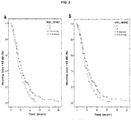
- rapidly progression of the disease is herein understood as a progression in which the mean time for reaching stage 3 (>40 dB HL) in individuals was reduced by at least 1.5 years.
- the disease occurring with sensorineural hearing loss is Mérier's disease or autoimmune inner ear disease.
- an "isolated biological sample” includes, but without limitation, cells, tissues and/or biological fluids from an organism, obtained by means of any method known by a person skilled in the art.
- the isolated biological sample is peripheral blood and/or comprises peripheral blood cells (PBCs), more preferably mononuclear PBCs. More preferably, the isolated sample is genomic DNA, and more preferably obtained from peripheral blood.
- PBCs peripheral blood cells
- the individual belongs to a population of European descent, and even more preferably of Spanish descent.
- the sensorineural hearing loss is unilateral.
- the sensorineural hearing loss is selected from the list consisting of sudden hearing loss, rapidly progressive hearing loss, slowly progressive hearing loss, low frequency sensorineural hearing loss, immune-mediated inner ear disease, or any of the combinations thereof.
- the sensorineural hearing loss is furthermore associated with recurrent attack of vertigo.
- the term “individual” refers to animals, preferably mammals, and more preferably humans.
- the term “individual” is not intended to be limiting in any aspect, said individual being able to be of any age and sex and have any physical condition.
- variant refers to a sequence substantially homologous to the sequence of the genes containing the described variants.
- a variant includes nucleotide additions, deletions or substitutions. More preferably, the described variants refer to the change or substitution of a nucleotide of the sequence in the reference human genome in the described positions.
- polymorphism refers to a variation in the nucleotide sequence of a nucleic acid in which every possible sequence is present in a proportion equal to or greater than 1% in a population; in a particular case, when said variation in the nucleotide sequence occurs in only one nucleotide (A, C, T or G), it is referred to as SNP.
- gene mutation refers to a variation in the nucleotide sequence of a nucleic acid in which every possible sequence is present in a proportion less than 1% in a population.
- allelic variant or “allele” are used interchangeably herein and refer to a polymorphism occurring in one and the same locus in one and the same population.
- gene variation or “gene variant” includes mutations, polymorphisms and allelic variants. A gene variation or variant is found among individuals within populations and among populations within species.
- the single-nucleotide polymorphisms or variants of the invention can be detected by any method known in the state of the art, for example, but without limitation, by means of DNA sequencing, capillary electrophoresis, mass spectrometry, single-strand conformation polymorphism (SSCP), electrochemical analysis, denaturing HPLC in electrophoresis gel, restriction fragment length polymorphisms (RFLPs) and hybridization analysis in genotyping microarrays.
- SSCP single-strand conformation polymorphism
- electrochemical analysis denaturing HPLC in electrophoresis gel
- RFLPs restriction fragment length polymorphisms
- hybridization analysis in genotyping microarrays.
- Steps (b) and/or (c) of the methods described above can be completely or partially automated, for example, by means of robotic sensing equipment for detection in step (b) or computerized comparison in step (c).
- prognosis refers to the capacity of discriminating between individuals having a higher or lower risk of suffering from severe sensorineural hearing loss in a shorter time period, and more preferably, a higher or lower risk of suffering from Méley's disease or a higher or lower risk of suffering from autoimmune inner ear disease.
- this discrimination is not intended to be correct for all the analyzed samples. However, it requires a statistically significant amount of the analyzed samples to be correctly classified.
- the statistically significant amount can be established by a person skilled in the art by means of using different statistical tools, for example, but without limitation, by means of determining confidence intervals, determining significance value P, Student's test or Fisher's discriminant functions, non-parametric Mann Whitney measurements, Spearman's correlation, logistic regression, linear regression, area under the ROC curve (AUC).
- the confidence intervals are at least 90%, at least 95%, at least 97%, at least 98% or at least 99%.
- the p-value is less than 0.1, 0.05, 0.01, 0.005 or 0.0001.
- the present invention allows correctly detecting predisposition to the disease or detecting, in a differential manner, the disease in at least 60%, more preferably in at least 70%, much more preferably in at least 80%, or even much more preferably in at least 90% of the subjects from a specific group or analyzed population.
- Another aspect of the invention relates to a method, the third method of the invention, for classifying an individual suffering or who has the probability of suffering from a disease occurring with sensorineural hearing loss, preferably Méimba's disease or autoimmune inner ear disease, and more preferably with unilateral sensorineural hearing loss, in one of two groups, wherein group 1 comprises individuals who can be identified by means of the method according to the first and second method of the invention, and wherein group 2 represents the remaining individuals.
- sensorineural hearing loss preferably Méley's disease or autoimmune inner ear disease, and more preferably with unilateral sensorineural hearing loss
- Another aspect of the invention relates to the use of a pharmaceutical composition comprising gentamicin in the preparation of a medicinal product for the treatment of an individual from group 1 who can be identified by the third method of the invention.
- kit or device comprising the elements required for detecting single-nucleotide polymorphisms or variants rs3774937 and/or rs4648011 of the gene NFKB1.
- the kit or device of the invention comprises primers, probes and/or antibodies capable of detecting sequences SEQ ID NO: 1 and/or SEQ ID NO: 2, and wherein:
- the primers, probes or antibodies are modified or labeled, for example, but without limitation, by means of a radioactive labeling or immunolabeling.
- the kit or device of the invention comprises at least one oligonucleotide complementary to any of the sequences SEQ ID NO: 1 and/or SEQ ID NO: 2.
- kits or device can contain all those reagents required for analyzing the single-nucleotide polymorphisms or variants of the invention by means of any of the methods existing in the state of the art and/or described herein.
- the kit can further include, without any type of limitation, buffers, agents to prevent contamination, protein degradation inhibitors, etc.
- the kit can include all the supports and containers required for operation and optimization.
- the kit further comprises instructions to carry out any of the methods of the invention.
- the oligonucleotide/oligonucleotides can also be immobilized in spots on a surface (preferably a solid surface).
- a microarray, or microarray of the invention An RNA microarray is an array on a solid substrate (usually a glass slide or a silicon thin-film cell) which evaluates large amounts of different RNAs that can be detected by means of specific probes immobilized in spots on a solid substrate.
- Each spot contains a specific nucleic acid sequence, usually a DNA sequence, as probes (or tracers).
- the number of spots is not in any way limited, there is a preferred embodiment in which the microarray is customized for the methods of the invention.
- said customized array comprises fifty spots or less, such as thirty spots or less, including twenty spots or less. Therefore, another aspect of the invention relates to a microarray comprising oligonucleotides designed based on the known sequence of single-nucleotide polymorphisms or variants of the invention.
- the known sequence of single-nucleotide polymorphisms or variants of the invention is the nucleotide sequence SEQ ID NO: 1, SEQ ID NO: 2, or both sequences.
- microarray hereinafter microarray of the invention, comprising oligonucleotides or single-channel microarrays designed based on the nucleotide sequence SEQ ID NO: 1 or SEQ ID NO: 2, or any of the combinations thereof.
- the oligonucleotide sequences are constructed on the surface of a chip by means of sequential elongation of a growing chain with a single nucleotide using photolithography.
- the oligonucleotides are thus anchored by the 3' end by means of a selective nucleotide activation method, protected by a photolabile reagent, by means of selective light application through a photomask.
- the photomask can be a physical or virtual photomask.
- the oligonucleotide probes can therefore have between 10 and 100 nucleotides, more preferably between 20 and 70 nucleotides, and even more preferably between 24 and 30 nucleotides. For quantifying gene expression, about 40 oligonucleotides are preferably used per gene.
- In situ synthesis on a solid support can be done by means of ink-jet technology, which requires longer probes.
- the supports could be, but without limitation, (charged) NC or nylon filters or membranes, silicon, or glass slides for microscopes covered with aminosilanes, polylysine, aldehydes or epoxy.
- the probe is each of the samples of the chip.
- the target is the sample to be analyzed: messenger RNA, total RNA, a PCR fragment, etc.
- amplification conditions or “extension conditions” refer interchangeably to conditions under which a polymerase can add nucleotides to the 3' end of a polynucleotide. Said amplification or extension conditions are very well known in the art ( Sambrook and Russell, 2001. Molecular Cloning: A Laboratory Manual, 3rd Edition, Cold Spring Harbor Laboratory Press ; Ausubel et al., Current Protocols in Molecular Biology, 1987-2007, John Wiley & Sons .)
- primer used herein is known by the person skilled in the art and refers to "oligomeric compounds", mainly “oligonucleotides” although also “modified oligonucleotides”, which are capable of "priming” DNA synthesis by means of a template-dependent DNA polymerase, i.e., the 3' end of the oligonucleotide, for example, provides a free 3'-OH group to which additional "nucleotides” can be bound by a template-dependent DNA polymerase, establishing a 3'-to-5' phosphodiester bond in which deoxynucleosides-triphosphate are used and in which pyrophosphate is released.
- an “oligomeric compound” is a compound consisting of “monomeric units” which can be “nucleotides” alone or “non-natural compounds” (see below), more specifically “modified nucleotides” (or “nucleotide analogues”) or “non-nucleotide compounds", alone or in combinations thereof.
- the "oligonucleotides” and “modified oligonucleotides” (or “oligonucleotide analogues”) are sub-groups of "oligomeric compounds” in the context of the invention.
- oligonucleotide refers to "polynucleotides” formed from a plurality of “nucleotides” by way of the "monomeric unit", i.e., an "oligonucleotide” belongs to a specific sub-group of an "oligomeric compound” or “polymeric compound” of ribonucleic acid (RNA) or deoxyribonucleic acid (DNA) with “monomeric units".
- Phosphate groups are commonly referred to as forming the internucleoside backbone of the "oligonucleotide".
- the normal bond of the RNA or DNA backbone is a 3'-to-5' phosphodiester bond.
- oligonucleotides and “modified oligonucleotides” according to the invention can be synthesized as described primarily in the art and as is known by the person skilled in the art.
- the methods for preparing oligomeric compounds having specific sequences are known in the art, and they include, among others, cloning and restriction of suitable sequences and direct chemical synthesis, for example.
- chemical synthesis methods can include, for example, the phosphotriester method described by Narang S.A. et al., 1979, Methods in Enzymology 68,90-98 , the phosphodiester method of Brown E.L.
- nucleic acid as well as the “target nucleic acid” is a polymeric compound consisting of “nucleotides”, as known by the person skilled in the art. It is used herein to refer to a “nucleic acid” in a sample to be analyzed, i.e., the presence, absence or amount of which must be analyzed in a sample.
- nucleic acid sequence of a nucleic acid sequence refers to the fact that the (nucleic acid) sequence complementary to the reference sequence is the exact complement (reverse) of the nucleic acid sequence.
- a nucleic acid or polynucleotide sequence can comprise the five biologically occurring bases (adenine, guanine, thymine, cytosine and uracil) and/or bases other than the five biologically occurring bases. These bases can have different purposes, for example, for stabilizing or destabilizing hybridization, for stimulating or inhibiting probe degradation, or as binding points for detectable moieties or shielding moieties.
- a polynucleotide of the invention can contain one or more modified, non-standard, derivatized base moieties, including, but without limitation, N 6 -methyl-adenine, N 6 -tert-butyl-benzyl-adenine, imidazole, substituted imidazoles, 5-fluorouracil, 5-bromouracil, 5-chlorouracil, 5-iodouracil, hypoxanthine, xanthine, 4-acetylcytosine, 5-(carboxyhydroxymethyl)uracil, 5-carboxymethylaminomethyl-2-thiouridine, 5-carboxymethylaminomethyluracil, dihydrouracil, beta-D-galactosylqueuosine, inosine, N 6 -isopentenyladenine, 1-methylguanine, 1-methylinosine, 2,2-dimethylguanine, 2-methyladenine, 2-methylguanine, 3-methylcytosine, 5-methylcytosine, 5-methyl
- nucleic acid or polynucleotide sequence can comprise one or more modified sugar moieties including, but without limitation, arabinose, 2-fluoroarabinose, xylulose, and hexose.
- Hybridization melting temperature or “Tm” refers to the temperature under specific conditions at which 50% of a polynucleotide duplex is in single-stranded form and 50% in double-stranded form. There are readily available computer programs for calculating Tm.
- Another aspect of the invention relates to the use of a kit or a device of the invention or of a microarray of the invention for the prognosis of a disease occurring with sensorineural hearing loss.
- the disease occurring with sensorineural hearing loss is Mérier's disease.
- the sensorineural hearing loss is unilateral.
- the sensorineural hearing loss is selected from the list consisting of sudden hearing loss, rapidly progressive hearing loss, slowly progressive hearing loss, low frequency sensorineural hearing loss, immune-mediated inner ear disease, or any of the combinations thereof.
- the sensorineural hearing loss is furthermore associated with recurrent attack of vertigo.
- Another aspect of the invention relates to a computer-readable storage medium comprising program instructions capable of making a computer run the steps of any of the methods of the invention (of the first or second method of the invention).
- the readable storage medium comprises at least one sequence comprised in probes of sequence SEQ ID NO: 1 and/or SEQ ID NO: 2.
- the readable storage medium further comprises the elements required for detecting the variants of NFKB1.
- Another preferred embodiment of this aspect of the invention comprises oligonucleotides or single-channel microarrays designed based on at least one known sequence or an mRNA comprised in any of the probes of the invention.
- Another aspect of the invention relates to a transmissible signal comprising program instructions capable of making a computer run the steps of any of the methods of the invention.
- the oligonucleotide sequences are constructed on the surface of a chip by means of sequential elongation of a growing chain with a single nucleotide using photolithography.
- the oligonucleotides are thus anchored by the 3' end by means of a selective nucleotide activation method, protected by a photolabile reagent, by means of selective light application through a photomask.
- the photomask can be a physical or virtual photomask.
- In situ synthesis on a solid support can be done by means of ink-jet technology, which requires longer probes.
- the supports could be, but without limitation, (charged) NC or nylon filters or membranes, silicon, or glass slides for microscopes covered with aminosilanes, polylysine, aldehydes or epoxy.
- the probe is each of the samples of the chip.
- the target is the sample to be analyzed: messenger RNA, total RNA, a PCR fragment, etc.
- polynucleotide oligonucleotide
- nucleic acid RNA and deoxyribonucleotides (DNA).
- amino acid sequence peptide
- oligopeptide oligopeptide
- protein protein
- the present study included a total of 716 patients with Mérier's disease and 1628 controls from Spain. Samples were collected in 12 centers: Hospital de Poniente in El Ejido, Almeria, Hospital San Agust ⁇ n in Linares, Hospital de la Fe in Valencia, Hospital Virgen de las Nieves in Granada, Hospital Universitario de Gran Canaria Dr. Negrin, Hospital Universitario in Getafe, Hospital Cl ⁇ nico in Santiago de Compostela, Complejo Hospitalario in Pontevedra, Cl ⁇ nica Universidad in Navarre, Hospital Universitario in Salamanca, Hospital de Cabue ⁇ es in Gijón, Hospital Miguel Servet in Zaragoza between January 2007 and June 2012.
- AAO-HNS American Academy of Otolaryngology-Head and Neck Surgery
- the hearing stage for each patient with definitive MD is defined as the mean of the average of four tones of 0.5, 1, 2 and 3 kHz according to the criteria of the AAO-HNS: stage 1, ⁇ 25 dB; stage 2, 26-40dB; stage 3, 41-70dB; and stage 4, >75 dB.
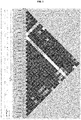
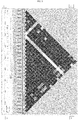
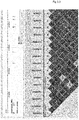
- the ImmunoChip is a microarray containing 196524 variants (718 insertions/deletions and 195806 SNPs). These variants are concentrated in 186 different loci which have been confirmed in earlier genomic association studies (p ⁇ 10-8) in one or more autoimmune diseases. These regions contain common and rare variants (MAF ⁇ 1%) and include all the known variants in the dbSNP database, the 1000 Genomes project (version from February 2010) and additional sequencing data provided by collaborators.
- the samples were genotyped by means of the described Illumina 200K Infinium high-density array following the manufacturer's protocol in the Centro de Genómica e Investigative Oncológica (Genyo) Pfizer-Universidad de Granada-Junta de Andaluc ⁇ a.
- the samples were grouped by means of the Illumina Genome Studio platform algorithm. The genotypes were reviewed and validated manually and single-nucleotide polymorphisms (SNPs) with low quality tracers (call frequency ⁇ 0.98, cluster separation ⁇ 0.4) were eliminated. All SNPs with Gencall scores less than 0.15 were excluded. Genotyping quality controls were strict and included the elimination of SNPs with an allele frequency (MAF) of ⁇ 0.05, not fitted to the Hardy-Weinberg equilibrium (HWE) ⁇ 0.0001 or with differences in call rate between cases and controls of p ⁇ 10 -8 . After quality controls, 96899 SNPs with MAF>0.05 remained.
- SNPs allele frequency
- HWE Hardy-Weinberg equilibrium
- the genetic analysis for identifying the associated variants was performed by means of the PLINK computer program v 1.0.7.
- the principal component analysis (PCA) has allowed defining the groups of populations within the substructure of the analyzed samples.
- PCA principal component analysis
- the STRUCTURE and EIGENSTRAT programs were used to define the main groups of the data, the proportions of individuals in each cluster and the marginal groups. All the individuals not grouped with the main European ancestry cluster (deviation of >3 SD from the grouped centroids) were excluded from subsequent analysis.
- the X 2 value of the additive genetic model is compared with its theoretical distribution using a Quantile-Quantile (Q-Q) graph to analyze the results observed against the results expected from the statistical Z-test under the null hypothesis of the absence of association throughout the genome. Data analysis is then performed.
- the additive model was used as a primary inference model, unless the fit testing with respect to this model was significant. In this case, the lower p-value is used for the dominant or recessive additive model.
- the approach to correction by multiple comparisons combines statistical methods to reduce the rate of type I error with replication.
- Logistic regression analysis will be performed to determine the association using the PCA of the genotyping array and the ancestry proportion as co-variables, taking into account the structure of the population.
- the first phase of these analyses was performed with the genotyping data and imputation will be used thereafter.
- the first imputation phase will be to complete missing genotyping data by means of the PLINK program.
- the non-genotyped variants are imputed using, as reference, data from Caucasian individuals included in the 1000 Genomes Project (CEU, GBR, IBS) updated in October 2012 and data from Caucasian individuals of HapMap3 (CEU and TSI).
- CEU, GBR, IBS Genomes Project
- IBS Genomes Project
- CEU and TSI HapMap3
- NFKB1 rs3774937, rs4648011
- REL rs13031237
- UBE2L3 rs5754217, rs131654, rs181362
- TNFAIP3 rs610604
- TNIP1 rs2233287, rs1422673
- PCA principal component analysis
- allelic variants of the gene NFKB1 modify the auditory prognosis of patients with unilateral Mérier's disease. Although these markers are not associated with an increase in the susceptibility of developing Mérier's disease, these variants probably modify the interaction of NF-kB with other transcription factors and determined inflammatory response.
- TLR10 can result in susceptibility for patients with bilateral sensorineural hearing loss in patients with Mérier's disease.
- TLRs are one of the main defense mechanisms in infectious and non-infectious diseases and an unsuitable activation of the TLR pathways has been associated with several autoimmune diseases.
- TLRs activate an intracellular signal via MyD88 triggering a complex cascade including the IRAK1-IRAK4-TRAF6, TAK1-TAB1-TRAF6-UBC13 and IKK complexes.
- This signal leads to the induction of a large number of pro-inflammatory genes by means of the NF- ⁇ B transcription factor.
- Functional variants of genes NFKB1, REL, UBE2L3, TNFAIP3 and TNIP1 were selected for evaluating their prognostic potential for Mé Chrysler's disease.
- allelic variants in some genes of the innate immune response such as TLR10 and NFKB1 may act as regulatory genes capable of modifying the clinical progression of hearing loss in Mérier's disease.
Landscapes
- Chemical & Material Sciences (AREA)
- Life Sciences & Earth Sciences (AREA)
- Organic Chemistry (AREA)
- Proteomics, Peptides & Aminoacids (AREA)
- Health & Medical Sciences (AREA)
- Engineering & Computer Science (AREA)
- Zoology (AREA)
- Wood Science & Technology (AREA)
- Analytical Chemistry (AREA)
- Genetics & Genomics (AREA)
- Microbiology (AREA)
- Molecular Biology (AREA)
- Physics & Mathematics (AREA)
- Immunology (AREA)
- Biotechnology (AREA)
- Biochemistry (AREA)
- Bioinformatics & Cheminformatics (AREA)
- General Engineering & Computer Science (AREA)
- General Health & Medical Sciences (AREA)
- Biophysics (AREA)
- Pathology (AREA)
- Measuring Or Testing Involving Enzymes Or Micro-Organisms (AREA)
Abstract
Description
- The present invention is encompassed within the field of biomedicine and biotechnology, and relates to a method for obtaining data useful for the prognosis and classification of patients suffering from sensorineural hearing loss, and particularly those having Ménière's disease.
- Ménière's disease (MD) is a chronic disorder affecting the inner ear characterized by recurrent episodes of vertigo, progressive instability, pressure in the ears, tinnitus and hearing loss. An autoimmune etiology has been proposed for this disease given the observation of an increased number of autoantibodies and a clinical improvement with steroid therapy. Some genetic variants in genes of the immune system such as MICA or TLR10 seem to modify the clinical course of the disease, possibly as a result of a more efficient immune response.
- Human major histocompatibility complex class I and class II molecules have been described as genetic markers for many autoimmune diseases. In turn, MD has been associated with HLA-B*27, HLA-B*44, HLA-B*13, HLA-Cw*07, HLA-DBR1*1602 and HLA-DRB1*1101 in different populations, however these associations are not useful in diagnostics.
- Some research studies have suggested an association between the gene TLR10 and autoimmune diseases. On the other hand, the product of the gene TLR10 is an unknown ligand receptor that may play an important role in the autoimmune process and the
exon 3 variants of this gene can modulate innate immune response and determine the condition of both ears. Therefore, systematic study by means of a genotyping microarray for genotyping variants previously associated with other autoimmune diseases in 186 loci (immunochip) seems to be a way to explore the maximum number of variants per sample, which improves diagnostic yield. - A wide range of medical and surgical treatments for hearing loss, and specifically for Ménière's disease, has been proposed. All of them have yielded different results with respect to symptom remission and side effects.
- Medical treatments include, among others, a low-salt diet, antihistamines, diuretics, subcutaneous histamine, antivertigo drugs, benzodiazepines and transtympanic therapy, which has gained certain popularity in recent times, particularly in the group of patients who do not respond to conventional therapies
Some centers have for some time now performed intratympanic injection of ototoxic medicinal products, such as gentamicin, into the middle ear cavity. The purpose of this procedure would be to achieve medical labyrinthectomy which would cause the reduction or disappearance of symptoms. The risk of this procedure is the deterioration of the patient's hearing ability, particularly described in those patients subjected to short-term treatment regimens. The most widely used agents were, at first, streptomycin and, now gentamicin. - Surgery was resorted to in very severe cases, but this resort worsens the patient's quality of life because it eliminates not only symptoms, but also sense of balance.
- Therefore, currently available treatments for hearing loss, such as ablative surgery (vestibular neurectomy or labyrinthectomy) or intratympanic gentamicin application, for example, can be extremely aggressive and can put the patient's hearing at risk. It would be important to provide a prognosis marker which will allow evaluating treatment suitability.
- However, up until now there has been no available biological method or marker which allows early diagnosis or establishing a long-term hearing loss prognosis which is useful for patient classification and makes it easier to make decisions concerning treatment and disease progression follow-up.
- The examples of the invention show that single-nucleotide variants rs3774937 and rs4648011 are markers useful for determining the prognosis of a disease occurring with sensorineural hearing loss, preferably for the prognosis of Ménière's disease with unilateral sensorineural hearing loss, as well as for evaluating the genetic risk of developing hearing loss >40 dB in the early years of the disease.
- Therefore, a first aspect of the invention relates to the use of the gene NFKB1 for obtaining data useful in a disease occurring with sensorineural hearing loss.
- In a preferred embodiment of this aspect of the invention, single-nucleotide polymorphisms or variants rs3774937 and/or rs4648011 of the gene NFKB1 are used for obtaining data useful for the prognosis of a disease occurring with sensorineural hearing loss.
In another preferred embodiment of this aspect of the invention, the disease occurring with sensorineural hearing loss is Ménière's disease or autoimmune inner ear disease. In another preferred embodiment of this aspect of the invention, the sensorineural hearing loss is unilateral. - A second aspect of the invention relates to a method for obtaining data useful for the prognosis of a disease occurring with sensorineural hearing loss, hereinafter first method of the invention, which comprises:
- a) obtaining a biological sample isolated from an individual, and
- b) detecting single-nucleotide polymorphisms or variants rs3774937 and/or rs4648011 of the gene NFKB1 in the isolated biological sample of (a).
- Another aspect of the invention relates to a method for the prognosis of a disease occurring with sensorineural hearing loss, hereinafter second method of the invention, which comprises steps (a) and (b) of the first method of the invention, and further comprises:
- c) including the individual from (a) in the group of individuals with rapid progression of the disease occurring with sensorineural hearing loss when said individual has a lower homozygous allele frequency for rs3774937 and/or rs4648011.
- In a preferred embodiment of this aspect of the invention, the disease occurring with sensorineural hearing loss is Ménière's disease or autoimmune inner ear disease. More preferably, the disease occurring with sensorineural hearing loss is Ménière's disease.
- In another preferred embodiment of this aspect the invention, the sample isolated in (a) is peripheral blood, and even more preferably genomic DNA obtained from peripheral blood.
- In another preferred embodiment of the invention, the individual belongs to a population of European descent, and even more preferably of Spanish descent.
- In another preferred embodiment of this aspect of the invention, the sensorineural hearing loss is unilateral.
- A third aspect of the invention relates to a method, hereinafter third method of the invention, for classifying an individual suffering or who has the probability of suffering from a disease occurring with sensorineural hearing loss, preferably Ménière's disease or autoimmune inner ear disease, and more preferably with unilateral sensorineural hearing loss, in one of two groups, wherein
group 1 comprises individuals who can be identified by means of the method according to the first and second method of the invention, and whereingroup 2 represents the remaining individuals. - A fourth aspect of the invention relates to the use of a pharmaceutical composition comprising gentamicin in the preparation of a medicinal product for the treatment of an individual from
group 1 who can be identified by means of the third method of the invention. - A fifth aspect of the invention relates to a prognostic kit or device, hereinafter prognostic kit or device of the invention, comprising at least one oligonucleotide complementary to any of the sequences SEQ ID NO: 1 to SEQ ID NO: 2, or to any of the combinations thereof.
- A sixth aspect of the invention relates to a microarray, hereinafter microarray of the invention, comprising oligonucleotides or single-channel microarrays designed based on the nucleotide sequence SEQ ID NO: 1 and/or SEQ ID NO: 2.
- A seventh aspect of the invention relates to the use of a kit or a device of the invention or of a microarray of the invention for the prognosis of a disease occurring with sensorineural hearing loss. In a preferred embodiment of this aspect of the invention, the disease occurring with sensorineural hearing loss is Ménière's disease. In another preferred embodiment of this aspect of the invention, the sensorineural hearing loss is unilateral.
- Another aspect of the invention relates to a computer-readable storage medium comprising program instructions capable of making a computer run the steps of any of the methods of the invention.
- Another aspect of the invention relates to a transmissible signal comprising program instructions capable of making a computer run the steps of any of the methods of the invention.
-
-
Figure 1 shows a scatter plot showing the principal component analysis (PCA) of the genetic markers in Spanish samples of the present invention in comparison with different HapMap populations. The actual values corresponding to the first three principal components explained a large part of the population substructure in this analysis (77.5%). All the people not included in the main group (>3 standard deviations from the center grouping) were excluded from subsequent analysis. A total of 48 atypical individuals were identified with this method in the cohort of cases and controls of the present invention. The X-axis represents Principal Component 1 (PC1) and the Y-axis represents Principal Components 3 (PC3) in Spanish samples of the present invention (diamonds), and the main HapMap populations: CEU (squares), CHB + JPB (triangles), MEX (crosses), TSI (asterisks) and YRI (circles). -
Figure 2 shows variants of the gene NFKB1 and MD patients' auditory results. A. Carriers of C allele in rs3774937 showed a shorter time to reach hearing stage 3 (>40dB). B. The mean time to reachhearing stage 3 for carriers of G allele in rs4648011 decreased by 2 years (log-rank test, p=0.001 for rs3774937 and p=3.45x10⁻⁴ for rs4648011). -
Figure 3 shows a region of the gene NFKB1 with linkage disequilibrium showing haploblocks with rs3774937 and rs4648011 (r2=0.67, D'=0.95). -
Figure 4 shows the normalized intensity of the signal corresponding to the genotypes of variants rs3774937 and rs4648011 by means of the microarray used in iSCAN. - The present invention provides a method for obtaining data useful for the prognosis of Ménière's disease with unilateral sensorineural hearing loss, as well as for evaluating the genetic risk of developing hearing loss >40 dB in the early years of the disease, which allows optimizing follow-up, treatment planning and genetic counseling. The authors of the present invention are the first to demonstrate the association of two of the allelic variants of the gene NFKB1 located at specific genomic coordinates which determine a high risk of developing early hearing loss in Ménière's disease with unilateral sensorineural hearing loss. Said variants have a high frequency (0.29 and 0.42) in the general population and in patients and are very useful for establishing the prognosis of the progression of hearing loss with a high diagnostic yield. Therefore, the presence of one of the allelic variants of the gene NFKB1 in a diagnostic panel determine a high risk of developing early hearing loss for Ménière's disease in the Spanish population and in the population of European descent.
- A first aspect of the invention relates to the use of the gene NFKB1 for obtaining data useful in a disease occurring with sensorineural hearing loss.
- In a preferred embodiment of this aspect of the invention, single-nucleotide polymorphisms or variants rs3774937 and rs4648011 of the gene NFKB1 are used for obtaining data useful for the prognosis of a disease occurring with sensorineural hearing loss.
- The gene NFKB1 encodes a 105 kD protein which is processed in proteosome 26S to produce a 50 kD protein. The 105 kD protein is a specific Rel protein transcription inhibitor and the 50 kD protein is a DNA-binding subunit of the NF-kappa-B (NFKB) protein complex. NFKB is a transcription regulator which is activated by various intra- and extracellular stimuli such as cytokines, free radicals, ultraviolet radiation and bacteria or viral products. Activated NFKB is translocated into the nucleus and stimulates the expression of genes involved in a wide range of biological functions. Anomalous NFKB activation has been associated with various inflammatory and autoimmune diseases. The gene NFKB1 and its variants are defined in the PubMed database by the reference Gene ID: 4790.
- In another preferred embodiment of this aspect of the invention, the disease occurring with sensorineural hearing loss is Ménière's disease or autoimmune inner ear disease. In another preferred embodiment of this aspect of the invention, the sensorineural hearing loss is unilateral.
- "Sensorineural hearing loss" is herein understood as the reduction of the hearing level below what is considered normal, so depending on the loss of intensity measured in decibels (dB), hearing loss is classified as:
- Mild hearing loss - when hearing loss is less than 35 dB.
- Moderate hearing loss - when hearing loss is between 35 and 60 dB.
- Profound or severe hearing loss - when hearing loss is between 60 and 90 dB.
- Complete hearing loss or anacusis - when hearing loss is more than 90 dB.
- Several methods are known in the state of the art for measuring whether or not there is a loss of hearing level, and the degree of said loss, such as for example, but without limitation, liminal tone audiometry or brainstem auditory evoked potentials.
- Furthermore, for Ménière's disease the American Academy of Otolaryngology-Head and Neck Surgery (AAO-HNS) defined in 1995 four hearing stages based on the hearing threshold with 500, 1000, 2000 and 3000 Hz frequencies, where hearing loss is classified as:
- Stage 1: when hearing loss is less than or equal to 25 dB
- Stage 2: when hearing loss is between 26 and 40 dB
- Stage 3: when hearing loss is between 41-70 dB
- Stage 4: when hearing loss is more than 70 dB
- It is determined by means of pure-tone audiometry. Hearing loss can occur in one or both ears and can be sudden or abrupt, rapidly progressive (weeks or months) or slowly progressive (months or years). Sensorineural hearing loss affects the inner ear and occurs when the cochlear sensorineural elements or cochlear nerve are injured in some way by physical means or means of a different nature.
- "Unilateral sensorineural hearing loss" is herein understood as when the effect occurs only in one ear.
- The cochlea is the fundamental auditory organ located in the inner ear, having the shape of a duct wound into a spiral and containing the organ of Corti in which mechanical vibrations are converted into nerve impulses which, through the auditory nerve, reach the brain to be identified. When the cells of the organ of Corti and/or the auditory nerve are affected, sound transmission is interrupted. Any of these delicate structures can be affected by different infectious, inflammatory, toxic or degenerative processes, of all these loud noise and degenerative processes being those responsible for a large part of perceptive deafness.
- Depending on the effected organ, perceptive deafness can be classified as:
- Endocochlear: when the inner ear is affected.
- Retrocochlear: when the auditory nerve is affected.
- In a preferred embodiment of this aspect of the invention, the sensorineural hearing loss is selected from the list consisting of sudden hearing loss, rapidly progressive hearing loss, slowly progressive hearing loss, low frequency sensorineural hearing loss, immune-mediated inner ear disease, or any of the combinations thereof.
- In another preferred embodiment, the sensorineural hearing loss is furthermore associated with recurrent attack of vertigo. In another even more preferred embodiment, the disease associated with sensorineural hearing loss is Ménière's disease. In another more preferred embodiment, the regions of the genome containing the allelic susceptibility variants are those corresponding to the genomic coordinates of Table 1.
Table 1. Genomic coordinates of the variants forming the Ménière's disease risk diagnostic panel Chromosome Position in human genome Feb 2009 (GRCh37/hg19) Allele (1) Gene Location 2 103434253 C/ T NFKB1 Intron 2 103475444 G/T NFKB1 Intron (1) The first allele is the minor allele and the susceptibility variant, whereas the second allele is the major allele and the reference in the consensus sequence. - In the context of the present invention, these variants are also defined by a nucleotide or polynucleotide sequence which is defined in sequences SEQ ID NO: 1, SEQ ID NO: 2, or any of the variants thereof (Table 2).
- Chr4: 103434253, rs3774937 = SEQ ID NO: 1
TATCAAAATTAAAATTCTGTGATAC [C/T] ATGTTTTTAGGGAAGAAGAAAACTG - Chr4: 103475444, rs46448011 SEQ ID NO: 2
CTGAAAATTTGCAGACTTCAGGCTA [G/T] GCCTGTAAATAAATAAATAAGAAGT - A second aspect of the invention relates to a method for obtaining data useful for the prognosis of a disease occurring with sensorineural hearing loss, hereinafter first method of the invention, which comprises:
- a) obtaining a biological sample isolated from an individual, and
- b) detecting single-nucleotide polymorphisms or variants rs3774937 and rs4648011 of the gene NFKB1 in the isolated biological sample of (a).
- In other words, step (b) consists of detecting single-nucleotide polymorphisms or variants that are selected from the list consisting of rs3774937 and rs4648011, or any of the combinations thereof. Preferably, all single-nucleotide polymorphisms or variants of the panel of variants of the invention are detected.
- Another aspect of the invention relates to a method, hereinafter second method of the invention, for the prognosis of a disease occurring with sensorineural hearing loss which comprises steps (a) and (b) of the first method of the invention, and further comprises:
- c) including the individual from (a) in the group of individuals with rapid progression of the disease occurring with sensorineural hearing loss when said individual has a lower homozygous allele frequency for rs3774937 and/or rs4648011.
- In other words, they would be the CC genotype for rs3774937 and GG genotype for rs4648011. Although any of the variants described in the present invention or any of the combinations thereof can be used, in a preferred embodiment all the variants or polymorphisms of the invention are used.
- The term "rapid progression of the disease" is herein understood as a progression in which the mean time for reaching stage 3 (>40 dB HL) in individuals was reduced by at least 1.5 years.
- In a preferred embodiment of this aspect of the invention, the disease occurring with sensorineural hearing loss is Ménière's disease or autoimmune inner ear disease.
- An "isolated biological sample" includes, but without limitation, cells, tissues and/or biological fluids from an organism, obtained by means of any method known by a person skilled in the art. Preferably, the isolated biological sample is peripheral blood and/or comprises peripheral blood cells (PBCs), more preferably mononuclear PBCs. More preferably, the isolated sample is genomic DNA, and more preferably obtained from peripheral blood.
- In another preferred embodiment of the invention, the individual belongs to a population of European descent, and even more preferably of Spanish descent.
- In another preferred embodiment of this aspect of the invention, the sensorineural hearing loss is unilateral.
- In a preferred embodiment of this aspect of the invention, the sensorineural hearing loss is selected from the list consisting of sudden hearing loss, rapidly progressive hearing loss, slowly progressive hearing loss, low frequency sensorineural hearing loss, immune-mediated inner ear disease, or any of the combinations thereof. In another preferred embodiment, the sensorineural hearing loss is furthermore associated with recurrent attack of vertigo.
- As it is used herein, the term "individual" refers to animals, preferably mammals, and more preferably humans. The term "individual" is not intended to be limiting in any aspect, said individual being able to be of any age and sex and have any physical condition.
- In the sense used herein, the term "variant" refers to a sequence substantially homologous to the sequence of the genes containing the described variants. Generally, a variant includes nucleotide additions, deletions or substitutions. More preferably, the described variants refer to the change or substitution of a nucleotide of the sequence in the reference human genome in the described positions.
- The term "polymorphism" refers to a variation in the nucleotide sequence of a nucleic acid in which every possible sequence is present in a proportion equal to or greater than 1% in a population; in a particular case, when said variation in the nucleotide sequence occurs in only one nucleotide (A, C, T or G), it is referred to as SNP.
- The term "gene mutation" refers to a variation in the nucleotide sequence of a nucleic acid in which every possible sequence is present in a proportion less than 1% in a population.
- The terms "allelic variant" or "allele" are used interchangeably herein and refer to a polymorphism occurring in one and the same locus in one and the same population.
- As it is used herein, the term "gene variation" or "gene variant" includes mutations, polymorphisms and allelic variants. A gene variation or variant is found among individuals within populations and among populations within species.
- The single-nucleotide polymorphisms or variants of the invention can be detected by any method known in the state of the art, for example, but without limitation, by means of DNA sequencing, capillary electrophoresis, mass spectrometry, single-strand conformation polymorphism (SSCP), electrochemical analysis, denaturing HPLC in electrophoresis gel, restriction fragment length polymorphisms (RFLPs) and hybridization analysis in genotyping microarrays.
- Steps (b) and/or (c) of the methods described above can be completely or partially automated, for example, by means of robotic sensing equipment for detection in step (b) or computerized comparison in step (c).
- As it is used herein, the term "prognosis" refers to the capacity of discriminating between individuals having a higher or lower risk of suffering from severe sensorineural hearing loss in a shorter time period, and more preferably, a higher or lower risk of suffering from Ménière's disease or a higher or lower risk of suffering from autoimmune inner ear disease.
- In turn, considering the method of the present invention, other subclassifications can be established within this main classification, therefore making it easier to select and to establish suitable therapeutic regimens. As understood by a person skilled in the art, this discrimination is not intended to be correct for all the analyzed samples. However, it requires a statistically significant amount of the analyzed samples to be correctly classified. The statistically significant amount can be established by a person skilled in the art by means of using different statistical tools, for example, but without limitation, by means of determining confidence intervals, determining significance value P, Student's test or Fisher's discriminant functions, non-parametric Mann Whitney measurements, Spearman's correlation, logistic regression, linear regression, area under the ROC curve (AUC). Preferably, the confidence intervals are at least 90%, at least 95%, at least 97%, at least 98% or at least 99%. Preferably, the p-value is less than 0.1, 0.05, 0.01, 0.005 or 0.0001. Preferably, the present invention allows correctly detecting predisposition to the disease or detecting, in a differential manner, the disease in at least 60%, more preferably in at least 70%, much more preferably in at least 80%, or even much more preferably in at least 90% of the subjects from a specific group or analyzed population.
- Another aspect of the invention relates to a method, the third method of the invention, for classifying an individual suffering or who has the probability of suffering from a disease occurring with sensorineural hearing loss, preferably Ménière's disease or autoimmune inner ear disease, and more preferably with unilateral sensorineural hearing loss, in one of two groups, wherein
group 1 comprises individuals who can be identified by means of the method according to the first and second method of the invention, and whereingroup 2 represents the remaining individuals. - Another aspect of the invention relates to the use of a pharmaceutical composition comprising gentamicin in the preparation of a medicinal product for the treatment of an individual from
group 1 who can be identified by the third method of the invention. - Another aspect of the invention relates to a kit or device, hereinafter kit or device of the invention, comprising the elements required for detecting single-nucleotide polymorphisms or variants rs3774937 and/or rs4648011 of the gene NFKB1.
- In a preferred embodiment, the kit or device of the invention comprises primers, probes and/or antibodies capable of detecting sequences SEQ ID NO: 1 and/or SEQ ID NO: 2, and wherein:
- the primers are polynucleotide sequences having between 10 and 30 base pairs, more preferably between 15 and 25 base pairs, even more preferably between 18 and 22 base pairs, and even much more preferably about 20 base pairs and an identity of at least 80%, more preferably of at least 90%, even more preferably of at least 95%, even much more preferably of at least 98%, and particularly of 100%, with a fragment of the sequences complementary to SEQ ID NO: 1 and/or SEQ ID NO: 2;
- the probes are polynucleotide sequences having between 80 and 1100 base pairs, more preferably between 100 and 1000 base pairs, and even more preferably between 200 and 500 base pairs and an identity of at least 80%, more preferably of at least 90%, even more preferably of at least 95%, even much more preferably of at least 98%, and particularly of 100%, with a fragment of the sequences complementary to SEQ ID NO: 1 and/or SEQ ID NO: 2.
- the antibodies are capable of binding specifically to a region formed by any of the amino acid sequences generated from the translation of SEQ NO: 1 and/or SEQ ID NO: 2
- In another preferred embodiment of this aspect of the invention, the primers, probes or antibodies are modified or labeled, for example, but without limitation, by means of a radioactive labeling or immunolabeling.
- In a preferred embodiment, the kit or device of the invention comprises at least one oligonucleotide complementary to any of the sequences SEQ ID NO: 1 and/or SEQ ID NO: 2.
- Said kit or device can contain all those reagents required for analyzing the single-nucleotide polymorphisms or variants of the invention by means of any of the methods existing in the state of the art and/or described herein. The kit can further include, without any type of limitation, buffers, agents to prevent contamination, protein degradation inhibitors, etc. On the other hand, the kit can include all the supports and containers required for operation and optimization. Preferably, the kit further comprises instructions to carry out any of the methods of the invention.
- The oligonucleotide/oligonucleotides can also be immobilized in spots on a surface (preferably a solid surface). One of the embodiments of the kit comprises a microarray, or microarray of the invention. An RNA microarray is an array on a solid substrate (usually a glass slide or a silicon thin-film cell) which evaluates large amounts of different RNAs that can be detected by means of specific probes immobilized in spots on a solid substrate. Each spot contains a specific nucleic acid sequence, usually a DNA sequence, as probes (or tracers). Although the number of spots is not in any way limited, there is a preferred embodiment in which the microarray is customized for the methods of the invention. In one embodiment, said customized array comprises fifty spots or less, such as thirty spots or less, including twenty spots or less. Therefore, another aspect of the invention relates to a microarray comprising oligonucleotides designed based on the known sequence of single-nucleotide polymorphisms or variants of the invention. In another even more preferred embodiment, the known sequence of single-nucleotide polymorphisms or variants of the invention is the nucleotide sequence SEQ ID NO: 1, SEQ ID NO: 2, or both sequences.
- Another aspect of the invention relates to a microarray, hereinafter microarray of the invention, comprising oligonucleotides or single-channel microarrays designed based on the nucleotide sequence SEQ ID NO: 1 or SEQ ID NO: 2, or any of the combinations thereof.
- Therefore, for example, the oligonucleotide sequences are constructed on the surface of a chip by means of sequential elongation of a growing chain with a single nucleotide using photolithography. The oligonucleotides are thus anchored by the 3' end by means of a selective nucleotide activation method, protected by a photolabile reagent, by means of selective light application through a photomask. The photomask can be a physical or virtual photomask.
- The oligonucleotide probes can therefore have between 10 and 100 nucleotides, more preferably between 20 and 70 nucleotides, and even more preferably between 24 and 30 nucleotides. For quantifying gene expression, about 40 oligonucleotides are preferably used per gene.
- In situ synthesis on a solid support (for example glass) can be done by means of ink-jet technology, which requires longer probes. The supports could be, but without limitation, (charged) NC or nylon filters or membranes, silicon, or glass slides for microscopes covered with aminosilanes, polylysine, aldehydes or epoxy. The probe is each of the samples of the chip. The target is the sample to be analyzed: messenger RNA, total RNA, a PCR fragment, etc.
- The "amplification conditions" or "extension conditions" refer interchangeably to conditions under which a polymerase can add nucleotides to the 3' end of a polynucleotide. Said amplification or extension conditions are very well known in the art (Sambrook and Russell, 2001. Molecular Cloning: A Laboratory Manual, 3rd Edition, Cold Spring Harbor Laboratory Press; Ausubel et al., Current Protocols in Molecular Biology, 1987-2007, John Wiley & Sons.)
- The term "primer" used herein is known by the person skilled in the art and refers to "oligomeric compounds", mainly "oligonucleotides" although also "modified oligonucleotides", which are capable of "priming" DNA synthesis by means of a template-dependent DNA polymerase, i.e., the 3' end of the oligonucleotide, for example, provides a free 3'-OH group to which additional "nucleotides" can be bound by a template-dependent DNA polymerase, establishing a 3'-to-5' phosphodiester bond in which deoxynucleosides-triphosphate are used and in which pyrophosphate is released. Therefore, except for the intended function, there is no fundamental difference between a "primer", an "oligonucleotide" or a "probe" according to the invention. According to the invention, an "oligomeric compound" is a compound consisting of "monomeric units" which can be "nucleotides" alone or "non-natural compounds" (see below), more specifically "modified nucleotides" (or "nucleotide analogues") or "non-nucleotide compounds", alone or in combinations thereof. The "oligonucleotides" and "modified oligonucleotides" (or "oligonucleotide analogues") are sub-groups of "oligomeric compounds" in the context of the invention.
- In the context of the present invention, the term "oligonucleotide" refers to "polynucleotides" formed from a plurality of "nucleotides" by way of the "monomeric unit", i.e., an "oligonucleotide" belongs to a specific sub-group of an "oligomeric compound" or "polymeric compound" of ribonucleic acid (RNA) or deoxyribonucleic acid (DNA) with "monomeric units". Phosphate groups are commonly referred to as forming the internucleoside backbone of the "oligonucleotide". The normal bond of the RNA or DNA backbone is a 3'-to-5' phosphodiester bond.
- The "oligonucleotides" and "modified oligonucleotides" according to the invention can be synthesized as described primarily in the art and as is known by the person skilled in the art. The methods for preparing oligomeric compounds having specific sequences are known in the art, and they include, among others, cloning and restriction of suitable sequences and direct chemical synthesis, for example. Among others, chemical synthesis methods can include, for example, the phosphotriester method described by Narang S.A. et al., 1979, Methods in Enzymology 68,90-98, the phosphodiester method of Brown E.L. et al., 1979, Methods in Enzymology 68, 109-151, the phosphoramidite method disclosed in Beaucage et al., 1981, Tetrahedron Letters 22:1859, and the H-phosphonate method disclosed in Garegg et al., 1985, Chem. Scr. 25:280-282, and the solid support method disclosed in
US patent no. 4,458,066 . - As indicated above, a "nucleic acid" as well as the "target nucleic acid" is a polymeric compound consisting of "nucleotides", as known by the person skilled in the art. It is used herein to refer to a "nucleic acid" in a sample to be analyzed, i.e., the presence, absence or amount of which must be analyzed in a sample.
- As it is used herein refers, the expression "complementary (nucleic acid) sequence of a nucleic acid sequence" refers to the fact that the (nucleic acid) sequence complementary to the reference sequence is the exact complement (reverse) of the nucleic acid sequence.
- A nucleic acid or polynucleotide sequence can comprise the five biologically occurring bases (adenine, guanine, thymine, cytosine and uracil) and/or bases other than the five biologically occurring bases. These bases can have different purposes, for example, for stabilizing or destabilizing hybridization, for stimulating or inhibiting probe degradation, or as binding points for detectable moieties or shielding moieties. For example, a polynucleotide of the invention can contain one or more modified, non-standard, derivatized base moieties, including, but without limitation, N6-methyl-adenine, N6-tert-butyl-benzyl-adenine, imidazole, substituted imidazoles, 5-fluorouracil, 5-bromouracil, 5-chlorouracil, 5-iodouracil, hypoxanthine, xanthine, 4-acetylcytosine, 5-(carboxyhydroxymethyl)uracil, 5-carboxymethylaminomethyl-2-thiouridine, 5-carboxymethylaminomethyluracil, dihydrouracil, beta-D-galactosylqueuosine, inosine, N6-isopentenyladenine, 1-methylguanine, 1-methylinosine, 2,2-dimethylguanine, 2-methyladenine, 2-methylguanine, 3-methylcytosine, 5-methylcytosine, N6-methyladenine, 7-methylguanine, 5-methylaminomethyluracil, 5-methoxyaminomethyl-2-thiouracil, beta-D-mannosylqueuosine, 5'-methoxycarboxymethyluracil, 5-methoxyuracil, 2-methylthio-N6-isopentenyladenine, uracil-5-oxyacetic acid, wybutosine, pseudouracil, queuosine, 2-thiocytosine, 5-methyl-2-thiouracil, 2-thiouracil, 2-thiouracil, 4-thiouracil, 5-methyluracil (i.e., thymine), uracil-5-oxyacetic acid methyl ester, 3-(3-amino-3-N-2-carboxypropyl)uracil, (acp3)w, 2,6-diaminopurine and 5-propinyl pyrimidine. Other examples of modified, non-standard or derivatized base moieties can be found in
US Patent Nos. 6,001,611 ,5,955,589 ,5,844,106 ,5,789,562 ,5,750,343 ,5,728,525 and5,679,785 . Furthermore, a nucleic acid or polynucleotide sequence can comprise one or more modified sugar moieties including, but without limitation, arabinose, 2-fluoroarabinose, xylulose, and hexose. - "Hybridization melting temperature" or "Tm" refers to the temperature under specific conditions at which 50% of a polynucleotide duplex is in single-stranded form and 50% in double-stranded form. There are readily available computer programs for calculating Tm.
- Another aspect of the invention relates to the use of a kit or a device of the invention or of a microarray of the invention for the prognosis of a disease occurring with sensorineural hearing loss. In a preferred embodiment of this aspect of the invention, the disease occurring with sensorineural hearing loss is Ménière's disease. In another preferred embodiment of this aspect of the invention, the sensorineural hearing loss is unilateral.
- In a preferred embodiment of this aspect of the invention, the sensorineural hearing loss is selected from the list consisting of sudden hearing loss, rapidly progressive hearing loss, slowly progressive hearing loss, low frequency sensorineural hearing loss, immune-mediated inner ear disease, or any of the combinations thereof. In another preferred embodiment, the sensorineural hearing loss is furthermore associated with recurrent attack of vertigo.
- Another aspect of the invention relates to a computer-readable storage medium comprising program instructions capable of making a computer run the steps of any of the methods of the invention (of the first or second method of the invention).
- In a preferred embodiment of this aspect of the invention, the readable storage medium comprises at least one sequence comprised in probes of sequence SEQ ID NO: 1 and/or SEQ ID NO: 2.
- In another preferred embodiment of this aspect of the invention, the readable storage medium further comprises the elements required for detecting the variants of NFKB1.
- Another preferred embodiment of this aspect of the invention comprises oligonucleotides or single-channel microarrays designed based on at least one known sequence or an mRNA comprised in any of the probes of the invention.
- Another aspect of the invention relates to a transmissible signal comprising program instructions capable of making a computer run the steps of any of the methods of the invention.
- Therefore, for example, the oligonucleotide sequences are constructed on the surface of a chip by means of sequential elongation of a growing chain with a single nucleotide using photolithography. The oligonucleotides are thus anchored by the 3' end by means of a selective nucleotide activation method, protected by a photolabile reagent, by means of selective light application through a photomask. The photomask can be a physical or virtual photomask.
- In situ synthesis on a solid support (for example glass) can be done by means of ink-jet technology, which requires longer probes. The supports could be, but without limitation, (charged) NC or nylon filters or membranes, silicon, or glass slides for microscopes covered with aminosilanes, polylysine, aldehydes or epoxy. The probe is each of the samples of the chip. The target is the sample to be analyzed: messenger RNA, total RNA, a PCR fragment, etc.
- The terms "polynucleotide", "oligonucleotide" and "nucleic acid" are used interchangeably herein in reference to polymeric forms of nucleotides of any length, both ribonucleotides (RNA) and deoxyribonucleotides (DNA). The terms "amino acid sequence", "peptide", "oligopeptide", "polypeptide" and "protein" are used interchangeably herein and refer to a polymeric form of amino acids of any length, which can be chemically or biochemically modified, coding or noncoding amino acids.
- Throughout the description and claims, the word "comprises" and variants thereof do not intend to exclude other technical features, additions, components or steps. For those skilled in the art, other objects, advantages and features of the invention will be inferred in part from the description and in part from the practice of the invention. The following examples and drawings are provided by way of illustration and not intended to be limiting of the present invention.
- The invention will be illustrated below by means of assays performed by the inventors.
- The present study included a total of 716 patients with Ménière's disease and 1628 controls from Spain. Samples were collected in 12 centers: Hospital de Poniente in El Ejido, Almeria, Hospital San Agustín in Linares, Hospital de la Fe in Valencia, Hospital Virgen de las Nieves in Granada, Hospital Universitario de Gran Canaria Dr. Negrin, Hospital Universitario in Getafe, Hospital Clínico in Santiago de Compostela, Complejo Hospitalario in Pontevedra, Clínica Universidad in Navarre, Hospital Universitario in Salamanca, Hospital de Cabueñes in Gijón, Hospital Miguel Servet in Zaragoza between January 2007 and June 2012. The patients were diagnosed after the diagnostic scale of the American Academy of Otolaryngology-Head and Neck Surgery (AAO-HNS) (Committee on Hearing and Equilibrium guidelines for the diagnosis and evaluation of therapy in Ménière's disease. American Academy of Otolaryngology-Head and Neck Foundation, Inc. Otolaryngol Head Neck Surg. 1995. 113, 181-185).
- A total of 1628 samples from Spanish volunteers from the cities of Almeria, Granada, Santiago, Lugo, Oviedo and Pamplona were included as healthy controls. Quality controls were used on samples from the individuals to exclude those that did not pass quality filters (elimination of duplicated or familial samples, extreme values in the genetic structure of the population by means of principal component analysis, extreme values in heterozygosity analysis, very low call rate values).
- A basic neuro-otological examination including pure-tone audiometry, nystagmus in primary position, gaze-evoked nystagmus, head-shaking nystagmus and standard caloric test was conducted on all patients. The hearing stage for each patient with definitive MD is defined as the mean of the average of four tones of 0.5, 1, 2 and 3 kHz according to the criteria of the AAO-HNS:
stage 1, ≤25 dB;stage 2, 26-40dB;stage 3, 41-70dB; andstage 4, >75 dB. - The study was conducted according to the principles of the Declaration of Helsinki for research with human beings. The hospital research committee approved the research protocol. Genomic DNA was isolated from peripheral blood mononuclear cells with anticoagulants by means of the GenoVision M-48 robot (Qiagen, Venlo, Netherlands) and Qiagen MagAttract DNA Blood Mini M48 (192) kit. All the healthy patients and individuals gave their informed consent for the study.
- The ImmunoChip is a microarray containing 196524 variants (718 insertions/deletions and 195806 SNPs). These variants are concentrated in 186 different loci which have been confirmed in earlier genomic association studies (p<10-8) in one or more autoimmune diseases. These regions contain common and rare variants (MAF<1%) and include all the known variants in the dbSNP database, the 1000 Genomes project (version from February 2010) and additional sequencing data provided by collaborators.
- The samples were genotyped by means of the described Illumina 200K Infinium high-density array following the manufacturer's protocol in the Centro de Genómica e Investigación Oncológica (Genyo) Pfizer-Universidad de Granada-Junta de Andalucía.
- The samples were grouped by means of the Illumina Genome Studio platform algorithm. The genotypes were reviewed and validated manually and single-nucleotide polymorphisms (SNPs) with low quality tracers (call frequency <0.98, cluster separation <0.4) were eliminated. All SNPs with Gencall scores less than 0.15 were excluded. Genotyping quality controls were strict and included the elimination of SNPs with an allele frequency (MAF) of <0.05, not fitted to the Hardy-Weinberg equilibrium (HWE) <0.0001 or with differences in call rate between cases and controls of p<10-8. After quality controls, 96899 SNPs with MAF>0.05 remained.
- The genetic analysis for identifying the associated variants was performed by means of the PLINK computer program v 1.0.7. The principal component analysis (PCA) has allowed defining the groups of populations within the substructure of the analyzed samples. For this purpose, the STRUCTURE and EIGENSTRAT programs were used to define the main groups of the data, the proportions of individuals in each cluster and the marginal groups. All the individuals not grouped with the main European ancestry cluster (deviation of >3 SD from the grouped centroids) were excluded from subsequent analysis.
- To evaluate statistical test inflation, after excluding the marginal groups, first the X2 value of the additive genetic model is compared with its theoretical distribution using a Quantile-Quantile (Q-Q) graph to analyze the results observed against the results expected from the statistical Z-test under the null hypothesis of the absence of association throughout the genome. Data analysis is then performed. The additive model was used as a primary inference model, unless the fit testing with respect to this model was significant. In this case, the lower p-value is used for the dominant or recessive additive model.
- The approach to correction by multiple comparisons combines statistical methods to reduce the rate of type I error with replication. Logistic regression analysis will be performed to determine the association using the PCA of the genotyping array and the ancestry proportion as co-variables, taking into account the structure of the population.
- The first phase of these analyses was performed with the genotyping data and imputation will be used thereafter. The first imputation phase will be to complete missing genotyping data by means of the PLINK program. In a second phase, the non-genotyped variants are imputed using, as reference, data from Caucasian individuals included in the 1000 Genomes Project (CEU, GBR, IBS) updated in October 2012 and data from Caucasian individuals of HapMap3 (CEU and TSI). The accepted level of significance is p<10-8.
- Among the SNPs being compared, those SNPs that had been previously associated with other inflammatory or autoimmune diseases in the following genes were selected: NFKB1 (rs3774937, rs4648011), REL (rs13031237), UBE2L3 (rs5754217, rs131654, rs181362), TNFAIP3 (rs610604) and TNIP1 (rs2233287, rs1422673) (Table 3). To determine if any of these variants has an effect on the clinical course of the disease, the time to reach a hearing loss of more than 40 dB (hearing
stage 3 or 4) was calculated for each genotype and allele by means of survival curves and log-rank test. The functional evaluation of the regulatory variants was performed in silico by means of HaploReg, seeQTL and RegulomeDB bioinformatics tools. - The principal component analysis (PCA) showed that the cases and controls had a similar distribution of the two principal eigenvectors in both groups, which indicates a common genetic background of the individuals in this study and the absence of stratification in the analyzed population (
Figure 1 ). - No marker reached a significant genomic level (p<10-8) when comparing all the cases and controls. The allele frequencies of the selected NFKB1 gene variants in patients and controls are shown in Table 4. There was no significant difference between patients with uni- or bilateral sensorineural hearing loss for any of the SNPs that were studied (p>0.05). The patients were stratified in two groups according to the presence of uni- or bilateral hearing loss and each group was compared with the controls, but none of the allelic variants reached a significant genomic level. Furthermore, none of the clinical characteristics such as migraine or autoimmune disease was significantly associated with any variant.
- The progression of deafness in patients with uni- or bilateral sensorineural hearing loss SNHL in all the previously selected functional variants in the genes of the NF-κB pathway was also analyzed. Kaplan-Meier analysis showed that the functional variants in genes REL, TNFAIP3, REL and TNIP1 have no influence on the auditory prognosis of Ménière's disease. However, two SNPs of the gene NFKB1 (rs3774937 and rs4648011) were associated with a faster progression of hearing loss in patients with unilateral sensorineural hearing loss (2N=980). So the mean time to reach stage 3 (>40 dB HL) in patients carrying the C allele in rs3774937 and the G allele in rs4648011, respectively, decreased by 2 years (log-rank test, p=0.001 for rs3774937 and p=3.45x10⁻⁴ for rs4648011) (
Figure 2 ). Therefore, median years to reachstage 3 were 8, 8 or 11 years from disease onset for carriers of the CC, CT or TT genotypes in rs3774937, respectively (log-rank test, p=0.002). - For rs4648011, the authors of the invention also found that median years to reach
stage 3 were 7, 8 or 11 years from disease onset for carriers of the GG, TG or TT genotypes, respectively (log-rank test, p=0.002). Furthermore, these variants have no influence on hearing in patients with bilateral sensorineural hearing loss (p>0.05, 2N=290). The allele frequencies of rs3774937-C and rs4648011-G were 0.31 and 0.37, respectively. These variants showed a high linkage disequilibrium (r2=0.67, D'=0.95;Figure 3 ). The CG haplotype has a frequency of 33% and carriers of this haplotype reached40dB 30 months before carriers of the other haplotypes (p=0.002, Table 5). Whether the carriers of the CG haplotype had a faster progression of hearing loss than patients with one of the two markers (rs3774937-C or rs4648011-G alleles) was also compared, but no additive effect was demonstrated. - Finally, in silico analysis of these variants predicts an interaction with the following transcription factors: DMRT1, LUN-1, YY1 for rs3774937 and Foxc1, Zfx for rs4648011.
- The results show that the allelic variants of the gene NFKB1 modify the auditory prognosis of patients with unilateral Ménière's disease. Although these markers are not associated with an increase in the susceptibility of developing Ménière's disease, these variants probably modify the interaction of NF-kB with other transcription factors and determined inflammatory response.
- Earlier studies and these findings indicate that patients with Ménière's disease and uni- and bilateral hearing loss have a different genetic architecture and that explains why autoimmune comorbidity is more common in patients with bilateral sensorineural hearing loss and Ménière's disease.
- Autoimmunity has been proposed as a mechanism in patients with bilateral Ménière's disease and although candidate gene studies found that the bilateral disease was associated with allelic variants of genes HLA-DRB1 and PTPN22, these findings have not been replicated in the present study which includes 168 patients with bilateral Ménière's disease and is the largest sample studied up until now.
- Several studies suggest the role of innate immune response (genes MICA and TLR10) in the auditory prognosis of autoimmune inner ear disease and Ménière's disease. The authors of the invention have detected that two regulatory variants of the gene NFKB1 also have an influence on the long-term progression of hearing loss for unilateral Ménière's disease. Although the study has not found any association between markers rs3774937 and rs4648011 and Ménière's disease with unilateral hearing loss, the design has enough statistical power for detecting said association (>98% for both SNPs). However, the lack of association in patients with Ménière's disease and bilateral sensorineural hearing loss could be due to the smaller sample size in this cohort (N=168), determining a lower power for detecting a possible association (70% and 66% potential, respectively).
The bioinformatics tools used predict that those variants modify interaction with the following transcription factors: DMRT1, LUN-1, YY1 for rs3774937 and Foxc1, Zfx for rs4648011. Since the NF-κB pathway regulates inflammatory cytokine production, cell survival and plays a key role in the length of inflammatory response, these variants may have an influence on gene expression and inflammation in Ménière's disease. - Earlier studies have demonstrated that rs11096955 in the gene TLR10 can result in susceptibility for patients with bilateral sensorineural hearing loss in patients with Ménière's disease. TLRs are one of the main defense mechanisms in infectious and non-infectious diseases and an unsuitable activation of the TLR pathways has been associated with several autoimmune diseases.
- TLRs activate an intracellular signal via MyD88 triggering a complex cascade including the IRAK1-IRAK4-TRAF6, TAK1-TAB1-TRAF6-UBC13 and IKK complexes. This signal leads to the induction of a large number of pro-inflammatory genes by means of the NF-κB transcription factor. Functional variants of genes NFKB1, REL, UBE2L3, TNFAIP3 and TNIP1 were selected for evaluating their prognostic potential for Ménière's disease. Generally, the data indicates that allelic variants in some genes of the innate immune response such as TLR10 and NFKB1 may act as regulatory genes capable of modifying the clinical progression of hearing loss in Ménière's disease.
Table 3: Associations described in the allelic variants in the NF-kB pathway Chrom Positiona rsID Gene (variant) Phenotype p-value 6 138199417 rs610604 TNFAIP3 (intron) Psoriasis 5.53x10⁻⁵ 5 150440097 rs2233287 TNIP1(intron) Asthma, systemic sclerosis 0.039, 6.17x10⁻⁴ 5 150438988 rs1422673 TNIP1(intron) Asthma 0.011 2 61136129 rs13031237 REL (intron) Rheumatoid arthritis 7.29x10⁻³ 22 21939675 rs5754217 UBE2L3 (intron) Lupus 0.012 22 21917190 rs131654 UBE2L3 (intron) Lupus 1.12x10⁻⁷ 22 21932068 rs181362 UBE2L3 (intron) HDL cholesterol 3.72x10⁻⁴ 4 103434253 rs3774937 NFKB1 (intron) Body weight 0.041 4 103475444 rs4648011 NFKB1 (intron) Body weight 0.040 a NCBI constructed human genome, version 37
b http://www.ncbi.nlm.nih.gov/gapTable 4:Allele frequencies of the SNPs of the gene NFKB1 in patients and controls SNP POSITION CONTROL A1/A2 UNILATERAL OR(95%Cl) P BILATERAL OR(95% Cl) P 0.942 (0.817- 0.859 (0.681- rs6533014 Chr4:103349740 0.491 G/A 0.476 1.088) 1.024 (0.860- 0.418 0.453 1.083) 1.000 (0.755- 0.197 rs6845971 Chr4:103359744 0.214 A/G 0.218 1.217) 1.041 (0.897- 0.791 0.214 1.325) 0.814 (0.635- 0.998 rs17032705 Chr4:103432974 0.361 A/G 0.370 1.207) 0.970 (0.832- 0.594 0.315 1.043) 0.736 (0.567- 0.103 rs3774937 Chr4:103434253 0.323 C/T 0.317 1.131) 1.043 (0.898- 0.700 0.260 0.956) 0.882 (0.691- 0.021 rs4648011 Chr4:103475444 0.363 G/T 0.373 1.210) 0.918 (0.754- 0.531 0.335 1.126) 1.213 (0.904- 0.315 rs13117745 Chr4:103478703 0.164 A/G 0.152 1.118) 0.888 (0.730- 0.397 0.192 1.628) 0.792 (0.568- 0.196 rs4648090 Chr4:103527068 0.167 A/G 0.151 1.082) 0.958 (0.718- 0.239 0.137 1.105) 0.674 (0.393- 0.169 rs4648128 Chr4:103536024 0.067 G/A 0.064 1.279) 0.897 (0,702- 0.775 0.046 1.155) 1.031 (0.705- 0.148 rs230547 Chr4:103536261 0.100 A/G 0.091 1.147) 0.386 0.103 1.507) 0.875 Table 5: Effect of rs3774937 (T>C) and rs4648011 (T>G) haplotypes on hearing loss in patients with Ménière's disease. The time to reach hearing of >40 dB was compared by survival curves by means of the Kaplan-Meier method. Time to reach >40 dB (years, mean ± SD) HAPLOTYPE (rs3774937, rs4648011) FREQUENCY (%) UNILATERAL BILATERAL CG 33 8 ± 0.48 10 ± 0.90 GT 5 8 ±1.12 12 ± 1.20 TT 62 10 ± 0.47 12 ± 0.67 
| SEQ ID | Chromosome | Position in human genome Feb 2009 (GRCh37/hg19) | | FASTA sequence | |
| 1 | 2 | 103434253 | rs3774937 | C/ | |
| 2 | 2 | 103475444 | rs46448011 | G/T |
Claims (18)
- Use of the gene NFKB1 for obtaining data useful for the prognosis of a disease occurring with sensorineural hearing loss.
- Use of single-nucleotide polymorphisms or variants rs3774937 and/or rs4648011 of the gene NFKB1 according to the preceding claim.
- Use of the gene NFKB1 according to claim 1 or of single-nucleotide polymorphisms or variants rs3774937 and/or rs4648011 of the gene NFKB1 according to claim 2, wherein the disease occurring with sensorineural hearing loss is Ménière's disease or autoimmune inner ear disease.
- Use of the gene NFKB1 according to the preceding claims, wherein the sensorineural hearing loss is unilateral.
- A method for obtaining data useful for the prognosis of a disease occurring with sensorineural hearing loss, comprising:a) obtaining a biological sample isolated from an individual, andb) detecting single-nucleotide polymorphisms or variants rs3774937 and/or rs4648011 in the isolated biological sample of (a).
- A method for the prognosis of a disease occurring with sensorineural hearing loss, which comprises steps (a) and (b) according to claim 3 and further comprises:c) including the individual from (a) in the group of individuals with rapid progression of the disease occurring with sensorineural hearing loss when said individual has a lower homozygous allele frequency for rs3774937 and/or rs4648011.
- The method according to any of claims 5-6, wherein the disease occurring with sensorineural hearing loss is Ménière's disease or autoimmune inner ear disease.
- The method according to any of claims 5-7, wherein the isolated sample is genomic DNA obtained from peripheral blood.
- The method according to any of claims 5-8, wherein the individual belongs to a population of European descent, and more preferably of Spanish descent.
- The method according to any of claims 5-9, wherein the sensorineural hearing loss is unilateral.
- A method for classifying an individual suffering or who has the probability of suffering from a disease occurring with sensorineural hearing loss, preferably unilateral sensorineural hearing loss, and more preferably Ménière's disease or autoimmune inner ear disease, in one of two groups, wherein group 1 comprises individuals who can be identified by means of the method according to claims 5-10, and wherein group 2 represents the remaining individuals.
- Use of a pharmaceutical composition comprising gentamicin in the preparation of a medicinal product for the treatment of an individual from group 1 suffering or who has the probability of suffering from a disease occurring with sensorineural hearing loss, preferably unilateral sensorineural hearing loss, and more preferably Ménière's disease or autoimmune inner ear disease, who can be identified by means of the method of claim 11.
- A kit or device comprising at least one oligonucleotide complementary to any of the sequences SEQ ID NO: 1 and/or SEQ ID NO: 2.
- A microarray comprising oligonucleotides or single-channel microarrays designed based on the nucleotide sequence SEQ ID NO: 1 and/or SEQ ID NO: 2.
- Use of a kit or a device according to claim 13 or of a microarray according to claim 14 for the prognosis of a disease occurring with sensorineural hearing loss.
- Use of a kit or a device according to the preceding claim, wherein the disease occurring with sensorineural hearing loss is Ménière's disease or autoimmune inner ear disease.
- Use of a kit or a device according to any of claims 15-16, wherein the disease occurring with sensorineural hearing loss is Ménière's disease.
- Use of a kit device according to claims 15-16, wherein the sensorineural hearing loss is unilateral.
Applications Claiming Priority (2)
| Application Number | Priority Date | Filing Date | Title |
|---|---|---|---|
| ES201430716 | 2014-05-16 | ||
| PCT/ES2015/070392 WO2015173461A1 (en) | 2014-05-16 | 2015-05-18 | Use of polymorphisms of the gene nfkb1 for auditory prognosis for menière's disease |
Publications (2)
| Publication Number | Publication Date |
|---|---|
| EP3165611A1 true EP3165611A1 (en) | 2017-05-10 |
| EP3165611A4 EP3165611A4 (en) | 2018-02-07 |
Family
ID=54479362
Family Applications (1)
| Application Number | Title | Priority Date | Filing Date |
|---|---|---|---|
| EP15791978.8A Withdrawn EP3165611A4 (en) | 2014-05-16 | 2015-05-18 | Use of polymorphisms of the gene nfkb1 for auditory prognosis for menière's disease |
Country Status (2)
| Country | Link |
|---|---|
| EP (1) | EP3165611A4 (en) |
| WO (1) | WO2015173461A1 (en) |
Family Cites Families (2)
| Publication number | Priority date | Publication date | Assignee | Title |
|---|---|---|---|---|
| US6730475B1 (en) * | 1999-05-26 | 2004-05-04 | Brigham And Women's Hospital | Methods of diagnosis and treatment of meniere disease |
| ES2413566B1 (en) * | 2011-12-14 | 2014-05-20 | Fundación Pública Andaluza Progreso Y Salud | Method of obtaining useful data for the diagnosis and prognosis of sensorineural hearing loss. |
-
2015
- 2015-05-18 EP EP15791978.8A patent/EP3165611A4/en not_active Withdrawn
- 2015-05-18 WO PCT/ES2015/070392 patent/WO2015173461A1/en not_active Ceased
Also Published As
| Publication number | Publication date |
|---|---|
| EP3165611A4 (en) | 2018-02-07 |
| WO2015173461A1 (en) | 2015-11-19 |
Similar Documents
| Publication | Publication Date | Title |
|---|---|---|
| Nishimura et al. | Comparative genomics and gene expression analysis identifies BBS9, a new Bardet-Biedl syndrome gene | |
| US20100120628A1 (en) | Genemap of the human genes associated with adhd | |
| US20100144538A1 (en) | Genemap of the human genes associated with schizophrenia | |
| Livneh et al. | A single mutated MEFV allele in Israeli patients suffering from familial Mediterranean fever and Behcet's disease (FMF-BD) | |
| US9702007B2 (en) | Genetic markers predictive of response to glatiramer acetate | |
| EP2198381B1 (en) | Methods for genetic analysis | |
| KR20090019848A (en) | Biomarkers for the Progression of Alzheimer's Disease | |
| US20090305900A1 (en) | Genemap of the human genes associated with longevity | |
| US10093979B2 (en) | Polymorphism of thrombospondin-1 as a biomarker for susceptibility to dry eye | |
| WO2008085601A2 (en) | Genemap of the human genes associated with asthma disease | |
| EP3277836B1 (en) | Method of treatment using genetic predictors of a response to treatment with ssr-125543 | |
| EP2792753A1 (en) | Method for obtaining data that can be used for the diagnosis and prognosis of neurosensory hypoacusis | |
| US20190062835A1 (en) | Use of allelic variants (snps) in the region 6p21.33 for the diagnosis, prognosis and treatment of ménière's disease | |
| Main et al. | Genetic analysis of cognitive preservation in the midwestern Amish reveals a novel locus on chromosome 2 | |
| Akesson et al. | A polymorphism in the promoter region of the human interleukin‐16 gene is not associated with asthma or atopy in an Australian population | |
| EP1876244A1 (en) | Method of relative risk for the onset of atopic dermatitis by gene single nucleotide polymorphism analysis | |
| US20160312284A1 (en) | Select single nucleotide polymorphisms predictive of response to glatiramer acetate | |
| KR100707196B1 (en) | Screening methods for multiple monobasic polymorphisms related to a specific disease or drug sensitivity | |
| US20070289889A1 (en) | Biomarkers For The Prediction Of Drug-In Duced Diarrhea | |
| CN121137154B (en) | Application of a mutated gene in predicting lung cancer immunotherapy-related thrombocytopenia | |
| Ayodele et al. | Identification of Molecular Markers Associated with COPD in non-smokers and smokers: A Bioinformatics Analysis | |
| Zouine et al. | Initiation of the Pharmacogenetics of Capecitabine in Morocco | |
| US20210130899A1 (en) | Method of Treatment Using Genetic Predictors of a Response to Treatment with CRHR1 Antagonists | |
| JP4317376B2 (en) | Method for detecting diabetic nephropathy gene | |
| WO2015173461A1 (en) | Use of polymorphisms of the gene nfkb1 for auditory prognosis for menière's disease |
Legal Events
| Date | Code | Title | Description |
|---|---|---|---|
| STAA | Information on the status of an ep patent application or granted ep patent |
Free format text: STATUS: THE INTERNATIONAL PUBLICATION HAS BEEN MADE |
|
| PUAI | Public reference made under article 153(3) epc to a published international application that has entered the european phase |
Free format text: ORIGINAL CODE: 0009012 |
|
| STAA | Information on the status of an ep patent application or granted ep patent |
Free format text: STATUS: REQUEST FOR EXAMINATION WAS MADE |
|
| 17P | Request for examination filed |
Effective date: 20161216 |
|
| AK | Designated contracting states |
Kind code of ref document: A1 Designated state(s): AL AT BE BG CH CY CZ DE DK EE ES FI FR GB GR HR HU IE IS IT LI LT LU LV MC MK MT NL NO PL PT RO RS SE SI SK SM TR |
|
| AX | Request for extension of the european patent |
Extension state: BA ME |
|
| DAV | Request for validation of the european patent (deleted) | ||
| DAX | Request for extension of the european patent (deleted) | ||
| A4 | Supplementary search report drawn up and despatched |
Effective date: 20180108 |
|
| RIC1 | Information provided on ipc code assigned before grant |
Ipc: C12Q 1/68 20180101AFI20180102BHEP Ipc: C12N 15/12 20060101ALI20180102BHEP |
|
| STAA | Information on the status of an ep patent application or granted ep patent |
Free format text: STATUS: EXAMINATION IS IN PROGRESS |
|
| 17Q | First examination report despatched |
Effective date: 20190129 |
|
| RIC1 | Information provided on ipc code assigned before grant |
Ipc: C12Q 1/68 20180101ALN20200128BHEP Ipc: C12Q 1/6883 20180101AFI20200128BHEP |
|
| GRAP | Despatch of communication of intention to grant a patent |
Free format text: ORIGINAL CODE: EPIDOSNIGR1 |
|
| STAA | Information on the status of an ep patent application or granted ep patent |
Free format text: STATUS: GRANT OF PATENT IS INTENDED |
|
| RIC1 | Information provided on ipc code assigned before grant |
Ipc: C12Q 1/68 20180101ALN20200211BHEP Ipc: C12Q 1/6883 20180101AFI20200211BHEP |
|
| INTG | Intention to grant announced |
Effective date: 20200309 |
|
| STAA | Information on the status of an ep patent application or granted ep patent |
Free format text: STATUS: THE APPLICATION IS DEEMED TO BE WITHDRAWN |
|
| 18D | Application deemed to be withdrawn |
Effective date: 20200721 |