EP3164116B1 - Effervescent compositions containing co-crystals of the acid part - Google Patents
Effervescent compositions containing co-crystals of the acid part Download PDFInfo
- Publication number
- EP3164116B1 EP3164116B1 EP15736026.4A EP15736026A EP3164116B1 EP 3164116 B1 EP3164116 B1 EP 3164116B1 EP 15736026 A EP15736026 A EP 15736026A EP 3164116 B1 EP3164116 B1 EP 3164116B1
- Authority
- EP
- European Patent Office
- Prior art keywords
- acid
- crystal
- effervescence
- day
- effervescent
- Prior art date
- Legal status (The legal status is an assumption and is not a legal conclusion. Google has not performed a legal analysis and makes no representation as to the accuracy of the status listed.)
- Active
Links
Images


Classifications
-
- A—HUMAN NECESSITIES
- A61—MEDICAL OR VETERINARY SCIENCE; HYGIENE
- A61K—PREPARATIONS FOR MEDICAL, DENTAL OR TOILETRY PURPOSES
- A61K9/00—Medicinal preparations characterised by special physical form
- A61K9/0002—Galenical forms characterised by the drug release technique; Application systems commanded by energy
- A61K9/0007—Effervescent
-
- A—HUMAN NECESSITIES
- A61—MEDICAL OR VETERINARY SCIENCE; HYGIENE
- A61K—PREPARATIONS FOR MEDICAL, DENTAL OR TOILETRY PURPOSES
- A61K31/00—Medicinal preparations containing organic active ingredients
- A61K31/185—Acids; Anhydrides, halides or salts thereof, e.g. sulfur acids, imidic, hydrazonic or hydroximic acids
- A61K31/19—Carboxylic acids, e.g. valproic acid
- A61K31/192—Carboxylic acids, e.g. valproic acid having aromatic groups, e.g. sulindac, 2-aryl-propionic acids, ethacrynic acid
-
- A—HUMAN NECESSITIES
- A61—MEDICAL OR VETERINARY SCIENCE; HYGIENE
- A61K—PREPARATIONS FOR MEDICAL, DENTAL OR TOILETRY PURPOSES
- A61K47/00—Medicinal preparations characterised by the non-active ingredients used, e.g. carriers or inert additives; Targeting or modifying agents chemically bound to the active ingredient
- A61K47/06—Organic compounds, e.g. natural or synthetic hydrocarbons, polyolefins, mineral oil, petrolatum or ozokerite
- A61K47/08—Organic compounds, e.g. natural or synthetic hydrocarbons, polyolefins, mineral oil, petrolatum or ozokerite containing oxygen, e.g. ethers, acetals, ketones, quinones, aldehydes, peroxides
- A61K47/12—Carboxylic acids; Salts or anhydrides thereof
-
- A—HUMAN NECESSITIES
- A61—MEDICAL OR VETERINARY SCIENCE; HYGIENE
- A61K—PREPARATIONS FOR MEDICAL, DENTAL OR TOILETRY PURPOSES
- A61K47/00—Medicinal preparations characterised by the non-active ingredients used, e.g. carriers or inert additives; Targeting or modifying agents chemically bound to the active ingredient
- A61K47/06—Organic compounds, e.g. natural or synthetic hydrocarbons, polyolefins, mineral oil, petrolatum or ozokerite
- A61K47/22—Heterocyclic compounds, e.g. ascorbic acid, tocopherol or pyrrolidones
-
- A—HUMAN NECESSITIES
- A61—MEDICAL OR VETERINARY SCIENCE; HYGIENE
- A61K—PREPARATIONS FOR MEDICAL, DENTAL OR TOILETRY PURPOSES
- A61K8/00—Cosmetics or similar toiletry preparations
- A61K8/18—Cosmetics or similar toiletry preparations characterised by the composition
- A61K8/19—Cosmetics or similar toiletry preparations characterised by the composition containing inorganic ingredients
-
- A—HUMAN NECESSITIES
- A61—MEDICAL OR VETERINARY SCIENCE; HYGIENE
- A61K—PREPARATIONS FOR MEDICAL, DENTAL OR TOILETRY PURPOSES
- A61K8/00—Cosmetics or similar toiletry preparations
- A61K8/18—Cosmetics or similar toiletry preparations characterised by the composition
- A61K8/30—Cosmetics or similar toiletry preparations characterised by the composition containing organic compounds
- A61K8/33—Cosmetics or similar toiletry preparations characterised by the composition containing organic compounds containing oxygen
- A61K8/34—Alcohols
- A61K8/347—Phenols
-
- A—HUMAN NECESSITIES
- A61—MEDICAL OR VETERINARY SCIENCE; HYGIENE
- A61K—PREPARATIONS FOR MEDICAL, DENTAL OR TOILETRY PURPOSES
- A61K8/00—Cosmetics or similar toiletry preparations
- A61K8/18—Cosmetics or similar toiletry preparations characterised by the composition
- A61K8/30—Cosmetics or similar toiletry preparations characterised by the composition containing organic compounds
- A61K8/33—Cosmetics or similar toiletry preparations characterised by the composition containing organic compounds containing oxygen
- A61K8/36—Carboxylic acids; Salts or anhydrides thereof
- A61K8/362—Polycarboxylic acids
-
- A—HUMAN NECESSITIES
- A61—MEDICAL OR VETERINARY SCIENCE; HYGIENE
- A61K—PREPARATIONS FOR MEDICAL, DENTAL OR TOILETRY PURPOSES
- A61K8/00—Cosmetics or similar toiletry preparations
- A61K8/18—Cosmetics or similar toiletry preparations characterised by the composition
- A61K8/30—Cosmetics or similar toiletry preparations characterised by the composition containing organic compounds
- A61K8/33—Cosmetics or similar toiletry preparations characterised by the composition containing organic compounds containing oxygen
- A61K8/36—Carboxylic acids; Salts or anhydrides thereof
- A61K8/365—Hydroxycarboxylic acids; Ketocarboxylic acids
-
- A—HUMAN NECESSITIES
- A61—MEDICAL OR VETERINARY SCIENCE; HYGIENE
- A61K—PREPARATIONS FOR MEDICAL, DENTAL OR TOILETRY PURPOSES
- A61K8/00—Cosmetics or similar toiletry preparations
- A61K8/18—Cosmetics or similar toiletry preparations characterised by the composition
- A61K8/30—Cosmetics or similar toiletry preparations characterised by the composition containing organic compounds
- A61K8/33—Cosmetics or similar toiletry preparations characterised by the composition containing organic compounds containing oxygen
- A61K8/36—Carboxylic acids; Salts or anhydrides thereof
- A61K8/368—Carboxylic acids; Salts or anhydrides thereof with carboxyl groups directly bound to carbon atoms of aromatic rings
-
- A—HUMAN NECESSITIES
- A61—MEDICAL OR VETERINARY SCIENCE; HYGIENE
- A61K—PREPARATIONS FOR MEDICAL, DENTAL OR TOILETRY PURPOSES
- A61K8/00—Cosmetics or similar toiletry preparations
- A61K8/18—Cosmetics or similar toiletry preparations characterised by the composition
- A61K8/30—Cosmetics or similar toiletry preparations characterised by the composition containing organic compounds
- A61K8/49—Cosmetics or similar toiletry preparations characterised by the composition containing organic compounds containing heterocyclic compounds
- A61K8/4906—Cosmetics or similar toiletry preparations characterised by the composition containing organic compounds containing heterocyclic compounds with one nitrogen as the only hetero atom
-
- A—HUMAN NECESSITIES
- A61—MEDICAL OR VETERINARY SCIENCE; HYGIENE
- A61K—PREPARATIONS FOR MEDICAL, DENTAL OR TOILETRY PURPOSES
- A61K8/00—Cosmetics or similar toiletry preparations
- A61K8/18—Cosmetics or similar toiletry preparations characterised by the composition
- A61K8/30—Cosmetics or similar toiletry preparations characterised by the composition containing organic compounds
- A61K8/49—Cosmetics or similar toiletry preparations characterised by the composition containing organic compounds containing heterocyclic compounds
- A61K8/4906—Cosmetics or similar toiletry preparations characterised by the composition containing organic compounds containing heterocyclic compounds with one nitrogen as the only hetero atom
- A61K8/4926—Cosmetics or similar toiletry preparations characterised by the composition containing organic compounds containing heterocyclic compounds with one nitrogen as the only hetero atom having six membered rings
-
- A—HUMAN NECESSITIES
- A61—MEDICAL OR VETERINARY SCIENCE; HYGIENE
- A61K—PREPARATIONS FOR MEDICAL, DENTAL OR TOILETRY PURPOSES
- A61K8/00—Cosmetics or similar toiletry preparations
- A61K8/18—Cosmetics or similar toiletry preparations characterised by the composition
- A61K8/30—Cosmetics or similar toiletry preparations characterised by the composition containing organic compounds
- A61K8/49—Cosmetics or similar toiletry preparations characterised by the composition containing organic compounds containing heterocyclic compounds
- A61K8/494—Cosmetics or similar toiletry preparations characterised by the composition containing organic compounds containing heterocyclic compounds with more than one nitrogen as the only hetero atom
- A61K8/4953—Cosmetics or similar toiletry preparations characterised by the composition containing organic compounds containing heterocyclic compounds with more than one nitrogen as the only hetero atom containing pyrimidine ring derivatives, e.g. minoxidil
-
- A—HUMAN NECESSITIES
- A61—MEDICAL OR VETERINARY SCIENCE; HYGIENE
- A61K—PREPARATIONS FOR MEDICAL, DENTAL OR TOILETRY PURPOSES
- A61K9/00—Medicinal preparations characterised by special physical form
- A61K9/0012—Galenical forms characterised by the site of application
- A61K9/0053—Mouth and digestive tract, i.e. intraoral and peroral administration
- A61K9/0056—Mouth soluble or dispersible forms; Suckable, eatable, chewable coherent forms; Forms rapidly disintegrating in the mouth; Lozenges; Lollipops; Bite capsules; Baked products; Baits or other oral forms for animals
-
- A—HUMAN NECESSITIES
- A61—MEDICAL OR VETERINARY SCIENCE; HYGIENE
- A61K—PREPARATIONS FOR MEDICAL, DENTAL OR TOILETRY PURPOSES
- A61K9/00—Medicinal preparations characterised by special physical form
- A61K9/14—Particulate form, e.g. powders, Processes for size reducing of pure drugs or the resulting products, Pure drug nanoparticles
- A61K9/16—Agglomerates; Granulates; Microbeadlets ; Microspheres; Pellets; Solid products obtained by spray drying, spray freeze drying, spray congealing,(multiple) emulsion solvent evaporation or extraction
- A61K9/1605—Excipients; Inactive ingredients
- A61K9/1611—Inorganic compounds
-
- A—HUMAN NECESSITIES
- A61—MEDICAL OR VETERINARY SCIENCE; HYGIENE
- A61K—PREPARATIONS FOR MEDICAL, DENTAL OR TOILETRY PURPOSES
- A61K9/00—Medicinal preparations characterised by special physical form
- A61K9/14—Particulate form, e.g. powders, Processes for size reducing of pure drugs or the resulting products, Pure drug nanoparticles
- A61K9/16—Agglomerates; Granulates; Microbeadlets ; Microspheres; Pellets; Solid products obtained by spray drying, spray freeze drying, spray congealing,(multiple) emulsion solvent evaporation or extraction
- A61K9/1605—Excipients; Inactive ingredients
- A61K9/1617—Organic compounds, e.g. phospholipids, fats
-
- A—HUMAN NECESSITIES
- A61—MEDICAL OR VETERINARY SCIENCE; HYGIENE
- A61K—PREPARATIONS FOR MEDICAL, DENTAL OR TOILETRY PURPOSES
- A61K9/00—Medicinal preparations characterised by special physical form
- A61K9/14—Particulate form, e.g. powders, Processes for size reducing of pure drugs or the resulting products, Pure drug nanoparticles
- A61K9/16—Agglomerates; Granulates; Microbeadlets ; Microspheres; Pellets; Solid products obtained by spray drying, spray freeze drying, spray congealing,(multiple) emulsion solvent evaporation or extraction
- A61K9/1605—Excipients; Inactive ingredients
- A61K9/1629—Organic macromolecular compounds
- A61K9/1635—Organic macromolecular compounds obtained by reactions only involving carbon-to-carbon unsaturated bonds, e.g. polyvinyl pyrrolidone, poly(meth)acrylates
-
- A—HUMAN NECESSITIES
- A61—MEDICAL OR VETERINARY SCIENCE; HYGIENE
- A61K—PREPARATIONS FOR MEDICAL, DENTAL OR TOILETRY PURPOSES
- A61K9/00—Medicinal preparations characterised by special physical form
- A61K9/20—Pills, tablets, discs, rods
- A61K9/2004—Excipients; Inactive ingredients
- A61K9/2009—Inorganic compounds
-
- A—HUMAN NECESSITIES
- A61—MEDICAL OR VETERINARY SCIENCE; HYGIENE
- A61K—PREPARATIONS FOR MEDICAL, DENTAL OR TOILETRY PURPOSES
- A61K9/00—Medicinal preparations characterised by special physical form
- A61K9/20—Pills, tablets, discs, rods
- A61K9/2004—Excipients; Inactive ingredients
- A61K9/2013—Organic compounds, e.g. phospholipids, fats
-
- A—HUMAN NECESSITIES
- A61—MEDICAL OR VETERINARY SCIENCE; HYGIENE
- A61K—PREPARATIONS FOR MEDICAL, DENTAL OR TOILETRY PURPOSES
- A61K9/00—Medicinal preparations characterised by special physical form
- A61K9/20—Pills, tablets, discs, rods
- A61K9/2004—Excipients; Inactive ingredients
- A61K9/2013—Organic compounds, e.g. phospholipids, fats
- A61K9/2018—Sugars, or sugar alcohols, e.g. lactose, mannitol; Derivatives thereof, e.g. polysorbates
-
- A—HUMAN NECESSITIES
- A61—MEDICAL OR VETERINARY SCIENCE; HYGIENE
- A61K—PREPARATIONS FOR MEDICAL, DENTAL OR TOILETRY PURPOSES
- A61K9/00—Medicinal preparations characterised by special physical form
- A61K9/20—Pills, tablets, discs, rods
- A61K9/2004—Excipients; Inactive ingredients
- A61K9/2022—Organic macromolecular compounds
- A61K9/205—Polysaccharides, e.g. alginate, gums; Cyclodextrin
- A61K9/2054—Cellulose; Cellulose derivatives, e.g. hydroxypropyl methylcellulose
-
- A—HUMAN NECESSITIES
- A61—MEDICAL OR VETERINARY SCIENCE; HYGIENE
- A61Q—SPECIFIC USE OF COSMETICS OR SIMILAR TOILETRY PREPARATIONS
- A61Q19/00—Preparations for care of the skin
- A61Q19/10—Washing or bathing preparations
-
- A—HUMAN NECESSITIES
- A61—MEDICAL OR VETERINARY SCIENCE; HYGIENE
- A61K—PREPARATIONS FOR MEDICAL, DENTAL OR TOILETRY PURPOSES
- A61K2800/00—Properties of cosmetic compositions or active ingredients thereof or formulation aids used therein and process related aspects
- A61K2800/20—Chemical, physico-chemical or functional or structural properties of the composition as a whole
- A61K2800/22—Gas releasing
- A61K2800/222—Effervescent
Definitions
- the present invention relates to effervescent compositions which are resistant to water vapour in the atmosphere.
- the invention relates to an effervescent composition formed using a co-crystal as one of the components.
- a co-crystal as one of the components.
- it is the acidic component which is prepared in the form of a co-crystal.
- Effervescent compositions are well known in the prior art and have been used in a variety of applications over a period of time. Numerous patents have also been granted for a variety of different types of formulations. Applications include pharmaceutical compositions, dental and cosmetic compositions, household cleaning agents, beverage sweetening tablets and food supplement tablets, sterilising tablets for water and for sterilising articles for hospital use, and even agrochemicals.
- US 4153678 discloses levamisole effervescent tablets which are intended to be highly soluble and yield crystal clear solutions in water. The tablets are intended to be stable on storage and easy to use. These tablets are designed for oral administration to animals in predetermined dosages via drinking water.
- Levamisole is an anti-helminthic preparation for treating swine and presentation in effervescent form presents a number of advantages relative to conventional formulations of that active pharmaceutical ingredient. In these formulations, between 10 and 50% by weight of the active pharmaceutical ingredient (levamisole) in the form of a water soluble salt is formulated with sodium bicarbonate and adipic acid in approximately 1:1 weight ratio and formulated into granules which are then ultimately compressed into tablets.
- the acidic component may be an organic acid, an organic acid anhydride, an inorganic acid, an inorganic acid salt and mixtures of the aforementioned.
- the basic component may be a carbonate, bicarbonate, sesquicarbonate and mixtures of these.
- compositions are water soluble and contain water soluble and oil soluble vitamins and amino acid chelated minerals in bioavailable form.
- the compositions are presented as unit dosage formulations weighing between about 2 and 6 g and containing between 20 and 45% citric acid and 5-25% of one or more alkali or alkaline earth metal bicarbonates or carbonate. Once the unit dosage is dissolved in waterit provides a flavoured, lightly carbonated drink containing the minerals and vitamins.
- the compositions are formed in portions consisting of a dry vitamin premix and a separate dry amino acid chelate mineral premix.
- WO 2013/100871 A1 discloses effervescent compositions comprising a hydrogen tartrate co-crystal of Rivastigmine.
- the present invention aims to prepare effervescent formulations which can be conveniently formulated under normal production conditions. It is an aim of the invention to reduce or eliminate the need for special atmospheric conditions when manufacturing and packaging the formulations. It is also an aim of the invention to provide formulations which are stable on standing under normal atmospheric conditions for an extended period of time compared with traditional effervescent formulations. It is also an aim to provide formulations that can be used in more challenging conditions such as at elevated temperatures and/or elevated humidities. Such conditions may be found, for example, in sub-tropical and tropical regions or other humid environments.It is another aim of the invention to provide a formulation in which the acidic component of the co-crystal is present in a very high loading or is 100% of the co-crystal.
- Issues relating to granulation and tableting include poor compressibility due to low moisture, high compression force required, wear and tear of compression tools, processing at 10 to 20% RH, high dehumidification cost, and shelf life issues associated with the effervescent formulations.These requirements otherwise add to the cost of preparing and keeping the compositions.
- the present invention satisfies some or all of the above aims and overcomes the problems in the prior art.
- the present invention solves some or all of the problems of the prior art formulations by providing an effervescent composition in which the acidic component is presented in the form of a co-crystal.
- the invention is defined by the claims.
- an effervescent composition comprising an acidic component and a basic component, wherein the acidic component is in the form of a co-crystal.
- Co-crystal has been widely debated in the field of crystallography but is generally accepted as a crystalline structure which is made up of two or more components in a defined stoichiometric ratio.
- Co-crystals are solids that are crystalline materials composed of two or more molecules in the same crystal.
- Conventional solid-state forms of an active pharmaceutical ingredient may be classified as being either crystalline, amorphous, or solvate and hydrate forms. Crystalline forms themselves may present in a number of different polymorphic forms each of which usually only contains a single type of molecule within the crystal lattice.
- co-crystals are distinguishable from traditional pharmaceutical and non-pharmaceutical solid state forms in that co-crystals contain two or more molecules within the same lattice.
- a co-crystal is composed of an active pharmaceutical ingredient together with a neutral guest compound which is frequently referred to as a conformer or a co-former in the crystal lattice.
- a cocrystal's components are present in a neutral state in the lattice and interact via non-ionic interactions.
- a co-crystal may be defined as a crystalline material that consists of two or more molecular (and electrically neutral) species held together by non-covalent forces, where both components are solids at room temperature (see S. L. Mohssette, O. Almarsson, M. L. Peterson, J. F. Remenar, M.J. Read, A.V. Lemmo, S. Ellis, M.J. Cima, CR. Gardner, High Throughput crystallisation: polymorphs, salts, co-crystals and solvates of pharmaceutical solids, Adv. Drug DeNv. Rev. 56 (2004) 275-300 .)
- the co-crystal formulations of the present invention present a number of advantages. Firstly, they provide the ability to enhance the bioavailability of a pharmaceutical ingredient or the solubility of a non-pharmaceutical ingredient. They also provide the ability to improve the stability of the final formulation and improve its resistance to water vapour from the atmosphere and any water content in the formulation itself in the sense that these formulations are less hygroscopic than conventional formulations. Another technical advantage resides in the ease of processing of the solid material. A further advantage of the formulations of the present invention is that they allow the opportunity to present in crystalline solid state form materials that otherwise lack ionisable functional groups that are required for salt formation and the creation of stable crystal lattices.
- the presence of the effervescing agent i.e. both the acidic and basic component in the formulation helps to disintegrate the formulation when mixed with water.
- premature exposure to atmospheric moisture leads to degradation of the known formulations.
- the formulations of the present invention do not suffer this disadvantage (as will be seen from the data presented below) because of the stability that the acidic component co-crystal imparts to the formulation.
- Disintegration of the formulations of the present invention occurs in an entirely conventional way and in the same manner as in the prior art once the formulation is added to water. The co-crystal is able to dissolve under these conditions and a chemical reaction can then occur between the acidic and basic component thereby releasing gas.
- the formulation may simply be used to provide a carbonated solution.
- a solution may be used in or added to a beverage such as the Eno TM beverages.
- the acidic component which is formed into the co-crystal is typically selected from an organic acid, an organic acid salt, an organic acid anhydride, an inorganic acid, an inorganic acid salt, and mixtures of one or more of the above.
- the exact identity of the acidic component that is used in the co-crystal will depend on the ultimate purpose of the formulation. Certain classes of acidic component which can be used in principle for gas formation may actually be inappropriate in certain circumstances. For example, in formulations which are intended for pharmaceutical, cosmetic, dental or nutritional use, it is important to ensure that the acidic component is suitable for human or animal consumption and is not toxic or otherwise deleterious to human or animal health. On the other hand, if the formulation is intended as a cleaning agent or as a plant insecticide or fungicide or fertiliser etc. then acidic components that might otherwise be excluded as being harmful by ingestion may also be used.
- the acidic component is an organic acid such as a carboxylic acid. More preferably the acidic component is a dicarboxylic acid.
- Carboxylic acids which can be used in the acidic component of the formulations of the present invention include formic acid, propionic acid, malic acid, and tartaric acid.
- dicarboxylic acids which can be used in the compositions of the present invention include citric acid, glycolic acid, maleic acid, fumaric acid, adipic acid, succinic acid, lactic acid, gluconic acid, and fumaric acid, and oxalic acid.
- Sulphamic acid (sometimes known as amidosulphonic acid) can also be used as can similar sulphonic acids.
- An inorganic acid that may be used is boric acid. Additionally, sulphamic acid and glutaric acid may be the acidic component.
- the acidic component may be selected from: citric acid, glutaric acid, malic acid, maleic acid, tartaric acid, and fumaric acid.
- the co-former component i.e. the guest component of the co-crystal
- the acidic component i.e. the material which ultimately reacts with the basic component
- the co-former may be selected from: ascorbic acid, gallic acid, nicotinamide, isonicotinamide, citric acid, aglutamic acid, histidine, urea, saccharine, glycine, tyrosine, vanillin and valine.
- the co-former could also be an active ingredient such as an active pharmaceutical ingredient e.g. piroxicam, carbamazepine, and paracetamol.
- the co-former is a solid at room temperature.
- the co-former may not be a solvent, for example the co-former may not be water.
- the co-former could also be theophylline.
- the co-former component i.e. the guest component of the co-crystal
- the acidic component i.e. the material which ultimately reacts with the basic component
- the co-former may be selected from: ascorbic acid, gallic acid, nicotinamide, isonicotinamide, citric acid, malic acid, tartaric acid,aglutamic acid, histidine, urea, saccharine, glycine, tyrosine, vanillin, valine,theophylline, piroxicam, carbamazepine, and paracetamol.
- the co-former could also be an active ingredient such as an active pharmaceutical ingredient e.g. theophylline, piroxicam, carbamazepine, and paracetamol.
- co-crystal formation is based on the structure of the co-formers and co-formers are the most important component of the co-crystal in terms of ensuring a stable lattice structure.
- Co-crystals can be divided into co-crystal anhydrates, co-crystal hydrates (solvates), anydrates of co-crystals of salts, and hydrates (solvates of co-crystals of salts).
- the exact identity of the co-crystal will depend on the nature of the acidic component on the one hand and the co-former on the other hand.
- the co-former may be a material such as nicotinamide, isonicotinamide, glycine, and vanillin.
- the co-former could also be another acid.
- the acidic component of the co-crystal represents 100% by weight of the co-crystal.
- the solvent can sometimes play an important part in the co-crystal formation.
- the solvent is selected depending on the solubility of the co-former.
- Solvents that can be used in co-crystal formation include aliphatic alcohols such as methanol, ethanol, isopropanol; acetonitrile; and water.
- the formulations of the present invention may include one or more excipients as appropriate to the type of formulation being prepared.
- Excipients may be selected from one or more of: bulking agents, sweeteners, flavouring agents, lubricants, stabilisers, disintegrating agents, suspending agents, thickening agents, and surfactants.
- the effervescent composition may be presented in the form of powder, granules, tablet, or capsule.
- the co-crystal contains the acidic component.
- the acidic component may comprise two or more different substances as the reactive component.
- the acidic component may be selected from formic acid, propionic acid, malic acid, tartaric acid, citric acid, glycolic acid, maleic acid, fumaric acid, adipic acid, succinic acid, lactic acid, gluconic acid, and fumaric acid, oxalic acid, glutaric acid, boric acid, and sulphamic acid and similar sulphonic acids.
- the acidic component is a single substance such as a carboxylic acid.
- it is a dicarboxylic acid.
- the carboxylic acid may be preferably selected from citric acid, tartaric acid, malic acid, maleic acid, glutaric acid, fumaric acid and oxalic acid.
- the acidic component represents at least 30% by weight of the co-crystal and more usually is at least 80% and more preferably at least 90% by weight of the co-crystal. In more preferred embodiments, the acidic component represents at least 95% by weight, more preferably at least 98%, and most preferably at least about 100% by weight of the co-crystal.
- the co-crystal may be formed from the acidic component and an acidic co-former. Therefore, the co-crystal may be about 100% by weight of acidic molecules.
- Acidic molecules may refer to the acidic component and an acidic co-former.
- the co-crystal and the basic component which are mixed to form the effervescent mix component of the formulations of the present invention are mixed in a ratio of from 1:0.5 mole ratio of co-crystal (based on the acidic component) to 1:10 mole ratio.
- the basic component is present in an excess in the effervescent component. Accordingly, in some embodiments it may be preferable that the mole ratio of the co-crystal to the basic component is from 1:5 to 1:10 and more preferably is in the range of from 1:7.5 to 1:10.
- the mole ratio of the co-crystal to the basic component is from 1:2.5 to 1:5 and more preferably is in the range of from 1:3 to 1:4.
- a typical effervescent formulation containing citric acid and sodium bicarbonate in the weight ratio of 1:1.5 will show a mole ratio of about 1:3.4.
- the effervescent composition is substantially free of acids except any acid of the co-crystal (i.e. the acidic component with or without an acidic co-former). In other words, the effervescent composition does not comprise any acid outside the co-crystal. In an embodiment, the effervescent composition comprises one acid, the acidic component of the co-crystal.
- the optimum mole ratio will, however, vary depending on the nature of the acidic composition.
- the preferred mole ratios will depend on whether monobasic, dibasic or tribasic (or higher) acids are being considered and the amount of acidic material in the acidic component.
- the relative amount of the acidic component may be higher than that needed for a dibasic acid to compensate for the monobasic nature of the acid.
- Co-crystals can be prepared by a number of methods which can be broadly characterised as solution methods, grinding methods, anti- solvent methods, slurry conversion methods, supercritical fluid methods, and hot melt extrusion methods. All of these are applicable to the present invention. However, in the case of the present invention, the grinding method and hot melt extrusion method are preferred and more particularly the method of choice is a liquid assisted grinding method.
- Co-crystals can be characterised by a wider variety of analytical methods.
- the co-crystals of the present invention can be analysed by powder X-ray diffraction, FT-IR and Raman spectroscopy in order to verify their structure and composition.
- Other physical methods of characterisation of the co-crystals of the present invention include thermo gravimetric analysis (TGA) and differential scanning calorimetry (DSC).
- Typical challenges that occur during manufacturing of conventional formulations relate to the control of humidity since the humidity levels in the effervescent product manufacturing and packaging area need to be very carefully controlled.
- Granulation must normally occur at less than 20% relative humidity and tableting must generally occur at a temperature of no more than 20-25°C and less than 30% relative humidity.
- the packaging process itself must take place at less than 30% relative humidity.
- the low moisture content of the effervescent granules themselves provides a challenge during the tableting procedure.
- Typical pharmaceutical granules for compression will contain 2-4% moisture whereas effervescent granules contain 0.5-1.0% moisture.
- the compression pressure required for tableting of an effervescent preparation is therefore very high compared to a conventional tablet formulation where the moisture content is higher.
- Formulations according to the present invention can be prepared in a two-step process. In the first step the co-crystal of the acidic component is prepared and in the second step the effervescent mixture is prepared by combining this with the basic component.
- citric acid was used as the acidic component and it was mixed with nicotinamide as the co-former in a molar ratio of one part citric acid to two parts nicotinamide.
- the mixture was subjected to grinding for five minutes in the presence of a small amount of methanol.
- the resulting ground product was confirmed as a citric acid-nicotinamide co-crystal using powder X-ray diffraction (PXRD).
- This mixture was a co-crystal of citric acid and nicotinamide containing the equivalent of 1 g of citric acid together with 1.5 g of sodium bicarbonate. Accordingly, the formulation according to the invention and the control formulation were identical in the nature and quantities of the effervescent components.
- the mixtures were exposed to 75% and 98% relative humidity conditions in desiccators for a period of 24 hours.
- the effervescent action was then evaluated by adding the control and test samples to 1000 ml of water.
- the control sample was moist and did not show any effervescence even having only been exposed to 75% relative humidity.
- the control samples exposed to 98% relative humidity did not show any effervescence.
- the test sample was free flowing and showed excellent effervescent action even after storage at 98% relative humidity for 24 hours. In each case, the control sample could not be considered to be free flowing and had absorbed a significant amount of moisture.
- the samples according to the invention maintained their integrity and their effervescent properties.
- the present invention can thus be seen to avoid unwanted reaction between the acid and basic components of an effervescent formulation in the presence of atmospheric moisture.
- This provides significant advantages in terms of manufacturing, packaging, storage and ultimate use of the formulations especially in more challenging environments.
- This advantage leads to a significant reduction in the cost of production without influencing the effervescent action and indeed ensures that the effervescent action is able to persist even after storage periods that would otherwise be impossible for conventional formulations.
- the formulations of the present invention thus solve a number of technical problems. Even a small amount of moisture (more than 1%) in the final product will cause a loss of ability of the formulation to cause effervescence when formulated in accordance with known procedures. Accordingly, extreme care has to be taken to avoid moisture during the manufacture, packaging and storage of conventional effervescent formulations.
- the present invention overcomes all of these difficulties.
- the co-crystal of the acidic component can be prepared by neat grinding, liquid assisted grinding, solution crystallisation, hot melt extrusion, solvent evaporation, spray drying, microwave treatment, slurry crystallisation, and high shear mixing. Of these liquid assisted grinding is preferred when formulating compositions for pharmaceutical, cosmetic, dental and nutritional use.
- Additional co-crystals were prepared using a high shear granulator.
- Citric acid (1.921g) and nicotinamide (2.4425g) were taken in a mortar and subjected to liquid assisted grinding with methanol for 5 min.
- the resultant product was characterised by X-ray diffractometry (XRD) to confirm the co-crystal formation.
- Glutaric acid (1.3212g) and nicotinamide (1.2212g) were taken in a mortar and subjected to liquid assisted grinding with methanol for 5 min.
- the resultant product was characterised by X-ray diffractometry (XRD) to confirm the co-crystal formation.
- Glutaric acid 1.3212g
- isonicotinamide 1.2212g
- the resultant product was characterised by X-ray diffractometry (XRD) to confirm the co-crystal formation.
- Citric acid (1.921g) and urea (0.600g) were taken in a mortar and subjected to liquid assisted grinding with ethanol for 5 min.
- the resultant product was characterised by X-ray diffractometry (XRD) to confirm the co-crystal formation.
- Piroxicam 0.828g
- glutaric acid (0.330g) were taken in a mortar and subjected to liquid assisted grinding with ethanol for 5 min.
- the resultant product was characterised by X-ray diffractometry (XRD) to confirm the co-crystal formation.
- the stability of the co-crystals to moisture was investigated by storing the co-crystals at 98% relative humidity and the following results were observed.
- the co-crystal samples were analysed with XRD to check whether the co-crystal retained its structure or became dissociated or degraded over time on exposure to the atmosphere.
- Citric acid (55.035g), nicotinamide (70 g) and hydroxypropyl methyl cellulose (6.25g) were mixed in a tumbler mixer for 5 minutes. This material was then transferred to the 1 L bowl of the high shear granulator (model- GMX-LAB Micro; Make- Freund Vector). The material was initially blended for 5 minutes at low mixer speed (100 rpm). After 5 minutes, mixer speed was changed to 250 rpm and chopper speed was kept at 1000 rpm, at this stage water was added (6 ml) and mixing was continued for further 25 minutes. After 25 minutes, 4 ml of water was added and mixer and chopper speed were increased to 1000 rpm and 3000 rpm respectively, and were maintained for next 15 minutes. After 15 minutes process was stopped, material was unloaded and characterised for the co-crystal formation using PXRD.
- Citric acid (64.507g), theophylline (60.500 g) and hydroxypropyl methyl cellulose (6.25g) were mixed in a tumbler mixer for 5 minutes. This material was then transferred to the 1 L bowl of the high shear granulator (model- GMX-LAB Micro; Make- Freund Vector). The material was initially blended for 5 minutes at low mixer speed (100 rpm). After 5 minutes, mixer speed was changed to 250 rpm and chopper speed was kept at 1000 rpm, at this stage water was added (6 ml) and mixing was continued for further 25 minutes. After 25 minutes, 4 ml of water was added and mixer and chopper speed were increased to 1000 rpm and 3000 rpm respectively, and were maintained for next 15 minutes. After 15 minutes process was stopped, material was unloaded and characterised for the co-crystal formation using PXRD.
- Effervescent compositions were prepared by homogenous mixing of acid (0.8g) with the sodium bicarbonate (1.2g) and subjected to stability testing at 75% and 98% relative humidity. In the case of co-crystals, the co-crystal amount equivalent to 0.8g of the acid was taken.
- the stability study investigated the change in the physical appearance and effervescent action of the compositions. Saturated sodium chloride and potassium sulphate solution in water was used to maintain the 75% and 98% relative humidity in the desiccator chamber.
- Effervescent composition (2g) was added rapidly in one portion to 1 L water under stirring at 100rpm. The time of cessation of effervescence and the time take to obtain a clear solution was noted. The following results were obtained:
- Glutaric acid (0.8g) + sodium bicarbonate (1.2g) and glutaric acid-nicotinamide 1:1 cocrystal (1.54g) equivalent to glutaric acid (0.8g) + sodium bicarbonate (1.2g) were subjected to stability testing and tested for physical appearance and effervescence.
- Glutaric acid (0.8g) + sodium bicarbonate (1.2g) and glutaric acid-nicotinamide 1:1 cocrystal (1.54g) equivalent to glutaric acid (0.8g) + sodium bicarbonate (1.2g) were subjected to stability testing and tested for physical appearance and effervescence.
- Example 14 LMalic and L tartaric acid composition
- LMalic and L tartaric acid in 1:1 molar ratio (0.8g) + sodium bicarbonate (1.2g) and L malic and L tartaric acid co-crystals in 1:1 molar ratio (0.8g) + sodium bicarbonate were subjected to stability testing and tested for physical appearance and effervescence.
- ENO effervescent powder formulation
- GlaxoSmithKline GlaxoSmithKline
- This product is an antacid powder which is mixed with water to produce a sparkling antacid drink for the temporary relief of heartburn & indigestion caused by too much food and drink.
- Each 5 g of powder contains: sodium bicarbonate PhEur 2.32 g, citric acid PhEur 2.18 g, anhydrous sodium carbonate PhEur 0.50 g, and each 5g of powder contains 0.85 g of sodium.
- Table 19 At 0 min Free flowing powder, No moisture After 2 hrs Hard cake, moist After 24hrs Complete liquid
- Ibuprofen effervescent formulations were prepared as described below to check their stability at elevated relative humidity conditions.
- the ibuprofen effervescent formulations are granules and tablets formulations. We aimed to study the stability of effervescent formulation containing plain acid in the effervescent composition against the effervescent composition containing acid in the co-crystal form.
- composition of ibuprofen effervescent granules is mentioned in the below table Table 20 Name of ingredient Quantity (g) Standard effervescent granules Co-crystal containing effervescent granules Ibuprofen sodium salt 3.3195 3.3195 Sodium bicarbonate 34.0925 34.0925 Polyvinylyrrolidone (PVP K30) 3 3 Citric acid 9.875 --- Citric acid-nicotinamide 1:2 co-crystal --- 22.48
- Ibuprofen, sodium bicarbonate and PVP K30 were sieved through #355 ⁇ sieve and weighed accurately. These materials were then blended to produce an homogenous mass and granulated with water as a granulation liquid. The wet granules were dried at 60 °C for 2hrs and then sieved through #355 ⁇ sieve. This portion was designated as the API portion. On the other hand, citric acid and co-crystal including citric acid was sieved through #355 ⁇ sieve separately; these were designated acid portion A and acid portion B, respectively. Then the API portion was admixed with the acid portion A and B separately in the appropriate proportions to obtain the effervescent compositions.
- Example 17 Ibuprofen effervescent tablets
- Table 21 Name of Ingredients Standard effervescent tablet (g/tablet) Co-crystal containing effervescent tablet (g/tablet) Ibuprofen sodium salt 0.2213 0.2213 Sodium bicarbonate 0.6818 0.6818 Polyvinylyrrolidone (PVP K30) 0.1 0.1 Mannitol 0.150 0.150 Citric acid 0.198 --- Citric acid-nicotinamide 1:2 cocrystal --- 0.4486
- Table 22 Granules ofIbuprofen salt with Plain citric acid Day 75% RH 98% RH Physical appearance Effervescent performance Physical appearance Effervescent performance After 6 Hrs Water droplets, some bubbles Not done Hard mass, complete moist Not done Day 1 Hard and porous mass, big lumps Almost no effervescence Hard and porous mass, big lumps Almost no effervescence Day 2 Discontinued Discontinued Day 3 Discontinued Discontinued Table 23 Granules ofIbuprofen salt with Citric acid/nicotinamide co-crystal Day 75% RH 98% RH Physical appearance Effervescent performance Physical appearance Effervescent performance After 6 Hrs Slightly moisten Not done Slightly moisten Not done Day 1 Slightly moist, no lumps and almost free flowing Good effervescence Slightly moist, no lumps and almost free flowing Good effervescence For 50sec.
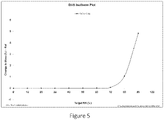
- the novel effervescent composition shows stability at all relative humiditiesdespite a 4.8% weigh gain due to moisture absorption.
- Figure 5 shows this.
- the results also indicate that the 4.8% of moisture is not enough to break the citric acid co-crystal; hence there is no free citric acid to take part in the effervescence reaction.
- Table 43 Change In Mass (%) Target Relative Humidity (%) 1.
- Citric Acid Citric acid: nicotinamide, 1:2 co-crystal 3.
- Sodium Bicarbonate 4. Standard effervescent composition (where acid is in its free form) 5.
Landscapes
- Health & Medical Sciences (AREA)
- Life Sciences & Earth Sciences (AREA)
- Veterinary Medicine (AREA)
- Public Health (AREA)
- General Health & Medical Sciences (AREA)
- Animal Behavior & Ethology (AREA)
- Epidemiology (AREA)
- Chemical & Material Sciences (AREA)
- Medicinal Chemistry (AREA)
- Pharmacology & Pharmacy (AREA)
- Birds (AREA)
- Engineering & Computer Science (AREA)
- Bioinformatics & Cheminformatics (AREA)
- Emergency Medicine (AREA)
- Inorganic Chemistry (AREA)
- Physiology (AREA)
- Nutrition Science (AREA)
- Zoology (AREA)
- Dermatology (AREA)
- Biophysics (AREA)
- Molecular Biology (AREA)
- Oil, Petroleum & Natural Gas (AREA)
- General Chemical & Material Sciences (AREA)
- Chemical Kinetics & Catalysis (AREA)
- Medicinal Preparation (AREA)
- Detergent Compositions (AREA)
Description
- The present invention relates to effervescent compositions which are resistant to water vapour in the atmosphere. In particular, the invention relates to an effervescent composition formed using a co-crystal as one of the components. In the case of the present invention, it is the acidic component which is prepared in the form of a co-crystal.
- Effervescent compositions are well known in the prior art and have been used in a variety of applications over a period of time. Numerous patents have also been granted for a variety of different types of formulations. Applications include pharmaceutical compositions, dental and cosmetic compositions, household cleaning agents, beverage sweetening tablets and food supplement tablets, sterilising tablets for water and for sterilising articles for hospital use, and even agrochemicals.
-
US 4153678 discloses levamisole effervescent tablets which are intended to be highly soluble and yield crystal clear solutions in water. The tablets are intended to be stable on storage and easy to use. These tablets are designed for oral administration to animals in predetermined dosages via drinking water. Levamisole is an anti-helminthic preparation for treating swine and presentation in effervescent form presents a number of advantages relative to conventional formulations of that active pharmaceutical ingredient. In these formulations, between 10 and 50% by weight of the active pharmaceutical ingredient (levamisole) in the form of a water soluble salt is formulated with sodium bicarbonate and adipic acid in approximately 1:1 weight ratio and formulated into granules which are then ultimately compressed into tablets. Of course, ultimately, such tablets on exposure to normal atmospheric conditions will absorb water vapour from the air with the consequence that over time such tablets will degrade. There is also the problem that the presence of water vapour in the atmosphere, commonly referred to as conditions of high humidity, will ultimately cause water to be present in sufficient an amount within the formulation to allow reaction between the basic components (sodium bicarbonate) and the acidic component (adipic acid). -
US 5445827 discloses an effervescent ibuprofen formulation comprising basic granules containing a water soluble ibuprofen salt in combination with, amongst other things, sodium carbonate or potassium carbonate and an acid component. In these formulations the relative ratios between the active pharmaceutical ingredient, ibuprofen, and the acid and basic components are approximately one part by weight of the ibuprofen to 0.1:1 part by weight of the sodium carbonate and 1:4 parts by weight of the acid component. It can therefore be seen that the acid component is presented in significant excess relative to the basic component of the effervescent formulation. In this particular case, the inventors overcame the difficulties caused by the extremely poor solubility of ibuprofen crystals especially when in solution in slightly acidic conditions. This invention employs sodium, potassium and ammonium salts of ibuprofen as the most preferred counter ions though it does also envisage the use of organic counter ions. Irrespective of the manner in which ibuprofen is presented, these formulations also still suffer the problem that once formulated the powders, granules, or tablets of that invention are prone to attack by atmospheric humidity and consequently will suffer degradation over time on exposure to the atmosphere. -
WO 02/086048 -
EP 1953126 describes an effervescent fertiliser which is presented in the form of a single-dose intended to be combined with a specific amount of water. The technical advantage that is said to underlie the invention of this patent resides in the fact that it is supplied in a single-dose of instantly dissolving effervescent fertiliser which is to be used in a specific volume of water equal to a standard volume of a 4 litre watering can. The formulations are presented as tablets which contain a fertiliser component and excipients needed to produce instant dissolution through effervescence. The patent does not, however, provide any details regarding the identity of the excipients. -
US 4725427 describes effervescent vitamin-mineral granule formulations as food supplements. These compositions are water soluble and contain water soluble and oil soluble vitamins and amino acid chelated minerals in bioavailable form. The compositions are presented as unit dosage formulations weighing between about 2 and 6 g and containing between 20 and 45% citric acid and 5-25% of one or more alkali or alkaline earth metal bicarbonates or carbonate. Once the unit dosage is dissolved in waterit provides a flavoured, lightly carbonated drink containing the minerals and vitamins. The compositions are formed in portions consisting of a dry vitamin premix and a separate dry amino acid chelate mineral premix. The two mixes are then blended along with the appropriate flavouring and effervescing materials and packaged in airtight and moisture tight containers. Again, a problem arising with this type of formulation is the susceptibility to water from the atmosphere and it is not only necessary to provide suitable packaging for the final product but appropriate precautions must be taken during preparation of the various premixes to exclude water.WO 2013/100871 A1 discloses effervescent compositions comprising a hydrogen tartrate co-crystal of Rivastigmine. -
-
Figure 1 shows the dynamic vapour sorption (DVS) study plot of the change in mass of citric acid against the relative humidity. -
Figure 2 shows the DVS study plot of the change in mass of citric acid:nicotinamide co-crystal against the relative humidity. -
Figure 3 shows the DVS study plot of the change in mass of sodium bicarbonate against the relative humidity. -
Figure 4 shows the DVS study plot of the change in mass of a standard effervescent composition against the relative humidity. The standard effervescent composition contains the acid component in the free form. -
Figure 5 shows the DVS study plot change in mass of an effervescent composition stabilised by having the acid component present in the form of a co-crystal. - The present invention aims to prepare effervescent formulations which can be conveniently formulated under normal production conditions. It is an aim of the invention to reduce or eliminate the need for special atmospheric conditions when manufacturing and packaging the formulations. It is also an aim of the invention to provide formulations which are stable on standing under normal atmospheric conditions for an extended period of time compared with traditional effervescent formulations. It is also an aim to provide formulations that can be used in more challenging conditions such as at elevated temperatures and/or elevated humidities. Such conditions may be found, for example, in sub-tropical and tropical regions or other humid environments.It is another aim of the invention to provide a formulation in which the acidic component of the co-crystal is present in a very high loading or is 100% of the co-crystal. It is also an aim to provide a formulation which is of low bulk and low weight relative to liquid formulations. The invention aims to avoid problems with bulk storage and transport. It is also an aim to provide a formulation which can be prepared economically and which can be transported and stored economically until re-formulation is required at the point of use by the consumer. It is also an aim to provide a unit-dosage form for convenient re-formulation by the consumer into an appropriate dosage strength. It is also an aim to provide a composition which does not require special packaging and/or storage under special conditions. Issues relating to granulation and tableting include poor compressibility due to low moisture, high compression force required, wear and tear of compression tools, processing at 10 to 20% RH, high dehumidification cost, and shelf life issues associated with the effervescent formulations.These requirements otherwise add to the cost of preparing and keeping the compositions.
- The present invention satisfies some or all of the above aims and overcomes the problems in the prior art. The present invention solves some or all of the problems of the prior art formulations by providing an effervescent composition in which the acidic component is presented in the form of a co-crystal. The invention is defined by the claims.
- According to one aspect of the present invention, there is provided an effervescent composition comprising an acidic component and a basic component, wherein the acidic component is in the form of a co-crystal.
- According to another aspect of the present invention, there is provided an effervescent composition comprising an acidic component and a basic component, wherein the acidic component is in the form of a co-crystal, and wherein the composition includes one or more agents selected from: an active pharmaceutical ingredient, a sterilising agent, a cleaning agent, a nutritional component, an agrochemical component and an animal health medicament, and optionally one or more excipients.
- The definition of the term "co-crystal" has been widely debated in the field of crystallography but is generally accepted as a crystalline structure which is made up of two or more components in a defined stoichiometric ratio. Co-crystals are solids that are crystalline materials composed of two or more molecules in the same crystal. Conventional solid-state forms of an active pharmaceutical ingredient may be classified as being either crystalline, amorphous, or solvate and hydrate forms. Crystalline forms themselves may present in a number of different polymorphic forms each of which usually only contains a single type of molecule within the crystal lattice. Of course, whilst references to crystalline and amorphous forms are being discussed in this application are generally in the context of active pharmaceutical ingredients, since this is one important area of application for the present invention, it is correct to say that polymorphism occurs throughout chemistry and that a wide variety of materials can exhibit polymorphism. Such materials may be presented in non-pharmaceutical applications.
- In contrast to single crystal species, co-crystals are distinguishable from traditional pharmaceutical and non-pharmaceutical solid state forms in that co-crystals contain two or more molecules within the same lattice. Thus, for example, in the pharmaceutical field a co-crystal is composed of an active pharmaceutical ingredient together with a neutral guest compound which is frequently referred to as a conformer or a co-former in the crystal lattice. In addition, in contrast to normal single species salts in crystalline form, in which the components in the crystal lattice are in an ionised state, a cocrystal's components are present in a neutral state in the lattice and interact via non-ionic interactions. A co-crystal may be defined as a crystalline material that consists of two or more molecular (and electrically neutral) species held together by non-covalent forces, where both components are solids at room temperature (see S. L. Mohssette, O. Almarsson, M. L. Peterson, J. F. Remenar, M.J. Read, A.V. Lemmo, S. Ellis, M.J. Cima, CR. Gardner, High Throughput crystallisation: polymorphs, salts, co-crystals and solvates of pharmaceutical solids, Adv. Drug DeNv. Rev. 56 (2004) 275-300.)
- Hydrates are not considered to be co-crystals. Therefore, co-crystals of the present invention do not encompass hydrates. In other words, the co-former of the present invention may not be water. In addition, the definition of a co-crystal does not include the situation where two materials present in the same vessel crystallise at the same time but in their own separate and individual crystal lattices. This would be considered to be "concurrent crystallisation" rather than the formation of a co-crystal.
- The co-crystal formulations of the present invention present a number of advantages. Firstly, they provide the ability to enhance the bioavailability of a pharmaceutical ingredient or the solubility of a non-pharmaceutical ingredient. They also provide the ability to improve the stability of the final formulation and improve its resistance to water vapour from the atmosphere and any water content in the formulation itself in the sense that these formulations are less hygroscopic than conventional formulations. Another technical advantage resides in the ease of processing of the solid material. A further advantage of the formulations of the present invention is that they allow the opportunity to present in crystalline solid state form materials that otherwise lack ionisable functional groups that are required for salt formation and the creation of stable crystal lattices.
- The presence of the effervescing agent i.e. both the acidic and basic component in the formulation helps to disintegrate the formulation when mixed with water. In prior art formulations, premature exposure to atmospheric moisture leads to degradation of the known formulations. The formulations of the present invention do not suffer this disadvantage (as will be seen from the data presented below) because of the stability that the acidic component co-crystal imparts to the formulation. Disintegration of the formulations of the present invention occurs in an entirely conventional way and in the same manner as in the prior art once the formulation is added to water. The co-crystal is able to dissolve under these conditions and a chemical reaction can then occur between the acidic and basic component thereby releasing gas. Thus, according to the invention the acidic component or an acidic co-former of the co-crystal reacts with the basic component. The acidic and basic components are chosen such that the gas released is carbon dioxide (itself a harmless by-product of the neutralisation process) and it is the gas release which forces the other compressed materials in the formulation to disperse. Once effervescence is complete, the resulting solution can then be used for its intended purpose such as for ingestion to deliver an active pharmaceutical ingredient, application in solution form to plants or crops as a fertiliser or as an insecticide or fungicide, as a sterilising agent for water, as a dental or cosmetic preparation, or as a cleaning agent for surfaces. The resulting solution contains a homogeneous dispersion of the various components of the original composition. Equally, it is not necessary for the formulation to contain an active ingredient for pharmaceutical, agrochemical or cleaning use etc. and the formulation may simply be used to provide a carbonated solution. Such a solution may be used in or added to a beverage such as the Eno ™ beverages.
- The acidic component which is formed into the co-crystal is typically selected from an organic acid, an organic acid salt, an organic acid anhydride, an inorganic acid, an inorganic acid salt, and mixtures of one or more of the above. The exact identity of the acidic component that is used in the co-crystal will depend on the ultimate purpose of the formulation. Certain classes of acidic component which can be used in principle for gas formation may actually be inappropriate in certain circumstances. For example, in formulations which are intended for pharmaceutical, cosmetic, dental or nutritional use, it is important to ensure that the acidic component is suitable for human or animal consumption and is not toxic or otherwise deleterious to human or animal health. On the other hand, if the formulation is intended as a cleaning agent or as a plant insecticide or fungicide or fertiliser etc. then acidic components that might otherwise be excluded as being harmful by ingestion may also be used.
- Ideally, the acidic component is an organic acid such as a carboxylic acid. More preferably the acidic component is a dicarboxylic acid. Carboxylic acids which can be used in the acidic component of the formulations of the present invention include formic acid, propionic acid, malic acid, and tartaric acid. Examples of dicarboxylic acids which can be used in the compositions of the present invention include citric acid, glycolic acid, maleic acid, fumaric acid, adipic acid, succinic acid, lactic acid, gluconic acid, and fumaric acid, and oxalic acid. Sulphamic acid (sometimes known as amidosulphonic acid) can also be used as can similar sulphonic acids. An inorganic acid that may be used is boric acid. Additionally, sulphamic acid and glutaric acid may be the acidic component.
- The acidic component can be selected from: formic acid, propionic acid, malic acid, tartaric acid, citric acid, glycolic acid, maleic acid, fumaric acid, adipic acid, succinic acid, lactic acid, gluconic acid, and fumaric acid, oxalic acid, boric acid, sulphamic acid, glutaric acid and sulphamic acid. Optionally, the acidic component can be selected from: citric acid, glycolic acid, maleic acid, fumaric acid, adipic acid, succinic acid, lactic acid, gluconic acid, and fumaric acid, oxalic acid, glutaric acid and sulphamic acid.
- The acidic component may be selected from: citric acid, glutaric acid, malic acid, maleic acid, tartaric acid, and fumaric acid.
- The basic component of the formulations of the present invention can be selected from carbonates, bicarbonates and sesquicarbonates which are effectively double salts of bicarbonates and carbonates. For example, sodium sesquicarbonate is a double salt of sodium bicarbonate and sodium carbonate. The basic component may be a mixture of one or more of carbonates, bicarbonates and sesquicarbonates. These components will be present in the form of their ammonium, alkali metal or alkaline earth salts. Sodium, potassium, calcium, magnesium and ammonium salts are preferred salts; and sodium, potassium and ammonium salts are especially preferred given their excellent solubility. Of these, sodium and potassium are most preferred (certainly for pharmaceutical, nutritional, cosmetic and dental formulations at least) on account of their solubility and compatibility with physiological media since this feature of utmost importance in formulations intended for pharmaceutical and nutritional uses.
- The co-former component (i.e. the guest component of the co-crystal) which is mixed with the acidic component (i.e. the material which ultimately reacts with the basic component) to form the co-crystal may be selected from: ascorbic acid, gallic acid, nicotinamide, isonicotinamide, citric acid, aglutamic acid, histidine, urea, saccharine, glycine, tyrosine, vanillin and valine. The co-former could also be an active ingredient such as an active pharmaceutical ingredient e.g. piroxicam, carbamazepine, and paracetamol. The co-former is a solid at room temperature. The co-former may not be a solvent, for example the co-former may not be water.
- The co-former could also be theophylline. The co-former component (i.e. the guest component of the co-crystal) which is mixed with the acidic component (i.e. the material which ultimately reacts with the basic component) to form the co-crystal may be selected from: ascorbic acid, gallic acid, nicotinamide, isonicotinamide, citric acid, malic acid, tartaric acid,aglutamic acid, histidine, urea, saccharine, glycine, tyrosine, vanillin, valine,theophylline, piroxicam, carbamazepine, and paracetamol. The co-former could also be an active ingredient such as an active pharmaceutical ingredient e.g. theophylline, piroxicam, carbamazepine, and paracetamol.
- Preferably, the co-former is selected from: nicotinamide, isonicotinamide, urea, peroxicam, theophylline, malic acid and tartaric acid.
- The co-crystal formation is based on the structure of the co-formers and co-formers are the most important component of the co-crystal in terms of ensuring a stable lattice structure. Co-crystals can be divided into co-crystal anhydrates, co-crystal hydrates (solvates), anydrates of co-crystals of salts, and hydrates (solvates of co-crystals of salts). The exact identity of the co-crystal will depend on the nature of the acidic component on the one hand and the co-former on the other hand. For example, in the case in which the acidic component is an organic acid such as a carboxylic acid, the co-former may be a material such as nicotinamide, isonicotinamide, glycine, and vanillin. The co-former could also be another acid. In such a case, the acidic component of the co-crystal represents 100% by weight of the co-crystal.
- The solvent can sometimes play an important part in the co-crystal formation. The solvent is selected depending on the solubility of the co-former. Solvents that can be used in co-crystal formation include aliphatic alcohols such as methanol, ethanol, isopropanol; acetonitrile; and water.
- The formulations of the present invention may include one or more excipients as appropriate to the type of formulation being prepared. Excipients may be selected from one or more of: bulking agents, sweeteners, flavouring agents, lubricants, stabilisers, disintegrating agents, suspending agents, thickening agents, and surfactants.
- The effervescent composition may be presented in the form of powder, granules, tablet, or capsule.
- The co-crystal contains the acidic component. In certain embodiments the acidic component may comprise two or more different substances as the reactive component. The acidic component may be selected from formic acid, propionic acid, malic acid, tartaric acid, citric acid, glycolic acid, maleic acid, fumaric acid, adipic acid, succinic acid, lactic acid, gluconic acid, and fumaric acid, oxalic acid, glutaric acid, boric acid, and sulphamic acid and similar sulphonic acids. Most preferably, the acidic component is a single substance such as a carboxylic acid. Preferably it is a dicarboxylic acid. The carboxylic acid may be preferably selected from citric acid, tartaric acid, malic acid, maleic acid, glutaric acid, fumaric acid and oxalic acid.
- The acidic component represents at least 30% by weight of the co-crystal and more usually is at least 80% and more preferably at least 90% by weight of the co-crystal. In more preferred embodiments, the acidic component represents at least 95% by weight, more preferably at least 98%, and most preferably at least about 100% by weight of the co-crystal.
- The co-crystal may be formed from the acidic component and an acidic co-former. Therefore, the co-crystal may be about 100% by weight of acidic molecules. Acidic molecules may refer to the acidic component and an acidic co-former.
- The co-crystal and the basic component which are mixed to form the effervescent mix component of the formulations of the present invention are mixed in a ratio of from 1:0.5 mole ratio of co-crystal (based on the acidic component) to 1:10 mole ratio. Usually, it is preferred that the basic component is present in an excess in the effervescent component. Accordingly, in some embodiments it may be preferable that the mole ratio of the co-crystal to the basic component is from 1:5 to 1:10 and more preferably is in the range of from 1:7.5 to 1:10. In other embodiments, it may be preferable that the mole ratio of the co-crystal to the basic component is from 1:2.5 to 1:5 and more preferably is in the range of from 1:3 to 1:4. Thus a typical effervescent formulation containing citric acid and sodium bicarbonate in the weight ratio of 1:1.5 will show a mole ratio of about 1:3.4.
- In an embodiment the effervescent composition is substantially free of acids except any acid of the co-crystal (i.e. the acidic component with or without an acidic co-former). In other words, the effervescent composition does not comprise any acid outside the co-crystal. In an embodiment, the effervescent composition comprises one acid, the acidic component of the co-crystal.
- The optimum mole ratio will, however, vary depending on the nature of the acidic composition. The preferred mole ratios will depend on whether monobasic, dibasic or tribasic (or higher) acids are being considered and the amount of acidic material in the acidic component. For example, in the case of monocarboxylic acids or other monobasic acids, the relative amount of the acidic component may be higher than that needed for a dibasic acid to compensate for the monobasic nature of the acid.
- In an embodiment the co-crystal is not a co-crystal of VX-950 and 4-hydroxybenzoic acid. Furthermore, in the same or an alternative embodiment the cocrystal is not a pterostilbene:glutaric acid co-crystal, pterostilbene:caffeine co-crystal, pterostilbene: carbamazepine co-crystal or apterostilbene:piperazine co-crystal. Preferably, the co-crystal is not a VX-950:4-hydroxybenzoic acid co-crystal or a pterostilbene:glutaric acid cocrystal. Optionally, the co-crystal of the invention does not comprise pterostilbene. Optionally, the co-crystal of the invention does not comprise VX-950.

- Co-crystals can be prepared by a number of methods which can be broadly characterised as solution methods, grinding methods, anti- solvent methods, slurry conversion methods, supercritical fluid methods, and hot melt extrusion methods. All of these are applicable to the present invention. However, in the case of the present invention, the grinding method and hot melt extrusion method are preferred and more particularly the method of choice is a liquid assisted grinding method.
- Co-crystals can be characterised by a wider variety of analytical methods. The co-crystals of the present invention can be analysed by powder X-ray diffraction, FT-IR and Raman spectroscopy in order to verify their structure and composition. Other physical methods of characterisation of the co-crystals of the present invention include thermo gravimetric analysis (TGA) and differential scanning calorimetry (DSC).
- Typical challenges that occur during manufacturing of conventional formulations relate to the control of humidity since the humidity levels in the effervescent product manufacturing and packaging area need to be very carefully controlled. Granulation must normally occur at less than 20% relative humidity and tableting must generally occur at a temperature of no more than 20-25°C and less than 30% relative humidity. The packaging process itself must take place at less than 30% relative humidity. In addition, the low moisture content of the effervescent granules themselves provides a challenge during the tableting procedure. Typical pharmaceutical granules for compression will contain 2-4% moisture whereas effervescent granules contain 0.5-1.0% moisture. The compression pressure required for tableting of an effervescent preparation is therefore very high compared to a conventional tablet formulation where the moisture content is higher. This higher pressure that is required for tableting an effervescent formulation leads to wear and tear of the dies and punches in the tableting process and it is frequently necessary to use special alloys to produce the dies and punches for such processes. The formulations of the present invention reduce or overcome these problems and do not necessarily require such high tableting pressures and therefore lead to both economies and convenience in the tableting process. In addition, the use of special alloys for the tableting equipment is less critical.
- Another issue that arises with conventional effervescent formulations is that water impermeable packaging is required for packaging known effervescent preparations. In the case of the compositions of the present invention this requirement becomes much less critical. It can therefore be seen from the above that the controlled thermo-hygrometric conditions, high maintenance cost of processing equipment and special packaging materials all conspire to make the manufacture of effervescent preparations expensive and challenging. This in part has led to a more limited application for effervescent preparations than would otherwise be the case. The present invention thus widens the potential field of applications for which effervescent preparations can be used as well as providing substantial technical benefits in those areas where they are used.
- Formulations according to the present invention can be prepared in a two-step process. In the first step the co-crystal of the acidic component is prepared and in the second step the effervescent mixture is prepared by combining this with the basic component.
- Thus, in one exemplary embodiment, citric acid was used as the acidic component and it was mixed with nicotinamide as the co-former in a molar ratio of one part citric acid to two parts nicotinamide. The mixture was subjected to grinding for five minutes in the presence of a small amount of methanol. The resulting ground product was confirmed as a citric acid-nicotinamide co-crystal using powder X-ray diffraction (PXRD).
- In the second stage of the procedure,the acidic component is combined with the basic component to form an effervescent mixture (i.e. a mixture that efferevesces when dissolved in water). In fact, two separate effervescent mixtures (for the purposes of comparison) were prepared with one being a co-crystal and the other a conventional formulation. A first control effervescent mixture was prepared as a standard formulation, and not in the form of a co-crystal, for the purposes of evaluating its properties relative to an otherwise identical co-crystal formulation according to the invention. The control effervescent mixture contained 1 g of citric acid and 1.5 g of sodium bicarbonate. A second, separate, effervescent mixture was prepared in accordance with the present invention. This mixture was a co-crystal of citric acid and nicotinamide containing the equivalent of 1 g of citric acid together with 1.5 g of sodium bicarbonate. Accordingly, the formulation according to the invention and the control formulation were identical in the nature and quantities of the effervescent components.
- The mixtures were exposed to 75% and 98% relative humidity conditions in desiccators for a period of 24 hours. The effervescent action was then evaluated by adding the control and test samples to 1000 ml of water. The control sample was moist and did not show any effervescence even having only been exposed to 75% relative humidity. The control samples exposed to 98% relative humidity did not show any effervescence. In contrast, the test sample was free flowing and showed excellent effervescent action even after storage at 98% relative humidity for 24 hours. In each case, the control sample could not be considered to be free flowing and had absorbed a significant amount of moisture. The samples according to the invention maintained their integrity and their effervescent properties.
- The co-crystals were stored at 98% relative humidity and the stability was evaluated after 24 hours using powder X-ray diffraction. There was no change in the powder X-ray diffraction pattern after storage of the formulations according to the invention indicating that there was no dissociation of the co-crystal. This stability of the co-crystal in the presence of high amounts of atmospheric moisture is responsible for maintenance of the effervescent action.
- This represents a substantial advantage for the formulations of the present invention. The present invention can thus be seen to avoid unwanted reaction between the acid and basic components of an effervescent formulation in the presence of atmospheric moisture. This provides significant advantages in terms of manufacturing, packaging, storage and ultimate use of the formulations especially in more challenging environments. This advantage leads to a significant reduction in the cost of production without influencing the effervescent action and indeed ensures that the effervescent action is able to persist even after storage periods that would otherwise be impossible for conventional formulations.
- The formulations of the present invention thus solve a number of technical problems. Even a small amount of moisture (more than 1%) in the final product will cause a loss of ability of the formulation to cause effervescence when formulated in accordance with known procedures. Accordingly, extreme care has to be taken to avoid moisture during the manufacture, packaging and storage of conventional effervescent formulations. The present invention overcomes all of these difficulties.
- The co-crystal of the acidic component can be prepared by neat grinding, liquid assisted grinding, solution crystallisation, hot melt extrusion, solvent evaporation, spray drying, microwave treatment, slurry crystallisation, and high shear mixing. Of these liquid assisted grinding is preferred when formulating compositions for pharmaceutical, cosmetic, dental and nutritional use.
- Further co-crystal samples and formulations were prepared by liquid assisted grinding for the purposes of evaluation of the formulations of the present invention. The aim was to prepare co-crystals of some dicarboxylic acids that can be used in effervescent compositions and to demonstrate the stability of such co-crystals at 98% relative humidity. These experiments also compared the stability and effervescent performance in comparison with standard effervescent compositions (i.e. a plain citric acid and sodium bicarbonate system).
- The following formulations were prepared:
- 1. citric acid-nicotinamide 1:2 co-crystal
- 2. glutaric acid-nicotinamide 1:1 co-crystal
- 3. glutaric acid-isonicotinamide 1:1 co-crystal
- 4. L malic acid-L tartaric acid 1:1 co-crystal.
- 5. Fumaric acid-nicotinamide 1:1 co-crystal
- 6. Citric acid-urea 1:1 co-crystal
- 7. Piroxicam-glutaric acid 1:1 co-crystal
- Additional co-crystals were prepared using a high shear granulator.
- 8. Citricacid-nicotinamide 1:2 co-crystal
- 9. Citric Acid-theophylline 1:1 co-crystal
- These co-crystal formulations were prepared with the following compositions:
- Citric acid (1.921g) and nicotinamide (2.4425g) were taken in a mortar and subjected to liquid assisted grinding with methanol for 5 min. The resultant product was characterised by X-ray diffractometry (XRD) to confirm the co-crystal formation.
- Glutaric acid (1.3212g) and nicotinamide (1.2212g) were taken in a mortar and subjected to liquid assisted grinding with methanol for 5 min. The resultant product was characterised by X-ray diffractometry (XRD) to confirm the co-crystal formation.
- Glutaric acid (1.3212g) and isonicotinamide (1.2212g) were taken in a mortar and subjected to liquid assisted grinding with methanol for 5 min. The resultant product was characterised by X-ray diffractometry (XRD) to confirm the co-crystal formation.
- LMalic acid (0.6704g) and Ltartaric acid (0.7504g) were taken in a mortar and subjected to liquid assisted grinding with methanol for 5 min. The resultant product was characterised by X-ray diffractometry (XRD) to confirm the co-crystal formation. This is an example of a co-crystal in which the acidic component represents 100% by weight of the crystal.
- Fumaric acid (1.160g) and nicotinamide (1.221g) were taken in a mortar and subjected to liquid assisted grinding with methanol for 5 min. The resultant product was characterised by X-ray diffractometry (XRD) to confirm the co-crystal formation.
- Citric acid (1.921g) and urea (0.600g) were taken in a mortar and subjected to liquid assisted grinding with ethanol for 5 min. The resultant product was characterised by X-ray diffractometry (XRD) to confirm the co-crystal formation.
- Piroxicam (0.828g) and glutaric acid (0.330g) were taken in a mortar and subjected to liquid assisted grinding with ethanol for 5 min. The resultant product was characterised by X-ray diffractometry (XRD) to confirm the co-crystal formation.
- The stability of the co-crystals to moisture was investigated by storing the co-crystals at 98% relative humidity and the following results were observed.The co-crystal samples were analysed with XRD to check whether the co-crystal retained its structure or became dissociated or degraded over time on exposure to the atmosphere.
- Citric acid (55.035g), nicotinamide (70 g) and hydroxypropyl methyl cellulose (6.25g) were mixed in a tumbler mixer for 5 minutes. This material was then transferred to the 1 L bowl of the high shear granulator (model- GMX-LAB Micro; Make- Freund Vector). The material was initially blended for 5 minutes at low mixer speed (100 rpm). After 5 minutes, mixer speed was changed to 250 rpm and chopper speed was kept at 1000 rpm, at this stage water was added (6 ml) and mixing was continued for further 25 minutes. After 25 minutes, 4 ml of water was added and mixer and chopper speed were increased to 1000 rpm and 3000 rpm respectively, and were maintained for next 15 minutes. After 15 minutes process was stopped, material was unloaded and characterised for the co-crystal formation using PXRD.
- Citric acid (64.507g), theophylline (60.500 g) and hydroxypropyl methyl cellulose (6.25g) were mixed in a tumbler mixer for 5 minutes. This material was then transferred to the 1 L bowl of the high shear granulator (model- GMX-LAB Micro; Make- Freund Vector). The material was initially blended for 5 minutes at low mixer speed (100 rpm). After 5 minutes, mixer speed was changed to 250 rpm and chopper speed was kept at 1000 rpm, at this stage water was added (6 ml) and mixing was continued for further 25 minutes. After 25 minutes, 4 ml of water was added and mixer and chopper speed were increased to 1000 rpm and 3000 rpm respectively, and were maintained for next 15 minutes. After 15 minutes process was stopped, material was unloaded and characterised for the co-crystal formation using PXRD.
- Extruder was pre-heated to the selected processing temperature. A range of barrel temperature profiles were used, typically increasing from a cooled feed zone to a maximum mid way along the barrel and decreasing towards the die end. The maximum temperature of 110 °C was set in the mid way of the barrel and screw configuration 8 was used for this experiment. Extruder screw rotation speed was set to 10 revolutions per minute (rpm). A pre-mixed blend of L-Malic acid (67.0437 g and L-tartaric acid (75.043 g) was then introduced into the feed hopper of the extruder. The extruded mixture was then collected at the exit of the screws. The collected material was subsequently analysed for co- crystal formation using PXRD.
Table 1 Length (diameters) Element type 6 Forwarding 2 90 ° 1 60 ° 6 Forwarding 1.25 60 ° 4 Forwarding 1 90 ° 1 60 ° 1.25 30 ° 4 Forwarding 1 60 ° 1 30 ° 9 Forwarding 1.50 Discharge 40 Total length - Effervescent compositions were prepared by homogenous mixing of acid (0.8g) with the sodium bicarbonate (1.2g) and subjected to stability testing at 75% and 98% relative humidity. In the case of co-crystals, the co-crystal amount equivalent to 0.8g of the acid was taken. The stability study investigated the change in the physical appearance and effervescent action of the compositions. Saturated sodium chloride and potassium sulphate solution in water was used to maintain the 75% and 98% relative humidity in the desiccator chamber.
- Effervescent composition (2g) was added rapidly in one portion to 1 L water under stirring at 100rpm. The time of cessation of effervescence and the time take to obtain a clear solution was noted. The following results were obtained:
-
Table 2 XRD results Day 1 Day 2Day 3 Day 5Day 10Day 14Day 18 Citric acid-nicotinamide, 1:2 Cocrystal is stable. No peaks for starting materials Cocrystal is stable. No peaks for starting materials Cocrystal is stable. No peaks for starting materials Cocrystal is stable. No peaks for starting materials Cocrystal is stable. No peaks for starting materials Stable Stable Table 3 XRD results Day 1 Day 2Day 6Day 10Glutaric acid-nicotinamide, 1:1 Co-crystal is stable. No peaks for starting materials Co-crystal is stable. No peaks for starting materials Stable Stable Table 4 XRD results Day 1 Day 2Day 6Day 10Glutaric acid: isonicotinamide, 1:1 Co-crystal is stable. No peaks for starting materials Co-crystal is stable. No peaks for starting materials Stable Stable Table 5 XRD results Day 1 Day 2Day 3 L malic-L tartaric acid, 1:1 Co-crystal is stable. No peaks for starting materials Co-crystal is stable. No peaks for starting materials Unstable, almost half sample converted to liquid - Citric acid (0.8g) + sodium bicarbonate (1.2g) and citric acid - nicotinamide 1:2 co-crystal (1.8170g) equivalent to citric acid (0.8g) + sodium bicarbonate (1.2g) subjected to stability testing and tested for physical appearance and effervescence.
Table 6 Citric acid / sodium bicarbonate system Day 75% RH 98% RH Physical appearance Effervescence Physical appearance Effervescence Day 0 No lumps or no moist mass Effervescence cessation : 14sec No lumps or no moist mass Effervescence cessation : 14sec Clear solution: 1min Clear solution : 1min Day1 Hard mass No effervescence Hard moist mass No effervesce Day 2 Hard mass No effervescence Hard mass No effervescence Day 3 Hard mass No effervescence Hard mass No effervescence Table 7 Citric acid- nicotinamide co-crystal / sodium bicarbonate system 75% RH 98% RH Day Physical appearance Effervescence Physical appearance Effervescence Day 0 No lumps or no moist mass Effervescence cessation : 40sec No lumps or no moist mass Effervescence cessation : 40sec Clear solution : 2min Clear solution : 2min Day 1 No lumps, No moist mass, dry mass Effervescence cessation : 12sec No lumps, No moist mass, dry mass Effervescence cessation : 14sec Clear solution : 1min 55sec Clear solution : 1min 45sec Day 2 No lumps, almost dry and free powder mass Effervescence cessation : 10-12sec No lumps, almost dry and free powder mass Effervescence cessation : 10-15sec Low intensity Low intensity Clear solution: 1min 50sec Clear solution: 2min 10sec Day 3 Almost free flowing mass, no lumps or moist Effervescence cessation : 10-12sec Almost free flowing mass, no lumps or moist Effervescence cessation : 14-18sec Low intensity Low intensity Clear solution: 1min 40sec Clear solution: 1min 30sec - Glutaric acid (0.8g) + sodium bicarbonate (1.2g) and glutaric acid-nicotinamide 1:1 cocrystal (1.54g) equivalent to glutaric acid (0.8g) + sodium bicarbonate (1.2g) were subjected to stability testing and tested for physical appearance and effervescence.
Table 8 Glutaric acid / sodium bicarbonate system Day 75% RH 98% RH Physical appearance Effervescence Physical appearance Effervescence Day 0 No lumps or no moist mass Effervescence cessation : 14sec No lumps or no moist mass Effervescence cessation :14sec Clear solution: 1min 40sec Clear solution: 1min 40sec Day 1 Moist mass Effervescence cessation : 11sec Deliquescence started, some liquid mass + solid mass Effervescence cessation : 6sec Clear solution : 1min 43sec Clear solution: 1min 14sec Day 2 Moist mass No effervescence Complete liquid No effervescence Clear solution: 1 min Day 3 Paste like No effervescence Discontinued mass Clear solution: 1 min Table 9 Glutaric - nicotinamide co-crystal / sodium bicarbonate system Day 75% RH 98% RH Physical appearance Effervescence Physical appearance Effervescence Day 0 No lumps or no moist mass Effervescence cessation :23sec No lumps or no moist mass Effervescence cessation : 23sec Clear solution: 1min 40sec Clear solution: 1min 40sec Day 1 No lumps or no moist mass Effervescence cessation :39sec Slightly moisten but no lumps Effervescence cessation : 21sec Clear solution: 2min 10sec Clear solution: 1min 49sec Day 2 No lumps or slightly moisten Effervescence cessation :15sec Highly moist mass, lumps, paste like mass at the bottom Effervescence cessation : Almost no effervescence Clear solution: 4min 40sec Clear solution: 4min 10sec Day 3 No lumps, Moist powder mass Effervescence cessation : 10sec Clear solution: 5min 15sec - Glutaric acid (0.8g) + sodium bicarbonate (1.2g) and glutaric acid-nicotinamide 1:1 cocrystal (1.54g) equivalent to glutaric acid (0.8g) + sodium bicarbonate (1.2g) were subjected to stability testing and tested for physical appearance and effervescence.
Table 10 Glutaric acid / sodium bicarbonate system Day 75% RH 98% RH Physical appearance Effervescence Physical appearance Effervescence Day 0 No lumps or no moist mass Effervescence cessation : 14sec No lumps or no moist mass Effervescence cessation : 14sec Clear solution : 1min 40sec Clear solution : 1min 40sec Day 1 Moist mass Effervescence cessation : 11sec Deliquescence started, some liquid mass + solid mass Effervescence cessation : 6sec Clear solution : 1min 43sec Clear solution : 1min 14sec Day 2 Moist mass No effervescence Complete liquid No effervescence Clear solution: 1 min Day 3 Paste like mass No effervescence Discontinued Clear solution: 1 min Table 11 Glutaric - isonicotinamide co-crystal / sodium bicarbonate system 75% RH 98% RH Day Physical appearance Effervescence Physical appearance Effervescence Day 0 No lumps or no moist mass, free flowing powder Effervescence cessation : 21sec No lumps or no moist mass, free flowing powder Effervescence cessation : 21sec Clear solution : 2min 15sec Clear solution : 2min 15sec Day 1 No lumps or no moist mass, free flowing powder Effervescence cessation : 22sec Very slightly moist and few lumps Effervescence cessation : 15sec Clear solution: 3min Clear solution : 3min 15sec Day 2 Slightly moist but no lumps Effervescence cessation : 14 - 16 sec Complete moist and big lumps No Effervescence Clear solution: 4min 10sec Day 3 Slightly moist but no lumps Effervescence cessation : 14 sec Complete moist and big lumps No Effervescence Clear solution: 1min 27sec - LMalic and L tartaric acid in 1:1 molar ratio (0.8g) + sodium bicarbonate (1.2g) and L malic and L tartaric acid co-crystals in 1:1 molar ratio (0.8g) + sodium bicarbonate were subjected to stability testing and tested for physical appearance and effervescence.
Table 12 L malic and L tartaric acid / sodium bicarbonate system Day 75% RH 98% RH Physical appearance Effervescence Physical appearance Effervescence Day 0 No lumps or no moist mass Effervescence cessation : 16sec No lumps or no moist mass Effervescence cessation : 16sec Clear solution: 50sec Clear solution: 50sec Day 1 Moist mass, paste like No effervescence Moist mass, paste like No effervesce Day 2 Discontinued Discontinued Table 13 L malic acid -L tartaric acid co-crystal / sodium bicarbonate system Day 75% RH 98% RH Physical appearance Effervescence Physical appearance Effervescence Day 0 No lumps or no moist mass Effervescence cessation : 18sec No lumps or no moist mass Effervescence cessation : 18sec Clear solution: 50sec Clear solution: 50sec Day 1 Slightly moist mass Effervescence cessation : 20sec Moist mass, paste like No effervescence Clear solution: 1 min 06sec Day 2 moist mass and big lumps very slight effervescence, low intensity and for 10sec complete moist mass, like thick paste No Effervescence Clear solution: 50 sec Day 3 Big lump, complete moist mass very slight effervescence, low intensity and for 12sec Moist to deliquescent mass No Effervescence Clear solution: 1min 14sec - Effervescent tablets containing citric acid/nicotinamide 1:2 co-crystal as a source of acid were compared in terms of effervesce performance with a tablet containing citric acid when stored at 75% and 98% relative humidity. The tablet had the ingredients shown in the table below.
Table 14 Name of Ingredients Co-crystal containing effervescent tablet (mg/tablet) Standard effervescent tablet (mg/tablet) Citric acid/nicotinamide cocrystal 204 --- Citric acid --- 90 Sodium bicarbonate 135 135 Mannitol 125 125 Microcrystalline cellulose, Avicel PH302 100 100 Lactose, pharmatose 40 40 Magnesium stearate 10 10 - All ingredients listed in above table were sieved through #355µ. The amounts of each ingredient required for one tablet were weighed accurately and mixed for 2 minutes to get the homogenous mixture. This mixture was then compressed under 1 Ton pressure with a dwell time of 30sec. The tablets were stored at 40%,75% and 98% relative humidity and tested for their physical appearance and effervescence performance.
Table 15 Tablet with Plain citric acid Day 75% RH 98% RH Physical appearance Effervescence Physical appearance Effervescence Day 0 Smooth white surface, Effervescence cessation: 39sec Day 1 Rough, off-white surface Effervescence cessation: 12sec All tablets are broken No effervescence Day 2 Surface is slightly swollen and rough Effervescence cessation: 4sec. Almost no effervescence Discontinued Day 3 Surface is slightly swollen and rough Effervescence cessation: No effervescence Discontinued Table 16 Tablet with Citric acid/nicotinamide co-crystal Day 75% RH 98% RH Physical appearance Effervescence Physical appearance Effervescence Day 0 Smooth white surface Effervescence cessation: 57sec Day 1 Smooth white surface Effervescence cessation: 45sec All tablets are broken No effervescence Day 2 Smooth surface, No moisture Effervescence cessation: 45sec Discontinued Day 3 Smooth surface Effervescence cessation: 1 min 40sec. Discontinued Slow effervescence and disintegration of tablet Table 17 Tablet with Plain citric acid Day 40% RH Physical appearance Effervescence Day 0 Smooth white surface Effervescence cessation: 39sec Day 1 Rough, off-white surface Effervescence cessation: 24sec Day 2 Surface is slightly swollen and rough Effervescence cessation: 30sec. Low intensity of effervescent action Day 3 Rough, off-white surface Effervescence cessation: 8sec. Intensity is very low Table 18 Tablet with Citric acid/ nicotinamide co-crystal Day 40% RH Physical apperance Effervescence Day 0 Smooth white surface Effervescence cessation: 39sec Day 1 Smooth white surface Effervescence cessation: 1min 28sec Slow effervescence Day 2 Smooth surface Effervescence cessation: 2 min Slow effervescence but good intensity Day 3 Smooth white surface Effervescence cessation: 1min 15sec Good intensity of effervescence - As a comparison with a marketed effervescent formulation, we investigated the physical stability at 98% relative humidity of the effervescent formulation, ENO (effervescent powder formulation), which ismarketed by GlaxoSmithKline (GSK) as a gastrointestinal product. This product is an antacid powder which is mixed with water to produce a sparkling antacid drink for the temporary relief of heartburn & indigestion caused by too much food and drink. Each 5 g of powder contains: sodium bicarbonate PhEur 2.32 g, citric acid PhEur 2.18 g, anhydrous sodium carbonate PhEur 0.50 g, and each 5g of powder contains 0.85 g of sodium. The stability is indicated in Table 19 below.
Table 19 At 0 min Free flowing powder, No moisture After 2 hrs Hard cake, moist After 24hrs Complete liquid - Ibuprofen effervescent formulations were prepared as described below to check their stability at elevated relative humidity conditions. The ibuprofen effervescent formulations are granules and tablets formulations. We aimed to study the stability of effervescent formulation containing plain acid in the effervescent composition against the effervescent composition containing acid in the co-crystal form. The composition of ibuprofen effervescent granules is mentioned in the below table
Table 20 Name of ingredient Quantity (g) Standard effervescent granules Co-crystal containing effervescent granules Ibuprofen sodium salt 3.3195 3.3195 Sodium bicarbonate 34.0925 34.0925 Polyvinylyrrolidone (PVP K30) 3 3 Citric acid 9.875 --- Citric acid-nicotinamide 1:2 co-crystal --- 22.48 - Ibuprofen, sodium bicarbonate and PVP K30 were sieved through #355µ sieve and weighed accurately. These materials were then blended to produce an homogenous mass and granulated with water as a granulation liquid. The wet granules were dried at 60 °C for 2hrs and then sieved through #355 µ sieve. This portion was designated as the API portion. On the other hand, citric acid and co-crystal including citric acid was sieved through #355 µ sieve separately; these were designated acid portion A and acid portion B, respectively. Then the API portion was admixed with the acid portion A and B separately in the appropriate proportions to obtain the effervescent compositions.
-
Table 21 Name of Ingredients Standard effervescent tablet (g/tablet) Co-crystal containing effervescent tablet (g/tablet) Ibuprofen sodium salt 0.2213 0.2213 Sodium bicarbonate 0.6818 0.6818 Polyvinylyrrolidone (PVP K30) 0.1 0.1 Mannitol 0.150 0.150 Citric acid 0.198 --- Citric acid-nicotinamide 1:2 cocrystal --- 0.4486 - All ingredients listed in above table were sieved through #355µ. The amount of each ingredient required for one tablet was weighed accurately and mixed for 2 minutes to get the homogenous mixture. This mixture was then compressed under 0.5 Ton pressure with Dwell time of 10sec.
- A comparative stability study of ibuprofen effervescent granules and tablets was then conducted. The granules and tablets were stored at 45%,75% and 98% relative humidity and tested for their physical appearance and effervescence performance. The results are shown below.
Table 22 Granules ofIbuprofen salt with Plain citric acid Day 75% RH 98% RH Physical appearance Effervescent performance Physical appearance Effervescent performance After 6 Hrs Water droplets, some bubbles Not done Hard mass, complete moist Not done Day 1Hard and porous mass, big lumps Almost no effervescence Hard and porous mass, big lumps Almost no effervescence Day 2 Discontinued Discontinued Day 3 Discontinued Discontinued Table 23 Granules ofIbuprofen salt with Citric acid/nicotinamide co-crystal Day 75% RH 98% RH Physical appearance Effervescent performance Physical appearance Effervescent performance After 6 Hrs Slightly moisten Not done Slightly moisten Not done Day 1Slightly moist, no lumps and almost free flowing Good effervescence Slightly moist, no lumps and almost free flowing Good effervescence For 50sec. For 1 min. Clear solution: 1:50min Clear solution: 1: 33min Day 2 Compare to day 1 sample is more moist, no lumpsGood effervescence Compare to day 1 sample is more moist, no lumpsGood effervescence For 40sec. For 47sec. Clear solution: 1:40min Clear solution: 1:42min Day 3 Moist mass and few lumps Good effervescence Considerably moist mass and lumps Less effervescence For 20sec. For 1.15min. Clear solution: 1:30min Clear solution: 1:45min Table 24 Granules of Ibuprofen salt with Plain citric acid Day 45% RH Physical appearance Effervescent performance Day 1 Moist mass, some small lumps Good effervescence For 30sec. Clear solution: 1: 10min Day 2 Moist mass, some small lumps Good effervescence For 40sec. Clear solution: 1:10min Day 3 Moist mass and lumps Good effervescence For 30sec. Clear solution: 1:20min Table 25 Granules of Ibuprofen salt with Citric acid/nicotinamide co-crystal Day 45% RH Physical appearance Effervescent performance Day 1 Very slightly moist mass, no lumps, free flowing Good effervescence For 1 min. Clear solution: 1: 50min Day 2 Slightly moist mass Good effervescence For 57sec. Clear solution: 1:50min Day 3 Slightly moist mass Good effervescence For 54sec. Clear solution: 1:50min Table 26 Tablets ofIbuprofen salt with Plain citric acid Day 75% RH 98% RH Physical appearance Effervescent performance Physical appearance Effervescent performance 0 Day Smooth and dried surface Good effervescence Same as 75% RH Same as 75% RH For 4min. Clear solution: 5 min After 4 Hrs Some reaction might have took place, bubbles observed on the surface Not done Some reaction might have took place, bubbles observed on the surface Not done Day 1Surface is rough, bubbles on the surface, tablet was adhered to the weighing boat Very slow and low intensity of effervescence Surface is rough, bubbles on the surface, shape slightly damaged, tablet was adhered to the weighing boat Almost no effervescence For 2.37min. Clear solution: 9.10 min Clear solution: 8.30 min Day 2 Surface is rough, bubbles on the surface, tablet was adhered to the weighing boat Almost no effervescence Surface is rough and porous, tablet is deformed Almost no effervescence Day 3 Surface is very rough and bubbles on the surface, tablet was adhered to weighing boat Almost no effervescent Tablet is deformed and completely wetted, there is generation of liquid near tablet No effervescence Table 27 Tablets ofIbuprofen salt with Citric acid/nicotinamide co-crystal Day 75% RH 98% RH Physical appearance Effervescent performance Physical appearance Effervescent performance 0 Smooth and dried Good effervescence Same as 75% RH Same as 75% RH Day surface For 3.10min. Clear solution: 4.25min After 4 Hrs No change up to 1hr Not done No change up to 1hr Not done Day 1Smooth surface, no change in the tablet appearance Good effervescence Smooth surface but slightly moist, no change in the tablet appearance Good effervescence For 3min. Clear solution: 6 min For 2.37min. Clear solution: 5 min Day 2 Smooth surface, no change in the tablet appearance Good effervescence Moist surface, few cracks on the surface Slow effervescence For 4.00 min. Clear solution: 4.30min For 50 sec. Tablet disintegrates completely Clear solution: 2.25min Day 3 Smooth surface, no change in the tablet appearance Good effervescence Tablet is deformed and completely wetted, there is generation of liquid near tablet No effervescence For 2.10 min. Clear solution: 3min Table 28 Tablets ofIbuprofen salt with Plain citric acid Day 45% RH Physical appearance Effervescent performance O Day Same as 75% RH Same as 75 % RH Day 1 Rough surface, bubbles on the tablet surface, tablet was adhered to the weighing boat Good effervescence For 2.50 min. Clear solution: 3.52 min Day 2 Rough surface, bubbles on the surface, moist, tablet was adhered to the weighing boat Slow effervescence For 3.15 min. Clear solution:5.10min Day 3 Rough surface and moist mass Very slow effervescence For 5 min. Clear solution:6.10min Table 29 Tablets ofIbuprofen salt with Citric acid/nicotinamide co-crystal Day 45% RH Physical appearance Effervescent performance O Day Same as 75% RH Same as 75 % RH Day 1 Smooth surface, no change in the tablet appearance Good effervescence For 3.40 min. Clear solution: 5:10 min Day 2 Smooth surface, no change in the tablet appearance Good effervescence For 3.50 min. Clear solution: 4.25min Day 3 Smooth surface, no change in the tablet appearance Good effervescence For 3.10 min. Clear solution:4.15min - Effervescent bath salt was prepared containing acid in standard form and acid in the form of co-crystal and the comparative stabilities were measured under different humidity conditions. Bath salts are water-soluble, usually inorganic, solid products designed to be added to water during bathing. They are said to improve cleaning, improve the experience of bathing, and serve as a vehicle for cosmetic agents. Bath salts have been developed which mimic the properties of natural mineral baths or hot springs. Chemically speaking, all bath salts are true salts but the more organic salts commonly used in bath water (especially surfactants like soap) are not called "bath salts" because those appear more like wax or oil instead. Such salts include magnesium sulfate (Epsom salts), sodium chloride (table salt), sodium bicarbonate (baking soda), sodium hexametaphosphate (Calgon, amorphous/glassy sodium metaphosphate), sodium sesquicarbonate, borax, and sodium citrate. Fragrances and colours are often added to bath salts; in fact, one purpose of salts is as a vehicle or diluents to extend fragrances which are otherwise too potent for convenient use. Other common additives to bath salts are oils (agglomerating the salts to form amorphous granules, the product being called bath beads or bath oil beads), foaming agents, and effervescent agents.
- The effervescent bath salts contain an acid (citric acid) and an alkali (baking soda). When they are sitting in a jar, they are both in a dry powder form so they don't react. However, as soon as they are placed in bathwater they dissolve and the components can react. That chemical reaction creates the effervescence.
- Compositions were prepared as follows.
Table 30 Name of ingredient Quantity (g) Standard effervescent bath salt Co-crystal containing effervescent bath salt Bath salt, sodium chloride 1.14 1.14 Sodium bicarbonate 0.57 0.57 Citric acid 0.285 --- Citric acid-nicotinamide 1:2 co-crystal --- 0.647 - First, bath salt in the form of sodium chloride, and sodium carbonate were mixed to produce an homogenous mixture. To this mixture is added the acid portion to produce the final effervescent composition.
- The bath salt formulations were stored at 45%, 75% and 98% relative humidity to check its stability and the results are shown below.
Table 31 Bath salt with Plain citric acid Day 75% RH 98% RH Physical appearance Effervescent performance Physical appearance Effervescent performance After 1hrs No change Not performed Slightly moist mass Not performed After 6 hrs Moist mass Not performed Hard, fused, moist mass Not performed After 11 hrs Hard, fused, moist mass Not performed Hard, fused, moist mass Day 1 Hard, fused, moist mass Few effervescence as hard mass disintegrates Hard, fused, moist mass No effervescence Clear solution: 1min 53 sec Day 2 Hard, fused, moist mass No effervescence Almost all liquid No effervescence Day 3 Hard, fused, moist mass No effervescence Liquid No effervescence Table 32 Bath salt with Citric acid/nicotinamide co-crystal Day 75% RH 98% RH Physical appearance Effervescent performance Physical appearance Effervescent performance After 1hrs No change Not performed No change Not performed After 6 hrs No change Not performed No change Not performed After 11 hrs No change Not performed No change Not performed Day 1 Free mass, not moist Good intense effervescence for 25 sec Few loose lumps, slightly wetted Slow and low intense effervescence for 45 sec Clear solution: 1min 30 sec Clear solution: 2min 30 sec Day 2 Loose lumps but not moist Good intense effervescence for 25 sec Some solid undergo liquid state NO effervescence Clear solution: 1min 45 sec Day 3 Loose lumps but not moist Good intense effervescence for 27 sec Almost all liquid NO effervescence Clear solution: 1min 50 sec Table 33 Bath salt with Plain citric acid Day 45% RH Physical appearance Effervescent performance After 11 hrs No change Not performed Day 1 Slightly hard mass, fused Good effervescence For 15 sec Clear solution: 1 min 45 sec Day 2 Hard, fused mass Low intensity effervescence for 16 sec. Clear solution after 1 min 15sec Day 3 Hard, fused mass Low intensity effervescence for 20sec. Clear solution after 1 min 40sec Table 34 Bath salt with Citric acid/nicotinamide co-crystal Day 45% RH Physical appearance Effervescent performance After 11 hrs No change Not performed Day 1Free flowing mass, no moisture Good intense effervescence For 20 sec Clear solution: 1 min 30sec Day 2 Free flowing mass, not moist Good intense effervescence For 38 sec Clear solution: 1 min 50 secDay 3 Free flowing mass, not moist Good intense effervescence For 30 sec Clear solution: 1 min 55 sec - The effect of purity of the co-crystal on the stability of effervescent composition during storage was investigated. This study investigated the importance of purity of acid co-crystals prepared by different methods and its effect on to stability of the effervescent composition. The reason for looking at this is that there are chances of getting impurities in the form of unreacted acid during co-crystal synthesis which might be attributed to slight changes in the processing parameters or during scale-up. Thus, it is important to check the effect of acid co-crystal impurities on to stabilisation of effervescent composition and determine whether there is tolerence to a small degree of impurity.
- Citric acid-nicotinamide, 1:2, co-crystals were prepared by the solvent assisted grinding method and formation of co-crystal was confirmed using PXRD.
- For the
experimental purpose 5%, 10%, 15%, 20% and 30% of citric acid (by weight) was added as an impurity to above prepared co-crystals. This co-crystal with known acid impurities was used to prepare the effervescent compositions. These compositions were then subjected to stability study at 75% and 98% RH. The stability samples were checked for their physical appearance and effervescent action for three days. - Effervescence test was performed using 500ml of water at 100rpm and time for which effervescence action remains and gives clear solution was noted.
- The results are shown below.
Table 35 Citric acid/nicotinamide co-crystal with 5% citric acid impurity Day 75% RH 98% RH Physical appearance Effervescent performance Physical appearance Effervescent performance Day Small loose lumps, disturbed upon shaking Small loose lumps 1 Effervescence: Effervescence: Good, 25sec Good, 27sec Clear: 1 min 10sec Clear: 1 min 15sec Day 2 Loose, moist cake (dump mass) stuck to bottom Loose, moist cake (dump mass) stuck to bottom Effervescence: Effervescence: OK, 24sec OK, 30sec Clear: 58sec Clear: 1 min 08sec Day 3 Loose cake, moist mass, stuck to bottom Loose cake, moist mass, stuck to bottom Effervescence: OK, 23sec, clear: 1 min 40sec Effervescence: Slow and low intensity, 43sec, clear: 1min 33sec Table 36 Citric acid/nicotinamide co-crystal with 10% citric acid impurity Day 75% RH 98% RH Physical appearance Effervescent performance Physical appearance Effervescent performance Day 1 loose lumps which stuck to bottom loose lumps which stuck to bottom Effervescence: slow, 30sec Effervescence: slow, 25sec Clear: 1 min 36sec Clear: 1 min 26sec Day 2 Loose cake, moist, stuck to bottom Loose cake, moist, stuck to bottom Effervescence: Effervescence: OK, 35sec Slow, low intensity, 30sec Clear: 1 min 15sec Clear: 1 min 20sec Day 3 Hard granular mass, stuck to bottom Hard cake, fused mass, stuck to bottom Effervescence: OK, 26sec, clear: 56sec Effervescence: slow low intensity start after 7-8 sec for 56 sec, clear: 1min 45sec Table 37 Citric acid/nicotinamide co-crystal with 15% citric acid impurity Day 75% RH 98% RH Physical appearance Effervescent performance Physical appearance Effervescent performance Day 1 Loose, compact, moist mass. Stuck to bottom Loose, compact, moist mass. Stuck to bottom Effervescence: slow, 15-20sec, clear: 1min 18sec Effervescence: slow, 15sec, clear: 52sec Day 2 Loose, compact, moist mass. Stuck to bottom Loose, compact, moist mass. Stuck to bottom Effervescence: slow,25sec, clear: 1min 04sec Effervescence: slow, 30sec, clear: 1min 10sec Day 3 Hard cake, stuck to bottom Hard cake, fused mass, paste like, stuck to bottom Effervescence: Slow, low intensity, 20sec, clear: 1min 13sec Effervescence: Slow, low intensity Start after 17sec for 40sec, clear: 1min 25sec Citric acid/nicotinamide co-crystal with 20% citric acid impurity Day 75% RH 98% RH Physical appearance Effervescent performance Physical appearance Effervescent performance Day 1 Loose, compact, moist mass. Loose, compact, moist mass. Stuck to bottom Stuck to bottom Effervescence: slow, 45sec, clear: 1min 04sec Effervescence: slow, low intense 40sec, clear: 1min 15sec Day 2 Moist, hard cake, stuck to bottom, Moist, hard cake, stuck to bottom, Effervescence: Effervescence: Slow, 28sec, clear:1min 10sec Slow and low intensity, 15sec, clear: 1min 20sec Day 3 Loose cake, hard granular mass, stuck to bottom Hard cake, fused mass, paste like, stuck to bottom Effervescence: Slow, 30sec, clear: 58sec Effervescence: Slow, low intensity Start after 15sec for 45sec, clear: 1min 35sec Table 38 Citric acid/nicotinamide co-crystal with 30% citric acid impurity Day 75% RH 98% RH Physical appearance Effervescent performance Physical appearance Effervescent performance Day 1 Loose cake, moist, stuck to bottom Big lumps, moist, coherent mass, stuck to bottom Effervescence: slow, low intensity 30sec, clear: 1min 10sec Effervescence: slow, low intensity 25sec, clear: 1min 15sec Day 2 hard cake, stuck to bottom Hard, moist cake, stuck to bottom Effervescence: Effervescence: Slow 22sec, clear: 57sec Slow, low intensity 15, clear: 1min 20sec Day 3 Hard cake, stuck to bottom Hard, fused, moist mass, stuck to bottom Effervescence: Slow, low intensity, 49sec, clear: 1min 47sec. Effervescence: Slow, low intensity, starts after 11sec for 58 sec, clear: 1min 20sec - To explore the application of effervescent composition, where acid is present in co-crystal form, for Orally Disintegrating Tablet (ODT) formulation.
- Orally disintegrating tablets are the formulations which are supposed to disintegrate in the oral cavity within 60 seconds. Different super-disintegrants and their combinations have been used to ensure the disintegration of a tablet within 60 seconds.
- We investigated the application of the novel effervescent compositions of the present invention in the ODT formulation and selected piroxicam as a model drug compound. We also used piroxicam in the form of piroxicam/glutaric acid co-crystal so that glutaric acid could participate in the effervescent action and to evaluate whether this in turn leads to fast disintegration of the ODT formulation.
- The preparation of piroxicam-glutaric acid, 1:1 co-crystal was achieved as follows. Piroxicam (0.828g) and glutaric acid (0.330g) were taken in a mortar and subjected to liquid assisted grinding with ethanol for 5 min. The resultant product was characterised by X-ray diffractometry (XRD) to confirm the co-crystal formation. The composition is shown below for the piroxicam and piroxicam-glutaric acid co-crystal.
Table 39 Name of ingredients Piroxicam ODT Piroxicam-glutaric acid co-crystal ODT Piroxicam 20mg -- Piroxicam-glutaric acid co-crystal 28mg Citric acid-nicotinamide co-crystal 82mg 82mg Sodium bicarbonate 50mg 60mg Mannitol 200mg 200mg Microcrystalline cellulose 40mg 22mg Talc 8mg 8mg - All ingredients listed in above table were sieved through #355µ. The amount of each ingredient required for one tablet was weighed accurately and mixed for 2 minutes to get the homogenous mixture. This mixture was then compressed under 0.5 Ton pressure with Dwell time of 10sec. The tablets were stored at 75% and 98% relative humidity and tested for their physical appearance and disintegration performance. The disintegration test was performed using USP disintegration test apparatus with 900ml distilled water as medium. Disintegration test was stopped when there is no particle on the mesh and the same was noted as a disintegration time.
Table 40 Piroxicam ODT Day 75% RH 98% RH Physical appearance Disintegration time Physical appearance Disintegration time Day 0 Smooth surface. White coloured tablet 20-22 sec Day 1 Data not available Data not available Moist surface, slightly yellow tablet (this might be due to presence of other tablet ingredients like mannitol and MCC which absorbs moisture) 50-55 sec Table 41 Piroxicam-glutaric acid co-crystal ODT Day 75% RH 98% RH Physical appearance Disintegration time Physical appearance Disintegration time Day 0 Smooth surface, white coloured tablet 10-15 sec Day 1 Smooth surface, white coloured tablet 10-15 sec Moist surface, yellow tablet (this might be due to presence of other tablet ingredients like mannitol and MCC which absorbs moisture) 50-55 sec - An effervescent composition with delayed / prolonged effervescence action was prepared. For certain effervescent formulations like bath salts, detergents, prolonged effervescent action will be beneficial and thus we aimed to prolong the effervescence action of our novel effervescent composition. This was achieved by adding a lipidic component like Gelucire® 39/01 during the co-crystal preparation.
- The preparation of a citric acid-nicotinamide co-crystal was conducted as follows. Citric acid (1.92g) and nicotinamide (2.442g) were taken in a mortar and subjected to liquid assisted grinding with ethanol which contains 2 % of Gelucire® 39/01 for 5 min. The resultant product was characterised by X-ray diffractometry (XRD) to confirm the co-crystal formation. The effervescent performance was then evaluated. The effervescent composition (2g) was added rapidly in one portion to 1 L water under stirring at 100rpm. The time of cessation of effervescence and the time to obtain a clear solution was noted. It was observed that the effervescent action was delayed by 20 to 25 seconds and was retained for prolonged time (~ 2min.) as compared to effervescent composition with no addition of Gelucire® 39/01 during acid co-crystal formation.
- The dynamic vapour sorption/desorption study was performed using DVS Intrinsic system with DVS-Intrinsic control software version 1.06.3 from Surface Measurement System Ltd. UK. The sample weights were taken in the range of 30 - 50 mg and below experimental parameters were kept constant for all samples.
Table 42 Start Relative Humidity (RH) 0% End Relative Humidity (RH) 90 % Step change 10% Time at each stage dm/ dt Temperature 25 °C Full cycle with the above parameters. - Results of thedynamic vapour sorption study are shown in Table 43 below and in
Figures 1 to 5 . - This study shows deliquescent nature of the citric acid where citric acid undergoes liquefaction and shows total weight gain due to moisture sorption of 31%.
Figure 1 provides a graphical plot of the change in mass of the citric acid as the relative humidity increases. - On the other hand co-crystal of citric acid with nicotinamide is non-hygroscopic and absorbs only 0.23% moisture even at 90% relative humidity (RH).
Figure 2 shows the change in mass of the co-crystal as the relative humidity increases. - Alkali agent, sodium bicarbonate shows less moisture sorption tendency and shows weighed gain of 0.32% even at 90 % relative humidity. The change in mass of the sodium bicarbonate as the humidity increases is outlined in
Figure 3 . - A standard effervescent composition (where the acidic component i.e. citric acid is its free form) undergoes destabilisation during dynamic vapour sorption experiments. This is displayed in
Figure 4 . The DVS isotherm shows that between 40% and 50 % RH, thestandard effervescent composition absorbs some moisture (less than 1%). This small amount of moisture is enough to initiate the effervescence reaction as reflected by the sample weight loss which is due to the loss of carbon dioxide in the effervescence reaction. - The novel effervescent composition (where the acidic component i.e.citric acid is in the form of a co-crystal with nicotinamide) shows stability at all relative humiditiesdespite a 4.8% weigh gain due to moisture absorption.
Figure 5 shows this. The results also indicate that the 4.8% of moisture is not enough to break the citric acid co-crystal; hence there is no free citric acid to take part in the effervescence reaction.Table 43 Change In Mass (%) Target Relative Humidity (%) 1. Citric Acid 2. Citric acid: nicotinamide, 1:2 co-crystal 3. Sodium Bicarbonate 4. Standard effervescent composition (where acid is in its free form) 5. Stabilised effervescent composition (acid is in the form of co-crystal) 0.0 0.00 0.0002 -0.0001 0.00 0.000 10.0 0.00 0.0044 0.0027 0.00 0.003 20.0 0.00 0.0070 0.0042 0.00 0.004 30.0 0.00 0.0108 0.0056 0.00 0.006 40.0 0.00 0.0145 0.0074 0.00 0.007 50.0 0.00 0.0203 0.0103 0.00 0.008 60.0 0.01 0.0318 0.0143 -11.68 0.017 70.0 0.02 0.0561 0.0240 -11.53 0.077 80.0 4.65 0.0976 0.0746 -11.06 1.063 90.0 31.21 0.2319 0.3236 -5.92 4.829
Claims (9)
- An effervescent composition comprising an acidic component, and a co-former component, which are in the form of a co-crystal, wherein the co-crystal contains two or more molecules within the same lattice, wherein the co-crystal components are present in a neutral state in the lattice and interact via non-ionic interactions, wherein the co-crystal is not a hydrate, further wherein the co-crystal and a basic component are mixed to form the effervescent mix component of the composition in a ratio of from 1:0.5 mole ratio of co-crystal (based on the acidic component) to 1:10 mole ratio and (1) the co-crystal is not a co-crystal of VX-950:4-hydroxybenzoic acid, pterostilbene:glutaric acid, pterostilbene:caffein, pterostilbene:carbamazepine or pterostilbene:piperazine; or (2) the composition includes one or more agents selected from: an active pharmaceutical ingredient, a sterilising agent, a cleaning agent, a nutritional component, an agrochemical component and an animal health medicament, and optionally one or more excipients.
- A composition as claimed in claim 1, wherein the acidic component which is formed into the co-crystal is selected from an organic acid, an organic acid salt, an organic acid anhydride, an inorganic acid, an inorganic acid salt, and mixtures of one or more of the above.
- A composition as claimed in any preceding claim, wherein the acidic component is a carboxylic acid.
- A composition as claimed in claim 2, wherein the acidic component is selected from: formic acid, propionic acid, malic acid, tartaric acid, citric acid, glycolic acid, maleic acid, fumaric acid, adipic acid, succinic acid, lactic acid, gluconic acid, and fumaric acid, and oxalic acid, boric acid, sulphamic acid and similar sulphonic acids and glutaric acid.
- A composition as claimed in any preceding claim, wherein the basic component is selected from: carbonates, bicarbonates and sesquicarbonates.
- A composition as claimed in claim 5, wherein the basic component is one or more of carbonates, bicarbonates and sesquicarbonates in the form of their ammonium, alkali metal or alkaline earth salts.
- A composition as claimed in any preceding claim, wherein the co-former component is selected from: ascorbic acid, gallic acid, nicotinamide, isonicotinamide, citric acid, aglutamic acid, histidine, urea, saccharine, glycine, tyrosine, vanillin and valine.
- A composition as claimed in any preceding claim, wherein the acidic component represents at least 30% by weight of the co-crystal.
- A composition as claimed in claim 8, wherein the co-crystal comprises an acidic component and an acidic co-former, optionally the acidic component and acidic co-former making up about 100% by weight of the co-crystal.
Applications Claiming Priority (2)
| Application Number | Priority Date | Filing Date | Title |
|---|---|---|---|
| GBGB1411802.0A GB201411802D0 (en) | 2014-07-02 | 2014-07-02 | Effervescent compositions |
| PCT/GB2015/051942 WO2016001681A1 (en) | 2014-07-02 | 2015-07-02 | Effervescent compositions containing co-crystals of the acid part |
Publications (2)
| Publication Number | Publication Date |
|---|---|
| EP3164116A1 EP3164116A1 (en) | 2017-05-10 |
| EP3164116B1 true EP3164116B1 (en) | 2022-08-31 |
Family
ID=51410522
Family Applications (1)
| Application Number | Title | Priority Date | Filing Date |
|---|---|---|---|
| EP15736026.4A Active EP3164116B1 (en) | 2014-07-02 | 2015-07-02 | Effervescent compositions containing co-crystals of the acid part |
Country Status (11)
| Country | Link |
|---|---|
| US (1) | US10420718B2 (en) |
| EP (1) | EP3164116B1 (en) |
| KR (1) | KR102571340B1 (en) |
| CN (2) | CN115554260A (en) |
| DK (1) | DK3164116T3 (en) |
| ES (1) | ES2930665T3 (en) |
| GB (1) | GB201411802D0 (en) |
| HU (1) | HUE060836T2 (en) |
| PL (1) | PL3164116T3 (en) |
| PT (1) | PT3164116T (en) |
| WO (1) | WO2016001681A1 (en) |
Families Citing this family (7)
| Publication number | Priority date | Publication date | Assignee | Title |
|---|---|---|---|---|
| US9877942B1 (en) | 2017-02-13 | 2018-01-30 | Syneurx International (Taiwan) Corp. | Co-crystals of substituted glycine and uses thereof |
| US20200101010A1 (en) * | 2017-05-30 | 2020-04-02 | Theaprin Pharmaceuticals, Inc. | Sublingual formulation with water-soluble cocrystals of acetylsalicylic acid with citric acid, sodium bicarbonate, and l-theanine for the treatment of acute myocardial infarction |
| CN112375844A (en) * | 2020-11-05 | 2021-02-19 | 天津金歌联合生物科技有限公司 | Guanidine isothiocyanate effervescent tablet and preparation method thereof |
| WO2022162239A1 (en) | 2021-02-01 | 2022-08-04 | Reckitt Benckiser Llc | Solid low foaming in dissolution and low ph all-purpose cleaner and disinfectant compositions |
| CN113233976B (en) * | 2021-05-08 | 2021-11-16 | 广州萃普生物科技有限公司 | Gallic acid and aminoacetic acid eutectic and whitening cream containing eutectic |
| DE202022104360U1 (en) | 2022-08-01 | 2022-12-08 | Reckitt Benckiser Llc | Disinfectant kits containing solid detergent and disinfectant compositions |
| CN117126081B (en) * | 2023-08-29 | 2025-04-25 | 江南大学 | A eutectic of urea and organic acid and its preparation method and application |
Family Cites Families (17)
| Publication number | Priority date | Publication date | Assignee | Title |
|---|---|---|---|---|
| GB514888A (en) * | 1937-03-20 | 1939-11-21 | Alfred Washington Pauley | Effervescent composition containing magnesium hydroxide and method of making same |
| US6649186B1 (en) | 1996-09-20 | 2003-11-18 | Ethypharm | Effervescent granules and methods for their preparation |
| US5990385A (en) | 1997-11-10 | 1999-11-23 | Her Majesty The Queen In Right Of Canada, As Represented By The Minister Of Agriculture And Agri-Food | Protein production in transgenic alfalfa plants |
| EP1301186A1 (en) | 2000-07-19 | 2003-04-16 | Lavipharm Laboratories, Inc. | Sildenafil citrate solid dispersions having high water solubility |
| GB0113842D0 (en) * | 2001-06-07 | 2001-08-01 | Boots Co Plc | Therapeutic agents |
| US20070059356A1 (en) | 2002-05-31 | 2007-03-15 | Almarsson Oern | Pharmaceutical co-crystal compositions of drugs such as carbamazepine, celecoxib, olanzapine, itraconazole, topiramate, modafinil, 5-fluorouracil, hydrochlorothiazide, acetaminophen, aspirin, flurbiprofen, phenytoin and ibuprofen |
| ATE483455T1 (en) * | 2004-05-28 | 2010-10-15 | Transform Pharmaceuticals Inc | MIXED CRYSTALS AND PHARMACEUTICAL COMPOSITIONS CONTAINING THEM |
| EP1765379A4 (en) | 2004-06-17 | 2009-05-27 | Transform Pharmaceuticals Inc | CO-CRISTAL PHARMACEUTICAL COMPOSITIONS AND METHODS OF USE THEREOF |
| KR20070085291A (en) | 2004-10-13 | 2007-08-27 | 프로탈릭스 리미티드 | Systems and methods for producing antibodies in plant cell culture |
| EP2069387A4 (en) | 2006-06-14 | 2011-02-02 | Glaxosmithkline Llc | Methods for purifying antibodies using ceramic hydroxyapatite |
| EP2204364B1 (en) * | 2007-09-28 | 2013-03-20 | Tianjin Hemay Bio-Tech Co., Ltd. | Polymorphs of donepezil salts, preparation methods and uses thereof |
| AU2009288200A1 (en) | 2008-09-03 | 2010-03-11 | Vertex Pharmaceuticals Incorporated | Co-crystals and pharmaceutical formulations comprising the same |
| US8513236B2 (en) | 2010-02-03 | 2013-08-20 | Laurus Labs Private Limited | Pterostilbene cocrystals |
| HRP20171095T4 (en) | 2010-05-25 | 2022-07-22 | F. Hoffmann - La Roche Ag | Methods of purifying polypeptides |
| US20140288278A1 (en) | 2011-10-31 | 2014-09-25 | Joseph Nti-Gyabaah | Chromatography process for resolving heterogeneous antibody aggregates |
| WO2013100871A1 (en) * | 2011-12-02 | 2013-07-04 | Mahmut Bilgic | Effervescent rivastigmine formulations |
| WO2014007775A1 (en) | 2012-07-02 | 2014-01-09 | Mahmut Bilgic | A novel formulation having fast dissolution |
-
2014
- 2014-07-02 GB GBGB1411802.0A patent/GB201411802D0/en not_active Ceased
-
2015
- 2015-07-02 DK DK15736026.4T patent/DK3164116T3/en active
- 2015-07-02 WO PCT/GB2015/051942 patent/WO2016001681A1/en not_active Ceased
- 2015-07-02 US US15/323,266 patent/US10420718B2/en active Active
- 2015-07-02 CN CN202211177376.0A patent/CN115554260A/en active Pending
- 2015-07-02 PT PT157360264T patent/PT3164116T/en unknown
- 2015-07-02 EP EP15736026.4A patent/EP3164116B1/en active Active
- 2015-07-02 HU HUE15736026A patent/HUE060836T2/en unknown
- 2015-07-02 ES ES15736026T patent/ES2930665T3/en active Active
- 2015-07-02 KR KR1020177002606A patent/KR102571340B1/en active Active
- 2015-07-02 CN CN201580036025.XA patent/CN106659693A/en active Pending
- 2015-07-02 PL PL15736026.4T patent/PL3164116T3/en unknown
Also Published As
| Publication number | Publication date |
|---|---|
| GB201411802D0 (en) | 2014-08-13 |
| US10420718B2 (en) | 2019-09-24 |
| PL3164116T3 (en) | 2023-01-09 |
| WO2016001681A1 (en) | 2016-01-07 |
| CN106659693A (en) | 2017-05-10 |
| CN115554260A (en) | 2023-01-03 |
| HUE060836T2 (en) | 2023-04-28 |
| DK3164116T3 (en) | 2022-11-28 |
| KR20170026548A (en) | 2017-03-08 |
| EP3164116A1 (en) | 2017-05-10 |
| ES2930665T3 (en) | 2022-12-21 |
| US20170128359A1 (en) | 2017-05-11 |
| PT3164116T (en) | 2022-11-30 |
| KR102571340B1 (en) | 2023-08-29 |
Similar Documents
| Publication | Publication Date | Title |
|---|---|---|
| US10420718B2 (en) | Effervescent compositions containing co-crystals of the acid part | |
| JPS62215536A (en) | Foamable couple, histamine h2 antagonist foamable composition containing same and manufacture | |
| US5656293A (en) | Delivery system for enhanced onset and increased potency | |
| US10071059B2 (en) | Co-processed tablet excipient composition its preparation and use | |
| CZ296221B6 (en) | Pharmaceutical composition in the form of effervescent tablet comprising active component and effervescent acid-base couple | |
| AU2006257072B2 (en) | Diclofenac formulations and methods of use | |
| JP5420321B2 (en) | Ora-disintegrating tablets containing polaprezinc | |
| CN102065843B (en) | orodispersible mannitol | |
| NZ575183A (en) | Ibuprofen-effervescent preparation having a high dissolution rate and method for the production thereof | |
| TWI756177B (en) | Stable pharmaceutical composition for oral administration | |
| JP2022500450A (en) | High-performance excipients containing co-treated microcrystalline cellulose and surface-reactive calcium carbonate | |
| WO2001001992A1 (en) | A solid formulation of glucosamine sulphate | |
| CN108024968B (en) | Effervescent preparation of ornithine aspartate | |
| CN110638743B (en) | Composition containing brivaracetam | |
| JP5476782B2 (en) | Method for producing arginine-containing tablets | |
| JP4860486B2 (en) | Orally disintegrating solid preparation containing povidone iodine | |
| WO2018132880A1 (en) | Effervescent composition containing metamizole sodium monohydrate and method of preparing same | |
| EP3533448A1 (en) | Stable pharmaceutical composition | |
| JP2018515465A (en) | Monensin water dispersible granules by wet granulation method | |
| JP2012530781A (en) | Ibuprofen sodium tablet and method for producing pharmaceutical composition containing ibuprofen sodium | |
| RU2234926C2 (en) | Composition for prophylaxis and treatment of iodine-deficient disease and method for its preparing | |
| JP2025115147A (en) | METHOD FOR PRODUCING PHARMACEUTICAL COMPOSITION CONTAINING EDOXIABAN, AND METHOD FOR IMPROVING DISSOLUTION OF EDOXIABAN FROM PHARMACEUTICAL COMPOSITION CONTAINING EDOXIABAN | |
| HK1154486B (en) | Orodispersible mannitol |
Legal Events
| Date | Code | Title | Description |
|---|---|---|---|
| STAA | Information on the status of an ep patent application or granted ep patent |
Free format text: STATUS: THE INTERNATIONAL PUBLICATION HAS BEEN MADE |
|
| PUAI | Public reference made under article 153(3) epc to a published international application that has entered the european phase |
Free format text: ORIGINAL CODE: 0009012 |
|
| STAA | Information on the status of an ep patent application or granted ep patent |
Free format text: STATUS: REQUEST FOR EXAMINATION WAS MADE |
|
| 17P | Request for examination filed |
Effective date: 20170106 |
|
| AK | Designated contracting states |
Kind code of ref document: A1 Designated state(s): AL AT BE BG CH CY CZ DE DK EE ES FI FR GB GR HR HU IE IS IT LI LT LU LV MC MK MT NL NO PL PT RO RS SE SI SK SM TR |
|
| AX | Request for extension of the european patent |
Extension state: BA ME |
|
| DAV | Request for validation of the european patent (deleted) | ||
| DAX | Request for extension of the european patent (deleted) | ||
| RIN1 | Information on inventor provided before grant (corrected) |
Inventor name: PAGIRE, SUDHIR Inventor name: KORDE, SACHIN Inventor name: PARADKAR, ANANT |
|
| STAA | Information on the status of an ep patent application or granted ep patent |
Free format text: STATUS: EXAMINATION IS IN PROGRESS |
|
| 17Q | First examination report despatched |
Effective date: 20210224 |
|
| REG | Reference to a national code |
Ref country code: DE Ref legal event code: R079 Ref document number: 602015080570 Country of ref document: DE Free format text: PREVIOUS MAIN CLASS: A61K0009460000 Ipc: A61K0009000000 |
|
| GRAP | Despatch of communication of intention to grant a patent |
Free format text: ORIGINAL CODE: EPIDOSNIGR1 |
|
| STAA | Information on the status of an ep patent application or granted ep patent |
Free format text: STATUS: GRANT OF PATENT IS INTENDED |
|
| RIC1 | Information provided on ipc code assigned before grant |
Ipc: A61Q 19/10 20060101ALI20220318BHEP Ipc: A61K 31/192 20060101ALI20220318BHEP Ipc: A61K 8/49 20060101ALI20220318BHEP Ipc: A61K 8/368 20060101ALI20220318BHEP Ipc: A61K 8/34 20060101ALI20220318BHEP Ipc: A61K 9/46 20060101ALI20220318BHEP Ipc: A61K 9/00 20060101AFI20220318BHEP |
|
| INTG | Intention to grant announced |
Effective date: 20220412 |
|
| GRAS | Grant fee paid |
Free format text: ORIGINAL CODE: EPIDOSNIGR3 |
|
| GRAA | (expected) grant |
Free format text: ORIGINAL CODE: 0009210 |
|
| STAA | Information on the status of an ep patent application or granted ep patent |
Free format text: STATUS: THE PATENT HAS BEEN GRANTED |
|
| AK | Designated contracting states |
Kind code of ref document: B1 Designated state(s): AL AT BE BG CH CY CZ DE DK EE ES FI FR GB GR HR HU IE IS IT LI LT LU LV MC MK MT NL NO PL PT RO RS SE SI SK SM TR |
|
| REG | Reference to a national code |
Ref country code: CH Ref legal event code: EP Ref country code: GB Ref legal event code: FG4D |
|
| REG | Reference to a national code |
Ref country code: AT Ref legal event code: REF Ref document number: 1514792 Country of ref document: AT Kind code of ref document: T Effective date: 20220915 |
|
| REG | Reference to a national code |
Ref country code: DE Ref legal event code: R096 Ref document number: 602015080570 Country of ref document: DE |
|
| REG | Reference to a national code |
Ref country code: IE Ref legal event code: FG4D |
|
| REG | Reference to a national code |
Ref country code: RO Ref legal event code: EPE |
|
| REG | Reference to a national code |
Ref country code: DK Ref legal event code: T3 Effective date: 20221124 |
|
| REG | Reference to a national code |
Ref country code: PT Ref legal event code: SC4A Ref document number: 3164116 Country of ref document: PT Date of ref document: 20221130 Kind code of ref document: T Free format text: AVAILABILITY OF NATIONAL TRANSLATION Effective date: 20221124 |
|
| REG | Reference to a national code |
Ref country code: SE Ref legal event code: TRGR |
|
| REG | Reference to a national code |
Ref country code: NL Ref legal event code: FP |
|
| REG | Reference to a national code |
Ref country code: ES Ref legal event code: FG2A Ref document number: 2930665 Country of ref document: ES Kind code of ref document: T3 Effective date: 20221221 |
|
| REG | Reference to a national code |
Ref country code: LT Ref legal event code: MG9D |
|
| REG | Reference to a national code |
Ref country code: NO Ref legal event code: T2 Effective date: 20220831 |
|
| REG | Reference to a national code |
Ref country code: SK Ref legal event code: T3 Ref document number: E 40818 Country of ref document: SK |
|
| PG25 | Lapsed in a contracting state [announced via postgrant information from national office to epo] |
Ref country code: RS Free format text: LAPSE BECAUSE OF FAILURE TO SUBMIT A TRANSLATION OF THE DESCRIPTION OR TO PAY THE FEE WITHIN THE PRESCRIBED TIME-LIMIT Effective date: 20220831 Ref country code: LV Free format text: LAPSE BECAUSE OF FAILURE TO SUBMIT A TRANSLATION OF THE DESCRIPTION OR TO PAY THE FEE WITHIN THE PRESCRIBED TIME-LIMIT Effective date: 20220831 Ref country code: LT Free format text: LAPSE BECAUSE OF FAILURE TO SUBMIT A TRANSLATION OF THE DESCRIPTION OR TO PAY THE FEE WITHIN THE PRESCRIBED TIME-LIMIT Effective date: 20220831 |
|
| REG | Reference to a national code |
Ref country code: GR Ref legal event code: EP Ref document number: 20220402328 Country of ref document: GR Effective date: 20230110 |
|
| REG | Reference to a national code |
Ref country code: AT Ref legal event code: MK05 Ref document number: 1514792 Country of ref document: AT Kind code of ref document: T Effective date: 20220831 |
|
| PG25 | Lapsed in a contracting state [announced via postgrant information from national office to epo] |
Ref country code: IS Free format text: LAPSE BECAUSE OF FAILURE TO SUBMIT A TRANSLATION OF THE DESCRIPTION OR TO PAY THE FEE WITHIN THE PRESCRIBED TIME-LIMIT Effective date: 20221231 Ref country code: HR Free format text: LAPSE BECAUSE OF FAILURE TO SUBMIT A TRANSLATION OF THE DESCRIPTION OR TO PAY THE FEE WITHIN THE PRESCRIBED TIME-LIMIT Effective date: 20220831 |
|
| PG25 | Lapsed in a contracting state [announced via postgrant information from national office to epo] |
Ref country code: SM Free format text: LAPSE BECAUSE OF FAILURE TO SUBMIT A TRANSLATION OF THE DESCRIPTION OR TO PAY THE FEE WITHIN THE PRESCRIBED TIME-LIMIT Effective date: 20220831 Ref country code: AT Free format text: LAPSE BECAUSE OF FAILURE TO SUBMIT A TRANSLATION OF THE DESCRIPTION OR TO PAY THE FEE WITHIN THE PRESCRIBED TIME-LIMIT Effective date: 20220831 |
|
| REG | Reference to a national code |
Ref country code: HU Ref legal event code: AG4A Ref document number: E060836 Country of ref document: HU |
|
| PG25 | Lapsed in a contracting state [announced via postgrant information from national office to epo] |
Ref country code: EE Free format text: LAPSE BECAUSE OF FAILURE TO SUBMIT A TRANSLATION OF THE DESCRIPTION OR TO PAY THE FEE WITHIN THE PRESCRIBED TIME-LIMIT Effective date: 20220831 |
|
| REG | Reference to a national code |
Ref country code: DE Ref legal event code: R097 Ref document number: 602015080570 Country of ref document: DE |
|
| PG25 | Lapsed in a contracting state [announced via postgrant information from national office to epo] |
Ref country code: AL Free format text: LAPSE BECAUSE OF FAILURE TO SUBMIT A TRANSLATION OF THE DESCRIPTION OR TO PAY THE FEE WITHIN THE PRESCRIBED TIME-LIMIT Effective date: 20220831 |
|
| PLBE | No opposition filed within time limit |
Free format text: ORIGINAL CODE: 0009261 |
|
| STAA | Information on the status of an ep patent application or granted ep patent |
Free format text: STATUS: NO OPPOSITION FILED WITHIN TIME LIMIT |
|
| P01 | Opt-out of the competence of the unified patent court (upc) registered |
Effective date: 20230529 |
|
| 26N | No opposition filed |
Effective date: 20230601 |
|
| PG25 | Lapsed in a contracting state [announced via postgrant information from national office to epo] |
Ref country code: SI Free format text: LAPSE BECAUSE OF FAILURE TO SUBMIT A TRANSLATION OF THE DESCRIPTION OR TO PAY THE FEE WITHIN THE PRESCRIBED TIME-LIMIT Effective date: 20220831 |
|
| PG25 | Lapsed in a contracting state [announced via postgrant information from national office to epo] |
Ref country code: MC Free format text: LAPSE BECAUSE OF FAILURE TO SUBMIT A TRANSLATION OF THE DESCRIPTION OR TO PAY THE FEE WITHIN THE PRESCRIBED TIME-LIMIT Effective date: 20220831 |
|
| PG25 | Lapsed in a contracting state [announced via postgrant information from national office to epo] |
Ref country code: MC Free format text: LAPSE BECAUSE OF FAILURE TO SUBMIT A TRANSLATION OF THE DESCRIPTION OR TO PAY THE FEE WITHIN THE PRESCRIBED TIME-LIMIT Effective date: 20220831 |
|
| PG25 | Lapsed in a contracting state [announced via postgrant information from national office to epo] |
Ref country code: CY Free format text: LAPSE BECAUSE OF FAILURE TO SUBMIT A TRANSLATION OF THE DESCRIPTION OR TO PAY THE FEE WITHIN THE PRESCRIBED TIME-LIMIT; INVALID AB INITIO Effective date: 20150702 |
|
| PGFP | Annual fee paid to national office [announced via postgrant information from national office to epo] |
Ref country code: NL Payment date: 20250703 Year of fee payment: 11 Ref country code: LU Payment date: 20250716 Year of fee payment: 11 |
|
| PGFP | Annual fee paid to national office [announced via postgrant information from national office to epo] |
Ref country code: HU Payment date: 20250625 Year of fee payment: 11 |
|
| PGFP | Annual fee paid to national office [announced via postgrant information from national office to epo] |
Ref country code: ES Payment date: 20250801 Year of fee payment: 11 Ref country code: FI Payment date: 20250704 Year of fee payment: 11 |
|
| PGFP | Annual fee paid to national office [announced via postgrant information from national office to epo] |
Ref country code: DK Payment date: 20250703 Year of fee payment: 11 Ref country code: DE Payment date: 20250702 Year of fee payment: 11 |
|
| PGFP | Annual fee paid to national office [announced via postgrant information from national office to epo] |
Ref country code: NO Payment date: 20250718 Year of fee payment: 11 Ref country code: GR Payment date: 20250701 Year of fee payment: 11 |
|
| PGFP | Annual fee paid to national office [announced via postgrant information from national office to epo] |
Ref country code: IT Payment date: 20250702 Year of fee payment: 11 |
|
| PGFP | Annual fee paid to national office [announced via postgrant information from national office to epo] |
Ref country code: BG Payment date: 20250707 Year of fee payment: 11 Ref country code: BE Payment date: 20250716 Year of fee payment: 11 |
|
| PGFP | Annual fee paid to national office [announced via postgrant information from national office to epo] |
Ref country code: FR Payment date: 20250703 Year of fee payment: 11 |
|
| PGFP | Annual fee paid to national office [announced via postgrant information from national office to epo] |
Ref country code: CH Payment date: 20250808 Year of fee payment: 11 Ref country code: SE Payment date: 20250721 Year of fee payment: 11 |
|
| PGFP | Annual fee paid to national office [announced via postgrant information from national office to epo] |
Ref country code: IE Payment date: 20250703 Year of fee payment: 11 |
|
| PGFP | Annual fee paid to national office [announced via postgrant information from national office to epo] |
Ref country code: GB Payment date: 20260611 Year of fee payment: 12 Ref country code: PL Payment date: 20260608 Year of fee payment: 12 |
|
| PGFP | Annual fee paid to national office [announced via postgrant information from national office to epo] |
Ref country code: RO Payment date: 20260611 Year of fee payment: 12 |
|
| PGFP | Annual fee paid to national office [announced via postgrant information from national office to epo] |
Ref country code: PT Payment date: 20260605 Year of fee payment: 12 |
|
| PGFP | Annual fee paid to national office [announced via postgrant information from national office to epo] |
Ref country code: CZ Payment date: 20260605 Year of fee payment: 12 Ref country code: TR Payment date: 20260604 Year of fee payment: 12 |
|
| PGFP | Annual fee paid to national office [announced via postgrant information from national office to epo] |
Ref country code: SK Payment date: 20260605 Year of fee payment: 12 |