EP3159431A1 - Coating method using recycled powder materials and coated article - Google Patents
Coating method using recycled powder materials and coated article Download PDFInfo
- Publication number
- EP3159431A1 EP3159431A1 EP16194279.2A EP16194279A EP3159431A1 EP 3159431 A1 EP3159431 A1 EP 3159431A1 EP 16194279 A EP16194279 A EP 16194279A EP 3159431 A1 EP3159431 A1 EP 3159431A1
- Authority
- EP
- European Patent Office
- Prior art keywords
- powder particles
- rare
- coating
- earth doped
- ceramic oxide
- Prior art date
- Legal status (The legal status is an assumption and is not a legal conclusion. Google has not performed a legal analysis and makes no representation as to the accuracy of the status listed.)
- Ceased
Links
Images

Classifications
-
- B—PERFORMING OPERATIONS; TRANSPORTING
- B05—SPRAYING OR ATOMISING IN GENERAL; APPLYING FLUENT MATERIALS TO SURFACES, IN GENERAL
- B05D—PROCESSES FOR APPLYING FLUENT MATERIALS TO SURFACES, IN GENERAL
- B05D1/00—Processes for applying liquids or other fluent materials
- B05D1/36—Successively applying liquids or other fluent materials, e.g. without intermediate treatment
-
- C—CHEMISTRY; METALLURGY
- C23—COATING METALLIC MATERIAL; COATING MATERIAL WITH METALLIC MATERIAL; CHEMICAL SURFACE TREATMENT; DIFFUSION TREATMENT OF METALLIC MATERIAL; COATING BY VACUUM EVAPORATION, BY SPUTTERING, BY ION IMPLANTATION OR BY CHEMICAL VAPOUR DEPOSITION, IN GENERAL; INHIBITING CORROSION OF METALLIC MATERIAL OR INCRUSTATION IN GENERAL
- C23C—COATING METALLIC MATERIAL; COATING MATERIAL WITH METALLIC MATERIAL; SURFACE TREATMENT OF METALLIC MATERIAL BY DIFFUSION INTO THE SURFACE, BY CHEMICAL CONVERSION OR SUBSTITUTION; COATING BY VACUUM EVAPORATION, BY SPUTTERING, BY ION IMPLANTATION OR BY CHEMICAL VAPOUR DEPOSITION, IN GENERAL
- C23C4/00—Coating by spraying the coating material in the molten state, e.g. by flame, plasma or electric discharge
- C23C4/04—Coating by spraying the coating material in the molten state, e.g. by flame, plasma or electric discharge characterised by the coating material
-
- B—PERFORMING OPERATIONS; TRANSPORTING
- B03—SEPARATION OF SOLID MATERIALS USING LIQUIDS OR USING PNEUMATIC TABLES OR JIGS; MAGNETIC OR ELECTROSTATIC SEPARATION OF SOLID MATERIALS FROM SOLID MATERIALS OR FLUIDS; SEPARATION BY HIGH-VOLTAGE ELECTRIC FIELDS
- B03C—MAGNETIC OR ELECTROSTATIC SEPARATION OF SOLID MATERIALS FROM SOLID MATERIALS OR FLUIDS; SEPARATION BY HIGH-VOLTAGE ELECTRIC FIELDS
- B03C1/00—Magnetic separation
- B03C1/02—Magnetic separation acting directly on the substance being separated
-
- B—PERFORMING OPERATIONS; TRANSPORTING
- B05—SPRAYING OR ATOMISING IN GENERAL; APPLYING FLUENT MATERIALS TO SURFACES, IN GENERAL
- B05D—PROCESSES FOR APPLYING FLUENT MATERIALS TO SURFACES, IN GENERAL
- B05D7/00—Processes, other than flocking, specially adapted for applying liquids or other fluent materials to particular surfaces or for applying particular liquids or other fluent materials
- B05D7/50—Multilayers
- B05D7/52—Two layers
- B05D7/54—No clear coat specified
-
- C—CHEMISTRY; METALLURGY
- C23—COATING METALLIC MATERIAL; COATING MATERIAL WITH METALLIC MATERIAL; CHEMICAL SURFACE TREATMENT; DIFFUSION TREATMENT OF METALLIC MATERIAL; COATING BY VACUUM EVAPORATION, BY SPUTTERING, BY ION IMPLANTATION OR BY CHEMICAL VAPOUR DEPOSITION, IN GENERAL; INHIBITING CORROSION OF METALLIC MATERIAL OR INCRUSTATION IN GENERAL
- C23C—COATING METALLIC MATERIAL; COATING MATERIAL WITH METALLIC MATERIAL; SURFACE TREATMENT OF METALLIC MATERIAL BY DIFFUSION INTO THE SURFACE, BY CHEMICAL CONVERSION OR SUBSTITUTION; COATING BY VACUUM EVAPORATION, BY SPUTTERING, BY ION IMPLANTATION OR BY CHEMICAL VAPOUR DEPOSITION, IN GENERAL
- C23C24/00—Coating starting from inorganic powder
- C23C24/02—Coating starting from inorganic powder by application of pressure only
- C23C24/04—Impact or kinetic deposition of particles
-
- C—CHEMISTRY; METALLURGY
- C23—COATING METALLIC MATERIAL; COATING MATERIAL WITH METALLIC MATERIAL; CHEMICAL SURFACE TREATMENT; DIFFUSION TREATMENT OF METALLIC MATERIAL; COATING BY VACUUM EVAPORATION, BY SPUTTERING, BY ION IMPLANTATION OR BY CHEMICAL VAPOUR DEPOSITION, IN GENERAL; INHIBITING CORROSION OF METALLIC MATERIAL OR INCRUSTATION IN GENERAL
- C23C—COATING METALLIC MATERIAL; COATING MATERIAL WITH METALLIC MATERIAL; SURFACE TREATMENT OF METALLIC MATERIAL BY DIFFUSION INTO THE SURFACE, BY CHEMICAL CONVERSION OR SUBSTITUTION; COATING BY VACUUM EVAPORATION, BY SPUTTERING, BY ION IMPLANTATION OR BY CHEMICAL VAPOUR DEPOSITION, IN GENERAL
- C23C28/00—Coating for obtaining at least two superposed coatings either by methods not provided for in a single one of groups C23C2/00 - C23C26/00 or by combinations of methods provided for in subclasses C23C and C25C or C25D
- C23C28/04—Coating for obtaining at least two superposed coatings either by methods not provided for in a single one of groups C23C2/00 - C23C26/00 or by combinations of methods provided for in subclasses C23C and C25C or C25D only coatings of inorganic non-metallic material
- C23C28/042—Coating for obtaining at least two superposed coatings either by methods not provided for in a single one of groups C23C2/00 - C23C26/00 or by combinations of methods provided for in subclasses C23C and C25C or C25D only coatings of inorganic non-metallic material including a refractory ceramic layer, e.g. refractory metal oxides, ZrO2, rare earth oxides
-
- C—CHEMISTRY; METALLURGY
- C23—COATING METALLIC MATERIAL; COATING MATERIAL WITH METALLIC MATERIAL; CHEMICAL SURFACE TREATMENT; DIFFUSION TREATMENT OF METALLIC MATERIAL; COATING BY VACUUM EVAPORATION, BY SPUTTERING, BY ION IMPLANTATION OR BY CHEMICAL VAPOUR DEPOSITION, IN GENERAL; INHIBITING CORROSION OF METALLIC MATERIAL OR INCRUSTATION IN GENERAL
- C23C—COATING METALLIC MATERIAL; COATING MATERIAL WITH METALLIC MATERIAL; SURFACE TREATMENT OF METALLIC MATERIAL BY DIFFUSION INTO THE SURFACE, BY CHEMICAL CONVERSION OR SUBSTITUTION; COATING BY VACUUM EVAPORATION, BY SPUTTERING, BY ION IMPLANTATION OR BY CHEMICAL VAPOUR DEPOSITION, IN GENERAL
- C23C4/00—Coating by spraying the coating material in the molten state, e.g. by flame, plasma or electric discharge
- C23C4/04—Coating by spraying the coating material in the molten state, e.g. by flame, plasma or electric discharge characterised by the coating material
- C23C4/10—Oxides, borides, carbides, nitrides or silicides; Mixtures thereof
- C23C4/11—Oxides
-
- C—CHEMISTRY; METALLURGY
- C23—COATING METALLIC MATERIAL; COATING MATERIAL WITH METALLIC MATERIAL; CHEMICAL SURFACE TREATMENT; DIFFUSION TREATMENT OF METALLIC MATERIAL; COATING BY VACUUM EVAPORATION, BY SPUTTERING, BY ION IMPLANTATION OR BY CHEMICAL VAPOUR DEPOSITION, IN GENERAL; INHIBITING CORROSION OF METALLIC MATERIAL OR INCRUSTATION IN GENERAL
- C23C—COATING METALLIC MATERIAL; COATING MATERIAL WITH METALLIC MATERIAL; SURFACE TREATMENT OF METALLIC MATERIAL BY DIFFUSION INTO THE SURFACE, BY CHEMICAL CONVERSION OR SUBSTITUTION; COATING BY VACUUM EVAPORATION, BY SPUTTERING, BY ION IMPLANTATION OR BY CHEMICAL VAPOUR DEPOSITION, IN GENERAL
- C23C4/00—Coating by spraying the coating material in the molten state, e.g. by flame, plasma or electric discharge
- C23C4/12—Coating by spraying the coating material in the molten state, e.g. by flame, plasma or electric discharge characterised by the method of spraying
- C23C4/129—Flame spraying
-
- C—CHEMISTRY; METALLURGY
- C23—COATING METALLIC MATERIAL; COATING MATERIAL WITH METALLIC MATERIAL; CHEMICAL SURFACE TREATMENT; DIFFUSION TREATMENT OF METALLIC MATERIAL; COATING BY VACUUM EVAPORATION, BY SPUTTERING, BY ION IMPLANTATION OR BY CHEMICAL VAPOUR DEPOSITION, IN GENERAL; INHIBITING CORROSION OF METALLIC MATERIAL OR INCRUSTATION IN GENERAL
- C23C—COATING METALLIC MATERIAL; COATING MATERIAL WITH METALLIC MATERIAL; SURFACE TREATMENT OF METALLIC MATERIAL BY DIFFUSION INTO THE SURFACE, BY CHEMICAL CONVERSION OR SUBSTITUTION; COATING BY VACUUM EVAPORATION, BY SPUTTERING, BY ION IMPLANTATION OR BY CHEMICAL VAPOUR DEPOSITION, IN GENERAL
- C23C4/00—Coating by spraying the coating material in the molten state, e.g. by flame, plasma or electric discharge
- C23C4/12—Coating by spraying the coating material in the molten state, e.g. by flame, plasma or electric discharge characterised by the method of spraying
- C23C4/134—Plasma spraying
-
- C—CHEMISTRY; METALLURGY
- C23—COATING METALLIC MATERIAL; COATING MATERIAL WITH METALLIC MATERIAL; CHEMICAL SURFACE TREATMENT; DIFFUSION TREATMENT OF METALLIC MATERIAL; COATING BY VACUUM EVAPORATION, BY SPUTTERING, BY ION IMPLANTATION OR BY CHEMICAL VAPOUR DEPOSITION, IN GENERAL; INHIBITING CORROSION OF METALLIC MATERIAL OR INCRUSTATION IN GENERAL
- C23C—COATING METALLIC MATERIAL; COATING MATERIAL WITH METALLIC MATERIAL; SURFACE TREATMENT OF METALLIC MATERIAL BY DIFFUSION INTO THE SURFACE, BY CHEMICAL CONVERSION OR SUBSTITUTION; COATING BY VACUUM EVAPORATION, BY SPUTTERING, BY ION IMPLANTATION OR BY CHEMICAL VAPOUR DEPOSITION, IN GENERAL
- C23C4/00—Coating by spraying the coating material in the molten state, e.g. by flame, plasma or electric discharge
- C23C4/12—Coating by spraying the coating material in the molten state, e.g. by flame, plasma or electric discharge characterised by the method of spraying
- C23C4/137—Spraying in vacuum or in an inert atmosphere
-
- F—MECHANICAL ENGINEERING; LIGHTING; HEATING; WEAPONS; BLASTING
- F01—MACHINES OR ENGINES IN GENERAL; ENGINE PLANTS IN GENERAL; STEAM ENGINES
- F01D—NON-POSITIVE DISPLACEMENT MACHINES OR ENGINES, e.g. STEAM TURBINES
- F01D5/00—Blades; Blade-carrying members; Heating, heat-insulating, cooling or antivibration means on the blades or the members
- F01D5/12—Blades
- F01D5/28—Selecting particular materials; Particular measures relating thereto; Measures against erosion or corrosion
- F01D5/288—Protective coatings for blades
-
- F—MECHANICAL ENGINEERING; LIGHTING; HEATING; WEAPONS; BLASTING
- F01—MACHINES OR ENGINES IN GENERAL; ENGINE PLANTS IN GENERAL; STEAM ENGINES
- F01D—NON-POSITIVE DISPLACEMENT MACHINES OR ENGINES, e.g. STEAM TURBINES
- F01D9/00—Stators
- F01D9/02—Nozzles; Nozzle boxes; Stator blades; Guide conduits, e.g. individual nozzles
- F01D9/023—Transition ducts between combustor cans and first stage of the turbine in gas-turbine engines; their cooling or sealings
-
- F—MECHANICAL ENGINEERING; LIGHTING; HEATING; WEAPONS; BLASTING
- F01—MACHINES OR ENGINES IN GENERAL; ENGINE PLANTS IN GENERAL; STEAM ENGINES
- F01D—NON-POSITIVE DISPLACEMENT MACHINES OR ENGINES, e.g. STEAM TURBINES
- F01D9/00—Stators
- F01D9/02—Nozzles; Nozzle boxes; Stator blades; Guide conduits, e.g. individual nozzles
- F01D9/04—Nozzles; Nozzle boxes; Stator blades; Guide conduits, e.g. individual nozzles forming ring or sector
- F01D9/041—Nozzles; Nozzle boxes; Stator blades; Guide conduits, e.g. individual nozzles forming ring or sector using blades
-
- F—MECHANICAL ENGINEERING; LIGHTING; HEATING; WEAPONS; BLASTING
- F23—COMBUSTION APPARATUS; COMBUSTION PROCESSES
- F23R—GENERATING COMBUSTION PRODUCTS OF HIGH PRESSURE OR HIGH VELOCITY, e.g. GAS-TURBINE COMBUSTION CHAMBERS
- F23R3/00—Continuous combustion chambers using liquid or gaseous fuel
- F23R3/002—Wall structures
-
- F—MECHANICAL ENGINEERING; LIGHTING; HEATING; WEAPONS; BLASTING
- F05—INDEXING SCHEMES RELATING TO ENGINES OR PUMPS IN VARIOUS SUBCLASSES OF CLASSES F01-F04
- F05D—INDEXING SCHEME FOR ASPECTS RELATING TO NON-POSITIVE-DISPLACEMENT MACHINES OR ENGINES, GAS-TURBINES OR JET-PROPULSION PLANTS
- F05D2220/00—Application
- F05D2220/30—Application in turbines
- F05D2220/32—Application in turbines in gas turbines
-
- F—MECHANICAL ENGINEERING; LIGHTING; HEATING; WEAPONS; BLASTING
- F05—INDEXING SCHEMES RELATING TO ENGINES OR PUMPS IN VARIOUS SUBCLASSES OF CLASSES F01-F04
- F05D—INDEXING SCHEME FOR ASPECTS RELATING TO NON-POSITIVE-DISPLACEMENT MACHINES OR ENGINES, GAS-TURBINES OR JET-PROPULSION PLANTS
- F05D2230/00—Manufacture
- F05D2230/90—Coating; Surface treatment
-
- F—MECHANICAL ENGINEERING; LIGHTING; HEATING; WEAPONS; BLASTING
- F05—INDEXING SCHEMES RELATING TO ENGINES OR PUMPS IN VARIOUS SUBCLASSES OF CLASSES F01-F04
- F05D—INDEXING SCHEME FOR ASPECTS RELATING TO NON-POSITIVE-DISPLACEMENT MACHINES OR ENGINES, GAS-TURBINES OR JET-PROPULSION PLANTS
- F05D2240/00—Components
- F05D2240/35—Combustors or associated equipment
-
- F—MECHANICAL ENGINEERING; LIGHTING; HEATING; WEAPONS; BLASTING
- F05—INDEXING SCHEMES RELATING TO ENGINES OR PUMPS IN VARIOUS SUBCLASSES OF CLASSES F01-F04
- F05D—INDEXING SCHEME FOR ASPECTS RELATING TO NON-POSITIVE-DISPLACEMENT MACHINES OR ENGINES, GAS-TURBINES OR JET-PROPULSION PLANTS
- F05D2300/00—Materials; Properties thereof
- F05D2300/20—Oxide or non-oxide ceramics
- F05D2300/21—Oxide ceramics
-
- Y—GENERAL TAGGING OF NEW TECHNOLOGICAL DEVELOPMENTS; GENERAL TAGGING OF CROSS-SECTIONAL TECHNOLOGIES SPANNING OVER SEVERAL SECTIONS OF THE IPC; TECHNICAL SUBJECTS COVERED BY FORMER USPC CROSS-REFERENCE ART COLLECTIONS [XRACs] AND DIGESTS
- Y02—TECHNOLOGIES OR APPLICATIONS FOR MITIGATION OR ADAPTATION AGAINST CLIMATE CHANGE
- Y02T—CLIMATE CHANGE MITIGATION TECHNOLOGIES RELATED TO TRANSPORTATION
- Y02T50/00—Aeronautics or air transport
- Y02T50/60—Efficient propulsion technologies, e.g. for aircraft
Definitions
- the present invention is directed to coating methods and coated articles. More particularly, the present invention is directed to coating methods and coated articles including virgin powder particles and recycled powder particles.
- the processing technologies involved in certain manufacturing fields employ deposition techniques that involve considerable waste.
- the ability to recover the constituent materials of the overspray minimizes the cost of waste disposal, reduces the amount of new materials used, and preserves natural resources.
- Gas turbines such as aircraft engines and power generation systems, must satisfy the highest demands with respect to reliability, power, efficiency, economy, and operating service life.
- coatings on turbine components such as combustors, combustion liners, combustion transition pieces, combustion hardware, turbine blades (buckets), vanes (nozzles) and shrouds is important in commercial as well as military gas turbine engines.
- Coatings such as bond coatings and thermal barrier coatings, contribute to desirable performance characteristics and operating in certain harsh environmental conditions.
- Such coatings may incorporate rare-earth doped ceramic oxides such as yttria stabilized zirconia.
- the coatings may be applied by techniques such as air plasma spray, high velocity oxygen fuel thermal spray, high velocity air fuel spray, cold spray, and vacuum plasma spray. These application techniques are often inefficient, resulting in significant waste of coating materials as overspray. Three-dimensional printing processes may also result in significant waste of coating materials as overspray. Since coating booths (including three-dimensional printing booths) are used for various coating applications interchangeably, the various materials applied in coating and three-dimensional printing applications (and other contaminants) become comingled in the overspray. Rare-earth doped ceramic oxides are expensive and the overspray materials require costly disposal.
- a coating method includes forming a first layer on a substrate and forming a second layer on the first layer.
- Forming the first layer includes applying virgin powder particles onto the substrate, the virgin powder particles including at least one rare-earth doped ceramic oxide.
- Forming the second layer includes applying recycled powder particles onto the first layer, the recycled powder particles including the at least one rare-earth doped ceramic oxide and at least one extraneous material, wherein the first layer and the second layer define a coating.
- a coating method includes mixing virgin powder particles including at least one rare-earth doped ceramic oxide with recycled powder particles including the at least one rare-earth doped ceramic oxide and at least one extraneous material to form a mixture of powder particles, and applying the mixture of powder particles onto a substrate, forming a coating.
- a coated article in another exemplary embodiment, includes a substrate and a coating on the substrate, the coating including virgin powder particles of at least one rare-earth doped ceramic oxide and recycled powder particles including the at least one rare-earth doped ceramic oxide and at least one extraneous material.
- Embodiments of the present disclosure in comparison to methods not utilizing one or more features disclosed herein, reduce costs, reduce waste, reduce environmental impact, improve process efficiency, improve recycled coating performance or a combination thereof.
- a coated article 100 is depicted.
- the coated article 100 may be any suitable component, including, but not limited to, a turbine component (102), a turbine hot gas path component, a turbine bucket (blade) (104), a turbine nozzle (vane), a turbine shroud, a turbine combustor, a turbine combustion liner, a turbine combustion transition piece, turbine combustion hardware, or a combination thereof.
- the coated article 100 includes a substrate 200 and a coating 202 on the substrate 200.
- the coating 202 includes virgin powder particles 204 including at least one rare-earth doped ceramic oxide 206 and recycled powder particles 208 including the at least one rare-earth doped ceramic oxide 206 and at least one extraneous material 210.
- the coating 202 consists essentially of the virgin powder particles 204 and the recycled powder particles 208, wherein the at least one extraneous material 210 is derived from impurities remaining after a recycling process producing the recycled powder particles 208, and wherein the presence of incidental impurities in the coating 202 which do not materially affect the physical or chemical properties of the coating 202 is not precluded.
- “virgin” describes a material or materials not previously intermingled with other materials in a coating process or similar industrial process, or which has been purified sufficiently to have physical and chemical properties which do not materially deviate from the physical and chemical properties of the material or materials prior to such intermingling.
- “Virgin” may describe a mixture of distinct materials provided that the distinct materials are deliberately mixed to achieve the physical or chemical properties of the mixture.
- “Virgin” does not exclude the presence of incidental impurities which do not materially affect the physical or chemical properties of the material or materials.
- extraneous refers to any additional material or materials not present in, or present in greater concentrations than occurring in, the virgin material or materials.
- a coating method for producing the coating 202 on the substrate 200 includes mixing the virgin powder particles 204 including the at least one rare-earth doped ceramic oxide 206 with the recycled powder particles 208 including the at least one rare-earth doped ceramic oxide 206 and at least one extraneous material 210 to form a mixture of powder particles 212, and applying the mixture of powder particles 212 onto the substrate 200, forming the coating 202.
- the coating 202 on the substrate 200 of the coated article 100 includes a first layer 300 containing the virgin powder particles 204 including the at least one rare-earth doped ceramic oxide 206, and a second layer 302 containing the recycled powder particles 208 including the at least one rare-earth doped ceramic oxide 206 and the at least one extraneous material 210.
- the second layer 302 may also include (not shown) the virgin powder particles 204, forming a mixture of powder particles 212.
- the first layer 300 consists essentially of the virgin powder particles 204 and the second layer 302 consists essentially of the virgin powder particles 204 and the recycled powder particles 208, wherein the at least one extraneous material 210 is derived from impurities remaining after a recycling process producing the recycled powder particles 208, and wherein the presence of incidental impurities in the first layer 300 and the second layer 302 which do not materially affect the physical or chemical properties of the coating 202 is not precluded.
- the coating 202 consists essentially of the first layer 300 and the second layer 302, wherein the presence of incidental impurities between the first layer 300 and the second layer 302 which do not materially affect the physical or chemical properties of the coating 202 is not precluded.
- a coating method for producing the coating 202 on the substrate 200 includes forming the first layer 300 on the substrate 200 and forming the second layer 302 on the first layer 300.
- Forming the first layer 300 includes applying the virgin powder particles 204 including the at least one rare-earth doped ceramic oxide 206 onto the substrate 200.
- Forming the second layer 302 includes applying the recycled powder particles 208 including the at least one rare-earth doped ceramic oxide 206 and the at least one extraneous material 210 onto the first layer 300.
- Forming the second layer 302 may further include mixing the recycled powder particles 208 with the virgin powder particles 204 to form a mixture of powder particles 212, and applying the mixture of powder particles 212 to the first layer 300.
- the coating 202 may be any suitable coating, including a thermal barrier coating, a bond coating, a dense vertically cracked coating, a porous coating, an abradable coating, or a combination thereof.
- the substrate may be any suitable material, including, but not limited to, a metal, an alloy, an iron-based alloy, a ceramic, a steel, a MCrAlY, a thermal barrier coating, a bond coating, an environmental barrier coating, a fiber glass composite, a carbon composite, a refractory alloy, a chromium-molybdenum, a chromium-molybdenum-vanadium, a cobalt-chromium-molybdenum, a superalloy, a nickel-based superalloy, a ceramic matrix composite, a carbon-fiber-reinforced carbon (C/C), a carbon-fiber-reinforced silicon carbide (C/SiC), a silicon-carbide-fiber-reinforced silicon carbide (SiC/SiC), or a combination thereof.
- a metal an alloy, an iron-based alloy, a ceramic, a steel, a MCrAlY, a thermal barrier coating,
- the at least one rare-earth doped ceramic oxide 206 may include any suitable rare-earth doped ceramic oxide, including, but not limited to, yttria stabilized zirconia, calcia stabilized zirconia, ceria stabilized zirconia, scandia stabilized zirconia, magnesia stabilized zirconia, india stabilized zirconia, lanthana stabilized zirconia, neodymia stabilized zirconia, ytterbia stabilized zirconia, strontia stabilized zirconia, barium oxide stabilized zirconia, nickel oxide stabilized zirconia, ferric oxide stabilized zirconia, cobaltous oxide stabilized zirconia, dysprosia stabilized zirconia, gadolinia stabilized zirconia, samaria stabilized zirconia, erbia stabilized zirconia, europia stabilized zirconia, praseodyrnia stabilized zirconia
- the extraneous material may include, but is not limited to, MCrAlY materials, wherein M is Fe, Ni or Co, oxidized MCrAlY materials, foreign materials, or combination thereof.
- foreign materials indicates materials which are not derived from overspray applied in a coating booth from which the recycled powder particles 208 are recovered.
- the coating methods for producing the coatings 202 on the substrate 200 may further include forming the recycled powder particles 208.
- forming the recycled powder particles 208 includes applying at least one magnetic field to a mixture including the at least one rare-earth doped ceramic oxide 206 and the at least one extraneous material 210 under conditions effective to yield one or more paramagnetic fractions having a portion of the at least one extraneous material 210 and a diamagnetic fraction comprising a portion of the at least one rare-earth doped ceramic oxide 206.
- the mixture is subjected to a first magnetic field under conditions effective to yield a first paramagnetic fraction including the at least one extraneous material 210 and a paramagnetic-diamagnetic fraction including the at least one extraneous material 210 co-mingled with the at least one rare-earth doped ceramic oxide 206.
- the paramagnetic-diamagnetic fraction is subjected to a second magnetic field under conditions effective to separate the paramagnetic at least one extraneous material 210 from the diamagnetic at least one rare-earth doped ceramic oxide 206, wherein the first magnetic field is weaker than the second magnetic field.
- the recycled powder includes at least about 70%, by weight, of the at least one rare-earth doped ceramic oxide, alternatively at least about 80%, by weight, of the at least one rare-earth doped ceramic oxide, alternatively at least about 90%, by weight, of the at least one rare-earth doped ceramic oxide, alternatively at least about 95%, by weight, of the at least one rare-earth doped ceramic oxide, alternatively at least about 97%, by weight, of the at least one rare-earth doped ceramic oxide, alternatively at least about 98%, by weight, of the at least one rare-earth doped ceramic oxide.
- Applying the virgin powder particles 204, the recycled powered particles 208, or the mixture of powder particles 212 may include any suitable application technique, including, but not limited to, air plasma spray, high velocity oxygen fuel thermal spray, high velocity air fuel spray, vacuum plasma spray, cold spray or a combination thereof.
- the mixture of powder particles 212 includes at least about 10% by weight of the virgin powder, alternatively at least about 15% by weight of the virgin powder, alternatively at least about 25% by weight of the virgin powder, alternatively at least about 35% by weight of the virgin powder, alternatively at least about 50% by weight of the virgin powder, alternatively at least about 75% by weight of the virgin powder.
Landscapes
- Chemical & Material Sciences (AREA)
- Engineering & Computer Science (AREA)
- Mechanical Engineering (AREA)
- Materials Engineering (AREA)
- Organic Chemistry (AREA)
- Chemical Kinetics & Catalysis (AREA)
- Metallurgy (AREA)
- Plasma & Fusion (AREA)
- Physics & Mathematics (AREA)
- General Engineering & Computer Science (AREA)
- Ceramic Engineering (AREA)
- Inorganic Chemistry (AREA)
- Combustion & Propulsion (AREA)
- Life Sciences & Earth Sciences (AREA)
- Wood Science & Technology (AREA)
- Turbine Rotor Nozzle Sealing (AREA)
- Coating By Spraying Or Casting (AREA)
- Application Of Or Painting With Fluid Materials (AREA)
- Laminated Bodies (AREA)
- Other Surface Treatments For Metallic Materials (AREA)
Abstract
Description
- The present invention is directed to coating methods and coated articles. More particularly, the present invention is directed to coating methods and coated articles including virgin powder particles and recycled powder particles.
- The processing technologies involved in certain manufacturing fields employ deposition techniques that involve considerable waste. The ability to recover the constituent materials of the overspray minimizes the cost of waste disposal, reduces the amount of new materials used, and preserves natural resources.
- Gas turbines, such as aircraft engines and power generation systems, must satisfy the highest demands with respect to reliability, power, efficiency, economy, and operating service life. The use of coatings on turbine components such as combustors, combustion liners, combustion transition pieces, combustion hardware, turbine blades (buckets), vanes (nozzles) and shrouds is important in commercial as well as military gas turbine engines. Coatings, such as bond coatings and thermal barrier coatings, contribute to desirable performance characteristics and operating in certain harsh environmental conditions. Such coatings may incorporate rare-earth doped ceramic oxides such as yttria stabilized zirconia.
- The coatings may be applied by techniques such as air plasma spray, high velocity oxygen fuel thermal spray, high velocity air fuel spray, cold spray, and vacuum plasma spray. These application techniques are often inefficient, resulting in significant waste of coating materials as overspray. Three-dimensional printing processes may also result in significant waste of coating materials as overspray. Since coating booths (including three-dimensional printing booths) are used for various coating applications interchangeably, the various materials applied in coating and three-dimensional printing applications (and other contaminants) become comingled in the overspray. Rare-earth doped ceramic oxides are expensive and the overspray materials require costly disposal.
- One method of recycling overspray containing rare-earth doped ceramic oxides is disclosed by
Monk et al. in U.S. Patent No. 8,961,645 , the disclosures of which are incorporated herein in their entirety, as if fully restated. - In an exemplary embodiment, a coating method includes forming a first layer on a substrate and forming a second layer on the first layer. Forming the first layer includes applying virgin powder particles onto the substrate, the virgin powder particles including at least one rare-earth doped ceramic oxide. Forming the second layer includes applying recycled powder particles onto the first layer, the recycled powder particles including the at least one rare-earth doped ceramic oxide and at least one extraneous material, wherein the first layer and the second layer define a coating.
- In another exemplary embodiment, a coating method includes mixing virgin powder particles including at least one rare-earth doped ceramic oxide with recycled powder particles including the at least one rare-earth doped ceramic oxide and at least one extraneous material to form a mixture of powder particles, and applying the mixture of powder particles onto a substrate, forming a coating.
- In another exemplary embodiment, a coated article includes a substrate and a coating on the substrate, the coating including virgin powder particles of at least one rare-earth doped ceramic oxide and recycled powder particles including the at least one rare-earth doped ceramic oxide and at least one extraneous material.
- Other features and advantages of the present invention will be apparent from the following more detailed description of the preferred embodiment, taken in conjunction with the accompanying drawings, which illustrate, by way of example, the principles of the invention.
-
-
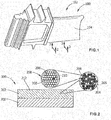
FIG. 1 is a perspective view of a coated article, according to an embodiment of the disclosure. -
FIG. 2 is a sectional view along lines 2-2 ofFIG. 1 of the coated article, according to an embodiment of the disclosure. -
FIG. 3 is a sectional view along lines 3-3 ofFIG. 1 of the coated article, according to an embodiment of the disclosure. - Wherever possible, the same reference numbers will be used throughout the drawings to represent the same parts.
- Provided are exemplary coated articles and coating methods. Embodiments of the present disclosure, in comparison to methods not utilizing one or more features disclosed herein, reduce costs, reduce waste, reduce environmental impact, improve process efficiency, improve recycled coating performance or a combination thereof.
- Referring to
FIG. 1 , in one embodiment, a coatedarticle 100 is depicted. The coatedarticle 100 may be any suitable component, including, but not limited to, a turbine component (102), a turbine hot gas path component, a turbine bucket (blade) (104), a turbine nozzle (vane), a turbine shroud, a turbine combustor, a turbine combustion liner, a turbine combustion transition piece, turbine combustion hardware, or a combination thereof. - Referring to
FIG. 2 , in one embodiment, the coatedarticle 100 includes asubstrate 200 and acoating 202 on thesubstrate 200. Thecoating 202 includesvirgin powder particles 204 including at least one rare-earth dopedceramic oxide 206 and recycledpowder particles 208 including the at least one rare-earth dopedceramic oxide 206 and at least oneextraneous material 210. In another embodiment, thecoating 202 consists essentially of thevirgin powder particles 204 and the recycledpowder particles 208, wherein the at least oneextraneous material 210 is derived from impurities remaining after a recycling process producing the recycledpowder particles 208, and wherein the presence of incidental impurities in thecoating 202 which do not materially affect the physical or chemical properties of thecoating 202 is not precluded. - As used herein, "virgin" describes a material or materials not previously intermingled with other materials in a coating process or similar industrial process, or which has been purified sufficiently to have physical and chemical properties which do not materially deviate from the physical and chemical properties of the material or materials prior to such intermingling. "Virgin" may describe a mixture of distinct materials provided that the distinct materials are deliberately mixed to achieve the physical or chemical properties of the mixture. "Virgin" does not exclude the presence of incidental impurities which do not materially affect the physical or chemical properties of the material or materials. As used herein, "extraneous" refers to any additional material or materials not present in, or present in greater concentrations than occurring in, the virgin material or materials.
- In one embodiment, a coating method for producing the
coating 202 on thesubstrate 200, as shown inFIG. 2 , includes mixing thevirgin powder particles 204 including the at least one rare-earth dopedceramic oxide 206 with the recycledpowder particles 208 including the at least one rare-earth dopedceramic oxide 206 and at least oneextraneous material 210 to form a mixture ofpowder particles 212, and applying the mixture ofpowder particles 212 onto thesubstrate 200, forming thecoating 202. - Referring to
FIG. 3 , in another embodiment, thecoating 202 on thesubstrate 200 of the coatedarticle 100 includes afirst layer 300 containing thevirgin powder particles 204 including the at least one rare-earth dopedceramic oxide 206, and asecond layer 302 containing the recycledpowder particles 208 including the at least one rare-earth dopedceramic oxide 206 and the at least oneextraneous material 210. Thesecond layer 302 may also include (not shown) thevirgin powder particles 204, forming a mixture ofpowder particles 212. In another embodiment, thefirst layer 300 consists essentially of thevirgin powder particles 204 and thesecond layer 302 consists essentially of thevirgin powder particles 204 and the recycledpowder particles 208, wherein the at least oneextraneous material 210 is derived from impurities remaining after a recycling process producing the recycledpowder particles 208, and wherein the presence of incidental impurities in thefirst layer 300 and thesecond layer 302 which do not materially affect the physical or chemical properties of thecoating 202 is not precluded. In a further embodiment, thecoating 202 consists essentially of thefirst layer 300 and thesecond layer 302, wherein the presence of incidental impurities between thefirst layer 300 and thesecond layer 302 which do not materially affect the physical or chemical properties of thecoating 202 is not precluded. - In one embodiment, a coating method for producing the
coating 202 on thesubstrate 200, as shown inFIG. 3 , includes forming thefirst layer 300 on thesubstrate 200 and forming thesecond layer 302 on thefirst layer 300. Forming thefirst layer 300 includes applying thevirgin powder particles 204 including the at least one rare-earth dopedceramic oxide 206 onto thesubstrate 200. Forming thesecond layer 302 includes applying the recycledpowder particles 208 including the at least one rare-earth dopedceramic oxide 206 and the at least oneextraneous material 210 onto thefirst layer 300. Forming thesecond layer 302 may further include mixing the recycledpowder particles 208 with thevirgin powder particles 204 to form a mixture ofpowder particles 212, and applying the mixture ofpowder particles 212 to thefirst layer 300. - Referring to
FIGS. 2 and3 , thecoating 202 may be any suitable coating, including a thermal barrier coating, a bond coating, a dense vertically cracked coating, a porous coating, an abradable coating, or a combination thereof. - The substrate may be any suitable material, including, but not limited to, a metal, an alloy, an iron-based alloy, a ceramic, a steel, a MCrAlY, a thermal barrier coating, a bond coating, an environmental barrier coating, a fiber glass composite, a carbon composite, a refractory alloy, a chromium-molybdenum, a chromium-molybdenum-vanadium, a cobalt-chromium-molybdenum, a superalloy, a nickel-based superalloy, a ceramic matrix composite, a carbon-fiber-reinforced carbon (C/C), a carbon-fiber-reinforced silicon carbide (C/SiC), a silicon-carbide-fiber-reinforced silicon carbide (SiC/SiC), or a combination thereof.
- The at least one rare-earth doped
ceramic oxide 206 may include any suitable rare-earth doped ceramic oxide, including, but not limited to, yttria stabilized zirconia, calcia stabilized zirconia, ceria stabilized zirconia, scandia stabilized zirconia, magnesia stabilized zirconia, india stabilized zirconia, lanthana stabilized zirconia, neodymia stabilized zirconia, ytterbia stabilized zirconia, strontia stabilized zirconia, barium oxide stabilized zirconia, nickel oxide stabilized zirconia, ferric oxide stabilized zirconia, cobaltous oxide stabilized zirconia, dysprosia stabilized zirconia, gadolinia stabilized zirconia, samaria stabilized zirconia, erbia stabilized zirconia, europia stabilized zirconia, praseodyrnia stabilized zirconia, and mixtures thereof. - The extraneous material may include, but is not limited to, MCrAlY materials, wherein M is Fe, Ni or Co, oxidized MCrAlY materials, foreign materials, or combination thereof. As used herein, "foreign materials" indicates materials which are not derived from overspray applied in a coating booth from which the recycled
powder particles 208 are recovered. - The coating methods for producing the
coatings 202 on thesubstrate 200, as shown inFIGS. 2 and3 , may further include forming the recycledpowder particles 208. In one embodiment, forming the recycledpowder particles 208 includes applying at least one magnetic field to a mixture including the at least one rare-earth dopedceramic oxide 206 and the at least oneextraneous material 210 under conditions effective to yield one or more paramagnetic fractions having a portion of the at least oneextraneous material 210 and a diamagnetic fraction comprising a portion of the at least one rare-earth dopedceramic oxide 206. The mixture is subjected to a first magnetic field under conditions effective to yield a first paramagnetic fraction including the at least oneextraneous material 210 and a paramagnetic-diamagnetic fraction including the at least oneextraneous material 210 co-mingled with the at least one rare-earth dopedceramic oxide 206. The paramagnetic-diamagnetic fraction is subjected to a second magnetic field under conditions effective to separate the paramagnetic at least oneextraneous material 210 from the diamagnetic at least one rare-earth dopedceramic oxide 206, wherein the first magnetic field is weaker than the second magnetic field. - In one embodiment, the recycled powder includes at least about 70%, by weight, of the at least one rare-earth doped ceramic oxide, alternatively at least about 80%, by weight, of the at least one rare-earth doped ceramic oxide, alternatively at least about 90%, by weight, of the at least one rare-earth doped ceramic oxide, alternatively at least about 95%, by weight, of the at least one rare-earth doped ceramic oxide, alternatively at least about 97%, by weight, of the at least one rare-earth doped ceramic oxide, alternatively at least about 98%, by weight, of the at least one rare-earth doped ceramic oxide.
- Applying the
virgin powder particles 204, the recycled poweredparticles 208, or the mixture ofpowder particles 212 may include any suitable application technique, including, but not limited to, air plasma spray, high velocity oxygen fuel thermal spray, high velocity air fuel spray, vacuum plasma spray, cold spray or a combination thereof. - In one embodiment, the mixture of
powder particles 212 includes at least about 10% by weight of the virgin powder, alternatively at least about 15% by weight of the virgin powder, alternatively at least about 25% by weight of the virgin powder, alternatively at least about 35% by weight of the virgin powder, alternatively at least about 50% by weight of the virgin powder, alternatively at least about 75% by weight of the virgin powder. - While the invention has been described with reference to a preferred embodiment, it will be understood by those skilled in the art that various changes may be made and equivalents may be substituted for elements thereof without departing from the scope of the invention. In addition, many modifications may be made to adapt a particular situation or material to the teachings of the invention without departing from the essential scope thereof. Therefore, it is intended that the invention not be limited to the particular embodiment disclosed as the best mode contemplated for carrying out this invention, but that the invention will include all embodiments falling within the scope of the appended claims.
- Various aspects and embodiments of the present invention are defined by the following clauses:
- 1. A coating method, comprising:
- forming a first layer on a substrate, forming the first layer including applying virgin powder particles onto the substrate, the virgin powder particles including at least one rare-earth doped ceramic oxide; and
- forming a second layer on the first layer, forming the second layer including applying recycled powder particles onto the first layer, the recycled powder particles including the at least one rare-earth doped ceramic oxide and at least one extraneous material,
- 2. The coating method of clause 1, wherein the coating is selected from the group consisting of a thermal barrier coating, a bond coating, a dense vertically cracked coating, a porous coating, an abradable coating, and combinations thereof.
- 3. The coating method of clause 1, wherein the substrate is a turbine component.
- 4. The coating method of clause 1, wherein the at least one rare-earth doped ceramic oxide includes yttria stabilized zirconia.
- 5. The coating method of clause 1, further including forming the recycled powder particles, forming the recycled powder particles including:
- applying at least one magnetic field to a mixture including the at least one rare-earth doped ceramic oxide and the at least one extraneous material under conditions effective to yield one or more paramagnetic fractions having a portion of the at least one extraneous material and a diamagnetic fraction comprising a portion of the at least one rare-earth doped ceramic oxide;
- subjecting the mixture to a first magnetic field under conditions effective to yield a first paramagnetic fraction including the at least one extraneous material and a paramagnetic-diamagnetic fraction including the at least one extraneous material co-mingled with the at least one rare-earth doped ceramic oxide; and
- subjecting the paramagnetic-diamagnetic fraction to a second magnetic field under conditions effective to separate the paramagnetic at least one extraneous material from the diamagnetic at least one rare-earth doped ceramic oxide;
- 6. The coating method of clause 1, wherein the recycled powder particles include at least about 70%, by weight, of the at least one rare-earth doped ceramic oxide.
- 7. The coating method of clause 1, wherein applying the virgin powder particles and the recycled powder particles includes an application technique selected from the group consisting of air plasma spray, high velocity oxygen fuel thermal spray, high velocity air fuel spray, vacuum plasma spray, cold spray and combinations thereof.
- 8. The coating method of clause 1, wherein forming the second layer includes mixing the recycled powder particles with the virgin powder particles to form a mixture of powder particles.
- 9. The method of clause 8, wherein the mixture of powder particles includes at least about 25% by weight of the virgin powder particles.
- 10. A coating method, comprising:
- mixing virgin powder particles including at least one rare-earth doped ceramic oxide with recycled powder particles including the at least one rare-earth doped ceramic oxide and at least one extraneous material to form a mixture of powder particles; and
- applying the mixture of powder particles onto a substrate, forming a coating.
- 11. The coating method of clause 10, wherein the coating is selected from the group consisting of a thermal barrier coating, a bond coating, a dense vertically cracked coating, a porous coating, an abradable coating, and combinations thereof.
- 12. The coating method of clause 10, wherein the substrate is a turbine component.
- 13. The coating method of clause 10, wherein the at least one rare-earth doped ceramic oxide includes yttria stabilized zirconia.
- 14. The coating method of clause 10, further including forming the recycled powder particles, forming the recycled powder particles including:
- applying at least one magnetic field to a mixture including the at least one rare-earth doped ceramic oxide and the at least one extraneous material under conditions effective to yield one or more paramagnetic fractions having a portion of the at least one extraneous material and a diamagnetic fraction comprising a portion of the at least one rare-earth doped ceramic oxide;
- subjecting the mixture to a first magnetic field under conditions effective to yield a first paramagnetic fraction including the at least one extraneous material and a paramagnetic-diamagnetic fraction including the at least one extraneous material co-mingled with the at least one rare-earth doped ceramic oxide; and
- subjecting the paramagnetic-diamagnetic fraction to a second magnetic field under conditions effective to separate the paramagnetic at least one extraneous material from the diamagnetic at least one rare-earth doped ceramic oxide;
- 15. The coating method of clause 10, wherein the recycled powder particles include at least about 70%, by weight, of the at least one rare-earth doped ceramic oxide.
- 16. The coating method of clause 10, wherein applying the mixture of powder particles includes an application technique selected from the group consisting of air plasma spray, high velocity oxygen fuel thermal spray, high velocity air fuel spray, vacuum plasma spray, cold spray and combinations thereof.
- 17. The method of clause 10, wherein the mixture of powder particles includes at least about 25% by weight of the virgin powder particles.
- 18. A coated article, comprising a substrate and a coating on the substrate, the coating including:
- virgin powder particles including at least one rare-earth doped ceramic oxide; and
- recycled powder particles including the at least one rare-earth doped ceramic oxide and at least one extraneous material.
- 19. The coated article of clause 18, wherein the coating includes a first layer including the virgin powder particles and a second layer including the recycled powder particles.
- 20. The coated article of clause 18, wherein the substrate is a turbine component, and the coating is selected from the group consisting of a thermal barrier coating, a bond coating, a dense vertically cracked coating, a porous coating, an abradable coating, and combination thereof.
Claims (15)
- A coating method, comprising:forming a first layer (300) on a substrate (200), forming the first layer (300) including applying virgin powder particles (204) onto the substrate (200), the virgin powder particles (204) including at least one rare-earth doped ceramic oxide (206); andforming a second layer (302) on the first layer (300), forming the second layer (302) including applying recycled powder particles (208) onto the first layer (300), the recycled powder particles (208) including the at least one rare-earth doped ceramic oxide (206) and at least one extraneous material (210),wherein the first layer (300) and the second layer (302) define a coating (202).
- The coating method of claim 1, wherein the substrate (200) is a turbine component (102).
- The coating method of claim 1, wherein the at least one rare-earth doped ceramic oxide (206) includes yttria stabilized zirconia.
- The coating method of claim 1, wherein forming the second layer (302) includes mixing the recycled powder particles (208) with the virgin powder particles (204) to form a mixture of powder particles (212).
- The coating method of claim 1, including forming the recycled powder particles (208), forming the recycled powder particles (208) including:applying at least one magnetic field to a mixture including the at least one rare-earth doped ceramic oxide (206) and the at least one extraneous material (210) under conditions effective to yield one or more paramagnetic fractions having a portion of the at least one extraneous material (210) and a diamagnetic fraction comprising a portion of the at least one rare-earth doped ceramic oxide (206);subjecting the mixture to a first magnetic field under conditions effective to yield a first paramagnetic fraction including the at least one extraneous material (210) and a paramagnetic-diamagnetic fraction including the at least one extraneous material (210) co-mingled with the at least one rare-earth doped ceramic oxide (206); andsubjecting the paramagnetic-diamagnetic fraction to a second magnetic field under conditions effective to separate the paramagnetic at least one extraneous material (210) from the diamagnetic at least one rare-earth doped ceramic oxide (206);wherein the first magnetic field is weaker than the second magnetic field.
- The coating method of claim 1, wherein the recycled powder particles (208) include at least about 70%, by weight, of the at least one rare-earth doped ceramic oxide (206).
- A coating method, comprising:mixing virgin powder particles (204) including at least one rare-earth doped ceramic oxide (206) with recycled powder particles (208) including the at least one rare-earth doped ceramic oxide (206) and at least one extraneous material (210) to form a mixture of powder particles (212); andapplying the mixture of powder particles (212) onto a substrate (200), forming a coating (202).
- The coating method of claim 7, wherein the substrate (200) is a turbine component (102).
- The coating method of claim 7, wherein the at least one rare-earth doped ceramic oxide (206) includes yttria stabilized zirconia.
- The coating method of claim 7, wherein the recycled powder particles (208) include at least about 70%, by weight, of the at least one rare-earth doped ceramic oxide (206).
- The coating method of claim 7, including forming the recycled powder particles (208), forming the recycled powder particles (208) including:applying at least one magnetic field to a mixture including the at least one rare-earth doped ceramic oxide (206) and the at least one extraneous material (210) under conditions effective to yield one or more paramagnetic fractions having a portion of the at least one extraneous material (210) and a diamagnetic fraction comprising a portion of the at least one rare-earth doped ceramic oxide (206);subjecting the mixture to a first magnetic field under conditions effective to yield a first paramagnetic fraction including the at least one extraneous material (210) and a paramagnetic-diamagnetic fraction including the at least one extraneous material (210) co-mingled with the at least one rare-earth doped ceramic oxide (206); andsubjecting the paramagnetic-diamagnetic fraction to a second magnetic field under conditions effective to separate the paramagnetic at least one extraneous material (210) from the diamagnetic at least one rare-earth doped ceramic oxide (206);wherein the first magnetic field is weaker than the second magnetic field.
- The coating method of claim 7, wherein the mixture of powder particles (212) includes at least about 25% by weight of the virgin powder particles (204).
- A coated article (100), comprising a substrate (200) and a coating (202) on the substrate (200), the coating (202) including:virgin powder particles (204) including at least one rare-earth doped ceramic oxide (206); andrecycled powder particles (208) including the at least one rare-earth doped ceramic oxide (206) and at least one extraneous material (210).
- The coated article (100) of claim 13, wherein the coating (202) includes a first layer (300) including the virgin powder particles (204) and a second layer (302) including the recycled powder particles (208).
- The coated article (100) of claim 13, wherein the substrate (200) is a turbine component (102), and the coating (202) is selected from the group consisting of a thermal barrier coating, a bond coating, a dense vertically cracked coating, a porous coating, an abradable coating, and combination thereof.
Applications Claiming Priority (1)
| Application Number | Priority Date | Filing Date | Title |
|---|---|---|---|
| US14/887,756 US20170107602A1 (en) | 2015-10-20 | 2015-10-20 | Coating methods and coated articles |
Publications (1)
| Publication Number | Publication Date |
|---|---|
| EP3159431A1 true EP3159431A1 (en) | 2017-04-26 |
Family
ID=57240824
Family Applications (1)
| Application Number | Title | Priority Date | Filing Date |
|---|---|---|---|
| EP16194279.2A Ceased EP3159431A1 (en) | 2015-10-20 | 2016-10-18 | Coating method using recycled powder materials and coated article |
Country Status (4)
| Country | Link |
|---|---|
| US (1) | US20170107602A1 (en) |
| EP (1) | EP3159431A1 (en) |
| JP (1) | JP6971551B2 (en) |
| CN (1) | CN106914390A (en) |
Families Citing this family (6)
| Publication number | Priority date | Publication date | Assignee | Title |
|---|---|---|---|---|
| US10174412B2 (en) | 2016-12-02 | 2019-01-08 | General Electric Company | Methods for forming vertically cracked thermal barrier coatings and articles including vertically cracked thermal barrier coatings |
| DE102017220522A1 (en) * | 2017-11-17 | 2019-05-23 | Bayerische Motoren Werke Aktiengesellschaft | Process for coating components |
| DE102018204498A1 (en) * | 2018-03-23 | 2019-09-26 | Siemens Aktiengesellschaft | Ceramic material based on zirconium oxide with other oxides |
| DE102018215223A1 (en) * | 2018-09-07 | 2020-03-12 | Siemens Aktiengesellschaft | Ceramic material based on zirconium oxide with additional oxides and layer system |
| JP7393166B2 (en) * | 2019-09-19 | 2023-12-06 | 株式会社フジミインコーポレーテッド | Method for producing thermal spray powder, thermal spray slurry, and thermal barrier coating |
| US11486263B1 (en) * | 2021-06-28 | 2022-11-01 | General Electric Company | System for addressing turbine blade tip rail wear in rubbing and cooling |
Citations (2)
| Publication number | Priority date | Publication date | Assignee | Title |
|---|---|---|---|---|
| JP2012017486A (en) * | 2010-07-06 | 2012-01-26 | Mitsubishi Heavy Ind Ltd | Method for reusing thermal spray coating powder, equipment executing this method, and method for manufacturing coating member |
| WO2014099435A1 (en) * | 2012-12-17 | 2014-06-26 | General Electric Company | Method for recovering bond coat and barrier coat materials from overspray and articles |
Family Cites Families (7)
| Publication number | Priority date | Publication date | Assignee | Title |
|---|---|---|---|---|
| CA2676135C (en) * | 2003-06-10 | 2011-08-02 | Ihi Corporation | Turbine component, gas turbine engine, production method of turbine component, surface treatment method thereof, blade component, metal component and steam turbine engine |
| US20080145694A1 (en) * | 2006-12-19 | 2008-06-19 | David Vincent Bucci | Thermal barrier coating system and method for coating a component |
| CN101357854B (en) * | 2008-09-12 | 2012-07-25 | 西安交通大学 | Postprocessing method for reducing thermal conductivity of ceramic heat barrier coating |
| EP2196559A1 (en) * | 2008-12-15 | 2010-06-16 | ALSTOM Technology Ltd | Thermal barrier coating system, components coated therewith and method for applying a thermal barrier coating system to components |
| JP2011174161A (en) * | 2010-02-25 | 2011-09-08 | Mitsubishi Heavy Ind Ltd | Recycling method of thermal spray powder and recycled thermal spray powder |
| US9677180B2 (en) * | 2010-12-30 | 2017-06-13 | Rolls-Royce Corporation | Engine hot section component and method for making the same |
| KR101909841B1 (en) * | 2014-09-05 | 2018-10-18 | 미츠비시 히타치 파워 시스템즈 가부시키가이샤 | Method for producing powder for thermal spray, apparatus for producing powder for thermal spray, and powder for thermal spray produced by said production method |
-
2015
- 2015-10-20 US US14/887,756 patent/US20170107602A1/en not_active Abandoned
-
2016
- 2016-10-12 JP JP2016200507A patent/JP6971551B2/en active Active
- 2016-10-18 EP EP16194279.2A patent/EP3159431A1/en not_active Ceased
- 2016-10-20 CN CN201610913709.XA patent/CN106914390A/en active Pending
Patent Citations (3)
| Publication number | Priority date | Publication date | Assignee | Title |
|---|---|---|---|---|
| JP2012017486A (en) * | 2010-07-06 | 2012-01-26 | Mitsubishi Heavy Ind Ltd | Method for reusing thermal spray coating powder, equipment executing this method, and method for manufacturing coating member |
| WO2014099435A1 (en) * | 2012-12-17 | 2014-06-26 | General Electric Company | Method for recovering bond coat and barrier coat materials from overspray and articles |
| US8961645B2 (en) | 2012-12-17 | 2015-02-24 | General Electric Company | Method and system for recovering bond coat and barrier coat materials from overspray and articles |
Also Published As
| Publication number | Publication date |
|---|---|
| CN106914390A (en) | 2017-07-04 |
| JP6971551B2 (en) | 2021-11-24 |
| JP2017125254A (en) | 2017-07-20 |
| US20170107602A1 (en) | 2017-04-20 |
Similar Documents
| Publication | Publication Date | Title |
|---|---|---|
| EP3159431A1 (en) | Coating method using recycled powder materials and coated article | |
| EP3575559B1 (en) | Tapered abradable coatings | |
| EP1829984B1 (en) | Process for making a high density thermal barrier coating | |
| EP3162917B1 (en) | Methods of repairing a thermal barrier coating of a gas turbine component and the resulting components | |
| EP1642993B1 (en) | Segmented gadolinia zirconia coatings | |
| EP3058183B1 (en) | Segmented ceramic coating interlayer | |
| EP2053141A1 (en) | Alumina-based protective coatings for thermal barrier coatings | |
| US20110048017A1 (en) | Method of depositing protective coatings on turbine combustion components | |
| EP1908856A2 (en) | Segmented abradable coatings and process(es) for applying the same | |
| MX2015006730A (en) | Seal systems for use in turbomachines and methods of fabricating the same. | |
| EP2947173B1 (en) | Calcium magnesium aluminosilicate (cmas) resistant thermal barrier coating and coating process therefor | |
| EP3604742B1 (en) | Outer airseal abradable rub strip | |
| US20160281204A1 (en) | Thermal barrier coating repair | |
| EP1939325A2 (en) | Strain tolerant corrosion protecting coating and tape method of application | |
| CN112756232A (en) | Repair coating system and method | |
| Prashar et al. | A comprehensive review on the hot corrosion and erosion performance of thermal barrier coatings | |
| Berger | The correlation between structure, multifunctional properties and application of PVD MAX phase coatings. Part III. Multifunctional applications | |
| EP3002348B1 (en) | Process for coating gas turbine engine components comprising multi-phase pre-reacted thermal barrier coatings and coated gas turbine engine components | |
| US20180087387A1 (en) | Compositions and methods for coating metal turbine blade tips | |
| Prashar et al. | Thermal barrier coatings: recent developments, challenges, and probable solutions | |
| US20200165713A1 (en) | Freestanding ceramic seal for a gas turbine | |
| CN116770214B (en) | A high-temperature resistant, self-lubricating, low-friction sealing coating material and its preparation method | |
| US10415579B2 (en) | Ceramic coating compositions for compressor blade and methods for forming the same | |
| US9957598B2 (en) | Coated articles and coating methods | |
| EP2339051A1 (en) | Article having thermal barrier coating |
Legal Events
| Date | Code | Title | Description |
|---|---|---|---|
| PUAI | Public reference made under article 153(3) epc to a published international application that has entered the european phase |
Free format text: ORIGINAL CODE: 0009012 |
|
| STAA | Information on the status of an ep patent application or granted ep patent |
Free format text: STATUS: THE APPLICATION HAS BEEN PUBLISHED |
|
| AK | Designated contracting states |
Kind code of ref document: A1 Designated state(s): AL AT BE BG CH CY CZ DE DK EE ES FI FR GB GR HR HU IE IS IT LI LT LU LV MC MK MT NL NO PL PT RO RS SE SI SK SM TR |
|
| AX | Request for extension of the european patent |
Extension state: BA ME |
|
| STAA | Information on the status of an ep patent application or granted ep patent |
Free format text: STATUS: REQUEST FOR EXAMINATION WAS MADE |
|
| 17P | Request for examination filed |
Effective date: 20171026 |
|
| RBV | Designated contracting states (corrected) |
Designated state(s): AL AT BE BG CH CY CZ DE DK EE ES FI FR GB GR HR HU IE IS IT LI LT LU LV MC MK MT NL NO PL PT RO RS SE SI SK SM TR |
|
| STAA | Information on the status of an ep patent application or granted ep patent |
Free format text: STATUS: EXAMINATION IS IN PROGRESS |
|
| 17Q | First examination report despatched |
Effective date: 20181108 |
|
| STAA | Information on the status of an ep patent application or granted ep patent |
Free format text: STATUS: THE APPLICATION HAS BEEN REFUSED |
|
| 18R | Application refused |
Effective date: 20221021 |