EP3158999A1 - Cell mobilization agent containing lysophospholipid with retinoic acid introduced - Google Patents
Cell mobilization agent containing lysophospholipid with retinoic acid introduced Download PDFInfo
- Publication number
- EP3158999A1 EP3158999A1 EP15812300.0A EP15812300A EP3158999A1 EP 3158999 A1 EP3158999 A1 EP 3158999A1 EP 15812300 A EP15812300 A EP 15812300A EP 3158999 A1 EP3158999 A1 EP 3158999A1
- Authority
- EP
- European Patent Office
- Prior art keywords
- cis form
- cell
- ret
- lysopc
- acid
- Prior art date
- Legal status (The legal status is an assumption and is not a legal conclusion. Google has not performed a legal analysis and makes no representation as to the accuracy of the status listed.)
- Granted
Links
Images



Classifications
-
- A—HUMAN NECESSITIES
- A61—MEDICAL OR VETERINARY SCIENCE; HYGIENE
- A61K—PREPARATIONS FOR MEDICAL, DENTAL OR TOILETRY PURPOSES
- A61K31/00—Medicinal preparations containing organic active ingredients
- A61K31/66—Phosphorus compounds
- A61K31/683—Diesters of a phosphorus acid with two hydroxy compounds, e.g. phosphatidylinositols
- A61K31/685—Diesters of a phosphorus acid with two hydroxy compounds, e.g. phosphatidylinositols one of the hydroxy compounds having nitrogen atoms, e.g. phosphatidylserine, lecithin
-
- A—HUMAN NECESSITIES
- A61—MEDICAL OR VETERINARY SCIENCE; HYGIENE
- A61K—PREPARATIONS FOR MEDICAL, DENTAL OR TOILETRY PURPOSES
- A61K47/00—Medicinal preparations characterised by the non-active ingredients used, e.g. carriers or inert additives; Targeting or modifying agents chemically bound to the active ingredient
- A61K47/30—Macromolecular organic or inorganic compounds, e.g. inorganic polyphosphates
- A61K47/34—Macromolecular compounds obtained otherwise than by reactions only involving carbon-to-carbon unsaturated bonds, e.g. polyesters, polyamino acids, polysiloxanes, polyphosphazines, copolymers of polyalkylene glycol or poloxamers
-
- A—HUMAN NECESSITIES
- A61—MEDICAL OR VETERINARY SCIENCE; HYGIENE
- A61K—PREPARATIONS FOR MEDICAL, DENTAL OR TOILETRY PURPOSES
- A61K47/00—Medicinal preparations characterised by the non-active ingredients used, e.g. carriers or inert additives; Targeting or modifying agents chemically bound to the active ingredient
- A61K47/30—Macromolecular organic or inorganic compounds, e.g. inorganic polyphosphates
- A61K47/36—Polysaccharides; Derivatives thereof, e.g. gums, starch, alginate, dextrin, hyaluronic acid, chitosan, inulin, agar or pectin
-
- A—HUMAN NECESSITIES
- A61—MEDICAL OR VETERINARY SCIENCE; HYGIENE
- A61K—PREPARATIONS FOR MEDICAL, DENTAL OR TOILETRY PURPOSES
- A61K47/00—Medicinal preparations characterised by the non-active ingredients used, e.g. carriers or inert additives; Targeting or modifying agents chemically bound to the active ingredient
- A61K47/30—Macromolecular organic or inorganic compounds, e.g. inorganic polyphosphates
- A61K47/42—Proteins; Polypeptides; Degradation products thereof; Derivatives thereof, e.g. albumin, gelatin or zein
-
- A—HUMAN NECESSITIES
- A61—MEDICAL OR VETERINARY SCIENCE; HYGIENE
- A61P—SPECIFIC THERAPEUTIC ACTIVITY OF CHEMICAL COMPOUNDS OR MEDICINAL PREPARATIONS
- A61P43/00—Drugs for specific purposes, not provided for in groups A61P1/00-A61P41/00
Definitions
- the weight ratio of Ret-LysoPC to the sustained release substrate is generally 0.1 to 0.0001-fold.
- An operation for immersing the sustained release substrate in the aqueous Ret-LysoPC solution generally completes at 4 - 60°C for 15 min - 24 hr, during which the sustained release substrate and Ret-LysoPC form a complex by a physical/chemical interaction, whereby Ret-LysoPC is fixed on the sustained release substrate.
- An operation for dissolving Ret-LysoPC in a volatile organic solvent, mixing same with a solution of a sustained release substrate immersed therein or a sustained release substrate dissolved therein, and evaporating the solvent generally completes at -20 to 80°C for 15 min - 48 hr, during which the sustained release substrate and Ret-LysoPC form a complex by a physical/chemical interaction, whereby Ret-LysoPC is fixed on the sustained release substrate.
- These preparation methods are appropriately selected according to the sustained release substrate to be used. Physical/chemical interactions such as Coulomb force, hydrogen binding force, hydrophobic interaction and the like are considered to be involved singly or in combination in the binding of Ret-LysoPC and the sustained release base material.
- the sustained-release preparation obtained above can be directly used as a transdermal administration preparation such as an adhesive preparation and the like, an embedding type preparation (transplantation carrier) in living organisms and the like, a sustained-release preparation (e.g., injection, transdermal administration preparation, embedding type preparation in living organism etc.) may also be prepared by using a pharmaceutically acceptable carrier (stabilizer, preservative, solubilizer, pH adjuster, thickener etc.) as necessary and according to a known method. As such carrier, known ones can be used. Furthermore, various additives for controlling a sustained release effect can also be added.
- a pharmaceutically acceptable carrier stabilizer, preservative, solubilizer, pH adjuster, thickener etc.
- the cell mobilizing agent of the present invention can be administered to human and animals (e.g., domestic animals and poultry such as bovine, horse, swine, sheep, dog, bird and the like, and experiment animals such as mouse, rat and the like) by any method such as injection, transdermal administration, embedding administration and the like. For release in a sustained manner at the object site, topical administration is preferable.
- human and animals e.g., domestic animals and poultry such as bovine, horse, swine, sheep, dog, bird and the like, and experiment animals such as mouse, rat and the like
- topical administration is preferable.
- the dose of the cell mobilizing agent of the present invention can be appropriately selected such that it will be sufficient to promote tissue repair.
- the dose is selected from 0.1 - 10000 ⁇ g per an adult patient, which can be indwelled or injected at an affected part or its surrounding part.
- administration can also be performed plural times.
- the cell mobilizing agent of the present invention is expected to promote tissue repair by mobilizing (accumulating) the cells involved in the tissue repair in the affected part.
- hematopoietic stem cells are stem cells that can differentiate into blood cells, they are expected to promote tissue repair when mobilized to an affected part, similar to the mobilization of blood cells.
- mesenchymal stem cells control immune responses and change into tissues of muscle, bone and the like, they are expected to promote tissue repair when mobilized to an affected part.
- the cell mobilizing agent of the present invention can be used, for example, as a therapeutic drug for damages and diseases (e.g., wound, chronic ulcer, lack of tissue, fibrosis) of tissues (e.g., skin, muscle, bone, organ), a therapeutic drug for solid cancer, a medical device (e.g., promotion of formation of endothelial tissue by transplantation material), or a vaccine (efficient antigen presentation by immunocyte mobilization).
- a therapeutic drug for damages and diseases e.g., wound, chronic ulcer, lack of tissue, fibrosis
- tissues e.g., skin, muscle, bone, organ
- a therapeutic drug for solid cancer e.g., a therapeutic drug for solid cancer
- a medical device e.g., promotion of formation of endothelial tissue by transplantation material
- a vaccine efficient antigen presentation by immunocyte mobilization
- the cell mobilizing agent of the present invention can be used for application in vitro, for example, research or medical devices (e.g., test kit, transplantation material), cell sorting reagent or medium (high purification of cells) and the like.
- research or medical devices e.g., test kit, transplantation material
- cell sorting reagent or medium high purification of cells
- Ret-LysoPC and diretinoyl phosphocholine (hereinafter to be referred to as "Ret-PC") described in each Example and Comparative Example are shown in Table 1.
- Ret-PC diretinoyl phosphocholine
- Table 1 retinoyl group all-trans form content percentages of Ret-LysoPC and Ret-PC, and 1-retinoyl-sn-glycero-3-phosphocholine content percentage in Ret-LysoPC were calculated according to the following descriptions, and the results are shown in Table 2.
- the amino group number of each gelatin derivative, which is a sustained release substrate was determined by the TNBS method described in JP-B-4303196 , and the modification ratio was calculated and shown in Table 3.
- the reaction product (5 mg) after purification was dissolved in 1 ml of deuterated methanol, and 1 H-NMR (600 MHz, internal standard TMS) was measured.
- Fig. 1 The measurement results of the cell migration rate of each measurement solution are shown in Fig. 1 .
- the control refers to 0.1% bovine serum albumin-containing RPMI-1640 with no addition.
- RA 0.1% bovine serum albumin-containing RPMI-1640 with no addition.
- RA 0.1% bovine serum albumin-containing RPMI-1640
- Ret-PC 10 nM
- Ret-LysoPC 10 nM
- a cell suspension of THP-1 was centrifuged, the supernatant was discarded, 0.1% bovine serum-containing RPMI-1640 was added to give a dispersion. It was centrifuged again, the supernatant was discarded to give cell pellets. 0.1% Bovine serum albumin-containing RPMI-1640 was added to adjust the cell density to 1x10 6 cells/ml. The cell suspension (100 ⁇ l/well) was added to Transwell (manufactured by Corning Incorporated, ⁇ 6.5 mm, pore size ⁇ 8.0 ⁇ m).
- the measurement results of the cell migration rate of each measurement solution are shown in Fig. 2 .
- the control refers to 0.1% bovine serum albumin-containing RPMI-1640 with no addition.
- Cell migration was confirmed in any Ret-LysoPC (10 nM).
- One having a high all-trans form content percentage tends to show a high monocyte mobilization effect.
- significant migration of cell was confirmed even in one having a low all-trans form content percentage, and other isomers were also suggested to have a monocyte mobilization effect.
- Human bone marrow-derived mesenchymal stem cell line (UE7T-13) (manufactured by National Institute of Biomedical Innovation JCRB Cell Bank) was previously cultured in serum-free DMEM (manufactured by SIGMA ALDRICH) for 24 hr, and 0.25% trypsin/1 mM EDTA solution (manufactured by SIGMA ALDRICH) was added to give a dispersion.
- the cells were incubated at 37°C, 5% CO 2 for 30 min, and a measurement solution (Ret-LysoPC of Example 1-2 dissolved in 0.1% bovine serum albumin-containing DMEM to 10 nM, or 0.1% bovine serum albumin-containing DMEM alone) was placed in the lower part of the multiple well plate (600 ⁇ l/well). After incubation at 37°C, 5% CO 2 for 4 hr, the supernatant in the insert was removed. The cells on the upper membrane side were removed, the cells on the lower membrane side were immobilized with 4% para-formaldehyde solution, and stained with crystalviolet solution. They were washed with water, dried, and the number of cells per one field was measured by microscopic observation.
- the control refers to 0.1% bovine serum albumin-containing DMEM with no addition.
- a sustained release substrate of Ret-LysoPC As a sustained release substrate of Ret-LysoPC, a gelatin hydrogel-dried product shown below was produced, and used for the sustained release test shown in Example 5.
- Gelatin with isoelectric point 5 (derived from beef bones, average molecular weight about 100,000: manufactured by Nitta Gelatin Inc.) (1.0 g) was dissolved in dimethyl sulfoxide (14 g). Succinic anhydride (0.014 g) was dissolved in dimethyl sulfoxide (4.5 g), the solution was added to a gelatin solution. After stirring at 37°C for 1 hr, the mixture was wrapped with a dialysis membrane, and dialyzed for 3 days using water as an outer phase. After completion of the dialysis, the internal phase was recovered, and lyophilized to give succinylated gelatin. The modification ratio of the gelatin is shown in Table 3.
- Gelatin with isoelectric point 9 (derived from pig skin, average molecular weight about 100,000: manufactured by Nitta Gelatin Inc.) (1.0 g) was dissolved in 24 ml of 0.1 M aqueous phosphate buffer (pH 5.0). Then, 50 equivalent amount of ethylenediamine was added relative to the carboxyl group of gelatin, the pH of the solution was adjusted to 5.0 with 11 M aqueous hydrochloric acid solution.
- Gelatin with isoelectric point 5 (derived from beef bones, average molecular weight about 100,000: manufactured by Nitta Gelatin Inc.) (1.0 g) was dissolved in dimethyl sulfoxide (30 g). N-(succinimidyloxyglutaryl)-phosphoethanolamine, distearoyl (COATSOME FE-8080SU5; manufactured by NOF CORPORATION) (0.67 g) was added, and the mixture was stirred at 25°C for 18 hr. The reaction mixture was wrapped with a dialysis membrane, and dialyzed for 3 days using water as an outer phase. After completion of the dialysis, the internal phase was recovered, and lyophilized to give gelatin introduced with distearoylphosphoethanolamine. The modification ratio of the gelatin is shown in Table 3. Table 3 name of compound modification ratio (%) Production Example 1-1 succinylated gelatin 30 Production Example 1-2 cationized gelatin 50 Production Example 1-3 gelatin introduced with distearoylphosphoethanolamine 15
- gelatins were also crosslinked and purified by a similar method, and pI5 gel was obtained from gelatin with isoelectric point 5 (derived from beef bones, average molecular weight about 100,000: manufactured by Nitta Gelatin Inc.), pI9 gel was obtained from gelatin with isoelectric point 9 (derived from pig skin, average molecular weight about 100,000: manufactured by Nitta Gelatin Inc.), E50 gel was obtained from the gelatin derivative of Production Example 1-2, and DSPE gel was obtained from the gelatin derivative of Production Example 1-3.
- pI5 gel was obtained from gelatin with isoelectric point 5 (derived from beef bones, average molecular weight about 100,000: manufactured by Nitta Gelatin Inc.)
- pI9 gel was obtained from gelatin with isoelectric point 9 (derived from pig skin, average molecular weight about 100,000: manufactured by Nitta Gelatin Inc.)
- E50 gel was obtained from the gelatin derivative of Production Example 1-2
- DSPE gel was obtained from the gelatin derivative of Production Example
- a Ret-LysoPC-containing sustained-release preparation using a gelatin derivative as a sustained release substrate was produced, and a sustained release test was performed. That is, various gelatin hydrogel-dried products shown in Production Example 1 as sustained release substrates were impregnated with aqueous Ret-LysoPC solution, and the sustained release property in phosphate buffered saline (pH 7.4, hereinafter to be referred to as "PBS") and 10 ⁇ g/ml collagenase-containing PBS was evaluated.
- PBS phosphate buffered saline
- Ret-LysoPC (Example 1-2) was dissolved in PBS such that Ret-LysoPC concentration was 500 ⁇ M.
- the 500 ⁇ M aqueous Ret-LysoPC solution (100 ⁇ l) was added dropwise to gelatin hydrogel (10 mg), and the hydrogel was impregnated with the solution at 37°C for 1 hr.
- PBS 500 ⁇ l was added, and the mixture was stood at 37°C under shading conditions for a given time (start of sustained release test). Thereafter, the mixture was centrifuged at 4°C, 5000 rpm for 10 min, the total amount of the supernatant was recovered and fresh PBS (500 ⁇ l) was added. This operation was repeated predetermined number of times.
- Fig. 4 and Fig. 5 show the sustained release rate of Ret-LysoPC at each recovery time. It was found that the sustained release property of Ret-LysoPC varied greatly depending on the kind of gelatin. This is because interactions with the sustained release substrate and Ret-LysoPC are different. It was confirmed that Ret-LysoPC was released in a sustained manner along with the decomposition of the sustained release substrate by the addition of collagenase.
- THP-1 human acute monocytic leukaemia cell line
- ATCC human acute monocytic leukaemia cell line
- a monocyte migration effect of each sample was evaluated.
- a cell suspension of THP-1 was centrifuged, the supernatant was discarded, 0.1% bovine serum-containing RPMI-1640 was added to give a dispersion. It was centrifuged again, the supernatant was discarded to give cell pellets.
- 0.1% Bovine serum albumin-containing RPMI-1640 was added to adjust the cell density to 1x10 6 cells/ml.
- the cell suspension 100 ⁇ l/well
- Transwell manufactured by Corning Incorporated, ⁇ 6.5 mm, pore size ⁇ 8.0 ⁇ m).
- the measurement results of the cell migration rate of each measurement solution are shown in Fig. 6 and Fig. 7 .
- the control refers to 0.1% bovine serum albumin-containing RPMI-1640 with no addition. From Fig. 6 , it is clear that a monocyte mobilization effect is absent in C18:0-LysoPC (100 nM), but present in Ret-LysoPC (100 nM). Also, it was clarified from Fig. 7 that S1P did not show a significant (p ⁇ 0.05) monocyte mobilization effect at 1, 100 nM, but Ret-LysoPC showed a significant monocyte mobilization effect at any of 1 - 100 nM.
- Human bone marrow-derived mesenchymal stem cell line (UE7T-13) (manufactured by National Institute of Biomedical Innovation JCRB Cell Bank) was previously cultured in serum-free DMEM (manufactured by SIGMA ALDRICH) for 24 hr, and 0.25% trypsin/1 mM EDTA solution (manufactured by SIGMA ALDRICH) was added to give a dispersion.
- Serum-containing DMEM Poweredby10 medium; manufactured by GlycoTechnica Ltd.
- DMEM 10% Serum-containing DMEM (Poweredby10 medium; manufactured by GlycoTechnica Ltd.) was added, the cell suspension was centrifuged, the supernatant was discarded, 0.1% bovine serum albumin (fatty acid-free, manufactured by SIGMA ALDRICH)-containing DMEM (manufactured by SIGMA ALDRICH) was added to give a dispersion. It was centrifuged again, the supernatant was discarded to give cell pellets. 0.1% Bovine serum albumin-containing DMEM was added to adjust the cell density to 4x10 5 cells/ml. The cell suspension (100 ⁇ l/well) was added to Transwell (manufactured by Corning Incorporated, ⁇ 6.5 mm, pore size ⁇ 8.0 ⁇ m).
- the cells were incubated at 37°C, 5% CO 2 for 30 min, and a measurement solution (Ret-LysoPC of Example 1-2 or S1P (manufactured by Toronto Research Chemicals) dissolved in 0.1% bovine serum albumin-containing DMEM to a given concentration, and 0.1% bovine serum albumin-containing DMEM alone) was placed in the lower part of the multiple well plate (600 ⁇ l/well). After incubation at 37°C, 5% CO 2 for 4 hr, the supernatant in the insert was removed. The cells on the upper membrane side were removed, the cells on the lower membrane side were immobilized with 4% para-formaldehyde solution, and stained with crystalviolet solution. They were washed with water, dried, and the number of cells per one field was measured by microscopic observation.
- the control refers to 0.1% bovine serum albumin-containing DMEM with no addition.
- Fig. 8 The measurement results of cell migration ratio in each measurement solution are shown in Fig. 8 . It was clarified from Fig. 8 that S1P did not show a significant (p ⁇ 0.05) mesenchymal stem cell mobilization effect at 10, 100 nM, but Ret-LysoPC showed a significant mesenchymal stem cell mobilization effect at any of 1 - 100 nM.
Landscapes
- Health & Medical Sciences (AREA)
- Chemical & Material Sciences (AREA)
- Life Sciences & Earth Sciences (AREA)
- Veterinary Medicine (AREA)
- Public Health (AREA)
- Medicinal Chemistry (AREA)
- General Health & Medical Sciences (AREA)
- Animal Behavior & Ethology (AREA)
- Pharmacology & Pharmacy (AREA)
- Epidemiology (AREA)
- Inorganic Chemistry (AREA)
- Proteomics, Peptides & Aminoacids (AREA)
- Organic Chemistry (AREA)
- Nuclear Medicine, Radiotherapy & Molecular Imaging (AREA)
- General Chemical & Material Sciences (AREA)
- Chemical Kinetics & Catalysis (AREA)
- Engineering & Computer Science (AREA)
- Bioinformatics & Cheminformatics (AREA)
- Pharmaceuticals Containing Other Organic And Inorganic Compounds (AREA)
- Medicines That Contain Protein Lipid Enzymes And Other Medicines (AREA)
- Medicinal Preparation (AREA)
Abstract
Description
- The present invention relates to a cell mobilizing agent containing a lysophospholipid introduced with retinoic acid.
- It is known that the actions of neutrophils, eosinophils, monocytes, macrophages, and the like, which are blood cells, are involved in the tissue repair processes such as wound healing, degeneration of tumor and the like. Among these, macrophages play an important role in the tissue repair, such as promotion of wound healing by phagocytosis of dead cells and foreign substances that invaded into the living body and production of growth factors etc., and the like.
- Therefore, if migration and accumulation, i.e., mobilization, of blood cells, particularly macrophages, to the targeted diseased part can be performed by some method, promotion of tissue repair is expected. Since macrophages are cells differentiated after mobilization of monocytes present in blood to each tissue, it is also possible to promote tissue repair by accumulating monocytes (non-patent document 1).
- As a biological substance capable of mobilizing monocytes and macrophages, 1-stearoyl-lysophosphocholine (C18:0-LysoPC), sphingosine-1-phosphoric acid (S1P) and the like, which belong to one kind of lysophospholipid, have been reported (non-patent documents 2, 3). Since monocytes and macrophages recognize concentration gradients of these substances and have the property of being mobilized to concentrated parts, promotion of tissue repair requires an increase in the local concentration. Also, promotion of tissue repair requires continuous mobilization of monocytes and macrophages. However, C18:0-LysoPC exhibits an effect only in a high concentration condition of 10 µM or more, and side effects such as cytotoxicity and the like may occur under higher concentration conditions. On the other hand, S1P exhibits an effect at a lower concentration than C18:0-LysoPC by acting on
S1P receptor 1. However, when the concentration is 100 nM or more, it suppresses mobilization of monocytes and macrophages by acting on S1P receptor 2. As a result, the effective concentration range of S1P is extremely narrow and around 10 nM. Furthermore, when it is administered to a living body, the topical lysophospholipid concentration decreases due to blood flow, in addition to a simple diffusion phenomenon, which necessitates intermittent topical administration to maintain the above-mentioned effective concentration. As a result, the quality of life (QOL) is degraded and the treatment costs increase. -
- non-patent document 1: The Journal of International Medical Research. 37, 1528-1542 (2009)
- non-patent document 2: The Journal of Biological Chemistry. 283, 5296-5305 (February 2008)
- non-patent document 3: The FASEB Journal. 22, 2629-2638 (August 2008)
- An object of the present invention is to provide a cell mobilizing agent capable of efficiently and continuously accumulating cells involved in tissue repair. Also, an object of the present invention is to provide a cell mobilizing agent capable of reducing side effects and not requiring intermittent topical administration.
- The present inventors have conducted intensive studies in an attempt to solve the aforementioned problems and found that lysophospholipids introduced with retinoic acid represented by the below-mentioned formulas (1) and (2) and a physiologically acceptable salt thereof (hereinafter sometimes to be abbreviated as "Ret-LysoPC") have an effect of mobilizing cells, involved in tissue repair, under wide concentration range. Based on the finding, they have conducted further studies and completed the present invention.
- The present invention provides the following.
- [1] A cell mobilizing agent comprising a lysophospholipid introduced with retinoic acid represented by the formula (1) and/or the formula (2) or a physiologically acceptable salt thereof as an active ingredient:


wherein, R1 and R2 are each a retinoyl group or hydrogen and are not the same with each other. - [2] The cell mobilizing agent of the above-mentioned [1], wherein the retinoyl group is all-trans form, 7-cis form, 9-cis form, 11-cis form, 13-cis form, 7,9-di-cis form, 7,11-di-cis form, 7,13-di-cis form, 9,11-di-cis form, 9,13-di-cis form, 11,13-di-cis form, 7,9,11-tri-cis form, 7,9,13-tri-cis form, 7,11,13-tri-cis form, 9,11,13-tri-cis form or all-cis form.
- [3] The cell mobilizing agent of the above-mentioned [1] or [2], which is for promoting biological tissue repair by cell mobilization.
- [4] The cell mobilizing agent of any of the above-mentioned [1] - [3], wherein the cell to be mobilized is a blood cell, a hematopoietic stem cell or a mesenchymal stem cell.
- [5] The cell mobilizing agent of any of the above-mentioned [1] - [4], which is a sustained-release preparation comprising a sustained release substrate.
- [6] The cell mobilizing agent of the above-mentioned [5], wherein the sustained release substrate is a biodegradable polymer.
- [7] The cell mobilizing agent of the above-mentioned [6], wherein the biodegradable polymer is one or more kinds of biodegradable polymers selected from the group consisting of gelatin, collagen, chitin, chitosan, hyaluronic acid, polyamino acid, polylactic acid, polyglycolic acid, a copolymer of lactic acid and glycolic acid, poly-ε-caprolactone, derivatives thereof and crosslinked forms thereof.
The present invention also relates to the following. - [8] A biological tissue repair promoter comprising a lysophospholipid introduced with retinoic acid represented by the formula (1) and/or the formula (2) or a physiologically acceptable salt thereof as an active ingredient:


- [9] The biological tissue repair promoter of the above-mentioned [8], wherein the retinoyl group is all-trans form, 7-cis form, 9-cis form, 11-cis form, 13-cis form, 7,9-di-cis form, 7,11-di-cis form, 7,13-di-cis form, 9,11-di-cis form, 9,13-di-cis form, 11,13-di-cis form, 7,9,11-tri-cis form, 7,9,13-tri-cis form, 7,11,13-tri-cis form, 9,11,13-tri-cis form or all-cis form.
- [10] The biological tissue repair promoter of the above-mentioned [8] or [9], which is a sustained-release preparation further comprising a sustained release substrate.
- [11] The biological tissue repair promoter of the above-mentioned [10], wherein the sustained release substrate is a biodegradable polymer.
- [12] The biological tissue repair promoter of the above-mentioned [11], wherein the biodegradable polymer is one or more kinds of biodegradable polymers selected from the group consisting of gelatin, collagen, chitin, chitosan, hyaluronic acid, polyamino acid, polylactic acid, polyglycolic acid, a copolymer of lactic acid and glycolic acid, poly-ε-caprolactone, derivatives thereof and crosslinked forms thereof.
- The present invention enables continuous accumulation of cells involved in tissue repair. For example, the cells involved in the tissue repair can be continuously accumulated on an affected part (e.g., joints, skin, muscle, bone) by administering (e.g., injection, transdermal administration, or embedding administration) the cell mobilizing agent of the present invention to the affected part or its surrounding part, as a result of which the tissue repair of the affected part can be promoted.
- According to the present invention, since repair of biological tissues can be promoted under wide concentration range conditions of the active ingredient, side effects can be reduced as compared to conventional compounds, and deterioration of QOL can be prevented without requiring intermittent topical administration.
- The cell mobilizing agent of the present invention can also be utilized for the accumulation of cells in vitro.
-
-
Fig. 1 is a graph showing a monocyte mobilization effect by Ret-LysoPC. A significant difference from the control was detected, and shown as *: P<0.05. -
Fig. 2 is a graph showing an influence of the content of retinoyl group isomer in Ret-LysoPC on the monocyte mobilization effect. A significant difference from the control was detected, and shown as *: P<0.05. -
Fig. 3 is a graph showing a mesenchymal stem cell mobilization effect by Ret-LysoPC. A significant difference from the control was detected, and shown as **: P<0.01. -
Fig. 4 is a graph showing sustained release of Ret-LysoPC from a sustained-release preparation containing Ret-LysoPC. -
Fig. 5 is a graph showing sustained release of Ret-LysoPC associated with the decomposition of the sustained release substrate. -
Fig. 6 is a graph showing comparison of a monocyte mobilization effect of Ret-LysoPC, C18:0-LysoPC and S1P each at 100 nM. A significant difference from the control was detected, and shown as **: P<0.01. -
Fig. 7 is a graph showing comparison of the concentration dependency of a monocyte mobilization effect of Ret-LysoPC and S1P. A significant difference from the control was detected, and shown as *: P<0.05, **: P<0.01, ***: P<0.001. -
Fig. 8 is a graph showing comparison of the concentration dependency of a mesenchymal stem cell mobilization effect of Ret-LysoPC and S1P. A significant difference from the control was detected, and shown as *: P<0.05, **: P<0.01. - The cell mobilizing agent of the present invention comprises a lysophospholipid introduced with retinoic acid represented by the formula (1) and/or the formula (2) or a physiologically acceptable salt thereof as an active ingredient:


- The lysophospholipid introduced with retinoic acid represented by the formula (1) and/or the formula (2) includes 1-retinoyl-sn-glycero-3-phosphocholine, 2-retinoyl-sn-glycero-3-phosphocholine, and 1-retinoyl-sn-glycero-2-phosphocholine. While the lysophospholipid introduced with retinoic acid represented by the formula (1) and/or the formula (2) contains plural structural isomers due to cis/trans isomer of the retinoyl group, either one can be used.
- Examples of the steric structure of the retinoyl group include all-trans form, 7-cis form, 9-cis form, 11-cis form, 13-cis form, 7,9-di-cis form, 7,11-di-cis form, 7,13-di-cis form, 9,11-di-cis form, 9,13-di-cis form, 11,13-di-cis form, 7,9,11-tri-cis form, 7,9,13-tri-cis form, 7,11,13-tri-cis form, 9,11,13-tri-cis form, and all-cis form. In the 7-cis form, 9-cis form, 11-cis form, 13-cis form, 7,9-di-cis form, 7,11-di-cis form, 7,13-di-cis form, 9,11-di-cis form, 9,13-di-cis form, 11,13-di-cis form, 7,9,11-tri-cis form, 7,9,13-tri-cis form, 7,11,13-tri-cis form, and 9,11,13-tri-cis form, indication of a trans form is omitted. That is, for example, 7-cis form shows 7-cis-9,11,13-tri-trans form.
- The lysophospholipid introduced with retinoic acid represented by the formula (1) and/or the formula (2) may be naturally obtained or produced by chemical synthesis. The lysophospholipid introduced with retinoic acid represented by the formula (1) and/or the formula (2) can be obtained by, for example, monoesterifying glycerophosphocholine and retinoic acid by using a condensing agent such as carbodiimide and the like, and purification by silica gel chromatography and the like. It can also be obtained by diesterifying glycerophosphocholine or lysophosphocholine and retinoic acid by using a condensing agent such as carbodiimide and the like, which is followed by regioselective hydrolysis using an enzyme such as phospholipase and the like to give a monoester form, and purification by silica gel chromatography and the like.
- Examples of the physiologically acceptable salt of lysophospholipid introduced with retinoic acid represented by the formula (1) and/or the formula (2) include a salt added with an acid such as hydrochloric acid, bromic acid, sulfuric acid, nitric acid, phosphoric acid, carbonic acid, acetic acid, citric acid, butyric acid and the like, and a salt added with a base such as sodium hydroxide, potassium hydroxide, calcium hydroxide and the like.
- The cell mobilizing agent of the present invention is preferably a sustained-release preparation containing a sustained release substrate.
- As the sustained release substrate, a biodegradable polymer is preferable. Specific examples of the biodegradable polymer include gelatin, collagen, chitin, chitosan, hyaluronic acid, polyamino acid, polylactic acid, polyglycolic acid, a copolymer of lactic acid and glycolic acid, poly-ε-caprolactone and derivatives thereof, crosslinked forms thereof and combinations thereof. These are appropriately selected according to the sustained-release property of the object Ret-LysoPC. These may be obtained naturally or may be produced by fermentation using microorganisms or chemical synthesis.
- While the derivative of the biodegradable polymer is not particularly limited, for example, those introduced with succinic acid, ethylenediamine, distearoylphosphoethanolamine and the like can be mentioned. These derivatives can be obtained by, for example, amidation, esterification and the like of the amino group, hydroxy group, carboxyl group and the like of the aforementioned compound with a biodegradable polymer side chain. These derivatives show different physical/chemical interaction with Ret-LysoPC as compared to that before derivatization, and can change the Ret-LysoPC sustained-release property from a sustained-release base material.
- As the sustained release substrate, a gelatin derivative is preferable and, for example,
isoelectric point 5 gelatin hydrogel,isoelectric point 9 gelatin hydrogel, succinylated gelatin hydrogel, gelatin hydrogel introduced with ethylenediamine, and gelatin hydrogel introduced with distearoylphosphoethanolamine can be mentioned. - These derivatives are appropriately selected according to the object Ret-LysoPC sustained release property (e.g., need for high concentration in the initial stage of administration and low concentration in the middle stage and thereafter and the like).
- When actually administered to a living body, the effective concentration of Ret-LysoPC needs to be maintained topically. When a sustained-release base material is used, the effective concentration can be maintained for a long time by continuously releasing Ret-LysoPC. On the other hand, in a case where accumulation of a large number of cells, rather than maintenance of the concentration at a constant level, is important at the beginning of therapy, a sustained-release base material having sustained release property permitting release of a large amount of Ret-LysoPC in the initial stage of administration only needs to be selected.
- While the shape of the sustained release substrate is not particularly limited, for example, cylindrical shape, prismatic shape, sheet shape, disc shape, spherical shape, paste shape and the like are available. The cylindrical shape, prismatic shape, sheet shape, and disc shape are particularly suitable for use as an embedded piece.
- In the present invention, a sustained-release preparation can be obtained by, for example, adding an aqueous Ret-LysoPC solution dropwise to the above-mentioned sustained release substrate, or immersing a sustained release substrate in an aqueous Ret-LysoPC solution to impregnate the sustained release substrate with Ret-LysoPC. It can also be obtained by dissolving Ret-LysoPC in a volatile organic solvent, for example, methanol, ethanol, tetrahydrofuran, chloroform, acetone and the like, mixing same with a solution of a sustained release substrate immersed therein or a sustained release substrate dissolved therein, and evaporating the solvent.
- The weight ratio of Ret-LysoPC to the sustained release substrate is generally 0.1 to 0.0001-fold. An operation for immersing the sustained release substrate in the aqueous Ret-LysoPC solution generally completes at 4 - 60°C for 15 min - 24 hr, during which the sustained release substrate and Ret-LysoPC form a complex by a physical/chemical interaction, whereby Ret-LysoPC is fixed on the sustained release substrate. An operation for dissolving Ret-LysoPC in a volatile organic solvent, mixing same with a solution of a sustained release substrate immersed therein or a sustained release substrate dissolved therein, and evaporating the solvent generally completes at -20 to 80°C for 15 min - 48 hr, during which the sustained release substrate and Ret-LysoPC form a complex by a physical/chemical interaction, whereby Ret-LysoPC is fixed on the sustained release substrate. These preparation methods are appropriately selected according to the sustained release substrate to be used. Physical/chemical interactions such as Coulomb force, hydrogen binding force, hydrophobic interaction and the like are considered to be involved singly or in combination in the binding of Ret-LysoPC and the sustained release base material.
- The sustained-release preparation obtained above can be directly used as a transdermal administration preparation such as an adhesive preparation and the like, an embedding type preparation (transplantation carrier) in living organisms and the like, a sustained-release preparation (e.g., injection, transdermal administration preparation, embedding type preparation in living organism etc.) may also be prepared by using a pharmaceutically acceptable carrier (stabilizer, preservative, solubilizer, pH adjuster, thickener etc.) as necessary and according to a known method. As such carrier, known ones can be used. Furthermore, various additives for controlling a sustained release effect can also be added.
- In the present invention, "cell mobilization" means cell migration accompanied by accumulation. The "cell mobilization" in the present invention includes both cell mobilization in vivo and cell mobilization in vitro.
- The cell mobilizing agent of the present invention can be administered to human and animals (e.g., domestic animals and poultry such as bovine, horse, swine, sheep, dog, bird and the like, and experiment animals such as mouse, rat and the like) by any method such as injection, transdermal administration, embedding administration and the like. For release in a sustained manner at the object site, topical administration is preferable.
- The dose of the cell mobilizing agent of the present invention can be appropriately selected such that it will be sufficient to promote tissue repair. Generally, the dose is selected from 0.1 - 10000 µg per an adult patient, which can be indwelled or injected at an affected part or its surrounding part. When a single administration provided only an insufficient effect, administration can also be performed plural times.
- In the present invention, examples of the cells involved in the tissue repair include blood cells such as monocytes, macrophages and the like, hematopoietic stem cells and mesenchymal stem cells.
- As described above, it is known that the actions of neutrophils, eosinophils, monocytes, macrophages, and the like, which are blood cells, are involved in the tissue repair processes such as wound healing, degeneration of tumor and the like (e.g., non-patent document 1). Therefore, the cell mobilizing agent of the present invention is expected to promote tissue repair by mobilizing (accumulating) the cells involved in the tissue repair in the affected part.
- Since hematopoietic stem cells are stem cells that can differentiate into blood cells, they are expected to promote tissue repair when mobilized to an affected part, similar to the mobilization of blood cells.
- Since mesenchymal stem cells control immune responses and change into tissues of muscle, bone and the like, they are expected to promote tissue repair when mobilized to an affected part.
- The cell mobilizing agent of the present invention can be used, for example, as a therapeutic drug for damages and diseases (e.g., wound, chronic ulcer, lack of tissue, fibrosis) of tissues (e.g., skin, muscle, bone, organ), a therapeutic drug for solid cancer, a medical device (e.g., promotion of formation of endothelial tissue by transplantation material), or a vaccine (efficient antigen presentation by immunocyte mobilization).
- In addition, the cell mobilizing agent of the present invention can be used for application in vitro, for example, research or medical devices (e.g., test kit, transplantation material), cell sorting reagent or medium (high purification of cells) and the like.
- The amount of the cell mobilizing agent of the present invention for use in vitro can be appropriately selected such that it will be sufficient to accumulate cells.
- The present invention is explained in more detail in the following by referring to Examples, Comparative Examples, Production Examples and Experimental Examples, which are not to be construed as limitative.
- Representative structures of Ret-LysoPC and diretinoyl phosphocholine (hereinafter to be referred to as "Ret-PC") described in each Example and Comparative Example are shown in Table 1. In addition, retinoyl group all-trans form content percentages of Ret-LysoPC and Ret-PC, and 1-retinoyl-sn-glycero-3-phosphocholine content percentage in Ret-LysoPC were calculated according to the following descriptions, and the results are shown in Table 2. The amino group number of each gelatin derivative, which is a sustained release substrate, was determined by the TNBS method described in
JP-B-4303196 - The reaction product (5 mg) after purification was dissolved in 1 ml of a deuterated solvent, and 1H-NMR (600 MHz, internal standard TMS) was measured. Ret-LysoPC was measured using deuterated methanol, and all-trans form content percentage was calculated from the integration value (integration value 1.0 as 100%) of δ=5.8 ppm (-OCO-CH=C(CH3)-) signal, with the integration value of δ=1.0 ppm (-C(CH 3)2-) signal as 6.0. Ret-PC was measured using deuterochloroform, and all-trans form content percentage was calculated from the integration value (integration value 2.0 as 100%) of δ=5.8 ppm (-OCO-CH=C(CH3)-), with the integration value of δ=1.0 ppm (-C (CH 3)2-) signal as 12.0.
- The reaction product (5 mg) after purification was dissolved in 1 ml of deuterated methanol, and 1H-NMR (600 MHz, internal standard TMS) was measured. The 2-retinoyl-sn-glycero-3-phosphocholine content percentage was calculated from the integration value (integration value 1.0 as 100%) of δ=5.0 ppm (HO-CH2-CH(OCO-)-CH2-O-) signal, with the integration value of δ=1.0 ppm (-C(CH3)2-) signal as 6.0, as well as 1-retinoyl-sn-glycero-3-phosphocholine content percentage (100-(2-retinoyl-sn-glycero-3-phosphocholine content percentage), %) was calculated.
- To all-trans retinoic acid (manufactured by Tokyo Chemical Industry Co., Ltd.) (1.0 g) were added chloroform (containing amylene) (12 g), and 1-ethyl-3-(3-dimethylaminopropyl)carbodiimide hydrochloride (0.35 g) and the mixture was stirred. After 3 hr, α-glycerophosphocholine (manufactured by Euticals S.p.A) (2.6 g) and dimethylaminopyridine (0.086 g) were added and the temperature was raised with stirring to 50°C. After 60 hr, heating was stopped, and the mixture was cooled to room temperature. While stirring the reaction solution, α-tocopherol (0.010 g) was added, and insoluble materials were filtered off. After evaporation of the solvent in the filtrate, the residue was purified by silica gel column chromatography (filler: Wakogel C-200 (manufactured by Wako Pure Chemical Industries, Ltd.) (10 g)) using chloroform, methanol, water as eluent. A fraction containing Ret-PC or a fraction containing Ret-LysoPC was divided in plurality and recovered. Each recovered fraction was passed through ion exchange resin SMN-1 (manufactured by Mitsubishi Chemical Corporation) (5.5 g), and ion exchange resin SMN-1 (manufactured by Mitsubishi Chemical Corporation) (5.5 g). Thereafter, the solvent was evaporated to give the object products (Examples 1-1 - 1-2 and Comparative Example 1).
- The obtained object products were analyzed by 1H-NMR (600 MHz, deuterated methanol, internal standard TMS), and the presence of Ret-LysoPC was confirmed from δ=1.0 ppm (6H, s, - C(CH 3)2-), 1.5 ppm (2H, m, -C(CH3)2-CH2-CH2-CH 2-), 1.6 ppm (2H, m, -C(CH3)2-CH2-CH 2-CH2-), 1.7 ppm (3H, s, -CH2-C(CH3)=), 2.0 ppm (3H, s, -OCO-CH=C(CH3)-CH=CH-CH=C(CH 3)-), 2.0 ppm (2H, m, - C(CH3)2-CH2-CH2-CH2-), 2.3 ppm (3H, s, -OCO-CH=C(CH3)-CH=CH-CH=C(CH3)-), 3.2 ppm (9H, s, N(CH 3)3-CH2-CH2), 3.6 ppm (2H, m, N(CH3)3-CH 2-CH2-), 3.9 ppm (2H, m, N(CH3)3-CH2-CH2-O-POO-O-CH 2-), 4.0 ppm (1H, m, -CH2-CH(OH)-CH2-OCO-CH=), 4.1, 4.2 ppm (2H, m, -CH 2-OCO-CH=), 4.3 ppm (2H, m, N(CH3)3-CH2-CH 2-), 5.0-7.8 ppm (6H, m, -OCO-CH=C(CH3)-CH=CH-CH=C(CH3)-CH=CH-).
- The obtained object products were analyzed by 1H-NMR (600 MHz, deuterochloroform, internal standard TMS), and the presence of Ret-PC was confirmed from δ=1.0 ppm (12H, s, - C(CH 3)2-), 1.5 ppm (4H, m, -C(CH3)2-CH2-CH2-CH 2-), 1.6 ppm (4H, m, -C(CH3)2-CH2-CH 2-CH2-), 1.7 ppm (6H, s, -CH2-C(CH3)=), 2.0 ppm (6H, s, -OCO-CH=C(CH3)-CH=CH-CH=C(CH 3)-), 2.0 ppm (4H, m, - C(CH3)2-CH 2-CH2-CH2-), 2.3 ppm (6H, s, -OCO-CH=C(CH 3)-CH=CH-CH=C(CH3)-), 3.3 ppm (9H, s, N(CH 3)3-CH2-CH2), 3.8 ppm (2H, m, N(CH3)3-CH 2-CH2-), 4.0 ppm (2H, m, N(CH3)3-CH2-CH2-O-POO-O-CH 2-), 4.3, 4.4 ppm (2H, m, -CH 2-OCO-CH=), 4.3 ppm (2H, br, N(CH3)3-CH2-CH 2-), 5.3 ppm (1H, m, -CH2-CH(OCO-CH=)-CH2-OCO-CH=), 5.0-7.8 ppm (12H, m, -OCO-CH=C(CH3)-CH=CH-CH=C(CH3)-CH=CH-).
- To all-trans retinoic acid (manufactured by Tokyo Chemical Industry Co., Ltd.) (0.60 g) were added chloroform (containing amylene) (18 g), and 1-ethyl-3-(3-dimethylaminopropyl)carbodiimide hydrochloride (0.21 g), and the mixture was stirred. After 3 hr, the solvent was evaporated to give a concentrated product (2.0 g). α-glycerophosphocholine (manufactured by Euticals S.p.A) (0.083 g) and dimethylaminopyridine (0.053 g) were added and the temperature was raised with stirring to 50°C. After 30 hr, heating was stopped, and the mixture was cooled to room temperature. While stirring the reaction solution, α-tocopherol (0.006 g) was added, and insoluble materials were filtered off. After evaporation of the solvent in the filtrate, the residue was purified by silica gel column chromatography (filler: Wakogel C-200 (manufactured by Wako Pure Chemical Industries, Ltd.) (3.0 g)) using chloroform, methanol, water as eluent. A fraction containing Ret-LysoPC was recovered, and passed through ion exchange resin SMN-1 (manufactured by Mitsubishi Chemical Corporation) (3.3 g), and ion exchange resin SMN-1 (manufactured by Mitsubishi Chemical Corporation) (3.3 g). Thereafter, the solvent was evaporated to give the object products.
- The obtained object products were analyzed by 1H-NMR (600 MHz, deuterated methanol, internal standard TMS), and the presence of Ret-LysoPC was confirmed from δ=1.0 ppm (6H, s, - C(CH 3)2-), 1.5 ppm (2H, m, -C(CH3)2-CH2-CH2-CH 2-), 1.6 ppm (2H, m, -C(CH3)2-CH2-CH2-CH2-), 1.7 ppm (3H, s, -CH2-C(CH 3)=), 2.0 ppm (3H, s, -OCO-CH=C(CH3)-CH=CH-CH=C(CH 3)-), 2.0 ppm (2H, m,-C(CH3)2-CH 2-CH2-CH2-), 2.3 ppm (3H, s, -OCO-CH=C(CH 3)-CH=CH-CH=C(CH3)-), 3.2 ppm (9H, s, N(CH 3)3-CH2-CH2), 3.6 ppm (2H, m, N(CH3)3-CH 2-CH2-), 3.9 ppm (2H, m, N(CH3)3-CH2-CH2-O-POO-O-CH 2-), 4.0 ppm (1H, m, -CH2-CH(OH)-CH2-OCO-CH=), 4.1, 4.2 ppm (2H, m, -CH 2-OCO-CH=), 4.3 ppm (2H, m, N(CH3)3-CH2-CH 2-), 5.0-7.8 ppm (6H, m, -OCO-CH=C(CH3)-CH=CH-CH=C(CH3)-CH=CH-).
Table 1 name of compound structural formula Ret-LysoPC 
Ret-PC 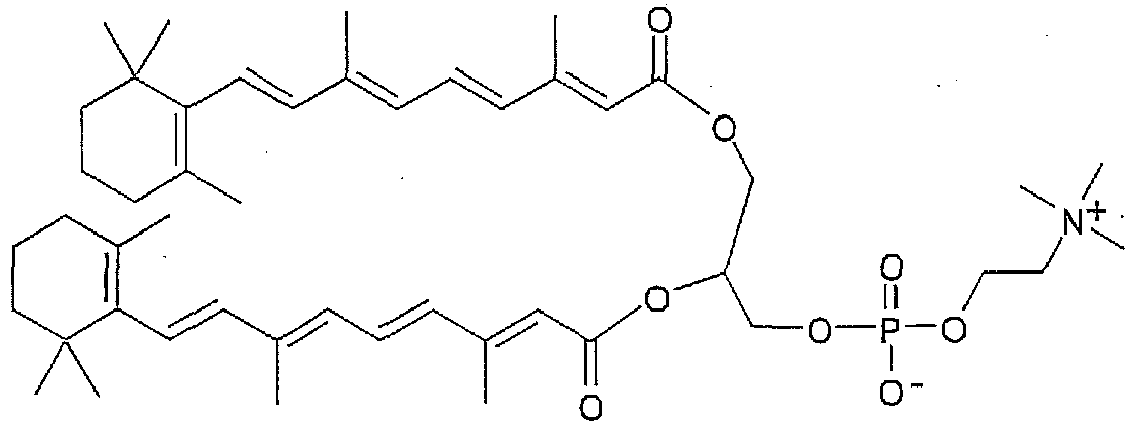
Table 2 name of compound retinoyl group all-trans form content percentage (%) 1-retinoyl-sn-glycero-3-phosphocholine content percentage (%) Example 1-1 Ret-LysoPC 23 93 Example 1-2 Ret-LysoPC 87 92 Comparative Example 1 Ret-PC 71 - Example 2 Ret-LysoPC 72 90 - A cell suspension of human acute monocytic leukaemia cell line (hereinafter to be referred to as "THP-1") (manufactured by ATCC) was centrifuged, the supernatant was discarded, 0.1% bovine serum albumin (fatty acid-free, manufactured by SIGMA ALDRICH)-containing RPMI-1640 (manufactured by Life Technologies) was added to give a dispersion. It was centrifuged again, the supernatant was discarded to give cell pellets. 0.1% Bovine serum albumin-containing RPMI-1640 was added to adjust the cell density to 1x10⁶ cells/ml. The cell suspension (100 µl/well) was added to Transwell (manufactured by Corning Incorporated, ϕ6.5 mm, pore size ϕ8.0 ϕm). The cells were incubated at 37°C, 5% CO2 for 30 min, and a measurement solution (all-trans retinoic acid (manufactured by Tokyo Chemical Industry Co., Ltd.) (hereinafter to be referred to as "RA"), Ret-PC of Comparative Example 1 or Ret-LysoPC of Example 1-2 dissolved in 0.1% bovine serum albumin-containing RPMI-1640 to 10 nM, and 0.1% bovine serum albumin-containing RPMI-1640 alone) was placed in the lower part of the multiple well plate (600 µl/well). After incubation at 37°C, 5% CO2 for 3 hr, the cell suspension in the multiple well plate was collected, cell density was measured by a hemacytometer and the cell migration rate was determined. The cell migration rate was defined as follows.

- The measurement results of the cell migration rate of each measurement solution are shown in
Fig. 1 . The control refers to 0.1% bovine serum albumin-containing RPMI-1640 with no addition. RA (10 nM), Ret-PC (10 nM) did not show cell migration, and was free of monocyte mobilization effect, whereas Ret-LysoPC (10 nM) showed significant (P<0.05) cell migration as compared to the control. Thus, it was found that Ret-LysoPC has a monocyte mobilization effect. - A cell suspension of THP-1 was centrifuged, the supernatant was discarded, 0.1% bovine serum-containing RPMI-1640 was added to give a dispersion. It was centrifuged again, the supernatant was discarded to give cell pellets. 0.1% Bovine serum albumin-containing RPMI-1640 was added to adjust the cell density to 1x10⁶ cells/ml. The cell suspension (100 µl/well) was added to Transwell (manufactured by Corning Incorporated, ϕ6.5 mm, pore size ϕ8.0 µm). The cells were incubated at 37°C, 5% CO2 for 30 min, and a measurement solution (Ret-LysoPC of Examples 1-1 and 1-2 dissolved in 0.1% bovine serum albumin-containing RPMI-1640 to 10 nM, and 0.1% bovine serum albumin-containing RPMI-1640 alone) was placed in the lower part of the multiple well plate (600 µl/well). After incubation at 37°C, 5% CO2 for 3 hr, the cell suspension in the multiple well plate was collected, cell density was measured by a hemacytometer and the cell migration rate was determined.
- The measurement results of the cell migration rate of each measurement solution are shown in
Fig. 2 . The control refers to 0.1% bovine serum albumin-containing RPMI-1640 with no addition. Cell migration was confirmed in any Ret-LysoPC (10 nM). One having a high all-trans form content percentage tends to show a high monocyte mobilization effect. However, significant migration of cell was confirmed even in one having a low all-trans form content percentage, and other isomers were also suggested to have a monocyte mobilization effect. - Human bone marrow-derived mesenchymal stem cell line (UE7T-13) (manufactured by National Institute of Biomedical Innovation JCRB Cell Bank) was previously cultured in serum-free DMEM (manufactured by SIGMA ALDRICH) for 24 hr, and 0.25% trypsin/1 mM EDTA solution (manufactured by SIGMA ALDRICH) was added to give a dispersion. 10% Serum-containing DMEM (Poweredby10 medium; manufactured by GlycoTechnica Ltd.) was added, the cell suspension was centrifuged, the supernatant was discarded, 0.1% bovine serum albumin (fatty acid-free, manufactured by SIGMA ALDRICH)-containing DMEM (manufactured by SIGMA ALDRICH) was added to give a dispersion. It was centrifuged again, the supernatant was discarded to give cell pellets. 0.1% Bovine serum albumin-containing DMEM was added to adjust the cell density to 4x10⁵ cells/ml. The cell suspension (100 µl/well) was added to Transwell (manufactured by Corning Incorporated, ϕ6.5 mm, pore size ϕ8.0 µm). The cells were incubated at 37°C, 5% CO2 for 30 min, and a measurement solution (Ret-LysoPC of Example 1-2 dissolved in 0.1% bovine serum albumin-containing DMEM to 10 nM, or 0.1% bovine serum albumin-containing DMEM alone) was placed in the lower part of the multiple well plate (600 µl/well). After incubation at 37°C, 5% CO2 for 4 hr, the supernatant in the insert was removed. The cells on the upper membrane side were removed, the cells on the lower membrane side were immobilized with 4% para-formaldehyde solution, and stained with crystalviolet solution. They were washed with water, dried, and the number of cells per one field was measured by microscopic observation. The cell migration ratio was defined as follows.

- The control refers to 0.1% bovine serum albumin-containing DMEM with no addition.
- The measurement results of cell migration ratio in each measurement solution are shown in
Fig. 3 . Ret-LysoPC (10 nM) showed a significant cell migration as compared to the control (P<0.01). Thus, it was found that Ret-LysoPC has a mesenchymal stem cell mobilization effect. - As a sustained release substrate of Ret-LysoPC, a gelatin hydrogel-dried product shown below was produced, and used for the sustained release test shown in Example 5.
-
isoelectric point 5 gelatin hydrogel-dried product (hereinafter to be referred to as "pI5 gel".) -
isoelectric point 9 gelatin hydrogel-dried product (hereinafter to be referred to as "pI9 gel".) - succinylated gelatin hydrogel-dried product (hereinafter to be referred to as "Suc gel".)
- gelatin hydrogel-dried product introduced with ethylenediamine (hereinafter to be referred to as "E50 gel".)
- gelatin hydrogel-dried product introduced with distearoylphosphoethanolamine (hereinafter to be referred to as "DSPE gel".)
- Gelatin with isoelectric point 5 (derived from beef bones, average molecular weight about 100,000: manufactured by Nitta Gelatin Inc.) (1.0 g) was dissolved in dimethyl sulfoxide (14 g). Succinic anhydride (0.014 g) was dissolved in dimethyl sulfoxide (4.5 g), the solution was added to a gelatin solution. After stirring at 37°C for 1 hr, the mixture was wrapped with a dialysis membrane, and dialyzed for 3 days using water as an outer phase. After completion of the dialysis, the internal phase was recovered, and lyophilized to give succinylated gelatin. The modification ratio of the gelatin is shown in Table 3.
- Gelatin with isoelectric point 9 (derived from pig skin, average molecular weight about 100,000: manufactured by Nitta Gelatin Inc.) (1.0 g) was dissolved in 24 ml of 0.1 M aqueous phosphate buffer (pH 5.0). Then, 50 equivalent amount of ethylenediamine was added relative to the carboxyl group of gelatin, the pH of the solution was adjusted to 5.0 with 11 M aqueous hydrochloric acid solution. Then, 3 equivalent amount of 1-ethyl-3-(3-dimethylaminopropyl)carbodiimide hydrochloride was added relative to the carboxyl group of gelatin, and 0.1 M aqueous phosphate buffer (pH 5.0) was added to adjust the final concentration of gelatin to 2 wt%. After stirring at 37°C for 4 hr, the reaction product was wrapped with a dialysis membrane, and dialyzed for 3 days using water as an outer phase. After completion of the dialysis, the internal phase was recovered, and lyophilized to give cationized gelatin. The modification ratio of the gelatin is shown in Table 3.
- Gelatin with isoelectric point 5 (derived from beef bones, average molecular weight about 100,000: manufactured by Nitta Gelatin Inc.) (1.0 g) was dissolved in dimethyl sulfoxide (30 g). N-(succinimidyloxyglutaryl)-phosphoethanolamine, distearoyl (COATSOME FE-8080SU5; manufactured by NOF CORPORATION) (0.67 g) was added, and the mixture was stirred at 25°C for 18 hr. The reaction mixture was wrapped with a dialysis membrane, and dialyzed for 3 days using water as an outer phase. After completion of the dialysis, the internal phase was recovered, and lyophilized to give gelatin introduced with distearoylphosphoethanolamine. The modification ratio of the gelatin is shown in Table 3.
Table 3 name of compound modification ratio (%) Production Example 1-1 succinylated gelatin 30 Production Example 1-2 cationized gelatin 50 Production Example 1-3 gelatin introduced with distearoylphosphoethanolamine 15 - Succinylated gelatin (0.5 g) produced in Production Example 1-1 was dissolved in water (9.5 g), and the pH of the solution was adjusted to 5.0 with 5 M aqueous sodium hydroxide solution. 25% Aqueous glutaraldehyde solution (45 µl) was added, and the mixture was gently stirred for 30 seconds. Then, the reaction mixture was dispensed, shaded, stood at room temperature for 30 min, and a crosslinking reaction was performed at 4°C for 12 hr. The gel was cast in 0.1 M aqueous glycine solution (500 ml), and the mixture was shaken at room temperature for 1 hr to discontinue the crosslinking reaction. Then, the aqueous glycine solution was substituted by pure water, and the mixture was shaken at room temperature for 1 hr, which was repeated 3 times. The obtained hydrogel was lyophilized to give Suc gel.
- Other gelatins were also crosslinked and purified by a similar method, and pI5 gel was obtained from gelatin with isoelectric point 5 (derived from beef bones, average molecular weight about 100,000: manufactured by Nitta Gelatin Inc.), pI9 gel was obtained from gelatin with isoelectric point 9 (derived from pig skin, average molecular weight about 100,000: manufactured by Nitta Gelatin Inc.), E50 gel was obtained from the gelatin derivative of Production Example 1-2, and DSPE gel was obtained from the gelatin derivative of Production Example 1-3.
- As one embodiment of a sustained-release preparation, a Ret-LysoPC-containing sustained-release preparation using a gelatin derivative as a sustained release substrate was produced, and a sustained release test was performed. That is, various gelatin hydrogel-dried products shown in Production Example 1 as sustained release substrates were impregnated with aqueous Ret-LysoPC solution, and the sustained release property in phosphate buffered saline (pH 7.4, hereinafter to be referred to as "PBS") and 10 µg/ml collagenase-containing PBS was evaluated.
- Ret-LysoPC (Example 1-2) was dissolved in PBS such that Ret-LysoPC concentration was 500 µM. The 500 µM aqueous Ret-LysoPC solution (100 µl) was added dropwise to gelatin hydrogel (10 mg), and the hydrogel was impregnated with the solution at 37°C for 1 hr. PBS (500 µl) was added, and the mixture was stood at 37°C under shading conditions for a given time (start of sustained release test). Thereafter, the mixture was centrifuged at 4°C, 5000 rpm for 10 min, the total amount of the supernatant was recovered and fresh PBS (500 µl) was added. This operation was repeated predetermined number of times. After 12 hr from the start of the sustained release test, the supernatant was recovered. In the tests using Suc gel, E50 gel, DSPE gel, 10 µg/ml collagenase L (manufactured by Nitta Gelatin Inc.)-containing PBS (500 µl) was added, and the mixture was similarly stood for a given time. Similarly, the supernatant was recovered, and fresh 10 µg/ml collagenase L-containing PBS (500 µl) was added. This operation was repeated until the sustained release substrate disappeared, or for 60 hr from the start of the sustained release test. The concentration of Ret-LysoPC in the recovered supernatant was measured by reversed-phase HPLC and the sustained release rate of Ret-LysoPC was determined.
-
Fig. 4 andFig. 5 show the sustained release rate of Ret-LysoPC at each recovery time. It was found that the sustained release property of Ret-LysoPC varied greatly depending on the kind of gelatin. This is because interactions with the sustained release substrate and Ret-LysoPC are different. It was confirmed that Ret-LysoPC was released in a sustained manner along with the decomposition of the sustained release substrate by the addition of collagenase. - Using human acute monocytic leukaemia cell line (THP-1) (manufactured by ATCC), a monocyte migration effect of each sample was evaluated. A cell suspension of THP-1 was centrifuged, the supernatant was discarded, 0.1% bovine serum-containing RPMI-1640 was added to give a dispersion. It was centrifuged again, the supernatant was discarded to give cell pellets. 0.1% Bovine serum albumin-containing RPMI-1640 was added to adjust the cell density to 1x10⁶ cells/ml. The cell suspension (100 µl/well) was added to Transwell (manufactured by Corning Incorporated, ϕ6.5 mm, pore size ϕ8.0 µm). The cells were incubated at 37°C, 5% CO2 for 30 min, and a measurement solution (C18:0-LysoPC (COATSOME MC-80H; manufactured by NOF CORPORATION), Ret-LysoPC of Example 2 or S1P (manufactured by Toronto Research Chemicals) dissolved in 0.1% bovine serum albumin-containing RPMI-1640, and 0.1% bovine serum albumin-containing RPMI-1640 alone) was placed in the lower part of the multiple well plate (600 µl/well). After incubation at 37°C, 5% CO2 for 3 hr, the cell suspension in the multiple well plate was collected, cell density was measured by a hemacytometer and the cell migration rate was determined.
- The measurement results of the cell migration rate of each measurement solution are shown in
Fig. 6 andFig. 7 . The control refers to 0.1% bovine serum albumin-containing RPMI-1640 with no addition. FromFig. 6 , it is clear that a monocyte mobilization effect is absent in C18:0-LysoPC (100 nM), but present in Ret-LysoPC (100 nM). Also, it was clarified fromFig. 7 that S1P did not show a significant (p<0.05) monocyte mobilization effect at 1, 100 nM, but Ret-LysoPC showed a significant monocyte mobilization effect at any of 1 - 100 nM. - Human bone marrow-derived mesenchymal stem cell line (UE7T-13) (manufactured by National Institute of Biomedical Innovation JCRB Cell Bank) was previously cultured in serum-free DMEM (manufactured by SIGMA ALDRICH) for 24 hr, and 0.25% trypsin/1 mM EDTA solution (manufactured by SIGMA ALDRICH) was added to give a dispersion. 10% Serum-containing DMEM (Poweredby10 medium; manufactured by GlycoTechnica Ltd.) was added, the cell suspension was centrifuged, the supernatant was discarded, 0.1% bovine serum albumin (fatty acid-free, manufactured by SIGMA ALDRICH)-containing DMEM (manufactured by SIGMA ALDRICH) was added to give a dispersion. It was centrifuged again, the supernatant was discarded to give cell pellets. 0.1% Bovine serum albumin-containing DMEM was added to adjust the cell density to 4x10⁵ cells/ml. The cell suspension (100 µl/well) was added to Transwell (manufactured by Corning Incorporated, ϕ6.5 mm, pore size ϕ8.0 µm). The cells were incubated at 37°C, 5% CO2 for 30 min, and a measurement solution (Ret-LysoPC of Example 1-2 or S1P (manufactured by Toronto Research Chemicals) dissolved in 0.1% bovine serum albumin-containing DMEM to a given concentration, and 0.1% bovine serum albumin-containing DMEM alone) was placed in the lower part of the multiple well plate (600 µl/well). After incubation at 37°C, 5% CO2 for 4 hr, the supernatant in the insert was removed. The cells on the upper membrane side were removed, the cells on the lower membrane side were immobilized with 4% para-formaldehyde solution, and stained with crystalviolet solution. They were washed with water, dried, and the number of cells per one field was measured by microscopic observation. The cell migration ratio was defined as follows.

- The control refers to 0.1% bovine serum albumin-containing DMEM with no addition.
- The measurement results of cell migration ratio in each measurement solution are shown in
Fig. 8 . It was clarified fromFig. 8 that S1P did not show a significant (p<0.05) mesenchymal stem cell mobilization effect at 10, 100 nM, but Ret-LysoPC showed a significant mesenchymal stem cell mobilization effect at any of 1 - 100 nM. - This application is based on patent application No.
2014-128644 filed in Japan
Claims (7)
- A cell mobilizing agent comprising a lysophospholipid introduced with retinoic acid represented by the formula (1) and/or the formula (2) or a physiologically acceptable salt thereof as an active ingredient:


- The cell mobilizing agent according to claim 1, wherein the retinoyl group is all-trans form, 7-cis form, 9-cis form, 11-cis form, 13-cis form, 7,9-di-cis form, 7,11-di-cis form, 7,13-di-cis form, 9,11-di-cis form, 9,13-di-cis form, 11,13-di-cis form, 7,9,11-tri-cis form, 7,9,13-tri-cis form, 7,11,13-tri-cis form, 9,11,13-tri-cis form or all-cis form.
- The cell mobilizing agent according to claim 1 or 2, which is for promoting biological tissue repair by cell mobilization.
- The cell mobilizing agent according to any one of claims 1 to 3, wherein the cell to be mobilized is a blood cell, a hematopoietic stem cell or a mesenchymal stem cell.
- The cell mobilizing agent according to any one of claims 1 to 4, which is a sustained-release preparation comprising a sustained release substrate.
- The cell mobilizing agent according to claim 5, wherein the sustained release substrate is a biodegradable polymer.
- The cell mobilizing agent according to claim 6, wherein the biodegradable polymer is one or more kinds of biodegradable polymers selected from the group consisting of gelatin, collagen, chitin, chitosan, hyaluronic acid, polyamino acid, polylactic acid, polyglycolic acid, a copolymer of lactic acid and glycolic acid, poly-ε-caprolactone, derivatives thereof and crosslinked forms thereof.
Applications Claiming Priority (2)
| Application Number | Priority Date | Filing Date | Title |
|---|---|---|---|
| JP2014128644 | 2014-06-23 | ||
| PCT/JP2015/067851 WO2015199020A1 (en) | 2014-06-23 | 2015-06-22 | Cell mobilization agent containing lysophospholipid with retinoic acid introduced |
Publications (3)
| Publication Number | Publication Date |
|---|---|
| EP3158999A1 true EP3158999A1 (en) | 2017-04-26 |
| EP3158999A4 EP3158999A4 (en) | 2018-02-07 |
| EP3158999B1 EP3158999B1 (en) | 2019-11-06 |
Family
ID=54938102
Family Applications (1)
| Application Number | Title | Priority Date | Filing Date |
|---|---|---|---|
| EP15812300.0A Active EP3158999B1 (en) | 2014-06-23 | 2015-06-22 | Cell mobilization agent containing lysophospholipid with retinoic acid introduced |
Country Status (4)
| Country | Link |
|---|---|
| US (1) | US10092582B2 (en) |
| EP (1) | EP3158999B1 (en) |
| JP (1) | JP6553029B2 (en) |
| WO (1) | WO2015199020A1 (en) |
Families Citing this family (1)
| Publication number | Priority date | Publication date | Assignee | Title |
|---|---|---|---|---|
| CN115028640A (en) | 2017-08-25 | 2022-09-09 | 吉利德科学公司 | Polymorphic forms of a SYK inhibitor |
Family Cites Families (6)
| Publication number | Priority date | Publication date | Assignee | Title |
|---|---|---|---|---|
| US4882165A (en) | 1981-11-09 | 1989-11-21 | The Regents Of The University Of California | Light sensitive liposomes |
| FR2714382B1 (en) | 1993-12-27 | 1996-02-02 | Roussel Uclaf | Phospholipids vector of active molecule, their preparation and their use in cosmetic or dermatological compositions. |
| JPH07188280A (en) * | 1993-12-28 | 1995-07-25 | L T T Kenkyusho:Kk | Phosphatidylethanolamine binding bioactive substances and their intermediates |
| JP2002514183A (en) * | 1996-09-17 | 2002-05-14 | スーパージェン・インコーポレーテッド | Phospholipid drug derivatives |
| US5776915A (en) | 1997-08-12 | 1998-07-07 | Clarion Pharmaceuticals Inc. | Phosphocholines of retinoids |
| WO2000024750A1 (en) * | 1998-10-26 | 2000-05-04 | Clarion Pharmaceuticals, Inc. | Retinoid glycerol phospholipid conjugates |
-
2015
- 2015-06-22 EP EP15812300.0A patent/EP3158999B1/en active Active
- 2015-06-22 JP JP2016529565A patent/JP6553029B2/en active Active
- 2015-06-22 US US15/320,695 patent/US10092582B2/en active Active
- 2015-06-22 WO PCT/JP2015/067851 patent/WO2015199020A1/en not_active Ceased
Also Published As
| Publication number | Publication date |
|---|---|
| EP3158999B1 (en) | 2019-11-06 |
| WO2015199020A1 (en) | 2015-12-30 |
| US10092582B2 (en) | 2018-10-09 |
| US20170157154A1 (en) | 2017-06-08 |
| EP3158999A4 (en) | 2018-02-07 |
| JPWO2015199020A1 (en) | 2017-06-29 |
| JP6553029B2 (en) | 2019-07-31 |
Similar Documents
| Publication | Publication Date | Title |
|---|---|---|
| Jin et al. | Injectable anti-inflammatory hyaluronic acid hydrogel for osteoarthritic cartilage repair | |
| EP2569364B1 (en) | Topically administered, skin-penetrating glycosaminoglycan formulations suitable for use in cosmetic and pharmaceutical applications | |
| Gentile et al. | Localised controlled release of simvastatin from porous chitosan–gelatin scaffolds engrafted with simvastatin loaded PLGA-microparticles for bone tissue engineering application | |
| Sharma et al. | Incorporation of an aggrecan mimic prevents proteolytic degradation of anisotropic cartilage analogs | |
| EP3103485A1 (en) | Material comprising a polymer capable of forming a hydrogel and nanoparticles | |
| JP7442196B2 (en) | ionic self-assembling peptides | |
| US20120040901A1 (en) | Novel biomaterials, their preparation and use | |
| CA2337328C (en) | Biocompatible polymers, preparation method and compositions containing same | |
| FR2919188A1 (en) | COMPLEXES BETWEEN AN AMPHIPHILIC POLYMER AND A OSTEOGENIC PROTEIN BELONGING TO THE BMPS FAMILY | |
| EP2979710A1 (en) | Cell tissue gel containing collagen and hyaluronan | |
| Hong et al. | Combination therapy using kartogenin-based chondrogenesis and complex polymer scaffold for cartilage defect regeneration | |
| US20070110693A1 (en) | Compositions containing peptide copper complexes and soft tissue fillers, and methods related thereto | |
| JP6833456B2 (en) | Skin fibrosis treatment agent | |
| WO2016126947A2 (en) | Subcutaneous complex and single-component ecm compositing for induction of hair growth and follicular regeneration | |
| EP3158999B1 (en) | Cell mobilization agent containing lysophospholipid with retinoic acid introduced | |
| CN111867633A (en) | Covalent anesthetic-polymer conjugates for achieving prolonged local anesthesia | |
| JP2019206495A (en) | Agent containing horse placenta extract as active ingredient | |
| JP2014005211A (en) | Method for producing gelatin gel | |
| FR2956116A1 (en) | SOLUBLE POLYSACCHARIDE / BMP-7 COMPLEXES WITH PH PHYSIOLOGICAL PH | |
| CA2966574C (en) | Agents for maintaining undifferentiated state and promoting proliferation of stem cells | |
| JP2002097137A (en) | Prophylactic and/or therapeutic agent of parkinson's disease | |
| US10258694B2 (en) | Skin external preparation and skin irritation-reducing method | |
| US20260061008A1 (en) | Methods of increasing mesenchymal stromal cell biosynthesis of specialized pro-resolving mediators and methods of use | |
| Gilpin | Self-Healing Hyaluronic Acid as a Viscosupplement and Biomolecule Carrier to Mitigate Post-Traumatic Osteoarthritis | |
| WO2025100511A1 (en) | Fusion peptide |
Legal Events
| Date | Code | Title | Description |
|---|---|---|---|
| STAA | Information on the status of an ep patent application or granted ep patent |
Free format text: STATUS: THE INTERNATIONAL PUBLICATION HAS BEEN MADE |
|
| PUAI | Public reference made under article 153(3) epc to a published international application that has entered the european phase |
Free format text: ORIGINAL CODE: 0009012 |
|
| STAA | Information on the status of an ep patent application or granted ep patent |
Free format text: STATUS: REQUEST FOR EXAMINATION WAS MADE |
|
| 17P | Request for examination filed |
Effective date: 20170116 |
|
| AK | Designated contracting states |
Kind code of ref document: A1 Designated state(s): AL AT BE BG CH CY CZ DE DK EE ES FI FR GB GR HR HU IE IS IT LI LT LU LV MC MK MT NL NO PL PT RO RS SE SI SK SM TR |
|
| AX | Request for extension of the european patent |
Extension state: BA ME |
|
| DAV | Request for validation of the european patent (deleted) | ||
| DAX | Request for extension of the european patent (deleted) | ||
| A4 | Supplementary search report drawn up and despatched |
Effective date: 20180108 |
|
| RIC1 | Information provided on ipc code assigned before grant |
Ipc: A61P 43/00 20060101ALI20180102BHEP Ipc: A61K 47/42 20170101ALI20180102BHEP Ipc: A61K 47/34 20170101ALI20180102BHEP Ipc: A61K 47/36 20060101ALI20180102BHEP Ipc: A61K 31/685 20060101AFI20180102BHEP |
|
| STAA | Information on the status of an ep patent application or granted ep patent |
Free format text: STATUS: EXAMINATION IS IN PROGRESS |
|
| 17Q | First examination report despatched |
Effective date: 20181214 |
|
| GRAP | Despatch of communication of intention to grant a patent |
Free format text: ORIGINAL CODE: EPIDOSNIGR1 |
|
| STAA | Information on the status of an ep patent application or granted ep patent |
Free format text: STATUS: GRANT OF PATENT IS INTENDED |
|
| INTG | Intention to grant announced |
Effective date: 20190618 |
|
| GRAS | Grant fee paid |
Free format text: ORIGINAL CODE: EPIDOSNIGR3 |
|
| GRAA | (expected) grant |
Free format text: ORIGINAL CODE: 0009210 |
|
| STAA | Information on the status of an ep patent application or granted ep patent |
Free format text: STATUS: THE PATENT HAS BEEN GRANTED |
|
| AK | Designated contracting states |
Kind code of ref document: B1 Designated state(s): AL AT BE BG CH CY CZ DE DK EE ES FI FR GB GR HR HU IE IS IT LI LT LU LV MC MK MT NL NO PL PT RO RS SE SI SK SM TR |
|
| REG | Reference to a national code |
Ref country code: GB Ref legal event code: FG4D |
|
| REG | Reference to a national code |
Ref country code: CH Ref legal event code: EP Ref country code: AT Ref legal event code: REF Ref document number: 1197854 Country of ref document: AT Kind code of ref document: T Effective date: 20191115 |
|
| REG | Reference to a national code |
Ref country code: IE Ref legal event code: FG4D |
|
| REG | Reference to a national code |
Ref country code: DE Ref legal event code: R096 Ref document number: 602015041283 Country of ref document: DE |
|
| REG | Reference to a national code |
Ref country code: CH Ref legal event code: NV Representative=s name: BOHEST AG, CH |
|
| REG | Reference to a national code |
Ref country code: NL Ref legal event code: MP Effective date: 20191106 |
|
| REG | Reference to a national code |
Ref country code: LT Ref legal event code: MG4D |
|
| PG25 | Lapsed in a contracting state [announced via postgrant information from national office to epo] |
Ref country code: BG Free format text: LAPSE BECAUSE OF FAILURE TO SUBMIT A TRANSLATION OF THE DESCRIPTION OR TO PAY THE FEE WITHIN THE PRESCRIBED TIME-LIMIT Effective date: 20200206 Ref country code: NO Free format text: LAPSE BECAUSE OF FAILURE TO SUBMIT A TRANSLATION OF THE DESCRIPTION OR TO PAY THE FEE WITHIN THE PRESCRIBED TIME-LIMIT Effective date: 20200206 Ref country code: FI Free format text: LAPSE BECAUSE OF FAILURE TO SUBMIT A TRANSLATION OF THE DESCRIPTION OR TO PAY THE FEE WITHIN THE PRESCRIBED TIME-LIMIT Effective date: 20191106 Ref country code: LT Free format text: LAPSE BECAUSE OF FAILURE TO SUBMIT A TRANSLATION OF THE DESCRIPTION OR TO PAY THE FEE WITHIN THE PRESCRIBED TIME-LIMIT Effective date: 20191106 Ref country code: PT Free format text: LAPSE BECAUSE OF FAILURE TO SUBMIT A TRANSLATION OF THE DESCRIPTION OR TO PAY THE FEE WITHIN THE PRESCRIBED TIME-LIMIT Effective date: 20200306 Ref country code: SE Free format text: LAPSE BECAUSE OF FAILURE TO SUBMIT A TRANSLATION OF THE DESCRIPTION OR TO PAY THE FEE WITHIN THE PRESCRIBED TIME-LIMIT Effective date: 20191106 Ref country code: NL Free format text: LAPSE BECAUSE OF FAILURE TO SUBMIT A TRANSLATION OF THE DESCRIPTION OR TO PAY THE FEE WITHIN THE PRESCRIBED TIME-LIMIT Effective date: 20191106 Ref country code: LV Free format text: LAPSE BECAUSE OF FAILURE TO SUBMIT A TRANSLATION OF THE DESCRIPTION OR TO PAY THE FEE WITHIN THE PRESCRIBED TIME-LIMIT Effective date: 20191106 Ref country code: GR Free format text: LAPSE BECAUSE OF FAILURE TO SUBMIT A TRANSLATION OF THE DESCRIPTION OR TO PAY THE FEE WITHIN THE PRESCRIBED TIME-LIMIT Effective date: 20200207 Ref country code: PL Free format text: LAPSE BECAUSE OF FAILURE TO SUBMIT A TRANSLATION OF THE DESCRIPTION OR TO PAY THE FEE WITHIN THE PRESCRIBED TIME-LIMIT Effective date: 20191106 |
|
| PG25 | Lapsed in a contracting state [announced via postgrant information from national office to epo] |
Ref country code: IS Free format text: LAPSE BECAUSE OF FAILURE TO SUBMIT A TRANSLATION OF THE DESCRIPTION OR TO PAY THE FEE WITHIN THE PRESCRIBED TIME-LIMIT Effective date: 20200306 Ref country code: HR Free format text: LAPSE BECAUSE OF FAILURE TO SUBMIT A TRANSLATION OF THE DESCRIPTION OR TO PAY THE FEE WITHIN THE PRESCRIBED TIME-LIMIT Effective date: 20191106 Ref country code: RS Free format text: LAPSE BECAUSE OF FAILURE TO SUBMIT A TRANSLATION OF THE DESCRIPTION OR TO PAY THE FEE WITHIN THE PRESCRIBED TIME-LIMIT Effective date: 20191106 |
|
| PG25 | Lapsed in a contracting state [announced via postgrant information from national office to epo] |
Ref country code: AL Free format text: LAPSE BECAUSE OF FAILURE TO SUBMIT A TRANSLATION OF THE DESCRIPTION OR TO PAY THE FEE WITHIN THE PRESCRIBED TIME-LIMIT Effective date: 20191106 |
|
| PG25 | Lapsed in a contracting state [announced via postgrant information from national office to epo] |
Ref country code: ES Free format text: LAPSE BECAUSE OF FAILURE TO SUBMIT A TRANSLATION OF THE DESCRIPTION OR TO PAY THE FEE WITHIN THE PRESCRIBED TIME-LIMIT Effective date: 20191106 Ref country code: CZ Free format text: LAPSE BECAUSE OF FAILURE TO SUBMIT A TRANSLATION OF THE DESCRIPTION OR TO PAY THE FEE WITHIN THE PRESCRIBED TIME-LIMIT Effective date: 20191106 Ref country code: RO Free format text: LAPSE BECAUSE OF FAILURE TO SUBMIT A TRANSLATION OF THE DESCRIPTION OR TO PAY THE FEE WITHIN THE PRESCRIBED TIME-LIMIT Effective date: 20191106 Ref country code: EE Free format text: LAPSE BECAUSE OF FAILURE TO SUBMIT A TRANSLATION OF THE DESCRIPTION OR TO PAY THE FEE WITHIN THE PRESCRIBED TIME-LIMIT Effective date: 20191106 Ref country code: DK Free format text: LAPSE BECAUSE OF FAILURE TO SUBMIT A TRANSLATION OF THE DESCRIPTION OR TO PAY THE FEE WITHIN THE PRESCRIBED TIME-LIMIT Effective date: 20191106 |
|
| REG | Reference to a national code |
Ref country code: DE Ref legal event code: R097 Ref document number: 602015041283 Country of ref document: DE |
|
| REG | Reference to a national code |
Ref country code: AT Ref legal event code: MK05 Ref document number: 1197854 Country of ref document: AT Kind code of ref document: T Effective date: 20191106 |
|
| PG25 | Lapsed in a contracting state [announced via postgrant information from national office to epo] |
Ref country code: SM Free format text: LAPSE BECAUSE OF FAILURE TO SUBMIT A TRANSLATION OF THE DESCRIPTION OR TO PAY THE FEE WITHIN THE PRESCRIBED TIME-LIMIT Effective date: 20191106 Ref country code: SK Free format text: LAPSE BECAUSE OF FAILURE TO SUBMIT A TRANSLATION OF THE DESCRIPTION OR TO PAY THE FEE WITHIN THE PRESCRIBED TIME-LIMIT Effective date: 20191106 |
|
| PLBE | No opposition filed within time limit |
Free format text: ORIGINAL CODE: 0009261 |
|
| STAA | Information on the status of an ep patent application or granted ep patent |
Free format text: STATUS: NO OPPOSITION FILED WITHIN TIME LIMIT |
|
| 26N | No opposition filed |
Effective date: 20200807 |
|
| PG25 | Lapsed in a contracting state [announced via postgrant information from national office to epo] |
Ref country code: AT Free format text: LAPSE BECAUSE OF FAILURE TO SUBMIT A TRANSLATION OF THE DESCRIPTION OR TO PAY THE FEE WITHIN THE PRESCRIBED TIME-LIMIT Effective date: 20191106 Ref country code: SI Free format text: LAPSE BECAUSE OF FAILURE TO SUBMIT A TRANSLATION OF THE DESCRIPTION OR TO PAY THE FEE WITHIN THE PRESCRIBED TIME-LIMIT Effective date: 20191106 |
|
| PG25 | Lapsed in a contracting state [announced via postgrant information from national office to epo] |
Ref country code: IT Free format text: LAPSE BECAUSE OF FAILURE TO SUBMIT A TRANSLATION OF THE DESCRIPTION OR TO PAY THE FEE WITHIN THE PRESCRIBED TIME-LIMIT Effective date: 20191106 Ref country code: MC Free format text: LAPSE BECAUSE OF FAILURE TO SUBMIT A TRANSLATION OF THE DESCRIPTION OR TO PAY THE FEE WITHIN THE PRESCRIBED TIME-LIMIT Effective date: 20191106 |
|
| PG25 | Lapsed in a contracting state [announced via postgrant information from national office to epo] |
Ref country code: LU Free format text: LAPSE BECAUSE OF NON-PAYMENT OF DUE FEES Effective date: 20200622 |
|
| REG | Reference to a national code |
Ref country code: BE Ref legal event code: MM Effective date: 20200630 |
|
| PG25 | Lapsed in a contracting state [announced via postgrant information from national office to epo] |
Ref country code: IE Free format text: LAPSE BECAUSE OF NON-PAYMENT OF DUE FEES Effective date: 20200622 |
|
| PG25 | Lapsed in a contracting state [announced via postgrant information from national office to epo] |
Ref country code: BE Free format text: LAPSE BECAUSE OF NON-PAYMENT OF DUE FEES Effective date: 20200630 |
|
| PG25 | Lapsed in a contracting state [announced via postgrant information from national office to epo] |
Ref country code: TR Free format text: LAPSE BECAUSE OF FAILURE TO SUBMIT A TRANSLATION OF THE DESCRIPTION OR TO PAY THE FEE WITHIN THE PRESCRIBED TIME-LIMIT Effective date: 20191106 Ref country code: MT Free format text: LAPSE BECAUSE OF FAILURE TO SUBMIT A TRANSLATION OF THE DESCRIPTION OR TO PAY THE FEE WITHIN THE PRESCRIBED TIME-LIMIT Effective date: 20191106 Ref country code: CY Free format text: LAPSE BECAUSE OF FAILURE TO SUBMIT A TRANSLATION OF THE DESCRIPTION OR TO PAY THE FEE WITHIN THE PRESCRIBED TIME-LIMIT Effective date: 20191106 |
|
| PG25 | Lapsed in a contracting state [announced via postgrant information from national office to epo] |
Ref country code: MK Free format text: LAPSE BECAUSE OF FAILURE TO SUBMIT A TRANSLATION OF THE DESCRIPTION OR TO PAY THE FEE WITHIN THE PRESCRIBED TIME-LIMIT Effective date: 20191106 |
|
| P01 | Opt-out of the competence of the unified patent court (upc) registered |
Effective date: 20230410 |
|
| PGFP | Annual fee paid to national office [announced via postgrant information from national office to epo] |
Ref country code: DE Payment date: 20250618 Year of fee payment: 11 |
|
| PGFP | Annual fee paid to national office [announced via postgrant information from national office to epo] |
Ref country code: GB Payment date: 20250618 Year of fee payment: 11 |
|
| PGFP | Annual fee paid to national office [announced via postgrant information from national office to epo] |
Ref country code: FR Payment date: 20250625 Year of fee payment: 11 |
|
| PGFP | Annual fee paid to national office [announced via postgrant information from national office to epo] |
Ref country code: CH Payment date: 20250701 Year of fee payment: 11 |