EP3158978A1 - Stent for confluent blood vessel - Google Patents
Stent for confluent blood vessel Download PDFInfo
- Publication number
- EP3158978A1 EP3158978A1 EP15809933.3A EP15809933A EP3158978A1 EP 3158978 A1 EP3158978 A1 EP 3158978A1 EP 15809933 A EP15809933 A EP 15809933A EP 3158978 A1 EP3158978 A1 EP 3158978A1
- Authority
- EP
- European Patent Office
- Prior art keywords
- wires
- stent
- drug
- biodegradable polymer
- blood vessel
- Prior art date
- Legal status (The legal status is an assumption and is not a legal conclusion. Google has not performed a legal analysis and makes no representation as to the accuracy of the status listed.)
- Withdrawn
Links
Images

Classifications
-
- A—HUMAN NECESSITIES
- A61—MEDICAL OR VETERINARY SCIENCE; HYGIENE
- A61F—FILTERS IMPLANTABLE INTO BLOOD VESSELS; PROSTHESES; DEVICES PROVIDING PATENCY TO, OR PREVENTING COLLAPSING OF, TUBULAR STRUCTURES OF THE BODY, e.g. STENTS; ORTHOPAEDIC, NURSING OR CONTRACEPTIVE DEVICES; FOMENTATION; TREATMENT OR PROTECTION OF EYES OR EARS; BANDAGES, DRESSINGS OR ABSORBENT PADS; FIRST-AID KITS
- A61F2/00—Filters implantable into blood vessels; Prostheses, i.e. artificial substitutes or replacements for parts of the body; Appliances for connecting them with the body; Devices providing patency to, or preventing collapsing of, tubular structures of the body, e.g. stents
- A61F2/82—Devices providing patency to, or preventing collapsing of, tubular structures of the body, e.g. stents
-
- A—HUMAN NECESSITIES
- A61—MEDICAL OR VETERINARY SCIENCE; HYGIENE
- A61F—FILTERS IMPLANTABLE INTO BLOOD VESSELS; PROSTHESES; DEVICES PROVIDING PATENCY TO, OR PREVENTING COLLAPSING OF, TUBULAR STRUCTURES OF THE BODY, e.g. STENTS; ORTHOPAEDIC, NURSING OR CONTRACEPTIVE DEVICES; FOMENTATION; TREATMENT OR PROTECTION OF EYES OR EARS; BANDAGES, DRESSINGS OR ABSORBENT PADS; FIRST-AID KITS
- A61F2/00—Filters implantable into blood vessels; Prostheses, i.e. artificial substitutes or replacements for parts of the body; Appliances for connecting them with the body; Devices providing patency to, or preventing collapsing of, tubular structures of the body, e.g. stents
- A61F2/82—Devices providing patency to, or preventing collapsing of, tubular structures of the body, e.g. stents
- A61F2/86—Stents in a form characterised by the wire-like elements; Stents in the form characterised by a net-like or mesh-like structure
- A61F2/90—Stents in a form characterised by the wire-like elements; Stents in the form characterised by a net-like or mesh-like structure characterised by a net-like or mesh-like structure
-
- A—HUMAN NECESSITIES
- A61—MEDICAL OR VETERINARY SCIENCE; HYGIENE
- A61F—FILTERS IMPLANTABLE INTO BLOOD VESSELS; PROSTHESES; DEVICES PROVIDING PATENCY TO, OR PREVENTING COLLAPSING OF, TUBULAR STRUCTURES OF THE BODY, e.g. STENTS; ORTHOPAEDIC, NURSING OR CONTRACEPTIVE DEVICES; FOMENTATION; TREATMENT OR PROTECTION OF EYES OR EARS; BANDAGES, DRESSINGS OR ABSORBENT PADS; FIRST-AID KITS
- A61F2/00—Filters implantable into blood vessels; Prostheses, i.e. artificial substitutes or replacements for parts of the body; Appliances for connecting them with the body; Devices providing patency to, or preventing collapsing of, tubular structures of the body, e.g. stents
- A61F2/02—Prostheses implantable into the body
-
- A—HUMAN NECESSITIES
- A61—MEDICAL OR VETERINARY SCIENCE; HYGIENE
- A61L—METHODS OR APPARATUS FOR STERILISING MATERIALS OR OBJECTS IN GENERAL; DISINFECTION, STERILISATION OR DEODORISATION OF AIR; CHEMICAL ASPECTS OF BANDAGES, DRESSINGS, ABSORBENT PADS OR SURGICAL ARTICLES; MATERIALS FOR BANDAGES, DRESSINGS, ABSORBENT PADS OR SURGICAL ARTICLES
- A61L27/00—Materials for grafts or prostheses or for coating grafts or prostheses
- A61L27/50—Materials characterised by their function or physical properties, e.g. injectable or lubricating compositions, shape-memory materials, surface modified materials
- A61L27/54—Biologically active materials, e.g. therapeutic substances
-
- A—HUMAN NECESSITIES
- A61—MEDICAL OR VETERINARY SCIENCE; HYGIENE
- A61L—METHODS OR APPARATUS FOR STERILISING MATERIALS OR OBJECTS IN GENERAL; DISINFECTION, STERILISATION OR DEODORISATION OF AIR; CHEMICAL ASPECTS OF BANDAGES, DRESSINGS, ABSORBENT PADS OR SURGICAL ARTICLES; MATERIALS FOR BANDAGES, DRESSINGS, ABSORBENT PADS OR SURGICAL ARTICLES
- A61L27/00—Materials for grafts or prostheses or for coating grafts or prostheses
- A61L27/50—Materials characterised by their function or physical properties, e.g. injectable or lubricating compositions, shape-memory materials, surface modified materials
- A61L27/58—Materials at least partially resorbable by the body
-
- A—HUMAN NECESSITIES
- A61—MEDICAL OR VETERINARY SCIENCE; HYGIENE
- A61F—FILTERS IMPLANTABLE INTO BLOOD VESSELS; PROSTHESES; DEVICES PROVIDING PATENCY TO, OR PREVENTING COLLAPSING OF, TUBULAR STRUCTURES OF THE BODY, e.g. STENTS; ORTHOPAEDIC, NURSING OR CONTRACEPTIVE DEVICES; FOMENTATION; TREATMENT OR PROTECTION OF EYES OR EARS; BANDAGES, DRESSINGS OR ABSORBENT PADS; FIRST-AID KITS
- A61F2/00—Filters implantable into blood vessels; Prostheses, i.e. artificial substitutes or replacements for parts of the body; Appliances for connecting them with the body; Devices providing patency to, or preventing collapsing of, tubular structures of the body, e.g. stents
-
- A—HUMAN NECESSITIES
- A61—MEDICAL OR VETERINARY SCIENCE; HYGIENE
- A61F—FILTERS IMPLANTABLE INTO BLOOD VESSELS; PROSTHESES; DEVICES PROVIDING PATENCY TO, OR PREVENTING COLLAPSING OF, TUBULAR STRUCTURES OF THE BODY, e.g. STENTS; ORTHOPAEDIC, NURSING OR CONTRACEPTIVE DEVICES; FOMENTATION; TREATMENT OR PROTECTION OF EYES OR EARS; BANDAGES, DRESSINGS OR ABSORBENT PADS; FIRST-AID KITS
- A61F2240/00—Manufacturing or designing of prostheses classified in groups A61F2/00 - A61F2/26 or A61F2/82 or A61F9/00 or A61F11/00 or subgroups thereof
- A61F2240/001—Designing or manufacturing processes
-
- A—HUMAN NECESSITIES
- A61—MEDICAL OR VETERINARY SCIENCE; HYGIENE
- A61F—FILTERS IMPLANTABLE INTO BLOOD VESSELS; PROSTHESES; DEVICES PROVIDING PATENCY TO, OR PREVENTING COLLAPSING OF, TUBULAR STRUCTURES OF THE BODY, e.g. STENTS; ORTHOPAEDIC, NURSING OR CONTRACEPTIVE DEVICES; FOMENTATION; TREATMENT OR PROTECTION OF EYES OR EARS; BANDAGES, DRESSINGS OR ABSORBENT PADS; FIRST-AID KITS
- A61F2250/00—Special features of prostheses classified in groups A61F2/00 - A61F2/26 or A61F2/82 or A61F9/00 or A61F11/00 or subgroups thereof
- A61F2250/0014—Special features of prostheses classified in groups A61F2/00 - A61F2/26 or A61F2/82 or A61F9/00 or A61F11/00 or subgroups thereof having different values of a given property or geometrical feature, e.g. mechanical property or material property, at different locations within the same prosthesis
- A61F2250/003—Special features of prostheses classified in groups A61F2/00 - A61F2/26 or A61F2/82 or A61F9/00 or A61F11/00 or subgroups thereof having different values of a given property or geometrical feature, e.g. mechanical property or material property, at different locations within the same prosthesis differing in adsorbability or resorbability, i.e. in adsorption or resorption time
- A61F2250/0031—Special features of prostheses classified in groups A61F2/00 - A61F2/26 or A61F2/82 or A61F9/00 or A61F11/00 or subgroups thereof having different values of a given property or geometrical feature, e.g. mechanical property or material property, at different locations within the same prosthesis differing in adsorbability or resorbability, i.e. in adsorption or resorption time made from both resorbable and non-resorbable prosthetic parts, e.g. adjacent parts
-
- A—HUMAN NECESSITIES
- A61—MEDICAL OR VETERINARY SCIENCE; HYGIENE
- A61F—FILTERS IMPLANTABLE INTO BLOOD VESSELS; PROSTHESES; DEVICES PROVIDING PATENCY TO, OR PREVENTING COLLAPSING OF, TUBULAR STRUCTURES OF THE BODY, e.g. STENTS; ORTHOPAEDIC, NURSING OR CONTRACEPTIVE DEVICES; FOMENTATION; TREATMENT OR PROTECTION OF EYES OR EARS; BANDAGES, DRESSINGS OR ABSORBENT PADS; FIRST-AID KITS
- A61F2250/00—Special features of prostheses classified in groups A61F2/00 - A61F2/26 or A61F2/82 or A61F9/00 or A61F11/00 or subgroups thereof
- A61F2250/0058—Additional features; Implant or prostheses properties not otherwise provided for
- A61F2250/0067—Means for introducing or releasing pharmaceutical products into the body
Definitions
- the present invention relates to a hybrid stent for a blood vessel.
- angiostenosis refers to a disease in which the diameter of a peripheral blood vessel is narrowed to less than 50% of that of a normal blood vessel due to a cause, such as hyperlipidemia, obesity, smoking, stress, lack of exercise, diabetes, or the like.
- a blood circulation disorder may occur, and thus a phenomenon in which legs are asleep, muscle pain or the like may be caused.
- a corresponding region may need to be cut away.
- angioplasty designed to insert a tool, such as a stent, into a narrowed blood vessel and expand the blood vessel is performed.
- stents are medical tools that are inserted into narrowed regions and expand and maintain narrowed tubes to and at their original sizes. Recently, there has been a tendency for stents to be used for the treatment of cerebrovascular diseases, such as a brain aneurysm and the like.
- stent implantation surgery After stent implantation surgery, the surface of a stent is in direct contact with blood. Serious thrombosis that causes restenosis of a blood vessel may occur due to an external surface. In a considerable number of patients, restenosis of blood vessels occurs due to neointimal hyperplasia within the inner diameter of the stent.
- This problem can be overcome by coating the surface of a stent with a drug to locally transfer the drug to a lesion region and, thus, neointimal hyperplasia can be suppressed and also the problem of restenosis of a blood vessel can be overcome.
- hybrid stents for a blood vessel which are clinically used, are all made of metal. Since a metallic material does not allow a drug to be mixed therewith, a drug must be attached onto the surface of the material through coating or the like.
- This technology includes a method of coating or adhering a drug, as described in Korean Patent Application Publication No. 10-2004-7005561 .
- a hybrid stent for a blood vessel is intended to overcome the above-described problems, and an object of the present invention is to provide a stent that enables an appropriate amount of drug to be eluted within a region, into which the stent has been inserted, over an appropriate period of time.
- a further object of the present invention is to enable part of a stent made of a biodegradable polymer to be gradually dissolved and eliminated inside a human body (biodegradable vascular scaffolding) and to include a drug inside the biodegradable polymer to locally and continuously elute the drug in a narrowed region of a blood vessel (elution of a drug), in order to minimize the development of restenosis.
- the present invention provides a hybrid stent for a blood vessel, the stent including: a plurality of first wires configured to form a plurality of rows in one direction and maintain the shape thereof inside a human body; a plurality of second wires configured to intersect the first wires and form a plurality of rows; and connectors configured to connect portions where the first wires and the second wires intersect each other; wherein a plurality of hollow holes are formed by the first wires and the second wires, and one or more of the plurality of second wires are degraded inside the human body after a predetermined period of time.
- the second wires may be each formed by mixing or coating a biodegradable polymer, degradable inside the human body after a predetermined period of time, with at least one type of drug.
- the biodegradable polymer may include at least any one of polyvinyl alcohol, polyethylene glycol, polylactide, polyglycolide, polyethylene oxide, polydioxanone, polycaprolactone, polyphosphazene, polyanhydride, polyamino acid, cellulose acetate butylate, cellulose triacetate, polyacrylate, polyacrylamide, polyurethane, polysiloxane, and polyvinylpyrrolidone.
- the drug may include at least one of an anti-cancer drug including a paclitaxel-based drug, an immunesuppressive drug including a sirolimus- or limus-based drug, and an antiplatelet drug including cilostazol.
- an anti-cancer drug including a paclitaxel-based drug
- an immunesuppressive drug including a sirolimus- or limus-based drug
- an antiplatelet drug including cilostazol.
- Each of the second wires may include: a body portion made of a first biodegradable polymer; and a coating layer made of a mixture of a second biodegradable polymer having a composition identical to or different from that of the first biodegradable polymer and the drug, and coated on the outer circumferential surface of the body portion.
- a hybrid stent 100 for a blood vessel according to an embodiment of the present invention is provided in a hollow cylindrical shape.
- the hybrid stent 100 for a blood vessel according to the present invention is configured to include first wires 110, second wires 120, and connectors 130.
- the first wires 110 are formed in a plurality of rows of the hybrid stent 100 for a blood vessel to extend in a helical direction along a circumferential direction.
- the first wires 110 are made of a shape-memory alloy material, such as a nickel-titanium alloy.
- the first wires 110 may expand or contract in directions toward the circumferences thereof under a specific condition, such as a specific temperature or the like.
- the first wires 110 are inserted into and placed in a lesion region of a blood vessel, expand in directions toward the inner wall of the blood vessel, and support the inner wall of the blood vessel, thereby preventing restenosis of the blood vessel.
- the shape of the hybrid stent 100 for a blood vessel is maintained inside a lumen or blood vessel of a human body by bending moment.
- the second wires 120 are formed in a plurality of rows to extend in a helical direction along a circumferential direction so as to intersect the first wires 110.
- the first wires 110 and the second wires 120 intersect each other, and thus a plurality of fine hollow holes are formed.
- the size of the hollow holes varies depending on a region into which the hybrid stent 100 for a blood vessel is inserted.
- the connectors 130 are components that connect and fasten portions where the first wires 110 and the second wires 120 intersect each other.
- One or more of the plurality of second wires 120 are made of a biodegradable polymer that is degraded by body fluids after a predetermined period of time.
- the biodegradable polymer includes, but is not limited to, polyvalerolactone, poly- ⁇ -decalactone, polylactonic acid, polyglycolic acid, polylactides, polyglycolides, copolymers of polylactides and polyglycolides, poly- ⁇ -caprolactone, polyhydroxybutanoic acid, polyhydroxybutyrates, polyhydroxyvalerates, polyhydroxybutyrate co-deoxanones, polyanhydrides such as polymaleic acid anhydride, polycyanoacrylates, polycaprolactone dimethyl acrylates, poly-b-maleic acid, polycaprolactone butyl acrylates, multiblock polymers such as polymers of oligocaprolactonedioles and oligodioxanonedioles, polyetherester multiblock polymers such as PEG and poly(butyleneterephthalates), polypivotolactones, polyglycolic acid trimethyl-carbonates, polycaprolactone-
- a drug D includes at least one of an anti-cancer drug including a paclitaxel-based drug, an immunosuppressive drug including a sirolimus- or limus-based drug, and an antiplatelet drug including cilostazol.
- the second wires 120 of the present invention are each formed by mixing a biodegradable polymer, degradable after a predetermined period of time, with at least one type of drug D.
- the structures of the second wires 120 according to the present invention are described based on respective embodiments.
- the second wires 120 are each formed by mixing a first biodegradable polymer P1 with a drug D.
- the drug D mixed with the first biodegradable polymer P1 in advance is discharged.
- the second wires 120 are each configured to include a body portion 121 and a coating layer 122 coated on the outer circumferential surface of the body portion 121.
- the body portion 121 is made of the first biodegradable polymer P1.
- the coating layer 122 is formed by coating a second biodegradable polymer P2 on the outer circumferential surface of the body portion 121.
- the second biodegradable polymer P2 includes a drug D.
- first biodegradable polymer P1 and the second biodegradable polymer P2 may be the same biodegradable polymer, the first biodegradable polymer P1 and the second biodegradable polymer P2 may be different materials depending on the type of drug D, a drug elution period, an elution location, or the like.
- a drug D' different from the drug D included in the second biodegradable polymer P2 may be included in the first biodegradable polymer P1.
- the different drug D' included in the first biodegradable polymer P1 is discharged while the first biodegradable polymer P1 is biodegraded.
- a plurality of coating layers 122 may be stacked in each of the second wires 120 depending on a different elution interval or period of the drug D, the type of drug D, or the like.
- the periods over which drugs D are discharged may be adjusted by varying the compositions and compositional proportions of biodegradable polymers P1, P2, P3,..., Pn constituting the respective coating layers 122, with the result that the effect of sequentially providing the drugs D required for a lesion region can be expected.
- a method of manufacturing the stent of the first embodiment, i.e., an embodiment of the hybrid stent 100 for a blood vessel, according to the present invention will be described. Redundant descriptions will be omitted because they have been already given above.
- methods of including a drug in the second wires 120 according to the present invention may be basically classified into the following three types:
- the second wires 120 are prepared by including drugs D in biodegradable polymers P1, P2,... by using the third or fourth method.
- the first wires 110 may be made of a hyperelastic shape-memory alloy material, may be manufactured within a case, tube or mold having a desired shape, and may be laser- cut to have an appropriate structure, pattern or shape, or a combination thereof, or be laser-cut into an appropriate structure, pattern or shape, or a combination thereof.
- first wires 110 may be polymerized within a mold having a specific structure, pattern or shape, or a combination thereof.
- a desired pattern may be etched in or on a tube, or the first wires 110 may be machined or laser-bent.
- the formation of the first wires 110 using a three-dimensional (3D) printer may be also considered.
- the thickness, length, bending, shape or the like of the first wires 110 may be customized to be suitable for a bodily region of a patient, whom the stent will be inserted into, and to have a maximum effect.
- wires are sprayed via a wire spraying apparatus by using the wires prepared in the first step S100.
- the biodegradable polymer P1 including the drug D is sprayed onto a mandrel in accordance with a predetermined movement pattern of the mandrel including the rectilinear movement of the mandrel along a lengthwise direction axis and additionally including the rotating movement of the mandrel around the lengthwise direction axis.
- the step of coating the wires 110 and 120 may be further included.
- a third step S300 the step of intersecting the first wires 110 and the second wires 120 with each other at different locations in a circumferential direction is performed.
- Connectors 130 that are contractible in a lengthwise direction are formed in such a manner that the first wires 110 and the second wires 120 intersect each other in downward and upward directions and are hooked to each other at different locations.
- Diamond-shaped hollow holes are formed among the connectors 130 in the same circumferential and lengthwise directions, finally forming a cylindrical body.
- the first wires 110 and the second wires 120 are combined together in a form in which they can freely perform the operations of contracting and expanding but cannot be separated from each other, thereby forming the hybrid stent 100 for a blood vessel.
- first wire 120 second wire 121: body portion 122: coating layer
- P1 first biodegradable polymer
- P2 second biodegradable polymer
Landscapes
- Health & Medical Sciences (AREA)
- Life Sciences & Earth Sciences (AREA)
- Engineering & Computer Science (AREA)
- Biomedical Technology (AREA)
- General Health & Medical Sciences (AREA)
- Public Health (AREA)
- Veterinary Medicine (AREA)
- Transplantation (AREA)
- Oral & Maxillofacial Surgery (AREA)
- Animal Behavior & Ethology (AREA)
- Chemical & Material Sciences (AREA)
- Medicinal Chemistry (AREA)
- Cardiology (AREA)
- Vascular Medicine (AREA)
- Heart & Thoracic Surgery (AREA)
- Dermatology (AREA)
- Epidemiology (AREA)
- Molecular Biology (AREA)
- Materials For Medical Uses (AREA)
- Media Introduction/Drainage Providing Device (AREA)
Abstract
Description
- The present invention relates to a hybrid stent for a blood vessel.
- Among blood vessel diseases, angiostenosis refers to a disease in which the diameter of a peripheral blood vessel is narrowed to less than 50% of that of a normal blood vessel due to a cause, such as hyperlipidemia, obesity, smoking, stress, lack of exercise, diabetes, or the like.
- As a result, a blood circulation disorder may occur, and thus a phenomenon in which legs are asleep, muscle pain or the like may be caused. When an ischemic ulcer develops, a corresponding region may need to be cut away.
- Accordingly, in order to treat the disease, angioplasty designed to insert a tool, such as a stent, into a narrowed blood vessel and expand the blood vessel is performed.
- Generally, stents are medical tools that are inserted into narrowed regions and expand and maintain narrowed tubes to and at their original sizes. Recently, there has been a tendency for stents to be used for the treatment of cerebrovascular diseases, such as a brain aneurysm and the like.
- Although such stents reduce the risk of stenosis of renewed blood vessels, they cannot completely prevent restenosis.
- After stent implantation surgery, the surface of a stent is in direct contact with blood. Serious thrombosis that causes restenosis of a blood vessel may occur due to an external surface. In a considerable number of patients, restenosis of blood vessels occurs due to neointimal hyperplasia within the inner diameter of the stent.
- Accordingly, research into drugs that suppress restenosis is being actively carried out. Although various types of drugs have produced desirable results, a high concentration or large amount of drug must be administered to the entire body in order to obtain the effects of the drugs, with the result that the risk of producing a side effect has been pointed out.
- This problem can be overcome by coating the surface of a stent with a drug to locally transfer the drug to a lesion region and, thus, neointimal hyperplasia can be suppressed and also the problem of restenosis of a blood vessel can be overcome.
- However, hybrid stents for a blood vessel, which are clinically used, are all made of metal. Since a metallic material does not allow a drug to be mixed therewith, a drug must be attached onto the surface of the material through coating or the like. This technology includes a method of coating or adhering a drug, as described in Korean Patent Application Publication No.
10-2004-7005561 - However, when a drug is attached onto the surface of a metal stent by the coating or adhesion method, a problem arises in that the drug itself is peeled away and separated from the surface of the stent. Furthermore, there are difficulties in ensuring an appropriate period of time and attaching an appropriate amount of drug in order to obtain sufficient medicinal effect.
- Accordingly, a hybrid stent for a blood vessel according to the present invention is intended to overcome the above-described problems, and an object of the present invention is to provide a stent that enables an appropriate amount of drug to be eluted within a region, into which the stent has been inserted, over an appropriate period of time.
- A further object of the present invention is to enable part of a stent made of a biodegradable polymer to be gradually dissolved and eliminated inside a human body (biodegradable vascular scaffolding) and to include a drug inside the biodegradable polymer to locally and continuously elute the drug in a narrowed region of a blood vessel (elution of a drug), in order to minimize the development of restenosis.
- In order to accomplish the above objects, the present invention provides a hybrid stent for a blood vessel, the stent including: a plurality of first wires configured to form a plurality of rows in one direction and maintain the shape thereof inside a human body; a plurality of second wires configured to intersect the first wires and form a plurality of rows; and connectors configured to connect portions where the first wires and the second wires intersect each other; wherein a plurality of hollow holes are formed by the first wires and the second wires, and one or more of the plurality of second wires are degraded inside the human body after a predetermined period of time.
- The second wires may be each formed by mixing or coating a biodegradable polymer, degradable inside the human body after a predetermined period of time, with at least one type of drug.
- The biodegradable polymer may include at least any one of polyvinyl alcohol, polyethylene glycol, polylactide, polyglycolide, polyethylene oxide, polydioxanone, polycaprolactone, polyphosphazene, polyanhydride, polyamino acid, cellulose acetate butylate, cellulose triacetate, polyacrylate, polyacrylamide, polyurethane, polysiloxane, and polyvinylpyrrolidone.
- The drug may include at least one of an anti-cancer drug including a paclitaxel-based drug, an immunesuppressive drug including a sirolimus- or limus-based drug, and an antiplatelet drug including cilostazol.
- Each of the second wires may include: a body portion made of a first biodegradable polymer; and a coating layer made of a mixture of a second biodegradable polymer having a composition identical to or different from that of the first biodegradable polymer and the drug, and coated on the outer circumferential surface of the body portion.
- According to the present invention described above, the following effects are achieved:
- First, the effect of expanding and maintaining a blood vessel by using the first wires made of a shape-maintaining metal can be expected because the second wires made of the biodegradable polymer are gradually degraded by body fluids after surgery for the implantation of the stent, and also the effect of preventing restenosis of the blood vessel can be expected because the drug included in the second wires made of the biodegradable polymer is continuously discharged.
- Second, the effect of maintaining a stent insertion effect for a prolonged period of time can be expected because the shape of the stent can be maintained even after a predetermined period of time.
- Third, the effect of sufficiently suppressing restenosis of a blood vessel attributable to neointimal hyperplasia can be achieved because the drug is gradually discharged during degradation of the second wires and thus the effect of continuously discharging the drug is achieved.
-
-
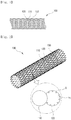
FIG. 1 is a view showing a hybrid stent for a blood vessel according to the present invention; -
FIG. 2 is a sectional view showing the structure of a second wire according to an embodiment of the present invention; -
FIG. 3 is a sectional view showing the structure of a second wire according to another embodiment of the present invention; and -
FIG. 4 is a flowchart showing a process of manufacturing a hybrid stent for a blood vessel according to the present invention. - Preferred embodiments of the present invention will be described in greater detail with reference to the accompanying drawings. Well-known technical parts will be omitted or abridged for brevity of description.
- The preferred embodiments of the present invention are described in greater detail below with reference to the accompanying drawings.
- Referring to
FIG. 1 , ahybrid stent 100 for a blood vessel according to an embodiment of the present invention is provided in a hollow cylindrical shape. Thehybrid stent 100 for a blood vessel according to the present invention is configured to includefirst wires 110,second wires 120, andconnectors 130. - The
first wires 110 are formed in a plurality of rows of thehybrid stent 100 for a blood vessel to extend in a helical direction along a circumferential direction. - In particular, the
first wires 110 are made of a shape-memory alloy material, such as a nickel-titanium alloy. Thefirst wires 110 may expand or contract in directions toward the circumferences thereof under a specific condition, such as a specific temperature or the like. - That is, the
first wires 110 are inserted into and placed in a lesion region of a blood vessel, expand in directions toward the inner wall of the blood vessel, and support the inner wall of the blood vessel, thereby preventing restenosis of the blood vessel. - Accordingly, the shape of the
hybrid stent 100 for a blood vessel is maintained inside a lumen or blood vessel of a human body by bending moment. Thesecond wires 120 are formed in a plurality of rows to extend in a helical direction along a circumferential direction so as to intersect thefirst wires 110. Thefirst wires 110 and thesecond wires 120 intersect each other, and thus a plurality of fine hollow holes are formed. - The size of the hollow holes varies depending on a region into which the
hybrid stent 100 for a blood vessel is inserted. - The
connectors 130 are components that connect and fasten portions where thefirst wires 110 and thesecond wires 120 intersect each other. - One or more of the plurality of
second wires 120 are made of a biodegradable polymer that is degraded by body fluids after a predetermined period of time. - In this case, the biodegradable polymer includes, but is not limited to, polyvalerolactone, poly-ε-decalactone, polylactonic acid, polyglycolic acid, polylactides, polyglycolides, copolymers of polylactides and polyglycolides, poly-ε-caprolactone, polyhydroxybutanoic acid, polyhydroxybutyrates, polyhydroxyvalerates, polyhydroxybutyrate co-deoxanones, polyanhydrides such as polymaleic acid anhydride, polycyanoacrylates, polycaprolactone dimethyl acrylates, poly-b-maleic acid, polycaprolactone butyl acrylates, multiblock polymers such as polymers of oligocaprolactonedioles and oligodioxanonedioles, polyetherester multiblock polymers such as PEG and poly(butyleneterephthalates), polypivotolactones, polyglycolic acid trimethyl-carbonates, polycaprolactone-glycolides, poly(g-ethylglutamate), poly(DTH-iminocarbonate), poly(DTE-co-DT-carbonate), poly(bisphenol A-iminocarbonate), polyorthoesters, polyglycolic acid trimethylene carbonates, polytrimethylene carbonates, polyiminocarbonates, poly(N-vinyl)pyrrolidone, polyvinyl alcoholes, polyester amides, glycosylated polyesters, polyphosphoesters, polyphosphazenes, poly[(p-carboxyphenoxy)propane], polyhydroxypentanoic acid, polyanhydrides, polyethylene oxide-propylene oxide, soft polyurethanes, polyurethanes with amino acid moieties in the backbone, polyether esters such as polyethylene oxide, polyalkene oxalates, polyorthoesters, and their copolymers, lipids, carrageenans, fibrinogen, starch, collagen, protein-based polymers, polyamino acids, synthetic polyamino acids, zein, modified zein, polyhydroxyalkanoates, pectic acid, actinic acid, modified and unmodified fibrin and casein, carboxymethyl sulfate, albumin, hyaluronic acid, heparan sulfate, heparins, chondroitin sulfate, dextran, b-cyclodextrins, copolymers with PEG and polypropylene glycol, gum arabicum, guar, gelatins, collagen, collagen-N-hydroxysuccinimide, lipids, phospholipids, modifications and copolymers and/or mixtures of the aforementioned substances, which may have a degradation period varying depending on the type of composition and composition ratio.
- A drug D includes at least one of an anti-cancer drug including a paclitaxel-based drug, an immunosuppressive drug including a sirolimus- or limus-based drug, and an antiplatelet drug including cilostazol.
- The
second wires 120 of the present invention are each formed by mixing a biodegradable polymer, degradable after a predetermined period of time, with at least one type of drug D. The structures of thesecond wires 120 according to the present invention are described based on respective embodiments. - Referring to
FIG. 2 , it can be seen that thesecond wires 120 are each formed by mixing a first biodegradable polymer P1 with a drug D. - When the first biodegradable polymer P1 is degraded by body fluids, the drug D mixed with the first biodegradable polymer P1 in advance is discharged.
- Referring to
FIG. 3 , thesecond wires 120 are each configured to include abody portion 121 and acoating layer 122 coated on the outer circumferential surface of thebody portion 121. - The
body portion 121 is made of the first biodegradable polymer P1. - The
coating layer 122 is formed by coating a second biodegradable polymer P2 on the outer circumferential surface of thebody portion 121. The second biodegradable polymer P2 includes a drug D. - In this case, although the first biodegradable polymer P1 and the second biodegradable polymer P2 may be the same biodegradable polymer, the first biodegradable polymer P1 and the second biodegradable polymer P2 may be different materials depending on the type of drug D, a drug elution period, an elution location, or the like.
- There are cases where a long drug discharge period and a plurality of drugs are required in order to prevent restenosis.
- In these cases, a drug D' different from the drug D included in the second biodegradable polymer P2 may be included in the first biodegradable polymer P1.
- Accordingly, after the second biodegradable polymer P2 has been degraded, the different drug D' included in the first biodegradable polymer P1 is discharged while the first biodegradable polymer P1 is biodegraded.
- Therefore, a plurality of
coating layers 122 may be stacked in each of thesecond wires 120 depending on a different elution interval or period of the drug D, the type of drug D, or the like. - The periods over which drugs D are discharged may be adjusted by varying the compositions and compositional proportions of biodegradable polymers P1, P2, P3,..., Pn constituting the respective coating layers 122, with the result that the effect of sequentially providing the drugs D required for a lesion region can be expected.
- A method of manufacturing the stent of the first embodiment, i.e., an embodiment of the
hybrid stent 100 for a blood vessel, according to the present invention will be described. Redundant descriptions will be omitted because they have been already given above. - In a first step, methods of including a drug in the
second wires 120 according to the present invention may be basically classified into the following three types: - 1) A method of directly attaching a drug into a metal stent
- 2) A method of loading a drug into pores of a porous metal stent
- 3) A method of mixing a polymer, coated on a stent, with a drug
- 4) A method of dissolving a drug in a biodegradable polymer and eluting the drug as the polymer is biodegraded
- In the present embodiment, the
second wires 120 are prepared by including drugs D in biodegradable polymers P1, P2,... by using the third or fourth method. - The
first wires 110 may be made of a hyperelastic shape-memory alloy material, may be manufactured within a case, tube or mold having a desired shape, and may be laser- cut to have an appropriate structure, pattern or shape, or a combination thereof, or be laser-cut into an appropriate structure, pattern or shape, or a combination thereof. - Furthermore, the
first wires 110 may be polymerized within a mold having a specific structure, pattern or shape, or a combination thereof. - In practice, during or after a manufacturing process, a desired pattern may be etched in or on a tube, or the
first wires 110 may be machined or laser-bent. - In an implementation, the formation of the
first wires 110 using a three-dimensional (3D) printer may be also considered. - This case is advantageous in that the thickness, length, bending, shape or the like of the
first wires 110 may be customized to be suitable for a bodily region of a patient, whom the stent will be inserted into, and to have a maximum effect. - In the case of the
second wires 120, wires are sprayed via a wire spraying apparatus by using the wires prepared in the first step S100. - The biodegradable polymer P1 including the drug D is sprayed onto a mandrel in accordance with a predetermined movement pattern of the mandrel including the rectilinear movement of the mandrel along a lengthwise direction axis and additionally including the rotating movement of the mandrel around the lengthwise direction axis.
- After the
first wires 110 and thesecond wires 120 have been formed, the step of coating thewires - In a third step S300, the step of intersecting the
first wires 110 and thesecond wires 120 with each other at different locations in a circumferential direction is performed. -
Connectors 130 that are contractible in a lengthwise direction are formed in such a manner that thefirst wires 110 and thesecond wires 120 intersect each other in downward and upward directions and are hooked to each other at different locations. Diamond-shaped hollow holes are formed among theconnectors 130 in the same circumferential and lengthwise directions, finally forming a cylindrical body. - The
first wires 110 and thesecond wires 120 are combined together in a form in which they can freely perform the operations of contracting and expanding but cannot be separated from each other, thereby forming thehybrid stent 100 for a blood vessel. - The embodiments disclosed herein are not intended to limit the technical spirit of the present invention, but are intended to illustrate the technical spirit of the present invention. The scope of the technical spirit of the present invention is not limited by these embodiments. The range of protection of the present invention should be defined based on the following claims. All technical spirits that fall within an equivalent range should be interpreted as being included in the range of rights of the present invention.
-
100: hybrid stent for a blood vessel 110: first wire 120: second wire 121: body portion 122: coating layer P1: first biodegradable polymer P2: second biodegradable polymer D: drug D' : different drug 130: connector
Claims (5)
- A hybrid stent for a blood vessel, the stent comprising:a plurality of first wires configured to form a plurality of rows in one direction and maintain a shape thereof inside a human body;a plurality of second wires configured to intersect the first wires and form a plurality of rows; andconnectors configured to connect portions where the first wires and the second wires intersect each other;wherein a plurality of hollow holes are formed by the first wires and the second wires, and one or more of the plurality of second wires are degraded inside the human body after a predetermined period of time.
- The stent of claim 1, wherein the second wires are each formed by mixing a biodegradable polymer, degradable inside the human body after a predetermined period of time, with at least one type of drug.
- The stent of claim 2, wherein the biodegradable polymer comprises at least any one of polyvinyl alcohol, polyethylene glycol, polylactide, polyglycolide, polyethylene oxide, polydioxanone, polycaprolactone, polyphosphazene, polyanhydride, polyamino acid, cellulose acetate butylate, cellulose triacetate, polyacrylate, polyacrylamide, polyurethane, polysiloxane, and polyvinylpyrrolidone.
- The stent of claim 2, wherein the drug comprises at least one of an anti-cancer drug including a paclitaxel-based drug, an immunesuppressive drug including a sirolimus- or limus-based drug, and an antiplatelet drug including cilostazol.
- The stent of claim 2, wherein each of the second wires comprises:a body portion made of a first biodegradable polymer; anda coating layer made of a mixture of a second biodegradable polymer having a composition identical to or different from that of the first biodegradable polymer and the drug, and coated on an outer circumferential surface of the body portion.
Applications Claiming Priority (2)
| Application Number | Priority Date | Filing Date | Title |
|---|---|---|---|
| KR1020140074780A KR101650514B1 (en) | 2014-06-19 | 2014-06-19 | Hybrid Vascular Stent |
| PCT/KR2015/004719 WO2015194759A1 (en) | 2014-06-19 | 2015-05-12 | Stent for confluent blood vessel |
Publications (2)
| Publication Number | Publication Date |
|---|---|
| EP3158978A1 true EP3158978A1 (en) | 2017-04-26 |
| EP3158978A4 EP3158978A4 (en) | 2018-01-17 |
Family
ID=54935704
Family Applications (1)
| Application Number | Title | Priority Date | Filing Date |
|---|---|---|---|
| EP15809933.3A Withdrawn EP3158978A4 (en) | 2014-06-19 | 2015-05-12 | Stent for confluent blood vessel |
Country Status (6)
| Country | Link |
|---|---|
| US (1) | US20170181872A1 (en) |
| EP (1) | EP3158978A4 (en) |
| JP (1) | JP2017522070A (en) |
| KR (1) | KR101650514B1 (en) |
| CN (1) | CN106535831A (en) |
| WO (1) | WO2015194759A1 (en) |
Families Citing this family (8)
| Publication number | Priority date | Publication date | Assignee | Title |
|---|---|---|---|---|
| JP2017527372A (en) * | 2014-09-04 | 2017-09-21 | ボストン サイエンティフィック サイムド,インコーポレイテッドBoston Scientific Scimed,Inc. | Biodegradable polymer stent skeleton pattern |
| KR101821746B1 (en) * | 2016-08-24 | 2018-01-24 | 주식회사 엠아이텍 | Drug eluting type biodegradable stent |
| CN107320224B (en) * | 2017-06-09 | 2019-06-04 | 东华大学 | Textile-based reinforced degradable lumen stent and its preparation and application |
| KR102118168B1 (en) * | 2017-12-28 | 2020-06-03 | 오스템카디오텍 주식회사 | Stent and preparing method of the same |
| US11191655B2 (en) * | 2018-11-04 | 2021-12-07 | Biosert Ltd. | Expanding stent |
| CN113784690B (en) * | 2019-07-09 | 2024-06-14 | Pentas股份有限公司 | Stent and method for fixing wire in stent |
| CN218684866U (en) | 2021-07-28 | 2023-03-24 | 陈绍良 | Biodegradable drug eluting stent |
| KR102538150B1 (en) * | 2022-04-15 | 2023-05-30 | 가톨릭대학교 산학협력단 | A stents for the treatment of cerebrovascular spasms |
Family Cites Families (20)
| Publication number | Priority date | Publication date | Assignee | Title |
|---|---|---|---|---|
| JPH11347132A (en) * | 1998-06-05 | 1999-12-21 | Ube Ind Ltd | Stent |
| JP4707227B2 (en) * | 2000-12-27 | 2011-06-22 | グンゼ株式会社 | Biological duct stent |
| JP4073268B2 (en) * | 2002-07-24 | 2008-04-09 | 株式会社パイオラックスメディカルデバイス | Stent and stent graft |
| JP4588986B2 (en) * | 2002-08-20 | 2010-12-01 | テルモ株式会社 | Implantable medical device |
| US7632299B2 (en) * | 2004-01-22 | 2009-12-15 | Boston Scientific Scimed, Inc. | Medical devices |
| US20050222671A1 (en) * | 2004-03-31 | 2005-10-06 | Schaeffer Darin G | Partially biodegradable stent |
| EP1834606B1 (en) * | 2006-03-16 | 2013-04-24 | CID S.p.A. | Stents |
| WO2008008291A2 (en) * | 2006-07-13 | 2008-01-17 | Icon Medical Corp. | Stent |
| CN101631514A (en) * | 2007-01-11 | 2010-01-20 | R·L·小比约克 | Multi-drug eluting coronary stent for percutaneous coronary intervention |
| US20080249605A1 (en) * | 2007-04-04 | 2008-10-09 | Vipul Dave | Bioabsorbable Polymer, Non-Bioabsorbable Metal Composite Stents |
| DE102007025921A1 (en) * | 2007-06-02 | 2008-12-04 | Biotronik Vi Patent Ag | Medical implant, in particular stent |
| WO2009041664A1 (en) * | 2007-09-27 | 2009-04-02 | Terumo Kabushiki Kaisha | Stent and living organ dilator |
| JP5243080B2 (en) * | 2008-03-31 | 2013-07-24 | テルモ株式会社 | In vivo indwelling stent and biological organ dilator |
| US8114147B2 (en) * | 2008-06-16 | 2012-02-14 | Boston Scientific Scimed, Inc. | Continuous double layered stent for migration resistance |
| JP5419517B2 (en) * | 2009-03-31 | 2014-02-19 | テルモ株式会社 | Bioabsorbable material and stent using the same |
| CN101879102B (en) * | 2009-05-07 | 2014-07-09 | 上海微创医疗器械(集团)有限公司 | Groove carrying-type coating decomposable drug eluting stent |
| EP2532372B1 (en) * | 2010-02-02 | 2015-02-25 | Terumo Kabushiki Kaisha | Bioabsorbable stent |
| EP2585125B1 (en) * | 2010-06-25 | 2014-11-19 | Fort Wayne Metals Research Products Corporation | Biodegradable composite wire for medical devices |
| WO2014030982A1 (en) * | 2012-08-24 | 2014-02-27 | 연세대학교 산학협력단 | Wire stent |
| CN103830026B (en) * | 2014-03-04 | 2015-12-30 | 东华大学 | A kind of biodegradable vascular inner support and manufacture method thereof |
-
2014
- 2014-06-19 KR KR1020140074780A patent/KR101650514B1/en active Active
-
2015
- 2015-05-12 CN CN201580033051.7A patent/CN106535831A/en active Pending
- 2015-05-12 US US15/315,268 patent/US20170181872A1/en not_active Abandoned
- 2015-05-12 EP EP15809933.3A patent/EP3158978A4/en not_active Withdrawn
- 2015-05-12 JP JP2016570069A patent/JP2017522070A/en active Pending
- 2015-05-12 WO PCT/KR2015/004719 patent/WO2015194759A1/en not_active Ceased
Also Published As
| Publication number | Publication date |
|---|---|
| KR20150145422A (en) | 2015-12-30 |
| WO2015194759A1 (en) | 2015-12-23 |
| EP3158978A4 (en) | 2018-01-17 |
| US20170181872A1 (en) | 2017-06-29 |
| KR101650514B1 (en) | 2016-08-23 |
| CN106535831A (en) | 2017-03-22 |
| JP2017522070A (en) | 2017-08-10 |
Similar Documents
| Publication | Publication Date | Title |
|---|---|---|
| US20170181872A1 (en) | Drug-eluting hybrid stent for blood vessel | |
| US20230181802A1 (en) | Stents Having Biodegradable Layers | |
| US20100004733A1 (en) | Implants Including Fractal Structures | |
| US11039943B2 (en) | Bioabsorbable biomedical implants | |
| ES2451653T3 (en) | Implantable medical device with surface erosion polyester drug supply coating | |
| US7329431B2 (en) | Stent and method of manufacturing stent | |
| US20190083287A1 (en) | Bidirectional stent and method of use thereof | |
| JP4894519B2 (en) | Indwelling stent | |
| CN109640882B (en) | Implantable completely-bioabsorbable intravascular polymer stent | |
| WO2005011796A1 (en) | Stent to be placed in vivo | |
| JP6667758B2 (en) | Bioabsorbable stent | |
| CN106361477A (en) | Endoluminal device | |
| ES2694006T3 (en) | A vascular stent with a mixed configuration of connectors | |
| CN105188791B (en) | Hollow stent filled with therapeutic agent formulation | |
| Raj et al. | Small‐Diameter Stents in Cardiovascular Applications | |
| EP2554140B1 (en) | Stent | |
| KR101721485B1 (en) | A stent for medical | |
| US20140144001A1 (en) | Stent having function elements | |
| JP5597625B2 (en) | Drug eluting stent | |
| CN102939060B (en) | Vascular stent with double-coated structure | |
| AU2017200794B2 (en) | Stents having biodegradable layers | |
| AU2012203577B2 (en) | Stents having biodegradable layers | |
| JP2006061381A (en) | Intravascular implant | |
| US20230414384A1 (en) | Segmented balloon-expandable stent system for preservation of the arterial lumen during bending | |
| JP2016116633A (en) | Wire braiding type stent and manufacturing method thereof |
Legal Events
| Date | Code | Title | Description |
|---|---|---|---|
| STAA | Information on the status of an ep patent application or granted ep patent |
Free format text: STATUS: THE INTERNATIONAL PUBLICATION HAS BEEN MADE |
|
| PUAI | Public reference made under article 153(3) epc to a published international application that has entered the european phase |
Free format text: ORIGINAL CODE: 0009012 |
|
| STAA | Information on the status of an ep patent application or granted ep patent |
Free format text: STATUS: REQUEST FOR EXAMINATION WAS MADE |
|
| 17P | Request for examination filed |
Effective date: 20161209 |
|
| AK | Designated contracting states |
Kind code of ref document: A1 Designated state(s): AL AT BE BG CH CY CZ DE DK EE ES FI FR GB GR HR HU IE IS IT LI LT LU LV MC MK MT NL NO PL PT RO RS SE SI SK SM TR |
|
| AX | Request for extension of the european patent |
Extension state: BA ME |
|
| DAV | Request for validation of the european patent (deleted) | ||
| DAX | Request for extension of the european patent (deleted) | ||
| A4 | Supplementary search report drawn up and despatched |
Effective date: 20171218 |
|
| RIC1 | Information provided on ipc code assigned before grant |
Ipc: A61F 2/915 20130101ALI20171212BHEP Ipc: A61F 2/852 20130101ALI20171212BHEP Ipc: A61F 2/90 20130101ALI20171212BHEP Ipc: A61F 2/89 20130101AFI20171212BHEP Ipc: A61L 27/58 20060101ALI20171212BHEP Ipc: A61L 27/54 20060101ALI20171212BHEP |
|
| GRAP | Despatch of communication of intention to grant a patent |
Free format text: ORIGINAL CODE: EPIDOSNIGR1 |
|
| STAA | Information on the status of an ep patent application or granted ep patent |
Free format text: STATUS: GRANT OF PATENT IS INTENDED |
|
| INTG | Intention to grant announced |
Effective date: 20211201 |
|
| STAA | Information on the status of an ep patent application or granted ep patent |
Free format text: STATUS: THE APPLICATION IS DEEMED TO BE WITHDRAWN |
|
| 18D | Application deemed to be withdrawn |
Effective date: 20220412 |