EP3147811A1 - Stockage et lecture d'un code d'authentification de message dans une memoire externe - Google Patents
Stockage et lecture d'un code d'authentification de message dans une memoire externe Download PDFInfo
- Publication number
- EP3147811A1 EP3147811A1 EP16156141.0A EP16156141A EP3147811A1 EP 3147811 A1 EP3147811 A1 EP 3147811A1 EP 16156141 A EP16156141 A EP 16156141A EP 3147811 A1 EP3147811 A1 EP 3147811A1
- Authority
- EP
- European Patent Office
- Prior art keywords
- memory
- words
- authentication code
- instruction
- cache
- Prior art date
- Legal status (The legal status is an assumption and is not a legal conclusion. Google has not performed a legal analysis and makes no representation as to the accuracy of the status listed.)
- Granted
Links
Images

Classifications
-
- G—PHYSICS
- G06—COMPUTING OR CALCULATING; COUNTING
- G06F—ELECTRIC DIGITAL DATA PROCESSING
- G06F21/00—Security arrangements for protecting computers, components thereof, programs or data against unauthorised activity
- G06F21/60—Protecting data
- G06F21/64—Protecting data integrity, e.g. using checksums, certificates or signatures
-
- G—PHYSICS
- G06—COMPUTING OR CALCULATING; COUNTING
- G06F—ELECTRIC DIGITAL DATA PROCESSING
- G06F3/00—Input arrangements for transferring data to be processed into a form capable of being handled by the computer; Output arrangements for transferring data from processing unit to output unit, e.g. interface arrangements
- G06F3/06—Digital input from, or digital output to, record carriers, e.g. RAID, emulated record carriers or networked record carriers
- G06F3/0601—Interfaces specially adapted for storage systems
- G06F3/0602—Interfaces specially adapted for storage systems specifically adapted to achieve a particular effect
- G06F3/062—Securing storage systems
- G06F3/0623—Securing storage systems in relation to content
-
- G—PHYSICS
- G06—COMPUTING OR CALCULATING; COUNTING
- G06F—ELECTRIC DIGITAL DATA PROCESSING
- G06F11/00—Error detection; Error correction; Monitoring
- G06F11/07—Responding to the occurrence of a fault, e.g. fault tolerance
- G06F11/08—Error detection or correction by redundancy in data representation, e.g. by using checking codes
- G06F11/10—Adding special bits or symbols to the coded information, e.g. parity check, casting out 9's or 11's
- G06F11/1008—Adding special bits or symbols to the coded information, e.g. parity check, casting out 9's or 11's in individual solid state devices
- G06F11/1012—Adding special bits or symbols to the coded information, e.g. parity check, casting out 9's or 11's in individual solid state devices using codes or arrangements adapted for a specific type of error
- G06F11/102—Error in check bits
-
- G—PHYSICS
- G06—COMPUTING OR CALCULATING; COUNTING
- G06F—ELECTRIC DIGITAL DATA PROCESSING
- G06F11/00—Error detection; Error correction; Monitoring
- G06F11/07—Responding to the occurrence of a fault, e.g. fault tolerance
- G06F11/08—Error detection or correction by redundancy in data representation, e.g. by using checking codes
- G06F11/10—Adding special bits or symbols to the coded information, e.g. parity check, casting out 9's or 11's
- G06F11/1008—Adding special bits or symbols to the coded information, e.g. parity check, casting out 9's or 11's in individual solid state devices
- G06F11/1064—Adding special bits or symbols to the coded information, e.g. parity check, casting out 9's or 11's in individual solid state devices in cache or content addressable memories
-
- G—PHYSICS
- G06—COMPUTING OR CALCULATING; COUNTING
- G06F—ELECTRIC DIGITAL DATA PROCESSING
- G06F12/00—Accessing, addressing or allocating within memory systems or architectures
- G06F12/02—Addressing or allocation; Relocation
- G06F12/08—Addressing or allocation; Relocation in hierarchically structured memory systems, e.g. virtual memory systems
- G06F12/0802—Addressing of a memory level in which the access to the desired data or data block requires associative addressing means, e.g. caches
-
- G—PHYSICS
- G06—COMPUTING OR CALCULATING; COUNTING
- G06F—ELECTRIC DIGITAL DATA PROCESSING
- G06F12/00—Accessing, addressing or allocating within memory systems or architectures
- G06F12/02—Addressing or allocation; Relocation
- G06F12/08—Addressing or allocation; Relocation in hierarchically structured memory systems, e.g. virtual memory systems
- G06F12/0802—Addressing of a memory level in which the access to the desired data or data block requires associative addressing means, e.g. caches
- G06F12/0875—Addressing of a memory level in which the access to the desired data or data block requires associative addressing means, e.g. caches with dedicated cache, e.g. instruction or stack
-
- G—PHYSICS
- G06—COMPUTING OR CALCULATING; COUNTING
- G06F—ELECTRIC DIGITAL DATA PROCESSING
- G06F21/00—Security arrangements for protecting computers, components thereof, programs or data against unauthorised activity
- G06F21/70—Protecting specific internal or peripheral components, in which the protection of a component leads to protection of the entire computer
- G06F21/78—Protecting specific internal or peripheral components, in which the protection of a component leads to protection of the entire computer to assure secure storage of data
- G06F21/79—Protecting specific internal or peripheral components, in which the protection of a component leads to protection of the entire computer to assure secure storage of data in semiconductor storage media, e.g. directly-addressable memories
-
- G—PHYSICS
- G06—COMPUTING OR CALCULATING; COUNTING
- G06F—ELECTRIC DIGITAL DATA PROCESSING
- G06F3/00—Input arrangements for transferring data to be processed into a form capable of being handled by the computer; Output arrangements for transferring data from processing unit to output unit, e.g. interface arrangements
- G06F3/06—Digital input from, or digital output to, record carriers, e.g. RAID, emulated record carriers or networked record carriers
- G06F3/0601—Interfaces specially adapted for storage systems
- G06F3/0602—Interfaces specially adapted for storage systems specifically adapted to achieve a particular effect
- G06F3/0614—Improving the reliability of storage systems
- G06F3/0619—Improving the reliability of storage systems in relation to data integrity, e.g. data losses, bit errors
-
- G—PHYSICS
- G06—COMPUTING OR CALCULATING; COUNTING
- G06F—ELECTRIC DIGITAL DATA PROCESSING
- G06F3/00—Input arrangements for transferring data to be processed into a form capable of being handled by the computer; Output arrangements for transferring data from processing unit to output unit, e.g. interface arrangements
- G06F3/06—Digital input from, or digital output to, record carriers, e.g. RAID, emulated record carriers or networked record carriers
- G06F3/0601—Interfaces specially adapted for storage systems
- G06F3/0628—Interfaces specially adapted for storage systems making use of a particular technique
- G06F3/0655—Vertical data movement, i.e. input-output transfer; data movement between one or more hosts and one or more storage devices
- G06F3/0659—Command handling arrangements, e.g. command buffers, queues, command scheduling
-
- G—PHYSICS
- G06—COMPUTING OR CALCULATING; COUNTING
- G06F—ELECTRIC DIGITAL DATA PROCESSING
- G06F3/00—Input arrangements for transferring data to be processed into a form capable of being handled by the computer; Output arrangements for transferring data from processing unit to output unit, e.g. interface arrangements
- G06F3/06—Digital input from, or digital output to, record carriers, e.g. RAID, emulated record carriers or networked record carriers
- G06F3/0601—Interfaces specially adapted for storage systems
- G06F3/0668—Interfaces specially adapted for storage systems adopting a particular infrastructure
- G06F3/0671—In-line storage system
- G06F3/0683—Plurality of storage devices
- G06F3/0685—Hybrid storage combining heterogeneous device types, e.g. hierarchical storage, hybrid arrays
-
- G—PHYSICS
- G06—COMPUTING OR CALCULATING; COUNTING
- G06F—ELECTRIC DIGITAL DATA PROCESSING
- G06F12/00—Accessing, addressing or allocating within memory systems or architectures
- G06F12/02—Addressing or allocation; Relocation
- G06F12/08—Addressing or allocation; Relocation in hierarchically structured memory systems, e.g. virtual memory systems
- G06F12/0802—Addressing of a memory level in which the access to the desired data or data block requires associative addressing means, e.g. caches
- G06F12/0866—Addressing of a memory level in which the access to the desired data or data block requires associative addressing means, e.g. caches for peripheral storage systems, e.g. disk cache
- G06F12/0871—Allocation or management of cache space
-
- G—PHYSICS
- G06—COMPUTING OR CALCULATING; COUNTING
- G06F—ELECTRIC DIGITAL DATA PROCESSING
- G06F2212/00—Indexing scheme relating to accessing, addressing or allocation within memory systems or architectures
- G06F2212/10—Providing a specific technical effect
- G06F2212/1052—Security improvement
-
- G—PHYSICS
- G06—COMPUTING OR CALCULATING; COUNTING
- G06F—ELECTRIC DIGITAL DATA PROCESSING
- G06F2212/00—Indexing scheme relating to accessing, addressing or allocation within memory systems or architectures
- G06F2212/40—Specific encoding of data in memory or cache
- G06F2212/401—Compressed data
-
- G—PHYSICS
- G06—COMPUTING OR CALCULATING; COUNTING
- G06F—ELECTRIC DIGITAL DATA PROCESSING
- G06F2212/00—Indexing scheme relating to accessing, addressing or allocation within memory systems or architectures
- G06F2212/40—Specific encoding of data in memory or cache
- G06F2212/403—Error protection encoding, e.g. using parity or ECC codes
-
- G—PHYSICS
- G06—COMPUTING OR CALCULATING; COUNTING
- G06F—ELECTRIC DIGITAL DATA PROCESSING
- G06F2212/00—Indexing scheme relating to accessing, addressing or allocation within memory systems or architectures
- G06F2212/45—Caching of specific data in cache memory
- G06F2212/452—Instruction code
-
- G—PHYSICS
- G06—COMPUTING OR CALCULATING; COUNTING
- G06F—ELECTRIC DIGITAL DATA PROCESSING
- G06F2212/00—Indexing scheme relating to accessing, addressing or allocation within memory systems or architectures
- G06F2212/46—Caching storage objects of specific type in disk cache
- G06F2212/466—Metadata, control data
-
- G—PHYSICS
- G06—COMPUTING OR CALCULATING; COUNTING
- G06F—ELECTRIC DIGITAL DATA PROCESSING
- G06F2212/00—Indexing scheme relating to accessing, addressing or allocation within memory systems or architectures
- G06F2212/60—Details of cache memory
Definitions
- Embodiments and embodiments of the invention relate to the securing of program codes stored in an external memory, for example of FLASH NOR type, intended to be executed by a computer processing module, comprising for example but not limited to microprocessor and a cache memory.
- a computer processing module comprising for example but not limited to microprocessor and a cache memory.
- a computer processing module may comprise, in addition to a microprocessor, a cache memory enabling it to store recently used program code in order to access it more quickly during a possible reuse. If the program code is not present in the cache memory, it is transferred from a higher level memory to the cache memory. During this transfer, the program code may be the target of attackers having modified or replaced the program code with malicious code. It is therefore necessary, especially for critical applications, to check the integrity of the transferred program code.
- a message authentication code is a code accompanying data in order to ensure the integrity of the data by verifying that they have not been modified after transmission from an external memory to a microprocessor by example.
- a method of securing a program code intended to be executed by a central unit of a computer processing module coupled to a cache memory containing cache lines each having a data field intended for storing instruction words executable by the central unit comprising storing the program code in memory locations of a memory external to the computer processing module, each memory location being capable of storing the instruction words of a line cache, a determination of authentication codes respectively associated with said cache lines and for each cache line fragmentation of the associated authentication code and storage of this fragmented authentication code distributed in the corresponding memory location.
- this embodiment is compatible with circular transactions.
- each memory location contains memory words intended to respectively store the words of the corresponding cache line
- each memory word has a storage capacity greater than that of the instruction word and contains a zone that is not used for the memory. storage of the instruction word, and the fragments of the authentication code associated with the instruction words of the cache line are stored in at least some of said unused areas.
- each memory location contains memory words intended to respectively store the words of the corresponding cache line
- each memory word has a storage capacity equal to that of the instruction word
- the storage of the program code comprises a compression of at least some of the instruction words of each cache line and a storage of the instruction words compressed in the corresponding memory words, this storage leaving a free area in the corresponding memory word, and the fragments of the code d authentication associated with the compressed instruction words of the cache line are stored in said free zones.
- this embodiment makes it possible to dispense with the use of memory words of a size larger than that of the instruction words, since the compression of the instruction words makes it possible to obtain free zones in the memory words, and to store the authentication code.
- the compression can be done either by an algorithm making it possible to obtain compressed words of variable sizes, or by an algorithm making it possible to obtain compressed words of fixed size.
- Each memory word in each memory location has a storage capacity greater than that of the instruction word and contains an unused zone for storing the instruction word, and at least some of said unused zones are able to receive the fragments of the authentication code associated with the instruction words of the cache line.
- each memory location contains memory words intended to respectively store the words of the corresponding cache line
- each memory word has a storage capacity equal to that of the instruction word, and is capable of receiving instruction words compressed or not so as to leave a free area in the memory word capable of receiving a fragment of the authentication code associated with the compressed instruction words of the cache line.
- the control means can advantageously be configured to compress the instruction words into compressed words of equal sizes or into compressed words of variable sizes.
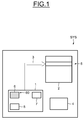
- the figure 1 represents a SYS system comprising a computer processing module 1, for example a microprocessor, coupled to an external memory 2, for example of the FLASH NOR type, via a communication bus 3.
- a computer processing module for example a microprocessor
- an external memory for example of the FLASH NOR type
- the SYS system also comprises control means 4 configured to perform decompression and / or concatenation operations on data exchanged between the processing module 1 and the external memory 2. These operations will be seen in more detail below.
- the processing module 1 comprises a microprocessor 5, a level-one cache 6 comprising cache lines 60 intended to receive instruction words 83 of a program code and a cache controller 7.
- the cache includes cache lines that can accommodate thirty-two words of 16 bits each.
- the external memory includes memory locations 8, each configured to receive instruction words 83 of a program code corresponding to a cache line and a message authentication code associated with said cache line.
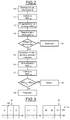
- the figure 2 schematically represents the different steps of an embodiment of the invention.
- step 10 the program code is stored in the memory locations 8.
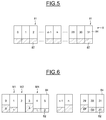
- each instruction word 83 of a cache line is stored in a memory word 81 larger than that of the instruction words 83, so that there remains a free zone 82 after storing the instruction word 83.
- the memory words 81 of the external memory are 18-bit words, of which 16 bits are for storing the instruction words 83, and two bits are additional bits.
- Each memory location 8 is therefore capable of storing the 32 words instructions 83 of a cache line in 32 memory words 81 of 18 bits leaving a free space of 32x2 bits distributed on the 32 memory words 81.
- these free zones 82 are located at the end of the memory words 81. Alternatively they could be located at the beginning of the memory words 81 or at any known position of these patterns 81.
- step 11 the calculation of a MAC message authentication code ("Message Authentication Code") referenced MAC ref from the program code present on the memory location 8.
- a message authentication code s' For example, it obtains conventionally by an algorithm using as input the message to be transmitted and an encoding key in order to obtain the authentication code.
- This algorithm similar to the hash functions well known to those skilled in the art, does not need to be reversible. It ensures the integrity and authenticity of the data transmitted.
- Step 12 comprises a fragmentation of the authentication code MAC ref associated with the 32 instruction words 83 in order to distribute it here in said free zones 82 of the 32 memory words 81. It may not be necessary to use the 32 zones. free 82 to store the MAC ref fragments, but for example only some of the free areas.
- step 13 if the central unit 5, here a microcontroller, makes a request for an instruction word 83, the cache controller 7 checks the presence of said instruction word 83 in a cache cache line. 6 of the computer processing module 1.
- step 14 the instruction is executed (step 14) by the microcontroller 6.
- step 15 we speak of a cache miss ("Cache miss") according to the Anglo-Saxon denomination.
- the cache controller then makes a request to the external memory 2 to transmit to it the contents of the memory location 8 storing the cache line containing the required instruction word.
- a cache line is the smallest element that can be transferred between the cache memory 6 and the external memory 2. At each request of an instruction word 83, all the words 81 of the memory location 8 is therefore transferred, and not only the memory word 81 containing the instruction word 83.
- the required instruction word is located at position n of the memory location, then the words 81 from the nth to the last word 81 of the line will be extracted, and then the words from the first of the line to the word n -1 will be extracted, depending on the operation of a circular transaction ("Wrap").
- step 16 the control means 4 reconstitute by concatenation the message authentication code MAC ref from the fractions distributed in the free zones 82 of each of the memory words 81 received from the memory location 8.
- the control means 4 calculate (step 17) also a message authentication code MAC calc from the content of the instruction words received 83 during the transfer, and then compare computed code MAC calc with the reconstituted authentication code MAC ref .
- step 18 If the two codes are not identical (step 18), it means that the program code has been modified. The control means then generate an error.
- step 19 If the two codes are identical (step 19), then it means that the integrity and authenticity of the program code is checked, and the program code can be executed in a secure manner by the microcontroller 5.
- the figure 4 illustrates another embodiment, similar to the method described above and illustrated by the figure 2 but further comprising two additional steps 100 and 101
- the memory locations 8 comprise memory words 81 of identical size to the size of the instruction words 83, for example here memory locations comprising thirty-two 16-bit words.
- the first step 100 corresponds to a compression of the instruction words 83 prior to the storage step 10 in the memory locations of the external memory.
Landscapes
- Engineering & Computer Science (AREA)
- Theoretical Computer Science (AREA)
- General Engineering & Computer Science (AREA)
- General Physics & Mathematics (AREA)
- Physics & Mathematics (AREA)
- Computer Security & Cryptography (AREA)
- Computer Hardware Design (AREA)
- Human Computer Interaction (AREA)
- Software Systems (AREA)
- General Health & Medical Sciences (AREA)
- Bioethics (AREA)
- Quality & Reliability (AREA)
- Health & Medical Sciences (AREA)
- Memory System Of A Hierarchy Structure (AREA)
Abstract
Description
- Des modes de mise en oeuvre et de réalisation de l'invention concernent la sécurisation de codes programmes stockés dans une mémoire externe, par exemple de type FLASH NOR, destinés à être exécutés par un module de traitement informatique, comprenant par exemple mais non limitativement un microprocesseur et une mémoire cache.
- Un module de traitement informatique peut comporter outre un microprocesseur, une mémoire cache lui permettant de stocker du code programme récemment utilisé afin d'y accéder plus rapidement lors d'une éventuelle réutilisation. Si le code programme n'est pas présent dans la mémoire cache, il est transféré depuis une mémoire de niveau supérieur vers la mémoire cache. Lors de ce transfert, le code programme peut être la cible d'attaquants ayant modifié ou remplacé le code programme par du code malveillant. Il est donc nécessaire, notamment pour des applications critiques, de vérifier l'intégrité du code programme transféré.
- On connait des procédés permettant de vérifier l'intégrité d'un code programme qui utilisent des codes d'authentification de message, communément désignés sous l'acronyme anglo-saxon « MAC (« Message Authentication Code »).
- Un code d'authentification de message est un code accompagnant des données dans le but d'assurer l'intégrité de ces dernières en permettant de vérifier qu'elles n'ont subi aucune modification après une transmission d'une mémoire externe vers un microprocesseur par exemple.
- Actuellement, le code d'authentification message peut soit être stocké
- dans une zone de la mémoire externe différente de celle dans laquelle se situe le code programme, auquel cas la lecture du code d'authentification nécessite un second accès en lecture, soit
- dans le même emplacement mémoire que le code programme, à la suite de celui-ci, mais ce cas n'est pas compatible avec les transactions circulaires (« Wrap », selon la dénomination Anglo-saxonne »).
- Selon un mode de réalisation, il est proposé un procédé permettant de stocker le code d'authentification message de façon fractionnée dans le code programme.
- Selon un premier aspect, il est proposé un procédé de sécurisation d'un code programme destiné à être exécuté par une unité centrale d'un module de traitement informatique couplée à une mémoire cache contenant des lignes de cache possédant chacune un champ de données destiné à stocker des mots d'instruction exécutables par l'unité centrale, comprenant un stockage du code programme dans des emplacements mémoire d'une mémoire externe au module de traitement informatique, chaque emplacement mémoire étant capable de stocker les mots d'instructions d'une ligne de cache, une détermination de codes d'authentification respectivement associés auxdites lignes de cache et pour chaque ligne de cache une fragmentation du code d'authentification associé et un stockage de ce code d'authentification fragmenté réparti dans l'emplacement mémoire correspondant.
- Ainsi, lors d'une requête d'une ligne d'instruction de code programme par le module de traitement informatique, la lecture du code programme et du code d'authentification se fait simultanément. En outre, ce mode de réalisation est compatible avec les transactions circulaires.
- Selon un mode de réalisation, chaque emplacement mémoire contient des mots mémoires destinés à stocker respectivement les mots de la ligne de cache correspondante, chaque mot mémoire a une capacité de stockage supérieure à celle du mot d'instruction et contient une zone non utilisée pour le stockage du mot d'instruction, et les fragments du code d'authentification associé aux mots d'instructions de la ligne de cache sont stockés dans certaines au moins desdites zones non utilisées.
- Le procédé peut comprendre en outre lors d'une requête d'un mot d'instruction par l'unité centrale non présent dans une ligne de cache de la mémoire cache,
- une extraction de la mémoire externe des mots d'instructions de la ligne de cache correspondante et du code d'authentification fragmenté associé,
- une reconstitution du code d'authentification à partir desdits fragments
- un calcul du code d'authentification à partir des mots d'instructions extraits, et
- une comparaison du code d'authentification calculé avec le code d'authentification reconstitué.
- Selon un autre mode de réalisation chaque emplacement mémoire contient des mots mémoires destinés à stocker respectivement les mots de la ligne de cache correspondante, chaque mot mémoire a une capacité de stockage égale à celle du mot d'instruction, et le stockage du code programme comprend une compression de certains au moins des mots d'instructions de chaque ligne de cache et un stockage des mots d'instructions compressés dans les mots mémoires correspondants, ce stockage laissant subsister une zone libre dans le mot mémoire correspondant, et les fragments du code d'authentification associé aux mots d'instructions compressés de la ligne de cache sont stockés dans lesdites zones libres.
- Ainsi, ce mode de réalisation permet de s'affranchir de l'utilisation de mots mémoires de taille supérieure à celle des mots d'instruction, car la compression des mots d'instruction permet d'obtenir des zones libres dans les mots mémoire, et d'y stocker le code d'authentification.
- La compression peut se faire soit par un algorithme permettant d'obtenir des mots compressés de tailles variables, soit par un algorithme permettant d'obtenir des mots compressés de taille fixe.
- Le procédé peut comprendre en outre
- lors d'une requête d'un mot d'instruction par l'unité centrale non présent dans une ligne de cache de la mémoire cache,
- une extraction de la mémoire externe des mots d'instructions de la ligne de cache correspondante et du code d'authentification fragmenté associé,
- une reconstitution du code d'authentification à partir desdits fragments,
- une décompression des mots d'instructions compressés,
- un calcul du code d'authentification à partir des mots d'instruction décompressés, et
- une comparaison du code d'authentification calculé avec le code d'authentification extrait.
- Selon un deuxième aspect, il est proposé un système comprenant :
- un module de traitement informatique contenant une unité centrale,
- une mémoire cache contenant des lignes de cache possédant chacune un champ de données destiné à stocker des mots d'instruction exécutables par l'unité centrale du module de traitement informatique,
- une mémoire externe au module de traitement informatique comprenant des emplacements mémoire correspondant à des champs de données de lignes de cache, chaque emplacement mémoire étant configuré pour stocker les mots d'instructions d'une ligne de cache,
- des moyen de contrôle configurés pour déterminer des codes d'authentification respectivement associés auxdites lignes de cache, fragmenter le code d'authentification associé et stocker ce code d'authentification fragmenté réparti dans l'emplacement mémoire correspondant,
- Chaque mot mémoire de chaque emplacement mémoire à une capacité de stockage supérieure à celle du mot d'instruction et contient une zone non utilisée pour le stockage du mot d'instruction, et certaines au moins desdites zones non utilisées sont aptes à recevoir les fragments du code d'authentification associé aux mots d'instructions de la ligne de cache.
- Les moyens de contrôle sont configurés pour, lors d'une requête d'un mot d'instruction par l'unité centrale non présent dans une ligne de cache de la mémoire cache,
- extraire de la mémoire externe les mots d'instructions de la ligne de cache correspondante et le code d'authentification fragmenté associé,
- reconstruire le code d'authentification à partir desdits fragments
- calculer le code d'authentification à partir des mots d'instructions extraits, et
- comparer le code d'authentification calculé avec le code d'authentification reconstitué
- Selon un autre mode de réalisation de cet aspect, chaque emplacement mémoire contient des mots mémoires destinés à stocker respectivement les mots de la ligne de cache correspondante, chaque mot mémoire a une capacité de stockage égale à celle du mot d'instruction, et est apte à recevoir des mots d'instruction compressés ou non de manière à laisser subsister une zone libre dans le mot mémoire apte à recevoir un fragment du code d'authentification associé aux mots d'instructions compressés de la ligne de cache.
- Les moyens de contrôle peuvent avantageusement être configurés pour compresser les mots d'instructions en mots compressés de tailles égales ou en mots compressés de tailles variables.
- D'autres avantages et caractéristique de l'invention apparaîtront à l'examen de la description détaillée de mode de mise en oeuvre et de réalisation, nullement limitatifs et des dessins annexés sur lesquels :
- la
figure 1 illustre un mode de réalisation de l'invention, - les
figures 2 à 6 illustrent des modes de mise en oeuvre de l'invention. - La
figure 1 représente un système SYS comprenant un module de traitement informatique 1, par exemple un microprocesseur, couplé à une mémoire externe 2, par exemple du type FLASH NOR, via un bus de communication 3. - Le système SYS comprend également des moyens de contrôle 4 configurés pour effectuer des opérations de décompression et/ou de concaténation sur des données échangées entre le module de traitement 1 et la mémoire externe 2. Ces opérations seront vues plus en détail ci-après.
- Le module de traitement 1 comprend dans cet exemple un microprocesseur 5, un cache 6 de niveau un comprenant des lignes de cache 60 destiné à recevoir des mots d'instruction 83 d'un code programme et un contrôleur de cache 7. Dans cet exemple, le cache comprend des lignes de cache pouvant recevoir trente-deux mots de 16 bits chacun.
- La mémoire externe comprend des emplacements mémoire 8, configurés chacun pour recevoir des mots d'instruction 83 d'un code programme correspondant à une ligne de cache et un code d'authentification message associé à ladite ligne de cache.
- La
figure 2 représente de manière schématique les différentes étapes d'un mode de mise en oeuvre de l'invention. - A l'étape 10, le code programme est stocké dans les emplacements mémoire 8.
- Comme illustré sur la
figure 3 , dans un emplacement mémoire 8, chaque mot d'instruction 83 d'une ligne de cache est stocké dans un mot mémoire 81 de taille supérieure à celle des mots d'instructions 83, de manière à ce qu'il y subsiste une zone libre 82 après le stockage du mot d'instruction 83. - Par exemple ici, les mots mémoires 81 de la mémoire externe sont des mots de 18 bits, dont 16 bits sont destinés à stocker les mots d'instruction 83, et deux bits sont des bits supplémentaires. Chaque emplacement mémoire 8 est donc capable de stocker les 32 mots d'instructions 83 d'une ligne de cache dans les 32 mots mémoire 81 de 18 bits en laissant un espace libre de 32x2 bits réparti sur les 32 mots mémoire 81.
- Dans l'exemple décrit ici, ces zones libres 82 sont situées à la fin des mots mémoires 81. En variante elles pourraient être situées au début des mots mémoire 81 ou bien à toute position connue de ces motifs 81.
- A l'étape 11, on effectue le calcul d'un code d'authentification message MAC (« Message Authentication Code ») référencé MACref à partir du code programme présent sur l'emplacement mémoire 8. Un code d'authentification message s'obtient par exemple de façon classique par un algorithme utilisant en entrée le message à transmettre et une clé de codage afin d'obtenir en sortie le code d'authentification. Cet algorithme, semblable aux fonctions de hachage bien connues de l'homme du métier, n'a pas besoin d'être réversible. Il permet d'assurer l'intégrité et l'authenticité des données transmises.
- L'étape 12 comprend une fragmentation du code d'authentification MACref associé aux 32 mots d'instructions 83 afin de le répartir ici dans lesdites zones libres 82 des 32 mots mémoire 81. Il pourrait ne pas être nécessaire d'utiliser les 32 zones libres 82 pour stocker les fragments MACref, mais par exemple seulement certaines des zones libres.
- Il convient de noter ici que le calcul des codes MACref et leur fragmentation pourraient être effectués avant stockage du jeu d'instruction et suivies d'un stockage simultané du jeu d'instruction et des codes MACref fragmentés dans la mémoire.
- Ensuite (étape 13), si l'unité centrale 5, ici un microcontrôleur, effectue une requête d'un mot d'instruction 83, le contrôleur de cache 7 vérifie la présence dudit mot d'instruction 83 dans une ligne de cache du cache 6 du module de traitement informatique 1.
- Si le mot d'instruction est présent dans une ligne de cache du cache 6, alors l'instruction est exécutée (étape 14) par le microcontrôleur 6.
- Dans le cas contraire (étape 15), on parle de défaut de cache (« Cache miss » selon la dénomination anglo-saxonne). Le contrôleur de cache effectue alors une requête auprès de la mémoire externe 2 pour que lui soit transmis le contenu de l'emplacement mémoire 8 stockant la ligne de cache contenant le mot d'instruction requis.
- Il convient de noter qu'une ligne de cache est le plus petit élément qui peut être transféré entre la mémoire cache 6 et la mémoire externe 2. A chaque requête d'un mot d'instruction 83, la totalité des mots 81 de l'emplacement mémoire 8 est donc transférée, et non pas seulement le mot mémoire 81 contenant le mot d'instruction 83.
- Par exemple, si le mot d'instruction requis est situé à la position n de l'emplacement mémoire, alors les mots 81 du nième au dernier mot 81 de la ligne seront extraits, puis les mots du premier de la ligne au mot n-1 seront extraits, selon le fonctionnement d'une transaction circulaire (« Wrap »).
- Ensuite, à l'étape 16 les moyens de contrôle 4 reconstituent par concaténation le code d'authentification message MACref à partir des fractions réparties dans les zones libre 82 de chacun des mots mémoires 81 reçus de l'emplacement mémoire 8.
- Cette concaténation est possible quel que soit l'ordre d'extraction des mots d'instruction.
- Les moyens de contrôle 4 calculent (étape 17) également un code d'authentification message MACcalc à partir du contenu des mots d'instruction reçus 83 lors du transfert, puis comparent code calculé MACcalc avec le code d'authentification reconstitué MACref.
- Si les deux codes ne sont pas identiques (étape 18), cela signifie que le code programme à été modifié. Les moyens de contrôle génèrent alors une erreur.
- Si les deux codes sont identiques (étape 19), alors cela signifie que l'intégrité et l'authenticité du code programme est vérifiée, et le code programme peut être exécuté de manière sécurisé par le microcontrôleur 5.
- La
figure 4 illustre un autre mode de réalisation, analogue au procédé décrit précédemment et illustré par lafigure 2 , mais comprenant en outre deux étapes 100 et 101 supplémentaires - Dans ce mode de réalisation, les emplacements mémoire 8 comprennent des mots mémoires 81 de tailles identiques à la taille des mots d'instruction 83, par exemple ici des emplacements mémoire comportant trente-deux mots de 16 bits.
- La première étape 100 correspond à une compression des mots d'instruction 83 préalablement à l'étape 10 de stockage dans les emplacements mémoire de la mémoire externe.
- Cette compression peut se faire
- selon un algorithme déterministe permettant d'obtenir des mots d'instruction compressés 84 de taille fixe (
figure 5 ), auquel cas les mots sont stockés dans les mots mémoires 81 et les zones libres 82 sont de tailles fixe également. Par exemple, les mots compressés 84 font 15 bits et il reste donc 1 bits par mot pour stocker les fractions de code d'authentification, ou - selon un algorithme à codage variable permettant d'obtenir des mots d'instruction compressés 84 de tailles variables (
figure 6 ), auquel cas les mots compressés 84 sont stockés dans les mots mémoires 81 et les zones libres 82 sont de tailles variable, certains mots 81 pouvant ne pas comprendre de zones libres si le mot correspondant 83 n'est pas compressible. Par exemple, le premier mot mémoire M1 comprend un mot compressé de 15 bits, et une fraction de code d'authentification de 1 bit, alors que le quatrième mot mémoire M4 comprend un mot d'instruction compressé de 13 bits et une fraction de code d'authentification de 3 bits. Le troisième mot mémoire M3 ne comporte quant à lui pas de mot d'instruction compressé.
L'étape 101 qui suit l'extraction du contenu de l'emplacement mémoire 8 correspond à une décompression des mots d'instruction compressés 84. Par exemple ici, les moyens de contrôle 4 peuvent comprendre un décompresseur matériel, qui permet une décompression rapide des données.
Il convient de noter que les modes de mise en oeuvre et de réalisation présentés ici ne sont nullement limitatifs. Notamment, bien qu'il ait été question ici de mémoire flash NOR, l'invention peut également s'appliquer aux mémoires DRAM (« Dynamic Random Access Memory »).
De plus, bien que l'on ait décrit ci-avant une mémoire cache 6 située dans le module de traitement informatique 1, la mémoire cache pourrait être située à l'extérieur du module de traitement. En particulier, la mémoire cache pourrait être formée par une mémoire tampon (« buffer ») située dans l'interface de la mémoire FLASH 8.
Par ailleurs alors qu'il il a été décrit précédemment une exécution du code programme par le microprocesseur 5 uniquement si le code d'authentification reconstitué MACref est identique au code d'authentification calculé MACcalc, il est tout à fait possible que l'exécution du code programme débute pendant le calcul du code MACcalc et la comparaison des deux codes MACref et MACcalc, et soit interrompue dans le cas où la comparaison indique que les deux codes MACref et MACcalc ne sont pas identiques.
Claims (13)
- Procédé de sécurisation d'un code programme destiné à être exécuté par une unité centrale (5) d'un module de traitement informatique (1)couplée à une mémoire cache (6) contenant des lignes de cache (60) possédant chacune un champ de données destiné à stocker des mots d'instruction (83) exécutables par l'unité centrale (5), comprenant un stockage du code programme dans des emplacements mémoire (81) d'une mémoire externe (2) au module de traitement informatique (1), chaque emplacement mémoire (8) étant capable de stocker les mots d'instructions (81) d'une ligne de cache, une détermination de codes d'authentification respectivement associés auxdites lignes de cache et pour chaque ligne de cache une fragmentation du code d'authentification associé et un stockage de ce code d'authentification fragmenté réparti dans l'emplacement mémoire (8) correspondant.
- Procédé selon la revendication 1, dans lequel chaque emplacement mémoire (8) contient des mots mémoires (81) destinés à stocker respectivement les mots (83) de la ligne de cache correspondante, chaque mot mémoire (81) a une capacité de stockage supérieure à celle du mot d'instruction (83) et contient une zone non utilisée (82) pour le stockage du mot d'instruction, et les fragments du code d'authentification associés aux mots d'instructions (83) de la ligne de cache sont stockés dans certaines au moins desdites zones non utilisées.
- Procédé selon la revendication 2, comprenant en outre- lors d'une requête d'un mot d'instruction (83) par l'unité centrale (5) non présent dans une ligne de cache (60) de la mémoire cache (6),- une extraction de la mémoire externe (2) des mots d'instructions (83) de la ligne de cache correspondante et du code d'authentification fragmenté associé,- une reconstitution du code d'authentification à partir desdits fragments (82)- un calcul du code d'authentification à partir des mots d'instructions (83) extraits, et- une comparaison du code d'authentification calculé MACcale avec le code d'authentification reconstitué MACref.
- Procédé selon la revendication 1, dans lequel chaque emplacement mémoire (8) contient des mots mémoires (81) destinés à stocker respectivement les mots (83) de la ligne de cache correspondante, chaque mot mémoire (81) a une capacité de stockage égale à celle du mot d'instruction (83), et le stockage du code programme comprend une compression de certains au moins des mots d'instructions (83) de chaque ligne de cache (8) et un stockage des mots d'instructions compressés (84) dans les mots mémoires (81) correspondants, ce stockage laissant subsister une zone libre (82) dans le mot mémoire (81) correspondant, et les fragments du code d'authentification associé aux mots d'instructions compressés (84) de la ligne de cache sont stockés dans lesdites zones libres.
- Procédé selon la revendication 4, dans lequel la compression se fait selon un algorithme à codage déterministe les zones libres étant de tailles égales.
- Procédé selon la revendication 4, dans lequel la compression se fait selon un algorithme à codage variable les zones libres étant de tailles variables.
- Procédé selon l'une des revendications 4 à 6, comprenant en outre lors d'une requête d'un mot d'instruction (83) par l'unité centrale non présent dans une ligne de cache (60) de la mémoire cache (6),- une extraction de la mémoire externe (2) des mots d'instructions compressé (84) de la ligne de cache (60) correspondante et du code d'authentification fragmenté associé,- une reconstitution du code d'authentification à partir desdits fragments,- une décompression des mots d'instructions compressés (84),- un calcul du code d'authentification à partir des mots d'instruction décompressés (84), et- une comparaison du code d'authentification calculé MACcalc avec le code d'authentification extrait MACref.
- Système SYS comprenant :- un module de traitement informatique (1) contenant une unité centrale (5),- une mémoire cache (6) contenant des lignes de cache (60) possédant chacune un champ de données destiné à stocker des mots d'instruction (83) exécutables par l'unité centrale (5) du module de traitement informatique (1),- une mémoire externe (2) au module de traitement informatique (1) comprenant des emplacements mémoire (8) correspondant à des champs de données de lignes de cache, chaque emplacement mémoire étant configuré pour stocker les mots d'instructions (83) d'une ligne de cache ,- des moyens de contrôle (4) configurés pour déterminer des codes d'authentification respectivement associés auxdites lignes de cache, fragmenter le code d'authentification associé et stocker ce code d'authentification fragmenté réparti dans l'emplacement mémoire (8) correspondant,
- Système selon la revendication 8, dans lequel chaque mot mémoire (81) de chaque emplacement mémoire (8) a une capacité de stockage supérieure à celle du mot d'instruction (83) et contient une zone non utilisée pour le stockage du mot d'instruction (83), et certaines au moins desdites zones non utilisées sont aptes à recevoir les fragments du code d'authentification associé aux mots d'instructions (83) de la ligne de cache.
- Système selon la revendication 8 ou 9, dans lequel les moyens de contrôle (4) sont configurés pour, lors d'une requête d'un mot d'instruction (84) par l'unité centrale non présent dans une ligne de cache de la mémoire cache,- extraire de la mémoire externe les mots d'instructions (83) de la ligne de cache (60) correspondante et le code d'authentification fragmenté associé,- reconstruire le code d'authentification à partir desdits fragments,- calculer le code d'authentification à partir des mots d'instructions extraits (83), et- comparer le code d'authentification calculé MACcalc avec le code d'authentification reconstitué MACref.
- Système selon la revendication 8, dans lequel chaque emplacement mémoire (8) contient des mots mémoires (81) destinés à stocker respectivement les mots (83) de la ligne de cache correspondante, chaque mot mémoire (81) a une capacité de stockage égale à celle du mot d'instruction (83), et est apte à recevoir des mots d'instruction compressés (84) ou non de manière à laisser subsister ou non une zone libre dans le mot mémoire apte à recevoir un fragment du code d'authentification associé aux mots d'instructions de la ligne de cache.
- Système selon la revendication 11, dans lequel les moyens de contrôle (4) sont configurés pour compresser les mots d'instruction (83) en mots compressés (84) de tailles égales.
- Système selon la revendication 11, dans lequel les moyens de contrôle sont configurés pour compresser les mots d'instruction (83) en mots compressés (84) de tailles variables.
Applications Claiming Priority (1)
| Application Number | Priority Date | Filing Date | Title |
|---|---|---|---|
| FR1559009A FR3041796B1 (fr) | 2015-09-24 | 2015-09-24 | Stockage et lecture d'un code d'authentification de message dans une memoire externe |
Publications (2)
| Publication Number | Publication Date |
|---|---|
| EP3147811A1 true EP3147811A1 (fr) | 2017-03-29 |
| EP3147811B1 EP3147811B1 (fr) | 2019-02-06 |
Family
ID=55361594
Family Applications (1)
| Application Number | Title | Priority Date | Filing Date |
|---|---|---|---|
| EP16156141.0A Not-in-force EP3147811B1 (fr) | 2015-09-24 | 2016-02-17 | Stockage et lecture d'un code d'authentification de message dans une mémoire externe |
Country Status (4)
| Country | Link |
|---|---|
| US (1) | US20170090801A1 (fr) |
| EP (1) | EP3147811B1 (fr) |
| CN (1) | CN106557382A (fr) |
| FR (1) | FR3041796B1 (fr) |
Cited By (2)
| Publication number | Priority date | Publication date | Assignee | Title |
|---|---|---|---|---|
| FR3096798A1 (fr) * | 2019-05-27 | 2020-12-04 | Stmicroelectronics (Rousset) Sas | Dispositif de mémorisation |
| US10997089B2 (en) * | 2019-03-29 | 2021-05-04 | L3 Technologies Inc. | Cross domain filtration in multi-processor environments |
Families Citing this family (1)
| Publication number | Priority date | Publication date | Assignee | Title |
|---|---|---|---|---|
| TWI778644B (zh) * | 2021-05-31 | 2022-09-21 | 新唐科技股份有限公司 | 系統單晶片和其資料燒入方法 |
Citations (2)
| Publication number | Priority date | Publication date | Assignee | Title |
|---|---|---|---|---|
| US20120079283A1 (en) * | 2010-09-24 | 2012-03-29 | Kabushiki Kaisha Toshiba | Memory management device and memory management method |
| US20140208109A1 (en) * | 2011-12-28 | 2014-07-24 | Alpa T. Narendra Trivedi | Method and system for protecting memory information in a platform |
Family Cites Families (18)
| Publication number | Priority date | Publication date | Assignee | Title |
|---|---|---|---|---|
| US4520439A (en) * | 1981-01-05 | 1985-05-28 | Sperry Corporation | Variable field partial write data merge |
| US5611071A (en) * | 1995-04-19 | 1997-03-11 | Cyrix Corporation | Split replacement cycles for sectored cache lines in a 64-bit microprocessor interfaced to a 32-bit bus architecture |
| US20020041658A1 (en) * | 1998-06-04 | 2002-04-11 | Alva Henderson | Variable word length data memory |
| US20030110347A1 (en) * | 1998-06-25 | 2003-06-12 | Alva Henderson | Variable word length data memory using shared address source for multiple arrays |
| EP1469429B1 (fr) * | 2001-12-12 | 2009-03-04 | Scytl Secure Electronic Voting, S.A. | Procede de vote electronique securise et protocoles cryptographiques et programmes informatiques utilises |
| US6735673B2 (en) * | 2002-01-10 | 2004-05-11 | Hewlett-Packard Development Company, L.P. | Apparatus and methods for cache line compression |
| US7162583B2 (en) * | 2003-12-29 | 2007-01-09 | Intel Corporation | Mechanism to store reordered data with compression |
| EP1870814B1 (fr) * | 2006-06-19 | 2014-08-13 | Texas Instruments France | Procédé et dispositif pour pagination sécurisée pour dispositifs de microprocesseurs |
| US8621241B1 (en) * | 2008-04-25 | 2013-12-31 | Netapp, Inc. | Storage and recovery of cryptographic key identifiers |
| US8452932B2 (en) * | 2010-01-06 | 2013-05-28 | Storsimple, Inc. | System and method for efficiently creating off-site data volume back-ups |
| US9069678B2 (en) * | 2011-07-26 | 2015-06-30 | International Business Machines Corporation | Adaptive record caching for solid state disks |
| US9442864B2 (en) * | 2013-12-27 | 2016-09-13 | Intel Corporation | Bridging circuitry between a memory controller and request agents in a system having multiple system memory protection schemes |
| US10019603B2 (en) * | 2014-04-16 | 2018-07-10 | Synopsys, Inc. | Secured memory system and method therefor |
| JP6162652B2 (ja) * | 2014-06-20 | 2017-07-12 | 株式会社東芝 | メモリ管理装置、プログラム、及び方法 |
| JP6181004B2 (ja) * | 2014-06-20 | 2017-08-16 | 株式会社東芝 | メモリ管理装置、プログラム、及び方法 |
| WO2016050276A1 (fr) * | 2014-09-30 | 2016-04-07 | Nec Europe Ltd. | Procédé et système de fourniture d'une mise à jour sécurisée du code sur un dispositif à mémoire limitée |
| US10185842B2 (en) * | 2015-03-18 | 2019-01-22 | Intel Corporation | Cache and data organization for memory protection |
| US9904805B2 (en) * | 2015-09-23 | 2018-02-27 | Intel Corporation | Cryptographic cache lines for a trusted execution environment |
-
2015
- 2015-09-24 FR FR1559009A patent/FR3041796B1/fr not_active Expired - Fee Related
-
2016
- 2016-02-17 EP EP16156141.0A patent/EP3147811B1/fr not_active Not-in-force
- 2016-02-23 US US15/050,854 patent/US20170090801A1/en not_active Abandoned
- 2016-02-23 CN CN201610098676.8A patent/CN106557382A/zh active Pending
Patent Citations (2)
| Publication number | Priority date | Publication date | Assignee | Title |
|---|---|---|---|---|
| US20120079283A1 (en) * | 2010-09-24 | 2012-03-29 | Kabushiki Kaisha Toshiba | Memory management device and memory management method |
| US20140208109A1 (en) * | 2011-12-28 | 2014-07-24 | Alpa T. Narendra Trivedi | Method and system for protecting memory information in a platform |
Cited By (2)
| Publication number | Priority date | Publication date | Assignee | Title |
|---|---|---|---|---|
| US10997089B2 (en) * | 2019-03-29 | 2021-05-04 | L3 Technologies Inc. | Cross domain filtration in multi-processor environments |
| FR3096798A1 (fr) * | 2019-05-27 | 2020-12-04 | Stmicroelectronics (Rousset) Sas | Dispositif de mémorisation |
Also Published As
| Publication number | Publication date |
|---|---|
| FR3041796A1 (fr) | 2017-03-31 |
| CN106557382A (zh) | 2017-04-05 |
| US20170090801A1 (en) | 2017-03-30 |
| EP3147811B1 (fr) | 2019-02-06 |
| FR3041796B1 (fr) | 2017-10-20 |
Similar Documents
| Publication | Publication Date | Title |
|---|---|---|
| US7937371B2 (en) | Ordering compression and deduplication of data | |
| US9798731B2 (en) | Delta compression of probabilistically clustered chunks of data | |
| US9311721B1 (en) | Graphics processing unit-assisted lossless decompression | |
| US20140358872A1 (en) | Storage system and method for performing deduplication in conjunction with host device and storage device | |
| FR3023030A1 (fr) | ||
| EP3147811B1 (fr) | Stockage et lecture d'un code d'authentification de message dans une mémoire externe | |
| US12261632B2 (en) | System and method for data storage, transfer, synchronization, and security using automated model monitoring and training with dyadic distribution-based simultaneous compression and encryption | |
| CN115699584A (zh) | 使用将未压缩/已压缩内容相关的索引的压缩/解压缩 | |
| EP3242243A1 (fr) | Procédé de sauvegarde et de restauration de données d'un élément sécurisé | |
| FR3017226A1 (fr) | Procede de securisation d'un code programme, systeme et processeur correspondants | |
| CN116192154B (zh) | 数据压缩及数据解压方法、装置、电子设备、芯片 | |
| US9455742B2 (en) | Compression ratio for a compression engine | |
| EP3789879B1 (fr) | Détection d'erreurs | |
| US20250045251A1 (en) | Machine learning opitimization system for codebook refinement in intrachip communications | |
| US11347423B2 (en) | System and method for detecting deduplication opportunities | |
| US20070282924A1 (en) | Devices and methods for checking and determining control values | |
| US11847333B2 (en) | System and method for sub-block deduplication with search for identical sectors inside a candidate block | |
| WO2012120222A1 (fr) | Procedes, dispositifs et programmes d'ordinateur pour optimiser la replication de donnees dans des systemes informatiques | |
| EP3131005B1 (fr) | Equipement électronique ferroviaire comprenant un programme de démarrage comportant une ou plusieurs partitions de démarrage, véhicule ferroviaire et système ferroviaire associés | |
| EP3522020A1 (fr) | Gestion d'une mémoire non volatile | |
| US12099475B2 (en) | System and method for random-access manipulation of compacted data files | |
| US20250350297A1 (en) | System and Method for Distributed Node-Based Data Compaction with Dyadic Distribution-Based Compression and Encryption | |
| US11520509B2 (en) | System and method for improving space efficiency by compressing multi-block aggregates | |
| FR2947926A1 (fr) | Procede de compaction du contenu d'un cd-rom sur une memoire de faible capacite | |
| EP4440035A1 (fr) | Verification d'une donnee |
Legal Events
| Date | Code | Title | Description |
|---|---|---|---|
| PUAI | Public reference made under article 153(3) epc to a published international application that has entered the european phase |
Free format text: ORIGINAL CODE: 0009012 |
|
| STAA | Information on the status of an ep patent application or granted ep patent |
Free format text: STATUS: REQUEST FOR EXAMINATION WAS MADE |
|
| 17P | Request for examination filed |
Effective date: 20160217 |
|
| AK | Designated contracting states |
Kind code of ref document: A1 Designated state(s): AL AT BE BG CH CY CZ DE DK EE ES FI FR GB GR HR HU IE IS IT LI LT LU LV MC MK MT NL NO PL PT RO RS SE SI SK SM TR |
|
| AX | Request for extension of the european patent |
Extension state: BA ME |
|
| GRAP | Despatch of communication of intention to grant a patent |
Free format text: ORIGINAL CODE: EPIDOSNIGR1 |
|
| STAA | Information on the status of an ep patent application or granted ep patent |
Free format text: STATUS: GRANT OF PATENT IS INTENDED |
|
| RIC1 | Information provided on ipc code assigned before grant |
Ipc: G06F 21/64 20130101AFI20180731BHEP Ipc: G06F 3/06 20060101ALI20180731BHEP Ipc: G06F 12/0802 20160101ALI20180731BHEP Ipc: G06F 21/79 20130101ALI20180731BHEP |
|
| INTG | Intention to grant announced |
Effective date: 20180820 |
|
| GRAJ | Information related to disapproval of communication of intention to grant by the applicant or resumption of examination proceedings by the epo deleted |
Free format text: ORIGINAL CODE: EPIDOSDIGR1 |
|
| STAA | Information on the status of an ep patent application or granted ep patent |
Free format text: STATUS: REQUEST FOR EXAMINATION WAS MADE |
|
| GRAR | Information related to intention to grant a patent recorded |
Free format text: ORIGINAL CODE: EPIDOSNIGR71 |
|
| GRAS | Grant fee paid |
Free format text: ORIGINAL CODE: EPIDOSNIGR3 |
|
| STAA | Information on the status of an ep patent application or granted ep patent |
Free format text: STATUS: GRANT OF PATENT IS INTENDED |
|
| GRAA | (expected) grant |
Free format text: ORIGINAL CODE: 0009210 |
|
| STAA | Information on the status of an ep patent application or granted ep patent |
Free format text: STATUS: THE PATENT HAS BEEN GRANTED |
|
| INTC | Intention to grant announced (deleted) | ||
| RIC1 | Information provided on ipc code assigned before grant |
Ipc: G06F 12/0802 20160101ALI20181207BHEP Ipc: G06F 12/0871 20160101ALI20181207BHEP Ipc: G06F 12/0875 20160101ALI20181207BHEP Ipc: G06F 3/06 20060101ALI20181207BHEP Ipc: G06F 21/64 20130101AFI20181207BHEP Ipc: G06F 21/79 20130101ALI20181207BHEP |
|
| INTG | Intention to grant announced |
Effective date: 20181220 |
|
| AK | Designated contracting states |
Kind code of ref document: B1 Designated state(s): AL AT BE BG CH CY CZ DE DK EE ES FI FR GB GR HR HU IE IS IT LI LT LU LV MC MK MT NL NO PL PT RO RS SE SI SK SM TR |
|
| REG | Reference to a national code |
Ref country code: GB Ref legal event code: FG4D Free format text: NOT ENGLISH |
|
| REG | Reference to a national code |
Ref country code: CH Ref legal event code: EP Ref country code: AT Ref legal event code: REF Ref document number: 1095355 Country of ref document: AT Kind code of ref document: T Effective date: 20190215 |
|
| REG | Reference to a national code |
Ref country code: DE Ref legal event code: R096 Ref document number: 602016009742 Country of ref document: DE |
|
| REG | Reference to a national code |
Ref country code: IE Ref legal event code: FG4D Free format text: LANGUAGE OF EP DOCUMENT: FRENCH |
|
| REG | Reference to a national code |
Ref country code: NL Ref legal event code: MP Effective date: 20190206 |
|
| REG | Reference to a national code |
Ref country code: LT Ref legal event code: MG4D |
|
| PG25 | Lapsed in a contracting state [announced via postgrant information from national office to epo] |
Ref country code: SE Free format text: LAPSE BECAUSE OF FAILURE TO SUBMIT A TRANSLATION OF THE DESCRIPTION OR TO PAY THE FEE WITHIN THE PRESCRIBED TIME-LIMIT Effective date: 20190206 Ref country code: PT Free format text: LAPSE BECAUSE OF FAILURE TO SUBMIT A TRANSLATION OF THE DESCRIPTION OR TO PAY THE FEE WITHIN THE PRESCRIBED TIME-LIMIT Effective date: 20190606 Ref country code: FI Free format text: LAPSE BECAUSE OF FAILURE TO SUBMIT A TRANSLATION OF THE DESCRIPTION OR TO PAY THE FEE WITHIN THE PRESCRIBED TIME-LIMIT Effective date: 20190206 Ref country code: NO Free format text: LAPSE BECAUSE OF FAILURE TO SUBMIT A TRANSLATION OF THE DESCRIPTION OR TO PAY THE FEE WITHIN THE PRESCRIBED TIME-LIMIT Effective date: 20190506 Ref country code: NL Free format text: LAPSE BECAUSE OF FAILURE TO SUBMIT A TRANSLATION OF THE DESCRIPTION OR TO PAY THE FEE WITHIN THE PRESCRIBED TIME-LIMIT Effective date: 20190206 Ref country code: LT Free format text: LAPSE BECAUSE OF FAILURE TO SUBMIT A TRANSLATION OF THE DESCRIPTION OR TO PAY THE FEE WITHIN THE PRESCRIBED TIME-LIMIT Effective date: 20190206 |
|
| REG | Reference to a national code |
Ref country code: AT Ref legal event code: MK05 Ref document number: 1095355 Country of ref document: AT Kind code of ref document: T Effective date: 20190206 |
|
| PG25 | Lapsed in a contracting state [announced via postgrant information from national office to epo] |
Ref country code: IS Free format text: LAPSE BECAUSE OF FAILURE TO SUBMIT A TRANSLATION OF THE DESCRIPTION OR TO PAY THE FEE WITHIN THE PRESCRIBED TIME-LIMIT Effective date: 20190606 Ref country code: GR Free format text: LAPSE BECAUSE OF FAILURE TO SUBMIT A TRANSLATION OF THE DESCRIPTION OR TO PAY THE FEE WITHIN THE PRESCRIBED TIME-LIMIT Effective date: 20190507 Ref country code: LV Free format text: LAPSE BECAUSE OF FAILURE TO SUBMIT A TRANSLATION OF THE DESCRIPTION OR TO PAY THE FEE WITHIN THE PRESCRIBED TIME-LIMIT Effective date: 20190206 Ref country code: HR Free format text: LAPSE BECAUSE OF FAILURE TO SUBMIT A TRANSLATION OF THE DESCRIPTION OR TO PAY THE FEE WITHIN THE PRESCRIBED TIME-LIMIT Effective date: 20190206 Ref country code: BG Free format text: LAPSE BECAUSE OF FAILURE TO SUBMIT A TRANSLATION OF THE DESCRIPTION OR TO PAY THE FEE WITHIN THE PRESCRIBED TIME-LIMIT Effective date: 20190506 Ref country code: RS Free format text: LAPSE BECAUSE OF FAILURE TO SUBMIT A TRANSLATION OF THE DESCRIPTION OR TO PAY THE FEE WITHIN THE PRESCRIBED TIME-LIMIT Effective date: 20190206 |
|
| REG | Reference to a national code |
Ref country code: CH Ref legal event code: PL |
|
| PG25 | Lapsed in a contracting state [announced via postgrant information from national office to epo] |
Ref country code: CZ Free format text: LAPSE BECAUSE OF FAILURE TO SUBMIT A TRANSLATION OF THE DESCRIPTION OR TO PAY THE FEE WITHIN THE PRESCRIBED TIME-LIMIT Effective date: 20190206 Ref country code: RO Free format text: LAPSE BECAUSE OF FAILURE TO SUBMIT A TRANSLATION OF THE DESCRIPTION OR TO PAY THE FEE WITHIN THE PRESCRIBED TIME-LIMIT Effective date: 20190206 Ref country code: IT Free format text: LAPSE BECAUSE OF FAILURE TO SUBMIT A TRANSLATION OF THE DESCRIPTION OR TO PAY THE FEE WITHIN THE PRESCRIBED TIME-LIMIT Effective date: 20190206 Ref country code: LU Free format text: LAPSE BECAUSE OF NON-PAYMENT OF DUE FEES Effective date: 20190217 Ref country code: EE Free format text: LAPSE BECAUSE OF FAILURE TO SUBMIT A TRANSLATION OF THE DESCRIPTION OR TO PAY THE FEE WITHIN THE PRESCRIBED TIME-LIMIT Effective date: 20190206 Ref country code: DK Free format text: LAPSE BECAUSE OF FAILURE TO SUBMIT A TRANSLATION OF THE DESCRIPTION OR TO PAY THE FEE WITHIN THE PRESCRIBED TIME-LIMIT Effective date: 20190206 Ref country code: ES Free format text: LAPSE BECAUSE OF FAILURE TO SUBMIT A TRANSLATION OF THE DESCRIPTION OR TO PAY THE FEE WITHIN THE PRESCRIBED TIME-LIMIT Effective date: 20190206 Ref country code: SK Free format text: LAPSE BECAUSE OF FAILURE TO SUBMIT A TRANSLATION OF THE DESCRIPTION OR TO PAY THE FEE WITHIN THE PRESCRIBED TIME-LIMIT Effective date: 20190206 Ref country code: AL Free format text: LAPSE BECAUSE OF FAILURE TO SUBMIT A TRANSLATION OF THE DESCRIPTION OR TO PAY THE FEE WITHIN THE PRESCRIBED TIME-LIMIT Effective date: 20190206 |
|
| REG | Reference to a national code |
Ref country code: DE Ref legal event code: R097 Ref document number: 602016009742 Country of ref document: DE |
|
| REG | Reference to a national code |
Ref country code: BE Ref legal event code: MM Effective date: 20190228 |
|
| REG | Reference to a national code |
Ref country code: IE Ref legal event code: MM4A |
|
| PG25 | Lapsed in a contracting state [announced via postgrant information from national office to epo] |
Ref country code: PL Free format text: LAPSE BECAUSE OF FAILURE TO SUBMIT A TRANSLATION OF THE DESCRIPTION OR TO PAY THE FEE WITHIN THE PRESCRIBED TIME-LIMIT Effective date: 20190206 Ref country code: SM Free format text: LAPSE BECAUSE OF FAILURE TO SUBMIT A TRANSLATION OF THE DESCRIPTION OR TO PAY THE FEE WITHIN THE PRESCRIBED TIME-LIMIT Effective date: 20190206 |
|
| PLBE | No opposition filed within time limit |
Free format text: ORIGINAL CODE: 0009261 |
|
| STAA | Information on the status of an ep patent application or granted ep patent |
Free format text: STATUS: NO OPPOSITION FILED WITHIN TIME LIMIT |
|
| PG25 | Lapsed in a contracting state [announced via postgrant information from national office to epo] |
Ref country code: CH Free format text: LAPSE BECAUSE OF NON-PAYMENT OF DUE FEES Effective date: 20190228 Ref country code: AT Free format text: LAPSE BECAUSE OF FAILURE TO SUBMIT A TRANSLATION OF THE DESCRIPTION OR TO PAY THE FEE WITHIN THE PRESCRIBED TIME-LIMIT Effective date: 20190206 Ref country code: LI Free format text: LAPSE BECAUSE OF NON-PAYMENT OF DUE FEES Effective date: 20190228 Ref country code: MC Free format text: LAPSE BECAUSE OF FAILURE TO SUBMIT A TRANSLATION OF THE DESCRIPTION OR TO PAY THE FEE WITHIN THE PRESCRIBED TIME-LIMIT Effective date: 20190206 |
|
| 26N | No opposition filed |
Effective date: 20191107 |
|
| PG25 | Lapsed in a contracting state [announced via postgrant information from national office to epo] |
Ref country code: IE Free format text: LAPSE BECAUSE OF NON-PAYMENT OF DUE FEES Effective date: 20190217 |
|
| PG25 | Lapsed in a contracting state [announced via postgrant information from national office to epo] |
Ref country code: BE Free format text: LAPSE BECAUSE OF NON-PAYMENT OF DUE FEES Effective date: 20190228 Ref country code: SI Free format text: LAPSE BECAUSE OF FAILURE TO SUBMIT A TRANSLATION OF THE DESCRIPTION OR TO PAY THE FEE WITHIN THE PRESCRIBED TIME-LIMIT Effective date: 20190206 |
|
| PG25 | Lapsed in a contracting state [announced via postgrant information from national office to epo] |
Ref country code: TR Free format text: LAPSE BECAUSE OF FAILURE TO SUBMIT A TRANSLATION OF THE DESCRIPTION OR TO PAY THE FEE WITHIN THE PRESCRIBED TIME-LIMIT Effective date: 20190206 |
|
| PGFP | Annual fee paid to national office [announced via postgrant information from national office to epo] |
Ref country code: DE Payment date: 20200121 Year of fee payment: 5 |
|
| PG25 | Lapsed in a contracting state [announced via postgrant information from national office to epo] |
Ref country code: MT Free format text: LAPSE BECAUSE OF FAILURE TO SUBMIT A TRANSLATION OF THE DESCRIPTION OR TO PAY THE FEE WITHIN THE PRESCRIBED TIME-LIMIT Effective date: 20190206 |
|
| PGFP | Annual fee paid to national office [announced via postgrant information from national office to epo] |
Ref country code: FR Payment date: 20200122 Year of fee payment: 5 |
|
| GBPC | Gb: european patent ceased through non-payment of renewal fee |
Effective date: 20200217 |
|
| PG25 | Lapsed in a contracting state [announced via postgrant information from national office to epo] |
Ref country code: GB Free format text: LAPSE BECAUSE OF NON-PAYMENT OF DUE FEES Effective date: 20200217 |
|
| PG25 | Lapsed in a contracting state [announced via postgrant information from national office to epo] |
Ref country code: CY Free format text: LAPSE BECAUSE OF FAILURE TO SUBMIT A TRANSLATION OF THE DESCRIPTION OR TO PAY THE FEE WITHIN THE PRESCRIBED TIME-LIMIT Effective date: 20190206 |
|
| PG25 | Lapsed in a contracting state [announced via postgrant information from national office to epo] |
Ref country code: HU Free format text: LAPSE BECAUSE OF FAILURE TO SUBMIT A TRANSLATION OF THE DESCRIPTION OR TO PAY THE FEE WITHIN THE PRESCRIBED TIME-LIMIT; INVALID AB INITIO Effective date: 20160217 |
|
| REG | Reference to a national code |
Ref country code: DE Ref legal event code: R119 Ref document number: 602016009742 Country of ref document: DE |
|
| PG25 | Lapsed in a contracting state [announced via postgrant information from national office to epo] |
Ref country code: FR Free format text: LAPSE BECAUSE OF NON-PAYMENT OF DUE FEES Effective date: 20210228 Ref country code: DE Free format text: LAPSE BECAUSE OF NON-PAYMENT OF DUE FEES Effective date: 20210901 |
|
| PG25 | Lapsed in a contracting state [announced via postgrant information from national office to epo] |
Ref country code: MK Free format text: LAPSE BECAUSE OF FAILURE TO SUBMIT A TRANSLATION OF THE DESCRIPTION OR TO PAY THE FEE WITHIN THE PRESCRIBED TIME-LIMIT Effective date: 20190206 |