EP3134123B1 - Il-2rbeta-selective agonists in combination with an anti-ctla-4 antibody or an an anti-pd-1 antibody - Google Patents
Il-2rbeta-selective agonists in combination with an anti-ctla-4 antibody or an an anti-pd-1 antibody Download PDFInfo
- Publication number
- EP3134123B1 EP3134123B1 EP15721044.4A EP15721044A EP3134123B1 EP 3134123 B1 EP3134123 B1 EP 3134123B1 EP 15721044 A EP15721044 A EP 15721044A EP 3134123 B1 EP3134123 B1 EP 3134123B1
- Authority
- EP
- European Patent Office
- Prior art keywords
- day
- antibody
- cancer
- tumor
- ctla
- Prior art date
- Legal status (The legal status is an assumption and is not a legal conclusion. Google has not performed a legal analysis and makes no representation as to the accuracy of the status listed.)
- Revoked
Links
Images







Classifications
-
- A—HUMAN NECESSITIES
- A61—MEDICAL OR VETERINARY SCIENCE; HYGIENE
- A61K—PREPARATIONS FOR MEDICAL, DENTAL OR TOILETRY PURPOSES
- A61K38/00—Medicinal preparations containing peptides
- A61K38/16—Peptides having more than 20 amino acids; Gastrins; Somatostatins; Melanotropins; Derivatives thereof
- A61K38/17—Peptides having more than 20 amino acids; Gastrins; Somatostatins; Melanotropins; Derivatives thereof from animals; from humans
- A61K38/19—Cytokines; Lymphokines; Interferons
- A61K38/20—Interleukins [IL]
- A61K38/2013—IL-2
-
- A—HUMAN NECESSITIES
- A61—MEDICAL OR VETERINARY SCIENCE; HYGIENE
- A61K—PREPARATIONS FOR MEDICAL, DENTAL OR TOILETRY PURPOSES
- A61K39/00—Medicinal preparations containing antigens or antibodies
- A61K39/395—Antibodies; Immunoglobulins; Immune serum, e.g. antilymphocytic serum
- A61K39/39533—Antibodies; Immunoglobulins; Immune serum, e.g. antilymphocytic serum against materials from animals
- A61K39/39541—Antibodies; Immunoglobulins; Immune serum, e.g. antilymphocytic serum against materials from animals against normal tissues, cells
-
- A—HUMAN NECESSITIES
- A61—MEDICAL OR VETERINARY SCIENCE; HYGIENE
- A61K—PREPARATIONS FOR MEDICAL, DENTAL OR TOILETRY PURPOSES
- A61K39/00—Medicinal preparations containing antigens or antibodies
- A61K39/395—Antibodies; Immunoglobulins; Immune serum, e.g. antilymphocytic serum
- A61K39/39533—Antibodies; Immunoglobulins; Immune serum, e.g. antilymphocytic serum against materials from animals
- A61K39/3955—Antibodies; Immunoglobulins; Immune serum, e.g. antilymphocytic serum against materials from animals against proteinaceous materials, e.g. enzymes, hormones, lymphokines
-
- A—HUMAN NECESSITIES
- A61—MEDICAL OR VETERINARY SCIENCE; HYGIENE
- A61K—PREPARATIONS FOR MEDICAL, DENTAL OR TOILETRY PURPOSES
- A61K39/00—Medicinal preparations containing antigens or antibodies
- A61K39/395—Antibodies; Immunoglobulins; Immune serum, e.g. antilymphocytic serum
- A61K39/39533—Antibodies; Immunoglobulins; Immune serum, e.g. antilymphocytic serum against materials from animals
- A61K39/39558—Antibodies; Immunoglobulins; Immune serum, e.g. antilymphocytic serum against materials from animals against tumor tissues, cells, antigens
-
- A—HUMAN NECESSITIES
- A61—MEDICAL OR VETERINARY SCIENCE; HYGIENE
- A61K—PREPARATIONS FOR MEDICAL, DENTAL OR TOILETRY PURPOSES
- A61K39/00—Medicinal preparations containing antigens or antibodies
- A61K39/395—Antibodies; Immunoglobulins; Immune serum, e.g. antilymphocytic serum
- A61K39/39583—Antibodies; Immunoglobulins; Immune serum, e.g. antilymphocytic serum against materials not provided for elsewhere, e.g. haptens, coenzymes
-
- A—HUMAN NECESSITIES
- A61—MEDICAL OR VETERINARY SCIENCE; HYGIENE
- A61K—PREPARATIONS FOR MEDICAL, DENTAL OR TOILETRY PURPOSES
- A61K45/00—Medicinal preparations containing active ingredients not provided for in groups A61K31/00 - A61K41/00
- A61K45/06—Mixtures of active ingredients without chemical characterisation, e.g. antiphlogistics and cardiaca
-
- A—HUMAN NECESSITIES
- A61—MEDICAL OR VETERINARY SCIENCE; HYGIENE
- A61K—PREPARATIONS FOR MEDICAL, DENTAL OR TOILETRY PURPOSES
- A61K47/00—Medicinal preparations characterised by the non-active ingredients used, e.g. carriers or inert additives; Targeting or modifying agents chemically bound to the active ingredient
- A61K47/50—Medicinal preparations characterised by the non-active ingredients used, e.g. carriers or inert additives; Targeting or modifying agents chemically bound to the active ingredient the non-active ingredient being chemically bound to the active ingredient, e.g. polymer-drug conjugates
- A61K47/51—Medicinal preparations characterised by the non-active ingredients used, e.g. carriers or inert additives; Targeting or modifying agents chemically bound to the active ingredient the non-active ingredient being chemically bound to the active ingredient, e.g. polymer-drug conjugates the non-active ingredient being a modifying agent
- A61K47/56—Medicinal preparations characterised by the non-active ingredients used, e.g. carriers or inert additives; Targeting or modifying agents chemically bound to the active ingredient the non-active ingredient being chemically bound to the active ingredient, e.g. polymer-drug conjugates the non-active ingredient being a modifying agent the modifying agent being an organic macromolecular compound, e.g. an oligomeric, polymeric or dendrimeric molecule
- A61K47/59—Medicinal preparations characterised by the non-active ingredients used, e.g. carriers or inert additives; Targeting or modifying agents chemically bound to the active ingredient the non-active ingredient being chemically bound to the active ingredient, e.g. polymer-drug conjugates the non-active ingredient being a modifying agent the modifying agent being an organic macromolecular compound, e.g. an oligomeric, polymeric or dendrimeric molecule obtained otherwise than by reactions only involving carbon-to-carbon unsaturated bonds, e.g. polyureas or polyurethanes
- A61K47/60—Medicinal preparations characterised by the non-active ingredients used, e.g. carriers or inert additives; Targeting or modifying agents chemically bound to the active ingredient the non-active ingredient being chemically bound to the active ingredient, e.g. polymer-drug conjugates the non-active ingredient being a modifying agent the modifying agent being an organic macromolecular compound, e.g. an oligomeric, polymeric or dendrimeric molecule obtained otherwise than by reactions only involving carbon-to-carbon unsaturated bonds, e.g. polyureas or polyurethanes the organic macromolecular compound being a polyoxyalkylene oligomer, polymer or dendrimer, e.g. PEG, PPG, PEO or polyglycerol
-
- A—HUMAN NECESSITIES
- A61—MEDICAL OR VETERINARY SCIENCE; HYGIENE
- A61P—SPECIFIC THERAPEUTIC ACTIVITY OF CHEMICAL COMPOUNDS OR MEDICINAL PREPARATIONS
- A61P1/00—Drugs for disorders of the alimentary tract or the digestive system
-
- A—HUMAN NECESSITIES
- A61—MEDICAL OR VETERINARY SCIENCE; HYGIENE
- A61P—SPECIFIC THERAPEUTIC ACTIVITY OF CHEMICAL COMPOUNDS OR MEDICINAL PREPARATIONS
- A61P15/00—Drugs for genital or sexual disorders; Contraceptives
-
- A—HUMAN NECESSITIES
- A61—MEDICAL OR VETERINARY SCIENCE; HYGIENE
- A61P—SPECIFIC THERAPEUTIC ACTIVITY OF CHEMICAL COMPOUNDS OR MEDICINAL PREPARATIONS
- A61P35/00—Antineoplastic agents
-
- A—HUMAN NECESSITIES
- A61—MEDICAL OR VETERINARY SCIENCE; HYGIENE
- A61P—SPECIFIC THERAPEUTIC ACTIVITY OF CHEMICAL COMPOUNDS OR MEDICINAL PREPARATIONS
- A61P43/00—Drugs for specific purposes, not provided for in groups A61P1/00-A61P41/00
-
- C—CHEMISTRY; METALLURGY
- C07—ORGANIC CHEMISTRY
- C07K—PEPTIDES
- C07K16/00—Immunoglobulins [IG], e.g. monoclonal or polyclonal antibodies
- C07K16/18—Immunoglobulins [IG], e.g. monoclonal or polyclonal antibodies against material from animals or humans
- C07K16/28—Immunoglobulins [IG], e.g. monoclonal or polyclonal antibodies against material from animals or humans against receptors, cell surface antigens or cell surface determinants
- C07K16/2803—Immunoglobulins [IG], e.g. monoclonal or polyclonal antibodies against material from animals or humans against receptors, cell surface antigens or cell surface determinants against the immunoglobulin superfamily
- C07K16/2815—Immunoglobulins [IG], e.g. monoclonal or polyclonal antibodies against material from animals or humans against receptors, cell surface antigens or cell surface determinants against the immunoglobulin superfamily against CD8
-
- C—CHEMISTRY; METALLURGY
- C07—ORGANIC CHEMISTRY
- C07K—PEPTIDES
- C07K16/00—Immunoglobulins [IG], e.g. monoclonal or polyclonal antibodies
- C07K16/18—Immunoglobulins [IG], e.g. monoclonal or polyclonal antibodies against material from animals or humans
- C07K16/28—Immunoglobulins [IG], e.g. monoclonal or polyclonal antibodies against material from animals or humans against receptors, cell surface antigens or cell surface determinants
- C07K16/2803—Immunoglobulins [IG], e.g. monoclonal or polyclonal antibodies against material from animals or humans against receptors, cell surface antigens or cell surface determinants against the immunoglobulin superfamily
- C07K16/2818—Immunoglobulins [IG], e.g. monoclonal or polyclonal antibodies against material from animals or humans against receptors, cell surface antigens or cell surface determinants against the immunoglobulin superfamily against CD28 or CD152
-
- C—CHEMISTRY; METALLURGY
- C07—ORGANIC CHEMISTRY
- C07K—PEPTIDES
- C07K16/00—Immunoglobulins [IG], e.g. monoclonal or polyclonal antibodies
- C07K16/18—Immunoglobulins [IG], e.g. monoclonal or polyclonal antibodies against material from animals or humans
- C07K16/28—Immunoglobulins [IG], e.g. monoclonal or polyclonal antibodies against material from animals or humans against receptors, cell surface antigens or cell surface determinants
- C07K16/30—Immunoglobulins [IG], e.g. monoclonal or polyclonal antibodies against material from animals or humans against receptors, cell surface antigens or cell surface determinants from tumour cells
- C07K16/3015—Breast
-
- C—CHEMISTRY; METALLURGY
- C07—ORGANIC CHEMISTRY
- C07K—PEPTIDES
- C07K16/00—Immunoglobulins [IG], e.g. monoclonal or polyclonal antibodies
- C07K16/18—Immunoglobulins [IG], e.g. monoclonal or polyclonal antibodies against material from animals or humans
- C07K16/28—Immunoglobulins [IG], e.g. monoclonal or polyclonal antibodies against material from animals or humans against receptors, cell surface antigens or cell surface determinants
- C07K16/30—Immunoglobulins [IG], e.g. monoclonal or polyclonal antibodies against material from animals or humans against receptors, cell surface antigens or cell surface determinants from tumour cells
- C07K16/3046—Stomach, Intestines
-
- C—CHEMISTRY; METALLURGY
- C07—ORGANIC CHEMISTRY
- C07K—PEPTIDES
- C07K16/00—Immunoglobulins [IG], e.g. monoclonal or polyclonal antibodies
- C07K16/18—Immunoglobulins [IG], e.g. monoclonal or polyclonal antibodies against material from animals or humans
- C07K16/28—Immunoglobulins [IG], e.g. monoclonal or polyclonal antibodies against material from animals or humans against receptors, cell surface antigens or cell surface determinants
- C07K16/30—Immunoglobulins [IG], e.g. monoclonal or polyclonal antibodies against material from animals or humans against receptors, cell surface antigens or cell surface determinants from tumour cells
- C07K16/3076—Immunoglobulins [IG], e.g. monoclonal or polyclonal antibodies against material from animals or humans against receptors, cell surface antigens or cell surface determinants from tumour cells against structure-related tumour-associated moieties
- C07K16/3084—Immunoglobulins [IG], e.g. monoclonal or polyclonal antibodies against material from animals or humans against receptors, cell surface antigens or cell surface determinants from tumour cells against structure-related tumour-associated moieties against tumour-associated gangliosides
-
- A—HUMAN NECESSITIES
- A61—MEDICAL OR VETERINARY SCIENCE; HYGIENE
- A61K—PREPARATIONS FOR MEDICAL, DENTAL OR TOILETRY PURPOSES
- A61K39/00—Medicinal preparations containing antigens or antibodies
- A61K2039/505—Medicinal preparations containing antigens or antibodies comprising antibodies
-
- A—HUMAN NECESSITIES
- A61—MEDICAL OR VETERINARY SCIENCE; HYGIENE
- A61K—PREPARATIONS FOR MEDICAL, DENTAL OR TOILETRY PURPOSES
- A61K2300/00—Mixtures or combinations of active ingredients, wherein at least one active ingredient is fully defined in groups A61K31/00 - A61K41/00
-
- C—CHEMISTRY; METALLURGY
- C07—ORGANIC CHEMISTRY
- C07K—PEPTIDES
- C07K2317/00—Immunoglobulins specific features
- C07K2317/70—Immunoglobulins specific features characterized by effect upon binding to a cell or to an antigen
- C07K2317/76—Antagonist effect on antigen, e.g. neutralization or inhibition of binding
Definitions
- This invention relates to (among other things) the field of cancer chemotherapy and relates to compositions comprising long acting, IL-2R ⁇ -selective agonist compounds for use in the treatment of an individual suffering from a cancer by administering to the patient a long acting, IL-2R ⁇ -selective agonist in combination with an anti-CTLA-4 antibody or an anti-PD-1 antibody.
- the interleukin-2 receptor is a heterotrimeric protein expressed on the surface of certain immune cells, such as lymphocytes, that binds and responds to the IL-2 cytokine.
- the IL-2 receptor is made up of 3 subunits - IL-2R ⁇ , IL-2R ⁇ , and IL-2R ⁇ , with each of IL-2R ⁇ and IL-2R ⁇ having binding affinity for IL-2 while IL-2R ⁇ alone has no appreciable affinity.
- the IL-2R ⁇ heterodimer has a faster association rate and a slower dissociation rate when binding IL-2 versus either chain alone. Liparoto et al. J. Mol. Recognit. 12(5):316-321 .
- CD4+ regulatory T-cells which are responsible for suppressing the immune response, preferentially express the IL-2R ⁇ form of the IL-2R.
- administration of compounds that are agonists for IL-2R ⁇ can be expected to suppress the immune response.
- CD8+ memory T-cells which are responsible for enhancing the immune response, preferentially express the IL-2R ⁇ form of the IL-2R.
- administration of compounds that are agonists for IL-2R ⁇ can be expected to enhance the immune response (by, e.g., increasing the proliferation of CD8+ memory T-cells).
- IL-2R ⁇ -selective agonists would be beneficial to patients suffering from certain cancers as doing so is expected to reduce the immune-suppressing effects of regulatory T-cells while increasing CD8+ memory T-cells, thereby recruiting the patient's own immune system to eliminate cancer cells.
- IL-2R ⁇ -selective agonist would also exhibit relatively long exposure following administration, thereby further improving the patient's response to the treatment.
- IL-2R ⁇ -selective agonists -- which is directly immunoactivating -- can be further enhanced through the administration of antagonists of immunosuppressive pathways (e.g., antagonists of CTLA-4 and PD-1).
- antagonists of immunosuppressive pathways e.g., antagonists of CTLA-4 and PD-1).
- the present invention seeks to address (among other things) the continuing need to provide more effective treatments of cancers by, for example, administering to a patient suffering from cancer an IL-2R ⁇ -selective agonist in combination with a pharmacological-based antagonist of an immunosuppressive pathway.
- WO 2012/065086 describes conjugates of an IL-2 moiety and one or more non-peptidic, water-soluble polymers such as poly(ethylene glycol), as well as compositions comprising such conjugates, methods of making the conjugates, methods of administering such compositions, and the like.
- WO 2012/065086 describes a number of polymeric reagents, including amine-selective polymeric reagents, carboxyl-specific polymeric reagents, and thiol-selective polymeric reagents, as well as a number of conjugates of IL-2, including those having both releasable and stable attachments to an IL-2 moiety.
- WO 2006/121168 describes isolated monoclonal antibodies, such as human monoclonal antibodies, that specifically bind to PD-1 with high affinity. Also described are nucleic acid molecules encoding such antibodies, expression vectors, host cells and methods for making the antibodies, as well as methods for treating various diseases using the anti-PD-1 antibodies. For example, WO 2006/121168 describes methods for treating cancer using the antibodies alone or in combination with other immunotherapeutics, such as anti-CTLA-4 antibodies.
- composition comprising long acting, IL-2R ⁇ -selective agonist compounds for use in a method of treating cancer in a patient, wherein the method comprises the steps of: (a) administering a composition comprising long acting, IL-2R ⁇ -selective agonist compounds encompassed by the formula: wherein IL-2 is a residue of IL-2 and (n) ranges from about 3 to 4000; and pharmaceutically acceptable salts thereof; and (b) administering an anti-CTLA-4 antibody or an anti-PD-1 antibody wherein when the antibody is an anti-CTLA-4 antibody, step (a) is carried out after step (b).
- Water soluble, non-peptidic polymer refers to a polymer that is at least 35% (by weight) soluble, preferably greater than 70% (by weight), and more preferably greater than 95% (by weight) soluble, in water at room temperature.
- an unfiltered aqueous preparation of a "water-soluble” polymer transmits at least 75%, more preferably at least 95%, of the amount of light transmitted by the same solution after filtering. It is most preferred, however, that the water-soluble polymer is at least 95% (by weight) soluble in water or completely soluble in water.
- a polymer is non-peptidic when it has less than 35% (by weight) of amino acid residues.
- the terms “monomer”, “monomeric subunit” and “monomeric unit” are used interchangeably herein and refer to one of the basic structural units of a polymer. In the case of a homo-polymer, a single repeating structural unit forms the polymer. In the case of a co-polymer, two or more structural units are repeated -- either in a pattern or randomly -- to form the polymer. Preferred polymers used in connection with the present invention are homo-polymers.
- the water-soluble, non-peptidic polymer comprises one or more monomers serially attached to form a chain of monomers.
- PEG polyethylene glycol
- a "PEG polymer” or a polyethylene glycol is one in which substantially all (preferably all) monomeric subunits are ethylene oxide subunits, though, the polymer may contain distinct end capping moieties or functional groups, e.g., for conjugation.
- PEG polymers for use in the present invention will comprise one of the two following structures: "-(CH 2 CH 2 O) n -" or “-(CH 2 CH 2 O) n-1 CH 2 CH 2 -,” depending upon whether or not the terminal oxygen(s) has been displaced, e.g., during a synthetic transformation.
- the variable (n) ranges from about 3 to 4000, and the terminal groups and architecture of the overall PEG can vary.
- Branched in reference to the geometry or overall structure of a polymer, refers to a polymer having two or more polymer “arms” extending from a branch point.
- a “physiologically cleavable” or “hydrolyzable” or “degradable” bond is a relatively labile bond that reacts with water (i.e., is hydrolyzed) under physiological conditions.
- the tendency of a bond to hydrolyze in water may depend not only on the general type of linkage connecting two atoms within a given molecule but also on the substituents attached to these atoms.
- Appropriate hydrolytically unstable or weak linkages include but are not limited to carboxylate ester, phosphate ester, anhydrides, acetals, ketals, acyloxyalkyl ether, imines, orthoesters, peptides, oligonucleotides, thioesters, and carbonates.
- An “enzymatically degradable linkage” means a linkage that is subject to degradation by one or more enzymes.
- a “stable” linkage or bond refers to a chemical bond that is substantially stable in water, that is to say, does not undergo hydrolysis under physiological conditions to any appreciable extent over an extended period of time.
- hydrolytically stable linkages include but are not limited to the following: carbon carbon bonds (e.g., in aliphatic chains), ethers, amides, urethanes, amines, and the like.
- a stable linkage is one that exhibits a rate of hydrolysis of less than about 1-2% per day under physiological conditions. Hydrolysis rates of representative chemical bonds can be found in most standard chemistry textbooks.
- substantially or “essentially” means nearly totally or completely, for instance, 95% or greater, more preferably 97% or greater, still more preferably 98% or greater, even more preferably 99% or greater, yet still more preferably 99.9% or greater, with 99.99% or greater being most preferred of some given quantity.
- “Pharmaceutically acceptable excipient” or “pharmaceutically acceptable carrier” refers to a component that may be included in the compositions of the invention and causes no significant adverse toxicological effects to a patient.
- patient refers to a living organism suffering from or prone to a condition that can be prevented or treated by administration of a compound of the invention as described herein, and includes both humans and animals.
- the present invention is directed to a composition comprising long acting, IL-2R ⁇ -selective agonist compounds for use in a method of administering to a patient suffering from a cancer, the method comprising the steps of: (a) administering a composition comprising an IL-2R ⁇ -activating amount of a long acting, IL-2R ⁇ -selective agonist; and (b) administering a CTLA-4 pathway-inhibiting amount of an anti-CTLA-4 antibody or a PD-1 pathway-inhibiting amount of an anti-PD-1 antibody, wherein when the antibody is an anti-CTLA-4 antibody, step (a) is carried out after step (b).
- step (b) comprises the administration of an anti-PD-1 antibody
- these administering steps can be performed in either order (as well as simultaneously).
- step (b) comprises the administration of an anti-PD-1 antibody
- administering step (a) will be carried out before administering step (b).
- step (b) comprises the administration of an anti-PD-1 antibody
- administering step (b) will be carried out before administering step (a).
- step (b) comprises the administration of an anti-PD-1 antibody
- both administering steps (a) and (b) will be carried out simultaneously.
- steps (a) and/or (b) will be administered repeatedly.
- steps (a) and (b) will be carried out only once.
- Non-limiting parameters that indicate the treatment method is effective include the following: tumor shrinkage (in terms of weight and/or volume); a decrease in the number of individual tumor colonies; tumor elimination; and progression-free survival.
- Exemplary lengths of time associated with the course of therapy in accordance with the method include: about one week; two weeks; about three weeks; about four weeks; about five weeks; about six weeks; about seven weeks; about eight weeks; about nine weeks; about ten weeks; about eleven weeks; about twelve weeks; about thirteen weeks; about fourteen weeks; about fifteen weeks; about sixteen weeks; about seventeen weeks; about eighteen weeks; about nineteen weeks; about twenty weeks; about twenty-one weeks; about twenty-two weeks; about twenty-three weeks; about twenty-four weeks; about seven months; about eight months; about nine months; about ten months; about eleven months; about twelve months; about thirteen months; about fourteen months; about fifteen months; about sixteen months; about seventeen months; about eighteen months; about nineteen months; about twenty months; about twenty-one months; about twenty-two months; about twenty-three months; about twenty-four months; about thirty months; about three years; about four years and about five years.
- the frequency of administering the long acting, IL-2R ⁇ -selective agonist one of ordinary skill in the art will be able to determine an appropriate frequency. For example, a clinician can decide to administer the long acting, IL-2R ⁇ -selective agonist relatively infrequently (e.g., once every two weeks) and progressively shorten the period between dosings as tolerated by the patient. With regard to frequency of administering the anti-CTLA-4 antibody and anti-PD-1 antibody, the frequency for these agents can be determined in a similar fashion.
- IL-2R ⁇ -selective agonists As some long acting, IL-2R ⁇ -selective agonists, anti-CTLA-4 antibodies, anti-PD-1 antibody are either in advanced clinical testing or commercially available, it is also possible to refer to the literature to obtain an appropriate frequency of administration (keeping in mind that some adjustment may be necessary in view of the combined effects of the treatment regimen).
- the method described herein involves the administration of a long acting, IL-2R ⁇ -selective agonist as defined in the claims.
- the IL-2R ⁇ -selective agonist exhibits an in vitro binding affinity for IL-2R ⁇ that is at least 5 times greater (more preferably at least 10 times greater) than the binding affinity for IL-2R ⁇ in the same in vitro model, and has at least an effective 10-fold in vivo half-life greater than IL-2 (half-life based on the in-vivo disappearance IL-2).
- the RSLAIL-2 referenced in Example 1 of the present disclosure exhibits about a 60-fold decrease in affinity to IL-2R ⁇ relative to IL-2, but only about a 5-fold decrease in affinity IL-2R ⁇ relative to IL-2.
- Non-limiting examples of long acting, IL-2R ⁇ -selective agonists are described in WO 2012/065086 .
- An exemplary long acting, IL-2R ⁇ -selective agonist is RSLAIL-2 referenced in Example 1 in the present application.
- RSLAIL-2 is a composition comprising compounds encompassed by the following formula: wherein IL-2 is a residue of IL-2, and pharmaceutically acceptable salts thereof.
- the composition contains no more than 10% (based on a molar amount), preferably no more than 5% (based on a molar amount), of compounds encompassed by the following formula: wherein IL-2 is a residue of IL-2, (n) is an integer selected from the group consisting of 1, 2, 3, 7 and >7, and pharmaceutically acceptable salts thereof.
- anti-CTLA-4 antibodies these are known and include tremelimumab and ipilimumab.
- anti-PD-1 antibodies these are known and include nivolumab, lambrolizumab, AMP-224, MDPL3280A, MEDI4736 and MSB0010718C.
- the long acting, IL-2R ⁇ -selective agonist is administered to a patient in an IL-2R ⁇ -activating amount.
- One of ordinary skill in the art can determine how much of a given long acting, IL-2R ⁇ -selective agonist is sufficient to provide clinically relevant agonistic activity at IL-2R ⁇ .
- one of ordinary skill in the art can refer to the literature and/or administer a series of increasing amounts of the long acting, IL-2R ⁇ -selective agonist and determine which amount or amounts provide clinically agonistic activity of IL-2R ⁇ .
- the IL-2R ⁇ -activating amount is an amount encompassed by one or more of the following ranges: from about 0.01 mg/kg to 1 mg/kg; from about 0.01 mg/kg to about 0.1 mg/kg; from about 1 mg/kg to about 1000 mg/kg; from about 2 mg/kg to about 900 mg/kg; from about 3 mg/kg to about 800 mg/kg; from about 4 mg/kg to about 700 mg/kg; from about 5 mg/kg to about 600 mg/kg; from about 6 mg/kg to about 550 mg/kg; from about 7 mg/kg to about 500 mg/kg; from about 8 mg/kg to about 450 mg/kg; from about 9 mg/kg to about 400 mg/kg; from about 5 mg/kg to about 200 mg/kg; from about 2 mg/kg to about 150 mg/kg; from about 5 mg/kg to about 100 mg/kg; from about 10 mg/kg to about 100 mg/kg; and from about 10 mg/kg to about 60 mg/kg.
- a CTLA-4 pathway-inhibiting amount of an anti-CTLA-4 antibody is administered or a PD-1 pathway-inhibiting amount of an anti-PD-1 antibody is administered.
- One of ordinary skill in the art can determine how much a given anti-CTLA-4 antibody or anti-PD-1 antibody is sufficient to provide clinically relevant inhibition of the CTLA-4 pathway or PD-1 pathway, respectively.
- one of ordinary skill in the art can refer to the literature and/or administer a series of increasing amounts of the anti-CTLA-4 antibody or anti-PD-1 antibody and determine which amount or amounts provide clinically relevant inhibition the CTLA-4 pathway or PD-1 pathway.
- the CTLA-4 and PD-1 pathway-inhibiting amounts are encompassed by one or more of the following ranges: from about 1 mg/kg to about 1000 mg/kg; from about 2 mg/kg to about 900 mg/kg; from about 3 mg/kg to about 800 mg/kg; from about 4 mg/kg to about 700 mg/kg; from about 5 mg/kg to about 600 mg/kg; from about 6 mg/kg to about 550 mg/kg; from about 7 mg/kg to about 500 mg/kg; from about 8 mg/kg to about 450 mg/kg; from about 9 mg/kg to about 400 mg/kg; from about 5 mg/kg to about 200 mg/kg; from about 2 mg/kg to about 150 mg/kg; from about 5 mg/kg to about 100 mg/kg; from about 10 mg/kg to about 100 mg/kg; and from about 10 mg/kg to about 60 mg/kg.
- an amount of the anti-CTLA-4 antibody or anti-PD-1 antibody that only minimally inhibits the CTLA-4 or PD-1 pathways, respectively, can still be an inhibiting amount as used herein so long as the method results in a clinically meaningful response.
- an amount of a long acting, IL-2R ⁇ -selective agonist that exhibits only minimal agonist activity at IL-2R ⁇ for a sufficiently extended period of time can still be a long acting, IL-2R ⁇ -selective agonist so long as the method results in a clinically meaningful response.
- minimal inhibition of the CTLA-4 or PD-1 pathways may only be required in the presence of the long acting, IL-2R ⁇ -selective agonist.
- minimal agonist activity of IL-2R ⁇ may be required in the presence of CTLA-4 and PD-1 pathway inhibition.
- the actual dose to be administered will vary depend upon the age, weight, and general condition of the subject as well as the severity of the condition being treated, the judgment of the health care professional, and conjugate being administered.
- the invention provides a composition for use in a method that is useful for (among other things) treating a patient suffering from a condition that is responsive to treatment with the compound.
- patients may be responsive to the individual agents alone as well as the combination, but are more responsive to the combination.
- patients may be non-responsive to one of the individual agents, but are responsive to the combination.
- patients may be non-responsive to either of the individual agents alone, but are responsive to the combination.
- composition of the invention is for use in a method which may comprise administering a therapeutically effective amount of the active agents via injection.
- Other modes of administration are also contemplated, such as pulmonary, nasal, buccal, rectal, sublingual and transdermal.
- parenteral includes subcutaneous, intravenous, intraarterial, intraperitoneal, intracardiac, intrathecal, and intramuscular injection, as well as infusion injections. Each pharmacological component of the method can be administered separately.
- the simultaneous administration can be achieved via administration of single dosage form/formulation (e.g., intravenous administration of an intravenous formulation that contains both pharmacologically active agents).
- single dosage form/formulation e.g., intravenous administration of an intravenous formulation that contains both pharmacologically active agents.
- compositions for use in a method can be used to treat a patient suffering from any condition that can be remedied or prevented by this method.
- exemplary conditions are cancers, such as, fibrosarcoma, myxosarcoma, liposarcoma, chondrosarcoma, osteogenic sarcoma, chordoma, angiosarcoma, endotheliosarcoma, lymphangiosarcoma, lymphangioendotheliosarcoma, synovioma, mesothelioma, Ewing's tumor, leiomyosarcoma, rhabdomyosarcoma, colon carcinoma, pancreatic cancer, breast cancer, ovarian cancer, prostate cancer, squamous cell cancer, basal cell cancer, adenocarcinoma, sweat gland cancer, sebaceous gland cancer, papillary cancer, papillary adenocarcinomas, cystadenocarcinoma, medullary cancer, bronchogenic cancer,
- the anti-CTLA-4 antibody referenced in Examples 2-7 corresponds to anti-mouse CLTA-4 antibody purified from UC10-4F10-11 hybridoma cell line (ATCC).
- the cells were maintained in PFHM-II medium (Invitrogen) between the density of 1x10 5 and 1x10 6 cells/mL. Prior to purification, the medium was centrifuged to remove the cells. The pH of the medium was adjusted to 8 with NaOH, and its conductivity was lowered to 7 mS/cm by diluting with water. The pH/conductivity adjusted medium was loaded onto a Q-FF column, and the anti-mouse CLTA-4 antibody was eluted using a NaCl gradient.
- PFHM-II medium Invitrogen
- the affinity of anti-CTLA-4 antibody to its antigen was determined by Surface Plasmon Resonance (Biacore) and determined to be 20 pM.
- the anti-PD-1 antibody was purchased from BioXcell. It was obtained as a solution with the following characteristics: concentration: 4.76 mg/mL; endotoxin: ⁇ 0.63 EU/mg; formulation: PBS pH 7; purity: >95%; isotype: rat IgG2a; and extinction coeff: 1.33.
- the affinity of anti-PD-1 antibody to its antigen was measured by Surface Plasmon Resonance (Biacore) and found to be 1nM.
- the purchased antibody was checked for purity by SDS-PAGE and SEC-HPLC and determined to be sufficiently pure for efficacy studies without further workup.
- rIL-2 Purified rIL-2 (106.4 mL) at 1.44mg/ml was charged into a first vessel followed by the addition of 53.6 mL of formulation buffer (10 mM sodium acetate, pH 4.5, 5% trehalose). The pH was measured at 4.62 and the temperature was measured at 21.2 °C.
- Sodium borate (0.5 M, pH 9.8) was added to the first vessel to raise the pH to about 9.1 and then the second vessel containing the PEG reagent was added to the first vessel over one to two minutes. A rinse step was then performed by charging 8.1 mL of 2 mM HCl into the second vessel and added to the first vessel.
- the final rIL-2 concentration was 0.6 mg/mL
- the sodium borate concentration was 120 mM
- the pH was 9.1 +/-0.2
- the temperature was 20-22 °C
- the molar ratio of PEG reagent to rIL-2, after adjustment for activity of the reagent (substitution level) was 35:1.
- the conjugation reaction was allowed to proceed for thirty minutes and then was stopped with an acidification reaction using 75 mL of 2N acetic acid (where pH drops to 4.01).
- the product of the reaction was diluted with water and the diluted PEGylated rIL-2 solution was filtered using a 0.2 micron filter and the filtered product was placed in sterile containers.
- the diluted PEGylated rIL-2 solution was purified by loading the solution onto a chromatography column packed with SP sepharose FF resin (GE Healthcare). Following a washing step, the PEGylated rIL-2 are eluted using a sodium chloride gradient. Fractions containing 1-mers, 2-mers or 3-mers are eliminated while fractions containing 4-mers, 5-mers, 6-mers, 7-mers and any higher degrees of PEGylation are pooled, thereby resulting in a composition having primarily 4-mers, 5-mers and 6-mers (wherein 8-mers and higher degrees of PEGylation were found to be removed during a washing step associated with chromatography). This composition is the one used in connection with Examples 2-6 and referenced therein as "RSLAIL-2.”
- the objective of this study was to evaluate the antitumor activity of RSLAIL-2 in combination with anti-CTLA-4 antibody in the CT26 murine colon carcinoma tumor model in female BALB/c mice.
- the tumor cells were injected subcutaneously in the abdominal area.
- the animals were distributed accordingly based on the randomization generated by the StudyLog® software.
- the mean tumor volumes on treatment day (Day 0) ranged from 111 ⁇ 9 mm 3 to 115 ⁇ 10 mm 3 (Mean ⁇ SEM).
- Tumor volumes in mm 3
- body weights in grams
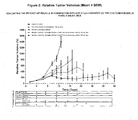
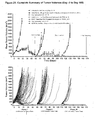
- Figures 1 and 2 The corresponding relative tumor values, standardized values calculated against individual tumor volumes at the start of the study and presented as percent growth are summarized in Figure 1 (Day 0 to Day 30).
- Tumor free animals were monitored for tumor regrowth for 106 days and body weights were taken from treatment initiation.
- %TGI Mean tumor growth inhibition
- Anti CTLA-4 Antibody 100 ug 12 115 ⁇ 10 732 ⁇ 165 53.3 1 1 of 12 (Day 18) 3.
- RSLAIL-2 0.8 mg/kg 12 111 ⁇ 11 600 ⁇ 143 58.4 1 1 of 12 (Day 18) 4.
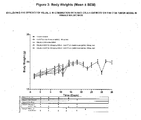
- Mean body weights ranged from 17.4 ⁇ 0.3 g to 18.2 ⁇ 0.3 g (Mean ⁇ SEM) on treatment day. No significant mean body weight loss below baseline during the treatment phase was observed from any of the treatment groups ( Figure 3 ).
- the objective of this study was to evaluate the antitumor activity of RSLAIL-2 in combination with anti-CTLA-4 antibody in the EMT6 murine mammary carcinoma tumor model in female BALB/c mice.
- the tumor cells were injected subcutaneously in the abdominal area. The animals were distributed accordingly based on the randomization generated by the StudyLog® software. The mean tumor volumes on treatment day (Day 0) ranged from 144 ⁇ 8 mm 3 to 147 ⁇ 10 mm 3 (Mean ⁇ SEM).
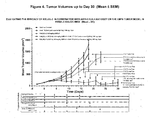
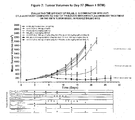
- Tumor volumes (in mm 3 ) and body weights (in grams) were monitored 2 to 3 times a week and tumor volume data are presented in Figure 4 (Day 0 to Day 30) with details on the treatment schedule. Tumor-free animals were monitored for tumor regrowth for 106 days, from treatment initiation which is presented in Figure 5 .
- %TGI Mean tumor growth inhibition
- RSLAIL-2 0.8 mg/kg 12 144 ⁇ 11 1405 ⁇ 13 22 None Treatment Dose N Tumor Volume on Treatment Initiation (Day 0) (MEAN ⁇ SEM) Tumor Volume on Day 18 (MEAN ⁇ SEM) Mean Tumor Growth Inhibition (%) (Endpoint: 18 Days) Tumor Free Animals on Termination 9.
- RSLAIL-2 (Day 0) + ANTI -CTLA-4 ANTIBODY (DayO) 100 ug 12 145 ⁇ 10 1361 ⁇ 214 27 1 1 of 12 (Day 18) 0.8 mg/kg 10.
- RSLAIL-2 (Day 4) + ANTI -CTLA-4 ANTIBODY (DayO) 0.8 mg/kg 12 144 ⁇ 8 155 ⁇ 83 92 10 of 12 (Day 107) 100 ug 1
- the group (including this animal) was collectively removed from the study on Day 18
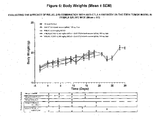
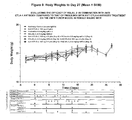
- Mean body weights ranged from 17.8 ⁇ 0.3 g to 18.4 ⁇ 0.4 g (Mean ⁇ SEM) on treatment day ( Figure 6 ). No significant body weight loss was observed from any of the treatment groups.
- the objective of this study is to evaluate the antitumor activity of RSLAIL-2 in combination with anti-CTLA-4 antibody and compare it to that of PROLEUKIN® in the EMT6 murine mammary carcinoma tumor model in female BALB/c mice.
- Anti-CTLA-4 antibody regimen was initiated on day 4 and given again on days 9 and 13 while RSLAIL-2 was initiated on day 0 and given again on day 9 for group 6.
- Anti-CTLA-4 antibody therapy for group 7 was initiated on day 0 and given again on days 4, 8 and 13 while RSLAIL-2 was initiated on day 4 and given again on days 13 and 22.
- Treatment initiation (DayO) was designated as 7 days after inoculation of EMT6 cells at 2 x 10 6 cells/site at 0.1 mL injection volume on the mice. The tumor cells were injected subcutaneously in the abdominal area. The animals were distributed accordingly on Day 0 based on the randomization generated by the StudyLog® software. The mean tumor volumes on treatment day ranged from 159 ⁇ 7 mm 3 to 170 ⁇ 8 mm 3 (Mean ⁇ SE).
- Tumor volumes (in mm 3 ) and body weights (in grams) were monitored 2 - 3 times a week and are presented in Figures 7 and 8 , respectively (Day 0 to Day 28). Tumor Free animals were monitored for regrowth and health conditions for 99 days (from treatment initiation).
- %TGI Mean tumor growth inhibition
- Anti CTLA-4 antibody (Day 0,4,8,13) 100 ug 10 166 ⁇ 7 1294 ⁇ 122 27 None 3.
- PROLEUKIN® (Day 0-4, 7-11) 0.5 mg/kg 10 165 ⁇ 7 1335 ⁇ 236 24 None 4.
- RSLAIL-2 0.8 mg/kg 10 167 ⁇ 8 1040 ⁇ 78 5 None 5.
- Anti-CTLA-4 antibody (Day 0) + PROLEUKIN® (Day4) 0.8 mg/kg 10 159 ⁇ 7 155 ⁇ 83 76 4 of 10 (Day 99) 0.5 mg/kg 6.
- RSLAIL-2 (Day 0) + Anti -CTLA-4 antibody (Day 4) 0.8 mg/kg 10 165 ⁇ 7 1701 ⁇ 229 2 1 of 10 (Day 99) 100 ug Treatment Group Dose N Tumor Volume on Treatment Initiation (Day 0) (MEAN ⁇ SEM) Tumor Volume on Day 18 (MEAN ⁇ SEM) Mean Tumor Growth Inhibition (%) (Endpoint: 18 Days) Tumor Free Animals on Termination 7.
- Anti-CTLA-4 antibody (Day 0) + RSLAIL-2 (Day4) 100 ug 10 170 ⁇ 8 108 ⁇ 56 94 7 of 10 (Day 99) 0.8 mg/kg
- IgG2a Group 1
- an anti-CTLA-4 antibody treatment Group 2
- PROLEUKIN® treatment Group 3
- RSLAIL-2 treatment Group 5
- the animals were sacrificed and tissue (tumor and spleen) were collected at Day 0 (Naive Controls), Day 3 (Groups 1 and 6), Group 6 day 3 animals had been dosed with only anti-CTLA-4 antibody at this time, addition of RSLAIL-2 began at day 4, samples were also taken at Day 11 (all groups) after treatment initiation. Three animals were selected for each collection day. The animals selected had intact tumors (non-necrotic) and volumes that best approximated the group mean tumor volume for that day.
- Mean tumor volume was 164 ⁇ 10 mm 3 for naive group on treatment day 0.
- mean tumor volumes were 282 ⁇ 7 mm 3 and 333 ⁇ 26 mm 3 (Mean ⁇ SEM), respectively for Group 1 and Group 6.
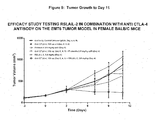
- mean tumor volumes were 843 ⁇ 138 mm 3 for Group 1, 1059 ⁇ 135 mm 3 for Group 2, 814 ⁇ 70 mm 3 for Group 3, 832 ⁇ 262 mm 3 for Group 4, 620 ⁇ 103 mm 3 for Group 5, and 255 ⁇ 11 mm 3 for Group 6 (Mean ⁇ SEM). See Figure 9 .
- the mean body weights were 18.9 ⁇ 0.3, 18.6 ⁇ 0.3, 19.2 ⁇ 0.2, 18.7 ⁇ 0.2, 17.8 ⁇ 0.3, and 18.9 ⁇ 0.3 grams for Groups 1, 2, 3, 4, 5, and 6, respectively, on treatment day (Day 0).
- the mean body weights for Group 1 and 6 were 19.1 ⁇ 0.7 and 19 ⁇ 0.3 grams, respectively.
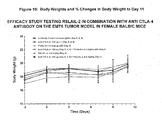
- Mean body weights on Day 11 were 19.8 ⁇ 0.2, 19.4 ⁇ 0.2, 19.9 ⁇ 0.2, 20 ⁇ 0.5, 19.6 ⁇ 0.4 and 19.5 ⁇ 0.4 grams (Mean ⁇ SEM) for Groups 1, 2, 3, 4, 5, and 6 respectively. See Figure 10 .
- the cells were washed in HBSS and centrifuged, then resuspended in fresh HBSS. An aliquot was taken from each sample for counting then stained with eFlour-450 viability dye. The samples were then plated in a 96-deep well plate, stained and collected for flow cytometry analysis.
- the tumor and spleen cell samples were first treated with a fixable viability indicator and then stained for viable immune cells, CD3, CD4, CD8, CD25, CD44, CD122, Foxp3 (internal stain), DX5 and NKp46 surface antigens.
- the total amount of live immune cells were counted for each of the samples (3 per treatment group) and used for gating/collecting total events for CD4+, TREG+ cells, CD8+, Memory effector CD8+ cells, total NK cells, mature NK cells (which were normalized to 1 cubic millimeter of tumor tissue) as well as the total cell counts for the spleen for each of the treatment groups.
- the primary counts were derived from the summarized raw data of the flow cytometer reading and analyzed using FlowJo.
- Three naive animals were sacrificed on day 0. Three animals were sacrificed from Group 1 (having received isotype control) and from Group 6 (having received anti-CTLA-4 antibody treatments only) on day 3, and three animals from all Groups 1-6 were sacrificed on day 11 after the initiation of treatment.
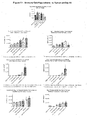
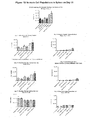
- the graphical representation of the data can be found in Figure 11 and Figure 12 for Day 11 in tumor and spleen, respectively.
- RSLAIL-2 + anti-CTLA-4 antibody significantly increase CD8+ and memory effector CD8 cells when compared to RSLAIL-2 alone.
- Anti-CTLA-4 antibody alone had no trending effect on total NK cell population; however, mature NK cells were significantly decreased (P 0.0278 from day 3 to day 11).
- the objective of this study was to evaluate the antitumor activity of combined immune therapy with RSLAIL-2 and anti-PD-1 antibody on the CT26 murine colon carcinoma tumor model in female BALB/c mice.
- Tumor volumes in mm 3
- body weights in grams
- %TGI Percent Tumor Growth Inhibition
- TVQT Tumor Volume Quadrupling Time
- TDD Tumor Growth Delay
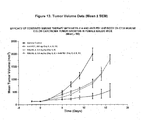
- Mean tumor volume quadrupling time for control tumors was 5.2 days, 7.6 days for Group 2 (anti-PD-1 antibody), 8.2 days for Group 3 (RSLAIL-2) and 15.6 for the combined immune therapy group (Gr. 4).
- Mean tumor growth delay for Group 2, Group 3 and Group 4 are 2.4 days, 3.0 days and 10.4 days, respectively. See Table 4.
- TGI tumor growth inhibition
- TTD tumor growth delay
- the objective of this example was to evaluate the extent and duration of efficacy when treating mice implanted with EMT6 mammary carcinoma tumors with combined immune therapy using RSLAIL-2 and a commercially available rodent anti-CTLA-4 checkpoint blockade antibody. As previously demonstrated in Examples 2-6, this combination yields significant tumor free animals and by re-challenging tumor-free animals with EMT6 tumor cells or CT26 tumor cells, the ability of this combination to elicit tumor-specific responses was evaluated.
- Phase I The initial part of the study (“Phase I") used 80 female BALB/c mice bearing EMT6 (Murine Mammary Carcinoma) tumors. Ten (10/80) animals were randomly selected and assigned to the antibody control group (100 ⁇ g on Days 0, 4, 9, 13 i.p.). The rest of the animals (70/80) were treated with a combination of anti-CTLA-4 i.p. (100 ⁇ g on Days 0, 4, 9, 13 and 18) and RSLAIL-2 i.v. (0.8 mg/kg on Days 4, 13 and 22).
- Treatment initiation (Day 0) was designated as seven days after inoculation of EMT6 cells at 2 x 10 6 cells/site in 0.1 mL injection volumes, injected subcutaneously in the abdominal area.
- the mean tumor volumes on treatment initiation were 206 ⁇ 15 and 222 ⁇ 8 (MEAN ⁇ SE) for the vehicle control and treatment group respectively.
- TGI Tumor Growth Inhibition
- TGD Tumor Growth Delay
- Tumor Volume Quadrupling Time (TVQT) was computed by using interpolated individual tumor time to 400% growth with second order polynomial non-linear regression analysis (GraphPad Prism). Tumor-free animals (complete responders) were not included in the assessment for TGD.
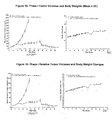
- Phase I treated animals were observed with rough coats (slight) around 5 days after the first and second RSLAIL-2 administration. Rough coats were not observed after the third administration. No significant body weight losses were observed ( Figure 16 ).
- Table 5 Phase I Summary of Results (Mean ⁇ SE) Treatment Dose N Tumor Volume on Treatment Initiation (mm 3 ) Mean Relative Tumor Volume on Day 14 (%) Mean Tumor Growth Inhibition (%) On Day 14 TVQT (Days) Tumor Growth Delay (Days) Tumor Free Animals by Day 48 Antibody Control (Day 0,4,8,13) NA 10 206 ⁇ 15 698 ⁇ 60 NA 9.7 NA NA RSLAIL-2 (Day 4,13,22) + Anti CTLA-4 (Day 0,4,9,13,18) 0.8 mg/kg 70 222 ⁇ 8 189 ⁇ 25 73 (P ⁇ 0.0001) 1 22.4 1 12.7 (P ⁇ 0.0001) 31 (44%) 100 ug 1 Only interpolated for animals with partial response, animals with complete response (i.e.
- %TGI Mean tumor growth inhibition
- Phase II The next part of the study, (“Phase II") was initiated on Day 49.
- the animals were implanted with either EMT6 or CT26 tumor cells (2 x 10 6 in 0.1 mL media), injected subcutaneously in the abdominal region.
- TVQT could not be assessed due to a lack of baseline tumor volume starting point.
- time for tumor growth to 1000 mm 3 volume for each of the tumor-bearing animals were interpolated (using second order polynomial non-linear regression analysis of GraphPad Prism) to aid in assessing and approximate tumor growth delay.
- Time (in days) taken for growth to 1000 mm 3 tumor volume were 16.9 ⁇ 1 and 13.6 ⁇ 0.8 (Mean ⁇ SE) days for Groups 1 and 2, respectively.
- Only the animals (6/20) that did not completely reject EMT6 re-challenge in Group 3 were assessed for time to 1000 mm 3 growth, which was 30.3 ⁇ 5.5 days.
- Mean tumor growth to 1000 mm 3 delay for these animals was calculated to be 13.4 days.
- Phase III The final part of the study (Phase III) was designated over Days 109 to 168.
- the objective of this example was to assess the relative contribution of natural killer (NK) cells and CD8 + cytotoxic T lymphocytes to antitumor efficacy when RSLAIL-2 is combined with immune checkpoint inhibition through antibody blockade of CTLA-4 or PD-1.
- This study utilized 58 female BALB/c mice bearing EMT6 (Murine Mammary Carcinoma) tumors. Ten (10/58) animals were randomly selected and assigned to the vehicle control group (Days 0, 4, 8, i.p.). Eight (8/58) animals were assigned to the treatment group receiving a combination of anti-CTLA-4 i.p. (100 ⁇ g on Days 0, 4, and 8) and RSLAIL-2 i.v. (0.8 mg/kg on Day 4). Eight (8/58) animals were assigned to the CD8 depletion group, which in addition to the treatment of RSLAIL-2 and anti-CTLA-4, CD8 T cells were depleted by serial injection of rat anti-mouse CD8a (100 ⁇ g i.p. on Days -2, 0, 7).
- NK cells were depleted by serial injection of rabbit anti-bovine Asialo-GMl (50 ⁇ l i.p. on Days -2, 0, 7).
- Eight (8/58) animals were assigned to the treatment group receiving a combination of anti-PD-1 i.p. (100 ⁇ g on Days 0, 4, and 8) and RSLAIL-2 i.v. (0.8 mg/kg on Day 4). Eight (8/58) animals were assigned to the CD8 depletion group, which in addition to the treatment of RSLAIL-2 and anti-PD-1, CD8 T cells were depleted by serial injection of rat anti-mouse CD8a (100 ⁇ g i.p. on Days -2, 0, 7).
- NK cells were depleted by serial injection of rabbit anti-bovine Asialo-GMl (50 ⁇ l i.p. on Days -2, 0, 7).
- Treatment initiation (Day 0) was designated as seven days after inoculation of EMT6 cells at 2 x 10 6 cells/site in 0.1 mL injection volumes, injected subcutaneously in the abdominal area, and the study was 11 days in duration.
- Tumor volumes (in mm 3 ) and body weights (in grams) were measured 2 to 3 times a week.
- Table 8 presents the Initial and Mean Relative Tumor Volume for each group on Day 11.
- tumor volumes and body weights are presented in Figure 22
- relative tumor volume and percent body weight change from Day 0 are presented in Figure 23 .
- tumor volumes and body weights are presented in Figure 24
- relative tumor volume and percent body weight change from Day 0 are presented in Figure 25 .
- TGI tumor growth inhibition
- TGI tumor growth inhibition
Landscapes
- Health & Medical Sciences (AREA)
- Chemical & Material Sciences (AREA)
- Life Sciences & Earth Sciences (AREA)
- Immunology (AREA)
- Medicinal Chemistry (AREA)
- General Health & Medical Sciences (AREA)
- Organic Chemistry (AREA)
- Engineering & Computer Science (AREA)
- Veterinary Medicine (AREA)
- Public Health (AREA)
- Animal Behavior & Ethology (AREA)
- Pharmacology & Pharmacy (AREA)
- Bioinformatics & Cheminformatics (AREA)
- Epidemiology (AREA)
- Proteomics, Peptides & Aminoacids (AREA)
- Biochemistry (AREA)
- Molecular Biology (AREA)
- Genetics & Genomics (AREA)
- Biophysics (AREA)
- Mycology (AREA)
- Microbiology (AREA)
- Cell Biology (AREA)
- General Chemical & Material Sciences (AREA)
- Chemical Kinetics & Catalysis (AREA)
- Nuclear Medicine, Radiotherapy & Molecular Imaging (AREA)
- Biomedical Technology (AREA)
- Zoology (AREA)
- Gastroenterology & Hepatology (AREA)
- Endocrinology (AREA)
- Oncology (AREA)
- Reproductive Health (AREA)
- Medicines Containing Antibodies Or Antigens For Use As Internal Diagnostic Agents (AREA)
- Medicines That Contain Protein Lipid Enzymes And Other Medicines (AREA)
- Medicinal Preparation (AREA)
- Peptides Or Proteins (AREA)
Description
- This invention relates to (among other things) the field of cancer chemotherapy and relates to compositions comprising long acting, IL-2Rβ-selective agonist compounds for use in the treatment of an individual suffering from a cancer by administering to the patient a long acting, IL-2Rβ-selective agonist in combination with an anti-CTLA-4 antibody or an anti-PD-1 antibody.
- The interleukin-2 receptor (IL-2R) is a heterotrimeric protein expressed on the surface of certain immune cells, such as lymphocytes, that binds and responds to the IL-2 cytokine. The IL-2 receptor is made up of 3 subunits - IL-2Rα, IL-2Rβ, and IL-2Rγ, with each of IL-2Rα and IL-2Rβ having binding affinity for IL-2 while IL-2Rγ alone has no appreciable affinity. Thèze et al. (1994) Immunol. Today 17(10):481-486. Further, the IL-2Rαβ heterodimer has a faster association rate and a slower dissociation rate when binding IL-2 versus either chain alone. Liparoto et al. J. Mol. Recognit. 12(5):316-321.
- CD4+ regulatory T-cells, which are responsible for suppressing the immune response, preferentially express the IL-2Rαβ form of the IL-2R. Thus, administration of compounds that are agonists for IL-2Rαβ can be expected to suppress the immune response.
- CD8+ memory T-cells, which are responsible for enhancing the immune response, preferentially express the IL-2Rβ form of the IL-2R. Thus, administration of compounds that are agonists for IL-2Rβ can be expected to enhance the immune response (by, e.g., increasing the proliferation of CD8+ memory T-cells).
- Thus, administration of IL-2Rβ-selective agonists would be beneficial to patients suffering from certain cancers as doing so is expected to reduce the immune-suppressing effects of regulatory T-cells while increasing CD8+ memory T-cells, thereby recruiting the patient's own immune system to eliminate cancer cells. Optimally, such an IL-2Rβ-selective agonist would also exhibit relatively long exposure following administration, thereby further improving the patient's response to the treatment.
- Recruiting the immune system of the cancer patient in the treatment of cancer via administration of IL-2Rβ-selective agonists -- which is directly immunoactivating -- can be further enhanced through the administration of antagonists of immunosuppressive pathways (e.g., antagonists of CTLA-4 and PD-1).
- Thus, the present invention seeks to address (among other things) the continuing need to provide more effective treatments of cancers by, for example, administering to a patient suffering from cancer an IL-2Rβ-selective agonist in combination with a pharmacological-based antagonist of an immunosuppressive pathway.
- This and other needs in the art are addressed by the present invention.
-
WO 2012/065086 describes conjugates of an IL-2 moiety and one or more non-peptidic, water-soluble polymers such as poly(ethylene glycol), as well as compositions comprising such conjugates, methods of making the conjugates, methods of administering such compositions, and the like.WO 2012/065086 describes a number of polymeric reagents, including amine-selective polymeric reagents, carboxyl-specific polymeric reagents, and thiol-selective polymeric reagents, as well as a number of conjugates of IL-2, including those having both releasable and stable attachments to an IL-2 moiety. -
WO 2006/121168 describes isolated monoclonal antibodies, such as human monoclonal antibodies, that specifically bind to PD-1 with high affinity. Also described are nucleic acid molecules encoding such antibodies, expression vectors, host cells and methods for making the antibodies, as well as methods for treating various diseases using the anti-PD-1 antibodies. For example,WO 2006/121168 describes methods for treating cancer using the antibodies alone or in combination with other immunotherapeutics, such as anti-CTLA-4 antibodies. - Provided herein is a composition comprising long acting, IL-2Rβ-selective agonist compounds for use in a method of treating cancer in a patient, wherein the method comprises the steps of: (a) administering a composition comprising long acting, IL-2Rβ-selective agonist compounds encompassed by the formula:

- Additional embodiments of the invention are set forth in the following description and claims.
-
-
FIGURES 1 ,2 and3 are plots of mean tumor volumes, relative tumor volumes and body weights, respectively, associated with an efficacy study of a receptor-selective, long acting IL-2 agonist in combination with an anti-CTLA-4 antibody in a CT26 tumor model, which study is further described in Example 2. -
FIGURES 4 ,5 and6 are plots of mean tumor volumes for 30 days, mean tumor volumes for 106 days, and body weights, respectively, associated with an efficacy study of a receptor-selective, long acting IL-2 agonist in combination with an anti-CTLA-4 antibody in an EMT6 tumor model, which study is further described in Example 3. -
FIGURES 7 and8 are plots of tumor volumes and body weights, respectively, associated with an efficacy study of a receptor-selective, long acting IL-2 agonist in combination with an anti-CTLA-4 antibody compared to that of PROLEUKIN® with an anti-CTLA-4 antibody in an EMT6 tumor model, which study is further described in Example 4. -
FIGURES 9 and10 are plots of tumor volumes and body weights, respectively, for 11 days associated with an efficacy study involving flow cytometry analysis of a receptor-selective, long acting IL-2 agonist in combination with an anti-CTLA-4 antibody in an EMT6 tumor model, which study is further described in Example 5. -
FIGURES 11 and12 each include graphs of immune cell populations of tumor and spleen, respectively, corresponding to the flow cytometry analysis further described in Example 5. -
FIGURES 13 and14 are plots of mean tumor volumes and body weights, respectively, associated with an efficacy study of a receptor-selective, long acting IL-2 agonist in combination with an anti-PD-1 antibody in a CT26 tumor model, which study is further described in Example 6. -
FIGURE 15 shows two plots of mean tumor volumes and body weights following Phase I of a three phase re-challenge study further described in Example 7. -
FIGURE 16 shows two plots of relative mean tumor volumes and body weight changes following Phase I of a three phase re-challenge study further described in Example 7. -
FIGURE 17 shows a plot of relative body weight changes following Phase II of a three phase re-challenge study further described in Example 7. -
FIGURE 18 shows two plots of mean tumor volumes and body weights following Phase II of a three phase re-challenge study further described in Example 7. -
FIGURE 19 shows a plot of mean tumor volumes following Phase III of a three phase re-challenge study further described in Example 7. -
FIGURE 20 shows two plots of body weight changes and relative body weight changes following Phase III of a three phase re-challenge study further described in Example 7. -
FIGURE 21 shows two plots of mean tumor volumes and individual tumor volumes over the course of a three phase re-challenge study further described in Example 7. -
FIGURE 22 shows two plots of mean tumor volumes and body weights fromday 0 today 11 in connection with a RSLAIL-2 and anti-CTLA-4 combination study further described in Example 8. -
FIGURE 23 shows two plots of relative mean tumor volumes and body weights fromday 0 today 11 in connection with a RSLAIL-2 and anti-CTLA-4 combination study further described in Example 8. -
FIGURE 24 shows two plots of mean tumor volumes and body weights fromday 0 today 11 in connection with a RSLAIL-2 and anti-PD-1 combination study further described in Example 8. -
FIGURE 25 shows two plots of relative mean tumor volumes and body weights fromday 0 today 11 in connection with a RSLAIL-2 and anti-PD-1 combination study further described in Example 8. - As used in this specification, the singular forms "a", "an" and "the" include plural referents unless the context clearly dictates otherwise.
- In describing and claiming the present invention, the following terminology will be used in accordance with the definitions described below.
- "Water soluble, non-peptidic polymer" refers to a polymer that is at least 35% (by weight) soluble, preferably greater than 70% (by weight), and more preferably greater than 95% (by weight) soluble, in water at room temperature. Typically, an unfiltered aqueous preparation of a "water-soluble" polymer transmits at least 75%, more preferably at least 95%, of the amount of light transmitted by the same solution after filtering. It is most preferred, however, that the water-soluble polymer is at least 95% (by weight) soluble in water or completely soluble in water. With respect to being "non-peptidic", a polymer is non-peptidic when it has less than 35% (by weight) of amino acid residues.
- The terms "monomer", "monomeric subunit" and "monomeric unit" are used interchangeably herein and refer to one of the basic structural units of a polymer. In the case of a homo-polymer, a single repeating structural unit forms the polymer. In the case of a co-polymer, two or more structural units are repeated -- either in a pattern or randomly -- to form the polymer. Preferred polymers used in connection with the present invention are homo-polymers. The water-soluble, non-peptidic polymer comprises one or more monomers serially attached to form a chain of monomers.
- "PEG" or "polyethylene glycol" as used herein, is meant to encompass any water-soluble poly(ethylene oxide). Unless otherwise indicated, a "PEG polymer" or a polyethylene glycol is one in which substantially all (preferably all) monomeric subunits are ethylene oxide subunits, though, the polymer may contain distinct end capping moieties or functional groups, e.g., for conjugation. PEG polymers for use in the present invention will comprise one of the two following structures: "-(CH2CH2O)n-" or "-(CH2CH2O)n-1CH2CH2-," depending upon whether or not the terminal oxygen(s) has been displaced, e.g., during a synthetic transformation. As stated above, for the PEG polymers, the variable (n) ranges from about 3 to 4000, and the terminal groups and architecture of the overall PEG can vary.
- "Branched," in reference to the geometry or overall structure of a polymer, refers to a polymer having two or more polymer "arms" extending from a branch point.
- A "physiologically cleavable" or "hydrolyzable" or "degradable" bond is a relatively labile bond that reacts with water (i.e., is hydrolyzed) under physiological conditions. The tendency of a bond to hydrolyze in water may depend not only on the general type of linkage connecting two atoms within a given molecule but also on the substituents attached to these atoms. Appropriate hydrolytically unstable or weak linkages include but are not limited to carboxylate ester, phosphate ester, anhydrides, acetals, ketals, acyloxyalkyl ether, imines, orthoesters, peptides, oligonucleotides, thioesters, and carbonates.
- An "enzymatically degradable linkage" means a linkage that is subject to degradation by one or more enzymes.
- A "stable" linkage or bond refers to a chemical bond that is substantially stable in water, that is to say, does not undergo hydrolysis under physiological conditions to any appreciable extent over an extended period of time. Examples of hydrolytically stable linkages include but are not limited to the following: carbon carbon bonds (e.g., in aliphatic chains), ethers, amides, urethanes, amines, and the like. Generally, a stable linkage is one that exhibits a rate of hydrolysis of less than about 1-2% per day under physiological conditions. Hydrolysis rates of representative chemical bonds can be found in most standard chemistry textbooks.
- "Substantially" or "essentially" means nearly totally or completely, for instance, 95% or greater, more preferably 97% or greater, still more preferably 98% or greater, even more preferably 99% or greater, yet still more preferably 99.9% or greater, with 99.99% or greater being most preferred of some given quantity.
- "Pharmaceutically acceptable excipient" or "pharmaceutically acceptable carrier" refers to a component that may be included in the compositions of the invention and causes no significant adverse toxicological effects to a patient.
- The term "patient" refers to a living organism suffering from or prone to a condition that can be prevented or treated by administration of a compound of the invention as described herein, and includes both humans and animals.
- As indicated above, the present invention is directed to a composition comprising long acting, IL-2Rβ-selective agonist compounds for use in a method of administering to a patient suffering from a cancer, the method comprising the steps of: (a) administering a composition comprising an IL-2Rβ-activating amount of a long acting, IL-2Rβ-selective agonist; and (b) administering a CTLA-4 pathway-inhibiting amount of an anti-CTLA-4 antibody or a PD-1 pathway-inhibiting amount of an anti-PD-1 antibody, wherein when the antibody is an anti-CTLA-4 antibody, step (a) is carried out after step (b). With respect to administering steps (a) and (b), when step (b) comprises the administration of an anti-PD-1 antibody, these administering steps can be performed in either order (as well as simultaneously). In one or more embodiments of the invention wherein step (b) comprises the administration of an anti-PD-1 antibody, administering step (a) will be carried out before administering step (b). In one or more embodiments of the invention wherein step (b) comprises the administration of an anti-PD-1 antibody, administering step (b) will be carried out before administering step (a). In one or more embodiments wherein step (b) comprises the administration of an anti-PD-1 antibody, both administering steps (a) and (b) will be carried out simultaneously. Further, in one or more embodiments, steps (a) and/or (b) will be administered repeatedly. In addition, in or more embodiments, steps (a) and (b) will be carried out only once.
- The treatment method described herein can continue for as long as the clinician overseeing the patient's care deems the treatment method is effective. Non-limiting parameters that indicate the treatment method is effective include the following: tumor shrinkage (in terms of weight and/or volume); a decrease in the number of individual tumor colonies; tumor elimination; and progression-free survival.
- Exemplary lengths of time associated with the course of therapy in accordance with the method include: about one week; two weeks; about three weeks; about four weeks; about five weeks; about six weeks; about seven weeks; about eight weeks; about nine weeks; about ten weeks; about eleven weeks; about twelve weeks; about thirteen weeks; about fourteen weeks; about fifteen weeks; about sixteen weeks; about seventeen weeks; about eighteen weeks; about nineteen weeks; about twenty weeks; about twenty-one weeks; about twenty-two weeks; about twenty-three weeks; about twenty-four weeks; about seven months; about eight months; about nine months; about ten months; about eleven months; about twelve months; about thirteen months; about fourteen months; about fifteen months; about sixteen months; about seventeen months; about eighteen months; about nineteen months; about twenty months; about twenty-one months; about twenty-two months; about twenty-three months; about twenty-four months; about thirty months; about three years; about four years and about five years.
- With regard to the frequency of administering the long acting, IL-2Rβ-selective agonist, one of ordinary skill in the art will be able to determine an appropriate frequency. For example, a clinician can decide to administer the long acting, IL-2Rβ-selective agonist relatively infrequently (e.g., once every two weeks) and progressively shorten the period between dosings as tolerated by the patient. With regard to frequency of administering the anti-CTLA-4 antibody and anti-PD-1 antibody, the frequency for these agents can be determined in a similar fashion. In addition, as some long acting, IL-2Rβ-selective agonists, anti-CTLA-4 antibodies, anti-PD-1 antibody are either in advanced clinical testing or commercially available, it is also possible to refer to the literature to obtain an appropriate frequency of administration (keeping in mind that some adjustment may be necessary in view of the combined effects of the treatment regimen).
- The method described herein involves the administration of a long acting, IL-2Rβ-selective agonist as defined in the claims. The IL-2Rβ-selective agonist exhibits an in vitro binding affinity for IL-2Rβ that is at least 5 times greater (more preferably at least 10 times greater) than the binding affinity for IL-2Rαβ in the same in vitro model, and has at least an effective 10-fold in vivo half-life greater than IL-2 (half-life based on the in-vivo disappearance IL-2). By way of example, it is possible to measure binding affinities against IL-2 as a standard. In this regard, the RSLAIL-2 referenced in Example 1 of the present disclosure exhibits about a 60-fold decrease in affinity to IL-2Rαβ relative to IL-2, but only about a 5-fold decrease in affinity IL-2Rβ relative to IL-2.
- Non-limiting examples of long acting, IL-2Rβ-selective agonists are described in
WO 2012/065086 . An exemplary long acting, IL-2Rβ-selective agonist is RSLAIL-2 referenced in Example 1 in the present application. In this regard, RSLAIL-2 is a composition comprising compounds encompassed by the following formula:

- The method described herein involves the administration of an anti-CTLA-4 antibody or an anti-PD-1 antibody. With regard to anti-CTLA-4 antibodies, these are known and include tremelimumab and ipilimumab. With regard to anti-PD-1 antibodies, these are known and include nivolumab, lambrolizumab, AMP-224, MDPL3280A, MEDI4736 and MSB0010718C.
- Assays for determining whether a given compound can act as an anti-CTLA-4 antibody or anti-PD-1 antibody can be determined through routine experimentation by one of ordinary skill in the art.
- In accordance with the method described herein, the long acting, IL-2Rβ-selective agonist is administered to a patient in an IL-2Rβ-activating amount. One of ordinary skill in the art can determine how much of a given long acting, IL-2Rβ-selective agonist is sufficient to provide clinically relevant agonistic activity at IL-2Rβ. For example, one of ordinary skill in the art can refer to the literature and/or administer a series of increasing amounts of the long acting, IL-2Rβ-selective agonist and determine which amount or amounts provide clinically agonistic activity of IL-2Rβ.
- In one or more instances, however, the IL-2Rβ-activating amount is an amount encompassed by one or more of the following ranges: from about 0.01 mg/kg to 1 mg/kg; from about 0.01 mg/kg to about 0.1 mg/kg; from about 1 mg/kg to about 1000 mg/kg; from about 2 mg/kg to about 900 mg/kg; from about 3 mg/kg to about 800 mg/kg; from about 4 mg/kg to about 700 mg/kg; from about 5 mg/kg to about 600 mg/kg; from about 6 mg/kg to about 550 mg/kg; from about 7 mg/kg to about 500 mg/kg; from about 8 mg/kg to about 450 mg/kg; from about 9 mg/kg to about 400 mg/kg; from about 5 mg/kg to about 200 mg/kg; from about 2 mg/kg to about 150 mg/kg; from about 5 mg/kg to about 100 mg/kg; from about 10 mg/kg to about 100 mg/kg; and from about 10 mg/kg to about 60 mg/kg.
- In accordance with the method described herein, a CTLA-4 pathway-inhibiting amount of an anti-CTLA-4 antibody is administered or a PD-1 pathway-inhibiting amount of an anti-PD-1 antibody is administered. One of ordinary skill in the art can determine how much a given anti-CTLA-4 antibody or anti-PD-1 antibody is sufficient to provide clinically relevant inhibition of the CTLA-4 pathway or PD-1 pathway, respectively. For example, one of ordinary skill in the art can refer to the literature and/or administer a series of increasing amounts of the anti-CTLA-4 antibody or anti-PD-1 antibody and determine which amount or amounts provide clinically relevant inhibition the CTLA-4 pathway or PD-1 pathway.
- In one or more instances, however, the CTLA-4 and PD-1 pathway-inhibiting amounts are encompassed by one or more of the following ranges: from about 1 mg/kg to about 1000 mg/kg; from about 2 mg/kg to about 900 mg/kg; from about 3 mg/kg to about 800 mg/kg; from about 4 mg/kg to about 700 mg/kg; from about 5 mg/kg to about 600 mg/kg; from about 6 mg/kg to about 550 mg/kg; from about 7 mg/kg to about 500 mg/kg; from about 8 mg/kg to about 450 mg/kg; from about 9 mg/kg to about 400 mg/kg; from about 5 mg/kg to about 200 mg/kg; from about 2 mg/kg to about 150 mg/kg; from about 5 mg/kg to about 100 mg/kg; from about 10 mg/kg to about 100 mg/kg; and from about 10 mg/kg to about 60 mg/kg.
- For confirmation, as used herein with regard to CTLA-4 and PD-1 pathway-inhibiting amounts of the anti-CTLA-4 antibody or anti-PD-1 antibody, respectively, the amount and extent of the inhibition can vary widely and the combination of either of these with the long acting, IL-2Rβ-selective agonist can still be effective. For example, an amount of the anti-CTLA-4 antibody or anti-PD-1 antibody that only minimally inhibits the CTLA-4 or PD-1 pathways, respectively, can still be an inhibiting amount as used herein so long as the method results in a clinically meaningful response. So too, an amount of a long acting, IL-2Rβ-selective agonist that exhibits only minimal agonist activity at IL-2Rβ for a sufficiently extended period of time can still be a long acting, IL-2Rβ-selective agonist so long as the method results in a clinically meaningful response. In some instances, due to (for example) synergistic responses, minimal inhibition of the CTLA-4 or PD-1 pathways may only be required in the presence of the long acting, IL-2Rβ-selective agonist. In still other instances, due to (for example) synergistic responses, minimal agonist activity of IL-2Rβ may be required in the presence of CTLA-4 and PD-1 pathway inhibition.
- The actual dose to be administered will vary depend upon the age, weight, and general condition of the subject as well as the severity of the condition being treated, the judgment of the health care professional, and conjugate being administered.
- The invention provides a composition for use in a method that is useful for (among other things) treating a patient suffering from a condition that is responsive to treatment with the compound. For example, patients may be responsive to the individual agents alone as well as the combination, but are more responsive to the combination. By way of further example, patients may be non-responsive to one of the individual agents, but are responsive to the combination. By way of still further example, patients may be non-responsive to either of the individual agents alone, but are responsive to the combination.
- The composition of the invention is for use in a method which may comprise administering a therapeutically effective amount of the active agents via injection. Other modes of administration are also contemplated, such as pulmonary, nasal, buccal, rectal, sublingual and transdermal. As used herein, the term "parenteral" includes subcutaneous, intravenous, intraarterial, intraperitoneal, intracardiac, intrathecal, and intramuscular injection, as well as infusion injections. Each pharmacological component of the method can be administered separately. Alternatively, if administration of two pharmacological components is desired to be simultaneous -- and the two pharmacological components are compatible together and in a given formulation -- then the simultaneous administration can be achieved via administration of single dosage form/formulation (e.g., intravenous administration of an intravenous formulation that contains both pharmacologically active agents). One of ordinary skill in the art can determine through routine testing whether two given pharmacological components are compatible together and in a given formulation.
- The presently described composition for use in a method can be used to treat a patient suffering from any condition that can be remedied or prevented by this method. Exemplary conditions are cancers, such as, fibrosarcoma, myxosarcoma, liposarcoma, chondrosarcoma, osteogenic sarcoma, chordoma, angiosarcoma, endotheliosarcoma, lymphangiosarcoma, lymphangioendotheliosarcoma, synovioma, mesothelioma, Ewing's tumor, leiomyosarcoma, rhabdomyosarcoma, colon carcinoma, pancreatic cancer, breast cancer, ovarian cancer, prostate cancer, squamous cell cancer, basal cell cancer, adenocarcinoma, sweat gland cancer, sebaceous gland cancer, papillary cancer, papillary adenocarcinomas, cystadenocarcinoma, medullary cancer, bronchogenic cancer, renal cell cancer, hepatoma, bile duct cancer, choriocarcinoma, seminoma, embryonal cancer, Wilms tumor, cervical cancer, testicular cancer, lung cancer, small cell lung cancer, bladder cancer, epithelial cancer, glioma, astrocytoma, medulloblastoma, craniopharyngioma, ependymoma, pinealoma, hemangioblastoma, acoustic neuroma, oligodendroglioma, meningioma, melanoma, neuroblastoma, retinoblastoma and leukemias.
- It is to be understood that while the invention has been described in conjunction with certain preferred and specific embodiments, the foregoing description as well as the examples that follow are intended to illustrate and not limit the scope of the invention. Other aspects, advantages and modifications within the scope of the invention will be apparent to those skilled in the art to which the invention pertains.
- The anti-CTLA-4 antibody referenced in Examples 2-7 corresponds to anti-mouse CLTA-4 antibody purified from UC10-4F10-11 hybridoma cell line (ATCC). The cells were maintained in PFHM-II medium (Invitrogen) between the density of 1x10⁵ and 1x10⁶ cells/mL. Prior to purification, the medium was centrifuged to remove the cells. The pH of the medium was adjusted to 8 with NaOH, and its conductivity was lowered to 7 mS/cm by diluting with water. The pH/conductivity adjusted medium was loaded onto a Q-FF column, and the anti-mouse CLTA-4 antibody was eluted using a NaCl gradient.
- The affinity of anti-CTLA-4 antibody to its antigen was determined by Surface Plasmon Resonance (Biacore) and determined to be 20 pM.
- The anti-PD-1 antibody was purchased from BioXcell. It was obtained as a solution with the following characteristics: concentration: 4.76 mg/mL; endotoxin: <0.63 EU/mg; formulation:
PBS pH 7; purity: >95%; isotype: rat IgG2a; and extinction coeff: 1.33. The affinity of anti-PD-1 antibody to its antigen was measured by Surface Plasmon Resonance (Biacore) and found to be 1nM. The purchased antibody was checked for purity by SDS-PAGE and SEC-HPLC and determined to be sufficiently pure for efficacy studies without further workup. - PEGylation of rIL-2 with mPEG2-C2-fmoc-20K-NHS was previously reported in Example 2 of
WO 2012/065085 . There, the synthesis was reported to result in a mixture of 4-mers, 3-mers, 2-mers and 1-mers. Further analysis of the reaction, however, revealed higher degrees of attachment (e.g., 5-mers, 6-mers and 7-mers) were also produced. The present synthesis represents a scaled up approach for PEGylating IL-2 with mPEG2-C2-fmoc-20K-NHS. - Purified rIL-2 (106.4 mL) at 1.44mg/ml was charged into a first vessel followed by the addition of 53.6 mL of formulation buffer (10 mM sodium acetate, pH 4.5, 5% trehalose). The pH was measured at 4.62 and the temperature was measured at 21.2 °C. The PEG reagent, C2-PEG2-FMOC-NHS-20K (available as described in
WO 2006/138572 ) (13.1 g), was charged into a second vessel followed by the addition of 73.3 mL of 2 mM HCl. The resulting solution was swirled by hand for 25 minutes. Sodium borate (0.5 M, pH 9.8) was added to the first vessel to raise the pH to about 9.1 and then the second vessel containing the PEG reagent was added to the first vessel over one to two minutes. A rinse step was then performed by charging 8.1 mL of 2 mM HCl into the second vessel and added to the first vessel. In the conjugation reaction, the final rIL-2 concentration was 0.6 mg/mL, the sodium borate concentration was 120 mM, the pH was 9.1 +/-0.2, the temperature was 20-22 °C, and the molar ratio of PEG reagent to rIL-2, after adjustment for activity of the reagent (substitution level) was 35:1. The conjugation reaction was allowed to proceed for thirty minutes and then was stopped with an acidification reaction using 75 mL of 2N acetic acid (where pH drops to 4.01). The product of the reaction was diluted with water and the diluted PEGylated rIL-2 solution was filtered using a 0.2 micron filter and the filtered product was placed in sterile containers. - Thereafter, the diluted PEGylated rIL-2 solution was purified by loading the solution onto a chromatography column packed with SP sepharose FF resin (GE Healthcare). Following a washing step, the PEGylated rIL-2 are eluted using a sodium chloride gradient. Fractions containing 1-mers, 2-mers or 3-mers are eliminated while fractions containing 4-mers, 5-mers, 6-mers, 7-mers and any higher degrees of PEGylation are pooled, thereby resulting in a composition having primarily 4-mers, 5-mers and 6-mers (wherein 8-mers and higher degrees of PEGylation were found to be removed during a washing step associated with chromatography). This composition is the one used in connection with Examples 2-6 and referenced therein as "RSLAIL-2."
- Yields of 4-mers, 5-mers and 6-mers were found to be increased (with a concomitant decrease in 1-mers, 2-mers and 3-mers) using the approach described in this example.
- The objective of this study was to evaluate the antitumor activity of RSLAIL-2 in combination with anti-CTLA-4 antibody in the CT26 murine colon carcinoma tumor model in female BALB/c mice.
- There were 5 groups with 12 animals in each group. Included were a vehicle control group treated on
days days days 0 and 9) and two combined immunotherapy groups (anti-CTLA-4 antibody plus RSLAIL-2) where anti-CTLA-4 antibody (given ondays days days 4, 13 and 22). Treatment initiation for the study was performed 7 days after inoculation of CT26 cells at 2 x 10⁶ cells/site at 0.1 mL injection volume. The tumor cells were injected subcutaneously in the abdominal area. The animals were distributed accordingly based on the randomization generated by the StudyLog® software. The mean tumor volumes on treatment day (Day 0) ranged from 111 ± 9 mm3 to 115 ± 10 mm3 (Mean ± SEM). - Tumor volumes (in mm3) and body weights (in grams) were monitored 2 to 3 times a week and are presented in
Figures 1 and2 , respectively, with details on the treatment schedule. The corresponding relative tumor values, standardized values calculated against individual tumor volumes at the start of the study and presented as percent growth are summarized inFigure 1 (Day 0 to Day 30). Tumor free animals were monitored for tumor regrowth for 106 days and body weights were taken from treatment initiation. - Comparison of tumor volumes between vehicle control animals and treated animals on day 11 (last day the vehicle control animals were present) by One-way ANOVA with Tukey's post-test (GraphPad Prism version 6.03 for Windows, GraphPad Software, San Diego California) showed all the treatment groups were significantly different from the vehicle control group.
- Mean tumor growth inhibition (%TGI) was assessed on Day 11 (last day control animals were present) by using the following formula:

- There was a 53% mean inhibition for anti-CTLA-4 antibody (Gr. 2) treated tumors and 58% for the RSLAIL-2 group (Gr. 3). Combined immune therapy co-administration (RSLAIL-2 and anti-CTLA-4 antibody initiated at the same time on Day 0) yielded 74% inhibition. Combined immune therapy with anti-CTLA-4 antibody initiated on
Day 0 and RSLAIL-2 treatment initiated on Day 4 (Gr. 5) yielded the greatest inhibition among the treatments at 88%. - One of the twelve (1/12) animals in
group 4 was tumor free byday 14. A total of 4 animals were tumor free by day 28. Ingroup 5, two (2/12) animals were tumor free byday 14 and a total of 8 animals were tumor free byday 25. See Table 1. All these animals fromgroup Table 1 Tumor Volumes (Mean ± SEM in mm3) Treatment Dose N Tumor Volume on Treatment Initiation (Day 0) (MEAN ± SEM) Tumor Volume on Day 11 (MEAN ± SEM) Mean Tumor Growth Inhibition (%) (Endpoint: 18 Days) Mean Tumor Delay (Days) Tumor Free Animals on Termination 1. Vehicle Control NA 12 111 ± 9 1499 ± 196 NA 11 of 12 (Day 18) 2. Anti CTLA-4 Antibody 100 ug 12 115 ± 10 732 ± 165 53.3 11 of 12 (Day 18) 3. RSLAIL-2 0.8 mg/ kg 12 111 ± 11 600 ± 143 58.4 11 of 12 (Day 18) 4. RSLAIL-2 (Day 0) + ANTI -CTLA-4 ANTIBODY (DayO) 100 ug 12 113 ± 12 414 ± 115 74.2 4 of 12 (Day 106) 0.8 mg/ kg 5. RSLAIL-2 (Day 4) + ANTI -CTLA-4 ANTIBODY (DayO) 0.8 mg/ kg 12 111 ± 9 170 ± 27 88.1 8 of 12 (Day 106) 100 ug 1The group (including this animal) was collectively removed from the study on Day 18 - Mean body weights ranged from 17.4 ± 0.3 g to 18.2 ± 0.3 g (Mean ± SEM) on treatment day. No significant mean body weight loss below baseline during the treatment phase was observed from any of the treatment groups (
Figure 3 ). - The objective of this study was to evaluate the antitumor activity of RSLAIL-2 in combination with anti-CTLA-4 antibody in the EMT6 murine mammary carcinoma tumor model in female BALB/c mice.
- There were 5 groups with 12 animals each in each group. Included were a vehicle control group treated on
days days day 0 and 9) and two combined immunotherapy groups (anti-CTLA-4 antibody plus RSLAIL-2) where anti-CTLA-4 antibody (given ondays days days 4, 13 and 22). Treatment initiation for the study was performed 7 days after inoculation of EMT6 cells at 2 x 10⁶ cells/site at 0.1 mL injection volume. The tumor cells were injected subcutaneously in the abdominal area. The animals were distributed accordingly based on the randomization generated by the StudyLog® software. The mean tumor volumes on treatment day (Day 0) ranged from 144 ± 8 mm3 to 147 ± 10 mm3 (Mean ± SEM). - Tumor volumes (in mm3) and body weights (in grams) were monitored 2 to 3 times a week and tumor volume data are presented in
Figure 4 (Day 0 to Day 30) with details on the treatment schedule. Tumor-free animals were monitored for tumor regrowth for 106 days, from treatment initiation which is presented inFigure 5 . - Comparison of tumor volumes between vehicle control animals and treated animals on day 18 (last day the vehicle control animals were present) by One-way ANOVA with Tukey's post-test (GraphPad Prism version 6.03 for Windows, GraphPad Software, San Diego California) showed a significant difference between the vehicle controls (group 1) versus group 2 (anti-CTLA-4 antibody treatment) and group 5 (anti-CTLA-4 antibody started on
Day 0 + RSLAIL-2 started on Day 4). No statistical difference was noted between group 1 (vehicle controls) versus group 3 (RSLAIL-2 alone) and group 4 (RSLAIL-2 + anti-CTLA-4 antibody both treatments initiated on day 0). - Mean tumor growth inhibition (%TGI) was assessed on Day 18 (last day control animals were present) by using the following formula:

- There was a 55% mean inhibition for anti-CTLA-4 antibody (Gr. 2) treated tumors and 22% for the RSLAIL-2 group (Gr. 3). Combined immune therapy co-administration (RSLAIL-2 and anti-CTLA-4 antibody initiated at the same time on Day 0) yielded 27% inhibition. Combined immune therapy with anti-CTLA-4 antibody initiated on
Day 0 and RSLAIL-2 treatment initiated on Day 4 (Gr. 5) yielded the greatest inhibition among the treatments at 92%. The tumor on one animal in the vehicle control group was observed to have completely autoregressed byday 11. In spite of this, mean tumor volume was 1789 mm3 ± 196 (MEAN ± SE, N=12) byDay 18 when the group was collectively removed from the study. One of the twelve animals ingroup 4 was also tumor free byday 18. Mean tumor volume for the rest of the group was 1361 ± 214 mm3 when the whole group was removed from the study (on Day 18). - Five of the twelve (5/12) animals in
group 5 were tumor free byday 14. A total of 10 animals were tumor free byday 18. All 10 animals remained tumor free until termination of the study (106 days from treatment initiation). See Table 2.Table 2 Tumor Volumes (Mean ± SE in mm3) Treatment Dose N Tumor Volume on Treatment Initiation (Day 0) (MEAN ± SEM) Tumor Volume on Day 18 (MEAN ± SEM) Mean Tumor Growth Inhibition (%) (Endpoint: 18 Days) Tumor Free Animals on Termination 6. Vehicle Control NA 12 147 ± 10 1789 ± 196 NA 11 of 12 (Day 18) 7. Anti-CTLA-4 100 ug 12 145 ± 9 824 ± 185 55 None 8. RSLAIL-2 0.8 mg/ kg 12 144 ± 11 1405 ± 13 22 None Treatment Dose N Tumor Volume on Treatment Initiation (Day 0) (MEAN ± SEM) Tumor Volume on Day 18 (MEAN ± SEM) Mean Tumor Growth Inhibition (%) (Endpoint: 18 Days) Tumor Free Animals on Termination 9. RSLAIL-2 (Day 0) + ANTI -CTLA-4 ANTIBODY (DayO) 100 ug 12 145 ± 10 1361 ± 214 27 11 of 12 (Day 18) 0.8 mg/ kg 10. RSLAIL-2 (Day 4) + ANTI -CTLA-4 ANTIBODY (DayO) 0.8 mg/ kg 12 144 ± 8 155 ± 83 92 10 of 12 (Day 107) 100 ug 1The group (including this animal) was collectively removed from the study on Day 18 - Mean body weights ranged from 17.8 ± 0.3 g to 18.4 ± 0.4 g (Mean ± SEM) on treatment day (
Figure 6 ). No significant body weight loss was observed from any of the treatment groups. - The objective of this study is to evaluate the antitumor activity of RSLAIL-2 in combination with anti-CTLA-4 antibody and compare it to that of PROLEUKIN® in the EMT6 murine mammary carcinoma tumor model in female BALB/c mice.
- There were 7 groups with 10 animals each. Included were an antibody control (Gr. 1) given on
days days day 0 to 4 then 7 to 11, and RSLAIL-2 (Gr. 4) given ondays day 4 and given again ondays 9 and 13 while RSLAIL-2 was initiated onday 0 and given again onday 9 forgroup 6. Anti-CTLA-4 antibody therapy forgroup 7 was initiated onday 0 and given again ondays day 4 and given again ondays 13 and 22. Treatment initiation (DayO) was designated as 7 days after inoculation of EMT6 cells at 2 x 10⁶ cells/site at 0.1 mL injection volume on the mice. The tumor cells were injected subcutaneously in the abdominal area. The animals were distributed accordingly onDay 0 based on the randomization generated by the StudyLog® software. The mean tumor volumes on treatment day ranged from 159 ± 7 mm3 to 170 ± 8 mm3 (Mean ± SE). - Tumor volumes (in mm3) and body weights (in grams) were monitored 2 - 3 times a week and are presented in
Figures 7 and8 , respectively (Day 0 to Day 28). Tumor Free animals were monitored for regrowth and health conditions for 99 days (from treatment initiation). - Comparison of tumor volumes between control animals and treated animals on day 18 (last day the vehicle control animals were present) by One-way ANOVA with Tukey's post-test (GraphPad Prism version 6.03 for Windows, GraphPad Software, San Diego California) showed that only group 5 (anti-CTLA-4 antibody + PROLEUKIN®) and group 7 (anti-CTLA-4 antibody+ RSLAIL-2) were significantly different from those of controls. However, although significantly different from controls, mean tumor volumes of the two treatment groups were not significantly different from one another.
- Mean tumor growth inhibition (%TGI) was assessed on Day 18 (last day control animals were present) by using the following formula:

- There was a 27% mean inhibition for anti-CTLA-4 antibody treatment alone (Gr. 2). Inhibition of tumor growth was 24% by PROLEUKIN® (Gr. 3) and 5% by RSLAIL-2 (Gr. 4), combined immune therapy with anti-CTLA-4 antibody and PROLEUKIN® (GR 5) yielded 26% inhibition, RSLAIL-2 with anti-CTLA-4 antibody treatment (Gr. 6) gave a 2% inhibition while group 7 (anti-CTLA-4 antibody with RSLAIL-2) yielded a 94% inhibition.
- Several animals were observed to be tumor free by
day 18. There were three (3/10) fromgroup 5, one (1/10) fromgroup 6 and five (5/10) ingroup 7. By study termination (Day 99), the total number of tumor free animals fromgroups Table 3 Tumor Volumes (Mean ± SE in mm3) Treatment Group Dose N Tumor Volume on Treatment Initiation (Day 0) (MEAN ± SEM) Tumor Volume on Day 18 (MEAN ± SEM) Mean Tumor Growth Inhibition (%) (Endpoint: 18 Days) Tumor Free Animals on Termination 1. Antibody Control ( Day 100 ug 10 166 ± 6 1803 ± 174 NA NA 2. Anti CTLA-4 antibody ( Day 100 ug 10 166 ± 7 1294 ± 122 27 None 3. PROLEUKIN® (Day 0-4, 7-11) 0.5 mg/ kg 10 165 ± 7 1335 ± 236 24 None 4. RSLAIL-2 0.8 mg/ kg 10 167 ± 8 1040 ± 78 5 None 5. Anti-CTLA-4 antibody (Day 0) + PROLEUKIN® (Day4) 0.8 mg/ kg 10 159 ± 7 155 ± 83 76 4 of 10 (Day 99) 0.5 mg/ kg 6. RSLAIL-2 (Day 0) + Anti -CTLA-4 antibody (Day 4) 0.8 mg/ kg 10 165 ± 7 1701 ± 229 2 1 of 10 (Day 99) 100 ug Treatment Group Dose N Tumor Volume on Treatment Initiation (Day 0) (MEAN ± SEM) Tumor Volume on Day 18 (MEAN ± SEM) Mean Tumor Growth Inhibition (%) (Endpoint: 18 Days) Tumor Free Animals on Termination 7. Anti-CTLA-4 antibody (Day 0) + RSLAIL-2 (Day4) 100 ug 10 170 ± 8 108 ± 56 94 7 of 10 (Day 99) 0.8 mg/kg - Prior combination RSLAIL-2 and anti-CTLA-4 antibody efficacy studies suggest synergy in the EMT6 mouse mammary model. The objective of this study was to evaluate/assess the antitumor activity of RSLAIL-2 in combination with anti-CTLA-4 antibody in the EMT6 murine mammary carcinoma tumor model in female BALB/c mice. In addition, in order to identify the immune population responsible for combinatorial efficacy, tissue (tumor and spleen) was collected and processed at 0, 3 and 11 days after treatment initiation. Identification and quantification of immune cells that infiltrated the tissues were evaluated by flow cytometry analysis. The results were compared between treatment groups.
- There were 6 treatment groups in this study with 3-10 animals in each group. Included was an antibody control, IgG2a (Group 1), given at 100 µg/mouse on
days days days 4 today 8; and RSLAIL-2 treatment (Group 5), given a single administration at 0.8 mg/kg onday 4. Also included were two groups treated with a combination of anti-CTLA-4 antibody (100 µg/mouse given ondays day 4 to day 8) (Group 4) or RSLAIL-2 (0.8 mg/kg given onday 4; Group 6). - Treatment was initiated 7 days after the animals were inoculated with 2 x 10⁶ cells/site of EMT6 murine mammary carcinoma cells (0.1 mL) subcutaneously, in the abdominal region. The mice were distributed into treatment groups according to tumor volumes.
- The animals were sacrificed and tissue (tumor and spleen) were collected at Day 0 (Naive Controls), Day 3 (
Groups 1 and 6),Group 6day 3 animals had been dosed with only anti-CTLA-4 antibody at this time, addition of RSLAIL-2 began atday 4, samples were also taken at Day 11 (all groups) after treatment initiation. Three animals were selected for each collection day. The animals selected had intact tumors (non-necrotic) and volumes that best approximated the group mean tumor volume for that day. - Mean tumor volume was 164 ± 10 mm3 for naive group on
treatment day 0. Onday 3, mean tumor volumes were 282 ± 7 mm3 and 333±26 mm3 (Mean ± SEM), respectively forGroup 1 andGroup 6. Onday 11, mean tumor volumes were 843± 138 mm3 forGroup 1, 1059± 135 mm3 forGroup 2, 814±70 mm3 forGroup 3, 832±262 mm3 forGroup 4, 620±103 mm3 forGroup 5, and 255±11 mm3 for Group 6 (Mean ± SEM). SeeFigure 9 . - Animals were weighed at least once a week. The mean body weights were 18.9 ± 0.3, 18.6 ± 0.3, 19.2 ± 0.2, 18.7 ± 0.2, 17.8 ± 0.3, and 18.9 ± 0.3 grams for
Groups Day 3, the mean body weights forGroup Day 11 were 19.8 ± 0.2, 19.4 ± 0.2, 19.9 ± 0.2, 20 ± 0.5, 19.6 ± 0.4 and 19.5 ± 0.4 grams (Mean± SEM) forGroups Figure 10 . - Collected tissue samples were manually minced using a scalpel followed by a 13 minute enzymatic digestion incubated at 37° C. The components of the digestion buffer were 2.5 mg/ml Collagenase Type II (GIBCO BRL), 2.5 mg/ml Collagenase Type IV (GIBCO BRL), and 0.5 mg/ml DNase (Sigma-Aldrich) in PBS/BSA. After incubation, the digest was quenched by adding Waymouth's MB (GIBCO BRL) containing 10% FBS (heat inactivated; GIBCO BRL) and filtered through a 70-uM nylon filter (Falcon) that yielded a single cell suspension. The cells were washed in HBSS and centrifuged, then resuspended in fresh HBSS. An aliquot was taken from each sample for counting then stained with eFlour-450 viability dye. The samples were then plated in a 96-deep well plate, stained and collected for flow cytometry analysis.
- The tumor and spleen cell samples were first treated with a fixable viability indicator and then stained for viable immune cells, CD3, CD4, CD8, CD25, CD44, CD122, Foxp3 (internal stain), DX5 and NKp46 surface antigens.
- The total amount of live immune cells were counted for each of the samples (3 per treatment group) and used for gating/collecting total events for CD4+, TREG+ cells, CD8+, Memory effector CD8+ cells, total NK cells, mature NK cells (which were normalized to 1 cubic millimeter of tumor tissue) as well as the total cell counts for the spleen for each of the treatment groups. The primary counts were derived from the summarized raw data of the flow cytometer reading and analyzed using FlowJo.
- Three naive animals were sacrificed on
day 0. Three animals were sacrificed from Group 1 (having received isotype control) and from Group 6 (having received anti-CTLA-4 antibody treatments only) onday 3, and three animals from all Groups 1-6 were sacrificed onday 11 after the initiation of treatment. - The graphical representation of the data can be found in
Figure 11 andFigure 12 forDay 11 in tumor and spleen, respectively. - There is no difference in CD4+ or regulatory T cell population (from Day 3 - Day 11) when treated with anti-CTLA-4 antibody alone. Pre-treatment with anti-CTLA-4 antibody followed by PROLEUKIN® or RSLAIL-2 treatment increases the CD4+ population; however, there is no difference in regulatory T cell population (anti-CTLA-4 antibody vs. anti-CTLA-4 antibody+ RSLAIL-2 or PROLEUKIN®). There is no difference in CD4+ cells in RSLAIL-2 + anti-CTLA-4 antibody vs. RSLAIL-2 alone; however, RSLAIL-2 + anti-CTLA-4 antibody reduces regulatory T cell population when compared to RSLAIL-2. There is a large population of CD4+ cells in the RSLAIL-2 + anti-CTLA-4 antibody group that are not accounted for; these results suggest that the majority of these cells are not Tregs.
- Pre-treatment with anti-CTLA-4 antibody followed by RSLAIL-2 treatment significantly increases CD8+ population, P = 0.0078, and memory effector CD8 cells, P = 0.0058. (Two tailed t test anti-CTLA-4 antibody+ RSLAIL-2 vs. anti-CTLA-4). In addition, RSLAIL-2 + anti-CTLA-4 antibody significantly increase CD8+ and memory effector CD8 cells when compared to RSLAIL-2 alone.
- Anti-CTLA-4 antibody alone had no trending effect on total NK cell population; however, mature NK cells were significantly decreased (P = 0.0278 from
day 3 to day 11). Pretreatment with anti-CTLA-4 antibody followed by RSLAIL-2 treatment increases total NK population and mature NK cell population. No difference in mature NK cells was observed in RSLAIL-2 + anti-CTLA-4 antibody group when compared to RSLAIL-2 group. - The objective of this study was to evaluate the antitumor activity of combined immune therapy with RSLAIL-2 and anti-PD-1 antibody on the CT26 murine colon carcinoma tumor model in female BALB/c mice.
- There were 4 groups with 10 animals each. Included were a vehicle control group (Gr. 1), an anti-PD-1 antibody treatment group, an RSLAIL-2 treatment group (Gr. 3) and a combination treatment group treated first with anti-PD-1 antibody (200 µg) on days and RSLAIL-2 (0.8 mg/kg) 4 days after. CT26 cells at 2 x 10⁶ cells/site in 0.1 mL injection volume were implanted on the mice subcutaneously in the abdominal area. Treatment was initiated seven days after tumor cell inoculation (Day 0). The animals were distributed accordingly on
Day 0 based on the randomization generated by the StudyLog® software. The mean tumor volumes on treatment day (Day 0) ranged from 123 ± 5 mm3 to 127 ± 6 mm3 (Mean ± SE). - Tumor volumes (in mm3) and body weights (in grams) were monitored 2 to 3 times a week and are presented in
Figures 13 and14 , respectively. The study was monitored for 16 days. - Comparison of tumor volumes between control animals and treated animals on day 12 (last day the vehicle control animals were present) by One-way ANOVA with Tukey's post-test (GraphPad Prism version 6.03 for Windows, GraphPad Software, San Diego California) showed that tumor volumes for all the treatment groups were significantly different from those of untreated controls.
- Percent Tumor Growth Inhibition (%TGI) was calculated using the following formula:

- There was a 55% and a 58% mean tumor growth inhibition observed with anti-PD-1 antibody (Gr. 2) and RSLAIL-2 (Gr. 3) respectively. Tumor growth inhibition for the group given both treatments in combination (Gr. 4) was observed at 83%. Five (5/10) animals in
group 4 at study termination had tumors with volumes less than their initial volumes onDay 0. - Mean Tumor Volume Quadrupling Time (TVQT), time in days it takes tumors to grow to 4 times their initial volume was interpolated using non-linear second degree polynomial analysis (GraphPad Prism version 6.03 for Windows, GraphPad Software, San Diego California) to assess Tumor Growth Delay (TGD). Mean tumor volume quadrupling time for control tumors was 5.2 days, 7.6 days for Group 2 (anti-PD-1 antibody), 8.2 days for Group 3 (RSLAIL-2) and 15.6 for the combined immune therapy group (Gr. 4). Mean tumor growth delay for
Group 2,Group 3 andGroup 4 are 2.4 days, 3.0 days and 10.4 days, respectively. See Table 4.Table 4 Tumor Volumes (Mean ± SE in mm3) Treatment Dose N Tumor Volume on Treatment Initiation (Day 0) (MEAN ± SE) Tumor Volume on Day 12 (MEAN ± SE) Mean Tumor Growth Inhibition (%) (Endpoint: 12 Days) Mean Group TVQT (Days) Mean Group TGD (Days) 1. Antibody Control ( Day 200 µg 10 125 ± 5 1983 ± 248 NA 5.2 NA 2. Anti-PD-1 antibody ( Day 200 µg 10 126 ± 5 897 ± 82 55 7.6 2.4 3. RSLAIL-2 ( Day 0,9)0.8 mg/ kg 10 127 ± 6 833 ± 176 58 8.2 3.0 4. Anti-PD-1 antibody ( Day Day 0,9)200 µg 10 123 ± 5 334 ± 109 83 15.6 10.4 0.8 mg/kg - Mean body weights ranged from 17.5 ± 0.2 g to 18.1 ± 0.2 g (Mean ± SEM) on Day 0 (
Figure 13 ). No significant body weight loss was observed (Figure 14 ) except for one animal inGroup 2 which was removed from the study onday 12. Necropsy revealed a metastatic lesion in the pulmonary cavity. - Greater tumor growth inhibition (TGI) and tumor growth delay (TGD) was observed in the animals given a combination of Anti-PD-1 and RSLAIL-2 than those treated with either single agent.
- The objective of this example was to evaluate the extent and duration of efficacy when treating mice implanted with EMT6 mammary carcinoma tumors with combined immune therapy using RSLAIL-2 and a commercially available rodent anti-CTLA-4 checkpoint blockade antibody. As previously demonstrated in Examples 2-6, this combination yields significant tumor free animals and by re-challenging tumor-free animals with EMT6 tumor cells or CT26 tumor cells, the ability of this combination to elicit tumor-specific responses was evaluated.
- This re-challenge study was conducted in three phases.
- The initial part of the study ("Phase I") used 80 female BALB/c mice bearing EMT6 (Murine Mammary Carcinoma) tumors. Ten (10/80) animals were randomly selected and assigned to the antibody control group (100 µg on
Days Days Days 4, 13 and 22). - Treatment initiation (Day 0) was designated as seven days after inoculation of EMT6 cells at 2 x 10⁶ cells/site in 0.1 mL injection volumes, injected subcutaneously in the abdominal area. The mean tumor volumes on treatment initiation were 206 ± 15 and 222 ± 8 (MEAN ± SE) for the vehicle control and treatment group respectively.
- Phase I was monitored until Day 48. Tumor volumes (in mm3) and body weights (in grams) were measured 2 to 3 times a week and presented in
Figure 15 . The corresponding relative tumor volumes, standardized values calculated against individual tumor volumes at the start of the study (Day 0) and presented as percent growth and the relative changes in body weight are summarized inFigure 16 . - The results from Phase I of the study showed a Tumor Growth Inhibition (TGI) of 73% (P<0.0001), calculated using mean relative tumor volumes between control animals (698%) and treated animals (189%) on day 14 (last day all the control animals were present) and then compared using unpaired t-test with Welches correction factor (GraphPad Prism version 6.03 for Windows, GraphPad Software, San Diego California).
- The Mean Tumor Growth Delay (TGD) of the animals (N=39) in Phase I that did not exhibit complete response to the combined immune therapy was 12.7 days (P<0.0001). Tumor Volume Quadrupling Time (TVQT) was computed by using interpolated individual tumor time to 400% growth with second order polynomial non-linear regression analysis (GraphPad Prism). Tumor-free animals (complete responders) were not included in the assessment for TGD.
- In Phase I, treated animals were observed with rough coats (slight) around 5 days after the first and second RSLAIL-2 administration. Rough coats were not observed after the third administration. No significant body weight losses were observed (
Figure 16 ). - A summary of the results from Phase I of the study are provided in Table 5.
Table 5 Phase I Summary of Results (Mean ± SE) Treatment Dose N Tumor Volume on Treatment Initiation (mm3) Mean Relative Tumor Volume on Day 14 (%) Mean Tumor Growth Inhibition (%) On Day 14TVQT (Days) Tumor Growth Delay (Days) Tumor Free Animals by Day 48 Antibody Control ( Day NA 10 206 ± 15 698 ± 60 NA 9.7 NA NA RSLAIL-2 ( Day 4,13,22) + Anti CTLA-4 (Day 0.8 mg/ kg 70 222 ± 8 189 ± 25 73 (P<0.0001) 122.4 112.7 (P<0.0001) 31 (44%) 100 ug 1Only interpolated for animals with partial response, animals with complete response (i.e. tumor free) were not included
2Mean tumor growth inhibition (%TGI) was assessed on Day 18 (last day control animals were present) by using the formula: %TGI= (1- (Relative Tumor Volume (%)Treatment Group ÷ Relative Tumor Volume (%)Control Group) × 100 - The next part of the study, ("Phase II") was initiated on Day 49. A total of 40 animals (10 age-appropriate naive animals and 30 animals that completely responded to the RSLAIL-2 + Anti-CTLA-4 combined immune-therapy) were used for 3 groups and distributed as described in Table 6.
Table 6 Phase II Study Design 1Group N Age Appropriate Naive Animals Challenged with EMT6 Cells 10 1Group N EMT6 Tumor-Free Animals Re-challenged with CT26 10 EMT6 Tumor-Free Animals Re-challenged with EMT6 20 1Tumor Free Animals refer to EMT6 tumor bearing animals from Phase I that completely responded to the RSLAIL-2 + Anti CTLA-4 therapy - On Day 49, the animals were implanted with either EMT6 or CT26 tumor cells (2 x 10⁶ in 0.1 mL media), injected subcutaneously in the abdominal region.
- The results from Phase II of the study showed tumor uptake and growth on the animals were evident five days after inoculation (Day 54). All the animals in Group 1 (Age Appropriate Naive) and Group 2 (EMT6 tumor-free animals re-challenged with CT26) were bearing tumors with mean volumes of 167 ± 22 and 177 ± 11, respectively (MEAN ± SE). Only 85% tumor uptake rate was observed in Group 3 (EMT6 Tumor Free Animals Re-challenged with EMT6) five days after inoculation. Tumor volumes were observed to be relatively smaller than those in the other groups. Mean tumor volume was 62 ± 8 mm3. Fourteen of the twenty (70%) animals in this group were tumor free (completely rejected EMT6 tumor implants) 17 days after re-challenge and remained tumor free until the end of Phase II (Day 109).
- Animals in
Group 2, EMT6 tumor-free animals after combined immune-therapy in Phase I and re-challenged with CT26 tumors, had a mean tumor volume of 1257 ± 201 (Mean ± SE) 14 days after re-challenge and a mean time to grow to 1000 mm3 volume of 13.6 ± 0.8 days. Tumor growth did not appear to be affected by Phase I therapy which implies tumor-type specificity of the immune response. See the summary of the results from Phase II of the study provided in Table 7. - One animal from
Group 1 was found expired onday 14. Necropsy revealed what appeared to be metastatic lesions in the lungs (not verified by histology) and bloody fluid in the chest cavity. Other than this, no other clinical observations or significant body weight loss was noted. SeeFigure 17 . - Mean tumor volumes (
Figure 18 ) between the Age Appropriate Naive animals (1541 ± 144 mm3) and the EMT6 tumor free animals re-challenged with EMT6 (192 ± 107) were compared 21 days after implantation to assess TGI (87.5%). - TVQT could not be assessed due to a lack of baseline tumor volume starting point. In its place, time for tumor growth to 1000 mm3 volume for each of the tumor-bearing animals were interpolated (using second order polynomial non-linear regression analysis of GraphPad Prism) to aid in assessing and approximate tumor growth delay. Time (in days) taken for growth to 1000 mm3 tumor volume were 16.9 ± 1 and 13.6 ± 0.8 (Mean ± SE) days for
Groups Group 3 were assessed for time to 1000 mm3 growth, which was 30.3 ± 5.5 days. Mean tumor growth to 1000 mm3 delay for these animals was calculated to be 13.4 days.Table 7 Phase II Summary of Results (Mean ± SE) Treatment N Mean Tumor Volume on Day 5Time taken to grow to 1000 mm3 (Days) Tumor Growth Delay (Days to 1000 mm3) Mean Tumor Volume 21 days after tumor implantation (mm3) Mean Tumor Growth Inhibition (%) On Day 21 Tumor-Free Animal s by Day 109Age Appropriate Naïve Animals Challenged with EMT6 10 167 ± 22 16.9 ± 1 NA 1541 ± 144 NA NA EMT6 Tumor-Free Animals Re-challenged with CT26 10 177 ± 11 13.6 ± 0.8 NA NA NA NA EMT6 Tumor-Free Animals Re-challenged with EMT6 20 62 ± 8 30.3 ± 5.5 (6/20animals) 13.4 (6/20 Animals) 192 ± 107 87.5 14 - The final part of the study (Phase III) was designated over
Days 109 to 168. Animals (N=14) that completely rejected the EMT6 re-challenge from Phase II were again inoculated/re-challenged (on Day 109) with 2 x 10⁶ EMT6 tumor cells (Group 2) and monitored for 59 days. Age appropriate animals (N=5) were also inoculated for controls (Group 1) at the same time. - From the final part of the study, it was observed that tumor uptake and growth were apparent three days after inoculation with mean tumor volumes of 101 ± 14 and 69 ± 6 for
Groups Group 2 remained tumor free until the end of the study (Day 168) and no significant body weight loss was observed. - This study demonstrates the efficacy of combining immune therapy using RSLAIL-2 and Anti-CTLA 4 in EMT6 murine mammary carcinoma tumors (Phase I) as well as durability and specificity of response, and the long term effect of the therapy in animals that respond well to treatment (Phase II and III). See
Figure 21 for a summary of the study from beginning to end and individual tumor growths for each phase. - The objective of this example was to assess the relative contribution of natural killer (NK) cells and CD8+ cytotoxic T lymphocytes to antitumor efficacy when RSLAIL-2 is combined with immune checkpoint inhibition through antibody blockade of CTLA-4 or PD-1.
- This study utilized 58 female BALB/c mice bearing EMT6 (Murine Mammary Carcinoma) tumors. Ten (10/58) animals were randomly selected and assigned to the vehicle control group (
Days Days - Eight (8/58) animals were assigned to the treatment group receiving a combination of anti-PD-1 i.p. (100 µg on
Days - Treatment initiation (Day 0) was designated as seven days after inoculation of EMT6 cells at 2 x 10⁶ cells/site in 0.1 mL injection volumes, injected subcutaneously in the abdominal area, and the study was 11 days in duration. Tumor volumes (in mm3) and body weights (in grams) were measured 2 to 3 times a week. Table 8 presents the Initial and Mean Relative Tumor Volume for each group on
Day 11. For combinations with RSLAIL-2 and anti-CTLA-4, tumor volumes and body weights are presented inFigure 22 , while relative tumor volume and percent body weight change fromDay 0 are presented inFigure 23 . For combinations with RSLAIL-2 and anti-PD-1, tumor volumes and body weights are presented inFigure 24 , while relative tumor volume and percent body weight change fromDay 0 are presented inFigure 25 . - The results of the study showed a tumor growth inhibition (TGI) of 76.9% (p<0.05) in the RSLAIL-2 and anti-CTLA-4 treatment group, calculated using mean relative tumor volumes between control animals (553%) and treated animals (128%) on
Day 11 utilizing a one-way ANOVA and Tukey's multiple comparisons post-test (GraphPad Prism version 6.03 for Windows, GraphPad Software, San Diego California). - When treatment of RSLAIL-2 and anti-CTLA-4 was combined with serial injections of neutralizing CD8a antibodies, leading to in vivo depletion of cytotoxic CD8 T cells, the result was abrogation of treatment efficacy with a mean relative tumor volume of 520% and tumor growth inhibition of 5.98% on
Day 11 which did not reach statistical significance compared to the vehicle control. - When treatment of RSLAIL-2 and anti-CTLA-4 was combined with serial injections of neutralizing anti-Asialo-GMl antibodies, leading to in vivo depletion of NK cells, the result was abrogation of treatment efficacy with a mean relative tumor volume of 483% and tumor growth inhibition of 12.7% on
Day 11 which did not reach statistical significance compared to the vehicle control. - When RSLAIL-2 was combined with anti-PD-1, the mean relative tumor volume at
Day 100 was 285% resulting in a tumor growth inhibition (TGI) of 48.5% (p<0.05). - When treatment of RSLAIL-2 and PD-1 was combined with serial injections of neutralizing CD8a antibodies, the result was abrogation of treatment efficacy with a mean relative tumor volume of 539% and tumor growth inhibition of 2.53% on
Day 11 which did not reach statistical significance compared to the vehicle control. - When treatment of RSLAIL-2 and anti-PD-1 was combined with serial injections of neutralizing anti-Asialo-GMl antibodies, the result was abrogation of treatment efficacy with a mean relative tumor volume of 364% and tumor growth inhibition of 34.2% on
Day 11 which did not reach statistical significance compared to the vehicle control. - While no significant body weight loss was observed from RSLAIL-2 when combined with anti-CTLA-4 or anti-PD-1, or when the treatment was combined with the addition of CD8 or anti-Asialo-GMl antibody ablation, combination with anti-Asialo-GM1 led to two animals found expired on
Day 8 of the study in the group also receiving RSLAIL-2 and anti-CTLA-4 and three animals found expired onDay 8 of the study in the group also receiving RSLAIL-2 and anti-PD-1.Table 8 Phase I Summary of Results (Mean ± SE) Treatment Dose N Tumor Volume on Treatment Initiation (mm3) Mean Relative Tumor Volume on Day 11 (%) Mean Tumor Growth Inhibition1 On Day 11 (%) p value2 Vehicle Control (Day 0,4,8) NA 10 177 ± 10 553 ± 49 NA NA RSLAIL-2 (Day 4) + Anti-CTLA-4 (Day 0,4,8) 0.8 mg/kg 8 198 ± 16 128 ± 24 76.9 <0.05 100 µg RSLAIL-2 (Day 4) 0.8 mg/kg 8 195 ± 14 520 ± 46 5.98 NS3 Treatment Dose N Tumor Volume on Treatment Initiation (mm3) Mean Relative Tumor Volume on Day 11 (%) Mean Tumor Growth Inhibition1 On Day 11 (%) p value2 + Anti-CTLA-4 (Day 0,4,8) + Anti-CD8a (Day -2,0,7) 100 µg 100 µg RSLAIL-2 (Day 4) + Anti-CTLA-4 (Day 0,4,8) + Anti-Asialo-GM1 (Day -2,0,7) 0.8 mg/kg 8 177 ± 13 483 ± 51 12.7 NS 100 µg 50 µl RSLAIL-2 (Day 4) + Anti-PD-1 (Day 0,4,8) 0.8 mg/kg 8 184 ± 10 285 ± 46 48.5 <0.05 100 µg RSLAIL-2 (Day 4) + Anti-PD-1 (Day 0,4,8) + Anti-CD8a (Day -2,0,7) 0.8 mg/kg 8 176 ± 10 539 ± 45 2.53 NS 100 µg 100 µg RSLAIL-2 (Day 4) + Anti-PD-1 (Day 0,4,8) + Anti-Asialo-GM1 (Day -2,0,7) 0.8 mg/kg 8 223 ± 15 364 ± 65 34.2 NS 100 µg 50 µl 1Mean tumor growth inhibition (%TGI) was assessed on Day 18 (last day control animals were present) by using the formula: %TGI= (1- (Relative Tumor Volume (%)Treatment Group ÷ Relative Tumor Volume (%)Control Group) × 100
2One-Way ANOVA with multiple comparisons, Tukey's post-test.
3NS, did not achieve statistical significance. - This study demonstrates the efficacy of combining immune therapy using RSLAIL-2 and anti-CTLA-4 or RSLAIL-2 and anti-PD-1 in EMT6 murine mammary carcinoma tumors. In addition, the loss of antitumor efficacy following in vivo depletion of NK and CD8 T cells suggests a role for both cell types in this efficacy.
Claims (10)
- A composition comprising long acting, interleukin-2 receptorβ (IL-2Rβ)-selective agonist compounds for use in a method of treating cancer in a patient, wherein the method comprises the steps of:(a) administering a composition comprising long acting, IL-2Rβ-selective agonist compounds encompassed by the formula:
 (b) administering an anti-CTLA-4 antibody or an anti-PD-1 antibody wherein when the antibody is an anti-CTLA-4 antibody, step (a) is carried out after step (b).
 - The composition comprising the long acting, IL-2Rβ-selective agonist compounds for use according to claim 1, wherein the patient is human.
- The composition comprising the long acting, IL-2Rβ-selective agonist compounds for use according to claim 1 or claim 2, wherein the cancer is a solid cancer.
- The composition comprising the long acting, IL-2Rβ-selective agonist compounds for use according to claim 3, wherein the solid cancer is selected from the group consisting of breast cancer, ovarian cancer, colon cancer, colorectal cancer, gastric cancer, malignant melanoma, liver cancer, small cell lung cancer, non-small cell lung cancer, thyroid cancers, kidney cancer, cancer of the bile duct, brain cancer, cervical cancer, maxillary sinus cancer, bladder cancer, esophageal cancer, Hodgkin's disease and adrenocortical cancer.
- The composition comprising the long acting, IL-2Rβ-selective agonist compounds for use according to claim 3, wherein the cancer is colon cancer.
- The composition comprising the long acting, IL-2Rβ-selective agonist compounds for use according to claim 3, wherein the cancer is breast cancer.
- The composition comprising the long acting, IL-2Rβ-selective agonist compound for use according to claim 1 or claim 2, wherein step (a) is carried out prior to step (b) being carried out, and step (b) comprises administering an anti PD-1 antibody.
- The composition comprising the long acting, IL-2Rβ-selective agonist compounds for use according to claim 1 or claim 2, wherein step (a) is carried out after step (b) is carried out.
- The composition comprising the long acting, IL-2Rβ-selective agonist compounds for use according to claim 1 or claim 2, wherein step (b) comprises administering an anti PD-1 antibody, and steps (a) and (b) are carried out simultaneously.
- The composition comprising the long acting, IL-2Rβ-selective agonist compounds for use according to claim 1, wherein the composition contains no more than 10% (based on a molar amount), preferably no more than 5% (based on a molar amount), of compounds encompassed by the formula:

Priority Applications (7)
| Application Number | Priority Date | Filing Date | Title |
|---|---|---|---|
| RS20210363A RS61661B1 (en) | 2014-02-21 | 2015-02-20 | Il-2rbeta-selective agonists in combination with an anti-ctla-4 antibody or an an anti-pd-1 antibody |
| SM20210191T SMT202100191T1 (en) | 2014-02-21 | 2015-02-20 | Il-2rbeta-selective agonists in combination with an anti-ctla-4 antibody or an an anti-pd-1 antibody |
| HRP20210377TT HRP20210377T1 (en) | 2014-02-21 | 2015-02-20 | IL-2RBETA-SELECTIVE AGONISTS IN COMBINATION WITH ANTI-CTLA-4 ANTIBODY OR ANTI-PD-1 ANTIBODY |
| PL15721044T PL3134123T3 (en) | 2014-02-21 | 2015-02-20 | Il-2rbeta-selective agonists in combination with an anti-ctla-4 antibody or an an anti-pd-1 antibody |
| SI201531552T SI3134123T1 (en) | 2014-02-21 | 2015-02-20 | Il-2rbeta-selective agonists in combination with an anti-ctla-4 antibody or an an anti-pd-1 antibody |
| EP20217706.9A EP3834838A1 (en) | 2014-02-21 | 2015-02-20 | Il-2rbeta-selective agonists in combination with an anti-pd-1 antibody |
| CY20211100297T CY1124226T1 (en) | 2014-02-21 | 2021-04-07 | SELECTIVE IL-2RBHTA AGENTS IN COMBINATION WITH ANTI-CTLA-4 ANTIBODY OR ANTI-PD-1 ANTIBODY |
Applications Claiming Priority (3)
| Application Number | Priority Date | Filing Date | Title |
|---|---|---|---|
| IN499DE2014 | 2014-02-21 | ||
| IN3087DE2014 | 2014-10-29 | ||
| PCT/IN2015/000099 WO2015125159A1 (en) | 2014-02-21 | 2015-02-20 | Il-2rbeta-selective agonists in combination with an anti-ctla-4 antibody or an an anti-pd-1 antibody |
Related Child Applications (2)
| Application Number | Title | Priority Date | Filing Date |
|---|---|---|---|
| EP20217706.9A Division-Into EP3834838A1 (en) | 2014-02-21 | 2015-02-20 | Il-2rbeta-selective agonists in combination with an anti-pd-1 antibody |
| EP20217706.9A Division EP3834838A1 (en) | 2014-02-21 | 2015-02-20 | Il-2rbeta-selective agonists in combination with an anti-pd-1 antibody |
Publications (2)
| Publication Number | Publication Date |
|---|---|
| EP3134123A1 EP3134123A1 (en) | 2017-03-01 |
| EP3134123B1 true EP3134123B1 (en) | 2021-02-17 |
Family
ID=53055076
Family Applications (2)
| Application Number | Title | Priority Date | Filing Date |
|---|---|---|---|
| EP20217706.9A Withdrawn EP3834838A1 (en) | 2014-02-21 | 2015-02-20 | Il-2rbeta-selective agonists in combination with an anti-pd-1 antibody |
| EP15721044.4A Revoked EP3134123B1 (en) | 2014-02-21 | 2015-02-20 | Il-2rbeta-selective agonists in combination with an anti-ctla-4 antibody or an an anti-pd-1 antibody |
Family Applications Before (1)
| Application Number | Title | Priority Date | Filing Date |
|---|---|---|---|
| EP20217706.9A Withdrawn EP3834838A1 (en) | 2014-02-21 | 2015-02-20 | Il-2rbeta-selective agonists in combination with an anti-pd-1 antibody |
Country Status (21)
| Country | Link |
|---|---|
| US (3) | US10010587B2 (en) |
| EP (2) | EP3834838A1 (en) |
| JP (3) | JP6963385B2 (en) |
| KR (1) | KR102410090B1 (en) |
| CN (1) | CN106132438B (en) |
| AU (3) | AU2015220408B2 (en) |
| CA (1) | CA2937660A1 (en) |
| CY (1) | CY1124226T1 (en) |
| DK (1) | DK3134123T3 (en) |
| ES (1) | ES2872848T3 (en) |
| HR (1) | HRP20210377T1 (en) |
| HU (1) | HUE053982T2 (en) |
| IL (1) | IL247320B (en) |
| LT (1) | LT3134123T (en) |
| MX (2) | MX385194B (en) |
| PL (1) | PL3134123T3 (en) |
| PT (1) | PT3134123T (en) |
| RS (1) | RS61661B1 (en) |
| SI (1) | SI3134123T1 (en) |
| SM (1) | SMT202100191T1 (en) |
| WO (1) | WO2015125159A1 (en) |
Families Citing this family (54)
| Publication number | Priority date | Publication date | Assignee | Title |
|---|---|---|---|---|
| WO2012088446A1 (en) | 2010-12-22 | 2012-06-28 | Board Of Trustees Of The Leland Stanford Junior University | Superagonists and antagonists of interleukin-2 |
| KR102171496B1 (en) | 2013-12-05 | 2020-10-30 | 알에프이엠비 홀딩스, 엘엘씨 | Improved system for expressing cancer antigens to antigen-expressing cells by cancer immunotherapy by radiofrequency electrical membrane breakdown (RF-EMB) as an adjuvant mechanism for immunotherapy |
| HUE046249T2 (en) | 2013-12-12 | 2020-02-28 | Shanghai hengrui pharmaceutical co ltd | PD-1 antibody, antigen-binding fragment thereof, and its therapeutic use |
| EP3834838A1 (en) * | 2014-02-21 | 2021-06-16 | Nektar Therapeutics (India) Pvt. Ltd. | Il-2rbeta-selective agonists in combination with an anti-pd-1 antibody |
| US10150802B2 (en) | 2014-04-24 | 2018-12-11 | The Board Of Trustees Of The Leland Stanford Junior University | Superagonists, partial agonists and antagonists of interleukin-2 |
| JP6723249B2 (en) | 2015-01-30 | 2020-07-15 | アールエフイーエムビー ホールディングス リミテッド ライアビリティ カンパニー | System and method for ablating soft tissue |
| CN116059219A (en) | 2015-07-16 | 2023-05-05 | 比奥克斯塞尔医疗股份有限公司 | Novel method for treating cancer using immunomodulation |
| JP6858181B2 (en) | 2015-10-02 | 2021-04-14 | ユリウス−マクシミリアン−ウニヴェルシテート・ヴュルツブルク | GDF-15 as a diagnostic marker for predicting clinical outcomes of treatment with immune checkpoint blockers |
| MA47290A (en) * | 2015-10-08 | 2019-11-27 | Nektar Therapeutics | COMBINATION OF SELECTIVE IL-2RBETA AGONIST AND LONG-ACTION IL-15 AGONIST |
| CA3005730A1 (en) | 2015-11-20 | 2017-05-26 | Senhwa Biosciences, Inc. | Combination therapy of tetracyclic quinolone analogs for treating cancer |
| TWI911597B (en) | 2016-01-15 | 2026-01-11 | 美商Rfemb控股有限公司 | Immunologic treatment of cancer |
| EP3433275A1 (en) | 2016-03-24 | 2019-01-30 | Millennium Pharmaceuticals, Inc. | Methods of treating gastrointestinal immune-related adverse events in immune oncology treatments |
| WO2017165742A1 (en) | 2016-03-24 | 2017-09-28 | Millennium Pharmaceuticals, Inc. | Methods of treating gastrointestinal immune-related adverse events in anti-ctla4 anti-pd-1 combination treatments |
| AU2017312121A1 (en) * | 2016-08-19 | 2019-03-21 | Brooklyn Immunotherapeutics Llc | Uses of PD-1/PD-L1 inhibitors and/or CTLA-4 inhibitors with a biologic containing multiple cytokine components to treat cancer |
| WO2018089669A2 (en) * | 2016-11-10 | 2018-05-17 | Nektar Therapeutics | Immunotherapeutic tumor treatment method |
| IL267929B2 (en) * | 2017-01-10 | 2023-03-01 | Nektar Therapeutics | Multi-arm polymer conjugates of tlr agonist compounds and related immunotherapeutic treatment methods |
| JP2020509018A (en) * | 2017-03-01 | 2020-03-26 | ネクター セラピューティクス | Immunotherapeutic method using interleukin-2 receptor α, β-selective agonist in combination with adoptive cell transplantation therapy |
| TWI788340B (en) | 2017-04-07 | 2023-01-01 | 美商必治妥美雅史谷比公司 | Anti-icos agonist antibodies and uses thereof |
| CN110582300B (en) * | 2017-05-02 | 2024-08-02 | 尼克塔治疗公司 | Tumor immunotherapeutic treatment method |
| US11117958B2 (en) | 2017-05-25 | 2021-09-14 | Institute For Basic Science | Anti-human interleukin-2 antibodies and uses thereof |
| JP7433051B2 (en) * | 2017-06-19 | 2024-02-19 | メディシナ セラピューティクス インコーポレイテッド | Uses and methods of IL-2 superagonists, agonists, and fusions thereof |
| AU2018316694B2 (en) * | 2017-08-17 | 2025-07-10 | Nektar Therapeutics | Immunotherapeutic tumor treatment method |
| CN111511762B (en) | 2017-08-21 | 2025-05-06 | 天演药业公司 | Anti-CD 137 molecules and uses thereof |
| WO2019090330A1 (en) | 2017-11-06 | 2019-05-09 | Bristol-Myers Squibb Company | Methods of treating a tumor |
| WO2019094396A1 (en) * | 2017-11-07 | 2019-05-16 | Nektar Therapeutics | Immunotherapeutic combination for treating cancer |
| MX2020004914A (en) * | 2017-11-13 | 2020-10-28 | Bioxcel Therapeutics Inc | Methods and compositions for treating cancer by modifying multiple arms of the immune system. |
| PH12020550661A1 (en) | 2017-11-21 | 2021-04-19 | Univ Leland Stanford Junior | Partial agonists of interleukin-2 |
| WO2019148445A1 (en) | 2018-02-02 | 2019-08-08 | Adagene Inc. | Precision/context-dependent activatable antibodies, and methods of making and using the same |
| TWI884912B (en) | 2018-02-15 | 2025-06-01 | 生華生物科技股份有限公司 | Quinolone analogs and their salts, compositions, and method for their use |
| CA3093407A1 (en) | 2018-03-23 | 2019-09-26 | Bristol-Myers Squibb Company | Antibodies against mica and/or micb and uses thereof |
| CN119504973A (en) * | 2018-03-28 | 2025-02-25 | 阿森迪斯药物肿瘤股份有限公司 | IL-2 conjugate |
| US20210130430A1 (en) | 2018-05-14 | 2021-05-06 | Werewolf Therapeutics, Inc. | Activatable cytokine polypeptides and methods of use thereof |
| WO2019222294A1 (en) | 2018-05-14 | 2019-11-21 | Werewolf Therapeutics, Inc. | Activatable cytokine polypeptides and methods of use thereof |
| CN113840832A (en) | 2018-05-14 | 2021-12-24 | 狼人治疗公司 | Activatable interleukin-2 polypeptides and methods of using the same |
| JP2022509917A (en) | 2018-11-05 | 2022-01-25 | ファイザー・インク | Combinations for treating cancer |
| US20210355223A1 (en) | 2018-11-05 | 2021-11-18 | Pfizer Inc. | Combinations for Treating Cancer |
| BR112021009111A2 (en) | 2018-11-16 | 2021-08-24 | Bristol-Myers Squibb Company | Anti-nkg2a antibodies and their uses |
| KR20220023988A (en) | 2019-05-14 | 2022-03-03 | 웨어울프 세라퓨틱스, 인크. | Separation moieties and methods of use thereof |
| BR112022009110A2 (en) | 2019-11-14 | 2022-07-26 | Werewolf Therapeutics Inc | ACTIVABLE CYTOKINE POLYPEPTIDES AND METHODS OF USE THEREOF |
| JP2023514010A (en) | 2020-01-10 | 2023-04-05 | ブライト ピーク セラピューティクス エージー | Modified IL-2 polypeptides and uses thereof |
| EP4090674A4 (en) | 2020-01-14 | 2024-01-24 | Synthekine, Inc. | METHODS AND COMPOSITIONS OF BIASED IL2 MUTEINS |
| MX2022014734A (en) * | 2020-05-26 | 2023-03-15 | Regeneron Pharma | Methods of treating cervical cancer by administering the pd-1 inhibitor antibody cemiplimab. |
| IL298642A (en) | 2020-06-03 | 2023-01-01 | Ascendis Pharma Oncology Div A/S | Il-2 sequences and uses thereof |
| WO2022098954A1 (en) | 2020-11-06 | 2022-05-12 | Nektar Therapeutics | Tlr agonist compounds and related cancer immunotherapy methods |
| IL302646A (en) | 2020-11-10 | 2023-07-01 | Catalym Gmbh | Anti-gdf15 antibody and a dosage regimen for the treatment of cancer |
| JP2024501029A (en) | 2020-12-28 | 2024-01-10 | ブリストル-マイヤーズ スクイブ カンパニー | Subcutaneous administration of PD1/PD-L1 antibodies |
| SMT202500208T1 (en) | 2020-12-28 | 2025-07-22 | Bristol Myers Squibb Co | Antibody compositions and methods of use thereof |
| AU2022249281B2 (en) * | 2021-03-29 | 2025-08-14 | Aj Sciences (Yixing) Co., Ltd | Protein-macromolecule conjugates and methods of use thereof |
| IL304365B2 (en) * | 2021-03-31 | 2025-04-01 | Hanmi Pharmaceutical Co Ltd | Novel conjugate of immune-stimulating il-2 analog and preparation method thereof |
| EP4314068A1 (en) | 2021-04-02 | 2024-02-07 | The Regents Of The University Of California | Antibodies against cleaved cdcp1 and uses thereof |
| TW202313679A (en) * | 2021-06-03 | 2023-04-01 | 美商欣爍克斯公司 | Head and neck cancer combination therapy comprising an il-2 conjugate and a pd-1 antagonist |
| WO2023281485A1 (en) | 2021-07-09 | 2023-01-12 | Bright Peak Therapeutics Ag | Modified il-2 polypeptides for treatment of inflammatory and autoimmune diseases |
| CN119562830A (en) | 2022-06-02 | 2025-03-04 | 百时美施贵宝公司 | Antibody compositions and methods of use thereof |
| WO2025145207A1 (en) | 2023-12-29 | 2025-07-03 | Bristol-Myers Squibb Company | Combination therapy of kras inhibitor and treg-depleting agent |
Citations (3)
| Publication number | Priority date | Publication date | Assignee | Title |
|---|---|---|---|---|
| WO2006121168A1 (en) | 2005-05-09 | 2006-11-16 | Ono Pharmaceutical Co., Ltd. | Human monoclonal antibodies to programmed death 1(pd-1) and methods for treating cancer using anti-pd-1 antibodies alone or in combination with other immunotherapeutics |
| WO2012065086A1 (en) | 2010-11-12 | 2012-05-18 | Nektar Therapeutics | Conjugates of an il-2 moiety and a polymer |
| WO2015125159A1 (en) | 2014-02-21 | 2015-08-27 | Nektar Therapeutics (India) Pvt. Ltd. | Il-2rbeta-selective agonists in combination with an anti-ctla-4 antibody or an an anti-pd-1 antibody |
Family Cites Families (5)
| Publication number | Priority date | Publication date | Assignee | Title |
|---|---|---|---|---|
| AU5636900A (en) * | 1999-06-30 | 2001-01-31 | Merck & Co., Inc. | Src kinase inhibitor compounds |
| CN101084012A (en) * | 2004-05-20 | 2007-12-05 | 津莫吉尼蒂克斯公司 | Methods of treating cancer using il-21 and monoclonal antibody therapy |
| PT2279758E (en) | 2005-06-16 | 2015-05-27 | Nektar Therapeutics | Conjugates having a degradable linkage and polymeric reagents useful in preparing such conjugates |
| JP2013542264A (en) | 2010-11-12 | 2013-11-21 | エンドサイト・インコーポレイテッド | How to treat cancer |
| WO2012122444A1 (en) * | 2011-03-10 | 2012-09-13 | Provectus Pharmaceuticals, Inc. | Combination of local and systemic immunomodulative therapies for enhanced treatment of cancer |
-
2015
- 2015-02-20 EP EP20217706.9A patent/EP3834838A1/en not_active Withdrawn
- 2015-02-20 IL IL247320A patent/IL247320B/en unknown
- 2015-02-20 JP JP2016570201A patent/JP6963385B2/en active Active
- 2015-02-20 HR HRP20210377TT patent/HRP20210377T1/en unknown
- 2015-02-20 KR KR1020167023162A patent/KR102410090B1/en active Active
- 2015-02-20 EP EP15721044.4A patent/EP3134123B1/en not_active Revoked
- 2015-02-20 SM SM20210191T patent/SMT202100191T1/en unknown
- 2015-02-20 MX MX2016010870A patent/MX385194B/en unknown
- 2015-02-20 SI SI201531552T patent/SI3134123T1/en unknown
- 2015-02-20 HU HUE15721044A patent/HUE053982T2/en unknown
- 2015-02-20 DK DK15721044.4T patent/DK3134123T3/en active
- 2015-02-20 RS RS20210363A patent/RS61661B1/en unknown
- 2015-02-20 LT LTEP15721044.4T patent/LT3134123T/en unknown
- 2015-02-20 PT PT157210444T patent/PT3134123T/en unknown
- 2015-02-20 PL PL15721044T patent/PL3134123T3/en unknown
- 2015-02-20 ES ES15721044T patent/ES2872848T3/en active Active
- 2015-02-20 WO PCT/IN2015/000099 patent/WO2015125159A1/en not_active Ceased
- 2015-02-20 CN CN201580009152.0A patent/CN106132438B/en active Active
- 2015-02-20 CA CA2937660A patent/CA2937660A1/en active Pending
- 2015-02-20 US US15/120,214 patent/US10010587B2/en active Active
- 2015-02-20 AU AU2015220408A patent/AU2015220408B2/en active Active
-
2016
- 2016-08-19 MX MX2021009926A patent/MX2021009926A/en unknown
-
2018
- 2018-06-04 US US15/997,487 patent/US10786552B2/en active Active
-
2019
- 2019-02-01 JP JP2019016875A patent/JP2019077723A/en not_active Withdrawn
-
2020
- 2020-08-04 AU AU2020213296A patent/AU2020213296A1/en not_active Abandoned
- 2020-08-12 US US16/991,936 patent/US20200368321A1/en not_active Abandoned
-
2021
- 2021-02-08 JP JP2021018007A patent/JP2021073296A/en not_active Withdrawn
- 2021-04-07 CY CY20211100297T patent/CY1124226T1/en unknown
-
2022
- 2022-05-25 AU AU2022203550A patent/AU2022203550A1/en not_active Abandoned
Patent Citations (3)
| Publication number | Priority date | Publication date | Assignee | Title |
|---|---|---|---|---|
| WO2006121168A1 (en) | 2005-05-09 | 2006-11-16 | Ono Pharmaceutical Co., Ltd. | Human monoclonal antibodies to programmed death 1(pd-1) and methods for treating cancer using anti-pd-1 antibodies alone or in combination with other immunotherapeutics |
| WO2012065086A1 (en) | 2010-11-12 | 2012-05-18 | Nektar Therapeutics | Conjugates of an il-2 moiety and a polymer |
| WO2015125159A1 (en) | 2014-02-21 | 2015-08-27 | Nektar Therapeutics (India) Pvt. Ltd. | Il-2rbeta-selective agonists in combination with an anti-ctla-4 antibody or an an anti-pd-1 antibody |
Non-Patent Citations (17)
| Title |
|---|
| AJAY V. MAKER ; GIAO Q. PHAN ; PETER ATTIA ; JAMES C. YANG ; RICHARD M. SHERRY ; SUZANNE L. TOPALIAN ; UDAI S. KAMMULA ; RICHARD E: "Tumor Regression and Autoimmunity in Patients Treated With Cytotoxic T Lymphocyte–Associated Antigen 4 Blockade and Interleukin 2: A Phase I/II Study", ANNALS OF SURGICAL ONCOLOGY, SPRINGER-VERLAG, NE, vol. 12, no. 12, 1 December 2005 (2005-12-01), Ne , pages 1005 - 1016, XP019369612, ISSN: 1534-4681 |
| AMIN A., WHITE R. J.: "High-Dose lnterleukin-2: Is It Still Indicatedfor Melanoma and RCC in an Era of Targeted Therapies?", ONCOLOGY, vol. 27, no. 7, 15 July 2013 (2013-07-15), pages 1 - 47, XP055870511 |
| ANONYMOUS: "History of Changes for Study: NCT01358721 Phase I Biomarker Study (BMS-936558) ", CLINICAL STUDY NCT01358721, 17 January 2014 (2014-01-17), pages 1 - 10, XP055870582, Retrieved from the Internet <URL:https://www.clinicaltrials.gov/ct2/history/NCT01358721 ?V_40=View#StudyPageTop> [retrieved on 20211208] |
| ANONYMOUS: "History of Changes for Study: NCT01629758 Safety Study of IL-21/Anti-PD-1 Combination in the Treatment of Solid Tumors ", CLINICAL STUDY NCT01629758, 9 October 2013 (2013-10-09), pages 1 - 18, XP055870577, Retrieved from the Internet <URL:https://clinicaltrials.gov/ct2/history/NCT01629758?V 11 =View#StudvPaqeTop> [retrieved on 20211208] |
| ANONYMOUS: "Interleukin 2", WIKIPEDIA, 22 January 2014 (2014-01-22), pages 1 - 3, XP055870590, Retrieved from the Internet <URL:https://en.wikipedia.Org/w/index.php?title=lnterleukin_2&oldid=591813038> [retrieved on 20211208] |
| BRAYER JASON; FISHMAN MAYER: "Regression of Metastatic Clear Cell Kidney Cancer With Interleukin-2 Treatment Following Nivolumab (Anti-PD-1) Treatment", JOURNAL OF IMMUNOTHERAPY, LIPPINCOTT WILLIAMS & WILKINS, US, vol. 37, no. 3, 31 March 2014 (2014-03-31), US , pages 187 - 191, XP009510180, ISSN: 1524-9557, DOI: 10.1097/CJI.0000000000000024 |
| CHARYCH D. H., ADDELPALLI M., LEE S., CHANG T., LIU X., PENA R.: "An engineered immunotherapy (NKTR-214) with altered selectivity toward the IL2 receptor : Efficacy and tolerability in a murine tumor model", JOURNAL OF CLINICAL ONCOLOGY, vol. 31, no. 15, 1 January 2013 (2013-01-01), pages 1 - 3, XP055870532 |
| CHARYCH, D. H. ET AL.: "An engineered immunotherapy (NKTR-214) with altered selectivity towards the IL-2 receptor : Efficacy and tolerability in a murine tumor model", POSTER, pages 1 - 1 |
| DAVID F. MCDERMOTT, MICHAEL B. ATKINS: "PD-1 as a potential target in cancer therapy", CANCER MEDICINE, WILEY, vol. 2, no. 5, 21 July 2013 (2013-07-21), pages 662 - 673, XP055157252, ISSN: 20457634, DOI: 10.1002/cam4.106 |
| ERIN E. WEST, HYUN-TAK JIN, ATA-UR RASHEED, PABLO PENALOZA-MACMASTER, SANG-JUN HA, WENDY G. TAN, BEN YOUNGBLOOD, GORDON J. FREEMAN: "PD-L1 blockade synergizes with IL-2 therapy in reinvigorating exhausted T cells", THE JOURNAL OF CLINICAL INVESTIGATION, B M J GROUP, GB, vol. 123, no. 6, 3 June 2013 (2013-06-03), GB , pages 2604 - 2615, XP055404072, ISSN: 0021-9738, DOI: 10.1172/JCI67008 |
| HAMID OMID; CARVAJAL RICHARD D: "Anti-programmed death-1 and anti-programmed death-ligand 1 antibodies in cancer therapy", EXPERT OPINION ON BIOLOGICAL THERAPY, INFORMA HEALTHCARE, UK, vol. 13, no. 6, 1 June 2013 (2013-06-01), UK , pages 847 - 861, XP008170016, ISSN: 1744-7682, DOI: 10.1517/14712598.2013.770836 |
| JOSEPH R BROUCEK;TASHA HUGHES;ERICA J HUELSMANN;JOSEPH L POSHEPNY;CARL E RUBY;ANDREW ZLOZA;HOWARD L KAUFMAN: "Combination immunotherapy with Interleukin-2 and CTLA-4 blockade decreases tumor growth and improves overall survival", JOURNAL FOR IMMUNOTHERAPY OF CANCER, BIOMED CENTRAL, LONDON, GB, vol. 1, no. 1, 7 November 2013 (2013-11-07), GB , pages P70, XP021167283, ISSN: 2051-1426, DOI: 10.1186/2051-1426-1-S1-P70 |
| KATHRIN SCHWAGER, TERESA HEMMERLE, DAVID AEBISCHER, DARIO NERI: "The Immunocytokine L19–IL2 Eradicates Cancer When Used in Combination with CTLA-4 Blockade or with L19-TNF", JOURNAL OF INVESTIGATIVE DERMATOLOGY, ELSEVIER, NL, vol. 133, no. 3, 1 March 2013 (2013-03-01), NL , pages 751 - 758, XP055289350, ISSN: 0022-202X, DOI: 10.1038/jid.2012.376 |
| M. K. CALLAHAN, J. D. WOLCHOK: "At the Bedside: CTLA-4- and PD-1-blocking antibodies in cancer immunotherapy", JOURNAL OF LEUKOCYTE BIOLOGY, JOHN WILEY & SONS LTD., GB, vol. 94, no. 1, 1 July 2013 (2013-07-01), GB , pages 41 - 53, XP055223891, ISSN: 0741-5400, DOI: 10.1189/jlb.1212631 |
| P. A. PRIETO, J. C. YANG, R. M. SHERRY, M. S. HUGHES, U. S. KAMMULA, D. E. WHITE, C. L. LEVY, S. A. ROSENBERG, G. Q. PHAN: "CTLA-4 Blockade with Ipilimumab: Long-term Follow-up of 177 Patients with Metastatic Melanoma", CLINICAL CANCER RESEARCH, ASSOCIATION FOR CANCER RESEARCH, vol. 18, no. 7, 1 April 2012 (2012-04-01), pages 2039 - 2047, XP055071153, ISSN: 10780432, DOI: 10.1158/1078-0432.CCR-11-1823 |
| WEI LIAO, JIAN-XIN LIN, WARREN J. LEONARD: "Interleukin-2 at the Crossroads of Effector Responses, Tolerance, and Immunotherapy", IMMUNITY, CELL PRESS, AMSTERDAM, NL, vol. 38, no. 1, 1 January 2013 (2013-01-01), AMSTERDAM, NL , pages 13 - 25, XP055225914, ISSN: 1074-7613, DOI: 10.1016/j.immuni.2013.01.004 |
| WEST E., HA S. J., TAN W., JIN H. T., FREEMAN G., SMITH K., AHMED R.: "IL-2 therapy synergizes with PD-L1 blockade to rescue exhausted CD8+ T cells during chronicviral infection (137.24)", THE JOURNAL OF IMMUNOLOGY, vol. 184, no. 1, 1 January 2010 (2010-01-01), pages 1 - 3, XP055870539 |
Also Published As
Similar Documents
| Publication | Publication Date | Title |
|---|---|---|
| US10786552B2 (en) | Il-2Rβ-selective agonists in combination with an anti-CTLA-4 antibody or an anti-PD-1 antibody | |
| AU2020252569B2 (en) | Method for enhancing cellular immunotherapy | |
| US20200317784A1 (en) | Methods and compositions for treating cancer by modifying multiple arms of the immune system | |
| JP7611136B2 (en) | Long-acting interleukin-15 receptor agonists in combination with another pharmacologically active agent | |
| WO2020176797A1 (en) | Immunotherapeutic combination for treating cancer | |
| EP3589303A1 (en) | Immunotherapeutic tumor treatment method using an interleukin-2 receptor alpha, beta-selective agonist in combination with adoptive cell transfer therapy | |
| KR102861230B1 (en) | Combination of an IL-2Rbeta-selective agonist and a long-acting IL-15 agonist | |
| HK40056474A (en) | Il-2rbeta-selective agonists in combination with an anti-pd-1 antibody | |
| EA046466B1 (en) | LONG-ACTING INTERLEUKIN-15 RECEPTOR AGONIST IN COMBINATION WITH ANOTHER PHARMACOLOGICALLY ACTIVE DRUG |
Legal Events
| Date | Code | Title | Description |
|---|---|---|---|
| STAA | Information on the status of an ep patent application or granted ep patent |
Free format text: STATUS: THE INTERNATIONAL PUBLICATION HAS BEEN MADE |
|
| PUAI | Public reference made under article 153(3) epc to a published international application that has entered the european phase |
Free format text: ORIGINAL CODE: 0009012 |
|
| STAA | Information on the status of an ep patent application or granted ep patent |
Free format text: STATUS: REQUEST FOR EXAMINATION WAS MADE |
|
| 17P | Request for examination filed |
Effective date: 20160908 |
|
| AK | Designated contracting states |
Kind code of ref document: A1 Designated state(s): AL AT BE BG CH CY CZ DE DK EE ES FI FR GB GR HR HU IE IS IT LI LT LU LV MC MK MT NL NO PL PT RO RS SE SI SK SM TR |
|
| AX | Request for extension of the european patent |
Extension state: BA ME |
|
| STAA | Information on the status of an ep patent application or granted ep patent |
Free format text: STATUS: EXAMINATION IS IN PROGRESS |
|
| 17Q | First examination report despatched |
Effective date: 20180810 |
|
| GRAP | Despatch of communication of intention to grant a patent |
Free format text: ORIGINAL CODE: EPIDOSNIGR1 |
|
| STAA | Information on the status of an ep patent application or granted ep patent |
Free format text: STATUS: GRANT OF PATENT IS INTENDED |
|
| RIC1 | Information provided on ipc code assigned before grant |
Ipc: A61K 39/00 20060101ALI20200214BHEP Ipc: A61P 35/00 20060101ALI20200214BHEP Ipc: C07K 16/28 20060101ALI20200214BHEP Ipc: A61K 38/20 20060101ALI20200214BHEP Ipc: A61K 47/50 20170101ALI20200214BHEP Ipc: C07K 16/30 20060101ALI20200214BHEP Ipc: A61K 47/60 20170101ALI20200214BHEP Ipc: A61K 45/06 20060101AFI20200214BHEP Ipc: A61K 39/395 20060101ALI20200214BHEP |
|
| INTG | Intention to grant announced |
Effective date: 20200305 |
|
| GRAJ | Information related to disapproval of communication of intention to grant by the applicant or resumption of examination proceedings by the epo deleted |
Free format text: ORIGINAL CODE: EPIDOSDIGR1 |
|
| STAA | Information on the status of an ep patent application or granted ep patent |
Free format text: STATUS: EXAMINATION IS IN PROGRESS |
|
| INTC | Intention to grant announced (deleted) | ||
| GRAP | Despatch of communication of intention to grant a patent |
Free format text: ORIGINAL CODE: EPIDOSNIGR1 |
|
| STAA | Information on the status of an ep patent application or granted ep patent |
Free format text: STATUS: GRANT OF PATENT IS INTENDED |
|
| INTG | Intention to grant announced |
Effective date: 20200819 |
|
| GRAS | Grant fee paid |
Free format text: ORIGINAL CODE: EPIDOSNIGR3 |
|
| GRAA | (expected) grant |
Free format text: ORIGINAL CODE: 0009210 |
|
| STAA | Information on the status of an ep patent application or granted ep patent |
Free format text: STATUS: THE PATENT HAS BEEN GRANTED |
|
| AK | Designated contracting states |
Kind code of ref document: B1 Designated state(s): AL AT BE BG CH CY CZ DE DK EE ES FI FR GB GR HR HU IE IS IT LI LT LU LV MC MK MT NL NO PL PT RO RS SE SI SK SM TR |
|
| AX | Request for extension of the european patent |
Extension state: BA ME |
|
| REG | Reference to a national code |
Ref country code: GB Ref legal event code: FG4D |
|
| RIN1 | Information on inventor provided before grant (corrected) |
Inventor name: ADDEPALLI, MURALI KRISHNA Inventor name: KANTAK, SEEMA Inventor name: CHARYCH, DEBORAH H. Inventor name: LEE, STEVEN ROBERT |
|
| REG | Reference to a national code |
Ref country code: CH Ref legal event code: EP |
|
| REG | Reference to a national code |
Ref country code: HR Ref legal event code: TUEP Ref document number: P20210377 Country of ref document: HR |
|
| REG | Reference to a national code |
Ref country code: DE Ref legal event code: R096 Ref document number: 602015065554 Country of ref document: DE |
|
| REG | Reference to a national code |
Ref country code: AT Ref legal event code: REF Ref document number: 1360591 Country of ref document: AT Kind code of ref document: T Effective date: 20210315 |
|
| REG | Reference to a national code |
Ref country code: IE Ref legal event code: FG4D |
|
| REG | Reference to a national code |
Ref country code: PT Ref legal event code: SC4A Ref document number: 3134123 Country of ref document: PT Date of ref document: 20210322 Kind code of ref document: T Free format text: AVAILABILITY OF NATIONAL TRANSLATION Effective date: 20210315 |
|
| REG | Reference to a national code |
Ref country code: FI Ref legal event code: FGE |
|
| REG | Reference to a national code |
Ref country code: RO Ref legal event code: EPE |
|
| REG | Reference to a national code |
Ref country code: HR Ref legal event code: ODRP Ref document number: P20210377 Country of ref document: HR Payment date: 20210329 Year of fee payment: 7 |
|
| REG | Reference to a national code |
Ref country code: DK Ref legal event code: T3 Effective date: 20210330 |
|
| REG | Reference to a national code |
Ref country code: NL Ref legal event code: FP |
|
| REG | Reference to a national code |
Ref country code: HR Ref legal event code: T1PR Ref document number: P20210377 Country of ref document: HR |
|
| REG | Reference to a national code |
Ref country code: SE Ref legal event code: TRGR |
|
| REG | Reference to a national code |
Ref country code: SK Ref legal event code: T3 Ref document number: E 36872 Country of ref document: SK |
|
| REG | Reference to a national code |
Ref country code: EE Ref legal event code: FG4A Ref document number: E020546 Country of ref document: EE Effective date: 20210323 |
|
| REG | Reference to a national code |
Ref country code: GR Ref legal event code: EP Ref document number: 20210400874 Country of ref document: GR Effective date: 20210519 |
|
| REG | Reference to a national code |
Ref country code: NO Ref legal event code: T2 Effective date: 20210217 |
|
| REG | Reference to a national code |
Ref country code: HU Ref legal event code: AG4A Ref document number: E053982 Country of ref document: HU |
|
| REG | Reference to a national code |
Ref country code: AT Ref legal event code: UEP Ref document number: 1360591 Country of ref document: AT Kind code of ref document: T Effective date: 20210217 |
|
| REG | Reference to a national code |
Ref country code: ES Ref legal event code: FG2A Ref document number: 2872848 Country of ref document: ES Kind code of ref document: T3 Effective date: 20211102 |
|
| REG | Reference to a national code |
Ref country code: DE Ref legal event code: R026 Ref document number: 602015065554 Country of ref document: DE |
|
| PLBI | Opposition filed |
Free format text: ORIGINAL CODE: 0009260 |
|
| PLAX | Notice of opposition and request to file observation + time limit sent |
Free format text: ORIGINAL CODE: EPIDOSNOBS2 |
|
| REG | Reference to a national code |
Ref country code: FI Ref legal event code: MDE Opponent name: GREINER, ELISABETH |
|
| 26 | Opposition filed |
Opponent name: GREINER, ELISABETH Effective date: 20211117 |
|
| REG | Reference to a national code |
Ref country code: HR Ref legal event code: ODRP Ref document number: P20210377 Country of ref document: HR Payment date: 20220210 Year of fee payment: 8 |
|
| PLBB | Reply of patent proprietor to notice(s) of opposition received |
Free format text: ORIGINAL CODE: EPIDOSNOBS3 |
|
| REG | Reference to a national code |
Ref country code: HR Ref legal event code: ODRP Ref document number: P20210377 Country of ref document: HR Payment date: 20221229 Year of fee payment: 9 |
|
| PGFP | Annual fee paid to national office [announced via postgrant information from national office to epo] |
Ref country code: RO Payment date: 20230127 Year of fee payment: 9 |
|
| PGFP | Annual fee paid to national office [announced via postgrant information from national office to epo] |
Ref country code: SK Payment date: 20230117 Year of fee payment: 9 Ref country code: DE Payment date: 20230111 Year of fee payment: 9 |
|
| P01 | Opt-out of the competence of the unified patent court (upc) registered |
Effective date: 20230515 |
|
| P02 | Opt-out of the competence of the unified patent court (upc) changed |
Effective date: 20230527 |
|
| RDAF | Communication despatched that patent is revoked |
Free format text: ORIGINAL CODE: EPIDOSNREV1 |
|
| REG | Reference to a national code |
Ref country code: DE Ref legal event code: R103 Ref document number: 602015065554 Country of ref document: DE Ref country code: DE Ref legal event code: R064 Ref document number: 602015065554 Country of ref document: DE |
|
| PGFP | Annual fee paid to national office [announced via postgrant information from national office to epo] |
Ref country code: SM Payment date: 20231218 Year of fee payment: 10 Ref country code: RS Payment date: 20231229 Year of fee payment: 10 Ref country code: MT Payment date: 20231221 Year of fee payment: 10 Ref country code: FI Payment date: 20231228 Year of fee payment: 10 Ref country code: BG Payment date: 20231220 Year of fee payment: 10 |
|
| PGFP | Annual fee paid to national office [announced via postgrant information from national office to epo] |
Ref country code: PL Payment date: 20231218 Year of fee payment: 10 Ref country code: NL Payment date: 20240111 Year of fee payment: 10 |
|
| PGFP | Annual fee paid to national office [announced via postgrant information from national office to epo] |
Ref country code: LU Payment date: 20240111 Year of fee payment: 10 |
|
| REG | Reference to a national code |
Ref country code: HR Ref legal event code: ODRP Ref document number: P20210377 Country of ref document: HR Payment date: 20240124 Year of fee payment: 10 |
|
| RDAG | Patent revoked |
Free format text: ORIGINAL CODE: 0009271 |
|
| STAA | Information on the status of an ep patent application or granted ep patent |
Free format text: STATUS: PATENT REVOKED |
|
| REG | Reference to a national code |
Ref country code: CH Ref legal event code: PL |
|
| REG | Reference to a national code |
Ref country code: LT Ref legal event code: MM9A Effective date: 20350220 |
|
| REG | Reference to a national code |
Ref country code: SK Ref legal event code: MC4A Ref document number: E 36872 Country of ref document: SK Effective date: 20231113 |
|
| PGFP | Annual fee paid to national office [announced via postgrant information from national office to epo] |
Ref country code: GR Payment date: 20240126 Year of fee payment: 10 |
|
| PGFP | Annual fee paid to national office [announced via postgrant information from national office to epo] |
Ref country code: IS Payment date: 20240110 Year of fee payment: 10 |
|
| 27W | Patent revoked |
Effective date: 20231113 |
|
| GBPR | Gb: patent revoked under art. 102 of the ep convention designating the uk as contracting state |
Effective date: 20231113 |
|
| PGFP | Annual fee paid to national office [announced via postgrant information from national office to epo] |
Ref country code: LT Payment date: 20240109 Year of fee payment: 10 |
|
| PGFP | Annual fee paid to national office [announced via postgrant information from national office to epo] |
Ref country code: ES Payment date: 20240306 Year of fee payment: 10 Ref country code: IE Payment date: 20240126 Year of fee payment: 10 |
|
| PGFP | Annual fee paid to national office [announced via postgrant information from national office to epo] |
Ref country code: AT Payment date: 20240126 Year of fee payment: 10 |
|
| PGFP | Annual fee paid to national office [announced via postgrant information from national office to epo] |
Ref country code: MC Payment date: 20240129 Year of fee payment: 10 |
|
| REG | Reference to a national code |
Ref country code: GR Ref legal event code: NF Ref document number: 20210400874 Country of ref document: GR Effective date: 20240410 |
|
| PGFP | Annual fee paid to national office [announced via postgrant information from national office to epo] |
Ref country code: HU Payment date: 20240123 Year of fee payment: 10 Ref country code: EE Payment date: 20240110 Year of fee payment: 10 Ref country code: CZ Payment date: 20240112 Year of fee payment: 10 Ref country code: GB Payment date: 20240111 Year of fee payment: 10 Ref country code: CH Payment date: 20240301 Year of fee payment: 10 Ref country code: PT Payment date: 20240125 Year of fee payment: 10 |
|
| PGFP | Annual fee paid to national office [announced via postgrant information from national office to epo] |
Ref country code: SI Payment date: 20240110 Year of fee payment: 10 |
|
| REG | Reference to a national code |
Ref country code: EE Ref legal event code: MF4A Ref document number: E020546 Country of ref document: EE Effective date: 20240409 |
|
| PGFP | Annual fee paid to national office [announced via postgrant information from national office to epo] |
Ref country code: TR Payment date: 20240209 Year of fee payment: 10 Ref country code: SE Payment date: 20240208 Year of fee payment: 10 Ref country code: NO Payment date: 20240126 Year of fee payment: 10 Ref country code: LV Payment date: 20240110 Year of fee payment: 10 Ref country code: IT Payment date: 20240209 Year of fee payment: 10 Ref country code: HR Payment date: 20240124 Year of fee payment: 10 Ref country code: FR Payment date: 20240108 Year of fee payment: 10 Ref country code: DK Payment date: 20240130 Year of fee payment: 10 Ref country code: BE Payment date: 20240110 Year of fee payment: 10 |
|
| REG | Reference to a national code |
Ref country code: HR Ref legal event code: PNEV Ref document number: P20210377 Country of ref document: HR |
|
| PG25 | Lapsed in a contracting state [announced via postgrant information from national office to epo] |
Ref country code: GR Free format text: THE PATENT HAS BEEN ANNULLED BY A DECISION OF A NATIONAL AUTHORITY Effective date: 20240405 |
|
| REG | Reference to a national code |
Ref country code: AT Ref legal event code: MA03 Ref document number: 1360591 Country of ref document: AT Kind code of ref document: T Effective date: 20231113 |
|
| PG25 | Lapsed in a contracting state [announced via postgrant information from national office to epo] |
Ref country code: RS Free format text: THE PATENT HAS BEEN ANNULLED BY A DECISION OF A NATIONAL AUTHORITY; INVALID AB INITIO Effective date: 20150220 |
|
| PG25 | Lapsed in a contracting state [announced via postgrant information from national office to epo] |
Ref country code: AT Free format text: LAPSE BECAUSE OF THE APPLICANT RENOUNCES Effective date: 20231113 |
|
| PG25 | Lapsed in a contracting state [announced via postgrant information from national office to epo] |
Ref country code: RS Free format text: THE PATENT HAS BEEN ANNULLED BY A DECISION OF A NATIONAL AUTHORITY; INVALID AB INITIO Effective date: 20150220 Ref country code: GR Free format text: THE PATENT HAS BEEN ANNULLED BY A DECISION OF A NATIONAL AUTHORITY Effective date: 20240405 Ref country code: AT Free format text: LAPSE BECAUSE OF THE APPLICANT RENOUNCES Effective date: 20231113 |
|
| PGFP | Annual fee paid to national office [announced via postgrant information from national office to epo] |
Ref country code: CY Payment date: 20240213 Year of fee payment: 10 |
|
| REG | Reference to a national code |
Ref country code: SE Ref legal event code: ECNC |
|
| PGFP | Annual fee paid to national office [announced via postgrant information from national office to epo] |
Ref country code: AL Payment date: 20240205 Year of fee payment: 10 |
|
| PG25 | Lapsed in a contracting state [announced via postgrant information from national office to epo] |
Ref country code: SM Free format text: LAPSE BECAUSE OF NON-PAYMENT OF DUE FEES Effective date: 20250908 |
|
| PGFP | Annual fee paid to national office [announced via postgrant information from national office to epo] |
Ref country code: MK Payment date: 20240112 Year of fee payment: 10 |