EP3124598A1 - Butyric acid-producing microbe and use thereof - Google Patents
Butyric acid-producing microbe and use thereof Download PDFInfo
- Publication number
- EP3124598A1 EP3124598A1 EP15768326.9A EP15768326A EP3124598A1 EP 3124598 A1 EP3124598 A1 EP 3124598A1 EP 15768326 A EP15768326 A EP 15768326A EP 3124598 A1 EP3124598 A1 EP 3124598A1
- Authority
- EP
- European Patent Office
- Prior art keywords
- butyrate
- yit
- solution
- culture
- hours
- Prior art date
- Legal status (The legal status is an assumption and is not a legal conclusion. Google has not performed a legal analysis and makes no representation as to the accuracy of the status listed.)
- Granted
Links
Images




Classifications
-
- A—HUMAN NECESSITIES
- A61—MEDICAL OR VETERINARY SCIENCE; HYGIENE
- A61K—PREPARATIONS FOR MEDICAL, DENTAL OR TOILETRY PURPOSES
- A61K35/00—Medicinal preparations containing materials or reaction products thereof with undetermined constitution
- A61K35/66—Microorganisms or materials therefrom
- A61K35/74—Bacteria
-
- A—HUMAN NECESSITIES
- A23—FOODS OR FOODSTUFFS; TREATMENT THEREOF, NOT COVERED BY OTHER CLASSES
- A23K—FODDER
- A23K10/00—Animal feeding-stuffs
- A23K10/10—Animal feeding-stuffs obtained by microbiological or biochemical processes
- A23K10/16—Addition of microorganisms or extracts thereof, e.g. single-cell proteins, to feeding-stuff compositions
- A23K10/18—Addition of microorganisms or extracts thereof, e.g. single-cell proteins, to feeding-stuff compositions of live microorganisms
-
- A—HUMAN NECESSITIES
- A23—FOODS OR FOODSTUFFS; TREATMENT THEREOF, NOT COVERED BY OTHER CLASSES
- A23K—FODDER
- A23K20/00—Accessory food factors for animal feeding-stuffs
-
- A—HUMAN NECESSITIES
- A23—FOODS OR FOODSTUFFS; TREATMENT THEREOF, NOT COVERED BY OTHER CLASSES
- A23K—FODDER
- A23K20/00—Accessory food factors for animal feeding-stuffs
- A23K20/10—Organic substances
- A23K20/105—Aliphatic or alicyclic compounds
-
- A—HUMAN NECESSITIES
- A23—FOODS OR FOODSTUFFS; TREATMENT THEREOF, NOT COVERED BY OTHER CLASSES
- A23K—FODDER
- A23K20/00—Accessory food factors for animal feeding-stuffs
- A23K20/10—Organic substances
- A23K20/163—Sugars; Polysaccharides
-
- A—HUMAN NECESSITIES
- A23—FOODS OR FOODSTUFFS; TREATMENT THEREOF, NOT COVERED BY OTHER CLASSES
- A23L—FOODS, FOODSTUFFS OR NON-ALCOHOLIC BEVERAGES, NOT OTHERWISE PROVIDED FOR; PREPARATION OR TREATMENT THEREOF
- A23L33/00—Modifying nutritive qualities of foods; Dietetic products; Preparation or treatment thereof
- A23L33/10—Modifying nutritive qualities of foods; Dietetic products; Preparation or treatment thereof using additives
-
- A—HUMAN NECESSITIES
- A23—FOODS OR FOODSTUFFS; TREATMENT THEREOF, NOT COVERED BY OTHER CLASSES
- A23L—FOODS, FOODSTUFFS OR NON-ALCOHOLIC BEVERAGES, NOT OTHERWISE PROVIDED FOR; PREPARATION OR TREATMENT THEREOF
- A23L33/00—Modifying nutritive qualities of foods; Dietetic products; Preparation or treatment thereof
- A23L33/10—Modifying nutritive qualities of foods; Dietetic products; Preparation or treatment thereof using additives
- A23L33/135—Bacteria or derivatives thereof, e.g. probiotics
-
- A—HUMAN NECESSITIES
- A23—FOODS OR FOODSTUFFS; TREATMENT THEREOF, NOT COVERED BY OTHER CLASSES
- A23L—FOODS, FOODSTUFFS OR NON-ALCOHOLIC BEVERAGES, NOT OTHERWISE PROVIDED FOR; PREPARATION OR TREATMENT THEREOF
- A23L33/00—Modifying nutritive qualities of foods; Dietetic products; Preparation or treatment thereof
- A23L33/20—Reducing nutritive value; Dietetic products with reduced nutritive value
- A23L33/21—Addition of substantially indigestible substances, e.g. dietary fibres
-
- A—HUMAN NECESSITIES
- A61—MEDICAL OR VETERINARY SCIENCE; HYGIENE
- A61K—PREPARATIONS FOR MEDICAL, DENTAL OR TOILETRY PURPOSES
- A61K31/00—Medicinal preparations containing organic active ingredients
- A61K31/045—Hydroxy compounds, e.g. alcohols; Salts thereof, e.g. alcoholates
- A61K31/047—Hydroxy compounds, e.g. alcohols; Salts thereof, e.g. alcoholates having two or more hydroxy groups, e.g. sorbitol
-
- A—HUMAN NECESSITIES
- A61—MEDICAL OR VETERINARY SCIENCE; HYGIENE
- A61K—PREPARATIONS FOR MEDICAL, DENTAL OR TOILETRY PURPOSES
- A61K31/00—Medicinal preparations containing organic active ingredients
- A61K31/185—Acids; Anhydrides, halides or salts thereof, e.g. sulfur acids, imidic, hydrazonic or hydroximic acids
- A61K31/19—Carboxylic acids, e.g. valproic acid
-
- A—HUMAN NECESSITIES
- A61—MEDICAL OR VETERINARY SCIENCE; HYGIENE
- A61K—PREPARATIONS FOR MEDICAL, DENTAL OR TOILETRY PURPOSES
- A61K31/00—Medicinal preparations containing organic active ingredients
- A61K31/70—Carbohydrates; Sugars; Derivatives thereof
-
- A—HUMAN NECESSITIES
- A61—MEDICAL OR VETERINARY SCIENCE; HYGIENE
- A61K—PREPARATIONS FOR MEDICAL, DENTAL OR TOILETRY PURPOSES
- A61K31/00—Medicinal preparations containing organic active ingredients
- A61K31/70—Carbohydrates; Sugars; Derivatives thereof
- A61K31/7004—Monosaccharides having only carbon, hydrogen and oxygen atoms
-
- A—HUMAN NECESSITIES
- A61—MEDICAL OR VETERINARY SCIENCE; HYGIENE
- A61K—PREPARATIONS FOR MEDICAL, DENTAL OR TOILETRY PURPOSES
- A61K31/00—Medicinal preparations containing organic active ingredients
- A61K31/70—Carbohydrates; Sugars; Derivatives thereof
- A61K31/7016—Disaccharides, e.g. lactose, lactulose
-
- A—HUMAN NECESSITIES
- A61—MEDICAL OR VETERINARY SCIENCE; HYGIENE
- A61K—PREPARATIONS FOR MEDICAL, DENTAL OR TOILETRY PURPOSES
- A61K31/00—Medicinal preparations containing organic active ingredients
- A61K31/70—Carbohydrates; Sugars; Derivatives thereof
- A61K31/702—Oligosaccharides, i.e. having three to five saccharide radicals attached to each other by glycosidic linkages
-
- A—HUMAN NECESSITIES
- A61—MEDICAL OR VETERINARY SCIENCE; HYGIENE
- A61K—PREPARATIONS FOR MEDICAL, DENTAL OR TOILETRY PURPOSES
- A61K47/00—Medicinal preparations characterised by the non-active ingredients used, e.g. carriers or inert additives; Targeting or modifying agents chemically bound to the active ingredient
- A61K47/06—Organic compounds, e.g. natural or synthetic hydrocarbons, polyolefins, mineral oil, petrolatum or ozokerite
- A61K47/26—Carbohydrates, e.g. sugar alcohols, amino sugars, nucleic acids, mono-, di- or oligo-saccharides; Derivatives thereof, e.g. polysorbates, sorbitan fatty acid esters or glycyrrhizin
-
- A—HUMAN NECESSITIES
- A61—MEDICAL OR VETERINARY SCIENCE; HYGIENE
- A61P—SPECIFIC THERAPEUTIC ACTIVITY OF CHEMICAL COMPOUNDS OR MEDICINAL PREPARATIONS
- A61P1/00—Drugs for disorders of the alimentary tract or the digestive system
- A61P1/14—Prodigestives, e.g. acids, enzymes, appetite stimulants, antidyspeptics, tonics, antiflatulents
-
- A—HUMAN NECESSITIES
- A61—MEDICAL OR VETERINARY SCIENCE; HYGIENE
- A61P—SPECIFIC THERAPEUTIC ACTIVITY OF CHEMICAL COMPOUNDS OR MEDICINAL PREPARATIONS
- A61P29/00—Non-central analgesic, antipyretic or antiinflammatory agents, e.g. antirheumatic agents; Non-steroidal antiinflammatory drugs [NSAID]
-
- A—HUMAN NECESSITIES
- A61—MEDICAL OR VETERINARY SCIENCE; HYGIENE
- A61P—SPECIFIC THERAPEUTIC ACTIVITY OF CHEMICAL COMPOUNDS OR MEDICINAL PREPARATIONS
- A61P43/00—Drugs for specific purposes, not provided for in groups A61P1/00-A61P41/00
-
- C—CHEMISTRY; METALLURGY
- C12—BIOCHEMISTRY; BEER; SPIRITS; WINE; VINEGAR; MICROBIOLOGY; ENZYMOLOGY; MUTATION OR GENETIC ENGINEERING
- C12N—MICROORGANISMS OR ENZYMES; COMPOSITIONS THEREOF; PROPAGATING, PRESERVING, OR MAINTAINING MICROORGANISMS; MUTATION OR GENETIC ENGINEERING; CULTURE MEDIA
- C12N1/00—Microorganisms; Compositions thereof; Processes of propagating, maintaining or preserving microorganisms or compositions thereof; Processes of preparing or isolating a composition containing a microorganism; Culture media therefor
- C12N1/20—Bacteria; Culture media therefor
-
- C—CHEMISTRY; METALLURGY
- C12—BIOCHEMISTRY; BEER; SPIRITS; WINE; VINEGAR; MICROBIOLOGY; ENZYMOLOGY; MUTATION OR GENETIC ENGINEERING
- C12N—MICROORGANISMS OR ENZYMES; COMPOSITIONS THEREOF; PROPAGATING, PRESERVING, OR MAINTAINING MICROORGANISMS; MUTATION OR GENETIC ENGINEERING; CULTURE MEDIA
- C12N1/00—Microorganisms; Compositions thereof; Processes of propagating, maintaining or preserving microorganisms or compositions thereof; Processes of preparing or isolating a composition containing a microorganism; Culture media therefor
- C12N1/20—Bacteria; Culture media therefor
- C12N1/205—Bacterial isolates
-
- C—CHEMISTRY; METALLURGY
- C12—BIOCHEMISTRY; BEER; SPIRITS; WINE; VINEGAR; MICROBIOLOGY; ENZYMOLOGY; MUTATION OR GENETIC ENGINEERING
- C12P—FERMENTATION OR ENZYME-USING PROCESSES TO SYNTHESISE A DESIRED CHEMICAL COMPOUND OR COMPOSITION OR TO SEPARATE OPTICAL ISOMERS FROM A RACEMIC MIXTURE
- C12P7/00—Preparation of oxygen-containing organic compounds
- C12P7/40—Preparation of oxygen-containing organic compounds containing a carboxyl group including Peroxycarboxylic acids
- C12P7/52—Propionic acid; Butyric acids
-
- A—HUMAN NECESSITIES
- A23—FOODS OR FOODSTUFFS; TREATMENT THEREOF, NOT COVERED BY OTHER CLASSES
- A23V—INDEXING SCHEME RELATING TO FOODS, FOODSTUFFS OR NON-ALCOHOLIC BEVERAGES AND LACTIC OR PROPIONIC ACID BACTERIA USED IN FOODSTUFFS OR FOOD PREPARATION
- A23V2002/00—Food compositions, function of food ingredients or processes for food or foodstuffs
-
- C—CHEMISTRY; METALLURGY
- C12—BIOCHEMISTRY; BEER; SPIRITS; WINE; VINEGAR; MICROBIOLOGY; ENZYMOLOGY; MUTATION OR GENETIC ENGINEERING
- C12N—MICROORGANISMS OR ENZYMES; COMPOSITIONS THEREOF; PROPAGATING, PRESERVING, OR MAINTAINING MICROORGANISMS; MUTATION OR GENETIC ENGINEERING; CULTURE MEDIA
- C12N15/00—Mutation or genetic engineering; DNA or RNA concerning genetic engineering, vectors, e.g. plasmids, or their isolation, preparation or purification; Use of hosts therefor
- C12N15/09—Recombinant DNA-technology
-
- C—CHEMISTRY; METALLURGY
- C12—BIOCHEMISTRY; BEER; SPIRITS; WINE; VINEGAR; MICROBIOLOGY; ENZYMOLOGY; MUTATION OR GENETIC ENGINEERING
- C12R—INDEXING SCHEME ASSOCIATED WITH SUBCLASSES C12C - C12Q, RELATING TO MICROORGANISMS
- C12R2001/00—Microorganisms ; Processes using microorganisms
- C12R2001/01—Bacteria or Actinomycetales ; using bacteria or Actinomycetales
Definitions
- the present invention relates to a novel butyrate-producing bacterium and a composition for food or drink products, medicaments or feed comprising the same.
- Short-chain fatty acids such as acetic acid, propionic acid and butyric acid are produced by the fermentation of indigestible carbohydrates derived mainly from food by intestinal bacteria in the lower gastrointestinal tract.
- the short-chain fatty acids are not only utilized as a primary energy source for large intestine mucous membrane epithelial cells but exhibit many physiological effects.
- butyric acid is considered to exhibit diverse physiological activities such as an epithelial cell growth-promoting effect, an anti-inflammatory effect and a bowel motility-enhancing effect (Non Patent Literatures 1 and 2). Also, it has been suggested that butyric acid is important for the prevention of colorectal cancer or ulcerative colitis (Patent Literature 1).
- Non Patent Literature 3 butyric acid has been reported to promote the secretion of gastrointestinal hormones from the lower gastrointestinal tract (Non Patent Literature 3) and to increase energy consumption in peripheral tissues through oral administration to suppress obesity while improving insulin resistance (Non Patent Literature 4), for example.
- Certain bacteria of the genus Lactobacillus and the genus Bifidobacterium are known as agents for promoting a rise in intestinal butyrate concentration (Patent Literature 1). Also, bacteria belonging to Anaerostipes, particularly, Anaerostipes hadrus ( Eubacterium hadrum ) (hereinafter, referred to as A. hadrus ) DSM 3119 T , Butyrate-producing bacterium SSC/2, Butyrate-producing bacterium SS2/1 and the like are known as bacteria producing butyrate (Non Patent Literatures 5, 6 and 7).
- Patent Literature 1 JP-A-10-084909
- an object of the present invention is to provide a novel butyrate-producing bacterium having the ability to highly produce butyrate, and a composition for food or drink products, medicaments or feed comprising the bacterium.
- the present inventors have found that the amount of butyrate produced is increased by adding an indigestible saccharide to a sample library possessed by the applicant, followed by culture. Further, as a result of culturing and screening the library using L-sorbose or D-xylitol as the indigestible saccharide, they have found a novel butyrate-producing bacterium having the ability to produce butyrate at least 1.5 times that of an A. hadrus type strain YIT 10092 T (DSM 3119 T ) when using L-sorbose as a substrate.
- the present invention provides the following [1] to [5].
- the administration of the butyrate-producing bacterium of the present invention together with an indigestible saccharide to animals including humans increases the butyrate-producing bacterium in the intestine and consequently enhances butyrate production in the intestine.
- the increased amount of butyrate in the intestine enhances various physiological effects based on butyrate as mentioned above.
- the butyrate-producing bacterium of the present invention belongs to A. hadrus ( Eubacterium hadrum ), and the amount of butyrate produced by the bacterium with L-sorbose as a substrate is at least 1.5 times that of A. hadrus ( Eubacterium hadrum ) YIT 10092 T , which is a type strain of A. hadrus ( Eubacterium hadrum ) .
- the amount of butyrate produced with L-sorbose as a substrate is preferably 1.5 to 2.5 times, more preferably 1.5 to 2.0 times, even more preferably 1.5 to 1.7 times that of YIT 10092 T .
- the butyrate-producing bacterium of the present invention can produce butyrate with D-xylitol as a substrate.
- the amount of butyrate produced with L-sorbose or D-xylitol as a substrate is the amount of butyrate produced by culture in a medium supplemented with only L-sorbose or D-xylitol as a saccharide.
- the medium composition and the culture conditions may be conditions suitable for the usual culture of butyrate-producing bacteria.
- the amount of butyrate produced can be measured by thawing a frozen stock solution of the bacterial strain (a 10% (w/v) skim milk-2% sodium glutamate solution in which bacterial cells are suspended) (cell count: 2.0 to 5.5 ⁇ 10 10 cells/mL), inoculating the solution at 1% to 4 mL of a PY (peptone-yeast extract) liquid medium supplemented with 33 mM sodium acetate and 0.5 (w/v)% glucose (PYGA medium), followed by anaerobic culture at 37°C for 24 hours, then inoculating the culture solution at 1% to a PYGA medium, followed by anaerobic culture at 37°C for 24 hours, then inoculating the culture solution at 1% to a PY medium containing 33 mM sodium acetate and 0.5 (w/v)% L-sorbose or D-xylitol, followed by anaerobic culture at 37°C for 24 hours, and then measuring the butyrate concentration
- turbidity OD 660
- PYGA medium a PY medium containing 33 mM sodium acetate and 0.5 (w/v)% L-sorbose or D-xylitol.
- the measurement of the butyrate concentration in the culture solution is not particularly limited as long as the method is capable of measuring the butyrate concentration.
- the butyrate concentration in the culture solution can be measured by ion-exclusion high-performance liquid chromatography (HPLC).
- the butyrate-producing bacterium of the present invention has the property of being able to produce butyrate even in a medium containing only acetic acid (or a salt thereof) as a short-chain fatty acid, not a medium containing many types of short-chain fatty acids (e.g., a YCFA medium containing acetic acid, propionic acid, isobutyric acid, isovaleric acid and valeric acid).
- a medium containing only acetic acid (or a salt thereof) as a short-chain fatty acid not a medium containing many types of short-chain fatty acids (e.g., a YCFA medium containing acetic acid, propionic acid, isobutyric acid, isovaleric acid and valeric acid).
- butyrate-producing bacterium of the present invention examples include A. hadrus (Eubacterium hadrum ) YIT 12354 (NITE BP-01831) (hereinafter, referred to as YIT 12354) and A. hadrus ( Eubacterium hadrum ) YIT 12355 (NITE BP-01832) (hereinafter, referred to as YIT 12355).
- the butyrate-producing bacterium of the present invention can be isolated from the library or the like, for example, by inoculating a portion of the library, bacteria collected from nature, or the like to a liquid medium supplemented with an indigestible saccharide as only one sugar source, followed by culture, then spreading the culture solution over a plate medium, picking grown colonies, and measuring the ability to produce butyrate. More specifically, a diluted solution of the library, bacteria collected from nature or the like is inoculated to a liquid medium supplemented with an indigestible saccharide as only one sugar source, followed by culture. On the other hand, the diluted solution is inoculated to a liquid medium without the indigestible saccharide, followed by culture.
- each culture solution is spread over an agar plate medium supplemented with an indigestible saccharide as only one sugar source, and grown colonies are observed.
- the colonies obtained from the liquid medium supplemented with an indigestible saccharide are compared with the colonies obtained from the liquid medium without the indigestible saccharide to pick those differing in morphology.
- the picked bacterial strain is anaerobically cultured in a liquid medium which is a PYA liquid medium (a PY medium supplemented with 33 mM sodium acetate) supplemented with an indigestible saccharide such as L-sorbose as only one sugar source.
- the butyrate concentration in the culture solution can be measured.
- the concentration of the indigestible saccharide to be added is preferably 0.1 to 5.0 (w/v)%, more preferably 0.2 to 1.0 (w/v)%, even more preferably 0.4 to 0.6 (w/v)%.
- the culture is preferably anaerobic culture at 30 to 40°C for 12 to 48 hours, more preferably anaerobic culture at 37°C for 24 hours.
- the butyrate-producing bacterium of the present invention can utilize a wide range of types of carbohydrates and has the ability to produce butyrate even when cultured using an indigestible saccharide such as L-sorbose or D-xylitol, which is difficult to be utilized by other bacteria, as a substrate.
- an indigestible saccharide such as L-sorbose or D-xylitol
- the butyrate-producing bacterium of the present invention is classified into A. hadrus.
- A. hadrus As a result of comparing its biochemical properties with those of the type strain A. hadrus YIT 10092 T , they differed in enzymatic activity and sugar utilization.
- the butyrate-producing bacterium of the present invention has been identified as a novel bacterial strain different from the type strain.
- YIT 12354 and YIT 12355 were deposited on March 19, 2014 as Accession Nos. NITE BP-01831 and NITE BP-01832, respectively, with International Patent Organism Depositary of the National Institute of Technology and Evaluation (2-5-8 120, Kazusakamatari, Kisarazu-shi, Chiba, 292-0818, Japan).
- the butyrate-producing bacterium of the present invention has no problem associated with safety and has the ability to produce butyrate with an indigestible saccharide as a substrate.
- a composition comprising the butyrate-producing bacterium of the present invention and an indigestible saccharide is useful as a composition for food or drink products, medicaments or feed.
- the composition produces butyrate in the intestines of animals including humans and as such, is useful as a butyrate production-enhancing agent.
- Butyric acid as mentioned above, is not only utilized as an energy source for large intestine mucous membrane epithelial cells but has an epithelial cell growth-promoting effect, an anti-inflammatory effect and a bowel motility-enhancing effect and further has a preventive or therapeutic effect on colorectal cancer and ulcerative colitis, and an energy metabolism regulatory effect. Therefore, the composition of the present invention is particularly useful as a medicament, a food or drink product or feed having these physiological activities.
- Examples of the indigestible saccharide include: monosaccharides and disaccharides such as L-sorbose, D-xylose, isomaltulose, lactulose and D-trehalose; sugar alcohols such as isomalt, D-galactitol, D-xylitol, D-sorbitol, maltitol, D-mannitol, erythritol and lactitol; oligosaccharides such as galactooligosaccharide, fructooligosaccharide, lactosucrose, isomaltooligosaccharide, soybean oligosaccharide, nigerooligosaccharide, gentiooligosaccharide, pectin oligosaccharide and cyclodextrin; germinated barley; inulin; indigestible dextrin; and resistant starch.
- monosaccharides and disaccharides such as L-sorbo
- one or more members selected from the group consisting of indigestible saccharides utilizable by the butyrate-producing bacterium of the present invention particularly, isomalt, isomaltulose, D-galactitol, D-xylitol, D-sorbitol, L-sorbose, maltitol, D-mannitol, lactitol and galactooligosaccharide, are preferred.
- the composition of the present invention preferably contains 10 4 cfu to 10 14 cfu of the butyrate-producing bacterium as live cells.
- the composition of the present invention preferably contains 0.01 (w/v)% to 90 (w/v)%, more preferably 0.05 (w/v)% to 50 (w/v)%, of the indigestible saccharide.
- composition of the present invention can be in a form suitable for each of food or drink product, medicament or feed.
- the composition of the present invention can be mixed with, for example, a solid or liquid pharmaceutical nontoxic carrier and used in the form of a conventional pharmaceutical preparation.
- a preparation include solid formulations such as tablets, granules, powders and capsules, liquid formulations such as solution, suspensions and emulsions, and freeze-dried preparations. These preparations can be prepared by a conventional means for formulation.
- the pharmaceutical nontoxic carrier examples include glucose, lactose, sucrose, starch, mannitol, dextrin, fatty acid glyceride, polyethylene glycol, hydroxyethyl starch, ethylene glycol, polyoxyethylene sorbitan fatty acid ester, amino acids, gelatin, albumin, water and physiological saline.
- conventional additives such as a stabilizer, a wetting agent, an emulsifier, a binder, a tonicity agent and an excipient can also be appropriately added to the preparations.
- the composition of the present invention can be in any of solid and liquid forms, for example.
- the composition of the present invention can be contained as it is or contained with various nutrient components.
- the composition of the present invention can be formed as an edible form, i.e., granules, grains, tablets, capsules, pastes, or the like, by use of a conventional means appropriately using additives usable for food or drink products.
- Examples of the type of the food or drink product include: food products including processed meat products such as ham and sausage, fishery processed food products such as Kamaboko (fish minced and steamed) and Chikuwa (fish sausage), bread, confectionery, butter and powdered milk; and drink products such as water, fruit juice, milk, soft drinks and tea drinks. The same holds true for the feed.
- processed meat products such as ham and sausage
- fishery processed food products such as Kamaboko (fish minced and steamed) and Chikuwa (fish sausage)
- bread confectionery, butter and powdered milk
- drink products such as water, fruit juice, milk, soft drinks and tea drinks. The same holds true for the feed.
- the composition of the present invention is preferably administered through an oral route from the viewpoint of producing butyrate in the intestine.
- the dose thereof is preferably 1.0 ⁇ 10 4 cfu or more, more preferably 1.0 ⁇ 10 8 cfu to 1.0 ⁇ 10 12 cfu in terms of a viable count as the butyrate-producing bacterium per day.
- each saccharide i.e., germinated barley (GBF), L-arabinose, D-galactitol, galactooligosaccharide, D-xylitol, D-xylose, D-sorbitol, L-sorbose, maltitol, D-mannitol or fructooligosaccharide was added to 9.5 mL of the diluted sample solution, followed by anaerobic culture at 37°C for 24 hours.
- GPF germinated barley
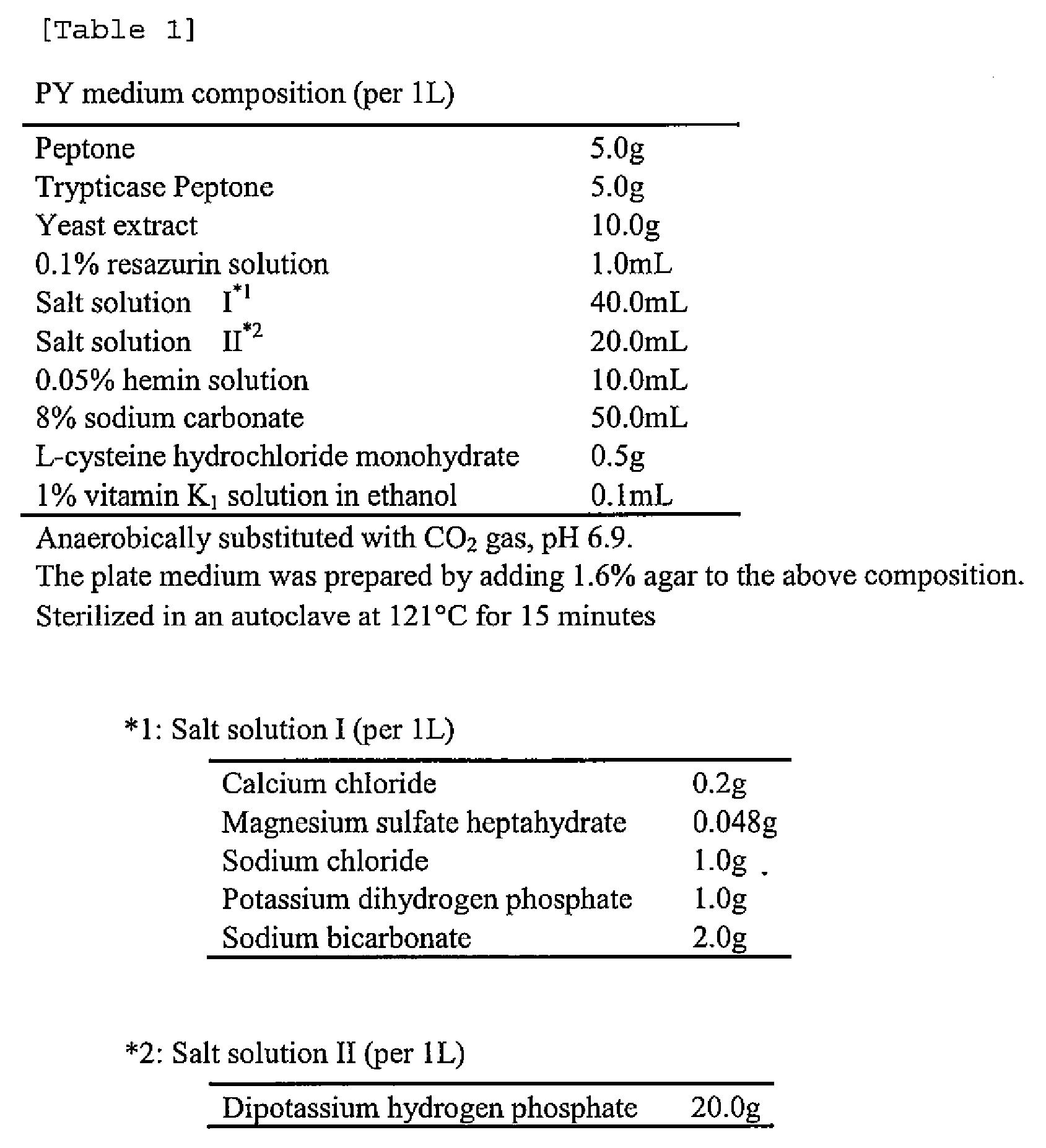
- the diluted sample solution was inoculated at 0.5% to a PY liquid medium (Table 1), a PY liquid medium supplemented with 0.5 (w/v)% L-sorbose (PYS), or a PY liquid medium supplemented with 0.5 (w/v)% D-xylitol (PYX), followed by anaerobic culture at 37°C for 24 hours.
- a PY liquid medium Table 1
- PYS PY liquid medium supplemented with 0.5 (w/v)% L-sorbose
- PYX D-xylitol
- the culture solution was diluted 10 6-7 -fold with anaerobically substituted PBS, and spread over a PY, PYS or PYX agar plate medium, followed by anaerobic culture at 37°C for 72 hours.
- Example 2 (Feature of YIT 12354 and YIT 12355 - 1)
- a frozen stock solution of each bacterial strain (a 10%(w/v) skim milk-2% sodium glutamate solution in which bacterial cells were suspended) (cell count: 2.0 to 5.5 ⁇ 10 10 cells/mL) was thawed, and the solution was inoculated at 1% to 4 mL of a PY liquid medium supplemented with 33 mM sodium acetate and 0.5 (w/v)% glucose (PYGA medium), followed by anaerobic culture at 37°C for 24 hours. After the culture, the culture solution was inoculated at 1% to a fresh PYGA medium, followed by anaerobic culture at 37°C for 24 hours. After the culture, the turbidity (OD 660 ) of the culture solution was measured.
- the culture solution was inoculated at 1% to a PY medium containing 0.5 (w/v)% L-sorbose or D-xylitol and 33 mM sodium acetate (the medium containing L-sorbose: PYSA, and the medium containing D-xylitol: PYXA), followed by anaerobic culture at 37°C for 24 hours. Then, the turbidity (OD 660 ) was measured.
- the organic acid concentration in the culture solution was quantified by ion-exclusion HPLC.
- a culture solution in a PY medium supplemented with sodium acetate but without L-sorbose or D-xylitol (PYA medium) was used as a blank.
- Turbidity measurement results Turbidity (OD 660 ) after anaerobic culture at 37°C for 24 hours in PYGA liquid medium Turbidity (OD 660 ) YIT 10092 T YIT 12354 YIT 12355 2.80 2.76 3.55 Medium Turbidity (OD 660 ) YIT 10092 T YIT 12354 YIT 12355 PYSA 2.56 2.26 2.39 PYXA 0.11 1.09 1.47 Turbidity (OD 660 ) after anaerobic culture at 37°C for 24 hours of 1 % inoculum in PYSA or PYXA
- Amount of butyrate produced Amount of butyrate produced by culture for 24 hours in a PYSA or PYXA medium ⁇ Amount of butyrate produced by culture for 24 hours in a PYA medium
- Each bacterial solution cultured in a PYGA liquid medium under the same conditions as those described in the preceding paragraph 1) was inoculated at 1% to a PYA medium containing 33 mM sodium acetate and further supplemented with 40 mM sodium lactate, followed by anaerobic culture at 37°C for 24 hours. After the completion of the culture, the organic acid concentration in the culture solution was analyzed by ion-exclusion HPLC. The analysis conditions were the same as those described in the preceding paragraph 1). The amount of butyrate produced was calculated according to (Expression 2).
- Amount of butyrate produced Amount of butyrate produced by culture for 24 hours in a PYA medium supplemented with 40 mM sodium lactate ⁇ Amount of butyrate produced by culture for 24 hours in a PYA medium without 40 mM sodium lactate
- Non Patent Literature 6 states that the amounts of butyrate produced by known butyrate-producing bacteria SS2/1 and SSC/2 when cultured at 37°C for 24 hours in a YCFA (33 mM acetic acid + 9 mM propionic acid + 1.2 mM isobutyric acid + 1.0 mM isovaleric acid + 1.0 mM valeric acid) medium supplemented with 35 mM lactate were 12.98 mM and 13.49 mM, respectively.
- YCFA 33 mM acetic acid + 9 mM propionic acid + 1.2 mM isobutyric acid + 1.0 mM isovaleric acid + 1.0 mM valeric acid
- the butyrate-producing bacterium of the present invention was found to have the property of being able to produce butyrate even in a medium containing only acetic acid (or a salt thereof) as a short-chain fatty acid, not a medium containing many types of short-chain fatty acids (e.g., a YCFA medium). Also, the amount of butyrate produced was higher than that of SS2/1 and SSC/2.
- DNA was extracted by the bead-phenol method from the culture solution of each bacterial strain, and the full length of 16S rDNA was amplified by PCR. Then, almost the full length of the sequence was sequenced. The obtained sequence was subjected to FASTA search using the DNA Data Bank of Japan (DDBJ) and checked against the sequence database of known bacterial species. Further, the sequence of each isolate was phylogenetically analyzed by the neighbor joining (NJ) method using Clustal X, and the phylogenetic tree was prepared using the Tree-View program.
- DDBJ DNA Data Bank of Japan
- NJ neighbor joining
- API-ZYM Rapid ID32A API
- API KENKI 20A SYSMEX bioMerieux Co., Ltd.
- YIT 12354 and YIT 12355 were determined as novel bacterial strains and deposited under Accession Nos. NITE BP-01831 and NITE BP-01832, respectively, with International Patent Organism Depositary of the National Institute of Technology and Evaluation.
- Example 3 (Feature of YIT 12354 and YIT 12355 - 2)
- Galactooligosaccharide (GOS), maltitol, D-mannitol, lactitol, isomalt, isomaltulose, L-sorbose and D-sorbitol were used as indigestible saccharides. These indigestible saccharides used, except for GOS, were reagent grade. GOS used was commercially available Oligomate 55N (Yakult Pharmaceutical Industry Co., Ltd.) from which monosaccharide and lactose fractions (fractions digestible and absorbable by the upper gastrointestinal tract) had been removed using an activated carbon column.
- a saccharide solution diluted with purified water was added to a column packed with activated carbon (manufactured by Wako Pure Chemical Industries, Ltd.) swollen in purified water, and the column was washed with a 2% ethanol solution, followed by the elution of an indigestible fraction with a 50% ethanol solution. The eluate was dried under reduced pressure, and the obtained GOS saccharide solution was used.
- activated carbon manufactured by Wako Pure Chemical Industries, Ltd.
- A. hadrus YIT 10092 T (DSM 3119 T ), which is a type strain of A. hadrus (a typical human intestinal butyrate-producing bacterium), and two isolates were used.
- Each of these bacterial strains was anaerobically cultured at 37°C for 24 hours in a PYA medium containing 33 mM sodium acetate supplemented with 0.5% D-glucose (PYGA medium).
- the culture solution was inoculated at 1% to a PYA medium containing 0.5 (w/v)% of each indigestible saccharide (test medium), followed by anaerobic culture at 37°C for 24 hours.
- test medium 0.5 (w/v)% of each indigestible saccharide
- Amount of butyrate produced Amount of butyrate in the test medium after culture ⁇ Amount of butyrate in a PYA medium without each indigestible saccharide after culture
- Ratio of butyrate Amount of butyrate in the test medium after culture / Amount of acetate + Amount of propionate + Amount of butyrate in the test medium after culture ⁇ 100
- mice feces 0.8 g was diluted 12.5-fold with PBS, and 0.5% of each indigestible saccharide (lactitol, maltitol, D-mannitol, D-sorbitol, L-sorbose or D-xylitol) and 1.0% of YIT 12355 precultured in a PYGA medium were added thereto, followed by anaerobic culture at 37°C for 24 hours. Also, a medium without each indigestible saccharide was also cultured in the same way as above. After the completion of the culture, the organic acid concentration in the culture solution was analyzed by ion-exclusion HPLC. The analysis conditions were the same as those described above in Example 2. After the quantification of the organic acid concentration, the amount of butyrate produced and the ratio of butyrate were calculated according to the same expression as (Expression 3).
- Example 5 Multiple oral dose test of YIT 12355 to mouse given indigestible saccharide
- mice were acclimatized and raised with F2 feed (manufactured by Funabashi Farm Co., Ltd.) for 1 week and then divided into 6 groups such that the average body weight was almost equal among these groups. Then, a control diet (Table 7) was administered thereto for 1 week and replaced with purified feed containing an indigestible material, which was then administered thereto for 2 weeks.
- a live cell suspension of YIT 12355 was orally administered twice a week a total of 4 times using a probe.
- each mouse was dissected, and the cecal and colonic contents were recovered and examined for an organic acid concentration. Also, the cell count of YIT 12355 in the intestinal tract contents was measured by quantitative PCR, while change in the whole intestinal flora was examined by use of PCR-DGGE (denaturing gradient gel electrophoresis).
- YIT 12355 was cultured at 37°C for 24 hours in a PYGA medium, and then centrifugation pellets were suspended in a 10% skim milk-2% sodium glutamate solution. The suspension was frozen at -80°C to prepare a frozen stock. A bacterial solution of YIT 12355 for administration was prepared as follows using the frozen stock.
- the frozen stock solution of YIT 12355 was thawed, and the solution was inoculated at 1% to 4 mL of a PYGA medium, followed by anaerobic culture at 37°C for 24 hours.
- the culture solution was inoculated at 1% to 56 mL of a medium having the same composition as above, followed by anaerobic culture at 37°C for 24 hours.
- the bacterial solution was centrifuged at 10,000 rpm at 4°C for 10 minutes, and then the supernatant was removed.
- the pellets were resuspended by the addition of 30 mL of cold physiological saline anaerobically substituted in advance, and the supernatant was removed by centrifugation.
- the pellets were resuspended in 6 mL of cold physiological saline to prepare a bacterial solution for administration.
- the suspension of the bacterial cells was carried out in a glove box.
- the bacterial solution was serially diluted with anaerobically substituted physiological saline and spread over a PYGA plate medium, followed by anaerobic culture at 37°C for 24 hours. Then, colonies were counted, and a viable count was calculated. After fixation of a portion of the bacterial solution in a 4% solution of paraformaldehyde in PBS, the total cell count was measured by the DAPI counting method.
- each mouse was anesthetized with diethyl ether and euthanized by cervical dislocation. After abdominal section, cecal tissues and colonic tissues were excised to recover their contents. The cecal and colonic contents were diluted 10-fold with PBS and subjected to DNA extraction.
- DNA was extracted by the bead-phenol method from the 10-fold diluted solution of the intestinal tract contents. Specifically, 0.3 g of glass beads (diameter: 0.1 mm), 300 ⁇ L of a Tris-SDS solution (a mixed solution of 250 mL of 200 mM Tris-HCl, 80 mM EDTA, pH 9.0, and 50 mL of 10% SDS) and 500 ⁇ L of TE saturated phenol were added to 200 ⁇ L of the diluted solution of the intestinal tract contents, and the mixture was vigorously shaken for 30 0 seconds using FastPrep FP120 (power level: 5.0).
- a Tris-SDS solution a mixed solution of 250 mL of 200 mM Tris-HCl, 80 mM EDTA, pH 9.0, and 50 mL of 10% SDS
- 500 ⁇ L of TE saturated phenol were added to 200 ⁇ L of the diluted solution of the intestinal tract contents, and the mixture was vigorously shaken for 30 0 seconds using FastPrep
- the total volume of the reaction solution was set to 20 ⁇ L, and SYBR Premix Ex Taq II (Takara Bio Inc.) containing 1.0 ⁇ M each of primers, and the template DNA solution were mixed and then subjected to quantitative PCR.
- the reaction conditions involved heating at 95°C for 2 minutes, followed by 40 repetitive cycles each involving reactions at 95°C for 20 seconds, 55°C for 20 seconds and 72°C for 50 seconds, and subsequent reaction at 72°C for 3 minutes.
- Tm value analysis after reaction at 60°C for 1 minute, the temperature was elevated at a temperature gradient of 0.2°C/sec to 95°C during which the fluorescence of SYBR Green I was measured to measure the dissociation temperature (Tm) of the double strand of the amplification product.
- A. hadrus -specific primers used in the quantitative PCR are shown in Table 8.
- the calibration curve for use in the quantification of A. hadrus was prepared using, as a template, DNA extracted from the bacterial cells of A. hadrus YIT12355 prepared at a given cell count.
- A. hadrus-specific primer used in quantitative PCR Target bacterial species Primer Sequence (5' ⁇ 3') Amplification product length (bp)
- the DNA extracted in the preceding paragraph 4)-a was pooled on a group basis, and the 16S rRNA gene fragment (containing V3 and V4 regions) of the bacterium was amplified by PCR using the DNA pool as a template and primers with a GC clamp (Table 9).
- the PCR conditions involved 5 ⁇ L of 10 ⁇ Ex Taq Buffer, 1 ⁇ L of a BSA (20 mg/mL) solution, 2 ⁇ L of 2.5 mM dNTP, 1 ⁇ L of a 25 pmol/ ⁇ L primer solution, 1.25 units of Ex Taq polymerase HS (Takara Bio Inc.) and 0.1 ng of the template DNA in 50 ⁇ L of the reaction solution.
- the temperature conditions involved 94°C for 5 minutes, (94°C for 20 seconds, 55°C for 45 seconds and 72°C for 1 minute) ⁇ 30 cycles and 72°C for 7 minutes.
- the amplification product was purified using QIAquick PCR Purification Kit (manufactured by Qiagen N.V.), and then the DNA was applied to a gel at 200 ng/well.
- Table 10 demonstrated that the administration of YIT 12355 alone or the indigestible saccharide alone largely changes neither the cell count nor the occupancy of A. hadrus in the intestine, whereas the administration of the butyrate-producing bacterium of the present invention and the indigestible saccharide in combination drastically increases the cell count and the occupancy of A. hadrus.
- Example 6 Single oral dose test of YIT 12355 to mouse given indigestible saccharide
- mice were acclimatized and raised with F2 feed for 1 week and then divided into 4 groups such that the average body weight was almost equal among these groups.
- a control diet (Table 12) was administered thereto for 1 week. Then, the control diet was administered to the control group (-/- group) and the AH/- group for 2 weeks while purified feed containing maltitol (MAL-containing diet) was administered to the - /MAL group and the AH/MAL group for 2 weeks.
- a live cell suspension of YIT 12355 was administered at a single dose using a probe after the administration of the control diet for 1 week. At the final day of the test, each mouse was dissected, and the cecal contents were recovered. The cecal contents were subjected to the cell count measurement of YIT 12355.
- a live cell suspension of YIT 12355 (administered bacterium) was prepared in the same way as in the paragraph 2) of Example 5.
- the bacterial solution (viable count: 3.1 ⁇ 10 9 cfu/mL, total cell count: 1.9 ⁇ 10 10 cells/mL) prepared in the preceding paragraph 2) was orally administered at a single dose of 0.2 mL (viable count: 6.2 ⁇ 10 8 cfu/mouse, total cell count: 3.8 ⁇ 10 9 cells/mouse) to each mouse using a probe.
- 0.2 mL of physiological saline was administered instead of the bacterial solution.
- DNA was extracted by the bead-phenol method described in the paragraph 4)a) of Example 5 from the 10-fold diluted solution of the intestinal tract contents.
- the cell count of YIT 12355 was measured by quantitative PCR using the obtained DNA as a template and the bacterial species-specific primers described in the paragraph 4)a) of Example 5.
- A.hadrus YIT 12355 Total cell count -/- group ⁇ 6.0 10.9 ⁇ 0.3 0.0 AH/- group 8.0 ⁇ 0.3 10.9 ⁇ 0.4 0.3 -/MAL group ⁇ 6.0 10.9 ⁇ 0.1 0.0 AH/MAL group 10.1 ⁇ 0.2 10.8 ⁇ 0.3 21.3 ⁇ 14.5
- Example 7 (Test on relationship between increase in cell count of YIT 12355 and butyrate concentration)
- mice fresh feces obtained 1 week after the start of the single dose test of Example 6 was collected into a sample tube and the tube was transferred into a glove box with the low-temperature and anaerobic state maintained.
- the feces were diluted with PBS anaerobically substituted in advance (final dilution: 12.5-fold), and a maltitol solution (final concentration: 0.5%) and/or a cultured bacterial solution of YIT 12355 (1% inoculated) was added thereto, followed by anaerobic culture at 37°C for 24 hours. After the culture, the butyrate concentration was measured by ion-exclusion HPLC using an electric conductivity detector.
Landscapes
- Life Sciences & Earth Sciences (AREA)
- Health & Medical Sciences (AREA)
- Chemical & Material Sciences (AREA)
- Engineering & Computer Science (AREA)
- Polymers & Plastics (AREA)
- Zoology (AREA)
- General Health & Medical Sciences (AREA)
- Medicinal Chemistry (AREA)
- Organic Chemistry (AREA)
- Microbiology (AREA)
- Food Science & Technology (AREA)
- Animal Behavior & Ethology (AREA)
- Public Health (AREA)
- Pharmacology & Pharmacy (AREA)
- Veterinary Medicine (AREA)
- Biotechnology (AREA)
- Wood Science & Technology (AREA)
- Epidemiology (AREA)
- Bioinformatics & Cheminformatics (AREA)
- Molecular Biology (AREA)
- Genetics & Genomics (AREA)
- Mycology (AREA)
- Biochemistry (AREA)
- Animal Husbandry (AREA)
- Nutrition Science (AREA)
- Biomedical Technology (AREA)
- General Engineering & Computer Science (AREA)
- General Chemical & Material Sciences (AREA)
- Chemical Kinetics & Catalysis (AREA)
- Tropical Medicine & Parasitology (AREA)
- Virology (AREA)
- Physiology (AREA)
- Nuclear Medicine, Radiotherapy & Molecular Imaging (AREA)
- Oil, Petroleum & Natural Gas (AREA)
- Pain & Pain Management (AREA)
- Rheumatology (AREA)
- Coloring Foods And Improving Nutritive Qualities (AREA)
- Fodder In General (AREA)
- Pharmaceuticals Containing Other Organic And Inorganic Compounds (AREA)
- Micro-Organisms Or Cultivation Processes Thereof (AREA)
Abstract
Description
- The present invention relates to a novel butyrate-producing bacterium and a composition for food or drink products, medicaments or feed comprising the same.
- Short-chain fatty acids such as acetic acid, propionic acid and butyric acid are produced by the fermentation of indigestible carbohydrates derived mainly from food by intestinal bacteria in the lower gastrointestinal tract. The short-chain fatty acids are not only utilized as a primary energy source for large intestine mucous membrane epithelial cells but exhibit many physiological effects. Particularly, butyric acid is considered to exhibit diverse physiological activities such as an epithelial cell growth-promoting effect, an anti-inflammatory effect and a bowel motility-enhancing effect (
Non Patent Literatures 1 and 2). Also, it has been suggested that butyric acid is important for the prevention of colorectal cancer or ulcerative colitis (Patent Literature 1). In recent years, butyric acid has been reported to promote the secretion of gastrointestinal hormones from the lower gastrointestinal tract (Non Patent Literature 3) and to increase energy consumption in peripheral tissues through oral administration to suppress obesity while improving insulin resistance (Non Patent Literature 4), for example. - Certain bacteria of the genus Lactobacillus and the genus Bifidobacterium are known as agents for promoting a rise in intestinal butyrate concentration (Patent Literature 1). Also, bacteria belonging to Anaerostipes, particularly, Anaerostipes hadrus (Eubacterium hadrum) (hereinafter, referred to as A. hadrus) DSM 3119T, Butyrate-producing bacterium SSC/2, Butyrate-producing bacterium SS2/1 and the like are known as bacteria producing butyrate (
Non Patent Literatures - Patent Literature 1 :
JP-A-10-084909 -
- Non Patent Literature 1: Hamwe HM et al., Review article: the role of butyrate on colonic function. Aliment Pharmacol Ther. 27: 104-119 (2008)
- Non Patent Literature 2: Roy CC et al., Short-chain fatty acids: ready for prime time? Nutr Clin Pract. 21: 351-366 (2006)
- Non Patent Literature 3: Zhou J et al., Peptide YY and proglucagon mRNA expression patterns and regulation in the gut. Obesity. 14: 683-689 (2006)
- Non Patent Literature 4: Gao Z et al., Butyrate improves insulin sensitivity and increases energy expenditure in mice. Diabetes. 58: 1509-1517 (2009)
- Non Patent Literature 5: Allen-Vercoe et al., Anaerobe 18 (2012) 523-529
- Non Patent Literature 6: Applied and Environmental Microbilogy (2004) p. 5810-5817
- Non Patent Literature 7: J. Bacteriology 2004, 186 (7): 2099-2106
- However, the amounts of butyrate produced by the bacterial strains described above are not sufficient. Thus, there has been a demand for a bacterium having the ability to produce butyrate more highly.
- Thus, an object of the present invention is to provide a novel butyrate-producing bacterium having the ability to highly produce butyrate, and a composition for food or drink products, medicaments or feed comprising the bacterium.
- Accordingly, the present inventors have found that the amount of butyrate produced is increased by adding an indigestible saccharide to a sample library possessed by the applicant, followed by culture. Further, as a result of culturing and screening the library using L-sorbose or D-xylitol as the indigestible saccharide, they have found a novel butyrate-producing bacterium having the ability to produce butyrate at least 1.5 times that of an A. hadrus type strain YIT 10092T (DSM 3119T) when using L-sorbose as a substrate. They have also found that the administration of a composition comprising the butyrate-producing bacterium and an indigestible saccharide to animals including humans increases the butyrate-producing bacterium in the intestine and enhances the production of butyrate in the intestine. On the basis of these findings, the present invention has been completed.
- Specifically, the present invention provides the following [1] to [5].
- [1] A butyrate-producing bacterium belonging to Anaerostipes hadrus (Eubacterium hadrum), wherein the amount of butyrate produced which is measured by thawing a frozen stock solution of the bacterial strain (a 10% (w/v) skim milk-2% sodium glutamate solution in which bacterial cells are suspended) (cell count: 2.0 to 5.5 × 10¹⁰ cells/mL), inoculating the solution at 1% to 4 mL of a PY liquid medium supplemented with 33 mM sodium acetate and 0.5 (w/v)% glucose (PYGA medium), followed by anaerobic culture at 37°C for 24 hours, then inoculating the culture solution at 1% to a PYGA medium, followed by anaerobic culture at 37°C for 24 hours, then inoculating the culture solution at 1% to a PY medium containing 33 mM sodium acetate and 0.5 (w/v)% L-sorbose, followed by anaerobic culture at 37°C for 24 hours, and then measuring the butyrate concentration in the culture solution is at least 1.5 times that of Anaerostipes hadrus (Eubacterium hadrum) YIT 10092T (DSM 3119T), which is a type strain of Anaerostipes hadrus (Eubacterium hadrum).
- [2] The butyrate-producing bacterium according to [1], wherein the butyrate-producing bacterium is Anaerostipes hadrus (Eubacterium hadrum) YIT 12354 (NITE BP-01831) or Anaerostipes hadrus (Eubacterium hadrum) YIT 12355 (NITE BP-01832).
- [3] A composition for food or drink products, medicaments or feed comprising an indigestible saccharide and a butyrate-producing bacterium according to [1] or [2].
- [4] The composition according to [3], wherein the indigestible saccharide is one or more members selected from the group consisting of isomalt, isomaltulose, D-galactitol, D-xylitol, D-sorbitol, L-sorbose, maltitol, D-mannitol, lactitol and galactooligosaccharide.
- [5] A butyrate production-enhancing agent comprising a composition according to [3] or [4].
- . The administration of the butyrate-producing bacterium of the present invention together with an indigestible saccharide to animals including humans increases the butyrate-producing bacterium in the intestine and consequently enhances butyrate production in the intestine. The increased amount of butyrate in the intestine enhances various physiological effects based on butyrate as mentioned above.
-
- [
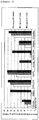
Figure 1] Figure 1 shows the amount of butyrate produced when various indigestible saccharides were added to 5 samples (A to E) selected from the library. - [
Figure 2] Figure 2 shows results of the phylogenetic analysis of isolates based on the 16S rRNA gene sequences. Two isolates (YIT 12354 and YIT 12355) are indicated in bold type. The phylogenetic tree was prepared by the neighbor joining method, and a number was described in a position with a Bootstrap value of 50% or more (1,000 repetitions). The scale bar represents that base substitution occurred 0.01 times at the locus. - [
Figure 3] Figure 3 shows the amount of butyrate produced when a butyrate-producing bacterium was cultured in a medium with an indigestible saccharide as a substrate. - [
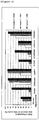
Figure 4] Figure 4 shows the ratio of butyrate to total short-chain fatty acids when a butyrate-producing bacterium was cultured in a medium with an indigestible saccharide as a substrate. - [
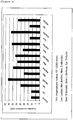
Figure 5] Figure 5 shows a butyrate concentration when an indigestible saccharide and A. hadrus YIT 12355 were added into mouse feces. - [
Figure 6] Figure 6 shows the ratio of butyrate to total short-chain fatty acid when an indigestible saccharide and A. hadrus YIT 12355 were added to mouse feces. - [
Figure 7] Figure 7 shows the DGGE profile of bacterium-derived 16S rRNA gene in cecal contents after administration of an indigestible saccharide and A. hadrus YIT 12355 to a mouse. - [
Figure 8] Figure 8 shows the effect of combined use of maltitol and A. hadrus YIT 12355 in a mouse feces culture system. - The butyrate-producing bacterium of the present invention belongs to A. hadrus (Eubacterium hadrum), and the amount of butyrate produced by the bacterium with L-sorbose as a substrate is at least 1.5 times that of A. hadrus (Eubacterium hadrum) YIT 10092T, which is a type strain of A. hadrus (Eubacterium hadrum). The amount of butyrate produced with L-sorbose as a substrate is preferably 1.5 to 2.5 times, more preferably 1.5 to 2.0 times, even more preferably 1.5 to 1.7 times that of YIT 10092T.
- Unlike A. hadrus YIT 10092T, the butyrate-producing bacterium of the present invention can produce butyrate with D-xylitol as a substrate.
- In this context, the amount of butyrate produced with L-sorbose or D-xylitol as a substrate is the amount of butyrate produced by culture in a medium supplemented with only L-sorbose or D-xylitol as a saccharide. The medium composition and the culture conditions may be conditions suitable for the usual culture of butyrate-producing bacteria. For example, the amount of butyrate produced can be measured by thawing a frozen stock solution of the bacterial strain (a 10% (w/v) skim milk-2% sodium glutamate solution in which bacterial cells are suspended) (cell count: 2.0 to 5.5 × 10¹⁰ cells/mL), inoculating the solution at 1% to 4 mL of a PY (peptone-yeast extract) liquid medium supplemented with 33 mM sodium acetate and 0.5 (w/v)% glucose (PYGA medium), followed by anaerobic culture at 37°C for 24 hours, then inoculating the culture solution at 1% to a PYGA medium, followed by anaerobic culture at 37°C for 24 hours, then inoculating the culture solution at 1% to a PY medium containing 33 mM sodium acetate and 0.5 (w/v)% L-sorbose or D-xylitol, followed by anaerobic culture at 37°C for 24 hours, and then measuring the butyrate concentration in the culture solution.
- For confirming a cell count after the culture, it is preferred to measure turbidity (OD660) after the culture in a PYGA medium and/or the culture in a PY medium containing 33 mM sodium acetate and 0.5 (w/v)% L-sorbose or D-xylitol.
- The measurement of the butyrate concentration in the culture solution is not particularly limited as long as the method is capable of measuring the butyrate concentration. For example, the butyrate concentration in the culture solution can be measured by ion-exclusion high-performance liquid chromatography (HPLC).
- The butyrate-producing bacterium of the present invention has the property of being able to produce butyrate even in a medium containing only acetic acid (or a salt thereof) as a short-chain fatty acid, not a medium containing many types of short-chain fatty acids (e.g., a YCFA medium containing acetic acid, propionic acid, isobutyric acid, isovaleric acid and valeric acid).
- Specific examples of the butyrate-producing bacterium of the present invention include A. hadrus (Eubacterium hadrum) YIT 12354 (NITE BP-01831) (hereinafter, referred to as YIT 12354) and A. hadrus (Eubacterium hadrum) YIT 12355 (NITE BP-01832) (hereinafter, referred to as YIT 12355).
- The butyrate-producing bacterium of the present invention can be isolated from the library or the like, for example, by inoculating a portion of the library, bacteria collected from nature, or the like to a liquid medium supplemented with an indigestible saccharide as only one sugar source, followed by culture, then spreading the culture solution over a plate medium, picking grown colonies, and measuring the ability to produce butyrate. More specifically, a diluted solution of the library, bacteria collected from nature or the like is inoculated to a liquid medium supplemented with an indigestible saccharide as only one sugar source, followed by culture. On the other hand, the diluted solution is inoculated to a liquid medium without the indigestible saccharide, followed by culture. After the culture, a portion of each culture solution is spread over an agar plate medium supplemented with an indigestible saccharide as only one sugar source, and grown colonies are observed. The colonies obtained from the liquid medium supplemented with an indigestible saccharide are compared with the colonies obtained from the liquid medium without the indigestible saccharide to pick those differing in morphology. The picked bacterial strain is anaerobically cultured in a liquid medium which is a PYA liquid medium (a PY medium supplemented with 33 mM sodium acetate) supplemented with an indigestible saccharide such as L-sorbose as only one sugar source. The butyrate concentration in the culture solution can be measured. In this context, the concentration of the indigestible saccharide to be added is preferably 0.1 to 5.0 (w/v)%, more preferably 0.2 to 1.0 (w/v)%, even more preferably 0.4 to 0.6 (w/v)%. The culture is preferably anaerobic culture at 30 to 40°C for 12 to 48 hours, more preferably anaerobic culture at 37°C for 24 hours.
- The butyrate-producing bacterium of the present invention can utilize a wide range of types of carbohydrates and has the ability to produce butyrate even when cultured using an indigestible saccharide such as L-sorbose or D-xylitol, which is difficult to be utilized by other bacteria, as a substrate. As described in Examples mentioned later, as a result of conducting phylogenetic analysis based on the 16S rRNA gene sequences, the butyrate-producing bacterium of the present invention is classified into A. hadrus. As a result of comparing its biochemical properties with those of the type strain A. hadrus YIT 10092T, they differed in enzymatic activity and sugar utilization. Therefore, the butyrate-producing bacterium of the present invention has been identified as a novel bacterial strain different from the type strain. YIT 12354 and YIT 12355 were deposited on March 19, 2014 as Accession Nos. NITE BP-01831 and NITE BP-01832, respectively, with International Patent Organism Depositary of the National Institute of Technology and Evaluation (2-5-8 120, Kazusakamatari, Kisarazu-shi, Chiba, 292-0818, Japan).
- The butyrate-producing bacterium of the present invention has no problem associated with safety and has the ability to produce butyrate with an indigestible saccharide as a substrate. Thus, a composition comprising the butyrate-producing bacterium of the present invention and an indigestible saccharide is useful as a composition for food or drink products, medicaments or feed. The composition produces butyrate in the intestines of animals including humans and as such, is useful as a butyrate production-enhancing agent. Butyric acid, as mentioned above, is not only utilized as an energy source for large intestine mucous membrane epithelial cells but has an epithelial cell growth-promoting effect, an anti-inflammatory effect and a bowel motility-enhancing effect and further has a preventive or therapeutic effect on colorectal cancer and ulcerative colitis, and an energy metabolism regulatory effect. Therefore, the composition of the present invention is particularly useful as a medicament, a food or drink product or feed having these physiological activities.
- Examples of the indigestible saccharide include: monosaccharides and disaccharides such as L-sorbose, D-xylose, isomaltulose, lactulose and D-trehalose; sugar alcohols such as isomalt, D-galactitol, D-xylitol, D-sorbitol, maltitol, D-mannitol, erythritol and lactitol; oligosaccharides such as galactooligosaccharide, fructooligosaccharide, lactosucrose, isomaltooligosaccharide, soybean oligosaccharide, nigerooligosaccharide, gentiooligosaccharide, pectin oligosaccharide and cyclodextrin; germinated barley; inulin; indigestible dextrin; and resistant starch. Among them, one or more members selected from the group consisting of indigestible saccharides utilizable by the butyrate-producing bacterium of the present invention, particularly, isomalt, isomaltulose, D-galactitol, D-xylitol, D-sorbitol, L-sorbose, maltitol, D-mannitol, lactitol and galactooligosaccharide, are preferred.
- The composition of the present invention preferably contains 104 cfu to 1014 cfu of the butyrate-producing bacterium as live cells. The composition of the present invention preferably contains 0.01 (w/v)% to 90 (w/v)%, more preferably 0.05 (w/v)% to 50 (w/v)%, of the indigestible saccharide.
- The composition of the present invention can be in a form suitable for each of food or drink product, medicament or feed. In the case of a medicament, the composition of the present invention can be mixed with, for example, a solid or liquid pharmaceutical nontoxic carrier and used in the form of a conventional pharmaceutical preparation. Examples of such a preparation include solid formulations such as tablets, granules, powders and capsules, liquid formulations such as solution, suspensions and emulsions, and freeze-dried preparations. These preparations can be prepared by a conventional means for formulation. Examples of the pharmaceutical nontoxic carrier include glucose, lactose, sucrose, starch, mannitol, dextrin, fatty acid glyceride, polyethylene glycol, hydroxyethyl starch, ethylene glycol, polyoxyethylene sorbitan fatty acid ester, amino acids, gelatin, albumin, water and physiological saline. If necessary, conventional additives such as a stabilizer, a wetting agent, an emulsifier, a binder, a tonicity agent and an excipient can also be appropriately added to the preparations.
- In the case of a food or drink product, the composition of the present invention can be in any of solid and liquid forms, for example. In the case of a food or drink product, the composition of the present invention can be contained as it is or contained with various nutrient components. Specifically, the composition of the present invention can be formed as an edible form, i.e., granules, grains, tablets, capsules, pastes, or the like, by use of a conventional means appropriately using additives usable for food or drink products. Examples of the type of the food or drink product include: food products including processed meat products such as ham and sausage, fishery processed food products such as Kamaboko (fish minced and steamed) and Chikuwa (fish sausage), bread, confectionery, butter and powdered milk; and drink products such as water, fruit juice, milk, soft drinks and tea drinks. The same holds true for the feed.
- When administered to animals including humans, the composition of the present invention is preferably administered through an oral route from the viewpoint of producing butyrate in the intestine. The dose thereof is preferably 1.0 × 10⁴ cfu or more, more preferably 1.0 × 10⁸ cfu to 1.0 × 10¹² cfu in terms of a viable count as the butyrate-producing bacterium per day.
- Next, the present invention will be described in detail with reference to Examples.
- Five samples (A to E) were selected from the sample library possessed by the applicant and each transferred into a glove box, and 20 g of each sample was transferred to a homogenizer bag PYXON-30 (manufactured by ELMEX) with a filter. Each sample was diluted 10-fold by the addition of an anaerobically substituted 0.1 M sodium phosphate buffer solution (pH 6.8) thereto in 9 times the amount of each sample. Then, the mixture was filtered through the filter, and the residue was removed to prepare a diluted sample solution. 0.5 mL (final saccharide concentration: 0.5 (w/v)%) of a 10 (w/v)% solution of each saccharide, i.e., germinated barley (GBF), L-arabinose, D-galactitol, galactooligosaccharide, D-xylitol, D-xylose, D-sorbitol, L-sorbose, maltitol, D-mannitol or fructooligosaccharide was added to 9.5 mL of the diluted sample solution, followed by anaerobic culture at 37°C for 24 hours.
- The results are shown in
Figure 1 . As seen fromFigure 1 , the amount of butyrate produced was increased by the addition of each indigestible saccharide to the five samples (A to E) and the subsequent culture. Thus, the library was confirmed to contain a butyrate-producing bacterium. - Two of the samples (C and E) were each transferred into a glove box. Each sample was sufficiently homogenized, and then a portion thereof was transferred to a homogenizer bag PYXON-30 (manufactured by ELMEX) with a filter. Each sample was homogenized by the addition of an anaerobically substituted 0.1 M sodium phosphate buffer (pH 6.8) thereto in 9 times the amount of each sample, and the residue was removed. The diluted sample solution was inoculated at 0.5% to a PY liquid medium (Table 1), a PY liquid medium supplemented with 0.5 (w/v)% L-sorbose (PYS), or a PY liquid medium supplemented with 0.5 (w/v)% D-xylitol (PYX), followed by anaerobic culture at 37°C for 24 hours. After the culture, the culture solution was diluted 106-7-fold with anaerobically substituted PBS, and spread over a PY, PYS or PYX agar plate medium, followed by anaerobic culture at 37°C for 72 hours. Among colonies grown on the PYS or PYX plate medium, colonies differing in morphology from those grown on the PY plate medium were picked and inoculated to a PYS or PYX liquid medium, followed by anaerobic culture at 37°C for 24 hours. These isolates were screened for strains producing butyrate into the culture solution. As a result, two isolates (YIT 12354 and YIT 12355) were selected.
- A frozen stock solution of each bacterial strain (a 10%(w/v) skim milk-2% sodium glutamate solution in which bacterial cells were suspended) (cell count: 2.0 to 5.5 × 10¹⁰ cells/mL) was thawed, and the solution was inoculated at 1% to 4 mL of a PY liquid medium supplemented with 33 mM sodium acetate and 0.5 (w/v)% glucose (PYGA medium), followed by anaerobic culture at 37°C for 24 hours. After the culture, the culture solution was inoculated at 1% to a fresh PYGA medium, followed by anaerobic culture at 37°C for 24 hours. After the culture, the turbidity (OD660) of the culture solution was measured. Then, the culture solution was inoculated at 1% to a PY medium containing 0.5 (w/v)% L-sorbose or D-xylitol and 33 mM sodium acetate (the medium containing L-sorbose: PYSA, and the medium containing D-xylitol: PYXA), followed by anaerobic culture at 37°C for 24 hours. Then, the turbidity (OD660) was measured.
- After the completion of the culture, the organic acid concentration in the culture solution was quantified by ion-exclusion HPLC. In this operation, a culture solution in a PY medium supplemented with sodium acetate but without L-sorbose or D-xylitol (PYA medium) was used as a blank.
[Table 2] (Turbidity measurement results) Turbidity (OD660) after anaerobic culture at 37°C for 24 hours in PYGA liquid medium Turbidity (OD660) YIT 10092T YIT 12354 YIT 12355 2.80 2.76 3.55 Medium Turbidity (OD660) YIT 10092T YIT 12354 YIT 12355 PYSA 2.56 2.26 2.39 PYXA 0.11 1.09 1.47 Turbidity (OD660) after anaerobic culture at 37°C for 24 hours of 1 % inoculum in PYSA or PYXA -
- Eluent: 15 mM perchloric acid-7% acetonitrile
- pH adjuster: 15 mM perchloric acid-60 mM
- tris(hydroxymethyl)aminomethane-7% acetonitrile Separation column: Organic acid analysis column RSpak KC-811 × 2 (manufactured by Showa Denko K.K.)
- Column temperature: 42°C
- Injected sample volume: 10 µL
- Flow rate: 1.0 mL/min
- Analysis time: 35 min
- Detector: Waters 432 electric conductivity detector
- Cell temperature: 45°C
- The amount of butyrate produced was calculated according to (Expression 1).
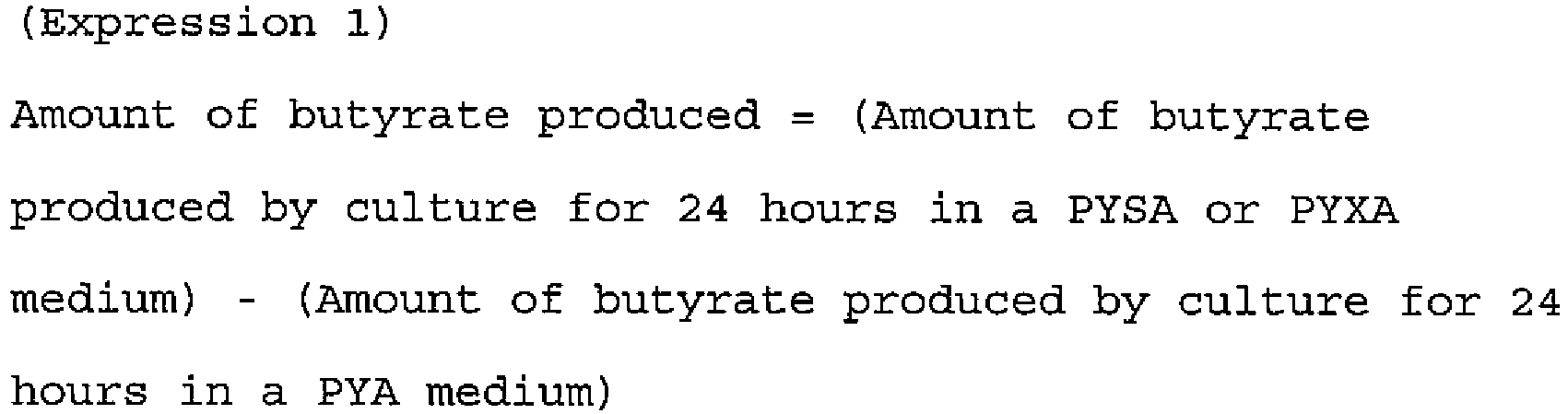
- The results are shown in Table 3.
[Table 3] Amounts of butyrate produced by various bacterial strains from L-sorbose and D-xylitol Bacterial strain Amount of butyrate produced (mmol/L) L-Sorbose D-Xylitol A. hadrus YIT 10092T 9.7 -0.1 Isolate YIT 12354 14.8 31.0 Isolate YIT 12355 15.4 31.9 - From Table 3, the amounts of butyrate produced by the two isolates in the presence of L-sorbose both exhibited at least 1.5 times that of the type strain. The type strain was unable to produce butyrate by utilizing D-xylitol, whereas the two isolates produced butyrate when D-xylitol was used as a substrate.
- Each bacterial solution cultured in a PYGA liquid medium under the same conditions as those described in the preceding paragraph 1) was inoculated at 1% to a PYA medium containing 33 mM sodium acetate and further supplemented with 40 mM sodium lactate, followed by anaerobic culture at 37°C for 24 hours. After the completion of the culture, the organic acid concentration in the culture solution was analyzed by ion-exclusion HPLC. The analysis conditions were the same as those described in the preceding paragraph 1). The amount of butyrate produced was calculated according to (Expression 2).

- The results are shown in Table 4.
[Table 4] Bacterial strain Amount of butyrate produced (mmol/L) Isolate YIT 12354 16.5 Isolate YIT 12355 19.9 -
Non Patent Literature 6 states that the amounts of butyrate produced by known butyrate-producing bacteria SS2/1 and SSC/2 when cultured at 37°C for 24 hours in a YCFA (33 mM acetic acid + 9 mM propionic acid + 1.2 mM isobutyric acid + 1.0 mM isovaleric acid + 1.0 mM valeric acid) medium supplemented with 35 mM lactate were 12.98 mM and 13.49 mM, respectively. - The butyrate-producing bacterium of the present invention was found to have the property of being able to produce butyrate even in a medium containing only acetic acid (or a salt thereof) as a short-chain fatty acid, not a medium containing many types of short-chain fatty acids (e.g., a YCFA medium). Also, the amount of butyrate produced was higher than that of SS2/1 and SSC/2.
- DNA was extracted by the bead-phenol method from the culture solution of each bacterial strain, and the full length of 16S rDNA was amplified by PCR. Then, almost the full length of the sequence was sequenced. The obtained sequence was subjected to FASTA search using the DNA Data Bank of Japan (DDBJ) and checked against the sequence database of known bacterial species. Further, the sequence of each isolate was phylogenetically analyzed by the neighbor joining (NJ) method using Clustal X, and the phylogenetic tree was prepared using the Tree-View program.
- The results are shown in
Figure 2 . - As a result of conducting the phylogenetic analysis based on the 16S rRNA gene sequences (approximately 1,450 bp) of YIT 12354 and YIT 12355, both of the strains were positioned in a subcluster of the genus Anaerostipes in Clostridial Cluster XIVa and further exhibited 99.7% and 99.8% identity, respectively, to the sequence of A. hadrus YIT 10092T, which is a type strain of A. hadrus (= Eubacterium hadrum). From these results, YIT 12354 and YIT 12355 were both found to be classified into A. hadrus.
- Commercially available API-ZYM, Rapid ID32A API, and API KENKI 20A (SYSMEX bioMerieux Co., Ltd.) were used in the testing of biochemical properties of various bacterial strains. The testing method followed the product manuals.
- The results are shown in Table 5.
[Table 5] Comparison of biochemical properties of various bacterial strains Test item A. hadrus YIT 10092T YIT 12354 YIT 12355 Enzymatic activity Alkaline phosphatase - + + Acid phosphatase + + + Naphthol-AS-B1-phosphohydrolase + + + Esterase (C4) + - + β-Galactosidase + + + β-Galactosidase-6-phosphate + - - α-Glucosidase - - +w Saccharide fermentability Aesculin - - + L-Arabinose + + + D-Cellobiose + - +w Glycerol - - +w Maltose +w +w + D-Mannitol + + + Salicin + - + L-Sorbitol + + + D-Raffinose - +w - L-Rhamnose - - + D-Xylose + + + +, positive reaction; -, negative reaction; +w, weak reaction - As seen from Table 5, these three bacterial strains were found to exhibit similar properties, which, however, were not the same properties and differ from each other at the strain level. All of the three bacterial strains were gram-positive bacilli.
- From these results, YIT 12354 and YIT 12355 were determined as novel bacterial strains and deposited under Accession Nos. NITE BP-01831 and NITE BP-01832, respectively, with International Patent Organism Depositary of the National Institute of Technology and Evaluation.
- Galactooligosaccharide (GOS), maltitol, D-mannitol, lactitol, isomalt, isomaltulose, L-sorbose and D-sorbitol were used as indigestible saccharides. These indigestible saccharides used, except for GOS, were reagent grade. GOS used was commercially available Oligomate 55N (Yakult Pharmaceutical Industry Co., Ltd.) from which monosaccharide and lactose fractions (fractions digestible and absorbable by the upper gastrointestinal tract) had been removed using an activated carbon column. Specifically, a saccharide solution diluted with purified water was added to a column packed with activated carbon (manufactured by Wako Pure Chemical Industries, Ltd.) swollen in purified water, and the column was washed with a 2% ethanol solution, followed by the elution of an indigestible fraction with a 50% ethanol solution. The eluate was dried under reduced pressure, and the obtained GOS saccharide solution was used.
- A. hadrus YIT 10092T (DSM 3119T), which is a type strain of A. hadrus (a typical human intestinal butyrate-producing bacterium), and two isolates were used.
- Each of these bacterial strains was anaerobically cultured at 37°C for 24 hours in a PYA medium containing 33 mM sodium acetate supplemented with 0.5% D-glucose (PYGA medium). The culture solution was inoculated at 1% to a PYA medium containing 0.5 (w/v)% of each indigestible saccharide (test medium), followed by anaerobic culture at 37°C for 24 hours. After the completion of the culture, the organic acid concentration in the culture solution was analyzed by ion-exclusion HPLC. The analysis conditions were the same as those described above in Example 2. After the quantification of the organic acid concentration, the amount of butyrate produced from each indigestible saccharide and the ratio of butyrate to total short-chain fatty acids were calculated according to the following expressions.

- The results are shown in
Figures 3 and4 . FromFigures 3 and4 , YIT 12354 and YIT 12355 were found to be able to utilize indigestible saccharides more than the type strain YIT 10092T does, and also to have a larger amount of butyrate produced. The amounts of butyrate produced by the two isolates in the presence of L-sorbose both exhibited at least 1.5 times that of the type strain. The ratio of butyrate to total short-chain fatty acids was also found to be higher than that of the type strain YIT 10092T. - 0.8 g of mouse feces was diluted 12.5-fold with PBS, and 0.5% of each indigestible saccharide (lactitol, maltitol, D-mannitol, D-sorbitol, L-sorbose or D-xylitol) and 1.0% of YIT 12355 precultured in a PYGA medium were added thereto, followed by anaerobic culture at 37°C for 24 hours. Also, a medium without each indigestible saccharide was also cultured in the same way as above. After the completion of the culture, the organic acid concentration in the culture solution was analyzed by ion-exclusion HPLC. The analysis conditions were the same as those described above in Example 2. After the quantification of the organic acid concentration, the amount of butyrate produced and the ratio of butyrate were calculated according to the same expression as (Expression 3).
- The results are shown in
Figures 5 and6 . As shown inFigures 5 and6 , butyrate production was largely increased by the addition of the combination of the butyrate-producing bacterium of the present invention and the indigestible saccharide, as compared with the case of the addition of the indigestible saccharide alone and the case of the addition of the butyrate-producing bacterium of the present invention alone. The ratio of butyrate to total short-chain fatty acids was also largely increased by the addition of the combination of the butyrate-producing bacterium of the present invention and the indigestible saccharide, as compared with the case of the addition of the indigestible saccharide alone and the case of the addition of the butyrate-producing bacterium of the present invention alone. - The overall test schedule is shown in Table 6. Mice were acclimatized and raised with F2 feed (manufactured by Funabashi Farm Co., Ltd.) for 1 week and then divided into 6 groups such that the average body weight was almost equal among these groups. Then, a control diet (Table 7) was administered thereto for 1 week and replaced with purified feed containing an indigestible material, which was then administered thereto for 2 weeks. A live cell suspension of YIT 12355 was orally administered twice a week a total of 4 times using a probe. At the final day of the test, each mouse was dissected, and the cecal and colonic contents were recovered and examined for an organic acid concentration. Also, the cell count of YIT 12355 in the intestinal tract contents was measured by quantitative PCR, while change in the whole intestinal flora was examined by use of PCR-DGGE (denaturing gradient gel electrophoresis).
-
- Animal used: mouse C57BL/6J (4 weeks old; CLEA Japan, Inc.)
- Test period: 3 weeks
- Indigestible saccharide used: lactitol and maltitol
- Dose of indigestible saccharide: 5% (w/w)
- Administered bacterial strain: YIT 12355
- Dose of bacterium: live cell dose: 3.9 to 6.9 × 10⁸ cfu/mouse (administration of a suspension in physiological saline using a probe). Total cell count
- including dead cells: 3.6 to 4.6 × 10⁹ cfu/mouse
- Group configuration: 6 groups (5 mice/group)
- -/- group, Control
- AH/- group, Administration of YIT 12355 alone
- -/LAC group, Administration of lactitol alone
- -/MAL group, Administration of maltitol alone
- AH/LAC group, Administration of YIT 12355 and lactitol in combination
- AH/MAL group, Administration of YIT 12355 and maltitol in combination
- Feed composition: purified feed based on AIN-93G (Table 7)
- Measurement item: cecal flora analysis (cell count measurement of the administered bacterium by quantitative PCR, total cell count measurement by the DAPI counting method, and observation of change in flora by PCR-DGGE)
- YIT 12355 was cultured at 37°C for 24 hours in a PYGA medium, and then centrifugation pellets were suspended in a 10% skim milk-2% sodium glutamate solution. The suspension was frozen at -80°C to prepare a frozen stock. A bacterial solution of YIT 12355 for administration was prepared as follows using the frozen stock.
- The frozen stock solution of YIT 12355 was thawed, and the solution was inoculated at 1% to 4 mL of a PYGA medium, followed by anaerobic culture at 37°C for 24 hours. The culture solution was inoculated at 1% to 56 mL of a medium having the same composition as above, followed by anaerobic culture at 37°C for 24 hours. The bacterial solution was centrifuged at 10,000 rpm at 4°C for 10 minutes, and then the supernatant was removed. The pellets were resuspended by the addition of 30 mL of cold physiological saline anaerobically substituted in advance, and the supernatant was removed by centrifugation. The pellets were resuspended in 6 mL of cold physiological saline to prepare a bacterial solution for administration. The suspension of the bacterial cells was carried out in a glove box.
- The bacterial solution was serially diluted with anaerobically substituted physiological saline and spread over a PYGA plate medium, followed by anaerobic culture at 37°C for 24 hours. Then, colonies were counted, and a viable count was calculated. After fixation of a portion of the bacterial solution in a 4% solution of paraformaldehyde in PBS, the total cell count was measured by the DAPI counting method.
- At the 2nd week of administration of the test feed, each mouse was anesthetized with diethyl ether and euthanized by cervical dislocation. After abdominal section, cecal tissues and colonic tissues were excised to recover their contents. The cecal and colonic contents were diluted 10-fold with PBS and subjected to DNA extraction.
- DNA was extracted by the bead-phenol method from the 10-fold diluted solution of the intestinal tract contents. Specifically, 0.3 g of glass beads (diameter: 0.1 mm), 300 µL of a Tris-SDS solution (a mixed solution of 250 mL of 200 mM Tris-HCl, 80 mM EDTA, pH 9.0, and 50 mL of 10% SDS) and 500 µL of TE saturated phenol were added to 200 µL of the diluted solution of the intestinal tract contents, and the mixture was vigorously shaken for 30 0 seconds using FastPrep FP120 (power level: 5.0). After centrifugation at 15,000 rpm for 5 minutes, 400 µL of a phenol/chloroform/isoamyl alcohol (25:24:1) solution was added to 400 µL of the supernatant, and the mixture was shaken for 45 seconds using FastPrep FP120 (power level: 4.0). After centrifugation at 15,000 rpm for 5 minutes, 25 µL of 3 M sodium acetate (pH 5.4) and 250 µL of isopropanol were added to 250 µL of the supernatant and mixed therewith. After centrifugation at 15,000 rpm for 5 minutes, the supernatant was removed, and 500 µL of 70% ethanol was added thereto, followed by centrifugation again at 15,000 rpm for 5 minutes. The supernatant was removed, and the pellets were dried and dissolved in 1.0 mL of a TE buffer. The obtained DNA solution was diluted 10-fold with purified water to prepare a template DNA solution. For quantitative PCR, 7500 Real-Time PCR System (manufactured by Life Technologies Corp.) was used. The total volume of the reaction solution was set to 20 µL, and SYBR Premix Ex Taq II (Takara Bio Inc.) containing 1.0 µM each of primers, and the template DNA solution were mixed and then subjected to quantitative PCR. The reaction conditions involved heating at 95°C for 2 minutes, followed by 40 repetitive cycles each involving reactions at 95°C for 20 seconds, 55°C for 20 seconds and 72°C for 50 seconds, and subsequent reaction at 72°C for 3 minutes. For subsequent Tm value analysis, after reaction at 60°C for 1 minute, the temperature was elevated at a temperature gradient of 0.2°C/sec to 95°C during which the fluorescence of SYBR Green I was measured to measure the dissociation temperature (Tm) of the double strand of the amplification product. The sequences of A. hadrus-specific primers used in the quantitative PCR are shown in Table 8. The calibration curve for use in the quantification of A. hadrus was prepared using, as a template, DNA extracted from the bacterial cells of A. hadrus YIT12355 prepared at a given cell count.
[Table 8] A. hadrus-specific primer used in quantitative PCR Target bacterial species Primer Sequence (5'→3') Amplification product length (bp) A.hadrus s-Ahad-F AGGGCTTAACTCTGGGAC (SEQ ID NO: 1) 405 s-Ahad-R GGTTAAGGACCGGTCAGAA (SEQ ID NO: 2) - After fixation of a portion of the 10-fold diluted solution of the intestinal tract contents in a 4% solution of paraformaldehyde in PBS, the total cell count was measured by the DAPI counting method. The cell count of YIT 12355 was divided by the total cell count to calculate an occupancy (%).

- The DNA extracted in the preceding paragraph 4)-a was pooled on a group basis, and the 16S rRNA gene fragment (containing V3 and V4 regions) of the bacterium was amplified by PCR using the DNA pool as a template and primers with a GC clamp (Table 9). The PCR conditions involved 5 µL of 10 × Ex Taq Buffer, 1 µL of a BSA (20 mg/mL) solution, 2 µL of 2.5 mM dNTP, 1 µL of a 25 pmol/µL primer solution, 1.25 units of Ex Taq polymerase HS (Takara Bio Inc.) and 0.1 ng of the template DNA in 50 µL of the reaction solution. The temperature conditions involved 94°C for 5 minutes, (94°C for 20 seconds, 55°C for 45 seconds and 72°C for 1 minute) × 30 cycles and 72°C for 7 minutes. The amplification product was purified using QIAquick PCR Purification Kit (manufactured by Qiagen N.V.), and then the DNA was applied to a gel at 200 ng/well. An 8% acrylamide gel (8% acrylamide/bis (37:5:1), 1 × TAE (pH 8.0), 0.1% TEMED, 0.1% ammonium persulfate) provided with a denaturant concentration gradient of 35 to 50% (here, 100% denaturant means a mixture of 7 M urea and 40% formamide) using Gradient Former (Bio-Rad Laboratories, Inc.) was used to perform electrophoresis at 60°C at 130 V for 5 minutes and subsequent electrophoresis at 70 V for 16 hours. After the electrophoresis, the gel was stained with GelRed (Biotium), and the bands were confirmed and photographed under UV lamp. In order to identify a band derived from A. hadrus YIT 12355, PCR was performed using, as a template, DNA extracted from purely cultured bacterial cells of the bacterial strain, and the amplified product was used as an electrophoresis sample.
[Table 9] Primer used in PCR-DGGE Primer Sequence (5'-3') GC-341F GCclamp*-CCTACGGGAGGCAGCAG (SEQ ID NO: 3) 800R GGACTACCAGGGTATCTAAT (SEQ ID NO: 4) *GCclamp= CGCCCGCCGCGCCCCGCGCCCGTCCCGCCGCCCCCGCCCG (SEQ ID NO: 5) - The results of measuring the total cell count and the cell count of YIT 12355 in the intestine, and the occupancy of YIT 12355 are shown in Table 10. The results of analyzing flora in the cecal contents by PCR-DGGE are shown in
Figure 7 .[Table 10] Group Cell count (log10 cells/g contents) Occupancy (%) A.hadrus Detected count Total cell count Cecal contents - / - group 6.0 (1/5) 10.9 ± 0.1 0.001 AH / - group 7.0 ± 1.1 (4/5) 10.9 ± 0.1 0.1 ± 0.1 - / LAC group 7.2 (1/5) 11.1 ± 0.1 0.014 - / MAL group 6.1 (1/5) 11.0 ± 0.1 0.001 AH / LAC group 10.5 ± 0.4 (5/5) 11.1 ± 0.1 27.5 ± 19.0 AH / MAL group 10.6 ± 0.2 (5/5) 11.0 ± 0.1 45.2 ± 8.5 Colonic contents - / - group ND (0/5) 10.9 ±0.1 0.000 AH / - group 7.2 ± 1.1 (4/5) 11.0 ±0.0 0.1 ± 0.1 - / LAC group ND (0/5) 11.1 ±0.1 0.000 - / MAL group ND (0/5) 11.0 ±0.1 0.000 AH / LAC group 10.4 ± 0.4 (5/5) 11.1 ±0.1 23.4 ± 15.6 AH / MAL group 10.5 ± 0.4 (5/5) 11.0 ±0.1 41.3 ± 22.1 ND: < lower quantification limit 6.0 log10 (cells/g contents) - Table 10 demonstrated that the administration of YIT 12355 alone or the indigestible saccharide alone largely changes neither the cell count nor the occupancy of A. hadrus in the intestine, whereas the administration of the butyrate-producing bacterium of the present invention and the indigestible saccharide in combination drastically increases the cell count and the occupancy of A. hadrus.
- As seen from
Figure 7 , the band derived from YIT 12355 (circled inFigure 7 ) was increased in the AH/LAC group and the AH/MAL group. Therefore, it was confirmed that the administration of the butyrate-producing bacterium of the present invention and the indigestible saccharide in combination specifically increased the butyrate-producing bacterium of the present invention even when change in the whole intestinal flora was observed. - The group configuration and the test schedule are shown in Table 11. Mice were acclimatized and raised with F2 feed for 1 week and then divided into 4 groups such that the average body weight was almost equal among these groups. A control diet (Table 12) was administered thereto for 1 week. Then, the control diet was administered to the control group (-/- group) and the AH/- group for 2 weeks while purified feed containing maltitol (MAL-containing diet) was administered to the - /MAL group and the AH/MAL group for 2 weeks. A live cell suspension of YIT 12355 was administered at a single dose using a probe after the administration of the control diet for 1 week. At the final day of the test, each mouse was dissected, and the cecal contents were recovered. The cecal contents were subjected to the cell count measurement of YIT 12355.
-
- Test material: Maltitol (5% mixed feed administration)
- Administered bacterial strain: YIT 12355
- Animal species: Mouse C57BL/6J (4 weeks old; CLEA Japan, Inc.)
- Group configuration: 7 mice × 4 groups
- -/- group, Control
- AH/- group, Administration of YIT 12355 alone
- -/MAL group, Administration of maltitol alone
- AH/MAL group, Administration of YIT 12355 and maltitol in combination (see Table 11)
- Test period: 3 weeks (1-week control diet + 2-week MAL-containing diet or control diet)
- Bacterium administration method: Single dose of a suspension of live cells in physiological saline using a probe
- Feed composition: Purified solid feed based on AIN-93G (Table 12)
- Test item: Cecal flora (cell count and occupancy of the administered bacterium)
- A live cell suspension of YIT 12355 (administered bacterium) was prepared in the same way as in the paragraph 2) of Example 5.
- The bacterial solution (viable count: 3.1 × 10⁹ cfu/mL, total cell count: 1.9 × 10¹⁰ cells/mL) prepared in the preceding paragraph 2) was orally administered at a single dose of 0.2 mL (viable count: 6.2 × 10⁸ cfu/mouse, total cell count: 3.8 × 10⁹ cells/mouse) to each mouse using a probe. To the control group and the - /MAL group, 0.2 mL of physiological saline was administered instead of the bacterial solution.
- At the 3rd week after the start of the test (at the 2nd week of administration of the bacterial solution using a probe), abdominal section was performed under Somnopentyl anesthesia, and each mouse was euthanized by the collection of the whole blood from the inferior vena cava. Then, the cecal contents were recovered. The cecal contents were diluted 10-fold with PBS and subjected to DNA extraction.
- DNA was extracted by the bead-phenol method described in the paragraph 4)a) of Example 5 from the 10-fold diluted solution of the intestinal tract contents. The cell count of YIT 12355 was measured by quantitative PCR using the obtained DNA as a template and the bacterial species-specific primers described in the paragraph 4)a) of Example 5.
- After fixation of a portion of the 10-fold diluted solution of the intestinal tract contents in a 4% solution of paraformaldehyde in PBS, the total cell count was measured by the DAPI counting method. The cell count of YIT 12355 was divided by the total cell count to calculate an occupancy (%).

- The results of measuring the total cell count in the intestine and the cell count of YIT 12355 and the occupancy of YIT 12355 are shown in Table 13. As seen from Table 13, the single dose of AH alone or the indigestible saccharide alone largely changes neither the cell count nor the occupancy, whereas the single dose of the butyrate-producing bacterium of the present invention and the indigestible saccharide in combination drastically increases the cell count and the occupancy, as with the case of the multiple administration.
[Table 13] Cell count of A. hadrus YIT 12355 in cecum and ratio thereof to total cell count Group Cell count log10 (cells/g contents) Occupancy (%) A.hadrus YIT 12355 Total cell count -/- group <6.0 10.9±0.3 0.0 AH/- group 8.0±0.3 10.9±0.4 0.3 -/MAL group <6.0 10.9±0.1 0.0 AH/MAL group 10.1±0.2 10.8±0.3 21.3±14.5 - 0.8 g of mouse fresh feces obtained 1 week after the start of the single dose test of Example 6 was collected into a sample tube and the tube was transferred into a glove box with the low-temperature and anaerobic state maintained. The feces were diluted with PBS anaerobically substituted in advance (final dilution: 12.5-fold), and a maltitol solution (final concentration: 0.5%) and/or a cultured bacterial solution of YIT 12355 (1% inoculated) was added thereto, followed by anaerobic culture at 37°C for 24 hours. After the culture, the butyrate concentration was measured by ion-exclusion HPLC using an electric conductivity detector.
- The results are shown in
Figure 8 . Combined use of the butyrate-producing bacterium of the present invention and the indigestible saccharide in vitro increases the butyrate concentration with increase in cell count. - As seen from the results of Examples 5 to 7, the addition of the indigestible saccharide alone resulted in a cell count of YIT 12355 less than 106 cells/mL, and did not increase the butyrate concentration. On the other hand, the addition of YIT 12355 alone increased the cell count of A. hadrus and accordingly increased the butyrate concentration. The combination of the indigestible saccharide and YIT 12355 increased the cell count of A. hadrus about 100 times that in the case of the addition of YIT 12355 alone and increased the butyrate concentration with the increase in cell count. This demonstrated that combined use of the butyrate-producing bacterium of the present invention and an indigestible saccharide increases a butyrate concentration with increase in cell count.


| Test schedule | ||
| Live cell or physiological saline administration (twice/week) | ||
| ↓ ↓ ↓ ↓ | ||
| -/- group (control group) | Control diet (1wk) | Control diet (2wk) |
| AH/- group (AH group) | Control diet (1wk) | Control diet (2wk) |
| -/LAC group (LAC group) | Control diet (1wk) | LAC-containing diet (2wk) |
| -/MAL group (MAL group) | Control diet (1wk) | MAL-containing diet (2wk) |
| AH/LAC group | Control diet (1wk) | LAC-containing diet (2wk) |
| AH/MAL group | Control diet (1wk) | LAC-containing diet (2wk) |
| ↓ | ||
| Dissection | ||
| Feed composition | |||
| Composition | Content (%) | ||
| Control group AH group | LAC group AH/LAC group | MAL group AH/MAL group | |
| α-Corn starch | 39.7486 | 34.7486 | 34.7486 |
| Vitamin-free casein | 20.00 | 20.00 | 20.00 |
| Dextrin | 13.20 | 13.20 | 13.20 |
| Sucrose | 10.00 | 10.00 | 10.00 |
| Soybean oil | 7.00 | 7.00 | 7.00 |
| Cellulose | 5.00 | 5.00 | 5.00 |
| Lactitol | - | 5.00 | - |
| Maltitol | - | - | 5.00 |
| AIN93G salt mix | 3.50 | 3.50 | 3.50 |
| AIN93G vitamin mix | 1.00 | 1.00 | 1.00 |
| L-Cystine | 0.300 | 0.300 | 0.300 |
| Choline tartrate | 0.25 | 0.25 | 0.25 |
| t-Butylhydroxytoluene | 0.0014 | 0.0014 | 0.0014 |
| Total | 100 | 100 | 100 |
| Test schedule | ||
| Live cell or physiological saline administration (single dose) | ||
| ↓ | ||
| -/- group | Control diet (1wk) | Control diet (2wk) |
| AH/- group | Control diet (1wk) | Control diet (2wk) |
| -/MAL group | Control diet (1wk) | MAL-containing diet (2wk) |
| AH/MAL group | Control diet (1wk) | MAL-containing diet (2wk) |
| ↓ | ||
| Dissection | ||
| Feed composition | ||
| Composition | Content (%) | |
| Control diet | MAL-containing diet | |
| α-Corn starch | 39.7486 | 34.7486 |
| Vitamin-free casein | 20.00 | 20.00 |
| Dextrin | 13.20 | 13.20 |
| Sucrose | 10.00 | 10.00 |
| Soybean oil | 7.00 | 7.00 |
| Cellulose | 5.00 | 5.00 |
| Maltitol | - | 5.00 |
| AIN93G salt mix | 3.50 | 3.50 |
| AIN93G vitamin mix | 1.00 | 1.00 |
| L-Cystine | 0.300 | 0.300 |
| Choline tartrate | 0.25 | 0.25 |
| BHT | 0.0014 | 0.0014 |
| Total | 100 | 100 |
Claims (5)
- A butyrate-producing bacterium belonging to Anaerostipes hadrus (Eubacterium hadrum), wherein an amount of butyrate produced which is measured by thawing a frozen stock solution of the bacterial strain (a 10% (w/v) skim milk-2% sodium glutamate solution in which bacterial cells are suspended) (cell count: 2.0 to 5.5 × 10¹⁰ cells/mL), inoculating the solution at 1% to 4 mL of a PY liquid medium supplemented with 33 mM sodium acetate and 0.5 (w/v)% glucose (PYGA medium), followed by anaerobic culture at 37°C for 24 hours, then inoculating the culture solution at 1% to a PYGA medium, followed by anaerobic culture at 37°C for 24 hours, then inoculating the culture solution at 1% to a PY medium containing 33 mM sodium acetate and 0.5 (w/v)% L-sorbose, followed by anaerobic culture at 37°C for 24 hours, and then measuring a butyrate concentration in the culture solution is at least 1.5 times that of Anaerostipes hadrus (Eubacterium hadrum) YIT 10092T (DSM 3119T), which is a type strain of Anaerostipes hadrus (Eubacterium hadrum).
- The butyrate-producing bacterium according to claim 1, wherein the butyrate-producing bacterium is Anaerostipes hadrus (Eubacterium hadrum) YIT 12354 (NITE BP-01831) or Anaerostipes hadrus (Eubacterium hadrum) YIT 12355 (NITE BP-01832).
- A composition for a food or drink product, medicament or feed, comprising an indigestible saccharide and a butyrate-producing bacterium according to claim 1 or 2.
- The composition according to claim 3, wherein the indigestible saccharide is one or more members selected from the group consisting of isomalt, isomaltulose, D-galactitol, D-xylitol, D-sorbitol, L-sorbose, maltitol, D-mannitol, lactitol and galactooligosaccharide.
- A butyrate production-enhancing agent, comprising a composition according to claim 3 or 4.
Applications Claiming Priority (2)
| Application Number | Priority Date | Filing Date | Title |
|---|---|---|---|
| JP2014067726 | 2014-03-28 | ||
| PCT/JP2015/059670 WO2015147277A1 (en) | 2014-03-28 | 2015-03-27 | Butyric acid-producing microbe and use thereof |
Publications (3)
| Publication Number | Publication Date |
|---|---|
| EP3124598A1 true EP3124598A1 (en) | 2017-02-01 |
| EP3124598A4 EP3124598A4 (en) | 2017-10-11 |
| EP3124598B1 EP3124598B1 (en) | 2019-05-08 |
Family
ID=54195781
Family Applications (1)
| Application Number | Title | Priority Date | Filing Date |
|---|---|---|---|
| EP15768326.9A Active EP3124598B1 (en) | 2014-03-28 | 2015-03-27 | Butyrate-producing bacterium and use thereof |
Country Status (7)
| Country | Link |
|---|---|
| US (1) | US10293004B2 (en) |
| EP (1) | EP3124598B1 (en) |
| JP (1) | JP6357222B2 (en) |
| KR (1) | KR102372949B1 (en) |
| CN (1) | CN106414711B (en) |
| ES (1) | ES2727373T3 (en) |
| WO (1) | WO2015147277A1 (en) |
Cited By (1)
| Publication number | Priority date | Publication date | Assignee | Title |
|---|---|---|---|---|
| WO2021074239A1 (en) * | 2019-10-15 | 2021-04-22 | Pharmabiome Ag | Use of glycerol for increasing butyrate production by bacteria in a consortium |
Families Citing this family (19)
| Publication number | Priority date | Publication date | Assignee | Title |
|---|---|---|---|---|
| JP2964410B2 (en) | 1989-12-25 | 1999-10-18 | 富士写真フイルム株式会社 | Solution casting method |
| NZ776366A (en) | 2015-05-22 | 2023-02-24 | Univ Minnesota | Methods for treating autism spectrum disorder and associated symptoms |
| GB201520638D0 (en) * | 2015-11-23 | 2016-01-06 | 4D Pharma Res Ltd | Compositions comprising bacterial strains |
| US20170360848A1 (en) | 2016-06-15 | 2017-12-21 | Arizona Board Of Regents On Behalf Of Arizona State University | Methods for treating autism spectrum disorder and associated symptoms |
| WO2018071536A1 (en) | 2016-10-11 | 2018-04-19 | Crestovo Holdings Llc | Compositions and methods for treating primary sclerosing cholangitis and related disorders |
| US11026978B2 (en) | 2016-10-11 | 2021-06-08 | Finch Therapeutics Holdings Llc | Compositions and methods for treating multiple sclerosis and related disorders |
| CA3058818A1 (en) | 2017-04-05 | 2018-10-11 | Crestovo Holdings Llc | Compositions and methods for treating parkinson's disease (pd) and related disorders |
| US11040073B2 (en) | 2017-04-05 | 2021-06-22 | Finch Therapeutics Holdings Llc | Compositions and methods for treating diverticulitis and related disorders |
| CA3064773A1 (en) | 2017-05-26 | 2018-11-29 | Crestovo Holdings Llc | Lyophilized compositions comprising fecal microbe-based therapeutic agents and methods for making and using same |
| CA3072032A1 (en) | 2017-08-07 | 2019-02-14 | Finch Therapeutics, Inc. | Compositions and methods for maintaining and restoring a healthy gut barrier |
| US11166990B2 (en) | 2018-07-13 | 2021-11-09 | Finch Therapeutics Holdings Llc | Methods and compositions for treating ulcerative colitis |
| CA3114423A1 (en) | 2018-09-27 | 2020-04-02 | Finch Therapeutics Holdings Llc | Compositions and methods for treating epilepsy and related disorders |
| TW202116333A (en) * | 2019-07-05 | 2021-05-01 | 英商4D製藥研究有限公司 | Compositions comprising bacterial strains |
| CA3147629A1 (en) | 2019-07-19 | 2021-01-28 | Finch Therapeutics Holdings Llc. | Methods and products for treatment of gastrointestinal disorders |
| CN115243697A (en) * | 2019-11-22 | 2022-10-25 | 未知君有限责任公司 | Compositions comprising bacterial species and methods related thereto |
| KR102444328B1 (en) * | 2022-03-11 | 2022-09-19 | 주식회사 바이오뱅크힐링 | Anaerostipes hadrus strain, and vesicles from thereof and anti-inflammation and anti-bacteria uses of thereof |
| WO2023157860A1 (en) * | 2022-02-17 | 2023-08-24 | 株式会社ヤクルト本社 | Intestinal bacterial flora replication model |
| TW202543659A (en) * | 2024-03-04 | 2025-11-16 | 日商養樂多本社股份有限公司 | Novel Anaerobic Corynebacterium hadrus and its Utilization |
| WO2025225478A1 (en) * | 2024-04-26 | 2025-10-30 | 株式会社明治 | Composition for controlling proliferation of butyrate-producing bacteria, composition for controlling butyrate production, composition for controlling proliferation of bacteria of the genus bifidobacterium, and uses of same |
Family Cites Families (3)
| Publication number | Priority date | Publication date | Assignee | Title |
|---|---|---|---|---|
| JPH1084909A (en) | 1996-09-13 | 1998-04-07 | Snow Brand Milk Prod Co Ltd | Intestinal butyric acid concentration increase accelerating agent |
| JPWO2007114378A1 (en) | 2006-03-31 | 2009-08-20 | 日本製紙ケミカル株式会社 | Eating and drinking composition |
| JP2009084215A (en) * | 2007-09-28 | 2009-04-23 | Nippon Paper Chemicals Co Ltd | Inflammatory bowel disease prevention and treatment agent |
-
2015
- 2015-03-27 US US15/129,849 patent/US10293004B2/en active Active
- 2015-03-27 CN CN201580017330.4A patent/CN106414711B/en active Active
- 2015-03-27 ES ES15768326T patent/ES2727373T3/en active Active
- 2015-03-27 EP EP15768326.9A patent/EP3124598B1/en active Active
- 2015-03-27 JP JP2016510558A patent/JP6357222B2/en active Active
- 2015-03-27 WO PCT/JP2015/059670 patent/WO2015147277A1/en not_active Ceased
- 2015-03-27 KR KR1020167026430A patent/KR102372949B1/en active Active
Cited By (1)
| Publication number | Priority date | Publication date | Assignee | Title |
|---|---|---|---|---|
| WO2021074239A1 (en) * | 2019-10-15 | 2021-04-22 | Pharmabiome Ag | Use of glycerol for increasing butyrate production by bacteria in a consortium |
Also Published As
| Publication number | Publication date |
|---|---|
| US10293004B2 (en) | 2019-05-21 |
| KR102372949B1 (en) | 2022-03-10 |
| CN106414711A (en) | 2017-02-15 |
| KR20160138056A (en) | 2016-12-02 |
| JPWO2015147277A1 (en) | 2017-04-13 |
| WO2015147277A1 (en) | 2015-10-01 |
| EP3124598B1 (en) | 2019-05-08 |
| EP3124598A4 (en) | 2017-10-11 |
| US20170246220A1 (en) | 2017-08-31 |
| ES2727373T3 (en) | 2019-10-15 |
| CN106414711B (en) | 2019-10-11 |
| JP6357222B2 (en) | 2018-07-11 |
Similar Documents
| Publication | Publication Date | Title |
|---|---|---|
| EP3124598B1 (en) | Butyrate-producing bacterium and use thereof | |
| Li et al. | Characterization of extracellular vitamin B12 producing Lactobacillus plantarum strains and assessment of the probiotic potentials | |
| EP3135753B1 (en) | Novel lactobacillus paracasei strain | |
| EP2540816A1 (en) | Method for constructing novel bacterium belonging to the genus bifidobacterium | |
| EP3135755B1 (en) | Bifidobacterium breve cbt br3 strain for promoting growth and functional food composition containing same for promoting growth | |
| EP2616558A1 (en) | Bacillus subtilis isolate from corn | |
| US20230372412A1 (en) | Dysosmobacter, a novel bacterial genus of the gastroinstestinal microbiota and uses thereof | |
| CA3086031C (en) | Composition for contact dermatitis | |
| EP3760055A1 (en) | Composition for inhibiting fat accumulation | |
| US11478525B2 (en) | Method for promoting growth of Akkermansia muciniphila using musa ferments | |
| EP3214952B1 (en) | Method of producing a prebiotic composition and its use | |
| EP4509129A1 (en) | Glucuronidase activator, pharmaceutical composition, edible composition, and composition for oral application | |
| KR20150054056A (en) | Fermentation feed comprising brown algae by-products | |
| EP3949760A1 (en) | Novel bifidobacterium genus bacterium having high capacity to utilize polysaccharides of dietary origin | |
| JP6557605B2 (en) | Intestinal barrier function enhancer containing lactic acid bacteria | |
| JP6489752B2 (en) | Non-human animal model possessing butyric acid-producing bacteria and method for producing the same | |
| JP6995411B2 (en) | New Bifidobacterium spp. And compositions containing them | |
| WO2025187666A1 (en) | Novel anaerostipes hadrus bacterium and use thereof | |
| Jainudeen et al. | Evaluation of the Prebiotic Effect of Moringa oleifera on the Growth and Acid Tolerance of Lactobacillus spp. | |
| US20230097535A1 (en) | Composition for inflammatory bowel disease | |
| EP4692309A1 (en) | Novel bacterium belonging to genus bifidobacterium | |
| PL245146B1 (en) | Strains of lactic acid bacteria of the genus Lactiplantibacillus plantarum, the composition containing them and its use for the fermentation of plant products | |
| T BHUSHAN | EXPLORING LACTOBACILLI FOR VITAMIN B | |
| HK1229848B (en) | Novel lactobacillus paracasei strain | |
| HK1229848A1 (en) | Novel lactobacillus paracasei strain |
Legal Events
| Date | Code | Title | Description |
|---|---|---|---|
| STAA | Information on the status of an ep patent application or granted ep patent |
Free format text: STATUS: THE INTERNATIONAL PUBLICATION HAS BEEN MADE |
|
| PUAI | Public reference made under article 153(3) epc to a published international application that has entered the european phase |
Free format text: ORIGINAL CODE: 0009012 |
|
| STAA | Information on the status of an ep patent application or granted ep patent |
Free format text: STATUS: REQUEST FOR EXAMINATION WAS MADE |
|
| 17P | Request for examination filed |
Effective date: 20160921 |
|
| AK | Designated contracting states |
Kind code of ref document: A1 Designated state(s): AL AT BE BG CH CY CZ DE DK EE ES FI FR GB GR HR HU IE IS IT LI LT LU LV MC MK MT NL NO PL PT RO RS SE SI SK SM TR |
|
| AX | Request for extension of the european patent |
Extension state: BA ME |
|
| DAV | Request for validation of the european patent (deleted) | ||
| DAX | Request for extension of the european patent (deleted) | ||
| A4 | Supplementary search report drawn up and despatched |
Effective date: 20170912 |
|
| RIC1 | Information provided on ipc code assigned before grant |
Ipc: A61K 31/7004 20060101ALI20170906BHEP Ipc: A61K 31/19 20060101ALI20170906BHEP Ipc: A61K 35/74 20150101ALI20170906BHEP Ipc: C12N 1/20 20060101AFI20170906BHEP Ipc: A23K 10/40 20160101ALI20170906BHEP Ipc: A61P 1/14 20060101ALI20170906BHEP Ipc: A23L 33/10 20160101ALI20170906BHEP Ipc: A61K 31/702 20060101ALI20170906BHEP Ipc: C12N 15/09 20060101ALI20170906BHEP Ipc: A61P 43/00 20060101ALI20170906BHEP Ipc: A61K 31/047 20060101ALI20170906BHEP Ipc: A61P 29/00 20060101ALI20170906BHEP |
|
| GRAP | Despatch of communication of intention to grant a patent |
Free format text: ORIGINAL CODE: EPIDOSNIGR1 |
|
| STAA | Information on the status of an ep patent application or granted ep patent |
Free format text: STATUS: GRANT OF PATENT IS INTENDED |
|
| INTG | Intention to grant announced |
Effective date: 20181026 |
|
| GRAS | Grant fee paid |
Free format text: ORIGINAL CODE: EPIDOSNIGR3 |
|
| GRAA | (expected) grant |
Free format text: ORIGINAL CODE: 0009210 |
|
| STAA | Information on the status of an ep patent application or granted ep patent |
Free format text: STATUS: THE PATENT HAS BEEN GRANTED |
|
| AK | Designated contracting states |
Kind code of ref document: B1 Designated state(s): AL AT BE BG CH CY CZ DE DK EE ES FI FR GB GR HR HU IE IS IT LI LT LU LV MC MK MT NL NO PL PT RO RS SE SI SK SM TR |
|
| REG | Reference to a national code |
Ref country code: GB Ref legal event code: FG4D |
|
| REG | Reference to a national code |
Ref country code: CH Ref legal event code: EP Ref country code: AT Ref legal event code: REF Ref document number: 1130152 Country of ref document: AT Kind code of ref document: T Effective date: 20190515 |
|
| REG | Reference to a national code |
Ref country code: DE Ref legal event code: R096 Ref document number: 602015029936 Country of ref document: DE |
|
| REG | Reference to a national code |
Ref country code: IE Ref legal event code: FG4D |
|
| REG | Reference to a national code |
Ref country code: NL Ref legal event code: FP |
|
| REG | Reference to a national code |
Ref country code: LT Ref legal event code: MG4D |
|
| REG | Reference to a national code |
Ref country code: ES Ref legal event code: FG2A Ref document number: 2727373 Country of ref document: ES Kind code of ref document: T3 Effective date: 20191015 |
|
| PG25 | Lapsed in a contracting state [announced via postgrant information from national office to epo] |
Ref country code: HR Free format text: LAPSE BECAUSE OF FAILURE TO SUBMIT A TRANSLATION OF THE DESCRIPTION OR TO PAY THE FEE WITHIN THE PRESCRIBED TIME-LIMIT Effective date: 20190508 Ref country code: LT Free format text: LAPSE BECAUSE OF FAILURE TO SUBMIT A TRANSLATION OF THE DESCRIPTION OR TO PAY THE FEE WITHIN THE PRESCRIBED TIME-LIMIT Effective date: 20190508 Ref country code: NO Free format text: LAPSE BECAUSE OF FAILURE TO SUBMIT A TRANSLATION OF THE DESCRIPTION OR TO PAY THE FEE WITHIN THE PRESCRIBED TIME-LIMIT Effective date: 20190808 Ref country code: FI Free format text: LAPSE BECAUSE OF FAILURE TO SUBMIT A TRANSLATION OF THE DESCRIPTION OR TO PAY THE FEE WITHIN THE PRESCRIBED TIME-LIMIT Effective date: 20190508 Ref country code: PT Free format text: LAPSE BECAUSE OF FAILURE TO SUBMIT A TRANSLATION OF THE DESCRIPTION OR TO PAY THE FEE WITHIN THE PRESCRIBED TIME-LIMIT Effective date: 20190908 Ref country code: AL Free format text: LAPSE BECAUSE OF FAILURE TO SUBMIT A TRANSLATION OF THE DESCRIPTION OR TO PAY THE FEE WITHIN THE PRESCRIBED TIME-LIMIT Effective date: 20190508 Ref country code: SE Free format text: LAPSE BECAUSE OF FAILURE TO SUBMIT A TRANSLATION OF THE DESCRIPTION OR TO PAY THE FEE WITHIN THE PRESCRIBED TIME-LIMIT Effective date: 20190508 |
|
| PG25 | Lapsed in a contracting state [announced via postgrant information from national office to epo] |
Ref country code: GR Free format text: LAPSE BECAUSE OF FAILURE TO SUBMIT A TRANSLATION OF THE DESCRIPTION OR TO PAY THE FEE WITHIN THE PRESCRIBED TIME-LIMIT Effective date: 20190809 Ref country code: RS Free format text: LAPSE BECAUSE OF FAILURE TO SUBMIT A TRANSLATION OF THE DESCRIPTION OR TO PAY THE FEE WITHIN THE PRESCRIBED TIME-LIMIT Effective date: 20190508 Ref country code: BG Free format text: LAPSE BECAUSE OF FAILURE TO SUBMIT A TRANSLATION OF THE DESCRIPTION OR TO PAY THE FEE WITHIN THE PRESCRIBED TIME-LIMIT Effective date: 20190808 Ref country code: LV Free format text: LAPSE BECAUSE OF FAILURE TO SUBMIT A TRANSLATION OF THE DESCRIPTION OR TO PAY THE FEE WITHIN THE PRESCRIBED TIME-LIMIT Effective date: 20190508 |
|
| REG | Reference to a national code |
Ref country code: AT Ref legal event code: MK05 Ref document number: 1130152 Country of ref document: AT Kind code of ref document: T Effective date: 20190508 |
|
| PG25 | Lapsed in a contracting state [announced via postgrant information from national office to epo] |
Ref country code: DK Free format text: LAPSE BECAUSE OF FAILURE TO SUBMIT A TRANSLATION OF THE DESCRIPTION OR TO PAY THE FEE WITHIN THE PRESCRIBED TIME-LIMIT Effective date: 20190508 Ref country code: AT Free format text: LAPSE BECAUSE OF FAILURE TO SUBMIT A TRANSLATION OF THE DESCRIPTION OR TO PAY THE FEE WITHIN THE PRESCRIBED TIME-LIMIT Effective date: 20190508 Ref country code: EE Free format text: LAPSE BECAUSE OF FAILURE TO SUBMIT A TRANSLATION OF THE DESCRIPTION OR TO PAY THE FEE WITHIN THE PRESCRIBED TIME-LIMIT Effective date: 20190508 Ref country code: SK Free format text: LAPSE BECAUSE OF FAILURE TO SUBMIT A TRANSLATION OF THE DESCRIPTION OR TO PAY THE FEE WITHIN THE PRESCRIBED TIME-LIMIT Effective date: 20190508 Ref country code: RO Free format text: LAPSE BECAUSE OF FAILURE TO SUBMIT A TRANSLATION OF THE DESCRIPTION OR TO PAY THE FEE WITHIN THE PRESCRIBED TIME-LIMIT Effective date: 20190508 Ref country code: CZ Free format text: LAPSE BECAUSE OF FAILURE TO SUBMIT A TRANSLATION OF THE DESCRIPTION OR TO PAY THE FEE WITHIN THE PRESCRIBED TIME-LIMIT Effective date: 20190508 |
|
| REG | Reference to a national code |
Ref country code: DE Ref legal event code: R097 Ref document number: 602015029936 Country of ref document: DE |
|
| PG25 | Lapsed in a contracting state [announced via postgrant information from national office to epo] |
Ref country code: SM Free format text: LAPSE BECAUSE OF FAILURE TO SUBMIT A TRANSLATION OF THE DESCRIPTION OR TO PAY THE FEE WITHIN THE PRESCRIBED TIME-LIMIT Effective date: 20190508 |
|
| PLBE | No opposition filed within time limit |
Free format text: ORIGINAL CODE: 0009261 |
|
| STAA | Information on the status of an ep patent application or granted ep patent |
Free format text: STATUS: NO OPPOSITION FILED WITHIN TIME LIMIT |
|
| PG25 | Lapsed in a contracting state [announced via postgrant information from national office to epo] |
Ref country code: TR Free format text: LAPSE BECAUSE OF FAILURE TO SUBMIT A TRANSLATION OF THE DESCRIPTION OR TO PAY THE FEE WITHIN THE PRESCRIBED TIME-LIMIT Effective date: 20190508 |
|
| 26N | No opposition filed |
Effective date: 20200211 |
|
| PG25 | Lapsed in a contracting state [announced via postgrant information from national office to epo] |
Ref country code: PL Free format text: LAPSE BECAUSE OF FAILURE TO SUBMIT A TRANSLATION OF THE DESCRIPTION OR TO PAY THE FEE WITHIN THE PRESCRIBED TIME-LIMIT Effective date: 20190508 |
|
| PG25 | Lapsed in a contracting state [announced via postgrant information from national office to epo] |
Ref country code: SI Free format text: LAPSE BECAUSE OF FAILURE TO SUBMIT A TRANSLATION OF THE DESCRIPTION OR TO PAY THE FEE WITHIN THE PRESCRIBED TIME-LIMIT Effective date: 20190508 |
|
| PG25 | Lapsed in a contracting state [announced via postgrant information from national office to epo] |
Ref country code: MC Free format text: LAPSE BECAUSE OF FAILURE TO SUBMIT A TRANSLATION OF THE DESCRIPTION OR TO PAY THE FEE WITHIN THE PRESCRIBED TIME-LIMIT Effective date: 20190508 |
|
| REG | Reference to a national code |
Ref country code: CH Ref legal event code: PL |
|
| PG25 | Lapsed in a contracting state [announced via postgrant information from national office to epo] |
Ref country code: LU Free format text: LAPSE BECAUSE OF NON-PAYMENT OF DUE FEES Effective date: 20200327 |
|
| PG25 | Lapsed in a contracting state [announced via postgrant information from national office to epo] |
Ref country code: CH Free format text: LAPSE BECAUSE OF NON-PAYMENT OF DUE FEES Effective date: 20200331 Ref country code: LI Free format text: LAPSE BECAUSE OF NON-PAYMENT OF DUE FEES Effective date: 20200331 Ref country code: IE Free format text: LAPSE BECAUSE OF NON-PAYMENT OF DUE FEES Effective date: 20200327 |
|
| PG25 | Lapsed in a contracting state [announced via postgrant information from national office to epo] |
Ref country code: MT Free format text: LAPSE BECAUSE OF FAILURE TO SUBMIT A TRANSLATION OF THE DESCRIPTION OR TO PAY THE FEE WITHIN THE PRESCRIBED TIME-LIMIT Effective date: 20190508 Ref country code: CY Free format text: LAPSE BECAUSE OF FAILURE TO SUBMIT A TRANSLATION OF THE DESCRIPTION OR TO PAY THE FEE WITHIN THE PRESCRIBED TIME-LIMIT Effective date: 20190508 |
|
| PG25 | Lapsed in a contracting state [announced via postgrant information from national office to epo] |
Ref country code: MK Free format text: LAPSE BECAUSE OF FAILURE TO SUBMIT A TRANSLATION OF THE DESCRIPTION OR TO PAY THE FEE WITHIN THE PRESCRIBED TIME-LIMIT Effective date: 20190508 Ref country code: IS Free format text: LAPSE BECAUSE OF FAILURE TO SUBMIT A TRANSLATION OF THE DESCRIPTION OR TO PAY THE FEE WITHIN THE PRESCRIBED TIME-LIMIT Effective date: 20190908 |
|
| PGFP | Annual fee paid to national office [announced via postgrant information from national office to epo] |
Ref country code: ES Payment date: 20250429 Year of fee payment: 11 |
|
| PGFP | Annual fee paid to national office [announced via postgrant information from national office to epo] |
Ref country code: GB Payment date: 20260324 Year of fee payment: 12 |
|
| PGFP | Annual fee paid to national office [announced via postgrant information from national office to epo] |
Ref country code: DE Payment date: 20260319 Year of fee payment: 12 |
|
| PGFP | Annual fee paid to national office [announced via postgrant information from national office to epo] |
Ref country code: BE Payment date: 20260319 Year of fee payment: 12 Ref country code: IT Payment date: 20260324 Year of fee payment: 12 |
|
| PGFP | Annual fee paid to national office [announced via postgrant information from national office to epo] |
Ref country code: NL Payment date: 20260319 Year of fee payment: 12 |
|
| PGFP | Annual fee paid to national office [announced via postgrant information from national office to epo] |
Ref country code: FR Payment date: 20260320 Year of fee payment: 12 |