EP3122172B1 - Procédé de production d'énergie électrique adapté aux cultures - Google Patents
Procédé de production d'énergie électrique adapté aux cultures Download PDFInfo
- Publication number
- EP3122172B1 EP3122172B1 EP15715850.2A EP15715850A EP3122172B1 EP 3122172 B1 EP3122172 B1 EP 3122172B1 EP 15715850 A EP15715850 A EP 15715850A EP 3122172 B1 EP3122172 B1 EP 3122172B1
- Authority
- EP
- European Patent Office
- Prior art keywords
- crops
- orientation
- collectors
- computer
- sensors
- Prior art date
- Legal status (The legal status is an assumption and is not a legal conclusion. Google has not performed a legal analysis and makes no representation as to the accuracy of the status listed.)
- Active
Links
Images
Classifications
-
- A—HUMAN NECESSITIES
- A01—AGRICULTURE; FORESTRY; ANIMAL HUSBANDRY; HUNTING; TRAPPING; FISHING
- A01G—HORTICULTURE; CULTIVATION OF VEGETABLES, FLOWERS, RICE, FRUIT, VINES, HOPS OR SEAWEED; FORESTRY; WATERING
- A01G7/00—Botany in general
- A01G7/04—Electric or magnetic or acoustic treatment of plants for promoting growth
-
- H—ELECTRICITY
- H02—GENERATION; CONVERSION OR DISTRIBUTION OF ELECTRIC POWER
- H02S—GENERATION OF ELECTRIC POWER BY CONVERSION OF INFRARED RADIATION, VISIBLE LIGHT OR ULTRAVIOLET LIGHT, e.g. USING PHOTOVOLTAIC [PV] MODULES
- H02S20/00—Supporting structures for PV modules
- H02S20/30—Supporting structures being movable or adjustable, e.g. for angle adjustment
-
- A—HUMAN NECESSITIES
- A01—AGRICULTURE; FORESTRY; ANIMAL HUSBANDRY; HUNTING; TRAPPING; FISHING
- A01G—HORTICULTURE; CULTIVATION OF VEGETABLES, FLOWERS, RICE, FRUIT, VINES, HOPS OR SEAWEED; FORESTRY; WATERING
- A01G9/00—Cultivation in receptacles, forcing-frames or greenhouses; Edging for beds, lawn or the like
- A01G9/24—Devices or systems for heating, ventilating, regulating temperature, illuminating, or watering, in greenhouses, forcing-frames, or the like
- A01G9/243—Collecting solar energy
-
- F—MECHANICAL ENGINEERING; LIGHTING; HEATING; WEAPONS; BLASTING
- F24—HEATING; RANGES; VENTILATING
- F24S—SOLAR HEAT COLLECTORS; SOLAR HEAT SYSTEMS
- F24S30/00—Arrangements for moving or orienting solar heat collector modules
- F24S30/40—Arrangements for moving or orienting solar heat collector modules for rotary movement
- F24S30/42—Arrangements for moving or orienting solar heat collector modules for rotary movement with only one rotation axis
- F24S30/425—Horizontal axis
-
- F—MECHANICAL ENGINEERING; LIGHTING; HEATING; WEAPONS; BLASTING
- F24—HEATING; RANGES; VENTILATING
- F24S—SOLAR HEAT COLLECTORS; SOLAR HEAT SYSTEMS
- F24S50/00—Arrangements for controlling solar heat collectors
- F24S50/40—Arrangements for controlling solar heat collectors responsive to temperature
-
- H—ELECTRICITY
- H02—GENERATION; CONVERSION OR DISTRIBUTION OF ELECTRIC POWER
- H02S—GENERATION OF ELECTRIC POWER BY CONVERSION OF INFRARED RADIATION, VISIBLE LIGHT OR ULTRAVIOLET LIGHT, e.g. USING PHOTOVOLTAIC [PV] MODULES
- H02S20/00—Supporting structures for PV modules
- H02S20/10—Supporting structures directly fixed to the ground
-
- F—MECHANICAL ENGINEERING; LIGHTING; HEATING; WEAPONS; BLASTING
- F24—HEATING; RANGES; VENTILATING
- F24S—SOLAR HEAT COLLECTORS; SOLAR HEAT SYSTEMS
- F24S30/00—Arrangements for moving or orienting solar heat collector modules
- F24S2030/10—Special components
- F24S2030/14—Movement guiding means
-
- F—MECHANICAL ENGINEERING; LIGHTING; HEATING; WEAPONS; BLASTING
- F24—HEATING; RANGES; VENTILATING
- F24S—SOLAR HEAT COLLECTORS; SOLAR HEAT SYSTEMS
- F24S2201/00—Prediction; Simulation
-
- Y—GENERAL TAGGING OF NEW TECHNOLOGICAL DEVELOPMENTS; GENERAL TAGGING OF CROSS-SECTIONAL TECHNOLOGIES SPANNING OVER SEVERAL SECTIONS OF THE IPC; TECHNICAL SUBJECTS COVERED BY FORMER USPC CROSS-REFERENCE ART COLLECTIONS [XRACs] AND DIGESTS
- Y02—TECHNOLOGIES OR APPLICATIONS FOR MITIGATION OR ADAPTATION AGAINST CLIMATE CHANGE
- Y02A—TECHNOLOGIES FOR ADAPTATION TO CLIMATE CHANGE
- Y02A40/00—Adaptation technologies in agriculture, forestry, livestock or agroalimentary production
- Y02A40/10—Adaptation technologies in agriculture, forestry, livestock or agroalimentary production in agriculture
- Y02A40/25—Greenhouse technology, e.g. cooling systems therefor
-
- Y—GENERAL TAGGING OF NEW TECHNOLOGICAL DEVELOPMENTS; GENERAL TAGGING OF CROSS-SECTIONAL TECHNOLOGIES SPANNING OVER SEVERAL SECTIONS OF THE IPC; TECHNICAL SUBJECTS COVERED BY FORMER USPC CROSS-REFERENCE ART COLLECTIONS [XRACs] AND DIGESTS
- Y02—TECHNOLOGIES OR APPLICATIONS FOR MITIGATION OR ADAPTATION AGAINST CLIMATE CHANGE
- Y02E—REDUCTION OF GREENHOUSE GAS [GHG] EMISSIONS, RELATED TO ENERGY GENERATION, TRANSMISSION OR DISTRIBUTION
- Y02E10/00—Energy generation through renewable energy sources
- Y02E10/40—Solar thermal energy, e.g. solar towers
- Y02E10/47—Mountings or tracking
-
- Y—GENERAL TAGGING OF NEW TECHNOLOGICAL DEVELOPMENTS; GENERAL TAGGING OF CROSS-SECTIONAL TECHNOLOGIES SPANNING OVER SEVERAL SECTIONS OF THE IPC; TECHNICAL SUBJECTS COVERED BY FORMER USPC CROSS-REFERENCE ART COLLECTIONS [XRACs] AND DIGESTS
- Y02—TECHNOLOGIES OR APPLICATIONS FOR MITIGATION OR ADAPTATION AGAINST CLIMATE CHANGE
- Y02E—REDUCTION OF GREENHOUSE GAS [GHG] EMISSIONS, RELATED TO ENERGY GENERATION, TRANSMISSION OR DISTRIBUTION
- Y02E10/00—Energy generation through renewable energy sources
- Y02E10/50—Photovoltaic [PV] energy
-
- Y—GENERAL TAGGING OF NEW TECHNOLOGICAL DEVELOPMENTS; GENERAL TAGGING OF CROSS-SECTIONAL TECHNOLOGIES SPANNING OVER SEVERAL SECTIONS OF THE IPC; TECHNICAL SUBJECTS COVERED BY FORMER USPC CROSS-REFERENCE ART COLLECTIONS [XRACs] AND DIGESTS
- Y02—TECHNOLOGIES OR APPLICATIONS FOR MITIGATION OR ADAPTATION AGAINST CLIMATE CHANGE
- Y02P—CLIMATE CHANGE MITIGATION TECHNOLOGIES IN THE PRODUCTION OR PROCESSING OF GOODS
- Y02P60/00—Technologies relating to agriculture, livestock or agroalimentary industries
- Y02P60/12—Technologies relating to agriculture, livestock or agroalimentary industries using renewable energies, e.g. solar water pumping
Definitions
- the present invention relates to the production of electrical energy using photovoltaic sensors.
- Photovoltaic power generation is undergoing significant development.
- the implantation of the sensors can be carried out without prejudicing the extent of the cultivable areas.
- the implantation of the sensors takes place to the detriment of the cultivable surfaces.
- the publication WO 2011/047828 A1 discloses an installation with solar panels that can take a particular orientation in case of rain, to facilitate the collection of water for use in irrigation crops.
- the demand US 2008/0148631 A1 discloses a method of combating desertification using pivotally controlled solar panels to create shade in the day and facilitate humidification of the soil during the night.
- This publication does not provide for precisely controlling the orientation of the panels in order to optimize the photovoltaic production and / or the growth of the plants.
- the demand CH 706132 describes a plant for producing electrical energy using electric power generation using solar panels placed over crops, especially vines.
- the panels are supported by poles that are also used to hang the culture of the vine.
- the solar panels may be at least partially transparent to minimize the shading effect of the crops.
- the panels can be arranged to optimize solar production for part of the year and optimize the quality of agricultural production for the rest of the year.
- US 2010/0263660 discloses a photovoltaic panel positioning device over agricultural crops.
- the orientation is panel is controlled by a signal determined at least in part by data relating to sunshine and the growth cycle of plants.
- the invention meets this need by means of a method of producing electrical energy according to claim 1.
- the invention makes best use of the presence of solar collectors to provide crops with a variable amount of sunlight depending on their need for light and / or heat and / or to act on water stress.
- the orientation of the sensors can be controlled so as to automatically avoid, during heat waves, that the plants are subjected to excessive heating.
- the orientation in the spring, can be controlled so as to automatically maximize the warming of the soil, including the night by infrared reflection emitted from the ground, to promote germination.
- the orientation of the sensors is modified by electrical actuators, such as electric cylinders for example.
- the energy used by the actuators may have been provided by the sensors.
- the invention makes it possible to improve agricultural production with respect to a culture in full sun, or a reference yield, and to produce more electrical energy than with sensors whose orientation is not modifiable to the help from actuators.
- the orientation of the sensors can be modified according to a control law seeking to obtain a qualitative and / or quantitative maximum.
- the orientation of the sensors can be performed according to an algorithm for controlling the orientation of the sensors to prevent excessive heating of the sheets.
- the presence of the sensors can thus be used to properly intercept the light in order to optimize photosynthesis and obtain a higher production yield than it would be in the total absence of shade.
- the orientation of the sensors can be chosen according to the degree of sugar sought in the grapes, and ultimately the quality of the wine obtained.
- the orientation of the sensors can be controlled according to a target amount of target light energy, this amount of target light energy being in particular dependent on the crop requirement, the energy deficit or surplus of the previous day or previous days, and / or weather forecasts.
- the orientation of the sensors is modified according to meteorological data and in particular i) at least a history of sunshine crops and a history of heat received by crops, and a history of rainfall and ii) a target set for the current day, a quantity of sunshine, heat and / or rainfall to be received by the plant as well as temperature limits not to be exceeded.
- This history can be realized locally, thanks to the local detection of the temperature, the sunshine, the rainfall and / or the hygrometry of the soil. For example, if the sunshine of the previous days is considered as meeting the needs of light and / or heat of the cultures over a given period, the sensors can be oriented at every moment so as to respect the objectives of the day, by privileging electrical production.
- the sensors are oriented so as to favor the need for sunshine cultures.
- the orientation of the sensors may not correspond to the optimization of the electrical production according to the position of the sun.
- the computer control of the sensors is preferably carried out according to a control law specific to each cultivated plant variety.
- parameters that can enter the selection of the control law from a library of pre-established control laws, and / or in the adaptation of a control law to the pursuit of a predefined agricultural result may include the cultivated variety, as well as quantitative or qualitative criteria, such as the search for maximum agricultural production or a particular quality of the cultivated plant.
- the sensors can be oriented at night or during the night so as to reflect maximum or minimum to the ground thermal radiation soil, during the night, to regulate the temperature of the soil (heating or cooling).
- the control of the orientation of the sensors for the night can be effected for example according to the temperature gradient atmosphere-soil observed or expected, and according to the objective pursued (cool or warm the ground). For example, if there is a need to cool the soil and the atmosphere-soil gradient is negative (the soil is hotter than air), the sensors can be oriented perpendicular to the ground.
- it can be determined whether the consumption of electrical energy for this modification is necessary in view of the expected benefit for the crops.
- the method advantageously comprises the measurement of the temperature at the level of the cultures and the control of the orientation of the sensors is carried out at least as a function of the measured temperature.
- the solar collectors may be arranged in spaced parallel rows.
- the sensors are preferably orientable around a single axis of rotation, which is preferably horizontal.
- the axis of rotation can be aligned in the direction North-South or alternatively make an angle with it.
- the orientation of the sensors advantageously depends on the state of development of the cultures.
- the orientation can be controlled so as to warm up the soil at the end of the winter period, in order to promote germination.
- the orientation of the sensors is preferably controlled so as to maintain the cultures in a predefined minimum and / or maximum temperature range.
- the orientation of the panels may correspond to a maximum production of ground shade.
- the invention further relates to an electric power generation system according to claim 8.
- the system may include a temperature sensor informing the calculator of the local temperature at the crop level.
- the computer can be arranged to determine the orientation of the sensors based on a history of sunshine and / or rainfall and / or the state of development of crops.
- the computer can be local, in which case the orientation of the sensors can be determined autonomously by the computer.
- the calculator may also, alternatively, be at least partially delocalized in the control center of the device.
- Deployment and control of this net can be done either automatically or manually, the electrical energy required for this operation can come from the sensors' own production or come from the network if the installation is connected to it.
- This protection system can be deployed in case of hail alert, above crops.
- the sensors can then be positioned in a configuration with less exposure to hail, for example as vertically as possible.
- the subject of the invention is also a method for cultivating plants, in which the plants are cultivated so as to be affected by the shade brought to the ground by sensors of a system according to the invention, as defined above.
- This culture is carried out in an open system, without control of the variables of humidity, temperature, wind, other than through a modification of the orientation of the sensors.
- the sensors can undergo a modification of their intraday orientation, better intra-hourly.
- the sensors are controlled differently than simply to monitor the sun's course, during periods when the orientation of the sensors is chosen to meet the needs of the crops.
- the law governing the orientation of the sensors may in particular be based on the stress level of the crop.
- the stress model evaluates this criterion for example according to a history of sunshine and / or temperature of the crop, as well as a measurement of the leaf temperature of the crop.
- the input and output parameters that can be used by this stress model are not limited to the aforementioned parameters.
- the subject of the invention is also, independently or in combination with the foregoing, a method of growing plants, in which steerable occultation elements are arranged above the crops, the shadow cast on the crops being modified by the change of orientation of the occulting elements, this method being characterized in that the orientation of the occultation elements is controlled automatically by computer, preferably from at least data representative of local environmental conditions cultures, to act on the microclimatic conditions of crops through a change of orientation of occultation elements, particularly in order to place crops in microclimatic conditions more favorable to obtaining a desired agricultural result.
- the occulting elements can be photovoltaic sensors as defined above, or be more or less opaque panels, without photovoltaic function.
- the orientation of the occultation elements can be modified according to a control law seeking to obtain a qualitative and / or quantitative maximum.
- the orientation of the occultation elements can be performed according to an algorithm for controlling the orientation of the occultation elements to prevent excessive heating of the sheets.
- the presence of the occultation elements can thus be used to adequately intercept the light in order to optimize photosynthesis and obtain a higher production yield than it would be in the total absence of shade.
- the orientation of the occultation elements can be chosen according to the degree of sugar sought in the grapes, and ultimately the quality of the wine obtained.
- the orientation of the occulting elements can be controlled according to a target quantity of target light energy, this quantity of target light energy being in particular dependent on the need for the crops, the deficit or the surplus of energy. previous or previous days, and / or weather forecasts.
- the orientation of the occultation elements is modified as a function of meteorological data, and in particular i) at least one history of sunshine of the crops and a history of heat received by the crops, and / or of a history of rainfall and ii) a fixed target for the current day, a quantity of sunshine, heat and / or rainfall to be received by the plant and temperature limits not to be exceeded.
- This history can be realized locally, thanks to the local detection of the temperature, the sunshine, the rainfall and / or the hygrometry of the soil.
- the computer control of the occultation elements is preferably carried out according to a control law specific to each cultivated plant variety.
- the parameters that may enter into the selection of the control law from a library of pre-established control laws, and / or in the adaptation of a control law to the pursuit of a predefined agricultural result may appear the cultivated variety, as well as quantitative or qualitative criteria, such as the search for a maximum agricultural production or a particular quality of the cultivated plant.
- the shading elements can be oriented in the evening or during the night so as to reflect at maximum or at least towards the ground the thermal radiation of the soil, during the night, in order to regulate the temperature of the soil (heating or cooling).
- the control of the orientation of the occultation elements for the night can be carried out for example according to the temperature gradient atmosphere-soil observed or expected, and according to the objective pursued (cool or warm the ground). For example, if there is a need to cool the soil and the atmosphere-soil gradient is negative (the soil is hotter than air), the shading elements can be oriented perpendicular to the ground.
- it can be determined whether the consumption of electrical energy for this modification is necessary in view of the expected benefit for the crops.
- the cultivation method advantageously comprises the measurement of the temperature at the level of the cultures and the control of the orientation of the occultation elements is effected at least as a function of the measured temperature.
- the concealment elements may be arranged in spaced parallel rows.
- the occulting elements are preferably orientable around a single axis of rotation, which is preferably horizontal.
- FIG. 1 an electrical production system according to the invention, comprising a plurality of solar collectors 10 movable about respective rotational axes R. These sensors 10 are held by a carrier structure 20, allowing to store under the sensors 10 a sufficient height for the passage of agricultural machinery, including a height between 3 and 5 m.
- the supporting structure 20 comprises uprights 21 which support a framework 22 on which the sensors 10 are articulated.
- Each sensor 10 is pivoted about the corresponding axis R using at least one actuator 30.
- the actuators 30 are for example provided individually for each sensor 10, as illustrated. Alternatively, the same actuator 30 can rotate a plurality of solar collectors 10.
- the actuators 30 comprise for example each one or more electric motors, and are constituted for example by servomotors.
- the cultures C are arranged in the shadow projected on the ground by the sensors 10.
- the cultures C can be of any type and for example be vegetable crops or vines.
- the position to be given to the sensors 10 can be determined by a local computer 40 which is connected via any power interface adapted to the actuators 30.
- the computer 40 preferably receives information from one or more local probes, for example a temperature probe 41 placed at the level of the cultures C and a humidity probe 42 placed in the soil at the level of the cultures C.
- Other sensors may be added, such as a rain gauge, anemometer, and / or a camera to visualize the state of development of crops, as well as one or more biosensors, if any.
- the computer 40 can also exchange data, for example via a wireless telephone network, with a remote server 50, which can for example inform the computer 40 of the upcoming weather.
- the computer 40 can be made from any microcomputer or computer equipment for controlling the orientation of the sensors 10 according to one or more control laws giving the orientation to be imposed on the sensors according to the location, the date, time and a number of other parameters related to C crops.
- the computer 40 may thus comprise a computing unit and a local memory in which the local measured data, for example temperature, hygrometry and rainfall, can be recorded, in order to know the history of the environmental conditions of the crops.
- the local measured data for example temperature, hygrometry and rainfall
- the computer memory may also include servo parameters that govern the orientation of the sensors according to the needs of the crops. These parameters can evolve over time and, depending on, for example, the season, give preference to sunshine or not to crops.
- control law or laws may be initially programmed in the computer 40, or alternatively be downloaded by the computer 40 from the remote server 50, or may be updated periodically by the remote server 50.
- the computer 40 has an autonomous operation. Depending on the season, the date of sowing and possibly other parameters provided by the farmer, he automatically controls the orientation of the sensors 10 on a daily basis so as to satisfy the need for sunshine, temperature, temperature and humidity. hygrometry, rainfall of crops over a given period of time. In this case, the sensors are for example oriented for a fraction of the day to let as much light as possible, to the detriment of electricity production. Then, once the need for sunshine is satisfied, the sensors are brought by activating the actuators in an orientation aimed at maximizing the electricity production.
- the orientation of the sensors may be modified to shelter the crops from the sun and to avoid overheating.
- the computer 40 receives instructions for controlling the sensors from the remote server 50, to which it can transmit, for example, local sunlight and temperature data, as well as data concerning the crops and their stage of development. .
- the server 50 transmits back to the computer information concerning the orientation to be given to the sensors, in real time or over a certain future period.
- the sensors 10 When the sensors 10 are oriented to maximize the power output, they can track in real time the path of the sun from east to west.
- a target amount of energy can be set in advance for a day d depending on the light energy requirement of the crops, the energy deficit or surplus received the day before or the previous days, and weather forecasts allowing estimate the amount of energy expected for this day j.
- the model that sets the target energy quantity is more elaborate and takes into account the price of electricity or its potential market valuation.
- the variation over time of the received energy is shown in dashed lines until it reaches the target quantity.
- the energy received by the crops is increased by decreasing the energy received by the sensors in favor of a less occultation of the crops.
- the horizontal sensors can be left between sunrise and t1, then after t2 until sunset. Between t1 and t2, the orientation of the sensors is carried out so as to follow the course of the sun.
- the sensors are oriented during day 1 to minimize the occultation, orienting them substantially parallel to the solar rays over time.
- the sensors can be kept horizontal during the day and at night so as to reflect the maximum infrared of the soil towards the crops.
- day d + 1 a piloting similar to that of day d-1 is performed.
- the amount of target energy for the day i + 1 can be calculated from the amount of light energy actually received by the crops on day 1 and, possibly, the previous days.
- a pyrometer or pyranometer can be used. Better, we calculate this energy from that received by the sensors, knowing their orientation and that of the sun and using a mathematical model that gives the average energy to the ground given the occultation provided by the sensors.
- the figure 8 is a simplified representation of the level of culture stress based on leaf temperature. This curve shows that in order to respect a criterion of maximum stress of the crop the control system can seek to maintain the leaf temperature in an interval between Tmin and Tmax by acting on the orientation of the sensors.
- the sensors used may be arranged so as to be orientable along two axes of rotation.
- This deployment can be automated if necessary, through cables stretched between the uprights 21, permanently present. It is possible in this case not to use the sensors to protect the crops during the shower, and to orient them for example so as to minimize the risk of them being damaged.
- the sensors are replaced by occluding elements such as sheet metal panels or composite material, openwork or not.
Landscapes
- Engineering & Computer Science (AREA)
- Life Sciences & Earth Sciences (AREA)
- Sustainable Development (AREA)
- Sustainable Energy (AREA)
- Physics & Mathematics (AREA)
- Thermal Sciences (AREA)
- Chemical & Material Sciences (AREA)
- Combustion & Propulsion (AREA)
- Mechanical Engineering (AREA)
- General Engineering & Computer Science (AREA)
- Environmental Sciences (AREA)
- Botany (AREA)
- Biodiversity & Conservation Biology (AREA)
- Ecology (AREA)
- Forests & Forestry (AREA)
- Greenhouses (AREA)
- Management, Administration, Business Operations System, And Electronic Commerce (AREA)
- Cultivation Of Plants (AREA)
- Catching Or Destruction (AREA)
- Photovoltaic Devices (AREA)
Description
- La présente invention concerne la production d'énergie électrique à l'aide de capteurs photovoltaïques.
- La production d'énergie électrique d'origine photovoltaïque connaît un important développement.
- Dans certaines zones géographiques, l'implantation des capteurs peut s'effectuer sans porter préjudice à l'étendue des zones cultivables.
- Dans d'autres zones, l'implantation des capteurs a lieu au détriment des surfaces cultivables.
- Des essais ont été effectués afin de concilier production électrique et préservation des étendues cultivables.
- Il a ainsi été proposé dans l'article "Japan Next-Generation Farmers Cultivate Crops and Solar Energy", Renewable Energy world 10.10.2013, de cultiver des végétaux dans des zones affectées par l'ombre portée au sol par les capteurs.
- La publication "Combining Solar photovoltaic panels and food crops for optimising land use : Towards new agrivoltaic schemes", Renewable Energy 36 (2011)2725-2732 rapporte des résultats d'essais comparatifs menés dans le sud de la France, faisant apparaître l'effet bénéfique de l'ombre apportée par les panneaux sur les cultures.
- La thèse intitulée "Produire des aliments ou de l'énergie : faut-il vraiment choisir?" soutenue par Hélène Marroux le 18 décembre 2012 (Sup Agro Montpellier) suggère d'ajuster l'inclinaison des capteurs pendant une période de l'année pour stimuler la productivité des cultures. Il est également décrit d'utiliser des panneaux mobiles en translation ou rotation de façon à homogénéiser dans le temps la quantité de rayonnement reçue par chaque portion de la parcelle cultivée à l'ombre des panneaux.
- La publication
WO 2011/047828 A1 divulgue une installation comportant des panneaux solaires pouvant prendre une orientation particulière en cas de pluie, afin de faciliter la collecte de l'eau en vue de son utilisation en irrigation des cultures. - La demande
US 2008/0148631 A1 divulgue un procédé de lutte contre la désertification utilisant des panneaux solaires commandés en pivotement pour créer de l'ombre dans la journée et faciliter l'humidification du sol pendant la nuit. - Cette publication ne prévoit pas de commander précisément l'orientation des panneaux dans un but d'optimisation de la production photovoltaïque et/ou de la pousse des végétaux.
- La demande
CH 706132 - Les panneaux solaires peuvent être au moins partiellement transparents afin de minimiser l'effet d'ombrage des cultures.
- Les panneaux peuvent être disposés de façon à optimiser la production solaire pendant une partie de l'année et à optimiser la qualité de la production agricole le reste de l'année.
-
US 2010/0263660 divulgue un dispositif de positionnement de panneaux photovoltaïques par-dessus des cultures agricoles. L'orientation est panneaux est contrôlée par un signal déterminé au moins en partie par des données relatives à l'ensoleillement et au cycle de croissance des plantes. - Il existe un besoin pour améliorer encore les systèmes existants permettant une culture de végétaux et une production d'énergie électrique.
- L'invention répond à ce besoin grâce à un procédé de production d'énergie électrique selon la revendication 1.
- L'invention permet d'exploiter au mieux la présence des capteurs solaires pour faire bénéficier les cultures d'un ensoleillement variable en fonction de leur besoin en lumière et/ou en chaleur et/ou pour agir sur le stress hydrique.
- Ainsi, la présence des capteurs solaires ne constitue plus un obstacle à la culture des végétaux mais au contraire une opportunité. Par exemple, l'orientation des capteurs peut être commandée de façon à éviter automatiquement, en période de canicule, que les végétaux ne soient soumis à un échauffement excessif. A contrario, au printemps, l'orientation peut être commandée de façon à maximiser automatiquement le réchauffement du sol, y compris la nuit par réflexion des infrarouges émis depuis le sol, afin de favoriser la germination.
- De préférence, l'orientation des capteurs est modifiée par des actuateurs électriques, tels que des vérins électriques par exemple. L'énergie utilisée par les actuateurs peut avoir été fournie par les capteurs.
- L'invention permet d'améliorer la production agricole par rapport à une culture en plein soleil, ou un rendement de référence, et de produire davantage d'énergie électrique qu'avec des capteurs dont l'orientation n'est pas modifiable à l'aide d'actuateurs.
- L'orientation des capteurs peut être modifiée en fonction d'une loi de commande cherchant à obtenir un maximum qualitatif et/ou quantitatif. Par exemple, dans le cas de cultures maraichères, l'orientation des capteurs peut s'effectuer selon un algorithme d'asservissement de l'orientation des capteurs visant à éviter l'échauffement excessif des feuilles. La présence des capteurs peut ainsi être mise à profit pour intercepter de façon adéquate la lumière afin d'optimiser la photosynthèse et obtenir un rendement de production supérieur à ce qu'il serait en l'absence totale d'ombre. Dans le cas de la culture de la vigne, l'orientation des capteurs peut être choisie en fonction du degré de sucre recherché dans le raisin, et au final de la qualité du vin obtenu.
- L'orientation des capteurs peut être commandée en fonction d'une quantité d'énergie lumineuse cible à atteindre, cette quantité d'énergie lumineuse cible étant notamment dépendante du besoin des cultures, du déficit ou de l'excédent d'énergie de la veille ou des jours précédents, et/ou des prévisions météorologiques.
- De préférence, l'orientation des capteurs est modifiée en fonction de données météorologiques et notamment i) d'au moins un historique d'ensoleillement des cultures et d'un historique de chaleur reçue par les cultures, et d'un historique de pluviométrie et ii) d'un objectif fixé pour la journée en cours, d'une quantité d'ensoleillement, de chaleur et/ou de pluviométrie à recevoir par la plante ainsi que de limites de températures à ne pas dépasser. Cet historique peut être réalisé localement, grâce à la détection locale de la température, de l'ensoleillement, de la pluviométrie et/ou de l'hygrométrie du sol. Par exemple, si l'ensoleillement des jours précédents est considéré comme répondant aux besoins de lumière et/ou de chaleur des cultures sur une période donnée, les capteurs peuvent être orientés à chaque instant de façon à respecter les objectifs de la journée, en privilégiant la production électrique. Si par contre l'ensoleillement des jours précédents est considéré comme répondant insuffisamment aux besoins en lumière et/ou chaleur des cultures, alors les capteurs sont orientés de façon à privilégier le besoin d'ensoleillement des cultures. Dans ce cas, l'orientation des capteurs peut ne pas correspondre à l'optimisation de la production électrique en fonction de la position du soleil.
- Outre la position géographique et l'inclinaison des installations, le pilotage informatique des capteurs s'effectue de préférence en fonction d'une loi de commande spécifique à chaque variété végétale cultivée.
- Parmi les paramètres pouvant entrer dans la sélection de la loi de commande à partir d'une bibliothèque de lois de commande pré-établies, et/ou dans l'adaptation d'une loi de commande à la poursuite d'un résultat agricole prédéfini, peuvent figurer la variété cultivée, ainsi que des critères quantitatifs ou qualitatifs, tels que la recherche d'une production agricole maximale ou d'une qualité particulière du végétal cultivé.
- Les capteurs peuvent être orientés le soir ou durant la nuit de façon à réfléchir au maximum ou au minimum vers le sol le rayonnement thermique du sol, pendant la nuit, afin de réguler la température du sol (réchauffement ou refroidissement). Le pilotage de l'orientation des capteurs pour la nuit peut s'effectuer par exemple selon le gradient de température atmosphère-sol observé ou prévu, et selon l'objectif poursuivi (refroidir ou réchauffer le sol). Par exemple, s'il existe un besoin de refroidir le sol et que le gradient atmosphère-sol est négatif (le sol est plus chaud que l'air), les capteurs peuvent être orientés perpendiculairement au sol. Ainsi, avant chaque modification de l'orientation des capteurs, il peut être déterminé si la consommation d'énergie électrique pour cette modification est nécessaire au regard du bénéfice attendu pour les cultures.
- Le procédé comporte avantageusement la mesure de la température au niveau des cultures et la commande de l'orientation des capteurs s'effectue au moins en fonction de la température mesurée.
- Les capteurs solaires peuvent être disposés en rangées parallèles espacées.
- Les capteurs sont de préférence orientables autour d'un seul axe de rotation, qui est de préférence horizontal.
- L'axe de rotation peut être aligné sur la direction Nord-Sud ou en variante faire un angle avec celle-ci.
- L'orientation des capteurs dépend avantageusement de l'état de développement des cultures. Ainsi, pendant l'hiver, l'orientation peut être commandée de façon à réchauffer le sol en fin de période hivernale, afin de favoriser la germination.
- L'orientation des capteurs est de préférence commandée de manière à maintenir les cultures dans une fourchette de température minimale et/ou maximale prédéfinie. Ainsi, pendant les périodes de chaleur, l'orientation des panneaux peut correspondre à une production maximale d'ombre au sol.
- L'invention a encore pour objet un système de production d'énergie électrique selon la revendication 8.
- Le système peut comporter un capteur de température informant le calculateur de la température locale au niveau des cultures.
- Le calculateur peut être agencé pour déterminer l'orientation des capteurs en fonction d'un historique d'ensoleillement et/ou de pluviométrie et/ou de l'état de développement des cultures.
- Le calculateur peut être local, auquel cas l'orientation des capteurs peut être déterminée de façon autonome par le calculateur.
- Le calculateur peut aussi, en variante, être au moins en partie délocalisé dans le centre de contrôle commande du dispositif.
- La structure supportant les capteurs peut être avantageusement utilisée afin de déployer un filet au-dessus des cultures. Ce filet peut avoir trois fonctions
- Protéger les cultures contre la grêle et ceci en lien avec une prévision météorologique
- Protéger les cultures contre les attaques d'animaux
- Réaliser un ombrage supplémentaire sur les cultures, le choix du pouvoir occultant du filet étant réalisé en fonction d'un besoin identifié d'éclairement de la culture, d'un historique d'ensoleillement et/ou d'une prévision d'ensoleillement.
- Participer au contrôle du microclimat nocturne au-dessus de la culture en agissant sur l'échange thermique et d'humidité avec le milieu extérieur, le déploiement étant réalisé en fonction d'un besoin hydrique et/ou thermique identifié de la culture, d'un historique hydrique et/ou thermique et/ou d'éclairement de la culture, d'une mesure de l'état hydrique et/ou thermique de la culture, d'une prévision météorologique.
- Le déploiement et le contrôle de ce filet peut être réalisé informatiquement de manière automatique ou manuelle, l'énergie électrique nécessaire à cette opération pouvant être issue de la propre production des capteurs ou venir du réseau si l'installation y est connectée.
- Ce système de protection peut être déployé en cas d'alerte de grêle, au-dessus des cultures. Les capteurs peuvent alors être positionnés dans une configuration de moindre exposition aux grêlons, par exemple le plus verticalement possible.
- L'invention a encore pour objet un procédé de culture de végétaux, dans lequel les végétaux sont cultivés de façon à être affectés par l'ombre portée au sol par des capteurs d'un système selon l'invention, tel que défini plus haut.
- Cette culture s'effectue dans un système ouvert, sans contrôle des variables d'humidité, température, vent, autrement qu'à travers une modification de l'orientation des capteurs.
- Les capteurs peuvent subir une modification de leur orientation intra-journalière, mieux intra-horaire.
- Le pilotage des capteurs s'effectue autrement que pour assurer le simple suivi de la course du soleil, pendant des périodes où l'orientation des capteurs est choisie de façon à répondre aux besoins des cultures.
- La loi de commande de l'orientation des capteurs peut notamment être basée sur le niveau de stress de la culture. Le modèle de stress évalue ce critère par exemple en fonction d'un historique d'ensoleillement et/ou de température de la culture, ainsi que d'une mesure de la température foliaire de la culture. Les paramètres d'entrée et de sortie utilisables par ce modèle de stress ne se résumant pas uniquement aux paramètres susmentionnés.
- L'invention a encore pour objet, indépendamment ou en combinaison avec ce qui précède, un procédé de culture de végétaux, dans lequel des éléments d'occultation orientables sont disposés au-dessus des cultures, l'ombre projetée sur les cultures étant modifiée par le changement d'orientation des éléments d'occultation, ce procédé étant caractérisé par le fait que l'orientation des éléments d'occultation est pilotée informatiquement de façon automatique, de préférence à partir au moins de données représentatives de conditions locales d'environnement des cultures, pour agir sur les conditions microclimatiques des cultures par le biais d'un changement d'orientation des éléments d'occultation, notamment afin de placer les cultures dans des conditions microclimatiques plus favorables à l'obtention d'un résultat agricole recherché. Selon cet aspect de l'invention, les éléments d'occultation peuvent être des capteurs photovoltaïques tels que définis plus haut, ou être des panneaux plus ou moins opaques, sans fonction photovoltaïque.
- L'orientation des éléments d'occultation peut être modifiée en fonction d'une loi de commande cherchant à obtenir un maximum qualitatif et/ou quantitatif. Par exemple, dans le cas de cultures maraichères, l'orientation des éléments d'occultation peut s'effectuer selon un algorithme d'asservissement de l'orientation des éléments d'occultation visant à éviter l'échauffement excessif des feuilles. La présence des éléments d'occultation peut ainsi être mise à profit pour intercepter de façon adéquate la lumière afin d'optimiser la photosynthèse et obtenir un rendement de production supérieur à ce qu'il serait en l'absence totale d'ombre. Dans le cas de la culture de la vigne, l'orientation des éléments d'occultation peut être choisie en fonction du degré de sucre recherché dans le raisin, et au final de la qualité du vin obtenu.
- L'orientation des éléments d'occultation peut être commandée en fonction d'une quantité d'énergie lumineuse cible à atteindre, cette quantité d'énergie lumineuse cible étant notamment dépendante du besoin des cultures, du déficit ou de l'excédent d'énergie de la veille ou des jours précédents, et/ou des prévisions météorologiques.
- De préférence, l'orientation des éléments d'occultation est modifiée en fonction de données météorologiques et notamment i) d'au moins un historique d'ensoleillement des cultures et d'un historique de chaleur reçue par les cultures, et/ou d'un historique de pluviométrie et ii) d'un objectif fixé pour la journée en cours, d'une quantité d'ensoleillement, de chaleur et/ou de pluviométrie à recevoir par la plante ainsi que de limites de températures à ne pas dépasser. Cet historique peut être réalisé localement, grâce à la détection locale de la température, de l'ensoleillement, de la pluviométrie et/ou de l'hygrométrie du sol.
- Le pilotage informatique des éléments d'occultation s'effectue de préférence en fonction d'une loi de commande spécifique à chaque variété végétale cultivée.
- Parmi les paramètres pouvant entrer dans la sélection de la loi de commande à partir d'une bibliothèque de lois de commande préétablies, et/ou dans l'adaptation d'une loi de commande à la poursuite d'un résultat agricole prédéfini, peuvent figurer la variété cultivée, ainsi que des critères quantitatifs ou qualitatifs, tels que la recherche d'une production agricole maximale ou d'une qualité particulière du végétal cultivé.
- Les éléments d'occultation peuvent être orientés le soir ou durant la nuit de façon à réfléchir au maximum ou au minimum vers le sol le rayonnement thermique du sol, pendant la nuit, afin de réguler la température du sol (réchauffement ou refroidissement). Le pilotage de l'orientation des éléments d'occultation pour la nuit peut s'effectuer par exemple selon le gradient de température atmosphère-sol observé ou prévu, et selon l'objectif poursuivi (refroidir ou réchauffer le sol). Par exemple, s'il existe un besoin de refroidir le sol et que le gradient atmosphère-sol est négatif (le sol est plus chaud que l'air), les éléments d'occultation peuvent être orientés perpendiculairement au sol. Ainsi, avant chaque modification de l'orientation des éléments d'occultation, il peut être déterminé si la consommation d'énergie électrique pour cette modification est nécessaire au regard du bénéfice attendu pour les cultures.
- Le procédé de culture comporte avantageusement la mesure de la température au niveau des cultures et la commande de l'orientation des éléments d'occultation s'effectue au moins en fonction de la température mesurée.
- Les éléments d'occultation peuvent être disposés en rangées parallèles espacées.
- Les éléments d'occultation sont de préférence orientables autour d'un seul axe de rotation, qui est de préférence horizontal.
- L'invention pourra être mieux comprise à la lecture de la description détaillée qui va suivre, d'exemples de mise en oeuvre non limitatifs de celle-ci, ainsi qu'à l'examen du dessin annexé, sur lequel :
- la
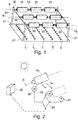
figure 1 représente de façon schématique un système de production d'énergie électrique selon l'invention, - la
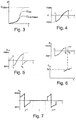
figure 2 représente de façon schématique un système de commande de l'orientation d'un capteur solaire selon l'invention, - la
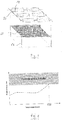
figure 3 représente de façon schématique l'évolution dans le temps de l'énergie lumineuse reçue par les cultures et les capteurs, - les
figures 4 à 7 illustrent des exemples de commande des capteurs en fonction du temps, - la
figure 8 est une représentation simplifiée d'un modèle de stress de culture basé sur la température foliaire et - la
figure 9 est une vue analogue à lafigure 1 d'une variante de réalisation. - On a représenté à la
figure 1 un système de production électrique selon l'invention, comportant une pluralité de capteurs solaires 10 mobiles autour d'axes de rotation respectifs R. Ces capteurs 10 sont maintenus par une structure porteuse 20, permettant de ménager sous les capteurs 10 une hauteur suffisante pour le passage d'engins agricoles, notamment une hauteur comprise entre 3 et 5 m. - La structure porteuse 20 comporte des montants 21 qui supportent une ossature 22 sur laquelle sont articulés les capteurs 10.
- Chaque capteur 10 est pivoté autour de l'axe R correspondant à l'aide d'au moins un actuateur 30.
- Les actuateurs 30 sont par exemple prévus individuellement pour chaque capteur 10, comme illustré. En variante, un même actuateur 30 peut déplacer en rotation une pluralité de capteurs solaires 10.
- Les actuateurs 30 comportent par exemple chacun un ou plusieurs moteurs électriques, et sont constitués par exemple par des servomoteurs.
- Les cultures C sont disposées dans l'ombre projetée au sol par les capteurs 10. Les cultures C peuvent être de tout type et par exemple être des cultures maraîchères ou des vignes.
- Si l'on se reporte à la
figure 2 , on voit que la position à donner aux capteurs 10 peut être déterminée par un calculateur local 40 qui est relié via toute interface de puissance adaptée aux actuateurs 30. - Le calculateur 40 reçoit de préférence des informations d'une ou plusieurs sondes locales, par exemple une sonde de température 41 placée au niveau des cultures C et une sonde d'hygrométrie 42 placée dans le sol au niveau des cultures C. D'autres capteurs peuvent être ajoutés, tels qu'un pluviomètre, anémomètre, et/ou une caméra pour visualiser l'état de développement des cultures, ainsi qu'un ou plusieurs biocapteurs, le cas échéant.
- Il est particulièrement avantageux, d'une façon générale, d'utiliser un capteur à infrarouge sans contact pour mesurer la température des cultures. On peut ainsi utiliser une camera à infrarouge qui pointe sur les cultures en différents emplacements et permet de calculer une température moyennée spatialement.
- Le calculateur 40 peut également échanger des données, par exemple via un réseau de téléphonie sans fil, avec un serveur distant 50, lequel peut par exemple informer le calculateur 40 de la météo à venir.
- Le calculateur 40 peut être réalisé à partir de tout micro-ordinateur ou équipement informatique permettant de piloter l'orientation des capteurs 10 en fonction d'une ou plusieurs lois de commande donnant l'orientation à imposer aux capteurs en fonction du lieu, de la date, de l'heure et d'un certain nombre d'autres paramètres liés aux cultures C.
- Le calculateur 40 peut ainsi comporter une unité de calcul et une mémoire locale dans laquelle peuvent être enregistrées les données locales mesurées, par exemple de température, d'hygrométrie et de pluviométrie, afin de connaître l'historique des conditions environnementales des cultures.
- La mémoire du calculateur peut également comporter des paramètres d'asservissement qui régissent l'orientation des capteurs en fonction des besoins des cultures. Ces paramètres peuvent évoluer dans le temps et, en fonction par exemple de la saison, privilégier l'ensoleillement ou non des cultures.
- La ou les lois de commande peuvent être initialement programmées dans le calculateur 40, ou en variante être téléchargées par le calculateur 40 à partir du serveur distant 50, ou encore être réactualisées périodiquement par le serveur distant 50.
- Dans un exemple de réalisation, le calculateur 40 présente un fonctionnement autonome. En fonction de la saison, de la date de semis et éventuellement d'autres paramètres renseignés par l'agriculteur, il pilote automatiquement et de façon journalière l'orientation des capteurs 10 de façon à satisfaire au besoin d'ensoleillement, de température, d'hygrométrie, de pluviométrie des cultures sur une période de temps donnée. Dans ce cas, les capteurs sont par exemple orientés pendant une fraction de la journée pour laisser passer le plus de lumière possible, au détriment de la production électrique. Puis, une fois le besoin d'ensoleillement satisfait, les capteurs sont amenés en activant les actuateurs dans une orientation visant à maximiser la production électrique.
- Si toutefois la température locale mesurée au niveau des cultures est excessive, ou supérieure à l'objectif fixé, l'orientation des capteurs peut être modifiée pour abriter les cultures du soleil et éviter un échauffement excessif.
- Dans une variante de réalisation, le calculateur 40 reçoit des instructions de pilotage des capteurs depuis le serveur distant 50, auquel il peut transmettre par exemple des données d'ensoleillement et de température locales, ainsi que des données concernant les cultures et leur stade de développement. Le serveur 50 transmet en retour au calculateur des informations concernant l'orientation à donner aux capteurs, en temps réel ou sur une certaine période à venir.
- Lorsque les capteurs 10 sont orientés pour maximiser la production électrique, ils peuvent suivre en temps réel la course du soleil d'est en ouest.
- On a représenté à la
figure 3 l'évolution de l'énergie lumineuse reçue au cours du temps, pour les capteurs et les cultures. Lorsque les capteurs suivent la course du soleil, ils reçoivent environ un tiers de l'énergie lumineuse. Les cultures en reçoivent les deux tiers. Il est possible d'augmenter la quantité d'énergie reçue par les cultures en jouant sur l'orientation des capteurs de façon à diminuer l'occultation des cultures. - On peut fixer à l'avance une quantité d'énergie cible pour un jour j en fonction du besoin d'énergie lumineuse des cultures, du déficit ou excédent d'énergie reçu la veille ou les jours précédents, et de prévisions météorologiques permettant d'estimer la quantité d'énergie attendue pour ce jour j.
- Le cas échéant, le modèle qui fixe la quantité d'énergie cible est plus élaboré et tient compte du prix de l'électricité ou de sa valorisation potentielle sur les marchés.
- Sur la
figure 3 , on a représenté en pointillés la variation au cours du temps de l'énergie reçue jusqu'à atteindre la quantité cible. Pour ce faire, on augmente l'énergie reçue par les cultures en diminuant celle Q' capteurs reçue par les capteurs au profit d'une moindre occultation des cultures. - On a représenté à la
figure 4 l'évolution de l'angle des capteurs au cours du temps. En pointillés figure la courbe qui correspond à un suivi classique de la course du soleil. - Pour augmenter l'énergie lumineuse reçue par les cultures, on peut laisser les capteurs horizontaux entre le lever du soleil et t1, puis après t2 jusqu'au coucher du soleil. Entre t1 et t2, l'orientation des capteurs s'effectue de façon à suivre la course du soleil.
- Le fait de laisser les panneaux horizontaux ne minimise pas l'occultation mais permet de ne pas consommer d'électricité pour les orienter.
- Dans la variante illustrée à la
figure 5 , entre le lever du soleil et t1 l'orientation des capteurs est modifiée pour laisser passer le maximum de lumière vers les cultures, et de même après t2 jusqu'au coucher du soleil. - Sur la
figure 6 on voit que l'on pilote les capteurs comme dans l'exemple de lafigure 4 . Toutefois, entre t2 et t3 le suivi du soleil est rétabli pour faire bénéficier les cultures d'une occultation maximale afin de protéger ces dernières d'une température excessive. Dans cet exemple, la température des cultures est surveillée, grâce par exemple à une caméra infrarouge. On a supposé dans cet exemple que la température dépasse une valeur limite à l'instant t3. Le système de contrôle du panneau déclenche alors le passage en mode suivi du soleil de t3 au coucher du soleil. - On a représenté un exemple d'évolution de la course angulaire des capteurs en fin de période hivernale sur la
figure 7 . - On voit sur cette figure que les capteurs sont orientés pendant le jour j-1 pour minimiser l'occultation, en les orientant sensiblement parallèlement aux rayons solaires au cours du temps.
- Si les prévisions météorologiques annoncent une période froide sans soleil le jour j, les capteurs peuvent être maintenus horizontaux pendant le jour et la nuit de façon à réfléchir au maximum les infrarouges du sol vers les cultures. Au jour j+1, un pilotage similaire à celui du jour j-1 est effectué.
- La quantité d'énergie cible pour le jour j+1 peut être calculée à partir de la quantité d'énergie lumineuse reçue effectivement par les cultures au jour j et, éventuellement, les jours antérieurs. Pour déterminer la quantité lumineuse effectivement reçue on peut utiliser un pyrélomètre ou pyranomètre. Mieux, on calcule cette énergie à partir de celle reçue par les capteurs, connaissant leur orientation et celle du soleil et en utilisant un modèle mathématique qui donne l'énergie moyenne au sol compte-tenu de l'occultation apportée par les capteurs.
- La
figure 8 est une représentation simplifiée du niveau de stress de culture basé sur la température foliaire. Cette courbe montre qu'afin de respecter un critère de stress maximum de la culture le système de commande peut chercher à conserver la température foliaire dans un intervalle compris entre Tmin et Tmax en agissant sur l'orientation des capteurs. - Bien entendu, l'invention n'est pas limitée aux exemples qui viennent d'être décrits.
- Par exemple, les capteurs utilisés peuvent être disposés de façon à être orientables selon deux axes de rotation.
- Sur la
figure 9 on a illustré la possibilité d'utiliser la structure porteuse 20 pour supporter un système de protection 60 vis-à-vis des intempéries, notamment de la grêle, par exemple sous la forme d'un filet qui est déployé entre les montants 21 de la structure 20. Ce déploiement peut être automatisé le cas échéant, grâce à des câbles tendus entres les montants 21, présents à demeure. Il est possible dans ce cas de ne pas utiliser les capteurs pour protéger les cultures durant l'averse, et de les orienter par exemple de façon à minimiser le risque qu'ils soient endommagés. - Dans une variante de mise en oeuvre de l'invention, s'intéressant plus particulièrement à l'optimisation du rendement de la production agricole indépendamment de la production électrique, les capteurs sont remplacés par des éléments d'occultation tels que des panneaux en tôle ou en matière composite, ajourés ou non.
- L'expression "comportant un" doit se comprendre comme étant synonyme de "comprenant au moins un", sauf si le contraire est spécifié.
Claims (14)
- Procédé de production d'énergie électrique à l'aide de capteurs photovoltaïques orientables (10) disposés au-dessus de cultures (C), l'ombre projetée sur les cultures étant modifiée par le changement d'orientation des capteurs, ce procédé étant caractérisé par le fait que l'orientation des capteurs est pilotée informatiquement de façon automatique à partir au moins de données représentatives de conditions locales d'environnement des cultures, choisies parmi la température des cultures, l'hygrométrie du sol et/ou la pluviométrie, pour agir sur les conditions microclimatiques des cultures par le biais d'un changement d'orientation des capteurs, l'orientation des capteurs étant modifiée en fonction au moins d'un historique d'ensoleillement des cultures et de pluviométrie.
- Procédé selon la revendication 1, les capteurs (10) étant orientés le soir de façon à réfléchir au maximum ou au minimum vers le sol le rayonnement thermique du sol pendant la nuit, notamment en étant positionnés horizontalement et/ou disposés en rangées parallèles espacées.
- Procédé selon l'une quelconque des revendications précédentes, comportant la mesure de la température des cultures, la commande de l'orientation des capteurs s'effectuant au moins en fonction de la température mesurée, la température étant mesurée à l'aide d'au moins une caméra infrarouge.
- Procédé selon l'une quelconque des revendications précédentes, les capteurs (10) étant orientables autour d'un seul axe de rotation (R), sensiblement parallèle à la direction Nord-Sud.
- Procédé selon l'une quelconque des revendications précédentes, les cultures étant des vignes et/ou des cultures maraichères.
- Procédé selon l'une quelconque des revendications précédentes, l'orientation des capteurs :- dépendant de l'état de développement des cultures, et/ou- étant commandée de manière à maintenir les cultures dans une fourchette de température maximale et / ou minimale prédéfinie, et/ou- étant commandée en fonction d'une quantité d'énergie lumineuse cible à atteindre, cette quantité d'énergie lumineuse cible étant dépendante du besoin des cultures, du déficit ou de l'excédent d'énergie de la veille ou des jours précédents, et/ou des prévisions météorologiques, et/ou- étant commandée de manière à maintenir les cultures dans un état de stress minimal en ayant recours à un modèle de stress de la culture.
- Procédé selon l'une quelconque des revendications précédentes, la structure supportant les panneaux étant utilisée afin de déployer un filet (60) au-dessus des cultures dans le but de, protéger ces dernières de la grêle et ceci en lien avec une prévision météorologique et/ou de protéger les cultures contre les attaques d'animaux et/ou, de réaliser un ombrage supplémentaire sur les cultures, le choix du pouvoir occultant du filet étant de préférence réalisé on fonction d'un besoin identifié d'éclairement de la culture, d'un historique d'ensoleillement et/ou d'une prévision d'ensoleillement, de participer au contrôle du microclimat nocturne au-dessus de la culture en agissant sur l'échange thermique et d'humidité avec le milieu extérieur, le déploiement étant réalisé en fonction d'un besoin hydrique et/ou thermique identifié de la culture, d'un historique hydrique et/ou thermique et/ou d'éclairement de la culture, d'une mesure de l'état hydrique et/ou thermique de la culture, d'une prévision météorologique, le déploiement et le contrôle de ce filet étant de préférence réalisé informatiquement de manière automatique ou manuelle, l'énergie électrique nécessaire à cette opération pouvant être issue de la propre production des capteurs ou venir du réseau si l'installation y est connectée.
- Système de production d'énergie électrique, comportant :- une structure porteuse (20),- des capteurs solaires (10) orientables maintenus à distance du sol par la structure porteuse (20),- un ou plusieurs actuateurs (30) pour modifier l'orientation des capteurs solaires et l'ombre portée au sol,- un calculateur (40) pour déterminer automatiquement l'orientation à donner aux capteurs en fonction au moins d'un historique d'ensoleillement des cultures et de pluviométrie.
- Système selon la revendication 8, comportant un capteur de température (41) informant le calculateur de la température locale au niveau des cultures, le capteur de température étant de préférence une caméra infrarouge.
- Système selon la revendication 8 ou 9, le calculateur (40) étant agencé pour déterminer l'orientation des capteurs en fonction d'un historique d'ensoleillement et/ou de pluviométrie et/ou de l'état de développement des cultures.
- Système selon l'une quelconque des revendications 8 à 10, le calculateur étant local et l'orientation des capteurs étant déterminée de façon autonome par le calculateur.
- Système selon l'une quelconque des revendications 8 à 10, le calculateur étant au moins en partie délocalisé.
- Procédé de culture de végétaux, dans lequel les végétaux sont cultivés de façon à être affectés par l'ombre portée au sol par des capteurs (10) d'un système tel que défini dans l'une quelconque des revendications 8 à 12.
- Procédé de culture de végétaux, avec un système selon l'une quelconque des revendications 8 à 12, dans lequel des éléments d'occultation orientables sont disposés au-dessus des cultures, l'ombre projetée sur les cultures étant modifiée par le changement d'orientation des éléments d'occultation, ce procédé étant caractérisé par le fait que l'orientation des éléments d'occultation est pilotée informatiquement de façon automatique à partir au moins de données représentatives de conditions locales d'environnement des cultures, pour agir sur les conditions microclimatiques des cultures par le biais d'un changement d'orientation des éléments d'occultation, notamment afin de placer les cultures dans des conditions microclimatiques plus favorables à l'obtention d'un résultat agricole recherché
Priority Applications (3)
| Application Number | Priority Date | Filing Date | Title |
|---|---|---|---|
| HRP20191643TT HRP20191643T1 (hr) | 2014-03-26 | 2015-03-24 | Postupak dobivanja električne energije prilagođen usjevima |
| SI201530897T SI3122172T1 (sl) | 2014-03-26 | 2015-03-24 | Postopek proizvodnje električne energije prilagojen pridelkom |
| PL15715850T PL3122172T3 (pl) | 2014-03-26 | 2015-03-24 | Sposób wytwarzania energii elektrycznej dostosowany do upraw |
Applications Claiming Priority (2)
| Application Number | Priority Date | Filing Date | Title |
|---|---|---|---|
| FR1452587A FR3019274B1 (fr) | 2014-03-26 | 2014-03-26 | Procede de production d'energie electrique adapte aux cultures |
| PCT/IB2015/052148 WO2015145351A1 (fr) | 2014-03-26 | 2015-03-24 | Procede de production d'energie electrique adapte aux cultures |
Publications (2)
| Publication Number | Publication Date |
|---|---|
| EP3122172A1 EP3122172A1 (fr) | 2017-02-01 |
| EP3122172B1 true EP3122172B1 (fr) | 2019-06-19 |
Family
ID=51168075
Family Applications (1)
| Application Number | Title | Priority Date | Filing Date |
|---|---|---|---|
| EP15715850.2A Active EP3122172B1 (fr) | 2014-03-26 | 2015-03-24 | Procédé de production d'énergie électrique adapté aux cultures |
Country Status (12)
| Country | Link |
|---|---|
| US (1) | US10492381B2 (fr) |
| EP (1) | EP3122172B1 (fr) |
| CN (1) | CN106455496B (fr) |
| AU (1) | AU2015237855B2 (fr) |
| ES (1) | ES2745329T3 (fr) |
| FR (1) | FR3019274B1 (fr) |
| HR (1) | HRP20191643T1 (fr) |
| MA (1) | MA39791A (fr) |
| PL (1) | PL3122172T3 (fr) |
| PT (1) | PT3122172T (fr) |
| SI (1) | SI3122172T1 (fr) |
| WO (1) | WO2015145351A1 (fr) |
Cited By (3)
| Publication number | Priority date | Publication date | Assignee | Title |
|---|---|---|---|---|
| FR3134282A1 (fr) * | 2022-04-11 | 2023-10-13 | Agrisoleo | Procédé de pilotage d’un dispositif agrivoltaïque. |
| IT202200017877A1 (it) * | 2022-08-31 | 2024-03-02 | Rem Tec S R L | Impianto per la produzione di energia elettrica posizionato su un terreno agricolo provvisto di monitoraggio delle coltivazioni su tale terreno. |
| FR3154901A1 (fr) | 2023-11-06 | 2025-05-09 | Enerimmo | Installation agrivoltaïque |
Families Citing this family (30)
| Publication number | Priority date | Publication date | Assignee | Title |
|---|---|---|---|---|
| AU2015314895B2 (en) * | 2014-09-11 | 2020-10-22 | Surany Research and Development LLC | Reconfigurable solar array and method of managing crop yield using the same |
| CN105613122B (zh) * | 2015-12-21 | 2018-09-21 | 苏州腾晖光伏技术有限公司 | 光伏生态农业大棚 |
| US10244675B2 (en) * | 2016-01-29 | 2019-04-02 | Veritas FC LLC | Field robot |
| FR3060909B1 (fr) * | 2016-12-16 | 2021-02-12 | Sunr | Systeme de production d'energie electrique a l'interieur d'une serre |
| JP7011281B2 (ja) * | 2017-05-26 | 2022-01-26 | 国立大学法人東北大学 | 植物生育方法及び植物生育システム |
| CN107493067A (zh) * | 2017-10-19 | 2017-12-19 | 张建高 | 茶园光伏发电装置的控制方法 |
| CN108599711A (zh) * | 2018-06-01 | 2018-09-28 | 张家港国龙新能源有限公司 | 一种用于农业大棚上的光伏系统 |
| US20210267138A1 (en) * | 2018-07-10 | 2021-09-02 | Joseph W. Boudeman | System and apparatus for crop management |
| NL2021417B1 (en) * | 2018-08-01 | 2020-02-12 | Ibis Power Holding B V | Solar panel system |
| DE102019121832A1 (de) * | 2019-08-13 | 2021-02-18 | Robert Zimmermann | Schutzvorrichtung |
| EP4193462B1 (fr) * | 2020-08-05 | 2025-06-11 | Rem Tec S.R.L. | Installation de production d'énergie électrique pouvant être installée sur des structures et/ou des sols agricoles |
| CN112075324A (zh) * | 2020-08-14 | 2020-12-15 | 石河子大学 | 一种夜间增温滴灌系统 |
| US11991961B2 (en) * | 2020-08-18 | 2024-05-28 | The Phoebus Fund, LLC | Solar power generation and agricultural material dispersal system |
| US11522491B2 (en) | 2020-08-26 | 2022-12-06 | FTC Solar, Inc. | Systems and methods for adaptive range of motion for solar trackers |
| US20240235462A1 (en) * | 2021-05-07 | 2024-07-11 | Yossi Fisher | Solar energy system and method for controlling shade in an orchard |
| CA3227258A1 (fr) | 2021-07-28 | 2023-02-02 | Jonas ROCH | Dispositif et procede de production d'energie solaire |
| FR3126280B1 (fr) | 2021-08-27 | 2023-12-15 | Sunagri | Système de production d’énergie électrique adapté aux cultures |
| FR3126282B1 (fr) * | 2021-08-30 | 2023-09-01 | Sunagri | Procédé d’éclaircissage en agriculture |
| IT202100029009A1 (it) * | 2021-11-16 | 2023-05-16 | TEP RENEWABLES Ltd | Struttura fotovoltaica agricola con raffreddamento controllato. |
| AT525815B1 (de) | 2022-01-21 | 2024-10-15 | Alexander Mehler | Photovoltaikanlage |
| IT202200001061A1 (it) * | 2022-01-24 | 2023-07-24 | Ecobubble S R L Startup Costituita Ai Sensi Dellart 4 Comma 10 Bis D L 3/2015 Conv Con Legge 33/2015 | Sistema agrivoltaico |
| DE202022000581U1 (de) * | 2022-03-08 | 2022-04-13 | Johann Rainer | Solar - Agrartracker |
| WO2023233408A1 (fr) * | 2022-06-01 | 2023-12-07 | The State Of Israel, Ministry Of Agriculture & Rural Development, Agricultural Research Organization (Aro) (Volcani Institute) | Système et procédé agrivoltaïques |
| IL296104A (en) * | 2022-08-31 | 2024-03-01 | GOLDBLAT Dan | Vineyard shading system |
| WO2024089615A1 (fr) * | 2022-10-26 | 2024-05-02 | Solargik Ltd | Optimisation d'une fonction de valeur pour partager une ressource solaire disponible s |
| JP7818497B2 (ja) * | 2022-12-15 | 2026-02-20 | 出光興産株式会社 | パネル制御システム、パネル制御方法、及びパネル制御プログラム |
| ES2952954B2 (es) | 2023-06-28 | 2024-06-06 | Powerfultree S L | Placa solar fotovoltaica |
| EP4579545A1 (fr) * | 2023-12-28 | 2025-07-02 | Soltec Innovations S.L. | Procédé pour déterminer un angle d'orientation pour panneaux solaires dans des champs de culture |
| DE102024102636A1 (de) * | 2024-01-30 | 2025-07-31 | Ams-Osram International Gmbh | Pflanzenbeleuchtungssystem |
| FR3166275A1 (fr) * | 2024-09-17 | 2026-03-20 | Sun'agri | Procédé de pollinisation |
Citations (9)
| Publication number | Priority date | Publication date | Assignee | Title |
|---|---|---|---|---|
| US20080148631A1 (en) | 2006-12-22 | 2008-06-26 | Wan You-Bao | Apparatus and Method For Desert Environmental Control And For Promoting Desert Plants Growth |
| WO2010103378A1 (fr) | 2009-03-10 | 2010-09-16 | Dermotricos S.R.L. | Système de collecte d'énergie solaire |
| US20100263660A1 (en) | 2009-04-16 | 2010-10-21 | Steve Thorne | Solar Power Production and Metering |
| JP2011172522A (ja) | 2010-02-25 | 2011-09-08 | Iseki & Co Ltd | 温室の遮光装置 |
| CH706132A2 (de) | 2012-02-20 | 2013-08-30 | Placi Wenzin | Photovoltaikanlage integriert in einem Agrokulturfeld. |
| JP2013236566A (ja) | 2012-05-12 | 2013-11-28 | Yoshiyuki Okaki | ぶどうの短梢栽培用施設を兼ねる太陽光発電施設 |
| CN203365707U (zh) | 2012-12-31 | 2013-12-25 | 雷霖 | 一种ZigBee技术的微型无线智能雨量计 |
| JP3189168U (ja) | 2013-12-13 | 2014-02-27 | 三朗 宇梶 | ソーラーパネルを備えた栽培ハウス |
| DE102013002825A1 (de) | 2013-02-15 | 2014-08-21 | Friedrich Grimm | Agrar- und pv-installation mit einer integrierten wasserversorgung |
Family Cites Families (23)
| Publication number | Priority date | Publication date | Assignee | Title |
|---|---|---|---|---|
| US706132A (en) * | 1901-06-12 | 1902-08-05 | George W Voelker | Brushing-machine for cloth manufacturing. |
| DE19982011D2 (de) * | 1998-10-05 | 2001-09-27 | Powerpulse Holding Ag Zug | Lichelement mit einer Lichtdurchlässigen Fläche |
| DE602004015258D1 (de) * | 2003-03-10 | 2008-09-04 | Sunpower Corp | Modular-schattensystem mit solarverfolgungstafeln |
| US8429861B2 (en) * | 2003-04-02 | 2013-04-30 | P4P Holdings Llc | Solar array support methods and systems |
| US20100314509A1 (en) * | 2003-04-02 | 2010-12-16 | Conger Steven J | Solar array support methods and systems |
| TW200526113A (en) * | 2003-09-15 | 2005-08-16 | Inventqjaya Sdn Bhd | Agricultural module and system |
| US20060030990A1 (en) * | 2004-08-06 | 2006-02-09 | Anderson Noel W | Method and system for estimating an agricultural management parameter |
| FR2889787A1 (fr) | 2005-08-18 | 2007-02-23 | Gunter Franke | Dispositif photovoltaique. |
| EA200870289A1 (ru) * | 2006-02-24 | 2009-02-27 | Санвеншн Интернэшнл Гмбх | Теплица, обшивка теплицы, фильтровальное устройство, осветительное устройство, направляющее устройство, применение и загрузочное устройство |
| US7884643B2 (en) * | 2008-07-10 | 2011-02-08 | Taiwan Semiconductor Manufacturing Co., Ltd. | Low leakage voltage level shifting circuit |
| IT1396103B1 (it) * | 2009-10-23 | 2012-11-16 | Miramare Hilltop Di Di Febo Donato | Sistema integrato di una struttura portante modulare e di un impianto di installazione di pannelli fotovoltaici ad inseguimento solare per la produzione di energia elettrica, il recupero dell acqua piovana e la lavorazione del terreno sottostante. |
| MX2012011290A (es) * | 2010-03-29 | 2012-12-17 | Sedona Energy Labs | Sistema de marco para el seguimiento del arreglo solar de eje doble de contrapeso de alto rendimiento. |
| US8915015B1 (en) * | 2010-07-15 | 2014-12-23 | Quent Augspurger | Solar greenhouse |
| US9560809B2 (en) * | 2011-03-01 | 2017-02-07 | Christina Kobland | Method for planting beneath solar panels blends containing mostly fine fescue mixtures |
| AT511969B1 (de) * | 2011-10-21 | 2013-04-15 | HBT ENERGIETECHNIK GmbH | Vorrichtung mit einer mehrzahl von energiewandlerelementen |
| WO2013096493A1 (fr) * | 2011-12-19 | 2013-06-27 | Younis Saed G | Système d'irrigation adaptatif et de détection à distance |
| US9921289B2 (en) * | 2012-11-28 | 2018-03-20 | Imo Holding Gmbh | Tracking device comprising a receiving structure which can be adjusted about at least one axis, for mounting at least one element that is sensitive to electromagnetic waves and has a preferential radiation direction |
| FR3019883B1 (fr) * | 2014-04-15 | 2016-04-01 | Sunpartner Technologie | Dispositif de production d'energie solaire et de filtrage de la lumiere solaire adapte aux serres agricoles |
| SE539765C2 (en) * | 2015-02-05 | 2017-11-21 | Skanska Sverige Ab | Green indoor cultivation structure and method for operating such structure |
| US9509247B1 (en) * | 2015-08-07 | 2016-11-29 | David Fredrick Hinson | Greenhouse used as a solar panel support structure |
| CN106557828A (zh) * | 2015-09-30 | 2017-04-05 | 中国电力科学研究院 | 一种长时间尺度光伏出力时间序列建模方法和装置 |
| JP6314347B1 (ja) * | 2016-07-15 | 2018-04-25 | ファームランド株式会社 | 太陽光パネル付土耕栽培システム |
| US10651784B2 (en) * | 2017-02-28 | 2020-05-12 | International Business Machines Corporation | Solar farming with mobile photonic harvesters |
-
2014
- 2014-03-26 FR FR1452587A patent/FR3019274B1/fr active Active
-
2015
- 2015-03-24 HR HRP20191643TT patent/HRP20191643T1/hr unknown
- 2015-03-24 EP EP15715850.2A patent/EP3122172B1/fr active Active
- 2015-03-24 CN CN201580027796.2A patent/CN106455496B/zh active Active
- 2015-03-24 ES ES15715850T patent/ES2745329T3/es active Active
- 2015-03-24 MA MA039791A patent/MA39791A/fr unknown
- 2015-03-24 WO PCT/IB2015/052148 patent/WO2015145351A1/fr not_active Ceased
- 2015-03-24 PT PT15715850T patent/PT3122172T/pt unknown
- 2015-03-24 PL PL15715850T patent/PL3122172T3/pl unknown
- 2015-03-24 AU AU2015237855A patent/AU2015237855B2/en active Active
- 2015-03-24 US US15/128,719 patent/US10492381B2/en active Active
- 2015-03-24 SI SI201530897T patent/SI3122172T1/sl unknown
Patent Citations (9)
| Publication number | Priority date | Publication date | Assignee | Title |
|---|---|---|---|---|
| US20080148631A1 (en) | 2006-12-22 | 2008-06-26 | Wan You-Bao | Apparatus and Method For Desert Environmental Control And For Promoting Desert Plants Growth |
| WO2010103378A1 (fr) | 2009-03-10 | 2010-09-16 | Dermotricos S.R.L. | Système de collecte d'énergie solaire |
| US20100263660A1 (en) | 2009-04-16 | 2010-10-21 | Steve Thorne | Solar Power Production and Metering |
| JP2011172522A (ja) | 2010-02-25 | 2011-09-08 | Iseki & Co Ltd | 温室の遮光装置 |
| CH706132A2 (de) | 2012-02-20 | 2013-08-30 | Placi Wenzin | Photovoltaikanlage integriert in einem Agrokulturfeld. |
| JP2013236566A (ja) | 2012-05-12 | 2013-11-28 | Yoshiyuki Okaki | ぶどうの短梢栽培用施設を兼ねる太陽光発電施設 |
| CN203365707U (zh) | 2012-12-31 | 2013-12-25 | 雷霖 | 一种ZigBee技术的微型无线智能雨量计 |
| DE102013002825A1 (de) | 2013-02-15 | 2014-08-21 | Friedrich Grimm | Agrar- und pv-installation mit einer integrierten wasserversorgung |
| JP3189168U (ja) | 2013-12-13 | 2014-02-27 | 三朗 宇梶 | ソーラーパネルを備えた栽培ハウス |
Non-Patent Citations (20)
| Title |
|---|
| ANONYMOUS: "A Virgillo l'agrovoltaico", LA VOCE DI MANTOVA, 20 October 2011 (2011-10-20), pages 15, XP055711210 |
| ANONYMOUS: "Con l'energia sulla testa", LETTERA 43, 26 May 2011 (2011-05-26), pages 16, XP055711223 |
| ANONYMOUS: "Forecasting - Wikipedia", WIKIPEDIA, 28 February 2014 (2014-02-28), pages 1 - 7, XP055713746, Retrieved from the Internet <URL:https://en.wikipedia.org/wiki/Forecasting> [retrieved on 20200710] |
| ANONYMOUS: "Fotovoltaico, la lombardia leader in Italia per numero di impianti", LA VOCE DI MANTOVA, 28 October 2011 (2011-10-28), pages 29, XP055711207 |
| ANONYMOUS: "Il sole...", NEWSPAPER ENERGIE ALTERNATIVE, 3 June 2011 (2011-06-03), pages 1, XP055711345 |
| ANONYMOUS: "La Culture de la vigne", LA CULTURE DE LA VIGNE, 12 June 2013 (2013-06-12), pages 1 - 9, XP055713739, Retrieved from the Internet <URL:http://levindespetitsmauriciens.e-monsite.com/pages/la-culture-de-la-vigne.html> [retrieved on 20200710] |
| ANONYMOUS: "Maraîchage", WIKIPEDIA, 13 February 2014 (2014-02-13), pages 1 - 3, XP055713744, Retrieved from the Internet <URL:https://fr.wikipedia.orq/w/index.php?titte=Mara%C3%AEchage&oldid=101221804> [retrieved on 20200710] |
| ANONYMOUS: "Ouvert aux éléments", OUVERT AUX ÉLÉMENTS, 5 March 2012 (2012-03-05), pages 1 - 3, XP055713750, Retrieved from the Internet <URL:https://evolution.skf.com/fr/ouvert-aux-elements/> [retrieved on 20200710] |
| ANONYMOUS: "Pluviomètre — Wikipédia", WIKIPEDIA, 11 September 2013 (2013-09-11), pages 1 - 10, XP055713752, Retrieved from the Internet <URL:https://fr.wikipedia.org/wiki/Pluviomètre> [retrieved on 20200710] |
| ANONYMOUS: "Rem inaugura nel mantovano il primo impianto agrovolaico", NEWSPAPER MANTOVA ECONOMIA, 29 November 2011 (2011-11-29), pages 1, XP055711222 |
| ANONYMOUS: "Serre — Wikipédia", WIKIPEDIA, 10 February 2014 (2014-02-10), pages 1 - 7, XP055713737, Retrieved from the Internet <URL:https://fr.wikipedia.org/w/index.php?title=Serre&oldid=101138479> [retrieved on 20200710] |
| ANONYMOUS: "Viticulture — Wikipédia", WIKIPEDIA, 19 January 2014 (2014-01-19), pages 1 - 58, XP055713735, Retrieved from the Internet <URL:https://fr.wikipedia.org/wiki/Viticulture> [retrieved on 20200710] |
| C. DUPRAZ; H. MARROU; G. TALBOT; L. DUFOUR; A. NOGIER; Y. FERARD;: "Combining solar photovoltaic panels and food crops for optimising land use: Towards new agrivoltaic schemes", RENEWABLE ENERGY., PERGAMON PRESS, OXFORD., GB, vol. 36, no. 10, 4 March 2011 (2011-03-04), GB, pages 2725 - 2732, XP028222689, ISSN: 0960-1481, DOI: 10.1016/j.renene.2011.03.005 |
| CARLOTTA ADDANTE: "L'energia solare che raddoppia i ricavi", LIBERO, 28 October 2011 (2011-10-28), pages 25, XP055711197 |
| FRANCESCO FLORNANI: "Pannelli solari sui campi coltivati", NEWSPAPER LA PROVINCIA MANTOVANA, 8 February 2010 (2010-02-08), pages 1, XP055711217 |
| LUCA PAGNI: "Rem, Micheli sogna la nuova Fastweb il pannello solare alleato all'agricoltura", LA REPUBLICA, 4 July 2011 (2011-07-04), pages 35, XP055711194 |
| MARCELLO PALMIERI: "Pannelli fotovoltaica a misura di agricotura", NEWSPAPER AVVENIRE, 27 May 2011 (2011-05-27), pages 11, XP055711438 |
| MARROU H.; WERY J.; DUFOUR L.; DUPRAZ C.: "Productivity and radiation use efficiency of lettuces grown in the partial shade of photovoltaic panels", EUROPEAN JOURNAL OF AGRONOMY, ELSEVIER, AMSTERDAM, NL, vol. 44, 1 January 1900 (1900-01-01), AMSTERDAM, NL, pages 54 - 66, XP028951709, ISSN: 1161-0301, DOI: 10.1016/j.eja.2012.08.003 |
| MASSIMO DEGLI EPOSTI: "Energia pulita piu frumento: cosi Rem", IL GIORNO, 21 October 2011 (2011-10-21), pages 37 - 38, XP055711190 |
| SERGE OLIVIER KOTCHI: "Détection du stress hydrique par thermographie infrarouge : application à la culture de la pomme de terre", DETECTION DU STRESS HYDRIQUE PAR THERMOGRAPHIE INFRAROUGE, 2004, Retrieved from the Internet <URL:https://www.researchgate.net/publication/304347274> |
Cited By (5)
| Publication number | Priority date | Publication date | Assignee | Title |
|---|---|---|---|---|
| FR3134282A1 (fr) * | 2022-04-11 | 2023-10-13 | Agrisoleo | Procédé de pilotage d’un dispositif agrivoltaïque. |
| WO2023198693A1 (fr) * | 2022-04-11 | 2023-10-19 | Agrisoleo | Procédé de pilotage d'un dispositif agrivoltaïque. |
| IT202200017877A1 (it) * | 2022-08-31 | 2024-03-02 | Rem Tec S R L | Impianto per la produzione di energia elettrica posizionato su un terreno agricolo provvisto di monitoraggio delle coltivazioni su tale terreno. |
| WO2024047577A1 (fr) * | 2022-08-31 | 2024-03-07 | Rem Tec S.R.L. | Installation pour la production d'énergie électrique située sur un terrain agricole avec surveillance de cultures sur ce terrain |
| FR3154901A1 (fr) | 2023-11-06 | 2025-05-09 | Enerimmo | Installation agrivoltaïque |
Also Published As
| Publication number | Publication date |
|---|---|
| FR3019274A1 (fr) | 2015-10-02 |
| HRP20191643T1 (hr) | 2020-02-21 |
| PT3122172T (pt) | 2019-09-26 |
| PL3122172T3 (pl) | 2019-12-31 |
| CN106455496A (zh) | 2017-02-22 |
| AU2015237855A1 (en) | 2016-11-10 |
| CN106455496B (zh) | 2020-03-17 |
| EP3122172A1 (fr) | 2017-02-01 |
| US20170126172A1 (en) | 2017-05-04 |
| MA39791A (fr) | 2017-02-01 |
| ES2745329T3 (es) | 2020-02-28 |
| SI3122172T1 (sl) | 2019-12-31 |
| AU2015237855B2 (en) | 2018-07-12 |
| WO2015145351A1 (fr) | 2015-10-01 |
| FR3019274B1 (fr) | 2020-05-22 |
| US10492381B2 (en) | 2019-12-03 |
Similar Documents
| Publication | Publication Date | Title |
|---|---|---|
| WO2015145351A1 (fr) | Procede de production d'energie electrique adapte aux cultures | |
| FR3077463A1 (fr) | Systeme agrivoltaique et procede de culture de vegetaux | |
| Elamri et al. | Water budget and crop modelling for agrivoltaic systems: Application to irrigated lettuces | |
| Bonachela et al. | How plastic mulches affect the thermal and radiative microclimate in an unheated low-cost greenhouse | |
| WO2018109151A1 (fr) | Systeme de production d'energie electrique a l'interieur d'une serre | |
| CN109324506B (zh) | 考虑节能与产量效益最优的温室温度设定值自动获取方法 | |
| EP4507485A1 (fr) | Procédé de pilotage d'un dispositif agrivoltaïque | |
| EP3721703B1 (fr) | Système de culture autonome | |
| EP4395528B1 (fr) | Procede d'eclaircissage en agriculture | |
| FR3126280A1 (fr) | Système de production d’énergie électrique adapté aux cultures | |
| JP2024085771A (ja) | パネル制御システム、パネル制御方法、及びパネル制御プログラム | |
| OA18013A (fr) | Procedé de production d'énergie électrique adapté aux cultures. | |
| CN115855282B (zh) | 春茶低温霜冻监测及灾害预警方法 | |
| US20250357883A1 (en) | Agrivoltaic system and method | |
| EP4301127A1 (fr) | Système et procédé de gestion de végétation dans une zone | |
| Marucci et al. | Use of Semi-transparent photovoltaic films as shadowing systems in Mediterranean greenhouses | |
| Zakaria et al. | Renewable Energy-Powered Smart Greenhouses for Year-Round Vegetable Production in Rural Communities | |
| Magadley | Sensorless dynamic optimization of greenhouse agrivoltaics for energy and crop-aware PV operation | |
| Perone et al. | Microclimatic Monitoring and Analysis in a Hydroponic Greenhouse | |
| Marcelino et al. | Smart and efficient greenhouses: a systematic literature review in the agronomic, computational, and energy scope | |
| US20260076314A1 (en) | Pollination Method | |
| Barhate et al. | Solar Powered Automatic Farming Sling with an Inbuilt Irrigation System | |
| Ashokkumar et al. | Chapter-1 Agrivoltaic Technology in India | |
| Pavithra et al. | Estimation of Crop Water Requirement of Sweet corn crop using CROPWAT 8.0 model | |
| Abdellatif et al. | TEMPERATURE GRADIENTS IN A SWEET COLOURED PEPPER COMMERCIAL GRENHOUSES EQUIPPED WITH SOLAR HEATING AND EVAPORATIVE COOLING SYSTEMS |
Legal Events
| Date | Code | Title | Description |
|---|---|---|---|
| PUAI | Public reference made under article 153(3) epc to a published international application that has entered the european phase |
Free format text: ORIGINAL CODE: 0009012 |
|
| STAA | Information on the status of an ep patent application or granted ep patent |
Free format text: STATUS: REQUEST FOR EXAMINATION WAS MADE |
|
| 17P | Request for examination filed |
Effective date: 20161026 |
|
| AK | Designated contracting states |
Kind code of ref document: A1 Designated state(s): AL AT BE BG CH CY CZ DE DK EE ES FI FR GB GR HR HU IE IS IT LI LT LU LV MC MK MT NL NO PL PT RO RS SE SI SK SM TR |
|
| AX | Request for extension of the european patent |
Extension state: BA ME |
|
| DAX | Request for extension of the european patent (deleted) | ||
| STAA | Information on the status of an ep patent application or granted ep patent |
Free format text: STATUS: EXAMINATION IS IN PROGRESS |
|
| 17Q | First examination report despatched |
Effective date: 20180326 |
|
| RIC1 | Information provided on ipc code assigned before grant |
Ipc: H02S 20/10 20140101ALI20181019BHEP Ipc: A01G 9/24 20060101AFI20181019BHEP Ipc: H02S 20/30 20140101ALI20181019BHEP Ipc: F24S 30/425 20170201ALI20181019BHEP |
|
| GRAP | Despatch of communication of intention to grant a patent |
Free format text: ORIGINAL CODE: EPIDOSNIGR1 |
|
| RIC1 | Information provided on ipc code assigned before grant |
Ipc: H02S 20/10 20140101ALI20181019BHEP Ipc: F24S 30/425 20180101ALI20181019BHEP Ipc: A01G 9/24 20060101AFI20181019BHEP Ipc: H02S 20/30 20140101ALI20181019BHEP |
|
| STAA | Information on the status of an ep patent application or granted ep patent |
Free format text: STATUS: GRANT OF PATENT IS INTENDED |
|
| INTG | Intention to grant announced |
Effective date: 20190103 |
|
| RIC1 | Information provided on ipc code assigned before grant |
Ipc: H02S 20/30 20140101ALI20181019BHEP Ipc: A01G 9/24 20060101AFI20181019BHEP Ipc: F24S 30/425 20180101ALI20181019BHEP Ipc: H02S 20/10 20140101ALI20181019BHEP |
|
| GRAJ | Information related to disapproval of communication of intention to grant by the applicant or resumption of examination proceedings by the epo deleted |
Free format text: ORIGINAL CODE: EPIDOSDIGR1 |
|
| STAA | Information on the status of an ep patent application or granted ep patent |
Free format text: STATUS: EXAMINATION IS IN PROGRESS |
|
| GRAS | Grant fee paid |
Free format text: ORIGINAL CODE: EPIDOSNIGR3 |
|
| STAA | Information on the status of an ep patent application or granted ep patent |
Free format text: STATUS: GRANT OF PATENT IS INTENDED |
|
| GRAP | Despatch of communication of intention to grant a patent |
Free format text: ORIGINAL CODE: EPIDOSNIGR1 |
|
| INTC | Intention to grant announced (deleted) | ||
| INTG | Intention to grant announced |
Effective date: 20190415 |
|
| GRAA | (expected) grant |
Free format text: ORIGINAL CODE: 0009210 |
|
| STAA | Information on the status of an ep patent application or granted ep patent |
Free format text: STATUS: THE PATENT HAS BEEN GRANTED |
|
| AK | Designated contracting states |
Kind code of ref document: B1 Designated state(s): AL AT BE BG CH CY CZ DE DK EE ES FI FR GB GR HR HU IE IS IT LI LT LU LV MC MK MT NL NO PL PT RO RS SE SI SK SM TR |
|
| REG | Reference to a national code |
Ref country code: GB Ref legal event code: FG4D Free format text: NOT ENGLISH |
|
| REG | Reference to a national code |
Ref country code: CH Ref legal event code: EP |
|
| REG | Reference to a national code |
Ref country code: IE Ref legal event code: FG4D Free format text: LANGUAGE OF EP DOCUMENT: FRENCH |
|
| REG | Reference to a national code |
Ref country code: AT Ref legal event code: REF Ref document number: 1144310 Country of ref document: AT Kind code of ref document: T Effective date: 20190715 |
|
| REG | Reference to a national code |
Ref country code: DE Ref legal event code: R096 Ref document number: 602015032237 Country of ref document: DE |
|
| REG | Reference to a national code |
Ref country code: RO Ref legal event code: EPE |
|
| REG | Reference to a national code |
Ref country code: HR Ref legal event code: TUEP Ref document number: P20191643T Country of ref document: HR |
|
| REG | Reference to a national code |
Ref country code: NL Ref legal event code: FP |
|
| REG | Reference to a national code |
Ref country code: PT Ref legal event code: SC4A Ref document number: 3122172 Country of ref document: PT Date of ref document: 20190926 Kind code of ref document: T Free format text: AVAILABILITY OF NATIONAL TRANSLATION Effective date: 20190905 |
|
| PG25 | Lapsed in a contracting state [announced via postgrant information from national office to epo] |
Ref country code: NO Free format text: LAPSE BECAUSE OF FAILURE TO SUBMIT A TRANSLATION OF THE DESCRIPTION OR TO PAY THE FEE WITHIN THE PRESCRIBED TIME-LIMIT Effective date: 20190919 Ref country code: LT Free format text: LAPSE BECAUSE OF FAILURE TO SUBMIT A TRANSLATION OF THE DESCRIPTION OR TO PAY THE FEE WITHIN THE PRESCRIBED TIME-LIMIT Effective date: 20190619 Ref country code: SE Free format text: LAPSE BECAUSE OF FAILURE TO SUBMIT A TRANSLATION OF THE DESCRIPTION OR TO PAY THE FEE WITHIN THE PRESCRIBED TIME-LIMIT Effective date: 20190619 Ref country code: AL Free format text: LAPSE BECAUSE OF FAILURE TO SUBMIT A TRANSLATION OF THE DESCRIPTION OR TO PAY THE FEE WITHIN THE PRESCRIBED TIME-LIMIT Effective date: 20190619 Ref country code: FI Free format text: LAPSE BECAUSE OF FAILURE TO SUBMIT A TRANSLATION OF THE DESCRIPTION OR TO PAY THE FEE WITHIN THE PRESCRIBED TIME-LIMIT Effective date: 20190619 |
|
| REG | Reference to a national code |
Ref country code: LT Ref legal event code: MG4D |
|
| PG25 | Lapsed in a contracting state [announced via postgrant information from national office to epo] |
Ref country code: LV Free format text: LAPSE BECAUSE OF FAILURE TO SUBMIT A TRANSLATION OF THE DESCRIPTION OR TO PAY THE FEE WITHIN THE PRESCRIBED TIME-LIMIT Effective date: 20190619 Ref country code: RS Free format text: LAPSE BECAUSE OF FAILURE TO SUBMIT A TRANSLATION OF THE DESCRIPTION OR TO PAY THE FEE WITHIN THE PRESCRIBED TIME-LIMIT Effective date: 20190619 Ref country code: BG Free format text: LAPSE BECAUSE OF FAILURE TO SUBMIT A TRANSLATION OF THE DESCRIPTION OR TO PAY THE FEE WITHIN THE PRESCRIBED TIME-LIMIT Effective date: 20190919 |
|
| REG | Reference to a national code |
Ref country code: AT Ref legal event code: MK05 Ref document number: 1144310 Country of ref document: AT Kind code of ref document: T Effective date: 20190619 |
|
| REG | Reference to a national code |
Ref country code: GR Ref legal event code: EP Ref document number: 20190402788 Country of ref document: GR Effective date: 20191128 |
|
| PG25 | Lapsed in a contracting state [announced via postgrant information from national office to epo] |
Ref country code: CZ Free format text: LAPSE BECAUSE OF FAILURE TO SUBMIT A TRANSLATION OF THE DESCRIPTION OR TO PAY THE FEE WITHIN THE PRESCRIBED TIME-LIMIT Effective date: 20190619 Ref country code: SK Free format text: LAPSE BECAUSE OF FAILURE TO SUBMIT A TRANSLATION OF THE DESCRIPTION OR TO PAY THE FEE WITHIN THE PRESCRIBED TIME-LIMIT Effective date: 20190619 Ref country code: AT Free format text: LAPSE BECAUSE OF FAILURE TO SUBMIT A TRANSLATION OF THE DESCRIPTION OR TO PAY THE FEE WITHIN THE PRESCRIBED TIME-LIMIT Effective date: 20190619 Ref country code: EE Free format text: LAPSE BECAUSE OF FAILURE TO SUBMIT A TRANSLATION OF THE DESCRIPTION OR TO PAY THE FEE WITHIN THE PRESCRIBED TIME-LIMIT Effective date: 20190619 |
|
| REG | Reference to a national code |
Ref country code: HR Ref legal event code: T1PR Ref document number: P20191643 Country of ref document: HR |
|
| PG25 | Lapsed in a contracting state [announced via postgrant information from national office to epo] |
Ref country code: IS Free format text: LAPSE BECAUSE OF FAILURE TO SUBMIT A TRANSLATION OF THE DESCRIPTION OR TO PAY THE FEE WITHIN THE PRESCRIBED TIME-LIMIT Effective date: 20191019 Ref country code: SM Free format text: LAPSE BECAUSE OF FAILURE TO SUBMIT A TRANSLATION OF THE DESCRIPTION OR TO PAY THE FEE WITHIN THE PRESCRIBED TIME-LIMIT Effective date: 20190619 |
|
| REG | Reference to a national code |
Ref country code: ES Ref legal event code: FG2A Ref document number: 2745329 Country of ref document: ES Kind code of ref document: T3 Effective date: 20200228 |
|
| REG | Reference to a national code |
Ref country code: DE Ref legal event code: R026 Ref document number: 602015032237 Country of ref document: DE |
|
| PLBI | Opposition filed |
Free format text: ORIGINAL CODE: 0009260 |
|
| REG | Reference to a national code |
Ref country code: HR Ref legal event code: ODRP Ref document number: P20191643 Country of ref document: HR Payment date: 20200225 Year of fee payment: 6 |
|
| 26 | Opposition filed |
Opponent name: REM TEC S.R.L. Effective date: 20200317 Opponent name: AUDREN, MARIE Effective date: 20200316 |
|
| PG25 | Lapsed in a contracting state [announced via postgrant information from national office to epo] |
Ref country code: DK Free format text: LAPSE BECAUSE OF FAILURE TO SUBMIT A TRANSLATION OF THE DESCRIPTION OR TO PAY THE FEE WITHIN THE PRESCRIBED TIME-LIMIT Effective date: 20190619 |
|
| PG25 | Lapsed in a contracting state [announced via postgrant information from national office to epo] |
Ref country code: IS Free format text: LAPSE BECAUSE OF FAILURE TO SUBMIT A TRANSLATION OF THE DESCRIPTION OR TO PAY THE FEE WITHIN THE PRESCRIBED TIME-LIMIT Effective date: 20200224 |
|
| PLAX | Notice of opposition and request to file observation + time limit sent |
Free format text: ORIGINAL CODE: EPIDOSNOBS2 |
|
| PG2D | Information on lapse in contracting state deleted |
Ref country code: IS |
|
| PLAF | Information modified related to communication of a notice of opposition and request to file observations + time limit |
Free format text: ORIGINAL CODE: EPIDOSCOBS2 |
|
| PG25 | Lapsed in a contracting state [announced via postgrant information from national office to epo] |
Ref country code: MC Free format text: LAPSE BECAUSE OF FAILURE TO SUBMIT A TRANSLATION OF THE DESCRIPTION OR TO PAY THE FEE WITHIN THE PRESCRIBED TIME-LIMIT Effective date: 20190619 |
|
| PLBB | Reply of patent proprietor to notice(s) of opposition received |
Free format text: ORIGINAL CODE: EPIDOSNOBS3 |
|
| PG25 | Lapsed in a contracting state [announced via postgrant information from national office to epo] |
Ref country code: LU Free format text: LAPSE BECAUSE OF NON-PAYMENT OF DUE FEES Effective date: 20200324 |
|
| PG25 | Lapsed in a contracting state [announced via postgrant information from national office to epo] |
Ref country code: IE Free format text: LAPSE BECAUSE OF NON-PAYMENT OF DUE FEES Effective date: 20200324 |
|
| REG | Reference to a national code |
Ref country code: HR Ref legal event code: ODRP Ref document number: P20191643 Country of ref document: HR Payment date: 20210322 Year of fee payment: 7 |
|
| VS25 | Lapsed in a validation state [announced via postgrant information from nat. office to epo] |
Ref country code: MA Free format text: LAPSE BECAUSE OF FAILURE TO SUBMIT A TRANSLATION OF THE DESCRIPTION OR TO PAY THE FEE WITHIN THE PRESCRIBED TIME-LIMIT Effective date: 20190619 |
|
| REG | Reference to a national code |
Ref country code: HR Ref legal event code: ODRP Ref document number: P20191643 Country of ref document: HR Payment date: 20220323 Year of fee payment: 8 |
|
| PG25 | Lapsed in a contracting state [announced via postgrant information from national office to epo] |
Ref country code: MT Free format text: LAPSE BECAUSE OF FAILURE TO SUBMIT A TRANSLATION OF THE DESCRIPTION OR TO PAY THE FEE WITHIN THE PRESCRIBED TIME-LIMIT Effective date: 20190619 Ref country code: CY Free format text: LAPSE BECAUSE OF FAILURE TO SUBMIT A TRANSLATION OF THE DESCRIPTION OR TO PAY THE FEE WITHIN THE PRESCRIBED TIME-LIMIT Effective date: 20190619 |
|
| PG25 | Lapsed in a contracting state [announced via postgrant information from national office to epo] |
Ref country code: MK Free format text: LAPSE BECAUSE OF FAILURE TO SUBMIT A TRANSLATION OF THE DESCRIPTION OR TO PAY THE FEE WITHIN THE PRESCRIBED TIME-LIMIT Effective date: 20190619 |
|
| PLCK | Communication despatched that opposition was rejected |
Free format text: ORIGINAL CODE: EPIDOSNREJ1 |
|
| REG | Reference to a national code |
Ref country code: HR Ref legal event code: ODRP Ref document number: P20191643 Country of ref document: HR Payment date: 20230307 Year of fee payment: 9 |
|
| APBM | Appeal reference recorded |
Free format text: ORIGINAL CODE: EPIDOSNREFNO |
|
| APBP | Date of receipt of notice of appeal recorded |
Free format text: ORIGINAL CODE: EPIDOSNNOA2O |
|
| APAH | Appeal reference modified |
Free format text: ORIGINAL CODE: EPIDOSCREFNO |
|
| APAW | Appeal reference deleted |
Free format text: ORIGINAL CODE: EPIDOSDREFNO |
|
| P01 | Opt-out of the competence of the unified patent court (upc) registered |
Effective date: 20230516 |
|
| APBQ | Date of receipt of statement of grounds of appeal recorded |
Free format text: ORIGINAL CODE: EPIDOSNNOA3O |
|
| APBQ | Date of receipt of statement of grounds of appeal recorded |
Free format text: ORIGINAL CODE: EPIDOSNNOA3O |
|
| REG | Reference to a national code |
Ref country code: HR Ref legal event code: ODRP Ref document number: P20191643 Country of ref document: HR Payment date: 20240318 Year of fee payment: 10 |
|
| REG | Reference to a national code |
Ref country code: DE Ref legal event code: R100 Ref document number: 602015032237 Country of ref document: DE |
|
| APBU | Appeal procedure closed |
Free format text: ORIGINAL CODE: EPIDOSNNOA9O |
|
| REG | Reference to a national code |
Ref country code: HR Ref legal event code: ODRP Ref document number: P20191643 Country of ref document: HR Payment date: 20250318 Year of fee payment: 11 |
|
| PLBN | Opposition rejected |
Free format text: ORIGINAL CODE: 0009273 |
|
| STAA | Information on the status of an ep patent application or granted ep patent |
Free format text: STATUS: OPPOSITION REJECTED |
|
| PGFP | Annual fee paid to national office [announced via postgrant information from national office to epo] |
Ref country code: PL Payment date: 20250319 Year of fee payment: 11 |
|
| 27O | Opposition rejected |
Effective date: 20250320 |
|
| PGFP | Annual fee paid to national office [announced via postgrant information from national office to epo] |
Ref country code: ES Payment date: 20250429 Year of fee payment: 11 |
|
| PGFP | Annual fee paid to national office [announced via postgrant information from national office to epo] |
Ref country code: CH Payment date: 20250401 Year of fee payment: 11 |
|
| REG | Reference to a national code |
Ref country code: CH Ref legal event code: U11 Free format text: ST27 STATUS EVENT CODE: U-0-0-U10-U11 (AS PROVIDED BY THE NATIONAL OFFICE) Effective date: 20260401 |
|
| PGFP | Annual fee paid to national office [announced via postgrant information from national office to epo] |
Ref country code: GB Payment date: 20260324 Year of fee payment: 12 |
|
| REG | Reference to a national code |
Ref country code: HR Ref legal event code: ODRP Ref document number: P20191643 Country of ref document: HR Payment date: 20260312 Year of fee payment: 12 |
|
| PGFP | Annual fee paid to national office [announced via postgrant information from national office to epo] |
Ref country code: DE Payment date: 20260319 Year of fee payment: 12 |
|
| PGFP | Annual fee paid to national office [announced via postgrant information from national office to epo] |
Ref country code: HR Payment date: 20260312 Year of fee payment: 12 |
|
| PGFP | Annual fee paid to national office [announced via postgrant information from national office to epo] |
Ref country code: BE Payment date: 20260319 Year of fee payment: 12 Ref country code: RO Payment date: 20260316 Year of fee payment: 12 Ref country code: IT Payment date: 20260324 Year of fee payment: 12 |
|
| PGFP | Annual fee paid to national office [announced via postgrant information from national office to epo] |
Ref country code: NL Payment date: 20260319 Year of fee payment: 12 |
|
| PGFP | Annual fee paid to national office [announced via postgrant information from national office to epo] |
Ref country code: FR Payment date: 20260320 Year of fee payment: 12 |
|
| PGFP | Annual fee paid to national office [announced via postgrant information from national office to epo] |
Ref country code: TR Payment date: 20260323 Year of fee payment: 12 |
|
| PGFP | Annual fee paid to national office [announced via postgrant information from national office to epo] |
Ref country code: PT Payment date: 20260312 Year of fee payment: 12 |
|
| PGFP | Annual fee paid to national office [announced via postgrant information from national office to epo] |
Ref country code: GR Payment date: 20260320 Year of fee payment: 12 |
|
| PGFP | Annual fee paid to national office [announced via postgrant information from national office to epo] |
Ref country code: SI Payment date: 20260312 Year of fee payment: 12 |