EP3120767B1 - Handheld device and vibration cancellation method - Google Patents
Handheld device and vibration cancellation method Download PDFInfo
- Publication number
- EP3120767B1 EP3120767B1 EP16180471.1A EP16180471A EP3120767B1 EP 3120767 B1 EP3120767 B1 EP 3120767B1 EP 16180471 A EP16180471 A EP 16180471A EP 3120767 B1 EP3120767 B1 EP 3120767B1
- Authority
- EP
- European Patent Office
- Prior art keywords
- acceleration
- handheld device
- acceleration signal
- gripping element
- frequency range
- Prior art date
- Legal status (The legal status is an assumption and is not a legal conclusion. Google has not performed a legal analysis and makes no representation as to the accuracy of the status listed.)
- Active
Links
Images


Classifications
-
- A—HUMAN NECESSITIES
- A61—MEDICAL OR VETERINARY SCIENCE; HYGIENE
- A61F—FILTERS IMPLANTABLE INTO BLOOD VESSELS; PROSTHESES; DEVICES PROVIDING PATENCY TO, OR PREVENTING COLLAPSING OF, TUBULAR STRUCTURES OF THE BODY, e.g. STENTS; ORTHOPAEDIC, NURSING OR CONTRACEPTIVE DEVICES; FOMENTATION; TREATMENT OR PROTECTION OF EYES OR EARS; BANDAGES, DRESSINGS OR ABSORBENT PADS; FIRST-AID KITS
- A61F4/00—Methods or devices enabling patients or disabled persons to operate an apparatus or a device not forming part of the body
-
- A—HUMAN NECESSITIES
- A47—FURNITURE; DOMESTIC ARTICLES OR APPLIANCES; COFFEE MILLS; SPICE MILLS; SUCTION CLEANERS IN GENERAL
- A47G—HOUSEHOLD OR TABLE EQUIPMENT
- A47G21/00—Table-ware
- A47G21/08—Serving devices for one-handed persons
-
- A—HUMAN NECESSITIES
- A61—MEDICAL OR VETERINARY SCIENCE; HYGIENE
- A61B—DIAGNOSIS; SURGERY; IDENTIFICATION
- A61B5/00—Measuring for diagnostic purposes; Identification of persons
- A61B5/103—Measuring devices for testing the shape, pattern, colour, size or movement of the body or parts thereof, for diagnostic purposes
- A61B5/11—Measuring movement of the entire body or parts thereof, e.g. head or hand tremor or mobility of a limb
- A61B5/1101—Detecting tremor
-
- A—HUMAN NECESSITIES
- A61—MEDICAL OR VETERINARY SCIENCE; HYGIENE
- A61B—DIAGNOSIS; SURGERY; IDENTIFICATION
- A61B5/00—Measuring for diagnostic purposes; Identification of persons
- A61B5/48—Other medical applications
- A61B5/4836—Diagnosis combined with treatment in closed-loop systems or methods
-
- A—HUMAN NECESSITIES
- A61—MEDICAL OR VETERINARY SCIENCE; HYGIENE
- A61B—DIAGNOSIS; SURGERY; IDENTIFICATION
- A61B5/00—Measuring for diagnostic purposes; Identification of persons
- A61B5/68—Arrangements of detecting, measuring or recording means, e.g. sensors, in relation to patient
- A61B5/6887—Arrangements of detecting, measuring or recording means, e.g. sensors, in relation to patient mounted on external non-worn devices, e.g. non-medical devices
-
- A—HUMAN NECESSITIES
- A61—MEDICAL OR VETERINARY SCIENCE; HYGIENE
- A61H—PHYSICAL THERAPY APPARATUS, e.g. DEVICES FOR LOCATING OR STIMULATING REFLEX POINTS IN THE BODY; ARTIFICIAL RESPIRATION; MASSAGE; BATHING DEVICES FOR SPECIAL THERAPEUTIC OR HYGIENIC PURPOSES OR SPECIFIC PARTS OF THE BODY
- A61H1/00—Apparatus for passive exercising; Vibrating apparatus; Chiropractic devices, e.g. body impacting devices, external devices for briefly extending or aligning unbroken bones
-
- F—MECHANICAL ENGINEERING; LIGHTING; HEATING; WEAPONS; BLASTING
- F16—ENGINEERING ELEMENTS AND UNITS; GENERAL MEASURES FOR PRODUCING AND MAINTAINING EFFECTIVE FUNCTIONING OF MACHINES OR INSTALLATIONS; THERMAL INSULATION IN GENERAL
- F16F—SPRINGS; SHOCK-ABSORBERS; MEANS FOR DAMPING VIBRATION
- F16F7/00—Vibration-dampers; Shock-absorbers
- F16F7/10—Vibration-dampers; Shock-absorbers using inertia effect
- F16F7/1005—Vibration-dampers; Shock-absorbers using inertia effect characterised by active control of the mass
-
- A—HUMAN NECESSITIES
- A47—FURNITURE; DOMESTIC ARTICLES OR APPLIANCES; COFFEE MILLS; SPICE MILLS; SUCTION CLEANERS IN GENERAL
- A47G—HOUSEHOLD OR TABLE EQUIPMENT
- A47G2200/00—Details not otherwise provided for in A47G
- A47G2200/04—For person with a handicap
- A47G2200/046—For person with a handicap of holding or grasping
-
- A—HUMAN NECESSITIES
- A47—FURNITURE; DOMESTIC ARTICLES OR APPLIANCES; COFFEE MILLS; SPICE MILLS; SUCTION CLEANERS IN GENERAL
- A47G—HOUSEHOLD OR TABLE EQUIPMENT
- A47G2200/00—Details not otherwise provided for in A47G
- A47G2200/20—Vibration
- A47G2200/205—Vibrating parts
-
- A—HUMAN NECESSITIES
- A61—MEDICAL OR VETERINARY SCIENCE; HYGIENE
- A61B—DIAGNOSIS; SURGERY; IDENTIFICATION
- A61B2562/00—Details of sensors; Constructional details of sensor housings or probes; Accessories for sensors
- A61B2562/02—Details of sensors specially adapted for in-vivo measurements
- A61B2562/0219—Inertial sensors, e.g. accelerometers, gyroscopes, tilt switches
-
- A—HUMAN NECESSITIES
- A61—MEDICAL OR VETERINARY SCIENCE; HYGIENE
- A61H—PHYSICAL THERAPY APPARATUS, e.g. DEVICES FOR LOCATING OR STIMULATING REFLEX POINTS IN THE BODY; ARTIFICIAL RESPIRATION; MASSAGE; BATHING DEVICES FOR SPECIAL THERAPEUTIC OR HYGIENIC PURPOSES OR SPECIFIC PARTS OF THE BODY
- A61H2201/00—Characteristics of apparatus not provided for in the preceding codes
- A61H2201/50—Control means thereof
- A61H2201/5007—Control means thereof computer controlled
- A61H2201/501—Control means thereof computer controlled connected to external computer devices or networks
-
- A—HUMAN NECESSITIES
- A61—MEDICAL OR VETERINARY SCIENCE; HYGIENE
- A61H—PHYSICAL THERAPY APPARATUS, e.g. DEVICES FOR LOCATING OR STIMULATING REFLEX POINTS IN THE BODY; ARTIFICIAL RESPIRATION; MASSAGE; BATHING DEVICES FOR SPECIAL THERAPEUTIC OR HYGIENIC PURPOSES OR SPECIFIC PARTS OF THE BODY
- A61H2201/00—Characteristics of apparatus not provided for in the preceding codes
- A61H2201/50—Control means thereof
- A61H2201/5097—Control means thereof wireless
-
- G—PHYSICS
- G01—MEASURING; TESTING
- G01P—MEASURING LINEAR OR ANGULAR SPEED, ACCELERATION, DECELERATION, OR SHOCK; INDICATING PRESENCE, ABSENCE, OR DIRECTION, OF MOVEMENT
- G01P1/00—Details of instruments
- G01P1/003—Details of instruments used for damping
Definitions
- Tremors refer to unintentional muscle movements in the human body. People diagnosed with neurologically caused disorders suffer from the tremors. Essential tremor is a common tremor type, and many people, elders particularly, suffer from this type of tremor. Effects of the essential tremor could cause significant disability. People diagnosed with this tremor could have troubles performing necessary daily functions, such as eating, drinking, using keys, typing on a computer, or applying make-up, causing a reduction in the quality of life for those people.
Landscapes
- Health & Medical Sciences (AREA)
- Life Sciences & Earth Sciences (AREA)
- Engineering & Computer Science (AREA)
- Animal Behavior & Ethology (AREA)
- Veterinary Medicine (AREA)
- Public Health (AREA)
- General Health & Medical Sciences (AREA)
- Heart & Thoracic Surgery (AREA)
- Biomedical Technology (AREA)
- Medical Informatics (AREA)
- Molecular Biology (AREA)
- Surgery (AREA)
- Physics & Mathematics (AREA)
- Pathology (AREA)
- Biophysics (AREA)
- Human Computer Interaction (AREA)
- Vascular Medicine (AREA)
- Dentistry (AREA)
- Physiology (AREA)
- Oral & Maxillofacial Surgery (AREA)
- General Engineering & Computer Science (AREA)
- Epidemiology (AREA)
- Pain & Pain Management (AREA)
- Physical Education & Sports Medicine (AREA)
- Rehabilitation Therapy (AREA)
- Mechanical Engineering (AREA)
- Manipulator (AREA)
- Prostheses (AREA)
- Accommodation For Nursing Or Treatment Tables (AREA)
- Percussion Or Vibration Massage (AREA)
Description
- The present invention is related to a handheld device and vibration cancellation method, and more particularly, to a handheld device and vibration cancellation method minimizing discomfort and inconvenience of a patient by counteracting tremor's movements.
- Tremors refer to unintentional muscle movements in the human body. People diagnosed with neurologically caused disorders suffer from the tremors. Essential tremor is a common tremor type, and many people, elders particularly, suffer from this type of tremor. Effects of the essential tremor could cause significant disability. People diagnosed with this tremor could have troubles performing necessary daily functions, such as eating, drinking, using keys, typing on a computer, or applying make-up, causing a reduction in the quality of life for those people.
- Various treatments for the essential tremor exist, but have shown limited effectiveness so far. For example, pharmacologic treatments are known to help alleviate unwanted muscle motion. However, the effectiveness of these treatments can vary and are typically prescribed on a trial-and-error basis. In addition, side effects can be significant because the beta blockers commonly used for the essential tremor mask signs of hypoglycemia and may cause memory loss and confusion in the elderly. For patients who are resistant to drug treatment or have severely disabling tremor, pharmacologic solutions alone are often inadequate. In these cases surgical treatments such as thalamic deep brain stimulation may be used. But these treatments involve operative and post-operative risks and are not always desirable.
- Despite current treatment options, many patients possess tremor that is not curable or decline treatment because they consider the risks and side-effects to be unbearable. One approach for this group is the use of tremor suppression devices that physically force a person's tremor to cease. These devices are supported by a large unmoving mass and deliver an appropriately timed and measured force against the user's affected body part.
- For instance, physically grounded joysticks supported by a heavy table have been developed to mechanically dampen a person's tremor to aid in the overall control of electronic wheelchairs. In another example, wearable prosthetics suppress tremor using active control that are produced from the bulk of the operator's body. While physically grounded devices are capable of forcing a person's tremor to cease, the person suffers from some disadvantages, such as discomfort or pain that occurs when relatively large forces are applied to an affected limb. In addition, these devices typically cannot distinguish between intended and unintended motions. Therefore, patients encounter resistance to all regular directed movements masking the experience of wearing the device awkward and obtrusive. Furthermore, most grounded prosthetics require a complex structure, adding to overall size, weight, and cost, which can render the grounded prosthetics impractical for use in daily activities.
- Furthermore, shape memory alloy (SMA) is employed to control movements of these tremor suppression devices. However, SMA has a metal fatigue problem, which will get more and more serious as time goes by and finally disable these tremor suppression devices.
-
US 2013/0297022 (A1 ) discloses a system and method for stabilizing unintentional muscle movements. In a first aspect, a non-contact sensing system comprises a stabilization unit, at least one non-contact position sensor coupled to the stabilization unit, and a processing unit coupled to the at least one non-contact position sensor, wherein the processing unit transmits motion commands to the stabilization unit to cancel unintentional muscle movements. In a second aspect, the method comprises a processing unit of a non-contact sensing system receiving position data of a stabilization unit that is detected by at least one non-contact position sensor and filtering the position data to identify the unintentional muscle movements. The method includes modeling the position data to create a system model and determining motor commands based upon the system model to cancel the unintentional muscle movements. - There is still some drawbacks in the tremor suppression devices of the prior art. Therefore, the conventional tremor suppression devices have to be improved.
- This in mind, the application aims at providing a handheld device and a vibration cancellation method to solve the above mentioned problems.
- This is achieved by a handheld device according to claim 1 and a vibration cancellation method according to
claim 10. The dependent claims pertain to corresponding further developments and improvements. - As will be seen more clearly from the detailed description following below, the claimed handheld device comprises a base comprising a handgrip for receiving a vibration movement, a gripping element linked to the base for releasably connecting the handheld device to an object, at least one inertia sensor for detecting an acceleration of the vibration movement to generate an acceleration signal, a processing unit for determining to generate a cancellation decision according to the acceleration signal, and at least one actuator for controlling movement of the gripping element according to the cancellation decision, such that the acceleration is counteracted.
- As will be seen more clearly from the detailed description following below, the claimed vibration cancellation method for controlling a gripping element is disclosed. The vibration cancellation method comprises detecting an acceleration of a vibration movement, rejecting frequency components of the acceleration outside a frequency range, removing the gravity component from the acceleration, lifting up the gripping element if the acceleration is less than a first threshold, and lowering down the gripping element if the acceleration is greater than a second threshold.
- In the following, the invention is further illustrated by way of example, taking reference to the accompanying drawings thereof:
-
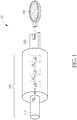
FIG. 1 is a schematic diagram of a handheld device according to an embodiment of the present invention. -
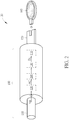
FIG. 2 is a schematic diagram of a handheld device according to an embodiment of the present invention. -
FIGs. 3A-3C are time-variant diagrams of the acceleration signal of the handheld devices inFIGs. 1 and2 . -
FIG. 4 is a schematic diagram of a handheld device according to an embodiment of the present invention. -
FIG. 5 is a schematic diagram of a handheld device according to an embodiment of the present invention. -
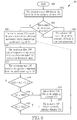
FIG.6 is a flow chart illustrating operations of the handheld devices inFIGs. 1 ,2 ,4 and5 . - Please refer to
FIG. 1 , which is a schematic diagram of ahandheld device 10 according to an embodiment of the present invention. Thehandheld device 10 includes abase 100, ahandgrip 110, agripping element 150, aninertia sensor 120, aprocessing unit 130 and anactuator 140. Thebase 100 forms a main body of thehandheld device 10 to include theprotrusive handgrip 110 and the embeddedcomponents handgrip 110 may be held by a user. While hand muscles of the user unintentionally shake, thehandgrip 110 receives a vibration movement VR. Theinertia sensor 120 is utilized for detecting an acceleration of the vibration movement VR to generate an acceleration signal AC. Theprocessing unit 130 is utilized for determining whether or not to generate a cancellation decision Dc based on the acceleration signal AC. Theactuator 140 is utilized for controlling movement of thegripping element 150 if the cancellation decision Dc is made, so as to counteract the acceleration. As a result, thegripping element 150 can be stabilized. Thegripping element 150 is utilized for releasably connecting thehandheld device 10 to anobject 160, such as a spoon. Since thegripping element 150 is stabilized, food in the spoon can be steadily held. - In comparison with the prior art, the
handheld device 10 does not apply relatively large forces to an affected limb of the user, and therefore the user no longer suffers from the discomfort or pain. Instead, thehandheld device 10 detects the acceleration of the vibration movement VR to accordingly counteract the acceleration, such that the user may easily deliver the food via thehandheld device 10 and are no longer troubled by the tremors. In addition, shape memory alloy (SMA) is not employed in thehandheld device 10, which means the user does not need to worry that thehandheld device 10 will malfunction due to metal fatigue. - In addition, to distinguish between intended and unintended motions, a band pass filter may be incorporated. Please refer to
FIG. 2 , which is a schematic diagram of ahandheld device 20 according to an embodiment of the present invention. Since thehandheld device 20 is derived from thehandheld device 10, the identical components are labeled by the same symbols. Thehandheld device 20 further includes aband pass filter 200. Theband pass filter 200 is utilized for passing frequency components of the acceleration signal AC within a frequency range and rejecting the other frequency components outside the frequency range since a frequency component above the frequency range may be a noise, and a frequency component below the frequency range may not be induced by human tremors. Preferably, the range is 2-24 Hz. - Note that, the filtered acceleration signal still includes a gravity component induced by gravity. Therefore, the
processing unit 130 is further utilizing for removing the gravity component from the acceleration signal AC to acquire the pure acceleration induced by the human tremors. - Specifically, please refer to
FIG. 3A-3C , which are time-variant diagrams of the acceleration signal AC. InFIG. 3A , thebase 100 is stable, and the acceleration signal AC is zero. InFIG. 3B , thebase 100 is lowered down by the vibration movement VR, and a downward pulse appears in the acceleration signal AC. InFIG. 3C , thebase 100 is lifted up by the vibration movement VR, and an upward pulse appears in the acceleration signal AC. That is, theprocessing unit 130 can determine whether to generate the cancellation decision Dc based on the downward or pulse. For example, if thebase 100 is lowered by the vibration movement VR, theprocessing unit 130 generates the cancellation decision Dc based on the downward pulse, and the cancellation decision Dc indicates to theactuator 140 to lift up thegripping element 150 to counteract the acceleration. As a result, thegripping element 150 may remain a stable position. On the contrary, if thebase 100 is lifted up by the vibration movement VR, theprocessing unit 130 generates the cancellation decision Dc based on the upward pulse, and the cancellation decision Dc indicates to theactuator 140 to lower down thegripping element 150 to counteract the acceleration. - Note that, preferably, the
processing unit 130 does not respond to every pulse of the acceleration signal AC because insignificant pulses are meaningless noises. To do so, theprocessing unit 130 merely responds to a pulse of the acceleration signal AC which exceeds thresholds. For example, as illustrated inFIG. 3B , theprocessing unit 130 generates the cancellation decision Dc if the acceleration signal AC is less than a first threshold TH1. In another embodiment, as illustrated inFIG. 3C , theprocessing unit 130 generates the cancellation decision Dc if the acceleration signal AC is greater than a second threshold TH2. - Importantly, the present invention focuses on counteracting the acceleration caused by the tremors instead of completely dissolving the vibration movement VR. According to Newton's first law of motion, the food will not spill from the
object 160 as long as acceleration of theobject 160 remains zero. For example, if a tremor lowers down a handheld device of the prior art, the handheld device of the prior art will generate a motion in a direction opposite to the tremor. This kind of responsive mechanism cannot guarantee that acceleration of the food in the spoon is zero, and the food will spill from the spoon. In comparison, since the acceleration of thegripping element 150 is counteracted, the acceleration of theobject 160 is minimized and damped to approach zero, and the food will remain at rest or continue to move at a constant velocity. In such a situation, the food can be safely delivered to a mouth of the user. - Prior than acceleration check, a position calibration mechanism may be incorporated to improve preciseness of the acceleration check of the
handheld devices FIG. 4 , which is a schematic diagram of thehandheld device 40 according to an embodiment of the present invention. Since thehandheld device 40 is derived from thehandheld devices handheld device 40 further includes aposition sensor 400. Theposition sensor 400 is utilized for detecting a position of thegripping element 150 to generate a position signal PS sent to theprocessing unit 130. Theprocessing unit 130 determines whether the position is in a neutral position and accordingly generates a position calibration signal PC to instruct theactuator 140. If the position is in the neutral position, there is no need to calibrate the position of thegripping element 150. On the contrary, if the position is not in the neutral position, the position calibration signal PC instructs theactuator 140 to move down or up thegripping element 150 to reset thegripping element 150 back to a peripheral range centered at the neutral position. - Note that, the downward and upward movements illustrated in figures and described in the above embodiments are simplified cases. In practice, vibration movements induced by the tremors may be in any direction. The present invention may also be applied to those practical cases since base accelerations in directions other than downward and upward directions also can be counteracted. Accordingly, the
handheld devices gripping element 150, and more than one actuators to control multiple direction movements of thegripping element 150. - Please refer to
FIG. 5 , which is a schematic diagram of ahandheld device 50 according to an embodiment of the present invention. Since thehandheld device 50 is derived from thehandheld devices handheld device 50 further includes apower converter 500, abattery 510, aninterface module 520 and a microacoustic speaker 540. Thepower converter 500 is utilized for converting a mechanical power of the vibration movement VR into an electrical power EE. Thebattery 510 is utilized for storing the electrical power EE. In addition, since history of the vibration movement VR and the acceleration signal AC are valuable in medical study, theinterface module 520 may upload data of the vibration movement VR and the acceleration signal AC to at least one external device, such as a personal computer, a smart phone or acloud server 530. The microacoustic speaker 540 is utilized for noticing the user conditions of thehandheld device 50 via sounds, such as charge percentage of thebattery 510, position of theobject 160, etc. - Furthermore, the
processing unit 130 may determine whether there is a user holding thehandgrip 110 based on the acceleration signal AC. If there is no user holding thehandgrip 110 for a predetermined time period, theprocessing unit 130 can shut down thehandheld devices - Operations of the
handheld devices process 60, as illustrated inFIG. 6 . Theprocess 60 includes the following steps: - Step 600: Start.
- Step 602: The
position sensor 400 detects the position of thegripping element 150. - Step 604: The processing
unit 130 determines whether the position is in the neutral position. If true, go toStep 608; else go toStep 606. - Step 606: The
actuator 140 resets thegripping element 150 back to the neutral position, and go toStep 604. - Step 608: The
inertia sensor 120 detects the acceleration of the vibration movement VR to generate the acceleration signal AC. - Step 610: The
band pass filter 200 rejects frequency components of the acceleration signal AC outside the frequency range. - Step 612: The processing
unit 130 removes the gravity component from the acceleration signal AC. - Step 614: If the acceleration signal AC is between the first threshold TH1 and the second threshold TH2, go to
Step 602; else, go toStep 616. - Step 616: If the acceleration signal AC is less than the first threshold TH1, go to
Step 618; else, go toStep 620. - Step 618: The
actuators 140 lifts up thegripping element 150, and go toStep 608. - Step 620: If the acceleration signal AC is greater than the second threshold TH2, go to
Step 622; else, go toStep 608. - Step 622: The
actuators 140 lowers down thegripping element 150, and go toStep 608. - Details of the
process 60 are described in the above, and are not further narrated again herein. - To sum up, to minimize discomfort and pain of an unintentional-muscle-moving patient, the present invention counteracts the acceleration of the tremors. As long as the unintentional acceleration is balanced, the patient can engage daily activities with less inconvenience.
Claims (16)
- A handheld device (10), comprising:a base (100) comprising a handgrip (110), for receiving a vibration movement (VR);a gripping element (150) linked to the base (100) for releasably connecting the handheld device (10) to an object (160);at least one inertia sensor (120), for detecting an acceleration of the vibration movement (VR) to generate an acceleration signal (AC);a band pass filter (200), for passing the acceleration signal (AC) within a frequency range and filtering out the acceleration signal (AC) outside the frequency range;a processing unit (130), for generating a cancellation decision (Dc) if the acceleration signal (AC) within the frequency range is less than a first acceleration threshold (TH1) or greater than a second acceleration threshold (TH2); andat least one actuator (140), for controlling movement of the gripping element (150) according to the cancellation decision (Dc) such that the acceleration is counteracted, lifting up the gripping element (150) only if the acceleration signal (AC) within the frequency range is less than the first acceleration threshold (TH1), and lowering down the gripping element (150) only if the acceleration signal (AC) within the frequency range is greater than the second acceleration threshold (TH2).
- The handheld device of claim 1, wherein the frequency range is 2-24 Hz.
- The handheld device of claim 1, 2. wherein the processing unit (130) is further configured for removing a gravity component from the acceleration signal (AC).
- The handheld device of claim 1, further comprising at least one position sensor (400) for detecting a position of the gripping element (150) to generate a position signal (PS).
- The handheld device of claim 4, wherein the processing unit (130) is further configured for determining whether the position is in a neutral position according to the position signal (PS) to generate a position calibration signal (PC).
- The handheld device of claim 5, wherein the position calibration signal (PC) is utilized for instructing to the actuator (140) to reset the gripping element (150) back to the neutral position.
- The handheld device of claim 1, further comprising:a power converter (500), for converting a mechanical power of the vibration movement (VR) into an electrical power (EE);a battery (510), electrically coupled to the power converter (500), for storing the electrical power (EE); anda speaker (540), coupled to the processing unit (130), for broadcasting an acoustic notice of a condition of the handheld device (50).
- The handheld device of claim 1, further comprising:
an interface module (520), electrically coupled to the processing unit (130), for uploading data of the vibration movement (VR) and the acceleration signal (AC) to at least one external device (530). - The handheld device of claim 1, wherein the processing unit (130) is further configured for determining whether the handgrip (110) is held according to the acceleration signal (AC) and shutting down the handheld device (10) if the handgrip (110) is not held for a time period.
- A vibration cancellation method (60) for controlling a gripping element (150), comprising:detecting an acceleration of a vibration movement (VR) to generate an acceleration signal (AC);passing the acceleration signal (AC) within a frequency range and filtering out the acceleration signal (AC) outside the frequency range;removing the gravity component from the acceleration signal (AC); andgenerating a cancellation decision (Dc) if the acceleration signal (AC) within the frequency range is less than a first acceleration threshold (TH1) or greater than a second acceleration threshold (TH2), wherein the cancellation decision (Dc) comprises:lifting up the gripping element (150) only if the acceleration signal (AC) within the frequency range is less than the first acceleration threshold (TH1); andlowering down the gripping element (150) only if the acceleration signal (AC) within the frequency range is greater than the second acceleration threshold (TH2).
- The vibration cancellation method of claim 10, wherein the frequency range is 2-24 Hz.
- The vibration cancellation method of claim 10, further comprising detecting a position of the gripping element (150).
- The vibration cancellation method of claim 12, further comprising determining whether the position is in a neutral position.
- The vibration cancellation method of claim 13, further comprising if the position is not in the neutral position, resetting the gripping element (150) back to the neutral position.
- The vibration cancellation method of claim 10, further comprising converting a mechanical power of the vibration movement (VR) into an electrical power (EE).
- The vibration cancellation method of claim 10, further comprising uploading data of the vibration movement (VR) and the acceleration to an external server (530).
Applications Claiming Priority (1)
| Application Number | Priority Date | Filing Date | Title |
|---|---|---|---|
| US14/806,661 US10849776B2 (en) | 2015-07-23 | 2015-07-23 | Handheld device and vibration cancellation method |
Publications (2)
| Publication Number | Publication Date |
|---|---|
| EP3120767A1 EP3120767A1 (en) | 2017-01-25 |
| EP3120767B1 true EP3120767B1 (en) | 2021-04-07 |
Family
ID=56802221
Family Applications (1)
| Application Number | Title | Priority Date | Filing Date |
|---|---|---|---|
| EP16180471.1A Active EP3120767B1 (en) | 2015-07-23 | 2016-07-21 | Handheld device and vibration cancellation method |
Country Status (5)
| Country | Link |
|---|---|
| US (1) | US10849776B2 (en) |
| EP (1) | EP3120767B1 (en) |
| JP (1) | JP6202649B2 (en) |
| CN (1) | CN106361479B (en) |
| TW (1) | TWI634883B (en) |
Families Citing this family (13)
| Publication number | Priority date | Publication date | Assignee | Title |
|---|---|---|---|---|
| CN105759657B (en) * | 2016-05-13 | 2018-09-04 | 京东方科技集团股份有限公司 | Manipulation device and method of operating |
| US10058445B2 (en) * | 2016-06-02 | 2018-08-28 | Verily Life Sciences Llc | Motion stabilization by a handheld tool |
| US10583061B2 (en) * | 2016-09-06 | 2020-03-10 | Verily Life Sciences Llc | Tilt compensation for tremor cancellation device |
| US10507155B1 (en) * | 2017-01-13 | 2019-12-17 | Gaetano Cimo | Tremor suppression apparatus and method using same |
| US10420663B2 (en) * | 2017-05-01 | 2019-09-24 | Verily Life Sciences Llc | Handheld articulated user-assistive device with behavior control modes |
| CN107874565A (en) * | 2017-12-28 | 2018-04-06 | 长沙理工大学 | A kind of stabilization feeding device |
| US11458062B2 (en) * | 2018-09-18 | 2022-10-04 | L'oreal | Motion stabilizing device for a cosmetic applicator |
| TWI757593B (en) * | 2019-03-29 | 2022-03-11 | 愛能科技股份有限公司 | Handheld tool and anti-tremor handheld device thereof |
| CN110584428B (en) * | 2019-09-25 | 2024-07-19 | 北京科技大学 | Electronic anti-shake tableware |
| WO2022064392A1 (en) * | 2020-09-28 | 2022-03-31 | Kynetika, Inc. | Vibration suppression apparatus |
| CN112674762A (en) * | 2020-12-28 | 2021-04-20 | 江苏省省级机关医院 | Parkinson tremble evaluation device based on wearable inertial sensor |
| CN114681904A (en) * | 2021-04-16 | 2022-07-01 | 苏州端云创新科技有限公司 | A method, device, computer storage medium and terminal for realizing information correction |
| US12490823B2 (en) * | 2022-12-30 | 2025-12-09 | L'oreal | Reversible adapter and ecosystem for cosmetic applicator configured for users with limited mobility |
Family Cites Families (14)
| Publication number | Priority date | Publication date | Assignee | Title |
|---|---|---|---|---|
| DE19700402C2 (en) | 1997-01-08 | 1999-12-30 | Ferdinand Peer | Instrument to compensate for hand tremors when manipulating fine structures |
| EP1745458B1 (en) * | 2004-04-30 | 2017-01-11 | Hillcrest Laboratories, Inc. | Methods and devices for identifying users based on tremor |
| US20060139930A1 (en) * | 2004-12-23 | 2006-06-29 | Matthew Feinsod | Motion-compensating light-emitting apparatus |
| JP2008067936A (en) | 2006-09-14 | 2008-03-27 | Yosuke Kuki | Damping self help device |
| US8749495B2 (en) * | 2008-09-24 | 2014-06-10 | Immersion Corporation | Multiple actuation handheld device |
| US8308664B2 (en) | 2009-03-03 | 2012-11-13 | The Regents Of The University Of Michigan | Tremor stabilizing system for handheld devices |
| TWM426397U (en) | 2011-04-29 | 2012-04-11 | Univ Minghsin Sci & Tech | Tableware safety and positioning device for blind users |
| US10368669B2 (en) | 2011-09-30 | 2019-08-06 | Verily Life Sciences Llc | System and method for stabilizing unintentional muscle movements |
| US9925034B2 (en) | 2011-09-30 | 2018-03-27 | Verily Life Sciences Llc | Stabilizing unintentional muscle movements |
| CN102722644A (en) | 2012-05-29 | 2012-10-10 | 广州乾华生物科技有限公司 | Movement frequency acquisition method and device |
| US9238142B2 (en) * | 2012-09-10 | 2016-01-19 | Great Lakes Neurotechnologies Inc. | Movement disorder therapy system and methods of tuning remotely, intelligently and/or automatically |
| EP2986339A4 (en) * | 2013-04-19 | 2016-12-21 | Oculeve Inc | DEVICES AND METHODS FOR NASAL STIMULATION |
| TWM493704U (en) | 2014-06-26 | 2015-01-11 | Sheng Chia Optical Co Ltd | Gesture operation module of handheld electronic device |
| CN204426918U (en) | 2015-02-10 | 2015-07-01 | 中国科学院苏州生物医学工程技术研究所 | A kind of Intelligent bracelet for alleviating Parkinsonian's freezing of gait |
-
2015
- 2015-07-23 US US14/806,661 patent/US10849776B2/en active Active
- 2015-10-12 TW TW104133430A patent/TWI634883B/en active
-
2016
- 2016-07-21 CN CN201610575982.6A patent/CN106361479B/en active Active
- 2016-07-21 EP EP16180471.1A patent/EP3120767B1/en active Active
- 2016-07-22 JP JP2016144247A patent/JP6202649B2/en active Active
Non-Patent Citations (1)
| Title |
|---|
| None * |
Also Published As
| Publication number | Publication date |
|---|---|
| TW201703752A (en) | 2017-02-01 |
| JP2017023752A (en) | 2017-02-02 |
| US10849776B2 (en) | 2020-12-01 |
| JP6202649B2 (en) | 2017-09-27 |
| US20170020704A1 (en) | 2017-01-26 |
| EP3120767A1 (en) | 2017-01-25 |
| CN106361479B (en) | 2018-09-28 |
| TWI634883B (en) | 2018-09-11 |
| CN106361479A (en) | 2017-02-01 |
Similar Documents
| Publication | Publication Date | Title |
|---|---|---|
| US10849776B2 (en) | Handheld device and vibration cancellation method | |
| EP3571992B1 (en) | Mitigating effects of neuro-muscular ailments | |
| US11458382B2 (en) | Immersive upper limb rehabilitation training system | |
| CN109688924B (en) | Tilt compensation for tremor elimination device | |
| CA2850138C (en) | System and method for stabilizing unintentional muscle movements | |
| EP2077754B1 (en) | Switchable joint constraint system | |
| US10052062B2 (en) | System and method for assistive gait intervention and fall prevention | |
| US9925034B2 (en) | Stabilizing unintentional muscle movements | |
| US9974478B1 (en) | Discreet movement measurement and cueing system for improvement of safety and efficacy of movement | |
| CN106178261A (en) | Parkinsonian's hand trembles elimination system and method | |
| Huen et al. | An integrated wearable robot for tremor suppression with context aware sensing | |
| WO2015003133A1 (en) | Stabilizing unintentional muscle movements | |
| Shima et al. | Virtual light touch contact: A novel concept for mitigation of body sway | |
| US20220008283A1 (en) | Apparatus and Method for Reduction of Neurological Movement Disorder Symptoms Using Wearable Device | |
| Nakagawa-Silva et al. | A bio-inspired slip detection and reflex-like suppression method for robotic manipulators | |
| Müller-Putz et al. | Towards non-invasive brain-computer interface for hand/arm control in users with spinal cord injury | |
| Nakagawa-Silva et al. | Slip suppression in prosthetic hands using a reflective optical sensor and MPI controller | |
| Zaeni et al. | The design of the patient's room facilities controller using an eye blink | |
| Bien et al. | Development of a novel type rehabilitation robotic system KARES II | |
| US20250161678A1 (en) | Device and method for rehabilitation of upper limb function by functional electrical stimulation | |
| Mohammadi | Tongue Control of Upper-Limb Exoskeletons For Individuals With Tetraplegia | |
| Raja et al. | Emerging Innovations in Assistive Technologies: Adaptive, Cloud-Based, and IoT-Integrated Brain-Computer Interfaces Platforms for Neurorehabilitation | |
| Wang et al. | A Virtual Technology Aiding for Hand-Impaired Persons | |
| KR20120022454A (en) | Control signal generation circuit using oral sounds | |
| Brown | MACHINES for Life |
Legal Events
| Date | Code | Title | Description |
|---|---|---|---|
| PUAI | Public reference made under article 153(3) epc to a published international application that has entered the european phase |
Free format text: ORIGINAL CODE: 0009012 |
|
| STAA | Information on the status of an ep patent application or granted ep patent |
Free format text: STATUS: THE APPLICATION HAS BEEN PUBLISHED |
|
| AK | Designated contracting states |
Kind code of ref document: A1 Designated state(s): AL AT BE BG CH CY CZ DE DK EE ES FI FR GB GR HR HU IE IS IT LI LT LU LV MC MK MT NL NO PL PT RO RS SE SI SK SM TR |
|
| AX | Request for extension of the european patent |
Extension state: BA ME |
|
| STAA | Information on the status of an ep patent application or granted ep patent |
Free format text: STATUS: REQUEST FOR EXAMINATION WAS MADE |
|
| 17P | Request for examination filed |
Effective date: 20170630 |
|
| RBV | Designated contracting states (corrected) |
Designated state(s): AL AT BE BG CH CY CZ DE DK EE ES FI FR GB GR HR HU IE IS IT LI LT LU LV MC MK MT NL NO PL PT RO RS SE SI SK SM TR |
|
| STAA | Information on the status of an ep patent application or granted ep patent |
Free format text: STATUS: EXAMINATION IS IN PROGRESS |
|
| 17Q | First examination report despatched |
Effective date: 20200507 |
|
| REG | Reference to a national code |
Ref country code: DE Ref legal event code: R079 Ref document number: 602016055533 Country of ref document: DE Free format text: PREVIOUS MAIN CLASS: A61B0005110000 Ipc: A61F0004000000 |
|
| RIC1 | Information provided on ipc code assigned before grant |
Ipc: A47G 21/08 20060101ALI20201125BHEP Ipc: A61F 4/00 20060101AFI20201125BHEP |
|
| GRAP | Despatch of communication of intention to grant a patent |
Free format text: ORIGINAL CODE: EPIDOSNIGR1 |
|
| STAA | Information on the status of an ep patent application or granted ep patent |
Free format text: STATUS: GRANT OF PATENT IS INTENDED |
|
| INTG | Intention to grant announced |
Effective date: 20210114 |
|
| GRAS | Grant fee paid |
Free format text: ORIGINAL CODE: EPIDOSNIGR3 |
|
| GRAA | (expected) grant |
Free format text: ORIGINAL CODE: 0009210 |
|
| STAA | Information on the status of an ep patent application or granted ep patent |
Free format text: STATUS: THE PATENT HAS BEEN GRANTED |
|
| AK | Designated contracting states |
Kind code of ref document: B1 Designated state(s): AL AT BE BG CH CY CZ DE DK EE ES FI FR GB GR HR HU IE IS IT LI LT LU LV MC MK MT NL NO PL PT RO RS SE SI SK SM TR |
|
| REG | Reference to a national code |
Ref country code: GB Ref legal event code: FG4D |
|
| REG | Reference to a national code |
Ref country code: AT Ref legal event code: REF Ref document number: 1378699 Country of ref document: AT Kind code of ref document: T Effective date: 20210415 Ref country code: CH Ref legal event code: EP |
|
| REG | Reference to a national code |
Ref country code: DE Ref legal event code: R096 Ref document number: 602016055533 Country of ref document: DE |
|
| REG | Reference to a national code |
Ref country code: IE Ref legal event code: FG4D |
|
| REG | Reference to a national code |
Ref country code: LT Ref legal event code: MG9D |
|
| REG | Reference to a national code |
Ref country code: NL Ref legal event code: MP Effective date: 20210407 Ref country code: AT Ref legal event code: MK05 Ref document number: 1378699 Country of ref document: AT Kind code of ref document: T Effective date: 20210407 |
|
| PG25 | Lapsed in a contracting state [announced via postgrant information from national office to epo] |
Ref country code: LT Free format text: LAPSE BECAUSE OF FAILURE TO SUBMIT A TRANSLATION OF THE DESCRIPTION OR TO PAY THE FEE WITHIN THE PRESCRIBED TIME-LIMIT Effective date: 20210407 Ref country code: NL Free format text: LAPSE BECAUSE OF FAILURE TO SUBMIT A TRANSLATION OF THE DESCRIPTION OR TO PAY THE FEE WITHIN THE PRESCRIBED TIME-LIMIT Effective date: 20210407 Ref country code: FI Free format text: LAPSE BECAUSE OF FAILURE TO SUBMIT A TRANSLATION OF THE DESCRIPTION OR TO PAY THE FEE WITHIN THE PRESCRIBED TIME-LIMIT Effective date: 20210407 Ref country code: AT Free format text: LAPSE BECAUSE OF FAILURE TO SUBMIT A TRANSLATION OF THE DESCRIPTION OR TO PAY THE FEE WITHIN THE PRESCRIBED TIME-LIMIT Effective date: 20210407 Ref country code: BG Free format text: LAPSE BECAUSE OF FAILURE TO SUBMIT A TRANSLATION OF THE DESCRIPTION OR TO PAY THE FEE WITHIN THE PRESCRIBED TIME-LIMIT Effective date: 20210707 Ref country code: HR Free format text: LAPSE BECAUSE OF FAILURE TO SUBMIT A TRANSLATION OF THE DESCRIPTION OR TO PAY THE FEE WITHIN THE PRESCRIBED TIME-LIMIT Effective date: 20210407 |
|
| PG25 | Lapsed in a contracting state [announced via postgrant information from national office to epo] |
Ref country code: PL Free format text: LAPSE BECAUSE OF FAILURE TO SUBMIT A TRANSLATION OF THE DESCRIPTION OR TO PAY THE FEE WITHIN THE PRESCRIBED TIME-LIMIT Effective date: 20210407 Ref country code: NO Free format text: LAPSE BECAUSE OF FAILURE TO SUBMIT A TRANSLATION OF THE DESCRIPTION OR TO PAY THE FEE WITHIN THE PRESCRIBED TIME-LIMIT Effective date: 20210707 Ref country code: PT Free format text: LAPSE BECAUSE OF FAILURE TO SUBMIT A TRANSLATION OF THE DESCRIPTION OR TO PAY THE FEE WITHIN THE PRESCRIBED TIME-LIMIT Effective date: 20210809 Ref country code: ES Free format text: LAPSE BECAUSE OF FAILURE TO SUBMIT A TRANSLATION OF THE DESCRIPTION OR TO PAY THE FEE WITHIN THE PRESCRIBED TIME-LIMIT Effective date: 20210407 Ref country code: SE Free format text: LAPSE BECAUSE OF FAILURE TO SUBMIT A TRANSLATION OF THE DESCRIPTION OR TO PAY THE FEE WITHIN THE PRESCRIBED TIME-LIMIT Effective date: 20210407 Ref country code: RS Free format text: LAPSE BECAUSE OF FAILURE TO SUBMIT A TRANSLATION OF THE DESCRIPTION OR TO PAY THE FEE WITHIN THE PRESCRIBED TIME-LIMIT Effective date: 20210407 Ref country code: GR Free format text: LAPSE BECAUSE OF FAILURE TO SUBMIT A TRANSLATION OF THE DESCRIPTION OR TO PAY THE FEE WITHIN THE PRESCRIBED TIME-LIMIT Effective date: 20210708 Ref country code: IS Free format text: LAPSE BECAUSE OF FAILURE TO SUBMIT A TRANSLATION OF THE DESCRIPTION OR TO PAY THE FEE WITHIN THE PRESCRIBED TIME-LIMIT Effective date: 20210807 Ref country code: LV Free format text: LAPSE BECAUSE OF FAILURE TO SUBMIT A TRANSLATION OF THE DESCRIPTION OR TO PAY THE FEE WITHIN THE PRESCRIBED TIME-LIMIT Effective date: 20210407 |
|
| REG | Reference to a national code |
Ref country code: DE Ref legal event code: R097 Ref document number: 602016055533 Country of ref document: DE |
|
| PG25 | Lapsed in a contracting state [announced via postgrant information from national office to epo] |
Ref country code: RO Free format text: LAPSE BECAUSE OF FAILURE TO SUBMIT A TRANSLATION OF THE DESCRIPTION OR TO PAY THE FEE WITHIN THE PRESCRIBED TIME-LIMIT Effective date: 20210407 Ref country code: SK Free format text: LAPSE BECAUSE OF FAILURE TO SUBMIT A TRANSLATION OF THE DESCRIPTION OR TO PAY THE FEE WITHIN THE PRESCRIBED TIME-LIMIT Effective date: 20210407 Ref country code: SM Free format text: LAPSE BECAUSE OF FAILURE TO SUBMIT A TRANSLATION OF THE DESCRIPTION OR TO PAY THE FEE WITHIN THE PRESCRIBED TIME-LIMIT Effective date: 20210407 Ref country code: DK Free format text: LAPSE BECAUSE OF FAILURE TO SUBMIT A TRANSLATION OF THE DESCRIPTION OR TO PAY THE FEE WITHIN THE PRESCRIBED TIME-LIMIT Effective date: 20210407 Ref country code: CZ Free format text: LAPSE BECAUSE OF FAILURE TO SUBMIT A TRANSLATION OF THE DESCRIPTION OR TO PAY THE FEE WITHIN THE PRESCRIBED TIME-LIMIT Effective date: 20210407 Ref country code: EE Free format text: LAPSE BECAUSE OF FAILURE TO SUBMIT A TRANSLATION OF THE DESCRIPTION OR TO PAY THE FEE WITHIN THE PRESCRIBED TIME-LIMIT Effective date: 20210407 |
|
| PLBE | No opposition filed within time limit |
Free format text: ORIGINAL CODE: 0009261 |
|
| STAA | Information on the status of an ep patent application or granted ep patent |
Free format text: STATUS: NO OPPOSITION FILED WITHIN TIME LIMIT |
|
| REG | Reference to a national code |
Ref country code: CH Ref legal event code: PL |
|
| 26N | No opposition filed |
Effective date: 20220110 |
|
| PG25 | Lapsed in a contracting state [announced via postgrant information from national office to epo] |
Ref country code: MC Free format text: LAPSE BECAUSE OF FAILURE TO SUBMIT A TRANSLATION OF THE DESCRIPTION OR TO PAY THE FEE WITHIN THE PRESCRIBED TIME-LIMIT Effective date: 20210407 |
|
| REG | Reference to a national code |
Ref country code: BE Ref legal event code: MM Effective date: 20210731 |
|
| PG25 | Lapsed in a contracting state [announced via postgrant information from national office to epo] |
Ref country code: LI Free format text: LAPSE BECAUSE OF NON-PAYMENT OF DUE FEES Effective date: 20210731 Ref country code: CH Free format text: LAPSE BECAUSE OF NON-PAYMENT OF DUE FEES Effective date: 20210731 |
|
| PG25 | Lapsed in a contracting state [announced via postgrant information from national office to epo] |
Ref country code: IS Free format text: LAPSE BECAUSE OF FAILURE TO SUBMIT A TRANSLATION OF THE DESCRIPTION OR TO PAY THE FEE WITHIN THE PRESCRIBED TIME-LIMIT Effective date: 20210807 Ref country code: LU Free format text: LAPSE BECAUSE OF NON-PAYMENT OF DUE FEES Effective date: 20210721 Ref country code: AL Free format text: LAPSE BECAUSE OF FAILURE TO SUBMIT A TRANSLATION OF THE DESCRIPTION OR TO PAY THE FEE WITHIN THE PRESCRIBED TIME-LIMIT Effective date: 20210407 |
|
| PG25 | Lapsed in a contracting state [announced via postgrant information from national office to epo] |
Ref country code: IT Free format text: LAPSE BECAUSE OF FAILURE TO SUBMIT A TRANSLATION OF THE DESCRIPTION OR TO PAY THE FEE WITHIN THE PRESCRIBED TIME-LIMIT Effective date: 20210407 Ref country code: IE Free format text: LAPSE BECAUSE OF NON-PAYMENT OF DUE FEES Effective date: 20210721 Ref country code: BE Free format text: LAPSE BECAUSE OF NON-PAYMENT OF DUE FEES Effective date: 20210731 |
|
| PG25 | Lapsed in a contracting state [announced via postgrant information from national office to epo] |
Ref country code: HU Free format text: LAPSE BECAUSE OF FAILURE TO SUBMIT A TRANSLATION OF THE DESCRIPTION OR TO PAY THE FEE WITHIN THE PRESCRIBED TIME-LIMIT; INVALID AB INITIO Effective date: 20160721 |
|
| PG25 | Lapsed in a contracting state [announced via postgrant information from national office to epo] |
Ref country code: CY Free format text: LAPSE BECAUSE OF FAILURE TO SUBMIT A TRANSLATION OF THE DESCRIPTION OR TO PAY THE FEE WITHIN THE PRESCRIBED TIME-LIMIT Effective date: 20210407 |
|
| REG | Reference to a national code |
Ref country code: DE Ref legal event code: R081 Ref document number: 602016055533 Country of ref document: DE Owner name: MEDIERA CORP., TW Free format text: FORMER OWNER: INALWAYS CORP., NEW TAIPEI CITY, TW |
|
| PG25 | Lapsed in a contracting state [announced via postgrant information from national office to epo] |
Ref country code: MK Free format text: LAPSE BECAUSE OF FAILURE TO SUBMIT A TRANSLATION OF THE DESCRIPTION OR TO PAY THE FEE WITHIN THE PRESCRIBED TIME-LIMIT Effective date: 20210407 |
|
| PGFP | Annual fee paid to national office [announced via postgrant information from national office to epo] |
Ref country code: GB Payment date: 20240624 Year of fee payment: 9 |
|
| PGFP | Annual fee paid to national office [announced via postgrant information from national office to epo] |
Ref country code: FR Payment date: 20240624 Year of fee payment: 9 |
|
| REG | Reference to a national code |
Ref country code: DE Ref legal event code: R082 Ref document number: 602016055533 Country of ref document: DE Representative=s name: STRAUS, ALEXANDER, DIPL.-CHEM.UNIV. DR.PHIL., DE |
|
| PG25 | Lapsed in a contracting state [announced via postgrant information from national office to epo] |
Ref country code: MT Free format text: LAPSE BECAUSE OF FAILURE TO SUBMIT A TRANSLATION OF THE DESCRIPTION OR TO PAY THE FEE WITHIN THE PRESCRIBED TIME-LIMIT Effective date: 20210407 |
|
| PGFP | Annual fee paid to national office [announced via postgrant information from national office to epo] |
Ref country code: DE Payment date: 20240728 Year of fee payment: 9 |
|
| PG25 | Lapsed in a contracting state [announced via postgrant information from national office to epo] |
Ref country code: TR Free format text: LAPSE BECAUSE OF FAILURE TO SUBMIT A TRANSLATION OF THE DESCRIPTION OR TO PAY THE FEE WITHIN THE PRESCRIBED TIME-LIMIT Effective date: 20210407 |
|
| REG | Reference to a national code |
Ref country code: DE Ref legal event code: R119 Ref document number: 602016055533 Country of ref document: DE |
|
| GBPC | Gb: european patent ceased through non-payment of renewal fee |
Effective date: 20250721 |
|
| PG25 | Lapsed in a contracting state [announced via postgrant information from national office to epo] |
Ref country code: GB Free format text: LAPSE BECAUSE OF NON-PAYMENT OF DUE FEES Effective date: 20250721 |
|
| PG25 | Lapsed in a contracting state [announced via postgrant information from national office to epo] |
Ref country code: DE Free format text: LAPSE BECAUSE OF NON-PAYMENT OF DUE FEES Effective date: 20260203 |
|
| PG25 | Lapsed in a contracting state [announced via postgrant information from national office to epo] |
Ref country code: FR Free format text: LAPSE BECAUSE OF NON-PAYMENT OF DUE FEES Effective date: 20250731 |