EP3113781B1 - Sialylated glycoprotein compositions and uses thereof - Google Patents
Sialylated glycoprotein compositions and uses thereof Download PDFInfo
- Publication number
- EP3113781B1 EP3113781B1 EP15758766.8A EP15758766A EP3113781B1 EP 3113781 B1 EP3113781 B1 EP 3113781B1 EP 15758766 A EP15758766 A EP 15758766A EP 3113781 B1 EP3113781 B1 EP 3113781B1
- Authority
- EP
- European Patent Office
- Prior art keywords
- mol
- rhgus
- examples
- recombinant
- glucuronidase
- Prior art date
- Legal status (The legal status is an assumption and is not a legal conclusion. Google has not performed a legal analysis and makes no representation as to the accuracy of the status listed.)
- Active
Links
Images



Classifications
-
- A—HUMAN NECESSITIES
- A61—MEDICAL OR VETERINARY SCIENCE; HYGIENE
- A61K—PREPARATIONS FOR MEDICAL, DENTAL OR TOILETRY PURPOSES
- A61K38/00—Medicinal preparations containing peptides
- A61K38/16—Peptides having more than 20 amino acids; Gastrins; Somatostatins; Melanotropins; Derivatives thereof
- A61K38/43—Enzymes; Proenzymes; Derivatives thereof
- A61K38/46—Hydrolases (3)
- A61K38/47—Hydrolases (3) acting on glycosyl compounds (3.2), e.g. cellulases, lactases
-
- A—HUMAN NECESSITIES
- A61—MEDICAL OR VETERINARY SCIENCE; HYGIENE
- A61K—PREPARATIONS FOR MEDICAL, DENTAL OR TOILETRY PURPOSES
- A61K45/00—Medicinal preparations containing active ingredients not provided for in groups A61K31/00 - A61K41/00
- A61K45/06—Mixtures of active ingredients without chemical characterisation, e.g. antiphlogistics and cardiaca
-
- A—HUMAN NECESSITIES
- A61—MEDICAL OR VETERINARY SCIENCE; HYGIENE
- A61K—PREPARATIONS FOR MEDICAL, DENTAL OR TOILETRY PURPOSES
- A61K9/00—Medicinal preparations characterised by special physical form
- A61K9/0012—Galenical forms characterised by the site of application
- A61K9/0019—Injectable compositions; Intramuscular, intravenous, arterial, subcutaneous administration; Compositions to be administered through the skin in an invasive manner
-
- A—HUMAN NECESSITIES
- A61—MEDICAL OR VETERINARY SCIENCE; HYGIENE
- A61P—SPECIFIC THERAPEUTIC ACTIVITY OF CHEMICAL COMPOUNDS OR MEDICINAL PREPARATIONS
- A61P3/00—Drugs for disorders of the metabolism
-
- A—HUMAN NECESSITIES
- A61—MEDICAL OR VETERINARY SCIENCE; HYGIENE
- A61P—SPECIFIC THERAPEUTIC ACTIVITY OF CHEMICAL COMPOUNDS OR MEDICINAL PREPARATIONS
- A61P43/00—Drugs for specific purposes, not provided for in groups A61P1/00-A61P41/00
-
- C—CHEMISTRY; METALLURGY
- C12—BIOCHEMISTRY; BEER; SPIRITS; WINE; VINEGAR; MICROBIOLOGY; ENZYMOLOGY; MUTATION OR GENETIC ENGINEERING
- C12N—MICROORGANISMS OR ENZYMES; COMPOSITIONS THEREOF; PROPAGATING, PRESERVING, OR MAINTAINING MICROORGANISMS; MUTATION OR GENETIC ENGINEERING; CULTURE MEDIA
- C12N15/00—Mutation or genetic engineering; DNA or RNA concerning genetic engineering, vectors, e.g. plasmids, or their isolation, preparation or purification; Use of hosts therefor
- C12N15/09—Recombinant DNA-technology
- C12N15/63—Introduction of foreign genetic material using vectors; Vectors; Use of hosts therefor; Regulation of expression
- C12N15/67—General methods for enhancing the expression
-
- C—CHEMISTRY; METALLURGY
- C12—BIOCHEMISTRY; BEER; SPIRITS; WINE; VINEGAR; MICROBIOLOGY; ENZYMOLOGY; MUTATION OR GENETIC ENGINEERING
- C12N—MICROORGANISMS OR ENZYMES; COMPOSITIONS THEREOF; PROPAGATING, PRESERVING, OR MAINTAINING MICROORGANISMS; MUTATION OR GENETIC ENGINEERING; CULTURE MEDIA
- C12N9/00—Enzymes; Proenzymes; Compositions thereof; Processes for preparing, activating, inhibiting, separating or purifying enzymes
- C12N9/14—Hydrolases (3)
- C12N9/24—Hydrolases (3) acting on glycosyl compounds (3.2)
-
- C—CHEMISTRY; METALLURGY
- C12—BIOCHEMISTRY; BEER; SPIRITS; WINE; VINEGAR; MICROBIOLOGY; ENZYMOLOGY; MUTATION OR GENETIC ENGINEERING
- C12N—MICROORGANISMS OR ENZYMES; COMPOSITIONS THEREOF; PROPAGATING, PRESERVING, OR MAINTAINING MICROORGANISMS; MUTATION OR GENETIC ENGINEERING; CULTURE MEDIA
- C12N9/00—Enzymes; Proenzymes; Compositions thereof; Processes for preparing, activating, inhibiting, separating or purifying enzymes
- C12N9/14—Hydrolases (3)
- C12N9/24—Hydrolases (3) acting on glycosyl compounds (3.2)
- C12N9/2402—Hydrolases (3) acting on glycosyl compounds (3.2) hydrolysing O- and S- glycosyl compounds (3.2.1)
-
- C—CHEMISTRY; METALLURGY
- C12—BIOCHEMISTRY; BEER; SPIRITS; WINE; VINEGAR; MICROBIOLOGY; ENZYMOLOGY; MUTATION OR GENETIC ENGINEERING
- C12N—MICROORGANISMS OR ENZYMES; COMPOSITIONS THEREOF; PROPAGATING, PRESERVING, OR MAINTAINING MICROORGANISMS; MUTATION OR GENETIC ENGINEERING; CULTURE MEDIA
- C12N9/00—Enzymes; Proenzymes; Compositions thereof; Processes for preparing, activating, inhibiting, separating or purifying enzymes
- C12N9/14—Hydrolases (3)
- C12N9/24—Hydrolases (3) acting on glycosyl compounds (3.2)
- C12N9/2402—Hydrolases (3) acting on glycosyl compounds (3.2) hydrolysing O- and S- glycosyl compounds (3.2.1)
- C12N9/2468—Hydrolases (3) acting on glycosyl compounds (3.2) hydrolysing O- and S- glycosyl compounds (3.2.1) acting on beta-galactose-glycoside bonds, e.g. carrageenases (3.2.1.83; 3.2.1.157); beta-agarase (3.2.1.81)
-
- C—CHEMISTRY; METALLURGY
- C12—BIOCHEMISTRY; BEER; SPIRITS; WINE; VINEGAR; MICROBIOLOGY; ENZYMOLOGY; MUTATION OR GENETIC ENGINEERING
- C12Y—ENZYMES
- C12Y302/00—Hydrolases acting on glycosyl compounds, i.e. glycosylases (3.2)
- C12Y302/01—Glycosidases, i.e. enzymes hydrolysing O- and S-glycosyl compounds (3.2.1)
- C12Y302/01031—Beta-glucuronidase (3.2.1.31)
Definitions
- the present disclosure relates to sialylated glycoprotein compositions and methods of their use in treating various conditions and disorders.
- glycoproteins The number of commercially-available therapeutic proteins has increased dramatically in recent years and most of these proteins are glycoproteins.
- the presence of sialic acid in a glycoprotein can positively affect absorption, serum half-life, and clearance from the serum, as well as the physical, chemical and immunogenic properties of the respective glycoprotein. In certain circumstances, it may therefore be desirable to increase the sialic acid content of a glycoprotein intended for use in pharmacologic applications.
- the present disclosure is based, in part, on the discovery that recombinant glycoprotein produced from mammalian cells through the use of serum/protein free media improves sialylation of the recombinant glycoprotein, e.g., without reducing the M6P content of the recombinant glycoprotein.
- compositions which comprises a recombinant glycoprotein having a sialic acid content greater than 0.05 mol/mol of the recombinant glycoprotein.
- a composition comprises a recombinant glycoprotein having a sialic acid content greater than 0.1 mol/mol of the recombinant glycoprotein.
- a composition comprises a recombinant glycoprotein having a sialic acid content greater than 0.5 mol/mol of the recombinant glycoprotein.
- a composition comprises a recombinant glycoprotein having a sialic acid content greater than 0.7 mol/mol of the recombinant glycoprotein.
- a composition comprises a recombinant glycoprotein having a sialic acid content greater than 1 mol/mol of the recombinant glycoprotein. In some examples, a composition comprises a recombinant glycoprotein having a sialic acid content greater than 1.5 mol/mol of the recombinant glycoprotein. In some examples, a composition comprises a recombinant glycoprotein having a sialic acid content greater than 2 mol/mol of the recombinant glycoprotein. In some examples, a composition comprises a recombinant glycoprotein having a sialic acid content greater than 5 mol/mol of the recombinant glycoprotein.
- a composition comprises a recombinant glycoprotein having a sialic acid content greater than 10 mol/mol of the recombinant glycoprotein. In some examples, a composition comprises a recombinant glycoprotein having a sialic acid content greater than 20 mol/mol of the recombinant glycoprotein.
- the present disclosure provides a composition comprising a recombinant glycoprotein, wherein at least 10%, 20%, 30%, 40%, 50%, 60%, 70%, 80%, or 90% of galactose residues of the recombinant glycoprotein are sialylated.
- the present invention provides a composition comprising a recombinant glycoprotein, wherein the recombinant glycoprotein is human ⁇ -glucuronidase and has a sialylation content of at least 0.7 mol/mol of the recombinant glycoprotein.
- the present invention provides a composition comprising a recombinant glycoprotein, wherein the recombinant glycoprotein is human ⁇ -glucuronidase and has a sialylation content of at least 0.7 mol/mol of the recombinant glycoprotein and a high level of mannose-6-phosphate (M6P) moieties.
- M6P mannose-6-phosphate
- the present invention provides a composition comprising a recombinant glycoprotein, wherein the recombinant glycoprotein is human ⁇ -glucuronidase and has a sialylation content of at least 0.7 mol/mol of the recombinant glycoprotein and a high level of mannose-6-phosphate (M6P) moieties of at least 10 mol% of the total glycan of the recombinant glycoprotein.
- M6P mannose-6-phosphate
- the present invention provides a composition comprising a recombinant glycoprotein, wherein the recombinant glycoprotein is human ⁇ -glucuronidase and has a sialylation content of at least 0.7 mol/mol of the recombinant glycoprotein and a high level of mannose-6-phosphate (M6P) moieties, e.g. , K uptake is at its 60%, 70%, 80%, 90% or maximum such as from about 1 nM to about 3 nM when tested in human fibroblast cells (MPS7).
- M6P mannose-6-phosphate
- the present invention provides a composition comprising a recombinant glycoprotein, wherein the recombinant glycoprotein is human ⁇ -glucuronidase and has a sialylation content of at least 0.7 mol/mol of the recombinant glycoprotein and a high level of mannose-6-phosphate (M6P) moieties, e.g., half-maximal uptake in human fibroblast cells such as concentrations at which the glycoprotein ( e . g ., human ⁇ -glucuronidase) reaches 50% of maximal uptake is about no more than 1 nM, 2 nM, 3 nM, 4 nM, or 5 nM.
- M6P mannose-6-phosphate
- the present disclosure provides a preparation of a population of a recombinant glycoprotein, wherein at least 50 percent of the population is sialylated. In some examples, the present disclosure provides a preparation of a population of a recombinant glycoprotein, wherein at least 60 percent of the population is sialylated. In some examples, the present disclosure provides a preparation of a population of a recombinant glycoprotein, wherein at least 70 percent of the population is sialylated. In some examples, the present disclosure provides a preparation of a population of a recombinant glycoprotein, wherein at least 80 percent of the population is sialylated. In some examples, the present disclosure provides a preparation of a population of a recombinant glycoprotein, wherein at least 90 percent of the population is sialylated.
- the method comprises expressing the recombinant glycoprotein in a cell culture with a serum or protein free media.
- a protein-free, chemically defined media may be used to grow cells.
- the media do not include an effective amount of a sugar selected from galactose, fructose, n-acetyl-mannosamine, mannose and combinations thereof.
- the effective amount of a sugar is greater than 0.01mM, 0.05mM, or 0.1mM.
- a cell culture comprises a mammalian cell.
- mammalian cells include but are not limited to Chinese Hamster Ovary (CHO), HeLa, VERO, BHK, Cos, MDCK, 293, 3T3, myeloma (e.g. NSO, NSI), or WI38 cells.
- the mammalian cells are Chinese Hamster Ovary (CHO) cells.
- a cell culture comprises a plant cell.
- Exemplary plant cells include but are not limited to carrot cells or any other plant cell based cell culture, e.g., developed for recombinant protein production.
- composition of the invention for use in a method of treating lysosomal storage disorder (LSD) comprising administering to an individual in need of such treatment a therapeutically effective amount of the composition/preparation as described herein.
- the composition/preparation comprises recombinant human ⁇ -glucuronidase.
- the LSD is mucopolysaccharidosis type 7 (i.e ., MPS 7, MPS VII, or Sly Syndrome).
- the recombinant human ⁇ -glucuronidases provided herein have a sialylation content of at least 0.7 mol/mol of the recombinant glycoprotein and are particularly useful in treating a LSD, e.g ., MPS 7.
- the present invention provides a composition of the invention for use in a method for treating a lysosomal storage disorder (LSD) in a subject, comprising administering a regimen of the composition/preparation as described herein, wherein the administration provides a statistically significant therapeutic effect for the treatment of the LSD.
- the composition/preparation comprises recombinant human ⁇ -glucuronidase.
- the LSD is MPS 7.
- an effective amount means adequate to accomplish a desired, expected, or intended result.
- An effective amount can be a therapeutically effective amount.
- a “therapeutically effective amount” refers to the amount of an active ingredient that, when administered to a subject, is sufficient to effect such treatment of a particular disease or condition.
- the “therapeutically effective amount” will vary depending on, e.g., the disease or condition, the severity of the disease or condition, and the age, weight, etc., of the subject to be treated.
- treating or “treatment” of any condition, disease or disorder refers, in some embodiments, to ameliorating the condition, disease or disorder (i.e., arresting or reducing the development of the disease or at least one of the clinical symptoms thereof). In some embodiments “treating” or “treatment” refers to ameliorating at least one physical parameter, which may not be discernible by the subject. In some embodiments, “treating” or “treatment” refers to inhibiting the condition, disease or disorder, either physically, (e.g., stabilization of a discernible symptom), physiologically, (e.g., stabilization of a physical parameter) or both. In some embodiments, “treating” or “treatment” refers to delaying the onset of a condition, disease, or disorder.
- a glycoprotein as used herein, is a protein that has been modified by the addition of one or more carbohydrates, including, especially, the addition of one or more sugar residues.
- GUS refers to ⁇ -glucuronidase, a glycoprotein in accordance with the present invention.
- Sialylation is the addition of a sialic acid residue to a protein, which may be a glycoprotein.
- sialic acid as used herein, encompasses a family of sugars containing 9 or more carbon atoms, including a carboxyl group. A generic structure encompassing all known natural forms of sialic acid is shown below.
- R1 groups at various positions on a single molecule can be the same as or different from each other.
- R1 can be a hydrogen or an acetyl, lactyl, methyl, sulfate, phosphate, anhydro, sialic acid, fucose, glucose, or galactose group.
- R2 can be an N-acetyl, N-glycolyl, amino, hydroxyl, N-glycolyl-O-acetyl, or N-glycolyl-O-methyl group.
- R3 represents the preceding sugar residue in an oligosaccharide to which sialic acid is attached in the context of a glycoprotein.
- R3 can be galactose (connected at its 3, 4, or 5 position), N-acetyl-galactose (connected at its 6 position), N-acetyl-glucose (connected at its 4 or 6 position), sialic acid (connected at its 8 or 9 position), or 5-N-glycolyl-neuraminic acid.
- a common form of sialic acid is N-acetylneuraminic acid (NANA), in which R1 is a hydrogen at all positions and R2 is an N-acetyl group.
- NANA N-acetylneuraminic acid
- the present disclosure is based, in part, on the discovery that recombinant glycoprotein produced from mammalian cells through the use of serum/protein free media improves sialylation of the recombinant glycoprotein, and additionally levels of mannose-6-phosphate moieties of the recombinant glycoprotein.
- compositions as described herein comprise one or more glycoproteins that have a high level or increased sialic acid content.
- Sialic acids represent a family of aminosugars with 9-carbons with over 50 members derived from N-acetyleuraminic acid. Sialic acid is only one component out of several monosaccharides building glycans of glycoproteins, but has an outstanding impact on the quality and stability of any therapeutic glycoproteins for several reasons: (I) terminal galactose residues are one of the major factors determining the serum half-life of glycoproteins. The serum half-life is regulated by the expression of liver asialo-glycoprotein receptors. These receptors bind nonsialylated glycoproteins and bound asialo-glycoproteins are removed from the serum by endocytosis.
- sialic acids are important for masking antigenic determinants or epitopes. It is known that the receptors of the immune system (T- and B-cell receptors) often prefer nonsialylated structures. Therefore, the possibility of the generation of antibodies against the therapeutic glycoproteins correlates with the degree of its sialylation; (III) negatively charged sialic acids influence protein-specific parameters such as the thermal stability, the resistance to proteolytic degradation or its solubility ( Bork et al., Increasing the Sialylation of Therapeutic Glycoproteins: The potential of the Sialic Acid Biosynthetic Pathway, Journal of Pharmaceutical Sciences, Vol. 98, No. 10, October 2009 ).
- compositions comprising a recombinant glycoprotein having a sialic acid content greater than 0.05 mol/mol, 0.1 mol/mol, 0.5 mol/mol, 0.7 mol/mol, 1 mol/mol, 1.5 mol/mol, 2 mol/mol, 5 mol/mol, 10 mol/mol or 20 mol/mol of the recombinant glycoprotein.
- the disclosure provides compositions comprising a recombinant glycoprotein having a sialic acid content greater than 0.5 mol/mol of the recombinant glycoprotein.
- compositions comprising a recombinant glycoprotein having a sialic acid content greater than 0.7 mol/mol of the recombinant glycoprotein.
- compositions comprising a recombinant glycoprotein having a sialic acid content greater than 1 mol/mol of the recombinant glycoprotein.
- the recombinant glycoprotein is a recombinant form of human ⁇ -glucuronidase, an enzyme responsible for catalyzing the hydrolysis of ⁇ -D-glucuronic acid residues from the non-reducing end of mucopolysaccharides.
- the recombinant human ⁇ -glucuronidase (rhGUS) has a sialic acid content greater than 0.7 mol/mol, 1 mol/mol, 1.5 mol/mol, 2 mol/mol, or 5 mol/mol of the rhGUS.
- the recombinant human ⁇ -glucuronidase has a sialic acid content greater than 0.1 mol/mol, 0.5 mol/mol of the rhGUS. In one exemplary embodiment, the recombinant human ⁇ -glucuronidase (rhGUS) has a sialic acid content greater than 0.7 mol/mol of the rhGUS. In another exemplary embodiment, the recombinant human ⁇ -glucuronidase (rhGUS) has a sialic acid content greater than 1.0 mol/mol of the rhGUS. In yet another exemplary embodiment, the recombinant human ⁇ -glucuronidase (rhGUS) has a sialic acid content of about 1.2 mol/mol of the rhGUS.
- the recombinant human ⁇ -glucuronidase has a sialic acid content of about 0.5 mol/mol to about 2.0 mol/mol of the rhGUS. Also provided are examples wherein the recombinant human ⁇ -glucuronidase (rhGUS) has a sialic acid content of about 0.6 mol/mol to about 1.5 mol/mol of the rhGUS. In an embodiment, the recombinant human ⁇ -glucuronidase (rhGUS) has a sialic acid content of about 0.7 mol/mol to about 1.4 mol/mol of the rhGUS.
- the recombinant human ⁇ -glucuronidase has a sialic acid content of about 0.8 mol/mol to about 1.3 mol/mol of the rhGUS. In another exemplary embodiment, the recombinant human ⁇ -glucuronidase (rhGUS) has a sialic acid content of about 1.0 mol/mol to about 1.2 mol/mol of the rhGUS.
- the composition of the present invention includes a recombinant glycoprotein having at least 10%, 20%, 30%, 40%, 50%, 60%, 70%, 80% or 90% of sites suitable for sialic acid linkage sialylated.
- galactose is the site suitable for sialic acid linkage or sialylation.
- a composition comprises a recombinant glycoprotein, wherein at least 10%, 20%, 30%, 40%, 50%, 60%, 70%, 80%, or 90% of the galactose residues of the recombinant glycoprotein are sialylated.
- the composition comprises a recombinant glycoprotein, wherein at least 50% of the galactose residues of the recombinant glycoprotein are sialylated. In additional examples, the composition comprises a recombinant glycoprotein, wherein at least 60% of the galactose residues of the recombinant glycoprotein are sialylated. In certain additional examples, the composition comprises a recombinant glycoprotein, wherein at least 70% of the galactose residues of the recombinant glycoprotein are sialylated.
- the recombinant glycoprotein is a recombinant human ⁇ -glucuronidase (rhGUS).
- rhGUS recombinant human ⁇ -glucuronidase
- at least 40%, 50%, 60%, 70%, or 80% of the galactose residues of the recombinant human ⁇ -glucuronidase (rhGUS) are sialylated.
- at least 50% of the galactose residues of the rhGUS are sialylated.
- at least 60% of the galactose residues of the rhGUS are sialylated.
- at least 70% of the galactose residues of the rhGUS are sialylated.
- about 70%, 71%, 72%, 73%, 74%, or about 75% of the galactose residues of the rhGUS are sialylated.
- At least about 40% to at least about 90% of the galactose residues of the recombinant human ⁇ -glucuronidase (rhGUS) are sialylated. In one embodiment, at least about 50% to at least about 80% of the galactose residues of the recombinant human ⁇ -glucuronidase (rhGUS) are sialylated. In another embodiment, at least about 60% to at least about 80% of the galactose residues of the recombinant human ⁇ -glucuronidase (rhGUS) are sialylated. In an exemplary embodiment, at least about 65% to at least about 75% of the galactose residues of the recombinant human ⁇ -glucuronidase (rhGUS) are sialylated.
- compositions comprising a recombinant glycoprotein having a high level of sialic acid content as well as a high level of mannose-6-phosphate (M6P) moieties.
- M6P moieties include any mannose-6-phosphate capable of binding to or being recognized by M6P receptors including without any limitation mono-phosphorylated and bis-phosphorylated mannose-6-phosphate.
- M6P moieties include any M6P binding to cation-independent M6P receptor (CI-MPR).
- M6P moieties include any M6P binding to cation-dependent M6P receptor (CD-MRP).
- M6P moieties include any bis-phosphorylated M6P.
- a high level of mannose-6-phosphate moieties can include any level of M6P moieties that is considered high by one skilled in the art, e.g., measured using any suitable means known to or later developed by one skilled in the art.
- a high level of M6P moieties of a recombinant glycoprotein includes M6P moiety levels of at least 10 mol%, 11 mol%, 12mol%, 13 mol%, 14 mol% or 15 mol% of the total glycan of the recombinant glycoprotein.
- the recombinant glycoprotein can have a high level of M6P as determined by the percentage of M6P peak area over total glycan peak area, e .
- the recombinant glycoprotein is a recombinant human ⁇ -glucuronidase (rhGUS) and comprises M6P moiety levels of at least 10 mol%, 11 mol%, 12mol%, 13 mol%, 14 mol% or 15 mol% of the total glycan of the rhGUS.
- the rhGUS comprises M6P moiety levels of about 13% to about 15%.
- a high level of M6P moieties of a recombinant glycoprotein includes a high level of uptake of the recombinant glycoprotein by human cells, e . g ., high affinity uptake amount by human fibroblast cells.
- the recombinant glycoprotein can have a M6P dependent K uptake of no more than 1 nM, 1.1 nM, 1.2 nM, 1.3 nM, 1.4 nM, 1.5 nM, 1.6 nM, 1.7 nM, 1.8 nM, 1.9 nM, 2 nM, 2.1 nM, 2.2 nM, 2.3 nM, 2.4 nM, 2.5 nM, 2.6 nM, 2.7 nM, 2.8 nM, 2.9 nM, 3 nM, 4 nM, or 5 nM by any suitable human cells, e . g ., human fibroblast cells.
- the recombinant glycoprotein is a recombinant human ⁇ -glucuronidase (rhGUS) and has a M6P dependent K uptake of less than 5 nM, less than 4 nM, less than 3 nM, or less than 2 nM.
- the rhGUS has a M6P dependent K uptake of about 1.2 nM to about 1.8 nM.
- a high level of M6P moieties in a recombinant glycoprotein includes lower concentrations required to achieve maximum uptake of the recombinant glycoprotein by human cells, e.g., lower half-maximum concentration.
- the recombinant glycoprotein can achieve maximum uptake by human cells, e . g ., fibroblast cells at concentrations less than 10 nM, 9 nM, 8 nM, 7 nM, 6 nM, 5 nM, 4 nM, 3 nM, 2 nM or 1 nM.
- the recombinant glycoprotein is a recombinant human ⁇ -glucuronidase (rhGUS) can achieve maximum uptake by human cells, e . g ., fibroblast cells at concentrations of less than 5 nM, less than 4 nM, less than 3 nM, or less than 2 nM.
- the rhGUS can achieve maximum uptake by human cells, e . g ., fibroblast cells at concentrations of about 1.2 nM to about 1.8 nM.
- a high level of M6P moieties in a recombinant glycoprotein includes one or more levels of M6P moieties corresponding to levels of M6P moieties associated with natural sialylation content of the recombinant glycoprotein, e . g ., sialylation content of the recombinant glycoprotein prior to any means for enhancement such as using the methods disclosed in the present application.
- the recombinant glycoprotein i.e ., a recombinant human ⁇ -glucuronidase
- the recombinant glycoprotein i.e ., a recombinant human ⁇ -glucuronidase
- the recombinant glycoprotein i.e ., a recombinant human ⁇ -glucuronidase has a sialylation content of at least 1 mol/mol and a high level of M6P moieties with maximum uptake by human cells, e . g ., human fibroblast cells at less than 10 nM, 9 nM, 8 nM, 7 nM, 6 nM, 5 nM, 4 nM, 3 nM, 2 nM, or 1 nM of the recombinant glycoprotein.
- composition comprising a population of recombinant glycoproteins, wherein at least 50%, 60%, 70%, 80%, or 90% of the population is sialylated.
- at least 50%, 60%, 70%, 80% or 90% of the population is recombinant glycoprotein in accordance to the present invention, e . g ., with respect to sialylation content and M6P level.
- the recombinant glycoprotein of the present disclosure can be any glycoprotein.
- Exemplary recombinant glycoproteins include those comprising amino acid sequences identical to or substantially similar to all or part of one of the following proteins: a Flt3 ligand (as described in WO 94/28391 ), a CD40 ligand (as described in U.S. Pat. No. 6,087,329 ), erythropoietin, thrombopoietin, calcitonin, leptin, IL-2, angiopoietin-2 (as described by Maisonpierre et al.
- Fas ligand ligand for receptor activator of NF-kappa B (RANKL, as described in WO 01/36637 ), tumor necrosis factor (TNF)-related apoptosis-inducing ligand (TRAIL, as described in WO 97/01633 ), thymic stroma-derived lymphopoietin, granulocyte colony stimulating factor, granulocyte-macrophage colony stimulating factor (GM-CSF, as described in Australian Patent No. 588819 ), mast cell growth factor, stem cell growth factor (described in e.g. U.S. Pat. No.
- epidermal growth factor epidermal growth factor
- keratinocyte growth factor megakaryote growth and development factor
- RANTES growth hormone
- insulin insulinotropin
- insulin-like growth factors parathyroid hormone
- interferons including ⁇ interferons, ⁇ interferons, and consensus interferons (such as those described in U.S. Pat. Nos.
- the recombinant glycoproteins of the present disclosure can include any lysosomal enzyme, especially any enzyme useful for enzyme replacement therapy (ERT).
- ERT enzyme replacement therapy
- examples of such enzymes include, without any limitation, acid alpha-glucosidase, acid beta-glucosidase or glucocerebrosidase, alpha-Galactosidase A, acid beta-galactosidase, beta-Hexosaminidase A, beta-Hexosaminidase B, acid sphingomyelinase, galactocerebrosidase, acid ceramidase, arylsulfatase, alpha-L-Iduronidase, Iduronate-2-sulfatase, heparan N-sulfatase, alpha-N-Acetylglucosaminidase, Acetyl-CoA, alpha-glucosaminide N-acetyltransfera
- the recombinant glycoprotein of the present invention is recombinant human ⁇ -glucuronidase (rhGUS).
- Human ⁇ -glucuronidase is a glycoprotein which contains up to 16 oligosaccharides per molecule including a variety of chains that are of the high mannose, complex and hybrid types.
- isolated or purified glycoprotein polypeptides are also described herein.
- isolated or purified rhGUS polypeptides are also described herein.
- the disclosed isolated or purified rhGUS polypeptides can be used in one or more of the compositions or methods disclosed herein.
- the rhGUS polypeptides can include the rhGUS peptide sequence as well as fragments thereof, natural variants thereof, and unnatural variants thereof.
- the rhGUS sequence is provided in SEQ ID NO: 1.
- isolated or purified polypeptides that consist of SEQ ID NO: 1.
- isolated or purified polypeptides that comprise SEQ ID NO: 1, as well as fragments thereof. Fragments may be at least about 10, 20, 50, 100, 200, 300, 400, or 500, or more contiguous amino acids.
- isolated or purified polynucleotides that consist of or comprise a polynucleotide sequence capable of encoding the amino acid sequence of SEQ ID NO: 1.
- the rhGUS polypeptide has a sialic acid content greater than 0.1 mol/mol, or 0.5 mol/mol. In some embodiments, the rhGUS polypeptide has a sialic acid content greater than 0.7 mol/mol, 1 mol/mol, 1.5 mol/mol, 2 mol/mol, or 5 mol/mol of the rhGUS polypeptide. Also provided are examples wherein the rhGUS polypeptide has a sialic acid content of about 0.5 mol/mol to about 2.0 mol/mol of the rhGUS polypeptide.
- the rhGUS polypeptide has a sialic acid content of about 0.6 mol/mol to about 1.5 mol/mol of the rhGUS polypeptide. In an embodiment, the rhGUS polypeptide has a sialic acid content of about 0.7 mol/mol to about 1.4 mol/mol of the rhGUS polypeptide. In an exemplary embodiment, the rhGUS polypeptide has a sialic acid content of about 0.8 mol/mol to about 1.3 mol/mol of the rhGUS polypeptide. In another exemplary embodiment, the rhGUS has a sialic acid content of about 1.0 mol/mol to about 1.2 mol/mol of the rhGUS polypeptide.
- At least 40%, 50%, 60%, 70%, or 80% of the galactose residues of the rhGUS polypeptide are sialylated. In an exemplary embodiment, at least about 65% to at least about 75% of the galactose residues of the rhGUS polypeptide are sialylated.
- the glycoproteins of the invention are produced recombinantly.
- a polynucleotide encoding a recombinant glycoprotein of the invention can be introduced into a recombinant expression vector.
- the recombinant glycoprotein is rhGUS.
- the application also relates to a recombinant expression vector comprising a polynucleotide encoding rhGUS.
- the rhGUS protein produced by the recombinant expression vector consists of or comprises SEQ ID NO: 1.
- recombinant vectors can be expressed in a suitable host cell system using techniques well known in the art. Accordingly, the application also relates to a host cell comprising a polynucleotide encoding rhGUS.
- the rhGUS protein produced by the host cell consists of or comprises SEQ ID NO: 1.
- Suitable host cells for expressing the rhGUS protein of the present invention can include any cell line that can glycosylate proteins, preferably a mammalian cell line that has been genetically engineered to express a protein. For example, Chinese hamster ovary (CHO), HeLa, VERO, BHK, Cos, MDCK, 293, 3T3, myeloma (e.g. NSO, NSI), or WI38 cells may be used.
- the cells used to produce the recombinant glycoprotein are Chinese Hamster Ovary (CHO) cells.
- formulations comprising one or more glycoproteins that have a high level or increased sialic acid content.
- Formulations in general include liquid forms (solutions) such as, but not limited to reconstituted lyophilizates, and solid forms such as, but not limited to lyophilized forms, gels, microencapsulated partilces and pastes.
- the formulations in can be combinations of liquid formulations, lyophilizates, and liquid solitions prepared from reconstituted lyophilizates used in combination with gel, partiles, or pastes.
- the formulation is a solution including an aqueous buffer and the recombinant glycoprotein.
- the buffer may include Sodium Phosphate (Na-Pi), histidine, arginine, glycylglycine, tartaric acid, malic acid, lactic acid, aspartic acid, succinic acid or any combination thereof.
- the buffer includes Na-Pi and histidine.
- the buffer includes na-Pi, histidine and arginine.
- the buffer further includes one or more other ingedients such as, but not limited to sidium chloride (NaCl), polyxyethylene (Tween-20), potassium chloride, and sorbitol (e.g., D-sorbitol).
- the buffer includes Na-Pi, histidine, NaCl and Tween 20.
- the stability of proteins may be dependent upon the pH and/or the ionic strength of a formulation.
- the pH of the formulation is about 9.0 to about 5.0, for example, about 7.5 to about 6.0.
- the pH is about 9.0, about 8.0, about 7.5, about 7.0, about 6.5, about 6.0, about 5.5 or about 5.0. It was the present disclosure that first recognized that lower pH of a formulation would improve the stability of the recombinant glycoprotein. For example, Table 6 in Example 2 demonstrates the improved stability as measured by the percentage of tetramers when the pH was changed to 6.0 from 7.5.
- the present disclosure provides a method for increasing the sialylation of a glycoprotein and additionally the M6P level of a glycoprotein produced by a cell culture with a serum or protein free media.
- culture media can be divided into several subsets based on the level of defined media.
- a culture media can be: 1) Serum-containing media (commonly 10-20% Fetal Bovine Serum (FBS)); 2) Reduced-serum media (commonly 1-5% FBS); 3) Serum-free media (synonymous with defined media); 4) Protein-free media (no protein but contains undefined peptides from plant hydrolysates); 5) Chemically-defined media (with only recombinant proteins and/or hormones); 6) Protein-free, chemically defined media (contains only low molecular weight constituents, but can contain synthetic peptides/hormones); and 7) Peptide-free, protein-free chemically defined media (contains only low molecular weight constituents).
- a reduced-serum media may be used to grow cells for the expression of glycoproteins.
- a serum-free media may be used to grow cells for the expression of glycoproteins.
- a protein-free media may be used to grow cells for the expression of glycoproteins.
- a chemically defined media may be used to grow cells for the expression of glycoproteins.
- a protein-free, chemically defined media may be used to grow cells as demonstrated in Example 1. Further in some other examples, a peptide-free, protein-free chemically defined media is used to grow cells for the expression of glycoproteins.
- serum-free media may contain undefined animal-derived products such as serum albumin (purified from blood), hydrolysates, growth factors, hormones, carrier proteins, and attachment factors. These undefined animal-derived products will contain complex contaminants, such as the lipid content of albumin.
- chemically defined media is defined as all of the components being identified and having their exact concentrations known.
- a chemically defined medium is entirely free of animal-derived components.
- a chemically defined medium excludes FBS, bovine serum albumin (BSA), human serum albumin (HAS) or combinations thereof.
- BSA bovine serum albumin
- HAS human serum albumin
- chemically defined media is commonly supplemented with recombinant versions of albumin and growth factors, usually derived from rice or E . coli , or synthetic chemical such as the polymer polyvinyl alcohol which can reproduce some of the functions of BSA/HSA.
- the protein free medium described herein does not contain any proteins or components of biological origin.
- the absence of proteins in the medium eliminates the risk from contamination with blood borne or other pathogens or non-human proteins.
- protein free media are usually completely defined as to identity and quantity of all of its ingredients, which may provide unrivalled product consistency, superior product quality control profile and better product stability than protein-containing media.
- the medium used herein does not include an effective amount of a sugar selected from galactose, fructose, n-acetyl-mannosamine, mannose and combinations thereof.
- the effective amount of a sugar is greater than 0.01mM, 0.05mM, or 0.1mM.
- the present disclosure provides a method for culturing mammalian cells comprising growing in culture a mammalian cell to produce a protein, e.g., a glycoprotein, in a serum or protein free media.
- Suitable cells include any cell line that can glycosylate proteins, preferably a mammalian cell line that has been genetically engineered to express a protein.
- cells are homogenous cell lines. Numerous suitable cell lines are known in the art. For example, Chinese hamster ovary (CHO), HeLa, VERO, BHK, Cos, MDCK, 293, 3T3, myeloma (e.g. NSO, NSI), or WI38 cells may be used.
- the cells used to produce the recombinant glycoprotein are Chinese Hamster Ovary (CHO) cells.
- particularly useful cells are CHO cells, which are widely used for the production of recombinant proteins, e.g. cytokines, clotting factors, and antibodies ( Brasel et al. (1996), Blood 88: 2004-2012 ; Kaufman et al. (1988), J. Biol Chem 263:6352-6362 ; McKinnon et al. (1991), J Mol Endocrinol 6: 231-239 ; Wood et al. (1990), J. Immunol 145: 3011-3016 ).
- a dihydrofolate reductase (DHFR)-deficient mutant cell line Urlaub et al. (1980), Proc. Natl. Acad. Sci.
- cells are grown in a fed batch mode.
- a fed-batch process is defined as an operational technique where one or more nutrients (substrates) are added to a culture medium to increase growth and achieve a high cell density in a bioreactor. Generally, adding nutrients in a controlled manner has a positive effect on the culture's growth rate and production.
- a cell concentration greater than 10 6 cells/mL, 10 7 cells/mL, 2x10 7 cells/mL, 5x10 7 cells/mL, or 10 8 cells/mL in bioreactors can be achieved.
- bioreactors used in the fed batch mode have a volume of at least 10L, 20L, 50L, 80L, 100L, 250L, 500L or 1000L.
- Cells can be grown either in suspension or adherent cultures. In an example, cells are grown in suspension. Mammalian cells are preferred, and in a particular example, the mammalian cells are Chinese hamster ovary cells.
- Disclosed are methods of treating a condition or disorder comprising administering to an individual in need of such treatment a therapeutically effective amount of the composition/preparation as described herein.
- compositions/preparations as described herein can be used alone or together with any therapeutic agents/compositions for various purposes, such as in the treatment methods described herein.
- the compositions/preparations can be pharmaceutically acceptable.
- the condition or disorder requiring treatment is associated with an enzyme deficiency.
- Enzyme deficiencies in cellular compartments such as the golgi, the endoplasmic reticulum, and the lysosome cause a wide variety of human diseases.
- lysyl hydroxylase an enzyme normally in the lumen of the endoplasmic reticulum, is required for proper processing of collagen; absence of the enzyme causes Ehlers-Danlos syndrome type VI, a serious connective tissue disorder.
- GnT II normally found in the golgi, is required for normal glycosylation of proteins; absence of GnT II leads to defects in brain development.
- the condition or disorder associated with an enzyme deficiency is a lysosomal storage disorder (LSD). More than forty lysosomal storage diseases (LSDs) are caused, directly or indirectly, by the absence of one or more proteins in the lysosome. LSDs arise from abnormal metabolism of various substrates, including glycosphingolipids, glycogen, mucopolysaccharides and glycoproteins. The metabolism of the substrates normally occurs in the lysosome and the process is regulated in a stepwise process by various degradative enzymes. Therefore, a deficiency in any one enzyme activity can perturb the entire process and result in the accumulation of particular substrates. Listed below are a number of lysosomal storage disorders and the corresponding defective enzymes:
- the present disclosure provides a method of treating a LSD comprising administering to an individual in need of such treatment a therapeutically effective amount of the composition/preparation as described herein.
- the composition/preparation comprises recombinant human ⁇ -glucuronidase.
- the LSD is mucopolysaccharidosis type 7 (i.e ., MPS 7, MPS VII, or Sly Syndrome), a disorder resulting from the deficiency of ⁇ -glucuronidase.
- the recombinant human ⁇ -glucuronidase harbors an increased sialic acid content and is particularly useful in treating a LSD, e . g ., MPS 7.
- the present disclosure provides a method for treating a condition or disorder in a subject, comprising administering a regimen of a composition/preparation as described herein, wherein the administration provides a statistically significant therapeutic effect for the treatment of the condition or disorder.
- the subject is human.
- the composition/preparation comprises a recombinant glycoprotein that harbors an increased sialic acid content.
- the recombinant glycoprotein has a sialylation content of at least 0.7 mol/mol of the recombinant glycoprotein.
- the recombinant glycoprotein has a sialylation content of at least 1 mol/mol of the recombinant glycoprotein.
- the condition or disorder is associated with an enzyme deficiency.
- the condition or disorder associated with an enzyme deficiency is a lysosomal storage disorder (LSD).
- the present disclosure provides a method for treating a lysosomal storage disorder (LSD) in a subject, comprising administering a regimen of the composition/preparation as described herein, wherein the administration provides a statistically significant therapeutic effect for the treatment of the LSD.
- the composition/preparation comprises a recombinant human ⁇ -glucuronidase that harbors an increased sialic acid content.
- the LSD is mucopolysaccharidosis type 7 (i.e ., MPS 7, MPS VII, or Sly Syndrome).
- treatment of the LSD includes any form of treating the LSD, e . g ., reducing any symptom of the LSD, reducing the severity of any symptom of the LSD, shortening the duration of one or more symptoms of the LSD, treating or inhibiting any cause or condition associated with the LSD, or reducing any clinical criteria or measurement of the degree or condition of the LSD.
- the recombinant human ⁇ -glucuronidase is administered in a regimen for the treatment of a LSD.
- the LSD is MPS 7.
- Such regimen includes dosage per administration, per day, per every two weeks, as well as number of doses per treatment cycle, or combinations thereof.
- the recombinant human ⁇ -glucuronidase can be administered at a dosage of from about 0.1 mg to 20 mg, 0.2 mg to 15 mg, 0.5 to 12 mg, 1 mg to 10 mg. 1.5 mg to 8 mg, 2 mg to 6 mg per kg.
- the rhGUS is administered at a dosage of about 0.1 mg, 0.2 mg, 0.5 mg, 1 mg, 2 mg, 3 mg, 4mg, 5 mg, 6 mg, 7 mg, 8 mg, 9 mg, 10 mg, 11 mg, or about 12 mg per kg.
- the rhGUS is administered at a dosage of about 4 mg per kg. Dosages may be adjusted for the condition of each patient as well as other drugs taken by the patient.
- such dosage is administered hourly, daily, weekly (i.e ., QW), every two weeks (i.e ., QOW), or monthly.
- rhGUS is administered hourly, about every 1 to 24 hours, 1 to 20 hours, 1 to 16 hours, 1 to 12 hours, 1 to 8 hours, 1 to 6 hours, 1 to 4 hours, 1 to 2 hours or every hour. In some examples, rhGUS is administered about every 2, 3, 4, 5, or 6 hours, or is administered about every 10 minutes, 15 minutes, 30 minutes, 45 minutes or 60 minutes.
- rhGUS may be administered by continuous infusion. In some examples, rhGUS may be administered to the patient for treatment periods of at least about 2, 4, 6, 10, 12 hours, or longer, which may improve effectiveness in some examples. In some examples, rhGUS is administered by continuous infusion for 1 to 24 hours, 1 to 20 hours, 1 to 16 hours, 1 to 12 hours 1 to 10 hours, 1 to 8 hours, 1 to 6 hours, 1 to 4 hours to 1 to 2 hours. In some examples, rhGUS is administered by continues infusions for about 10 minutes, 15 minutes, 30 minutes, 45 minutes or 60 minutes.
- rhGUS is administered by continuous infusion for about 1 hour, 2 hours, 3 hours, 4 hours, 5 hours, 6 hours, 7 hours, 8 hours, 10 hours, 12 hours, 24 hours or more.
- rhGUS is administered by continuous infusion for about 4 hours.
- the continuous infusion periods are separated by periods of non-infusion (i.e ., periods where no rhGUS is administered).
- the infusion may be carried out by any suitable means, such as by minipump.
- rhGUS is administered about every 1 to 30 days, every 1 to 25 days, every 1 to 20 days, every 1 to 14 days, every 1 to 10 days, every 1 to 5 days or daily.
- rhGUS is administered for about 1 to 12 weeks, about 1 to 24 weeks, about 1 to 36 weeks, about 1 to 48 weeks, about 1 to 60 weeks, or about 1 to 72 weeks. In some examples, the rhGUS is administered for about 1 month, 4 months, 8 months, 12 months, 16 months, 20 months, or more. In some examples, the rhGUS is administered for about 1 year, 2 years, 5 years, 10 years, or more. In some examples, the rhGUS is administered permanently ( i.e ., long-term use).
- the rhGUS may be provided in lyophilized form, and reconstituted with sterile (e . g ., aqueous) diluent prior to administration.
- the rhGUS may be administered by any effective route, including by subcutaneous injection, intramuscular injection, intravenous injection or infusion, and orally. In certain examples, the rhGUS is administered by intravenous infusion.
- the scheduled dose of rhGUS may be administered as a single dose ( e . g ., injection), or may be spaced out over the course of 24 hours or less, for example, by continuous infusion or repeated injection of subdose, or the like or as described extensively herein. In one example, the scheduled dose of rhGUS may be administered as a single injection or as multiple injections.
- the patient receives approximately every other weekly (i.e ., QOW) administration of rhGUS, at a dose between about 0.5 and 12 mg (e.g ., about 1, 2, 4, 8, or 12 mg) per kg to reduce the severity of the LSD.
- the patient receives approximately every other weekly administration of rhGUS at a dose of about 4 mg per kg.
- the regimen may continue in some examples for 12, 24, 36, 48, or 60 weeks, or permanently ( i.e ., long-term use).
- the rhGUS can be administered either alone or in combination with a standard of care for the LSD, or as part of treatment regimen involving the standard of care for the LSD.
- patients may be administered prophylactic antihistamine prior to each infusion of rhGUS.
- patients may be administered an antipyretic medication (e . g ., ibuprofen or acetaminophen) prior to each infusion of rhGUS.
- administration of rhGUS provides a statistically significant therapeutic effect.
- the statistically significant therapeutic effect is determined based on one or more standards or criteria provided by one or more regulatory agencies in the United States, e . g ., FDA or other countries.
- the statistically significant therapeutic effect is determined based on results obtained from regulatory agency approved clinical trial set up and/or procedure.
- the statistically significant therapeutic effect is determined based on a randomized, placebo-controlled, blind-start, single-crossover clinical trial set up. In some examples, the statistically significant therapeutic effect is determined based on data from a clinical trial design whereby subjects are randomized to one of 4 groups, each representing a different treatment sequence at different pre-defined time points in a blinded manner. In some examples, the statistically significant therapeutic effect is determined based on data from a patient population of at least 4, 6, 8, 10, or 12 subjects. In an example, the statistically significant therapeutic effect is determined based on data from a patient population of 12 subjects.
- the statistically significant therapeutic effect is determined based on a study involving 12 subjects randomized 1:1:1:1 to one of four treatment sequence groups to either start treatment with 4 mg/kg rhGUS every other week ( i.e ., QOW), or placebo and cross over to 4 mg/kg rhGUS QOW at different, pre-defined time points. In some examples, the statistically significant therapeutic effect is determined based on a study in subjects dosed with either 4 mg/kg rhGUS or placebo QOW for 48 weeks.
- the statistically significant therapeutic effect is determined based on a study wherein rhGUS is administered QOW by slow IV infusion over a period of approximately 4 hours.
- patients are pre-medicated with prophylactic antihistamine (e . g ., cetirizine or loratadine) prior to each infusion of rhGUS.
- prophylactic antihistamine e . g ., cetirizine or loratadine
- the statistically significant therapeutic effect is determined by measuring urinary glycosaminoglycan (uGAG) levels as the primary endpoint.
- uGAG urinary glycosaminoglycan
- Extensive research conducted over the last 20 years on MPS disorders provides significant relevant scientific data that allows for the qualification of uGAG levels as a biomarker that is reasonably likely to predict clinical benefit.
- the disease process and mechanism of action for the rhGUS in MPS 7 are well understood and data from other similar MPS disorders with comparable enzyme replacement therapies (ERTs) have established that uGAG is a direct pathophysiological and readily measured marker of the MPS disease process and uGAG is a reasonable predictor of treatment effect and clinical benefit in MPS disorders.
- the statistically significant therapeutic effect is determined based on the determination of uGAG levels a clinical study involving 12 subjects who have been treated with 4 mg/kg rhGUS or placebo QOW over a 48-week period.
- the statistically significant therapeutic effect is determined using secondary efficacy measures (i.e ., secondary endpoints) such as a multi-domain responder index and an evaluation of individualized clinical response.
- secondary efficacy measures i.e ., secondary endpoints
- the statistically significant therapeutic effect is determined using a multi-domain responder index, which combines independent multi-domain analyses to assure that the broader basis for efficacy can be assessed without the complexity of trying to construct qualified composite endpoints.
- the multi-domain responder index provides an assessment of rhGUS efficacy across a broad spectrum of clinical characteristics commonly observed in MPS 7 patients.
- the statistically significant therapeutic effect is determined by evaluating individualized clinical response (ICR).
- ICR individualized clinical response
- Use of an ICR enables evaluation of the clinical benefit of rhGUS by assessing change in a prespecified individualized clinical outcome that is deemed most relevant for each subject and then determining an overall response rate for the study population.
- the secondary efficacy measures may include the evaluation of treatment subjects for signs and symptoms of MPS7 that interfere most with the subject's daily life (i.e ., clinical problem evaluation).
- the evaluation may include testing of pulmonary function, testing of walking distance, testing of shoulder flexion range of motion, and testing of fine motor function.
- the statistically significant therapeutic effect is determined based on data with an alpha value of less than or equal to about 0.05, 0.04, 0.03, 0.02 or 0.01. In some examples, the statistically significant therapeutic effect is determined based on data with a confidence interval greater than or equal to 95%, 96%, 97%, 98% or 99%. In some examples, the statistically significant therapeutic effect is determined based on data with a p value of less than or equal to about 0.05, 0.04, 0.03, 0.02 or 0.01. In some examples, the statistically significant therapeutic effect is determined on approval of Phase III clinical trial of the compositions and methods provided by the present disclosure, e . g ., by FDA in the US.
- statistical analysis can include any suitable method permitted by a regulatory agency, e.g., FDA in the US or China or any other country.
- statistical analysis includes non-stratified analysis, log-rank analysis, e.g., from Kaplan-Meier, Jacobson-Truax, Gulliken-Lord-Novick, Edwards-Nunnally, Hageman-Arrindel and Hierarchical Linear Modeling (HLM) and Cox regression analysis.
- lysosomal storage biomarkers can be used for predicting treatment response and/or determining treatment efficacy.
- urinary glycosaminoglycan (uGAG) levels can be measured and a reduction in uGAG levels employed as an indicator of positive treatment response.
- elevated levels of the uGAG biomarker, which later decrease upon administration of rhGUS, is predictive of treatment response.
- this information can be employed in determining a treatment regimen (as described herein) for the treatment of a lysosomal storage disorder (e . g ., MPS 7) using rhGUS.
- the present disclosure provides methods for determining a treatment regimen which includes detecting a decrease in the level of a LSD biomarker in a biological sample from a subject treated with rhGUS and determining a treatment regimen of the rhGUS based on a decrease in the level of one or more one or more LSD biomarkers in a biological sample.
- the LSD biomarker is uGAG.
- a decreased or reduced level of uGAG is indicative of treatment response and/or treatment efficacy of treatment with rhGUS.
- reduction of uGAG levels to a predetermined standard level is indicative of better treatment prognosis with rhGUS.
- the recombinant human ⁇ -glucuronidase (rhGUS) produced in accordance with the present invention was labeled GUS CR01.
- the recombinant protein is produced from Chinese Hamster Ovary (CHO) cells that have been engineered to express and secrete the enzyme into the culture medium using a bioreactor culture system.
- Previous batches of ⁇ -glucuronidase (labeled as GUS Lot 43/44) have been produced using the same cell line by a process in which the cells are grown attached to microcarriers in a continuous perfusion system. Cells are generally expanded in growth media containing Fetal Bovine Serum (FBS). Afterward, FBS is washed out and replaced with media containing hydrolysates and supernatant was harvested in perfusion mode.
- FBS Fetal Bovine Serum
- GUS CR01 was produced in a culture system in which the cells are grown in suspension in a fed batch mode. Another difference is GUS CR01 was cultured only in chemically defined protein free medium as opposed to serum containing medium used previously.
- recombinant human ⁇ -glucuronidases produced in accordance with the present disclosure were compared to ones produced as previously reported in the art.
- the objective of this study was to evaluate the pharmacokinetics and tissue distribution of recombinant human ⁇ -glucuronidases administered intravenously as a single two hour infusion in male Sprague Dawley rats.
- the rate of infusion was 1/3 of the total volume for the first hour followed by 2/3 of the total volume in the second hour.
- This dosing regimen was designed to simulate the dosing regimen to be used in the patients.
- Test Articles Test Article 1 Name: 0.9% Sodium Chloride for Injection, USP (Saline) Source: Baxter Healthcare (Marion, NC) Physical Properties: Clear liquid Identifier/Lot Number: C883827 Sterility Status: Sterile Storage Conditions: Room temperature Expiration Date 04/2014 Test Article 2 Name: GUS CR01 Source: Ultragenyx Pharmaceutical Inc.
- test articles were infused into male Sprague-Dawley rats at a dose of ⁇ 2 mg/Kg body weight during a single infusion consisting of two 1 hour phases. One third of the dose was infused over the first hour and two thirds of the dose was infused during the second hour ( Table 3 ). Table 3.
- Tissues were collected at necropsy and placed in cryovials, snap frozen in liquid nitrogen, and stored at -80° C pending shipment on dry ice for analysis.
- the distribution of GUS activity in the tissues was assessed as follows. Whole or partial tissue specimens were thawed and combined with 10 to 20 volumes of 25 mM Tris, 140 mM NaCl, 1 mM phenylmethyl sulfonyl fluoride, pH 7.2.
- Tissue homogenates were prepared using a Kinematica Polytron homogenizer for 30 seconds on ice; the resultant homogenates were freeze/thawed once (at -80° C) followed by sonication for 20 seconds with cooling on ice.
- a 25 ⁇ L total volume of each homogenate was assayed for ⁇ -glucuronidase using 4MU- ⁇ -glucuronide as described previously. Protein concentration of the homogenates was determined by the bicinchoninic acid method. Tissue ⁇ -glucuronidase levels were expressed as nmoles of 4MU hydrolyzed/hr/mg protein.
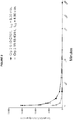
- Figure 1 shows the ⁇ -glucuronidase activity in the sera of rats from each infusion group during the slow infusion stage, the fast infusion stage and the post infusion stage.
- the curve for Group 1 infused with saline only indicates the low endogenous level of rat ⁇ -glucuronidase that is present in the sera of these rats. The endogenous level has been subtracted from the values in the other two plots from the rats infused with enzyme.
- C max The maximum concentration (C max ) of ⁇ -glucuronidase activity in the serum at the end of the two hour infusion period for GUS CR01 was 14,829 units/ml, 4.2 times the concentration of 3537 units/ml attained by GUS Lot 43/44. This increase in C max could be explained by the accumulation of the slower clearing enzyme to a higher concentration in the blood during the infusion period.
- AUC-t was also highly increased (more than 3 time) with GUS CR01 vs. GUS Lot 43/44 as represented in Figure 1 .
- GUS CR01 tissue distribution of GUS CR01 demonstrated here is due to its increase in sialic acid content as sialic acid is well known to slow glycoproteins clearance from the circulation by mannose receptors located in the endothelial cells in the interior walls of the blood vessels.
- the combination of high sialic acid levels and high affinity mannose-6-phosphate moieties provides an optimal combination for reducing tissue uptake via other carbohydrate receptors due to the high sialic acid content, assuring higher concentrations in circulation and then achieving excellent tissue uptake in the target tissues due to the high affinity mannose-6-phosphate levels.
- the purpose of this example is to demonstrate that enzyme replacement therapy for mucopolysaccharidosis type VII (i.e ., MPS VII; Sly's Syndrome) using recombinantly produced human ⁇ -glucuronidase (rhGUS) reduces lysosomal storage in a 36-week clinical study.
- MPS VII mucopolysaccharidosis type VII
- rhGUS human ⁇ -glucuronidase
- rhGUS The safety and efficacy of rhGUS was assessed during the 36-week treatment schedule.
- the rhGUS compound appeared to be safe and well tolerated. Importantly, no serious adverse events were observed up to 36 weeks and there were no drug-related or hypersensitivity infusion-associated reactions in any of the three subjects.
- GAGs glycosaminoglycans
- a progressive reduction in serum glycosaminoglycan (GAG) was also seen in all three subjects treated with rhGUS. Notably, each subject demonstrated at least a 25% reduction in serum GAG levels at the end of the 36-week treatment schedule. See Figure 6 .
- liver size was evaluated in subjects treated with rhGUS, as enlarged liver size is frequently observed in patients suffering from MPS VII. There was a significant reduction in hepatomegaly resulting from the 36-week treatment protocol. See Figure 7 .
Landscapes
- Health & Medical Sciences (AREA)
- Life Sciences & Earth Sciences (AREA)
- Chemical & Material Sciences (AREA)
- Engineering & Computer Science (AREA)
- Bioinformatics & Cheminformatics (AREA)
- Organic Chemistry (AREA)
- Genetics & Genomics (AREA)
- General Health & Medical Sciences (AREA)
- Zoology (AREA)
- Wood Science & Technology (AREA)
- Medicinal Chemistry (AREA)
- General Engineering & Computer Science (AREA)
- Biochemistry (AREA)
- Biotechnology (AREA)
- Biomedical Technology (AREA)
- Public Health (AREA)
- Veterinary Medicine (AREA)
- Pharmacology & Pharmacy (AREA)
- Animal Behavior & Ethology (AREA)
- Molecular Biology (AREA)
- Microbiology (AREA)
- Epidemiology (AREA)
- Immunology (AREA)
- Proteomics, Peptides & Aminoacids (AREA)
- Gastroenterology & Hepatology (AREA)
- Nuclear Medicine, Radiotherapy & Molecular Imaging (AREA)
- General Chemical & Material Sciences (AREA)
- Chemical Kinetics & Catalysis (AREA)
- Obesity (AREA)
- Hematology (AREA)
- Diabetes (AREA)
- Dermatology (AREA)
- Physics & Mathematics (AREA)
- Biophysics (AREA)
- Plant Pathology (AREA)
- Medicines That Contain Protein Lipid Enzymes And Other Medicines (AREA)
- Peptides Or Proteins (AREA)
- Enzymes And Modification Thereof (AREA)
- Micro-Organisms Or Cultivation Processes Thereof (AREA)
- Preparation Of Compounds By Using Micro-Organisms (AREA)
Description
- The present disclosure relates to sialylated glycoprotein compositions and methods of their use in treating various conditions and disorders.
- The number of commercially-available therapeutic proteins has increased dramatically in recent years and most of these proteins are glycoproteins. The presence of sialic acid in a glycoprotein can positively affect absorption, serum half-life, and clearance from the serum, as well as the physical, chemical and immunogenic properties of the respective glycoprotein. In certain circumstances, it may therefore be desirable to increase the sialic acid content of a glycoprotein intended for use in pharmacologic applications.
- The present disclosure is based, in part, on the discovery that recombinant glycoprotein produced from mammalian cells through the use of serum/protein free media improves sialylation of the recombinant glycoprotein, e.g., without reducing the M6P content of the recombinant glycoprotein.
- Disclosed are examples of a composition which comprises a recombinant glycoprotein having a sialic acid content greater than 0.05 mol/mol of the recombinant glycoprotein. In some examples, a composition comprises a recombinant glycoprotein having a sialic acid content greater than 0.1 mol/mol of the recombinant glycoprotein. In some examples, a composition comprises a recombinant glycoprotein having a sialic acid content greater than 0.5 mol/mol of the recombinant glycoprotein. In some examples, a composition comprises a recombinant glycoprotein having a sialic acid content greater than 0.7 mol/mol of the recombinant glycoprotein. In some examples, a composition comprises a recombinant glycoprotein having a sialic acid content greater than 1 mol/mol of the recombinant glycoprotein. In some examples, a composition comprises a recombinant glycoprotein having a sialic acid content greater than 1.5 mol/mol of the recombinant glycoprotein. In some examples, a composition comprises a recombinant glycoprotein having a sialic acid content greater than 2 mol/mol of the recombinant glycoprotein. In some examples, a composition comprises a recombinant glycoprotein having a sialic acid content greater than 5 mol/mol of the recombinant glycoprotein. In some examples, a composition comprises a recombinant glycoprotein having a sialic acid content greater than 10 mol/mol of the recombinant glycoprotein. In some examples, a composition comprises a recombinant glycoprotein having a sialic acid content greater than 20 mol/mol of the recombinant glycoprotein.
- In some examples, the present disclosure provides a composition comprising a recombinant glycoprotein, wherein at least 10%, 20%, 30%, 40%, 50%, 60%, 70%, 80%, or 90% of galactose residues of the recombinant glycoprotein are sialylated.
- In an aspect, the present invention provides a composition comprising a recombinant glycoprotein, wherein the recombinant glycoprotein is human β-glucuronidase and has a sialylation content of at least 0.7 mol/mol of the recombinant glycoprotein.
- In some other embodiments, the present invention provides a composition comprising a recombinant glycoprotein, wherein the recombinant glycoprotein is human β-glucuronidase and has a sialylation content of at least 0.7 mol/mol of the recombinant glycoprotein and a high level of mannose-6-phosphate (M6P) moieties.
- In one embodiment, the present invention provides a composition comprising a recombinant glycoprotein, wherein the recombinant glycoprotein is human β-glucuronidase and has a sialylation content of at least 0.7 mol/mol of the recombinant glycoprotein and a high level of mannose-6-phosphate (M6P) moieties of at least 10 mol% of the total glycan of the recombinant glycoprotein.
- In another embodiment, the present invention provides a composition comprising a recombinant glycoprotein, wherein the recombinant glycoprotein is human β-glucuronidase and has a sialylation content of at least 0.7 mol/mol of the recombinant glycoprotein and a high level of mannose-6-phosphate (M6P) moieties, e.g., K uptake is at its 60%, 70%, 80%, 90% or maximum such as from about 1 nM to about 3 nM when tested in human fibroblast cells (MPS7).
- In yet another embodiment, the present invention provides a composition comprising a recombinant glycoprotein, wherein the recombinant glycoprotein is human β-glucuronidase and has a sialylation content of at least 0.7 mol/mol of the recombinant glycoprotein and a high level of mannose-6-phosphate (M6P) moieties, e.g., half-maximal uptake in human fibroblast cells such as concentrations at which the glycoprotein (e.g., human β-glucuronidase) reaches 50% of maximal uptake is about no more than 1 nM, 2 nM, 3 nM, 4 nM, or 5 nM.
- In an example, the present disclosure provides a preparation of a population of a recombinant glycoprotein, wherein at least 50 percent of the population is sialylated. In some examples, the present disclosure provides a preparation of a population of a recombinant glycoprotein, wherein at least 60 percent of the population is sialylated. In some examples, the present disclosure provides a preparation of a population of a recombinant glycoprotein, wherein at least 70 percent of the population is sialylated. In some examples, the present disclosure provides a preparation of a population of a recombinant glycoprotein, wherein at least 80 percent of the population is sialylated. In some examples, the present disclosure provides a preparation of a population of a recombinant glycoprotein, wherein at least 90 percent of the population is sialylated.
- Also provided is a method of making a composition/preparation according to the present invention. In some examples, the method comprises expressing the recombinant glycoprotein in a cell culture with a serum or protein free media. In some examples, a protein-free, chemically defined media may be used to grow cells. In some examples, the media do not include an effective amount of a sugar selected from galactose, fructose, n-acetyl-mannosamine, mannose and combinations thereof. For example, the effective amount of a sugar is greater than 0.01mM, 0.05mM, or 0.1mM.
- In some examples, a cell culture comprises a mammalian cell. Exemplary mammalian cells include but are not limited to Chinese Hamster Ovary (CHO), HeLa, VERO, BHK, Cos, MDCK, 293, 3T3, myeloma (e.g. NSO, NSI), or WI38 cells. In a specific example, the mammalian cells are Chinese Hamster Ovary (CHO) cells.
- In some other examples, a cell culture comprises a plant cell. Exemplary plant cells include but are not limited to carrot cells or any other plant cell based cell culture, e.g., developed for recombinant protein production.
- Further provided is a composition of the invention for use in a method of treating lysosomal storage disorder (LSD) comprising administering to an individual in need of such treatment a therapeutically effective amount of the composition/preparation as described herein. The composition/preparation comprises recombinant human β-glucuronidase. In an exemplary embodiment, the LSD is mucopolysaccharidosis type 7 (i.e., MPS 7, MPS VII, or Sly Syndrome). In some embodiments, the recombinant human β-glucuronidases provided herein have a sialylation content of at least 0.7 mol/mol of the recombinant glycoprotein and are particularly useful in treating a LSD, e.g., MPS 7.
- In some embodiments, the present invention provides a composition of the invention for use in a method for treating a lysosomal storage disorder (LSD) in a subject, comprising administering a regimen of the composition/preparation as described herein, wherein the administration provides a statistically significant therapeutic effect for the treatment of the LSD. The composition/preparation comprises recombinant human β-glucuronidase. In an exemplary embodiment, the LSD is MPS 7.
- Preferred embodiments of the invention in any of its various aspects are as described below or as defined in the sub-claims.
- As used herein, the term "effective" (e.g., "an effective amount") means adequate to accomplish a desired, expected, or intended result. An effective amount can be a therapeutically effective amount. A "therapeutically effective amount" refers to the amount of an active ingredient that, when administered to a subject, is sufficient to effect such treatment of a particular disease or condition. The "therapeutically effective amount" will vary depending on, e.g., the disease or condition, the severity of the disease or condition, and the age, weight, etc., of the subject to be treated.
- In general, "treating" or "treatment" of any condition, disease or disorder refers, in some embodiments, to ameliorating the condition, disease or disorder (i.e., arresting or reducing the development of the disease or at least one of the clinical symptoms thereof). In some embodiments "treating" or "treatment" refers to ameliorating at least one physical parameter, which may not be discernible by the subject. In some embodiments, "treating" or "treatment" refers to inhibiting the condition, disease or disorder, either physically, (e.g., stabilization of a discernible symptom), physiologically, (e.g., stabilization of a physical parameter) or both. In some embodiments, "treating" or "treatment" refers to delaying the onset of a condition, disease, or disorder.
- Following long-standing patent law convention, the terms "a", "an", and "the" refer to "one or more" when used in this application, including the claims. The use of the term "or" in the claims is used to mean "and/or" unless explicitly indicated to refer to alternatives only or the alternatives are mutually exclusive. It is specifically contemplated that any listing of items using the term "or" means that any of those listed items may also be specifically excluded from the related embodiment.
- Throughout this application, the term "about" is used to indicate that a value includes the standard deviation of error for the device or method being employed to determine the value.
- A glycoprotein, as used herein, is a protein that has been modified by the addition of one or more carbohydrates, including, especially, the addition of one or more sugar residues.
- As used herein, "GUS" refers to β-glucuronidase, a glycoprotein in accordance with the present invention.
- Sialylation, as used herein, is the addition of a sialic acid residue to a protein, which may be a glycoprotein. The term sialic acid, as used herein, encompasses a family of sugars containing 9 or more carbon atoms, including a carboxyl group. A generic structure encompassing all known natural forms of sialic acid is shown below.

- R1 groups at various positions on a single molecule can be the same as or different from each other. R1 can be a hydrogen or an acetyl, lactyl, methyl, sulfate, phosphate, anhydro, sialic acid, fucose, glucose, or galactose group. R2 can be an N-acetyl, N-glycolyl, amino, hydroxyl, N-glycolyl-O-acetyl, or N-glycolyl-O-methyl group. R3 represents the preceding sugar residue in an oligosaccharide to which sialic acid is attached in the context of a glycoprotein. R3 can be galactose (connected at its 3, 4, or 5 position), N-acetyl-galactose (connected at its 6 position), N-acetyl-glucose (connected at its 4 or 6 position), sialic acid (connected at its 8 or 9 position), or 5-N-glycolyl-neuraminic acid. Essentials of Glycobiology, Ch. 15, Varki et al., eds., Cold Spring Harbor Laboratory Press, New York (1999). More than 40 forms of sialic acid have been found in nature. Essentials of Glycobiology, Ch. 15, Varki et al., eds., Cold Spring Harbor Laboratory Press, New York (1999). A common form of sialic acid is N-acetylneuraminic acid (NANA), in which R1 is a hydrogen at all positions and R2 is an N-acetyl group.
-
-
Figure 1 is a plot comparing pharmacokinetics of recombinant human β-glucuronidases, GUS CR01 vs. GUS Lot 43/44 in rats via a two-stage infusion. The data show that the infusion with the higher sialylated CR01 results in less rapid clearance and a higher mean concentration during the infusion, which increases the total exposure to the enzyme, potentially enhancing its penetration of tissues that are more difficult to treat. -
Figure 2 is a plot showing only the post infusion clearance phase of GUS CR01 vs. GUS Lot 43/44 which was used to calculate the t1/2 values. These differences in the rate of clearance are sufficient to result in higher serum levels of enzymes as shown inFigure 1 . -
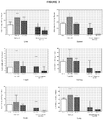
Figure 3 is a series of plots showing tissue GUS levels for the pharmacokinetics study of GUS CR01 vs. GUS Lot 43/44. The tissue delivery and uptake of human β-glucuronidases is shown to be enhanced as the total uptake of sialylated human β-glucuronidases (CR01) is higher in all tissues than the lower sialylated enzyme (43-44). When the endogenous glucuronidase activity is substracted, the effective delivery of therapeutic human β-glucuronidases is increased 2 fold to almost 10 fold, an exceptional and surprising finding. -
Figure 4 is a plot showing the measurement of urinary glycosaminoglycan (uGAG) levels over 36 weeks in three subjects treated with recombinant human β-glucuronidase (rhGUS). A rapid and sustained dose-dependent reduction in uGAG levels was observed in subjects treated with rhGUS. -
Figure 5 illustrates the mean reduction in urinary glycosaminoglycan (uGAG) levels at the end of each dosing interval during a 36 week evaluation of three subjects treated with rhGUS. A 4 mg/kg QOW dose resulted in the greatest reduction in uGAG levels. -
Figure 6 is a plot showing the measurement of serum glycosaminoglycan (GAG) levels over 36 weeks in three subjects treated with rhGUS. Each subject demonstrated at least a 25% reduction in serum GAG levels at the end of the 36-week treatment schedule. -
Figure 7 is a plot showing the measurement of liver size in subjects treated with rhGUS. A significant reduction in hepatomegaly resulting from the 36 week treatment protocol was observed. - The present disclosure is based, in part, on the discovery that recombinant glycoprotein produced from mammalian cells through the use of serum/protein free media improves sialylation of the recombinant glycoprotein, and additionally levels of mannose-6-phosphate moieties of the recombinant glycoprotein.
- Compositions as described herein comprise one or more glycoproteins that have a high level or increased sialic acid content.
- Sialic acids represent a family of aminosugars with 9-carbons with over 50 members derived from N-acetyleuraminic acid. Sialic acid is only one component out of several monosaccharides building glycans of glycoproteins, but has an outstanding impact on the quality and stability of any therapeutic glycoproteins for several reasons: (I) terminal galactose residues are one of the major factors determining the serum half-life of glycoproteins. The serum half-life is regulated by the expression of liver asialo-glycoprotein receptors. These receptors bind nonsialylated glycoproteins and bound asialo-glycoproteins are removed from the serum by endocytosis. As a consequence, expression of terminal sialic acid on galactose residues prevents serum glycoproteins from degradation; (II) sialic acids are important for masking antigenic determinants or epitopes. It is known that the receptors of the immune system (T- and B-cell receptors) often prefer nonsialylated structures. Therefore, the possibility of the generation of antibodies against the therapeutic glycoproteins correlates with the degree of its sialylation; (III) negatively charged sialic acids influence protein-specific parameters such as the thermal stability, the resistance to proteolytic degradation or its solubility (Bork et al., Increasing the Sialylation of Therapeutic Glycoproteins: The potential of the Sialic Acid Biosynthetic Pathway, Journal of Pharmaceutical Sciences, Vol. 98, No. 10, October 2009).
- The present disclosure provides compositions comprising a recombinant glycoprotein having a sialic acid content greater than 0.05 mol/mol, 0.1 mol/mol, 0.5 mol/mol, 0.7 mol/mol, 1 mol/mol, 1.5 mol/mol, 2 mol/mol, 5 mol/mol, 10 mol/mol or 20 mol/mol of the recombinant glycoprotein. In some examples, the disclosure provides compositions comprising a recombinant glycoprotein having a sialic acid content greater than 0.5 mol/mol of the recombinant glycoprotein. In additional examples, the disclosure provides compositions comprising a recombinant glycoprotein having a sialic acid content greater than 0.7 mol/mol of the recombinant glycoprotein. In certain additional examples, the disclosure provides compositions comprising a recombinant glycoprotein having a sialic acid content greater than 1 mol/mol of the recombinant glycoprotein.
- In the embodiments of the invention, the recombinant glycoprotein is a recombinant form of human β-glucuronidase, an enzyme responsible for catalyzing the hydrolysis of β-D-glucuronic acid residues from the non-reducing end of mucopolysaccharides. In some embodiments, the recombinant human β-glucuronidase (rhGUS) has a sialic acid content greater than 0.7 mol/mol, 1 mol/mol, 1.5 mol/mol, 2 mol/mol, or 5 mol/mol of the rhGUS. Also provided are examples wherein the recombinant human β-glucuronidase (rhGUS) has a sialic acid content greater than 0.1 mol/mol, 0.5 mol/mol of the rhGUS. In one exemplary embodiment, the recombinant human β-glucuronidase (rhGUS) has a sialic acid content greater than 0.7 mol/mol of the rhGUS. In another exemplary embodiment, the recombinant human β-glucuronidase (rhGUS) has a sialic acid content greater than 1.0 mol/mol of the rhGUS. In yet another exemplary embodiment, the recombinant human β-glucuronidase (rhGUS) has a sialic acid content of about 1.2 mol/mol of the rhGUS.
- Also provided are examples wherein the recombinant human β-glucuronidase (rhGUS) has a sialic acid content of about 0.5 mol/mol to about 2.0 mol/mol of the rhGUS. Also provided are examples wherein the recombinant human β-glucuronidase (rhGUS) has a sialic acid content of about 0.6 mol/mol to about 1.5 mol/mol of the rhGUS. In an embodiment, the recombinant human β-glucuronidase (rhGUS) has a sialic acid content of about 0.7 mol/mol to about 1.4 mol/mol of the rhGUS. In an exemplary embodiment, the recombinant human β-glucuronidase (rhGUS) has a sialic acid content of about 0.8 mol/mol to about 1.3 mol/mol of the rhGUS. In another exemplary embodiment, the recombinant human β-glucuronidase (rhGUS) has a sialic acid content of about 1.0 mol/mol to about 1.2 mol/mol of the rhGUS.
- In some examples, the composition of the present invention includes a recombinant glycoprotein having at least 10%, 20%, 30%, 40%, 50%, 60%, 70%, 80% or 90% of sites suitable for sialic acid linkage sialylated. In general, galactose is the site suitable for sialic acid linkage or sialylation. In certain examples, a composition comprises a recombinant glycoprotein, wherein at least 10%, 20%, 30%, 40%, 50%, 60%, 70%, 80%, or 90% of the galactose residues of the recombinant glycoprotein are sialylated. In some examples, the composition comprises a recombinant glycoprotein, wherein at least 50% of the galactose residues of the recombinant glycoprotein are sialylated. In additional examples, the composition comprises a recombinant glycoprotein, wherein at least 60% of the galactose residues of the recombinant glycoprotein are sialylated. In certain additional examples, the composition comprises a recombinant glycoprotein, wherein at least 70% of the galactose residues of the recombinant glycoprotein are sialylated.
- In the embodiments, the recombinant glycoprotein is a recombinant human β-glucuronidase (rhGUS). In some embodiments, at least 40%, 50%, 60%, 70%, or 80% of the galactose residues of the recombinant human β-glucuronidase (rhGUS) are sialylated. In one exemplary embodiment, at least 50% of the galactose residues of the rhGUS are sialylated. In another exemplary embodiment, at least 60% of the galactose residues of the rhGUS are sialylated. In yet another exemplary embodiment, at least 70% of the galactose residues of the rhGUS are sialylated. In yet another exemplary embodiment, about 70%, 71%, 72%, 73%, 74%, or about 75% of the galactose residues of the rhGUS are sialylated.
- In some embodiments, at least about 40% to at least about 90% of the galactose residues of the recombinant human β-glucuronidase (rhGUS) are sialylated. In one embodiment, at least about 50% to at least about 80% of the galactose residues of the recombinant human β-glucuronidase (rhGUS) are sialylated. In another embodiment, at least about 60% to at least about 80% of the galactose residues of the recombinant human β-glucuronidase (rhGUS) are sialylated. In an exemplary embodiment, at least about 65% to at least about 75% of the galactose residues of the recombinant human β-glucuronidase (rhGUS) are sialylated.
- In another aspect, the disclosure provides compositions comprising a recombinant glycoprotein having a high level of sialic acid content as well as a high level of mannose-6-phosphate (M6P) moieties. As used herein, M6P moieties include any mannose-6-phosphate capable of binding to or being recognized by M6P receptors including without any limitation mono-phosphorylated and bis-phosphorylated mannose-6-phosphate. In one example, M6P moieties include any M6P binding to cation-independent M6P receptor (CI-MPR). In another example, M6P moieties include any M6P binding to cation-dependent M6P receptor (CD-MRP). In yet another example, M6P moieties include any bis-phosphorylated M6P.
- According to the present invention, a high level of mannose-6-phosphate moieties can include any level of M6P moieties that is considered high by one skilled in the art, e.g., measured using any suitable means known to or later developed by one skilled in the art. In one example, a high level of M6P moieties of a recombinant glycoprotein includes M6P moiety levels of at least 10 mol%, 11 mol%, 12mol%, 13 mol%, 14 mol% or 15 mol% of the total glycan of the recombinant glycoprotein. For example, the recombinant glycoprotein can have a high level of M6P as determined by the percentage of M6P peak area over total glycan peak area, e.g., at least 10%, 11%, 12%, 13%, 14% or 15%. In some embodiments, the recombinant glycoprotein is a recombinant human β-glucuronidase (rhGUS) and comprises M6P moiety levels of at least 10 mol%, 11 mol%, 12mol%, 13 mol%, 14 mol% or 15 mol% of the total glycan of the rhGUS. In an exemplary embodiment, the rhGUS comprises M6P moiety levels of about 13% to about 15%.
- In another example, a high level of M6P moieties of a recombinant glycoprotein includes a high level of uptake of the recombinant glycoprotein by human cells, e.g., high affinity uptake amount by human fibroblast cells. For example, the recombinant glycoprotein can have a M6P dependent K uptake of no more than 1 nM, 1.1 nM, 1.2 nM, 1.3 nM, 1.4 nM, 1.5 nM, 1.6 nM, 1.7 nM, 1.8 nM, 1.9 nM, 2 nM, 2.1 nM, 2.2 nM, 2.3 nM, 2.4 nM, 2.5 nM, 2.6 nM, 2.7 nM, 2.8 nM, 2.9 nM, 3 nM, 4 nM, or 5 nM by any suitable human cells, e.g., human fibroblast cells. In some embodiments, the recombinant glycoprotein is a recombinant human β-glucuronidase (rhGUS) and has a M6P dependent K uptake of less than 5 nM, less than 4 nM, less than 3 nM, or less than 2 nM. In an exemplary embodiment, the rhGUS has a M6P dependent K uptake of about 1.2 nM to about 1.8 nM.
- In yet another example, a high level of M6P moieties in a recombinant glycoprotein includes lower concentrations required to achieve maximum uptake of the recombinant glycoprotein by human cells, e.g., lower half-maximum concentration. For example, the recombinant glycoprotein can achieve maximum uptake by human cells, e.g., fibroblast cells at concentrations less than 10 nM, 9 nM, 8 nM, 7 nM, 6 nM, 5 nM, 4 nM, 3 nM, 2 nM or 1 nM. In some embodiments, the recombinant glycoprotein is a recombinant human β-glucuronidase (rhGUS) can achieve maximum uptake by human cells, e.g., fibroblast cells at concentrations of less than 5 nM, less than 4 nM, less than 3 nM, or less than 2 nM. In an exemplary embodiment, the rhGUS can achieve maximum uptake by human cells, e.g., fibroblast cells at concentrations of about 1.2 nM to about 1.8 nM.
- In still another example, a high level of M6P moieties in a recombinant glycoprotein includes one or more levels of M6P moieties corresponding to levels of M6P moieties associated with natural sialylation content of the recombinant glycoprotein, e.g., sialylation content of the recombinant glycoprotein prior to any means for enhancement such as using the methods disclosed in the present application.
- According to the present invention, in some embodiments the recombinant glycoprotein, i.e., a recombinant human β-glucuronidase, has a sialylation content of at least 1 mol/mol and a high level of M6P moieties of at least 10 mol%, 11 mol%, 12 mol%, 13 mol%, 14 mol% or 15 mol% of the total glycan of the recombinant glycoprotein. In one embodiment, the recombinant glycoprotein, i.e., a recombinant human β-glucuronidase, has a sialylation content of at least 1 mol/mol and a high level of M6P moieties with an uptake of at least 1 nM, 1.1 nM, 1.2 nM, 1.3 nM, 1.4 nM, 1.5 nM, 1.6 nM, 1.7 nM, 1.8 nM, 1.9 nM or 2 nM by human cells, e.g., human fibroblast cells. In another embodiment, the recombinant glycoprotein, i.e., a recombinant human β-glucuronidase has a sialylation content of at least 1 mol/mol and a high level of M6P moieties with maximum uptake by human cells, e.g., human fibroblast cells at less than 10 nM, 9 nM, 8 nM, 7 nM, 6 nM, 5 nM, 4 nM, 3 nM, 2 nM, or 1 nM of the recombinant glycoprotein.
- Also provided is a composition comprising a population of recombinant glycoproteins, wherein at least 50%, 60%, 70%, 80%, or 90% of the population is sialylated. In one example, at least 50%, 60%, 70%, 80% or 90% of the population is recombinant glycoprotein in accordance to the present invention, e.g., with respect to sialylation content and M6P level.
- The recombinant glycoprotein of the present disclosure can be any glycoprotein. Exemplary recombinant glycoproteins include those comprising amino acid sequences identical to or substantially similar to all or part of one of the following proteins: a Flt3 ligand (as described in
WO 94/28391 U.S. Pat. No. 6,087,329 ), erythropoietin, thrombopoietin, calcitonin, leptin, IL-2, angiopoietin-2 (as described by Maisonpierre et al. (1997), Science 277(5322):55-60), Fas ligand, ligand for receptor activator of NF-kappa B (RANKL, as described inWO 01/36637 WO 97/01633 588819 U.S. Pat. No. 6,204,363 ), epidermal growth factor, keratinocyte growth factor, megakaryote growth and development factor, RANTES, growth hormone, insulin, insulinotropin, insulin-like growth factors, parathyroid hormone, interferons including α interferons, γ interferons, and consensus interferons (such as those described inU.S. Pat. Nos. 4,695,623 and4,897,471 ), nerve growth factor, brain-derived neurotrophic factor, synaptotagmin-like proteins (SLP 1-5), neurotrophin-3, glucagon,interleukins 1 through 18, colony stimulating factors, lymphotoxin-β, tumor necrosis factor (TNF), leukemia inhibitory factor, oncostatin-M, and various ligands for cell surface molecules ELK and Hek (such as the ligands for eph-related kinases or LERKS). Descriptions of proteins that can be produced according to the disclosed methods may be found in, for example, Human Cytokines: Handbook for Basic and Clinical Research, Vol. II (Aggarwal and Gutterman, eds. Blackwell Sciences, Cambridge, Mass., 1998); Growth Factors: A Practical Approach (McKay and Leigh, eds., Oxford University Press Inc., New York, 1993); and The Cytokine Handbook (A. W. Thompson, ed., Academic Press, San Diego, Calif., 1991). - The recombinant glycoproteins of the present disclosure can include any lysosomal enzyme, especially any enzyme useful for enzyme replacement therapy (ERT). Examples of such enzymes include, without any limitation, acid alpha-glucosidase, acid beta-glucosidase or glucocerebrosidase, alpha-Galactosidase A, acid beta-galactosidase, beta-Hexosaminidase A, beta-Hexosaminidase B, acid sphingomyelinase, galactocerebrosidase, acid ceramidase, arylsulfatase, alpha-L-Iduronidase, Iduronate-2-sulfatase, heparan N-sulfatase, alpha-N-Acetylglucosaminidase, Acetyl-CoA, alpha-glucosaminide N-acetyltransferase, N-Acetylglucosamine-6-sulfate sulfatase, N-Acetylgalactosamine-6-sulfate sulfatase, Acid beta-galactosidase, Arylsulfatase B, acid alpha-mannosidase, acid beta-mannosidase, acid alpha-L-fucosidase, sialidase, and alpha-N-acetylgalactosaminidase.
- The recombinant glycoprotein of the present invention is recombinant human β-glucuronidase (rhGUS). Human β-glucuronidase is a glycoprotein which contains up to 16 oligosaccharides per molecule including a variety of chains that are of the high mannose, complex and hybrid types.
- Also described herein are isolated or purified glycoprotein polypeptides. For example, disclosed herein are isolated or purified rhGUS polypeptides. The disclosed isolated or purified rhGUS polypeptides can be used in one or more of the compositions or methods disclosed herein.
- The rhGUS polypeptides can include the rhGUS peptide sequence as well as fragments thereof, natural variants thereof, and unnatural variants thereof. The rhGUS sequence is provided in SEQ ID NO: 1. Disclosed herein are isolated or purified polypeptides that consist of SEQ ID NO: 1. Also disclosed herein are isolated or purified polypeptides that comprise SEQ ID NO: 1, as well as fragments thereof. Fragments may be at least about 10, 20, 50, 100, 200, 300, 400, or 500, or more contiguous amino acids. Also disclosed herein are isolated or purified polynucleotides that consist of or comprise a polynucleotide sequence capable of encoding the amino acid sequence of SEQ ID NO: 1.
- In some examples, the rhGUS polypeptide has a sialic acid content greater than 0.1 mol/mol, or 0.5 mol/mol. In some embodiments, the rhGUS polypeptide has a sialic acid content greater than 0.7 mol/mol, 1 mol/mol, 1.5 mol/mol, 2 mol/mol, or 5 mol/mol of the rhGUS polypeptide. Also provided are examples wherein the rhGUS polypeptide has a sialic acid content of about 0.5 mol/mol to about 2.0 mol/mol of the rhGUS polypeptide. Also provided are examples wherein the rhGUS polypeptide has a sialic acid content of about 0.6 mol/mol to about 1.5 mol/mol of the rhGUS polypeptide. In an embodiment, the rhGUS polypeptide has a sialic acid content of about 0.7 mol/mol to about 1.4 mol/mol of the rhGUS polypeptide. In an exemplary embodiment, the rhGUS polypeptide has a sialic acid content of about 0.8 mol/mol to about 1.3 mol/mol of the rhGUS polypeptide. In another exemplary embodiment, the rhGUS has a sialic acid content of about 1.0 mol/mol to about 1.2 mol/mol of the rhGUS polypeptide.
- In additional embodiments, at least 40%, 50%, 60%, 70%, or 80% of the galactose residues of the rhGUS polypeptide are sialylated. In an exemplary embodiment, at least about 65% to at least about 75% of the galactose residues of the rhGUS polypeptide are sialylated.
- As described herein, the glycoproteins of the invention are produced recombinantly. A polynucleotide encoding a recombinant glycoprotein of the invention can be introduced into a recombinant expression vector. The recombinant glycoprotein is rhGUS. Accordingly, the application also relates to a recombinant expression vector comprising a polynucleotide encoding rhGUS. In one embodiment, the rhGUS protein produced by the recombinant expression vector consists of or comprises SEQ ID NO: 1.
- As is understood in the art, recombinant vectors can be expressed in a suitable host cell system using techniques well known in the art. Accordingly, the application also relates to a host cell comprising a polynucleotide encoding rhGUS. In one embodiment, the rhGUS protein produced by the host cell consists of or comprises SEQ ID NO: 1. Suitable host cells for expressing the rhGUS protein of the present invention can include any cell line that can glycosylate proteins, preferably a mammalian cell line that has been genetically engineered to express a protein. For example, Chinese hamster ovary (CHO), HeLa, VERO, BHK, Cos, MDCK, 293, 3T3, myeloma (e.g. NSO, NSI), or WI38 cells may be used. In an exemplary embodiment, the cells used to produce the recombinant glycoprotein are Chinese Hamster Ovary (CHO) cells.
- Also provided is a formulation comprising one or more glycoproteins that have a high level or increased sialic acid content. Formulations in general include liquid forms (solutions) such as, but not limited to reconstituted lyophilizates, and solid forms such as, but not limited to lyophilized forms, gels, microencapsulated partilces and pastes. The formulations in can be combinations of liquid formulations, lyophilizates, and liquid solitions prepared from reconstituted lyophilizates used in combination with gel, partiles, or pastes.
- In some examples, the formulation is a solution including an aqueous buffer and the recombinant glycoprotein. The buffer may include Sodium Phosphate (Na-Pi), histidine, arginine, glycylglycine, tartaric acid, malic acid, lactic acid, aspartic acid, succinic acid or any combination thereof. In an example, the buffer includes Na-Pi and histidine. In another example, the buffer includes na-Pi, histidine and arginine.
- In some examples, the buffer further includes one or more other ingedients such as, but not limited to sidium chloride (NaCl), polyxyethylene (Tween-20), potassium chloride, and sorbitol (e.g., D-sorbitol). In an example, the buffer includes Na-Pi, histidine, NaCl and
Tween 20. - As is well appreciated in the art, the stability of proteins may be dependent upon the pH and/or the ionic strength of a formulation. According to some examples, the pH of the formulation is about 9.0 to about 5.0, for example, about 7.5 to about 6.0. In some examples, the pH is about 9.0, about 8.0, about 7.5, about 7.0, about 6.5, about 6.0, about 5.5 or about 5.0. It was the present disclosure that first recognized that lower pH of a formulation would improve the stability of the recombinant glycoprotein. For example, Table 6 in Example 2 demonstrates the improved stability as measured by the percentage of tetramers when the pH was changed to 6.0 from 7.5.
- In yet another aspect, the present disclosure provides a method for increasing the sialylation of a glycoprotein and additionally the M6P level of a glycoprotein produced by a cell culture with a serum or protein free media.
- In general, culture media can be divided into several subsets based on the level of defined media. For example, a culture media can be: 1) Serum-containing media (commonly 10-20% Fetal Bovine Serum (FBS)); 2) Reduced-serum media (commonly 1-5% FBS); 3) Serum-free media (synonymous with defined media); 4) Protein-free media (no protein but contains undefined peptides from plant hydrolysates); 5) Chemically-defined media (with only recombinant proteins and/or hormones); 6) Protein-free, chemically defined media (contains only low molecular weight constituents, but can contain synthetic peptides/hormones); and 7) Peptide-free, protein-free chemically defined media (contains only low molecular weight constituents).
- In some examples, a reduced-serum media may be used to grow cells for the expression of glycoproteins. In some examples, a serum-free media may be used to grow cells for the expression of glycoproteins. In some examples, a protein-free media may be used to grow cells for the expression of glycoproteins. In some examples, a chemically defined media may be used to grow cells for the expression of glycoproteins. In some examples, a protein-free, chemically defined media may be used to grow cells as demonstrated in Example 1. Further in some other examples, a peptide-free, protein-free chemically defined media is used to grow cells for the expression of glycoproteins.
- As is well understood in the art, serum-free media may contain undefined animal-derived products such as serum albumin (purified from blood), hydrolysates, growth factors, hormones, carrier proteins, and attachment factors. These undefined animal-derived products will contain complex contaminants, such as the lipid content of albumin. In contrast, chemically defined media is defined as all of the components being identified and having their exact concentrations known. In some examples, a chemically defined medium is entirely free of animal-derived components. In some examples, a chemically defined medium excludes FBS, bovine serum albumin (BSA), human serum albumin (HAS) or combinations thereof. To achieve this, chemically defined media is commonly supplemented with recombinant versions of albumin and growth factors, usually derived from rice or E. coli, or synthetic chemical such as the polymer polyvinyl alcohol which can reproduce some of the functions of BSA/HSA.
- In some examples, the protein free medium described herein does not contain any proteins or components of biological origin. The absence of proteins in the medium eliminates the risk from contamination with blood borne or other pathogens or non-human proteins. In addition, such protein free media are usually completely defined as to identity and quantity of all of its ingredients, which may provide unrivalled product consistency, superior product quality control profile and better product stability than protein-containing media.
- In some examples, the medium used herein does not include an effective amount of a sugar selected from galactose, fructose, n-acetyl-mannosamine, mannose and combinations thereof. For example, the effective amount of a sugar is greater than 0.01mM, 0.05mM, or 0.1mM.
- In some examples, the present disclosure provides a method for culturing mammalian cells comprising growing in culture a mammalian cell to produce a protein, e.g., a glycoprotein, in a serum or protein free media. Suitable cells include any cell line that can glycosylate proteins, preferably a mammalian cell line that has been genetically engineered to express a protein. In some examples, cells are homogenous cell lines. Numerous suitable cell lines are known in the art. For example, Chinese hamster ovary (CHO), HeLa, VERO, BHK, Cos, MDCK, 293, 3T3, myeloma (e.g. NSO, NSI), or WI38 cells may be used. In an example, the cells used to produce the recombinant glycoprotein are Chinese Hamster Ovary (CHO) cells.
- In accordance with some examples, particularly useful cells are CHO cells, which are widely used for the production of recombinant proteins, e.g. cytokines, clotting factors, and antibodies (Brasel et al. (1996), Blood 88: 2004-2012; Kaufman et al. (1988), J. Biol Chem 263:6352-6362; McKinnon et al. (1991), J Mol Endocrinol 6: 231-239; Wood et al. (1990), J. Immunol 145: 3011-3016). A dihydrofolate reductase (DHFR)-deficient mutant cell line (Urlaub et al. (1980), Proc. Natl. Acad. Sci. USA 77:4216-4220), such as DXB11 or DG-44, is useful because the efficient DHFR selectable and amplifiable gene expression system allows high level recombinant protein expression in these cells (Kaufman (1990), Meth. Enzymol. 185: 527-566). In addition, these cells are easy to manipulate as adherent or suspension cultures and exhibit relatively good genetic stability. CHO cells and recombinant proteins expressed in them have been extensively characterized and have been approved for use in clinical commercial manufacturing by regulatory agencies.
- In some examples, cells are grown in a fed batch mode. A fed-batch process is defined as an operational technique where one or more nutrients (substrates) are added to a culture medium to increase growth and achieve a high cell density in a bioreactor. Generally, adding nutrients in a controlled manner has a positive effect on the culture's growth rate and production. In some examples, a cell concentration greater than 106 cells/mL, 107 cells/mL, 2x10⁷ cells/mL, 5x10⁷ cells/mL, or 108 cells/mL in bioreactors can be achieved. In some examples, bioreactors used in the fed batch mode have a volume of at least 10L, 20L, 50L, 80L, 100L, 250L, 500L or 1000L. Cells can be grown either in suspension or adherent cultures. In an example, cells are grown in suspension. Mammalian cells are preferred, and in a particular example, the mammalian cells are Chinese hamster ovary cells.
- Disclosed are methods of treating a condition or disorder comprising administering to an individual in need of such treatment a therapeutically effective amount of the composition/preparation as described herein.
- Compositions/preparations as described herein can be used alone or together with any therapeutic agents/compositions for various purposes, such as in the treatment methods described herein. In this regard, the compositions/preparations can be pharmaceutically acceptable.
- In some examples, the condition or disorder requiring treatment is associated with an enzyme deficiency. Enzyme deficiencies in cellular compartments such as the golgi, the endoplasmic reticulum, and the lysosome cause a wide variety of human diseases. For example, lysyl hydroxylase, an enzyme normally in the lumen of the endoplasmic reticulum, is required for proper processing of collagen; absence of the enzyme causes Ehlers-Danlos syndrome type VI, a serious connective tissue disorder. GnT II, normally found in the golgi, is required for normal glycosylation of proteins; absence of GnT II leads to defects in brain development.
- In an example, the condition or disorder associated with an enzyme deficiency is a lysosomal storage disorder (LSD). More than forty lysosomal storage diseases (LSDs) are caused, directly or indirectly, by the absence of one or more proteins in the lysosome. LSDs arise from abnormal metabolism of various substrates, including glycosphingolipids, glycogen, mucopolysaccharides and glycoproteins. The metabolism of the substrates normally occurs in the lysosome and the process is regulated in a stepwise process by various degradative enzymes. Therefore, a deficiency in any one enzyme activity can perturb the entire process and result in the accumulation of particular substrates. Listed below are a number of lysosomal storage disorders and the corresponding defective enzymes:
- Pompe disease: Acid alpha-glucosidase
- Gaucher disease: Acid beta-glucosidase or glucocerebrosidase
- Fabry disease: alpha-Galactosidase A
- GMI-gangliosidosis: Acid beta-galactosidase
- Tay-Sachs disease: beta-Hexosaminidase A
- Sandhoff disease: beta-Hexosaminidase B
- Niemann-Pick disease: Acid sphingomyelinase
- Krabbe disease: Galactocerebrosidase
- Farber disease: Acid ceramidase
- Metachromatic leukodystrophy: Arylsulfatase A
- Hurler-Scheie disease: alpha-L-Iduronidase
- Hunter disease: Iduronate-2-sulfatase
- Sanfilippo disease A: Heparan N-sulfatase
- Sanfilippo disease B: alpha-N-Acetylglucosaminidase
- Sanfilippo disease C: Acetyl-CoA: alpha-glucosaminide N-acetyltransferase
- Sanfilippo disease D: N-Acetylglucosamine-6-sulfate sulfatase
- Morquio disease A: N-Acetylgalactosamine-6-sulfate sulfatase
- Morquio disease B: Acid beta-galactosidase
- Maroteaux-Lamy disease: Arylsulfatase B
- Sly disease: beta-Glucuronidase
- alpha-Mannosidosis: Acid alpha-mannosidase
- beta-Mannosidosis: Acid beta-mannosidase
- Fucosidosis: Acid alpha-L-fucosidase
- Sialidosis: Sialidase
- Schindler-Kanzaki disease: alpha-N-acetylgalactosaminidase
- In certain example, the present disclosure provides a method of treating a LSD comprising administering to an individual in need of such treatment a therapeutically effective amount of the composition/preparation as described herein. In one example, the composition/preparation comprises recombinant human β-glucuronidase. In another example, the LSD is mucopolysaccharidosis type 7 (i.e., MPS 7, MPS VII, or Sly Syndrome), a disorder resulting from the deficiency of β-glucuronidase. In some examples, the recombinant human β-glucuronidase harbors an increased sialic acid content and is particularly useful in treating a LSD, e.g., MPS 7.
- In some examples, the present disclosure provides a method for treating a condition or disorder in a subject, comprising administering a regimen of a composition/preparation as described herein, wherein the administration provides a statistically significant therapeutic effect for the treatment of the condition or disorder. In some examples, the subject is human. In some examples, the composition/preparation comprises a recombinant glycoprotein that harbors an increased sialic acid content. In an example, the recombinant glycoprotein has a sialylation content of at least 0.7 mol/mol of the recombinant glycoprotein. In another example, the recombinant glycoprotein has a sialylation content of at least 1 mol/mol of the recombinant glycoprotein. In some examples, the condition or disorder is associated with an enzyme deficiency. In an example, the condition or disorder associated with an enzyme deficiency is a lysosomal storage disorder (LSD).
- Accordingly, the present disclosure provides a method for treating a lysosomal storage disorder (LSD) in a subject, comprising administering a regimen of the composition/preparation as described herein, wherein the administration provides a statistically significant therapeutic effect for the treatment of the LSD. In an example, the composition/preparation comprises a recombinant human β-glucuronidase that harbors an increased sialic acid content. In a further example, the LSD is mucopolysaccharidosis type 7 (i.e., MPS 7, MPS VII, or Sly Syndrome).
- According to the present disclosure, treatment of the LSD includes any form of treating the LSD, e.g., reducing any symptom of the LSD, reducing the severity of any symptom of the LSD, shortening the duration of one or more symptoms of the LSD, treating or inhibiting any cause or condition associated with the LSD, or reducing any clinical criteria or measurement of the degree or condition of the LSD.
- According to the present disclosure, the recombinant human β-glucuronidase is administered in a regimen for the treatment of a LSD. In one example, the LSD is MPS 7. Such regimen includes dosage per administration, per day, per every two weeks, as well as number of doses per treatment cycle, or combinations thereof.
- In general, the recombinant human β-glucuronidase (rhGUS) can be administered at a dosage of from about 0.1 mg to 20 mg, 0.2 mg to 15 mg, 0.5 to 12 mg, 1 mg to 10 mg. 1.5 mg to 8 mg, 2 mg to 6 mg per kg. In some examples, the rhGUS is administered at a dosage of about 0.1 mg, 0.2 mg, 0.5 mg, 1 mg, 2 mg, 3 mg, 4mg, 5 mg, 6 mg, 7 mg, 8 mg, 9 mg, 10 mg, 11 mg, or about 12 mg per kg. In an example, the rhGUS is administered at a dosage of about 4 mg per kg. Dosages may be adjusted for the condition of each patient as well as other drugs taken by the patient.
- In some examples, such dosage is administered hourly, daily, weekly (i.e., QW), every two weeks (i.e., QOW), or monthly.
- In some examples, rhGUS is administered hourly, about every 1 to 24 hours, 1 to 20 hours, 1 to 16 hours, 1 to 12 hours, 1 to 8 hours, 1 to 6 hours, 1 to 4 hours, 1 to 2 hours or every hour. In some examples, rhGUS is administered about every 2, 3, 4, 5, or 6 hours, or is administered about every 10 minutes, 15 minutes, 30 minutes, 45 minutes or 60 minutes.
- In some examples, rhGUS may be administered by continuous infusion. In some examples, rhGUS may be administered to the patient for treatment periods of at least about 2, 4, 6, 10, 12 hours, or longer, which may improve effectiveness in some examples. In some examples, rhGUS is administered by continuous infusion for 1 to 24 hours, 1 to 20 hours, 1 to 16 hours, 1 to 12
hours 1 to 10 hours, 1 to 8 hours, 1 to 6 hours, 1 to 4 hours to 1 to 2 hours. In some examples, rhGUS is administered by continues infusions for about 10 minutes, 15 minutes, 30 minutes, 45 minutes or 60 minutes. In some examples, rhGUS is administered by continuous infusion for about 1 hour, 2 hours, 3 hours, 4 hours, 5 hours, 6 hours, 7 hours, 8 hours, 10 hours, 12 hours, 24 hours or more. In an example, rhGUS is administered by continuous infusion for about 4 hours. In some examples, the continuous infusion periods are separated by periods of non-infusion (i.e., periods where no rhGUS is administered). The infusion may be carried out by any suitable means, such as by minipump. - In some examples, rhGUS is administered about every 1 to 30 days, every 1 to 25 days, every 1 to 20 days, every 1 to 14 days, every 1 to 10 days, every 1 to 5 days or daily.
- In some examples, rhGUS is administered for about 1 to 12 weeks, about 1 to 24 weeks, about 1 to 36 weeks, about 1 to 48 weeks, about 1 to 60 weeks, or about 1 to 72 weeks. In some examples, the rhGUS is administered for about 1 month, 4 months, 8 months, 12 months, 16 months, 20 months, or more. In some examples, the rhGUS is administered for about 1 year, 2 years, 5 years, 10 years, or more. In some examples, the rhGUS is administered permanently (i.e., long-term use).
- The rhGUS may be provided in lyophilized form, and reconstituted with sterile (e.g., aqueous) diluent prior to administration. The rhGUS may be administered by any effective route, including by subcutaneous injection, intramuscular injection, intravenous injection or infusion, and orally. In certain examples, the rhGUS is administered by intravenous infusion. Generally, the scheduled dose of rhGUS may be administered as a single dose (e.g., injection), or may be spaced out over the course of 24 hours or less, for example, by continuous infusion or repeated injection of subdose, or the like or as described extensively herein. In one example, the scheduled dose of rhGUS may be administered as a single injection or as multiple injections.
- In one example, the patient receives approximately every other weekly (i.e., QOW) administration of rhGUS, at a dose between about 0.5 and 12 mg (e.g., about 1, 2, 4, 8, or 12 mg) per kg to reduce the severity of the LSD. In an example, the patient receives approximately every other weekly administration of rhGUS at a dose of about 4 mg per kg. The regimen may continue in some examples for 12, 24, 36, 48, or 60 weeks, or permanently (i.e., long-term use).
- According to the present disclosure, the rhGUS can be administered either alone or in combination with a standard of care for the LSD, or as part of treatment regimen involving the standard of care for the LSD. In some examples, patients may be administered prophylactic antihistamine prior to each infusion of rhGUS. In additional examples, patients may be administered an antipyretic medication (e.g., ibuprofen or acetaminophen) prior to each infusion of rhGUS.
- According to some examples, administration of rhGUS provides a statistically significant therapeutic effect. In one example, the statistically significant therapeutic effect is determined based on one or more standards or criteria provided by one or more regulatory agencies in the United States, e.g., FDA or other countries. In another example, the statistically significant therapeutic effect is determined based on results obtained from regulatory agency approved clinical trial set up and/or procedure.
- In some examples, the statistically significant therapeutic effect is determined based on a randomized, placebo-controlled, blind-start, single-crossover clinical trial set up. In some examples, the statistically significant therapeutic effect is determined based on data from a clinical trial design whereby subjects are randomized to one of 4 groups, each representing a different treatment sequence at different pre-defined time points in a blinded manner. In some examples, the statistically significant therapeutic effect is determined based on data from a patient population of at least 4, 6, 8, 10, or 12 subjects. In an example, the statistically significant therapeutic effect is determined based on data from a patient population of 12 subjects.
- In some examples, the statistically significant therapeutic effect is determined based on a study involving 12 subjects randomized 1:1:1:1 to one of four treatment sequence groups to either start treatment with 4 mg/kg rhGUS every other week (i.e., QOW), or placebo and cross over to 4 mg/kg rhGUS QOW at different, pre-defined time points. In some examples, the statistically significant therapeutic effect is determined based on a study in subjects dosed with either 4 mg/kg rhGUS or placebo QOW for 48 weeks.
- In some examples, the statistically significant therapeutic effect is determined based on a study wherein rhGUS is administered QOW by slow IV infusion over a period of approximately 4 hours. In some examples, patients are pre-medicated with prophylactic antihistamine (e.g., cetirizine or loratadine) prior to each infusion of rhGUS.
- In some examples, the statistically significant therapeutic effect is determined by measuring urinary glycosaminoglycan (uGAG) levels as the primary endpoint. Extensive research conducted over the last 20 years on MPS disorders provides significant relevant scientific data that allows for the qualification of uGAG levels as a biomarker that is reasonably likely to predict clinical benefit. The disease process and mechanism of action for the rhGUS in MPS 7 are well understood and data from other similar MPS disorders with comparable enzyme replacement therapies (ERTs) have established that uGAG is a direct pathophysiological and readily measured marker of the MPS disease process and uGAG is a reasonable predictor of treatment effect and clinical benefit in MPS disorders. In an example, the statistically significant therapeutic effect is determined based on the determination of uGAG levels a clinical study involving 12 subjects who have been treated with 4 mg/kg rhGUS or placebo QOW over a 48-week period.
- In some examples, the statistically significant therapeutic effect is determined using secondary efficacy measures (i.e., secondary endpoints) such as a multi-domain responder index and an evaluation of individualized clinical response.
- In some examples, the statistically significant therapeutic effect is determined using a multi-domain responder index, which combines independent multi-domain analyses to assure that the broader basis for efficacy can be assessed without the complexity of trying to construct qualified composite endpoints. In some examples, the multi-domain responder index provides an assessment of rhGUS efficacy across a broad spectrum of clinical characteristics commonly observed in MPS 7 patients.
- In some examples, the statistically significant therapeutic effect is determined by evaluating individualized clinical response (ICR). This is a measure of each subject's response to treatment that is selected based on the relevance of the outcome measure to concerns that the subject/parent/caregiver has reported, the subject's ability to complete clinical outcome assessment reliably, and the extent of impairment for that individual. Use of an ICR enables evaluation of the clinical benefit of rhGUS by assessing change in a prespecified individualized clinical outcome that is deemed most relevant for each subject and then determining an overall response rate for the study population. In some examples, the secondary efficacy measures (i.e., secondary endpoints) may include the evaluation of treatment subjects for signs and symptoms of MPS7 that interfere most with the subject's daily life (i.e., clinical problem evaluation). In some examples, the evaluation may include testing of pulmonary function, testing of walking distance, testing of shoulder flexion range of motion, and testing of fine motor function.
- In some examples, the statistically significant therapeutic effect is determined based on data with an alpha value of less than or equal to about 0.05, 0.04, 0.03, 0.02 or 0.01. In some examples, the statistically significant therapeutic effect is determined based on data with a confidence interval greater than or equal to 95%, 96%, 97%, 98% or 99%. In some examples, the statistically significant therapeutic effect is determined based on data with a p value of less than or equal to about 0.05, 0.04, 0.03, 0.02 or 0.01. In some examples, the statistically significant therapeutic effect is determined on approval of Phase III clinical trial of the compositions and methods provided by the present disclosure, e.g., by FDA in the US.
- In general, statistical analysis can include any suitable method permitted by a regulatory agency, e.g., FDA in the US or China or any other country. In some examples, statistical analysis includes non-stratified analysis, log-rank analysis, e.g., from Kaplan-Meier, Jacobson-Truax, Gulliken-Lord-Novick, Edwards-Nunnally, Hageman-Arrindel and Hierarchical Linear Modeling (HLM) and Cox regression analysis.
- In some examples, lysosomal storage biomarkers can be used for predicting treatment response and/or determining treatment efficacy. In some examples, urinary glycosaminoglycan (uGAG) levels can be measured and a reduction in uGAG levels employed as an indicator of positive treatment response. In some examples, elevated levels of the uGAG biomarker, which later decrease upon administration of rhGUS, is predictive of treatment response. In some examples, this information can be employed in determining a treatment regimen (as described herein) for the treatment of a lysosomal storage disorder (e.g., MPS 7) using rhGUS. As such, the present disclosure provides methods for determining a treatment regimen which includes detecting a decrease in the level of a LSD biomarker in a biological sample from a subject treated with rhGUS and determining a treatment regimen of the rhGUS based on a decrease in the level of one or more one or more LSD biomarkers in a biological sample. In some examples, the LSD biomarker is uGAG. In some examples, a decreased or reduced level of uGAG is indicative of treatment response and/or treatment efficacy of treatment with rhGUS. In some examples, reduction of uGAG levels to a predetermined standard level is indicative of better treatment prognosis with rhGUS.
- The recombinant human β-glucuronidase (rhGUS) produced in accordance with the present invention was labeled GUS CR01. The recombinant protein is produced from Chinese Hamster Ovary (CHO) cells that have been engineered to express and secrete the enzyme into the culture medium using a bioreactor culture system.
- Previous batches of β-glucuronidase (labeled as GUS Lot 43/44) have been produced using the same cell line by a process in which the cells are grown attached to microcarriers in a continuous perfusion system. Cells are generally expanded in growth media containing Fetal Bovine Serum (FBS). Afterward, FBS is washed out and replaced with media containing hydrolysates and supernatant was harvested in perfusion mode.
- In contrast to the previously reported methods, GUS CR01 was produced in a culture system in which the cells are grown in suspension in a fed batch mode. Another difference is GUS CR01 was cultured only in chemically defined protein free medium as opposed to serum containing medium used previously.
- A method for quantitation of total sialic acid in GUS was developed at the Rentchler Biotechnologie (RB) Quality Control department for release-testing of the GUS drug substance. In this method, sialic acid residues are released from the rhGUS glycan structures with acid hydrolysis. The released sialic acid is then labeled with OPD (O-phenylenediamine dihydrochloride) and analyzed by Reversed-Phase HPLC analysis (RP-HPLC). To date, Lot 43/44 and six RB-produced lots of rhGUS have been analyzed at RB for total sialic acid. These results (Table 1) are consistent with the result seen at GlycoSolutions.
Table 1. Results for Total Sialic Acid Analysis of GUS Lot GUS Production Method Sialic Acid (mol/mol GUS monomer) Lot 43/44 Previously Reported 0.04 PR01 In accordance with the present disclosure 1.0 PR02 In accordance with the present disclosure 0.7 CR01 In accordance with the present disclosure 1.1 GMP1 In accordance with the present disclosure 1.2 GMP2 In accordance with the present disclosure 1.2 GMP3 In accordance with the present disclosure 1.2 - In this Example, recombinant human β-glucuronidases produced in accordance with the present disclosure were compared to ones produced as previously reported in the art. The objective of this study was to evaluate the pharmacokinetics and tissue distribution of recombinant human β-glucuronidases administered intravenously as a single two hour infusion in male Sprague Dawley rats. The rate of infusion was 1/3 of the total volume for the first hour followed by 2/3 of the total volume in the second hour. This dosing regimen was designed to simulate the dosing regimen to be used in the patients.
- Three test articles were used in this study: 0.9% sodium chloride as the non-enzyme control, GUS CR01 and GUS Lot 43/44. Complete specifications for the test articles can be found in Table 2.
Table 2. Test Articles Test Article 1 Name: 0.9% Sodium Chloride for Injection, USP (Saline) Source: Baxter Healthcare (Marion, NC) Physical Properties: Clear liquid Identifier/Lot Number: C883827 Sterility Status: Sterile Storage Conditions: Room temperature Expiration Date 04/2014 Test Article 2Name: GUS CR01 Source: Ultragenyx Pharmaceutical Inc. (Novato, CA) Quantity: -32.5 mL Concentration: 2.0 mg/mL GUS Activity units/ml 10.75 Munits/ml Specific Activity units/mg 5.35 Munits/mg Physical Properties: Clear liquid Identifier/Lot Number: CR01 Storage Conditions: 2 to 8°C Expiration Date: Not provided Test Article 3Name: GUS Lot 43/44 Source: Ultragenyx Pharmaceutical Inc. (Novato, CA) Quantity: -25 mL Concentration: 2.5 mg/mL* (2.18 mg/ml) GUS Activity units/ml 11.4 Munits/ml Specific Activity units/mg 5.23 Munits/mg Physical Properties: Clear liquid Identifier/Lot Number: 43/44 Storage Conditions: -60 to -80°C Expiration Date: Not provided - The test articles were infused into male Sprague-Dawley rats at a dose of ∼2 mg/Kg body weight during a single infusion consisting of two 1 hour phases. One third of the dose was infused over the first hour and two thirds of the dose was infused during the second hour (Table 3).
Table 3. Rat Group Numbers, Dose and Infusion Rates Group # Test Article Gender n Dose Route Dose Concentration (mg/mL) Dose rate (mL/min) Total Dose (mg/kg) Actual Dose* (mg/kg) 1 Saline M 5 iv n/a 1st hr: 0.99 n/a n/a 2nd hour: 1.98 2 GUS lot: CR01 M 5 iv 0.203 1st hr: 0.94 ∼21 ∼21 nd 2 hour: 1.873 GUS lot: 43/44 M 5 iv 0.253 1st hr: 0.78 ∼21 ∼1.71 2nd hour: 1.57 1Dose was based on the average body weight of all five rats in each group.
* The dose for GUS Lot 43/44 was originally based on a protein value of 2.5 mg/ml determined by BCA assay. If the protein concentration was based on absorbance at OD 280 and an extinction coefficient of 2.12, the actual dose was 84.8 % x 2 = 1.7 mg/Kg. - Blood samples were taken from each rat pre-treatment and then at intervals during the slow infusion, fast infusion and post infusion phases by the schedule outlined in Table 4. Blood was allowed to clot, serum was separated and stored frozen at -80 °C pending shipment on dry ice for analysis.
Table 4. Infusion and Bleed Schedule Stage Nominal Interval Predose Slow Infusion 2 min post start of infusion 10 min post start of infusion 30 min post start of infusion 60 min post start of infusion Fast Infusion 120 min post start of infusion Post Infusion 2 min (post end of infusion) 10 min (post end of infusion) 30 min (post end of infusion) 60 min (post end of infusion) 120 min (post end of infusion) 240 min (post end of infusion) 480 min (post end of infusion) 24 hr (post end of infusion) - β-glucuronidase activity was determined as follows: 25 µL of serum diluted 1:4 to 1:300 in 0.1 M sodium acetate, pH 4.8, and 1 mg/mL crystalline BSA was mixed with 50 µL of 10 mM 4-MU-β-D-glucuronide substrate in 0.1 M sodium acetate, pH 4.8, 1 mg/mL crystalline BSA. All solutions were pre-warmed to 37 °C mixed then incubated at 37° C for 30 minutes. The assays were stopped by the addition of 200 µL glycine carbonate, pH 10.5, and read on a Molecular Devices M2e plate reader at excitation/emission wavelengths of 366/446 nm. Activity was expressed as 1 unit = 1 nmole 4MU released/mL/hr at 37° C.
- Tissues were collected at necropsy and placed in cryovials, snap frozen in liquid nitrogen, and stored at -80° C pending shipment on dry ice for analysis. The distribution of GUS activity in the tissues was assessed as follows. Whole or partial tissue specimens were thawed and combined with 10 to 20 volumes of 25 mM Tris, 140 mM NaCl, 1 mM phenylmethyl sulfonyl fluoride, pH 7.2. Tissue homogenates were prepared using a Kinematica Polytron homogenizer for 30 seconds on ice; the resultant homogenates were freeze/thawed once (at -80° C) followed by sonication for 20 seconds with cooling on ice. A 25 µL total volume of each homogenate was assayed for β-glucuronidase using 4MU-β-glucuronide as described previously. Protein concentration of the homogenates was determined by the bicinchoninic acid method. Tissue β-glucuronidase levels were expressed as nmoles of 4MU hydrolyzed/hr/mg protein.
-
Figure 1 shows the β-glucuronidase activity in the sera of rats from each infusion group during the slow infusion stage, the fast infusion stage and the post infusion stage. The curve forGroup 1 infused with saline only, indicates the low endogenous level of rat β-glucuronidase that is present in the sera of these rats. The endogenous level has been subtracted from the values in the other two plots from the rats infused with enzyme. - The plots for both GUS CR01 and GUS Lot 43/44 show a time dependent increase in enzyme activity levels that reach a steady-state level by the end of the slow infusion period then increases again concomitant with the start of the fast infusion period. However in contrast, GUS CR01 reaches a level in the serum 2-fold higher at the end of the slow infusion and 3-fold higher at the end of the fast infusion period compared to GUS Lot 43/44. It can also be seen in
Figure 1 that the rapid clearance of both enzymes from the serum after the infusions cease which is characteristic for lysosomal enzymes in general. - In
Figure 2 , we present the post infusion clearance phase for both enzymes from which were calculated the t1/2 values. GUS Lot 43/44 is cleared from the circulation with a 1st phase t1/2 of 4.50 minutes. In contrast, GUS CR01 is cleared at the slightly slower t1/2 of 5.30 minutes. Raw clearance data was analyzed by a different method to re-calculate the t1/2 values (Figure 4 A and B). The Cmax (14800 for GUS CR01 vs 4300 for GUS lot 43/44) and the AUC-t (18700 vs 5580) are showing also a 3 fold higher for GUS (Table 5). The t1/2 was calculated very differently as only the second phase was taken into account. For GUS CR01, the 2nd phase t1/2 is 1.1 hr and 0.967 hr for GUS lot 43/44 (Table 5).
- In addition to clearance of the two enzymes, we assessed the tissue distribution of GUS CR01 compared to GUS Lot 43/44 in liver, spleen, heart, kidney, brain and lung. Tissue extracts prepared from each of these tissues were assayed for β-glucuronidase and protein as described in the methods. The results of the assays were expressed as units of β-glucuronidase activity/mg of tissue protein. The summary of these assays can be seen in
Figure 4 . In each of the graphs of this figure, the total enzyme levels including the endogenous rat β-glucuronidase is shown on the left side. On the right side of each graph the average endogenous enzyme level has been subtracted from the total enzyme level. The average endogenous β-glucuronidase level from each tissue was calculated using values from all five rats from saline infusedGroup 1. - In each tissue, the level of GUS in rats infused with either GUS CR01 or GUS Lot 43/44 is higher than the saline infused rats. When the endogenous GUS levels are subtracted, it becomes apparent that rats infused with GUS CR01 contain GUS levels that are at least two times greater than rats infused with GUS Lot 43/44.
- This study was designed to assess the β-glucuronidase pharmacokinetic and tissue distribution properties of GUS CR01 and GUS Lot 43/44. The current study determined that GUS CR01 was cleared from the circulation with a 1st phase t1/2 of 5.30 minutes, compared with a faster t1/2 of 4.50 minutes for GUS Lot 43/44. The second phase t1/2 is also a bit bigger for GUS CR01.
- More significant differences between the 2 enzymes were demonstrated for Cmax, AUC-t and tissue distribution. The maximum concentration (Cmax) of β-glucuronidase activity in the serum at the end of the two hour infusion period for GUS CR01 was 14,829 units/ml, 4.2 times the concentration of 3537 units/ml attained by GUS Lot 43/44. This increase in Cmax could be explained by the accumulation of the slower clearing enzyme to a higher concentration in the blood during the infusion period. AUC-t was also highly increased (more than 3 time) with GUS CR01 vs. GUS Lot 43/44 as represented in
Figure 1 . - Last but not least, we observed that in all of the tissues tested that GUS CR01 was delivered to tissues at levels up to two times or greater than that of GUS Lot 43/44. Changing the clearance characteristics of a lysosomal enzyme from the circulation is known to have an effect on tissue distribution. It is conceivable that slowing the t1/2 of GUS CR01 in the circulation could allow for a more efficient distribution of the enzyme to selected tissues. More importantly the changes in tissue distribution seem to correlate very well with the changes of Cmax and AUC-t. As can be seen in
Figure 3 , the error bars are quite large, reflecting a large range of values obtained in the individual rats of each study group. Repeat β-glucuronidase assays in triplicate on selected tissues confirmed the original values leading us to believe that the wide range of values seen in these rats were real. - Previously, analysis of GUS CR01 has shown that whereas the level of
mannose 6 phosphate and most other properties are quite similar between the 2 enzymes, the sialic acid content of GUS CR01 is 28 times that of GUS Lot 43/44 (1.1 mol/mol GUS monomer vs. 0.04 mol/mol GUS monomer). See Table 6.Table 6. Characteristics of GUS CR01 and GUS Lot 43/44 Characteristic/ Assay Units GUS CR01 GUS Lot 43/44 GMP1 GMP2 GMP3* Titer mg/L ∼400 ∼50 ∼400 ∼400 ∼400 pH -log [H+] 7.4 7.5 7.4 7.6 6.0 Purity(Reducing SDS-PAGE) % 99.2 >95.0 99.2 98.8 99.3 Tetramer (SE-HPLC) % 97.7 99.0 98.4 98.6 99.1 Molecular Weight Tetramer Daltons 290,249 300,000 300,000 300,000 300,000 Mass Extinction Coefficient (mg/mL)- 1cm-1 2.08 - 2.0 2.0 2.1 Charge Heterogeneity (IEF) pH Range comparable 6.6-7.7 comparable comparable comparable M6P N-Glycan Analysis (Sum of Peaks 15-17) mol-% 14.2 comparable 14 14 12 Sialic Acid Content (moles/mole monomer) 1.1 0.04 1.2 1.2 1.2 Specific Activity (MU/mg) 3.6 3.70 3.9 3.7 3.5 Cellular Uptake Kuptake nM 1.2 - 1.7 1.4 1.8 1.6 1.4 Half-life in MPS7 Fibroblasts Days 0-21d 5-21d 20.0 21.6 18.9 20.5 NA NA NA * Monosaccharide analysis indicated that 71% of the galactose residues on GMP3 GUS are sialylated. - By putting together the data it is becoming quite apparent that the better tissue distribution of GUS CR01 demonstrated here is due to its increase in sialic acid content as sialic acid is well known to slow glycoproteins clearance from the circulation by mannose receptors located in the endothelial cells in the interior walls of the blood vessels. The combination of high sialic acid levels and high affinity mannose-6-phosphate moieties provides an optimal combination for reducing tissue uptake via other carbohydrate receptors due to the high sialic acid content, assuring higher concentrations in circulation and then achieving excellent tissue uptake in the target tissues due to the high affinity mannose-6-phosphate levels.
- The purpose of this example is to demonstrate that enzyme replacement therapy for mucopolysaccharidosis type VII (i.e., MPS VII; Sly's Syndrome) using recombinantly produced human β-glucuronidase (rhGUS) reduces lysosomal storage in a 36-week clinical study.
- In this example, three subjects diagnosed with MPS VII were administered rhGUS with increased sialic acid content. Dosing was performed according to the following 36-week schedule:
- Weeks 1-12: 2 mg/kg every other week;
- Weeks 13-20: 1 mg/kg every other week;
- Weeks 21-28: 4 mg/kg every other week; and
- Weeks 29-36: 2 mg/kg every other week.
- The safety and efficacy of rhGUS was assessed during the 36-week treatment schedule. The rhGUS compound appeared to be safe and well tolerated. Importantly, no serious adverse events were observed up to 36 weeks and there were no drug-related or hypersensitivity infusion-associated reactions in any of the three subjects.
- To measure efficacy, urinary and serum levels of glycosaminoglycans (GAGs) were first evaluated, as lysosomal accumulation of GAGs is a hallmark of GUS deficiency. A rapid and sustained dose-dependent reduction in urinary glycosaminoglycan (uGAG) was observed in subjects treated with rhGUS. See
Figure 4 . The mean reduction in uGAG at the end of each dosing interval is shown inFigure 5 and illustrates that a 4 mg/kg dose resulted in the greatest reduction of uGAG levels. - A progressive reduction in serum glycosaminoglycan (GAG) was also seen in all three subjects treated with rhGUS. Notably, each subject demonstrated at least a 25% reduction in serum GAG levels at the end of the 36-week treatment schedule. See
Figure 6 . - Lastly, liver size was evaluated in subjects treated with rhGUS, as enlarged liver size is frequently observed in patients suffering from MPS VII. There was a significant reduction in hepatomegaly resulting from the 36-week treatment protocol. See
Figure 7 . - Unless defined otherwise, all technical and scientific terms used herein have the same meaning as commonly understood to one of ordinary skill in the art to which the present application belongs. Although any methods and materials similar or equivalent to those described herein can be used in the practice or testing of the present application, representative methods and materials are herein described.
- While the invention has been described in connection with specific embodiments thereof, it will be understood that it is capable of further modifications and this application is intended to cover any variations, uses, or adaptations of the invention following, in general, the principles of the invention and including such departures from the present disclosure as come within known or customary practice within the art to which the invention pertains and as may be applied to the essential features hereinbefore set forth and as follows in the scope of the appended claims.
- In describing embodiments of the present application, specific terminology is employed for the sake of clarity. However, the invention is not intended to be limited to the specific terminology so selected. All examples presented are representative and non-limiting. The above-described embodiments may be modified or varied, without departing from the invention, as appreciated by those skilled in the art in light of the above teachings.
-
- <110> ULTRAGENYX PHARMACEUTICAL INC.
Jungles, Steven
Morris, Gabrielle
Grubb, Jeff
Vellard, Michael
Kakkis, Emil D. - <120> SIALYLATED GLYCOPROTEIN COMPOSITIONS AND USES THEREOF
- <130> ULPI-020/02WO
- <150>
US 62/114,313
<151> 2015-02-10 - <150>
US 61/948,421
<151> 2014-03-05 - <160> 1
- <170> PatentIn version 3.5
- <210> 1
<211> 629
<212> PRT
<213> Artificial Sequence - <220>
<223> recombinant human beta-glucuronidase - <400> 1


Claims (15)
- A composition comprising a recombinant glycoprotein, wherein the recombinant glycoprotein is human β-glucuronidase and has a sialylation content of at least 0.7 mol/mol of the recombinant glycoprotein.
- The composition of claim 1, wherein the recombinant glycoprotein has a sialylation content of at least 1 mol/mol and a high level of M6P moieties of at least 10 mol % of the total glycan of the recombinant glycoprotein.
- The composition of claim 1, wherein the recombinant human β-glucuronidase comprises SEQ ID NO: 1.
- The composition of claim 1, wherein the recombinant human β-glucuronidase has a sialylation content of about 0.8 mol/mol to about 1.3 mol/mol.
- The composition of claim 1, wherein the recombinant human β-glucuronidase has a sialylation content of about 1.0 mol/mol to about 1.2 mol/mol.
- The composition of any of claims 1 to 5 for use in the treatment of a lysosomal storage disorder in a subject in need thereof.
- The composition for the use according to claim 6, wherein the subject is a human.
- The composition for the use according to claim 6, wherein the lysosomal storage disorder is mucopolysaccharidosis type 7.
- The composition for the use according to claim 6, wherein the recombinant human β-glucuronidase is administered at a dose of at least about 0.5 mg/kg.
- The composition for the use according to claim 6, wherein the recombinant human β-glucuronidase is administered at a dose of about 1 mg/kg to about 8 mg/kg, of about 2 mg/kg to about 6 mg/kg, or about 4 mg/kg.
- The composition for the use according to claim 6, wherein the recombinant human β-glucuronidase is administered weekly.
- The composition for the use according to claim 6, wherein the recombinant human β-glucuronidase is administered every other week.
- The composition for the use according to claim 6, wherein the recombinant human β-glucuronidase is administered intravenously.
- The composition for the use according to claim 6, wherein the recombinant human β-glucuronidase is administered by continuous infusion.
- The composition for the use according to claim 6, wherein the recombinant human β-glucuronidase is administered concurrently with or following antihistamine therapy.
Applications Claiming Priority (3)
| Application Number | Priority Date | Filing Date | Title |
|---|---|---|---|
| US201461948421P | 2014-03-05 | 2014-03-05 | |
| US201562114313P | 2015-02-10 | 2015-02-10 | |
| PCT/US2015/018859 WO2015134696A1 (en) | 2014-03-05 | 2015-03-05 | Sialylated glycoprotein compositions and uses thereof |
Publications (3)
| Publication Number | Publication Date |
|---|---|
| EP3113781A1 EP3113781A1 (en) | 2017-01-11 |
| EP3113781A4 EP3113781A4 (en) | 2017-08-09 |
| EP3113781B1 true EP3113781B1 (en) | 2018-11-21 |
Family
ID=54016314
Family Applications (1)
| Application Number | Title | Priority Date | Filing Date |
|---|---|---|---|
| EP15758766.8A Active EP3113781B1 (en) | 2014-03-05 | 2015-03-05 | Sialylated glycoprotein compositions and uses thereof |
Country Status (17)
| Country | Link |
|---|---|
| US (9) | US9457067B2 (en) |
| EP (1) | EP3113781B1 (en) |
| JP (1) | JP6581590B2 (en) |
| KR (1) | KR102150481B1 (en) |
| CN (1) | CN106102749B (en) |
| AU (1) | AU2015227137B2 (en) |
| BR (1) | BR112016019893B1 (en) |
| CA (1) | CA2940318C (en) |
| ES (1) | ES2704923T3 (en) |
| IL (1) | IL247550B (en) |
| MX (1) | MX368972B (en) |
| MY (1) | MY188028A (en) |
| PE (1) | PE20161417A1 (en) |
| PH (1) | PH12016501658A1 (en) |
| RU (1) | RU2689119C2 (en) |
| TW (1) | TWI702049B (en) |
| WO (1) | WO2015134696A1 (en) |
Families Citing this family (3)
| Publication number | Priority date | Publication date | Assignee | Title |
|---|---|---|---|---|
| CN106102749B (en) | 2014-03-05 | 2019-07-12 | 奥特吉尼克斯制药公司 | Sialydated glycoproteins composition and application thereof |
| US12391907B2 (en) | 2017-12-13 | 2025-08-19 | Neogen Food Safety Us Holdco Corporation | Water-reconstitutable culture medium resistant to liquefaction by microorganisms |
| TWI667252B (en) * | 2018-07-13 | 2019-08-01 | 中原大學 | Alpha-selective sialyl donors and its uses for preparation of sialosides |
Family Cites Families (12)
| Publication number | Priority date | Publication date | Assignee | Title |
|---|---|---|---|---|
| US6458574B1 (en) * | 1996-09-12 | 2002-10-01 | Transkaryotic Therapies, Inc. | Treatment of a α-galactosidase a deficiency |
| WO2004008100A2 (en) * | 2002-07-15 | 2004-01-22 | Immunex Corporation | Methods and media for controlling sialylation of proteins produced by mammalian cells |
| US20060104968A1 (en) | 2003-03-05 | 2006-05-18 | Halozyme, Inc. | Soluble glycosaminoglycanases and methods of preparing and using soluble glycosaminogly ycanases |
| BRPI0417916A (en) * | 2003-12-31 | 2007-04-10 | Merck Patent Gmbh | fc-erythropoietin fusion protein with improved pharmacokinetics |
| EP1818395A1 (en) * | 2006-02-08 | 2007-08-15 | Diatos | Compositions and methods for treating lysosomal storage diseases |
| PT2073842E (en) * | 2006-09-10 | 2015-04-07 | Glycotope Gmbh | Use of human cells of myeloid leukaemia origin for expression of antibodies |
| CA2680189A1 (en) * | 2007-03-06 | 2008-09-12 | Saint Louis University | Modified enzyme and treatment method |
| WO2011096750A2 (en) * | 2010-02-08 | 2011-08-11 | Korea Advanced Institute Of Science And Technology | Method for preparing recombinant glycoproteins with high sialic acid content |
| WO2012101671A1 (en) * | 2011-01-25 | 2012-08-02 | Jcr Pharmaceuticals Co., Ltd. | Method for production of human recombinant iduronate 2-sulfatase |
| KR101457514B1 (en) * | 2011-11-21 | 2014-11-03 | 한국생명공학연구원 | Sialyltransferase of Halocynthia rorentzi and a method for synthesis of sialoglycoconjugates using it |
| US10138474B2 (en) * | 2012-08-17 | 2018-11-27 | Research Foundation Of The City University Of New York | Scavenger receptor uptake for fabry disease enzyme replacement therapy |
| CN106102749B (en) | 2014-03-05 | 2019-07-12 | 奥特吉尼克斯制药公司 | Sialydated glycoproteins composition and application thereof |
-
2015
- 2015-03-05 CN CN201580015886.XA patent/CN106102749B/en active Active
- 2015-03-05 WO PCT/US2015/018859 patent/WO2015134696A1/en not_active Ceased
- 2015-03-05 KR KR1020167026994A patent/KR102150481B1/en active Active
- 2015-03-05 US US14/639,171 patent/US9457067B2/en active Active
- 2015-03-05 PE PE2016001535A patent/PE20161417A1/en not_active Application Discontinuation
- 2015-03-05 AU AU2015227137A patent/AU2015227137B2/en active Active
- 2015-03-05 CA CA2940318A patent/CA2940318C/en active Active
- 2015-03-05 TW TW104107083A patent/TWI702049B/en active
- 2015-03-05 ES ES15758766T patent/ES2704923T3/en active Active
- 2015-03-05 MY MYPI2016001608A patent/MY188028A/en unknown
- 2015-03-05 JP JP2016553591A patent/JP6581590B2/en active Active
- 2015-03-05 BR BR112016019893-0A patent/BR112016019893B1/en active IP Right Grant
- 2015-03-05 RU RU2016138790A patent/RU2689119C2/en active
- 2015-03-05 EP EP15758766.8A patent/EP3113781B1/en active Active
- 2015-03-05 MX MX2016011416A patent/MX368972B/en active IP Right Grant
- 2015-09-10 US US14/849,745 patent/US9457068B2/en active Active
-
2016
- 2016-08-19 PH PH12016501658A patent/PH12016501658A1/en unknown
- 2016-08-30 IL IL247550A patent/IL247550B/en active IP Right Grant
- 2016-08-30 US US15/251,701 patent/US9687532B2/en active Active
-
2017
- 2017-05-26 US US15/607,257 patent/US9937243B2/en active Active
-
2018
- 2018-04-02 US US15/943,526 patent/US20190054153A1/en not_active Abandoned
-
2020
- 2020-01-09 US US16/738,938 patent/US20200282028A1/en not_active Abandoned
-
2021
- 2021-11-11 US US17/524,628 patent/US20220202915A1/en not_active Abandoned
-
2023
- 2023-12-07 US US18/532,665 patent/US20240245759A1/en not_active Abandoned
-
2025
- 2025-07-17 US US19/272,719 patent/US20260077025A1/en active Pending
Non-Patent Citations (1)
| Title |
|---|
| None * |
Also Published As
Similar Documents
| Publication | Publication Date | Title |
|---|---|---|
| US20240245759A1 (en) | Sialylated glycoprotein compositions and uses thereof | |
| AU2022259797B2 (en) | Method for selection of high M6P recombinant proteins | |
| US11491211B2 (en) | Formulations comprising recombinant acid alpha-glucosidase | |
| AU2009217430B2 (en) | Treatment of alpha-galactosidase A deficiency | |
| US20180185495A1 (en) | Therapeutic compositions of alpha-l-iduronidase, iduronate-2-sulfatase, and alpha-galactosidase a and methods of use thereof | |
| EP2793933B1 (en) | Treatment of cognitive impairment of hunter syndrome by intrathecal delivery of iduronate-2-sulfatase | |
| EP3436053B1 (en) | Formulations comprising recombinant acid alpha-glucosidase | |
| NZ786386A (en) | Formulations comprising recombinant acid alpha-glucosidase |
Legal Events
| Date | Code | Title | Description |
|---|---|---|---|
| STAA | Information on the status of an ep patent application or granted ep patent |
Free format text: STATUS: THE INTERNATIONAL PUBLICATION HAS BEEN MADE |
|
| PUAI | Public reference made under article 153(3) epc to a published international application that has entered the european phase |
Free format text: ORIGINAL CODE: 0009012 |
|
| STAA | Information on the status of an ep patent application or granted ep patent |
Free format text: STATUS: REQUEST FOR EXAMINATION WAS MADE |
|
| 17P | Request for examination filed |
Effective date: 20160831 |
|
| AK | Designated contracting states |
Kind code of ref document: A1 Designated state(s): AL AT BE BG CH CY CZ DE DK EE ES FI FR GB GR HR HU IE IS IT LI LT LU LV MC MK MT NL NO PL PT RO RS SE SI SK SM TR |
|
| AX | Request for extension of the european patent |
Extension state: BA ME |
|
| DAV | Request for validation of the european patent (deleted) | ||
| DAX | Request for extension of the european patent (deleted) | ||
| A4 | Supplementary search report drawn up and despatched |
Effective date: 20170710 |
|
| RIC1 | Information provided on ipc code assigned before grant |
Ipc: A61K 31/7012 20060101AFI20170704BHEP Ipc: C12N 15/09 20060101ALI20170704BHEP |
|
| STAA | Information on the status of an ep patent application or granted ep patent |
Free format text: STATUS: EXAMINATION IS IN PROGRESS |
|
| 17Q | First examination report despatched |
Effective date: 20180302 |
|
| GRAP | Despatch of communication of intention to grant a patent |
Free format text: ORIGINAL CODE: EPIDOSNIGR1 |
|
| STAA | Information on the status of an ep patent application or granted ep patent |
Free format text: STATUS: GRANT OF PATENT IS INTENDED |
|
| INTG | Intention to grant announced |
Effective date: 20180607 |
|
| GRAS | Grant fee paid |
Free format text: ORIGINAL CODE: EPIDOSNIGR3 |
|
| GRAA | (expected) grant |
Free format text: ORIGINAL CODE: 0009210 |
|
| STAA | Information on the status of an ep patent application or granted ep patent |
Free format text: STATUS: THE PATENT HAS BEEN GRANTED |
|
| AK | Designated contracting states |
Kind code of ref document: B1 Designated state(s): AL AT BE BG CH CY CZ DE DK EE ES FI FR GB GR HR HU IE IS IT LI LT LU LV MC MK MT NL NO PL PT RO RS SE SI SK SM TR |
|
| REG | Reference to a national code |
Ref country code: CH Ref legal event code: EP |
|
| REG | Reference to a national code |
Ref country code: IE Ref legal event code: FG4D |
|
| REG | Reference to a national code |
Ref country code: DE Ref legal event code: R096 Ref document number: 602015020059 Country of ref document: DE |
|
| REG | Reference to a national code |
Ref country code: AT Ref legal event code: REF Ref document number: 1066748 Country of ref document: AT Kind code of ref document: T Effective date: 20181215 |
|
| REG | Reference to a national code |
Ref country code: CH Ref legal event code: NV Representative=s name: TR-IP CONSULTING LLC, CH |
|
| REG | Reference to a national code |
Ref country code: NL Ref legal event code: FP |
|
| REG | Reference to a national code |
Ref country code: SE Ref legal event code: TRGR |
|
| REG | Reference to a national code |
Ref country code: ES Ref legal event code: FG2A Ref document number: 2704923 Country of ref document: ES Kind code of ref document: T3 Effective date: 20190320 |
|
| REG | Reference to a national code |
Ref country code: AT Ref legal event code: MK05 Ref document number: 1066748 Country of ref document: AT Kind code of ref document: T Effective date: 20181121 |
|
| PG25 | Lapsed in a contracting state [announced via postgrant information from national office to epo] |
Ref country code: LV Free format text: LAPSE BECAUSE OF FAILURE TO SUBMIT A TRANSLATION OF THE DESCRIPTION OR TO PAY THE FEE WITHIN THE PRESCRIBED TIME-LIMIT Effective date: 20181121 Ref country code: FI Free format text: LAPSE BECAUSE OF FAILURE TO SUBMIT A TRANSLATION OF THE DESCRIPTION OR TO PAY THE FEE WITHIN THE PRESCRIBED TIME-LIMIT Effective date: 20181121 Ref country code: LT Free format text: LAPSE BECAUSE OF FAILURE TO SUBMIT A TRANSLATION OF THE DESCRIPTION OR TO PAY THE FEE WITHIN THE PRESCRIBED TIME-LIMIT Effective date: 20181121 Ref country code: HR Free format text: LAPSE BECAUSE OF FAILURE TO SUBMIT A TRANSLATION OF THE DESCRIPTION OR TO PAY THE FEE WITHIN THE PRESCRIBED TIME-LIMIT Effective date: 20181121 Ref country code: BG Free format text: LAPSE BECAUSE OF FAILURE TO SUBMIT A TRANSLATION OF THE DESCRIPTION OR TO PAY THE FEE WITHIN THE PRESCRIBED TIME-LIMIT Effective date: 20190221 Ref country code: AT Free format text: LAPSE BECAUSE OF FAILURE TO SUBMIT A TRANSLATION OF THE DESCRIPTION OR TO PAY THE FEE WITHIN THE PRESCRIBED TIME-LIMIT Effective date: 20181121 Ref country code: IS Free format text: LAPSE BECAUSE OF FAILURE TO SUBMIT A TRANSLATION OF THE DESCRIPTION OR TO PAY THE FEE WITHIN THE PRESCRIBED TIME-LIMIT Effective date: 20190321 Ref country code: NO Free format text: LAPSE BECAUSE OF FAILURE TO SUBMIT A TRANSLATION OF THE DESCRIPTION OR TO PAY THE FEE WITHIN THE PRESCRIBED TIME-LIMIT Effective date: 20190221 |
|
| PG25 | Lapsed in a contracting state [announced via postgrant information from national office to epo] |
Ref country code: RS Free format text: LAPSE BECAUSE OF FAILURE TO SUBMIT A TRANSLATION OF THE DESCRIPTION OR TO PAY THE FEE WITHIN THE PRESCRIBED TIME-LIMIT Effective date: 20181121 Ref country code: GR Free format text: LAPSE BECAUSE OF FAILURE TO SUBMIT A TRANSLATION OF THE DESCRIPTION OR TO PAY THE FEE WITHIN THE PRESCRIBED TIME-LIMIT Effective date: 20190222 Ref country code: PT Free format text: LAPSE BECAUSE OF FAILURE TO SUBMIT A TRANSLATION OF THE DESCRIPTION OR TO PAY THE FEE WITHIN THE PRESCRIBED TIME-LIMIT Effective date: 20190321 Ref country code: AL Free format text: LAPSE BECAUSE OF FAILURE TO SUBMIT A TRANSLATION OF THE DESCRIPTION OR TO PAY THE FEE WITHIN THE PRESCRIBED TIME-LIMIT Effective date: 20181121 |
|
| PG25 | Lapsed in a contracting state [announced via postgrant information from national office to epo] |
Ref country code: CZ Free format text: LAPSE BECAUSE OF FAILURE TO SUBMIT A TRANSLATION OF THE DESCRIPTION OR TO PAY THE FEE WITHIN THE PRESCRIBED TIME-LIMIT Effective date: 20181121 Ref country code: PL Free format text: LAPSE BECAUSE OF FAILURE TO SUBMIT A TRANSLATION OF THE DESCRIPTION OR TO PAY THE FEE WITHIN THE PRESCRIBED TIME-LIMIT Effective date: 20181121 Ref country code: DK Free format text: LAPSE BECAUSE OF FAILURE TO SUBMIT A TRANSLATION OF THE DESCRIPTION OR TO PAY THE FEE WITHIN THE PRESCRIBED TIME-LIMIT Effective date: 20181121 |
|
| REG | Reference to a national code |
Ref country code: DE Ref legal event code: R097 Ref document number: 602015020059 Country of ref document: DE |
|
| PG25 | Lapsed in a contracting state [announced via postgrant information from national office to epo] |
Ref country code: SK Free format text: LAPSE BECAUSE OF FAILURE TO SUBMIT A TRANSLATION OF THE DESCRIPTION OR TO PAY THE FEE WITHIN THE PRESCRIBED TIME-LIMIT Effective date: 20181121 Ref country code: SM Free format text: LAPSE BECAUSE OF FAILURE TO SUBMIT A TRANSLATION OF THE DESCRIPTION OR TO PAY THE FEE WITHIN THE PRESCRIBED TIME-LIMIT Effective date: 20181121 Ref country code: EE Free format text: LAPSE BECAUSE OF FAILURE TO SUBMIT A TRANSLATION OF THE DESCRIPTION OR TO PAY THE FEE WITHIN THE PRESCRIBED TIME-LIMIT Effective date: 20181121 Ref country code: RO Free format text: LAPSE BECAUSE OF FAILURE TO SUBMIT A TRANSLATION OF THE DESCRIPTION OR TO PAY THE FEE WITHIN THE PRESCRIBED TIME-LIMIT Effective date: 20181121 |
|
| PLBE | No opposition filed within time limit |
Free format text: ORIGINAL CODE: 0009261 |
|
| STAA | Information on the status of an ep patent application or granted ep patent |
Free format text: STATUS: NO OPPOSITION FILED WITHIN TIME LIMIT |
|
| 26N | No opposition filed |
Effective date: 20190822 |
|
| PG25 | Lapsed in a contracting state [announced via postgrant information from national office to epo] |
Ref country code: SI Free format text: LAPSE BECAUSE OF FAILURE TO SUBMIT A TRANSLATION OF THE DESCRIPTION OR TO PAY THE FEE WITHIN THE PRESCRIBED TIME-LIMIT Effective date: 20181121 Ref country code: MC Free format text: LAPSE BECAUSE OF FAILURE TO SUBMIT A TRANSLATION OF THE DESCRIPTION OR TO PAY THE FEE WITHIN THE PRESCRIBED TIME-LIMIT Effective date: 20181121 |
|
| PG25 | Lapsed in a contracting state [announced via postgrant information from national office to epo] |
Ref country code: LU Free format text: LAPSE BECAUSE OF NON-PAYMENT OF DUE FEES Effective date: 20190305 |
|
| PG25 | Lapsed in a contracting state [announced via postgrant information from national office to epo] |
Ref country code: IE Free format text: LAPSE BECAUSE OF NON-PAYMENT OF DUE FEES Effective date: 20190305 |
|
| REG | Reference to a national code |
Ref country code: CH Ref legal event code: PCAR Free format text: NEW ADDRESS: ROUTE DU COUTSET 18, 1485 NUVILLY (CH) |
|
| PG25 | Lapsed in a contracting state [announced via postgrant information from national office to epo] |
Ref country code: TR Free format text: LAPSE BECAUSE OF FAILURE TO SUBMIT A TRANSLATION OF THE DESCRIPTION OR TO PAY THE FEE WITHIN THE PRESCRIBED TIME-LIMIT Effective date: 20181121 |
|
| PG25 | Lapsed in a contracting state [announced via postgrant information from national office to epo] |
Ref country code: MT Free format text: LAPSE BECAUSE OF NON-PAYMENT OF DUE FEES Effective date: 20190305 |
|
| PG25 | Lapsed in a contracting state [announced via postgrant information from national office to epo] |
Ref country code: CY Free format text: LAPSE BECAUSE OF FAILURE TO SUBMIT A TRANSLATION OF THE DESCRIPTION OR TO PAY THE FEE WITHIN THE PRESCRIBED TIME-LIMIT Effective date: 20181121 |
|
| PG25 | Lapsed in a contracting state [announced via postgrant information from national office to epo] |
Ref country code: HU Free format text: LAPSE BECAUSE OF FAILURE TO SUBMIT A TRANSLATION OF THE DESCRIPTION OR TO PAY THE FEE WITHIN THE PRESCRIBED TIME-LIMIT; INVALID AB INITIO Effective date: 20150305 |
|
| PG25 | Lapsed in a contracting state [announced via postgrant information from national office to epo] |
Ref country code: MK Free format text: LAPSE BECAUSE OF FAILURE TO SUBMIT A TRANSLATION OF THE DESCRIPTION OR TO PAY THE FEE WITHIN THE PRESCRIBED TIME-LIMIT Effective date: 20181121 |
|
| P01 | Opt-out of the competence of the unified patent court (upc) registered |
Effective date: 20230505 |
|
| PGFP | Annual fee paid to national office [announced via postgrant information from national office to epo] |
Ref country code: ES Payment date: 20250408 Year of fee payment: 11 |
|
| PGFP | Annual fee paid to national office [announced via postgrant information from national office to epo] |
Ref country code: CH Payment date: 20250401 Year of fee payment: 11 |
|
| REG | Reference to a national code |
Ref country code: CH Ref legal event code: R17 Free format text: ST27 STATUS EVENT CODE: U-0-0-R10-R17 (AS PROVIDED BY THE NATIONAL OFFICE) Effective date: 20260312 |
|
| PGFP | Annual fee paid to national office [announced via postgrant information from national office to epo] |
Ref country code: NL Payment date: 20260217 Year of fee payment: 12 |
|
| REG | Reference to a national code |
Ref country code: CH Ref legal event code: U11 Free format text: ST27 STATUS EVENT CODE: U-0-0-U10-U11 (AS PROVIDED BY THE NATIONAL OFFICE) Effective date: 20260401 |
|
| PGFP | Annual fee paid to national office [announced via postgrant information from national office to epo] |
Ref country code: SE Payment date: 20260317 Year of fee payment: 12 |
|
| PGFP | Annual fee paid to national office [announced via postgrant information from national office to epo] |
Ref country code: GB Payment date: 20260324 Year of fee payment: 12 |
|
| PGFP | Annual fee paid to national office [announced via postgrant information from national office to epo] |
Ref country code: DE Payment date: 20260217 Year of fee payment: 12 |
|
| PGFP | Annual fee paid to national office [announced via postgrant information from national office to epo] |
Ref country code: BE Payment date: 20260316 Year of fee payment: 12 Ref country code: IT Payment date: 20260216 Year of fee payment: 12 |
|
| PGFP | Annual fee paid to national office [announced via postgrant information from national office to epo] |
Ref country code: FR Payment date: 20260313 Year of fee payment: 12 |