EP3107352B1 - Vorrichtung, system und verfahren zur informationsübertragung - Google Patents
Vorrichtung, system und verfahren zur informationsübertragung Download PDFInfo
- Publication number
- EP3107352B1 EP3107352B1 EP14885172.8A EP14885172A EP3107352B1 EP 3107352 B1 EP3107352 B1 EP 3107352B1 EP 14885172 A EP14885172 A EP 14885172A EP 3107352 B1 EP3107352 B1 EP 3107352B1
- Authority
- EP
- European Patent Office
- Prior art keywords
- identity information
- party
- network
- session
- entity
- Prior art date
- Legal status (The legal status is an assumption and is not a legal conclusion. Google has not performed a legal analysis and makes no representation as to the accuracy of the status listed.)
- Active
Links
Images




Classifications
-
- H—ELECTRICITY
- H04—ELECTRIC COMMUNICATION TECHNIQUE
- H04L—TRANSMISSION OF DIGITAL INFORMATION, e.g. TELEGRAPHIC COMMUNICATION
- H04L61/00—Network arrangements, protocols or services for addressing or naming
- H04L61/50—Address allocation
- H04L61/5007—Internet protocol [IP] addresses
- H04L61/503—Internet protocol [IP] addresses using an authentication, authorisation and accounting [AAA] protocol, e.g. remote authentication dial-in user service [RADIUS] or Diameter
-
- H—ELECTRICITY
- H04—ELECTRIC COMMUNICATION TECHNIQUE
- H04L—TRANSMISSION OF DIGITAL INFORMATION, e.g. TELEGRAPHIC COMMUNICATION
- H04L67/00—Network arrangements or protocols for supporting network services or applications
- H04L67/14—Session management
- H04L67/142—Managing session states for stateless protocols; Signalling session states; State transitions; Keeping-state mechanisms
-
- H—ELECTRICITY
- H04—ELECTRIC COMMUNICATION TECHNIQUE
- H04L—TRANSMISSION OF DIGITAL INFORMATION, e.g. TELEGRAPHIC COMMUNICATION
- H04L67/00—Network arrangements or protocols for supporting network services or applications
- H04L67/14—Session management
- H04L67/141—Setup of application sessions
-
- H—ELECTRICITY
- H04—ELECTRIC COMMUNICATION TECHNIQUE
- H04L—TRANSMISSION OF DIGITAL INFORMATION, e.g. TELEGRAPHIC COMMUNICATION
- H04L67/00—Network arrangements or protocols for supporting network services or applications
- H04L67/14—Session management
- H04L67/143—Termination or inactivation of sessions, e.g. event-controlled end of session
-
- H—ELECTRICITY
- H04—ELECTRIC COMMUNICATION TECHNIQUE
- H04L—TRANSMISSION OF DIGITAL INFORMATION, e.g. TELEGRAPHIC COMMUNICATION
- H04L67/00—Network arrangements or protocols for supporting network services or applications
- H04L67/50—Network services
- H04L67/53—Network services using third party service providers
-
- H—ELECTRICITY
- H04—ELECTRIC COMMUNICATION TECHNIQUE
- H04W—WIRELESS COMMUNICATION NETWORKS
- H04W76/00—Connection management
- H04W76/10—Connection setup
-
- H—ELECTRICITY
- H04—ELECTRIC COMMUNICATION TECHNIQUE
- H04L—TRANSMISSION OF DIGITAL INFORMATION, e.g. TELEGRAPHIC COMMUNICATION
- H04L67/00—Network arrangements or protocols for supporting network services or applications
- H04L67/01—Protocols
- H04L67/02—Protocols based on web technology, e.g. hypertext transfer protocol [HTTP]
Definitions
- the present invention relates to the field of communications technologies, and in particular, to an information transmission method and apparatus.
- an interaction mode between a mobile network operator and a third party service provider increasingly tends to be an XML (eXtensible Markup Language, Extensible Markup Language) mechanism:
- An anchor entity in a network and a third party application function establish an HTTP (HyperText Transfer Protocol, Hypertext Transfer Protocol) connection, and the anchor entity and another entity in a network (that is, a destination entity, with which the third party application function requests to establish a session, in a network) establish a Diameter (diameter, where the Diameter protocol is an upgrade version of the radius RADIUS protocol) session.
- HTTP HyperText Transfer Protocol
- Hypertext Transfer Protocol Hypertext Transfer Protocol
- the anchor entity is used as an agent to perform addressing for the third party application function, so as to enable the third party application function to access an operator network, to implement interaction between the third party application function and the destination entity in the network.
- the anchor entity may be understood as a network edge device that is in a mobile network and can directly communicate with an out-of-network device (for example, the third party application function).
- a PC Protocol Converter, protocol converter
- AF Application Function, application function
- PCRF Policy and Charging Rules Function, Policy and Charging Rules Function
- the PC cannot determine that a flow in a session between the PC and the PCRF is corresponding to which AF, thereby causing a problem that a packet flow flowing through the PC cannot be accurately forwarded to a destination AF.
- EP 2466828 A1 discusses solution for dynamic context-based routing.
- An information transmission method and apparatus in the embodiments of the present invention are used to correctly forward, to a destination third party application function, a packet flow flowing through an anchor entity.
- the invention is carried out according to the appended independent claims.
- Optional features of the invention are carried out according to the dependent claims.
- an anchor entity when establishing a Diameter session with a destination entity in a network according to a request of a third party application function, an anchor entity sends identity information of the third party application function to the destination entity in the network, so that when the destination entity in the network collects a network event that needs to be reported to the third party application function, the destination entity in the network may add the identity information of the third party application function to report information, and send the identity information of the third party application function together with the network event to the anchor entity.
- the anchor entity can correctly forward the network event to the corresponding third party application function to implement correct identification and forwarding of a packet flow.
- an AF server of the video website is used as a third party application function and requests to establish a session with a policy and charging rules function PCRF (that is, a destination entity in a network in the present invention) in an operator network, so as to implement accurate charging.
- PCRF policy and charging rules function
- the AF first establishes an HTTP connection to an edge device (that is, an anchor entity in the present invention; the anchor entity may be directly exposed to a third party; for example, the anchor entity may be a protocol converter PC) in the operator network; and then, the PC establishes a Diameter session with the PCRF and finally a session between the third party and the user equipment is implemented.
- a case in which multiple AFs address a same PCRF by using a same PC may occur.
- three AFs which are an AF1, an AF2, and an AF3 simultaneously access a PCRF by using a PC. If the PCRF collects a network event that needs to be reported to the AF1, the PC cannot determine that the network event is to be forwarded to which one of the three AFs when the event is to be forwarded by using the PC. That is, the solutions of the present invention are mainly intended to solve a flow identification problem on a same anchor entity, where the flow identification problem is caused when multiple third party application functions address one destination entity in a network by using one anchor entity.
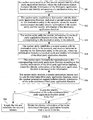
- FIG. 3 is a flowchart of Embodiment 1 of an information transmission method on an anchor entity side according to an embodiment of the present invention, where the method may include: Step 101: An anchor entity receives a first session request sent by a third party application function, where the first session request includes identity information of the third party application function and identity information of a destination entity in a network.
- an AF first sends a first session request to a PC, so as to establish an HTTP session between the third party application function and the anchor entity, and the first session request includes at least the following two pieces of information:
- This information mainly has two functions: A first function is to make the PC clear about which third party to which the PC currently establishes an HTTP connection, so that the PC performs validity authentication on the AF to determine whether the AF has permission to access an operator network, which is not described in detail in this embodiment of the present invention; and a second function is that the PC transmits this information to a PCRF with which the AF requests to establish a session, so that when subsequently reporting a network event, the PCRF may add this information to report information, where the information is used as a basis for the PC to perform flow identification, for which reference may be made to the following introduction.
- the identity information of the third party application function outside an operator mobile communications network may be at least one of the following: an IP address (IPv4 address or IPv6 address) of the AF, a uniform resource locator URL (Universal Resource Locator), an identifier of a connection between the third party application function and the anchor entity, which is not specifically limited in this embodiment of the present invention.
- the identifier of the connection may be: a websocket connection identifier specifically, if a first session is established by using a websocket; or an HTTP connection identifier specifically, if a first session is established by using HTTP2.0.
- This information is mainly to make the PC clear about an object with which the AF currently expects to establish a session, so that the PC correctly initiates a second session request to the object to establish a Diameter session.
- the identity information of the destination entity in the network may be: a Diameter host identity of the PCRF and an identity of a Diameter realm in which the PCRF is located.
- the third party application function AF addresses the destination entity PCRF in the network according to identity information of a user equipment UE (User Equipment), determines an identity of the PCRF (which may be a Diameter host name and/or an IP address of the PCRF) and the identity of the Diameter realm in which the PCRF is located, and sends the two identities, which are used as the identity information of the destination entity in the network, to the PC.
- UE User Equipment
- identity information of a UE may be pre-configured in the third party application function AF. Therefore, in a case in which the third party application function AF learns the identity information of the UE, the identity information of the PCRF may be obtained by searching for a configured relationship.
- the identity information of the destination entity in the network may also be: identity information of a user equipment UE, for example, an IP address, an IMSI (International Mobile Subscriber Identification, international mobile subscriber identification), and an MSISDN (Mobile Station International ISDN number, mobile station international ISDN number) of the UE, which may not be specifically limited in this embodiment of the present invention.
- identity information of a user equipment UE for example, an IP address, an IMSI (International Mobile Subscriber Identification, international mobile subscriber identification), and an MSISDN (Mobile Station International ISDN number, mobile station international ISDN number) of the UE, which may not be specifically limited in this embodiment of the present invention.
- the third party application function AF directly uses the identity information of the UE that is used for initial addressing as input information for addressing a destination entity in a network and sends the information to the PC, and the PC addresses a destination entity in a network PCRF according to the information, to determine an identity of the PCRF and an identity of a Diameter realm in which the PCRF is located, so as to perform a subsequent session establishing process.
- a correspondence between identity information of a UE and identity information of a PCRF may be pre-configured in the anchor entity PC. Therefore, in a case in which the anchor entity PC learns the identity information of the UE, the identity information of the PCRF may be obtained by searching for a configured relationship.
- the third party application function AF is a device outside an operator network
- an out-of-network device has permission to address identity information of a destination entity in a network in a Diameter realm, obviously, security of the destination entity in the network is relatively low. Therefore, in this manner, the identity information of the UE is used as the input information for addressing the destination entity in the network, and the anchor entity PC in the network addresses the destination entity in the network, so that security of a session between the third party application function and the destination entity in the network can be improved.
- a manner in which the anchor entity receives the first session request sent by the third party application function may be implemented by multiple XML message transmission mechanisms, such as a technology such as a websocket or HTTP2.0.
- a websocket manner is used as an example in the following to describe specific implementation of this step. For details, reference may be made to the flowchart shown in FIG. 4 .
- Step 201 The anchor entity establishes a websocket websocket connection to the third party application function by means of one handshake.
- Step 202 The anchor entity receives the first session request that is transmitted over the websocket connection by the third party application function.
- a websocket provides a TCP (Transport Control Protocol, Transmission Control Protocol) connection between the anchor entity and the third party application function in a full-duplex and real-time mode.
- TCP Transmission Control Protocol
- Each websocket connection established on the TCP connection is corresponding to one session between the third party application function and the anchor entity, thereby effectively overcoming a limitation that in a traditional HTTP mechanism, a third party application function is always used as an HTTP client to initiate an HTTP session, and only HTTP long-polling or an HTTP flow mechanism can be used for event reporting of an anchor entity to perform non-real-time function adaption.
- the third party application function When a websocket connection is to be established, the third party application function sends an HTTP GET Upgrade request to the anchor entity, so as to request to establish a new websocket connection; correspondingly, after performing authentication on the third party application function successfully, the anchor entity returns a Switching Protocol response message to the third party application function to indicate that the websocket connection between the third party application function and the anchor entity is successfully established.
- an HTTP session message between the third party application function and the anchor entity may be encapsulated into an Onmessage method, and a Send method may be invoked to transmit the session message.
- the HTTP session message between the third party application function and the anchor entity all procedure messages such as AF session establishment, AF session modification, AF session termination, and traffic plane event reporting (Traffic Plane Event Reporting) may be encapsulated into the Onmessage method, and an entity on one end invokes the Send method to send the message to an entity on the other end.
- all procedure messages such as AF session establishment, AF session modification, AF session termination, and traffic plane event reporting (Traffic Plane Event Reporting) may be encapsulated into the Onmessage method, and an entity on one end invokes the Send method to send the message to an entity on the other end.
- the third party application function may invoke a close method to release a resource, which includes a TCP resource at a transport layer, occupied by the websocket connection.
- Step 102 The anchor entity establishes a first session with the third party application function, and sends a second session request to the destination entity in the network, where the second session request includes identity information of the anchor entity and the identity information of the third party application function.
- the anchor entity may establish the first session, that is an HTTP connection, with the corresponding third party application function according to the identity information of the third party application function, where the identity information of the third party application function is included in the request; meanwhile, the anchor entity may further send the second session request to the corresponding destination entity in the network according to the identity information of the destination entity in the network, so as to establish a Diameter session between the anchor entity and the destination entity in the network, where the identity information of the destination entity in the network is included in the request.
- the second session request includes at least the following two pieces of information:
- the second session request may further includes the identity information of the destination entity in the network, so that the destination entity in the network determines whether the second session request is sent to the destination entity in the network, which may not be specifically limited in this embodiment of the present invention.
- Step 103 The anchor entity establishes a second session with the destination entity in the network, and receives information reported by the destination entity in the network, where the information includes a reported event and identity information of the third party application function.
- Step 104 The anchor entity forwards the reported event to the corresponding third party application function according to the identity information of the third party application function, where the identity information of the third party application function is included in the information.
- the destination entity in the network collects a network event that needs to be reported to the third party application function
- the destination entity in the network sends report information to the anchor entity, and the anchor entity forwards the information.
- the report information should further include identity information of a third party application function corresponding to the network event, so that the anchor entity may perform flow identification according to the identity information, and then correctly forward the network event included in the report information to the corresponding third party application function, thereby solving a problem of flow identification.
- the anchor entity may perform the following actions: establishing the first session between the anchor entity and the third party application function, and sending the second session request to the destination entity in the network.
- the anchor entity may further establish and maintain a list corresponding to the destination entity in the network, and identity information of all third party application functions corresponding to the destination entity in the network is added in the list, that is, identity information of all third party application functions that address a same destination entity in a network by using a same anchor entity is added in the list. Referring to an example shown in FIG.
- identity information of the AF1, the AF2, and the AF3 is added in the list. That is, one list maintained by the anchor entity is corresponding to one destination entity in a network, that is, is also corresponding to one second session established by the anchor entity and the destination entity in the network.
- this embodiment of the present invention further provides two solutions for terminating a session, which are described in the following one by one.
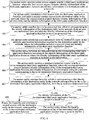
- FIG. 5 is a flowchart of Embodiment 2 of an information transmission method on an anchor entity side according to an embodiment of the present invention, where the method may include:
- Step 301 and step 302 are the same as step 101 and step 102, and details are not described herein again.
- Step 303 The anchor entity adds the identity information of the third party application function to a list, where the list is corresponding to the destination entity in the network.
- Step 304 The anchor entity establishes a second session with the destination entity in the network, and receives information reported by the destination entity in the network, where the information includes a reported event and identity information of the third party application function.
- Step 305 The anchor entity forwards the reported event to the corresponding third party application function according to the identity information of the third party application function, where the identity information of the third party application function is included in the information.
- Step 304 and step 305 are the same as step 103 and step 104, and details are not described herein again.
- Step 306 The anchor entity receives a session termination request sent by a to-be-terminated third party application function, where the session termination request includes identity information of the to-be-terminated third party application function.
- a session needs to be terminated in a session process for example, a user loses contact with a third party network, or a third party network determines that congestion occurs in an area, so that some users with a relatively low priority need to be terminated so as to ease the congestion, and the third party application function sends a session termination request to the anchor entity so as to terminate a session that does not need to be maintained.
- the AF1 when the AF1 needs to terminate a first session with the PC, the AF1, used as a to-be-terminated third party application function, sends a session termination request to the PC.
- Step 307 The anchor entity determines whether only the identity information of the to-be-terminated third party application function is saved in the list; if the anchor entity determines that only the identity information of the to-be-terminated third party application function is saved in the list, perform step 308, that is, the anchor entity empties the list and terminates the second session; and if the anchor entity determines that the identity information of the to-be-terminated third party application function is not the only identity information that is saved in the list, perform step 309, that is, the anchor entity deletes the identity information of the to-be-terminated third party application function that is saved in the list.
- the anchor entity After receiving the session termination request sent by the to-be-terminated third party application function, the anchor entity checks the list maintained by the anchor entity and performs differential processing according to a check result:
- the anchor entity may maintain only one list, that is, the anchor entity establishes sessions between multiple third party application functions and a same destination entity in a network.
- identity information of the multiple third party application functions that establish the sessions with the destination entity in the network is saved in the list. It may also be understood as that a Diameter session between the anchor entity and the destination entity in the network is corresponding to the list.
- the anchor entity establishes sessions between multiple third party application function and different destination entities in a network.
- the anchor entity needs to maintain multiple lists, that is, the anchor entity maintains one list for each destination entity in a network, where each list is used to save identity information of each of multiple third party application functions of a corresponding destination entity in a network.
- each list is corresponding to a Diameter session (it should be noted that, in a normal case, the anchor entity and a destination entity in a network establish only one Diameter session at a same moment) between the anchor entity and a destination entity in a network among multiple destination entities in the network.
- a PC1 acts as a proxy of a PCRF1 and establishes a session between the PCRF1 and each of the AF1, the AF2, and the AF3. Meanwhile, the PC1 may continue to act as a proxy of a PCRF2 and establish a session between the PCRF2 and each of an AF4 and an AF5; may act as a proxy of a PCRF3 and establish a session between the PCRF3 and an AF6; and even may establish sessions between more AFs and a PCRF, which is only used as a reference example for description and is not described again.
- the anchor entity needs to create and maintain at least two lists, and each list is corresponding to one destination entity in a network.
- the PC1 needs to maintain three lists, where one list is corresponding to a Diameter session between the PC1 and the PCRF1, and the AF1, the AF2, and the AF3 are added in the list; one list is corresponding to a Diameter session between the PC1 and the PCRF2, and AF4 and AF5 are added in the list; and one list is corresponding to a Diameter session between the PC1 and the PCRF3, and AF6 is added in the list.
- an embodiment of the present invention further provides Embodiment 3 of an information transmission method on an anchor entity side.
- the method may include:
- Step 401 and step 402 are the same as step 101 and step 102, and details are not described herein again.
- Step 403 The anchor entity searches for a to-be-processed list, which is corresponding to the identity information of the destination entity in the network, from at least two maintained lists; and adds the identity information of the third party application function to the to-be-processed list.
- a performing sequence of three actions that is, establishing the first session with the third party application function by the anchor entity, sending the second session request to the destination entity in the network by the anchor entity, and adding the identity information of the third party application function to the to-be-processed list by the anchor entity, does not affect the technical effect of this embodiment of the present invention, and therefore this embodiment of the present invention does not impose a strict limitation thereto.
- Step 404 The anchor entity establishes a second session with the destination entity in the network, and receives information reported by the destination entity in the network, where the information includes a reported event and identity information of the third party application function.
- Step 405 The anchor entity forwards the reported event to the corresponding third party application function according to the identity information of the third party application function, where the identity information of the third party application function is included in the information.
- Step 404 and step 405 are the same as step 103 and step 104, and details are not described herein again.
- Step 406 The anchor entity receives a session termination request sent by a to-be-terminated third party application function, where the session termination request includes identity information of the to-be-terminated third party application function and identity information of a destination entity in a network corresponding to the to-be-terminated third party application function.
- Step 407 The anchor entity searches for a list, which is corresponding to the identity information of the destination entity in the network corresponding to the to-be-terminated third party application function, from the at least two maintained lists.
- Step 408 The anchor entity determines whether only the identity information of the to-be-terminated third party application function is saved in a found list; if the anchor entity determines that only the identity information of the to-be-terminated third party application function is saved in the found list, perform step 409, that is, the anchor entity empties the found list and terminates a second session with the destination entity in the network corresponding to the to-be-terminated third party application function; and if the anchor entity determines that the identity information of the to-be-terminated third party application function is not the only identity information that is saved in the found list, perform step 410, that is, the anchor entity deletes the identity information of the to-be-terminated third party application function that is saved in the list.
- Steps 408 to 410 are the same as steps 307 to 309, and details are not described herein again.
- the session termination request sent by the to-be-terminated third party application function may also include only the identity information of the to-be-terminated third party application function.
- the anchor entity may search for each list one by one according to the identity information of the to-be-terminated third party application function, so as to terminate a session.
- a list to which the identity information of the to-be-terminated third party application function is added is found first according to the identity information of the destination entity in the network, and then the identity information is deleted from the list to terminate a session, so that session termination efficiency may be improved in this embodiment of the present invention.
- An embodiment of the present invention further provides an information transmission process on a third party application function side, which is corresponding to the information transmission process on the anchor entity side introduced in the foregoing.
- a third party application function side which is corresponding to the information transmission process on the anchor entity side introduced in the foregoing.
- this embodiment describes an information transmission process of the present invention. Similarly, in this embodiment, the following two sessions also need to be established:
- the first session is initiated by the third party application function to the anchor entity for establishment.
- the third party application function For a specific process, reference may be made to the foregoing introduction; and details are not described herein again. It should be emphasized and noted that, in addition to being used when the anchor entity and the third party application function establish the first session (which mainly means performing validity authentication on the third party application function), the identity information of the third party application function in the first session request is further used to be added to the second session request, and the anchor entity sends the identity information to the destination entity in the network.
- the destination entity in the network may send the information and the reported event together to the anchor entity, so that the anchor entity performs flow identification according to the information and correctly forwards the reported event to the third party application function.
- a process of sending the first session request to the anchor entity by the third party application function may be as follows: The third party application function establishes a websocket websocket connection to the anchor entity by means of one handshake; and the third party application function transmits the first session request to the anchor entity over the websocket connection.
- the anchor entity may be trigged to send the second session request to the destination entity in the network (identified by using the identity information of the destination entity in the network that is included in the first session request) with which the third party application function requests to establish a session, so as to request to establish a second session with the destination entity in the network; and meanwhile, sends the identity information of the third party application function to the destination entity in the network for saving.
- the anchor entity may be trigged to send the second session request to the destination entity in the network (identified by using the identity information of the destination entity in the network that is included in the first session request) with which the third party application function requests to establish a session, so as to request to establish a second session with the destination entity in the network; and meanwhile, sends the identity information of the third party application function to the destination entity in the network for saving.
- the destination entity in the network collects an event that needs to be reported to the third party application function, the destination entity in the network sends the reported event and an object of the event (that is, the identity information of the third party application function) to the anchor entity, so that the anchor entity correctly forwards the reported event to the object of the event according to the identity information of the third party application function.
- the destination entity in the network collects an event that needs to be reported to the third party application function, the destination entity in the network sends the reported event and an object of the event (that is, the identity information of the third party application function) to the anchor entity, so that the anchor entity correctly forwards the reported event to the object of the event according to the identity information of the third party application function.
- an embodiment of the present invention further provides an information transmission apparatus, that is, the foregoing anchor entity, corresponding to the method shown in FIG. 3 .
- FIG. 8 is a schematic diagram of Embodiment 1 of an information transmission apparatus, where the apparatus may include:
- the session request receiving unit may include:
- the information transmission apparatus in this embodiment of the present invention further maintains a list corresponding to the destination entity in the network, identity information of all third party application functions corresponding to the destination entity in the network is added in the list, and based on the schematic diagram shown in FIG. 8, the information transmission apparatus may further include the following units:
- the information transmission apparatus in this embodiment of the present invention may further establish a second session with other destination entities in a network according to a request of the third party application function, and maintains a list corresponding to each of the other destination entities in the network; identity information of all third party application functions corresponding to the other destination entities in the network is added in the list, so that the session termination request received by the termination request receiving unit further includes the identity information of the destination entity in the network; and based on the schematic diagram shown in FIG. 8, the information transmission apparatus may further include the following units:
- FIG. 10 is a schematic diagram of an information transmission apparatus, where the apparatus may include:
- the session request sending unit may include:
- an embodiment of the present invention further provides a composition of hardware of an information transmission apparatus on an anchor entity side and a composition of hardware of an information transmission apparatus on a third party application function side.
- the composition of hardware may include at least one processor (for example, a CPU), at least one network interface or another communications interface, a memory, and at least one communications bus that is used to implement connection communication among these apparatuses.
- the processor is configured to execute an executable module stored in the memory, for example, a computer program.
- the memory may include a high-speed random access memory (RAM: Random Access Memory) and may further include a non-volatile memory (non-volatile memory), for example, at least one disk memory.
- RAM Random Access Memory
- non-volatile memory non-volatile memory
- the system may include a third party application function 1001, an anchor entity 1002, and a destination entity in a network 1003.
- a memory of the third party application function stores program instructions, and a processor of the third party application function may perform the following steps according to these program instructions:
- a memory of the anchor entity also stores program instructions, and a processor of the anchor entity may correspondingly perform the following steps according to the stored program instructions:
- the software product may be stored in a storage medium, such as a ROM/RAM, a magnetic disk, or an optical disc, and includes several instructions for instructing a computer device (which may be a personal computer, a server, or a network communications device such as a media gateway) to perform the methods described in the embodiments or some parts of the embodiments of the present invention.
- a computer device which may be a personal computer, a server, or a network communications device such as a media gateway
Landscapes
- Engineering & Computer Science (AREA)
- Computer Networks & Wireless Communication (AREA)
- Signal Processing (AREA)
- Business, Economics & Management (AREA)
- Accounting & Taxation (AREA)
- Computer Security & Cryptography (AREA)
- Computer And Data Communications (AREA)
- Telephonic Communication Services (AREA)
Claims (14)
- Protokollwandler, PC, der Folgendes umfasst:eine Sitzungsanforderungsempfangseinheit (601), die dazu ausgelegt ist, eine erste Sitzungsanforderung, die von einer Anwendungsfunktion, AF, eines Drittanbieters gesendet wird, zu empfangen, wobei die erste Sitzungsanforderung Identitätsinformationen der AF des Drittanbieters und Identitätsinformationen einer Richtlinien- und Verrechnungsregelfunktions(PCRF)-Entität in einem Netzwerk umfasst;eine erste Sitzungseinrichtungseinheit (602), die dazu ausgelegt ist, eine erste Sitzung mit der AF des Drittanbieters einzurichten;eine Anforderungssendeeinheit (603), die dazu ausgelegt ist, eine zweite Sitzungsanforderung an die PCRF-Entität im Netzwerk zu senden, wobei die zweite Sitzungsanforderung Identitätsinformationen des PCs und die Identitätsinformationen der AF des Drittanbieters umfasst;eine zweite Sitzungseinrichtungseinheit (604), die dazu ausgelegt ist, eine zweite Sitzung mit der PCRF-Entität im Netzwerk einzurichten;eine Informationsempfangseinheit (605), die dazu ausgelegt ist, Informationen, die von der PCRF-Entität im Netzwerk gemeldet werden, zu empfangen, wobei die Informationen ein gemeldetes Ereignis und Identitätsinformationen der AF des Drittanbieters umfassen; undeine Weiterleitungseinheit (606), die dazu ausgelegt ist, das gemeldete Ereignis gemäß den Identitätsinformationen der AF des Drittanbieters zur entsprechenden AF des Drittanbieters weiterzuleiten, wobei die Identitätsinformationen der AF des Drittanbieters in den Informationen, die von der PCRF-Entität gemeldet werden, enthalten sind,wobei die Identitätsinformationen der PCRF-Entität im Netzwerk Identitätsinformationen einer Teilnehmereinrichtung umfassen und der PC dazu ausgelegt ist, gemäß den empfangenen Identitätsinformationen der Teilnehmereinrichtung und einer vorausgelegten Entsprechung zwischen den Identitätsinformationen der Teilnehmereinrichtung und der Identität der PCRF-Entität im PC eine Identität der PCRF-Entität zu bestimmen.
- PC nach Anspruch 1, wobei die Sitzungsanforderungsempfangseinheit Folgendes umfasst:eine Verbindungseinrichtungseinheit (701), die dazu ausgelegt ist, mittels eines Handshakes eine Websocketverbindung zur AF des Drittanbieters einzurichten; undeine Sitzungsanforderungsempfangsuntereinheit (702), die dazu ausgelegt ist, die erste Sitzungsanforderung, die von der AF des Drittanbieters über die Websocketverbindung übertragen wird, zu empfangen.
- PC nach Anspruch 1, wobei der PC eine Liste führt, die der PCRF-Entität im Netzwerk entspricht, Identitätsinformationen aller AFs des Drittanbieters, die der PCRF-Entität im Netzwerk entsprechen, in der Liste gespeichert werden und der PC ferner Folgendes umfasst:eine Beendigungsanforderungsempfangseinheit, die dazu ausgelegt ist, eine Sitzungsbeendigungsanforderung, die von einer zu beendenden AF eines Drittanbieters gesendet wird, zu empfangen, wobei die Sitzungsbeendigungsanforderung Identitätsinformationen der zu beendenden AF des Drittanbieters umfasst;eine Bestimmungseinheit, die dazu ausgelegt ist zu bestimmen, ob nur die Identitätsinformationen der zu beendenden AF des Drittanbieters in der Liste gespeichert sind;eine Sitzungsbeendigungseinheit, die dazu ausgelegt ist, die Liste zu leeren und die zweite Sitzung zu beenden, wenn die Bestimmungseinheit bestimmt, dass nur die Identitätsinformationen der zu beendenden AF des Drittanbieters in der Liste gespeichert sind; und eine Löscheinheit, die dazu ausgelegt ist, die Identitätsinformationen der zu beendenden AF des Drittanbieters, die in der Liste gespeichert sind, zu löschen, wenn die Bestimmungseinheit bestimmt, dass die Identitätsinformationen der zu beendenden AF des Drittanbieters nicht die einzigen Identitätsinformationen sind, die in der Liste gespeichert sind.
- PC nach Anspruch 3, wobei der PC ferner eine zweite Sitzung mit jeder der anderen PCRF-Entitäten in einem Netzwerk gemäß einer Anforderung der AF des Drittanbieters einrichtet und eine Liste führt, die jeder der anderen PCRF-Entitäten im Netzwerk entspricht; und Identitätsinformationen aller AFs, die den anderen PCRF-Entitäten im Netzwerk entsprechen, in der Liste gespeichert werden, die Sitzungsbeendigungsanforderung, die von der Beendigungsanforderungsempfangseinheit empfangen wird, ferner die Identitätsinformationen der PCRF-Entität im Netzwerk umfasst und der PC ferner Folgendes umfasst:
eine Sucheinheit, die dazu ausgelegt ist, in mindestens zwei geführten Listen nach einer Liste zu suchen, die den Identitätsinformationen der PCRF-Entität im Netzwerk entspricht, und die Bestimmungseinheit anzuweisen zu bestimmen, ob nur die Identitätsinformationen der zu beendenden AF des Drittanbieters in einer gefundenen Liste gespeichert sind. - Anwendungsfunktion, AF, eines Drittanbieters, die Folgendes umfasst:eine Sitzungsanforderungssendeeinheit (801), die dazu ausgelegt ist, eine erste Sitzungsanforderung an einen Protokollwandler, PC, zu senden, wobei die erste Sitzungsanforderung Identitätsinformationen der AF des Drittanbieters und Identitätsinformationen einer Richtlinien- und Verrechnungsregelfunktions(PCRF)-Entität in einem Netzwerk umfasst und die Identitätsinformationen der AF des Drittanbieters verwendet werden, um zur PCRF-Entität im Netzwerk weitergeleitet zu werden, wenn der PC eine zweite Sitzungsanforderung an die PCRF-Entität im Netzwerk sendet;eine erste Sitzungseinrichtungseinheit (802), die dazu ausgelegt ist, eine vom PC zurückgegebene Antwort zu empfangen und eine erste Sitzung mit dem PC einzurichten; undeine Informationsempfangseinheit (803), die dazu ausgelegt ist, nachdem der PC und die PCRF-Entität im Netzwerk eine zweite Sitzung eingerichtet haben, ein gemeldetes Ereignis, das vom PC gemäß den Identitätsinformationen der AF des Drittanbieters weitergeleitet wird, zu empfangen, wobei Identitätsinformationen der AF des Drittanbieters und das gemeldete Ereignis von der PCRF-Entität im Netzwerk an den PC gesendet werden,wobei die Identitätsinformationen der PCRF-Entität im Netzwerk Identitätsinformationen einer Teilnehmereinrichtung umfassen, die Identitätsinformationen der Teilnehmereinrichtung für die Bestimmung einer Identität der PCRF-Entität verwendet werden.
- AF eines Drittanbieters nach Anspruch 5, wobei die Sitzungsanforderungssendeeinheit Folgendes umfasst:eine Verbindungseinrichtungseinheit (901), die dazu ausgelegt ist, mittels eines Handshakes eine Websocketverbindung zum PC einzurichten; undeine Sitzungsanforderungssendeuntereinheit (902), die dazu ausgelegt ist, die erste Sitzungsanforderung über die Websocketverbindung zum PC zu übertragen.
- Informationsübertragungsverfahren, das Folgendes umfasst:Empfangen (101, 301, 401) durch einen Protokollwandler, PC, einer ersten Sitzungsanforderung, die von einer Anwendungsfunktion, AF, eines Drittanbieters gesendet wird, wobei die erste Sitzungsanforderung Identitätsinformationen der AF des Drittanbieters und Identitätsinformationen einer Richtlinien- und Verrechnungsregelfunktions(PCRF)-Entität in einem Netzwerk umfasst, die Identitätsinformationen der PCRF-Entität im Netzwerk Identitätsinformationen einer Teilnehmereinrichtung umfassen;Bestimmen gemäß den empfangenen Identitätsinformationen der Teilnehmereinrichtung und einer vorausgelegten Entsprechung zwischen den Identitätsinformationen der Teilnehmereinrichtung und der Identität der PCRF-Entität im PC einer Identität der PCRF-Entität;Einrichten (102, 302, 402) durch den PC einer ersten Sitzung mit der AF des Drittanbieters und Senden einer zweiten Sitzungsanforderung an die PCRF-Entität im Netzwerk, wobei die zweite Sitzungsanforderung Identitätsinformationen des PC und die Identitätsinformationen der AF des Drittanbieters umfasst;Einrichten (103, 304, 404) durch den PC einer zweiten Sitzung mit der PCRF-Entität im Netzwerk und Empfangen von Informationen, die von der PCRF-Entität im Netzwerk gemeldet werden, wobei die Informationen ein gemeldetes Ereignis und Identitätsinformationen der AF des Drittanbieters umfassen; undWeiterleiten (104, 305, 405) durch den PC des gemeldeten Ereignisses gemäß den Identitätsinformationen der AF des Drittanbieters zur entsprechenden AF des Drittanbieters, wobei die Identitätsinformationen der AF des Drittanbieters in den Informationen, die von der PCRF-Entität gemeldet werden, enthalten sind.
- Verfahren nach Anspruch 7, wobei:die Identitätsinformationen der AF des Drittanbieters mindestens eines von Folgendem umfassen: eine IP-Adresse, einen einheitlichen Ressourcenzeiger, URL, und eine Kennung einer Verbindung;die Identitätsinformationen des PC Folgendes umfassen: eine Diameter-Hostidentität des PCs und die Identität eines Diameter-Bereichs, in dem sich der PC befindet.
- Verfahren nach Anspruch 7, wobei das Empfangen durch einen PC einer ersten Sitzungsanforderung, die von einer AF eines Drittanbieters gesendet wird, Folgendes umfasst:Einrichten (201) durch den PC einer Websocketverbindung zum AF des Drittanbieters mittels eines Handshakes undEmpfangen (202) durch den PC der ersten Sitzungsanforderung, die von der AF des Drittanbieters über die Websocketverbindung übertragen wird.
- Verfahren nach Anspruch 7, wobei der PC eine Liste führt, die der PCRF-Entität im Netzwerk entspricht, Identitätsinformationen aller AFs des Drittanbieters, die der PCRF-Entität im Netzwerk entsprechen, in der Liste gespeichert werden und das Verfahren ferner Folgendes umfasst:Empfangen (306, 406) durch den PC einer Sitzungsbeendigungsanforderung, die von einer zu beendenden AF eines Drittanbieters gesendet wird, wobei die Sitzungsbeendigungsanforderung Identitätsinformationen der zu beendenden AF des Drittanbieters umfasst; undBestimmen (307, 408) durch den PC, ob nur die Identitätsinformationen der zu beendenden AF des Drittanbieters in der Liste gespeichert sind; wenn der PC bestimmt, dass nur die Identitätsinformationen der zu beendenden AF des Drittanbieters in der Liste gespeichert sind, Leeren (308, 409) durch den PC der Liste und Beenden der zweiten Sitzung; oder wenn der PC bestimmt, dass die Identitätsinformationen der zu beendenden AF nicht die einzigen Identitätsinformationen sind, die in der Liste gespeichert sind, Löschen (309, 410) durch den PC der Identitätsinformationen der zu löschenden AF des Drittanbieters, die in der Liste gespeichert sind.
- Verfahren nach Anspruch 10, wobei der PC ferner gemäß einer Anforderung der AF des Drittanbieters eine zweite Sitzung mit jeder von anderen Zielentitäten in einem Netzwerk einrichtet und eine Liste führt, die jeder der anderen Zielentitäten im Netzwerk entspricht; und Identitätsinformationen aller AFs des Drittanbieters, die den anderen Zielentitäten im Netzwerk entsprechen, in der Liste gespeichert werden, die Sitzungsbeendigungsanforderung ferner die Identitätsinformationen der PCRF-Entität im Netzwerk umfasst und das Verfahren ferner Folgendes umfasst:
Suchen (407) durch den PC in mindestens zwei geführten Listen nach einer Liste, die den Identitätsinformationen der PCRF-Entität im Netzwerk entspricht, und Durchführen des Schritts des Bestimmens, ob nur die Identitätsinformationen der zu beendenden AF des Drittanbieters in der Liste gespeichert sind. - Informationsübertragungsverfahren, das Folgendes umfasst:Senden (501) durch eine Anwendungsfunktion, AF, eines Drittanbieters einer ersten Sitzungsanforderung an einen Protokollwandler, PC, wobei die erste Sitzungsanforderung Identitätsinformationen der AF des Drittanbieters und Identitätsinformationen einer Richtlinien- und Verrechnungsregelfunktions(PCRF)-Entität in einem Netzwerk umfasst und die Identitätsinformationen der AF des Drittanbieters verwendet werden, um zur PCRF-Entität im Netzwerk weitergeleitet zu werden, wenn der PC eine zweite Sitzungsanforderung an die PCRF-Entität im Netzwerk sendet;Empfangen (502) durch die AF des Drittanbieters einer Antwort, die vom PC zurückgegeben wird, und Einrichten einer ersten Sitzung mit dem PC und
nachdem der PC und die PCRF-Entität im Netzwerk eine zweite Sitzung eingerichtet haben, Empfangen (503) durch die AF des Drittanbieters eines gemeldeten Ereignisses, das vom PC gemäß den Identitätsinformationen der AF des Drittanbieters weitergeleitet wird, wobei Identitätsinformationen der AF des Drittanbieters und das gemeldete Ereignis von der PCRF-Entität im Netzwerk an den PC gesendet werden,wobei die Identitätsinformationen der PCRF-Entität im Netzwerk Identitätsinformationen einer Teilnehmereinrichtung umfassen, die Identitätsinformationen der Teilnehmereinrichtung für die Bestimmung einer Identität der PCRF-Entität verwendet werden. - Verfahren nach Anspruch 12, wobei das Senden durch eine AF eines Drittanbieters einer ersten Sitzungsanforderung an einen PC Folgendes umfasst:
Einrichten durch die AF des Drittanbieters einer Websocketverbindung zum PC mittels eines Handshakes und
Übertragen durch die AF des Drittanbieters der ersten Sitzungsanforderung über die Websocketverbindung zum PC. - Informationsübertragungssystem, das den Protokollwandler, PC, nach einem der Ansprüche 1-4, die Anwendungsfunktion, AF, des Drittanbieters nach Anspruch 5 oder 6 und die Richtlinien- und Verrechnungsregelfunktions(PCRF)-Entität im Netzwerk umfasst.
Applications Claiming Priority (1)
| Application Number | Priority Date | Filing Date | Title |
|---|---|---|---|
| PCT/CN2014/073183 WO2015135124A1 (zh) | 2014-03-11 | 2014-03-11 | 一种信息传送方法及装置 |
Publications (3)
| Publication Number | Publication Date |
|---|---|
| EP3107352A1 EP3107352A1 (de) | 2016-12-21 |
| EP3107352A4 EP3107352A4 (de) | 2017-03-08 |
| EP3107352B1 true EP3107352B1 (de) | 2018-12-05 |
Family
ID=54070764
Family Applications (1)
| Application Number | Title | Priority Date | Filing Date |
|---|---|---|---|
| EP14885172.8A Active EP3107352B1 (de) | 2014-03-11 | 2014-03-11 | Vorrichtung, system und verfahren zur informationsübertragung |
Country Status (6)
| Country | Link |
|---|---|
| US (1) | US10581979B2 (de) |
| EP (1) | EP3107352B1 (de) |
| CN (1) | CN105144836B (de) |
| MX (1) | MX362086B (de) |
| RU (1) | RU2654140C2 (de) |
| WO (1) | WO2015135124A1 (de) |
Families Citing this family (4)
| Publication number | Priority date | Publication date | Assignee | Title |
|---|---|---|---|---|
| CN114172869A (zh) * | 2018-02-12 | 2022-03-11 | 华为技术有限公司 | 管理媒体传输通路的方法、系统以及相关设备 |
| CN111246478B (zh) * | 2020-01-20 | 2021-09-21 | 广州爱浦路网络技术有限公司 | 一种基于hss的5g核心网信息处理装置及方法 |
| CN114640489A (zh) * | 2020-12-16 | 2022-06-17 | 北京首信科技股份有限公司 | 认证方法和认证装置 |
| KR20230085707A (ko) * | 2021-12-07 | 2023-06-14 | 삼성전자주식회사 | 무선 통신 시스템에서 단말 관련 정보를 송수신하는 방법 및 장치 |
Family Cites Families (15)
| Publication number | Priority date | Publication date | Assignee | Title |
|---|---|---|---|---|
| US7636917B2 (en) | 2003-06-30 | 2009-12-22 | Microsoft Corporation | Network load balancing with host status information |
| RU2387002C2 (ru) * | 2003-06-30 | 2010-04-20 | Майкрософт Корпорейшн | Выравнивание сетевой нагрузки с помощью управления соединением |
| CN101227391B (zh) | 2008-01-09 | 2012-01-11 | 中兴通讯股份有限公司 | 非漫游场景下策略和计费规则功能实体的选择方法 |
| CN100579302C (zh) * | 2008-01-10 | 2010-01-06 | 中兴通讯股份有限公司 | 一种非漫游场景下策略和计费规则功能服务器的选择方法 |
| CN101583112B (zh) * | 2008-08-12 | 2011-09-21 | 中兴通讯股份有限公司 | 会话信息的标识方法及装置 |
| CN102158562A (zh) * | 2010-02-11 | 2011-08-17 | 中兴通讯股份有限公司 | 一种下发pcc策略信息的方法及系统 |
| US20110202635A1 (en) * | 2010-02-18 | 2011-08-18 | Alcatel-Lucent Canada Inc. | Policy controller application enablement api for wireline/wireless converged solution |
| US8824370B2 (en) * | 2010-12-16 | 2014-09-02 | Openet Telecom Ltd. | Methods, systems and devices for dynamic context-based routing |
| EP2528295B1 (de) * | 2011-05-24 | 2019-09-04 | Vodafone GmbH | Verfahren und System zur Steuerung eines Gateways |
| CN102905390B (zh) * | 2011-07-26 | 2017-12-01 | 中兴通讯股份有限公司 | 会话关联方法、装置和系统 |
| CN102223240B (zh) * | 2011-07-29 | 2014-12-03 | 华为技术有限公司 | 提供服务方法、业务代理装置、策略和计费规则功能装置 |
| CN102300263B (zh) * | 2011-09-23 | 2013-11-27 | 电信科学技术研究院 | 一种pcrf确定方法、装置及系统 |
| US9942938B2 (en) * | 2012-04-27 | 2018-04-10 | Interdigital Patent Holdings, Inc. | Registration for device-to-device (D2D) communications |
| US9537925B2 (en) * | 2013-07-09 | 2017-01-03 | Google Inc. | Browser notifications |
| US10764376B2 (en) * | 2016-10-18 | 2020-09-01 | Cisco Technology, Inc. | System and method for node selection based on mid-session and end-session event information |
-
2014
- 2014-03-11 WO PCT/CN2014/073183 patent/WO2015135124A1/zh not_active Ceased
- 2014-03-11 RU RU2016139606A patent/RU2654140C2/ru active
- 2014-03-11 MX MX2016011755A patent/MX362086B/es active IP Right Grant
- 2014-03-11 CN CN201480000852.9A patent/CN105144836B/zh active Active
- 2014-03-11 EP EP14885172.8A patent/EP3107352B1/de active Active
-
2016
- 2016-09-09 US US15/261,503 patent/US10581979B2/en active Active
Non-Patent Citations (1)
| Title |
|---|
| None * |
Also Published As
| Publication number | Publication date |
|---|---|
| EP3107352A4 (de) | 2017-03-08 |
| US20160381147A1 (en) | 2016-12-29 |
| CN105144836A (zh) | 2015-12-09 |
| WO2015135124A1 (zh) | 2015-09-17 |
| RU2654140C2 (ru) | 2018-05-16 |
| US10581979B2 (en) | 2020-03-03 |
| CN105144836B (zh) | 2019-06-21 |
| BR112016020891A2 (pt) | 2018-07-17 |
| RU2016139606A (ru) | 2018-04-11 |
| EP3107352A1 (de) | 2016-12-21 |
| MX2016011755A (es) | 2017-07-04 |
| MX362086B (es) | 2019-01-07 |
Similar Documents
| Publication | Publication Date | Title |
|---|---|---|
| EP3195566B1 (de) | Dienstschichtzusammenarbeit mit mqtt-protokoll | |
| EP2627032B1 (de) | Verfahren, richtlinienserver und gateway zur definition von richtlinien | |
| WO2015013685A1 (en) | End-to-end m2m service layer sessions | |
| WO2014067311A1 (zh) | 资源订阅方法及装置 | |
| US20240147272A1 (en) | Technique for Collecting Analytics Data | |
| EP2052490A2 (de) | Verfahren und vorrichtungen zur richtliniendurchsetzung in einem drahtlosen kommunikationssystem | |
| CN114080056B (zh) | 一种会话更新方法、终端和网络侧设备 | |
| CN1647451B (zh) | 用于在网络环境中监视信息的装置、方法和系统 | |
| CN111742529B (zh) | 基于服务的架构(sba)中的安全协商 | |
| US12177752B2 (en) | Optimization of services applied to data packet sessions | |
| CN114584558B (zh) | 云边协同分布式api网关系统及api调用方法 | |
| WO2014101661A1 (zh) | 业务流镜像方法及镜像设备 | |
| US10581979B2 (en) | Information transmission method and apparatus | |
| CN104601541A (zh) | 数据传输的方法、服务器和用户设备 | |
| WO2022121589A1 (zh) | 一种数据信息获取方法、装置、相关设备及介质 | |
| CN110995829B (zh) | 实例调用方法、装置及计算机存储介质 | |
| WO2013189398A2 (zh) | 应用数据推送方法、装置及系统 | |
| CN104917742B (zh) | 一种信息传送方法及装置 | |
| CN114124935A (zh) | Ftp服务的实现方法、系统、设备及存储介质 | |
| EP3073691B1 (de) | Verfahren und vorrichtung zur dienstqualitätsverbesserung | |
| CN107566476B (zh) | 一种接入方法、sdn控制器、转发设备及用户接入系统 | |
| KR20240045981A (ko) | 무선 통신 시스템에서 sfc 서비스 익스포저 기능을 제공하기 위한 장치 및 방법 | |
| EP4114128A1 (de) | Verfahren zum einsatz einer edge-anwendung auf einem benutzergerät und zugehöriges mandantennetzwerk für mobile netzwerke | |
| JP7254951B2 (ja) | データ送信方法、端末機器及び記憶媒体 | |
| WO2022165787A1 (zh) | 参数配置方法、装置、设备及存储介质 |
Legal Events
| Date | Code | Title | Description |
|---|---|---|---|
| PUAI | Public reference made under article 153(3) epc to a published international application that has entered the european phase |
Free format text: ORIGINAL CODE: 0009012 |
|
| STAA | Information on the status of an ep patent application or granted ep patent |
Free format text: STATUS: REQUEST FOR EXAMINATION WAS MADE |
|
| 17P | Request for examination filed |
Effective date: 20160914 |
|
| AK | Designated contracting states |
Kind code of ref document: A1 Designated state(s): AL AT BE BG CH CY CZ DE DK EE ES FI FR GB GR HR HU IE IS IT LI LT LU LV MC MK MT NL NO PL PT RO RS SE SI SK SM TR |
|
| AX | Request for extension of the european patent |
Extension state: BA ME |
|
| A4 | Supplementary search report drawn up and despatched |
Effective date: 20170208 |
|
| RIC1 | Information provided on ipc code assigned before grant |
Ipc: H04W 76/02 20090101ALI20170202BHEP Ipc: H04L 29/12 20060101ALI20170202BHEP Ipc: H04W 92/24 20090101AFI20170202BHEP Ipc: H04L 29/08 20060101ALI20170202BHEP |
|
| DAX | Request for extension of the european patent (deleted) | ||
| STAA | Information on the status of an ep patent application or granted ep patent |
Free format text: STATUS: EXAMINATION IS IN PROGRESS |
|
| 17Q | First examination report despatched |
Effective date: 20180209 |
|
| REG | Reference to a national code |
Ref country code: DE Ref legal event code: R079 Ref document number: 602014037661 Country of ref document: DE Free format text: PREVIOUS MAIN CLASS: H04W0092240000 Ipc: H04W0076100000 |
|
| GRAP | Despatch of communication of intention to grant a patent |
Free format text: ORIGINAL CODE: EPIDOSNIGR1 |
|
| STAA | Information on the status of an ep patent application or granted ep patent |
Free format text: STATUS: GRANT OF PATENT IS INTENDED |
|
| RIC1 | Information provided on ipc code assigned before grant |
Ipc: H04W 92/24 20090101ALI20180529BHEP Ipc: H04L 29/08 20060101ALI20180529BHEP Ipc: H04W 76/10 20180101AFI20180529BHEP Ipc: H04L 29/12 20060101ALI20180529BHEP |
|
| INTG | Intention to grant announced |
Effective date: 20180629 |
|
| RIN1 | Information on inventor provided before grant (corrected) |
Inventor name: XIA, HAITAO Inventor name: XIONG, CHUNSHAN |
|
| GRAS | Grant fee paid |
Free format text: ORIGINAL CODE: EPIDOSNIGR3 |
|
| GRAA | (expected) grant |
Free format text: ORIGINAL CODE: 0009210 |
|
| GRAA | (expected) grant |
Free format text: ORIGINAL CODE: 0009210 |
|
| STAA | Information on the status of an ep patent application or granted ep patent |
Free format text: STATUS: THE PATENT HAS BEEN GRANTED |
|
| AK | Designated contracting states |
Kind code of ref document: B1 Designated state(s): AL AT BE BG CH CY CZ DE DK EE ES FI FR GB GR HR HU IE IS IT LI LT LU LV MC MK MT NL NO PL PT RO RS SE SI SK SM TR |
|
| REG | Reference to a national code |
Ref country code: GB Ref legal event code: FG4D |
|
| REG | Reference to a national code |
Ref country code: CH Ref legal event code: EP |
|
| REG | Reference to a national code |
Ref country code: AT Ref legal event code: REF Ref document number: 1074711 Country of ref document: AT Kind code of ref document: T Effective date: 20181215 |
|
| REG | Reference to a national code |
Ref country code: DE Ref legal event code: R096 Ref document number: 602014037661 Country of ref document: DE |
|
| REG | Reference to a national code |
Ref country code: IE Ref legal event code: FG4D |
|
| REG | Reference to a national code |
Ref country code: NL Ref legal event code: MP Effective date: 20181205 |
|
| REG | Reference to a national code |
Ref country code: AT Ref legal event code: MK05 Ref document number: 1074711 Country of ref document: AT Kind code of ref document: T Effective date: 20181205 |
|
| REG | Reference to a national code |
Ref country code: LT Ref legal event code: MG4D |
|
| PG25 | Lapsed in a contracting state [announced via postgrant information from national office to epo] |
Ref country code: FI Free format text: LAPSE BECAUSE OF FAILURE TO SUBMIT A TRANSLATION OF THE DESCRIPTION OR TO PAY THE FEE WITHIN THE PRESCRIBED TIME-LIMIT Effective date: 20181205 Ref country code: LV Free format text: LAPSE BECAUSE OF FAILURE TO SUBMIT A TRANSLATION OF THE DESCRIPTION OR TO PAY THE FEE WITHIN THE PRESCRIBED TIME-LIMIT Effective date: 20181205 Ref country code: HR Free format text: LAPSE BECAUSE OF FAILURE TO SUBMIT A TRANSLATION OF THE DESCRIPTION OR TO PAY THE FEE WITHIN THE PRESCRIBED TIME-LIMIT Effective date: 20181205 Ref country code: AT Free format text: LAPSE BECAUSE OF FAILURE TO SUBMIT A TRANSLATION OF THE DESCRIPTION OR TO PAY THE FEE WITHIN THE PRESCRIBED TIME-LIMIT Effective date: 20181205 Ref country code: ES Free format text: LAPSE BECAUSE OF FAILURE TO SUBMIT A TRANSLATION OF THE DESCRIPTION OR TO PAY THE FEE WITHIN THE PRESCRIBED TIME-LIMIT Effective date: 20181205 Ref country code: BG Free format text: LAPSE BECAUSE OF FAILURE TO SUBMIT A TRANSLATION OF THE DESCRIPTION OR TO PAY THE FEE WITHIN THE PRESCRIBED TIME-LIMIT Effective date: 20190305 Ref country code: NO Free format text: LAPSE BECAUSE OF FAILURE TO SUBMIT A TRANSLATION OF THE DESCRIPTION OR TO PAY THE FEE WITHIN THE PRESCRIBED TIME-LIMIT Effective date: 20190305 Ref country code: LT Free format text: LAPSE BECAUSE OF FAILURE TO SUBMIT A TRANSLATION OF THE DESCRIPTION OR TO PAY THE FEE WITHIN THE PRESCRIBED TIME-LIMIT Effective date: 20181205 |
|
| PG25 | Lapsed in a contracting state [announced via postgrant information from national office to epo] |
Ref country code: AL Free format text: LAPSE BECAUSE OF FAILURE TO SUBMIT A TRANSLATION OF THE DESCRIPTION OR TO PAY THE FEE WITHIN THE PRESCRIBED TIME-LIMIT Effective date: 20181205 Ref country code: GR Free format text: LAPSE BECAUSE OF FAILURE TO SUBMIT A TRANSLATION OF THE DESCRIPTION OR TO PAY THE FEE WITHIN THE PRESCRIBED TIME-LIMIT Effective date: 20190306 Ref country code: SE Free format text: LAPSE BECAUSE OF FAILURE TO SUBMIT A TRANSLATION OF THE DESCRIPTION OR TO PAY THE FEE WITHIN THE PRESCRIBED TIME-LIMIT Effective date: 20181205 Ref country code: RS Free format text: LAPSE BECAUSE OF FAILURE TO SUBMIT A TRANSLATION OF THE DESCRIPTION OR TO PAY THE FEE WITHIN THE PRESCRIBED TIME-LIMIT Effective date: 20181205 |
|
| PG25 | Lapsed in a contracting state [announced via postgrant information from national office to epo] |
Ref country code: NL Free format text: LAPSE BECAUSE OF FAILURE TO SUBMIT A TRANSLATION OF THE DESCRIPTION OR TO PAY THE FEE WITHIN THE PRESCRIBED TIME-LIMIT Effective date: 20181205 |
|
| PG25 | Lapsed in a contracting state [announced via postgrant information from national office to epo] |
Ref country code: IT Free format text: LAPSE BECAUSE OF FAILURE TO SUBMIT A TRANSLATION OF THE DESCRIPTION OR TO PAY THE FEE WITHIN THE PRESCRIBED TIME-LIMIT Effective date: 20181205 Ref country code: PT Free format text: LAPSE BECAUSE OF FAILURE TO SUBMIT A TRANSLATION OF THE DESCRIPTION OR TO PAY THE FEE WITHIN THE PRESCRIBED TIME-LIMIT Effective date: 20190405 Ref country code: CZ Free format text: LAPSE BECAUSE OF FAILURE TO SUBMIT A TRANSLATION OF THE DESCRIPTION OR TO PAY THE FEE WITHIN THE PRESCRIBED TIME-LIMIT Effective date: 20181205 Ref country code: PL Free format text: LAPSE BECAUSE OF FAILURE TO SUBMIT A TRANSLATION OF THE DESCRIPTION OR TO PAY THE FEE WITHIN THE PRESCRIBED TIME-LIMIT Effective date: 20181205 |
|
| PG25 | Lapsed in a contracting state [announced via postgrant information from national office to epo] |
Ref country code: EE Free format text: LAPSE BECAUSE OF FAILURE TO SUBMIT A TRANSLATION OF THE DESCRIPTION OR TO PAY THE FEE WITHIN THE PRESCRIBED TIME-LIMIT Effective date: 20181205 Ref country code: SM Free format text: LAPSE BECAUSE OF FAILURE TO SUBMIT A TRANSLATION OF THE DESCRIPTION OR TO PAY THE FEE WITHIN THE PRESCRIBED TIME-LIMIT Effective date: 20181205 Ref country code: SK Free format text: LAPSE BECAUSE OF FAILURE TO SUBMIT A TRANSLATION OF THE DESCRIPTION OR TO PAY THE FEE WITHIN THE PRESCRIBED TIME-LIMIT Effective date: 20181205 Ref country code: RO Free format text: LAPSE BECAUSE OF FAILURE TO SUBMIT A TRANSLATION OF THE DESCRIPTION OR TO PAY THE FEE WITHIN THE PRESCRIBED TIME-LIMIT Effective date: 20181205 Ref country code: IS Free format text: LAPSE BECAUSE OF FAILURE TO SUBMIT A TRANSLATION OF THE DESCRIPTION OR TO PAY THE FEE WITHIN THE PRESCRIBED TIME-LIMIT Effective date: 20190405 |
|
| REG | Reference to a national code |
Ref country code: DE Ref legal event code: R097 Ref document number: 602014037661 Country of ref document: DE |
|
| PLBE | No opposition filed within time limit |
Free format text: ORIGINAL CODE: 0009261 |
|
| STAA | Information on the status of an ep patent application or granted ep patent |
Free format text: STATUS: NO OPPOSITION FILED WITHIN TIME LIMIT |
|
| PG25 | Lapsed in a contracting state [announced via postgrant information from national office to epo] |
Ref country code: MC Free format text: LAPSE BECAUSE OF FAILURE TO SUBMIT A TRANSLATION OF THE DESCRIPTION OR TO PAY THE FEE WITHIN THE PRESCRIBED TIME-LIMIT Effective date: 20181205 Ref country code: SI Free format text: LAPSE BECAUSE OF FAILURE TO SUBMIT A TRANSLATION OF THE DESCRIPTION OR TO PAY THE FEE WITHIN THE PRESCRIBED TIME-LIMIT Effective date: 20181205 Ref country code: DK Free format text: LAPSE BECAUSE OF FAILURE TO SUBMIT A TRANSLATION OF THE DESCRIPTION OR TO PAY THE FEE WITHIN THE PRESCRIBED TIME-LIMIT Effective date: 20181205 |
|
| REG | Reference to a national code |
Ref country code: CH Ref legal event code: PL |
|
| 26N | No opposition filed |
Effective date: 20190906 |
|
| PG25 | Lapsed in a contracting state [announced via postgrant information from national office to epo] |
Ref country code: LU Free format text: LAPSE BECAUSE OF NON-PAYMENT OF DUE FEES Effective date: 20190311 |
|
| REG | Reference to a national code |
Ref country code: BE Ref legal event code: MM Effective date: 20190331 |
|
| PG25 | Lapsed in a contracting state [announced via postgrant information from national office to epo] |
Ref country code: CH Free format text: LAPSE BECAUSE OF NON-PAYMENT OF DUE FEES Effective date: 20190331 Ref country code: LI Free format text: LAPSE BECAUSE OF NON-PAYMENT OF DUE FEES Effective date: 20190331 Ref country code: IE Free format text: LAPSE BECAUSE OF NON-PAYMENT OF DUE FEES Effective date: 20190311 |
|
| PG25 | Lapsed in a contracting state [announced via postgrant information from national office to epo] |
Ref country code: FR Free format text: LAPSE BECAUSE OF NON-PAYMENT OF DUE FEES Effective date: 20190331 Ref country code: BE Free format text: LAPSE BECAUSE OF NON-PAYMENT OF DUE FEES Effective date: 20190331 |
|
| PG25 | Lapsed in a contracting state [announced via postgrant information from national office to epo] |
Ref country code: TR Free format text: LAPSE BECAUSE OF FAILURE TO SUBMIT A TRANSLATION OF THE DESCRIPTION OR TO PAY THE FEE WITHIN THE PRESCRIBED TIME-LIMIT Effective date: 20181205 |
|
| PG25 | Lapsed in a contracting state [announced via postgrant information from national office to epo] |
Ref country code: MT Free format text: LAPSE BECAUSE OF NON-PAYMENT OF DUE FEES Effective date: 20190311 |
|
| PG25 | Lapsed in a contracting state [announced via postgrant information from national office to epo] |
Ref country code: CY Free format text: LAPSE BECAUSE OF FAILURE TO SUBMIT A TRANSLATION OF THE DESCRIPTION OR TO PAY THE FEE WITHIN THE PRESCRIBED TIME-LIMIT Effective date: 20181205 |
|
| PG25 | Lapsed in a contracting state [announced via postgrant information from national office to epo] |
Ref country code: HU Free format text: LAPSE BECAUSE OF FAILURE TO SUBMIT A TRANSLATION OF THE DESCRIPTION OR TO PAY THE FEE WITHIN THE PRESCRIBED TIME-LIMIT; INVALID AB INITIO Effective date: 20140311 |
|
| PG25 | Lapsed in a contracting state [announced via postgrant information from national office to epo] |
Ref country code: MK Free format text: LAPSE BECAUSE OF FAILURE TO SUBMIT A TRANSLATION OF THE DESCRIPTION OR TO PAY THE FEE WITHIN THE PRESCRIBED TIME-LIMIT Effective date: 20181205 |
|
| P01 | Opt-out of the competence of the unified patent court (upc) registered |
Effective date: 20230524 |
|
| PGFP | Annual fee paid to national office [announced via postgrant information from national office to epo] |
Ref country code: GB Payment date: 20260202 Year of fee payment: 13 |
|
| PGFP | Annual fee paid to national office [announced via postgrant information from national office to epo] |
Ref country code: DE Payment date: 20260204 Year of fee payment: 13 |