EP3099699B1 - Pyrabactin analogues to modulate plant development - Google Patents
Pyrabactin analogues to modulate plant development Download PDFInfo
- Publication number
- EP3099699B1 EP3099699B1 EP15701350.9A EP15701350A EP3099699B1 EP 3099699 B1 EP3099699 B1 EP 3099699B1 EP 15701350 A EP15701350 A EP 15701350A EP 3099699 B1 EP3099699 B1 EP 3099699B1
- Authority
- EP
- European Patent Office
- Prior art keywords
- arom
- aba
- pyrabactin
- plant
- cdcl
- Prior art date
- Legal status (The legal status is an assumption and is not a legal conclusion. Google has not performed a legal analysis and makes no representation as to the accuracy of the status listed.)
- Not-in-force
Links
- 230000008121 plant development Effects 0.000 title claims description 12
- GJSDYQXOSHKOGX-UHFFFAOYSA-N pyrabactin Chemical class C12=CC=CC=C2C(Br)=CC=C1S(=O)(=O)NCC1=CC=CC=N1 GJSDYQXOSHKOGX-UHFFFAOYSA-N 0.000 title description 59
- 150000001875 compounds Chemical class 0.000 claims description 63
- 239000000543 intermediate Substances 0.000 claims description 28
- 239000000203 mixture Substances 0.000 claims description 21
- 230000015378 stomatal closure Effects 0.000 claims description 19
- 238000000034 method Methods 0.000 claims description 18
- ABLZXFCXXLZCGV-UHFFFAOYSA-N Phosphorous acid Chemical compound OP(O)=O ABLZXFCXXLZCGV-UHFFFAOYSA-N 0.000 claims description 17
- 230000007226 seed germination Effects 0.000 claims description 16
- 230000012010 growth Effects 0.000 claims description 13
- 238000009472 formulation Methods 0.000 claims description 12
- WMFOQBRAJBCJND-UHFFFAOYSA-M Lithium hydroxide Chemical compound [Li+].[OH-] WMFOQBRAJBCJND-UHFFFAOYSA-M 0.000 claims description 11
- 125000004177 diethyl group Chemical group [H]C([H])([H])C([H])([H])* 0.000 claims description 10
- 230000001965 increasing effect Effects 0.000 claims description 9
- UFWIBTONFRDIAS-UHFFFAOYSA-N Naphthalene Chemical compound C1=CC=CC2=CC=CC=C21 UFWIBTONFRDIAS-UHFFFAOYSA-N 0.000 claims description 8
- 230000008641 drought stress Effects 0.000 claims description 8
- FYSNRJHAOHDILO-UHFFFAOYSA-N thionyl chloride Chemical compound ClS(Cl)=O FYSNRJHAOHDILO-UHFFFAOYSA-N 0.000 claims description 8
- 238000011161 development Methods 0.000 claims description 7
- 230000018109 developmental process Effects 0.000 claims description 7
- ITVPBBDAZKBMRP-UHFFFAOYSA-N chloro-dioxido-oxo-$l^{5}-phosphane;hydron Chemical class OP(O)(Cl)=O ITVPBBDAZKBMRP-UHFFFAOYSA-N 0.000 claims description 5
- LGTLXDJOAJDFLR-UHFFFAOYSA-N diethyl chlorophosphate Chemical compound CCOP(Cl)(=O)OCC LGTLXDJOAJDFLR-UHFFFAOYSA-N 0.000 claims description 5
- 230000007062 hydrolysis Effects 0.000 claims description 5
- 238000006460 hydrolysis reaction Methods 0.000 claims description 5
- 150000001412 amines Chemical class 0.000 claims description 4
- 238000006073 displacement reaction Methods 0.000 claims description 4
- 229910052736 halogen Inorganic materials 0.000 claims description 4
- 239000004009 herbicide Substances 0.000 claims description 4
- 229910052744 lithium Inorganic materials 0.000 claims description 4
- 230000001404 mediated effect Effects 0.000 claims description 4
- 230000000269 nucleophilic effect Effects 0.000 claims description 4
- 239000002243 precursor Substances 0.000 claims description 4
- VEXZGXHMUGYJMC-UHFFFAOYSA-M Chloride anion Chemical compound [Cl-] VEXZGXHMUGYJMC-UHFFFAOYSA-M 0.000 claims description 3
- LFQSCWFLJHTTHZ-UHFFFAOYSA-N Ethanol Chemical compound CCO LFQSCWFLJHTTHZ-UHFFFAOYSA-N 0.000 claims description 3
- 239000003337 fertilizer Substances 0.000 claims description 3
- 230000000855 fungicidal effect Effects 0.000 claims description 3
- 239000000417 fungicide Substances 0.000 claims description 3
- 230000002363 herbicidal effect Effects 0.000 claims description 3
- 125000002887 hydroxy group Chemical group [H]O* 0.000 claims description 3
- 239000000575 pesticide Substances 0.000 claims description 3
- 125000001997 phenyl group Chemical class [H]C1=C([H])C([H])=C(*)C([H])=C1[H] 0.000 claims description 3
- 238000010791 quenching Methods 0.000 claims description 3
- 239000004094 surface-active agent Substances 0.000 claims description 3
- 230000003213 activating effect Effects 0.000 claims description 2
- 239000003905 agrochemical Substances 0.000 claims description 2
- JLIDBLDQVAYHNE-YKALOCIXSA-N (+)-Abscisic acid Chemical compound OC(=O)/C=C(/C)\C=C\[C@@]1(O)C(C)=CC(=O)CC1(C)C JLIDBLDQVAYHNE-YKALOCIXSA-N 0.000 description 140
- HEDRZPFGACZZDS-MICDWDOJSA-N Trichloro(2H)methane Chemical compound [2H]C(Cl)(Cl)Cl HEDRZPFGACZZDS-MICDWDOJSA-N 0.000 description 136
- FCRACOPGPMPSHN-UHFFFAOYSA-N desoxyabscisic acid Natural products OC(=O)C=C(C)C=CC1C(C)=CC(=O)CC1(C)C FCRACOPGPMPSHN-UHFFFAOYSA-N 0.000 description 59
- 241000196324 Embryophyta Species 0.000 description 38
- XEKOWRVHYACXOJ-UHFFFAOYSA-N Ethyl acetate Chemical compound CCOC(C)=O XEKOWRVHYACXOJ-UHFFFAOYSA-N 0.000 description 34
- 230000000694 effects Effects 0.000 description 34
- ZMANZCXQSJIPKH-UHFFFAOYSA-N Triethylamine Chemical compound CCN(CC)CC ZMANZCXQSJIPKH-UHFFFAOYSA-N 0.000 description 33
- YMWUJEATGCHHMB-UHFFFAOYSA-N Dichloromethane Chemical compound ClCCl YMWUJEATGCHHMB-UHFFFAOYSA-N 0.000 description 30
- VLKZOEOYAKHREP-UHFFFAOYSA-N n-Hexane Chemical class CCCCCC VLKZOEOYAKHREP-UHFFFAOYSA-N 0.000 description 28
- 230000015572 biosynthetic process Effects 0.000 description 27
- 238000001644 13C nuclear magnetic resonance spectroscopy Methods 0.000 description 22
- 238000005160 1H NMR spectroscopy Methods 0.000 description 22
- XLYOFNOQVPJJNP-UHFFFAOYSA-N water Chemical compound O XLYOFNOQVPJJNP-UHFFFAOYSA-N 0.000 description 22
- 238000004679 31P NMR spectroscopy Methods 0.000 description 20
- 235000019439 ethyl acetate Nutrition 0.000 description 17
- 238000004587 chromatography analysis Methods 0.000 description 16
- 238000003786 synthesis reaction Methods 0.000 description 16
- 238000004440 column chromatography Methods 0.000 description 15
- 125000005541 phosphonamide group Chemical group 0.000 description 14
- 239000000243 solution Substances 0.000 description 14
- 238000011282 treatment Methods 0.000 description 14
- 238000002955 isolation Methods 0.000 description 13
- RTZKZFJDLAIYFH-UHFFFAOYSA-N Diethyl ether Chemical compound CCOCC RTZKZFJDLAIYFH-UHFFFAOYSA-N 0.000 description 12
- 125000001495 ethyl group Chemical group [H]C([H])([H])C([H])([H])* 0.000 description 12
- CSNNHWWHGAXBCP-UHFFFAOYSA-L Magnesium sulfate Chemical compound [Mg+2].[O-][S+2]([O-])([O-])[O-] CSNNHWWHGAXBCP-UHFFFAOYSA-L 0.000 description 10
- 238000003556 assay Methods 0.000 description 10
- 230000009467 reduction Effects 0.000 description 10
- 230000002829 reductive effect Effects 0.000 description 10
- 230000002786 root growth Effects 0.000 description 10
- 238000006243 chemical reaction Methods 0.000 description 9
- 239000013078 crystal Substances 0.000 description 9
- 230000035784 germination Effects 0.000 description 9
- 230000011869 shoot development Effects 0.000 description 9
- 230000009471 action Effects 0.000 description 8
- 108020003175 receptors Proteins 0.000 description 8
- 102000005962 receptors Human genes 0.000 description 8
- 241000219195 Arabidopsis thaliana Species 0.000 description 7
- 239000000556 agonist Substances 0.000 description 7
- 239000002609 medium Substances 0.000 description 7
- IAZDPXIOMUYVGZ-UHFFFAOYSA-N Dimethylsulphoxide Chemical compound CS(C)=O IAZDPXIOMUYVGZ-UHFFFAOYSA-N 0.000 description 6
- HEMHJVSKTPXQMS-UHFFFAOYSA-M Sodium hydroxide Chemical compound [OH-].[Na+] HEMHJVSKTPXQMS-UHFFFAOYSA-M 0.000 description 6
- 239000003921 oil Substances 0.000 description 6
- 235000019198 oils Nutrition 0.000 description 6
- 230000004044 response Effects 0.000 description 6
- 238000005507 spraying Methods 0.000 description 6
- 230000004580 weight loss Effects 0.000 description 6
- 239000012298 atmosphere Substances 0.000 description 5
- 230000032823 cell division Effects 0.000 description 5
- 230000010261 cell growth Effects 0.000 description 5
- 239000003112 inhibitor Substances 0.000 description 5
- 230000005764 inhibitory process Effects 0.000 description 5
- 229910052943 magnesium sulfate Inorganic materials 0.000 description 5
- 125000001624 naphthyl group Chemical group 0.000 description 5
- UEZVMMHDMIWARA-UHFFFAOYSA-M phosphonate Chemical compound [O-]P(=O)=O UEZVMMHDMIWARA-UHFFFAOYSA-M 0.000 description 5
- 150000003009 phosphonic acids Chemical class 0.000 description 5
- 238000000746 purification Methods 0.000 description 5
- 230000011664 signaling Effects 0.000 description 5
- RYHBNJHYFVUHQT-UHFFFAOYSA-N 1,4-Dioxane Chemical compound C1COCCO1 RYHBNJHYFVUHQT-UHFFFAOYSA-N 0.000 description 4
- 238000004293 19F NMR spectroscopy Methods 0.000 description 4
- HEDRZPFGACZZDS-UHFFFAOYSA-N Chloroform Chemical compound ClC(Cl)Cl HEDRZPFGACZZDS-UHFFFAOYSA-N 0.000 description 4
- 235000019502 Orange oil Nutrition 0.000 description 4
- -1 alkyl lithium Chemical compound 0.000 description 4
- 229960004132 diethyl ether Drugs 0.000 description 4
- 238000002474 experimental method Methods 0.000 description 4
- 230000000977 initiatory effect Effects 0.000 description 4
- 239000010502 orange oil Substances 0.000 description 4
- 210000000056 organ Anatomy 0.000 description 4
- 230000005305 organ development Effects 0.000 description 4
- 230000037361 pathway Effects 0.000 description 4
- 239000003039 volatile agent Substances 0.000 description 4
- 239000002028 Biomass Substances 0.000 description 3
- OKKJLVBELUTLKV-UHFFFAOYSA-N Methanol Chemical compound OC OKKJLVBELUTLKV-UHFFFAOYSA-N 0.000 description 3
- 235000002637 Nicotiana tabacum Nutrition 0.000 description 3
- VYPSYNLAJGMNEJ-UHFFFAOYSA-N Silicium dioxide Chemical compound O=[Si]=O VYPSYNLAJGMNEJ-UHFFFAOYSA-N 0.000 description 3
- 210000004027 cell Anatomy 0.000 description 3
- 230000008859 change Effects 0.000 description 3
- 239000011248 coating agent Substances 0.000 description 3
- 238000002425 crystallisation Methods 0.000 description 3
- 230000007613 environmental effect Effects 0.000 description 3
- 238000001704 evaporation Methods 0.000 description 3
- 230000008020 evaporation Effects 0.000 description 3
- 239000003630 growth substance Substances 0.000 description 3
- 230000002401 inhibitory effect Effects 0.000 description 3
- 239000000463 material Substances 0.000 description 3
- 239000012452 mother liquor Substances 0.000 description 3
- 239000012074 organic phase Substances 0.000 description 3
- 239000011148 porous material Substances 0.000 description 3
- 108090000623 proteins and genes Proteins 0.000 description 3
- 238000010992 reflux Methods 0.000 description 3
- 230000021749 root development Effects 0.000 description 3
- 230000017825 seed germination on parent plant Effects 0.000 description 3
- 230000035882 stress Effects 0.000 description 3
- 239000000126 substance Substances 0.000 description 3
- 108091005721 ABA receptors Proteins 0.000 description 2
- 241000219194 Arabidopsis Species 0.000 description 2
- CURLTUGMZLYLDI-UHFFFAOYSA-N Carbon dioxide Chemical compound O=C=O CURLTUGMZLYLDI-UHFFFAOYSA-N 0.000 description 2
- 208000005156 Dehydration Diseases 0.000 description 2
- MZRVEZGGRBJDDB-UHFFFAOYSA-N N-Butyllithium Chemical compound [Li]CCCC MZRVEZGGRBJDDB-UHFFFAOYSA-N 0.000 description 2
- 241000208125 Nicotiana Species 0.000 description 2
- WYURNTSHIVDZCO-UHFFFAOYSA-N Tetrahydrofuran Chemical compound C1CCOC1 WYURNTSHIVDZCO-UHFFFAOYSA-N 0.000 description 2
- 230000004913 activation Effects 0.000 description 2
- 238000004458 analytical method Methods 0.000 description 2
- QVGXLLKOCUKJST-UHFFFAOYSA-N atomic oxygen Chemical group [O] QVGXLLKOCUKJST-UHFFFAOYSA-N 0.000 description 2
- 150000001555 benzenes Chemical class 0.000 description 2
- 230000033228 biological regulation Effects 0.000 description 2
- 230000008512 biological response Effects 0.000 description 2
- GDTBXPJZTBHREO-UHFFFAOYSA-N bromine Chemical compound BrBr GDTBXPJZTBHREO-UHFFFAOYSA-N 0.000 description 2
- 229910052794 bromium Inorganic materials 0.000 description 2
- 229930002875 chlorophyll Natural products 0.000 description 2
- 235000019804 chlorophyll Nutrition 0.000 description 2
- ATNHDLDRLWWWCB-AENOIHSZSA-M chlorophyll a Chemical compound C1([C@@H](C(=O)OC)C(=O)C2=C3C)=C2N2C3=CC(C(CC)=C3C)=[N+]4C3=CC3=C(C=C)C(C)=C5N3[Mg-2]42[N+]2=C1[C@@H](CCC(=O)OC\C=C(/C)CCC[C@H](C)CCC[C@H](C)CCCC(C)C)[C@H](C)C2=C5 ATNHDLDRLWWWCB-AENOIHSZSA-M 0.000 description 2
- 238000000576 coating method Methods 0.000 description 2
- 230000018044 dehydration Effects 0.000 description 2
- 238000006297 dehydration reaction Methods 0.000 description 2
- 230000009977 dual effect Effects 0.000 description 2
- 238000000605 extraction Methods 0.000 description 2
- 230000002349 favourable effect Effects 0.000 description 2
- 238000007429 general method Methods 0.000 description 2
- 239000011521 glass Substances 0.000 description 2
- 239000005556 hormone Substances 0.000 description 2
- 229940088597 hormone Drugs 0.000 description 2
- 229910052739 hydrogen Inorganic materials 0.000 description 2
- 230000006698 induction Effects 0.000 description 2
- 230000003993 interaction Effects 0.000 description 2
- 230000000670 limiting effect Effects 0.000 description 2
- 238000005259 measurement Methods 0.000 description 2
- 239000001301 oxygen Substances 0.000 description 2
- 229910052760 oxygen Inorganic materials 0.000 description 2
- 244000052769 pathogen Species 0.000 description 2
- 239000012071 phase Substances 0.000 description 2
- 230000001766 physiological effect Effects 0.000 description 2
- 230000035790 physiological processes and functions Effects 0.000 description 2
- 230000008635 plant growth Effects 0.000 description 2
- 238000002203 pretreatment Methods 0.000 description 2
- 230000008569 process Effects 0.000 description 2
- 102000004169 proteins and genes Human genes 0.000 description 2
- 238000012216 screening Methods 0.000 description 2
- 230000021217 seedling development Effects 0.000 description 2
- 239000000741 silica gel Substances 0.000 description 2
- 229910002027 silica gel Inorganic materials 0.000 description 2
- 239000007787 solid Substances 0.000 description 2
- 239000002904 solvent Substances 0.000 description 2
- 238000001228 spectrum Methods 0.000 description 2
- 239000007921 spray Substances 0.000 description 2
- 239000007858 starting material Substances 0.000 description 2
- 238000007619 statistical method Methods 0.000 description 2
- 238000006467 substitution reaction Methods 0.000 description 2
- FDDDEECHVMSUSB-UHFFFAOYSA-N sulfanilamide Chemical compound NC1=CC=C(S(N)(=O)=O)C=C1 FDDDEECHVMSUSB-UHFFFAOYSA-N 0.000 description 2
- 229940124530 sulfonamide Drugs 0.000 description 2
- 150000003456 sulfonamides Chemical class 0.000 description 2
- 238000012360 testing method Methods 0.000 description 2
- 210000001519 tissue Anatomy 0.000 description 2
- 230000000699 topical effect Effects 0.000 description 2
- 230000007704 transition Effects 0.000 description 2
- DTZCKHOTJOOBMD-UHFFFAOYSA-N (4-bromophenyl)-ethoxyphosphinic acid Chemical compound C(C)OP(O)(=O)C1=CC=C(C=C1)Br DTZCKHOTJOOBMD-UHFFFAOYSA-N 0.000 description 1
- SWJPEBQEEAHIGZ-UHFFFAOYSA-N 1,4-dibromobenzene Chemical compound BrC1=CC=C(Br)C=C1 SWJPEBQEEAHIGZ-UHFFFAOYSA-N 0.000 description 1
- WBJRWCXJMRZDPA-UHFFFAOYSA-N 1-bromo-4-diethoxyphosphorylbenzene Chemical compound CCOP(=O)(OCC)C1=CC=C(Br)C=C1 WBJRWCXJMRZDPA-UHFFFAOYSA-N 0.000 description 1
- DLKQHBOKULLWDQ-UHFFFAOYSA-N 1-bromonaphthalene Chemical compound C1=CC=C2C(Br)=CC=CC2=C1 DLKQHBOKULLWDQ-UHFFFAOYSA-N 0.000 description 1
- XILIYVSXLSWUAI-UHFFFAOYSA-N 2-(diethylamino)ethyl n'-phenylcarbamimidothioate;dihydrobromide Chemical compound Br.Br.CCN(CC)CCSC(N)=NC1=CC=CC=C1 XILIYVSXLSWUAI-UHFFFAOYSA-N 0.000 description 1
- HFKWUFGMSDXCHZ-UHFFFAOYSA-N 2-[[ethoxy(phenyl)phosphoryl]oxymethyl]pyridine Chemical compound C1(=CC=CC=C1)P(OCC)(OCC1=NC=CC=C1)=O HFKWUFGMSDXCHZ-UHFFFAOYSA-N 0.000 description 1
- JLIDBLDQVAYHNE-LXGGSRJLSA-N 2-cis-abscisic acid Chemical compound OC(=O)/C=C(/C)\C=C\C1(O)C(C)=CC(=O)CC1(C)C JLIDBLDQVAYHNE-LXGGSRJLSA-N 0.000 description 1
- ZCYVEMRRCGMTRW-UHFFFAOYSA-N 7553-56-2 Chemical compound [I] ZCYVEMRRCGMTRW-UHFFFAOYSA-N 0.000 description 1
- 229920001817 Agar Polymers 0.000 description 1
- NLXLAEXVIDQMFP-UHFFFAOYSA-N Ammonia chloride Chemical class [NH4+].[Cl-] NLXLAEXVIDQMFP-UHFFFAOYSA-N 0.000 description 1
- 101100300094 Arabidopsis thaliana PYL2 gene Proteins 0.000 description 1
- WKBOTKDWSSQWDR-UHFFFAOYSA-N Bromine atom Chemical compound [Br] WKBOTKDWSSQWDR-UHFFFAOYSA-N 0.000 description 1
- 101000611262 Caenorhabditis elegans Probable protein phosphatase 2C T23F11.1 Proteins 0.000 description 1
- UXVMQQNJUSDDNG-UHFFFAOYSA-L Calcium chloride Chemical compound [Cl-].[Cl-].[Ca+2] UXVMQQNJUSDDNG-UHFFFAOYSA-L 0.000 description 1
- KZBUYRJDOAKODT-UHFFFAOYSA-N Chlorine Chemical compound ClCl KZBUYRJDOAKODT-UHFFFAOYSA-N 0.000 description 1
- 241000218631 Coniferophyta Species 0.000 description 1
- 241000195493 Cryptophyta Species 0.000 description 1
- 108090000790 Enzymes Proteins 0.000 description 1
- 102000004190 Enzymes Human genes 0.000 description 1
- 238000005033 Fourier transform infrared spectroscopy Methods 0.000 description 1
- DGAQECJNVWCQMB-PUAWFVPOSA-M Ilexoside XXIX Chemical compound C[C@@H]1CC[C@@]2(CC[C@@]3(C(=CC[C@H]4[C@]3(CC[C@@H]5[C@@]4(CC[C@@H](C5(C)C)OS(=O)(=O)[O-])C)C)[C@@H]2[C@]1(C)O)C)C(=O)O[C@H]6[C@@H]([C@H]([C@@H]([C@H](O6)CO)O)O)O.[Na+] DGAQECJNVWCQMB-PUAWFVPOSA-M 0.000 description 1
- 101000688229 Leishmania chagasi Protein phosphatase 2C Proteins 0.000 description 1
- 238000001295 Levene's test Methods 0.000 description 1
- 241000218922 Magnoliophyta Species 0.000 description 1
- GNXLTCRSFWTPNZ-UHFFFAOYSA-N N-[(4-bromophenyl)-ethoxyphosphoryl]-1-pyridin-2-ylmethanamine Chemical compound N1=C(C=CC=C1)CNP(OCC)(=O)C1=CC=C(C=C1)Br GNXLTCRSFWTPNZ-UHFFFAOYSA-N 0.000 description 1
- FXJPTLQLXQDHQR-UHFFFAOYSA-N N-[ethoxy(phenyl)phosphoryl]-1-pyridin-2-ylmethanamine Chemical compound N1=C(C=CC=C1)CNP(OCC)(=O)C1=CC=CC=C1 FXJPTLQLXQDHQR-UHFFFAOYSA-N 0.000 description 1
- 241000207746 Nicotiana benthamiana Species 0.000 description 1
- 244000061176 Nicotiana tabacum Species 0.000 description 1
- 101100300104 Oryza sativa subsp. japonica PYL9 gene Proteins 0.000 description 1
- 229910019142 PO4 Inorganic materials 0.000 description 1
- 101150023830 PYR1 gene Proteins 0.000 description 1
- 240000004713 Pisum sativum Species 0.000 description 1
- 235000010582 Pisum sativum Nutrition 0.000 description 1
- 241000985694 Polypodiopsida Species 0.000 description 1
- 229910006124 SOCl2 Inorganic materials 0.000 description 1
- UIIMBOGNXHQVGW-UHFFFAOYSA-M Sodium bicarbonate Chemical class [Na+].OC([O-])=O UIIMBOGNXHQVGW-UHFFFAOYSA-M 0.000 description 1
- DWAQJAXMDSEUJJ-UHFFFAOYSA-M Sodium bisulfite Chemical compound [Na+].OS([O-])=O DWAQJAXMDSEUJJ-UHFFFAOYSA-M 0.000 description 1
- CZMRCDWAGMRECN-UGDNZRGBSA-N Sucrose Chemical compound O[C@H]1[C@H](O)[C@@H](CO)O[C@@]1(CO)O[C@@H]1[C@H](O)[C@@H](O)[C@H](O)[C@@H](CO)O1 CZMRCDWAGMRECN-UGDNZRGBSA-N 0.000 description 1
- NINIDFKCEFEMDL-UHFFFAOYSA-N Sulfur Chemical class [S] NINIDFKCEFEMDL-UHFFFAOYSA-N 0.000 description 1
- 239000005864 Sulphur Substances 0.000 description 1
- 238000009825 accumulation Methods 0.000 description 1
- 239000002253 acid Substances 0.000 description 1
- 150000007513 acids Chemical class 0.000 description 1
- 239000000654 additive Substances 0.000 description 1
- 239000008272 agar Substances 0.000 description 1
- 230000029936 alkylation Effects 0.000 description 1
- 238000005804 alkylation reaction Methods 0.000 description 1
- 239000005030 aluminium foil Substances 0.000 description 1
- 239000005557 antagonist Substances 0.000 description 1
- 238000013459 approach Methods 0.000 description 1
- 239000008346 aqueous phase Substances 0.000 description 1
- 239000007864 aqueous solution Substances 0.000 description 1
- 238000005102 attenuated total reflection Methods 0.000 description 1
- 239000007640 basal medium Substances 0.000 description 1
- 230000004071 biological effect Effects 0.000 description 1
- 230000031018 biological processes and functions Effects 0.000 description 1
- 239000007844 bleaching agent Substances 0.000 description 1
- 238000009395 breeding Methods 0.000 description 1
- 230000001488 breeding effect Effects 0.000 description 1
- 239000012267 brine Substances 0.000 description 1
- UDSAIICHUKSCKT-UHFFFAOYSA-N bromophenol blue Chemical compound C1=C(Br)C(O)=C(Br)C=C1C1(C=2C=C(Br)C(O)=C(Br)C=2)C2=CC=CC=C2S(=O)(=O)O1 UDSAIICHUKSCKT-UHFFFAOYSA-N 0.000 description 1
- 239000000872 buffer Substances 0.000 description 1
- 239000006172 buffering agent Substances 0.000 description 1
- 239000001110 calcium chloride Substances 0.000 description 1
- 229910001628 calcium chloride Inorganic materials 0.000 description 1
- 239000001569 carbon dioxide Substances 0.000 description 1
- 229910002092 carbon dioxide Inorganic materials 0.000 description 1
- 239000000969 carrier Substances 0.000 description 1
- 230000007541 cellular toxicity Effects 0.000 description 1
- PBAYDYUZOSNJGU-UHFFFAOYSA-N chelidonic acid Natural products OC(=O)C1=CC(=O)C=C(C(O)=O)O1 PBAYDYUZOSNJGU-UHFFFAOYSA-N 0.000 description 1
- 239000003153 chemical reaction reagent Substances 0.000 description 1
- 239000003795 chemical substances by application Substances 0.000 description 1
- 238000001816 cooling Methods 0.000 description 1
- 238000012937 correction Methods 0.000 description 1
- 238000005100 correlation spectroscopy Methods 0.000 description 1
- 238000012272 crop production Methods 0.000 description 1
- 230000006378 damage Effects 0.000 description 1
- 230000006735 deficit Effects 0.000 description 1
- 230000003111 delayed effect Effects 0.000 description 1
- 230000001419 dependent effect Effects 0.000 description 1
- AASUFOVSZUIILF-UHFFFAOYSA-N diphenylmethanone;sodium Chemical compound [Na].C=1C=CC=CC=1C(=O)C1=CC=CC=C1 AASUFOVSZUIILF-UHFFFAOYSA-N 0.000 description 1
- 238000007598 dipping method Methods 0.000 description 1
- 238000009826 distribution Methods 0.000 description 1
- 231100000673 dose–response relationship Toxicity 0.000 description 1
- 230000009109 downstream regulation Effects 0.000 description 1
- 230000007783 downstream signaling Effects 0.000 description 1
- 235000013399 edible fruits Nutrition 0.000 description 1
- 238000005516 engineering process Methods 0.000 description 1
- 230000000763 evoking effect Effects 0.000 description 1
- 125000000524 functional group Chemical group 0.000 description 1
- 230000014509 gene expression Effects 0.000 description 1
- 230000002068 genetic effect Effects 0.000 description 1
- 150000004676 glycans Chemical class 0.000 description 1
- 230000009036 growth inhibition Effects 0.000 description 1
- 238000005570 heteronuclear single quantum coherence Methods 0.000 description 1
- 238000004128 high performance liquid chromatography Methods 0.000 description 1
- BHEPBYXIRTUNPN-UHFFFAOYSA-N hydridophosphorus(.) (triplet) Chemical compound [PH] BHEPBYXIRTUNPN-UHFFFAOYSA-N 0.000 description 1
- 239000001257 hydrogen Substances 0.000 description 1
- 150000002431 hydrogen Chemical class 0.000 description 1
- QWPPOHNGKGFGJK-UHFFFAOYSA-N hypochlorous acid Chemical compound ClO QWPPOHNGKGFGJK-UHFFFAOYSA-N 0.000 description 1
- 238000005213 imbibition Methods 0.000 description 1
- 230000001976 improved effect Effects 0.000 description 1
- 230000000415 inactivating effect Effects 0.000 description 1
- 238000002329 infrared spectrum Methods 0.000 description 1
- 238000002347 injection Methods 0.000 description 1
- 239000007924 injection Substances 0.000 description 1
- 229910052740 iodine Inorganic materials 0.000 description 1
- 239000011630 iodine Substances 0.000 description 1
- 238000004255 ion exchange chromatography Methods 0.000 description 1
- 230000020673 lateral root development Effects 0.000 description 1
- 230000011890 leaf development Effects 0.000 description 1
- 238000006138 lithiation reaction Methods 0.000 description 1
- 210000001161 mammalian embryo Anatomy 0.000 description 1
- 238000004519 manufacturing process Methods 0.000 description 1
- 238000001819 mass spectrum Methods 0.000 description 1
- 238000010208 microarray analysis Methods 0.000 description 1
- 238000007479 molecular analysis Methods 0.000 description 1
- BUKHEHUWBPGMKT-UHFFFAOYSA-N n-[ethoxy(phenyl)phosphoryl]pyridin-3-amine Chemical compound C=1C=CC=CC=1P(=O)(OCC)NC1=CC=CN=C1 BUKHEHUWBPGMKT-UHFFFAOYSA-N 0.000 description 1
- 230000000888 organogenic effect Effects 0.000 description 1
- 230000001151 other effect Effects 0.000 description 1
- 239000002245 particle Substances 0.000 description 1
- 230000008447 perception Effects 0.000 description 1
- 230000010412 perfusion Effects 0.000 description 1
- 230000000737 periodic effect Effects 0.000 description 1
- NBIIXXVUZAFLBC-UHFFFAOYSA-K phosphate Chemical compound [O-]P([O-])([O-])=O NBIIXXVUZAFLBC-UHFFFAOYSA-K 0.000 description 1
- 239000010452 phosphate Substances 0.000 description 1
- 238000005954 phosphonylation reaction Methods 0.000 description 1
- 230000029553 photosynthesis Effects 0.000 description 1
- 238000010672 photosynthesis Methods 0.000 description 1
- 230000010254 physiological adaptation Effects 0.000 description 1
- 230000004962 physiological condition Effects 0.000 description 1
- 231100000208 phytotoxic Toxicity 0.000 description 1
- 230000000885 phytotoxic effect Effects 0.000 description 1
- 239000005648 plant growth regulator Substances 0.000 description 1
- 239000003375 plant hormone Substances 0.000 description 1
- 230000004983 pleiotropic effect Effects 0.000 description 1
- 239000005017 polysaccharide Substances 0.000 description 1
- 229920001282 polysaccharide Polymers 0.000 description 1
- 230000008092 positive effect Effects 0.000 description 1
- 239000012286 potassium permanganate Substances 0.000 description 1
- 239000000843 powder Substances 0.000 description 1
- 230000002028 premature Effects 0.000 description 1
- 230000002035 prolonged effect Effects 0.000 description 1
- 230000006577 protective pathway Effects 0.000 description 1
- 239000011541 reaction mixture Substances 0.000 description 1
- 230000001172 regenerating effect Effects 0.000 description 1
- 230000001105 regulatory effect Effects 0.000 description 1
- 230000009711 regulatory function Effects 0.000 description 1
- 230000003938 response to stress Effects 0.000 description 1
- 150000003839 salts Chemical class 0.000 description 1
- 230000014284 seed dormancy process Effects 0.000 description 1
- 230000019491 signal transduction Effects 0.000 description 1
- 229910052710 silicon Inorganic materials 0.000 description 1
- 239000010703 silicon Substances 0.000 description 1
- 230000027772 skotomorphogenesis Effects 0.000 description 1
- 239000002002 slurry Substances 0.000 description 1
- 238000002791 soaking Methods 0.000 description 1
- 229910052708 sodium Inorganic materials 0.000 description 1
- 239000011734 sodium Substances 0.000 description 1
- HPALAKNZSZLMCH-UHFFFAOYSA-M sodium;chloride;hydrate Chemical compound O.[Na+].[Cl-] HPALAKNZSZLMCH-UHFFFAOYSA-M 0.000 description 1
- 230000004936 stimulating effect Effects 0.000 description 1
- 230000000638 stimulation Effects 0.000 description 1
- 238000013517 stratification Methods 0.000 description 1
- 239000000758 substrate Substances 0.000 description 1
- 229960004793 sucrose Drugs 0.000 description 1
- 125000000565 sulfonamide group Chemical group 0.000 description 1
- 150000003467 sulfuric acid derivatives Chemical class 0.000 description 1
- 238000010189 synthetic method Methods 0.000 description 1
- YLQBMQCUIZJEEH-UHFFFAOYSA-N tetrahydrofuran Natural products C=1C=COC=1 YLQBMQCUIZJEEH-UHFFFAOYSA-N 0.000 description 1
- 230000005068 transpiration Effects 0.000 description 1
- 230000001960 triggered effect Effects 0.000 description 1
- 230000005074 turgor pressure Effects 0.000 description 1
- 238000009281 ultraviolet germicidal irradiation Methods 0.000 description 1
- 238000012800 visualization Methods 0.000 description 1
- 238000005406 washing Methods 0.000 description 1
Images


Classifications
-
- C—CHEMISTRY; METALLURGY
- C07—ORGANIC CHEMISTRY
- C07F—ACYCLIC, CARBOCYCLIC OR HETEROCYCLIC COMPOUNDS CONTAINING ELEMENTS OTHER THAN CARBON, HYDROGEN, HALOGEN, OXYGEN, NITROGEN, SULFUR, SELENIUM OR TELLURIUM
- C07F9/00—Compounds containing elements of Groups 5 or 15 of the Periodic Table
- C07F9/02—Phosphorus compounds
- C07F9/547—Heterocyclic compounds, e.g. containing phosphorus as a ring hetero atom
- C07F9/553—Heterocyclic compounds, e.g. containing phosphorus as a ring hetero atom having one nitrogen atom as the only ring hetero atom
- C07F9/576—Six-membered rings
- C07F9/58—Pyridine rings
-
- A—HUMAN NECESSITIES
- A01—AGRICULTURE; FORESTRY; ANIMAL HUSBANDRY; HUNTING; TRAPPING; FISHING
- A01N—PRESERVATION OF BODIES OF HUMANS OR ANIMALS OR PLANTS OR PARTS THEREOF; BIOCIDES, e.g. AS DISINFECTANTS, AS PESTICIDES OR AS HERBICIDES; PEST REPELLANTS OR ATTRACTANTS; PLANT GROWTH REGULATORS
- A01N57/00—Biocides, pest repellants or attractants, or plant growth regulators containing organic phosphorus compounds
- A01N57/02—Biocides, pest repellants or attractants, or plant growth regulators containing organic phosphorus compounds having alternatively specified atoms bound to the phosphorus atom and not covered by a single one of groups A01N57/10, A01N57/18, A01N57/26, A01N57/34
- A01N57/06—Biocides, pest repellants or attractants, or plant growth regulators containing organic phosphorus compounds having alternatively specified atoms bound to the phosphorus atom and not covered by a single one of groups A01N57/10, A01N57/18, A01N57/26, A01N57/34 containing aromatic radicals
-
- A—HUMAN NECESSITIES
- A01—AGRICULTURE; FORESTRY; ANIMAL HUSBANDRY; HUNTING; TRAPPING; FISHING
- A01N—PRESERVATION OF BODIES OF HUMANS OR ANIMALS OR PLANTS OR PARTS THEREOF; BIOCIDES, e.g. AS DISINFECTANTS, AS PESTICIDES OR AS HERBICIDES; PEST REPELLANTS OR ATTRACTANTS; PLANT GROWTH REGULATORS
- A01N57/00—Biocides, pest repellants or attractants, or plant growth regulators containing organic phosphorus compounds
- A01N57/26—Biocides, pest repellants or attractants, or plant growth regulators containing organic phosphorus compounds having phosphorus-to-nitrogen bonds
- A01N57/30—Biocides, pest repellants or attractants, or plant growth regulators containing organic phosphorus compounds having phosphorus-to-nitrogen bonds containing aromatic radicals
-
- A—HUMAN NECESSITIES
- A01—AGRICULTURE; FORESTRY; ANIMAL HUSBANDRY; HUNTING; TRAPPING; FISHING
- A01N—PRESERVATION OF BODIES OF HUMANS OR ANIMALS OR PLANTS OR PARTS THEREOF; BIOCIDES, e.g. AS DISINFECTANTS, AS PESTICIDES OR AS HERBICIDES; PEST REPELLANTS OR ATTRACTANTS; PLANT GROWTH REGULATORS
- A01N57/00—Biocides, pest repellants or attractants, or plant growth regulators containing organic phosphorus compounds
- A01N57/26—Biocides, pest repellants or attractants, or plant growth regulators containing organic phosphorus compounds having phosphorus-to-nitrogen bonds
- A01N57/32—Biocides, pest repellants or attractants, or plant growth regulators containing organic phosphorus compounds having phosphorus-to-nitrogen bonds containing heterocyclic radicals
Definitions
- the present invention relates to compounds which can be used to control plant development.
- the present invention discloses a new class of pyrabactin analogues which have a physiological effect on -for example- seed germination, and/or stomatal closure, and/or have developmental effects on root and shoot development and organogenesis.
- the latter compounds can be used to control plant development such as -for example- increasing the tolerance of plants to drought stress or to control physiological phenomena such as pre-harvest sprouting, tolerance to pathogens etc.
- a chemical genetics screen resulted in the identification of an ABA-agonist: pyrabactin, which is structurally not related to ABA (Park et al, 2009).
- Microarray analysis of ABA-responses in seeds and seedlings suggested that pyrabactin is a selective agonist of ABA (Kitahata & Asami, 2011; Park et al, 2009).
- the further screening of pyrabactin-resistant mutants made it possible to identify a family of ABA-receptor proteins: the PYR1/PYL/RCAR START proteins (Kitahata & Asami, 2011; Park et al, 2009).
- sulphonamide pyrabactin Although there are no apparent chemical or structural similarities between the sulphonamide pyrabactin and ABA, they both act through the PYR/PYL receptor family (Hao et al, 2010). However, pyrabactin does not provoke all the responses described for ABA (Park et al, 2009; Peterson et al, 2010). Furthermore, also the interaction with the receptors differs between the two molecules. Pyrabactin acts as an antagonist of PYL2, which means that pyrabactin-binding in the receptor does not stimulate the attraction of PP2Cs and thereby does not remove the inhibitory factors for downstream signaling.
- the present invention relates in essence to the replacement of the sulphonamide group within pyrabactin by a phosphonamide group. Since phosphorous is one of the essential elements for optimal plant growth, the phosphonamide functional group is a favorable alternative for sulphonamides, as plants are better equipped for their uptake. The biocompatibility with plant enzymes is also better adapted for phosphate-based products than for sulphates. Despite the substitution of sulphur with phosphor receptor, binding can be maintained due to their similar molecular weight and geometry. Moreover, the formation of hydrogen-bonds in the binding cavity of the receptors might occur via the two oxygen substitutions present both on the sulphonamide and the phosphonamide. Both molecules have a comparable solvability, polarity and are similarly affected by different pH. All these characteristics are favorable for the biological activity of these molecules.
- the present invention thus relates to phosphonamide-containing compounds which can be used to control a pathway involved in plant development.
- the terms 'a pathway involved in plant development' relate to a series of transitory states of gene and protein expression, biochemicals and physiological conditions that lead to the formation of new organs and structures of a plant.
- the term 'plant' includes whole plants, shoot vegetative organs and/or structures (e.g. leaves, stems and tubers), roots, flowers and floral organs, ovules, seeds, fruit, seedlings, plant tissue, cells and progeny of same.
- the class of plants is generally as broad as the class of higher and lower plants including angiosperms (monocotyledonous and dicotyledonous plants), gymnosperms, ferns and multicellular algae.
- the present invention discloses a new class of pyrabactin analogues which have a physiological effect on -for example- seed germination, and/or stomatal closure, and/or have developmental effects on root and shoot development and organogenesis.
- the latter compounds can be used to control plant development such as -for example- increasing the tolerance of plants to drought stress or to control physiological phenomena such as pre-harvest sprouting, tolerance to pathogens etc.
- the term 'shoot development' relates to the expansion of the shoot biomass by cell division and cell expansion at the apical meristem, the axillary meristem and de novo formed adventitious shoots.
- the present invention thus relates to a compound -or its salt- of the formula:
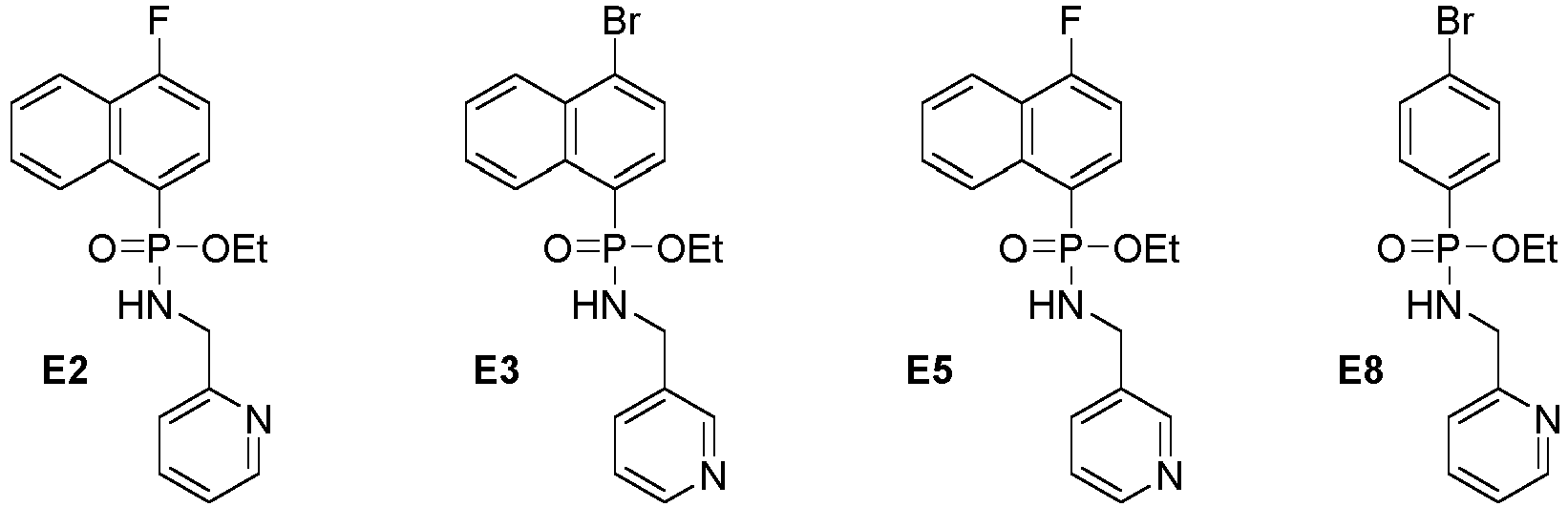
- the present invention more specifically relates to the compounds denominated as E2, E3, E5 or E8 and having the following formula:
- the present invention further relates to a method to synthesize a compound as described above comprising:
- the present invention relates to a method to synthesize the compound as described above comprising (see also further in the Examples section: 'General scheme for the synthesis of compounds E and D, and their respective intermediates 2, 3 and 3'):
- the present invention further relates to the usage of compound 'E2', 'E3' and 'E8" to specifically induce stomatal closure without affecting root or shoot growth.
- 'stomatal closure' refers to the turgor pressure loss in guard cells that lead to a reduction in stomatal conductance, determining the rate of passage of carbon dioxide, oxygen and water vapor through the stomata of a leaf.
- root growth' refers to the expansion of the root biomass mediated by cell division and cell expansion in the primary meristem and in de novo initiated lateral and adventitious root meristems.
- 'shoot growth' refers to the expansion of the shoot biomass by cell division and cell expansion at the apical meristem, the axillary meristem and the de novo formed adventitious shoots.
- Stomatal closure is typically induced by conditions of drought or can be mimicked under normal water conditions by spraying leaves with a solution of abscisic acid at a concentration between 1-10.000 ppm, this with the aim to increase water conservation (Daszkowska-Golec and Szarejko, 2013).
- the E2 compound can be applied using similar spraying technology to achieve the same, with the main difference that E2 does not exert root or shoot growth inhibition, but on the contrary supports regular root growth, which promotes tolerance to future drought conditions conditions and the access to deeper water resources.
- the present further relates to the usage of compound 'E5' to specifically inhibit seed germination.
- seed germination' relates to the transition of a dormant state to an actively growing state during which the embryo develops into a seedling. In some crops loss of seed dormancy due to domestication and breeding, causes premature germination leading to poor grain quality and economic losses.
- Soaking, imbibing or other types of seed treatments such as coating with solutions containing abscisic acid suppress seed germination (Zhang et al., 2010).
- the compound E5 can be applied in spraying, imbibition or coating solutions.
- the present invention thus also relates to an agricultural chemical formulation formulated for contacting to plants, the formulation comprising a compound as described above.
- the formulations are thus suitable for treating plants or plant propagation material such as seeds.
- Suitable additives include buffering agents, coating agents, polysaccharides and abrading agents.
- Exemplary carriers include water, aqueous solutions, slurries, solids and dry powders.
- the formulations can also include at least one surfactant, herbicide, fungicide, pesticide or fertilizer.
- the present invention relates to a formulation as described above further comprising at least one of a herbicide, fungicide, pesticide, fertilizer or surfactant.
- the present invention further relates to a method of modulating plant development, the method comprising contacting a plant with a sufficient amount of the formulation as described above to modulate the development of said plant compared to not contacting the plant with said formulation.
- Plant development is defined by the growth of a plant through cell division and cell expansion. These processes occur in a coordinated and organized manner within meristems at certain locations in the plant body. Meristems generate new organs be it in the root or the shoot part of the plant. The control of cell division and expansion in meristems determines the architecture of a plant. Plant development also encompasses the transition of one ontogenic state to another such as for example the vegetative phase to the regenerative phase.
- the term 'modulate' means to change, to regulate, to influence and/or to adjust plant development.
- the present invention further relates to a method as described above wherein said modulation is increasing the tolerance to drought stress.
- stress' relates to a molecular, biochemical and physiological state evoked by unfavorable environmental conditions.
- a stress response refers to the molecular, biochemical and physiological changes that are induced by the changed environmental condition.
- Drought stress relates to a physiological state of a plant that is exposed to conditions of reduced water availability. Drought stress is often accompanied by physical and biochemical changes or damage of the plant of plant structures. These include wilting, reduced photosynthesis, and temporarily increased root growth, arrest of shoot development.
- the term 'tolerance to drought stress' relates to a genetic, biochemical and physiological adaptations a plant undergoes to withstand periods of drought.
- 1,4-dibromonaphtalene is dissolved in 150 ml dry diethyl ether. The mixture is placed under inert atmosphere and cooled to - 78°C. Subsequently, 5,5 ml (0,011 mol, 1,1 equiv.) of a 2M solution of BuLi is slowly dripped in.
- the mixture is cooled to -78°C and added by means of a cannula to a 250ml flask containing 17,26g (0,1mol, 10 equiv.) diethylchlorophosphate in diethylether at - 78°C.
- the mixture is allowed to warm to room temperature and after 1h it is quenched using 200 ml water.
- the compound is extracted three times by means of dichloromethane, the combined organic fractions are washed three times with 1M NaOH, dried using MgSO 4 and the volatiles are evaporated.
- Arabidopsis thaliana Columbia (ColO) seedlings were grown in square 12x12 cm petriplates (Gosselin, BP124-04) on 50 mL of basal medium containing 1,5 g/L MS basal salts (Duchefa, M0221.0050), 5,0 g/L D-sucrose, 0,5 g/L MES (Duchefa, M1503.0100) and 8,0 g/L agar (MC29, Amersham), pH5,7.
- Seeds were 4h surface-sterilised in chlorine gas (100 mL commercial bleach and 3 mL hypochloric acid in a bell jar), spread on petriplates and stratified for 4d in the dark at 5°C followed by 8 hours in the light (70 ⁇ mol/m 2 s) at 25°C to stimulate germination. Thereupon, the plates are covered in aluminium foil for 3 days to induce etiolation and skotomorphogenic growth with hypocotyls of 60 to 100 mm long. The etiolated seedlings were transferred to the growth room (25°C, 70 ⁇ mol/m 2 s, 16h light/8h dark) and subjected to different treatments for 10 days.
- Abscisic acid and pyrabactin were purchased by Sigma Aldrich (B190923.27 and B3438) and dissolved in DMSO to prepare a 10 mM stock.
- the self-synthesised phosphonamide analogues were similarly dissolved in DMSO.
- seedlings were incubated on medium containing growth regulators.
- root and shoot growth assays plantlets were pre-grown on K1 medium and transferred to medium containing growth regulators. Stomatal aperture assays were performed by adding growth regulators directly to the cells under observation.
- Root phenotypes were scored using a binocular microscope (Olympus, SZX9). Overview pictures were taken with a Nikon D5000 camera and images were analysed with ImageJ® software. The primary root length was measured for individual seedlings via the Segmented Line tool, in which an estimated profile of the root is tracked and the length of this profile is calculated.
- the counted and measured root data are represented in graphs showing the values and the statistical error bars. Further statistical analysis to determine significance between the different treatments is performed in S-Plus (version 8, TIBCO Software Inc.). To check the normality of the data and distribution of the variances (homoscedasticity) respectively a Kolmogorov-Smirnov and a Modified Levene test were applied. In the datasets fulfilling normality and homoscedasticity, Anova tests were continued to compare the treatments. The Bonferroni-method was used to compare multiple averages. More frequently, a non-parametric Wilcoxon Rank test compares the averages two by two. Graph bars receiving the same letter code are not significantly different. Different letters indicate significantly different averages between the treatments.
- Branching of the primary root is an important determinant of root architecture and is controlled by ABA-signalling, which has a regulatory function during the onset and emergence of lateral roots and translates environmental signals into organogenic responses (De Smet et al, 2003; De Smet et al, 2006; Guo et al, 2009; Guo et al, 2012; Signora et al, 2001).
- LRP lateral root primordia
- LR lateral roots
- ABA strongly reduced the number of LR+LRP, while pyrabactin only did moderately affect lateral root initiation ( Fig. 2 B) .
- Analogues E1, E4, E6 and E7 were strong inhibitors, whereas E2, E3, E5, E8, E9, E10 and D1 were modest to weak inhibitors of lateral root formation.
- Analogue D2 did not have a significant effect and D3 enhanced lateral root induction ( Fig. 2 A) .
- ABA-treatment reduced the number of roots per cm primary root.
- Pyrabactin on the other hand significantly increased the LR+LRP density ( Fig. 2 B) .
- Treatment with analogues E1, E4 and E6 resulted in a strong density reduction (even stronger than ABA).
- Analogue E7 affected both the lateral root numbers and the primary root length, resulting in normal density values of around 5 LR+LRP per cm primary root.
- E2, E3, E8, E9, E10 and D1 reduced the numbers of LR+LRP similarly to ABA. Whereas analogue D2 did not significantly affect the LR numbers, D3 treatment increased the LR density ( Fig. 2 B) .
- the root system may also consist of shoot-borne or adventitious roots (AR) which appear on the hypocotyls of etiolated Arabidopsis seedlings.
- AR shoot-borne or adventitious roots
- the fact that ARs are influenced by the water status indicates a possible role of ABA or related molecules during AR formation.
- To determine the effect of ABA and related compounds we scored AR formation on treated seedlings. Since the hypocotyl length of the seedlings is not affected by the analogues no density correction was required.
- the germination assay in Arabidopsis thaliana seeds exists of mature seeds incubated on hormone-containing medium during the stratification (4d at 5°C) and the following growth in the growth room. Seed germination is evaluated after 10d in the growth room (25°C, 70 ⁇ mol/m 2 s, 16h light/8h dark). Germination was scored as a percentage representing ratio of the number of germinated seeds to the total seeds initially spread on the plate.
- ABA and pyrabactin were screened at different concentrations. Both inhibited seed germination and the inhibition was gradual and dose-dependent. At 50 ⁇ M, ABA inhibited seed germination stronger than pyrabactin. This is in agreement with previously published results (Puli & Raghavendra, 2012). However, the response to both molecules is very similar which confirms the ABA-like action of pyrabactin during seed germination ( Fig. 4 ) .
- ABA-pretreatment results in stomatal closure and therefore protects leaves from excess evaporation of water via the stomatal pores during drought.
- This anti-transpirant characteristic of ABA is important because drought and water-limitations are the most important factors limiting crop-productivity, resulting up to 50% yield losses worldwide (Jones & Corlett, 1992; Skirycz & Inzé, 2010).
- untreated leaves the water potential declines rapidly when the leaves are exposed to drought.
- Preconditioning these leaves with ABA prevents water deficits by closing the stomata and membrane-leakage (Clifford et al, 1998; Islam et al, 2003). Water loss can be followed by measuring leaf weight.
- Table 1 % weight loss of ABA-pretreated leaves. The values given indicated averages of 5-10 leaves and the standard error indicates the significance between the different treatments.
- the epidermal strips were brought into contact with a buffer (10mM MES, 50mM KCI, 10 ⁇ M CaCl 2 and pH 6,5) and the slides were put in the light during 2h to ensure optimal opening of the stomata.
- the stomatal opening was measured using a microscope with automated table (Olympus, CellMTM-Software). Stomates were imaged at fixed positions every 5 min during 1 hour.
- the epidermal strips were treated with a solution containing compounds and a drop of bromo-phenol blue to monitor the perfusion process (solution exchange was triggered by absorbing solution at one end with filter paper).
- ABA was highly effective in reducing the stomatal opening within 5 min reaching a relative aperture of 40% ( Fig. 9 B) .
- pyrabactin induced stomatal closure, rapidly but to a much lower degree than ABA ( Fig. 9 B) .
- E1 Unlike ABA and ABA-agonists, compound E1 induced stomatal opening, suggesting that this molecule does not induce the typical ABA signalling process in the stomata. This effect is intriguing, as this was not observed with other ABA agonists reported.
- the mode of action of E1 is different from that of other pyrabactin analogous and that it may influence ABA signalling by inactivating ABA perception or generate opposite downstream regulation by an alternative interaction with the PYR/PYL receptors.
- the pyrabactin analogues do exert ABA-like responses, confirming that they likely act as ABA-agonists.
- stomatal aperture may be regulated by means of exposure to synthetic molecules either to enhance water evaporation or to reduce it.
- synthetic molecules either to enhance water evaporation or to reduce it.
- these molecules are very useful in molecular studies to determine the signalling complexes and pathways involved in stomatal regulation.
- the compounds show a certain level of specificity they are helpful in improving agricultural applications.
- E8 is a good compound to spray on crops to enhance the plant's tolerance to drought without affecting root growth.
- this is positive for the development of a plant in prolonged stress conditions because the root growth would be maintained which assures the access to deeper water sources. It is therefore concluded that these compounds offer new possibilities for field applications in agriculture.
Landscapes
- Life Sciences & Earth Sciences (AREA)
- Health & Medical Sciences (AREA)
- General Health & Medical Sciences (AREA)
- Chemical & Material Sciences (AREA)
- Wood Science & Technology (AREA)
- Agronomy & Crop Science (AREA)
- Dentistry (AREA)
- Plant Pathology (AREA)
- Pest Control & Pesticides (AREA)
- Zoology (AREA)
- Environmental Sciences (AREA)
- Engineering & Computer Science (AREA)
- Organic Chemistry (AREA)
- Biochemistry (AREA)
- Molecular Biology (AREA)
- Toxicology (AREA)
- Agricultural Chemicals And Associated Chemicals (AREA)
- Pretreatment Of Seeds And Plants (AREA)
Description
- The present invention relates to compounds which can be used to control plant development. Indeed, the present invention discloses a new class of pyrabactin analogues which have a physiological effect on -for example- seed germination, and/or stomatal closure, and/or have developmental effects on root and shoot development and organogenesis. Hence, the latter compounds can be used to control plant development such as -for example- increasing the tolerance of plants to drought stress or to control physiological phenomena such as pre-harvest sprouting, tolerance to pathogens etc.
- With the ongoing climate changes and raise of population, the demands of crop yield are continuously increasing (International Panel on Climate Change, 2007; Tilman et al, 2011). In addition to minimizing CO2-emissions from agriculture, developing crops that cope better with suboptimal growth conditions, like drought, salinity and increasing temperatures is necessary. Manipulations or control of the development of- and signaling in plants are ways to improve the tolerance responses in plants and to ensure their flexibility in a changing environment without negative effects on yield.
- Although treatments of plants with exogenous plant hormones such as abscisic acid (ABA) have been shown to improve stress tolerance, the use of ABA by topical spraying, to protect plants against the effects of drought conditions is limited because of pleiotropic side-effects, such as an inhibited primary root growth (Sreenivasulu et al, 2012). Moreover, ABA is light-sensitive and degrades rapidly when in contact with plants (Hao et al, 2010). These drawbacks stimulated the screening for new molecules that switch on the ABA-signaling pathway more specifically, without the side-effects and with better stability to make applications in agriculture feasible (Joshi-Saha et al, 2011; Melcher et al, 2009).
- In 2009, a chemical genetics screen resulted in the identification of an ABA-agonist: pyrabactin, which is structurally not related to ABA (Park et al, 2009). Microarray analysis of ABA-responses in seeds and seedlings suggested that pyrabactin is a selective agonist of ABA (Kitahata & Asami, 2011; Park et al, 2009). The further screening of pyrabactin-resistant mutants made it possible to identify a family of ABA-receptor proteins: the PYR1/PYL/RCAR START proteins (Kitahata & Asami, 2011; Park et al, 2009). Although there are no apparent chemical or structural similarities between the sulphonamide pyrabactin and ABA, they both act through the PYR/PYL receptor family (Hao et al, 2010). However, pyrabactin does not provoke all the responses described for ABA (Park et al, 2009; Peterson et al, 2010). Furthermore, also the interaction with the receptors differs between the two molecules. Pyrabactin acts as an antagonist of PYL2, which means that pyrabactin-binding in the receptor does not stimulate the attraction of PP2Cs and thereby does not remove the inhibitory factors for downstream signaling. This is in contrary to ABA, which is an agonist of this receptor (Melcher et al, 2010a; Mosquna et al, 2011). This observation suggests that pyrabactin differentially modulates ABA-receptors activity and may even target only a subgroup of receptors. However, since its discovery, pyrabactin has not been applied to improve crop production in for example drought conditions. Sulphonamides have indeed been described to have negative effects on plant growth and are even used as herbicides (Audus & Quastel, 1948; Crowdy & Jones, 1956). Moreover, the effects of pyrabactin in vegetative tissue are limited and the ABA-agonist activity is specific to seeds.
- Alternative compounds to pyrabactin with improved chemical properties are thus highly needed.
-
-
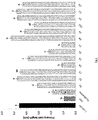
Fig. 1 : Effect on primary root elongation of ABA, pyrabactin and the different analogues at 10 µM concentration. -
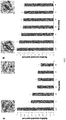
Fig. 2 : ABA, pyrabactin and the different pyrabactin analogues differentially affect lateral root initiation, (A) represented as the sum of the emerged lateral roots (LR) and the lateral root primordia (LRP) or as density values (#/cm primary root) (B). -
Fig. 3 : Adventitious root initiation in etiolated Arabidopsis thaliana seedlings growing on ABA-, pyrabactin- or pyrabactin analogue-medium. The compounds were supplied at 10 µM. -
Fig. 4 : Germination percentages at different concentrations of respectively ABA and pyrabactin. -
Fig. 5 : Germination percentages obtained at 10 µM concentration of the different pyrabactin analogues. -
Fig. 6 : A. Shoot phenotype of control seedlings grown on basal, hormone-free medium. B. Seedlings growing on 10 µM ABA-medium show a reduced number of newly initiated leaves, the leaf area is smaller and the chlorophyll content of the leaves is affected. C. 10 µM pyrabactin also affects the shoot growth and results in seedlings with a smaller shoot than control seedlings. D. The average shoot area per seedlings is measured using ImageJ. Bars in the graph with a different letter code are significantly different numbers. -
Fig. 7 : Average weight loss of leaves pre-treated with 10 µM ABA or the pyrabactin analogues E1-E10 after 6 hours of exposure to a dry air flow. -
Fig. 8 : Relative stomatal aperture of control stomata followed during 30 minutes in the absence of compounds. The values indicated are relative to the stomatal aperture measured at the start of the experiment. -
Fig. 9 : A. 10 µM ABA, rapidly induces stomatal closure. B. Epidermal leaf strips treated with 10 µM pyrabactin in solution demonstrated an effect on the stomata. -
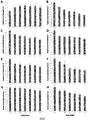
Fig. 10 : Relative stomatal aperture following treatment of A. E1, B. E2, C. E3, D. E4, E. E5, F. E6, G. E7, H. E8, I. E9, J. E10, K. D1, L. D2 and M. D3. All compounds are evaluated at 10 µM concentration. - The present invention relates in essence to the replacement of the sulphonamide group within pyrabactin by a phosphonamide group. Since phosphorous is one of the essential elements for optimal plant growth, the phosphonamide functional group is a favorable alternative for sulphonamides, as plants are better equipped for their uptake. The biocompatibility with plant enzymes is also better adapted for phosphate-based products than for sulphates. Despite the substitution of sulphur with phosphor receptor, binding can be maintained due to their similar molecular weight and geometry. Moreover, the formation of hydrogen-bonds in the binding cavity of the receptors might occur via the two oxygen substitutions present both on the sulphonamide and the phosphonamide. Both molecules have a comparable solvability, polarity and are similarly affected by different pH. All these characteristics are favorable for the biological activity of these molecules.
- The present invention thus relates to phosphonamide-containing compounds which can be used to control a pathway involved in plant development. The terms 'a pathway involved in plant development' relate to a series of transitory states of gene and protein expression, biochemicals and physiological conditions that lead to the formation of new organs and structures of a plant.
- The term 'plant' includes whole plants, shoot vegetative organs and/or structures (e.g. leaves, stems and tubers), roots, flowers and floral organs, ovules, seeds, fruit, seedlings, plant tissue, cells and progeny of same. The class of plants is generally as broad as the class of higher and lower plants including angiosperms (monocotyledonous and dicotyledonous plants), gymnosperms, ferns and multicellular algae.
- The present invention discloses a new class of pyrabactin analogues which have a physiological effect on -for example- seed germination, and/or stomatal closure, and/or have developmental effects on root and shoot development and organogenesis. Hence, the latter compounds can be used to control plant development such as -for example- increasing the tolerance of plants to drought stress or to control physiological phenomena such as pre-harvest sprouting, tolerance to pathogens etc.
- The term 'shoot development' relates to the expansion of the shoot biomass by cell division and cell expansion at the apical meristem, the axillary meristem and de novo formed adventitious shoots.
- The present invention thus relates to a compound -or its salt- of the formula:

- The latter formula thus represents a generic formula of the claimed compounds.
- The present invention more specifically relates to the compounds denominated as E2, E3, E5 or E8 and having the following formula:
- The present invention further relates to a method to synthesize a compound as described above comprising:
- phosphonylating a suitable halogenated benzene or naphthalene precursor by means of lithium halogen exchange and subsequent diethylchlorophosphate quench in order to obtain diethyl phenyl- or naphtylphosphonate intermediates,
- monodealkylating said diethyl phenyl- or naphtylphosphonate intermediates by means of basic hydrolysis conditions in order to obtain phosphonic acid intermediates,
- activating said phosphonic acid intermediates to their corresponding chlorophosphonates by means of thionylchloride, and, performing a nucleophilic displacement of said chloride under basic conditions by means of a suitable benzyl- (n=1) or phenyl-(n=0) amine (Y=NH) or alcohol (Y=O). (Y=O),
- interchanging the remaining phosphonate alkoxy group for a hydroxyl group by means of basic, lithium hydroxide mediated hydrolysis.
- In other words, the present invention relates to a method to synthesize the compound as described above comprising (see also further in the Examples section: 'General scheme for the synthesis of compounds E and D, and their
respective intermediates - Step 1: The phosphonylation of a suitable halogenated benzene or naphthalene (
precursor 1, see General scheme) by means of lithium halogen exchange and subsequent diethylchlorophosphate quench. Substrate dependent temperature, time and addition order regimes which avoid both dual lithiation, dual phosphonate alkylation and alkyl lithium addition to the resulting phosphonate are described further in the examples section. - Step 2: The monodealkylation of diethyl phenyl- or naphtylphosphonates (
intermediates 2, as obtained from step 1) by means of basic hydrolysis conditions, resulting in phosphonic acids (intermediate 3). Complete and clean conversions were obtained, in line with the reports of Mucha and Xie (Mucha, 2006; Xie, 2009). Acid-base extraction provides a convenient method of isolation. - Step 3: The activation of
phosphonic acids 3 as obtained fromstep 2 to their corresponding chlorophosphonates 3' by means of thionylchloride (step 3a). Nucleophilic displacement of said chloride under basic conditions (step 3b) by means of a suitable benzyl- (n=1) or phenyl-(n=0) amine (Y=NH) or alcohol (Y=O) delivers the claimed compounds such as the compounds denominated as E1, E2, E3, E4, E5, E6, E7, E8, E9 and E10, and,D 1, D2 and D3 (see further in examples section) in moderate to good yield. The activation step and nucleophilic displacement step are combined as intermediate 3' does not have to be isolated. - Step 4: The lithium hydroxide mediated interchange of the remaining phosphonate alkoxy group for a hydroxyl group.
- The present invention further relates to the usage of compound 'E2', 'E3' and 'E8" to specifically induce stomatal closure without affecting root or shoot growth.
- The term 'stomatal closure' refers to the turgor pressure loss in guard cells that lead to a reduction in stomatal conductance, determining the rate of passage of carbon dioxide, oxygen and water vapor through the stomata of a leaf.
- The term 'root growth' refers to the expansion of the root biomass mediated by cell division and cell expansion in the primary meristem and in de novo initiated lateral and adventitious root meristems.
- The term 'shoot growth' refers to the expansion of the shoot biomass by cell division and cell expansion at the apical meristem, the axillary meristem and the de novo formed adventitious shoots.
- Stomatal closure is typically induced by conditions of drought or can be mimicked under normal water conditions by spraying leaves with a solution of abscisic acid at a concentration between 1-10.000 ppm, this with the aim to increase water conservation (Daszkowska-Golec and Szarejko, 2013). The E2 compound can be applied using similar spraying technology to achieve the same, with the main difference that E2 does not exert root or shoot growth inhibition, but on the contrary supports regular root growth, which promotes tolerance to future drought conditions conditions and the access to deeper water resources.
- The present further relates to the usage of compound 'E5' to specifically inhibit seed germination.
- The term 'seed germination' relates to the transition of a dormant state to an actively growing state during which the embryo develops into a seedling. In some crops loss of seed dormancy due to domestication and breeding, causes premature germination leading to poor grain quality and economic losses.
- Soaking, imbibing or other types of seed treatments such as coating with solutions containing abscisic acid suppress seed germination (Zhang et al., 2010). In a similar approach the compound E5 can be applied in spraying, imbibition or coating solutions.
- The present invention thus also relates to an agricultural chemical formulation formulated for contacting to plants, the formulation comprising a compound as described above.
- The formulations are thus suitable for treating plants or plant propagation material such as seeds. Suitable additives include buffering agents, coating agents, polysaccharides and abrading agents. Exemplary carriers include water, aqueous solutions, slurries, solids and dry powders. Optionally, the formulations can also include at least one surfactant, herbicide, fungicide, pesticide or fertilizer. Hence, the present invention relates to a formulation as described above further comprising at least one of a herbicide, fungicide, pesticide, fertilizer or surfactant.
- The present invention further relates to a method of modulating plant development, the method comprising contacting a plant with a sufficient amount of the formulation as described above to modulate the development of said plant compared to not contacting the plant with said formulation.
- The term 'plant development' is defined by the growth of a plant through cell division and cell expansion. These processes occur in a coordinated and organized manner within meristems at certain locations in the plant body. Meristems generate new organs be it in the root or the shoot part of the plant. The control of cell division and expansion in meristems determines the architecture of a plant. Plant development also encompasses the transition of one ontogenic state to another such as for example the vegetative phase to the regenerative phase.
- The term 'modulate' means to change, to regulate, to influence and/or to adjust plant development.
- The present invention further relates to a method as described above wherein said modulation is increasing the tolerance to drought stress.
- The term 'stress' relates to a molecular, biochemical and physiological state evoked by unfavorable environmental conditions. A stress response refers to the molecular, biochemical and physiological changes that are induced by the changed environmental condition.
- The term 'drought stress' relates to a physiological state of a plant that is exposed to conditions of reduced water availability. Drought stress is often accompanied by physical and biochemical changes or damage of the plant of plant structures. These include wilting, reduced photosynthesis, and temporarily increased root growth, arrest of shoot development.
- The term 'tolerance to drought stress' relates to a genetic, biochemical and physiological adaptations a plant undergoes to withstand periods of drought.
- The present invention will now be illustrated by the following, non-limiting examples.
- The chemical synthesis and structures of the 13 phosphonamide analogues (denominates as E1-E10 and D1-D3, see 'E' and 'D' in figures) as well as their
synthetic intermediates respective intermediates 
- Diethyl ether and tetrahydrofuran were distilled from sodium benzophenone ketyl or sodium prior to use. Commercially available solvents and reagents were purchased from Sigma-Aldrich or Acros and used without further purification, unless stated otherwise. The purification of reaction mixtures was performed by column chromatography using a glass column filled with silica gel (Acros, particle size 0.035-0.070 mm, pore diameter ca. 6 nm). Solvent systems were determined via initial TLC analysis on glass plates, coated with silica gel (Merck,
Kieselgel 60 F254, precoated 0.25 mm). Visualisation of the compounds on TLC plates was performed by UV irradiation or coloration with KMnO4 solution or elemental iodine. High resolution 1H-NMR (300 MHz) and 13C-NMR (75 MHz) spectra were run on a Jeol Eclipse FT 300 spectrometer at room temperature. Peak assignments were obtained with the aid of DEPT, 2D-HSQC and 2D-COSY spectra. The compounds were diluted in deuterated chloroform. Low resolution mass spectra were recorded via direct injection on an Agilent 1100 Series LC/MSD type SL mass spectrometer with electron spray ionisation geometry (ESI 70V) and using a mass selective detector (quadrupole). IR-spectra were obtained from a Perkin-Elmer BX FT-IR spectrometer. All compounds were analysed in neat form with an ATR (Attenuated Total Reflectance) accessory. - In a 100
ml flask 5,00g (0,039 mol, 1 equiv.) naphtalene is dissolved in 75 ml dichloromethane. The flask is placed under inert atmosphere and cooled to -30°C, after which 25,00 g (0,156 mol, 4 equiv.) Br2 is added dropwise. Fifteen minutes after the complete addition of bromine, the reaction is continued for 72h at room temperature. The reaction is quenched using 1M NaHSO3. The organic phase is dried by means of MgSO4 and the volatiles are evaporated. The compound is crystallised using cold dichloromethane (-18°C), by slow addition of hexanes, resulting in a yield of 70%. From the mother liquor, an additional 17% could be recuperated by column chromatography using hexanes.
- In a dry 250
ml flask 3,00g (13,3 mmol, 1 equiv.) 1-bromo-4-fluoronaphtalene is dissolved in 150 ml dry diethyl ether. The mixture is placed under inert atmosphere and cooled to -78°C. Subsequently, 10 ml (0,020 mol, 1,5 equiv.) of a 2M solution of BuLi is slowly dripped in. After continuing the reaction for 1h, 3,44 g (0,020 mol, 1,5 equiv.) diethylchlorophosphate is added at -78°C and the mixture is allowed to warm to room temperature. After 1h at room temperature the reaction is quenched using 200 ml aqueous saturated ammonium chloride and extracted three times by means of dichloromethane. The combined organic fractions are dried using MgSO4 and the volatiles are evaporated. Purification was performed using column chromatography and the compound was isolated in 88% yield as a yellow oil.
- In a dry 250
ml flask 3,00g (10 mmol, 1 equiv.) 1,4-dibromonaphtalene is dissolved in 150 ml dry diethyl ether. The mixture is placed under inert atmosphere and cooled to - 78°C. Subsequently, 5,5 ml (0,011 mol, 1,1 equiv.) of a 2M solution of BuLi is slowly dripped in. After continuing the reaction for 30 min at -30°C, 3,44 g (0,020 mol, 1,5 equiv.), the mixture is cooled to -78°C and added by means of a cannula to a 250ml flask containing 17,26g (0,1mol, 10 equiv.) diethylchlorophosphate in diethylether at - 78°C. The mixture is allowed to warm to room temperature and after 1h it is quenched using 200 ml water. The compound is extracted three times by means of dichloromethane, the combined organic fractions are washed three times with 1M NaOH, dried using MgSO4 and the volatiles are evaporated. Purification was performed using column chromatography and the compound was isolated in 74% yield as a white solid.
EtOAc 60/40 Rf= 0.23. Yield: 74% - A similar procedure was used as for the synthesis of diethyl(4-bromonaftyl)phosphonate. The lithium-halogen exchange is performed at -40°C for 90 minutes. As starting material 1 g(4,83 mmol, 1 equiv.) 1-bromonaphtalene was used. The compound was obtained in 67% yield as a yellow oil. Its purity by LC was 95%.

- A similar procedure was used as for the synthesis of diethyl(4-bromonaphtyl)phosphonate. As starting
material 1,5 g (6,36 mmol, 1 equiv.) 1,4-dibromobenzene was used and the product was obtained in 41% yield as a yellow oil. It's purity by LC was 90%.
EtOAc 60/40 Rf= 0.23. Yield: 41% - In a 100 ml flask 1g phosphonate (intermediate 2) is dissolved in 25ml dioxane. To this, 25 ml of a 1M NaOH solution is added. The reaction is heated to reflux for a period of 4 hours. The resulting mixture is washed using dichloromethane. The aqueous phase is acidified using HCI to a pH of 1. The product is extracted using three fractions of dichloromethane. The combined organic phases are washed with brine, dried using MgSO4 and concentrated. Remainders of dioxane were removed by high vacuum.
-

-

-

-

- In a 25
ml flask 1 equivalent of phosphonic acid is mixed with 10 equivalents of SOCl2. The reaction is placed under inert atmosphere and heated to reflux for a period of 2 hours. After cooling to room temperature, the volatiles are evaporated and the residue is redissolved in 20 ml dry dichloromethane. The inert atmosphere is reinstated and 1 equivalent of amine and 1 equivalent of triethylamine are added at 0°C. The resulting mixture is stirred at room temperature for 16 hours after which it is quenched with 20 ml aqueous saturated NaHCO3. The compound is extracted with three portions of dichloromethane and the combined organic phases are dried (MgSO4) and concentrated. -

-

-

hexanes 60/40 + 5% Et3N Rf=0.24. Yield: 46%. -

-

-

-

hexanes 60/40 + 5% Et3N Rf=0.21. Yield: 50%. -

-

-

-

-

hexanes 60/40 Rf = 0.23. Yield: 56%. -

- Arabidopsis thaliana Columbia (ColO) seedlings were grown in square 12x12 cm petriplates (Gosselin, BP124-04) on 50 mL of basal medium containing 1,5 g/L MS basal salts (Duchefa, M0221.0050), 5,0 g/L D-sucrose, 0,5 g/L MES (Duchefa, M1503.0100) and 8,0 g/L agar (MC29, Amersham), pH5,7. Seeds were 4h surface-sterilised in chlorine gas (100 mL commercial bleach and 3 mL hypochloric acid in a bell jar), spread on petriplates and stratified for 4d in the dark at 5°C followed by 8 hours in the light (70 µmol/m2s) at 25°C to stimulate germination. Thereupon, the plates are covered in aluminium foil for 3 days to induce etiolation and skotomorphogenic growth with hypocotyls of 60 to 100 mm long. The etiolated seedlings were transferred to the growth room (25°C, 70 µmol/m2s, 16h light/8h dark) and subjected to different treatments for 10 days.
- Abscisic acid and pyrabactin were purchased by Sigma Aldrich (B190923.27 and B3438) and dissolved in DMSO to prepare a 10 mM stock. The self-synthesised phosphonamide analogues were similarly dissolved in DMSO. For germination assays seedlings were incubated on medium containing growth regulators. For root and shoot growth assays, plantlets were pre-grown on K1 medium and transferred to medium containing growth regulators. Stomatal aperture assays were performed by adding growth regulators directly to the cells under observation.
- Root phenotypes were scored using a binocular microscope (Olympus, SZX9).
Overview pictures were taken with a Nikon D5000 camera and images were analysed with ImageJ® software. The primary root length was measured for individual seedlings via the Segmented Line tool, in which an estimated profile of the root is tracked and the length of this profile is calculated. - The counted and measured root data are represented in graphs showing the values and the statistical error bars. Further statistical analysis to determine significance between the different treatments is performed in S-Plus (
version 8, TIBCO Software Inc.). To check the normality of the data and distribution of the variances (homoscedasticity) respectively a Kolmogorov-Smirnov and a Modified Levene test were applied. In the datasets fulfilling normality and homoscedasticity, Anova tests were continued to compare the treatments. The Bonferroni-method was used to compare multiple averages. More frequently, a non-parametric Wilcoxon Rank test compares the averages two by two. Graph bars receiving the same letter code are not significantly different. Different letters indicate significantly different averages between the treatments. - In addition to the below mentioned effect of phosphonamide pyrabactin analogues on root development, the effect of the analogues in typical ABA-related biological processes, such as seed germination and stomatal closure, are described further
- Previous experiments have shown that 10 µM pyrabactin and ABA cause significant reductions in primary root length. Hence, we initially evaluated the effect of pyrabactin analogues at this concentration.
- As expected, 10 µM ABA and pyrabactin reduced the primary root length by 5- and 2.5-fold respectively (
Fig. 1 ). Pyrabactin analogues E4 and E7 strongly inhibited primary root growth, whereas E1,E5, E9 and E10 were modest inhibitors of primary root elongation. Analogue E6 was the only compound reducing the root growth comparable to pyrabactin. The other pyrabactin analogues E2, E3, D1, D2 and D3 did not show a significant effect. Remarkably, compound E8 showed a slight, but significant increase in primary root length (Fig. 1 ). - Branching of the primary root is an important determinant of root architecture and is controlled by ABA-signalling, which has a regulatory function during the onset and emergence of lateral roots and translates environmental signals into organogenic responses (De Smet et al, 2003; De Smet et al, 2006; Guo et al, 2009; Guo et al, 2012; Signora et al, 2001). We therefore analysed the number of lateral root primordia (LRP) and lateral roots (LR) upon hormone treatment.
Fig. 2 A shows the total number of primordia and emerged roots appearing on the primary root of 13d old, etiolated Arabidopsis thaliana seedlings. ABA strongly reduced the number of LR+LRP, while pyrabactin only did moderately affect lateral root initiation (Fig. 2 B) . Analogues E1, E4, E6 and E7 were strong inhibitors, whereas E2, E3, E5, E8, E9, E10 and D1 were modest to weak inhibitors of lateral root formation. Analogue D2 did not have a significant effect and D3 enhanced lateral root induction (Fig. 2 A) . Moreover, when considering density values, ABA-treatment reduced the number of roots per cm primary root. Pyrabactin on the other hand significantly increased the LR+LRP density (Fig. 2 B) . Treatment with analogues E1, E4 and E6 resulted in a strong density reduction (even stronger than ABA). Analogue E7, affected both the lateral root numbers and the primary root length, resulting in normal density values of around 5 LR+LRP per cm primary root. E2, E3, E8, E9, E10 and D1 reduced the numbers of LR+LRP similarly to ABA. Whereas analogue D2 did not significantly affect the LR numbers, D3 treatment increased the LR density (Fig. 2 B) . - The opposing effects of ABA and pyrabactin on lateral root density as well as the variable effects of the pyrabactin analogues lend support for the hypothesis that the regulation of lateral root formation follows a complex path, including inhibitory as well as stimulatory ABA signalling.
- The root system may also consist of shoot-borne or adventitious roots (AR) which appear on the hypocotyls of etiolated Arabidopsis seedlings. The fact that ARs are influenced by the water status indicates a possible role of ABA or related molecules during AR formation. To determine the effect of ABA and related compounds, we scored AR formation on treated seedlings. Since the hypocotyl length of the seedlings is not affected by the analogues no density correction was required.
- Adventitious root organogenesis was not affected by ABA, but pyrabactin reduced the formation of these roots (
Fig. 3 ). The different analogues evaluated showed a wide range of effects including stimulation and inhibition of adventitious root formation. Three analogues, E4, E6 and E7 gave a reduction of adventitious root formation, respectively stronger or similar to pyrabactin. These three molecules were additionally tested in a wider concentration range to fully describe their effect on AR formation. The weaker analogues E8 and E2 added at 10 µM respectively had no effect or stimulated AR formation (Fig. 3 ). Analogue E4 had a strong inhibitory effect on plant development suggesting that it exhibits cellular toxicity at the concentration used. - The germination assay in Arabidopsis thaliana seeds exists of mature seeds incubated on hormone-containing medium during the stratification (4d at 5°C) and the following growth in the growth room. Seed germination is evaluated after 10d in the growth room (25°C, 70 µmol/m2s, 16h light/8h dark). Germination was scored as a percentage representing ratio of the number of germinated seeds to the total seeds initially spread on the plate. ABA and pyrabactin were screened at different concentrations. Both inhibited seed germination and the inhibition was gradual and dose-dependent. At 50 µM, ABA inhibited seed germination stronger than pyrabactin. This is in agreement with previously published results (Puli & Raghavendra, 2012). However, the response to both molecules is very similar which confirms the ABA-like action of pyrabactin during seed germination (
Fig. 4 ). - We analysed the effect of phosphonamide pyrabactin analogues of the present invention at 10 µM and compared it with that of ABA and pyrabactin. The phosphonamide pyrabactin analogues were poor inhibitors of germination as only 1 compound, E5 showed significant reduction of the percentage of germinating seeds (
Fig. 5 ). - We also analysed shoot development in the presence of ABA, pyrabactin and the phosphonamide analogues of the present invention. In the presence of ABA, both the initiation of new leaves and their size was reduced in comparison with control, non-treated seedlings (
Fig. 6 A, B). Pyrabactin on the other hand did not affect shoot development as strongly as ABA, but the leaf size was also significantly reduced when pyrabactin was applied at 10 µM concentration (Fig. 6 C) . - The effect of the different pyrabactin analogues on shoot growth was also recorded. Especially the compounds E4 and E7 resulted in strong inhibition of the seedling's shoot development. In E4 treated seedlings, the leaves turned yellow and even formed albinos, suggesting a reduction in chlorophyll. In addition, there was an overall reduction in development. E6 resulted in an inhibition of leaf size comparable with pyrabactin. Compound E2 stimulated the development of leaves in comparison with the control. The compounds E4 and E6 did not inhibit the germination but they might be phytotoxic for Arabidopsis seedlings because when applied at high doses, the leaves turned white and further development was delayed. The other compounds had no significant effect on seedling shoot development (
Fig. 6 D) . - ABA-pretreatment results in stomatal closure and therefore protects leaves from excess evaporation of water via the stomatal pores during drought. This anti-transpirant characteristic of ABA is important because drought and water-limitations are the most important factors limiting crop-productivity, resulting up to 50% yield losses worldwide (Jones & Corlett, 1992; Skirycz & Inzé, 2010). In untreated leaves, the water potential declines rapidly when the leaves are exposed to drought. Preconditioning these leaves with ABA prevents water deficits by closing the stomata and membrane-leakage (Clifford et al, 1998; Islam et al, 2003). Water loss can be followed by measuring leaf weight. Samples pre-treated with ABA showed significantly less weight loss due to the reduction of water evaporation. The relative water content can be determined by the fresh weight, turgid weight (= mass after rehydration) and dry weight (Clifford et al, 1998). The dehydration assay was designed following this principle. Nicotiana benthamiana leaves were removed from 8w old ex vitro plants. The detached leaves were kept turgid by dipping the petioles in water during 1h. This way optimal feeding into the xylem occurred. Next, the leaves were removed from the solutions and the petiole-ends were sealed with silicon and covered with parafilm to prevent water loss via the venation system. The fully turgid leaves were subsequently exposed to an air flow in a laminar flow cabinet. Water loss was monitored during 6h by periodic measurement of the wet leave weight.
- Using this assay, we analysed the protection against water loss by ABA pre-treatments with 10 and 100 µM. ABA treatment resulted in significantly less weight loss, demonstrating its capacity to reduce water loss (Table 1). Pre-treatments with pyrabactin analogues was at 10 µM concentration and five to ten replicate leaves were incubated in aquatic solutions containing the respective compounds. Their average weight loss is represented in
Fig. 7 . Similarly to ABA, compounds E1, E9 and E10 resulted in a reduction of transpiration. The other compounds evaluated were not significantly different to the control leaves (Fig. 7 ). -
Treatment % weight loss (average) Standard error Control 29,51% 2,28 10 µM ABA 18,54% 3,94 100 µM ABA 16,99% 1,87 - Further support for ABA-like action of pyrabactin analogues followed from stomatal aperture measurements. In stomata, the accumulation of ABA results in the closure of leaf pores. The plants can then more efficiently manage available water resources. As a measure for drought response and ABA-like activity, stomatal closure was studied in tobacco (Nicotiana tabacum) and Arabidopsis thaliana (Jones & Mansfiel.T, 1970; Roelfsema & Prins, 1995; Thomas, 1970). For this assay we used tobacco epidermal strips (taken at the abaxial side of the leaves) fixed on a microscopic slide under a cover slip. The epidermal strips were brought into contact with a buffer (10mM MES, 50mM KCI, 10 µM CaCl2 and pH 6,5) and the slides were put in the light during 2h to ensure optimal opening of the stomata. The stomatal opening was measured using a microscope with automated table (Olympus, CellM™-Software). Stomates were imaged at fixed positions every 5 min during 1 hour. At the start of the experiment the epidermal strips were treated with a solution containing compounds and a drop of bromo-phenol blue to monitor the perfusion process (solution exchange was triggered by absorbing solution at one end with filter paper).
- In the absence of compounds a reduction of stomatal aperture of approximately 10% was observed of after 15 minutes with no further change up to 30 minutes (
Fig. 8 ). Therefore 10% stomatal closure was considered as not significant. - ABA was highly effective in reducing the stomatal opening within 5 min reaching a relative aperture of 40% (
Fig. 9 B) . Similarly to in pea (Puli & Raghavendra, 2012), pyrabactin induced stomatal closure, rapidly but to a much lower degree than ABA (Fig. 9 B) . - In subsequent experiments, the action of pyrabactin analogues of the present invention was assessed. We found active and inactive compounds (
Fig. 10 ). Compound E1 did not cause closure of the stomata and even induced the opening when we include the intrinsic closure of 10% in untreated stomata (see above,Fig. 10 A) . E2 on the other hand induced stomata closure to 50% of the start opening, but the speed at which the stomata close is lower than for ABA: In the presence of 10µM ABA the stomata closed within 10 minutes (50% of closure) while for E2, this was only obtained after 30 minutes (Fig. 10 B) . Also analogue E6 strongly induced stomatal closure (Fig. 10 F) . Other compounds also caused intermediate stomatal closure: E3, E4, E5, E8, E10 and D3 (Fig. 10 C, D, E and H). E7, E9, D1 and D2 in contrary did not affect the size of the stomatal aperture (Fig. 10 G) . - Unlike ABA and ABA-agonists, compound E1 induced stomatal opening, suggesting that this molecule does not induce the typical ABA signalling process in the stomata. This effect is intriguing, as this was not observed with other ABA agonists reported. We suggest that the mode of action of E1 is different from that of other pyrabactin analogous and that it may influence ABA signalling by inactivating ABA perception or generate opposite downstream regulation by an alternative interaction with the PYR/PYL receptors. In general the pyrabactin analogues do exert ABA-like responses, confirming that they likely act as ABA-agonists. The results further show that stomatal aperture may be regulated by means of exposure to synthetic molecules either to enhance water evaporation or to reduce it. Hence these molecules are very useful in molecular studies to determine the signalling complexes and pathways involved in stomatal regulation. Moreover, as the compounds show a certain level of specificity they are helpful in improving agricultural applications.
- To maintain their performance in suboptimal conditions, plants, as sessile organisms, depend on endogenous signals to switch on protective pathways (Raghavendra et al, 2010). Manipulations of these pathways is therefore astrategy to assure plant production and ABA is the target molecule to use. Topical spraying of ABA results in the closure of stomata and the protection against drought stress, but it also affects primary root growth and leaf development. The pyrabactin analogues of present invention solve these limitations.
-
Analogue Seed germination PR LR AR Shoot Stomata ABA +++ +++ +++ 0 +++ +++ Pyrabactin ++ ++ ++ +++ ++ + E1 0 + ++ - 0 - E2 0 0 + - - +++ E3 0 0 + - 0 ++ E4 + +++ +++ +++ +++ ++ E5 +++ + + 0 0 + E6 0 ++ +++ +++ ++ +++ E7 0 +++ +++ +++ +++ 0 E8 0 0 +- 0 0 ++ E9 0 0 + - 0 0 E10 0 + + - 0 + D1 + 0 +- 0 0 + D2 0 0 0 0 0 0 D3 0 0 0 0 0 0 - In climates with a humid late-summer, pre-harvest sprouting of the seeds causes significant losses (Gubler et al, 2005). Spraying ABA, as an inhibitor of seed germination on the crops vulnerable for this problem could solve the sprouting issues. However, ABA also induces other effects in the plants. Since this is not-desired, the application of more specific molecules is a solution to the latter problem. Among the analogues screened, one molecule E5 specifically inhibits seed germination, but has limited effect on the other biological responses screened (Table 2). Another interesting analogue is E2, which affects stomatal closure and has positive effects on shoot development and adventitious root formation. Also E8 is a good compound to spray on crops to enhance the plant's tolerance to drought without affecting root growth. In contrary to ABA, this is positive for the development of a plant in prolonged stress conditions because the root growth would be maintained which assures the access to deeper water sources. It is therefore concluded that these compounds offer new possibilities for field applications in agriculture.
-
- Antoni R, Rodriguez L, Gonzalez-Guzman M, Pizzio GA, Rodriguez PL (2011) News on ABA transport, protein degradation, and ABFs/WRKYs in ABA signaling. Curr Opin Plant Biol 14: 547-553
- Ashokan KV (2010) Docking studies on abscisic acid receptor pyrabactin receptor 1 (pyr1) and pyrabactin like receptor1 (pyl1). International Journal of Environmental Sciences 1: 314-322
- Audus L.J. and Quasterl J.H. (1948). The Growth-inhibitory Activity of the Sulphonamides and Plant Growth-substances, and the Effects thereon of p-Aminobenzoic acid. Ann Bot 12: 27-34
- Clifford SC, Arndt SK, Corlett JE, Joshi S, Sankhla N, Popp M, Jones HG (1998) The role of solute accumulation, osmotic adjustment and changes in cell wall elasticity in drought tolerance in Ziziphus mauritiana (Lamk.). J Exp Bot 49: 967-977
- Crowdy S.H. and Jones D. R. (1956). Partition of Sulphonamides in Plant Roots: A Factor in their Translocation. Nature 178, 1165 - 1167
- Cutler SR, Park SY, Defries A. (2010) Control of plant stress tolerance, water use efficiency and gene expression using novel ABA receptor proteins and synthetic agonists Regents of the University of California, USA.
- Daszkowska-Golec A, Szarejko I. (2013). Open or close the gate - stomata action under the control of phytohormones in drought stress conditions. Front Plant Sci. 4:138
- Finkelstein RR, Gampala SSL, Rock CD (2002) Abscisic acid signaling in seeds and seedlings. Plant Cell 14: S15-S45
- Garciarrubio A, Legaria JP, Covarrubias AA (1997) Abscisic acid inhibits germination of mature Arabidopsis seeds by limiting the availability of energy and nutrients. Planta 203: 182-187
- Gubler F, Millar AA, Jacobsen JV (2005) Dormancy release, ABA and pre-harvest sprouting. Curr Opin Plant Biol 8: 183-187
- Hao Q, Yin P, Yan C, Yuan X, Li W, Zhang Z, Liu L, Wang J, Yan N. (2010). Functional mechanism of the abscisic acid agonist pyrabactin. J Biol Chem. 285:28946-52.
- Hubbard KE, Nishimura N, Hitomi K, Getzoff ED, Schroeder JI (2010) Early abscisic acid signal transduction mechanisms: newly discovered components and newly emerging questions. Genes Dev 24: 1695-1708
- Islam MA, Blake TJ, Kocacinar F, Lada R (2003) Ambiol, spermine, and aminoethoxyvinylglycine prevent water stress and protect membranes in Pinus strobus L under drought. Journa of Experimental Botany 17: 278-284
- Jones HG, Corlett JE (1992) Current topics in drought physiology. Journal of Agricultural Science 119: 291-296
- Jones RJ, Mansfiel.T (1970) Suppression of stomatal opening in leaves treated with abscisic acid. J Exp Bot 21: 714-&
- Joshi-Saha A, Valon C, Leung J. (2011) Abscisic acid signal off the STARting block. Mol Plant. 2011 Jul;4(4):562-80
- Kitahata N, Asami T. (2011) Chemical biology of abscisic acid. J Plant Res. 124:549-57
- Linkies A, Leubner-Metzger G (2012) Beyond gibberellins and abscisic acid: how ethylene and jasmonates control seed germination. Plant Cell Reports 31: 253-270
- Melcher K, Ng LM, Zhou XE, Soon FF, Xu Y, Suino-Powell KM, Park SY, Weiner JJ, Fujii H, Chinnusamy V, Kovach A, Li J, Wang YH, Li JY, Peterson FC, Jensen DR, Yong EL, Volkman BF, Cutler SR, Zhu JK, Xu HE (2009) A gate-latch-lock mechanism for hormone signalling by abscisic acid receptors. Nature 462: 602-U672
- Melcher K, Zhou XE, Xu HE. (2010a) Thirsty plants and beyond: structural mechanisms of abscisic acid perception and signaling. Curr Opin Struct Biol. 20:722-9.
- Melcher K, Xu Y, Ng LM, Zhou XE, Soon FF, Chinnusamy V, Suino-Powell KM, Kovach A, Tham FS, Cutler SR, Li J, Yong EL, Zhu JK, Xu HE. (2010). Identification and mechanism of ABA receptor antagonism. Nat Struct Mol Biol. 17:1102-8.
- Mosquna A, Peterson FC, Park SY, Lozano-Juste J, Volkman BF, Cutler SR. (2011). Potent and selective activation of abscisic acid receptors in vivo by mutational stabilization of their agonist-bound conformation. Proc Natl Acad Sci U S A.108:20838-43.
- Nambara E, Okamoto M, Tatematsu K, Yano R, Seo M, Kamiya Y (2010) Abscisic acid and the control of seed dormancy and germination. Seed Sci Res 20: 55-67
- Park SY, Fung P, Nishimura N, Jensen DR, Fujii H, Zhao Y, Lumba S, Santiago J, Rodrigues A, Chow TF, Alfred SE, Bonetta D, Finkelstein R, Provart NJ, Desveaux D, Rodriguez PL, McCourt P, Zhu JK, Schroeder JI, Volkman BF, Cutler SR (2009) Abscisic acid inhibits type 2C protein phosphatases via the PYR/PYL family of START proteins. Science 22: 1068-1071
- Peterson FC, Burgie ES, Park SY, Jensen DR, Weiner JJ, Bingman CA, Chang CA, Cutler SR, Phillips GNJ, Volkman BF (2010) Structural basis for selective activation of ABA receptors. Nat Struct Mol Biol 17: 1109-1113
- Puli MR, Raghavendra AS (2012) Pyrabactin, an ABA agonist, induced stomatal closure and changes in signalling components of guard cells in abaxial epidermis of Pisum sativum. J Exp Bot 63: 1349-1356
- Roelfsema MRG, Prins HBA (1995) Effect of abscisic acid on stomatal opening in isolated epidermal strips of abi mutants of Arabidopsis thaliana. Physiol Plant 95: 373-378
- Sreenivasulu, N., Harshavardhan, V.T., Govind, G., Seiler, C., Kohli, A. (2012), 'Contrapuntal role of ABA: Does it mediate stress tolerance or plant growth retardation under long-term drought stress?'. Gene, 506:265 - 273.
- Skirycz A, Inzé D (2010) More or less: plant growth under limited water. Current Opinion in Biotechnology 21: 197-203
- Thomas DA (1970) The regulation of stomatal aperture in Tobacco leaf epidermal strips. Australian Journal of Biological Sciences 23: 961-980
- Tilman D, Balzer C, Hill J, Befort BL.(2011) Global food demand and the sustainable intensification of agriculture. Proc Natl Acad Sci U S A. 108:20260-4.
- Mucha A, Kunert A, Grembecka J, Pawelczak M, Kafarski P (2006) A phosphonamidate containing aromatic N-terminal amino group as inhibitor of leucine aminopeptidase - design, synthesis and stability. European Journal of Medicinal Chemistry 41: 768-772.
- Xie L, Ding Y, Wang Y, Ding Y (2009) Synthetic strategy of o-hydroxyphenyl(ethynyl)phosphinates. Chinese Journal of Chemistry 27: 1387-1390.
- Zhang, W. and Gusta, L.V. (2010). Germination response of black and yellow seed coated canola (Brassica napus) lines to chemical treatments under cold temperature conditions. Plant Growth Regulation 60:105-114.
Claims (9)
- A compound -or its salt- of the formula:

- A compound of the formula as given for E2, E3, E5 or E8:
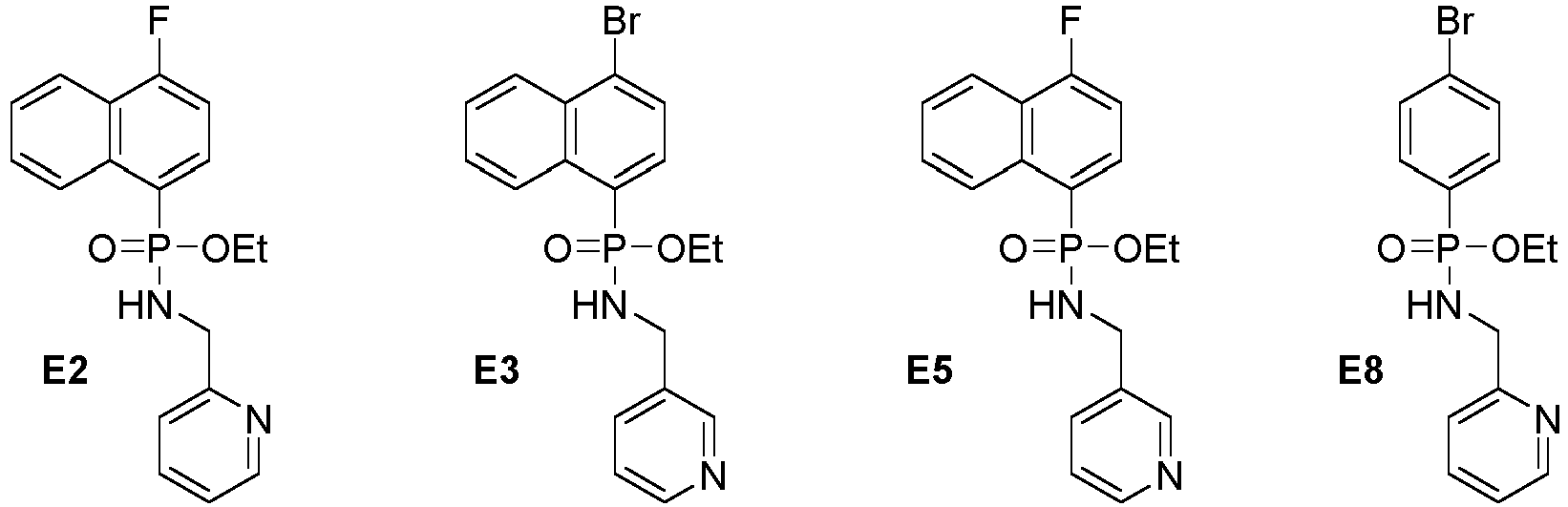
- A method to synthesize a compound according to claims 1-2 comprising:- phosphonylating a suitable halogenated benzene or naphthalene precursor by means of lithium halogen exchange and subsequent diethylchlorophosphate quench in order to obtain diethyl phenyl- or naphtylphosphonate intermediates,- monodealkylating said diethyl phenyl- or naphtylphosphonate intermediates by means of basic hydrolysis conditions in order to obtain phosphonic acid intermediates,- activating said phosphonic acid intermediates to their corresponding chlorophosphonates by means of thionylchloride, and, performing a nucleophilic displacement of said chloride under basic conditions by means of a suitable benzyl- (n=1) or phenyl-(n=0) amine (Y=NH) or alcohol (Y=O),- interchanging the remaining phosphonate alkoxy group for a hydroxyl group by means of basic, lithium hydroxide mediated hydrolysis.
- Use of compound E2, E3 and E8 to specifically induce stomatal closure without affecting root or shoot growth.
- Use of compound E5 to specifically inhibit seed germination.
- An agricultural chemical formulation formulated for contacting to plants, the formulation comprising a compound according to claims 1-2.
- A formulation according to claim 6 further comprising at least one of a herbicide, fungicide, pesticide, fertilizer or surfactant.
- A method of modulating plant development, the method comprising contacting a plant with a sufficient amount of the formulation according to claims 6-7 to modulate the development of said plant compared to not contacting the plant with said formulation.
- A method according to claim 8 wherein said modulation is increasing the tolerance to drought stress.
Priority Applications (1)
| Application Number | Priority Date | Filing Date | Title |
|---|---|---|---|
| PL15701350T PL3099699T3 (en) | 2014-01-28 | 2015-01-27 | Pyrabactin analogues to modulate plant development |
Applications Claiming Priority (2)
| Application Number | Priority Date | Filing Date | Title |
|---|---|---|---|
| EP14152795 | 2014-01-28 | ||
| PCT/EP2015/051535 WO2015113944A1 (en) | 2014-01-28 | 2015-01-27 | Pyrabactin analogues to modulate plant development |
Publications (2)
| Publication Number | Publication Date |
|---|---|
| EP3099699A1 EP3099699A1 (en) | 2016-12-07 |
| EP3099699B1 true EP3099699B1 (en) | 2018-03-14 |
Family
ID=49999831
Family Applications (1)
| Application Number | Title | Priority Date | Filing Date |
|---|---|---|---|
| EP15701350.9A Not-in-force EP3099699B1 (en) | 2014-01-28 | 2015-01-27 | Pyrabactin analogues to modulate plant development |
Country Status (6)
| Country | Link |
|---|---|
| US (1) | US9957288B2 (en) |
| EP (1) | EP3099699B1 (en) |
| ES (1) | ES2673607T3 (en) |
| PL (1) | PL3099699T3 (en) |
| TR (1) | TR201808360T4 (en) |
| WO (1) | WO2015113944A1 (en) |
Families Citing this family (1)
| Publication number | Priority date | Publication date | Assignee | Title |
|---|---|---|---|---|
| US10738042B2 (en) | 2018-04-30 | 2020-08-11 | Unity Biotechnology, Inc. | Phosphonamidates that are Bcl family antagonists for use in clinical management of conditions caused or mediated by senescent cells and for treating cancer |
Family Cites Families (1)
| Publication number | Priority date | Publication date | Assignee | Title |
|---|---|---|---|---|
| US5266552A (en) * | 1991-11-12 | 1993-11-30 | Imperial Chemical Industries Plc | Arylphosphonoamidate herbicides |
-
2015
- 2015-01-27 US US15/112,539 patent/US9957288B2/en not_active Expired - Fee Related
- 2015-01-27 TR TR2018/08360T patent/TR201808360T4/en unknown
- 2015-01-27 PL PL15701350T patent/PL3099699T3/en unknown
- 2015-01-27 WO PCT/EP2015/051535 patent/WO2015113944A1/en not_active Ceased
- 2015-01-27 EP EP15701350.9A patent/EP3099699B1/en not_active Not-in-force
- 2015-01-27 ES ES15701350.9T patent/ES2673607T3/en active Active
Also Published As
| Publication number | Publication date |
|---|---|
| TR201808360T4 (en) | 2018-07-23 |
| ES2673607T3 (en) | 2018-06-25 |
| PL3099699T3 (en) | 2018-08-31 |
| US9957288B2 (en) | 2018-05-01 |
| US20160333035A1 (en) | 2016-11-17 |
| WO2015113944A1 (en) | 2015-08-06 |
| EP3099699A1 (en) | 2016-12-07 |
Similar Documents
| Publication | Publication Date | Title |
|---|---|---|
| Shi et al. | Arabidopsis ALTERED MERISTEM PROGRAM 1 negatively modulates plant responses to abscisic acid and dehydration stress | |
| CN102164486B (en) | Salts, aqueous liquid compositions containing salts of s-(+)-abscisic acid and methods of their preparation | |
| NZ577822A (en) | Salts, aqueous liquid compositions containing salts of s-(+)-abscisic acid and methods of their preparation | |
| US20190289849A1 (en) | Novel Plant Growth Regulators and Methods of Using Same | |
| CN101361489B (en) | Corn ear-enlargement grain-increasing lodging resistant production-increasing regulator, preparation method and use thereof | |
| US9957288B2 (en) | Pyrabactin analogues to modulate plant development | |
| SU655280A3 (en) | Fungicide | |
| CN107980784A (en) | Application of the 5- amino pyrazoles compounds in terms of coordinate plant growth | |
| EP2871959A1 (en) | Methods for modulating plant response to environmentally-induced stress | |
| CN109956904B (en) | Pyrazole amide compounds and their applications and fungicides | |
| AU2015206634B2 (en) | S-Benzylthiouracil compounds and methods of enhancing plant root growth | |
| CN118531008A (en) | Application of SNG1 gene in regulation and control of salt stress tolerance of plants | |
| US6388089B1 (en) | Brassinosteroid biosynthesis inhibitors | |
| WO2018123651A1 (en) | Agent for improving environmental stress tolerance of plant | |
| JPWO2004022546A1 (en) | Substances that inhibit the biosynthesis of jasmonic acid | |
| SE453829B (en) | AZOLYL-PENTEN DERIVATIVES, PROCEDURE FOR PREPARING THEREOF AND BIOCIDA AGENTS INCLUDING THESE DERIVATIVES WITH GROWTH REGULATORY, FUNGICIDE, HERBICIDE OR BACTERICIDE EFFECT | |
| JPH0519521B2 (en) | ||
| Sirohi et al. | Brassinosteroids in Lowering Abiotic Stress‐mediated Damages | |
| RU2369094C1 (en) | Seed treating composition with growth regulation effect | |
| CN114380802B (en) | A class of carbazole-based imidazole salt compounds and their preparation methods and applications | |
| RU2666732C1 (en) | Ethyl ether 2-{4-[3-(4-chlorophenyl)-1-methyluerido]phenyl}-2-hydroxy-3,3,3-trifluoropropionic acid: application as herbicide antidote and method of preparation | |
| EP3229772B1 (en) | 6-aryl-9-glycosylpurines and use thereof | |
| RU2276843C1 (en) | Method for protection of vegetative sunflower plants from damage action of 2,4-d | |
| EP1534080A2 (en) | Use of certain n-acylethanolamines to achieve ethylene- and cytokinin-like effects in plants and fungi | |
| CN121264486A (en) | High-temperature-resistant root system development-promoting yield-increasing regulator for corn, and preparation method and application thereof |
Legal Events
| Date | Code | Title | Description |
|---|---|---|---|
| PUAI | Public reference made under article 153(3) epc to a published international application that has entered the european phase |
Free format text: ORIGINAL CODE: 0009012 |
|
| STAA | Information on the status of an ep patent application or granted ep patent |
Free format text: STATUS: REQUEST FOR EXAMINATION WAS MADE |
|
| 17P | Request for examination filed |
Effective date: 20160706 |
|
| AK | Designated contracting states |
Kind code of ref document: A1 Designated state(s): AL AT BE BG CH CY CZ DE DK EE ES FI FR GB GR HR HU IE IS IT LI LT LU LV MC MK MT NL NO PL PT RO RS SE SI SK SM TR |
|
| AX | Request for extension of the european patent |
Extension state: BA ME |
|
| DAX | Request for extension of the european patent (deleted) | ||
| GRAP | Despatch of communication of intention to grant a patent |
Free format text: ORIGINAL CODE: EPIDOSNIGR1 |
|
| STAA | Information on the status of an ep patent application or granted ep patent |
Free format text: STATUS: GRANT OF PATENT IS INTENDED |
|
| INTG | Intention to grant announced |
Effective date: 20170920 |
|
| GRAS | Grant fee paid |
Free format text: ORIGINAL CODE: EPIDOSNIGR3 |
|
| GRAA | (expected) grant |
Free format text: ORIGINAL CODE: 0009210 |
|
| STAA | Information on the status of an ep patent application or granted ep patent |
Free format text: STATUS: THE PATENT HAS BEEN GRANTED |
|
| AK | Designated contracting states |
Kind code of ref document: B1 Designated state(s): AL AT BE BG CH CY CZ DE DK EE ES FI FR GB GR HR HU IE IS IT LI LT LU LV MC MK MT NL NO PL PT RO RS SE SI SK SM TR |
|
| REG | Reference to a national code |
Ref country code: GB Ref legal event code: FG4D |
|
| REG | Reference to a national code |
Ref country code: CH Ref legal event code: EP Ref country code: AT Ref legal event code: REF Ref document number: 978769 Country of ref document: AT Kind code of ref document: T Effective date: 20180315 |
|
| REG | Reference to a national code |
Ref country code: IE Ref legal event code: FG4D |
|
| REG | Reference to a national code |
Ref country code: DE Ref legal event code: R096 Ref document number: 602015008771 Country of ref document: DE |
|
| REG | Reference to a national code |
Ref country code: RO Ref legal event code: EPE |
|
| REG | Reference to a national code |
Ref country code: ES Ref legal event code: FG2A Ref document number: 2673607 Country of ref document: ES Kind code of ref document: T3 Effective date: 20180625 |
|
| REG | Reference to a national code |
Ref country code: NL Ref legal event code: FP |
|
| REG | Reference to a national code |
Ref country code: LT Ref legal event code: MG4D |
|
| PG25 | Lapsed in a contracting state [announced via postgrant information from national office to epo] |
Ref country code: HR Free format text: LAPSE BECAUSE OF FAILURE TO SUBMIT A TRANSLATION OF THE DESCRIPTION OR TO PAY THE FEE WITHIN THE PRESCRIBED TIME-LIMIT Effective date: 20180314 Ref country code: NO Free format text: LAPSE BECAUSE OF FAILURE TO SUBMIT A TRANSLATION OF THE DESCRIPTION OR TO PAY THE FEE WITHIN THE PRESCRIBED TIME-LIMIT Effective date: 20180614 Ref country code: FI Free format text: LAPSE BECAUSE OF FAILURE TO SUBMIT A TRANSLATION OF THE DESCRIPTION OR TO PAY THE FEE WITHIN THE PRESCRIBED TIME-LIMIT Effective date: 20180314 Ref country code: CY Free format text: LAPSE BECAUSE OF FAILURE TO SUBMIT A TRANSLATION OF THE DESCRIPTION OR TO PAY THE FEE WITHIN THE PRESCRIBED TIME-LIMIT Effective date: 20180314 Ref country code: LT Free format text: LAPSE BECAUSE OF FAILURE TO SUBMIT A TRANSLATION OF THE DESCRIPTION OR TO PAY THE FEE WITHIN THE PRESCRIBED TIME-LIMIT Effective date: 20180314 |
|
| REG | Reference to a national code |
Ref country code: AT Ref legal event code: MK05 Ref document number: 978769 Country of ref document: AT Kind code of ref document: T Effective date: 20180314 |
|
| PG25 | Lapsed in a contracting state [announced via postgrant information from national office to epo] |
Ref country code: RS Free format text: LAPSE BECAUSE OF FAILURE TO SUBMIT A TRANSLATION OF THE DESCRIPTION OR TO PAY THE FEE WITHIN THE PRESCRIBED TIME-LIMIT Effective date: 20180314 Ref country code: SE Free format text: LAPSE BECAUSE OF FAILURE TO SUBMIT A TRANSLATION OF THE DESCRIPTION OR TO PAY THE FEE WITHIN THE PRESCRIBED TIME-LIMIT Effective date: 20180314 Ref country code: LV Free format text: LAPSE BECAUSE OF FAILURE TO SUBMIT A TRANSLATION OF THE DESCRIPTION OR TO PAY THE FEE WITHIN THE PRESCRIBED TIME-LIMIT Effective date: 20180314 Ref country code: BG Free format text: LAPSE BECAUSE OF FAILURE TO SUBMIT A TRANSLATION OF THE DESCRIPTION OR TO PAY THE FEE WITHIN THE PRESCRIBED TIME-LIMIT Effective date: 20180614 |
|
| PG25 | Lapsed in a contracting state [announced via postgrant information from national office to epo] |
Ref country code: AL Free format text: LAPSE BECAUSE OF FAILURE TO SUBMIT A TRANSLATION OF THE DESCRIPTION OR TO PAY THE FEE WITHIN THE PRESCRIBED TIME-LIMIT Effective date: 20180314 Ref country code: EE Free format text: LAPSE BECAUSE OF FAILURE TO SUBMIT A TRANSLATION OF THE DESCRIPTION OR TO PAY THE FEE WITHIN THE PRESCRIBED TIME-LIMIT Effective date: 20180314 |
|
| PG25 | Lapsed in a contracting state [announced via postgrant information from national office to epo] |
Ref country code: SM Free format text: LAPSE BECAUSE OF FAILURE TO SUBMIT A TRANSLATION OF THE DESCRIPTION OR TO PAY THE FEE WITHIN THE PRESCRIBED TIME-LIMIT Effective date: 20180314 Ref country code: SK Free format text: LAPSE BECAUSE OF FAILURE TO SUBMIT A TRANSLATION OF THE DESCRIPTION OR TO PAY THE FEE WITHIN THE PRESCRIBED TIME-LIMIT Effective date: 20180314 Ref country code: CZ Free format text: LAPSE BECAUSE OF FAILURE TO SUBMIT A TRANSLATION OF THE DESCRIPTION OR TO PAY THE FEE WITHIN THE PRESCRIBED TIME-LIMIT Effective date: 20180314 Ref country code: AT Free format text: LAPSE BECAUSE OF FAILURE TO SUBMIT A TRANSLATION OF THE DESCRIPTION OR TO PAY THE FEE WITHIN THE PRESCRIBED TIME-LIMIT Effective date: 20180314 |
|
| REG | Reference to a national code |
Ref country code: DE Ref legal event code: R097 Ref document number: 602015008771 Country of ref document: DE |
|
| PG25 | Lapsed in a contracting state [announced via postgrant information from national office to epo] |
Ref country code: PT Free format text: LAPSE BECAUSE OF FAILURE TO SUBMIT A TRANSLATION OF THE DESCRIPTION OR TO PAY THE FEE WITHIN THE PRESCRIBED TIME-LIMIT Effective date: 20180716 |
|
| PLBE | No opposition filed within time limit |
Free format text: ORIGINAL CODE: 0009261 |
|
| STAA | Information on the status of an ep patent application or granted ep patent |
Free format text: STATUS: NO OPPOSITION FILED WITHIN TIME LIMIT |
|
| REG | Reference to a national code |
Ref country code: GR Ref legal event code: EP Ref document number: 20180401634 Country of ref document: GR Effective date: 20190109 |
|
| PG25 | Lapsed in a contracting state [announced via postgrant information from national office to epo] |
Ref country code: DK Free format text: LAPSE BECAUSE OF FAILURE TO SUBMIT A TRANSLATION OF THE DESCRIPTION OR TO PAY THE FEE WITHIN THE PRESCRIBED TIME-LIMIT Effective date: 20180314 |
|
| 26N | No opposition filed |
Effective date: 20181217 |
|
| PG25 | Lapsed in a contracting state [announced via postgrant information from national office to epo] |
Ref country code: SI Free format text: LAPSE BECAUSE OF FAILURE TO SUBMIT A TRANSLATION OF THE DESCRIPTION OR TO PAY THE FEE WITHIN THE PRESCRIBED TIME-LIMIT Effective date: 20180314 |
|
| PG25 | Lapsed in a contracting state [announced via postgrant information from national office to epo] |
Ref country code: MC Free format text: LAPSE BECAUSE OF FAILURE TO SUBMIT A TRANSLATION OF THE DESCRIPTION OR TO PAY THE FEE WITHIN THE PRESCRIBED TIME-LIMIT Effective date: 20180314 |
|
| REG | Reference to a national code |
Ref country code: CH Ref legal event code: PL |
|
| PG25 | Lapsed in a contracting state [announced via postgrant information from national office to epo] |
Ref country code: LU Free format text: LAPSE BECAUSE OF NON-PAYMENT OF DUE FEES Effective date: 20190127 |
|
| REG | Reference to a national code |
Ref country code: BE Ref legal event code: MM Effective date: 20190131 |
|
| REG | Reference to a national code |
Ref country code: IE Ref legal event code: MM4A |
|
| PG25 | Lapsed in a contracting state [announced via postgrant information from national office to epo] |
Ref country code: BE Free format text: LAPSE BECAUSE OF NON-PAYMENT OF DUE FEES Effective date: 20190131 |
|
| PG25 | Lapsed in a contracting state [announced via postgrant information from national office to epo] |
Ref country code: LI Free format text: LAPSE BECAUSE OF NON-PAYMENT OF DUE FEES Effective date: 20190131 Ref country code: CH Free format text: LAPSE BECAUSE OF NON-PAYMENT OF DUE FEES Effective date: 20190131 |
|
| PG25 | Lapsed in a contracting state [announced via postgrant information from national office to epo] |
Ref country code: IE Free format text: LAPSE BECAUSE OF NON-PAYMENT OF DUE FEES Effective date: 20190127 |
|
| PG25 | Lapsed in a contracting state [announced via postgrant information from national office to epo] |
Ref country code: MT Free format text: LAPSE BECAUSE OF NON-PAYMENT OF DUE FEES Effective date: 20190127 |
|
| PGFP | Annual fee paid to national office [announced via postgrant information from national office to epo] |
Ref country code: IT Payment date: 20210121 Year of fee payment: 7 Ref country code: GR Payment date: 20210120 Year of fee payment: 7 Ref country code: FR Payment date: 20210122 Year of fee payment: 7 Ref country code: NL Payment date: 20210120 Year of fee payment: 7 Ref country code: RO Payment date: 20210114 Year of fee payment: 7 |
|
| PGFP | Annual fee paid to national office [announced via postgrant information from national office to epo] |
Ref country code: DE Payment date: 20210120 Year of fee payment: 7 Ref country code: TR Payment date: 20210105 Year of fee payment: 7 Ref country code: PL Payment date: 20210119 Year of fee payment: 7 Ref country code: GB Payment date: 20210121 Year of fee payment: 7 Ref country code: ES Payment date: 20210326 Year of fee payment: 7 |
|
| PG25 | Lapsed in a contracting state [announced via postgrant information from national office to epo] |
Ref country code: IS Free format text: LAPSE BECAUSE OF FAILURE TO SUBMIT A TRANSLATION OF THE DESCRIPTION OR TO PAY THE FEE WITHIN THE PRESCRIBED TIME-LIMIT Effective date: 20180714 |
|
| PG25 | Lapsed in a contracting state [announced via postgrant information from national office to epo] |
Ref country code: HU Free format text: LAPSE BECAUSE OF FAILURE TO SUBMIT A TRANSLATION OF THE DESCRIPTION OR TO PAY THE FEE WITHIN THE PRESCRIBED TIME-LIMIT; INVALID AB INITIO Effective date: 20150127 |
|
| PG25 | Lapsed in a contracting state [announced via postgrant information from national office to epo] |
Ref country code: MK Free format text: LAPSE BECAUSE OF FAILURE TO SUBMIT A TRANSLATION OF THE DESCRIPTION OR TO PAY THE FEE WITHIN THE PRESCRIBED TIME-LIMIT Effective date: 20180314 |
|
| REG | Reference to a national code |
Ref country code: DE Ref legal event code: R119 Ref document number: 602015008771 Country of ref document: DE |
|
| REG | Reference to a national code |
Ref country code: NL Ref legal event code: MM Effective date: 20220201 |
|
| GBPC | Gb: european patent ceased through non-payment of renewal fee |
Effective date: 20220127 |
|
| PG25 | Lapsed in a contracting state [announced via postgrant information from national office to epo] |
Ref country code: RO Free format text: LAPSE BECAUSE OF NON-PAYMENT OF DUE FEES Effective date: 20220127 Ref country code: NL Free format text: LAPSE BECAUSE OF NON-PAYMENT OF DUE FEES Effective date: 20220201 Ref country code: GR Free format text: LAPSE BECAUSE OF NON-PAYMENT OF DUE FEES Effective date: 20220805 Ref country code: GB Free format text: LAPSE BECAUSE OF NON-PAYMENT OF DUE FEES Effective date: 20220127 Ref country code: DE Free format text: LAPSE BECAUSE OF NON-PAYMENT OF DUE FEES Effective date: 20220802 |
|
| PG25 | Lapsed in a contracting state [announced via postgrant information from national office to epo] |
Ref country code: FR Free format text: LAPSE BECAUSE OF NON-PAYMENT OF DUE FEES Effective date: 20220131 |
|
| PG25 | Lapsed in a contracting state [announced via postgrant information from national office to epo] |
Ref country code: IT Free format text: LAPSE BECAUSE OF NON-PAYMENT OF DUE FEES Effective date: 20220127 |
|
| REG | Reference to a national code |
Ref country code: ES Ref legal event code: FD2A Effective date: 20230331 |
|
| PG25 | Lapsed in a contracting state [announced via postgrant information from national office to epo] |
Ref country code: ES Free format text: LAPSE BECAUSE OF NON-PAYMENT OF DUE FEES Effective date: 20220128 |
|
| PG25 | Lapsed in a contracting state [announced via postgrant information from national office to epo] |
Ref country code: PL Free format text: LAPSE BECAUSE OF NON-PAYMENT OF DUE FEES Effective date: 20220127 |
|
| PG25 | Lapsed in a contracting state [announced via postgrant information from national office to epo] |
Ref country code: TR Free format text: LAPSE BECAUSE OF NON-PAYMENT OF DUE FEES Effective date: 20220127 |