EP3089471A1 - Video smoothing method and device - Google Patents
Video smoothing method and device Download PDFInfo
- Publication number
- EP3089471A1 EP3089471A1 EP14875371.8A EP14875371A EP3089471A1 EP 3089471 A1 EP3089471 A1 EP 3089471A1 EP 14875371 A EP14875371 A EP 14875371A EP 3089471 A1 EP3089471 A1 EP 3089471A1
- Authority
- EP
- European Patent Office
- Prior art keywords
- videos
- played
- frame
- vsync
- event detecting
- Prior art date
- Legal status (The legal status is an assumption and is not a legal conclusion. Google has not performed a legal analysis and makes no representation as to the accuracy of the status listed.)
- Withdrawn
Links
Images

Classifications
-
- H—ELECTRICITY
- H04—ELECTRIC COMMUNICATION TECHNIQUE
- H04N—PICTORIAL COMMUNICATION, e.g. TELEVISION
- H04N21/00—Selective content distribution, e.g. interactive television or video on demand [VOD]
- H04N21/20—Servers specifically adapted for the distribution of content, e.g. VOD servers; Operations thereof
- H04N21/23—Processing of content or additional data; Elementary server operations; Server middleware
- H04N21/242—Synchronisation processes, e.g. processing of PCR [Programme Clock References]
-
- H—ELECTRICITY
- H04—ELECTRIC COMMUNICATION TECHNIQUE
- H04N—PICTORIAL COMMUNICATION, e.g. TELEVISION
- H04N21/00—Selective content distribution, e.g. interactive television or video on demand [VOD]
- H04N21/40—Client devices specifically adapted for the reception of or interaction with content, e.g. set-top-box [STB]; Operations thereof
- H04N21/41—Structure of client; Structure of client peripherals
- H04N21/414—Specialised client platforms, e.g. receiver in car or embedded in a mobile appliance
- H04N21/4143—Specialised client platforms, e.g. receiver in car or embedded in a mobile appliance embedded in a Personal Computer [PC]
-
- H—ELECTRICITY
- H04—ELECTRIC COMMUNICATION TECHNIQUE
- H04N—PICTORIAL COMMUNICATION, e.g. TELEVISION
- H04N21/00—Selective content distribution, e.g. interactive television or video on demand [VOD]
- H04N21/40—Client devices specifically adapted for the reception of or interaction with content, e.g. set-top-box [STB]; Operations thereof
- H04N21/43—Processing of content or additional data, e.g. demultiplexing additional data from a digital video stream; Elementary client operations, e.g. monitoring of home network or synchronising decoder's clock; Client middleware
- H04N21/4302—Content synchronisation processes, e.g. decoder synchronisation
- H04N21/4305—Synchronising client clock from received content stream, e.g. locking decoder clock with encoder clock, extraction of the PCR packets
-
- H—ELECTRICITY
- H04—ELECTRIC COMMUNICATION TECHNIQUE
- H04N—PICTORIAL COMMUNICATION, e.g. TELEVISION
- H04N21/00—Selective content distribution, e.g. interactive television or video on demand [VOD]
- H04N21/40—Client devices specifically adapted for the reception of or interaction with content, e.g. set-top-box [STB]; Operations thereof
- H04N21/43—Processing of content or additional data, e.g. demultiplexing additional data from a digital video stream; Elementary client operations, e.g. monitoring of home network or synchronising decoder's clock; Client middleware
- H04N21/44—Processing of video elementary streams, e.g. splicing a video clip retrieved from local storage with an incoming video stream or rendering scenes according to encoded video stream scene graphs
- H04N21/44004—Processing of video elementary streams, e.g. splicing a video clip retrieved from local storage with an incoming video stream or rendering scenes according to encoded video stream scene graphs involving video buffer management, e.g. video decoder buffer or video display buffer
-
- H—ELECTRICITY
- H04—ELECTRIC COMMUNICATION TECHNIQUE
- H04N—PICTORIAL COMMUNICATION, e.g. TELEVISION
- H04N21/00—Selective content distribution, e.g. interactive television or video on demand [VOD]
- H04N21/60—Network structure or processes for video distribution between server and client or between remote clients; Control signalling between clients, server and network components; Transmission of management data between server and client, e.g. sending from server to client commands for recording incoming content stream; Communication details between server and client
- H04N21/61—Network physical structure; Signal processing
- H04N21/6106—Network physical structure; Signal processing specially adapted to the downstream path of the transmission network
- H04N21/6125—Network physical structure; Signal processing specially adapted to the downstream path of the transmission network involving transmission via Internet
-
- H—ELECTRICITY
- H04—ELECTRIC COMMUNICATION TECHNIQUE
- H04N—PICTORIAL COMMUNICATION, e.g. TELEVISION
- H04N21/00—Selective content distribution, e.g. interactive television or video on demand [VOD]
- H04N21/80—Generation or processing of content or additional data by content creator independently of the distribution process; Content per se
- H04N21/85—Assembly of content; Generation of multimedia applications
- H04N21/854—Content authoring
- H04N21/8547—Content authoring involving timestamps for synchronizing content
-
- H—ELECTRICITY
- H04—ELECTRIC COMMUNICATION TECHNIQUE
- H04N—PICTORIAL COMMUNICATION, e.g. TELEVISION
- H04N9/00—Details of colour television systems
- H04N9/79—Processing of colour television signals in connection with recording
- H04N9/87—Regeneration of colour television signals
- H04N9/89—Time-base error compensation
Definitions
- the present disclosure relates to a field of computer technology, and particularly to a method and an apparatus for smoothing videos.
- videos need to be played by firstly obtaining frames of videos to be played, from a video player, then surface-rendering the frames of videos to be played, and finally outputting the frames of videos.
- the play precision of the video player in the existing Android system is low, that is, there is generally an error of at least ⁇ 10ms between a timing when a frame of videos to be played is obtained from the video player and a timestamp of the frame of videos to be played.
- the frame of videos to be played with the timestamp of 30ms is obtained at the timing of 20ms.
- the timings when frames of videos to be played are obtained from the video player may vary due to the above error, and the obtained frames of videos to be played are surface-rendered in the Android system at a fixed rate. Accordingly when the frames of videos to be played are surface-rendered with reference to the timings when the frames of videos to be played are obtained, then some frames of videos may be discarded, and some frames of videos may be played for a prolonged period of time, thereby resulting in serious jitter of the videos.
- Embodiments of the present disclosure are to provide a method and an apparatus for smoothing videos with an object of alleviating jitter of videos to be played.
- a method for smoothing videos including:
- the determining whether the Vsync event detecting thread is to be resumed may include:
- a condition that the timestamps carried in the frames of videos to be played satisfy a first relationship wherein the first relationship is as follow: t 1 ⁇ a ⁇ PTS ⁇ T 1 + T ⁇ a , where t1 represents a current clock time of the Vsync event detecting thread, a represents a predetermined clock offset, PTS represents a timestamp carried by a frame of videos to be played, and T represents the surface render period.
- the predetermined clock offset in the first relationship satisfies a second condition, wherein the second condition is as follow: 0 ⁇ a ⁇ T .
- an apparatus for smoothing videos including:
- the determining module may be configured:
- the predetermined condition may include:
- the predetermined clock offset in the first relationship satisfies a second condition, wherein the second condition is as follow: 0 ⁇ a ⁇ T .
- the embodiments of the present disclosure provides a method and an apparatus for smoothing videos.
- the apparatus for smoothing videos receives a first indication message, and initiates a Vsync event detecting thread in response to the first indication message, where the Vsync event detecting thread is configured, upon being resumed, to detect whether a frame of videos to be played which satisfies a predetermined condition is stored; the apparatus obtains an N-th frame of videos to be played, and stores it in a first queue created in advance, where the N-th frame of videos to be played carries a corresponding timestamp, and the apparatus synchronizes a clock time of the Vsync event detecting thread with a first timestamp when the first frame of videos to be played is obtained, where N ⁇ 1 and N is a positive, and the first timestamp is a timestamp corresponding to the first frame of videos to be played; and the apparatus determines whether the Vsync event detecting thread is to be resumed, and if it is determined that
- the Vsync event detecting thread is initiated, if the Vsync event detecting thread is resumed (awoken), then whether a frame of videos to be played which satisfies a predetermined condition is stored in the first queue is detected (checked) according to the timestamps corresponding to the frames of videos to be played in the first queue, and if the frame of videos to be played which satisfies the predetermined condition is detected, then the frame of videos to be played is rendered; and since periodicity of the timestamps corresponding to the frames of videos to be played is uniform, the frame of videos to be played which satisfies the predetermined condition can be selected with reference to the timestamps of the frames of videos to be played, and be rendered so that the frames of videos to be played can be rendered at a uniform rate, thereby alleviating jitter of the videos to be played.
- a method for smoothing videos includes:
- the apparatus for smoothing videos will firstly receive the first indication message generated as a result of the user triggering the video player, where the first indication message indicates that the video player starts playing.
- the apparatus for smoothing videos in the embodiment of the present disclosure may particularly be a separate apparatus installed in an Android video playing device, or may be an apparatus integrated in the Android video playing device, and the embodiments of the present disclosure will not be limited thereto, although the apparatus for smoothing videos receives the first indication message which indicates that the video player starts playing.
- Step102 the apparatus for smoothing videos initiates a frame synchronization (Vertical Synchronization (Vsync)) event detecting thread in response to the first indication message.
- Vsync Vertical Synchronization
- Vsync event detecting thread is configured, upon being resumed (awoken), to detect whether a frame of videos to be played which satisfies a predetermined condition is stored.
- the apparatus for smoothing videos initiates the Vsync event detecting thread in response to the first indication message upon reception of the first indication message.
- the Vsync event detecting thread is configured to detect a Vsync signal generated by the system periodically within surface render periods, and if there is no Vsync signal arriving, then the Vsync event detecting thread will be suspended; or if there is a Vsync signal arriving, then the Vsync event detecting thread will be resumed once and further detect whether appropriate data of a frame of videos to be played are stored, and if there are such data, then the data of the frame of videos will be surface-rendered.
- Vsync in the embodiment of the present disclosure may be synchronization of a video frame or synchronization of another frame to be rendered, so the resumed Vsync event detecting thread will detect not only synchronization information of the video frames, but also synchronization information of the other frames to be rendered.
- the embodiment of the present disclosure will not be limited thereto, but the videos will be smoothed as described in the embodiment of the present disclosure, so only the synchronization information of the video frames will be described in the embodiment of the present disclosure, while the Vsync event detecting thread will not handle the other frames to be rendered in the embodiment of the present disclosure.
- Step103 the apparatus for smoothing videos obtains an N-th frame of videos to be played, and stores it in a first queue created in advance, where the N-th frame of videos to be played carries a corresponding timestamp, and synchronizes a clock time of the Vsync event detecting thread with a first timestamp when the first frame of videos to be played is obtained.
- N ⁇ 1 and N is an integer
- the first timestamp is a timestamp corresponding to the first frame of videos to be played.
- the apparatus for smoothing videos obtains the N-th frame of videos to be played, and stores the N-th frame of videos to be played in the first queue created in advance, where the N-th frame of videos to be played carries the corresponding timestamp.
- the clock time of the Vsync event detecting thread will be synchronized with the timestamp corresponding to the first frame of videos to be played when the first frame of videos to be played is obtained, that is, if the timestamp of the first frame of videos to be played is 25ms, then the clock time of the Vsync event detecting threshold is synchronized to 25ms when the first frame of videos to be played is obtained, thereby ensuring timestamps of all the frames of videos to be played which are started with the first frame of videos to be played to lie in a detection period of time of the Vsync event detecting thread.
- Step104 the apparatus for smoothing videos determines whether the Vsync event detecting thread is to be resumed.
- the apparatus for smoothing videos may determine whether the Vsync event detecting thread is to be resumed, as follows:
- the surface render frequency is typically 60Hz, that is, the render period is 16ms, so a Vsync signal will be generated by the system at an interval of 16ms, and be sent to the apparatus for smoothing videos, and the apparatus for smoothing videos can determine that the Vsync event detecting thread is to be resumed, and further perform the following respective steps, upon reception of the Vsync signal; and of course, if there is no Vsync signal arriving, then the Vsync event detecting thread will be suspended, so the following respective steps will temporality not be performed.
- Step105 if it is determined that the Vsync event detecting thread is to be resumed, then the apparatus for smoothing videos detects the frame of video to be played which satisfies the predetermined condition is stored in the first queue, according to the timestamps corresponding to the frames of videos to be played in the first queue.
- the apparatus for smoothing videos detects the frame of videos to be played which satisfies the predetermined condition is stored in the first queue, according to the timestamps corresponding to the frames of videos to be played in the first queue, where the predetermined condition may particularly include:
- the timestamps carried in the frames of videos to be played satisfy a first relationship, and the first relationship may be as follow: t 1 ⁇ a ⁇ PTS ⁇ T 1 + T ⁇ a , Where t1 represents a current clock time of the Vsync event detecting thread, a represents a predetermined clock offset, PTS represents a timestamp carried by a frame of videos to be played in the first queue, and T represents the surface render period, i.e., a Vsync period.
- the predetermined clock offset in the embodiment of the present disclosure is a predetermined reference variable to reflect a whole offset of a timestamp of a frame of videos to be played which are to be surface-rendered, relative to a surface render time.
- the whole offset may be a reference variable less than T, or may be a reference variable no less than T, and the embodiment of the present disclosure will not be limited thereto.
- the predetermined clock offset in the first relationship satisfies a second condition, which may be 0 ⁇ a ⁇ T.
- the predetermined clock offset in the first relationship is defined as less than the surface render period, so that jitter of the videos can be further alleviated.
- the value of a is 1/2T, so the first relationship is t1-1/2T ⁇ PTS ⁇ t1+1/2T, and at this time, the frame of videos to be played can be ensured to be rendered at the closest time to the timestamp thereof, so that jitter of the videos can be still further alleviated.
- the periods of the timestamps of the frames of videos to be played are typically more than the surface render period, whether a frame of video to be played which satisfies the predetermined condition is stored in the first queue is detected with reference to the timestamps of the frames of videos to be played, then such an instance will not occur that there are two frames of videos to be played which both satisfy the predetermined condition. And if there is an error of at least ⁇ 10ms between the acquisition time and the timestamps of the frames of videos, then more than one frame of videos will be stored in a display buffer for subsequent surface rendering, but only one of the frames can be rendered, and the other frames of videos will be discarded, thereby alleviating jitter of the videos.
- Step106 if a frame of videos to be played which satisfies the predetermined condition is stored in the first queue, then the apparatus for smoothing videos is to render the frame of videos to be played which satisfies the predetermined condition.
- the apparatus for smoothing videos will render the frame of videos to be played which satisfies the predetermined condition.
- the predetermined condition is that a timestamp carried in a frame of videos in the first queue satisfies the relationship t1-1/2T ⁇ PTS ⁇ t1+1/2T, the surface render period is 16m, and the period of the timestamp of the frame of videos is 25ms, then several frames of videos to be played from obtaining of the first frame of videos to be played until synchronization of the clock time of the Vsync event detecting thread with the first timestamp will be rendered as listed below in Table 1.
- a frame of video to be played, with a timestamp of 25ms is acquired at the time of 35ms
- a frame of video to be played, with a timestamp of 50ms is acquired at the time of 45ms, then there will be two frames of videos to be played at the surface render time of 48ms, and at this time one of the frames of videos will be discarded.
- the rate at which the frames of videos are acquired is not uniform, thus resulting in serious jitter of the video; and in the embodiments of the present disclosure, since the period of the timestamps of the frames of videos to be played is uniform, as can be apparent from Table 1, the frames of videos to be played are surface-rendered at a uniform rate to thereby alleviate jitter of the videos being played.
- the process in the steps 104 to 106 is performed repeatedly, that is, the apparatus for smoothing videos determines all the time whether the Vsync event detecting thread is to be resumed, and if the Vsync event detecting thread is to be resumed, then the process will proceed to the step Step05, and further selectively to the step Step 106.
- the embodiment of the present disclosure provides a method for smoothing videos, the method including: receiving a first indication message, and initiating a Vsync event detecting thread in response to the first indication message, where the Vsync event detecting thread is configured, upon being resumed, to detect whether a frame of videos to be played which satisfies a predetermined condition is stored; obtaining an N-th frame of videos to be played, and storing it in a first queue created in advance, where the N-th frame of videos to be played carries a corresponding timestamp, and synchronizing a clock time of the Vsync event detecting thread with a first timestamp when the first frame of videos to be played is obtained, where N ⁇ 1 and N is an integer, and the first timestamp is a timestamp corresponding to the first frame of videos to be played; and determining whether the Vsync event detecting thread is to be resumed, and if it is determined that the Vsync event detecting thread is to be resumed,
- the Vsync event detecting thread is initiated, if the Vsync event detecting thread is resumed, then a frame of videos to be played which satisfies a predetermined condition is stored in the first queue is detected according to the timestamps corresponding to the frames of videos to be played in the first queue, and if a frame of videos to be played which satisfies the predetermined condition is detected, then the frame of videos to be played is rendered; and since the periods of the timestamps corresponding to the frames of videos to be played are uniform, the frame of videos to be played which satisfies the predetermined condition can be selected with reference to the timestamp of the frame of videos to be played, and be rendered so that the frame of videos to be played can be rendered at a uniform rate, thereby alleviating jitter of the videos being played.
- a method for smoothing videos includes:
- the apparatus for smoothing videos will firstly receive the first indication message generated as a result of the user triggering the video player, where the first indication message indicates that the video player starts playing.
- the apparatus for smoothing videos in the embodiment of the present disclosure may particularly be a separate apparatus installed in an Android video playing device, or may be an apparatus integrated in the Android video playing device, and the embodiments of the present disclosure will not be limited thereto, although the apparatus for smoothing videos receives the first indication message which indicates that the video player starts playing.
- Step202 the apparatus for smoothing videos initiates a Vsync event detecting thread in response to the first indication message.
- Vsync event detecting thread is configured, upon being resumed, to detect a frame of videos to be played which satisfies a predetermined condition is stored.
- the apparatus for smoothing videos starts the Vsync event detecting thread in response to the first indication message upon reception of the first indication message.
- the Vsync event detecting thread is configured to detect a Vsync signal generated by the system periodically within surface render periods, and if there is no Vsync signal arriving, then the Vsync event detecting thread will be suspended; or if there is a Vsync signal arriving, then the Vsync event detecting thread will be resumed once and further detect whether appropriate data of a frame of videos to be played are stored, and if there are such data, then the data of the frame of videos will be surface-rendered.
- Vsync in the embodiment of the present disclosure may be synchronization of a video frame or synchronization of another frame to be rendered, so the resumed Vsync event detecting thread will detect not only synchronization information of the video frames, but also synchronization information of the other frames to be rendered.
- the embodiment of the present disclosure will not be limited thereto, but the videos will be smoothed as described in the embodiment of the present disclosure, so only the synchronization information of the video frames will be described in the embodiment of the present disclosure, while the Vsync event detecting thread will not handle the other frames to be rendered in the embodiment of the present disclosure.
- the apparatus for smoothing videos obtains an N-th frame of videos to be played, and stores it in a first queue created in advance, where the N-th frame of videos to be played carries a corresponding timestamp, and synchronizes a clock time of the Vsync event detecting thread with a first timestamp when the first frame of videos to be played is obtained.
- N ⁇ 1 and N is an integer
- the first timestamp is a timestamp corresponding to the first frame of videos to be played.
- the apparatus for smoothing videos obtains the N-th frame of videos to be played, and stores the N-th frame of videos to be played in the first queue created in advance, where the N-th frame of videos to be played carries the corresponding timestamp.
- the clock time of the Vsync event detecting thread will be synchronized with the timestamp corresponding to the first frame of videos to be played when the first frame of videos to be played is obtained, that is, if the timestamp of the first frame of videos to be played is 25ms, then the clock time of the Vsync event detecting threshold is synchronized to 25ms when the first frame of videos to be played is obtained, thereby ensuring timestamps of all the frames of videos to be played which are started with the first frame of videos to be played to lie in a detection period of time of the Vsync event detecting thread.
- Step204 the apparatus for smoothing videos determines whether the Vsync event detecting thread is to be resumed.
- the apparatus for smoothing videos may determine whether the Vsync event detecting thread is to be resumed, as follows:
- the surface render frequency is typically 60Hz, that is, the render period is 16ms, so a Vsync signal will be generated by the system at an interval of 16ms, and be sent to the apparatus for smoothing videos, and the apparatus for smoothing videos can determine that the Vsync event detecting thread is to be resumed, and further perform the following respective steps, upon reception of the Vsync signal; and of course, if there is no Vsync signal arriving, then the Vsync event detecting thread will be suspended, so the following respective steps will temporality not be performed.
- the apparatus for smoothing videos determines whether the timestamps carried in the frames of videos to be played in the first queue satisfy a first relationship, as follow: t 1 ⁇ a ⁇ PTS ⁇ T 1 + T ⁇ a ,
- t1 represents a current clock time of the Vsync event detecting thread
- a represents a predetermined clock offset
- PTS represents a timestamp carried by a frame of video to be played in the first queue
- T represents the surface render period, i.e., a Vsync period.
- the predetermined clock offset in the embodiment of the present disclosure is a predetermined reference variable to reflect a whole offset of a timestamp of a frame of videos to be played which are to be surface-rendered, relative to a surface render time.
- the whole offset may be a reference variable less than T, or may be a reference variable no less than T, and the embodiment of the present disclosure will not be limited thereto.
- the predetermined clock offset in the first relationship satisfies a second condition, which may be 0 ⁇ a ⁇ T.
- the predetermined clock offset in the first relationship is defined as less than the surface render period, so that jitter of the videos can be further alleviated.
- the value of a is 1/2T, so the first relationship is t1-1/2T ⁇ PTS ⁇ t1+1/2T, and at this time, the frame of videos to be played can be ensured to be rendered at the closest time to the timestamp thereof, so that jitter of the videos can be still further alleviated.
- Step206 if there is such a frame of videos to be played in the first queue that carries a timestamp satisfying the first relationship above, then the apparatus for smoothing videos determines that a frame of videos to be played which satisfies the predetermined condition is stored in the first queue.
- the periods of the timestamps of the frames of videos to be played are typically more than the surface render period, whether a frame of video to be played which satisfies the predetermined condition is stored in the first queue is detected with reference to the timestamps of the frames of videos to be played, then such an instance will not occur that there are two frames of videos to be played which both satisfy the predetermined condition, so such an instance in the prior art will not occur that with reference to the acquisition time of the frame of videos to be played.
- Step207 the apparatus for smoothing videos renders the frame of videos to be played which satisfies the predetermined condition.
- the apparatus for smoothing videos will render the frame of videos to be played which satisfies the predetermined condition.
- the process in the steps 204 to 207 is performed repeatedly, that is, the apparatus for smoothing videos determines all the time whether the Vsync event detecting thread is to be resumed, and if the Vsync event detecting thread is to be resumed, then the process will proceed to the step205, and further selectively to the step206 and the step207.
- the embodiment of the present disclosure provides a method for smoothing videos, the method including: receiving a first indication message, and initiating a Vsync event detecting thread in response to the first indication message, where the Vsync event detecting thread is configured, upon being resumed, to detect whether a frame of videos to be played, which satisfies a predetermined condition is stored; obtaining an N-th frame of videos to be played, and storing it in a first queue created in advance, where the N-th frame of videos to be played carries a corresponding timestamp, and synchronizing a clock time of the Vsync event detecting thread with a first timestamp when the first frame of videos to be played is obtained, where N ⁇ 1 and N is an integer, and the first timestamp is a timestamp corresponding to the first frame of videos to be played; and determining whether the Vsync event detecting thread is to be resumed, and if it is determined that the Vsync event detecting thread is to be resumed
- the Vsync event detecting thread is initiated, if the Vsync event detecting thread is resumed, then a frame of videos to be played which satisfies a predetermined condition is stored in the first queue is detected according to the timestamps corresponding to the frames of videos to be played in the first queue, and if a frame of videos to be played which satisfies the predetermined condition is detected, then the frame of videos to be played is rendered; and since the periods of the timestamps corresponding to the frames of videos to be played are uniform, the frame of videos to be played which satisfies the predetermined condition can be selected with reference to the timestamp of the frame of videos to be played, and be rendered so that the frame of videos to be played can be rendered at a uniform rate, thereby alleviating jitter of the videos being played.
- An embodiment of the present disclosure provides an apparatus 300 for smoothing videos, and as particularly illustrated in Fig.3 , the apparatus 300 may include: a receiving module 301, an initiating module 302, an obtaining module 303, a storing module 304, a clock synchronizing module 305, a determining module 306, a detecting module 307, and a rendering module 308.
- the receiving module 301 is configured to receive a first indication message which indicates that a video player starts playing.
- the initiating module 302 is configured to initiate a Vsync event detecting thread in response to the first indication message received by the receiving module 301, where the event detecting thread is configured, upon being resumed, to detect whether a frame of videos to be played which satisfies a predetermined condition is stored.
- the obtaining module 303 is configured to obtain an N-th frame of videos to be played.
- the storing module 304 is configured to store the N-th frame of videos to be played which is obtained by the obtaining module 303 in a first queue created in advance, where the N-th frame of videos to be played carries a corresponding timestamp.
- the clock synchronizing module 305 is configured to synchronize a clock time of the Vsync event detecting thread with a first timestamp when the obtaining module 303 obtains the first frame of videos to be played, where N ⁇ 1 and N is an integer, and the first timestamp is a timestamp corresponding to the first frame of videos to be played.
- the determining module 306 is configured to determine whether the Vsync event detecting thread is to be resumed.
- the detecting module 307 is configured, if the determining module 306 determines that the Vsync event detecting thread is to be resumed, to detect whether the frame of videos to be played which satisfies the predetermined condition is stored in the first queue, according to the timestamps corresponding to the frames of videos to be played which are stored by the storing module 304 in the first queue.
- the rendering module 308 is configured, if the detecting module 307 detects the frame of videos to be played which satisfies the predetermined condition is stored by the storing module 304 in the first queue, to render the frame of videos to be played which satisfies the predetermined condition.
- determining module 306 may be specifically configured:
- the predetermined condition may specifically include:
- t1 represents a current clock time of the Vsync event detecting thread
- a represents a predetermined clock offset
- PTS represents a timestamp carried by a frame of videos to be played
- T represents the surface render period
- the predetermined clock offset in the first relationship satisfies a second condition that: 0 ⁇ a ⁇ T .
- An embodiment of the present disclosure further provides a computer readable recording medium on which programs for performing any one of the methods according to the above embodiments of the present disclosure are recorded.
- the computer readable recording medium includes any mechanism for storing or transporting computer (for example, a PC) readable information.
- the machine readable medium includes a Read Only Memory (ROM), a Random Access Memory (RAM), a magnetic disk storage medium, an optical storage medium, a flash memory medium, an electric, optical, acoustic or another form of propagated signal (e.g., a carrier wave, an infrared signal, a digital signal, etc.), etc.
- the embodiment of the present disclosure provides an apparatus for smoothing videos, where if a receiving module receives a first indication message, then an initiating module initiates a Vsync event detecting thread, if a determining module determines that the Vsync event detecting thread is to be resumed, then a detecting module detects a frame of videos to be played which satisfies a predetermined condition is stored in a first queue according to timestamps of frames of videos to be played in the first queue, and if the detecting module detects the frame of videos to be played which satisfies the predetermined condition is stored, then the rendering module renders the frame of videos to be played; and since the period of the timestamps corresponding to the frames of videos to be played are uniform, the frame of videos to be played which satisfies the predetermined condition can be selected with reference to the timestamps of the frames of videos to be played, and be rendered so that the frames of videos to be played can be rendered at a uniform rate, thereby alleviating
- modules described as separate components may or may not be physically separate, and the components illustrated as modules may be one or more physical modules, that is, they can be collocated or can be distributed at a number of places. A part or all of the modules can be selected as needed in reality for the purpose of the solution according to the embodiments of the present disclosure.
- respective functional modules in the respective embodiments of the present disclosure can be integrated in a processing module, or the respective modules can be physically embodied separately, or two or more of the modules can be integrated in a module.
- the integrated modules can be embodied in the form of hardware or can be embodied in the form of software functional modules.
- the integrated modules are embodied in the form of software functional modules, and sold or used as a separate product, then they can be stored in a readable storage medium.
- the technical solutions of the present disclosure essentially or their parts contributing to the prior art or all or a part of the technical solutions can be embodied in the form of a software product stored in a storage medium, which includes several instructions to cause a device (e.g., a monolithic processor, a chip, etc.) or a processor to perform all or a part of the steps in the method according to the respective embodiments of the present disclosure.
- the storage medium includes a U-disk, a mobile hard disk, a Read-Only Memory (ROM), a Random Access Memory (RAM), a magnetic disk, an optic disk, and any other medium in which program codes can be stored.
Landscapes
- Engineering & Computer Science (AREA)
- Multimedia (AREA)
- Signal Processing (AREA)
- Computer Security & Cryptography (AREA)
- General Engineering & Computer Science (AREA)
- Two-Way Televisions, Distribution Of Moving Picture Or The Like (AREA)
- Signal Processing For Digital Recording And Reproducing (AREA)
Abstract
Description
- The present disclosure relates to a field of computer technology, and particularly to a method and an apparatus for smoothing videos.
- Generally videos need to be played by firstly obtaining frames of videos to be played, from a video player, then surface-rendering the frames of videos to be played, and finally outputting the frames of videos.
- However the play precision of the video player in the existing Android system is low, that is, there is generally an error of at least ±10ms between a timing when a frame of videos to be played is obtained from the video player and a timestamp of the frame of videos to be played. For example, the frame of videos to be played with the timestamp of 30ms is obtained at the timing of 20ms.
- The timings when frames of videos to be played are obtained from the video player may vary due to the above error, and the obtained frames of videos to be played are surface-rendered in the Android system at a fixed rate. Accordingly when the frames of videos to be played are surface-rendered with reference to the timings when the frames of videos to be played are obtained, then some frames of videos may be discarded, and some frames of videos may be played for a prolonged period of time, thereby resulting in serious jitter of the videos.
- Embodiments of the present disclosure are to provide a method and an apparatus for smoothing videos with an object of alleviating jitter of videos to be played.
- In order to attain the object above, there are the following technical solutions provided by the embodiments of the invention.
- In a first aspect, there is provided a method for smoothing videos, the method including:
- receiving a first indication message which indicates that a video player starts playing;
- initiating a frame synchronization (Vertical Synchronization (Vsync)) event detecting thread in response to the first indication message, wherein the Vsync event detecting thread is configured, upon being resumed, to detect whether a frame of video to be played which satisfies a predetermined condition is stored;
- obtaining an N-th frame of videos to be played, and storing it in a first queue created in advance, wherein the N-th frame of videos to be played carries a corresponding timestamp, and synchronizing a clock time of the Vsync event detecting thread with a first timestamp when the first frame of videos to be played is obtained, where N≥1 and N is an integer, and the first timestamp is a timestamp corresponding to the first frame of videos to be played;
- determining whether the Vsync event detecting thread is to be resumed;
- detecting, if it is determined that the Vsync event detecting thread is to be resumed, whether the frame of videos to be played which satisfies the predetermined condition is stored in the first queue, according to the timestamps corresponding to the frames of videos to be played in the first queue; and
- rendering, if the frame of videos to be played which satisfies the predetermined condition is stored in the first queue, the frame of videos to be played which satisfies the predetermined condition.
- In a first possible implementation of the first aspect, in connection with the first aspect, the determining whether the Vsync event detecting thread is to be resumed may include:
- determining whether a Vsync signal generated periodically within surface render periods is received; and
- determining, if the Vsync signal is received, that the Vsync event detecting thread is to be resumed.
- In a second possible implementation of the first aspect, in connection with the first aspect or the first possible implementation of the first aspect,
a condition that the timestamps carried in the frames of videos to be played satisfy a first relationship, wherein the first relationship is as follow: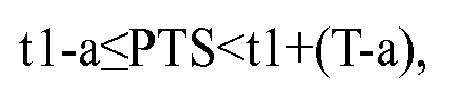
where t1 represents a current clock time of the Vsync event detecting thread, a represents a predetermined clock offset, PTS represents a timestamp carried by a frame of videos to be played, and T represents the surface render period. - In a third possible implementation of the first aspect, in connection with the second possible implementation of the first aspect, the predetermined clock offset in the first relationship satisfies a second condition, wherein the second condition is as follow:

- In a fourth possible implementation of the first aspect, in connection with the third possible implementation of the first aspect, the predetermined clock offset may include:


- In a second aspect, there is provided an apparatus for smoothing videos, the apparatus including:
- a receiving module configured to receive a first indication message which indicates that a video player starts playing;
- an initiating module configured to initiate a Vertical Synchronization (Vsync) event detecting thread in response to the first indication message received by the receiving module, wherein the event detecting thread is configured, upon being resumed, to detect whether a frame of videos to be played which satisfies a predetermined condition is stored;
- an obtaining module configured to obtain an N-th frame of video to be played;
- a storing module configured to store the N-th frame of videos to be played which is obtained by the obtaining module in a first queue created in advance, wherein the N-th frame of videos to be played carries a corresponding timestamp;
- a clock synchronizing module configured to synchronize a clock time of the Vsync event detecting thread with a first timestamp when the obtaining module obtains the first frame of videos to be played, where N≥1 and N is an integer, and the first timestamp is a timestamp corresponding to the first frame of videos to be played;
- a determining module configured to determine whether the Vsync event detecting thread is to be resumed;
- a detecting module configured, if the determining module determines that the Vsync event detecting thread is to be resumed, to detect whether the frame of videos to be played which satisfies the predetermined condition is stored in the first queue, according to the timestamps corresponding to the frames of videos to be played which are stored by the storing module in the first queue; and
- a rendering module configured, if the detecting module detects the frame of videos to be played which satisfies the predetermined condition is stored by the storing module in the first queue, to render the frame of videos to be played which satisfies the predetermined condition.
- In a first possible implementation of the second aspect, in connection with the second aspect, the determining module may be configured:
- to determine whether a Vsync signal generated periodically within surface render periods is received; and
- to determine, if the Vsync signal is received, that the Vsync event detecting thread is to be resumed.
- In a second possible implementation of the second aspect, in connection with the second aspect or the first possible implementation of the second aspect, the predetermined condition may include:
- a condition that the timestamps carried in the frames of videos to be played satisfy a first relationship, wherein the first relationship is as follow:

- In a third possible implementation of the second aspect, in connection with the second possible implementation of the second aspect, the predetermined clock offset in the first relationship satisfies a second condition, wherein the second condition is as follow:

- In a fourth possible implementation of the second aspect, in connection with the third possible implementation of the second aspect, the predetermined clock offset may include:


- The embodiments of the present disclosure provides a method and an apparatus for smoothing videos. The apparatus for smoothing videos receives a first indication message, and initiates a Vsync event detecting thread in response to the first indication message, where the Vsync event detecting thread is configured, upon being resumed, to detect whether a frame of videos to be played which satisfies a predetermined condition is stored; the apparatus obtains an N-th frame of videos to be played, and stores it in a first queue created in advance, where the N-th frame of videos to be played carries a corresponding timestamp, and the apparatus synchronizes a clock time of the Vsync event detecting thread with a first timestamp when the first frame of videos to be played is obtained, where N≥1 and N is a positive, and the first timestamp is a timestamp corresponding to the first frame of videos to be played; and the apparatus determines whether the Vsync event detecting thread is to be resumed, and if it is determined that the Vsync event detecting thread is to be resumed, then the apparatus detects whether the frame of videos to be played which satisfies the predetermined condition is stored in the first queue, according to the timestamps corresponding to the frames of videos to be played, in the first queue, and if the frame of videos to be played which satisfies the predetermined condition is stored in the first queue, then the apparatus renders the frame of videos to be played which satisfies the predetermined condition. With the solution above according to the embodiments of the present disclosure, if the player starts playing, then the Vsync event detecting thread is initiated, if the Vsync event detecting thread is resumed (awoken), then whether a frame of videos to be played which satisfies a predetermined condition is stored in the first queue is detected (checked) according to the timestamps corresponding to the frames of videos to be played in the first queue, and if the frame of videos to be played which satisfies the predetermined condition is detected, then the frame of videos to be played is rendered; and since periodicity of the timestamps corresponding to the frames of videos to be played is uniform, the frame of videos to be played which satisfies the predetermined condition can be selected with reference to the timestamps of the frames of videos to be played, and be rendered so that the frames of videos to be played can be rendered at a uniform rate, thereby alleviating jitter of the videos to be played.
-
-
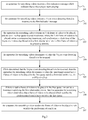
Fig.1 is a schematic flow chart of a method for smoothing videos according to a first embodiment of the present disclosure; -
Fig.2 is a schematic flow chart of a method for smoothing videos according to a second embodiment of the present disclosure; and -
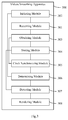
Fig.3 is a schematic structural diagram of an apparatus for smoothing videos according to a third embodiment of the present disclosure. - A method and an apparatus for smoothing videos according to embodiments of the present disclosure will be described below in details with reference to the drawings.
- As illustrated in
Fig.1 in particular, a method for smoothing videos according to an embodiment of the present disclosure includes: - Step101, an apparatus for smoothing videos receives a first indication message which indicates that a video player starts playing.
- Particularly if a user plays the video, then the apparatus for smoothing videos will firstly receive the first indication message generated as a result of the user triggering the video player, where the first indication message indicates that the video player starts playing.
- It shall be noted that the apparatus for smoothing videos in the embodiment of the present disclosure may particularly be a separate apparatus installed in an Android video playing device, or may be an apparatus integrated in the Android video playing device, and the embodiments of the present disclosure will not be limited thereto, although the apparatus for smoothing videos receives the first indication message which indicates that the video player starts playing.
- Step102, the apparatus for smoothing videos initiates a frame synchronization (Vertical Synchronization (Vsync)) event detecting thread in response to the first indication message.
- Here the Vsync event detecting thread is configured, upon being resumed (awoken), to detect whether a frame of videos to be played which satisfies a predetermined condition is stored.
- Particularly the apparatus for smoothing videos initiates the Vsync event detecting thread in response to the first indication message upon reception of the first indication message.
- It shall be noted that the Vsync event detecting thread is configured to detect a Vsync signal generated by the system periodically within surface render periods, and if there is no Vsync signal arriving, then the Vsync event detecting thread will be suspended; or if there is a Vsync signal arriving, then the Vsync event detecting thread will be resumed once and further detect whether appropriate data of a frame of videos to be played are stored, and if there are such data, then the data of the frame of videos will be surface-rendered.
- It shall be noted that Vsync in the embodiment of the present disclosure may be synchronization of a video frame or synchronization of another frame to be rendered, so the resumed Vsync event detecting thread will detect not only synchronization information of the video frames, but also synchronization information of the other frames to be rendered. And the embodiment of the present disclosure will not be limited thereto, but the videos will be smoothed as described in the embodiment of the present disclosure, so only the synchronization information of the video frames will be described in the embodiment of the present disclosure, while the Vsync event detecting thread will not handle the other frames to be rendered in the embodiment of the present disclosure.
- Step103, the apparatus for smoothing videos obtains an N-th frame of videos to be played, and stores it in a first queue created in advance, where the N-th frame of videos to be played carries a corresponding timestamp, and synchronizes a clock time of the Vsync event detecting thread with a first timestamp when the first frame of videos to be played is obtained.
- Here N≥1 and N is an integer, and the first timestamp is a timestamp corresponding to the first frame of videos to be played.
- Particularly while the videos are being played, the apparatus for smoothing videos obtains the N-th frame of videos to be played, and stores the N-th frame of videos to be played in the first queue created in advance, where the N-th frame of videos to be played carries the corresponding timestamp.
- Here the clock time of the Vsync event detecting thread will be synchronized with the timestamp corresponding to the first frame of videos to be played when the first frame of videos to be played is obtained, that is, if the timestamp of the first frame of videos to be played is 25ms, then the clock time of the Vsync event detecting threshold is synchronized to 25ms when the first frame of videos to be played is obtained, thereby ensuring timestamps of all the frames of videos to be played which are started with the first frame of videos to be played to lie in a detection period of time of the Vsync event detecting thread.
- Step104, the apparatus for smoothing videos determines whether the Vsync event detecting thread is to be resumed.
- Particularly the apparatus for smoothing videos may determine whether the Vsync event detecting thread is to be resumed, as follows:
- It is determined whether a Vsync signal generated periodically within surface render periods is received; and
- If the Vsync signal is received, then it is determined that the Vsync event detecting thread is to be resumed.
- By way of an example, the surface render frequency is typically 60Hz, that is, the render period is 16ms, so a Vsync signal will be generated by the system at an interval of 16ms, and be sent to the apparatus for smoothing videos, and the apparatus for smoothing videos can determine that the Vsync event detecting thread is to be resumed, and further perform the following respective steps, upon reception of the Vsync signal; and of course, if there is no Vsync signal arriving, then the Vsync event detecting thread will be suspended, so the following respective steps will temporality not be performed.
- Step105, if it is determined that the Vsync event detecting thread is to be resumed, then the apparatus for smoothing videos detects the frame of video to be played which satisfies the predetermined condition is stored in the first queue, according to the timestamps corresponding to the frames of videos to be played in the first queue.
- Particularly if it is determined that the Vsync event detecting thread is to be resumed, then the apparatus for smoothing videos detects the frame of videos to be played which satisfies the predetermined condition is stored in the first queue, according to the timestamps corresponding to the frames of videos to be played in the first queue, where the predetermined condition may particularly include:
- The timestamps carried in the frames of videos to be played satisfy a first relationship, and the first relationship may be as follow:

Where t1 represents a current clock time of the Vsync event detecting thread, a represents a predetermined clock offset, PTS represents a timestamp carried by a frame of videos to be played in the first queue, and T represents the surface render period, i.e., a Vsync period. - It shall be noted that the predetermined clock offset in the embodiment of the present disclosure is a predetermined reference variable to reflect a whole offset of a timestamp of a frame of videos to be played which are to be surface-rendered, relative to a surface render time. The whole offset may be a reference variable less than T, or may be a reference variable no less than T, and the embodiment of the present disclosure will not be limited thereto.
- Preferably the predetermined clock offset in the first relationship satisfies a second condition, which may be 0≤a<T.
- It shall be noted that in order to ensure that the frame of videos to be played is rendered at a time closer to the timestamp thereof, the predetermined clock offset in the first relationship is defined as less than the surface render period, so that jitter of the videos can be further alleviated.
- Preferably the value of a is 1/2T, so the first relationship is t1-1/2T<PTS<t1+1/2T, and at this time, the frame of videos to be played can be ensured to be rendered at the closest time to the timestamp thereof, so that jitter of the videos can be still further alleviated.
- It shall be noted that since the periods of the timestamps of the frames of videos to be played are typically more than the surface render period, whether a frame of video to be played which satisfies the predetermined condition is stored in the first queue is detected with reference to the timestamps of the frames of videos to be played, then such an instance will not occur that there are two frames of videos to be played which both satisfy the predetermined condition. And if there is an error of at least ±10ms between the acquisition time and the timestamps of the frames of videos, then more than one frame of videos will be stored in a display buffer for subsequent surface rendering, but only one of the frames can be rendered, and the other frames of videos will be discarded, thereby alleviating jitter of the videos.
- Step106, if a frame of videos to be played which satisfies the predetermined condition is stored in the first queue, then the apparatus for smoothing videos is to render the frame of videos to be played which satisfies the predetermined condition.
- Particularly if a frame of videos to be played which satisfies the predetermined condition is stored in the first queue, then the apparatus for smoothing videos will render the frame of videos to be played which satisfies the predetermined condition.
- By way of an example, if the predetermined condition is that a timestamp carried in a frame of videos in the first queue satisfies the relationship t1-1/2T<PTS<t1+1/2T, the surface render period is 16m, and the period of the timestamp of the frame of videos is 25ms, then several frames of videos to be played from obtaining of the first frame of videos to be played until synchronization of the clock time of the Vsync event detecting thread with the first timestamp will be rendered as listed below in Table 1.
Table 1 Clock time (ms) of Vsync event detecting thread Timestamp (ms) of frame of videos to be played 32 25 48 50 64 --- 80 75 96 100 112 --- 128 125 144 150 160 --- 176 175 192 --- 208 200 224 225 240 --- 256 250 - It shall be noted that if no frame of videos to be played which satisfies the predetermined condition is stored in the first queue, then at this time the apparatus for smoothing videos will not render any frame of videos, as depicted by a sign "---" in Table 1.
- With the solution in the prior art, the following instances will occur:
- A frame of videos to be played, with a timestamp of 25ms is acquired at the time of 15ms and rendered at the time of 16ms; and
- A frame of video to be played, with a timestamp of 50ms is acquired at the time of 58ms and rendered at the time of 64ms;
- Here there is such a large interval of time between the time when the frame of videos to be played, with the timestamp of 25ms is rendered, and the time when the frame of videos to be played, with the timestamp of 50ms is rendered, such that the frame of videos to be played, with the timestamp of 25ms may be played for a prolonged period of time.
- If there is such an instance that:
- A frame of video to be played, with a timestamp of 25ms is acquired at the time of 35ms, a frame of video to be played, with a timestamp of 50ms is acquired at the time of 45ms, then there will be two frames of videos to be played at the surface render time of 48ms, and at this time one of the frames of videos will be discarded.
- Thus in the solution according to the prior art, the rate at which the frames of videos are acquired is not uniform, thus resulting in serious jitter of the video; and in the embodiments of the present disclosure, since the period of the timestamps of the frames of videos to be played is uniform, as can be apparent from Table 1, the frames of videos to be played are surface-rendered at a uniform rate to thereby alleviate jitter of the videos being played.
- It shall be noted that the process in the
steps 104 to 106 is performed repeatedly, that is, the apparatus for smoothing videos determines all the time whether the Vsync event detecting thread is to be resumed, and if the Vsync event detecting thread is to be resumed, then the process will proceed to the step Step05, and further selectively to thestep Step 106. - The embodiment of the present disclosure provides a method for smoothing videos, the method including: receiving a first indication message, and initiating a Vsync event detecting thread in response to the first indication message, where the Vsync event detecting thread is configured, upon being resumed, to detect whether a frame of videos to be played which satisfies a predetermined condition is stored; obtaining an N-th frame of videos to be played, and storing it in a first queue created in advance, where the N-th frame of videos to be played carries a corresponding timestamp, and synchronizing a clock time of the Vsync event detecting thread with a first timestamp when the first frame of videos to be played is obtained, where N≥1 and N is an integer, and the first timestamp is a timestamp corresponding to the first frame of videos to be played; and determining whether the Vsync event detecting thread is to be resumed, and if it is determined that the Vsync event detecting thread is to be resumed, then detecting the frame of videos to be played which satisfies the predetermined condition is stored in the first queue, according to the timestamps corresponding to the frames of videos to be played in the first queue, and if the frame of videos to be played which satisfies the predetermined condition is stored in the first queue, then rendering the frame of videos to be played which satisfies the predetermined condition. With the solution above according to the embodiment of the present disclosure, if the player starts playing, then the Vsync event detecting thread is initiated, if the Vsync event detecting thread is resumed, then a frame of videos to be played which satisfies a predetermined condition is stored in the first queue is detected according to the timestamps corresponding to the frames of videos to be played in the first queue, and if a frame of videos to be played which satisfies the predetermined condition is detected, then the frame of videos to be played is rendered; and since the periods of the timestamps corresponding to the frames of videos to be played are uniform, the frame of videos to be played which satisfies the predetermined condition can be selected with reference to the timestamp of the frame of videos to be played, and be rendered so that the frame of videos to be played can be rendered at a uniform rate, thereby alleviating jitter of the videos being played.
- As illustrated in
Fig.2 in particular, a method for smoothing videos according to an embodiment of the present disclosure includes: - Step201, an apparatus for smoothing videos receives a first indication message which indicates that a video player starts playing.
- Particularly if a user plays the videos, then the apparatus for smoothing videos will firstly receive the first indication message generated as a result of the user triggering the video player, where the first indication message indicates that the video player starts playing.
- It shall be noted that the apparatus for smoothing videos in the embodiment of the present disclosure may particularly be a separate apparatus installed in an Android video playing device, or may be an apparatus integrated in the Android video playing device, and the embodiments of the present disclosure will not be limited thereto, although the apparatus for smoothing videos receives the first indication message which indicates that the video player starts playing.
- Step202, the apparatus for smoothing videos initiates a Vsync event detecting thread in response to the first indication message.
- Here the Vsync event detecting thread is configured, upon being resumed, to detect a frame of videos to be played which satisfies a predetermined condition is stored.
- Particularly the apparatus for smoothing videos starts the Vsync event detecting thread in response to the first indication message upon reception of the first indication message.
- It shall be noted that the Vsync event detecting thread is configured to detect a Vsync signal generated by the system periodically within surface render periods, and if there is no Vsync signal arriving, then the Vsync event detecting thread will be suspended; or if there is a Vsync signal arriving, then the Vsync event detecting thread will be resumed once and further detect whether appropriate data of a frame of videos to be played are stored, and if there are such data, then the data of the frame of videos will be surface-rendered.
- It shall be noted that Vsync in the embodiment of the present disclosure may be synchronization of a video frame or synchronization of another frame to be rendered, so the resumed Vsync event detecting thread will detect not only synchronization information of the video frames, but also synchronization information of the other frames to be rendered. And the embodiment of the present disclosure will not be limited thereto, but the videos will be smoothed as described in the embodiment of the present disclosure, so only the synchronization information of the video frames will be described in the embodiment of the present disclosure, while the Vsync event detecting thread will not handle the other frames to be rendered in the embodiment of the present disclosure.
- Stpe203, the apparatus for smoothing videos obtains an N-th frame of videos to be played, and stores it in a first queue created in advance, where the N-th frame of videos to be played carries a corresponding timestamp, and synchronizes a clock time of the Vsync event detecting thread with a first timestamp when the first frame of videos to be played is obtained.
- Here N≥1 and N is an integer, and the first timestamp is a timestamp corresponding to the first frame of videos to be played.
- Particularly while the videos are being played, the apparatus for smoothing videos obtains the N-th frame of videos to be played, and stores the N-th frame of videos to be played in the first queue created in advance, where the N-th frame of videos to be played carries the corresponding timestamp.
- Here the clock time of the Vsync event detecting thread will be synchronized with the timestamp corresponding to the first frame of videos to be played when the first frame of videos to be played is obtained, that is, if the timestamp of the first frame of videos to be played is 25ms, then the clock time of the Vsync event detecting threshold is synchronized to 25ms when the first frame of videos to be played is obtained, thereby ensuring timestamps of all the frames of videos to be played which are started with the first frame of videos to be played to lie in a detection period of time of the Vsync event detecting thread.
- Step204, the apparatus for smoothing videos determines whether the Vsync event detecting thread is to be resumed.
- Particularly the apparatus for smoothing videos may determine whether the Vsync event detecting thread is to be resumed, as follows:
- It is determined whether a Vsync signal generated periodically within surface render periods is received; and
- If the Vsync signal is received, then it is determined that the Vsync event detecting thread is to be resumed.
- By way of an example, the surface render frequency is typically 60Hz, that is, the render period is 16ms, so a Vsync signal will be generated by the system at an interval of 16ms, and be sent to the apparatus for smoothing videos, and the apparatus for smoothing videos can determine that the Vsync event detecting thread is to be resumed, and further perform the following respective steps, upon reception of the Vsync signal; and of course, if there is no Vsync signal arriving, then the Vsync event detecting thread will be suspended, so the following respective steps will temporality not be performed.
- Stpe205, if it is determined that the Vsync event detecting thread is to be resumed, then the apparatus for smoothing videos determines whether the timestamps carried in the frames of videos to be played in the first queue satisfy a first relationship, as follow:

- Where t1 represents a current clock time of the Vsync event detecting thread, a represents a predetermined clock offset, PTS represents a timestamp carried by a frame of video to be played in the first queue, and T represents the surface render period, i.e., a Vsync period.
- It shall be noted that the predetermined clock offset in the embodiment of the present disclosure is a predetermined reference variable to reflect a whole offset of a timestamp of a frame of videos to be played which are to be surface-rendered, relative to a surface render time. The whole offset may be a reference variable less than T, or may be a reference variable no less than T, and the embodiment of the present disclosure will not be limited thereto.
- Preferably the predetermined clock offset in the first relationship satisfies a second condition, which may be 0≤a<T.
- It shall be noted that in order to ensure that the frame of videos to be played is rendered at a time closer to the timestamp thereof, the predetermined clock offset in the first relationship is defined as less than the surface render period, so that jitter of the videos can be further alleviated.
- Preferably the value of a is 1/2T, so the first relationship is t1-1/2T<PTS<t1+1/2T, and at this time, the frame of videos to be played can be ensured to be rendered at the closest time to the timestamp thereof, so that jitter of the videos can be still further alleviated.
- Step206, if there is such a frame of videos to be played in the first queue that carries a timestamp satisfying the first relationship above, then the apparatus for smoothing videos determines that a frame of videos to be played which satisfies the predetermined condition is stored in the first queue.
- It shall be noted that since the periods of the timestamps of the frames of videos to be played are typically more than the surface render period, whether a frame of video to be played which satisfies the predetermined condition is stored in the first queue is detected with reference to the timestamps of the frames of videos to be played, then such an instance will not occur that there are two frames of videos to be played which both satisfy the predetermined condition, so such an instance in the prior art will not occur that with reference to the acquisition time of the frame of videos to be played. And if there is an error of at least ±10ms between the acquisition time and the timestamps of the frames of videos, then more than one frame of videos will be stored in a display buffer for subsequent surface rendering, but only one of the frames can be rendered, and the other frames of videos will be discarded, thereby alleviating jitter of the videos.
- Step207, the apparatus for smoothing videos renders the frame of videos to be played which satisfies the predetermined condition.
- Particularly if a frame of videos to be played which satisfies the predetermined condition is stored in the first queue, then the apparatus for smoothing videos will render the frame of videos to be played which satisfies the predetermined condition.
- Reference can be made to the related description of Table 1 in the first embodiment for details about an example in which the apparatus for smoothing videos renders the frame of videos to be played which satisfies the predetermined condition, so a repeated description thereof will be omitted here in the embodiment of the present disclosure.
- It shall be noted that if no frame of videos to be played which satisfies the predetermined condition is stored in the first queue, then at this time the apparatus for smoothing videos will not render any frame of videos, as depicted by a sign "---" in Table 1.
- It shall be noted that the process in the
steps 204 to 207 is performed repeatedly, that is, the apparatus for smoothing videos determines all the time whether the Vsync event detecting thread is to be resumed, and if the Vsync event detecting thread is to be resumed, then the process will proceed to the step205, and further selectively to the step206 and the step207. - The embodiment of the present disclosure provides a method for smoothing videos, the method including: receiving a first indication message, and initiating a Vsync event detecting thread in response to the first indication message, where the Vsync event detecting thread is configured, upon being resumed, to detect whether a frame of videos to be played, which satisfies a predetermined condition is stored; obtaining an N-th frame of videos to be played, and storing it in a first queue created in advance, where the N-th frame of videos to be played carries a corresponding timestamp, and synchronizing a clock time of the Vsync event detecting thread with a first timestamp when the first frame of videos to be played is obtained, where N≥1 and N is an integer, and the first timestamp is a timestamp corresponding to the first frame of videos to be played; and determining whether the Vsync event detecting thread is to be resumed, and if it is determined that the Vsync event detecting thread is to be resumed, then detecting the frame of videos to be played which satisfies the predetermined condition is stored in the first queue, according to the timestamps corresponding to the frames of videos to be played in the first queue, and if the frame of videos to be played which satisfies the predetermined condition is stored in the first queue, then rendering the frame of videos to be played which satisfies the predetermined condition. With the solution above according to the embodiment of the present disclosure, if the player starts playing, then the Vsync event detecting thread is initiated, if the Vsync event detecting thread is resumed, then a frame of videos to be played which satisfies a predetermined condition is stored in the first queue is detected according to the timestamps corresponding to the frames of videos to be played in the first queue, and if a frame of videos to be played which satisfies the predetermined condition is detected, then the frame of videos to be played is rendered; and since the periods of the timestamps corresponding to the frames of videos to be played are uniform, the frame of videos to be played which satisfies the predetermined condition can be selected with reference to the timestamp of the frame of videos to be played, and be rendered so that the frame of videos to be played can be rendered at a uniform rate, thereby alleviating jitter of the videos being played.
- An embodiment of the present disclosure provides an
apparatus 300 for smoothing videos, and as particularly illustrated inFig.3 , theapparatus 300 may include: a receivingmodule 301, an initiatingmodule 302, an obtainingmodule 303, astoring module 304, aclock synchronizing module 305, a determiningmodule 306, a detectingmodule 307, and arendering module 308. - The receiving
module 301 is configured to receive a first indication message which indicates that a video player starts playing. - The initiating
module 302 is configured to initiate a Vsync event detecting thread in response to the first indication message received by the receivingmodule 301, where the event detecting thread is configured, upon being resumed, to detect whether a frame of videos to be played which satisfies a predetermined condition is stored. - The obtaining
module 303 is configured to obtain an N-th frame of videos to be played. - The
storing module 304 is configured to store the N-th frame of videos to be played which is obtained by the obtainingmodule 303 in a first queue created in advance, where the N-th frame of videos to be played carries a corresponding timestamp. - The
clock synchronizing module 305 is configured to synchronize a clock time of the Vsync event detecting thread with a first timestamp when the obtainingmodule 303 obtains the first frame of videos to be played, where N≥1 and N is an integer, and the first timestamp is a timestamp corresponding to the first frame of videos to be played. - The determining
module 306 is configured to determine whether the Vsync event detecting thread is to be resumed. - The detecting
module 307 is configured, if the determiningmodule 306 determines that the Vsync event detecting thread is to be resumed, to detect whether the frame of videos to be played which satisfies the predetermined condition is stored in the first queue, according to the timestamps corresponding to the frames of videos to be played which are stored by thestoring module 304 in the first queue. - The
rendering module 308 is configured, if the detectingmodule 307 detects the frame of videos to be played which satisfies the predetermined condition is stored by thestoring module 304 in the first queue, to render the frame of videos to be played which satisfies the predetermined condition. - Furthermore the determining
module 306 may be specifically configured: - To determine whether a Vsync signal generated periodically within surface render periods is received; and
- If the Vsync signal is received, to determine that the Vsync event detecting thread is to be resumed.
- In an embodiment of the present disclosure, the predetermined condition may specifically include:
- A condition that the timestamps carried in the frames of videos to be played satisfy a first relationship, where the first relationship is as follow:

- Where t1 represents a current clock time of the Vsync event detecting thread, a represents a predetermined clock offset, PTS represents a timestamp carried by a frame of videos to be played, and T represents the surface render period.
- Preferably the predetermined clock offset in the first relationship satisfies a second condition that:

- Specifically the predetermined clock offset may include:


- Reference can be made to the descriptions in the first embodiment and the second embodiment for details about the process of smoothing the video by the
apparatus 300 for smoothing videos, so a repeated description thereof will be omitted here. - An embodiment of the present disclosure further provides a computer readable recording medium on which programs for performing any one of the methods according to the above embodiments of the present disclosure are recorded.
- The computer readable recording medium includes any mechanism for storing or transporting computer (for example, a PC) readable information. For example the machine readable medium includes a Read Only Memory (ROM), a Random Access Memory (RAM), a magnetic disk storage medium, an optical storage medium, a flash memory medium, an electric, optical, acoustic or another form of propagated signal (e.g., a carrier wave, an infrared signal, a digital signal, etc.), etc.
- The embodiment of the present disclosure provides an apparatus for smoothing videos, where if a receiving module receives a first indication message, then an initiating module initiates a Vsync event detecting thread, if a determining module determines that the Vsync event detecting thread is to be resumed, then a detecting module detects a frame of videos to be played which satisfies a predetermined condition is stored in a first queue according to timestamps of frames of videos to be played in the first queue, and if the detecting module detects the frame of videos to be played which satisfies the predetermined condition is stored, then the rendering module renders the frame of videos to be played; and since the period of the timestamps corresponding to the frames of videos to be played are uniform, the frame of videos to be played which satisfies the predetermined condition can be selected with reference to the timestamps of the frames of videos to be played, and be rendered so that the frames of videos to be played can be rendered at a uniform rate, thereby alleviating jitter of the videos being played.
- Those skilled in the art can readily appreciate that the respective functional modules have been exemplified above for the sake of convenience and conciseness, but in a practical application, the functions above can be allocated to different functional modules as needed, that is, the internal structure of the apparatus can be divided into different functional modules for performing all or a part of the functions described above. Reference can be made to the corresponding processes in the embodiments of the method described above for particular operational processes of the apparatus described above, so a repeated description thereof will be omitted here.
- In the several embodiments of the present disclosure, it shall be appreciated that the disclosed apparatus and method can be embodied otherwise. For example the embodiments of the apparatus described above are merely illustrative. Furthermore the illustrated or described coupling or direct coupling between the modules can be established via some interface, and indirect coupling or communication connection between the modules can be electrical, mechanical or in another form.
- The modules described as separate components may or may not be physically separate, and the components illustrated as modules may be one or more physical modules, that is, they can be collocated or can be distributed at a number of places. A part or all of the modules can be selected as needed in reality for the purpose of the solution according to the embodiments of the present disclosure.
- Moreover the respective functional modules in the respective embodiments of the present disclosure can be integrated in a processing module, or the respective modules can be physically embodied separately, or two or more of the modules can be integrated in a module. The integrated modules can be embodied in the form of hardware or can be embodied in the form of software functional modules.
- If the integrated modules are embodied in the form of software functional modules, and sold or used as a separate product, then they can be stored in a readable storage medium. Based upon such understanding, the technical solutions of the present disclosure essentially or their parts contributing to the prior art or all or a part of the technical solutions can be embodied in the form of a software product stored in a storage medium, which includes several instructions to cause a device (e.g., a monolithic processor, a chip, etc.) or a processor to perform all or a part of the steps in the method according to the respective embodiments of the present disclosure. The storage medium includes a U-disk, a mobile hard disk, a Read-Only Memory (ROM), a Random Access Memory (RAM), a magnetic disk, an optic disk, and any other medium in which program codes can be stored.
- The foregoing disclosure is illustrative of the particular embodiments of the present disclosure, but the present disclosure shall not be limited thereto; and any variations or equivalents which can readily occur to those skilled in the art without departing from the scope of the disclosure of the present disclosure shall fall into the scope of the present disclosure. Accordingly the scope of the present disclosure shall be as defined in the appended claims.
Claims (11)
- A method for smoothing videos, the method comprising:receiving a first indication message which indicates that a video player starts playing;initiating a frame synchronization (Vertical Synchronization (Vsync)) event detecting thread in response to the first indication message, wherein the Vsync event detecting thread is configured, upon being resumed, to detect whether a frame of videos to be played which satisfies a predetermined condition is stored;obtaining an N-th frame of videos to be played, and storing it in a first queue created in advance, wherein the N-th frame of videos to be played carries a corresponding timestamp, and synchronizing a clock time of the Vsync event detecting thread with a first timestamp when the first frame of videos to be played is obtained, where N ≥1 and N is an integer, and the first timestamp is a timestamp corresponding to the first frame of videos to be played;determining whether the Vsync event detecting thread is to be resumed;detecting, if it is determined that the Vsync event detecting thread is to be resumed, whether the frame of videos to be played which satisfies the predetermined condition is stored in the first queue, according to the timestamps corresponding to the frames of videos to be played in the first queue; andrendering, if there is the frame of videos to be played which satisfies the predetermined condition is stored in the first queue, the frame of videos to be played which satisfies the predetermined condition.
- The method according to claim 1, wherein the determining whether the Vsync event detecting thread is to be resumed comprises:determining whether a Vsync signal generated periodically within surface render periods is received; anddetermining, if the Vsync signal is received, that the Vsync event detecting thread is to be resumed.
- The method according to claim 1 or 2, wherein the predetermined condition comprises:a condition that the timestamps carried in the frames of videos to be played satisfy a first relationship, wherein the first relationship is as follow:

- The method according to claim 3, wherein the predetermined clock offset in the first relationship satisfies a second condition, wherein the second condition is as follow:
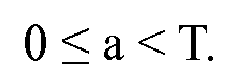
- The method according to claim 4, wherein the predetermined clock offset comprises:


- An apparatus for smoothing videos, the apparatus comprising:a receiving module configured to receive a first indication message which indicates that a video player starts playing;an initiating module configured to initiate a frame synchronization (Vertical Synchronization (Vsync)) event detecting thread in response to the first indication message received by the receiving module, wherein the event detecting thread is configured, upon being resumed, to detect whether a frame of videos to be played which satisfies a predetermined condition is stored;an obtaining module configured to obtain an N-th frame of videos to be played;a storing module configured to store the N-th frame of videos to be played which is obtained by the obtaining module in a first queue created in advance, wherein the N-th frame of videos to be played carries a corresponding timestamp;a clock synchronizing module configured to synchronize a clock time of the Vsync event detecting thread with a first timestamp when the obtaining module obtains the first frame of videos to be played, where N ≥ 1 and N is an integer, and the first timestamp is a timestamp corresponding to the first frame of videos to be played;a determining module configured to determine whether the Vsync event detecting thread is to be resumed;a detecting module configured, if the determining module determines that the Vsync event detecting thread is to be resumed, to detect whether the frame of videos to be played which satisfies the predetermined condition is stored in the first queue, according to the timestamps corresponding to the frames of videos to be played which are stored by the storing module in the first queue; anda rendering module configured, if the detecting module detects the frame of videos to be played which satisfies the predetermined condition is stored by the storing module in the first queue, to render the frame of videos to be played which satisfies the predetermined condition.
- The apparatus according to claim 6, wherein the determining module is configured:to determine whether a Vsync signal generated periodically within surface render periods is received; andto determine, if the Vsync signal is received, that the Vsync event detecting thread is to be resumed.
- The apparatus according to claim 6 or 7, wherein the predetermined condition comprises:a condition that the timestamps carried in the frames of videos to be played satisfy a first relationship, wherein the first relationship is as follow:

- The apparatus according to claim 8, wherein the predetermined clock offset in the first relationship satisfies a second condition, wherein the second condition is as follow:

- The apparatus according to claim 9, wherein the predetermined clock offset comprises:


- A computer readable recording medium, on which programs for performing the method according to any one of claims 1 to 5 are recorded.
Applications Claiming Priority (2)
| Application Number | Priority Date | Filing Date | Title |
|---|---|---|---|
| CN201310750815.7A CN103747332B (en) | 2013-12-25 | 2013-12-25 | A kind of smoothing processing method and device of video |
| PCT/CN2014/093599 WO2015096622A1 (en) | 2013-12-25 | 2014-12-11 | Video smoothing method and device |
Publications (2)
| Publication Number | Publication Date |
|---|---|
| EP3089471A1 true EP3089471A1 (en) | 2016-11-02 |
| EP3089471A4 EP3089471A4 (en) | 2016-12-14 |
Family
ID=50504314
Family Applications (1)
| Application Number | Title | Priority Date | Filing Date |
|---|---|---|---|
| EP14875371.8A Withdrawn EP3089471A4 (en) | 2013-12-25 | 2014-12-11 | METHOD AND DEVICE FOR VIDEO LAUNDRY |
Country Status (4)
| Country | Link |
|---|---|
| US (1) | US20160301961A1 (en) |
| EP (1) | EP3089471A4 (en) |
| CN (1) | CN103747332B (en) |
| WO (1) | WO2015096622A1 (en) |
Families Citing this family (10)
| Publication number | Priority date | Publication date | Assignee | Title |
|---|---|---|---|---|
| CN103747332B (en) * | 2013-12-25 | 2018-08-10 | 乐视致新电子科技(天津)有限公司 | A kind of smoothing processing method and device of video |
| CN110771160A (en) * | 2018-07-23 | 2020-02-07 | 深圳市大疆创新科技有限公司 | Video uniform display method, terminal device and machine-readable storage medium |
| CN109697156A (en) * | 2018-11-19 | 2019-04-30 | 北京奇艺世纪科技有限公司 | A kind of starting time obtaining method, device, terminal device and storage medium |
| WO2021134452A1 (en) | 2019-12-31 | 2021-07-08 | Qualcomm Incorporated | Methods and apparatus to facilitate frame per second rate switching via touch event signals |
| CN112312191A (en) * | 2020-10-30 | 2021-02-02 | 湖南快乐阳光互动娱乐传媒有限公司 | Display method and device of video advertisement material |
| CN112153082B (en) * | 2020-11-25 | 2021-03-09 | 深圳乐播科技有限公司 | Method and device for smoothly displaying real-time streaming video picture in android system |
| CN113382300B (en) * | 2021-06-08 | 2023-03-21 | 三星电子(中国)研发中心 | Audio and video playing method and device |
| CN115550708B (en) * | 2022-01-07 | 2023-12-19 | 荣耀终端有限公司 | Data processing method and electronic equipment |
| CN116489436A (en) * | 2022-01-14 | 2023-07-25 | 西安诺瓦星云科技股份有限公司 | Signal synchronization method, device, storage medium and video processing equipment |
| CN115767183B (en) * | 2022-11-16 | 2025-09-19 | 杭州网易智企科技有限公司 | Adjustment method, device, medium and computing equipment of jitter buffer queue |
Family Cites Families (11)
| Publication number | Priority date | Publication date | Assignee | Title |
|---|---|---|---|---|
| US8036152B2 (en) * | 2006-01-06 | 2011-10-11 | Proxense, Llc | Integrated power management of a client device via system time slot assignment |
| JP4746442B2 (en) * | 2006-02-24 | 2011-08-10 | 株式会社東芝 | Terminal device |
| US9544638B2 (en) * | 2006-04-17 | 2017-01-10 | Broadcom Corporation | Method for reconstructing system time clock (STC) without carrying PCR |
| JP4658860B2 (en) * | 2006-05-30 | 2011-03-23 | Okiセミコンダクタ株式会社 | Image data transfer circuit |
| US9001815B2 (en) * | 2007-10-31 | 2015-04-07 | Qualcomm, Incorporated | Method and apparatus for signaling transmission characteristics in a wireless communication network |
| JP4682185B2 (en) * | 2007-12-13 | 2011-05-11 | 富士通東芝モバイルコミュニケーションズ株式会社 | Mobile phone |
| US8396133B2 (en) * | 2009-04-21 | 2013-03-12 | Qualcomm Incorporated | Synchronizing video frames without hardware timestamps |
| CN102413382B (en) * | 2011-12-27 | 2014-06-11 | 四川九洲电器集团有限责任公司 | Method for promoting smoothness of real-time video |
| CN103002354A (en) * | 2012-12-14 | 2013-03-27 | 四川九洲电器集团有限责任公司 | Method and system for eliminating network jitter of video data during transmission |
| US20160357493A1 (en) * | 2013-10-30 | 2016-12-08 | Barco Control Rooms Gmbh | Synchronization of videos in a display wall |
| CN103747332B (en) * | 2013-12-25 | 2018-08-10 | 乐视致新电子科技(天津)有限公司 | A kind of smoothing processing method and device of video |
-
2013
- 2013-12-25 CN CN201310750815.7A patent/CN103747332B/en active Active
-
2014
- 2014-12-11 EP EP14875371.8A patent/EP3089471A4/en not_active Withdrawn
- 2014-12-11 WO PCT/CN2014/093599 patent/WO2015096622A1/en not_active Ceased
- 2014-12-11 US US15/100,509 patent/US20160301961A1/en not_active Abandoned
Also Published As
| Publication number | Publication date |
|---|---|
| EP3089471A4 (en) | 2016-12-14 |
| WO2015096622A1 (en) | 2015-07-02 |
| CN103747332B (en) | 2018-08-10 |
| CN103747332A (en) | 2014-04-23 |
| US20160301961A1 (en) | 2016-10-13 |
Similar Documents
| Publication | Publication Date | Title |
|---|---|---|
| US20160301961A1 (en) | Video smoothing method and device | |
| CN111510237B (en) | Controller and method for modifying clock signal, and synchronization device | |
| CN107277594B (en) | Method and device for synchronizing video and audio with bullet screen | |
| CN106533399B (en) | Circuit and method for modifying clock signal and device for executing time-sensitive task | |
| WO2019047956A1 (en) | Method and apparatus for improving image fluency | |
| KR20150057421A (en) | Multi-screen display apparatus and synchronication tuning method for the same | |
| US8913190B2 (en) | Method and apparatus for regenerating a pixel clock signal | |
| CN111668800A (en) | Line differential protection synchronization method and system based on wireless communication and absolute time | |
| US10560780B2 (en) | Phase alignment in an audio bus | |
| CN108573710A (en) | A kind of method and device of real-time removal recording echo | |
| CN108769815A (en) | Video processing method and device | |
| US11509411B2 (en) | Method and system for correcting clock skew using precision time protocol | |
| CN115426515B (en) | Method, device, system and storage medium for multi-device synchronous calibration | |
| CN106301644B (en) | A kind of synchronous method and apparatus of voice | |
| CN112118473B (en) | Video bullet screen display method and device, computer equipment and readable storage medium | |
| US9742966B2 (en) | Data processing system | |
| CN106533598B (en) | Circuit and method for estimating time difference between events, computer readable storage medium | |
| CN113382300A (en) | Audio and video playing method and device | |
| US11860689B2 (en) | Time synchronization method, service board, and network device | |
| KR20190033983A (en) | Audio device and control method thereof | |
| US9635633B2 (en) | Multimedia synchronization system and method | |
| CN108769559B (en) | Multimedia file synchronization method and device | |
| CN107580247B (en) | Vibration playing method and device and electronic equipment | |
| CN119556766B (en) | System for synchronizing high-speed clock based on low-speed clock, method, device and medium thereof | |
| US20090167943A1 (en) | Apparatus and Method for Synchronizing Video and Audio Data |
Legal Events
| Date | Code | Title | Description |
|---|---|---|---|
| PUAI | Public reference made under article 153(3) epc to a published international application that has entered the european phase |
Free format text: ORIGINAL CODE: 0009012 |
|
| 17P | Request for examination filed |
Effective date: 20160523 |
|
| AK | Designated contracting states |
Kind code of ref document: A1 Designated state(s): AL AT BE BG CH CY CZ DE DK EE ES FI FR GB GR HR HU IE IS IT LI LT LU LV MC MK MT NL NO PL PT RO RS SE SI SK SM TR |
|
| AX | Request for extension of the european patent |
Extension state: BA ME |
|
| A4 | Supplementary search report drawn up and despatched |
Effective date: 20161111 |
|
| RIC1 | Information provided on ipc code assigned before grant |
Ipc: H04N 21/8547 20110101AFI20161107BHEP |
|
| DAX | Request for extension of the european patent (deleted) | ||
| STAA | Information on the status of an ep patent application or granted ep patent |
Free format text: STATUS: THE APPLICATION IS DEEMED TO BE WITHDRAWN |
|
| 18D | Application deemed to be withdrawn |
Effective date: 20170610 |