EP3085238A1 - Cake and method for producing same - Google Patents
Cake and method for producing same Download PDFInfo
- Publication number
- EP3085238A1 EP3085238A1 EP14872239.0A EP14872239A EP3085238A1 EP 3085238 A1 EP3085238 A1 EP 3085238A1 EP 14872239 A EP14872239 A EP 14872239A EP 3085238 A1 EP3085238 A1 EP 3085238A1
- Authority
- EP
- European Patent Office
- Prior art keywords
- cake
- mass
- oils
- fats
- fatty acid
- Prior art date
- Legal status (The legal status is an assumption and is not a legal conclusion. Google has not performed a legal analysis and makes no representation as to the accuracy of the status listed.)
- Withdrawn
Links
- 238000004519 manufacturing process Methods 0.000 title claims abstract description 17
- 235000014593 oils and fats Nutrition 0.000 claims abstract description 52
- DCXXMTOCNZCJGO-UHFFFAOYSA-N tristearoylglycerol Chemical compound CCCCCCCCCCCCCCCCCC(=O)OCC(OC(=O)CCCCCCCCCCCCCCCCC)COC(=O)CCCCCCCCCCCCCCCCC DCXXMTOCNZCJGO-UHFFFAOYSA-N 0.000 claims abstract description 35
- 150000004667 medium chain fatty acids Chemical class 0.000 claims abstract description 30
- 239000000194 fatty acid Substances 0.000 claims abstract description 21
- 235000014113 dietary fatty acids Nutrition 0.000 claims abstract description 20
- 229930195729 fatty acid Natural products 0.000 claims abstract description 20
- 150000004665 fatty acids Chemical class 0.000 claims abstract description 17
- 239000000470 constituent Substances 0.000 claims abstract description 12
- 230000015271 coagulation Effects 0.000 claims abstract description 10
- 238000005345 coagulation Methods 0.000 claims abstract description 10
- 235000019219 chocolate Nutrition 0.000 claims description 23
- 239000002994 raw material Substances 0.000 claims description 16
- 239000003607 modifier Substances 0.000 claims description 10
- 239000004480 active ingredient Substances 0.000 claims description 4
- 230000001112 coagulating effect Effects 0.000 claims description 4
- 238000005303 weighing Methods 0.000 claims description 2
- 238000002844 melting Methods 0.000 abstract description 13
- 230000008018 melting Effects 0.000 abstract description 13
- 244000299461 Theobroma cacao Species 0.000 description 27
- 239000003921 oil Substances 0.000 description 23
- 235000019198 oils Nutrition 0.000 description 23
- 102100034068 Monocarboxylate transporter 1 Human genes 0.000 description 21
- 238000000034 method Methods 0.000 description 14
- PEDCQBHIVMGVHV-UHFFFAOYSA-N Glycerine Chemical compound OCC(O)CO PEDCQBHIVMGVHV-UHFFFAOYSA-N 0.000 description 11
- 101710137760 Malonyl-CoA-acyl carrier protein transacylase, mitochondrial Proteins 0.000 description 11
- 235000013601 eggs Nutrition 0.000 description 11
- 239000003925 fat Substances 0.000 description 11
- 235000019197 fats Nutrition 0.000 description 11
- 239000000203 mixture Substances 0.000 description 10
- 108700038057 Monocarboxylate transporter 1 Proteins 0.000 description 9
- 235000000346 sugar Nutrition 0.000 description 9
- 230000000052 comparative effect Effects 0.000 description 8
- 235000013312 flour Nutrition 0.000 description 8
- 239000008267 milk Substances 0.000 description 7
- 210000004080 milk Anatomy 0.000 description 7
- 239000000843 powder Substances 0.000 description 7
- 229920002472 Starch Polymers 0.000 description 6
- -1 glycerol organic acid fatty acid ester Chemical class 0.000 description 6
- 235000013336 milk Nutrition 0.000 description 6
- 238000002156 mixing Methods 0.000 description 6
- 235000019698 starch Nutrition 0.000 description 6
- 235000019484 Rapeseed oil Nutrition 0.000 description 5
- 235000009470 Theobroma cacao Nutrition 0.000 description 5
- 238000011156 evaluation Methods 0.000 description 5
- 235000011187 glycerol Nutrition 0.000 description 5
- 235000002639 sodium chloride Nutrition 0.000 description 5
- PHYFQTYBJUILEZ-IUPFWZBJSA-N triolein Chemical compound CCCCCCCC\C=C/CCCCCCCC(=O)OCC(OC(=O)CCCCCCC\C=C/CCCCCCCC)COC(=O)CCCCCCC\C=C/CCCCCCCC PHYFQTYBJUILEZ-IUPFWZBJSA-N 0.000 description 5
- 102100025272 Monocarboxylate transporter 2 Human genes 0.000 description 4
- 241000209140 Triticum Species 0.000 description 4
- 235000021307 Triticum Nutrition 0.000 description 4
- 150000001720 carbohydrates Chemical class 0.000 description 4
- 235000013399 edible fruits Nutrition 0.000 description 4
- 239000003995 emulsifying agent Substances 0.000 description 4
- 238000010438 heat treatment Methods 0.000 description 4
- 235000013310 margarine Nutrition 0.000 description 4
- 239000003264 margarine Substances 0.000 description 4
- 239000000463 material Substances 0.000 description 4
- 150000003839 salts Chemical class 0.000 description 4
- 239000008107 starch Substances 0.000 description 4
- 235000013311 vegetables Nutrition 0.000 description 4
- XLYOFNOQVPJJNP-UHFFFAOYSA-N water Substances O XLYOFNOQVPJJNP-UHFFFAOYSA-N 0.000 description 4
- QCVGEOXPDFCNHA-UHFFFAOYSA-N 5,5-dimethyl-2,4-dioxo-1,3-oxazolidine-3-carboxamide Chemical compound CC1(C)OC(=O)N(C(N)=O)C1=O QCVGEOXPDFCNHA-UHFFFAOYSA-N 0.000 description 3
- 102000002322 Egg Proteins Human genes 0.000 description 3
- 108010000912 Egg Proteins Proteins 0.000 description 3
- 108091006604 SLC16A7 Proteins 0.000 description 3
- 239000002253 acid Substances 0.000 description 3
- KRKNYBCHXYNGOX-UHFFFAOYSA-N citric acid Chemical compound OC(=O)CC(O)(C(O)=O)CC(O)=O KRKNYBCHXYNGOX-UHFFFAOYSA-N 0.000 description 3
- 235000019868 cocoa butter Nutrition 0.000 description 3
- 229940110456 cocoa butter Drugs 0.000 description 3
- 235000014103 egg white Nutrition 0.000 description 3
- 210000000969 egg white Anatomy 0.000 description 3
- 239000000796 flavoring agent Substances 0.000 description 3
- 235000013355 food flavoring agent Nutrition 0.000 description 3
- 235000014571 nuts Nutrition 0.000 description 3
- 238000002360 preparation method Methods 0.000 description 3
- 235000018102 proteins Nutrition 0.000 description 3
- 102000004169 proteins and genes Human genes 0.000 description 3
- 108090000623 proteins and genes Proteins 0.000 description 3
- 238000010025 steaming Methods 0.000 description 3
- 150000003626 triacylglycerols Chemical class 0.000 description 3
- GUBGYTABKSRVRQ-XLOQQCSPSA-N Alpha-Lactose Chemical compound O[C@@H]1[C@@H](O)[C@@H](O)[C@@H](CO)O[C@H]1O[C@@H]1[C@@H](CO)O[C@H](O)[C@H](O)[C@H]1O GUBGYTABKSRVRQ-XLOQQCSPSA-N 0.000 description 2
- SRBFZHDQGSBBOR-IOVATXLUSA-N D-xylopyranose Chemical compound O[C@@H]1COC(O)[C@H](O)[C@H]1O SRBFZHDQGSBBOR-IOVATXLUSA-N 0.000 description 2
- 229920001353 Dextrin Polymers 0.000 description 2
- 239000004375 Dextrin Substances 0.000 description 2
- 244000068988 Glycine max Species 0.000 description 2
- 235000010469 Glycine max Nutrition 0.000 description 2
- GUBGYTABKSRVRQ-QKKXKWKRSA-N Lactose Natural products OC[C@H]1O[C@@H](O[C@H]2[C@H](O)[C@@H](O)C(O)O[C@@H]2CO)[C@H](O)[C@@H](O)[C@H]1O GUBGYTABKSRVRQ-QKKXKWKRSA-N 0.000 description 2
- 240000008415 Lactuca sativa Species 0.000 description 2
- 240000007594 Oryza sativa Species 0.000 description 2
- 235000007164 Oryza sativa Nutrition 0.000 description 2
- DLRVVLDZNNYCBX-UHFFFAOYSA-N Polydextrose Polymers OC1C(O)C(O)C(CO)OC1OCC1C(O)C(O)C(O)C(O)O1 DLRVVLDZNNYCBX-UHFFFAOYSA-N 0.000 description 2
- 235000015076 Shorea robusta Nutrition 0.000 description 2
- UIIMBOGNXHQVGW-UHFFFAOYSA-M Sodium bicarbonate Chemical compound [Na+].OC([O-])=O UIIMBOGNXHQVGW-UHFFFAOYSA-M 0.000 description 2
- UIIMBOGNXHQVGW-DEQYMQKBSA-M Sodium bicarbonate-14C Chemical class [Na+].O[14C]([O-])=O UIIMBOGNXHQVGW-DEQYMQKBSA-M 0.000 description 2
- FAPWRFPIFSIZLT-UHFFFAOYSA-M Sodium chloride Chemical compound [Na+].[Cl-] FAPWRFPIFSIZLT-UHFFFAOYSA-M 0.000 description 2
- 229930006000 Sucrose Natural products 0.000 description 2
- CZMRCDWAGMRECN-UGDNZRGBSA-N Sucrose Chemical compound O[C@H]1[C@H](O)[C@@H](CO)O[C@@]1(CO)O[C@@H]1[C@H](O)[C@@H](O)[C@H](O)[C@@H](CO)O1 CZMRCDWAGMRECN-UGDNZRGBSA-N 0.000 description 2
- 244000269722 Thea sinensis Species 0.000 description 2
- 235000013532 brandy Nutrition 0.000 description 2
- 235000014121 butter Nutrition 0.000 description 2
- 239000003054 catalyst Substances 0.000 description 2
- 238000001816 cooling Methods 0.000 description 2
- GHVNFZFCNZKVNT-UHFFFAOYSA-N decanoic acid Chemical compound CCCCCCCCCC(O)=O GHVNFZFCNZKVNT-UHFFFAOYSA-N 0.000 description 2
- 235000019425 dextrin Nutrition 0.000 description 2
- 230000000694 effects Effects 0.000 description 2
- 230000005484 gravity Effects 0.000 description 2
- JVTAAEKCZFNVCJ-UHFFFAOYSA-N lactic acid Chemical compound CC(O)C(O)=O JVTAAEKCZFNVCJ-UHFFFAOYSA-N 0.000 description 2
- 239000008101 lactose Substances 0.000 description 2
- 239000007788 liquid Substances 0.000 description 2
- 235000021243 milk fat Nutrition 0.000 description 2
- 235000021239 milk protein Nutrition 0.000 description 2
- WWZKQHOCKIZLMA-UHFFFAOYSA-N octanoic acid Chemical compound CCCCCCCC(O)=O WWZKQHOCKIZLMA-UHFFFAOYSA-N 0.000 description 2
- 235000009566 rice Nutrition 0.000 description 2
- 235000012045 salad Nutrition 0.000 description 2
- 235000020374 simple syrup Nutrition 0.000 description 2
- 239000003549 soybean oil Substances 0.000 description 2
- 235000012424 soybean oil Nutrition 0.000 description 2
- 239000005720 sucrose Substances 0.000 description 2
- 235000020357 syrup Nutrition 0.000 description 2
- 239000006188 syrup Substances 0.000 description 2
- HDTRYLNUVZCQOY-UHFFFAOYSA-N α-D-glucopyranosyl-α-D-glucopyranoside Natural products OC1C(O)C(O)C(CO)OC1OC1C(O)C(O)C(O)C(CO)O1 HDTRYLNUVZCQOY-UHFFFAOYSA-N 0.000 description 1
- OWEGMIWEEQEYGQ-UHFFFAOYSA-N 100676-05-9 Natural products OC1C(O)C(O)C(CO)OC1OCC1C(O)C(O)C(O)C(OC2C(OC(O)C(O)C2O)CO)O1 OWEGMIWEEQEYGQ-UHFFFAOYSA-N 0.000 description 1
- MIDXCONKKJTLDX-UHFFFAOYSA-N 3,5-dimethylcyclopentane-1,2-dione Chemical compound CC1CC(C)C(=O)C1=O MIDXCONKKJTLDX-UHFFFAOYSA-N 0.000 description 1
- 229920001817 Agar Polymers 0.000 description 1
- 244000144725 Amygdalus communis Species 0.000 description 1
- 235000011437 Amygdalus communis Nutrition 0.000 description 1
- 244000060011 Cocos nucifera Species 0.000 description 1
- 235000013162 Cocos nucifera Nutrition 0.000 description 1
- 240000007154 Coffea arabica Species 0.000 description 1
- 229920002261 Corn starch Polymers 0.000 description 1
- FBPFZTCFMRRESA-FSIIMWSLSA-N D-Glucitol Natural products OC[C@H](O)[C@H](O)[C@@H](O)[C@H](O)CO FBPFZTCFMRRESA-FSIIMWSLSA-N 0.000 description 1
- FBPFZTCFMRRESA-KVTDHHQDSA-N D-Mannitol Chemical compound OC[C@@H](O)[C@@H](O)[C@H](O)[C@H](O)CO FBPFZTCFMRRESA-KVTDHHQDSA-N 0.000 description 1
- FBPFZTCFMRRESA-JGWLITMVSA-N D-glucitol Chemical compound OC[C@H](O)[C@@H](O)[C@H](O)[C@H](O)CO FBPFZTCFMRRESA-JGWLITMVSA-N 0.000 description 1
- 102000004190 Enzymes Human genes 0.000 description 1
- 108090000790 Enzymes Proteins 0.000 description 1
- 239000004386 Erythritol Substances 0.000 description 1
- UNXHWFMMPAWVPI-UHFFFAOYSA-N Erythritol Natural products OCC(O)C(O)CO UNXHWFMMPAWVPI-UHFFFAOYSA-N 0.000 description 1
- 229930091371 Fructose Natural products 0.000 description 1
- RFSUNEUAIZKAJO-ARQDHWQXSA-N Fructose Chemical compound OC[C@H]1O[C@](O)(CO)[C@@H](O)[C@@H]1O RFSUNEUAIZKAJO-ARQDHWQXSA-N 0.000 description 1
- 239000005715 Fructose Substances 0.000 description 1
- 241000272496 Galliformes Species 0.000 description 1
- 240000001972 Gardenia jasminoides Species 0.000 description 1
- 108010010803 Gelatin Proteins 0.000 description 1
- 229920002148 Gellan gum Polymers 0.000 description 1
- WQZGKKKJIJFFOK-GASJEMHNSA-N Glucose Natural products OC[C@H]1OC(O)[C@H](O)[C@@H](O)[C@@H]1O WQZGKKKJIJFFOK-GASJEMHNSA-N 0.000 description 1
- 229920002907 Guar gum Polymers 0.000 description 1
- 101000937642 Homo sapiens Malonyl-CoA-acyl carrier protein transacylase, mitochondrial Proteins 0.000 description 1
- 101000590830 Homo sapiens Monocarboxylate transporter 1 Proteins 0.000 description 1
- 101000577115 Homo sapiens Monocarboxylate transporter 2 Proteins 0.000 description 1
- GUBGYTABKSRVRQ-PICCSMPSSA-N Maltose Natural products O[C@@H]1[C@@H](O)[C@H](O)[C@@H](CO)O[C@@H]1O[C@@H]1[C@@H](CO)OC(O)[C@H](O)[C@H]1O GUBGYTABKSRVRQ-PICCSMPSSA-N 0.000 description 1
- 240000003183 Manihot esculenta Species 0.000 description 1
- 235000016735 Manihot esculenta subsp esculenta Nutrition 0.000 description 1
- 229930195725 Mannitol Natural products 0.000 description 1
- 102000014171 Milk Proteins Human genes 0.000 description 1
- 108010011756 Milk Proteins Proteins 0.000 description 1
- 235000019482 Palm oil Nutrition 0.000 description 1
- 229920001100 Polydextrose Polymers 0.000 description 1
- MUPFEKGTMRGPLJ-RMMQSMQOSA-N Raffinose Natural products O(C[C@H]1[C@@H](O)[C@H](O)[C@@H](O)[C@@H](O[C@@]2(CO)[C@H](O)[C@@H](O)[C@@H](CO)O2)O1)[C@@H]1[C@H](O)[C@@H](O)[C@@H](O)[C@@H](CO)O1 MUPFEKGTMRGPLJ-RMMQSMQOSA-N 0.000 description 1
- 235000019485 Safflower oil Nutrition 0.000 description 1
- 108010073771 Soybean Proteins Proteins 0.000 description 1
- 235000019486 Sunflower oil Nutrition 0.000 description 1
- 240000004584 Tamarindus indica Species 0.000 description 1
- 235000004298 Tamarindus indica Nutrition 0.000 description 1
- HDTRYLNUVZCQOY-WSWWMNSNSA-N Trehalose Natural products O[C@@H]1[C@@H](O)[C@@H](O)[C@@H](CO)O[C@@H]1O[C@@H]1[C@H](O)[C@@H](O)[C@@H](O)[C@@H](CO)O1 HDTRYLNUVZCQOY-WSWWMNSNSA-N 0.000 description 1
- MUPFEKGTMRGPLJ-UHFFFAOYSA-N UNPD196149 Natural products OC1C(O)C(CO)OC1(CO)OC1C(O)C(O)C(O)C(COC2C(C(O)C(O)C(CO)O2)O)O1 MUPFEKGTMRGPLJ-UHFFFAOYSA-N 0.000 description 1
- 235000009499 Vanilla fragrans Nutrition 0.000 description 1
- 244000263375 Vanilla tahitensis Species 0.000 description 1
- 235000012036 Vanilla tahitensis Nutrition 0.000 description 1
- 235000018936 Vitellaria paradoxa Nutrition 0.000 description 1
- DPXJVFZANSGRMM-UHFFFAOYSA-N acetic acid;2,3,4,5,6-pentahydroxyhexanal;sodium Chemical compound [Na].CC(O)=O.OCC(O)C(O)C(O)C(O)C=O DPXJVFZANSGRMM-UHFFFAOYSA-N 0.000 description 1
- 239000002535 acidifier Substances 0.000 description 1
- 229940095602 acidifiers Drugs 0.000 description 1
- 239000008272 agar Substances 0.000 description 1
- 235000010419 agar Nutrition 0.000 description 1
- 229940023476 agar Drugs 0.000 description 1
- 150000001298 alcohols Chemical class 0.000 description 1
- 235000020224 almond Nutrition 0.000 description 1
- HDTRYLNUVZCQOY-LIZSDCNHSA-N alpha,alpha-trehalose Chemical compound O[C@@H]1[C@@H](O)[C@H](O)[C@@H](CO)O[C@@H]1O[C@@H]1[C@H](O)[C@@H](O)[C@H](O)[C@@H](CO)O1 HDTRYLNUVZCQOY-LIZSDCNHSA-N 0.000 description 1
- 238000004458 analytical method Methods 0.000 description 1
- 230000000844 anti-bacterial effect Effects 0.000 description 1
- PYMYPHUHKUWMLA-UHFFFAOYSA-N arabinose Natural products OCC(O)C(O)C(O)C=O PYMYPHUHKUWMLA-UHFFFAOYSA-N 0.000 description 1
- 125000003118 aryl group Chemical group 0.000 description 1
- SRBFZHDQGSBBOR-UHFFFAOYSA-N beta-D-Pyranose-Lyxose Natural products OC1COC(O)C(O)C1O SRBFZHDQGSBBOR-UHFFFAOYSA-N 0.000 description 1
- WQZGKKKJIJFFOK-VFUOTHLCSA-N beta-D-glucose Chemical compound OC[C@H]1O[C@@H](O)[C@H](O)[C@@H](O)[C@@H]1O WQZGKKKJIJFFOK-VFUOTHLCSA-N 0.000 description 1
- GUBGYTABKSRVRQ-QUYVBRFLSA-N beta-maltose Chemical compound OC[C@H]1O[C@H](O[C@H]2[C@H](O)[C@@H](O)[C@H](O)O[C@@H]2CO)[C@H](O)[C@@H](O)[C@@H]1O GUBGYTABKSRVRQ-QUYVBRFLSA-N 0.000 description 1
- 235000013736 caramel Nutrition 0.000 description 1
- 229920003123 carboxymethyl cellulose sodium Polymers 0.000 description 1
- 229940063834 carboxymethylcellulose sodium Drugs 0.000 description 1
- 235000010418 carrageenan Nutrition 0.000 description 1
- 239000000679 carrageenan Substances 0.000 description 1
- 229920001525 carrageenan Polymers 0.000 description 1
- 229940113118 carrageenan Drugs 0.000 description 1
- 235000013339 cereals Nutrition 0.000 description 1
- 235000013351 cheese Nutrition 0.000 description 1
- 238000001311 chemical methods and process Methods 0.000 description 1
- 239000003795 chemical substances by application Substances 0.000 description 1
- 239000003240 coconut oil Substances 0.000 description 1
- 235000019864 coconut oil Nutrition 0.000 description 1
- 235000016213 coffee Nutrition 0.000 description 1
- 235000013353 coffee beverage Nutrition 0.000 description 1
- 239000003086 colorant Substances 0.000 description 1
- 230000002153 concerted effect Effects 0.000 description 1
- 235000020186 condensed milk Nutrition 0.000 description 1
- 235000009508 confectionery Nutrition 0.000 description 1
- 238000010411 cooking Methods 0.000 description 1
- 235000005687 corn oil Nutrition 0.000 description 1
- 239000002285 corn oil Substances 0.000 description 1
- 239000008120 corn starch Substances 0.000 description 1
- 239000002385 cottonseed oil Substances 0.000 description 1
- 235000012343 cottonseed oil Nutrition 0.000 description 1
- 239000006071 cream Substances 0.000 description 1
- 235000015140 cultured milk Nutrition 0.000 description 1
- 235000013365 dairy product Nutrition 0.000 description 1
- 230000000593 degrading effect Effects 0.000 description 1
- 235000013325 dietary fiber Nutrition 0.000 description 1
- 235000012489 doughnuts Nutrition 0.000 description 1
- 235000011869 dried fruits Nutrition 0.000 description 1
- 239000008157 edible vegetable oil Substances 0.000 description 1
- 230000002255 enzymatic effect Effects 0.000 description 1
- 235000019414 erythritol Nutrition 0.000 description 1
- UNXHWFMMPAWVPI-ZXZARUISSA-N erythritol Chemical compound OC[C@H](O)[C@H](O)CO UNXHWFMMPAWVPI-ZXZARUISSA-N 0.000 description 1
- 229940009714 erythritol Drugs 0.000 description 1
- 235000019441 ethanol Nutrition 0.000 description 1
- 230000008020 evaporation Effects 0.000 description 1
- 238000001704 evaporation Methods 0.000 description 1
- 238000000855 fermentation Methods 0.000 description 1
- 230000004151 fermentation Effects 0.000 description 1
- 235000021105 fermented cheese Nutrition 0.000 description 1
- 235000013305 food Nutrition 0.000 description 1
- 235000011194 food seasoning agent Nutrition 0.000 description 1
- 235000019869 fractionated palm oil Nutrition 0.000 description 1
- 235000019870 fractionated shea oil Nutrition 0.000 description 1
- 235000015203 fruit juice Nutrition 0.000 description 1
- 229920000159 gelatin Polymers 0.000 description 1
- 239000008273 gelatin Substances 0.000 description 1
- 235000019322 gelatine Nutrition 0.000 description 1
- 235000011852 gelatine desserts Nutrition 0.000 description 1
- 235000010492 gellan gum Nutrition 0.000 description 1
- 239000000216 gellan gum Substances 0.000 description 1
- 239000008103 glucose Substances 0.000 description 1
- 150000004676 glycans Chemical class 0.000 description 1
- 235000009569 green tea Nutrition 0.000 description 1
- 235000010417 guar gum Nutrition 0.000 description 1
- 239000000665 guar gum Substances 0.000 description 1
- 229960002154 guar gum Drugs 0.000 description 1
- 229920000591 gum Polymers 0.000 description 1
- 229940025902 konjac mannan Drugs 0.000 description 1
- 239000004310 lactic acid Substances 0.000 description 1
- 235000014655 lactic acid Nutrition 0.000 description 1
- 150000004668 long chain fatty acids Chemical class 0.000 description 1
- 235000010449 maltitol Nutrition 0.000 description 1
- 239000000845 maltitol Substances 0.000 description 1
- VQHSOMBJVWLPSR-WUJBLJFYSA-N maltitol Chemical compound OC[C@H](O)[C@@H](O)[C@@H]([C@H](O)CO)O[C@H]1O[C@H](CO)[C@@H](O)[C@H](O)[C@H]1O VQHSOMBJVWLPSR-WUJBLJFYSA-N 0.000 description 1
- 229940035436 maltitol Drugs 0.000 description 1
- 239000000594 mannitol Substances 0.000 description 1
- 235000010355 mannitol Nutrition 0.000 description 1
- 229960001855 mannitol Drugs 0.000 description 1
- 235000016337 monopotassium tartrate Nutrition 0.000 description 1
- 229920001542 oligosaccharide Polymers 0.000 description 1
- 150000002482 oligosaccharides Chemical class 0.000 description 1
- 239000004006 olive oil Substances 0.000 description 1
- 235000008390 olive oil Nutrition 0.000 description 1
- 239000003346 palm kernel oil Substances 0.000 description 1
- 235000019865 palm kernel oil Nutrition 0.000 description 1
- 239000002540 palm oil Substances 0.000 description 1
- 235000012771 pancakes Nutrition 0.000 description 1
- 239000001814 pectin Substances 0.000 description 1
- 235000010987 pectin Nutrition 0.000 description 1
- 229920001277 pectin Polymers 0.000 description 1
- 229960000292 pectin Drugs 0.000 description 1
- 239000000546 pharmaceutical excipient Substances 0.000 description 1
- 239000000049 pigment Substances 0.000 description 1
- 235000013856 polydextrose Nutrition 0.000 description 1
- 239000001259 polydextrose Substances 0.000 description 1
- 229940035035 polydextrose Drugs 0.000 description 1
- 229920001282 polysaccharide Polymers 0.000 description 1
- 239000005017 polysaccharide Substances 0.000 description 1
- KYKNRZGSIGMXFH-ZVGUSBNCSA-M potassium bitartrate Chemical compound [K+].OC(=O)[C@H](O)[C@@H](O)C([O-])=O KYKNRZGSIGMXFH-ZVGUSBNCSA-M 0.000 description 1
- 229940081543 potassium bitartrate Drugs 0.000 description 1
- 229920001592 potato starch Polymers 0.000 description 1
- MUPFEKGTMRGPLJ-ZQSKZDJDSA-N raffinose Chemical compound O[C@H]1[C@H](O)[C@@H](CO)O[C@@]1(CO)O[C@@H]1[C@H](O)[C@@H](O)[C@H](O)[C@@H](CO[C@@H]2[C@@H]([C@@H](O)[C@@H](O)[C@@H](CO)O2)O)O1 MUPFEKGTMRGPLJ-ZQSKZDJDSA-N 0.000 description 1
- 230000000630 rising effect Effects 0.000 description 1
- 235000005713 safflower oil Nutrition 0.000 description 1
- 239000003813 safflower oil Substances 0.000 description 1
- 150000004671 saturated fatty acids Chemical class 0.000 description 1
- 239000008159 sesame oil Substances 0.000 description 1
- 235000011803 sesame oil Nutrition 0.000 description 1
- 238000004904 shortening Methods 0.000 description 1
- 235000017557 sodium bicarbonate Nutrition 0.000 description 1
- 229910000030 sodium bicarbonate Inorganic materials 0.000 description 1
- 239000011780 sodium chloride Substances 0.000 description 1
- 239000000600 sorbitol Substances 0.000 description 1
- 235000019710 soybean protein Nutrition 0.000 description 1
- 241000894007 species Species 0.000 description 1
- 239000002600 sunflower oil Substances 0.000 description 1
- 235000019640 taste Nutrition 0.000 description 1
- 235000013616 tea Nutrition 0.000 description 1
- 239000002562 thickening agent Substances 0.000 description 1
- LADGBHLMCUINGV-UHFFFAOYSA-N tricaprin Chemical compound CCCCCCCCCC(=O)OCC(OC(=O)CCCCCCCCC)COC(=O)CCCCCCCCC LADGBHLMCUINGV-UHFFFAOYSA-N 0.000 description 1
- VLPFTAMPNXLGLX-UHFFFAOYSA-N trioctanoin Chemical compound CCCCCCCC(=O)OCC(OC(=O)CCCCCCC)COC(=O)CCCCCCC VLPFTAMPNXLGLX-UHFFFAOYSA-N 0.000 description 1
- 235000015192 vegetable juice Nutrition 0.000 description 1
- 235000008939 whole milk Nutrition 0.000 description 1
- 229920001285 xanthan gum Polymers 0.000 description 1
- 235000010493 xanthan gum Nutrition 0.000 description 1
- 239000000230 xanthan gum Substances 0.000 description 1
- 229940082509 xanthan gum Drugs 0.000 description 1
- UHVMMEOXYDMDKI-JKYCWFKZSA-L zinc;1-(5-cyanopyridin-2-yl)-3-[(1s,2s)-2-(6-fluoro-2-hydroxy-3-propanoylphenyl)cyclopropyl]urea;diacetate Chemical compound [Zn+2].CC([O-])=O.CC([O-])=O.CCC(=O)C1=CC=C(F)C([C@H]2[C@H](C2)NC(=O)NC=2N=CC(=CC=2)C#N)=C1O UHVMMEOXYDMDKI-JKYCWFKZSA-L 0.000 description 1
Images
Classifications
-
- A—HUMAN NECESSITIES
- A21—BAKING; EDIBLE DOUGHS
- A21D—TREATMENT OF FLOUR OR DOUGH FOR BAKING, e.g. BY ADDITION OF MATERIALS; BAKING; BAKERY PRODUCTS
- A21D13/00—Finished or partly finished bakery products
- A21D13/06—Products with modified nutritive value, e.g. with modified starch content
- A21D13/068—Products with modified nutritive value, e.g. with modified starch content with modified fat content; Fat-free products
-
- A—HUMAN NECESSITIES
- A21—BAKING; EDIBLE DOUGHS
- A21D—TREATMENT OF FLOUR OR DOUGH FOR BAKING, e.g. BY ADDITION OF MATERIALS; BAKING; BAKERY PRODUCTS
- A21D13/00—Finished or partly finished bakery products
- A21D13/80—Pastry not otherwise provided for elsewhere, e.g. cakes, biscuits or cookies
-
- A—HUMAN NECESSITIES
- A21—BAKING; EDIBLE DOUGHS
- A21D—TREATMENT OF FLOUR OR DOUGH FOR BAKING, e.g. BY ADDITION OF MATERIALS; BAKING; BAKERY PRODUCTS
- A21D2/00—Treatment of flour or dough by adding materials thereto before or during baking
- A21D2/08—Treatment of flour or dough by adding materials thereto before or during baking by adding organic substances
- A21D2/14—Organic oxygen compounds
- A21D2/16—Fatty acid esters
- A21D2/165—Triglycerides
Definitions
- the present invention relates to cake and a method of manufacturing the same. More specifically, the present invention relates to cake with the moist texture, the soft melting mouthfeel, and the good aroma, whose shape is not largely broken after the baking, and a method of manufacturing the same.
- Cake generally refers to confectionery manufactured by heating, for example baking or steaming, batter obtained by mixing wheat flour, egg, milk, sugar, and other raw materials.
- Cake with various textures can be made by changing the components of the raw materials, the manufacturing method, or the like. People have recently wanted to enjoy a wider variety of tastes and in view of this, cake with the moist and soft texture and the good melting mouthfeel has been desired.
- the cake causes moisture evaporation or thermal coagulation, thereby causing the cake to lose the soft texture.
- One way to make the cake maintain the soft texture even after the thermal coagulation is to make the batter contain more moisture or fats and less protein or starch. This can relieve the roughness of the texture caused by the thermal coagulation.
- the batter containing more moisture or fats and less protein or starch easily causes the concentration gradient when placed still. This makes it difficult to provide the cake with the soft texture stably.
- Patent Literature 1 has suggested the method of manufacturing cake with the soft texture by mixing the emulsifier for foods, such as glycerol mono-fatty acid ester or glycerol organic acid fatty acid ester; however, the satisfying soft texture has not been achieved yet.
- the emulsifier for foods such as glycerol mono-fatty acid ester or glycerol organic acid fatty acid ester
- Patent Literature 2 has suggested the method of manufacturing cake with the soft texture by mixing one kind or two or more kinds selected from the group consisting of lactic fermented egg white, cream, butter, and emulsified oils and fats.
- Patent Literature 3 has suggested the method where a particular processed egg white which has been lactic fermented is mixed. These methods, however, require the lactic fermentation, which needs time and effort. In view of this, the easier method for providing the soft texture has been desired.
- Patent Literature 4 has suggested the method of manufacturing cake such as madeleine by adding oils and fats containing triacylglycerol including the medium-chain fatty acid with 6 to 10 carbons.
- this method requires the fractionated palm soft oil.
- the oils and fats to be added to the batter contain a small amount of medium-chain fatty acid. In this point, this method is essentially different from the present invention.
- An object of the present invention is to provide cake with the moist texture, the soft melting mouthfeel, and the good aroma, whose shape is not largely broken after the baking, and a method of manufacturing the same.
- the present inventors have made concerted studies on the method of manufacturing cake with the soft texture by adding oils and fats. As a result, it has been found out that the cake with the moist texture, the soft melting mouthfeel, and the good aroma, whose shape is not largely broken after the baking, can be obtained when a particular amount of triacylglycerol including a medium-chain fatty acid with 6 to 10 carbons is added as oils and fats to the batter. The present invention has thus been completed. In addition, it has been found out that the batter containing a particular amount of triacylglycerol including a medium-chain fatty acid with 6 to 10 carbons is thin and smooth, so that the batter can be easily weighed and poured into a mold.
- cake obtained by thermal coagulation can be provided, the cake containing 10 to 40 mass% of oils and fats in batter.
- the oils and fats contain triacylglycerol including a medium-chain fatty acid with 6 to 10 carbons as a constituent fatty acid by 50 mass% or more relative to the oils and fats.
- the provided cake can be gateaux chocolate.
- a method of manufacturing cake including: adding oils and fats by 10 to 40 mass% to raw materials of batter (the oils and fats contain triacylglycerol including a medium-chain fatty acid with 6 to 10 carbons as a constituent fatty acid by 50 mass% or more relative to the oils and fats); and weighing the batter obtained by adding the oils and fats by 10 to 40 mass% to the raw materials of batter, pouring the batter into a mold, and thermally coagulating the batter can be provided.
- a texture modifier for cake obtained by thermal coagulation can be provided, the texture modifier containing triacylglycerol including a medium-chain fatty acid with 6 to 10 carbons as an active ingredient.
- the cake with the moist texture, the soft melting mouthfeel, and the good aroma, whose shape is not largely broken after the baking can be manufactured easily.
- This can provide the cake that meets the demand of people who have been unsatisfied with the existing cake and the method of manufacturing the same.
- the cake batter obtained by mixing triacylglycerol including the medium-chain fatty acid with 6 to 10 carbons is thin and smooth, and easily weighed and easily poured into the mold. For these reasons, the batter is suitable for the mass production and therefore can be used for the industrial purposes.
- the cake according to the present invention is hereinafter described in order.
- the term "cake” in the present invention refers to the cake manufactured by thermally coagulating the batter, which is obtained by mixing raw materials such as wheat flour and egg.
- the cake may be any cake formed by thermal coagulation without particular limitation. Examples thereof include sponge cake, chiffon cake, butter cake, gateaux chocolate, cheese cake, pancake, Japanese sponge cake (Castella), and donuts. Above all, gateaux chocolate containing much oil is particularly preferable.
- the cake according to the present invention does not include steamed cake such as steamed cake or Chinese steamed bun.
- a method of thermally coagulating the cake according to the present invention is not particularly limited and may be, for example, baking or steaming with a pan or an oven, frying with a fryer, or microwave cooking with a microwave oven.
- Oils and fats used for the cake according to the present invention may be edible oils, margarine, fat spread, shortening, or the like, and one kind or two or more kinds thereof are used.
- margarine and fat spread include extra materials such as water or seasoning, in addition to oils and fats. In the case of using such extra materials, the amount of such materials is added to the amount of oils and fats.
- the cake batter according to the present invention contains the oils and fats by 10 to 40 mass%.
- the cake according to the present invention contains the oils and fats by preferably 10 to 30 mass% and more preferably 10 to 20 mass%.
- oils and fats in the cake according to the present invention do not include oils and fats derived from oil-containing raw materials other than the oils and fats to be mixed.
- cocoa mass contain oils and fats (cocoa butter) by approximately 55 mass%
- cocoa powder contain oils and fats (cocoa butter) by approximately 11 mass%
- whole milk powder contain oils and fats (milk fat) by approximately 25 mass%.
- the oils and fats by approximately 30 mass% of the entire chocolate are included in the batter. In the present invention, however, such oils and fats are not included in the oils and fats included in the cake.
- Triacylglycerol including the medium-chain fatty acid with 6 to 10 carbons (hereinafter also referred to as "MTG") needs to be included in the cake according to the present invention so that MTG is contained by 50 mass% or more of the oils and fats in the cake.
- the oils and fats contain preferably 50 to 100 mass%, more preferably 60 to 90 mass%, of this triacylglycerol.
- the oils and fats in the cake according to the present invention contain triacylglycerol including the medium-chain fatty acid with 6 to 10 carbons as the constituent fatty acid.
- This triacylglycerol may be triacylglycerol including only the medium-chain fatty acid with 6 to 10 carbons as the constituent fatty acid, or may be mixed acid group triacylglycerol including the medium-chain fatty acid with 6 to 10 carbons as the constituent fatty acid.
- the binding position of each medium-chain fatty acid to glycerin is not particularly limited.
- the fatty acid other than the fatty acid with 6 to 10 carbons may be included in a part of the constituent fatty acids.
- this mixed acid group triacylglycerol may include the long-chain fatty acid.
- the oils and fats used in the present invention may be, for example, a mixture of oils and fats with a plurality of different molecular species, such as a mixture of trioctanoylglycerol and tridecanoylglycerol.
- the medium-chain fatty acid with 6 to 10 carbons is preferably the straight-chained saturated fatty acid.
- the triacylglycerol including the medium-chain fatty acid in the cake according to the present invention is preferably triacylglycerol including only the medium-chain fatty acid with 6 to 10 carbons as the constituent fatty acid (this triacylglycerol is also referred to as "MCT").
- the content amount of MCT in MTG is preferably 30 mass% or more, more preferably 50 mass% or more, much more preferably 60 mass% or more.
- MCT particularly preferably includes only the medium-chain fatty acid with 8 or 10 carbons as the constituent fatty acid.
- MCT included in the oils and fats in the cake according to the present invention can be manufactured by a known method.
- MCT can be manufactured in a manner that the fatty acid with 6 to 10 carbons and glycerol are subjected to dehydrating and condensing through heat treatment at 120°C to 180°C with the catalyst, preferably without the catalyst, in accordance with the normal method, and this reaction occurs preferably under reduced pressure.
- the cake according to the present invention may include any other oil and fat raw materials as long as the oils and fats and triacylglycerol including the medium-chain fatty acid with 6 to 10 carbons are included in the cake batter in the amount within the above range.
- the oil and fat raw materials that can be used are, for example, coconut oil, palm kernel oil, palm oil, fractionated palm oil (such as palm olein and palm super olein), shea fat, fractionated shea oil, sal fat, fractionated sal oil, illipe fat, soybean oil, rape-seed oil, cotton-seed oil, safflower oil, sunflower oil, rice oil, corn oil, sesame oil, olive oil, milk fat, and cocoa butter, and a mixed oil and a processed oil thereof.
- the cake according to the present invention preferably contains saccharides in addition to the oils and fats.
- the saccharides that can be used are: sucrose (sugar, powdered sugar), lactose, glucose, fructose, maltose, reduced sugar syrup, liquid sugar, enzyme converted syrup, isomerized sugar syrup, sucrose bound syrup, reduced sugar polydextrose, oligosaccharide, sorbitol, reduced lactose, trehalose, xylose, xylitose, maltitol, erythritol, mannitol, raffinose, and dextrin.
- the cake batter according to the present invention contains saccharides by preferably 10 to 60 mass%, more preferably 10 to 50 mass%, and much more preferably 10 to 40 mass%.
- the cake according to the present invention may include the raw materials that are usually used for the cake, in addition to the oils and fats and saccharides.
- specific examples of the raw materials that can be used include cereal flour such as wheat flour and rice flour, raw starches such as corn starch, potato starch, and tapioca starch, starches that have been subjected to physical/enzymatic/chemical process, eggs such as whole egg, egg white, antibacterial egg, frozen egg, condensed egg, and dried egg of domestic fowls, nuts such as almond, nut paste, and nut powder, fruits such as fruit, fruit juice, fruit paste, and dried fruit, vegetables such as vegetable, vegetable juice, vegetable paste, and dried vegetable, dairy products such as milk, condensed milk, milk powder, milk protein, fermented milk, and cheese, soybeans such as soybean milk and soybean protein, protein material such as gelatin, polysaccharide thickener such as xanthan gum, gellan gum, guar gum, tamarind gum, pectin, carrageenan, a
- the cake according to the present invention can be manufactured by mixing oils and fats containing triacylglycerol including the medium-chain fatty acid with 6 to 10 carbons in accordance with the known method. Specifically, first, the raw materials including wheat flour, eggs, sugar, and milk and oils and fats containing triacylglycerol including the medium-chain fatty acid with 6 to 10 carbons are stirred and mixed with a whipper, a whisk, a mixer, or the like as necessary to prepare a mixture. The resulting mixture is poured into a mold or shaped, and coagulated by heat treatment such as baking or frying.
- the present invention also relates to a texture modifier for cake formed by thermal coagulation.
- This texture modifier contains triacylglycerol including the medium-chain fatty acid with 6 to 10 carbons as the active ingredient.
- the texture modifier for cake according to the present invention may be any texture modifier containing triacylglycerol including the medium-chain fatty acid with 6 to 10 carbons described as the active ingredient.
- the texture modifier may additionally contain oils and fats such as soybean oil and rape-seed oil, an excipient such as dextrin or starch, or other quality modifier within the range not degrading the effect of the present invention. Examples
- the content amount of triacylglycerol was measured based on AOCS Ce5-86.
- the content amount of each fatty acid was measured based on AOCS Ce1f-96.
- Triacylglycerol including the medium-chain fatty acid with 6 to 10 carbons is hereinafter abbreviated as "MTG”.
- MCT triacylglycerol including only the medium-chain fatty acid with 6 to 10 carbons as the constituent fatty acid.
- MCT manufactured by Nisshin OilliO Group, Ltd.
- MCT 1 including n-octanoic acid (with 8 carbons) and n-decanoic acid (with 10 carbons) as the fatty acids included in triacylglycerol at a mass ratio of 30 : 70 was used as MCT 1.
- MCT 1 contains MTG by 100 mass%, and also contains MCT by 100 mass%.
- MCT 1 for 41.7 mass%
- coconut hydrogenated oil manufactured by Nisshin OilliO Group, Ltd., containing MTG by 53.2 mass%
- fully hydrogenated high erucic rape-seed oil manufactured by YOKOZEKI OIL & FAT INDUSTRIES CO., LTD.
- MCT 2 contains MTG by 60.3 mass% and MCT by 69.2 mass%.
- LCT 1 contains MTG by 0 mass% and MCT by 0 mass%.
- Rape-seed oil (manufactured by Nisshin OilliO Group, Ltd., containing MTG by 0 mass%) for 41.7 mass%, palm mid fraction (manufactured by Nisshin OilliO Group, Ltd., containing MTG by 0 mass%) for 20.4 mass%, interesterified oil obtained by chemically interesterifying palm olein (containing MTG by 0 mass%) for 12.5 mass%, interesterified oil (containing MTG by 13.2 mass%) for 8.3 mass%, which is obtained by chemically interesterifying mixed oil including 50 parts by mass of fully hydrogenated palm stearin oil and 50 parts by mass of fully hydrogenated palm kernel olein oil, fully hydrogenated high erucic rape-seed oil (manufactured by YOKOZEKI OIL & FAT INDUSTRIES CO., LTD.
- LCT 2 contains MTG by 1.1 mass% and MCT by 0 mass%.
- Gateaux chocolate according to Example 1 and Comparative Example 1 was manufactured by the normal method in accordance with Table 1. Specifically, first, oils and fats, white soft sugar, sodium bicarbonate, and salt were mixed in the amount shown below, whereby a mixture 1 was obtained. Next, milk and chocolate melted in a hot water bath were mixed to provide a mixture 2. The mixtures 1 and 2 were put together. To the resulting mixture, whole egg was added and moreover, weak flour, cocoa powder, and brandy were mixed. Thus, the gateaux chocolate batter was obtained. The obtained batter was poured by every 30 g into a paper mold with a diameter of 4 cm and a height of 3.5 cm. The batter in the paper mold was baked in an oven at 150°C for 11 minutes, whereby the gateaux chocolate was manufactured.
- the gateaux chocolate manufactured using MCT 1 and 2 has the moist texture, the soft melting mouthfeel, and the good aroma as compared to the gateaux chocolate manufactured using LCT 1 and 2.
- [Table 2] [Table 2] Specific gravity of gateaux chocolate batter Example 1 Comparative Example 1 Just after preparation 1.02 0.98 After 1.5 hours 1.01 1.01
- [Table 3] [Table 3] Viscosity of gateaux chocolate batter (unit: mPa ⁇ s) Example 1 Comparative Example 1 Just after preparation 26,500 41,000 After 1.5 hours 20,250 not lower than 100,000
- both products are not very different in specific gravity but are different largely in viscosity. That is to say, the batter manufactured using MCT 1 and 2 is featured in that the batter has lower viscosity and is thinner, and is more easily weighed and poured into a mold than the batter manufactured using LCT 1 and 2.
- the viscosity of the batter after 1.5 hours was measured.
- the results indicate that the viscosity of the batter manufactured using MCT 1 and 2 is not largely different but the viscosity of the batter manufactured using LCT 1 and 2 has increased to be twice or more.
- the batter manufactured using MCT 1 and 2 remains thin for a long time, and this is very important in the mass production. Just after the preparation, the batter is both at about 26°C, and after 1.5 hours, the batter is both at about 22°C.
Landscapes
- Life Sciences & Earth Sciences (AREA)
- Engineering & Computer Science (AREA)
- Food Science & Technology (AREA)
- Health & Medical Sciences (AREA)
- General Health & Medical Sciences (AREA)
- Nutrition Science (AREA)
- Bakery Products And Manufacturing Methods Therefor (AREA)
- Confectionery (AREA)
Abstract
Description
- This application claims priority from Japanese Patent Application No.
2013-259722 - The present invention relates to cake and a method of manufacturing the same. More specifically, the present invention relates to cake with the moist texture, the soft melting mouthfeel, and the good aroma, whose shape is not largely broken after the baking, and a method of manufacturing the same.
- Cake generally refers to confectionery manufactured by heating, for example baking or steaming, batter obtained by mixing wheat flour, egg, milk, sugar, and other raw materials. Cake with various textures can be made by changing the components of the raw materials, the manufacturing method, or the like. People have recently wanted to enjoy a wider variety of tastes and in view of this, cake with the moist and soft texture and the good melting mouthfeel has been desired.
- Heating, for example baking and steaming, the cake causes moisture evaporation or thermal coagulation, thereby causing the cake to lose the soft texture. One way to make the cake maintain the soft texture even after the thermal coagulation is to make the batter contain more moisture or fats and less protein or starch. This can relieve the roughness of the texture caused by the thermal coagulation. The batter containing more moisture or fats and less protein or starch, however, easily causes the concentration gradient when placed still. This makes it difficult to provide the cake with the soft texture stably. In view of this, Patent Literature 1 has suggested the method of manufacturing cake with the soft texture by mixing the emulsifier for foods, such as glycerol mono-fatty acid ester or glycerol organic acid fatty acid ester; however, the satisfying soft texture has not been achieved yet.
- Moreover, Patent Literature 2 has suggested the method of manufacturing cake with the soft texture by mixing one kind or two or more kinds selected from the group consisting of lactic fermented egg white, cream, butter, and emulsified oils and fats. Patent Literature 3 has suggested the method where a particular processed egg white which has been lactic fermented is mixed. These methods, however, require the lactic fermentation, which needs time and effort. In view of this, the easier method for providing the soft texture has been desired.
- In addition, Patent Literature 4 has suggested the method of manufacturing cake such as madeleine by adding oils and fats containing triacylglycerol including the medium-chain fatty acid with 6 to 10 carbons. However, this method requires the fractionated palm soft oil. Thus, the oils and fats to be added to the batter contain a small amount of medium-chain fatty acid. In this point, this method is essentially different from the present invention.
-
- PATENT LITERATURE 1:
JP-A-2006-075137 - PATENT LITERATURE 2:
JP-A-2010-220565 - PATENT LITERATURE 3:
JP-A-2010-268704 - PATENT LITERATURE 4:
JP-A-2009-148225 - An object of the present invention is to provide cake with the moist texture, the soft melting mouthfeel, and the good aroma, whose shape is not largely broken after the baking, and a method of manufacturing the same.
- The present inventors have made concerted studies on the method of manufacturing cake with the soft texture by adding oils and fats. As a result, it has been found out that the cake with the moist texture, the soft melting mouthfeel, and the good aroma, whose shape is not largely broken after the baking, can be obtained when a particular amount of triacylglycerol including a medium-chain fatty acid with 6 to 10 carbons is added as oils and fats to the batter. The present invention has thus been completed. In addition, it has been found out that the batter containing a particular amount of triacylglycerol including a medium-chain fatty acid with 6 to 10 carbons is thin and smooth, so that the batter can be easily weighed and poured into a mold.
- Thus, according to one aspect of the present invention, cake obtained by thermal coagulation can be provided, the cake containing 10 to 40 mass% of oils and fats in batter. The oils and fats contain triacylglycerol including a medium-chain fatty acid with 6 to 10 carbons as a constituent fatty acid by 50 mass% or more relative to the oils and fats.
- According to the preferable aspect of the present invention, the provided cake can be gateaux chocolate.
- Further, according to one aspect of the present invention, a method of manufacturing cake including: adding oils and fats by 10 to 40 mass% to raw materials of batter (the oils and fats contain triacylglycerol including a medium-chain fatty acid with 6 to 10 carbons as a constituent fatty acid by 50 mass% or more relative to the oils and fats); and weighing the batter obtained by adding the oils and fats by 10 to 40 mass% to the raw materials of batter, pouring the batter into a mold, and thermally coagulating the batter can be provided.
- Further, according to one aspect of the present invention, a texture modifier for cake obtained by thermal coagulation can be provided, the texture modifier containing triacylglycerol including a medium-chain fatty acid with 6 to 10 carbons as an active ingredient.
- According to the present invention, by the use of triacylglycerol including the medium-chain fatty acid with 6 to 10 carbons as a part of the oils and fats included in the cake batter, the cake with the moist texture, the soft melting mouthfeel, and the good aroma, whose shape is not largely broken after the baking, can be manufactured easily. This can provide the cake that meets the demand of people who have been unsatisfied with the existing cake and the method of manufacturing the same. Further, the cake batter obtained by mixing triacylglycerol including the medium-chain fatty acid with 6 to 10 carbons is thin and smooth, and easily weighed and easily poured into the mold. For these reasons, the batter is suitable for the mass production and therefore can be used for the industrial purposes.
-
-
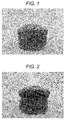
Fig. 1 illustrates the baked cake according to Example 1. -
Fig. 2 illustrates the baked cake according to Comparative Example 1. - The cake according to the present invention is hereinafter described in order. The term "cake" in the present invention refers to the cake manufactured by thermally coagulating the batter, which is obtained by mixing raw materials such as wheat flour and egg. The cake may be any cake formed by thermal coagulation without particular limitation. Examples thereof include sponge cake, chiffon cake, butter cake, gateaux chocolate, cheese cake, pancake, Japanese sponge cake (Castella), and donuts. Above all, gateaux chocolate containing much oil is particularly preferable. The cake according to the present invention does not include steamed cake such as steamed cake or Chinese steamed bun.
- A method of thermally coagulating the cake according to the present invention is not particularly limited and may be, for example, baking or steaming with a pan or an oven, frying with a fryer, or microwave cooking with a microwave oven.
- Oils and fats used for the cake according to the present invention may be edible oils, margarine, fat spread, shortening, or the like, and one kind or two or more kinds thereof are used. Among these, margarine and fat spread include extra materials such as water or seasoning, in addition to oils and fats. In the case of using such extra materials, the amount of such materials is added to the amount of oils and fats. The cake batter according to the present invention contains the oils and fats by 10 to 40 mass%. The cake according to the present invention contains the oils and fats by preferably 10 to 30 mass% and more preferably 10 to 20 mass%.
- The oils and fats in the cake according to the present invention do not include oils and fats derived from oil-containing raw materials other than the oils and fats to be mixed. For example, cocoa mass contain oils and fats (cocoa butter) by approximately 55 mass%, cocoa powder contain oils and fats (cocoa butter) by approximately 11 mass%, and whole milk powder contain oils and fats (milk fat) by approximately 25 mass%. If chocolate is mixed in the cake batter, the oils and fats by approximately 30 mass% of the entire chocolate are included in the batter. In the present invention, however, such oils and fats are not included in the oils and fats included in the cake.
- Triacylglycerol including the medium-chain fatty acid with 6 to 10 carbons (hereinafter also referred to as "MTG") needs to be included in the cake according to the present invention so that MTG is contained by 50 mass% or more of the oils and fats in the cake. The oils and fats contain preferably 50 to 100 mass%, more preferably 60 to 90 mass%, of this triacylglycerol.
- As described above, the oils and fats in the cake according to the present invention contain triacylglycerol including the medium-chain fatty acid with 6 to 10 carbons as the constituent fatty acid. This triacylglycerol may be triacylglycerol including only the medium-chain fatty acid with 6 to 10 carbons as the constituent fatty acid, or may be mixed acid group triacylglycerol including the medium-chain fatty acid with 6 to 10 carbons as the constituent fatty acid. The binding position of each medium-chain fatty acid to glycerin is not particularly limited. In the case of the mixed acid group triacylglycerol, the fatty acid other than the fatty acid with 6 to 10 carbons may be included in a part of the constituent fatty acids. For example, this mixed acid group triacylglycerol may include the long-chain fatty acid. The oils and fats used in the present invention may be, for example, a mixture of oils and fats with a plurality of different molecular species, such as a mixture of trioctanoylglycerol and tridecanoylglycerol. Here, the medium-chain fatty acid with 6 to 10 carbons is preferably the straight-chained saturated fatty acid.
- The triacylglycerol including the medium-chain fatty acid in the cake according to the present invention is preferably triacylglycerol including only the medium-chain fatty acid with 6 to 10 carbons as the constituent fatty acid (this triacylglycerol is also referred to as "MCT"). The content amount of MCT in MTG is preferably 30 mass% or more, more preferably 50 mass% or more, much more preferably 60 mass% or more. MCT particularly preferably includes only the medium-chain fatty acid with 8 or 10 carbons as the constituent fatty acid.
- MCT included in the oils and fats in the cake according to the present invention can be manufactured by a known method. For example, MCT can be manufactured in a manner that the fatty acid with 6 to 10 carbons and glycerol are subjected to dehydrating and condensing through heat treatment at 120°C to 180°C with the catalyst, preferably without the catalyst, in accordance with the normal method, and this reaction occurs preferably under reduced pressure.
- The cake according to the present invention may include any other oil and fat raw materials as long as the oils and fats and triacylglycerol including the medium-chain fatty acid with 6 to 10 carbons are included in the cake batter in the amount within the above range. The oil and fat raw materials that can be used are, for example, coconut oil, palm kernel oil, palm oil, fractionated palm oil (such as palm olein and palm super olein), shea fat, fractionated shea oil, sal fat, fractionated sal oil, illipe fat, soybean oil, rape-seed oil, cotton-seed oil, safflower oil, sunflower oil, rice oil, corn oil, sesame oil, olive oil, milk fat, and cocoa butter, and a mixed oil and a processed oil thereof.
- The cake according to the present invention preferably contains saccharides in addition to the oils and fats. The saccharides that can be used are: sucrose (sugar, powdered sugar), lactose, glucose, fructose, maltose, reduced sugar syrup, liquid sugar, enzyme converted syrup, isomerized sugar syrup, sucrose bound syrup, reduced sugar polydextrose, oligosaccharide, sorbitol, reduced lactose, trehalose, xylose, xylitose, maltitol, erythritol, mannitol, raffinose, and dextrin. The cake batter according to the present invention contains saccharides by preferably 10 to 60 mass%, more preferably 10 to 50 mass%, and much more preferably 10 to 40 mass%.
- The cake according to the present invention may include the raw materials that are usually used for the cake, in addition to the oils and fats and saccharides. Specific examples of the raw materials that can be used include cereal flour such as wheat flour and rice flour, raw starches such as corn starch, potato starch, and tapioca starch, starches that have been subjected to physical/enzymatic/chemical process, eggs such as whole egg, egg white, antibacterial egg, frozen egg, condensed egg, and dried egg of domestic fowls, nuts such as almond, nut paste, and nut powder, fruits such as fruit, fruit juice, fruit paste, and dried fruit, vegetables such as vegetable, vegetable juice, vegetable paste, and dried vegetable, dairy products such as milk, condensed milk, milk powder, milk protein, fermented milk, and cheese, soybeans such as soybean milk and soybean protein, protein material such as gelatin, polysaccharide thickener such as xanthan gum, gellan gum, guar gum, tamarind gum, pectin, carrageenan, agar, konjac mannan, and carboxymethylcellulose sodium, flavoring agents such as a vanilla flavoring agent and a fruit flavoring agent, colorants such as a gardenia pigment, emulsifiers such as saccharide fatty acid ester and glycerin fatty acid ester, pH adjusters such as potassium bitartrate, acidifiers such as citric acid and lactic acid, rising agents such as baking powder and sodium bicarbonate, salts such as sodium chloride, dietary fiber, alcohols, coffee, tea, green tea, cocoa, chocolate, caramel, and the like.
- The cake according to the present invention can be manufactured by mixing oils and fats containing triacylglycerol including the medium-chain fatty acid with 6 to 10 carbons in accordance with the known method. Specifically, first, the raw materials including wheat flour, eggs, sugar, and milk and oils and fats containing triacylglycerol including the medium-chain fatty acid with 6 to 10 carbons are stirred and mixed with a whipper, a whisk, a mixer, or the like as necessary to prepare a mixture. The resulting mixture is poured into a mold or shaped, and coagulated by heat treatment such as baking or frying.
- As described above, triacylglycerol including the medium-chain fatty acid with 6 to 10 carbons according to the present invention modifies the cake into the cake having the moist and soft texture and the good melting mouthfeel. Therefore, the present invention also relates to a texture modifier for cake formed by thermal coagulation. This texture modifier contains triacylglycerol including the medium-chain fatty acid with 6 to 10 carbons as the active ingredient. As described below, by using the texture modifier for cake according to the present invention, the cake can have the moist and soft texture and the good melting mouthfeel. The texture modifier for cake according to the present invention may be any texture modifier containing triacylglycerol including the medium-chain fatty acid with 6 to 10 carbons described as the active ingredient. The texture modifier may additionally contain oils and fats such as soybean oil and rape-seed oil, an excipient such as dextrin or starch, or other quality modifier within the range not degrading the effect of the present invention. Examples
- The present invention will hereinafter be described in more detail with reference to Examples and Comparative Examples but the present invention is not limited thereto. In the description below, "%" refers to mass% unless otherwise stated.
- The content amount of triacylglycerol was measured based on AOCS Ce5-86. The content amount of each fatty acid was measured based on AOCS Ce1f-96.
- Triacylglycerol including the medium-chain fatty acid with 6 to 10 carbons is hereinafter abbreviated as "MTG". Of such triacylglycerol, triacylglycerol including only the medium-chain fatty acid with 6 to 10 carbons as the constituent fatty acid is abbreviated as "MCT".
- MCT (manufactured by Nisshin OilliO Group, Ltd.) including n-octanoic acid (with 8 carbons) and n-decanoic acid (with 10 carbons) as the fatty acids included in triacylglycerol at a mass ratio of 30 : 70 was used as MCT 1. Note that MCT 1 contains MTG by 100 mass%, and also contains MCT by 100 mass%.
- MCT 1 for 41.7 mass%, coconut hydrogenated oil (manufactured by Nisshin OilliO Group, Ltd., containing MTG by 53.2 mass%) for 32.9 mass%, fully hydrogenated high erucic rape-seed oil (manufactured by YOKOZEKI OIL & FAT INDUSTRIES CO., LTD. containing MTG by 0 mass%) for 0.5 mass%, interesterified oil (containing MTG by 13.2 mass%) for 8.3 mass%, which is obtained by chemically interesterifying mixed oil including 50 parts by mass of fully hydrogenated palm stearin oil and 50 parts by mass of fully hydrogenated palm kernel olein oil, an emulsifier for 0.4 mass%, water for 16.0 mass%, and salt for 0.2 mass% were mixed. The resulting mixture was plasticized by rapid cooling with a combinator in accordance with a normal method. Thus, the medium-chain margarine (manufactured by Nisshin OilliO Group, Ltd., product name: Risetta Soft) was obtained, and this was used as MCT 2. MCT 2 contains MTG by 60.3 mass% and MCT by 69.2 mass%.
- Salad oil (manufactured by Nisshin OilliO Group, Ltd., product name: Nisshin salad oil) was used as LCT 1. LCT 1 contains MTG by 0 mass% and MCT by 0 mass%.
- Rape-seed oil (manufactured by Nisshin OilliO Group, Ltd., containing MTG by 0 mass%) for 41.7 mass%, palm mid fraction (manufactured by Nisshin OilliO Group, Ltd., containing MTG by 0 mass%) for 20.4 mass%, interesterified oil obtained by chemically interesterifying palm olein (containing MTG by 0 mass%) for 12.5 mass%, interesterified oil (containing MTG by 13.2 mass%) for 8.3 mass%, which is obtained by chemically interesterifying mixed oil including 50 parts by mass of fully hydrogenated palm stearin oil and 50 parts by mass of fully hydrogenated palm kernel olein oil, fully hydrogenated high erucic rape-seed oil (manufactured by YOKOZEKI OIL & FAT INDUSTRIES CO., LTD. containing MTG by 0 mass%) for 0.5 mass%, an emulsifier for 0.4 mass%, water for 16.0 mass%, and salt for 0.2 mass% were mixed. The resulting mixture was plasticized by rapid cooling with a combinator in accordance with a normal method. Thus, the long-chain margarine was obtained, and this was used as LCT 2. LCT 2 contains MTG by 1.1 mass% and MCT by 0 mass%.
- Gateaux chocolate according to Example 1 and Comparative Example 1 was manufactured by the normal method in accordance with Table 1. Specifically, first, oils and fats, white soft sugar, sodium bicarbonate, and salt were mixed in the amount shown below, whereby a mixture 1 was obtained. Next, milk and chocolate melted in a hot water bath were mixed to provide a mixture 2. The mixtures 1 and 2 were put together. To the resulting mixture, whole egg was added and moreover, weak flour, cocoa powder, and brandy were mixed. Thus, the gateaux chocolate batter was obtained. The obtained batter was poured by every 30 g into a paper mold with a diameter of 4 cm and a height of 3.5 cm. The batter in the paper mold was baked in an oven at 150°C for 11 minutes, whereby the gateaux chocolate was manufactured.
[Table 1] [Table 1] Components of gateaux chocolate and evaluation Example 1 Comparative Example 1 Raw material (g) (%) (g) (%) MCT1 55.0 6.5 - - MCT2 55.0 6.5 - - LCT1 - - 55.0 6.5 LCT2 - - 55.0 6.5 White soft sugar 120.0 14.2 120.0 14.2 Liquid sugar 20.0 2.4 20.0 2.4 Sodium bicarbonate 1.5 0.2 1.5 0.2 Salt 0.5 0.1 0.5 0.1 Chocolate 200.0 23.7 200.0 23.7 Milk 120.0 14.2 120.0 14.2 Brandy 10.0 1.2 10.0 1.2 Whole egg 150.0 17.8 150.0 17.8 Weak flour 100.0 11.8 100.0 11.8 Cocoa powder 12.0 1.4 12.0 1.4 Total of raw materials 844.0 100.0 844.0 100.0 Oil and fat content 110.0 13.0 110.0 13.0 MTG contained in oils and fats 88.2 80.1 0.6 0.1 Evaluation results Texture Excellent Not very good Aroma Good Not very good - The gateaux chocolate according to Example 1 and Comparative Example 1 manufactured as above was evaluated in accordance with the evaluation method as below.
- Five experienced panelists evaluated totally the texture in accordance with the criteria below.
- Excellent: moist texture and soft melting mouthfeel are good
- Good: moist texture is a little good, but soft melting mouthfeel is not enough Not very good: moist texture and soft melting mouthfeel are normal
- Poor: moist texture and soft melting mouthfeel are poor
- Five experienced panelists evaluated totally the aroma in accordance with the criteria below.
- Good: good aroma
- Not very good: weak aroma
- Poor: not aromatic
- As is clearly shown in Table 1, the gateaux chocolate manufactured using MCT 1 and 2 has the moist texture, the soft melting mouthfeel, and the good aroma as compared to the gateaux chocolate manufactured using LCT 1 and 2.
[Table 2] [Table 2] Specific gravity of gateaux chocolate batter Example 1 Comparative Example 1 Just after preparation 1.02 0.98 After 1.5 hours 1.01 1.01 [Table 3] [Table 3] Viscosity of gateaux chocolate batter (unit: mPa·s) Example 1 Comparative Example 1 Just after preparation 26,500 41,000 After 1.5 hours 20,250 not lower than 100,000 - As is clear from Tables 2 and 3, both products are not very different in specific gravity but are different largely in viscosity. That is to say, the batter manufactured using MCT 1 and 2 is featured in that the batter has lower viscosity and is thinner, and is more easily weighed and poured into a mold than the batter manufactured using LCT 1 and 2. The viscosity of the batter after 1.5 hours was measured. The results indicate that the viscosity of the batter manufactured using MCT 1 and 2 is not largely different but the viscosity of the batter manufactured using LCT 1 and 2 has increased to be twice or more. The batter manufactured using MCT 1 and 2 remains thin for a long time, and this is very important in the mass production. Just after the preparation, the batter is both at about 26°C, and after 1.5 hours, the batter is both at about 22°C.
- In addition, as is clear from
Fig. 1 (Example 1) andFig. 2 (Comparative Example 1), the comparison between the baked products of the both indicates that the gateaux chocolate made of MCT 1 and 2 is not deformed and maintains its shape but the gateaux chocolate made of LCT 1 and 2 is deformed and does not look good.
Claims (4)
- Cake obtained by thermal coagulation, containing 10 to 40 mass% of oils and fats in batter, wherein the oils and fats contain triacylglycerol including a medium-chain fatty acid with 6 to 10 carbons as a constituent fatty acid by 50 mass% or more relative to the oils and fats.
- The cake according to claim 1, wherein the cake is gateaux chocolate.
- A method of manufacturing cake, comprising:adding oils and fats by 10 to 40 mass% to raw materials of batter (the oils and fats contain triacylglycerol including a medium-chain fatty acid with 6 to 10 carbons as a constituent fatty acid by 50 mass% or more relative to the oils and fats); andweighing the batter obtained by adding the oils and fats by 10 to 40 mass% to the raw materials of batter, pouring the batter into a mold, and thermally coagulating the batter.
- A texture modifier for cake obtained by thermal coagulation, containing triacylglycerol including a medium-chain fatty acid with 6 to 10 carbons as an active ingredient.
Applications Claiming Priority (2)
| Application Number | Priority Date | Filing Date | Title |
|---|---|---|---|
| JP2013259722A JP6203032B2 (en) | 2013-12-17 | 2013-12-17 | Deformation reducing agent after baking cakes, and viscosity reducing agent for cake raw materials |
| PCT/JP2014/082205 WO2015093312A1 (en) | 2013-12-17 | 2014-12-05 | Cake and method for producing same |
Publications (2)
| Publication Number | Publication Date |
|---|---|
| EP3085238A1 true EP3085238A1 (en) | 2016-10-26 |
| EP3085238A4 EP3085238A4 (en) | 2017-08-23 |
Family
ID=53402661
Family Applications (1)
| Application Number | Title | Priority Date | Filing Date |
|---|---|---|---|
| EP14872239.0A Withdrawn EP3085238A4 (en) | 2013-12-17 | 2014-12-05 | Cake and method for producing same |
Country Status (4)
| Country | Link |
|---|---|
| US (1) | US20160330981A1 (en) |
| EP (1) | EP3085238A4 (en) |
| JP (1) | JP6203032B2 (en) |
| WO (1) | WO2015093312A1 (en) |
Cited By (1)
| Publication number | Priority date | Publication date | Assignee | Title |
|---|---|---|---|---|
| EP3085237A4 (en) * | 2013-12-17 | 2017-08-23 | The Nisshin OilliO Group, Ltd. | Baked confection |
Families Citing this family (3)
| Publication number | Priority date | Publication date | Assignee | Title |
|---|---|---|---|---|
| JP7083634B2 (en) * | 2017-12-22 | 2022-06-13 | 日清オイリオグループ株式会社 | Oil-based confectionery |
| JP2019170308A (en) * | 2018-03-29 | 2019-10-10 | ヤンマー株式会社 | Composition for baked confectionery |
| JP2023037728A (en) * | 2021-09-06 | 2023-03-16 | 日清オイリオグループ株式会社 | Laminated bakery food product and laminated bakery food product dough |
Family Cites Families (16)
| Publication number | Priority date | Publication date | Assignee | Title |
|---|---|---|---|---|
| JPH0829055B2 (en) * | 1986-09-12 | 1996-03-27 | 大塚製薬株式会社 | Food composition |
| JPH0923807A (en) * | 1995-07-14 | 1997-01-28 | Wakoudou Kk | Block-shaped freeze-dried food |
| JP2956889B2 (en) * | 1995-08-09 | 1999-10-04 | 日本水産株式会社 | Frozen cooking bread for microwave heating |
| JP3642933B2 (en) * | 1997-10-09 | 2005-04-27 | 日清フーズ株式会社 | Sponge cake mix |
| US20050287264A1 (en) * | 2004-06-28 | 2005-12-29 | Shukla Triveni P | Cakes comprising dietary fiber gel |
| JP4372649B2 (en) | 2004-09-13 | 2009-11-25 | 理研ビタミン株式会社 | Emulsified oil and fat composition for cake |
| JP4444804B2 (en) * | 2004-11-30 | 2010-03-31 | 日清オイリオグループ株式会社 | Oil composition for cream and cream containing the oil composition |
| JP2008125445A (en) * | 2006-11-21 | 2008-06-05 | Nitta Gelatin Inc | Heat-processed food |
| JP4925458B2 (en) * | 2007-12-13 | 2012-04-25 | 日清オイリオグループ株式会社 | Oil composition for cream and cream containing the oil composition |
| JP4925459B2 (en) * | 2007-12-21 | 2012-04-25 | 日清オイリオグループ株式会社 | Liquid oil composition for homemade confectionery bread |
| JP4925460B2 (en) * | 2007-12-21 | 2012-04-25 | 日清オイリオグループ株式会社 | Liquid oil composition for home use confectionery bread |
| JP4860647B2 (en) * | 2008-02-26 | 2012-01-25 | 日清オイリオグループ株式会社 | Oil composition for sand cream |
| JP5097735B2 (en) | 2009-03-24 | 2012-12-12 | キユーピー株式会社 | cake |
| JP5140630B2 (en) | 2009-05-20 | 2013-02-06 | キユーピー株式会社 | Cake and cake texture improver |
| JP4647712B1 (en) * | 2010-04-30 | 2011-03-09 | 富士化学工業株式会社 | Baking powder containing astaxanthin |
| JP5864708B2 (en) * | 2013-11-15 | 2016-02-17 | 日清オイリオグループ株式会社 | Bakery confectionery dough and baked confectionery |
-
2013
- 2013-12-17 JP JP2013259722A patent/JP6203032B2/en active Active
-
2014
- 2014-12-05 US US15/102,176 patent/US20160330981A1/en not_active Abandoned
- 2014-12-05 EP EP14872239.0A patent/EP3085238A4/en not_active Withdrawn
- 2014-12-05 WO PCT/JP2014/082205 patent/WO2015093312A1/en not_active Ceased
Cited By (1)
| Publication number | Priority date | Publication date | Assignee | Title |
|---|---|---|---|---|
| EP3085237A4 (en) * | 2013-12-17 | 2017-08-23 | The Nisshin OilliO Group, Ltd. | Baked confection |
Also Published As
| Publication number | Publication date |
|---|---|
| WO2015093312A1 (en) | 2015-06-25 |
| JP6203032B2 (en) | 2017-09-27 |
| EP3085238A4 (en) | 2017-08-23 |
| US20160330981A1 (en) | 2016-11-17 |
| JP2015116130A (en) | 2015-06-25 |
Similar Documents
| Publication | Publication Date | Title |
|---|---|---|
| JP6585346B2 (en) | Plastic fat composition and method for producing the same | |
| JP6970517B2 (en) | Confectionery dough | |
| JP6227088B1 (en) | Plastic fat composition and food | |
| JP5920957B2 (en) | Oil-containing food | |
| JP2009082002A (en) | Oil composition for coating | |
| JP6763748B2 (en) | Oil composition and foods using it | |
| US20160330981A1 (en) | Cake and method of manufacturing the same | |
| JP6075731B2 (en) | Baked goods | |
| JP2010220565A (en) | cake | |
| JP2016189773A (en) | Oil and fat composition for filling and / or topping, water-in-oil emulsified oil and fat composition for filling and / or topping, and food containing the water-in-oil emulsified oil and fat composition | |
| JP5960940B1 (en) | High oil filling material | |
| JP6572531B2 (en) | Chocolates for bakery products and methods for producing bakery products | |
| JP2017118866A (en) | Plastic oil-and-fat composition, food product, method for improving texture of burned product, and method for improving storage stability of burned product | |
| JP6745193B2 (en) | Oil composition for shoes and method for producing shoe cloth and shoe skin using the same | |
| JP2010075138A (en) | Bread dough | |
| JP2019122343A (en) | Oil and fat composition for burned confectionery eaten cold | |
| JP6946006B2 (en) | Oil and fat composition for kneading and manufacturing method of plastic oil and fat and baked products using it | |
| JP5460433B2 (en) | Flower pastes | |
| JP2016082881A (en) | Plastic oil composition | |
| JP2014057551A (en) | Choux dough and composite confectionery dough | |
| JP6274801B2 (en) | Steamed cakes and method for producing the same | |
| JP2009082098A (en) | Bread dough | |
| JP6257739B2 (en) | How to make oil in baked goods high | |
| JP2016093204A (en) | Oil and fat containing foods | |
| JP6534554B2 (en) | Fired composite confectionery and method for producing the same |
Legal Events
| Date | Code | Title | Description |
|---|---|---|---|
| PUAI | Public reference made under article 153(3) epc to a published international application that has entered the european phase |
Free format text: ORIGINAL CODE: 0009012 |
|
| 17P | Request for examination filed |
Effective date: 20160707 |
|
| AK | Designated contracting states |
Kind code of ref document: A1 Designated state(s): AL AT BE BG CH CY CZ DE DK EE ES FI FR GB GR HR HU IE IS IT LI LT LU LV MC MK MT NL NO PL PT RO RS SE SI SK SM TR |
|
| AX | Request for extension of the european patent |
Extension state: BA ME |
|
| DAX | Request for extension of the european patent (deleted) | ||
| RIC1 | Information provided on ipc code assigned before grant |
Ipc: A21D 13/068 20170101ALI20170706BHEP Ipc: A21D 2/16 20060101AFI20170706BHEP Ipc: A21D 13/80 20170101ALI20170706BHEP |
|
| A4 | Supplementary search report drawn up and despatched |
Effective date: 20170726 |
|
| RIC1 | Information provided on ipc code assigned before grant |
Ipc: A21D 2/16 20060101AFI20170719BHEP Ipc: A21D 13/068 20170101ALI20170719BHEP Ipc: A21D 13/80 20170101ALI20170719BHEP |
|
| STAA | Information on the status of an ep patent application or granted ep patent |
Free format text: STATUS: THE APPLICATION HAS BEEN WITHDRAWN |
|
| 18W | Application withdrawn |
Effective date: 20171206 |
|
| RIC1 | Information provided on ipc code assigned before grant |
Ipc: A21D 13/80 20170101ALI20170719BHEP Ipc: A21D 2/16 20060101AFI20170719BHEP Ipc: A21D 13/068 20170101ALI20170719BHEP |
|
| RIC1 | Information provided on ipc code assigned before grant |
Ipc: A21D 13/068 20170101ALI20170719BHEP Ipc: A21D 13/80 20170101ALI20170719BHEP Ipc: A21D 2/16 20060101AFI20170719BHEP |