EP3081226A1 - Agent for forming an immune-tolerant site and agent for attracting immunosuppressive cells - Google Patents
Agent for forming an immune-tolerant site and agent for attracting immunosuppressive cells Download PDFInfo
- Publication number
- EP3081226A1 EP3081226A1 EP16165037.9A EP16165037A EP3081226A1 EP 3081226 A1 EP3081226 A1 EP 3081226A1 EP 16165037 A EP16165037 A EP 16165037A EP 3081226 A1 EP3081226 A1 EP 3081226A1
- Authority
- EP
- European Patent Office
- Prior art keywords
- agent
- cells
- site
- sek
- transplantation
- Prior art date
- Legal status (The legal status is an assumption and is not a legal conclusion. Google has not performed a legal analysis and makes no representation as to the accuracy of the status listed.)
- Granted
Links
Images




Classifications
-
- A—HUMAN NECESSITIES
- A61—MEDICAL OR VETERINARY SCIENCE; HYGIENE
- A61K—PREPARATIONS FOR MEDICAL, DENTAL OR TOILETRY PURPOSES
- A61K38/00—Medicinal preparations containing peptides
- A61K38/04—Peptides having up to 20 amino acids in a fully defined sequence; Derivatives thereof
- A61K38/15—Depsipeptides; Derivatives thereof
-
- A—HUMAN NECESSITIES
- A61—MEDICAL OR VETERINARY SCIENCE; HYGIENE
- A61K—PREPARATIONS FOR MEDICAL, DENTAL OR TOILETRY PURPOSES
- A61K38/00—Medicinal preparations containing peptides
- A61K38/04—Peptides having up to 20 amino acids in a fully defined sequence; Derivatives thereof
- A61K38/08—Peptides having 5 to 11 amino acids
-
- A—HUMAN NECESSITIES
- A61—MEDICAL OR VETERINARY SCIENCE; HYGIENE
- A61K—PREPARATIONS FOR MEDICAL, DENTAL OR TOILETRY PURPOSES
- A61K38/00—Medicinal preparations containing peptides
- A61K38/04—Peptides having up to 20 amino acids in a fully defined sequence; Derivatives thereof
- A61K38/12—Cyclic peptides, e.g. bacitracins; Polymyxins; Gramicidins S, C; Tyrocidins A, B or C
-
- A—HUMAN NECESSITIES
- A61—MEDICAL OR VETERINARY SCIENCE; HYGIENE
- A61K—PREPARATIONS FOR MEDICAL, DENTAL OR TOILETRY PURPOSES
- A61K38/00—Medicinal preparations containing peptides
- A61K38/16—Peptides having more than 20 amino acids; Gastrins; Somatostatins; Melanotropins; Derivatives thereof
- A61K38/17—Peptides having more than 20 amino acids; Gastrins; Somatostatins; Melanotropins; Derivatives thereof from animals; from humans
- A61K38/18—Growth factors; Growth regulators
- A61K38/1825—Fibroblast growth factor [FGF]
-
- A—HUMAN NECESSITIES
- A61—MEDICAL OR VETERINARY SCIENCE; HYGIENE
- A61K—PREPARATIONS FOR MEDICAL, DENTAL OR TOILETRY PURPOSES
- A61K9/00—Medicinal preparations characterised by special physical form
- A61K9/0012—Galenical forms characterised by the site of application
- A61K9/0019—Injectable compositions; Intramuscular, intravenous, arterial, subcutaneous administration; Compositions to be administered through the skin in an invasive manner
- A61K9/0024—Solid, semi-solid or solidifying implants, which are implanted or injected in body tissue
-
- A—HUMAN NECESSITIES
- A61—MEDICAL OR VETERINARY SCIENCE; HYGIENE
- A61P—SPECIFIC THERAPEUTIC ACTIVITY OF CHEMICAL COMPOUNDS OR MEDICINAL PREPARATIONS
- A61P37/00—Drugs for immunological or allergic disorders
- A61P37/02—Immunomodulators
- A61P37/06—Immunosuppressants, e.g. drugs for graft rejection
-
- A—HUMAN NECESSITIES
- A61—MEDICAL OR VETERINARY SCIENCE; HYGIENE
- A61P—SPECIFIC THERAPEUTIC ACTIVITY OF CHEMICAL COMPOUNDS OR MEDICINAL PREPARATIONS
- A61P43/00—Drugs for specific purposes, not provided for in groups A61P1/00-A61P41/00
Definitions
- the present invention relates to an agent for forming an immune-tolerant site and an agent for attracting immunosuppressive cells.
- transplantation of an organ/tissue is an effective therapeutic method.
- allotransplantation which causes immune rejection
- diseases that occur due to autoimmunity such as type I diabetes
- patients need to regularly take an immunosuppressant after the transplantation.
- immunosuppressants nonspecifically suppress immune function, they are known to increase the risk of infections and cancer development, and to cause hypertension, hyperglycemia, and disorders of the liver and kidney as side effects.
- Immune tolerance means suppression of action of the immune system against a particular substance. Immune tolerance is a system which allows the immune system to recognize autologous substances as the self, and regulates the immune system such that it does not attack those substances. It is also known that immune tolerance also occurs for nonself such as orally ingested substances such as foods, so that an excessive immune response can be avoided. Some cancers have been shown to be capable of acquiring immune tolerance to avoid attack by the immune system.
- JP 3089299 B discloses a device using a hydrogel (e.g., agarose) as a substrate.
- a hydrogel e.g., agarose
- growth factors bFGF, aFGF, PDGF, VEGF, TGF- ⁇ , and the like
- pancreatic islets were transplanted to a space formed under the skin of a rat using the device described in JP 3089299 (using bFGF + heparin as inducers).
- JP 3089299 using bFGF + heparin as inducers.
- the document reports that the transplanted tissue could be maintained for a long period without occurrence of rejection irrespective of the fact that the transplantation was allotransplantation and no immunosuppressant was administered. However, its mechanism has not been studied.
- JP 10-306027 A discloses a method in which immune tolerance is induced by intraportal or intravenous administration of a tolerogen containing a hematopoietic stem cell, hemopoietic progenitor cell, and/or mature lymphocyte.
- this technique requires cell transplantation, and the cells to be transplanted need to be obtained from bone marrow or the like.
- JP 2001-172188 A discloses a method in which a tolerogen containing bone marrow cells is irradiated with radiation, and then administered into bone marrow to induce immune tolerance.
- this technique requires cell transplantation, and the cells to be transplanted need to be obtained from bone marrow or the like.
- JP 6-65088 A discloses an immune tolerance inducer comprising, as active ingredients, a cytotoxic cytokine (a physiologically active substance having cytotoxic activity against immune cells, such as lymphotoxin), and an allergic antigen, autoantigen, or transplanted-organ antigen.
- cytotoxic cytokine a physiologically active substance having cytotoxic activity against immune cells, such as lymphotoxin
- an allergic antigen, autoantigen, or transplanted-organ antigen a physiologically active substance having cytotoxic activity against immune cells, such as lymphotoxin
- this technique requires administration of the antigen and the cytotoxic factor.
- this inducer is effective only for the particular antigen, the factor to which immune tolerance is to be induced needs to be specified.
- JP 10-120591 discloses a method for preparing an antigen-specific immune tolerance inducer by binding a peptide composed of 5 to 25 amino acids containing a B-cell epitope and/or T-cell epitope of the B subunit constituting an AB toxin (e.g., cholera toxin or enterotoxin) to the antigen to which immune tolerance is to be induced, via an appropriate spacer.
- an AB toxin e.g., cholera toxin or enterotoxin
- JP 2004-522725 discloses a method for inducing tolerance to an antigenic substance by administering, to an individual, the antigenic substance or an antigenic portion thereof together with at least one substance which increases the intracellular COX-2 activity and/or the IFN- ⁇ level in the individual.
- this technique requires design/preparation/administration of an agent specific to the antigen.
- this method is effective only for the particular antigen, the factor to which immune tolerance is to be induced needs to be specified.
- ES cells embryonic stem cells
- iPS cells induced pluripotent stem cells
- cell transplantation has common problems such as rejection caused by the immune system of the recipient, and the site of transplantation.
- an immunosuppressant is administered to control rejection.
- administration of an immunosuppressant has problems such as susceptibility to infection and an increased risk of development of a malignant tumor.
- administration of an immunosuppressant requires a relatively high health care cost such as 1.5 million yen/year.
- an object of the present invention is to provide a useful agent which is capable of efficiently inducing immune tolerance in, or at, a specific site, which agent eliminates, upon transplantation of cells to the site, the need for administration of an immunosuppressant, a therapeutic agent for an autoimmune disease, or the like which has previously been required in transplantation.
- Transplantation of cells, a tissue, or an organ prepared by differentiation induction of iPS cells derived from another individual or from the patient himself is expected to enable transplantation without causing rejection or an autoimmune response.
- type I diabetes to which pancreatic islet transplantation is applied, occurs due to an autoimmune response to autologous cells, the transplanted cells are killed by the autoimmune response after transplantation of ⁇ -cells or pancreatic islets derived from the patient himself, as reported in Transplantation. 2003, Mar 15; 75(5): 619-25 .
- treatment for suppression of a certain immune response is necessary even in cases of transplantation of cells, a tissue, or an organ prepared by differentiation induction of iPS cells derived from the patient himself.
- the present invention provides an agent for forming an immune-tolerant site comprising SEK-1005 and/or fibroblast growth factor (FGF).
- the present invention also provides an agent for attracting immunosuppressive-cells such as regulatory T cells (Tregs) and/or myeloid-derived suppressor cells (MDSCs), which agent comprises SEK-1005, which is the cyclic peptide shown in Structural Formula (I), and/or FGF.
- immunosuppressive-cells such as regulatory T cells (Tregs) and/or myeloid-derived suppressor cells (MDSCs)
- SEK-1005 which is the cyclic peptide shown in Structural Formula (I), and/or FGF.
- SEK-1005 and/or FGF enables attraction of immunosuppressive cells such as Tregs and/or MDSCs to the site of interest. This results in formation of an immune-tolerant site, so that the need for immune suppression, which has been indispensable for allotransplantation of cells or a tissue, can be reduced or eliminated, and the patient does not need to regularly take an immunosuppressant after the transplantation.
- the present invention can eliminate the risk of various infections and development of malignant tumors due to side effects of immunosuppressants, as well as the risk of damage to organs and occurrence of hypertension, hyperglycemia, and the like due to side effects of immunosuppressants.
- the present invention is advantageous in that targeting of a particular molecule is not necessary since immune tolerance is induced for the entire transplanted tissue.
- the agent of the present invention can also be a useful model for scientific analysis of the mechanism of immune tolerance.
- the agent for forming an immune-tolerant site and the agent for attracting immunosuppressive cells of the present invention comprise SEK-1005 and/or FGF as an effective ingredient(s).
- SEK-1005 (structural formula: C 45 H 70 N 8 O 13 ; name: Ser, 3-hydroxy- N -[2-hydroxy-1-oxo-2-tetrahydro-2-hydroxy-6-methyl-5-(2-methylpropyl)-2 H -pyran-2-yl-propyl]-Leu-Pip(hexahydro-3-pyridazinecarbonyl)- N -hydroxy-Ala- N -methyl-Phe-Pip-rho-lactone) is the compound represented by the following structural formula, which is a cyclic peptide isolated from the culture liquid of an actinomycetes Streptomyces nobilis, or a dried product thereof.
- the actinomycetes Streptomyces nobilis which is used for obtaining SEK-1005, is available from public culture collections.
- the strain deposited as JCM4274 in RIKEN, as ATCC19252 in the US, or as CBS 198.65 in the Netherlands may be used.
- the method for obtaining SEK-1005 is not limited, and SEK-1005 may be obtained from a natural product such as the actinomycetes Streptomyces nobilis, or may be synthesized by a bioengineering method or an organic chemical method.
- SEK-1005 may have one or more amino acid residues deleted, added, and/or substituted as long as SEK-1005 has the ability to induce immune tolerance. Such a compound is also included in the scope of the present invention. Further, SEK-1005 may be in the form of a salt, or may be a molecule having a modification(s), as long as the ability to induce immune tolerance is maintained. Such a compound is also included in the scope of the present invention. Examples of the modifications include addition of one or more of sugar chains, alkyl groups, amino groups, carboxyl groups, thiol groups, hydroxyl groups, sulfonyl groups, naturally occurring amino acids, non-naturally occurring amino acids, D-amino acids, and the like.
- SEK-1005 may be a hydrate or anhydrate. SEK-1005 can be dissolved in an appropriate solvent such as acetone, ethanol, propanol, chloroform, dichloromethane, dimethylformamide, dimethylsulfoxide, N-methyl-2-pyrrolidone, dimethyl ether, ethyl acetate, tetrahydrofuran, and polyethylene glycol.
- an appropriate solvent such as acetone, ethanol, propanol, chloroform, dichloromethane, dimethylformamide, dimethylsulfoxide, N-methyl-2-pyrrolidone, dimethyl ether, ethyl acetate, tetrahydrofuran, and polyethylene glycol.
- JP 2008-260692 A describes a pharmaceutical composition comprising SEK-1005, having an action to promote wound healing, action to suppress allergic and nonallergic inflammation, short-term immunosuppressive action, antimicrobial action, cytokine-inducing action, and the like.
- JP 10-259134 A describes a wound healing-promoting agent comprising SEK-1005.
- SEK-1005 has not been reported to have an immune-tolerant site forming action.
- any FGF may be used as long as it is a protein belonging to the FGF family, bFGF (basic fibroblast growth factor), FGF-2 (fibroblast growth factor-2) or aFGF (acidic fibroblast growth factor) is preferred, and bFGF or FGF-2 is more preferred.
- the origin of the FGF is not limited, and the FGF is preferably derived from a human in cases where it is used for human.
- An example of human bFGF includes, but is not limited to, a protein comprising the amino acid sequence of UniProtKB/Swiss-Prot: P09038.3.
- the sequence of the FGF is preferably a full-length sequence, but may also be a partial sequence as long as the FGF has an immune-tolerant site forming action and an immunosuppressive-cell attracting action.
- the FGF may have a wild-type sequence, or may have the same sequence as a wild-type sequence except that one or several amino acids (e.g. one, two or three) are substituted, deleted, inserted, and/or added as long as the FGF has an immune-tolerant site forming action and an immunosuppressive-cell attracting action.
- the FGF may be produced by recombination, or may be chemically synthesized.
- the FGF may be a commercially available product.
- the agent for forming an immune-tolerant site or the agent for attracting immunosuppressive cells of the present invention comprising as an effective component(s) SEK-1005 and/or FGF is capable of inducing immune tolerance in the site of its administration, by attraction of cells having immunosuppressive capacity such as Tregs or MDSCs.
- the agent for forming an immune-tolerant site of the present invention comprising as an effective component(s) SEK-1005 and/or FGF can be especially preferably used as an agent for forming an immune-tolerant site for transplantation of pancreatic islets, pseudo-pancreatic islets prepared by artificial differentiation induction of stem cells, or the like.
- an agent for forming an immune-tolerant site for transplantation of pancreatic islets, pseudo-pancreatic islets prepared by artificial differentiation induction of stem cells, or the like By application of the agent to the target site of transplantation (transplantation site), immunosuppressive cells are attracted to the transplantation site, so that rejection due to the transplantation becomes less likely to occur.
- the body tissue to which the agent for forming an immune-tolerant site is applied include, but are not limited to, subcutaneous tissues.
- the site where the agent for forming an immune-tolerant site is brought into contact with the subcutaneous tissue is not limited, and may be either on the surface of the subcutaneous tissue (at the border between the subcutaneous tissue and the dermis)
- the agent for forming an immune-tolerant site may be composed of only SEK-1005 and/or FGF, or may also contain another/other component(s).
- the another/other component(s) include vehicles, disintegrators, binders, lubricants, surfactants, solubilizers, stabilizers, isotonic agents, suspending agents, emulsifiers, buffers, and solvents.
- the agent for forming an immune-tolerant site contains a component other than SEK-1005 and/or FGF
- the content of SEK-1005 and/or FGF in the agent for forming an immune-tolerant site is not limited as long as SEK-1005 and/or FGF can produce its/their effect as an effective ingredient(s) of the agent for forming an immune-tolerant site.
- the content of SEK-1005 and/or FGF in the agent for forming an immune-tolerant site is, for example, an amount that enables, on Day 7 to Day 14 after contacting said agent with a site in the body tissue, attraction of 1.3- to 3-times as many CD4 + Foxp3 + cells to the site in the body tissue as compared to the case in which an agent containing neither SEK-1005 nor FGF is contacted with said site.
- the content of SEK-1005 and/or FGF in the agent for forming an immune-tolerant site is an amount which enables attraction of CD4 + Foxp3 + cells to the site in the body tissue such that the ratio of Foxp3 + cells among CD4 + cells becomes more than 10%, for example, not less than 15%, as analyzed using a flow cytometer on Day 7 to Day 14 after contacting SEK-1005 and/or FGF with the site in the body tissue.
- the content of SEK-1005 and/or FGF in the agent for forming an immune-tolerant site is, for example, preferably an amount at which the ratio of Foxp3 + cells among CD4 + cells becomes not more than 50% or, for example, not more than 40%, as analyzed using a flow cytometer on Day 7 to Day 14 after contacting SEK-1005 and/or FGF with the site in the body tissue.
- the method for bringing the agent for forming an immune-tolerant site into contact with the body tissue is not limited.
- Examples of the method include a method in which SEK-1005 and/or FGF which may contain another/other component(s) is/are embedded in the body tissue together with another/other material(s) such as a biocompatible material to allow slow release of SEK-1005 and/or FGF, and a method in which SEK-1005 and/or FGF which may contain another/other component(s) is/are regularly administered by injection or the like.
- the method in which SEK-1005 and/or FGF is/are embedded in the body tissue together with a biocompatible material to allow slow release of SEK-1005 and/or FGF is preferred since a space for transplantation of a transplantation material can be secured after removal of the agent for forming an immune-tolerant site.
- the size (for example, area) of the body tissue with which the agent for forming an immune-tolerant site is brought into contact is not limited, and may be selected depending on the therapeutic method and/or the like.
- the biocompatible material is not limited as long as the material allows release of the agent for forming an immune-tolerant site.
- Examples of the material constituting the biocompatible material include hydrogels, dried products of hydrogels, sponges, porous polymer blocks, porous bodies, porous sheets, and porous membranes.
- Examples of the materials constituting the hydrogels include cellulose derivatives such as hydroxypropylmethylcellulose (HPMC), carboxymethylcellulose sodium (CMC-Na), and hydroxyethylcellulose (HEC); chemically cross-linked products of, and products prepared by radiation cross-linking or thermal cross-linking of, naturally-occurring polymers such as gelatin, alginic acid, albumin, collagen, starch, agarose, dextran, pullulan, pectin, hyaluronic acid, chitin, and chitosan; chemically cross-linked products of, and products prepared by radiation cross-linking or thermal cross-linking of, synthetic polymers such as polyvinyl alcohol, polyvinyl pyrrolidone, polyethylene glycol, poly-2-hydroxyethyl methacrylate, poly-2-hydroxyethyl acrylate, polyacrylamide, polyacrylic acid, and polymethacrylic acid; cross-linked products of copolymers composed of monomers constituting the above-described
- Examples of the sponges include those composed of the above-described porous polymers such as cellulose, agarose, chitosan, and collagen.
- Examples of the materials constituting the porous bodies include organic and inorganic materials such as gelatin, silicone, and apatite.
- the number of times in which the agent for forming an immune-tolerant site is brought into contact with the body tissue is not limited.
- the desired transplantation site may be formed by either one time of contact or a plurality of times of contact.
- the length of time for which the agent for forming an immune-tolerant site is brought into contact with the body tissue is not limited.
- the agent for forming an immune-tolerant site preferably has a constitution which, once embedded, allows continuous release of SEK-1005 and/or FGF from the biocompatible material or the like to the body tissue.
- the length of time for which SEK-1005 and/or FGF is/are continuously released from the biocompatible material or the like to the body tissue is preferably 1 day to 35 days, more preferably 2 days to 28 days, still more preferably 3 days to 21 days, especially preferably 4 days to 14 days.
- the amount(s) of SEK-1005 and/or FGF is/are appropriately controlled depending on the size of the transplanted cell or transplanted tissue, and/or the like.
- the immune-tolerant site formed using the agent for forming an immune-tolerant site of the present invention may be used for transplantation of various transplantation materials.
- the immune-tolerant site is especially preferred for transplantation of a transplantation material which can exert its function independently of the site of transplantation.
- a transplantation material include tissues and cells which secrete a physiologically active substance such as a hormone, cytokine, neurotransmitter, or enzyme.
- Specific examples of the transplantation material include pancreatic islets, hepatocytes, adrenal, parathyroid, cells producing erythropoietin (e.g., stromal cells of uriniferous tubules), and cells producing growth hormone (e.g., GH secreting cells in the anterior pituitary gland).
- Other examples of the transplantation material include functional cells artificially produced by differentiation induction of somatic stem cells, induced pluripotent stem cells such as iPS cells, or embryonic stem cells (ES cells).
- the transplantation material to be transplanted to the immune-tolerant site formed using the agent for forming an immune-tolerant site of the present invention may be a tissue (including an organ), cells, or the like which can survive at the transplantation site.
- the transplantation material may be derived from an organism, or may be artificially prepared. Since the agent for forming an immune-tolerant site of the present invention can form a site where the immune response is suppressed (immune-tolerant site), not only cells, tissues, and microtissues from the same species, but also cells, tissues, and microtissues from different species may be used as the transplantation material.
- tissue, or microtissue from the same species not only a tissue, cell, or microtissue from the same line of the same species, but also a tissue, cell, or microtissue from a different line of the same species may be used.
- tissue, cells, and microtissues from different species; and tissues, cells, and microtissues from different lines of the same species are rapidly rejected when they are subcutaneously transplanted without any treatment.
- the transplantation site in the present invention immuno-tolerant site
- the present invention can provide a desirable site of transplantation even in cases where such a cell or the like is used.
- transplantation material means that the transplantation material is derived from the same species; the term “different species” means that the transplantation material is derived from a different species; the term “same line of the same species” means that "the transplantation material is derived from the same species and has the same genetic composition”; and the term “different line of the same species” means that "the transplantation material is derived from the same species but has a different genetic composition”.
- Transplantation of a tissue to an immune-tolerant site formed using the agent for forming an immune-tolerant site of the present invention is useful for treatment of various diseases.
- the effect of transplantation is especially large in cases of insulin-dependent diabetes mellitus, wherein secretion of insulin needs to be regularly controlled depending on changes in the blood glucose level, relative to other endocrine diseases.
- the agent for forming an immune-tolerant site of the present invention is especially useful in cases where it is used for formation of a site of transplantation of pancreatic islets for treatment of insulin-dependent diabetes mellitus.
- Type I diabetes which develops due to an autoimmune response, accounts for a large proportion of cases of such diabetes.
- the agent for forming an immune-tolerant site of the present invention is also useful in treatment of type II diabetes. That is, as type II diabetes progresses, the volume of pancreatic ⁇ cells decreases, and administration of insulin becomes necessary according to the current therapeutic method. Even in such cases, treatment of the disease is possible by transplantation of pancreatic islets to an immune-tolerant site formed using the agent for forming an immune-tolerant site of the present invention.
- the transplantation may also be effectively carried out for the purpose of prevention of the disease before the disease progresses to a stage in which insulin administration is necessary.
- the agent for forming an immune-tolerant site of the present invention allows formation of a transplantation site where an immunosuppressed state is maintained (immune-tolerant site).
- a tissue donated by another individual is used in treatment of insulin-dependent diabetes mellitus by transplantation of pancreatic islets. Therefore, the patient usually needs to regularly take an immunosuppressant after the transplantation.
- the agent for forming an immune-tolerant site of the present invention is used, the amount of the immunosuppressant to be taken can be reduced, or the need to take the immunosuppressant can be eliminated after the transplantation of pancreatic islets.
- Patients with insulin-dependent diabetes mellitus are mainly those with type I diabetes, which occurs due to an autoimmune response.
- the agent for forming an immune-tolerant site of the present invention enables formation of a transplantation site where the immune response is suppressed (immune-tolerant site), protection against the autoimmune response can also be expected at the site.
- the present method is useful also from the viewpoint of long-term maintenance of the function of transplanted pancreatic islets.
- the agent for attracting immunosuppressive cells of the present invention comprising as an effective component(s) SEK-1005 and/or FGF can be especially preferably used in cases where pancreatic islets, pseudo-pancreatic islets prepared by artificial differentiation induction of stem cells, or the like are transplanted.
- the agent for attracting immunosuppressive cells By application of the agent for attracting immunosuppressive cells to the target site of transplantation (transplantation site), immunosuppressive cells are attracted to the transplantation site, so that rejection due to the transplantation becomes less likely to occur.
- the body tissue to which the agent for attracting immunosuppressive cells is applied include, but are not limited to, subcutaneous tissues.
- the area where the agent for attracting immunosuppressive cells is brought into contact with the subcutaneous tissue is not limited, and may be either on the surface of the subcutaneous tissue (at the border between the subcutaneous tissue and the dermis) or inside the subcutaneous tissue.
- the agent for attracting immunosuppressive cells may be composed of only SEK-1005 and/or FGF, or may also contain another/other component(s).
- the another/other component(s) include vehicles, disintegrators, binders, lubricants, surfactants, solubilizers, stabilizers, isotonic agents, suspending agents, emulsifiers, buffers, and solvents.
- the agent for attracting immunosuppressive cells contains a component other than SEK-1005 and/or FGF
- the content of SEK-1005 and/or FGF in the agent for attracting immunosuppressive cells is not limited as long as SEK-1005 and/or FGF can produce its/their effect as an effective ingredient(s) of the agent for attracting immunosuppressive cells.
- the content of SEK-1005 and/or FGF in the agent for attracting immunosuppressive cells is, for example, an amount that enables, on Day 7 to Day 14 after contacting said agent with a site of the body tissue, attraction of 1.3- to 3-times as many CD4 + Foxp3 + cells to the site of body tissue as compared to the case in which an agent containing neither SEK-1005 nor FGF is contacted with said site.
- the content of SEK-1005 and/or FGF in the agent for attracting immunosuppressive cells is an amount which enables attraction of CD4 + Foxp3 + cells to a site in a body tissue such that the ratio of Foxp3 + cells among CD4 + cells becomes more than 10%, for example, not less than 15%, as analyzed using a flow cytometer on Day 7 to Day 14 after contacting SEK-1005 and/or FGF with the site in the body tissue.
- the content of SEK-1005 and/or FGF in the agent for attracting immunosuppressive cells is, for example, preferably an amount at which the ratio of Foxp3 + cells among CD4 + cells becomes not more than 50% or, for example, not more than 40%, as analyzed using a flow cytometer on Day 7 to Day 14 after contacting SEK-1005 and/or FGF with the site in the body tissue.
- the method for bringing the agent for attracting immunosuppressive cells into contact with the body tissue is not limited.
- Examples of the method include a method in which SEK-1005 and/or FGF which may contain another/other component(s) is/are embedded in the body tissue together with another/other material(s) such as a biocompatible material to allow slow release of SEK-1005 and/or FGF, and a method in which SEK-1005 and/or FGF which may contain another/other component(s) is/are regularly administered by injection or the like.
- the method in which SEK-1005 and/or FGF is/are embedded in the body tissue together with a biocompatible material to allow slow release of SEK-1005 and/or FGF is preferred since a space for transplantation of a transplantation material can be secured after removal of the agent for attracting immunosuppressive cells.
- the size (for example, area) of the body tissue with which the agent for attracting immunosuppressive cells is brought into contact is not limited, and may be selected depending on the therapeutic method and/or the like.
- the biocompatible material is not limited as long as the material allows release of the agent for attracting immunosuppressive cells.
- Examples of the material constituting the biocompatible material include hydrogels, dried products of hydrogels, sponges, porous polymer blocks, porous bodies, porous sheets, and porous membranes.
- Examples of the materials constituting the hydrogels include cellulose derivatives such as hydroxypropylmethylcellulose (HPMC), carboxymethylcellulose sodium (CMC-Na), and hydroxyethylcellulose (HEC); chemically cross-linked products of, and products prepared by radiation cross-linking or thermal cross-linking of, naturally-occurring polymers such as gelatin, alginic acid, albumin, collagen, starch, agarose, dextran, pullulan, pectin, hyaluronic acid, chitin, and chitosan; chemically cross-linked products of, and products prepared by radiation cross-linking or thermal cross-linking of, synthetic polymers such as polyvinyl alcohol, polyvinyl pyrrolidone, polyethylene glycol, poly-2-hydroxyethyl methacrylate, poly-2-hydroxyethyl acrylate, polyacrylamide, polyacrylic acid, and polymethacrylic acid; cross-linked products of copolymers composed of monomers constituting the above-described
- Examples of the sponges include those composed of the above-described porous polymers such as cellulose, agarose, chitosan, and collagen
- Examples of the materials constituting the porous bodies include organic and inorganic materials such as gelatin, silicone, and apatite.
- the number of times in which the agent for attracting immunosuppressive cells is brought into contact with the body tissue is not limited.
- the desired transplantation site may be formed by either one time of contact or multiple times of contact.
- the length of time for which the agent for attracting immunosuppressive cells is brought into contact with the body tissue is not limited.
- the agent for attracting immunosuppressive cells preferably has a constitution which, once embedded, allows continuous release of SEK-1005 and/or FGF from the biocompatible material or the like to the body tissue.
- the length of time for which SEK-1005 and/or FGF is/are continuously released from the biocompatible material or the like to the body tissue is preferably 1 day to 35 days, more preferably 2 days to 28 days, still more preferably 3 days to 21 days, especially preferably 4 days to 14 days.
- the amount(s) of SEK-1005 and/or FGF is/are appropriately controlled depending on the size of the transplanted cell or transplanted tissue, and/or the like.
- the immune-tolerant site formed using the agent for attracting immunosuppressive cells may be used for transplantation of various transplantation materials.
- the immune-tolerant site is especially preferred for transplantation of a transplantation material which can exert its function independently of the site of transplantation.
- a transplantation material include tissues and cells which secrete a physiologically active substance such as a hormone, cytokine, neurotransmitter, or enzyme.
- Specific examples of the transplantation material include pancreatic islets, hepatocytes, adrenal, parathyroid, cells producing erythropoietin (e.g., stromal cells of uriniferous tubules), and cells producing growth hormone (e.g., GH secreting cells in the anterior pituitary gland).
- Other examples of the transplantation material include functional cells artificially produced by differentiation induction of somatic stem cells, induced pluripotent stem cells such as iPS cells, or embryonic stem cells (ES cells).
- transplantation is performed at the immune-tolerant site formed using the agent for attracting immunosuppressive cells of the present invention, it is preferable that the transplantation is performed after a substantial amount of immunosuppressive cells sufficient for establishing immune tolerance at the site are attracted to the site. For example, it is preferable that the transplantation is performed seven days, more preferably ten days after the agent for attracting immunosuppressive cells is brought into contact with a site of a body tissue where transplantation material is to be introduced.
- the transplantation material to be transplanted to the immune-tolerant site formed using the agent for attracting immunosuppressive cells of the present invention may be a tissue (including an organ), cells, or the like which can survive at the transplantation site.
- the transplantation material may be derived from an organism, or may be artificially prepared. Since the agent for attracting immunosuppressive cells of the present invention can form a site where the immune response is suppressed (immune-tolerant site), not only cells, tissues, and microtissues from the same species, but also cells, tissues, and microtissues from different species may be used as the transplantation material.
- tissue, cell, or microtissue from the same line of the same species not only a tissue, cell, or microtissue from the same line of the same species, but also a tissue, cell, or microtissue from a different line of the same species may be used.
- tissue, cells, and microtissues from different species; and tissues, cells, and microtissues from different lines of the same species are rapidly rejected when they are subcutaneously transplanted without any treatment.
- the present invention can provide a desirable site of transplantation even in cases where such a cell or the like is used.
- transplantation material means that the transplantation material is derived from the same species; the term “different species” means that the transplantation material is derived from a different species; the term “same line of the same species” means that "the transplantation material is derived from the same species and has the same genetic composition”; and the term “different line of the same species” means that "the transplantation material is derived from the same species but has a different genetic composition”.
- Transplantation of a tissue to an immune-tolerant site formed using the agent for attracting immunosuppressive cells of the present invention is useful for treatment of various diseases.
- the effect of transplantation is especially large in cases of insulin-dependent diabetes mellitus, wherein secretion of insulin needs to be regularly controlled depending on changes in the blood glucose level, relative to other endocrine diseases.
- the agent for attracting immunosuppressive cells of the present invention is especially useful in cases where it is used for formation of a site of transplantation of pancreatic islets for treatment of insulin-dependent diabetes mellitus.
- Type I diabetes which develops due to an autoimmune response, accounts for a large proportion of cases of such diabetes.
- the agent for attracting immunosuppressive cells of the present invention is also useful in treatment of type II diabetes. That is, as type II diabetes progresses, the volume of pancreatic ⁇ cells decreases, and administration of insulin becomes necessary according to the current therapeutic method. Even in such cases, treatment of the disease is possible by transplantation of pancreatic islets to an immune-tolerant site formed using the agent for attracting immunosuppressive cells of the present invention.
- the transplantation may also be effectively carried out for the purpose of prevention of the disease before the disease progresses to a stage in which insulin administration is necessary.
- the agent for attracting immunosuppressive cells of the present invention allows formation of a transplantation site where an immunosuppressed state is maintained (immune-tolerant site).
- a tissue donated by another individual is used in treatment of insulin-dependent diabetes mellitus by transplantation of pancreatic islets. Therefore, the patient usually needs to regularly take an immunosuppressant after the transplantation.
- the agent for attracting immunosuppressive cells of the present invention is used, the amount of the immunosuppressant to be taken can be reduced, or the need to take the immunosuppressant can be eliminated after the transplantation of pancreatic islets.
- Patients with insulin-dependent diabetes mellitus are mainly those with type I diabetes, which occurs due to an autoimmune response.
- the agent for attracting immunosuppressive cells enables formation of a transplantation site where the immune response is suppressed (immune-tolerant site), protection against the autoimmune response can also be expected at the site.
- the present method is useful also from the viewpoint of long-term maintenance of the function of transplanted pancreatic islets.
- the agent for attracting immunosuppressive cells of the present invention has an advantageous effect that the functions and effects of the transplanted material such as pancreatic islets are maintained and thus the treatment effect with the transplanted material is prolonged since immune tolerance is maintained for a long period of time, e.g., more than 100 days at the site where the agent has been introduced.
- Patients as referred to herein and to whom the uses, methods and agents of the invention may be applied are preferably mammalian animals, particularly humans.
- a subject as referred to herein may similarly be a mammalian animal, particularly a human.
- the invention extends to the agent as described herein for use in treating or preventing rejection of a transplant in a patient.
- the transplant is tissues or cells, preferably pancreatic islets.
- rejection may be treated or prevented by use of the agent to prepare or treat the site of transplantation, e.g. by administration of the agent to the site of transplantation before, during or after the transplantation (as described herein).
- the agent may be used to prepare a site for transplantation.
- the invention also extends to the agent as described herein for use in treating a patient, wherein said treatment comprises transplantation, preferably transplantation of pancreatic islets. In such a use said treatment may comprise use of the agent to prepare or treat the site of transplantation, e.g.
- the agent as described herein for use in treating or preventing diabetes in a patient wherein said treatment comprises transplantation, preferably transplantation of pancreatic islets.
- said treatment or prevention may comprise use of the agent to prepare or treat the site of transplantation, e.g. by administration of the agent to the site of transplantation before, during or after the transplantation (as described herein).
- the agent forms an immune-tolerant site for transplant or attracts immunosuppressive cells to the transplant site.
- Such uses and methods are preferably performed as described herein, e.g. in terms of the amount of the agent to be used.
- a polystyrene tube with an inner diameter of 4 mm 4.5 % agarose solution was poured, and the tube was then left to stand at normal temperature to allow gelation of the agarose solution.
- the resulting agarose gel rod was removed from the polystyrene tube, and cut into a piece having a length of 25 mm. Subsequently, the agarose gel rod was stored in a freezer at -30°C overnight to allow freezing of water. By freeze-drying the frozen agarose rod, a porous dry agarose rod was prepared. To the dry agarose rod, 50 ⁇ l of a solution of 2 mg/ml SEK-1005 in ethanol was added dropwise to include the SEK-1005 solution in the dry agarose rod. Ethanol was then evaporated by air drying.
- the agarose rod On the day when the agarose rod was to be embedded, streptozotocin (STZ) (60 mg/kg body weight) was administered to ACI rats to induce diabetes. To each of the left side and the right side of the back of each ACI rat, the agarose rod having a length of 25 mm and a diameter of 4 mm containing 100 ⁇ g of SEK-1005 was embedded. On Day 10 after the embedding, the agarose rod was removed. In the vicinity of each place where the agarose rod had been embedded, formation of connective tissue containing a number of blood vessels was found. This tissue was minced with scissors, and then homogenized, followed by collecting cells from the tissue. The cells were subjected to purification by Percoll density gradient centrifugation to obtain immune cells, and the obtained immune cells were analyzed using a flow cytometer.
- STZ streptozotocin
- Fig. 1 shows the result of the analysis of CD4 + , and Foxp3 + which is a marker for regulatory T cells, using the flow cytometer.
- the ratio of Foxp3 + cells among CD4 + cells was 18.3% on Day 2, 20.8% on Day 7, 23.3% on Day 10, and 27.3% on Day 14 after the SEK-1005-containing agarose rod was embedded under the skin. Since this ratio is about 10% in normal subcutaneous tissues, it was found that the ratio of regulatory T cells (CD4 + Foxp3 + cells) increased about 2- to 3-fold due to the action of SEK-1005.
- the ratio of cytotoxic T cells (CD8 + T cells) to CD4 + cells among CD3 + cells was 36.1% on Day 2, 33.7% on Day 7, 25.5% on Day 10, and 23.9% on Day 14 after the SEK-1005-containing agarose rod was embedded under the skin. In normal subcutaneous tissues, the ratio is about 30%, and, when a foreign substance is embedded, the ratio increases to not less than 50% in most cases. The action of SEK-1005 suppressed such an increase.
- the TGF- ⁇ 1 concentration in the exudate was measured.
- the TGF- ⁇ 1 concentration was 0.7 ⁇ 0.1 ng/ml until Day 7 after the SEK-1005-containing agarose rod was embedded.
- the TGF- ⁇ 1 concentration gradually increased thereafter, and reached 2.0 ⁇ 1.0 ng/ml on Day 10 after the embedding. This was about 3 times the concentration in a treated group in which an SEK-1005-free agarose rod was embedded. The concentration gradually decreased thereafter.
- a polystyrene tube with an inner diameter of 4 mm 4.5 % agarose solution was poured, and the tube was then left to stand at normal temperature to allow gelation of the agarose solution.
- the resulting agarose gel rod was removed from the polystyrene tube, and cut into a piece having a length of 25 mm. Subsequently, the agarose gel rod was stored in a freezer at -30°C overnight to allow freezing of water. By freeze-drying the frozen agarose rod, a porous dry agarose rod was prepared.
- the agarose rod On the day when the agarose rod was to be embedded, streptozotocin (STZ) (60 mg/kg body weight) was administered to ACI rats to induce diabetes. To each of the left side and the right side of the back of each ACI rat, the agarose rod having a length of 25 mm and a diameter of 4 mm containing no SEK-1005 was embedded. On Day 10 after the embedding, the agarose rod was pulled out. The tissue in the vicinity of each place where the agarose rod had been embedded was minced with scissors, and then homogenized, followed by collecting cells from the tissue. The cells were subjected to purification by Percoll density gradient centrifugation to obtain immune cells, and the obtained immune cells were analyzed using a flow cytometer.
- STZ streptozotocin
- Fig. 1 shows the result of the analysis of CD4 + , and Foxp3 which is a marker for regulatory T cells.
- the ratio of CD4 + Foxp3 + cells among CD4 + cells, which is an index of regulatory T cells, was 11.3% on Day 2, 10.5% on Day 7, 17.1% on Day 10, and 11.3% on Day 14 after the SEK-1005-free agarose rod was embedded under the skin. Since this ratio is about 10% in normal subcutaneous tissues, it was found that the ratio of regulatory T cells slightly increased due to the action of the SEK-1005-free agarose rod. However, no remarkable increase in the ratio was found.
- the ratio of cytotoxic T cells to CD4 + cells increased to not less than 40%.
- the ratio of cytotoxic T cells (CD8 + ) to CD4 + cells among CD3 + cells was 36.1% on Day 2, 33.7% on Day 7, 25.5% on Day 10, and 23.9% on Day 14 when the SEK-1005-containing agarose rod was embedded under the skin.
- the increase in cytotoxic T cells was suppressed by the SEK-1005-containing agarose rod.
- CD8 + T cells were separately prepared from ACI rats, and the cells were then stained with a fluorescent dye, carboxyfluorescein succinimidyl ester (CFSE).
- CFSE carboxyfluorescein succinimidyl ester
- 2.5 ⁇ 10 4 CD8 + T cells and 5 ⁇ 10 4 antigen-presenting cells were plated in each well, and the cell growth was quantitatively evaluated using a flow cytometer on Day 4.5 after the plating.
- the wells were divided into three groups. In Group 1, 1 ⁇ g/mL anti-CD3 antibody was added to stimulate the growth. In Group 2, 1 ⁇ g/mL anti-CD3 antibody as well as 2.5 ⁇ 10 4 CD4 + CD25 + cells were added. In Group 3, no anti-CD3 antibody was added.
- Fig. 3 shows the representative flow cytograms which were obtained.
- One round of cell division of T cells stained with a fluorescent dye results in a decrease in the fluorescence intensity to half.
- Another division results in a decrease in the fluorescent intensity to one fourth of the original intensity.
- cells exhibiting decreased fluorescence intensity accounted for 6.3% of the total number of cells. These were thought to be cells that naturally divided during the culture.
- the middle panel of Fig. 3 shows a flow cytogram obtained by adding the anti-CD3 antibody as well as 2.5 ⁇ 10 4 CD4 + CD25 + cells (a fraction containing a large number of tissue-infiltrating regulatory T cells) collected from the tissue in the vicinity of the SEK-1005-containing agarose rod, to a well (Group 2).
- the ratio of cells exhibiting decreased fluorescence intensity due to cell division was 13.4%.
- RNA in the tissue was extracted by the column method.
- the extracted RNA was amplified by the Express kit method (Affymetrix) and biotin-labeled, followed by hybridization with a Rat Genome 230 2.0 array (Affymetrix). Signals were read by a Hewlett-Packard GeneArray Scanner G2500A.
- gene expression analysis was carried out for three tissue samples obtained from the vicinities of SEK-1005-containing agarose rods and three tissue samples obtained from the vicinities of control SEK-1005-free agarose rods.
- the obtained fluorescence intensities were standardized and normalized, and then subjected to statistical analysis.
- the standardized and normalized gene expression level was statistically compared between the SEK-1005-containing agarose rod group and the control SEK-1005-free agarose rod group.
- Genes showing increased expression in the SEK-1005-containing agarose rod group were plotted such that their values along the X-axis became positive.
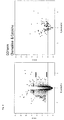
- Log2 conversion was carried out in terms of the X-axis. Significance of difference between the two groups was plotted along the Y-axis after -Log10 conversion of the P value (Volcano plot, upper left panel of Fig. 4 ).
- the SEK-1005-containing agarose rod group was found to exhibit a significant increase in expression of genes associated with migration/induction of regulatory T cells among chemokine/cytokine-associated genes, and a significant decrease in expression of genes which are not associated with migration/induction of regulatory T cells among chemokine/cytokine-associated genes.
- Expression of the chemokine/cytokine-associated genes is shown as a volcano plot in the upper right panel of Fig. 4 .
- expression of chemokine/cytokine-associated genes related to regulatory T cells is shown as a heat map ( Fig. 4 , lower panel).
- the SEK-1005-containing agarose rod increases expression of chemokine/cytokine-associated genes related to regulatory T cells, leading to an increase in regulatory T cells and suppression of cytotoxic T cells (CD8) in the vicinity of the SEK-1005-containing agarose rod, thereby providing an environment in which immune tolerance to the transplanted organ is achieved.
- a polystyrene tube with an inner diameter of 4 mm 4.5 % agarose solution was poured, and the tube was then left to stand at normal temperature to allow gelation of the agarose solution.
- the resulting agarose gel rod was removed from the polystyrene tube, and cut into a piece having a length of 25 mm. Subsequently, the agarose gel rod was stored in a freezer at -30°C overnight to allow freezing of water. By freeze-drying the frozen agarose rod, a porous dry agarose rod was prepared. To the dry agarose rod, 100 ⁇ l of 500 ⁇ g/ml bFGF solution (FIBLAST Spray 500, Kaken Pharmaceutical Co., Ltd.) was added dropwise to include the bFGF solution in the dry agarose rod.
- 500 ⁇ g/ml bFGF solution FIBLAST Spray 500, Kaken Pharmaceutical Co., Ltd.
- the agarose rod On the day when the agarose rod was to be embedded, streptozotocin (STZ) (60 mg/kg body weight) was administered to ACI rats to induce diabetes. To each of the left side and the right side of the back of each ACI rat, the agarose rod having a length of 25 mm and a diameter of 4 mm containing 50 ⁇ g of bFGF was embedded. On Day 7 after the embedding, the agarose rod was pulled out. In the vicinity of each place where the agarose rod had been embedded, formation of connective tissue containing a number of blood vessels was found. This tissue was collected, and then minced with scissors, followed by homogenization. The cells were then subjected to purification by Percoll density gradient centrifugation to obtain immune cells, and the obtained immune cells were analyzed using a flow cytometer.
- STZ streptozotocin
- Fig. 5 shows the result of the analysis of CD4 + , and Foxp3 which is a marker for regulatory T cells.
- the ratio of Foxp3 + cells among CD4 + cells was 25.4% on Day 2, 24.4% on Day 7, 24.4% on Day 10, and 26.4% on Day 14 after the bFGF-containing agarose rod was embedded under the skin. Since this ratio is about 10% in normal subcutaneous tissues and the subcutaneous tissues of bFGF-free agarose rod-embedded rats, it was found that the ratio of regulatory T cells increased about 2-to 3-fold due to the action of bFGF.
- RNA in the tissue was extracted by the column method.
- the extracted RNA was amplified by the Express kit method (Affymetrix) and biotin-labeled, followed by hybridization with a Rat Genome 230 2.0 array (Affymetrix). Signals were read by a Hewlett-Packard GeneArray Scanner G2500A.
- gene expression analysis was carried out for three tissue samples obtained from the vicinities of bFGF-containing agarose rods and three tissue samples obtained from the vicinities of control bFGF-free agarose rods.
- the obtained fluorescence intensities were standardized and normalized, and then subjected to statistical analysis.
- the standardized and normalized gene expression level was statistically compared between the bFGF-containing agarose rod group and the control bFGF-free agarose rod group.
- Genes showing increased expression in the bFGF-containing agarose rod group were plotted such that their values along the X-axis became positive. Log2 conversion was carried out in terms of the X-axis.
- chemokine/cytokine-associated genes Significance of difference between the two groups was plotted along the Y-axis after -Log10 conversion of the P value (Volcano plot).
- the agarose rod-bFGF group was found to exhibit a significant increase in expression of genes associated with migration/induction of regulatory T cells among chemokine/cytokine-associated genes, and a significant decrease in expression of genes which are not associated with migration/induction of regulatory T cells among chemokine/cytokine-associated genes.
- Expression of the chemokine/cytokine-associated genes is shown as a volcano plot in Fig. 7(a) .
- expression of chemokine/cytokine-associated genes related to regulatory T cells is shown as a heat map in Fig. 7(b) .
- the bFGF-containing agarose rod increases expression of chemokine/cytokine-associated genes related to regulatory T cells, leading to an increase in regulatory T cells and suppression of cytotoxic T cells (CD8) in the vicinity of the bFGF-containing agarose rod, thereby providing an environment in which immune tolerance to the transplanted organ is achieved.
Landscapes
- Health & Medical Sciences (AREA)
- Life Sciences & Earth Sciences (AREA)
- Engineering & Computer Science (AREA)
- Animal Behavior & Ethology (AREA)
- Veterinary Medicine (AREA)
- Public Health (AREA)
- Chemical & Material Sciences (AREA)
- General Health & Medical Sciences (AREA)
- Medicinal Chemistry (AREA)
- Pharmacology & Pharmacy (AREA)
- Immunology (AREA)
- Bioinformatics & Cheminformatics (AREA)
- Epidemiology (AREA)
- Proteomics, Peptides & Aminoacids (AREA)
- Gastroenterology & Hepatology (AREA)
- Zoology (AREA)
- Chemical Kinetics & Catalysis (AREA)
- General Chemical & Material Sciences (AREA)
- Nuclear Medicine, Radiotherapy & Molecular Imaging (AREA)
- Organic Chemistry (AREA)
- Neurosurgery (AREA)
- Dermatology (AREA)
- Biomedical Technology (AREA)
- Transplantation (AREA)
- Medicines That Contain Protein Lipid Enzymes And Other Medicines (AREA)
- Medicines Containing Material From Animals Or Micro-Organisms (AREA)
- Peptides Or Proteins (AREA)
- Pharmaceuticals Containing Other Organic And Inorganic Compounds (AREA)
Abstract
Description
- The present invention relates to an agent for forming an immune-tolerant site and an agent for attracting immunosuppressive cells.
- For treatment of diseases due to failure of biological functions, such as diabetes, transplantation of an organ/tissue is an effective therapeutic method. However, in cases of allotransplantation, which causes immune rejection, and in cases of diseases that occur due to autoimmunity such as type I diabetes, patients need to regularly take an immunosuppressant after the transplantation. Since, in general, immunosuppressants nonspecifically suppress immune function, they are known to increase the risk of infections and cancer development, and to cause hypertension, hyperglycemia, and disorders of the liver and kidney as side effects.
- On the other hand, a state called immune tolerance is known. Immune tolerance means suppression of action of the immune system against a particular substance. Immune tolerance is a system which allows the immune system to recognize autologous substances as the self, and regulates the immune system such that it does not attack those substances. It is also known that immune tolerance also occurs for nonself such as orally ingested substances such as foods, so that an excessive immune response can be avoided. Some cancers have been shown to be capable of acquiring immune tolerance to avoid attack by the immune system.
- Although the mechanism of immune tolerance has not been fully clarified, processes such as central tolerance (disappearance of immune cells reactive with the self) and peripheral tolerance (suppression of, or loss of responsiveness of, reactive immune cells) are known. Examples of cell species which induce peripheral tolerance in the body include regulatory T cells (Tregs) and myeloid-derived suppressor cells (MDSCs). It is thought that, if a method for achieving immune tolerance to a transplanted organ/tissue upon transplantation of the organ/tissue can be established, the need to administer an immunosuppressant can be eliminated.
- As a device for formation of a capillary-rich site suitable for tissue transplantation,
JP 3089299 B - American Journal of Transplantation 2014, 14: 1533-1542 describes results of a study in which pancreatic islets were transplanted to a space formed under the skin of a rat using the device described in
JP 3089299 -
JP 10-306027 A -
JP 2001-172188 A -
JP 6-65088 A -
JP 10-120591 -
JP 2004-522725 - Conventionally, transplantation of islets of Langerhans (pancreatic islets) for treatment of diabetes, and transplantation of cells secreting hormones and proteins for complementing deficiency of those hormones and proteins, have often been attempted not only in studies using animals, but also at clinical sites. However, because of a limited number of donors who donate the cells and tissues, it has been difficult to treat all patients awaiting such therapeutic methods.
- In recent years, methods of inducing differentiation of various stem cells such as embryonic stem cells (ES cells) and induced pluripotent stem cells (iPS cells) into various functional cells have begun to be established. Establishment of the differentiation induction methods will provide an unlimited supply of secretory cells, and make cell transplantation therapies available to all patients awaiting the therapies.
- However, cell transplantation has common problems such as rejection caused by the immune system of the recipient, and the site of transplantation.
- Normally, an immunosuppressant is administered to control rejection. However, administration of an immunosuppressant has problems such as susceptibility to infection and an increased risk of development of a malignant tumor. Moreover, administration of an immunosuppressant requires a relatively high health care cost such as 1.5 million yen/year.
- Therefore, an object of the present invention is to provide a useful agent which is capable of efficiently inducing immune tolerance in, or at, a specific site, which agent eliminates, upon transplantation of cells to the site, the need for administration of an immunosuppressant, a therapeutic agent for an autoimmune disease, or the like which has previously been required in transplantation.
- Transplantation of cells, a tissue, or an organ prepared by differentiation induction of iPS cells derived from another individual or from the patient himself is expected to enable transplantation without causing rejection or an autoimmune response. However, since type I diabetes, to which pancreatic islet transplantation is applied, occurs due to an autoimmune response to autologous cells, the transplanted cells are killed by the autoimmune response after transplantation of β-cells or pancreatic islets derived from the patient himself, as reported in Transplantation. 2003, Mar 15; 75(5): 619-25. As shown in this example, in diseases that occur due to an autoimmune response, treatment for suppression of a certain immune response is necessary even in cases of transplantation of cells, a tissue, or an organ prepared by differentiation induction of iPS cells derived from the patient himself.
- In order to solve the problem described above, the present invention provides an agent for forming an immune-tolerant site comprising SEK-1005 and/or fibroblast growth factor (FGF). The present invention also provides an agent for attracting immunosuppressive-cells such as regulatory T cells (Tregs) and/or myeloid-derived suppressor cells (MDSCs), which agent comprises SEK-1005, which is the cyclic peptide shown in Structural Formula (I), and/or FGF.
- According to the present invention, use of SEK-1005 and/or FGF enables attraction of immunosuppressive cells such as Tregs and/or MDSCs to the site of interest. This results in formation of an immune-tolerant site, so that the need for immune suppression, which has been indispensable for allotransplantation of cells or a tissue, can be reduced or eliminated, and the patient does not need to regularly take an immunosuppressant after the transplantation. Moreover, the present invention can eliminate the risk of various infections and development of malignant tumors due to side effects of immunosuppressants, as well as the risk of damage to organs and occurrence of hypertension, hyperglycemia, and the like due to side effects of immunosuppressants. Moreover, the present invention is advantageous in that targeting of a particular molecule is not necessary since immune tolerance is induced for the entire transplanted tissue.
- The agent of the present invention can also be a useful model for scientific analysis of the mechanism of immune tolerance.
-
-
Fig. 1 is a diagram showing the results of flow cytometry of cells collected from rat tissues in which an SEK-1005-containing agarose rod or an SEK-1005-free agarose rod was embedded under the skin. The ordinate represents the ratio of CD4+Foxp3+ cells among CD4+ cells, which is an index of regulatory T cells. -
Fig. 2 is a diagram showing the results of flow cytometry of cells collected from rat tissues in which an SEK-1005-containing agarose rod or an SEK-1005-free agarose rod was embedded under the skin. The ordinate represents the ratio of CD8+ cells to CD4+ cells among CD3+ cells, which is an index of cytotoxic T cells. -
Fig. 3 is a diagram showing the results of a Treg suppression assay. The left panel (Group 1) shows the result obtained for a case where growth stimulation was carried out by addition of 1 µg/mL anti-CD3 antibody; the middle panel (Group 2) shows the result obtained for a case where 1 µg/mL anti-CD3 antibody as well as 2.5×10⁴ CD4+CD25+ cells including a large number of regulatory T cells were added; and the right panel (Group 3) shows the result obtained for a case where no anti-CD3 antibody was added. -
Fig. 4 is a diagram showing the results of analysis of gene expression in the surrounding tissue of the SEK-1005-containing agarose rod. The upper left panel is a volcano plot showing the whole gene expression. The upper right panel is a volcano plot showing expression of chemokine/cytokine-associated genes. The lower panel is a heat map showing expression of chemokine/cytokine-associated genes related to regulatory T cells. -
Fig. 5 is a diagram showing the results of flow cytometry of cells collected from rat tissues in which a bFGF-containing agarose rod or a bFGF-free agarose rod was embedded under the skin. The ordinate represents the ratio of CD4+Foxp3+ cells among CD4+ cells, which is an index of regulatory T cells. -
Fig. 6 is a diagram showing the results of flow cytometry of cells collected from rat tissues in which a bFGF-containing agarose rod or a bFGF-free agarose rod was embedded under the skin, which flow cytometry was carried out for CD11b/c and granulocytes. -
Fig. 7 is a diagram showing the results of analysis of gene expression in the surrounding tissue of the bFGF-containing agarose rod. Panel (a) is a volcano plot showing expression of chemokine/cytokine-associated genes. Panel (b) is a heat map showing expression of chemokine/cytokine-associated genes related to regulatory T cells. - The agent for forming an immune-tolerant site and the agent for attracting immunosuppressive cells of the present invention comprise SEK-1005 and/or FGF as an effective ingredient(s).
- SEK-1005 (structural formula: C45H70N8O13; name: Ser, 3-hydroxy-N-[2-hydroxy-1-oxo-2-tetrahydro-2-hydroxy-6-methyl-5-(2-methylpropyl)-2H-pyran-2-yl-propyl]-Leu-Pip(hexahydro-3-pyridazinecarbonyl)-N-hydroxy-Ala-N-methyl-Phe-Pip-rho-lactone) is the compound represented by the following structural formula, which is a cyclic peptide isolated from the culture liquid of an actinomycetes Streptomyces nobilis, or a dried product thereof.

- The actinomycetes Streptomyces nobilis, which is used for obtaining SEK-1005, is available from public culture collections. For example, the strain deposited as JCM4274 in RIKEN, as ATCC19252 in the US, or as CBS 198.65 in the Netherlands may be used. The method for obtaining SEK-1005 is not limited, and SEK-1005 may be obtained from a natural product such as the actinomycetes Streptomyces nobilis, or may be synthesized by a bioengineering method or an organic chemical method. For specific methods for obtaining SEK-1005 from the actinomycetes Streptomyces nobilis, reference may be made to
WO 96/12732 - SEK-1005 may have one or more amino acid residues deleted, added, and/or substituted as long as SEK-1005 has the ability to induce immune tolerance. Such a compound is also included in the scope of the present invention. Further, SEK-1005 may be in the form of a salt, or may be a molecule having a modification(s), as long as the ability to induce immune tolerance is maintained. Such a compound is also included in the scope of the present invention. Examples of the modifications include addition of one or more of sugar chains, alkyl groups, amino groups, carboxyl groups, thiol groups, hydroxyl groups, sulfonyl groups, naturally occurring amino acids, non-naturally occurring amino acids, D-amino acids, and the like. SEK-1005 may be a hydrate or anhydrate. SEK-1005 can be dissolved in an appropriate solvent such as acetone, ethanol, propanol, chloroform, dichloromethane, dimethylformamide, dimethylsulfoxide, N-methyl-2-pyrrolidone, dimethyl ether, ethyl acetate, tetrahydrofuran, and polyethylene glycol.
- Various reports have been made on the pharmacological actions of SEK-1005, use of SEK-1005 as a drug, and the like. For example,
JP 2008-260692 A JP 10-259134 A - Although any FGF may be used as long as it is a protein belonging to the FGF family, bFGF (basic fibroblast growth factor), FGF-2 (fibroblast growth factor-2) or aFGF (acidic fibroblast growth factor) is preferred, and bFGF or FGF-2 is more preferred. The origin of the FGF is not limited, and the FGF is preferably derived from a human in cases where it is used for human. An example of human bFGF includes, but is not limited to, a protein comprising the amino acid sequence of UniProtKB/Swiss-Prot: P09038.3. The sequence of the FGF is preferably a full-length sequence, but may also be a partial sequence as long as the FGF has an immune-tolerant site forming action and an immunosuppressive-cell attracting action. The FGF may have a wild-type sequence, or may have the same sequence as a wild-type sequence except that one or several amino acids (e.g. one, two or three) are substituted, deleted, inserted, and/or added as long as the FGF has an immune-tolerant site forming action and an immunosuppressive-cell attracting action. The FGF may be produced by recombination, or may be chemically synthesized. The FGF may be a commercially available product.
- The agent for forming an immune-tolerant site or the agent for attracting immunosuppressive cells of the present invention comprising as an effective component(s) SEK-1005 and/or FGF is capable of inducing immune tolerance in the site of its administration, by attraction of cells having immunosuppressive capacity such as Tregs or MDSCs.
- The agent for forming an immune-tolerant site of the present invention comprising as an effective component(s) SEK-1005 and/or FGF can be especially preferably used as an agent for forming an immune-tolerant site for transplantation of pancreatic islets, pseudo-pancreatic islets prepared by artificial differentiation induction of stem cells, or the like. By application of the agent to the target site of transplantation (transplantation site), immunosuppressive cells are attracted to the transplantation site, so that rejection due to the transplantation becomes less likely to occur. Examples of the body tissue to which the agent for forming an immune-tolerant site is applied include, but are not limited to, subcutaneous tissues. The site where the agent for forming an immune-tolerant site is brought into contact with the subcutaneous tissue is not limited, and may be either on the surface of the subcutaneous tissue (at the border between the subcutaneous tissue and the dermis) or inside the subcutaneous tissue.
- The agent for forming an immune-tolerant site may be composed of only SEK-1005 and/or FGF, or may also contain another/other component(s). Examples of the another/other component(s) include vehicles, disintegrators, binders, lubricants, surfactants, solubilizers, stabilizers, isotonic agents, suspending agents, emulsifiers, buffers, and solvents. In cases where the agent for forming an immune-tolerant site contains a component other than SEK-1005 and/or FGF, the content of SEK-1005 and/or FGF in the agent for forming an immune-tolerant site is not limited as long as SEK-1005 and/or FGF can produce its/their effect as an effective ingredient(s) of the agent for forming an immune-tolerant site.
- The content of SEK-1005 and/or FGF in the agent for forming an immune-tolerant site is, for example, an amount that enables, on
Day 7 toDay 14 after contacting said agent with a site in the body tissue, attraction of 1.3- to 3-times as many CD4+Foxp3+ cells to the site in the body tissue as compared to the case in which an agent containing neither SEK-1005 nor FGF is contacted with said site. - The content of SEK-1005 and/or FGF in the agent for forming an immune-tolerant site is an amount which enables attraction of CD4+Foxp3+ cells to the site in the body tissue such that the ratio of Foxp3+ cells among CD4+ cells becomes more than 10%, for example, not less than 15%, as analyzed using a flow cytometer on
Day 7 toDay 14 after contacting SEK-1005 and/or FGF with the site in the body tissue. Although there is no upper limit of the ratio of Foxp3+ cells among CD4+ cells, the content of SEK-1005 and/or FGF in the agent for forming an immune-tolerant site is, for example, preferably an amount at which the ratio of Foxp3+ cells among CD4+ cells becomes not more than 50% or, for example, not more than 40%, as analyzed using a flow cytometer onDay 7 toDay 14 after contacting SEK-1005 and/or FGF with the site in the body tissue. - The method for bringing the agent for forming an immune-tolerant site into contact with the body tissue is not limited. Examples of the method include a method in which SEK-1005 and/or FGF which may contain another/other component(s) is/are embedded in the body tissue together with another/other material(s) such as a biocompatible material to allow slow release of SEK-1005 and/or FGF, and a method in which SEK-1005 and/or FGF which may contain another/other component(s) is/are regularly administered by injection or the like. From the viewpoint of easily controlling the time of contact between the agent for forming an immune-tolerant site and the body tissue, the method in which SEK-1005 and/or FGF is/are embedded in the body tissue together with a biocompatible material to allow slow release of SEK-1005 and/or FGF is preferred since a space for transplantation of a transplantation material can be secured after removal of the agent for forming an immune-tolerant site. The size (for example, area) of the body tissue with which the agent for forming an immune-tolerant site is brought into contact is not limited, and may be selected depending on the therapeutic method and/or the like.
- The biocompatible material is not limited as long as the material allows release of the agent for forming an immune-tolerant site. Examples of the material constituting the biocompatible material include hydrogels, dried products of hydrogels, sponges, porous polymer blocks, porous bodies, porous sheets, and porous membranes.
- Examples of the materials constituting the hydrogels include cellulose derivatives such as hydroxypropylmethylcellulose (HPMC), carboxymethylcellulose sodium (CMC-Na), and hydroxyethylcellulose (HEC); chemically cross-linked products of, and products prepared by radiation cross-linking or thermal cross-linking of, naturally-occurring polymers such as gelatin, alginic acid, albumin, collagen, starch, agarose, dextran, pullulan, pectin, hyaluronic acid, chitin, and chitosan; chemically cross-linked products of, and products prepared by radiation cross-linking or thermal cross-linking of, synthetic polymers such as polyvinyl alcohol, polyvinyl pyrrolidone, polyethylene glycol, poly-2-hydroxyethyl methacrylate, poly-2-hydroxyethyl acrylate, polyacrylamide, polyacrylic acid, and polymethacrylic acid; cross-linked products of copolymers composed of monomers constituting the above-described polymers; and polyion complex membranes of a polyanion and a polycation such as poly-L-lysine.
- Examples of the sponges include those composed of the above-described porous polymers such as cellulose, agarose, chitosan, and collagen.
- Examples of the materials constituting the porous bodies include organic and inorganic materials such as gelatin, silicone, and apatite.
- The number of times in which the agent for forming an immune-tolerant site is brought into contact with the body tissue is not limited. The desired transplantation site (immune-tolerant site) may be formed by either one time of contact or a plurality of times of contact. The length of time for which the agent for forming an immune-tolerant site is brought into contact with the body tissue is not limited. The agent for forming an immune-tolerant site preferably has a constitution which, once embedded, allows continuous release of SEK-1005 and/or FGF from the biocompatible material or the like to the body tissue. The length of time for which SEK-1005 and/or FGF is/are continuously released from the biocompatible material or the like to the body tissue is preferably 1 day to 35 days, more preferably 2 days to 28 days, still more preferably 3 days to 21 days, especially preferably 4 days to 14 days.
- The amount(s) of SEK-1005 and/or FGF is/are appropriately controlled depending on the size of the transplanted cell or transplanted tissue, and/or the like.
- The immune-tolerant site formed using the agent for forming an immune-tolerant site of the present invention may be used for transplantation of various transplantation materials. The immune-tolerant site is especially preferred for transplantation of a transplantation material which can exert its function independently of the site of transplantation. Examples of such a transplantation material include tissues and cells which secrete a physiologically active substance such as a hormone, cytokine, neurotransmitter, or enzyme. Specific examples of the transplantation material include pancreatic islets, hepatocytes, adrenal, parathyroid, cells producing erythropoietin (e.g., stromal cells of uriniferous tubules), and cells producing growth hormone (e.g., GH secreting cells in the anterior pituitary gland). Other examples of the transplantation material include functional cells artificially produced by differentiation induction of somatic stem cells, induced pluripotent stem cells such as iPS cells, or embryonic stem cells (ES cells).
- The transplantation material to be transplanted to the immune-tolerant site formed using the agent for forming an immune-tolerant site of the present invention may be a tissue (including an organ), cells, or the like which can survive at the transplantation site. The transplantation material may be derived from an organism, or may be artificially prepared. Since the agent for forming an immune-tolerant site of the present invention can form a site where the immune response is suppressed (immune-tolerant site), not only cells, tissues, and microtissues from the same species, but also cells, tissues, and microtissues from different species may be used as the transplantation material. In cases where cells, tissue, or microtissue from the same species is used, not only a tissue, cell, or microtissue from the same line of the same species, but also a tissue, cell, or microtissue from a different line of the same species may be used. Normally, tissues, cells, and microtissues from different species; and tissues, cells, and microtissues from different lines of the same species; are rapidly rejected when they are subcutaneously transplanted without any treatment. By performing their transplantation to the transplantation site in the present invention (immune-tolerant site), the immune response is suppressed, and hence the rejection can be avoided. Thus, the present invention can provide a desirable site of transplantation even in cases where such a cell or the like is used. The term "same species" means that the transplantation material is derived from the same species; the term "different species" means that the transplantation material is derived from a different species; the term "same line of the same species" means that "the transplantation material is derived from the same species and has the same genetic composition"; and the term "different line of the same species" means that "the transplantation material is derived from the same species but has a different genetic composition".
- Transplantation of a tissue to an immune-tolerant site formed using the agent for forming an immune-tolerant site of the present invention is useful for treatment of various diseases. From the viewpoint of amelioration of symptoms and improvement of the quality of life, the effect of transplantation is especially large in cases of insulin-dependent diabetes mellitus, wherein secretion of insulin needs to be regularly controlled depending on changes in the blood glucose level, relative to other endocrine diseases. Thus, the agent for forming an immune-tolerant site of the present invention is especially useful in cases where it is used for formation of a site of transplantation of pancreatic islets for treatment of insulin-dependent diabetes mellitus.
- Type I diabetes, which develops due to an autoimmune response, accounts for a large proportion of cases of such diabetes. However, the agent for forming an immune-tolerant site of the present invention is also useful in treatment of type II diabetes. That is, as type II diabetes progresses, the volume of pancreatic β cells decreases, and administration of insulin becomes necessary according to the current therapeutic method. Even in such cases, treatment of the disease is possible by transplantation of pancreatic islets to an immune-tolerant site formed using the agent for forming an immune-tolerant site of the present invention. From the viewpoint of the fact that type II diabetes occurs due to an increase in insulin resistance in the body rather than a decrease in insulin productivity in the pancreas, the transplantation may also be effectively carried out for the purpose of prevention of the disease before the disease progresses to a stage in which insulin administration is necessary.
- Even in cases where a tissue derived from another individual is transplanted, the agent for forming an immune-tolerant site of the present invention allows formation of a transplantation site where an immunosuppressed state is maintained (immune-tolerant site). For example, in treatment of insulin-dependent diabetes mellitus by transplantation of pancreatic islets, a tissue donated by another individual is used. Therefore, the patient usually needs to regularly take an immunosuppressant after the transplantation. In cases where the agent for forming an immune-tolerant site of the present invention is used, the amount of the immunosuppressant to be taken can be reduced, or the need to take the immunosuppressant can be eliminated after the transplantation of pancreatic islets. Patients with insulin-dependent diabetes mellitus are mainly those with type I diabetes, which occurs due to an autoimmune response. Since the agent for forming an immune-tolerant site of the present invention enables formation of a transplantation site where the immune response is suppressed (immune-tolerant site), protection against the autoimmune response can also be expected at the site. Thus, the present method is useful also from the viewpoint of long-term maintenance of the function of transplanted pancreatic islets.
- The agent for attracting immunosuppressive cells of the present invention comprising as an effective component(s) SEK-1005 and/or FGF can be especially preferably used in cases where pancreatic islets, pseudo-pancreatic islets prepared by artificial differentiation induction of stem cells, or the like are transplanted. By application of the agent for attracting immunosuppressive cells to the target site of transplantation (transplantation site), immunosuppressive cells are attracted to the transplantation site, so that rejection due to the transplantation becomes less likely to occur. Examples of the body tissue to which the agent for attracting immunosuppressive cells is applied include, but are not limited to, subcutaneous tissues. The area where the agent for attracting immunosuppressive cells is brought into contact with the subcutaneous tissue is not limited, and may be either on the surface of the subcutaneous tissue (at the border between the subcutaneous tissue and the dermis) or inside the subcutaneous tissue.
- The agent for attracting immunosuppressive cells may be composed of only SEK-1005 and/or FGF, or may also contain another/other component(s). Examples of the another/other component(s) include vehicles, disintegrators, binders, lubricants, surfactants, solubilizers, stabilizers, isotonic agents, suspending agents, emulsifiers, buffers, and solvents. In cases where the agent for attracting immunosuppressive cells contains a component other than SEK-1005 and/or FGF, the content of SEK-1005 and/or FGF in the agent for attracting immunosuppressive cells is not limited as long as SEK-1005 and/or FGF can produce its/their effect as an effective ingredient(s) of the agent for attracting immunosuppressive cells.
- The content of SEK-1005 and/or FGF in the agent for attracting immunosuppressive cells is, for example, an amount that enables, on
Day 7 toDay 14 after contacting said agent with a site of the body tissue, attraction of 1.3- to 3-times as many CD4+Foxp3+ cells to the site of body tissue as compared to the case in which an agent containing neither SEK-1005 nor FGF is contacted with said site. - The content of SEK-1005 and/or FGF in the agent for attracting immunosuppressive cells is an amount which enables attraction of CD4+Foxp3+ cells to a site in a body tissue such that the ratio of Foxp3+ cells among CD4+ cells becomes more than 10%, for example, not less than 15%, as analyzed using a flow cytometer on
Day 7 toDay 14 after contacting SEK-1005 and/or FGF with the site in the body tissue. Although there is no upper limit of the ratio of Foxp3+ cells among CD4+ cells, the content of SEK-1005 and/or FGF in the agent for attracting immunosuppressive cells is, for example, preferably an amount at which the ratio of Foxp3+ cells among CD4+ cells becomes not more than 50% or, for example, not more than 40%, as analyzed using a flow cytometer onDay 7 toDay 14 after contacting SEK-1005 and/or FGF with the site in the body tissue. - The method for bringing the agent for attracting immunosuppressive cells into contact with the body tissue is not limited. Examples of the method include a method in which SEK-1005 and/or FGF which may contain another/other component(s) is/are embedded in the body tissue together with another/other material(s) such as a biocompatible material to allow slow release of SEK-1005 and/or FGF, and a method in which SEK-1005 and/or FGF which may contain another/other component(s) is/are regularly administered by injection or the like. From the viewpoint of easily controlling the time of contact between the agent for attracting immunosuppressive cells and the body tissue, the method in which SEK-1005 and/or FGF is/are embedded in the body tissue together with a biocompatible material to allow slow release of SEK-1005 and/or FGF is preferred since a space for transplantation of a transplantation material can be secured after removal of the agent for attracting immunosuppressive cells. The size (for example, area) of the body tissue with which the agent for attracting immunosuppressive cells is brought into contact is not limited, and may be selected depending on the therapeutic method and/or the like.
- The biocompatible material is not limited as long as the material allows release of the agent for attracting immunosuppressive cells. Examples of the material constituting the biocompatible material include hydrogels, dried products of hydrogels, sponges, porous polymer blocks, porous bodies, porous sheets, and porous membranes.
- Examples of the materials constituting the hydrogels include cellulose derivatives such as hydroxypropylmethylcellulose (HPMC), carboxymethylcellulose sodium (CMC-Na), and hydroxyethylcellulose (HEC); chemically cross-linked products of, and products prepared by radiation cross-linking or thermal cross-linking of, naturally-occurring polymers such as gelatin, alginic acid, albumin, collagen, starch, agarose, dextran, pullulan, pectin, hyaluronic acid, chitin, and chitosan; chemically cross-linked products of, and products prepared by radiation cross-linking or thermal cross-linking of, synthetic polymers such as polyvinyl alcohol, polyvinyl pyrrolidone, polyethylene glycol, poly-2-hydroxyethyl methacrylate, poly-2-hydroxyethyl acrylate, polyacrylamide, polyacrylic acid, and polymethacrylic acid; cross-linked products of copolymers composed of monomers constituting the above-described polymers; and polyion complex membranes of a polyanion and a polycation such as poly-L-lysine.
- Examples of the sponges include those composed of the above-described porous polymers such as cellulose, agarose, chitosan, and collagen
- Examples of the materials constituting the porous bodies include organic and inorganic materials such as gelatin, silicone, and apatite.
- The number of times in which the agent for attracting immunosuppressive cells is brought into contact with the body tissue is not limited. The desired transplantation site (immune-tolerant site) may be formed by either one time of contact or multiple times of contact. The length of time for which the agent for attracting immunosuppressive cells is brought into contact with the body tissue is not limited. The agent for attracting immunosuppressive cells preferably has a constitution which, once embedded, allows continuous release of SEK-1005 and/or FGF from the biocompatible material or the like to the body tissue. The length of time for which SEK-1005 and/or FGF is/are continuously released from the biocompatible material or the like to the body tissue is preferably 1 day to 35 days, more preferably 2 days to 28 days, still more preferably 3 days to 21 days, especially preferably 4 days to 14 days.
- The amount(s) of SEK-1005 and/or FGF is/are appropriately controlled depending on the size of the transplanted cell or transplanted tissue, and/or the like.
- The immune-tolerant site formed using the agent for attracting immunosuppressive cells may be used for transplantation of various transplantation materials. The immune-tolerant site is especially preferred for transplantation of a transplantation material which can exert its function independently of the site of transplantation. Examples of such a transplantation material include tissues and cells which secrete a physiologically active substance such as a hormone, cytokine, neurotransmitter, or enzyme. Specific examples of the transplantation material include pancreatic islets, hepatocytes, adrenal, parathyroid, cells producing erythropoietin (e.g., stromal cells of uriniferous tubules), and cells producing growth hormone (e.g., GH secreting cells in the anterior pituitary gland). Other examples of the transplantation material include functional cells artificially produced by differentiation induction of somatic stem cells, induced pluripotent stem cells such as iPS cells, or embryonic stem cells (ES cells).
- When transplantation is performed at the immune-tolerant site formed using the agent for attracting immunosuppressive cells of the present invention, it is preferable that the transplantation is performed after a substantial amount of immunosuppressive cells sufficient for establishing immune tolerance at the site are attracted to the site. For example, it is preferable that the transplantation is performed seven days, more preferably ten days after the agent for attracting immunosuppressive cells is brought into contact with a site of a body tissue where transplantation material is to be introduced.
- The transplantation material to be transplanted to the immune-tolerant site formed using the agent for attracting immunosuppressive cells of the present invention may be a tissue (including an organ), cells, or the like which can survive at the transplantation site. The transplantation material may be derived from an organism, or may be artificially prepared. Since the agent for attracting immunosuppressive cells of the present invention can form a site where the immune response is suppressed (immune-tolerant site), not only cells, tissues, and microtissues from the same species, but also cells, tissues, and microtissues from different species may be used as the transplantation material. In cases where a cell or a tissue from the same species is used, not only a tissue, cell, or microtissue from the same line of the same species, but also a tissue, cell, or microtissue from a different line of the same species may be used. Normally, tissues, cells, and microtissues from different species; and tissues, cells, and microtissues from different lines of the same species; are rapidly rejected when they are subcutaneously transplanted without any treatment. By performing their transplantation to the transplantation site in the present invention (immune-tolerant site), the immune response is suppressed, and hence the rejection can be avoided. Thus, the present invention can provide a desirable site of transplantation even in cases where such a cell or the like is used. The term "same species" means that the transplantation material is derived from the same species; the term "different species" means that the transplantation material is derived from a different species; the term "same line of the same species" means that "the transplantation material is derived from the same species and has the same genetic composition"; and the term "different line of the same species" means that "the transplantation material is derived from the same species but has a different genetic composition".
- Transplantation of a tissue to an immune-tolerant site formed using the agent for attracting immunosuppressive cells of the present invention is useful for treatment of various diseases. From the viewpoint of amelioration of symptoms and improvement of the quality of life, the effect of transplantation is especially large in cases of insulin-dependent diabetes mellitus, wherein secretion of insulin needs to be regularly controlled depending on changes in the blood glucose level, relative to other endocrine diseases. Thus, the agent for attracting immunosuppressive cells of the present invention is especially useful in cases where it is used for formation of a site of transplantation of pancreatic islets for treatment of insulin-dependent diabetes mellitus.
- Type I diabetes, which develops due to an autoimmune response, accounts for a large proportion of cases of such diabetes. However, the agent for attracting immunosuppressive cells of the present invention is also useful in treatment of type II diabetes. That is, as type II diabetes progresses, the volume of pancreatic β cells decreases, and administration of insulin becomes necessary according to the current therapeutic method. Even in such cases, treatment of the disease is possible by transplantation of pancreatic islets to an immune-tolerant site formed using the agent for attracting immunosuppressive cells of the present invention. From the viewpoint of the fact that type II diabetes occurs due to an increase in insulin resistance in the body rather than a decrease in insulin productivity in the pancreas, the transplantation may also be effectively carried out for the purpose of prevention of the disease before the disease progresses to a stage in which insulin administration is necessary.
- Even in cases where a tissue derived from another individual is transplanted, the agent for attracting immunosuppressive cells of the present invention allows formation of a transplantation site where an immunosuppressed state is maintained (immune-tolerant site). For example, in treatment of insulin-dependent diabetes mellitus by transplantation of pancreatic islets, a tissue donated by another individual is used. Therefore, the patient usually needs to regularly take an immunosuppressant after the transplantation. In cases where the agent for attracting immunosuppressive cells of the present invention is used, the amount of the immunosuppressant to be taken can be reduced, or the need to take the immunosuppressant can be eliminated after the transplantation of pancreatic islets. Patients with insulin-dependent diabetes mellitus are mainly those with type I diabetes, which occurs due to an autoimmune response. Since the agent for attracting immunosuppressive cells enables formation of a transplantation site where the immune response is suppressed (immune-tolerant site), protection against the autoimmune response can also be expected at the site. Thus, the present method is useful also from the viewpoint of long-term maintenance of the function of transplanted pancreatic islets. The agent for attracting immunosuppressive cells of the present invention has an advantageous effect that the functions and effects of the transplanted material such as pancreatic islets are maintained and thus the treatment effect with the transplanted material is prolonged since immune tolerance is maintained for a long period of time, e.g., more than 100 days at the site where the agent has been introduced.
- Patients as referred to herein and to whom the uses, methods and agents of the invention may be applied are preferably mammalian animals, particularly humans. A subject as referred to herein may similarly be a mammalian animal, particularly a human.
- As described herein, the invention extends to the agent as described herein for use in treating or preventing rejection of a transplant in a patient. Preferably the transplant is tissues or cells, preferably pancreatic islets. In such a use rejection may be treated or prevented by use of the agent to prepare or treat the site of transplantation, e.g. by administration of the agent to the site of transplantation before, during or after the transplantation (as described herein). Thus the agent may be used to prepare a site for transplantation. The invention also extends to the agent as described herein for use in treating a patient, wherein said treatment comprises transplantation, preferably transplantation of pancreatic islets. In such a use said treatment may comprise use of the agent to prepare or treat the site of transplantation, e.g. by administration of the agent to the site of transplantation before, during or after the transplantation (as described herein). Further encompassed is the agent as described herein for use in treating or preventing diabetes in a patient, wherein said treatment comprises transplantation, preferably transplantation of pancreatic islets. In such a use said treatment or prevention may comprise use of the agent to prepare or treat the site of transplantation, e.g. by administration of the agent to the site of transplantation before, during or after the transplantation (as described herein). In the above uses the agent forms an immune-tolerant site for transplant or attracts immunosuppressive cells to the transplant site. Also provided is a method of forming an immune-tolerant site in a body tissue in a subject, or attracting immunosuppressive cells to a site in a body tissue in a subject, comprising administering an agent as described herein to said site. Such uses and methods are preferably performed as described herein, e.g. in terms of the amount of the agent to be used.
- The present invention is described below more concretely by referring to Examples. However, the present invention is not limited to the following embodiments.
- Analysis of Exudate and Immune Cells in a Tissue Portion in Which SEK-1005-containing Agarose Rod was Embedded
- In a polystyrene tube with an inner diameter of 4 mm, 4.5 % agarose solution was poured, and the tube was then left to stand at normal temperature to allow gelation of the agarose solution. The resulting agarose gel rod was removed from the polystyrene tube, and cut into a piece having a length of 25 mm. Subsequently, the agarose gel rod was stored in a freezer at -30°C overnight to allow freezing of water. By freeze-drying the frozen agarose rod, a porous dry agarose rod was prepared. To the dry agarose rod, 50 µl of a solution of 2 mg/ml SEK-1005 in ethanol was added dropwise to include the SEK-1005 solution in the dry agarose rod. Ethanol was then evaporated by air drying.
- On the day when the agarose rod was to be embedded, streptozotocin (STZ) (60 mg/kg body weight) was administered to ACI rats to induce diabetes. To each of the left side and the right side of the back of each ACI rat, the agarose rod having a length of 25 mm and a diameter of 4 mm containing 100 µg of SEK-1005 was embedded. On
Day 10 after the embedding, the agarose rod was removed. In the vicinity of each place where the agarose rod had been embedded, formation of connective tissue containing a number of blood vessels was found. This tissue was minced with scissors, and then homogenized, followed by collecting cells from the tissue. The cells were subjected to purification by Percoll density gradient centrifugation to obtain immune cells, and the obtained immune cells were analyzed using a flow cytometer. -
Fig. 1 shows the result of the analysis of CD4+, and Foxp3+ which is a marker for regulatory T cells, using the flow cytometer. The ratio of Foxp3+ cells among CD4+ cells was 18.3% onDay 2, 20.8% onDay 7, 23.3% onDay 10, and 27.3% onDay 14 after the SEK-1005-containing agarose rod was embedded under the skin. Since this ratio is about 10% in normal subcutaneous tissues, it was found that the ratio of regulatory T cells (CD4+Foxp3+ cells) increased about 2- to 3-fold due to the action of SEK-1005. - On the other hand, as shown in
Fig. 2 , the ratio of cytotoxic T cells (CD8+ T cells) to CD4+ cells among CD3+ cells was 36.1% onDay 2, 33.7% onDay 7, 25.5% onDay 10, and 23.9% onDay 14 after the SEK-1005-containing agarose rod was embedded under the skin. In normal subcutaneous tissues, the ratio is about 30%, and, when a foreign substance is embedded, the ratio increases to not less than 50% in most cases. The action of SEK-1005 suppressed such an increase. - The TGF-β1 concentration in the exudate was measured. The TGF-β1 concentration was 0.7 ± 0.1 ng/ml until
Day 7 after the SEK-1005-containing agarose rod was embedded. However, the TGF-β1 concentration gradually increased thereafter, and reached 2.0 ± 1.0 ng/ml onDay 10 after the embedding. This was about 3 times the concentration in a treated group in which an SEK-1005-free agarose rod was embedded. The concentration gradually decreased thereafter. - Analysis of Immune Cells at Site Where SEK-1005-free Agarose Rod was Embedded
- In a polystyrene tube with an inner diameter of 4 mm, 4.5 % agarose solution was poured, and the tube was then left to stand at normal temperature to allow gelation of the agarose solution. The resulting agarose gel rod was removed from the polystyrene tube, and cut into a piece having a length of 25 mm. Subsequently, the agarose gel rod was stored in a freezer at -30°C overnight to allow freezing of water. By freeze-drying the frozen agarose rod, a porous dry agarose rod was prepared.
- On the day when the agarose rod was to be embedded, streptozotocin (STZ) (60 mg/kg body weight) was administered to ACI rats to induce diabetes. To each of the left side and the right side of the back of each ACI rat, the agarose rod having a length of 25 mm and a diameter of 4 mm containing no SEK-1005 was embedded. On
Day 10 after the embedding, the agarose rod was pulled out. The tissue in the vicinity of each place where the agarose rod had been embedded was minced with scissors, and then homogenized, followed by collecting cells from the tissue. The cells were subjected to purification by Percoll density gradient centrifugation to obtain immune cells, and the obtained immune cells were analyzed using a flow cytometer. -
Fig. 1 shows the result of the analysis of CD4+, and Foxp3 which is a marker for regulatory T cells. The ratio of CD4+Foxp3+ cells among CD4+ cells, which is an index of regulatory T cells, was 11.3% onDay 2, 10.5% onDay 7, 17.1% onDay 10, and 11.3% onDay 14 after the SEK-1005-free agarose rod was embedded under the skin. Since this ratio is about 10% in normal subcutaneous tissues, it was found that the ratio of regulatory T cells slightly increased due to the action of the SEK-1005-free agarose rod. However, no remarkable increase in the ratio was found. - As shown in
Fig. 2 , when the SEK-1005-free agarose rod was embedded under the skin, the ratio of cytotoxic T cells to CD4+ cells increased to not less than 40%. On the other hand, the ratio of cytotoxic T cells (CD8+) to CD4+ cells among CD3+ cells was 36.1% onDay 2, 33.7% onDay 7, 25.5% onDay 10, and 23.9% onDay 14 when the SEK-1005-containing agarose rod was embedded under the skin. Thus, the increase in cytotoxic T cells was suppressed by the SEK-1005-containing agarose rod. - Evaluation of Immunosuppressive Function of CD4+CD25+ Cells Which Accumulated at Site Where SEK-1005-containing Agarose Rod was Embedded
- On
Day 10 after embedding of the SEK-1005-containing agarose rod by the same operation as in Example 1, the tissue in the vicinity of the place where the rod was embedded was collected, and then homogenized, followed by collecting cells from the tissue. The cells were subjected to purification by Percoll density gradient centrifugation to obtain immune cells, and CD4+CD25+ cells (a fraction containing a large number of tissue-infiltrating regulatory T cells) were collected using MACS magnetic beads. - CD8+ T cells were separately prepared from ACI rats, and the cells were then stained with a fluorescent dye, carboxyfluorescein succinimidyl ester (CFSE). On a 96-well plate, 2.5×10⁴ CD8+ T cells and 5×10⁴ antigen-presenting cells were plated in each well, and the cell growth was quantitatively evaluated using a flow cytometer on Day 4.5 after the plating. The wells were divided into three groups. In Group 1, 1 µg/mL anti-CD3 antibody was added to stimulate the growth. In
Group 2, 1 µg/mL anti-CD3 antibody as well as 2.5×10⁴ CD4+CD25+ cells were added. In Group 3, no anti-CD3 antibody was added. -
Fig. 3 shows the representative flow cytograms which were obtained. One round of cell division of T cells stained with a fluorescent dye results in a decrease in the fluorescence intensity to half. Another division results in a decrease in the fluorescent intensity to one fourth of the original intensity. As can be seen in the flow cytogram shown in the right panel ofFig. 3 (Group 3), cells exhibiting decreased fluorescence intensity accounted for 6.3% of the total number of cells. These were thought to be cells that naturally divided during the culture. On the other hand, as can be seen in the flow cytogram shown in the left panel ofFig. 3 (Group 1), which shows the result of analysis of the cells to which the anti-CD3 antibody was added, cells exhibiting decreased fluorescence intensity accounted for as much as 42.4% of the total number of cells. Thus, it can be seen that cell division occurred in a large number of cells during the culture period of 4.5 days. The middle panel ofFig. 3 shows a flow cytogram obtained by adding the anti-CD3 antibody as well as 2.5×10⁴ CD4+CD25+ cells (a fraction containing a large number of tissue-infiltrating regulatory T cells) collected from the tissue in the vicinity of the SEK-1005-containing agarose rod, to a well (Group 2). The ratio of cells exhibiting decreased fluorescence intensity due to cell division was 13.4%. Thus, a remarkable decrease in the ratio was found as compared to the ratio in Group 1, 42.4%. That is, the CD4+CD25+ cells collected from the tissue in the vicinity of the SEK-1005-containing agarose rod were found to have the ability to suppress the growth of T cells. - On
Day 7 after embedding of the SEK-1005-containing agarose rod by the same operation as in Example 1, the tissue in the vicinity of the place where the rod was embedded was collected. The collected tissue was immediately impregnated with RNA later solution (Life Technologies) to inhibit RNA degradation. RNA in the tissue was extracted by the column method. The extracted RNA was amplified by the Express kit method (Affymetrix) and biotin-labeled, followed by hybridization with a Rat Genome 230 2.0 array (Affymetrix). Signals were read by a Hewlett-Packard GeneArray Scanner G2500A. By such a process, gene expression analysis was carried out for three tissue samples obtained from the vicinities of SEK-1005-containing agarose rods and three tissue samples obtained from the vicinities of control SEK-1005-free agarose rods. The obtained fluorescence intensities were standardized and normalized, and then subjected to statistical analysis. The standardized and normalized gene expression level was statistically compared between the SEK-1005-containing agarose rod group and the control SEK-1005-free agarose rod group. Genes showing increased expression in the SEK-1005-containing agarose rod group were plotted such that their values along the X-axis became positive. Log2 conversion was carried out in terms of the X-axis. Significance of difference between the two groups was plotted along the Y-axis after -Log10 conversion of the P value (Volcano plot, upper left panel ofFig. 4 ). - As a result of the comprehensive gene expression analysis, the SEK-1005-containing agarose rod group was found to exhibit a significant increase in expression of genes associated with migration/induction of regulatory T cells among chemokine/cytokine-associated genes, and a significant decrease in expression of genes which are not associated with migration/induction of regulatory T cells among chemokine/cytokine-associated genes. Expression of the chemokine/cytokine-associated genes is shown as a volcano plot in the upper right panel of
Fig. 4 . In addition, expression of chemokine/cytokine-associated genes related to regulatory T cells is shown as a heat map (Fig. 4 , lower panel). From these results, it was considered that the SEK-1005-containing agarose rod increases expression of chemokine/cytokine-associated genes related to regulatory T cells, leading to an increase in regulatory T cells and suppression of cytotoxic T cells (CD8) in the vicinity of the SEK-1005-containing agarose rod, thereby providing an environment in which immune tolerance to the transplanted organ is achieved. - Analysis of Immune Cells at Site Where bFGF-containing Agarose Rod was Embedded
- In a polystyrene tube with an inner diameter of 4 mm, 4.5 % agarose solution was poured, and the tube was then left to stand at normal temperature to allow gelation of the agarose solution. The resulting agarose gel rod was removed from the polystyrene tube, and cut into a piece having a length of 25 mm. Subsequently, the agarose gel rod was stored in a freezer at -30°C overnight to allow freezing of water. By freeze-drying the frozen agarose rod, a porous dry agarose rod was prepared. To the dry agarose rod, 100 µl of 500 µg/ml bFGF solution (FIBLAST Spray 500, Kaken Pharmaceutical Co., Ltd.) was added dropwise to include the bFGF solution in the dry agarose rod.
- On the day when the agarose rod was to be embedded, streptozotocin (STZ) (60 mg/kg body weight) was administered to ACI rats to induce diabetes. To each of the left side and the right side of the back of each ACI rat, the agarose rod having a length of 25 mm and a diameter of 4 mm containing 50 µg of bFGF was embedded. On
Day 7 after the embedding, the agarose rod was pulled out. In the vicinity of each place where the agarose rod had been embedded, formation of connective tissue containing a number of blood vessels was found. This tissue was collected, and then minced with scissors, followed by homogenization. The cells were then subjected to purification by Percoll density gradient centrifugation to obtain immune cells, and the obtained immune cells were analyzed using a flow cytometer. -
Fig. 5 shows the result of the analysis of CD4+, and Foxp3 which is a marker for regulatory T cells. The ratio of Foxp3+ cells among CD4+ cells was 25.4% onDay 2, 24.4% onDay 7, 24.4% onDay 10, and 26.4% onDay 14 after the bFGF-containing agarose rod was embedded under the skin. Since this ratio is about 10% in normal subcutaneous tissues and the subcutaneous tissues of bFGF-free agarose rod-embedded rats, it was found that the ratio of regulatory T cells increased about 2-to 3-fold due to the action of bFGF. - In the group in which the agarose rod-bFGF was embedded, an increase in a granulocyte marker was found. Thus, it was found that myeloid-derived suppressor cells (MDSCs) were also induced (
Fig. 6 ). - On
Day 7 after embedding of the bFGF-containing agarose rod by the same operation as in Example 4, the tissue in the vicinity of the place where the rod was embedded was collected. The collected tissue was immediately impregnated with RNA later solution (Life Technologies) to inhibit RNA degradation. RNA in the tissue was extracted by the column method. The extracted RNA was amplified by the Express kit method (Affymetrix) and biotin-labeled, followed by hybridization with a Rat Genome 230 2.0 array (Affymetrix). Signals were read by a Hewlett-Packard GeneArray Scanner G2500A. By such a process, gene expression analysis was carried out for three tissue samples obtained from the vicinities of bFGF-containing agarose rods and three tissue samples obtained from the vicinities of control bFGF-free agarose rods. The obtained fluorescence intensities were standardized and normalized, and then subjected to statistical analysis. The standardized and normalized gene expression level was statistically compared between the bFGF-containing agarose rod group and the control bFGF-free agarose rod group. Genes showing increased expression in the bFGF-containing agarose rod group were plotted such that their values along the X-axis became positive. Log2 conversion was carried out in terms of the X-axis. Significance of difference between the two groups was plotted along the Y-axis after -Log10 conversion of the P value (Volcano plot). As a result of the comprehensive gene expression analysis, the agarose rod-bFGF group was found to exhibit a significant increase in expression of genes associated with migration/induction of regulatory T cells among chemokine/cytokine-associated genes, and a significant decrease in expression of genes which are not associated with migration/induction of regulatory T cells among chemokine/cytokine-associated genes. Expression of the chemokine/cytokine-associated genes is shown as a volcano plot inFig. 7(a) . In addition, expression of chemokine/cytokine-associated genes related to regulatory T cells is shown as a heat map inFig. 7(b) . - From these results, it was thought that the bFGF-containing agarose rod increases expression of chemokine/cytokine-associated genes related to regulatory T cells, leading to an increase in regulatory T cells and suppression of cytotoxic T cells (CD8) in the vicinity of the bFGF-containing agarose rod, thereby providing an environment in which immune tolerance to the transplanted organ is achieved.
- Evaluation of Blood Glucose Level after Transplantation of Pancreatic Islets into the Site Where the SEK-1005-containing Agarose rod Was Embedded
- On the day when the SEK-1005-containing agarose rod was to be embedded, streptozotocin (STZ) (60 mg/kg body weight) was administered to ACI rats to induce diabetes. Under the skin of each of the left side and the right side of the back of each ACI rat, the agarose rod prepared in the same way as Example 1 was embedded. On
Day 2 orDay 10 after the embedding, the agarose rod was removed, and 1,500 pieces of pancreatic islets separated from the pancreases of F344 rats were transplanted to each of the two dorsal subcutaneous cavities formed. After the transplantation, the blood glucose levels of the rats were measured. As a result, it was found that the blood glucose levels were normalized in ACI rats in which the SEK-1005-containing agarose rod was embedded for ten days followed by removal of the rod and transplantation of pancreatic islets, whereas the blood glucose levels remained high (>400mg/dL) in ACI rats in which the SEK-1005-containing agarose rod was embedded for two days followed by removal of the rod and transplantation of pancreatic islets. These results suggest that it takes a certain period of time after embedding the SEK-1005-containing agarose rod for formation of immune-tolerant site suitable for transplantation. When SEK-1005-free agarose rod was embedded in the STZ-administered rats for 10 days and after removal of the agarose-rod, pancreatic islets were transplanted to the embedded site, the blood glucose levels of the diabetic rats were not decreased.
Claims (15)
- An agent comprising SEK-1005 (Ser, 3-hydroxy-N-[2-hydroxy-1-oxo-2-tetrahydro-2-hydroxy-6-methyl-5-(2-methylpropyl)-2H-pyran-2-yl-propyl]-Leu-Pip(hexahydro-3-pyridazinecarbonyl)-N-hydroxy-Ala-N-methyl-Phe-Pip-rho-lactone) and/or fibroblast growth factor (FGF) for use in forming an immune-tolerant site in a body tissue.
- The agent for the use according to claim 1, wherein said agent comprises a biocompatible material.
- The agent for the use according to claim 2, wherein said biocompatible material is a hydrogel.
- The agent for the use according to any one of claims 1 to 3, wherein said agent comprises SEK-1005 and/or FGF in an amount that enables, on Day 7 to Day 14 after contacting said agent with the site of the body tissue, attraction of 1.3- to 3-times as many CD4+Foxp3+ cells to the site in the body tissue as compared to the case in which an agent containing neither SEK-1005 nor FGF is contacted with said site.
- An agent comprising SEK-1005 and/or FGF for use in attracting immunosuppressive cells at a site in a body tissue.
- The agent for the use according to claim 5, wherein said agent comprises a biocompatible material.
- The agent for the use according to claim 6, wherein said biocompatible material is a hydrogel.
- The agent for the use according to any one of claims 5 to 7, wherein said immunosuppressive cell is a regulatory T cell or a myeloid-derived suppressor cell.
- The agent for the use according to any one of claims 5 to 8, wherein said agent comprises SEK-1005 and/or FGF in an amount that enables, on Day 7 to Day 14 after contacting said agent with the site in the body tissue, attraction of 1.3- to 3-times as many CD4+Foxp3+ cells to the site in the body tissue as compared to the case in which an agent containing neither SEK-1005 nor FGF is contacted with said site.
- The agent for the use according to any one of claims 1 to 9 wherein said site is for transplantation, preferably for transplantation of pancreatic islets.
- An agent comprising SEK-1005 (Ser, 3-hydroxy-N-[2-hydroxy-1-oxo-2-tetrahydro-2-hydroxy-6-methyl-5-(2-methylpropyl)-2H-pyran-2-yl-propyl]-Leu-Pip(hexahydro-3-pyridazinecarbonyl)-N-hydroxy-Ala-N-methyl-Phe-Pip-rho-lactone) and/or fibroblast growth factor (FGF) for use in treating or preventing rejection of a transplant in a patient, wherein preferably said transplant is pancreatic islets.
- An agent comprising SEK-1005 (Ser, 3-hydroxy-N-[2-hydroxy-1-oxo-2-tetrahydro-2-hydroxy-6-methyl-5-(2-methylpropyl)-2H-pyran-2-yl-propyl]-Leu-Pip(hexahydro-3-pyridazinecarbonyl)-N-hydroxy-Ala-N-methyl-Phe-Pip-rho-lactone) and/or fibroblast growth factor (FGF) for use in treating a patient, wherein said treatment comprises transplantation, preferably transplantation of pancreatic islets.
- An agent comprising SEK-1005 (Ser, 3-hydroxy-N-[2-hydroxy-1-oxo-2-tetrahydro-2-hydroxy-6-methyl-5-(2-methylpropyl)-2H-pyran-2-yl-propyl]-Leu-Pip(hexahydro-3-pyridazinecarbonyl)-N-hydroxy-Ala-N-methyl-Phe-Pip-rho-lactone) and/or fibroblast growth factor (FGF) for use in treating or preventing diabetes in a patient, wherein said treatment comprises transplantation, preferably transplantation of pancreatic islets.
- An agent for the use according to any one of claims 11 to 13, wherein said agent comprises a biocompatible material, preferably a hydrogel.
- A method of forming an immune-tolerant site in a body tissue in a subject, or attracting immunosuppressive cells to a site in a body tissue in a subject, comprising administering an agent comprising SEK-1005 (Ser, 3-hydroxy-N-[2-hydroxy-1-oxo-2-tetrahydro-2-hydroxy-6-methyl-5-(2-methylpropyl)-2H-pyran-2-yl-propyl]-Leu-Pip(hexahydro-3-pyridazinecarbonyl)-N-hydroxy-Ala-N-methyl-Phe-Pip-rho-lactone) and/or fibroblast growth factor (FGF) to said site, wherein preferably said agent comprises a biocompatible material, preferably a hydrogel.
Applications Claiming Priority (1)
| Application Number | Priority Date | Filing Date | Title |
|---|---|---|---|
| JP2015082847A JP6429237B2 (en) | 2015-04-14 | 2015-04-14 | Immune tolerance site forming agent and immunosuppressive cell attractant |
Publications (2)
| Publication Number | Publication Date |
|---|---|
| EP3081226A1 true EP3081226A1 (en) | 2016-10-19 |
| EP3081226B1 EP3081226B1 (en) | 2019-10-23 |
Family
ID=55759480
Family Applications (1)
| Application Number | Title | Priority Date | Filing Date |
|---|---|---|---|
| EP16165037.9A Active EP3081226B1 (en) | 2015-04-14 | 2016-04-13 | Agent for forming an immune-tolerant site and agent for attracting immunosuppressive cells |
Country Status (4)
| Country | Link |
|---|---|
| US (1) | US10238714B2 (en) |
| EP (1) | EP3081226B1 (en) |
| JP (1) | JP6429237B2 (en) |
| CN (1) | CN106039288B (en) |
Citations (16)
| Publication number | Priority date | Publication date | Assignee | Title |
|---|---|---|---|---|
| EP0494664A1 (en) * | 1991-01-09 | 1992-07-15 | FARMITALIA CARLO ERBA S.r.l. | Human bFGF derivatives, their analogs and process for their production |
| JPH0665088A (en) | 1992-08-24 | 1994-03-08 | Kanegafuchi Chem Ind Co Ltd | Immune tolerance inducer |
| WO1996012732A1 (en) | 1994-10-25 | 1996-05-02 | Sekisui Chemical Co., Ltd. | Novel peptide and therapeutic agent |
| JPH10120591A (en) | 1996-10-22 | 1998-05-12 | Asahi Chem Ind Co Ltd | Immune tolerance inducer |
| JPH10259134A (en) | 1997-01-16 | 1998-09-29 | Sekisui Chem Co Ltd | Wound healing promoter |
| JPH10306027A (en) | 1997-03-07 | 1998-11-17 | Otsuka Pharmaceut Co Ltd | Immune tolerance inducer |
| JP3089299B2 (en) | 1998-12-14 | 2000-09-18 | 京都大学長 | Neovascular bed forming tool used to create capillary-rich tissue in vivo |
| JP2001172188A (en) | 1999-12-15 | 2001-06-26 | Kansai Tlo Kk | Immune tolerance inducer |
| JP2001299908A (en) * | 2000-04-26 | 2001-10-30 | Yasuhiko Tabata | Cell transplantation bag and artificial pancreas |
| JP2002145797A (en) * | 2000-11-10 | 2002-05-22 | Seishi Yoneda | Material for cell transplantation therapy consisting of hydrogel |
| WO2003013588A1 (en) * | 2001-08-08 | 2003-02-20 | Kaken Pharmaceutical Co., Ltd. | Kidney regeneration material comprising cells and cell growth factor |
| JP2004522725A (en) | 2000-12-22 | 2004-07-29 | ソシエテ デ プロデユイ ネツスル ソシエテ アノニム | Induction of immune tolerance |
| JP2008260692A (en) | 2007-04-10 | 2008-10-30 | Sekisui Chem Co Ltd | Pharmaceutical composition |
| US20100303909A1 (en) * | 2007-10-10 | 2010-12-02 | Kyoto University | Preparation for treating heart disease used in cell therapy |
| WO2015041357A1 (en) * | 2013-09-20 | 2015-03-26 | 国立大学法人京都大学 | Device and method for immunosuppressant-free transplantation, and usage thereof |
| EP3015113A1 (en) * | 2014-10-31 | 2016-05-04 | Kyoto University | Transplant site-forming agent, transplant site-forming device, angiogenic agent and angiogenic device |
Family Cites Families (5)
| Publication number | Priority date | Publication date | Assignee | Title |
|---|---|---|---|---|
| JP3673304B2 (en) | 1995-07-31 | 2005-07-20 | 積水化学工業株式会社 | New wound healing material |
| PT972519E (en) | 1997-03-07 | 2006-12-29 | Jimro Co Ltd | IMMUNOTOLERANCE INDUCTORS |
| US20050180957A1 (en) | 2004-01-16 | 2005-08-18 | Scharp David W. | Method of using fibrin-bound angiogenic factors to stimulate vascularization of transplant site of encapsulated cells |
| US20100272697A1 (en) | 2007-04-10 | 2010-10-28 | Ali Naji | Pancreatic islet cells composition and methods |
| US8728812B2 (en) | 2008-04-22 | 2014-05-20 | President And Fellows Of Harvard College | Compositions and methods for promoting the generation of PDX1+ pancreatic cells |
-
2015
- 2015-04-14 JP JP2015082847A patent/JP6429237B2/en active Active
-
2016
- 2016-04-13 CN CN201610227582.6A patent/CN106039288B/en active Active
- 2016-04-13 US US15/097,390 patent/US10238714B2/en active Active
- 2016-04-13 EP EP16165037.9A patent/EP3081226B1/en active Active
Patent Citations (17)
| Publication number | Priority date | Publication date | Assignee | Title |
|---|---|---|---|---|
| EP0494664A1 (en) * | 1991-01-09 | 1992-07-15 | FARMITALIA CARLO ERBA S.r.l. | Human bFGF derivatives, their analogs and process for their production |
| JPH0665088A (en) | 1992-08-24 | 1994-03-08 | Kanegafuchi Chem Ind Co Ltd | Immune tolerance inducer |
| WO1996012732A1 (en) | 1994-10-25 | 1996-05-02 | Sekisui Chemical Co., Ltd. | Novel peptide and therapeutic agent |
| JPH10120591A (en) | 1996-10-22 | 1998-05-12 | Asahi Chem Ind Co Ltd | Immune tolerance inducer |
| JPH10259134A (en) | 1997-01-16 | 1998-09-29 | Sekisui Chem Co Ltd | Wound healing promoter |
| JPH10306027A (en) | 1997-03-07 | 1998-11-17 | Otsuka Pharmaceut Co Ltd | Immune tolerance inducer |
| JP3089299B2 (en) | 1998-12-14 | 2000-09-18 | 京都大学長 | Neovascular bed forming tool used to create capillary-rich tissue in vivo |
| JP2001172188A (en) | 1999-12-15 | 2001-06-26 | Kansai Tlo Kk | Immune tolerance inducer |
| JP2001299908A (en) * | 2000-04-26 | 2001-10-30 | Yasuhiko Tabata | Cell transplantation bag and artificial pancreas |
| JP2002145797A (en) * | 2000-11-10 | 2002-05-22 | Seishi Yoneda | Material for cell transplantation therapy consisting of hydrogel |
| JP2004522725A (en) | 2000-12-22 | 2004-07-29 | ソシエテ デ プロデユイ ネツスル ソシエテ アノニム | Induction of immune tolerance |
| WO2003013588A1 (en) * | 2001-08-08 | 2003-02-20 | Kaken Pharmaceutical Co., Ltd. | Kidney regeneration material comprising cells and cell growth factor |
| JP2008260692A (en) | 2007-04-10 | 2008-10-30 | Sekisui Chem Co Ltd | Pharmaceutical composition |
| US20100303909A1 (en) * | 2007-10-10 | 2010-12-02 | Kyoto University | Preparation for treating heart disease used in cell therapy |
| WO2015041357A1 (en) * | 2013-09-20 | 2015-03-26 | 国立大学法人京都大学 | Device and method for immunosuppressant-free transplantation, and usage thereof |
| EP3047859A1 (en) * | 2013-09-20 | 2016-07-27 | Kyoto University | Device and method for immunosuppressant-free transplantation, and usage thereof |
| EP3015113A1 (en) * | 2014-10-31 | 2016-05-04 | Kyoto University | Transplant site-forming agent, transplant site-forming device, angiogenic agent and angiogenic device |
Non-Patent Citations (10)
| Title |
|---|
| ABE Y ET AL: "Wound healing acceleration of a novel transforming growth factor-beta inducer, SEK-1005", EUROPEAN JOURNAL OF PHARMACOLOGY, ELSEVIER SCIENCE, NL, vol. 408, no. 2, January 2000 (2000-01-01), pages 213 - 218, XP002964357, ISSN: 0014-2999, DOI: 10.1016/S0014-2999(00)00766-4 * |
| AMERICAN JOURNAL OF TRANSPLANTATION, vol. 14, 2014, pages 1533 - 1542 |
| DATABASE WPI Week 200220, Derwent World Patents Index; AN 2002-151143, XP002760669 * |
| DATABASE WPI Week 200260, Derwent World Patents Index; AN 2002-561192, XP002760670 * |
| DATABASE WPI Week 200326, Derwent World Patents Index; AN 2003-268161, XP002760671 * |
| KIYOSHI KURIYAMA ET AL: "Anti-inflammatory action of a novel peptide, SEK-1005, isolated from a Streptomyces", EUROPEAN JOURNAL OF PHARMACOLOGY, vol. 390, no. 1-2, February 2000 (2000-02-01), NL, pages 223 - 228, XP055248814, ISSN: 0014-2999, DOI: 10.1016/S0014-2999(00)00017-0 * |
| KUWABARA REI ET AL: "Preparation of immune tolerance site by cyclic peptide for islets transplantation at subcutaneous sites", XENOTRANSPLANTATION, WILEY-BLACKWELL PUBLISHING, INC, US, vol. 22, no. Suppl.1, November 2015 (2015-11-01), pages S104 - S105, XP009191300, ISSN: 0908-665X * |
| N. M. LUAN ET AL: "Long-Term Allogeneic Islet Graft Survival in Prevascularized Subcutaneous Sites Without Immunosuppressive Treatment", AMERICAN JOURNAL OF TRANSPLANTATION, vol. 14, no. 7, 6 July 2014 (2014-07-06), DK, pages 1533 - 1542, XP055248821, ISSN: 1600-6135, DOI: 10.1111/ajt.12739 * |
| SANO HIROKI ET AL: "Coils coated with the cyclic peptide SEK-1005 accelerate intra-aneurysmal organization", NEUROSURGERY : OFFICIAL JOURNAL OF THE CONGRESS OF NEUROLOGICAL SURGEONS, LIPPINCOTT WILLIAMS & WILKINS, US, vol. 67, no. 4, October 2010 (2010-10-01), pages 984 - 992, XP009188472, ISSN: 1524-4040 * |
| TRANSPLANTATION, vol. 75, no. 5, 15 March 2003 (2003-03-15), pages 619 - 25 |
Also Published As
| Publication number | Publication date |
|---|---|
| CN106039288B (en) | 2021-03-02 |
| US20160303188A1 (en) | 2016-10-20 |
| US10238714B2 (en) | 2019-03-26 |
| JP6429237B2 (en) | 2018-11-28 |
| JP2016199528A (en) | 2016-12-01 |
| CN106039288A (en) | 2016-10-26 |
| EP3081226B1 (en) | 2019-10-23 |
Similar Documents
| Publication | Publication Date | Title |
|---|---|---|
| Huang et al. | Resolving the conundrum of islet transplantation by linking metabolic dysregulation, inflammation, and immune regulation | |
| Nosenko et al. | Novel biodegradable polymeric microparticles facilitate scarless wound healing by promoting re-epithelialization and inhibiting fibrosis | |
| Citeroni et al. | Amnion-derived teno-inductive secretomes: A novel approach to foster tendon differentiation and regeneration in an ovine model | |
| Sremac et al. | Preliminary studies of the impact of CXCL12 on the foreign body reaction to pancreatic islets microencapsulated in alginate in nonhuman primates | |
| US20160228473A1 (en) | Device and method for immunosuppressant-free transplantation, and usage thereof | |
| Yamaoka | Regeneration therapy of pancreatic β cells: towards a cure for diabetes? | |
| JP7033066B2 (en) | Compositions and Methods to Generate Immune Tolerance Responses | |
| Krishtul et al. | ECM-based bioactive microencapsulation significantly improves islet function and graft performance | |
| JP2025039572A (en) | Adaptation of hollow fiber-based cell culture technology for (1) the production of neo-islets for the treatment of type 1 and type 2 diabetes mellitus, and (2) the generation of exosomes from various cell types for use in the treatment of different organ injuries and diseases. | |
| Bakondi et al. | Multimodal delivery of isogenic mesenchymal stem cells yields synergistic protection from retinal degeneration and vision loss | |
| WO2006078782A9 (en) | Compositions containing agm cells and methods of use thereof | |
| US20210171915A1 (en) | Three dimensional clusters of transdifferentiated cells, compositions and methods thereof | |
| Kim et al. | Long-term reversal of diabetes by subcutaneous transplantation of pancreatic islet cells and adipose-derived stem cell sheet using surface-immobilized heparin and engineered collagen scaffold | |
| EP2162189B1 (en) | Methods of restoration of erectile function | |
| EP3081226B1 (en) | Agent for forming an immune-tolerant site and agent for attracting immunosuppressive cells | |
| Epstein et al. | Mechanisms of hepatoprotective effect of preparation containing superlow doses of antibodies to granulocytic colony-stimulating factor | |
| CN105561396A (en) | Transplant site-forming agent, transplant site-forming device, angiogenic agent and angiogenic device | |
| Jezierski et al. | Neuroprotective effects of GDNF-expressing human amniotic fluid cells | |
| Wang et al. | Implantable patches assembled with mesenchymal stem cells and gelatin/silk fibroin composite microspheres for the treatment of traumatic optic neuropathy | |
| WO2012018127A1 (en) | Islets of langerhans transplant using islets of langerhans and adipose tissue derived stem cells | |
| US20080112927A1 (en) | Cells and methods utilizing same for modifying the electrophysiological function of excitable tissues | |
| Moise et al. | Assessing the immunosuppressive activity of alginate-encapsulated mesenchymal stromal cells on splenocytes | |
| WO2020116989A1 (en) | Anti-cancer composition comprising in vivo cell injection chip | |
| US20260049286A1 (en) | Fasl-modified plg scaffolds enhances differentiation of stem cell derived beta cells | |
| US20240352395A1 (en) | Three-Dimensional Printing of Organs, Organoids, and Chimeric Immuno-Evasive Organs |
Legal Events
| Date | Code | Title | Description |
|---|---|---|---|
| PUAI | Public reference made under article 153(3) epc to a published international application that has entered the european phase |
Free format text: ORIGINAL CODE: 0009012 |
|
| AK | Designated contracting states |
Kind code of ref document: A1 Designated state(s): AL AT BE BG CH CY CZ DE DK EE ES FI FR GB GR HR HU IE IS IT LI LT LU LV MC MK MT NL NO PL PT RO RS SE SI SK SM TR |
|
| AX | Request for extension of the european patent |
Extension state: BA ME |
|
| STAA | Information on the status of an ep patent application or granted ep patent |
Free format text: STATUS: REQUEST FOR EXAMINATION WAS MADE |
|
| 17P | Request for examination filed |
Effective date: 20170418 |
|
| RBV | Designated contracting states (corrected) |
Designated state(s): AL AT BE BG CH CY CZ DE DK EE ES FI FR GB GR HR HU IE IS IT LI LT LU LV MC MK MT NL NO PL PT RO RS SE SI SK SM TR |
|
| STAA | Information on the status of an ep patent application or granted ep patent |
Free format text: STATUS: EXAMINATION IS IN PROGRESS |
|
| 17Q | First examination report despatched |
Effective date: 20180507 |
|
| RIC1 | Information provided on ipc code assigned before grant |
Ipc: A61K 9/00 20060101ALI20181219BHEP Ipc: A61K 38/15 20060101ALI20181219BHEP Ipc: A61K 38/18 20060101ALI20181219BHEP Ipc: A61K 38/12 20060101AFI20181219BHEP Ipc: A61P 37/06 20060101ALI20181219BHEP |
|
| GRAP | Despatch of communication of intention to grant a patent |
Free format text: ORIGINAL CODE: EPIDOSNIGR1 |
|
| STAA | Information on the status of an ep patent application or granted ep patent |
Free format text: STATUS: GRANT OF PATENT IS INTENDED |
|
| INTG | Intention to grant announced |
Effective date: 20190131 |
|
| GRAJ | Information related to disapproval of communication of intention to grant by the applicant or resumption of examination proceedings by the epo deleted |
Free format text: ORIGINAL CODE: EPIDOSDIGR1 |
|
| STAA | Information on the status of an ep patent application or granted ep patent |
Free format text: STATUS: EXAMINATION IS IN PROGRESS |
|
| GRAP | Despatch of communication of intention to grant a patent |
Free format text: ORIGINAL CODE: EPIDOSNIGR1 |
|
| STAA | Information on the status of an ep patent application or granted ep patent |
Free format text: STATUS: GRANT OF PATENT IS INTENDED |
|
| INTC | Intention to grant announced (deleted) | ||
| INTG | Intention to grant announced |
Effective date: 20190503 |
|
| RAP1 | Party data changed (applicant data changed or rights of an application transferred) |
Owner name: ARKRAY, INC. Owner name: KYOTO PREFECTURAL PUBLIC UNIVERSITY CORPORATION Owner name: KYOTO UNIVERSITY |
|
| GRAS | Grant fee paid |
Free format text: ORIGINAL CODE: EPIDOSNIGR3 |
|
| GRAA | (expected) grant |
Free format text: ORIGINAL CODE: 0009210 |
|
| STAA | Information on the status of an ep patent application or granted ep patent |
Free format text: STATUS: THE PATENT HAS BEEN GRANTED |
|
| AK | Designated contracting states |
Kind code of ref document: B1 Designated state(s): AL AT BE BG CH CY CZ DE DK EE ES FI FR GB GR HR HU IE IS IT LI LT LU LV MC MK MT NL NO PL PT RO RS SE SI SK SM TR |
|
| REG | Reference to a national code |
Ref country code: GB Ref legal event code: FG4D |
|
| REG | Reference to a national code |
Ref country code: CH Ref legal event code: EP |
|
| REG | Reference to a national code |
Ref country code: IE Ref legal event code: FG4D |
|
| REG | Reference to a national code |
Ref country code: DE Ref legal event code: R096 Ref document number: 602016022770 Country of ref document: DE |
|
| REG | Reference to a national code |
Ref country code: AT Ref legal event code: REF Ref document number: 1192919 Country of ref document: AT Kind code of ref document: T Effective date: 20191115 |
|
| REG | Reference to a national code |
Ref country code: NL Ref legal event code: MP Effective date: 20191023 |
|
| REG | Reference to a national code |
Ref country code: LT Ref legal event code: MG4D |
|
| PG25 | Lapsed in a contracting state [announced via postgrant information from national office to epo] |
Ref country code: PT Free format text: LAPSE BECAUSE OF FAILURE TO SUBMIT A TRANSLATION OF THE DESCRIPTION OR TO PAY THE FEE WITHIN THE PRESCRIBED TIME-LIMIT Effective date: 20200224 Ref country code: GR Free format text: LAPSE BECAUSE OF FAILURE TO SUBMIT A TRANSLATION OF THE DESCRIPTION OR TO PAY THE FEE WITHIN THE PRESCRIBED TIME-LIMIT Effective date: 20200124 Ref country code: FI Free format text: LAPSE BECAUSE OF FAILURE TO SUBMIT A TRANSLATION OF THE DESCRIPTION OR TO PAY THE FEE WITHIN THE PRESCRIBED TIME-LIMIT Effective date: 20191023 Ref country code: NO Free format text: LAPSE BECAUSE OF FAILURE TO SUBMIT A TRANSLATION OF THE DESCRIPTION OR TO PAY THE FEE WITHIN THE PRESCRIBED TIME-LIMIT Effective date: 20200123 Ref country code: BG Free format text: LAPSE BECAUSE OF FAILURE TO SUBMIT A TRANSLATION OF THE DESCRIPTION OR TO PAY THE FEE WITHIN THE PRESCRIBED TIME-LIMIT Effective date: 20200123 Ref country code: SE Free format text: LAPSE BECAUSE OF FAILURE TO SUBMIT A TRANSLATION OF THE DESCRIPTION OR TO PAY THE FEE WITHIN THE PRESCRIBED TIME-LIMIT Effective date: 20191023 Ref country code: LV Free format text: LAPSE BECAUSE OF FAILURE TO SUBMIT A TRANSLATION OF THE DESCRIPTION OR TO PAY THE FEE WITHIN THE PRESCRIBED TIME-LIMIT Effective date: 20191023 Ref country code: NL Free format text: LAPSE BECAUSE OF FAILURE TO SUBMIT A TRANSLATION OF THE DESCRIPTION OR TO PAY THE FEE WITHIN THE PRESCRIBED TIME-LIMIT Effective date: 20191023 Ref country code: LT Free format text: LAPSE BECAUSE OF FAILURE TO SUBMIT A TRANSLATION OF THE DESCRIPTION OR TO PAY THE FEE WITHIN THE PRESCRIBED TIME-LIMIT Effective date: 20191023 Ref country code: PL Free format text: LAPSE BECAUSE OF FAILURE TO SUBMIT A TRANSLATION OF THE DESCRIPTION OR TO PAY THE FEE WITHIN THE PRESCRIBED TIME-LIMIT Effective date: 20191023 |
|
| PG25 | Lapsed in a contracting state [announced via postgrant information from national office to epo] |
Ref country code: RS Free format text: LAPSE BECAUSE OF FAILURE TO SUBMIT A TRANSLATION OF THE DESCRIPTION OR TO PAY THE FEE WITHIN THE PRESCRIBED TIME-LIMIT Effective date: 20191023 Ref country code: HR Free format text: LAPSE BECAUSE OF FAILURE TO SUBMIT A TRANSLATION OF THE DESCRIPTION OR TO PAY THE FEE WITHIN THE PRESCRIBED TIME-LIMIT Effective date: 20191023 Ref country code: IS Free format text: LAPSE BECAUSE OF FAILURE TO SUBMIT A TRANSLATION OF THE DESCRIPTION OR TO PAY THE FEE WITHIN THE PRESCRIBED TIME-LIMIT Effective date: 20200224 |
|
| PG25 | Lapsed in a contracting state [announced via postgrant information from national office to epo] |
Ref country code: AL Free format text: LAPSE BECAUSE OF FAILURE TO SUBMIT A TRANSLATION OF THE DESCRIPTION OR TO PAY THE FEE WITHIN THE PRESCRIBED TIME-LIMIT Effective date: 20191023 |
|
| REG | Reference to a national code |
Ref country code: DE Ref legal event code: R097 Ref document number: 602016022770 Country of ref document: DE |
|
| PG2D | Information on lapse in contracting state deleted |
Ref country code: IS |
|
| PG25 | Lapsed in a contracting state [announced via postgrant information from national office to epo] |
Ref country code: DK Free format text: LAPSE BECAUSE OF FAILURE TO SUBMIT A TRANSLATION OF THE DESCRIPTION OR TO PAY THE FEE WITHIN THE PRESCRIBED TIME-LIMIT Effective date: 20191023 Ref country code: EE Free format text: LAPSE BECAUSE OF FAILURE TO SUBMIT A TRANSLATION OF THE DESCRIPTION OR TO PAY THE FEE WITHIN THE PRESCRIBED TIME-LIMIT Effective date: 20191023 Ref country code: CZ Free format text: LAPSE BECAUSE OF FAILURE TO SUBMIT A TRANSLATION OF THE DESCRIPTION OR TO PAY THE FEE WITHIN THE PRESCRIBED TIME-LIMIT Effective date: 20191023 Ref country code: RO Free format text: LAPSE BECAUSE OF FAILURE TO SUBMIT A TRANSLATION OF THE DESCRIPTION OR TO PAY THE FEE WITHIN THE PRESCRIBED TIME-LIMIT Effective date: 20191023 Ref country code: ES Free format text: LAPSE BECAUSE OF FAILURE TO SUBMIT A TRANSLATION OF THE DESCRIPTION OR TO PAY THE FEE WITHIN THE PRESCRIBED TIME-LIMIT Effective date: 20191023 Ref country code: IS Free format text: LAPSE BECAUSE OF FAILURE TO SUBMIT A TRANSLATION OF THE DESCRIPTION OR TO PAY THE FEE WITHIN THE PRESCRIBED TIME-LIMIT Effective date: 20200223 |
|
| REG | Reference to a national code |
Ref country code: AT Ref legal event code: MK05 Ref document number: 1192919 Country of ref document: AT Kind code of ref document: T Effective date: 20191023 |
|
| PLBE | No opposition filed within time limit |
Free format text: ORIGINAL CODE: 0009261 |
|
| STAA | Information on the status of an ep patent application or granted ep patent |
Free format text: STATUS: NO OPPOSITION FILED WITHIN TIME LIMIT |
|
| PG25 | Lapsed in a contracting state [announced via postgrant information from national office to epo] |
Ref country code: SM Free format text: LAPSE BECAUSE OF FAILURE TO SUBMIT A TRANSLATION OF THE DESCRIPTION OR TO PAY THE FEE WITHIN THE PRESCRIBED TIME-LIMIT Effective date: 20191023 Ref country code: IT Free format text: LAPSE BECAUSE OF FAILURE TO SUBMIT A TRANSLATION OF THE DESCRIPTION OR TO PAY THE FEE WITHIN THE PRESCRIBED TIME-LIMIT Effective date: 20191023 Ref country code: SK Free format text: LAPSE BECAUSE OF FAILURE TO SUBMIT A TRANSLATION OF THE DESCRIPTION OR TO PAY THE FEE WITHIN THE PRESCRIBED TIME-LIMIT Effective date: 20191023 |
|
| 26N | No opposition filed |
Effective date: 20200724 |
|
| PG25 | Lapsed in a contracting state [announced via postgrant information from national office to epo] |
Ref country code: AT Free format text: LAPSE BECAUSE OF FAILURE TO SUBMIT A TRANSLATION OF THE DESCRIPTION OR TO PAY THE FEE WITHIN THE PRESCRIBED TIME-LIMIT Effective date: 20191023 Ref country code: MC Free format text: LAPSE BECAUSE OF FAILURE TO SUBMIT A TRANSLATION OF THE DESCRIPTION OR TO PAY THE FEE WITHIN THE PRESCRIBED TIME-LIMIT Effective date: 20191023 Ref country code: SI Free format text: LAPSE BECAUSE OF FAILURE TO SUBMIT A TRANSLATION OF THE DESCRIPTION OR TO PAY THE FEE WITHIN THE PRESCRIBED TIME-LIMIT Effective date: 20191023 |
|
| REG | Reference to a national code |
Ref country code: CH Ref legal event code: PL |
|
| PG25 | Lapsed in a contracting state [announced via postgrant information from national office to epo] |
Ref country code: CH Free format text: LAPSE BECAUSE OF NON-PAYMENT OF DUE FEES Effective date: 20200430 Ref country code: LI Free format text: LAPSE BECAUSE OF NON-PAYMENT OF DUE FEES Effective date: 20200430 Ref country code: LU Free format text: LAPSE BECAUSE OF NON-PAYMENT OF DUE FEES Effective date: 20200413 Ref country code: FR Free format text: LAPSE BECAUSE OF NON-PAYMENT OF DUE FEES Effective date: 20200430 |
|
| REG | Reference to a national code |
Ref country code: BE Ref legal event code: MM Effective date: 20200430 |
|
| PG25 | Lapsed in a contracting state [announced via postgrant information from national office to epo] |
Ref country code: BE Free format text: LAPSE BECAUSE OF NON-PAYMENT OF DUE FEES Effective date: 20200430 |
|
| GBPC | Gb: european patent ceased through non-payment of renewal fee |
Effective date: 20200413 |
|
| PG25 | Lapsed in a contracting state [announced via postgrant information from national office to epo] |
Ref country code: GB Free format text: LAPSE BECAUSE OF NON-PAYMENT OF DUE FEES Effective date: 20200413 Ref country code: IE Free format text: LAPSE BECAUSE OF NON-PAYMENT OF DUE FEES Effective date: 20200413 |
|
| PG25 | Lapsed in a contracting state [announced via postgrant information from national office to epo] |
Ref country code: TR Free format text: LAPSE BECAUSE OF FAILURE TO SUBMIT A TRANSLATION OF THE DESCRIPTION OR TO PAY THE FEE WITHIN THE PRESCRIBED TIME-LIMIT Effective date: 20191023 Ref country code: MT Free format text: LAPSE BECAUSE OF FAILURE TO SUBMIT A TRANSLATION OF THE DESCRIPTION OR TO PAY THE FEE WITHIN THE PRESCRIBED TIME-LIMIT Effective date: 20191023 Ref country code: CY Free format text: LAPSE BECAUSE OF FAILURE TO SUBMIT A TRANSLATION OF THE DESCRIPTION OR TO PAY THE FEE WITHIN THE PRESCRIBED TIME-LIMIT Effective date: 20191023 |
|
| PG25 | Lapsed in a contracting state [announced via postgrant information from national office to epo] |
Ref country code: MK Free format text: LAPSE BECAUSE OF FAILURE TO SUBMIT A TRANSLATION OF THE DESCRIPTION OR TO PAY THE FEE WITHIN THE PRESCRIBED TIME-LIMIT Effective date: 20191023 |
|
| PGFP | Annual fee paid to national office [announced via postgrant information from national office to epo] |
Ref country code: DE Payment date: 20260422 Year of fee payment: 11 |