EP3081221B1 - Pharmaceutical composition comprising a bovine colostrum enzyme processed product - Google Patents
Pharmaceutical composition comprising a bovine colostrum enzyme processed product Download PDFInfo
- Publication number
- EP3081221B1 EP3081221B1 EP14869409.4A EP14869409A EP3081221B1 EP 3081221 B1 EP3081221 B1 EP 3081221B1 EP 14869409 A EP14869409 A EP 14869409A EP 3081221 B1 EP3081221 B1 EP 3081221B1
- Authority
- EP
- European Patent Office
- Prior art keywords
- bovine colostrum
- enzyme
- cancer
- pharmaceutical composition
- treated
- Prior art date
- Legal status (The legal status is an assumption and is not a legal conclusion. Google has not performed a legal analysis and makes no representation as to the accuracy of the status listed.)
- Active
Links
Images
Classifications
-
- A—HUMAN NECESSITIES
- A61—MEDICAL OR VETERINARY SCIENCE; HYGIENE
- A61K—PREPARATIONS FOR MEDICAL, DENTAL OR TOILETRY PURPOSES
- A61K35/00—Medicinal preparations containing materials or reaction products thereof with undetermined constitution
- A61K35/12—Materials from mammals; Compositions comprising non-specified tissues or cells; Compositions comprising non-embryonic stem cells; Genetically modified cells
- A61K35/20—Milk; Whey; Colostrum
-
- A—HUMAN NECESSITIES
- A23—FOODS OR FOODSTUFFS; TREATMENT THEREOF, NOT COVERED BY OTHER CLASSES
- A23C—DAIRY PRODUCTS, e.g. MILK, BUTTER OR CHEESE; MILK OR CHEESE SUBSTITUTES; PREPARATION THEREOF
- A23C9/00—Milk preparations; Milk powder or milk powder preparations
- A23C9/12—Fermented milk preparations; Treatment using microorganisms or enzymes
- A23C9/1203—Addition of, or treatment with, enzymes or microorganisms other than lactobacteriaceae
- A23C9/1206—Lactose hydrolysing enzymes, e.g. lactase, beta-galactosidase
-
- A—HUMAN NECESSITIES
- A23—FOODS OR FOODSTUFFS; TREATMENT THEREOF, NOT COVERED BY OTHER CLASSES
- A23C—DAIRY PRODUCTS, e.g. MILK, BUTTER OR CHEESE; MILK OR CHEESE SUBSTITUTES; PREPARATION THEREOF
- A23C9/00—Milk preparations; Milk powder or milk powder preparations
- A23C9/20—Dietetic milk products not covered by groups A23C9/12 - A23C9/18
- A23C9/206—Colostrum; Human milk
-
- A—HUMAN NECESSITIES
- A23—FOODS OR FOODSTUFFS; TREATMENT THEREOF, NOT COVERED BY OTHER CLASSES
- A23L—FOODS, FOODSTUFFS OR NON-ALCOHOLIC BEVERAGES, NOT OTHERWISE PROVIDED FOR; PREPARATION OR TREATMENT THEREOF
- A23L2/00—Non-alcoholic beverages; Dry compositions or concentrates therefor; Preparation or treatment thereof
- A23L2/52—Adding ingredients
- A23L2/66—Proteins
-
- A—HUMAN NECESSITIES
- A23—FOODS OR FOODSTUFFS; TREATMENT THEREOF, NOT COVERED BY OTHER CLASSES
- A23L—FOODS, FOODSTUFFS OR NON-ALCOHOLIC BEVERAGES, NOT OTHERWISE PROVIDED FOR; PREPARATION OR TREATMENT THEREOF
- A23L33/00—Modifying nutritive qualities of foods; Dietetic products; Preparation or treatment thereof
- A23L33/10—Modifying nutritive qualities of foods; Dietetic products; Preparation or treatment thereof using additives
- A23L33/17—Amino acids, peptides or proteins
- A23L33/19—Dairy proteins
-
- A—HUMAN NECESSITIES
- A61—MEDICAL OR VETERINARY SCIENCE; HYGIENE
- A61P—SPECIFIC THERAPEUTIC ACTIVITY OF CHEMICAL COMPOUNDS OR MEDICINAL PREPARATIONS
- A61P31/00—Antiinfectives, i.e. antibiotics, antiseptics, chemotherapeutics
-
- A—HUMAN NECESSITIES
- A61—MEDICAL OR VETERINARY SCIENCE; HYGIENE
- A61P—SPECIFIC THERAPEUTIC ACTIVITY OF CHEMICAL COMPOUNDS OR MEDICINAL PREPARATIONS
- A61P35/00—Antineoplastic agents
-
- A—HUMAN NECESSITIES
- A23—FOODS OR FOODSTUFFS; TREATMENT THEREOF, NOT COVERED BY OTHER CLASSES
- A23V—INDEXING SCHEME RELATING TO FOODS, FOODSTUFFS OR NON-ALCOHOLIC BEVERAGES AND LACTIC OR PROPIONIC ACID BACTERIA USED IN FOODSTUFFS OR FOOD PREPARATION
- A23V2002/00—Food compositions, function of food ingredients or processes for food or foodstuffs
Definitions
- the present invention relates to a pharmaceutical composition
- a pharmaceutical composition comprising an enzyme-treated bovine colostrum.
- Macrophage has a function of treating waste products in a human body and a defensive function against pathogens such as a microbe and a virus, and tumor cells. Macrophage also has a function as an effector of cell immunity via presentation of an antigen to T cell and production of interleukin 1. Accordingly, it is important to activate macrophage for treatment and prevention of a cancer and an infectious disease, and the activation of macrophage makes it possible to carry out treatment and prevention of a cancer and an infectious disease.
- a factor for activating macrophage is, for example, an interferon, and its clinical application has been carried out.
- a certain kind of polysaccharides has an immunostimulating activity, and some of them are expected to be developed as an antiviral agent and an anticancer agent (Patent Document 1 or 2).
- Patent Document 3 describes that a human blood serum treated with an enzyme ( ⁇ -galactosidase or ⁇ -galactosidase and sialidase) has an activity of macrophage activation.
- US 6 426 109 B1 discloses a method for recovery of bioactive colostrum components.
- colostrum can kill helicobacter.
- US 4 034 115 A is related to elimintating the bitter taste of colostrum.
- JP 2004 267110 A and US 6 974 841 B1 are related to pet food comprising colostrum.
- glycosidase in bovine milk is described by O'Riordan et al. in International Dairy Journal, 35 (2014) 116 - 121 .
- JP 2005 508892 A discloses colostrum as a source of Gc-globulin.
- An object of the present invention is to provide a pharmaceutical composition comprising an enzyme-treated bovine colostrum for use in the treatment of cancer.
- the present inventors have made intensive studies and as a result, have found that when a bovine colostrum is treated according to claim 1, a pharmaceutical composition for use in the activation of intestinal macrophage is obtainable.
- the present inventors have made further studies and have completed the present invention.
- the enzyme-treated bovine colostrum of the present invention has an excellent intestinal macrophage activating action, and therefore, is for use in the treatment of a cancer as defined in the appended claims and an infectious disease (not part of the present invention) and can be used as an anticancer agent, an anti-infectious agent and the like.
- the enzyme-treated bovine colostrum according to the present invention has advantages such as easy preparation and low cost since it can be prepared by treating a bovine colostrum with ⁇ -galactosidase or ⁇ -galactosidase and sialidase.
- the bovine colostrum to be used in the present invention means milk secreted by a mother cow by the 10th day after delivery of a calf, preferably milk secreted by the 7th day, more preferably by the 5th day.
- any kind of bovine colostrums can be used irrespective of kinds of cows such as Holstein and Japanese Black.
- ⁇ -galactosidase to be used in the present invention is not limited particularly, and any kind of known ⁇ -galactosidases can be used. Examples are one derived from Escherichia coli, one derived from bovine liver, and the like. Examples of commercially available ⁇ -galactosidases are Catalogue No. 072-04141 of Wako Pure Chemical Industries, Ltd., G1875 of SIGMA-ALDRICH, and the like.
- ⁇ -galactosidases can be used alone or can be used in combination of two or more thereof.
- Sialidase to be used in the present invention is not limited particularly, and any kind of known sialidases can be used. Examples are one derived from Clostridium perfringens, one derived from Streptococcus 6646K, one derived from Vibrio cholerae, one derived from Arthrobacter ureafaciens, and the like. Examples of commercially available sialidases are Sigma product Nos. N2876, N2133, N2904, N3001 and N5631 of SIGMA-ALDRICH, Code No. 120052 of SEIKAGAKU BIOBUSINESS CORPORATION, Catalogue # P0720L and P0720S of BioLabs, and the like.
- sialidases can be used alone or can be used in combination of two or more thereof.
- the bovine colostrum is brought into contact with ⁇ -galactosidase or sialidase (enzyme treatment) by using a sufficient amount of enzyme for a sufficient period of time to such an extent that the enzyme reaction does not proceed substantially any more.
- an amount and time for the treatment depend on kind of an enzyme, for example, when Catalogue No. 072-04141 of Wako Pure Chemical Industries, Ltd. is used as ⁇ -galactosidase, it is enough to use the enzyme in an amount of 65 mU to 100 ⁇ l of a bovine colostrum. Further, for example, when the product No.
- N2876 of SIGMA-ALDRICH is used as sialidase, it is enough to use the enzyme in an amount of 65 mU to 100 ⁇ l of a bovine colostrum. In this case, it is sufficient to carry out the enzyme treatment for three hours.
- the enzyme treatment can be carried out in a vessel of free choice by adding these enzymes into a bovine colostrum, and a buffering solution is added thereto in order to adjust a total protein concentration in the bovine colostrum.
- the buffering solution is phosphate buffered saline (SPB).
- the enzyme treatment temperature is not limited particularly as far as the enzyme exhibits its activity, and is a temperature around 37°C where the enzyme usually shows a high activity.
- the enzyme treatment is terminated by heating (heat treatment), thereby inactivating the enzyme.
- heat treatment is not limited particularly as far as the enzyme can be inactivated, and for example, can be carried out by heating at a temperature around 60°C for about 10 minutes.
- the sample after the heat treatment may be subjected to condensing if desired.
- the condensing can be carried out by using commercially available equipment, for example, a centrifugal thickener (for example, 10000MWCO YM-10 of MILLIPORE CORPORATION).
- the enzyme treatment can be carried out also by using an enzyme fixed to a solid phase (immobilized enzyme).
- an enzyme fixed to a solid phase is known to a person ordinarily skilled in the art, and ⁇ -galactosidase and optionally sialidase can be fixed to agarose beads by using a coupling agent such as cyanogen bromide.
- a coupling agent such as cyanogen bromide.
- immobilized enzyme commercially available are immobilized ⁇ -galactosidase G3M (#A3102, MoBiTec), neuraminidase agarose derived from Clostridium perfringens (Welch bacillus) (Product No. N5254 available from SIGMA-ALDRICH), and the like.
- An advantage of use of an immobilized enzyme is such that an enzyme can be recovered without being inactivated by heat treatment after enzyme treatment, and as a result of such recovery, contaminants (proteins such as enzyme inactivated by heat treatment, and the like)
- the thus obtained enzyme-treated bovine colostrum can be formed into a solid or a powder by freeze-drying.
- Such an enzyme-treated bovine colostrum is a novel composition which is used for the treatment of cancer as defined in the claims.
- the enzyme-treated bovine colostrum can be used as a pharmaceutical composition as it is, or by optionally blending pharmaceutically acceptable auxiliaries (carriers) thereto.
- auxiliaries used usually in this field can be used as such pharmaceutically acceptable auxiliaries, and examples thereof include a diluent, a stabilizer, a preservative, a buffer agent, an excipient, a binding agent, an antiseptic agent, a disintegrant, a lubricant, a flavoring substance and the like.
- auxiliaries are blended optionally depending on a dosage form of the pharmaceutical composition.
- the pharmaceutical composition of the present invention can be formed into pharmaceuticals by preparing into a proper dosage form.
- a dosage form is not limited particularly, and may be either of oral preparation or parenteral preparation.
- parenteral preparation include an injection agent, an infusion agent, nosal drops, ear drops, a suppository, an enteral nutrient, and the like.
- the injection agent include those administrated by intravenous injection, hypodermic injection, intradermal injection, intramuscular injection, intraperitoneal injection, and the like, and among these, intramuscular injection is preferred.
- examples of the oral preparation include a powder, a granule, a tablet (including a sublingual tablet), a capsule, a pill, an enteric coating drug, a liquid for internal use (including a suspension agent, an emulsion, a syrup, and the like), an inhalant, and the like.
- the dosage of the enzyme-treated bovine colostrum of the present invention varies depending on age, sex, body weight and symptom of a patient, an administration route, and the like.
- the dosage for one dose is such that a total amount of proteins contained in the enzyme-treated bovine colostrum +per 1 kg of body weight is not less than about 0.02 ⁇ g, preferably not less than about 0.2 ⁇ g, more preferably not less than about 2 ⁇ g, more preferably not less than about 20 ⁇ g, more preferably not less than about 200 ⁇ g, and not more than about 40 mg, preferably not more than about 20 mg, more preferably not more than about 13 mg, more preferably not more than about 10 mg, more preferably not more than about 2 mg.
- the dosage is within a range of from about 0.02 ⁇ g to about 40 mg, preferably from about 0.02 ⁇ g to about 20 mg, more preferably from about 0.2 ⁇ g to about 20 mg, more preferably from about 2 ⁇ g to about 20 mg, more preferably from about 20 ⁇ g to about 20 mg, more preferably from about 200 ⁇ g to about 10 mg, more preferably from about 200 ⁇ g to about 2 mg.
- Other preferred dosage is within a range of from about 1 mg to about 40 mg, preferably from about 2 mg to about 20 mg, further preferably from about 3 mg to about 13 mg.
- the amount of protein is calculated from a protein concentration determined based on an absorbance at a wavelength of 570 nm.
- the pharmaceutical composition of the present invention with the above-mentioned dosage per one dose is dosed such that the representative number of doses is 1 to 2 times per day.
- the dosage and the dosing interval may be optionally changed, using the total amount of proteins contained in the pharmaceutical composition as an index, as long as the total amount of proteins to be dosed is equal.
- the pharmaceutical composition of the present invention has a macrophage activating action. Therefore, the pharmaceutical composition of the present invention is used as a therapeutic agent for cancers and infectious diseases (not part of the present invention, but present for illustrative purposes).
- the cancer is one of gastric cancer, intestinum *** cancer, intestinum crassum cancer, rectum cancer, colon cancer, and Kaposi sarcoma.
- the term "cancer” includes these malignant tumors and metastases thereof.
- the pharmaceutical composition of the present invention can be used in combination with other anticancer agents and anti-infectious agents.
- the dosage of the pharmaceutical composition of the present invention is properly adjusted in consideration of indication, effect and dosage of the other medicaments, but within the scope of the appended claims.
- the enzyme-treated bovine colostrum can be prepared not only as the pharmaceuticals as mentioned above but also as quasi drugs, which are, however, not part of the present invention.
- To the quasi drug can be blended the above-mentioned auxiliaries and the like according to necessity. Further, the quasi drug can be formed into a solution, a suspension, a syrup, a granule, a cream, a paste, a jelly, and the like, and can be formed into a desired shape if necessary.
- the amount of the enzyme-treated bovine colostrum when used as a quasi drug is not limited particularly, and can be set optionally by referring to the dosage in the case of the above-mentioned pharmaceuticals.
- the enzyme-treated bovine colostrum can be formed into a composition for food and beverage (both are not part of the invention, but present for illustrative purposes) by optionally blending thereto the above-mentioned auxiliaries and various kinds of additives such as an edulcorant, a spice, a seasoning, an antiseptic agent, a preservative, a sanitizer, and an anti-oxidant which are usually used for a food or beverage, and also can be formed into a food or beverage comprising the composition for food or beverage by further processing the composition.
- the composition for food or beverage or the food or beverage can be formed into various shapes such as a solution, a suspension, a syrup, a granule, a cream, a paste, a jelly, and the like, and can be formed into a desired shape if necessary. Furthermore, the food or beverage can be formed into various shapes such as bread, noodle, confectionary, beverage, soup and fabricated food. Preparation of the composition for food or beverage and the food or beverage can be carried out by usual method.
- the enzyme-treated bovine colostrum of the present invention shows its effect on the above-mentioned diseases, and therefore, the composition for food or beverage and the food or beverage of the present invention can exhibit effects thereof for prevention, amelioration and maintenance of remission of such diseases.
- the amount of enzyme-treated bovine colostrum in the composition for food or beverage is not limited particularly, and can be optionally set by referring to the dosage in the case of the above-mentioned pharmaceuticals.
- Preferred example of the amount of enzyme-treated bovine colostrum per a body weight of 1 kg is within a range of from about 1 mg to about 40 mg, preferably from about 2 mg to about 20 mg, further preferably from about 3 mg to about 13 mg for eating or drinking once.
- the food or beverage (both are not part of the invention, but present for illustrative purposes) can be so-called health foods, health beverages, foods for specified health use, functional foods, nutritive supplements, and feeding stuff for animals other than a human being.
- the pharmaceuticals of the present invention and the quasi drugs, and food or beverage as mentioned above are preferably in such a form allowing the enzyme-treated bovine colostrum being an active ingredient to be absorbed via a digestive tract, preferably via an oral cavity or an intestine (for example, in a form of a sublingual tablet or an enteric coating drug as mentioned above).
- a digestive tract preferably via an oral cavity or an intestine
- an enteric coating drug for example, in a form of a sublingual tablet or an enteric coating drug as mentioned above.
- GALT gut-associated lymphoid tissue
- the solution was condensed with a MICROCON (10000MWCO YM-10, MILLIPORE CORPORATION), and a protein concentration was determined based on an absorbance at a wavelength of 570 nm (using a calibration curve made with respect to BSA (bovine serum albumin, SIGMA, A4503)).
- BSA bovine serum albumin
- Sample 1 was diluted using 100mM SPB to prepare samples, each having protein concentrations of 1 ng/10 ⁇ l (Sample 1-1), 10 ng/10 ⁇ l (Sample 1-2), and 100 ng/10 ⁇ l (Sample 1-3), respectively.
- Comparative Sample 1 was diluted using 100mM SPB to prepare samples, each having protein concentrations of 1 ng/10 ⁇ l (Comparative Sample 1-1), 10 ng/10 ⁇ l (Comparative Sample 1-2), and 100 ng/10 ⁇ l (Comparative Sample 1-3), respectively.
- a mouse (8-week old, ICR female mouse, Japan SLC, Inc.) was made to suffer from cervical dislocation, an integument of its abdomen was peeled off, and 10 ml of phosphate buffered saline (PBS containing 0.01 M of sodium phosphate, 0.9% NaCl and 5 units/ml of heparin) was injected in its abdominal cavity without injuring viscera. After tapping of the abdomen for about one minute, an intra-abdominal liquid was recovered to collect peritoneal cells. After subjecting the recovered intra-abdominal liquid to centrifuging (1500 rpm, 4°C, 15 minutes), a supernatant was disposed, and an RPMI culture medium was added, followed by pipetting.
- PBS phosphate buffered saline
- the number of cells was measured with a Burker-Turk hemacytometer, and an RPMI culture medium was further added to adjust the number of cells to be 1.0 ⁇ 10 6 cells/ml.
- the RPMI culture medium was prepared in such a manner as mentioned below. Namely, after dissolving a powder culture medium (Catalogue No. 856846 available from GIBCO) in 900 ml of purified water, further, 2 g of NaHCO 3 was dissolved thereinto in a clean bench. After adjusting a pH value of the mixture to be 7.2 with 1N HCl, the total amount of the mixture was adjusted to be 1000 ml with purified water. The thus obtained solution was subjected to filtering with a filter (SLGVJ13SL of MILLIPORE) to obtain an RPMI culture medium which was then stored at 4°C before the use.
- a filter SLGVJ13SL of MILLIPORE
- the macrophage solution obtained above was dispensed in each of wells on a plate with 24 wells (TPP, 92024) in an amount of 500 ⁇ l/well (5.0 ⁇ 10 5 cells/well), in which three sterilized cover glasses (Micro cover glass No. 1 of Matsunami Glass Ind., Ltd.) were put in each of wells. Further, an RPMI culture medium was added in an amount of 500 ⁇ l/well to be totally 1 ml/well. After subjecting the plate to 1-hour incubation at 37°C, the solutions in each of the wells were disposed, and each well was washed with 1 ml of RPMI culture medium twice. After the washing, 1 ml of an RPMI culture medium was added in each of wells, followed by 15-hour incubation at 37°C.
- each cover glass was dipped in methanol (25183-2B of KANTO CHEMICAL CO., INC.) for about one minute to fix methanol to the cover glass. After the fixing, the cover glass was subjected to about 30-minute air drying again and then staining with a Giemsa solution (A1327 of SIGMA) diluted 20 times with PBS was conducted for one hour. After the staining, the cover glass was washed with tap water from its back surface and air-dried overnight.
- methanol 25183-2B of KANTO CHEMICAL CO., INC.
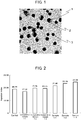
- FIG. 1 is a photograph after the Giemsa staining, which shows the states of "phagocytosing macrophages" and "phagocytosed SRBCs".
- Giemsa staining macrophages are observed as purple spheres and SRBCs are observed as transparent spheres.
- the ingestion index was calculated based on the condition that SRBCs being in contact with macrophages were deemed as phagocytosed SRBCs and macrophages being in contact with SRBCs were deemed as phagocytosing macrophages.
- LPS sample is one activating intestinal macrophages as described in the document ( Seminars Immunopathology, 31(2), 178-84, 2009 ).
- Fat and a Payer's patch were removed and cleaned with PBS while being careful in order not to injure the taken-out bowel.
- the bowel was cut into about 2 cm and was poured into 50 ml of an FACS buffer solution (prepared by adding 5 ml of FBS (inactivated) (available from GIBCO, 10437), 1 ml of EDTA (available from Nacalai Tesque, Inc., 15111-45, 500 mM), 1 ml of HEPES (available from MP, 1688449, 1M), 500 ⁇ l of sodium pyruvate (available from GIMCO, 11360-070, 100 mM), 20 ⁇ l of polymyxin B sulfate (available from GIMCO, 21850-029, 25 mg/ml) and 500 ⁇ l of penicillin/streptomycin (available from GIMCO, 15140-122, 10,000 U/ml) into 41.98 ml of phosphate buffered saline (PBS
- the bowel was taken out and washed three times with 30 ml of PBS.
- the bowel was placed on a dish of 10 cm diameter having a 10% FBS/RPMI culture. 4 ml of a collagenase medium was put in the dish, and the bowel was cut. In addition, 11 ml of a collagenase medium was put in the dish, and the dish was allowed to stand. Floating bubbles and fats were removed with an aspirator.
- the tissue in a vial was transferred into a flask. After the the vial was washed with 5 ml of a collagenase medium, the washing liquid was put in the flask.
- the flask was put in a 37°C incubator, and the content was subjected to one-hour stirring, After the stirring, 400 ⁇ l of 0.5 M EDTA (obtained from PBS having a pH of 8.0) was added thereto, followed by further 5-minute stirring. After the stirring, a supernatant was transferred to a tube capped with a cell strainer (FALCON, 352360). Meanwhile, 10 ml of the FACS buffer solution heated to 37°C was added to the tissue, and was subjected to suspension. The whole suspension was passed through the cell strainer and debris remaining on the top of the strainer was squeezed out. The suspension was subjected to 10-minute centrifuging at 20°C at 1,800 rpm.
- 0.5 M EDTA obtained from PBS having a pH of 8.0
- the tissue was dispersed.
- the tissue was subjected to suspension with 10 ml of a 40% percoll, and the suspension was transferred to the tube and 5 ml of 75% percoll was put into the bottom of the tube with a capillary, followed by 20-minute centrifuging of the tube at 20°C at 2,000 rpm. After the centrifuging, about 7 ml of the 40% percoll was removed with an aspirator from the top of the tube.
- Each of the above samples was diluted to 1 ⁇ g/ ⁇ l with distilled water, and 5 ⁇ l of each sample was mixed with 5 ⁇ l of a sample buffer (prepared by adding 50 ⁇ l of 2-mercaptoethanol (available from SIGMA, A2029) to 950 ⁇ l of Laemmli Sample Buffer (available from BIO-RAD, 161-0737), followed by 10-minute heat treatment at 100°C to obtain a sample for electrophoresis.
- a sample buffer prepared by adding 50 ⁇ l of 2-mercaptoethanol (available from SIGMA, A2029) to 950 ⁇ l of Laemmli Sample Buffer (available from BIO-RAD, 161-0737), followed by 10-minute heat treatment at 100°C to obtain a sample for electrophoresis.
- An electrophoresis gel (XV PANTERA GEL, DRC, NXV-381D20) was set on an electrophoresis chamber (ERICA-MP, DRC, XVE-0MPC), and the electrophoresis chamber was filled with an electrophoresis buffer (prepared by dissolving a high speed SDS-PAGE electrophoresis buffer (available from DRC, NXV-BUFPTG) with 1,000 ml of distilled water). Each of the samples for electrophoresis was applied to each well of the set gels, followed by electrophoresis at 300 V.
- Amounts of samples applied for electrophoresis were 10 ⁇ l at a lane 1, 1 ⁇ l at lanes 2 and 3, and 5 ⁇ l at lanes 4, 5 and 6.
- the top portion of the gel was cut and disposed, and the gel was set on a transfer device (MINICA-MP, DRC, XVE-0MPB).
- a PVDF film (BIO-RAD, 162-0177) dipped for one minute in methanol (Kanto Chemical Industry Co., Ltd., 25183-2B) was placed on the gel, and transferring was carried out at 47 V for one hour.
- the film was washed three times for 10 minutes with TBS-T (prepared by dissolving 8.0 g of NaCl, 0.2 g of KCL and 3.0 g of H 2 NC(CH 2 OH) 3 with 1,000 ml of distilled water to adjust a pH value to 7.4 and adding thereto 1 ml of polyoxyethylene (20) sorbitan monolaurate (available from Wako, 167-11515)).
- TBS-T prepared by dissolving 8.0 g of NaCl, 0.2 g of KCL and 3.0 g of H 2 NC(CH 2 OH) 3 with 1,000 ml of distilled water to adjust a pH value to 7.4 and adding thereto 1 ml of polyoxyethylene (20) sorbitan monolaurate (available from Wako, 167-11515)).
- the film was dipped in a blocking solution (prepared by dissolving 100 mg of BSA (bovine serum albumin, SIGMA, A4503) with 10 ml of TBS-T
- the film was washed three times for 10 minutes with TBS-T and was dipped in secondary antibody streptavidin (prepared by diluting 2 ⁇ l of streptavidin (available from GE Healthcare, RPN-1231) with 10 ml of TBS-T), followed by one-hour shaking at room temperature. The film was washed three times for 10 minutes with TBS-T.
- secondary antibody streptavidin prepared by diluting 2 ⁇ l of streptavidin (available from GE Healthcare, RPN-1231) with 10 ml of TBS-T
- the film was subjected to reaction with an ECL solution (prepared by adding 1 ml of a detection reagent 2 (ECL Western Blotting Detection Reagent, available from GE Healthcare, RPN2106V2) to 1 ml of a detection reagent 1 (ECL Western Blotting Detection Reagent, available from GE Healthcare, RPN2106V1)) for one minute in a plastic vessel, and pictures were taken by LumiCube (Liponics, Inc., 5003).
- ECL solution prepared by adding 1 ml of a detection reagent 2 (ECL Western Blotting Detection Reagent, available from GE Healthcare, RPN2106V2) to 1 ml of a detection reagent 1 (ECL Western Blotting Detection Reagent, available from GE Healthcare, RPN2106V1)
- LumiCube Liponics, Inc., 5003
- samples having protein concentrations of 10 ng/10 ⁇ l (Sample 2-1) and 100 ng/10 ⁇ l (Sample 2-2), respectively was prepared by treating in the same manner as in the preparation of enzyme-treated bovine colostrum (1) except that sialidase was not used.
- a sample having LPS of 1 ⁇ g/10 ⁇ l was prepared as a positive control.
- an enzyme-treated bovine colostrum which is useful for treatment, prevention, amelioration and maintenance of remission of diseases such as a cancer and an infectious disease, and a method of preparing the same.
Landscapes
- Life Sciences & Earth Sciences (AREA)
- Health & Medical Sciences (AREA)
- Chemical & Material Sciences (AREA)
- Engineering & Computer Science (AREA)
- Polymers & Plastics (AREA)
- Food Science & Technology (AREA)
- Nutrition Science (AREA)
- Pharmacology & Pharmacy (AREA)
- Medicinal Chemistry (AREA)
- Animal Behavior & Ethology (AREA)
- General Health & Medical Sciences (AREA)
- Public Health (AREA)
- Veterinary Medicine (AREA)
- Zoology (AREA)
- Cell Biology (AREA)
- Epidemiology (AREA)
- Virology (AREA)
- Microbiology (AREA)
- Immunology (AREA)
- Developmental Biology & Embryology (AREA)
- Biomedical Technology (AREA)
- Biotechnology (AREA)
- Proteomics, Peptides & Aminoacids (AREA)
- Mycology (AREA)
- General Chemical & Material Sciences (AREA)
- Chemical Kinetics & Catalysis (AREA)
- Nuclear Medicine, Radiotherapy & Molecular Imaging (AREA)
- Organic Chemistry (AREA)
- Communicable Diseases (AREA)
- Oncology (AREA)
- Medicines Containing Material From Animals Or Micro-Organisms (AREA)
- Medicines That Contain Protein Lipid Enzymes And Other Medicines (AREA)
- Coloring Foods And Improving Nutritive Qualities (AREA)
Description
- The present invention relates to a pharmaceutical composition comprising an enzyme-treated bovine colostrum.
- Macrophage has a function of treating waste products in a human body and a defensive function against pathogens such as a microbe and a virus, and tumor cells. Macrophage also has a function as an effector of cell immunity via presentation of an antigen to T cell and production of
interleukin 1. Accordingly, it is important to activate macrophage for treatment and prevention of a cancer and an infectious disease, and the activation of macrophage makes it possible to carry out treatment and prevention of a cancer and an infectious disease. - A factor for activating macrophage is, for example, an interferon, and its clinical application has been carried out. In addition, it is known that a certain kind of polysaccharides has an immunostimulating activity, and some of them are expected to be developed as an antiviral agent and an anticancer agent (
Patent Document 1 or 2). -
Patent Document 3 describes that a human blood serum treated with an enzyme (β-galactosidase or β-galactosidase and sialidase) has an activity of macrophage activation. -
US 6 426 109 B1 discloses a method for recovery of bioactive colostrum components. - It is indicated in
WO 98/00150 A1 US 4 034 115 A is related to elimintating the bitter taste of colostrum.JP 2004 267110 A US 6 974 841 B1 are related to pet food comprising colostrum. - The activities of glycosidase in bovine milk is described by O'Riordan et al. in International Dairy Journal, 35 (2014) 116 - 121.
-
JP 2005 508892 A - In
WO 2012/029954 A1 a method for treating Gc globulin obtained from blood plasma or serum is disclosed -
- Patent Document 1:
JP H05-097695 A - Patent Document 2:
JP H06-099314 B - Patent Document 3:
WO 2013/038997 - An object of the present invention is to provide a pharmaceutical composition comprising an enzyme-treated bovine colostrum for use in the treatment of cancer.
- The present inventors have made intensive studies and as a result, have found that when a bovine colostrum is treated according to
claim 1, a pharmaceutical composition for use in the activation of intestinal macrophage is obtainable. The present inventors have made further studies and have completed the present invention. - Namely, the present invention is as defined in the appended claims.
- The enzyme-treated bovine colostrum of the present invention has an excellent intestinal macrophage activating action, and therefore, is for use in the treatment of a cancer as defined in the appended claims and an infectious disease (not part of the present invention) and can be used as an anticancer agent, an anti-infectious agent and the like.
- Furthermore, the enzyme-treated bovine colostrum according to the present invention has advantages such as easy preparation and low cost since it can be prepared by treating a bovine colostrum with β-galactosidase or β-galactosidase and sialidase.
-
-
Fig. 1 is a photograph used in place of a drawing, which shows the state of macrophages subjected to Giemsa-staining. -
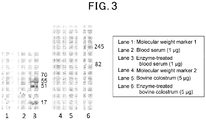
Fig. 2 is a graph showing the results of phagocytotic activity of macrophages by using 0.5% opsonized SRBC with respect to each of samples. -
Fig. 3 is a photograph used in place of a drawing, which shows the results of electrophoresis. - The bovine colostrum to be used in the present invention means milk secreted by a mother cow by the 10th day after delivery of a calf, preferably milk secreted by the 7th day, more preferably by the 5th day. In the present invention, any kind of bovine colostrums can be used irrespective of kinds of cows such as Holstein and Japanese Black.
- β-galactosidase to be used in the present invention is not limited particularly, and any kind of known β-galactosidases can be used. Examples are one derived from Escherichia coli, one derived from bovine liver, and the like. Examples of commercially available β-galactosidases are Catalogue No. 072-04141 of Wako Pure Chemical Industries, Ltd., G1875 of SIGMA-ALDRICH, and the like.
- In the present invention, β-galactosidases can be used alone or can be used in combination of two or more thereof.
- Sialidase to be used in the present invention is not limited particularly, and any kind of known sialidases can be used. Examples are one derived from Clostridium perfringens, one derived from Streptococcus 6646K, one derived from Vibrio cholerae, one derived from Arthrobacter ureafaciens, and the like. Examples of commercially available sialidases are Sigma product Nos. N2876, N2133, N2904, N3001 and N5631 of SIGMA-ALDRICH, Code No. 120052 of SEIKAGAKU BIOBUSINESS CORPORATION, Catalogue # P0720L and P0720S of BioLabs, and the like.
- In the present invention, sialidases can be used alone or can be used in combination of two or more thereof.
- In the present invention, it is preferable that the bovine colostrum is brought into contact with β-galactosidase or sialidase (enzyme treatment) by using a sufficient amount of enzyme for a sufficient period of time to such an extent that the enzyme reaction does not proceed substantially any more. For such a purpose, though an amount and time for the treatment depend on kind of an enzyme, for example, when Catalogue No. 072-04141 of Wako Pure Chemical Industries, Ltd. is used as β-galactosidase, it is enough to use the enzyme in an amount of 65 mU to 100 µl of a bovine colostrum. Further, for example, when the product No. N2876 of SIGMA-ALDRICH is used as sialidase, it is enough to use the enzyme in an amount of 65 mU to 100 µl of a bovine colostrum. In this case, it is sufficient to carry out the enzyme treatment for three hours.
- The enzyme treatment can be carried out in a vessel of free choice by adding these enzymes into a bovine colostrum, and a buffering solution is added thereto in order to adjust a total protein concentration in the bovine colostrum. The buffering solution is phosphate buffered saline (SPB).
- The enzyme treatment temperature is not limited particularly as far as the enzyme exhibits its activity, and is a temperature around 37°C where the enzyme usually shows a high activity.
- The enzyme treatment is terminated by heating (heat treatment), thereby inactivating the enzyme. Such heat treatment is not limited particularly as far as the enzyme can be inactivated, and for example, can be carried out by heating at a temperature around 60°C for about 10 minutes.
- The sample after the heat treatment may be subjected to condensing if desired. The condensing can be carried out by using commercially available equipment, for example, a centrifugal thickener (for example, 10000MWCO YM-10 of MILLIPORE CORPORATION).
- The enzyme treatment can be carried out also by using an enzyme fixed to a solid phase (immobilized enzyme). A method of fixing the enzyme to a solid phase is known to a person ordinarily skilled in the art, and β-galactosidase and optionally sialidase can be fixed to agarose beads by using a coupling agent such as cyanogen bromide. Examples of such immobilized enzyme commercially available are immobilized β-galactosidase G3M (#A3102, MoBiTec), neuraminidase agarose derived from Clostridium perfringens (Welch bacillus) (Product No. N5254 available from SIGMA-ALDRICH), and the like. An advantage of use of an immobilized enzyme is such that an enzyme can be recovered without being inactivated by heat treatment after enzyme treatment, and as a result of such recovery, contaminants (proteins such as enzyme inactivated by heat treatment, and the like) can be decreased.
- The thus obtained enzyme-treated bovine colostrum can be formed into a solid or a powder by freeze-drying. Such an enzyme-treated bovine colostrum is a novel composition which is used for the treatment of cancer as defined in the claims.
- The enzyme-treated bovine colostrum can be used as a pharmaceutical composition as it is, or by optionally blending pharmaceutically acceptable auxiliaries (carriers) thereto. Any of auxiliaries used usually in this field can be used as such pharmaceutically acceptable auxiliaries, and examples thereof include a diluent, a stabilizer, a preservative, a buffer agent, an excipient, a binding agent, an antiseptic agent, a disintegrant, a lubricant, a flavoring substance and the like. These auxiliaries are blended optionally depending on a dosage form of the pharmaceutical composition.
- The pharmaceutical composition of the present invention can be formed into pharmaceuticals by preparing into a proper dosage form. Such a dosage form is not limited particularly, and may be either of oral preparation or parenteral preparation. Examples of parenteral preparation include an injection agent, an infusion agent, nosal drops, ear drops, a suppository, an enteral nutrient, and the like. Examples of the injection agent include those administrated by intravenous injection, hypodermic injection, intradermal injection, intramuscular injection, intraperitoneal injection, and the like, and among these, intramuscular injection is preferred. Meanwhile, examples of the oral preparation include a powder, a granule, a tablet (including a sublingual tablet), a capsule, a pill, an enteric coating drug, a liquid for internal use (including a suspension agent, an emulsion, a syrup, and the like), an inhalant, and the like.
- The dosage of the enzyme-treated bovine colostrum of the present invention varies depending on age, sex, body weight and symptom of a patient, an administration route, and the like. The dosage for one dose is such that a total amount of proteins contained in the enzyme-treated bovine colostrum +per 1 kg of body weight is not less than about 0.02 µg, preferably not less than about 0.2 µg, more preferably not less than about 2 µg, more preferably not less than about 20 µg, more preferably not less than about 200 µg, and not more than about 40 mg, preferably not more than about 20 mg, more preferably not more than about 13 mg, more preferably not more than about 10 mg, more preferably not more than about 2 mg. The dosage is within a range of from about 0.02 µg to about 40 mg, preferably from about 0.02 µg to about 20 mg, more preferably from about 0.2 µg to about 20 mg, more preferably from about 2 µg to about 20 mg, more preferably from about 20 µg to about 20 mg, more preferably from about 200 µg to about 10 mg, more preferably from about 200 µg to about 2 mg. Other preferred dosage is within a range of from about 1 mg to about 40 mg, preferably from about 2 mg to about 20 mg, further preferably from about 3 mg to about 13 mg. Herein, the amount of protein is calculated from a protein concentration determined based on an absorbance at a wavelength of 570 nm.
- With respect to the dosing interval and the number of doses, the pharmaceutical composition of the present invention with the above-mentioned dosage per one dose is dosed such that the representative number of doses is 1 to 2 times per day. The dosage and the dosing interval may be optionally changed, using the total amount of proteins contained in the pharmaceutical composition as an index, as long as the total amount of proteins to be dosed is equal.
- The pharmaceutical composition of the present invention has a macrophage activating action. Therefore, the pharmaceutical composition of the present invention is used as a therapeutic agent for cancers and infectious diseases (not part of the present invention, but present for illustrative purposes).
- The cancer is one of gastric cancer, intestinum tenue cancer, intestinum crassum cancer, rectum cancer, colon cancer, and Kaposi sarcoma. In addition, herein, the term "cancer" includes these malignant tumors and metastases thereof.
- The pharmaceutical composition of the present invention can be used in combination with other anticancer agents and anti-infectious agents. In the case of combination use, the dosage of the pharmaceutical composition of the present invention is properly adjusted in consideration of indication, effect and dosage of the other medicaments, but within the scope of the appended claims.
- The enzyme-treated bovine colostrum can be prepared not only as the pharmaceuticals as mentioned above but also as quasi drugs, which are, however, not part of the present invention. To the quasi drug can be blended the above-mentioned auxiliaries and the like according to necessity. Further, the quasi drug can be formed into a solution, a suspension, a syrup, a granule, a cream, a paste, a jelly, and the like, and can be formed into a desired shape if necessary. The amount of the enzyme-treated bovine colostrum when used as a quasi drug is not limited particularly, and can be set optionally by referring to the dosage in the case of the above-mentioned pharmaceuticals.
- The enzyme-treated bovine colostrum can be formed into a composition for food and beverage (both are not part of the invention, but present for illustrative purposes) by optionally blending thereto the above-mentioned auxiliaries and various kinds of additives such as an edulcorant, a spice, a seasoning, an antiseptic agent, a preservative, a sanitizer, and an anti-oxidant which are usually used for a food or beverage, and also can be formed into a food or beverage comprising the composition for food or beverage by further processing the composition. The composition for food or beverage or the food or beverage can be formed into various shapes such as a solution, a suspension, a syrup, a granule, a cream, a paste, a jelly, and the like, and can be formed into a desired shape if necessary. Furthermore, the food or beverage can be formed into various shapes such as bread, noodle, confectionary, beverage, soup and fabricated food. Preparation of the composition for food or beverage and the food or beverage can be carried out by usual method.
- The enzyme-treated bovine colostrum of the present invention shows its effect on the above-mentioned diseases, and therefore, the composition for food or beverage and the food or beverage of the present invention can exhibit effects thereof for prevention, amelioration and maintenance of remission of such diseases. In this case, the amount of enzyme-treated bovine colostrum in the composition for food or beverage is not limited particularly, and can be optionally set by referring to the dosage in the case of the above-mentioned pharmaceuticals. Preferred example of the amount of enzyme-treated bovine colostrum per a body weight of 1 kg is within a range of from about 1 mg to about 40 mg, preferably from about 2 mg to about 20 mg, further preferably from about 3 mg to about 13 mg for eating or drinking once.
- The food or beverage (both are not part of the invention, but present for illustrative purposes) can be so-called health foods, health beverages, foods for specified health use, functional foods, nutritive supplements, and feeding stuff for animals other than a human being.
- The pharmaceuticals of the present invention and the quasi drugs, and food or beverage as mentioned above are preferably in such a form allowing the enzyme-treated bovine colostrum being an active ingredient to be absorbed via a digestive tract, preferably via an oral cavity or an intestine (for example, in a form of a sublingual tablet or an enteric coating drug as mentioned above). This is because an effect of directly activating macrophages in an oral cavity or an intestine can be expected. Especially it is known that an ample number of macrophages which are said to have the largest size in an internal body exist on a Payer's patch of a gut-associated lymphoid tissue (GALT).
- The present invention is explained in detail by means of Examples, but is not limited to those examples.
- 1 mg of solid bovine colostrum ("Colostrum Powder" of Now Foods) was dissolved in 1 ml of 1 × PBS, and into 100 µl of the bovine colostrum solution were added 6.5 µl of β-galactosidase (10 mU/µl, Catalog No. 072-04141 available from Wako Pure Chemical Industries, Ltd.), 6.5 µl of sialidase (10 mU/µl, N2876 available from SIGMA-ALDRICH) and 87 µl of 100mM SPB (15.601 g of NaH2PO4·2H2O and 35.814 g of Na2HPO4·12H2O were dissolved in 500 ml of distilled water to prepare 200mM SPB (pH 7.0), followed by dilution into 100mM SPB), followed by 3-hour incubation at 37°C. After the incubation, 200 µl of 100mM SPB was further added thereto, followed by 10-minute heat treatment at 60°C. After the heat treatment, the solution was condensed with a MICROCON (10000MWCO YM-10, MILLIPORE CORPORATION), and a protein concentration was determined based on an absorbance at a wavelength of 570 nm (using a calibration curve made with respect to BSA (bovine serum albumin, SIGMA, A4503)). The protein concentration was 1.08 µg/µl (Sample 1).
-
Sample 1 was diluted using 100mM SPB to prepare samples, each having protein concentrations of 1 ng/10 µl (Sample 1-1), 10 ng/10 µl (Sample 1-2), and 100 ng/10 µl (Sample 1-3), respectively. - Meanwhile, a protein concentration of the bovine colostrum before the enzyme treatment was determined in the same manner as above, and its protein concentration was 14.41 µg/µl (Comparative Sample 1).
Comparative Sample 1 was diluted using 100mM SPB to prepare samples, each having protein concentrations of 1 ng/10 µl (Comparative Sample 1-1), 10 ng/10 µl (Comparative Sample 1-2), and 100 ng/10 µl (Comparative Sample 1-3), respectively. - A mouse (8-week old, ICR female mouse, Japan SLC, Inc.) was made to suffer from cervical dislocation, an integument of its abdomen was peeled off, and 10 ml of phosphate buffered saline (PBS containing 0.01 M of sodium phosphate, 0.9% NaCl and 5 units/ml of heparin) was injected in its abdominal cavity without injuring viscera. After tapping of the abdomen for about one minute, an intra-abdominal liquid was recovered to collect peritoneal cells. After subjecting the recovered intra-abdominal liquid to centrifuging (1500 rpm, 4°C, 15 minutes), a supernatant was disposed, and an RPMI culture medium was added, followed by pipetting. The number of cells was measured with a Burker-Turk hemacytometer, and an RPMI culture medium was further added to adjust the number of cells to be 1.0 × 10⁶ cells/ml. The RPMI culture medium was prepared in such a manner as mentioned below. Namely, after dissolving a powder culture medium (Catalogue No. 856846 available from GIBCO) in 900 ml of purified water, further, 2 g of NaHCO3 was dissolved thereinto in a clean bench. After adjusting a pH value of the mixture to be 7.2 with 1N HCl, the total amount of the mixture was adjusted to be 1000 ml with purified water. The thus obtained solution was subjected to filtering with a filter (SLGVJ13SL of MILLIPORE) to obtain an RPMI culture medium which was then stored at 4°C before the use.
- The macrophage solution obtained above was dispensed in each of wells on a plate with 24 wells (TPP, 92024) in an amount of 500 µl/well (5.0 × 10⁵ cells/well), in which three sterilized cover glasses (Micro cover glass No. 1 of Matsunami Glass Ind., Ltd.) were put in each of wells. Further, an RPMI culture medium was added in an amount of 500 µl/well to be totally 1 ml/well. After subjecting the plate to 1-hour incubation at 37°C, the solutions in each of the wells were disposed, and each well was washed with 1 ml of RPMI culture medium twice. After the washing, 1 ml of an RPMI culture medium was added in each of wells, followed by 15-hour incubation at 37°C.
- After the incubation, 10 µl each of Samples 1-1 to 1-3 and Comparative Samples 1-1 to 1-3 prepared above was added in each well, followed by 3-hour incubation at 37°C to stimulate the macrophages. After the incubation, the solutions of each well were disposed, and 1 ml of 0.5% opsonized SRBC (sheep red blood cells of Nippon Bio-Supp. Center) was added, followed by 90-minute incubation at 37°C to make the macrophages phagocytose the SRBC. After the phagocytosis, the cover glasses were washed with 1/5 × PBS, 1 × PBS and 1 × PBS in order, followed by air drying for about 30 minutes. After the air drying, each cover glass was dipped in methanol (25183-2B of KANTO CHEMICAL CO., INC.) for about one minute to fix methanol to the cover glass. After the fixing, the cover glass was subjected to about 30-minute air drying again and then staining with a Giemsa solution (A1327 of SIGMA) diluted 20 times with PBS was conducted for one hour. After the staining, the cover glass was washed with tap water from its back surface and air-dried overnight.
- After the air drying, the back surface of the cover glass was stuck to a slide glass (micro slide glass S2215 of Matsunami Glass Ind., Ltd.). Photographs were taken at 9 points per one cover glass with a light microscope (ECLIPSE E200 of Nikon Corporation). The number of macrophages, the number of phagocytosed SRBCs and the number of phagocytosing macrophages which were observed totally were counted and the respective total numbers at 9 points were summed up. An ingestion index was calculated by multiplying a ratio of macrophages having phagocytosed SBRC to the total macrophages counted by an average number of ingestions of one macrophage. For reference,
Fig. 1 is a photograph after the Giemsa staining, which shows the states of "phagocytosing macrophages" and "phagocytosed SRBCs". By the Giemsa staining, macrophages are observed as purple spheres and SRBCs are observed as transparent spheres. The ingestion index was calculated based on the condition that SRBCs being in contact with macrophages were deemed as phagocytosed SRBCs and macrophages being in contact with SRBCs were deemed as phagocytosing macrophages. - For each of samples, two or three ingestion indices were calculated in the respective cover glasses, and an average thereof was obtained. With respect to a control, operations therefor were carried out in the same manner as above using RPMI culture media instead of the samples or comparative samples. The samples for which two ingestion indices were obtained were Comparative Samples 1-1 and 1-2, and for the remaining samples, three ingestion indices were obtained.
- The results are shown in Table 1 (Phagocytotic activity of intra-abdominal mouse macrophage by using opsonized SRBC) and
Fig. 2 .TABLE 1 Amount of protein subjected to testing (ng) Ingestion index (average value) Control 0 18.99 Comparative Sample 1-1 1 17.12 Comparative Sample 1-2 10 17.96 Comparative Sample 1-3 100 19.45 Sample 1-1 1 21.60 Sample 1-2 10 23.46 Sample 1-3 100 24.54 - An LPS sample was prepared by diluting LPS (Lipopolysaccharide, from Escherichia coli) (SIGMA, L2755) to 100 µg/ml with 100mM PBS (pH=7.0). The LPS sample is one activating intestinal macrophages as described in the document (Seminars Immunopathology, 31(2), 178-84, 2009).
- A blood serum sample was prepared by diluting un-treated human serum to 100 µg/ml with 100mM PBS (pH=7.0).
- An enzyme-treated human serum sample was prepared in accordance with the method of Patent Document 3 (
WO 2013/038997 ) by diluting enzyme-treated human serum obtained by treating human serum in the same manner as in the above-mentioned method for the bovine colostrum to 100 µg/ml with 100mM PBS (pH=7.0). - A bovine colostrum sample was prepared by diluting un-treated bovine colostrum to 100 µg/ml with 100mM PBS (pH=7.0).
- An enzyme-treated bovine colostrum sample was prepared by diluting an enzyme-treated bovine colostrum to 100 µg/ml with 100mM PBS (pH=7.0).
- To 17 ml of an RPMI culture were dissolved 2 ml of collagenase D (Roche, 11088858001) and 1 ml of DNaseI (Roche 11284932001), followed by heating at 37°C to prepare a collagenase medium.
- In an abdominal cavity of a C57BL/6 female mouse (7-week old) was administrated 400 µl of chloral hydrate (Sigma, A2374) for anesthetization. A right abdomen of the mouse was dissected to expose the bowel, and after administration of each sample (1 mg/kg), the abdomen was closed. One hour after the administration, the abdomen was dissected again to expose the bowel, a non-tagged OVA protein (SIGMA, A5503-1G) and AF488 tagged OVA protein (Life Technologies, 034781) were administrated, and the abdomen was closed. One hour after the administration, the mouse was made to suffer from cervical dislocation, and the bowel was taken out. Fat and a Payer's patch were removed and cleaned with PBS while being careful in order not to injure the taken-out bowel. The bowel was cut into about 2 cm and was poured into 50 ml of an FACS buffer solution (prepared by adding 5 ml of FBS (inactivated) (available from GIBCO, 10437), 1 ml of EDTA (available from Nacalai Tesque, Inc., 15111-45, 500 mM), 1 ml of HEPES (available from MP, 1688449, 1M), 500 µl of sodium pyruvate (available from GIMCO, 11360-070, 100 mM), 20 µl of polymyxin B sulfate (available from GIMCO, 21850-029, 25 mg/ml) and 500 µl of penicillin/streptomycin (available from GIMCO, 15140-122, 10,000 U/ml) into 41.98 ml of phosphate buffered saline (PBS containing 0.01 M of sodium phosphate, 0.9% NaCl and 5 units/ml of heparin)) heated to 37°C, followed by 20-minute stirring (about 250 rpm) with a stirrer in an incubator at 37°C.
- After the stirring, the bowel was taken out and washed three times with 30 ml of PBS. The bowel was placed on a dish of 10 cm diameter having a 10% FBS/RPMI culture. 4 ml of a collagenase medium was put in the dish, and the bowel was cut. In addition, 11 ml of a collagenase medium was put in the dish, and the dish was allowed to stand. Floating bubbles and fats were removed with an aspirator. The tissue in a vial was transferred into a flask. After the the vial was washed with 5 ml of a collagenase medium, the washing liquid was put in the flask. The flask was put in a 37°C incubator, and the content was subjected to one-hour stirring, After the stirring, 400 µl of 0.5 M EDTA (obtained from PBS having a pH of 8.0) was added thereto, followed by further 5-minute stirring. After the stirring, a supernatant was transferred to a tube capped with a cell strainer (FALCON, 352360). Meanwhile, 10 ml of the FACS buffer solution heated to 37°C was added to the tissue, and was subjected to suspension. The whole suspension was passed through the cell strainer and debris remaining on the top of the strainer was squeezed out. The suspension was subjected to 10-minute centrifuging at 20°C at 1,800 rpm. After the centrifuging, the supernatant was removed and the tissue was dispersed. The tissue was subjected to suspension with 10 ml of a 40% percoll, and the suspension was transferred to the tube and 5 ml of 75% percoll was put into the bottom of the tube with a capillary, followed by 20-minute centrifuging of the tube at 20°C at 2,000 rpm. After the centrifuging, about 7 ml of the 40% percoll was removed with an aspirator from the top of the tube. After the removal, about 6 ml of the FACS buffer solution was added to the tube containing 5 ml of the FACS buffer solution, and further the 40% percoll was added thereto so that the total amount of the FACS buffer solution became 14 ml, followed by 10-minute centrifuging of the tube at 20°C at 1,800 rpm. After the centrifuging, the supernatant was removed and 2 ml of the FACS buffer solution was put into the tube for suspension, and 1 ml of the solution was transferred to another tube, followed by 3-minute centrifuging of the tube at 20°C at 1,500 rpm.
- After the centrifuging, the supernatant was removed and 2 ml of the FACS buffer solution was added into the tube, and then Pacific® anti-mouse F4/80 antibody (Biolegend, 123124), PE/cy7 anti-mouse/human CDllb antibody (Biolegend, 101216) and CD16/32 anti-body (BD, 553141) were added thereto, followed by reaction at 4°C. Fifteen minutes after, the supernatant was removed and 2 ml of a wash buffer was added thereto, followed by 3-minute centrifuging at 20°C at 1,500 rpm. After the centrifuging, 200 µl of a solution of 1 µg/ml 7-aminoactinomycin D (Sigma, A9400) was added thereto, and phagocytotic activity of intestinal macrophages was determined.
- The results are as shown in Table 2. In the enzyme-treated bovine colostrum, phagocytotic activity of ovalbumin (OVA) positive macrophage in an intestine was increased more as compared with an enzyme-treated blood serum.
TABLE 2 Sample LPS Serum Enzyme- treated blood serum Bovine colostrum Enzyme- treated bovine colostrum Dosage (mg/kg) 1 1 1 1 1 OVA positive macrophage (%) 26.9 2.6 7.2 4.5 25.5 - Novex (registered trademark) Sharp Pre-stained Protein Standard (Invitrogen®, 745065) was used as
Marker 1. - An un-treated human blood serum diluted to 1 mg/ml with 100 mM PBS (pH=7.0) was used as a blood serum.
- An enzyme-treated human blood serum obtained in the same manner as above was diluted to 1 mg/ml with 100 mM PBS (pH=7.0) and was used as an enzyme-treated blood serum.
- WIDE-VIEW Prestained Protein Size Marker III (available from Wako, 230-02461) was used as
Marker 2. - An un-treated bovine colostrum diluted to 1 mg/ml with 100 mM PBS (pH=7.0) was used as a bovine colostrum.
- An enzyme-treated bovine colostrum diluted to 1 mg/ml with 100 mM PBS (pH=7.0) was used as an enzyme-treated bovine colostrum.
- Each of the above samples was diluted to 1 µg/µl with distilled water, and 5 µl of each sample was mixed with 5 µl of a sample buffer (prepared by adding 50 µl of 2-mercaptoethanol (available from SIGMA, A2029) to 950 µl of Laemmli Sample Buffer (available from BIO-RAD, 161-0737), followed by 10-minute heat treatment at 100°C to obtain a sample for electrophoresis.
- An electrophoresis gel (XV PANTERA GEL, DRC, NXV-381D20) was set on an electrophoresis chamber (ERICA-MP, DRC, XVE-0MPC), and the electrophoresis chamber was filled with an electrophoresis buffer (prepared by dissolving a high speed SDS-PAGE electrophoresis buffer (available from DRC, NXV-BUFPTG) with 1,000 ml of distilled water). Each of the samples for electrophoresis was applied to each well of the set gels, followed by electrophoresis at 300 V. Amounts of samples applied for electrophoresis were 10 µl at a
lane lanes lanes - After the transferring, the film was washed three times for 10 minutes with TBS-T (prepared by dissolving 8.0 g of NaCl, 0.2 g of KCL and 3.0 g of H2NC(CH2OH)3 with 1,000 ml of distilled water to adjust a pH value to 7.4 and adding thereto 1 ml of polyoxyethylene (20) sorbitan monolaurate (available from Wako, 167-11515)). The film was dipped in a blocking solution (prepared by dissolving 100 mg of BSA (bovine serum albumin, SIGMA, A4503) with 10 ml of TBS-T), followed by one-hour shaking at room temperature. The film was washed three times for 10 minutes with TBS-T and dipped in a primary antibody HPA [prepared by diluting 10 µl of HPA Lectin (obtained by dissolving 1 mg of Lectin from Helix Pomatia biotin conjyugate, lyophilized powder, L6512 available from SIGMA with 1 ml of 100 mM SPB (pH=7.0)) with 10 ml of TBS-T], followed by one-hour shaking at room temperature. The film was washed three times for 10 minutes with TBS-T and was dipped in secondary antibody streptavidin (prepared by diluting 2 µl of streptavidin (available from GE Healthcare, RPN-1231) with 10 ml of TBS-T), followed by one-hour shaking at room temperature. The film was washed three times for 10 minutes with TBS-T.
- The film was subjected to reaction with an ECL solution (prepared by adding 1 ml of a detection reagent 2 (ECL Western Blotting Detection Reagent, available from GE Healthcare, RPN2106V2) to 1 ml of a detection reagent 1 (ECL Western Blotting Detection Reagent, available from GE Healthcare, RPN2106V1)) for one minute in a plastic vessel, and pictures were taken by LumiCube (Liponics, Inc., 5003). After the pictures had been taken, the film was washed three times for 10 minutes with TBS-T and was dipped in a CBB dyeing liquid (PAGE Blue 83, COSMO BIO CO., LTD., 423406) for ten minutes, and bands of proteins were observed (
FIG. 3 ). From the results of the observation, it was identified that the molecular weight of active protein (HPA positive) in the enzyme-treated bovine colostrum was 245, 82 kDa while the molecular weight of active protein (HPA positive) in the enzyme-treated blood serum was 70, 55, 51, 17 kDa. - Each of samples having protein concentrations of 10 ng/10 µl (Sample 2-1) and 100 ng/10 µl (Sample 2-2), respectively was prepared by treating in the same manner as in the preparation of enzyme-treated bovine colostrum (1) except that sialidase was not used. A sample having LPS of 1 µg/10 µl was prepared as a positive control.
- Ingestion indices were obtained in the same manner as in Phagocytotic activity of macrophages (1) using the above samples. The results are shown in Table 3 (Phagocytotic activity of intra-abdominal mouse macrophage by using opsonized SRBC).
TABLE 3 Amount of protein subjected to testing (ng) Ingestion index (average value) Control 0 16.17 Positive Control (LPS) 1000 21.24 Sample 2-1 10 26.52 Sample 2-2 100 22.31 - According to the present invention, it is possible to provide an enzyme-treated bovine colostrum which is useful for treatment, prevention, amelioration and maintenance of remission of diseases such as a cancer and an infectious disease, and a method of preparing the same.
-
- 1
- Phagocytosing macrophage
- 2
- Phagocytosed SRBC
- 3
- Macrophage
Claims (2)
- A pharmaceutical composition for use in the treatment of a cancer, wherein the cancer is one of gastric cancer, intestinum tenue cancer, intestinum crassum cancer, rectum cancer, colon cancer or Kaposi sarcoma by activation of intestinal macrophage, the pharmaceutical composition comprising an enzyme-treated bovine colostrum obtained by a method comprising a step of bringing a bovine colostrum into contact with β-galactosidase and adding a buffering solution thereto in order to adjust the total protein concentration in the bovine colostrum, wherein the buffering solution is phosphate buffered saline solution, and wherein the used bovine colostrum is milk secreted by a mother cow by the 10th day after delivery of a calf,
wherein an amount of total protein concentration of the dosage for one dose of the enzyme-treated bovine colostrum per 1 kg of body weight is in the range of from 0.02 µg to 40 mg for a single dosage amount, and
wherein the number of doses is 1 to 2 times per day. - The pharmaceutical composition for use according to claim 1, wherein the method further comprises a step of bringing a bovine colostrum into contact with sialidase.
Priority Applications (1)
| Application Number | Priority Date | Filing Date | Title |
|---|---|---|---|
| PL14869409T PL3081221T3 (en) | 2013-12-13 | 2014-12-11 | Pharmaceutical composition comprising a bovine colostrum enzyme processed product |
Applications Claiming Priority (2)
| Application Number | Priority Date | Filing Date | Title |
|---|---|---|---|
| JP2013257888 | 2013-12-13 | ||
| PCT/JP2014/082888 WO2015087981A1 (en) | 2013-12-13 | 2014-12-11 | Bovine colostrum enzyme processed product, production method therefor, composition, and food or beverage |
Publications (3)
| Publication Number | Publication Date |
|---|---|
| EP3081221A1 EP3081221A1 (en) | 2016-10-19 |
| EP3081221A4 EP3081221A4 (en) | 2017-08-09 |
| EP3081221B1 true EP3081221B1 (en) | 2021-08-25 |
Family
ID=53371279
Family Applications (1)
| Application Number | Title | Priority Date | Filing Date |
|---|---|---|---|
| EP14869409.4A Active EP3081221B1 (en) | 2013-12-13 | 2014-12-11 | Pharmaceutical composition comprising a bovine colostrum enzyme processed product |
Country Status (9)
| Country | Link |
|---|---|
| US (1) | US10322147B2 (en) |
| EP (1) | EP3081221B1 (en) |
| JP (1) | JP6401712B2 (en) |
| KR (1) | KR102309707B1 (en) |
| AU (2) | AU2014362132A1 (en) |
| ES (1) | ES2891149T3 (en) |
| LT (1) | LT3081221T (en) |
| PL (1) | PL3081221T3 (en) |
| WO (1) | WO2015087981A1 (en) |
Families Citing this family (7)
| Publication number | Priority date | Publication date | Assignee | Title |
|---|---|---|---|---|
| JP6579603B2 (en) * | 2015-05-20 | 2019-09-25 | 再生ファーマ株式会社 | Preventive / ameliorating agent for allergic diseases |
| JP6579604B2 (en) * | 2015-05-20 | 2019-09-25 | 再生ファーマ株式会社 | Hair growth / hair growth promoter |
| JP6579605B2 (en) * | 2015-05-20 | 2019-09-25 | 再生ファーマ株式会社 | Skin improver |
| US10933097B1 (en) * | 2020-03-05 | 2021-03-02 | King Saud University | Method of treating a bacterial infection using colostrum |
| KR20220148683A (en) | 2021-04-29 | 2022-11-07 | 김지석 | Patchy wearable-based child care systems |
| KR20220148685A (en) | 2021-04-29 | 2022-11-07 | 김승준 | Patchy wearable-based child care device |
| KR20220148687A (en) | 2021-04-29 | 2022-11-07 | 정현우 | Patchy wearable-based child care systems |
Family Cites Families (12)
| Publication number | Priority date | Publication date | Assignee | Title |
|---|---|---|---|---|
| US4034115A (en) * | 1975-07-29 | 1977-07-05 | Roberts James Gorden | Multi-curdled milk product and the process for the preparation thereof |
| JPH0699314B2 (en) | 1986-11-14 | 1994-12-07 | 株式会社ヤクルト本社 | Macrophage activator |
| JP2772878B2 (en) | 1991-10-02 | 1998-07-09 | 加津哉 吉野 | Macrophage activating composition |
| JP2714330B2 (en) | 1992-09-22 | 1998-02-16 | 株式会社東芝 | Discharge cutting device |
| EP0934073B1 (en) * | 1996-06-28 | 2003-02-12 | Valio Oy | Pharmaceutical composition, comprising complement proteins, for the treatment of helicobacter infections and a method for the preparation of the composition |
| FI110752B (en) * | 1999-05-25 | 2003-03-31 | Novatreat Oy | Procedure for the treatment of colostrum |
| ES2305272T3 (en) | 2001-08-14 | 2008-11-01 | Statens Serum Institut | PROCESS OF PURIFICATION AT LARGE SCALE OF GLOBULINA GC, PRODUCT OBTAINED BY THE SAME AND ITS USE IN MEDICINE. |
| US6974841B1 (en) * | 2002-09-27 | 2005-12-13 | Rapisarda Family Irrevocable Trust | Pet anti-aging wellness supplement |
| JP2004267110A (en) * | 2003-03-10 | 2004-09-30 | Noriyuki Ito | Nutritive assistant food for pet |
| WO2012029954A1 (en) * | 2010-09-03 | 2012-03-08 | 国立大学法人徳島大学 | Process for production of novel degalactosylated gc globulin |
| JP2013038997A (en) | 2011-08-10 | 2013-02-21 | Toshiba Corp | Power conversion device |
| HRP20161147T1 (en) | 2011-09-14 | 2016-11-18 | Saisei Mirai Clinic | PHARMACEUTICAL COMPOSITION AND PROCEDURE OF ITS MANUFACTURING |
-
2014
- 2014-12-11 ES ES14869409T patent/ES2891149T3/en active Active
- 2014-12-11 KR KR1020167015154A patent/KR102309707B1/en active Active
- 2014-12-11 JP JP2015552518A patent/JP6401712B2/en active Active
- 2014-12-11 US US15/100,505 patent/US10322147B2/en active Active
- 2014-12-11 PL PL14869409T patent/PL3081221T3/en unknown
- 2014-12-11 WO PCT/JP2014/082888 patent/WO2015087981A1/en not_active Ceased
- 2014-12-11 AU AU2014362132A patent/AU2014362132A1/en not_active Abandoned
- 2014-12-11 LT LTEPPCT/JP2014/082888T patent/LT3081221T/en unknown
- 2014-12-11 EP EP14869409.4A patent/EP3081221B1/en active Active
-
2020
- 2020-03-06 AU AU2020201700A patent/AU2020201700B2/en active Active
Non-Patent Citations (1)
| Title |
|---|
| O E WHITTIER: "BUFFER INTENSITIES OF MILK AND MILK CONSTITUENTS. I. THE BUFFER ACTION OF CASEIN IN MILK.*", 10 September 1928 (1928-09-10), pages 1 - 11, XP055467147, Retrieved from the Internet <URL:http://www.jbc.org/content/83/1/79.full.pdf> [retrieved on 20180413] * |
Also Published As
| Publication number | Publication date |
|---|---|
| LT3081221T (en) | 2021-09-10 |
| WO2015087981A1 (en) | 2015-06-18 |
| AU2020201700A1 (en) | 2020-03-26 |
| AU2014362132A1 (en) | 2016-07-21 |
| AU2020201700B2 (en) | 2021-08-12 |
| EP3081221A4 (en) | 2017-08-09 |
| US20160296566A1 (en) | 2016-10-13 |
| PL3081221T3 (en) | 2021-12-27 |
| KR20160096089A (en) | 2016-08-12 |
| EP3081221A1 (en) | 2016-10-19 |
| ES2891149T3 (en) | 2022-01-26 |
| JP6401712B2 (en) | 2018-10-10 |
| US10322147B2 (en) | 2019-06-18 |
| JPWO2015087981A1 (en) | 2017-03-16 |
| KR102309707B1 (en) | 2021-10-06 |
Similar Documents
| Publication | Publication Date | Title |
|---|---|---|
| AU2020201700B2 (en) | Bovine colostrum enzyme processed product, production method therefor, composition, and food or beverage | |
| Sangild et al. | Potential benefits of bovine colostrum in pediatric nutrition and health | |
| Playford et al. | Bovine colostrum: Its constituents and uses | |
| Antushevich | Fecal microbiota transplantation in disease therapy | |
| ES2759556T3 (en) | Oligosaccharic mixture from human milk | |
| Nguyen et al. | Effects of bovine lactoferrin on the immature porcine intestine | |
| US20130195802A1 (en) | Cellular Constituents From Bacteroides, Compositions Thereof, and Therapeutic Methods Employing Bacteroides or Cellular Constituents Thereof | |
| Rosa et al. | Human milk oligosaccharides impact cellular and inflammatory gene expression and immune response | |
| Queiroz et al. | Protective effect of human lactoferrin in the gastrointestinal tract | |
| Vassilopoulou et al. | The role of breastfeeding in acute respiratory infections in infancy | |
| CN111050851A (en) | Human milk oligosaccharides for improving immune fitness | |
| Liu et al. | 2′-Fucosyllactose and 3′-Sialyllactose reduce mortality in neonatal enteroaggregative Escherichia coli infection by improving the construction of intestinal mucosal immunity | |
| US11464835B2 (en) | Enzyme-treated milk product, preparation method thereof, composition, and products | |
| JPWO2003063886A1 (en) | Helicobacter pylori adhesion inhibitor | |
| Akinola et al. | Awareness of natural breastfeeding milk among mothers and the importance of colostrum within the first hour of birth in India | |
| JP2006213671A (en) | Mucosal immunostimulatory composition | |
| JP6579603B2 (en) | Preventive / ameliorating agent for allergic diseases | |
| JP6579604B2 (en) | Hair growth / hair growth promoter | |
| Boehm et al. | Carbohydrates in human milk and infant formulas | |
| JP7747590B2 (en) | Nutritional composition for preventing bronchitis | |
| Ahmed et al. | The immunological benefits of breast feeding | |
| JP2004043326A (en) | Immunopotentiator | |
| Liu et al. | Avances en la aplicación de la alimentación semisólida en la nutrición enteral para pacientes críticamente enfermos: una revisión integral | |
| Al-Harbi et al. | The immunological benefits of breast feeding | |
| TW202515459A (en) | Nutritional compositions for preventing food allergies |
Legal Events
| Date | Code | Title | Description |
|---|---|---|---|
| PUAI | Public reference made under article 153(3) epc to a published international application that has entered the european phase |
Free format text: ORIGINAL CODE: 0009012 |
|
| 17P | Request for examination filed |
Effective date: 20160705 |
|
| AK | Designated contracting states |
Kind code of ref document: A1 Designated state(s): AL AT BE BG CH CY CZ DE DK EE ES FI FR GB GR HR HU IE IS IT LI LT LU LV MC MK MT NL NO PL PT RO RS SE SI SK SM TR |
|
| AX | Request for extension of the european patent |
Extension state: BA ME |
|
| DAX | Request for extension of the european patent (deleted) | ||
| A4 | Supplementary search report drawn up and despatched |
Effective date: 20170710 |
|
| RIC1 | Information provided on ipc code assigned before grant |
Ipc: A23L 33/19 20160101ALI20170630BHEP Ipc: A23C 9/20 20060101ALI20170630BHEP Ipc: A23C 9/12 20060101ALI20170630BHEP Ipc: A61K 35/20 20060101AFI20170630BHEP Ipc: A23L 2/66 20060101ALI20170630BHEP Ipc: A61P 35/00 20060101ALI20170630BHEP Ipc: A61P 31/00 20060101ALI20170630BHEP |
|
| STAA | Information on the status of an ep patent application or granted ep patent |
Free format text: STATUS: EXAMINATION IS IN PROGRESS |
|
| 17Q | First examination report despatched |
Effective date: 20180420 |
|
| GRAP | Despatch of communication of intention to grant a patent |
Free format text: ORIGINAL CODE: EPIDOSNIGR1 |
|
| STAA | Information on the status of an ep patent application or granted ep patent |
Free format text: STATUS: GRANT OF PATENT IS INTENDED |
|
| INTG | Intention to grant announced |
Effective date: 20210319 |
|
| GRAS | Grant fee paid |
Free format text: ORIGINAL CODE: EPIDOSNIGR3 |
|
| GRAA | (expected) grant |
Free format text: ORIGINAL CODE: 0009210 |
|
| STAA | Information on the status of an ep patent application or granted ep patent |
Free format text: STATUS: THE PATENT HAS BEEN GRANTED |
|
| AK | Designated contracting states |
Kind code of ref document: B1 Designated state(s): AL AT BE BG CH CY CZ DE DK EE ES FI FR GB GR HR HU IE IS IT LI LT LU LV MC MK MT NL NO PL PT RO RS SE SI SK SM TR |
|
| REG | Reference to a national code |
Ref country code: CH Ref legal event code: EP |
|
| REG | Reference to a national code |
Ref country code: DE Ref legal event code: R096 Ref document number: 602014079749 Country of ref document: DE |
|
| REG | Reference to a national code |
Ref country code: IE Ref legal event code: FG4D Ref country code: AT Ref legal event code: REF Ref document number: 1423098 Country of ref document: AT Kind code of ref document: T Effective date: 20210915 |
|
| REG | Reference to a national code |
Ref country code: SE Ref legal event code: TRGR |
|
| REG | Reference to a national code |
Ref country code: NL Ref legal event code: MP Effective date: 20210825 |
|
| REG | Reference to a national code |
Ref country code: AT Ref legal event code: MK05 Ref document number: 1423098 Country of ref document: AT Kind code of ref document: T Effective date: 20210825 |
|
| REG | Reference to a national code |
Ref country code: ES Ref legal event code: FG2A Ref document number: 2891149 Country of ref document: ES Kind code of ref document: T3 Effective date: 20220126 |
|
| PG25 | Lapsed in a contracting state [announced via postgrant information from national office to epo] |
Ref country code: BG Free format text: LAPSE BECAUSE OF FAILURE TO SUBMIT A TRANSLATION OF THE DESCRIPTION OR TO PAY THE FEE WITHIN THE PRESCRIBED TIME-LIMIT Effective date: 20211125 Ref country code: AT Free format text: LAPSE BECAUSE OF FAILURE TO SUBMIT A TRANSLATION OF THE DESCRIPTION OR TO PAY THE FEE WITHIN THE PRESCRIBED TIME-LIMIT Effective date: 20210825 Ref country code: FI Free format text: LAPSE BECAUSE OF FAILURE TO SUBMIT A TRANSLATION OF THE DESCRIPTION OR TO PAY THE FEE WITHIN THE PRESCRIBED TIME-LIMIT Effective date: 20210825 Ref country code: NO Free format text: LAPSE BECAUSE OF FAILURE TO SUBMIT A TRANSLATION OF THE DESCRIPTION OR TO PAY THE FEE WITHIN THE PRESCRIBED TIME-LIMIT Effective date: 20211125 Ref country code: PT Free format text: LAPSE BECAUSE OF FAILURE TO SUBMIT A TRANSLATION OF THE DESCRIPTION OR TO PAY THE FEE WITHIN THE PRESCRIBED TIME-LIMIT Effective date: 20211227 Ref country code: HR Free format text: LAPSE BECAUSE OF FAILURE TO SUBMIT A TRANSLATION OF THE DESCRIPTION OR TO PAY THE FEE WITHIN THE PRESCRIBED TIME-LIMIT Effective date: 20210825 Ref country code: RS Free format text: LAPSE BECAUSE OF FAILURE TO SUBMIT A TRANSLATION OF THE DESCRIPTION OR TO PAY THE FEE WITHIN THE PRESCRIBED TIME-LIMIT Effective date: 20210825 |
|
| PG25 | Lapsed in a contracting state [announced via postgrant information from national office to epo] |
Ref country code: LV Free format text: LAPSE BECAUSE OF FAILURE TO SUBMIT A TRANSLATION OF THE DESCRIPTION OR TO PAY THE FEE WITHIN THE PRESCRIBED TIME-LIMIT Effective date: 20210825 Ref country code: GR Free format text: LAPSE BECAUSE OF FAILURE TO SUBMIT A TRANSLATION OF THE DESCRIPTION OR TO PAY THE FEE WITHIN THE PRESCRIBED TIME-LIMIT Effective date: 20211126 |
|
| PG25 | Lapsed in a contracting state [announced via postgrant information from national office to epo] |
Ref country code: NL Free format text: LAPSE BECAUSE OF FAILURE TO SUBMIT A TRANSLATION OF THE DESCRIPTION OR TO PAY THE FEE WITHIN THE PRESCRIBED TIME-LIMIT Effective date: 20210825 |
|
| PG25 | Lapsed in a contracting state [announced via postgrant information from national office to epo] |
Ref country code: DK Free format text: LAPSE BECAUSE OF FAILURE TO SUBMIT A TRANSLATION OF THE DESCRIPTION OR TO PAY THE FEE WITHIN THE PRESCRIBED TIME-LIMIT Effective date: 20210825 |
|
| REG | Reference to a national code |
Ref country code: DE Ref legal event code: R097 Ref document number: 602014079749 Country of ref document: DE |
|
| PG25 | Lapsed in a contracting state [announced via postgrant information from national office to epo] |
Ref country code: SM Free format text: LAPSE BECAUSE OF FAILURE TO SUBMIT A TRANSLATION OF THE DESCRIPTION OR TO PAY THE FEE WITHIN THE PRESCRIBED TIME-LIMIT Effective date: 20210825 Ref country code: SK Free format text: LAPSE BECAUSE OF FAILURE TO SUBMIT A TRANSLATION OF THE DESCRIPTION OR TO PAY THE FEE WITHIN THE PRESCRIBED TIME-LIMIT Effective date: 20210825 Ref country code: RO Free format text: LAPSE BECAUSE OF FAILURE TO SUBMIT A TRANSLATION OF THE DESCRIPTION OR TO PAY THE FEE WITHIN THE PRESCRIBED TIME-LIMIT Effective date: 20210825 Ref country code: EE Free format text: LAPSE BECAUSE OF FAILURE TO SUBMIT A TRANSLATION OF THE DESCRIPTION OR TO PAY THE FEE WITHIN THE PRESCRIBED TIME-LIMIT Effective date: 20210825 Ref country code: CZ Free format text: LAPSE BECAUSE OF FAILURE TO SUBMIT A TRANSLATION OF THE DESCRIPTION OR TO PAY THE FEE WITHIN THE PRESCRIBED TIME-LIMIT Effective date: 20210825 Ref country code: AL Free format text: LAPSE BECAUSE OF FAILURE TO SUBMIT A TRANSLATION OF THE DESCRIPTION OR TO PAY THE FEE WITHIN THE PRESCRIBED TIME-LIMIT Effective date: 20210825 |
|
| PLBE | No opposition filed within time limit |
Free format text: ORIGINAL CODE: 0009261 |
|
| STAA | Information on the status of an ep patent application or granted ep patent |
Free format text: STATUS: NO OPPOSITION FILED WITHIN TIME LIMIT |
|
| PG25 | Lapsed in a contracting state [announced via postgrant information from national office to epo] |
Ref country code: MC Free format text: LAPSE BECAUSE OF FAILURE TO SUBMIT A TRANSLATION OF THE DESCRIPTION OR TO PAY THE FEE WITHIN THE PRESCRIBED TIME-LIMIT Effective date: 20210825 |
|
| 26N | No opposition filed |
Effective date: 20220527 |
|
| PG25 | Lapsed in a contracting state [announced via postgrant information from national office to epo] |
Ref country code: SI Free format text: LAPSE BECAUSE OF FAILURE TO SUBMIT A TRANSLATION OF THE DESCRIPTION OR TO PAY THE FEE WITHIN THE PRESCRIBED TIME-LIMIT Effective date: 20210825 |
|
| REG | Reference to a national code |
Ref country code: BE Ref legal event code: MM Effective date: 20211231 |
|
| PG25 | Lapsed in a contracting state [announced via postgrant information from national office to epo] |
Ref country code: LU Free format text: LAPSE BECAUSE OF NON-PAYMENT OF DUE FEES Effective date: 20211211 Ref country code: IE Free format text: LAPSE BECAUSE OF NON-PAYMENT OF DUE FEES Effective date: 20211211 |
|
| PG25 | Lapsed in a contracting state [announced via postgrant information from national office to epo] |
Ref country code: BE Free format text: LAPSE BECAUSE OF NON-PAYMENT OF DUE FEES Effective date: 20211231 |
|
| PG25 | Lapsed in a contracting state [announced via postgrant information from national office to epo] |
Ref country code: HU Free format text: LAPSE BECAUSE OF FAILURE TO SUBMIT A TRANSLATION OF THE DESCRIPTION OR TO PAY THE FEE WITHIN THE PRESCRIBED TIME-LIMIT; INVALID AB INITIO Effective date: 20141211 |
|
| P01 | Opt-out of the competence of the unified patent court (upc) registered |
Effective date: 20230519 |
|
| PG25 | Lapsed in a contracting state [announced via postgrant information from national office to epo] |
Ref country code: CY Free format text: LAPSE BECAUSE OF FAILURE TO SUBMIT A TRANSLATION OF THE DESCRIPTION OR TO PAY THE FEE WITHIN THE PRESCRIBED TIME-LIMIT Effective date: 20210825 |
|
| PG25 | Lapsed in a contracting state [announced via postgrant information from national office to epo] |
Ref country code: MK Free format text: LAPSE BECAUSE OF FAILURE TO SUBMIT A TRANSLATION OF THE DESCRIPTION OR TO PAY THE FEE WITHIN THE PRESCRIBED TIME-LIMIT Effective date: 20210825 |
|
| PG25 | Lapsed in a contracting state [announced via postgrant information from national office to epo] |
Ref country code: MT Free format text: LAPSE BECAUSE OF FAILURE TO SUBMIT A TRANSLATION OF THE DESCRIPTION OR TO PAY THE FEE WITHIN THE PRESCRIBED TIME-LIMIT Effective date: 20210825 |
|
| REG | Reference to a national code |
Ref country code: CH Ref legal event code: U11 Free format text: ST27 STATUS EVENT CODE: U-0-0-U10-U11 (AS PROVIDED BY THE NATIONAL OFFICE) Effective date: 20260101 |
|
| PGFP | Annual fee paid to national office [announced via postgrant information from national office to epo] |
Ref country code: LT Payment date: 20251205 Year of fee payment: 12 Ref country code: GB Payment date: 20251219 Year of fee payment: 12 |
|
| PGFP | Annual fee paid to national office [announced via postgrant information from national office to epo] |
Ref country code: IT Payment date: 20251223 Year of fee payment: 12 |
|
| PGFP | Annual fee paid to national office [announced via postgrant information from national office to epo] |
Ref country code: FR Payment date: 20251223 Year of fee payment: 12 |
|
| PGFP | Annual fee paid to national office [announced via postgrant information from national office to epo] |
Ref country code: TR Payment date: 20251203 Year of fee payment: 12 |
|
| PGFP | Annual fee paid to national office [announced via postgrant information from national office to epo] |
Ref country code: SE Payment date: 20251219 Year of fee payment: 12 |
|
| PGFP | Annual fee paid to national office [announced via postgrant information from national office to epo] |
Ref country code: PL Payment date: 20251127 Year of fee payment: 12 |
|
| PGFP | Annual fee paid to national office [announced via postgrant information from national office to epo] |
Ref country code: ES Payment date: 20260130 Year of fee payment: 12 |
|
| PGFP | Annual fee paid to national office [announced via postgrant information from national office to epo] |
Ref country code: DE Payment date: 20260224 Year of fee payment: 12 |
|
| PGFP | Annual fee paid to national office [announced via postgrant information from national office to epo] |
Ref country code: CH Payment date: 20260101 Year of fee payment: 12 |