EP3080145B1 - Verfahren zur erhöhung der stabilität von produkten durch hydrophobin-varianten - Google Patents
Verfahren zur erhöhung der stabilität von produkten durch hydrophobin-varianten Download PDFInfo
- Publication number
- EP3080145B1 EP3080145B1 EP14821228.5A EP14821228A EP3080145B1 EP 3080145 B1 EP3080145 B1 EP 3080145B1 EP 14821228 A EP14821228 A EP 14821228A EP 3080145 B1 EP3080145 B1 EP 3080145B1
- Authority
- EP
- European Patent Office
- Prior art keywords
- hfbi
- hydrophobin
- variant
- protein
- variants
- Prior art date
- Legal status (The legal status is an assumption and is not a legal conclusion. Google has not performed a legal analysis and makes no representation as to the accuracy of the status listed.)
- Active
Links
Images





Classifications
-
- C—CHEMISTRY; METALLURGY
- C07—ORGANIC CHEMISTRY
- C07K—PEPTIDES
- C07K14/00—Peptides having more than 20 amino acids; Gastrins; Somatostatins; Melanotropins; Derivatives thereof
- C07K14/37—Peptides having more than 20 amino acids; Gastrins; Somatostatins; Melanotropins; Derivatives thereof from fungi
-
- A—HUMAN NECESSITIES
- A23—FOODS OR FOODSTUFFS; TREATMENT THEREOF, NOT COVERED BY OTHER CLASSES
- A23L—FOODS, FOODSTUFFS OR NON-ALCOHOLIC BEVERAGES, NOT OTHERWISE PROVIDED FOR; PREPARATION OR TREATMENT THEREOF
- A23L29/00—Foods or foodstuffs containing additives; Preparation or treatment thereof
- A23L29/20—Foods or foodstuffs containing additives; Preparation or treatment thereof containing gelling or thickening agents
- A23L29/275—Foods or foodstuffs containing additives; Preparation or treatment thereof containing gelling or thickening agents of animal origin, e.g. chitin
- A23L29/281—Proteins, e.g. gelatin or collagen
-
- A—HUMAN NECESSITIES
- A23—FOODS OR FOODSTUFFS; TREATMENT THEREOF, NOT COVERED BY OTHER CLASSES
- A23P—SHAPING OR WORKING OF FOODSTUFFS, NOT FULLY COVERED BY A SINGLE OTHER SUBCLASS
- A23P30/00—Shaping or working of foodstuffs characterised by the process or apparatus
- A23P30/40—Foaming or whipping
Definitions
- the present invention relates to compositions comprising hydrophobin variants, optionally containing a small fusion partner. Furthermore, the invention relates to methods and uses for increasing product stability with hydrophobin variants. In particular the present invention relates to hydrophobins as stabilizers in foams and emulsions.
- Foam stability is important in various fields of technology. Enhancement of foam stability by hydrophobins has been reported e.g. for food applications [1].
- Hydrophobins are adhesive proteins produced by filamentous fungi. They are important during various growth and development stages during which they, for example, form protective spore coatings [2, 3] and constituents of the hyphal cell wall [4]. Furthermore, hydrophobins support fungal growth by lowering the water surface tension for hyphal penetration of the air-water interface [5, 6]. The latter process involves self-assembly of spread out hydrophobin monolayers at the air-water interface [7, 8] which may be recognized by other proteins at the surface of the fungal cell. Recently the structure-function relationships of Class II hydrophobin HFBI has been investigated by means of site-directed mutagenesis to gain an understanding of the role of charged amino acids in the structure of hydrophobins [13].
- WO 2010/060811 discloses use of hydrophobin in galenic applications in pharmaceutical technology.
- US 2013/0303631 discloses use of hydrophobin in topical compositions.
- Lienemann et al. 2013 [19] disclose a hydrophobin fusion protein GFP-HFBI, in which the fusion partner GFP, however, has a disadvantage of having a very large size.
- Yamasaki et al. 2014 [23] disclose that wild-type hydrophobin HFBI and point-mutated variants of HFBI all form self-organized membranes that have the same typical structure. These membranes appeared to have a periodic and densely packed structures. However, this work is about hydrophobin layers on solid support, not at the air-water interface.
- An object of the present disclosure is to provide a hydrophobin composition comprising a variant of class II hydrophobin, especially a composition comprising Trichoderma reesei hydrophobin HFBI, which is useful for formation of strong protein films at the air-water interface or oil-water interface.
- the composition optionally contains a small fusion partner, which is of equal or smaller size.
- the present invention discloses a hydrophobin variant of class II hydrophobin comprising an amino acid sequence having a substitution of one or more charged amino acid residues against sterically related non-charged homologues in amino acid sequence of the mature hydrophobin HFBI of SEQ ID NO:2.
- the present disclosure relates to a composition
- a composition comprising a hydrophobin variant of class II hydrophobin characterized in that the variant comprises an amino acid sequence having at least 80%, preferably at least 95% identity to the amino acid sequence of SEQ ID NO:2 and the variant comprises charged residues, wherein the variant has surface activity and capability to form strong interfacial films.
- An embodiment of the disclosure relates to a variant comprising at least 80%, preferably at least 81%, 82%, 83%, 84%, 85%, 86%, 87%, 88%, 89%, 90%, 91%, 92%, 93%, or 94% identity, most preferably at least 95%, 96%, 97%, 98%, 99%, or 100% identity to the amino acid sequence of the mature hydrophobin HFBI of SEQ ID NO:2.
- the present invention relates to a variant comprising as a fusion partner a fusion protein of equal or smaller size than said hydrophobin variant.
- composition of the present invention may further comprise a peptide, which has equal or smaller dimensions than the variant of the invention.
- a peptide which has equal or smaller dimensions than the variant of the invention.
- the aforementioned peptides to which organic or inorganic molecules have been linked through covalent bonds. Examples of such modifications are covalent bonding by conjugation of cysteine and maleimide residues and conjugation of carboxyl and amino groups through carbodiimide crosslinkers such as 1-Ethyl-3-(3-dimethylaminopropyl)carbodiimide.
- the interfacial film formed by the polypeptide variants of the present disclosure is very strong and this property results in improved stability of foams and emulsions by making air bubbles or oil droplets stronger against coalescence and disproportionation (Ostwald ripening).
- a variant or the present invention may comprise Trichoderma reesei hydrophobin HFBI.
- Trichoderma reesei hydrophobin HFBI There are several Class II hydrophobins originating from filamentous fungi e.g. Trichoderma reesei, which are suitable in the present disclosure.
- the variant comprises an amino acid sequence having a substitution of one or more amino acid residues at positions 30, 32, 40, 43, 45 or 50 of the hydrophobin, wherein the amino acid positions correspond to the amino acid sequence of the mature hydrophobin HFBI of SEQ ID NO:2.
- composition and the variant of the present invention provide improved colloidal stability to foams and emulsions compared to the wild type mature hydrophobin HFBI of sequence SEQ ID NO:2.
- composition and the variant of the present invention provide improved formation of an elastic protein film compared to the wild type mature hydrophobin HFBI of sequence SEQ ID NO:2.
- the variant comprises an amino acid sequence set forth in SEQ ID NO:2 with one or more substitutions selected from the group consisting of D30N, K32Q, D40Q, D43N, R45Q, and K50Q, wherein the positions of the amino acid substitutions are numbered in reference to the positions in SEQ ID NO:2.
- the variant may be selected from the group consisting of SEQ ID NO:7, SEQ ID NO:9 and SEQ ID NO:10.
- the present invention relates to a method for increasing product stability in products containing air-water or oil-water interface, characterized in that the method comprises the step of using a hydrophobin composition according to the present invention, which composition has been defined above.
- product stability is increased by forming a strong and stable foam or emulsion, a strong elastic film, or providing improved visco-elastic properties of interfacial films.
- a method for increasing product stability at air-water interface or oil-water interface of a foam or emulsion characterized in that the method comprises the step of using the hydrophobin composition of the present invention.
- Product stability of foams and emulsions can be increased by improving properties of either the continuous phase or the air-water or oil-water interface, or both continuous phase and interface. By strengthening the visco-elastic properties of the interface, more elastic and stronger interfacial films are formed and the bubbles and oil droplets are more resistant to coalescence and disproportionation.
- any inert gas, or a mixture of air and any inert gas is suitable in the present disclosure.
- the product containing air-water or oil-water interface is selected from the group consisting of food products, personal care products, paints, pharmaceuticals, and drugs.
- the present invention relates to use of the hydrophobin composition according to the present invention as a stabilizer, preferably as a stabilizer in foams or emulsions.
- a composition comprising a hydrophobin variant of class II hydrophobin, wherein the variant comprises an amino acid sequence having at least 80%, preferably at least 95% identity to the amino acid sequence of SEQ ID NO:2 and the variant comprises charged residues, wherein the variant has surface activity and capability to form strong interfacial films, is useful in food products, personal care products, paints, pharmaceuticals, and drugs.
- the present invention also relates to use of the hydrophobin composition according to the present invention in personal care products or in paints.
- a hydrophobin composition according to the present disclosure can be used in a medicament.
- a hydrophobin composition according to the present invention can be used in a food product.
- water refers to tap water, deionized or distilled water that may contain water soluble chemical substances.
- oil refers to any nonpolar chemical substance, animal, vegetable or petrochemical in origin, that is immiscible with water and is viscous liquid at ambient temperatures.
- strong interfacial film refers to fluid interface between air and water, or oil and water possessing surface elastic modulus over 0.1 N/m. (Value as presented by [1].) The value is derived from the theoretical calculations by Kloek et al [22].
- improved formation of an elastic protein film means that formed interfacial film has improved visco-elastic properties showing increased surface elastic modulus values.
- the present invention relates to a composition comprising variant of class II hydrophobins. Especially the invention relates to improving interfacial film properties.
- the present disclosure relates to the self-assembly processes and interfacial rheology properties of wild type HFBI and HFBI variants.
- the results give new insight into the structure-function relationship.
- the present disclosure relates to a mutated surface-active protein that is capable of forming very strong elastic films.
- the present disclosure relates to hydrophobin (HFBI) variant produced by means of molecular biology.
- the disclosure relates to charge-based engineering of Trichoderma reesei hydrophobin HFBI.
- Hydrophobin has effect on the interfacial assembly and interaction with soluble proteins.
- Hydrophobins have many roles in fungal development such as lowering the surface tension of surrounding water for hyphal penetration, adhesion to surfaces, and making coatings. These proteins have a unique amphiphilic structure. They tend to associate with each other and assemble at the air-water interface into highly ordered monolayers that are strong and elastic [7].
- Hydrophobins are amphiphilic proteins that are secreted by filamentous fungi for hyphal penetration of the air-water interface and form a protective coating on the outside of fungal spores. These proteins have the tendency to associate with each other and attach as coating to hydrophobic substrates and form highly ordered monolayers at the air-water interface. These properties allow protein-based surface functionalization. A detailed knowledge of the molecular basis of hydrophobin substrate interaction is highly desirable for the design of fusion proteins and improve the understanding of self-assembly processes.
- the present disclosure identifies which charged HFBI amino acid residues are responsible for the adhesion of proteins to HFBI monolayers.
- four HFBI variants with altered charges were produced and characterized with respect to their isoelectric point, aggregation and monolayer formation at the air-water interface as well at a positively charged solid substrate.
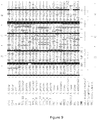
- the variant can comprise an amino acid sequence inside a protein region that is homologous to the alpha helix of HFBI (See Figure 9 ) with substitutions of one or more basic amino acids (e.g. Arg, His, Lys) against non-charged homologous residues.
- HFBI alpha helix of HFBI
- any substitution of a charged amino acid of any class II hydrophobin can be used for improving the stability of interfacial films.
- Increasing product stability means that the structure of foams or emulsions is more stable because they have stronger interfaces. The strength is described by the visco-elastic properties. Increased product stability improves for example the shelf-life of the products.
- hydrophobin production yield e.g. concentration of hydrophobin available
- the variant D30N/K32Q (SEQ ID NO:7) has a substitution of aspartic acid to asparagine at position 30 and a substitution of lysine to glutamine at position 32 of the mature hydrophobin HFBI (SEQ ID NO:2).
- the variant D40Q/D43N (SEQ ID NO:8) has a substitution of aspartic acid to glutamine at position 40 and a substitution of aspartic acid to asparagine at position 43 of the mature hydrophobin HFBI (SEQ ID NO:2).
- the variant D40Q/D43N/R45Q/K50Q has a substitution of aspartic acid to glutamine at position 40, a substitution of aspartic acid to asparagine at position 43, a substitution of arginine to glutamine at position 45 and a substitution of lysine to glutamine at position 50 of the mature hydrophobin HFBI (SEQ ID NO:2).
- the variant R45Q/K50Q (SEQ ID NO:10) has a substitution of arginine to glutamine at position 45 and a substitution of lysine to glutamine at position 50 of the mature hydrophobin HFBI (SEQ ID NO:2).
- the high surface elasticity relates to product stability.
- the surface shear rheology value (storage modulus) at the air-water interface reported for equilibrated film adsorbed from 1 ⁇ M solution of HFBII and HFBI is appr. 0.5 N/m and appr. 0.7 N/m, respectively (Cox et al 2007 [15]).
- HFBII surface shear rheology value
- HFBI-variant appr. 1.4 N/m which is to inventors' knowledge the highest value ever measured for proteins.
- beneficialal in this disclosure is that this new protein variant enables formation of stronger and more stable foams with less consumption of protein.
- production of the variant of the present disclosure is easier than for the wild type protein and can hence be produced in higher amounts.
- composition according to the present invention comprises a hydrophobin variant of class II hydrophobin, wherein said variant comprises an amino acid sequence having a substitution of one or more charged amino acid residues against sterically related non-charged homologues in amino acid sequence of the mature hydrophobin HFBI of SEQ ID NO:2.
- the variant of the present disclosure has improved colloidal stability to foams and emulsions or improved formation of an elastic protein film compared to the wild type mature hydrophobin HFBI of sequence SEQ ID NO:2.
- mutations made to a hydrophobin molecule by molecular biology means enhances the formation of a highly elastic protein film at the air-water interface.
- the high surface elasticity relates to foam stability.
- the mutations made are shown in Lienemann et al. 2013 [19] for a HFBI-GFP fusion protein.
- composition of the present disclosure comprises a variant of class II hydrophobin, wherein the variant comprises an amino acid sequence having at least 80%, preferably 95% identity to the amino acid sequence of SEQ ID NO:2 and the variant comprises charged residues, wherein the variant has surface activity and capability to form strong interfacial films.
- the composition may comprise a fusion protein with a fusion partner of equal or smaller size than said hydrophobin variant.
- the non-hydrophobin part is of equal or smaller size to hydrophobin variant.
- the fusion partner of the present disclosure is special and distinct from GFP because it allows the hydrophobin parts to form the tight layers.
- the GFP fusion protein is much larger (mol. weight about 30 kDa) than HFBI (mol. weight about 7.5 kDa) and the size difference between these two parts of the fusion protein is therefore expected to prevent the ordered HFBI layer formation through steric restrictions.
- GFP is too bulky to fit into an HFBI layer at the HFBI-given density.
- a large fusion partner such as GFP prevents the formation of a strong interface. High surface elasticity relates to product stability.
- interfacial layer stabilization properties are improved.
- the variants used in the present disclosure contain no fusion partner.
- the film strengths for all variants were measured by interfacial shear rheology technique.
- the surface shear rheology value (storage modulus) at the air-water interface for one of the variants (HFBI-R45Q/K50Q) was exceptionally high, being appr. 1.4 N/m for 0.3 ⁇ M solution. This is the highest value ever measured for proteins, and is 40% better value than for wild-type HFBI and twice as good as HFBII used in applications by Unilever [15].
- the present disclosure provides improvement of existing technology for formation of strong protein films at the air-water interface.
- the interfacial rheology values for describing improved strength, and as a consequence improved stability, are appr. 40% higher for the HFBI variant than for the wild type HFBI.
- mutations promote secretion of HFBI-variants to supernatant (wild-type HFBI in mycelium), which facilitates purification of proteins remarkably.
- the yields for the produced variant protein are very good.
- the present disclosure provides mutations made to the wild-type hydrophobin protein where charged amino acids have been replaced by uncharged residues. These mutations are known for GFB-HFBI fusion proteins.
- the present invention provides hydrophobin compositions comprising different amino acid substitutions e.g. R45Q/K50Q, which contains a substitution of basic amino acids against non-charged sterically similar amino acids.
- Substitutions D30N/K32Q, R45Q/K50Q and D40Q/D43N/R45Q/K50Q provide means for obtaining increased protein yields from the culture supernatant.
- Substitution R45Q/K50Q provides a significant improvement in interfacial layer strength.
- the present inventors show that the structure of HFBI monolayers appears to be largely unaffected by modification of charged HFBI residues but secondary protein binding to the HFBI layers can be adjusted by substitution of the acidic surface-exposed residues. These findings are useful for technical applications (such as creating HFBI-based pH-sensitive functional surface modifications) and a useful basis for further studies that elucidate the mechanism and natural significance of enzyme binding to hydrophobin-coated surfaces.
- the technical core feature of the present disclosure is the use of the variants as stabilizers in different applications utilizing colloidal foams and emulsions.
- Colloidal stability is involved in wide variety of technologies such as personal care, cleaning, lubrication, paints, food technology, pharmaceuticals, drug delivery etc.
- Strong elastic protein films offer sustainable approach for stabilizing colloids, which in this particular example is colloidal foams.
- the primary application area is foams, where the interfacial elasticity determines the foam stability.
- the idea can be well applicable to emulsions as well.
- the potential application areas can be food technology, personal care, paints, pharmaceuticals, drug delivery.
- Applications of the present disclosure include food foams that are based on the high surface elasticity of the protein films.
- the products wherein the present disclosure is useful may be whipped cream, non-dairy cream, a frozen aerated confection, a mousse, mayonnaise, dressing, spread, soup, sauce or beverage.
- HFBI variants were produced in T. reesei and purified from culture supernatant by reversed-phase chromatography as described below.
- Preparations of the T. reesei enzymes endoglucanase EGII, xylanases XYLI and XYLII and cellbiohydrolase CBHI were a courtesy of Matti Siika-Aho (VTT, Finland).
- Glucose oxidase from Aspergillus niger (GOx) and 1-hexanethiol were obtained from Sigma-Aldrich Chemie GmbH (Germany).
- the plasmid pTNS27 was provided by T. Nakari-Setälä (VTT, Finland; [4]).
- the T . reesei protein production strain M219 was obtained from M. Saloheimo (VTT, Finland).
- HFBI variants were produced in the genetically modified Trichoderma reesei strains VTT D-121448 (-D40Q/D43N/R45Q/K50Q), VTT D-121449 (-D40Q/D43N), VTT D-121450 (-R45Q/K50Q) and VTT D-121451.
- Trichoderma minimal medium (TrMM), which had the following composition: 0.11 M KH 2 PO 4 , 38 mM (NH 4 ) 2 SO 4 , 2.4 mM MgSO 4 , 4.1 mM CaCl 2 , 0.18 mM FeSO 4 ⁇ 7 H 2 O, 95 ⁇ M MnSO 4 ⁇ H 2 O, 49 ⁇ M ZnSO 4 ⁇ H 2 O, 0.16 mM CoCl 2 ⁇ 6 H 2 O and 2% (w/v) glucose, pH 5.2) supplemented with 4% (w/v) lactose and 2% (w/v) spent grain extract.
- the fungal cultivation was performed in shake flasks during seven days at 28°C with 200 rpm shaking after which the culture liquid was stored frozen until further processing.
- HFBI variants Purification of the HFBI variants was performed using successive purification in an aqueous two-phase system (ATPS) and by reversed-phase chromatography essentially as described in [16]. Initially, the frozen fungal culture liquid was thawed in a water bath at 22°C for 1 h and insoluble material was removed by consecutive centrifugation at 4400 ⁇ g for 25 min and gravity filtration of the supernatant through grade 597-1/2 quantitative folded filter paper with 4-7 ⁇ m pore size and a diameter of 320 mm (Whatman GmbH, Germany). The pH of the filtered solution was adjusted to 5 by addition of 1 M sodium acetate solution.
- AZAS aqueous two-phase system
- Berol 532 detergent (AkzoNobel N.V., The Netherlands) to a final concentration of 2% (w/v).
- the solution was mixed by gentle shaking and allowed to separate in a separation funnel.
- the detergent phase was isolated followed by the addition of 20 ml of 50 mM sodium acetate buffer (pH 5.15) containing 40 mM EDTA were and 0.18 ml 2-methylpropan-1-ol. The mixture was mixed gently and the phases were allowed to separate in a separation funnel.
- the lower phase was purified further by preparative reversed-phase chromatography using a Vydac C4 (1 ⁇ 20 cm) column and a gradient elution from an aqueous solution containing 0.1% trifluoroacetic acid to 100% acetonitrile containing 0.1% trifluoroacetic acid.
- vitamin B-12 (1.4 kDa, Sigma), aprotinin (6.5 kDa, Sigma), ribonuclease A (13.7 kDa, Amersham Pharmacia Biotech, Sweden), and ovalbumin (43.0 kDa, Amersham Pharmacia Biotech, Sweden).
- the samples were prepared by dissolving wild type and variants of HFBI in ddH 2 O at a concentration of 0.1 mg/mL, and the pH was adjusted using 100 mM and 1.0 M HCI and 10 and 100 mM NaOH.
- the zeta-potential was measured using a Zetasizer Nano-ZS instrument (Malvern, UK) and a sample volume of 1.0 ml.
- the time required for plateau formation at a hydrophobin containing drop was measured with an optical contact angle and surface tension meter (CAM 200, KSV NIMA, Finland). This was done by dissolving the studied protein dissolved in ddH 2 O and pipetting a 50 ⁇ L drop of this solution onto a Parafilm sheet. Pictures were taken with 60 s interval in order to detect initial drop flattening moment, at which the drop started to form a plateau. The reported drop flattening times were determined as the average of three measurements.
- HFBI variant monolayers were analysed in a humidified atmosphere using a Langmuir trough surface pressure sensor and pre-soaked 20.6 mm perimeter Wilhelmy paper plates (KSV NIMA, Finland). Surface pressure was monitored by probing 20 ml of 5 mM Na-acetate (pH 5.5) in a glass beaker that has been equilibrated to room temperature. The sample protein was dissolved at a concentration of 0.85-1.0 ⁇ M by short magnetic stirring (1.5-2 min) and the change of surface pressure was monitored until an equilibrium was reached (typically after 30 min to 1 h).
- Monolayers of HFBI variants were assembled and its structural properties were measured using a KSV Minimicro trough (KSV NIMA, Finland). Protein layers were prepared at the air-water interface by injecting 20 ⁇ g dissolved protein into 55 ml of 5 mM Na-acetate buffer (pH 5.5) at 21°C. This solution was left for 45 min in order to allow the hydrophobin proteins to reach an equilibrium between an immersed state and the air-water interface assembly. Compression/expansion cycle isotherms were recorded while moving the barriers at a constant rate of 2 mm/min and switching to expansion at 35 mN/m surface pressure.
- the interfacial shear rheological properties of wild type HFBI and HFBI variants at the air-water interface were measured at RT using a DHR-2 rheometer (TA Instruments, U.K.) equipped with a Pt-Ir du Noüy ring (13 mm diameter, Krüss, Germany, flamed prior to use) in oscillatory mode.
- concentrations of stock solutions of HFBI and HFBI variants were determined by UPLC.
- the solution was placed in a glass dish of 60 mm diameter and the du Noüy ring was placed onto the surface according to the manufacturer's instructions.
- the interfacial shear elastic (storage) modulus, G', and viscous (loss) modulus, G" were monitored at constant frequency of 0.1 Hz and constant strain of 0.1%, during film formation for at least 2 h to reach the equilibrium. The chosen frequency and strain were measured to be in the linear viscoelastic region. Each measurement was replicated at least twice.
- a NanoScopeV Multimode8 AFM (E scanner, Bruker) and NCS15/AIBS cantilevers ( ⁇ Masch, USA) were used in all measurements. All images were recorded in tapping mode in air with scan rates 0.7-1 Hz (free amplitude about 0.68V, damping ratio 0.7-0.8). Images were only flattened to remove possible tilt in the image data (NanoScope Analysis), and no further processing was done.
- a scanning probe image processor SPIP, Image Metrology, Denmark was used for image analysis. The topography and phase contrast images were captured simultaneously. The phase contrast image shows the phase difference between the oscillations of the cantilever driving piezo and the detected oscillations. It is thought that image contrast is derived from surface properties such as stiffness and viscoelasticity (hard tapping) or hydrophilicity/hydrophobicity (light tapping), but it also shows enhanced edge structures.
- QCM-D Hydrophobic protein adhesion and adsorption of sample proteins to HFBI variant layers at various pH's were monitored by QCM-D through measurement of frequency and dissipation (D4-QCM system, Biolin Scientific AB, Sweden).
- QCM sensors with a hydrophobic sensor surface were prepared by first cleaning gold-coated QCM sensor disks (model QSX301, Biolin Scientific AB, Sweden) in an UV/ozone chamber for 10 min and exposing them for another 10 min to a 5:1:1 mixture of ddH 2 O, H 2 O 2 and an aqueous ammonia solution (25% w/w) at ⁇ 75°C.
- HFBI variant adsorption was carried out by injection of 300 ⁇ l protein sample solution containing HFBI at a concentration of 0.1 mg/ml and unbound protein was removed from the sensor surface by rinsing at pH 5.5 using 10 mM Na-acetate buffer.
- Trichoderma reesei strains were created with modified chromosomal DNA that contained added HFBI genes in which charged residues were substituted with sterically similar but uncharged homologues.
- the gene hfb2 encoding for the naturally secreted hydrophobin HFBII had to be disrupted because it would interfere with the HFBI variant purification. This was performed by insertion of a hygromycin resistance cassette in the hfb2 gene of the T. reesei protein production strain M219.
- the cassette was amplified from plasmid pTNS27 essentially as described in [17].
- Knock-out mutants were isolated by initial plating on hygromycin-containing top agar [150 ⁇ g/ml] and consecutive transfer to agar plates containing 0.1% (w/v) Triton X-100 and hygromycin [125 ⁇ g/ml].
- the hfb2 gene disruption was confirmed by PCR (Phire Plant Direct PCR kit (Thermo, Finnzymes F-130)) using two probes that were complementary to the hph resistance marker (SEQ ID NO:3; hph_sekv 1: 5'-ATTCTTCGCCCTCCGAGAGC-3') and the hfb2 region located upstream of the deletion cassette insertion (SEQ ID NO:4; Mil73_fw: 5'-GAATCATGCTGGAGTGAAGG-3').
- the absence of HFBII in the culture supernatant was confirmed by Western analysis (4-20% acrylamide Criterion gradient gel, Bio-Rad with HFBII-specific polyclonal antibodies Data not shown).
- the T. reesei hfb2::hph strain was deposited at the VTT culture collection under the ID D-121447.
- the strain D-121447 was used for cloning of the HFBI variants using homologous recombination. This technique replaced a part of the highly expressed cbhI gene with an insertion cassette containing the acetamide resistance gene amdS and a HFBI variant gene downstream of the cbhI promotor.
- Four vectors containing this cassette were produced that differed in the encoded HFBI variant (E.g.: pMil003: - D40Q/D43N/R45Q/K50Q, pMil004: -D40Q/D43N, pMil005: -R45Q/K50Q and pMil006: -D30N/K32Q).
- acetamide [10 mM] was used as a selective antibiotic.
- Acetamide-resistant clones were analysed for HFBI variant gene insertion by sequencing using primers that bind to the CBHI promoter (SEQ ID NO:5; T010_Cbh1 prom 5' sekv: 5'-CAACTCAGATCCTCCAGGAGAC-3') and CBHI terminator (SEQ ID NO:6; T043_Cbh1_term_R sekv: 5'-TCATGATACGGGCTCACCAAG-3').
- HFBI variants secretion of HFBI variants was confirmed by subjecting culture supernatants to Western blot analysis using polyclonal HFBI-specific antibodies.
- the obtained HFBI-variant secreting Trichoderma reesei strains were deposited at the VTT Culture collections with the IDs D-121448 (-D40Q/D43N/R45Q/K50Q), D-121449 (-D40Q/D43N), D-121450 (-R45Q/K50Q) and D-121451(-D30N/K32Q).
- T. reesei variants were secreting the HFBI variants to the supernatant ( Figure 8 ) at high concentrations that could be purified by the ATPS method yielding 100-500 mg per litre of shake flask culture (D30N/K32Q: 244.7 mg/l, D40Q/D43N: 98.5 mg/l, R45Q/K50Q: 390 mg/l and D40Q/D43N/R45Q/K50Q: 504 mg/l). Zeta-potential measurements showed that the introduced amino acid substitutions resulted in changes of the isoelectric point as expected according to the type of the modified acid ( Figure 2 and Table 1). Table 1.
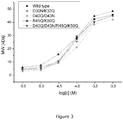
- the concentration-dependent aggregation of the studied HFBI variants was studied by dissolving the protein at concentrations ranging between 3 ⁇ M and 1 mM, separation over a SEC column and monitoring their elution. At concentrations below 30 ⁇ M the four HFBI variants and the wild type were all at around 5 kDa corresponding to the monomer (7.5 kDa). Larger aggregates with a molecular weight corresponding to hexamers were formed when the hydrophobin concentration was increased above 100 ⁇ M, ( Figure 3 ). The transition between these two states appeared to resemble the wild type in the case of all tested variants.
- hydrophobins The surface activity of hydrophobins can be easily observed when a drop of hydrophobin solution is left to evaporate and a plateau formation can be observed at the top facing part of the drop due to the concentration-dependent formation of a hydrophobin monolayer at the air-water interface.
- droplets of hydrophobin solution [0.1 mg/ml in 5.0 mM Na acetate buffer (pH 5.5)] were left to evaporate and the time necessary for plateau formation determined using the CAM apparatus. For all four variants, the time until drop flattening was 30-70% longer than the incubation period required by the wild type (19 ⁇ 3.5 min).
- the corresponding values for the HFBI variants D30N/K32Q, D40Q/D43N, R45Q/K50Q and D40Q/D43N/R45Q/K50Q are 0.85 ⁇ 0.10 N/m, 0.62 ⁇ 0.01 N/m, 1.44 ⁇ 0.03 N/m and 1.09 ⁇ 0.01 N/m, respectively.
- the G' values are in the similar range or less than for wild type HFBI, except the high value for R45Q/K50Q variant that showed ⁇ 40% increase in the elastic modulus.
- the equilibrium shear loss modulus values, G" ( Figure 4B ) for all hydrophobins were less than 0.06 N/m. Tan ⁇ values at equilibrium were very low, less than 0.1, for all hydrophobins showing dominance of the G' values in all cases.
- AFM images of Langmuir-Blodgett films (LB-films) of all HFBI-variants showed regular ordered raft-like structures ( Figure 5A-D ) of different variant-specific dimensions (e.g.: D30N/K32Q: ⁇ 150 ⁇ 150 nm, D40Q/D43N: ⁇ 120 ⁇ 120 nm, D40Q/D43N/R45Q/K50Q: ⁇ 350 ⁇ 350 nm and R45Q/K50Q: ⁇ 800 ⁇ 800 nm). It is possible that at the air-water interface all protein films consisted of larger crystalline domains, which broke down to smaller rafts during film transfer onto mica.
- the crystallinity of the protein films was confirmed by Fourier transformation of the phase contrast image data.
- the oblique structures of all HFBI-variants possessed unit cell vector dimensions of 5.4 ⁇ 0.9 nm for a and b, and 120 ⁇ 12° for Y.
- reesei enzymes xylanase I (pI 9), xylanase II (pI 5.5), cellobiohydrolase I (pI 3.7-4.2) and endoglucanase II (pI 5.2) could be measured for HFBI wild type layers and layers of variants D30N/K32Q, R45Q/K50Q and D40Q/D43N/R45Q/K50Q at the probed pH range ( Fig. 7B-E ). Also in the case of HFBI variant D40Q/D43N, no binding of xylanase ( Fig. 7B ) an endoglucanase II ( Fig.
- the yields of purified protein obtained from the culture supernatants by ATPS showed that the protein concentration in case of the variants were 244.7 mg/l (D30N/K32Q), 390 mg/l (R45Q/K50Q) and 504 mg/l (D40Q/D43N/R45Q/K50Q).
- the highest protein yields so far have been obtained from the mycelium (about 100 mg/l) [18].
- the mentioned HFBI amino acid substitutions improved the yields of purified HFBI two-to fourfold. This improvement may become relevant for technical applications where HFBI variant purification from a supernatant is preferable over the preparation from the mycelium.
- the G' values are remarkably high for all: HFBI 1.04 ⁇ 0.01 N/m, D30N/K32Q 0.85 ⁇ 0.10 N/m, D40Q/D43N 0.62 ⁇ 0.01 N/m, R45Q/K50Q 1.44 ⁇ 0.03 N/m and D40Q/D43N/R45Q/K50Q 1.09 ⁇ 0.01 N/m.
- milk proteins possess only a fraction of the strength determined by interfacial shear rheology for hydrophobins (1 ⁇ M ⁇ -lactoblobulin less than 5 mN/m, 1 ⁇ M ⁇ -casein close to zero; [20]).
- the present inventors want to point out especially the storage modulus value for HFBI-R45Q/K50Q, 1.44 N/m, which to the present inventor's knowledge is the highest interfacial shear rheology value reported for an interfacial protein layer.
- the loss modulus, G" of wild-type HFBI showed an interesting behavior during adsorption ( Figure 4B ).
- the adsorption process for all hydrophobins showed first increase in loss modulus, passed through a maximum and then leveled out. This phenomenon may originate from rearrangements taking place at the interface before the protein layer reached equilibrium.
- the adsorption process seems to be different for the wild-type HFBI: the loss modulus undergoes through two maxima before reaching equilibrium.
- the mutations seem to affect the self-assembling characteristics as one way is lost in HFBI variants.
- AFM imaging showed strong similarities between 2D-assemblies of the tested proteins and the highest mica coverage for the variant R45Q/K50Q at a raft size of ⁇ 800 ⁇ 800 nm. This was area was significantly higher than the raft size measured for the other three variants ( ⁇ 300 ⁇ 300 nm) and the HFBI wildtype, which was analyzed by AFM previously ( ⁇ 500 ⁇ 500 nm) [16]. This finding correlates well with unpublished ellipsometry experiments, during which it was shown that the R45Q/K50Q formed a more dense layer at the air-water interface than the variants D30N/K32Q and D40Q/D43N/R45Q/K50Q as well as the HFBI wild type.
- the HFBI variant lattice constants measured from the AFM images equalled well to the lattice constants reported previously for LB-films of wild type HFBI ([16], [8]).
- the isolated HFBI protein appeared to be unaffected in its aggregation properties by the D40Q/D43N substitution as shown in the present study. This reason for this difference could be a strongly adsorbed GFP domain at the HFBI surface in GFP-HFBI and sterically hinders the assembly of fusion oligomers in solution.
Landscapes
- Chemical & Material Sciences (AREA)
- Life Sciences & Earth Sciences (AREA)
- Health & Medical Sciences (AREA)
- Food Science & Technology (AREA)
- Organic Chemistry (AREA)
- Polymers & Plastics (AREA)
- Engineering & Computer Science (AREA)
- Gastroenterology & Hepatology (AREA)
- Nutrition Science (AREA)
- Mycology (AREA)
- Dispersion Chemistry (AREA)
- Biochemistry (AREA)
- Biophysics (AREA)
- General Health & Medical Sciences (AREA)
- Genetics & Genomics (AREA)
- Medicinal Chemistry (AREA)
- Molecular Biology (AREA)
- Proteomics, Peptides & Aminoacids (AREA)
- Zoology (AREA)
- Peptides Or Proteins (AREA)
Claims (10)
- Zusammensetzung, die eine Hydrophobin-Variante von Klasse-II-Hydrophobin umfasst, dadurch gekennzeichnet, dass die Variante eine Aminosäuresequenz umfasst, die eine Substitution von geladenen Aminosäureresten gegen sterisch verwandte nichtgeladene Aminosäuresequenz-Homologe des reifen Hydrophobins HFBI von SEQ-ID NO:2 aufweist, wobei die Substitutionen R45Q und K50Q sind, wobei die Positionen der Aminosäuresubstitutionen unter Verweis auf die Positionen in SEQ ID NO:2 nummeriert sind und wobei die Variante eine verbesserte Ausbildung eines elastischen Proteinfilms im Vergleich zum wildtypischen reifen Hydrophobin HFBI der Sequenz SEQ ID NO:2 aufweist.
- Zusammensetzung nach Anspruch 1, dadurch gekennzeichnet, dass die Variante als Fusionspartner ein Fusionsprotein von gleicher oder geringerer Größe als die Hydrophobinvariante umfasst.
- Zusammensetzung nach einem der Ansprüche 1 oder 2, dadurch gekennzeichnet, dass die Variante die Hydrophobin-HFBI-Variante Trichoderma reesei ist.
- Zusammensetzung nach einem der Ansprüche 1 bis 3, dadurch gekennzeichnet, dass die Variante SEQ ID NO:10 ist.
- Zusammensetzung nach Anspruch 4, dadurch gekennzeichnet, dass die Variante eine verbesserte Sekretion in den Trichoderma-reesei-Kulturüberstand im Vergleich zum wildtypischen reifen Hydrophobin HFBI der Sequenz SEQ ID NO:2 aufweist.
- Verfahren zur Erhöhung der Produktstabilität in einem Produkt, das eine Luft/Wasser- oder Öl/Wasser-Grenzfläche enthält, dadurch gekennzeichnet, dass das Verfahren den Schritt der Verwendung der Hydrophobin-Zusammensetzung nach einem der Ansprüche 1 bis 5 umfasst.
- Verfahren nach Anspruch 6, dadurch gekennzeichnet, dass die Produktstabilität durch die Ausbildung eines festen und stabilen Schaums oder einer festen und stabilen Emulsion, eines festen elastischen Films oder durch die Bereitstellung von verbesserten viskoelastischen Eigenschaften von Grenzflächenfilmen erhöht wird.
- Verfahren nach Anspruch 6 oder 7, dadurch gekennzeichnet, dass das eine Luft/Wasser- oder Öl/Wasser-Grenzfläche enthaltende Produkt ausgewählt ist aus der Gruppe bestehend aus Lebensmittelprodukten, persönlichen Pflegeprodukten, Anstrichstoffen, Pharmaka und Arzneimitteln.
- Verwendung der Hydrophobin-Zusammensetzung nach einem der Ansprüche 1 bis 5 als Stabilisator, vorzugsweise als Stabilisator in Schäumen oder Emulsionen.
- Verwendung der Hydrophobin-Zusammensetzung nach einem der Ansprüche 1 bis 5 in persönlichen Pflegeprodukten oder Anstrichstoffen.
Applications Claiming Priority (2)
| Application Number | Priority Date | Filing Date | Title |
|---|---|---|---|
| FI20136214 | 2013-12-03 | ||
| PCT/FI2014/050952 WO2015082772A1 (en) | 2013-12-03 | 2014-12-03 | A method for increasing product stability with hydrophobin variants |
Publications (2)
| Publication Number | Publication Date |
|---|---|
| EP3080145A1 EP3080145A1 (de) | 2016-10-19 |
| EP3080145B1 true EP3080145B1 (de) | 2019-07-17 |
Family
ID=52273176
Family Applications (1)
| Application Number | Title | Priority Date | Filing Date |
|---|---|---|---|
| EP14821228.5A Active EP3080145B1 (de) | 2013-12-03 | 2014-12-03 | Verfahren zur erhöhung der stabilität von produkten durch hydrophobin-varianten |
Country Status (2)
| Country | Link |
|---|---|
| EP (1) | EP3080145B1 (de) |
| WO (1) | WO2015082772A1 (de) |
Cited By (1)
| Publication number | Priority date | Publication date | Assignee | Title |
|---|---|---|---|---|
| CN108440670A (zh) * | 2018-02-13 | 2018-08-24 | 天津大学 | 融合蛋白hfbi-rgd作为疏水性材料分散剂的用途 |
Families Citing this family (4)
| Publication number | Priority date | Publication date | Assignee | Title |
|---|---|---|---|---|
| BR112018008214B1 (pt) * | 2015-10-26 | 2021-12-14 | Basf Se | Métodos para reparar ou inibir a erosão dentária e para fabricar um produto de cuidado oral, dentifrício, composição, e, proteína semelhante à hidrofobina |
| FI128434B (en) | 2018-04-30 | 2020-05-15 | Teknologian Tutkimuskeskus Vtt Oy | Manufacture of graphene structures |
| WO2024231605A1 (en) * | 2023-05-08 | 2024-11-14 | Aalto University Foundation Sr | Hydrophobin-coated echogenic microbubbles as stable and programmable contrast agents |
| CN121800893A (zh) * | 2026-03-11 | 2026-04-07 | 中国科学院生物物理研究所 | 用于冷冻电镜的电荷密度增强的疏水蛋白hfbi突变体载网膜及其制备方法与应用 |
Family Cites Families (2)
| Publication number | Priority date | Publication date | Assignee | Title |
|---|---|---|---|---|
| CA2750421C (en) | 2008-11-27 | 2016-10-18 | B.R.A.I.N. Biotechnology Research And Information Network Ag | Surface active proteins as excipients in solid pharmaceutical formulations |
| US20130303631A1 (en) | 2012-05-11 | 2013-11-14 | Conopco, Inc., D/B/A Unilever | Environmentally Friendly and Aerated Topical Benefit Composition |
-
2014
- 2014-12-03 WO PCT/FI2014/050952 patent/WO2015082772A1/en not_active Ceased
- 2014-12-03 EP EP14821228.5A patent/EP3080145B1/de active Active
Non-Patent Citations (1)
| Title |
|---|
| None * |
Cited By (2)
| Publication number | Priority date | Publication date | Assignee | Title |
|---|---|---|---|---|
| CN108440670A (zh) * | 2018-02-13 | 2018-08-24 | 天津大学 | 融合蛋白hfbi-rgd作为疏水性材料分散剂的用途 |
| CN108440670B (zh) * | 2018-02-13 | 2021-04-27 | 天津大学 | 融合蛋白hfbi-rgd作为疏水性材料分散剂的用途 |
Also Published As
| Publication number | Publication date |
|---|---|
| EP3080145A1 (de) | 2016-10-19 |
| WO2015082772A1 (en) | 2015-06-11 |
Similar Documents
| Publication | Publication Date | Title |
|---|---|---|
| EP3080145B1 (de) | Verfahren zur erhöhung der stabilität von produkten durch hydrophobin-varianten | |
| Linder et al. | Hydrophobins: the protein-amphiphiles of filamentous fungi | |
| Linder | Hydrophobins: proteins that self assemble at interfaces | |
| EP1163260B1 (de) | Prozess zur trennung von proteinen | |
| Linder et al. | Surface adhesion of fusion proteins containing the hydrophobins HFBI and HFBII from Trichoderma reesei | |
| Khalesi et al. | Recent advances in fungal hydrophobin towards using in industry | |
| Askolin et al. | Interaction and comparison of a class I hydrophobin from Schizophyllum commune and class II hydrophobins from Trichoderma reesei | |
| Mishra et al. | Interaction of model class A1, class A2, and class Y amphipathic helical peptides with membranes | |
| Cicatiello et al. | Marine fungi as source of new hydrophobins | |
| Zhao et al. | Comparison on effect of hydrophobicity on the antibacterial and antifungal activities of α-helical antimicrobial peptides | |
| Wu et al. | Fungal and mushroom hydrophobins: A review | |
| WO2016193547A1 (en) | A method for increasing foam stability | |
| Lienemann et al. | Charge-based engineering of hydrophobin HFBI: effect on interfacial assembly and interactions | |
| Bonazza et al. | The fungal cerato-platanin protein EPL1 forms highly ordered layers at hydrophobic/hydrophilic interfaces | |
| Ziegler et al. | Projection structure and oligomeric state of the osmoregulated sodium/glycine betaine symporter BetP of Corynebacterium glutamicum | |
| Yang et al. | The enhancement of surface activity and nanoparticle stability through the alteration of charged amino acids of HGFI | |
| Przylucka et al. | Comparative physiochemical analysis of hydrophobins produced in Escherichia coli and Pichia pastoris | |
| Mobili et al. | S-layers in lactobacilli: structural characteristics and putative role in surface and probiotic properties of whole bacteria | |
| Galan et al. | Comparison of Structure, Sequence, Physical Interactions and its Effects on Primary Gushing among Several Class II Hydrophobins. | |
| Tymiński et al. | Characteristics and functions of hydrophobins and their use in manifold industries | |
| Paik et al. | Purification and partial amino acid sequence of propionicin PLG-1, a bacteriocin produced by Propionibacterium thoenii P127 | |
| Müller et al. | A synthetic analog of plantaricin 149 inhibiting food‐borne pathogenic bacteria: evidence for α‐helical conformation involved in bacteria–membrane interaction | |
| Salay et al. | Adsorption of the antimicrobial peptide tritrpticin onto solid and liquid surfaces: Ion-specific effects | |
| Gerard et al. | Scanning tunnelling microscopy of Aspergillus niger glucoamylases | |
| Askolin | Characterization of the Trichoderma reesei hydrophobins HFBI and HFBII |
Legal Events
| Date | Code | Title | Description |
|---|---|---|---|
| PUAI | Public reference made under article 153(3) epc to a published international application that has entered the european phase |
Free format text: ORIGINAL CODE: 0009012 |
|
| 17P | Request for examination filed |
Effective date: 20160701 |
|
| AK | Designated contracting states |
Kind code of ref document: A1 Designated state(s): AL AT BE BG CH CY CZ DE DK EE ES FI FR GB GR HR HU IE IS IT LI LT LU LV MC MK MT NL NO PL PT RO RS SE SI SK SM TR |
|
| AX | Request for extension of the european patent |
Extension state: BA ME |
|
| DAX | Request for extension of the european patent (deleted) | ||
| STAA | Information on the status of an ep patent application or granted ep patent |
Free format text: STATUS: EXAMINATION IS IN PROGRESS |
|
| 17Q | First examination report despatched |
Effective date: 20170614 |
|
| GRAP | Despatch of communication of intention to grant a patent |
Free format text: ORIGINAL CODE: EPIDOSNIGR1 |
|
| STAA | Information on the status of an ep patent application or granted ep patent |
Free format text: STATUS: GRANT OF PATENT IS INTENDED |
|
| INTG | Intention to grant announced |
Effective date: 20190208 |
|
| GRAS | Grant fee paid |
Free format text: ORIGINAL CODE: EPIDOSNIGR3 |
|
| GRAA | (expected) grant |
Free format text: ORIGINAL CODE: 0009210 |
|
| STAA | Information on the status of an ep patent application or granted ep patent |
Free format text: STATUS: THE PATENT HAS BEEN GRANTED |
|
| AK | Designated contracting states |
Kind code of ref document: B1 Designated state(s): AL AT BE BG CH CY CZ DE DK EE ES FI FR GB GR HR HU IE IS IT LI LT LU LV MC MK MT NL NO PL PT RO RS SE SI SK SM TR |
|
| REG | Reference to a national code |
Ref country code: GB Ref legal event code: FG4D |
|
| REG | Reference to a national code |
Ref country code: CH Ref legal event code: EP |
|
| REG | Reference to a national code |
Ref country code: DE Ref legal event code: R096 Ref document number: 602014050237 Country of ref document: DE |
|
| REG | Reference to a national code |
Ref country code: IE Ref legal event code: FG4D |
|
| REG | Reference to a national code |
Ref country code: AT Ref legal event code: REF Ref document number: 1155760 Country of ref document: AT Kind code of ref document: T Effective date: 20190815 |
|
| REG | Reference to a national code |
Ref country code: NL Ref legal event code: MP Effective date: 20190717 |
|
| REG | Reference to a national code |
Ref country code: LT Ref legal event code: MG4D |
|
| REG | Reference to a national code |
Ref country code: AT Ref legal event code: MK05 Ref document number: 1155760 Country of ref document: AT Kind code of ref document: T Effective date: 20190717 |
|
| PG25 | Lapsed in a contracting state [announced via postgrant information from national office to epo] |
Ref country code: HR Free format text: LAPSE BECAUSE OF FAILURE TO SUBMIT A TRANSLATION OF THE DESCRIPTION OR TO PAY THE FEE WITHIN THE PRESCRIBED TIME-LIMIT Effective date: 20190717 Ref country code: SE Free format text: LAPSE BECAUSE OF FAILURE TO SUBMIT A TRANSLATION OF THE DESCRIPTION OR TO PAY THE FEE WITHIN THE PRESCRIBED TIME-LIMIT Effective date: 20190717 Ref country code: FI Free format text: LAPSE BECAUSE OF FAILURE TO SUBMIT A TRANSLATION OF THE DESCRIPTION OR TO PAY THE FEE WITHIN THE PRESCRIBED TIME-LIMIT Effective date: 20190717 Ref country code: NO Free format text: LAPSE BECAUSE OF FAILURE TO SUBMIT A TRANSLATION OF THE DESCRIPTION OR TO PAY THE FEE WITHIN THE PRESCRIBED TIME-LIMIT Effective date: 20191017 Ref country code: AT Free format text: LAPSE BECAUSE OF FAILURE TO SUBMIT A TRANSLATION OF THE DESCRIPTION OR TO PAY THE FEE WITHIN THE PRESCRIBED TIME-LIMIT Effective date: 20190717 Ref country code: NL Free format text: LAPSE BECAUSE OF FAILURE TO SUBMIT A TRANSLATION OF THE DESCRIPTION OR TO PAY THE FEE WITHIN THE PRESCRIBED TIME-LIMIT Effective date: 20190717 Ref country code: PT Free format text: LAPSE BECAUSE OF FAILURE TO SUBMIT A TRANSLATION OF THE DESCRIPTION OR TO PAY THE FEE WITHIN THE PRESCRIBED TIME-LIMIT Effective date: 20191118 Ref country code: LT Free format text: LAPSE BECAUSE OF FAILURE TO SUBMIT A TRANSLATION OF THE DESCRIPTION OR TO PAY THE FEE WITHIN THE PRESCRIBED TIME-LIMIT Effective date: 20190717 Ref country code: BG Free format text: LAPSE BECAUSE OF FAILURE TO SUBMIT A TRANSLATION OF THE DESCRIPTION OR TO PAY THE FEE WITHIN THE PRESCRIBED TIME-LIMIT Effective date: 20191017 |
|
| PG25 | Lapsed in a contracting state [announced via postgrant information from national office to epo] |
Ref country code: RS Free format text: LAPSE BECAUSE OF FAILURE TO SUBMIT A TRANSLATION OF THE DESCRIPTION OR TO PAY THE FEE WITHIN THE PRESCRIBED TIME-LIMIT Effective date: 20190717 Ref country code: LV Free format text: LAPSE BECAUSE OF FAILURE TO SUBMIT A TRANSLATION OF THE DESCRIPTION OR TO PAY THE FEE WITHIN THE PRESCRIBED TIME-LIMIT Effective date: 20190717 Ref country code: AL Free format text: LAPSE BECAUSE OF FAILURE TO SUBMIT A TRANSLATION OF THE DESCRIPTION OR TO PAY THE FEE WITHIN THE PRESCRIBED TIME-LIMIT Effective date: 20190717 Ref country code: GR Free format text: LAPSE BECAUSE OF FAILURE TO SUBMIT A TRANSLATION OF THE DESCRIPTION OR TO PAY THE FEE WITHIN THE PRESCRIBED TIME-LIMIT Effective date: 20191018 Ref country code: ES Free format text: LAPSE BECAUSE OF FAILURE TO SUBMIT A TRANSLATION OF THE DESCRIPTION OR TO PAY THE FEE WITHIN THE PRESCRIBED TIME-LIMIT Effective date: 20190717 Ref country code: IS Free format text: LAPSE BECAUSE OF FAILURE TO SUBMIT A TRANSLATION OF THE DESCRIPTION OR TO PAY THE FEE WITHIN THE PRESCRIBED TIME-LIMIT Effective date: 20191117 |
|
| PG25 | Lapsed in a contracting state [announced via postgrant information from national office to epo] |
Ref country code: TR Free format text: LAPSE BECAUSE OF FAILURE TO SUBMIT A TRANSLATION OF THE DESCRIPTION OR TO PAY THE FEE WITHIN THE PRESCRIBED TIME-LIMIT Effective date: 20190717 |
|
| PG25 | Lapsed in a contracting state [announced via postgrant information from national office to epo] |
Ref country code: PL Free format text: LAPSE BECAUSE OF FAILURE TO SUBMIT A TRANSLATION OF THE DESCRIPTION OR TO PAY THE FEE WITHIN THE PRESCRIBED TIME-LIMIT Effective date: 20190717 Ref country code: EE Free format text: LAPSE BECAUSE OF FAILURE TO SUBMIT A TRANSLATION OF THE DESCRIPTION OR TO PAY THE FEE WITHIN THE PRESCRIBED TIME-LIMIT Effective date: 20190717 Ref country code: RO Free format text: LAPSE BECAUSE OF FAILURE TO SUBMIT A TRANSLATION OF THE DESCRIPTION OR TO PAY THE FEE WITHIN THE PRESCRIBED TIME-LIMIT Effective date: 20190717 Ref country code: DK Free format text: LAPSE BECAUSE OF FAILURE TO SUBMIT A TRANSLATION OF THE DESCRIPTION OR TO PAY THE FEE WITHIN THE PRESCRIBED TIME-LIMIT Effective date: 20190717 Ref country code: IT Free format text: LAPSE BECAUSE OF FAILURE TO SUBMIT A TRANSLATION OF THE DESCRIPTION OR TO PAY THE FEE WITHIN THE PRESCRIBED TIME-LIMIT Effective date: 20190717 |
|
| PG25 | Lapsed in a contracting state [announced via postgrant information from national office to epo] |
Ref country code: IS Free format text: LAPSE BECAUSE OF FAILURE TO SUBMIT A TRANSLATION OF THE DESCRIPTION OR TO PAY THE FEE WITHIN THE PRESCRIBED TIME-LIMIT Effective date: 20200224 Ref country code: SM Free format text: LAPSE BECAUSE OF FAILURE TO SUBMIT A TRANSLATION OF THE DESCRIPTION OR TO PAY THE FEE WITHIN THE PRESCRIBED TIME-LIMIT Effective date: 20190717 Ref country code: CZ Free format text: LAPSE BECAUSE OF FAILURE TO SUBMIT A TRANSLATION OF THE DESCRIPTION OR TO PAY THE FEE WITHIN THE PRESCRIBED TIME-LIMIT Effective date: 20190717 Ref country code: SK Free format text: LAPSE BECAUSE OF FAILURE TO SUBMIT A TRANSLATION OF THE DESCRIPTION OR TO PAY THE FEE WITHIN THE PRESCRIBED TIME-LIMIT Effective date: 20190717 |
|
| REG | Reference to a national code |
Ref country code: DE Ref legal event code: R097 Ref document number: 602014050237 Country of ref document: DE |
|
| PLBE | No opposition filed within time limit |
Free format text: ORIGINAL CODE: 0009261 |
|
| STAA | Information on the status of an ep patent application or granted ep patent |
Free format text: STATUS: NO OPPOSITION FILED WITHIN TIME LIMIT |
|
| PG2D | Information on lapse in contracting state deleted |
Ref country code: IS |
|
| REG | Reference to a national code |
Ref country code: CH Ref legal event code: PL |
|
| 26N | No opposition filed |
Effective date: 20200603 |
|
| REG | Reference to a national code |
Ref country code: BE Ref legal event code: MM Effective date: 20191231 |
|
| PG25 | Lapsed in a contracting state [announced via postgrant information from national office to epo] |
Ref country code: MC Free format text: LAPSE BECAUSE OF FAILURE TO SUBMIT A TRANSLATION OF THE DESCRIPTION OR TO PAY THE FEE WITHIN THE PRESCRIBED TIME-LIMIT Effective date: 20190717 Ref country code: SI Free format text: LAPSE BECAUSE OF FAILURE TO SUBMIT A TRANSLATION OF THE DESCRIPTION OR TO PAY THE FEE WITHIN THE PRESCRIBED TIME-LIMIT Effective date: 20190717 |
|
| PG25 | Lapsed in a contracting state [announced via postgrant information from national office to epo] |
Ref country code: LU Free format text: LAPSE BECAUSE OF NON-PAYMENT OF DUE FEES Effective date: 20191203 Ref country code: IE Free format text: LAPSE BECAUSE OF NON-PAYMENT OF DUE FEES Effective date: 20191203 |
|
| PG25 | Lapsed in a contracting state [announced via postgrant information from national office to epo] |
Ref country code: CH Free format text: LAPSE BECAUSE OF NON-PAYMENT OF DUE FEES Effective date: 20191231 Ref country code: LI Free format text: LAPSE BECAUSE OF NON-PAYMENT OF DUE FEES Effective date: 20191231 Ref country code: BE Free format text: LAPSE BECAUSE OF NON-PAYMENT OF DUE FEES Effective date: 20191231 |
|
| PG25 | Lapsed in a contracting state [announced via postgrant information from national office to epo] |
Ref country code: CY Free format text: LAPSE BECAUSE OF FAILURE TO SUBMIT A TRANSLATION OF THE DESCRIPTION OR TO PAY THE FEE WITHIN THE PRESCRIBED TIME-LIMIT Effective date: 20190717 |
|
| PG25 | Lapsed in a contracting state [announced via postgrant information from national office to epo] |
Ref country code: HU Free format text: LAPSE BECAUSE OF FAILURE TO SUBMIT A TRANSLATION OF THE DESCRIPTION OR TO PAY THE FEE WITHIN THE PRESCRIBED TIME-LIMIT; INVALID AB INITIO Effective date: 20141203 Ref country code: MT Free format text: LAPSE BECAUSE OF FAILURE TO SUBMIT A TRANSLATION OF THE DESCRIPTION OR TO PAY THE FEE WITHIN THE PRESCRIBED TIME-LIMIT Effective date: 20190717 |
|
| PG25 | Lapsed in a contracting state [announced via postgrant information from national office to epo] |
Ref country code: MK Free format text: LAPSE BECAUSE OF FAILURE TO SUBMIT A TRANSLATION OF THE DESCRIPTION OR TO PAY THE FEE WITHIN THE PRESCRIBED TIME-LIMIT Effective date: 20190717 |
|
| PGFP | Annual fee paid to national office [announced via postgrant information from national office to epo] |
Ref country code: DE Payment date: 20251211 Year of fee payment: 12 |
|
| PGFP | Annual fee paid to national office [announced via postgrant information from national office to epo] |
Ref country code: GB Payment date: 20251219 Year of fee payment: 12 |
|
| PGFP | Annual fee paid to national office [announced via postgrant information from national office to epo] |
Ref country code: FR Payment date: 20251223 Year of fee payment: 12 |