EP3075847B1 - Transaminase and use thereof - Google Patents
Transaminase and use thereof Download PDFInfo
- Publication number
- EP3075847B1 EP3075847B1 EP14865656.4A EP14865656A EP3075847B1 EP 3075847 B1 EP3075847 B1 EP 3075847B1 EP 14865656 A EP14865656 A EP 14865656A EP 3075847 B1 EP3075847 B1 EP 3075847B1
- Authority
- EP
- European Patent Office
- Prior art keywords
- transaminase
- seq
- heteroaryl
- radical
- heterocyclic radical
- Prior art date
- Legal status (The legal status is an assumption and is not a legal conclusion. Google has not performed a legal analysis and makes no representation as to the accuracy of the status listed.)
- Not-in-force
Links
Images

Classifications
-
- C—CHEMISTRY; METALLURGY
- C12—BIOCHEMISTRY; BEER; SPIRITS; WINE; VINEGAR; MICROBIOLOGY; ENZYMOLOGY; MUTATION OR GENETIC ENGINEERING
- C12N—MICROORGANISMS OR ENZYMES; COMPOSITIONS THEREOF; PROPAGATING, PRESERVING, OR MAINTAINING MICROORGANISMS; MUTATION OR GENETIC ENGINEERING; CULTURE MEDIA
- C12N9/00—Enzymes; Proenzymes; Compositions thereof; Processes for preparing, activating, inhibiting, separating or purifying enzymes
- C12N9/10—Transferases (2.)
- C12N9/1096—Transferases (2.) transferring nitrogenous groups (2.6)
-
- C—CHEMISTRY; METALLURGY
- C12—BIOCHEMISTRY; BEER; SPIRITS; WINE; VINEGAR; MICROBIOLOGY; ENZYMOLOGY; MUTATION OR GENETIC ENGINEERING
- C12P—FERMENTATION OR ENZYME-USING PROCESSES TO SYNTHESISE A DESIRED CHEMICAL COMPOUND OR COMPOSITION OR TO SEPARATE OPTICAL ISOMERS FROM A RACEMIC MIXTURE
- C12P13/00—Preparation of nitrogen-containing organic compounds
- C12P13/001—Amines; Imines
-
- C—CHEMISTRY; METALLURGY
- C12—BIOCHEMISTRY; BEER; SPIRITS; WINE; VINEGAR; MICROBIOLOGY; ENZYMOLOGY; MUTATION OR GENETIC ENGINEERING
- C12N—MICROORGANISMS OR ENZYMES; COMPOSITIONS THEREOF; PROPAGATING, PRESERVING, OR MAINTAINING MICROORGANISMS; MUTATION OR GENETIC ENGINEERING; CULTURE MEDIA
- C12N1/00—Microorganisms; Compositions thereof; Processes of propagating, maintaining or preserving microorganisms or compositions thereof; Processes of preparing or isolating a composition containing a microorganism; Culture media therefor
- C12N1/20—Bacteria; Culture media therefor
-
- C—CHEMISTRY; METALLURGY
- C12—BIOCHEMISTRY; BEER; SPIRITS; WINE; VINEGAR; MICROBIOLOGY; ENZYMOLOGY; MUTATION OR GENETIC ENGINEERING
- C12N—MICROORGANISMS OR ENZYMES; COMPOSITIONS THEREOF; PROPAGATING, PRESERVING, OR MAINTAINING MICROORGANISMS; MUTATION OR GENETIC ENGINEERING; CULTURE MEDIA
- C12N15/00—Mutation or genetic engineering; DNA or RNA concerning genetic engineering, vectors, e.g. plasmids, or their isolation, preparation or purification; Use of hosts therefor
- C12N15/09—Recombinant DNA-technology
- C12N15/63—Introduction of foreign genetic material using vectors; Vectors; Use of hosts therefor; Regulation of expression
- C12N15/70—Vectors or expression systems specially adapted for E. coli
-
- C—CHEMISTRY; METALLURGY
- C12—BIOCHEMISTRY; BEER; SPIRITS; WINE; VINEGAR; MICROBIOLOGY; ENZYMOLOGY; MUTATION OR GENETIC ENGINEERING
- C12P—FERMENTATION OR ENZYME-USING PROCESSES TO SYNTHESISE A DESIRED CHEMICAL COMPOUND OR COMPOSITION OR TO SEPARATE OPTICAL ISOMERS FROM A RACEMIC MIXTURE
- C12P13/00—Preparation of nitrogen-containing organic compounds
-
- C—CHEMISTRY; METALLURGY
- C12—BIOCHEMISTRY; BEER; SPIRITS; WINE; VINEGAR; MICROBIOLOGY; ENZYMOLOGY; MUTATION OR GENETIC ENGINEERING
- C12P—FERMENTATION OR ENZYME-USING PROCESSES TO SYNTHESISE A DESIRED CHEMICAL COMPOUND OR COMPOSITION OR TO SEPARATE OPTICAL ISOMERS FROM A RACEMIC MIXTURE
- C12P17/00—Preparation of heterocyclic carbon compounds with only O, N, S, Se or Te as ring hetero atoms
- C12P17/10—Nitrogen as only ring hetero atom
- C12P17/12—Nitrogen as only ring hetero atom containing a six-membered hetero ring
-
- C—CHEMISTRY; METALLURGY
- C12—BIOCHEMISTRY; BEER; SPIRITS; WINE; VINEGAR; MICROBIOLOGY; ENZYMOLOGY; MUTATION OR GENETIC ENGINEERING
- C12Y—ENZYMES
- C12Y206/00—Transferases transferring nitrogenous groups (2.6)
- C12Y206/01—Transaminases (2.6.1)
-
- C—CHEMISTRY; METALLURGY
- C12—BIOCHEMISTRY; BEER; SPIRITS; WINE; VINEGAR; MICROBIOLOGY; ENZYMOLOGY; MUTATION OR GENETIC ENGINEERING
- C12Y—ENZYMES
- C12Y206/00—Transferases transferring nitrogenous groups (2.6)
- C12Y206/01—Transaminases (2.6.1)
- C12Y206/01018—Beta-alanine-pyruvate transaminase (2.6.1.18)
Definitions
- the present invention relates to the field of synthesis of chiral compounds, and particularly to a transaminase and uses thereof.
- Chiral amines are ubiquitous in nature. They are common structural units in many important bioactive molecules, both synthetic and natural in origin. Chiral amines are a common structural motif in many drugs. Many chiral amines are also important chiral auxiliaries and chiral selectors. Therefore, the preparation of chiral amines is of significant economic importance.
- chiral amines are mainly prepared by means of chemical reduction, and amines with optical activity are prepared by using prochiral ketones.
- a prochiral ketone reacts with formic acid and an ammonia or an organic primary amine to generate a chiral amine.
- Other researchers obtained a chiral amine through asymmetric amination and reduction of a prochiral ketone using a ruthenium complex as a catalyst ( Renat Kadyrov et al. Highly Enantioselective Hydrogen-Transfer Reductive Amination: Catalytic Asymmetric Synthesis of Primary Amines. Angewandte Chemie International Edition.
- the metal catalyst in such a reaction is a very critical factor and demands strict requirements on the metal catalyst. Also, it is necessary to carry out the reaction at high temperature and there are high requirements on operation devices. Additionally, the metal catalyst is expensive and an environmental pollutant ( Ohkuma T et al. Trans-RuH (eta1-BH4) (binap) (1,2-diamine): a catalyst for asymmetric hydrogenation of simple ketones under base-free conditions. Journal of the American Chemical Society.2002, 124(23), Page 6508 to Page 6509 ).
- An aminotransferase also known as a transaminase, may catalyze an exchange process between amino and carbonyl groups of alpha-amino acids.
- An omega-transaminase is a transaminase capable of catalysing a transamination reaction using substrates other than alpha-amino acid. Omega-transaminase may effectively produce a chiral amine through stereoselective transamination using a variety of ketones as raw materials.
- the omega-transaminase has attracted more and more attention by researchers because of its use of relatively cheap substrates and its ability to produce highly pure products.
- omega-transaminase can be fully applied toward the industrial production of chiral amines.
- WO2012/007548A1 discloses a method for enzymatic synthesis of an enantiomerically enriched (R)-amine, using a ketone, an amino donor and a transaminase.
- WO2011/026556A1 relates to a process for the preparation of an optically active chiral amine comprising reacting at least one amino acceptor and an amino donor with a (R)-specific omega-transaminase and obtaining the optically active chiral amine.
- the present invention aims to provide a new transaminase and the uses thereof to satisfy demands of industrial production of chiral amines.
- a transaminase or a modified compound, or functional fragment thereof is provided according to an aspect of the present invention so as to achieve the purpose above.
- the amino sequence of the transaminase comprises a sequence selected from one of the following sequences: a) an amino acid sequence as shown in SEQ ID NO: 2 or 4; b) an amino acid sequence acquired by substituting leucine at the 38 th site of the amino acid sequence as shown in SEQ ID NO: 2 by isoleucine.
- the modified compound of the transaminase is a product of acylation, alkylation, or PEGylation, maintaining the activity of the transaminase with the high stereoselective R-configuration catalytic activity
- the functional fragment refers to a protein fragment that keeps the activity of the omega-transaminase with the high stereoselective R-configuration catalytic activity
- the amino acid sequence is not the amino acid sequence encoded by the nucleotide sequence as shown in SEQ ID NO: 5 or 6, and wherein the high stereoselectivity refers to the content of one of the stereoisomers being at least 1.1 times that of the other.
- a nucleotide is provided according to another aspect of the present invention.
- the nucleotide encodes the transaminase or the modified compound, or functional fragment thereof, as defined above, and the nucleotide sequence is not the nucleotide sequence as shown in SEQ ID NO: 5 (disclosed in WO2011/026556 ) or SEQ.ID.N. 6 (disclosed in WO 2012/007548 ).
- sequence of the nucleotide comprises a sequence selected from one of the following sequences: a nucleotide sequence as shown in SEQ ID NO: 1 or 3.
- a recombinant vector is provided according to another aspect of the present invention.
- the nucleotide is effectively connected in the recombinant vector.
- a host cell is provided according to another aspect of the present invention.
- the foregoing recombinant vector is transformed or transfected into the host cell.
- a method for synthesizing a chiral amine is provided according to another aspect of the present invention.
- the method includes the following steps: making a ketone compound, the transaminase or the modified compound, or functional fragment thereof, pyridoxal phosphate, and an amino donor to react in a reaction system so as to obtain the chiral amine of R configuration.
- the ketone compound is wherein R 1 and R 2 are independently C 1 to C 8 alkyl, C 5 to C 10 cycloalkyl, C 5 to C 10 aryl or C 5 to C 10 heteroaryl; or R 1 and R 2 form a C 5 to C 10 heterocyclic radical, a C 5 to C 10 carbocyclic radical or C 5 to C 10 heteroaryl with a carbon on a carbonyl group; heteroatoms in the C 5 to C 10 heterocyclic radical and C 5 to C 10 heteroaryl are independently selected from at least one of nitrogen, oxygen and sulfur; the aryl in the C 5 to C 10 aryl, the heteroaryl in the C 5 to C 10 heteroaryl, the carbocyclic radical in the C 5 to C 10 carbocyclic radical or the heterocyclic radical in the C 5 to C 10 heterocyclic radical is independently unsubstituted or is substituted by at least one radical of halogen, alkoxy or alkyl; preferably, the ketone compound is selected from
- reaction system further includes a dissolution promoter, and the dissolution promoter is dimethyl sulfoxide or polyethylene glycol, and the polyethylene glycol is preferably PEG-400.
- the C1 to C8 alkyl is C1 to C8 linear alkyl
- the C5 to C10 heteroaryl is a pyridine group
- the alkoxy is C1 to C6 alkoxy
- the heterocyclic radical in the C5 to C10 heterocyclic radical is piperidine
- the carbocyclic radical in the C5 to C10 carbocyclic radical or the heterocyclic radical in the C5 to C10 heterocyclic radical is independently C1 to C6 linear alkyl or C1 to C6 alkoxy
- the amino donor is isopropylamine or D-alanine.
- an omega-transaminase of R-configuration having a high stereoselectivity, or a modified compound, or functional fragment thereof may be used for highly efficient synthesis of a chiral amine of R-configuration with a relatively high chiral purity, and is therefore suitable for industrial production of chiral amines.
- optional/random or “optionally/randomly” means that an event or a situation in description thereinafter may happen or may not happen. The description includes that the event or the situation happens or does not happen.
- optionally substituted alkyl refers to "unsubstituted alkyl” (alkyl that has not been substituted by a substituent) or "substituted alkyl” (alkyl that has been substituted by a substituent), as defined hereinafter.
- the C1 to Cn used herein includes C1 to C2, C1 to C3, «C1 to Cn.
- the "C1 to C4" radical means that the part has 1 to 4 carbon atoms, that is, the radical includes 1 carbon atom, 2 carbon atoms, 3 carbon atoms or 4 carbon atoms.
- alkyl used separately or in combination herein refers to optionally substituted linear chain or optionally substituted branched chain aliphatic hydrocarbons.
- the "alkyl” herein may preferably have 1 to about 20 carbon atoms, e.g. 1 to about 10 carbon atoms, 1 to about 8 carbon atoms, 1 to about 6 carbon atoms, 1 to about 4 carbon atoms or 1 to about 3 carbon atoms.
- alkoxy used separately or in combination herein refers to an alkyl ether group (O-alkyl). Nonrestrictive embodiments of alkoxy include: methoxy, ethoxy, n-propoxy, isopropoxy, n-butoxy, isobutoxy, sec-butoxy, tert-butoxy and so on.
- halogenated or halogen substituted used separately or in combination herein means that one or more hydrogen atoms in an optionally substituted radical (such as alkyl, alkenyl and alkynyl) are replaced by atoms of fluorine, chlorine, bromine, iodine, or a combination thereof.
- an optionally substituted radical such as alkyl, alkenyl and alkynyl
- aromatic base/aryl used separately or in combination herein refers to optionally substituted aromatic hydrocarbyl having 6 to about 20 cyclization carbon atoms, e.g. 6 to about 12 or 6 to about 10 cyclization carbon atoms, and may be a condensed aromatic ring or a non-condensed aromatic ring.
- heteroaryl used separately or in combination herein refers to optionally substituted univalent heteroaryl including 5 to about 20, e.g. 5 to about 12, or 5 to about 10 framework cyclization atoms, wherein one or more (e.g. 1 to 4, 1 to 3, or 1 to 2) cyclization atoms are heteroatoms, and the heteroatoms are independently selected from heteroatoms in oxygen, nitrogen, sulfur, phosphorus, silicon, selenium and tin, but are not limited thereby.
- a ring of the radical does not include two adjacent O or S atoms.
- Heteroaryl includes monocyclic heteroaryl or polycyclic heteroaryl (such as dicyclic heteroaryl, tricyclic heteroaryl and so on).
- heterocycle or “heterocyclic radical” used separately or in combination herein refers to a non-aromatic heterocycle, including heterocycloalkyl, and heterocycloalkenyl, wherein one or more (1 to 4, 1 to 3 or 1 to 2) cyclization atoms are heteroatoms, such as oxygen atoms, nitrogen atoms, or sulfur atoms.
- a heterocyclic radical may include a monoheterocyclic radical (a heterocyclic radical having one ring), or a polyheterocyclic radical (e.g. a diheterocyclic radical (a heterocyclic radical having two rings), a triheterocyclic radical and so on).
- carbocyclic radical used separately or in combination herein refers to a non-aromatic carbon ring, including cycloalkyl and cycloalkenyl.
- the cycloalkyl may be monocyclic cycloalkyl or polycyclic cycloalkyl (e.g. having 2, 3, or 4 rings, such as dicyclic cycloalkyl), and may be a spiral ring or a bridge ring.
- a carbocyclic radical may have 3 to 20 carbon atoms, such as 3 to about 15 cyclization carbon atoms, 3 to about 10 cyclization carbon atoms or 3 to 6 cyclization carbon atoms, and may have 0, 1, 2 or 3 double bonds and/or 0, 1 or 2 triple bonds, e.g. cycloalkyl having 3 to 8 or 3 to 6 cyclization carbon atoms.
- Halogen refers to fluorine, chlorine, bromine, and iodine, preferably fluorine, chlorine and bromine. Cyano refers to "-CN", hydroxyl refers to “-OH”, mercapto refers to "-SH” and amino refers to "-NH 2 ".
- substituted means that one or more hydrogen groups on a specific atom are substituted by a designated radical. If the normal valence of the designated atom is in, but is not beyond an existing condition, the substitution results in a stable compound.
- an omega-transaminase in the prior art still fails to satisfy demands for preparation of a compound of a chiral amine, and the present invention provides an omega-transaminase of R-configuration or a modified compound, or functional fragment thereof in order to improve the situation above.
- the amino sequence of the omega-transaminase of R-configuration includes a sequence selected from the following sequences: a) an amino acid sequence as shown in SEQ ID NO: 2 or 4; b) an amino acid sequence acquired by substituting leucine at the 38 th site of the amino acid sequence as shown in SEQ ID NO: 2 by isoleucine, wherein the modified compound of the transaminase is a product of acylation, alkylation, or PEGylation, maintaining the activity of the transaminase with the high stereoselective R-configuration catalytic activity, and the functional fragment refers to a protein fragment that keeps the activity of the transaminase with the high stereoselective R-configuration catalytic activity, wherein the amino acid sequence is not the amino acid sequences encoded by a nucleotide sequences as shown in SEQ ID NO: 5 or 6; and wherein the high stereoselectivity refers to the content of one of the stereoisomers being at least
- the omega-transaminase of R-configuration of the present invention refers to an omega-transaminase having a high R-configuration stereoselectivity.
- the transaminase of the present invention refers to the transaminase as shown in SEQ ID NO: 2 or 4.
- the transaminase is a new transaminase obtained by subjecting transaminase genes taAT and taHN derived from Aspergillus terreus and Hyphomonas neptunium to mutation and modification by means of a molecular biological technique.
- the amino acid sequence has at least 80% identity to the amino acid sequence as shown in SEQ ID NO: 2 or 4 and has the activity of an omega-transaminase with high stereoselective R-configuration catalytic activity refers to a sequence, which has at least 85%, 90%, 95%, 96%, 97%, 98%, 99%, 99.5% or 99.7% identity, for example, to the amino acid sequence as shown in SEQ ID NO: 2, but is not the amino acid sequence as shown in SEQ ID NO: 5.
- those skilled in the art may change remaining amino acid sequences of inactive sites, so that the amino acid sequence of an obtained transaminase has at least more than 80% identity to the amino acid sequence as shown in SEQ ID NO: 2, and the transaminase obtained in this way has the same transaminase activity as that of a transaminase having amino acid sequence as shown in SEQ ID NO: 2 or 4.
- one or more amino acids may be substituted, deleted or added to the amino acids in the amino acid sequence as shown in SEQ ID NO: 2 or 4 while keeping the amino acids playing key roles in the catalytic activity of the transaminase among the amino acid sequence as shown in SEQ ID NO: 2 or 4 unchanged, thus a protein derived from SEQ ID NO: 2 or 4 can keep the high stereoselectivity of the transaminase as shown in SEQ ID NO: 2 or 4, wherein there may be one or more substituted, deleted or added bases, e.g. 1, 2, 3, 4, 5, 10, 20, 30 or 50 amino acids, e.g.
- substitution of conserved amino acids wherein the amino acid sequence is not the amino acid sequence as shown in SEQ ID NO: 5.
- "Replacement of conserved amino acids” refers to combinations such as Gly, Ala; Val, Ile, Leu; Asp, Glu; Asn, Gln; Ser, Thr; Lys, Arg; and Phe and Tyr.
- the stereoselectivity means that when two stereisomers A and B are generated in a reaction, the yield of A is more than that of B, and the high stereoselectivity refers to the content of one of the stereoisomers being at least about 1.1 times that of the other, e.g. at least about 1.2 times, at least about 1.3 time, at least about 1.4 times, at least about 1.5 times, at least about 2 times, at least about 3 times, at least about 4 times, at least about 5 times, at least about 10 times, at least about 15 times, at least about 20 times, at least about 30 times, at least about 40 times, at least about 50 times, at least about 70 times, at least about 90 times, at least about 100 times or higher.
- the modified compound of the omega-transaminase of R-configuration is a chemical modified compound, such as a product of acylation, alkylation, or Polyethylene Glycolation (PEGylation), as long as these modified compounds maintain the activity of the omega-transaminase with the high stereoselective R-configuration catalytic activity.
- the functional fragment refers to a protein fragment that keeps the activity of the omega-transaminase with the high stereoselective R-configuration catalytic activity.
- the amino acid sequence of the transaminase is an amino acid sequence acquired by substituting leucine at the 38 th site of the amino acid sequence as shown in SEQ ID NO: 2 by isoleucine.
- leucine at the 38 th site of the amino acid sequence as shown in SEQ ID NO: 2 by isoleucine.
- Such replacement between amino acids having similar properties enables the transaminase having the amino acid sequence replaced maintains the activity of the transaminase having the amino acid sequence as shown in SEQ ID NO: 2 and high stereoselectivity.
- the transaminase obtained by the present invention which is an omega-transaminase with high stereoselective R-configuration catalytic activity, can be used for highly efficient synthesis of a chiral amine of R-configuration with a relatively high chiral purity, and is therefore suitable for industrial production of chiral amines.
- the present invention selects a splicing object and a splicing site in an optimized manner, so that a new transaminase obtained by transformation does not affect folding of proteins while maintaining the transaminase activity, having relatively high transaminase activity and high stereoselectivity.
- a nucleotide is provided in another typical embodiment.
- the nucleotide encodes the omega-transaminase of R-configuration or the modified compound, or functional fragment thereof, and an encoding rule of the nucleotide of the omega-transaminase of R-configuration or the modified compoundor functional fragment thereof accords with a conventional codon usage table.
- sequences of the nucleotide include a sequence selected from one of the following sequences: a nucleotide sequence as shown in SEQ ID NO: 1 or 3.
- the stereoselectivity means that when two stereisomers A and B are generated in a reaction, the yield of A is more than that of B, and the high stereoselectivity refers to the content of one of the stereoisomers being at least about 1.1 times that of the other, e.g. at least about 1.2 times, at least about 1.3 time, at least about 1.4 times, at least about 1.5 times, at least about 2 times, at least about 3 times, at least about 4 times, at least about 5 times, at least about 10 times, at least about 15 times, at least about 20 times, at least about 30 times, at least about 40 times, at least about 50 times, at least about 70 times, at least about 90 times, at least about 100 times or higher.
- An exemplary highly stringent condition may be that the hybridization is performed at 65°C by using 6X SSC and a 0.5%SDS solution, and membrane washing is performed by 2X SSC, 0.1%SDS and 1X SSC, and 0.1%SDS once respectively.
- identity used in the present invention has a meaning generally known in the art. Those skilled in the art are also familiar with rules and standards for measuring the identity between different sequences. Sequences limited by the present invention with identities of different degrees also need to have the activity of the omega-transaminase with the high stereoselectivity R-configuration catalytic activity at the same time.
- codons in the nucleotide sequences may be replaced equivalently without changing the encoded amino acids.
- the leucine Leu encoded by CTT is replaced by CTA, CTC or CTG, and the number of replaced codons may be one or more, e.g. 1, 2, 3, 4, 5, 6, 8, 9, 10, 15, 20, 30, 40 or 50, and a codon usage table is generally known in the art.
- a recombinant vector is provided according to another aspect of the present invention. Any foregoing nucleotide is effectively connected in the recombinant vector.
- the recombinant vector of the present invention includes, but is not limited to a recombinant expression vector, and may also include a recombinant cloning vector.
- the recombinant vector may be a prokaryotic expression vector or a eukaryotic expression vector.
- the recombinant vector is a recombinant prokaryotic expression vector that can induce expression, e.g. a pET series vector that induces gene expression by IPTG, such as a pET22b vector.
- recombinant vectors having the nucleotide sequence as shown in SEQ ID NO: 1 and SEQ ID NO: 3 are pET22b-CM32 and pET22b-CM33, wherein the "effectively connected" refers to such a connection method that a polynucleotide is placed at a proper location of the vector so that the polynucleotide is copied, transcribed and/or translated correctly and smoothly.
- a host cell is provided according to another aspect of the present invention. Any foregoing recombinant vector is transformed or transfected into the host cell.
- the host cell of the present invention includes a prokaryotic host cell and a eukaryotic host cell.
- the host cell is a prokaryotic host cell, such as Escherichia Coli, preferably, DH5 ⁇ (DE3).
- a method for synthesizing a chiral amine includes the following steps: making a ketone compound, the omega-transaminase of R-configuration or the modified compound, or functional fragment thereof, pyridoxal phosphate, and an amino donor to react in a reaction system so as to obtain the chiral amine.
- the method for synthesizing a chiral amine according to the present invention only needs to utilize the transaminase of the present invention and make appropriate adjustment to parameters including the components, proportions, use amounts, pH values, temperature and reaction time and so on of reaction raw materials of the reaction system based on a conventional method for preparing a chiral compound through a reaction catalyzed by a biological enzyme in the art.
- the ketone compound is where R 1 and R 2 are independently C 1 to C 8 alkyl, C 5 to C 10 cycloalkyl, C 5 to C 10 aryl or C 5 to C 10 heteroaryl; or R 1 and R 2 form a C 5 to C 10 heterocyclic radical, a C 5 to C 10 carbocyclic radical or C 5 to C 10 heteroaryl with a carbon on a carbonyl group; heteroatoms in the C 5 to C 10 heterocyclic radical and C 5 to C 10 heteroaryl are independently selected from at least one of nitrogen, oxygen and sulfur; the aryl in the C 5 to C 10 aryl, the heteroaryl in the C 5 to C 10 heteroaryl, the carbocyclic radical in the C 5 to C 10 carbocyclic radical or the heterocyclic radical in the C 5 to C 10 heterocyclic radical is independently unsubstituted or is substituted by at least one radical of halogen, alkoxy or alkyl; preferably, the ketone compound
- the reaction system further includes a dissolution promoter, and the dissolution promoter is dimethyl sulfoxide or polyethylene glycol, and the polyethylene glycol is preferably PEG-400.
- the dissolution promoter can better dissolve the raw materials above so that the reaction can be carried out, and PEG-400 has the best dissolution promoting effect.
- the C1 to C8 alkyl is C1 to C8 linear alkyl
- the C5 to C10 heteroaryl is a pyridine group
- the alkoxy is C1 to C6 alkoxy
- the heterocyclic radical in the C5 to C10 heterocyclic radical is piperidine
- the carbocyclic radical in the C5 to C10 carbocyclic radical or the heterocyclic radical in the C5 to C10 heterocyclic radical is independently C1 to C6 linear alkyl or C1 to C6 alkoxy
- the amino donor is isopropylamine or D-alanine.
- the reaction system contains a buffer solution for maintaining the pH value of the reaction system in a range of 7.0 to 9.5, and/or wherein the ratio of the use amount of the ketone compound to that of the dissolution promoter is 1g/1mL to 15mL; and/or wherein the ratio of the use amount of the ketone compound to that of the buffer solution is 1g/15mL to 50mL, and/or wherein the ratio of the use amount of the ketone compound to that of pyridoxal phosphate is 1g/0.01g to 0.1g, and/or wherein the ratio of the use amount of the ketone compound to that of the amino donor is 1eq/1eq to 5eq, and/or wherein the ratio of the use amount of the ketone compound to that of the omega-transaminase of R-configuration is 1g/0.2g to 10g; and/or wherein the temperature of the reaction system is 20°C to 45°C and the reaction time is 12h to 48
- the method further includes a step that the reaction system is regulated to pH ⁇ 10 by an alkaline, and a product chiral amine in an aqueous phase is extracted by an organic solvent.
- the alkaline is sodium hydroxide or potassium hydroxide
- the organic solvent is ethyl acetate, methyl tert-butyl ether or 2-methyltetrahydrofuran.
- R-configuration chiral amine is provided in another typical embodiment of the present invention.
- the R-configuration chiral amine is synthesized by using any method above.
- the R-configuration chiral amine prepared by the transaminase of the present invention has a high chiral purity which may be as high as more than 98%.
- Sangon Biotech (Shanghai) Co., Ltd. is entrusted to carry out whole gene synthesis of transaminase genes taAT ( Aspergillus terreus ) (the nucleotide sequence is the gene sequence as shown in SEQ ID NO: 5 in the sequence listing and the amino acid sequence is as shown in SEQ ID NO: 23) and taHN ( Hyphomonas neptunium ) (the nucleotide sequence is the gene sequence as shown in SEQ ID NO: 6 in the sequence listing and the amino acid sequence is as shown in SEQ ID NO: 24) derived from Aspergillus terreus and Hyphomonas neptunium.
- taAT Aspergillus terreus
- taHN Hyphomonas neptunium
- the synthesized genes taAT and taHN are connected to a vector pUC57 respectively to obtain recombinant plasmids pUC57-taAT and pUC57-taHN, then the recombinant plasmids pUC57-taAT and pUC57-taHN are subjected to enzyme digestion simultaneously by using restriction endonuclease Nde I and Xho I, and purified recovered fragments taAT and taHN are obtained through gel recovery and used as templates of PCR in the next step.
- the specific primer taAT S (a forward primer) designed on the transaminase gene derived from Aspergillus terreus is combined with any reverse primer in 3 reverse primers (CM31A, CM32A, CM33A) among the above 6 pairs of primers to amplify a fragment of the transaminase gene derived from Aspergillus terreus, or taHN A (a reverse primer) is combined with any one of 3 forward primers (CM36S, CM35S and CM34S) among the 6 pairs of primers to amplify a fragment of the transaminase gene derived from Hyphomonas neptunium. Subsequently, the two fragments of different origins, which are obtained from the amplification, are integrated so as to obtain a transformed transaminase gene.
- CM31A, CM32A, CM33A reverse primer
- taHN A (a reverse primer) is combined with any one of 3 forward primers (CM
- the specific primer taAT A (a reverse primer) designed on the transaminase gene derived from Aspergillus terreus is combined with any forward primer in 3 forward primers (CM33S, CM32S, CM31S) among the 6 pairs of primers to amplify a fragment of the transaminase gene derived from Aspergillus terreus, or taHN S (a forward primer) is combined with any one of 3 reverse primers (CM34A, CM35A and CM36A) among the 6 pairs of primers to amplify a fragment of the transaminase gene derived from Hyphomonas neptunium.
- the two fragments of different origins which are obtained from the amplification, are integrated so as to obtain a transformed transaminase gene.
- transaminase obtained by integrating the fragment acquired by amplifying the forward primer taAT S and the reverse primer CM33A and the fragment obtained by amplifying the reverse primer taHN A and the forward primer CM33S
- transaminase obtained by integrating the fragment acquired by amplifying the forward promer taAT S and the reverse primer CM32A and the fragment acquired by amplifying the reverse primer taHN A and the forward primer CM32S as examples.
- Steps for obtaining the transaminase AH-TACM33 are as follows:
- 1g of a major raw material (N-Boc-3-piperidone, CAS: 98977-36-7 ) and 1 mL of dimethyl sulfoxide are added into a reaction flask.
- 50 mL of a triethanolamine buffer solution having a concentration of 0.2mol/L and a pH value regulated to 9.3 to 9.5 by concentrated hydrochloric acid in an ice bath, 0.765g of isopropylamine, 0.01g of pyridoxal phosphate, and 0.01g of the transaminase AH-TACM33 are added, and stirred for 12h at a constant temperature of 30°C, wherein the pH value of the system is 9.5.
- the pH value of the system is regulated to above 10 by 2N NaOH, extraction is performed twice by ethyl acetate, and an organic phase is dried, filtered and concentrated to obtain a crude product (English name: (R)-1-N-Boc-3-aminopiperidine, CAS: 188111-79-7 ). It is detected by Gas Chromatography (GC) that the conversion rate is 90% and the e.e value is 100%.
- GC Gas Chromatography
- Nuclear Magnetic Resonance (NMR) data of the obtained product is as follows: 1H-NMR (300MHz, CDCl3) ⁇ 4.00-3.78 (m, 2H), 3.80 (m, 2H), 3.60 (m, 1H), 1.90 (m, 1H). 1.70 (m, 1H), 1.60-1.40 (m, 12H), 1.30 (m, 1H) ppm.
- a major raw material (2,4-dichloroacetophenone, CAS:2234-16-4 ) and 1.5 mL of polyethylene glycol PEG-400 are added into a reaction flask. After the raw materials are dispersed, 23.5 mL of a phosphate buffer solution (pH8.0), 0.031g of isopropylamine, 0.0075g of pyridoxal phosphate, and 0.02g of the transaminase AH-TACM33 are added, and stirred for 20h at a constant temperature of 45°C, wherein the pH value of the system is 8.0.
- a phosphate buffer solution pH8.0
- the pH value of the system is regulated to above 10 by 2N NaOH, extraction is performed twice by ethyl acetate, and an organic phase is dried, filtered and concentrated to obtain a crude product ([(R)-(+)-1-(2,4-dichlorophenyl)ethyl]amine, CAS: 133773-29-2 ). It is detected by GC that the conversion rate is 82% and the e.e value is 100%.
- Recombinant plasmids pUC57-taAT and pUC57-taHN are obtained according to the method of Embodiment 1.
- the recombinant plasmids pUC57-taAT and pUC57-taHN are subjected to enzyme digestion simultaneously by using restriction endonuclease Nde I and Xho I, and purified recovered fragments taAT and taHN are obtained through gel recovery and used as templates of PCR in the next step.
- a major raw material (2-acetonaphthone, CAS: 93-08-3 ) and 1 mL of polyethylene glycol PEG-400 are added into a reaction flask. After the raw materials are dispersed, 24 mL of a phosphate buffer solution (pH7.0), 0.17g of isopropylamine, 0.01g of pyridoxal phosphate, and 0.004g of the transaminase AH-TACM32 are added, and stirred for 48h at a constant temperature of 20°C, wherein the pH value of the system is 7.0.
- a phosphate buffer solution pH7.0
- the pH value of the system is regulated to above 10 by 2N NaOH, extraction is performed twice by ethyl acetate, and an organic phase is dried, filtered and concentrated to obtain a crude product ((R)-(+)-1-(2-naphthyl)ethylamine, CAS: 3906-16-9 ). It is detected by GC that the conversion rate is 20% and the e.e value is 100%.
- the present invention further verifies the transaminase activity of the transaminase AH-TACM33 by using the major raw material (2-acetonaphthone, CAS: 93-08-3 ) and verifies the transaminase activity of the transaminase AH-TACM32 by using a major raw material (N-Boc-3-piperidone, CAS: 98977-36-7 ) and a major raw material (2,4-dichloroacetophenone, CAS:2234-16-4 ), specific method steps are the same as the embodiments above.
- the leucine at the 38 th site of the transaminase is subjected to site-directed mutagenesis to be replaced with isoleucine, so as to obtain a transaminase having an sequence as shown in SEQ ID NO: 25.
- An enzyme activity experiment is carried out to detect the transaminase, and detection steps are as follows: a bacterial liquid of mutants is transplanted to 100ml of an LB liquid culture medium containing ampicillin having a final concentration of 50 ⁇ g/ml, subjected to shake culture at 180r/min and 37°C, and when the OD600 value is 0.6 to 0.8, IPTG is added until the final concentration is 0.2mM, and the culture solution is transposed at 25°C to induce expression. In the meanwhile, an IPTG inducer-free culture solution is set as a negative control. After the induction is performed for 16h, the bacterial liquid is taken out and centrifuged at 12000r/min for 5min, and thalli are collected.
- Ultrasonic parameters include: probe diameter 6mm, power 200W, working time 2s, and interval 6s, totally 10min. After the ultrasonic processing, centrifugation is performed at 12000r/min for 20min at 4°C to obtain an ultrasonic supernatant and precipitate, and the supernatant is inputted in a reaction to verify transaminase activity.
- 0.1g of a major raw material acetophenone, CAS: 98-86-2
- a major raw material acetophenone, CAS: 98-86-2
- the raw material is dispersed in 13.5mL of a phosphate buffer solution having a concentration of 0.1M (pH8.0), 0.356g of D-alanine, 0.002g of ⁇ -NAD+, 0.0192g of lactic dehydrogenase, 0.006g of glucose dehydrogenase, 0.432g of glucose, 0.004g of pyridoxal phosphate, and 2.5mL of an omega-transaminase of R-configuration having a sequence encoded by SEQ ID NO: 25, the pH value of the system is 7.0, stirring is performed at a constant temperature of 30°C for 16h, the pH value of the system is regulated to above 10 by NaOH having a concentration of 2N, extraction is performed twice by ethyl acetate, and an organic phase is dried, filtered and concentrated
- a novel transaminase disclosed by the present invention catalyzes the transfer of an amino in an amino donor to prochiral ketones or aldehydes, thereby generating corresponding chiral amines of R-configuration.
- a target product having a high purity may be obtained by utilizing a synthesis method of the novel transaminase of the present invention, and the optical purity of the obtained product is stabilized at above 98%.
- the synthesis method which is simple, applies easily available raw materials and has mild chemical reaction conditions, high yield and high enantiomer purity, and simple operations in the whole production process, is a feasible synthesis process with little pollution and provides a new approach and method for preparation of chiral amines.
Landscapes
- Chemical & Material Sciences (AREA)
- Life Sciences & Earth Sciences (AREA)
- Organic Chemistry (AREA)
- Engineering & Computer Science (AREA)
- Health & Medical Sciences (AREA)
- Zoology (AREA)
- Wood Science & Technology (AREA)
- Genetics & Genomics (AREA)
- Bioinformatics & Cheminformatics (AREA)
- General Engineering & Computer Science (AREA)
- Biotechnology (AREA)
- General Health & Medical Sciences (AREA)
- Biochemistry (AREA)
- Microbiology (AREA)
- Biomedical Technology (AREA)
- Chemical Kinetics & Catalysis (AREA)
- General Chemical & Material Sciences (AREA)
- Molecular Biology (AREA)
- Medicinal Chemistry (AREA)
- Proteomics, Peptides & Aminoacids (AREA)
- Plant Pathology (AREA)
- Biophysics (AREA)
- Physics & Mathematics (AREA)
- Tropical Medicine & Parasitology (AREA)
- Virology (AREA)
- Enzymes And Modification Thereof (AREA)
- Micro-Organisms Or Cultivation Processes Thereof (AREA)
- Preparation Of Compounds By Using Micro-Organisms (AREA)
Description
- The present invention relates to the field of synthesis of chiral compounds, and particularly to a transaminase and uses thereof.
- Chiral amines are ubiquitous in nature. They are common structural units in many important bioactive molecules, both synthetic and natural in origin. Chiral amines are a common structural motif in many drugs. Many chiral amines are also important chiral auxiliaries and chiral selectors. Therefore, the preparation of chiral amines is of significant economic importance.
- At present, chiral amines are mainly prepared by means of chemical reduction, and amines with optical activity are prepared by using prochiral ketones. Catalyzed by Pd/C and quinine, a prochiral ketone reacts with formic acid and an ammonia or an organic primary amine to generate a chiral amine. Other researchers obtained a chiral amine through asymmetric amination and reduction of a prochiral ketone using a ruthenium complex as a catalyst (Renat Kadyrov et al. Highly Enantioselective Hydrogen-Transfer Reductive Amination: Catalytic Asymmetric Synthesis of Primary Amines. Angewandte Chemie International Edition. 2003, 42 (44), Page 5472 to Page 5474). The metal catalyst in such a reaction is a very critical factor and demands strict requirements on the metal catalyst. Also, it is necessary to carry out the reaction at high temperature and there are high requirements on operation devices. Additionally, the metal catalyst is expensive and an environmental pollutant (Ohkuma T et al. Trans-RuH (eta1-BH4) (binap) (1,2-diamine): a catalyst for asymmetric hydrogenation of simple ketones under base-free conditions. Journal of the American Chemical Society.2002, 124(23), Page 6508 to Page 6509).
- An aminotransferase, also known as a transaminase, may catalyze an exchange process between amino and carbonyl groups of alpha-amino acids. An omega-transaminase is a transaminase capable of catalysing a transamination reaction using substrates other than alpha-amino acid. Omega-transaminase may effectively produce a chiral amine through stereoselective transamination using a variety of ketones as raw materials. The omega-transaminase has attracted more and more attention by researchers because of its use of relatively cheap substrates and its ability to produce highly pure products.
- It is expected that the potential of omega-transaminase can be fully applied toward the industrial production of chiral amines. However, there is still a need for further research and invention of this class of enzyme.
-
WO2012/007548A1 discloses a method for enzymatic synthesis of an enantiomerically enriched (R)-amine, using a ketone, an amino donor and a transaminase.WO2011/026556A1 relates to a process for the preparation of an optically active chiral amine comprising reacting at least one amino acceptor and an amino donor with a (R)-specific omega-transaminase and obtaining the optically active chiral amine. - There is a demand for an omega-transaminase with high catalytic activity and stereoselectivity toward the R-configuration so that demand for chiral amine can be satisfied.
- The present invention aims to provide a new transaminase and the uses thereof to satisfy demands of industrial production of chiral amines.
- A transaminase or a modified compound, or functional fragment thereof is provided according to an aspect of the present invention so as to achieve the purpose above. The amino sequence of the transaminase comprises a sequence selected from one of the following sequences: a) an amino acid sequence as shown in SEQ ID NO: 2 or 4; b) an amino acid sequence acquired by substituting leucine at the 38th site of the amino acid sequence as shown in SEQ ID NO: 2 by isoleucine. The modified compound of the transaminase is a product of acylation, alkylation, or PEGylation, maintaining the activity of the transaminase with the high stereoselective R-configuration catalytic activity, and the functional fragment refers to a protein fragment that keeps the activity of the omega-transaminase with the high stereoselective R-configuration catalytic activity, wherein the amino acid sequence is not the amino acid sequence encoded by the nucleotide sequence as shown in SEQ ID NO: 5 or 6, and wherein the high stereoselectivity refers to the content of one of the stereoisomers being at least 1.1 times that of the other.
- A nucleotide is provided according to another aspect of the present invention. The nucleotide encodes the transaminase or the modified compound, or functional fragment thereof, as defined above, and the nucleotide sequence is not the nucleotide sequence as shown in SEQ ID NO: 5 (disclosed in
WO2011/026556 ) or SEQ.ID.N. 6 (disclosed inWO 2012/007548 ). - Further, the sequence of the nucleotide comprises a sequence selected from one of the following sequences: a nucleotide sequence as shown in SEQ ID NO: 1 or 3.
- A recombinant vector is provided according to another aspect of the present invention. The nucleotide is effectively connected in the recombinant vector.
- A host cell is provided according to another aspect of the present invention. The foregoing recombinant vector is transformed or transfected into the host cell.
- A method for synthesizing a chiral amine is provided according to another aspect of the present invention. The method includes the following steps: making a ketone compound, the transaminase or the modified compound, or functional fragment thereof, pyridoxal phosphate, and an amino donor to react in a reaction system so as to obtain the chiral amine of R configuration.
- Further, the ketone compound is


- Further, the reaction system further includes a dissolution promoter, and the dissolution promoter is dimethyl sulfoxide or polyethylene glycol, and the polyethylene glycol is preferably PEG-400.
- Further, the C1 to C8 alkyl is C1 to C8 linear alkyl, the C5 to C10 heteroaryl is a pyridine group, the alkoxy is C1 to C6 alkoxy, the heterocyclic radical in the C5 to C10 heterocyclic radical is piperidine, a substituent on the aryl in the C5 to C10 aryl, the heteroaryl in the C5 to C10 heteroaryl, the carbocyclic radical in the C5 to C10 carbocyclic radical or the heterocyclic radical in the C5 to C10 heterocyclic radical is independently C1 to C6 linear alkyl or C1 to C6 alkoxy, and the amino donor is isopropylamine or D-alanine.
- By means of the technical solutions of the present invention, an omega-transaminase of R-configuration having a high stereoselectivity, or a modified compound, or functional fragment thereof may be used for highly efficient synthesis of a chiral amine of R-configuration with a relatively high chiral purity, and is therefore suitable for industrial production of chiral amines.
- The accompanying drawings of the specification, which constitute a part of the application, are used for providing further understanding to the present invention. The exemplary embodiments of the present invention and illustration thereof are used for explaining the present invention, instead of constituting improper limitation to the present invention. In the accompanying drawings:
-
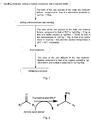
Fig. 1 shows a flowchart of a chemical reaction of a use of a transaminase derived from Aspergillus terreus and Hyphomonas neptunium in synthesis of a chiral amine according to an embodiment of the present invention; -
Fig. 2 is an equation of a chemical reaction of a use of a transaminase derived from Aspergillus terreus and Hyphomonas neptunium in synthesis of a chiral amine according to an embodiment of the present invention; -
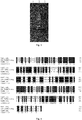
Fig. 3 shows an identification result of enzyme digestion in the first embodiment of the present invention; -
Fig. 4 shows a sequencing result of a mutant gene having been subjected to a Polymerase Chain Reaction (PCR) in the first embodiment of the present invention; -
Fig. 5 shows an identification result of enzyme digestion in the fourth embodiment of the present invention; and -
Fig. 6 shows a sequencing result of a mutant gene having been subjected to a PCR in the fourth embodiment of the present invention. - It needs to be noted that the embodiments in the application and the characteristics in the embodiments may be combined with each other if there is no conflict. The present invention will be expounded hereinafter with reference to the accompanying drawings and in conjunction with the embodiments.
- The term "optional/random" or "optionally/randomly" means that an event or a situation in description thereinafter may happen or may not happen. The description includes that the event or the situation happens or does not happen. For example, "optionally substituted alkyl" refers to "unsubstituted alkyl" (alkyl that has not been substituted by a substituent) or "substituted alkyl" (alkyl that has been substituted by a substituent), as defined hereinafter.
- The C1 to Cn used herein includes C1 to C2, C1 to C3, ......C1 to Cn. For example, the "C1 to C4" radical means that the part has 1 to 4 carbon atoms, that is, the radical includes 1 carbon atom, 2 carbon atoms, 3 carbon atoms or 4 carbon atoms.
- The term "alkyl" used separately or in combination herein refers to optionally substituted linear chain or optionally substituted branched chain aliphatic hydrocarbons. The "alkyl" herein may preferably have 1 to about 20 carbon atoms, e.g. 1 to about 10 carbon atoms, 1 to about 8 carbon atoms, 1 to about 6 carbon atoms, 1 to about 4 carbon atoms or 1 to about 3 carbon atoms. The term "alkoxy" used separately or in combination herein refers to an alkyl ether group (O-alkyl). Nonrestrictive embodiments of alkoxy include: methoxy, ethoxy, n-propoxy, isopropoxy, n-butoxy, isobutoxy, sec-butoxy, tert-butoxy and so on.
- The term "halogenated" or "halogen substituted" used separately or in combination herein means that one or more hydrogen atoms in an optionally substituted radical (such as alkyl, alkenyl and alkynyl) are replaced by atoms of fluorine, chlorine, bromine, iodine, or a combination thereof.
- The term "aromatic base/aryl" used separately or in combination herein refers to optionally substituted aromatic hydrocarbyl having 6 to about 20 cyclization carbon atoms, e.g. 6 to about 12 or 6 to about 10 cyclization carbon atoms, and may be a condensed aromatic ring or a non-condensed aromatic ring.
- The term "heteroaryl" used separately or in combination herein refers to optionally substituted univalent heteroaryl including 5 to about 20, e.g. 5 to about 12, or 5 to about 10 framework cyclization atoms, wherein one or more (e.g. 1 to 4, 1 to 3, or 1 to 2) cyclization atoms are heteroatoms, and the heteroatoms are independently selected from heteroatoms in oxygen, nitrogen, sulfur, phosphorus, silicon, selenium and tin, but are not limited thereby. A ring of the radical does not include two adjacent O or S atoms. Heteroaryl includes monocyclic heteroaryl or polycyclic heteroaryl (such as dicyclic heteroaryl, tricyclic heteroaryl and so on).
- The term "heterocycle" or "heterocyclic radical" used separately or in combination herein refers to a non-aromatic heterocycle, including heterocycloalkyl, and heterocycloalkenyl, wherein one or more (1 to 4, 1 to 3 or 1 to 2) cyclization atoms are heteroatoms, such as oxygen atoms, nitrogen atoms, or sulfur atoms. A heterocyclic radical may include a monoheterocyclic radical (a heterocyclic radical having one ring), or a polyheterocyclic radical (e.g. a diheterocyclic radical (a heterocyclic radical having two rings), a triheterocyclic radical and so on).
- The term "carbocyclic radical" used separately or in combination herein refers to a non-aromatic carbon ring, including cycloalkyl and cycloalkenyl. The cycloalkyl may be monocyclic cycloalkyl or polycyclic cycloalkyl (e.g. having 2, 3, or 4 rings, such as dicyclic cycloalkyl), and may be a spiral ring or a bridge ring. A carbocyclic radical may have 3 to 20 carbon atoms, such as 3 to about 15 cyclization carbon atoms, 3 to about 10 cyclization carbon atoms or 3 to 6 cyclization carbon atoms, and may have 0, 1, 2 or 3 double bonds and/or 0, 1 or 2 triple bonds, e.g. cycloalkyl having 3 to 8 or 3 to 6 cyclization carbon atoms.
- "Halogen" refers to fluorine, chlorine, bromine, and iodine, preferably fluorine, chlorine and bromine. Cyano refers to "-CN", hydroxyl refers to "-OH", mercapto refers to "-SH" and amino refers to "-NH2".
- The term "substituted" means that one or more hydrogen groups on a specific atom are substituted by a designated radical. If the normal valence of the designated atom is in, but is not beyond an existing condition, the substitution results in a stable compound.
- As mentioned in the background, an omega-transaminase in the prior art still fails to satisfy demands for preparation of a compound of a chiral amine, and the present invention provides an omega-transaminase of R-configuration or a modified compound, or functional fragment thereof in order to improve the situation above. The amino sequence of the omega-transaminase of R-configuration includes a sequence selected from the following sequences: a) an amino acid sequence as shown in SEQ ID NO: 2 or 4; b) an amino acid sequence acquired by substituting leucine at the 38th site of the amino acid sequence as shown in SEQ ID NO: 2 by isoleucine,
wherein the modified compound of the transaminase is a product of acylation, alkylation, or PEGylation, maintaining the activity of the transaminase with the high stereoselective R-configuration catalytic activity, and the functional fragment refers to a protein fragment that keeps the activity of the transaminase with the high stereoselective R-configuration catalytic activity,
, wherein the amino acid sequence is not the amino acid sequences encoded by a nucleotide sequences as shown in SEQ ID NO: 5 or 6; and
wherein the high stereoselectivity refers to the content of one of the stereoisomers being at least 1.1 times that of the other. - The omega-transaminase of R-configuration of the present invention refers to an omega-transaminase having a high R-configuration stereoselectivity. In an embodiment, the transaminase of the present invention refers to the transaminase as shown in SEQ ID NO: 2 or 4. The transaminase is a new transaminase obtained by subjecting transaminase genes taAT and taHN derived from Aspergillus terreus and Hyphomonas neptunium to mutation and modification by means of a molecular biological technique.
- In accordance with an embodiment that is out of the scope of the invention, the amino acid sequence has at least 80% identity to the amino acid sequence as shown in SEQ ID NO: 2 or 4 and has the activity of an omega-transaminase with high stereoselective R-configuration catalytic activity refers to a sequence, which has at least 85%, 90%, 95%, 96%, 97%, 98%, 99%, 99.5% or 99.7% identity, for example, to the amino acid sequence as shown in SEQ ID NO: 2, but is not the amino acid sequence as shown in SEQ ID NO: 5. In accordance with an embodiment that is out of the scope of the invention, while keeping amino acids playing keyroles in the catalytic activity of the transaminase among the amino acid sequence as shown in SEQ ID NO: 2 or 4 unchanged, those skilled in the art may change remaining amino acid sequences of inactive sites, so that the amino acid sequence of an obtained transaminase has at least more than 80% identity to the amino acid sequence as shown in SEQ ID NO: 2, and the transaminase obtained in this way has the same transaminase activity as that of a transaminase having amino acid sequence as shown in SEQ ID NO: 2 or 4.
- Similarly, and in accordance with an embodiment that is out of the scope of the invention, one or more amino acids may be substituted, deleted or added to the amino acids in the amino acid sequence as shown in SEQ ID NO: 2 or 4 while keeping the amino acids playing key roles in the catalytic activity of the transaminase among the amino acid sequence as shown in SEQ ID NO: 2 or 4 unchanged, thus a protein derived from SEQ ID NO: 2 or 4 can keep the high stereoselectivity of the transaminase as shown in SEQ ID NO: 2 or 4, wherein there may be one or more substituted, deleted or added bases, e.g. 1, 2, 3, 4, 5, 10, 20, 30 or 50 amino acids, e.g. substitution of conserved amino acids, wherein the amino acid sequence is not the amino acid sequence as shown in SEQ ID NO: 5. "Replacement of conserved amino acids" refers to combinations such as Gly, Ala; Val, Ile, Leu; Asp, Glu; Asn, Gln; Ser, Thr; Lys, Arg; and Phe and Tyr.
- The stereoselectivity means that when two stereisomers A and B are generated in a reaction, the yield of A is more than that of B, and the high stereoselectivity refers to the content of one of the stereoisomers being at least about 1.1 times that of the other, e.g. at least about 1.2 times, at least about 1.3 time, at least about 1.4 times, at least about 1.5 times, at least about 2 times, at least about 3 times, at least about 4 times, at least about 5 times, at least about 10 times, at least about 15 times, at least about 20 times, at least about 30 times, at least about 40 times, at least about 50 times, at least about 70 times, at least about 90 times, at least about 100 times or higher.
- In the present invention, the modified compound of the omega-transaminase of R-configuration is a chemical modified compound, such as a product of acylation, alkylation, or Polyethylene Glycolation (PEGylation), as long as these modified compounds maintain the activity of the omega-transaminase with the high stereoselective R-configuration catalytic activity. The functional fragment refers to a protein fragment that keeps the activity of the omega-transaminase with the high stereoselective R-configuration catalytic activity..
- In a preferred embodiment of the present invention, the amino acid sequence of the transaminase is an amino acid sequence acquired by substituting leucine at the 38th site of the amino acid sequence as shown in SEQ ID NO: 2 by isoleucine. Such replacement between amino acids having similar properties enables the transaminase having the amino acid sequence replaced maintains the activity of the transaminase having the amino acid sequence as shown in SEQ ID NO: 2 and high stereoselectivity.
- The transaminase obtained by the present invention, which is an omega-transaminase with high stereoselective R-configuration catalytic activity, can be used for highly efficient synthesis of a chiral amine of R-configuration with a relatively high chiral purity, and is therefore suitable for industrial production of chiral amines. The present invention selects a splicing object and a splicing site in an optimized manner, so that a new transaminase obtained by transformation does not affect folding of proteins while maintaining the transaminase activity, having relatively high transaminase activity and high stereoselectivity.
- A nucleotide is provided in another typical embodiment. The nucleotide encodes the omega-transaminase of R-configuration or the modified compound, or functional fragment thereof, and an encoding rule of the nucleotide of the omega-transaminase of R-configuration or the modified compoundor functional fragment thereof accords with a conventional codon usage table.
- In a more preferred embodiment of the present invention, the sequences of the nucleotide include a sequence selected from one of the following sequences: a nucleotide sequence as shown in SEQ ID NO: 1 or 3.
- The stereoselectivity means that when two stereisomers A and B are generated in a reaction, the yield of A is more than that of B, and the high stereoselectivity refers to the content of one of the stereoisomers being at least about 1.1 times that of the other, e.g. at least about 1.2 times, at least about 1.3 time, at least about 1.4 times, at least about 1.5 times, at least about 2 times, at least about 3 times, at least about 4 times, at least about 5 times, at least about 10 times, at least about 15 times, at least about 20 times, at least about 30 times, at least about 40 times, at least about 50 times, at least about 70 times, at least about 90 times, at least about 100 times or higher.
- An exemplary highly stringent condition may be that the hybridization is performed at 65°C by using 6X SSC and a 0.5%SDS solution, and membrane washing is performed by 2X SSC, 0.1%SDS and 1X SSC, and 0.1%SDS once respectively.
- The term "identity" used in the present invention has a meaning generally known in the art. Those skilled in the art are also familiar with rules and standards for measuring the identity between different sequences. Sequences limited by the present invention with identities of different degrees also need to have the activity of the omega-transaminase with the high stereoselectivity R-configuration catalytic activity at the same time.
- It is known by those skilled in the art that a qualifier used for limiting the amino acid sequences or polynucleotides is "include", but it does not mean that other sequences unrelated to functions of the amino acid sequences or polynucleotides may be added randomly to two ends of the amino acid sequences or polynucleotides. It is known by those skilled in the art that it is necessary to add proper restriction sites of restriction endonuclease, or additional initiator codons or stop codons and so on to both ends of the polynucleotides so as to meet requirements of a recombination operation. Therefore, these situations cannot be truly covered if the sequences are limited by closed expression.
- It is generally known by those skilled in the art that one or more codons in the nucleotide sequences may be replaced equivalently without changing the encoded amino acids. For example, the leucine Leu encoded by CTT is replaced by CTA, CTC or CTG, and the number of replaced codons may be one or more, e.g. 1, 2, 3, 4, 5, 6, 8, 9, 10, 15, 20, 30, 40 or 50, and a codon usage table is generally known in the art.
- A recombinant vector is provided according to another aspect of the present invention. Any foregoing nucleotide is effectively connected in the recombinant vector. The recombinant vector of the present invention includes, but is not limited to a recombinant expression vector, and may also include a recombinant cloning vector. The recombinant vector may be a prokaryotic expression vector or a eukaryotic expression vector. In an embodiment of the present invention, the recombinant vector is a recombinant prokaryotic expression vector that can induce expression, e.g. a pET series vector that induces gene expression by IPTG, such as a pET22b vector. In the present invention, recombinant vectors having the nucleotide sequence as shown in SEQ ID NO: 1 and SEQ ID NO: 3 are pET22b-CM32 and pET22b-CM33, wherein the "effectively connected" refers to such a connection method that a polynucleotide is placed at a proper location of the vector so that the polynucleotide is copied, transcribed and/or translated correctly and smoothly.
- A host cell is provided according to another aspect of the present invention. Any foregoing recombinant vector is transformed or transfected into the host cell. The host cell of the present invention includes a prokaryotic host cell and a eukaryotic host cell. In an embodiment of the present invention, the host cell is a prokaryotic host cell, such as Escherichia Coli, preferably, DH5α (DE3).
- A method for synthesizing a chiral amine is provided according to another aspect of the present invention. The method includes the following steps: making a ketone compound, the omega-transaminase of R-configuration or the modified compound, or functional fragment thereof, pyridoxal phosphate, and an amino donor to react in a reaction system so as to obtain the chiral amine. The method for synthesizing a chiral amine according to the present invention only needs to utilize the transaminase of the present invention and make appropriate adjustment to parameters including the components, proportions, use amounts, pH values, temperature and reaction time and so on of reaction raw materials of the reaction system based on a conventional method for preparing a chiral compound through a reaction catalyzed by a biological enzyme in the art.
- In a preferred embodiment of the present invention, the ketone compound is




- In another preferred embodiment of the present invention, the reaction system further includes a dissolution promoter, and the dissolution promoter is dimethyl sulfoxide or polyethylene glycol, and the polyethylene glycol is preferably PEG-400. The dissolution promoter can better dissolve the raw materials above so that the reaction can be carried out, and PEG-400 has the best dissolution promoting effect.
- In another preferred embodiment of the present invention, the C1 to C8 alkyl is C1 to C8 linear alkyl, the C5 to C10 heteroaryl is a pyridine group, the alkoxy is C1 to C6 alkoxy, the heterocyclic radical in the C5 to C10 heterocyclic radical is piperidine, a substituent on the aryl in the C5 to C10 aryl, the heteroaryl in the C5 to C10 heteroaryl, the carbocyclic radical in the C5 to C10 carbocyclic radical or the heterocyclic radical in the C5 to C10 heterocyclic radical is independently C1 to C6 linear alkyl or C1 to C6 alkoxy, and the amino donor is isopropylamine or D-alanine. The raw materials above are commercial raw materials or raw materials that can be prepared easily and are cheap, and can therefore satisfy demands of large-scaled production.
- In a preferred embodiment of the present invention, the reaction system contains a buffer solution for maintaining the pH value of the reaction system in a range of 7.0 to 9.5, and/or wherein the ratio of the use amount of the ketone compound to that of the dissolution promoter is 1g/1mL to 15mL; and/or wherein the ratio of the use amount of the ketone compound to that of the buffer solution is 1g/15mL to 50mL, and/or wherein the ratio of the use amount of the ketone compound to that of pyridoxal phosphate is 1g/0.01g to 0.1g, and/or wherein the ratio of the use amount of the ketone compound to that of the amino donor is 1eq/1eq to 5eq, and/or wherein the ratio of the use amount of the ketone compound to that of the omega-transaminase of R-configuration is 1g/0.2g to 10g; and/or wherein the temperature of the reaction system is 20°C to 45°C and the reaction time is 12h to 48h, and/or wherein the buffer solution is a phosphate buffer solution or a triethanolamine having a pH value of pH=9.3 to 9.5.
- In another preferred embodiment of the present invention, the method further includes a step that the reaction system is regulated to pH≥10 by an alkaline, and a product chiral amine in an aqueous phase is extracted by an organic solvent. Preferably, the alkaline is sodium hydroxide or potassium hydroxide, and the organic solvent is ethyl acetate, methyl tert-butyl ether or 2-methyltetrahydrofuran.
- An R-configuration chiral amine is provided in another typical embodiment of the present invention. The R-configuration chiral amine is synthesized by using any method above. The R-configuration chiral amine prepared by the transaminase of the present invention has a high chiral purity which may be as high as more than 98%.
- The beneficial effect of the present invention will be described below in combination with specific embodiments.
- The methods are conventional methods unless otherwise specified in the following embodiments and the used experimental materials may be obtained easily from commercial corporations unless otherwise specified.
- Specific steps of a preparation method of a transaminase AH-TACM33 of the present invention are as follows:
- Sangon Biotech (Shanghai) Co., Ltd. is entrusted to carry out whole gene synthesis of transaminase genes taAT (Aspergillus terreus) (the nucleotide sequence is the gene sequence as shown in SEQ ID NO: 5 in the sequence listing and the amino acid sequence is as shown in SEQ ID NO: 23) and taHN (Hyphomonas neptunium) (the nucleotide sequence is the gene sequence as shown in SEQ ID NO: 6 in the sequence listing and the amino acid sequence is as shown in SEQ ID NO: 24) derived from Aspergillus terreus and Hyphomonas neptunium. The synthesized genes taAT and taHN are connected to a vector pUC57 respectively to obtain recombinant plasmids pUC57-taAT and pUC57-taHN, then the recombinant plasmids pUC57-taAT and pUC57-taHN are subjected to enzyme digestion simultaneously by using restriction endonuclease Nde I and Xho I, and purified recovered fragments taAT and taHN are obtained through gel recovery and used as templates of PCR in the next step.
- Specific primers designed according to the transaminase gene derived from Aspergillus terreus are as follows:
- taAT A: 5'-CCGCTCGAGGTTACGCTCGTTGTAGTCAATTTC-3' (SEQ ID NO: 7)
- taAT S: 5'-GGAATTCCATATGGCGTCTATGGACAAAG-3' (SEQ ID NO: 8)
- Specific primers designed according to the transaminase gene derived from Hyphomonas neptunium are as follows:
- taHN A: 5'-CCGCTCGAGCGGTGCATAGGTTACCGGTTC-3' (SEQ ID NO: 9)
- taHN S: 5'-GGAATTCCATATGCTGACCTTCCAAAAAGTACTGAC-3' (SEQ ID NO: 10)
- In the meanwhile, 6 pairs of primers are designed according to different sites, which are respectively as follows:
- CM31A: 5'-GAACTTCAGACCGCGGGTGACAATCAG-3' (SEQ ID NO: 11)
- CM31S: 5'-CACCCGCGGTCTGAAGTTCCTGC-3' (SEQ ID NO: 12)
- CM32A: 5'-CGGCGGAACACGACGAACGGTACG-3' (SEQ ID NO: 13)
- CM32S: 5'-TTCGTCGTACTCCGCCGGGCGCAC-3' (SEQ ID NO: 14)
- CM33A: 5'-TAGCCTGCGCCCTCGGTCAGGTGAG-3' (SEQ ID NO: 15)
- CM33S: 5'-GACCGAGGGCGCAGGCTACAATATC-3' (SEQ ID NO: 16)
- CM34A: 5'-CCCTTCAGACCACGCGTAACGATGATC-3' (SEQ ID NO: 17)
- CM34S: 5'-TTACGCGTGGTCTGAAGGGTGTGCGTG-3' (SEQ ID NO: 18)
- CM35A: 5'-CCAGGCGGAGTACGACGTACAGTACGAG-3' (SEQ ID NO: 19)
- CM35S: 5'-TACGTCGTGTTCCGCCTGGCGCAATC-3' (SEQ ID NO: 20)
- CM36A: 5'-GCCGCTGCCTTCCGTCGCGTTACC-3' (SEQ ID NO: 21)
- CM36S: 5'-GACGGAAGGCAGCGGCTTCAACATC-3' (SEQ ID NO: 22)
- The specific primer taAT S (a forward primer) designed on the transaminase gene derived from Aspergillus terreus is combined with any reverse primer in 3 reverse primers (CM31A, CM32A, CM33A) among the above 6 pairs of primers to amplify a fragment of the transaminase gene derived from Aspergillus terreus, or taHN A (a reverse primer) is combined with any one of 3 forward primers (CM36S, CM35S and CM34S) among the 6 pairs of primers to amplify a fragment of the transaminase gene derived from Hyphomonas neptunium. Subsequently, the two fragments of different origins, which are obtained from the amplification, are integrated so as to obtain a transformed transaminase gene.
- Similarly, the specific primer taAT A (a reverse primer) designed on the transaminase gene derived from Aspergillus terreus is combined with any forward primer in 3 forward primers (CM33S, CM32S, CM31S) among the 6 pairs of primers to amplify a fragment of the transaminase gene derived from Aspergillus terreus, or taHN S (a forward primer) is combined with any one of 3 reverse primers (CM34A, CM35A and CM36A) among the 6 pairs of primers to amplify a fragment of the transaminase gene derived from Hyphomonas neptunium. Subsequently, the two fragments of different origins, which are obtained from the amplification, are integrated so as to obtain a transformed transaminase gene.
- Specific transformation steps are expounded by taking a transaminase obtained by integrating the fragment acquired by amplifying the forward primer taAT S and the reverse primer CM33A and the fragment obtained by amplifying the reverse primer taHN A and the forward primer CM33S, and a transaminase obtained by integrating the fragment acquired by amplifying the forward promer taAT S and the reverse primer CM32A and the fragment acquired by amplifying the reverse primer taHN A and the forward primer CM32S as examples.
- Steps for obtaining the transaminase AH-TACM33 are as follows:
- Step 1: Acquisition of fragment A: the recovered fragment taAT is used as a PCR template, taAT S and CM33A are used as primers to perform PCR amplification and a product is recovered by gel extraction and purification to acquire a fragment A.
- Step 2: Acquisition of fragment B: the recovered fragment taHN is used as a PCR template, taHN A and CM33S are used as primers to perform PCR amplification and a product is recovered by gel extraction and purification to acquire a fragment B.
- Step 3: Acquisition of fragment CM33: the acquired fragment A and fragment B are used as templates and primers for each other, PCR amplification is performed for 5 cycles, then the primers taAT S and taHN A are added into the PCR system directly, overlapped PCR amplification is performed, and a product is recovered by gel extraction and purification to acquire a fragment CM33.
PCR system:fragment A 1 µL,fragment B 1 µL, PCR MIX 5µL, ddH2O 4.5µl.
PCR procedure: 95°C 3min; (95°C 30s, 57°C 30s, 72°C 90s, 5 cycles); 72°C 1min.
0.2µL of the primer taAT S and 0.2µL of the primer taHN A are added into the system respectively.
PCR procedure: 95°C3 min; (95°C 30s, 57°C 30s, 72°C 90s, 30 cycles); 72°C 10min. - Step 4: Acquisition of recombinant plasmid pET22b-CM33: the fragments CM33 and pET-22b (+) are subjected to enzyme digestion simultaneously by using Nde I and Xho I, ligation is performed by using a T4 DNA ligase, and a ligation product is transformed into a competent cell of an DH5α strain of Escherichia coli, resuscitated by a shaker, and then coated in an LB culture dish containing ampicillin having a final concentration of 50µg/ml, and cultured overnight in an incubator at 37°C. A single colony on the culture dish is selected and inoculated in an LB liquid culture medium containing ampicillin having a final concentration of 50µg/ml, and subjected to shake culture at 180r/min and 37°C overnight. A plasmid is extracted, subjected to PCR and identified by enzyme digestion, and an identification result of the enzyme digestion is as shown in
Fig. 3 .
Fig. 3 shows an identification diagram of the plasmid pET22b-CM33 having subjected to double digestion of the enzyme Nde I and the enzyme Xho I, wherein 1 represents an empty vector pET22b; 2 represents markers of the sizes of DNA molecules (10000bp, 8000bp, 6000bp, 5000bp, 4000bp, 3500bp, 3000bp, 2500bp, 2000bp, 1500bp, 1000bp, 750bp, 500bp, 250bp respectively from top to bottom) and 3 represents pET22b-CM33-DH5α. It may be seen fromFig. 3 that a relatively weak band having a fragment size of about 1000bp after the enzyme digestion is a target fragment (a plasmid band having the target fragment removed is relatively strong), thus it may be determined that the insertion direction and size of an insertion sequence of the recombinant plasmid pET22b-CM33 are correct. - Step 5: Acquisition of BL21/pET22b-CM33: the obtained recombinant plasmid pET22b-CM33 is directly transformed into Escherichia coli BL21 (DE3), resuscitated by a shaker, and then coated in an LB culture dish containing ampicillin having a final concentration of 50µg/ml, and cultured at 37°C overnight; a single colony in the culture dish is selected and inoculated in 5ml of an LB liquid culture medium containing ampicillin having a final concentration of 50µg/ml, and cultured at 180r/min and 37°C overnight; bacterial liquid is sent to Sangon Biotech (Shanghai) Co., Ltd. to be sequenced, and after being verified correctly through gene sequencing, the plasmid is named BL21/pET22b-CM33.
The sequencing result is shown inFig. 4 and it may be seen fromFig. 4 that the gene sequence carried by the BL21/pET22b-CM33 plasmid in the sequencing result is completely as expected and there is no mutated base. After being identified correctly by the sequencing, the recombinant plasmid is a target plasmid sequence. - Step 6: Preparation of transaminase AH-TACM33: a bacterial liquid of the BL21/pET22b-CM33 is transplanted in an LB liquid culture medium containing ampicillin having a final concentration of 50µg/ml, subjected to shake culture at 180r/min and 37°C, and when the OD600 value is 0.6 to 0.8, IPTG is added until the final concentration is 0.2mM, and the culture solution is transposed at 25°C to induce expression; after the induction is performed for 16h, the bacterial liquid is taken out and centrifuged at 12000r/min for 10min, and thalli are collected; after cells are disrupted, the thalli are centrifuged at 4°C and 12000r/min for 20min to obtain a supernatant which is a prepared transaminase AH-TACM33 having an amino acid sequence as shown in SEQ ID NO: 4 and a corresponding nucleotide sequence as shown in SEQ ID NO: 3.
- 1g of a major raw material (N-Boc-3-piperidone, CAS: 98977-36-7) and 1 mL of dimethyl sulfoxide are added into a reaction flask. After the raw materials are dispersed, 50 mL of a triethanolamine buffer solution having a concentration of 0.2mol/L and a pH value regulated to 9.3 to 9.5 by concentrated hydrochloric acid in an ice bath, 0.765g of isopropylamine, 0.01g of pyridoxal phosphate, and 0.01g of the transaminase AH-TACM33 are added, and stirred for 12h at a constant temperature of 30°C, wherein the pH value of the system is 9.5. The pH value of the system is regulated to above 10 by 2N NaOH, extraction is performed twice by ethyl acetate, and an organic phase is dried, filtered and concentrated to obtain a crude product (English name: (R)-1-N-Boc-3-aminopiperidine, CAS: 188111-79-7). It is detected by Gas Chromatography (GC) that the conversion rate is 90% and the e.e value is 100%.
- Nuclear Magnetic Resonance (NMR) data of the obtained product is as follows: 1H-NMR (300MHz, CDCl3) δ 4.00-3.78 (m, 2H), 3.80 (m, 2H), 3.60 (m, 1H), 1.90 (m, 1H). 1.70 (m, 1H), 1.60-1.40 (m, 12H), 1.30 (m, 1H) ppm.
- 0.1g of a major raw material (2,4-dichloroacetophenone, CAS:2234-16-4) and 1.5 mL of polyethylene glycol PEG-400 are added into a reaction flask. After the raw materials are dispersed, 23.5 mL of a phosphate buffer solution (pH8.0), 0.031g of isopropylamine, 0.0075g of pyridoxal phosphate, and 0.02g of the transaminase AH-TACM33 are added, and stirred for 20h at a constant temperature of 45°C, wherein the pH value of the system is 8.0. The pH value of the system is regulated to above 10 by 2N NaOH, extraction is performed twice by ethyl acetate, and an organic phase is dried, filtered and concentrated to obtain a crude product ([(R)-(+)-1-(2,4-dichlorophenyl)ethyl]amine, CAS: 133773-29-2). It is detected by GC that the conversion rate is 82% and the e.e value is 100%.
- NMR data of the obtained product is as follows: 1H NMR (400MHz, DMSO D6):δ=7.67 (d 1H), 7.60 (d, 1H), 7.47 (dd, 1H), 7.34 (dd, 4H), 7.23-7.12 (m, 6H), 4.84 (s, 1H), 4.47 (quartet, 1H), 1.31 (d, 3H).
- Specific steps of a preparation method of a transaminase AH-TACM32 of the present invention are as follows:
- Recombinant plasmids pUC57-taAT and pUC57-taHN are obtained according to the method of
Embodiment 1. The recombinant plasmids pUC57-taAT and pUC57-taHN are subjected to enzyme digestion simultaneously by using restriction endonuclease Nde I and Xho I, and purified recovered fragments taAT and taHN are obtained through gel recovery and used as templates of PCR in the next step. - Primer design is the same as
Embodiment 1. -
- Step 1: Acquisition of fragment E: the recovered fragment taAT is used as a PCR template, taAT S and CM32A are used as primers to perform PCR amplification and a product is recovered by gel extraction and purification to acquire a fragment E.
- Step 2: Acquisition of fragment F: the recovered fragment taHN is used as a PCR template, taHN A and CM32S are used as primers to perform PCR amplification and a product is recovered by gel extraction and purification to acquire a fragment F.
- Step 3: Acquisition of fragment CM32: the acquired fragment E and fragment F are used as templates and primers for each other, PCR amplification is performed for 5 cycles, then the primers taAT S and taHN A are added into the PCR system directly, overlapped PCR amplification is performed, and a product is recovered by gel extraction and purification to acquire a fragment CM32.
- Step 4: Acquisition of recombinant plasmid pET22b-CM32: the fragments CM32 and pET-22b (+) are subjected to enzyme digestion simultaneously by using Nde I and Xho I, ligation is performed by using a T4 DNA ligase, and a ligation product is transformed into a competent cell of an DH5α strain of Escherichia coli, resuscitated by a shaker, and then coated in an LB culture dish containing ampicillin having a final concentration of 50µg/ml, and cultured overnight in an incubator at 37°C. A single colony on the culture dish is selected and inoculated in an LB liquid culture medium containing ampicillin having a final concentration of 50µg/ml, and subjected to shake culture at 180r/min and 37°C overnight. A plasmid is extracted, subjected to PCR and identified by enzyme digestion, and an identification result of the enzyme digestion is as shown in
Fig. 5 .
Fig. 5 shows an identification diagram of the plasmid pET22b-CM32 having subjected to double digestion of the enzyme Nde I and the enzyme Xho I, wherein 1 represents markers of the sizes of DNA molecules (10000bp, 8000bp, 6000bp, 5000bp, 4000bp, 3500bp, 3000bp, 2500bp, 2000bp, 1500bp, 1000bp, 750bp, 500bp, 250bp from top to bottom), 2 represents pET22b-CM32-DH5α and 3 represents an empty vector pET22b.
It may be seen fromFig. 5 that a relatively weak band having a fragment size of about 1000bp after the enzyme digestion is a target fragment (a plasmid band having the target fragment removed is relatively strong), thus it may be determined that the insertion direction and size of an insertion sequence of the recombinant plasmid pET22b-CM32 are correct, so as to obtain the recombinant plasmid pET22b-CM32. - Step 5: Acquisition of BL21/pET22b-CM32: the obtained recombinant plasmid pET22b-CM32 is directly transformed into Escherichia coli BL21 (DE3), resuscitated by a shaker, and then coated in an LB culture dish containing ampicillin having a final concentration of 50µg/ml, and cultured at 37°Covernight; a single colony in the culture dish is selected and inoculated in 5ml of an LB liquid culture medium containing ampicillin having a final concentration of 50µg/ml, and cultured at 180r/min and 37°C overnight; bacterial liquid is sent to Sangon Biotech (Shanghai) Co., Ltd. to be sequenced, and after being verified correctly through gene sequencing, the plasmid is named BL21/pET22b-CM32.
The sequencing result is shown inFig. 6 and it may be seen fromFig. 6 that the gene sequence carried by the BL21/pET22b-CM32 plasmid in the sequencing result is completely as expected and there is no mutated base. After being identified correctly by the sequencing, the recombinant plasmid is a target plasmid sequence. - Step 6: Preparation of transaminase AH-TACM32: a bacterial liquid of the BL21/pET22b-CM32 is transplanted in an LB liquid culture medium containing ampicillin having a final concentration of 50µg/ml, subjected to shake culture at 180r/min and 37°C, and when the OD600 value is 0.6 to 0.8, IPTG is added until the final concentration is 0.2mM, and the culture solution is transposed at 25°C to induce expression; after the induction is performed for 16h, the bacterial liquid is taken out and centrifuged at 12000r/min for 10min, and thalli are collected; after cells are disrupted, the thalli are centrifuged at 4°C and 12000r/min for 20min to obtain a supernatant which is a prepared transaminase AH-TACM32 having an amino acid sequence as shown in SEQ ID NO: 2 and the corresponding nucleotide sequence as shown in SEQ ID NO: 1.
- 0.1g of a major raw material (2-acetonaphthone, CAS: 93-08-3) and 1 mL of polyethylene glycol PEG-400 are added into a reaction flask. After the raw materials are dispersed, 24 mL of a phosphate buffer solution (pH7.0), 0.17g of isopropylamine, 0.01g of pyridoxal phosphate, and 0.004g of the transaminase AH-TACM32 are added, and stirred for 48h at a constant temperature of 20°C, wherein the pH value of the system is 7.0. The pH value of the system is regulated to above 10 by 2N NaOH, extraction is performed twice by ethyl acetate, and an organic phase is dried, filtered and concentrated to obtain a crude product ((R)-(+)-1-(2-naphthyl)ethylamine, CAS: 3906-16-9). It is detected by GC that the conversion rate is 20% and the e.e value is 100%.
- NMR data of the obtained product is as follows: 1H NMR (400MHz, CDCl3) δ 7.86-7.76 (m, 4H), 7.52-7.41 (m, 3H), 4.29 (q, J=6.4Hz, 1H), 1.74 (br s, 2H), 1.48 (d, J=6.4Hz, 3H).
- The present invention further verifies the transaminase activity of the transaminase AH-TACM33 by using the major raw material (2-acetonaphthone, CAS: 93-08-3) and verifies the transaminase activity of the transaminase AH-TACM32 by using a major raw material (N-Boc-3-piperidone, CAS: 98977-36-7) and a major raw material (2,4-dichloroacetophenone, CAS:2234-16-4), specific method steps are the same as the embodiments above.
- Based on the transaminase having an amino acid sequence as shown in SEQ ID NO: 2, the leucine at the 38th site of the transaminase is subjected to site-directed mutagenesis to be replaced with isoleucine, so as to obtain a transaminase having an sequence as shown in SEQ ID NO: 25.
- An enzyme activity experiment is carried out to detect the transaminase, and detection steps are as follows:
a bacterial liquid of mutants is transplanted to 100ml of an LB liquid culture medium containing ampicillin having a final concentration of 50µg/ml, subjected to shake culture at 180r/min and 37°C, and when the OD600 value is 0.6 to 0.8, IPTG is added until the final concentration is 0.2mM, and the culture solution is transposed at 25°C to induce expression. In the meanwhile, an IPTG inducer-free culture solution is set as a negative control. After the induction is performed for 16h, the bacterial liquid is taken out and centrifuged at 12000r/min for 5min, and thalli are collected. 0.5g of bacterial sludge is weighed andre-suspended in 2.5 mL of a phosphate buffer solution (pH8.0) and cells of the thalli are disrupted by an ultrasonic disruptor. Ultrasonic parameters include: probe diameter 6mm, power 200W, working time 2s, and interval 6s, totally 10min. After the ultrasonic processing, centrifugation is performed at 12000r/min for 20min at 4°C to obtain an ultrasonic supernatant and precipitate, and the supernatant is inputted in a reaction to verify transaminase activity. - 0.1g of a major raw material (acetophenone, CAS: 98-86-2) is added to a reaction flask, the raw material is dispersed in 13.5mL of a phosphate buffer solution having a concentration of 0.1M (pH8.0), 0.356g of D-alanine, 0.002g of β-NAD+, 0.0192g of lactic dehydrogenase, 0.006g of glucose dehydrogenase, 0.432g of glucose, 0.004g of pyridoxal phosphate, and 2.5mL of an omega-transaminase of R-configuration having a sequence encoded by SEQ ID NO: 25, the pH value of the system is 7.0, stirring is performed at a constant temperature of 30°C for 16h, the pH value of the system is regulated to above 10 by NaOH having a concentration of 2N, extraction is performed twice by ethyl acetate, and an organic phase is dried, filtered and concentrated to obtain a crude product (English name: (R)-1-phenethylamine, CAS: 3886-69-9). It is detected by GC that the conversion rate is 83% and the e.e value is 99.5%.
- NMR data of the obtained product is as follows: 1H NMR(CDCl3, 400MHz, 300K) δ (ppm): 7.36-7.29 (m, 4H), 7.26-7.19 (m, 1H), 4.11 (q, J=6.6Hz, 1H), 1.53 (bs, 2H), 1.38 (d, J=6.6Hz, 3H).
- The result shows that the transaminase in the above embodiments of the present invention may achieve similar yields and enantiomer purity, thereby obtaining corresponding chiral amines of R-configuration.
- It may be seen from the foregoing description that the embodiments of the present invention have achieved the following technical effect: a novel transaminase disclosed by the present invention catalyzes the transfer of an amino in an amino donor to prochiral ketones or aldehydes, thereby generating corresponding chiral amines of R-configuration. A target product having a high purity may be obtained by utilizing a synthesis method of the novel transaminase of the present invention, and the optical purity of the obtained product is stabilized at above 98%. The synthesis method, which is simple, applies easily available raw materials and has mild chemical reaction conditions, high yield and high enantiomer purity, and simple operations in the whole production process, is a feasible synthesis process with little pollution and provides a new approach and method for preparation of chiral amines.
-

- <110>

- <120>

- <130> PN26394KLY
- <160> 25
- <170> PatentIn version 3.2
- <210> SEQ ID NO.1
<211> 975
<212> DNA
<213>
- <400> 1

- <210> SEQ ID NO.2
<211> 325
<212> PRT
<213>
- <400> 2


- <210> SEQ ID NO.3
<211> 975
<212> DNA
<213>
- <400> 3


- <210> SEQ ID NO.4
<211> 325
<212> PRT
<213>
- <400> 4


- <210> SEQ ID NO.5
<211> 981
<212> DNA
<213>
- <400> 5


- <210> SEQ ID NO.6
<211> 969
<212> DNA
<213>
- <400> 6


- <210> SEQ ID NO.7
<211> 33
<212> DNA
<213>
- <400> 7
ccgctcgagg ttacgctcgt tgtagtcaat ttc 33 - <210> SEQ ID NO.8
<211> 29
<212> DNA
<213>
- <400> 8
ggaattccat atggcgtcta tggacaaag 29 - <210> SEQ ID NO.9
<211> 30
<212> DNA
<213>
- <400> 9
ccgctcgagc ggtgcatagg ttaccggttc 30 - <210> SEQ ID NO.10
<211> 36
<212> DNA
<213>
- <400> 10
ggaattccat atgctgacct tccaaaaagt actgac 36 - <210> SEQ ID NO.11
<211> 27
<212> DNA
<213>
- <400> 11
gaacttcaga ccgcgggtga caatcag 27 - <210> SEQ ID NO.12
<211> 23
<212> DNA
<213>
- <400> 12
cacccgcggt ctgaagttcc tgc 23 - <210> SEQ ID NO.13
<211> 24
<212> DNA
<213>
- <400> 13
cggcggaaca cgacgaacgg tacg 24 - <210> SEQ ID NO.14
<211> 24
<212> DNA
<213>
- <400> 14
ttcgtcgtac tccgccgggc gcac 24 - <210> SEQ ID NO.15
<211> 25
<212> DNA
<213>
- <400> 15
tagcctgcgc cctcggtcag gtgag 25 - <210> SEQ ID NO.16
<211> 25
<212> DNA
<213>
- <400> 16
gaccgagggc gcaggctaca atatc 25 - <210> SEQ ID NO.17
<211> 27
<212> DNA
<213>
- <400> 17
cccttcagac cacgcgtaac gatgatc 27 - <210> SEQ ID NO.18
<211> 27
<212> DNA
<213>
- <400> 18
ttacgcgtgg tctgaagggt gtgcgtg 27 - <210> SEQ ID NO.19
<211> 28
<212> DNA
<213>
- <400> 19
ccaggcggag tacgacgtac agtacgag 28 - <210> SEQ ID NO.20
<211> 26
<212> DNA
<213>
- <400> 20
tacgtcgtgt tccgcctggc gcaatc 26 - <210> SEQ ID NO.21
<211> 24
<212> DNA
<213>
- <400> 21
gccgctgcct tccgtcgcgt tacc 24 - <210> SEQ ID NO.22
<211> 25
<212> DNA
<213>
- <400> 22
gacggaaggc agcggcttca acatc 25 - <210> SEQ ID NO.23
<211> 327
<212> PRT
<213>
- <400> 23


- <210> SEQ ID NO.24
<211> 323
<212> PRT
<213>
- <400> 24


- <210> SEQ ID NO.25
<211> 325
<212> PRT
<213>
- <400> 25


Claims (11)
- A transaminase or a modified compound, or functional fragment thereof, wherein an amino sequence of the transaminase comprises a sequence selected from one of the following sequences:a) an amino acid sequence as shown in SEQ ID NO: 2 or 4;b) an amino acid sequence acquired by substituting leucine at the 38th site of the amino acid sequence as shown in SEQ ID NO: 2 by isoleucine,wherein the modified compound of the transaminase is a product of acylation, alkylation, or PEGylation, maintaining the activity of the transaminase with the high stereoselective R-configuration catalytic activity, and the functional fragment refers to a protein fragment that keeps the activity of the transaminase with the high stereoselective R-configuration catalytic activity,
wherein the high stereoselective refers to the content of one of the stereoisomers being at least 1.1 times that of the other. - A nucleotide, wherein the nucleotide encodes the transaminase or the modified compound, or functional fragment thereof according to claim 1.
- The nucleotide according to claim 2, wherein a sequence of the nucleotide includes a sequence selected from one of the following sequences:
a nucleotide sequence as shown in SEQ ID NO: 1 or 3. - A recombinant vector, wherein the nucleotide according to claim 2 or 3 is effectively connected in the recombinant vector.
- A host cell, wherein the recombinant vector according to claim 4 is transformed or transfected into the host cell.
- A method for synthesizing a chiral amine, wherein the method comprises the following steps: making a ketone compound, the transaminase or the modified compound, or functional fragment thereof according to claim 1, pyridoxal phosphate, and an amino donor to react in a reaction system so as to obtain the chiral amine of R configuration.
- The method according to claim 6, wherein the ketone compound is

- The method according to claim 7, wherein the ketone compound


- The method according to claim 7 or 8, wherein the reaction system further includes a dissolution promoter, and the dissolution promoter is dimethyl sulfoxide or polyethylene glycol.
- The method according to claim 9, wherein the polyethylene glycol is PEG-400.
- The method according to claim 7, wherein the C1 to C8 alkyl is C1 to C8 linear alkyl, the C5 to C10 heteroaryl is a pyridine group, the alkoxy is C1 to C6 alkoxy, the heterocyclic radical in the C5 to C10 heterocyclic radical is piperidine, a substituent on the aryl in the C5 to C10 aryl, the heteroaryl in the C5 to C10 heteroaryl, the carbocyclic radical in the C5 to C10 carbocyclic radical or the heterocyclic radical in the C5 to C10 heterocyclic radical is independently C1 to C6 linear alkyl or C1 to C6 alkoxy, and the amino donor is isopropylamine or D-alanine.
Applications Claiming Priority (2)
| Application Number | Priority Date | Filing Date | Title |
|---|---|---|---|
| CN201310611503 | 2013-11-26 | ||
| PCT/CN2014/090080 WO2015078267A1 (en) | 2013-11-26 | 2014-10-31 | Transaminase and use thereof |
Publications (3)
| Publication Number | Publication Date |
|---|---|
| EP3075847A1 EP3075847A1 (en) | 2016-10-05 |
| EP3075847A4 EP3075847A4 (en) | 2017-08-02 |
| EP3075847B1 true EP3075847B1 (en) | 2019-05-15 |
Family
ID=52402901
Family Applications (1)
| Application Number | Title | Priority Date | Filing Date |
|---|---|---|---|
| EP14865656.4A Not-in-force EP3075847B1 (en) | 2013-11-26 | 2014-10-31 | Transaminase and use thereof |
Country Status (7)
| Country | Link |
|---|---|
| US (1) | US10131926B2 (en) |
| EP (1) | EP3075847B1 (en) |
| JP (1) | JP6367944B2 (en) |
| KR (1) | KR101910259B1 (en) |
| CN (1) | CN104328094B (en) |
| ES (1) | ES2734579T3 (en) |
| WO (1) | WO2015078267A1 (en) |
Families Citing this family (14)
| Publication number | Priority date | Publication date | Assignee | Title |
|---|---|---|---|---|
| CN104774830B (en) * | 2015-03-27 | 2018-05-08 | 成都百特万合医药科技有限公司 | A kind of process for fixation of transaminase |
| BR112017020561B1 (en) * | 2015-04-16 | 2024-01-16 | F. Hoffmann-La Roche Ag | MUTANT TRANSAMINASE, FUSION PROTEIN, AMINE PRODUCTION METHOD AND USE OF MUTANT TRANSAMINASE |
| CN106834244B (en) * | 2016-11-04 | 2021-07-06 | 凯莱英医药集团(天津)股份有限公司 | Proline hydroxylase and its application |
| CN106754806B (en) * | 2016-12-20 | 2020-04-14 | 尚科生物医药(上海)有限公司 | Improved transaminase and application thereof in preparation of (R) -3-aminobutanol |
| CN109234327A (en) * | 2017-07-11 | 2019-01-18 | 上海弈柯莱生物医药科技有限公司 | A kind of application of the transaminase of stereoselectivity in asymmetric syntheses Chiral Amine |
| CN107805648B (en) * | 2017-10-10 | 2020-09-11 | 凯莱英生命科学技术(天津)有限公司 | Method for preparing amine compound with multiple chiral centers |
| CN112094830B (en) * | 2017-11-15 | 2022-06-24 | 凯莱英生命科学技术(天津)有限公司 | Transaminase mutants and uses thereof |
| CN109486784B (en) * | 2018-11-30 | 2020-06-09 | 江南大学 | An ω-transaminase mutant capable of catalyzing the key intermediate of sitafloxacin five-membered ring |
| CN109486787A (en) * | 2018-12-23 | 2019-03-19 | 尚科生物医药(上海)有限公司 | A kind of stability-enhanced transaminase mutant of pH |
| CN111117979B (en) * | 2020-01-14 | 2020-08-21 | 中国科学院苏州生物医学工程技术研究所 | Transaminase mutant, enzyme preparation, recombinant vector, recombinant cell and preparation method and application thereof |
| CN111363732B (en) * | 2020-03-12 | 2023-05-23 | 卡柔恩赛生物技术湖北有限公司 | Transaminase mutant from aspergillus terreus NIH2624 and application thereof |
| CN111349666A (en) * | 2020-04-10 | 2020-06-30 | 宁波酶赛生物工程有限公司 | A kind of production method of phenethylamine and equipment thereof |
| CN112522228B (en) * | 2020-09-21 | 2023-12-29 | 江苏海洋大学 | R-aminotransferase from pseudomonas ammoxidation and synthesis method thereof |
| CN113881720B (en) * | 2020-12-31 | 2023-08-25 | 上海合全药物研发有限公司 | Transaminase and catalytic preparation method using same |
Family Cites Families (13)
| Publication number | Priority date | Publication date | Assignee | Title |
|---|---|---|---|---|
| JPH07289252A (en) | 1994-04-28 | 1995-11-07 | Sumitomo Chem Co Ltd | Method for improving monoatomic oxygen addition activity of cytochrome P450 |
| JPH1075787A (en) * | 1996-09-02 | 1998-03-24 | Asahi Chem Ind Co Ltd | Mutant alanine aminotransferase and method for producing the same |
| EP1041150A1 (en) | 1999-03-19 | 2000-10-04 | Gesellschaft für Biotechnologische Forschung mbH (GBF) | Hybrid synthetase, fungus/bacterium strain, hybrid peptide and compositions containing same |
| JP2004033161A (en) | 2002-07-05 | 2004-02-05 | Tosoh Corp | Aminotransferase |
| EP1818411A1 (en) | 2006-02-13 | 2007-08-15 | Lonza AG | Process for the preparation of optically active chiral amines |
| EP1897956A1 (en) | 2006-09-06 | 2008-03-12 | Lonza AG | Process for preparation of optically active amines by optical resolution of racemic amines employing a bacterial omega-transaminase |
| EP2238242B9 (en) | 2008-01-03 | 2015-06-10 | BASF Enzymes LLC | Transferases and oxidoreductases, nucleic acids encoding them and methods for making and using them |
| DK2358873T4 (en) | 2008-12-15 | 2018-05-28 | Danisco Us Inc | HYBRID ALPHA AMYLASER |
| ES2840000T3 (en) * | 2009-01-08 | 2021-07-06 | Codexis Inc | Transaminase polypeptides |
| ES2599644T3 (en) * | 2009-09-02 | 2017-02-02 | Lonza Ag | A process for the identification and preparation of an omega-transaminase (R) -specific |
| PT2593556T (en) * | 2010-07-14 | 2017-12-11 | Dpx Holdings Bv | Enzymatic method for (r)-selective amination |
| WO2012124639A1 (en) | 2011-03-11 | 2012-09-20 | 株式会社カネカ | Modified aminotransferase, gene thereof, and method for producing optically active amino compound using same |
| CN103194501B (en) * | 2013-03-29 | 2015-05-27 | 凯莱英医药集团(天津)股份有限公司 | Method for synthetizing chiral cyclic alkyl amino acid by amino transferase |
-
2014
- 2014-10-31 WO PCT/CN2014/090080 patent/WO2015078267A1/en not_active Ceased
- 2014-10-31 US US15/039,804 patent/US10131926B2/en active Active
- 2014-10-31 EP EP14865656.4A patent/EP3075847B1/en not_active Not-in-force
- 2014-10-31 CN CN201410606252.9A patent/CN104328094B/en active Active
- 2014-10-31 ES ES14865656T patent/ES2734579T3/en active Active
- 2014-10-31 JP JP2016535181A patent/JP6367944B2/en active Active
- 2014-10-31 KR KR1020167017037A patent/KR101910259B1/en not_active Expired - Fee Related
Non-Patent Citations (1)
| Title |
|---|
| None * |
Also Published As
| Publication number | Publication date |
|---|---|
| JP2016537992A (en) | 2016-12-08 |
| KR20160103994A (en) | 2016-09-02 |
| EP3075847A4 (en) | 2017-08-02 |
| CN104328094A (en) | 2015-02-04 |
| US20170073713A1 (en) | 2017-03-16 |
| WO2015078267A1 (en) | 2015-06-04 |
| JP6367944B2 (en) | 2018-08-01 |
| US10131926B2 (en) | 2018-11-20 |
| CN104328094B (en) | 2017-08-04 |
| ES2734579T3 (en) | 2019-12-10 |
| KR101910259B1 (en) | 2018-12-19 |
| EP3075847A1 (en) | 2016-10-05 |
Similar Documents
| Publication | Publication Date | Title |
|---|---|---|
| EP3075847A1 (en) | Transaminase and use thereof | |
| EP3075856A1 (en) | Omega-transaminase of r configuration and use thereof | |
| Montgomery et al. | Characterization of imine reductases in reductive amination for the exploration of structure-activity relationships | |
| Gall et al. | Enzymatic conversion of flavonoids using bacterial chalcone isomerase and enoate reductase | |
| CN105018440B (en) | A kind of transaminase and its application in sitagliptin intermediate is synthesized | |
| Parmeggiani et al. | Single‐biocatalyst synthesis of enantiopure D‐arylalanines exploiting an engineered D‐amino acid dehydrogenase | |
| CN105695425B (en) | A kind of cyclohexanone monooxygenase and its application in the synthesis of esomeprazole | |
| CN105567652B (en) | A kind of ketoreductase and its application in asymmetric synthesis of chiral hydroxyl compounds | |
| CN110628739A (en) | A mutant of amine dehydrogenase and its application in the synthesis of chiral amines and aminoalcohols | |
| Zheng et al. | Hydroxynitrile lyase isozymes from Prunus communis: identification, characterization and synthetic applications | |
| Cheng et al. | Recombinant expression and molecular insights into the catalytic mechanism of an NADPH-dependent conjugated polyketone reductase for the asymmetric synthesis of (R)-pantolactone | |
| Payer et al. | Exploring the Catalytic Promiscuity of Phenolic Acid Decarboxylases: Asymmetric, 1, 6‐Conjugate Addition of Nucleophiles Across 4‐Hydroxystyrene | |
| EP4349995A1 (en) | Method for using reduction to prepare (s)-nicotine | |
| Wang et al. | Discovery of a new NADPH-dependent aldo-keto reductase from Candida orthopsilosis catalyzing the stereospecific synthesis of (R)-pantolactone by genome mining | |
| Wang et al. | An enoate reductase Achr-OYE4 from Achromobacter sp. JA81: characterization and application in asymmetric bioreduction of C= C bonds | |
| Cui et al. | Asymmetric epoxidation and sulfoxidation catalyzed by a new styrene monooxygenase from Bradyrhizobium | |
| CN105018439B (en) | A kind of carbonyl reductase and its application in synthesis of chiral hydroxy compounds | |
| CN114729374B (en) | Carbonyl reductase, nucleic acid encoding the same, and method for producing optically active compound using the same | |
| Kim et al. | Cloning and characterization of a fish microsomal epoxide hydrolase of Danio rerio and application to kinetic resolution of racemic styrene oxide | |
| CN105296513B (en) | A kind of ocean esterase and its encoding gene E22 and application | |
| CN107177569A (en) | A kind of Kidney bean epoxide hydrolase and its heterogenetic expression method | |
| CN100374553C (en) | A kind of nitrophenyl nitroreductase and its coding gene and application | |
| Liu et al. | Combining binding pocket mutagenesis and substrate tunnel engineering to improve an (R)-selective transaminase for the efficient synthesis of (R)-3-aminobutanol | |
| CN104673733B (en) | Engineering bacteria and its preparing(R)Application in the carbonyl hecanoic acid t-butyl ester of 6 cyano group, 5 hydroxyl 3 | |
| Chen et al. | Stereo-complementary epoxidation of 4-vinyl-2, 3-dihydrobenzofuran using mutants of SeStyA with enhanced stability and enantioselectivity |
Legal Events
| Date | Code | Title | Description |
|---|---|---|---|
| PUAI | Public reference made under article 153(3) epc to a published international application that has entered the european phase |
Free format text: ORIGINAL CODE: 0009012 |
|
| 17P | Request for examination filed |
Effective date: 20160610 |
|
| AK | Designated contracting states |
Kind code of ref document: A1 Designated state(s): AL AT BE BG CH CY CZ DE DK EE ES FI FR GB GR HR HU IE IS IT LI LT LU LV MC MK MT NL NO PL PT RO RS SE SI SK SM TR |
|
| AX | Request for extension of the european patent |
Extension state: BA ME |
|
| DAX | Request for extension of the european patent (deleted) | ||
| A4 | Supplementary search report drawn up and despatched |
Effective date: 20170629 |
|
| RIC1 | Information provided on ipc code assigned before grant |
Ipc: C12R 1/66 20060101ALI20170623BHEP Ipc: C12R 1/01 20060101ALI20170623BHEP Ipc: C12P 17/12 20060101ALI20170623BHEP Ipc: C12N 9/10 20060101AFI20170623BHEP Ipc: C12P 13/00 20060101ALI20170623BHEP Ipc: C12N 15/54 20060101ALI20170623BHEP |
|
| STAA | Information on the status of an ep patent application or granted ep patent |
Free format text: STATUS: EXAMINATION IS IN PROGRESS |
|
| 17Q | First examination report despatched |
Effective date: 20180430 |
|
| GRAP | Despatch of communication of intention to grant a patent |
Free format text: ORIGINAL CODE: EPIDOSNIGR1 |
|
| STAA | Information on the status of an ep patent application or granted ep patent |
Free format text: STATUS: GRANT OF PATENT IS INTENDED |
|
| INTG | Intention to grant announced |
Effective date: 20190104 |
|
| GRAS | Grant fee paid |
Free format text: ORIGINAL CODE: EPIDOSNIGR3 |
|
| GRAA | (expected) grant |
Free format text: ORIGINAL CODE: 0009210 |
|
| STAA | Information on the status of an ep patent application or granted ep patent |
Free format text: STATUS: THE PATENT HAS BEEN GRANTED |
|
| AK | Designated contracting states |
Kind code of ref document: B1 Designated state(s): AL AT BE BG CH CY CZ DE DK EE ES FI FR GB GR HR HU IE IS IT LI LT LU LV MC MK MT NL NO PL PT RO RS SE SI SK SM TR |
|
| REG | Reference to a national code |
Ref country code: CH Ref legal event code: EP |
|
| REG | Reference to a national code |
Ref country code: CH Ref legal event code: NV Representative=s name: CABINET GERMAIN AND MAUREAU, CH |
|
| REG | Reference to a national code |
Ref country code: DE Ref legal event code: R096 Ref document number: 602014047017 Country of ref document: DE |
|
| REG | Reference to a national code |
Ref country code: IE Ref legal event code: FG4D |
|
| REG | Reference to a national code |
Ref country code: NL Ref legal event code: FP |
|
| REG | Reference to a national code |
Ref country code: LT Ref legal event code: MG4D |
|
| PG25 | Lapsed in a contracting state [announced via postgrant information from national office to epo] |
Ref country code: FI Free format text: LAPSE BECAUSE OF FAILURE TO SUBMIT A TRANSLATION OF THE DESCRIPTION OR TO PAY THE FEE WITHIN THE PRESCRIBED TIME-LIMIT Effective date: 20190515 Ref country code: NO Free format text: LAPSE BECAUSE OF FAILURE TO SUBMIT A TRANSLATION OF THE DESCRIPTION OR TO PAY THE FEE WITHIN THE PRESCRIBED TIME-LIMIT Effective date: 20190815 Ref country code: SE Free format text: LAPSE BECAUSE OF FAILURE TO SUBMIT A TRANSLATION OF THE DESCRIPTION OR TO PAY THE FEE WITHIN THE PRESCRIBED TIME-LIMIT Effective date: 20190515 Ref country code: PT Free format text: LAPSE BECAUSE OF FAILURE TO SUBMIT A TRANSLATION OF THE DESCRIPTION OR TO PAY THE FEE WITHIN THE PRESCRIBED TIME-LIMIT Effective date: 20190915 Ref country code: AL Free format text: LAPSE BECAUSE OF FAILURE TO SUBMIT A TRANSLATION OF THE DESCRIPTION OR TO PAY THE FEE WITHIN THE PRESCRIBED TIME-LIMIT Effective date: 20190515 Ref country code: LT Free format text: LAPSE BECAUSE OF FAILURE TO SUBMIT A TRANSLATION OF THE DESCRIPTION OR TO PAY THE FEE WITHIN THE PRESCRIBED TIME-LIMIT Effective date: 20190515 Ref country code: HR Free format text: LAPSE BECAUSE OF FAILURE TO SUBMIT A TRANSLATION OF THE DESCRIPTION OR TO PAY THE FEE WITHIN THE PRESCRIBED TIME-LIMIT Effective date: 20190515 |
|
| PG25 | Lapsed in a contracting state [announced via postgrant information from national office to epo] |
Ref country code: GR Free format text: LAPSE BECAUSE OF FAILURE TO SUBMIT A TRANSLATION OF THE DESCRIPTION OR TO PAY THE FEE WITHIN THE PRESCRIBED TIME-LIMIT Effective date: 20190816 Ref country code: BG Free format text: LAPSE BECAUSE OF FAILURE TO SUBMIT A TRANSLATION OF THE DESCRIPTION OR TO PAY THE FEE WITHIN THE PRESCRIBED TIME-LIMIT Effective date: 20190815 Ref country code: RS Free format text: LAPSE BECAUSE OF FAILURE TO SUBMIT A TRANSLATION OF THE DESCRIPTION OR TO PAY THE FEE WITHIN THE PRESCRIBED TIME-LIMIT Effective date: 20190515 Ref country code: LV Free format text: LAPSE BECAUSE OF FAILURE TO SUBMIT A TRANSLATION OF THE DESCRIPTION OR TO PAY THE FEE WITHIN THE PRESCRIBED TIME-LIMIT Effective date: 20190515 |
|
| REG | Reference to a national code |
Ref country code: ES Ref legal event code: FG2A Ref document number: 2734579 Country of ref document: ES Kind code of ref document: T3 Effective date: 20191210 |
|
| REG | Reference to a national code |
Ref country code: AT Ref legal event code: MK05 Ref document number: 1133453 Country of ref document: AT Kind code of ref document: T Effective date: 20190515 |
|
| PG25 | Lapsed in a contracting state [announced via postgrant information from national office to epo] |
Ref country code: CZ Free format text: LAPSE BECAUSE OF FAILURE TO SUBMIT A TRANSLATION OF THE DESCRIPTION OR TO PAY THE FEE WITHIN THE PRESCRIBED TIME-LIMIT Effective date: 20190515 Ref country code: RO Free format text: LAPSE BECAUSE OF FAILURE TO SUBMIT A TRANSLATION OF THE DESCRIPTION OR TO PAY THE FEE WITHIN THE PRESCRIBED TIME-LIMIT Effective date: 20190515 Ref country code: AT Free format text: LAPSE BECAUSE OF FAILURE TO SUBMIT A TRANSLATION OF THE DESCRIPTION OR TO PAY THE FEE WITHIN THE PRESCRIBED TIME-LIMIT Effective date: 20190515 Ref country code: EE Free format text: LAPSE BECAUSE OF FAILURE TO SUBMIT A TRANSLATION OF THE DESCRIPTION OR TO PAY THE FEE WITHIN THE PRESCRIBED TIME-LIMIT Effective date: 20190515 Ref country code: DK Free format text: LAPSE BECAUSE OF FAILURE TO SUBMIT A TRANSLATION OF THE DESCRIPTION OR TO PAY THE FEE WITHIN THE PRESCRIBED TIME-LIMIT Effective date: 20190515 Ref country code: SK Free format text: LAPSE BECAUSE OF FAILURE TO SUBMIT A TRANSLATION OF THE DESCRIPTION OR TO PAY THE FEE WITHIN THE PRESCRIBED TIME-LIMIT Effective date: 20190515 |
|
| REG | Reference to a national code |
Ref country code: DE Ref legal event code: R097 Ref document number: 602014047017 Country of ref document: DE |
|
| PG25 | Lapsed in a contracting state [announced via postgrant information from national office to epo] |
Ref country code: SM Free format text: LAPSE BECAUSE OF FAILURE TO SUBMIT A TRANSLATION OF THE DESCRIPTION OR TO PAY THE FEE WITHIN THE PRESCRIBED TIME-LIMIT Effective date: 20190515 |
|
| PLBE | No opposition filed within time limit |
Free format text: ORIGINAL CODE: 0009261 |
|
| STAA | Information on the status of an ep patent application or granted ep patent |
Free format text: STATUS: NO OPPOSITION FILED WITHIN TIME LIMIT |
|
| PG25 | Lapsed in a contracting state [announced via postgrant information from national office to epo] |
Ref country code: TR Free format text: LAPSE BECAUSE OF FAILURE TO SUBMIT A TRANSLATION OF THE DESCRIPTION OR TO PAY THE FEE WITHIN THE PRESCRIBED TIME-LIMIT Effective date: 20190515 |
|
| 26N | No opposition filed |
Effective date: 20200218 |
|
| PG25 | Lapsed in a contracting state [announced via postgrant information from national office to epo] |
Ref country code: PL Free format text: LAPSE BECAUSE OF FAILURE TO SUBMIT A TRANSLATION OF THE DESCRIPTION OR TO PAY THE FEE WITHIN THE PRESCRIBED TIME-LIMIT Effective date: 20190515 |
|
| PG25 | Lapsed in a contracting state [announced via postgrant information from national office to epo] |
Ref country code: SI Free format text: LAPSE BECAUSE OF FAILURE TO SUBMIT A TRANSLATION OF THE DESCRIPTION OR TO PAY THE FEE WITHIN THE PRESCRIBED TIME-LIMIT Effective date: 20190515 Ref country code: MC Free format text: LAPSE BECAUSE OF FAILURE TO SUBMIT A TRANSLATION OF THE DESCRIPTION OR TO PAY THE FEE WITHIN THE PRESCRIBED TIME-LIMIT Effective date: 20190515 |
|
| PG25 | Lapsed in a contracting state [announced via postgrant information from national office to epo] |
Ref country code: LU Free format text: LAPSE BECAUSE OF NON-PAYMENT OF DUE FEES Effective date: 20191031 |
|
| GBPC | Gb: european patent ceased through non-payment of renewal fee |
Effective date: 20191031 |
|
| PG25 | Lapsed in a contracting state [announced via postgrant information from national office to epo] |
Ref country code: GB Free format text: LAPSE BECAUSE OF NON-PAYMENT OF DUE FEES Effective date: 20191031 Ref country code: IE Free format text: LAPSE BECAUSE OF NON-PAYMENT OF DUE FEES Effective date: 20191031 |
|
| PG25 | Lapsed in a contracting state [announced via postgrant information from national office to epo] |
Ref country code: CY Free format text: LAPSE BECAUSE OF FAILURE TO SUBMIT A TRANSLATION OF THE DESCRIPTION OR TO PAY THE FEE WITHIN THE PRESCRIBED TIME-LIMIT Effective date: 20190515 |
|
| PG25 | Lapsed in a contracting state [announced via postgrant information from national office to epo] |
Ref country code: IS Free format text: LAPSE BECAUSE OF FAILURE TO SUBMIT A TRANSLATION OF THE DESCRIPTION OR TO PAY THE FEE WITHIN THE PRESCRIBED TIME-LIMIT Effective date: 20190915 |
|
| PG25 | Lapsed in a contracting state [announced via postgrant information from national office to epo] |
Ref country code: MT Free format text: LAPSE BECAUSE OF FAILURE TO SUBMIT A TRANSLATION OF THE DESCRIPTION OR TO PAY THE FEE WITHIN THE PRESCRIBED TIME-LIMIT Effective date: 20190515 Ref country code: HU Free format text: LAPSE BECAUSE OF FAILURE TO SUBMIT A TRANSLATION OF THE DESCRIPTION OR TO PAY THE FEE WITHIN THE PRESCRIBED TIME-LIMIT; INVALID AB INITIO Effective date: 20141031 |
|
| PGFP | Annual fee paid to national office [announced via postgrant information from national office to epo] |
Ref country code: NL Payment date: 20211021 Year of fee payment: 8 |
|
| PGFP | Annual fee paid to national office [announced via postgrant information from national office to epo] |
Ref country code: ES Payment date: 20211117 Year of fee payment: 8 Ref country code: DE Payment date: 20211020 Year of fee payment: 8 |
|
| PGFP | Annual fee paid to national office [announced via postgrant information from national office to epo] |
Ref country code: IT Payment date: 20211029 Year of fee payment: 8 Ref country code: FR Payment date: 20211022 Year of fee payment: 8 Ref country code: CH Payment date: 20211022 Year of fee payment: 8 Ref country code: BE Payment date: 20211021 Year of fee payment: 8 |
|
| PG25 | Lapsed in a contracting state [announced via postgrant information from national office to epo] |
Ref country code: MK Free format text: LAPSE BECAUSE OF FAILURE TO SUBMIT A TRANSLATION OF THE DESCRIPTION OR TO PAY THE FEE WITHIN THE PRESCRIBED TIME-LIMIT Effective date: 20190515 |
|
| REG | Reference to a national code |
Ref country code: DE Ref legal event code: R119 Ref document number: 602014047017 Country of ref document: DE |
|
| REG | Reference to a national code |
Ref country code: CH Ref legal event code: PL |
|
| REG | Reference to a national code |
Ref country code: NL Ref legal event code: MM Effective date: 20221101 |
|
| REG | Reference to a national code |
Ref country code: BE Ref legal event code: MM Effective date: 20221031 |
|
| PG25 | Lapsed in a contracting state [announced via postgrant information from national office to epo] |
Ref country code: NL Free format text: LAPSE BECAUSE OF NON-PAYMENT OF DUE FEES Effective date: 20221101 Ref country code: LI Free format text: LAPSE BECAUSE OF NON-PAYMENT OF DUE FEES Effective date: 20221031 Ref country code: FR Free format text: LAPSE BECAUSE OF NON-PAYMENT OF DUE FEES Effective date: 20221031 Ref country code: DE Free format text: LAPSE BECAUSE OF NON-PAYMENT OF DUE FEES Effective date: 20230503 Ref country code: CH Free format text: LAPSE BECAUSE OF NON-PAYMENT OF DUE FEES Effective date: 20221031 |
|
| PG25 | Lapsed in a contracting state [announced via postgrant information from national office to epo] |
Ref country code: BE Free format text: LAPSE BECAUSE OF NON-PAYMENT OF DUE FEES Effective date: 20221031 |
|
| PG25 | Lapsed in a contracting state [announced via postgrant information from national office to epo] |
Ref country code: IT Free format text: LAPSE BECAUSE OF NON-PAYMENT OF DUE FEES Effective date: 20221031 |
|
| REG | Reference to a national code |
Ref country code: ES Ref legal event code: FD2A Effective date: 20231204 |
|
| PG25 | Lapsed in a contracting state [announced via postgrant information from national office to epo] |
Ref country code: ES Free format text: LAPSE BECAUSE OF NON-PAYMENT OF DUE FEES Effective date: 20221101 |
|
| PG25 | Lapsed in a contracting state [announced via postgrant information from national office to epo] |
Ref country code: ES Free format text: LAPSE BECAUSE OF NON-PAYMENT OF DUE FEES Effective date: 20221101 |