EP3069606A1 - Interleukin 2 receptor gamma gene targeting vector, production of immune cell-deficient transgenic cloned mini pig having vector introduced therein, preparation method therefor and use thereof - Google Patents
Interleukin 2 receptor gamma gene targeting vector, production of immune cell-deficient transgenic cloned mini pig having vector introduced therein, preparation method therefor and use thereof Download PDFInfo
- Publication number
- EP3069606A1 EP3069606A1 EP14862785.4A EP14862785A EP3069606A1 EP 3069606 A1 EP3069606 A1 EP 3069606A1 EP 14862785 A EP14862785 A EP 14862785A EP 3069606 A1 EP3069606 A1 EP 3069606A1
- Authority
- EP
- European Patent Office
- Prior art keywords
- cells
- talen
- il2rg
- pig
- seq
- Prior art date
- Legal status (The legal status is an assumption and is not a legal conclusion. Google has not performed a legal analysis and makes no representation as to the accuracy of the status listed.)
- Granted
Links
Images








Classifications
-
- A—HUMAN NECESSITIES
- A01—AGRICULTURE; FORESTRY; ANIMAL HUSBANDRY; HUNTING; TRAPPING; FISHING
- A01K—ANIMAL HUSBANDRY; AVICULTURE; APICULTURE; PISCICULTURE; FISHING; REARING OR BREEDING ANIMALS, NOT OTHERWISE PROVIDED FOR; NEW BREEDS OF ANIMALS
- A01K67/00—Rearing or breeding animals, not otherwise provided for; New or modified breeds of animals
- A01K67/027—New or modified breeds of vertebrates
- A01K67/0275—Genetically modified vertebrates, e.g. transgenic
- A01K67/0276—Knock-out vertebrates
-
- C—CHEMISTRY; METALLURGY
- C12—BIOCHEMISTRY; BEER; SPIRITS; WINE; VINEGAR; MICROBIOLOGY; ENZYMOLOGY; MUTATION OR GENETIC ENGINEERING
- C12N—MICROORGANISMS OR ENZYMES; COMPOSITIONS THEREOF; PROPAGATING, PRESERVING, OR MAINTAINING MICROORGANISMS; MUTATION OR GENETIC ENGINEERING; CULTURE MEDIA
- C12N15/00—Mutation or genetic engineering; DNA or RNA concerning genetic engineering, vectors, e.g. plasmids, or their isolation, preparation or purification; Use of hosts therefor
- C12N15/09—Recombinant DNA-technology
- C12N15/87—Introduction of foreign genetic material using processes not otherwise provided for, e.g. co-transformation
- C12N15/873—Techniques for producing new embryos, e.g. nuclear transfer, manipulation of totipotent cells or production of chimeric embryos
- C12N15/877—Techniques for producing new mammalian cloned embryos
- C12N15/8778—Swine embryos
-
- C—CHEMISTRY; METALLURGY
- C12—BIOCHEMISTRY; BEER; SPIRITS; WINE; VINEGAR; MICROBIOLOGY; ENZYMOLOGY; MUTATION OR GENETIC ENGINEERING
- C12N—MICROORGANISMS OR ENZYMES; COMPOSITIONS THEREOF; PROPAGATING, PRESERVING, OR MAINTAINING MICROORGANISMS; MUTATION OR GENETIC ENGINEERING; CULTURE MEDIA
- C12N5/00—Undifferentiated human, animal or plant cells, e.g. cell lines; Tissues; Cultivation or maintenance thereof; Culture media therefor
- C12N5/06—Animal cells or tissues; Human cells or tissues
- C12N5/0602—Vertebrate cells
- C12N5/0652—Cells of skeletal and connective tissues; Mesenchyme
- C12N5/0656—Adult fibroblasts
-
- G—PHYSICS
- G01—MEASURING; TESTING
- G01N—INVESTIGATING OR ANALYSING MATERIALS BY DETERMINING THEIR CHEMICAL OR PHYSICAL PROPERTIES
- G01N33/00—Investigating or analysing materials by specific methods not covered by groups G01N1/00 - G01N31/00
- G01N33/48—Biological material, e.g. blood, urine; Haemocytometers
- G01N33/483—Physical analysis of biological material
-
- G—PHYSICS
- G01—MEASURING; TESTING
- G01N—INVESTIGATING OR ANALYSING MATERIALS BY DETERMINING THEIR CHEMICAL OR PHYSICAL PROPERTIES
- G01N33/00—Investigating or analysing materials by specific methods not covered by groups G01N1/00 - G01N31/00
- G01N33/48—Biological material, e.g. blood, urine; Haemocytometers
- G01N33/50—Chemical analysis of biological material, e.g. blood, urine; Testing involving biospecific ligand binding methods; Immunological testing
- G01N33/53—Immunoassay; Biospecific binding assay; Materials therefor
- G01N33/569—Immunoassay; Biospecific binding assay; Materials therefor for microorganisms, e.g. protozoa, bacteria, viruses
- G01N33/56966—Animal cells
- G01N33/56977—HLA or MHC typing
-
- A—HUMAN NECESSITIES
- A01—AGRICULTURE; FORESTRY; ANIMAL HUSBANDRY; HUNTING; TRAPPING; FISHING
- A01K—ANIMAL HUSBANDRY; AVICULTURE; APICULTURE; PISCICULTURE; FISHING; REARING OR BREEDING ANIMALS, NOT OTHERWISE PROVIDED FOR; NEW BREEDS OF ANIMALS
- A01K2217/00—Genetically modified animals
- A01K2217/05—Animals comprising random inserted nucleic acids (transgenic)
- A01K2217/054—Animals comprising random inserted nucleic acids (transgenic) inducing loss of function
-
- A—HUMAN NECESSITIES
- A01—AGRICULTURE; FORESTRY; ANIMAL HUSBANDRY; HUNTING; TRAPPING; FISHING
- A01K—ANIMAL HUSBANDRY; AVICULTURE; APICULTURE; PISCICULTURE; FISHING; REARING OR BREEDING ANIMALS, NOT OTHERWISE PROVIDED FOR; NEW BREEDS OF ANIMALS
- A01K2217/00—Genetically modified animals
- A01K2217/07—Animals genetically altered by homologous recombination
-
- A—HUMAN NECESSITIES
- A01—AGRICULTURE; FORESTRY; ANIMAL HUSBANDRY; HUNTING; TRAPPING; FISHING
- A01K—ANIMAL HUSBANDRY; AVICULTURE; APICULTURE; PISCICULTURE; FISHING; REARING OR BREEDING ANIMALS, NOT OTHERWISE PROVIDED FOR; NEW BREEDS OF ANIMALS
- A01K2217/00—Genetically modified animals
- A01K2217/07—Animals genetically altered by homologous recombination
- A01K2217/075—Animals genetically altered by homologous recombination inducing loss of function, i.e. knock out
-
- A—HUMAN NECESSITIES
- A01—AGRICULTURE; FORESTRY; ANIMAL HUSBANDRY; HUNTING; TRAPPING; FISHING
- A01K—ANIMAL HUSBANDRY; AVICULTURE; APICULTURE; PISCICULTURE; FISHING; REARING OR BREEDING ANIMALS, NOT OTHERWISE PROVIDED FOR; NEW BREEDS OF ANIMALS
- A01K2227/00—Animals characterised by species
- A01K2227/10—Mammal
- A01K2227/108—Swine
-
- A—HUMAN NECESSITIES
- A01—AGRICULTURE; FORESTRY; ANIMAL HUSBANDRY; HUNTING; TRAPPING; FISHING
- A01K—ANIMAL HUSBANDRY; AVICULTURE; APICULTURE; PISCICULTURE; FISHING; REARING OR BREEDING ANIMALS, NOT OTHERWISE PROVIDED FOR; NEW BREEDS OF ANIMALS
- A01K2267/00—Animals characterised by purpose
- A01K2267/03—Animal model, e.g. for test or diseases
-
- A—HUMAN NECESSITIES
- A01—AGRICULTURE; FORESTRY; ANIMAL HUSBANDRY; HUNTING; TRAPPING; FISHING
- A01K—ANIMAL HUSBANDRY; AVICULTURE; APICULTURE; PISCICULTURE; FISHING; REARING OR BREEDING ANIMALS, NOT OTHERWISE PROVIDED FOR; NEW BREEDS OF ANIMALS
- A01K2267/00—Animals characterised by purpose
- A01K2267/03—Animal model, e.g. for test or diseases
- A01K2267/035—Animal model for multifactorial diseases
- A01K2267/0387—Animal model for diseases of the immune system
-
- C—CHEMISTRY; METALLURGY
- C12—BIOCHEMISTRY; BEER; SPIRITS; WINE; VINEGAR; MICROBIOLOGY; ENZYMOLOGY; MUTATION OR GENETIC ENGINEERING
- C12N—MICROORGANISMS OR ENZYMES; COMPOSITIONS THEREOF; PROPAGATING, PRESERVING, OR MAINTAINING MICROORGANISMS; MUTATION OR GENETIC ENGINEERING; CULTURE MEDIA
- C12N2510/00—Genetically modified cells
-
- G—PHYSICS
- G01—MEASURING; TESTING
- G01N—INVESTIGATING OR ANALYSING MATERIALS BY DETERMINING THEIR CHEMICAL OR PHYSICAL PROPERTIES
- G01N2333/00—Assays involving biological materials from specific organisms or of a specific nature
- G01N2333/435—Assays involving biological materials from specific organisms or of a specific nature from animals; from humans
- G01N2333/705—Assays involving receptors, cell surface antigens or cell surface determinants
- G01N2333/715—Assays involving receptors, cell surface antigens or cell surface determinants for cytokines; for lymphokines; for interferons
- G01N2333/7155—Assays involving receptors, cell surface antigens or cell surface determinants for cytokines; for lymphokines; for interferons for interleukins [IL]
Definitions
- the present invention relates to an interleukin-2 receptor gamma (IL2RG) gene-targeting vector, a method for producing an immune cell-deficient transgenic cloned miniature pig having the vector introduced therein, and the use thereof.
- IL2RG interleukin-2 receptor gamma
- SCID' Severe combined immunodeficiency
- 'SCID' Severe combined immunodeficiency
- an agent for treating SCID was not easily developed due to limited animal models reflecting the type of human SCID. Pigs have physiological characteristics similar to those of humans, and mimic many human diseases with a similarity higher than rodent models ( Whyte, J.J. & Prather, RS. Molecular reproduction and development 78, 879-891(2011 )).
- SCID pigs can represent models that mimic human diseases.
- SCID pig models can be used in cancer research, cell transplantation, and drug development research.
- Interleukin 2 receptor gamma (hereinafter referred to as 'IL2RG') is associated with X-linked SCID types, and IL2RG mutations cause deficiency of T and NK cells and functionally impaired B cells in mice ( Cao, X. et al. Immunity 2, 223-238 (1995 )).
- X-linked SCID pigs generated by disruption of IL2RG were recently reported, which exhibit human X-linked SCID phenotypes ( Suzuki, S. et al. Cell stem cell 10, 753-758 (2012 )).
- the present invention has been made in view of the above need, and an object of the present invention is to provide an effective method for producing a genetically engineered pig that exhibits SCID phenotypes.
- the present invention provides a method for producing an immune cell-deficient transgenic cloned miniature pig having an allelic mutation in interleukin-2 receptor gamma (II,2RG), the method comprising the steps of: treating the TALEN (transcription activator-like effector nuclease) recognition sequence site of chromosome X of a pig (Sus scrofa), which is represented by SEQ ED NO: 1, with TALEN to induce an allelic mutation; and producing mutant embryos by somatic cell nuclear transfer (SCNT) using cells having the induced allelic mutation.
- TALEN transcription activator-like effector nuclease
- the treatment of the TALEN recognition sequence site with the TALEN is preferably performed by transfecting the cells of interest with a vector encoding the TAL effector nuclease, but is not limited thereto.
- the present invention also provides an immune cell-deficient transgenic cloned miniature pig having an allelic mutation in interleukin-2 receptor gamma (II,2RG), produced by the production method of the present invention.
- II,2RG interleukin-2 receptor gamma
- the present invention also provides a method for sorting cells, comprising: introducing into cells a TAL effector nuclease-encoding vector capable of recognizing the TALEN recognition sequence site of chromosome X of a pig (Sus scrofa), which is represented by SEQ ID NO: 1, to induce mutation in the gene sequence of interest or a region flanking the gene sequence, together with a reporter vector comprising a monomeric red fluorescent protein (RFP) gene, a targeting sequence of programmable nuclease as set forth in SEQ ID NO: 1, an enhancer green fluorescent protein (GFP) and an H-2KK gene; and sorting cells, which are positive for the RFP, the GFP and the H-2KK, as interleukin-2 receptor gamma (IL2RG)-targeted cells.
- a TAL effector nuclease-encoding vector capable of recognizing the TALEN recognition sequence site of chromosome X of a pig (Sus scrofa), which is represented by SEQ ID NO
- detection of the H-2KK is preferably performed by an antibody.
- expression of the RFP and the GFP is preferably detected by flow cytometry, but is not limited thereto.
- the present invention also provides cells having an allelic mutation induced by treating the TALEN (transcription activator-like effector nuclease) recognition sequence site of chromosome X of a pig (Sus scrofa), which is represented by SEQ ID NO: 1, with TALEN.
- TALEN transcription activator-like effector nuclease
- the cells of the present invention was deposited with the Korean Collection for Type Cultures, Korea Research Institute of Bioscience and Biotechnology (Yuseong-gu, Daejeon, South Korea) on October 2,2013 under accession number KCTC 12497BP.
- the present inventors report an effective method in which two types of genetically engineered pigs that exhibit SCID phenotypes are produced using transcription activator-like effector nuclease (TALEN)-mediated targeting with somatic cell nuclear transfer (SCNT).
- TALEN transcription activator-like effector nuclease
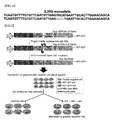
- TALENs were designed and synthesized by ToolGen (Seoul, South Korea). Each of the TALENs was designed to cause a mutation on chromosome X of IL2RG ( FIG. 1a ).
- a reporter including a TALEN recognition site was used to identify cells that properly express a TALEN set ( FIGS. 3 and 1b ).
- the activities of the designed TALENs were confirmed by inserting a TALEN set with the reporter into HEK 293T cells ( FIG. 1c ). After confirmation, constructs encoding the TALENs and the reporter were inserted into porcine fibroblasts by electroporation. After 48 hours, the cells were sorted for GFP-positive cells ( FIG. 3 ), and plated into a 96-well plate at a density of one cell per well. After 10 days, the cells were subcultured, and half of the cells were used for genotyping.
- the TALENs used in the present invention were specific for their targets, and thus the present inventors could not observe off-target cleavage ( FIG. 4 and Table 2).
- the targeting confirmed cells were used for somatic cell nuclear transfer (SCNT) ( FIG. 5 ).
- IL2RG +/ ⁇ 69-368 Mutant embryos were produced by SCNT, and 733 embryos were transferred into four surrogate gilts which were all found to be pregnant on day 25.
- FIG. 7 shows produced IL2RG +/- piglets and anatomical photographs of the produced IL2RG+/- piglets.
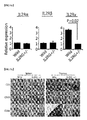
- FIG. 8 shows the results of analyzing the expression of IL2R.
- IL2R insulin receptor
- FIG. 8 shows the results of analyzing the expression of IL2R.
- FIG. 9 shows the results of analyzing a subset of CD3+ T cells using T cell markers (CD25 and CD3). In addition, the T cell development process in porcine thymus was examined.
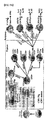
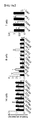
- FIG. 10 shows the results of microarray chip analysis performed using IL2RG +/- tissue and normal tissue. Gene expressions in the spleen and the thymus were analyzed by a DNA chip assay and normalized to a control group, and then up- or down-regulated genes were determined.
- the control group showed a distinct difference in expression pattern from the IL2RG-knockout group.
- the difference in expression was more distinct in the thymus than in the spleen, and this appears to be because the development of the IL2RG KO pig thymus was very insignificant ( FIG. 10a ).
- IL-2RG-knockout pigs show immunodeficiency. For this reason, in order to compare the expressions of genes associated with B, T and NK cells, the Studio pathway was analyzed using existing information reported for mice. Based on the results of the analysis, major genes involved in the development and differentiation of TB/NK cells were screened, and the expressions of these genes were examined. The results of the examination are as shown in FIG. 10c .
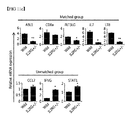
- FIG. 11 shows factors that influence IL2 receptors, and factors that are influenced by IL2 receptors.
- CEACAM1, GNRH1, IL-4, DNM2 and IL21 genes were influenced by the IL-2RG gene so that the expressions of these genes were up- or down-regulated.
- the results for these genes which differ from those for the control, currently indicate that these genes play a direct or indirect role in the expression of IL-2RG while exchanging cis- or trans-signals.
- SCID pigs derived by SCNT can be effectively produced by TALEN-mediated gene targeting.
- the use of a reporter vector with a TALEN construct induced a high rate of mutation.
- the present invention enables the production of genetically engineered pigs without leaving any feature in the genome.
- Genetically engineered pigs produced in the present invention can be used as models for SCID research, including a first pig model that can exhibit Omenn syndrome in humans (pigs are available from the National Swine Resource and Research Center, http://nsrrc.missouri.edu /).
- SCID severe combined immunodeficiency
- TALEN constructs For gene targeting, 2-3 million cells were transfected with TALEN constructs having a reporter vector (2 ⁇ g of each construct/million cells). The cells were electroporated with the construct using a BTX Electro Cell Manipulator (Harvard Apparatus, Holliston, MA) at 490 V, 1 msec and 3 pulses. Next, the cells were plated in T75 flasks for 48 hours, and then sorted for GTP positive cells using Beckman Coulter MoFlo XDP. The sorted cells were plated in 96-well plates. After 10 days, half of the cells were used for genotyping.
- BTX Electro Cell Manipulator Hard Apparatus, Holliston, MA
- genomic DNA from the cultured cells was isolated using cell lysis buffer, and then used for PCR PCR for amplification was performed under the following conditions: initial denaturation at 95°C for 2 min, followed by 32 cycles, each consisting of denaturation at 94°C for 30 sec, annealing at 55°C for 30 sec, and extension at 72°C for 30 min (see the PCR primer set in Table 1 below).
- the predicted sizes of the PCR products were 417 bp for IL2RG and 426 bp for RAG2. The PCR products were sequenced to identify the presence of indels.
- sow oocytes were purchased from ART (Madison, WI). The oocytes were shipped overnight in a maturation medium (TCM199 with 2.9 mM Hepes, 5 ⁇ g/ml insulin, 10 ng/ml EGF, 0.5 ⁇ g/ml p-FSH, 0.91 mM pyruvate, 0.5 mM cysteine, 10% porcine follicular fluid, and 25 ng/ml gentamicin). After 24 hours, the oocytes were transferred to a fresh medium. After 40-42 hours of maturation, cumulus cells were removed from the oocytes by vortexing in the presence of 0.1% hyaluronidase.
- the oocytes were placed in a manipulation medium supplemented with 7.0 ⁇ g/ml of cytochalasin B.
- the polar body along with a portion of the adjacent cytoplasm, probably containing the metaphase II plate, was removed, and donor cells were placed in the perivitelline space using a thin glass capillary.
- the reconstituted embryos were fused in a fusion medium (0.3 M mannitol, 0.1 mM CaCl 2 , 0.1 mM MgCl 2 , 0.5 mM Hepes) by two DC pulses (1-sec interval) at 1.2 kV/cm for 30 ⁇ sec using BTX Electro Cell Manipulator (Harvard Apparatus). After fusion, the fused embryos were fully activated with 200 ⁇ M thimerosal for 10 min and 8 mM dithiothreitol for 30 min under dark conditions.
- a fusion medium 0.3 M mannitol, 0.1 mM CaCl 2 , 0.1 mM MgCl 2 , 0.5 mM Hepes
- the embryos were incubated with 0.5 ⁇ M scriptaid (that is a histone deacetylase inhibitor) in Porcine Zygote Media 3 (PZM3) 3 for 14-16 hours.
- PZM3 Porcine Zygote Media 3
- the SCNT embryos were transferred into surrogates.
- the embryos were washed from scriptaid and cultured in PZM3 in the presence of 10 ng/ml of CSF2 for additional five days.
- the SCNT embryos were surgically transferred into the ampullary-isthmic junction of surrogates.
- IP FLX Hematoxylin was stained with IP FLX Hematoxylin to provide backgrounds.
- the Borg, Sniper, Romulin Red and IP FLX hematoxylin were all purchased from Biocare (Concord, CA). All micrographs were acquired using a Zeiss Axiophot microscope (Carl Zeiss, Oberkochen, Germany) equipped with an Olympus DP70 high-resolution digital microscope camera (Olympus, Center Valley, PA).
- the spleens from euthanized wild-type and biallelic piglets were collected into RPMI-1640 medium (Mediatech, Inc., Manassas, VA) supplemented with 10% fetal bovine serum, minced with a scalpel blade, aspirated several times using a 20 gauge needle, and then passed through a 70 ⁇ m nylon mesh cell strainer (BD Biosciences, San Jose, CA). The splenocyte suspension was then incubated for 15 minutes with Pharm Lyse solution (BD Biosciences) to lyse erythrocytes, and then pelleted at 200 ⁇ g for 5 minutes.
- RPMI-1640 medium Mediatech, Inc., Manassas, VA
- 10% fetal bovine serum minced with a scalpel blade
- the splenocyte suspension was then incubated for 15 minutes with Pharm Lyse solution (BD Biosciences) to lyse erythrocytes, and then pelleted at 200 ⁇
- the pellets were resuspended in cold staining buffer (BD Pharmingen), and the cells were counted on a hemacytometer. Then, the cells were divided into aliquots of 5 ⁇ 106 cells in 200 ⁇ L staining buffer.
- FITC-labeled mouse anti-pig CD21, mouse anti-pig CD 3 ⁇ , and mouse anti T-2 mycotoxin IgGlk (Isotype control group) (SouthernBiotech, Birmingham, AL) were added to the cells in an amount of 0.5 ⁇ g/1 ⁇ 10 6 cells, and then incubated at 4°C under dark conditions for 30 minutes. The cells were then washed twice and resuspended in fresh staining buffer.
- the cells were analyzed using a CyAn ADP flow cytometer (Beckman Coulter, Brea, CA) in a Cell and Immunobiology Core facility at the University of Missouri. Data were analyzed using Summit v4.3 software (Beckman Coulter).
- bioinformatics tools were used to identify sequences similar to each TALEN binding site from the most recent pig genome assembly (Sscrofa10.2). PCR primers were designed flanking the most likely off-target sites based on the number of nucleotide differences. These regions were amplified in the founder animals and tested for off-targeting events using a Surveyor nuclease assay (Table 2 below).
- Table 1 above shows the primers used for genotyping of IL2RG mutants induced by TALENs.
- Table 2 Gene Abbreviation Primers Product Leucine-rich repeats and IQ motif containing 1 LRRIQ1 F: CGTTTGTTAAAACTGCAGCATA (SEQ ID NO: 4); R: TTTTGCTTCCCTTTCCTTCC (SEQ ID NO: 5) 150 Basonuclin 2 BNC2 F: AGCCAGAGGAAGGGGTTTTA (SEQ ID NO: 6); R: GGTTAACCAGCTCAGGCAAC (SEQ ID NO: 7) 199 Solute carrier family 17 (anion/sugar transporter), member 5 SLC17A5 F: GTCTGGTTGCAGCTCAAGGT (SEQ ID NO: 8); R: GCCACTGTGGACTCTAGAGGAT (SEQ ID NO: 9) 369 Zinc finger protein 334 ZNF334 F: ATTCACACAGGGGAGAAACG (SEQ ID NO: 10); R: GTGGAAATTTTTCCCCC
- Table 2 above shows the primer sets used to identify off-site targeting of porcine IL2RG.
- Table 3 IL2RG Embryo Transfer List ET date Donor cell Number of embryos transferred Day of h eat Results 10/12/12 Korean IL2RG #10,1 3,15 216 1 1
- Table 3 above shows the nuclear transfer efficiencies obtained in the present invention.
Landscapes
- Life Sciences & Earth Sciences (AREA)
- Health & Medical Sciences (AREA)
- Engineering & Computer Science (AREA)
- Biomedical Technology (AREA)
- Chemical & Material Sciences (AREA)
- Biotechnology (AREA)
- Genetics & Genomics (AREA)
- Zoology (AREA)
- General Health & Medical Sciences (AREA)
- Physics & Mathematics (AREA)
- Immunology (AREA)
- Molecular Biology (AREA)
- Bioinformatics & Cheminformatics (AREA)
- Organic Chemistry (AREA)
- Wood Science & Technology (AREA)
- Biochemistry (AREA)
- Environmental Sciences (AREA)
- General Engineering & Computer Science (AREA)
- Microbiology (AREA)
- Urology & Nephrology (AREA)
- Hematology (AREA)
- Biophysics (AREA)
- Developmental Biology & Embryology (AREA)
- Cell Biology (AREA)
- General Physics & Mathematics (AREA)
- Analytical Chemistry (AREA)
- Pathology (AREA)
- Food Science & Technology (AREA)
- Medicinal Chemistry (AREA)
- Veterinary Medicine (AREA)
- Animal Behavior & Ethology (AREA)
- Biodiversity & Conservation Biology (AREA)
- Animal Husbandry (AREA)
- Plant Pathology (AREA)
- Rheumatology (AREA)
- Tropical Medicine & Parasitology (AREA)
- Virology (AREA)
- Micro-Organisms Or Cultivation Processes Thereof (AREA)
- Measuring Or Testing Involving Enzymes Or Micro-Organisms (AREA)
- Preparation Of Compounds By Using Micro-Organisms (AREA)
Abstract
Description
- The present invention relates to an interleukin-2 receptor gamma (IL2RG) gene-targeting vector, a method for producing an immune cell-deficient transgenic cloned miniature pig having the vector introduced therein, and the use thereof.
- Severe combined immunodeficiency (hereinafter referred to as 'SCID') occurs in humans (Buckley, RH. Annual review of )). However, an agent for treating SCID was not easily developed due to limited animal models reflecting the type of human SCID. Pigs have physiological characteristics similar to those of humans, and mimic many human diseases with a similarity higher than rodent models (Whyte, J.J. & Prather, RS. Molecular reproduction and development 78, 879-891(2011)). Thus, SCID pigs can represent models that mimic human diseases. In addition, SCID pig models can be used in cancer research, cell transplantation, and drug development research.
-
Interleukin 2 receptor gamma (hereinafter referred to as 'IL2RG') is associated with X-linked SCID types, and IL2RG mutations cause deficiency of T and NK cells and functionally impaired B cells in mice (Cao, X. et al. )). X-linked SCID pigs generated by disruption of IL2RG were recently reported, which exhibit human X-linked SCID phenotypes (Suzuki, S. et al. )). - Korean Laid-Open Patent Publication No.
10-2004-0074108 - The present invention has been made in view of the above need, and an object of the present invention is to provide an effective method for producing a genetically engineered pig that exhibits SCID phenotypes.
- To achieve the above object, the present invention provides a method for producing an immune cell-deficient transgenic cloned miniature pig having an allelic mutation in interleukin-2 receptor gamma (II,2RG), the method comprising the steps of: treating the TALEN (transcription activator-like effector nuclease) recognition sequence site of chromosome X of a pig (Sus scrofa), which is represented by SEQ ED NO: 1, with TALEN to induce an allelic mutation; and producing mutant embryos by somatic cell nuclear transfer (SCNT) using cells having the induced allelic mutation.
- In an embodiment of the present invention, the treatment of the TALEN recognition sequence site with the TALEN is preferably performed by transfecting the cells of interest with a vector encoding the TAL effector nuclease, but is not limited thereto.
- The present invention also provides an immune cell-deficient transgenic cloned miniature pig having an allelic mutation in interleukin-2 receptor gamma (II,2RG), produced by the production method of the present invention.
- The present invention also provides a method for sorting cells, comprising: introducing into cells a TAL effector nuclease-encoding vector capable of recognizing the TALEN recognition sequence site of chromosome X of a pig (Sus scrofa), which is represented by SEQ ID NO: 1, to induce mutation in the gene sequence of interest or a region flanking the gene sequence, together with a reporter vector comprising a monomeric red fluorescent protein (RFP) gene, a targeting sequence of programmable nuclease as set forth in SEQ ID NO: 1, an enhancer green fluorescent protein (GFP) and an H-2KK gene; and sorting cells, which are positive for the RFP, the GFP and the H-2KK, as interleukin-2 receptor gamma (IL2RG)-targeted cells.
- In an embodiment of the present invention, detection of the H-2KK is preferably performed by an antibody.
- In another embodiment of the present invention, expression of the RFP and the GFP is preferably detected by flow cytometry, but is not limited thereto.
- The present invention also provides cells having an allelic mutation induced by treating the TALEN (transcription activator-like effector nuclease) recognition sequence site of chromosome X of a pig (Sus scrofa), which is represented by SEQ ID NO: 1, with TALEN.
- The cells of the present invention was deposited with the Korean Collection for Type Cultures, Korea Research Institute of Bioscience and Biotechnology (Yuseong-gu, Daejeon, South Korea) on October 2,2013 under accession number KCTC 12497BP.
- Hereinafter, the present invention will be described.
- In the present invention, the present inventors report an effective method in which two types of genetically engineered pigs that exhibit SCID phenotypes are produced using transcription activator-like effector nuclease (TALEN)-mediated targeting with somatic cell nuclear transfer (SCNT).
- In order to target porcine IL2RG, specific TALENs were designed and synthesized by ToolGen (Seoul, South Korea). Each of the TALENs was designed to cause a mutation on chromosome X of IL2RG (
FIG. 1a ). A reporter including a TALEN recognition site was used to identify cells that properly express a TALEN set (FIGS. 3 and1b ). The activities of the designed TALENs were confirmed by inserting a TALEN set with the reporter into HEK 293T cells (FIG. 1c ). After confirmation, constructs encoding the TALENs and the reporter were inserted into porcine fibroblasts by electroporation. After 48 hours, the cells were sorted for GFP-positive cells (FIG. 3 ), and plated into a 96-well plate at a density of one cell per well. After 10 days, the cells were subcultured, and half of the cells were used for genotyping. - Sequencing of small PCR fragments (about 400 bp) flanking the predicted TALEN cleavage site showed the presence of a TALEN-induced insertion/deletion (indel) in the IL2RG group; a total of 30 colonies were screened for IL2RG (see primer information in Table 1 below). The efficiency of gene targeting was 30% (9/30) for IL2RG.
- The TALENs used in the present invention were specific for their targets, and thus the present inventors could not observe off-target cleavage (
FIG. 4 and Table 2). The targeting confirmed cells were used for somatic cell nuclear transfer (SCNT) (FIG. 5 ). - Mutant embryos were produced by SCNT, and 733 embryos were transferred into four surrogate gilts which were all found to be pregnant on day 25. One living IL2RG mutant was bom (
FIG. 6 and Table 3 below). Genotyping indicated that the pigs have targeted mutations of IL2RG (FIG. 1d ). The mutation in IL2RG was a deletion of four nucleotides resulting in a premature termination codon (IL2RG+/Δ69-368). -
FIG. 7 shows produced IL2RG +/- piglets and anatomical photographs of the produced IL2RG+/- piglets. -
FIG. 8 shows the results of analyzing the expression of IL2R. As can be seen therein, it was found by real-time RT-PCR and IHC that the produced IL2RG+/- showed high target specificity and that, among IL2 receptors, IR2Rα and IR2Rβ were normally expressed and only IR2Rγ was influenced. To analyze the characteristics of IL2RG (+/-) heterozygote pigs, the protein expression of IL2RG in the spleen was analyzed. The expressions of IL2R alpha and IL2R gamma proteins in the spleens of the IL2RG+/- offspring were also analyzed. The expression of IL2 receptor alpha in the IL2RG+/- spleen was analyzed, and as a result, it was shown that IL2Ra was normally expressed in the wild type pig and the IL2RG+/- knockout pig. To reconfirm such results, the mRNA expressions of these genes were examined, and the results of the examination are as shown inFIG. 8c . These results were the same as the results of the protein expression. Namely, it could be seen that there was little or no difference in the expressions of IL-2R alpha and IL-2R beta between the wild type pig and the IL2RG+/- knock-out pig and that the expression of IL-2R gamma in the IL2RG+/- pig was at least four times lower than that in the wild type. -
FIG. 9 shows the results of analyzing a subset of CD3+ T cells using T cell markers (CD25 and CD3). In addition, the T cell development process in porcine thymus was examined. -
FIG. 10 shows the results of microarray chip analysis performed using IL2RG +/- tissue and normal tissue. Gene expressions in the spleen and the thymus were analyzed by a DNA chip assay and normalized to a control group, and then up- or down-regulated genes were determined. - As shown in
FIG. 10 , the control group showed a distinct difference in expression pattern from the IL2RG-knockout group. Interestingly, the difference in expression was more distinct in the thymus than in the spleen, and this appears to be because the development of the IL2RG KO pig thymus was very insignificant (FIG. 10a ). - The greatest difficulty in DNA chip analysis of pigs is that the analysis of function between difference species is still impossible because the gene bank deposition of the sequences of functional genes for proteins is insufficient, even though the full-length genomic DNA sequence of pigs was reported. Thus, comparative analysis with mouse genes is used to overcome the limitation of porcine genome analysis. For this reason, in the present invention, only porcine genes that were functionally consistent with mouse genes were sorted. As a result, it was analyzed that genes down-regulated 2 folds or more were 4487 genes in the thymus and 1050 genes in the spleen and that genes down-regulated 4 folds or more were 1217 genes in the thymus and 231 genes in the spleen (
FIG. 10b ). - IL-2RG-knockout pigs show immunodeficiency. For this reason, in order to compare the expressions of genes associated with B, T and NK cells, the Studio pathway was analyzed using existing information reported for mice. Based on the results of the analysis, major genes involved in the development and differentiation of TB/NK cells were screened, and the expressions of these genes were examined. The results of the examination are as shown in
FIG. 10c . -
FIG. 11 shows factors that influence IL2 receptors, and factors that are influenced by IL2 receptors. In the case of a group of genes upstream of IL-2RG, CEACAM1, GNRH1, IL-4, DNM2 and IL21 genes were influenced by the IL-2RG gene so that the expressions of these genes were up- or down-regulated. Although further studies will be required, the results for these genes, which differ from those for the control, currently indicate that these genes play a direct or indirect role in the expression of IL-2RG while exchanging cis- or trans-signals. Among genes involved in signals downstream of IL-2RG, the results for the majority of the genes were consistent with the results analyzed by Pathway Studio Software, but the expressions of CCL2, IFNG and STAT1 genes were different from the results analyzed by Pathway Studio Software. This phenomenon would occur because (1) the IL-2RG-knockout (KO) pigs analyzed used heterozygotic organs, and (2) the gene expression mechanisms in the pigs were different from those in mice. - In the present invention, the present inventors have found that SCID pigs derived by SCNT can be effectively produced by TALEN-mediated gene targeting. The use of a reporter vector with a TALEN construct induced a high rate of mutation. Unlike conventional gene targeting in which a targeting vector is inserted into the genome, the present invention enables the production of genetically engineered pigs without leaving any feature in the genome. Genetically engineered pigs produced in the present invention can be used as models for SCID research, including a first pig model that can exhibit Omenn syndrome in humans (pigs are available from the National Swine Resource and Research Center, http://nsrrc.missouri.edu/).
- Pigs with a severe combined immunodeficiency (SCID) phenotype will be useful in stem cell therapy, cancer research, and xenograft development. The present inventors describe the production of two types of SCID pigs (IL2RG knockout) by TALEN-mediated targeting.
-
-
FIG. 1 shows the production of SCID pigs using TALENs. Specifically,FIG. 1(a) schematically shows TALEN-mediated knockout of IL2RG and RAG2.FIG. 1(b) shows a donor reporter vector including a TALEN recognition site. Cleavage of the TALEN recognition site in the donor reporter vector induces the expression of GFP.FIG. 1(c) shows the results of confirming designed TALENs in vitro. The expression of GFP can be detected even when TALENs are transfected with the donor reporter gene in HEK 293T cells.FIG. 1(d) shows the genotyping of a pig produced by a genetic engineering method. -
FIG. 2 shows construction of a surrogate reporter vector for enrichment of cells targeted by TALENs. (a) The reporter vector comprises a monomeric RFP gene, a programmable nuclease-targeting sequence (left half-site and right half-site), an enhancer GFP and an H-2KK gene (the upper panel of FIG. 2a). If the GFP and H-2KK sequences are out of the frame due to the absence of programmable nuclease activity, only the RFP gene is expressed. When double-strand cleavage by programmable nuclease is inserted into the targeting sequence, the cleavage is repaired by non-homologous end-joining (NHEJ), and often causes frame shift mutations. Such mutations can make GFP in frame with RFP, and induce the expression of an mRFP-eGFP-H-2KK fusion protein (lower panel of FIG. 2a). (b) Two systems: magnetic separation by H-2KK antibody, and enrichment of nuclease-induced mutations in mRFP+eGFP+H2KK+ cells sorted by flow cytometry according to the expressions of RFP and GFP. In cells, the reporter plasmid and the chromosome target site are shown. Mutations are indicated by black spots. -
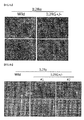
FIG. 3 shows FACS sorting of GFP-positive cells after introduction of TALENs. (a) High co-expression of RFP and GFP after 48 hours of transfection. (b) The box below the arrow indicates GFP-positive cells. The top 10% cells expressing strong GFP were sorted and placed in a 96-well plate. GFP-positive cells ranged from 23.0% to 38.0%. Scale bar = 20 µm -
FIG. 4 shows the off-target analysis of the IL2RG mutant porcine IL2RG gene. Top) treatment of heteroduplex DNA with Surveyor nuclease showed no additional off-target mutation in 9 loci having the highest homology with the IL2RG gene. SM: size marker, lane 1: LRRIQ1; 2: BNC2; 3: SLC17A5; 4: ZNF334; 5: TTN; 6: PGRMC2; 7: AVPR2.8: CCDC18; and 9: ZSWIM2. Bottom) genes having IL2RG-related sequences for excluding off-target mutations, and sequence homology between the genes. -
FIG. 5 shows the results of PCR sequencing for identifying candidate cell colonies for SCNT. Introduction of TALENs induced polymorphisms near the TALEN binding sites due to NHEJ. The types of polymorphisms were analyzed and used as cell colonies for SCNT. -
FIG. 6 is an image of an SCID pig model produced in the present invention. The genetic background of the pig is a Minnesota mini-pig. -
FIG. 7 shows produced IL2RG +/- piglets. -
FIG. 8 shows the results of verifying the expression of IL2R -
FIG. 9 shows the results of analyzing a subset of CD3+ T cells using T cell markers (CD25 and CD3). -
FIG. 10 shows the results of microarray chip analysis performed using IL2RG +/- tissue and normal tissue. -
FIG. 11 shows factors that influence IL2 receptors, and factors that are influenced by IL2 receptors. - Hereinafter, the present invention will be described in further detail by non-limiting examples. It is to be understood, however, that these examples are for illustrative purposes only and are not intended to limit the scope of the present invention.
- All animals and experiments used in the present invention were approved by the Institutional Animal Care and Use Committee, University of Missouri.
- For gene targeting, 2-3 million cells were transfected with TALEN constructs having a reporter vector (2 µg of each construct/million cells). The cells were electroporated with the construct using a BTX Electro Cell Manipulator (Harvard Apparatus, Holliston, MA) at 490 V, 1 msec and 3 pulses. Next, the cells were plated in T75 flasks for 48 hours, and then sorted for GTP positive cells using Beckman Coulter MoFlo XDP. The sorted cells were plated in 96-well plates. After 10 days, half of the cells were used for genotyping. To examine the presence of indels after insertion of TALENs, genomic DNA fragments flanking the TALEN cleavage site were amplified by PCR Genomic DNA from the cultured cells was isolated using cell lysis buffer, and then used for PCR PCR for amplification was performed under the following conditions: initial denaturation at 95°C for 2 min, followed by 32 cycles, each consisting of denaturation at 94°C for 30 sec, annealing at 55°C for 30 sec, and extension at 72°C for 30 min (see the PCR primer set in Table 1 below). The predicted sizes of the PCR products were 417 bp for IL2RG and 426 bp for RAG2. The PCR products were sequenced to identify the presence of indels.
- To produce SCNT embryos, sow oocytes were purchased from ART (Madison, WI). The oocytes were shipped overnight in a maturation medium (TCM199 with 2.9 mM Hepes, 5 µg/ml insulin, 10 ng/ml EGF, 0.5 µg/ml p-FSH, 0.91 mM pyruvate, 0.5 mM cysteine, 10% porcine follicular fluid, and 25 ng/ml gentamicin). After 24 hours, the oocytes were transferred to a fresh medium. After 40-42 hours of maturation, cumulus cells were removed from the oocytes by vortexing in the presence of 0.1% hyaluronidase. During manipulation, the oocytes were placed in a manipulation medium supplemented with 7.0 µg/ml of cytochalasin B. The polar body along with a portion of the adjacent cytoplasm, probably containing the metaphase II plate, was removed, and donor cells were placed in the perivitelline space using a thin glass capillary.
- Next, the reconstituted embryos were fused in a fusion medium (0.3 M mannitol, 0.1 mM CaCl2, 0.1 mM MgCl2, 0.5 mM Hepes) by two DC pulses (1-sec interval) at 1.2 kV/cm for 30 µsec using BTX Electro Cell Manipulator (Harvard Apparatus). After fusion, the fused embryos were fully activated with 200 µM thimerosal for 10 min and 8 mM dithiothreitol for 30 min under dark conditions. Then, the embryos were incubated with 0.5 µM scriptaid (that is a histone deacetylase inhibitor) in Porcine Zygote Media 3 (PZM3)3 for 14-16 hours. The next day, the SCNT embryos were transferred into surrogates. For blastocyst transfer, the embryos were washed from scriptaid and cultured in PZM3 in the presence of 10 ng/ml of CSF2 for additional five days. The SCNT embryos were surgically transferred into the ampullary-isthmic junction of surrogates.
- For IHC, tissues fixed in neutral buffer with 10% formalin were used. The tissues were placed on slides for IHC. Endogenous peroxidase activity was first blocked in 3% hydrogen peroxidase. The samples were pretreated with Borg Decloaker, and then blocked in background Sniper solution. After washing, the samples were incubated with primary antibodies specific either for B cells (CD79A; Diagnostic Biosystems- # Mob 118, 1:100) or for T cells (CD3; DAKO- # A0452, 1:400). After incubation, the samples were washed and incubated with HRP-conjugated secondary antibodies. Then, the samples were stained with Romulin Red Chromogens to visualize the signals. In addition, the samples were also stained with IP FLX Hematoxylin to provide backgrounds. The Borg, Sniper, Romulin Red and IP FLX hematoxylin were all purchased from Biocare (Concord, CA). All micrographs were acquired using a Zeiss Axiophot microscope (Carl Zeiss, Oberkochen, Germany) equipped with an Olympus DP70 high-resolution digital microscope camera (Olympus, Center Valley, PA).
- The spleens from euthanized wild-type and biallelic piglets were collected into RPMI-1640 medium (Mediatech, Inc., Manassas, VA) supplemented with 10% fetal bovine serum, minced with a scalpel blade, aspirated several times using a 20 gauge needle, and then passed through a 70 µm nylon mesh cell strainer (BD Biosciences, San Jose, CA). The splenocyte suspension was then incubated for 15 minutes with Pharm Lyse solution (BD Biosciences) to lyse erythrocytes, and then pelleted at 200 × g for 5 minutes. After discarding the supernatant, the pellets were resuspended in cold staining buffer (BD Pharmingen), and the cells were counted on a hemacytometer. Then, the cells were divided into aliquots of 5× 10⁶ cells in 200 µL staining buffer. FITC-labeled mouse anti-pig CD21, mouse anti-pig CD 3ε, and mouse anti T-2 mycotoxin IgGlk (Isotype control group) (SouthernBiotech, Birmingham, AL) were added to the cells in an amount of 0.5 µg/1 × 106 cells, and then incubated at 4°C under dark conditions for 30 minutes. The cells were then washed twice and resuspended in fresh staining buffer. The cells were analyzed using a CyAn ADP flow cytometer (Beckman Coulter, Brea, CA) in a Cell and Immunobiology Core facility at the University of Missouri. Data were analyzed using Summit v4.3 software (Beckman Coulter).
- To identify putative off-target sequences from the TALENs used in the present invention, bioinformatics tools were used to identify sequences similar to each TALEN binding site from the most recent pig genome assembly (Sscrofa10.2). PCR primers were designed flanking the most likely off-target sites based on the number of nucleotide differences. These regions were amplified in the founder animals and tested for off-targeting events using a Surveyor nuclease assay (Table 2 below). After PCR amplification, 300-500 ng of the PCR products (10-15 µℓ) were transferred into fresh tubes, and then denaturated and reannealed according to a thermocycler program (95°C for 2 min, 95°C to 85°C at a rate of -2°C/second, 85°C to 25°C at a rate of -0.1°C/second, 4°C indefinitely). 1 µℓ of Surveyor nuclease and 1 µℓ of Surveyor enhancer were added thereto, and then incubated at 42C for 30 minutes. Then, the reactions were immediately placed on ice, and 6X Surveyor nuclease stop buffer and 6X dye were added to the reactions. The samples were electrophoresed on 2.0% agarose gel.
Table 1 Gene Primers Product IL2RG F: CTGGACTATTAGAAGGATGTGGGC (SEQ ID NO: 2); R: ATATAGTGGGAAGCCTGGGATGCT (SEQ ID NO: 3) 417 - Table 1 above shows the primers used for genotyping of IL2RG mutants induced by TALENs.
Table 2 Gene Abbreviation Primers Product Leucine-rich repeats and IQ motif containing 1 LRRIQ1 F: CGTTTGTTAAAACTGCAGCATA (SEQ ID NO: 4); R: TTTTGCTTCCCTTTCCTTCC (SEQ ID NO: 5) 150 Basonuclin 2 BNC2 F: AGCCAGAGGAAGGGGTTTTA (SEQ ID NO: 6); R: GGTTAACCAGCTCAGGCAAC (SEQ ID NO: 7) 199 Solute carrier family 17 (anion/sugar transporter), member 5 SLC17A5 F: GTCTGGTTGCAGCTCAAGGT (SEQ ID NO: 8); R: GCCACTGTGGACTCTAGAGGAT (SEQ ID NO: 9) 369 Zinc finger protein 334 ZNF334 F: ATTCACACAGGGGAGAAACG (SEQ ID NO: 10); R: GTGGAAATTTTTCCCCCATT (SEQ ID NO: 11) 233 Titin TTN F: CTTTGGACCTGCCCACTTT (SEQ ID NO: 12); R: GGATGTGTGATCGGTTCCAT (SEQ ID NO: 13) 228 Progesterone receptor membrane component 2 PGRMC2 F: TGAGGGAGAGAGGAGACCTG (SEQ ID NO: 14); R: CTAGGGGAAGGAAAGGGATG (SEQ ID NO: 15) 238 Arginine vasopressin receptor 2 AVPR2 F: GGCGTACATGCCTACCATCT (SEQ ID NO: 16); R: CTGTCCACGGTCTTTGTGG (SEQ ID NO: 17) 246 Coiled-coil domain containing 18 CCDC18 F: TTCTCCCAACCCCATTTACA (SEQ ID NO: 18); R: CCTGAGTTGAACCAGCACCT (SEQ ID NO: 19) 405 Zinc finger, SWIM-type containing 2 ZSWIM2 F: AAAAAGTTCTTCCTGTTTTGACAGA (SEQ ID NO: 20); R: TGGTTATTCCACCAATGCAA (SEQ ID NO: 21) 150 - Table 2 above shows the primer sets used to identify off-site targeting of porcine IL2RG.
Table 3 IL2RG Embryo Transfer List ET date Donor cell Number of embryos transferred Day of h eat Results 10/12/12 Korean IL2RG #
3,15216 1 1 Female 2/25/13 Korean IL2RG 53-1 96 4 Cycled 2/25/13 Korean IL2RG 53- 1 179 4 Cycled 4/2/13 Korean IL2RG 53-1 35 Blast 6 Cycled 4/9/13 Korean IL2RG 53-1 35 Blast 4 Cycled 4/10/13 Korean IL2RG 53-1 48 Blast 4 - 4/23/13 Korean IL2RG 53-1 51 Blast 5 - 4/25/13 Korean IL2RG 53-1 187 1 - 4/26/13 Korean IL2RG 53-1 + RAG2 243 0 - - Table 3 above shows the nuclear transfer efficiencies obtained in the present invention.
-
- Name of depository authority: Korea Research Institute of Bioscience and Biotechnology;
- Accession No.: KCTC 12497;
- Deposition Date: October 2, 2013.


Claims (8)
- A method for producing an immune cell-deficient transgenic cloned miniature pig having an allelic mutation in interleukin-2 receptor gamma (IL2RG), the method comprising the steps of:treating a TALEN (transcription activator-like effector nuclease) recognition sequence site of chromosome X of a pig (Sus scrofa), which is represented by SEQ ID NO: 1, with TALEN to induce an allelic mutation; andproducing mutant embryos by somatic cell nuclear transfer (SCNT) using cells having the induced allelic mutation.
- The method of claim 1, wherein the treatment of the TALEN recognition sequence site with the TALEN is performed by transfecting the cells of interest with a vector encoding the TAL effector nuclease.
- An immune cell-deficient transgenic cloned miniature pig having an allelic mutation in interleukin-2 receptor gamma (II,2RG), produced by the method of claim 1.
- A method for sorting cells, comprising:introducing into cells a TAL effector nuclease-encoding vector capable of recognizing the TALEN recognition sequence site of chromosome X of a pig (Sus scrofa), which is represented by SEQ ID NO: 1, to induce mutation in the gene sequence of interest or a region flanking the gene sequence, together with a reporter vector comprising a monomeric red fluorescent protein (RFP) gene, a targeting sequence of programmable nuclease as set forth in SEQ ID NO: 1, an enhancer green fluorescent protein (GFP) and an H-2KK gene; andsorting cells, which are positive for the RFP, the GFP and the H-2KK, as interleukin-2 receptor gamma (IL2RG)-targeted cells.
- The method of claim 4, wherein detection of the H-2KK is performed by an antibody.
- The method of claim 4, wherein expression of the RFP and the GFP is detected by flow cytometry.
- A cell having an allelic mutation induced by treating the TALEN (transcription activator-like effector nuclease) recognition sequence site of chromosome X of a pig (Sus scrofa), which is represented by SEQ ID NO: 1, with TALEN.
- The cell of claim 7, which is IL2RG-knockout miniature pig fibroblast cell line KCTC12497.
Applications Claiming Priority (2)
| Application Number | Priority Date | Filing Date | Title |
|---|---|---|---|
| KR1020130137675A KR101566498B1 (en) | 2013-11-13 | 2013-11-13 | Interleukin 2 receptor gamma gene targeting vector, production of SCID-like miniature pigs by TALEN-mediated gene targeting and use thereof |
| PCT/KR2014/010897 WO2015072761A1 (en) | 2013-11-13 | 2014-11-13 | Interleukin 2 receptor gamma gene targeting vector, production of immune cell-deficient transgenic cloned mini pig having vector introduced therein, preparation method therefor and use thereof |
Publications (3)
| Publication Number | Publication Date |
|---|---|
| EP3069606A1 true EP3069606A1 (en) | 2016-09-21 |
| EP3069606A4 EP3069606A4 (en) | 2017-04-12 |
| EP3069606B1 EP3069606B1 (en) | 2023-01-04 |
Family
ID=53057637
Family Applications (1)
| Application Number | Title | Priority Date | Filing Date |
|---|---|---|---|
| EP14862785.4A Active EP3069606B1 (en) | 2013-11-13 | 2014-11-13 | Interleukin 2 receptor gamma gene targeting vector, production of immune cell-deficient transgenic cloned mini pig having vector introduced therein, preparation method therefor and use thereof |
Country Status (9)
| Country | Link |
|---|---|
| US (1) | US10058079B2 (en) |
| EP (1) | EP3069606B1 (en) |
| JP (1) | JP6464167B2 (en) |
| KR (1) | KR101566498B1 (en) |
| CN (1) | CN105764335B (en) |
| DK (1) | DK3069606T5 (en) |
| ES (1) | ES2935400T3 (en) |
| PL (1) | PL3069606T3 (en) |
| WO (1) | WO2015072761A1 (en) |
Families Citing this family (5)
| Publication number | Priority date | Publication date | Assignee | Title |
|---|---|---|---|---|
| CN108690125B (en) * | 2017-04-07 | 2021-03-23 | 百奥赛图(北京)医药科技股份有限公司 | Construction method of Il2rg gene knockout animal model and short peptide thereof |
| CN109777834A (en) * | 2019-02-25 | 2019-05-21 | 中国科学院广州生物医药与健康研究院 | A severe immunodeficiency pig model and its construction method and application |
| KR102247977B1 (en) * | 2019-11-21 | 2021-05-04 | 한국생명공학연구원 | Immunodeficient Animal Model with Mutation in IL2Rg Gene and Method for Producing the same |
| CN111485002A (en) * | 2020-05-06 | 2020-08-04 | 澎立生物医药技术(上海)有限公司 | Preparation method and application of transgenic mouse with severe immunodeficiency |
| KR102421847B1 (en) | 2020-11-03 | 2022-07-18 | 한국생명공학연구원 | Jak3 gene mutation severe combined immunodeficiency animal model and method for preparing the same |
Family Cites Families (7)
| Publication number | Priority date | Publication date | Assignee | Title |
|---|---|---|---|---|
| KR20040074108A (en) | 2004-06-29 | 2004-08-21 | 황우석 | Gfp-transfected clon pig, gt knock-out clon pig and methods for production thereof |
| KR101312829B1 (en) | 2009-12-30 | 2013-09-27 | 한화엘앤씨 주식회사 | Transgenic pig expressing HO-1 and TNFR1-Fc and the method of producing thereof |
| BR112013021785A8 (en) * | 2011-02-25 | 2018-07-03 | Recombinetics Inc | genetically modified animals and methods for doing the same |
| CN103184202B (en) * | 2011-12-28 | 2015-08-26 | 浙江大学 | A pair small peptide, protein and polynucleotide, its host cell and application thereof |
| RU2645475C2 (en) * | 2012-04-25 | 2018-02-21 | Регенерон Фармасьютикалз, Инк. | Nuclease-mediated targeting with large targeting vectors |
| KR101554166B1 (en) | 2013-11-13 | 2015-09-22 | 건국대학교 산학협력단 | Recombination activating gene 2 gene targeting vector, production of SCID-like miniature pigs by TALEN-mediated gene targeting and use thereof |
| US20160029604A1 (en) * | 2014-04-28 | 2016-02-04 | Recombinetics, Inc. | Multiplex gene editing |
-
2013
- 2013-11-13 KR KR1020130137675A patent/KR101566498B1/en active Active
-
2014
- 2014-11-13 WO PCT/KR2014/010897 patent/WO2015072761A1/en not_active Ceased
- 2014-11-13 DK DK14862785.4T patent/DK3069606T5/en active
- 2014-11-13 ES ES14862785T patent/ES2935400T3/en active Active
- 2014-11-13 US US15/036,550 patent/US10058079B2/en active Active
- 2014-11-13 JP JP2016531052A patent/JP6464167B2/en active Active
- 2014-11-13 CN CN201480062483.6A patent/CN105764335B/en active Active
- 2014-11-13 EP EP14862785.4A patent/EP3069606B1/en active Active
- 2014-11-13 PL PL14862785.4T patent/PL3069606T3/en unknown
Also Published As
| Publication number | Publication date |
|---|---|
| DK3069606T5 (en) | 2024-10-14 |
| DK3069606T3 (en) | 2023-01-09 |
| JP2016538849A (en) | 2016-12-15 |
| US10058079B2 (en) | 2018-08-28 |
| US20160366861A1 (en) | 2016-12-22 |
| JP6464167B2 (en) | 2019-02-06 |
| KR20150055664A (en) | 2015-05-22 |
| KR101566498B1 (en) | 2015-11-06 |
| ES2935400T3 (en) | 2023-03-06 |
| EP3069606A4 (en) | 2017-04-12 |
| CN105764335A (en) | 2016-07-13 |
| EP3069606B1 (en) | 2023-01-04 |
| PL3069606T3 (en) | 2023-03-13 |
| CN105764335B (en) | 2019-05-28 |
| WO2015072761A1 (en) | 2015-05-21 |
Similar Documents
| Publication | Publication Date | Title |
|---|---|---|
| CN107815466B (en) | Preparation method and application of humanized gene modified animal model | |
| Watanabe et al. | Generation of interleukin-2 receptor gamma gene knockout pigs from somatic cells genetically modified by zinc finger nuclease-encoding mRNA | |
| TW448032B (en) | Method for preparing hybridoma for generating human antibody | |
| US12342800B2 (en) | Immunodeficient non-human animal | |
| Mizuno-Iijima et al. | Efficient production of large deletion and gene fragment knock-in mice mediated by genome editing with Cas9-mouse Cdt1 in mouse zygotes | |
| EP3069606B1 (en) | Interleukin 2 receptor gamma gene targeting vector, production of immune cell-deficient transgenic cloned mini pig having vector introduced therein, preparation method therefor and use thereof | |
| Jeong et al. | Production of multiple transgenic Yucatan miniature pigs expressing human complement regulatory factors, human CD55, CD59, and H-transferase genes | |
| JPH07503848A (en) | Homozygous mating due to gene targeting phenomenon | |
| WO2005003342A1 (en) | Method of preparing transgenic organism with use of methylation and system therefor | |
| KR101554166B1 (en) | Recombination activating gene 2 gene targeting vector, production of SCID-like miniature pigs by TALEN-mediated gene targeting and use thereof | |
| Joanna et al. | The production of UL16-binding protein 1 targeted pigs using CRISPR technology | |
| US12365923B2 (en) | Method for producing genome-edited cell | |
| Nowak-Terpiłowska et al. | Production of ULBP1-KO pigs with human CD55 expression using CRISPR technology | |
| CN116063450A (en) | IL12 gene humanized non-human animal and its construction method and application | |
| JP4590629B2 (en) | Psf1 gene-deficient animal and method of using the same | |
| Kim et al. | Alpha-1, 3-galactosyltransferase-deficient miniature pigs produced by serial cloning using neonatal skin fibroblasts with loss of heterozygosity | |
| US20220354097A1 (en) | Il-15 humanized mouse model and use thereof | |
| WO2023176982A1 (en) | Mhc gene group humanized animal | |
| JP2004073198A (en) | Embryonic stem cell line deficient in poly (ADP-ribose) glycohydrolase activity | |
| CN121975866A (en) | A method for constructing and applying a transgenic mouse model for in vivo autoimmune gene screening. | |
| CN116546993A (en) | safe harbor loci | |
| HK40098585A (en) | Safe harbor loci | |
| KR20090042104A (en) | Mice expressing LACZ specifically for thymic epithelial cells and methods of manufacturing the same |
Legal Events
| Date | Code | Title | Description |
|---|---|---|---|
| PUAI | Public reference made under article 153(3) epc to a published international application that has entered the european phase |
Free format text: ORIGINAL CODE: 0009012 |
|
| 17P | Request for examination filed |
Effective date: 20160531 |
|
| AK | Designated contracting states |
Kind code of ref document: A1 Designated state(s): AL AT BE BG CH CY CZ DE DK EE ES FI FR GB GR HR HU IE IS IT LI LT LU LV MC MK MT NL NO PL PT RO RS SE SI SK SM TR |
|
| AX | Request for extension of the european patent |
Extension state: BA ME |
|
| DAX | Request for extension of the european patent (deleted) | ||
| RIC1 | Information provided on ipc code assigned before grant |
Ipc: C12N 15/877 20100101ALI20170302BHEP Ipc: C12N 5/077 20100101ALI20170302BHEP Ipc: C12N 15/85 20060101ALI20170302BHEP Ipc: C12N 5/10 20060101ALI20170302BHEP Ipc: A01K 67/027 20060101AFI20170302BHEP |
|
| A4 | Supplementary search report drawn up and despatched |
Effective date: 20170310 |
|
| STAA | Information on the status of an ep patent application or granted ep patent |
Free format text: STATUS: REQUEST FOR EXAMINATION WAS MADE |
|
| STAA | Information on the status of an ep patent application or granted ep patent |
Free format text: STATUS: EXAMINATION IS IN PROGRESS |
|
| 17Q | First examination report despatched |
Effective date: 20180313 |
|
| RAP1 | Party data changed (applicant data changed or rights of an application transferred) |
Owner name: THE CURATORS OF THE UNIVERSITY OF MISSOURI Owner name: KIM, JIN-HOI |
|
| GRAP | Despatch of communication of intention to grant a patent |
Free format text: ORIGINAL CODE: EPIDOSNIGR1 |
|
| STAA | Information on the status of an ep patent application or granted ep patent |
Free format text: STATUS: GRANT OF PATENT IS INTENDED |
|
| INTG | Intention to grant announced |
Effective date: 20220907 |
|
| GRAS | Grant fee paid |
Free format text: ORIGINAL CODE: EPIDOSNIGR3 |
|
| GRAA | (expected) grant |
Free format text: ORIGINAL CODE: 0009210 |
|
| STAA | Information on the status of an ep patent application or granted ep patent |
Free format text: STATUS: THE PATENT HAS BEEN GRANTED |
|
| AK | Designated contracting states |
Kind code of ref document: B1 Designated state(s): AL AT BE BG CH CY CZ DE DK EE ES FI FR GB GR HR HU IE IS IT LI LT LU LV MC MK MT NL NO PL PT RO RS SE SI SK SM TR |
|
| REG | Reference to a national code |
Ref country code: GB Ref legal event code: FG4D |
|
| REG | Reference to a national code |
Ref country code: DK Ref legal event code: T3 Effective date: 20230106 |
|
| REG | Reference to a national code |
Ref country code: NL Ref legal event code: FP |
|
| REG | Reference to a national code |
Ref country code: DE Ref legal event code: R096 Ref document number: 602014086025 Country of ref document: DE |
|
| REG | Reference to a national code |
Ref country code: CH Ref legal event code: EP |
|
| REG | Reference to a national code |
Ref country code: AT Ref legal event code: REF Ref document number: 1541298 Country of ref document: AT Kind code of ref document: T Effective date: 20230115 |
|
| REG | Reference to a national code |
Ref country code: IE Ref legal event code: FG4D |
|
| REG | Reference to a national code |
Ref country code: SE Ref legal event code: TRGR |
|
| REG | Reference to a national code |
Ref country code: ES Ref legal event code: FG2A Ref document number: 2935400 Country of ref document: ES Kind code of ref document: T3 Effective date: 20230306 |
|
| REG | Reference to a national code |
Ref country code: LT Ref legal event code: MG9D |
|
| REG | Reference to a national code |
Ref country code: AT Ref legal event code: MK05 Ref document number: 1541298 Country of ref document: AT Kind code of ref document: T Effective date: 20230104 |
|
| PG25 | Lapsed in a contracting state [announced via postgrant information from national office to epo] |
Ref country code: RS Free format text: LAPSE BECAUSE OF FAILURE TO SUBMIT A TRANSLATION OF THE DESCRIPTION OR TO PAY THE FEE WITHIN THE PRESCRIBED TIME-LIMIT Effective date: 20230104 Ref country code: PT Free format text: LAPSE BECAUSE OF FAILURE TO SUBMIT A TRANSLATION OF THE DESCRIPTION OR TO PAY THE FEE WITHIN THE PRESCRIBED TIME-LIMIT Effective date: 20230504 Ref country code: NO Free format text: LAPSE BECAUSE OF FAILURE TO SUBMIT A TRANSLATION OF THE DESCRIPTION OR TO PAY THE FEE WITHIN THE PRESCRIBED TIME-LIMIT Effective date: 20230404 Ref country code: LV Free format text: LAPSE BECAUSE OF FAILURE TO SUBMIT A TRANSLATION OF THE DESCRIPTION OR TO PAY THE FEE WITHIN THE PRESCRIBED TIME-LIMIT Effective date: 20230104 Ref country code: LT Free format text: LAPSE BECAUSE OF FAILURE TO SUBMIT A TRANSLATION OF THE DESCRIPTION OR TO PAY THE FEE WITHIN THE PRESCRIBED TIME-LIMIT Effective date: 20230104 Ref country code: HR Free format text: LAPSE BECAUSE OF FAILURE TO SUBMIT A TRANSLATION OF THE DESCRIPTION OR TO PAY THE FEE WITHIN THE PRESCRIBED TIME-LIMIT Effective date: 20230104 Ref country code: AT Free format text: LAPSE BECAUSE OF FAILURE TO SUBMIT A TRANSLATION OF THE DESCRIPTION OR TO PAY THE FEE WITHIN THE PRESCRIBED TIME-LIMIT Effective date: 20230104 |
|
| PG25 | Lapsed in a contracting state [announced via postgrant information from national office to epo] |
Ref country code: IS Free format text: LAPSE BECAUSE OF FAILURE TO SUBMIT A TRANSLATION OF THE DESCRIPTION OR TO PAY THE FEE WITHIN THE PRESCRIBED TIME-LIMIT Effective date: 20230504 Ref country code: GR Free format text: LAPSE BECAUSE OF FAILURE TO SUBMIT A TRANSLATION OF THE DESCRIPTION OR TO PAY THE FEE WITHIN THE PRESCRIBED TIME-LIMIT Effective date: 20230405 Ref country code: FI Free format text: LAPSE BECAUSE OF FAILURE TO SUBMIT A TRANSLATION OF THE DESCRIPTION OR TO PAY THE FEE WITHIN THE PRESCRIBED TIME-LIMIT Effective date: 20230104 |
|
| REG | Reference to a national code |
Ref country code: DE Ref legal event code: R097 Ref document number: 602014086025 Country of ref document: DE |
|
| PG25 | Lapsed in a contracting state [announced via postgrant information from national office to epo] |
Ref country code: SM Free format text: LAPSE BECAUSE OF FAILURE TO SUBMIT A TRANSLATION OF THE DESCRIPTION OR TO PAY THE FEE WITHIN THE PRESCRIBED TIME-LIMIT Effective date: 20230104 Ref country code: RO Free format text: LAPSE BECAUSE OF FAILURE TO SUBMIT A TRANSLATION OF THE DESCRIPTION OR TO PAY THE FEE WITHIN THE PRESCRIBED TIME-LIMIT Effective date: 20230104 Ref country code: EE Free format text: LAPSE BECAUSE OF FAILURE TO SUBMIT A TRANSLATION OF THE DESCRIPTION OR TO PAY THE FEE WITHIN THE PRESCRIBED TIME-LIMIT Effective date: 20230104 Ref country code: CZ Free format text: LAPSE BECAUSE OF FAILURE TO SUBMIT A TRANSLATION OF THE DESCRIPTION OR TO PAY THE FEE WITHIN THE PRESCRIBED TIME-LIMIT Effective date: 20230104 |
|
| PLBE | No opposition filed within time limit |
Free format text: ORIGINAL CODE: 0009261 |
|
| STAA | Information on the status of an ep patent application or granted ep patent |
Free format text: STATUS: NO OPPOSITION FILED WITHIN TIME LIMIT |
|
| PG25 | Lapsed in a contracting state [announced via postgrant information from national office to epo] |
Ref country code: SK Free format text: LAPSE BECAUSE OF FAILURE TO SUBMIT A TRANSLATION OF THE DESCRIPTION OR TO PAY THE FEE WITHIN THE PRESCRIBED TIME-LIMIT Effective date: 20230104 |
|
| 26N | No opposition filed |
Effective date: 20231005 |
|
| PG25 | Lapsed in a contracting state [announced via postgrant information from national office to epo] |
Ref country code: SI Free format text: LAPSE BECAUSE OF FAILURE TO SUBMIT A TRANSLATION OF THE DESCRIPTION OR TO PAY THE FEE WITHIN THE PRESCRIBED TIME-LIMIT Effective date: 20230104 |
|
| REG | Reference to a national code |
Ref country code: CH Ref legal event code: PL |
|
| PG25 | Lapsed in a contracting state [announced via postgrant information from national office to epo] |
Ref country code: MC Free format text: LAPSE BECAUSE OF FAILURE TO SUBMIT A TRANSLATION OF THE DESCRIPTION OR TO PAY THE FEE WITHIN THE PRESCRIBED TIME-LIMIT Effective date: 20230104 |
|
| PG25 | Lapsed in a contracting state [announced via postgrant information from national office to epo] |
Ref country code: LU Free format text: LAPSE BECAUSE OF NON-PAYMENT OF DUE FEES Effective date: 20231113 |
|
| PG25 | Lapsed in a contracting state [announced via postgrant information from national office to epo] |
Ref country code: CH Free format text: LAPSE BECAUSE OF NON-PAYMENT OF DUE FEES Effective date: 20231130 |
|
| PG25 | Lapsed in a contracting state [announced via postgrant information from national office to epo] |
Ref country code: MC Free format text: LAPSE BECAUSE OF FAILURE TO SUBMIT A TRANSLATION OF THE DESCRIPTION OR TO PAY THE FEE WITHIN THE PRESCRIBED TIME-LIMIT Effective date: 20230104 Ref country code: LU Free format text: LAPSE BECAUSE OF NON-PAYMENT OF DUE FEES Effective date: 20231113 Ref country code: CH Free format text: LAPSE BECAUSE OF NON-PAYMENT OF DUE FEES Effective date: 20231130 |
|
| REG | Reference to a national code |
Ref country code: BE Ref legal event code: MM Effective date: 20231130 |
|
| REG | Reference to a national code |
Ref country code: IE Ref legal event code: MM4A |
|
| PG25 | Lapsed in a contracting state [announced via postgrant information from national office to epo] |
Ref country code: IE Free format text: LAPSE BECAUSE OF NON-PAYMENT OF DUE FEES Effective date: 20231113 |
|
| REG | Reference to a national code |
Ref country code: DK Ref legal event code: T5 Effective date: 20241010 |
|
| PG25 | Lapsed in a contracting state [announced via postgrant information from national office to epo] |
Ref country code: BE Free format text: LAPSE BECAUSE OF NON-PAYMENT OF DUE FEES Effective date: 20231130 |
|
| PG25 | Lapsed in a contracting state [announced via postgrant information from national office to epo] |
Ref country code: IE Free format text: LAPSE BECAUSE OF NON-PAYMENT OF DUE FEES Effective date: 20231113 Ref country code: BE Free format text: LAPSE BECAUSE OF NON-PAYMENT OF DUE FEES Effective date: 20231130 |
|
| PG25 | Lapsed in a contracting state [announced via postgrant information from national office to epo] |
Ref country code: BG Free format text: LAPSE BECAUSE OF FAILURE TO SUBMIT A TRANSLATION OF THE DESCRIPTION OR TO PAY THE FEE WITHIN THE PRESCRIBED TIME-LIMIT Effective date: 20230104 |
|
| PG25 | Lapsed in a contracting state [announced via postgrant information from national office to epo] |
Ref country code: BG Free format text: LAPSE BECAUSE OF FAILURE TO SUBMIT A TRANSLATION OF THE DESCRIPTION OR TO PAY THE FEE WITHIN THE PRESCRIBED TIME-LIMIT Effective date: 20230104 |
|
| PG25 | Lapsed in a contracting state [announced via postgrant information from national office to epo] |
Ref country code: CY Free format text: LAPSE BECAUSE OF FAILURE TO SUBMIT A TRANSLATION OF THE DESCRIPTION OR TO PAY THE FEE WITHIN THE PRESCRIBED TIME-LIMIT; INVALID AB INITIO Effective date: 20141113 |
|
| PG25 | Lapsed in a contracting state [announced via postgrant information from national office to epo] |
Ref country code: HU Free format text: LAPSE BECAUSE OF FAILURE TO SUBMIT A TRANSLATION OF THE DESCRIPTION OR TO PAY THE FEE WITHIN THE PRESCRIBED TIME-LIMIT; INVALID AB INITIO Effective date: 20141113 |
|
| PG25 | Lapsed in a contracting state [announced via postgrant information from national office to epo] |
Ref country code: TR Free format text: LAPSE BECAUSE OF FAILURE TO SUBMIT A TRANSLATION OF THE DESCRIPTION OR TO PAY THE FEE WITHIN THE PRESCRIBED TIME-LIMIT Effective date: 20230104 |
|
| PGFP | Annual fee paid to national office [announced via postgrant information from national office to epo] |
Ref country code: GB Payment date: 20251230 Year of fee payment: 12 |
|
| PGFP | Annual fee paid to national office [announced via postgrant information from national office to epo] |
Ref country code: FR Payment date: 20251230 Year of fee payment: 12 |
|
| PGFP | Annual fee paid to national office [announced via postgrant information from national office to epo] |
Ref country code: NL Payment date: 20260127 Year of fee payment: 12 |
|
| REG | Reference to a national code |
Ref country code: DE Ref legal event code: R082 Ref document number: 602014086025 Country of ref document: DE Representative=s name: VUILLERMOZ, BRUNO, FR |
|
| PGFP | Annual fee paid to national office [announced via postgrant information from national office to epo] |
Ref country code: SE Payment date: 20260219 Year of fee payment: 12 |
|
| PGFP | Annual fee paid to national office [announced via postgrant information from national office to epo] |
Ref country code: ES Payment date: 20260210 Year of fee payment: 12 |
|
| PGFP | Annual fee paid to national office [announced via postgrant information from national office to epo] |
Ref country code: DE Payment date: 20260107 Year of fee payment: 12 Ref country code: DK Payment date: 20260129 Year of fee payment: 12 |
|
| PGFP | Annual fee paid to national office [announced via postgrant information from national office to epo] |
Ref country code: IT Payment date: 20260209 Year of fee payment: 12 |
|
| PGFP | Annual fee paid to national office [announced via postgrant information from national office to epo] |
Ref country code: PL Payment date: 20260109 Year of fee payment: 12 |