EP3068869B1 - Zusammensetzungen zur unterdrückung einer inhibitorformierung gegen den faktor viii bei patienten mit hämophilie a - Google Patents
Zusammensetzungen zur unterdrückung einer inhibitorformierung gegen den faktor viii bei patienten mit hämophilie a Download PDFInfo
- Publication number
- EP3068869B1 EP3068869B1 EP14862042.0A EP14862042A EP3068869B1 EP 3068869 B1 EP3068869 B1 EP 3068869B1 EP 14862042 A EP14862042 A EP 14862042A EP 3068869 B1 EP3068869 B1 EP 3068869B1
- Authority
- EP
- European Patent Office
- Prior art keywords
- ctb
- fviii
- hemophilia
- mice
- plant
- Prior art date
- Legal status (The legal status is an assumption and is not a legal conclusion. Google has not performed a legal analysis and makes no representation as to the accuracy of the status listed.)
- Active
Links
Images




Classifications
-
- C—CHEMISTRY; METALLURGY
- C07—ORGANIC CHEMISTRY
- C07K—PEPTIDES
- C07K14/00—Peptides having more than 20 amino acids; Gastrins; Somatostatins; Melanotropins; Derivatives thereof
- C07K14/195—Peptides having more than 20 amino acids; Gastrins; Somatostatins; Melanotropins; Derivatives thereof from bacteria
- C07K14/28—Peptides having more than 20 amino acids; Gastrins; Somatostatins; Melanotropins; Derivatives thereof from bacteria from Vibrionaceae (F)
-
- A—HUMAN NECESSITIES
- A61—MEDICAL OR VETERINARY SCIENCE; HYGIENE
- A61K—PREPARATIONS FOR MEDICAL, DENTAL OR TOILETRY PURPOSES
- A61K38/00—Medicinal preparations containing peptides
- A61K38/16—Peptides having more than 20 amino acids; Gastrins; Somatostatins; Melanotropins; Derivatives thereof
- A61K38/17—Peptides having more than 20 amino acids; Gastrins; Somatostatins; Melanotropins; Derivatives thereof from animals; from humans
- A61K38/36—Blood coagulation or fibrinolysis factors
-
- A—HUMAN NECESSITIES
- A61—MEDICAL OR VETERINARY SCIENCE; HYGIENE
- A61K—PREPARATIONS FOR MEDICAL, DENTAL OR TOILETRY PURPOSES
- A61K38/00—Medicinal preparations containing peptides
- A61K38/16—Peptides having more than 20 amino acids; Gastrins; Somatostatins; Melanotropins; Derivatives thereof
- A61K38/17—Peptides having more than 20 amino acids; Gastrins; Somatostatins; Melanotropins; Derivatives thereof from animals; from humans
- A61K38/36—Blood coagulation or fibrinolysis factors
- A61K38/37—Factors VIII
-
- A—HUMAN NECESSITIES
- A61—MEDICAL OR VETERINARY SCIENCE; HYGIENE
- A61K—PREPARATIONS FOR MEDICAL, DENTAL OR TOILETRY PURPOSES
- A61K38/00—Medicinal preparations containing peptides
- A61K38/16—Peptides having more than 20 amino acids; Gastrins; Somatostatins; Melanotropins; Derivatives thereof
- A61K38/43—Enzymes; Proenzymes; Derivatives thereof
- A61K38/45—Transferases (2)
-
- A—HUMAN NECESSITIES
- A61—MEDICAL OR VETERINARY SCIENCE; HYGIENE
- A61K—PREPARATIONS FOR MEDICAL, DENTAL OR TOILETRY PURPOSES
- A61K38/00—Medicinal preparations containing peptides
- A61K38/16—Peptides having more than 20 amino acids; Gastrins; Somatostatins; Melanotropins; Derivatives thereof
- A61K38/43—Enzymes; Proenzymes; Derivatives thereof
- A61K38/46—Hydrolases (3)
- A61K38/47—Hydrolases (3) acting on glycosyl compounds (3.2), e.g. cellulases, lactases
-
- A—HUMAN NECESSITIES
- A61—MEDICAL OR VETERINARY SCIENCE; HYGIENE
- A61P—SPECIFIC THERAPEUTIC ACTIVITY OF CHEMICAL COMPOUNDS OR MEDICINAL PREPARATIONS
- A61P7/00—Drugs for disorders of the blood or the extracellular fluid
- A61P7/04—Antihaemorrhagics; Procoagulants; Haemostatic agents; Antifibrinolytic agents
-
- C—CHEMISTRY; METALLURGY
- C07—ORGANIC CHEMISTRY
- C07K—PEPTIDES
- C07K14/00—Peptides having more than 20 amino acids; Gastrins; Somatostatins; Melanotropins; Derivatives thereof
- C07K14/435—Peptides having more than 20 amino acids; Gastrins; Somatostatins; Melanotropins; Derivatives thereof from animals; from humans
- C07K14/745—Blood coagulation or fibrinolysis factors
- C07K14/755—Factors VIII, e.g. factor VIII C (AHF), factor VIII Ag (VWF)
-
- C—CHEMISTRY; METALLURGY
- C12—BIOCHEMISTRY; BEER; SPIRITS; WINE; VINEGAR; MICROBIOLOGY; ENZYMOLOGY; MUTATION OR GENETIC ENGINEERING
- C12N—MICROORGANISMS OR ENZYMES; COMPOSITIONS THEREOF; PROPAGATING, PRESERVING, OR MAINTAINING MICROORGANISMS; MUTATION OR GENETIC ENGINEERING; CULTURE MEDIA
- C12N15/00—Mutation or genetic engineering; DNA or RNA concerning genetic engineering, vectors, e.g. plasmids, or their isolation, preparation or purification; Use of hosts therefor
- C12N15/09—Recombinant DNA-technology
- C12N15/63—Introduction of foreign genetic material using vectors; Vectors; Use of hosts therefor; Regulation of expression
- C12N15/79—Vectors or expression systems specially adapted for eukaryotic hosts
- C12N15/82—Vectors or expression systems specially adapted for eukaryotic hosts for plant cells, e.g. plant artificial chromosomes (PACs)
- C12N15/8201—Methods for introducing genetic material into plant cells, e.g. DNA, RNA, stable or transient incorporation, tissue culture methods adapted for transformation
- C12N15/8214—Plastid transformation
-
- C—CHEMISTRY; METALLURGY
- C12—BIOCHEMISTRY; BEER; SPIRITS; WINE; VINEGAR; MICROBIOLOGY; ENZYMOLOGY; MUTATION OR GENETIC ENGINEERING
- C12N—MICROORGANISMS OR ENZYMES; COMPOSITIONS THEREOF; PROPAGATING, PRESERVING, OR MAINTAINING MICROORGANISMS; MUTATION OR GENETIC ENGINEERING; CULTURE MEDIA
- C12N15/00—Mutation or genetic engineering; DNA or RNA concerning genetic engineering, vectors, e.g. plasmids, or their isolation, preparation or purification; Use of hosts therefor
- C12N15/09—Recombinant DNA-technology
- C12N15/63—Introduction of foreign genetic material using vectors; Vectors; Use of hosts therefor; Regulation of expression
- C12N15/79—Vectors or expression systems specially adapted for eukaryotic hosts
- C12N15/82—Vectors or expression systems specially adapted for eukaryotic hosts for plant cells, e.g. plant artificial chromosomes (PACs)
- C12N15/8241—Phenotypically and genetically modified plants via recombinant DNA technology
- C12N15/8242—Phenotypically and genetically modified plants via recombinant DNA technology with non-agronomic quality (output) traits, e.g. for industrial processing; Value added, non-agronomic traits
- C12N15/8257—Phenotypically and genetically modified plants via recombinant DNA technology with non-agronomic quality (output) traits, e.g. for industrial processing; Value added, non-agronomic traits for the production of primary gene products, e.g. pharmaceutical products, interferon
-
- C—CHEMISTRY; METALLURGY
- C12—BIOCHEMISTRY; BEER; SPIRITS; WINE; VINEGAR; MICROBIOLOGY; ENZYMOLOGY; MUTATION OR GENETIC ENGINEERING
- C12Y—ENZYMES
- C12Y204/00—Glycosyltransferases (2.4)
-
- C—CHEMISTRY; METALLURGY
- C12—BIOCHEMISTRY; BEER; SPIRITS; WINE; VINEGAR; MICROBIOLOGY; ENZYMOLOGY; MUTATION OR GENETIC ENGINEERING
- C12Y—ENZYMES
- C12Y302/00—Hydrolases acting on glycosyl compounds, i.e. glycosylases (3.2)
- C12Y302/01—Glycosidases, i.e. enzymes hydrolysing O- and S-glycosyl compounds (3.2.1)
- C12Y302/0102—Alpha-glucosidase (3.2.1.20)
-
- C—CHEMISTRY; METALLURGY
- C12—BIOCHEMISTRY; BEER; SPIRITS; WINE; VINEGAR; MICROBIOLOGY; ENZYMOLOGY; MUTATION OR GENETIC ENGINEERING
- C12Y—ENZYMES
- C12Y302/00—Hydrolases acting on glycosyl compounds, i.e. glycosylases (3.2)
- C12Y302/01—Glycosidases, i.e. enzymes hydrolysing O- and S-glycosyl compounds (3.2.1)
- C12Y302/01022—Alpha-galactosidase (3.2.1.22)
-
- A—HUMAN NECESSITIES
- A61—MEDICAL OR VETERINARY SCIENCE; HYGIENE
- A61K—PREPARATIONS FOR MEDICAL, DENTAL OR TOILETRY PURPOSES
- A61K36/00—Medicinal preparations of undetermined constitution containing material from algae, lichens, fungi or plants, or derivatives thereof, e.g. traditional herbal medicines
-
- C—CHEMISTRY; METALLURGY
- C07—ORGANIC CHEMISTRY
- C07K—PEPTIDES
- C07K2319/00—Fusion polypeptide
-
- Y—GENERAL TAGGING OF NEW TECHNOLOGICAL DEVELOPMENTS; GENERAL TAGGING OF CROSS-SECTIONAL TECHNOLOGIES SPANNING OVER SEVERAL SECTIONS OF THE IPC; TECHNICAL SUBJECTS COVERED BY FORMER USPC CROSS-REFERENCE ART COLLECTIONS [XRACs] AND DIGESTS
- Y02—TECHNOLOGIES OR APPLICATIONS FOR MITIGATION OR ADAPTATION AGAINST CLIMATE CHANGE
- Y02A—TECHNOLOGIES FOR ADAPTATION TO CLIMATE CHANGE
- Y02A50/00—TECHNOLOGIES FOR ADAPTATION TO CLIMATE CHANGE in human health protection, e.g. against extreme weather
- Y02A50/30—Against vector-borne diseases, e.g. mosquito-borne, fly-borne, tick-borne or waterborne diseases whose impact is exacerbated by climate change
Definitions
- the present invention relates to the fields of recombinant plants and the treatment of disorders for which induction of oral tolerance to therapeutically delivered antigens is desired. More specifically, the invention provides compositions and methods for inducing oral tolerance to Factor VIII and other coagulation factors thereby improving therapeutic outcomes.
- Hemophilia is the X-linked bleeding disorder caused by mutations in coagulation factor IX (FIX, hemophilia B) or its co-factor, factor VIII (FVIII, hemophilia A). Since the serine protease FIX has very low activity in the absence of FVIII, mutations in either protein can cause the coagulation defect. This disease affects 1 in 7,500 male births worldwide for hemophilia A and 1 in 30,000 for hemophilia B. 1-3 Hence, the majority of patients are FVIII-deficient. Current standard treatment is based on intravenous (IV) infusion of plasma-derived or recombinant factor concentrate.
- IV intravenous
- inhibitory antibodies which occurs in 20-30% of patients with severe hemophilia A (as defined by ⁇ 1% coagulation activity) and in ⁇ 5% of severe hemophilia B patients. 1 , 4-6 Inhibitors seriously complicate treatment and increase morbidity and mortality of this disease. Increased factor doses may be able to restore hemostasis in patients with low-titer inhibitors ( ⁇ 5 Bethesda Units, BU), while bypass factors are required to treat a bleed in the presence of high-titer inhibitors. However, these treatments are expensive and have to be carefully dosed. Clinical protocols for reversal of the antibody response via immune tolerance induction (ITI) consist of frequent high-dose factor administrations for prolonged periods (months to > 1 year), are very expensive (> $1,000,000), and -30% of FVIII inhibitor patients fail to respond. 4
- ITI immune tolerance induction
- composition comprising lyophilized plant material comprising at least one fragment of FVIII conjugated to cholera toxin B subunit (CTB), said fragment consisting of a FVIII domain selected from the group consisting of C2 and heavy chain (HC), said fragment conjugated to CTB having been produced in chloroplasts within said plant and retaining immunogenicity in lyophilized form, which upon oral administration to a mammal in need thereof is effective to produce oral tolerance to FVIII.
- CTB cholera toxin B subunit
- HC heavy chain
- the plant is selected from the group consisting of lettuce, tomato, apple, berries such as strawberries and raspberries, citrus fruits, banana, carrot, celery, cauliflower; broccoli, collard greens, cucumber, muskmelon, watermelon, pepper, pear, grape, peach, radish and kale.
- compositions comprising lyophilized plant material comprising at least one fragment of FVIII conjugated to cholera toxin B subunit (CTB), said fragment consisting of a FVIII domain selected from the group consisting of C2 and heavy chain (HC), said fragment conjugated to CTB having been produced in chloroplasts within said plant and retaining immunogenicity in lyophilized form, which upon oral administration to a mammal in need thereof is effective to produce oral tolerance to FVIII, wherein the composition is for use in an oral tolerance method for the treatment of hemophilia A.
- CTB cholera toxin B subunit
- HC heavy chain
- compositions and methods include those where a C2-CTB and an HC-CTB fusion protein are administered together.
- the present inventors have discovered that the compositions disclosed herein are effective to reduce inhibitor formation against FVIII in hemophilia A subjects.
- the invention also provides compositions according to the invention for use in a method for the treatment of Hemophilia A in a subject in need thereof comprising administration of C2-CTB and HC-CTB fusion proteins together, said composition being effective to induce expression of TGF- ⁇ producing CD4 + CD25 - LAP + regulatory T cells in spleen.
- Hemophilia A is the X-linked bleeding disorder due to deficiency of coagulation factor VIII (FVIII).
- FVIII coagulation factor VIII
- tobacco transplastomic lines expressing FVIII antigens, heavy chain (HC) and C2, fused with the transmucosal carrier, cholera toxin B subunit (CTB).
- CTB-HC and CTB-C2 fusion proteins expressed up to 80 or 370 ⁇ g/g in fresh leaves, assembled into pentameric forms, and bound to GM1 receptors. Protection of FVIII antigen through bioencapsulation in plant cells and oral delivery to the gut immune system was confirmed by immunostaining.
- Feeding of HC/C2 mixture substantially suppressed T helper cell responses and inhibitor formation against FVIII in hemophilia A mice of two different strain backgrounds. Prolonged oral delivery was required to control inhibitor formation long-term. Substantial reduction of inhibitor titers in pre-immune mice demonstrated that the protocol could also reverse inhibitor formation.
- Gene expression and flow cytometry analyses showed up-regulation of immune suppressive cytokines (TGF- ⁇ /LAP and IL-10).
- Adoptive transfer experiments confirmed an active suppression mechanism and revealed induction of CD4 + CD25 + and CD4 + CD25 - T cells that potently suppressed anti-FVIII formation. In sum, these data support plant cell-based oral tolerance for suppression of inhibitor formation against FVIII.
- WO 01/72959 Methods, vectors, and compositions for transforming plants and plant cells are taught for example in WO 01/72959 ; WO 03/057834 ; and WO 04/005467 .
- WO 01/64023 discusses use of marker free gene constructs.
- compositions for parenteral administration which comprise a solution of the fusion protein (or derivative thereof) or a cocktail thereof dissolved in an acceptable carrier, preferably an aqueous carrier.
- an acceptable carrier preferably an aqueous carrier.
- aqueous carriers can be used, e.g., water, buffered water, 0.4% saline, 0.3% glycerine and the like. These solutions are sterile and generally free of particulate matter.
- compositions may be sterilized by conventional, well-known sterilization techniques.
- the compositions may contain pharmaceutically acceptable auxiliary substances as required to approximate physiological conditions such as pH adjusting and buffering agents, toxicity adjusting agents and the like, for example sodium acetate, sodium chloride, potassium chloride, calcium chloride, sodium lactate, etc.
- concentration of fusion protein (or portion thereof) in these formulations can vary widely depending on the specific amino acid sequence of the subject proteins and the desired biological activity, e.g., from less than about 0.5%, usually at or at least about 1% to as much as 15 or 20% by weight and will be selected primarily based on fluid volumes, viscosities, etc., in accordance with the particular mode of administration selected.
- compositions of the present invention can be administrated by the consumption of the foodstuff that has been manufactured with the transgenic plant producing the therapeutic protein.
- the edible part of the plant is used as a dietary component while the therapeutic protein is administrated in the process.
- the invention pertains to an administrable tolerance inducing composition that comprises an oral tolerance factor, such as an coagulation factor, having been expressed by a plant and a plant remnant.
- a plant remnant may include one or more molecules (such as, but not limited to, proteins and fragments thereof, minerals, nucleotides and fragments thereof, plant structural components (such as cellular compartments), etc.) derived from the plant in which the antigen was expressed.
- a vaccine pertaining to whole plant material e.g., whole or portions of plant leafs, stems, fruit, etc.
- crude plant extract would certainly contain a high concentration of plant remnants, as well as a composition comprising purified antigen that and one or more detectable plant remnant.
- the tolerance inducing compositions of certain embodiments of the present invention may be formulated with a pharmaceutical vehicle or diluent for oral, intravenous, subcutaneous, intranasal, intrabronchial or rectal administration.
- the pharmaceutical composition can be formulated in a classical manner using solid or liquid vehicles, diluents and additives appropriate to the desired mode of administration.
- the composition can be administered in the form of tablets, capsules, granules, powders and the like with at least one vehicle, e.g., starch, calcium carbonate, sucrose, lactose, gelatin, etc.
- the preparation may also be emulsified.
- the active immunogenic ingredient is often mixed with excipients which are pharmaceutically acceptable and compatible with the active ingredient.
- Suitable excipients are, e.g., water, saline, dextrose, glycerol, ethanol or the like and combination thereof.
- the vaccine may contain minor amounts of auxiliary substances such as wetting or emulsifying agents, pH buffering agents, or adjuvants which enhance the effectiveness of the vaccines.
- auxiliary substances such as wetting or emulsifying agents, pH buffering agents, or adjuvants which enhance the effectiveness of the vaccines.
- the preparation for parental administration includes sterilized water, suspension, emulsion, and suppositories.
- emulsifying agents propylene glycol, polyethylene glycol, olive oil, ethyloleate, etc. may be used.
- binders and carriers may include polyalkene glycol, triglyceride, witepsol, macrogol, tween 61, cocoa butter, glycerogelatin, etc.
- pharmaceutical grades of mannitol, lactose, starch, magnesium stearate, sodium saccharine, cellulose, magnesium carbonate and the like can be used as excipients.
- Oral tolerance factors may be administered by the consumption of the foodstuff that has been manufactured with the transgenic plant and the edible part of the plant expressing the antigen is used directly as a dietary component while the vaccine is administrated in the process.
- Examples of readily edible plants that may be transformed to express the constructs described herein include, but are not limited to, apple, berries such as strawberries and raspberries, citrus fruits, tomato, banana, carrot, celery, cauliflower; broccoli, collard greens, cucumber, muskmelon, watermelon, pepper, pear, grape, peach, radish and kale.
- the tolerance inducing proteins may be provided with the juice of the transgenic plants for the convenience of administration.
- the plants to be transformed are preferably selected from the edible plants consisting of tomato, carrot and apple, which are consumed usually in the form of juice.
- a transformed chloroplast genome that has been transformed with a vector comprising a heterologous gene that expresses a coagulation factor.
- the subject invention pertains to a plant comprising at least one cell transformed to express a coagulation factor.
- coagulation factor polypeptides according to the invention comprise at least 12, 15, 25, 50, 75, 100, 125, 150, 175, 200, 225, 250 or 265 contiguous amino acids of a known coagulation factor sequence.
- a coagulation factor polypeptide of the invention therefore can be a portion (or fragment) of a coagulation factor, a full-length coagulation factor protein, or a fusion protein comprising all or a portion of coagulation factor protein.
- Those skilled in the art, equipped with the teachings herein will be enabled to express and utilize other known coagulation factors. Examples of other coagulation factors that may be used with the present invention include, but are not limited to, those polypeptide sequences associated with the following accession nos.
- Appendix A shows representative examples of sequences relating to noted coagulation factors. The interactive regions and protease regions of these sequences are known.
- Coagulation factor polypeptide variants which are biologically active, i.e., confer an ability to increase tolerance against the corresponding factor upon oral administration also are considered coagulation factor polypeptides for purposes of this application.
- naturally or non-naturally occurring coagulation factor polypeptide variants have amino acid sequences which are at least about 55, 60, 65, or 70, preferably about 75, 80, 85, 90, 96, 96, or 98% identical to the amino acid sequence of the known coagulation factor sequence. Percent identity between a putative coagulation factor polypeptide variant and a known amino acid sequence may be determined, for example, by using the Blast2 alignment program (Blosum62, Expect 10, standard genetic codes).
- Variations in percent identity can be due, for example, to amino acid substitutions, insertions, or deletions.
- Amino acid substitutions are defined as one for one amino acid replacements. They are conservative in nature when the substituted amino acid has similar structural and/or chemical properties. Examples of conservative replacements are substitution of a leucine with an isoleucine or valine, an aspartate with a glutamate, or a threonine with a serine.
- Amino acid insertions or deletions are changes to or within an amino acid sequence. They typically fall in the range of about 1 to 5 amino acids. Guidance in determining which amino acid residues can be substituted, inserted, or deleted without abolishing biological or immunological activity of an coagulation factor polypeptide can be found using computer programs well known in the art, such as DNASTAR software. Whether an amino acid change results in a biologically active coagulation factor polypeptide can readily be determined by assaying for coagulation factor activity, as described for example, in the specific Examples, below.
- a coagulation factor polynucleotide can be single- or double-stranded and comprises a coding sequence or the complement of a coding sequence for an coagulation factor polypeptide.
- Other coagulation factor polynucleotides that may be used with the present invention include, but are not limited to, those polynucleotide sequences associated with the following accession nos. NG_009258.1; NG_008953.1; NG_008107.1; NG_008051.1; NM_001993.3 and NM_00128.3, as provided in the related databases as of the filing date of the present invention.
- FVIII is a highly immunogenic molecule that can cause potent antibody responses in hemophilia A patients and in experimental animals at low antigen doses. Under some circumstances, auto-antibodies against FVIII can form in non- hemophilic individuals, resulting in acquired hemophilia A. The majority of inhibitors bind to A2, A3, or C2 domain. These highly immunogenic sequences also contain several CD4+ T cell epitopes. Animal studies suggest that inhibitor formation against FVIII can be prevented by tolerization to parts of the molecule, such as combination of A2 and C2 domains, while a single domain may not be sufficient. It is shown herein that FVIII heavy chain and C2 domain can be expressed as cholera toxin B subunit (CTB) fusion proteins in tobacco. Oral delivery of a mixture of these bioencapsulated antigens suppresses inhibitor formation in hemophilia A mice.
- CTB cholera toxin B subunit
- the full length coagulation factor sequence may be utilized or portions thereof that preserve the epitope peptides. Portions may include polypeptide fragments of at least 15 amino acids with the goal of including and preserving the immunogenic potential of at least one peptide epitope of the sequence.
- the sequence administered includes as many epitopes as possible, as this would increase the likelihood of successful tolerization.
- the full sequence may be expressed, or portions thereof, typically as a fusion protein with CTB.
- Van Haren et al., Mol Cell Proteomics, 2011)Jun;10(6): M110.002246 teaches several sequences pertaining to epitopes (see, e.g., Fig 2B ).
- Other references teaching the location of different epitopes of the FVIII sequence include Jones et al., Journal of Thrombosis and Haemostasis 2005, 3:991- 1000 ; Reding et al., Journal of Thrombosis and Haemostasis, 2003, 1:1777:1784 ; Pratt et al., Thromb Haemost 2004: 92:522-8 ; and Hu et al., Journal of Thrombosis and Haemostasis 2004, 2:1908-1917 .
- FVIII comprises multiple domains: A1, A2, A3, B, C1 and C2.
- the sequence pertains to the full sequence of at least one of the domains and optionally at least a portion or all of two, three, four, five or six domains.
- the following is an amino acid sequence of FVIII (homo sapiens), which can be used in a plastid expression scheme (such as by implementing a polynucleotide that codes the full amino acid sequence or portions thereof) or plastid based compositions as taught herein:
- nucleotide sequences encoding coagulation factor polypeptides as well as homologous nucleotide sequences which are at least about 50, 55, 60, 65, 60, preferably about 75, 90, 96, or 98% identical to the nucleotide sequence encoding a coagulation factor also are coagulation factor polynucleotides. Percent sequence identity between the sequences of two polynucleotides is determined using computer programs such as ALIGN which employ the FASTA algorithm, using an affine gap search with a gap open penalty of -12 and a gap extension penalty of -2.
- Complementary DNA (cDNA) molecules, species homologs, and variants of coagulation factor polynucleotides which encode biologically active coagulation factor polypeptides also are coagulation factor polynucleotides.
- amino acid residues essential to the activity of the polypeptide encoded by an isolated polynucleotide of the invention may be identified according to procedures known in the art, such as site-directed mutagenesis or alanine-scanning mutagenesis (see, e.g., Cunningham and Wells, 1989, Science 244: 1081-1085 ). In the latter technique, mutations are introduced at every positively charged residue in the molecule, and the resultant mutant molecules are tested for activity to identify amino acid residues that are critical to the activity of the molecule.
- Sites of substrate-enzyme interaction can also be determined by analysis of the three-dimensional structure as determined by such techniques as nuclear magnetic resonance analysis, crystallography or photoaffinity labelling (see, e.g., de Vos et al., 1992, Science 255: 306-312 ; Smith et al., 1992, Journal of Molecular Biology 224: 899-904 ; Wlodaver et al., 1992, FEBS Letters 309: 59-64 ).
- TABLE 2 Amino Acid Substitutions Original Residue Exemplary Conservative Substitutions, others are known in the art.
- substitutions that are less conservative than those in Table 2, i.e., selecting residues that differ more significantly in their effect on maintaining (a) the structure of the polypeptide backbone in the area of the substitution, for example as a sheet or helical conformation, (b) the charge or hydrophobicity of the molecule at the target site or (c) the bulk of the side chain.
- the substitutions which in general are expected to produce the greatest changes in the protein properties will be those in which (a) a hydrophilic residue, e.g. seryl or threonyl, is substituted for (or by) a hydrophobic residue, e.g.
- an electropositive side chain e.g., lysyl, arginyl, or histidyl
- an electronegative residue e.g., glutamyl or aspartyl
- substitutions include combinations such as, for example, Gly, Ala; Val, Ile, Leu; Asp, Glu; Asn, Gln; Ser, Thr; Lys, Arg; and Phe, Tyr.
- substitutions include combinations such as, for example, Gly, Ala; Val, Ile, Leu; Asp, Glu; Asn, Gln; Ser, Thr; Lys, Arg; and Phe, Tyr.
- Such conservatively substituted variations of each explicitly disclosed sequence are included within the mosaic polypeptides provided herein.
- Substitutional or deletional mutagenesis can be employed to insert sites for N-glycosylation (Asn-X-Thr/Ser) or O-glycosylation (Ser or Thr).
- Deletions of cysteine or other labile residues also may be desirable.
- Deletions or substitutions of potential proteolysis sites, e.g. Arg is accomplished for example by deleting one of the basic residues or substituting one by glutaminyl or histidyl residues.
- Certain post-translational derivatizations are the result of the action of recombinant host cells on the expressed polypeptide. Glutaminyl and asparaginyl residues are frequently post-translationally deamidated to the corresponding glutamyl and asparyl residues. Alternatively, these residues are deamidated under mildly acidic conditions. Other post-translational modifications include hydroxylation of proline and lysine, phosphorylation of hydroxyl groups of seryl or threonyl residues, methylation of the o-amino groups of lysine, arginine, and histidine side chains ( T. E. Creighton, Proteins: Structure and Molecular Properties, W. H. Freeman & Co., San Francisco pp 79-86 [1983 ]), acetylation of the N-terminal amine and, in some instances, amidation of the C-terminal carboxyl.
- nucleic acids that can encode those protein sequences are also disclosed. This would include all degenerate sequences related to a specific protein sequence, i.e. all nucleic acids having a sequence that encodes one particular protein sequence as well as all nucleic acids, including degenerate nucleic acids, encoding the disclosed variants and derivatives of the protein sequences. Thus, while each particular nucleic acid sequence may not be written out herein, it is understood that each and every sequence is in fact disclosed and described herein through the disclosed protein sequence.
- Variants and homologs of the coagulation factor polynucleotides described above also are coagulation factor polynucleotides.
- homologous coagulation factor polynucleotide sequences can be identified by hybridization of candidate polynucleotides to known coagulation factor polynucleotides under stringent conditions, as is known in the art. For example, using the following wash conditions: 2 X SSC (0.3 M NaCl, 0.03 M sodium citrate, pH 7.0), 0.1% SDS, room temperature twice, 30 minutes each; then 2X SSC, 0.1% SDS, 50O C.
- homologous sequences can be identified which contain at most about 25-30% basepair mismatches. More preferably, homologous nucleic acid strands contain 15-25% basepair mismatches, even more preferably 5-15% basepair mismatches.
- Species homologs of the coagulation factor polynucleotides disclosed herein also can be identified by making suitable probes or primers and screening cDNA expression libraries. It is well known that the Tm of a double-stranded DNA decreases by 1-1.5O C with every 1% decrease in homology ( Bonner et al., J. Mol. Biol. 81, 123 (1973 ). Variants of coagulation factor polynucleotides or polynucleotides of other species can therefore be identified by hybridizing a putative homologous coagulation factor polynucleotide with a polynucleotide having a nucleotide sequence of SEQ ID NO: 1 or the complement thereof to form a test hybrid. The melting temperature of the test hybrid is compared with the melting temperature of a hybrid comprising polynucleotides having perfectly complementary nucleotide sequences, and the number or percent of basepair mismatches within the test hybrid is calculated.
- Nucleotide sequences which hybridize to coagulation factor polynucleotides or their complements following stringent hybridization and/or wash conditions also are coagulation factor polynucleotides.
- Stringent wash conditions are well known and understood in the art and are disclosed, for example, in Sambrook et al., MOLECULAR CLONING: A LABORATORY MANUAL, 2nd ed., 1989, at pages 9.50-9.51 .
- Tmof a hybrid between an coagulation factor polynucleotide having a nucleotide sequence shown in SEQ ID NO: 1 or the complement thereof and a polynucleotide sequence which is at least about 50, preferably about 75, 90, 96, or 98% identical to one of those nucleotide sequences can be calculated, for example, using the equation of Bolton and McCarthy, Proc. Natl. Acad. Sci. U.S.A.
- Stringent wash conditions include, for example, 4 X SSC at 65° C, or 50% formamide, 4 X SSC at 42°C, or 0.5 X SSC, 0.1% SDS at 65°C.
- Highly stringent wash conditions include, for example, 0.2 X SSC at 65°C.
- a method of treating a subject having a genetic disease prone and at risk to experiencing an anaphylactic reaction responsive to protein replacement therapy comprises administering to the subject an effective amount of a composition comprising a tolerance factor and a plant remnant, and administering a therapeutically effective amount of a protein corresponding to a defect or deficiency associated with said disease.
- a tolerance factor pertains to a coagulation factor (see above), an acid ⁇ -glucosidase (accession nos. NM_001079803.1, NM_001079804.1, NM_0001152.3), ⁇ -galactosidase A, (accession no. NM_000169.2) Glucocerebrosidase (accession nos.
- the tolerance factors may be conjugated to a CTB protein (see, e.g., Lai, CY, Journal of Biological Chemistry, (1977) 252:7249-7256 , or accession no. DQ523223, also see ref 39) to enhance oral tolerance potential.
- CTB protein see, e.g., Lai, CY, Journal of Biological Chemistry, (1977) 252:7249-7256 , or accession no. DQ523223, also see ref 39
- transgenic proteins can accumulate in green leaves at much higher levels than this is the case for more traditional transgenic plant technologies. 17,18 Oral delivery of transplastomic plant cells has been effective in prevention of insulitis in non-obese diabetic mice and of inhibitor formation in hemophilia B mice. 19 , 20
- FVIII is a large protein, comprised of a signal peptide and a 2332 amino acid polypeptide. Structurally, FVIII contains 6 distinct domains, which are organized in the following order: A1-A2-B-A3-C1-C2. 21 The large, central B domain is highly glycosylated and aids in secretion of the molecule.
- BDD FVIII B domain deleted FVIII
- BDD B domain deleted FVIII
- FVIII is biologically active, and represents one of the products currently used in the clinic.
- FVIII is secreted as a heterodimer following at least two intracellular cleavages within the B domain. Consequently, circulating FVIII is comprised of a heavy chain (containing A1-A2-B domains) and a light chain (A3-C1-C2 domains), which are non-covalently linked.
- FVIII is a highly immunogenic molecule that can cause potent antibody responses in hemophilia A patients and in experimental animals at low antigen doses. 6,25 The majority of inhibitors bind to A2, A3, or C2 domain. 6 , 26-28 These highly immunogenic sequences also contain several CD4 + T cell epitopes. 6 , 29 , 30 Animal studies suggest that inhibitor formation against FVIII can be prevented by tolerization to parts of the molecule, such as combination of A2 and C2 domains, while a single domain may not be sufficient. 14 , 31 Here, we demonstrate that FVIII heavy chain and C2 domain can be expressed as cholera toxin B subunit (CTB) fusion proteins in tobacco chloroplasts. Oral delivery of a mixture of these bioencapsulated antigens suppressed and also reversed inhibitor formation in a mouse model of hemophilia A.
- CTB cholera toxin B subunit
- human FVIII antigens were expressed as CTB fusions, a successful strategy for tolerogenic delivery of FIX and proinsulin. 20 , 32 Because of the large size of the FVIII molecule and the need for CTB fusions to form pentamers to bind to the GM1 receptor on gut epithelial cells, two separate FVIII chloroplast transformation vectors were constructed to include either the heavy chain (abbreviated as HC, with identical amino acid sequence as in recombinant BDD-FVIII and therefore containing A1 and A2 domains and 5 amino acids of B domain) or the C2 domain.
- HC heavy chain
- the cDNA fragment of human FVIII-HC was amplified by PCR. PCR products, flanked with a furin cleavage and suitable restriction sites, were cloned into the pCR BluntII Topo vector (Invitrogen), and the sequence was verified. Then, the HC DNA fragment was ligated with pLD-Ctv-5CP chloroplast transformation vector containing the CTB and GPGP hinge sequences to create the pLD-CTB-HC expression vector. 19 , 33 An analogous pLD-CTB-C2 expression vector was also constructed. Chloroplast vectors pLD-CTB-HC and pLD-CTB-C2 ( Fig.
- CTB-HC and CTB-C2 contain homologous flanking sequences 16S / trnI and trnA / 23S from tobacco chloroplast genome to facilitate recombination with the native chloroplast genome.
- Expression of CTB-HC and CTB-C2 is regulated by the highly expressed tobacco chloroplast psbA 5'UTR-promoter and 3'UTR.
- the CTB-HC and CTB-C2 expression cassettes contain a glycine-proline-glycine-proline (GPGP) hinge between CTB and the HC or C2 element to prevent steric hindrance of the fusion proteins.
- GPGP glycine-proline-glycine-proline
- the expression cassettes include the aadA (aminoglycoside 3' adenylyltransferase) selection marker gene with a GGAG ribosome binding site, driven by a tobacco plastid ribosomal operon promoter (Prrn), to confer spectinomycin resistance.
- the final chloroplast transformation vectors pLD-CTB-HC and pLD-CTB-C2 ( Fig. 1A ) were sequenced and used for transformation. 33
- Tobacco chloroplast transformation vectors pLD-CTB-HC and pLD-CTB-C2 were used to transform tobacco ( Nicotiana tabacum ) via particle bombardment with gold particles coated with the plasmid DNA. 33 The bombarded leaves were then transferred to selection/regeneration medium. Regeneration of FVIII transplastomic tobacco plants was performed as described earlier. 33 ,34, 35
- the cDNA fragment of human FVIII heavy chain (A1-A2 domains plus first 5 amino acids of B domain) is amplified by PCR.
- PCR products flanked with a furin cleavage and suitable restriction sites, are cloned into the pCR BluntII Topo vector (Invitrogen), and the sequence is verified.
- Lettuce expression vector pLsDV-CTB.C2 containing the CTB-C2 DNA fragment was amplified from pLD-CTB.C2 by PCR, and the sequence of the PCR product was confirmed after cloning into pCR BluntII Topo vector.
- Lettuce expression vector pLs-CTB.C2 was created by subcloning the Ls 5' UTR/CTB-C2/Ls 3' UTR cassette into the pLsDV vector. 34,35 Regeneration of lettuce plants was performed as described earlier. 33,35
- Lettuce leaves expressing CTB-C2 was lyophilized in Freezone Benchtop Freeze Dry Systems (Labconco) as previously described. 36 Lyophilized leaves were stored at room temperature under vacuum for a few weeks and ground to fine powder in Warring blender. The lyophilized lettuce fine powder was stored dry at room temperature for several months.
- mice with targeted deletion of F8 exon 16 (F8e16 -/- ) on a mixed C57BL6/129 or on a pure BALB/c background were housed under special pathogen-free conditions and were ⁇ 2 months of age at the onset of experiments.
- 9 36 Leaf material was ground in liquid nitrogen and stored at -80°C.
- a mixture of CTB-HC and CTB-C2 material (total of 125 mg per mouse per dose) was suspended in sterile PBS (200 ⁇ l/dose), homogenized, and delivered via oral gavage using a 20-G bulb-tipped gastric gavage needle.
- mice were administrated 1 IU BBD-human FVIII (Xyntha, Pfizer, New York, NY) into the tail vein once a week. Plasma samples were obtained by tail bleed was as published. 37 ELISA for FVIII antigen and anti-FVIII, Bethesda assays, and lymphocyte assays were as published. 9 , 36 , 37 Characterization and quantitation of the CTB-HC and CTB-C2 fusion proteins Tobacco leaves were collected from mature plants at different time points (10 am, 2 pm and 6 pm) on the same day. 1,2 In brief, the leaf samples were frozen and ground in liquid nitrogen.
- the ground leaf powder was suspended in an extraction buffer (200 mM Tris-HCl, pH 8.0, 100 mM NaCl, 100 mM DTT, 0.1% SDS, 400 mM sucrose, 0.05% Tween 20, 2 mM PMSF and proteinase inhibitor cocktail).
- the leaf suspension i.e., homogenate
- the leaf suspension was either directly used for western blot or underwent an additional centrifugation to separate the supernatant portion.
- Bradford assay was performed using protein assay dye reagent (Bio-Rad) to determine the protein concentration of the total leaf protein in homogenate fraction and the protein concentration of the total soluble protein in the supernatant portion.
- Murine splenocytes were isolated by standard methods and cultured in RPMI 1640 media containing 5 ⁇ M ⁇ -mercaptoethanol, 100 mM insulin / transferrin / selenium, glutamine and pencillin / streptomycin with or without 10 ⁇ g/ml of FVIII for 48 hours at 37 °C and 5% CO 2 . Cells were then harvested and RNA was extracted using Qiagen RNeasy isolation kit (Valencia, CA, USA) according to manufacturer's protocol. Quantitative RT-PCR was performed as previously described using SABiosciences kit.
- mice were then pooled for each experimental group and adoptively transferred to naive BALB/c mice at 10 6 cells per mouse via tail vein injection. Recipient mice were challenged 24 hours later via subcutaneous injection of 1 IU FVIII in adjuvant (Sigma Adjuvant System, Sigma, St. Louis, MO, USA).
- Antibody responses to FVIII were measured via ELISA for anti-FVIII IgG1, IgG2a, and IgG2b , and by Bethesda assay for inhibitor formation as described before.
- 4-6 Human FVIII HC antigen in circulation was detected via ELISA.
- Mice were fed with CTB-HC (250 mg) twice per day for 2 days, and bled and sacrificed 5 hours after the last gavage.
- Harvested liver was washed with cold PBS and homogenized in RIPA buffer (PBS with 1% Nonidet P-40, 0.5% sodium deoxycholate, and 0.1% SDS, pH 7.5) with complete protease inhibitor mixture (Roche Diagnostics, Indianapolis, IN, USA) for 30 min on ice.
- RIPA buffer PBS with 1% Nonidet P-40, 0.5% sodium deoxycholate, and 0.1% SDS, pH 7.5
- HC-specific ELISA plate was coated with 2 ⁇ g/ml GMA-012 (Green Mountain Antibodies, Burlington, VT, USA) overnight.
- BBD-FVIII Xyntha, Pfizer, New York, NY, USA
- Sheep anti-human FVIII was diluted to 0.3 ⁇ g/ml
- HRP-rabbit anti-sheep IgG Invitrogen, Camarillo, CA, USA0 was used at 1:2000 dilution.
- Antibody responses to CTB were measured via ELISA as published. 7
- Spleens, mesenteric lymph nodes, Peyer's patches, and inguinal lymph nodes were harvested, and single cell suspensions were prepared using 70-nm cell strainer in cold PBS buffer, followed by Fc blocker for 5 min at room temperature.
- Cells were surface stained for CD4-eFluor 450, CD25-PE, LAP-Perp at 4°C for 30 min in PBS, followed by viability dye eFluor 506 stain at 4°C for 30 min in PBS. Fixation and Foxp3 Alexa Fluor 647 stain was performed using the transcriptional factor staining buffer set.
- mice were fed with CTB-C2 (250 mg) twice per day for 2 days and sacrificed 5 hours after the last gavage. Tissue was collected, frozen, cryo-sectioned, and stained as described. 19 The following antibodies were used: rabbit anti-FVIII light chain (1:200, Santa Cruz Biotechnology , Dallas, TX); biotin anti-mouse CD11c (1:200, BD Biosciences, San Jose, CA; Alexa Fluor-488 donkey anti-rabbit IgG (1:400, Jackson ImmunoResearch Laboratories, West Grove, PA), and streptavidin Alexa Fluor-568 (1:400, Invitrogen, Grand Island, NY). Images were captured using Nikon Eclipse 80i fluorescence microscope, Retiga 2000R digital camera (Qlmaing, Surrey, BC, Canada), and Nikon Elements software.
- Putative transplastomic tobacco lines obtained after bombardment of chloroplast vectors were first screened by PCR analysis. Site-specific transgene integration into the chloroplast genome was confirmed with two specific primer sets 3P/3M and 5P/2M, which anneal specifically to complementary sequences of transgene cassette and the chloroplast genome. 33 Three independent tobacco lines from pLD-CTB-HC transformation and four independent lines from pLD-CTB-C2 transformation showed positive PCR products of correct sizes (data not shown). The CTB-HC- and CTB-C2-transplastomic tobacco lines were further examined by Southern blot analysis for site-specific stable integration and homoplasmy. Homoplasmy is achieved when all copies of the chloroplast genomes have stably integrated transgenes.
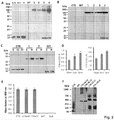
- CTB-HC and CTB-C2 fusion proteins in protein extracts from leaves of transplastomic tobacco plants was evaluated by western blot analysis. Under fully denatured and reducing conditions, blots probed with anti-CTB polyclonal antibody revealed full-length CTB-HC fusion protein with the expected molecular mass of 98 kDa ( Fig. 2A ) in all transplastomic lines. No cleaved products were observed even after solubilization of pentamers and destabilization of disulfide bonds with reducing agents. A similar banding pattern was observed in a parallel blot probed with an anti-A2 domain specific monoclonal antibody.
- a 31 kDa polypeptide representing the correct size of CTB-C2 fusion protein was detected in both fractions (supernatant and homogenate) of independent transplastomic lines.
- the CTB-C2 fusion protein accumulated up to 4.2% in the homogenate ( i.e ., 4.2% TLP or 370 ⁇ g per g of fresh leaf, Fig. 2D ).
- a plasma membrane receptor (GM1-ganglioside) binds CTB in vivo, and a pentameric structure is required for binding to GM1 receptor. 38-40
- GM1-binding ELISA was performed. As observed in Fig. 2E , CTB-HC and CTB-C2 fusion protein extracts along with purified CTB protein showed strong binding affinity to GM1. Therefore, CTB-HC and CTB-C2 fusion proteins assembled properly to form pentameric structures within transformed chloroplasts.
- we ran blue native gels we ran blue native gels, and the blots were probed with anti-CTB polyclonal antibody.
- splenocytes from FVIII-fed did not show expression of IL-6 or other cytokines associated with Th1 (IL-2, IFN- ⁇ ), Th2 (IL-4, IL-13), or Th17 (IL-17) responses. Instead, up-regulation of Treg markers (CD25, FoxP3, CTLA-4) and, more markedly, of suppressive cytokines IL-10 and TGF- ⁇ was observed. Hence, the response was shifted from an effector to a suppressive/regulated response.
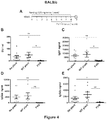
- inhibitor and anti-FVIII IgG titers further increased in control animals treated with FVIII in parallel, reaching levels substantially higher (on average 9-fold) than those in initially FVIII-fed mice (445-998 BU/ml, Fig. 5B ).
- Control mice were subsequently fed with WT plant material for 2 months without further exposure to FVIII ( Fig. 5A ). These animals maintained their Bethesda titers and showed a modest decline in IgG1 anti-FVIII ( Fig. 5B-C ).
- Lymphocyte assays in the C57BL6/129 strain suggested Treg induction. We sought to obtain more direct evidence for induction of active immune suppression using adoptive transfer studies, which was possible in the pure BALB/c background. Lymphocytes were isolated from spleens and mesenteric lymph nodes (MLN) of FVIII-fed hemophilic BALB/c mice at the end of the experiment outlined in Fig. 5A . Upon adoptive transfer to naive mice of the same strain, CD4 + CD25 + T cells, and even more so CD4 + CD25 - T cells (but not CD4 - cells) were able to significantly suppress antibody formation to FVIII ( Fig. 6A ).
- CD4 + CD2S + FoxP3 + Treg are critical in tolerance induction to coagulation factors. 8,42
- flow cytometric analyses of various lymphatic tissues in tolerized vs control mice Fig. 6B .
- CD4 + CD25 - LAP + T cells which express high levels of TGF- ⁇
- MLN spleens
- Peyer's patches spleens
- type 1 regulatory T (Tr1) cells which express high levels of IL-10 and are LAG-3 + CD49b + ).
- FVIII antigen Delivery of FVIII antigen to the GALT was demonstrated by immunostaining, which showed presence of fed FVIII antigen in epithelial cells and delivery to dendritic cells (DC) in the lamina intestinal and Peyer's patches of the small intestine ( Fig. 7A-C ). Presence of a furin cleavage site between CTB and FVIII sequences should facilitate systemic delivery of FVIII antigen following uptake in the gut. Indeed, we found HC antigen in plasma samples and liver protein extracts from samples obtained from hemophilia A mice 5 hrs following the last gavage ( Fig. 7D ).
- lettuce Lactuca sativa
- the lettuce chloroplast expression vector pLs-CTB.C2 was created by introducing lettuce flanking sequences 16S / trnI and trnA / 23S, and 5' UTR and promoter of psbA gene from lettuce ( Fig. 9A ).
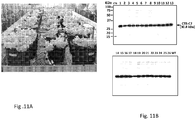
- Transplastomic plants were obtained after 3 - 4 months of selection and regeneration following bombardment of lettuce leaves. Southern blot analysis indicated that homoplasmy was achieved in most transplastomic lines ( Fig. 9B ).
- TLP or 102 ⁇ g/g fresh leaves
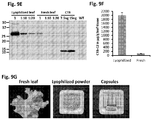
- CTB-C2 fusion protein was expressed in lettuce chloroplasts as observed in western blot analysis ( FIG. 9C ).
- the pentamer form of lettuce-made CTB-C2 was also verified by GM1 binding assay and by blue native gel electrophoresis/immunoblot analysis ( Fig. 9D-E ). No cleaved products were observed even after dissolution of pentamers and destabilization of disulfide bonds by reducing agents ( Fig. 9C ).
- the C2 antigen concentration per gram of leaf tissue increased 20 fold after lyophilization.
- lyophilized and ground lettuce CTB-C2 powder can be prepared as capsules (or in a different formulation more suitable for pediatric patients) and stored at room temperature for long periods to facilitate oral delivery in clinical studies ( Fig. 9H ).
- An oral tolerance protocol would be ideal for induction of antigen-specific tolerance while avoiding use of genetic manipulation of patient cells or of immune suppressive drugs, which have undesired side effects, increase the risk of infection, and may impact development of the immune system. 12 , 14 , 16 , 20 Therefore, oral delivery of FVIII antigen may be an acceptable form of prophylactic tolerance induction in pediatric patients. Our current study demonstrates that multiple domains of FVIII can be expressed in plant chloroplasts. Moreover, oral administration of a mixture of bioencapsulated HC and C2 domain antigens substantially suppressed inhibitor formation in subsequent replacement therapy or animals with pre-existing response to FVIII infusion.
- Transgene codon optimization can be employed to increase expression, as observed for several other human genes in chloroplasts. 18 , 32
- the C2 domain is expressed 3.6-fold higher than the heavy chain because of higher codon compatibility, underscoring the need for codon optimization to achieve higher levels of expression in chloroplasts.
- FVIII domains their ratio becomes important. For example, we observed only a 3-fold reduction in inhibitor titers in hemophilic C57BL6/129 mice when a ratio of HC-C2 of 1:3 (instead of 1:1) was used (data not shown).
- the tolerogenic antigen mix may be further optimized by preparing different ratios of domains or subunits or by addition of more domains such as A3.
- the new data with FVIII demonstrate that the approach can also be applied to reversal of pre-existing inhibitors that have formed during replacement therapy.
- new oral tolerance protocols for prevention of inhibitor formation in high-risk patients and as an alternative or an addition to current ITI have been developed.
- CD4 + T cells suggest induction of CD4 + CD25 - LAP + Treg, which are known to be inducible by antigen presentation in the gut and suppress by expression of large amounts of TGF- ⁇ , a cytokine that is also required for peripheral induction of CD4 + CD2S + FoxP3 + Treg.
- induction of CD4 + CD25 - LAP + was observed in Peyer's patches and MLN, which drain the gut, but not non-draining lymph nodes. Increased frequency in the spleen is consistent with suppression of a systemic response, which is required to control inhibitor formation against IV delivered FVIII antigen. We found no evidence for induction of Trl cells.
- IL-10 a critical anti-inflammatory cytokine in the GALT.
- Both FoxP3 + Treg and LAP + Treg are potential sources of IL-10 expression.
- Co-delivery of HC and C2 domain was sufficient to suppress inhibitor formation against the entire FVIII molecule in the BALB/c strain.
- additional T cell epitopes in other domains likely exist.
- efficient induction of Treg may provide sufficient suppression so that not all epitopes have to be covered by the orally delivered antigens.
- FVIII domains can be produced at high levels in leaves of transplastomic plants.
- Oral delivery of modified plant cells induces Treg that suppress antibody formation to IV delivered FVIII and therefore represents a promising approach to control formation of inhibitors.
Landscapes
- Health & Medical Sciences (AREA)
- Life Sciences & Earth Sciences (AREA)
- Chemical & Material Sciences (AREA)
- Genetics & Genomics (AREA)
- Organic Chemistry (AREA)
- Engineering & Computer Science (AREA)
- General Health & Medical Sciences (AREA)
- Bioinformatics & Cheminformatics (AREA)
- Zoology (AREA)
- Medicinal Chemistry (AREA)
- Biochemistry (AREA)
- Wood Science & Technology (AREA)
- General Engineering & Computer Science (AREA)
- Molecular Biology (AREA)
- Proteomics, Peptides & Aminoacids (AREA)
- Gastroenterology & Hepatology (AREA)
- Pharmacology & Pharmacy (AREA)
- Biotechnology (AREA)
- Biomedical Technology (AREA)
- Biophysics (AREA)
- Animal Behavior & Ethology (AREA)
- Veterinary Medicine (AREA)
- Public Health (AREA)
- Immunology (AREA)
- Epidemiology (AREA)
- Hematology (AREA)
- Cell Biology (AREA)
- Plant Pathology (AREA)
- Physics & Mathematics (AREA)
- Microbiology (AREA)
- Toxicology (AREA)
- Diabetes (AREA)
- Chemical Kinetics & Catalysis (AREA)
- General Chemical & Material Sciences (AREA)
- Nuclear Medicine, Radiotherapy & Molecular Imaging (AREA)
- Medicines That Contain Protein Lipid Enzymes And Other Medicines (AREA)
- Peptides Or Proteins (AREA)
- Pharmaceuticals Containing Other Organic And Inorganic Compounds (AREA)
Claims (6)
- Zusammensetzung, umfassend lyophilisiertes Pflanzenmaterial, umfassend mindestens ein Fragment von FVIII, das an eine Cholera Toxin B Untereinheit (CTB) konjugiert ist, wobei das Fragment aus einer FVIII Domäne besteht, ausgewählt aus der Gruppe, bestehend aus C2 und einer schweren Kette (HC), wobei das an CTB konjugierte Fragment in Chloroplasten innerhalb der Pflanze hergestellt wurde und Immunogenität in lyophilisierter Form beibehält, was bei oraler Verabreichung an einen Säuger, der dies benötigt, wirksam ist, orale Toleranz gegenüber FVIII zu erzeugen.
- Zusammensetzung nach Anspruch 1 zur Verwendung bei einem Verfahren der oralen Toleranz zur Behandlung von Hämophilie A.
- Zusammensetzung nach Anspruch 1, wobei die Pflanze ausgewählt ist aus der Gruppe, bestehend aus Salat, Tomate, Apfel, Beeren wie Erdbeeren und Himbeeren, Zitrusfrüchten, Banane, Karotte, Sellerie, Blumenkohl; Brokkoli, Blattkohl, Gurke, Zuckermelone, Wassermelone, Pfeffer, Birne, Traube, Pfirsich, Rettich und Grünkohl.
- Zusammensetzung nach Anspruch 1, wobei sich ein Hinge-Peptid, GPGP und eine Furin-Spaltungsstelle, RRKR, zwischen der CTB und dem mindestens einen FVIII Fragment befinden.
- Zusammensetzung zur Verwendung in einem Verfahren der oralen Toleranz zur Behandlung von Hämophilie A nach Anspruch 2, wobei das Verfahren Zusammen-Verabreichen von C2-CTB und HC-CTB Fusions-Proteinen umfasst, wobei die Zusammensetzung wirksam ist, Expression von TGF-β produzierenden CD4+CD25- LAP+ regulatorischen T-Zellen in der Milz zu induzieren.
- Zusammensetzung zur Verwendung bei einem Verfahren der oralen Toleranz zur Behandlung von Hämophilie A nach Anspruch 2, wobei die orale Toleranz durch Unterdrückung von Inhibitor-Bildung oder Umkehr von bereits bestehenden Inhibitoren, gebildet während FVIII-Ersatztherapie, verursacht wird.
Priority Applications (5)
| Application Number | Priority Date | Filing Date | Title |
|---|---|---|---|
| EP20185791.9A EP3763381A1 (de) | 2013-11-15 | 2014-11-17 | Zusammensetzungen zur unterdrückung einer inhibitorformierung gegen den faktor viii bei patienten mit hämophilie a |
| RS20201237A RS60929B1 (sr) | 2013-11-15 | 2014-11-17 | Kompozicije za supresiju stvaranja inhibitora protiv faktora viii kod pacijenata sa hemofilijom a |
| HRP20201680TT HRP20201680T1 (hr) | 2013-11-15 | 2014-11-17 | Pripravci za suzbijanje nastajanja inhibitora protiv faktora viii kod pacijenata sa hemofilijom a |
| SI201431680T SI3068869T1 (sl) | 2013-11-15 | 2014-11-17 | Sestavki za supresijo tvorbe inhibitorja proti faktorju VIII pri pacientih s hemofilijo A |
| PL14862042T PL3068869T3 (pl) | 2013-11-15 | 2014-11-17 | Kompozycje do hamowania wytwarzania inhibitorów przeciwko czynnikowi viii u pacjentów z hemofilią a |
Applications Claiming Priority (3)
| Application Number | Priority Date | Filing Date | Title |
|---|---|---|---|
| US201361905069P | 2013-11-15 | 2013-11-15 | |
| US201361905071P | 2013-11-15 | 2013-11-15 | |
| PCT/US2014/065994 WO2015073988A1 (en) | 2013-11-15 | 2014-11-17 | Compositions and methods for suppression of inhibitor formation against factor viii in hemophilia a patients |
Related Child Applications (1)
| Application Number | Title | Priority Date | Filing Date |
|---|---|---|---|
| EP20185791.9A Division EP3763381A1 (de) | 2013-11-15 | 2014-11-17 | Zusammensetzungen zur unterdrückung einer inhibitorformierung gegen den faktor viii bei patienten mit hämophilie a |
Publications (3)
| Publication Number | Publication Date |
|---|---|
| EP3068869A1 EP3068869A1 (de) | 2016-09-21 |
| EP3068869A4 EP3068869A4 (de) | 2017-04-05 |
| EP3068869B1 true EP3068869B1 (de) | 2020-07-22 |
Family
ID=53058150
Family Applications (2)
| Application Number | Title | Priority Date | Filing Date |
|---|---|---|---|
| EP14862042.0A Active EP3068869B1 (de) | 2013-11-15 | 2014-11-17 | Zusammensetzungen zur unterdrückung einer inhibitorformierung gegen den faktor viii bei patienten mit hämophilie a |
| EP20185791.9A Withdrawn EP3763381A1 (de) | 2013-11-15 | 2014-11-17 | Zusammensetzungen zur unterdrückung einer inhibitorformierung gegen den faktor viii bei patienten mit hämophilie a |
Family Applications After (1)
| Application Number | Title | Priority Date | Filing Date |
|---|---|---|---|
| EP20185791.9A Withdrawn EP3763381A1 (de) | 2013-11-15 | 2014-11-17 | Zusammensetzungen zur unterdrückung einer inhibitorformierung gegen den faktor viii bei patienten mit hämophilie a |
Country Status (15)
| Country | Link |
|---|---|
| US (3) | US10233216B2 (de) |
| EP (2) | EP3068869B1 (de) |
| AU (1) | AU2014348289B2 (de) |
| CA (1) | CA2967269C (de) |
| CY (1) | CY1123792T1 (de) |
| DK (1) | DK3068869T3 (de) |
| ES (1) | ES2821882T3 (de) |
| HR (1) | HRP20201680T1 (de) |
| HU (1) | HUE050869T2 (de) |
| LT (1) | LT3068869T (de) |
| PL (1) | PL3068869T3 (de) |
| PT (1) | PT3068869T (de) |
| RS (1) | RS60929B1 (de) |
| SI (1) | SI3068869T1 (de) |
| WO (1) | WO2015073988A1 (de) |
Families Citing this family (7)
| Publication number | Priority date | Publication date | Assignee | Title |
|---|---|---|---|---|
| EP2881463A1 (de) * | 2013-12-09 | 2015-06-10 | DRK-Blutspendedienst Baden-Württemberg-Hessen gGmbH | Faktor-IX-Varianten mit Gerinnungsaktivität in Abwesenheit ihres Cofaktors und/oder mit erhöhter F.IX-Gerinnungsaktivität und ihre Verwendung zur Behandlung von Blutungsstörungen |
| GB201420139D0 (en) | 2014-11-12 | 2014-12-24 | Ucl Business Plc | Factor IX gene therapy |
| GB201508025D0 (en) | 2015-05-11 | 2015-06-24 | Ucl Business Plc | Fabry disease gene therapy |
| JP2019503341A (ja) * | 2015-11-16 | 2019-02-07 | ザ トラスティーズ オブ ザ ユニバーシティ オブ ペンシルバニア | 植物細胞に生物学的に封入された、治療用タンパク質の、疾患の治療のための関心のある細胞型への標的化された送達 |
| WO2017165320A1 (en) * | 2016-03-20 | 2017-09-28 | The Trustees Of The University Of Pennsylvania | Codon optimization and ribosome profiling for increasing transgene expression in chloroplasts of higher plants |
| GB201813528D0 (en) | 2018-08-20 | 2018-10-03 | Ucl Business Plc | Factor IX encoding nucleotides |
| US10842885B2 (en) | 2018-08-20 | 2020-11-24 | Ucl Business Ltd | Factor IX encoding nucleotides |
Family Cites Families (12)
| Publication number | Priority date | Publication date | Assignee | Title |
|---|---|---|---|---|
| US20110179530A1 (en) | 2001-01-23 | 2011-07-21 | University Of Central Florida Research Foundation, Inc. | Pharmaceutical Proteins, Human Therapeutics, Human Serum Albumin Insulin, Native Cholera Toxin B Subunit on Transgenic Plastids |
| EP2080803B1 (de) | 2000-03-01 | 2011-05-25 | Auburn University | Plastidtransformationsvektoren zur Expression von Proinsulin, das an die Cholera Toxin B-Untereinheit fusioniert ist, in Pflanzen |
| AU2001245359A1 (en) | 2000-03-02 | 2001-09-12 | Auburn University | Marker free transgenic plants: engineering the chloroplast genome without the use of antibiotic selection |
| AU2002358292B2 (en) | 2001-12-26 | 2008-12-18 | University Of Central Florida | Expression of protective antigens in transgenic chloroplasts and the production of improved vaccines |
| AU2003253781A1 (en) | 2002-07-03 | 2004-01-23 | University Of Central Florida | Expression of human interferon in transgenic chloroplasts |
| EP1747294A2 (de) * | 2004-05-11 | 2007-01-31 | Wyeth a Corporation of the State of Delaware | Neue polynukleotide in zusammenhang mit oligonukleotid-arrays zur genexpressionsüberwachung |
| GB0709803D0 (en) * | 2007-05-22 | 2007-07-04 | Ucl Business Plc | Predictive method |
| WO2011057243A2 (en) * | 2009-11-09 | 2011-05-12 | University Of Central Florida Research Foundation, Inc. | Administration of plant expressed oral tolerance agents |
| US8454957B2 (en) * | 2010-06-17 | 2013-06-04 | Stemnion, Inc. | Methods for treating coagulation disorders |
| US20130017997A1 (en) * | 2010-08-19 | 2013-01-17 | Amunix Operating Inc. | Factor VIII Compositions and Methods of Making and Using Same |
| EP2770991B9 (de) * | 2011-10-24 | 2017-01-25 | The Trustees Of The University Of Pennsylvania | Oral verabreichtes plastidexprimiertes choleratoxin-b-untereinheit-exendin 4 zur verwendung in der behandlung von typ-2-diabetes |
| SMT201800586T1 (it) * | 2012-01-12 | 2019-01-11 | Bioverativ Therapeutics Inc | Riduzione dell'immunogenicita' contro il fattore viii negli individui che si sottopongono alla terapia con fattore viii |
-
2014
- 2014-11-17 PL PL14862042T patent/PL3068869T3/pl unknown
- 2014-11-17 HR HRP20201680TT patent/HRP20201680T1/hr unknown
- 2014-11-17 EP EP14862042.0A patent/EP3068869B1/de active Active
- 2014-11-17 PT PT148620420T patent/PT3068869T/pt unknown
- 2014-11-17 LT LTEP14862042.0T patent/LT3068869T/lt unknown
- 2014-11-17 EP EP20185791.9A patent/EP3763381A1/de not_active Withdrawn
- 2014-11-17 HU HUE14862042A patent/HUE050869T2/hu unknown
- 2014-11-17 SI SI201431680T patent/SI3068869T1/sl unknown
- 2014-11-17 AU AU2014348289A patent/AU2014348289B2/en active Active
- 2014-11-17 CA CA2967269A patent/CA2967269C/en active Active
- 2014-11-17 US US15/037,045 patent/US10233216B2/en active Active
- 2014-11-17 WO PCT/US2014/065994 patent/WO2015073988A1/en not_active Ceased
- 2014-11-17 ES ES14862042T patent/ES2821882T3/es active Active
- 2014-11-17 DK DK14862042.0T patent/DK3068869T3/da active
- 2014-11-17 RS RS20201237A patent/RS60929B1/sr unknown
-
2019
- 2019-03-12 US US16/299,928 patent/US10556932B2/en active Active
-
2020
- 2020-02-11 US US16/787,778 patent/US20200270313A1/en not_active Abandoned
- 2020-10-22 CY CY20201101009T patent/CY1123792T1/el unknown
Non-Patent Citations (1)
| Title |
|---|
| None * |
Also Published As
| Publication number | Publication date |
|---|---|
| US20200270313A1 (en) | 2020-08-27 |
| WO2015073988A1 (en) | 2015-05-21 |
| EP3763381A1 (de) | 2021-01-13 |
| HUE050869T2 (hu) | 2021-01-28 |
| RS60929B1 (sr) | 2020-11-30 |
| EP3068869A4 (de) | 2017-04-05 |
| CY1123792T1 (el) | 2022-03-24 |
| PL3068869T3 (pl) | 2021-03-08 |
| CA2967269C (en) | 2022-04-26 |
| US20190194265A1 (en) | 2019-06-27 |
| SI3068869T1 (sl) | 2020-11-30 |
| DK3068869T3 (da) | 2020-09-07 |
| EP3068869A1 (de) | 2016-09-21 |
| HRP20201680T1 (hr) | 2021-03-19 |
| AU2014348289A1 (en) | 2016-06-16 |
| AU2014348289B2 (en) | 2020-11-26 |
| US10233216B2 (en) | 2019-03-19 |
| US20160289277A1 (en) | 2016-10-06 |
| ES2821882T3 (es) | 2021-04-28 |
| LT3068869T (lt) | 2020-10-26 |
| CA2967269A1 (en) | 2015-02-21 |
| PT3068869T (pt) | 2020-10-08 |
| US10556932B2 (en) | 2020-02-11 |
Similar Documents
| Publication | Publication Date | Title |
|---|---|---|
| US10556932B2 (en) | Compositions and methods for suppression of inhibitor formation against coagulation factors in hemophilia patients | |
| Sherman et al. | Suppression of inhibitor formation against FVIII in a murine model of hemophilia A by oral delivery of antigens bioencapsulated in plant cells | |
| CA3037889C (en) | Treatment of immune disease by mucosal delivery of antigens | |
| WO2002053106A2 (en) | Autoantigen composition | |
| US20180028625A1 (en) | Administration of plant expressed oral tolerance agents | |
| JP7145083B2 (ja) | 高等植物の葉緑体におけるトランス遺伝子発現を増加させるためのコドン最適化及びリボソームプロファイリング | |
| KR20120120965A (ko) | 자작나무 알레르기에 대한 펩티드백신 | |
| CN103596971B (zh) | 通过删除由nkt细胞识别的表位来调整抗原免疫原性 | |
| CN108699548A (zh) | 将生物包封于植物细胞中的治疗性蛋白质靶向递送至目标细胞类型以治疗疾病 | |
| RU2689552C2 (ru) | Новая иммунотерапевтическая композиция и ее применения | |
| US10865419B2 (en) | Orally administered plastid expressed cholera toxin B subunit-exendin 4 as treatment for type 2 diabetes | |
| US20250295587A1 (en) | Complex lipid nanoparticles encapsulating polypeptides and uses thereof | |
| Gong et al. | Glutamic acid decarboxylase epitope protects against autoimmune diabetes through activation of Th2 immune response and induction of possible regulatory mechanism | |
| Sherman et al. | FVIII Blood | |
| Factor | Suppression of inhibitor formation against FVIII in a murine model of hemophilia A by oral delivery of antigens bioencapsulated in plant cells | |
| CA3156035A1 (en) | Treatment of celiac disease | |
| Lin et al. | Suppression of inhibitor formation against FVIII in a murine model of hemophilia A by oral delivery of antigens bioencapsulated in plant cells | |
| HK1262479A1 (en) | Targeted delivery of therapeutic proteins bioencapsulated in plant cells to cell types of interest for the treatment of disease | |
| Chouinard | Engineering of the Papaya Mosaic Virus for the Production of a Diabetes Type 1 Prevention Vaccine |
Legal Events
| Date | Code | Title | Description |
|---|---|---|---|
| PUAI | Public reference made under article 153(3) epc to a published international application that has entered the european phase |
Free format text: ORIGINAL CODE: 0009012 |
|
| 17P | Request for examination filed |
Effective date: 20160613 |
|
| AK | Designated contracting states |
Kind code of ref document: A1 Designated state(s): AL AT BE BG CH CY CZ DE DK EE ES FI FR GB GR HR HU IE IS IT LI LT LU LV MC MK MT NL NO PL PT RO RS SE SI SK SM TR |
|
| AX | Request for extension of the european patent |
Extension state: BA ME |
|
| DAX | Request for extension of the european patent (deleted) | ||
| REG | Reference to a national code |
Ref country code: DE Ref legal event code: R079 Ref document number: 602014068130 Country of ref document: DE Free format text: PREVIOUS MAIN CLASS: C12N0005020000 Ipc: A61K0038360000 |
|
| A4 | Supplementary search report drawn up and despatched |
Effective date: 20170302 |
|
| RIC1 | Information provided on ipc code assigned before grant |
Ipc: C07K 14/28 20060101ALI20170224BHEP Ipc: C07K 14/755 20060101ALI20170224BHEP Ipc: A61K 36/00 20060101ALI20170224BHEP Ipc: A61K 38/37 20060101ALI20170224BHEP Ipc: A01H 9/00 20060101ALI20170224BHEP Ipc: C12N 5/00 20060101ALI20170224BHEP Ipc: C12N 15/82 20060101ALI20170224BHEP Ipc: A61P 7/04 20060101ALI20170224BHEP Ipc: C12N 5/02 20060101ALI20170224BHEP Ipc: A61K 38/47 20060101ALI20170224BHEP Ipc: A61K 38/36 20060101AFI20170224BHEP |
|
| STAA | Information on the status of an ep patent application or granted ep patent |
Free format text: STATUS: EXAMINATION IS IN PROGRESS |
|
| 17Q | First examination report despatched |
Effective date: 20180405 |
|
| GRAP | Despatch of communication of intention to grant a patent |
Free format text: ORIGINAL CODE: EPIDOSNIGR1 |
|
| STAA | Information on the status of an ep patent application or granted ep patent |
Free format text: STATUS: GRANT OF PATENT IS INTENDED |
|
| INTG | Intention to grant announced |
Effective date: 20200206 |
|
| GRAS | Grant fee paid |
Free format text: ORIGINAL CODE: EPIDOSNIGR3 |
|
| GRAA | (expected) grant |
Free format text: ORIGINAL CODE: 0009210 |
|
| STAA | Information on the status of an ep patent application or granted ep patent |
Free format text: STATUS: THE PATENT HAS BEEN GRANTED |
|
| AK | Designated contracting states |
Kind code of ref document: B1 Designated state(s): AL AT BE BG CH CY CZ DE DK EE ES FI FR GB GR HR HU IE IS IT LI LT LU LV MC MK MT NL NO PL PT RO RS SE SI SK SM TR |
|
| REG | Reference to a national code |
Ref country code: GB Ref legal event code: FG4D |
|
| REG | Reference to a national code |
Ref country code: CH Ref legal event code: EP |
|
| REG | Reference to a national code |
Ref country code: DE Ref legal event code: R096 Ref document number: 602014068130 Country of ref document: DE |
|
| REG | Reference to a national code |
Ref country code: AT Ref legal event code: REF Ref document number: 1292774 Country of ref document: AT Kind code of ref document: T Effective date: 20200815 |
|
| REG | Reference to a national code |
Ref country code: IE Ref legal event code: FG4D |
|
| REG | Reference to a national code |
Ref country code: DK Ref legal event code: T3 Effective date: 20200831 Ref country code: FI Ref legal event code: FGE |
|
| REG | Reference to a national code |
Ref country code: NO Ref legal event code: T2 Effective date: 20200722 |
|
| REG | Reference to a national code |
Ref country code: SE Ref legal event code: TRGR |
|
| REG | Reference to a national code |
Ref country code: CH Ref legal event code: NV Representative=s name: KIRKER AND CIE S.A., CH Ref country code: NL Ref legal event code: FP |
|
| REG | Reference to a national code |
Ref country code: RO Ref legal event code: EPE |
|
| REG | Reference to a national code |
Ref country code: PT Ref legal event code: SC4A Ref document number: 3068869 Country of ref document: PT Date of ref document: 20201008 Kind code of ref document: T Free format text: AVAILABILITY OF NATIONAL TRANSLATION Effective date: 20200930 |
|
| REG | Reference to a national code |
Ref country code: HR Ref legal event code: TUEP Ref document number: P20201680T Country of ref document: HR |
|
| REG | Reference to a national code |
Ref country code: HR Ref legal event code: ODRP Ref document number: P20201680T Country of ref document: HR Payment date: 20201116 Year of fee payment: 7 |
|
| REG | Reference to a national code |
Ref country code: GR Ref legal event code: EP Ref document number: 20200402843 Country of ref document: GR Effective date: 20201116 |
|
| REG | Reference to a national code |
Ref country code: EE Ref legal event code: FG4A Ref document number: E019890 Country of ref document: EE Effective date: 20201006 |
|
| RAP2 | Party data changed (patent owner data changed or rights of a patent transferred) |
Owner name: HERZOG, ROLAND W. Owner name: UNIVERSITY OF FLORIDA RESEARCH FOUNDATION, INC. Owner name: THE TRUSTEES OF THE UNIVERSITY OF PENNSYLVANIA Owner name: DANIELL, HENRY |
|
| RAP2 | Party data changed (patent owner data changed or rights of a patent transferred) |
Owner name: UNIVERSITY OF FLORIDA RESEARCH FOUNDATION, INC. Owner name: THE TRUSTEES OF THE UNIVERSITY OF PENNSYLVANIA |
|
| REG | Reference to a national code |
Ref country code: SK Ref legal event code: T3 Ref document number: E 35602 Country of ref document: SK |
|
| REG | Reference to a national code |
Ref country code: HU Ref legal event code: AG4A Ref document number: E050869 Country of ref document: HU |
|
| REG | Reference to a national code |
Ref country code: AT Ref legal event code: UEP Ref document number: 1292774 Country of ref document: AT Kind code of ref document: T Effective date: 20200722 |
|
| REG | Reference to a national code |
Ref country code: HR Ref legal event code: T1PR Ref document number: P20201680 Country of ref document: HR |
|
| REG | Reference to a national code |
Ref country code: DE Ref legal event code: R097 Ref document number: 602014068130 Country of ref document: DE |
|
| REG | Reference to a national code |
Ref country code: ES Ref legal event code: FG2A Ref document number: 2821882 Country of ref document: ES Kind code of ref document: T3 Effective date: 20210428 |
|
| PG25 | Lapsed in a contracting state [announced via postgrant information from national office to epo] |
Ref country code: SM Free format text: LAPSE BECAUSE OF FAILURE TO SUBMIT A TRANSLATION OF THE DESCRIPTION OR TO PAY THE FEE WITHIN THE PRESCRIBED TIME-LIMIT Effective date: 20200722 |
|
| PLBE | No opposition filed within time limit |
Free format text: ORIGINAL CODE: 0009261 |
|
| STAA | Information on the status of an ep patent application or granted ep patent |
Free format text: STATUS: NO OPPOSITION FILED WITHIN TIME LIMIT |
|
| 26N | No opposition filed |
Effective date: 20210423 |
|
| REG | Reference to a national code |
Ref country code: HR Ref legal event code: ODRP Ref document number: P20201680 Country of ref document: HR Payment date: 20211112 Year of fee payment: 8 |
|
| REG | Reference to a national code |
Ref country code: HR Ref legal event code: ODRP Ref document number: P20201680 Country of ref document: HR Payment date: 20221110 Year of fee payment: 9 |
|
| P01 | Opt-out of the competence of the unified patent court (upc) registered |
Effective date: 20230503 |
|
| REG | Reference to a national code |
Ref country code: HR Ref legal event code: ODRP Ref document number: P20201680 Country of ref document: HR Payment date: 20231108 Year of fee payment: 10 |
|
| REG | Reference to a national code |
Ref country code: HR Ref legal event code: ODRP Ref document number: P20201680 Country of ref document: HR Payment date: 20241105 Year of fee payment: 11 |
|
| REG | Reference to a national code |
Ref country code: CH Ref legal event code: U11 Free format text: ST27 STATUS EVENT CODE: U-0-0-U10-U11 (AS PROVIDED BY THE NATIONAL OFFICE) Effective date: 20251201 |
|
| REG | Reference to a national code |
Ref country code: HR Ref legal event code: ODRP Ref document number: P20201680 Country of ref document: HR Payment date: 20251110 Year of fee payment: 12 |
|
| PGFP | Annual fee paid to national office [announced via postgrant information from national office to epo] |
Ref country code: PT Payment date: 20251117 Year of fee payment: 12 |
|
| PGFP | Annual fee paid to national office [announced via postgrant information from national office to epo] |
Ref country code: HU Payment date: 20251127 Year of fee payment: 12 |
|
| PGFP | Annual fee paid to national office [announced via postgrant information from national office to epo] |
Ref country code: LU Payment date: 20251113 Year of fee payment: 12 Ref country code: NL Payment date: 20251112 Year of fee payment: 12 |
|
| PGFP | Annual fee paid to national office [announced via postgrant information from national office to epo] |
Ref country code: IS Payment date: 20251124 Year of fee payment: 12 Ref country code: DE Payment date: 20251104 Year of fee payment: 12 |
|
| PGFP | Annual fee paid to national office [announced via postgrant information from national office to epo] |
Ref country code: LT Payment date: 20251103 Year of fee payment: 12 Ref country code: GB Payment date: 20251030 Year of fee payment: 12 |
|
| PGFP | Annual fee paid to national office [announced via postgrant information from national office to epo] |
Ref country code: NO Payment date: 20251113 Year of fee payment: 12 Ref country code: MC Payment date: 20251112 Year of fee payment: 12 |
|
| PGFP | Annual fee paid to national office [announced via postgrant information from national office to epo] |
Ref country code: AT Payment date: 20251110 Year of fee payment: 12 Ref country code: MK Payment date: 20251031 Year of fee payment: 12 |
|
| PGFP | Annual fee paid to national office [announced via postgrant information from national office to epo] |
Ref country code: IT Payment date: 20251121 Year of fee payment: 12 Ref country code: FI Payment date: 20251113 Year of fee payment: 12 Ref country code: DK Payment date: 20251112 Year of fee payment: 12 |
|
| PGFP | Annual fee paid to national office [announced via postgrant information from national office to epo] |
Ref country code: HR Payment date: 20251110 Year of fee payment: 12 Ref country code: FR Payment date: 20251110 Year of fee payment: 12 |
|
| PGFP | Annual fee paid to national office [announced via postgrant information from national office to epo] |
Ref country code: TR Payment date: 20251031 Year of fee payment: 12 Ref country code: AL Payment date: 20251118 Year of fee payment: 12 Ref country code: GR Payment date: 20251114 Year of fee payment: 12 Ref country code: BE Payment date: 20251117 Year of fee payment: 12 |
|
| PGFP | Annual fee paid to national office [announced via postgrant information from national office to epo] |
Ref country code: CH Payment date: 20251201 Year of fee payment: 12 Ref country code: SE Payment date: 20251112 Year of fee payment: 12 |
|
| PGFP | Annual fee paid to national office [announced via postgrant information from national office to epo] |
Ref country code: IE Payment date: 20251111 Year of fee payment: 12 Ref country code: CZ Payment date: 20251112 Year of fee payment: 12 Ref country code: CY Payment date: 20251114 Year of fee payment: 12 |
|
| PGFP | Annual fee paid to national office [announced via postgrant information from national office to epo] |
Ref country code: LV Payment date: 20251104 Year of fee payment: 12 Ref country code: MT Payment date: 20251118 Year of fee payment: 12 |
|
| PGFP | Annual fee paid to national office [announced via postgrant information from national office to epo] |
Ref country code: BG Payment date: 20251113 Year of fee payment: 12 Ref country code: PL Payment date: 20251112 Year of fee payment: 12 |
|
| PGFP | Annual fee paid to national office [announced via postgrant information from national office to epo] |
Ref country code: EE Payment date: 20251113 Year of fee payment: 12 |
|
| PGFP | Annual fee paid to national office [announced via postgrant information from national office to epo] |
Ref country code: RO Payment date: 20251113 Year of fee payment: 12 Ref country code: SK Payment date: 20251112 Year of fee payment: 12 |
|
| PGFP | Annual fee paid to national office [announced via postgrant information from national office to epo] |
Ref country code: RS Payment date: 20251115 Year of fee payment: 12 |
|
| PGFP | Annual fee paid to national office [announced via postgrant information from national office to epo] |
Ref country code: SI Payment date: 20251113 Year of fee payment: 12 Ref country code: ES Payment date: 20251212 Year of fee payment: 12 |