EP3065075B1 - Zweistufige authentifizierung und aktivierung von quad-small-form-factor-pluggable (qsfp+)-transceivern - Google Patents
Zweistufige authentifizierung und aktivierung von quad-small-form-factor-pluggable (qsfp+)-transceivern Download PDFInfo
- Publication number
- EP3065075B1 EP3065075B1 EP16158361.2A EP16158361A EP3065075B1 EP 3065075 B1 EP3065075 B1 EP 3065075B1 EP 16158361 A EP16158361 A EP 16158361A EP 3065075 B1 EP3065075 B1 EP 3065075B1
- Authority
- EP
- European Patent Office
- Prior art keywords
- memory
- hash string
- hashed password
- protected part
- component
- Prior art date
- Legal status (The legal status is an assumption and is not a legal conclusion. Google has not performed a legal analysis and makes no representation as to the accuracy of the status listed.)
- Not-in-force
Links
Images

Classifications
-
- H—ELECTRICITY
- H04—ELECTRIC COMMUNICATION TECHNIQUE
- H04L—TRANSMISSION OF DIGITAL INFORMATION, e.g. TELEGRAPHIC COMMUNICATION
- H04L9/00—Cryptographic mechanisms or cryptographic arrangements for secret or secure communications; Network security protocols
- H04L9/32—Cryptographic mechanisms or cryptographic arrangements for secret or secure communications; Network security protocols including means for verifying the identity or authority of a user of the system or for message authentication, e.g. authorization, entity authentication, data integrity or data verification, non-repudiation, key authentication or verification of credentials
- H04L9/3236—Cryptographic mechanisms or cryptographic arrangements for secret or secure communications; Network security protocols including means for verifying the identity or authority of a user of the system or for message authentication, e.g. authorization, entity authentication, data integrity or data verification, non-repudiation, key authentication or verification of credentials using cryptographic hash functions
- H04L9/3242—Cryptographic mechanisms or cryptographic arrangements for secret or secure communications; Network security protocols including means for verifying the identity or authority of a user of the system or for message authentication, e.g. authorization, entity authentication, data integrity or data verification, non-repudiation, key authentication or verification of credentials using cryptographic hash functions involving keyed hash functions, e.g. message authentication codes [MACs], CBC-MAC or HMAC
-
- G—PHYSICS
- G06—COMPUTING OR CALCULATING; COUNTING
- G06F—ELECTRIC DIGITAL DATA PROCESSING
- G06F21/00—Security arrangements for protecting computers, components thereof, programs or data against unauthorised activity
- G06F21/70—Protecting specific internal or peripheral components, in which the protection of a component leads to protection of the entire computer
- G06F21/78—Protecting specific internal or peripheral components, in which the protection of a component leads to protection of the entire computer to assure secure storage of data
-
- G—PHYSICS
- G06—COMPUTING OR CALCULATING; COUNTING
- G06F—ELECTRIC DIGITAL DATA PROCESSING
- G06F21/00—Security arrangements for protecting computers, components thereof, programs or data against unauthorised activity
- G06F21/30—Authentication, i.e. establishing the identity or authorisation of security principals
- G06F21/44—Program or device authentication
- G06F21/445—Program or device authentication by mutual authentication, e.g. between devices or programs
-
- G—PHYSICS
- G06—COMPUTING OR CALCULATING; COUNTING
- G06F—ELECTRIC DIGITAL DATA PROCESSING
- G06F12/00—Accessing, addressing or allocating within memory systems or architectures
- G06F12/14—Protection against unauthorised use of memory or access to memory
- G06F12/1408—Protection against unauthorised use of memory or access to memory by using cryptography
-
- G—PHYSICS
- G06—COMPUTING OR CALCULATING; COUNTING
- G06F—ELECTRIC DIGITAL DATA PROCESSING
- G06F12/00—Accessing, addressing or allocating within memory systems or architectures
- G06F12/14—Protection against unauthorised use of memory or access to memory
- G06F12/1416—Protection against unauthorised use of memory or access to memory by checking the object accessibility, e.g. type of access defined by the memory independently of subject rights
- G06F12/1425—Protection against unauthorised use of memory or access to memory by checking the object accessibility, e.g. type of access defined by the memory independently of subject rights the protection being physical, e.g. cell, word, block
- G06F12/1433—Protection against unauthorised use of memory or access to memory by checking the object accessibility, e.g. type of access defined by the memory independently of subject rights the protection being physical, e.g. cell, word, block for a module or a part of a module
-
- G—PHYSICS
- G06—COMPUTING OR CALCULATING; COUNTING
- G06F—ELECTRIC DIGITAL DATA PROCESSING
- G06F21/00—Security arrangements for protecting computers, components thereof, programs or data against unauthorised activity
- G06F21/60—Protecting data
- G06F21/602—Providing cryptographic facilities or services
-
- G—PHYSICS
- G06—COMPUTING OR CALCULATING; COUNTING
- G06F—ELECTRIC DIGITAL DATA PROCESSING
- G06F21/00—Security arrangements for protecting computers, components thereof, programs or data against unauthorised activity
- G06F21/70—Protecting specific internal or peripheral components, in which the protection of a component leads to protection of the entire computer
- G06F21/71—Protecting specific internal or peripheral components, in which the protection of a component leads to protection of the entire computer to assure secure computing or processing of information
- G06F21/73—Protecting specific internal or peripheral components, in which the protection of a component leads to protection of the entire computer to assure secure computing or processing of information by creating or determining hardware identification, e.g. serial numbers
-
- H—ELECTRICITY
- H04—ELECTRIC COMMUNICATION TECHNIQUE
- H04L—TRANSMISSION OF DIGITAL INFORMATION, e.g. TELEGRAPHIC COMMUNICATION
- H04L9/00—Cryptographic mechanisms or cryptographic arrangements for secret or secure communications; Network security protocols
- H04L9/32—Cryptographic mechanisms or cryptographic arrangements for secret or secure communications; Network security protocols including means for verifying the identity or authority of a user of the system or for message authentication, e.g. authorization, entity authentication, data integrity or data verification, non-repudiation, key authentication or verification of credentials
- H04L9/3226—Cryptographic mechanisms or cryptographic arrangements for secret or secure communications; Network security protocols including means for verifying the identity or authority of a user of the system or for message authentication, e.g. authorization, entity authentication, data integrity or data verification, non-repudiation, key authentication or verification of credentials using a predetermined code, e.g. password, passphrase or PIN
-
- H—ELECTRICITY
- H04—ELECTRIC COMMUNICATION TECHNIQUE
- H04L—TRANSMISSION OF DIGITAL INFORMATION, e.g. TELEGRAPHIC COMMUNICATION
- H04L9/00—Cryptographic mechanisms or cryptographic arrangements for secret or secure communications; Network security protocols
- H04L9/32—Cryptographic mechanisms or cryptographic arrangements for secret or secure communications; Network security protocols including means for verifying the identity or authority of a user of the system or for message authentication, e.g. authorization, entity authentication, data integrity or data verification, non-repudiation, key authentication or verification of credentials
- H04L9/3236—Cryptographic mechanisms or cryptographic arrangements for secret or secure communications; Network security protocols including means for verifying the identity or authority of a user of the system or for message authentication, e.g. authorization, entity authentication, data integrity or data verification, non-repudiation, key authentication or verification of credentials using cryptographic hash functions
- H04L9/3239—Cryptographic mechanisms or cryptographic arrangements for secret or secure communications; Network security protocols including means for verifying the identity or authority of a user of the system or for message authentication, e.g. authorization, entity authentication, data integrity or data verification, non-repudiation, key authentication or verification of credentials using cryptographic hash functions involving non-keyed hash functions, e.g. modification detection codes [MDCs], MD5, SHA or RIPEMD
-
- G—PHYSICS
- G06—COMPUTING OR CALCULATING; COUNTING
- G06F—ELECTRIC DIGITAL DATA PROCESSING
- G06F2212/00—Indexing scheme relating to accessing, addressing or allocation within memory systems or architectures
- G06F2212/10—Providing a specific technical effect
- G06F2212/1052—Security improvement
Definitions
- Quad Small Form-Factor Pluggable is a compact, hot-pluggable transceiver used for data communications applications.
- the terms QSFP and QSFP+ are used interchangeably herein.
- a QSFP+ interfaces networking hardware to a fiber optic cable.
- QSFP+ transceivers are an integral component in providing high bandwidth and long distance telecommunications and data communications solutions. Because two are used for every fiber connection between systems, it is a very high volume and highly competitive segment of the market. The use of the correct component for the right application is essential in delivering a solution that works correctly and consistently. Equipment manufacturers go through extensive testing to qualify parts and the correct applications that the parts should be used for.
- US 7,234,061 discloses the provision of a magic key, vendor number, or a range of serial numbers to an authorized vendor by a circuit board manufacturer.
- SFF-8436 Specification for QSFP+ 10 Gbs 4X Pluggable Transceiver
- 31 October 2013, page 88, XP055267432 discloses the existence of host manufacturer and module manufacturer passwords.
- CN 1996350 discloses a plug-in photo module electronic tag. An authentication process allows a counterfeit photo module identification.
- the invention provides a computer-implemented method according to claim 1.
- the invention also provides a non-transitory computer readable storage medium according to claim 5.
- the invention further provides a computer system according to claim 10.
- the method begins with generating a first hashed password using a first encoding library, the first hashed password used for validating a component, the component having a memory, the memory having a protected part and an unprotected part.
- the method further includes generating a first hidden hash string using the first encoding library, the first hidden hash string used for validating the component.
- the method further includes using the first hashed password to program the first hashed password into a protected part of the component, and using the first hashed password to unlock the protected part of the component and write the first hidden hash string into the protected part of the component.
- FIG. 1 Other embodiments include a computer readable medium having computer readable code thereon for providing a two-step authentication and activation process for QSFP+ transceivers.
- the computer readable medium includes instructions for generating a first hashed password using a first encoding library, the first hashed password used for validating a component, the component having a memory, the memory having a protected part and an unprotected part.
- the computer readable medium further includes instructions for generating a first hidden hash string using the first encoding library, the first hidden hash string used for validating the component.
- the computer readable medium further includes instructions for using the first hashed password to unlock the protected part of memory and to program the first hidden hash string into the protected part of the component.
- Still other embodiments include a computerized device, configured to process all the method operations disclosed herein as embodiments of the invention.
- the computerized device includes a memory system, a processor, communications interface in an interconnection mechanism connecting these components.
- the memory system is encoded with a process that provides a two-step authentication and activation process for QSFP+ transceivers, as explained herein that when performed (e.g. when executing) on the processor, operates as explained herein within the computerized device to perform all of the method embodiments and operations explained herein as embodiments of the invention.
- any computerized device that performs or is programmed to perform the processing explained herein is an embodiment of the invention.
- a computer program product is one embodiment that has a computer-readable medium including computer program logic encoded thereon that when performed in a computerized device provides associated operations providing a two-step authentication and activation process for QSFP+ transceivers as explained herein.
- the computer program logic when executed on at least one processor with a computing system, causes the processor to perform the operations (e.g., the methods) indicated herein as embodiments of the invention.
- Such arrangements of the invention are typically provided as software, code and/or other data structures arranged or encoded on a computer readable medium such as an optical medium (e.g., CD-ROM), floppy or hard disk or other a medium such as firmware or microcode in one or more ROM or RAM or PROM chips or as an Application Specific Integrated Circuit (ASIC) or as downloadable software images in one or more modules, shared libraries, etc.
- the software or firmware or other such configurations can be installed onto a computerized device to cause one or more processors in the computerized device to perform the techniques explained herein as embodiments of the invention.
- Software processes that operate in a collection of computerized devices, such as in a group of data communications devices or other entities can also provide the system of the invention.
- the system of the invention can be distributed between many software processes on several data communications devices, or all processes could run on a small set of dedicated computers or on one computer alone.
- the embodiments of the invention can be embodied strictly as a software program, as software and hardware, or as hardware and/or circuitry alone, such as within a data communications device.
- the features of the invention, as explained herein, may be employed in data communications devices and/or software systems for such devices such as those manufactured by Avaya, Inc. of Basking Ridge, New Jersey.
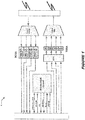
- FIG. 1 A high level block diagram of a QSFP+ transceiver 1 is shown in Figure 1 .
- the QSFP+ is a compact, hot-pluggable transceiver used for data communications applications. It interfaces networking hardware to a fiber optic cable.
- the QSFP specification accommodates different data rate options.
- QSFP+ transceivers are designed to carry Serial Attached Small Computer Serial Interface (SCSI), 40G Ethernet, Quad Data Rate (QDR) (40G) and Fourteen Data Rate (FDR) (56G) Infiniband, and other communications standards.
- SCSI Serial Attached Small Computer Serial Interface
- QDR Quad Data Rate
- FDR Fourteen Data Rate
- a problem addressed by the presently described method and apparatus for providing a two-step authentication and activation process for QSFP+ transceivers is being able to have valid certified QSFP+ components in a system. Parts are manufactured according to specifications. Part of the specification details the memory within the device and what parts of that memory are readable.
- the QSFP+ device has the ability to lock and unlock areas of memory.
- the physical memory has a readable part of memory and also has a locked piece of memory which is only accessible by using the valid matching password calculated by the encoding library with the readable memory contents as input.
- a system manufacturer provides software (also referred to herein as an encoding library) which reads from the unprotected memory and uses a hash to generate a password which is the key to the locked portion of memory of the device to allow access to locked memory. Another hash is performed on the readable data to generate another field (the hidden hash string) that is stored in the locked memory area. Once both the unlocking and the check that the generated hash string matches the data in the locked memory, the device is useable.
- software also referred to herein as an encoding library
- the software provided to the vendor is used to acquire a number of bytes from the readable area and generate two strings.
- One string (a hashed password) is used to program the key to the locked memory and then used to unlock the memory.
- the other string (a hidden hash string) is then written into the locked area. This is done during the manufacturing process. Due to the fields used to generate the strings (e.g. a serial number or some other number that is unique for each part) the strings will be unique for each part.
- a system When a system receives the device, it will read and validate the memory fields by generating the exact same strings (referred to herein as a second hashed password which should match the first hashed password and a second hidden hash string which should match the first hidden hash string). The system will use the first string to unlock the device memory and verify the stored hidden hash string matches the second string.
- a second hashed password which should match the first hashed password
- a second hidden hash string which should match the first hidden hash string
- the code detects that there is a more than one part with the same information and does not allow any additional devices to be enabled beyond the first one.
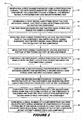
- FIG. 2 A flow chart of a particular embodiment of the presently disclosed method 10 is depicted in Figure 2 .
- the rectangular elements are herein denoted "processing blocks" and represent computer software instructions or groups of instructions. Alternatively, the processing blocks represent steps performed by functionally equivalent circuits such as a digital signal processor circuit or an application specific integrated circuit (ASIC).
- ASIC application specific integrated circuit
- the flow diagrams do not depict the syntax of any particular programming language. Rather, the flow diagrams illustrate the functional information one of ordinary skill in the art requires to fabricate circuits or to generate computer software to perform the processing required in accordance with the present invention. It should be noted that many routine program elements, such as initialization of loops and variables and the use of temporary variables are not shown.
- processing block 12 discloses generating a first hashed password using a first encoding library, the first hashed password used for validating a component, the component having a memory, the memory having a protected part and an unprotected part.
- Processing block 14 states generating a first hidden hash string using the first encoding library, the first hidden hash string used for validating the component.
- Processing block 16 recites the first hashed password and the first hash string are unique for every component.
- the encoding library uses existing fields in the components memory, at least one of which is unique for each device, such as a serial number or the like.
- Processing block 18 discloses using the first hashed password to unlock the protected part of the component and write the first hashed string into the protected part of the component.
- Processing block 20 states using the first hashed password to unlock the protected part of the component and write the first hidden hash string into the protected part of the component.
- the component now has two unique pieces of data in the locked part of memory, which will be used later to verify the component.
- processing block 20 which describes the steps for validating the component.
- the validating includes generating the first hashed password to unlock and read a portion of the protected part of the component.
- the validating also includes comparing the first hidden hash string from the protected memory with the first hash string generated using the first encoding library.
- Processing block 24 states generating a second hashed password using a first encoding library and generating a second hidden hash string using the first encoding library.
- Processing block 26 recites using the second hashed password to unlock the protected part of the component and reading the first hash string from the protected part of the component.
- Processing block 28 discloses comprising comparing the first hash string with the second hash string when the protected portion of the component is unlocked and when the first hash string matches the second hash string then using the component.
- Processing block 30 states comparing a serial number of a component that has been validated with serial numbers of components within said system and if said serial number of a part that has been validated matches a serial number of any other component in said system then not using said component.
- Figure 3 is a block diagram illustrating example architecture of a computer system 110 that executes, runs, interprets, operates or otherwise performs a two-step authentication operating application 140-1 and two-step authentication operating process 140-2 suitable for use in explaining example configurations disclosed herein.
- the computer system 110 may be any type of computerized device such as a personal computer, workstation, portable computing device, console, laptop, network terminal or the like.
- An input device 116 e.g., one or more customer/developer controlled devices such as a keyboard, mouse, etc.
- the computer system 110 couples to a processor 113 through an input/output (I/O) interface 114, and enables a customer to provide input commands, and generally control a graphical customer interface (not shown) that the two-step authentication operating application 140-1 and process 140-2 provides on a display (not shown).
- the computer system 110 includes an interconnection mechanism 111 such as a data bus or other circuitry that couples a memory system 112, the processor 113, the I/O interface 114, and a communications interface 115.
- the communications interface 115 enables the computer system 110 to communicate with other devices (i.e., other computers) on a network (not shown).
- the memory system 112 is any type of computer readable medium, and in this example, is encoded with a two-step authentication operating application 140-1 as explained herein.
- the two-step authentication operating application 140-1 may be embodied as software code such as data and/or logic instructions (e.g., code stored in the memory or on another computer readable medium such as a removable disk) that supports processing functionality according to different embodiments described herein.
- the processor 113 accesses the memory system 112 via the interconnect 111 in order to launch, run, execute, interpret or otherwise perform the logic instructions of a two-step authentication operating application 140-1. Execution of a two-step authentication operating application 140-1 in this manner produces processing functionality in the two-step authentication operating process 140-2.
- the two-step authentication operating process 140-2 represents one or more portions or runtime instances of a two-step authentication operating application 140-1 (or the entire a two-step authentication operating application 140-1) performing or executing within or upon the processor 113 in the computerized device 110 at runtime.
- example configurations disclosed herein include the two-step authentication operating application 140-1 itself (i.e., in the form of un-executed or non-performing logic instructions and/or data).
- the two-step authentication operating application 140-1 may be stored on a computer readable medium (such as a floppy disk), hard disk, electronic, magnetic, optical, or other computer readable medium.
- a two-step authentication operating application 140-1 may also be stored in a memory system 112 such as in firmware, read only memory (ROM), or, as in this example, as executable code in, for example, Random Access Memory (RAM).
- ROM read only memory
- RAM Random Access Memory
- embodiments herein include the execution of a two-step authentication operating application 140-1 in the processor 113 as the two-step authentication operating process 140-2.
- the computer system 110 may include other processes and/or software and hardware components, such as an operating system not shown in this example.
- the display 130 need not be coupled directly to computer system 110.
- the two-step authentication operating application 140-1 can be executed on a remotely accessible computerized device via the communications interface 115.
- the graphical customer interface 160 may be displayed locally to a customer 108 of the remote computer, and execution of the processing herein may be client-server based.
- processor 113 of computer system 100 accesses memory system 112 via the interconnect 111 in order to launch, run, execute, interpret or otherwise perform the logic instructions of the two-step authentication operating application 140-1.
- Execution of two-step authentication operating application 140-1 produces processing functionality in two-step authentication operating process 140-2.
- the two-step authentication operating process 140-2 represents one or more portions of the two-step authentication operating application 140-1 (or the entire application) performing within or upon the processor 113 in the computer system 100.
- embodiments herein include the two-step authentication operating application 140-1 itself (i.e., the un-executed or non-performing logic instructions and/or data).
- the two-step authentication operating application 140-1 can be stored on a computer readable medium such as a floppy disk, hard disk, or optical medium.
- the two-step authentication operating application 140-1 can also be stored in a memory type system such as in firmware, read only memory (ROM), or, as in this example, as executable code within the memory system 112 (e.g., within Random Access Memory or RAM).
- embodiments herein include the execution of two-step authentication operating application 140-1 in processor 113 as the two-step authentication operating process 140-2.
- the computer system 100 can include other processes and/or software and hardware components, such as an operating system that controls allocation and use of hardware resources associated with the computer system 100.
- the device(s) or computer systems that integrate with the processor(s) may include, for example, a personal computer(s), workstation(s) (e.g., Sun, HP), personal digital assistant(s) (PDA(s)), handheld device(s) such as cellular telephone(s), laptop(s), handheld computer(s), or another device(s) capable of being integrated with a processor(s) that may operate as provided herein. Accordingly, the devices provided herein are not exhaustive and are provided for illustration and not limitation.
- references to "a microprocessor” and “a processor”, or “the microprocessor” and “the processor,” may be understood to include one or more microprocessors that may communicate in a stand-alone and/or a distributed environment(s), and may thus be configured to communicate via wired or wireless communications with other processors, where such one or more processor may be configured to operate on one or more processor-controlled devices that may be similar or different devices.
- Use of such "microprocessor” or “processor” terminology may thus also be understood to include a central processing unit, an arithmetic logic unit, an application-specific integrated circuit (IC), and/or a task engine, with such examples provided for illustration and not limitation.
- references to memory may include one or more processor-readable and accessible memory elements and/or components that may be internal to the processor-controlled device, external to the processor-controlled device, and/or may be accessed via a wired or wireless network using a variety of communications protocols, and unless otherwise specified, may be arranged to include a combination of external and internal memory devices, where such memory may be contiguous and/or partitioned based on the application.
- references to a database may be understood to include one or more memory associations, where such references may include commercially available database products (e.g., SQL, Informix, Oracle) and also proprietary databases, and may also include other structures for associating memory such as links, queues, graphs, trees, with such structures provided for illustration and not limitation.
- references to a network may include one or more intranets and/or the internet, as well as a virtual network.
- References herein to microprocessor instructions or microprocessor-executable instructions, in accordance with the above, may be understood to include programmable hardware.
- a computer program product that includes a computer useable medium.
- a computer usable medium can include a readable memory device, such as a hard drive device, a CD-ROM, a DVD-ROM, or a computer diskette, having computer readable program code segments stored thereon.
- the computer readable medium can also include a communications link, either optical, wired, or wireless, having program code segments carried thereon as digital or analog signals.
Landscapes
- Engineering & Computer Science (AREA)
- Computer Security & Cryptography (AREA)
- Theoretical Computer Science (AREA)
- Physics & Mathematics (AREA)
- Computer Hardware Design (AREA)
- General Engineering & Computer Science (AREA)
- General Physics & Mathematics (AREA)
- Software Systems (AREA)
- Computer Networks & Wireless Communication (AREA)
- Signal Processing (AREA)
- Mathematical Physics (AREA)
- Power Engineering (AREA)
- Health & Medical Sciences (AREA)
- Bioethics (AREA)
- General Health & Medical Sciences (AREA)
- Storage Device Security (AREA)
Claims (14)
- Computerimplementiertes Verfahren zum Bereitstellen von zweistufiger Authentisierung und Aktivierung von QSFP+ (Quad Small Form Factor Pluggable) Transceivern, das Folgendes beinhaltet:Erzeugen, durch einen ersten Prozessor, eines ersten gehashten Passworts und eines ersten verborgenen Hash-Strings, die zum Validieren einer Komponente benutzt werden, wobei die genannte Komponente einen Speicher hat, der einen geschützten Teil und einen ungeschützten Teil (12, 14) umfasst, wobei das genannte erste gehashte Passwort und der genannte erste verborgene Hash-String jeweils durch Software erzeugt werden, die eine erste Codierbibliothek mit unterschiedlichen Feldern von lesbaren Daten aus dem genannten ungeschützten Teil des genannten Speichers umfasst;Entsperren, durch den genannten ersten Prozessor, anhand des genannten ersten gehashten Passworts, des genannten geschützten Teils des genannten Speichers (18);Schreiben, durch den genannten ersten Prozessor, des genannten ersten gehashten Passworts in den genannten geschützten Teil des genannten Speichers (18);Schreiben, durch den genannten ersten Prozessor, des genannten ersten verborgenen Hash-Strings in den genannten geschützten Teil des Speichers (18).
- Verfahren nach Anspruch 1, das ferner das Validieren, durch den genannten ersten Prozessor, der genannten Komponente beinhaltet, wobei das genannte Validieren Folgendes beinhaltet:Entsperren, anhand des genannten ersten gehashten Passworts, des genannten geschützten Teils des genannten Speichers (20) ;Lesen eines Abschnitts des genannten geschützten Teils des genannten Speichers (20); undVergleichen des genannten Abschnitts aus dem genannten geschützten Teil des genannten Speichers mit dem genannten verborgenen Hash-String, der mit der genannten, die genannte Codierbibliothek (22) umfassenden Software erzeugt wurde.
- Verfahren nach Anspruch 1, wobei das genannte erste gehashte Passwort und der genannte erste verborgene Hash-String für jede Komponente (16) einmalig sind.
- Verfahren nach Anspruch 1, das ferner an einem Systemanbieter Folgendes beinhaltet:Erzeugen, durch einen zweiten Prozessor, eines zweiten gehashten Passworts anhand der genannten ersten Codierbibliothek (24), wobei das genannte zweite gehashte Passwort mit dem genannten ersten gehashten Passwort übereinstimmt; undErzeugen, durch den genannten zweiten Prozessor, eines zweiten verborgenen Hash-Strings anhand der genannten ersten Codierbibliothek (24), wobei der genannte zweite verborgene Hash-String mit dem genannten ersten verborgenen Hash-String übereinstimmt.
- Nichtflüchtiges computerlesbares Speichermedium, auf dem sich computerlesbarer Code für eine zweistufige Authentisierung und Aktivierung von QSFP+ (Quad Small Form Factor Pluggable) Transceivern befindet, wobei das genannte Medium Befehle beinhaltet, in denen ein Computersystem Vorgänge durchführt, die Folgende umfassen:Erzeugen eines ersten gehashten Passworts und eines ersten verborgenen Hash-Strings, die zum Validieren einer Komponente benutzt werden, wobei die genannte Komponente einen Speicher hat, der einen geschützten Teil und einen ungeschützten Teil (12, 14) umfasst, wobei das genannte erste gehashte Passwort und der genannte erste verborgene Hash-String jeweils durch Software erzeugt werden, die eine erste Codierbibliothek mit unterschiedlichen Feldern von lesbaren Daten aus dem genannten ungeschützten Teil des genannten Speichers umfasst;Entsperren, mit dem genannten ersten gehashten Passwort, des genannten geschützten Teils des genannten Speichers (18);Schreiben des genannten ersten gehashten Passworts in den genannten geschützten Teil des genannten Speichers (18); undSchreiben des genannten ersten verborgenen Hash-Strings in den genannten geschützten Teil des genannten Speichers (18).
- Computerlesbares Speichermedium nach Anspruch 5, das ferner Befehle umfasst, in denen das genannte Computersystem Operationen durchführt, die ferner das Validieren der genannten Komponente umfassen, wobei das genannte Validieren Folgendes beinhaltet:Entsperren, anhand des genannten ersten gehashten Passworts, des genannten geschützten Teils des genannten Speichers (20) ;Lesen eines Abschnitts des genannten geschützten Teils des genannten Speichers (20); undVergleichen des genannten Abschnitts aus dem genannten geschützten Teil des genannten Speichers mit dem genannten ersten verborgenen Hash-String, der mit der genannten, die genannte Codierbibliothek (22) umfassenden Software erzeugt wurde.
- Computerlesbares Speichermedium nach Anspruch 5, wobei das genannte erste gehashte Passwort und der genannte erste verborgene Hash-String für jede Komponente (16) einmalig sind.
- Computerlesbares Speichermedium nach Anspruch 5, das ferner an einem Systemanbieter Folgendes beinhaltet:Erzeugen eines zweiten gehashten Passworts anhand der genannten ersten Codierbibliothek, wobei das genannte zweite gehashte Passwort mit dem genannten ersten gehashten Passwort (24) übereinstimmt; undErzeugen eines zweiten verborgenen Hash-Strings anhand der genannten ersten Codierbibliothek, wobei der genannte zweite verborgene Hash-String mit dem genannten ersten verborgenen Hash-String (24) übereinstimmt.
- Computerlesbares Speichermedium nach Anspruch 8, das ferner Folgendes beinhaltet:Entsperren, anhand des genannten zweiten gehashten Passworts, des genannten geschützten Teils des genannten Speichers (26); undLesen des genannten ersten verborgenen Hash-Strings aus dem genannten geschützten Teil des genannten Speichers (26) .
- Computersystem (100) mit einem Computer, wobei der genannte Computer Folgendes umfasst:einen Speicher (112);einen Prozessor (113);eine Kommunikationsschnittstelle (115); undeinen Verbindungsmechanismus (111), der den genannten Speicher, den genannten Prozessor und die genannte Kommunikationsschnittstelle koppelt; undwobei der genannte Speicher mit einer Anwendung (140-1) codiert ist, die zweistufige Authentisierung und Aktivierung von QSFP+ (Quad Small Form Factor Pluggable) Transceivern (1) bereitstellt, die bei Durchführung auf dem genannten Prozessor einen Prozess (140-2) zum Verarbeiten von Informationen bereitstellt, wobei der genannte Prozess bewirkt, dass das genannte Computersystem die folgenden Vorgänge durchführt:Erzeugen eines ersten gehashten Passworts und eines ersten verborgenen Hash-Strings, die zum Validieren einer Komponente benutzt werden, wobei die genannte Komponente einen Speicher hat, der einen geschützten Teil und einen ungeschützten Teil (12, 14) umfasst, wobei das genannte erste gehashte Passwort und der genannte erste verborgene Hash-String jeweils durch Software erzeugt werden, die eine erste Codierbibliothek umfasst, anhand von unterschiedlichen Feldern von lesbaren Daten aus dem genannten ungeschützten Teil des genannten Speichers;Entsperren, anhand des genannten ersten gehashten Passworts, des genannten geschützten Teils des genannten Speichers (18);Schreiben des genannten ersten gehashten Passworts in den genannten geschützten Teil des genannten Speichers (18); undSchreiben des genannten ersten verborgenen Hash-Strings in den genannten geschützten Teil des genannten Speichers (18).
- Computersystem nach Anspruch 10, wobei der genannte Prozess bewirkt, dass das genannte Computersystem den weiteren Vorgang des Validierens der genannten Komponente durchführt, wobei das genannte Validieren Folgendes beinhaltet:Entsperren, mit dem genannten ersten gehashten Passwort, des genannten geschützten Teils des genannten Speichers (20);Lesen eines Abschnitts des genannten geschützten Teils des genannten Speichers (20); undVergleichen des genannten Abschnitts aus dem genannten geschützten Teil des genannten Speichers mit dem genannten ersten verborgenen Hash-String, erzeugt mit der genannten, die genannte erste Codierbibliothek (22) umfassenden Software.
- Computersystem nach Anspruch 10, das ferner einen zweiten Computer an einem Systemanbieter umfasst, wobei der genannte zweite Computer Folgendes umfasst:einen zweiten Speicher;einen zweiten Prozessor;eine zweite Kommunikationsschnittstelle; undeinen zweiten Verbindungsmechanismus, der den genannten zweiten Speicher, Prozessor und die Kommunikationsschnittstelle koppelt; undwobei der genannte Speicher mit einer Anwendung codiert ist, die zweistufige Authentisierung und Aktivierung von QSFP+-(Quad Small Form Factor Pluggable)-Transceivern bereitstellt, die bei Durchführung auf dem genannten Prozessor einen zweiten Prozess zum Verarbeiten von Informationen bereitstellt, wobei der genannte zweite Prozess bewirkt, dass das genannte zweite Computersystem die folgenden Vorgänge durchführt:Erzeugen eines zweiten gehashten Passworts anhand der genannten ersten Codierbibliothek (24), wobei das genannte zweite gehashte Passwort mit dem genannten ersten gehashten Passwort übereinstimmt; undErzeugen eines zweiten verborgenen Hash-Strings anhand der genannten ersten Codierbibliothek (24), wobei der genannte zweite verborgene Hash-String mit dem genannten ersten verborgenen Hash-String übereinstimmt.
- Computersystem nach Anspruch 12, wobei der genannte zweite Prozess bewirkt, dass das genannte zweite Computersystem die folgenden weiteren Operationen durchführt:Entsperren, anhand des genannten zweiten gehashten Passworts, des genannten geschützten Teils des genannten Speichers (26); undLesen des genannten ersten verborgenen Hash-Strings aus dem genannten geschützten Teil des genannten Speichers (26) .
- Computersystem nach Anspruch 13, wobei der genannte zweite Prozess bewirkt, dass das genannte zweite Computersystem die folgenden weiteren Vorgänge durchführt:Vergleichen des genannten ersten verborgenen Hash-Strings mit dem genannten zweiten verborgenen Hash-String, und Validieren, wenn der genannte geschützte Abschnitt des genannten Speichers entsperrt wird und wenn der genannte erste verborgene Hash-String mit dem genannten zweiten verborgenen Hash-String übereinstimmt, der genannten Komponente (28); undVergleichen einer Seriennummer der genannten validierten Komponente mit Seriennummern von einer oder mehreren zusätzlichen Komponenten in dem genannten Computersystem, und wenn die genannte Seriennummer der genannten validierten Komponente mit einer Seriennummer von einer der genannten ein oder mehreren zusätzlichen Komponenten in dem Computersystem übereinstimmt, Nichtbenutzen der genannten Komponente (30).
Applications Claiming Priority (1)
| Application Number | Priority Date | Filing Date | Title |
|---|---|---|---|
| US14/637,568 US20160261412A1 (en) | 2015-03-04 | 2015-03-04 | Two-Step Authentication And Activation of Quad Small Form Factor Pluggable (QFSP+) Transceivers |
Publications (2)
| Publication Number | Publication Date |
|---|---|
| EP3065075A1 EP3065075A1 (de) | 2016-09-07 |
| EP3065075B1 true EP3065075B1 (de) | 2018-08-29 |
Family
ID=55527773
Family Applications (1)
| Application Number | Title | Priority Date | Filing Date |
|---|---|---|---|
| EP16158361.2A Not-in-force EP3065075B1 (de) | 2015-03-04 | 2016-03-03 | Zweistufige authentifizierung und aktivierung von quad-small-form-factor-pluggable (qsfp+)-transceivern |
Country Status (3)
| Country | Link |
|---|---|
| US (1) | US20160261412A1 (de) |
| EP (1) | EP3065075B1 (de) |
| CN (1) | CN105938537A (de) |
Families Citing this family (2)
| Publication number | Priority date | Publication date | Assignee | Title |
|---|---|---|---|---|
| US11429820B2 (en) * | 2018-03-13 | 2022-08-30 | Recogni Inc. | Methods for inter-camera recognition of individuals and their properties |
| US11782610B2 (en) * | 2020-01-30 | 2023-10-10 | Seagate Technology Llc | Write and compare only data storage |
Citations (1)
| Publication number | Priority date | Publication date | Assignee | Title |
|---|---|---|---|---|
| CN1996350A (zh) * | 2006-12-20 | 2007-07-11 | 杭州华为三康技术有限公司 | 光模块的电子标签、制作和识别方法及识别装置 |
Family Cites Families (59)
| Publication number | Priority date | Publication date | Assignee | Title |
|---|---|---|---|---|
| CA2081328A1 (en) * | 1990-04-27 | 1991-10-28 | Stig Borje Larsson | Smart card validation device and method |
| US5787169A (en) * | 1995-12-28 | 1998-07-28 | International Business Machines Corp. | Method and apparatus for controlling access to encrypted data files in a computer system |
| US7631195B1 (en) * | 2006-03-15 | 2009-12-08 | Super Talent Electronics, Inc. | System and method for providing security to a portable storage device |
| US7873837B1 (en) * | 2000-01-06 | 2011-01-18 | Super Talent Electronics, Inc. | Data security for electronic data flash card |
| US20080082813A1 (en) * | 2000-01-06 | 2008-04-03 | Chow David Q | Portable usb device that boots a computer as a server with security measure |
| US7757278B2 (en) * | 2001-01-04 | 2010-07-13 | Safenet, Inc. | Method and apparatus for transparent encryption |
| US7234061B1 (en) * | 2001-06-29 | 2007-06-19 | Cisco Technology, Inc. | Methods and apparatus for verifying modules from approved vendors |
| US20030231338A1 (en) * | 2002-05-31 | 2003-12-18 | Tatsuyoshi Haga | Network image forming apparatus system and a method of registering the image forming apparatus for use in a network |
| US7309004B1 (en) * | 2002-12-26 | 2007-12-18 | Diebold Self-Service Systems, Division Of Diebold, Incorporated | Cash dispensing automated banking machine firmware authentication system and method |
| US7434065B2 (en) * | 2003-09-29 | 2008-10-07 | Broadcom Corporation | Secure verification using a set-top-box chip |
| US7515901B1 (en) * | 2004-02-25 | 2009-04-07 | Sun Microsystems, Inc. | Methods and apparatus for authenticating devices in a network environment |
| JP4772291B2 (ja) * | 2004-04-09 | 2011-09-14 | 富士通株式会社 | セキュリティ機能を備えた情報処理装置 |
| WO2005107130A1 (en) * | 2004-05-04 | 2005-11-10 | Research In Motion Limited | Challenge response system and method |
| US7836306B2 (en) * | 2005-06-29 | 2010-11-16 | Microsoft Corporation | Establishing secure mutual trust using an insecure password |
| US7934049B2 (en) * | 2005-09-14 | 2011-04-26 | Sandisk Corporation | Methods used in a secure yet flexible system architecture for secure devices with flash mass storage memory |
| US8645712B1 (en) * | 2005-10-27 | 2014-02-04 | Altera Corporation | Electronic circuit design copy protection |
| JP4622811B2 (ja) * | 2005-11-04 | 2011-02-02 | 株式会社日立製作所 | 電子文書の真正性保証システム |
| US20070130477A1 (en) * | 2005-12-05 | 2007-06-07 | Barbian Douglas F | Secure tape |
| WO2007070505A2 (en) * | 2005-12-13 | 2007-06-21 | Squareloop, Inc. | System, apparatus, and methods for location managed message processing |
| US7765406B2 (en) * | 2006-04-04 | 2010-07-27 | Grant Friedline | System, computer program and method for a crytographic system using volatile allocation of a superkey |
| US20100138652A1 (en) * | 2006-07-07 | 2010-06-03 | Rotem Sela | Content control method using certificate revocation lists |
| JP4305481B2 (ja) * | 2006-08-29 | 2009-07-29 | ブラザー工業株式会社 | 通信システムと管理装置と情報処理装置 |
| US8241115B2 (en) * | 2006-10-09 | 2012-08-14 | Wms Gaming Inc. | Multiple key failover validation in a wagering game machine |
| US8433924B2 (en) * | 2006-12-18 | 2013-04-30 | Lenovo (Singapore) Pte. Ltd. | Apparatus, system, and method for authentication of a core root of trust measurement chain |
| US8762714B2 (en) * | 2007-04-24 | 2014-06-24 | Finisar Corporation | Protecting against counterfeit electronics devices |
| US8213871B1 (en) * | 2008-02-19 | 2012-07-03 | Sprint Communications Company L.P. | Data management tool |
| KR101502032B1 (ko) * | 2008-03-06 | 2015-03-12 | 삼성전자주식회사 | 보안 기능을 갖는 프로세서 장치 |
| US8667305B2 (en) * | 2008-08-28 | 2014-03-04 | Red Hat, Inc. | Securing a password database |
| US20110302412A1 (en) * | 2008-10-08 | 2011-12-08 | Leiwen Deng | Pseudonymous public keys based authentication |
| US8421592B1 (en) * | 2008-10-15 | 2013-04-16 | Sprint Communications Company L.P. | Mediation of electric vehicle charging by wireless network provider |
| US8649509B2 (en) * | 2008-12-18 | 2014-02-11 | At&T Intellectual Property I, L.P. | Systems and computer program products for generating and verifying randomized hash values |
| US8806220B2 (en) * | 2009-01-07 | 2014-08-12 | Microsoft Corporation | Device side host integrity validation |
| US8738932B2 (en) * | 2009-01-16 | 2014-05-27 | Teleputers, Llc | System and method for processor-based security |
| WO2010102259A2 (en) * | 2009-03-06 | 2010-09-10 | Interdigital Patent Holdings, Inc. | Platform validation and management of wireless devices |
| US9225526B2 (en) * | 2009-11-30 | 2015-12-29 | Red Hat, Inc. | Multifactor username based authentication |
| US8667265B1 (en) * | 2010-07-28 | 2014-03-04 | Sandia Corporation | Hardware device binding and mutual authentication |
| WO2012025728A1 (en) * | 2010-08-27 | 2012-03-01 | Fxi Technologies As | Electronics Device |
| US8621036B1 (en) * | 2010-11-17 | 2013-12-31 | Israel L'Heureux | Secure file access using a file access server |
| US8839357B2 (en) * | 2010-12-22 | 2014-09-16 | Canon U.S.A., Inc. | Method, system, and computer-readable storage medium for authenticating a computing device |
| US9191375B2 (en) * | 2011-01-13 | 2015-11-17 | Infosys Limited | System and method for accessing integrated applications in a single sign-on enabled enterprise solution |
| US20140066110A1 (en) * | 2011-10-20 | 2014-03-06 | Tezhq, Inc. | Valet Parking System and Method |
| US9847982B2 (en) * | 2011-10-31 | 2017-12-19 | Nokia Technologies Oy | Method and apparatus for providing authentication using hashed personally identifiable information |
| US8627097B2 (en) * | 2012-03-27 | 2014-01-07 | Igt | System and method enabling parallel processing of hash functions using authentication checkpoint hashes |
| US9218741B2 (en) * | 2012-04-06 | 2015-12-22 | Saab-Sensis Corporation | System and method for aircraft navigation based on diverse ranging algorithm using ADS-B messages and ground transceiver responses |
| US9191886B2 (en) * | 2012-06-01 | 2015-11-17 | Crestron Electronics Inc. | Commissioning of wireless devices in personal area networks |
| US9495307B2 (en) * | 2012-09-07 | 2016-11-15 | Apple Inc. | Context aware functionality in an electronic device |
| HUE049804T2 (hu) * | 2012-12-21 | 2020-10-28 | Biobex Llc | Jelszó hitelesítés billentyûzet használatával biztonsági jelszó beviteli módban |
| US9520939B2 (en) * | 2013-03-06 | 2016-12-13 | Qualcomm Incorporated | Methods and apparatus for using visible light communications for controlling access to an area |
| WO2014194279A1 (en) * | 2013-05-31 | 2014-12-04 | Intel IP Corporation | Efficient user, service, or content representation for device communication |
| US9641339B2 (en) * | 2013-07-31 | 2017-05-02 | Arista Networks, Inc. | System and method for authentication for field replaceable units |
| US9491164B1 (en) * | 2013-08-21 | 2016-11-08 | NetSuite Inc. | System and method for importing heterogeneous hashed passwords |
| US8965343B1 (en) * | 2013-09-05 | 2015-02-24 | Sprint Communications Company L.P. | Security key based authorization of transceivers in wireless communication devices |
| KR20150035249A (ko) * | 2013-09-27 | 2015-04-06 | 삼성전자주식회사 | 어플리케이션 패키지를 저장하는 기록 매체, 어플리케이션 패키지 생성 방법 및 장치, 어플리케이션 패키지 실행 방법 및 장치 |
| US9646150B2 (en) * | 2013-10-01 | 2017-05-09 | Kalman Csaba Toth | Electronic identity and credentialing system |
| US20150113291A1 (en) * | 2013-10-23 | 2015-04-23 | Spectra Logic Corporation | Cyptographic branding of data containers |
| EP3780689A1 (de) * | 2013-12-27 | 2021-02-17 | Abbott Diabetes Care, Inc. | Systeme, vorrichtungen und verfahren zur authentifizierung in einer analytüberwachungsumgebung |
| US9377971B2 (en) * | 2014-04-16 | 2016-06-28 | Canon Kabushiki Kaisha | Systems and methods for improving device discovery |
| US9509664B2 (en) * | 2014-06-16 | 2016-11-29 | Verizon Deutschland Gmbh | Data exchange in the internet of things |
| US9438426B2 (en) * | 2014-10-03 | 2016-09-06 | Seagate Technology Llc | Key-value data storage device with hybrid architecture |
-
2015
- 2015-03-04 US US14/637,568 patent/US20160261412A1/en not_active Abandoned
-
2016
- 2016-03-03 EP EP16158361.2A patent/EP3065075B1/de not_active Not-in-force
- 2016-03-04 CN CN201610125526.1A patent/CN105938537A/zh active Pending
Patent Citations (1)
| Publication number | Priority date | Publication date | Assignee | Title |
|---|---|---|---|---|
| CN1996350A (zh) * | 2006-12-20 | 2007-07-11 | 杭州华为三康技术有限公司 | 光模块的电子标签、制作和识别方法及识别装置 |
Also Published As
| Publication number | Publication date |
|---|---|
| CN105938537A (zh) | 2016-09-14 |
| EP3065075A1 (de) | 2016-09-07 |
| US20160261412A1 (en) | 2016-09-08 |
Similar Documents
| Publication | Publication Date | Title |
|---|---|---|
| CN110663053B (zh) | 将未确定来源的未确定数据安全地提供到区块链交易的锁定脚本中 | |
| US20040003288A1 (en) | Trusted platform apparatus, system, and method | |
| CN109313690A (zh) | 自包含的加密引导策略验证 | |
| WO2013086688A1 (en) | Orientation aware authentication on mobile platforms | |
| CN108021805A (zh) | 检测Android应用程序运行环境的方法、装置、设备及存储介质 | |
| EP3639175A1 (de) | Offline-aktivierung für auf einer rechenvorrichtung installierte anwendung(en) | |
| Aichberger et al. | Attacking multimodal os agents with malicious image patches | |
| KR20250013149A (ko) | 두 블록체인에 걸쳐 자산 스왑을 처리하기 위한 방법 및 시스템 | |
| US9659171B2 (en) | Systems and methods for detecting tampering of an information handling system | |
| Zhang et al. | Evm-shield: In-contract state access control for fast vulnerability detection and prevention | |
| US9641339B2 (en) | System and method for authentication for field replaceable units | |
| EP3065075A1 (de) | Zweistufige authentifizierung und aktivierung von quad-small-form-factor-pluggable (qsfp+)-transceivern | |
| Shepherd et al. | Towards trusted execution of multi-modal continuous authentication schemes | |
| Bu et al. | Security checking of trigger-action-programming smart home integrations | |
| US20240152925A1 (en) | Methods and arrangements for credit card lock | |
| US11270541B2 (en) | Method and system for secure product delivery using cryptography | |
| KR102102179B1 (ko) | 임베디드 시스템, 이를 포함하는 인증 시스템, 및 인증 방법 | |
| HK1229017B (en) | Two-step authentication and activation of quad small form factor pluggable (qsfp+) transceivers | |
| Xu et al. | Quantitative Runtime Monitoring of Ethereum Transaction Attacks | |
| HK1229017A1 (en) | Two-step authentication and activation of quad small form factor pluggable (qsfp+) transceivers | |
| CN110059466B (zh) | 一种安全可信卡的实现方法,安全可信卡及系统 | |
| KR20220068877A (ko) | 보안 시스템 설계 및 검증을 위한 모델 기반 보안 프레임워크 | |
| CN118265979A (zh) | 在计算系统中用于验证控制流的控制流完整性测量 | |
| WO2025160725A1 (en) | Dynamic code obfuscation | |
| JP7860234B2 (ja) | コンピューティングシステムで制御フローを妥当性確認するための制御フロー整合性測定 |
Legal Events
| Date | Code | Title | Description |
|---|---|---|---|
| PUAI | Public reference made under article 153(3) epc to a published international application that has entered the european phase |
Free format text: ORIGINAL CODE: 0009012 |
|
| AK | Designated contracting states |
Kind code of ref document: A1 Designated state(s): AL AT BE BG CH CY CZ DE DK EE ES FI FR GB GR HR HU IE IS IT LI LT LU LV MC MK MT NL NO PL PT RO RS SE SI SK SM TR |
|
| AX | Request for extension of the european patent |
Extension state: BA ME |
|
| STAA | Information on the status of an ep patent application or granted ep patent |
Free format text: STATUS: REQUEST FOR EXAMINATION WAS MADE |
|
| 17P | Request for examination filed |
Effective date: 20170303 |
|
| RBV | Designated contracting states (corrected) |
Designated state(s): AL AT BE BG CH CY CZ DE DK EE ES FI FR GB GR HR HU IE IS IT LI LT LU LV MC MK MT NL NO PL PT RO RS SE SI SK SM TR |
|
| STAA | Information on the status of an ep patent application or granted ep patent |
Free format text: STATUS: EXAMINATION IS IN PROGRESS |
|
| 17Q | First examination report despatched |
Effective date: 20170725 |
|
| REG | Reference to a national code |
Ref country code: HK Ref legal event code: DE Ref document number: 1229017 Country of ref document: HK |
|
| GRAP | Despatch of communication of intention to grant a patent |
Free format text: ORIGINAL CODE: EPIDOSNIGR1 |
|
| STAA | Information on the status of an ep patent application or granted ep patent |
Free format text: STATUS: GRANT OF PATENT IS INTENDED |
|
| RIC1 | Information provided on ipc code assigned before grant |
Ipc: G06F 21/73 20130101ALI20180213BHEP Ipc: G06F 21/44 20130101AFI20180213BHEP Ipc: G06F 12/14 20060101ALI20180213BHEP Ipc: H04L 9/32 20060101ALI20180213BHEP |
|
| INTG | Intention to grant announced |
Effective date: 20180308 |
|
| GRAS | Grant fee paid |
Free format text: ORIGINAL CODE: EPIDOSNIGR3 |
|
| GRAA | (expected) grant |
Free format text: ORIGINAL CODE: 0009210 |
|
| STAA | Information on the status of an ep patent application or granted ep patent |
Free format text: STATUS: THE PATENT HAS BEEN GRANTED |
|
| AK | Designated contracting states |
Kind code of ref document: B1 Designated state(s): AL AT BE BG CH CY CZ DE DK EE ES FI FR GB GR HR HU IE IS IT LI LT LU LV MC MK MT NL NO PL PT RO RS SE SI SK SM TR |
|
| REG | Reference to a national code |
Ref country code: GB Ref legal event code: FG4D |
|
| REG | Reference to a national code |
Ref country code: CH Ref legal event code: EP |
|
| REG | Reference to a national code |
Ref country code: AT Ref legal event code: REF Ref document number: 1035999 Country of ref document: AT Kind code of ref document: T Effective date: 20180915 |
|
| REG | Reference to a national code |
Ref country code: IE Ref legal event code: FG4D |
|
| REG | Reference to a national code |
Ref country code: DE Ref legal event code: R096 Ref document number: 602016005058 Country of ref document: DE |
|
| REG | Reference to a national code |
Ref country code: NL Ref legal event code: MP Effective date: 20180829 |
|
| REG | Reference to a national code |
Ref country code: LT Ref legal event code: MG4D |
|
| PG25 | Lapsed in a contracting state [announced via postgrant information from national office to epo] |
Ref country code: GR Free format text: LAPSE BECAUSE OF FAILURE TO SUBMIT A TRANSLATION OF THE DESCRIPTION OR TO PAY THE FEE WITHIN THE PRESCRIBED TIME-LIMIT Effective date: 20181130 Ref country code: FI Free format text: LAPSE BECAUSE OF FAILURE TO SUBMIT A TRANSLATION OF THE DESCRIPTION OR TO PAY THE FEE WITHIN THE PRESCRIBED TIME-LIMIT Effective date: 20180829 Ref country code: LT Free format text: LAPSE BECAUSE OF FAILURE TO SUBMIT A TRANSLATION OF THE DESCRIPTION OR TO PAY THE FEE WITHIN THE PRESCRIBED TIME-LIMIT Effective date: 20180829 Ref country code: NO Free format text: LAPSE BECAUSE OF FAILURE TO SUBMIT A TRANSLATION OF THE DESCRIPTION OR TO PAY THE FEE WITHIN THE PRESCRIBED TIME-LIMIT Effective date: 20181129 Ref country code: NL Free format text: LAPSE BECAUSE OF FAILURE TO SUBMIT A TRANSLATION OF THE DESCRIPTION OR TO PAY THE FEE WITHIN THE PRESCRIBED TIME-LIMIT Effective date: 20180829 Ref country code: BG Free format text: LAPSE BECAUSE OF FAILURE TO SUBMIT A TRANSLATION OF THE DESCRIPTION OR TO PAY THE FEE WITHIN THE PRESCRIBED TIME-LIMIT Effective date: 20181129 Ref country code: SE Free format text: LAPSE BECAUSE OF FAILURE TO SUBMIT A TRANSLATION OF THE DESCRIPTION OR TO PAY THE FEE WITHIN THE PRESCRIBED TIME-LIMIT Effective date: 20180829 Ref country code: IS Free format text: LAPSE BECAUSE OF FAILURE TO SUBMIT A TRANSLATION OF THE DESCRIPTION OR TO PAY THE FEE WITHIN THE PRESCRIBED TIME-LIMIT Effective date: 20181229 Ref country code: RS Free format text: LAPSE BECAUSE OF FAILURE TO SUBMIT A TRANSLATION OF THE DESCRIPTION OR TO PAY THE FEE WITHIN THE PRESCRIBED TIME-LIMIT Effective date: 20180829 |
|
| REG | Reference to a national code |
Ref country code: AT Ref legal event code: MK05 Ref document number: 1035999 Country of ref document: AT Kind code of ref document: T Effective date: 20180829 |
|
| PG25 | Lapsed in a contracting state [announced via postgrant information from national office to epo] |
Ref country code: HR Free format text: LAPSE BECAUSE OF FAILURE TO SUBMIT A TRANSLATION OF THE DESCRIPTION OR TO PAY THE FEE WITHIN THE PRESCRIBED TIME-LIMIT Effective date: 20180829 Ref country code: LV Free format text: LAPSE BECAUSE OF FAILURE TO SUBMIT A TRANSLATION OF THE DESCRIPTION OR TO PAY THE FEE WITHIN THE PRESCRIBED TIME-LIMIT Effective date: 20180829 Ref country code: AL Free format text: LAPSE BECAUSE OF FAILURE TO SUBMIT A TRANSLATION OF THE DESCRIPTION OR TO PAY THE FEE WITHIN THE PRESCRIBED TIME-LIMIT Effective date: 20180829 |
|
| PG25 | Lapsed in a contracting state [announced via postgrant information from national office to epo] |
Ref country code: ES Free format text: LAPSE BECAUSE OF FAILURE TO SUBMIT A TRANSLATION OF THE DESCRIPTION OR TO PAY THE FEE WITHIN THE PRESCRIBED TIME-LIMIT Effective date: 20180829 Ref country code: CZ Free format text: LAPSE BECAUSE OF FAILURE TO SUBMIT A TRANSLATION OF THE DESCRIPTION OR TO PAY THE FEE WITHIN THE PRESCRIBED TIME-LIMIT Effective date: 20180829 Ref country code: AT Free format text: LAPSE BECAUSE OF FAILURE TO SUBMIT A TRANSLATION OF THE DESCRIPTION OR TO PAY THE FEE WITHIN THE PRESCRIBED TIME-LIMIT Effective date: 20180829 Ref country code: EE Free format text: LAPSE BECAUSE OF FAILURE TO SUBMIT A TRANSLATION OF THE DESCRIPTION OR TO PAY THE FEE WITHIN THE PRESCRIBED TIME-LIMIT Effective date: 20180829 Ref country code: IT Free format text: LAPSE BECAUSE OF FAILURE TO SUBMIT A TRANSLATION OF THE DESCRIPTION OR TO PAY THE FEE WITHIN THE PRESCRIBED TIME-LIMIT Effective date: 20180829 Ref country code: RO Free format text: LAPSE BECAUSE OF FAILURE TO SUBMIT A TRANSLATION OF THE DESCRIPTION OR TO PAY THE FEE WITHIN THE PRESCRIBED TIME-LIMIT Effective date: 20180829 Ref country code: PL Free format text: LAPSE BECAUSE OF FAILURE TO SUBMIT A TRANSLATION OF THE DESCRIPTION OR TO PAY THE FEE WITHIN THE PRESCRIBED TIME-LIMIT Effective date: 20180829 |
|
| PG25 | Lapsed in a contracting state [announced via postgrant information from national office to epo] |
Ref country code: DK Free format text: LAPSE BECAUSE OF FAILURE TO SUBMIT A TRANSLATION OF THE DESCRIPTION OR TO PAY THE FEE WITHIN THE PRESCRIBED TIME-LIMIT Effective date: 20180829 Ref country code: SK Free format text: LAPSE BECAUSE OF FAILURE TO SUBMIT A TRANSLATION OF THE DESCRIPTION OR TO PAY THE FEE WITHIN THE PRESCRIBED TIME-LIMIT Effective date: 20180829 Ref country code: SM Free format text: LAPSE BECAUSE OF FAILURE TO SUBMIT A TRANSLATION OF THE DESCRIPTION OR TO PAY THE FEE WITHIN THE PRESCRIBED TIME-LIMIT Effective date: 20180829 |
|
| REG | Reference to a national code |
Ref country code: DE Ref legal event code: R097 Ref document number: 602016005058 Country of ref document: DE |
|
| PLBE | No opposition filed within time limit |
Free format text: ORIGINAL CODE: 0009261 |
|
| STAA | Information on the status of an ep patent application or granted ep patent |
Free format text: STATUS: NO OPPOSITION FILED WITHIN TIME LIMIT |
|
| 26N | No opposition filed |
Effective date: 20190531 |
|
| PG25 | Lapsed in a contracting state [announced via postgrant information from national office to epo] |
Ref country code: SI Free format text: LAPSE BECAUSE OF FAILURE TO SUBMIT A TRANSLATION OF THE DESCRIPTION OR TO PAY THE FEE WITHIN THE PRESCRIBED TIME-LIMIT Effective date: 20180829 |
|
| PG25 | Lapsed in a contracting state [announced via postgrant information from national office to epo] |
Ref country code: MC Free format text: LAPSE BECAUSE OF FAILURE TO SUBMIT A TRANSLATION OF THE DESCRIPTION OR TO PAY THE FEE WITHIN THE PRESCRIBED TIME-LIMIT Effective date: 20180829 |
|
| REG | Reference to a national code |
Ref country code: CH Ref legal event code: PL |
|
| PG25 | Lapsed in a contracting state [announced via postgrant information from national office to epo] |
Ref country code: LU Free format text: LAPSE BECAUSE OF NON-PAYMENT OF DUE FEES Effective date: 20190303 |
|
| REG | Reference to a national code |
Ref country code: BE Ref legal event code: MM Effective date: 20190331 |
|
| PG25 | Lapsed in a contracting state [announced via postgrant information from national office to epo] |
Ref country code: CH Free format text: LAPSE BECAUSE OF NON-PAYMENT OF DUE FEES Effective date: 20190331 Ref country code: LI Free format text: LAPSE BECAUSE OF NON-PAYMENT OF DUE FEES Effective date: 20190331 Ref country code: IE Free format text: LAPSE BECAUSE OF NON-PAYMENT OF DUE FEES Effective date: 20190303 |
|
| PG25 | Lapsed in a contracting state [announced via postgrant information from national office to epo] |
Ref country code: FR Free format text: LAPSE BECAUSE OF NON-PAYMENT OF DUE FEES Effective date: 20190331 Ref country code: BE Free format text: LAPSE BECAUSE OF NON-PAYMENT OF DUE FEES Effective date: 20190331 |
|
| PG25 | Lapsed in a contracting state [announced via postgrant information from national office to epo] |
Ref country code: TR Free format text: LAPSE BECAUSE OF FAILURE TO SUBMIT A TRANSLATION OF THE DESCRIPTION OR TO PAY THE FEE WITHIN THE PRESCRIBED TIME-LIMIT Effective date: 20180829 |
|
| PGFP | Annual fee paid to national office [announced via postgrant information from national office to epo] |
Ref country code: GB Payment date: 20200323 Year of fee payment: 5 Ref country code: DE Payment date: 20200320 Year of fee payment: 5 |
|
| PG25 | Lapsed in a contracting state [announced via postgrant information from national office to epo] |
Ref country code: MT Free format text: LAPSE BECAUSE OF NON-PAYMENT OF DUE FEES Effective date: 20190303 Ref country code: PT Free format text: LAPSE BECAUSE OF FAILURE TO SUBMIT A TRANSLATION OF THE DESCRIPTION OR TO PAY THE FEE WITHIN THE PRESCRIBED TIME-LIMIT Effective date: 20181229 |
|
| PG25 | Lapsed in a contracting state [announced via postgrant information from national office to epo] |
Ref country code: CY Free format text: LAPSE BECAUSE OF FAILURE TO SUBMIT A TRANSLATION OF THE DESCRIPTION OR TO PAY THE FEE WITHIN THE PRESCRIBED TIME-LIMIT Effective date: 20180829 |
|
| PG25 | Lapsed in a contracting state [announced via postgrant information from national office to epo] |
Ref country code: HU Free format text: LAPSE BECAUSE OF FAILURE TO SUBMIT A TRANSLATION OF THE DESCRIPTION OR TO PAY THE FEE WITHIN THE PRESCRIBED TIME-LIMIT; INVALID AB INITIO Effective date: 20160303 |
|
| REG | Reference to a national code |
Ref country code: DE Ref legal event code: R119 Ref document number: 602016005058 Country of ref document: DE |
|
| GBPC | Gb: european patent ceased through non-payment of renewal fee |
Effective date: 20210303 |
|
| PG25 | Lapsed in a contracting state [announced via postgrant information from national office to epo] |
Ref country code: DE Free format text: LAPSE BECAUSE OF NON-PAYMENT OF DUE FEES Effective date: 20211001 Ref country code: GB Free format text: LAPSE BECAUSE OF NON-PAYMENT OF DUE FEES Effective date: 20210303 |
|
| PG25 | Lapsed in a contracting state [announced via postgrant information from national office to epo] |
Ref country code: MK Free format text: LAPSE BECAUSE OF FAILURE TO SUBMIT A TRANSLATION OF THE DESCRIPTION OR TO PAY THE FEE WITHIN THE PRESCRIBED TIME-LIMIT Effective date: 20180829 |