EP3054295A1 - Method for detecting and determining quantity of galacto-oligosaccharides - Google Patents
Method for detecting and determining quantity of galacto-oligosaccharides Download PDFInfo
- Publication number
- EP3054295A1 EP3054295A1 EP14849036.0A EP14849036A EP3054295A1 EP 3054295 A1 EP3054295 A1 EP 3054295A1 EP 14849036 A EP14849036 A EP 14849036A EP 3054295 A1 EP3054295 A1 EP 3054295A1
- Authority
- EP
- European Patent Office
- Prior art keywords
- galacto
- oligosaccharide
- buffer solution
- sample
- quantifying
- Prior art date
- Legal status (The legal status is an assumption and is not a legal conclusion. Google has not performed a legal analysis and makes no representation as to the accuracy of the status listed.)
- Granted
Links
Images




Classifications
-
- G—PHYSICS
- G01—MEASURING; TESTING
- G01N—INVESTIGATING OR ANALYSING MATERIALS BY DETERMINING THEIR CHEMICAL OR PHYSICAL PROPERTIES
- G01N30/00—Investigating or analysing materials by separation into components using adsorption, absorption or similar phenomena or using ion-exchange, e.g. chromatography or field flow fractionation
- G01N30/02—Column chromatography
- G01N30/04—Preparation or injection of sample to be analysed
- G01N30/06—Preparation
-
- G—PHYSICS
- G01—MEASURING; TESTING
- G01N—INVESTIGATING OR ANALYSING MATERIALS BY DETERMINING THEIR CHEMICAL OR PHYSICAL PROPERTIES
- G01N30/00—Investigating or analysing materials by separation into components using adsorption, absorption or similar phenomena or using ion-exchange, e.g. chromatography or field flow fractionation
- G01N30/02—Column chromatography
- G01N30/88—Integrated analysis systems specially adapted therefor, not covered by a single one of the groups G01N30/04 - G01N30/86
-
- G—PHYSICS
- G01—MEASURING; TESTING
- G01N—INVESTIGATING OR ANALYSING MATERIALS BY DETERMINING THEIR CHEMICAL OR PHYSICAL PROPERTIES
- G01N30/00—Investigating or analysing materials by separation into components using adsorption, absorption or similar phenomena or using ion-exchange, e.g. chromatography or field flow fractionation
- G01N30/02—Column chromatography
- G01N30/04—Preparation or injection of sample to be analysed
- G01N30/06—Preparation
- G01N2030/067—Preparation by reaction, e.g. derivatising the sample
-
- G—PHYSICS
- G01—MEASURING; TESTING
- G01N—INVESTIGATING OR ANALYSING MATERIALS BY DETERMINING THEIR CHEMICAL OR PHYSICAL PROPERTIES
- G01N30/00—Investigating or analysing materials by separation into components using adsorption, absorption or similar phenomena or using ion-exchange, e.g. chromatography or field flow fractionation
- G01N30/02—Column chromatography
- G01N30/88—Integrated analysis systems specially adapted therefor, not covered by a single one of the groups G01N30/04 - G01N30/86
- G01N2030/8809—Integrated analysis systems specially adapted therefor, not covered by a single one of the groups G01N30/04 - G01N30/86 analysis specially adapted for the sample
- G01N2030/8813—Integrated analysis systems specially adapted therefor, not covered by a single one of the groups G01N30/04 - G01N30/86 analysis specially adapted for the sample biological materials
- G01N2030/8836—Integrated analysis systems specially adapted therefor, not covered by a single one of the groups G01N30/04 - G01N30/86 analysis specially adapted for the sample biological materials involving saccharides
-
- G—PHYSICS
- G01—MEASURING; TESTING
- G01N—INVESTIGATING OR ANALYSING MATERIALS BY DETERMINING THEIR CHEMICAL OR PHYSICAL PROPERTIES
- G01N33/00—Investigating or analysing materials by specific methods not covered by groups G01N1/00 - G01N31/00
- G01N33/02—Food
-
- G—PHYSICS
- G01—MEASURING; TESTING
- G01N—INVESTIGATING OR ANALYSING MATERIALS BY DETERMINING THEIR CHEMICAL OR PHYSICAL PROPERTIES
- G01N33/00—Investigating or analysing materials by specific methods not covered by groups G01N1/00 - G01N31/00
- G01N33/02—Food
- G01N33/14—Beverages
- G01N33/143—Beverages containing sugar
-
- Y—GENERAL TAGGING OF NEW TECHNOLOGICAL DEVELOPMENTS; GENERAL TAGGING OF CROSS-SECTIONAL TECHNOLOGIES SPANNING OVER SEVERAL SECTIONS OF THE IPC; TECHNICAL SUBJECTS COVERED BY FORMER USPC CROSS-REFERENCE ART COLLECTIONS [XRACs] AND DIGESTS
- Y10—TECHNICAL SUBJECTS COVERED BY FORMER USPC
- Y10T—TECHNICAL SUBJECTS COVERED BY FORMER US CLASSIFICATION
- Y10T436/00—Chemistry: analytical and immunological testing
- Y10T436/14—Heterocyclic carbon compound [i.e., O, S, N, Se, Te, as only ring hetero atom]
- Y10T436/142222—Hetero-O [e.g., ascorbic acid, etc.]
- Y10T436/143333—Saccharide [e.g., DNA, etc.]
Definitions
- the present invention relates to a method for detecting and quantifying galacto-oligosaccharide in a sample containing galacto-oligosaccharide and dextrin.
- Galacto-oligosaccharide is a mixture of oligosaccharides, each constituted by galactose as a primary component and having a different bonding mode, and is generally manufactured by causing lactose to undergo transitional reaction using ⁇ -galactosidase.
- Galacto-oligosaccharide has been reported to have physiological benefits such as increasing the bifidobacteria in the intestines to regulate the enteric environment, and reducing mesenteric fat and thereby contributing to the prevention of adult diseases, and for some time has been found useful as a food for specified health use, functional food, or material thereof.
- Non-patent Literature 1 One method to quantify galacto-oligosaccharides in beverages or food is to add ⁇ -galactosidase to act upon galacto-oligosaccharide, quantify the galactose produced as a result of enzyme decomposition, and calculate the quantity of oligosaccharide.
- Non-patent Literature 1 detecting the galactose being produced requires anion-exchange high-performance liquid chromatography fitted with an expensive pulse-type electrochemical detector, which keeps the general utility of this method low.
- the galactose produced by enzyme treatment cannot be discriminated from the galactose separating from lactose, which consequently reduces the quantification accuracy of galacto-oligosaccharide.
- Another method is available, whereby a characteristic component in galacto-oligosaccharide, such as 4'-galactosyl lactose (4'-GL; Gal ⁇ 1-4Gal ⁇ 1-4Glc), is quantified and the total quantity of galacto-oligosaccharide is calculated back from the quantity of 4'-GL.
- This method is particularly effective when the content of 4'-GL in the galacto-oligosaccharide to be used is known and this content is stable from one lot to another.
- a method to separate other components in the beverage or food from 4'-GL by gel filtration chromatography based on molecular size is primarily used.
- galacto-oligosaccharide is often used as a functional material in nutrient-rich beverages and foods such as formulated powdered milk for infants and fermented milk products, and in many cases these beverages and foods contain sugar sources whose molecule is equivalent in size to that of 4'-GL, in which case these sugar sources cannot be separated from 4'-GL by gel filtration chromatography.
- Patent Literature 1 Among the methods to detect oligosaccharide by reverse-phase chromatography, one that uses a C8 or C18 reverse-phase chromatography column is known (Patent Literature 1). However, an attempt to separate galacto-oligosaccharide in beverages or food using such column would fail to separate the galacto-oligosaccharide component from other components in the beverage or food.
- Patent Literature 1 Published Japanese Translation of PCT International Patent Application No. 2007-523352
- Non-patent Literature 1 Journal of AOAC International, Volume 85, Number 2, March 2002, pp.417-423 (7)
- an object of the present invention is to provide a method for accurately quantifying 4'-GL and galacto-oligosaccharide by separating 4'-GL with ease and at low cost from a sample containing galacto-oligosaccharide and dextrin.
- the inventors of the present invention completed the present invention after finding that, by causing a sample containing galacto-oligosaccharide and dextrin to react with a derivatizing reagent to derivatize the dextrin and galacto-oligosaccharide in the sample, and then putting the result through high-performance liquid chromatography using a C30 reverse-phase chromatography column, the galacto-oligosaccharide component in the sample can be sufficiently separated.
- the present invention is a method for detecting and quantifying galacto-oligosaccharide, which provides a method for detecting and quantifying galacto-oligosaccharide in a sample containing galacto-oligosaccharide and dextrin, characterized in that the sample is caused to react with a derivatizing reagent to derivatize the dextrin and galacto-oligosaccharide in the sample, after which the galacto-oligosaccharide component in the sample is separated by high-performance liquid chromatography using a C30 reverse-phase chromatography column.
- galacto-oligosaccharide and other components in the sample can be separated with ease and at low cost to allow for accurate quantification of galacto-oligosaccharide.
- the quantity of galacto-oligosaccharide contained in the beverage, food, etc. can be accurately managed to enable quality assurance, while also allowing for accurate acquisition and display of various effectiveness test data, etc.
- the detection and quantification method proposed by the present invention is such that galacto-oligosaccharide contained in a sample of a beverage, food, etc., is derivatized and then the result is put through high-performance liquid chromatography (HPLC) using a C30 reverse-phase chromatography column, thereby separating galacto-oligosaccharide from other components in the sample and quantifying the separated galacto-oligosaccharide.
- HPLC high-performance liquid chromatography
- Galacto-oligosaccharide is a mixture of disaccharide to hexasaccharide whose molecule contains one or more molecules of galactose, expressed by the general formula Gal-(Gal)n-Glc (wherein Gal represents a residual galactose group, Glc represents a residual glucose group, and n is an integer of 0 to 4). It should be noted that lactose is not contained in galacto-oligosaccharide.
- the primary component of galacto-oligosaccharide is a trisaccharide 4'-galactosyl lactose (4'-GL), comprising lactose and one galactose bound to its non-reducing end.
- Other specific components include Gal ⁇ 1-3Glc, Gal ⁇ 1-2Glc, Gal ⁇ 1-6Glc, Gal ⁇ 1-6Gal ⁇ 1-4Glc, Gal ⁇ 1-6Gal ⁇ 1-4Gal ⁇ 1-4Glc, and Gal ⁇ 1-4Gal ⁇ 1-4Gal ⁇ 1-4Glc, or the like.
- galacto-oligosaccharide can be detected and quantified as a mixture, or an individual galacto-oligosaccharide component may be detected and quantified; from the viewpoint of quantification accuracy, however, preferably 4'-GL is separated and then detected and quantified, followed by back-calculating the obtained quantity to determine the total quantity of galacto-oligosaccharide.
- Galacto-oligosaccharide may be obtained in any way; for example, galacto-oligosaccharide produced by means of transitional reaction using lactose as the material, and lactose decomposition enzyme ( ⁇ -galactosidase), can be used. During the transitional reaction, a microorganism that produces enzyme may be added to act upon the material. Examples of materials containing lactose include commercially available lactose, milk, powdered milk, cheese whey, or the like.
- the enzyme used is not limited in any way and any enzyme may be used so long as it can derive galacto-oligosaccharide, where examples include enzymes that can hydrolyze lactose in the material and cause the galactose produced by decomposition to transition to lactose or glucose, specifically ⁇ -galactosidase or ⁇ -galactosidase. These enzymes may be used alone or two or more of them may be combined for use.
- the enzyme treatment conditions are not limited in any way, and generally an appropriate range of concentration of material is 10 to 70%, that of pH is 3 to 8, that of concentration of enzyme is 0.01 to 100 units/ml, that of temperature is 20 to 70°C, and that of reaction time is 2 hours to 3 days.
- galacto-oligosaccharide liquid sugar can also be used, such as Oligomate 55N (Yakult Pharmaceutical Industry). It is also possible to use galacto-oligosaccharide isolated from natural sources containing galacto-oligosaccharide and purified by a conventional method.
- the type of natural source containing galacto-oligosaccharide is not limited in any way, and milk from mammals can be used, for example.
- the sample used for detection and quantification of galacto-oligosaccharide is not limited in any way so long as it contains galacto-oligosaccharide and dextrin, and examples include food for specified health use, functional food, health food, nutritional supplement food, special food for infant/children/pregnant women/sick people, food for people having difficulty swallowing, formulated powdered milk for infants or other beverages, food, or material thereof, and pharmaceutical products, among others.
- the method proposed by the present invention is applied to formulated powdered milk for infants containing a high content of sugar components, because it allows for detection and quantification of galacto-oligosaccharide with high precision.
- Dextrin is a general term that refers to substances comprising three or more glucose molecules polymerized together.
- One type of dextrin is maltodextrin, which is a polymer of D-glucoses polymerized together by ⁇ -1,4 bonding, has an equivalent dextrose weight of less than 20, and is obtained by hydrolyzing starch.
- Maltodextrin includes maltotriose comprising three glucose molecules, tetrasaccharide comprising four glucose molecules polymerized together, and polysaccharide comprising more glucose molecules polymerized together.
- Maltotriose, comprising three glucose molecules poymerized together has the same molecular weight and size as 4'-GL but its solid hydroxyl group structure is partially different.
- conventional methods such as gel filtration chromatography could not separate 4'-GL and maltotriose to quantify galacto-oligosaccharide; by using the method proposed by the present invention, however, the two can be separated sufficiently.
- Equivalent dextrose weight is a representation of reducing sugar in the sample as glucose, obtained as a percentage of solid content. The maximum value of equivalent dextrose weight is 100, which indicates that all of the solid content is glucose. Equivalent dextrose weight is an indicator of rate of hydrolysis from starch, where dextrin of smaller equivalent dextrose weight, or specifically a lower rate of hydrolysis, contains more polysaccharide components. On the other hand, dextrin of greater equivalent dextrose weight, or specifically a higher rate of hydrolysis, contains more oligosaccharide components.
- a derivatizing reagent is caused to react with the sample to derivatize the sugar in the sample.
- the derivatizing reagent is not limited in any way so long as it can derivatize galacto-oligosaccharide, where examples include hydrophobic derivatives capable of absorbing ultraviolet light or visible light or detecting fluorescent light, or specifically 1-phenyl-3-methyl-5-pyrazolone (PMP), 2-aminopyridine, 2-aminobenzamide, 3-aminoquinone, ethyl 4-amino benzoate, butyl 4-amino benzoate, and 4-trimethyl ammonium aniline, and any one type of derivative selected from the foregoing may be used.
- PMP is preferably used for sufficient separation of galacto-oligosaccharide components.
- derivatization can be implemented by, for example, adding 0.5 M PMP methanol solution and 0.6 M NaOH solution to the sample to cause reaction for 30 minutes at 70°C, and then adding 0.1 M hydrochloric acid and chloroform to the reaction liquid to agitate the mixture, followed by removing the chloroform constituting the bottom layer.
- sugar such as galacto-oligosaccharide is hydrophilic
- its derivatization by hydrophobic derivatizing reagent turns the derivatized part of sugar hydrophobic to remain longer in the column if it is fed to a high-performance liquid chromatography column containing alkyl groups in the stationary phase, compared to a hydrophilic component would.
- the sample is put through high-performance liquid chromatography to separate the galacto-oligosaccharide component in the sample.
- the column used for high-performance liquid chromatography is a C30 reverse-phase chromatography column, or specifically a column containing alkyl groups (triacontyl groups) of carbon number 30 in the stationary phase. This is because a column of carbon number 30 must be used in order to sufficiently separate galacto-oligosaccharide in the sample. More specific examples include Develosil RPAQUEOUS (Nomura Chemical), Develosil C30-UG (Nomura Chemical) and Inertosil C30 S-Select (GL Sciences).
- the column with a stationary phase containing cis alkyl groups having double bonds is preferred, or specifically Develosil RPAQUEOUS (Nomura Chemical) is preferred, from the viewpoint of separability of galacto-oligosaccharide.
- Develosil RPAQUEOUS Nomura Chemical
- C30 reverse-phase chromatography columns are suitable for separating galacto-oligosaccharide, probably because the length and solid structure of alkyl groups are causing the retention time of galacto-oligosaccharide, maltotriose, etc., to change.
- eluent that can be used for the mobile phase of high-performance liquid chromatography is not limited in any way so long as it does not negatively affect the column or apparatus, and examples include eluent constituted only by water, eluent constituted only by buffer solution, and mixed liquid of water or buffer solution and polar organic solvent, of which use of a mixed liquid of buffer solution and polar organic solvent is preferred.
- the mixing ratio (vol/vol, all mixing ratios are indicated in units of vol/vol hereinafter) of buffer solution and polar organic solvent is not limited in any way, but preferably the range of buffer solution/polar organic solvent is 79/21 to 80/20.
- the pH of buffer solution is preferably in a range of 4 to 8, or particularly preferably in a range of 5 to 6.
- a mixed solution that contains, as the buffer solution, at least one type selected from potassium phosphate buffer solution, potassium citrate buffer solution, ammonium formate buffer solution, and potassium acetate buffer solution, and as the polar organic solvent, at least one type selected from acetonitrile, methanol, ethanol, propanol, and butanol, where use of a mixed solution of potassium phosphate buffer solution and acetonitrile is particularly preferred, the pH of potassium phosphate buffer solution is preferably in a range of 5 to 6, and the mixing ratio of potassium phosphate buffer solution and acetonitrile is preferably in a range of 79/21 to 80/20 based on potassium phosphate buffer solution/acetonitrile.
- High-performance liquid chromatography can be implemented using a commercially available HPLC apparatus, and the column equilibration, flow rate, and various other conditions can be set as deemed appropriate based on the sample volume, etc.
- the obtained fraction can be detected and quantified using various detectors.
- an ultraviolet light absorbance detector, visible light absorbance detector, or other absorbance detector, any of various optical rotation detectors, or fluorescent light detector, etc. can be used. Under the present invention, use of an ultraviolet absorbance detector allows for simple and also accurate quantification.
- the means described below can be used, for example.
- water or other solvent is added to a sample containing galacto-oligosaccharide whose 4'-GL content is known, to dissolve the sample, and then an appropriate quantity of internal reference substance is added to prepare a sample solution.
- an appropriate quantity of internal reference substance is added to prepare a sample solution.
- the same galacto-oligosaccharide and internal reference standard substance are dissolved in water, etc., to prepare a standard test solution.
- the standard test solution is diluted in stages to prepare 10-times diluted solution, 20-times diluted solution and 40-times diluted solution, for example.
- sample solution and standard test solution are derivatized with a derivatizing reagent of PMP, etc.
- the derivatized sample solution and standard test solution are put through high-performance liquid chromatography, respectively, to obtain chromatograms using a detector.
- the conditions of high-performance liquid chromatography are as mentioned above.
- the area ratio of 4'-GL and internal reference substance is calculated from the result of the sample solution and the area ratio is assigned to the above calibration curve, so that the content of galacto-oligosaccharide in the sample can be calculated.
- Formulated powdered milk for infants containing galacto-oligosaccharide liquid sugar (Oligomate 55N: Yakult Chemical Industry) at a ratio of 2.3 g/100 g based on galacto-oligosaccharide content as well as maltodextrin at a ratio of 1.5 g/100 g was weighed and 2.6 g thereof was weighed and dissolved by adding a small amount of warm water, after which the dissolved formulated powdered milk was let stand until it reached room temperature and then distilled water was added to prepare 20 ml of dissolved milk.
- galacto-oligosaccharide liquid sugar Oligomate 55N: Yakult Chemical Industry
- Formulated powdered milk for infants contains, as materials, lactose, whey protein digest, palm oil, whole powdered milk, fractionated palm kernel oil, refined soybean oil, galacto-oligosaccharide liquid sugar, casein calcium, maltodextrin (saccharified starch), refined fish oil, calcium carbonate, magnesium chloride, lecithin, potassium phosphate, potassium chloride, sodium phosphate, potassium hydroxide, lactoferrin, vitamin C, calcium chloride, iron pyrophosphate, taurine, vitamin E, zinc sulfate, cystine, sodium cytidylate, niacin, calcium pantothenate, vitamin A, copper sulfate, sodium inosinate, sodium uridylate, sodium guanylate, vitamin B1, 5'-AMP, vitamin B6, vitamin B2, folic acid, carotene, vitamin D, and vitamin B12, and the nutritional components of formulated powdered milk for infants are shown in Table 1.
- carbohydrate includes lactose, galacto-oligosaccharide, dextrin, and monosaccharides.
- Nutritional Components of Formulated Powdered Milk for Infants (per 100 g) Energy 515 kcal Vitamin K 13 ⁇ g ⁇ -linolenic acid 0.4 g Protein 11.9 g Niacin 4 mg Docosahexaenoic acid (DHA) 80 mg Fat 27.7 g Folic acid 60 ⁇ g Phospholipid 230 mg Carbohydrate 55.6 g Pantothenic acid 4 mg Cystine 190 mg Sodium 140 mg ⁇ -carotene 40 ⁇ g Taurine 25 mg Ash 2.4 g Linoleic acid 3.3 g Nucleotide 8 mg Vitamin A 420 ⁇ g Calcium 380 mg Lactoferrin 100 mg Vitamin B1 0.4 mg Phosphorous 210 mg ⁇ -lactoglobulin 0.2 to 0.8 g Vitamin B2 0.6 mg Iron 7 mg Water 2.4 g Vitamin B
- formulated powdered milk for infants not containing galacto-oligosaccharide As formulated powdered milk for infants not containing galacto-oligosaccharide, a preparation process similar to that for the powdered milk 101 (GOS added) was carried out to prepare a placebo sample solution (powdered milk 102 (placebo)).
- the formulated powdered milk for infants used in this preparation had the same material composition as that of the formulated powdered milk for infants from which the sample solution (powdered milk 101 (GOS added)) was prepared, except that it did not contain galacto-oligosaccharide and contained maltodextrin at a ratio of 6.2 g/100 g.
- the powdered milk 101 contained lactose derived from galacto-oligosaccharide liquid sugar, galacto-oligosaccharide and monosaccharides for a total of 4.7 g/100 g, and the powdered milk 101 (GOS added) and powdered milk 102 (placebo) had the same quantity of carbohydrate.
- galacto-oligosaccharide liquid sugar (Oligomate 55N: Yakult Chemical Industry) was weighed so that the content of galacto-oligosaccharide liquid sugar would become 2.0 g/100 ml, after which precisely 1 ml of aqueous solution containing internal reference substance by 1% was added and then distilled water was added to make the total volume 50 ml, to obtain standard test solution (OM55N).
- maltodextrin liquid sugar used for manufacturing the aforementioned formulated powdered milk for infants (high maltose syrup) was weighed so that the content of maltodextrin solution would become 2.0 g/100 ml, after which precisely 1 ml of aqueous solution containing internal reference substance by 1% was added and then distilled water was added to make the total volume 50 ml, to obtain standard test solution (maltodextrin).
- test solution placebo test solution
- galacto-oligosaccharide standard test solution galacto-oligosaccharide standard test solution
- maltodextrin standard test solution was filtered through a 0.45-) ⁇ m filter and the filtered solution was analyzed under the HPLC conditions shown below.
- Sample solution of formulated powdered milk for infants, placebo sample solution, galacto-oligosaccharide standard test solution and maltodextrin standard test solution were prepared in the same manner as in Comparative Example 1.
- the galacto-oligosaccharide standard test solution was further diluted with distilled water to prepare a 10-times diluted solution, 20-times diluted solution, and 40-times diluted solution.
- the concentrations of galacto-oligosaccharide liquid sugar in the diluted solutions were 0.2 g/100 ml, 0.1 g/100 ml and 0.05 g/100 ml, respectively.
- Formulated powdered milk for infants containing galacto-oligosaccharide liquid sugar (Oligomate 55N: Yakult Chemical Industry) at a ratio of 2.3 g/100 g based on galacto-oligosaccharide content as well as maltodextrin at a ratio of 1.5 g/100 g was weighed and precisely 5 g of it was weighed and dissolved by adding a small amount of warm water, after which the dissolved formulated powdered milk was let stand until it reached room temperature. Precisely 1 ml of aqueous solution containing internal reference substance by 1% was added, after which distilled water was added to make the total volume 50 ml to obtain a sample solution (powdered milk 101 (GOS added)).
- galacto-oligosaccharide liquid sugar Oligomate 55N: Yakult Chemical Industry
- formulated powdered milk for infants not containing galacto-oligosaccharide a preparation process similar to that for the powdered milk 101 (GOS added) was carried out to prepare a placebo sample solution (powdered milk 102 (placebo)).
- the formulated powdered milk for infants used in this preparation had the same material composition as that of the formulated powdered milk for infants from which the sample solution (powdered milk 101 (GOS added)) was prepared, except that it did not contain galacto-oligosaccharide and contained maltodextrin at a ratio of 6.2 g/100 g.
- galacto-oligosaccharide liquid sugar was weighed so that the content of galacto-oligosaccharide would become 3.0 g/100 ml, after which precisely 1 ml of aqueous solution containing internal reference substance by 1% was added and then distilled water was added to make the total volume 50 ml, to obtain a galacto-oligosaccharide standard test solution.
- maltodextrin liquid sugar used for manufacturing the aforementioned formulated powdered milk for infants (high maltose syrup) was weighed so that the content of maltodextrin solution would become 2.0 g/100 ml, after which precisely 1 ml of aqueous solution containing internal reference substance by 1% was added and then distilled water was added to make the total volume 50 ml, to obtain a standard test solution (maltodextrin).
- Example 1 showed that, when potassium phosphate buffer solution of pH6 was used, 4'-GL could be separated and galacto-oligosaccharide could be quantified.
- use of potassium phosphate buffer solutions of pH4, 7 and 8 caused the peaks of 4'-GL and other galacto-oligosaccharide components to overlap and 4'-GL could not be separated or quantified as a result.
- use of potassium phosphate buffer solution of pH4 resulted in a single peak as shown in the chromatogram of OM55N, indicating that 4'-GL could not be separated ( FIG. 5 ).
- the materials shown in Table 4 were mixed to prepare nutritional food. Distilled water was added to 10 g of this nutritional food to make the total volume 50 ml, after which the mixture was centrifuged at 20000 g for 30 minutes and again at 20000 g for 30 minutes. The centrifuged nutritional food had separated into three layers of bottom layer, middle layer and top layer. The middle layer was separated and the separated sample was filtered through a 0.45- ⁇ m filter. Separately, as a standard sample, galacto-oligosaccharide standard test solution was prepared using Oligomate 55 (Yakult Chemical Industry) in the same manner as in Comparative Example 1.
- galacto-oligosaccharide and other components in the sample can be separated with ease and at low cost to allow for accurate quantification of galacto-oligosaccharide, which enables accurate management of galacto-oligosaccharide quantity in the sample as well as accurate acquisition and display of various effectiveness test data, etc.
Landscapes
- Physics & Mathematics (AREA)
- Health & Medical Sciences (AREA)
- Life Sciences & Earth Sciences (AREA)
- Chemical & Material Sciences (AREA)
- Analytical Chemistry (AREA)
- Biochemistry (AREA)
- General Health & Medical Sciences (AREA)
- General Physics & Mathematics (AREA)
- Immunology (AREA)
- Pathology (AREA)
- Saccharide Compounds (AREA)
- Dairy Products (AREA)
Abstract
Description
- The present invention relates to a method for detecting and quantifying galacto-oligosaccharide in a sample containing galacto-oligosaccharide and dextrin.
- Galacto-oligosaccharide is a mixture of oligosaccharides, each constituted by galactose as a primary component and having a different bonding mode, and is generally manufactured by causing lactose to undergo transitional reaction using β-galactosidase. Galacto-oligosaccharide has been reported to have physiological benefits such as increasing the bifidobacteria in the intestines to regulate the enteric environment, and reducing mesenteric fat and thereby contributing to the prevention of adult diseases, and for some time has been found useful as a food for specified health use, functional food, or material thereof. If galacto-oligosaccharide is used as a component of food for specified health use, etc., quantitative analysis data must be displayed to guarantee its quality, compliance with standards, and use as a functional component, and accordingly there is a need for establishing a highly accurate quantification method.
- One method to quantify galacto-oligosaccharides in beverages or food is to add β-galactosidase to act upon galacto-oligosaccharide, quantify the galactose produced as a result of enzyme decomposition, and calculate the quantity of oligosaccharide (Non-patent Literature 1). However, detecting the galactose being produced requires anion-exchange high-performance liquid chromatography fitted with an expensive pulse-type electrochemical detector, which keeps the general utility of this method low. Also, when the beverage or food contains lactose or other nutritional components, the galactose produced by enzyme treatment cannot be discriminated from the galactose separating from lactose, which consequently reduces the quantification accuracy of galacto-oligosaccharide.
- Another method is available, whereby a characteristic component in galacto-oligosaccharide, such as 4'-galactosyl lactose (4'-GL; Galβ1-4Galβ1-4Glc), is quantified and the total quantity of galacto-oligosaccharide is calculated back from the quantity of 4'-GL. This method is particularly effective when the content of 4'-GL in the galacto-oligosaccharide to be used is known and this content is stable from one lot to another. For quantifying 4'-GL in a beverage or food sample, conventionally a method to separate other components in the beverage or food from 4'-GL by gel filtration chromatography based on molecular size is primarily used.
- As mentioned above, however, galacto-oligosaccharide is often used as a functional material in nutrient-rich beverages and foods such as formulated powdered milk for infants and fermented milk products, and in many cases these beverages and foods contain sugar sources whose molecule is equivalent in size to that of 4'-GL, in which case these sugar sources cannot be separated from 4'-GL by gel filtration chromatography. For example, an attempt to separate and quantify 4'-GL in beverages or food containing maltotriose, which is a type of sugar contained in dextrin, by gel filtration chromatography would result in overlapping peaks from the two substances that have eluted from the column because maltotriose has the same molecular size as 4'-GL, thus affecting the quantification of 4'-GL or specifically the quantification of galacto-oligosaccharide.
- Among the methods to detect oligosaccharide by reverse-phase chromatography, one that uses a C8 or C18 reverse-phase chromatography column is known (Patent Literature 1). However, an attempt to separate galacto-oligosaccharide in beverages or food using such column would fail to separate the galacto-oligosaccharide component from other components in the beverage or food.
- Patent Literature 1: Published Japanese Translation of PCT International Patent Application No.
2007-523352 - Non-patent Literature 1: Journal of AOAC International, Volume 85, (7)
- Accordingly, an object of the present invention is to provide a method for accurately quantifying 4'-GL and galacto-oligosaccharide by separating 4'-GL with ease and at low cost from a sample containing galacto-oligosaccharide and dextrin.
- After studying in earnest to achieve the aforementioned object, the inventors of the present invention completed the present invention after finding that, by causing a sample containing galacto-oligosaccharide and dextrin to react with a derivatizing reagent to derivatize the dextrin and galacto-oligosaccharide in the sample, and then putting the result through high-performance liquid chromatography using a C30 reverse-phase chromatography column, the galacto-oligosaccharide component in the sample can be sufficiently separated.
- In other words, the present invention is a method for detecting and quantifying galacto-oligosaccharide, which provides a method for detecting and quantifying galacto-oligosaccharide in a sample containing galacto-oligosaccharide and dextrin, characterized in that the sample is caused to react with a derivatizing reagent to derivatize the dextrin and galacto-oligosaccharide in the sample, after which the galacto-oligosaccharide component in the sample is separated by high-performance liquid chromatography using a C30 reverse-phase chromatography column.
- According to the detection and quantification method proposed by the present invention, galacto-oligosaccharide and other components in the sample can be separated with ease and at low cost to allow for accurate quantification of galacto-oligosaccharide. By using the method proposed by the present invention to detect and quantify galacto-oligosaccharide in beverages, food, etc., the quantity of galacto-oligosaccharide contained in the beverage, food, etc., can be accurately managed to enable quality assurance, while also allowing for accurate acquisition and display of various effectiveness test data, etc.
-
- [
FIG. 1 ]HPLC chromatogram using a gel filtration column - [
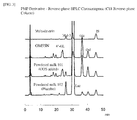
FIG. 2 ]PMP derivative reverse-phase HPLC chromatogram (C30) - [
FIG. 3 ]PMP derivative reverse-phase HPLC chromatogram (C18 reverse-phase column) - [
FIG. 4 ]PMP derivative reverse-phase HPLC chromatogram (C8 reverse-phase column) - [
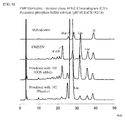
FIG. 5 ]PMP derivative reverse-phase HPLC chromatogram (C30), potassium phosphate buffer solution (pH4)/CH3CN (78/22) - [
FIG. 6 ]PMP derivative reverse-phase HPLC chromatogram (C30), potassium phosphate buffer solution (pH5)/CH3CN (79/21) - [
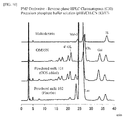
FIG. 7 ]PMP derivative reverse-phase HPLC chromatogram (C30), potassium phosphate buffer solution (pH7)/CH3CN (81/19) - [
FIG. 8 ]PMP derivative reverse-phase HPLC chromatogram (C30), potassium phosphate buffer solution (pH7)/CH3CN (82/18) - [
FIG. 9 ]PMP derivative reverse-phase HPLC chromatogram (C30), potassium phosphate buffer solution (pH8)/CH3CN (82/18) - [
FIG. 10 ]PMP derivative reverse-phase HPLC chromatogram (C30), potassium phosphate buffer solution (pH8)/CH3CN (83/17) - [
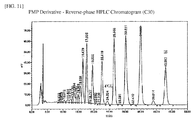
FIG. 11 ]PMP derivative reverse-phase HPLC chromatogram (C30) - The detection and quantification method proposed by the present invention is such that galacto-oligosaccharide contained in a sample of a beverage, food, etc., is derivatized and then the result is put through high-performance liquid chromatography (HPLC) using a C30 reverse-phase chromatography column, thereby separating galacto-oligosaccharide from other components in the sample and quantifying the separated galacto-oligosaccharide. Galacto-oligosaccharide is a mixture of disaccharide to hexasaccharide whose molecule contains one or more molecules of galactose, expressed by the general formula Gal-(Gal)n-Glc (wherein Gal represents a residual galactose group, Glc represents a residual glucose group, and n is an integer of 0 to 4). It should be noted that lactose is not contained in galacto-oligosaccharide.
- The primary component of galacto-oligosaccharide is a trisaccharide 4'-galactosyl lactose (4'-GL), comprising lactose and one galactose bound to its non-reducing end. Other specific components include Galβ1-3Glc, Galβ1-2Glc, Galβ1-6Glc, Galβ1-6Galβ1-4Glc, Galβ1-6Galβ1-4Galβ1-4Glc, and Galβ1-4Galβ1-4Galβ1-4Glc, or the like. Under the detection and quantification method proposed by the present invention, galacto-oligosaccharide can be detected and quantified as a mixture, or an individual galacto-oligosaccharide component may be detected and quantified; from the viewpoint of quantification accuracy, however, preferably 4'-GL is separated and then detected and quantified, followed by back-calculating the obtained quantity to determine the total quantity of galacto-oligosaccharide.
- Galacto-oligosaccharide may be obtained in any way; for example, galacto-oligosaccharide produced by means of transitional reaction using lactose as the material, and lactose decomposition enzyme (β-galactosidase), can be used. During the transitional reaction, a microorganism that produces enzyme may be added to act upon the material. Examples of materials containing lactose include commercially available lactose, milk, powdered milk, cheese whey, or the like. The enzyme used is not limited in any way and any enzyme may be used so long as it can derive galacto-oligosaccharide, where examples include enzymes that can hydrolyze lactose in the material and cause the galactose produced by decomposition to transition to lactose or glucose, specifically β-galactosidase or α-galactosidase. These enzymes may be used alone or two or more of them may be combined for use. The enzyme treatment conditions are not limited in any way, and generally an appropriate range of concentration of material is 10 to 70%, that of pH is 3 to 8, that of concentration of enzyme is 0.01 to 100 units/ml, that of temperature is 20 to 70°C, and that of reaction time is 2 hours to 3 days. Commercially available galacto-oligosaccharide liquid sugar can also be used, such as Oligomate 55N (Yakult Pharmaceutical Industry). It is also possible to use galacto-oligosaccharide isolated from natural sources containing galacto-oligosaccharide and purified by a conventional method. The type of natural source containing galacto-oligosaccharide is not limited in any way, and milk from mammals can be used, for example.
- Under the present invention, the sample used for detection and quantification of galacto-oligosaccharide is not limited in any way so long as it contains galacto-oligosaccharide and dextrin, and examples include food for specified health use, functional food, health food, nutritional supplement food, special food for infant/children/pregnant women/sick people, food for people having difficulty swallowing, formulated powdered milk for infants or other beverages, food, or material thereof, and pharmaceutical products, among others. Among these, preferably the method proposed by the present invention is applied to formulated powdered milk for infants containing a high content of sugar components, because it allows for detection and quantification of galacto-oligosaccharide with high precision. Dextrin is a general term that refers to substances comprising three or more glucose molecules polymerized together. One type of dextrin is maltodextrin, which is a polymer of D-glucoses polymerized together by α-1,4 bonding, has an equivalent dextrose weight of less than 20, and is obtained by hydrolyzing starch.
- Maltodextrin includes maltotriose comprising three glucose molecules, tetrasaccharide comprising four glucose molecules polymerized together, and polysaccharide comprising more glucose molecules polymerized together. Maltotriose, comprising three glucose molecules poymerized together, has the same molecular weight and size as 4'-GL but its solid hydroxyl group structure is partially different. In cases where molecules of the same size as 4'-GL were present in a sample of a beverage, food, etc., conventional methods such as gel filtration chromatography could not separate 4'-GL and maltotriose to quantify galacto-oligosaccharide; by using the method proposed by the present invention, however, the two can be separated sufficiently. Equivalent dextrose weight is a representation of reducing sugar in the sample as glucose, obtained as a percentage of solid content. The maximum value of equivalent dextrose weight is 100, which indicates that all of the solid content is glucose. Equivalent dextrose weight is an indicator of rate of hydrolysis from starch, where dextrin of smaller equivalent dextrose weight, or specifically a lower rate of hydrolysis, contains more polysaccharide components. On the other hand, dextrin of greater equivalent dextrose weight, or specifically a higher rate of hydrolysis, contains more oligosaccharide components.
- Under the detection and quantification method proposed by the present invention, first a derivatizing reagent is caused to react with the sample to derivatize the sugar in the sample. The derivatizing reagent is not limited in any way so long as it can derivatize galacto-oligosaccharide, where examples include hydrophobic derivatives capable of absorbing ultraviolet light or visible light or detecting fluorescent light, or specifically 1-phenyl-3-methyl-5-pyrazolone (PMP), 2-aminopyridine, 2-aminobenzamide, 3-aminoquinone, ethyl 4-amino benzoate, butyl 4-amino benzoate, and 4-trimethyl ammonium aniline, and any one type of derivative selected from the foregoing may be used. Particularly, PMP is preferably used for sufficient separation of galacto-oligosaccharide components.
- In the case of derivatization by PMP, derivatization can be implemented by, for example, adding 0.5 M PMP methanol solution and 0.6 M NaOH solution to the sample to cause reaction for 30 minutes at 70°C, and then adding 0.1 M hydrochloric acid and chloroform to the reaction liquid to agitate the mixture, followed by removing the chloroform constituting the bottom layer. Although sugar such as galacto-oligosaccharide is hydrophilic, its derivatization by hydrophobic derivatizing reagent turns the derivatized part of sugar hydrophobic to remain longer in the column if it is fed to a high-performance liquid chromatography column containing alkyl groups in the stationary phase, compared to a hydrophilic component would.
- After the derivatization treatment, the sample is put through high-performance liquid chromatography to separate the galacto-oligosaccharide component in the sample. Under the present invention, the column used for high-performance liquid chromatography is a C30 reverse-phase chromatography column, or specifically a column containing alkyl groups (triacontyl groups) of
carbon number 30 in the stationary phase. This is because a column ofcarbon number 30 must be used in order to sufficiently separate galacto-oligosaccharide in the sample. More specific examples include Develosil RPAQUEOUS (Nomura Chemical), Develosil C30-UG (Nomura Chemical) and Inertosil C30 S-Select (GL Sciences). Among these, the column with a stationary phase containing cis alkyl groups having double bonds is preferred, or specifically Develosil RPAQUEOUS (Nomura Chemical) is preferred, from the viewpoint of separability of galacto-oligosaccharide. C30 reverse-phase chromatography columns are suitable for separating galacto-oligosaccharide, probably because the length and solid structure of alkyl groups are causing the retention time of galacto-oligosaccharide, maltotriose, etc., to change. - For the eluent that can be used for the mobile phase of high-performance liquid chromatography is not limited in any way so long as it does not negatively affect the column or apparatus, and examples include eluent constituted only by water, eluent constituted only by buffer solution, and mixed liquid of water or buffer solution and polar organic solvent, of which use of a mixed liquid of buffer solution and polar organic solvent is preferred. The mixing ratio (vol/vol, all mixing ratios are indicated in units of vol/vol hereinafter) of buffer solution and polar organic solvent is not limited in any way, but preferably the range of buffer solution/polar organic solvent is 79/21 to 80/20. This is because, by using eluent in this range, galacto-oligosaccharide is sufficiently separated and good chromatograms can be obtained. For a similar reason, the pH of buffer solution is preferably in a range of 4 to 8, or particularly preferably in a range of 5 to 6.
- Also, preferably a mixed solution is used that contains, as the buffer solution, at least one type selected from potassium phosphate buffer solution, potassium citrate buffer solution, ammonium formate buffer solution, and potassium acetate buffer solution, and as the polar organic solvent, at least one type selected from acetonitrile, methanol, ethanol, propanol, and butanol, where use of a mixed solution of potassium phosphate buffer solution and acetonitrile is particularly preferred, the pH of potassium phosphate buffer solution is preferably in a range of 5 to 6, and the mixing ratio of potassium phosphate buffer solution and acetonitrile is preferably in a range of 79/21 to 80/20 based on potassium phosphate buffer solution/acetonitrile.
- High-performance liquid chromatography can be implemented using a commercially available HPLC apparatus, and the column equilibration, flow rate, and various other conditions can be set as deemed appropriate based on the sample volume, etc. After the high-performance liquid chromatography, the obtained fraction can be detected and quantified using various detectors. For examples, an ultraviolet light absorbance detector, visible light absorbance detector, or other absorbance detector, any of various optical rotation detectors, or fluorescent light detector, etc., can be used. Under the present invention, use of an ultraviolet absorbance detector allows for simple and also accurate quantification.
- For the method to detect and quantify galacto-oligosaccharide in the sample, the means described below can be used, for example. First, water or other solvent is added to a sample containing galacto-oligosaccharide whose 4'-GL content is known, to dissolve the sample, and then an appropriate quantity of internal reference substance is added to prepare a sample solution. Separately, the same galacto-oligosaccharide and internal reference standard substance are dissolved in water, etc., to prepare a standard test solution. The standard test solution is diluted in stages to prepare 10-times diluted solution, 20-times diluted solution and 40-times diluted solution, for example. Next, the sample solution and standard test solution are derivatized with a derivatizing reagent of PMP, etc. The derivatized sample solution and standard test solution are put through high-performance liquid chromatography, respectively, to obtain chromatograms using a detector. The conditions of high-performance liquid chromatography are as mentioned above.
- The obtained result of standard test solution is used to create a calibration curve. For each of the standard test solutions diluted in stages, a calibration curve is obtained based on the least squares method, with the horizontal axis representing the content of galacto-oligosaccharide and the vertical axis representing the area ratio of 4'-GL and internal reference substance, which should give the following formula (calibration curve):

- Next, the area ratio of 4'-GL and internal reference substance is calculated from the result of the sample solution and the area ratio is assigned to the above calibration curve, so that the content of galacto-oligosaccharide in the sample can be calculated. By putting the calculated result through supplemental calculations as deemed appropriate based on the dilution ratio, etc., of the sample in the pretreatment stage, accurate galacto-oligosaccharide content is quantified.
- The present invention is described in greater detail below by citing examples, but it should be noted that the present invention is not limited by these examples in any way.
- Comparative Example 1: Quantification of 4'-GL Using Gel Filtration Chromatography
- Formulated powdered milk for infants containing galacto-oligosaccharide liquid sugar (Oligomate 55N: Yakult Chemical Industry) at a ratio of 2.3 g/100 g based on galacto-oligosaccharide content as well as maltodextrin at a ratio of 1.5 g/100 g was weighed and 2.6 g thereof was weighed and dissolved by adding a small amount of warm water, after which the dissolved formulated powdered milk was let stand until it reached room temperature and then distilled water was added to prepare 20 ml of dissolved milk. Into a measuring flask, 4 ml of dissolved milk was introduced and then precisely 2 ml of aqueous solution containing internal reference substance by 0.1% was added, after which distilled water was added to make the
total volume 20 ml, to obtain a sample solution (powdered milk 101 (GOS added)). The galacto-oligosaccharide content per 20 ml of dissolved milk was 2.6 g x 2.3 / 100 = 0.0598 g, which means that the content per 100 ml was 0.299 g. - Formulated powdered milk for infants contains, as materials, lactose, whey protein digest, palm oil, whole powdered milk, fractionated palm kernel oil, refined soybean oil, galacto-oligosaccharide liquid sugar, casein calcium, maltodextrin (saccharified starch), refined fish oil, calcium carbonate, magnesium chloride, lecithin, potassium phosphate, potassium chloride, sodium phosphate, potassium hydroxide, lactoferrin, vitamin C, calcium chloride, iron pyrophosphate, taurine, vitamin E, zinc sulfate, cystine, sodium cytidylate, niacin, calcium pantothenate, vitamin A, copper sulfate, sodium inosinate, sodium uridylate, sodium guanylate, vitamin B1, 5'-AMP, vitamin B6, vitamin B2, folic acid, carotene, vitamin D, and vitamin B12, and the nutritional components of formulated powdered milk for infants are shown in Table 1. In Table 1, carbohydrate includes lactose, galacto-oligosaccharide, dextrin, and monosaccharides.
[Table 1] Nutritional Components of Formulated Powdered Milk for Infants (per 100 g) Energy 515 kcal Vitamin K 13 µg α-linolenic acid 0.4 g Protein 11.9 g Niacin 4 mg Docosahexaenoic acid (DHA) 80 mg Fat 27.7 g Folic acid 60 µgPhospholipid 230 mg Carbohydrate 55.6 g Pantothenic acid 4 mg Cystine 190 mg Sodium 140 mg β- carotene 40 µgTaurine 25 mg Ash 2.4 g Linoleic acid 3.3 g Nucleotide 8 mg Vitamin A 420 µg Calcium 380 mg Lactoferrin 100 mg Vitamin B1 0.4 mg Phosphorous 210 mg β-lactoglobulin 0.2 to 0.8 g Vitamin B2 0.6 mg Iron 7 mg Water 2.4 g Vitamin B6 0.3 mg Potassium 480 mg Vitamin B 12 1.5 µg Magnesium 40 mg Vitamin C 60 mg Chlorine 320 mg Vitamin D 7 µg Zinc 3 mg Vitamin E 4.5 mg Copper 320 µg Galacto-oligosaccharide 2.3 g (Sugars contained are listed below.) Disaccharides Galβ1-3Glc, Galβ1-2Glc, Galβ1-6Glc, Trisaccharides Galβ1-6 Galβ1-4Glc, Galβ1-4 Galβ1-4Glc Tetrasaccharides and higher Galβ1-6 Galβ1-4 Galβ1-4Glc, Galβ1-4 Galβ1-4 Galβ1-4Glc - As formulated powdered milk for infants not containing galacto-oligosaccharide, a preparation process similar to that for the powdered milk 101 (GOS added) was carried out to prepare a placebo sample solution (powdered milk 102 (placebo)). The formulated powdered milk for infants used in this preparation had the same material composition as that of the formulated powdered milk for infants from which the sample solution (powdered milk 101 (GOS added)) was prepared, except that it did not contain galacto-oligosaccharide and contained maltodextrin at a ratio of 6.2 g/100 g. The powdered milk 101 (GOS added) contained lactose derived from galacto-oligosaccharide liquid sugar, galacto-oligosaccharide and monosaccharides for a total of 4.7 g/100 g, and the powdered milk 101 (GOS added) and powdered milk 102 (placebo) had the same quantity of carbohydrate.
- Into a 50-ml measuring flask, galacto-oligosaccharide liquid sugar (Oligomate 55N: Yakult Chemical Industry) was weighed so that the content of galacto-oligosaccharide liquid sugar would become 2.0 g/100 ml, after which precisely 1 ml of aqueous solution containing internal reference substance by 1% was added and then distilled water was added to make the
total volume 50 ml, to obtain standard test solution (OM55N). - Into a 50-ml measuring flask, the maltodextrin liquid sugar used for manufacturing the aforementioned formulated powdered milk for infants (high maltose syrup) was weighed so that the content of maltodextrin solution would become 2.0 g/100 ml, after which precisely 1 ml of aqueous solution containing internal reference substance by 1% was added and then distilled water was added to make the
total volume 50 ml, to obtain standard test solution (maltodextrin). - The test solution, placebo test solution, galacto-oligosaccharide standard test solution, and maltodextrin standard test solution were filtered through a 0.45-)µm filter and the filtered solution was analyzed under the HPLC conditions shown below.
-
Column : GPC (KS-802) (8.0 × 300 mm) Eluent : Distilled water Flow rate : 0.5 ml/min Detector : RI detector (Shodex SE-201) Column temp : 80°C - The results were that, as shown in
FIG. 1 , the trisaccharide (maltotriose: Mal-3) contained in the maltodextrin and trisaccharide 4'-GL contained in the standard test solution (OM55N) eluted from the column after the same retention time, and the gel filtration chromatography found overlapping peaks of the maltotriose in maltodextrin and 4'-GL in galacto-oligosaccharide and failed to quantify 4'-GL. - Sample solution of formulated powdered milk for infants, placebo sample solution, galacto-oligosaccharide standard test solution and maltodextrin standard test solution were prepared in the same manner as in Comparative Example 1. The galacto-oligosaccharide standard test solution was further diluted with distilled water to prepare a 10-times diluted solution, 20-times diluted solution, and 40-times diluted solution. The concentrations of galacto-oligosaccharide liquid sugar in the diluted solutions were 0.2 g/100 ml, 0.1 g/100 ml and 0.05 g/100 ml, respectively.
- Into a threaded-mouth test tube, 100 µl each of sample solution, galacto-oligosaccharide standard test solution, and maltodextrin standard test solution was measured and then 100 µl of 0.6 M NaOH aqueous solution was added and the mixture was agitated. Next, 200 µl of 0.5 M PMP methanol solution was added and the mixture was agitated. The agitated mixture was heated at 70°C for 30 minutes to be PMP-derivatized. After having been cooled to room temperature, the mixture was turned mildly acidic by adding 0.7 ml of 0.1 M HCl aqueous solution, followed by chloroform-based extraction to remove excess reagent. To be specific, approx. 1 ml of chloroform was added and the mixture was agitated for at least 30 seconds and then centrifuged at 2500 rpm for 5 minutes, to remove the chloroform constituting the bottom layer. The same operation was repeated twice. The water layer was filtered through a 0.45-µm filter and the filtered mixture was analyzed under the HPLC conditions shown below.
-
Column : Develosil RPAQUEOUS (4.6 × 250 mm) (C30) Eluent : Potassium phosphate buffer solution (pH6)/CH3CN (80/20) Flow rate : 1.0 ml/min Detection : UV245 nm Column temp : 35°C - The results were that, as shown by the dotted line in
FIG. 2 , the peak of 4'-GL detected in the sample solution (powdered milk 101) was not detected in the placebo sample solution (powdered milk 102) and, it was confirmed that, by putting the PMP-derivatized solution through high-performance liquid chromatography using a C30 reverse-phase chromatography column, 4'-GL and maltotriose could be separated. - The diluted solutions prepared from the galacto-oligosaccharide standard test solution were put through HPLC under the same conditions as shown above and, by using the area ratio of internal reference substance and 4'-GL, a calibration curve of galacto-oligosaccharide liquid sugar was obtained. The results of HPLC analysis are shown in Table 2.
[Table 2] Area Ratios of Internal reference substance and 4'-GL in Galacto-oligosaccharide Standard Test Solutions Area Area ratio Galacto-oligosaccharide liquid sugar (g/100 ml) 4'-GL Internal reference substance 4'-GL/ Internal reference substance 0.05 170632 806079 0.212 0.10 325278 807574 0.403 0.20 634573 799116 0.794 - When a calibration curve was obtained by the least squares method, with x representing the content of galacto-oligosaccharide liquid sugar and y representing the area ratio, the calibration curve was expressed by y = 3.9909x. The area ratio of internal reference substance and 4'-GL in the sample solution (0.5526) was assigned to y of this calibration curve and the quantity of galacto-oligosaccharide in the sample was calculated by considering the dilution ratio, etc., of sample solutions (Table 3). To be specific, assigning y = 0.5526 to the calibration curve y = 3.9909x gave 0.138 (g/100 ml) as x (concentration of galacto-oligosaccharide liquid sugar in the sample solution). Since the sample solution was prepared by diluting the dissolved milk five times, the quantity of galacto-oligosaccharide liquid sugar in the dissolved milk was given as 0.138 x 5 = 0.690 (g/100 ml). Since the solid content in the liquid sugar was 75% and the content of galacto-oligosaccharide in the solids was 56.4%, the content of galacto-oligosaccharide in the dissolved milk was given as 0.690 x 0.75 x 0.564 = 0.292 (g/100 ml). Since the concentration of formulated powdered milk for infants in the dissolved milk was 2.6 g/20 ml, 100 ml of dissolved milk contained 13 g of formulated powdered milk for infants, which in turn contained 0.292 g/100 ml of galacto-oligosaccharide, meaning that galacto-oligosaccharide was contained by 2.25 g/100 g per 100 g of formulated powdered milk for infants, which roughly agrees with the blended quantity of galacto-oligosaccharide (2.3 g/100 g).
[Table 3] Contents of Galacto-oligosaccharide Calculated Using Calibration Curve Area Area ratio Quantity of galacto-oligosaccharide liquid sugar Quantity of galacto-oligosaccharide 4'-GL Internal reference substance 4'-GL/Internal reference substance Sample solution Dissolved milk Dissolved milk Powdered milk 434894 786975 0.5526 0.138 g/100 ml 0.690 g/100 ml 0.292 g/100 ml 2.25g/100 g - Formulated powdered milk for infants containing galacto-oligosaccharide liquid sugar (Oligomate 55N: Yakult Chemical Industry) at a ratio of 2.3 g/100 g based on galacto-oligosaccharide content as well as maltodextrin at a ratio of 1.5 g/100 g was weighed and precisely 5 g of it was weighed and dissolved by adding a small amount of warm water, after which the dissolved formulated powdered milk was let stand until it reached room temperature. Precisely 1 ml of aqueous solution containing internal reference substance by 1% was added, after which distilled water was added to make the
total volume 50 ml to obtain a sample solution (powdered milk 101 (GOS added)). - Also, as formulated powdered milk for infants not containing galacto-oligosaccharide, a preparation process similar to that for the powdered milk 101 (GOS added) was carried out to prepare a placebo sample solution (powdered milk 102 (placebo)). The formulated powdered milk for infants used in this preparation had the same material composition as that of the formulated powdered milk for infants from which the sample solution (powdered milk 101 (GOS added)) was prepared, except that it did not contain galacto-oligosaccharide and contained maltodextrin at a ratio of 6.2 g/100 g.
- Into a 50-ml measuring flask, galacto-oligosaccharide liquid sugar was weighed so that the content of galacto-oligosaccharide would become 3.0 g/100 ml, after which precisely 1 ml of aqueous solution containing internal reference substance by 1% was added and then distilled water was added to make the
total volume 50 ml, to obtain a galacto-oligosaccharide standard test solution. - Into a 50-ml measuring flask, the maltodextrin liquid sugar used for manufacturing the aforementioned formulated powdered milk for infants (high maltose syrup) was weighed so that the content of maltodextrin solution would become 2.0 g/100 ml, after which precisely 1 ml of aqueous solution containing internal reference substance by 1% was added and then distilled water was added to make the
total volume 50 ml, to obtain a standard test solution (maltodextrin). - Into a threaded-mouth test tube, 100 µl each of sample solution, galacto-oligosaccharide standard test solution, and maltodextrin standard test solution was measured and then 100 µl of 0.6 M NaOH aqueous solution was added and the mixture was agitated. Next, 200 µl of 0.5 M PMP methanol solution was added and the mixture was agitated. The agitated mixture was heated at 70°C for 30 minutes to be PMP-derivatized. After having been cooled to room temperature, the mixture was turned mildly acidic by adding 0.7 ml of 0.1 M HCl aqueous solution, followed by chloroform-based extraction to remove excess reagent. To be specific, approx. 1 ml of chloroform was added and the mixture was agitated for at least 30 seconds and then centrifuged at 2500 rpm for 5 minutes, to remove the chloroform constituting the bottom layer. The same operation was repeated twice. The water layer was filtered through a 0.45-µm filter and the filtered mixture was analyzed under the two HPLC conditions shown below.
-
Column : Inertosil ODS-3 (4.6 × 250 mm) (C18 reverse-phase column) Eluent : Potassium phosphate buffer solution (pH6)/CH3CN (80/20) Flow rate : 1.0 ml/min Detection : UV245 nm Column temp : 35°C -
Column : Imtakt UK-8 (4.6 × 150 mm) (C8 reverse-phase column) Eluent : Potassium phosphate buffer solution (pH6)/CH3CN (80/20) Flow rate : 1.0 ml/min Detection : UV245 nm Column temp : 35°C - The results were that, although 4'-GL and maltotriose (Mal-3) had separated in the C18 reverse-phase chromatography column, the peaks of 4'-GL and other galacto-oligosaccharide components overlapped and 4'-GL could not be separated. To be specific, as shown in
FIG. 3 , the results of the galacto-oligosaccharide standard test solution (OM55N) and sample solution (powdered milk 101) were such that the peak of 4'-GL overlapped with the peak of other substances on the left side, showing a steplike peak. - When the C8 reverse-phase chromatography column was used, 4'-GL and maltotriose (Mal-3) had separated but the peaks of 4'-GL and other galacto-oligosaccharide components overlapped and separation could not be achieved (
FIG. 4 ). To be specific, the comparison with the analysis using the C30 reverse-phase chromatography column (FIG. 2 ) found that, while the peak of other galacto-oligosaccharide components is present to the immediate left of 4'-GL inFIG. 2 , this peak overlaps with the peak of 4'-GL to create a higher combined peak inFIG. 4 . These results suggest that 4'-GL cannot be separated or quantified using either the C8 column or C18 column. - Sample solutions (powdered milk 101 (GOS added), powdered milk 102 (placebo)), galacto-oligosaccharide standard test solution and maltodextrin standard test solution were prepared in the same manner as in Comparative Example 2 and then PMP-derivatized in the same manner as in Comparative Example 2 and analyzed under the six HPLC conditions as shown below, respectively.
-
Column : Develosil RPAQUEOUS (4.6 × 250 mm) Eluent : Potassium phosphate buffer solution (pH4)/CH3CN (78/22) Flow rate : 1.0 ml/min Detection : UV245 nm Column temp : 35°C -
Column : Develosil RPAQUEOUS (4.6 × 250 mm) Eluent : Potassium phosphate buffer solution (pH5)/CH3CN (79/21) Flow rate : 1.0 ml/min Detection : UV245 nm Column temp : 35°C -
Column : Develosil RPAQUEOUS (4.6 × 250 mm) Eluent : Potassium phosphate buffer solution (pH7)/CH3CN (81/19) Flow rate : 1.0 ml/min Detection : UV245 nm Column temp : 35°C -
Column : Develosil RPAQUEOUS (4.6 × 250 mm) Eluent : Potassium phosphate buffer solution (pH7)/CH3CN (82/18) Flow rate : 1.0 ml/min Detection : UV245 nm Column temp : 35°C -
Column : Develosil RPAQUEOUS (4.6 × 250 mm) Eluent : Potassium phosphate buffer solution (pH8)/CH3CN (82/18) Flow rate : 1.0 ml/min Detection : UV245 nm Column temp : 35°C -
Column : Develosil RPAQUEOUS (4.6 × 250 mm) Eluent : Potassium phosphate buffer solution (pH8)/CH3CN (83/17) Flow rate : 1.0 ml/min Detection : UV245 nm Column temp : 35°C - The results of Example 1 showed that, when potassium phosphate buffer solution of pH6 was used, 4'-GL could be separated and galacto-oligosaccharide could be quantified. On the other hand, as shown in
Figs. 5 ,7 to 10 , use of potassium phosphate buffer solutions of pH4, 7 and 8 caused the peaks of 4'-GL and other galacto-oligosaccharide components to overlap and 4'-GL could not be separated or quantified as a result. To be specific, while the peak of other galacto-oligosaccharide components is present to the immediate left of 4'-GL inFIG. 2 , use of potassium phosphate buffer solution of pH4 resulted in a single peak as shown in the chromatogram of OM55N, indicating that 4'-GL could not be separated (FIG. 5 ). - Additionally, when eluent containing potassium phosphate buffer solution (pH7) and CH3CN at a ratio of 81/19 (
FIG. 7 ) was used, the peak of other galacto-oligosaccharide components overlapped with the peak of 4'-GL on its right, as shown in the chromatogram of OM55N, thus making the peak area of 4'-GL larger. - When eluent containing potassium phosphate buffer solution (pH7) and CH3CN at a ratio of 82/18 was used (
FIG. 8 ), the resulting chromatogram of OM55N does not show a peak to the immediate left of 4'-GL where it should be detected, but this peak overlaps with the peak of 4'-GL instead. - When eluent containing potassium phosphate buffer solution (pH8) and CH3CN at a ratio of 82/18 was used (
FIG. 9 ) or at a ratio of 83/17 was used (FIG. 10 ), comparing the chromatogram of OM55N and that of maltodextrin finds that 4'-GL could be separated from maltotriose and other oligosaccharide components; however, comparing the chromatogram of OM55N and that of placebo sample solution (powdered milk 102) finds that the peak of 4'-GL agrees with the peak of other components in thepowdered milk 102, thus preventing 4'-GL alone from being separated. - When eluent containing potassium phosphate buffer solution (pH5) and CH3CN at a ratio of 79/21 was used (
FIG. 6 ), on the other hand, 4'-GL could be separated from maltotriose and other galacto-oligosaccharide components. - Example 3: PMP Derivative - Reverse-phase HPLC Chromatogram (C30) of Nutritional Food Sample
- The materials shown in Table 4 were mixed to prepare nutritional food. Distilled water was added to 10 g of this nutritional food to make the
total volume 50 ml, after which the mixture was centrifuged at 20000 g for 30 minutes and again at 20000 g for 30 minutes. The centrifuged nutritional food had separated into three layers of bottom layer, middle layer and top layer. The middle layer was separated and the separated sample was filtered through a 0.45-µm filter. Separately, as a standard sample, galacto-oligosaccharide standard test solution was prepared using Oligomate 55 (Yakult Chemical Industry) in the same manner as in Comparative Example 1. Into a threaded-mouth test tube, 100 µl each of filtered sample and galacto-oligosaccharide standard test solution was measured and then dried and solidified under reduced pressure. To this, 100 µl of aqueous solution containing internal reference substance by 0.02% was added and then 200 µl of 0.5 M PMP methanol solution was added, and the mixture was agitated. Next, the mixture was heated at 70°C for 30 minutes to be PMP-derivatized, and analyzed under the HPLC conditions shown below.[Table 4] Composition of Nutritional Food Blended quantity per 100 mL (g) Calcium caseinate 3.4409 Sodium caseinate 2.5806 Mixed oil 02151 Maltodextrin 10.1075 Granulated sugar 2.4731 Indigestible dextrin 0.6000 Oligomate 55 0.4086 Vitamin mixture 0.1000 Sodium ascorbic acid 0.0630 Magnesium sulfate (crystalline heptahydrate) 0.2495 Potassium chloride (anhydrous) 0.2043 Sodium carbonate (anhydrous) 0.1290 Dipotassium hydrogen phosphate (anhydrous) 0.0400 Mineral yeast mixture 0.0418 Emulsifier (Sunsoft) 0.2000 Carrageenan 0.0400 Crystalline cellulose 0.0301 Defoaming silicon 0.0140 Flavoring agent 0.7633 Material water 83.4624 Total 106.9913 -
Column : Develosil RPAQUEOUS (4.6 × 250 mm) Eluent : Potassium phosphate buffer solution (pH6)/CH3CN (80/20) Flow rate : 1.0 ml/min Detection : UV245 nm Column temp : 35°C - The results are that, as shown in
FIG. 11 , the peak of 4'-GL appeared after 24.324 minutes of retention time, revealing that it was separated from other components contained in the sample. It should be noted that the appearance of the 4'-GL peak after 24.324 minutes of retention time was confirmed by analyzing the galacto-oligosaccharide standard test solution under the same HPLC analysis conditions. - According to the detection and quantification method proposed by the present invention, galacto-oligosaccharide and other components in the sample can be separated with ease and at low cost to allow for accurate quantification of galacto-oligosaccharide, which enables accurate management of galacto-oligosaccharide quantity in the sample as well as accurate acquisition and display of various effectiveness test data, etc.
Claims (9)
- A method for detecting and quantifying galacto-oligosaccharide, which is a method for detecting and quantifying galacto-oligosaccharide in a sample containing galacto-oligosaccharide and dextrin, characterized in that the sample is caused to react with a derivatizing reagent to derivatize the dextrin and galacto-oligosaccharide in the sample, after which the galacto-oligosaccharide component in the sample is separated by high-performance liquid chromatography using a C30 reverse-phase chromatography column.
- A method for detecting and quantifying galacto-oligosaccharide according to Claim 1, characterized in that a mixed liquid of buffer solution and polar organic solvent is used as an eluent for high-performance liquid chromatography.
- A method for detecting and quantifying galacto-oligosaccharide according to Claim 2, characterized in that a buffer solution of pH5 to 6 is used as the buffer solution.
- A method for detecting and quantifying galacto-oligosaccharide according to Claim 2 or 3, characterized in that a mixing ratio (vol/vol) of buffer solution and polar organic solvent in the mixed liquid is in a range of 79/21 to 80/20 based on buffer solution/polar organic solvent.
- A method for detecting and quantifying galacto-oligosaccharide according to any one of Claims 2 to 4, characterized in that, for the buffer solution used in preparing the mixed liquid, at least one type selected from potassium phosphate buffer solution, potassium citrate buffer solution, ammonium formate buffer solution, and potassium acetate buffer solution is used, and for the polar organic solvent, at least one type selected from acetonitrile, methanol, ethanol, propanol, and butanol is used.
- A method for detecting and quantifying galacto-oligosaccharide according to any one of Claims 1 to 5, characterized in that the sample containing galacto-oligosaccharide and dextrin is a beverage or food.
- A method for detecting and quantifying galacto-oligosaccharide according to any one of Claims 1 to 6, characterized in that the galacto-oligosaccharide component to be separated is 4'-galactosyl lactose.
- A method for detecting and quantifying galacto-oligosaccharide according to any one of Claims 1 to 7, characterized in that, for the derivatizing reagent, one type selected from 1-phenyl-3-methyl-5-pyrazolone, 2-aminopyridine, 2-aminobenzamide, 3-aminoquinone, ethyl 4-amino benzoate, butyl 4-amino benzoate, and 4-trimethyl ammonium aniline is used.
- A method for detecting and quantifying galacto-oligosaccharide according to any one of Claims 1 to 8, characterized in that the C30 reverse-phase chromatography column has a stationary phase containing cis alkyl groups having double bonds.
Applications Claiming Priority (2)
| Application Number | Priority Date | Filing Date | Title |
|---|---|---|---|
| JP2013205503 | 2013-09-30 | ||
| PCT/JP2014/075718 WO2015046463A1 (en) | 2013-09-30 | 2014-09-26 | Method for detecting and determining quantity of galacto-oligosaccharides |
Publications (3)
| Publication Number | Publication Date |
|---|---|
| EP3054295A1 true EP3054295A1 (en) | 2016-08-10 |
| EP3054295A4 EP3054295A4 (en) | 2017-05-17 |
| EP3054295B1 EP3054295B1 (en) | 2022-04-20 |
Family
ID=52743588
Family Applications (1)
| Application Number | Title | Priority Date | Filing Date |
|---|---|---|---|
| EP14849036.0A Active EP3054295B1 (en) | 2013-09-30 | 2014-09-26 | Method for detecting and determining quantity of galacto-oligosaccharides |
Country Status (9)
| Country | Link |
|---|---|
| US (1) | US9482648B2 (en) |
| EP (1) | EP3054295B1 (en) |
| JP (1) | JP6285944B2 (en) |
| KR (1) | KR102152045B1 (en) |
| CN (1) | CN105723216B (en) |
| ES (1) | ES2912875T3 (en) |
| SG (1) | SG11201601788SA (en) |
| TW (1) | TWI629479B (en) |
| WO (1) | WO2015046463A1 (en) |
Families Citing this family (15)
| Publication number | Priority date | Publication date | Assignee | Title |
|---|---|---|---|---|
| CN105424858B (en) * | 2015-12-31 | 2017-03-22 | 广州甘蔗糖业研究所 | Efficient liquid chromatography tandem mass spectrometry detection method for galactooligosaccharides in milk powder |
| CN109154604B (en) * | 2016-04-24 | 2023-07-21 | 沃特世科技公司 | Charged Surface Reversed-Phase Chromatography Material Method for the Analysis of Glycans Modified with Amphiphilic Strongly Basic Moieties |
| KR20190008014A (en) * | 2017-07-14 | 2019-01-23 | 고려대학교 산학협력단 | Quantification method of 3,6-anhydro-L-galactose using high-performance liquid chromatography equipped with a refractive index detector |
| CN112649516A (en) * | 2019-10-12 | 2021-04-13 | 中国科学院大连化学物理研究所 | Derivatization-based milk powder containing 4 human milk oligosaccharides and qualitative and quantitative method thereof |
| CN111610275A (en) * | 2020-06-08 | 2020-09-01 | 山东省分析测试中心 | Method for determining malto-oligosaccharide and application of method in field of product quality control |
| CN112946096A (en) * | 2021-01-15 | 2021-06-11 | 上海晓创检测技术有限公司 | Method for determining DHA in cosmetics and application thereof |
| WO2022202748A1 (en) * | 2021-03-23 | 2022-09-29 | 一丸ファルコス株式会社 | Powdery preparation and method for manufacturing same |
| CN113125608B (en) * | 2021-04-21 | 2023-08-29 | 扬子江药业集团上海海尼药业有限公司 | Impurity detection method for edaravone sodium chloride injection |
| KR102705962B1 (en) * | 2021-05-26 | 2024-09-11 | 동의대학교 산학협력단 | Prebiotics composition containing oligosaccharide isolated from soybean fermented food as active ingredient and method for manufacturing same |
| JP7694342B2 (en) * | 2021-11-05 | 2025-06-18 | 株式会社島津製作所 | Quantitative analysis method and quantitative analysis device |
| CN114264739B (en) * | 2021-12-10 | 2024-02-13 | 西北大学 | Identification method of adulterated goat milk based on the characteristic components α3’-galactosyllactose and N-acetylglucosaminyllactose |
| CN114577937A (en) * | 2022-02-28 | 2022-06-03 | 上海市质量监督检验技术研究院 | A kind of detection method for taurine content in formula milk powder for special medical purposes |
| CN115144494B (en) * | 2022-06-28 | 2023-09-29 | 贵州大学 | Method for detecting oligosaccharide in mammal milk |
| CN116298005B (en) * | 2023-02-02 | 2023-10-03 | 徐州市农产品质量安全中心 | Pre-column derived liquid chromatography tandem mass spectrometry detection method for kappa-carrageenan in livestock meat |
| CN120177678B (en) * | 2025-05-22 | 2025-08-08 | 内蒙古蒙牛乳业(集团)股份有限公司 | A method for detecting human milk oligosaccharides in dairy products |
Family Cites Families (9)
| Publication number | Priority date | Publication date | Assignee | Title |
|---|---|---|---|---|
| JPH09117297A (en) * | 1995-10-26 | 1997-05-06 | Meiji Milk Prod Co Ltd | Method for producing galactooligosaccharide |
| US5843786A (en) * | 1995-11-28 | 1998-12-01 | Neose Technologies, Inc. | Analysis of carbohydrates in biological fluids by high performance liquid chromatography |
| US20050186679A1 (en) | 2004-02-24 | 2005-08-25 | Christian Viskov | Method for determining specific groups constituting heparins or low molecular weight heparins |
| JP2008170428A (en) * | 2006-12-12 | 2008-07-24 | Keio Gijuku | HPLC analysis of sugars and sugar alcohols |
| JP2009103680A (en) * | 2007-10-01 | 2009-05-14 | Kirin Holdings Co Ltd | Analysis and purification method of glucosinolates using liquid chromatography |
| CN101357932B (en) * | 2008-09-12 | 2011-01-26 | 南京医科大学 | Separation method of salidroside and impurity therein and RP-HPLC analytical method of salidroside and impurity therein |
| CN101762646B (en) * | 2008-12-26 | 2012-09-05 | 扬子江药业集团有限公司 | Method for measuring content of lactitol |
| US20110189342A1 (en) * | 2010-02-01 | 2011-08-04 | Jeong Hea-Seok | High-purity galactooligosaccharides and uses thereof |
| CN102676604A (en) * | 2011-03-08 | 2012-09-19 | 保龄宝生物股份有限公司 | Method for preparing high-purity galacto-oligosaccharide by continuous simulated moving bed chromatography separation |
-
2014
- 2014-09-26 ES ES14849036T patent/ES2912875T3/en active Active
- 2014-09-26 KR KR1020167008356A patent/KR102152045B1/en active Active
- 2014-09-26 JP JP2015539394A patent/JP6285944B2/en active Active
- 2014-09-26 WO PCT/JP2014/075718 patent/WO2015046463A1/en not_active Ceased
- 2014-09-26 SG SG11201601788SA patent/SG11201601788SA/en unknown
- 2014-09-26 EP EP14849036.0A patent/EP3054295B1/en active Active
- 2014-09-26 CN CN201480053451.XA patent/CN105723216B/en active Active
- 2014-09-26 US US15/025,193 patent/US9482648B2/en active Active
- 2014-09-30 TW TW103133939A patent/TWI629479B/en active
Also Published As
| Publication number | Publication date |
|---|---|
| CN105723216A (en) | 2016-06-29 |
| US9482648B2 (en) | 2016-11-01 |
| SG11201601788SA (en) | 2016-04-28 |
| ES2912875T3 (en) | 2022-05-30 |
| KR20160062024A (en) | 2016-06-01 |
| JP6285944B2 (en) | 2018-02-28 |
| TWI629479B (en) | 2018-07-11 |
| EP3054295B1 (en) | 2022-04-20 |
| TW201546451A (en) | 2015-12-16 |
| WO2015046463A1 (en) | 2015-04-02 |
| JPWO2015046463A1 (en) | 2017-03-09 |
| EP3054295A4 (en) | 2017-05-17 |
| CN105723216B (en) | 2017-05-24 |
| US20160238572A1 (en) | 2016-08-18 |
| KR102152045B1 (en) | 2020-09-04 |
Similar Documents
| Publication | Publication Date | Title |
|---|---|---|
| EP3054295B1 (en) | Method for detecting and determining quantity of galacto-oligosaccharides | |
| Chávez-Servı́n et al. | Analysis of mono-and disaccharides in milk-based formulae by high-performance liquid chromatography with refractive index detection | |
| Saraiva et al. | Maltitol: Analytical determination methods, applications in the food industry, metabolism and health impacts | |
| Romeu-Nadal et al. | Rapid high-performance liquid chromatographic method for Vitamin C determination in human milk versus an enzymatic method | |
| Ma et al. | Lactational changes in the human milk oligosaccharide concentration in Chinese and Malaysian mothers' milk | |
| Urashima et al. | The predominance of type I oligosaccharides is a feature specific to human breast milk | |
| Rodriguez-Colinas et al. | Analysis of fermentation selectivity of purified galacto-oligosaccharides by in vitro human faecal fermentation | |
| Corzo-Martínez et al. | Impact of high-intensity ultrasound on the formation of lactulose and Maillard reaction glycoconjugates | |
| Gill et al. | Current methods for the analysis of selected novel nutrients in infant formulas and adult nutritionals | |
| Xinmin et al. | Determination of glucosamine and lactose in milk-based formulae by high-performance liquid chromatography | |
| Scano et al. | Metabolite profiles of formula milk compared to breast milk | |
| Ferreira et al. | Determination of sugars, and some other compounds in infant formulae, follow-up milks and human milk by HPLC-UV/RI | |
| de Queiroz Pane et al. | Evaluation of the sweetener content in diet/light/zero foods and drinks by HPLC-DAD | |
| Lee et al. | Quantification of carbohydrates in whey permeate products using high-performance anion-exchange chromatography with pulsed amperometric detection | |
| WO2024213054A1 (en) | Method for detecting content of human milk oligosaccharides | |
| Ikeda et al. | Effects of breastfeeding on the risk factors for metabolic syndrome in preterm infants | |
| Ma et al. | Characterization of gangliosides in three sea urchin species by HILIC–ESI-MS/MS | |
| EFSA Panel on Nutrition, Novel Foods and Food Allergens (NDA) et al. | Safety of 6′‐sialyllactose (6’‐SL) sodium salt produced by derivative strains of Escherichia coli BL21 (DE3) as a novel food pursuant to Regulation (EU) 2015/2283 | |
| Stadler et al. | Effect of dietary macronutrient content on carnitine excretion and efficiency of carnitine reabsorption | |
| TWI645041B (en) | High-purity galactooligosaccharide composition, preparation method and use thereof | |
| Indyk et al. | The free and total myo-inositol contents of early lactation and seasonal bovine milk | |
| EFSA Panel on Nutrition, Novel Foods and Food Allergens (NDA) et al. | Safety of 2′‐fucosyllactose (2’‐FL) produced by a derivative strain (Escherichia coli SGR5) of E. coli W (ATCC 9637) as a Novel Food pursuant to Regulation (EU) 2015/2283 | |
| Fiori et al. | Quantification of naturally occurring prebiotic fiber in Italian foods | |
| Flores et al. | Fast determination of myo-inositol in milk powder by ultra high performance liquid chromatography coupled to tandem mass spectrometry | |
| CN105806976B (en) | The method and its application of Determination of galactooligosacchariin in a kind of measure milk powder, rice flour and newborn rice flour |
Legal Events
| Date | Code | Title | Description |
|---|---|---|---|
| PUAI | Public reference made under article 153(3) epc to a published international application that has entered the european phase |
Free format text: ORIGINAL CODE: 0009012 |
|
| 17P | Request for examination filed |
Effective date: 20160406 |
|
| AK | Designated contracting states |
Kind code of ref document: A1 Designated state(s): AL AT BE BG CH CY CZ DE DK EE ES FI FR GB GR HR HU IE IS IT LI LT LU LV MC MK MT NL NO PL PT RO RS SE SI SK SM TR |
|
| AX | Request for extension of the european patent |
Extension state: BA ME |
|
| DAX | Request for extension of the european patent (deleted) | ||
| A4 | Supplementary search report drawn up and despatched |
Effective date: 20170418 |
|
| RIC1 | Information provided on ipc code assigned before grant |
Ipc: G01N 30/88 20060101AFI20170410BHEP Ipc: G01N 30/06 20060101ALI20170410BHEP Ipc: G01N 30/86 20060101ALI20170410BHEP Ipc: G01N 30/26 20060101ALI20170410BHEP |
|
| STAA | Information on the status of an ep patent application or granted ep patent |
Free format text: STATUS: EXAMINATION IS IN PROGRESS |
|
| 17Q | First examination report despatched |
Effective date: 20200421 |
|
| 17Q | First examination report despatched |
Effective date: 20200424 |
|
| GRAP | Despatch of communication of intention to grant a patent |
Free format text: ORIGINAL CODE: EPIDOSNIGR1 |
|
| STAA | Information on the status of an ep patent application or granted ep patent |
Free format text: STATUS: GRANT OF PATENT IS INTENDED |
|
| INTG | Intention to grant announced |
Effective date: 20211122 |
|
| RIN1 | Information on inventor provided before grant (corrected) |
Inventor name: KIMURA, KAZUMASA Inventor name: MIZUKOSHI, HARUMI |
|
| GRAS | Grant fee paid |
Free format text: ORIGINAL CODE: EPIDOSNIGR3 |
|
| GRAA | (expected) grant |
Free format text: ORIGINAL CODE: 0009210 |
|
| STAA | Information on the status of an ep patent application or granted ep patent |
Free format text: STATUS: THE PATENT HAS BEEN GRANTED |
|
| AK | Designated contracting states |
Kind code of ref document: B1 Designated state(s): AL AT BE BG CH CY CZ DE DK EE ES FI FR GB GR HR HU IE IS IT LI LT LU LV MC MK MT NL NO PL PT RO RS SE SI SK SM TR |
|
| REG | Reference to a national code |
Ref country code: GB Ref legal event code: FG4D |
|
| REG | Reference to a national code |
Ref country code: CH Ref legal event code: EP |
|
| REG | Reference to a national code |
Ref country code: DE Ref legal event code: R096 Ref document number: 602014083360 Country of ref document: DE |
|
| REG | Reference to a national code |
Ref country code: IE Ref legal event code: FG4D |
|
| REG | Reference to a national code |
Ref country code: AT Ref legal event code: REF Ref document number: 1485522 Country of ref document: AT Kind code of ref document: T Effective date: 20220515 |
|
| REG | Reference to a national code |
Ref country code: FI Ref legal event code: FGE |
|
| REG | Reference to a national code |
Ref country code: ES Ref legal event code: FG2A Ref document number: 2912875 Country of ref document: ES Kind code of ref document: T3 Effective date: 20220530 |
|
| REG | Reference to a national code |
Ref country code: NL Ref legal event code: FP |
|
| REG | Reference to a national code |
Ref country code: LT Ref legal event code: MG9D |
|
| PG25 | Lapsed in a contracting state [announced via postgrant information from national office to epo] |
Ref country code: SE Free format text: LAPSE BECAUSE OF FAILURE TO SUBMIT A TRANSLATION OF THE DESCRIPTION OR TO PAY THE FEE WITHIN THE PRESCRIBED TIME-LIMIT Effective date: 20220420 Ref country code: PT Free format text: LAPSE BECAUSE OF FAILURE TO SUBMIT A TRANSLATION OF THE DESCRIPTION OR TO PAY THE FEE WITHIN THE PRESCRIBED TIME-LIMIT Effective date: 20220822 Ref country code: NO Free format text: LAPSE BECAUSE OF FAILURE TO SUBMIT A TRANSLATION OF THE DESCRIPTION OR TO PAY THE FEE WITHIN THE PRESCRIBED TIME-LIMIT Effective date: 20220720 Ref country code: LT Free format text: LAPSE BECAUSE OF FAILURE TO SUBMIT A TRANSLATION OF THE DESCRIPTION OR TO PAY THE FEE WITHIN THE PRESCRIBED TIME-LIMIT Effective date: 20220420 Ref country code: HR Free format text: LAPSE BECAUSE OF FAILURE TO SUBMIT A TRANSLATION OF THE DESCRIPTION OR TO PAY THE FEE WITHIN THE PRESCRIBED TIME-LIMIT Effective date: 20220420 Ref country code: GR Free format text: LAPSE BECAUSE OF FAILURE TO SUBMIT A TRANSLATION OF THE DESCRIPTION OR TO PAY THE FEE WITHIN THE PRESCRIBED TIME-LIMIT Effective date: 20220721 Ref country code: BG Free format text: LAPSE BECAUSE OF FAILURE TO SUBMIT A TRANSLATION OF THE DESCRIPTION OR TO PAY THE FEE WITHIN THE PRESCRIBED TIME-LIMIT Effective date: 20220720 |
|
| PG25 | Lapsed in a contracting state [announced via postgrant information from national office to epo] |
Ref country code: RS Free format text: LAPSE BECAUSE OF FAILURE TO SUBMIT A TRANSLATION OF THE DESCRIPTION OR TO PAY THE FEE WITHIN THE PRESCRIBED TIME-LIMIT Effective date: 20220420 Ref country code: PL Free format text: LAPSE BECAUSE OF FAILURE TO SUBMIT A TRANSLATION OF THE DESCRIPTION OR TO PAY THE FEE WITHIN THE PRESCRIBED TIME-LIMIT Effective date: 20220420 Ref country code: LV Free format text: LAPSE BECAUSE OF FAILURE TO SUBMIT A TRANSLATION OF THE DESCRIPTION OR TO PAY THE FEE WITHIN THE PRESCRIBED TIME-LIMIT Effective date: 20220420 Ref country code: IS Free format text: LAPSE BECAUSE OF FAILURE TO SUBMIT A TRANSLATION OF THE DESCRIPTION OR TO PAY THE FEE WITHIN THE PRESCRIBED TIME-LIMIT Effective date: 20220820 |
|
| REG | Reference to a national code |
Ref country code: DE Ref legal event code: R097 Ref document number: 602014083360 Country of ref document: DE |
|
| PG25 | Lapsed in a contracting state [announced via postgrant information from national office to epo] |
Ref country code: SM Free format text: LAPSE BECAUSE OF FAILURE TO SUBMIT A TRANSLATION OF THE DESCRIPTION OR TO PAY THE FEE WITHIN THE PRESCRIBED TIME-LIMIT Effective date: 20220420 Ref country code: SK Free format text: LAPSE BECAUSE OF FAILURE TO SUBMIT A TRANSLATION OF THE DESCRIPTION OR TO PAY THE FEE WITHIN THE PRESCRIBED TIME-LIMIT Effective date: 20220420 Ref country code: RO Free format text: LAPSE BECAUSE OF FAILURE TO SUBMIT A TRANSLATION OF THE DESCRIPTION OR TO PAY THE FEE WITHIN THE PRESCRIBED TIME-LIMIT Effective date: 20220420 Ref country code: EE Free format text: LAPSE BECAUSE OF FAILURE TO SUBMIT A TRANSLATION OF THE DESCRIPTION OR TO PAY THE FEE WITHIN THE PRESCRIBED TIME-LIMIT Effective date: 20220420 Ref country code: DK Free format text: LAPSE BECAUSE OF FAILURE TO SUBMIT A TRANSLATION OF THE DESCRIPTION OR TO PAY THE FEE WITHIN THE PRESCRIBED TIME-LIMIT Effective date: 20220420 Ref country code: CZ Free format text: LAPSE BECAUSE OF FAILURE TO SUBMIT A TRANSLATION OF THE DESCRIPTION OR TO PAY THE FEE WITHIN THE PRESCRIBED TIME-LIMIT Effective date: 20220420 |
|
| PLBE | No opposition filed within time limit |
Free format text: ORIGINAL CODE: 0009261 |
|
| STAA | Information on the status of an ep patent application or granted ep patent |
Free format text: STATUS: NO OPPOSITION FILED WITHIN TIME LIMIT |
|
| 26N | No opposition filed |
Effective date: 20230123 |
|
| PG25 | Lapsed in a contracting state [announced via postgrant information from national office to epo] |
Ref country code: AL Free format text: LAPSE BECAUSE OF FAILURE TO SUBMIT A TRANSLATION OF THE DESCRIPTION OR TO PAY THE FEE WITHIN THE PRESCRIBED TIME-LIMIT Effective date: 20220420 |
|
| PG25 | Lapsed in a contracting state [announced via postgrant information from national office to epo] |
Ref country code: MC Free format text: LAPSE BECAUSE OF FAILURE TO SUBMIT A TRANSLATION OF THE DESCRIPTION OR TO PAY THE FEE WITHIN THE PRESCRIBED TIME-LIMIT Effective date: 20220420 |
|
| REG | Reference to a national code |
Ref country code: CH Ref legal event code: PL |
|
| PG25 | Lapsed in a contracting state [announced via postgrant information from national office to epo] |
Ref country code: SI Free format text: LAPSE BECAUSE OF FAILURE TO SUBMIT A TRANSLATION OF THE DESCRIPTION OR TO PAY THE FEE WITHIN THE PRESCRIBED TIME-LIMIT Effective date: 20220420 |
|
| PG25 | Lapsed in a contracting state [announced via postgrant information from national office to epo] |
Ref country code: LU Free format text: LAPSE BECAUSE OF NON-PAYMENT OF DUE FEES Effective date: 20220926 |
|
| REG | Reference to a national code |
Ref country code: AT Ref legal event code: UEP Ref document number: 1485522 Country of ref document: AT Kind code of ref document: T Effective date: 20220420 |
|
| PG25 | Lapsed in a contracting state [announced via postgrant information from national office to epo] |
Ref country code: LI Free format text: LAPSE BECAUSE OF NON-PAYMENT OF DUE FEES Effective date: 20220930 Ref country code: CH Free format text: LAPSE BECAUSE OF NON-PAYMENT OF DUE FEES Effective date: 20220930 |
|
| PG25 | Lapsed in a contracting state [announced via postgrant information from national office to epo] |
Ref country code: HU Free format text: LAPSE BECAUSE OF FAILURE TO SUBMIT A TRANSLATION OF THE DESCRIPTION OR TO PAY THE FEE WITHIN THE PRESCRIBED TIME-LIMIT; INVALID AB INITIO Effective date: 20140926 |
|
| PG25 | Lapsed in a contracting state [announced via postgrant information from national office to epo] |
Ref country code: CY Free format text: LAPSE BECAUSE OF FAILURE TO SUBMIT A TRANSLATION OF THE DESCRIPTION OR TO PAY THE FEE WITHIN THE PRESCRIBED TIME-LIMIT Effective date: 20220420 |
|
| PG25 | Lapsed in a contracting state [announced via postgrant information from national office to epo] |
Ref country code: MK Free format text: LAPSE BECAUSE OF FAILURE TO SUBMIT A TRANSLATION OF THE DESCRIPTION OR TO PAY THE FEE WITHIN THE PRESCRIBED TIME-LIMIT Effective date: 20220420 |
|
| PG25 | Lapsed in a contracting state [announced via postgrant information from national office to epo] |
Ref country code: TR Free format text: LAPSE BECAUSE OF FAILURE TO SUBMIT A TRANSLATION OF THE DESCRIPTION OR TO PAY THE FEE WITHIN THE PRESCRIBED TIME-LIMIT Effective date: 20220420 |
|
| PG25 | Lapsed in a contracting state [announced via postgrant information from national office to epo] |
Ref country code: MT Free format text: LAPSE BECAUSE OF FAILURE TO SUBMIT A TRANSLATION OF THE DESCRIPTION OR TO PAY THE FEE WITHIN THE PRESCRIBED TIME-LIMIT Effective date: 20220420 |
|
| PG25 | Lapsed in a contracting state [announced via postgrant information from national office to epo] |
Ref country code: BG Free format text: LAPSE BECAUSE OF FAILURE TO SUBMIT A TRANSLATION OF THE DESCRIPTION OR TO PAY THE FEE WITHIN THE PRESCRIBED TIME-LIMIT Effective date: 20220420 |
|
| PG25 | Lapsed in a contracting state [announced via postgrant information from national office to epo] |
Ref country code: BG Free format text: LAPSE BECAUSE OF FAILURE TO SUBMIT A TRANSLATION OF THE DESCRIPTION OR TO PAY THE FEE WITHIN THE PRESCRIBED TIME-LIMIT Effective date: 20220420 |
|
| PGFP | Annual fee paid to national office [announced via postgrant information from national office to epo] |
Ref country code: FI Payment date: 20250929 Year of fee payment: 12 |
|
| PGFP | Annual fee paid to national office [announced via postgrant information from national office to epo] |
Ref country code: DE Payment date: 20250919 Year of fee payment: 12 |
|
| PGFP | Annual fee paid to national office [announced via postgrant information from national office to epo] |
Ref country code: NL Payment date: 20250918 Year of fee payment: 12 Ref country code: IT Payment date: 20250923 Year of fee payment: 12 |
|
| PGFP | Annual fee paid to national office [announced via postgrant information from national office to epo] |
Ref country code: BE Payment date: 20250918 Year of fee payment: 12 Ref country code: GB Payment date: 20250919 Year of fee payment: 12 |
|
| PGFP | Annual fee paid to national office [announced via postgrant information from national office to epo] |
Ref country code: FR Payment date: 20250922 Year of fee payment: 12 Ref country code: AT Payment date: 20250919 Year of fee payment: 12 |
|
| PGFP | Annual fee paid to national office [announced via postgrant information from national office to epo] |
Ref country code: IE Payment date: 20250918 Year of fee payment: 12 |
|
| PGFP | Annual fee paid to national office [announced via postgrant information from national office to epo] |
Ref country code: ES Payment date: 20251028 Year of fee payment: 12 |