EP3053928A1 - Phosphorus-containing compound, and curable epoxy resin composition containing same - Google Patents
Phosphorus-containing compound, and curable epoxy resin composition containing same Download PDFInfo
- Publication number
- EP3053928A1 EP3053928A1 EP14850484.8A EP14850484A EP3053928A1 EP 3053928 A1 EP3053928 A1 EP 3053928A1 EP 14850484 A EP14850484 A EP 14850484A EP 3053928 A1 EP3053928 A1 EP 3053928A1
- Authority
- EP
- European Patent Office
- Prior art keywords
- phosphorus
- group
- containing compound
- epoxy resin
- alkyl group
- Prior art date
- Legal status (The legal status is an assumption and is not a legal conclusion. Google has not performed a legal analysis and makes no representation as to the accuracy of the status listed.)
- Withdrawn
Links
- 0 CC(C1)C1N* Chemical compound CC(C1)C1N* 0.000 description 4
Images








Classifications
-
- C—CHEMISTRY; METALLURGY
- C07—ORGANIC CHEMISTRY
- C07F—ACYCLIC, CARBOCYCLIC OR HETEROCYCLIC COMPOUNDS CONTAINING ELEMENTS OTHER THAN CARBON, HYDROGEN, HALOGEN, OXYGEN, NITROGEN, SULFUR, SELENIUM OR TELLURIUM
- C07F9/00—Compounds containing elements of Groups 5 or 15 of the Periodic Table
- C07F9/02—Phosphorus compounds
- C07F9/06—Phosphorus compounds without P—C bonds
- C07F9/22—Amides of acids of phosphorus
- C07F9/24—Esteramides
-
- C—CHEMISTRY; METALLURGY
- C07—ORGANIC CHEMISTRY
- C07F—ACYCLIC, CARBOCYCLIC OR HETEROCYCLIC COMPOUNDS CONTAINING ELEMENTS OTHER THAN CARBON, HYDROGEN, HALOGEN, OXYGEN, NITROGEN, SULFUR, SELENIUM OR TELLURIUM
- C07F9/00—Compounds containing elements of Groups 5 or 15 of the Periodic Table
- C07F9/02—Phosphorus compounds
- C07F9/06—Phosphorus compounds without P—C bonds
- C07F9/22—Amides of acids of phosphorus
- C07F9/224—Phosphorus triamides
-
- C—CHEMISTRY; METALLURGY
- C07—ORGANIC CHEMISTRY
- C07F—ACYCLIC, CARBOCYCLIC OR HETEROCYCLIC COMPOUNDS CONTAINING ELEMENTS OTHER THAN CARBON, HYDROGEN, HALOGEN, OXYGEN, NITROGEN, SULFUR, SELENIUM OR TELLURIUM
- C07F9/00—Compounds containing elements of Groups 5 or 15 of the Periodic Table
- C07F9/02—Phosphorus compounds
- C07F9/06—Phosphorus compounds without P—C bonds
- C07F9/22—Amides of acids of phosphorus
- C07F9/24—Esteramides
- C07F9/2404—Esteramides the ester moiety containing a substituent or a structure which is considered as characteristic
-
- C—CHEMISTRY; METALLURGY
- C07—ORGANIC CHEMISTRY
- C07F—ACYCLIC, CARBOCYCLIC OR HETEROCYCLIC COMPOUNDS CONTAINING ELEMENTS OTHER THAN CARBON, HYDROGEN, HALOGEN, OXYGEN, NITROGEN, SULFUR, SELENIUM OR TELLURIUM
- C07F9/00—Compounds containing elements of Groups 5 or 15 of the Periodic Table
- C07F9/02—Phosphorus compounds
- C07F9/06—Phosphorus compounds without P—C bonds
- C07F9/22—Amides of acids of phosphorus
- C07F9/24—Esteramides
- C07F9/2404—Esteramides the ester moiety containing a substituent or a structure which is considered as characteristic
- C07F9/242—Esteramides the ester moiety containing a substituent or a structure which is considered as characteristic of hydroxyaryl compounds
-
- C—CHEMISTRY; METALLURGY
- C07—ORGANIC CHEMISTRY
- C07F—ACYCLIC, CARBOCYCLIC OR HETEROCYCLIC COMPOUNDS CONTAINING ELEMENTS OTHER THAN CARBON, HYDROGEN, HALOGEN, OXYGEN, NITROGEN, SULFUR, SELENIUM OR TELLURIUM
- C07F9/00—Compounds containing elements of Groups 5 or 15 of the Periodic Table
- C07F9/02—Phosphorus compounds
- C07F9/06—Phosphorus compounds without P—C bonds
- C07F9/22—Amides of acids of phosphorus
- C07F9/24—Esteramides
- C07F9/2454—Esteramides the amide moiety containing a substituent or a structure which is considered as characteristic
- C07F9/2458—Esteramides the amide moiety containing a substituent or a structure which is considered as characteristic of aliphatic amines
-
- C—CHEMISTRY; METALLURGY
- C08—ORGANIC MACROMOLECULAR COMPOUNDS; THEIR PREPARATION OR CHEMICAL WORKING-UP; COMPOSITIONS BASED THEREON
- C08G—MACROMOLECULAR COMPOUNDS OBTAINED OTHERWISE THAN BY REACTIONS ONLY INVOLVING UNSATURATED CARBON-TO-CARBON BONDS
- C08G59/00—Polycondensates containing more than one epoxy group per molecule; Macromolecules obtained by polymerising compounds containing more than one epoxy group per molecule using curing agents or catalysts which react with the epoxy groups
- C08G59/14—Polycondensates modified by chemical after-treatment
- C08G59/1433—Polycondensates modified by chemical after-treatment with organic low-molecular-weight compounds
- C08G59/1488—Polycondensates modified by chemical after-treatment with organic low-molecular-weight compounds containing phosphorus
-
- C—CHEMISTRY; METALLURGY
- C08—ORGANIC MACROMOLECULAR COMPOUNDS; THEIR PREPARATION OR CHEMICAL WORKING-UP; COMPOSITIONS BASED THEREON
- C08G—MACROMOLECULAR COMPOUNDS OBTAINED OTHERWISE THAN BY REACTIONS ONLY INVOLVING UNSATURATED CARBON-TO-CARBON BONDS
- C08G59/00—Polycondensates containing more than one epoxy group per molecule; Macromolecules obtained by polymerising compounds containing more than one epoxy group per molecule using curing agents or catalysts which react with the epoxy groups
- C08G59/18—Macromolecules obtained by polymerising compounds containing more than one epoxy group per molecule using curing agents or catalysts which react with the epoxy groups ; e.g. general methods of curing
- C08G59/40—Macromolecules obtained by polymerising compounds containing more than one epoxy group per molecule using curing agents or catalysts which react with the epoxy groups ; e.g. general methods of curing characterised by the curing agents used
-
- C—CHEMISTRY; METALLURGY
- C08—ORGANIC MACROMOLECULAR COMPOUNDS; THEIR PREPARATION OR CHEMICAL WORKING-UP; COMPOSITIONS BASED THEREON
- C08G—MACROMOLECULAR COMPOUNDS OBTAINED OTHERWISE THAN BY REACTIONS ONLY INVOLVING UNSATURATED CARBON-TO-CARBON BONDS
- C08G59/00—Polycondensates containing more than one epoxy group per molecule; Macromolecules obtained by polymerising compounds containing more than one epoxy group per molecule using curing agents or catalysts which react with the epoxy groups
- C08G59/18—Macromolecules obtained by polymerising compounds containing more than one epoxy group per molecule using curing agents or catalysts which react with the epoxy groups ; e.g. general methods of curing
- C08G59/40—Macromolecules obtained by polymerising compounds containing more than one epoxy group per molecule using curing agents or catalysts which react with the epoxy groups ; e.g. general methods of curing characterised by the curing agents used
- C08G59/4007—Curing agents not provided for by the groups C08G59/42 - C08G59/66
- C08G59/4071—Curing agents not provided for by the groups C08G59/42 - C08G59/66 phosphorus containing compounds
-
- C—CHEMISTRY; METALLURGY
- C08—ORGANIC MACROMOLECULAR COMPOUNDS; THEIR PREPARATION OR CHEMICAL WORKING-UP; COMPOSITIONS BASED THEREON
- C08G—MACROMOLECULAR COMPOUNDS OBTAINED OTHERWISE THAN BY REACTIONS ONLY INVOLVING UNSATURATED CARBON-TO-CARBON BONDS
- C08G59/00—Polycondensates containing more than one epoxy group per molecule; Macromolecules obtained by polymerising compounds containing more than one epoxy group per molecule using curing agents or catalysts which react with the epoxy groups
- C08G59/18—Macromolecules obtained by polymerising compounds containing more than one epoxy group per molecule using curing agents or catalysts which react with the epoxy groups ; e.g. general methods of curing
- C08G59/40—Macromolecules obtained by polymerising compounds containing more than one epoxy group per molecule using curing agents or catalysts which react with the epoxy groups ; e.g. general methods of curing characterised by the curing agents used
- C08G59/44—Amides
- C08G59/446—Phosphoramides
Definitions
- This invention relates to a phosphorus-containing compound, particularly a reactive phosphorus-containing compound that can be combined with an epoxy compound to provide a curing epoxy resin composition expected to achieve flame retardation, reduction of dielectric constant, and the like.
- Patent Document 1 proposes adding a phosphorus-containing flame retardant composed of a high-molecular-weight divalent phenol and a phenol to an epoxy resin. Nevertheless, the proposed flame retardant should be used in a large quantity in order to impart sufficient flame retardancy to an epoxy resin. Adding a sufficient amount of the flame retardant to realize satisfactory flame retardation causes reduction in glass transition temperature, and reduction in amount of the flame retardant to be added in an attempt to increase the glass transition temperature results in insufficient flame retardancy.
- Patent Document 2 proposes using a reactive phosphoric ester compound.
- Patent Document
- An object of the invention is to provide a phosphorus-containing compound having reactivity with a glycidyl group, particularly a phosphorus-containing compound having glycidyl reactivity and therefore capable of providing a curing epoxy resin composition that is expected to achieve flame retardation, reduction of dielectric constant, and the like.
- R 1 , R 2 , R 3 , and R 4 each independently represent a hydrogen atom, an alkyl group, or an aryl group;
- R 5 represents an alkyl group, an alkanediyl group, an alkanetriyl group, an alkanetetrayl group, or an aromatic group;
- the invention also provides an epoxy resin curing agent containing the above described phosphorus-containing compound.
- the invention also provides a curing epoxy resin composition containing the epoxy resin curing agent.
- the invention provides a phosphorus-containing compound having excellent reactivity with an epoxy resin and promising to impart flame retardation to the epoxy resin and to reduce the dielectric constant of the epoxy resin.
- the invention will be described based on its preferred embodiments.
- the phosphorus-containing compound according to the invention is a novel compound represented by general formula (I) and has a reactive group with a glycidyl group in its structure.
- Examples of the aryl group as represented by R 1 , R 2 , R 3 , R 4 , and R' include those having 6 to 12 carbon atoms, such as phenyl and naphthyl.
- R 1 , R 2 , R 3 , and R 4 are each preferably an alkyl group having 1 to 5 carbon atoms.
- Examples of the alkyl group as represented by R 5 include those having 1 to 10 carbon atoms, such as methyl, ethyl, propyl, isopropyl, butyl, isobutyl, tert-butyl, amyl, isoamyl, tert-amyl, hexyl, isohexyl, octyl, 2-ethylhexyl, tert-octyl, nonyl, and decyl.
- Examples of the alkanediyl group as R 5 include those having 1 to 10 carbon atoms, such as methylene, ethylene, propylene, butylene, and octylene.
- alkanetriyl group as R 5 examples include those having 1 to 6 carbon atoms, such as methylenetriyl and 1,1,3-ethylenetriyl.
- the alkanetetrayl as R 5 is exemplified by those having 2 to 6 carbon atoms, such as 1,1,2,2-ethylenetriyl.
- Examples of the aromatic group as represented by R 5 include those derived from mononuclear polyhydric phenol compounds, such as hydroquinone, resorcin, pyrocatechol, and phloroglucinol, and those derived from polynuclear polyhydric phenol compounds, such as dihydroxynaphthalene, biphenol, methylenebisphenol (bisphenol F), methylenebis(o-cresol), ethylidenebisphenol, isopropylidenebisphenol (bisphenol A), isopropylidenebis(o-cresol), tetrabromobisphenol A, 1,3-bis(4-hydroxycumylbenzene), 1,4-bis(4-hydroxycumylbenzene), 1,1,3-tris(4-hydroxyphenyl)butane, 1,1,2,2-tetra(4-hydroxyphenyl)ethane, thiobisphenol, sulfonylbisphenol, oxybisphenol, phenol novolak, o-cre
- phosphorus-containing compound of the invention include those represented by formulae (I-1) through (I-9):
- phosphorus-containing compounds of the invention preferred are those of general formula (I) in which R 1 , R 2 , R 3 , and R 4 each independently represent a C1-C5 alkyl group; R 5 represents the aromatic group represented by the formulae (1) to (9); and X and Y are each oxygen in terms of phosphorus content and ready availability of starting materials used to synthesize the compound.
- the phosphorus-containing compound of the invention can be prepared by a method shown by the following reaction scheme (A) or (B): wherein R 1 , R 2 , R 3 , R 4 , R 5 , X, and Y are as defined above. wherein R 1 , R 2 , R 3 , R 4 , R 5 , X, and Y are as defined above.
- Examples of the base that can be used in the above reactions include tertiary amines, such as triethylamine, tributylamine, diazabicycloundecene, diazabicyclononene, and 1,4-diazabicyclo[2.2.2]octane; pyridines, such as pyridine and N,N-dimethylaminopyridine; imidazoles, such as 1-methylimidazole; and phosphines, such as triphenylphosphine, tributylphosphine, and tricyclohexylphosphine.
- tertiary amines such as triethylamine, tributylamine, diazabicycloundecene, diazabicyclononene, and 1,4-diazabicyclo[2.2.2]octane
- pyridines such as pyridine and N,N-dimethylaminopyridine
- Examples of the solvent that can be used in the above reactions include ketones, such as methyl ethyl ketone, methyl amyl ketone, diethyl ketone, acetone, methyl isopropyl ketone, propylene glycol monomethyl ether acetate, and cyclohexanone; ethers, such as tetrahydrofuran, 1,2-dimethoxyethane, 1,2-diethoxyethane, and propylene glycol monomethyl ether; esters, such as ethyl acetate and n-butyl acetate; aromatic hydrocarbons, such as benzene, toluene, and xylene; halogenated aliphatic hydrocarbons, such as carbon tetrachloride, chloroform, trichloroethylene, and methylene chloride; and halogenated aromatic hydrocarbons, such as chlorobenzene.
- ketones such as methyl ethyl ketone, methyl
- the reactions shown above are carried out at a temperature of -80° to 100°C, preferably room temperature to 50°C, for a period of 0.5 to 72 hours, preferably 1 to 24 hours.
- the phosphorus-containing compound of the invention efficiently reacts with an epoxy compound according to the following reaction scheme and is suitably used as an epoxy resin curing agent.
- m represents a number of 1 to 10;
- R 1 , R 2 , R 3 , and R 4 each independently represent a hydrogen atom, an alkyl group, or an aryl group;
- R 5 represents an alkyl group, an alkanediyl group, an alkanetriyl group, an alkanetetrayl group, or an aromatic group;
- X represents an oxygen atom or a sulfur atom;
- R 6 represents a hydrogen atom, an alkyl group, or an aryl group; and
- Ar represents an aromatic group.
- Examples of the aromatic group as represented by Ar in the above reaction formula include the aryl groups as represented by R 1 and so on and the aromatic groups as represented by R 5 as described with reference to the general formula (I).
- the epoxy resin curing agent of the invention comprises at least one of the phosphorus-containing compounds of the invention. That is, the phosphorus-containing compounds of the invention can be used as an epoxy resin curing agent either individually or in combination with one another.
- the epoxy resin curing agent of the invention may comprise known epoxy resin curing agents in addition to the phosphorus-containing compound of the invention.
- Useful known epoxy resin curing agents include general-purpose epoxy resin curing agents that will hereinafter be described for use in the curing epoxy resin composition of the invention.
- the known epoxy resin curing agents may be used as a mixture of two or more thereof.
- the content of the phosphorus-containing compound of the invention in the epoxy resin curing agent of the invention is preferably 5% to 100% by mass, more preferably 20% to 100% by mass.
- the curing epoxy resin composition according to the invention comprises an epoxy compound (epoxy resin) and the epoxy resin curing agent containing the phosphorus-containing compound of the invention.
- Examples of the epoxy compound that can be used in the curing epoxy resin composition of the invention include polyglycidyl ether compounds of mononuclear polyhydric phenol compounds, such as hydroquinone, resorcinol, pyrocatechol, and phloroglucinol; polyglycidyl ether compounds of polynuclear polyhydric phenol compounds, such as dihydroxynaphthalene, biphenol, methylenebisphenol (bisphenol F), methylenebis(o-cresol), ethylidene bisphenol, isopropylidene bisphenol (bisphenol A), isopropylidene bis(o-cresol), tetrabromobisphenol A, 1,3-bis(4-hydroxycumylbenzene), 1,4-bis(4-hydroxycumylbenzene), 1,1,3-tris(4-hydroxyphenyl)butane, 1,1,2,2-tetra(4-hydroxyphenyl)ethane, thiobisphenol, sulfon
- epoxy compounds may be internally crosslinked by a prepolymer of the terminal isocyanate or may have their molecular weight increased by a polyvalent active hydrogen compound (e.g., polyhydric phenols, polyamines, carbonyl-containing compounds, and polyphosphoric esters).
- a polyvalent active hydrogen compound e.g., polyhydric phenols, polyamines, carbonyl-containing compounds, and polyphosphoric esters.
- the epoxy compound preferably has an epoxy equivalent of from 70 to 3,000, more preferably 90 to 2,000. With an epoxy equivalent less than 70, the physical properties of the cured product can reduce. With an epoxy equivalent larger than 3,000, curability can be insufficient.
- the curing epoxy resin composition preferably contains 0.1 to 5 equivalents, more preferably 1 to 3 equivalents, of the epoxy compound per equivalent of the phosphorus-containing compound of the invention.
- the curing epoxy resin composition of the invention is preferably combined with a curing catalyst, such as p- dimethylaminopyridine, triphenylphosphine, imidazole, tertiary amines, phosphines, quaternary ammonium salts, and quaternary phosphonium salts.
- a curing catalyst such as p- dimethylaminopyridine, triphenylphosphine, imidazole, tertiary amines, phosphines, quaternary ammonium salts, and quaternary phosphonium salts.
- the curing epoxy resin composition of the invention is preferably combined with a general-purpose epoxy resin curing agent.
- Suitable epoxy resin curing agents include imidazoles, such as 2-ethyl-4-methylimidazole, 1,2-dimethylimidazole, and 1-(2-methylimidazol-1-ylmethyl)naphthalen-2-ol; polyalkylpolyamines, such as diethylenetriamine, triethylenetriamine, and tetraethylenepentamine; alicyclic polyamines, such as 1,2-diaminocyclohexane, 1,4-diamino-3,6-diethylcyclohexane, and isophoronediamine; and aromatic polyamines, such as m-xylylenediamine, diaminodiphenylmethane, and diaminodiphenyl sulfone.
- polyepoxy adducts of these polyamines obtained by the reaction with various epoxy resins such as glycidyl ethers (e.g., phenyl glycidyl ether, butyl glycidyl ether, bisphenol A diglycidyl ether, and bisphenol F glycidyl ether) or carboxylic acid glycidyl esters in a usual manner; amide-modified products of the organic polyamines obtained by the reaction with carboxylic acids (e.g., phthalic acid, isophthalic acid, and dimer acid) in a usual manner; and Mannich-modified products of the polyamines obtained by the reaction with aldehydes (e.g., formaldehyde) and phenols having at least one aldehyde-reactive site on their nucleus (e.g., phenol, cresol, xylenol, tert-butylphenol, and resorcinol) in
- the curing epoxy resin composition of the invention may contain commonly used additives, including reactive or nonreactive diluents (plasticizers), such as monoglycidyl ethers, dioctyl phthalate, dibutyl phthalate, benzyl alcohol, and coal tar; fillers or pigments, such as glass fiber, carbon fiber, cellulose, silica sand, cement, kaolin, clay, aluminum hydroxide, bentonite, talc, silica, finely divided silica, titanium dioxide, carbon black, graphite, iron oxide, and bituminous materials; silane coupling agents, such as ⁇ -aminopropyltriethoxysilane, N- ⁇ -(aminoethyl)-y-aminopropyltriethoxysilane, N- ⁇ -(aminoethyl)-N'- ⁇ -(aminoethyl)-y-aminopropyltriethoxysilane,
- the curing epoxy resin composition of the invention can be used for a wide range of applications, such as coatings or adhesives for concrete, cement mortar, various metals, leather, glass, rubber, plastics, wood, cloth, and paper; pressure-sensitive adhesives for packaging adhesive tape, adhesive labels, labels for frozen foods, removable labels, labels for POS system, adhesive wallpaper, and adhesive flooring; processed paper, such as art paper, light-weight coated paper, cast-coated paper, coated paperboard, carbonless copy paper, and impregnated paper; textile processing agents, such as sizing agents, anti-fray agents, and processing agents for natural fibers, synthetic fibers, glass fiber, carbon fiber, and metal fibers; building materials, such as sealants, cement admixtures, and waterproof materials; and sealants for electronic/electric devices.
- applications such as coatings or adhesives for concrete, cement mortar, various metals, leather, glass, rubber, plastics, wood, cloth, and paper; pressure-sensitive adhesives for packaging adhesive tape, adhesive labels, labels for frozen foods, removable labels, labels for POS system, adhesive
- a 100 ml three-necked flask equipped with a rotor, a reflux tube, and a rubber septum was charged with 0.1 g (1 mmol) of 4-dimethylaminopyridine (DMAP). After thoroughly drying and purging with nitrogen, the flask was charged with 0.9 g (10 mmol) of phenol and 10 ml of ultra-dehydrated tetrahydrofuran using a syringe. To the mixture was added dropwise 2.0 g (12 mmol) of bis(dimethylamino)phosphoryl chloride using a syringe taking care so that the reaction temperature did not exceed 30°C. After completion of the addition, the reaction system was stirred for 10 minutes.
- DMAP 4-dimethylaminopyridine
- the intermediate product was dissolved in 10 ml of dehydrated tetrahydrofuran to prepare a THF solution of the intermediate product. Then, a 100 ml three-necked flask equipped with a rotor, a reflux tube, and a rubber septum was thoroughly dried, purged with nitrogen, and charged with 18.08 g (42 mmol) of a methylamine tetrahydrofuran solution and 4.25 g (42 mmol) of triethylamine while cooling in a salt-ice-water bath. After stirring for 5 minutes, the THF solution of the intermediate product was added thereto dropwise using a syringe taking care not to let the reaction temperature exceed 20°C. After the addition, the stirring was continued for 1 hour.
- Adeka Resin EP-4100L weighing 1.02 g (100.0 phr), 0.16 g (15.7 phr) of the phosphorus-containing compound [I-9] of the invention, and 0.03 g (3.0 phr) of 2-ethyl-4-methylimidazole were mixed and heated in a thermostat at 150°C for 3 hours and then at 180°C for 3 hours to give a tack-free, brown cured product.
- the Tg of the cured product was found to be 140°C as a result of DSC.
- Examples of the invention proved that the phosphorus-containing compounds of the invention have reactivity with a glycidyl group.
- Compounding the phosphoric ester of the invention into an epoxy resin composition provides an epoxy resin cured product that is expected to have flame retardancy and a reduced dielectric constant without causing reduction in physical properties of the cured product.
Landscapes
- Chemical & Material Sciences (AREA)
- Organic Chemistry (AREA)
- Health & Medical Sciences (AREA)
- Life Sciences & Earth Sciences (AREA)
- Biochemistry (AREA)
- General Health & Medical Sciences (AREA)
- Molecular Biology (AREA)
- Chemical Kinetics & Catalysis (AREA)
- Medicinal Chemistry (AREA)
- Polymers & Plastics (AREA)
- General Chemical & Material Sciences (AREA)
- Epoxy Resins (AREA)
Abstract
Description
- This invention relates to a phosphorus-containing compound, particularly a reactive phosphorus-containing compound that can be combined with an epoxy compound to provide a curing epoxy resin composition expected to achieve flame retardation, reduction of dielectric constant, and the like.
- The recent increase in concern with a global environmental problem and safety of the human body has boosted the demand for less hazard and more safety, as well as flame retardancy, of electric/electronic products. That is, reduction of harmful gas and smoke generation has been demanded.
- Use of a bromine-containing flame retardant, which provides good flame retardancy, has been being limited on account of generation of toxic hydrogen halide gas (hydrogen bromide) on combustion. Therefore, studies have been directed to compositions containing an ordinary epoxy resin and a halogen-free flame retardant, such as a nitrogen compound, a phosphorus compound, or an inorganic compound. However, these additives for imparting flame retardancy are disadvantageous in that their flame retardant effect is insufficient or they adversely affect curing of the epoxy resin or are accompanied by reduction of physical properties, such as a glass transition temperature, of a cured product.
- For example, triphenyl phosphate is widely used as a phosphorous-containing flame retardant for various resins.
Patent Document 1 described below proposes adding a phosphorus-containing flame retardant composed of a high-molecular-weight divalent phenol and a phenol to an epoxy resin. Nevertheless, the proposed flame retardant should be used in a large quantity in order to impart sufficient flame retardancy to an epoxy resin. Adding a sufficient amount of the flame retardant to realize satisfactory flame retardation causes reduction in glass transition temperature, and reduction in amount of the flame retardant to be added in an attempt to increase the glass transition temperature results in insufficient flame retardancy.Patent Document 2 below proposes using a reactive phosphoric ester compound. The proposal has turned out to be impractical because incorporating the phosphoric ester compound into an epoxy resin makes the resin hygroscopic or makes part of the resin take on a three-dimensional structure, which increases the viscosity and thereby greatly reduces the workability of the resin composition. -
- Patent Document 1:
JP 8-337709A - Patent Document 2:
JP 10-195178A - An object of the invention is to provide a phosphorus-containing compound having reactivity with a glycidyl group, particularly a phosphorus-containing compound having glycidyl reactivity and therefore capable of providing a curing epoxy resin composition that is expected to achieve flame retardation, reduction of dielectric constant, and the like.
- As a result of extensive investigations, the inventors have found that a phosphorus-containing compound having a specific structure accomplishes the above object and reached the present invention.
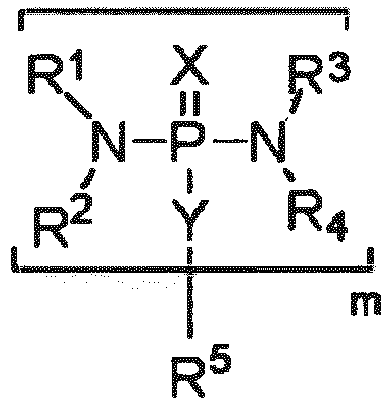
- The invention provides a phosphorus-containing compound represented by general formula (I):

- The invention also provides a reaction process comprising causing the above-described phosphorus-containing compound to react with an epoxy compound according to the following reaction scheme:


- The invention also provides an epoxy resin curing agent containing the above described phosphorus-containing compound.
- The invention also provides a curing epoxy resin composition containing the epoxy resin curing agent.
- The invention provides a phosphorus-containing compound having excellent reactivity with an epoxy resin and promising to impart flame retardation to the epoxy resin and to reduce the dielectric constant of the epoxy resin.
-
-
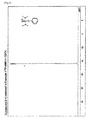
Fig. 1 is a 1H-NMR spectrum of the phosphorus-containing compound (I-1) obtained in Example 1. -
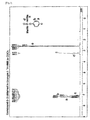
Fig. 2 is a 31P-NMR spectrum of the phosphorus-containing compound (I-1) obtained in Example 1. -
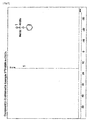
Fig. 3 is a GC-MS spectrum of the phosphorus-containing compound (I-1) obtained in Example 1. -
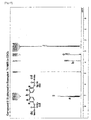
Fig. 4 is a 1H-NMR spectrum of the phosphorus-containing compound (I-2) obtained in Example 2. -
Fig. 5 is a 31P-NMR spectrum of the phosphorus-containing compound (I-2) obtained in Example 2. -
Fig. 6 is a GC-MS spectrum of the phosphorus-containing compound (I-2) obtained in Example 2. -
Fig. 7 is a 1H-NMR spectrum of the phosphorus-containing compound (I-3) obtained in Example 3. -
Fig. 8 is a 31P-NMR spectrum of the phosphorus-containing compound (I-3) obtained in Example 3. -
Fig. 9 is a GC-MS spectrum of the phosphorus-containing compound (I-3 obtained in Example 3. -
Fig. 10 is a 1H-NMR spectrum of the phosphorus-containing compound (I-9) obtained in Example 4. -
Fig. 11 is a 31P-NMR spectrum of the phosphorus-containing compound (I-9) obtained in Example 4. -
Fig. 12 is a 1H-NMR spectrum of S4 obtained in Example 5. -
Fig. 13 is a 31P-NMR spectrum of S4 obtained in Example 5. -
Fig. 14 is a GC-MS spectrum of S4 obtained in Example 5. -
Fig. 15 is a 1H-NMR spectrum of S5 obtained in Example 6. -
Fig. 16 is a 31P-NMR spectrum of S5 obtained in Example 6. -
Fig. 17 is a GC-MS spectrum of S5 obtained in Example 6. - The invention will be described based on its preferred embodiments. The phosphorus-containing compound according to the invention is a novel compound represented by general formula (I) and has a reactive group with a glycidyl group in its structure.
- Examples of the alkyl group as represented by R1, R2, R3, R4, and R' (when Y is =NR') in general formula (I) include those having 1 to 10 carbon atoms, such as methyl, ethyl, propyl, isopropyl, butyl, isobutyl, tert-butyl, amyl, isoamyl, tert-amyl, hexyl, isohexyl, octyl, 2-ethylhexyl, tert-octyl, nonyl, and decyl. Examples of the aryl group as represented by R1, R2, R3, R4, and R' (when Y is =NR') include those having 6 to 12 carbon atoms, such as phenyl and naphthyl. R1, R2, R3, and R4 are each preferably an alkyl group having 1 to 5 carbon atoms.
- Examples of the alkyl group as represented by R5 include those having 1 to 10 carbon atoms, such as methyl, ethyl, propyl, isopropyl, butyl, isobutyl, tert-butyl, amyl, isoamyl, tert-amyl, hexyl, isohexyl, octyl, 2-ethylhexyl, tert-octyl, nonyl, and decyl. Examples of the alkanediyl group as R5 include those having 1 to 10 carbon atoms, such as methylene, ethylene, propylene, butylene, and octylene. Examples of the alkanetriyl group as R5 include those having 1 to 6 carbon atoms, such as methylenetriyl and 1,1,3-ethylenetriyl. The alkanetetrayl as R5 is exemplified by those having 2 to 6 carbon atoms, such as 1,1,2,2-ethylenetriyl.
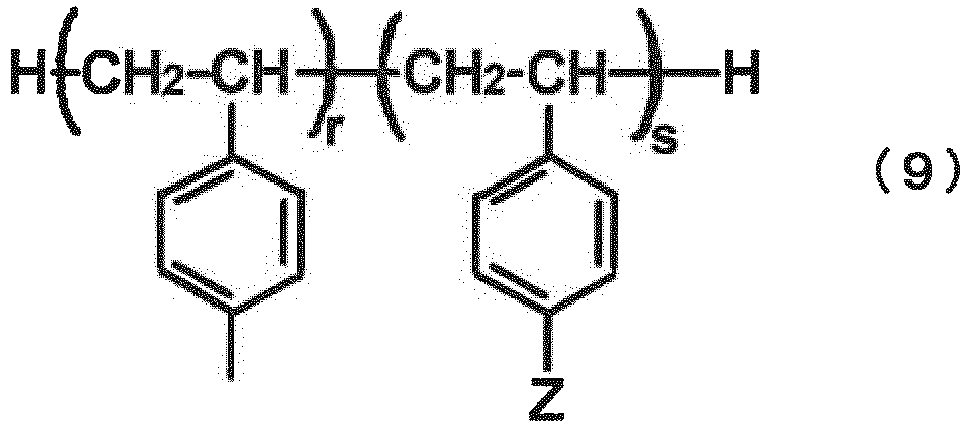
- Examples of the aromatic group as represented by R5 include those derived from mononuclear polyhydric phenol compounds, such as hydroquinone, resorcin, pyrocatechol, and phloroglucinol, and those derived from polynuclear polyhydric phenol compounds, such as dihydroxynaphthalene, biphenol, methylenebisphenol (bisphenol F), methylenebis(o-cresol), ethylidenebisphenol, isopropylidenebisphenol (bisphenol A), isopropylidenebis(o-cresol), tetrabromobisphenol A, 1,3-bis(4-hydroxycumylbenzene), 1,4-bis(4-hydroxycumylbenzene), 1,1,3-tris(4-hydroxyphenyl)butane, 1,1,2,2-tetra(4-hydroxyphenyl)ethane, thiobisphenol, sulfonylbisphenol, oxybisphenol, phenol novolak, o-cresol novolak, ethylphenol novolak, butylphenol novolak, octylphenol novolak, resorcin novolak, and terpene phenol. Preferred of them are groups represented by the formulae (1) through (9) shown below.


- wherein R6 represents a hydrogen atom or an alkyl group having 1 to 4 carbon atoms; o represents an integer of 1 to 3; p represents an integer of 0 to 50;
- Z represents
(i) -OH
or
- R7 represents





- Specific examples of the phosphorus-containing compound of the invention include those represented by formulae (I-1) through (I-9):


- Of the phosphorus-containing compounds of the invention preferred are those of general formula (I) in which R1, R2, R3, and R4 each independently represent a C1-C5 alkyl group; R5 represents the aromatic group represented by the formulae (1) to (9); and X and Y are each oxygen in terms of phosphorus content and ready availability of starting materials used to synthesize the compound.
- The phosphorus-containing compound of the invention can be prepared by a method shown by the following reaction scheme (A) or (B):


- Examples of the base that can be used in the above reactions include tertiary amines, such as triethylamine, tributylamine, diazabicycloundecene, diazabicyclononene, and 1,4-diazabicyclo[2.2.2]octane; pyridines, such as pyridine and N,N-dimethylaminopyridine; imidazoles, such as 1-methylimidazole; and phosphines, such as triphenylphosphine, tributylphosphine, and tricyclohexylphosphine.
- Examples of the solvent that can be used in the above reactions include ketones, such as methyl ethyl ketone, methyl amyl ketone, diethyl ketone, acetone, methyl isopropyl ketone, propylene glycol monomethyl ether acetate, and cyclohexanone; ethers, such as tetrahydrofuran, 1,2-dimethoxyethane, 1,2-diethoxyethane, and propylene glycol monomethyl ether; esters, such as ethyl acetate and n-butyl acetate; aromatic hydrocarbons, such as benzene, toluene, and xylene; halogenated aliphatic hydrocarbons, such as carbon tetrachloride, chloroform, trichloroethylene, and methylene chloride; and halogenated aromatic hydrocarbons, such as chlorobenzene.
- The reactions shown above are carried out at a temperature of -80° to 100°C, preferably room temperature to 50°C, for a period of 0.5 to 72 hours, preferably 1 to 24 hours.
- The phosphorus-containing compound of the invention efficiently reacts with an epoxy compound according to the following reaction scheme and is suitably used as an epoxy resin curing agent.

- Examples of the aromatic group as represented by Ar in the above reaction formula include the aryl groups as represented by R1 and so on and the aromatic groups as represented by R5 as described with reference to the general formula (I).
- The epoxy resin curing agent of the invention comprises at least one of the phosphorus-containing compounds of the invention. That is, the phosphorus-containing compounds of the invention can be used as an epoxy resin curing agent either individually or in combination with one another. The epoxy resin curing agent of the invention may comprise known epoxy resin curing agents in addition to the phosphorus-containing compound of the invention. Useful known epoxy resin curing agents include general-purpose epoxy resin curing agents that will hereinafter be described for use in the curing epoxy resin composition of the invention. The known epoxy resin curing agents may be used as a mixture of two or more thereof.
- The content of the phosphorus-containing compound of the invention in the epoxy resin curing agent of the invention is preferably 5% to 100% by mass, more preferably 20% to 100% by mass.
- The curing epoxy resin composition according to the invention comprises an epoxy compound (epoxy resin) and the epoxy resin curing agent containing the phosphorus-containing compound of the invention.
- Examples of the epoxy compound that can be used in the curing epoxy resin composition of the invention include polyglycidyl ether compounds of mononuclear polyhydric phenol compounds, such as hydroquinone, resorcinol, pyrocatechol, and phloroglucinol; polyglycidyl ether compounds of polynuclear polyhydric phenol compounds, such as dihydroxynaphthalene, biphenol, methylenebisphenol (bisphenol F), methylenebis(o-cresol), ethylidene bisphenol, isopropylidene bisphenol (bisphenol A), isopropylidene bis(o-cresol), tetrabromobisphenol A, 1,3-bis(4-hydroxycumylbenzene), 1,4-bis(4-hydroxycumylbenzene), 1,1,3-tris(4-hydroxyphenyl)butane, 1,1,2,2-tetra(4-hydroxyphenyl)ethane, thiobisphenol, sulfonylbisphenol, oxybisphenol, phenol novolak, o-cresol novolak, ethylphenol novolak, butylphenol novolak, octylphenol novolak, resorcin novolak, and terpene phenol; polyglycidyl ethers of polyhydric alcohols, such as ethylene glycol, propylene glycol, butylene glycol, hexanediol, polyethylene glycol, thiodiglycol, glycerol, trimethylolpropane, pentaerythritol, sorbitol, and bisphenol A-ethylene oxide adduct; homopolymers or copolymers of glycidyl methacrylate or a glycidyl ester of an aliphatic, aromatic or alicyclic polybasic acid, such as maleic acid, fumaric acid, itaconic acid, succinic acid, glutaric acid, suberic acid, adipic acid, azelaic acid, sebacic acid, dimer acid, trimer acid, phthalic acid, isophthalic acid, terephthalic acid, trimellitic acid, trimesic acid, pyromellitic acid, tetrahydrophthalic acid, hexahydrophthalic acid, or endomethylene tetrahydrophthalic acid; epoxy compounds having a glycidylamino group, such as N, N-diglycidylaniline, bis(4-(N-methyl-N-glycidylamino)phenyl)methane, and diglycidyl o-toluidine; epoxidized cyclic olefin compounds, such as vinylcyclohexene diepoxide, dicyclopentanediene diepoxide, 3,4-epoxycyclohexylmethyl-3,4-epoxycyclohexane carboxylate, 3,4-epoxy-6-methylcyclohexylmethyl-6-methylcyclohexane carboxylate, and bis(3,4-epoxy-6-methylcyclohexylmethyl) adipate; epoxidized conjugated diene polymers, such as epoxidized polybutadiene and an epoxidized styrene-butadiene copolymer; and heterocyclic compounds, such as triglycidyl isocyanurate. These epoxy compounds may be internally crosslinked by a prepolymer of the terminal isocyanate or may have their molecular weight increased by a polyvalent active hydrogen compound (e.g., polyhydric phenols, polyamines, carbonyl-containing compounds, and polyphosphoric esters).
- The epoxy compound preferably has an epoxy equivalent of from 70 to 3,000, more preferably 90 to 2,000. With an epoxy equivalent less than 70, the physical properties of the cured product can reduce. With an epoxy equivalent larger than 3,000, curability can be insufficient.
- The curing epoxy resin composition preferably contains 0.1 to 5 equivalents, more preferably 1 to 3 equivalents, of the epoxy compound per equivalent of the phosphorus-containing compound of the invention.
- The curing epoxy resin composition of the invention is preferably combined with a curing catalyst, such as p- dimethylaminopyridine, triphenylphosphine, imidazole, tertiary amines, phosphines, quaternary ammonium salts, and quaternary phosphonium salts.
- The curing epoxy resin composition of the invention is preferably combined with a general-purpose epoxy resin curing agent. Suitable epoxy resin curing agents include imidazoles, such as 2-ethyl-4-methylimidazole, 1,2-dimethylimidazole, and 1-(2-methylimidazol-1-ylmethyl)naphthalen-2-ol; polyalkylpolyamines, such as diethylenetriamine, triethylenetriamine, and tetraethylenepentamine; alicyclic polyamines, such as 1,2-diaminocyclohexane, 1,4-diamino-3,6-diethylcyclohexane, and isophoronediamine; and aromatic polyamines, such as m-xylylenediamine, diaminodiphenylmethane, and diaminodiphenyl sulfone. Further included are polyepoxy adducts of these polyamines obtained by the reaction with various epoxy resins, such as glycidyl ethers (e.g., phenyl glycidyl ether, butyl glycidyl ether, bisphenol A diglycidyl ether, and bisphenol F glycidyl ether) or carboxylic acid glycidyl esters in a usual manner; amide-modified products of the organic polyamines obtained by the reaction with carboxylic acids (e.g., phthalic acid, isophthalic acid, and dimer acid) in a usual manner; and Mannich-modified products of the polyamines obtained by the reaction with aldehydes (e.g., formaldehyde) and phenols having at least one aldehyde-reactive site on their nucleus (e.g., phenol, cresol, xylenol, tert-butylphenol, and resorcinol) in a usual manner. Furthermore, latent curing agents, such as dicyandiamides, acid anhydrides, and imidazoles, are also useful.
- If necessary, the curing epoxy resin composition of the invention may contain commonly used additives, including reactive or nonreactive diluents (plasticizers), such as monoglycidyl ethers, dioctyl phthalate, dibutyl phthalate, benzyl alcohol, and coal tar; fillers or pigments, such as glass fiber, carbon fiber, cellulose, silica sand, cement, kaolin, clay, aluminum hydroxide, bentonite, talc, silica, finely divided silica, titanium dioxide, carbon black, graphite, iron oxide, and bituminous materials; silane coupling agents, such as γ-aminopropyltriethoxysilane, N-β-(aminoethyl)-y-aminopropyltriethoxysilane, N-β-(aminoethyl)-N'-β-(aminoethyl)-y-aminopropyltriethoxysilane, γ-anilinopropyltriethoxysilane, γ-glycidoxypropyltriethoxysilane, β-(3,4-epoxycyclohexyl)ethyltriethoxysilane, vinyl triethoxysilane, N-β-(N-vinylbenzylaminoethyl)-γ-aminopropyltriethoxysilane, γ-methacryloxypropyltrimethoxysilane, γ-chloropropyltrimethoxy silane, and γ-mercaptopropyltrimethoxysilane; lubricants, such as candelilla wax, carnauba wax, Japan wax, insect wax, beeswax, lanolin, spermaceti wax, montan wax, petroleum wax, aliphatic wax, aliphatic esters, aliphatic ethers, aromatic esters, and aromatic ethers; thickeners; thixotropic agents; antioxidants; light stabilizers; UV absorbers; flame retardants; defoamers; rust inhibitors; colloidal silica, and colloidal alumina. Adhesive resins, such as xylene resin and petroleum resins, may be used in combination.
- The curing epoxy resin composition of the invention can be used for a wide range of applications, such as coatings or adhesives for concrete, cement mortar, various metals, leather, glass, rubber, plastics, wood, cloth, and paper; pressure-sensitive adhesives for packaging adhesive tape, adhesive labels, labels for frozen foods, removable labels, labels for POS system, adhesive wallpaper, and adhesive flooring; processed paper, such as art paper, light-weight coated paper, cast-coated paper, coated paperboard, carbonless copy paper, and impregnated paper; textile processing agents, such as sizing agents, anti-fray agents, and processing agents for natural fibers, synthetic fibers, glass fiber, carbon fiber, and metal fibers; building materials, such as sealants, cement admixtures, and waterproof materials; and sealants for electronic/electric devices.
- The invention will now be illustrated in greater detail, but it should be understood that the invention is not deemed to be limited thereto.
- A 100 ml three-necked flask equipped with a rotor, a reflux tube, and a rubber septum was charged with 0.1 g (1 mmol) of 4-dimethylaminopyridine (DMAP). After thoroughly drying and purging with nitrogen, the flask was charged with 0.9 g (10 mmol) of phenol and 10 ml of ultra-dehydrated tetrahydrofuran using a syringe. To the mixture was added dropwise 2.0 g (12 mmol) of bis(dimethylamino)phosphoryl chloride using a syringe taking care so that the reaction temperature did not exceed 30°C. After completion of the addition, the reaction system was stirred for 10 minutes. To the reaction solution were added 1.2 g (12 mmol) of triethylamine using a syringe taking care not to let the reaction temperature exceed 40°C, followed by stirring overnight. To the reaction mixture were added 5 ml of a saturated ammonium chloride aqueous solution and 5 ml of water, followed by stirring well. The solution was transferred to a separatory funnel, extracted 3 times with 10 ml portions of diethyl ether to obtain an organic layer. The organic layer was washed with 10 ml of water and dried over anhydrous magnesium sulfate. The solvent was removed using an evaporator to give pale yellow liquid (crude yield: 93.3%, GC purity: 70.5%). The crude product was purified by column chromatography (stationary phase: silica gel, mobile phase: ethyl acetate/hexane = 2/1 by volume, Rf = 0.20) to give the desired phosphorus-containing compound [I-1] as colorless liquid (overall yield: 44.0%, GC purity: >99%, 31P-NMR: 15.94 ppm). The results of the identification analyses are shown in
Fig. 1 (1H-NMR),Fig. 2 (31P-NMR), andFig. 3 (GC-MS). - A 100 ml three-necked flask equipped with a rotor, a reflux tube, and a rubber septum was thoroughly dried, purged with nitrogen, and charged with 9.5 g (21 mmol) of an ethylamine tetrahydrofuran solution, 2.1 g (21 mmol) of triethylamine, and 5 ml of ultra-dehydrated tetrahydrofuran while cooling in a salt-ice-water bath. After stirring the mixture for 5 minutes, 2.1 g (10 mmol) of phenyl dichlorophosphate was added thereto dropwise using a syringe taking care not to let the reaction temperature exceed 0°C. After completion of the addition, the reaction system was stirred for 1 hour. The salt-ice-water bath was removed, and the reaction system was stirred at room temperature overnight. To the reaction solution were added 5 ml of a saturated ammonium chloride aqueous solution and 5 ml of water, followed by stirring well. The solution was transferred to a separatory funnel, extracted 3 times with 10 ml portions of ethyl acetate to obtain an organic layer. The organic layer was washed with 10 ml of water and dried over anhydrous magnesium sulfate. The solvent was removed in an evaporator to give pale yellow liquid (crude yield: 92.9%, GC purity: 98.5%). The crude product was purified by column chromatography (stationary phase: silica gel, mobile phase: ethyl acetate, Rf = 0.23) to give the desired phosphorus-containing compound [I-2] as colorless liquid (overall yield: 73.8%; GC purity: >99%, 31P-NMR: 12.01 ppm). The results of the identification analyses are shown in
Fig. 4 (1H-NMR),Fig. 5 (31P-NMR), andFig. 6 (GC-MS). - A 100 ml three-necked flask equipped with a rotor, a reflux tube, and a rubber septum was thoroughly dried, purged with nitrogen, and charged with 9.0 g (21 mmol) of a methylamine tetrahydrofuran solution, 2.1 g (21 mmol) of triethylamine, and 5 ml of ultra-dehydrated tetrahydrofuran while cooling in a salt-ice-water bath. After stirring the mixture for 5 minutes, 2.1 g (10 mmol) of phenyl dichlorophosphate were added thereto dropwise using a syringe taking care not to let the reaction temperature exceed 0°C. After completion of the addition, the reaction system was stirred for 1 hour. The salt-ice-water bath was removed, and the reaction system was stirred at room temperature overnight. To the reaction mixture was added 10 ml of acetone, followed by stirring well, and followed by separation into solid and filtrate by filtration. To the solid was added another 10 ml portion of acetone, followed by stirring well, and followed by separation into solid and a filtrate. The resulting solid was washed with acetone in the same manner as above. All the filtrates were collected and evaporated in an evaporator to remove the solvent thereby to give pale yellow crystals (crude yield: 110.3%, GC purity: 95.5%). The crude product was purified by column chromatography (stationary phase: silica gel, mobile phase: ethyl acetate/methanol = 6/1 by volume, Rf = 0.46) to give the desired phosphorus-containing compound [I-3] as white crystals (overall yield: 56.5%; GC purity: 97.4%, 31P-NMR: 15.27 ppm). The results of the identification analyses are shown in
Fig. 7 (1H-NMR),Fig. 8 (31P-NMR), andFig. 9 (GC-MS). - In a 30 ml two-necked flask equipped with a rotor, a reflux tube, and an inlet for introducing N2 were put 0.03 g (0.3 mmol) of magnesium chloride, 2.00 g (10 mmol) of 4,4'-methylenediphenol, and 30.67 g (200 mmol) of phosphorus oxychloride. The reaction mixture was heated until reflux while introducing N2, followed by stirring overnight at that temperature. The introduced N2 was vented from the upper end of the reflux tube and bubbled through an aqueous sodium hydroxide solution to have the by-produced hydrogen chloride trapped. After the reaction, the excess phosphorus oxychloride was removed in an evaporator to leave yellow liquid (intermediate). The intermediate product was dissolved in 10 ml of dehydrated tetrahydrofuran to prepare a THF solution of the intermediate product. Then, a 100 ml three-necked flask equipped with a rotor, a reflux tube, and a rubber septum was thoroughly dried, purged with nitrogen, and charged with 18.08 g (42 mmol) of a methylamine tetrahydrofuran solution and 4.25 g (42 mmol) of triethylamine while cooling in a salt-ice-water bath. After stirring for 5 minutes, the THF solution of the intermediate product was added thereto dropwise using a syringe taking care not to let the reaction temperature exceed 20°C. After the addition, the stirring was continued for 1 hour. The salt-ice-water bath was removed, and the reaction mixture was stirred at room temperature overnight. After completion of the reaction, the solvent and the excess of the starting material were removed in an evaporator to give pale yellow solid. The crude product was purified by column chromatography (stationary phase: silica gel, mobile phase: ethyl acetate/methanol = 5/1 by volume, Rf = 0.29) to yield the desired phosphorus-containing compound [I-9]as white solid (overall yield: 35.2%). The results of the identification analyses are shown in
Fig. 10 (1H-NMR) andFig. 11 (31P-NMR). - The phosphorus-containing compound [I-2] obtained in Example 2 and weighing 57.1 mg (0.25 mmol) and 51.6 mg (0.25 mmol) of Adeka Glycirol ED-509S were allowed to react with each other in the presence of 2.3 mg (7.5 mol%) of DMAP as a catalyst in a nitrogen stream at 140°C for 2 hours in accordance with the following reaction scheme. The results of 1H-NMR and 31P-NMR analyses shown in
Figs. 12 and13 , respectively, revealed that S4 (see below) was obtained as a main product.
- The phosphorus-containing compound [I-3] prepared in Example 3 and weighing 50.0 mg (0.25 mmol) and 51.6 mg (0.25 mmol) of Adeka Glycirol ED-509S were allowed to react with each other in the presence of 2.3 mg (7.5 mol%) of DMAP as a catalyst in a nitrogen stream at 130°C for 2 hours in accordance with the following reaction scheme. The results of 1H-NMR and 31P-NMR analyses shown in
Figs. 15 and16 , respectively, revealed that S5 (see below) was obtained as a main product.
- Adeka Resin EP-4100L weighing 1.02 g (100.0 phr), 0.16 g (15.7 phr) of the phosphorus-containing compound [I-9] of the invention, and 0.03 g (3.0 phr) of 2-ethyl-4-methylimidazole were mixed and heated in a thermostat at 150°C for 3 hours and then at 180°C for 3 hours to give a tack-free, brown cured product. The Tg of the cured product was found to be 140°C as a result of DSC.
- Examples of the invention proved that the phosphorus-containing compounds of the invention have reactivity with a glycidyl group. Compounding the phosphoric ester of the invention into an epoxy resin composition provides an epoxy resin cured product that is expected to have flame retardancy and a reduced dielectric constant without causing reduction in physical properties of the cured product.
Claims (6)
- A phosphorus-containing compound represented by general formula (I):

- The phosphorus-containing compound according to claim 1, wherein the aromatic group as represented by R5 is represented by any one of formulae (1) through (9):


 wherein R6 represents a hydrogen atom or an alkyl group having 1 to 4 carbon atoms; o represents an integer of 1 to 3; p represents an integer of 0 to 50;Z represents(i) -OHor
 R7 represents


- The phosphorus-containing compound according to claim 1 or 2, wherein R1, R2, R3, and R4 each independently represent an alkyl group having 1 to 5 carbon atoms, R5 represents an aromatic group represented by any one of formulae (1) to (9), and X and Y each represent an oxygen atom.
- A process comprising causing the phosphorus-containing compound according to any one of claims 1 to 3 to react with an epoxy compound in accordance with reaction scheme:

- An epoxy resin curing agent comprising the phosphorus-containing compound according to any one of claims 1 to 3.
- A curing epoxy resin composition comprising the epoxy resin curing agent according to claim 5.
Applications Claiming Priority (2)
| Application Number | Priority Date | Filing Date | Title |
|---|---|---|---|
| JP2013206637 | 2013-10-01 | ||
| PCT/JP2014/073994 WO2015049965A1 (en) | 2013-10-01 | 2014-09-10 | Phosphorus-containing compound, and curable epoxy resin composition containing same |
Publications (2)
| Publication Number | Publication Date |
|---|---|
| EP3053928A1 true EP3053928A1 (en) | 2016-08-10 |
| EP3053928A4 EP3053928A4 (en) | 2017-03-01 |
Family
ID=52778561
Family Applications (1)
| Application Number | Title | Priority Date | Filing Date |
|---|---|---|---|
| EP14850484.8A Withdrawn EP3053928A4 (en) | 2013-10-01 | 2014-09-10 | Phosphorus-containing compound, and curable epoxy resin composition containing same |
Country Status (8)
| Country | Link |
|---|---|
| US (1) | US9738667B2 (en) |
| EP (1) | EP3053928A4 (en) |
| JP (1) | JP6499968B2 (en) |
| KR (1) | KR102320939B1 (en) |
| CN (2) | CN112029073A (en) |
| BR (1) | BR112016005231B1 (en) |
| TW (1) | TWI623547B (en) |
| WO (1) | WO2015049965A1 (en) |
Families Citing this family (3)
| Publication number | Priority date | Publication date | Assignee | Title |
|---|---|---|---|---|
| TWI679242B (en) | 2015-03-23 | 2019-12-11 | 日商Adeka股份有限公司 | Epoxy resin composition |
| JP2019038989A (en) * | 2017-08-23 | 2019-03-14 | 株式会社Adeka | Flame retardant epoxy resin composition |
| US20220056261A1 (en) * | 2019-03-28 | 2022-02-24 | Safran Cabin Inc. | Fire retardant epoxy resin |
Family Cites Families (23)
| Publication number | Priority date | Publication date | Assignee | Title |
|---|---|---|---|---|
| US1333276A (en) * | 1919-10-25 | 1920-03-09 | Thomas E Murray | Seal-fastening |
| US1494774A (en) * | 1923-05-29 | 1924-05-20 | Eugene H Davis | Cake-cutting machine |
| US3531550A (en) * | 1965-08-12 | 1970-09-29 | Monsanto Co | Phosphorus ester amides |
| NL131206C (en) * | 1965-09-03 | |||
| US3475536A (en) * | 1967-06-01 | 1969-10-28 | Dow Chemical Co | Method for the systemic control of ectoparasites with phosphorodiamidates |
| US3645971A (en) * | 1969-03-10 | 1972-02-29 | Hooker Chemical Corp | Fire retardant epoxy resins containing phosphoramidates |
| US3764374A (en) * | 1970-07-21 | 1973-10-09 | Eastman Kodak Co | Process for placing modifiers within polyester fibers and films |
| GB1333276A (en) * | 1970-08-17 | 1973-10-10 | Monsanto Co | Functional fluid compositions |
| GB1435569A (en) * | 1972-07-31 | 1976-05-12 | Monsanto Co | Process for the preparation of phosphoramidates |
| JPS5438649B2 (en) * | 1972-11-28 | 1979-11-22 | ||
| JPS5082150A (en) * | 1973-11-21 | 1975-07-03 | ||
| JPS5093949A (en) * | 1973-12-24 | 1975-07-26 | ||
| DD117153A3 (en) * | 1974-02-12 | 1976-01-05 | ||
| DE2505326A1 (en) * | 1974-02-18 | 1975-08-21 | Sandoz Ag | FLAME RESISTANT REGENERATED CELLULOSE |
| US4062909A (en) * | 1974-04-08 | 1977-12-13 | Monsanto Company | Phosphoroamidates |
| DE2417991A1 (en) * | 1974-04-11 | 1975-10-23 | Univ Moskovsk | Polymer-stabilising thiophosphoric acid triamides - prepd from tetraphosphorus decasulphide and aromatic or aliphatic amines or alcohols |
| US4086302A (en) * | 1975-07-28 | 1978-04-25 | Monsanto Company | Phosphoroamidates |
| US4518413A (en) * | 1983-06-06 | 1985-05-21 | Allied Corporation | Poly-phosphorodiamide urease inhibitors and urease inhibited urea based fertilizer compositions |
| JPH08337709A (en) | 1995-04-10 | 1996-12-24 | Shin Etsu Chem Co Ltd | Epoxy resin composition for semiconductor encapsulation and semiconductor device |
| JPH10195178A (en) | 1997-01-06 | 1998-07-28 | Toshiba Chem Corp | Flame-retardant epoxy resin composition, prepreg, laminate and copper-clad printed circuit board |
| JPH10265487A (en) * | 1997-03-21 | 1998-10-06 | Kanagawa Univ | Production of phosphonic acid ester and polyphosphonate and curable composition |
| RU2175242C1 (en) * | 2000-09-27 | 2001-10-27 | Московский НИИ глазных болезней имени Гельмгольца | Method of treating uveal melanoma |
| CN102617637B (en) * | 2012-02-23 | 2015-07-08 | 四川大学 | Preparation method of organophosphorus nitrogen flame retardant with hydroquinone phosphate as skeleton |
-
2014
- 2014-09-10 WO PCT/JP2014/073994 patent/WO2015049965A1/en not_active Ceased
- 2014-09-10 EP EP14850484.8A patent/EP3053928A4/en not_active Withdrawn
- 2014-09-10 JP JP2015540441A patent/JP6499968B2/en active Active
- 2014-09-10 CN CN202010926152.XA patent/CN112029073A/en active Pending
- 2014-09-10 CN CN201480049257.4A patent/CN105764910A/en active Pending
- 2014-09-10 BR BR112016005231-5A patent/BR112016005231B1/en not_active IP Right Cessation
- 2014-09-10 KR KR1020167005774A patent/KR102320939B1/en active Active
- 2014-09-19 TW TW103132525A patent/TWI623547B/en active
- 2014-11-10 US US14/915,766 patent/US9738667B2/en active Active
Also Published As
| Publication number | Publication date |
|---|---|
| US20160200747A1 (en) | 2016-07-14 |
| US9738667B2 (en) | 2017-08-22 |
| TW201518312A (en) | 2015-05-16 |
| JPWO2015049965A1 (en) | 2017-03-09 |
| KR20160065814A (en) | 2016-06-09 |
| WO2015049965A1 (en) | 2015-04-09 |
| KR102320939B1 (en) | 2021-11-03 |
| EP3053928A4 (en) | 2017-03-01 |
| CN112029073A (en) | 2020-12-04 |
| BR112016005231B1 (en) | 2021-04-13 |
| CN105764910A (en) | 2016-07-13 |
| TWI623547B (en) | 2018-05-11 |
| JP6499968B2 (en) | 2019-04-10 |
Similar Documents
| Publication | Publication Date | Title |
|---|---|---|
| KR920000925B1 (en) | Products made by reacting and curing partially improved epoxy resin compositions | |
| WO2010113784A1 (en) | Epoxy resin, epoxy resin composition, and cured object | |
| US9738667B2 (en) | Phosphorus-containing compound and curing epoxy resin composition containing same | |
| JP6161340B2 (en) | Bisimidazole compound, epoxy resin curing agent containing the bisimidazole compound, and one-component curable epoxy resin composition containing the epoxy resin curing agent | |
| US10562924B2 (en) | Phosphorus-containing compound, and curable epoxy resin composition containing same | |
| WO2015118952A1 (en) | Novel compound and epoxy resin composition containing same | |
| KR102734311B1 (en) | Curing catalyst, resin composition, encapsulant, adhesive, and cured product | |
| JP5996977B2 (en) | Polythiourethane compound, epoxy resin curing agent containing the compound, and one-part curable epoxy resin composition comprising the epoxy resin curing agent | |
| JP2013139527A (en) | Isocyanurate compound | |
| JP6240940B2 (en) | Epoxy resin composition | |
| US7074946B2 (en) | Method of producing glycidyl 2-hydroxyisobutyrate | |
| JP7801260B2 (en) | Charge-transfer complexes | |
| JP6307245B2 (en) | Epoxy resin composition | |
| JP4605855B2 (en) | Epoxy resin composition | |
| JP2003171443A (en) | Curing composition for epoxy resin | |
| WO2023074450A1 (en) | Clathrate compound, epoxy resin curing agent, and curable resin composition | |
| JP6300608B2 (en) | Novel compound and epoxy resin composition containing the same | |
| JPH03124728A (en) | Phosphorus-containing copolymer and its use |
Legal Events
| Date | Code | Title | Description |
|---|---|---|---|
| PUAI | Public reference made under article 153(3) epc to a published international application that has entered the european phase |
Free format text: ORIGINAL CODE: 0009012 |
|
| 17P | Request for examination filed |
Effective date: 20160301 |
|
| AK | Designated contracting states |
Kind code of ref document: A1 Designated state(s): AL AT BE BG CH CY CZ DE DK EE ES FI FR GB GR HR HU IE IS IT LI LT LU LV MC MK MT NL NO PL PT RO RS SE SI SK SM TR |
|
| AX | Request for extension of the european patent |
Extension state: BA ME |
|
| DAX | Request for extension of the european patent (deleted) | ||
| A4 | Supplementary search report drawn up and despatched |
Effective date: 20170130 |
|
| RIC1 | Information provided on ipc code assigned before grant |
Ipc: C08G 59/14 20060101ALI20170124BHEP Ipc: C08G 59/40 20060101ALI20170124BHEP Ipc: C07F 9/22 20060101ALI20170124BHEP Ipc: C07F 9/24 20060101AFI20170124BHEP |
|
| STAA | Information on the status of an ep patent application or granted ep patent |
Free format text: STATUS: EXAMINATION IS IN PROGRESS |
|
| 17Q | First examination report despatched |
Effective date: 20171006 |
|
| STAA | Information on the status of an ep patent application or granted ep patent |
Free format text: STATUS: THE APPLICATION IS DEEMED TO BE WITHDRAWN |
|
| 18D | Application deemed to be withdrawn |
Effective date: 20191105 |