EP3037543A1 - Method for generating oil/fat component, method for producing higher unsaturated fatty acid, and chlamydomonas species strain jsc4 - Google Patents
Method for generating oil/fat component, method for producing higher unsaturated fatty acid, and chlamydomonas species strain jsc4 Download PDFInfo
- Publication number
- EP3037543A1 EP3037543A1 EP14838058.7A EP14838058A EP3037543A1 EP 3037543 A1 EP3037543 A1 EP 3037543A1 EP 14838058 A EP14838058 A EP 14838058A EP 3037543 A1 EP3037543 A1 EP 3037543A1
- Authority
- EP
- European Patent Office
- Prior art keywords
- chlamydomonas
- oil
- jsc4
- fat component
- algae
- Prior art date
- Legal status (The legal status is an assumption and is not a legal conclusion. Google has not performed a legal analysis and makes no representation as to the accuracy of the status listed.)
- Granted
Links
Images


Classifications
-
- C—CHEMISTRY; METALLURGY
- C12—BIOCHEMISTRY; BEER; SPIRITS; WINE; VINEGAR; MICROBIOLOGY; ENZYMOLOGY; MUTATION OR GENETIC ENGINEERING
- C12P—FERMENTATION OR ENZYME-USING PROCESSES TO SYNTHESISE A DESIRED CHEMICAL COMPOUND OR COMPOSITION OR TO SEPARATE OPTICAL ISOMERS FROM A RACEMIC MIXTURE
- C12P7/00—Preparation of oxygen-containing organic compounds
- C12P7/64—Fats; Fatty oils; Ester-type waxes; Higher fatty acids, i.e. having at least seven carbon atoms in an unbroken chain bound to a carboxyl group; Oxidised oils or fats
- C12P7/6409—Fatty acids
-
- C—CHEMISTRY; METALLURGY
- C12—BIOCHEMISTRY; BEER; SPIRITS; WINE; VINEGAR; MICROBIOLOGY; ENZYMOLOGY; MUTATION OR GENETIC ENGINEERING
- C12P—FERMENTATION OR ENZYME-USING PROCESSES TO SYNTHESISE A DESIRED CHEMICAL COMPOUND OR COMPOSITION OR TO SEPARATE OPTICAL ISOMERS FROM A RACEMIC MIXTURE
- C12P7/00—Preparation of oxygen-containing organic compounds
- C12P7/64—Fats; Fatty oils; Ester-type waxes; Higher fatty acids, i.e. having at least seven carbon atoms in an unbroken chain bound to a carboxyl group; Oxidised oils or fats
-
- C—CHEMISTRY; METALLURGY
- C12—BIOCHEMISTRY; BEER; SPIRITS; WINE; VINEGAR; MICROBIOLOGY; ENZYMOLOGY; MUTATION OR GENETIC ENGINEERING
- C12P—FERMENTATION OR ENZYME-USING PROCESSES TO SYNTHESISE A DESIRED CHEMICAL COMPOUND OR COMPOSITION OR TO SEPARATE OPTICAL ISOMERS FROM A RACEMIC MIXTURE
- C12P7/00—Preparation of oxygen-containing organic compounds
- C12P7/64—Fats; Fatty oils; Ester-type waxes; Higher fatty acids, i.e. having at least seven carbon atoms in an unbroken chain bound to a carboxyl group; Oxidised oils or fats
- C12P7/6436—Fatty acid esters
- C12P7/6445—Glycerides
- C12P7/6463—Glycerides obtained from glyceride producing microorganisms, e.g. single cell oil
-
- C—CHEMISTRY; METALLURGY
- C12—BIOCHEMISTRY; BEER; SPIRITS; WINE; VINEGAR; MICROBIOLOGY; ENZYMOLOGY; MUTATION OR GENETIC ENGINEERING
- C12P—FERMENTATION OR ENZYME-USING PROCESSES TO SYNTHESISE A DESIRED CHEMICAL COMPOUND OR COMPOSITION OR TO SEPARATE OPTICAL ISOMERS FROM A RACEMIC MIXTURE
- C12P7/00—Preparation of oxygen-containing organic compounds
- C12P7/64—Fats; Fatty oils; Ester-type waxes; Higher fatty acids, i.e. having at least seven carbon atoms in an unbroken chain bound to a carboxyl group; Oxidised oils or fats
- C12P7/6436—Fatty acid esters
- C12P7/649—Biodiesel, i.e. fatty acid alkyl esters
Definitions
- the presenst invention relates to a method for generating an oil/fat component which is useful as a fuel or a chemical raw material and particularly relates to a method for generating an oil/fat component, in which algae belonging to Chlamydomonas are cultured in a culture medium containing sea salt.
- Photosynthetic organisms are used as a general term of organisms that fix CO 2 using light energy and particularly an alga indicates a kind of photosynthetic organism with high photosynthetic efficiency under excellent culture conditions. Since the industrial cultivation of algae has been performed for more than half a century and there has been a demand for algae to be used as industrial raw materials, fuels, feed and raw materials of fine chemicals, and health food, it is considered that the algae production occupies an important place in the future of industry.
- PTL 1 describes, as a production of ethanol useful for fuels or raw chemical materials, microalgae Chlamydomonas sp.
- MT-JE-SH-1 belonging to Chlamydomonas that produces ethanol from starch in cells by being grown at the salt concentration of seawater, accumulating starch in cells, and maintaining the cells under the dark and anaerobic atmosphere.
- PTL 1 also describes a method for generating ethanol by culturing (1) microalgae Chlamydomonas sp.
- MT-JE-SH-1 belonging to Chlamydomonas that produces ethanol from starch in cells by being grown at the salt concentration of seawater, accumulating starch in cells, and maintaining the cells under the dark and anaerobic atmosphere and (2) microalgae Chlamydomonas sp.
- PTL 2 describes a method for culturing a microorganism, that is, 4,7,10,13,16-docosapentaenoic acid-producing bacteria strain L59 (FERM P-18987) belonging to Labyrinthula in the Labyrinthulaceae, accumulating oils and fats containing 4,7,10,13,16-docosapentaenoic acid as a constituent fatty acid in bacterial cells, separating the bacterial cells, extracting the oils and fats from the separated bacterial cells using a solvent, and hydrolyzing the extract.
- a microorganism that is, 4,7,10,13,16-docosapentaenoic acid-producing bacteria strain L59 (FERM P-18987) belonging to Labyrinthula in the Labyrinthulaceae, accumulating oils and fats containing 4,7,10,13,16-docosapentaenoic acid as a constituent fatty acid in bacterial cells
- NPL 1 the relation between generating oils and fats using marine algae and the salt concentration at the time of cultivation is examinedand NPL 1 describes that the growth of algae is suppressed in a case where the initial concentration of the salt concentration exceeds 1.5 M and a high lipid content are generated in a case where the initial concentration thereof is in the range of 0.5 M to 1.0 M.
- an object of the present invention is to provide a method for generating a useful carbon component with high efficiency using algae.
- the present inventors conducted search for algae and intensive research on a method for culturing the algae, and solved the problem.
- the above-described problem is solved by means of providing a method for generating an oil/fat component described below, and new microalgae.
- Algae used in the present invention have the characteristics of algae belonging to Chlamydomonas.
- Chlamydomonas is a genus consisting of unicellular flagellates belonging to green algae Chlamydomonas (or Volvocales). Chlamydomonas is mostly generated in freshwater, but grown in seawater in some cases.
- the algae belonging to marine Chlamydomonas of the present invention indicate algae belonging to Chlamydomonas, which are generated in water or brackish water or can be grown in a culture medium containing sea salt.
- the algae belonging to Chlamydomonas used in the present invention are not particularly limited as long as the algae are marine algae.
- a method for generating an oil/fat component of the present invention is excellent in cost.
- the present invention is excellent simply in terms that algae belonging to Chlamydomonas can be cultured, mass culture is possible, and oil/fat components can be generated in a large scale.
- the present inventors conducted search for algae which generate target oil/fat components with high efficiency and found that algae belonging to Chlamydomonas are preferable as algae.
- Chlamydomonas sp. JSC4 is particularly preferable from a viewpoint of generating oil/fat components with high efficiency, thereby completing the present invention.
- the sterilized cell is cultured under the light conditions of 20°C, 8 ⁇ mol photons/m 2 /sec to 15 ⁇ mol photons/m 2 /sec for 12 hours of a light period and 12 hours of a dark period using an HSM agar culture medium showing the following compositions, the algae strain is established by performing subculture once every two weeks, the algae strain is identified as green algae belonging to Chlamydomonas through morphological observation and the like, and the algae strain is named strain JSC4.
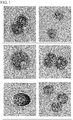
- FIG. 1 show a micrograph of vegetative cells (cells which vigorously grow in a suitable growing environment and under the rich nutrient conditions) of Chlamydomonas sp. JSC4.
- Chlamydomonas sp. JSC4 is identified as green algae belonging to Chlamydomonas from the morphological observation and the like.
- FIGS. 2 to 4 show comparison of 18S rDNA sequences of closely related Chlamydomonas species.
- the shading is a molecular marker sequence of Chlamydomonas sp. JSC4.
- the most closely related species of Chlamydomonas sp. JSC4 is Chlamydomonas debaryana, but Chlamydomonas debaryana is not the same species as Chlamydomonas sp. JSC4 when attention is paid to the molecular maker sequence. In this manner, Chlamydomonas sp. JSC4 is determined as a new microalgae strain in terms of comparison of 18S rDNA sequences.
- Chlamydomonas sp. JSC4 is internationally deposited as the receipt number FERM ABP-22266 under the provisions of the Budapest Treaty by National Institute of Technology and Evaluation (2-5-8 Kazusa-Kamatari, Kisarazu-shi, Chiba-ken) on March 5,2014.
- a culture medium at the time of culturing algae belonging to Chlamydomonas.
- the culture medium to be used is not limited as long as algae belonging to Chlamydomonas are grown in the culture medium, but it is particularly preferable that the culture medium containing sea salt contains seawater, concentrated seawater, or artificial seawater from a viewpoint of improving oil/fat producing ability.
- a modified Bold 3N medium can be particularly preferably used as such a culture medium.
- Examples of the culture medium other than those described above include a modified Basal medium, a modified Bristol medium, a BG-11 medium, and a modified High Salt Medium (HSM), but a modified Bold 3N medium is particularly preferable from a viewpoint of capability of generating an oil/fat component with high efficiency.
- a modified Basal medium a modified Bristol medium, a BG-11 medium, and a modified High Salt Medium (HSM)
- HSM High Salt Medium
- the cultivation used in the present invention is carried out, for example, under the condition in which the content of nitrogen is low.
- the cultivation under the condition in which the content of nitrogen is low may be cultivation in a nitrogen-deficient state due to nitrogen consumption accompanied by the growth or cultivation carried out by transplanting the alga body in a culture medium with a low nitrogen content.
- the content of nitrogen to be contained in a culture medium can be evaluated by measuring the content of nitrate contained in the culture medium at a wavelength of 220 nm.
- the evaluation method is not limited thereto.
- the content of nitrogen contained in a culture medium can also be evaluated by measuring the content of nitrate or ammonium salts using an ion sensor or through absorbance measurement using a coloring reagent.
- the measurement method is carried out by the method reported by Collos et al. in 1999 (Reference: Journal of Applied Phycology, Volume 11, pp. 179 to 184 (1999 )).
- compositions of the modified Bold 3N medium used in the present invention are shown below.
- [Table 2] Compositions NaNO 3 K 2 HPO 4 MgSO 4 ⁇ 7H 2 0 KH 2 PO 4 NaCl CaCl 2 ⁇ 2H 2 0 FeCl 3 ⁇ 6H 2 0 Na 2 ⁇ EDTA ⁇ 2H 2 0 ZnSO 4 ⁇ 7H 2 0 CoSO 4 ⁇ 7H 2 0 MnSO 4 ⁇ 5H 2 0 Na 2 MoO 4 ⁇ 2H 2 0 Na 2 SeO 3 NiCl 2 ⁇ 6H 2 0 Sea Salt
- the concentration of sea salt in a culture medium greatly affects the oil/fat component producing ability. Accordingly, the production efficiency of oil/fat components can be improved by adding sea salt at the optimum concentration to the above-described culture medium.
- sea salt which can be used in the present invention.
- the sea salt used in the present invention may be obtained by evaporating, drying, and solidifying seawater or by using seawater or a concentrated solution of seawater, but it is more preferable to use sea salt which is the solid content of seawater in order to adjust the concentration of sea salt to be contained in a culture medium.
- artificial seawater can be used.
- the artificial seawater used in the present invention is powder or a concentrated solution which is artificially adjusted by imitating the compositions of seawater.
- the artificial seawater may be replaced by natural seawater because of availability, reproducibility, and the low cost, at the time of breeding or culturing organisms for which seawater is required.
- Commercially available artificial seawater can be used and may become a component close to seawater by being diluted with tap water or distilled water depending on the application because the commercially available artificial seawater contains sodium chloride as a main component and various inorganic salts, a pH adjusting agent, or the like.
- the concentration of sea salt is preferably in the range of 0.5% by mass to 5% by mass and particularly preferably in the range of 2.0% by mass to 5.0% by mass from a viewpoint that the content of a target oil/fat component is high.
- seawater is conveniently used, but sodium chloride can be preferably used because sodium chloride has the same effects as those of seawater with respect to generation of oils and fats.
- algae belonging to Chlamydomonas can be cultured according to a conventionally known method.
- the above-described culture medium can be used for the cultivation.
- a stationary culture method can be used as the culture method used in the present invention, but a shaking culture method or a deep aeration stirring culture method is preferable as the culture method when alga body productivity of algae or oil/fat component productivity is considered.
- the shaking culture may be reciprocal shaking or rotary shaking.
- the alga body can be generated typically at a culture temperature of 15°C to 40°C.
- algae when the marine microalgae are cultured according to the culture method of the present invention, algae can be stably grown and Chlamydomonas algae with a high ratio of oil/fat components can be obtained.
- the light condition is not particularly limited as long as photosynthesis can be carried out, but continuous light is preferable.
- the recovery of the alga body from a culture solution used as a method for obtaining crude oils and fats can be performed according to a centrifugal separation method, which is a typical method, or a filtration method using filter paper or a glass filter.
- the alga body recovered in this manner may be used as it is or can be made into a dry alga body according to a freeze-drying method or a hot air drying method. Oil/fat components can be extracted from the obtained alga body or dry alga body.
- the above-described method is performed by typically supplying carbon dioxide.
- a conventionally known method can be used as the method for supplying carbon dioxide.
- supply of carbon dioxide can be suitably performed by aerating a culture solution.
- the oil/fat component generated in the present invention is triacylglyceride.
- Triacylglyceride is expected to be used as a bio-diesel fuel through alkyl esterification.
- An ester of glycerin and a fatty acid is used as a compound exemplified as triacylglyceride in the present invention and a higher saturated or unsaturated fatty acid having 10 to 30 carbon atoms is used as a fatty acid.
- the present invention is to provide a method for producing a higher unsaturated fatty acid useful as a bio-diesel fuel.
- a higher unsaturated fatty acid with high combustion efficiency can be produced by hydrolyzing the oil/fat component obtained in the method of the present invention.
- Examples of the higher unsaturated fatty acid with high combustion efficiency include oleic acid and linoleic acid. Between them, oleic acid is particularly preferable from a viewpoint of particularly high combustion efficiency.
- the concentration thereof is preferably in the range of 0.5% by mass to 5% by mass and particularly preferably in the range of 2.0% by mass to 5% by mass.
- Atypical method for extracting oils and fats can be used as the method for extracting an oil/fat component from an alga body.
- a typical extraction method using an organic solvent such as a chloroform- or methanol-based solvent which is typified by a Folch method or a Bligh-Dyer method, can be used, but the extraction method is not limited thereto.
- a liquid sample from a photobioreactor was filtered using a filter having a pore diameter of 0.45 ⁇ m, which was precisely weighed in advance, freeze-dried until the weight of the filtered sample became constant, and then precisely weighed. A difference in filter mass before and after the filtration was divided by the amount of the filtered liquid sample, and then the algae concentration was determined.
- a liquid sample from a photobioreactor was filtered using a filter having a pore diameter of 0.22 ⁇ m, and diluted in 20 times with distilled water.
- the nitrate concentration was determined by the optical concentration at a wavelength of 220 nm (OD 220 ) using a UV/VIS spectrophotometer.
- the value at OD 220 was converted to the nitrate concentration using the calibration curve consisting of the relation between OD 220 and the nitrate content.
- 15 mg of a freeze-dried alga body was put into a micro vial in which 0.5 g of a glass bead having a diameter of 0.5 mm was present, a 1 mL KOH solution having a concentration of 0.5 M was added thereto, and a crushing treatment was carried out using a bead beater homogenizer for 40 minutes.
- the treatment liquid was transferred to a 50 mL capacity heat-resistant glass bottle while being prewashed with a 7 mL KOH solution having a concentration of 0.5 M, and the bottle was tightly sealed, and then the treatment liquid was treated in a water bath at a temperature of 100°C for 15 minutes.
- ADB-23 capillary column (0.25 mm ⁇ x 60 m, film thickness of 0.15 ⁇ m, Agilent Technologies, Japan, Ltd.) was installed on the GCMS analyzer (GCMS-QP2010 Plus, Shimadzu Corporation) and 2.3 mL of helium gas was allowed to flow therein every minute.
- the temperatures of an injector, ion source, and interface were respectively set as 230°C, 230°C, and 250°C. Further, the column temperature was held at 50°C for 1 minute after sample injection, increased to 175°C by being increased 25°C every minute, further increased to 230°C by being increased 4°C every minute, and then held for 5 minutes.
- the growth rate with respect to the time plot based on the weight of a dry alga body was calculated using a time course profile of the biomass concentration (g/L).
- the biomass production rate (P biomass ; mg/L/d) can be acquired by the following equation.
- P biomass ⁇ X / ⁇ t
- ⁇ X represents the amount of change in the biomass concentration (mg/L) in the culture time ⁇ t(d).
- CO 2 fixation rate (P CO2 ; mg/L/d) can be acquired by the following equation.
- P CO 2 mg / L / d 1.88 ⁇ P biomass
- CO 2 fixation rate (%) can be acquired by the following equation.
- CO 2 fixation rate % 100 ⁇ C CO 2 , influent ⁇ C CO 2 , effluent / C CO 2 , influent
- C CO2,influent and C CO2,effluent respectively represent the influent concentration and the effluent concentration of CO 2 .
- Respectively 1 L of the modified Basal medium, modified Bristol medium, BG-11 medium, modified Bold 3N medium, and modified High Salt Medium (HSM) whose compositions were listed in Table 3 were prepared, added to photobioreactors having a capacity of 1 L, and autoclave-sterilized.
- Chlamydomonas sp. JSC4 was cultured for 5.7 days under the conditions in which Chlamydomonas sp.
- JSC4 was inoculated to the respective photobioreactors such that the algae concentration became approximately 100 mg/L, the photobioreactors were continuously irradiated with fluorescent light having an intensity of 200 ⁇ mol photons/m 2 /sec at room temperature for 24 hours, 50 mL of 2% carbon dioxide-containing air was aerated every minute, and the photobioreactors were stirred using a stirrer at 200 rpm.
- JSC4 was inoculated to the respective photobioreactors such that the algae concentration became approximately 100 mg/L, the photobioreactors were continuously irradiated with fluorescent light having an intensity of 200 ⁇ mol photons/m 2 /sec at room temperature for 24 hours, 50 mL of 2% carbon dioxide-containing air was aerated every minute, and the photobioreactors were stirred using a stirrer at 200 rpm.
- the content of nitrate in a culture solution was low along with the growth of an alga body and the content thereof became 10 mg/L or less for 1.9 days or 2.7 days.
- the lipid content in an alga body and the lipid productivity were significantly increased.
- the lipid contents of in an alga body reached a high value of 50% or greater and the maximum lipid productivity was 140 mg/L/d or greater, which was extremely high.
- the quality of biodiesel is evaluated by the ratio of unsaturated fatty acids to saturated fatty acids.
- the content of the saturated fatty acids in biodiesel affects oxidation suppression at a high temperature. Meanwhile, the amount of the unsaturated fatty acids affects the fluidity at a low temperature.
- the amount of the saturated fatty acids in the biodiesel being the same as the amount of the unsaturated fatty acids in the biodiesel is important for the purpose of providing excellent characteristics at a low temperature and a high temperature for the biodiesel.
- the profile of fatty acids affects environmental stress caused by the nutrients in a culture medium, the outside temperature, and the light intensity. Among these, the nitrogen-deficient condition is the most important factor that affects the fat metabolism of algae.
- FIG. 6 shows the compositions of fatty acids of Chlamydomonas sp. JSC4 cultured under the nitrogen-rich conditions and the nitrogen-deficient conditions.
- the compositions of fatty acids are compared to the compositions of fatty acids derived from soybean oil.
- the culture conditions of Chlamydomonas sp. JSC4 are the same as those in Example 2.
- the content of saturated fatty acids was high and the content of polyvalent unsaturated fatty acids (n ⁇ 2) was low in Chlamydomonas sp. JSC4.
- the high content of saturated fatty acids in oils and fats leads to excellent fluidity and density for biofuels.
- the low content of polyvalent unsaturated fatty acids leads to improvement of oxidation stability at a low outside temperature and provision of suitable clogging points. Therefore, from the viewpoint that Chlamydomonas sp. JSC4 has a profile of fatty acids suitable for oils and fats, it was confirmed that Chlamydomonas sp. JSC4 is a strain suitable for production of biofuels.
- useful carbon components using algae can be generated with high efficiency.
Landscapes
- Chemical & Material Sciences (AREA)
- Organic Chemistry (AREA)
- Life Sciences & Earth Sciences (AREA)
- Zoology (AREA)
- Wood Science & Technology (AREA)
- Engineering & Computer Science (AREA)
- Biotechnology (AREA)
- Biochemistry (AREA)
- Microbiology (AREA)
- Chemical Kinetics & Catalysis (AREA)
- Oil, Petroleum & Natural Gas (AREA)
- Genetics & Genomics (AREA)
- Health & Medical Sciences (AREA)
- General Chemical & Material Sciences (AREA)
- Bioinformatics & Cheminformatics (AREA)
- General Engineering & Computer Science (AREA)
- General Health & Medical Sciences (AREA)
- Cell Biology (AREA)
- Preparation Of Compounds By Using Micro-Organisms (AREA)
- Micro-Organisms Or Cultivation Processes Thereof (AREA)
Abstract
Description
- The presenst invention relates to a method for generating an oil/fat component which is useful as a fuel or a chemical raw material and particularly relates to a method for generating an oil/fat component, in which algae belonging to Chlamydomonas are cultured in a culture medium containing sea salt.
- Photosynthetic organisms are used as a general term of organisms that fix CO2 using light energy and particularly an alga indicates a kind of photosynthetic organism with high photosynthetic efficiency under excellent culture conditions. Since the industrial cultivation of algae has been performed for more than half a century and there has been a demand for algae to be used as industrial raw materials, fuels, feed and raw materials of fine chemicals, and health food, it is considered that the algae production occupies an important place in the future of industry.
- Since various useful carbon components are generated through the process of fixation of CO2, in the process of culturing algae, algae culture and the research on production of various carbon components through the culture have been actively conducted.
- In the future, the need for early search for alternative fuels has been increased from the concern that fossil fuels are depleted and a demand for functional chemicals preferable for maintaining and improving health is increased due to an increase in health-oriented consumers. Therefore, there has been a growing interest in the useful components generated from algae.
- In the related art, as an example of a method for producing a carbon component using algae,
PTL 1 describes, as a production of ethanol useful for fuels or raw chemical materials, microalgae Chlamydomonas sp. MT-JE-SH-1 belonging to Chlamydomonas that produces ethanol from starch in cells by being grown at the salt concentration of seawater, accumulating starch in cells, and maintaining the cells under the dark and anaerobic atmosphere. As the means for solving the above-described problem,PTL 1 also describes a method for generating ethanol by culturing (1) microalgae Chlamydomonas sp. MT-JE-SH-1 belonging to Chlamydomonas that produces ethanol from starch in cells by being grown at the salt concentration of seawater, accumulating starch in cells, and maintaining the cells under the dark and anaerobic atmosphere and (2) microalgae Chlamydomonas sp. MT-JE-SH-1 belonging to Chlamydomonas at the salt concentration of seawater, accumulating starch in cells, and maintaining a slurry that contains the cultured alga body under the dark and anaerobic atmosphere while the pH thereof is maintained in a range of 6.0 to 9.0. - Further, as a method for producing an oil/fat component,
PTL 2 describes a method for culturing a microorganism, that is, 4,7,10,13,16-docosapentaenoic acid-producing bacteria strain L59 (FERM P-18987) belonging to Labyrinthula in the Labyrinthulaceae, accumulating oils and fats containing 4,7,10,13,16-docosapentaenoic acid as a constituent fatty acid in bacterial cells, separating the bacterial cells, extracting the oils and fats from the separated bacterial cells using a solvent, and hydrolyzing the extract. - In
NPL 1, the relation between generating oils and fats using marine algae and the salt concentration at the time of cultivation is examinedand NPL 1 describes that the growth of algae is suppressed in a case where the initial concentration of the salt concentration exceeds 1.5 M and a high lipid content are generated in a case where the initial concentration thereof is in the range of 0.5 M to 1.0 M. -
- [PTL 1] Japanese Patent No.
3837589 - [PTL 2] Japanese Patent No.
4081794 - [NPL 1] Journal of Bioscience and Bioengineering, Vol. 101, pp. 223 to 226 (2006)
- In the above-described background art, even though a useful carbon component is generated from algae, the carbon component has low production efficiency and does not fully meet the demands of customers. Therefore, provision of a method for generating a useful carbon component using algae with high production efficiency has been awaited.
- Here, in consideration of the above-described background art, an object of the present invention is to provide a method for generating a useful carbon component with high efficiency using algae.
- In order to solve the above-described problems, the present inventors conducted search for algae and intensive research on a method for culturing the algae, and solved the problem.
- That is, in the present invention, the above-described problem is solved by means of providing a method for generating an oil/fat component described below, and new microalgae.
-
- [1] A method for generating an oil/fat component by means of culturing algae, the method including: culturing marine algae belonging to Chlamydomonas in a culture medium containing sea salt.
- [2] The method for generating an oil/fat component according to [1], in which the algae belonging to Chlamydomonas are Chlamydomonas sp. JSC4.
- [3] The method for generating an oil/fat component according to [1] or [2], in which, the amount of nitrate in the culture containing sea salt measured using a wavelength of 220 nm is 10 mg/L or less.
- [4] The method for generating an oil/fat component according to any one of [1] to [3], in which the mass% of the sea salt in the culture medium is in the range of 0.5% by mass to 5% by mass.
- [5] The method for generating an oil/fat component according to any one of [1] to [4], in which the culture medium containing sea salt contains one of the group consisting of seawater, concentrated seawater, and artificial seawater.
- [6] A method for producing a higher unsaturated fatty acid, the method including: hydrolyzing an oil/fat component obtained by the method for generating an oil/fat component according to any one of [1] to [5].
- [7] The method for producing a higher unsaturated fatty acid according to [6], in which the higher unsaturated fatty acid is oleic acid or linolenic acid.
- [8] Chlamydomonas sp. JSC4 which has an oil/fat component producing ability.
- According to the present invention, it is possible to provide a method for producing a useful carbon component with high efficiency using algae.
-
-
FIG. 1 is a micrograph of vegetative cells (cells which vigorously grow in a suitable growing environment and under the rich nutrient conditions) of Chlamydomonas sp. JSC4. -
FIG. 2 shows comparison of 18S rDNA sequences of closely related Chlamydomonas species. -
FIG. 3 shows comparison of 18S rDNA sequences of closely related Chlamydomonas species. -
FIG. 4 shows comparison of 18S rDNA sequences of closely related Chlamydomonas species. -
FIG. 5 is a calibration curve showing the relation between OD220nm and the nitrate concentration. -
FIG. 6 shows results of analyzing compositions of fatty acids of Chlamydomonas sp. JSC4 cultured under the nitrogen-rich conditions and the nitrogen-deficient conditions. -
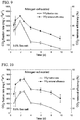
FIG. 7 shows results of analyzing CO2 fixation ability of Chlamydomonas sp. JSC4 cultured at different seawater concentrations. -
FIG. 8 shows results of analyzing CO2 fixation ability of Chlamydomonas sp. JSC4 cultured at different seawater concentrations. -
FIG. 9 shows results of analyzing CO2 fixation ability of Chlamydomonas sp. JSC4 cultured at different seawater concentrations. -
FIG. 10 shows results of analyzing CO2 fixation ability of Chlamydomonas sp. JSC4 cultured at different seawater concentrations. - Algae used in the present invention have the characteristics of algae belonging to Chlamydomonas.
- Chlamydomonas is a genus consisting of unicellular flagellates belonging to green algae Chlamydomonas (or Volvocales). Chlamydomonas is mostly generated in freshwater, but grown in seawater in some cases. The algae belonging to marine Chlamydomonas of the present invention indicate algae belonging to Chlamydomonas, which are generated in water or brackish water or can be grown in a culture medium containing sea salt.
- The algae belonging to Chlamydomonas used in the present invention are not particularly limited as long as the algae are marine algae.
- Since nutrient sources are present in seawater, it is not necessary to separately add nutrient sources to a culture medium. Further, it is not necessary to use pure water. Moreover, a sugar source does not need for cultivation of algae. A method for generating an oil/fat component of the present invention is excellent in cost.
- Moreover, since the salt concentration in a culture medium is high, there is no concern for contamination of a culture solution. The present invention is excellent simply in terms that algae belonging to Chlamydomonas can be cultured, mass culture is possible, and oil/fat components can be generated in a large scale.
- In order to solve the above-described problem, the present inventors conducted search for algae which generate target oil/fat components with high efficiency and found that algae belonging to Chlamydomonas are preferable as algae.
- In addition, in the Chlamydomonas genus, the present inventors found that Chlamydomonas sp. JSC4 is particularly preferable from a viewpoint of generating oil/fat components with high efficiency, thereby completing the present invention.
- Separation and purification of Chlamydomonas sp. JSC4 used in the present invention are performed by the following procedures.
- That is, only one cell is isolated from brackish water samples collected from Taiwan Midwest coast and sterilized according to a conventional method. The sterilized cell is cultured under the light conditions of 20°C, 8 µmol photons/m2/sec to 15 µmol photons/m2/sec for 12 hours of a light period and 12 hours of a dark period using an HSM agar culture medium showing the following compositions, the algae strain is established by performing subculture once every two weeks, the algae strain is identified as green algae belonging to Chlamydomonas through morphological observation and the like, and the algae strain is named strain JSC4.
[Table 1] Compositions mg/L NH4Cl 500 MgSO4 · 7H2O 20 CaCl2 · 2H2O 10 K2HPO4 1,440 KH2PO4 720 Na2EDTA 50 ZnSO4 · 7H2O 22 H3BO3 11.4 MnCl2 · 4H2O 5.1 CoCl2 · 6H2O 1.6 CuSO4 · 5H2O 1.6 (NH4)6Mo7O24 · 4H2O 1.1 FeSO4 · 7H2O 5 KOH 16 Agar 15 g pH (adjust by KOH) 7.0 - The algological properties of Chlamydomonas sp. JSC4 are as follows.
FIG. 1 show a micrograph of vegetative cells (cells which vigorously grow in a suitable growing environment and under the rich nutrient conditions) of Chlamydomonas sp. JSC4. -
- (1) The vegetative cell is oval and the size thereof is approximately 10 µm. The vegetative cell has two flagella having approximately the same size as the length of the cell. The vegetative cell has motility.
- (2) The outer circumference of the vegetative cell is surrounded by a cell wall and one nucleus and one chloroplast are present in the inside thereof. In addition, mitochondria, a golgi body, a vacuole, and oil droplets are also recognized. The base of the chloroplast has a pyrenoid.
-
- (1) Two to eight endospores are formed in a vegetative cell and equally distributed in the cell. The endospores have one nucleus and one chloroplast in the cell.
- (2) Growth through binary division is carried out.
-
- (1) Culture solution: Chlamydomonas sp. JSC4 can be generated in seawater or brackish water or can be grown in a culture solution containing sea salt.
- (2) Photosynthesis performance: photo autotrophic growth using photosynthesis is possible.
- (3) Dyes to be contained: chlorophyll a, chlorophyll b, and other carotenoids
- (4) Assimilation storage material: starch
- (5) Growth temperature range: 15°C to 35°C (optimum temperature of 25°C)
- (6) Growth pH range: pH 6.0 to 10.0 (optimum pH of 7.0)
- In view of the description above, Chlamydomonas sp. JSC4 is identified as green algae belonging to Chlamydomonas from the morphological observation and the like.
- The base sequence of 18S rDNA genes of Chlamydomonas sp. JSC4 is shown in SEQ ID NO; 1 of the sequence table.
FIGS. 2 to 4 show comparison of 18S rDNA sequences of closely related Chlamydomonas species. The shading is a molecular marker sequence of Chlamydomonas sp. JSC4. The most closely related species of Chlamydomonas sp. JSC4 is Chlamydomonas debaryana, but Chlamydomonas debaryana is not the same species as Chlamydomonas sp. JSC4 when attention is paid to the molecular maker sequence. In this manner, Chlamydomonas sp. JSC4 is determined as a new microalgae strain in terms of comparison of 18S rDNA sequences. - Chlamydomonas sp. JSC4 is internationally deposited as the receipt number FERM ABP-22266 under the provisions of the Budapest Treaty by National Institute of Technology and Evaluation (2-5-8 Kazusa-Kamatari, Kisarazu-shi, Chiba-ken) on March 5,2014.
- In the present invention, it is preferable to use a culture medium at the time of culturing algae belonging to Chlamydomonas.
- The culture medium to be used is not limited as long as algae belonging to Chlamydomonas are grown in the culture medium, but it is particularly preferable that the culture medium containing sea salt contains seawater, concentrated seawater, or artificial seawater from a viewpoint of improving oil/fat producing ability.
- For example, a modified
Bold 3N medium can be particularly preferably used as such a culture medium. - Examples of the culture medium other than those described above include a modified Basal medium, a modified Bristol medium, a BG-11 medium, and a modified High Salt Medium (HSM), but a modified
Bold 3N medium is particularly preferable from a viewpoint of capability of generating an oil/fat component with high efficiency. - The cultivation used in the present invention is carried out, for example, under the condition in which the content of nitrogen is low.
- The cultivation under the condition in which the content of nitrogen is low may be cultivation in a nitrogen-deficient state due to nitrogen consumption accompanied by the growth or cultivation carried out by transplanting the alga body in a culture medium with a low nitrogen content.
- In the present invention, the content of nitrogen to be contained in a culture medium can be evaluated by measuring the content of nitrate contained in the culture medium at a wavelength of 220 nm.
- The evaluation method is not limited thereto. The content of nitrogen contained in a culture medium can also be evaluated by measuring the content of nitrate or ammonium salts using an ion sensor or through absorbance measurement using a coloring reagent.
- The measurement method is carried out by the method reported by Collos et al. in 1999 (Reference: Journal of Applied Phycology, Volume 11, pp. 179 to 184 (1999)).
- A specific measurement method will be described in examples below.
- The compositions of the modified
Bold 3N medium used in the present invention are shown below.[Table 2] Compositions NaNO3 K2HPO4 MgSO4· 7H 20KH2PO4 NaCl CaCl2· 2H 20FeCl3· 6H 20Na2·EDTA· 2H 20ZnSO4· 7H 20CoSO4· 7H 20MnSO4· 5H 20Na2MoO4· 2H 20Na2SeO3 NiCl2· 6H 20Sea Salt - In the present invention, it is found that the concentration of sea salt in a culture medium (the mass% of the sea salt in the entire culture medium) greatly affects the oil/fat component producing ability. Accordingly, the production efficiency of oil/fat components can be improved by adding sea salt at the optimum concentration to the above-described culture medium.
- Conventionally known sea salt can be exemplified as the sea salt which can be used in the present invention. The sea salt used in the present invention may be obtained by evaporating, drying, and solidifying seawater or by using seawater or a concentrated solution of seawater, but it is more preferable to use sea salt which is the solid content of seawater in order to adjust the concentration of sea salt to be contained in a culture medium.
- Moreover, artificial seawater can be used. The artificial seawater used in the present invention is powder or a concentrated solution which is artificially adjusted by imitating the compositions of seawater. The artificial seawater may be replaced by natural seawater because of availability, reproducibility, and the low cost, at the time of breeding or culturing organisms for which seawater is required. Commercially available artificial seawater can be used and may become a component close to seawater by being diluted with tap water or distilled water depending on the application because the commercially available artificial seawater contains sodium chloride as a main component and various inorganic salts, a pH adjusting agent, or the like.
- Further, it is possible to adjust and use salts, other than the above-described sea salt, which can be used as a culture medium suitable for the purpose of the present invention.
- In the present invention, it is found that the above-described concentration of sea salt greatly affects the oil/fat producing ability.
- When algae are evaluated in terms of the oil/fat producing ability (mg/L/day), the concentration of sea salt is preferably in the range of 0.5% by mass to 5% by mass and particularly preferably in the range of 2.0% by mass to 5.0% by mass from a viewpoint that the content of a target oil/fat component is high.
- In addition, in a case where mass culture of algae is assumed, seawater is conveniently used, but sodium chloride can be preferably used because sodium chloride has the same effects as those of seawater with respect to generation of oils and fats.
- In the present invention, algae belonging to Chlamydomonas can be cultured according to a conventionally known method.
- In the present invention, the above-described culture medium can be used for the cultivation.
- A stationary culture method can be used as the culture method used in the present invention, but a shaking culture method or a deep aeration stirring culture method is preferable as the culture method when alga body productivity of algae or oil/fat component productivity is considered. The shaking culture may be reciprocal shaking or rotary shaking. The alga body can be generated typically at a culture temperature of 15°C to 40°C.
- As described above, when the marine microalgae are cultured according to the culture method of the present invention, algae can be stably grown and Chlamydomonas algae with a high ratio of oil/fat components can be obtained.
- Further, the light condition is not particularly limited as long as photosynthesis can be carried out, but continuous light is preferable.
- After the cultivation, the recovery of the alga body from a culture solution used as a method for obtaining crude oils and fats can be performed according to a centrifugal separation method, which is a typical method, or a filtration method using filter paper or a glass filter. The alga body recovered in this manner may be used as it is or can be made into a dry alga body according to a freeze-drying method or a hot air drying method. Oil/fat components can be extracted from the obtained alga body or dry alga body.
- In the present invention, it is preferable that the above-described method is performed by typically supplying carbon dioxide.
- A conventionally known method can be used as the method for supplying carbon dioxide. For example, supply of carbon dioxide can be suitably performed by aerating a culture solution.
- The oil/fat component generated in the present invention is triacylglyceride.
- Triacylglyceride is expected to be used as a bio-diesel fuel through alkyl esterification.
- An ester of glycerin and a fatty acid is used as a compound exemplified as triacylglyceride in the present invention and a higher saturated or unsaturated fatty acid having 10 to 30 carbon atoms is used as a fatty acid.
- Moreover, the present invention is to provide a method for producing a higher unsaturated fatty acid useful as a bio-diesel fuel.
- That is, a higher unsaturated fatty acid with high combustion efficiency can be produced by hydrolyzing the oil/fat component obtained in the method of the present invention.
- Examples of the higher unsaturated fatty acid with high combustion efficiency include oleic acid and linoleic acid. Between them, oleic acid is particularly preferable from a viewpoint of particularly high combustion efficiency.
- As a result of examination of the optimum concentration of sea salt for generating the above-described higher unsaturated fatty acid, the concentration thereof is preferably in the range of 0.5% by mass to 5% by mass and particularly preferably in the range of 2.0% by mass to 5% by mass.
- Atypical method for extracting oils and fats can be used as the method for extracting an oil/fat component from an alga body. Particularly, a typical extraction method using an organic solvent such as a chloroform- or methanol-based solvent, which is typified by a Folch method or a Bligh-Dyer method, can be used, but the extraction method is not limited thereto.
- The present invention will be described more in detail with reference to examples below, but the present invention is not limited to the examples.
- A liquid sample from a photobioreactor was filtered using a filter having a pore diameter of 0.45 µm, which was precisely weighed in advance, freeze-dried until the weight of the filtered sample became constant, and then precisely weighed. A difference in filter mass before and after the filtration was divided by the amount of the filtered liquid sample, and then the algae concentration was determined.
- A liquid sample from a photobioreactor was filtered using a filter having a pore diameter of 0.22 µm, and diluted in 20 times with distilled water. The nitrate concentration was determined by the optical concentration at a wavelength of 220 nm (OD220) using a UV/VIS spectrophotometer.
- That is, the value at OD220 was converted to the nitrate concentration using the calibration curve consisting of the relation between OD220 and the nitrate content.
- 15 mg of a freeze-dried alga body was put into a micro vial in which 0.5 g of a glass bead having a diameter of 0.5 mm was present, a 1 mL KOH solution having a concentration of 0.5 M was added thereto, and a crushing treatment was carried out using a bead beater homogenizer for 40 minutes. The treatment liquid was transferred to a 50 mL capacity heat-resistant glass bottle while being prewashed with a 7 mL KOH solution having a concentration of 0.5 M, and the bottle was tightly sealed, and then the treatment liquid was treated in a water bath at a temperature of 100°C for 15 minutes. The resultant was cooled to room temperature, a 8 mL HCl methanol solution having a concentration of 0.7 M and 10 mL of a 14% (v/v) boron trifluoride methanol solution (manufactured by Sigma-Aldrich Co. LCC.) were added thereto, and the solution was treated in the water bath again at 100°C for 15 minutes. After the solution was cooled to room temperature, 4 mL of a saturated salt solution and 3 mL of n-hexane were added thereto, and the solution was stirred by a vortex mixer for 5 minutes. The stirred solution was transferred to a 50 mL capacity plastic centrifuge tube and centrifuged at 7,000 rpm for 2 minutes. 100 µL of a supernatant was put into an Eppendorf tube, 890 µL of n-hexane and 10 µL of an internal standard substance (methyl pentadecanic acid, Sigma-Aldrich Co. LCC.) were added thereto, and the supernatant was centrifuged at 10,000 rpm for 3 minutes and then analyzed by a GCMS analyzer.
- ADB-23 capillary column (0.25 mmφ x 60 m, film thickness of 0.15 µm, Agilent Technologies, Japan, Ltd.) was installed on the GCMS analyzer (GCMS-QP2010 Plus, Shimadzu Corporation) and 2.3 mL of helium gas was allowed to flow therein every minute. The temperatures of an injector, ion source, and interface were respectively set as 230°C, 230°C, and 250°C. Further, the column temperature was held at 50°C for 1 minute after sample injection, increased to 175°C by being increased 25°C every minute, further increased to 230°C by being increased 4°C every minute, and then held for 5 minutes. 1 µL of the above-described supernatant was injected into the column, the column was separated at a split ratio of 5:1, each component of fatty acid methyl ester was detected in a full-scan mode of 50 m/z to 500 m/z and quantified based on the additive amount of the internal standard, and then the quantified result was set as the amount of oils and fats.
- The growth rate with respect to the time plot based on the weight of a dry alga body was calculated using a time course profile of the biomass concentration (g/L).
- The biomass production rate (Pbiomass; mg/L/d) can be acquired by the following equation.

- In the equation, ΔX represents the amount of change in the biomass concentration (mg/L) in the culture time Δt(d).
- Further, the CO2 fixation rate (PCO2; mg/L/d) can be acquired by the following equation.

- As a typical molecular formula of the biomass of algae, CO0.48H1.83N0.11P0.01 was used.
- The CO2 fixation rate (%) can be acquired by the following equation.

- In the equation, CCO2,influent and CCO2,effluent respectively represent the influent concentration and the effluent concentration of CO2.
- Respectively 1 L of the modified Basal medium, modified Bristol medium, BG-11 medium, modified
Bold 3N medium, and modified High Salt Medium (HSM) whose compositions were listed in Table 3 were prepared, added to photobioreactors having a capacity of 1 L, and autoclave-sterilized. Chlamydomonas sp. JSC4 was cultured for 5.7 days under the conditions in which Chlamydomonas sp. JSC4 was inoculated to the respective photobioreactors such that the algae concentration became approximately 100 mg/L, the photobioreactors were continuously irradiated with fluorescent light having an intensity of 200 µmol photons/m2/sec at room temperature for 24 hours, 50 mL of 2% carbon dioxide-containing air was aerated every minute, and the photobioreactors were stirred using a stirrer at 200 rpm. - The analysis results of oil/fat components of each culture solution are listed in Table 4. The oil/fat content in an alga body and the lipid productivity per culture solution of the modified
Bold 3N medium were the highest.[Table 3] Culture medium (mg L-1) Modified Basal Modified Bristol BG-11 Modified Bold 3NModified HSM NaNO3 375 375 375 KNO3 420 NH4Cl 250 K2HPO4 1440 75 30 38.3 1440 MgSO4· 7H 201000 75 75 75 20 KH2PO4 175 88 740 NaCl 25 25 Citric acid anhydrous 6 Na2CO3 20 CaCl2· 2H 20110.6 25 36 25 10 FeCl3· 6H 205 1.77 0.15978 FeSO4· 7H 2049.8 Ferric ammonium citrate 6 Na2·EDTA· 2H 20500 1 5.53 0.3 ZnSO4· 7H 2088.2 0.287 0.222 0.073 ZnCl2 0.00328 CoSO4· 7H 200.016 Co(NO3)2· 6H 204.9 0.0049 CoCl2· 6H 200.0026 MnSO4· 5H 200.169 0.584 MnCl2· 4H 2014.4 1.81 0.415 Na2MoO4· 2H 2011.9 0.39 0.00148 0.00726 (NH4)6Mb7O24· 4H 200.00124 Na2SeO3 0.00173 NiCl2· 6H 200.00149 H3BO3 114.2 0.061 2.86 0.1855 CuSO4· 5H 2015.7 0.0025 0.0079 CuCl2· 2H 200.000012 Sea Salt 20g 20g 20g 20g 20g [Table 4] Culture medium Modified Basal Modified Bristol BG-11 Modified Bold 3NModified HSM Oil/fat content in alga body (%) 24.1 35.7 36.0 41.1 34.8 Lipid productivity per culture solution (mg/L/d) 90.3 125.6 148.4 155.0 123.8 - Respectively 1 L of culture medium in which the amounts of sea salt to be added to the modified
Bold 3N medium whose compositions were listed in Table 3 were set as 0.5%, 2%, 3.5%, and 5% (w/v) were prepared, added to photobioreactors having a capacity of 1 L, and autoclave-sterilized. Chlamydomonas sp. JSC4 was cultured for 10 days under the conditions in which Chlamydomonas sp. JSC4 was inoculated to the respective photobioreactors such that the algae concentration became approximately 100 mg/L, the photobioreactors were continuously irradiated with fluorescent light having an intensity of 200 µmol photons/m2/sec at room temperature for 24 hours, 50 mL of 2% carbon dioxide-containing air was aerated every minute, and the photobioreactors were stirred using a stirrer at 200 rpm. - In all cases, the content of nitrate in a culture solution was low along with the growth of an alga body and the content thereof became 10 mg/L or less for 1.9 days or 2.7 days. Next, the lipid content in an alga body and the lipid productivity were significantly increased. Particularly in a case where 2%, 3.5%, and 5% of sea salt were added, the lipid contents of in an alga body reached a high value of 50% or greater and the maximum lipid productivity was 140 mg/L/d or greater, which was extremely high.
[Table 5] Amount of Sea Salt to be added 0.5% 2% 3.5% 5% Culture day on which content of nitrate in culture solution became 10 mg/L or less 1.9 days 1.9 days 2.7 days 2.7 days Lipid content in alga body at which content of nitrate in culture solution became 10 mg/L or less (%) 15.6 15.8 15.3 14.5 Lipid productivity per culture solution at which content of nitrate in culture solution became 10 mg/L or less (mg/L/d) 108.9 110.7 78.9 55.9 Culture day on which lipid productivity per culture solution became maximum 5.7 days 5.7 days 6.0 days 6.0 days Lipid productivity per culture solution during 3 days from which content of nitrate in culture solution became 10 mg/L or less (mg/L/d) 116.3 158.9 142.6 148.7 Lipid content in alga body on tenth day of cultivation 38.7 53.5 55.1 64.0 - The quality of biodiesel is evaluated by the ratio of unsaturated fatty acids to saturated fatty acids. The content of the saturated fatty acids in biodiesel affects oxidation suppression at a high temperature. Meanwhile, the amount of the unsaturated fatty acids affects the fluidity at a low temperature. The amount of the saturated fatty acids in the biodiesel being the same as the amount of the unsaturated fatty acids in the biodiesel is important for the purpose of providing excellent characteristics at a low temperature and a high temperature for the biodiesel. The profile of fatty acids affects environmental stress caused by the nutrients in a culture medium, the outside temperature, and the light intensity. Among these, the nitrogen-deficient condition is the most important factor that affects the fat metabolism of algae.
-
FIG. 6 shows the compositions of fatty acids of Chlamydomonas sp. JSC4 cultured under the nitrogen-rich conditions and the nitrogen-deficient conditions. InFIG. 6 , as a control, the compositions of fatty acids are compared to the compositions of fatty acids derived from soybean oil. The culture conditions of Chlamydomonas sp. JSC4 are the same as those in Example 2. - As shown in
FIG. 6 , in regard to accumulation of oils and fats in Chlamydomonas sp. JSC4 under the nitrogen-deficient conditions, it was confirmed that oleic acid (C18:1) was likely to be increased and linolenic acid (C18:3) was likely to be decreased. According to the characteristics of biodiesel, when oleic acid is contained at a high ratio, biodiesel has more excellent oxidation stability and suitable clogging points (CFPP) at a low outside temperature. Moreover, the upper limit of the content of linolenic acid (C18:3) is set to 12% (m/m) based on the European biofuel standard (EN14214). Accordingly, it was confirmed that oils and fats produced by Chlamydomonas sp. JSC4 has the quality suitable for producing biofuels. - Further, as shown in
FIG. 6 , compared to the compositions of fatty acids derived from soybean oil, the content of saturated fatty acids was high and the content of polyvalent unsaturated fatty acids (n ≥ 2) was low in Chlamydomonas sp. JSC4. Typically, the high content of saturated fatty acids in oils and fats leads to excellent fluidity and density for biofuels. Meanwhile, the low content of polyvalent unsaturated fatty acids leads to improvement of oxidation stability at a low outside temperature and provision of suitable clogging points. Therefore, from the viewpoint that Chlamydomonas sp. JSC4 has a profile of fatty acids suitable for oils and fats, it was confirmed that Chlamydomonas sp. JSC4 is a strain suitable for production of biofuels. - The CO2 fixation ability of Chlamydomonas sp. JSC4 that was cultured at culture media whose contents of sea salt were different from each other was examined at constant time intervals. The results thereof are shown in
FIGS. 7 to 10 . As shown inFIGS. 7 to 10 , the CO2 fixation rate and the CO2 fixed-speed at different concentrations of sea salt show the same tendency over the elapsed time. In other words, gradually decreasing bell type curves were shown after reaching the maximum values from 2 to 3 days of cultivation. - In
FIGS. 7 to 10 , the maximum values of the CO2 fixation rate and the CO2 fixed-speed were obtained under the condition in which the amount of sea salt to be added was 2% and the values were respectively 54.9% and 1319.0 mg/L/d. From this excellent CO2 fixation ability, it was confirmed that Chlamydomonas sp. JSC4 is a strain which can be practically applied to CO2 fixation using industrial gas. - The respective configurations and combinations thereof in the above-described respective embodiments are merely examples, and additions, omissions, substitutions, and other modifications of the configurations are possible within the range not departing from the scope of the present invention. Further, the present invention is not limited by the respective embodiments, but only by the appended claims.
- According to the present invention, useful carbon components using algae can be generated with high efficiency.

Claims (8)
- A method for generating an oil/fat component by means of culturing algae, the method comprising:culturing marine algae belonging to Chlamydomonas in a culture medium containing sea salt.
- The method for generating an oil/fat component according to claim 1, wherein the algae belonging to Chlamydomonas are Chlamydomonas sp. JSC4.
- The method for generating an oil/fat component according to claim 1 or 2, wherein, the amount of nitrate in the culture containing sea salt measured using a wavelength of 220 nm is 10 mg/L or less.
- The method for generating an oil/fat component according to any one of claims 1 to 3, wherein the mass% of the sea salt in the culture medium is in the range of 0.5% by mass to 5% by mass.
- The method for generating an oil/fat component according to any one of claims 1 to 4, wherein the culture medium containing sea salt contains one of the group consisting of seawater, concentrated seawater, and artificial seawater.
- A method for producing a higher unsaturated fatty acid, the method comprising:hydrolyzing an oil/fat component obtained by the method for generating an oil/fat component according to any one of claims 1 to 5.
- The method for producing a higher unsaturated fatty acid according to claim 6, wherein the higher unsaturated fatty acid is oleic acid or linolenic acid.
- Chlamydomonas sp. JSC4 which has an oil/fat component producing ability.
Applications Claiming Priority (2)
| Application Number | Priority Date | Filing Date | Title |
|---|---|---|---|
| JP2013173417 | 2013-08-23 | ||
| PCT/JP2014/057185 WO2015025553A1 (en) | 2013-08-23 | 2014-03-17 | Method for generating oil/fat component, method for producing higher unsaturated fatty acid, and chlamydomonas species strain jsc4 |
Publications (3)
| Publication Number | Publication Date |
|---|---|
| EP3037543A1 true EP3037543A1 (en) | 2016-06-29 |
| EP3037543A4 EP3037543A4 (en) | 2017-02-22 |
| EP3037543B1 EP3037543B1 (en) | 2019-05-29 |
Family
ID=52483343
Family Applications (2)
| Application Number | Title | Priority Date | Filing Date |
|---|---|---|---|
| EP14838058.7A Active EP3037543B1 (en) | 2013-08-23 | 2014-03-17 | Method for generating oil/fat component and chlamydomonas species strain jsc4 |
| EP14837252.7A Not-in-force EP3037542B1 (en) | 2013-08-23 | 2014-03-17 | Method for generating oil/fat component and method for producing higher unsaturated fatty acid |
Family Applications After (1)
| Application Number | Title | Priority Date | Filing Date |
|---|---|---|---|
| EP14837252.7A Not-in-force EP3037542B1 (en) | 2013-08-23 | 2014-03-17 | Method for generating oil/fat component and method for producing higher unsaturated fatty acid |
Country Status (5)
| Country | Link |
|---|---|
| US (2) | US10214756B2 (en) |
| EP (2) | EP3037543B1 (en) |
| JP (2) | JP5746796B1 (en) |
| CN (2) | CN106164281A (en) |
| WO (2) | WO2015025553A1 (en) |
Families Citing this family (6)
| Publication number | Priority date | Publication date | Assignee | Title |
|---|---|---|---|---|
| JP5746796B1 (en) * | 2013-08-23 | 2015-07-08 | 国立大学法人神戸大学 | Method for producing fat and oil component and method for producing higher unsaturated fatty acid |
| WO2017141318A1 (en) * | 2016-02-15 | 2017-08-24 | 国立大学法人神戸大学 | Production method of fat and oil |
| JP7486725B2 (en) * | 2019-06-04 | 2024-05-20 | 国立大学法人神戸大学 | Method for breeding useful algae strains that accumulate high amounts of oil, mutant strains of algae that accumulate high amounts of oil, and method for producing fats and oils using the same |
| JP7402447B2 (en) * | 2019-08-07 | 2023-12-21 | 国立大学法人神戸大学 | Breeding method of algae strain with high oil accumulation in the presence of nitrogen source, algae strain with high oil accumulation in the presence of nitrogen source and method for producing fats and oils using the same |
| WO2023074226A1 (en) * | 2021-10-27 | 2023-05-04 | 本田技研工業株式会社 | Method for culturing chlamydomonas reinhardtii |
| JP7734965B2 (en) * | 2022-01-17 | 2025-09-08 | 学校法人 創価大学 | Production of astaxanthin and its use |
Family Cites Families (11)
| Publication number | Priority date | Publication date | Assignee | Title |
|---|---|---|---|---|
| JPH081794B2 (en) | 1985-08-20 | 1996-01-10 | セイコー電子工業株式会社 | Ion beam processing method |
| JP3506740B2 (en) * | 1993-09-09 | 2004-03-15 | 日清オイリオ株式会社 | Method for culturing algae containing docosahexaenoic acid |
| JP3837589B2 (en) * | 1998-01-14 | 2006-10-25 | 東京電力株式会社 | Seawater microalgae producing ethanol |
| JP2000316593A (en) | 1999-05-14 | 2000-11-21 | Mitsubishi Heavy Ind Ltd | Device for producing ethanol with micoalga and method therefor |
| JP4081794B2 (en) | 2002-08-30 | 2008-04-30 | 独立行政法人産業技術総合研究所 | Novel Labyrinthula microorganism and method for producing 4,7,10,13,16-docosapentaenoic acid using the same |
| JP4281794B2 (en) | 2006-12-19 | 2009-06-17 | セイコーエプソン株式会社 | Discharge timing adjustment method |
| JP2009060876A (en) | 2007-09-08 | 2009-03-26 | Yoshiatsu Miura | Method for producing hydrogen and device for producing hydrogen |
| CN102453682B (en) | 2010-10-15 | 2013-08-14 | 中国科学院海洋研究所 | Marine microalga and its culture method and application |
| JP5922377B2 (en) | 2011-11-16 | 2016-05-24 | 株式会社デンソー | Method for culturing oil-producing microalgae |
| CN103146581B (en) | 2013-02-28 | 2014-06-25 | 大连理工大学 | A marine Nannochloropsis rich in hexadecadienoic acid and a culture method for increasing its biomass and oil content |
| JP5746796B1 (en) * | 2013-08-23 | 2015-07-08 | 国立大学法人神戸大学 | Method for producing fat and oil component and method for producing higher unsaturated fatty acid |
-
2014
- 2014-03-17 JP JP2014541229A patent/JP5746796B1/en not_active Expired - Fee Related
- 2014-03-17 CN CN201480057778.4A patent/CN106164281A/en active Pending
- 2014-03-17 US US14/913,594 patent/US10214756B2/en active Active
- 2014-03-17 WO PCT/JP2014/057185 patent/WO2015025553A1/en not_active Ceased
- 2014-03-17 EP EP14838058.7A patent/EP3037543B1/en active Active
- 2014-03-17 WO PCT/JP2014/057177 patent/WO2015025552A1/en not_active Ceased
- 2014-03-17 CN CN201480057777.XA patent/CN106029893A/en active Pending
- 2014-03-17 JP JP2014550560A patent/JP5719977B1/en not_active Expired - Fee Related
- 2014-03-17 EP EP14837252.7A patent/EP3037542B1/en not_active Not-in-force
- 2014-03-17 US US14/913,618 patent/US10351882B2/en active Active
Also Published As
| Publication number | Publication date |
|---|---|
| CN106164281A (en) | 2016-11-23 |
| JPWO2015025553A1 (en) | 2017-03-02 |
| WO2015025552A1 (en) | 2015-02-26 |
| JP5719977B1 (en) | 2015-05-20 |
| JPWO2015025552A1 (en) | 2017-03-02 |
| EP3037542A4 (en) | 2017-04-19 |
| WO2015025553A1 (en) | 2015-02-26 |
| CN106029893A (en) | 2016-10-12 |
| US20160201098A1 (en) | 2016-07-14 |
| US10351882B2 (en) | 2019-07-16 |
| EP3037542B1 (en) | 2018-06-13 |
| EP3037543A4 (en) | 2017-02-22 |
| JP5746796B1 (en) | 2015-07-08 |
| EP3037542A1 (en) | 2016-06-29 |
| EP3037543B1 (en) | 2019-05-29 |
| US10214756B2 (en) | 2019-02-26 |
| US20160215307A1 (en) | 2016-07-28 |
Similar Documents
| Publication | Publication Date | Title |
|---|---|---|
| Kaewpintong et al. | Photoautotrophic high-density cultivation of vegetative cells of Haematococcus pluvialis in airlift bioreactor | |
| Feng et al. | Lipid accumulation and growth of Chlorella zofingiensis in flat plate photobioreactors outdoors | |
| Fan et al. | Sequential heterotrophy–dilution–photoinduction cultivation for efficient microalgal biomass and lipid production | |
| EP3037543B1 (en) | Method for generating oil/fat component and chlamydomonas species strain jsc4 | |
| Hu et al. | Selection of microalgae for high CO2 fixation efficiency and lipid accumulation from ten Chlorella strains using municipal wastewater | |
| EP2980205B1 (en) | Euglena spp. microalgae, polysaccharide manufacturing method, and organic compound manufacturing method | |
| Isleten-Hosoglu et al. | Enhanced growth and lipid accumulation by a new Ettlia texensis isolate under optimized photoheterotrophic condition | |
| WO2010116611A1 (en) | Micro-alga belonging to genus navicula, process for production of oil by culture of the micro-alga, and oil collected from the micro-alga | |
| Moussa et al. | The effect of switching environmental conditions on content and structure of lipid produced by a wild strain Picochlorum sp. | |
| Janta et al. | Selection of some native microalgal strains for possibility of bio-oil production in Thailand | |
| Schulze et al. | A one-stage cultivation process for lipid-and carbohydrate-rich biomass of Scenedesmus obtusiusculus based on artificial and natural water sources | |
| JP7402447B2 (en) | Breeding method of algae strain with high oil accumulation in the presence of nitrogen source, algae strain with high oil accumulation in the presence of nitrogen source and method for producing fats and oils using the same | |
| KR101575208B1 (en) | Microalgae Chlorella strain high-producing starch and lipid isolated from arctic ocean and uses thereof | |
| JP5481876B2 (en) | Microalgae belonging to the genus Seddesmus, a method for producing an oil having a step of culturing the microalgae, and an oil collected from the microalgae | |
| Shimamura et al. | Development of Botryococcus seed culture system for future mass culture | |
| Chaidir et al. | Examination of the antibacterial and antifungal properties of fatty acids and fatty acid methyl ester obtained from Nannochloropsis oculata. | |
| Asma et al. | Growth rate assessment of high lipid producing microalga Botryococcus braunii in different culture media | |
| JP2014217303A (en) | Novel fine algae and use thereof | |
| Jethani et al. | Growth and biochemical response of an indigenous oleaginous microalga Scenedesmus obtusus cultivated in outdoor open ponds. | |
| Widayat et al. | Selection and cultivation of microalgae for CO2 biofixation | |
| Nascimento et al. | Biotechnological potential of pseudokirchneriella subcapitata, scenedesmus spinosus, and scenedesmus acuminatus | |
| Padmapriya et al. | Productivity and Bioenergy Potential Assessment of Microalgae from Waste Stabilization Ponds | |
| JP2025077075A (en) | Algae and oil production method | |
| KR101637628B1 (en) | Method for cultivating microalgae using sewage and liquefied fertilizer | |
| RU2541446C1 (en) | Method for culturing unicellular green microalgae dunaliella salina for biomass production |
Legal Events
| Date | Code | Title | Description |
|---|---|---|---|
| PUAI | Public reference made under article 153(3) epc to a published international application that has entered the european phase |
Free format text: ORIGINAL CODE: 0009012 |
|
| 17P | Request for examination filed |
Effective date: 20160308 |
|
| AK | Designated contracting states |
Kind code of ref document: A1 Designated state(s): AL AT BE BG CH CY CZ DE DK EE ES FI FR GB GR HR HU IE IS IT LI LT LU LV MC MK MT NL NO PL PT RO RS SE SI SK SM TR |
|
| AX | Request for extension of the european patent |
Extension state: BA ME |
|
| DAX | Request for extension of the european patent (deleted) | ||
| RIC1 | Information provided on ipc code assigned before grant |
Ipc: C12P 7/64 20060101AFI20170111BHEP |
|
| A4 | Supplementary search report drawn up and despatched |
Effective date: 20170125 |
|
| RIC1 | Information provided on ipc code assigned before grant |
Ipc: C12P 7/64 20060101AFI20170118BHEP |
|
| STAA | Information on the status of an ep patent application or granted ep patent |
Free format text: STATUS: EXAMINATION IS IN PROGRESS |
|
| 17Q | First examination report despatched |
Effective date: 20180301 |
|
| GRAP | Despatch of communication of intention to grant a patent |
Free format text: ORIGINAL CODE: EPIDOSNIGR1 |
|
| STAA | Information on the status of an ep patent application or granted ep patent |
Free format text: STATUS: GRANT OF PATENT IS INTENDED |
|
| INTG | Intention to grant announced |
Effective date: 20190111 |
|
| GRAS | Grant fee paid |
Free format text: ORIGINAL CODE: EPIDOSNIGR3 |
|
| GRAA | (expected) grant |
Free format text: ORIGINAL CODE: 0009210 |
|
| STAA | Information on the status of an ep patent application or granted ep patent |
Free format text: STATUS: THE PATENT HAS BEEN GRANTED |
|
| RAP1 | Party data changed (applicant data changed or rights of an application transferred) |
Owner name: NATIONAL UNIVERSITY CORPORATION KOBE UNIVERSITY Owner name: INTER-UNIVERSITY RESEARCH INSTITUTE CORPORATION NA Owner name: DIC CORPORATION |
|
| AK | Designated contracting states |
Kind code of ref document: B1 Designated state(s): AL AT BE BG CH CY CZ DE DK EE ES FI FR GB GR HR HU IE IS IT LI LT LU LV MC MK MT NL NO PL PT RO RS SE SI SK SM TR |
|
| REG | Reference to a national code |
Ref country code: GB Ref legal event code: FG4D |
|
| REG | Reference to a national code |
Ref country code: CH Ref legal event code: EP |
|
| REG | Reference to a national code |
Ref country code: AT Ref legal event code: REF Ref document number: 1138272 Country of ref document: AT Kind code of ref document: T Effective date: 20190615 |
|
| REG | Reference to a national code |
Ref country code: DE Ref legal event code: R096 Ref document number: 602014047642 Country of ref document: DE |
|
| REG | Reference to a national code |
Ref country code: IE Ref legal event code: FG4D |
|
| REG | Reference to a national code |
Ref country code: NL Ref legal event code: MP Effective date: 20190529 |
|
| REG | Reference to a national code |
Ref country code: LT Ref legal event code: MG4D |
|
| PG25 | Lapsed in a contracting state [announced via postgrant information from national office to epo] |
Ref country code: HR Free format text: LAPSE BECAUSE OF FAILURE TO SUBMIT A TRANSLATION OF THE DESCRIPTION OR TO PAY THE FEE WITHIN THE PRESCRIBED TIME-LIMIT Effective date: 20190529 Ref country code: LT Free format text: LAPSE BECAUSE OF FAILURE TO SUBMIT A TRANSLATION OF THE DESCRIPTION OR TO PAY THE FEE WITHIN THE PRESCRIBED TIME-LIMIT Effective date: 20190529 Ref country code: NO Free format text: LAPSE BECAUSE OF FAILURE TO SUBMIT A TRANSLATION OF THE DESCRIPTION OR TO PAY THE FEE WITHIN THE PRESCRIBED TIME-LIMIT Effective date: 20190829 Ref country code: SE Free format text: LAPSE BECAUSE OF FAILURE TO SUBMIT A TRANSLATION OF THE DESCRIPTION OR TO PAY THE FEE WITHIN THE PRESCRIBED TIME-LIMIT Effective date: 20190529 Ref country code: PT Free format text: LAPSE BECAUSE OF FAILURE TO SUBMIT A TRANSLATION OF THE DESCRIPTION OR TO PAY THE FEE WITHIN THE PRESCRIBED TIME-LIMIT Effective date: 20190930 Ref country code: ES Free format text: LAPSE BECAUSE OF FAILURE TO SUBMIT A TRANSLATION OF THE DESCRIPTION OR TO PAY THE FEE WITHIN THE PRESCRIBED TIME-LIMIT Effective date: 20190529 Ref country code: AL Free format text: LAPSE BECAUSE OF FAILURE TO SUBMIT A TRANSLATION OF THE DESCRIPTION OR TO PAY THE FEE WITHIN THE PRESCRIBED TIME-LIMIT Effective date: 20190529 Ref country code: FI Free format text: LAPSE BECAUSE OF FAILURE TO SUBMIT A TRANSLATION OF THE DESCRIPTION OR TO PAY THE FEE WITHIN THE PRESCRIBED TIME-LIMIT Effective date: 20190529 |
|
| PG25 | Lapsed in a contracting state [announced via postgrant information from national office to epo] |
Ref country code: BG Free format text: LAPSE BECAUSE OF FAILURE TO SUBMIT A TRANSLATION OF THE DESCRIPTION OR TO PAY THE FEE WITHIN THE PRESCRIBED TIME-LIMIT Effective date: 20190829 Ref country code: LV Free format text: LAPSE BECAUSE OF FAILURE TO SUBMIT A TRANSLATION OF THE DESCRIPTION OR TO PAY THE FEE WITHIN THE PRESCRIBED TIME-LIMIT Effective date: 20190529 Ref country code: RS Free format text: LAPSE BECAUSE OF FAILURE TO SUBMIT A TRANSLATION OF THE DESCRIPTION OR TO PAY THE FEE WITHIN THE PRESCRIBED TIME-LIMIT Effective date: 20190529 Ref country code: GR Free format text: LAPSE BECAUSE OF FAILURE TO SUBMIT A TRANSLATION OF THE DESCRIPTION OR TO PAY THE FEE WITHIN THE PRESCRIBED TIME-LIMIT Effective date: 20190830 |
|
| REG | Reference to a national code |
Ref country code: AT Ref legal event code: MK05 Ref document number: 1138272 Country of ref document: AT Kind code of ref document: T Effective date: 20190529 |
|
| PG25 | Lapsed in a contracting state [announced via postgrant information from national office to epo] |
Ref country code: SK Free format text: LAPSE BECAUSE OF FAILURE TO SUBMIT A TRANSLATION OF THE DESCRIPTION OR TO PAY THE FEE WITHIN THE PRESCRIBED TIME-LIMIT Effective date: 20190529 Ref country code: AT Free format text: LAPSE BECAUSE OF FAILURE TO SUBMIT A TRANSLATION OF THE DESCRIPTION OR TO PAY THE FEE WITHIN THE PRESCRIBED TIME-LIMIT Effective date: 20190529 Ref country code: DK Free format text: LAPSE BECAUSE OF FAILURE TO SUBMIT A TRANSLATION OF THE DESCRIPTION OR TO PAY THE FEE WITHIN THE PRESCRIBED TIME-LIMIT Effective date: 20190529 Ref country code: RO Free format text: LAPSE BECAUSE OF FAILURE TO SUBMIT A TRANSLATION OF THE DESCRIPTION OR TO PAY THE FEE WITHIN THE PRESCRIBED TIME-LIMIT Effective date: 20190529 Ref country code: CZ Free format text: LAPSE BECAUSE OF FAILURE TO SUBMIT A TRANSLATION OF THE DESCRIPTION OR TO PAY THE FEE WITHIN THE PRESCRIBED TIME-LIMIT Effective date: 20190529 Ref country code: NL Free format text: LAPSE BECAUSE OF FAILURE TO SUBMIT A TRANSLATION OF THE DESCRIPTION OR TO PAY THE FEE WITHIN THE PRESCRIBED TIME-LIMIT Effective date: 20190529 Ref country code: EE Free format text: LAPSE BECAUSE OF FAILURE TO SUBMIT A TRANSLATION OF THE DESCRIPTION OR TO PAY THE FEE WITHIN THE PRESCRIBED TIME-LIMIT Effective date: 20190529 |
|
| PG25 | Lapsed in a contracting state [announced via postgrant information from national office to epo] |
Ref country code: SM Free format text: LAPSE BECAUSE OF FAILURE TO SUBMIT A TRANSLATION OF THE DESCRIPTION OR TO PAY THE FEE WITHIN THE PRESCRIBED TIME-LIMIT Effective date: 20190529 Ref country code: IT Free format text: LAPSE BECAUSE OF FAILURE TO SUBMIT A TRANSLATION OF THE DESCRIPTION OR TO PAY THE FEE WITHIN THE PRESCRIBED TIME-LIMIT Effective date: 20190529 |
|
| REG | Reference to a national code |
Ref country code: DE Ref legal event code: R097 Ref document number: 602014047642 Country of ref document: DE |
|
| PG25 | Lapsed in a contracting state [announced via postgrant information from national office to epo] |
Ref country code: TR Free format text: LAPSE BECAUSE OF FAILURE TO SUBMIT A TRANSLATION OF THE DESCRIPTION OR TO PAY THE FEE WITHIN THE PRESCRIBED TIME-LIMIT Effective date: 20190529 |
|
| PLBE | No opposition filed within time limit |
Free format text: ORIGINAL CODE: 0009261 |
|
| STAA | Information on the status of an ep patent application or granted ep patent |
Free format text: STATUS: NO OPPOSITION FILED WITHIN TIME LIMIT |
|
| PG25 | Lapsed in a contracting state [announced via postgrant information from national office to epo] |
Ref country code: PL Free format text: LAPSE BECAUSE OF FAILURE TO SUBMIT A TRANSLATION OF THE DESCRIPTION OR TO PAY THE FEE WITHIN THE PRESCRIBED TIME-LIMIT Effective date: 20190529 |
|
| 26N | No opposition filed |
Effective date: 20200303 |
|
| PG25 | Lapsed in a contracting state [announced via postgrant information from national office to epo] |
Ref country code: SI Free format text: LAPSE BECAUSE OF FAILURE TO SUBMIT A TRANSLATION OF THE DESCRIPTION OR TO PAY THE FEE WITHIN THE PRESCRIBED TIME-LIMIT Effective date: 20190529 |
|
| REG | Reference to a national code |
Ref country code: DE Ref legal event code: R119 Ref document number: 602014047642 Country of ref document: DE |
|
| PG25 | Lapsed in a contracting state [announced via postgrant information from national office to epo] |
Ref country code: MC Free format text: LAPSE BECAUSE OF FAILURE TO SUBMIT A TRANSLATION OF THE DESCRIPTION OR TO PAY THE FEE WITHIN THE PRESCRIBED TIME-LIMIT Effective date: 20190529 |
|
| REG | Reference to a national code |
Ref country code: CH Ref legal event code: PL |
|
| REG | Reference to a national code |
Ref country code: BE Ref legal event code: MM Effective date: 20200331 |
|
| PG25 | Lapsed in a contracting state [announced via postgrant information from national office to epo] |
Ref country code: LU Free format text: LAPSE BECAUSE OF NON-PAYMENT OF DUE FEES Effective date: 20200317 |
|
| PG25 | Lapsed in a contracting state [announced via postgrant information from national office to epo] |
Ref country code: CH Free format text: LAPSE BECAUSE OF NON-PAYMENT OF DUE FEES Effective date: 20200331 Ref country code: IE Free format text: LAPSE BECAUSE OF NON-PAYMENT OF DUE FEES Effective date: 20200317 Ref country code: LI Free format text: LAPSE BECAUSE OF NON-PAYMENT OF DUE FEES Effective date: 20200331 Ref country code: DE Free format text: LAPSE BECAUSE OF NON-PAYMENT OF DUE FEES Effective date: 20201001 |
|
| PG25 | Lapsed in a contracting state [announced via postgrant information from national office to epo] |
Ref country code: BE Free format text: LAPSE BECAUSE OF NON-PAYMENT OF DUE FEES Effective date: 20200331 |
|
| GBPC | Gb: european patent ceased through non-payment of renewal fee |
Effective date: 20200317 |
|
| PG25 | Lapsed in a contracting state [announced via postgrant information from national office to epo] |
Ref country code: GB Free format text: LAPSE BECAUSE OF NON-PAYMENT OF DUE FEES Effective date: 20200317 |
|
| PG25 | Lapsed in a contracting state [announced via postgrant information from national office to epo] |
Ref country code: MT Free format text: LAPSE BECAUSE OF FAILURE TO SUBMIT A TRANSLATION OF THE DESCRIPTION OR TO PAY THE FEE WITHIN THE PRESCRIBED TIME-LIMIT Effective date: 20190529 Ref country code: CY Free format text: LAPSE BECAUSE OF FAILURE TO SUBMIT A TRANSLATION OF THE DESCRIPTION OR TO PAY THE FEE WITHIN THE PRESCRIBED TIME-LIMIT Effective date: 20190529 |
|
| PG25 | Lapsed in a contracting state [announced via postgrant information from national office to epo] |
Ref country code: MK Free format text: LAPSE BECAUSE OF FAILURE TO SUBMIT A TRANSLATION OF THE DESCRIPTION OR TO PAY THE FEE WITHIN THE PRESCRIBED TIME-LIMIT Effective date: 20190529 Ref country code: IS Free format text: LAPSE BECAUSE OF FAILURE TO SUBMIT A TRANSLATION OF THE DESCRIPTION OR TO PAY THE FEE WITHIN THE PRESCRIBED TIME-LIMIT Effective date: 20190929 |
|
| P01 | Opt-out of the competence of the unified patent court (upc) registered |
Effective date: 20230524 |
|
| PGFP | Annual fee paid to national office [announced via postgrant information from national office to epo] |
Ref country code: FR Payment date: 20240314 Year of fee payment: 11 |
|
| PG25 | Lapsed in a contracting state [announced via postgrant information from national office to epo] |
Ref country code: FR Free format text: LAPSE BECAUSE OF NON-PAYMENT OF DUE FEES Effective date: 20250331 |